



























Message our coordinator
Free online consultation · Reply within 15 minutes
Message us on TelegramMessage us on WhatsAppBy messaging us, you agree to our Privacy Policy





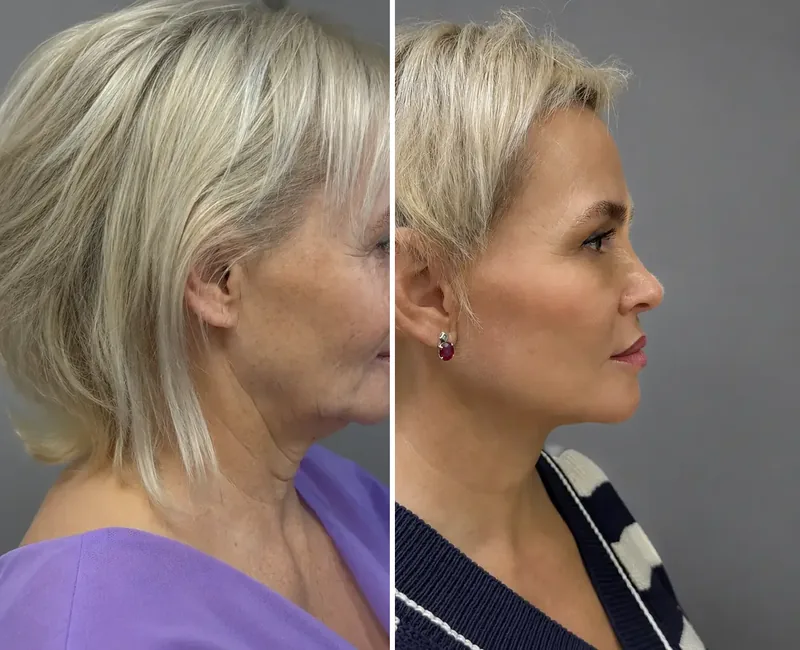

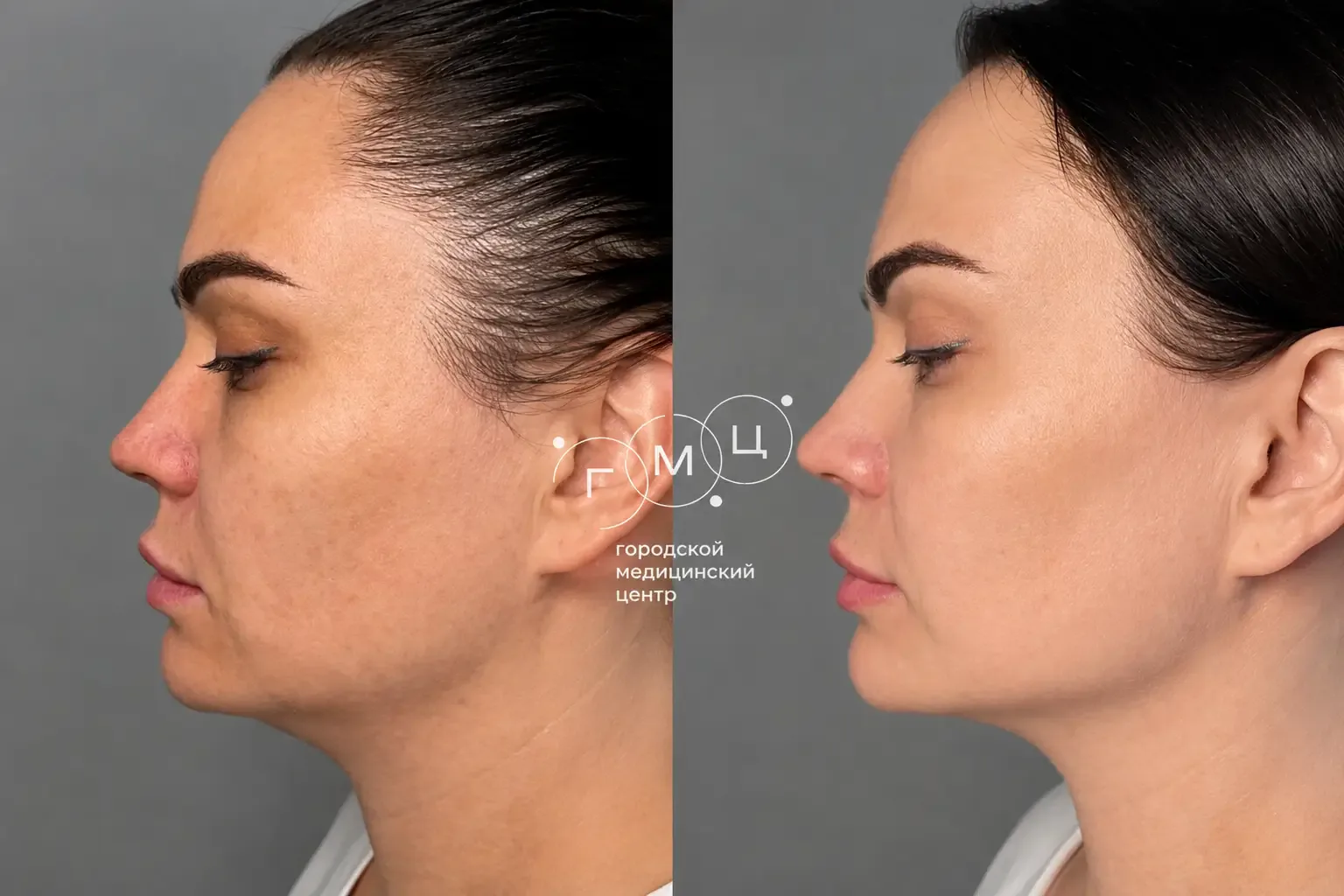
50 years
9 months
SMAS facelift
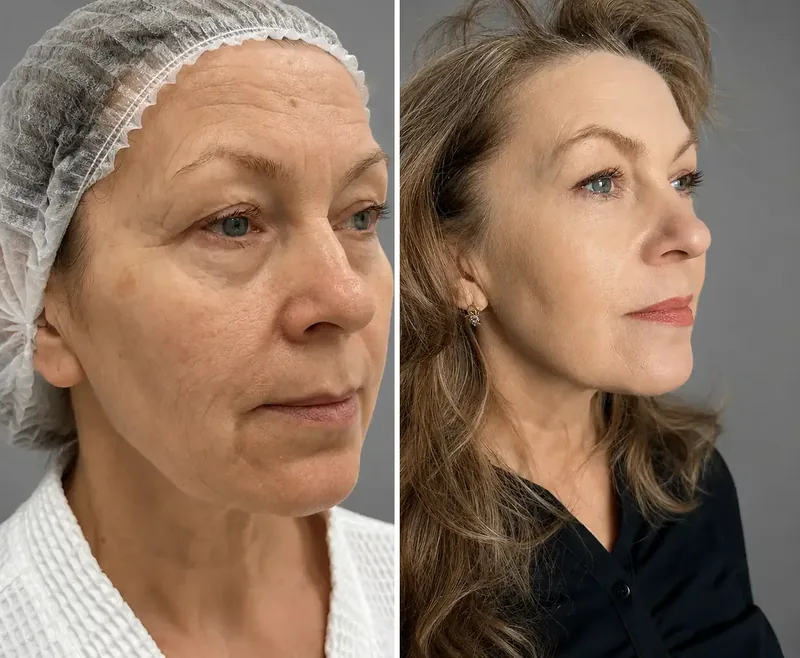
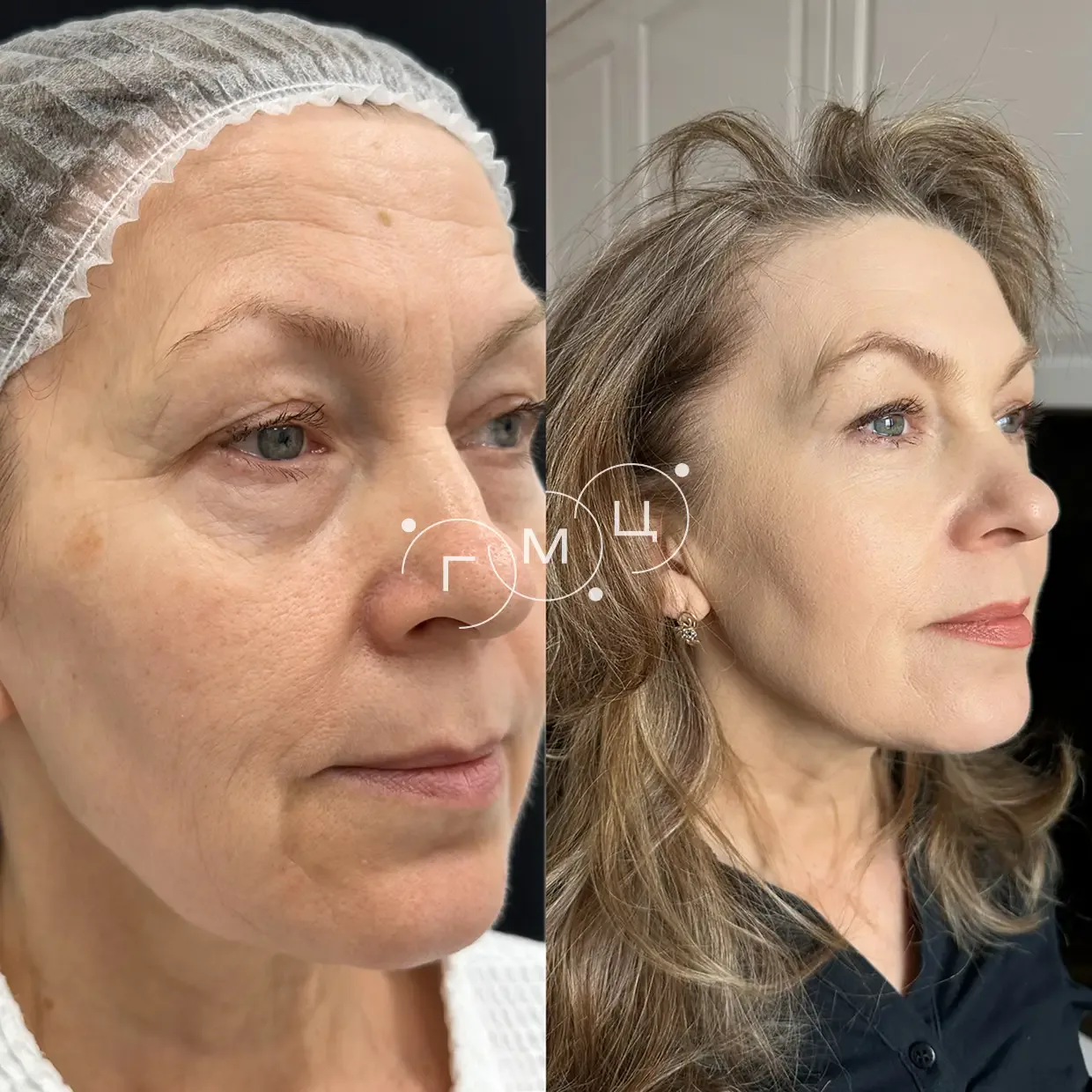
58 years
8 months
SMAS facelift
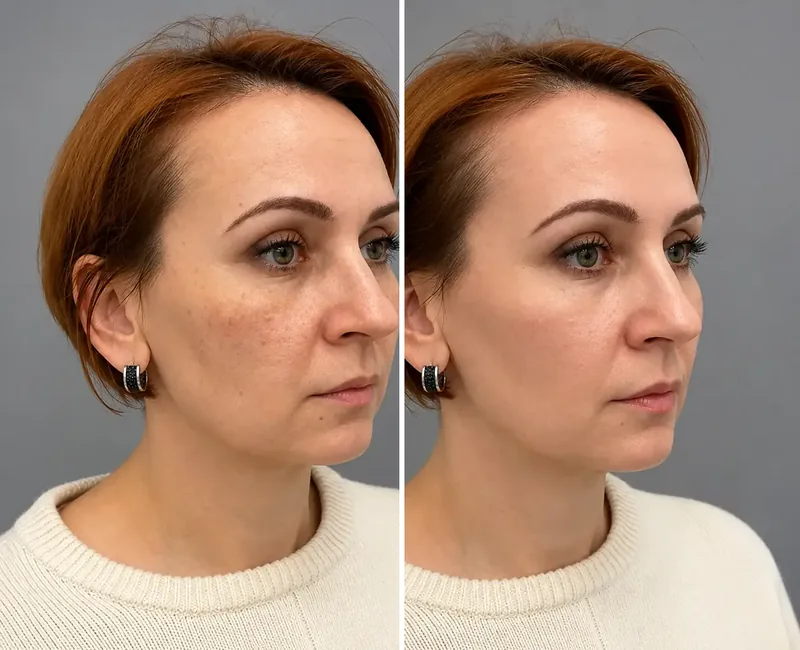
34 years
5 months
SMAS facelift
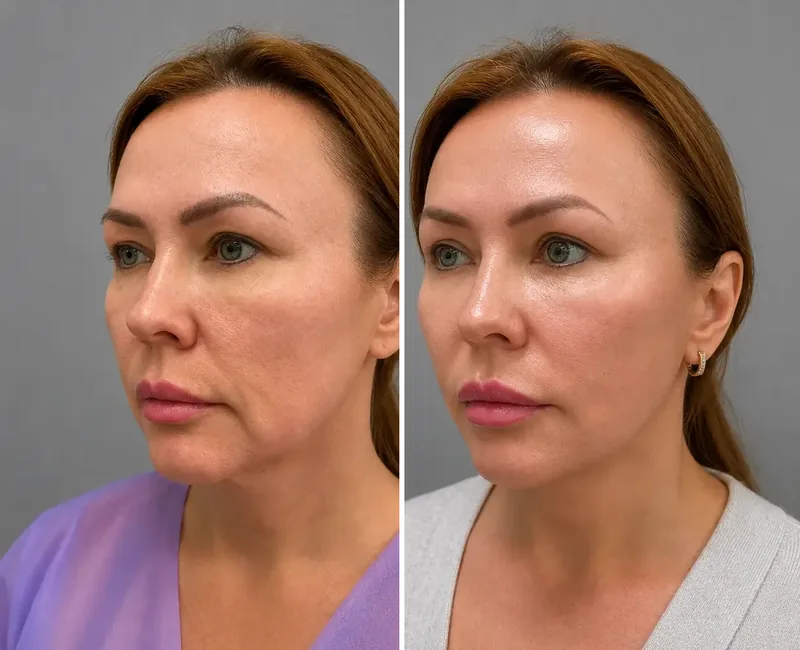
32 years
7 months
SMAS facelift
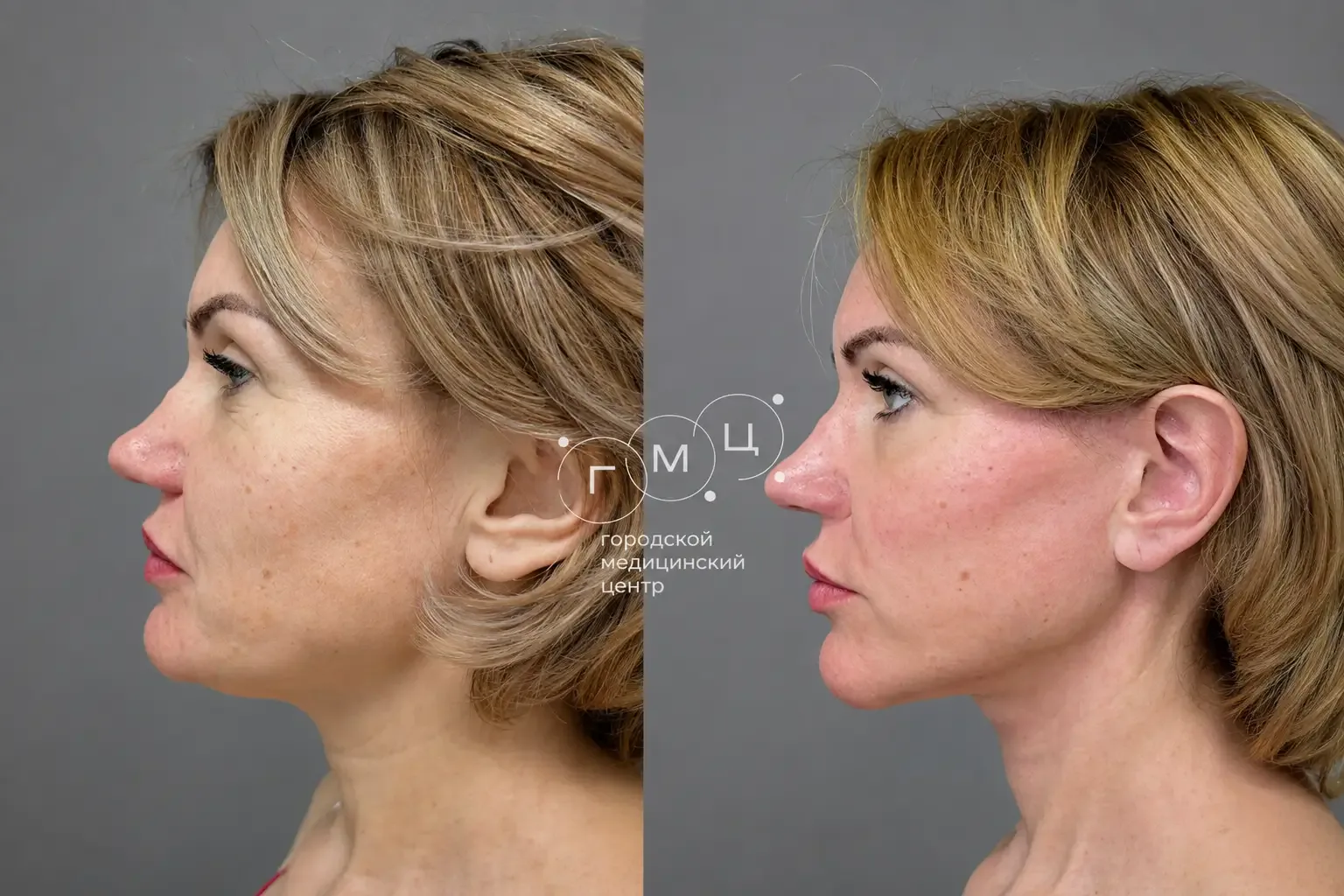
40 years
6 months
SMAS facelift
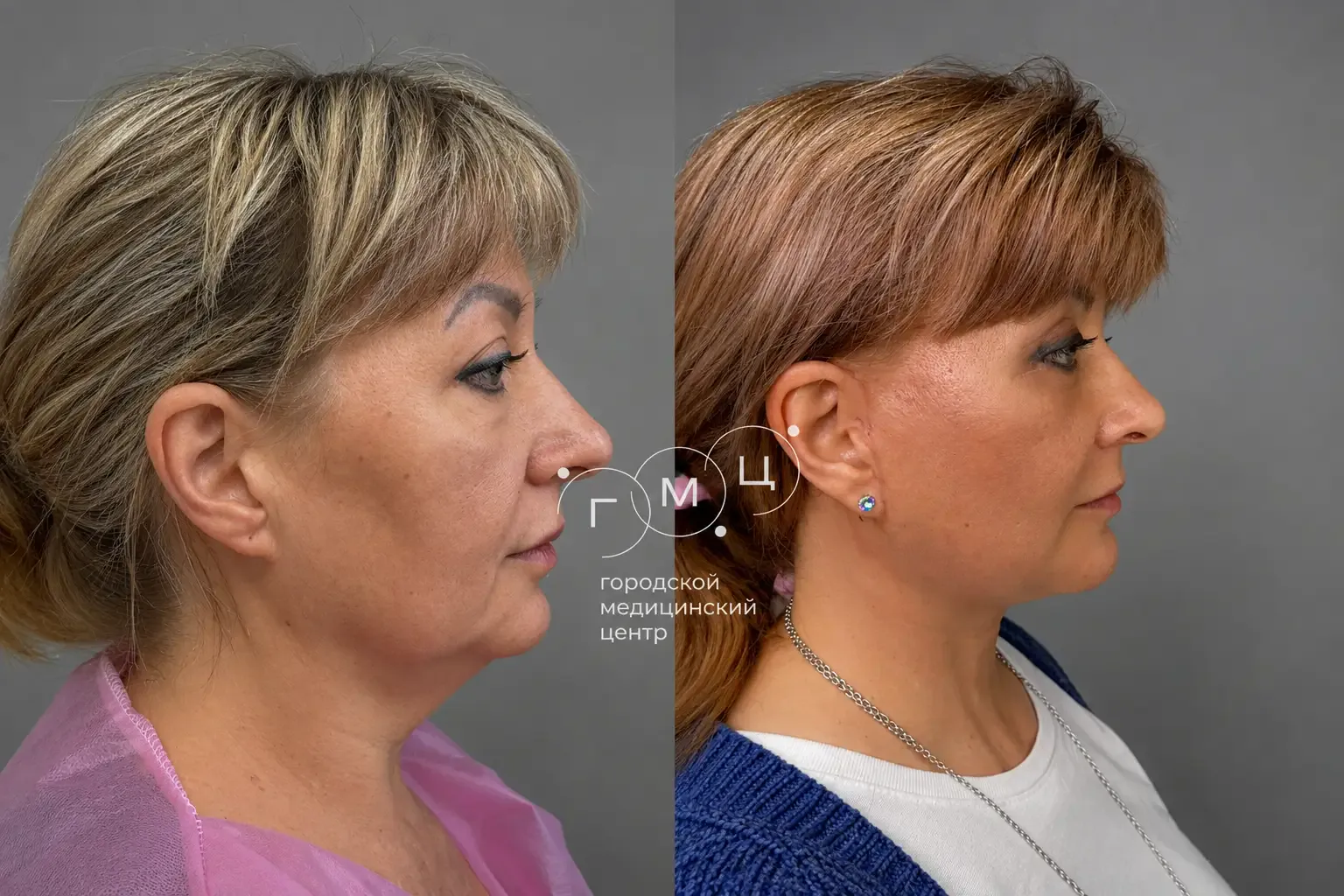
45 years
8 months
SMAS facelift
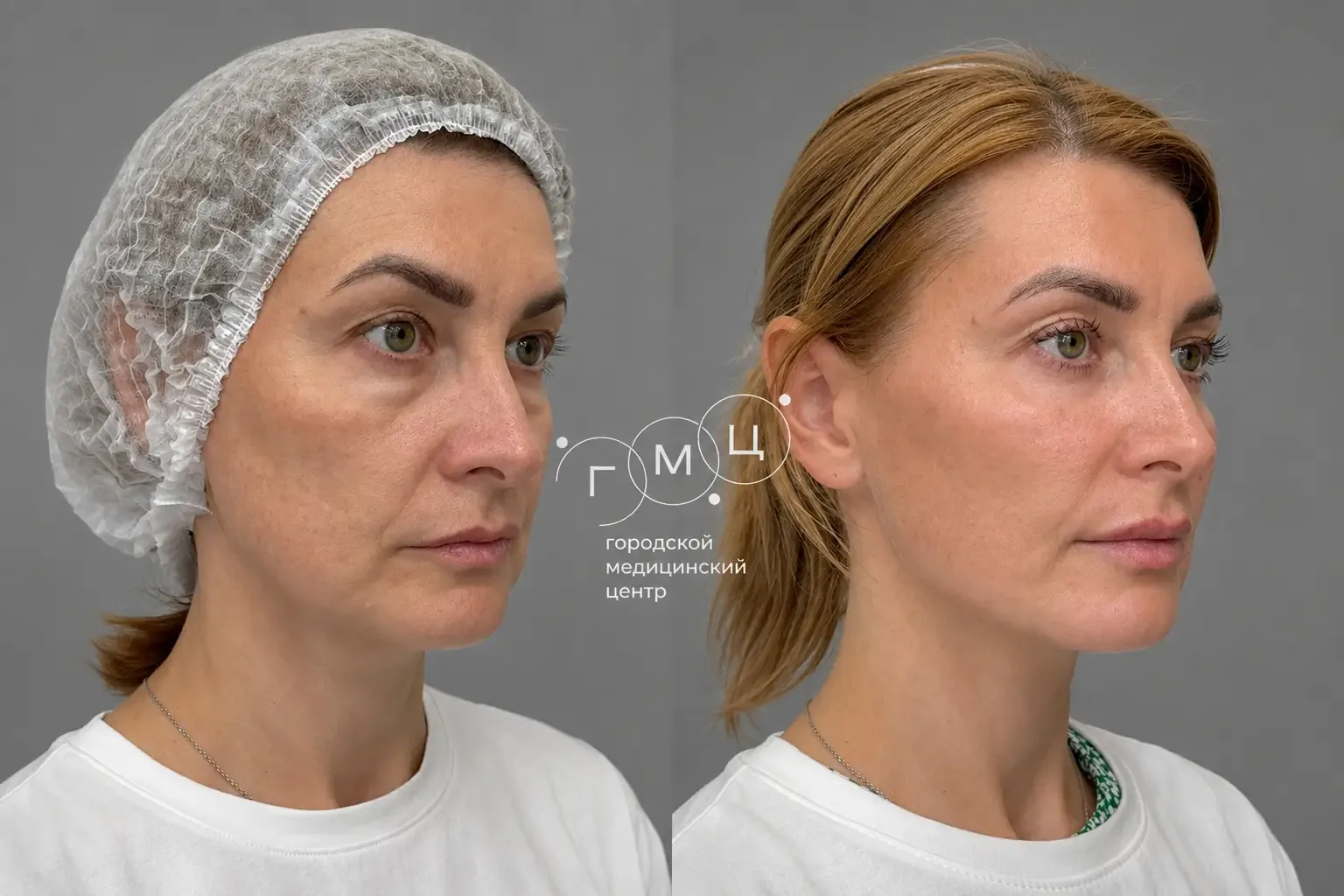
38 years
5 months
SMAS facelift
33 years
6 months
SMAS facelift
50 years
9 months
SMAS facelift
58 years
8 months
SMAS facelift
34 years
5 months
SMAS facelift
32 years
7 months
SMAS facelift
40 years
6 months
SMAS facelift
45 years
8 months
SMAS facelift
38 years
5 months
SMAS facelift
33 years
6 months
SMAS facelift

Noticeable sagging of the face and neck
A loss of jawline definition, jowls
A double chin with loose skin on the neck
Deep nasolabial folds and marionette lines
A heavy, tired look from drooping brows
A marked loss of skin firmness after 40
Looking for a result that lasts (7–10 years)

Being under 30
Skin in an acute inflammatory state
Being pregnant or currently breastfeeding
Severe heart and vascular disease
Impaired blood clotting
Cancer
Decompensated diabetes
About facelift surgery for patients from Batna
What is the difference between a standard and a SMAS facelift? A skin-only lift affects just the top layer and gives a short-lived effect. A SMAS facelift is deeper surgery: the surgeon lifts and secures the facial muscle and fascia layer, addressing weakened ligaments and descended muscles. For anyone researching a facelift in Batna, that depth is what makes the outcome natural and long-lasting.
Timing is easier to plan when you know the milestones: a week to ten days of rest, two to four weeks until swelling and bruising fade, about two months to full recovery and three to six months for the final look. The clinic offers flexible booking and a personal approach, so Batna patients can fit the consultation, surgery and check-ups around a busy schedule.
A facelift costs from $2,400 (≈ DZD 325,000). For patients from Batna, the price includes a one-to-one consultation, a highly experienced medical team, combined inhalation anaesthesia, a stay in comfortable inpatient rooms, 24/7 monitoring by medical staff, meals during your stay, personal support before and after surgery and a year of follow-up by your plastic surgeon. Start with a free consultation.
Stories of well-known people
Well-known people who spoke openly about this operation, in their own words.
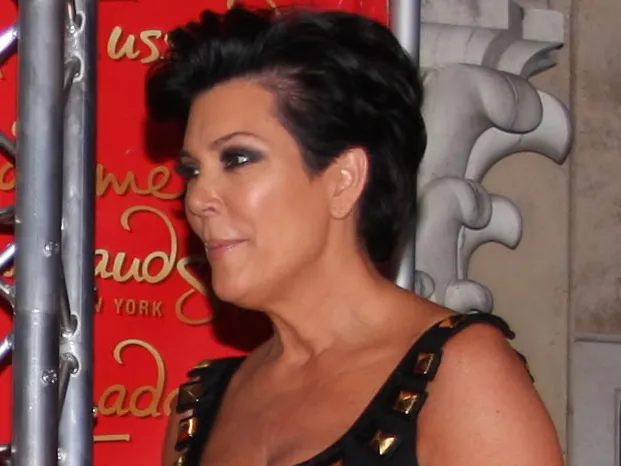 Kris Jenner’s facelift: “I love my facelift”Kris Jenner said she had a facelift about 15 years ago and a refresh before turning 70 — and that she loves it. How a SMAS facelift and recovery work.
 Did Vicki Gunvalson have a facelift? Yes, and she showed the result herselfVicki Gunvalson had a facelift in May 2018 after deciding fillers no longer looked like her. Her own words, how a facelift works and recovery.
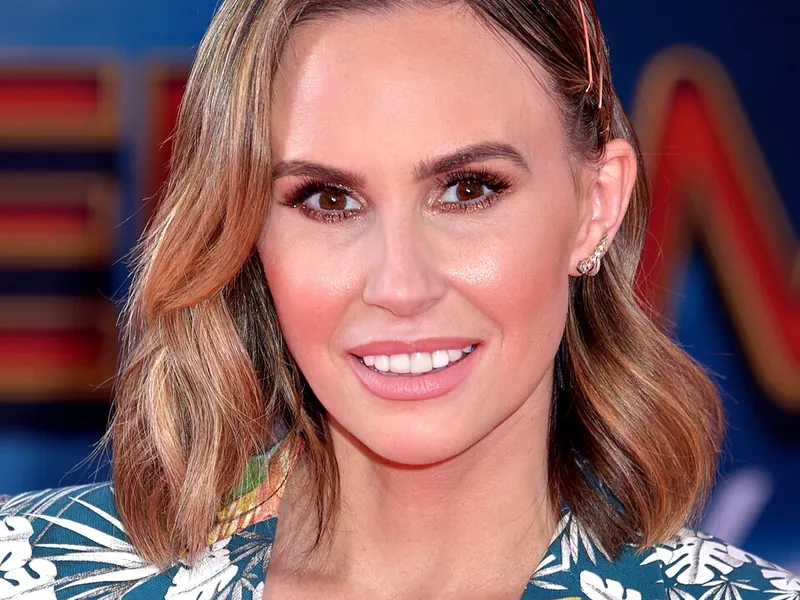 Keltie Knight’s facelift: why she decided to “just own it”Keltie Knight had a facelift in 2023 at 41 and chose to talk about it openly. What she said, how a SMAS facelift works and what recovery looks like.
 Did Linda de Mol have a neck lift? Yes, and she wrote about it herselfLinda de Mol wrote in LINDA. in 2025 that she had a neck lift. What she said, why she chose to be open, and how a face and neck lift works today.
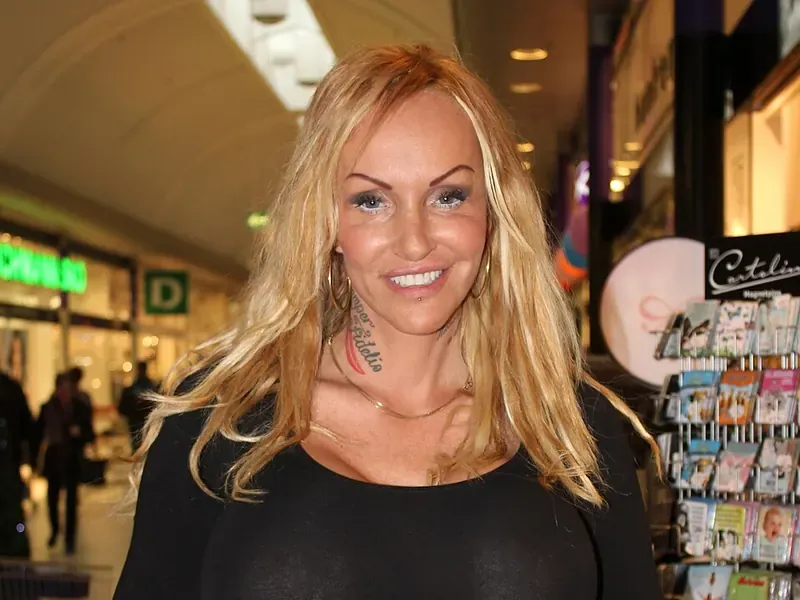 Linse Kessler and her facelifts: what she said herselfDanish reality star Linse Kessler has said openly that she has had several facelifts. Her words, how a modern facelift works and what recovery involves.
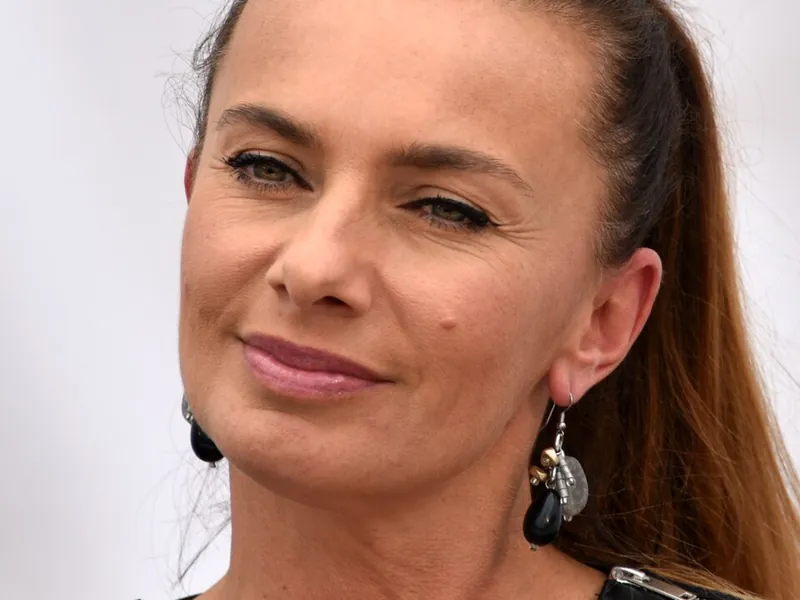 Did Alice Bendová have a facelift? Yes, and she explained why herselfAlice Bendová confirmed a deep plane facelift in September 2026. Her words, how a facelift works, who it suits and what recovery looks like.
Jawline, Neck, Cheeks: Naming What You Want Changed
Before photographs, write three honest lines. Where does the face look different to you: the cheeks, the jowls, under the chin, along the neck? How long ago did you notice it? And do side photographs bother you more than the mirror? A facelift mainly addresses the lower face and neck, not every sign of age, and a patient who can name the area gets a sharper first answer. Keep your expectations honest: some people mean a lighter procedure when they say facelift, others want more than one operation can give, and the coordinators will help sort that out before it turns into disappointment.
Then photograph yourself in daylight beside a window, hair pulled back, no heavy make-up and no glasses: one front view with a calm, unsmiling face, two full profiles, and one from below showing the jawline and neck. Use the rear camera from about a metre and a half, because the selfie lens distorts proportions. Send everything to the coordinators on Telegram or Telegram; they answer day and night.
The surgeon also needs your history with the sun, with smoking and with weight changes, because those shape skin quality. Batna sits at 1,048 metres in the Aurès, where sun is strong and the air dry, and years of outdoor life leave a mark. Mention it. The doctor is interested in how you have actually lived, not only in your age on paper. If you have an old photograph from ten or fifteen years ago, add it. It helps the surgeon see what you mean by looking like yourself and makes the conversation about the desired result far more realistic.
Nothing in this first exchange commits you to anything. You receive an initial reading that tells you whether a facelift suits your case or whether something lighter might fit better, and which checks the surgeon will want. Take the reply home, talk it over with someone you trust, and return with sharper questions a day or two later.
General Inhalation Anaesthesia: Packing, Fasting and Who Comes With You
The operation is performed under general inhalation anaesthesia, so the anaesthetist needs a full picture of your health before the date. List every medicine and supplement you take, every allergy and every earlier operation, and tell him about blood pressure, heart or asthma problems. Send the list early. It lets the team arrange any extra tests without delaying the day itself. Find out which pre-operative tests are required and whether they can be done in the city. Gather old reports into one folder; saving time here avoids a postponement later.
Ask exactly when you must stop eating and drinking, and write the times on paper for your companion too. Many people treat a morning glass of water casually, and that small lapse can postpone an operation you have prepared for weeks. The rules look strict because they protect you under anaesthesia, and the coordinators will repeat them as often as you ask.
Pack a front-buttoned shirt that does not pass over the head, a soft scarf, a small towel and lip balm. At home, prepare two or three pillows so you can sleep with the head raised, which helps swelling in the first nights. If your hair is long, ask when and how it may be washed and styled afterwards. Agree with the team on how contact will work on the first day: a short message morning and evening, a call, or a photograph. Writing that arrangement down removes tension for everybody.
Agree beforehand who stays with you on the first and second days, who telephones the coordinators when needed and who collects medicines. A face wrapped in dressings and a body tired from anaesthesia make reliance on others perfectly natural. In a large family, nominate one calm person as the single point of contact so information does not scatter. Do not expect to feel yourself on the evening of the operation. Sleeping long after anaesthesia is normal, so keep the house quiet and slightly dim and leave upsetting news for later.
Two Months at Home: the Slow Quiet Work of Healing
Full recovery takes about two months, and the weeks differ. First come swelling and bruising, then tightness and an odd feeling in the skin, then a gradual return of normal sensation. Do not judge the face in the first week; it is at its temporary worst and still on schedule. Keep a daily note of what you observe, so that later you can compare days rather than rely on memory. Do not compare yourself with anyone who went through it before you. Swelling and bruising differ from face to face, and the only useful comparison is with your own pictures from the previous days.
January in Batna is cold, with highs around 9.8 degrees and lows near 0.7, and indoor heating is dry. A winter patient needs a room that is warm without being stifling, a humidifier or a bowl of water, and clothes that open at the front. Do not sleep beside a heater. Ask the surgeon which moisturisers are acceptable in the early weeks. Avoid very hot drinks and hard food in the first weeks if the surgeon advises it, and ask what to eat. Soft, low-salt meals help swelling and spare a tired jaw.
In summer, July highs reach about 33 degrees, and the sun in the Aurès is unforgiving on healing skin. Avoid direct exposure, wear a wide-brimmed hat and, once permitted, sunglasses, and ask what sunscreen to use and when to start. Treat the skin around the ears with particular care, and put nothing on the incision lines that was not recommended.
When it is time to return to people, whether an office, a lecture hall or a family table, take as many days as you need. Agree with the coordinators on photograph updates in the first, second and fourth weeks, and know whom to call if pain increases or swelling is uneven between the two sides. Nobody will think less of you for taking a quiet month. If you teach or work in administration at one of the two universities, agree on enough time off with your superior and prepare a medical note early. Do not return to long lectures or meetings until speaking feels comfortable.
Months Three to Six: a Face That Settles
The face takes its final look within three to six months. During that time the last swelling fades, the first tightness relaxes into its natural position, and scars lighten and change colour. Do not compare your face at month two with what it will be at month six. Photograph yourself monthly in the same light, from the same angle, and look at the series rather than a single picture. After month three your skin sensation near the ears and under the chin may change, sometimes as slight numbness and sometimes as itching. These are familiar stages, and the surgeon will tell you how long to expect them.
Skin care is part of keeping the result. Ask the surgeon for a short routine of washing, moisturising and sun protection, write it down, and ignore advertisements and a friend's favourite creams. In a dry highland climate where annual rainfall is only about 326 millimetres, moisturising matters more than most people expect.
At this stage many people ask about extras such as fillers or laser. Leave that question until the result has settled, and do not start anything new before the surgeon has seen you. Many treatments stacked together make it harder to read what the operation itself achieved, and that confusion helps nobody. If somebody suggests an extra procedure in the early months, ask why now rather than after the result has settled. In most cases there is no reason to hurry.
If you want to mark the result with a celebration, choose an occasion after recovery has fully ended and not before. If someone notices a change and asks, a simple reply is enough: you feel rested and well. You owe no one a medical explanation, because the details are yours to keep private. Keep your weight reasonably steady, since large changes alter the face and the stability of the result. A facelift does not stop time, but it moves your features to a better point and then goes along with you.
Registration, Specialty and Reading the Offers Like a Contract
In Algeria the medical profession is organised through the councils of the medical professions, and nobody may practise without being entered in the Tableau of the Order, the official register. Ask the coordinators for the surgeon's full name, specialty and registration number, and compare them with the official entry. An online directory could not be confirmed as open, so insist on proof in writing and not on social media pictures. When you contact an official body for confirmation, note the date and the reply and share it with the coordinators. If you cannot check yourself, ask a relative in the medical or administrative field to help.
A facelift is among the most delicate cosmetic operations and should be done by a plastic surgeon specifically trained in the face and neck. Ask about specialty, how many facelifts he has performed, whether he can show documented results on cases like yours and how he follows patients in the first six months. A clear written answer is worth more than warmth and enthusiasm. Do ask for documented results of cases like yours and make sure they belong to the surgeon who will actually operate. If someone avoids the request, keep that in mind.
Compare offers on paper: type of anaesthesia, length of stay, what the package includes, follow-up dates, who removes stitches and when. Batna began in 1844 as a garrison camp and lies near the Roman remains of Lambaesis, and anyone who lives near ruins knows that what survives is what was written down and organised. Make your plan written and orderly as well. Look at the follow-up plan: who examines you after a week, how stitches are removed, and what happens if swelling appears on one side only. Those answers say more about quality of care than any promise of result.
Finally, do not decide alone if you feel hesitant. Show the plan to a relative you trust, give yourself two days, then send remaining questions to the coordinators by night or by day. A consultation obliges you to no booking, and a calm decision is better both for the result and for your peace of mind. If you feel pressure from anyone to decide quickly, treat it as a sign that you need more time. A good decision does not fear waiting.
Is a facelift suitable after fifty?
It can be, if the skin still has enough elasticity and your general health is good; age alone does not decide. The surgeon judges after seeing photographs and hearing about your sun exposure, smoking and weight history. Send both and you will receive an initial opinion. Mention any earlier cosmetic treatment of the face as well.
Which anaesthesia does the operation use?
General inhalation anaesthesia. The anaesthetist needs a list of your medicines, allergies and previous operations before the date. Follow the fasting instructions exactly, because they form part of your safety. Do not take painkillers or supplements that you have not told the anaesthetist about.
How long does full recovery take?
About two months. The weeks move from swelling and bruising to tightness and then to normal sensation. Do not judge the face in the first weeks and keep a short daily note of what you see. If swelling looks uneven, send a photograph without delay.
When does the final look appear?
Within three to six months. A monthly photograph in the same light gives you a fair comparison. If a specific question remains, send it with the pictures to the coordinators. Keep the monthly pictures in a single folder.
Which photographs should my first message contain?
One front view with a calm face, two full profiles and one from below showing jawline and neck, in daylight with no filters or heavy make-up. Add two lines about your concern and your medicines. Pictures should be recent and unedited.
How do I confirm a surgeon's registration?
Ask for the full name, specialty and registration number and compare them with the official Tableau of the councils of the medical professions. Nobody may practise without entry in it. Ask for written proof and do not rely on advertisements. Send what you find to the coordinators so the team can help you read it.
Does Batna's winter make recovery harder?
January is cold, with highs near 9.8 degrees and lows near 0.7, and heating is dry. A warm but not stuffy room, a humidifier, front-opening clothes and raised pillows are enough. Ask the surgeon which moisturisers suit your skin. Humidify the bedroom at night if the air is dry.
When can I go back to family gatherings?
That depends on your case and the surgeon's view; usually it is wise to wait until swelling and bruising calm down. Take enough days and talk to your family in advance. If you have a date in mind, ask the coordinators for a realistic estimate. Do not accept social pressure to hurry your return.
Facelift in Batna: price and what is included
Prices are in US dollars; the amount in brackets is an approximate conversion to DZD at the rate of 02.10.2026. The final price is fixed in your contract.
- Faceliftfrom $2,400 (≈ DZD 325,000)
How much does a facelift in Batna cost?
Prices start from $2,400 (≈ DZD 325,000). The surgeon sets the final price at the free consultation, and it is fixed in the contract, with no hidden extras.
What is included in the price?
A one-to-one consultation, the medical team, anaesthesia, inpatient care with meals, 24/7 monitoring and twelve months of follow-up by the surgeon.
How do I get my exact price?
Message us on WhatsApp or Telegram using the buttons below. A coordinator will answer your questions and book a free consultation where the doctor names the exact price.
By messaging us, you agree to our Privacy Policy