


























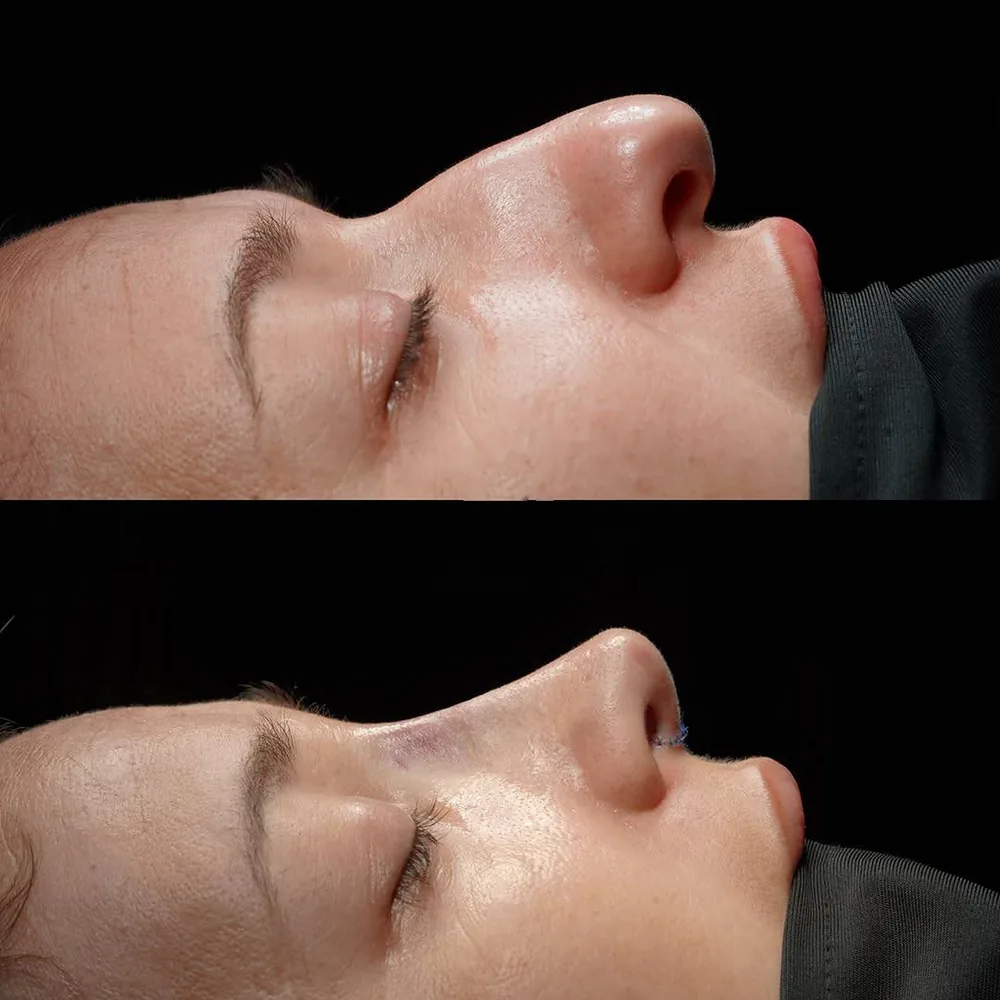
 beforeafter
Irina, 24
Rhinoplasty
Rhinoplasty
$4,200
Instead of $6,000 (≈ DZD 810,000) · First consultation — Free
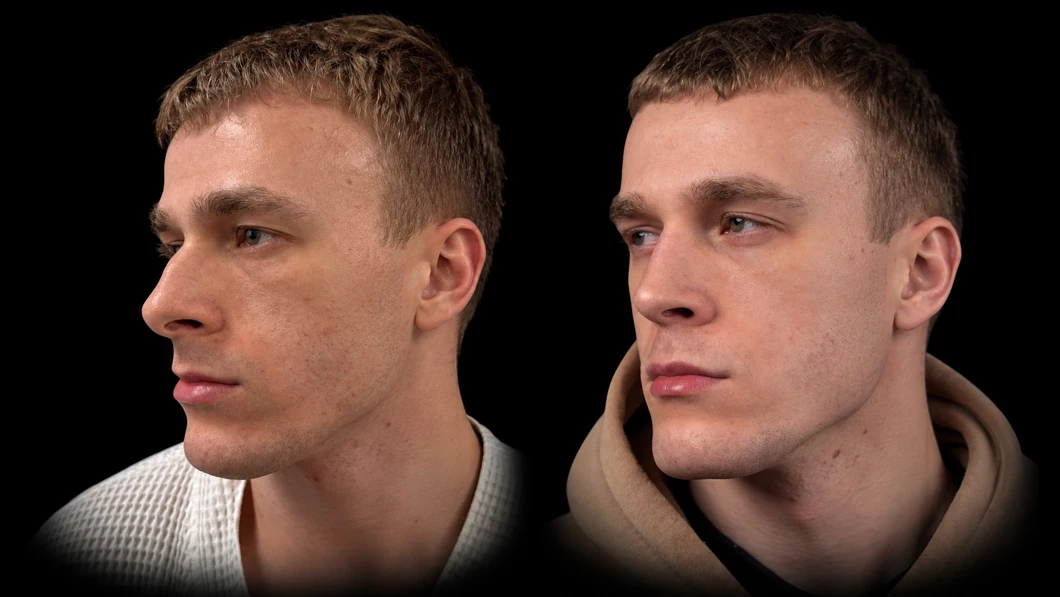
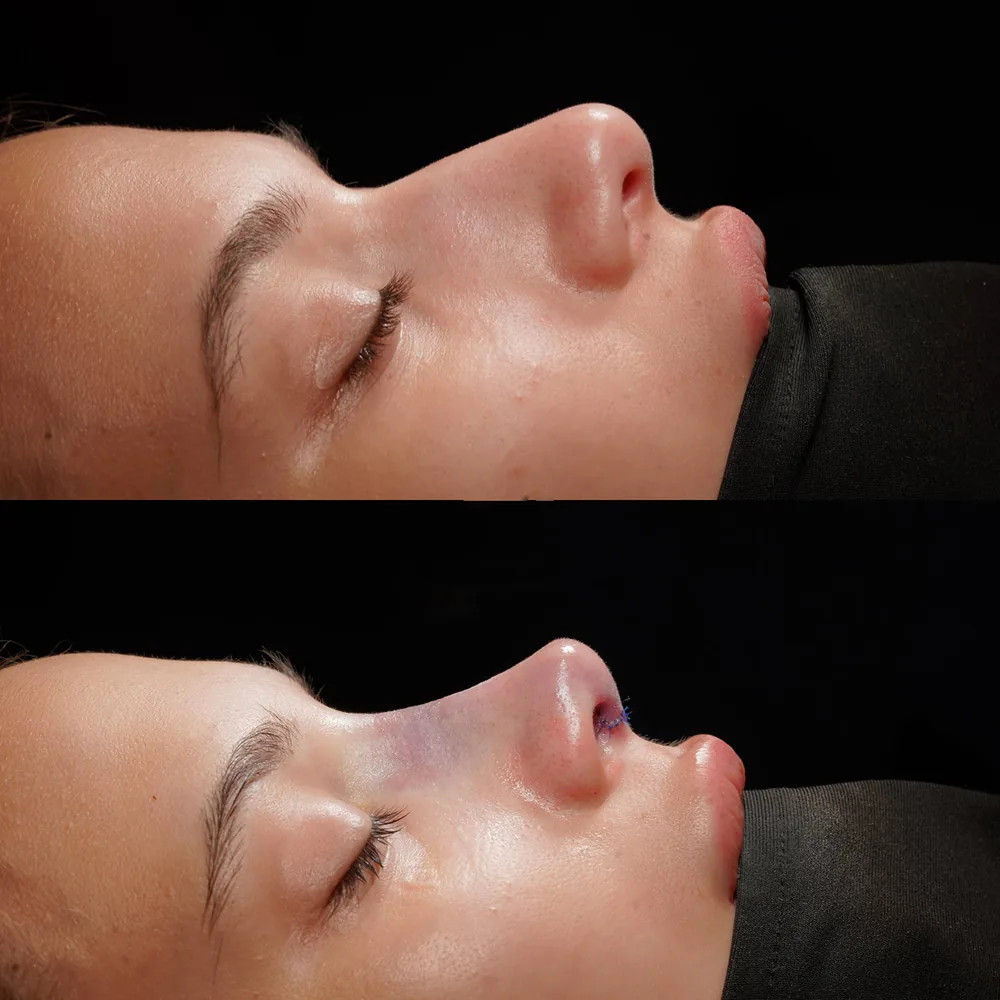 before
after
before
after
Message our coordinator
Free online consultation · Reply within 15 minutes
Message us on TelegramMessage us on WhatsAppBy messaging us, you agree to our Privacy Policy
Results
These are genuine patients treated at the clinic.
beforeafterRhinoplasty
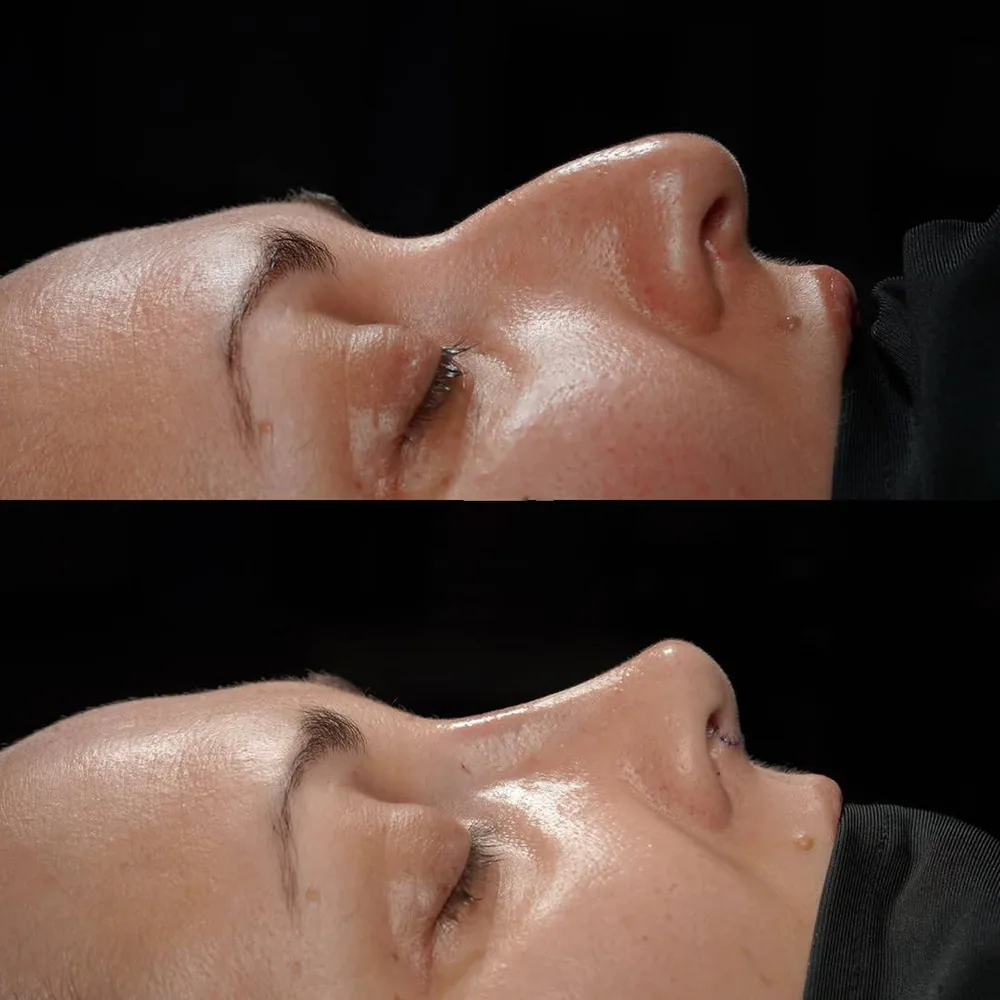 beforeafter
Rhinoplasty
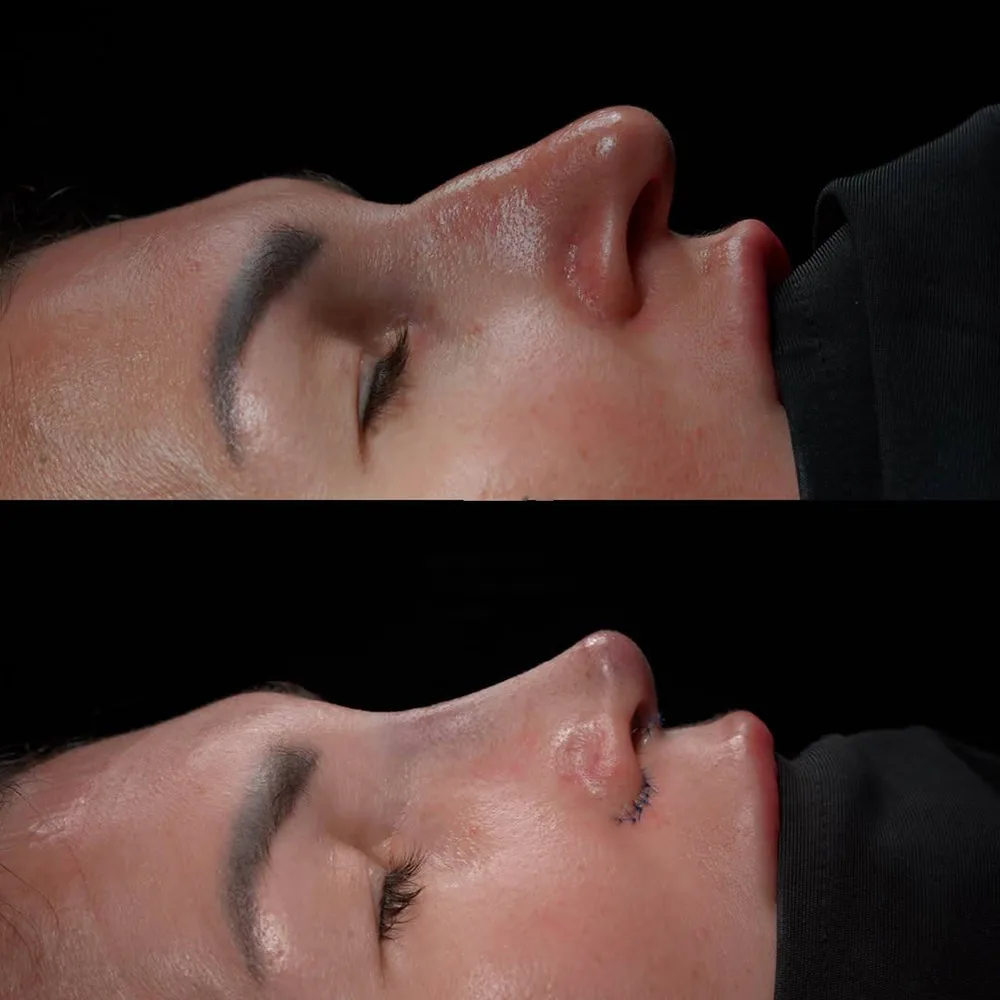 beforeafter
Rhinoplasty
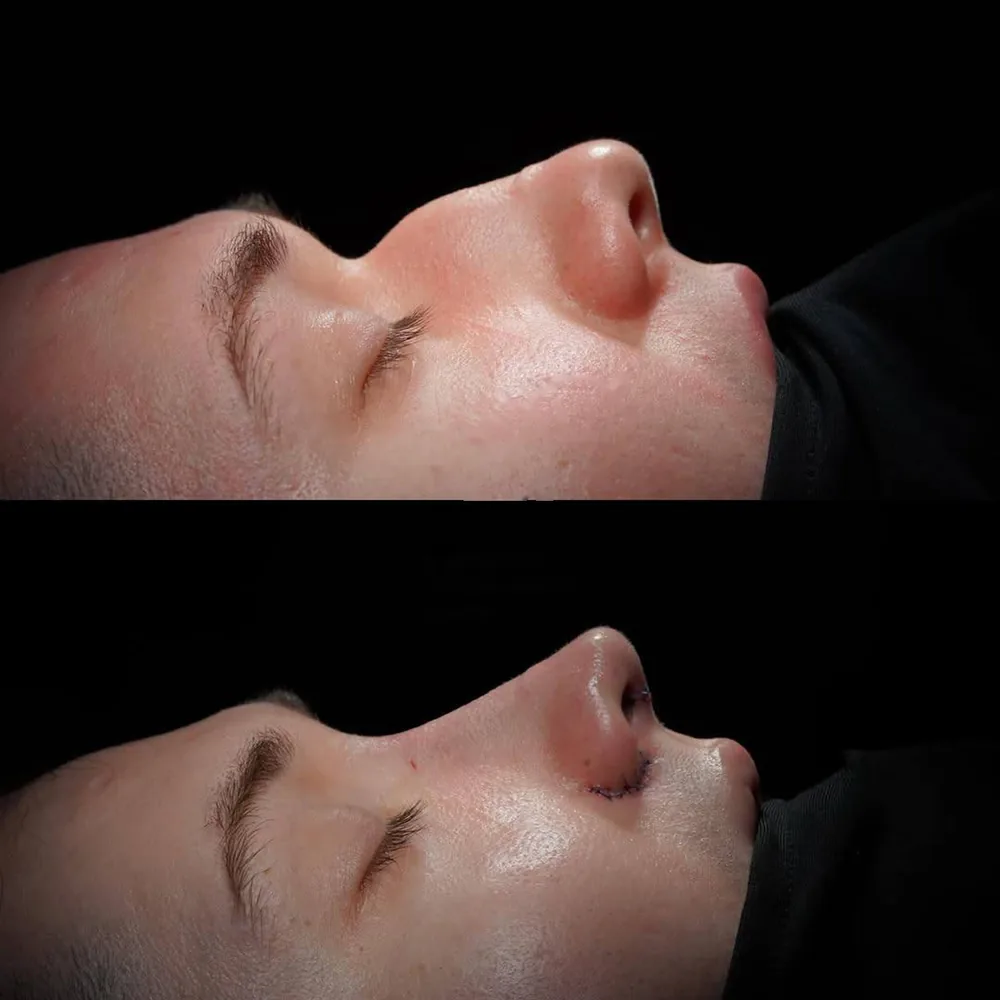 beforeafter
Rhinoplasty
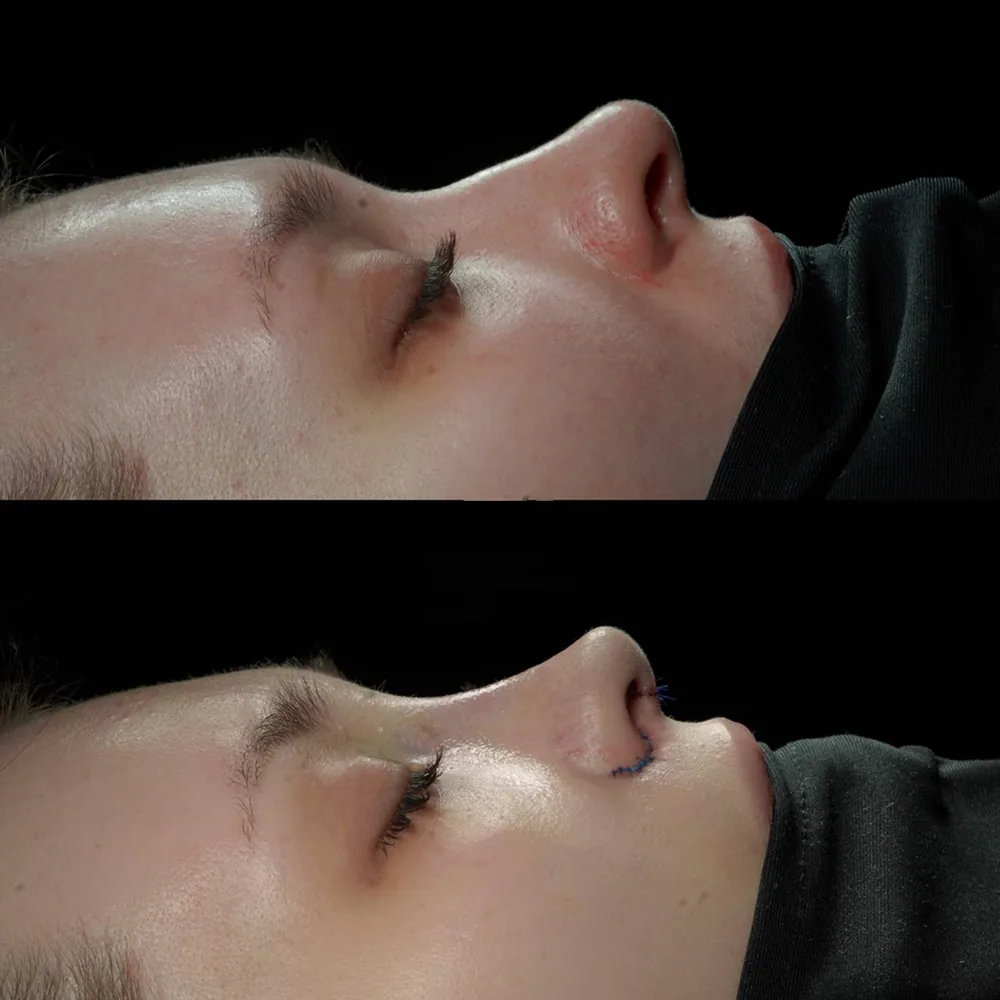 beforeafter
Rhinoplasty
beforeafterRhinoplasty
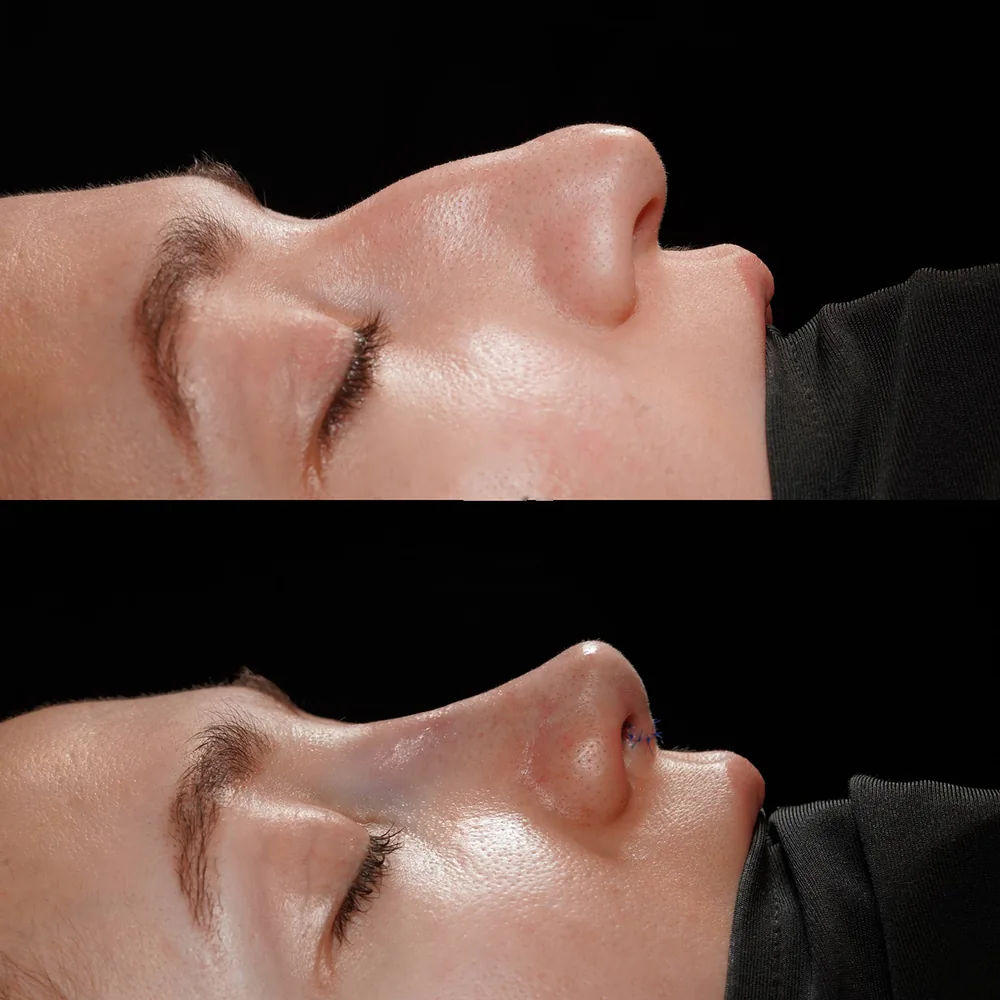 beforeafter
Rhinoplasty
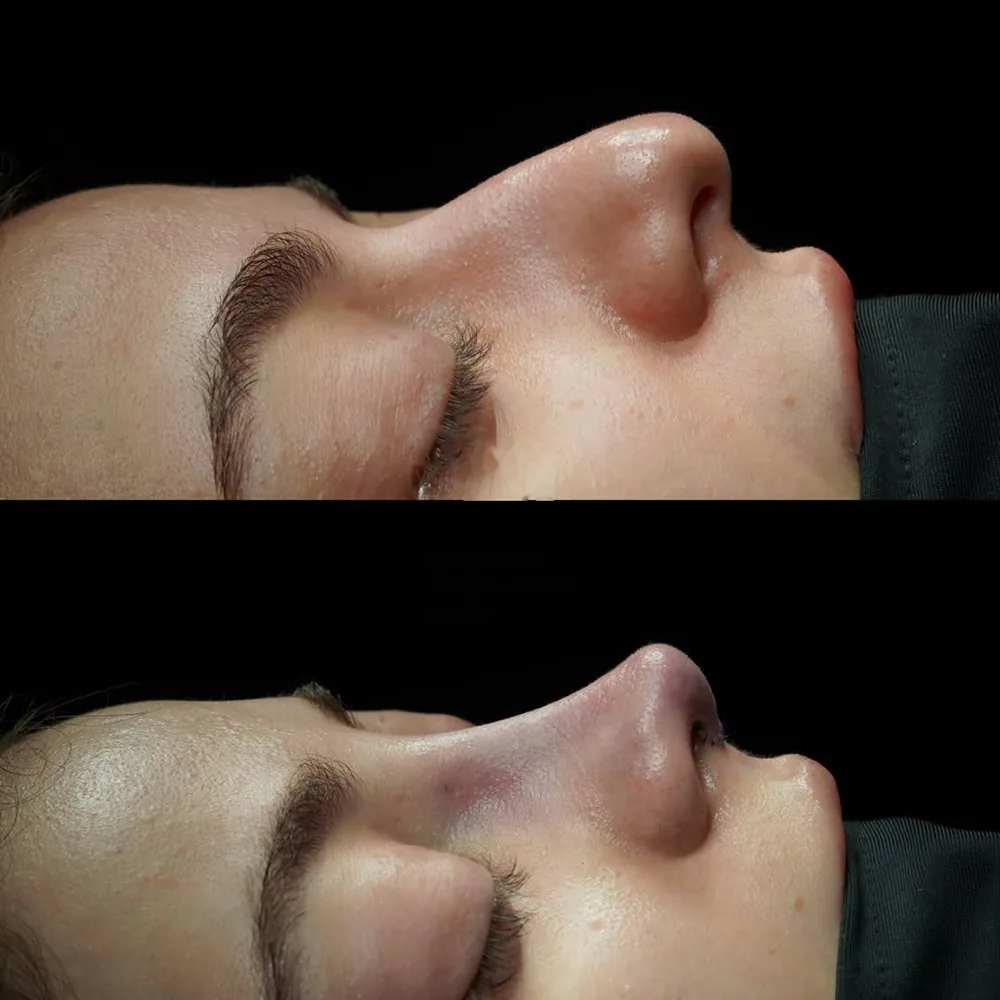 beforeafter
Rhinoplasty
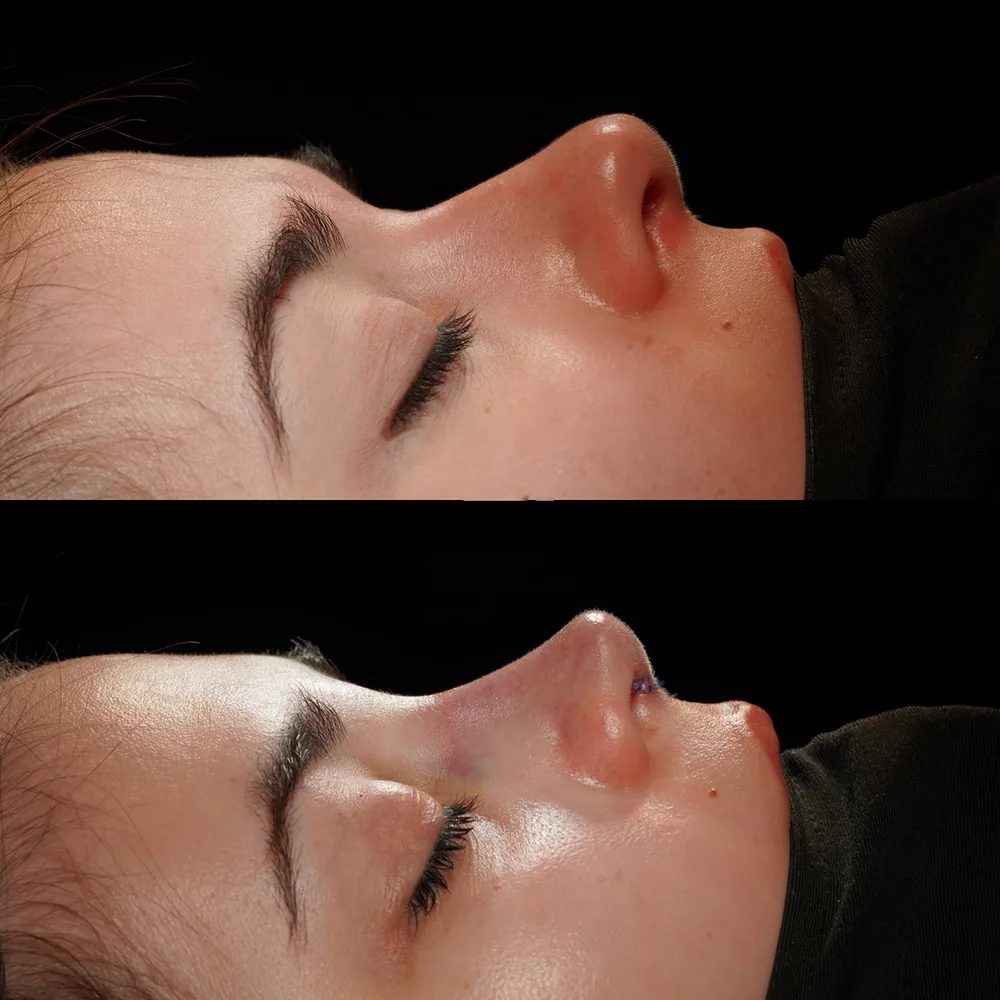 beforeafter
Rhinoplasty
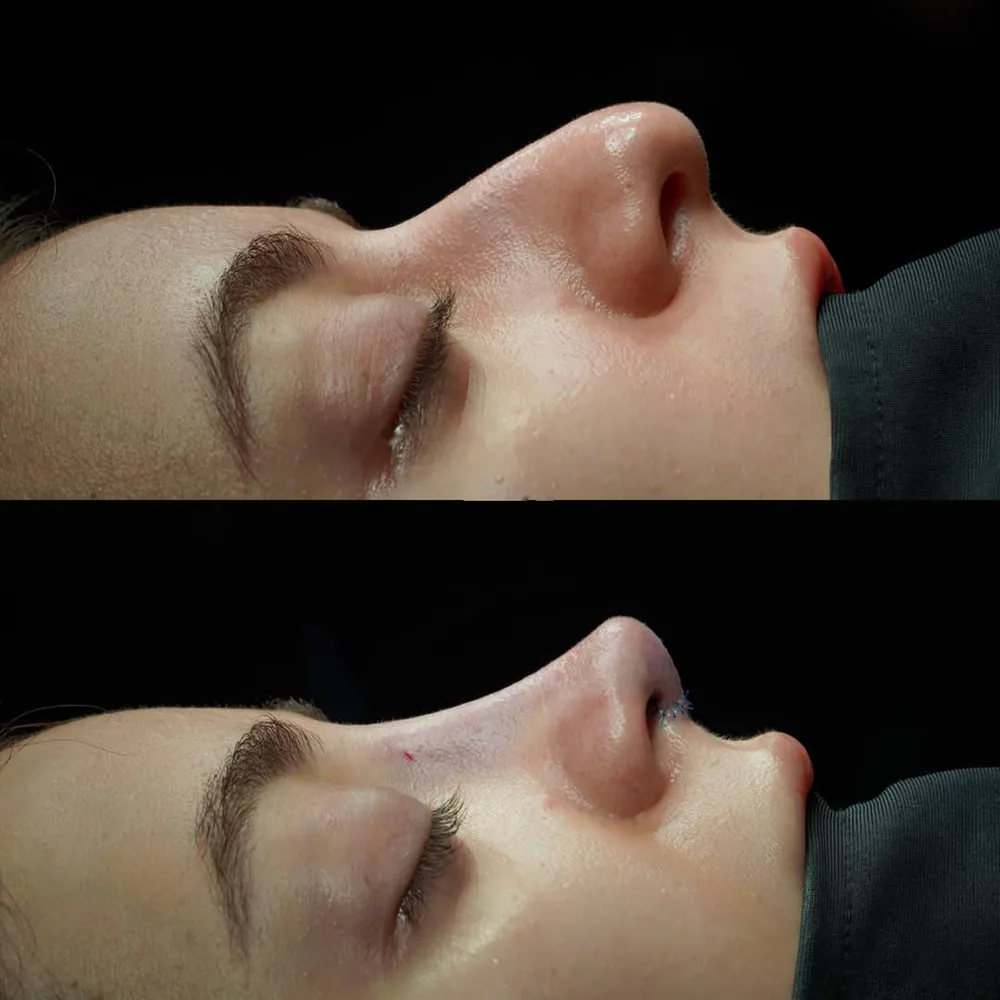 beforeafter
Rhinoplasty
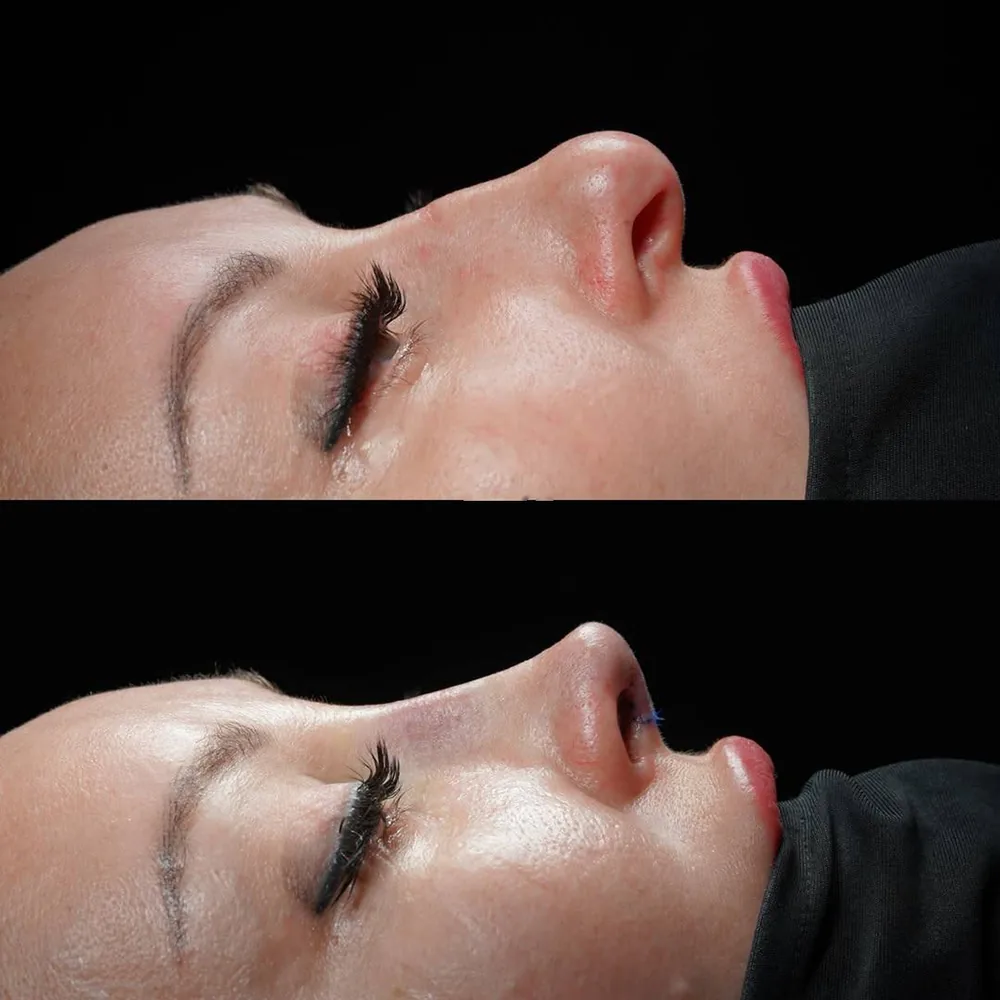 beforeafter
Rhinoplasty
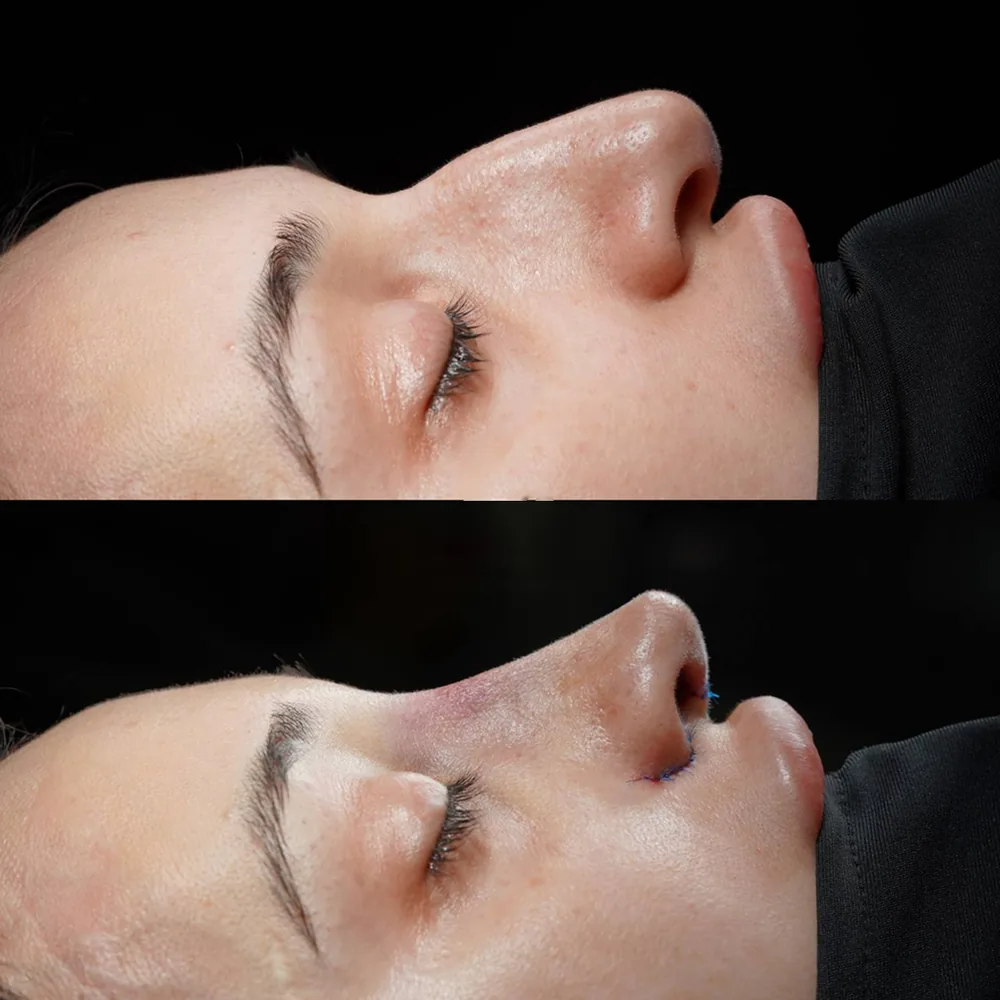 beforeafter
Rhinoplasty
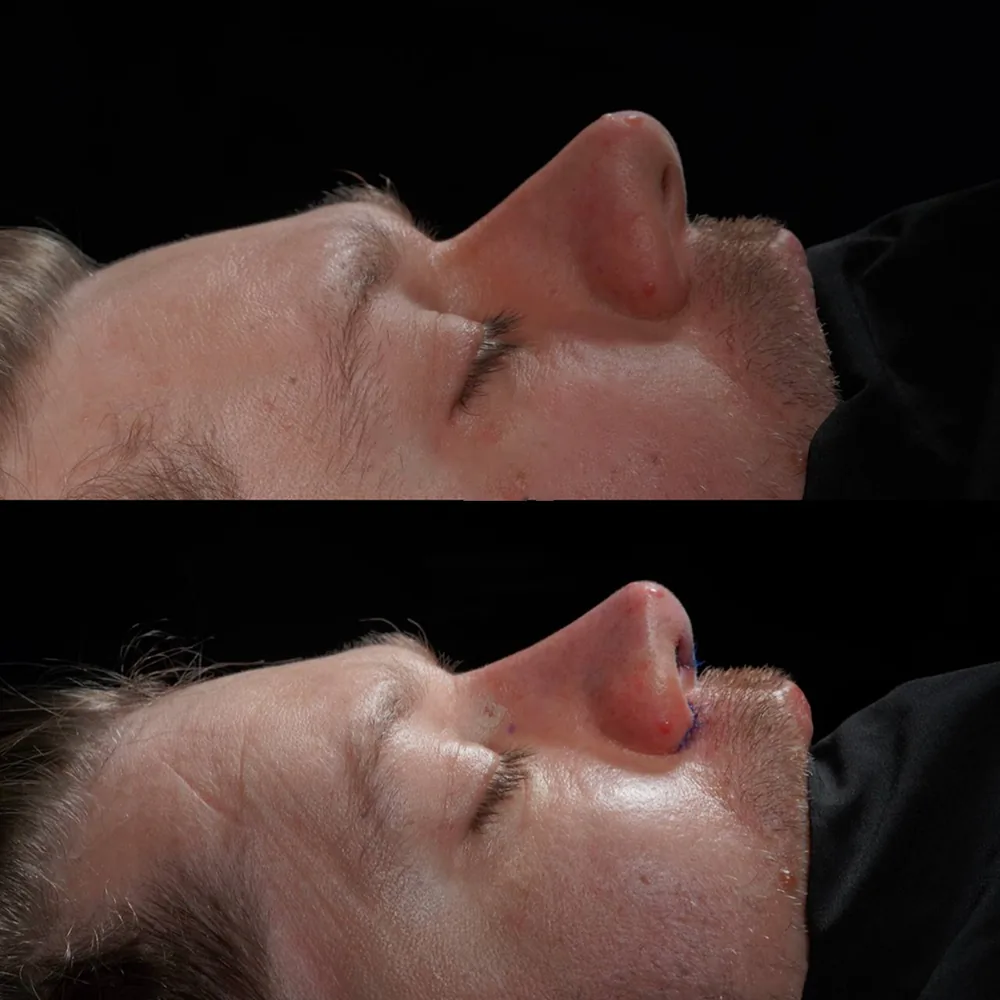 beforeafter
Rhinoplasty
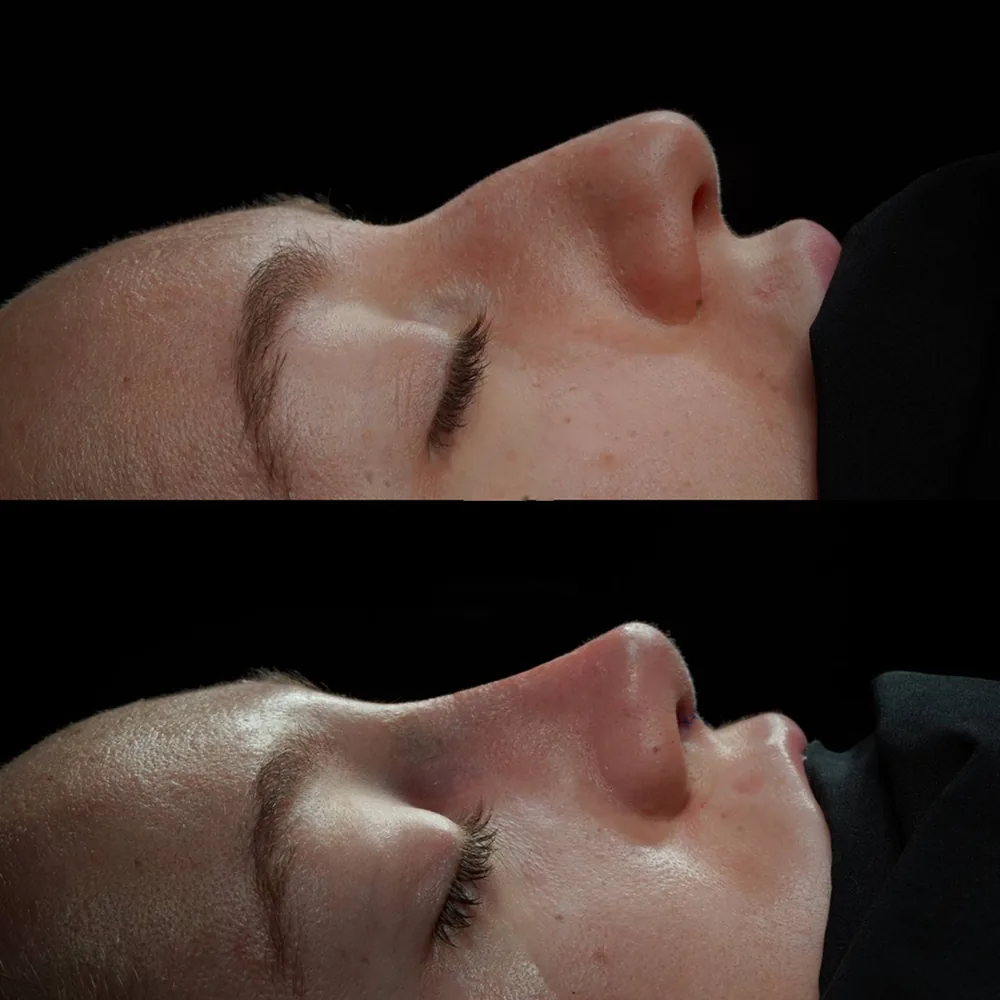 beforeafter
Rhinoplasty
Comparison
We will find the most effective solution for you and deliver an excellent result.
The first-ever surgery on the nose, correcting its shape and restoring breathing where airflow is limited.
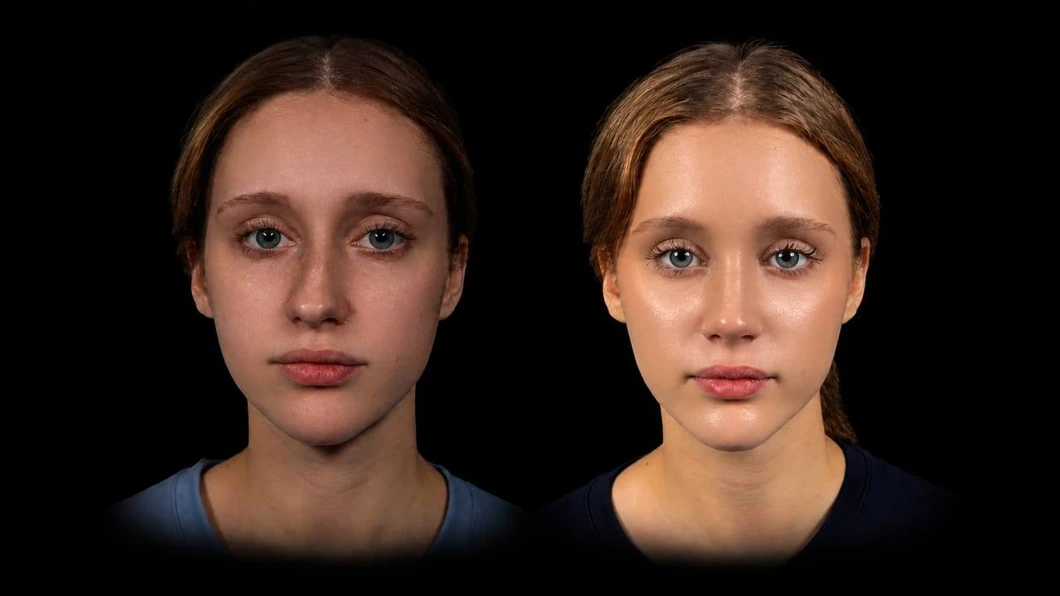
Discounted price
$4,200 $6,000
Secondary, revision surgery: repeat correction of the nose after an unsuccessful or partly successful operation. Performed no earlier than a year after the primary one.
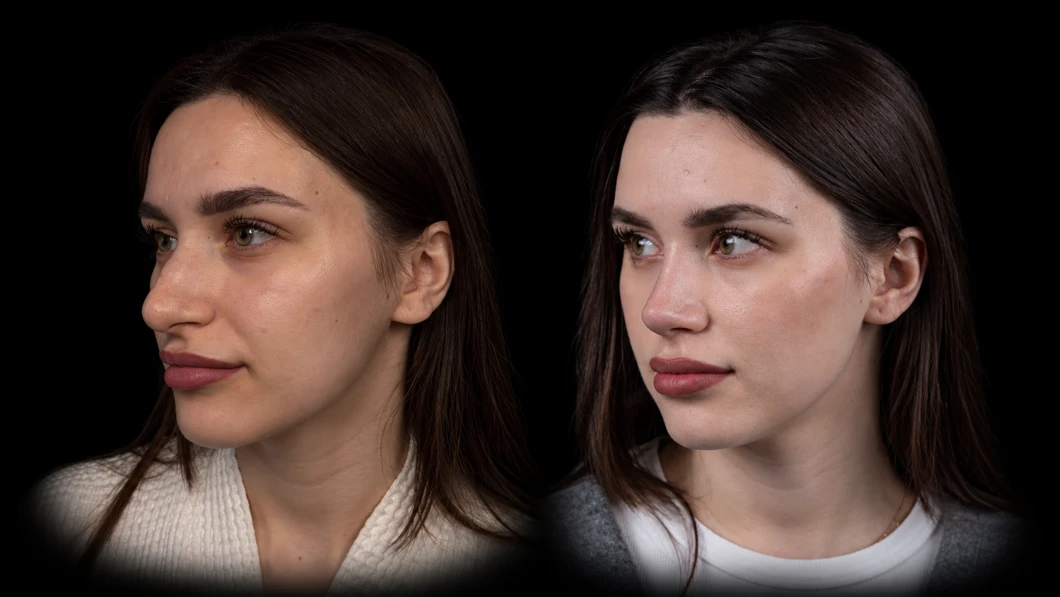
Discounted price
$5,400 $7,200
Surgery that corrects the septum while also changing how the nose looks.
Discounted price
$5,000 $6,600
Shown here are average benefits and recovery times by surgery type, for guidance only: the real extent of correction and recovery time depends on your anatomy, confirmed by the surgeon at the consultation.
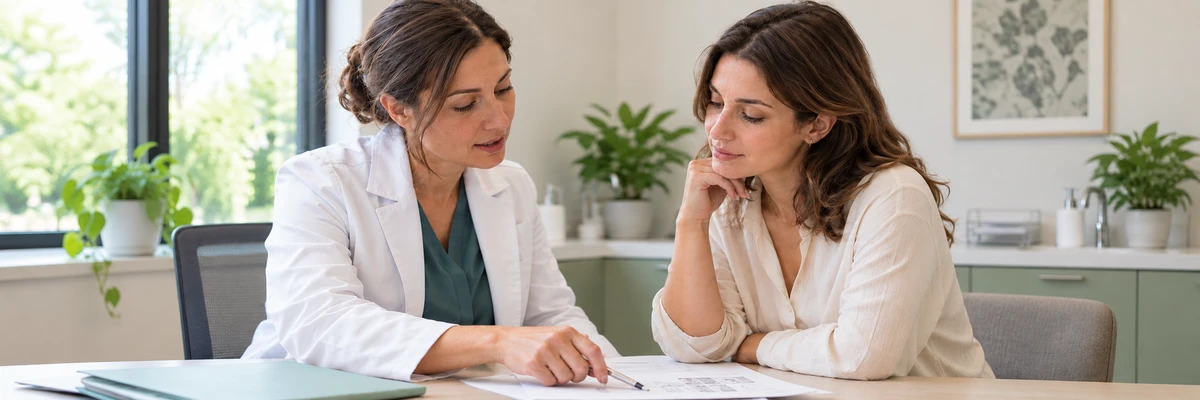
At the consultation, the doctor will build a 3D model of the expected result and explain
how your rhinoplasty will be carried out
The consultation costs nothing, takes place before surgery and carries no commitment.
Book a consultationAbout the clinic
Every patient gets modern equipment, comfortable rooms and attentive care
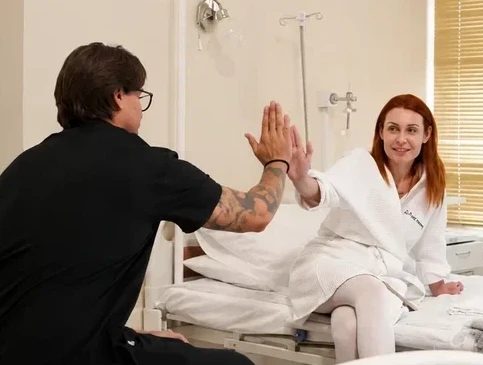
Our team answers your questions and finds a convenient consultation slot
Get a consultationIf an operation turns out not to be necessary, the doctor will say so during the consultation — you won't pay for nothing.
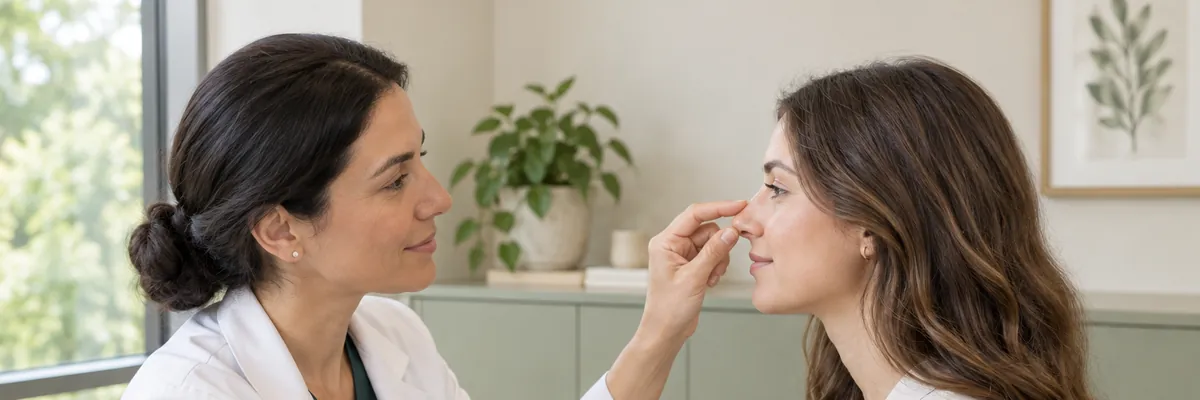
Not certain which group fits your case?
Message us on Telegram and send photos of your nose — the doctor will tell you whether rhinoplasty is right for you. Free and with no commitment to surgery.
Find out if it suits me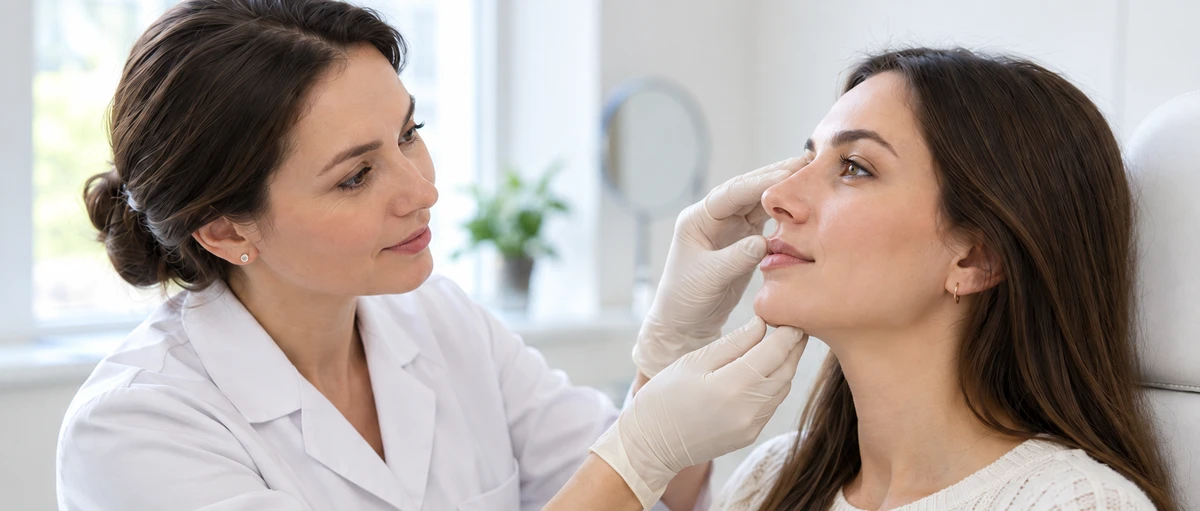
Prices
The price is given during the free consultation, following result modelling, and confirmed in the contract.
Discounted price
correcting the nose shape
$4,200$6,000
Discounted price
secondary, revision
$5,400$7,200
Discounted price
shape of the nose and the septum
$5,000$6,600
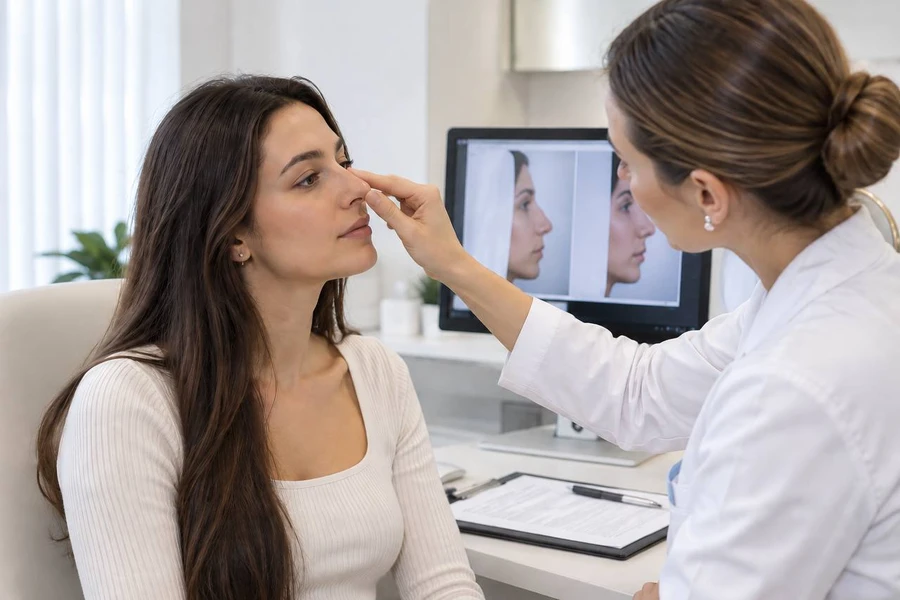
Free
a check-up by the surgeon and 3D modelling
Free
the price of surgery is confirmed
and fixed in your contract
The doctor will study your nasal anatomy, listen carefully to what you want
and propose the right correction technique. The cost is given at the consultation and recorded in the contract.
Message our coordinator
Free online consultation · Reply within 15 minutes
Message us on TelegramMessage us on WhatsAppBy messaging us, you agree to our Privacy Policy
Price
From your pre-surgery preparation
to follow-up support for 12 months.
Discounted price
$4,200$6,000Discounted price
The process
An agreed plan of correction, time under inpatient observation, and a year of recovery monitoring.
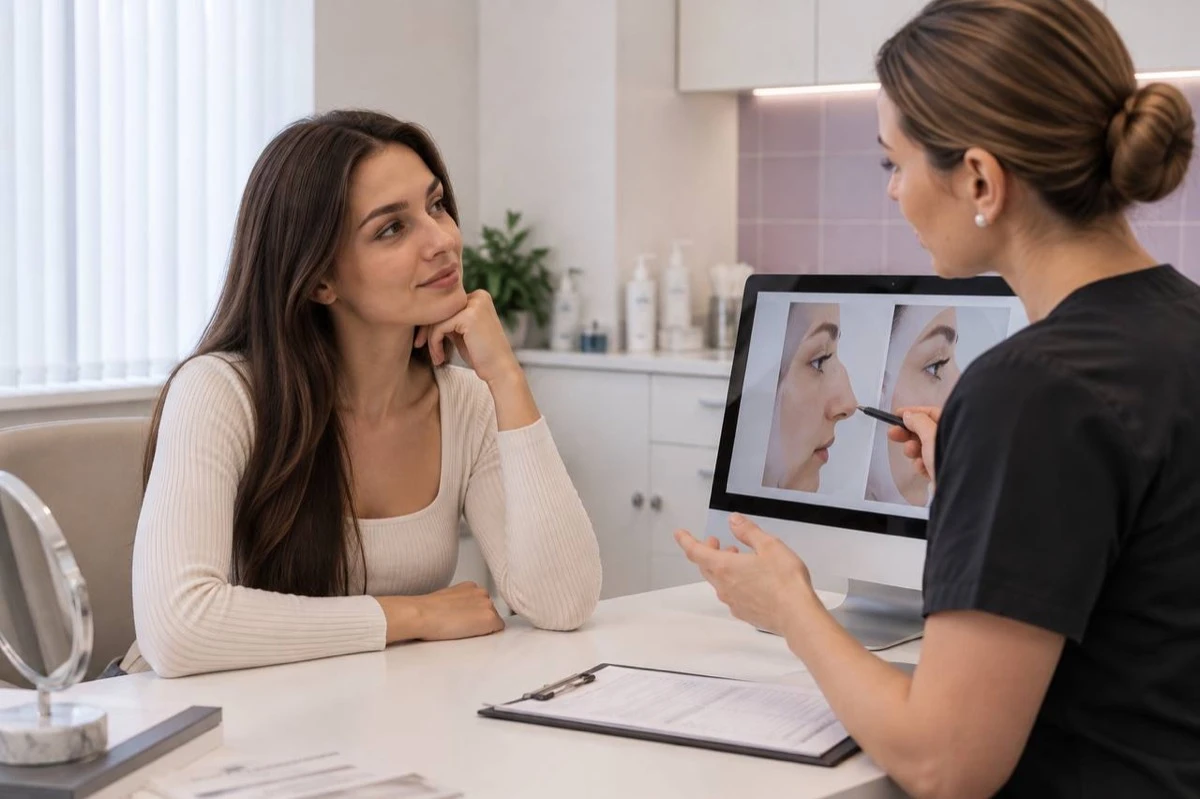
The doctor examines your nose, talks through your wishes and runs the checks needed to choose the best correction technique

We book a surgery date in your name: the deposit is payable by card at the clinic or by online bank transfer, with terms fixed in the contract for medical services
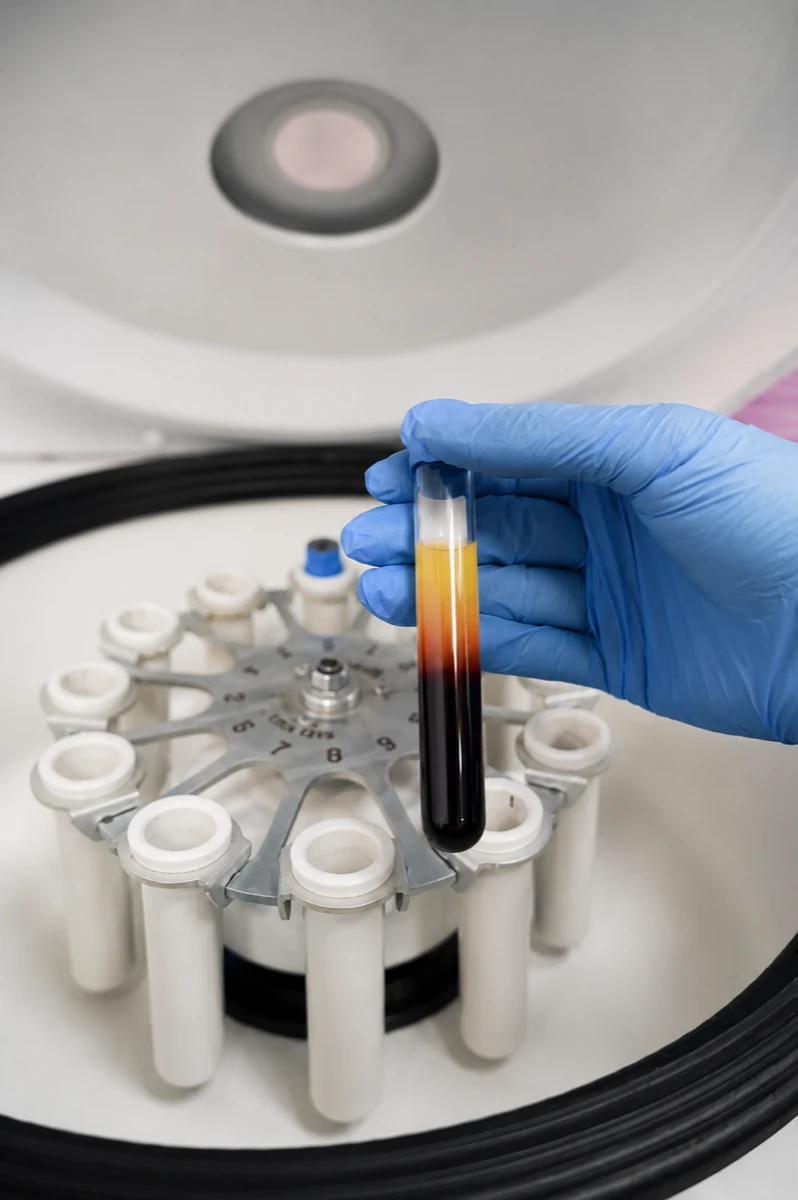
A full set of lab tests is needed before surgery: complete blood count, biochemistry, coagulation panel, chest X-ray and sinus X-ray
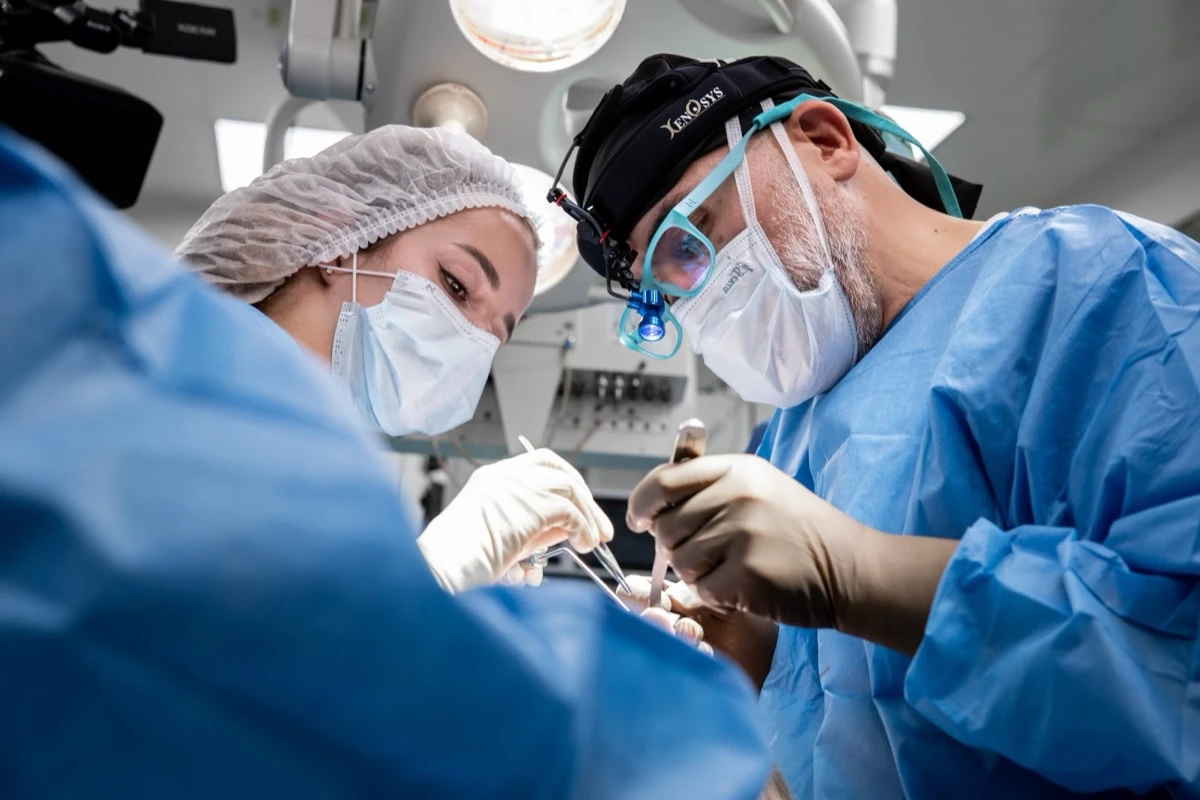
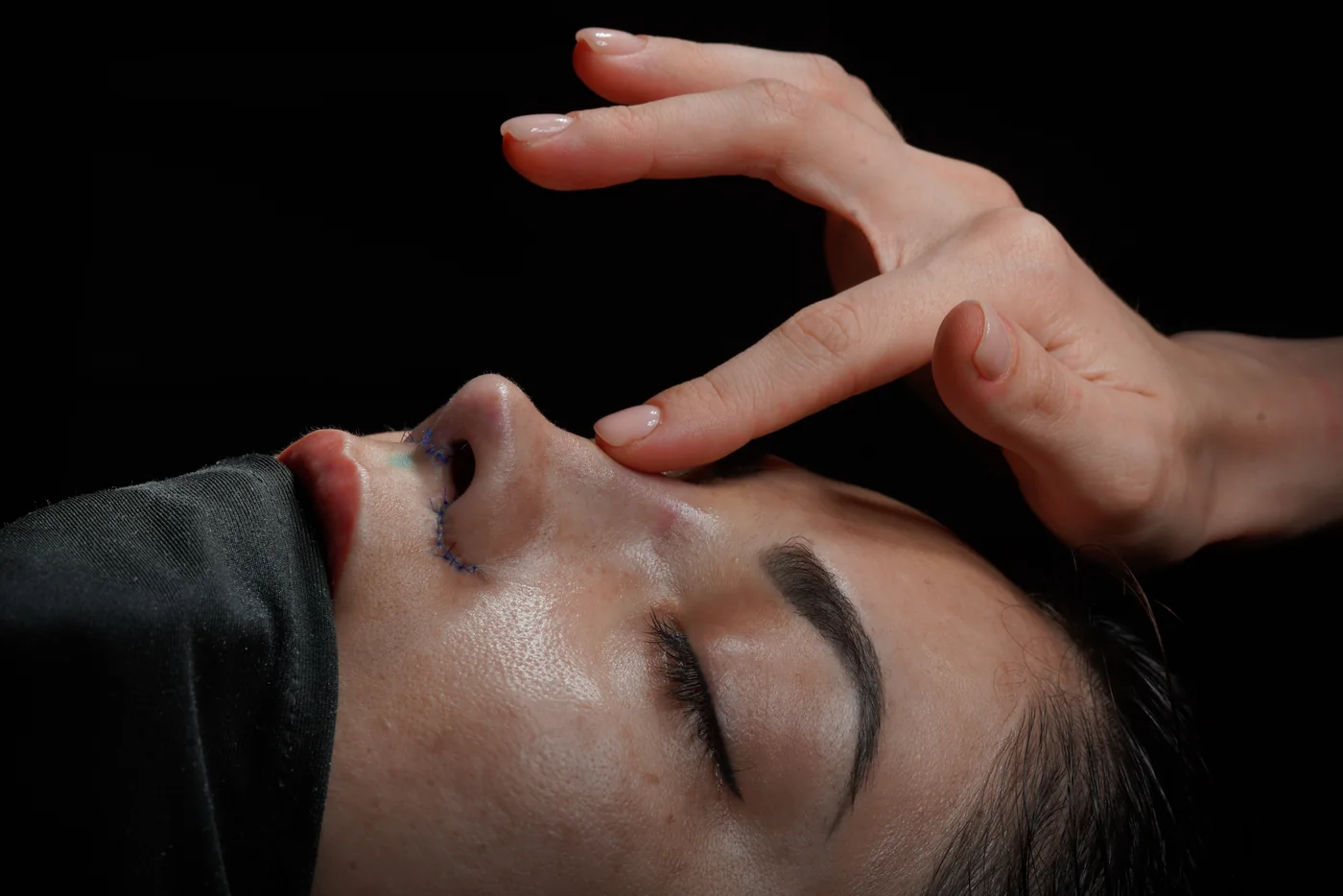
Rhinoplasty is carried out by the surgeon using the chosen technique under general or local anaesthesia, to correct the nose's shape and structure
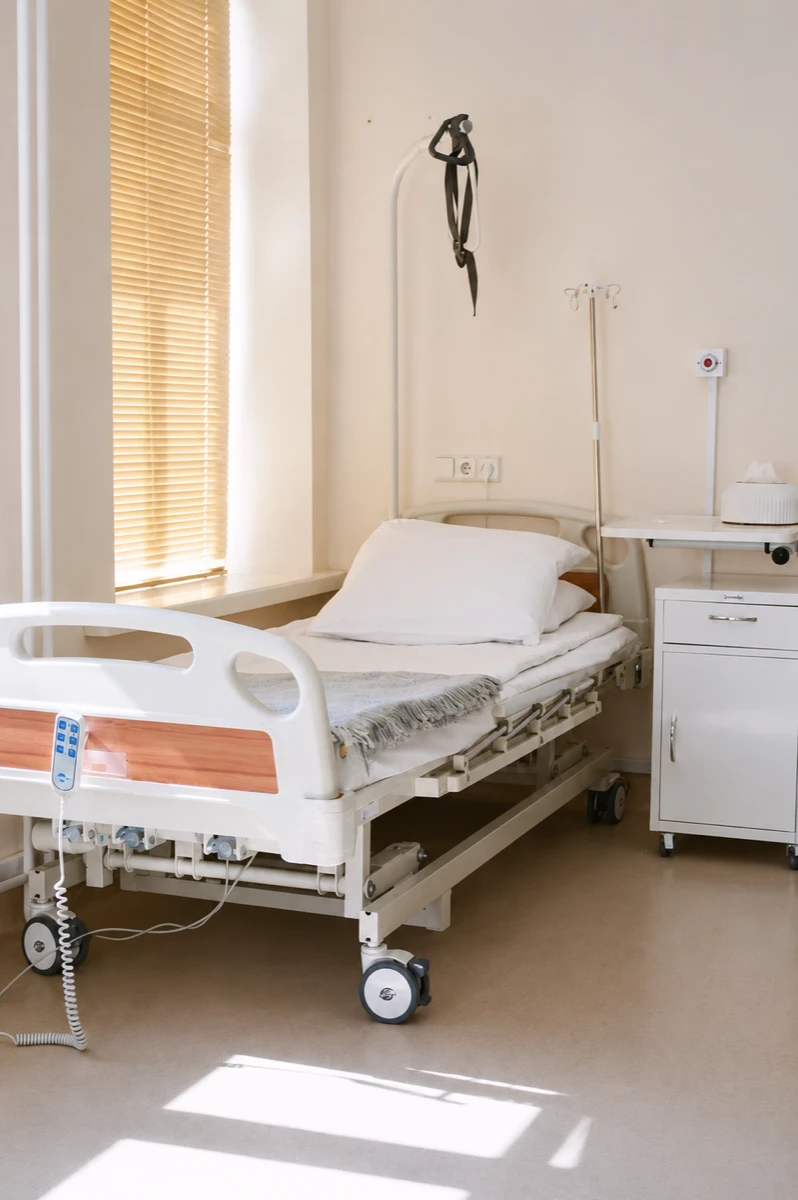
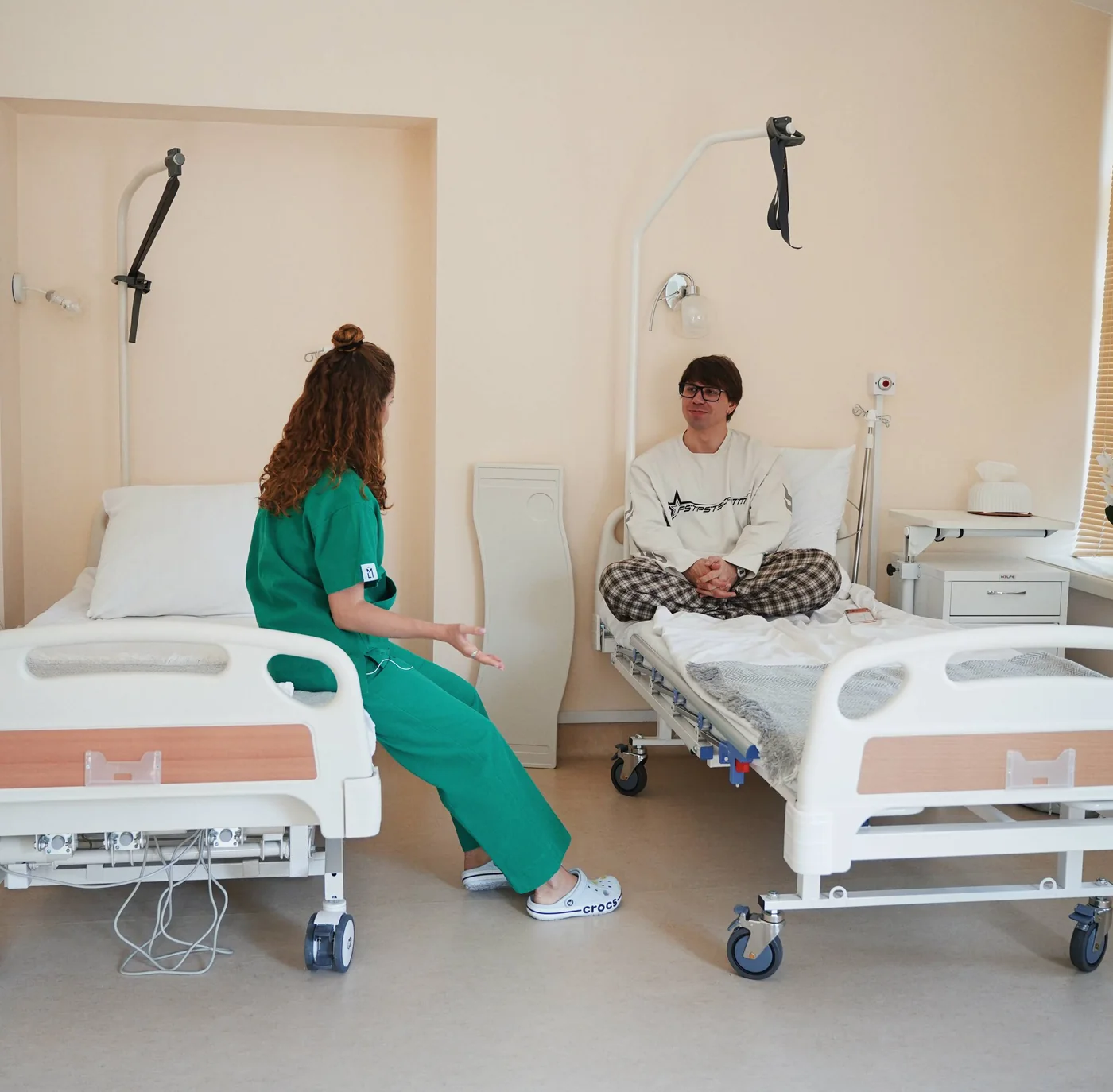
All procedures take place in our clinic's inpatient unit, and after surgery you spend one day there
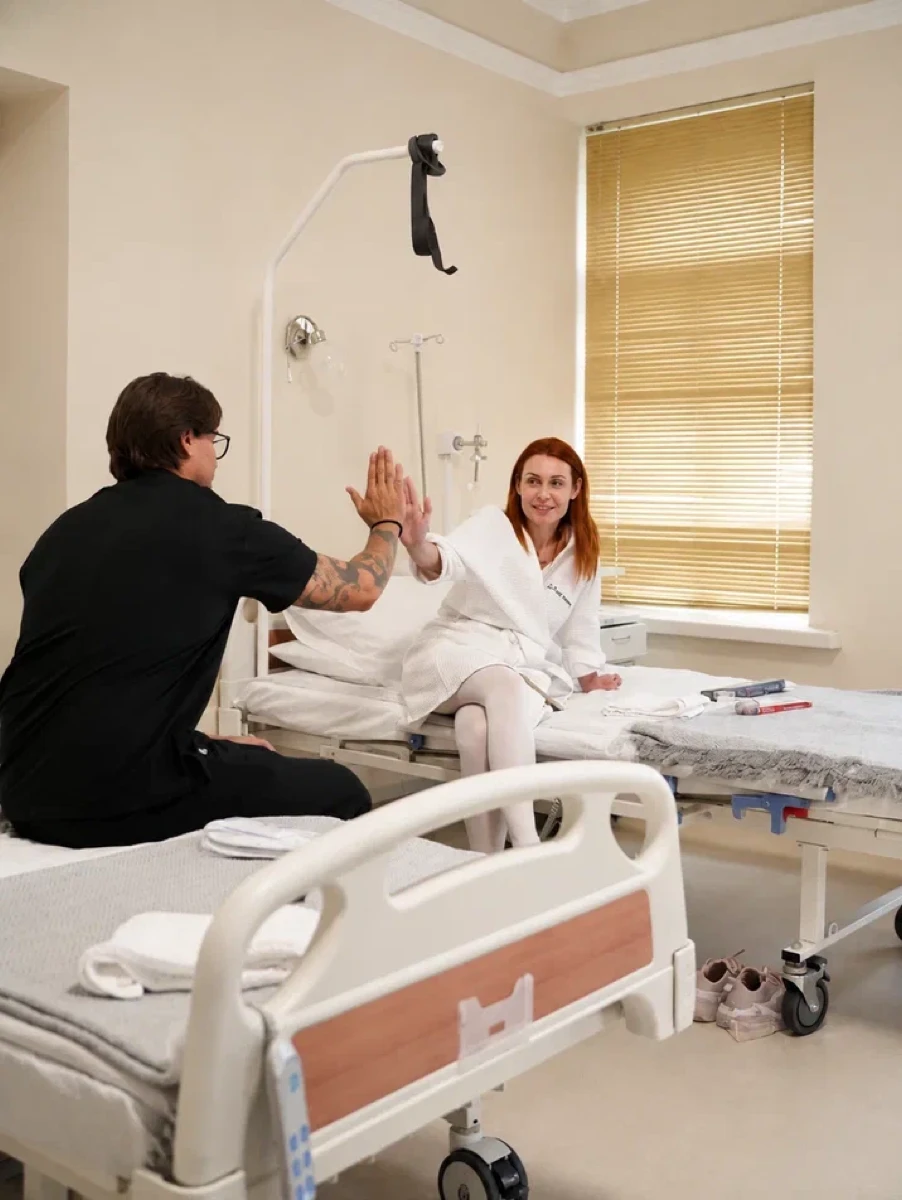
After the operation you receive a recovery programme; check-ups at 7 days, 3 and 6 months help monitor your recovery, and surgeon consultations remain free for a year afterwards.
You will see a realistic preview of the result at the consultation
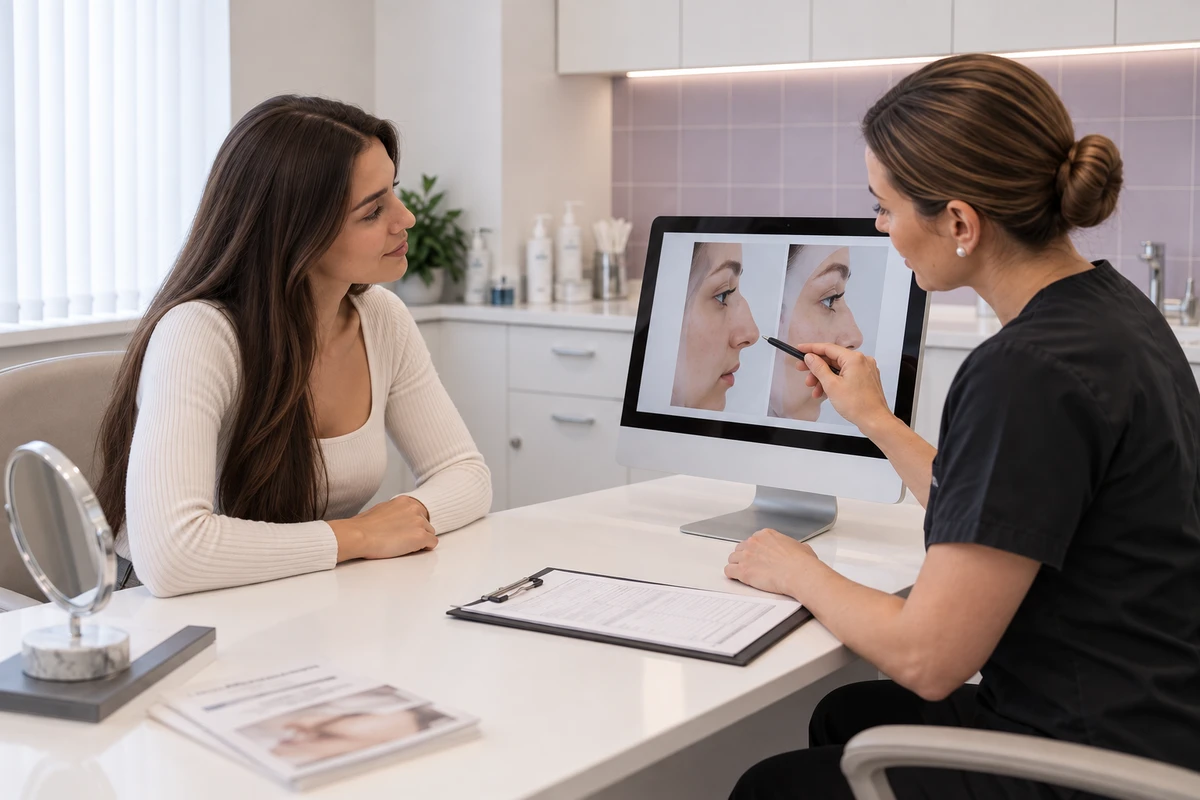
The consultation costs nothing, takes place before surgery and carries no commitment.
Book a consultationNasal splint
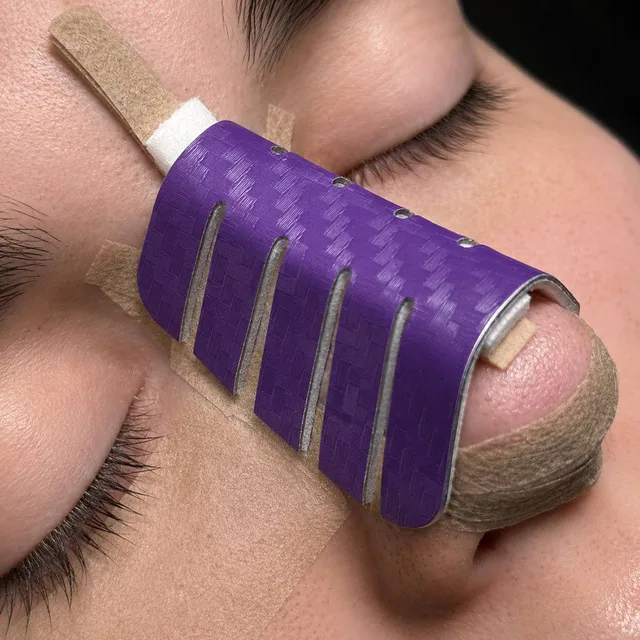
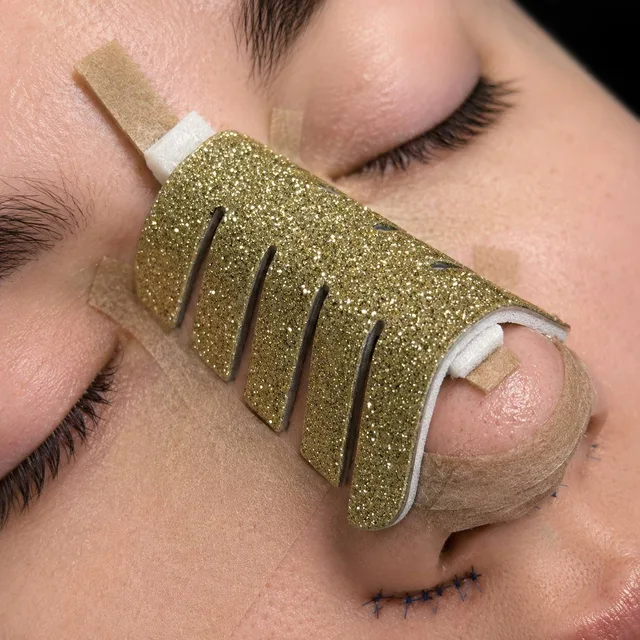
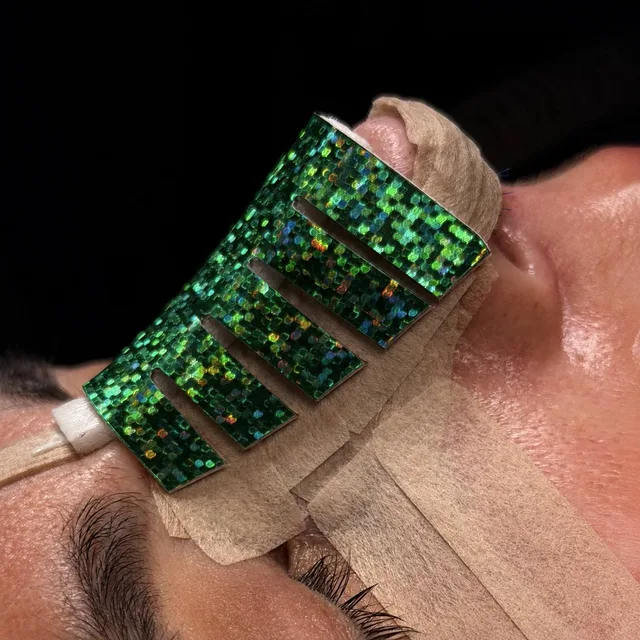
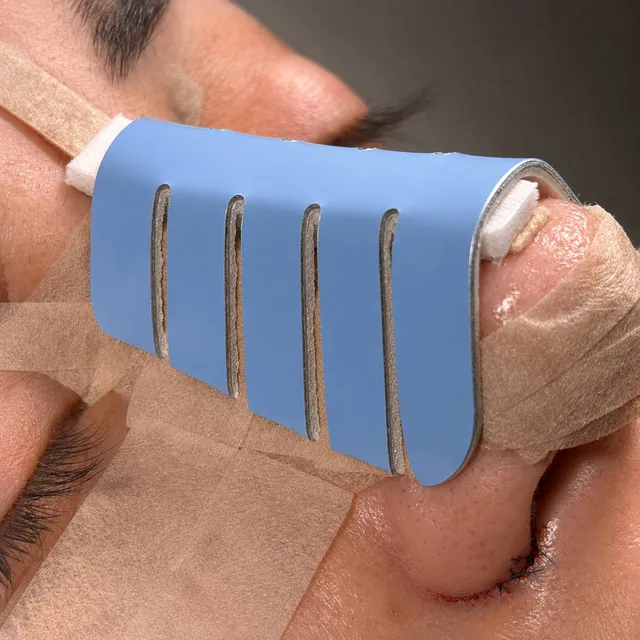
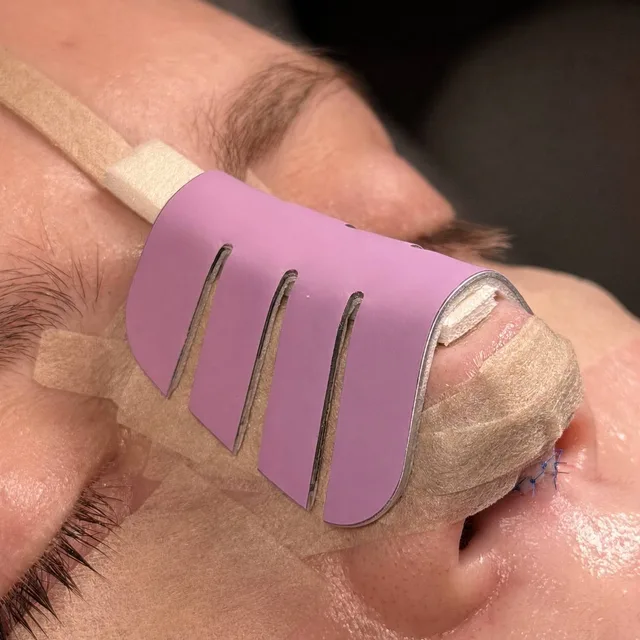
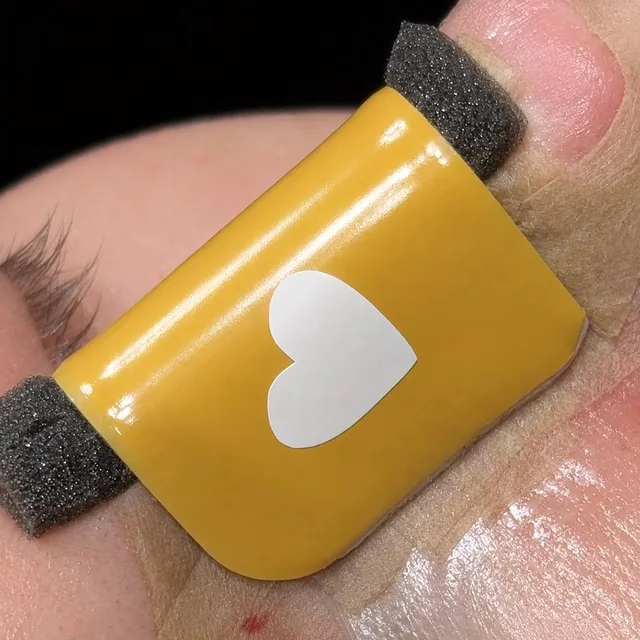
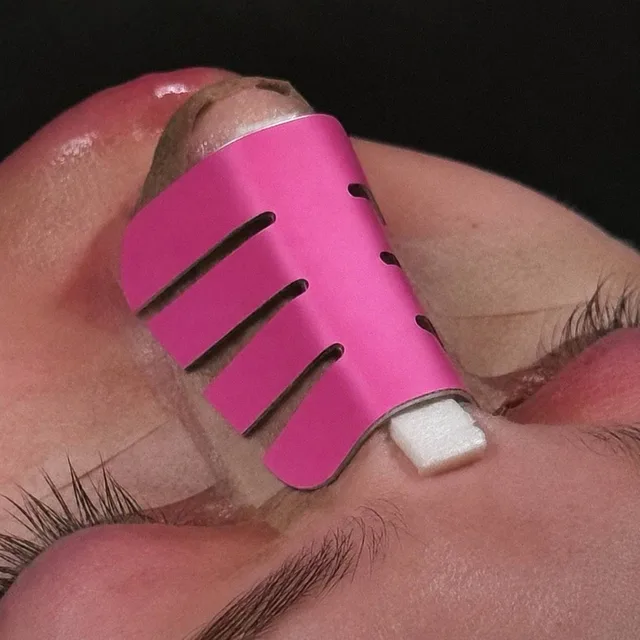
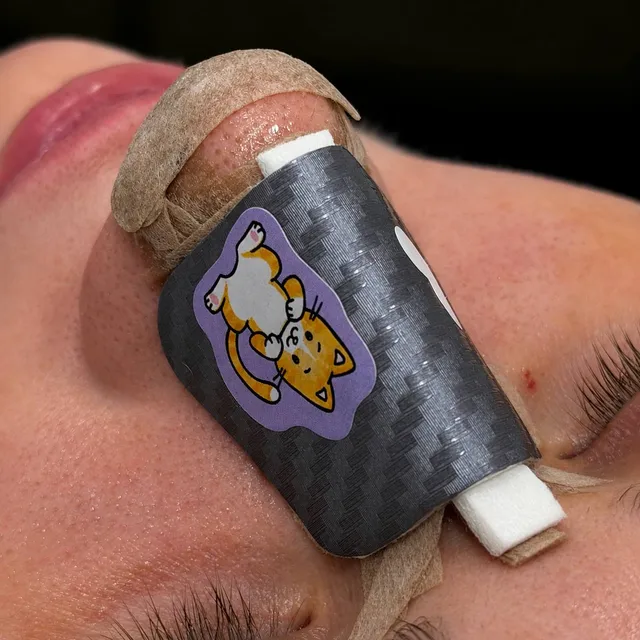
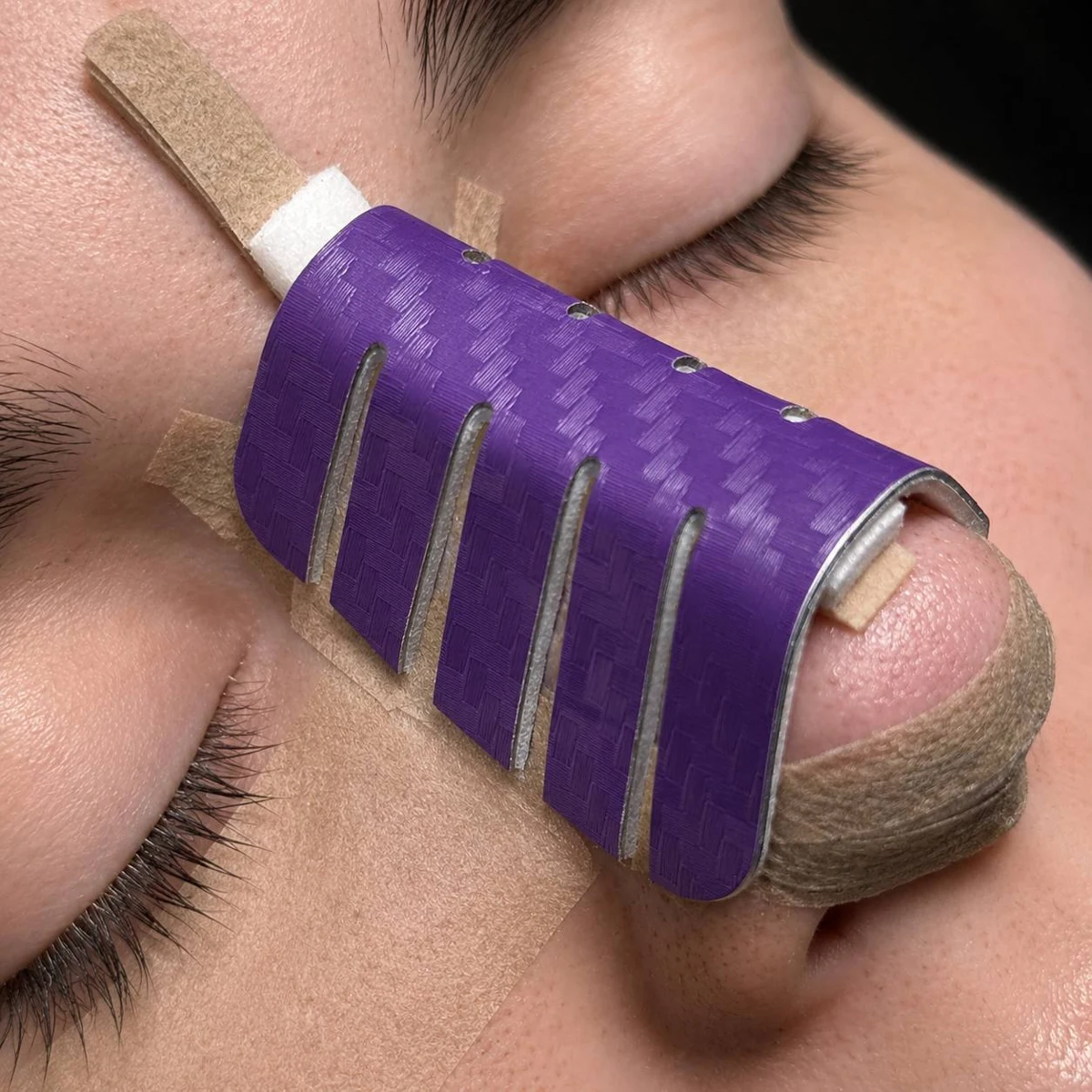
We design every detail to bring out your natural beauty — and so recovery feels good too, you get to choose the colour of your own nasal splint.
Your personal style, down to the details:
Pick a splint colour that matches your mood
Confidence starts with small things, just like your future profile
Doctors
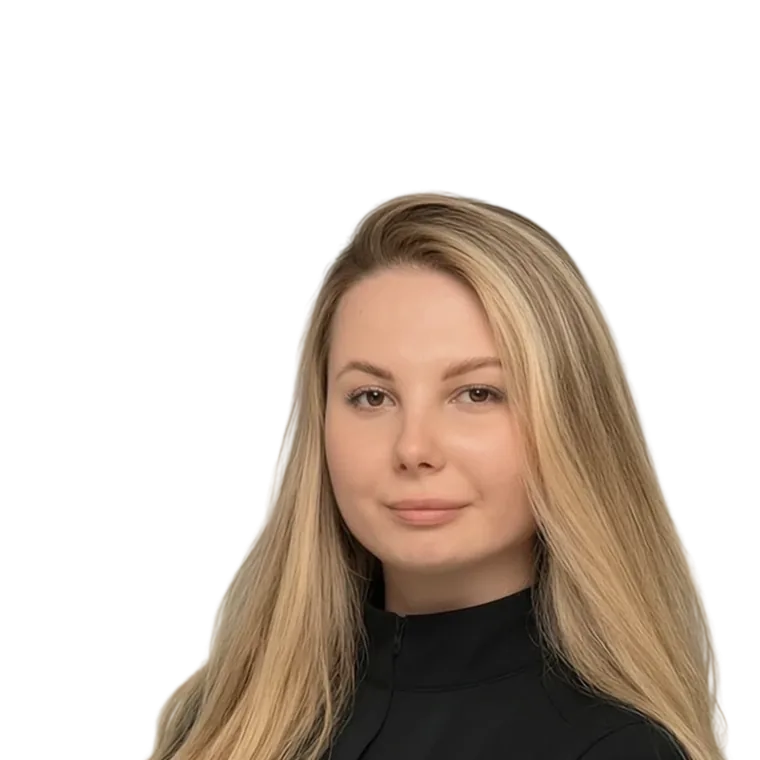
Rhinoplasty surgeon
At the consultation you meet and talk with the surgeon who will perform your surgery
The doctor reviews your facial proportions, hears out your wishes and explains what changes are possible.
Book a consultationCoordinators
We support you at every stage

A personal coordinator
From your first message to the consultation — this is your first contact at the clinic
Patient support
Helps you choose a convenient date and answers your questions before the first consultation

A personal coordinator
With you before and during your stay — from booking to discharge
Patient support
Supports your preparation for surgery and remains in contact during your time at the clinic

A personal coordinator
By your side during recovery — from the day you're discharged to your last check-up
Patient support
Remains in contact during recovery and schedules your follow-up appointments with the surgeon
A closed channel for those who value honesty and expertise
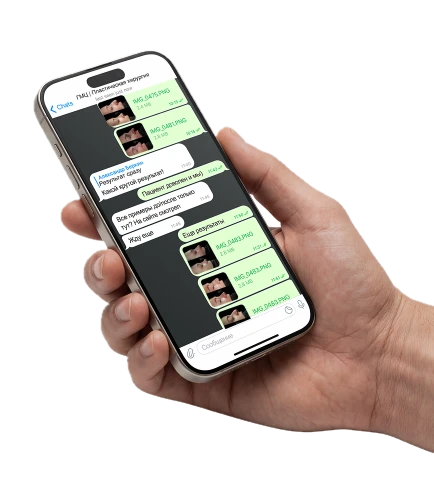
Message us — our coordinator will contact you shortly and book your consultation
Advantages
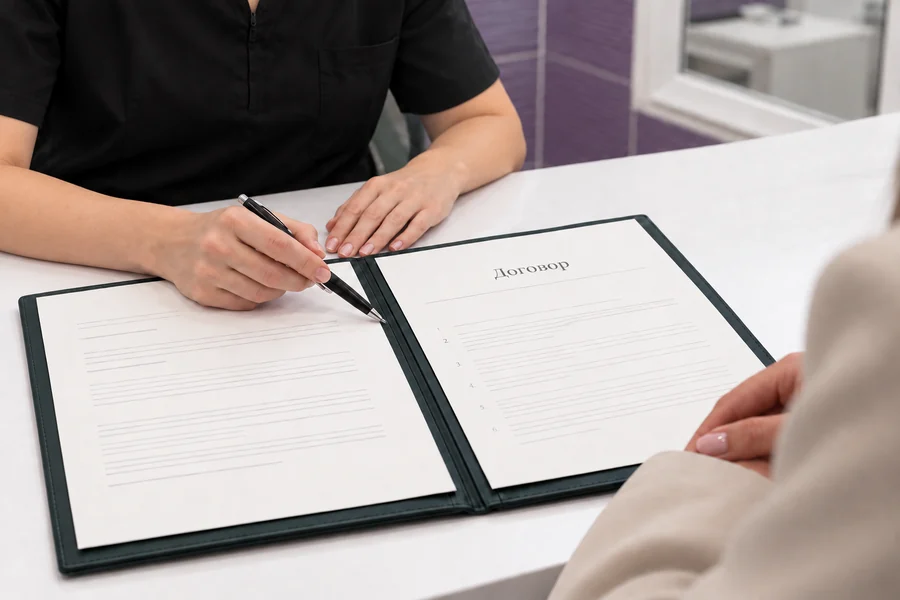
A lifetime guarantee under contract. All terms of the surgery, support and post-operative follow-up are set out in the contract in advance.
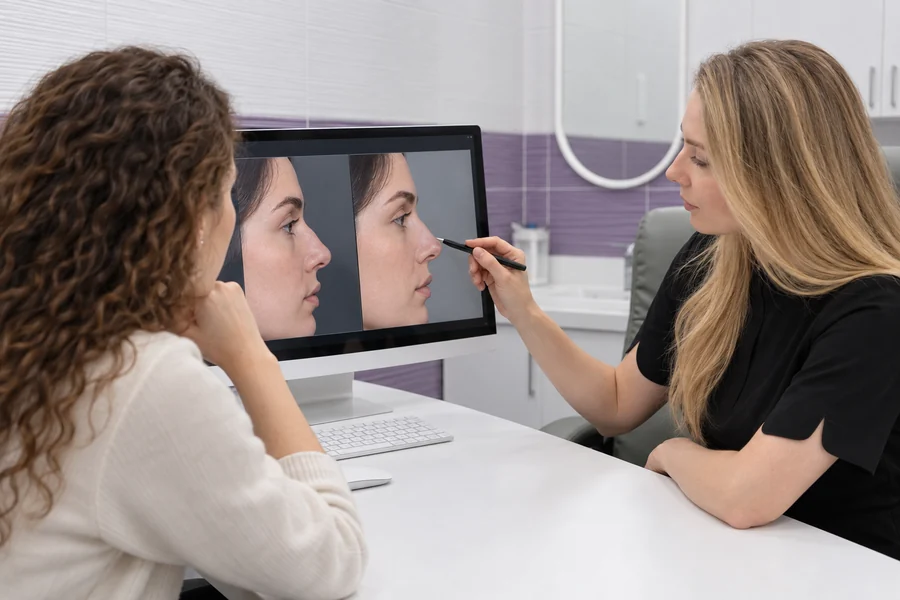
At a free consultation we review your case and tell you whether rhinoplasty is right for you. Facts only — no attempts to talk you into surgery.
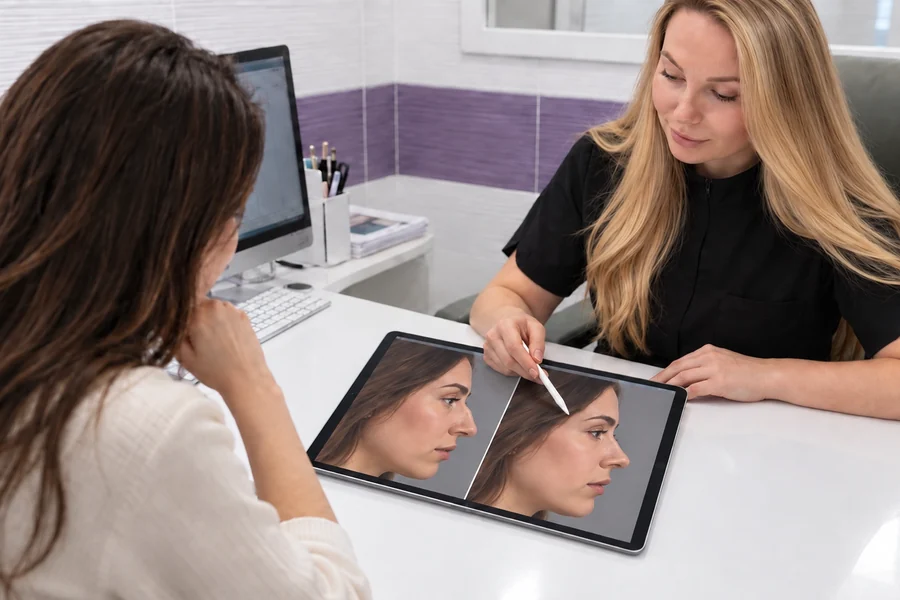
For patients travelling from another city or country, we combine the consultation and the required preparation into one trip, so the process is more convenient and needs fewer journeys.
Your time matters to us — we're reachable 24/7, booking is straightforward, and our approach is personal, adapting to your pace.
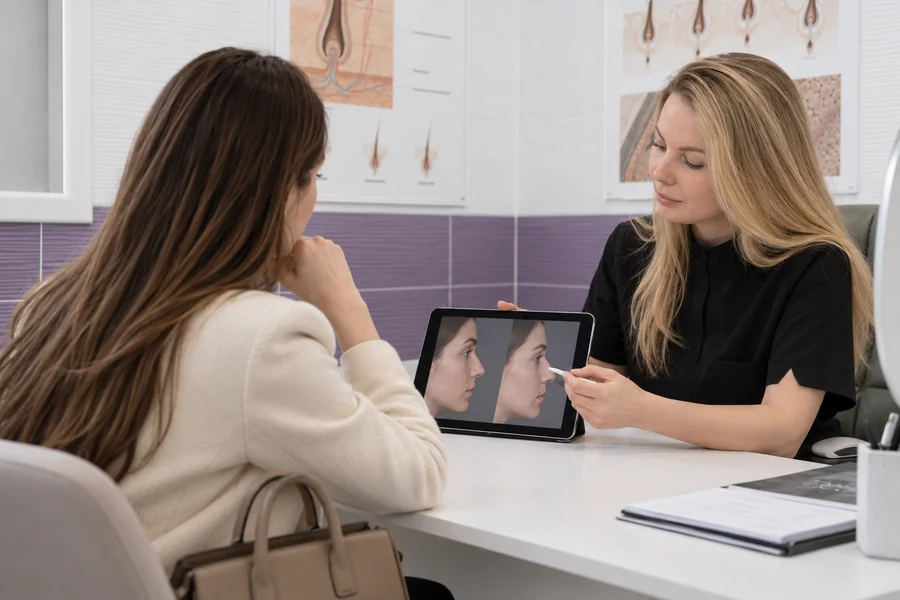
After the consultation, the surgeon sets out the extent of correction needed and gives you a clear price for the surgery, so there are no surprises on the way to the result.
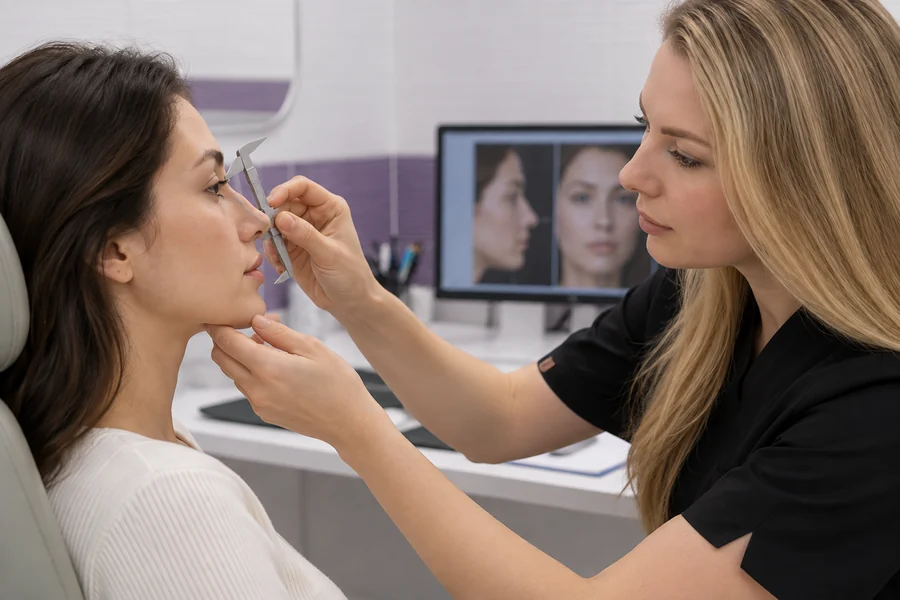
With modern equipment, the surgeon can operate gently and with precision — crucial where millimetres shape proportions, profile and facial harmony.
Prices
Send a request and get a free consultation on any service
Free
BookPrice without discount: $6,000$4,200
Price without discount: $7,200$5,400
Price without discount: $6,600$5,000
Price without discount: $6,500$4,700
Price without discount: $7,200$5,400
FAQ
Rhinoplasty (nose job) — among the most delicate and widely requested plastic surgeries, designed to reshape the nose to match the individual proportions of the nose and the whole face. Modern rhinoplasty goes beyond changing how the nose looks — it is complex surgical work aimed at an aesthetic result without putting health at risk.
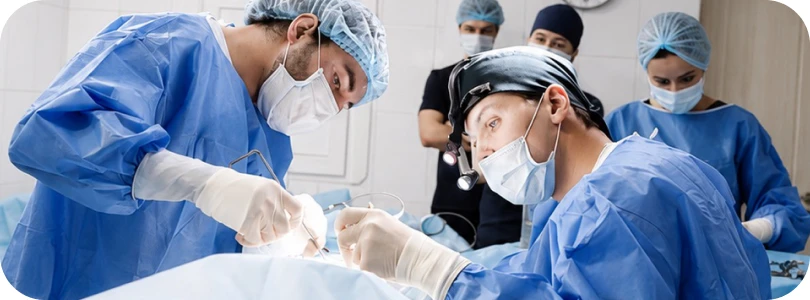
Optimal age: 18 to 45. The nose is fully formed by this time, and tissues still heal well. Where medically indicated, surgery can be performed at an older age if your general health allows
At its core, rhinoplasty is a comprehensive solution. It corrects both congenital and acquired nasal deformities, for example after a nasal injury. Patients are often bothered by a dorsal hump or an overly wide nose. Nose correction can also target the tip (tip rhinoplasty) or the nostrils (alar rhinoplasty). The surgical plan is created individually for each patient, taking every feature of their nose into account.
Rhinoplasty is performed under general anaesthesia and, depending on complexity, takes 1.5 to 3 hours.
The surgeon determines the extent and course of the surgery at the consultation, based on your goals and the anatomy of your nose.
Rhinoplasty — surgery to change the appearance of the nose (an aesthetic goal) and improve its function if breathing is impaired.
Septoplasty — correction of the nasal septum by surgery, restoring normal breathing with no change to the nose's outer contour.
Often both surgeries are combined, especially when a patient has a deviated septum and aesthetic concerns. This gives a harmonious look and restores full breathing. At City Medical Centre we perform rhinoseptoplasty — a combined surgery that solves both tasks at once
For a successful operation, preparation should begin 21 days before rhinoplasty. At the first appointment our plastic surgeon will give you a list of the required tests.
| Complete blood count (including ESR, white cell differential, platelets) | 2 weeks |
| Urinalysis | 2 weeks |
| Infection tests: HIV, HBsAg, anti-HCV, antibodies to Treponema pallidum | 2 weeks |
| Blood group and Rh factor | 2 weeks |
| Blood biochemistry (total protein; urea; uric acid; creatinine; glucose; total, unconjugated and conjugated bilirubin; ALT; AST; K; Na; Cl; cholesterol) | 2 weeks |
| Coagulation panel (Quick prothrombin, INR, APTT, D-dimer, antithrombin III) | 2 weeks |
| Electrocardiogram (ECG) tracing with a report | 2 weeks |
| Doppler ultrasound of the leg vessels / duplex scan of the leg veins | 2 weeks |
| Chest X-ray or fluorography with a report | 6 months |
| MSCT of the paranasal sinuses | 6 months |
| After the full laboratory work-up — a physician's report confirming there are no contraindications to surgery | 2 weeks |
Getting ready involves consultations with the plastic surgeon, lab work (CBC, biochemistry, coagulation, infection tests), ECG, chest X-ray, plus a nasal X-ray or CT. A week ahead, give up anticoagulants, alcohol and smoking. The day before — light food; no food 6 hours before surgery
Although nose surgery is one of the most popular and well-established aesthetic operations, like any surgery it carries certain risks. To minimise the likelihood of complications after rhinoplasty, our clinic provides thorough pre-operative preparation and post-operative monitoring.
Important: if after rhinoplasty you have difficulty breathing, severe pain, a high temperature or a change in the shape of your nose, contact your doctor immediately.
Rhinoplasty at City Medical Centre is performed with modern technology, safe materials and constant medical supervision, which keeps the risk of complications to a minimum.
We also provide post-operative monitoring and prescribe recovery therapy.
Recovery after nose surgery is just as important as the operation itself. Proper recovery determines how aesthetic and harmonious the final result will be. At City Medical Centre recovery is closely monitored and divided into three phases: early, intermediate and late
Improvements begin to show after swelling subsides (2–3 weeks), but it takes 1–1.5 years to judge the final rhinoplasty result, when tissues fully stabilise
The nose needs to be protected after surgery. An aluminium cast is placed over the nose, with special silicone splints inside the nasal cavity. Nasal function is limited in the first days but recovers quickly. The final result of rhinoplasty can be assessed after 1–1.5 years, once the swelling has fully subsided.
Important: if nasal function is impaired after the first operation or you are not satisfied with the result, revision (secondary) rhinoplasty may be needed. It is a more complex procedure, performed no earlier than one year after the primary operation.
During the first days after surgery, splints or swelling may partly block the nasal passages. Breathing is usually fully restored within 1–2 weeks, depending on the extent of surgery and your body
Our doctors use microsurgical techniques and quality sutures to keep scars minimal
Rhinoplasty makes the face more harmonious and improves its aesthetics, without losing what makes you individual. Using 3D modelling, you see the expected result in advance and agree on changes with the surgeon
Rhinoplasty is a serious step. A well-performed rhinoplasty means the new nose is in perfect harmony with your facial features and works flawlessly. At the consultation the nasal surgeon assesses every parameter in detail: the size of the nose, tip projection, and the condition of the septum and nasal mucosa. We use 3D modelling so you can see the future proportions of your nose before the surgery is performed.
Don't just browse rhinoplasty photos online. Book a consultation to discuss what modern rhinoplasty can and cannot do for you. Correcting external nasal deformities and reshaping the nose is our speciality.
Rhinoplasty at City Medical Centre is $4,200 (≈ DZD 570,000) instead of $6,000 (≈ DZD 810,000) under the current discount. The initial consultation is free.
The extent of surgery determines the cost, which is set at the consultation: after examining your nose and facial proportions, the doctor names the exact price.
Surgery under general anaesthesia, one day spent in the inpatient unit, ongoing doctor monitoring and a free post-op check-up. The clinic gives a lifetime guarantee on the result.
We offer the first consultation at City Medical Centre free. The doctor examines your nose, evaluates the proportions of your face and names the exact cost.
Blog
Reading on rhinoplasty
Find out how recovery after rhinoplasty goes in the first 7, 14 and 30 days
Read the article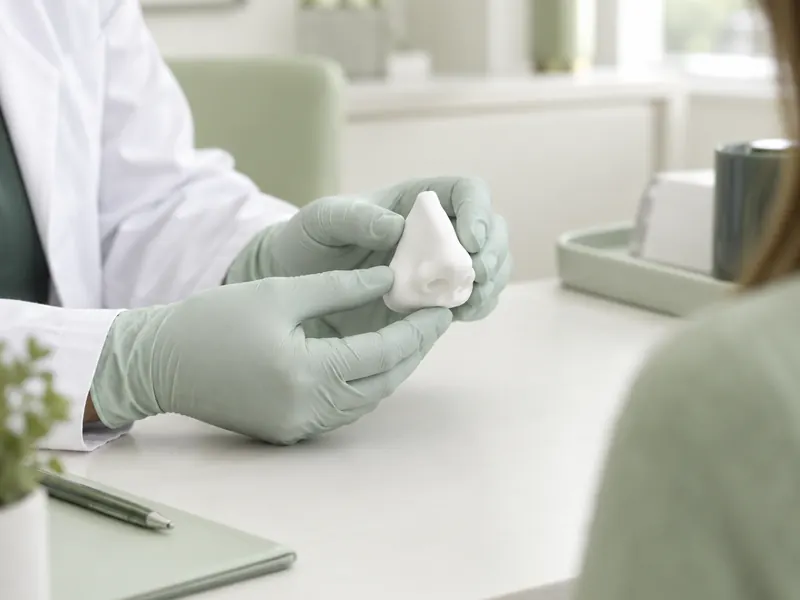
Preparation, recovery week by week, when the splint and stitches come out and how long to wait before flying home.
Read the articlePrices are in US dollars; the amount in brackets is an approximate conversion to DZD at the rate of 02.10.2026. The final price is fixed in your contract.
Prices start from $4,200 (≈ DZD 570,000). The surgeon sets the final price at the free consultation, and it is fixed in the contract, with no hidden extras.
The operation under general anaesthesia, a one-day inpatient stay, follow-up visits and dressings, plus a lifetime guarantee on the result.
Surgery takes 1.5–3 hours and you stay one day in the clinic. The nasal splints come out on day 7, and the cast is worn for up to 14 days.
Yes. The first consultation is free and does not oblige you to anything. You can start online by sending a message to the coordinator.
Message us on WhatsApp or Telegram using the buttons below. A coordinator will answer your questions and book a free consultation where the doctor names the exact price.
By messaging us, you agree to our Privacy Policy
Who is a candidate? The optimal age is 18 to 45, when the nose is fully formed and tissues heal well; with medical indications, older patients can also be considered if health allows. Indications include asymmetric cartilage or nostrils and significant breathing problems. Anyone researching rhinoplasty in Batna should know the contraindications too: decompensated chronic disease, skin damage or inflammation in the area.
Some details are easy to miss. Class 2 compression stockings should be bought in advance for the hospital stay, each test must be on a separate form with a stamp and signature, and chronic conditions require a specialist's clearance. After the operation, microcurrent or ultrasound therapy and a diet without salty or spicy food help speed recovery. This applies to all Batna residents.
Rhinoplasty costs $4,200 (≈ DZD 570,000). For patients from Batna, this price already includes the surgery and the surgeon's work, the inpatient stay after the operation, follow-up visits and dressings, and support from a personal coordinator. It covers every type of surgery — open and closed rhinoplasty, tip correction and septorhinoplasty. The first consultation is free; the exact cost is confirmed after an in-person exam.
Well-known people who spoke openly about this operation, in their own words.
 Ashley Tisdale's rhinoplasty: a breathing problem, a decision and the reactionAshley Tisdale had rhinoplasty in 2007 to fix a deviated septum and later wrote about the shaming that followed. Her words, the operation and recovery.
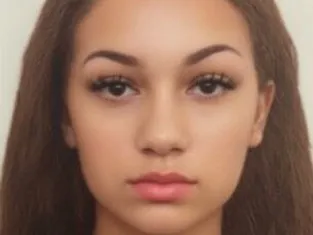 Bhad Bhabie and her rhinoplasty: what she posted, day by dayIn January 2025 Bhad Bhabie (Danielle Bregoli) shared her rhinoplasty recovery on Instagram. What she wrote, why she had it, and how a nose job works.
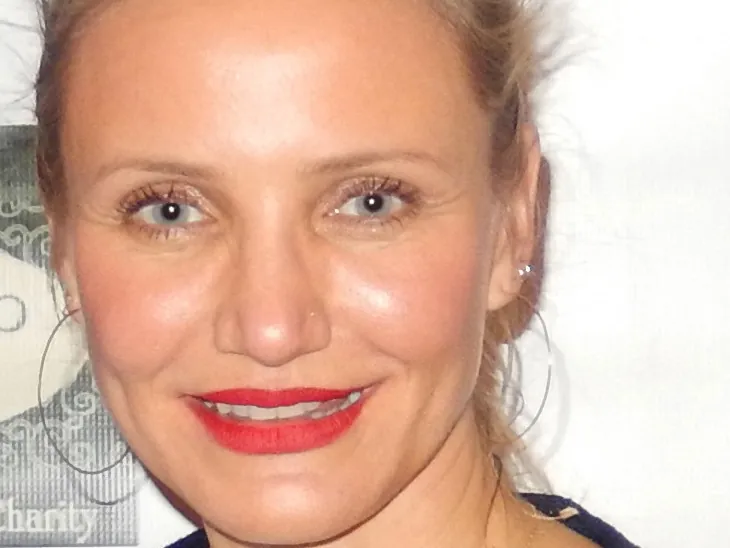 Did Cameron Diaz have a nose operation? Yes — and she called it purely medicalThe actress told GQ her septum was “like a train derailed” and had a nose operation so she could breathe. Her quotes, and how septorhinoplasty works today.
 Did Darcey Silva get a nose job? Yes, and she said so herselfDarcey Silva described getting a rhinoplasty on a 2021 'twinsformation' trip to Turkey with her twin sister Stacey. Her words, the surgery and recovery explained.
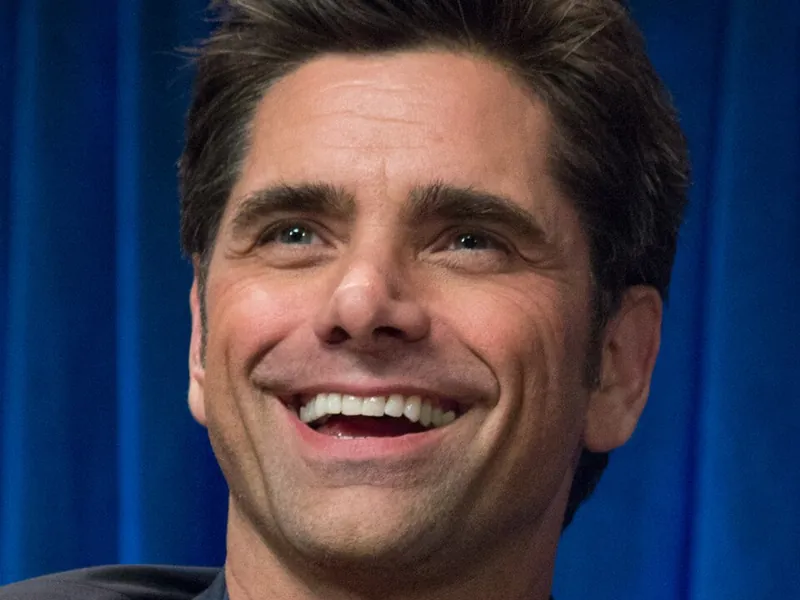 Did John Stamos have a nose job? Yes — two, he admits himselfThe Full House star admitted two rhinoplasties in the 1980s — a childhood golf-club break, vanity, and a famous surgeon's help.
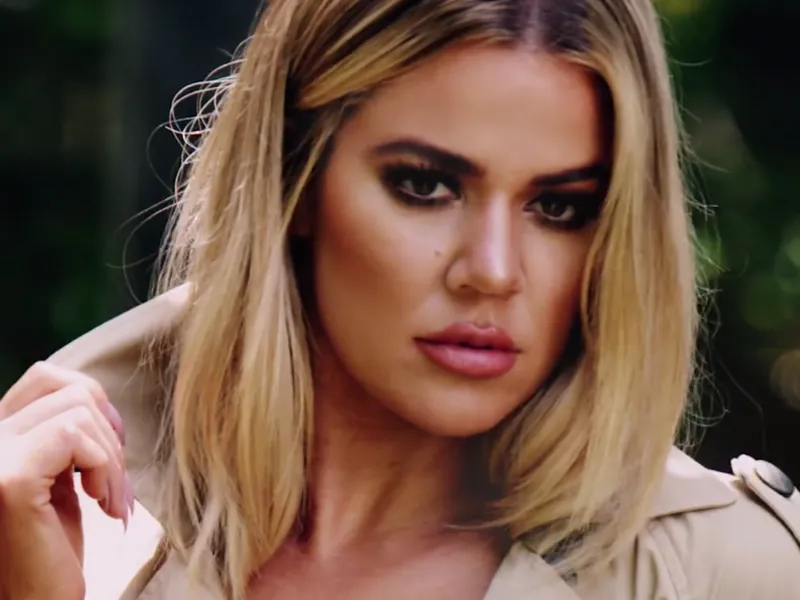 Did Khloé Kardashian have a nose job? Yes, and she confirmed it herselfKhloé Kardashian confirmed on Twitter that she had a nose job around 2019. Her own words, how rhinoplasty is done today and what recovery involves.
What patients write after this operation. Reviews are translated from the original language.
Ekaterina Ivanova
For a long time I was self-conscious about the length of my nose, until a friend who had had rhinoplasty recommended this clinic. At the very first consultation they set the date of surgery and explained every stage in detail. The rhinoplasty under general anaesthesia was performed by Mareta Meirieva: the swelling went down quickly, and after just a week my nose looked natural and neat. Modern equipment, attentive staff and appointments without delays made the whole process comfortable. I recommend the clinic to anyone who values professionalism and a quality result.
Rhinoplasty
Olga Vasilyeva
This was my first visit to the clinic, for rhinoseptoplasty, and to be honest I was very nervous. At the consultation they explained every stage of the operation and recovery in detail, which calmed me down straight away. The operation was performed by Mareta Meirieva: the swelling started to go down on the third day, and the result is visible to the naked eye. Everything inside is sterile and pleasant, the atmosphere inspires trust, and the staff are always responsive. I thank the clinic for the high level of service and the warm approach!
Rhinoplasty
Marina Samarina
Everything was first-class: clean, cosy and calm. Booking and choosing the right date was easy. The nose operation went smoothly and the nerve block was done perfectly: now I breathe freely without nasal drops! It is a real lifesaver for anyone tired of endless prescriptions and ineffective procedures. I recommend it to everyone who values professionalism and results.
Rhinoplasty
Viktoria Petrova
I recently had rhinoplasty and I am absolutely delighted. At the consultation they told me about every stage in detail, so I went into surgery fully prepared. The operation went smoothly: they straightened the bridge of my nose and made the nostrils symmetrical, and the shape came out very neat. The swelling lasted a little longer than I expected, but they explained straight away that full recovery takes more time. No unpleasant surprises, everything was within the normal range. I recommend the clinic to anyone looking for a confident result and an attentive attitude.
Rhinoplasty
Batna sits 1,048 metres above sea level in the fold of the Aures mountains and counted 290,645 residents at the 2008 census. At that altitude, dry air turns comfortable breathing into a daily concern, which is exactly why nose questions come up often here: a septum leaning into the airway, a shape that spoils every photograph, or an earlier operation calling for correction. The right starting point is a precise description, not an advertisement.
Open with a two-line account of your case: when it started, what changed, what bothers you most. Attach daylight photographs from the front, both sides, and below, taken by a window, because they read truer than dark hallway shots or dotted lamplight. The coordinators are reachable on Telegram or Telegram at any hour, and the reply comes from a team that has read your whole file before writing a single word back. Hold the phone at eye level, wipe the lens, keep the same distance for each picture and turn off any beauty filter; a tilted camera exaggerates some parts of the nose and hides others. Three calm attempts are better than twenty rushed ones.
Mountains teach the clarity of limits: a trail ends where it ends, and a summit is measured as it is, not as we wish. Bring that same clarity to the first consultation by asking the surgeon to state exactly what can be adjusted in your structure, what cannot, and why. Numbered, written answers serve you long after the pleasantries of a first meeting have faded from memory. If you suffer from seasonal allergy or sinus inflammation, say so. Inflamed lining can delay an operation until it settles, and only you can tell the surgeon how your breathing changes through the year.
Splitting one decision into stages matters even more in a city with real winters: assemble your file on a warm afternoon, give the choice a full week of reading, and refuse to take step two before step one is understood. Ask a member of your household to read alongside you, since a second pair of eyes catches what the first misses. Decisions built this way rest on documents rather than passing impressions.
Batna's nucleus was laid out in 1844 as a structured camp, and street after street grew around it into the city seen today. Surgery follows the same ordering: a consultation before the assessment, the assessment before the date, and the date with a known morning and a set hour. Ask for your plan laid on that grid in full, because anyone who knows the order of their day rests far easier than someone braced for surprises. Ask who will look after you in the recovery room, and whom you can telephone at night. Peace of mind on the first evening comes from knowing exactly whom to call, not from general optimism.
Operating time runs from an hour and a half to three hours according to the difficulty of the case, and the surgeon writes your personal estimate into the plan sheet before the date. The spread between cases is real: correcting a septum alone finishes sooner than rebuilding a bridge together with tip work, and the clock follows the required labour, not the wish. Ask for the figure and keep it; it is the first thing your family will use to arrange their waiting day. In the two days before surgery avoid very salty food and stimulating drinks, which increase fluid retention and swelling, sleep well, and do not schedule tiring errands.
Anaesthesia is general, handled by a team that watches your indicators minute by minute, and no one goes home before a full night of observation in hospital. Tell that team in advance about any medications you take and any previous experience with anaesthesia; those two lines do more for your calm than a thousand reassurances. Prepare comfortable front-opening clothes, a folder of documents, and a companion with a fixed time at the door.
Sort out your first night at home before surgery day, not after: a bed with the head raised, cloth-wrapped cool packs, water within reach, and a charged phone beside the pillow. If your home lies in an outlying quarter such as Kechida or Sonatiba, confirm a return plan in daylight rather than on a cold mountain evening. One settled night builds a better week than you would expect. Seeing a swollen, bruised face in the first mirror is common and recedes gradually. Photograph yourself every two days in the same light and send the pictures if you are worried; the team quickly tells the usual from the unusual.
Medicine in Algeria is a supervised profession: no practice is allowed without inscription on the official roll of the Councils of the Medical Professions Order, headed by the National Council of the Order of Physicians. With no online directory of these records confirmed, make the request in writing: the registration number, the specialty, and the regional council. Collect the answer in your file beside your plan and photographs; you are not gathering decoration but building a decision on documents. Many people ask whether they can breathe through the nose as soon as the splint is out. It varies, because internal swelling takes time, and the surgeon will explain what to expect. Do not blow your nose hard or use sprays that were not recommended.
The city hosts two universities, Batna 1 Hadj Lakhdar and Batna 2 Mostefa Ben Boulaïd, and both teach a rule every researcher learns early: the source comes before the conclusion. Apply it to your search by asking for the inscription document and a written plan before any before-and-after gallery, comparing dates and names rather than colours and logos. A generation trained on that rule in this very city deserves a patient who shops with the same mindset. Use a high pillow to keep from rolling onto your face at night, and build a barrier of cushions on both sides if you move a lot. This simple trick protects the nose in the first weeks.
At the consultation, put your three standard questions and then a fourth that belongs to your life here: what does early recovery mean in a dry mountain climate, and what changes in the advice between January and July. A surgeon who takes your climate question seriously will take your other details seriously too, while one who rushes a generic reply has quietly told you that your file is just a number in his queue. If you breathe through the mouth, your lips and mouth will dry quickly. Use an approved moisturiser, sip water often and avoid hard foods that need strong chewing until the surgeon allows them.
Beware the shortcut route: whoever promises an ideal result in a single sitting, skipping the registration questions and the written plan, is selling you an impression rather than a service. Simple documents outlast everything: a number, a plan, a follow-up with a stated channel and duration. In a tightly woven city like Batna, bad experiences travel faster than advertising, so build your decision on what stays written down. If children live in your home, give them a simple rule: no jumping on the bed and no touching your face. A small list stuck to the living room wall can save the nose from an accidental knock.
Winter here is the real thing: January averages a high of 9.8C and a low of 0.7C, February manages 11.2 against 1.4, and dryness deepens with indoor heating. After nose surgery the nasal passages dry faster in such a climate, so ask the surgeon for suitable humidifying measures, keep a bowl of water in the bedroom, and avoid stepping suddenly from a warm room into the frost of early morning. Also ask about the splint: when it comes out, who removes it, and whether stitches are used. These small details belong in the plan, ideally with approximate dates written next to them.
The mountain summer differs: July peaks at 33.0C with nights down to 16.8, August follows at 31.9 and 16.7, and July rain barely reaches 7.5 mm of the 326.2 mm yearly total. Hot days beside cold nights mean the swing itself deserves respect: clothing in removable layers, moderate morning walking once approved, and midday kept indoors away from direct sun. The dry mountain light is kind, but only inside the surgeon's limits. A famous name does not replace a document, and a large following does not mean experience with noses. Ask for documented examples of cases like yours, and make sure they belong to the surgeon himself.
March is the wettest month of the year at 38.0 mm, which makes it a good month for arranging your decision before the date rather than for outdoor recovery. Once walking is approved, begin on the flat central streets and leave the slopes of the upper quarters for later weeks. Belezma National Park and its mountains wait as a full reward at the end of recovery, not as an early test of stamina. When several offers arrive, put them in a table with three columns: what is written, what was said aloud, and what is missing. The little table exposes gaps quickly and makes the conversation with the coordinators more precise.
Turn follow-up into a simple weekly habit: photographs from the same angle and light on the same weekday, sent to the coordinators on Telegram or Telegram at any hour you like. The surgeon reads the trend, not the single image, and adjusted instructions arrive from those repeated readings in good time. Any acute warning, pain, fever, or bleeding, jumps the queue entirely and goes straight to a phone call.
The Romans built Timgad and Lambaesis near the city in the first century, and their arches and columns still stand witness after roughly two thousand years. What endures was laid on careful planning and selected stone, and that is the message for anyone considering nose surgery: ask about planning and precise execution before you ask about booking speed. Good results are built the way Roman towns were built, on a studied foundation rather than on hurry. Swelling is often worse in the morning after sleep and calms during the day. This daily rhythm is normal, and it is one more reason to photograph yourself at the same hour each time.
After a week of quiet reading you will know what can honestly be expected: rhinoplasty corrects the shape and can improve breathing when the cause sits in the nose's structure, and it does not treat breathing problems unconnected to the nose. Ask for a realistic written boundary for your case and turn away from celebrity photographs and street posters. In a city that knows the patience of mountains, a mature decision fits the local rhythm better than any rushed offer, and the nearby mausoleum of Madghacen reminds you that what is built with care stays built.
Give your decision week a comfortable ritual: one folder gathering every answer, one sheet comparing two offers, and a final call with coordinators who reply on Telegram or Telegram at any hour. Whoever moves this way knows why they are choosing, and whoever knows why they are choosing rarely regrets. If confusion strikes midway, stop and reread; pausing is part of the road, not a fault in it. If you study or teach at one of the two universities, ask when you can return to lectures and exams and have a medical note prepared in advance. Colleagues in service jobs can arrange brief cover for the days you are away.
The practical step is smaller than all this talk: four photographs, two lines of description, and one message sent at any hour from your home in Batna. Read the reply at leisure, put your questions one at a time, and move to booking only once your head is convinced before your heart. That is how a successful nose operation begins, quietly and well informed, before any operating theatre door is opened. Do not touch the nose insistently to check its shape; constant poking delays calm. If you catch yourself comparing mirror angles for hours, take two days off the mirror and then photograph again in the usual way.
Yes: a message with a short description and four daylight photographs goes to the coordinators on Telegram or Telegram at any time, and first notes on whether surgery suits your case come back to you. No journey and no appointment are needed at this stage, and the decision stays entirely in your hands. Good photographs by a bright window shorten the exchange by days. If taking pictures is difficult alone, ask a relative to help.
Between an hour and a half and three hours, according to the complexity of the case and the amount of adjustment needed in bone and cartilage, with your personal estimate fixed at the consultation. There is no single number for everyone: septum work differs from rebuilding a bridge together with tip correction. Keep the estimate written; it orders your arrival, your family's waiting, and the same-evening return. The duration varies with whether the work involves the septum, the outer frame, or both.
Because general anaesthesia needs close watching until your readings stabilise and first-day pain eases, and that night is part of the safety plan rather than a formality. Doctors reach you at the first unusual sign, and you leave the next morning with a companion arranged in advance. Cutting this night short risks your comfort, not merely your schedule, so keep it in the plan as it is. Ask for an emergency number you can call at any hour.
Ask for the required fasting hours before arrival, and tell the team about every medication you take and any previous anaesthesia experience; those two lines are half the preparation. Ready front-opening clothes, a complete folder of papers, and a companion who knows the return time. Do not book anything important for the same day, since the whole day belongs to rest rather than to errands. Never eat or drink after the time set for fasting, whatever the reason.
Four items: the registration number on the official roll of the Councils of the Medical Professions Order, the adjustment plan phrased for your case, the estimated operating time in hours, and the follow-up plan with its channel and length. These four papers make a file whose reading is enough to compare two offers without noise. An orderly surgeon writes them without hesitation; reluctance is itself information before any examination. If many crusts form, do not remove them yourself.
It does, especially in January and February when the average low drops below two degrees and heated homes turn drier still. Ask the surgeon about suitable humidifying measures, keep a bowl of water in the sleeping room, and avoid stepping suddenly from indoor warmth into early-morning frost. Simple household management handles most of the climate problem, and the remainder is settled by your surgeon for your case. Avoid contact sport and glasses on the bridge until the surgeon agrees.
After the surgeon has explicitly approved full activity. If you like, begin with the flatter paths of Timgad in a quiet morning hour, and leave mountainous Belezma for the end of recovery, since its road and slopes need settled breathing. Every high or gravel destination waits until stability returns; recovery is built in gradual stages, much like the old city itself was built. The proof should carry the name of the surgeon who will actually operate.
With a fixed weekly photograph: same angle, same light, same weekday, sent to the coordinators on Telegram or Telegram so the surgeon reads the trend rather than a stray image. The final shape settles across months as swelling fades gradually, so no morning-after picture can judge it. Any acute pain, fever, or sudden change steps outside that routine and goes straight to a direct phone call with your doctor. Keep photographs of each stage in a dated folder.
Page medically reviewed by Marina T. Pershikova, rhinoplasty surgeon. Review date: .