City Medical Centre · multi-specialty surgery clinicOpen 24/7

Tummy tuck

Tummy Tuck in Batna: Free Consultation

Free consultation

Price at consultation

The price is fixed in the contract before surgery
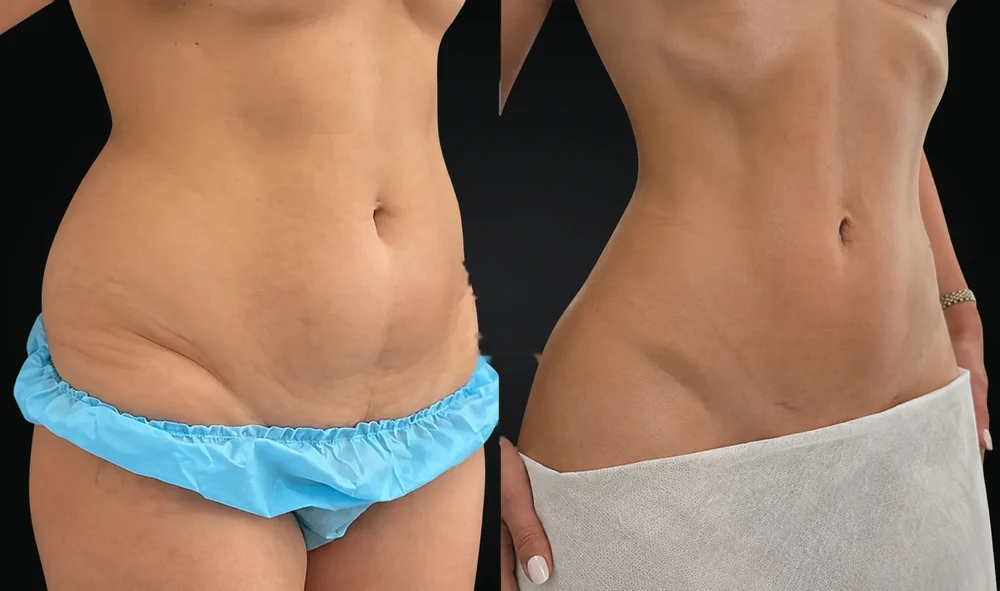
Real case
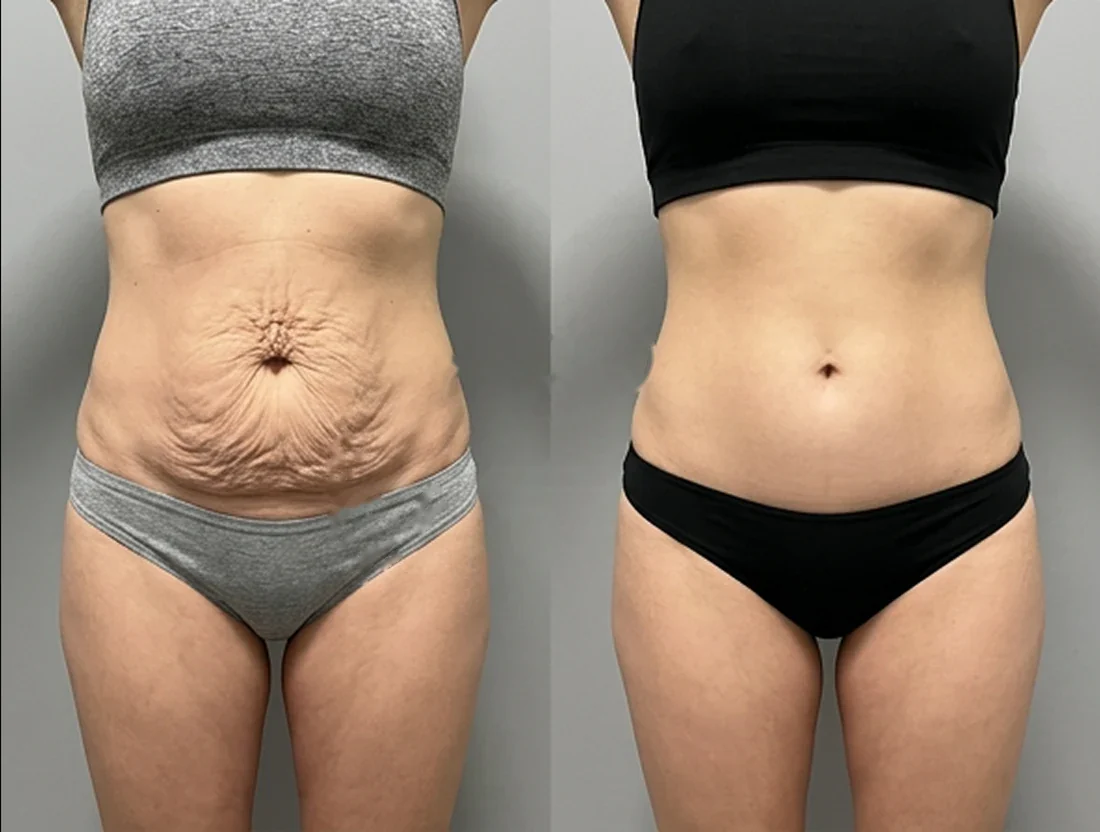
Tummy tuck: a patient's abdomen before and after surgery before after
A flat tummy and a toned silhouette in one operation. Your individual surgical plan and the expected result are discussed at the consultation

Message our coordinator

Free online consultation · Reply within 15 minutes

Message us on Telegram

By messaging us, you agree to our Privacy Policy

Results

Tummy tuck results
of our patients

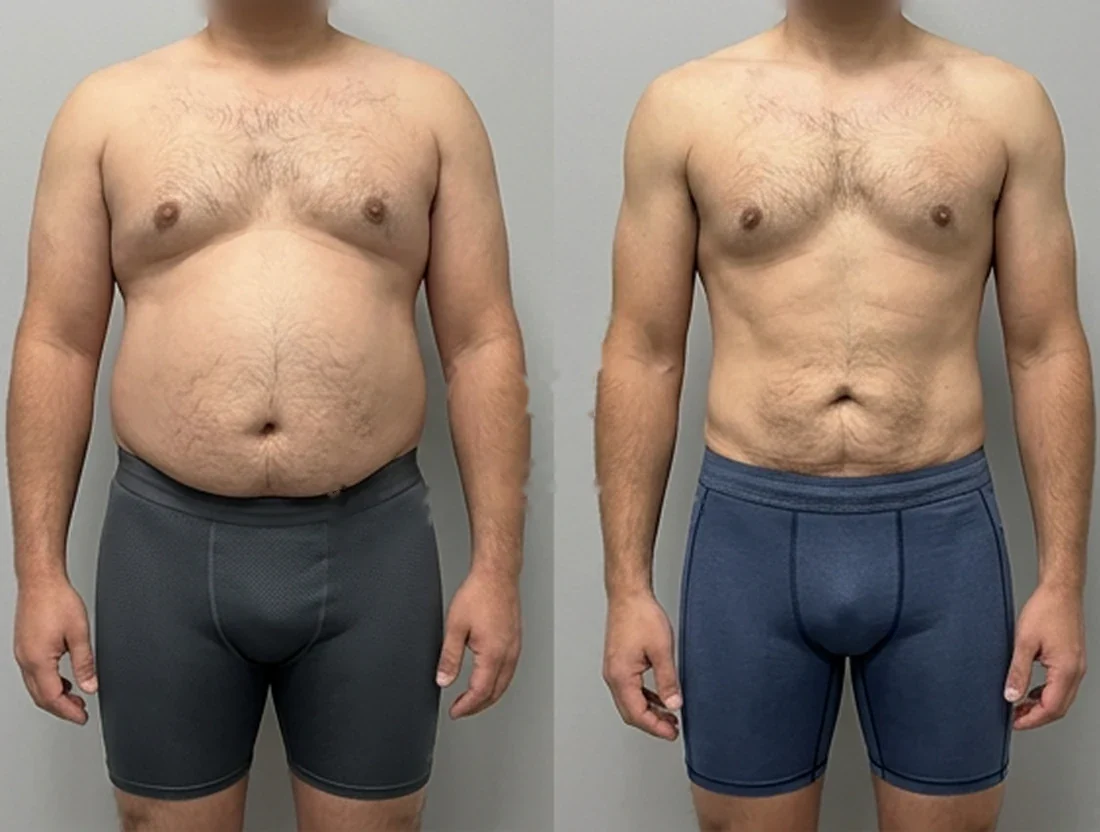
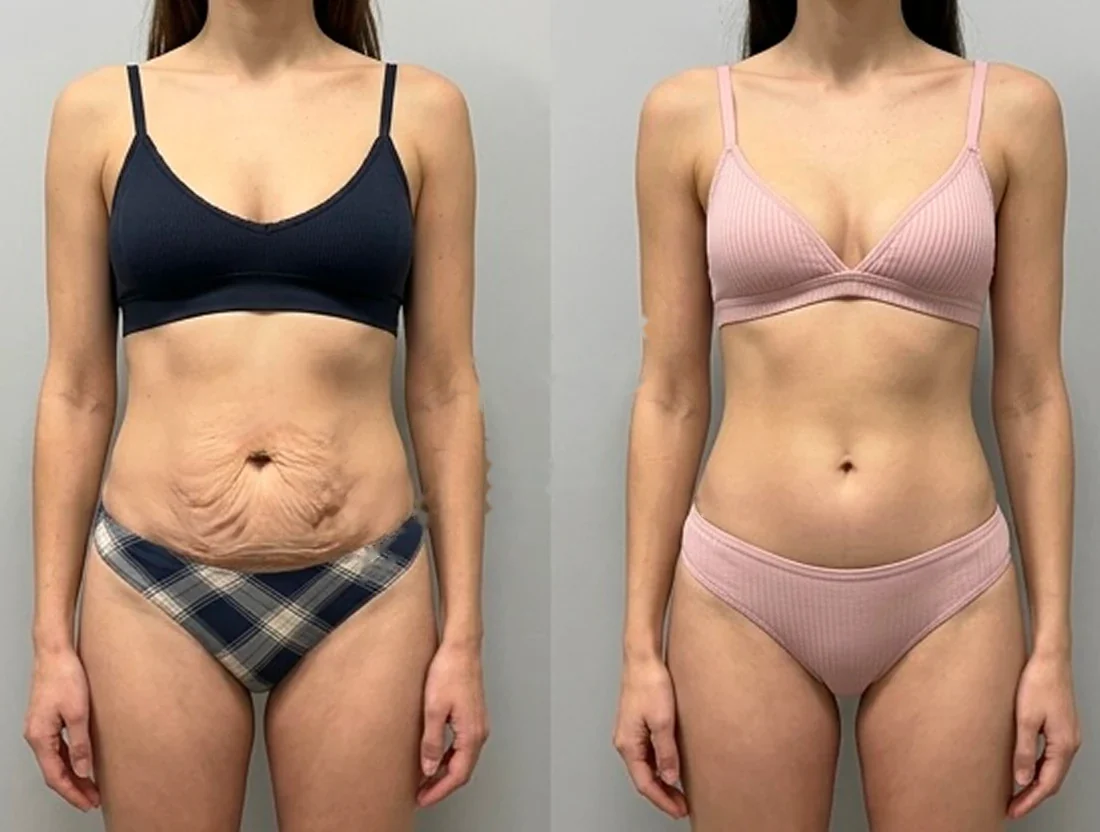
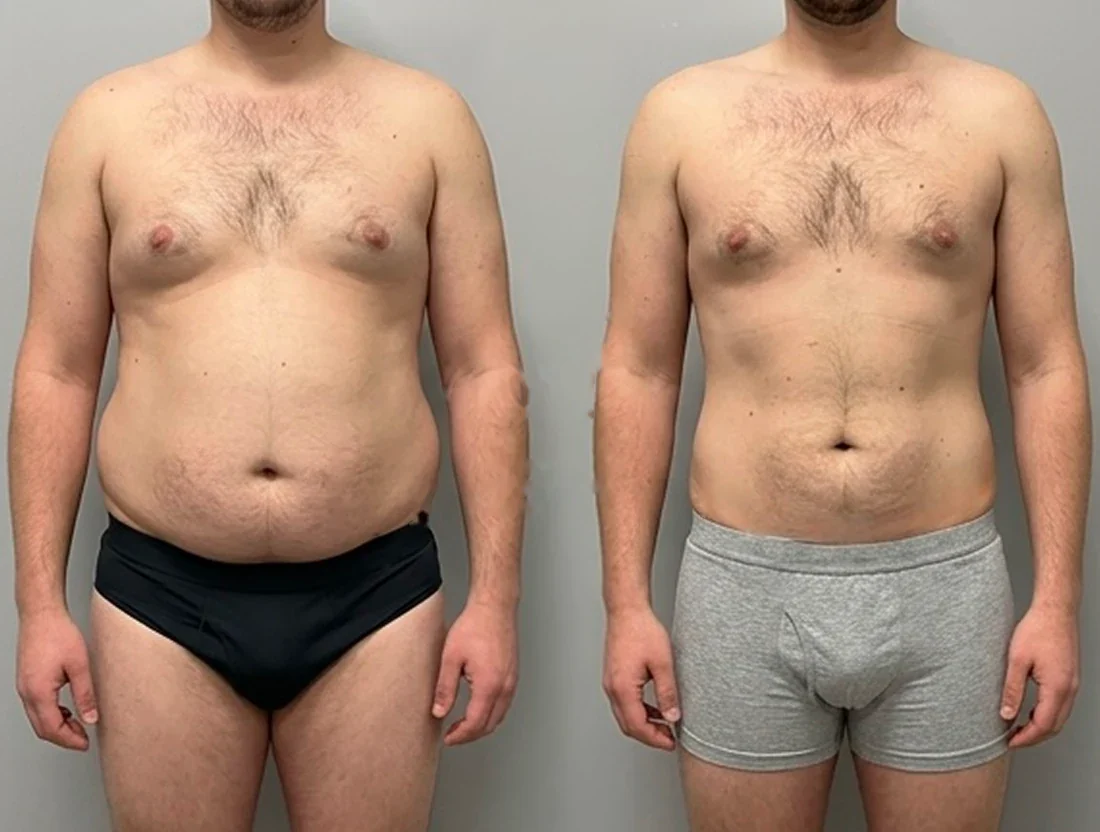
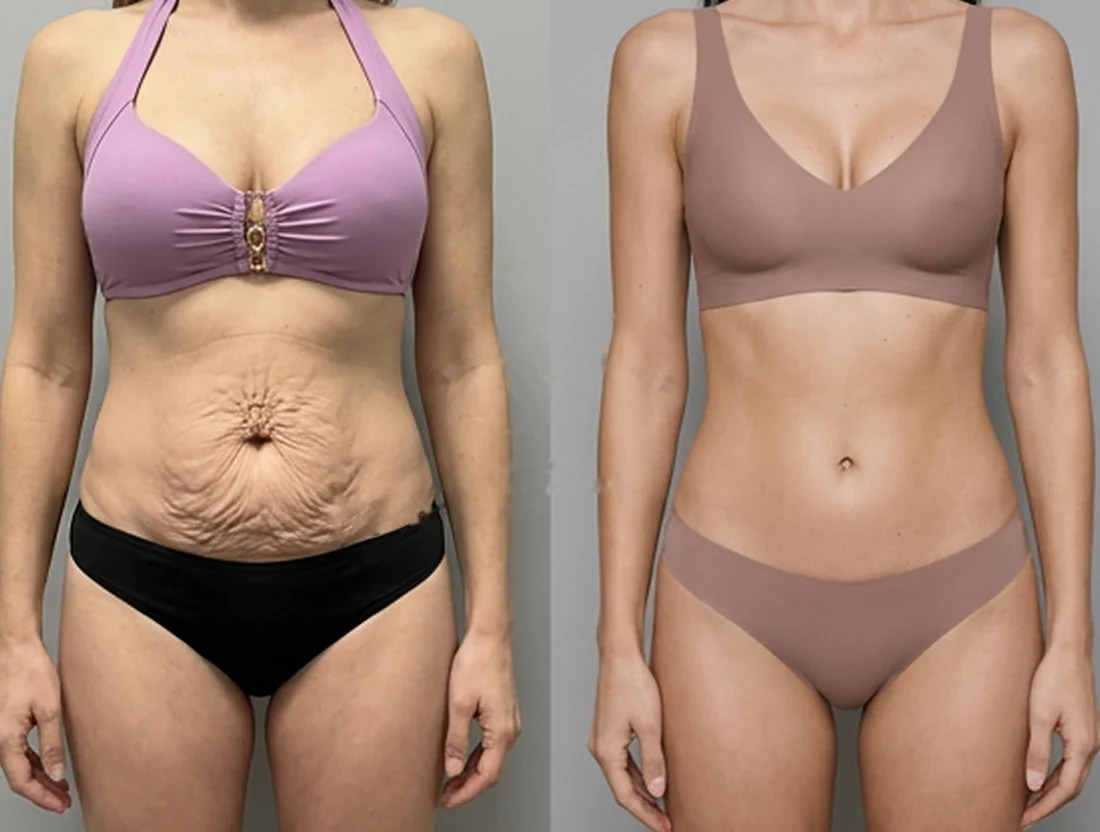
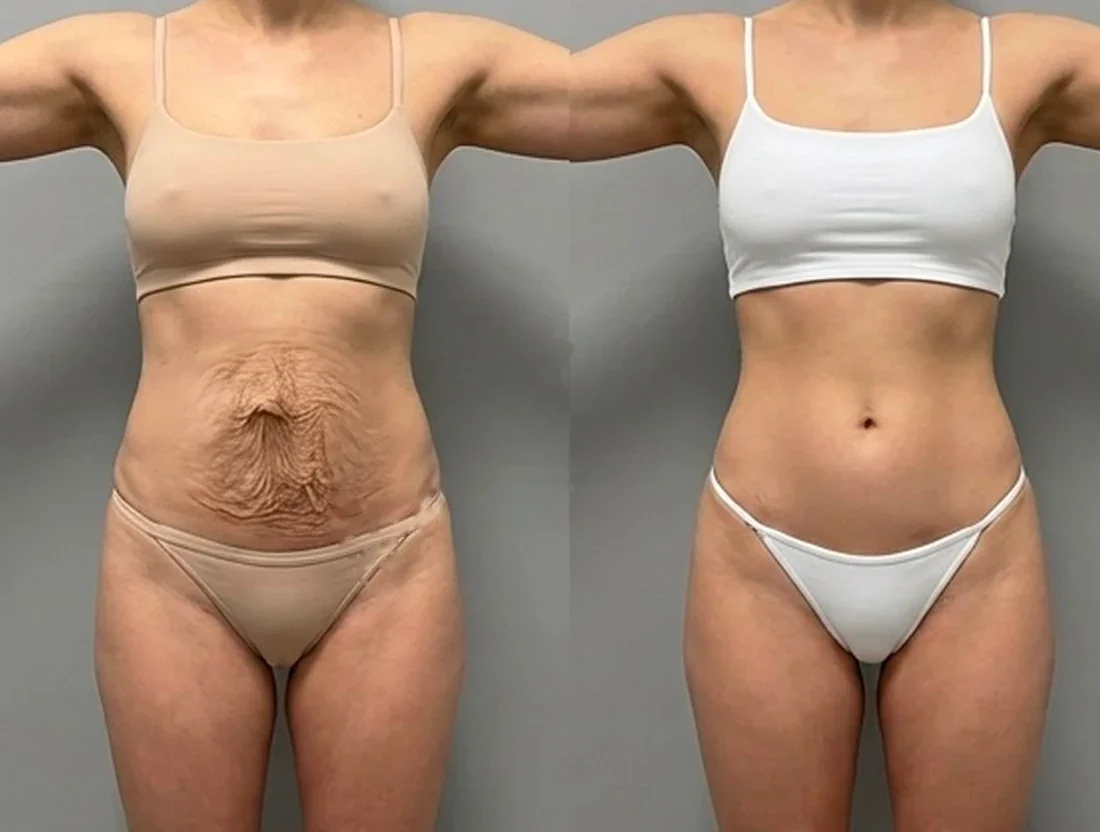
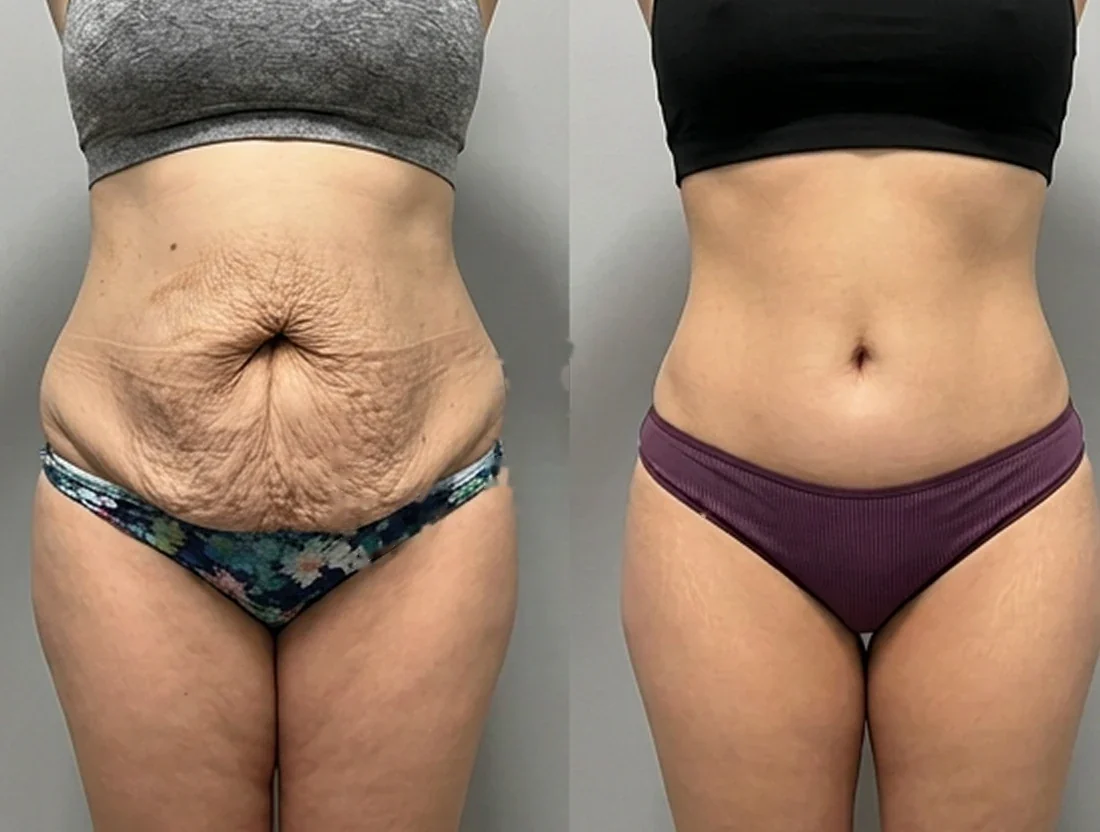
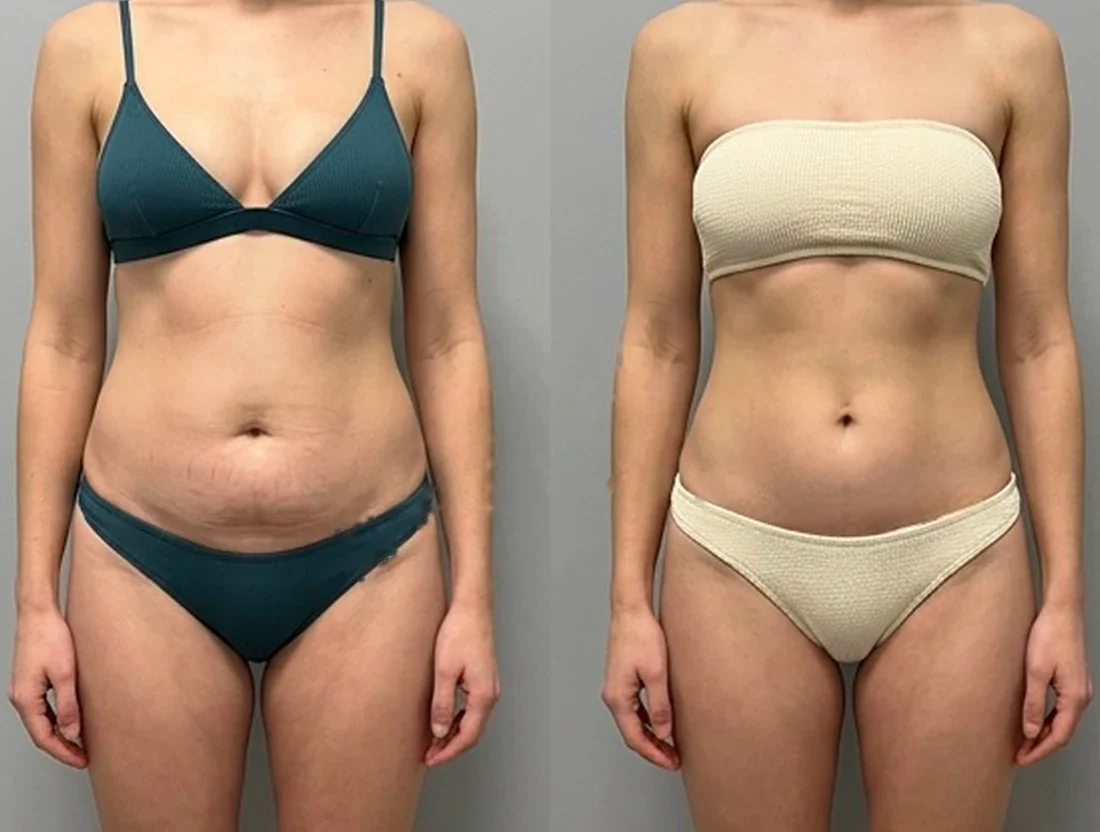
All cases are real patients. Faces and identifying details are hidden.

Tummy tuck: a female patient's abdomen before and after surgerybeforeafter
Tummy tuck: a male patient's abdomen before and after surgerybeforeafter
Tummy tuck: a female patient's abdomen before and after surgerybeforeafter
Tummy tuck: a male patient's abdomen before and after surgerybeforeafter
Tummy tuck: a female patient's abdomen before and after surgerybeforeafter
1 of 8

Comparison

Tummy tuck techniques

A tummy tuck is done as a full (classic) or mini operation, or combined with liposuction as lipoabdominoplasty. Compare the scope of surgery, the indications and the expected results to choose the right technique together with your surgeon.

Tummy tuck

Removal of excess skin, abdominal muscle tightening
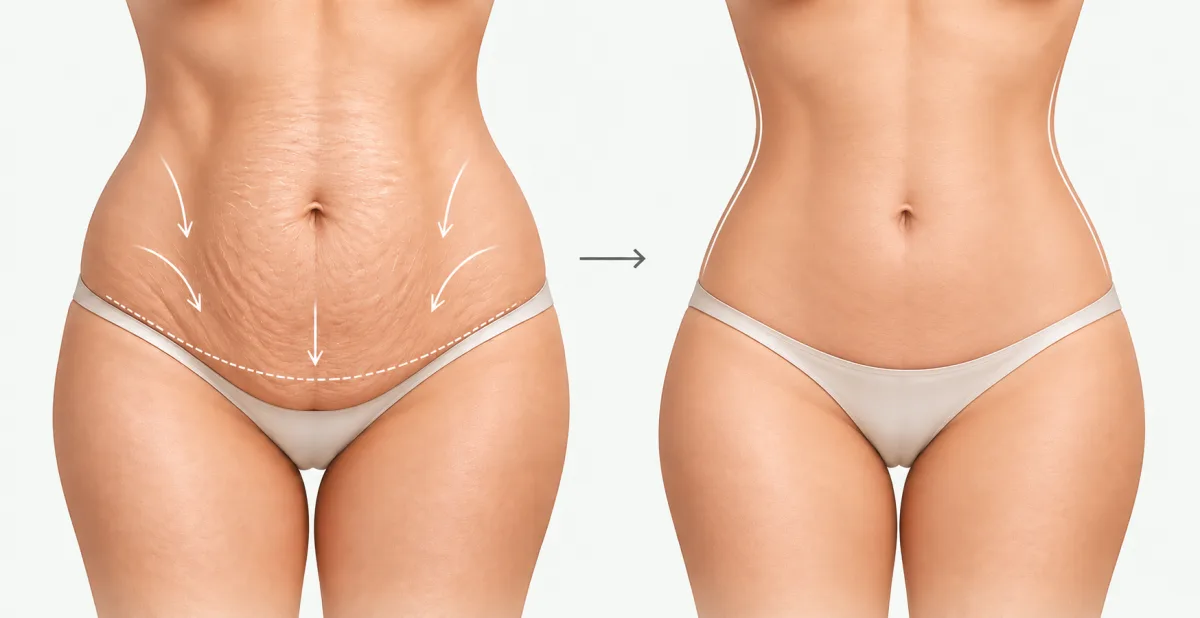
Tummy tuck diagram: the abdomen before surgery with the incision line, and the result
Main goal
Removal of excess skin, diastasis repair
When it is done
Excess skin after childbirth or weight loss
Anaesthesia and stay
General anaesthesia, up to 3 days in hospital

Lipoabdominoplasty

Tummy tuck with added liposuction
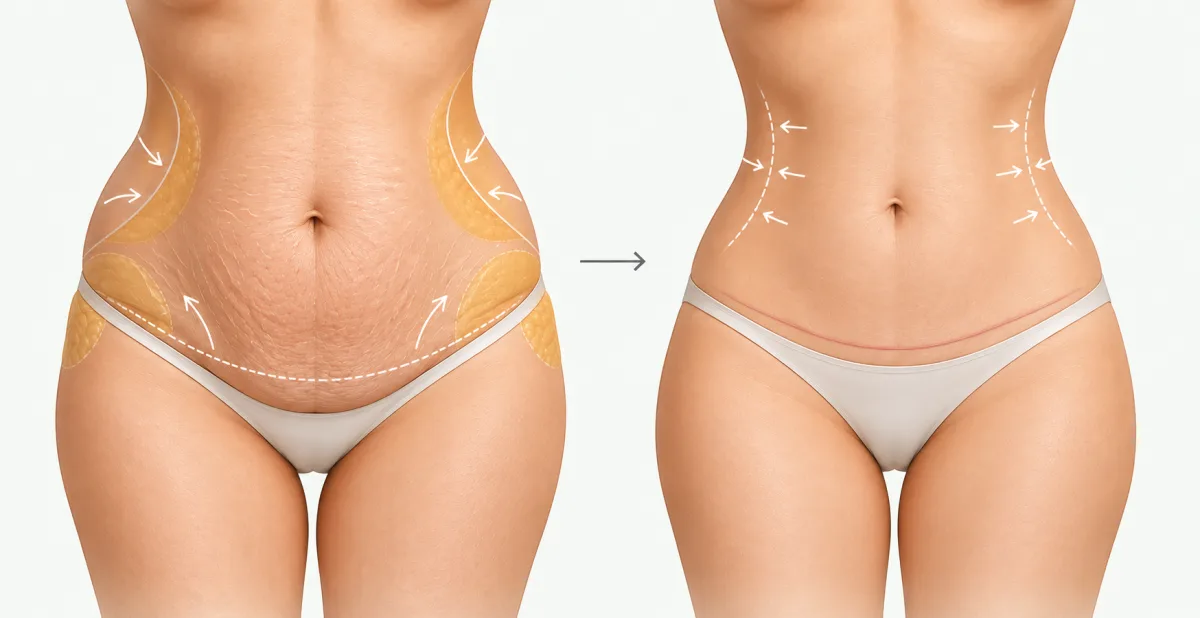
Lipoabdominoplasty diagram: the abdomen with fat on the flanks before surgery, and the result
Main goal
Tummy tightening and waist contouring
When it is done
For fat deposits on the flanks and waist
Anaesthesia and stay
General anaesthesia, up to 3 days in hospital

The benefits and recovery times shown are averaged for each technique and given for guidance: the scope of correction and rehabilitation depend on your anatomy and individual features, and the surgeon confirms them at the consultation.

At the consultation the surgeon draws up a plan for your case and explains how your tummy tuck will go.

Free, before surgery and with no obligation.

Book a consultation

Tummy tuck from the inside

About the clinic

A clinic where you can feel at ease

Modern equipment, comfortable rooms and care for every patient

A doctor and a patient in a clinic ward

Contact us the way that suits you

We will answer your questions and find a convenient time for a consultation

A tummy tuck is not for everyone

If your case can be solved without surgery, the doctor will tell you so at the consultation — and you will not spend money for nothing.

Suitable

A surgeon shows a patient on a model and a monitor how the abdominal contour changes after a tummy tuck
  • Rectus abdominis diastasis
  • Skin folds after weight loss
  • Loose abdominal skin
  • Stretched skin after pregnancy
  • A distorted abdominal contour

Not suitable

A surgeon discusses the indications and contraindications for a tummy tuck with a patient
  • Acute infections
  • Significant disease of the heart, kidneys or liver
  • Clotting disorders of the blood
  • Age below 18
  • Decompensated diabetes
  • Cancer
  • Skin inflammation in the surgical area
  • Currently pregnant or breastfeeding

Not sure the surgery is right for you?

Message us — the coordinator will ask for your photos in the messenger, and the surgeon will tell you whether a tummy tuck suits you. No surgery booking needed.

Find out if it suits me

A surgeon goes through a tummy tuck diagram with a patient at the consultation

Prices

You know the price
before surgery

The price is set at the consultation and fixed in the contract.

Other services

  • First consultationFree
  • Liposuction of the abdomen and flanksfrom $1,700
Book a consultation

Find out your tummy tuck plan and price

The surgeon assesses your abdominal skin and muscles, listens to your wishes and chooses the right correction technique.
The price is set at the consultation and fixed in the contract.

A nurse talks to a patient in a clinic ward

Message our coordinator

Free online consultation · Reply within 15 minutes

Message us on Telegram

By messaging us, you agree to our Privacy Policy

A patient's abdomen before a tummy tuck in the operating room

all inclusive

What the price includes

From preparation for surgery
to post-op check-ups.

  • All scheduled dressings
  • Scheduled post-op check-ups
  • A personal coordinator on call
  • Compression garments fitted on the day of surgery
  • A stay in a comfortable
    hospital ward with meals
  • Individual recommendations
    for recovery
  • Remote progress monitoring
    by photos

How it works

Three days at the clinic —
from preparation to discharge

An agreed correction plan, inpatient observation and post-op check-ups.

A doctor shows a patient a tummy tuck diagram on a monitor1

Consultation
and the surgical plan

The surgeon assesses your abdominal skin and muscles and checks for diastasis, listens to your wishes and chooses the right correction technique.

Paying the deposit by card at the clinic reception2

Booking the date
of surgery

We reserve a surgery date for you: the deposit can be paid by card at the clinic or online by bank transfer. The terms are fixed in the contract for medical services

A blood sample tube for tests before a tummy tuck3

Check-up before
surgery

Before surgery you complete a full lab check-up: blood tests, an ECG, a chest X-ray and reports from the required specialists.

The surgical team during the operation4

Surgery

The surgeon performs the tummy tuck with the chosen technique, repairs diastasis if needed and shapes a firmer abdominal contour.

A hospital ward at the clinic5

Inpatient stay

After surgery the patient stays for 1–3 days in a comfortable hospital ward with meals, under medical supervision.

A surgeon and a patient in the ward during recovery6

Recovery

After surgery you get a recovery programme. Check-ups at 7 days, 3 and 6 months help track your recovery.

Book a free consultation — the surgeon will plan every step with you.

A doctor discusses the tummy tuck plan with a patient
Book a consultation
A doctor discusses the tummy tuck plan with a patient

How it really happens

After a tummy tuck: recovery

Right after the operation, 1–3 days in hospital under medical supervision. Drains usually come out after two days and stitches after 7 days. The compression binder stays on for 1.5–2 months, supporting the abdominal wall and shaping a smooth contour. Most swelling passes within 30 days, and you can go back to office work after 2–3 weeks. Sport, sauna and heavy lifting are ruled out for 2–3 months; it's advised to sleep on your back with knees bent early on. After 12 months the scar is fully mature — faded and barely noticeable.

Post-op check-ups

After 7 days, at 3 months and at 6 months. Until the end of the year, get a post-surgery consultation with your surgeon to review results and get more information, at the clinic's expense

Advantages

Reasons to choose City Medical Centre

A surgeon discusses the tummy tuck plan with a patient at the consultation

Just find out — you lose nothing

At the consultation we discuss your wishes and assess your abdominal skin and muscles. The surgeon explains what changes are possible, chooses the correction technique and answers your questions.

A surgeon on a video call with a patient after surgery

We stay with you after surgery

The surgeon follows your recovery and the changing abdominal contour at check-ups after 7 days, 3 and 6 months. Check-ups, dressings and aftercare advice are already included in the price of surgery.

A surgeon shows a patient a model and tummy tuck diagrams

A beautiful contour that fits your figure

We choose the correction technique based on your skin, muscles and figure. Our aim is a harmonious abdominal contour that keeps the natural proportions of your body.

A patient writes down a convenient visit time in her planner

Your schedule is our priority

We respect your time: we work 24/7, with easy booking and a personal approach — we adapt to your pace.

A surgeon shows a patient the fixed price of surgery with no extra charges

Fixed prices

After the consultation the surgeon defines the extent of correction, and you get a clear price for the surgery — no surprises on the way to the result you want.

A surgeon visits a patient in the hospital ward after surgery

Round-the-clock care after surgery

Recovery starts in a comfortable hospital ward under round-the-clock nursing care. The stay and meals are already included in the price.

FAQ

We answer what
people ask before booking

About abdominoplasty for patients from Batna

Who is a candidate? Adults aged 18 and over with no contraindications; there is no upper age limit, and each case is considered after an examination. Surgery is done at a stable weight and is not performed during pregnancy or breastfeeding. Contraindications also include decompensated diabetes, blood clotting disorders, cancer and serious heart, kidney or liver disease. Batna patients get a personal assessment.

Compression is not optional: without the garment recovery is worse, because it supports the tissues and reduces swelling. For the first 3–4 weeks it is worn around the clock, then for about another month during the day; the operating surgeon names the exact period. For at least a month, sauna, pool, tanning beds, alcohol and smoking are off-limits. Batna patients receive the full list of restrictions from the surgeon.

The price of a tummy tuck is set individually after a free consultation, because it depends on the technique and the scope of surgery. For patients from Batna, the figure is then fixed in the contract with no hidden extra charges. The clinic works under an official contract with a guarantee. Leave your name and phone number, and a coordinator will contact you to book the consultation.

Stories of well-known people

Well-known people who spoke openly about this operation, in their own words.

All stories about this operation →

Checklist Culture: What a Pilot School Town Can Teach a Tummy Tuck Patient

Batna hosts a flying school, Aurès Aviation, and anyone who has watched a pilot work through a pre-departure list knows the value of boring, repeatable order. A tummy tuck rewards the same temperament. Before you ask a single question about the abdomen itself, write down your own list: age, previous pregnancies or surgeries, medicines taken every day, allergies, and the exact feature that bothers you in the mirror. Nothing on that list needs medical vocabulary. Plain sentences such as «two children, last delivery six years ago, no operations, no tablets except a vitamin» are far more useful than a long story assembled from internet forums. A short written sentence about your goal also helps the surgeon: a smaller waist in dresses, a better line in photographs, or simply comfort when sitting. Different goals lead to different plans, and honest wording prevents misunderstanding.

Then take four photographs in plain daylight: front, both sides and back, standing relaxed, without a compression garment or tucked-in shirt. Stand against a bare wall, hold the phone at navel height and keep the camera level. Send them to the coordinators on Telegram or Telegram with your list. They answer around the clock, so you do not need to wait for a convenient hour or find a quiet corner of the office. If you have a scar from an earlier caesarean or appendix operation, include it in a sixth photograph taken close up. Scars of this kind tell the surgeon where the skin has been pulled before and where it may behave differently.

What comes back is an initial reading, not a booking. Someone will tell you whether your description sounds like loose skin, separated muscle, a stubborn lower bulge, or a mix, and which questions the surgeon will want answered. Treat that reply as a worksheet. Underline anything you do not understand and send it back; a patient who asks twice usually decides better than one who nods once. Do not be discouraged if the first reply contains more questions than answers; that is how a careful assessment looks from the outside, and it is better than a confident verdict reached from one blurry picture.

Many people in the city live in apartment blocks around the centre or in neighbourhoods such as Bouzourane and Kechida, with stairs between the street and the front door. Mention this early. A recovery plan written for a ground-floor house differs from one written for a third-floor flat, and the surgeon can only adjust advice that he has actually heard about. Neighbourhoods near the centre, around the Stand district or Cité 20 août, tend to have lifts in newer buildings and none in older ones, so a short line about your own building saves a whole exchange later.

The Operation and the Ward: General Anaesthesia, Two to Four Hours, One to Three Days

The operation is carried out under general anaesthesia and lasts between two and four hours. The length depends on how much is being corrected, which is why no sensible coordinator quotes a fixed time before seeing your photographs and history. Ask the anaesthetist to speak with you in advance, tell him about every tablet you take, and write down what he says about eating and drinking before the day. Fasting rules are not a detail to improvise. Write them on paper, stick the paper on the fridge, and let your companion read it too, since people in a hurry before dawn often misremember the last drink. Ask the coordinators what the first night at home will look like: how to rise from bed, when to take medicine, when to eat. A written outline of the first twenty-four hours is worth more than a general reassurance.

After surgery you stay in hospital under medical supervision for one to three days. Drains are normally removed after about two days, and the nurses will show you how to move from lying to standing without pulling on the wound. Pack a front-opening nightdress or pyjama shirt, soft slip-on shoes, a long phone charger and a pillow you already like. Comfort items are small, but they decide how the first nights feel. A detail many patients forget is hair: arrange for a clean, low ponytail or a loose scarf before admission, because lifting your arms above the head to style your hair can feel awkward in the first days.

Stitches come out around day seven. Until then, expect to walk slightly bent and to rely on another adult for the kitchen, the stairs and the school run. Decide beforehand who that adult is. In a family where three generations share one house, the answer can be obvious; for a woman living with a husband who works shifts, it needs an actual conversation before the admission date. Ask your companion to take over phone calls from relatives during the first evening. Well-meaning visitors tire a recovering patient quickly, and the coordinators can answer the family's questions in writing if you prefer. Take your pyjamas out of the wardrobe before the admission and choose the softest ones with a loose waist. Wearing tight clothes over a fresh wound is a common and avoidable discomfort.

On the way home, sit as the nurses taught you, with a cushion behind the back and another under the knees. Put a bottle of water, your medication list and a phone within reach of the bed before you leave for hospital. The coordinators can talk through the first evening with you by message if something feels unfamiliar, and the written discharge notes tell you what to report and what to simply wait out. If the discharge sheet contains words you do not recognise, photograph it and send it to the coordinators the same evening. Understanding every line while you are still calm helps more than guessing at midnight.

Back at the Desk Two to Three Weeks Later, in a Friday and Saturday Weekend

Algeria keeps Friday and Saturday as the weekend, so a patient who is admitted early in the week can be discharged before the days off and spend them with her family. Office work usually resumes after two to three weeks. Count back from the date you must be at your desk, then add a margin; a plan that leaves no slack is the one that fails first. A related point: do not book family travel or large gatherings in those first three weeks. A wedding on the calendar should be discussed with the surgeon before you choose your admission date, not afterwards. Draw up a timetable for your first month on one sheet: appointments, medicine times, visitors, work. Having a plan on paper reduces anxiety and lets the family see where they can help.

Batna has two universities, Batna 1 and Batna 2, and a large share of the working population is connected to teaching, administration or services around them. Term calendars do not stretch, so ask your employer which weeks are quietest. Ask the surgeon for a medical note in advance, and send the coordinators any form your workplace requires so that nothing is left to the last day. Teachers, clerks and administrators often prefer to return on a Sunday or a Monday, giving them two full weekend days at home just before. Whether that fits your own medical timeline is a question for the surgeon, but it is worth raising.

A job that involves standing for hours, carrying boxes or driving between towns asks more of the abdomen than a desk does. Describe your typical day honestly: how long you sit, how much you lift, how far you drive. The surgeon can then tell you whether two weeks is realistic or whether a staged return suits you better. Do not choose the date for your colleagues' convenience. Self-employed people, such as shop owners or workshop managers, often feel pressure to answer customers from bed. Set an automatic reply, nominate a deputy, and keep calls short; the abdomen heals on its own schedule, not the shop's.

Even at the desk, take a short walk every hour, keep a small cushion behind your back, and leave heavy tasks such as carrying shopping or moving furniture to others. Write a short list for your family of what you may and may not do; having it on the fridge saves arguments and keeps the first weeks calm. Write the date of your first day back in your calendar in pencil. If the surgeon moves it, you rub it out without drama. A tentative plan beats a rigid one in this operation. Remember that cooking and cleaning are tasks to delegate for the first weeks. Ask a relative to take over, and set rules about heavy lifting so that nobody improvises.

Swelling, the Binder and the Slow Final Line

Most swelling goes within roughly thirty days, yet the abdomen keeps changing for months. The first month tells you about fluid, not about the final contour. Photograph yourself at the same time of day, in the same spot, once a month, and keep the pictures in a single folder. Side-by-side comparison is much fairer than judging the mirror on a tired evening. Weight stability counts too. Keep your weight steady in the months after surgery, because large swings change how the abdomen looks and can undo some of the contour you worked for. Do not be alarmed by changes in sensation: numbness, tingling or sensitivity can come and go as nerves recover, and your surgeon can say how long this typically lasts.

A compression binder is worn for about one and a half to two months, during which swelling and tightness settle and an interim result appears. Batna winters are cold, with January lows near 0.7 degrees and highs around 9.8, so the binder disappears under sweaters and nobody notices. July is a different story, with highs near 33 degrees, so cotton underneath and a daily wash matter more than they sound. Lymphatic swelling can shift from one side to the other during the day, particularly after sitting for long. Alternate sitting with gentle walking, and report asymmetry that grows rather than settles.

The final contour and the scar are judged between six and twelve months, once the tissues have fully adapted. Scars change colour and thickness over that period, and every person differs. Ask the surgeon exactly how to care for yours and ignore recipes forwarded in group chats. Photograph the scar every two months and send the images to the coordinators if something looks unfamiliar. Sleeping position deserves attention in the first weeks: a pillow under the knees and a slightly raised head take tension off the closure. Your surgeon will tell you how long to keep this up. Remember that the final result is read in months, not days. If you are tempted to compare pictures every morning, change the habit: one fixed photographing day per month is plenty.

Gentle walking comes first, ideally on flat ground, and stronger exercise follows only after the surgeon agrees. Families in the city often head to the Belezma national park in the Aurès mountains for a weekend outing; that is a lovely goal for later, but not a plan for the third week. Let your written timeline, not a neighbour's story, decide when you return to sport. Remember that the interim look at the end of the binder period is not the end of the story. Many patients feel disappointed at week eight because the final contour is still months away, and a written timeline keeps expectations realistic.

Checking the Surgeon and Reading the Offer Before Anything Else

In Algeria, doctors are regulated through the councils of the medical professions, and nobody may practise medicine without being entered in the Tableau of the Order. The Tableau is the official register. Ask the coordinators for the surgeon's full name, specialty and registration, then compare what you receive with the official entry. A polished social media page proves nothing about a licence. Keep screenshots of the registration details you receive and the date you received them. Should something be unclear later, you can show exactly what was promised and when. Keep a dated list of everything you were told during your conversations. When memories differ, a dated list ends the argument.

Specialty matters as much as registration. A tummy tuck is a plastic and reconstructive operation, and a general surgeon with a polished manner is not the same as a specialist who performs this operation regularly. Ask which specialty he holds, how many similar operations he performs and what the follow-up looks like at one week, one month and six months. The answers should come in writing. Use plain wording. «Which specialty is written on your registration?» and «Can I see a written follow-up schedule?» need no medical knowledge, and a surgeon who answers calmly and in writing has already told you something useful.

When two offers arrive, lay the documents next to each other rather than picking by reputation. Compare the type of anaesthesia, the length of the hospital stay, what is included in the service and who answers your questions after discharge. A town that grew from a garrison camp laid out in 1844 and sits beside Roman Timgad has plenty of practice at preferring the plan on paper to the promise in conversation. If one offer is much shorter than the other, ask what is missing rather than assuming that shorter means simpler. Sometimes the missing line is the follow-up visit, which you do not want to lose.

After you receive the written plan, wait a couple of days before deciding. Show it to a relative or friend who has been through surgery, and send any last question to the coordinators on Telegram or Telegram. Nobody is rushing you, and no booking follows from a consultation. A calm decision is the best protection against later regret. Finally, tell your family what you are planning once the decision is yours. Relatives raise questions that you may not have thought of, and having them early is far better than hearing them at the hospital door. There is no prize for deciding quickly. If you want to wait a month before booking anything, simply say so and ask the team to keep the conversation open.

How long does a tummy tuck take, and what anaesthesia is used?

It is performed under general anaesthesia and lasts two to four hours, depending on how much needs correcting. The anaesthetist will ask about your medicines and allergies beforehand, so list them in your first message. Do not plan the rest of your day around an exact hour; the surgeon sets the real timing after seeing your history. If you have had previous abdominal surgery, mention it in the first message because it changes how the surgeon reads the photographs.

How many nights do I spend in hospital?

Most patients remain under medical supervision for one to three days, and drains are usually removed after about two days. The exact length depends on your general condition and the extent of surgery. Ask the coordinators for the expected sequence before admission and keep the written discharge notes close at hand. Some patients stay a little longer if pain or digestion needs more watching; that is the medical team's call, not a failure.

When are the stitches taken out?

Stitches are normally removed after seven days. During that first week, walk slowly, avoid lifting and keep a relative nearby for stairs and the kitchen. If you notice redness or unusual discharge, photograph the area and write to the coordinators straight away rather than waiting for the appointment. Ask someone to accompany you to the appointment, because standing up after sitting in a waiting room can make you light-headed. For example, a heart or lung condition changes the plan, so mention it.

When can I go back to the office?

Office work generally resumes after two to three weeks. A job with long standing, lifting or driving needs a more careful conversation with the surgeon. Have your medical note and any employer forms ready before admission, because paperwork is easier to handle while you are not recovering. Driving is a separate question; ask the surgeon when it is safe, since a seat belt across the abdomen can be uncomfortable. Ask about the arrangement for the first night at home as well.

How long should I wear the compression binder?

The binder period lasts about one and a half to two months, while swelling and tightness pass and an interim result appears. Choose soft fabric that suits the season, wash it as the surgeon advises, and report any skin irritation under the binder rather than ignoring it. Ask the surgeon whether to wear it at night as well, as practice differs from case to case.

When will the final result and scar be clear?

The final contour and scar are assessed between six and twelve months, when the tissues have fully adapted. Most swelling is gone around day thirty, but improvement continues afterwards. Monthly photographs taken in the same light give you and the surgeon an honest record to compare. A slower final result does not mean a poorer one; it simply means the contour is read in stages.

How do I verify a surgeon in Algeria?

Ask for the full name, specialty and registration number, then check the entry in the official Tableau kept under the councils of the medical professions. Nobody may practise without being listed. The council's own website could not be confirmed as open, so rely on written proof and official channels, not on a profile page. Never pay anything before you have both the registration and the written plan in your hands.

How does the first consultation work from home?

Take four daylight photographs, write down your history and medicines, and send everything to the coordinators on Telegram or Telegram. You receive an initial opinion and a list of open questions, with no commitment. Support is available around the clock, so you can choose a quiet moment to write. If you prefer messages at a particular hour, say so in the first line and the coordinators will follow it. Add one or two key questions only, so the first reply stays focused.