
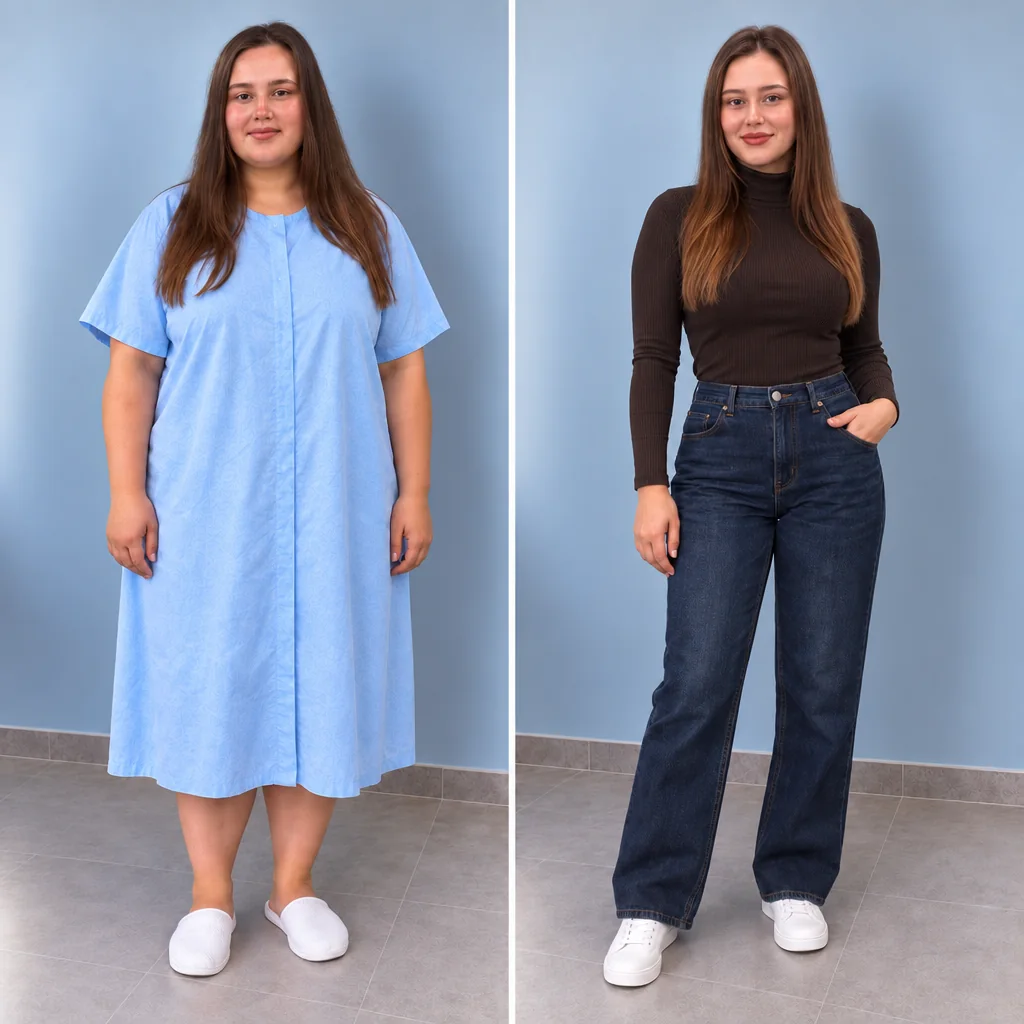
 beforeafter
Irina, 26
Bariatric surgery
Bariatric surgery
$3,600
$4,800 · First consultation — Free
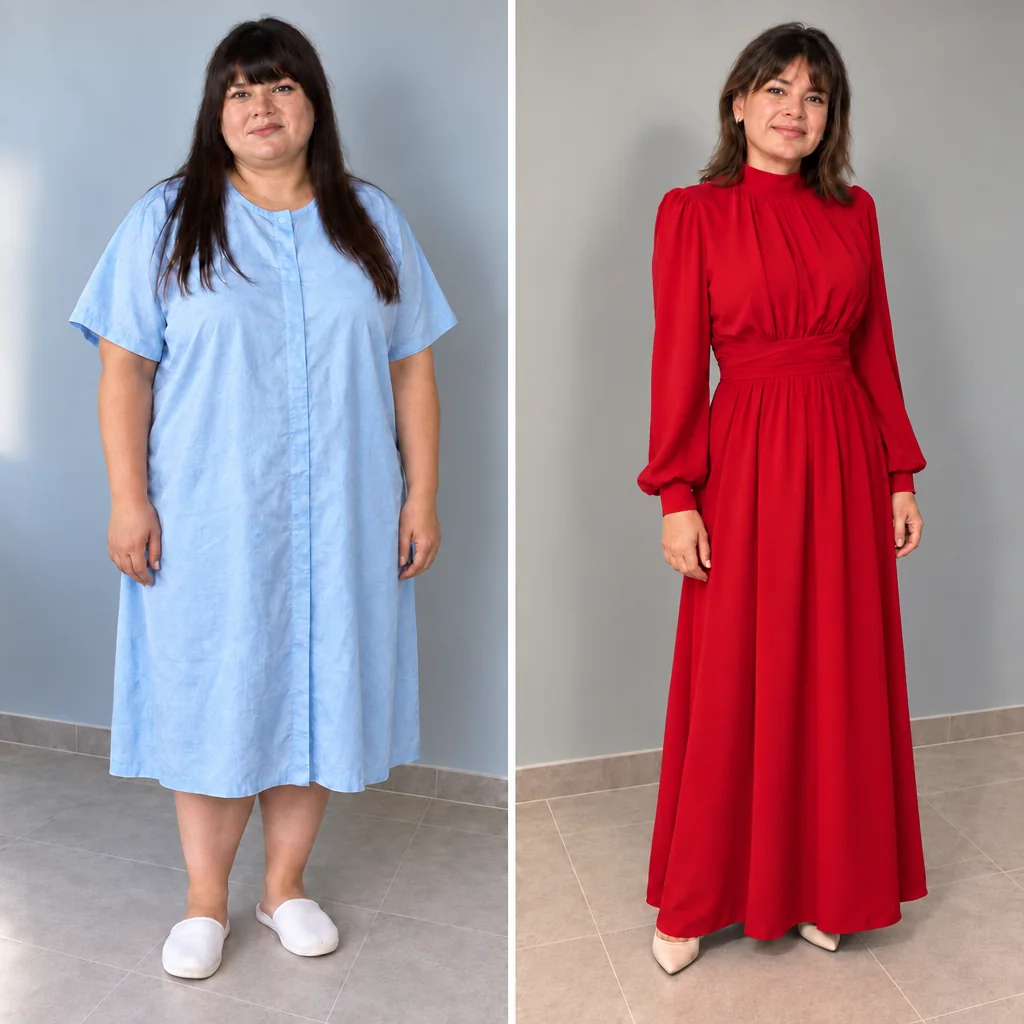 before
after
Message our coordinator
Free online consultation · Reply within 15 minutes
Message us on TelegramMessage us on WhatsAppBy messaging us, you agree to our Privacy Policy
Results
Only real clinic patients appear here.
beforeafterBariatric surgery
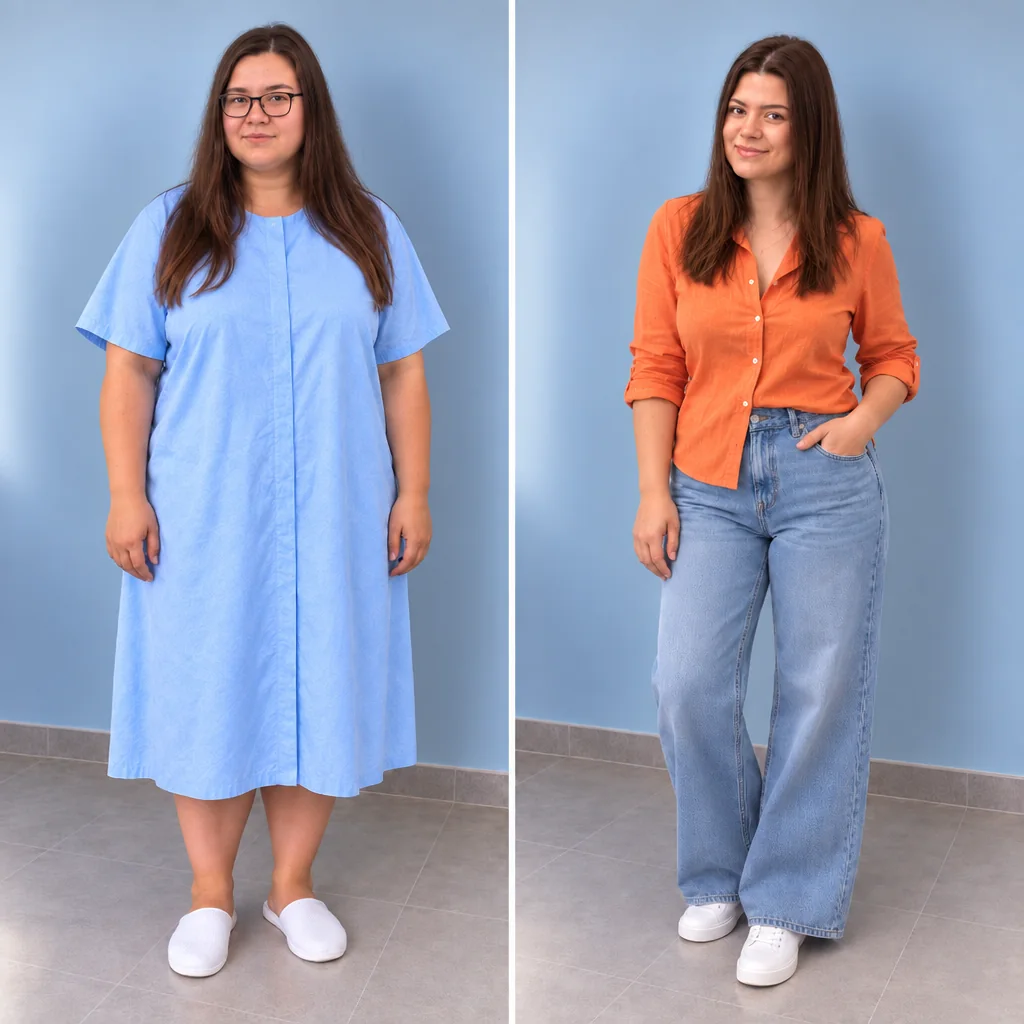 beforeafter
Bariatric surgery
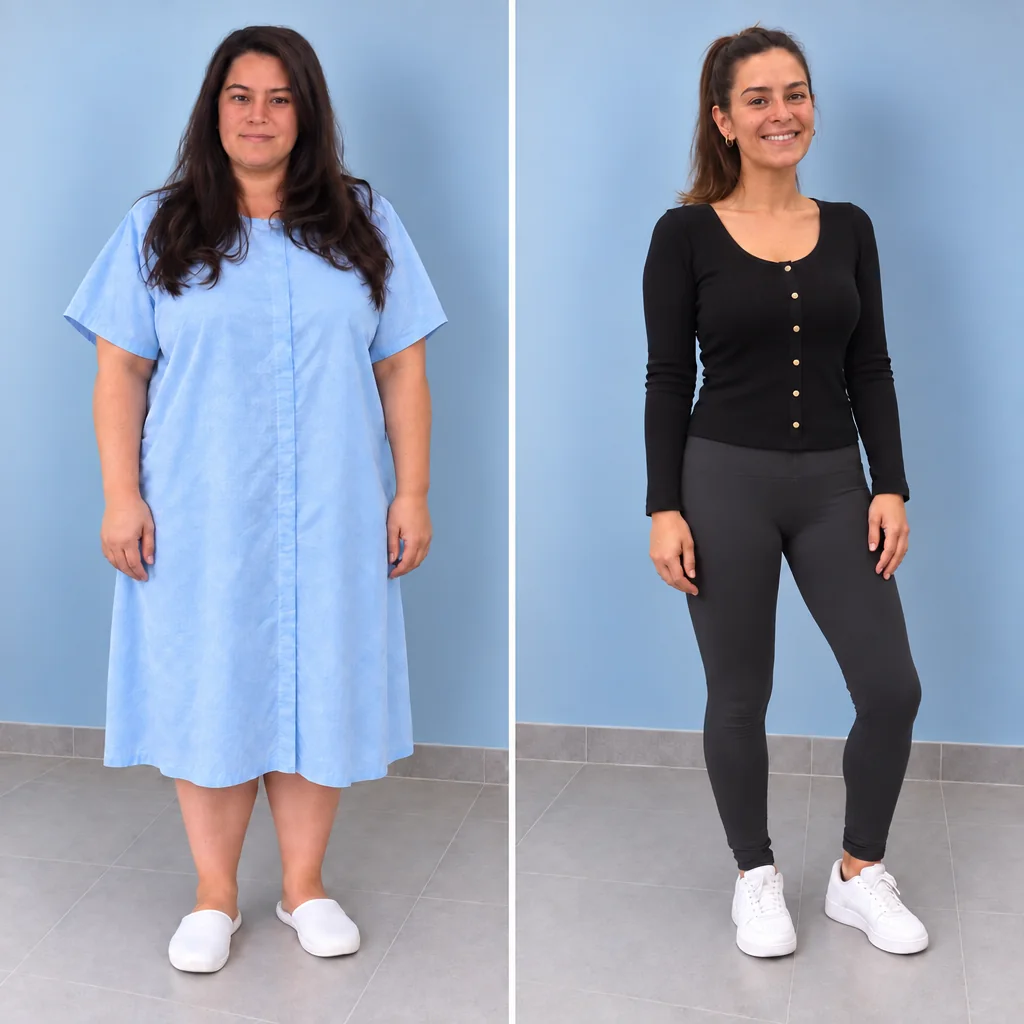 beforeafter
Bariatric surgery
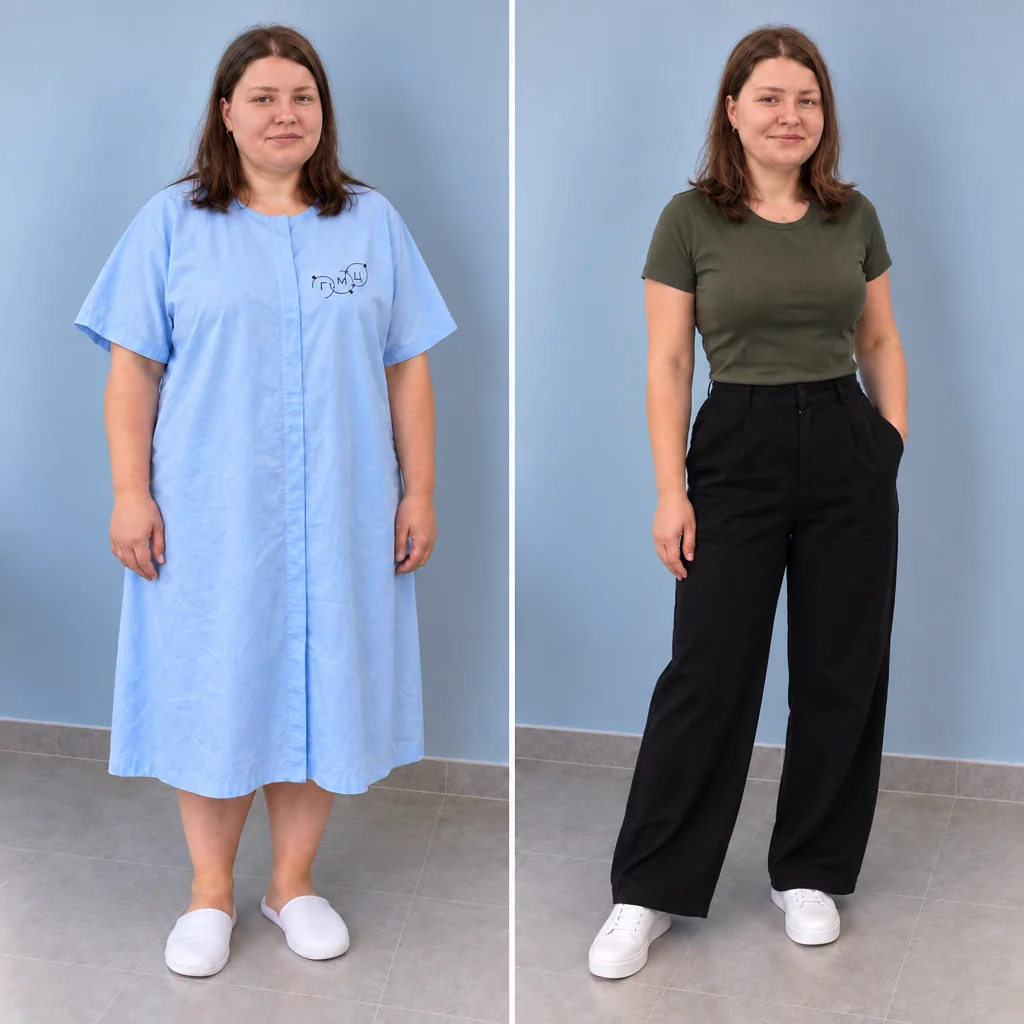 beforeafter
Bariatric surgery
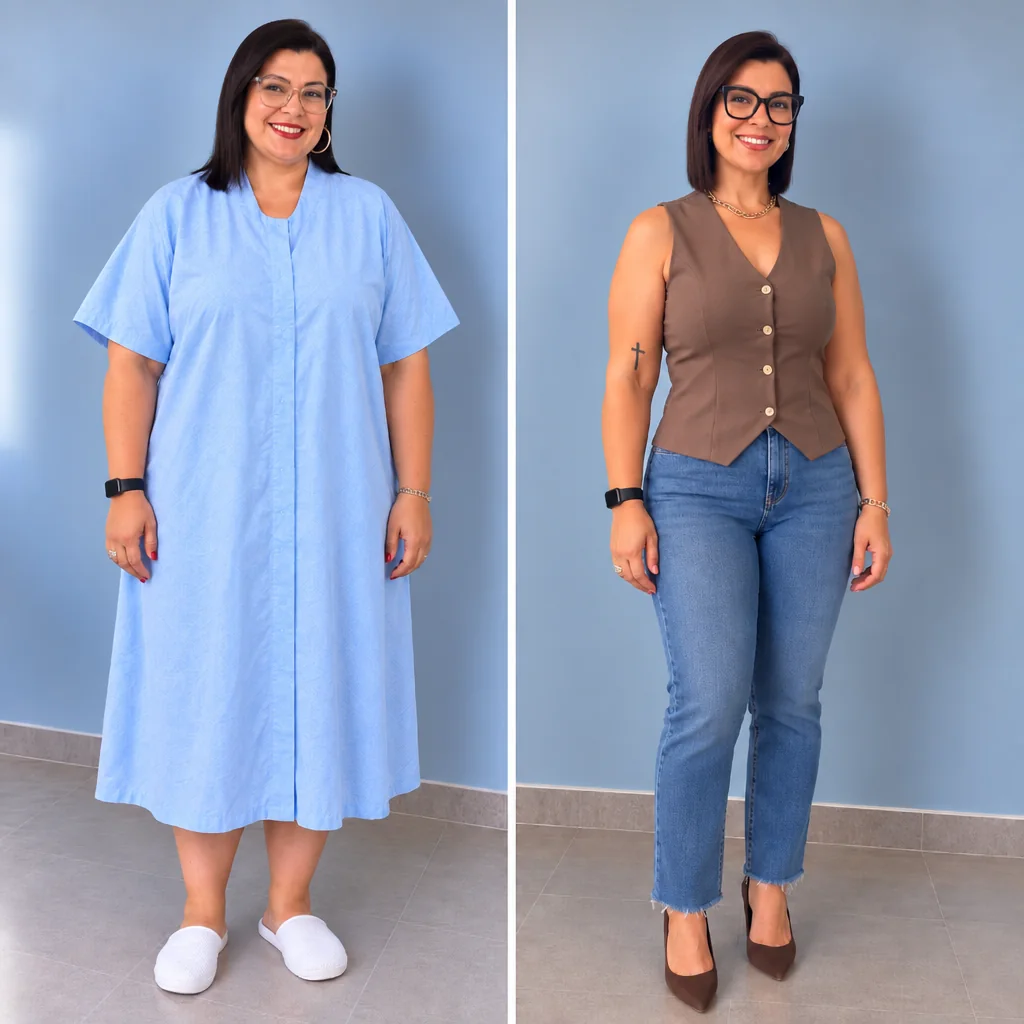 beforeafter
Bariatric surgery
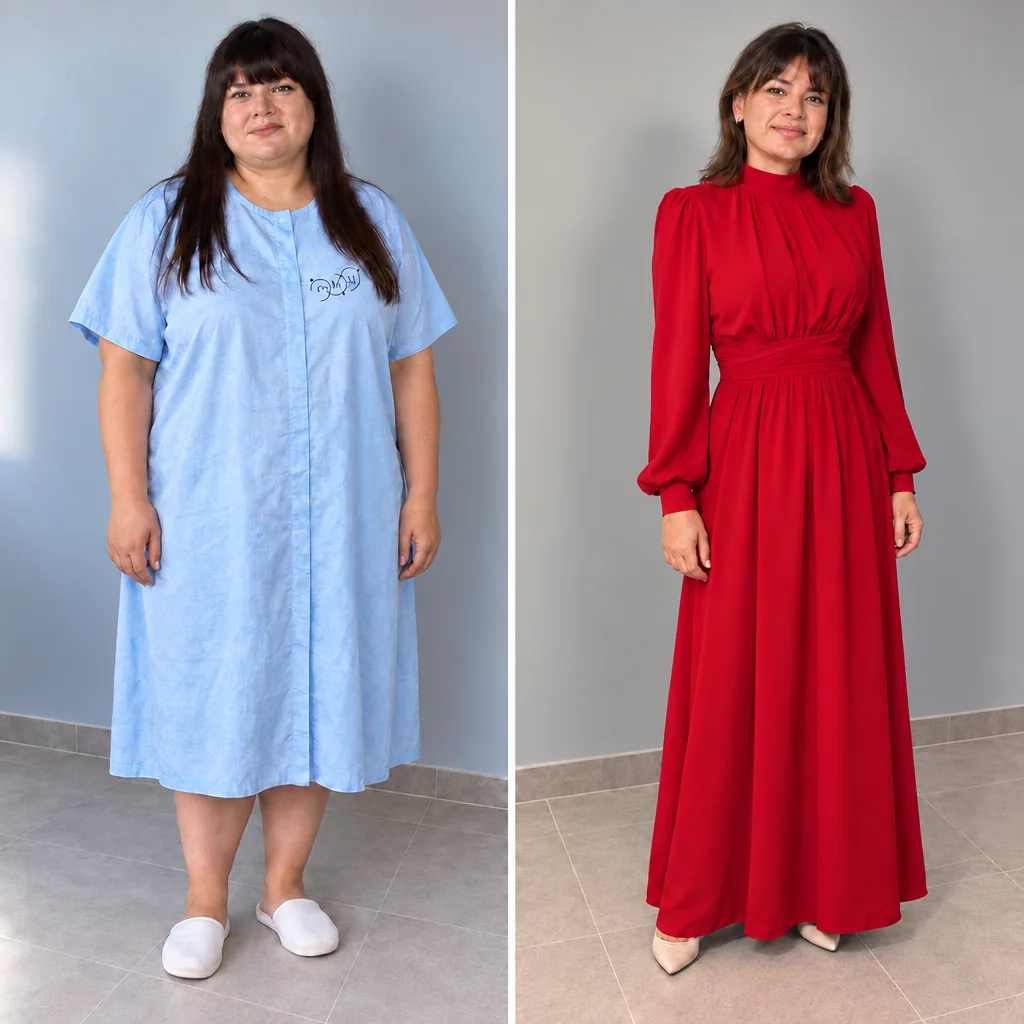 beforeafter
Bariatric surgery
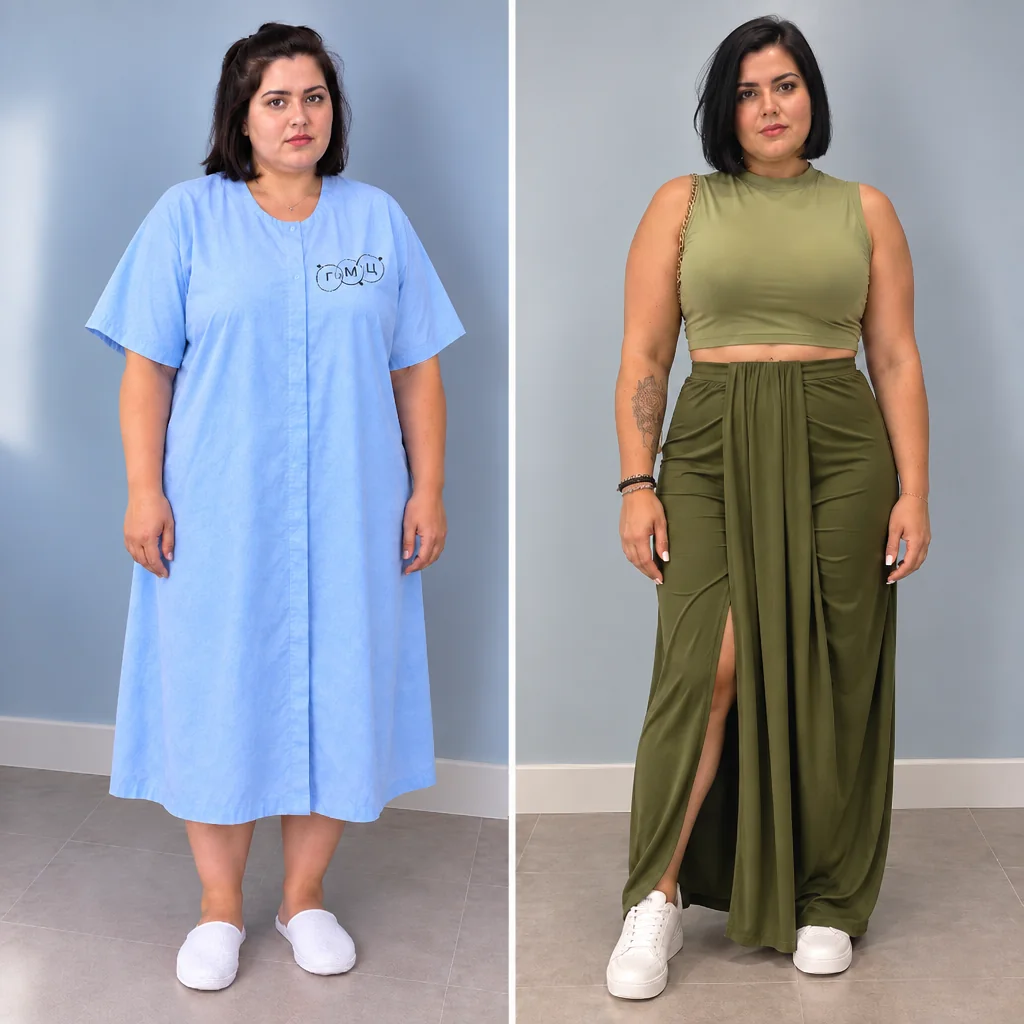 beforeafter
Bariatric surgery
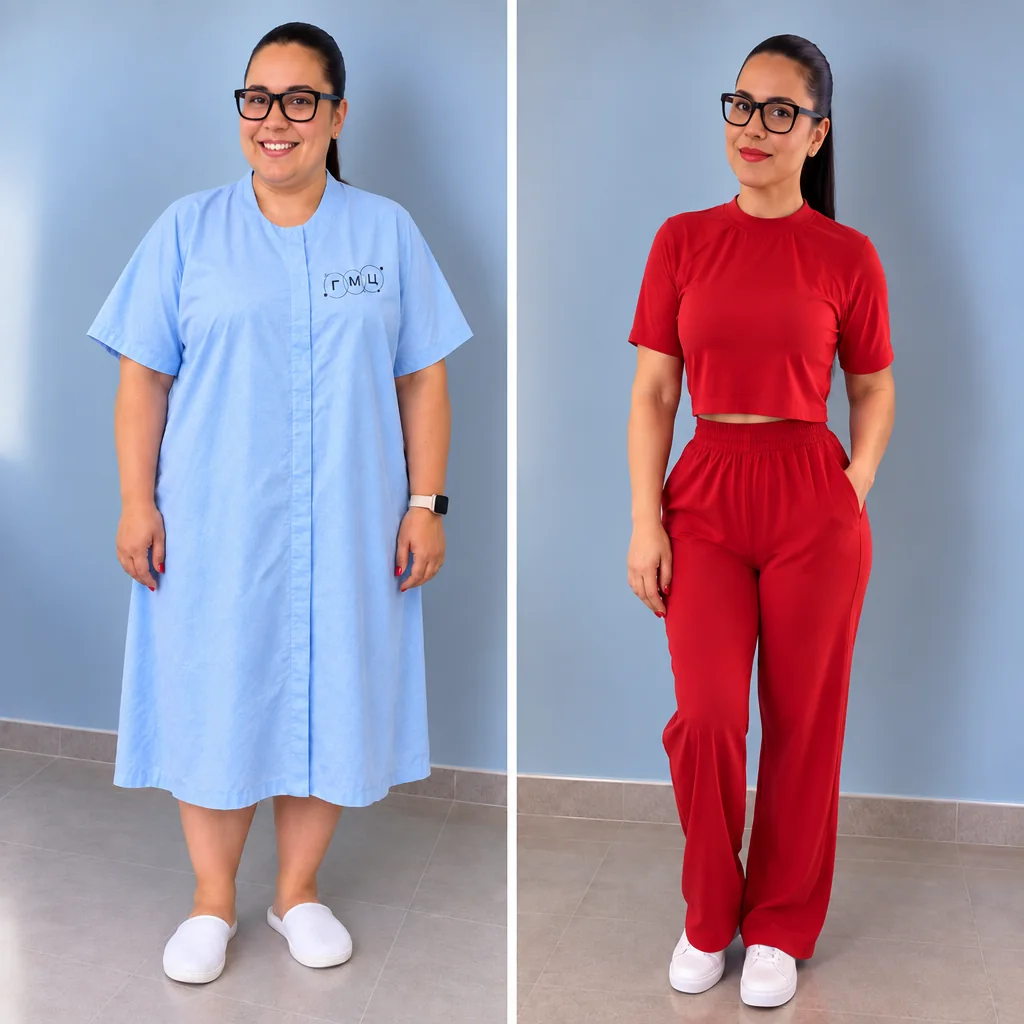 beforeafter
Bariatric surgery
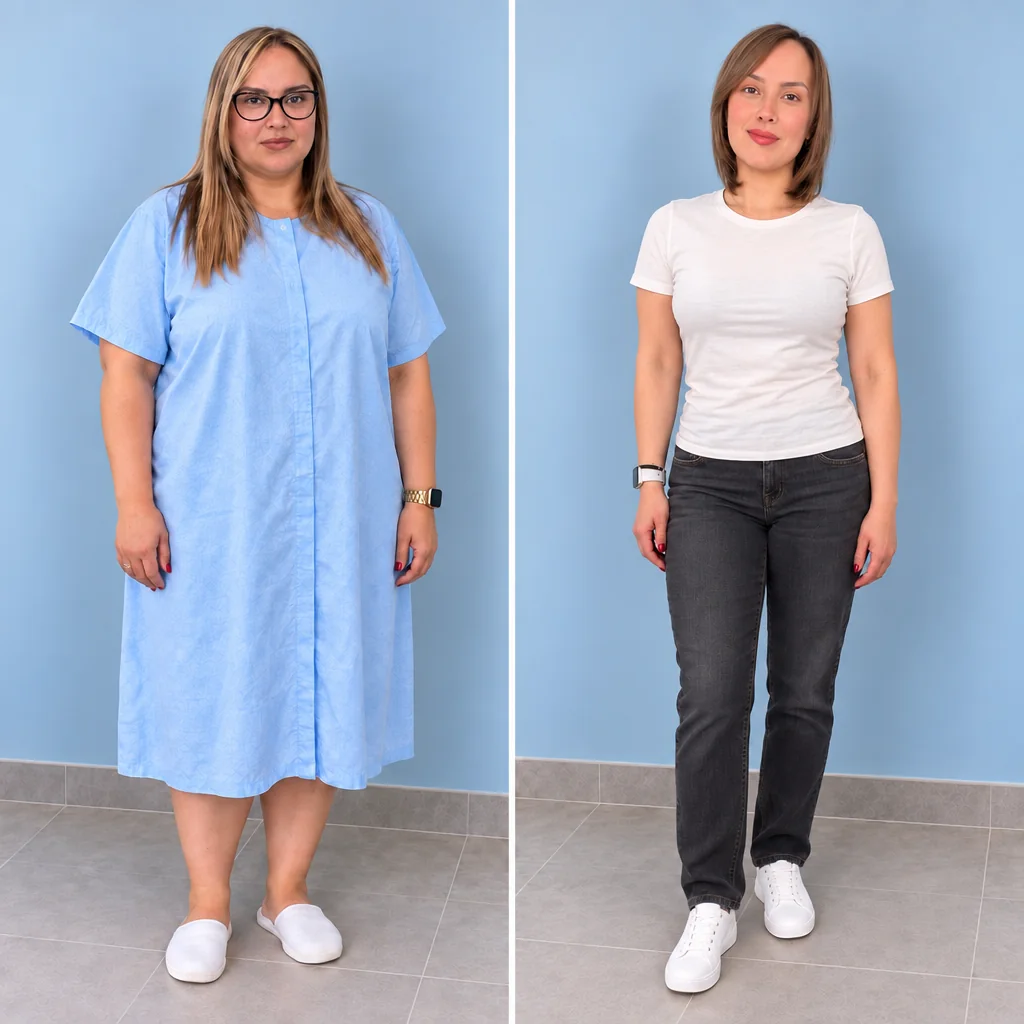 beforeafter
Bariatric surgery
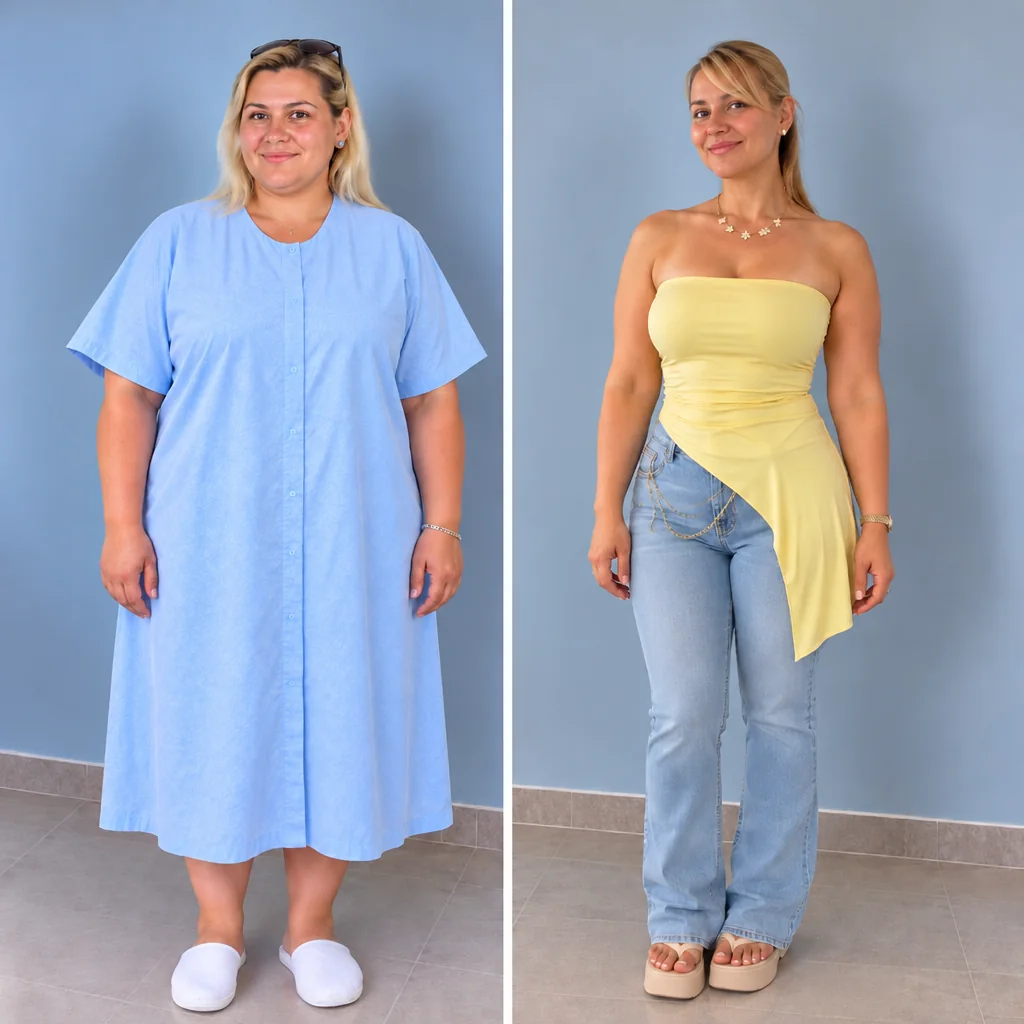 beforeafter
Bariatric surgery
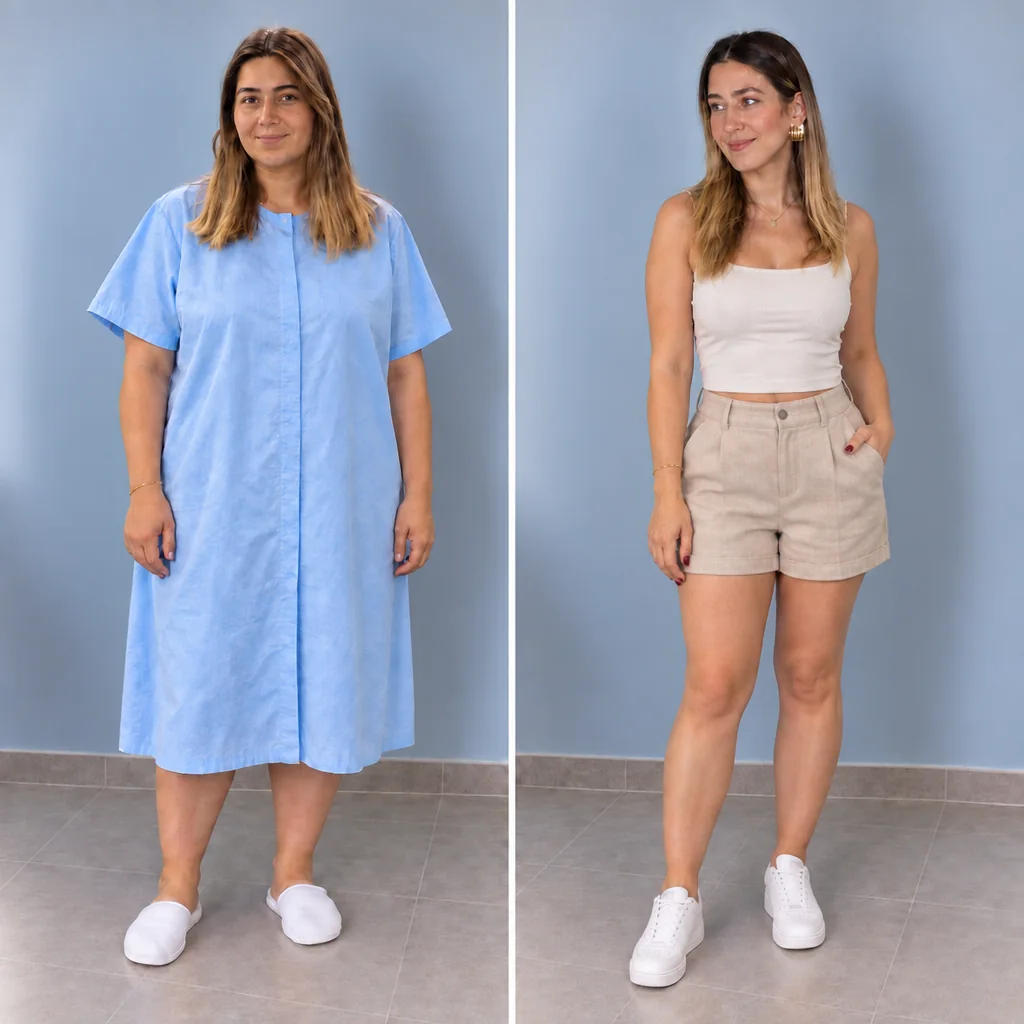 beforeafter
Bariatric surgery
Comparison
Two main bariatric operations are available: sleeve gastrectomy and gastric bypass. Study how they work, what they are meant for and when they apply, then choose confidently.
A smaller stomach volume
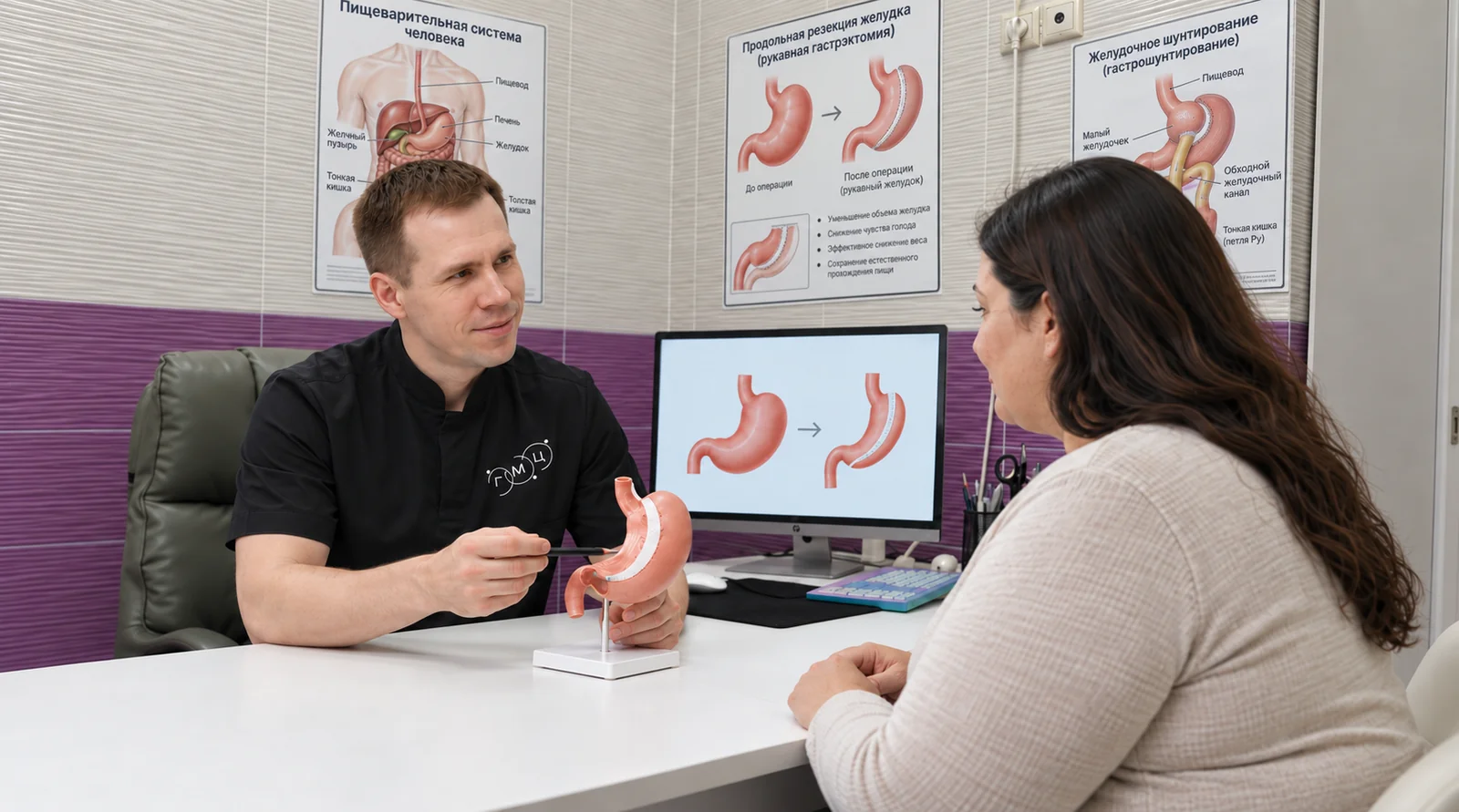
Discounted price
$3,600 $4,800
Stomach volume is reduced and the food path is changed
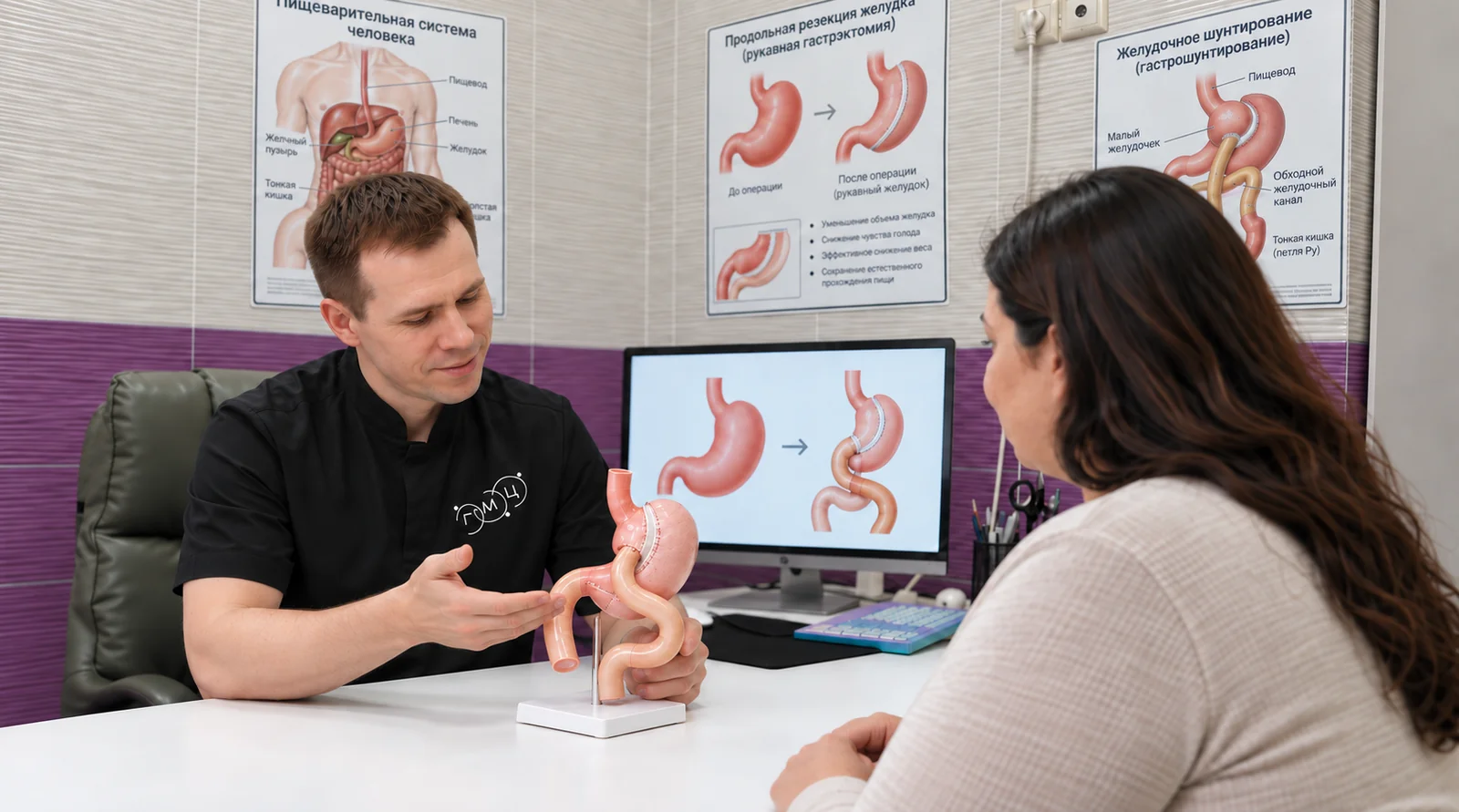
Discounted price
$4,000 $5,200
The benefits and recovery times are method averages meant as a guide; the actual scope of the operation and your recovery depend on your anatomy and individual features. The surgeon confirms them at the consultation.
Book a consultationAbout the clinic
Modern technology, cosy rooms and personal attention for every patient
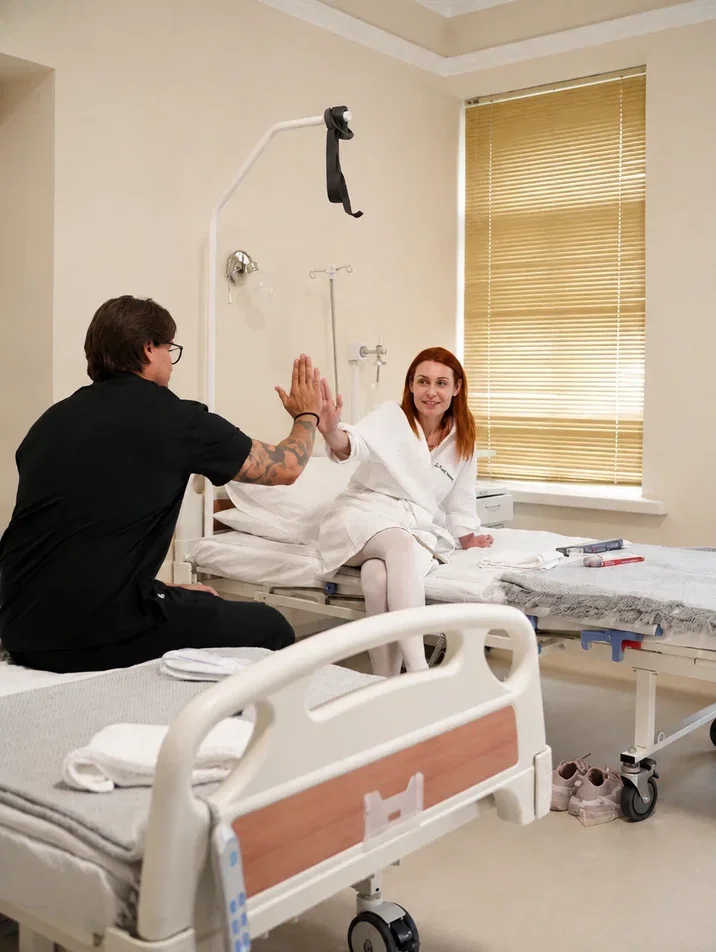
We will answer your questions and find a convenient time for a consultation
Get a consultationThe decision to operate is taken with the surgeon, following a consultation and a check-up.
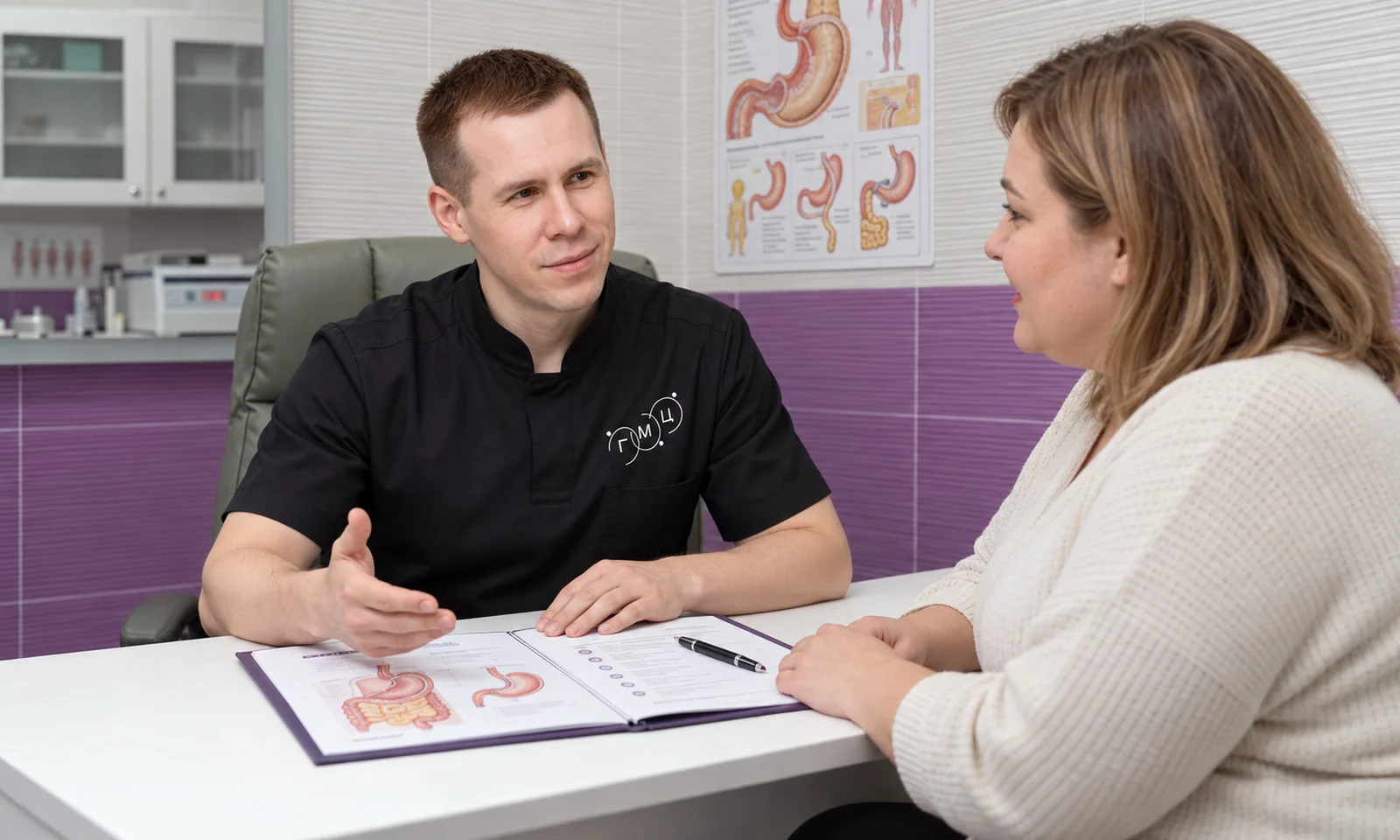
Unsure which column describes you?
Drop us a line on Telegram — our coordinator will tell you whether you are a candidate for bariatric surgery. The surgeon consultation is free, with no obligation to have surgery.
Find out if it suits me
Prices
When your plan is prepared, the cost is named at the consultation and locked in the contract.
Discounted price
A smaller stomach volume
$3,600$4,800
Discounted price
Weight reduction with rerouting of food
$4,000$5,200
Free
Your treatment plan follows the surgeon's examination

Free
you are told the cost of surgery
and it is fixed in the contract
Following a health assessment and a talk about your goals, the doctor chooses the right bariatric surgery method. The cost is named at the consultation and set in the contract.
Message our coordinator
Free online consultation · Reply within 15 minutes
Message us on TelegramMessage us on WhatsAppBy messaging us, you agree to our Privacy Policy
price
One package spans preparation through 12 months of support, and there are no hidden extras.Starting with preparation for surgery
and ending with support for 12 months.
How it goes
An agreed treatment plan, monitoring in hospital and support for a year.
 1
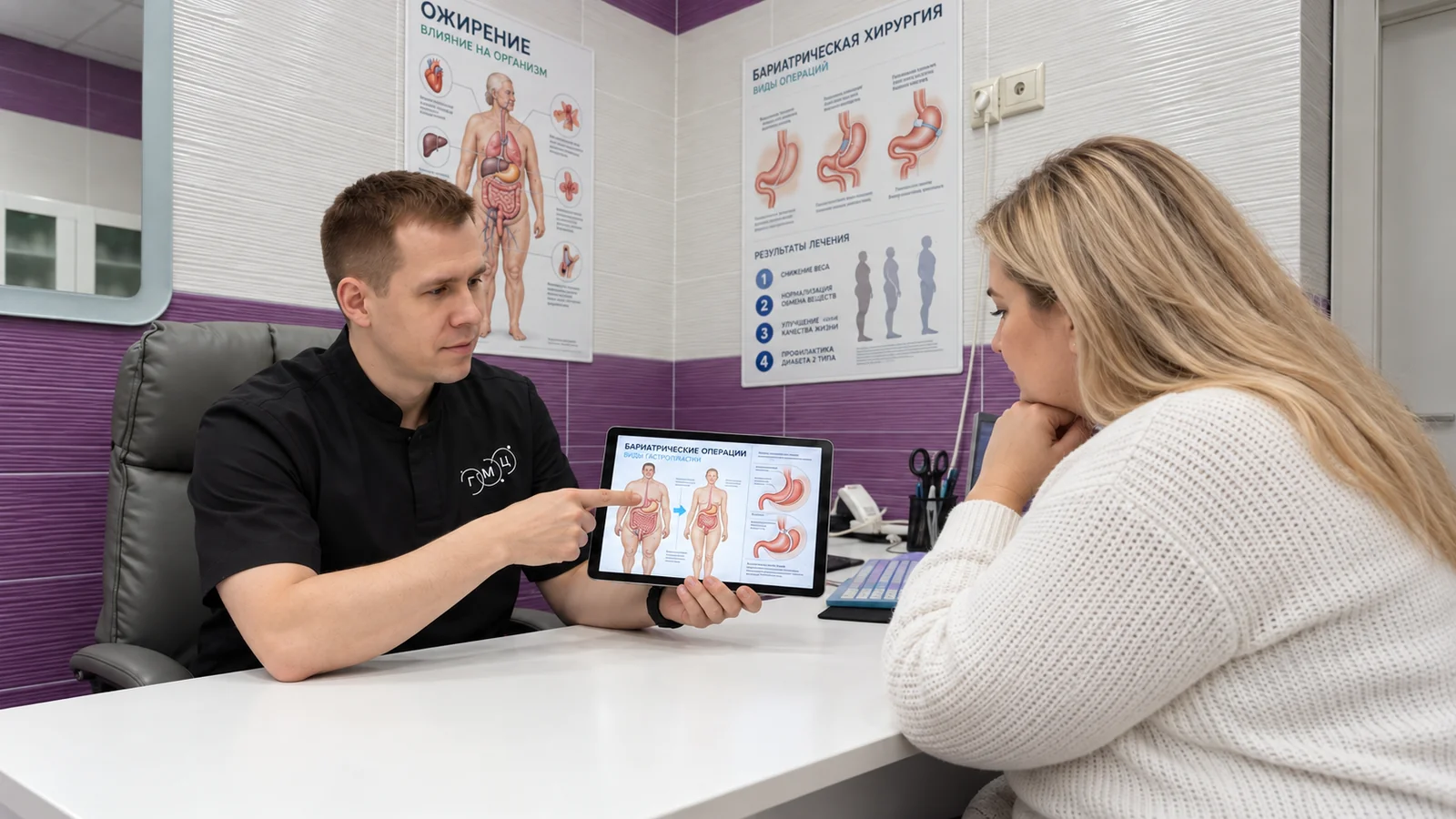
After assessing your health and discussing your goals, the doctor orders the tests that help choose the right bariatric surgery method.
2We secure a date for your surgery: you can pay the deposit by card at the clinic or by bank transfer online. The terms are fixed in the medical services contract
 3
Before surgery you have blood and urine tests, an ECG, an ultrasound and a gastroscopy, and see the specialists. The doctor gives you the exact list at the consultation.
 4
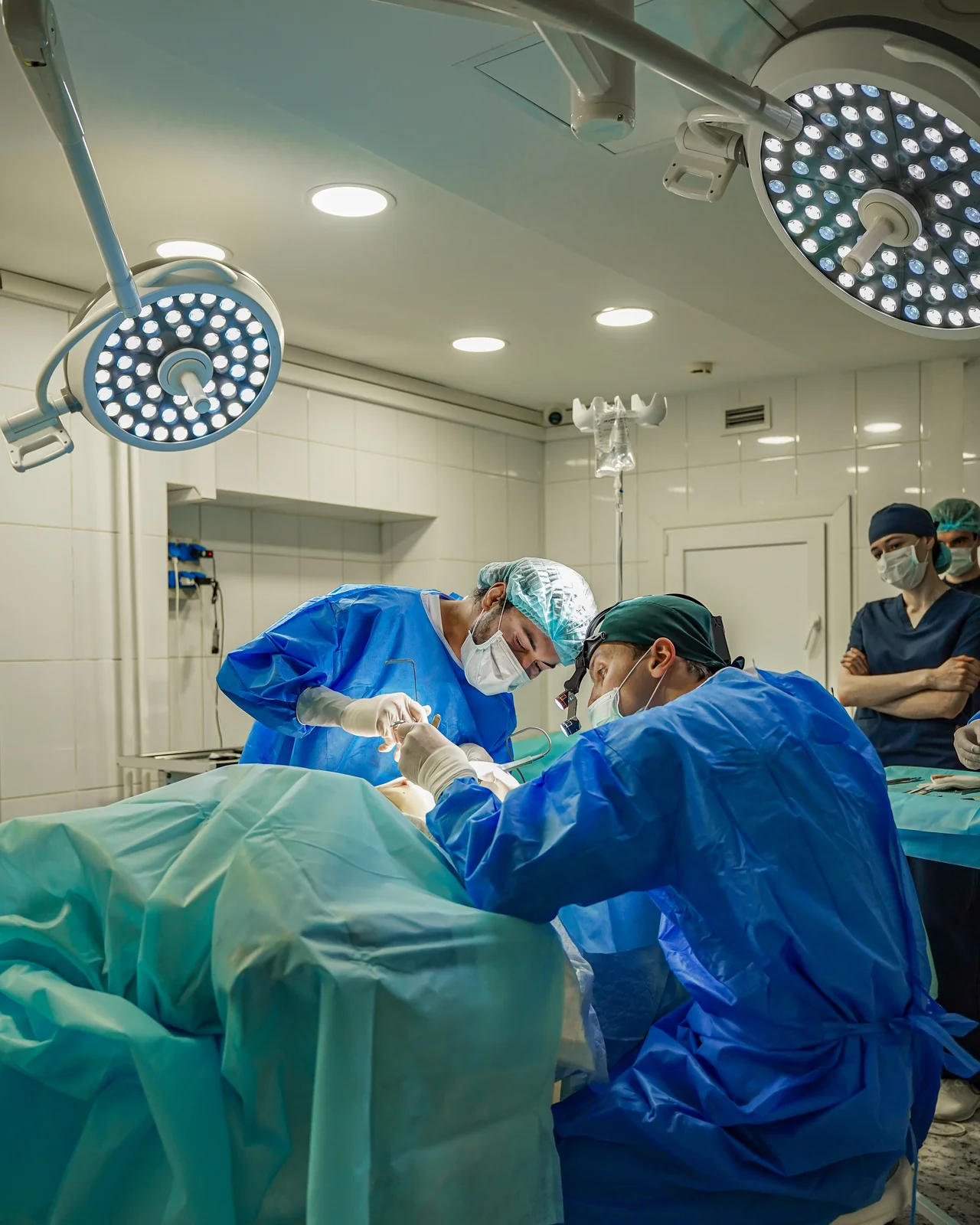
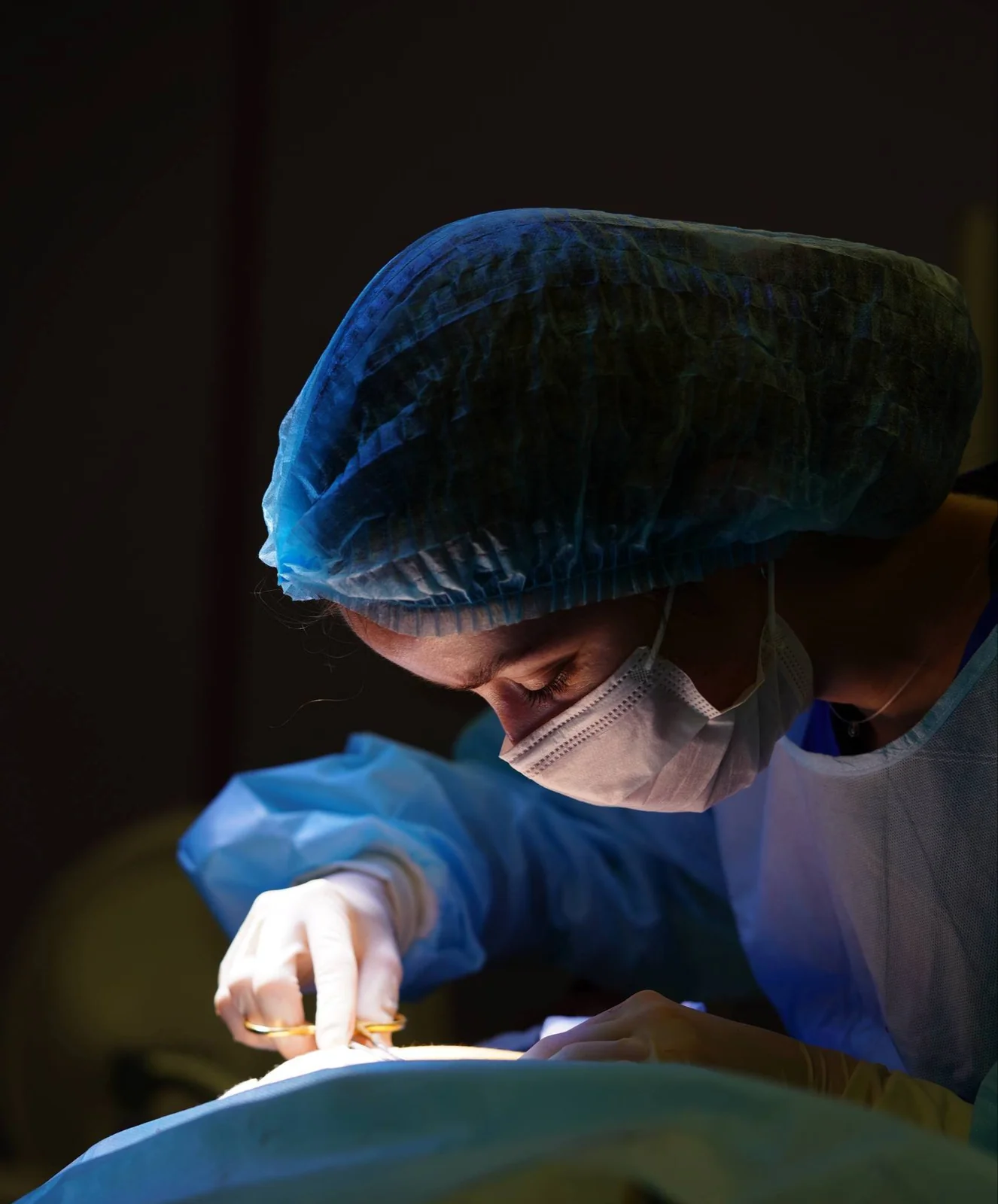
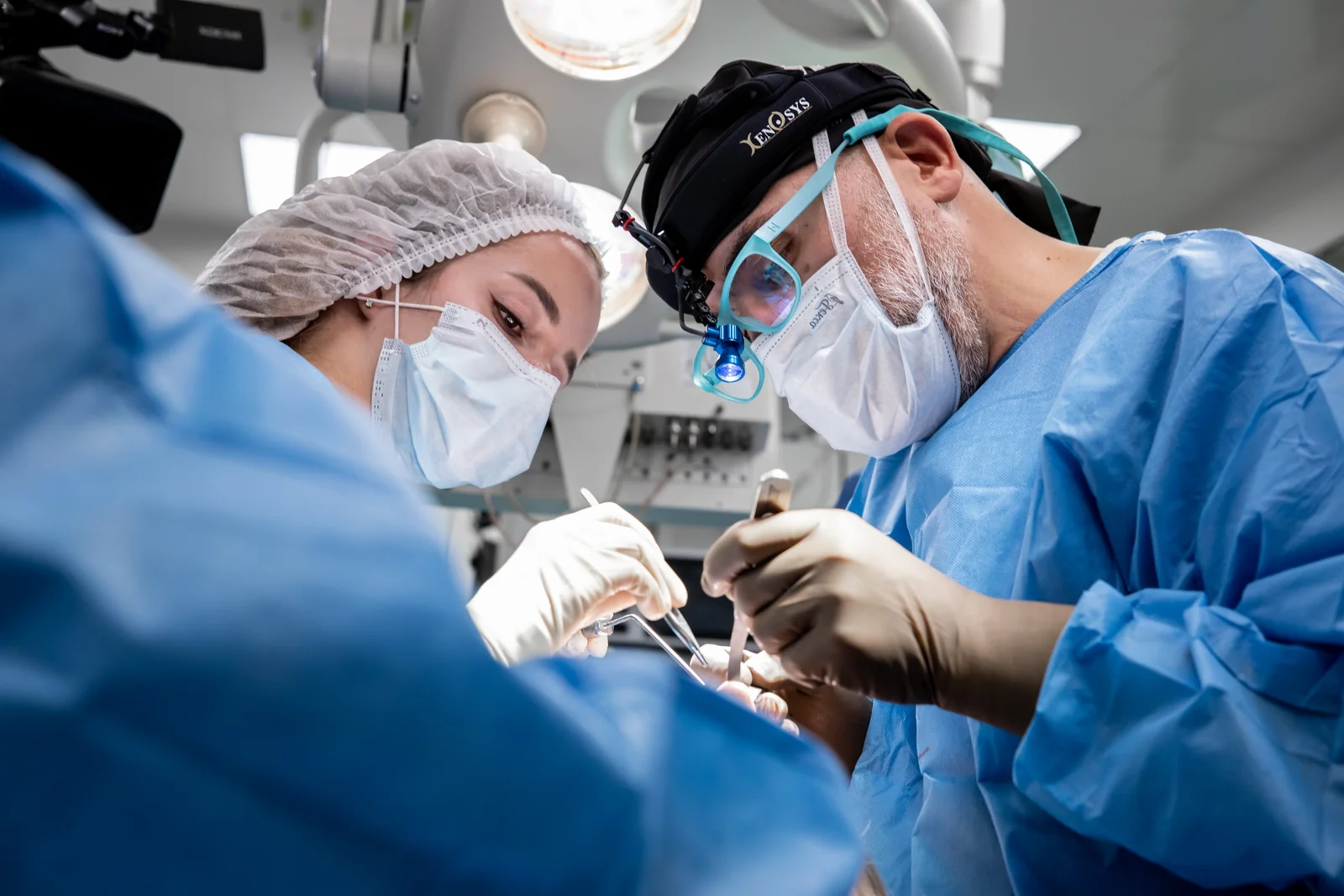
Using the chosen method, the surgeon performs the bariatric surgery under general anaesthesia. Once it is over, the medical team monitors the patient.
 5
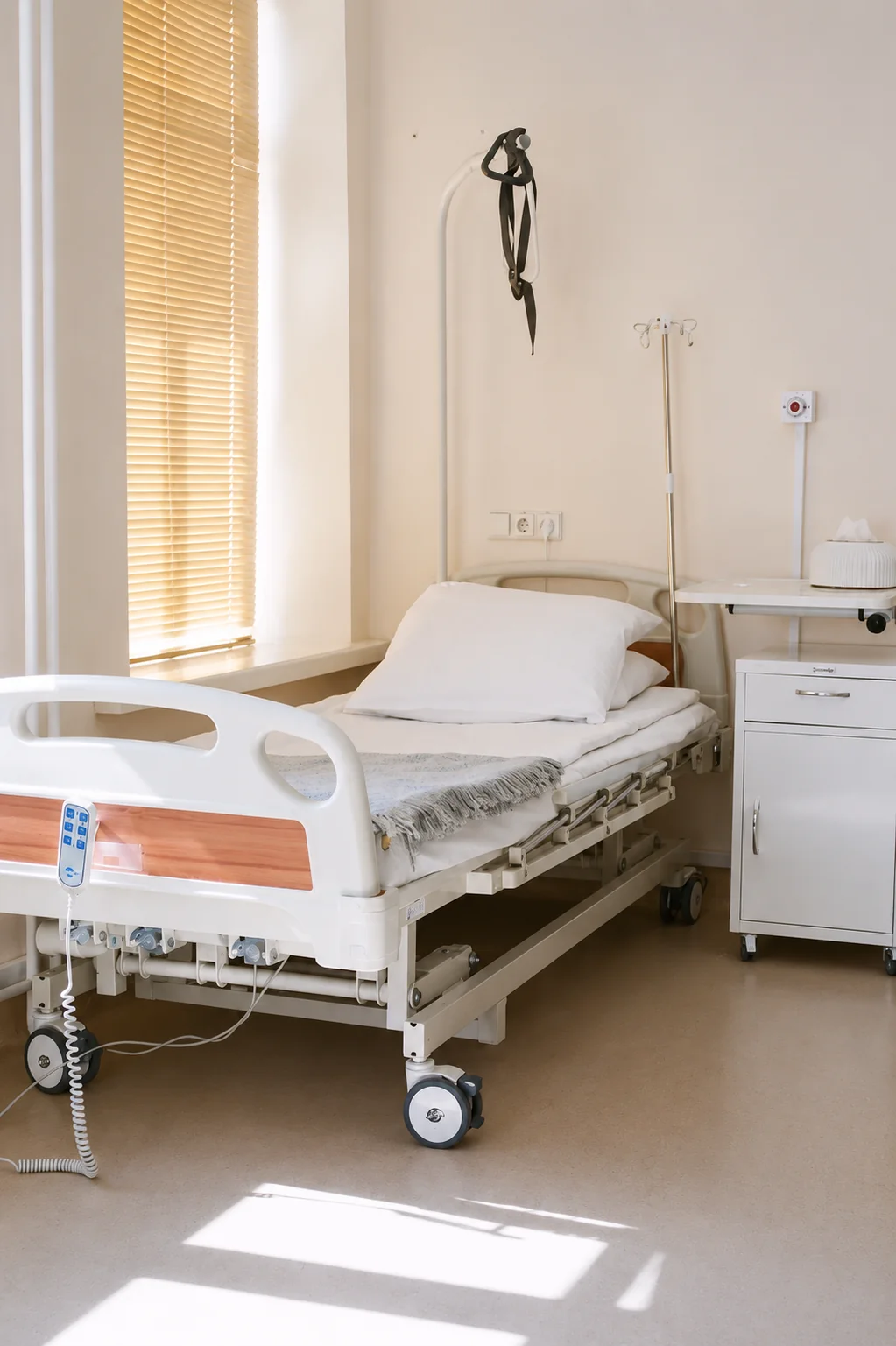
Your hospital stay after surgery lasts from 1–3 to 4–5 days under doctors' supervision; the length depends on how complex the operation was and how you feel.
 6
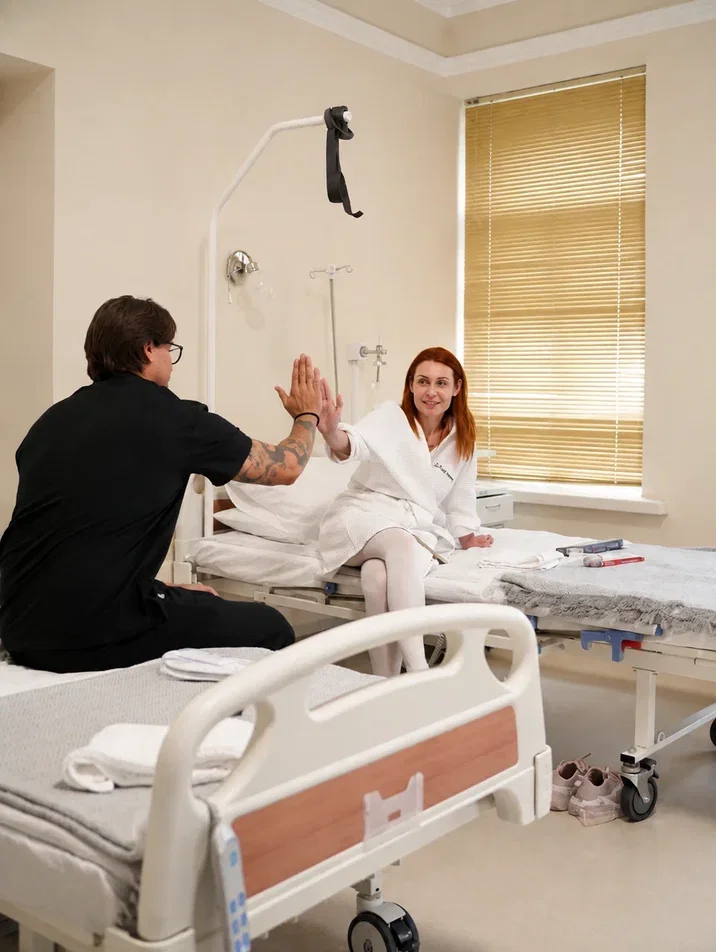
You leave with advice on diet and recovery. Scheduled check-ups then track how you feel, your weight and your test results, and the clinic team stays with you for a year.
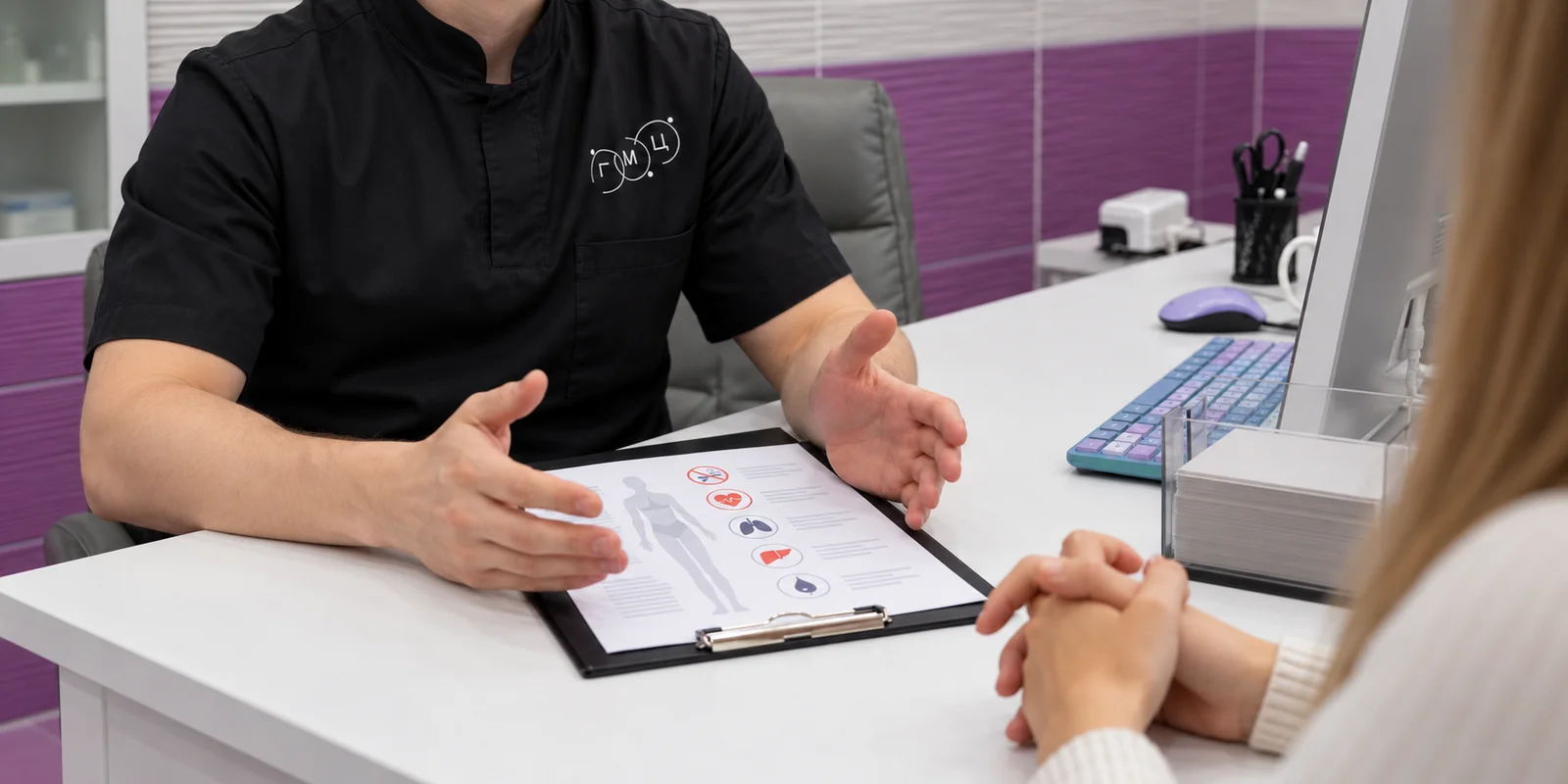
The doctor puts together a plan at the consultation and explains the course of surgery
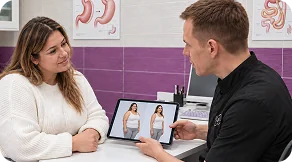
The consultation costs nothing, takes place before surgery and has no obligation.
Book a consultationDoctors
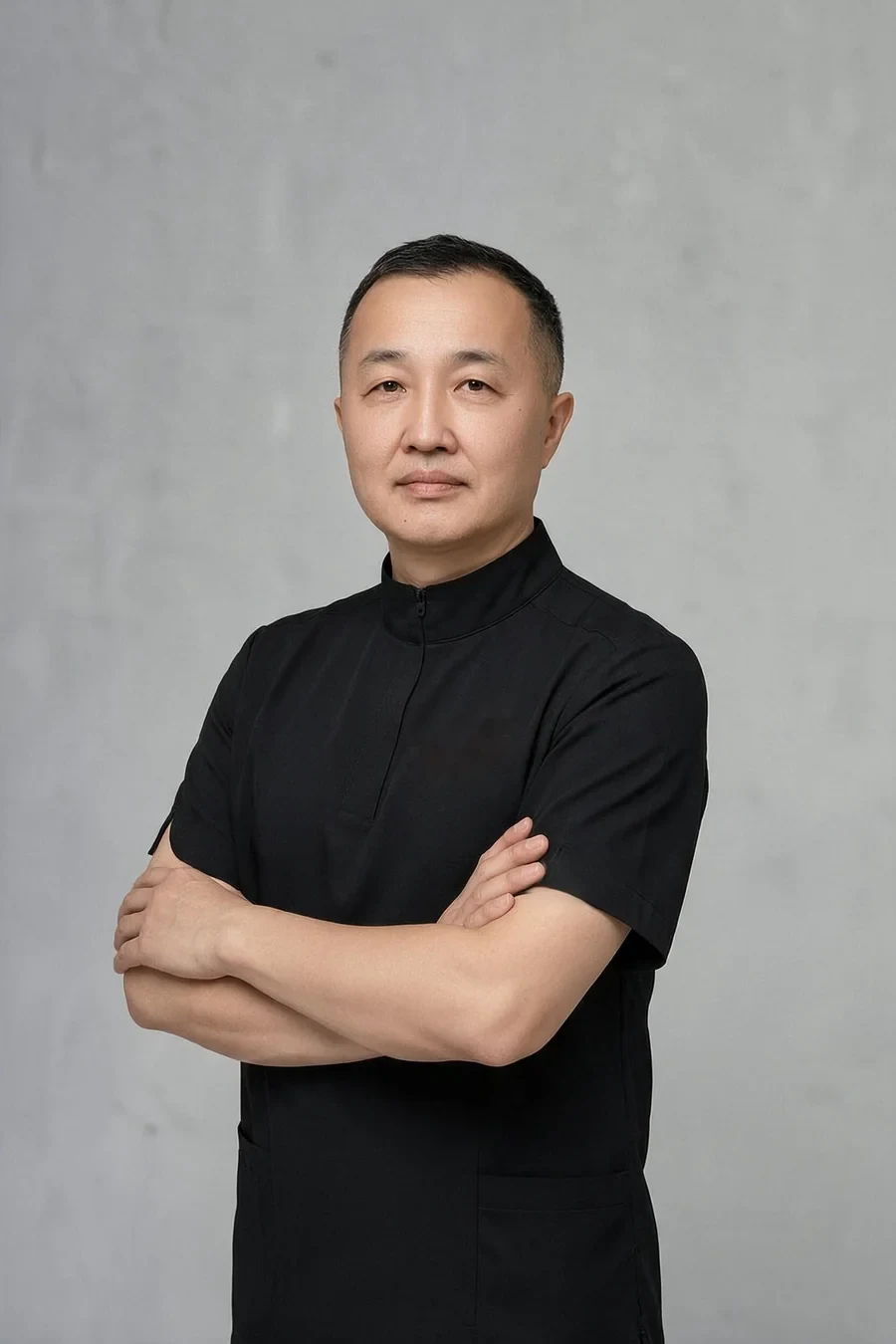
27 years of experience
Head bariatric surgeon
Surgeon
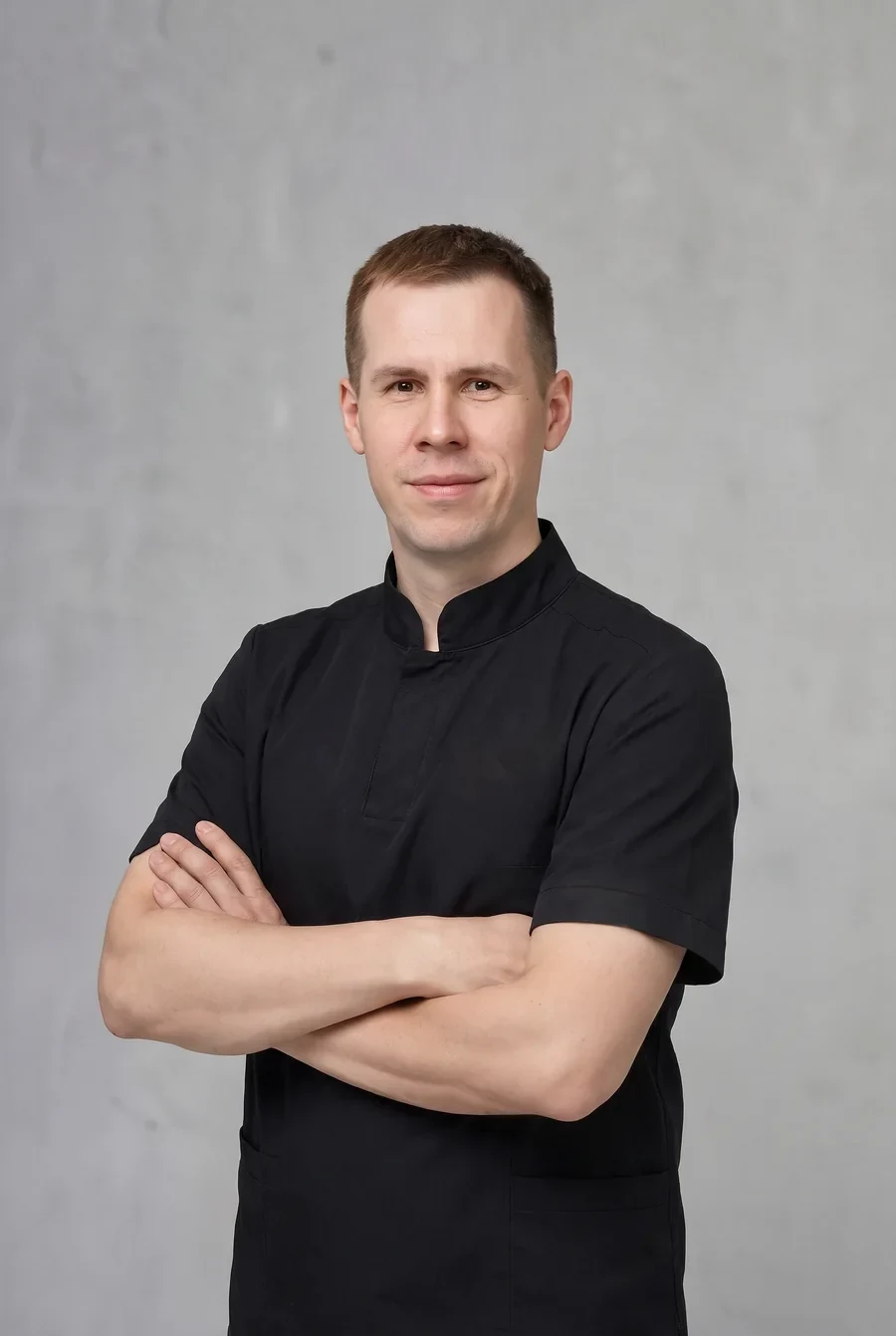
9 years of experience
Bariatric surgeon
Surgical oncologist
Your surgeon carries out the operation and follows you from the first consultation to your result.
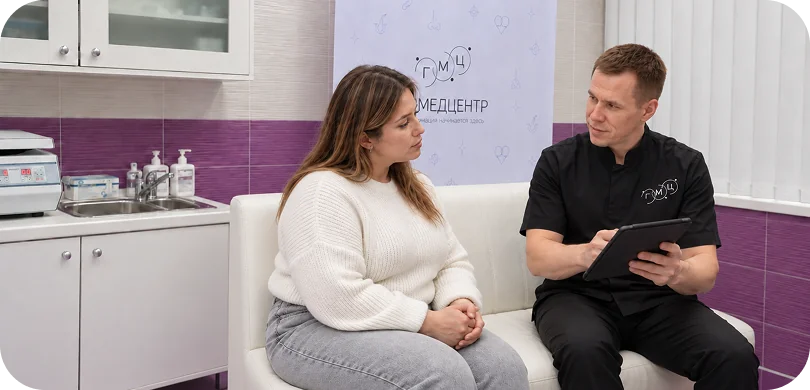
The patient care manager holds your first consultation free of charge: they work out your BMI, explain the methods and book your appointment with the surgeon.
Book a consultationCoordinators
Support at every step of the way

The first person you deal with at the clinic, from your first message to the consultation
Patient care specialist
Replies to your questions before the first consultation and helps you choose a convenient date

With you before and while you stay with us, from booking to discharge
Patient care specialist
Keeps in contact during your stay at the clinic and helps you prepare for surgery

By your side from discharge to your final check-up during recovery
Patient care specialist
Stays in touch during your recovery and schedules follow-up visits with the surgeon
Advantages
We pick the best method for your health, lifestyle and goals, and our team is with you all the way.
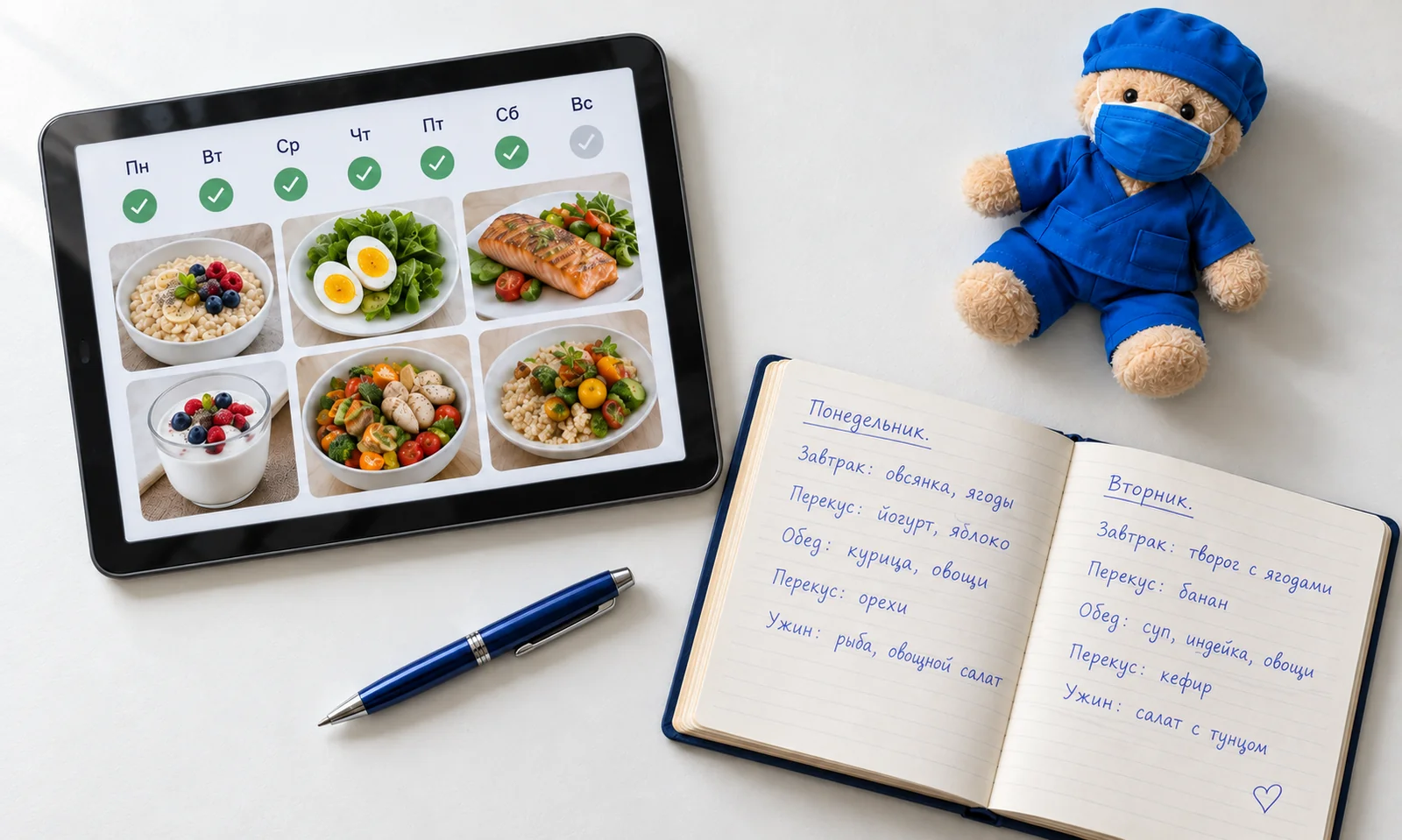
We help you adopt new eating habits, track your results and make them last.
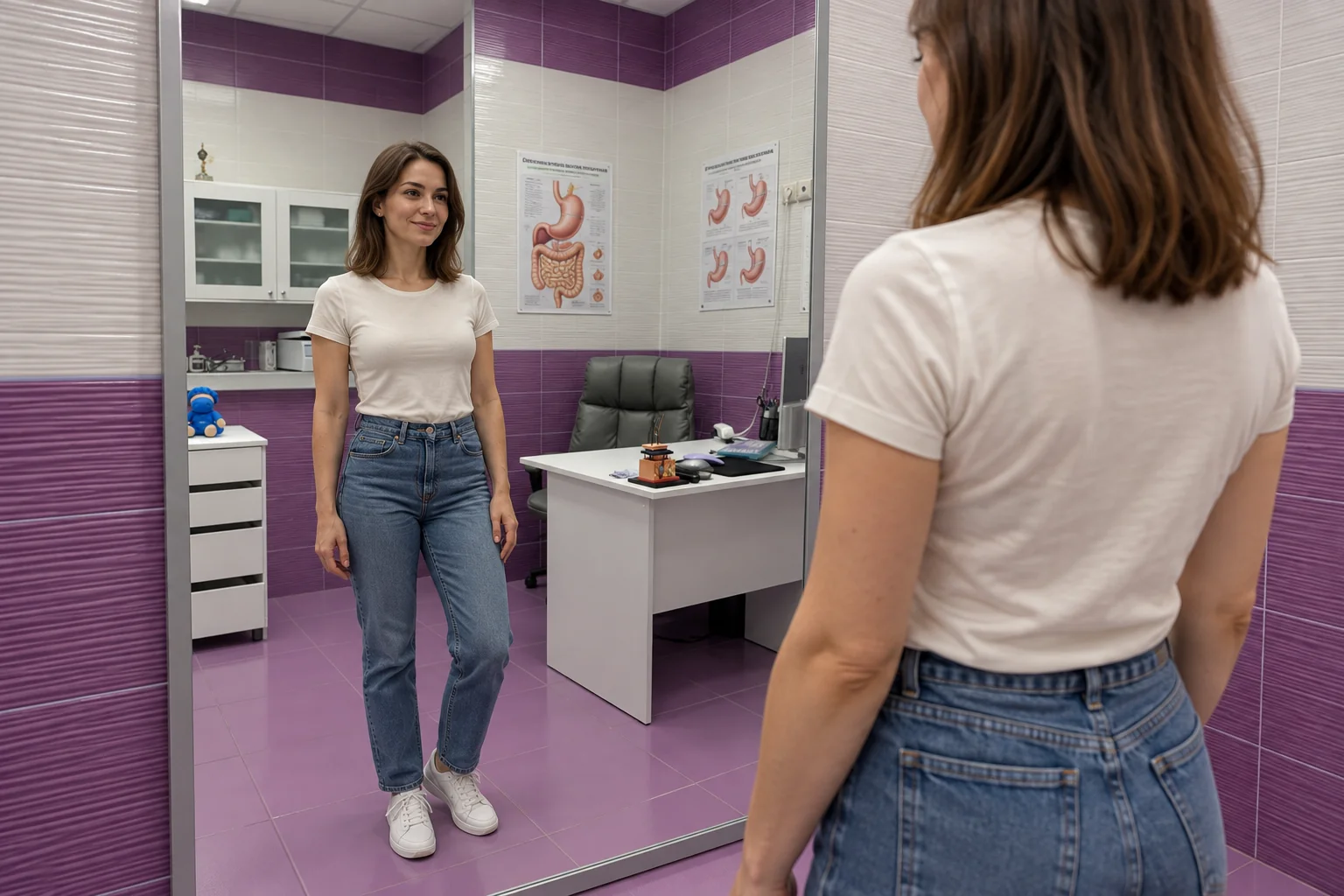
Better well-being, a higher quality of life and steady weight loss.
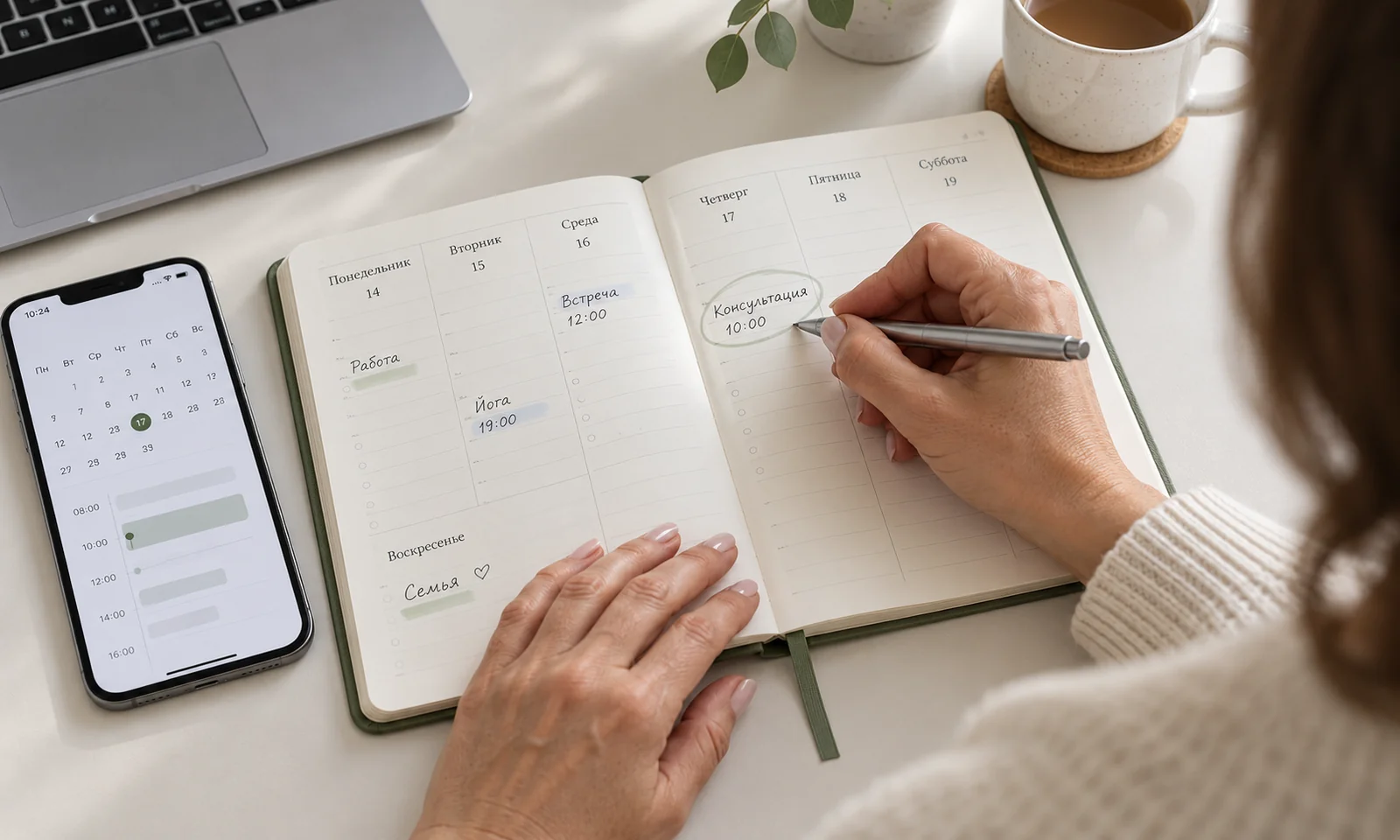
We work 24/7: booking is easy, the approach is personal and we adapt to your pace.
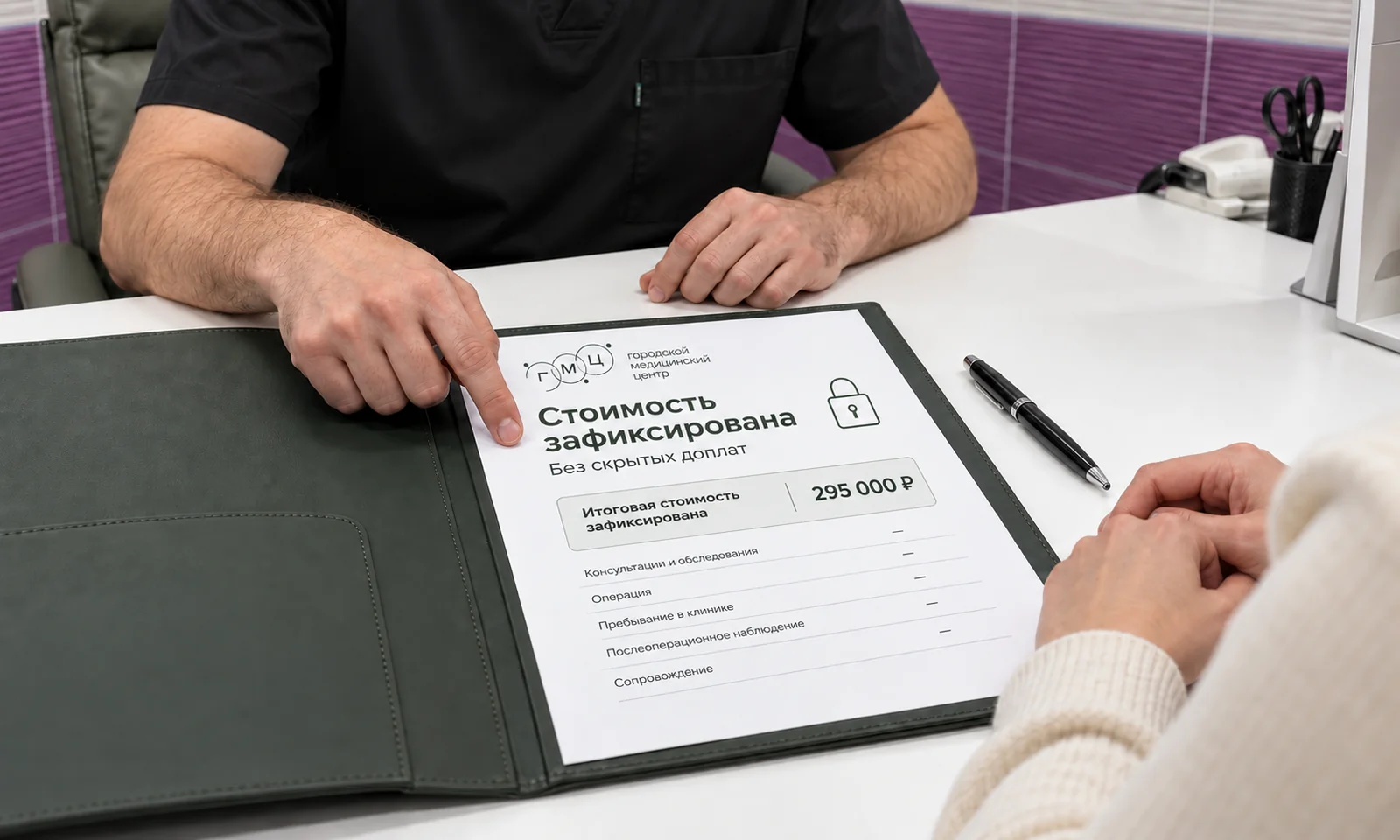
Once the consultation is over, the surgeon chooses the method and you receive a clear price — no hidden fees and no surprises on the way to your result.
FAQ
Bariatric operations here are carried out by experienced bariatric surgeons:
Send us a message — our coordinator will get back to you shortly and set up your consultation. The bariatric surgeon consultation is free.
Surgery is prescribed only when clear criteria are met
BMI is the primary tool for judging obesity. The formula: body weight (kg) divided by height squared (m²). Surgery is typically justified at a BMI above 40, or above 35 if there are serious related conditions. At times surgery is also considered with lower figures — provided non-surgical treatment has failed.
The two are often confused, yet their goals differ fundamentally. Bariatric surgery is a medical treatment for obesity and its related diseases. It alters how the digestive tract works, tackling the causes of excess weight and metabolism. Plastic surgery changes the body's outer contours; it neither treats obesity nor affects metabolism.
City Medical Centre provides four main types of bariatric surgery: sleeve gastrectomy, Roux-en-Y gastric bypass, mini gastric bypass (MGB) and SADI-S duodeno-ileal bypass. We choose each method individually by BMI, related conditions and the patient's goals.
Modern laparoscopic technique allows the operation through 4 small punctures of 5 to 15 mm. Cosmetic sutures make the marks almost invisible when fully healed.
Recovery varies with your activities. Office work: after 2–4 weeks. Physical work: after 1.5 months. Sport and activity: swimming is permitted after 30 days; other exercise is added gradually as weight decreases. Travel and holidays: best scheduled at least a month after surgery.
Your diet changes step by step: from liquid food to soft and then to solid. The emphasis is on protein and on cutting high-calorie, fatty food.
Pregnancy is an option after bariatric surgery, but doctors advise waiting at least 12–18 months. By then the body has stabilized, weight has reached target values and nutritional status has normalized.
Yes, vitamins after bariatric surgery are necessary. The body absorbs certain nutrients less well due to the changed digestive anatomy, so regular vitamin and mineral supplements become a permanent part of the patient's life.
Weight can come back after bariatric surgery, but this is very unlikely if you follow your doctor's advice. Proper nutrition, skipping high-calorie drinks and regular follow-up with City Medical Centre specialists are key.
Prices are in US dollars; the amount in brackets is an approximate conversion to ZAR at the rate of 02.10.2026. The final price is fixed in your contract.
Prices start from $3,600 (≈ R61,000). The surgeon sets the final price at the free consultation, and it is fixed in the contract, with no hidden extras.
General anaesthesia, a personal coordinator from day one, monitoring in the hospital and support for one year.
The hospital stay is 1–5 days, depending on the method and how you feel. Office work is possible after 2–4 weeks.
Yes. The first consultation is free and does not oblige you to anything. You can start online by sending a message to the coordinator.
Message us on WhatsApp or Telegram using the buttons below. A coordinator will answer your questions and book a free consultation where the doctor names the exact price.
By messaging us, you agree to our Privacy Policy
Mini gastric bypass is an improved version of the classic operation with a single connection between the small stomach and the intestine. The technique is simpler, recovery shorter, and weight loss reaches 75–80% of excess weight. It is technically reversible, but bile reflux is a possible risk. For people from Welkom, the surgeon explains such trade-offs before any decision.
It begins with a surgeon's consultation: medical history, choice of method and a recovery plan. Patients from Welkom then complete a work-up — blood and urine tests, biochemistry, HbA1c, coagulation, chest X-ray, ECG, abdominal and kidney ultrasound, leg vein Doppler and a required gastroscopy — plus consultations with a GP, endocrinologist, psychiatrist, cardiologist and, for women, a gynecologist.
A permanent team — not a duty shift — handles your case, and the whole package is transparent. Included are the operation, 24/7 care in the ward, meals, nursing and a personal coordinator from day one, plus support throughout the first year. Welkom patients also get a contractual result guarantee. Book a free consultation to discuss your situation.
What patients write after this operation. Reviews are translated from the original language.
Irina, 26
For a long time I doubted whether to go ahead with surgery, but after the consultation I felt much calmer. Andrey Georgievich explained in detail how gastric bypass is done, what to expect after the operation and how recovery would go. I especially liked that they talked to me calmly and without pressure. I am now gradually getting used to my new way of life and I am very glad I took this step.
Bariatric surgery
Doctor: Andrey G. Ugay
Angelina, 22
For me the hardest part was deciding to have the operation. At the consultation Ruslan Sergeyevich answered all my questions in detail and explained the specifics of sleeve gastrectomy and recovery. After the operation I always understood what I was doing and why. Thank you to the doctor and the whole team for their attentiveness.
Bariatric surgery
Doctor: Ruslan S. Menzulin
Anna, 31
For a very long time I tried to deal with my excess weight on my own, but I did not get the result I wanted. After the consultation with Andrey Georgievich I finally understood what to do next. I came through the operation well, and my recovery was supervised by the doctors. It was important for me to feel that I was not left alone after surgery.
Bariatric surgery
Doctor: Andrey G. Ugay
Veronika, 25
Before the operation I had many fears, mostly of the unknown. Ruslan Sergeyevich explained every stage of treatment in detail and answered even the simplest questions. Thanks to that I felt much more confident. I keep following the recommendations and I am gradually seeing the changes I had the operation for.
Bariatric surgery
Doctor: Ruslan S. Menzulin
Valentina, 23
The decision to have bariatric surgery was not easy for me. I worried both about the operation itself and about how my life would change afterwards. At the consultation Andrey Georgievich explained everything in detail, so little by little my fear turned into confidence. What matters most to me now is the result and the chance to treat my health and lifestyle differently.
Bariatric surgery
Doctor: Andrey G. Ugay
Anna, 27
I am very grateful to Ruslan Sergeyevich for his attentiveness. Before the operation I had a huge number of questions, and I got a clear answer to every one of them. After the operation it was also clear which recommendations to follow and how to eat. It was important to me that the doctor stayed in touch and I felt supported at every stage.
Bariatric surgery
Doctor: Ruslan S. Menzulin
Welkom is a city in the Free State province of South Africa, about 140 kilometres northeast of the provincial capital Bloemfontein. People know it as Circle City and City Within A Garden. Its Sesotho name, Matjhabeng, means 'where nations meet'. The name comes from the migrant labour system of the gold fields, where workers from Lesotho, Malawi, Mozambique and elsewhere met to work in the mines. A city built on shared work and many backgrounds tends to have many kinds of families, and each family has its own habits around food, weight and health.
Residents who consider bariatric surgery (sleeve gastrectomy or gastric bypass) usually start with practical questions. Is the operation suitable for me? How long will I be away from work? What will I eat afterwards? How will my family react? This text answers those questions with Welkom in mind: its climate, its working rhythm, its love of sport and its food traditions.
City Medical Centre works with patients from Welkom through a free online consultation. A coordinator is available around the clock (24/7) on Telegram and Telegram. You can ask your first questions in the evening after a shift or early in the morning before work, and you do not have to arrange anything in person at this stage.
BMI is the main tool for assessing the degree of obesity. It is calculated by dividing body weight in kilograms by height in metres squared. Surgery is usually justified with a BMI above 40, or above 35 with serious related conditions. In some cases surgery is considered at lower values too, if non-surgical approaches have failed. The surgeon confirms whether surgery suits you at the consultation.
The World Health Organization describes obesity as a chronic condition that raises the likelihood of other illnesses. For a person in Welkom this might mean long-standing high blood pressure, type 2 diabetes, joint pain from carrying extra weight, or breathing pauses during sleep. These related conditions often decide whether surgery is appropriate, so list them all when you write to the coordinator.
Some situations call for extra care or for a different plan. Examples are untreated eating disorders, current substance dependence, serious unstable heart or lung disease, and pregnancy. Surgery is also unsuitable if a person cannot commit to follow-up and to a changed way of eating. These are general guidelines only. The surgeon decides individually after reviewing your history, your tests and your earlier attempts at weight loss.
If you have tried diets, supervised programmes or medication and the weight keeps coming back, say so openly. That history is part of the assessment and can matter even when your BMI is close to the usual thresholds.
The consultation is online and free. You contact the coordinator on Telegram or Telegram and describe your height, weight, illnesses, medicines and previous operations. Photos of recent test results are useful. A coordinator will call you back 24/7, so a busy shift schedule does not get in the way. People in Welkom often work in shifts, in agriculture, or in jobs tied to the gold-field economy, so this flexibility matters.
The surgeon then reviews your information and talks with you about the options. The conversation covers the difference between sleeve gastrectomy and gastric bypass, what the preparation involves, and what the stay and the recovery look like. We work 24/7: booking is easy, the approach is personal and we adapt to your pace. You decide when to move forward, and you may take time to talk it over with your family.
The programme is organised as one package. From preparation to 12 months of support, all in one package. No added fees. For a patient in a city like Welkom, that long support period is worth asking about in detail, because most questions arise weeks and months after the operation, when you are back in your normal routine.
We rely on modern laparoscopic technique. The operation is performed through 4 small punctures of 5 to 15 mm. Cosmetic sutures are used, so after healing the marks are barely visible. This matters to many patients who wear light summer clothing in Welkom's warm months and do not want visible scars.
The operation is done under general anaesthesia. The hospital stay is 1–5 days, depending on the method and how you feel. Doctors supervise you in hospital after surgery for a stay of 1–3 to 4–5 days, depending on the complexity of the operation and how you are feeling. During this time the team checks your recovery and explains how to drink, eat and move in the first period.
Ask your surgeon which of the two operations suits you and why. Sleeve gastrectomy reduces the size of the stomach. Gastric bypass changes the route food takes through the digestive system. Each has its own pattern of eating habits, vitamin supplementation and follow-up. Ask what to expect in the first weeks, which warning signs need an immediate call, and who answers if you have a question at night. Because the coordinators work around the clock, you can raise such questions at any hour.
Welkom receives about 401 mm to 550 mm of rain a year, mostly in mid-summer. July is the driest month and January the wettest. Average daily maximum temperatures run from 17 °C in June to 29 °C in January, and in July the nights drop to 0 °C on average. These swings shape the practical side of recovery.
In summer, heat and strong sun call for caution. Choose loose, breathable clothing over your compression garment if your surgeon recommends one. Keep drinking in small sips throughout the day, because dehydration is a common concern after bariatric surgery and the summer heat makes it easier to miss. Avoid long exposure to direct sun while the small wounds are healing, and use shade and a hat when you are outdoors. Dust can also bother healing skin during dry spells, so keep the dressings clean and follow the wound-care instructions you receive.
In winter, cold mornings make it tempting to stay indoors, but gentle walking helps circulation. Dress in layers so that you can adjust easily. Warm clear soups and warm drinks, if your diet stage allows them, are comfortable in the cold months. Whatever the season, the diet stages and the compression advice from your surgeon take priority over general tips.
Many patients ask which season is best. There is no single answer. The cooler, drier months of the Welkom winter suit people who dislike heat while wounds heal. Summer suits those who can rest at home in comfort and have a quieter period at work. The best time is the one when you can take time off, rest without pressure and keep your follow-up appointments.
Plan the return to work in advance. Recovery time depends on the activity. Office work: after 2–4 weeks. Physical work: after 1.5 months. Welkom's economy includes agriculture, with maize, sunflowers, poultry and beef cattle all prominent in the region, and many people there do demanding physical jobs. If you work on a farm or lift loads daily, speak to your employer early about lighter duties and ask your surgeon how to build up gradually.
Family events deserve planning too. Weddings, church gatherings, birthdays and school events often revolve around shared meals. Think ahead about how you will handle a large table of rich food in the first months. Tell close relatives what you can eat so that they support you rather than press you to take more. Choose the date of the operation so that major celebrations do not fall during the early diet stages.
Welkom lies in the Maize Triangle, and maize is part of everyday meals across the region. Beef, poultry and braai gatherings are also common in South African life. After bariatric surgery your portions become small and your protein intake matters, so family cooking needs adjusting. Ask the team for a clear list of foods for each stage, and share it with whoever cooks at home.
Eating slowly, chewing well, and separating drinking from eating become daily habits. Sugary drinks and fried snacks, easy to find in any city, are among the things to limit. Keep prepared protein-rich choices at home so you are not tempted by whatever is quickest on a busy day.
Sport is a strong part of the city's identity. Welkom is known for the Phakisa Freeway motor-sport circuit, which hosted MotoGP's South African Grand Prix from 1999 to 2004, and for producing rugby players, cricketers, footballers and athletes. Many residents watch or play at local stadiums. Returning to activity should be gradual. Swimming is allowed after 30 days, and other exercise is added gradually as weight goes down. Start with walking, then widen your activity as your surgeon allows. Contact sport and heavy lifting should wait until you receive permission.
Pregnancy planning also belongs in this conversation for younger patients. Getting pregnant after bariatric surgery is possible, but doctors advise waiting at least 12–18 months, so the body can stabilize, weight can reach target values and nutritional status can normalize.
Welkom began on a farm named Welkom, the Afrikaans and Dutch word for welcome. The settlement was laid out after gold was found in the region. It came into being on 15 April 1947 and was proclaimed a town on 23 July 1948. It received city status on 14 February 1968, when the Civic Centre was opened. Few South African cities have such a clear starting date, and that sense of a planned, purposeful place suits a decision like bariatric surgery. Sleeve gastrectomy and gastric bypass work best when treated as a planned programme, not a quick fix.
The story of the goldfield is one of patience. Prospectors drilled and tested for decades before the reef was proved, and the first high values were found in 1939. Residents who grew up with this story often say that a result takes steady work. That fits the timeline of this surgery: the result is usually assessed 18–24 months after surgery, and follow-up support continues for 12 months. Treat the first months as groundwork, not the finish line.
Matjhabeng, 'where nations meet', also reminds us that families here come from many backgrounds. When you talk to the surgeon, mention the dishes your household really cooks, so the diet plan can be built around your table and not around a generic menu.
Welkom's economy centres on gold and uranium mining, and the skyline is marked by headgears and reduction plants of companies such as St Helena, Western Holdings, Free State Geduld, President Brand, President Steyn, Phakisa and Tshepong. The city also has heavy machinery support in the Voorspoed area, engineering and mechanical repair services, and plants linked to Coca-Cola and South African Breweries. Many jobs here are physical or run in shifts.
For a person in a physical trade, the rule from the medical facts is clear: office work is possible after 2–4 weeks, while physical work comes after 1.5 months. If you work in a workshop, a plant or a yard, ask your employer early about lighter duties for the weeks in between. Occupational rules at mines and factories differ, so ask your surgeon for a written note describing your restrictions.
Shift workers should also plan meals. A night shift often means snacks from a vending machine or a canteen. Prepare small protein-rich portions in advance and carry them in a cool bag, especially in January, when daily highs reach 29 °C. Because a coordinator will call you back 24/7, you can ask about shift-friendly eating at whatever hour suits you.
Welkom is known for traffic circles. There are 33 large ones, and the central business district has no traffic lights or parking meters. The layout keeps traffic calm, which makes the central streets pleasant for slow walking once your surgeon allows it. A short loop, repeated and lengthened a little each week, is a sensible start.
The city keeps green spaces such as Central Park, Peter Pan Park, Van Riebeeck Park and West Park. They suit the gentle activity of the early weeks: flat ground, benches for rests and shade. Take water in small bottles, sip often and go in the cooler hours of the day. Swimming is allowed after 30 days, and other exercise is added gradually as weight goes down.
Welkom is also called the City Within A Garden. Treat that as a motive. Keep a simple log of your walks, note how you feel, and share it at follow-up. Koppie Alleen, the only hill near Welkom, stands in flat country at 1435 metres above sea level; the terrain around the city is level, so there are no steep climbs to worry about in the early period, only the pace you choose.
Welkom's sporting life is rich. Harmony F.C. plays at Zuka Baloyi Stadium, and Vuyo Charles Stadium, formerly Thabong Stadium, hosts football too. The Griffons Rugby Union dates from 1968, and the city has produced Springbok rugby players, cricketers, a UFC champion, an Olympic sprinter and a Commonwealth long-jump medallist. Many residents therefore think of themselves as active people held back by weight, and surgery can be a step toward joining in again.
Match days bring a particular challenge: fried snacks, sweet drinks and beer. In the early diet stages, plan to watch from the stands with your own approved food and water. Later, ask your surgeon which items can return and in what portion. Contact sport and heavy lifting wait until your surgeon gives permission.
The Phakisa Freeway, between Welkom and Odendaalsrus, opened in 1999 and is an international standard motor sport facility. Race weekends mean long days outdoors in the sun. If one falls during your recovery, plan shade, a hat, steady sipping of fluids and a calm schedule instead of a full day on your feet.
Welkom has public and private hospitals and specialised clinics, and Thabong and Bronville host primary care clinics. Your local clinic or family doctor stays useful: they can take routine blood pressure readings, repeat tests and keep your medicine list up to date while the surgical team directs the operation and the 12 months of support. Bring your local records to the online consultation.
The city also hosts Welkom Nursing College, Welkom Technical College, FET College Goldfields and a Central University of Technology satellite campus. Students and trainees in nursing or technical fields often understand the health side well and ask sharp questions. Use that habit: write down questions about diet stages, supplements and warning signs and bring them to every contact.
Welkom's parks, churches and community groups make it easy to find company. Tell a trusted relative or friend about your plan, and ask them to join your early walks. Support from home is one of the most useful things you can arrange in advance.
The visible change develops over months, not days. The result is usually assessed 18–24 months after surgery, when weight has largely settled. During this period you will adapt to smaller portions, supplements and regular check-ups. Follow-up support continues for 12 months within the programme, and it is worth using every scheduled contact.
Prepare a list of questions before the consultation. Which operation do you recommend for me and why? How will my other conditions, such as diabetes or high blood pressure, be managed? What tests are needed beforehand? Which medicines should I stop or continue? What are the possible complications and how are they handled? Who do I contact if something worries me at night? What does the 12-month support include, and how often will we speak?
Welkom has several educational institutions, including technical colleges, a nursing college and a satellite campus of the Central University of Technology. Students and young adults often ask about timing around exams and practical placements. The same logic applies as for work: plan the operation and the 2–4 weeks of office-type recovery around your calendar, and tell your coordinator about any fixed dates so that planning can fit them.
Yes. The consultation is online and free. You write to the coordinator on Telegram or Telegram, send your details and test results, and then speak with the surgeon. Coordinators are available 24/7.
Usually a person with a BMI over 40, or over 35 with related health conditions. In some cases surgery is considered at lower values if non-surgical approaches have failed. The surgeon confirms whether surgery suits you at the consultation.
Divide your body weight in kilograms by your height in metres squared. If you are unsure, ask the coordinator to help you calculate it. It is the main tool for assessing the degree of obesity, but the surgeon also looks at your overall health.
The operation is done under general anaesthesia. The hospital stay is 1–5 days, depending on the method and how you feel.
The laparoscopic technique uses 4 small punctures of 5 to 15 mm. Cosmetic sutures are used, so after healing the marks are barely visible.
Office work is possible after 2–4 weeks. Physical work usually starts after 1.5 months. Your surgeon gives the final advice based on your recovery and your job.
Swimming is allowed after 30 days. Other exercise is gradually added as weight goes down. In hot months, avoid strong midday sun, wear a hat, drink small sips regularly and follow your surgeon's advice on compression garments and wound care.
It is possible, but doctors advise waiting at least 12–18 months, so the body can stabilize, weight can reach target values and nutritional status can normalize.
The programme runs from preparation to 12 months of support, all in one package. No added fees. A coordinator will call you back 24/7 if you have questions.
Office work is possible after 2–4 weeks, and physical work after 1.5 months. If your job is physical, tell your surgeon and employer early so lighter duties can be arranged for the first weeks.
Central Park, Peter Pan Park, Van Riebeeck Park and West Park offer flat, shaded ground. Start with short walks in cooler hours, carry water, and lengthen the walks gradually as your surgeon allows.
Watching is usually fine once you feel well, but plan shade, a hat, water and your own approved food. Avoid contact sport and heavy lifting until your surgeon permits them.
Yes. A local doctor or clinic can handle routine checks and keep your records in order, while the surgical team guides the operation and the 12 months of support.
Page medically reviewed by Andrey G. Ugay, lead bariatric surgeon. Review date: .