
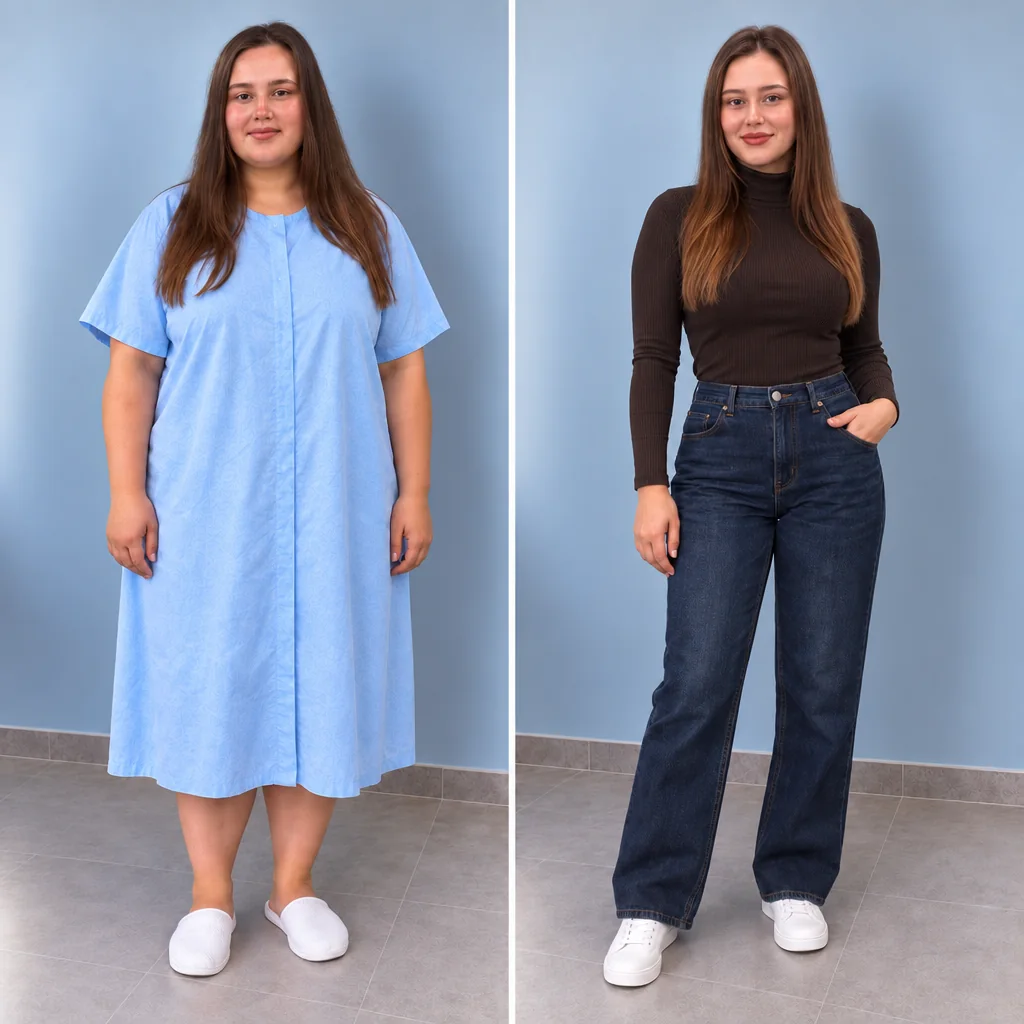
 beforeafter
Irina, 26
Bariatric surgery
Bariatric surgery
$3,600
$4,800 · First consultation — Free
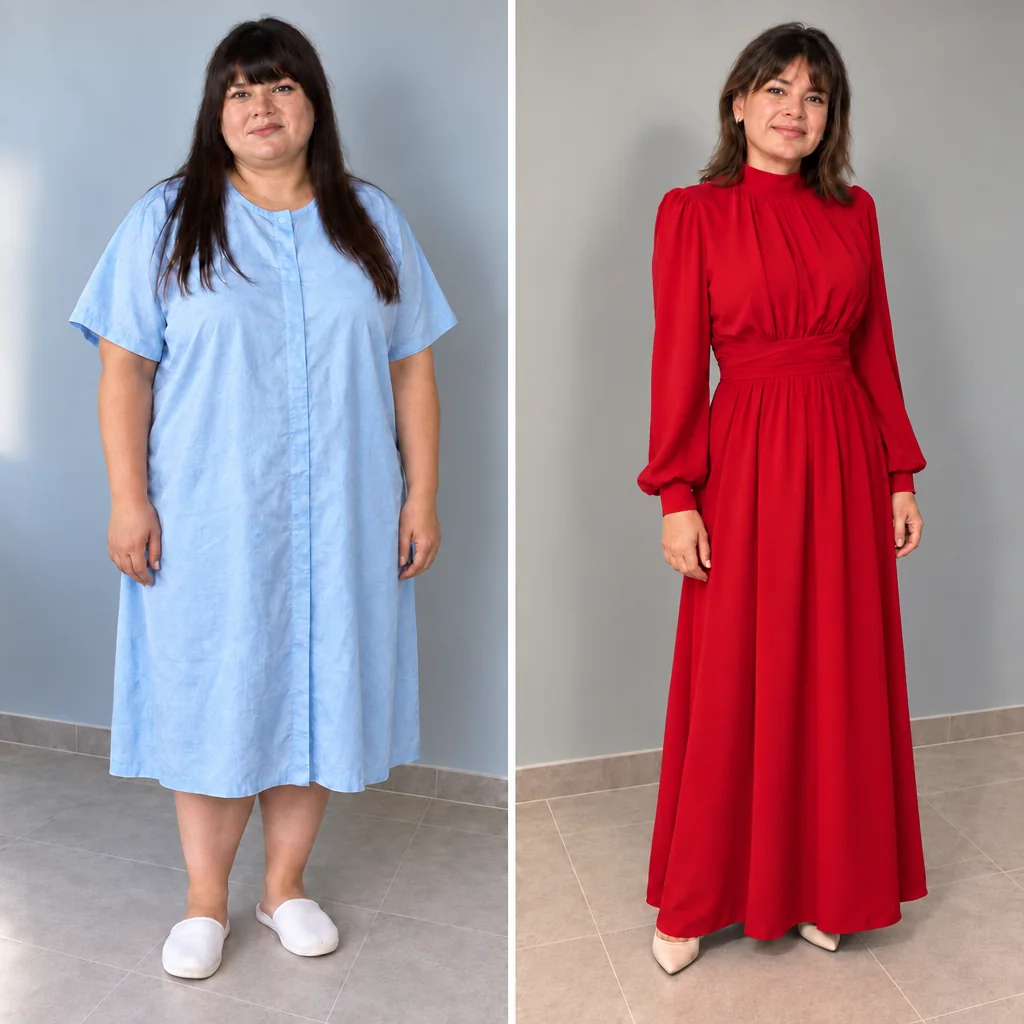 before
after
Message our coordinator
Free online consultation · Reply within 15 minutes
Message us on TelegramMessage us on WhatsAppBy messaging us, you agree to our Privacy Policy
Results
Each result belongs to a real patient of the clinic.
beforeafterBariatric surgery
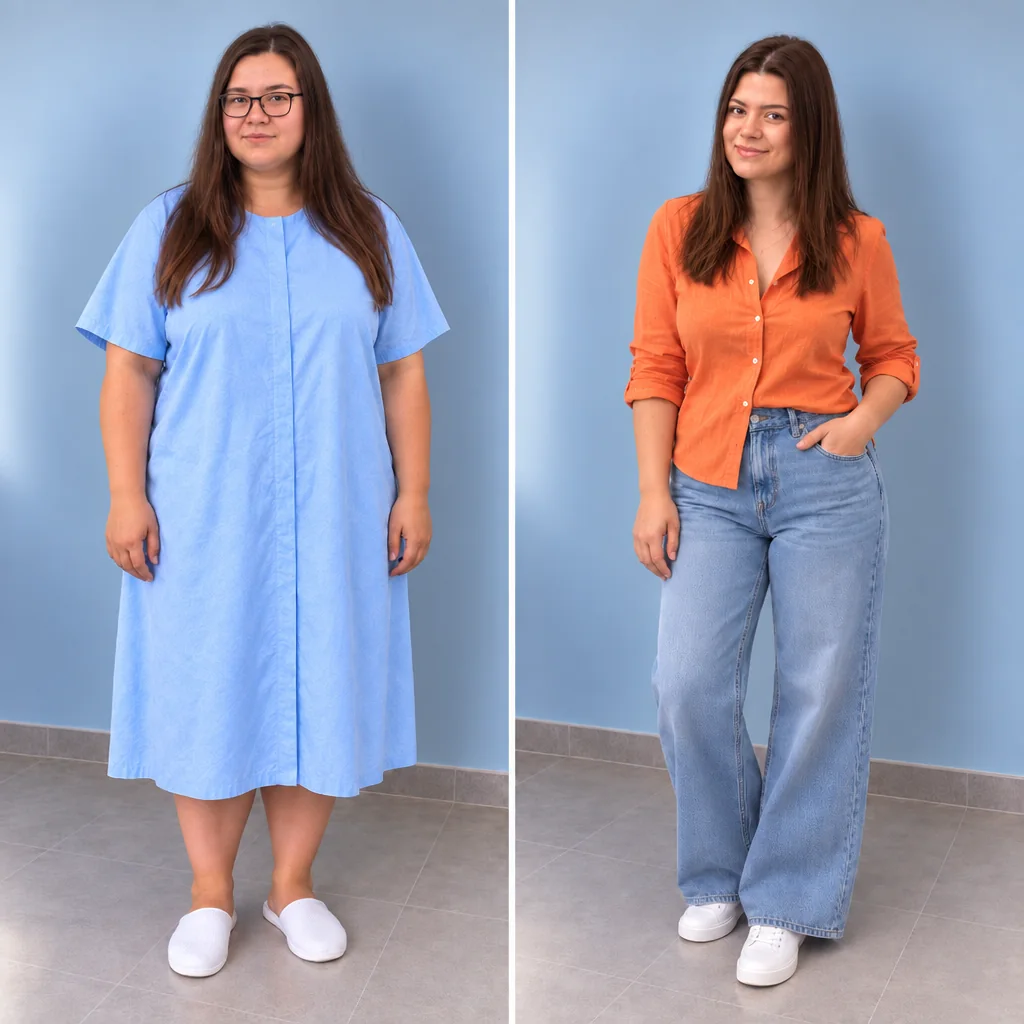 beforeafter
Bariatric surgery
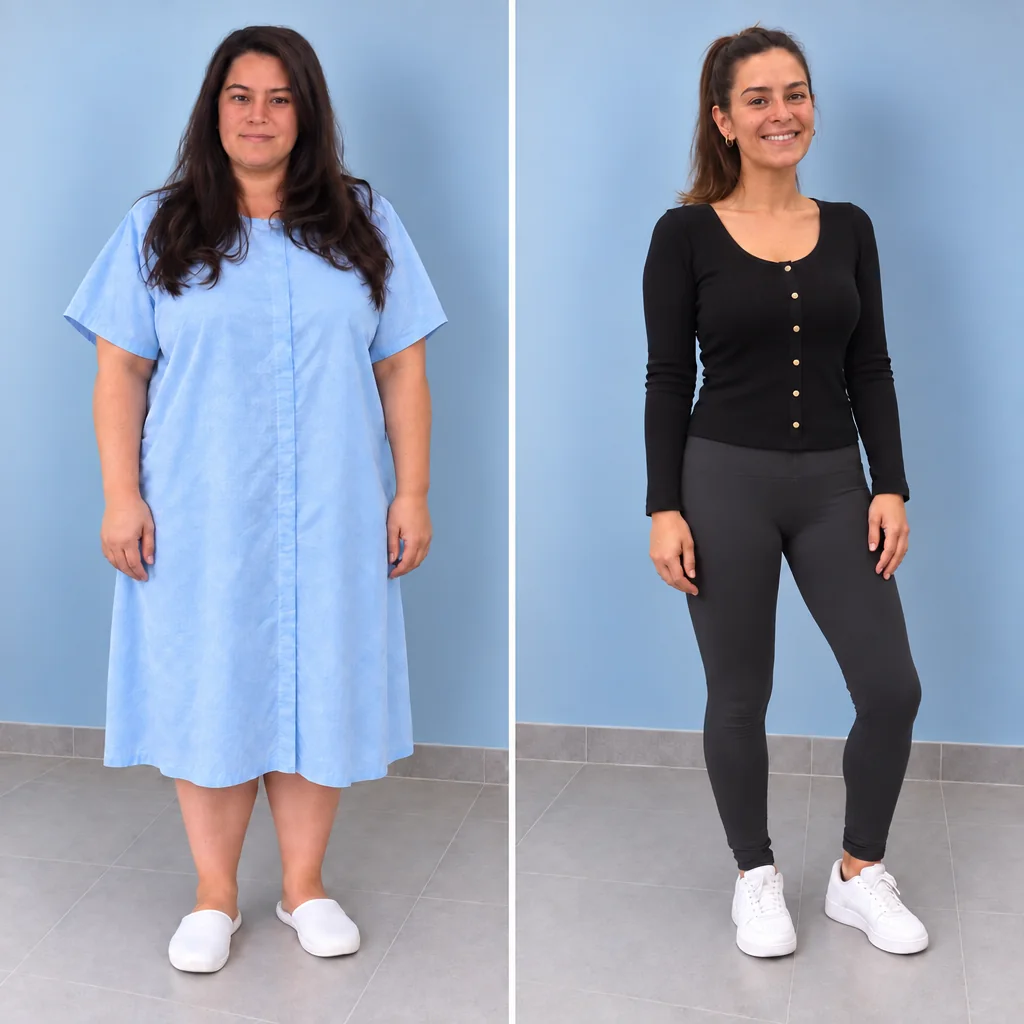 beforeafter
Bariatric surgery
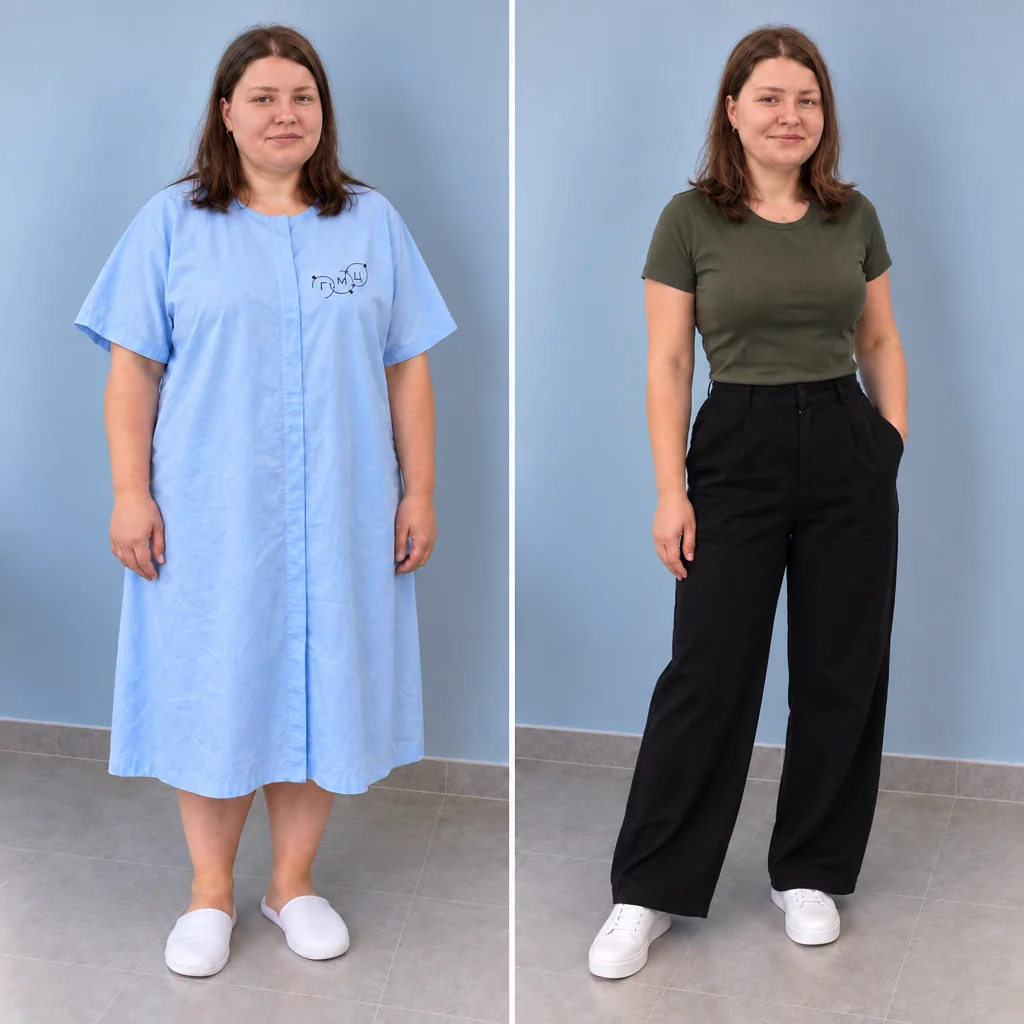 beforeafter
Bariatric surgery
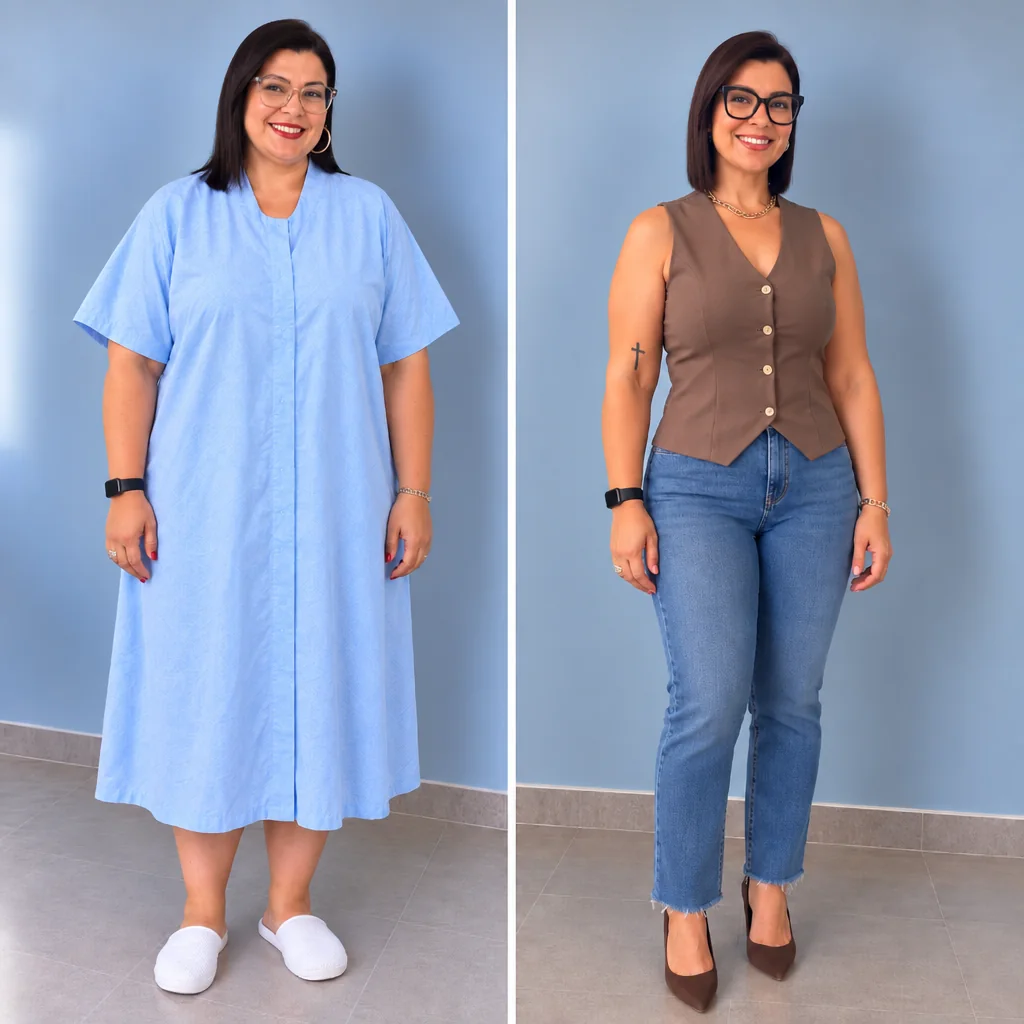 beforeafter
Bariatric surgery
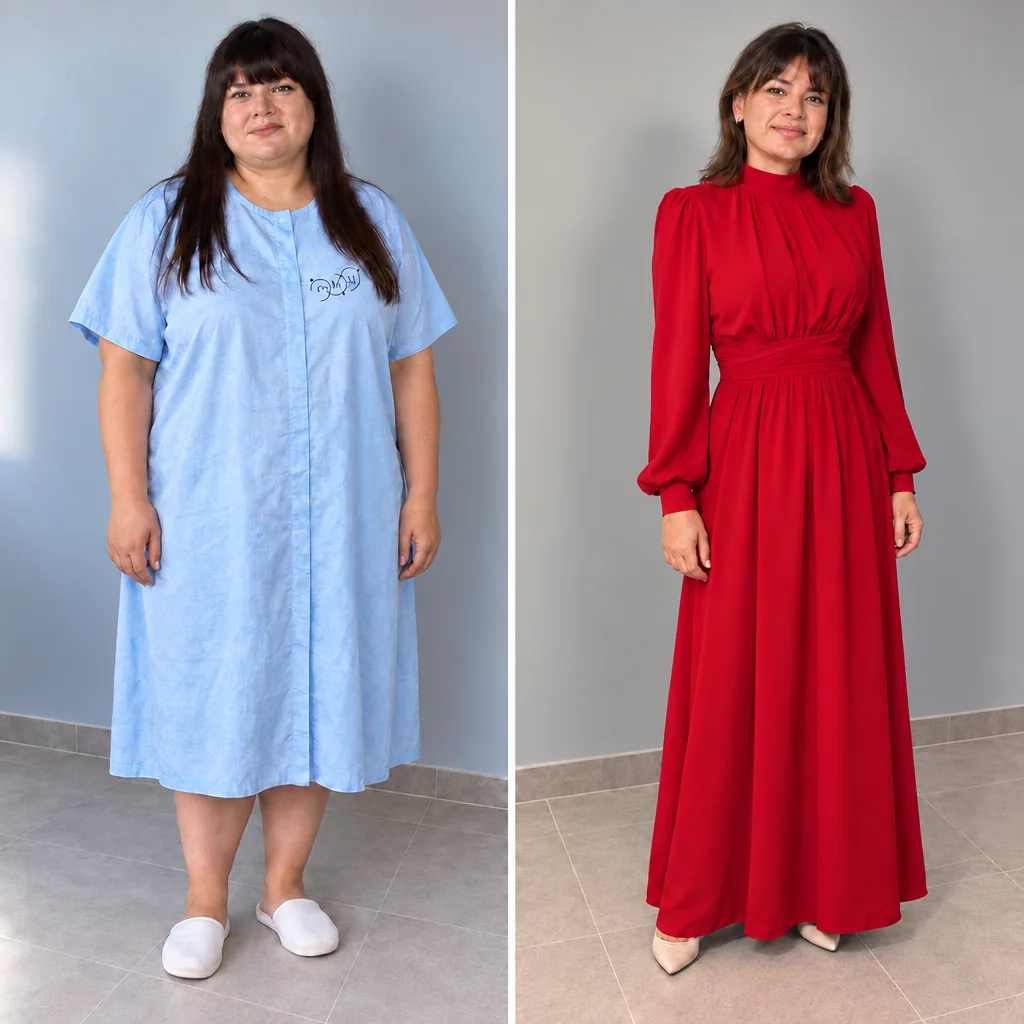 beforeafter
Bariatric surgery
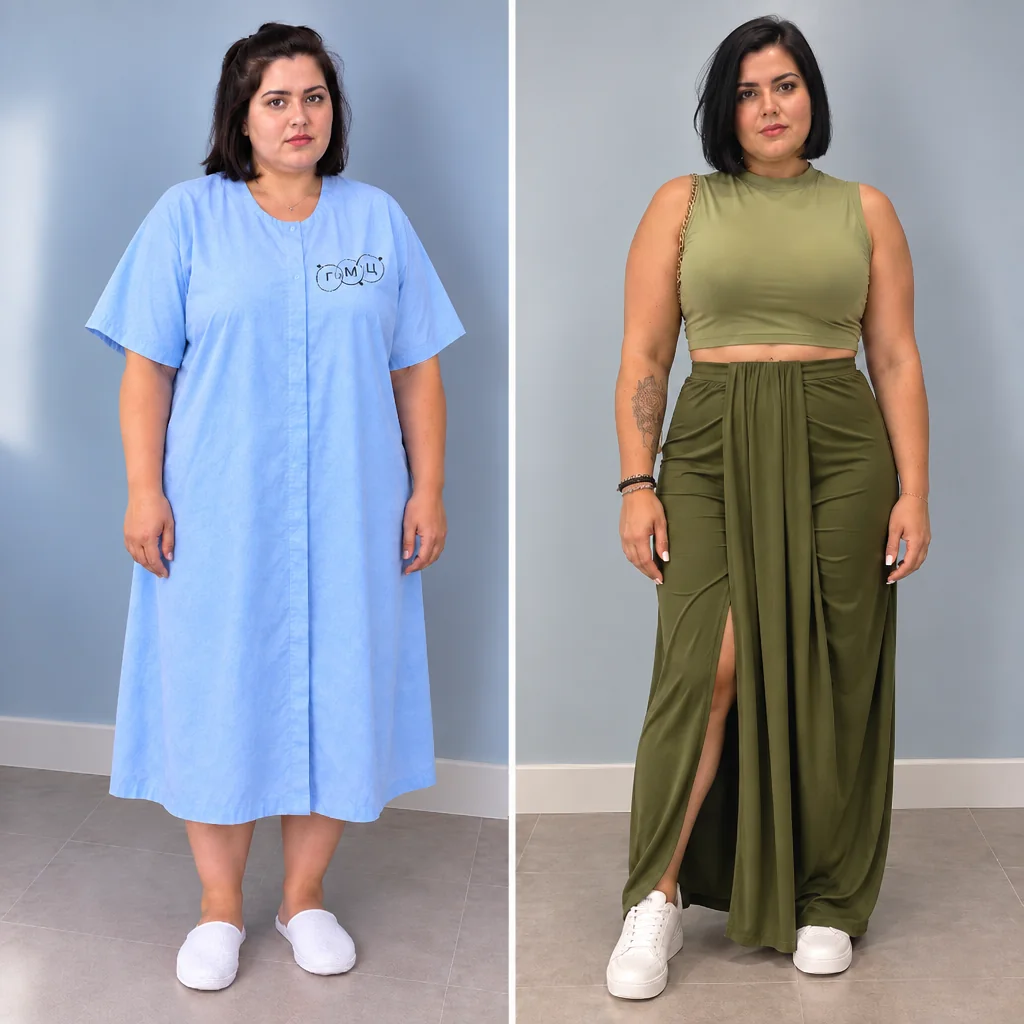 beforeafter
Bariatric surgery
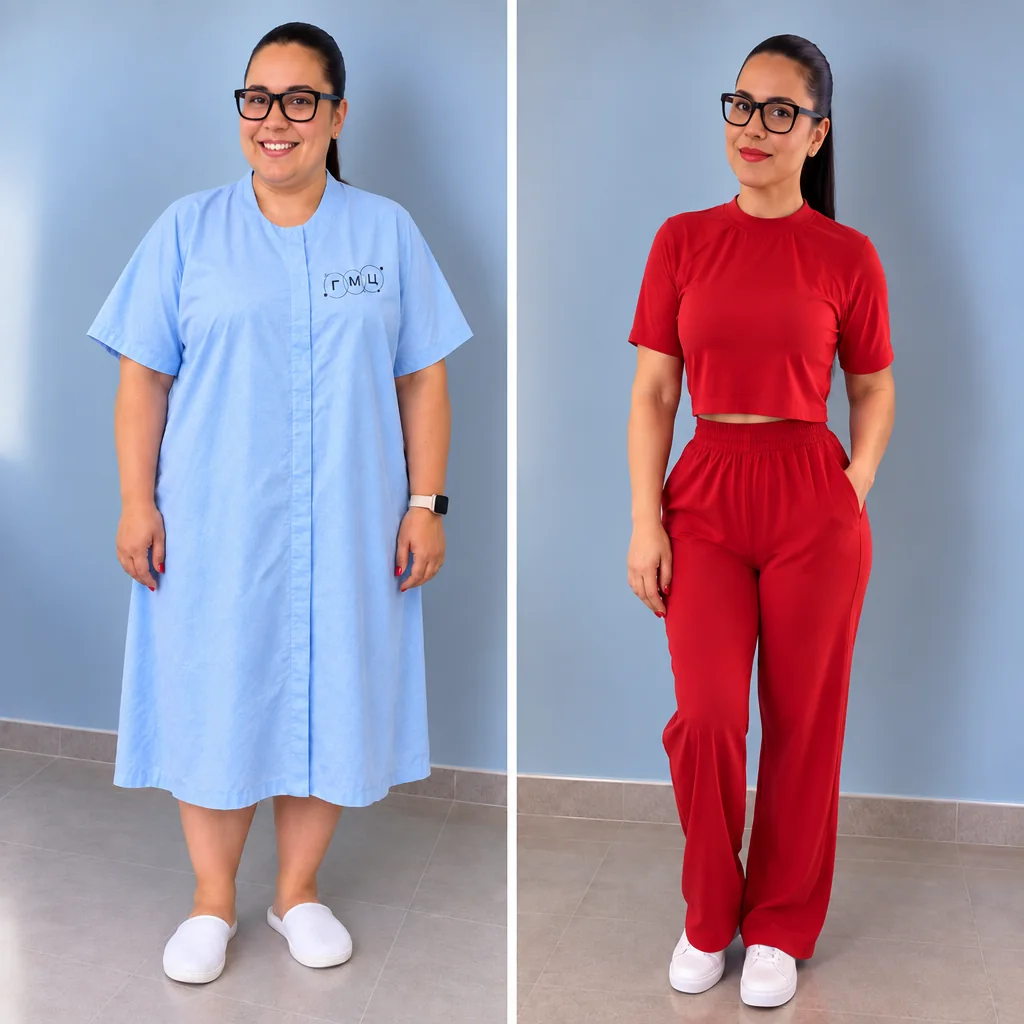 beforeafter
Bariatric surgery
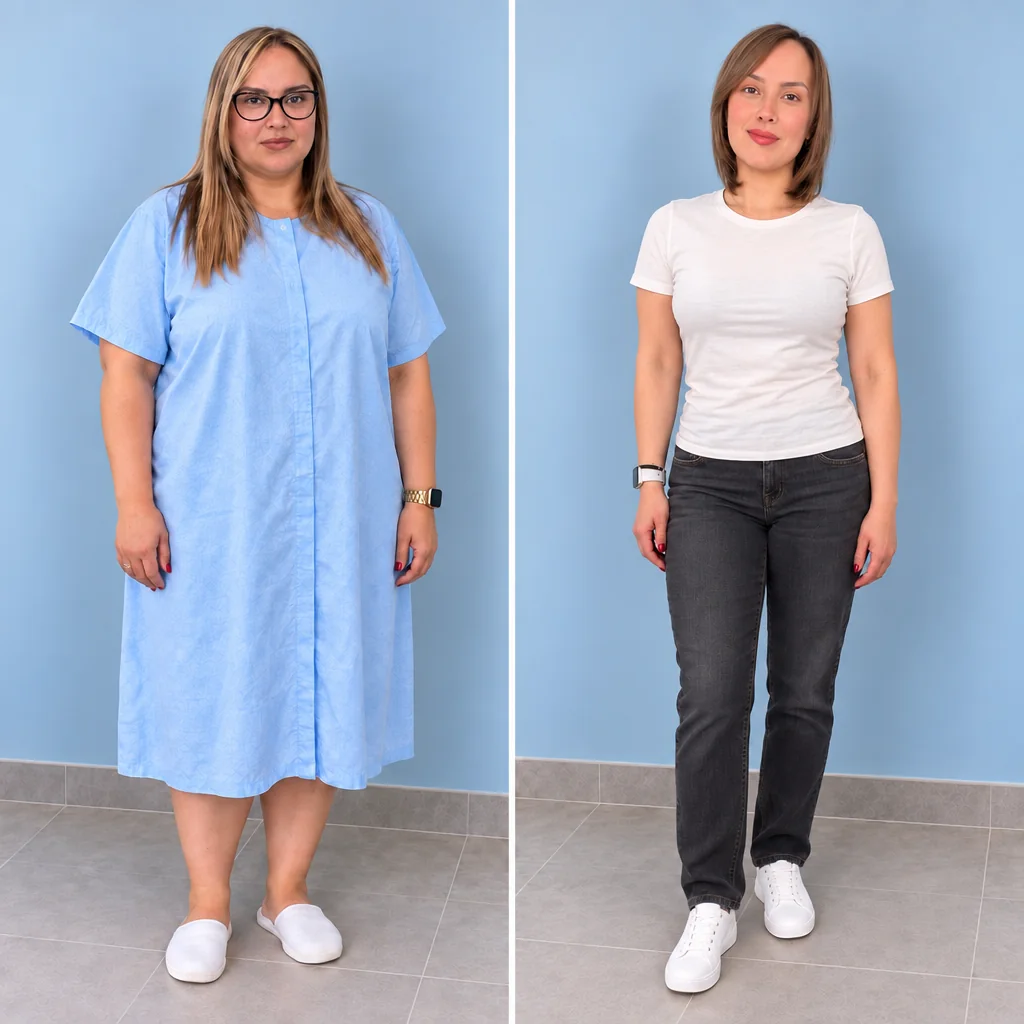 beforeafter
Bariatric surgery
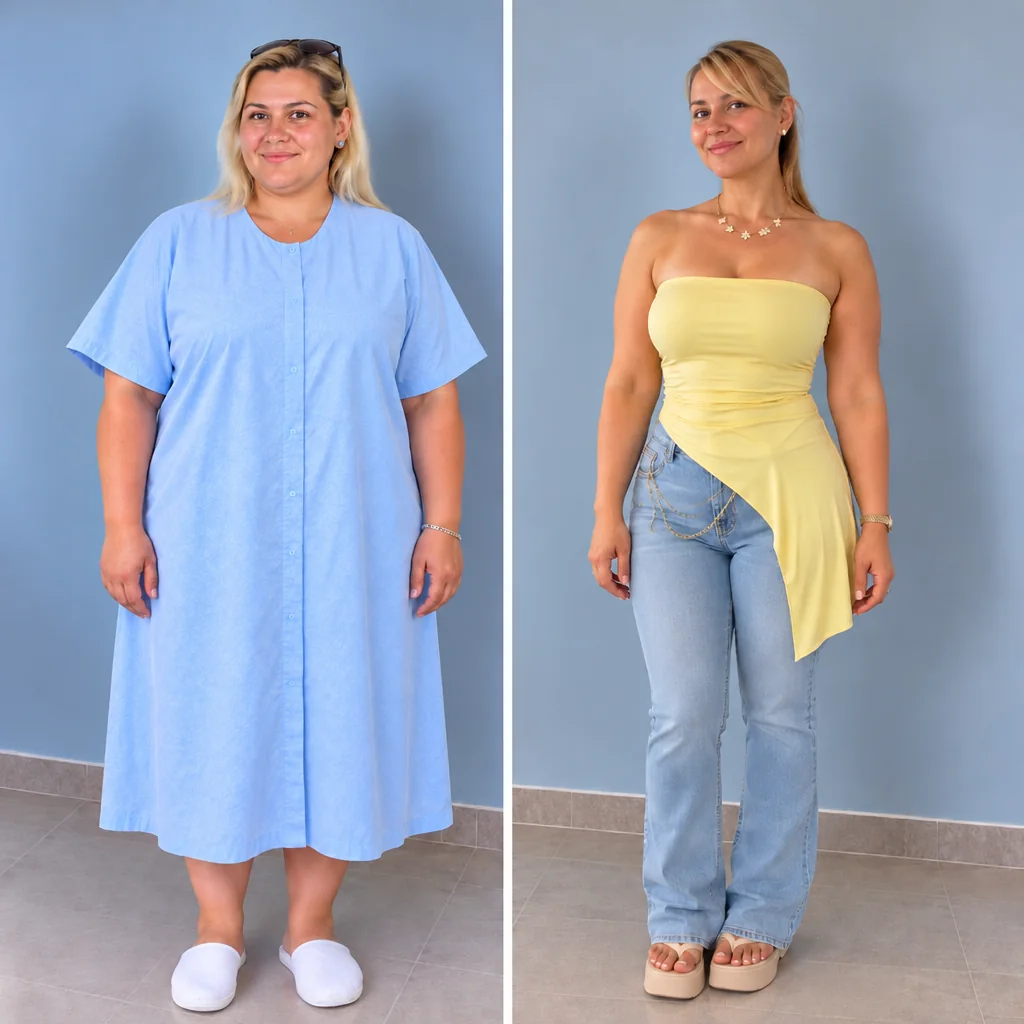 beforeafter
Bariatric surgery
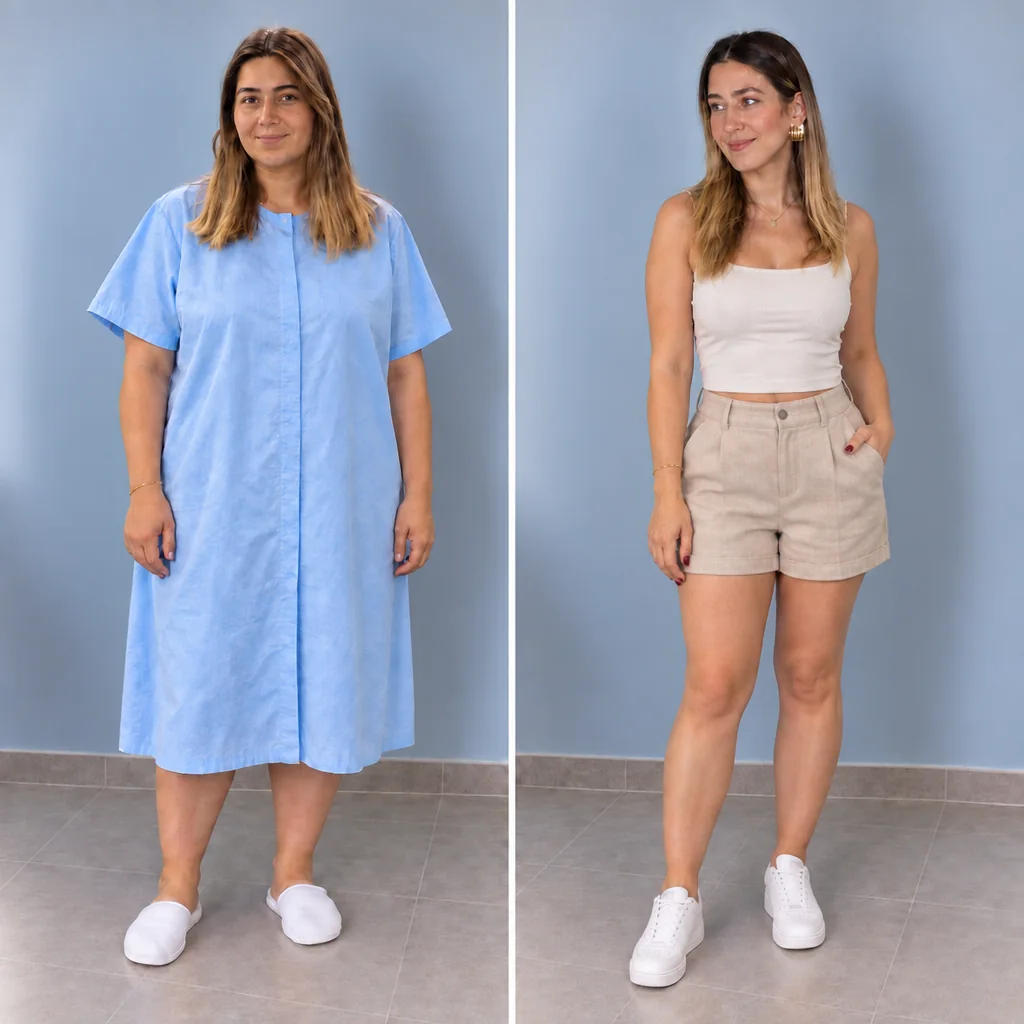 beforeafter
Bariatric surgery
Comparison
Two core procedures are offered here: gastric bypass and sleeve gastrectomy. See how each one works, its purpose and its indications so you can pick a method with confidence.
Reducing the stomach volume
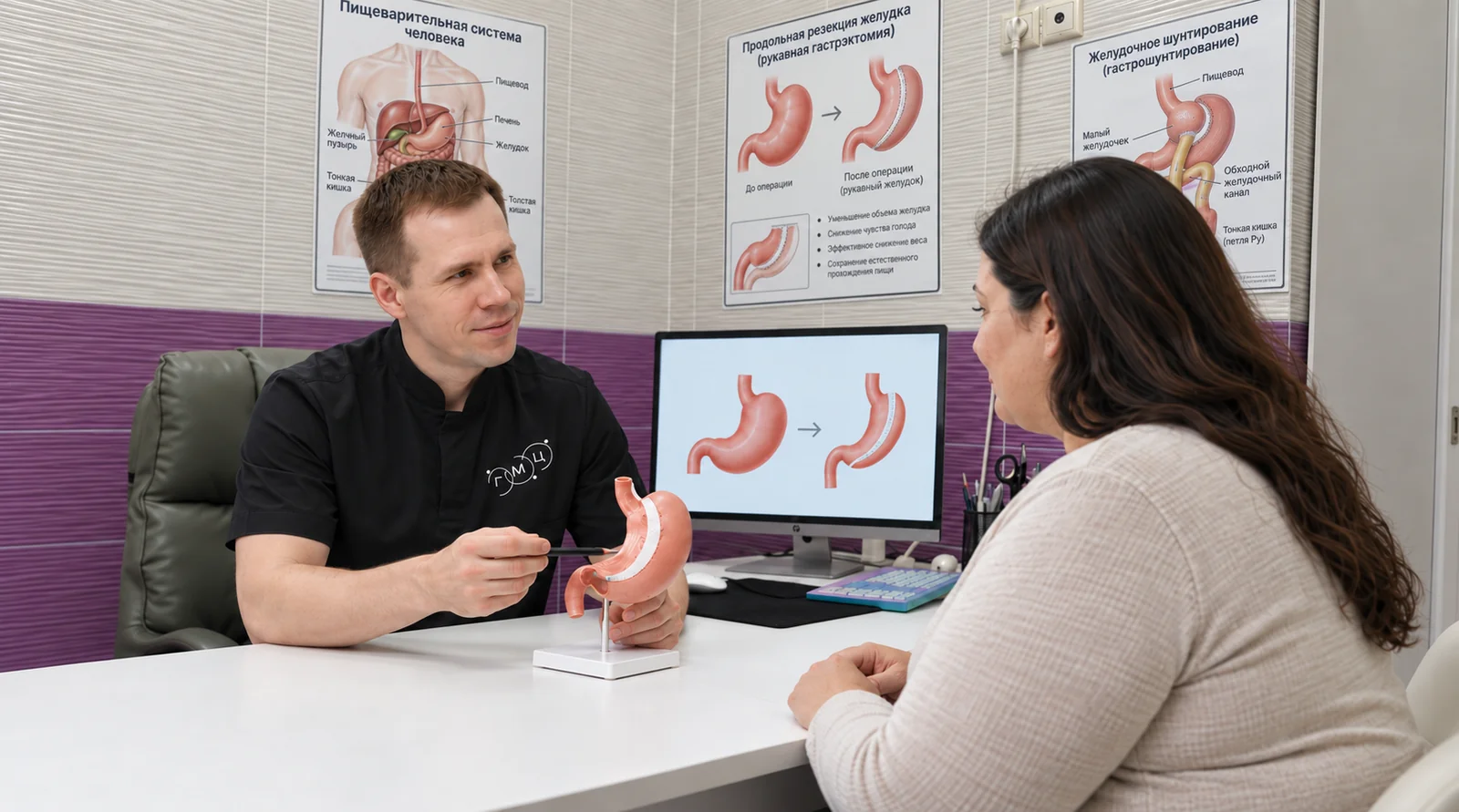
Discounted price
$3,600 $4,800
Stomach volume is reduced and the food path is changed
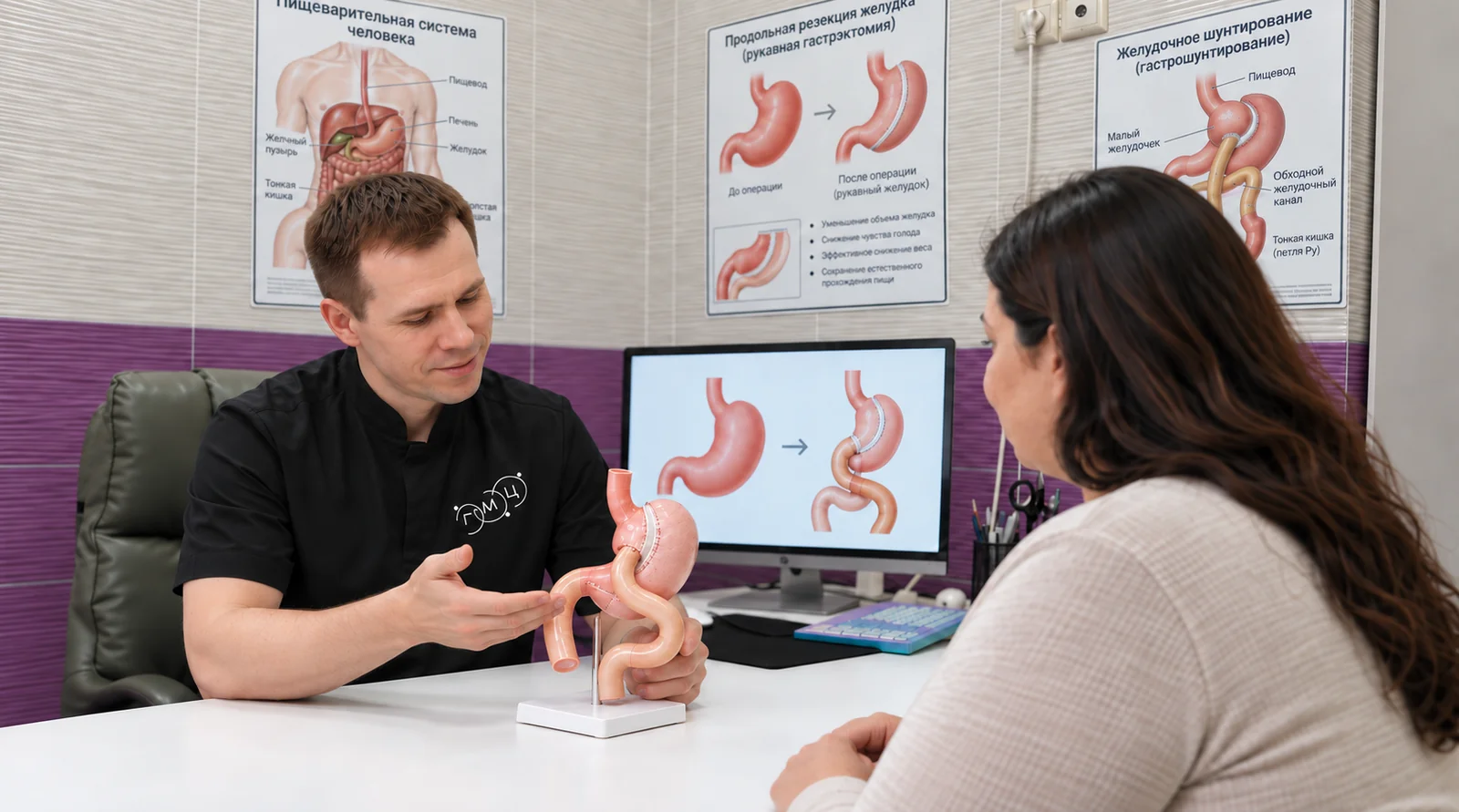
Discounted price
$4,000 $5,200
Recovery times and benefits are averaged for each method and shown for orientation. Your anatomy and individual features shape the extent of surgery and recovery, and the surgeon confirms both at the consultation.
Book a consultationThe clinic
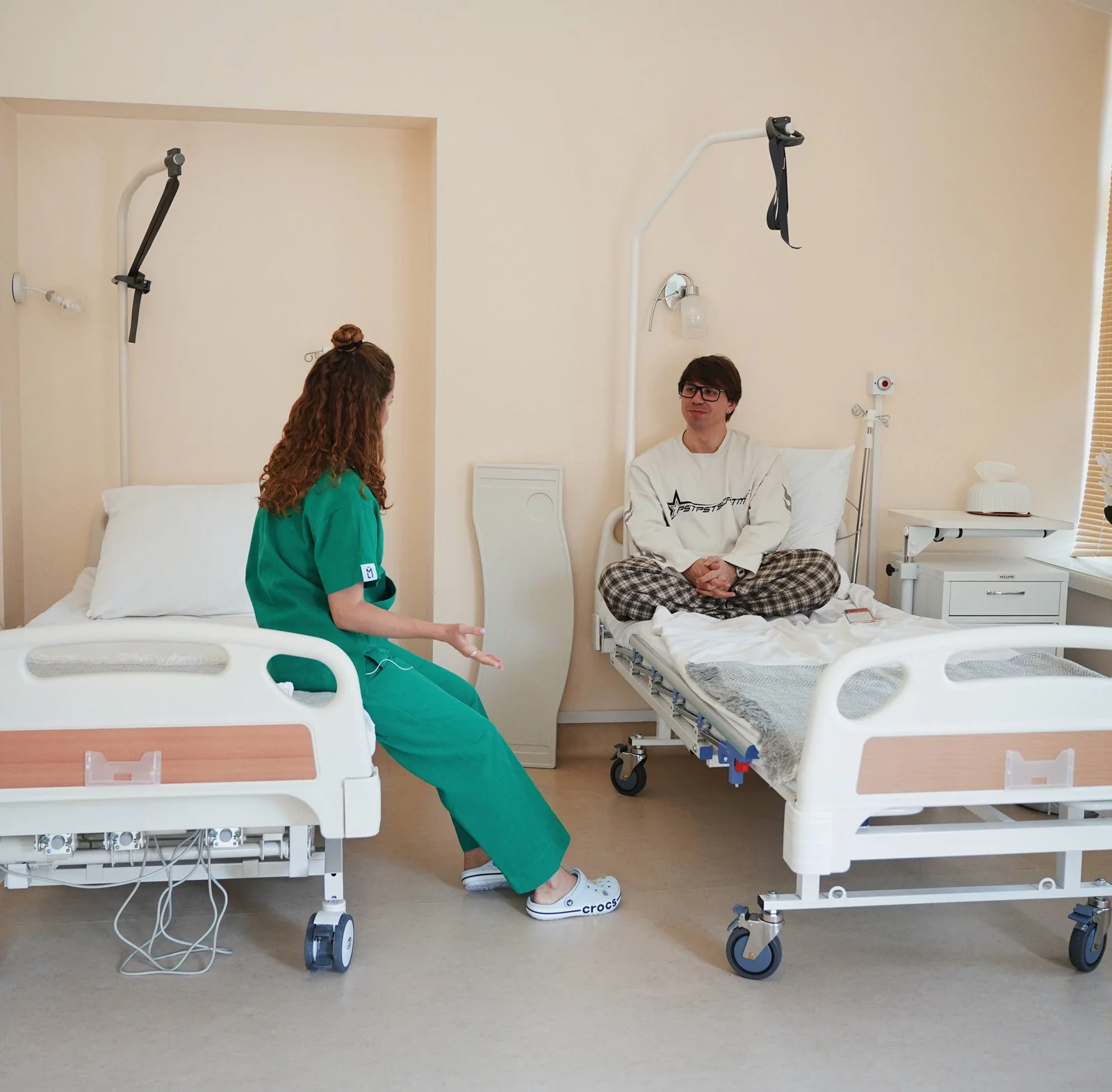
Comfortable rooms, modern equipment and care for each person
We will answer your questions and find a convenient time for a consultation
Get a consultationThe choice to operate is made jointly with your surgeon following a consultation and check-up.
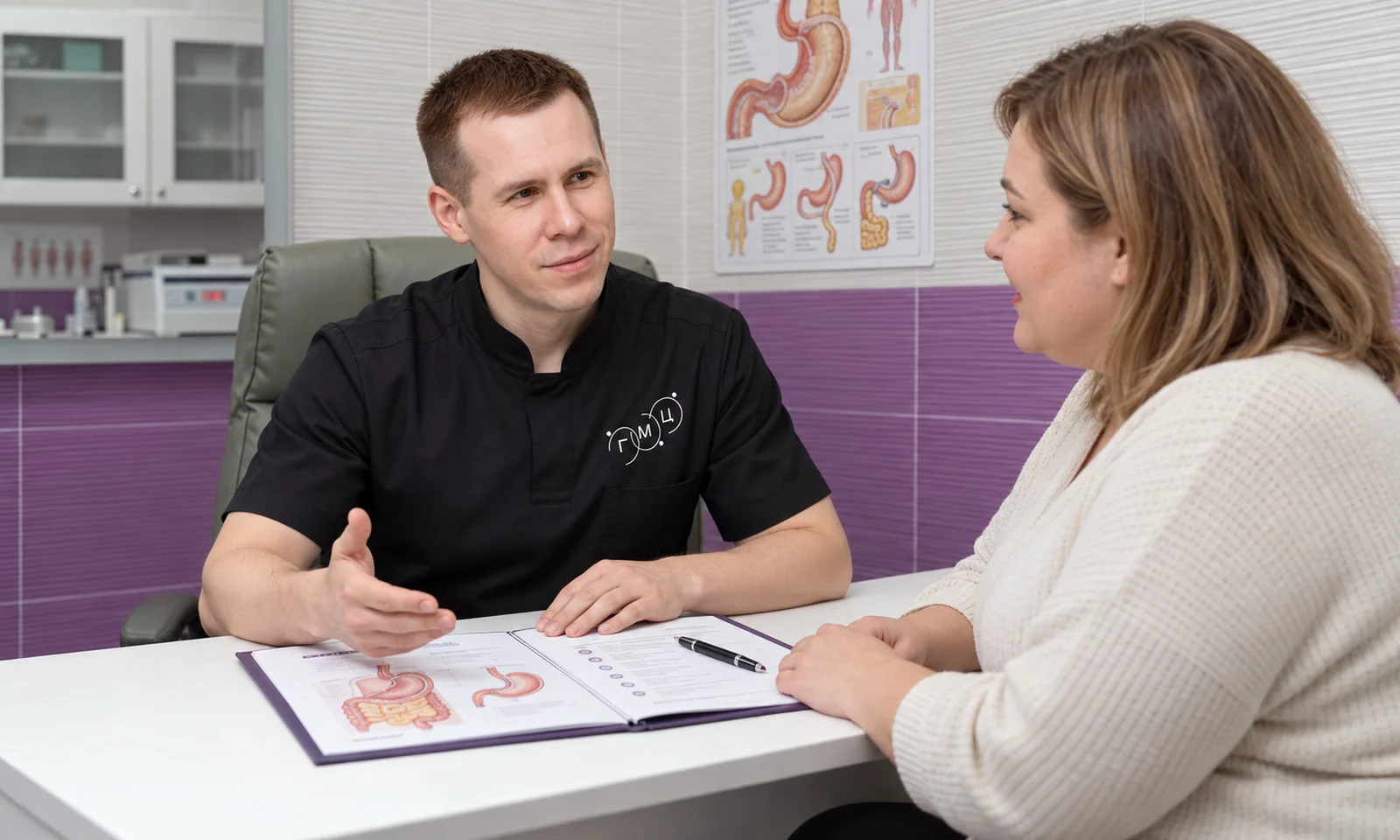
Can't tell which column fits your case?
Text us on Telegram — our coordinator will let you know if bariatric surgery is the right choice for you. The surgeon consultation is free, with no obligation to go ahead with surgery.
Find out if it suits me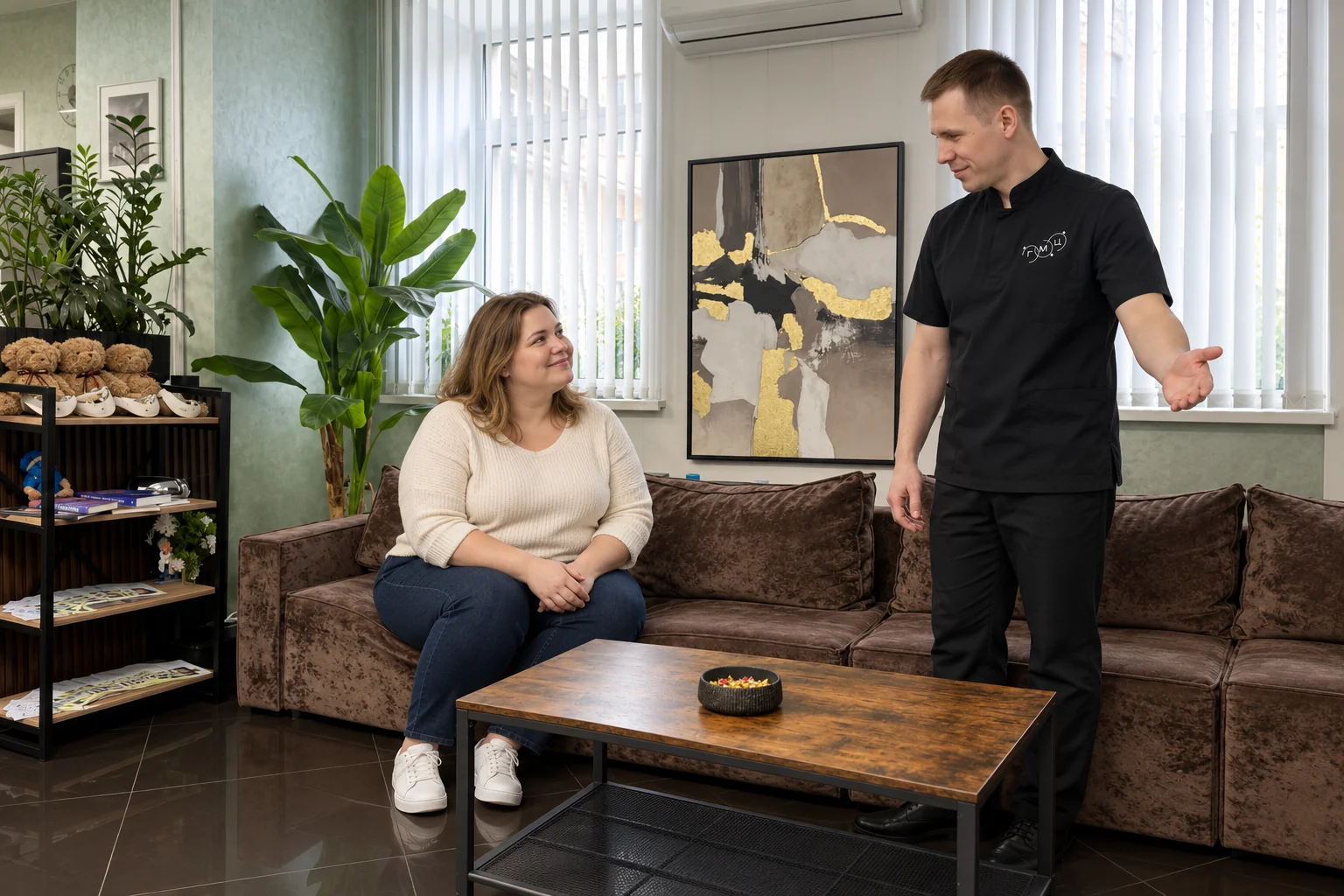
Prices
The contract fixes the cost, which is named at the consultation after your plan is drawn up.
Discounted price
Reducing the stomach volume
$3,600$4,800
Discounted price
Rerouting food and losing weight
$4,000$5,200
Free
Surgeon's examination and a treatment plan

Free
the price of surgery is confirmed
and fixed in your contract
The doctor looks at your health, talks about your goals and chooses the right method of bariatric surgery. You get the cost at the consultation, fixed in the contract.
Message our coordinator
Free online consultation · Reply within 15 minutes
Message us on TelegramMessage us on WhatsAppBy messaging us, you agree to our Privacy Policy
price
A complete package: preparation plus 12 months of support, without any extra charges.Starting with preparation for surgery
and ending with support for 12 months.
How it works
Hospital monitoring, a treatment plan agreed with you and a year of support.
 1
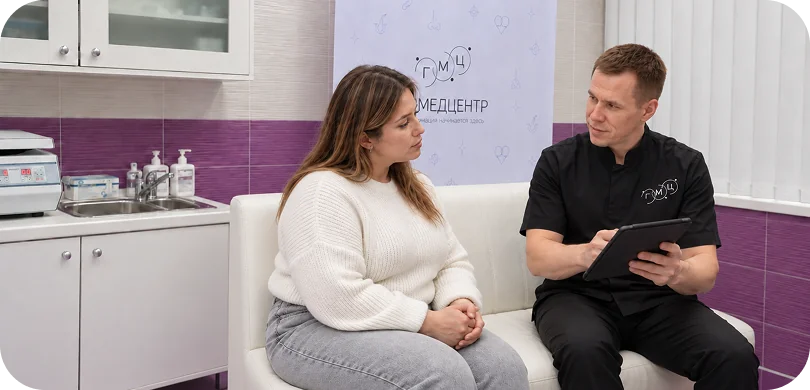
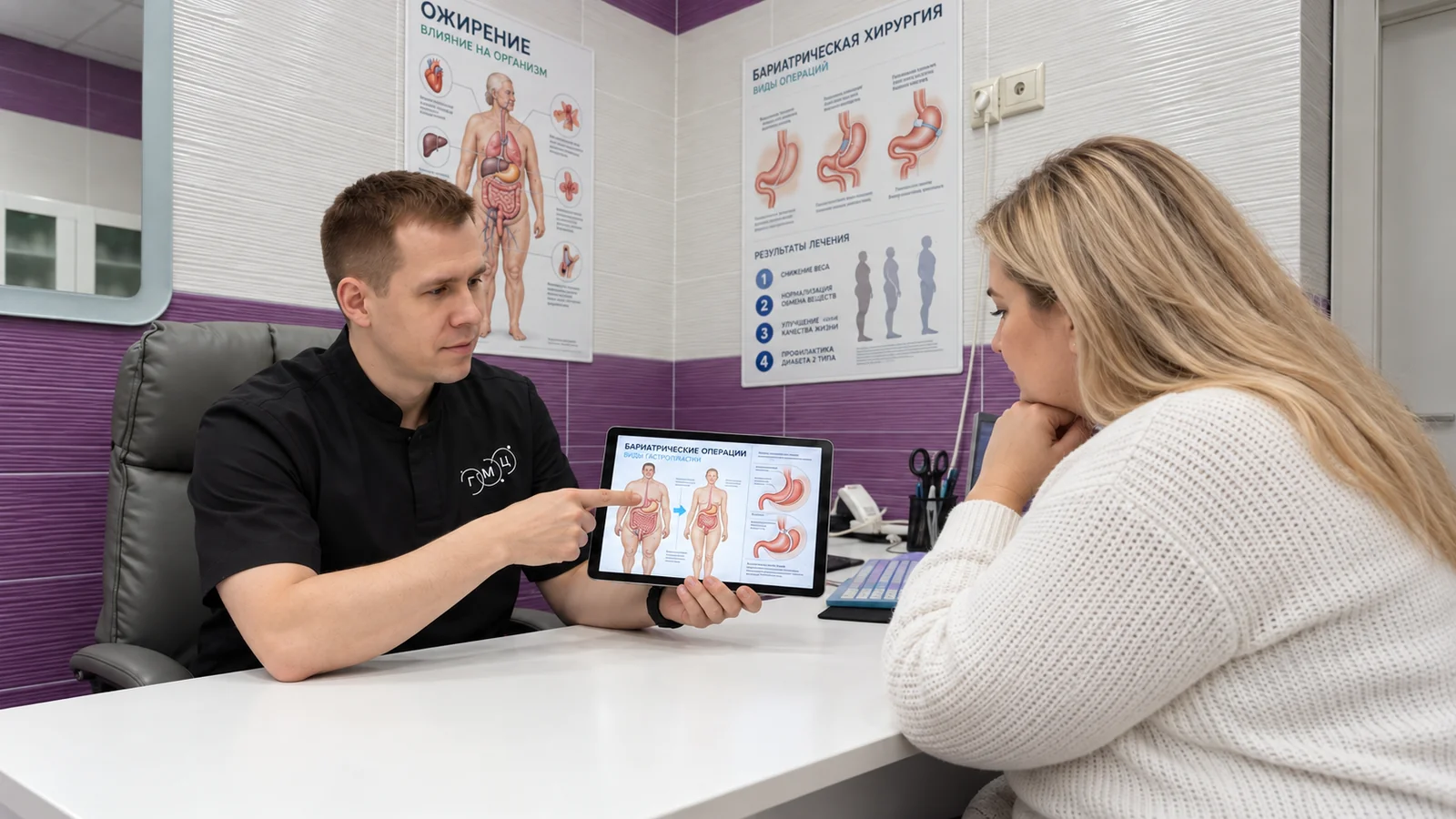
The doctor evaluates your health, talks through your goals and orders the tests needed to select the right bariatric surgery method.
2We set aside a surgery date for you — the deposit is paid by card at the clinic or online by bank transfer, and the terms are fixed in the contract for medical services
 3
Blood and urine tests, an ECG, an ultrasound, a gastroscopy and specialist visits come before surgery. At the consultation the doctor gives you the exact list.
 4
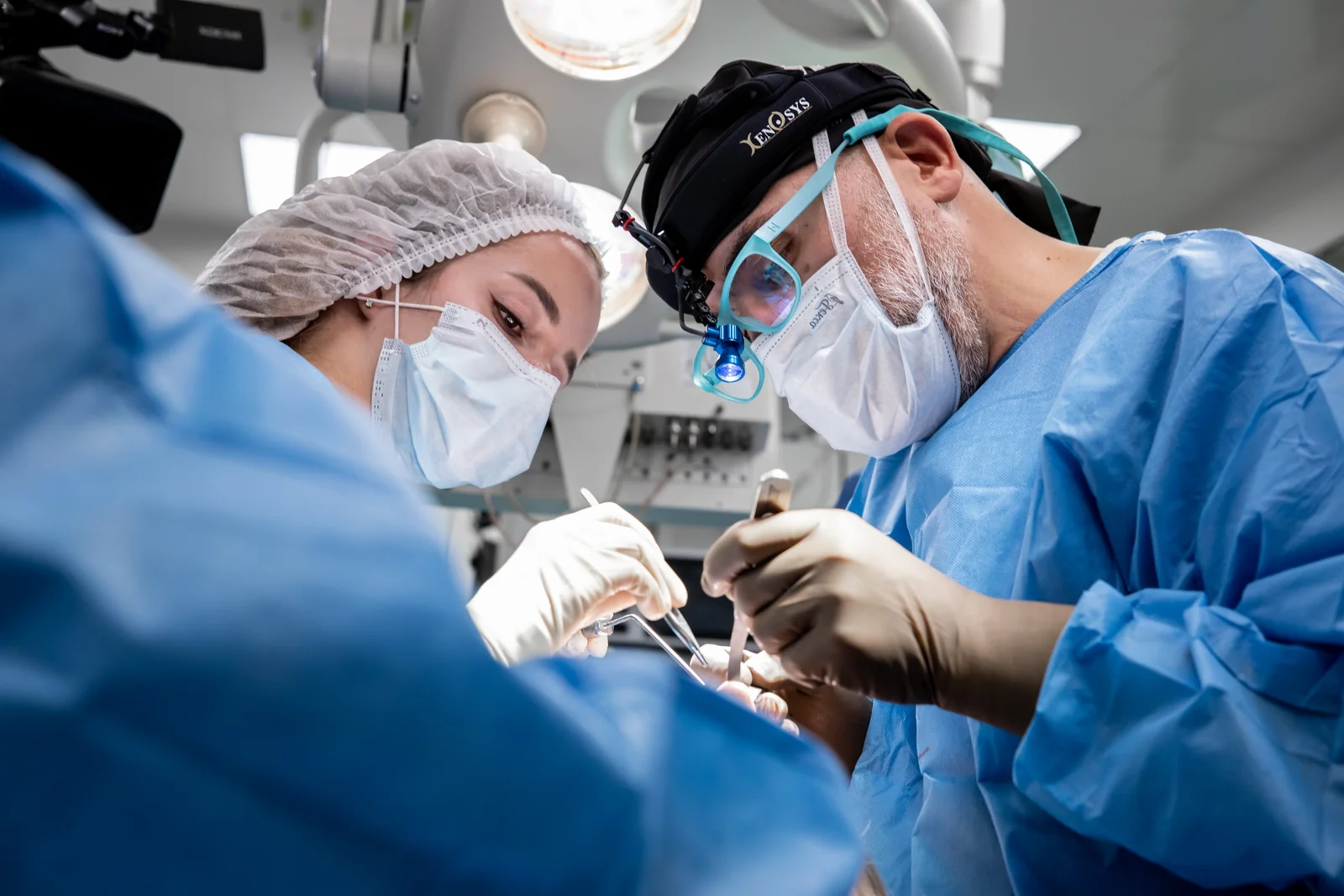
Your surgeon performs the bariatric operation with the chosen method under general anaesthesia, and after surgery the medical team monitors you.
 5
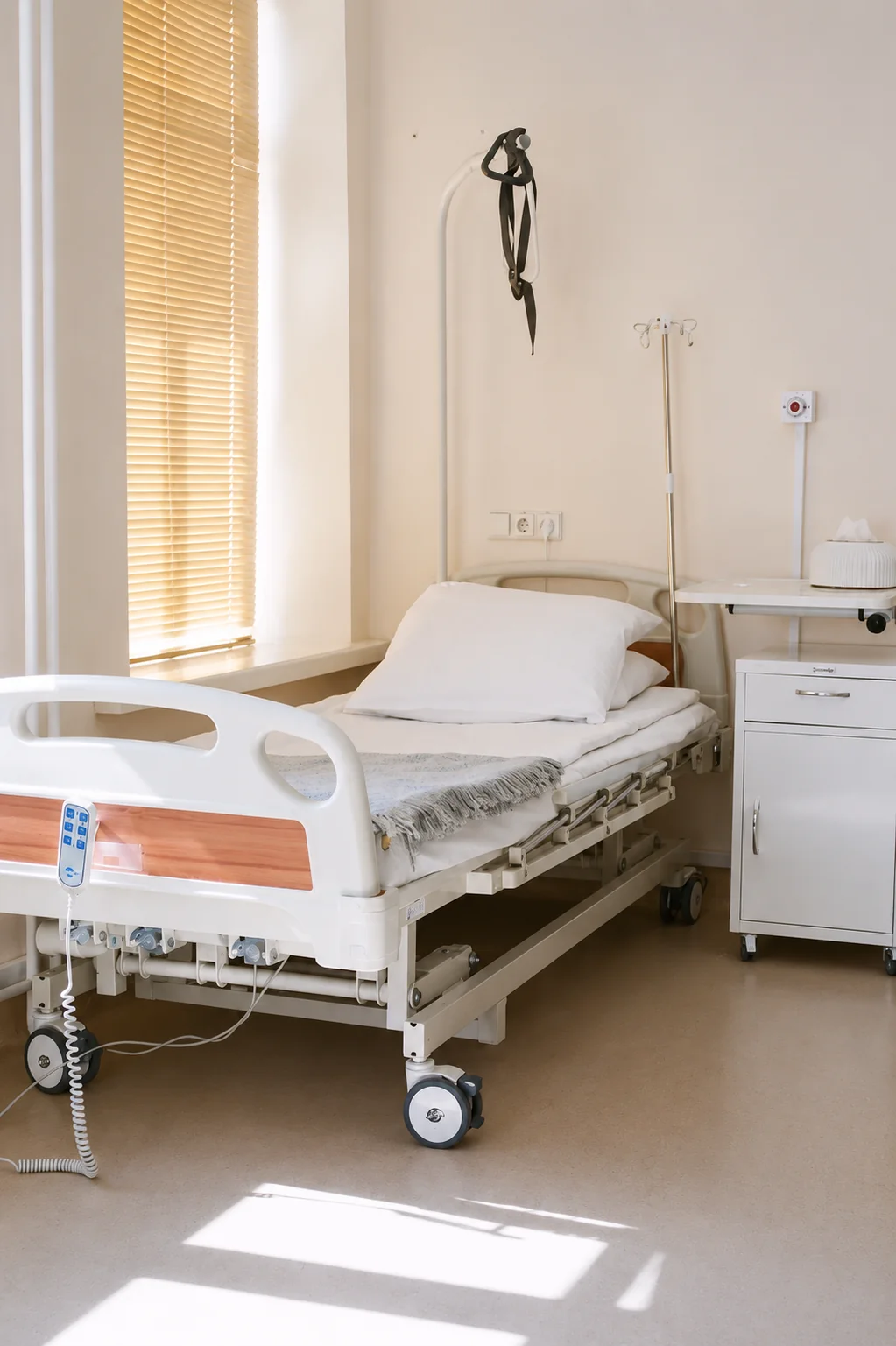
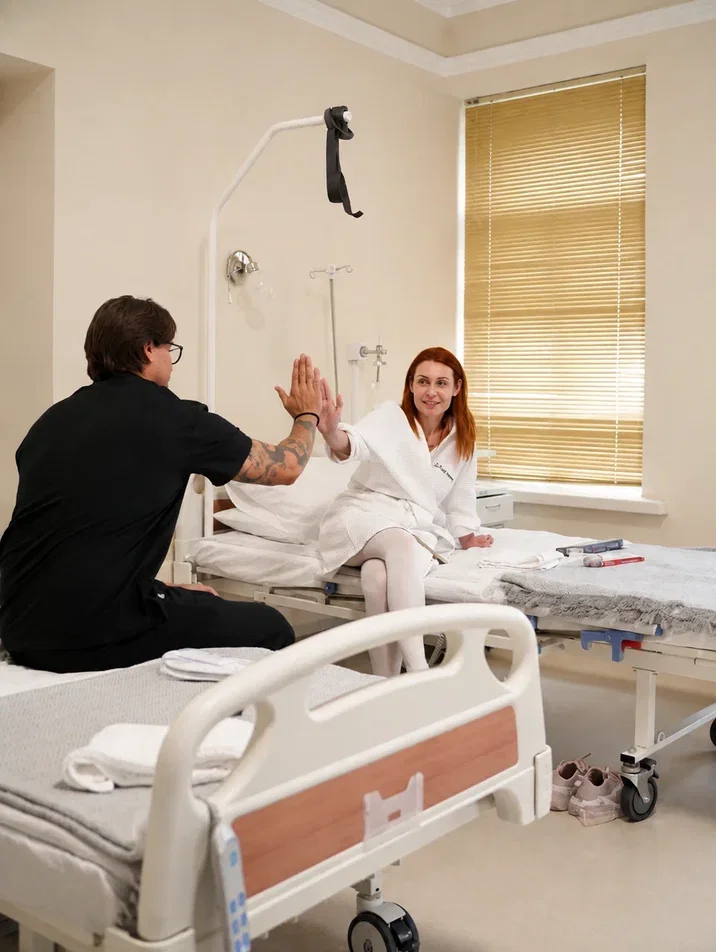
You stay in hospital under doctors' supervision after surgery; the stay runs from 1–3 to 4–5 days, depending on the operation's complexity and how you feel.
 6
After discharge, expect advice on diet and recovery and scheduled check-ups of your well-being, weight and test results. The clinic team supports you for a year.
The doctor draws up a plan at the consultation and explains how the surgery will go
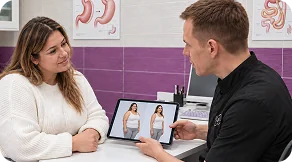
You pay nothing for the consultation, happens before surgery, with no obligation.
Book a consultationDoctors
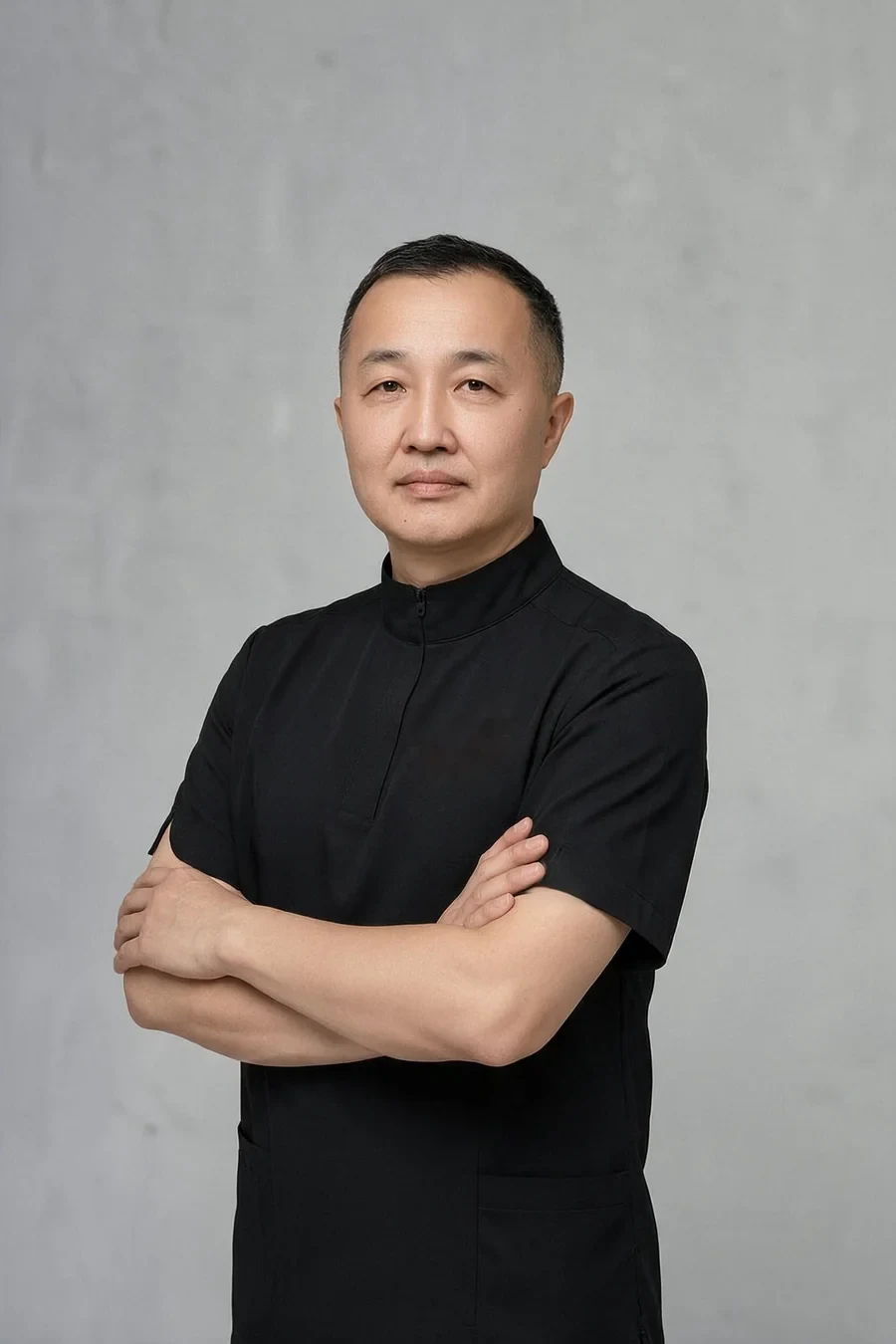
27 years of experience
Senior bariatric surgeon
Surgeon
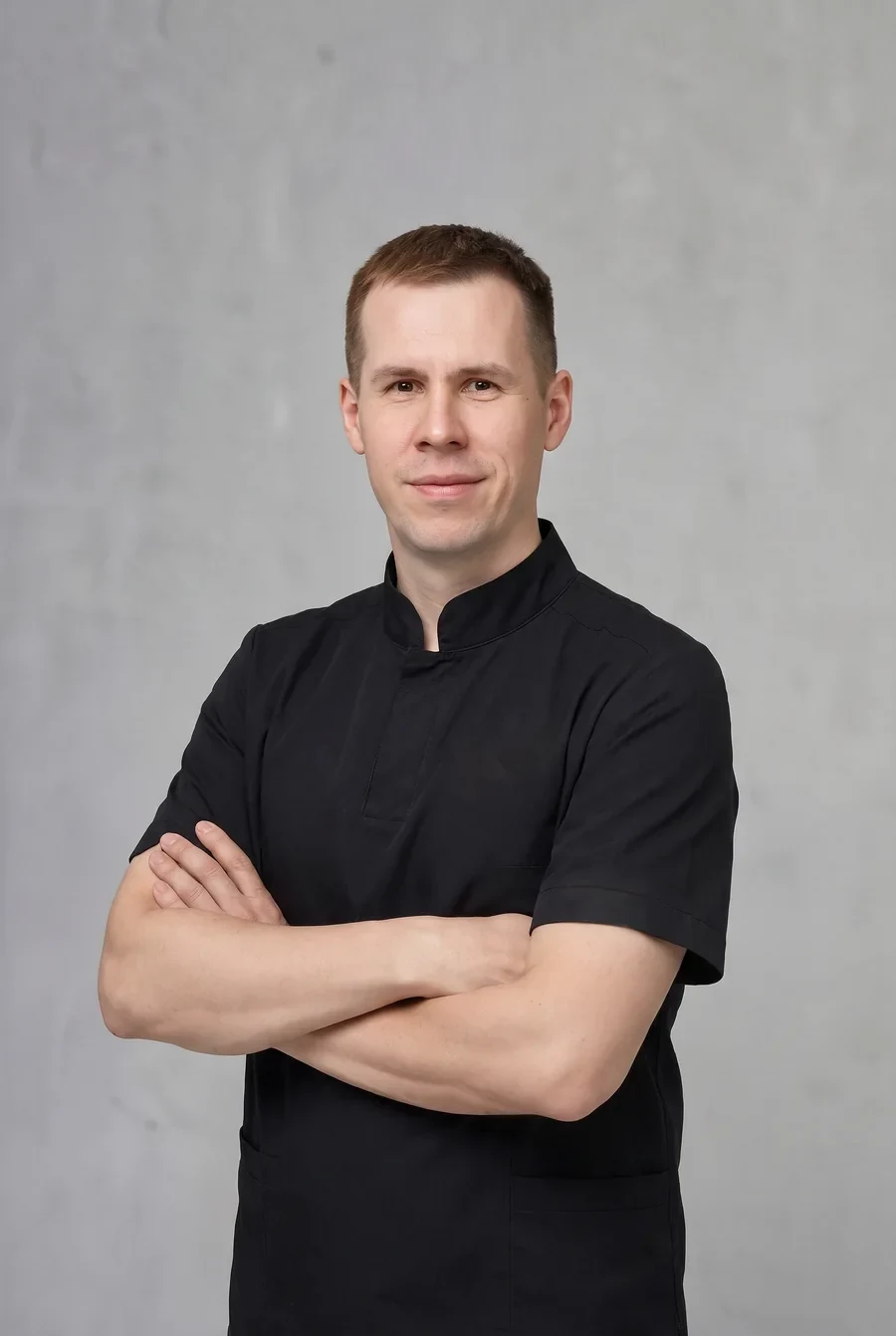
9 years of experience
Bariatric surgeon
Surgical oncologist
From the first consultation to the result, your surgeon operates and follows you.
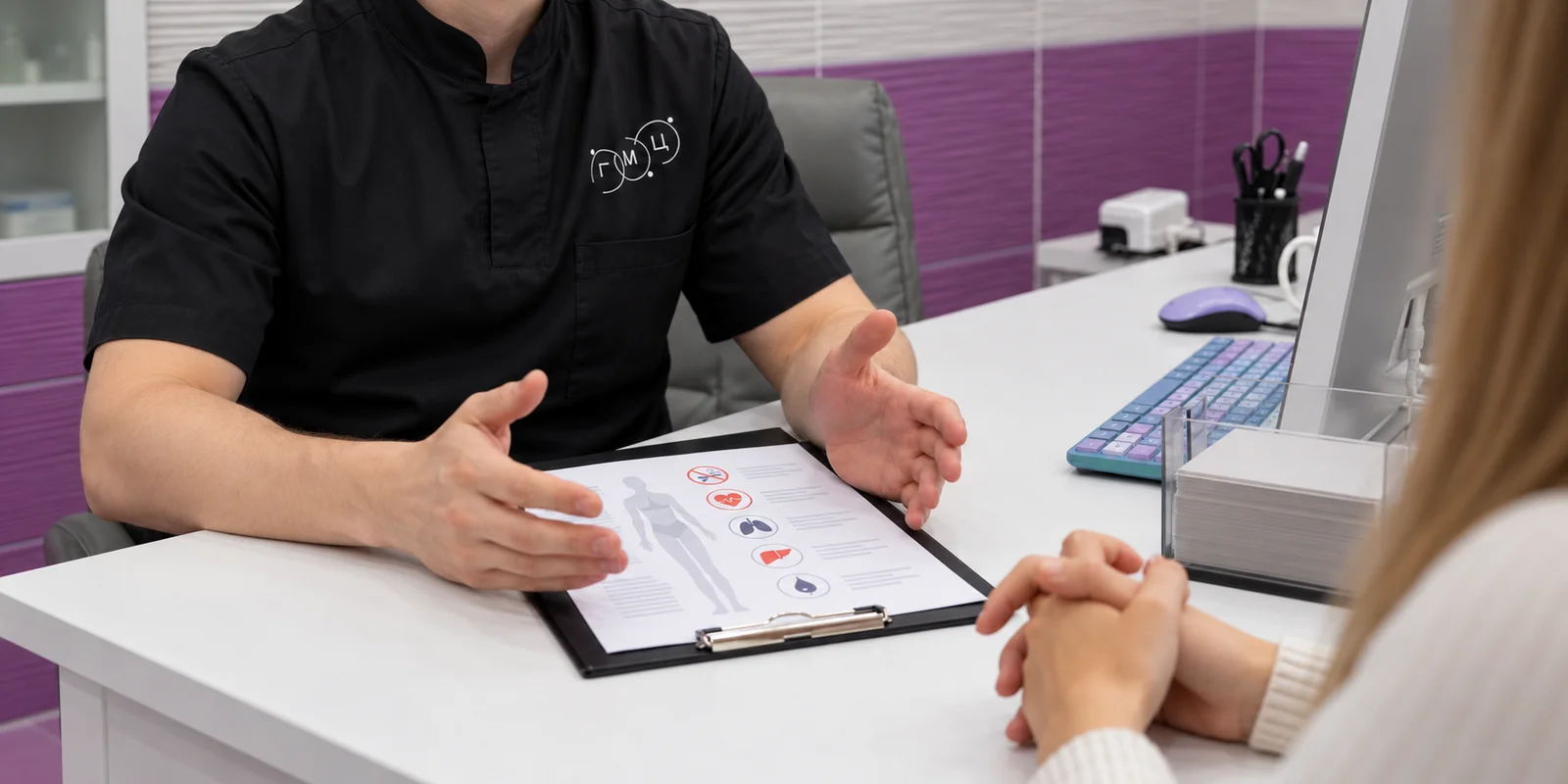
At the first consultation our patient care manager calculates your BMI, explains the methods and books you with the surgeon — all free of charge.
Book a consultationCoordinators
We support you at every stage

Your first point of contact at the clinic, from your first message to the consultation
Patient support
Helps you choose a convenient date and answers your questions before the first consultation

With you before your stay and during it, from booking to discharge
Patient support
Helps with your preparation for surgery and stays in touch throughout your clinic stay

With you through recovery — from discharge to your final check-up
Patient support
Books your follow-up visits with the surgeon and keeps in touch during recovery
Advantages
We find the best method for your health, lifestyle and goals. All the way through, our team is with you.
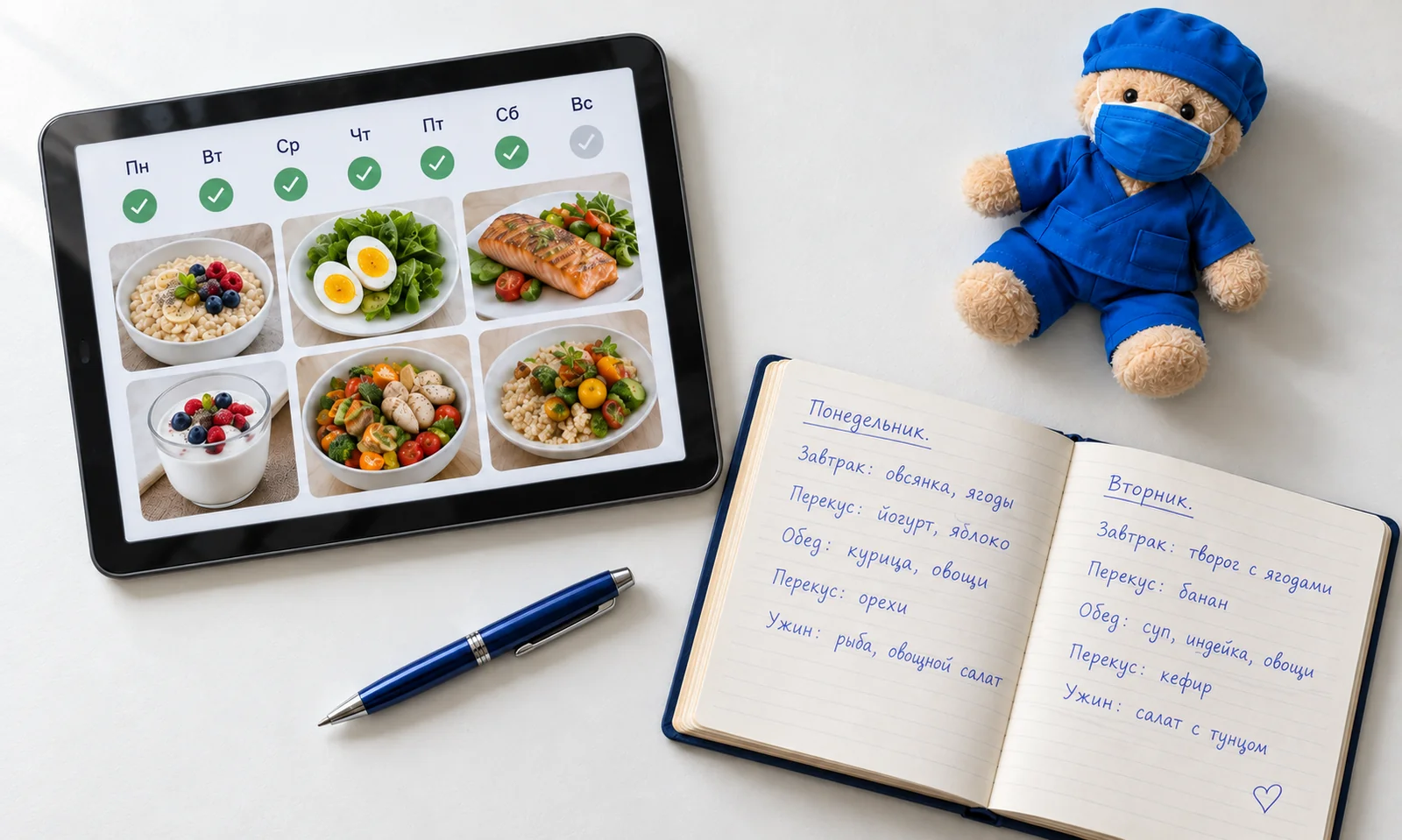
We help you adopt new eating habits, track your results and make them last.
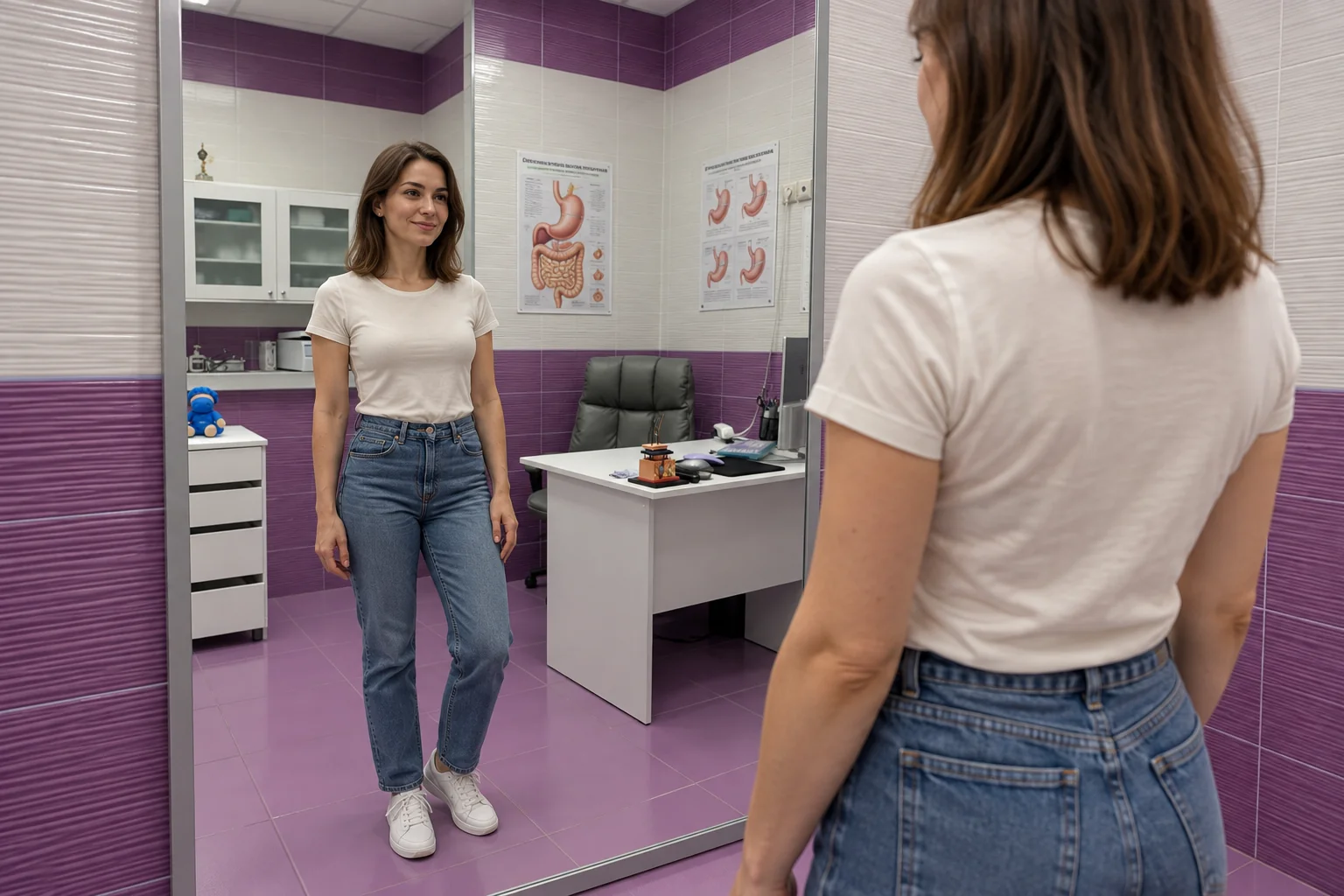
Steady weight loss, improved well-being and a better quality of life.
We adapt to your pace and respect your time — easy booking, a personal approach and open 24/7.
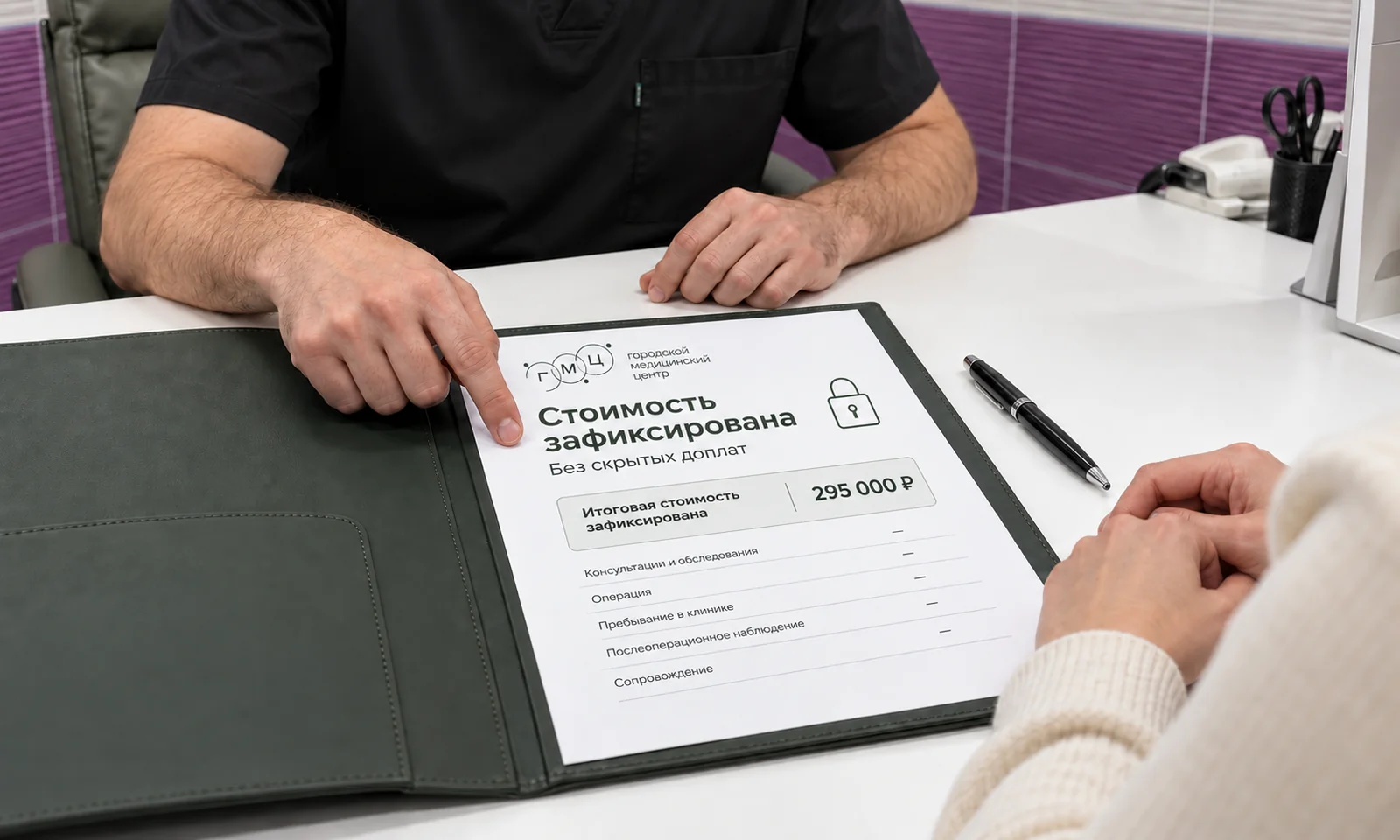
After the consultation the surgeon selects the method, and you get a transparent price — no hidden fees, no surprises on the road to your result.
FAQ
The bariatric operations at our clinic are done by experienced bariatric surgeons:
Message us — our coordinator will get back to you shortly and book your consultation. The bariatric surgeon consultation is free.
Surgery is prescribed only when clear criteria are met
BMI is the principal gauge of how advanced obesity is, found by dividing body weight (kg) by height squared (m²). Typically, a BMI above 40 — or above 35 with serious related conditions — justifies surgery. Some patients with lower values are considered for surgery too, if non-surgical options have failed.
Many mix them up, but they pursue fundamentally different goals. Bariatric surgery medically treats obesity and related diseases by changing how the digestive tract functions, addressing the causes of excess weight and metabolism. Plastic surgery reshapes the external contours of the body; it does not treat obesity or influence metabolism.
There are four main types of bariatric surgery at City Medical Centre: sleeve gastrectomy, Roux-en-Y gastric bypass, mini gastric bypass (MGB) and SADI-S duodeno-ileal bypass. BMI, related conditions and the patient's goals guide the individual choice of method.
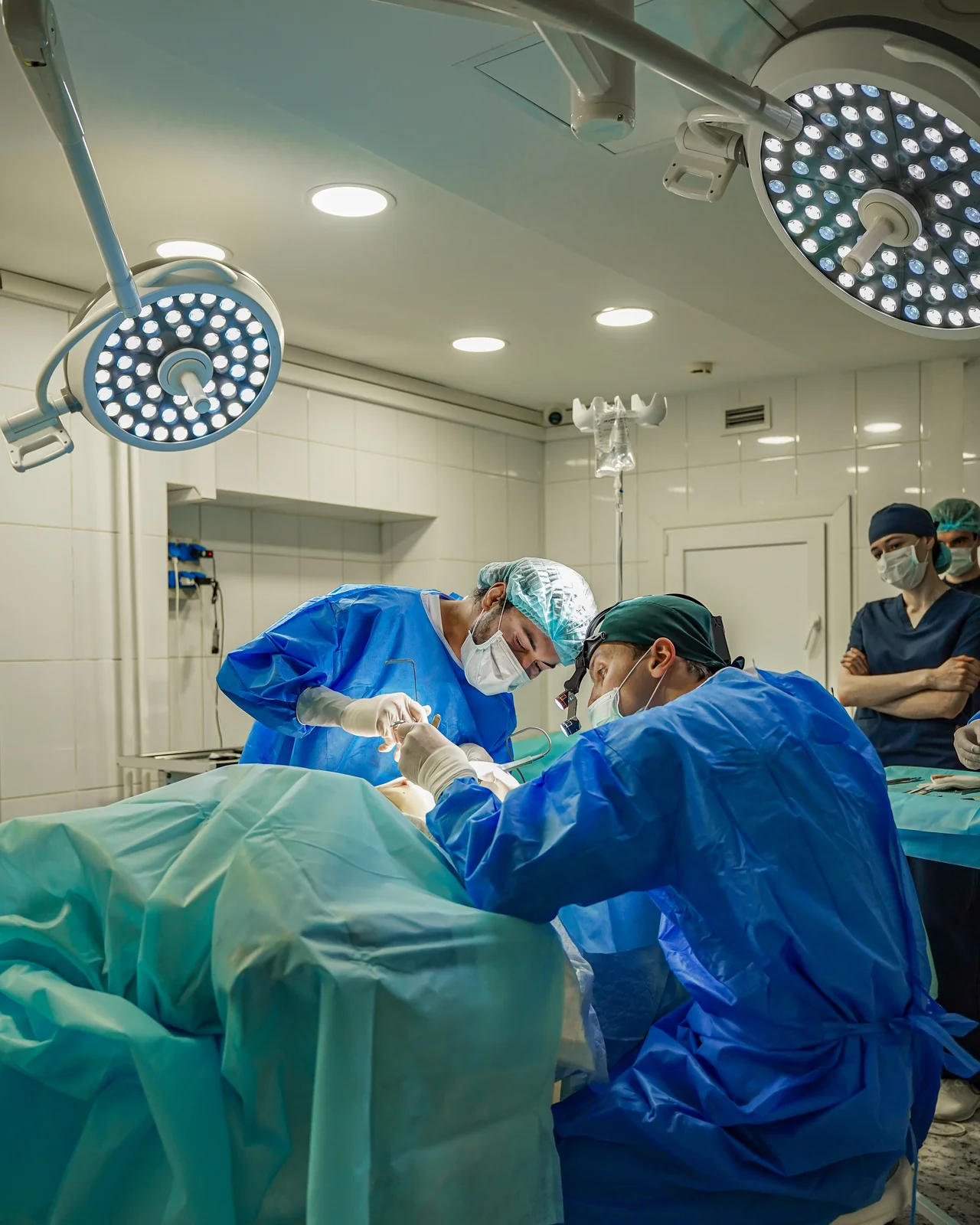
Using modern laparoscopic technique, we perform the operation via 4 small punctures of 5 to 15 mm. Cosmetic sutures are placed, leaving marks that are nearly invisible after healing.
Recovery depends on what you plan to do. Office work: after 2–4 weeks. Physical work: after 1.5 months. Sport and activity: swimming after 30 days, other exercise phased in as weight drops. Travel and holidays: preferably not earlier than one month after surgery.
Your diet changes step by step: from liquid food to soft and then to solid. The emphasis is on protein and on cutting high-calorie, fatty food.
Bariatric surgery does not rule out pregnancy, but doctors suggest waiting 12–18 months or more. During that time the body settles, weight reaches target values and nutrition status normalizes.
Yes, vitamins are essential after bariatric surgery. As digestive anatomy changes, the body absorbs certain nutrients less well, so regular vitamin and mineral supplements become a lasting part of the patient's life.
Regaining weight after bariatric surgery is possible, yet very unlikely when you stick to the doctor's advice. The keys are proper nutrition, no high-calorie drinks and regular check-ups with City Medical Centre specialists.
Prices are in US dollars; the amount in brackets is an approximate conversion to ZAR at the rate of 02.10.2026. The final price is fixed in your contract.
Prices start from $3,600 (≈ R61,000). The surgeon sets the final price at the free consultation, and it is fixed in the contract, with no hidden extras.
General anaesthesia, a personal coordinator from day one, monitoring in the hospital and support for one year.
The hospital stay is 1–5 days, depending on the method and how you feel. Office work is possible after 2–4 weeks.
Yes. The first consultation is free and does not oblige you to anything. You can start online by sending a message to the coordinator.
Message us on WhatsApp or Telegram using the buttons below. A coordinator will answer your questions and book a free consultation where the doctor names the exact price.
By messaging us, you agree to our Privacy Policy
Bariatric surgery is a medical treatment for obesity and related diseases. Unlike plastic surgery, it changes how the digestive tract works and addresses the causes of excess weight. For patients from Polokwane, four main methods are available: sleeve gastrectomy, Roux-en-Y gastric bypass, mini gastric bypass and SADI-S. Each is chosen individually based on BMI, related conditions and personal goals.
Step one: consultation. Step two: laboratory and instrumental tests, gastroscopy and specialist reviews. Step three: surgery through small punctures by a permanent team, not a duty shift. Step four: 1–5 days in the ward with meals and nursing. Step five: a staged diet and a year of follow-up. People in Polokwane follow this route from start to finish.
A permanent team — not a duty shift — handles your case, and the whole package is transparent. Included are the operation, 24/7 care in the ward, meals, nursing and a personal coordinator from day one, plus support throughout the first year. Polokwane patients also get a contractual result guarantee. Book a free consultation to discuss your situation.
What patients write after this operation. Reviews are translated from the original language.
Irina, 26
For a long time I doubted whether to go ahead with surgery, but after the consultation I felt much calmer. Andrey Georgievich explained in detail how gastric bypass is done, what to expect after the operation and how recovery would go. I especially liked that they talked to me calmly and without pressure. I am now gradually getting used to my new way of life and I am very glad I took this step.
Bariatric surgery
Doctor: Andrey G. Ugay
Angelina, 22
For me the hardest part was deciding to have the operation. At the consultation Ruslan Sergeyevich answered all my questions in detail and explained the specifics of sleeve gastrectomy and recovery. After the operation I always understood what I was doing and why. Thank you to the doctor and the whole team for their attentiveness.
Bariatric surgery
Doctor: Ruslan S. Menzulin
Anna, 31
For a very long time I tried to deal with my excess weight on my own, but I did not get the result I wanted. After the consultation with Andrey Georgievich I finally understood what to do next. I came through the operation well, and my recovery was supervised by the doctors. It was important for me to feel that I was not left alone after surgery.
Bariatric surgery
Doctor: Andrey G. Ugay
Veronika, 25
Before the operation I had many fears, mostly of the unknown. Ruslan Sergeyevich explained every stage of treatment in detail and answered even the simplest questions. Thanks to that I felt much more confident. I keep following the recommendations and I am gradually seeing the changes I had the operation for.
Bariatric surgery
Doctor: Ruslan S. Menzulin
Valentina, 23
The decision to have bariatric surgery was not easy for me. I worried both about the operation itself and about how my life would change afterwards. At the consultation Andrey Georgievich explained everything in detail, so little by little my fear turned into confidence. What matters most to me now is the result and the chance to treat my health and lifestyle differently.
Bariatric surgery
Doctor: Andrey G. Ugay
Anna, 27
I am very grateful to Ruslan Sergeyevich for his attentiveness. Before the operation I had a huge number of questions, and I got a clear answer to every one of them. After the operation it was also clear which recommendations to follow and how to eat. It was important to me that the doctor stayed in touch and I felt supported at every stage.
Bariatric surgery
Doctor: Ruslan S. Menzulin
Polokwane, whose name means “Sanctuary” in Northern Sotho and which was formerly known as Pietersburg, is the capital of Limpopo Province and the largest urban centre in South Africa north of Gauteng. It was one of the nine host cities of the 2010 FIFA World Cup. People who live here often manage work, family and long distances in a single day, and that practical outlook shapes how they approach a decision such as sleeve gastrectomy or gastric bypass.
The question most residents of Polokwane ask first is not about the operation itself but about how it fits into ordinary life: when to take leave, who will help at home, how to eat at a family gathering and when to get back to a normal routine. This text goes through those questions step by step, so that you can talk to a surgeon with a clear list in your hands.
City Medical Centre works with patients from Polokwane through a free online consultation. Coordinators are available around the clock, 24/7, on Telegram and Telegram. You write from home, in your own language and at your own pace, and a coordinator will call you back 24/7.
BMI is the main tool for assessing the degree of obesity. It is calculated by dividing body weight in kilograms by height in metres squared. Surgery is usually justified with a BMI above 40, or above 35 with serious related conditions. In some cases surgery is considered at lower values too, if non-surgical approaches have failed.
Many people in Polokwane have tried diets, gym programmes and walking groups for years before they start to think about surgery. If that sounds familiar, write down what you tried, for how long and what the result was. The surgeon will ask about this at the consultation, and a clear history makes the conversation shorter and more useful.
The surgeon confirms whether surgery suits you at the consultation. Contraindications are assessed individually, and in general terms they include conditions that make general anaesthesia unsafe, untreated eating disorders, active dependence on alcohol or other substances, and an inability to follow the dietary rules after the operation. Do not rule yourself out or in on your own: send your height, weight and a list of your illnesses and medicines, and the doctor will give a professional opinion.
The WHO fact sheet on obesity and overweight describes obesity as a chronic condition linked to other diseases. That is one more reason to treat the decision as a medical one and not as a cosmetic one.
The two operations work in different ways, and the choice depends on your BMI, your eating habits, your other health conditions and the surgeon's assessment. Do not choose by what a friend in Polokwane had done; ask the surgeon why one method suits you better than the other.
We rely on modern laparoscopic technique. The operation is performed through 4 small punctures of 5 to 15 mm. Cosmetic sutures are used, so after healing the marks are barely visible. This matters to many people who wear fitted clothing in the warm months and do not want visible scars.
Useful questions for the online consultation: Which method do you recommend for me and why? What anaesthesia is used? How many days will I stay in hospital? Which vitamins will I need to take and for how long? What can I eat in the first weeks? What are the signs that I should contact the team immediately?
The operation is performed under general anaesthesia. The hospital stay is 1–5 days, depending on the method and how you feel. Doctors supervise you in hospital after surgery for a stay of 1–3 to 4–5 days, depending on the complexity of the operation and how you are feeling.
Polokwane has a semiarid climate. Despite lying on the Tropic of Capricorn, it sits on a plateau 1230 m above sea level, which tempers the heat. Average temperatures reach around 21–22 °C in January and fall to 11 °C in July. The last decade has been notably warmer than the long-term average, so summer planning deserves attention.
Summer is also the rainy season, with December or, less often, January the wettest month. Annual rainfall averages 495 mm. Winter is dry, and July is the driest month. For recovery, the dry and cool winter is calmer: you are less likely to be bothered by heat, sweating and fatigue while the body is healing.
In the warm months, wear loose breathable clothing and keep the incisions clean and dry as the doctor instructs. Avoid long exposure to direct sun in the first weeks, and protect healing skin from sunburn. Heat and dehydration are a real concern after a stomach operation, because you drink in small sips, so plan how you will keep fluids with you during the day.
Dry winter air and dust can irritate the throat and dry the lips. Keep water within reach, and ask the surgeon what you may drink and when. Questions about compression garments or support clothing should be put to the surgeon, who will tell you whether they are needed in your case.
Swimming is allowed after 30 days. If you have a pool at home or plan a day out in summer, count the days from the operation and ask the surgeon to confirm that your wounds have healed.
There is no single correct month. A winter operation in Polokwane means mild days and dry weather, which many people find easier for the first weeks. A summer operation falls in the rainy season and in the warmest period, so you should be ready to rest indoors and keep cool.
Think also about the calendar of your family and work. Weddings, funerals, church gatherings and holiday meals are an important part of life in the city, and food is central at most of them. In the first weeks you will eat very little and in small portions, so it is easier to schedule the operation away from large gatherings.
Ask the coordinator to help you build a timeline: preparation, tests, the date of surgery, the hospital stay, the first weeks at home and the follow-up. The programme runs from preparation to 12 months of support, all in one package. No added fees.
Recovery time depends on the activity. Office work is possible after 2–4 weeks. Physical work is possible after 1.5 months. For people employed in administration, public services or education in Polokwane, the shorter period usually applies. For those who do heavy physical work, such as in agriculture, construction or warehouses, plan for the longer period.
Students at the satellite campuses of the Tshwane University of Technology, Capricorn TVET College and the University of South Africa in the city, or at the University of Limpopo's Turfloop campus about 30 km east of Polokwane, should talk to their lecturers early. Plan the operation around the exam periods and submission dates, and ask the surgeon when you can sit for long hours and return to lectures.
Swimming is allowed after 30 days, and other exercise is gradually added as weight goes down. The city offers plenty of gentle options: walking in the Polokwane Game Reserve or the bushveld around it, or an easy stroll in the city parks. Begin with short walks and extend them as the surgeon allows. Do not return to intense gym sessions or to team sports on your own initiative.
Back to work after 2–4 weeks is a general guide, not a promise. Your actual timing depends on the operation, how you feel and how the surgeon assesses your recovery.
Polokwane has a mixed community. Sepedi speakers are roughly 45.9% of residents, Venda people roughly 6.7%, and there are also Afrikaner and English-speaking communities. Each has its own table traditions, and in many homes meals are large, shared and social. Hospitality often means being offered a second plate, and refusing politely becomes a skill you will need.
Before surgery, talk to your family about what will change. Explain that you will eat small portions, chew slowly and avoid certain foods for a time. Ask relatives to support you rather than offer food. At braais and celebrations, eat your planned portion first, bring your own approved dish if necessary and keep water close.
The surgeon and dietitian will give you a stage-by-stage plan. Ask how to adapt your usual dishes: which cooking methods are suitable, how to handle maize-based staples, meat, sweet drinks and alcohol, and how to avoid skipping protein. Do not rely on general internet advice; follow the plan you are given.
Support continues for 12 months, so you can ask the team about everyday food situations as they come up, whether at work, at a family event or while shopping.
Getting pregnant after bariatric surgery is possible, but doctors advise waiting at least 12–18 months, so the body can stabilize, weight can reach target values and nutritional status can normalize.
If you are planning a family, tell the surgeon at the first consultation. It affects the timing of the operation and the vitamin and nutrition plan. Use reliable contraception during the waiting period, and ask the doctor which method is suitable for you.
The result of surgery is assessed over a longer period: weight loss continues for a long time, and the stage 18–24 months after surgery is the point at which results are usually evaluated.
The town was founded in 1886 and named Pietersburg after the Voortrekker leader Petrus Jacobus Joubert. It became a city on 23 April 1992, and on 25 February 2005 the official name Polokwane, already used by Northern Sotho speakers, was adopted. The name means “Sanctuary”, and many people who consider bariatric surgery describe the decision in a similar way: as a chance to give the body a safe place to recover and start again.
The city has changed names and shape more than once, and a change of lifestyle after sleeve gastrectomy or gastric bypass is also a process, not a single day. Think of the operation as the start of a longer programme: preparation, a hospital stay of 1–5 days, the first weeks at home and follow-up support for 12 months.
Residents of the city often say they have heard stories from older relatives about how much daily life here has changed. Use that sense of change as motivation, but keep your plan practical: write down your questions for the surgeon and share the plan with the people who live with you.
Polokwane is divided into seven clusters and forty-five wards. Mankweng lies 20 km east of the centre, the Molepo, Chuene and Maja cluster 20 km to the south, and Sebayeng and Dikgale 30 km to the northeast, while Seshego sits on the northwest outskirts. Many people live in suburbs such as Nirvana, Bendor, Flora Park, Ivy Park, Hospital Park or Thornhill, and others in the outlying clusters.
Distance matters for recovery. If you live in an outlying cluster, think about who will drive you, who will stay with you in the first days at home, and how you will reach a local clinic for routine checks and blood tests if the surgeon asks for them. Share this with the coordinator during the online consultation so the follow-up plan fits your daily reality.
Short, regular walks are easier to organise in a quiet suburb with calm streets. If you live far from the centre, plan walking around your own neighbourhood rather than relying on a daily drive. After the first weeks, the aim is simple: a little more movement each week, as the surgeon allows.
As the provincial capital, Polokwane has a large commercial area, with the four largest banks in the country each having at least three branches here. The city also hosts industries such as Coca-Cola, Freshmark, a division of Shoprite Checkers, and South African Breweries. Office staff in banks, retail administration and public services can usually plan for a return after 2–4 weeks, while those working in warehouses or on production lines should plan for 1.5 months.
Talk to your employer early and in plain terms. Ask for a written note of the dates, and agree who covers your tasks. If you work with beverages, shift work or heavy lifting, mention this to the surgeon so that the advice about lifting is clear for your job.
For students, the satellite campuses of the Tshwane University of Technology, Capricorn TVET College and the University of South Africa are in the city, and the University of Limpopo's Turfloop campus is about 30 km east. Choose a quieter academic period for the operation, and agree on deadlines with your department before you travel for any appointments.
Sport is part of the city's identity. Polokwane City and Baroka play football here, Peter Mokaba Stadium was built for the 2010 FIFA World Cup, the Polokwane Cricket Club dates from 1902, the Pietersburg Golf Club has a full 18 holes, and the city has swimming and tennis clubs. Golf, cricket and swimming are good examples of activities to return to gradually.
Swimming is allowed after 30 days, and other exercise is added gradually as weight goes down. Contact sports such as rugby, which Noordelikes Rugby Club plays in the city, and fast team games should wait until the surgeon agrees. A relaxed walk on a golf course is a gentler first step than a full round with a heavy bag.
If you are a spectator type, going to a match is fine once you feel well, but plan your food and water in advance. Stadium snacks and sweet drinks are the exact temptations you will be avoiding, so bring an approved snack and a bottle of water.
Agricultural produce moved through the city includes tomatoes, citrus fruit, sugar cane, peanuts, tea, bananas and avocados. Fresh produce like this can support a good eating plan after surgery, but the surgeon and dietitian decide which foods are suitable at each stage. Ask when raw fruit and vegetables may be introduced and how to portion them.
Malls such as Mall of the North and Savannah Mall, and venues such as the Greenery and Cycad Centre, offer cafés and food courts where a social meal is easy to arrange. Choose a calm time, check the menu before you go and order a small portion of a protein-based dish. Bring your vitamins with you.
You contact a coordinator on Telegram or Telegram at any hour, since the team works 24/7. Booking is easy, the approach is personal and we adapt to your pace. You send your height, weight, list of illnesses, medicines and earlier operations, and you arrange an online conversation with the surgeon.
At the consultation, the surgeon looks at your BMI and general health, explains the options and says whether surgery suits you. You can ask all the questions from your list, and you can involve a family member who will support you at home.
If you decide to go ahead, the coordinator explains the next steps and stays in touch. Support lasts for 12 months. A stable internet connection and a quiet room are all you need, and you do not have to leave Polokwane for the first conversation.
Usually a BMI over 40, or over 35 with related health conditions. The surgeon confirms whether surgery suits you at the consultation. In some cases surgery is considered at lower values too, if non-surgical approaches have failed.
Divide your body weight in kilograms by your height in metres squared. Send the figures to the coordinator, and the surgeon will interpret them together with your health history.
General anaesthesia is used. The hospital stay is 1–5 days, depending on the method and how you feel, and doctors supervise you throughout that time.
With modern laparoscopic technique through 4 small punctures of 5 to 15 mm. Cosmetic sutures are used, so after healing the marks are barely visible.
Office work is possible after 2–4 weeks. Physical work is possible after 1.5 months. The surgeon will confirm the timing for your situation.
Swimming is allowed after 30 days. Other exercise is gradually added as weight goes down. Ask the surgeon before returning to intense training.
Neither is strictly better. Winter in Polokwane is dry and cool, which many people find comfortable for recovery, while summer is warm and rainy and needs more attention to hydration and sun protection. Choose according to your work and family calendar.
It is possible, but doctors advise waiting at least 12–18 months so the body can stabilize, weight can reach target values and nutritional status can normalize.
The stage 18–24 months after surgery is when the result is usually evaluated, while weight loss continues gradually before that.
Write to the coordinators on Telegram or Telegram. They work 24/7, a coordinator will call you back, and the first consultation is free and online. The programme runs from preparation to 12 months of support, all in one package. No added fees.
It means “Sanctuary” in Northern Sotho. The city was formerly Pietersburg, and the official name Polokwane was adopted on 25 February 2005. For many patients it is a reminder that the decision about surgery is a fresh start taken calmly and with good medical support.
Yes. The first consultation is online and free, and coordinators are on Telegram and Telegram 24/7. Tell the coordinator which cluster you live in so that follow-up and everyday planning fit your situation.
Swimming is allowed after 30 days, and other exercise is added gradually as weight goes down. Ask the surgeon when to start each sport, and begin with light practice.
Once you feel well and the surgeon agrees, yes. Plan water and an approved snack in advance, since stadium food and sweet drinks do not suit the new eating plan.
Page medically reviewed by Andrey G. Ugay, lead bariatric surgeon. Review date: .