

Message our coordinator
Free online consultation · Reply within 15 minutes
Message us on TelegramMessage us on WhatsAppBy messaging us, you agree to our Privacy Policy

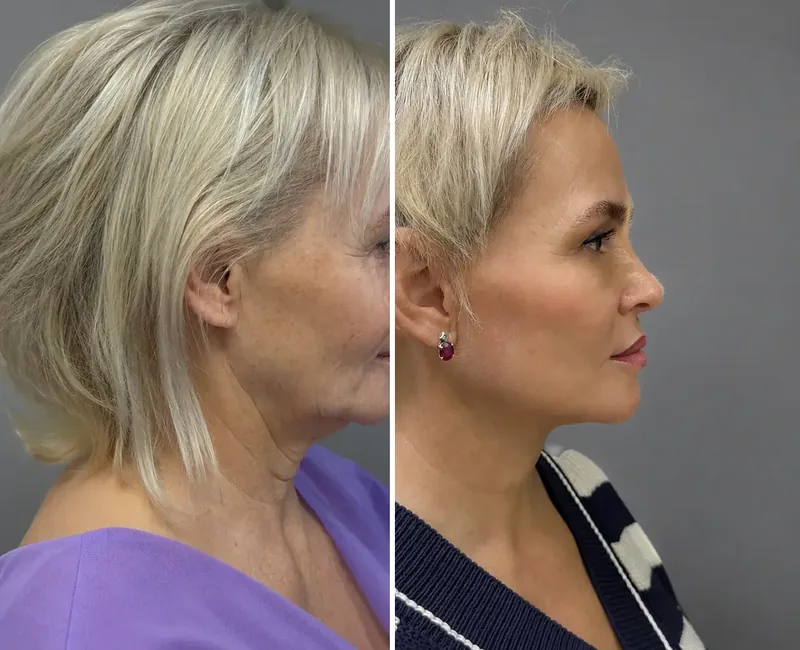
50 years
9 months
SMAS facelift
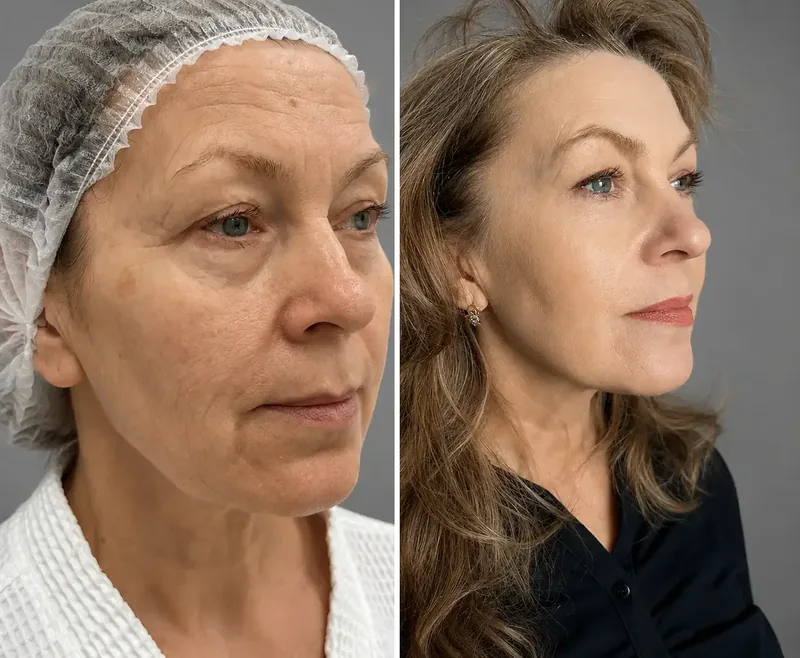
58 years
8 months
SMAS facelift
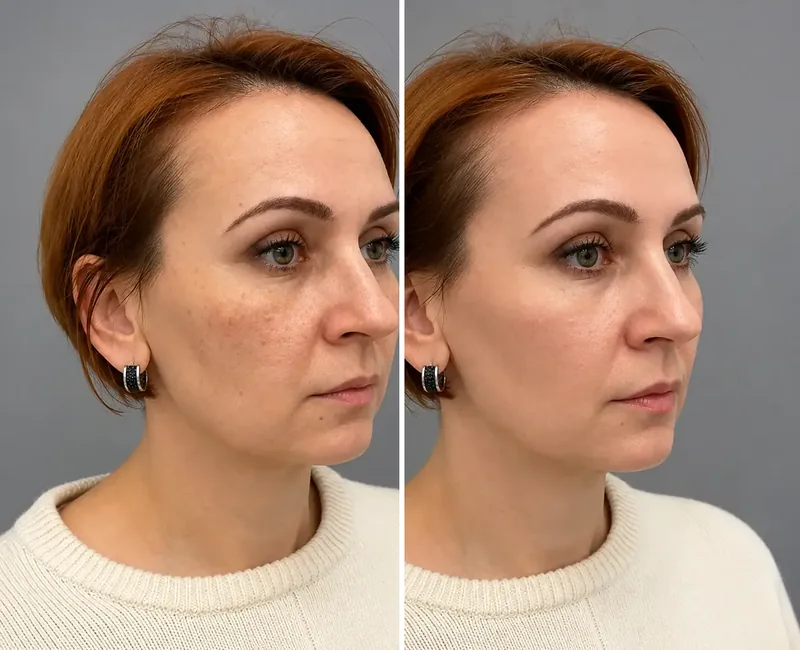
34 years
5 months
SMAS facelift
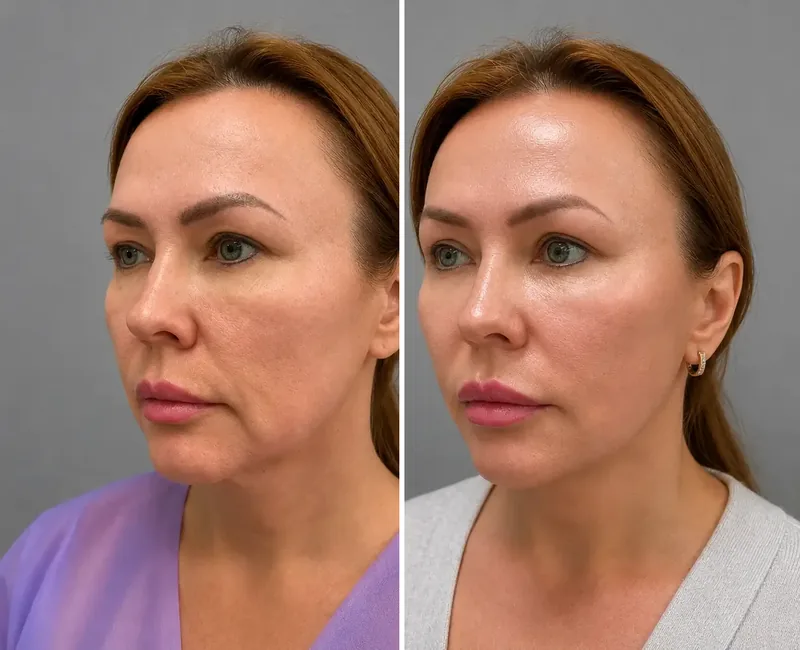
32 years
7 months
SMAS facelift
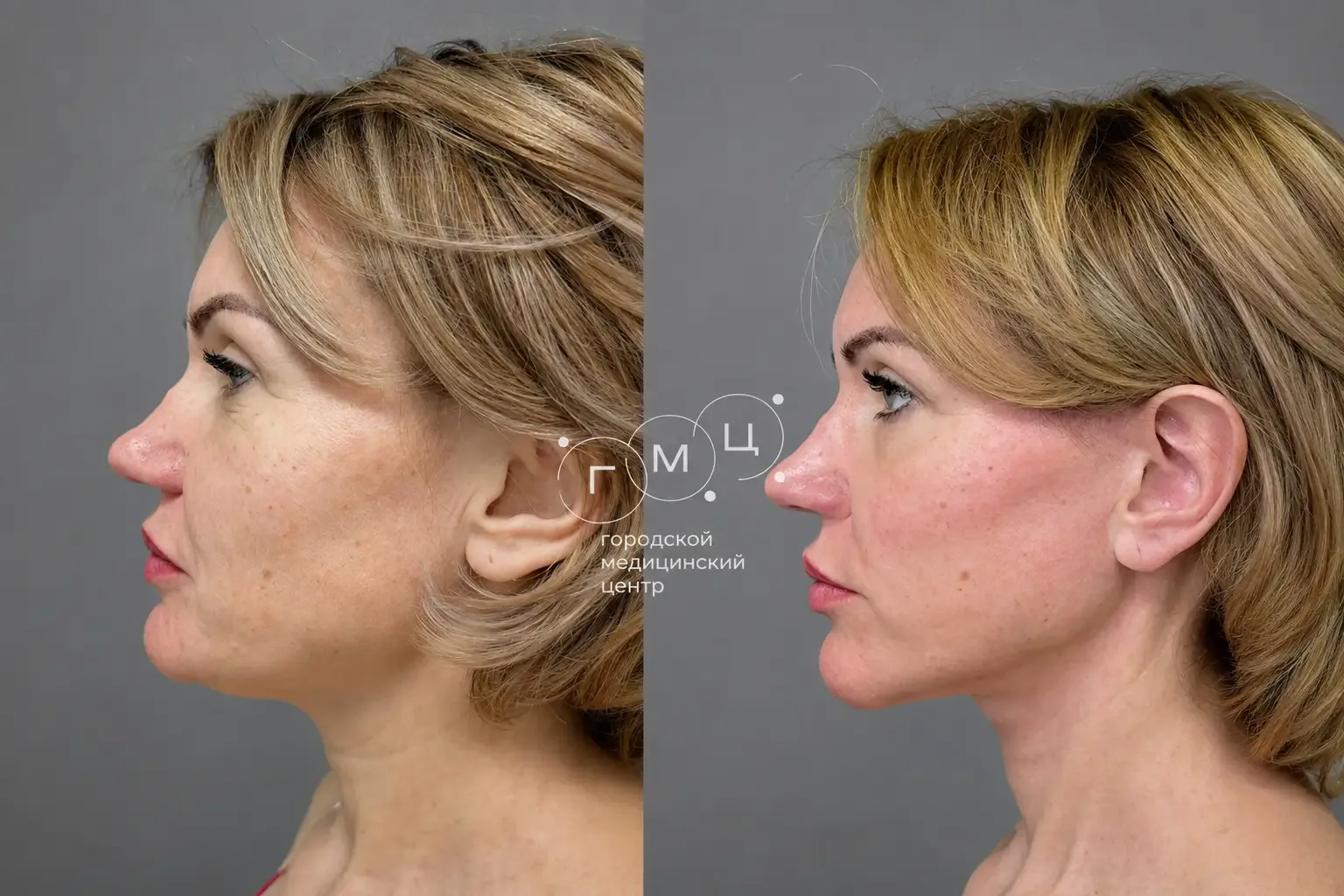
40 years
6 months
SMAS facelift
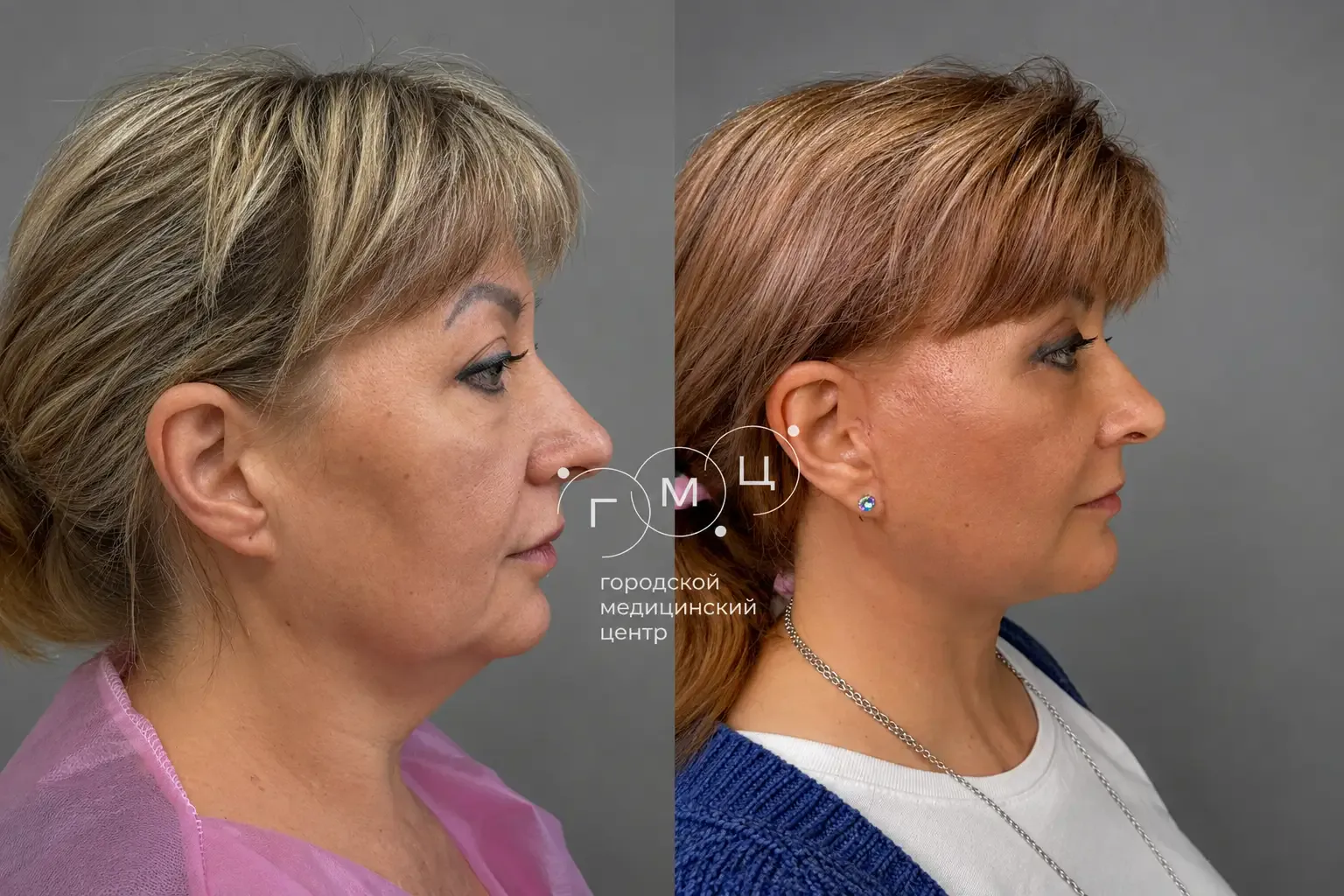
45 years
8 months
SMAS facelift
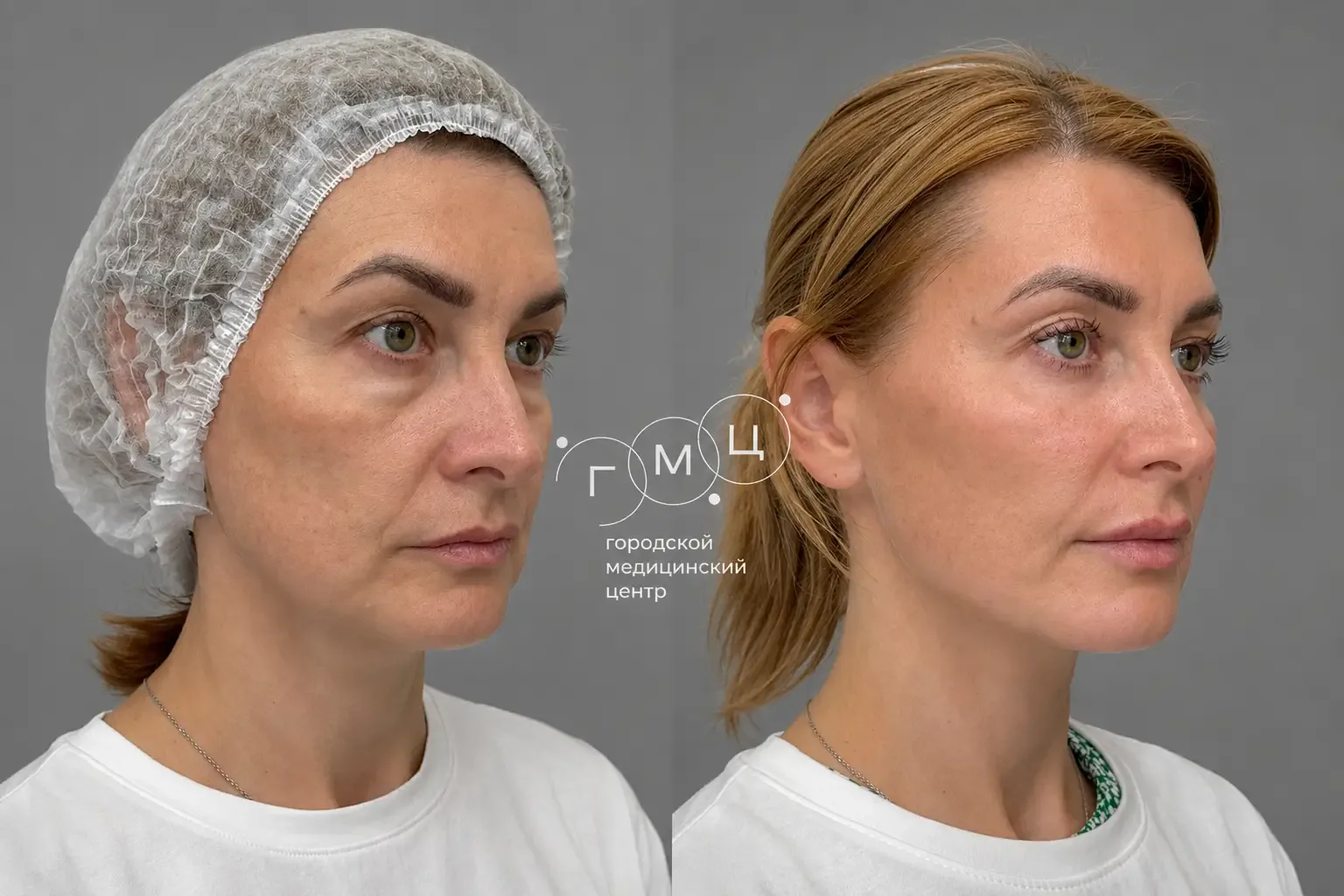
38 years
5 months
SMAS facelift
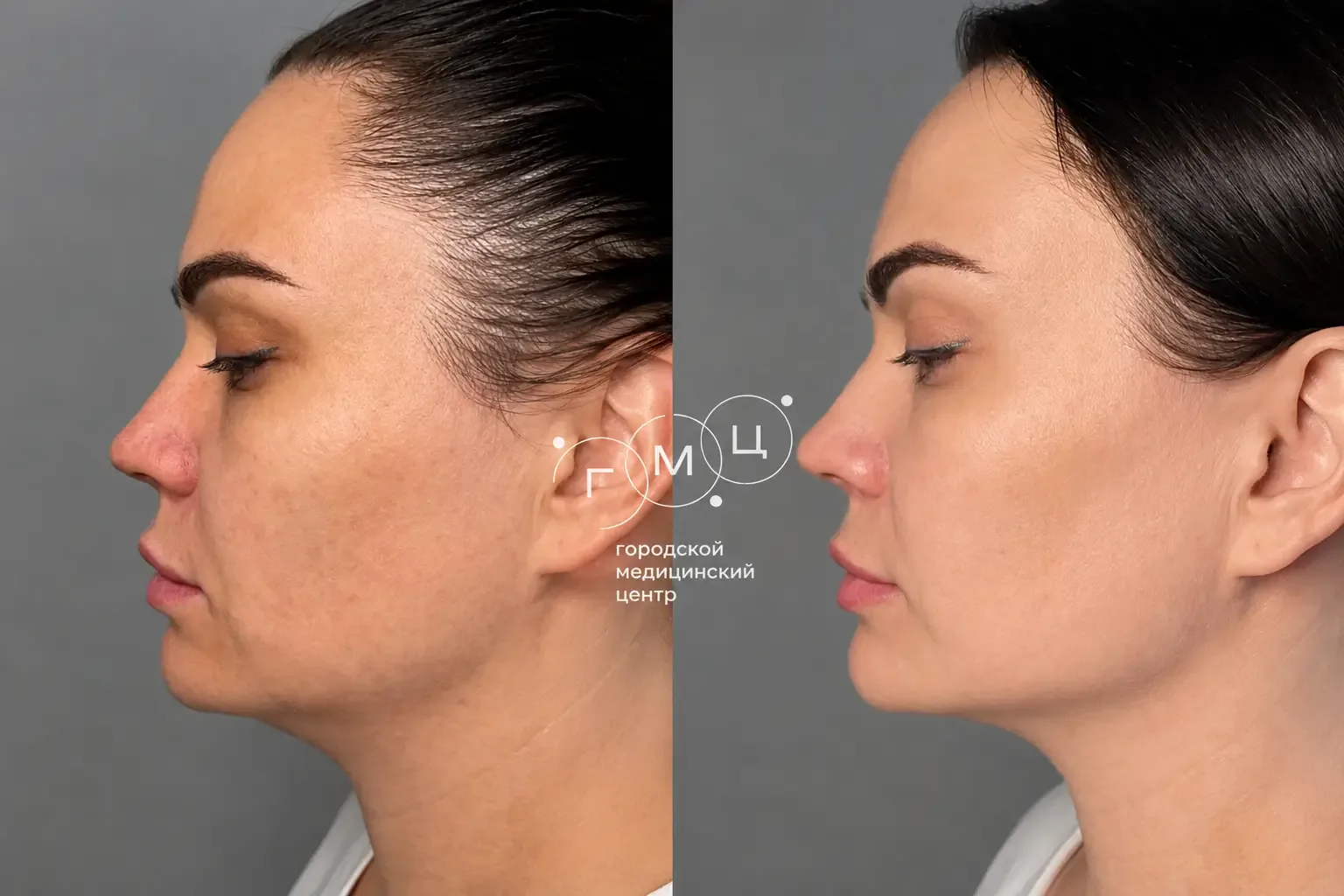
33 years
6 months
SMAS facelift
50 years
9 months
SMAS facelift
58 years
8 months
SMAS facelift
34 years
5 months
SMAS facelift
32 years
7 months
SMAS facelift
40 years
6 months
SMAS facelift
45 years
8 months
SMAS facelift
38 years
5 months
SMAS facelift
33 years
6 months
SMAS facelift
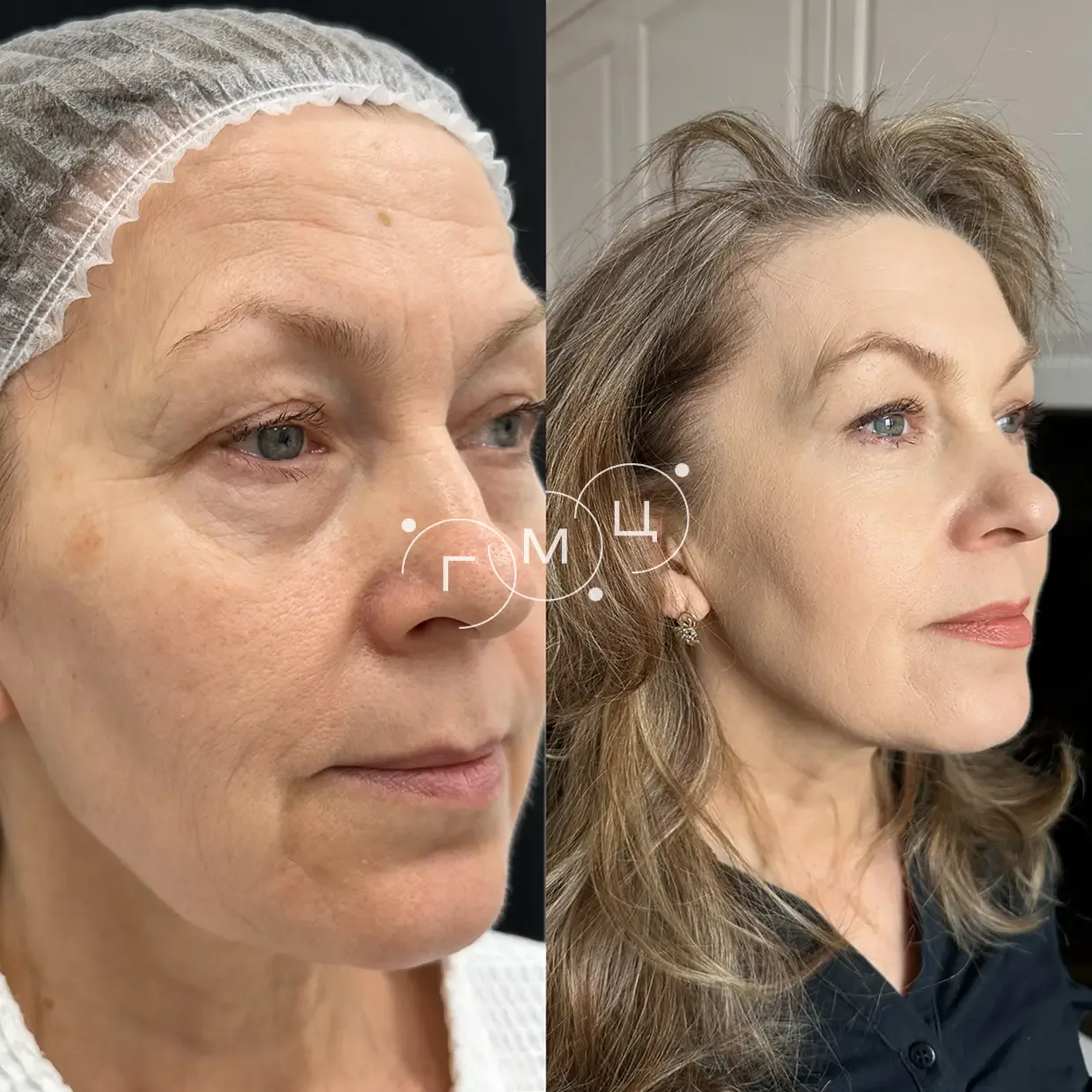

Marked sagging of the face and neck
The jawline is blurred, with jowls
Loose skin on the neck, a double chin
Marionette lines and deep nasolabial folds
A heavy look caused by drooping brows
Significant loss of skin firmness after 40
Preference for a long-term result (7–10 years)

Younger than 30
Acute skin inflammation
Pregnancy or the breastfeeding period
Severe cardiovascular disease
Impaired blood clotting
Cancer
Decompensated diabetes
Facelift in Polokwane: types, stages and price
After 40–50 the skin gradually loses firmness: tissues sag, jowls form, the jawline blurs and the cheeks droop. A surgical SMAS facelift works deeper than cosmetology, repositioning the muscle and fascia layer so it treats the cause of sagging rather than its effects. For patients from Polokwane, this gives a lasting result even when changes are significant, with the effect holding for 7–10 years.
Timing is easier to plan when you know the milestones: a week to ten days of rest, two to four weeks until swelling and bruising fade, about two months to full recovery and three to six months for the final look. The clinic offers flexible booking and a personal approach, so Polokwane patients can fit the consultation, surgery and check-ups around a busy schedule.
One payment, many components. From $2,400 (≈ R40,500), Polokwane patients receive a personal consultation, surgery by an experienced team, combined inhalation anaesthesia, an inpatient room, meals and 24/7 monitoring by medical staff. Personal support before and after surgery and a full year of plastic surgeon follow-up are part of the package. The first step, a consultation, is free.
Facelift for residents of Polokwane: what the operation does and who it is for
Polokwane is the capital of the Limpopo Province and the largest urban centre in South Africa north of Gauteng. It is a working city of civil servants, teachers, business owners, farmers' families and students. Many people here follow a steady daily routine and plan personal matters carefully. A facelift is a decision that needs this kind of planning, and this text explains how it fits into life in Polokwane.
After 40–50 the skin gradually loses firmness. Noticeable sagging, jowls, a blurred jawline and drooping cheeks appear. A surgical SMAS facelift works deeper than cosmetology. It repositions the muscle and fascia layer, so it treats the cause of sagging, not only its effects, and it delivers a lasting result even when the changes are significant. In practice, the operation suits people who notice a marked loss of skin firmness after 40 and want a result that lasts (7–10 years).
As a rule, surgery is recommended for patients aged 40+ with marked tissue sagging, and in some cases from 35. The recommendation is made individually after an examination. A resident of Polokwane can start with a free online consultation from home. Coordinators are available around the clock on Telegram and Telegram, so you can send your questions and photographs at a time that suits your working day.
The four options and how the surgeon chooses between them
We have 4 main options. At the consultation, the surgeon helps select the best one for your age and type of ageing. Two of them are described most often by patients who write from Polokwane. The first is the classic SMAS lift of the mid and lower face. The surgeon works on the skin and the SMAS layer through incisions hidden along the hair line and around the ears. It removes jowls, sagging cheeks, a double chin and deep nasolabial folds. Results last 7–10 years.
The second is the comprehensive lift. It covers the forehead, temples, mid and lower face and neck, and it suits marked sagging in several areas at once. It delivers the most complete rejuvenation and a natural look, free of a “mask” effect. Results last up to 10 years.
A surgical SMAS facelift corrects at 3 levels. The central step is lifting and securing the muscle and fascia layer. This lets the surgeon treat the cause of sagging itself, meaning weakened ligaments and descended muscles. Deep work on the SMAS gives a natural look and results lasting up to 10 years.
For a patient in Polokwane, the practical point is simple. Do not choose the option by name. Send clear photographs in daylight, describe which areas bother you, and let the surgeon explain during the online conversation why one option suits you better than another.
Climate of Polokwane and its effect on recovery
Polokwane has a semiarid climate. Although the city lies on the Tropic of Capricorn, it stands on a plateau 1230 m above sea level, which tempers the heat. Average temperatures reach around 21–22 °C in January and fall to 11 °C in July. The city has a summer rainy season and a pronounced dry spell in winter. Average annual rainfall is 495 mm, with December or, less often, January the wettest month and July the driest. Recent seasons have been noticeably warmer than the long-term average.
These conditions matter for healing. During the first 7–10 days you rest, wear a compression bandage and reduce physical activity. In the warm, rainy summer months, plan to stay in a cool, shaded room, avoid long periods in direct sun and keep sweating to a minimum under the bandage. Strong plateau sunlight is also a concern after the swelling begins to settle, because healing skin and scars need protection. Follow the surgeon's advice on sun protection and wear a wide-brimmed hat or use shade when you go out.
The dry winter brings cool mornings and evenings and very dry air. Many patients find this season comfortable for quiet rest at home. Dry air can make facial skin feel tight, so ask the surgeon what skin care is suitable during recovery, and drink enough water. Dust is more noticeable in the dry months, so keep windows and the bedroom clean while the incisions are healing.
Choosing the season for the operation in Polokwane
There is no single correct month, because the surgeon's schedule and your own commitments decide most things. Still, the local climate gives some guidance. Swelling and bruising fade within 2–4 weeks, and full recovery takes about 2 months. That period should not coincide with your most demanding weeks at work or with major family events.
The cooler, dry winter, with a July average of 11 °C, makes it easy to stay covered and calm indoors, and the sun is less of a problem than in summer. The warm summer, with a January average of around 21–22 °C and the rainy season, is entirely possible too, but it requires more discipline: shade, light clothing that does not press on the face, and protection from the strong sun on the plateau.
After 3–4 weeks, as the swelling settles, the first clear changes appear. Your face takes on its final look in 3–6 months. If you want to look rested at a wedding, graduation or family gathering, count backwards from the date and leave a generous margin. Do not plan to be photographed in the first weeks. Discuss the calendar with the surgeon during the online consultation, so that the operation date and your obligations in Polokwane do not clash.
Work, study and everyday life during recovery
Polokwane is a regional centre of administration, trade and services. The Tshwane University of Technology, Capricorn TVET College and the University of South Africa have satellite campuses in the city, and the University of Limpopo's Turfloop campus is about 30 km to the east. Students, lecturers and office staff in the city often ask when they can return to normal routines.
The medical facts give a clear framework. During the first 7–10 days you should rest, wear a compression bandage and limit physical activity. Swelling and bruising fade within 2–4 weeks. If your work is at a desk, many people prefer to arrange leave for the first stage and then go back gradually, with the surgeon's agreement. If you work outdoors, drive long distances or lift loads, tell the surgeon about it in advance so that the plan is realistic.
Lecturers and students may prefer to schedule the operation in a quieter period of the academic calendar. Business owners can arrange for a trusted person to cover meetings while they recover. Family obligations matter as well: if you care for children or relatives, agree on help at home before the operation so that you can rest properly. Rest is part of the treatment, not a luxury.
The centre is open 24/7 with flexible booking and a personal approach. We fit around your busy schedule and adapt to you, so your first conversation does not have to compete with your working day.
Sport, outdoor leisure and the food culture of the city
Polokwane was one of the host cities of the 2010 FIFA World Cup, and sport remains part of local life. Many residents run, play team sports or spend weekends outdoors. After a facelift, physical activity must be reduced at first. Ask the surgeon for a clear timetable: when walking is fine, when light exercise can start, and when you can return to running, gym work, contact sport or swimming. Do not decide this yourself on the basis of how you feel, because feeling well does not mean the tissues have healed.
The city offers many places for nature and wildlife: the Polokwane Game Reserve, the Polokwane Bird and Reptile Park and the Moletzie Bird Sanctuary. These are natural goals for the weeks after recovery. In the early stage, choose calm walks in the shade rather than long days in open bushveld with strong sun, wind and dust. Plan outdoor leisure after the swelling has gone and the surgeon has agreed.
Food is a central part of social life in the region, with family gatherings and outdoor cooking over fire popular in the area. After the operation you will need to follow the diet advice of the medical team and avoid overloading the body. Keep a stable, healthy weight before and after surgery, because large weight changes can affect the result. The operation does not replace healthy habits. Discuss the first days with your family so that they prepare soft, simple meals for you, and leave the larger social meals until you feel ready.
Questions that patients from Polokwane ask the surgeon
Residents of the city usually ask practical questions. Which option suits my face: the classic SMAS lift or the comprehensive lift? Where will the incisions be? The answer for the classic lift is that they are hidden along the hair line and around the ears. Will I look natural, without a “mask” effect? How long will the result last? The medical facts say 7–10 years, and up to 10 years in the comprehensive option.
Other useful questions concern your own situation. What is included: a one-to-one consultation, the medical team, anaesthesia, inpatient care with meals, 24/7 monitoring and twelve months of follow-up by the surgeon. Who will follow me during the first year? Your operating surgeon follows you up for the whole first year. What should I do about sun protection, a hat and skin care during the first weeks in the climate of Polokwane? When can I drive, work and exercise?
It also helps to ask about your medical background. Tell the surgeon about chronic conditions, medicines you take, previous operations and whether you smoke. Ask what tests are needed before the operation and what signs after it should make you contact the team immediately. Prepare these questions in writing before the online consultation. Coordinators on Telegram and Telegram will help you collect your photographs and documents, so the conversation with the surgeon is focused and useful.
Candidates, contraindications and the online consultation from Polokwane
A facelift suits people who see a marked loss of skin firmness after 40 and want a result that lasts. As a rule, surgery is recommended for patients aged 40+ with marked tissue sagging, and in some cases from 35. The decision is individual and follows an examination. People with mild changes may need a different approach, and the surgeon will tell you honestly if surgery is not yet appropriate.
In general terms, caution is needed with serious chronic diseases, problems with blood clotting, uncontrolled blood pressure, active infections, smoking and unrealistic expectations. The surgeon assesses each case. Do not hide anything about your health, because accurate information makes the operation safer. A stable weight before surgery is also advisable.
The remote consultation is free and works from your own home in Polokwane. You write to the coordinators on Telegram or Telegram, who are available around the clock, send photographs and describe your questions. The medical team then reviews them and the surgeon discusses options with you online. Continuous 24/7 monitoring by the medical team during inpatient care, and twelve months of follow-up afterwards, mean you are not left alone with your questions at any stage.
One operation gives a complete result. A repeat procedure is possible after 7–10 years if the patient wants it.
At what age should a resident of Polokwane consider a facelift?
As a rule, surgery is recommended for patients aged 40+ with marked tissue sagging, and in some cases from 35. The recommendation is made individually after an examination. Send your photographs for a free online consultation and the surgeon will tell you whether surgery is appropriate now or whether it is better to wait.
How is a SMAS facelift different from cosmetology?
It is a face lift that tightens the deep SMAS layer under the skin, not only the skin itself, so the lower face, jawline and neck stay firmer for longer. Cosmetology works more on the surface. The surgical operation treats the cause of sagging, not just its effects. The result lasts about 7–10 years.
How long does recovery take?
During the first 7–10 days: rest, a compression bandage and less physical activity. Swelling and bruising fade within 2–4 weeks, and full recovery takes about 2 months. After 3–4 weeks the first clear changes appear, and your face takes on its final look in 3–6 months.
Does the hot summer in Polokwane affect healing?
The plateau at 1230 m tempers the heat, but January averages of around 21–22 °C and strong sun still call for care. Stay in the shade, wear a hat and follow the surgeon's advice on sun protection. Avoid sweating heavily under the compression bandage and keep rooms cool.
Is winter a better season for the operation?
Winter in Polokwane is dry, with a July average of 11 °C, and many patients find it comfortable for resting at home. Summer is also possible with proper care. The choice depends on your work, family events and the surgeon's schedule, and you can discuss it in the online consultation.
How long does the result last, and can the operation be repeated?
The result lasts up to 10 years, and the classic SMAS lift gives 7–10 years. One operation gives a complete result. A repeat procedure is possible after 7–10 years if the patient wants it.
What is included in the programme?
A one-to-one consultation, the medical team, anaesthesia, inpatient care with meals, 24/7 monitoring and twelve months of follow-up by the surgeon. Your operating surgeon follows you up for the whole first year.
Which option will be chosen for me?
We have 4 main options. At the consultation, the surgeon helps select the best one for your age and type of ageing. The classic SMAS lift suits the mid and lower face, while the comprehensive lift covers the forehead, temples, mid and lower face and neck.
How do I start a consultation from Polokwane?
Write to the coordinators on Telegram or Telegram. They are available 24/7, with flexible booking and a personal approach. The first online consultation is free. Prepare daylight photographs, a list of your questions and information about your health.
Facelift in Polokwane: price and what is included
Prices are in US dollars; the amount in brackets is an approximate conversion to ZAR at the rate of 02.10.2026. The final price is fixed in your contract.
- Faceliftfrom $2,400 (≈ R40,500)
How much does a facelift in Polokwane cost?
Prices start from $2,400 (≈ R40,500). The surgeon sets the final price at the free consultation, and it is fixed in the contract, with no hidden extras.
What is included in the price?
A one-to-one consultation, the medical team, anaesthesia, inpatient care with meals, 24/7 monitoring and twelve months of follow-up by the surgeon.
How do I get my exact price?
Message us on WhatsApp or Telegram using the buttons below. A coordinator will answer your questions and book a free consultation where the doctor names the exact price.
By messaging us, you agree to our Privacy Policy