
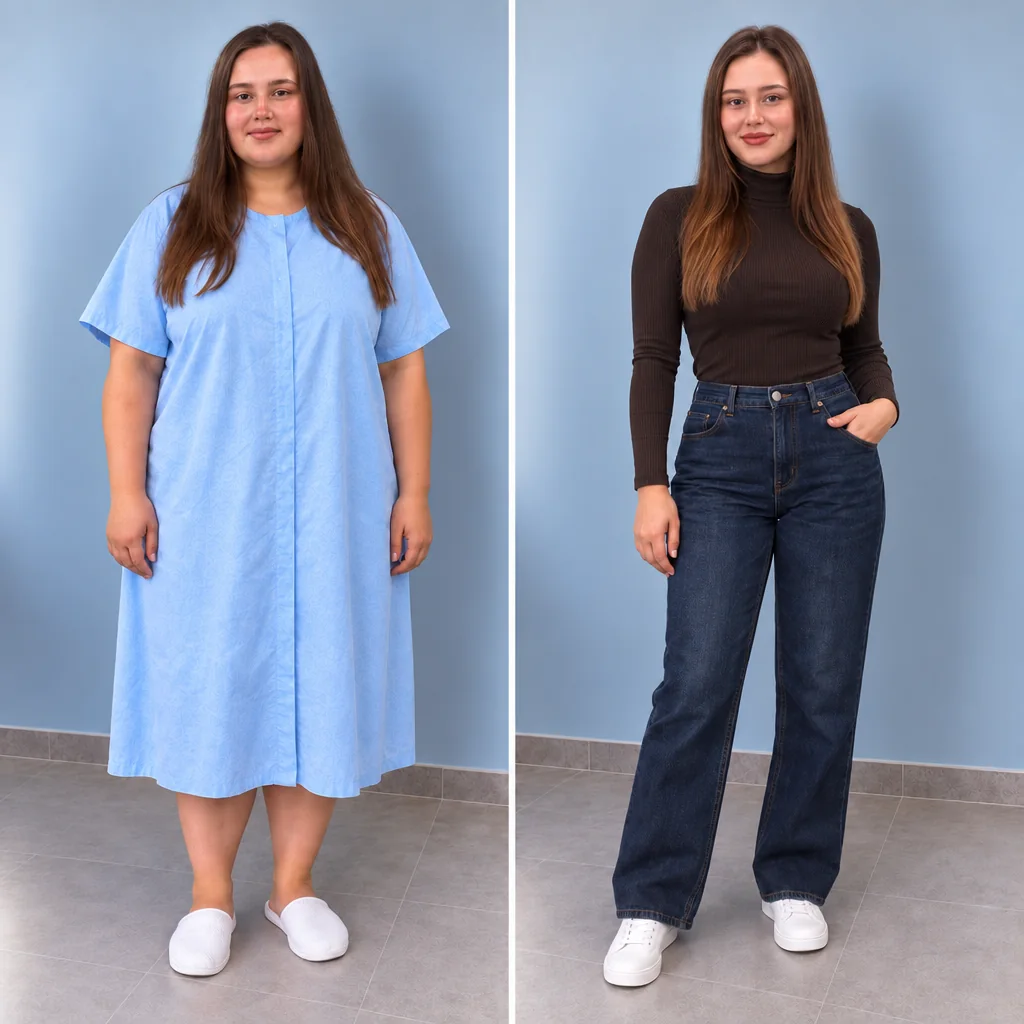
 beforeafter
Irina, 26
Bariatric surgery
Bariatric surgery
$3,600
$4,800 · First consultation — Free
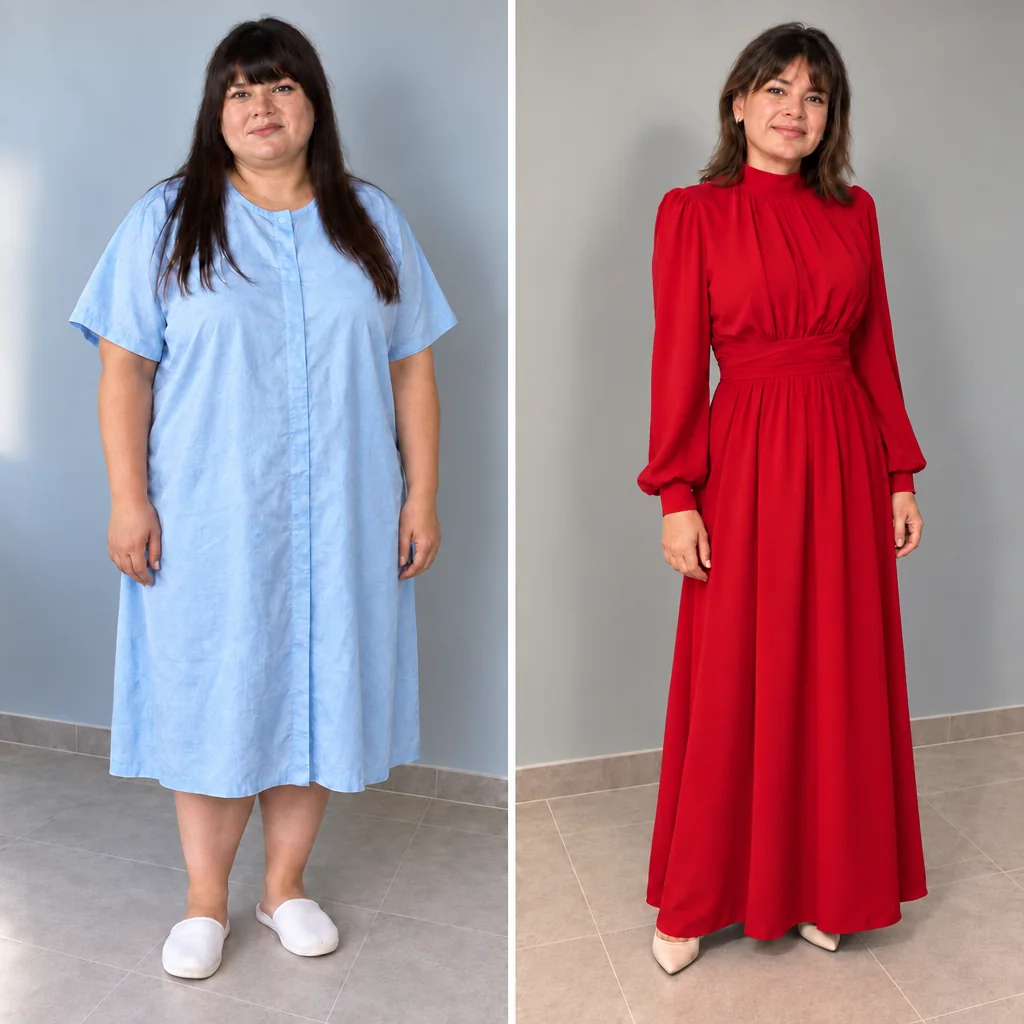 before
after
Message our coordinator
Free online consultation · Reply within 15 minutes
Message us on TelegramMessage us on WhatsAppBy messaging us, you agree to our Privacy Policy
Results
Every case shown is a real clinic patient.
beforeafterBariatric surgery
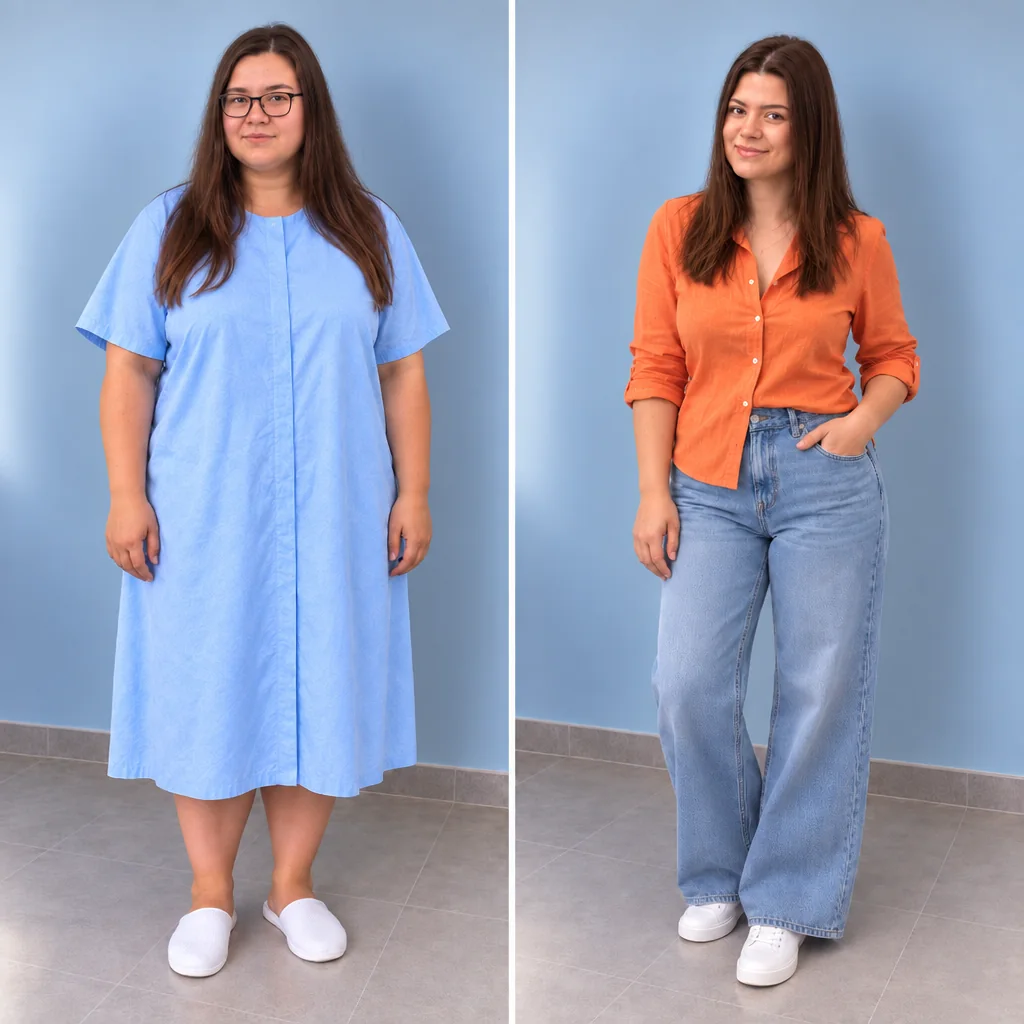 beforeafter
Bariatric surgery
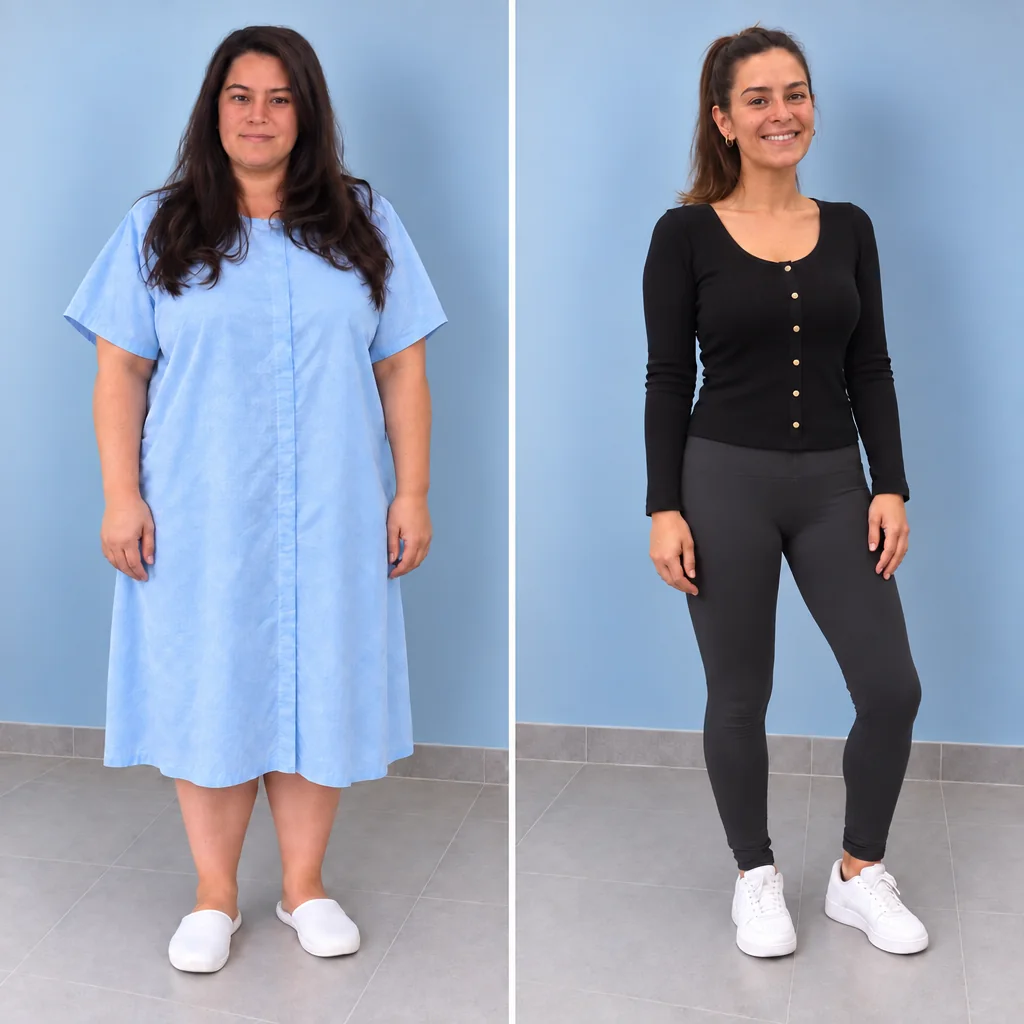 beforeafter
Bariatric surgery
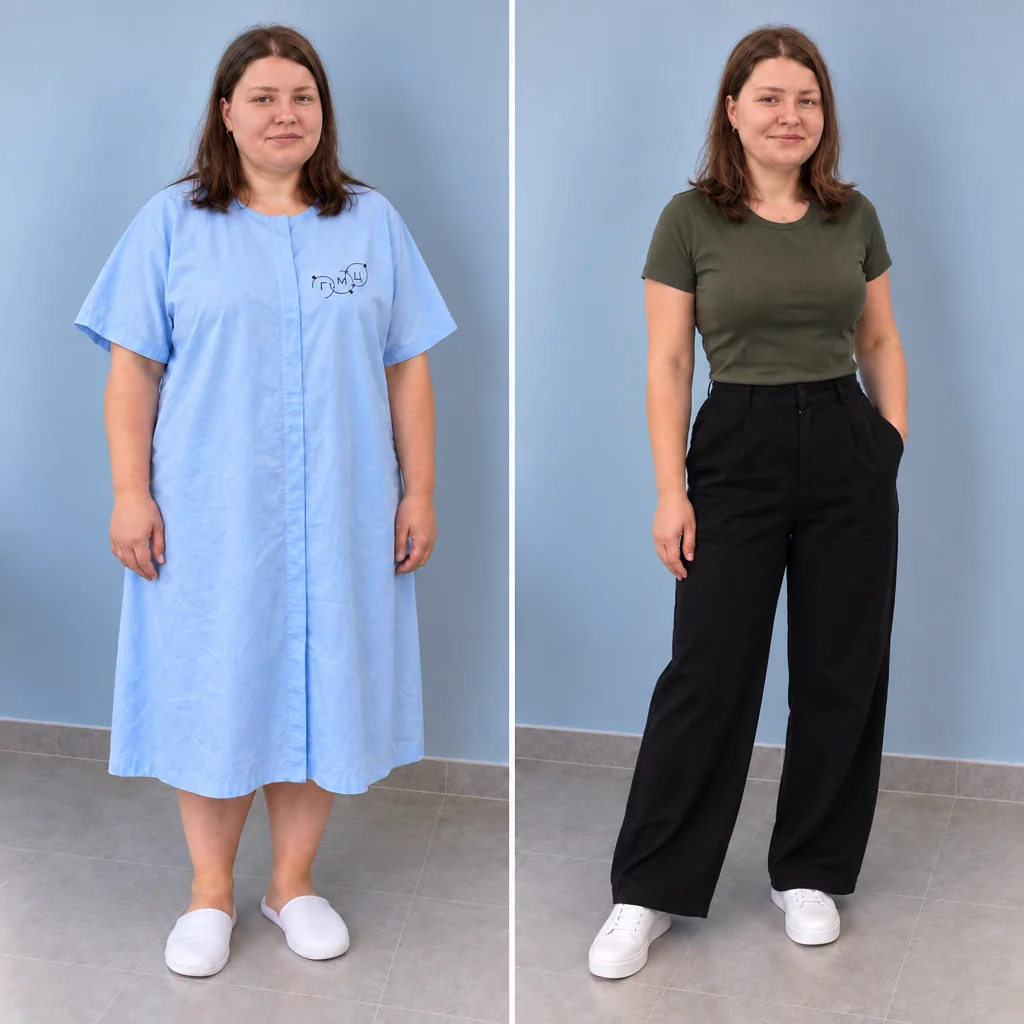 beforeafter
Bariatric surgery
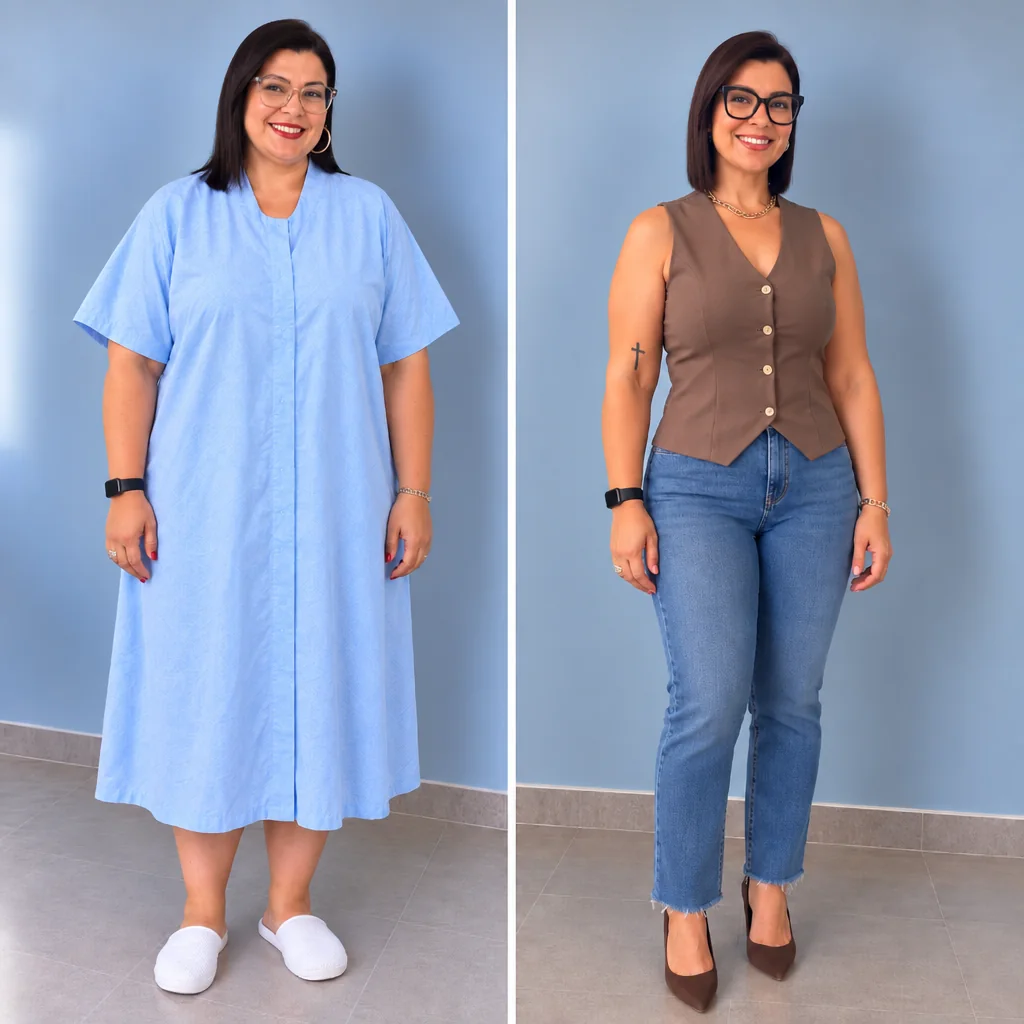 beforeafter
Bariatric surgery
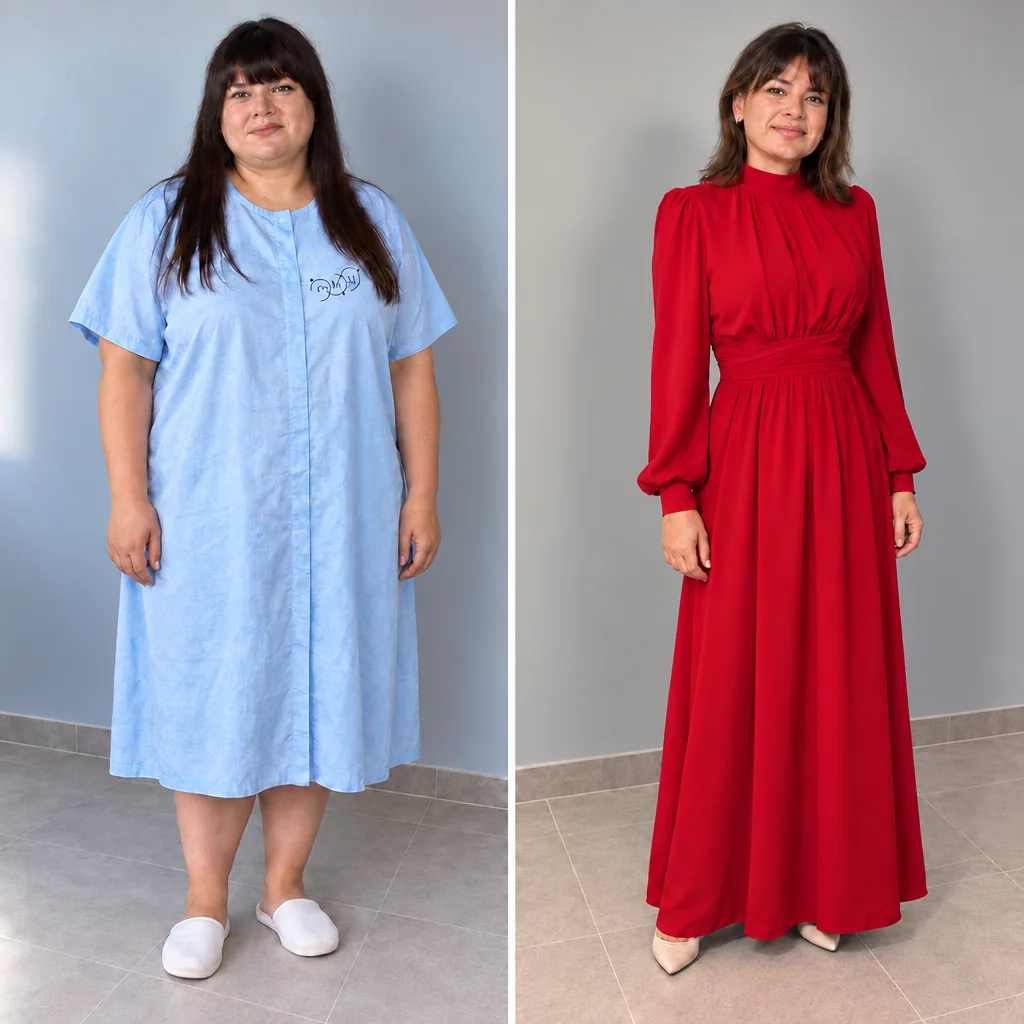 beforeafter
Bariatric surgery
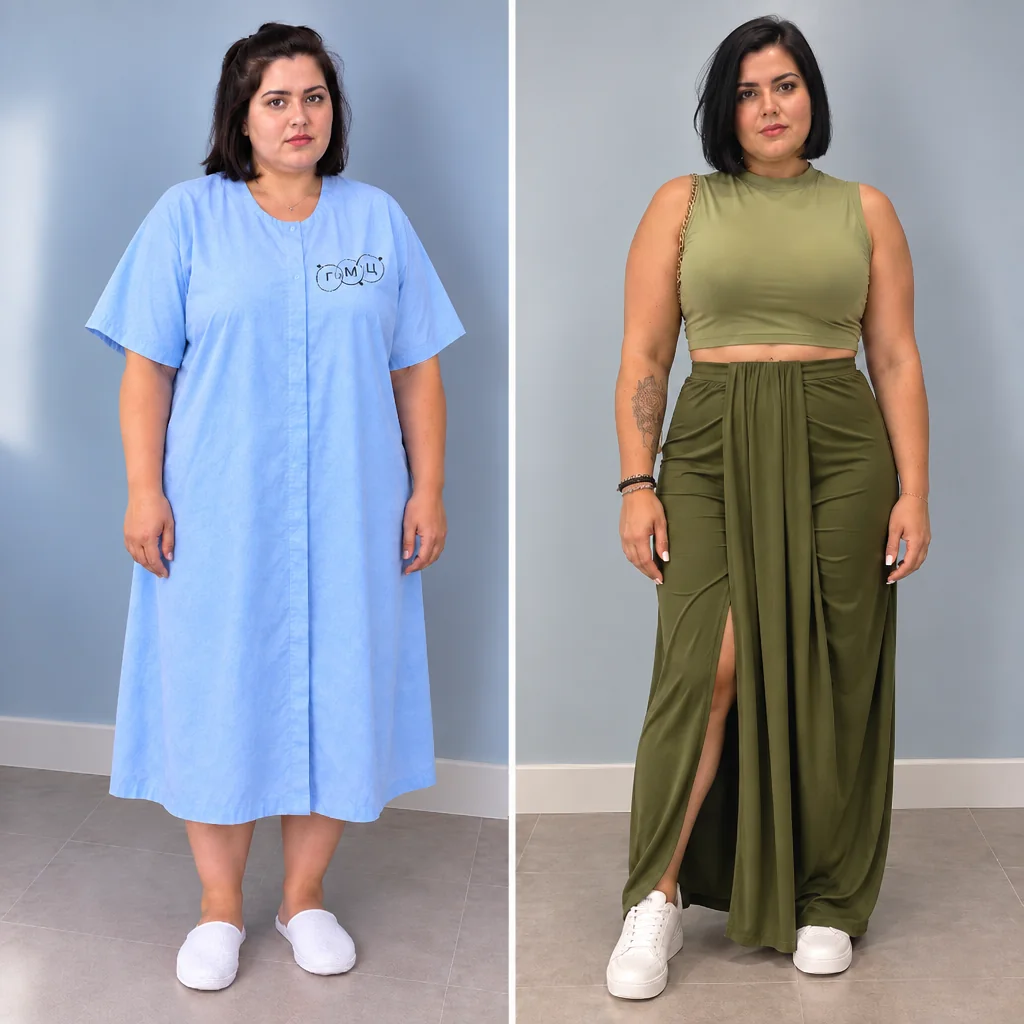 beforeafter
Bariatric surgery
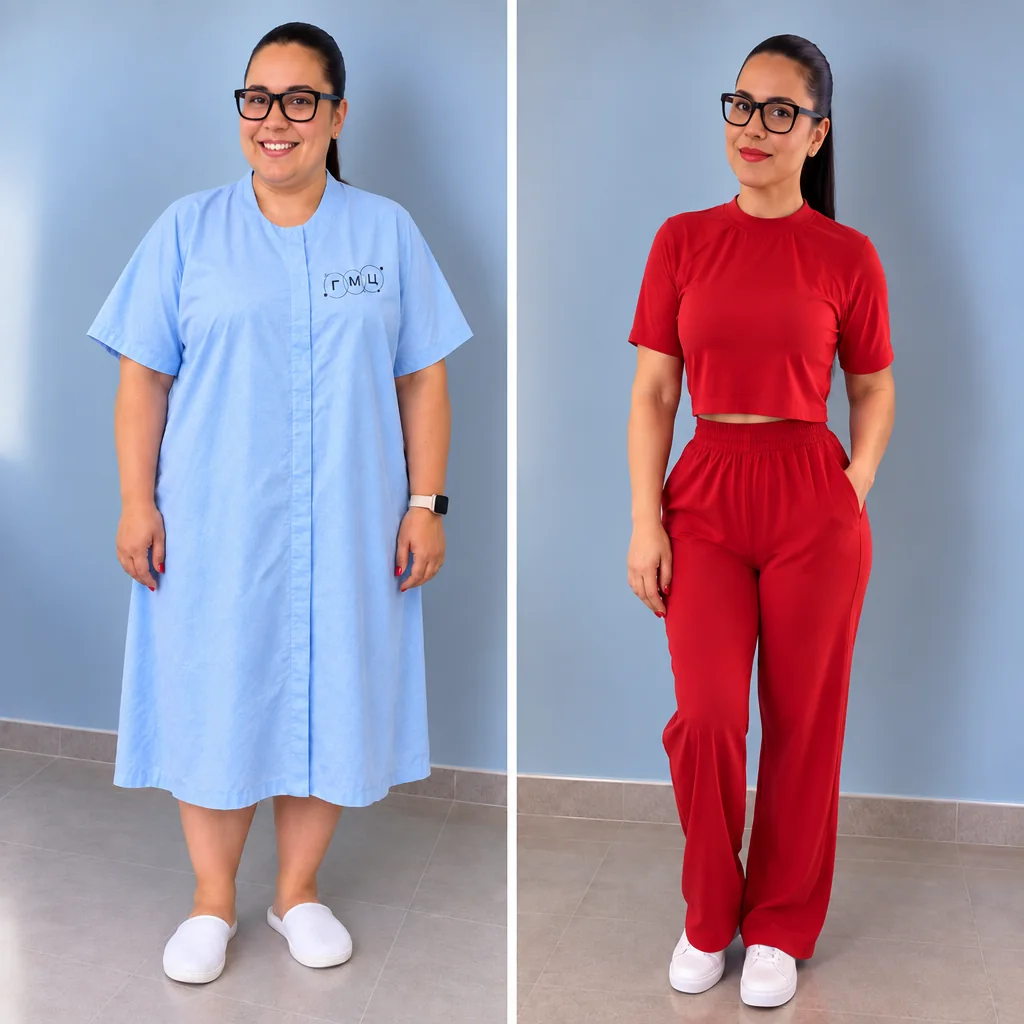 beforeafter
Bariatric surgery
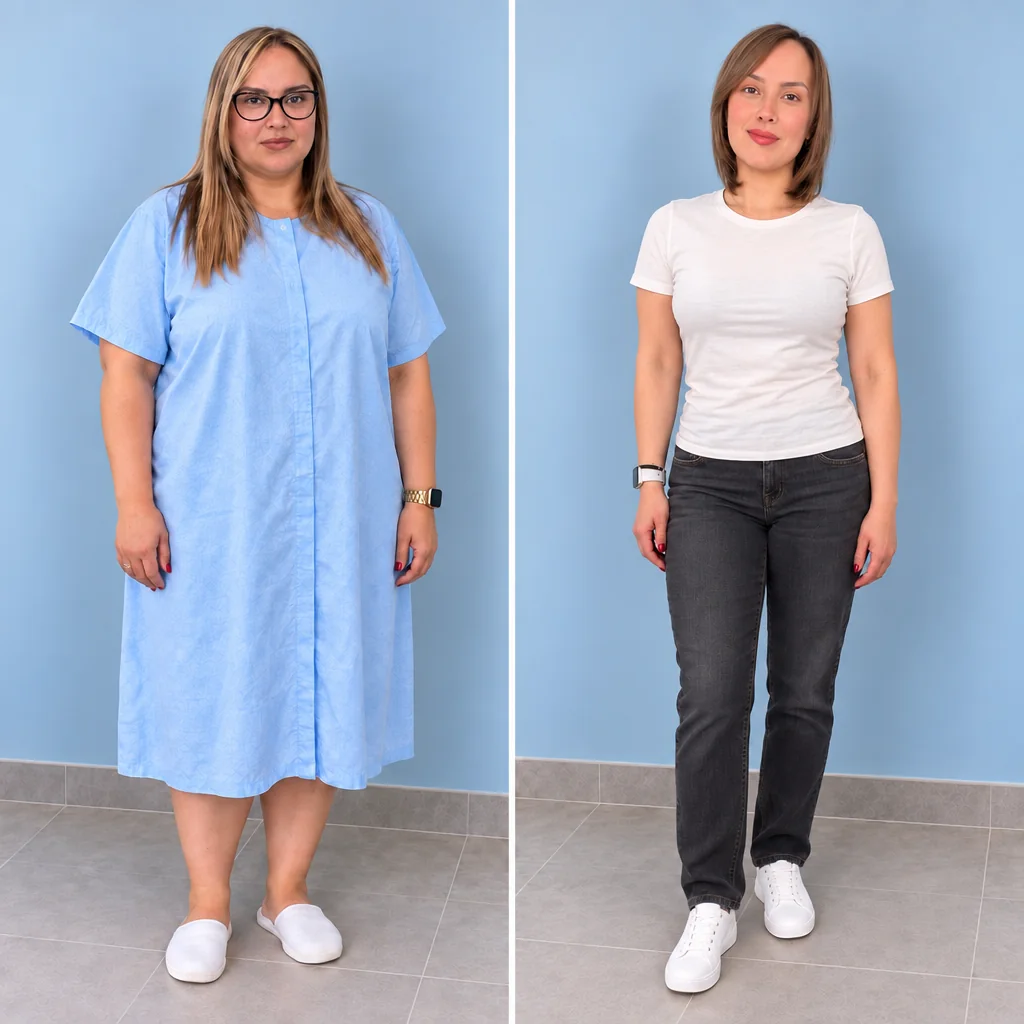 beforeafter
Bariatric surgery
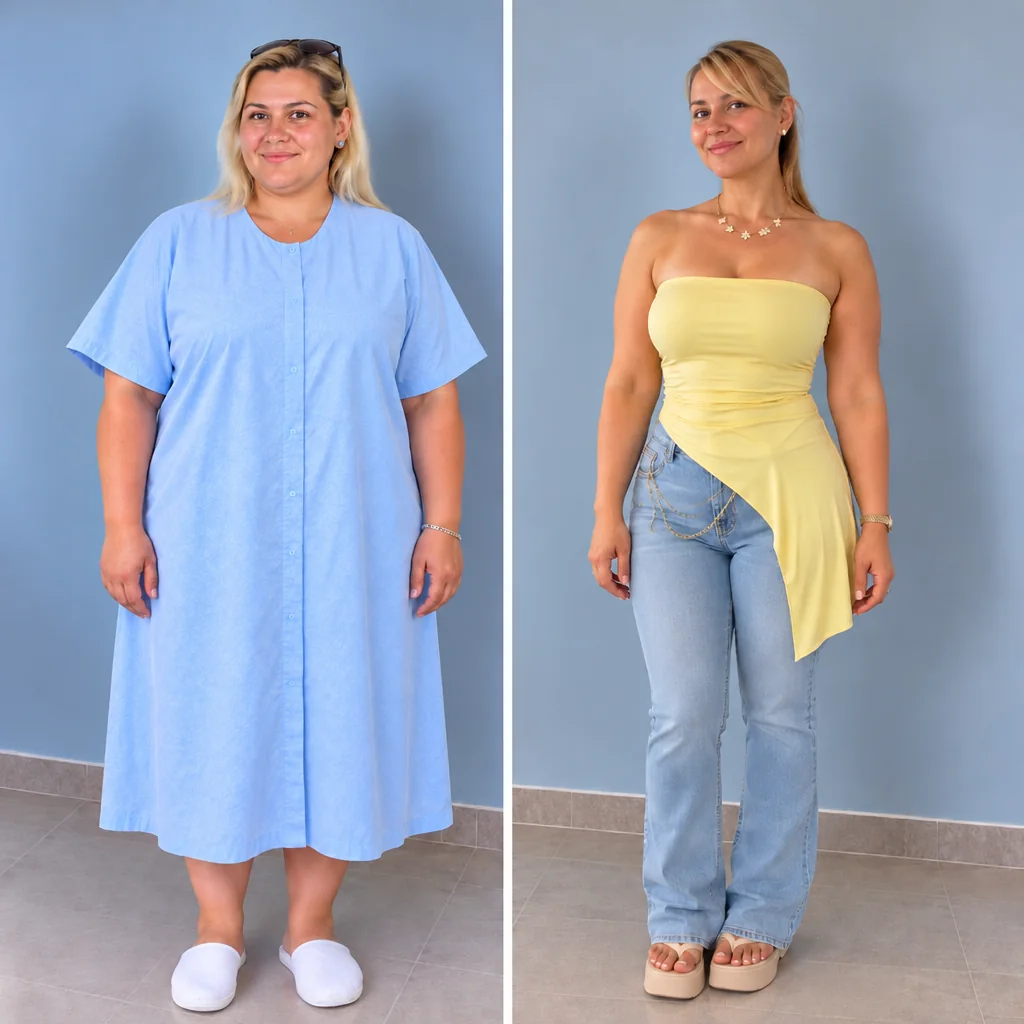 beforeafter
Bariatric surgery
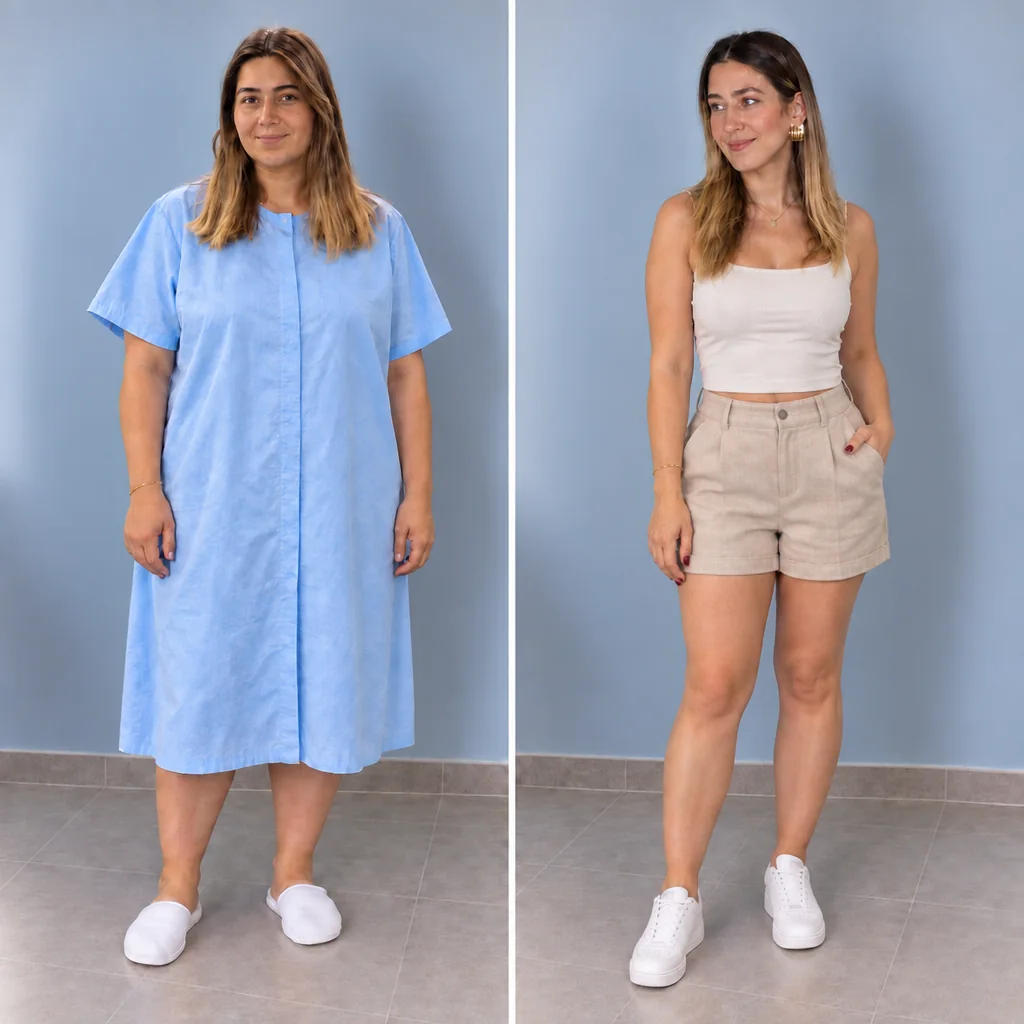 beforeafter
Bariatric surgery
Comparison
Our surgeons perform two key operations — sleeve gastrectomy and gastric bypass. A side-by-side look at how, why and when each is used helps you choose with confidence.
Reducing the stomach volume
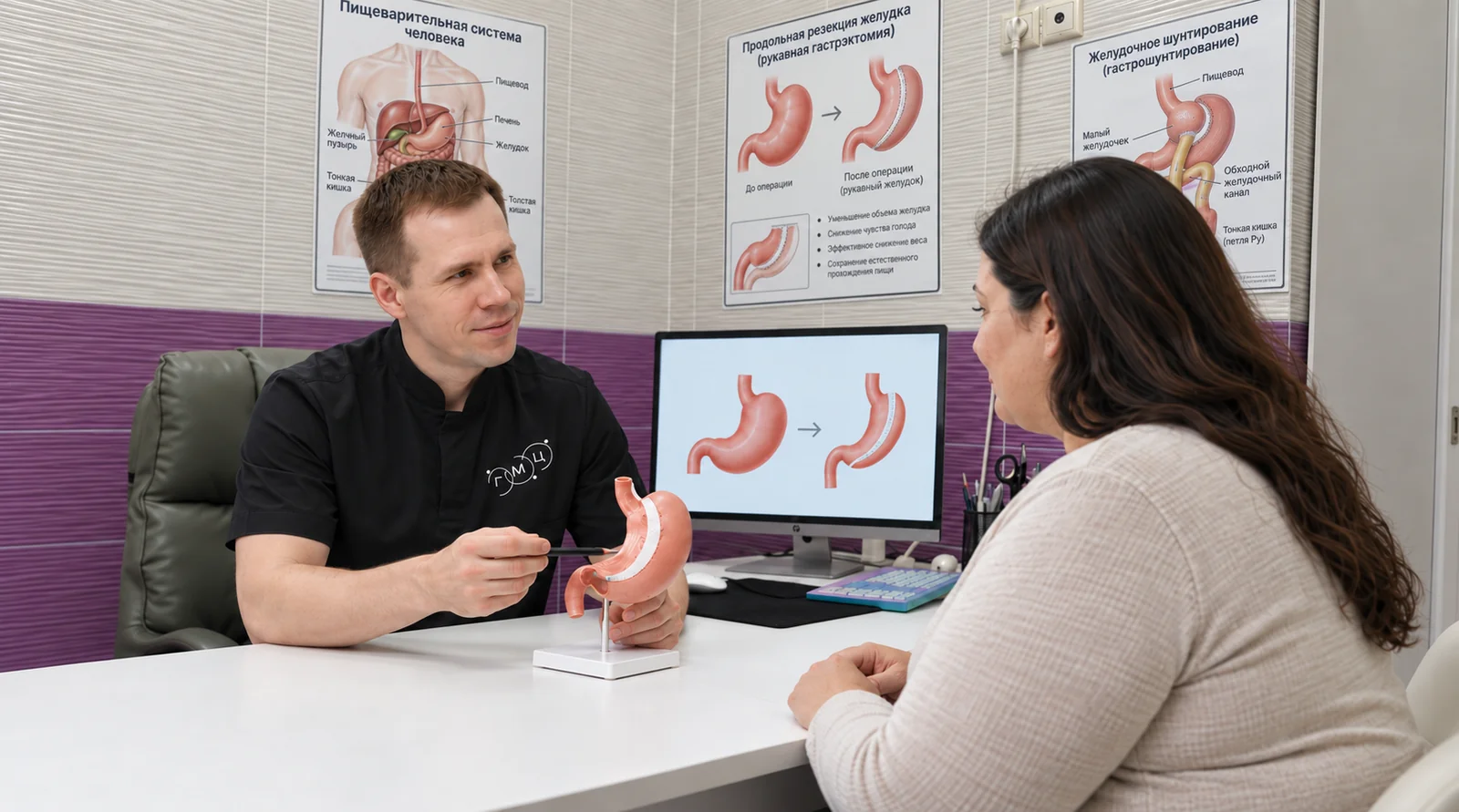
Discounted price
$3,600 $4,800
Reducing the stomach volume and rerouting food
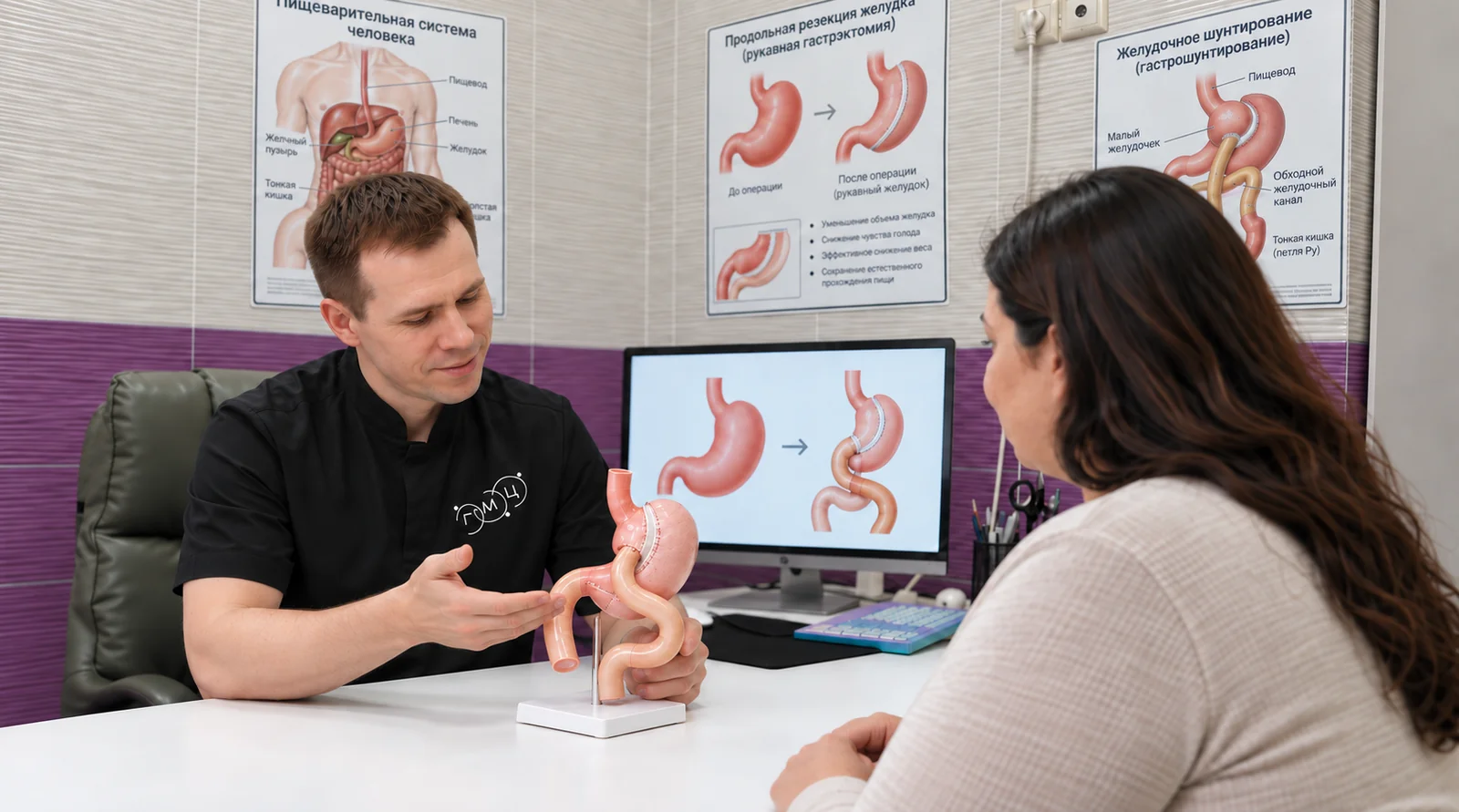
Discounted price
$4,000 $5,200
Treat the recovery times and benefits here as guidance averaged by method: how extensive the surgery is and how you recover depend on your own anatomy and features, and the surgeon confirms this at the consultation.
Book a consultationOur clinic
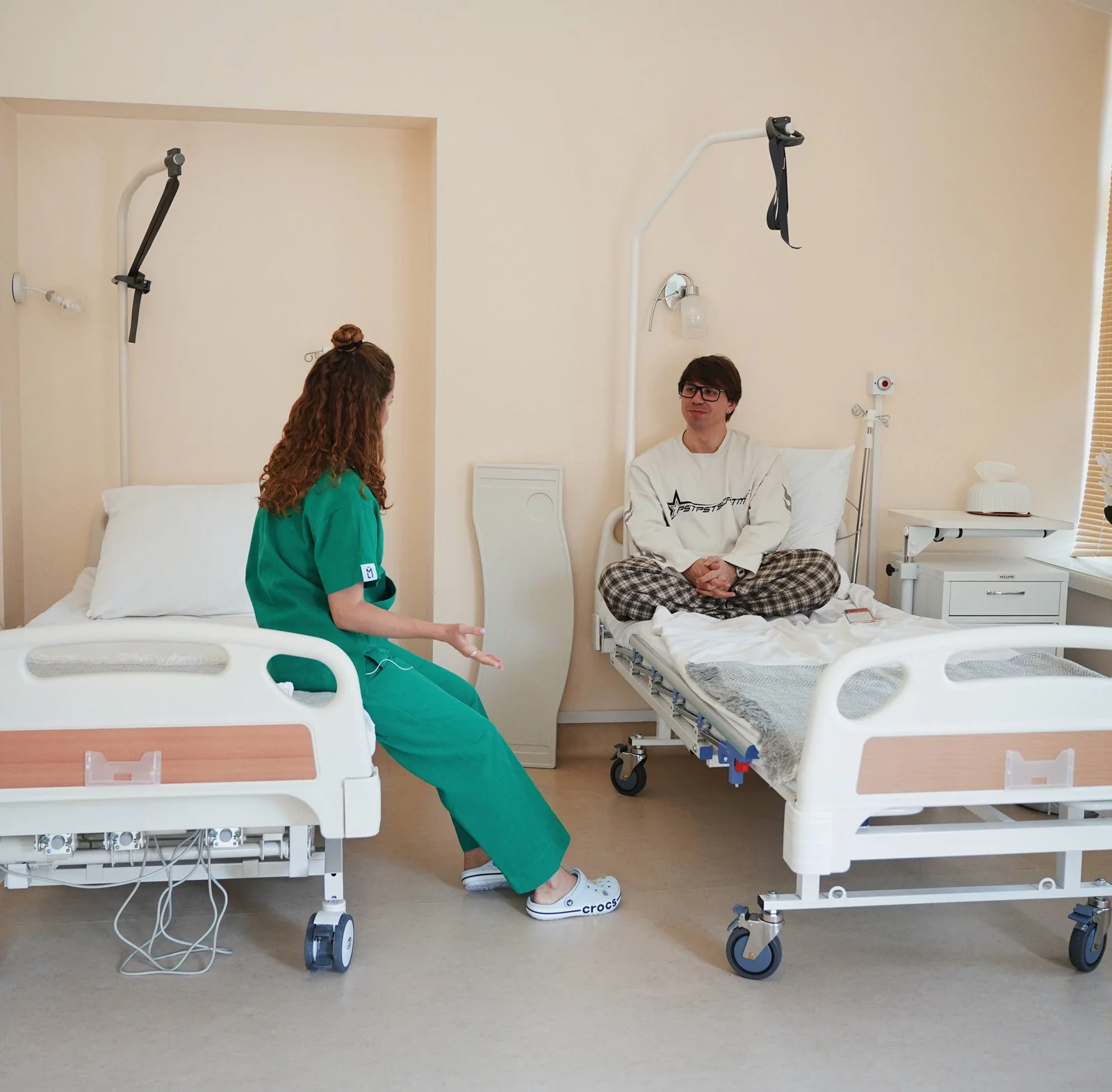
Each patient gets care, comfortable rooms and modern equipment
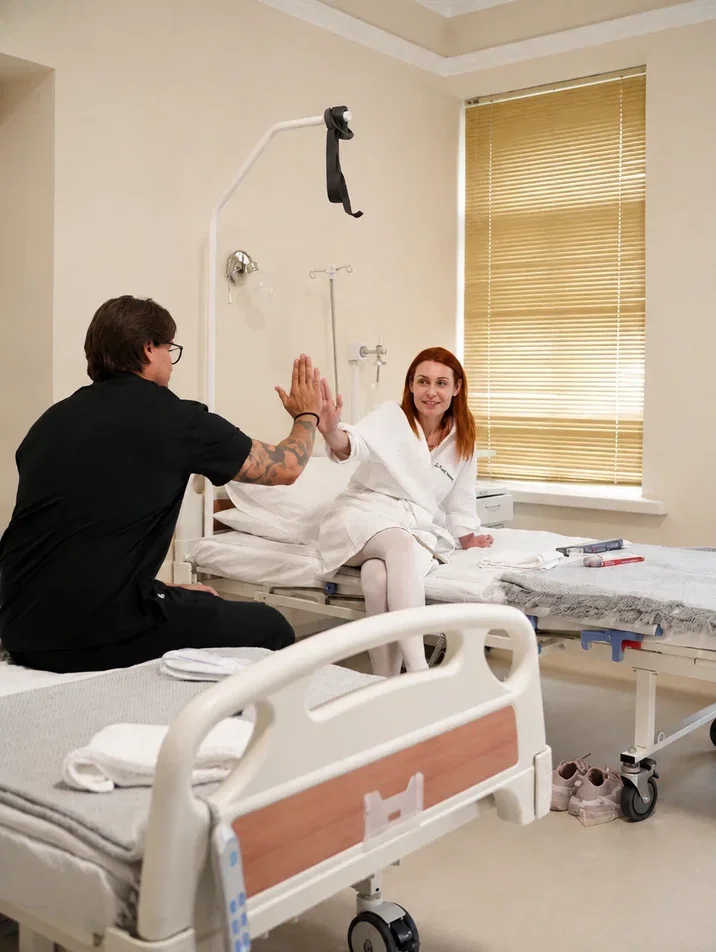
Our team will reply to your questions and help you choose a consultation time
Get a consultationYou and the surgeon decide on surgery together, after a consultation and check-up.
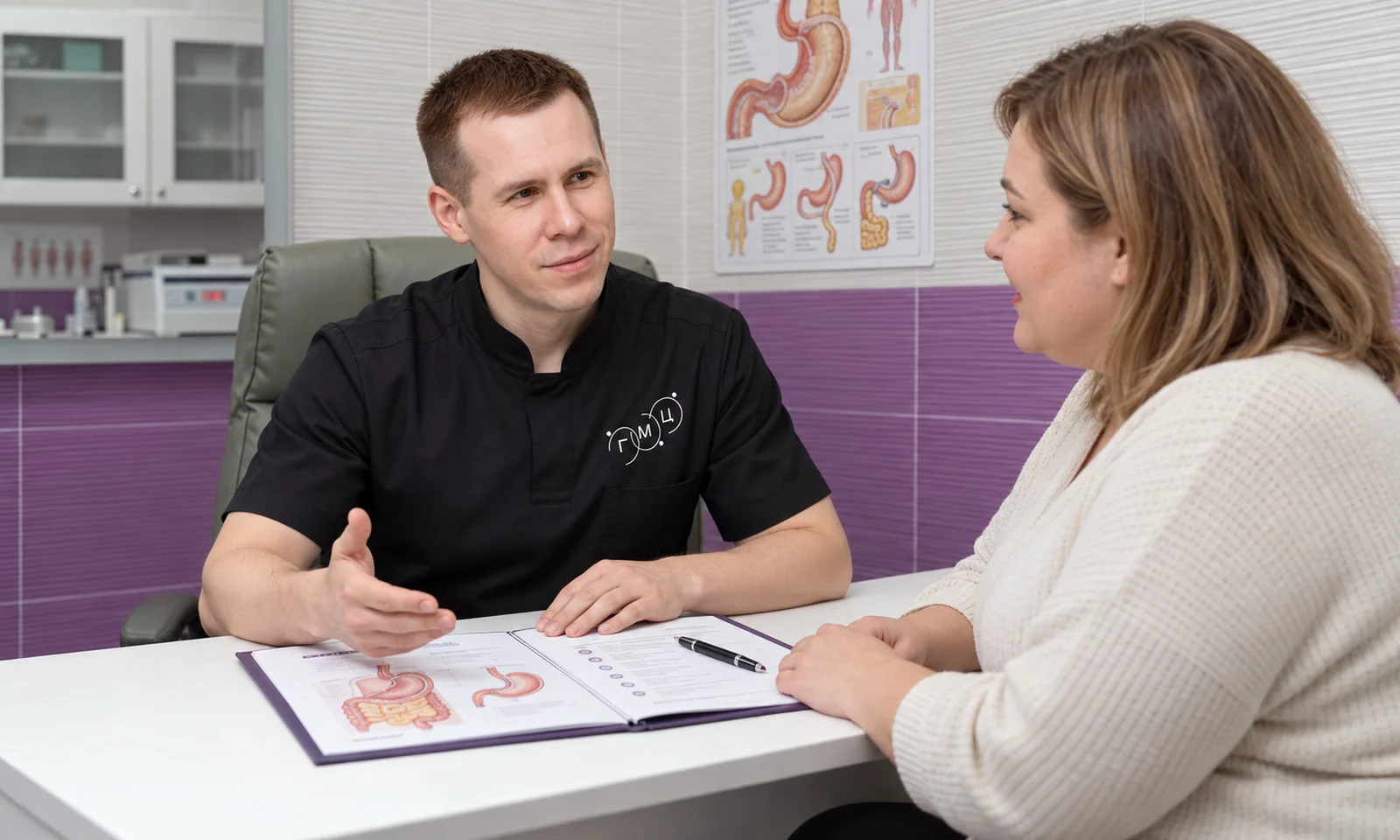
Not sure which column you belong to?
Write to us on Telegram — a coordinator will let you know whether bariatric surgery is an option for you. The surgeon consultation costs nothing and carries no obligation to operate.
Find out if it suits me
Prices
The cost becomes known at the consultation after your plan is ready, and the contract fixes it.
Discounted price
Reducing the stomach volume
$3,600$4,800
Discounted price
Weight loss and a new route for food
$4,000$5,200
Free
Examination by the surgeon and a personal treatment plan

Free
the cost of surgery is named
and fixed in the contract
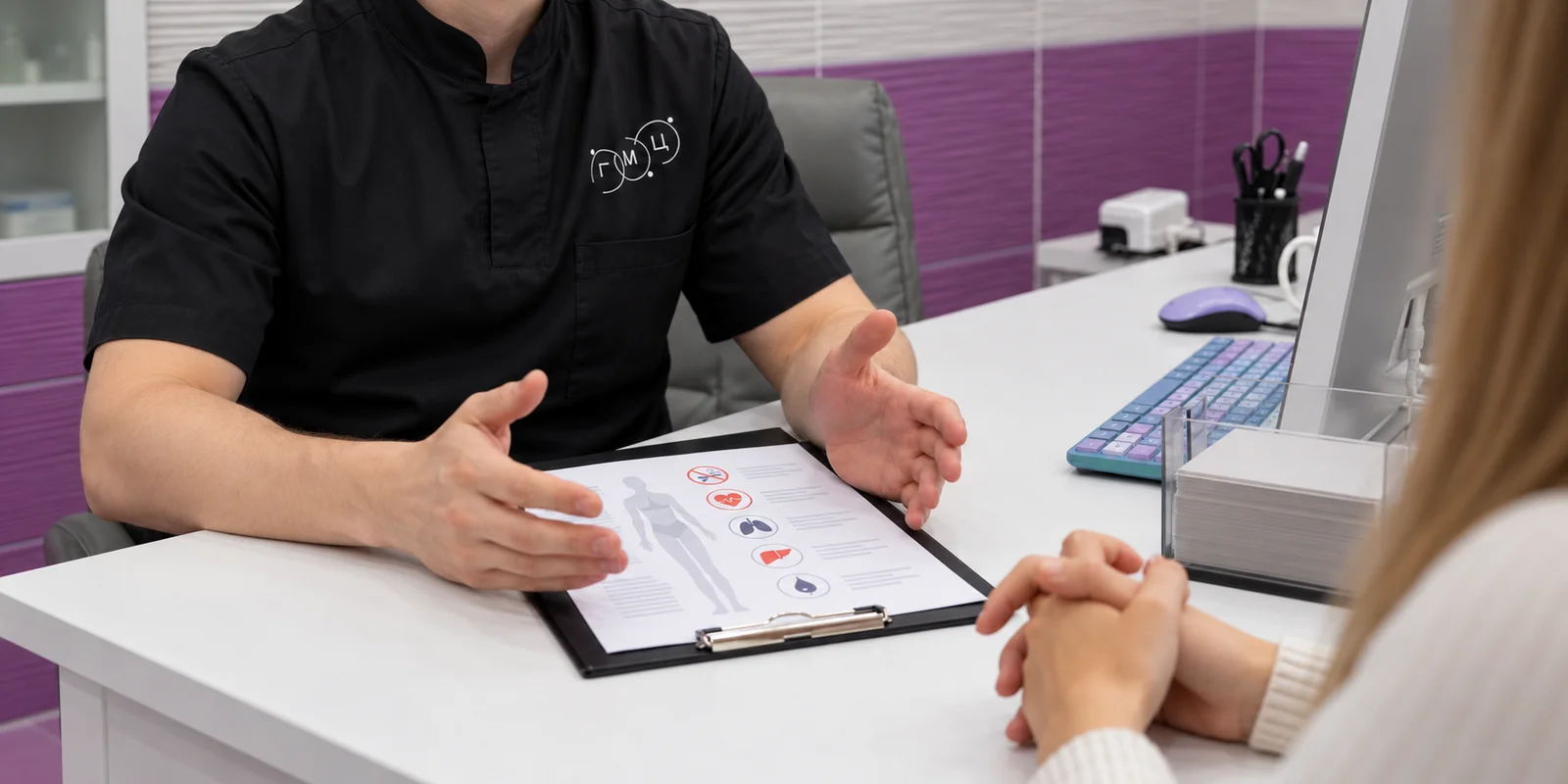
Assessing your health and discussing what you want to achieve, the doctor selects the right bariatric method. The cost is named at the consultation and written into the contract.
Message our coordinator
Free online consultation · Reply within 15 minutes
Message us on TelegramMessage us on WhatsAppBy messaging us, you agree to our Privacy Policy

price
A complete package: preparation plus 12 months of support, without any extra charges.From your pre-surgery preparation
to follow-up support for 12 months.
How it works
An agreed treatment plan, monitoring in hospital and support for a year.
 1
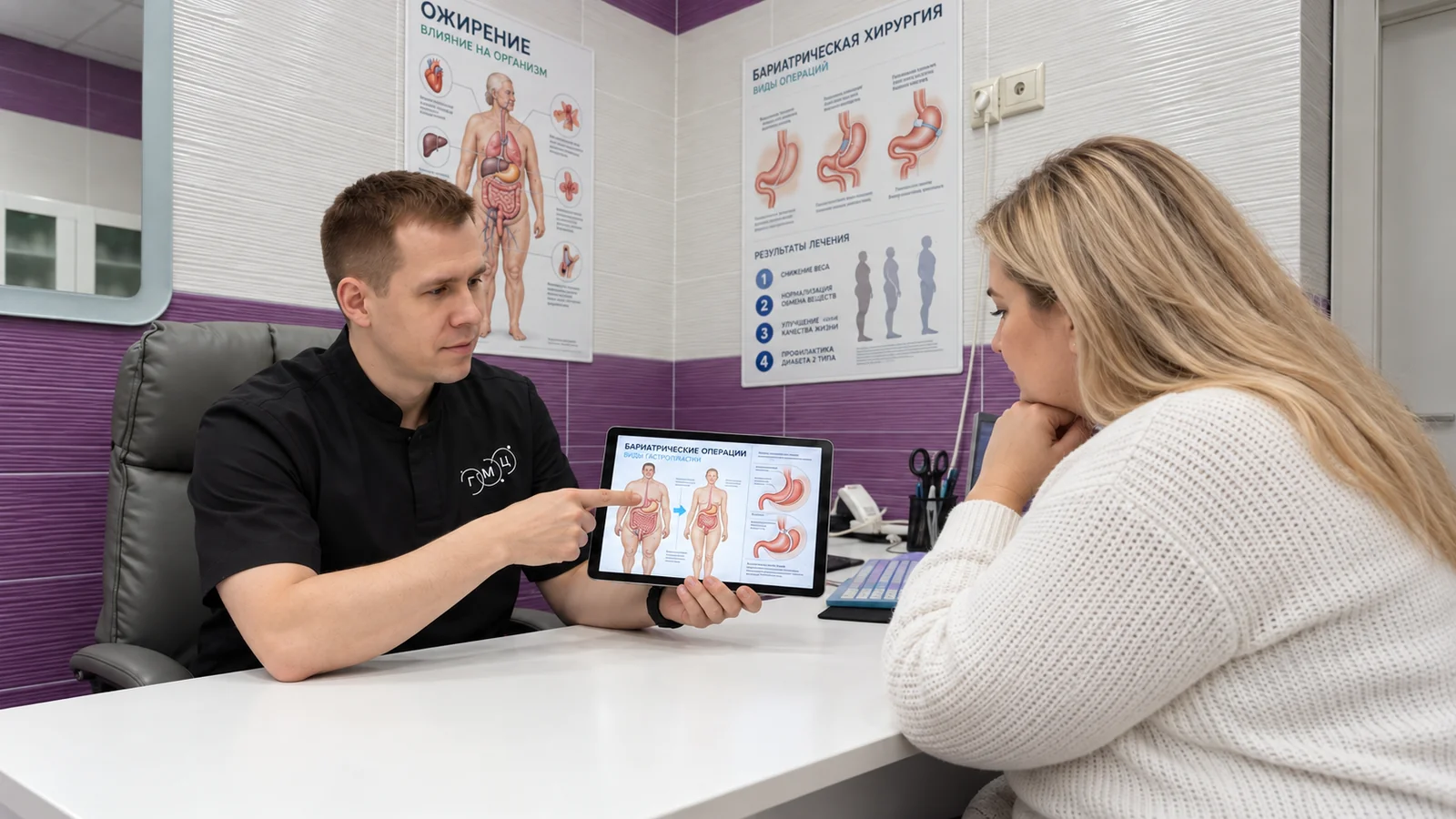
Your health is assessed, your goals are discussed and the doctor orders the tests required to pick the right bariatric method.
2We set aside a surgery date for you — the deposit is paid by card at the clinic or online by bank transfer, and the terms are fixed in the contract for medical services
 3
Pre-operative checks include blood and urine tests, an ECG, an ultrasound, a gastroscopy and specialist visits; your exact list comes from the doctor at the consultation.
 4
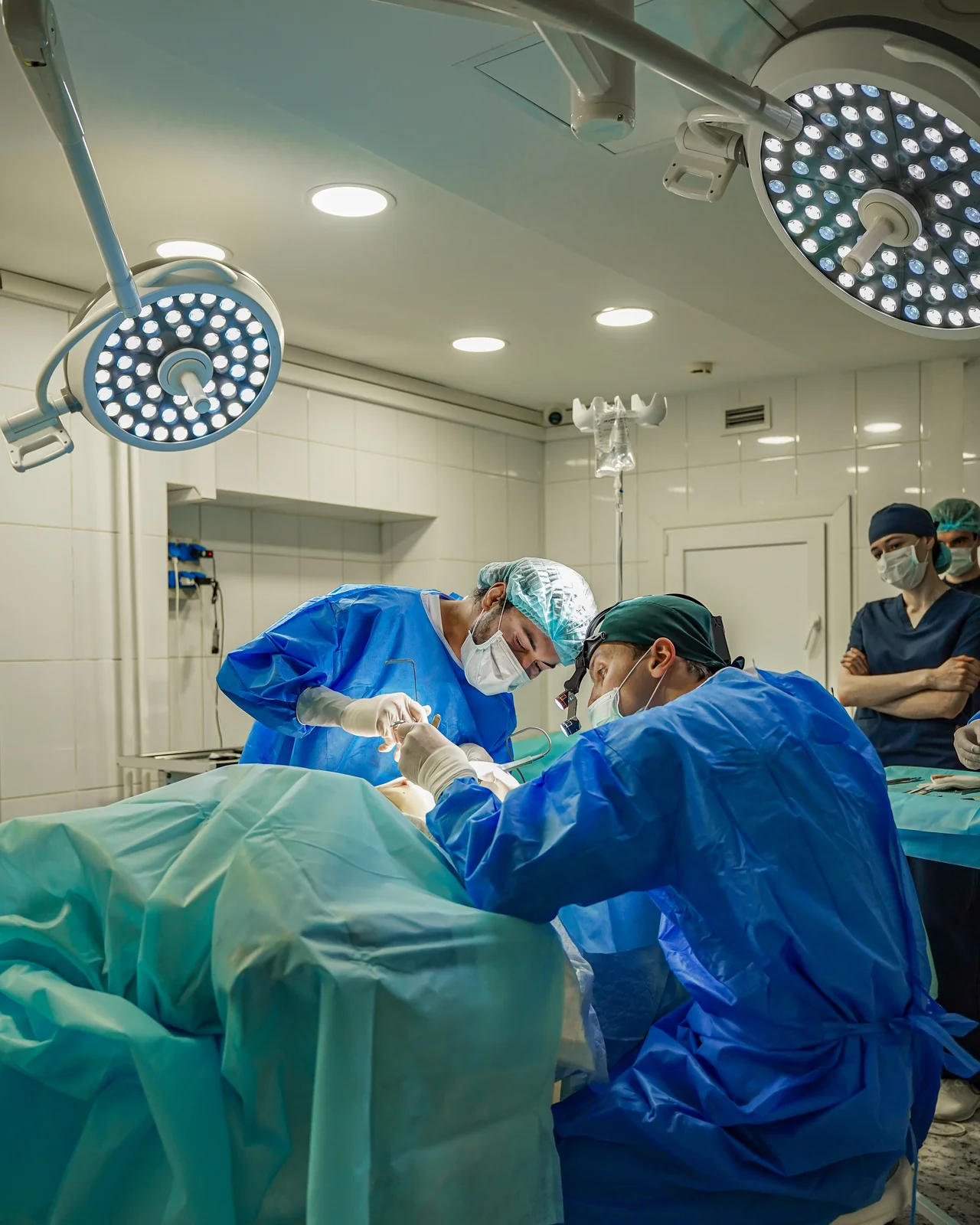
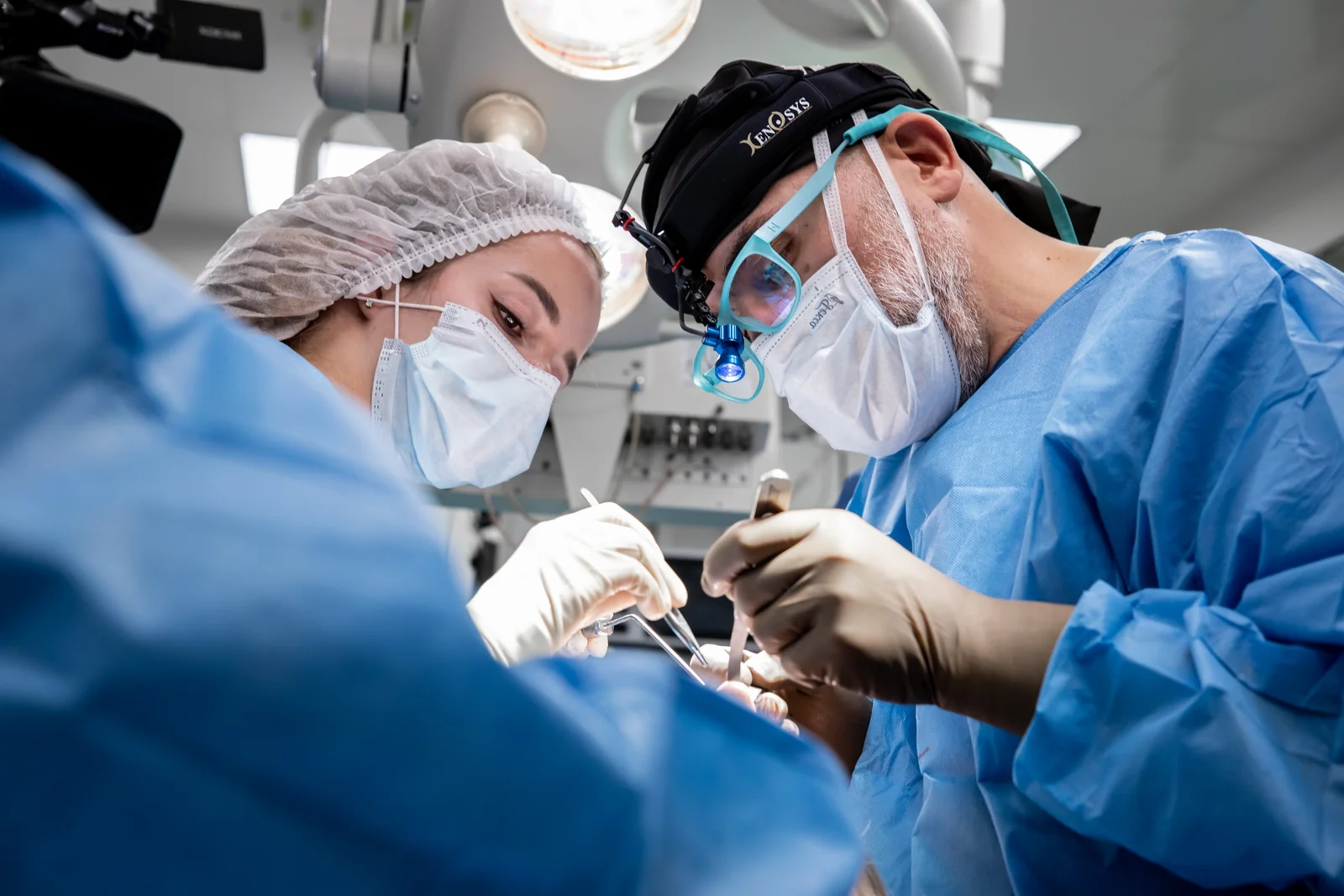
The surgeon does the bariatric operation under general anaesthesia by the method chosen. After surgery, the patient stays under the medical team's monitoring.
 5
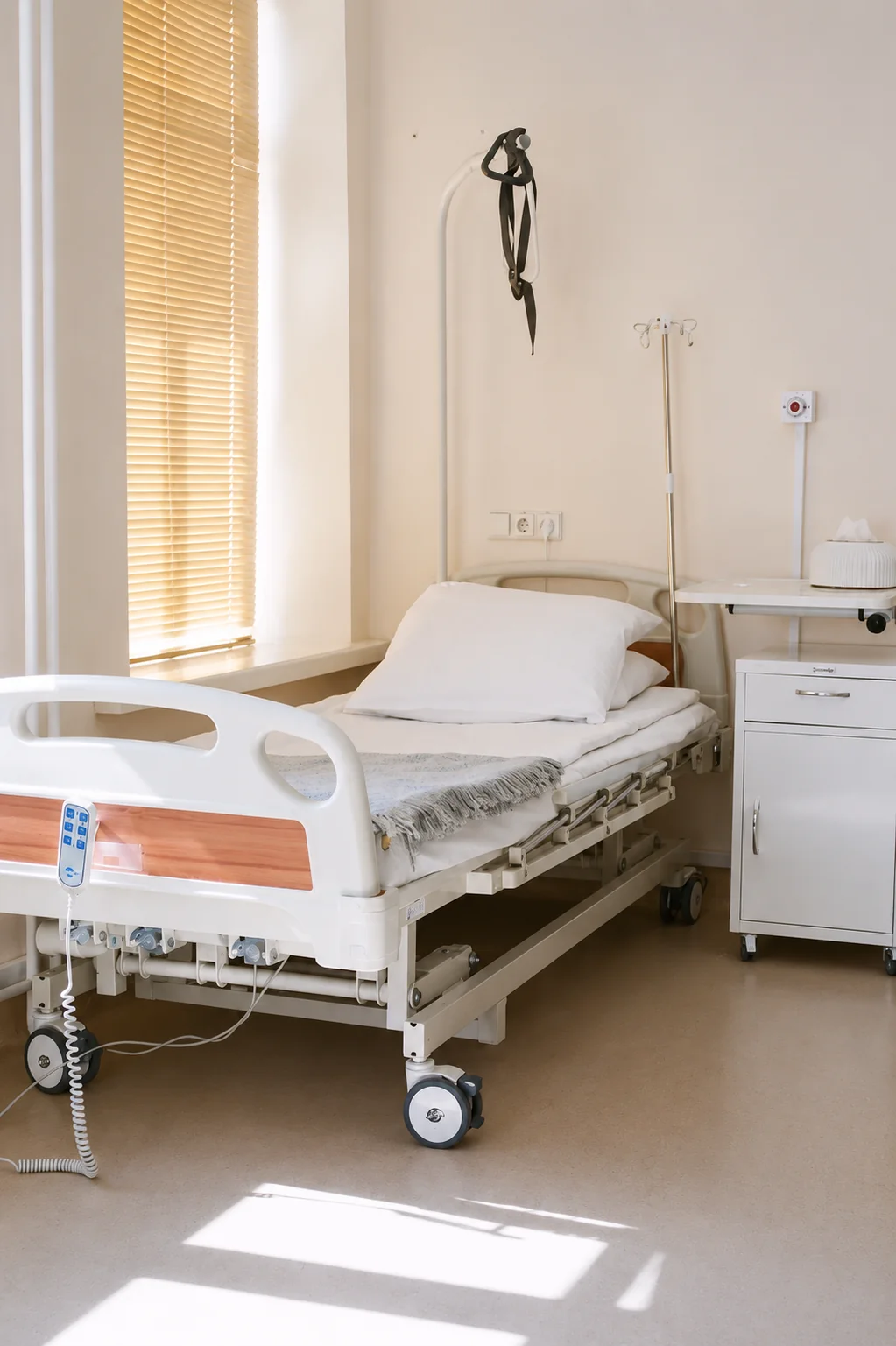
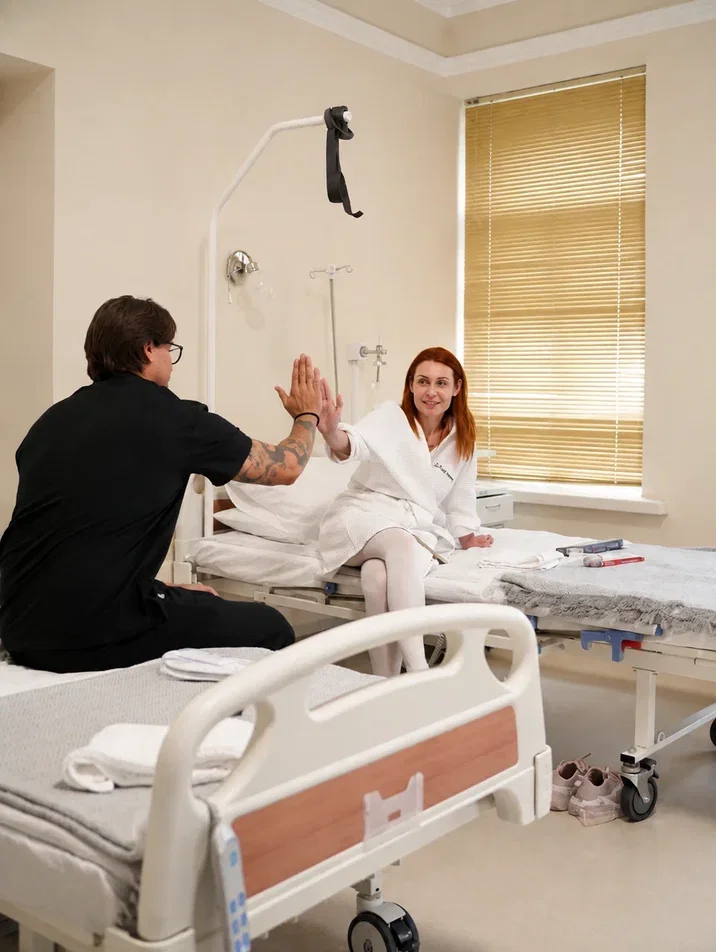
Doctors supervise you in hospital after surgery for a stay of 1–3 to 4–5 days, depending on the complexity of the operation and how you are feeling.
 6
On discharge you receive diet and recovery advice. Scheduled check-ups monitor how you feel, your weight and your test results, and the clinic team supports you for a year.
The doctor puts together a plan at the consultation and explains the course of surgery
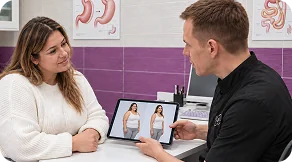
The consultation costs nothing, takes place before surgery and has no obligation.
Book a consultationDoctors
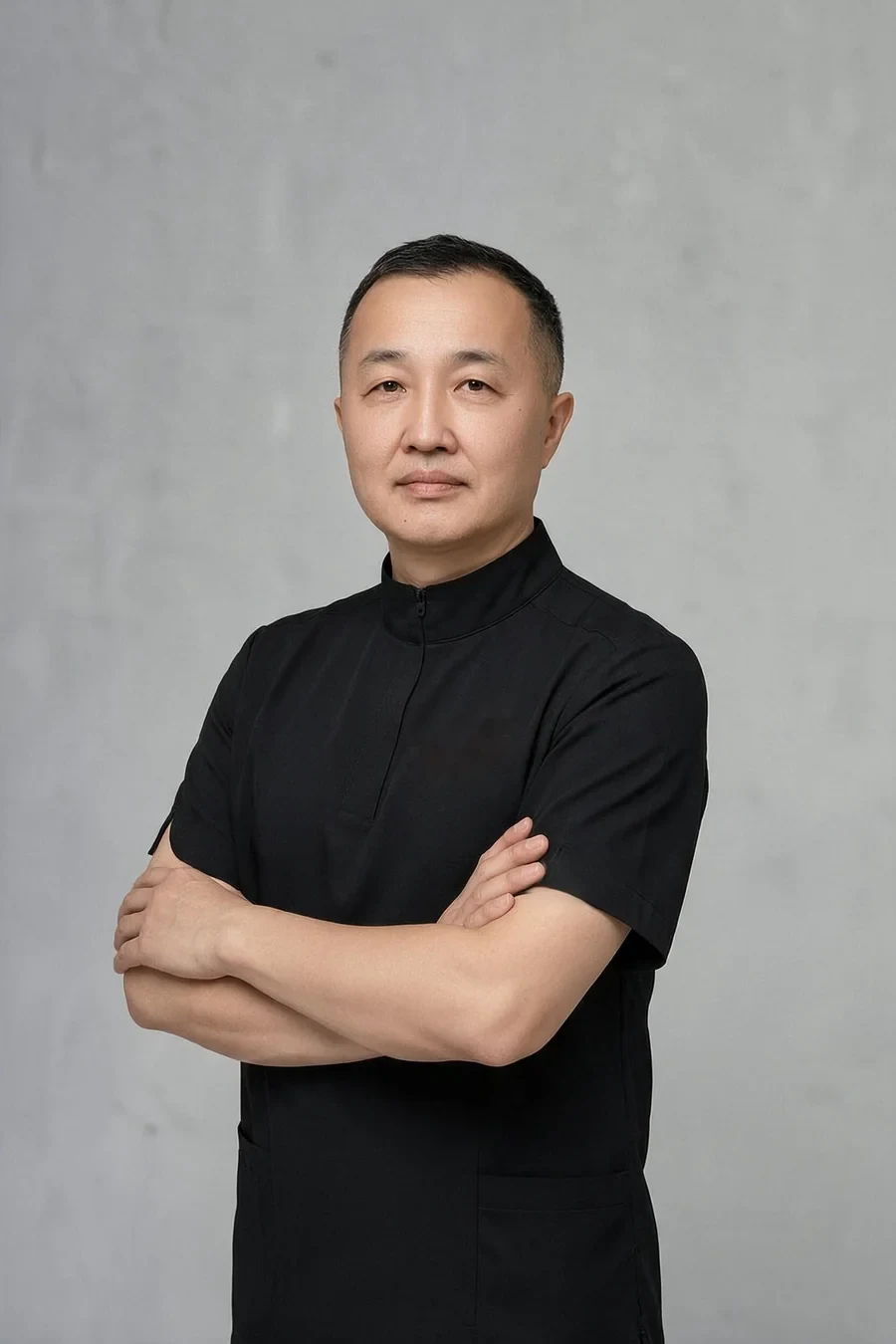
27 years of experience
Head bariatric surgeon
Surgeon
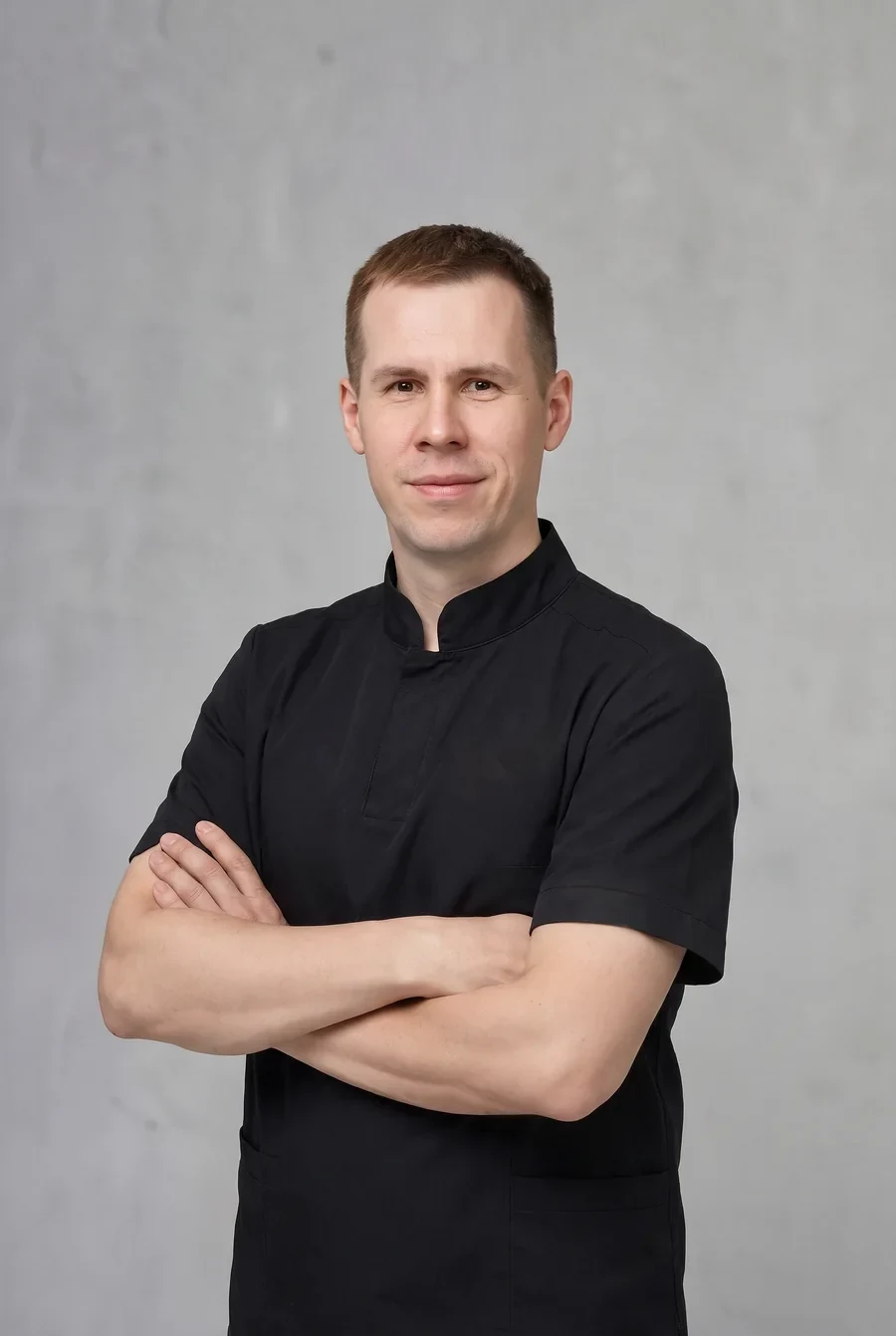
9 years of experience
Bariatric surgeon
Surgical oncologist
From the first consultation to the result, your surgeon operates and follows you.
Free of charge, the first consultation with our patient care manager covers calculating your BMI, explaining the methods and booking you in with the surgeon.
Book a consultationCoordinators
We are with you at each stage

The clinic's first contact for you — from your first message until the consultation
Specialist in patient care
Helps you find a convenient date and answers your questions before your first consultation

By your side before and during your stay, from booking to discharge
Specialist in patient care
Guides your preparation for surgery and stays in contact while you are at the clinic

By your side from discharge to your final check-up during recovery
Specialist in patient care
Stays in touch during your recovery and schedules follow-up visits with the surgeon
Advantages
Your health, lifestyle and goals guide us to the best method, and our team is with you every step of the way.
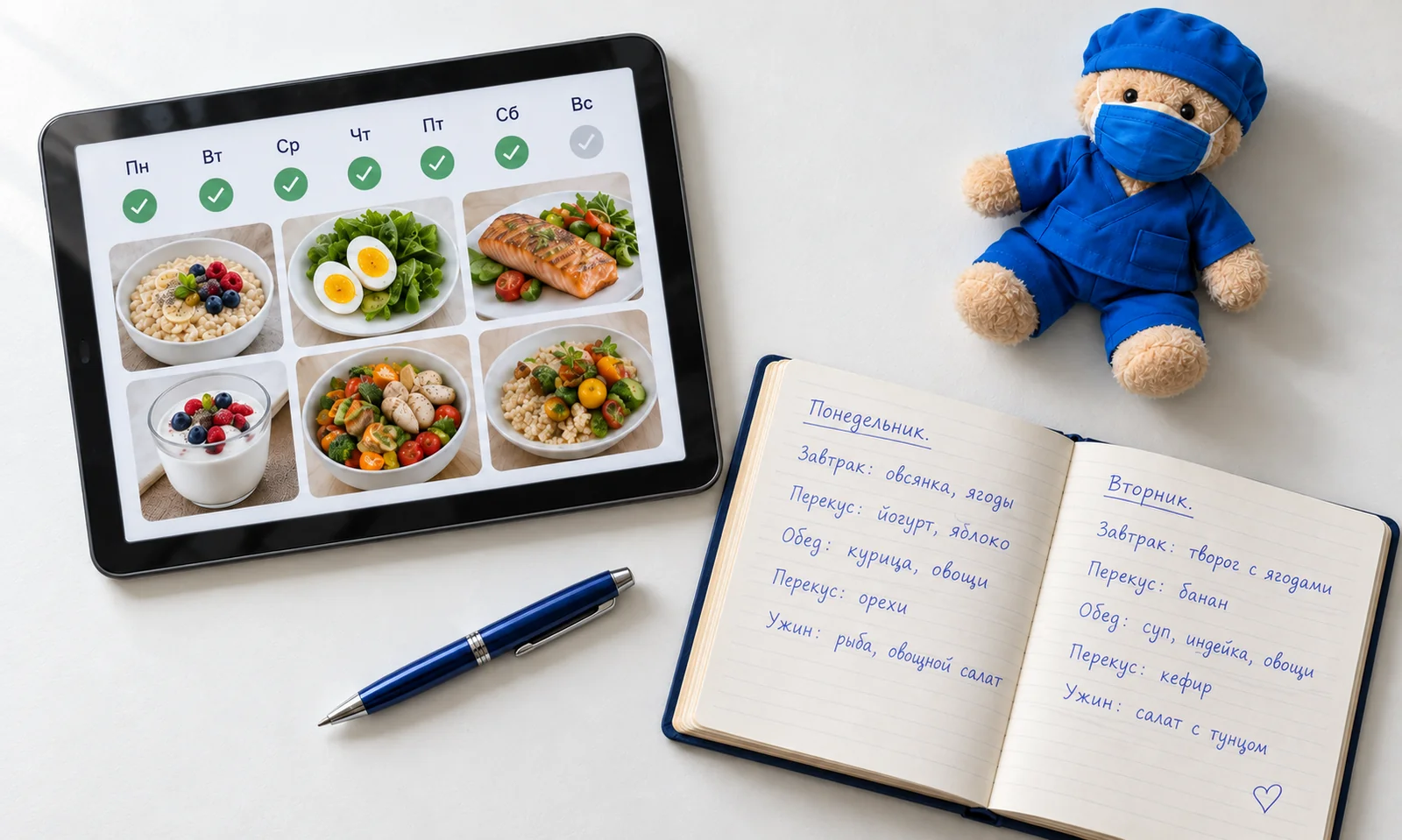
We support you in adapting to new eating habits, tracking results and keeping them.
Weight loss that is steady, better well-being and a higher quality of life.

We respect your time: we work 24/7, with easy booking and a personal approach — we adapt to your pace.
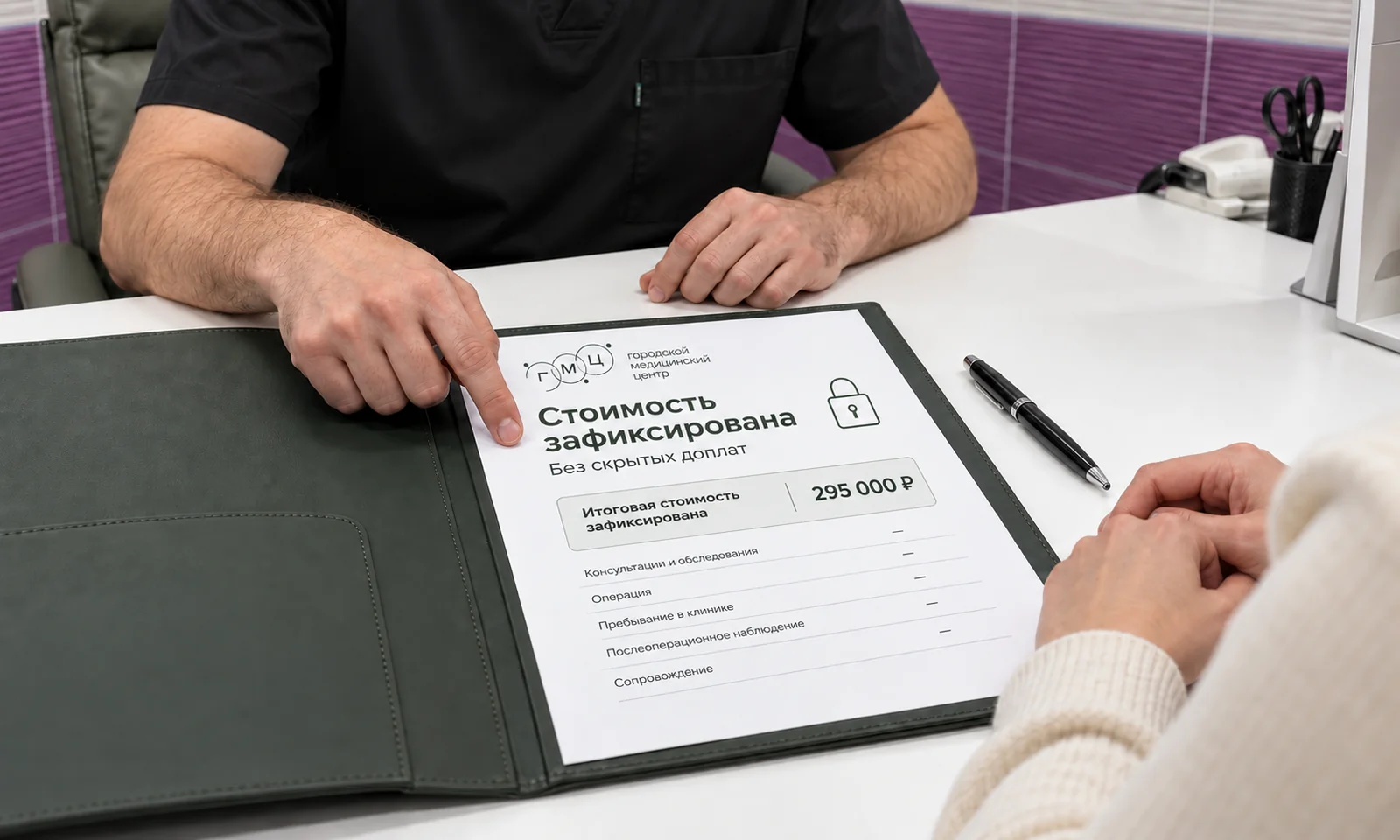
No hidden fees and no surprises on the way to your result: after the consultation the surgeon chooses the method and you get a clear price.
FAQ
Experienced bariatric surgeons carry out bariatric operations at the clinic:
Write to us — a coordinator will get back to you soon and arrange your consultation. The bariatric surgeon consultation is free of charge.
Surgery is prescribed only when clear criteria are met
Obesity is graded mainly by BMI, calculated as body weight (kg) over height squared (m²). A BMI above 40 usually justifies surgery, as does a BMI above 35 with serious related conditions. In certain cases surgery is considered at lower values too, if approaches without surgery have not succeeded.
Many people confuse the two, but their goals are fundamentally different. Bariatric surgery is a medical treatment for obesity and related diseases. It changes how the digestive tract works, addressing the causes of excess weight and metabolism. Plastic surgery reshapes the body's outer contours; it does not treat obesity or affect metabolism.
City Medical Centre performs four core types of bariatric surgery: sleeve gastrectomy, Roux-en-Y gastric bypass, mini gastric bypass (MGB) and SADI-S duodeno-ileal bypass. Selection is individual and takes into account BMI, related conditions and the patient's goals.
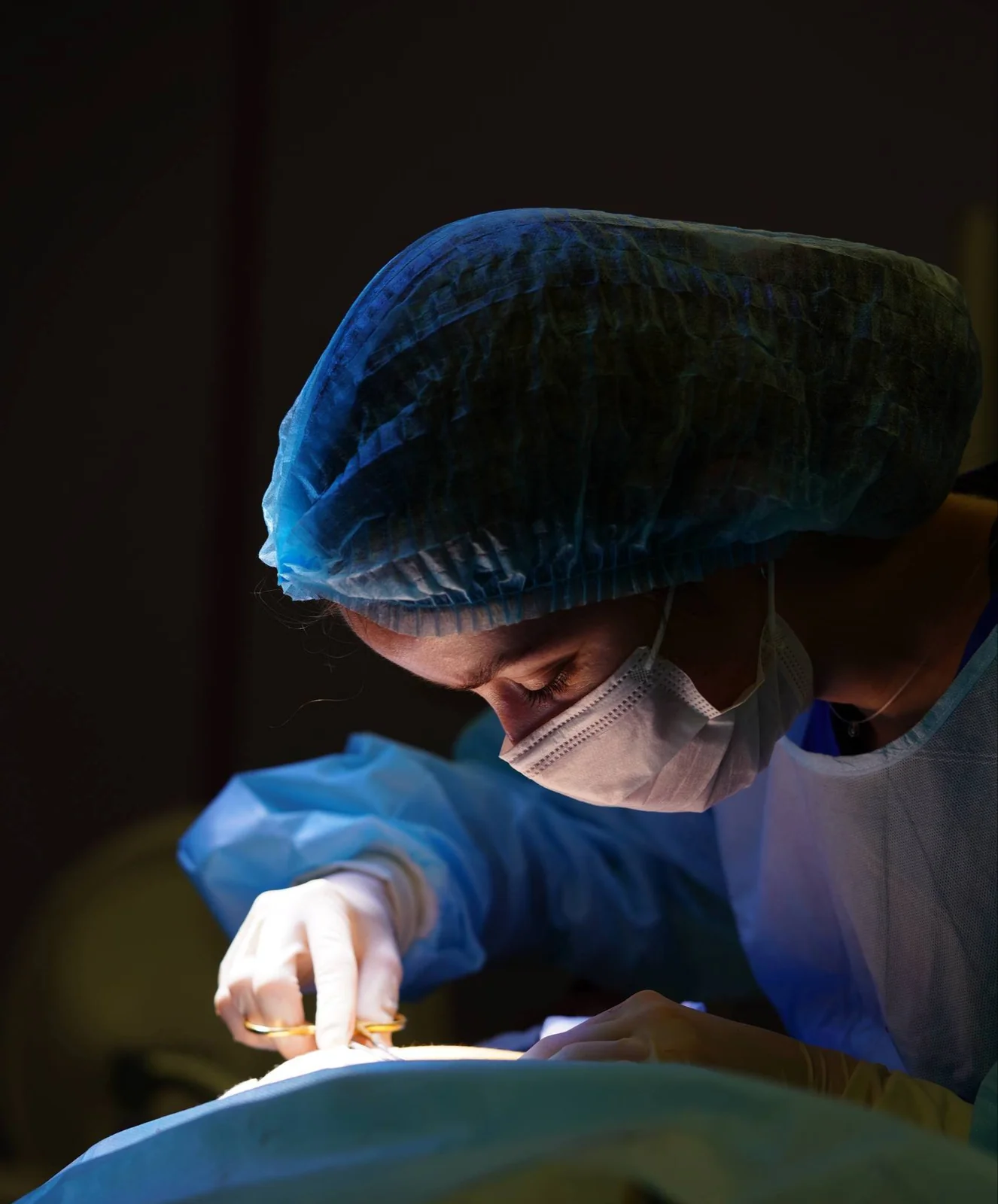
We apply modern laparoscopic technique, operating through 4 small punctures of 5 to 15 mm. Thanks to cosmetic sutures, the marks are almost invisible once they heal.
Recovery depends on what you plan to do. Office work: after 2–4 weeks. Physical work: after 1.5 months. Sport and activity: swimming after 30 days, other exercise phased in as weight drops. Travel and holidays: preferably not earlier than one month after surgery.
Your diet changes step by step: from liquid food to soft and then to solid. The emphasis is on protein and on cutting high-calorie, fatty food.
Pregnancy after bariatric surgery can happen, though doctors advise holding off at least 12–18 months. In this period the body becomes stable, weight reaches target values and nutritional status normalizes.
Yes, vitamins after bariatric surgery are a must. Because the digestive anatomy changes, the body absorbs some nutrients less well, so regular vitamin and mineral supplements become a permanent part of the patient's life.
Although weight regain after bariatric surgery is possible, it is very unlikely if you follow the doctor's advice. Proper eating, avoiding high-calorie drinks and regular follow-up with City Medical Centre specialists are key.
Prices are in US dollars; the amount in brackets is an approximate conversion to ZAR at the rate of 02.10.2026. The final price is fixed in your contract.
Prices start from $3,600 (≈ R61,000). The surgeon sets the final price at the free consultation, and it is fixed in the contract, with no hidden extras.
General anaesthesia, a personal coordinator from day one, monitoring in the hospital and support for one year.
The hospital stay is 1–5 days, depending on the method and how you feel. Office work is possible after 2–4 weeks.
Yes. The first consultation is free and does not oblige you to anything. You can start online by sending a message to the coordinator.
Message us on WhatsApp or Telegram using the buttons below. A coordinator will answer your questions and book a free consultation where the doctor names the exact price.
By messaging us, you agree to our Privacy Policy
Why do diets fail? The body fights back: metabolism slows, appetite grows, and lost kilos return. When diet changes and medication cannot fundamentally improve the situation, surgery becomes the effective way out. Rustenburg residents who have tried diets, fasting and pills for years without a lasting result are exactly the patients for whom bariatric operations are intended.
A personal coordinator is assigned from day one, so no one goes through the process alone. After the first examination, each patient gets an individual diagnostic programme to identify every disorder in the body. Then the surgeon selects the method and performs the laparoscopic operation, and a doctor stays nearby 24/7. That is the sequence for everyone from Rustenburg.
A permanent team — not a duty shift — handles your case, and the whole package is transparent. Included are the operation, 24/7 care in the ward, meals, nursing and a personal coordinator from day one, plus support throughout the first year. Rustenburg patients also get a contractual result guarantee. Book a free consultation to discuss your situation.
What patients write after this operation. Reviews are translated from the original language.
Irina, 26
For a long time I doubted whether to go ahead with surgery, but after the consultation I felt much calmer. Andrey Georgievich explained in detail how gastric bypass is done, what to expect after the operation and how recovery would go. I especially liked that they talked to me calmly and without pressure. I am now gradually getting used to my new way of life and I am very glad I took this step.
Bariatric surgery
Doctor: Andrey G. Ugay
Angelina, 22
For me the hardest part was deciding to have the operation. At the consultation Ruslan Sergeyevich answered all my questions in detail and explained the specifics of sleeve gastrectomy and recovery. After the operation I always understood what I was doing and why. Thank you to the doctor and the whole team for their attentiveness.
Bariatric surgery
Doctor: Ruslan S. Menzulin
Anna, 31
For a very long time I tried to deal with my excess weight on my own, but I did not get the result I wanted. After the consultation with Andrey Georgievich I finally understood what to do next. I came through the operation well, and my recovery was supervised by the doctors. It was important for me to feel that I was not left alone after surgery.
Bariatric surgery
Doctor: Andrey G. Ugay
Veronika, 25
Before the operation I had many fears, mostly of the unknown. Ruslan Sergeyevich explained every stage of treatment in detail and answered even the simplest questions. Thanks to that I felt much more confident. I keep following the recommendations and I am gradually seeing the changes I had the operation for.
Bariatric surgery
Doctor: Ruslan S. Menzulin
Valentina, 23
The decision to have bariatric surgery was not easy for me. I worried both about the operation itself and about how my life would change afterwards. At the consultation Andrey Georgievich explained everything in detail, so little by little my fear turned into confidence. What matters most to me now is the result and the chance to treat my health and lifestyle differently.
Bariatric surgery
Doctor: Andrey G. Ugay
Anna, 27
I am very grateful to Ruslan Sergeyevich for his attentiveness. Before the operation I had a huge number of questions, and I got a clear answer to every one of them. After the operation it was also clear which recommendations to follow and how to eat. It was important to me that the doctor stayed in touch and I felt supported at every stage.
Bariatric surgery
Doctor: Ruslan S. Menzulin
Rustenburg is a city at the foot of the Magaliesberg mountain range. Its name in Afrikaans and Dutch means “Town of Rest”. It is the most populous city in North West province, and the 2022 South African National Census puts its population at 562 031. For many residents, a decision about bariatric surgery (sleeve gastrectomy or gastric bypass) is made quietly and over a long time. People weigh their health, their work, their family and the chance that this time the result will hold.
A city of this size has plenty of people who have tried diets, exercise programmes and medical advice without lasting change. Bariatric surgery is a serious step, but it is not a last resort for everyone. It is one of the treatments for severe obesity, and it works best as part of a plan that includes preparation, nutrition and long-term follow-up.
City Medical Centre offers a free online consultation to patients in Rustenburg. You speak with us from home, from your workplace or from a quiet room between commitments. Coordinators are available around the clock (24/7) on Telegram and Telegram. You can write when a question comes to you, including late in the evening after a shift or early in the morning before the day starts. Nothing obliges you to decide during the first conversation.
The first step is a message to a coordinator on Telegram or Telegram. You describe your height, your weight, your general health and what you have already tried. From these figures the coordinator can estimate your BMI, the main tool for assessing the degree of obesity. It is calculated by dividing body weight in kilograms by height in metres squared.
Then an online meeting with a surgeon is arranged. It is a normal medical conversation, not a sales call. The surgeon asks about your medical history, your related conditions, your medicines and your eating habits. You can ask about the two operations, sleeve gastrectomy and gastric bypass, and why one may suit you better than the other. The surgeon confirms at the consultation whether surgery suits you.
If you need more time, a coordinator will call you back 24/7, so you do not have to fit the conversation around a work schedule. The programme runs from preparation to 12 months of support, all in one package. You know from the start that someone stays with you after the operation and that follow-up support lasts for 12 months.
Surgery is usually considered for a BMI over 40, or over 35 with related health conditions. These conditions are serious ones that doctors link to excess weight. In some cases surgery is considered at lower values too, if non-surgical approaches have failed. Whether you fit is decided by a surgeon after an examination. A number alone does not decide it.
In Rustenburg, many people spend long hours in jobs that are physically demanding or that involve shift work and irregular meals. Both patterns make weight harder to manage. This does not mean someone is to blame for their weight. The World Health Organization describes obesity as a chronic condition with many causes, and it treats it as a health matter, not a failure of willpower.
Some situations call for caution or for a different plan. These include conditions that make general anaesthesia unsafe, untreated eating disorders, active substance dependence, and a lack of readiness to change eating habits after surgery. Pregnancy planning also matters. Doctors advise waiting at least 12–18 months after bariatric surgery before getting pregnant, so the body can stabilize, weight can reach target values and nutritional status can normalize. Be open about all of this in your consultation, because it helps the surgeon choose the right method.
Before you decide, write down your questions and keep them next to your phone, so you can use the online consultation well. Ask which operation the surgeon recommends for you and why. Ask what each one means for eating, for vitamins and minerals and for medicines you take now. Ask how your related conditions, such as raised blood sugar or blood pressure, are likely to change as weight goes down.
Also ask how the operation is performed. The centre relies on modern laparoscopic technique. The operation is performed through 4 small punctures of 5 to 15 mm. Cosmetic sutures are used, so after healing the marks are barely visible. This is useful to know if you wear fitted clothes for work or sport and want to understand what to expect.
Ask what happens if something does not go as planned, who you contact after the operation, and how you reach them at night. Ask what tests are needed before surgery and how to take them near your home in Rustenburg. Ask what your diet will look like week by week, and how the medical team will check your nutrition during the 12 months of support.
Both operations are done under general anaesthesia. The hospital stay is 1–5 days, depending on the method and how you feel. Doctors supervise you in hospital after surgery for a stay of 1–3 to 4–5 days, depending on the complexity of the operation and how you are feeling. In practice, you spend these days under observation, begin to drink and eat in small amounts under the team's guidance, and start to walk.
Plan your family and work life around this period before you agree to a date. Think about who looks after children or older relatives, who covers your shift, and who can stay in touch with you in the first days. A clear plan reduces stress and helps recovery.
The coordinator stays in touch through the same chat you used for the first consultation. This is helpful because Rustenburg residents often have a busy day with long commutes. The city has been building public transport infrastructure, including bus rapid transit lanes, but you should still ask in advance how follow-up appointments and tests will be arranged, so that they do not clash with your working hours.
Rustenburg has a humid subtropical climate. Summers, from December to February, are very warm, though because of the altitude they are not as hot as one might expect. Winters, from June to August, are mild, with occasional frost at night. Rain falls mainly in summer. The difference between daytime and night-time temperatures is relatively large because of the elevation.
For recovery, this means a few practical things. In the warm months, light, breathable clothing that does not press on the small wounds is more comfortable, and you should drink fluids in small, regular sips as your team advises. Avoid long periods in strong sun and heat in the first weeks, because heat tires you and can make you feel dizzy when your intake of food and fluid is still small. Swimming is allowed after 30 days, so a pool is not an option in the first weeks, whatever the weather.
In winter, nights can be cold and mornings cool, so layers help. You can take off a layer in the middle of the day when it warms up. Many people find the mild winter months comfortable for the first weeks at home, because the temperature is easy to manage and there is less pressure to be outdoors. Neither season is wrong for surgery. What matters more is whether you can rest, follow your diet and attend your follow-up consultations.
Mining is the base of the local economy. The city is a leading platinum producing centre with 41 platinum mines in the area, and mining makes up about half of its economy. Many residents work in mining or in trades connected with it, and others work in finance and retail. This matters for planning, because the time off depends on the kind of work you do.
Recovery time depends on the activity. Office work is possible after 2–4 weeks. Physical work follows after 1.5 months. If your job involves heavy lifting, long shifts or physical effort in the heat, talk to your surgeon about your exact duties and ask for a written plan that you can share with your employer or occupational health staff. A gradual return is usually safer than going back at full load on the first day.
Rustenburg also has a strong sporting life, from football at the Royal Bafokeng Stadium and rugby at Olympia Park to judo, swimming, cricket and golf. If you play or coach, plan your return in stages. Swimming is allowed after 30 days, and other exercise is added gradually as weight goes down. Students at local colleges and universities can usually return to lessons sooner than someone doing physical work, but they should still take notes of the diet rules, because lunch breaks and canteen choices matter in the first months.
Skydiving, contact sport and heavy gym sessions should wait until your surgeon agrees. Ask for a concrete timetable based on your own situation.
Rustenburg was established in 1851 as an administrative centre for a farming area that produced citrus fruit, tobacco, peanuts, sunflower seeds, maize, wheat and cattle. Its name means “Resting Town” because the early settlers believed they could finally rest here. That idea is a useful frame for surgery planning. The first weeks after sleeve gastrectomy or gastric bypass are a time to rest on purpose, with short walks, small meals and enough sleep.
The farming past still shapes local food memories: maize, wheat, peanuts, sunflower seeds and citrus are part of the regional story. Many families link these foods with Sunday meals and celebrations. After the operation your portions will be small, and your team will guide which foods you add and when. Ask your coordinator how to keep familiar tastes in your diet in a form that protects your recovery, with protein first and slow eating.
The Paul Kruger Country Museum, in the old homestead of the Boekenhoutfontein farm, and the Rustenburg Museum are quiet places for a calm outing. A gentle walk in such a setting can be a good goal for your first weeks at home, as long as your surgeon agrees and you stop when you feel tired.
Rustenburg lies at the foot of the Magaliesberg range on the Highveld plateau, at an elevation of 1,217 metres. The Kgaswane Nature Reserve, a 4,257 ha reserve of quartzite peaks above the town, is open to hikers and to visitors by vehicle. For people who enjoy the outdoors, it makes a natural long-term goal after surgery.
Do not start with the mountain. In the first period, walk on flat ground near home and add distance as you feel stronger. Other exercise is added gradually as weight goes down, and swimming is allowed after 30 days. Ask your surgeon when hiking on slopes is reasonable for you, and carry water and take breaks, because your fluid intake is still small.
Many Rustenburg residents also enjoy golf, park runs and the outdoor activities around Magaliesburg. A park run is a good example of a staged target: first walk it, later move faster, and only when your surgeon has confirmed that exercise is suitable for your stage of recovery.
Rustenburg has 41 platinum mines in the area, and mining is responsible for around half of direct jobs. The city is also home to a large platinum refinery. Finance and retail follow as employers. People on shift rotations, underground work or long site duties need a detailed plan, because office work is possible after 2–4 weeks, while physical work follows after 1.5 months.
Bring specifics to your online consultation: your shift pattern, how heavy the lifting is, how hot your workplace gets and whether you can take meals at regular times. A coordinator can help you prepare a short description of your duties for the surgeon. Ask whether a period of lighter duties is possible when you return, and discuss it with your employer or occupational health staff in advance.
Shopping centres such as Waterfall Mall, Rustenburg Mall and Platinum Square are part of daily life and often of lunch breaks. They are also places full of tempting food. Decide before you go what you will buy, and keep protein-rich, soft options in your bag for working days in the early months.
Rustenburg has a wide network of schools and further education colleges, including a UNISA hub, Platinum College and the Keobakile Nursing Academy. Students and young adults sometimes ask about surgery, especially when weight affects health and confidence. A young person should only be considered after a full assessment by the surgeon, with the same BMI criteria that apply to everyone.
For students, the practical question is timing. Plan the operation around exam periods and assignments, since a hospital stay of 1–5 days and the first weeks at home need rest. Tell a tutor or student support office what you need, such as flexible attendance, and arrange for someone to bring notes.
Canteens and tuck shops at schools and colleges often sell sugary snacks and fried food. Prepare your own meals and fluids for the first months, and ask your dietitian for a simple list that you can follow during a long study day.
Rustenburg is on the Platinum Highway and has minibus taxis, including the Yarona network, and a growing bus rapid transport system. Distances between suburbs, such as Cashan, Karlienpark, Zinniaville and Tlhabane, and outlying villages can be long. After surgery, avoid planning crowded or tiring journeys in the first days, and ask someone to accompany you when you need blood tests or a check-up.
The online format helps here. Follow-up conversations with the team take place through the coordinators on Telegram and Telegram, available 24/7, so you can report a symptom without waiting for a free day. The centre does not have a clinic in Rustenburg, so ask early where you can take routine tests locally and how the results will be sent to the surgeon.
Occasional power cuts in the city are a practical point. Keep your phone charged, save the coordinator's contact in more than one app and write your medicine and diet schedule on paper, so that you are never without instructions.
Weddings, birthdays, funerals, church gatherings and meals with relatives are important to many families in Rustenburg. After bariatric surgery, portions are small, and you eat slowly and carefully. It helps to tell close family what to expect, so they do not push food on you out of kindness. You can take a small portion, eat slowly and stop when you feel full. Stopping is not rude, and it is part of your recovery plan.
The first months are for building new habits: protein first, enough fluid, regular small meals and the vitamins your team prescribes. Your weight will go down over time, and the result develops gradually, around 18–24 months after surgery. It is a long process, so progress can feel slow in some weeks and fast in others. Keep in contact with your team through the 12 months of follow-up support, and report symptoms rather than waiting.
Think about support in daily life as well. A relative or friend who joins your first consultation, helps with shopping and understands your diet plan can make a big difference. Some people also benefit from talking to a psychologist or dietitian, especially if eating is connected to stress, shift work or emotional strain. The centre's coordinators can explain which support is included in your programme.
Yes. The consultation is free and online. You contact a coordinator on Telegram or Telegram, who is available 24/7, and then you speak with a surgeon by video or call. You do not need to leave Rustenburg for this first step.
Usually a BMI over 40, or over 35 with related health conditions. In some cases surgery is considered at lower values too, if non-surgical approaches have failed. The surgeon confirms at the consultation whether surgery suits you.
BMI is the main tool for assessing the degree of obesity. It is calculated by dividing body weight (kg) by height squared (m²). Your coordinator can help you work out the number before the consultation.
The operation is done under general anaesthesia. The hospital stay is 1–5 days, depending on the method and how you feel. Doctors supervise you in hospital after surgery, and the exact length depends on the complexity of the operation and how you are feeling.
Office work is possible after 2–4 weeks. Physical work, which is common in the mining and trades sector in the city, is possible after 1.5 months. Your surgeon will give you a plan based on your exact duties.
Swimming is allowed after 30 days. Other exercise is added gradually as weight goes down. Ask your surgeon before you return to contact sport, heavy gym work or anything that strains the abdomen.
The operation uses modern laparoscopic technique through 4 small punctures of 5 to 15 mm. Cosmetic sutures are used, so after healing the marks are barely visible.
The result develops gradually, around 18–24 months after surgery. Weight goes down over time, and your team supports you through the first 12 months with follow-up care.
It is possible, but doctors advise waiting at least 12–18 months, so the body can stabilize, weight can reach target values and nutritional status can normalize. Discuss your plans with the surgeon before the operation.
The programme runs from preparation to 12 months of support, all in one package. A coordinator will call you back 24/7, and follow-up support lasts for 12 months, so you are not left alone after the operation.
Not in itself, but timing matters. Office work is possible after 2–4 weeks and physical work after 1.5 months. Tell the surgeon about your shifts, lifting and heat exposure so that the plan fits your duties.
Walking is encouraged early, but start on flat ground. Other exercise is added gradually as weight goes down. Ask your surgeon when slopes and longer hikes are suitable, and carry water.
Choose a period away from exams. The hospital stay is 1–5 days and you need rest afterwards. Office-type study work is possible after 2–4 weeks, and your surgeon will advise on your own situation.
Your coordinator will explain which tests are needed and help you plan to take them near home. Results are shared with the surgeon, and you stay in contact through Telegram or Telegram, available 24/7.
Page medically reviewed by Andrey G. Ugay, lead bariatric surgeon. Review date: .