
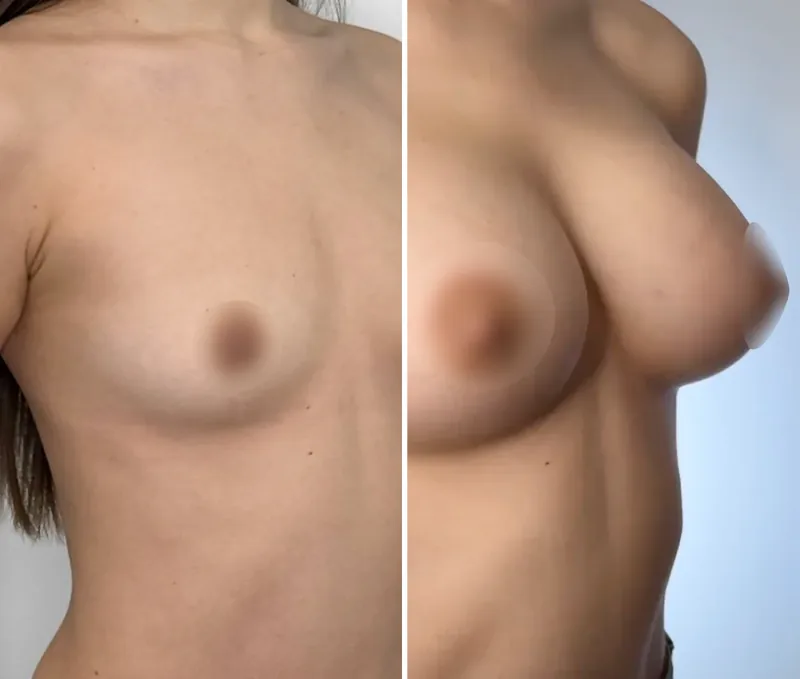
 beforeafter
Mammoplasty
Method: implants
Breast augmentation
$4,700
$5,900 · First consultation — Free
Message our coordinator
Free online consultation · Reply within 15 minutes
Message us on TelegramMessage us on WhatsAppBy messaging us, you agree to our Privacy Policy
Results
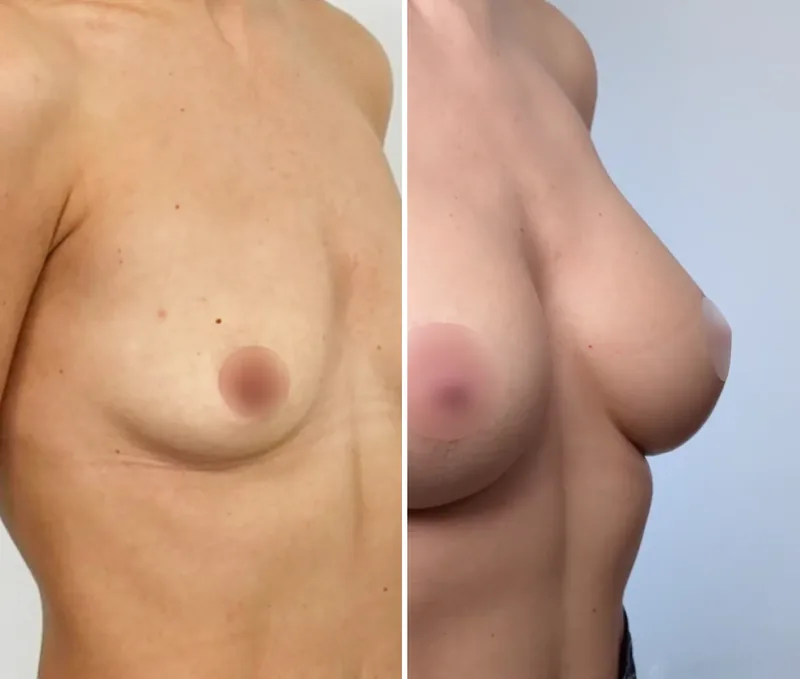
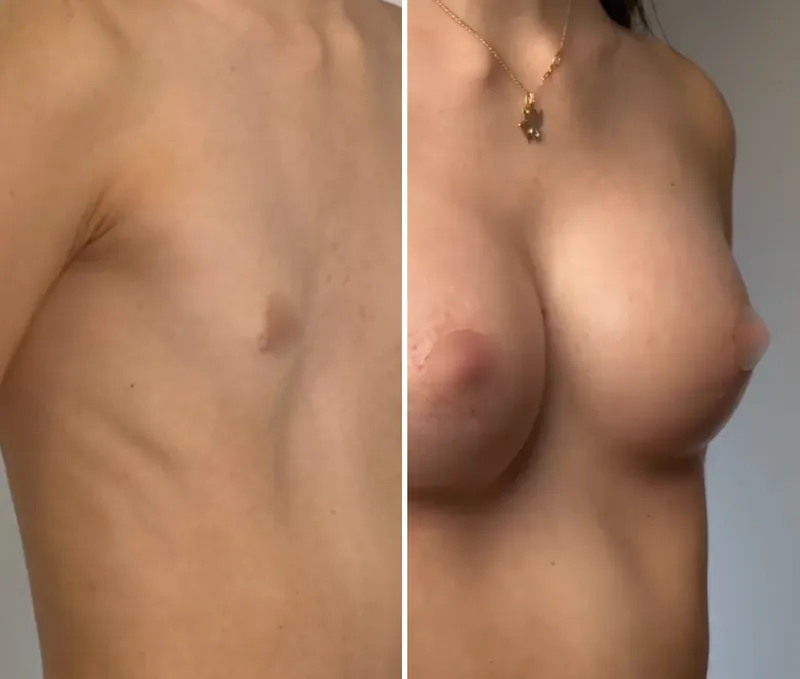
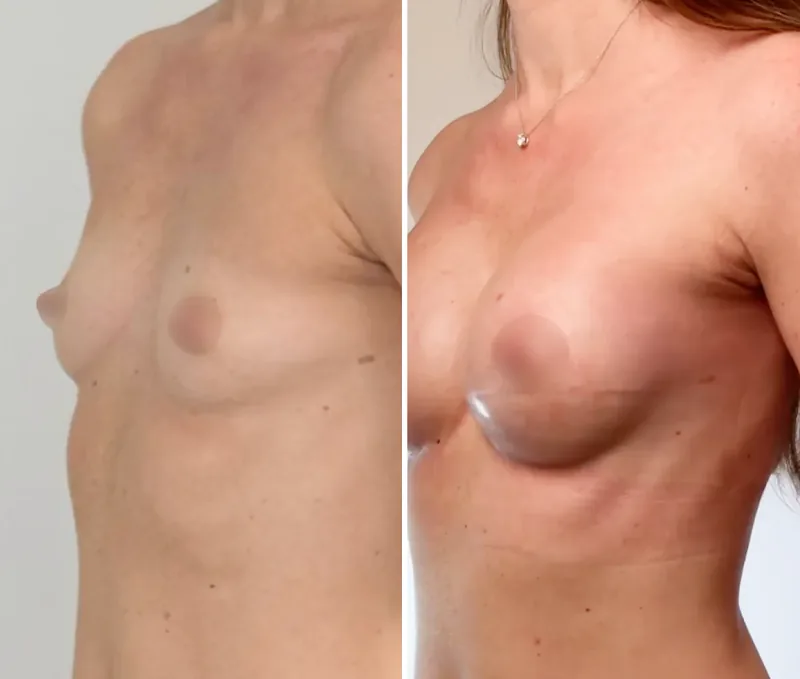
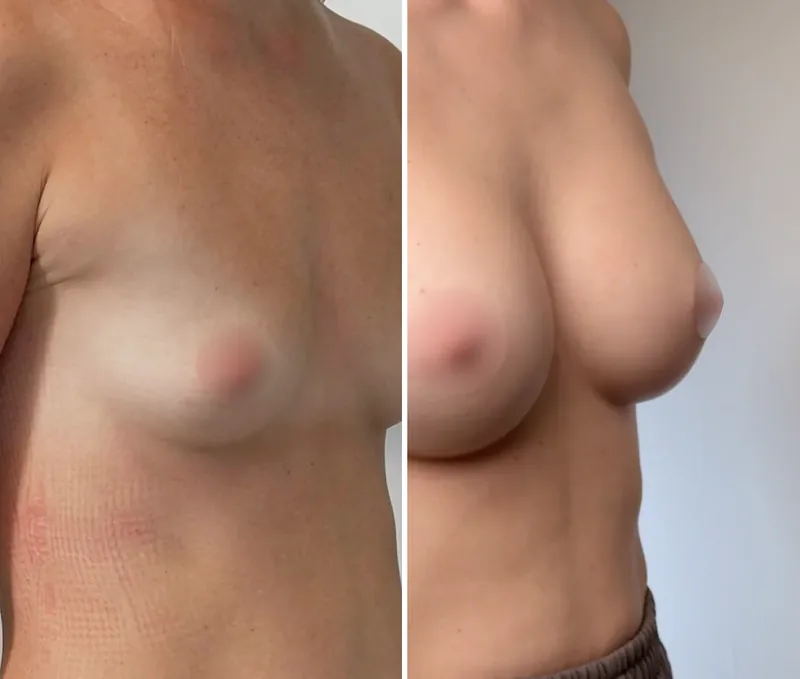
Every case shown is a real patient of the clinic; faces and identifying details are hidden.
beforeafterMethod: implants
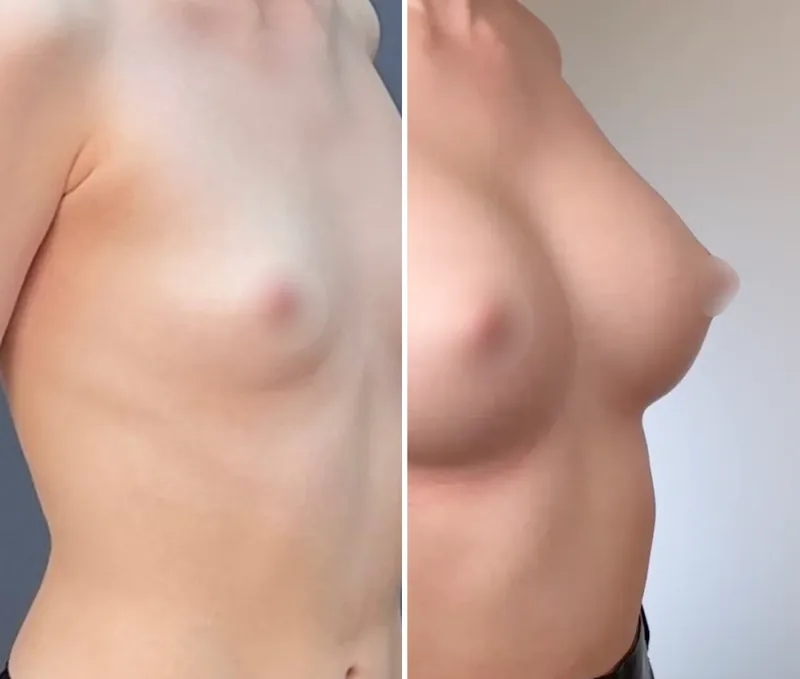 beforeafter
Method: implants
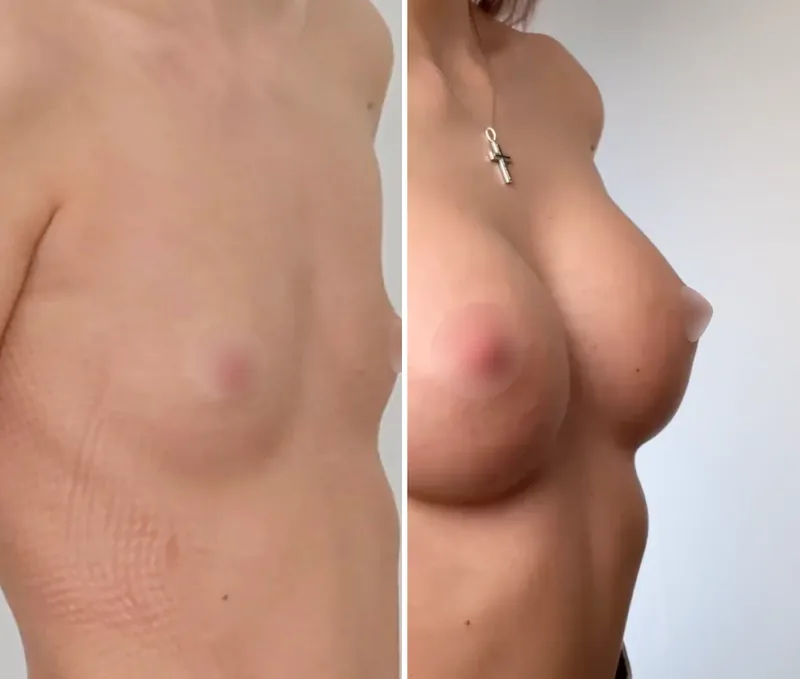 beforeafter
Method: implants
 beforeafter
Method: implants
 beforeafter
Method: implants
 beforeafter
Method: implants
 beforeafter
Method: implants
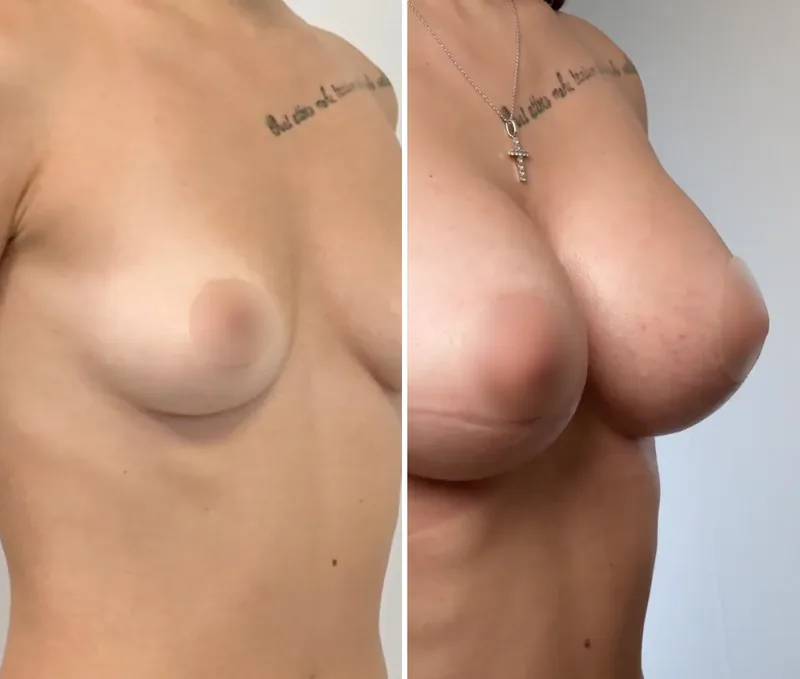 beforeafter
Method: implants
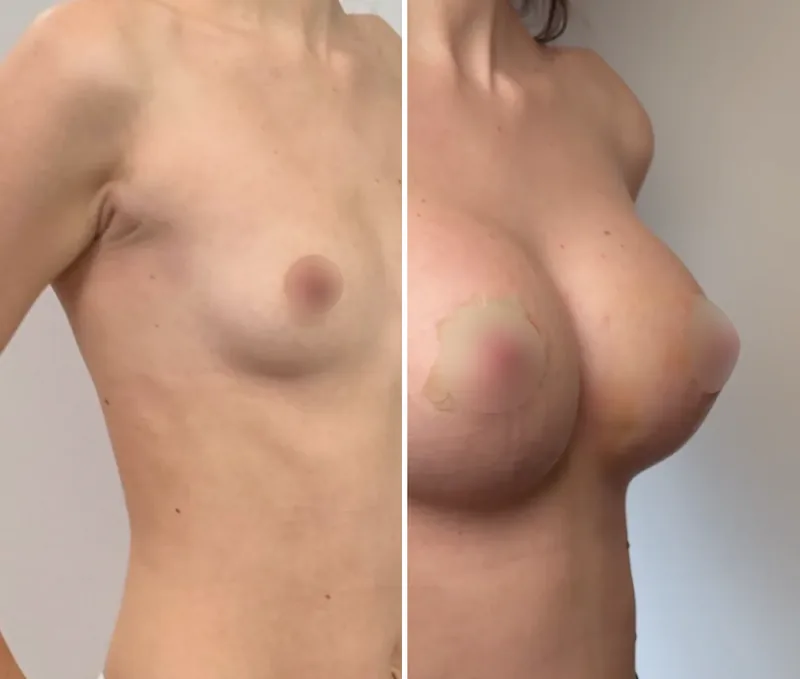 beforeafter
Method: implants
Comparison
There are two main ways we correct the breasts: augmentation and reduction. Compare their goal, how precise the correction is and who they suit, and choose your method with confidence.
Size and shape correction with implants
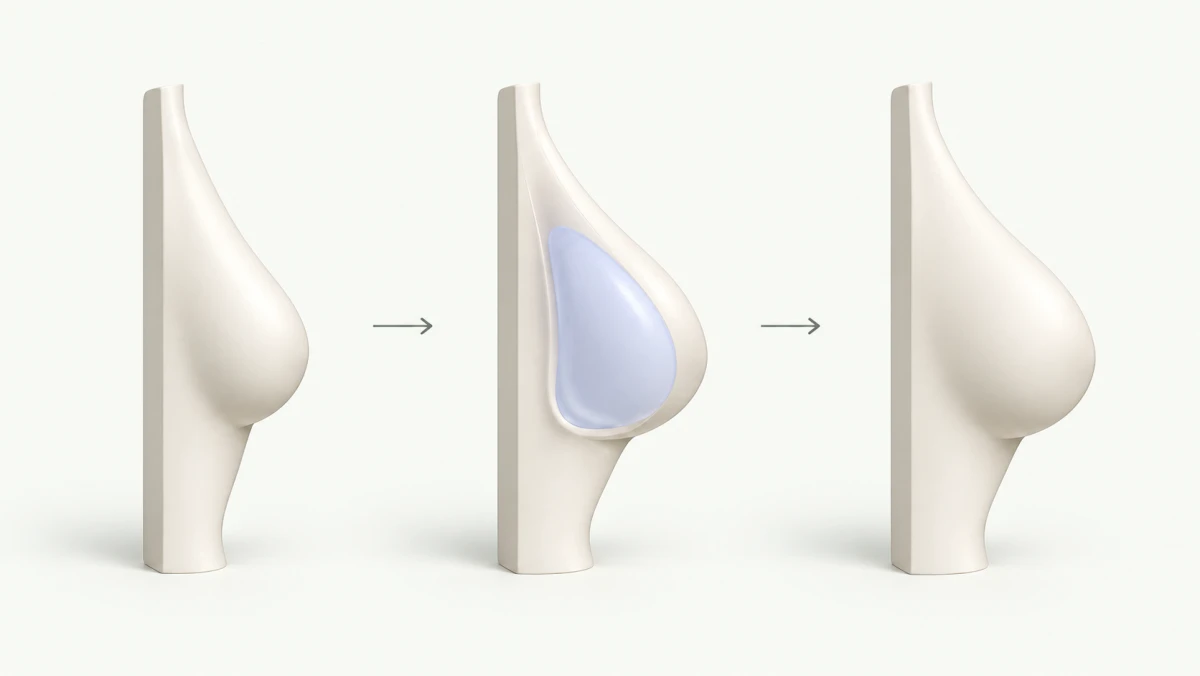
Discounted price
$4,700 $5,900
Reducing breast volume and weight to correct size
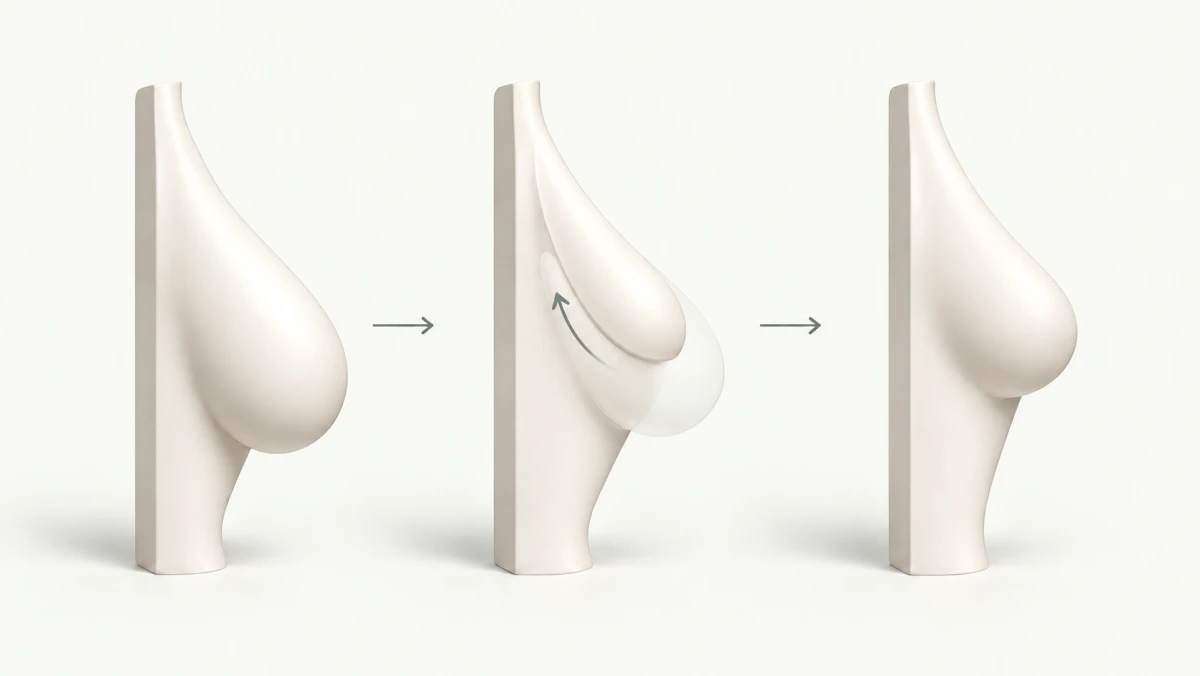
Discounted price
$4,700 $5,900
At your consultation the surgeon looks at the shape and proportions of your breasts, talks through what you want and recommends the best mammoplasty option.
The consultation is free, before surgery and with no commitment.
Comparison
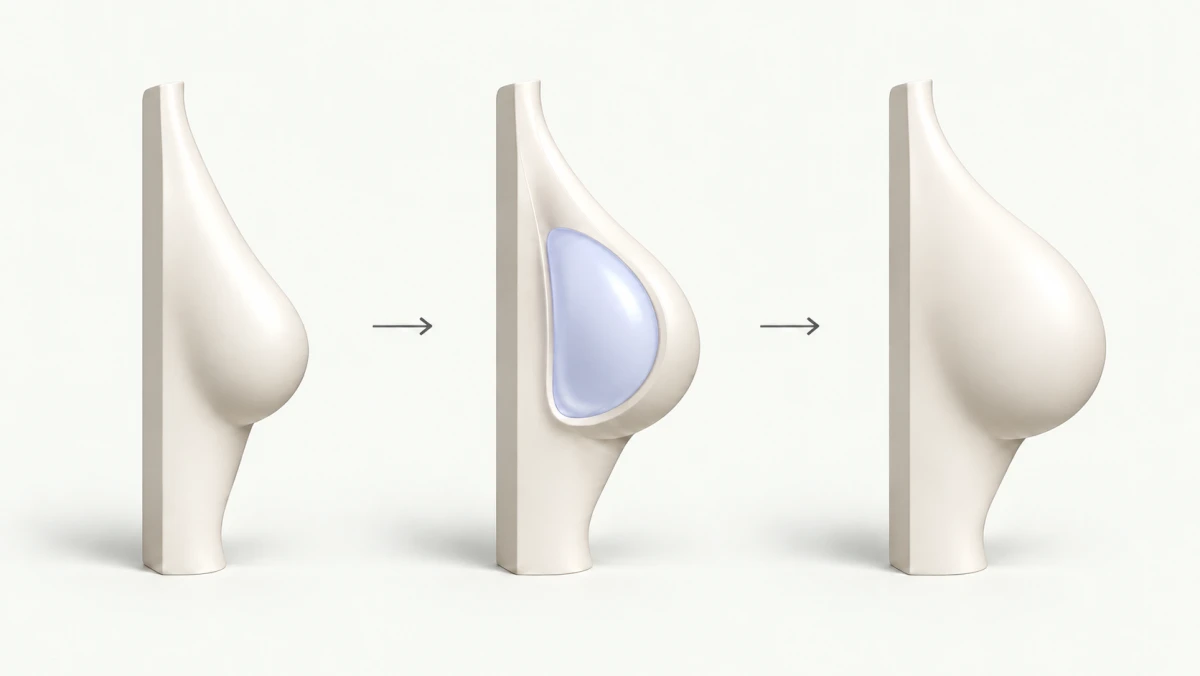
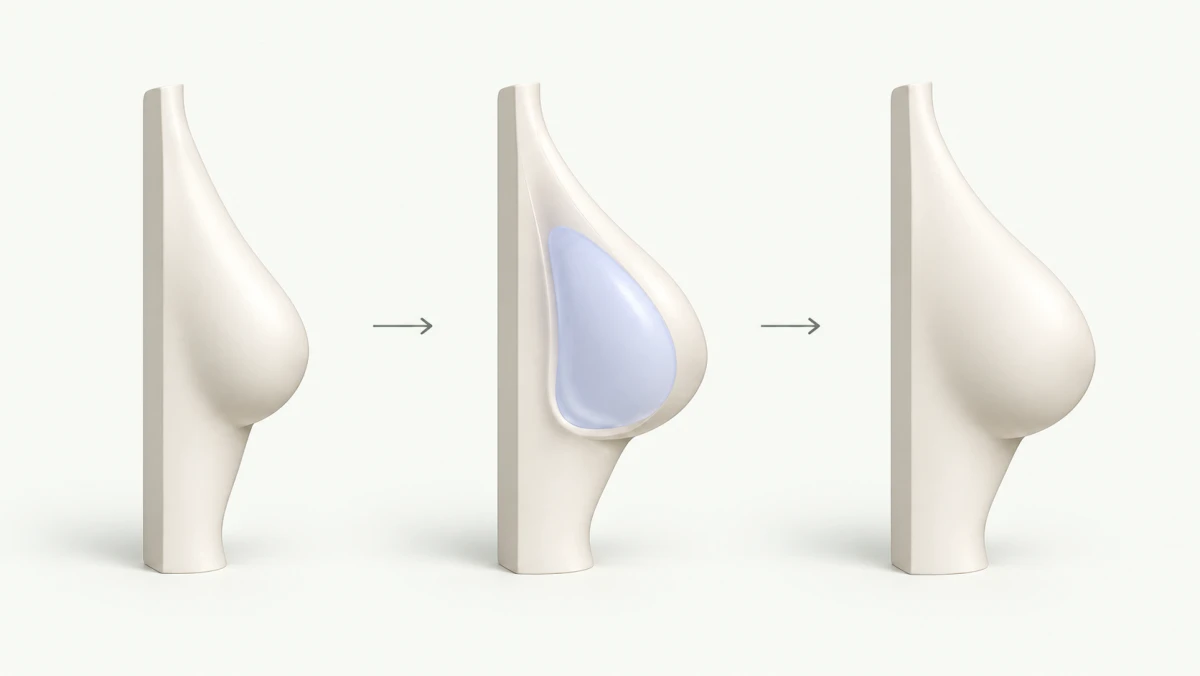
Round and anatomical implants are the two main types we work with. Each adds volume and corrects the shape, but the form and the final look differ.
Uniform volume and a fuller upper area
A gentle slope and a soft teardrop contour
The surgeon will help you choose the implant shape and volume.
Our clinic
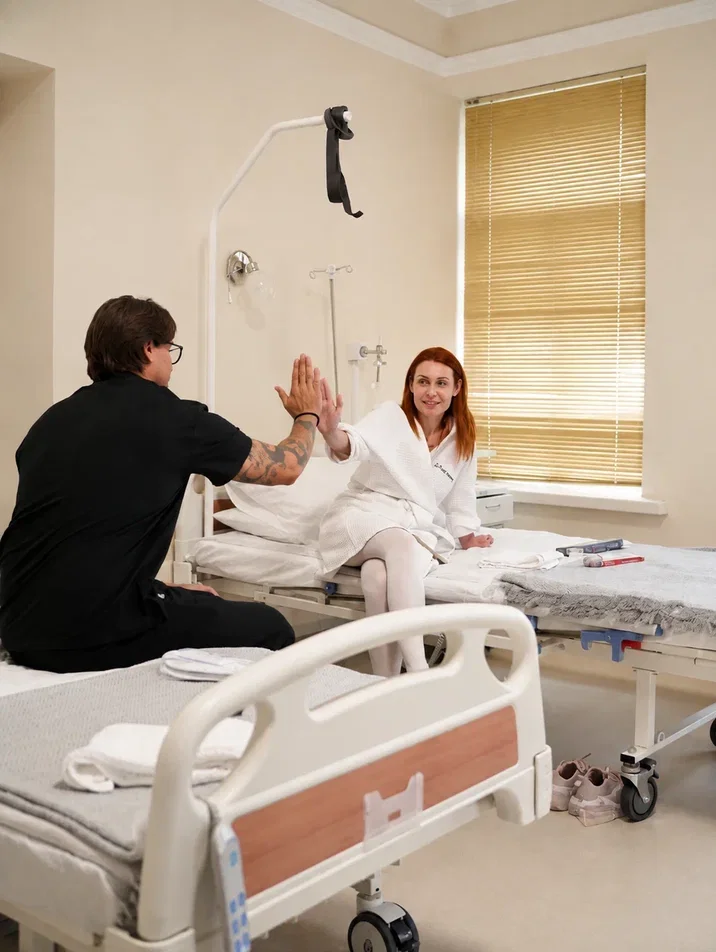
Each patient gets care, comfortable rooms and modern equipment
Our team will reply to your questions and help you choose a consultation time
If your case can be solved without surgery, the doctor will tell you so at the consultation — and you will not spend money for nothing.

Can't tell whether surgery is right for you?
Get in touch: your coordinator will ask you for photos in a messenger, the surgeon will study them and say whether mammoplasty is a good option for you.
Find out if it suits me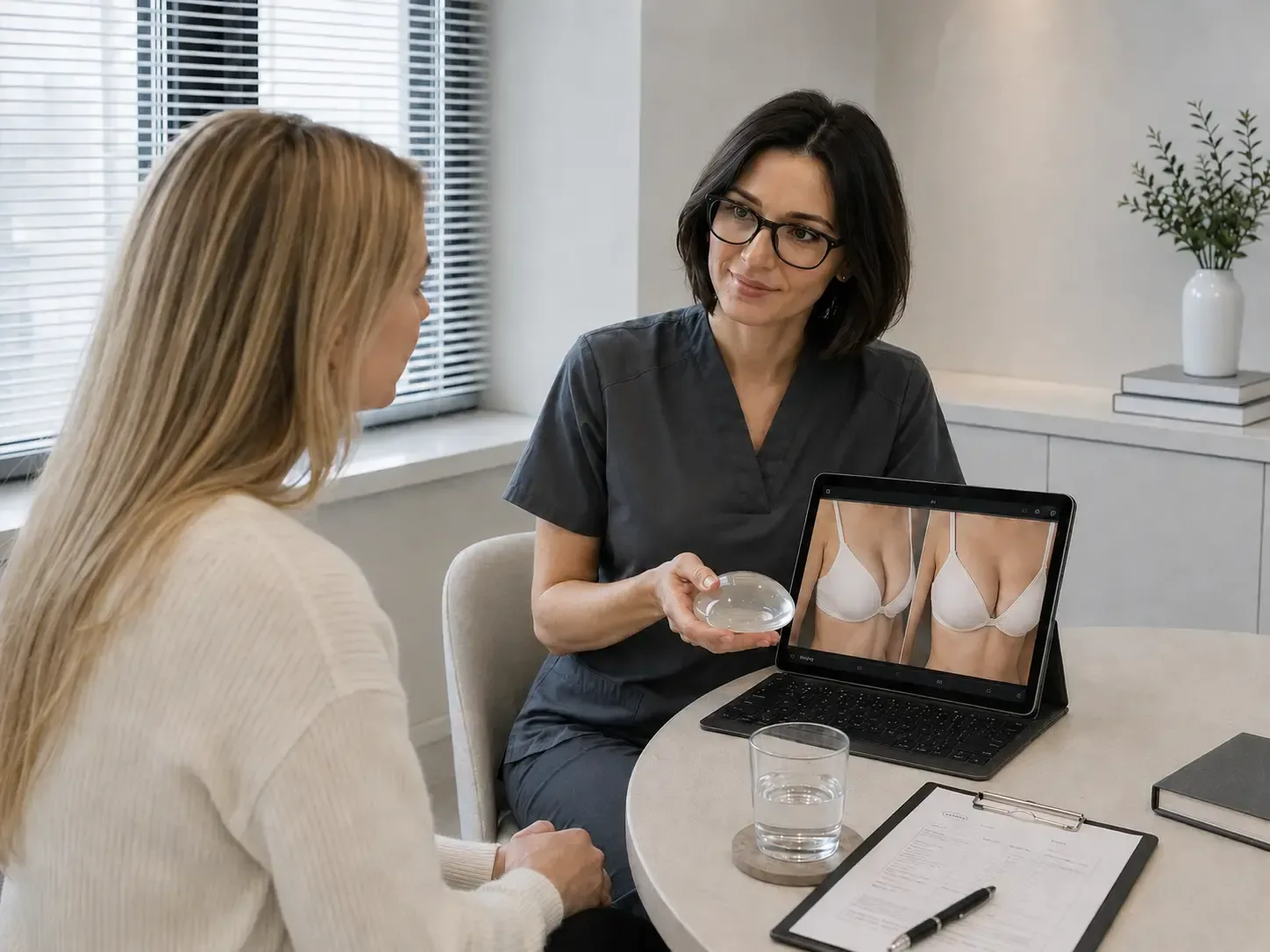
Prices
The price is set at the consultation and fixed in the contract.
Discounted price
Size and shape correction with implants
$4,700$5,900
Discounted price
Reducing the volume and weight of the breasts
$4,700$5,900
Breast restoration after mastectomy
The price is set at the consultation and fixed in the contract.
Get a consultationAfter assessing your breast anatomy and proportions and listening to your wishes, the surgeon chooses the appropriate correction method.
The price is set at the consultation and fixed in the contract.
Message our coordinator
Free online consultation · Reply within 15 minutes
Message us on TelegramMessage us on WhatsAppBy messaging us, you agree to our Privacy Policy
all inclusive
From your pre-surgery preparation
to follow-up support for 12 months.
Discounted price
$4,700$5,900
How it works
An agreed plan for correction, hospital observation and a year of recovery monitoring.
 1
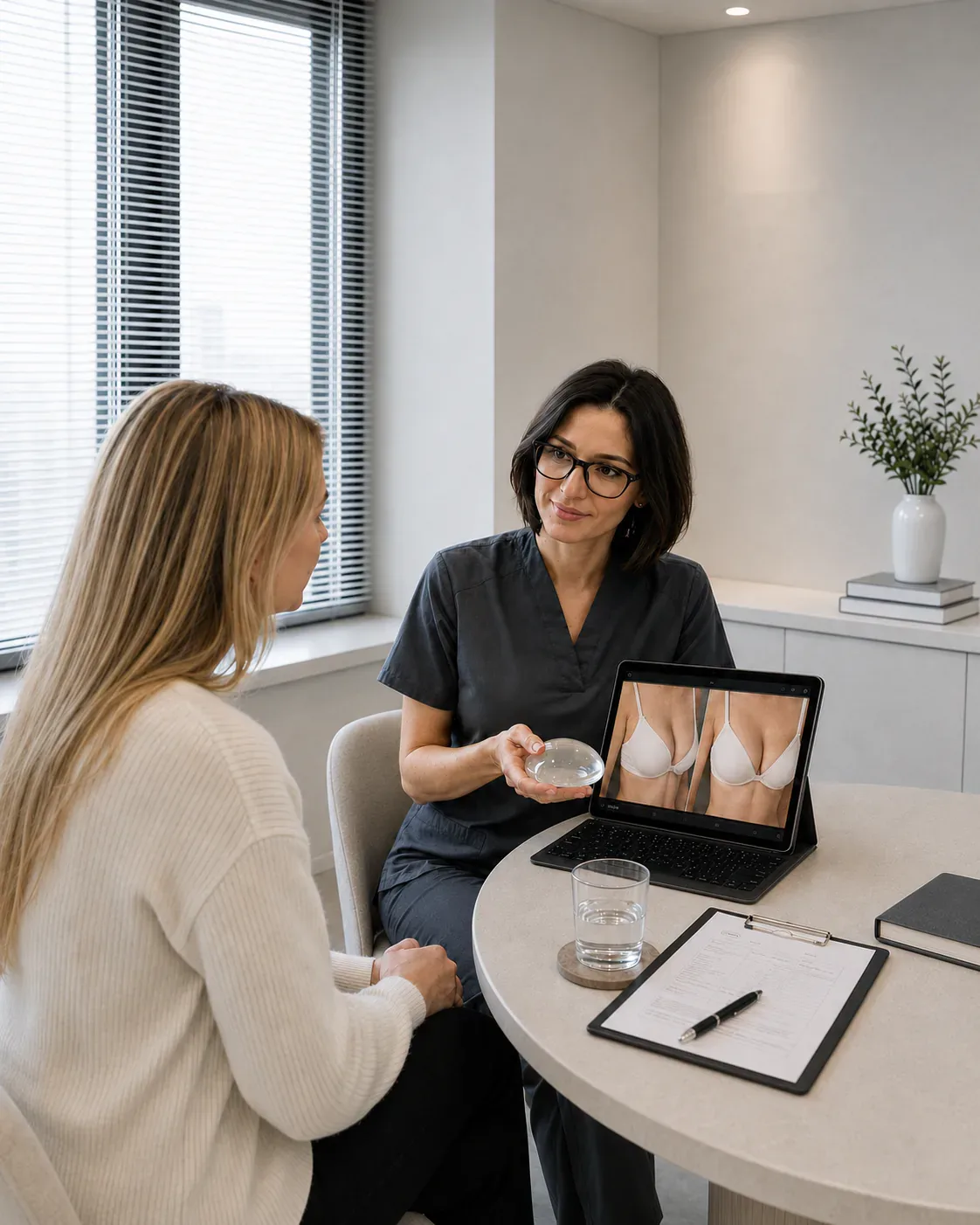
The surgeon looks at your figure, talks through your wishes and picks the best volume, shape and correction method.
 2
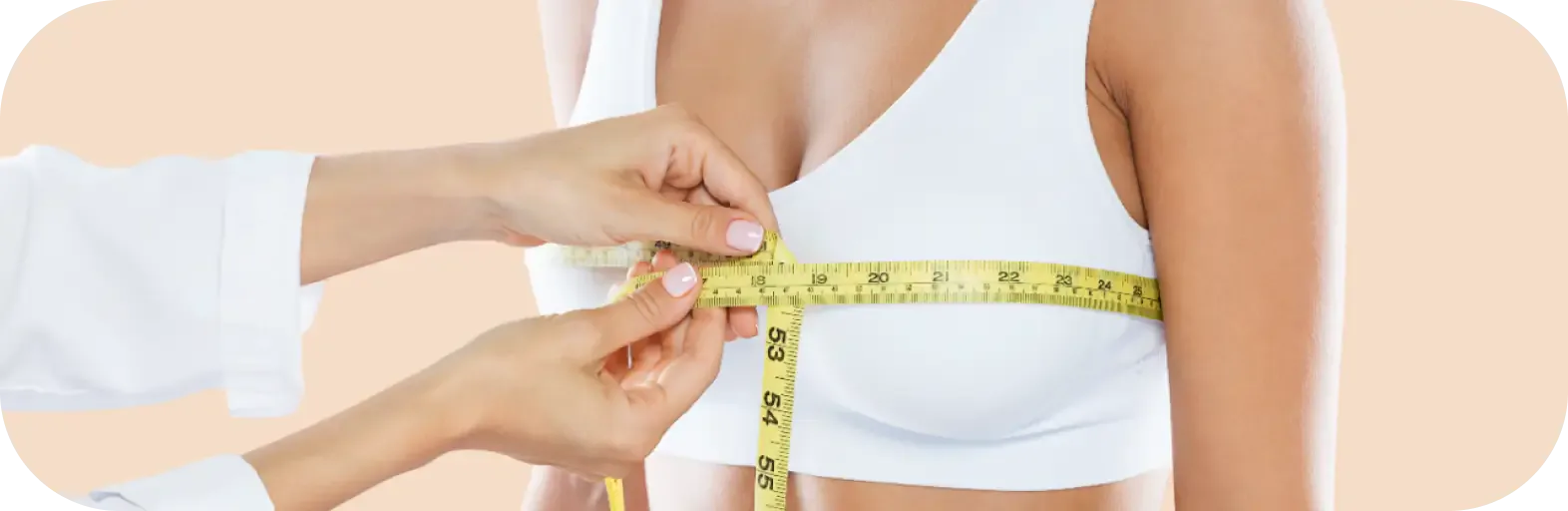
A surgery date is booked in your name: pay the deposit by card at the clinic or by online bank transfer. The terms are recorded in the contract for medical services
 3
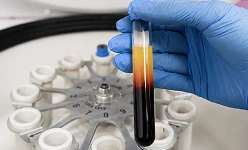
Before surgery you complete a full set of tests: blood tests, an ECG and other examinations prescribed by the doctor.
 4
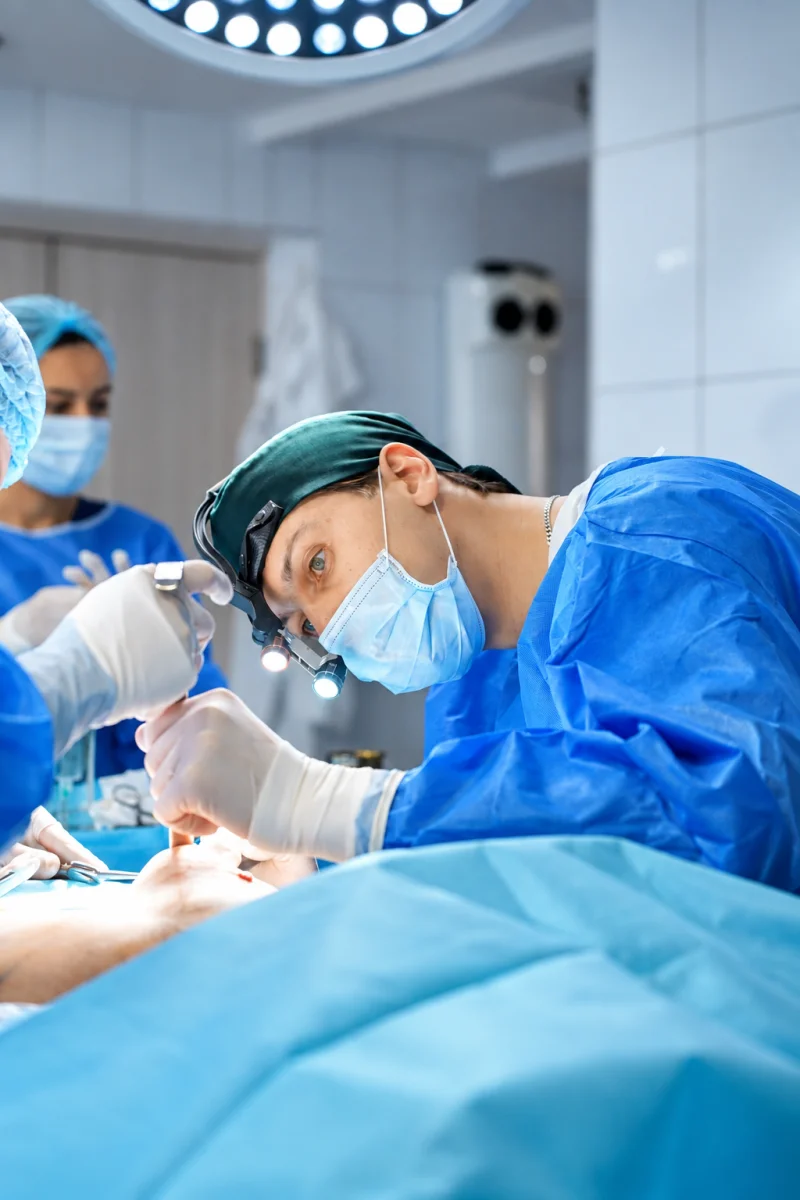
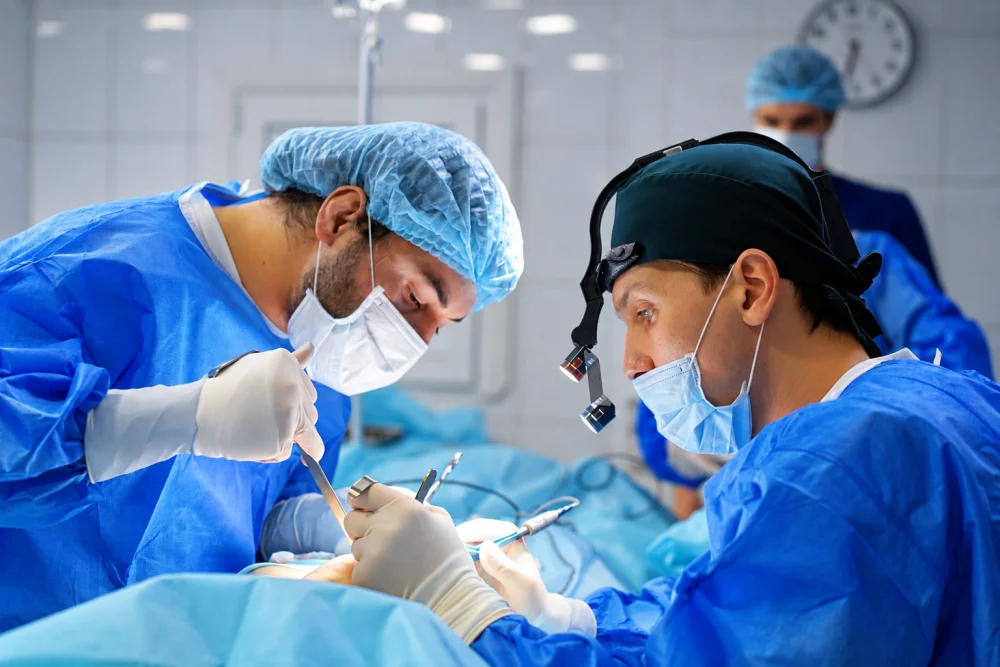
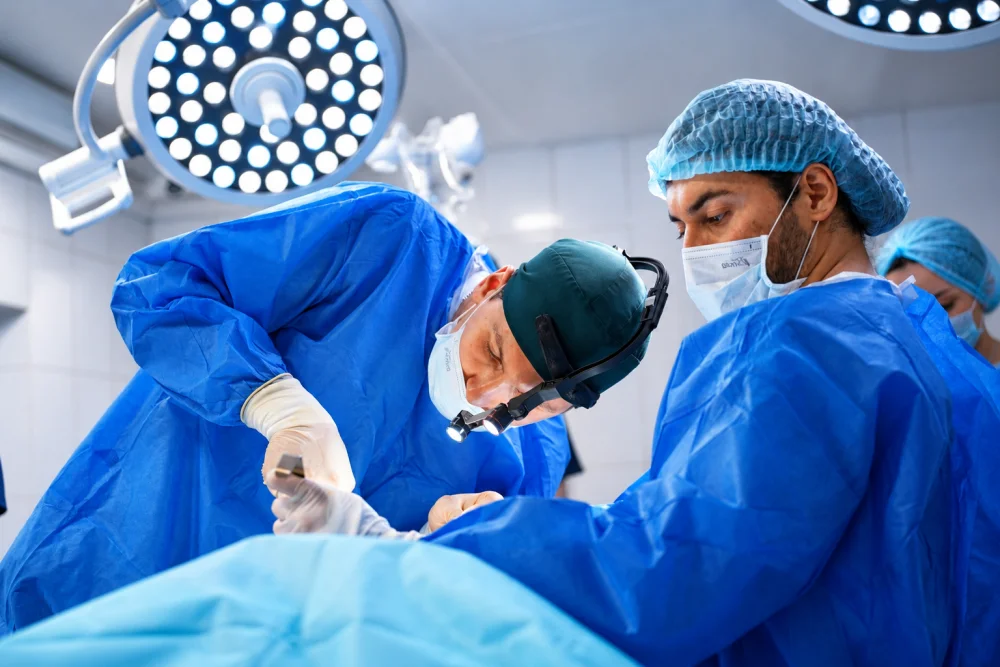
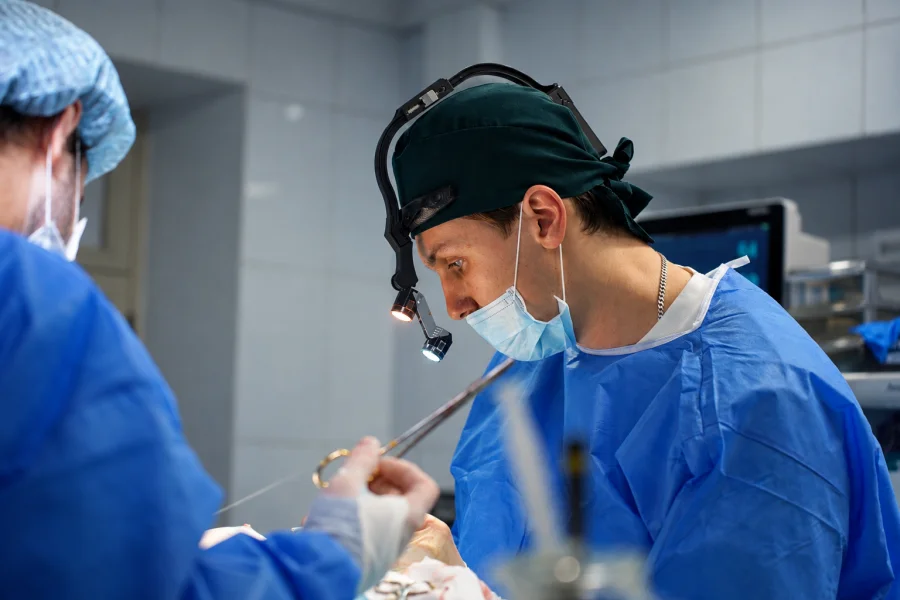
Your surgeon carries out the mammoplasty following your personal plan, under general anesthesia and with constant monitoring of your condition.
 5
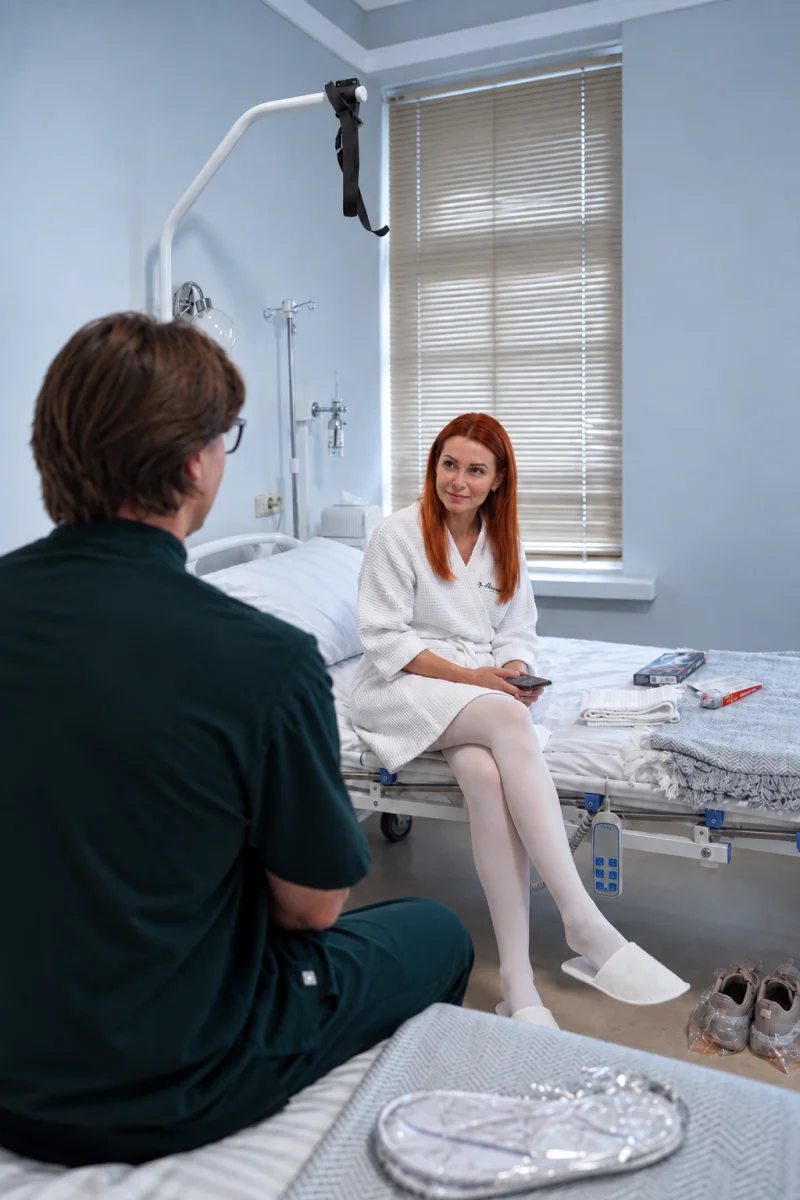
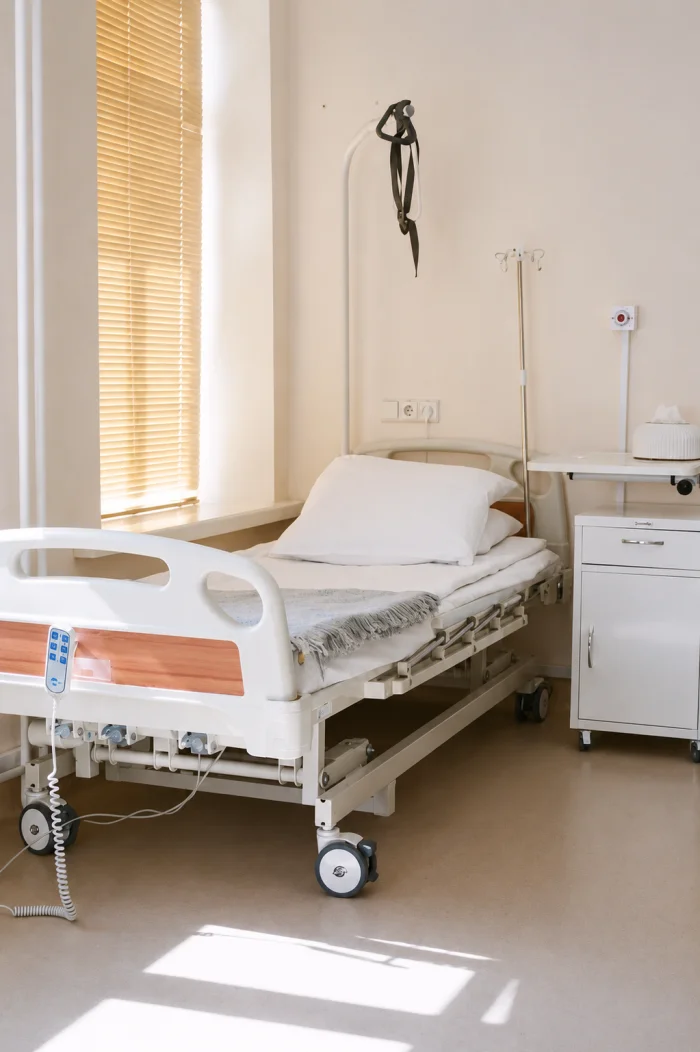
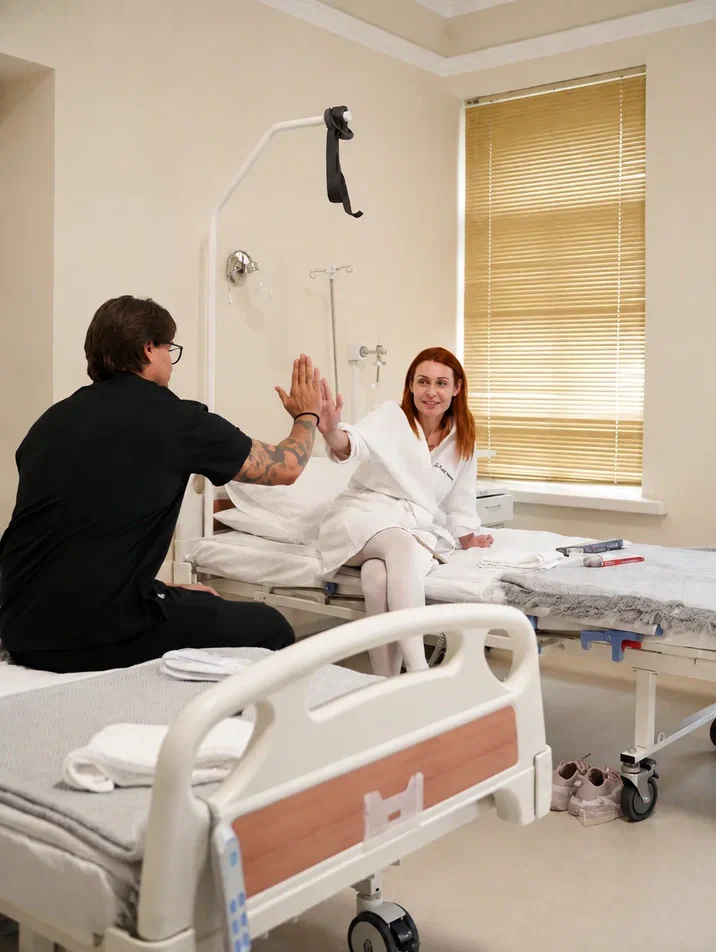
After the operation you remain in the clinic's comfortable inpatient ward, cared for by the medical team until you are discharged.
 6
A recovery programme is prescribed after surgery. Check-ups at 7 days, 3 and 6 months follow your recovery, and for a year after surgery you consult your surgeon for free.
Before surgery, come off aspirin-containing drugs, steroids and any hormonal medications for chronic conditions
Hormonal oral contraceptives should be stopped at least a month before the procedure
Take your tests a week before surgery
Before the operation, follow some easy steps: maintain a sound work-rest balance, sleep more, avoid stress, anxiety and strong feelings, and reduce your physical load.
Refrain from intense gym training for up to 40 days and from very active aerobics; light cardio is possible after a month. Follow your diet and meals.
Post-operative swelling disappears in 3 weeks
Discomfort goes away after 3 months
Scars take shape within 3 weeks
Avoid physical exertion (lifting over 3 kg)
Within 3 months, the tissue is free of inflammatory changes and a “pocket” surrounds the implant
Part of recovery after the correction is wearing compression garments for 1–1.5 months
Keep arms below shoulder level — 3 weeks
Avoid baths and saunas for up to three months, and skip physiotherapy
Doctors
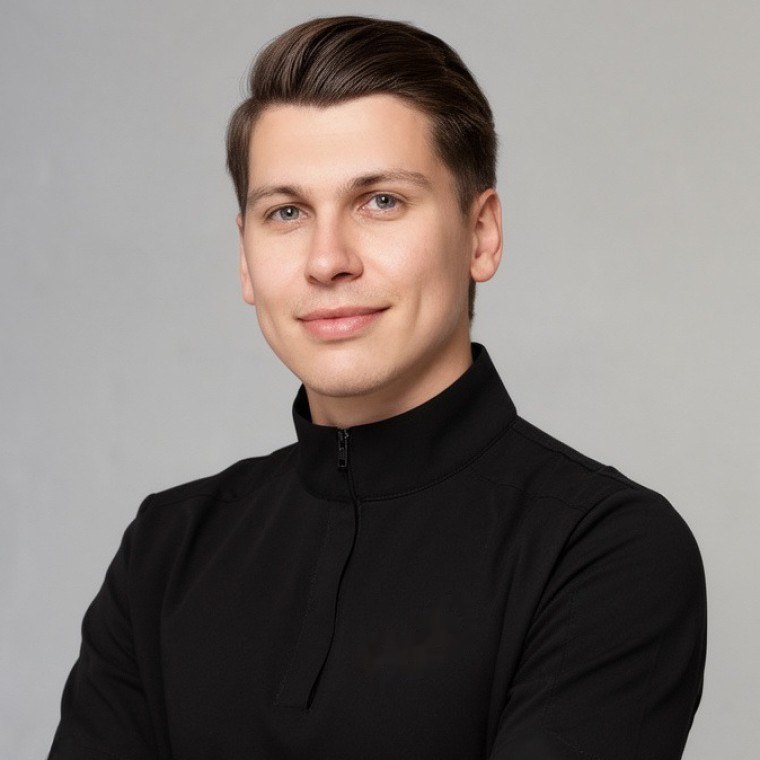
7 years of experience
Plastic surgeon
Did a residency in plastic surgery at the Petrovsky National Research Centre of Surgery. Specialty: aesthetic and reconstructive breast and body surgery.
At the consultation, you meet the surgeon who will operate
An experienced plastic surgeon devoted to patients' beauty and well-being
Book a consultationAdvantages
At the consultation we talk through what you want and model the changes. The surgeon explains the possibilities of surgery so that the goal is clear to you.
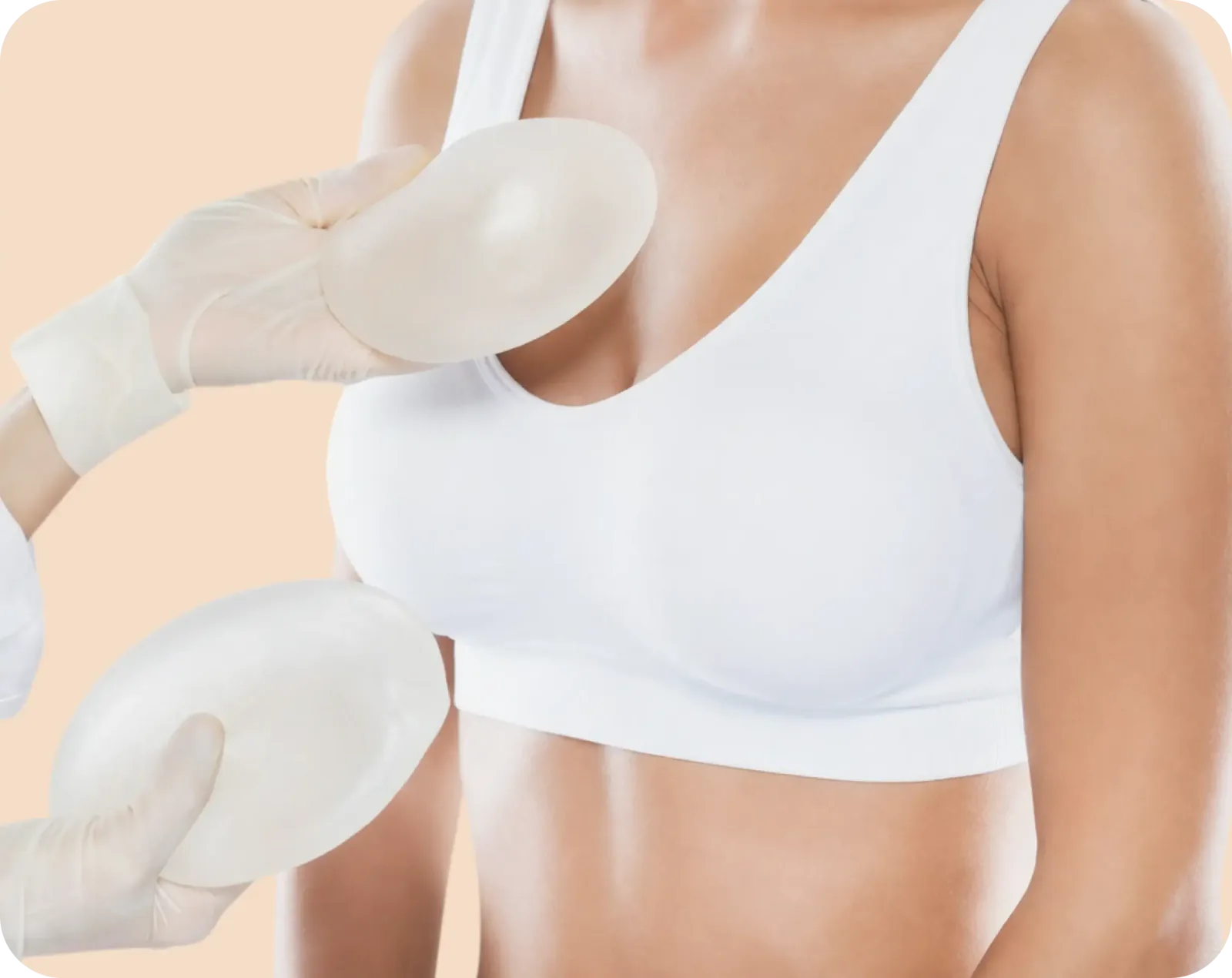
Your surgeon follows your recovery and the changes in your breast shape for a full year; check-ups and dressings are included in the price.
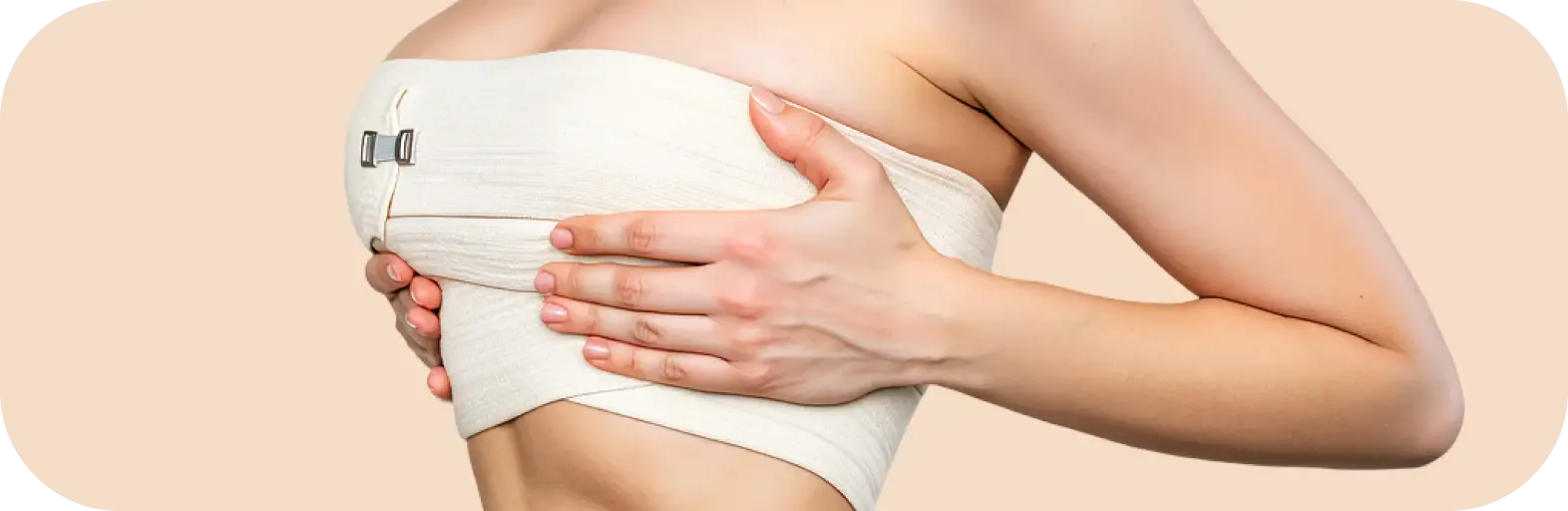
We choose the shape, volume and correction method based on your anatomy and wishes. For augmentation, implant size and profile are chosen individually.
We respect your time: we work 24/7, with easy booking and a personal approach — we adapt to your pace.
After the consultation the surgeon defines the extent of correction, and you get a clear price for the surgery — no surprises on the way to the result you want.

Recovery starts in a comfortable inpatient ward with nursing care around the clock. Your stay and meals are already included in the price.
FAQ
Several procedures fall under mammoplasty: augmentation (volume increase with implants), reduction (excision of extra tissue and skin), mastopexy (lift of sagging breasts), reconstruction (after mastectomy) and asymmetry correction. The right method is chosen for each patient according to her wishes and the surgeon's advice.
Message us — our coordinator will get back to you shortly and book your consultation. The plastic surgeon consultation is free.
With every recommendation followed, complications seldom occur, though they can include hematoma or seroma, wound infection, reduced or increased nipple sensitivity, capsular contracture, aesthetic asymmetry, wound separation and tissue necrosis.
Mammoplasty gives a lasting result: around 10–15 years after augmentation (up to implant replacement) and 5–10 years after a lift or reduction. How long it holds depends on weight, pregnancy, skin aging and gravity. To keep the result, wear supportive underwear and keep your weight under control.
Whether you can breastfeed after mammoplasty depends on the kind of surgery. After augmentation via an under-breast or armpit incision with the implant placed under the muscle, lactation is usually preserved, since the glandular tissue is not damaged. A lift or reduction carries a higher risk because ducts may be cut. Talk this over with your surgeon beforehand.
Implants are chosen by material (silicone appears most natural, saline is used less frequently), shape (round or anatomical teardrop), surface (smooth or textured), size and profile. Your surgeon selects the option that best suits your anatomy and wishes.
The surgery itself is performed under general anesthesia — the patient feels nothing. In the first 1–3 days moderate discomfort is possible and is relieved with painkillers. By day 5–7 pain decreases significantly, and by weeks 2–3 discomfort is gone. If pain is severe, tell your doctor right away.
Work without physical exertion can be resumed after 7–14 days. Light walks after 1–2 weeks. Fitness and swimming after 4–6 weeks, strength training after 3 months. Pool and sea after 4–6 weeks. Compression garments are worn for 4–6 weeks. Exact timing depends on how you recover.
No scientific data suggest that mammoplasty increases breast cancer risk, and implants are not carcinogenic. After the operation, continue regular screening: self-examination, mammography and ultrasound. Always tell the doctor who examines you about your implants.
It is possible to have mammoplasty after a C-section, provided the body has recovered fully. Wait no less than 6–12 months after birth and after finishing breastfeeding. A surgeon's consultation and examination are needed before the operation.
Mammoplasty does result in scars, but a skilled surgeon keeps them minimal. Incisions are made in areas that are out of sight: under the breast, around the areola or in the armpit. At first scars are reddish, and within 6–12 months they fade and become nearly invisible.
A little asymmetry in the early weeks after the operation is normal, due to swelling and uneven healing. If the shape or size still differs after 3–6 months, have your surgeon examine you to determine the cause.
Breast and nipple sensitivity may change for a time after mammoplasty, going down or up. The cause lies in irritation of nerve endings. In the majority of cases sensitivity is restored within 3–12 months. If nothing has improved after a year, consult your surgeon.
Although hormonal drugs (contraceptives, hormone replacement therapy) have no direct impact on implants, they can produce swelling or changes in breast tissue volume, temporarily affecting appearance. Be sure your surgeon knows about such medications before surgery.
Prices are in US dollars; the amount in brackets is an approximate conversion to ZAR at the rate of 02.10.2026. The final price is fixed in your contract.
Prices start from $4,700 (≈ R79,000). The surgeon sets the final price at the free consultation, and it is fixed in the contract, with no hidden extras.
The surgical team's work, anaesthesia, the inpatient stay with meals, dressings and follow-up visits for twelve months.
Message us on WhatsApp or Telegram using the buttons below. A coordinator will answer your questions and book a free consultation where the doctor names the exact price.
By messaging us, you agree to our Privacy Policy
What exactly changes with augmentation? Volume grows and the bust gains a rounder or a more natural teardrop profile, depending on the implant selected. If you are researching breast augmentation in Rustenburg, keep in mind that implants come smooth or textured and are selected for each body. With an under-breast or armpit incision and the implant placed under the muscle, lactation is usually preserved.
Nothing is rushed. First, surgeon and patient agree on a plan together; then a full diagnostic work-up confirms it is safe to proceed. During surgery you feel nothing thanks to general anesthesia. The first one to three days bring moderate discomfort relieved by painkillers, and by the second or third week it passes. That is the typical course for women in Rustenburg.
One payment, many components. For from $4,700 (≈ R79,000), Rustenburg patients receive result modelling at the consultation, surgery by a highly experienced team, a stay in inpatient rooms, meals, nursing supervision around the clock and support at every stage. Dressings and check-ups for the whole year are also included. The first step costs nothing: book a free consultation with the plastic surgeon.
What patients write after this operation. Reviews are translated from the original language.
Anna Smirnova
I went to Dmitry Sergeyevich for breast augmentation with implants. At the consultation everything was explained in detail, and together we chose the best size. The operation under combined anaesthesia took 2 hours, and I was discharged home the next day. The swelling went down in about a month, and my breasts look very natural. The year of follow-up care is a real lifesaver: you can always ask a question and get an answer. Thank you to the clinic!
Breast augmentation
Doctor: Dmitry S. Kuznetsov
Ekaterina Morozova
After two births I decided on a breast lift without implants. I chose Dmitry Sergeyevich and have no regrets. The result exceeded all my expectations: my breasts are lifted and the shape is youthful and firm. The incisions are minimal and almost invisible. I spent one day in the hospital, and the room was very comfortable. I recommend him!
Breast lift
Doctor: Dmitry S. Kuznetsov
Olga Kuznetsova
I had a combined operation, a breast lift with augmentation, with Dmitry Sergeyevich. At the consultation it was immediately clear that I was in the right place. Everything is included in the price, with no hidden charges. After a month my breasts already feel soft and natural. Personal follow-up after the operation is very valuable.
Breast lift with implants
Doctor: Dmitry S. Kuznetsov
Maria Lebedeva
Breast augmentation from a size 3 to a size 4 with Dmitry Sergeyevich. He chose perfect anatomical implants. The operation took 2 hours, and I woke up with almost no pain. In the ward I was fed and monitored around the clock. Four months have passed and the result looks like a magazine cover.
Breast augmentation
Doctor: Dmitry S. Kuznetsov
Natalia Vorobyova
I went to Dmitry Sergeyevich to correct breast asymmetry with a small lift. A true professional: at the consultation he immediately showed before-and-after photos of similar cases. Recovery was easy and the swelling went down quickly. I had my check-up after just 7 days. An excellent clinic!
Breast reconstruction
Doctor: Dmitry S. Kuznetsov
Yulia Romanova
I had a lift with implants after losing a lot of weight. I chose Dmitry Sergeyevich. At the consultation everything was explained in simple words, and my fears were gone. One day in the hospital, then care at home. Now my breasts look natural and keep their shape. I am very happy!
Breast lift with implants
Doctor: Dmitry S. Kuznetsov
Rustenburg, the 'Town of Rest' at the foot of the Magaliesberg mountains, is the most populous city in North West province. The 2022 South African National Census gives its population as 562 031, and it has held the largest-city position in the province since 1996. In a city of this size there are many women who are thinking about breast augmentation. Some of them have been considering it for years, and many are still collecting information quietly before they say a word to anyone.
Most questions from Rustenburg are practical rather than cosmetic. How long will I be away from my job? When can I drive, lift my child, or go back to training? What will the first weeks look like at home? Will my family notice? These are sensible questions, and a good plan answers each of them before the operation date is fixed, not after it.
Breast augmentation with implants is a planned operation under general anaesthesia, so you feel nothing during the surgery itself. The hospital stay is short: the plan involves general anaesthesia and 1 day, or 1–2 days, depending on how you are doing. The rest of the recovery happens at home, in your own bed and your own routine, which is why the details of life in Rustenburg matter so much for the planning.
This text is written for a woman living in Rustenburg who wants to understand how the procedure fits into her real week: her work, her family, her climate and her habits. It does not replace a consultation. It helps you arrive at that consultation with better questions.
Rustenburg has a humid subtropical climate with a relatively large difference between day and night temperatures, because the city lies at a high elevation. Summers, from December to February, are very warm, although the altitude keeps them from being as hot as many people expect. Winters, from June to August, are mild, and there is occasional frost at night. Rain falls mainly in summer.
For recovery after breast augmentation this pattern has clear consequences. In the warm summer months, compression garments can feel heavy, and the skin under them needs gentle care. Swelling is the first thing you will notice, and heat tends to make any swelling feel more uncomfortable. The compression period is a fixed part of the plan: after the correction, recovery involves 1–1.5 months of compression garments, and compression garments stay on for 4–6 weeks. Your surgeon will tell you which schedule applies to you, and timing depends on your recovery.
In winter, the cool nights and morning chill are easier on the body in some ways, but you should still dress in layers that are loose at the shoulders and easy to put on without raising your arms, because there must be no lifting of the arms above shoulder height for 3 weeks. A front-opening top or a loose cardigan will be far more comfortable than anything pulled over the head.
Fresh scars should be kept out of direct sun. Whatever the season, plan shade, loose clothing and a hat for outdoor errands during the early weeks, and follow the scar-care advice you receive from your surgeon. Scars are reddish at first and over 6–12 months they fade and become almost unnoticeable, so protecting them early is time well spent.
There is no single correct month, and the choice depends on your own calendar more than on the weather. Still, the Rustenburg year gives some useful guidance. The mild winter from June to August is comfortable for wearing a compression garment for several weeks, and cooler weather makes it easier to stay calm and rest. The drawback is that nights can be cold, with occasional frost, so you need warm but loose layers.
Operating before the very warm months of December to February means that the compression period and the first swelling are mostly behind you by the time summer heat arrives. Swelling after surgery goes away after 3 weeks, while compression and certain limits last longer, so a plan that starts in late winter or early spring can finish its most demanding stage before the peak of summer. Operating in summer is also possible, but you will need to plan for lighter fabrics, shade, and fewer outdoor commitments.
Think about the pool as well. Pool and sea are allowed after 4–6 weeks, and fitness and swimming also at 4–6 weeks. If your family spends the long summer weekends around water, count forward from the operation date so that you are not tempted to rush back in earlier than advised.
Finally, leave a buffer. Do not schedule surgery in the week before a wedding, a graduation or an important work deadline. Early swelling and slight asymmetry are normal, and you will feel better about the result if you are not judging it under pressure.
Rustenburg's economy leans heavily on mining. The area has 41 platinum mines, and mining accounts for about half of the economy and a large share of direct jobs, with finance and retail as the next largest sectors. Many women in the city work in offices, shops, finance, administration and services that support the mines, and some have family members on shift schedules. That shapes who is available at home to help during the first days.
The medical guidance is straightforward: you may go back to work, with no physical exertion, after 7–14 days. The words 'no physical exertion' matter. A desk job, reception work or remote administration is realistic at the earlier end of the range. Work that involves lifting, pushing, long periods on your feet or raising your arms repeatedly needs the later end, or a conversation with your employer about lighter duties. Remember that you must avoid heavy exertion, meaning lifting more than 3 kg.
If you work in retail, think about stock handling and tills with overhead shelves. If you work in finance or an office, think about the filing, boxes of paper and bags you carry daily. Ask a colleague to take over anything heavy for a few weeks, and arrange this before the operation, not after.
Rustenburg is also a student city, with several colleges and a UNISA hub, and universities nearby. A student can usually return to lectures and study within the same 7–14 day window, but carrying a heavy bag of books is not allowed, so use a light bag or leave books at home. Whatever your situation, arrange your return date with a margin, because timing depends on your recovery.
Rustenburg is a sporting city. It was a host city of the 2010 FIFA World Cup, with the 42,000-seat Royal Bafokeng Stadium nearby, and it has Olympia Park, which hosted games at the 1995 Rugby World Cup. There is a strong judo club, a skydiving club, two swimming clubs and a golf club in the heart of the city, and nearby Sun City hosts the annual Nedbank Golf Challenge. Many residents play or follow sport, so the question about returning to training is one of the most common.
The recovery timetable is cautious. Take light walks after 1–2 weeks. Light cardio becomes possible after a month. For as long as 40 days, stay away from intense gym workouts and overly active aerobics. Fitness and swimming are allowed after 4–6 weeks, and strength training only after 3 months. Pool and sea are allowed after 4–6 weeks. Monitor your diet and meals during this period so that your weight stays steady.
A golfer should treat the swing as a movement that loads the chest and shoulders, and wait for the surgeon's approval before returning to the course. A swimmer or someone who exercises in a club pool must stay out of the water until the 4–6 week point. Contact sports such as judo should wait until you have clearance after the 3-month stage, since there must be no heavy exertion early on, and the arms should not go above shoulder height for 3 weeks.
Being a spectator is much easier. Sitting at a match or on a weekend outing is fine once you feel comfortable, with a supportive garment and a cushion for a long seat. Just avoid crowds that could push against your chest in the early weeks.
In Rustenburg, family and community events fill the calendar: weekend gatherings, braai afternoons, weddings, church events and school occasions. A woman who is planning surgery often worries about what she will miss or how she will look in photographs. The best approach is to put a clear gap between the operation and any event where you want to feel fully yourself. Swelling goes away after 3 weeks, discomfort fades after 3 months, and in 3 months any inflammatory changes in the tissue disappear, and a 'pocket' forms around the implant. An event in the first few weeks is a poor match for the operation date.
Food needs a plan too. Large family meals and cooking for a household can involve lifting heavy pots, which is not allowed during the early weeks. Ask a relative to carry and lift, prepare simple food in advance, and keep everyday items at waist height so you do not reach above your shoulders. Keep an eye on your diet and meals, because stable weight helps the result last.
If you have children, plan help with lifting. Picking up a small child counts as heavy exertion, and the limit is no lifting more than 3 kg. Ask your husband, a parent or a friend to cover the first weeks, and explain the rules to older children so that they help rather than climb on you.
Mammoplasty after a C-section is possible, but only once your body has fully recovered. Allow at least 6–12 months after giving birth and after breastfeeding stops, and a consultation and check-up with a surgeon are required before surgery. Young mothers in Rustenburg often ask about this, and the answer is to wait until the body is ready and then plan calmly.
You do not need to leave your city to begin. The first step is a free online consultation with City Medical Centre, and our coordinators are available around the clock, 24/7, on Telegram and Telegram. You can write at a quiet time of day, send your questions, and share photographs and your medical history in the way the coordinator explains. A coordinator will call you back 24/7, so there is no need to adjust your own schedule around ours: your time matters to us, booking is easy, and our personal approach adapts to your pace.
During the consultation you describe what you want, your height and build, any earlier operations, pregnancies, medicines and allergies. The specialist then discusses suitable options, the expected course of recovery and the questions that need a check-up before surgery. A consultation and check-up with a surgeon are required before surgery, and the online conversation prepares you for that stage.
After the operation, support continues. You get a recovery programme, with check-ups at 7 days, 3 and 6 months to help track your recovery. For a year after surgery, consultations with your surgeon are free, and follow-up support lasts 12 months. There is 24/7 monitoring by medical staff, so a question at night or on a weekend does not have to wait.
For a woman in Rustenburg this means that you can ask the awkward questions from home, show photographs of your progress, and keep in touch with the same team through the whole recovery period without rearranging your family life.
Prepare a short written list before the consultation. Start with the plan: which implant type and size suit your body and your goals, where the incisions will go, and what the anaesthesia and the hospital stay will be. General anaesthesia is used, with 1 day or 1–2 days in hospital, and you should confirm which applies to you.
Ask about recovery in your own terms. When can I return to my particular job? When can I drive? What can I carry? What underwear or garment do I need, and for how long? Remember the main limits: no lifting arms above shoulder height for 3 weeks, no lifting over 3 kg, and no intense gym workouts for as long as 40 days. Ask what to do if discomfort is stronger than expected. In the first 1–3 days you may feel moderate discomfort, which painkillers relieve, pain subsides significantly by day 5–7 and discomfort is gone by weeks 2–3. If pain becomes severe, inform your doctor right away.
Ask about the long term. Results after mammoplasty last a long while: about 10–15 years for augmentation (until implant replacement). Weight changes, pregnancy, skin aging and gravity affect their duration. To maintain the result, choose supportive underwear and control your weight. Ask how often you should be checked and what signs should make you call.
Finally, ask about scars and sensation, and about what happens if something does not look right. The surgeon should be willing to explain the whole path, not only the day of surgery.
In general terms, breast augmentation suits adult women in good general health who want a larger or fuller breast shape and have realistic expectations. It is not suitable when the body is not ready: for example soon after pregnancy or while breastfeeding, during an acute illness, or when a surgeon finds a medical reason to wait. Your own surgeon decides after a consultation and check-up, and honesty about your health history is the best way to make the decision safe.
Be prepared for the normal stages of healing. In the first weeks, slight asymmetry is normal, because swelling and uneven healing are behind it. If shape or size still differ after 3–6 months, see your surgeon for a check-up to find the reason. Sensitivity of the breast and nipple may change for a time, going down or up, because of irritation of nerve endings. In the majority of cases sensitivity is restored within 3–12 months, and if nothing has improved after a year, consult your surgeon.
There are scars after mammoplasty, though a skilled surgeon keeps them minimal. The incisions go in discreet areas, such as under the breast, around the areola or in the armpit. Early on the scars are reddish, but over 6–12 months they fade and are almost unnoticeable.
Weight matters for the long-term result, and general health guidance on healthy weight is useful for any woman planning surgery. Stable weight, supportive underwear and regular check-ups are the practical habits that keep the result looking its best in Rustenburg's active, warm-weather lifestyle.
You may go back to work, with no physical exertion, after 7–14 days. An office or desk role is usually possible at the earlier end of that range. If your job involves lifting, pushing or raising your arms often, plan for the later end or ask for lighter duties. Timing depends on your recovery.
General anaesthesia is used for the surgery itself, so there is no sensation. The plan involves 1 day, or 1–2 days, in hospital depending on how you are doing. After that the recovery continues at home, supported by 24/7 monitoring by medical staff.
In the first 1–3 days you may feel moderate discomfort, which painkillers relieve. Pain subsides significantly by day 5–7 and discomfort is gone by weeks 2–3. If pain becomes severe, inform your doctor right away.
The summers from December to February are very warm. Compression garments stay on for 4–6 weeks, or 1–1.5 months after the correction, so choose loose, light clothing over them, stay in shade, protect fresh scars from direct sun and follow your surgeon's advice on garment care.
Take light walks after 1–2 weeks. Fitness and swimming, and the pool and sea, are allowed after 4–6 weeks, and strength training after 3 months. For as long as 40 days, stay away from intense gym workouts and overly active aerobics. Light cardio is possible after a month. Ask your surgeon before returning to golf or contact sport.
There must be no heavy exertion, meaning lifting more than 3 kg, and no lifting arms above shoulder height for 3 weeks. That includes picking up small children and carrying shopping or heavy pots, so arrange help at home before the operation.
Mammoplasty after a C-section is possible, but only once your body has fully recovered. Allow at least 6–12 months after giving birth and after breastfeeding stops. A consultation and check-up with a surgeon are required before surgery.
There are scars after mammoplasty, though a skilled surgeon keeps them minimal, with incisions under the breast, around the areola or in the armpit. They are reddish at first and over 6–12 months fade and are almost unnoticeable. Sensitivity may change for a time and in the majority of cases is restored within 3–12 months.
Results after mammoplasty last a long while: about 10–15 years for augmentation (until implant replacement). Weight changes, pregnancy, skin aging and gravity affect their duration. To maintain the result, choose supportive underwear and control your weight.
Start with a free online consultation. Coordinators are available 24/7 on Telegram and Telegram, and a coordinator will call you back 24/7. After surgery you get a recovery programme, with check-ups at 7 days, 3 and 6 months, free consultations with your surgeon for a year, and follow-up support for 12 months.
Page medically reviewed by Dmitry S. Kuznetsov, plastic surgeon. Review date: .