

Message our coordinator
Free online consultation · Reply within 15 minutes
Message us on TelegramMessage us on WhatsAppBy messaging us, you agree to our Privacy Policy

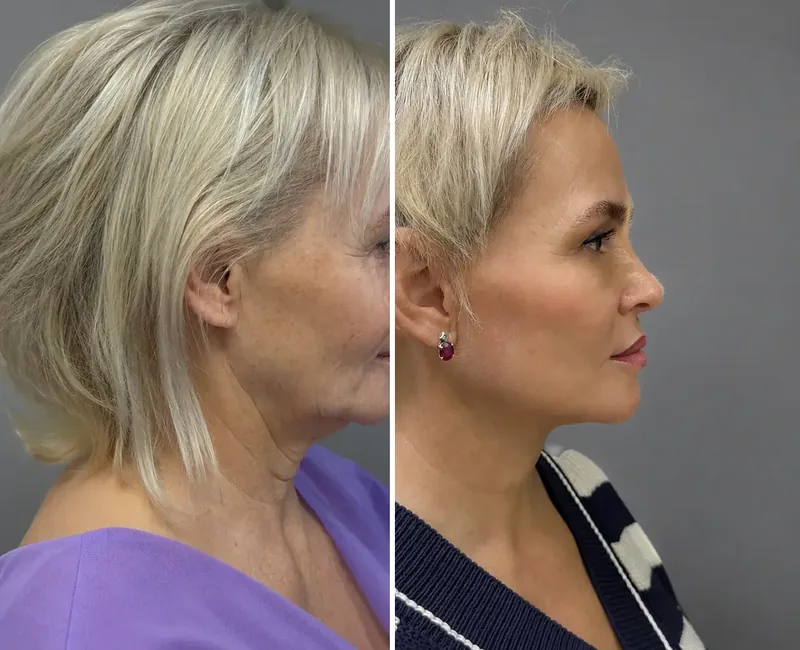
50 years
9 months
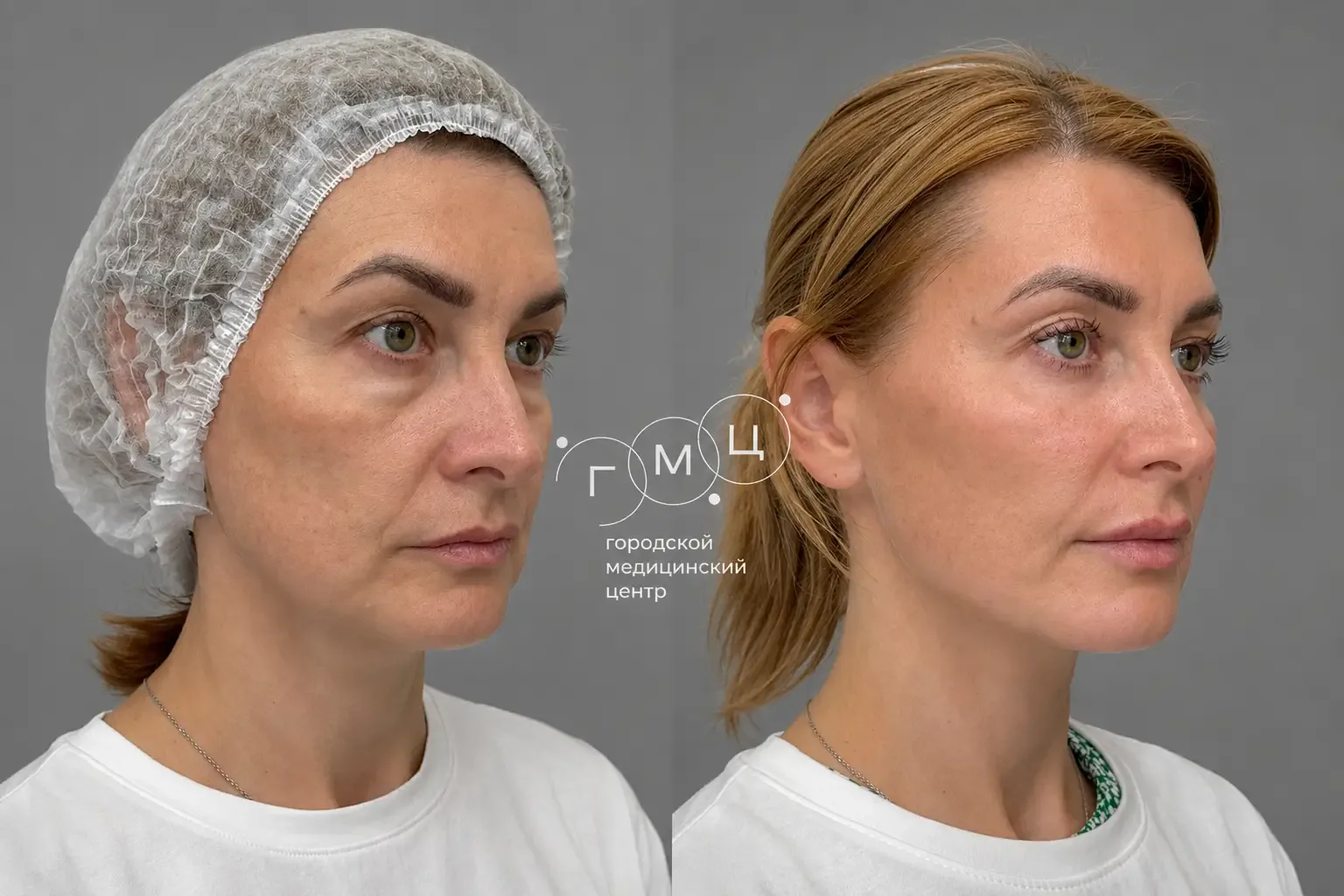
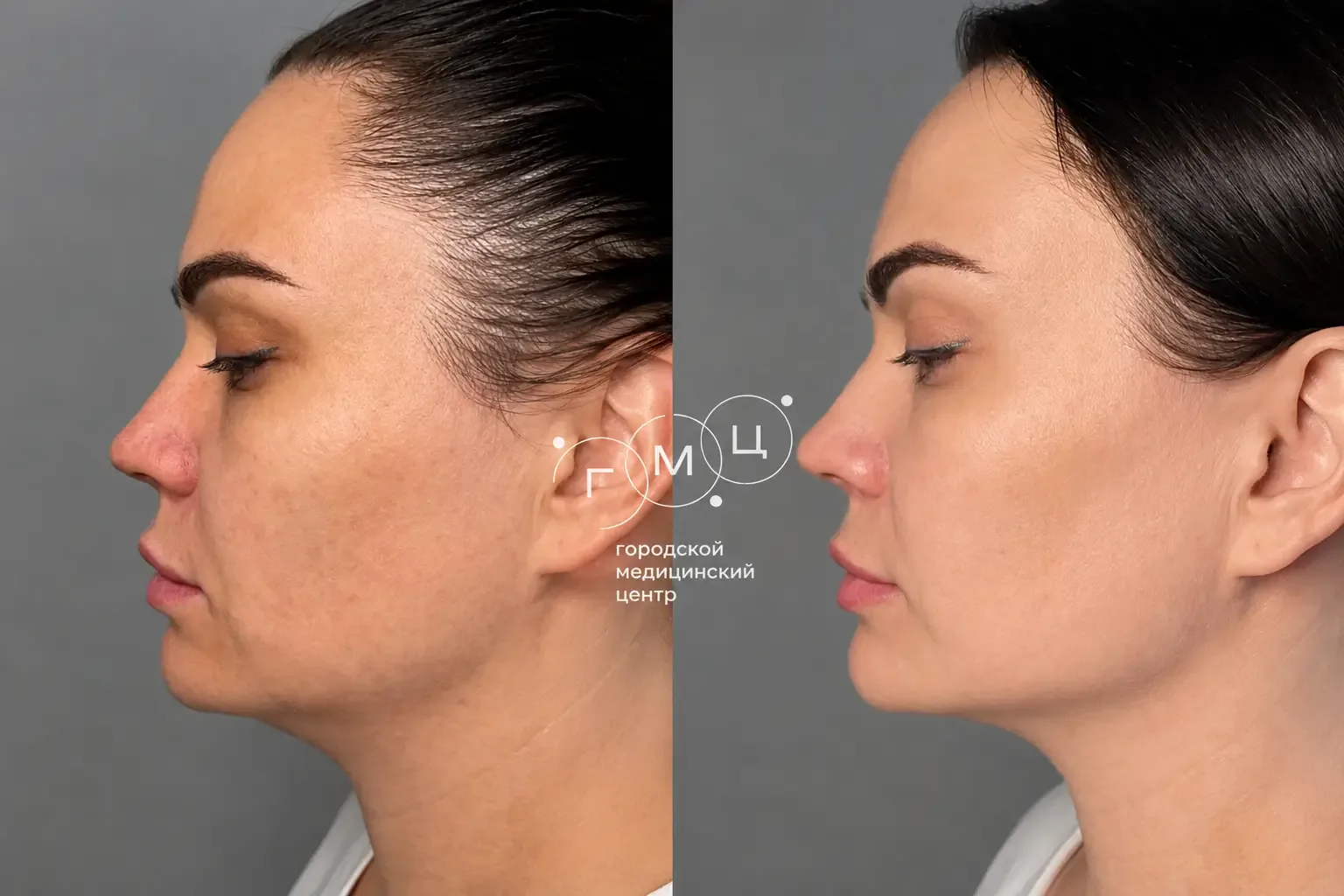
SMAS facelift
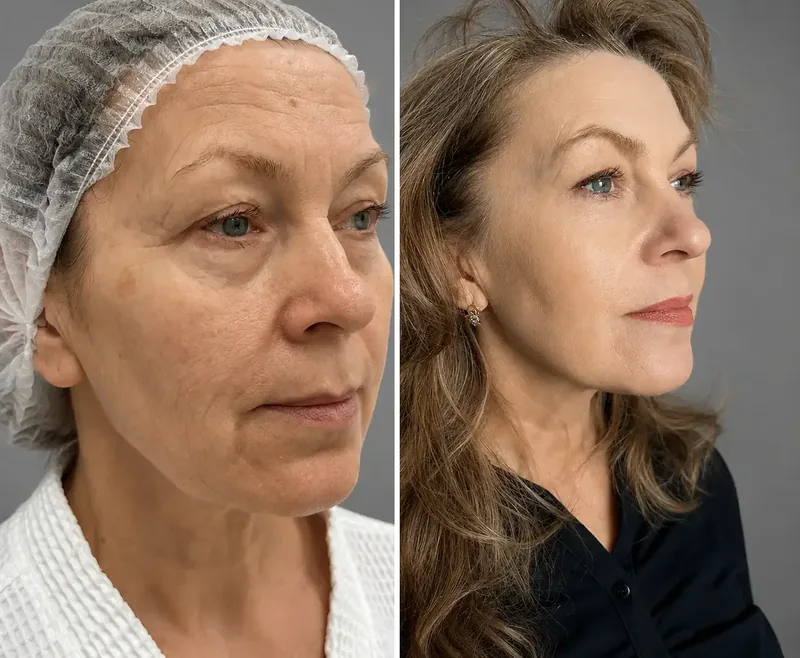
58 years
8 months
SMAS facelift
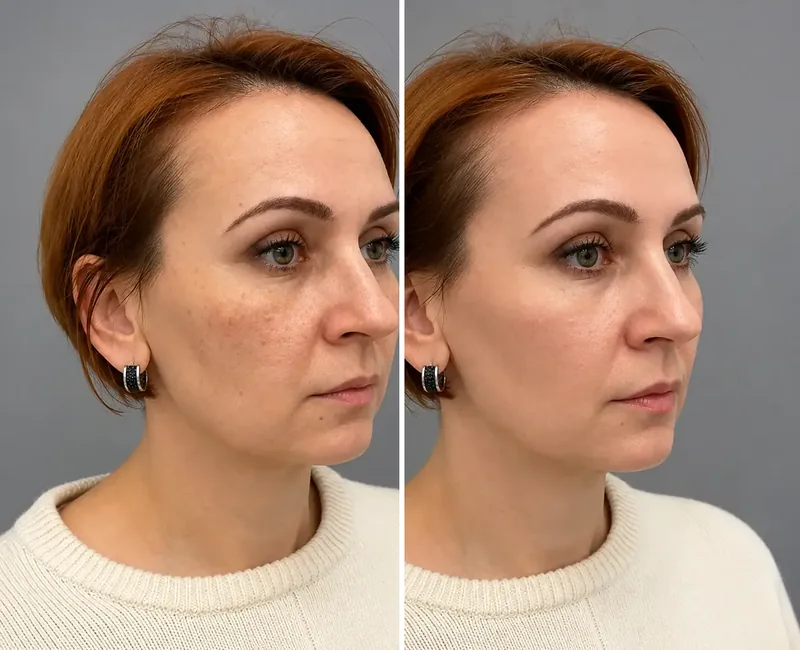
34 years
5 months
SMAS facelift
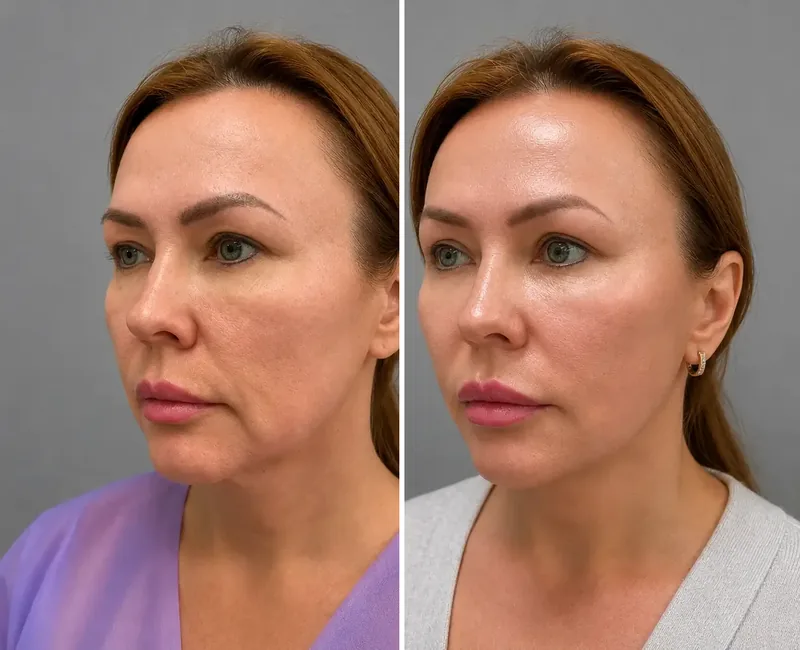
32 years
7 months
SMAS facelift
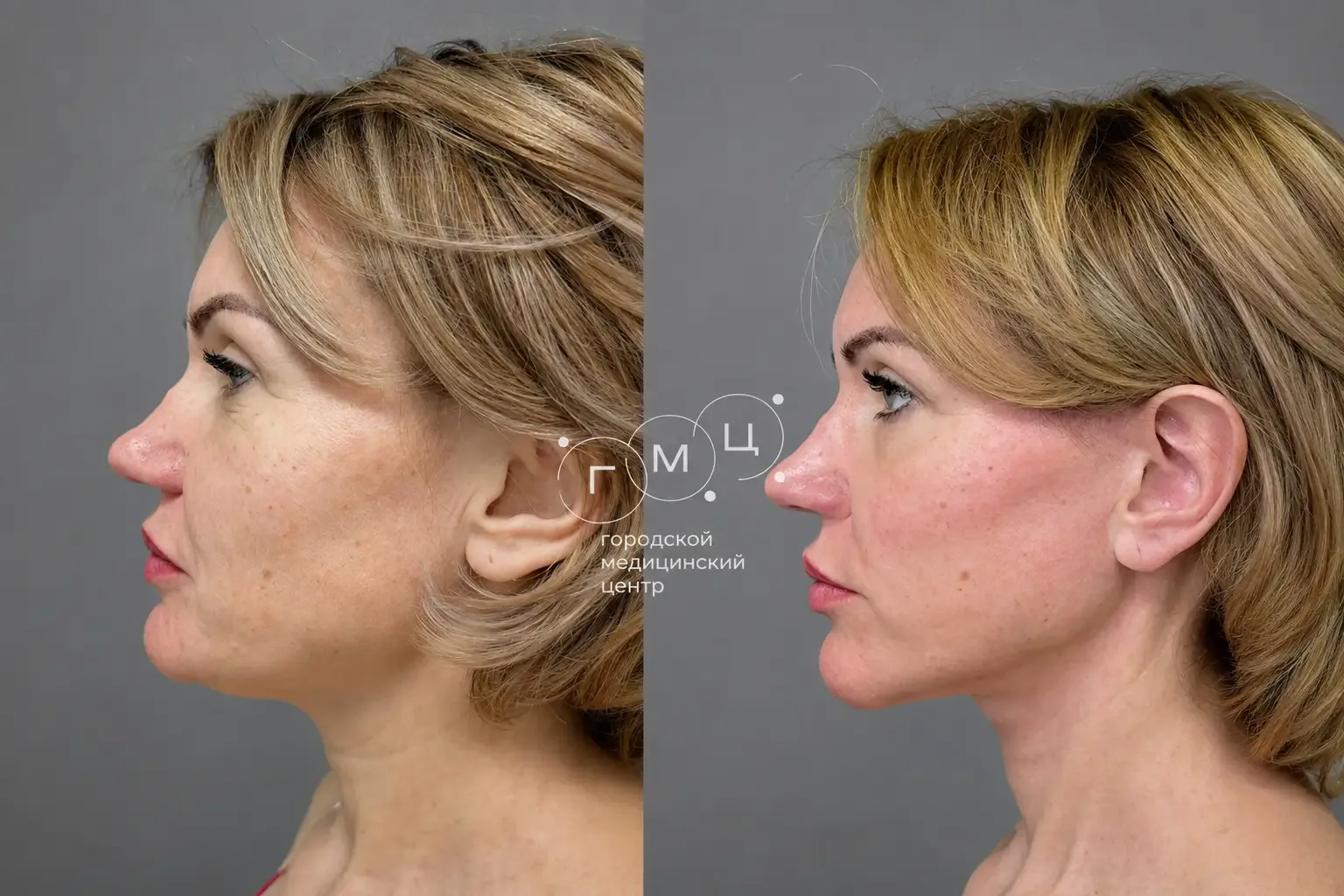
40 years
6 months
SMAS facelift
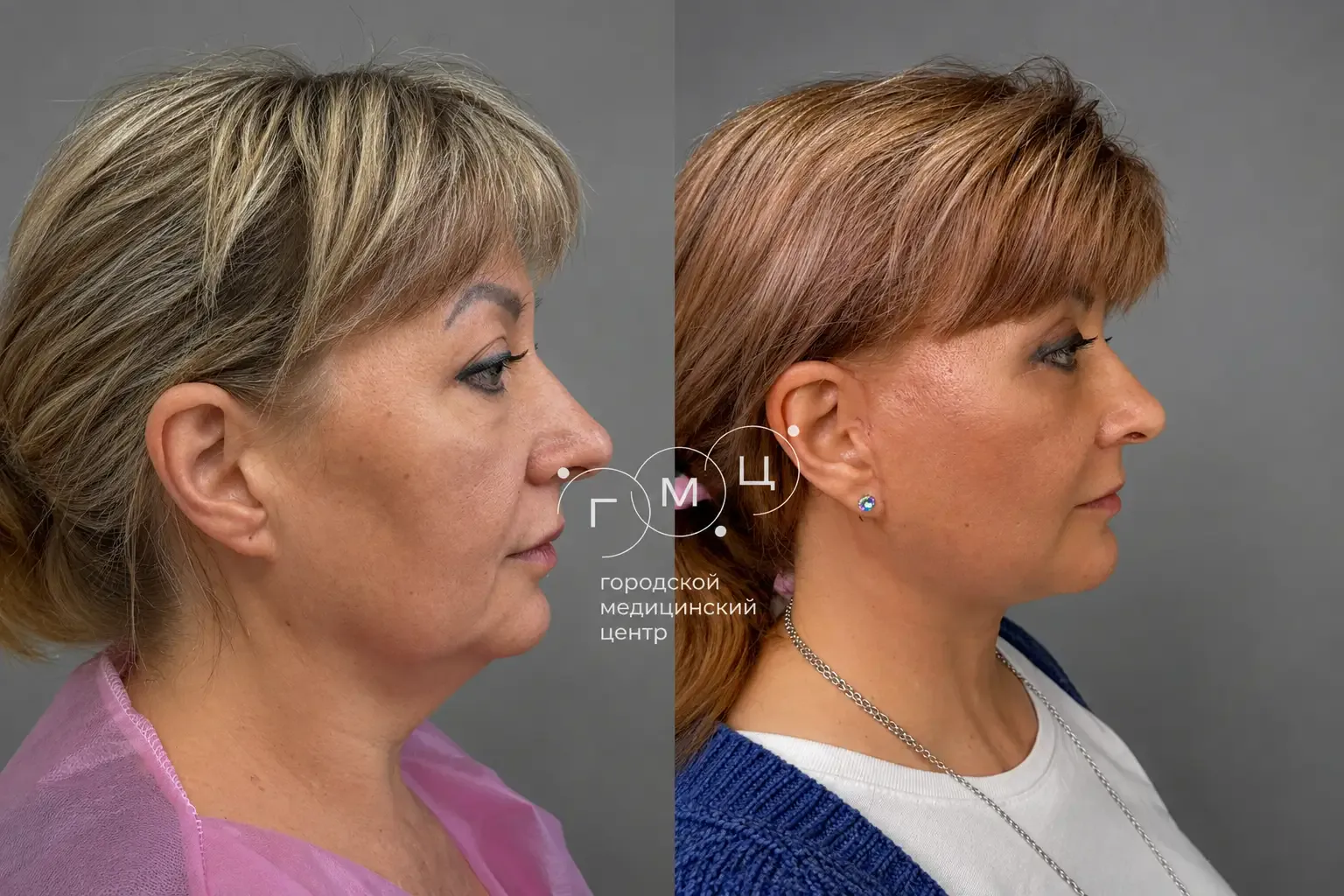
45 years
8 months
SMAS facelift
38 years
5 months
SMAS facelift
33 years
6 months
SMAS facelift
50 years
9 months
SMAS facelift
58 years
8 months
SMAS facelift
34 years
5 months
SMAS facelift
32 years
7 months
SMAS facelift
40 years
6 months
SMAS facelift
45 years
8 months
SMAS facelift
38 years
5 months
SMAS facelift
33 years
6 months
SMAS facelift
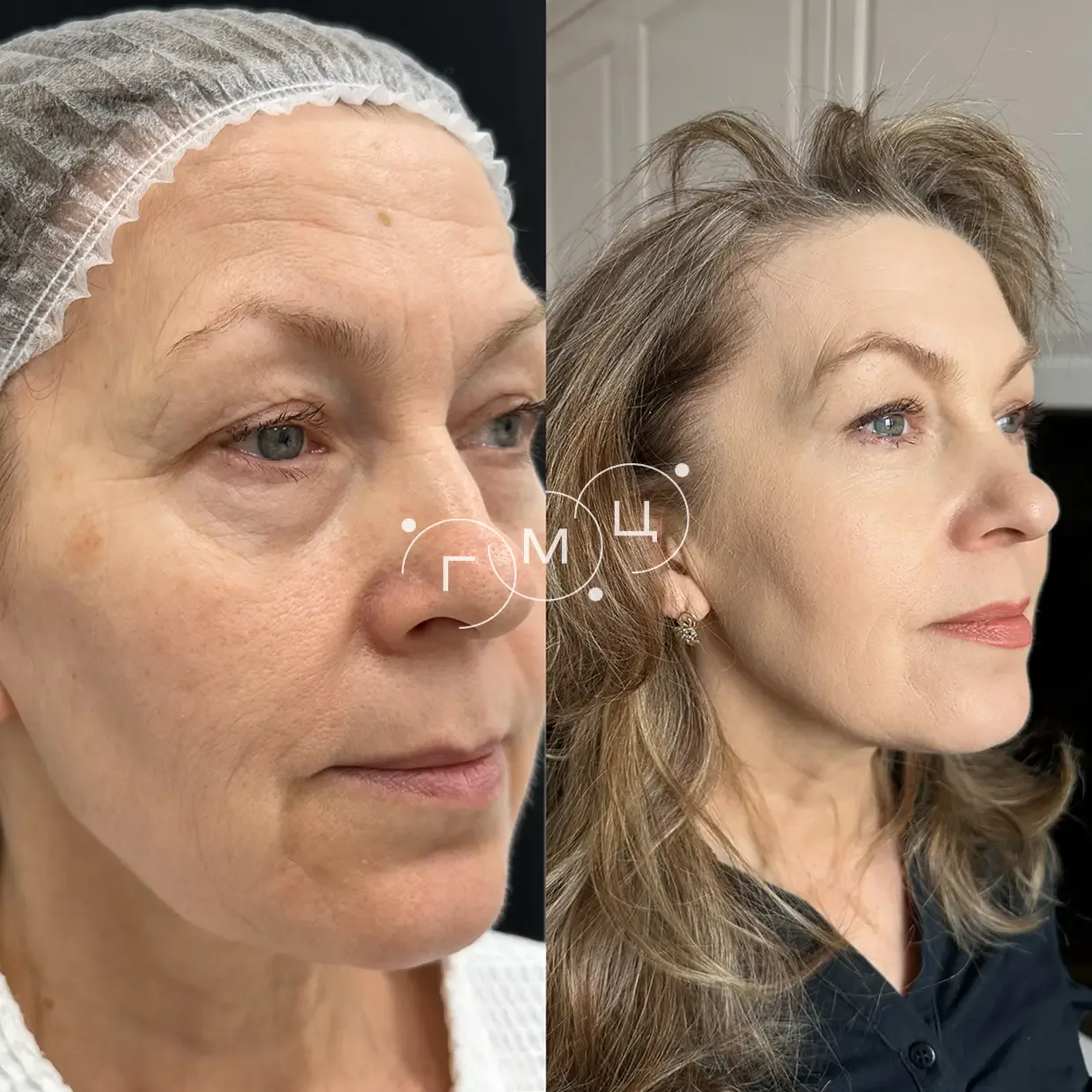

Noticeable sagging of the face and neck
A blurred jawline, jowls
A double chin and loose neck skin
Marionette lines and deep nasolabial folds
Drooping brows, a heavy look
A marked loss of skin firmness after 40
Preference for a long-term result (7–10 years)

Patients under the age of 30
Skin in an acute inflammatory state
Being pregnant or currently breastfeeding
Severe heart and vascular disease
Blood clotting disorders
Cancer
Decompensated diabetes
About facelift surgery for patients from Rustenburg
What is the difference between a standard and a SMAS facelift? A skin-only lift affects just the top layer and gives a short-lived effect. A SMAS facelift is deeper surgery: the surgeon lifts and secures the facial muscle and fascia layer, addressing weakened ligaments and descended muscles. For anyone researching a facelift in Rustenburg, that depth is what makes the outcome natural and long-lasting.
Inside the operating room the SMAS facelift runs through three levels of correction. First the skin flap is lifted and redraped, and excess skin removed. Next, fat in the cheeks and lower face is redistributed. Finally the muscle and fascia layer is lifted and secured, treating weakened ligaments and descended muscles. This is how the operation goes for patients from Rustenburg.
One payment, many components. From $2,400 (≈ R40,500), Rustenburg patients receive a personal consultation, surgery by an experienced team, combined inhalation anaesthesia, an inpatient room, meals and 24/7 monitoring by medical staff. Personal support before and after surgery and a full year of plastic surgeon follow-up are part of the package. The first step, a consultation, is free.
Rustenburg and why a facelift is planned here with care
Rustenburg, the “Town of Rest” in Afrikaans and Dutch, lies at the foot of the Magaliesberg mountain range. It is the most populous city in North West province. The 2022 South African National Census puts the population at 562,031, and the city has been the largest in the province since 1996. People who live in a growing, busy city usually plan a facelift the way they plan any big decision: they gather information, compare options and ask many questions before they commit.
A facelift is not a quick cosmetic touch-up. A surgical SMAS facelift works deeper than cosmetology by repositioning the muscle and fascia layer. It treats the cause of sagging, not its effects, and delivers a lasting result even with significant changes. For a resident of Rustenburg, the sensible first step is a free online consultation with our coordinators, who are available around the clock (24/7) on Telegram and Telegram. You can write from home, in the evening after work or on a weekend.
This text describes how the procedure fits the rhythm of life in Rustenburg: the climate, the working week, family gatherings, sport and food. It is general information. The final decision on technique and timing is made individually by the surgeon after an examination.
Climate in Rustenburg and what it means for recovery
Rustenburg has a humid subtropical climate with a relatively high difference between day and night temperatures, because the city stands at a high elevation. Summers, from December to February, are very warm, though the altitude keeps them from being as hot as one might expect. Rain falls mainly in summer. Winters, from June to August, are mild, with occasional frost at night.
For recovery this matters in practical ways. During the first 7–10 days you rest, wear a compression bandage and reduce physical activity. A very warm summer day can make swelling feel heavier and the bandage less comfortable, so a cool, shaded room and light, loose clothing with a front opening (so nothing is pulled over the head) make those days easier. In a mild winter the bandage is easier to tolerate, but cold mornings and the dry air of the season call for gentle skin care as the surgeon advises.
Sun is the main thing to think about. Incision lines along the ears and hidden along the hair line are sensitive to strong sunlight while they heal. Plan to stay out of direct sun, use wide-brimmed headwear that does not press on the face, and follow the surgeon's instructions on sun protection. Dust in the dry months can irritate healing skin, so keep windows closed on windy days and keep the bedroom clean.
The best season for the operation for a Rustenburg resident
There is no single correct month. Swelling and bruising fade within 2–4 weeks, and full recovery takes about 2 months. Count backwards from the date of an important event and leave a comfortable reserve. After 3–4 weeks, as the swelling settles, the first clear changes appear, and your face takes on its final look in 3–6 months.
Many people in Rustenburg find the cooler, drier months from June to August convenient. The bandage is easier to wear, there is less temptation to be outdoors in strong sun, and the quiet weeks at home are easy to spend resting. The warm summer, with rain mostly in the afternoons, is also possible if you can stay in a cool room and protect the incision lines from sun when you go out.
Think also about the calendar of your own life: school terms in the family, the busy periods at work, weddings and community celebrations. A facelift is easier to plan in a calm stretch. Our coordinators can help you build a schedule from the online consultation to the follow-up, so that the first 7–10 days of rest do not collide with obligations you cannot move.
Work, mining, offices and the return to routine
Rustenburg's economy is closely linked to platinum: the area has 41 platinum mines, and mining makes up about half of the local economy, with finance and retail as the next contributors. People in the city work in very different settings: on site, in offices, in shops, in schools, in transport and in the services that support the mines.
The first 7–10 days after a facelift mean rest, a compression bandage and less physical activity. That is why people whose work is physical or takes place in dusty, hot or noisy conditions need to plan a longer break and talk about it openly with the surgeon. An office or remote job is usually easier to resume sooner, but the face will still show swelling and bruising, which fade within 2–4 weeks. Many patients choose to return when they feel comfortable meeting colleagues and clients, not at the first moment they are able to sit at a desk.
Full recovery takes about 2 months, so heavy lifting, long hours in the heat and demanding tasks should come back gradually, as the surgeon allows. If you work shifts, tell the coordinators in the first message, so that the online consultations fit around your schedule. The team is available 24/7 and the booking is flexible.
Sport, pools and active life in Rustenburg
Sport is a visible part of life here. Rustenburg was a host city of the 2010 FIFA World Cup, with the 42,000-seat Royal Bafokeng Stadium nearby, and Olympia Park hosted games of the 1995 Rugby World Cup. The city has a strong judo club, two swimming clubs, a cricket ground, a golf club in the centre and a skydiving club. Nearby Sun City hosts a well-known golf tournament. If you train, play or simply walk and swim for pleasure, your question will be when you can return.
After surgery, activity comes back in stages. The first 7–10 days are for rest with less physical activity. Contact sports, judo, rugby and cricket with a risk of a blow to the face are a separate conversation; ask your surgeon precisely when they are safe. The same goes for swimming: pool water, chlorine and sun on healing incisions need the surgeon's explicit permission, and I do not give a date here because it depends on your healing.
A sensible plan is to keep light walking in the early weeks if the surgeon allows it, avoid anything that raises blood pressure sharply or strains the face, and return to training step by step. Golf players often ask about the sun and headwear; a loose, wide hat that does not rub the ears is usually the practical answer, once the surgeon has approved it.
Family events, food and daily habits
Rustenburg is a cultural hub with diverse communities, and family life includes gatherings, celebrations and shared meals. Many patients want to look rested for a wedding, a graduation or a family reunion, and also worry about what to do if a gathering falls in the first weeks. Our advice is to avoid scheduling the operation just before an event. With swelling and bruising fading within 2–4 weeks and the face reaching its final look in 3–6 months, a gap of several months is the calmest plan.
Food culture matters during recovery as well. Inpatient care includes meals, and at home it helps to prepare soft, easy-to-chew food in advance so that wide mouth movements do not become a strain in the early days. A barbecue or a large shared table can wait. Ask the surgeon about diet, fluids and alcohol, and arrange for relatives to help with cooking and household tasks during the first week.
Daily habits count too: sleeping position, avoiding pressure on the face, gentle skin care and keeping phones, glasses and bags within easy reach so you do not bend or strain. Tell your family in advance what the first 7–10 days look like, so that they support rest instead of expecting you to host.
Who is a candidate and who should wait
Beyond 40–50 the skin gradually loses firmness: noticeable sagging, jowls, a blurred jawline and drooping cheeks. As a rule, surgery is recommended for patients aged 40+ with marked tissue sagging, and in some cases from 35. The recommendation is made individually after an examination. The operation suits people with a marked loss of skin firmness after 40 who are looking for a result that lasts (7–10 years).
There are four main options. A classic SMAS lift of the mid and lower face works on the skin and the SMAS layer through incisions hidden along the hair line and around the ears; it removes jowls, sagging cheeks, a double chin and deep nasolabial folds. A comprehensive lift covers the forehead, temples, mid and lower face and neck and suits marked sagging in several areas at once, with a natural look free of a “mask” effect. At the consultation, the surgeon helps select the best option for your age and type of ageing.
In general terms, a facelift is not planned when general health, chronic conditions, smoking, blood pressure or medication make anaesthesia or healing less safe, or when expectations are unrealistic. Excess weight is also part of the discussion; the WHO fact sheet on obesity and overweight explains why body weight matters for overall health. Be honest in the questionnaire. If something needs to be stabilised first, the surgeon will say so, and that is a normal part of safe planning.
How the remote consultation from Rustenburg works
The consultation is free and online. You write to the coordinators on Telegram or Telegram at any time, since they are available around the clock (24/7). You send recent photos of your face from the front and the sides, describe your goals, your health history and your calendar. Booking is flexible and personal: the team fits around your busy schedule and adapts to you.
The surgeon then reviews the information and discusses which of the four options is closest to your needs. This is a one-to-one conversation, so you can ask everything in your own words. The package described to patients includes a one-to-one consultation, the medical team, anaesthesia, inpatient care with meals, continuous 24/7 monitoring by the medical team and twelve months of follow-up by the surgeon.
Because the consultation is remote, nothing is decided in a hurry. You can discuss it with your family, return with questions and choose a convenient time. The recommendation on technique is final only after the examination, and the coordinators explain each step in advance.
What to ask the surgeon
Prepare your questions in writing before the call. Ask which of the four options is recommended for your age and type of ageing and why. Ask how the SMAS layer will be worked on, since a surgical SMAS facelift corrects at 3 levels, and the central step is lifting and securing the muscle and fascia layer, which treats the weakened ligaments and descended muscles that cause sagging.
Ask about the incisions, where they will lie and how they will look when healed. Ask what the first 7–10 days involve, when the compression bandage is removed, when swelling and bruising should fade, and what signs need an immediate message to the team. Ask when you can return to work, sport, swimming, sun exposure and driving. Ask how follow-up works during the whole first year.
Ask also about expectations: what changes appear after 3–4 weeks, how the face looks at 3–6 months, and how long the result lasts. The honest answer is up to 10 years, usually 7–10, and a repeat procedure is possible after 7–10 years if the patient wants it. Ask about your own health factors too, and say what medications you take.
How long does the result of a facelift last?
The result lasts up to 10 years, and for the surgical SMAS facelift the effect is described as 7–10 years. A repeat procedure is possible after 7–10 years if the patient wants it.
How long is the recovery?
During the first 7–10 days you rest, wear a compression bandage and reduce physical activity. Swelling and bruising fade within 2–4 weeks, and full recovery takes about 2 months.
When will I see the final result?
After 3–4 weeks, as the swelling settles, the first clear changes appear. Your face takes on its final look in 3–6 months.
At what age is a facelift recommended?
As a rule, surgery is recommended for patients aged 40+ with marked tissue sagging, and in some cases from 35. The recommendation is made individually after an examination.
What is different about a SMAS facelift?
It tightens the deep SMAS layer under the skin, not only the skin itself, so the lower face, jawline and neck stay firmer for longer. It treats the cause of sagging, not only its effects.
Which type of facelift will I be offered?
There are 4 main options. At the consultation, the surgeon helps select the best one for your age and type of ageing, for example a classic SMAS lift of the mid and lower face or a comprehensive lift that includes the forehead, temples and neck.
Can I consult from Rustenburg without leaving home?
Yes. The consultation is free and online. Coordinators are available 24/7 on Telegram and Telegram, and booking is flexible around your schedule.
Is the summer heat in Rustenburg a problem for recovery?
Summers from December to February are very warm. Heat can make swelling and the compression bandage less comfortable, and strong sun is hard on healing incision lines. Stay in a cool room, wear loose headwear that does not press on the face and follow the surgeon's sun advice.
What does the package include?
A one-to-one consultation, the medical team, anaesthesia, inpatient care with meals, continuous 24/7 monitoring and twelve months of follow-up by the surgeon.
Can I go back to sport and the pool?
Activity is reduced during the first 7–10 days, and full recovery takes about 2 months. Return to training, contact sport and swimming should be agreed with your surgeon step by step.
Facelift in Rustenburg: price and what is included
Prices are in US dollars; the amount in brackets is an approximate conversion to ZAR at the rate of 02.10.2026. The final price is fixed in your contract.
- Faceliftfrom $2,400 (≈ R40,500)
How much does a facelift in Rustenburg cost?
Prices start from $2,400 (≈ R40,500). The surgeon sets the final price at the free consultation, and it is fixed in the contract, with no hidden extras.
What is included in the price?
A one-to-one consultation, the medical team, anaesthesia, inpatient care with meals, 24/7 monitoring and twelve months of follow-up by the surgeon.
How do I get my exact price?
Message us on WhatsApp or Telegram using the buttons below. A coordinator will answer your questions and book a free consultation where the doctor names the exact price.
By messaging us, you agree to our Privacy Policy