City Medical Centre · multi-specialty surgery clinicOpen 24/7

Tummy tuck

Abdominoplasty in Zliten: a Flat Stomach

Free consultation

Price at consultation

The price is fixed in the contract before surgery
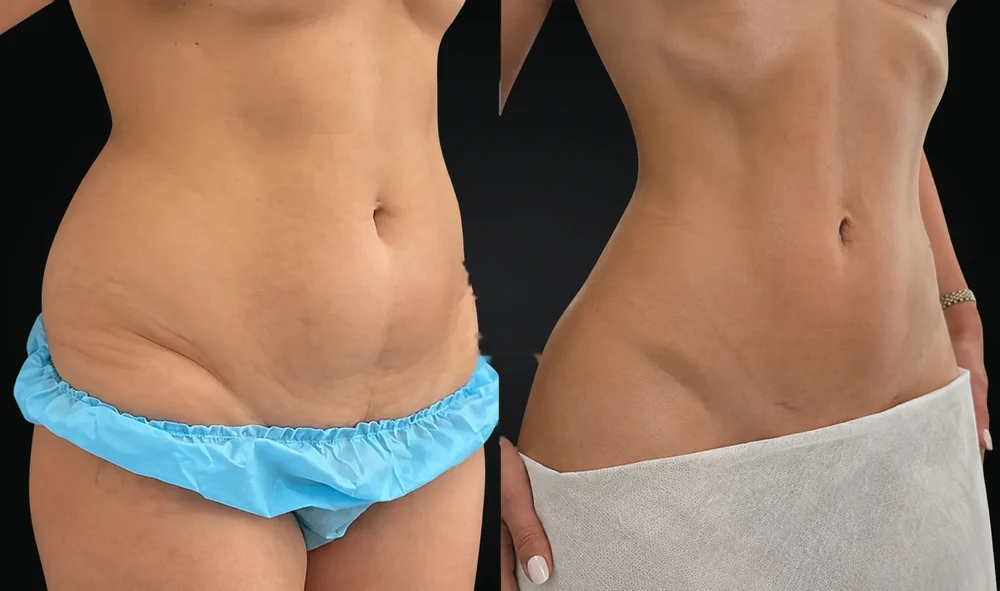
Real case
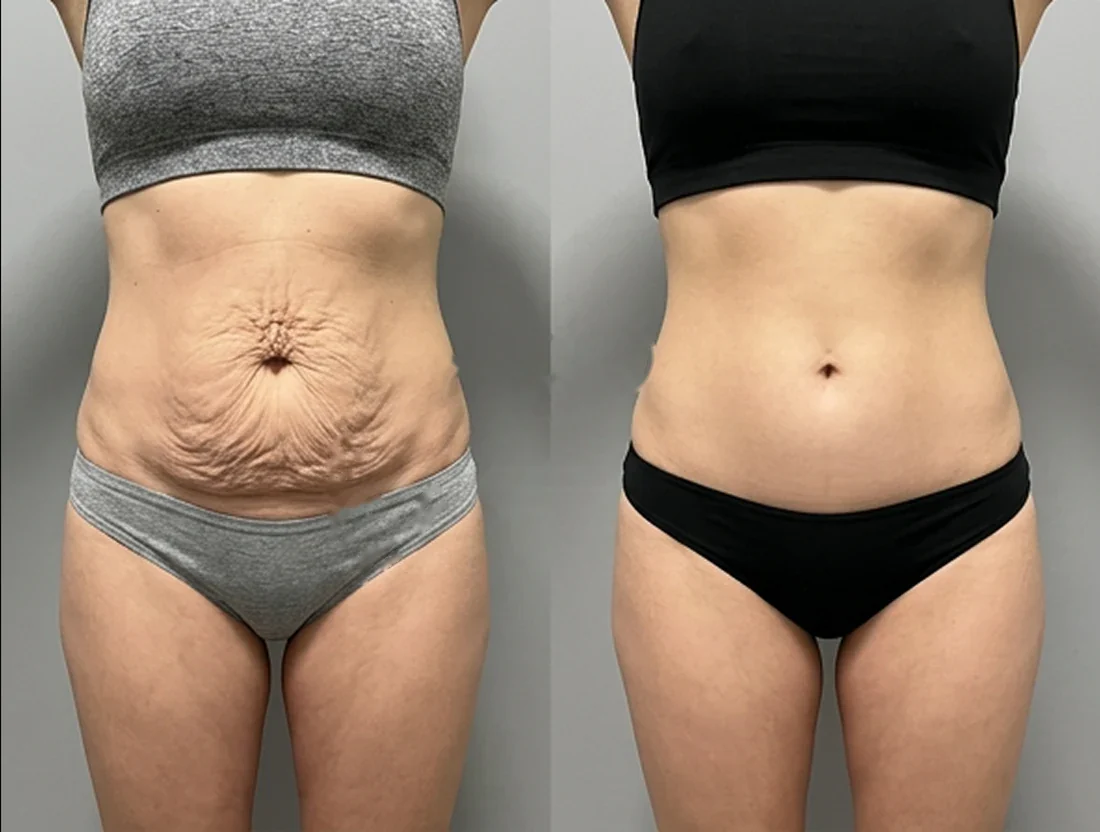
Tummy tuck: a patient's abdomen before and after surgery before after
A flat tummy and a toned silhouette in one operation. Your individual surgical plan and the expected result are discussed at the consultation

Message our coordinator

Free online consultation · Reply within 15 minutes

Message us on Telegram

By messaging us, you agree to our Privacy Policy

Results

Tummy tuck results
of our patients

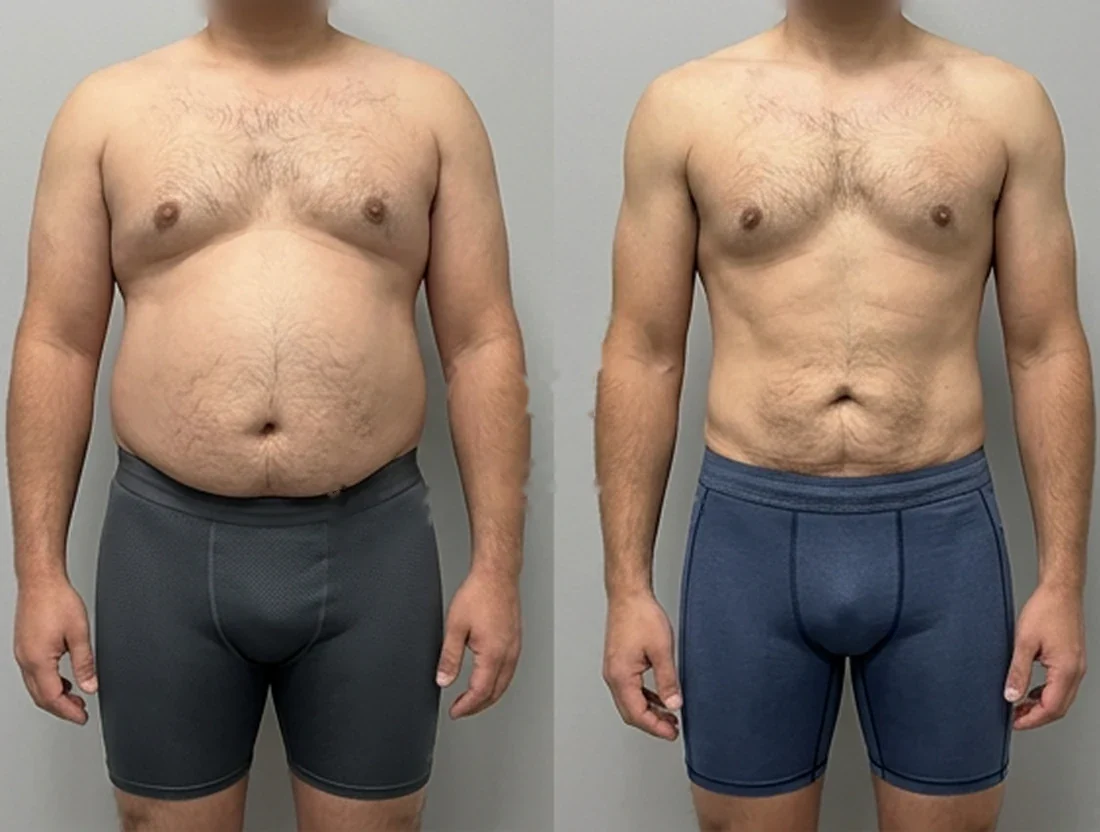
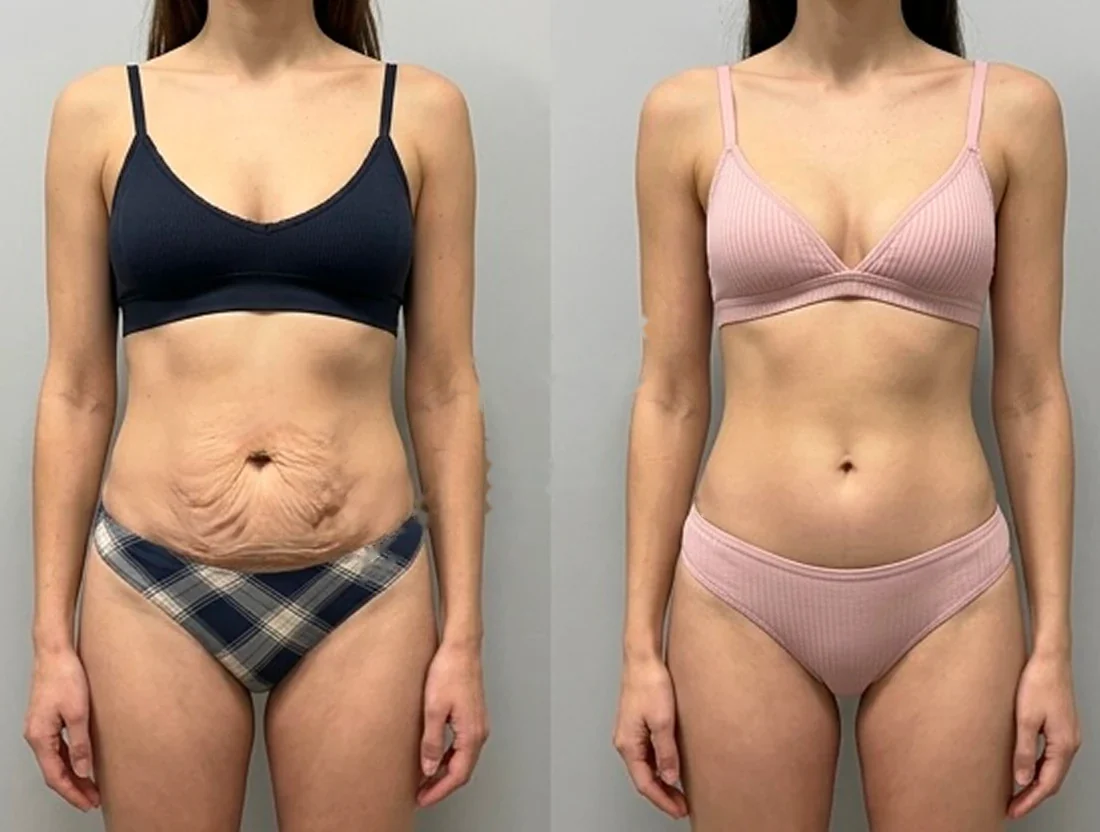
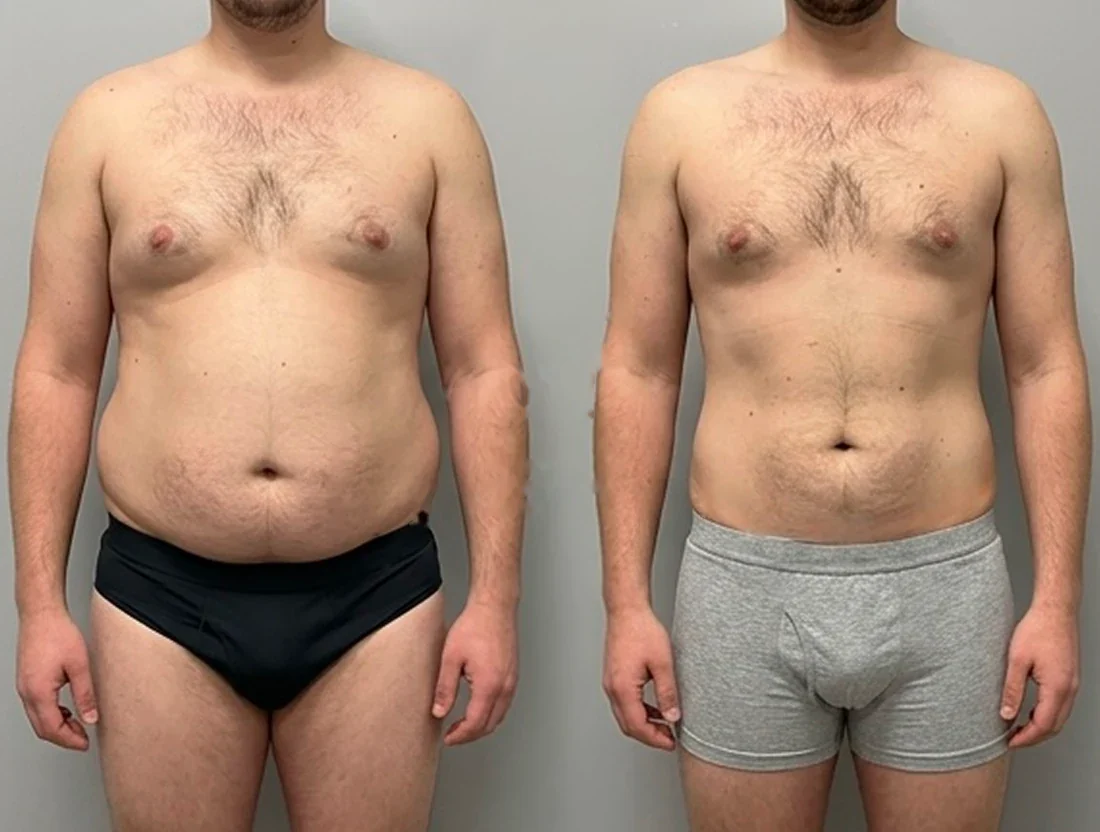
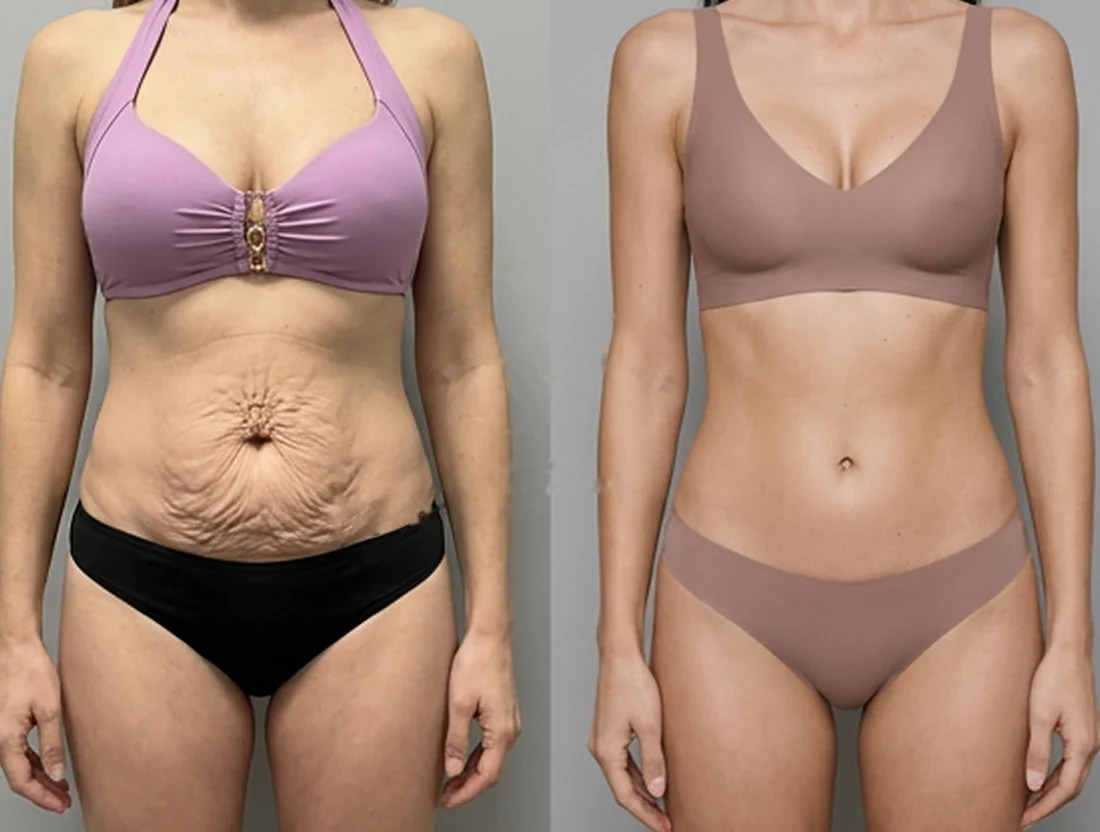
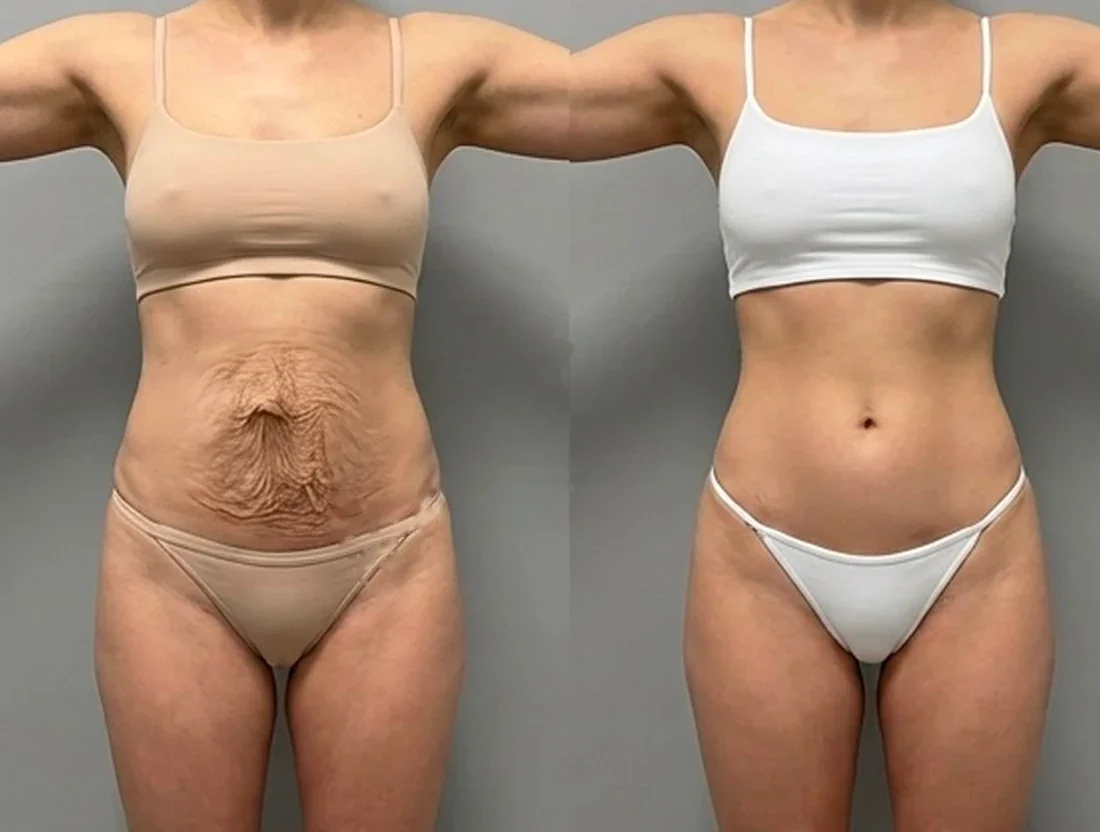
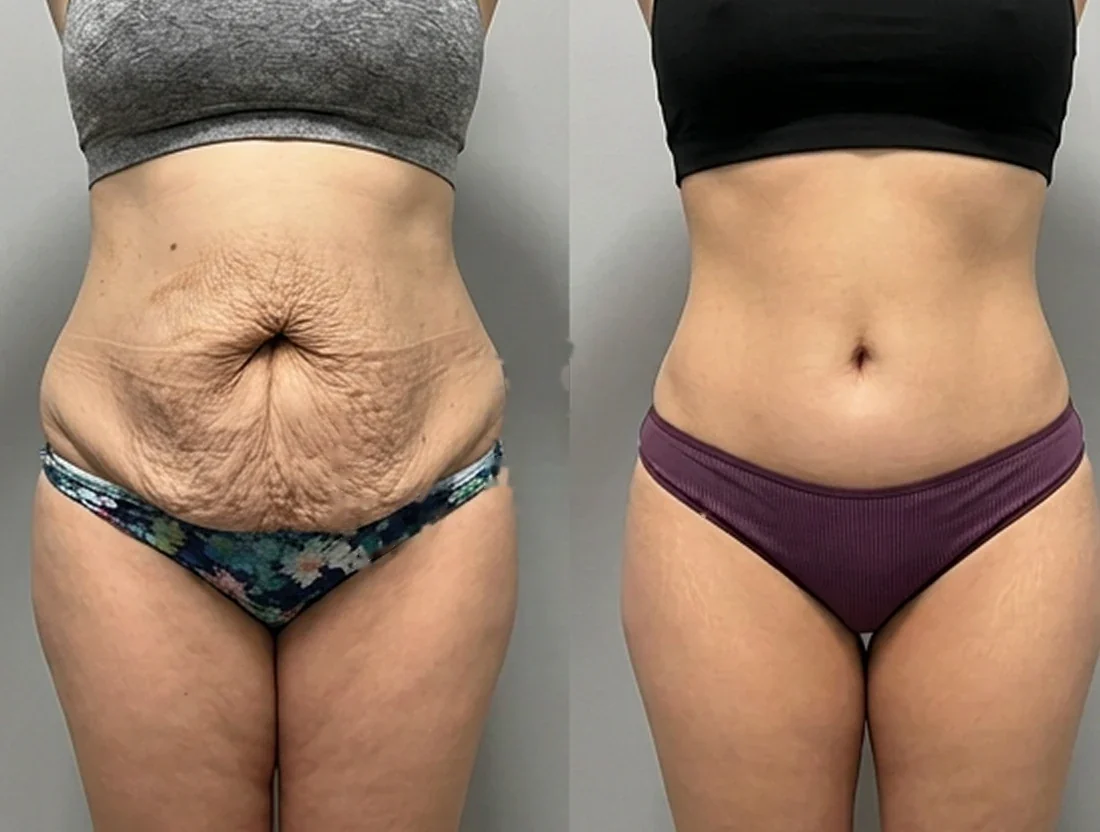
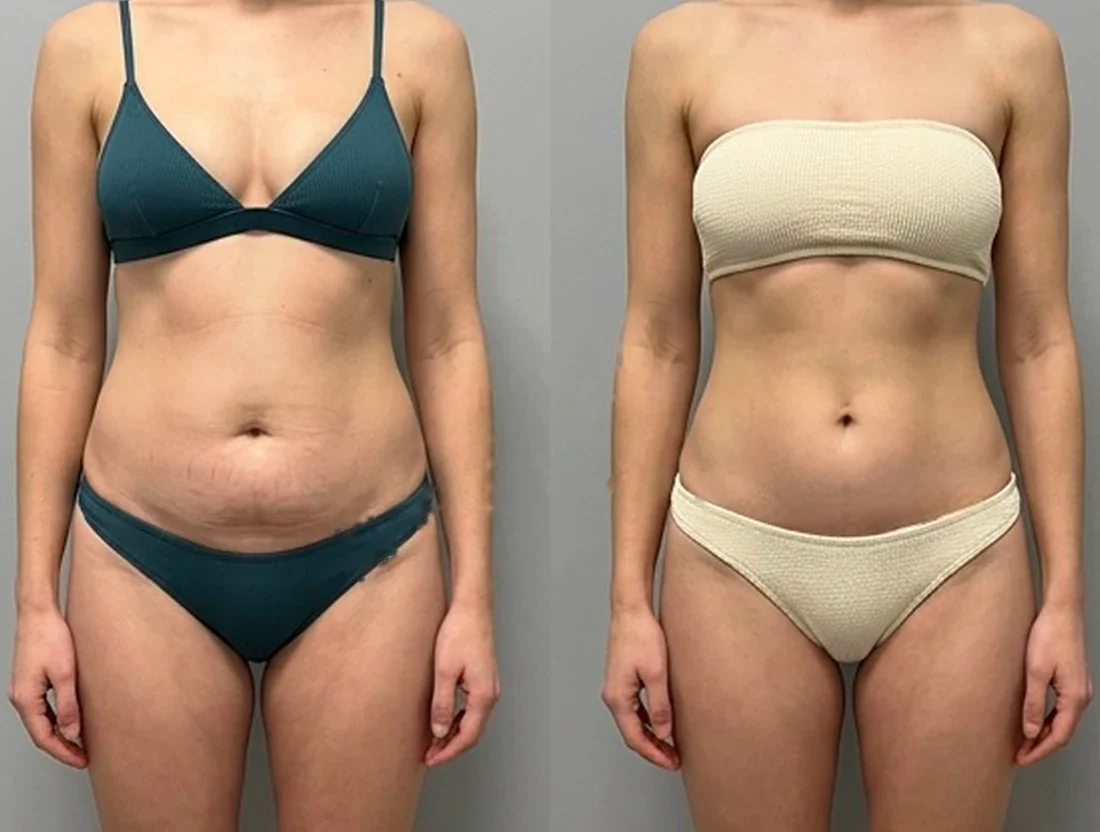
All cases are real patients. Faces and identifying details are hidden.

Tummy tuck: a female patient's abdomen before and after surgerybeforeafter
Tummy tuck: a male patient's abdomen before and after surgerybeforeafter
Tummy tuck: a female patient's abdomen before and after surgerybeforeafter
Tummy tuck: a male patient's abdomen before and after surgerybeforeafter
Tummy tuck: a female patient's abdomen before and after surgerybeforeafter
1 of 8

Comparison

Tummy tuck techniques

A tummy tuck is done as a full (classic) or mini operation, or combined with liposuction as lipoabdominoplasty. Compare the scope of surgery, the indications and the expected results to choose the right technique together with your surgeon.

Tummy tuck

Removal of excess skin, abdominal muscle tightening
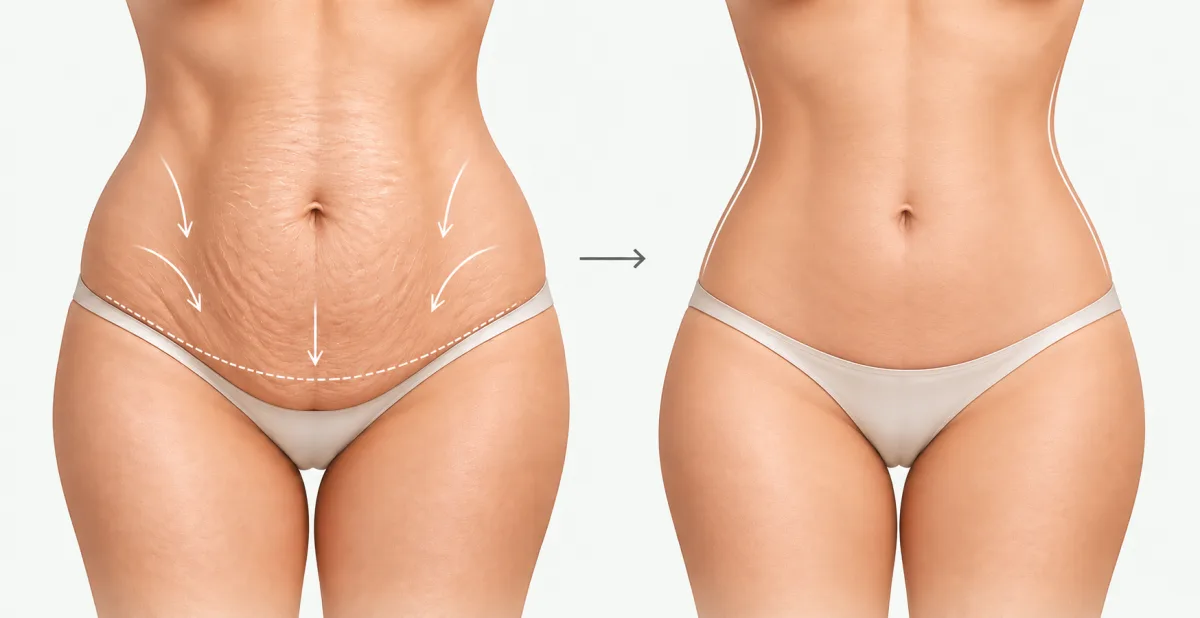
Tummy tuck diagram: the abdomen before surgery with the incision line, and the result
Main goal
Removal of excess skin, diastasis repair
When it is done
Excess skin after childbirth or weight loss
Anaesthesia and stay
General anaesthesia, up to 3 days in hospital

Lipoabdominoplasty

Tummy tuck with added liposuction
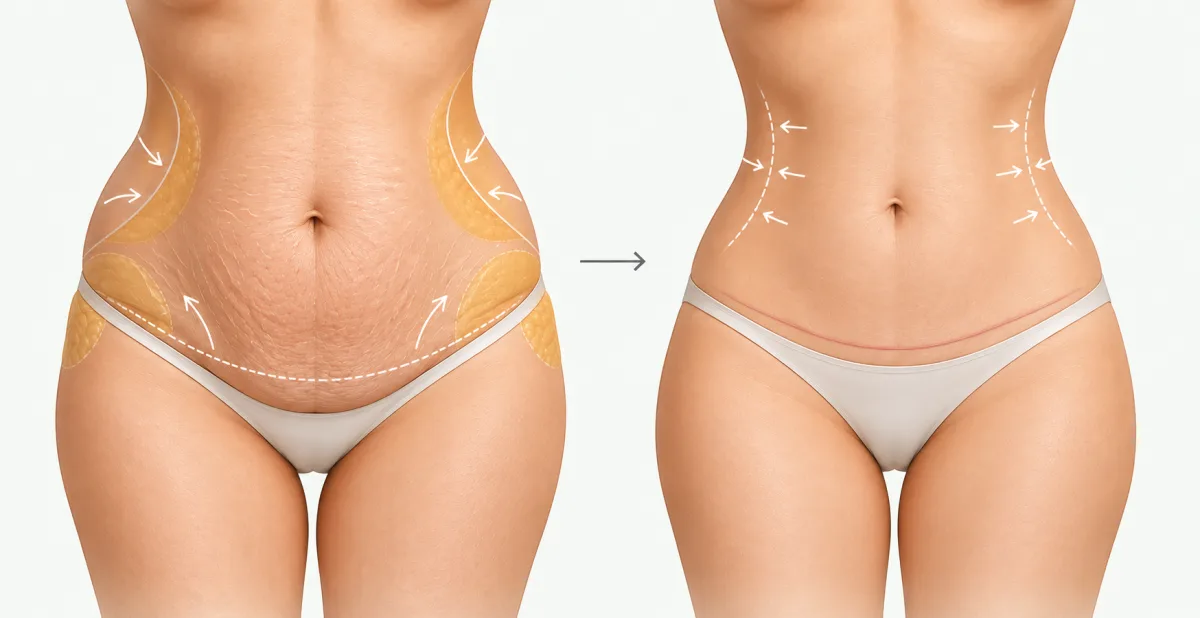
Lipoabdominoplasty diagram: the abdomen with fat on the flanks before surgery, and the result
Main goal
Tummy tightening and waist contouring
When it is done
For fat deposits on the flanks and waist
Anaesthesia and stay
General anaesthesia, up to 3 days in hospital

The benefits and recovery times shown are averaged for each technique and given for guidance: the scope of correction and rehabilitation depend on your anatomy and individual features, and the surgeon confirms them at the consultation.

At the consultation the surgeon draws up a plan for your case and explains how your tummy tuck will go.

Free, before surgery and with no obligation.

Book a consultation

Tummy tuck from the inside

About the clinic

A clinic where you can feel at ease

Modern equipment, comfortable rooms and care for every patient

A doctor and a patient in a clinic ward

Contact us the way that suits you

We will answer your questions and find a convenient time for a consultation

A tummy tuck is not for everyone

If your case can be solved without surgery, the doctor will tell you so at the consultation — and you will not spend money for nothing.

Suitable

A surgeon shows a patient on a model and a monitor how the abdominal contour changes after a tummy tuck
  • Rectus abdominis diastasis
  • Skin folds after weight loss
  • Loose abdominal skin
  • Stretched skin after pregnancy
  • A distorted abdominal contour

Not suitable

A surgeon discusses the indications and contraindications for a tummy tuck with a patient
  • Acute infections
  • Severe heart, kidney or liver disease
  • Blood clotting disorders
  • Being under 18
  • Decompensated diabetes
  • Cancer
  • Skin inflammation in the surgical area
  • Pregnancy and nursing

Not sure the surgery is right for you?

Message us — the coordinator will ask for your photos in the messenger, and the surgeon will tell you whether a tummy tuck suits you. No surgery booking needed.

Find out if it suits me

A surgeon goes through a tummy tuck diagram with a patient at the consultation

Prices

You know the price
before surgery

The price is set at the consultation and fixed in the contract.

Other services

  • First consultationFree
  • Liposuction of the abdomen and flanksfrom $1,700
Book a consultation

Find out your tummy tuck plan and price

The surgeon assesses your abdominal skin and muscles, listens to your wishes and chooses the right correction technique.
The price is set at the consultation and fixed in the contract.

A nurse talks to a patient in a clinic ward

Message our coordinator

Free online consultation · Reply within 15 minutes

Message us on Telegram

By messaging us, you agree to our Privacy Policy

A patient's abdomen before a tummy tuck in the operating room

all inclusive

What the price includes

From preparation for surgery
to post-op check-ups.

  • All scheduled dressings
  • Scheduled post-op check-ups
  • A personal coordinator on call
  • Compression garments fitted on the day of surgery
  • A stay in a comfortable
    hospital ward with meals
  • Individual recommendations
    for recovery
  • Remote progress monitoring
    by photos

How it works

Three days at the clinic —
from preparation to discharge

An agreed correction plan, inpatient observation and post-op check-ups.

A doctor shows a patient a tummy tuck diagram on a monitor1

Consultation
and the surgical plan

The surgeon assesses your abdominal skin and muscles and checks for diastasis, listens to your wishes and chooses the right correction technique.

Paying the deposit by card at the clinic reception2

Booking the date
of surgery

We reserve a surgery date for you: the deposit can be paid by card at the clinic or online by bank transfer. The terms are fixed in the contract for medical services

A blood sample tube for tests before a tummy tuck3

Check-up before
surgery

Before surgery you complete a full lab check-up: blood tests, an ECG, a chest X-ray and reports from the required specialists.

The surgical team during the operation4

Surgery

The surgeon performs the tummy tuck with the chosen technique, repairs diastasis if needed and shapes a firmer abdominal contour.

A hospital ward at the clinic5

Inpatient stay

After surgery the patient stays for 1–3 days in a comfortable hospital ward with meals, under medical supervision.

A surgeon and a patient in the ward during recovery6

Recovery

After surgery you get a recovery programme. Check-ups at 7 days, 3 and 6 months help track your recovery.

Book a free consultation — the surgeon will plan every step with you.

A doctor discusses the tummy tuck plan with a patient
Book a consultation
A doctor discusses the tummy tuck plan with a patient

How it really happens

Recovery after a tummy tuck

Right after surgery the patient stays in hospital for 1–3 days under medical supervision. Drains are usually removed after two days and stitches after 7 days. A compression binder is worn for 1.5–2 months — it supports the abdominal wall and shapes a smooth contour. Most swelling goes within 30 days; office work resumes after 2–3 weeks. Sports, sauna and heavy lifting are off-limits for 2–3 months; at first, sleeping on your back with knees bent is advised. By 12 months the scar is fully mature: it fades and is barely noticeable.

Post-op check-ups

After 7 days, at 3 months and at 6 months. Until the end of the year, get a post-surgery consultation with your surgeon to review results and get more information, at the clinic's expense

Advantages

Why patients choose City Medical Centre

A surgeon discusses the tummy tuck plan with a patient at the consultation

Just find out — you lose nothing

At the consultation we discuss your wishes and assess your abdominal skin and muscles. The surgeon explains what changes are possible, chooses the correction technique and answers your questions.

A surgeon on a video call with a patient after surgery

We stay with you after surgery

The surgeon follows your recovery and the changing abdominal contour at check-ups after 7 days, 3 and 6 months. Check-ups, dressings and aftercare advice are already included in the price of surgery.

A surgeon shows a patient a model and tummy tuck diagrams

A beautiful contour that fits your figure

We choose the correction technique based on your skin, muscles and figure. Our aim is a harmonious abdominal contour that keeps the natural proportions of your body.

A patient writes down a convenient visit time in her planner

Your schedule is our priority

We respect your time: we work 24/7, with easy booking and a personal approach — we adapt to your pace.
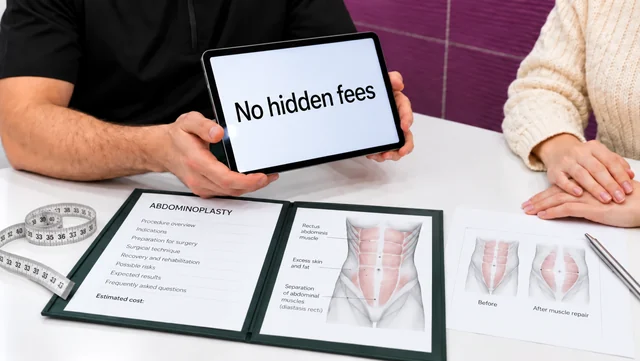
A surgeon shows a patient the fixed price of surgery with no extra charges

Fixed prices

After the consultation the surgeon defines the extent of correction, and you get a clear price for the surgery — no surprises on the way to the result you want.

A surgeon visits a patient in the hospital ward after surgery

Round-the-clock care after surgery

Recovery starts in a comfortable hospital ward under round-the-clock nursing care. The stay and meals are already included in the price.

FAQ

We answer what
people ask before booking

Tummy tuck in Zliten: from consultation to result

An overhanging apron of skin, a belly that stays rounded despite training, a stretched area above a C-section scar: these are the usual reasons people in Zliten look into a tummy tuck. The operation tightens the front abdominal wall rather than reducing weight. With a small amount of excess skin, a mini tummy tuck may be enough; with marked changes, the classic technique is chosen.

Pre-surgery tests should be completed in advance, not the day before. The surgeon gives the exact list at the consultation, and results are usually valid for 10–14 days. Seven to ten days before the operation, stop smoking, alcohol and medicines that affect blood clotting. Anyone in Zliten preparing for a tummy tuck also sees a GP and an anaesthetist before the surgery date.

Start with a free consultation for a tummy tuck in Zliten. The surgeon assesses your abdomen, explains the difference between the classic and mini techniques for your case and gives the final price, which is then recorded in the contract. Apply before the end of the year and the consultation is at the clinic's expense. Write to us in any messenger or use the form on the page.

Stories of well-known people

Well-known people who spoke openly about this operation, in their own words.

All stories about this operation →

Loose Skin or Separated Muscle? How the Surgeon Reads Your Abdomen

Changes to the abdomen after pregnancy, childbirth or large weight loss are a story many people in a municipality of about 203,790, as the 2025 figures give it, will recognise. The stories look alike from outside and differ inside. Some people have only excess skin, others have muscles that have drifted apart, a small hernia or an old caesarean scar, so the file is read from your photographs and not from a description. Perhaps the most useful thing to know is that embarrassment about these pictures is normal for everyone, that the coordinator and the surgeon look at them with a purely medical eye, and that the conversation stays between you and the team.

Take the photographs standing in front of a pale wall in daylight, from the front, both sides and the back, relaxed. Then add one more, leaning very slightly forward with the abdominal muscles tightened. That frame shows the surgeon how far the looseness extends and where the muscles separate. Do not draw the stomach in or wear tight clothing to hide it, because honest pictures lead to a more accurate view. If you have a caesarean scar, photograph it close up as well as in the general view, and if a hernia shows near the navel, mention it in the message, since some cases need the hernia dealt with in the same session, which changes the estimated length of the operation.

In your message give your current weight, highest and lowest weight, how long it has been stable, the number of pregnancies and deliveries, earlier abdominal operations and where the scars are, and whether you are thinking about another pregnancy. That last point matters greatly. A surgeon may well advise waiting until the family is complete, and he needs to know before suggesting a plan.

The package goes to coordinators who answer on Telegram and Telegram around the clock, and a first opinion comes back: does your case look suited to a tummy tuck alone, or does it need a route combining another procedure, and which tests are requested before any commitment. No appointment or waiting room is involved, and the chat remains with you to go back to whenever you need to check what was said. The team may ask for a few simple tests before any date is discussed, and preparing them early shortens the weeks, so ask for the list with the first reply and keep the results together in a single folder on your phone.

Two to Four Hours Under General Anaesthesia, Then Days of Observation

A tummy tuck is performed under general anaesthesia and takes between two and four hours, depending on how extensive the looseness is and what else accompanies it. The exact duration cannot be estimated before the surgeon has seen your photographs, so do not ask when relatives can leave the waiting area until the plan is fixed, and ask the coordinator for a written outline of what the team expects in your case. It helps to know before the day who will explain to your family what is happening and how news will reach them, because a long wait with no word wears relatives out more than the patient, and a clear line of contact spares them that strain.

Afterwards the patient stays in hospital under medical supervision for one to three days, and the small drains placed to remove fluid are usually taken out after two days. Ask early about the expected stay, and pack loose clothes that fit over the compression binder, high-waisted underwear and a small cushion to place behind your knees when you lie down, since it eases the pull on the wound. Make sure someone can drive you home and sit with you on the way. Leaving after days of observation does not mean you can move about alone, and a binder with a tight abdomen makes an hour in a car tiring unless you have a proper cushion.

In the first days you are not advised to walk fully upright, because the wound is tight, and many people walk slightly bent and straighten gradually. Arrange for a companion to stay with you for that time, to help you rise from bed, carry things and remind you about medicines. Libya's weekend is Friday and Saturday, but it is no substitute for the leave you really need. Do not hesitate to ask for help with bathing and dressing in the first days; those movements involve bending, reaching and stretching, and relying on a relative is wiser than risking a pull on the wound.

Tell the surgeon plainly about anything that worries you: an old back problem, a chronic cough, habitual constipation or breathing trouble during sleep, because these affect comfort after the operation and the choice of anaesthesia. Tell him, too, if you smoke or take supplements. He will give a fixed period to stop before and after surgery to protect healing, and that period is an essential part of the plan. Write your questions on paper the day before, because the moments ahead of anaesthesia are crowded and you should not forget a question about medicine, food or contacting the coordinator at night.

Stitches at Day Seven, Swelling Until Day Thirty: The First Weeks at Home

Stitches come out after seven days, an appointment patients wait for eagerly, but it does not mean a return to ordinary life. Ask how to wash the wound, how to sleep and how to rise from bed, and practise rolling to the side before sitting up. Write the instructions on a single sheet and pin it near your bed, because forgetting is easier than you imagine in a week like this. Many patients ask about showering: when it is allowed, in which position, whether the wound may get wet and how to dry it. Ask for a written answer to these small questions, since they cause the most worry in the first days.

Office work resumes after two to three weeks, depending on your job and your recovery. A bank employee who sits for long needs a cushion and short stand-up breaks. A teacher who stands before a class needs a seat nearby. A shopkeeper who lifts stock needs to stay clear of lifting for longer. Give the coordinator the details of your day so the surgeon can propose a schedule that is yours. If your home has several floors, plan to cut the number of times you climb stairs in the early weeks; if everything is on one level, use that to your advantage and arrange your main spot close to the bathroom.

After about thirty days most of the swelling goes, though the sense of tightness in the lower abdomen may linger longer, which is familiar. Do not judge the shape in week two or three, because temporary swelling hides the true picture. Send photographs on time, in the same light and pose, so the surgeon can follow how the wound, the skin and the swelling develop week by week. Some days will be lighter than others, and a sudden feeling of well-being does not mean you can do everything, because tissues need longer than your sense of recovery.

Be ready for visitors: on Fridays and Saturdays relatives call on one another, and many will come to see how you are. Agree with your household who receives guests and when, and do not sit for long sessions while tired. Do not lift a small child or bend to pick something from the floor, and ask those present to help; most people are glad to once they know what you need. If you can rest in a quiet corner of the house, such as a shaded courtyard or a room with a window, use it; calm contributes to healing more than we tend to assume.

The Compression Binder Between August Heat and January Chill

The compression binder is worn for one and a half to two months, a stretch in which swelling and tightness pass and an interim result appears. Summers here are long: August averages a high of 33.6C and a low of 22.3C, July 33.0C and 21.3C, and neither month sees rain. The binder adds heat and sweat, so ask how many you need, keep soft cotton layers beneath and wash it as advised. It is wise to pack a spare clean binder, because swapping during laundry is a necessity in summer, and ask how to wash and dry it so it keeps its ability to compress.

Winter is kinder to anyone in a binder. January averages 17.6C by day and 7.6C at night, February 19.7C and 8.8C, and rain gathers in December at about 52 mm and in January at about 50 mm, out of 233 mm in a year. Loose clothing over the binder is easy, but keep heaters away from your abdomen and never sleep with a hot-water bottle on the wound. With cold mornings and warm afternoons in winter you may need more than one layer, so make sure the layer touching the skin is soft cotton without raised seams that could press on the wound.

Clothes in these weeks should be loose with an elastic waist, so do not buy anything new in today's size, because the shape of the abdomen keeps changing. If you have an occasion coming, such as a family wedding, tell the coordinator early so the surgeon can suggest a date that leaves enough time between the operation and the event, and do not compare a swollen abdomen with party photographs. If a social event is near, do not rely on an outfit for the shape you expect in six months; choose something loose and comfortable for today, because the occasion will not wait for the final result.

Do not decide alone when to give up the binder, even if you feel comfortable. The wearing period belongs to the plan that protects healing and reduces fluid collecting. Ask about the photographed review that comes before permission to remove it, and about the signs to report at once, such as growing pain on one side, sudden extra swelling or a change in skin colour. The binder is neither decoration nor burden but part of treatment, so ask the surgeon how to confirm that the size is right, since one too tight does harm and one too loose does not do its job.

Six to Twelve Months: The Scar, the Final Contour and Weighing Offers

The final contour and the scar are judged at six to twelve months, once the tissues have fully adapted. A scar starts red and slightly raised and softens gradually, and what concerns most people is where it lies in relation to their clothing: will swimwear and ordinary underwear cover it? Ask the surgeon to mark its position on your own photograph and explain how to look after it. If the scar worries you, ask for photographs of old patients after a year and not after a month, because scars change a great deal over the months and an early picture may frighten more than it should.

Ask each offer to state in writing the technique proposed, whether it includes repair of the muscles, the estimated duration of surgery, the length of stay, the number and timing of follow-ups and who answers your calls. An offer saying only tummy tuck with a beautiful result cannot be compared with another, and comparing on paper stops you from comparing two different things under one name. If you meet an offer that promises a certain result or brushes off follow-up, treat it as a warning sign, since serious surgery talks in terms of probability and limits and not in the language of advertising.

Ask for the surgeon's name, specialty and experience in cosmetic abdominal surgery specifically, and verify them with the competent health authority in Libya. We found no open source that precisely names the licensing body, so ask the official channels yourself and do not rest on what an intermediary tells you. Ask also about cases similar to yours, how many needed a later revision and how it was handled. Watch how the surgeon answers your questions: in detail or evasively, admitting the limits of the operation or ignoring them. These traits show in the first messages more than in any photograph.

In the end, take your time and discuss the written plan with someone whose judgement you trust. The coordinators are on the line day and night, so you are not forced into a decision in one evening. If, when you compare calmly, one offer explains limits before benefits and speaks of follow-up before dates, that is a sign of a team that respects that you will live with the result for many years. There is no harm in consulting more than one party; a confident surgeon does not fear comparison, and a serious coordinator welcomes your taking time and asking whatever you wish.

How should I photograph my abdomen so the pictures are useful?

Stand in front of a pale wall in daylight and photograph the front, both sides and back while relaxed, then add one leaning slightly forward with the abdominal muscles tight. Do not hide looseness or pull your stomach in, since honest pictures give the surgeon a more accurate opinion. Keep the same standing position each time you photograph so that comparisons between pictures are accurate.

Does thinking about another pregnancy affect the timing?

Mention your plans in the very first message, because the surgeon may advise waiting until the family is complete, as pregnancy changes the tightness of the abdomen. Do not decide alone; give the coordinator the full picture so the answer reflects your condition and your plans. This is not a ban, only coordination of the most suitable timing.

How long is the operation and how long is the hospital stay?

The operation is done under general anaesthesia and lasts two to four hours, after which the patient stays under medical supervision for one to three days. Drains are usually removed after two days. Ask about the expected stay in your own case. Ask the coordinator also how medicines and painkillers will be arranged on the first days at home.

When can I go back to office work?

Office work resumes after two to three weeks, and stitches come out after seven days. Jobs that involve long standing or lifting need longer, which the surgeon sets, so tell the coordinator about your work in advance. Lifting heavy weights is not allowed in this period, so count how much help you will need.

When does the swelling go?

Most of the swelling goes after about thirty days, while the compression binder period lasts up to one and a half to two months, after which tightness and remaining swelling pass. Do not judge the shape in the early weeks, and send follow-up photographs on time. The abdomen may look larger at the end of the day than in the morning, which is familiar during recovery.

When do I see the final shape and the scar?

The final contour and scar are assessed at six to twelve months, when the tissues have fully adapted. The scar fades gradually, and the surgeon can show where it will lie and how to care for it. Do not worry about the first redness of the scar, since it is part of the stages of its healing.

How do I check the surgeon before accepting an offer?

Ask for his name, specialty and experience in cosmetic abdominal surgery, and verify them with the competent health authority in Libya. Then read the written plan: the technique, the stay, the follow-ups and who answers your questions after the first weeks. Keep a copy of the written plan so that you can compare any other offer against it.

When should I contact the coordinator at once after surgery?

Write immediately if pain exceeds what the surgeon described, if a fever develops and stays, if one side of the abdomen swells, if the skin around the wound changes colour or if breathing becomes difficult. Send a photograph and a description to the coordinators, who work around the clock. Speed of reporting is what counts; the team prefers one message too many to one too late.