



























Message our coordinator
Free online consultation · Reply within 15 minutes
Message us on TelegramMessage us on WhatsAppBy messaging us, you agree to our Privacy Policy





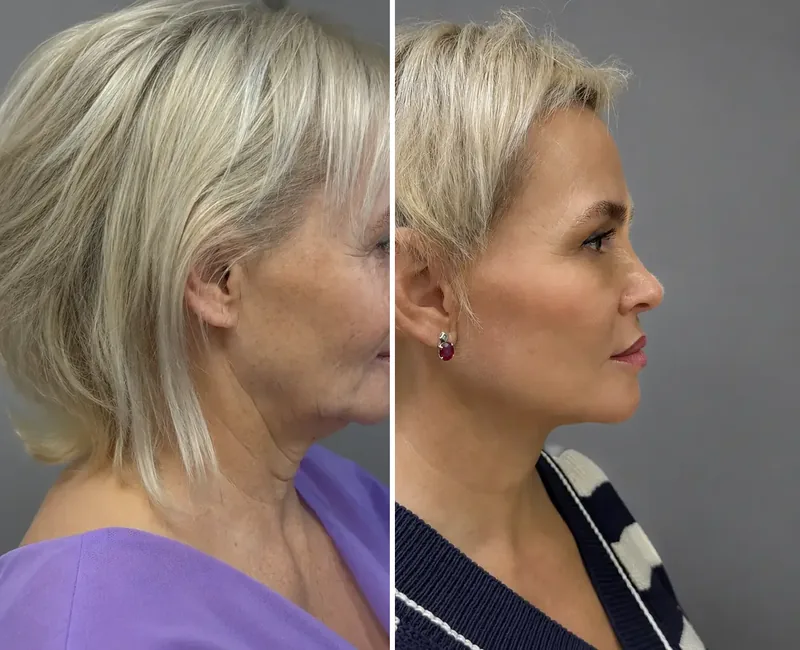

50 years
9 months
SMAS facelift
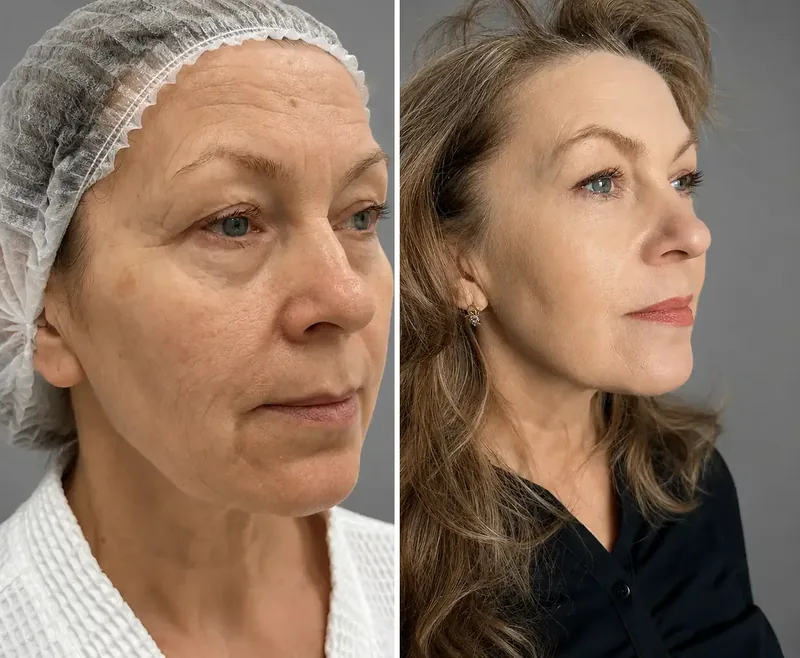
58 years
8 months
SMAS facelift
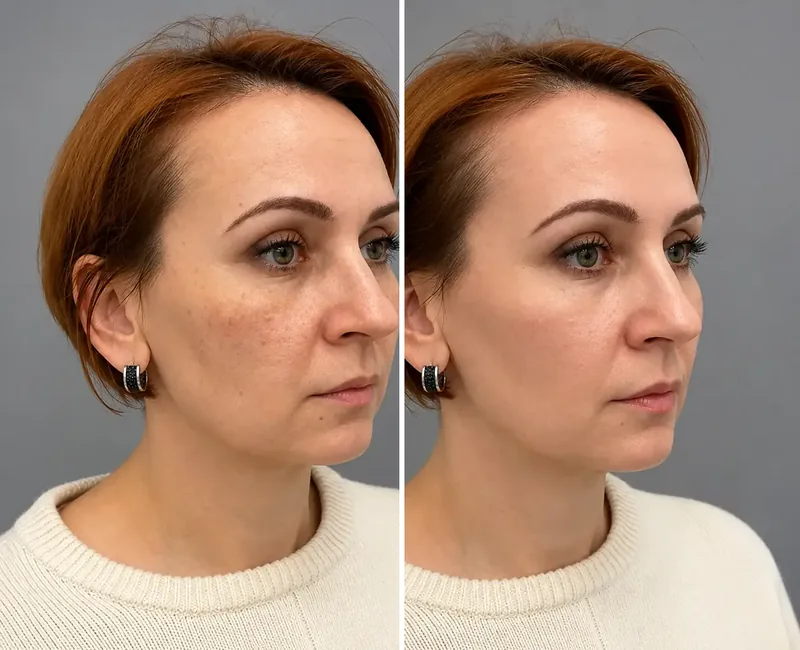
34 years
5 months
SMAS facelift
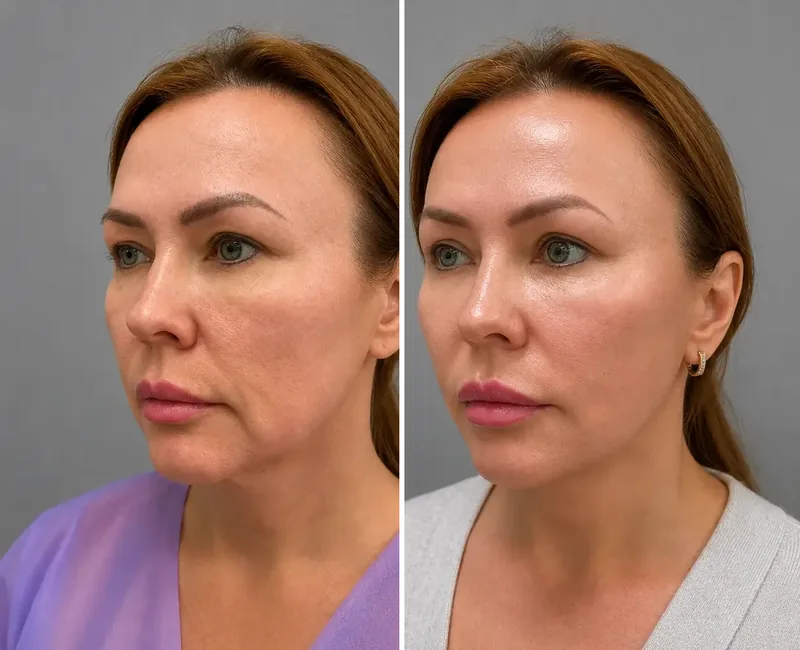
32 years
7 months
SMAS facelift
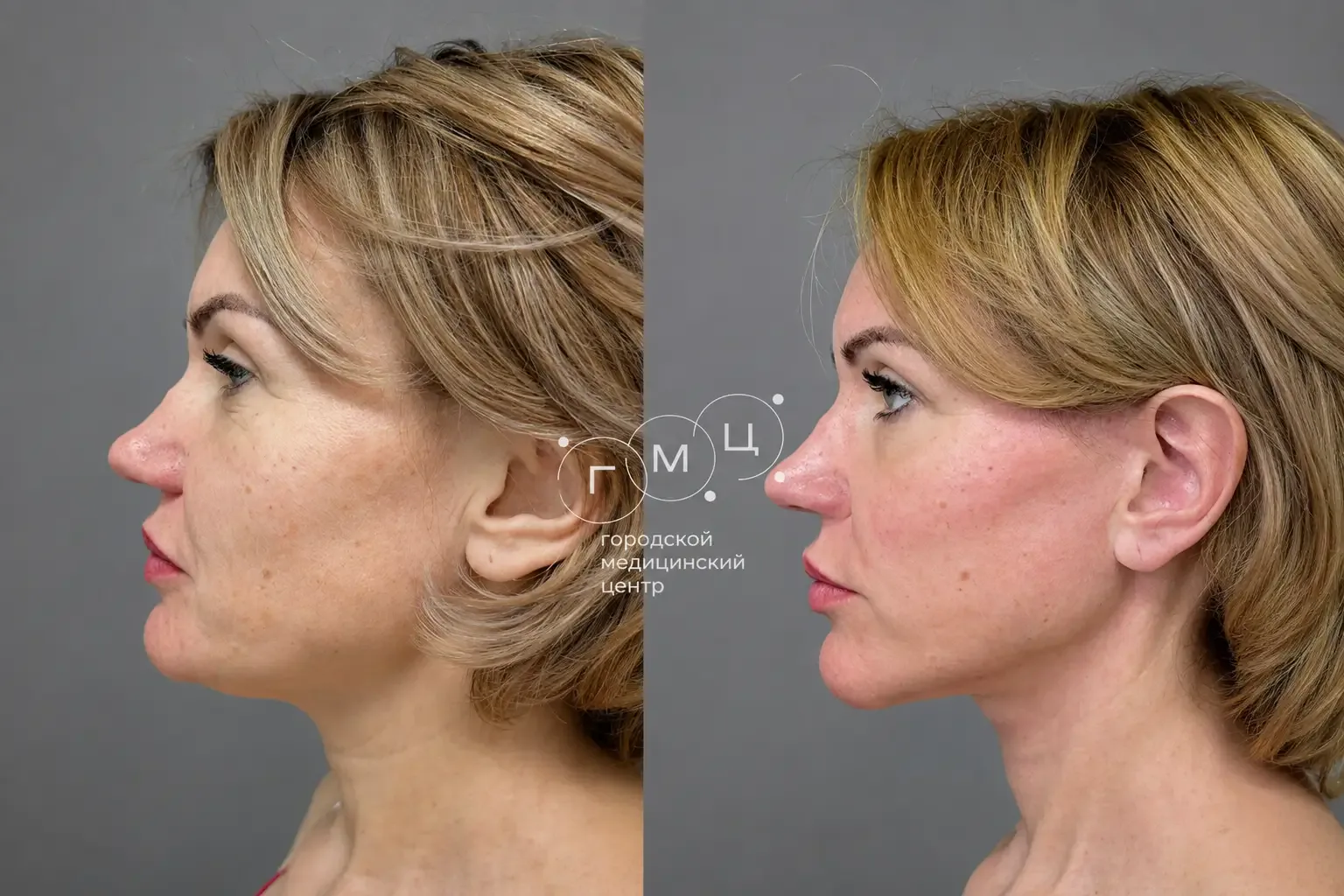
40 years
6 months
SMAS facelift
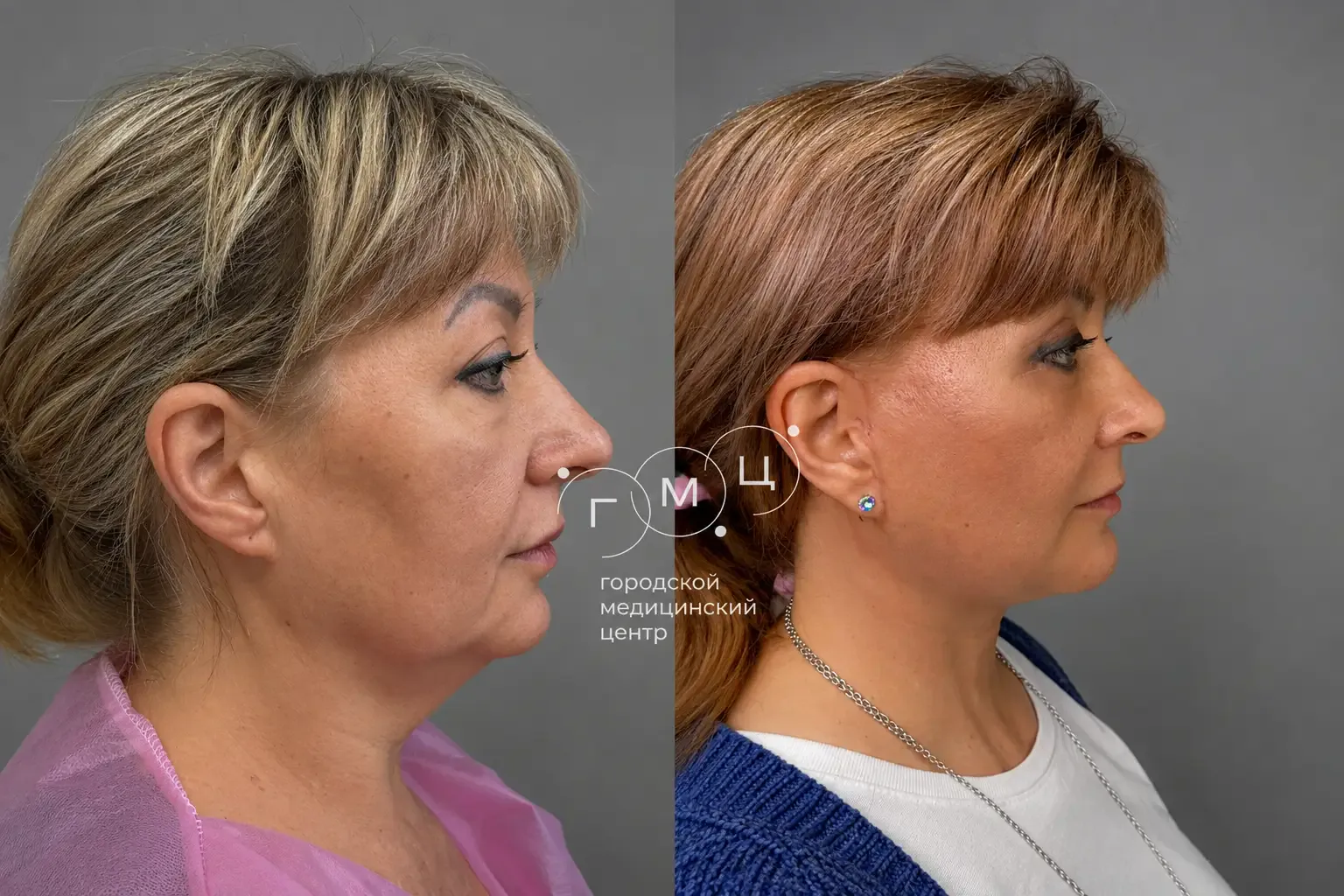
45 years
8 months
SMAS facelift
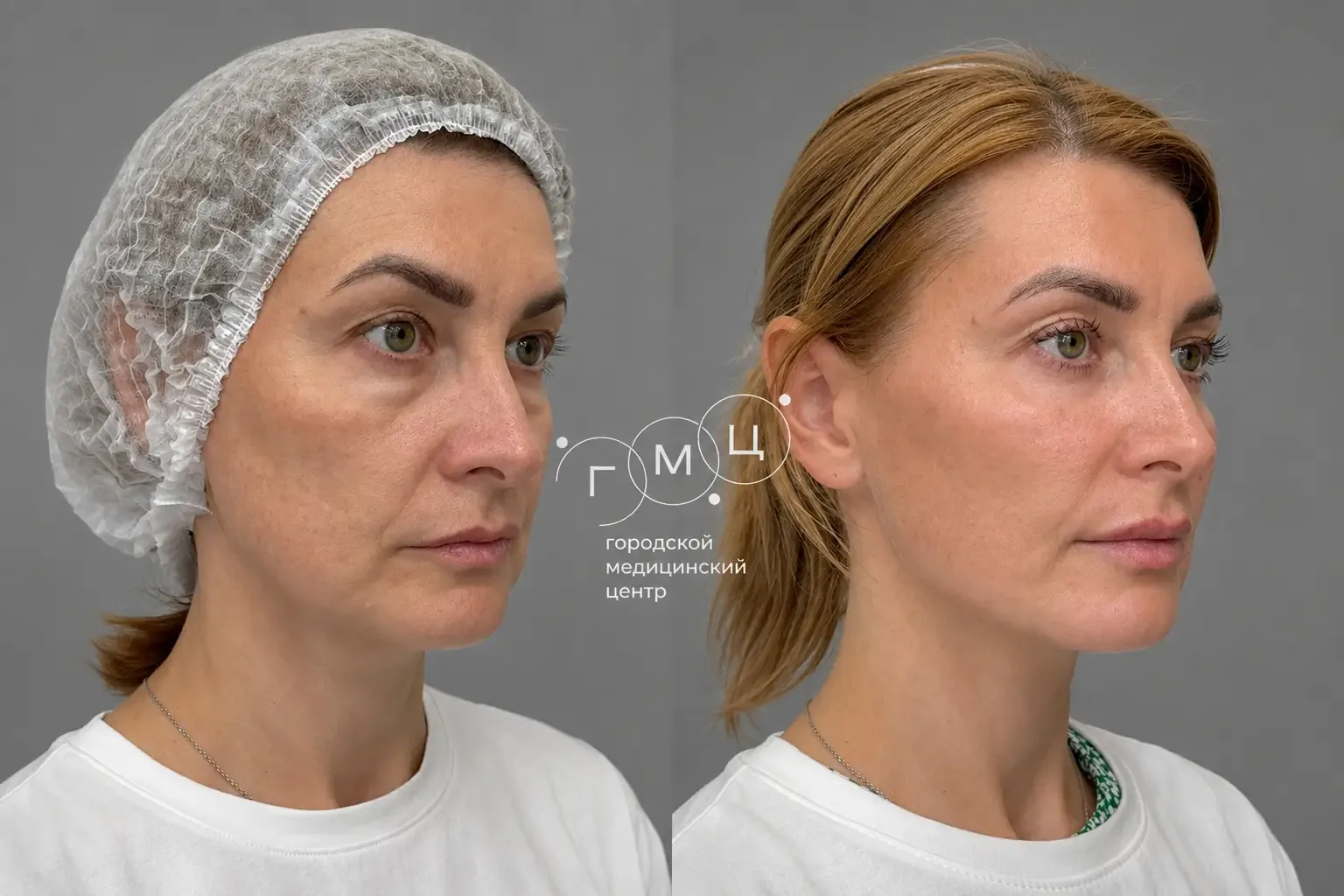
38 years
5 months
SMAS facelift
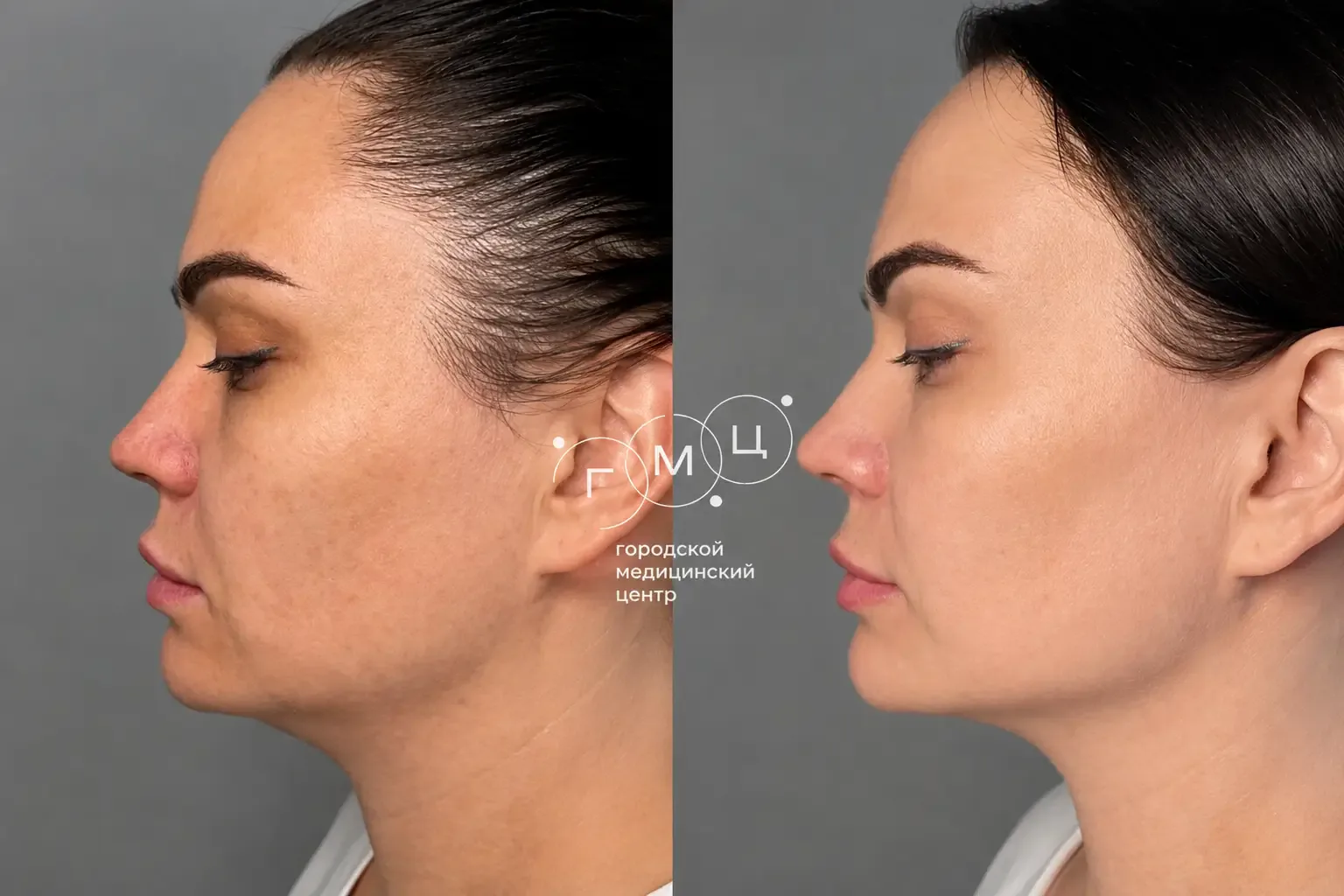
33 years
6 months
SMAS facelift
50 years
9 months
SMAS facelift
58 years
8 months
SMAS facelift
34 years
5 months
SMAS facelift
32 years
7 months
SMAS facelift
40 years
6 months
SMAS facelift
45 years
8 months
SMAS facelift
38 years
5 months
SMAS facelift
33 years
6 months
SMAS facelift
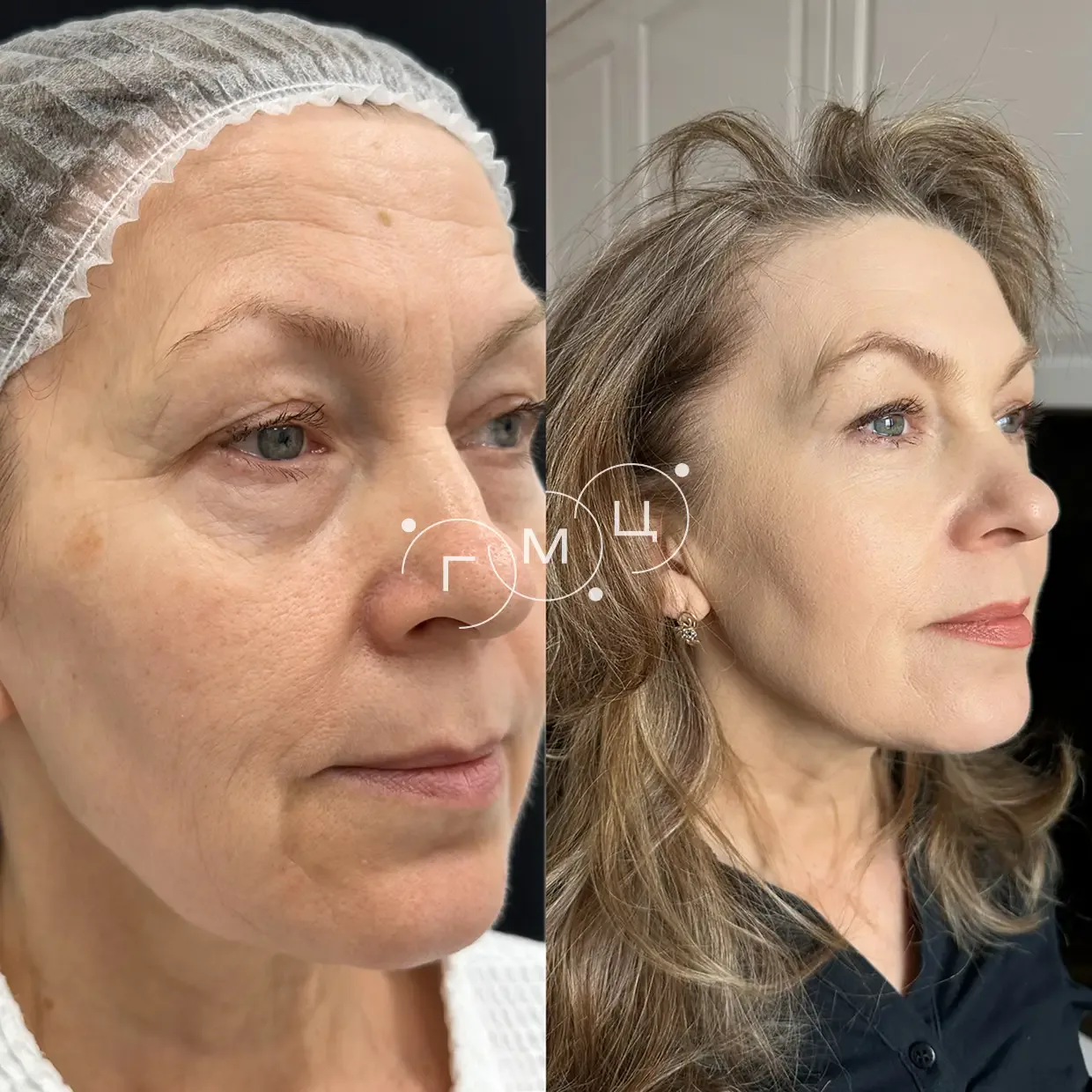

The face and neck show marked sagging
Jowls and a blurred jawline
Loose skin on the neck, a double chin
Deep nasolabial folds, marionette lines
A heavy, tired look from drooping brows
A significant drop in skin firmness after 40
A long-term result is wanted (7–10 years)

Being under 30
Acute inflammation of the skin
Pregnancy and the breastfeeding stage
Serious cardiovascular disease
Blood clotting disorders
Cancer
Decompensated diabetes
Facelift in Zliten: from consultation to result
Jowls, a heavy lower face, a blurred jawline, drooping brows: these are the changes that bring people in Zliten to a plastic surgeon. Cosmetology can refresh the skin, but it does not reach the deep layer where sagging begins. A SMAS facelift does, which is why it suits patients who want a lasting correction. Where sagging affects only the lower face, a neck and lower face lift may be enough.
Follow-up does not end at discharge. Throughout the first year, your plastic surgeon monitors how the face settles and checks the result until it is final. Personal support is provided before and after surgery. When combined procedures such as eyelid surgery or double-chin liposuction are planned, the surgeon sets their scope in advance. For patients from Zliten, every step is agreed at the consultation.
Start with a free, no-pressure consultation: you get an assessment of your ageing type, an explanation of the expected result and answers on recovery. If you decide to proceed, a facelift costs from $2,400 (≈ LYD 15,500), with anaesthesia, the inpatient stay, meals and a year of follow-up included, and 0% instalments available. People in Zliten can send a request online or message a coordinator.
Stories of well-known people
Well-known people who spoke openly about this operation, in their own words.
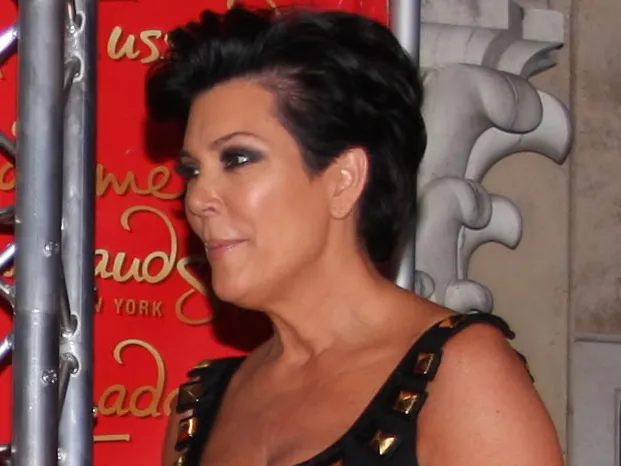 Kris Jenner’s facelift: “I love my facelift”Kris Jenner said she had a facelift about 15 years ago and a refresh before turning 70 — and that she loves it. How a SMAS facelift and recovery work.
 Did Vicki Gunvalson have a facelift? Yes, and she showed the result herselfVicki Gunvalson had a facelift in May 2018 after deciding fillers no longer looked like her. Her own words, how a facelift works and recovery.
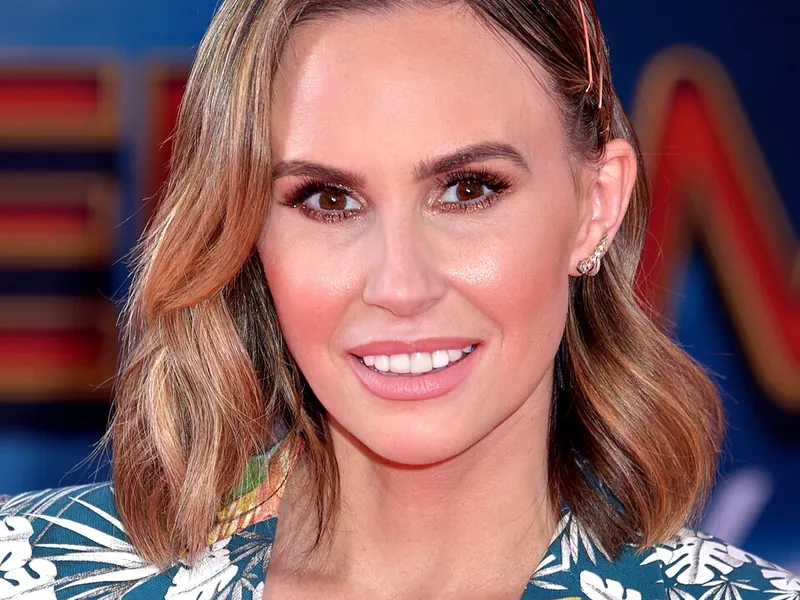 Keltie Knight’s facelift: why she decided to “just own it”Keltie Knight had a facelift in 2023 at 41 and chose to talk about it openly. What she said, how a SMAS facelift works and what recovery looks like.
 Did Linda de Mol have a neck lift? Yes, and she wrote about it herselfLinda de Mol wrote in LINDA. in 2025 that she had a neck lift. What she said, why she chose to be open, and how a face and neck lift works today.
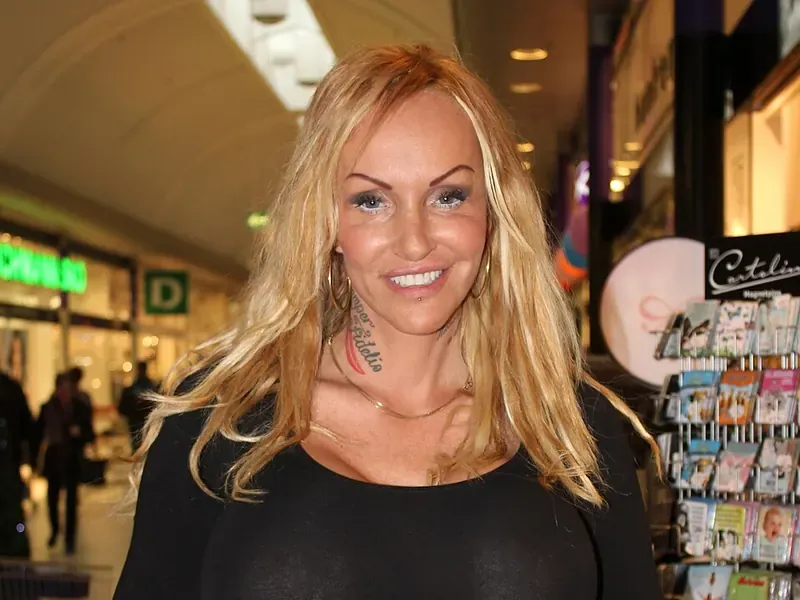 Linse Kessler and her facelifts: what she said herselfDanish reality star Linse Kessler has said openly that she has had several facelifts. Her words, how a modern facelift works and what recovery involves.
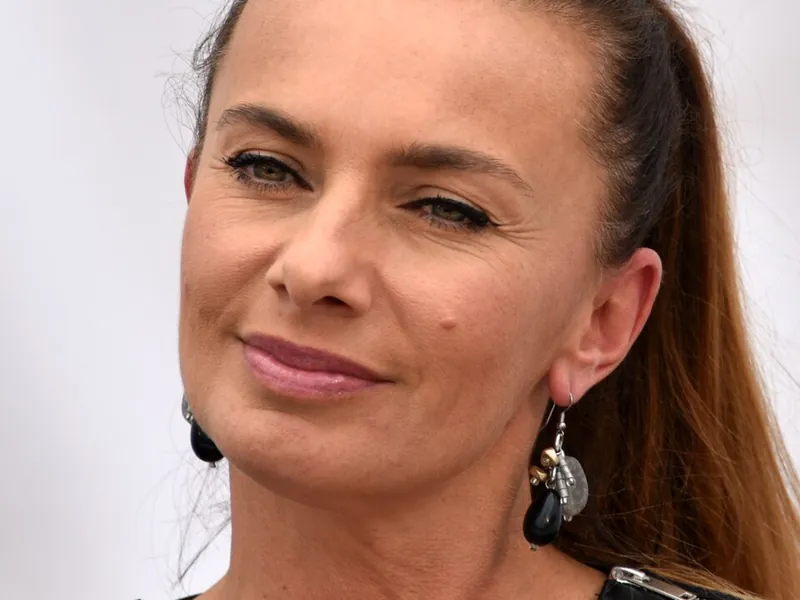 Did Alice Bendová have a facelift? Yes, and she explained why herselfAlice Bendová confirmed a deep plane facelift in September 2026. Her words, how a facelift works, who it suits and what recovery looks like.
Sun on the Coast, Years on the Face: What a Surgeon Needs to See
Life on a Mediterranean coast leaves its mark on a face long before anything else does. Skin loses some of its spring around the cheeks, lines deepen beside the mouth, and the neck begins to soften. With roughly 203,790 people living in Zliten municipality according to 2025 figures, no two faces carry the same history, which is why a facelift cannot be judged from a general description. It has to be judged from photographs of your own face. Anyone who has worked outdoors for years, on a farm, a fishing boat or a market stall, will recognise this, and it is worth telling the coordinator because old sun habits explain much of what the surgeon sees.
Take them in calm daylight near a window, without flash and without phone filters. Ask someone at home to photograph you from the front and at three-quarter angles on both sides, once relaxed and once smiling, with one extra frame of the neck while you lift your chin slightly. Do not sweep your hair over the area that bothers you. The surgeon needs to see exactly what you want changed.
Then add the facts a surgeon asks first: your age, any earlier face surgery or injectable treatment, whether you smoke, your medications, and whether you live with diabetes, high blood pressure or a clotting problem. These details decide at the very start whether general anaesthesia suits you or needs some preliminary tests, and it is far better to list them in full now than to have the assessment redone later.
Your package reaches coordinators who answer on Telegram and Telegram around the clock and who pass it to the surgeon. He studies the descent of the tissues, the elasticity of the skin and where the slackness sits, and a first reply comes back with a view on suitability plus follow-up questions if needed. You do not have to leave home or fix an appointment, and the whole conversation remains with you to reread.
What the Lift Moves and What Is Left to Other Treatments
A facelift works on the deeper tissues of the cheek, jaw and neck, lifting them to a higher position and drawing the skin over them. The result is a face that looks rested, with a clearer jawline and a cleaner neck, but not the face of someone else. Ask the surgeon how your lower contour is expected to look and have him explain what moves with the tissue and what stays as it is.
The operation does not remove fine surface lines, sun spots or heavy eyelids. Those problems have their own treatments, which the surgeon may propose alongside the lift or later. Anyone who expects a single operation to erase every year will be disappointed, whereas someone who knows the limits beforehand tends to look at the result fairly and be pleased with it.
A suitable candidate has skin that still holds some elasticity, general health that can tolerate surgery, realistic expectations, and the willingness to stop smoking for the period the surgeon sets before and after the operation. If you live with a chronic illness, say so openly; the coordinator records it and the surgeon may ask for tests before giving a yes or a no.
Weigh what you want against what your face allows. Bone fixes the frame, skin forms the covering and fat shapes the volume. Ask the surgeon to show with your own photographs what can be improved and what cannot, and whether the lift alone is enough or a combined plan suits you better. That candour is the best measure of how seriously the opinion was formed.
General Anaesthesia and the Night of the Operation: What Your Family Should Know
A facelift is done under general inhalation anaesthesia, so you feel nothing during the work, and a dedicated anaesthesia team watches your pulse and breathing throughout. Ask early about preparation: when to stop eating and drinking, which medications to postpone, and whether any supplements need to be paused. Precise instructions make the day smoother and protect you from an unplanned delay.
It helps if your relatives hear the plan well before the date rather than from you at the last minute. Explain that the face will be swollen and dressed in the first days, that you may look tired, and that this is normal at the start of recovery. People who know in advance do not panic at the sight of bandages, and they can help you instead of adding to your worry. Ask the coordinator for a written list of what to prepare at home beforehand, such as extra pillows to keep the head raised, cold packs and clean wipes, so that the first night is calm.
Choose one person as the contact for the coordinators in the first days. That person keeps the medication schedule, sends the photographs requested and holds the numbers for contact. It saves you from handling the phone while exhausted, and it makes sure that every note about pain or swelling reaches someone who can answer it accurately and without delay.
Libya's weekend falls on Friday and Saturday, which makes a date just before it attractive. That is fine, but do not base your return to public life on it. Full recovery takes about two months, and how much of it is enough for the street, the mosque or the workplace is something the surgeon decides from your photographs, not the weekly calendar.
Two Months at Home: How the Recovery Weeks Pass
The first weeks mean rest and monitoring, and what is asked of you is to send the face and neck photographs on time and describe what you feel clearly. Compare your face today with last week's picture, not with yesterday's mirror, because gradual change is more reliable than a passing impression. The final look comes together between three and six months, so do not judge it too soon. Take the follow-up pictures in the same light, at the same spot and from the same angle each time, because that makes the comparison between one week and the next useful to the surgeon and reassuring to you.
If your recovery falls in August, remember that the average high is 33.6C and the low 22.3C, with July at 33.0C and 21.3C, and no rain in either month. Direct sun is hard on fresh scars, so ask the surgeon about a hat, sunglasses and the right protection, and go out at midday only when you must, fully covered.
Winter is gentler on a recovering face. January averages 17.6C by day and 7.6C by night, February 19.7C and 8.8C, and rain gathers in December at about 52 mm and in January at about 50 mm. Keep heaters away from your face, avoid very hot water unless the surgeon agrees, and do not let cool morning air tempt you into skipping instructions.
Remember too that Fridays and Saturdays are days of visiting, and relatives often drop in on a recovering person. Agree with your household who receives guests and who postpones visits, and do not sit in a long gathering while tired. Proper rest in these weeks is an investment in the face you will live with for many years after the swelling is gone.
Who Stands Behind the Surgeon's Words? Proof Before You Accept
Begin with papers: the surgeon's full name, his exact specialty in facial surgery, his years of experience in facelifts specifically, and what proves them. Check these with the competent health authority in Libya. We did not find an open source that names the licensing body precisely, so ask the official channels yourself and do not rest on what an intermediary says.
Compare offers by what is written: the areas the lift will cover, the type of anaesthesia, the length of follow-up, the number of photographs asked of you and the name of whoever answers your messages. An offer without these details leaves the decision to impression, which is the most dangerous footing for anyone deciding on an operation that changes the face.
Ask responsibly about earlier results. Are there before and after photographs of patients with cases similar to yours, and may they be shown with permission? How long does a result take to settle? Do not be convinced by one carefully chosen picture, and avoid offers that make absolute promises, because serious surgery speaks in terms of probability and limits. When you hear about other people's experiences, remember that every face has its own circumstances and that a friend's outcome is not automatically yours.
Finally, show the written plan to a relative whose judgement you trust, talk through your expectations calmly and take your time. The coordinators are there around the clock for your questions, and you are not required to decide in one evening. If you come back two days later with sharper questions, that is a sign that you understand what is in front of you.
Which photographs does the surgeon need to assess a facelift?
He needs your face from the front and at three-quarter angles in daylight, once relaxed and once smiling, plus a frame of the neck with the chin slightly raised. Do not use filters or flash and do not cover the sides with your hair. The more honest the photographs, the more accurate the first opinion and the fewer retakes you will need.
Will I need general anaesthesia for a facelift?
The operation is performed under general inhalation anaesthesia handled by a specialised team, so you feel nothing during the work. It is preceded by an assessment of your health and instructions about food, drink and medicines, and the team may ask for preliminary tests. Mention all your illnesses and medicines accurately so the anaesthesia is as safe as it can be.
How long does full recovery take?
Full recovery takes about two months, moving from rest to a gradual return to activity. The face takes on its final look within three to six months, once the tissues have calmed and settled. Do not judge the result in the first weeks, because swelling hides the real picture. Rhythms differ from person to person, so follow what your surgeon writes rather than what happened to someone else.
What does the Zliten summer mean for a healing face?
August in town has an average high of 33.6C and no rain, and direct sun is hard on fresh scars and increases redness. Ask the surgeon about a hat, sunglasses and sun protection, avoid midday, and plan your recovery in a milder season if you can, since winter is kinder to the face in this period.
Can I keep the operation private while I recover?
That is possible for someone with a quiet home and a few days away from public view, but the face needs several weeks for the swelling to calm. Consider telling at least one person who can help, arrange with your household how visits are handled, and stay out of long gatherings and events until the surgeon agrees. Patience is part of the plan, and good rest in the first weeks shows in the final result.
How do I know an offer is serious?
Ask for the surgeon's name, specialty and experience in lifts, then check them with the competent health authority. Read the written plan: the type of anaesthesia, the follow-up and who answers your questions. A serious offer states its limits, makes no absolute promises and speaks about follow-up before it speaks about a date.
Will my face look natural afterwards?
The aim is a natural result that returns the frame and the neck to their position without exaggeration, but it depends on your facial structure, the elasticity of your skin and the skill of the surgeon. Ask him to explain with your photographs what to expect, and be wary of anyone promising a completely different face, since a lift restores what has dropped and does not create a new one.
When should I contact the team right after the operation?
Write at once if pain goes beyond what the surgeon described, if a fever persists, if swelling grows on one side, if the skin changes colour or if breathing becomes hard. Send a photograph and a short description to the coordinators, who work around the clock, and do not wait for morning or for the planned follow-up date.
Facelift in Zliten: price and what is included
Prices are in US dollars; the amount in brackets is an approximate conversion to LYD at the rate of 02.10.2026. The final price is fixed in your contract.
- Faceliftfrom $2,400 (≈ LYD 15,500)
How much does a facelift in Zliten cost?
Prices start from $2,400 (≈ LYD 15,500). The surgeon sets the final price at the free consultation, and it is fixed in the contract, with no hidden extras.
What is included in the price?
A one-to-one consultation, the medical team, anaesthesia, inpatient care with meals, 24/7 monitoring and twelve months of follow-up by the surgeon.
How do I get my exact price?
Message us on WhatsApp or Telegram using the buttons below. A coordinator will answer your questions and book a free consultation where the doctor names the exact price.
By messaging us, you agree to our Privacy Policy