City Medical Centre · multi-specialty surgery clinicOpen 24/7

Tummy tuck

Classic and Mini Tummy Tuck in Misrata

Free consultation

Price at consultation

The price is fixed in the contract before surgery
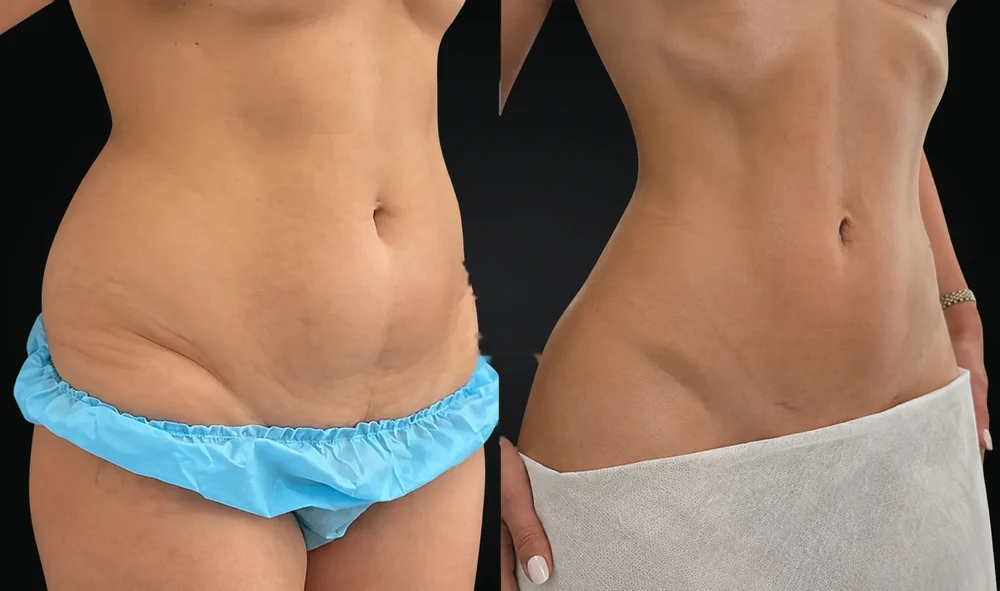
Real case
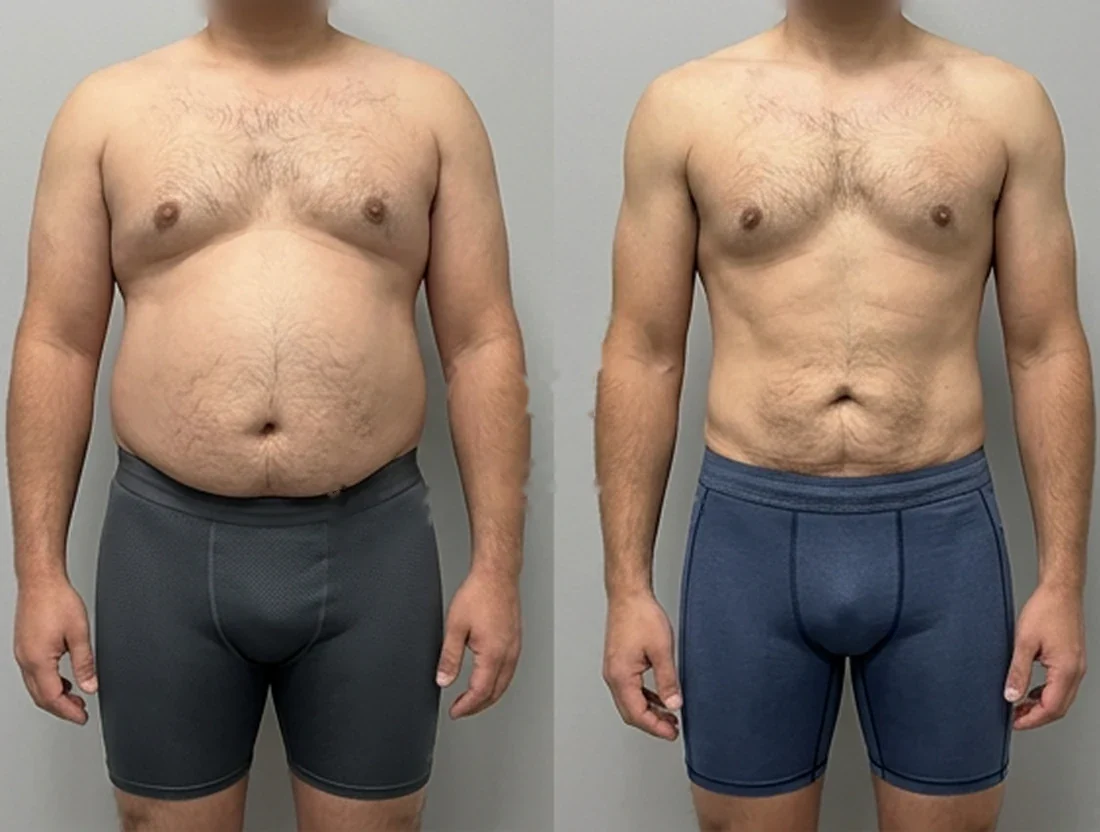
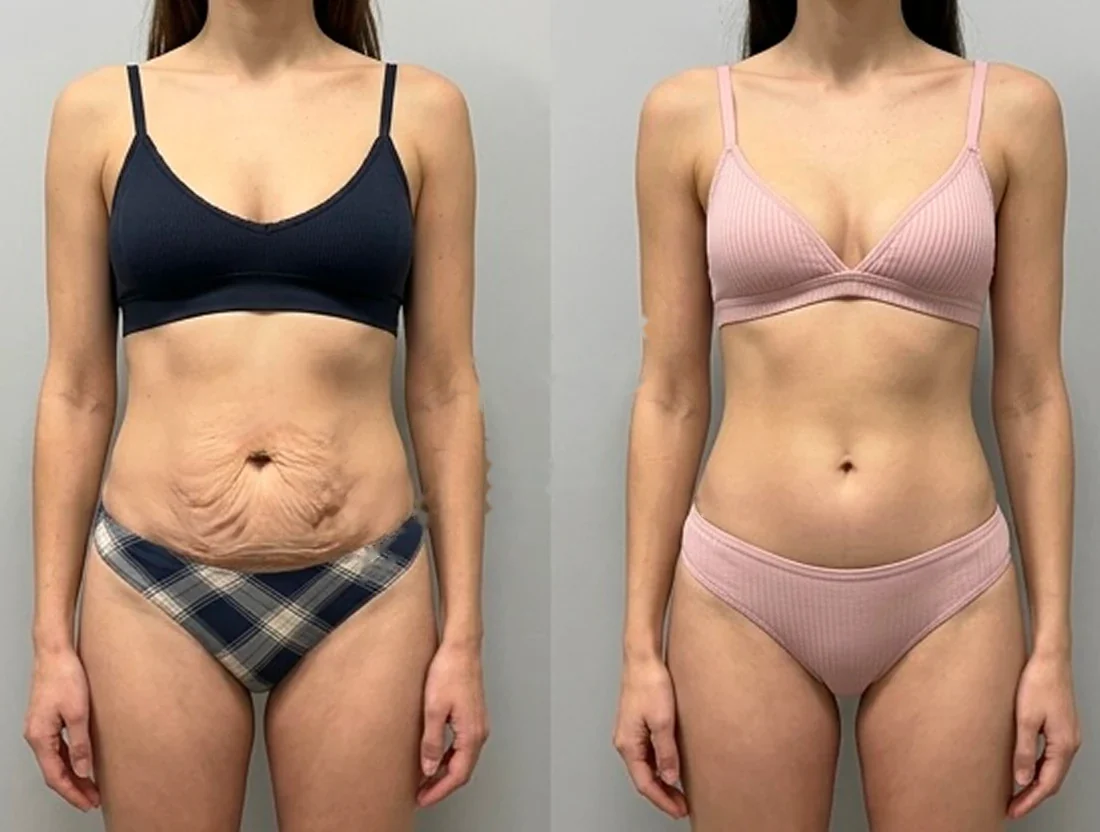
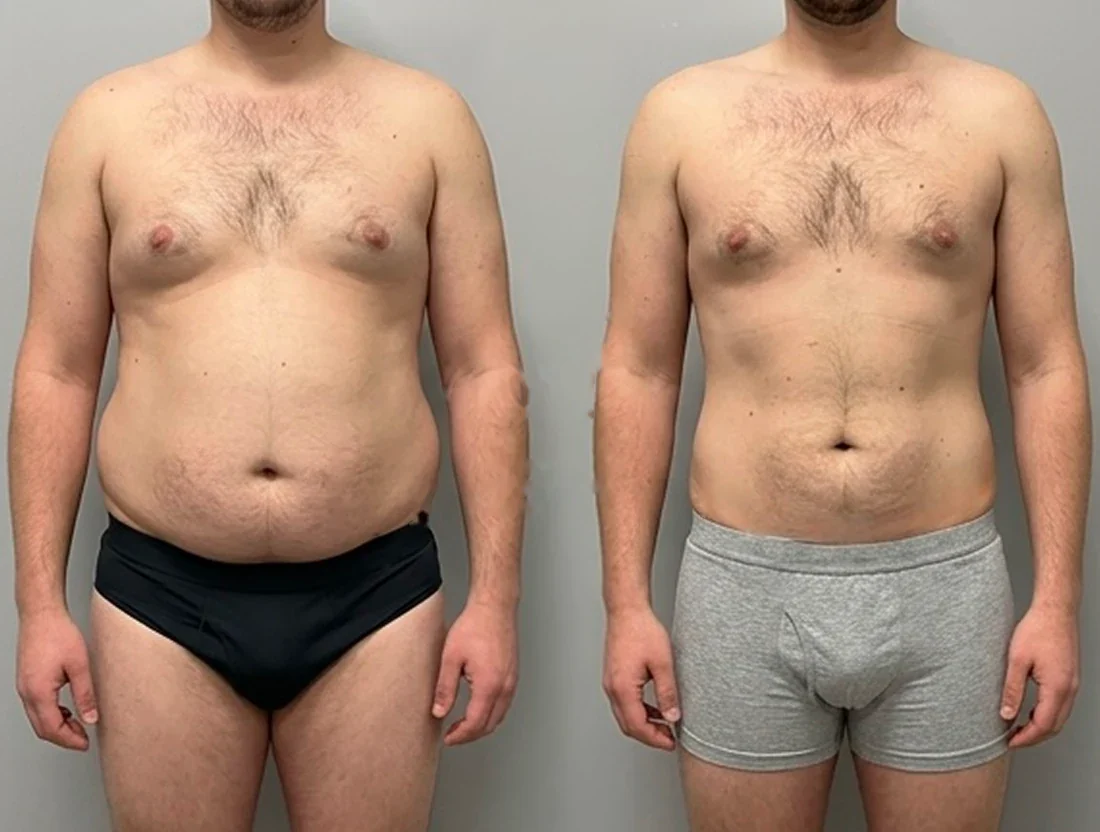
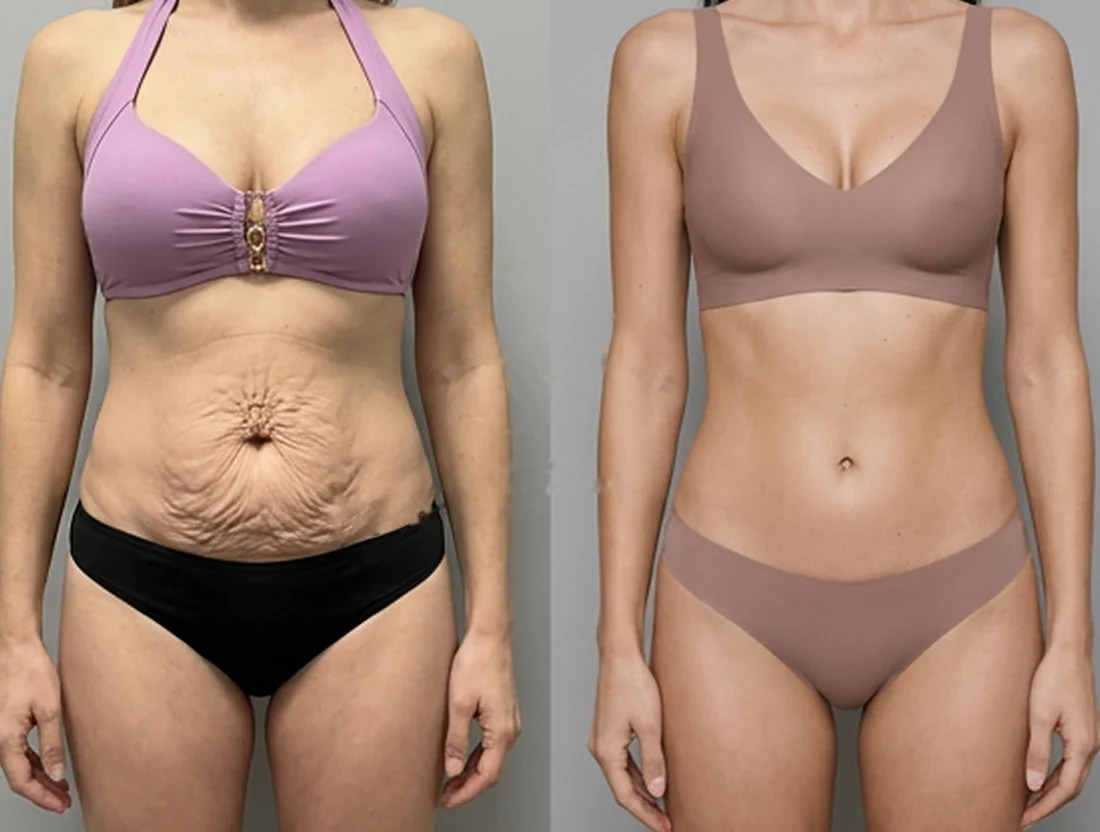
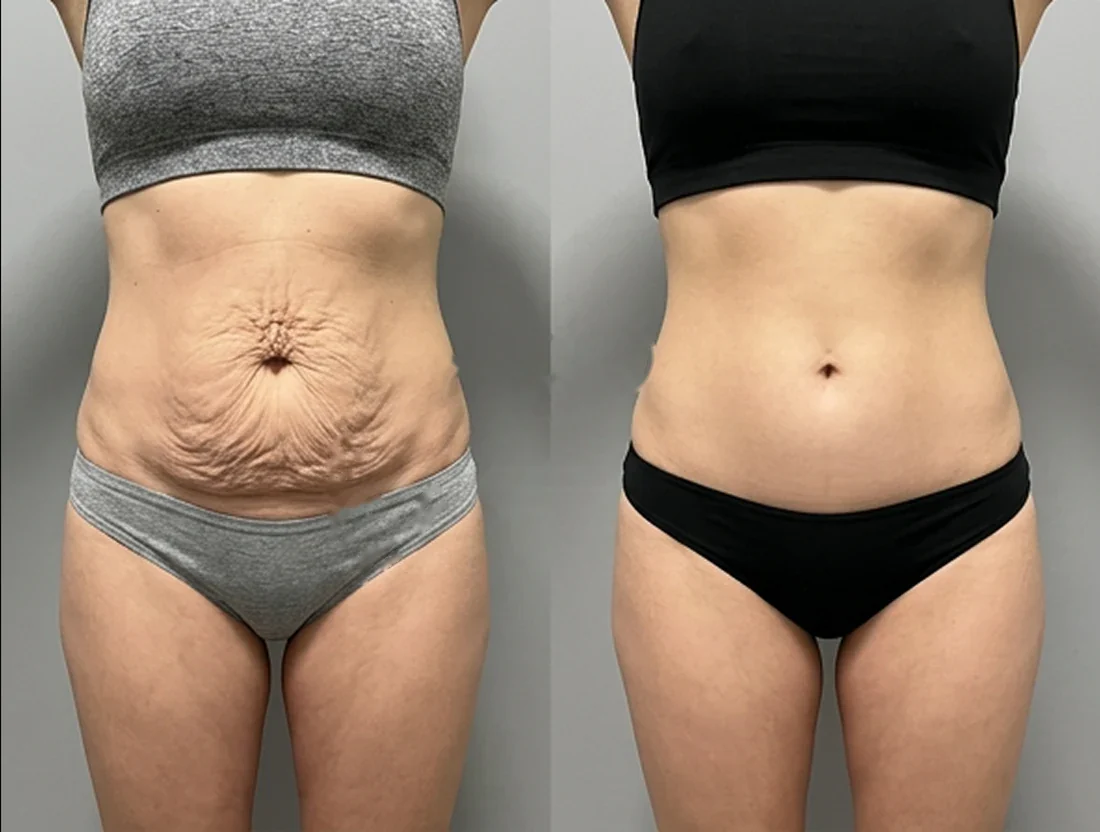
Tummy tuck: a patient's abdomen before and after surgery before after
A flat tummy and a toned silhouette in one operation. Your individual surgical plan and the expected result are discussed at the consultation

Message our coordinator

Free online consultation · Reply within 15 minutes

Message us on Telegram

By messaging us, you agree to our Privacy Policy

Results

Tummy tuck results
of our patients

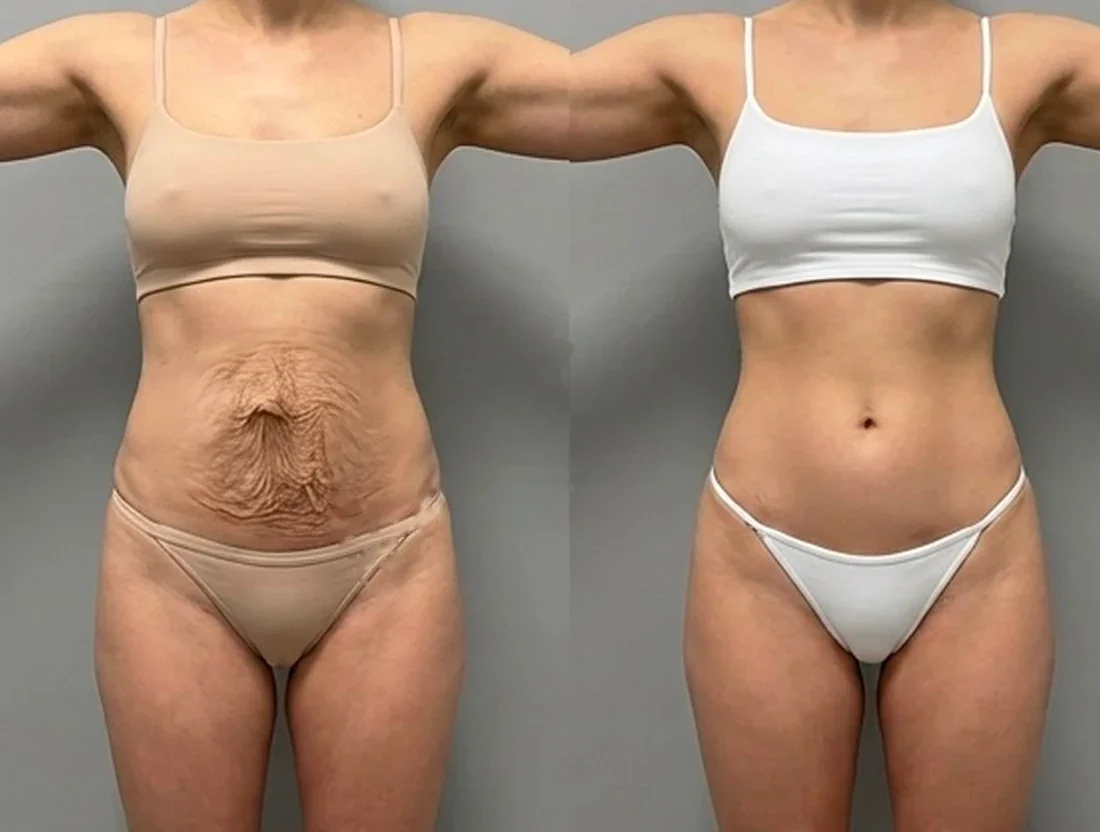
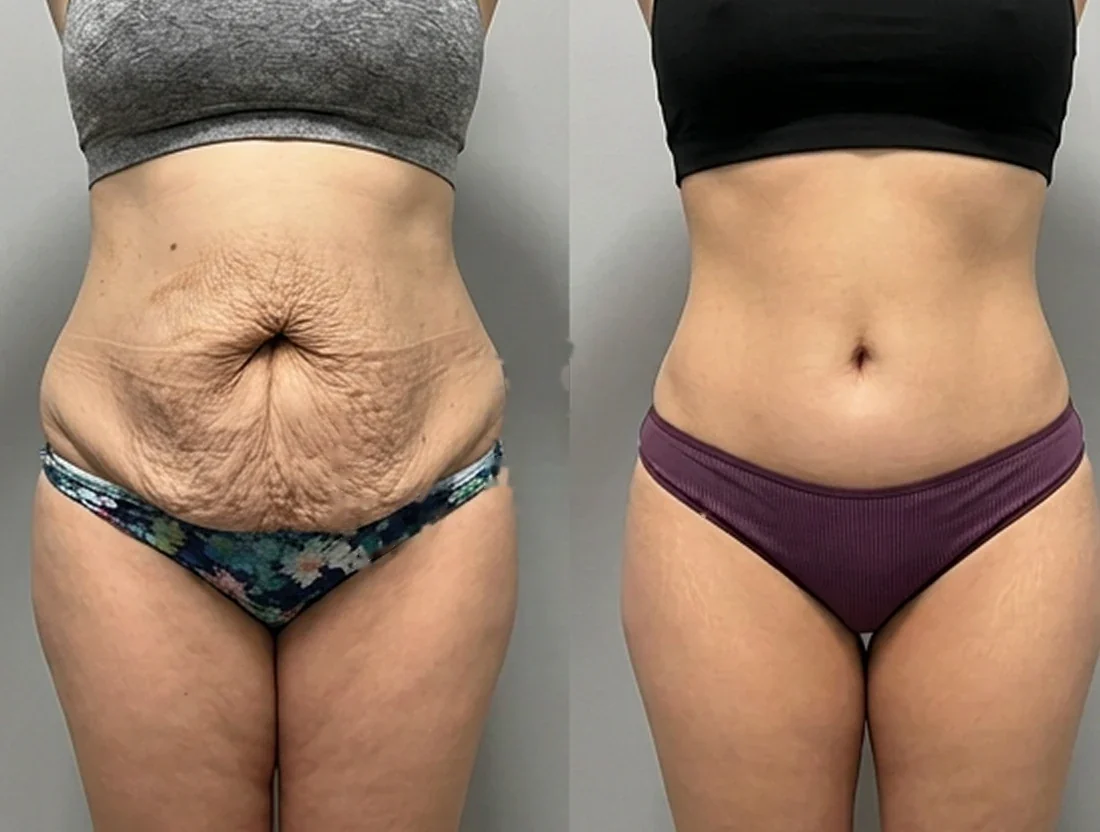
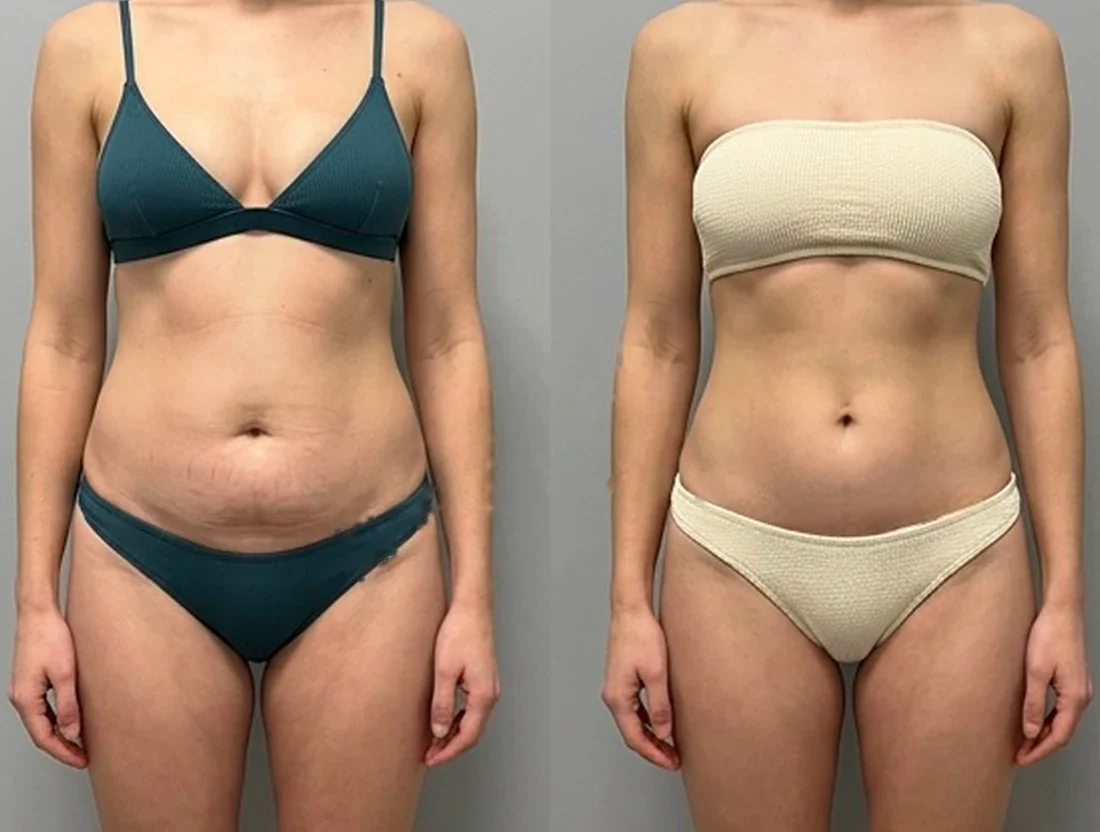
All cases are real patients. Faces and identifying details are hidden.

Tummy tuck: a female patient's abdomen before and after surgerybeforeafter
Tummy tuck: a male patient's abdomen before and after surgerybeforeafter
Tummy tuck: a female patient's abdomen before and after surgerybeforeafter
Tummy tuck: a male patient's abdomen before and after surgerybeforeafter
Tummy tuck: a female patient's abdomen before and after surgerybeforeafter
1 of 8

Comparison

Tummy tuck techniques

A tummy tuck is done as a full (classic) or mini operation, or combined with liposuction as lipoabdominoplasty. Compare the scope of surgery, the indications and the expected results to choose the right technique together with your surgeon.

Tummy tuck

Removal of excess skin, abdominal muscle tightening
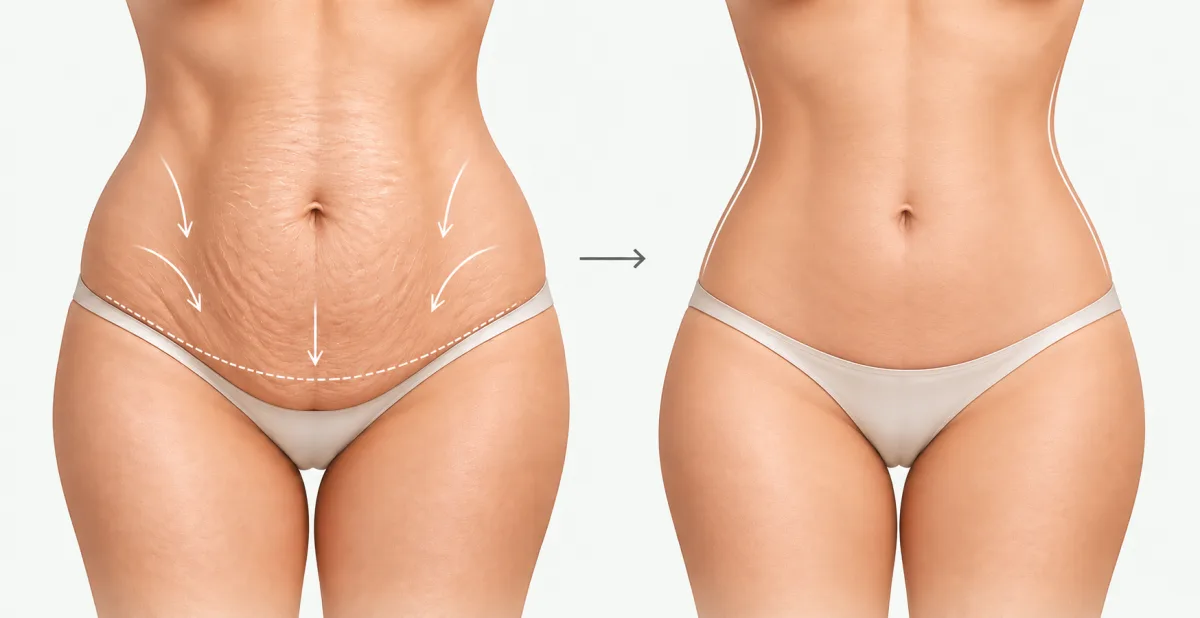
Tummy tuck diagram: the abdomen before surgery with the incision line, and the result
Main goal
Removal of excess skin, diastasis repair
When it is done
Excess skin after childbirth or weight loss
Anaesthesia and stay
General anaesthesia, up to 3 days in hospital

Lipoabdominoplasty

Tummy tuck with added liposuction
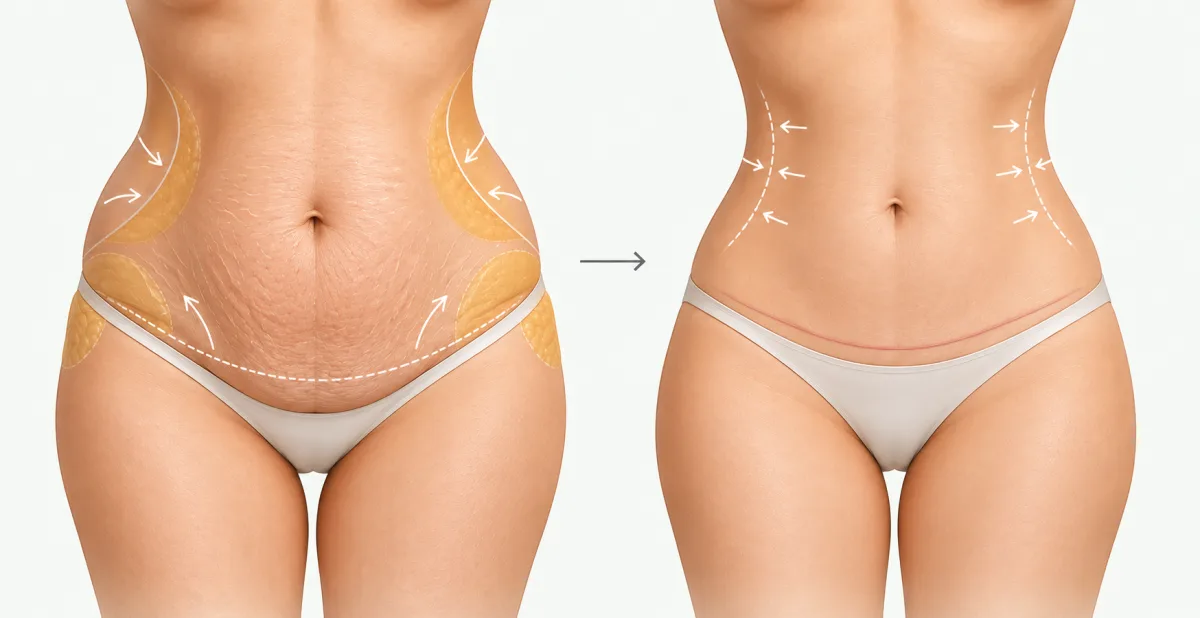
Lipoabdominoplasty diagram: the abdomen with fat on the flanks before surgery, and the result
Main goal
Tummy tightening and waist contouring
When it is done
For fat deposits on the flanks and waist
Anaesthesia and stay
General anaesthesia, up to 3 days in hospital

The benefits and recovery times shown are averaged for each technique and given for guidance: the scope of correction and rehabilitation depend on your anatomy and individual features, and the surgeon confirms them at the consultation.

At the consultation the surgeon draws up a plan for your case and explains how your tummy tuck will go.

Free, before surgery and with no obligation.

Book a consultation

Tummy tuck from the inside

About the clinic

A clinic where you can feel at ease

Modern equipment, comfortable rooms and care for every patient

A doctor and a patient in a clinic ward

Contact us the way that suits you

We will answer your questions and find a convenient time for a consultation

A tummy tuck is not for everyone

If your case can be solved without surgery, the doctor will tell you so at the consultation — and you will not spend money for nothing.

Suitable

A surgeon shows a patient on a model and a monitor how the abdominal contour changes after a tummy tuck
  • Rectus abdominis diastasis
  • Skin folds after weight loss
  • Loose abdominal skin
  • Stretched skin after pregnancy
  • A distorted abdominal contour

Not suitable

A surgeon discusses the indications and contraindications for a tummy tuck with a patient
  • Acute infections
  • Severe heart, kidney or liver disease
  • Disorders of blood clotting
  • Age under 18
  • Decompensated diabetes
  • Cancer
  • Skin inflammation in the surgical area
  • Pregnancy and breastfeeding

Not sure the surgery is right for you?

Message us — the coordinator will ask for your photos in the messenger, and the surgeon will tell you whether a tummy tuck suits you. No surgery booking needed.

Find out if it suits me

A surgeon goes through a tummy tuck diagram with a patient at the consultation

Prices

You know the price
before surgery

The price is set at the consultation and fixed in the contract.

Other services

  • First consultationFree
  • Liposuction of the abdomen and flanksfrom $1,700
Book a consultation

Find out your tummy tuck plan and price

The surgeon assesses your abdominal skin and muscles, listens to your wishes and chooses the right correction technique.
The price is set at the consultation and fixed in the contract.

A nurse talks to a patient in a clinic ward

Message our coordinator

Free online consultation · Reply within 15 minutes

Message us on Telegram

By messaging us, you agree to our Privacy Policy

A patient's abdomen before a tummy tuck in the operating room

all inclusive

What the price includes

From preparation for surgery
to post-op check-ups.

  • All scheduled dressings
  • Scheduled post-op check-ups
  • A personal coordinator on call
  • Compression garments fitted on the day of surgery
  • A stay in a comfortable
    hospital ward with meals
  • Individual recommendations
    for recovery
  • Remote progress monitoring
    by photos

How it works

Three days at the clinic —
from preparation to discharge

An agreed correction plan, inpatient observation and post-op check-ups.

A doctor shows a patient a tummy tuck diagram on a monitor1

Consultation
and the surgical plan

The surgeon assesses your abdominal skin and muscles and checks for diastasis, listens to your wishes and chooses the right correction technique.

Paying the deposit by card at the clinic reception2

Booking the date
of surgery

We reserve a surgery date for you: the deposit can be paid by card at the clinic or online by bank transfer. The terms are fixed in the contract for medical services

A blood sample tube for tests before a tummy tuck3

Check-up before
surgery

Before surgery you complete a full lab check-up: blood tests, an ECG, a chest X-ray and reports from the required specialists.

The surgical team during the operation4

Surgery

The surgeon performs the tummy tuck with the chosen technique, repairs diastasis if needed and shapes a firmer abdominal contour.

A hospital ward at the clinic5

Inpatient stay

After surgery the patient stays for 1–3 days in a comfortable hospital ward with meals, under medical supervision.

A surgeon and a patient in the ward during recovery6

Recovery

After surgery you get a recovery programme. Check-ups at 7 days, 3 and 6 months help track your recovery.

Book a free consultation — the surgeon will plan every step with you.

A doctor discusses the tummy tuck plan with a patient
Book a consultation
A doctor discusses the tummy tuck plan with a patient

How it really happens

Recovering after a tummy tuck

After surgery comes a 1–3 day hospital stay under medical supervision. Drains usually come out after two days, and stitches are removed after 7 days. The compression binder is worn for 1.5–2 months — it supports the abdominal wall and helps shape a smooth contour. Most swelling subsides within 30 days; office work resumes after 2–3 weeks. For 2–3 months there is no sport, sauna or heavy lifting; early on, sleep on your back with your knees bent. The scar is fully mature by 12 months, fading until it is barely noticeable.

Post-op check-ups

After 7 days, at 3 months and at 6 months. Until the end of the year, get a post-surgery consultation with your surgeon to review results and get more information, at the clinic's expense

Advantages

What makes patients choose City Medical Centre

A surgeon discusses the tummy tuck plan with a patient at the consultation

Just find out — you lose nothing

At the consultation we discuss your wishes and assess your abdominal skin and muscles. The surgeon explains what changes are possible, chooses the correction technique and answers your questions.

A surgeon on a video call with a patient after surgery

We stay with you after surgery

The surgeon follows your recovery and the changing abdominal contour at check-ups after 7 days, 3 and 6 months. Check-ups, dressings and aftercare advice are already included in the price of surgery.

A surgeon shows a patient a model and tummy tuck diagrams

A beautiful contour that fits your figure

We choose the correction technique based on your skin, muscles and figure. Our aim is a harmonious abdominal contour that keeps the natural proportions of your body.

A patient writes down a convenient visit time in her planner

Your schedule is our priority

We respect your time: we work 24/7, with easy booking and a personal approach — we adapt to your pace.
A surgeon shows a patient the fixed price of surgery with no extra charges

Fixed prices

After the consultation the surgeon defines the extent of correction, and you get a clear price for the surgery — no surprises on the way to the result you want.

A surgeon visits a patient in the hospital ward after surgery

Round-the-clock care after surgery

Recovery starts in a comfortable hospital ward under round-the-clock nursing care. The stay and meals are already included in the price.

FAQ

We answer what
people ask before booking

About abdominoplasty for patients from Misrata

A tummy tuck, or abdominoplasty, is surgical tightening of the front abdominal wall that removes excess stretched skin and fat. It is not a weight-loss method and does not replace diet or exercise. For patients from Misrata, the goal is a flat abdominal contour: removing the overhanging skin-and-fat apron, repairing separated rectus muscles and, where needed, creating a new navel.

The result comes in stages. First changes show about two weeks after surgery, an interim result is visible at 1.5–2 months and the final contours form at 6–12 months. The scar keeps maturing for up to a year before it fades. Check-ups take place at 7 days, 3 months and 6 months, and until the end of the year a post-surgery consultation for patients from Misrata is at the clinic's expense.

A tummy tuck price is personal. It reflects how much excess skin needs removing, whether the navel is repositioned and whether separated muscles are repaired. To find out yours, book a free consultation: the surgeon examines you, answers questions about the scar, recovery and pregnancy planning and confirms the cost. Misrata residents can apply online or through a messenger.

Stories of well-known people

Well-known people who spoke openly about this operation, in their own words.

All stories about this operation →

The Recovery Calendar on One Page: Drains, Stitches, Desk and Scar

Before anything else, it helps to see the whole abdominoplasty calendar as one sequence. A full anaesthetic is used, and the surgery itself fills somewhere between two and four hours. Afterwards the team keeps you under observation for between one and three days; the drain tubes normally come out on the second day, and stitches are removed a week after the operation. Desk work is back on the agenda in two to three weeks, and by the end of the first month the bulk of the swelling has gone. None of these dates is a promise carved in stone, and the team will adjust them to your own course, but a family that knows the usual order stops treating every ordinary milestone as a surprise.

The next marker is the compression binder, worn for around six to eight weeks. During that stretch tightness and puffiness fade and you see an interim result, which is not yet the final one. The finished contour and the scar are read only at the half-year to one-year mark, once the tissues have settled completely. Print the sequence, pin it where the whole household can see it, and tick off each step as it passes. Treat the interim stage with patience. The abdomen can look flat one week and puffy the next, and the changes belong to the healing process rather than to a fault in the operation.

A calendar like this changes how a Misrata family plans. A woman who works at the university, which has fifteen faculties, can ask her department for a two-week absence and then a lighter schedule. A man who works on the quay at Qasr Ahmed will need a longer break before any lifting. Both can make the arrangement with their supervisors weeks before the date rather than negotiating from a hospital bed. Nobody needs to ask for a vague month off; the sensible request is a written absence plan, agreed early, with a named colleague covering the desk.

Libya's weekend falls on Friday and Saturday, and that fact is worth using. Ask for a date that puts the first days at home against the end of a working week, so the first stretch of discomfort lands on days when nobody expects you anywhere. The calendar stays the same, but fewer people notice the gap, and the absence you must explain to colleagues becomes a matter of days instead of weeks. People in the harbour district, where shifts follow the arrival of ships, often find this easier to plan than they expect, because they are used to thinking about days off weeks in advance.

Who Is Actually a Candidate: Weight, Pregnancies and Honest Photos

The people who ask about a tummy tuck in Misrata arrive from very different directions. One is a mother of three whose skin no longer responds to exercise. Another is a man who lost a great deal of weight and now has a fold that hangs when he sits. A third has tried every diet and still dislikes the line of the waist. In a city of about 391,137 by the 2022 figure, all three are common, and none of them needs to feel unusual. The Roman villa at Shatt al-Hammam, found in 1993, reminds the city that people have cared about body, bath and appearance for eighteen centuries or more, so there is nothing shameful in asking.

The surgeon will say plainly that this is not a weight-loss operation. It redraws the abdominal wall and removes surplus skin, which is why stable weight matters before the date, and why anyone planning another pregnancy is usually advised to wait. Put your lowest and highest weight of the last two years in the first message. The doctor is not judging you; the number simply answers a question that photographs cannot. Be especially frank about smoking, medicines that thin the blood, and any history of clots, since these shape the day of surgery and the days afterwards more than any photograph can.

The photo pack should show front, both sides and back, taken in daylight against a plain wall, standing relaxed rather than pulling the stomach in. Add a picture of any scar, especially a caesarean scar, because its position changes the planned incision. Mention hernias, back pain and earlier abdominal surgery. Avoid tight waistbands for an hour before the pictures, since the marks they leave can mislead whoever is reading the images. If the angle feels awkward, ask a sister or friend to take the photographs and agree on a single window and hour, so that future pictures can be compared fairly with the first set.

Everything you write now saves a round of questions later. A coordinator who receives a tidy file returns a tidy answer, and the surgeon can build a plan that fits your body instead of one drawn from a brochure. Keep in mind that the city has been a trading port since antiquity, and Misrata people have a habit of asking direct questions before they buy anything. Put the same directness into this conversation. The first reply may ask for more pictures or a short list of clarifying questions. That is a good sign, because a plan that begins with questions is usually one that ends with specifics.

Three Days in Hospital and the Person Who Keeps Your Notes

For the first hours and days you will walk slightly bent, because the tightened skin makes standing straight uncomfortable. This is expected and eases over time. Pack loose shirts that open at the front and trousers with an elastic waist, and nothing that presses on the wound or the drains. Ask your companion to help you out of bed and into the chair, and to remind you when each medicine is due. Use the days before the date to fill the freezer, wash bedding and lay out clothes, so that the house runs itself for a week without you standing at the stove.

Choose one calm companion for the stay: a sister, an adult son, a husband, someone who can read the instruction sheet, photograph what the surgeon points out and message the coordinators. A crowd of relatives in the room tends to produce contradictory advice and anxious whispering. One person with a notebook, noting what comes out of the drains and when, is worth more than six visitors with opinions. Give that person the coordinators' contact details in advance and tell the team who will be writing on your behalf, so that nobody has to guess at the other end of the chat.

At home, prepare a quiet room before you leave. A bed that lets you sleep half upright, a pillow under the knees, water and phone within reach, and the instruction sheet taped to the wall. If you have small children, write their school and meal timetable on paper and agree who covers it. A mind free of household logistics heals faster than one still running the family from the pillow. Soft rice, soups and plain meals are easier on the stomach in the first days than heavy dishes, and a short written meal plan on the fridge saves the household from guessing.

Hospitality is a duty in Misrata, so say in advance that you will receive visitors lying down, with tea brought by others, and that visits are short. A voice message that says you are well and resting will satisfy most relatives. Keep the first week for the rhythm that matters: short slow walks inside the flat, enough water, regular medicines, and no heavy lifting or sudden twisting. Sleep matters as much as medicine. Put the phone on silent after the last evening check, keep a small light by the bed, and leave the night routine in the hands of your companion.

The Binder Through a Hot August and a Wet January

The binder is the most discussed accessory of the whole recovery, and the weather decides how bearable it feels. In Misrata the average August high reaches 32.5 degrees and July averages 31.7 with no rain at all, so sweat under the garment is the main complaint. Get at least two binders, swap them daily, wash them as instructed, and clean and dry the skin underneath each time you change. Wash binders in the quiet hours, never leave a damp one drying on a radiator, and keep a spare in a clean cloth bag in your handbag for days when you are out.

Winter reverses the problem. January averages about 91.6 mm of rain, with nights near 9.8 degrees, so dampness and cold become the concern. Dress in warm layers that do not squeeze over the binder, avoid long exposure to wet streets, and dry both skin and garment as soon as you get in. Skin kept damp for hours is irritated far more by moisture than by the binder itself. On rainy days the pavements near the central square turn slippery, so wear flat shoes with grip; a fall onto a healing abdomen is the last thing any patient wants.

Expect tightness, patches of numbness and swelling that builds towards evening. All of that is ordinary, and most of it eases off by day thirty or so. Then comes the interim period, when the abdomen looks much better but still not final. Please do not compare yourself with the finished photographs you have seen online; those were taken months later, and your own series of dated photographs is the only fair measuring stick. Resist the temptation to test the new waistline by pressing or pinching it. The swelling hides the shape, and the real line appears gradually over the following months.

A binder has to fit properly, neither loose enough to be useless nor tight enough to hurt. If numbness becomes severe, redness appears under the edge or pain keeps climbing, send a picture to the coordinators, who answer on Telegram and Telegram around the clock. And do not remove the garment after two weeks because a neighbour said she did; instructions are written for your body, not for her story. A well-fitted binder is a medical garment, and the coordinators can talk you through measuring, layering and care in a few messages if you are unsure.

Offers, Credentials and the Stories People Tell at Gatherings

When offers arrive, ask each one to commit to paper: where the incision runs and roughly how long it is, whether muscle tightening is included, which anaesthesia is planned, how many days in hospital, when drains and stitches come out, and what follow-up covers. Lay them side by side and look for the proposal that describes your body and states its limits. A document that gives every reader the same promise tells you nothing about you. Be wary of any proposal that cannot say how many days it expects you to stay or who will answer questions in the first week at home.

To check the surgeon, ask for the full name and the certificate of specialty in plastic and reconstructive surgery, then confirm the issuing body yourself. The ministry site moh.gov.ly mentions the Health Specialties Council, and official ministry channels can explain how verification works. A phrase such as everyone knows him is not a credential. If the person answering becomes vague about the scar, treat that as information, since the scar is the central question of this operation. Keep all the written offers in one folder with the date each arrived; a week later the differences usually look larger and plainer than they did when you first read them.

At family gatherings you will hear that the scar is huge or that the belly returns to its old shape within a year. Ask the team directly where the scar will sit, how to care for it and when you may expose it to sun. Follow the instructions in the early months, because early care shapes how the mark looks later, and there is no shortcut to a better result than patience. If you cannot easily find the body that issued a licence, ask the coordinator how to confirm it. A clear, calm answer is a good sign; a change of subject is another kind of answer.

Once the first month is over, photograph yourself monthly at one window and one angle, and pass the pictures to the coordinators. A series reveals slow improvement that the eye misses in daily life, and it gives the surgeon something concrete when the six-to-twelve-month assessment comes. Misrata has always valued things that are built slowly, from carpets to harbour walls; a good abdominal result is built the same way. The team will welcome your questions about the first week, the scar, sun exposure and sport, and you should write the answers down before signing anything.

How long does a tummy tuck take, and what anaesthesia is used?

The operation is done under general anaesthesia and lasts two to four hours, depending on how much skin is removed and whether muscle tightening is part of the plan. Before the date, tell the surgeon about every medicine and every earlier abdominal operation. Write your questions on paper beforehand, because the anaesthetic and the nerves of the day make it hard to remember them.

How many days will I spend in hospital?

You stay under medical supervision for one to three days. Drains are usually removed after two days and stitches come out on day seven. Prepare the bedroom at home beforehand with a half-upright sleeping position and choose one calm companion. Read the discharge instructions twice before you leave, and ask your companion to photograph the pages.

When can I return to office work?

Office work resumes after two to three weeks. Desk jobs may restart on the earlier side with some days at home first, while physical work waits longer and the surgeon decides the date. Pick a date that puts the first days against a Friday and Saturday weekend. If tiredness catches up with you in the first week back, go home and tell the coordinators; adjusting early is easier than recovering from a setback.

How long do I wear the compression binder?

Wear it for roughly a month and a half to two months. In summer have two binders and swap them daily; in winter dry your skin and the garment at once after rain. Do not stop early because someone else did. Ask whether a lighter garment may replace the binder later and what to wear over it in the meantime.

When does the swelling go?

Most swelling is gone by about thirty days. After that comes an interim result while tightness passes. Do not compare yourself with final photographs from other patients, because those are taken months later. The tightness usually eases gradually, so a little stiffness in the morning is normal.

When can the final result and the scar be judged?

At six to twelve months, when the tissues have fully adapted. Until then the scar changes in colour and thickness. Take a monthly photograph in the same light and send it to the coordinators to track slow progress. Monthly pictures judge progress more calmly and more accurately than daily mirror checks.

Is a tummy tuck a way to lose weight?

No. It reshapes the abdominal wall and removes excess skin. Surgeons prefer a stable weight before the date and usually advise waiting if another pregnancy is planned. Be honest about your weight history in the first message. Ask about the weight that suits your build before agreeing to a date.

How do I verify the surgeon's qualifications?

Ask for the full name and the specialty certificate in plastic and reconstructive surgery, then check the issuing body yourself. The ministry site moh.gov.ly names the Health Specialties Council, and official channels can explain how to verify. Keep a copy of the certificate in your file so you can return to it if answers differ later.