


























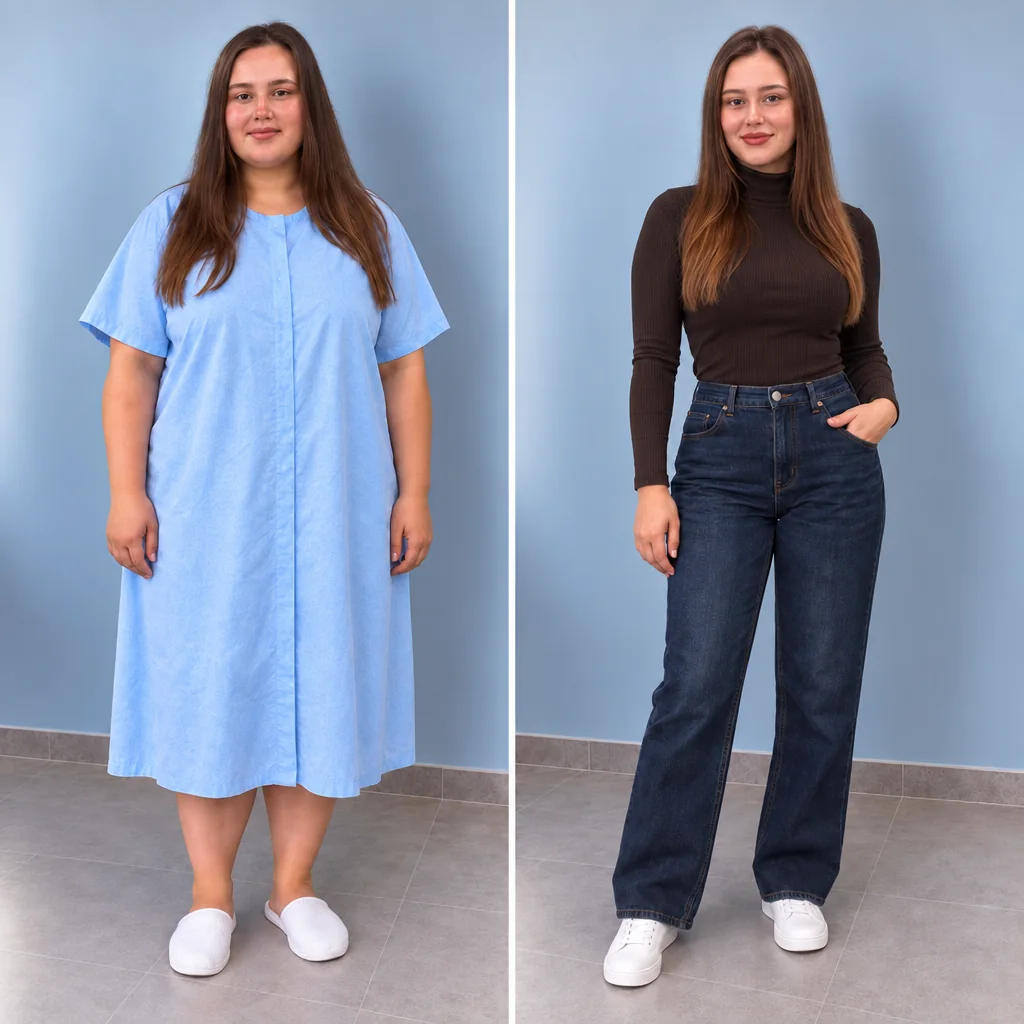
 beforeafter
Irina, 26
Bariatric surgery
Bariatric surgery
$3,600
$4,800 · First consultation — Free
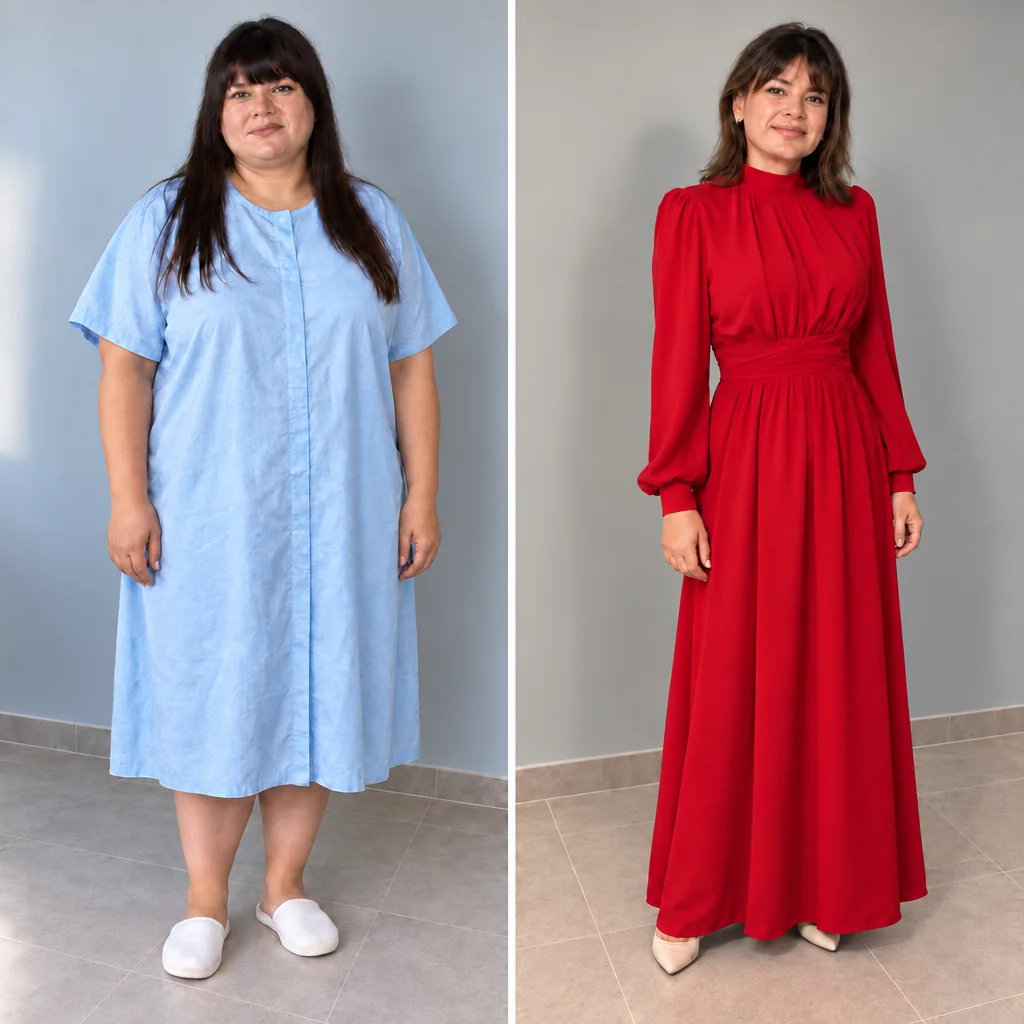 before
after
before
after
Message our coordinator
Free online consultation · Reply within 15 minutes
Message us on TelegramMessage us on WhatsAppBy messaging us, you agree to our Privacy Policy
Results
All cases are real patients of the clinic.
beforeafterBariatric surgery
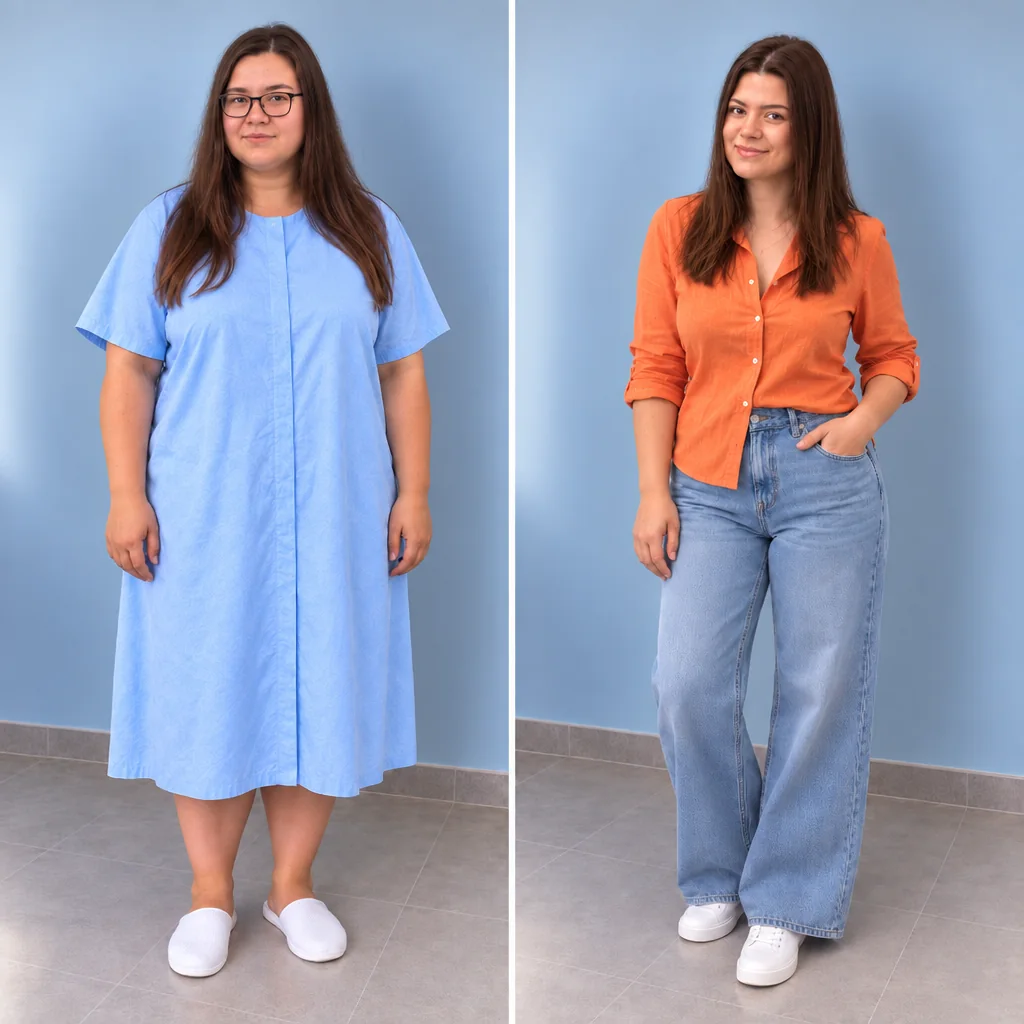 beforeafter
Bariatric surgery
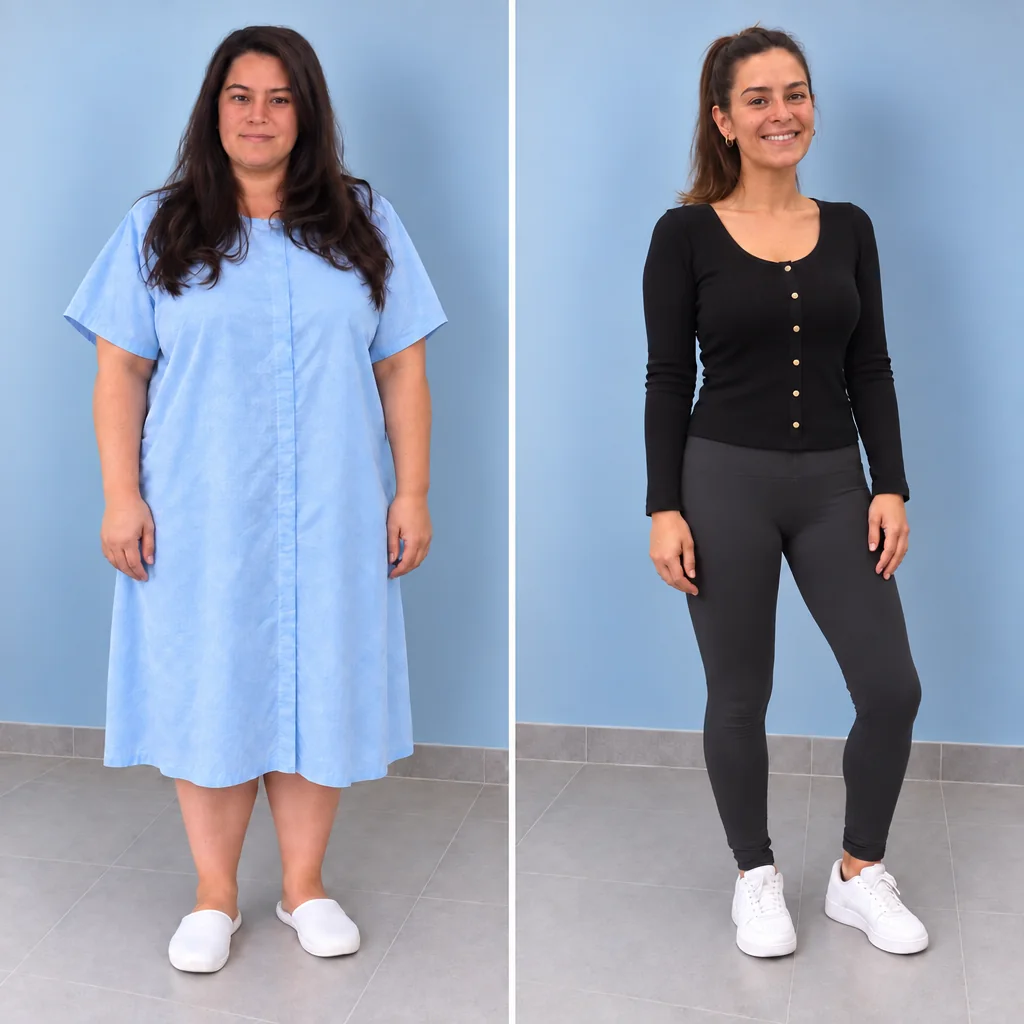 beforeafter
Bariatric surgery
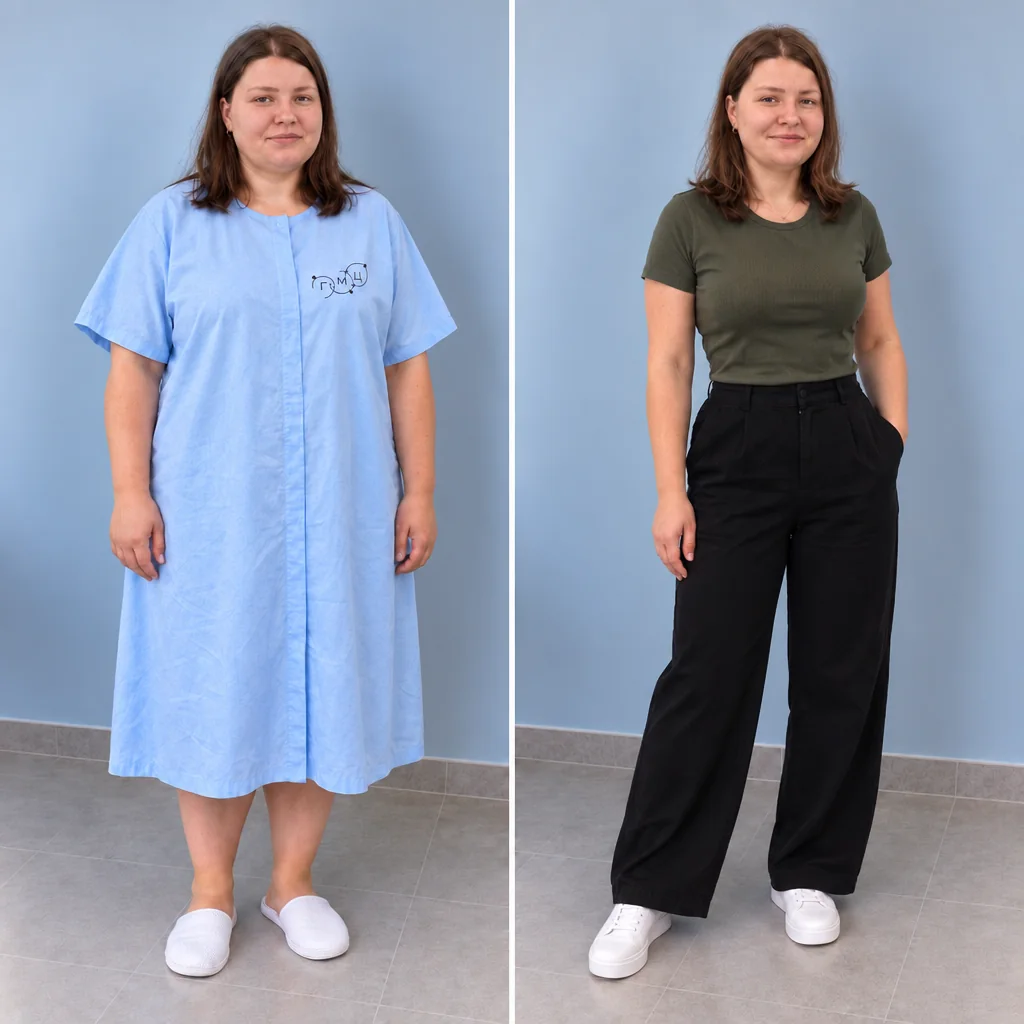 beforeafter
Bariatric surgery
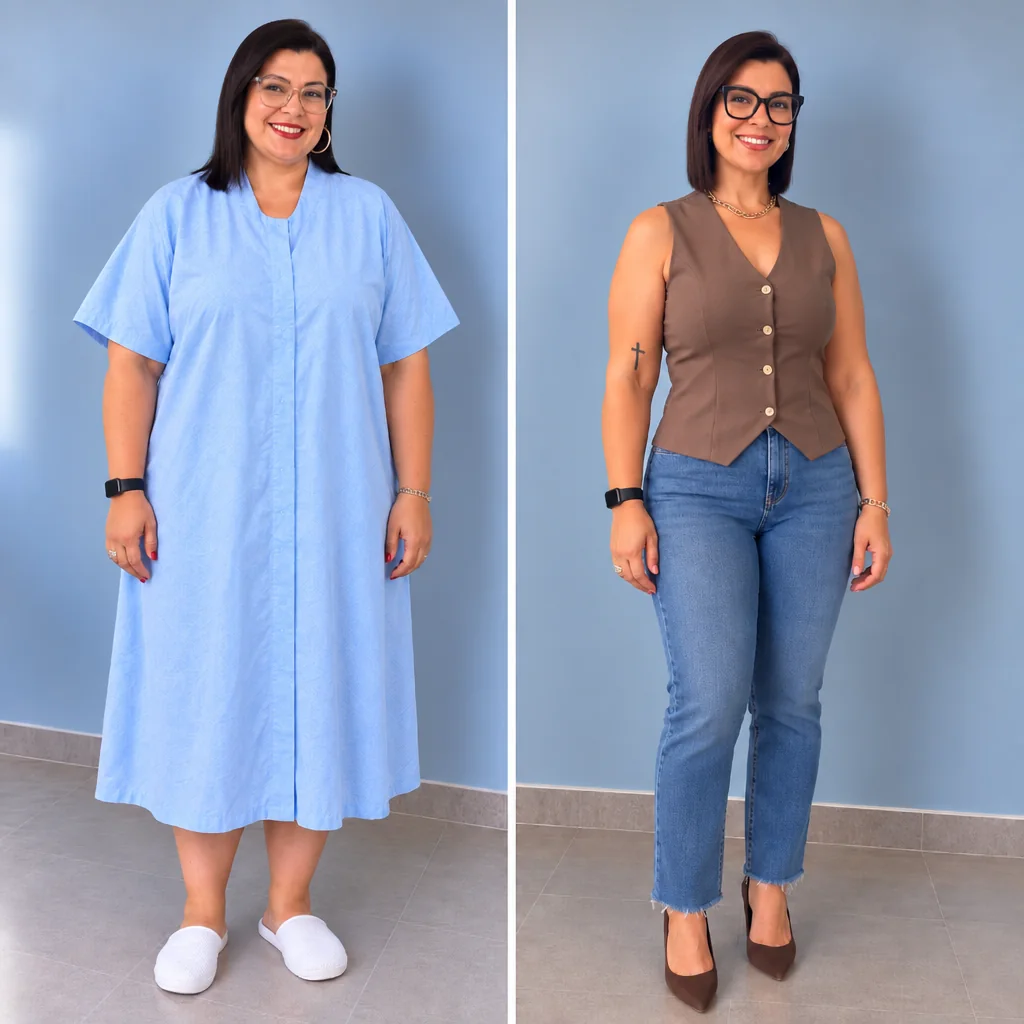 beforeafter
Bariatric surgery
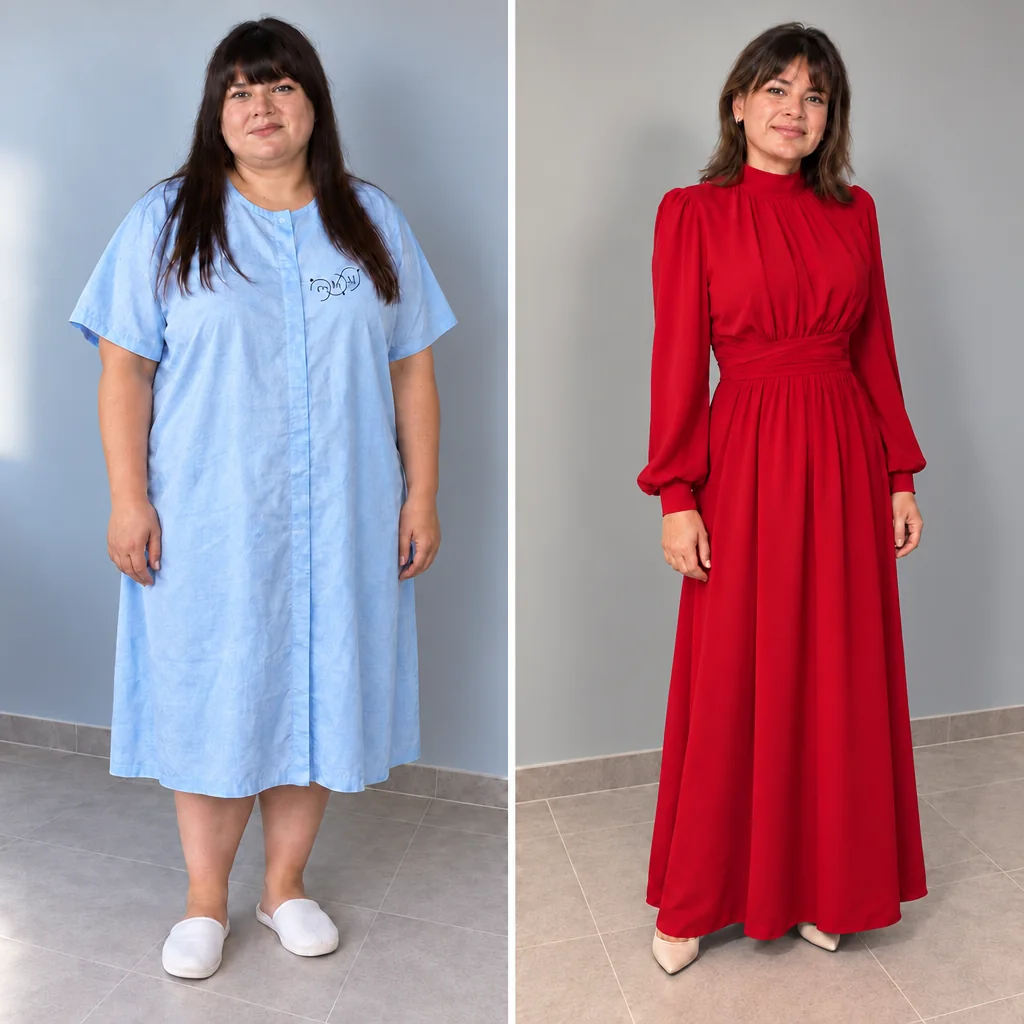 beforeafter
Bariatric surgery
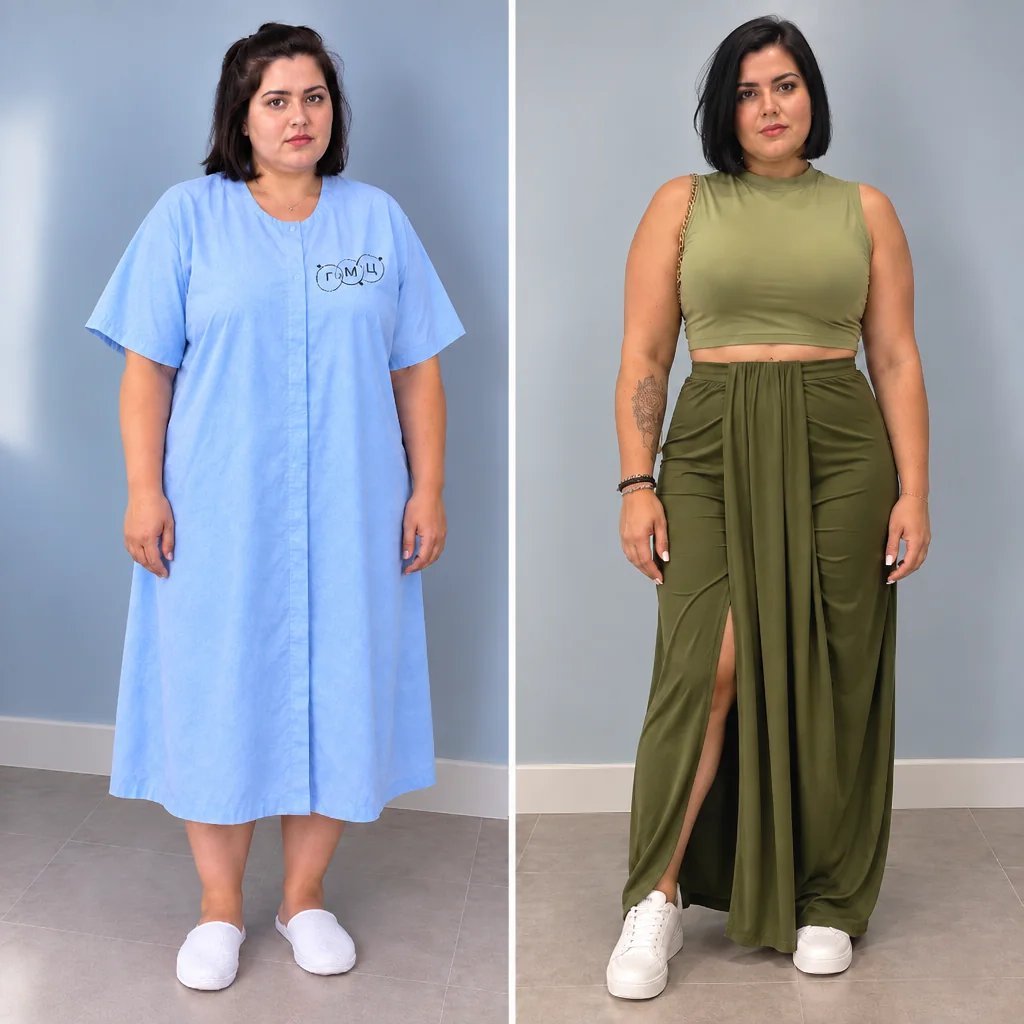 beforeafter
Bariatric surgery
 beforeafter
Bariatric surgery
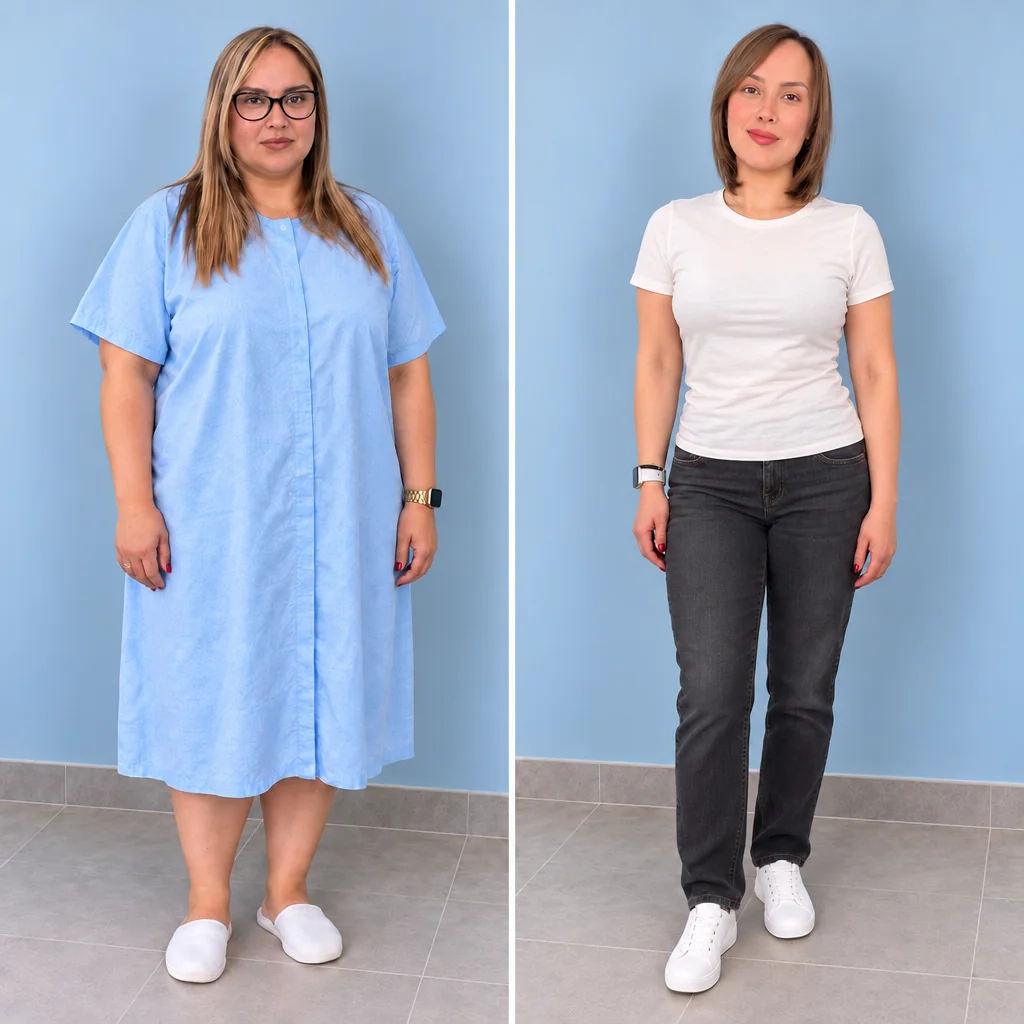 beforeafter
Bariatric surgery
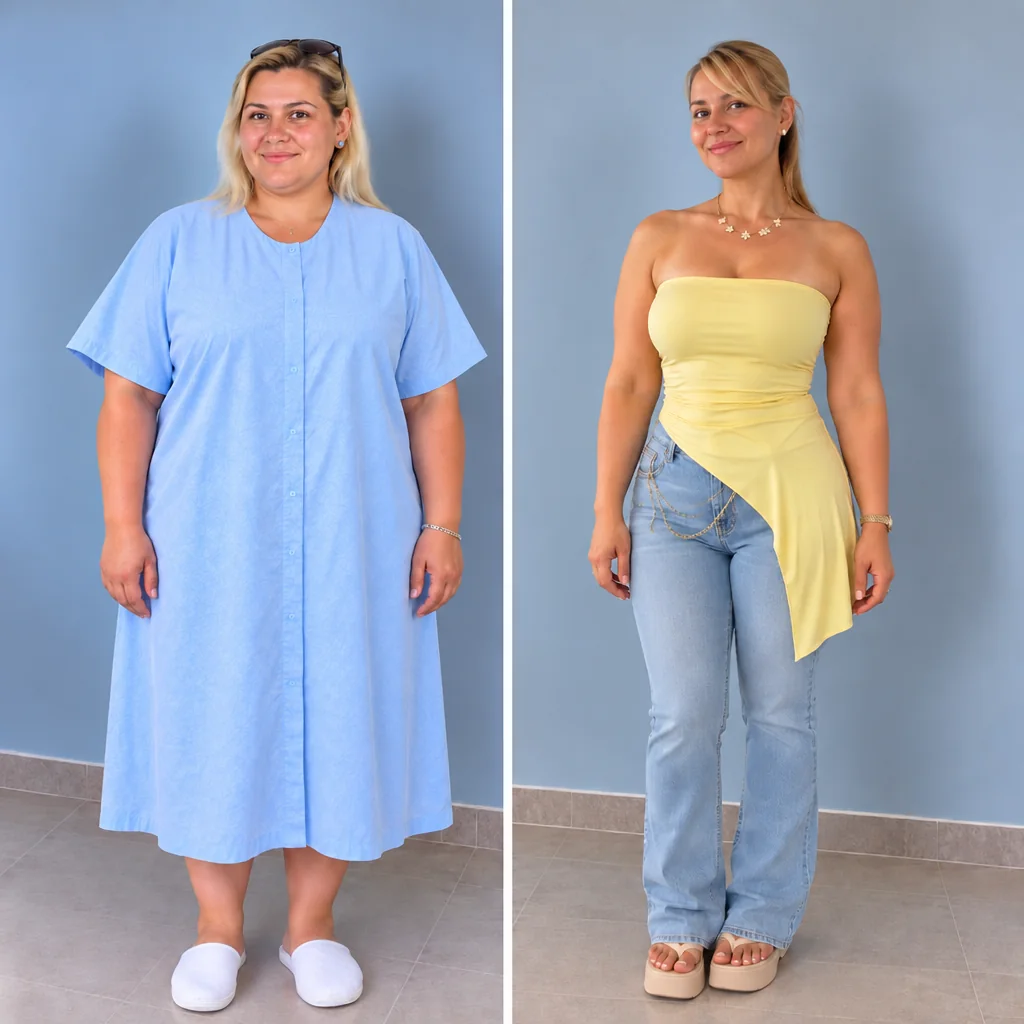 beforeafter
Bariatric surgery
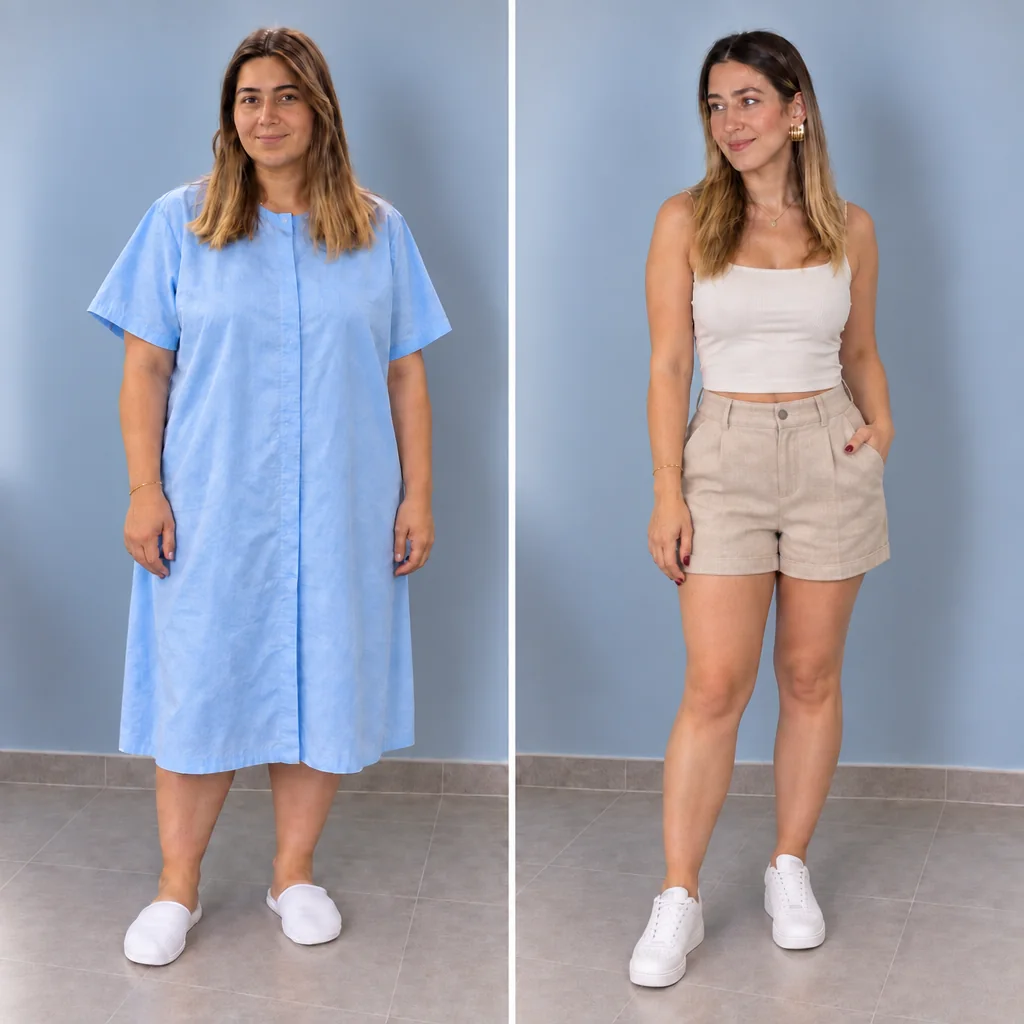 beforeafter
Bariatric surgery
Comparison
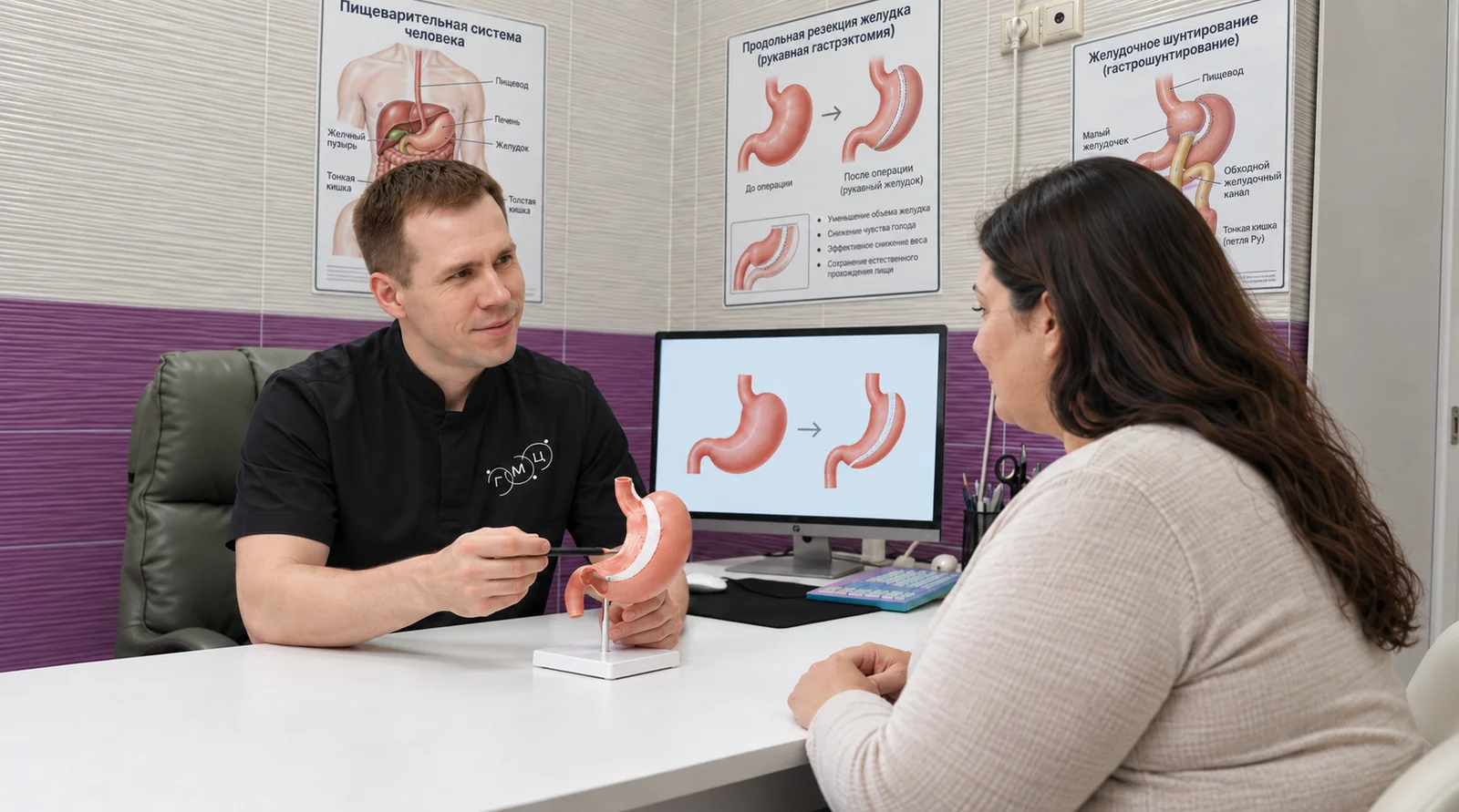
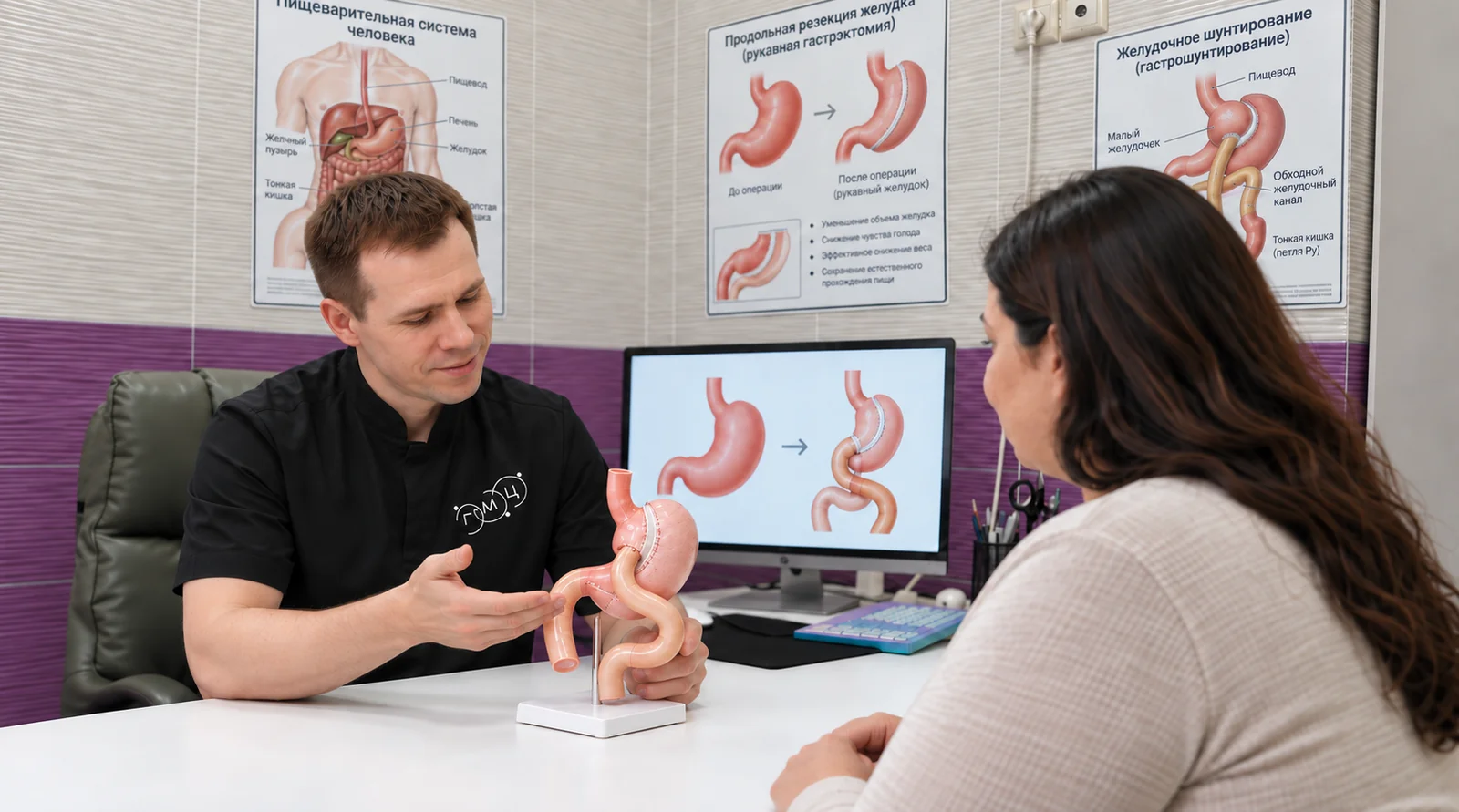
Two core procedures are offered here: gastric bypass and sleeve gastrectomy. See how each one works, its purpose and its indications so you can pick a method with confidence.
Reducing the stomach volume
Discounted price
$3,600 $4,800
Stomach volume is reduced and the food path is changed
Discounted price
$4,000 $5,200
We show average benefits and recovery times for each method as a guide only: the extent of the operation and recovery are individual, set by your anatomy and features, and confirmed by the surgeon at the consultation.
Book a consultationInside the clinic
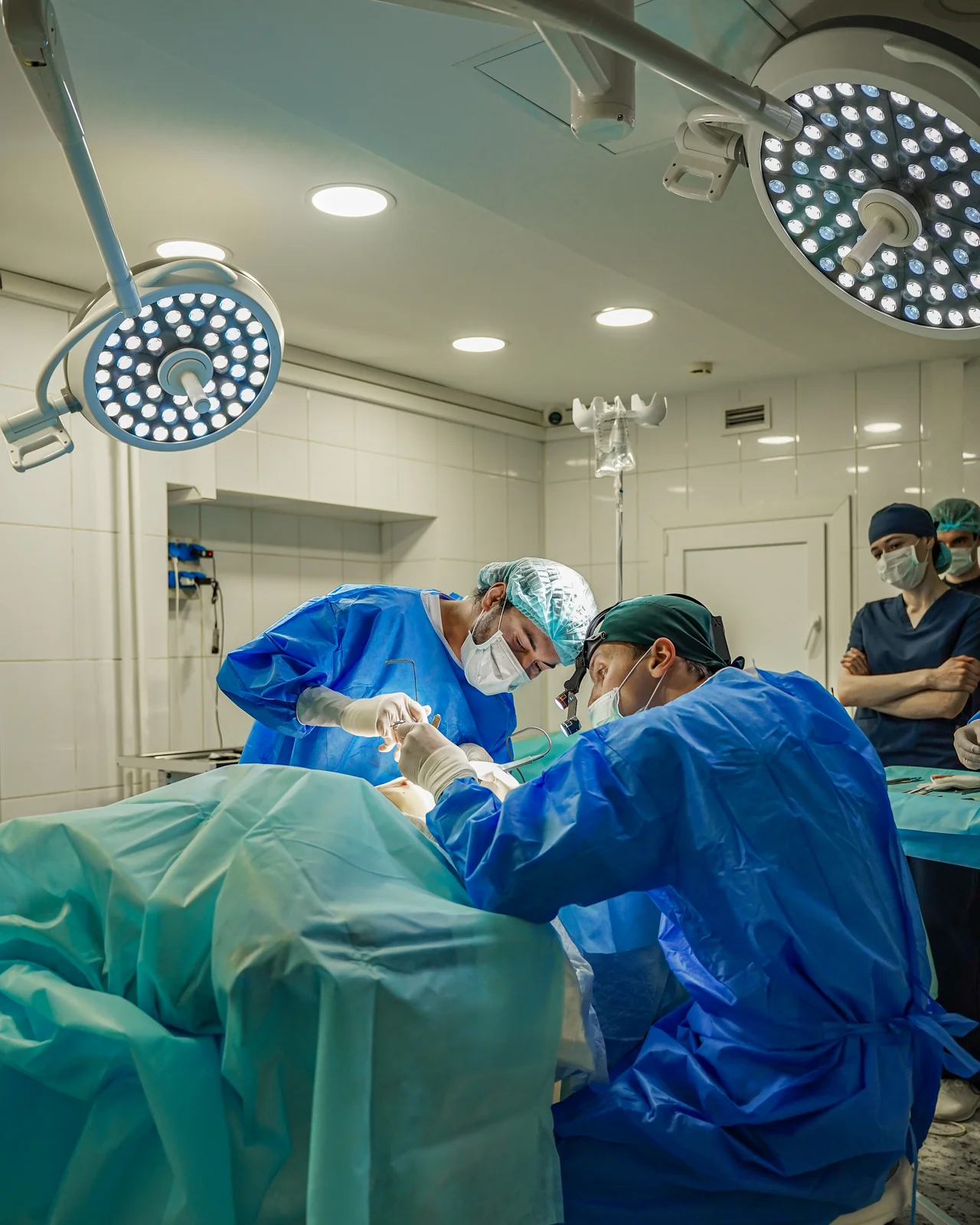
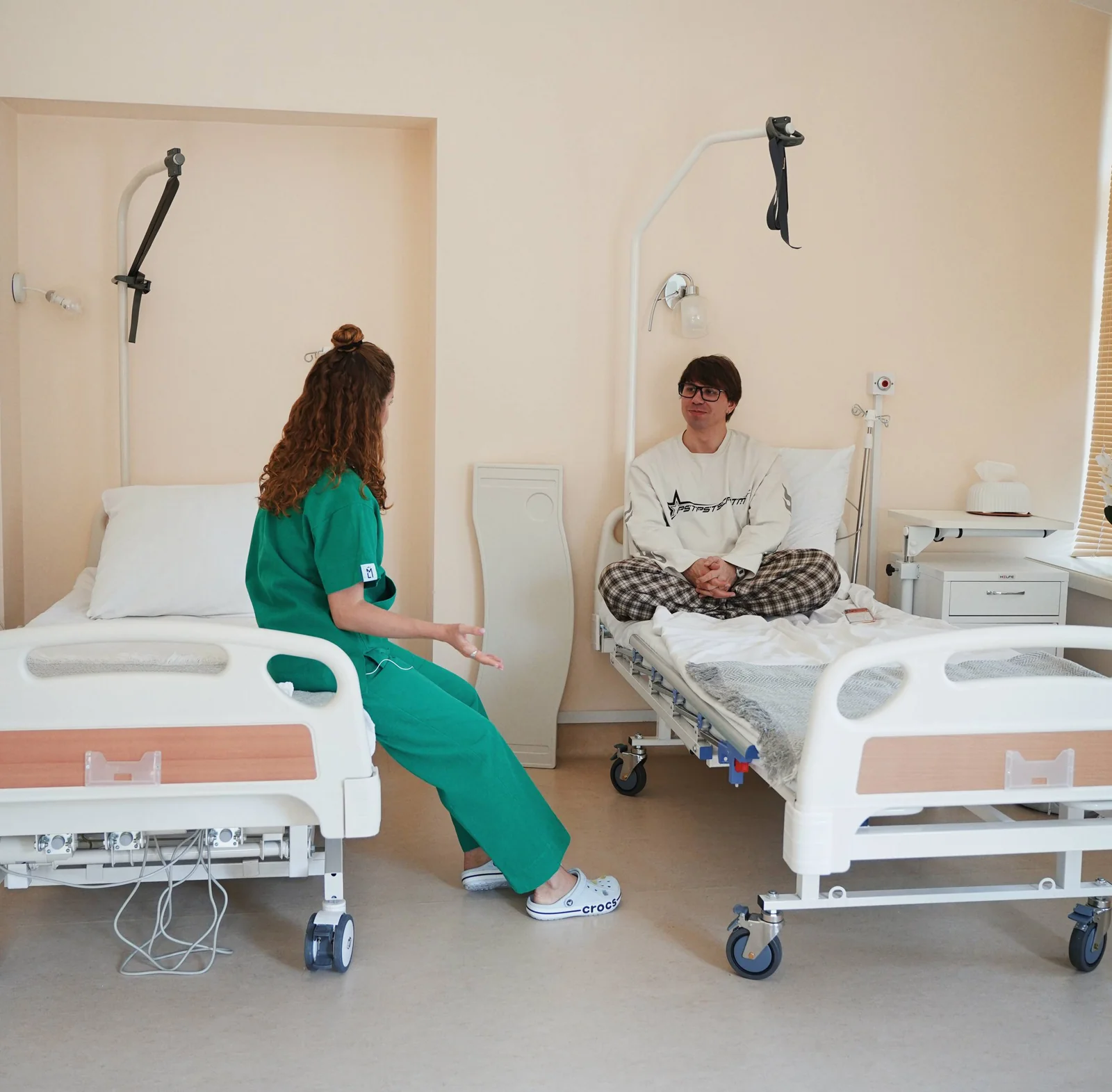
Modern equipment, comfortable rooms and care for every patient
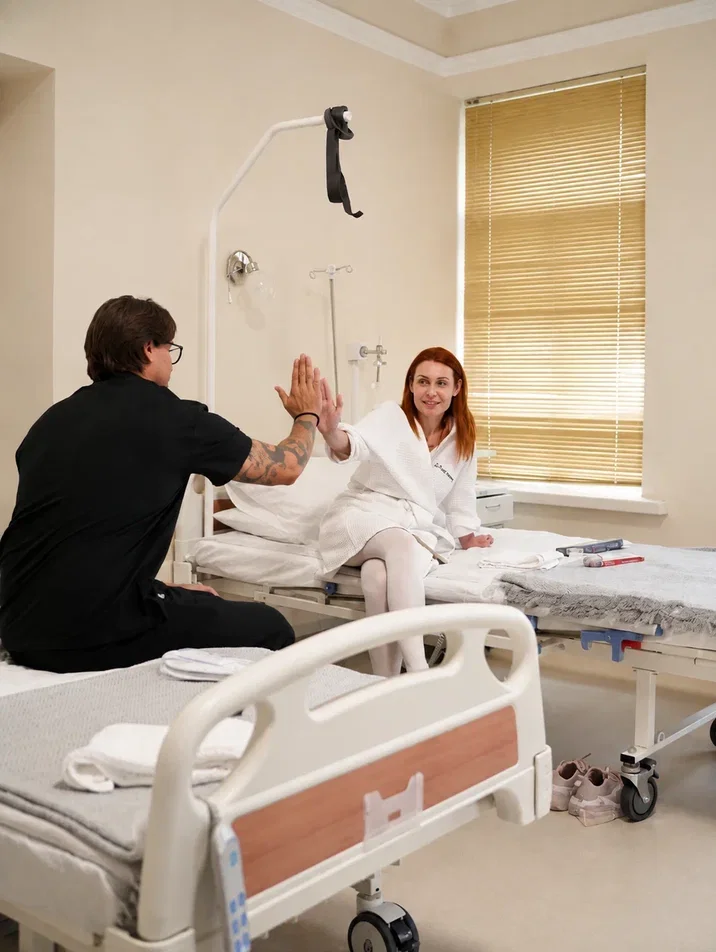
We answer your questions and pick a convenient consultation time
Get a consultationYou and the surgeon decide on surgery together, after a consultation and check-up.
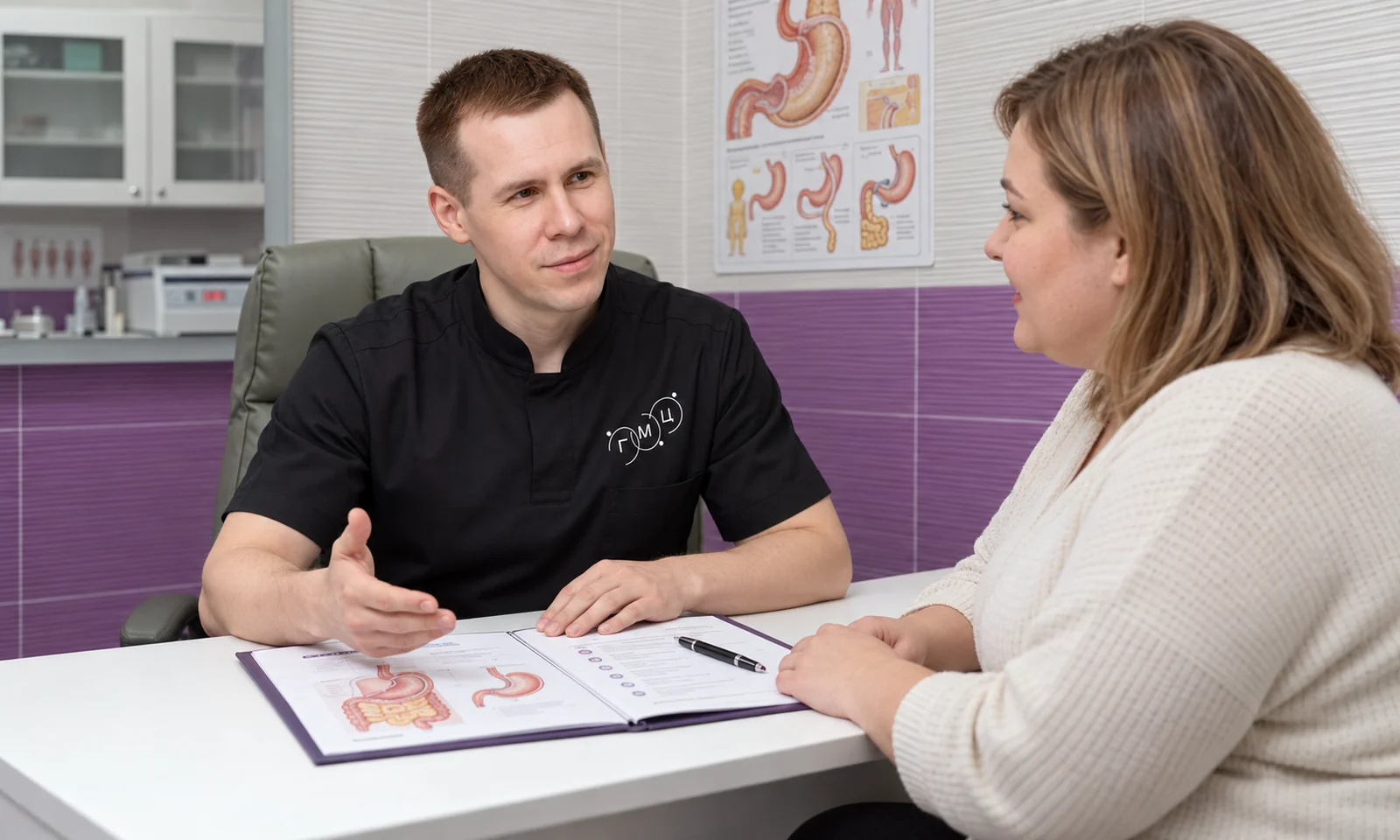
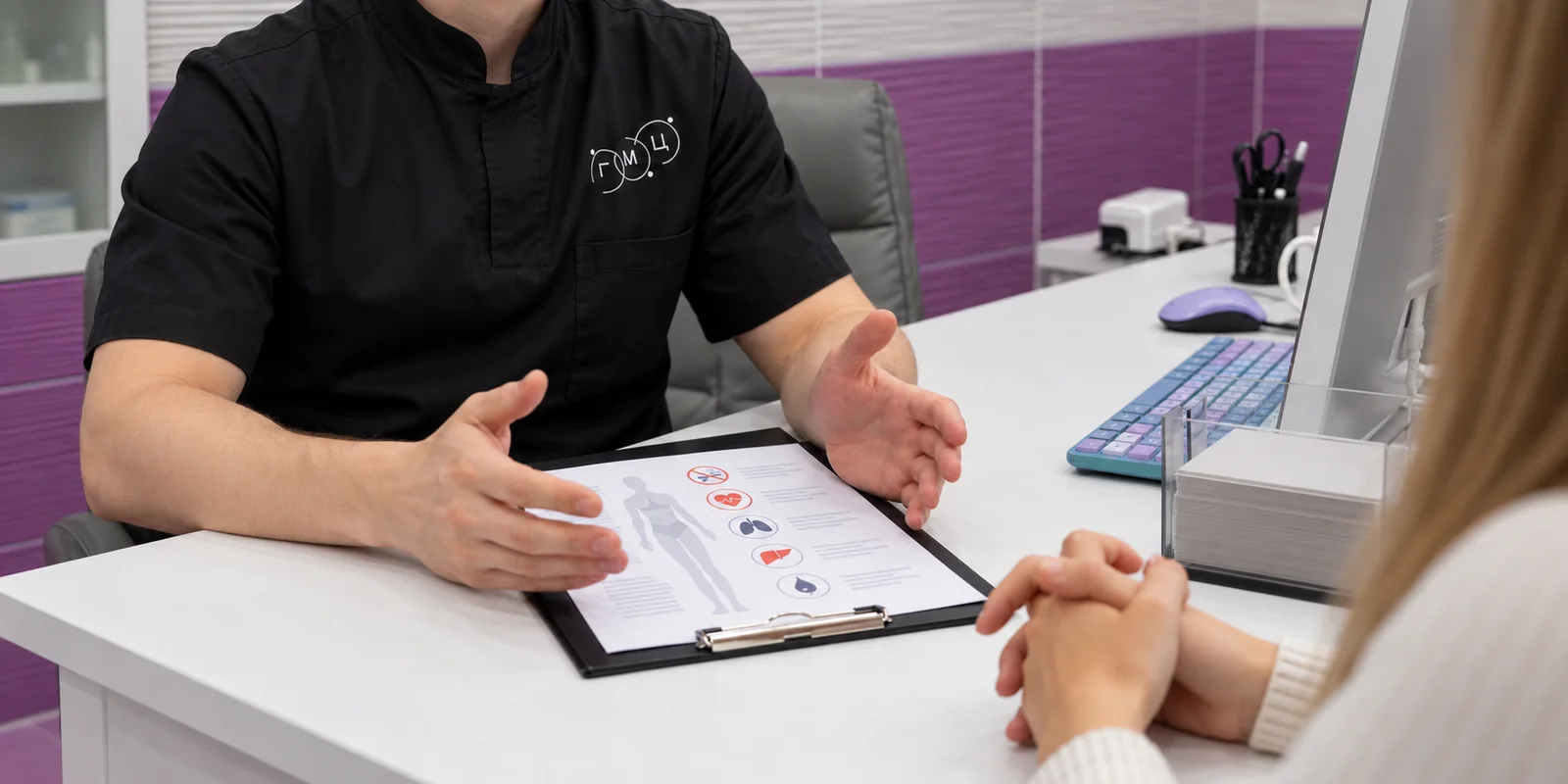
Unsure which column describes you?
Send us a Telegram message to find out from our coordinator if bariatric surgery is right for you. There is no charge for the surgeon consultation and no commitment to surgery.
Find out if it suits me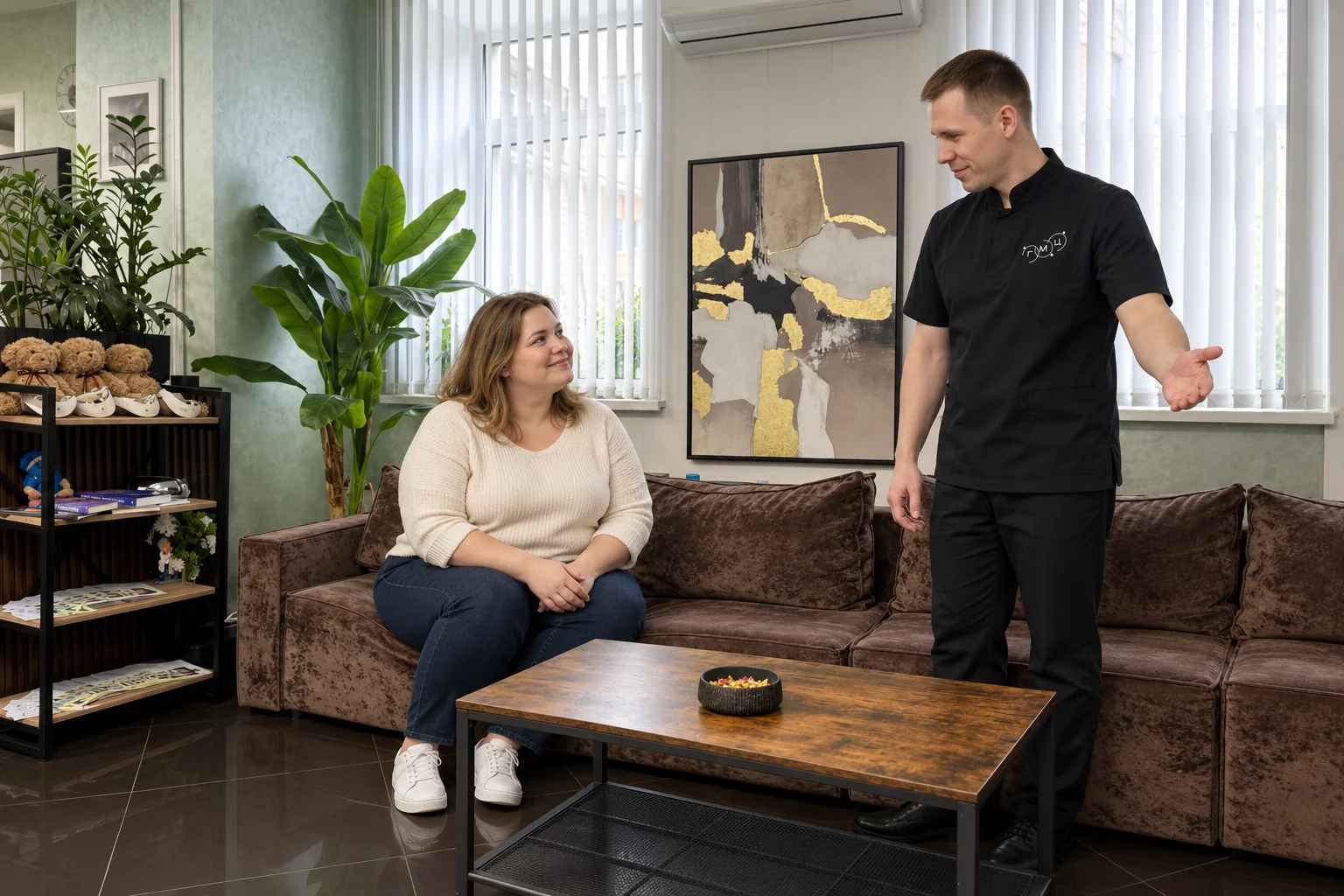
Prices
You learn the cost at the consultation once your plan is ready, and it is fixed in the contract.
Discounted price
Reducing the stomach volume
$3,600$4,800
Discounted price
Weight loss and rerouting food

$4,000$5,200
Free
Your treatment plan follows the surgeon's examination

Free
you are told the cost of surgery
and it is fixed in the contract
Your goals are discussed, your health is assessed and the right bariatric method is chosen by the doctor. The price is given at the consultation and fixed in the contract.
Message our coordinator
Free online consultation · Reply within 15 minutes
Message us on TelegramMessage us on WhatsAppBy messaging us, you agree to our Privacy Policy

price
One package — from preparation to 12 months of support. No extra charges.Everything from surgery preparation
to support over 12 months.
How it goes
A treatment plan we agree on, monitoring in the hospital and support for one year.
 1
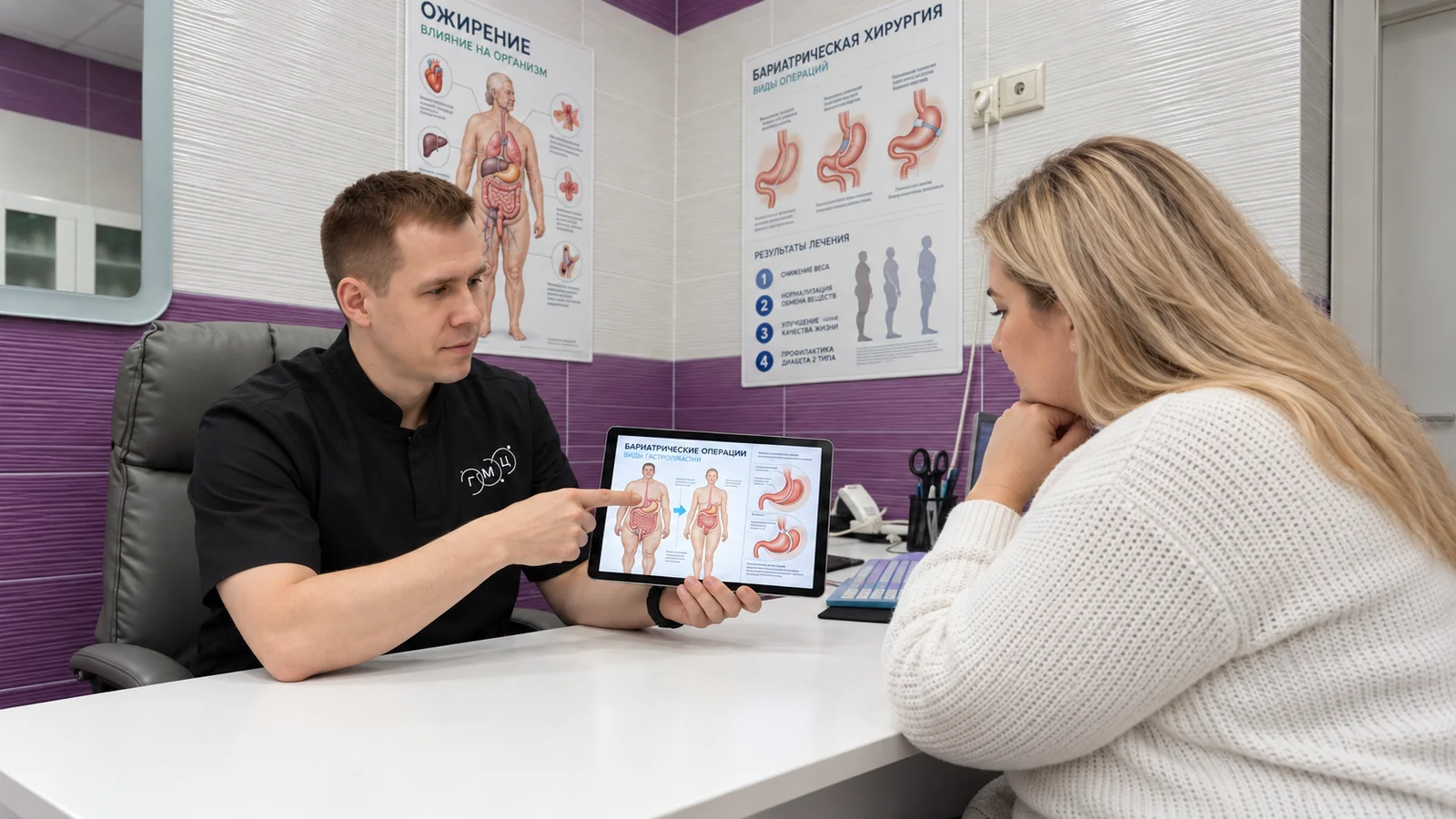
1The doctor assesses your health, discusses your goals and orders the tests needed to choose the right bariatric surgery method.
2We set aside a surgery date for you — the deposit is paid by card at the clinic or online by bank transfer, and the terms are fixed in the contract for medical services
 3
3Before surgery you will have blood and urine tests, an ECG, an ultrasound and a gastroscopy, plus specialist appointments. The doctor provides the exact list at the consultation.
 4
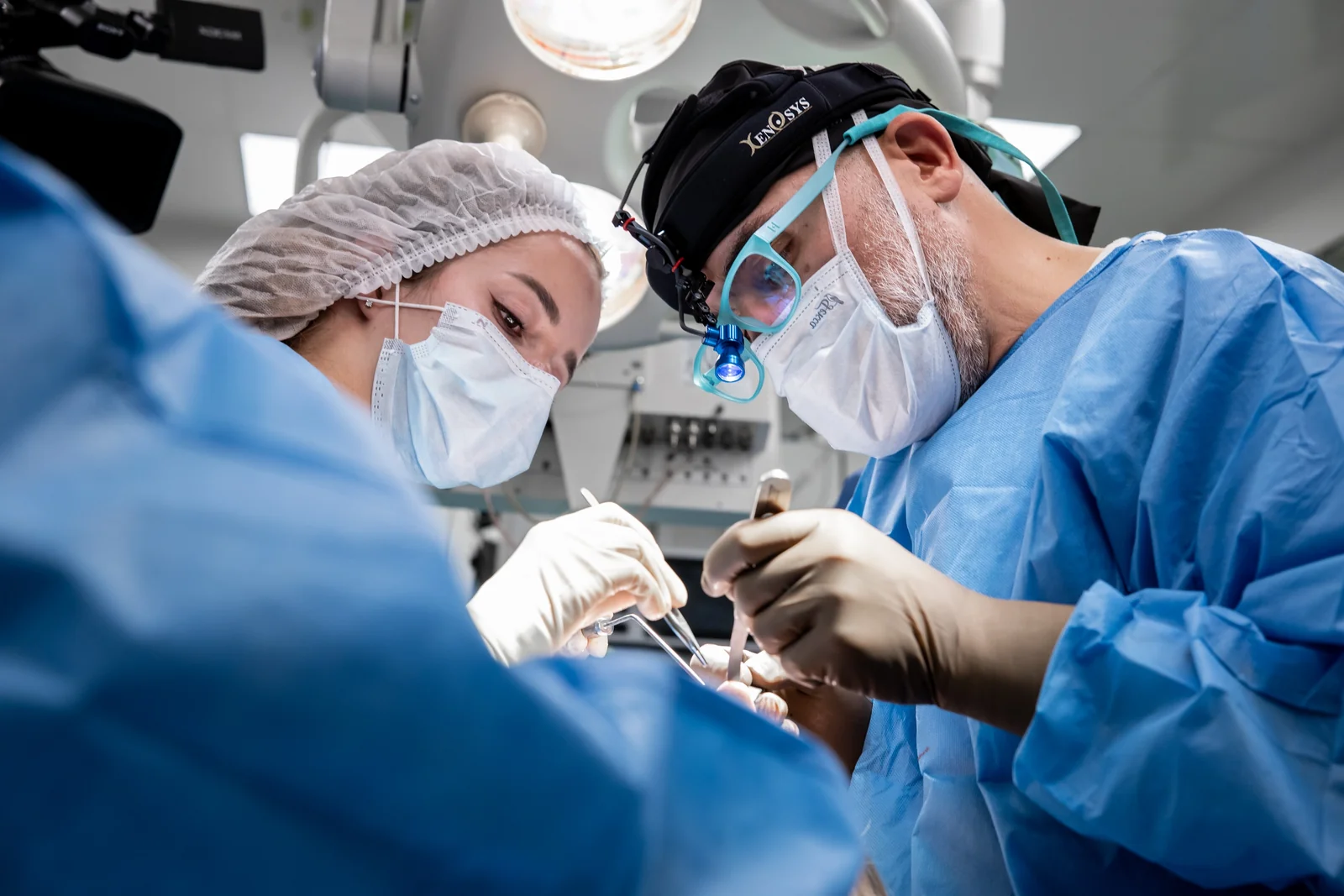
4Under general anaesthesia, the surgeon carries out the bariatric operation using the chosen method. After surgery the medical team monitors the patient.
 5
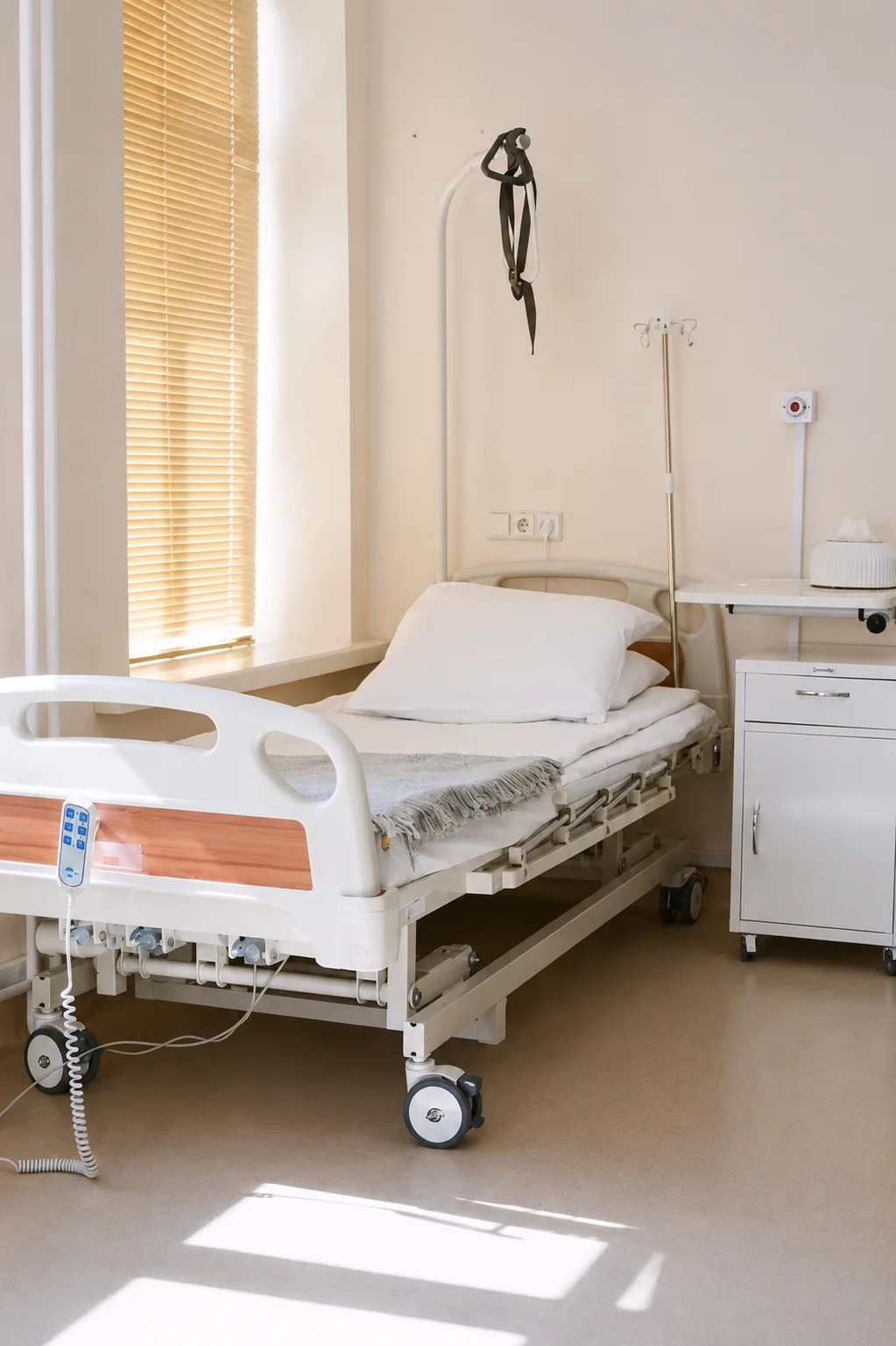
5Your hospital stay after surgery lasts from 1–3 to 4–5 days under doctors' supervision; the length depends on how complex the operation was and how you feel.
 6
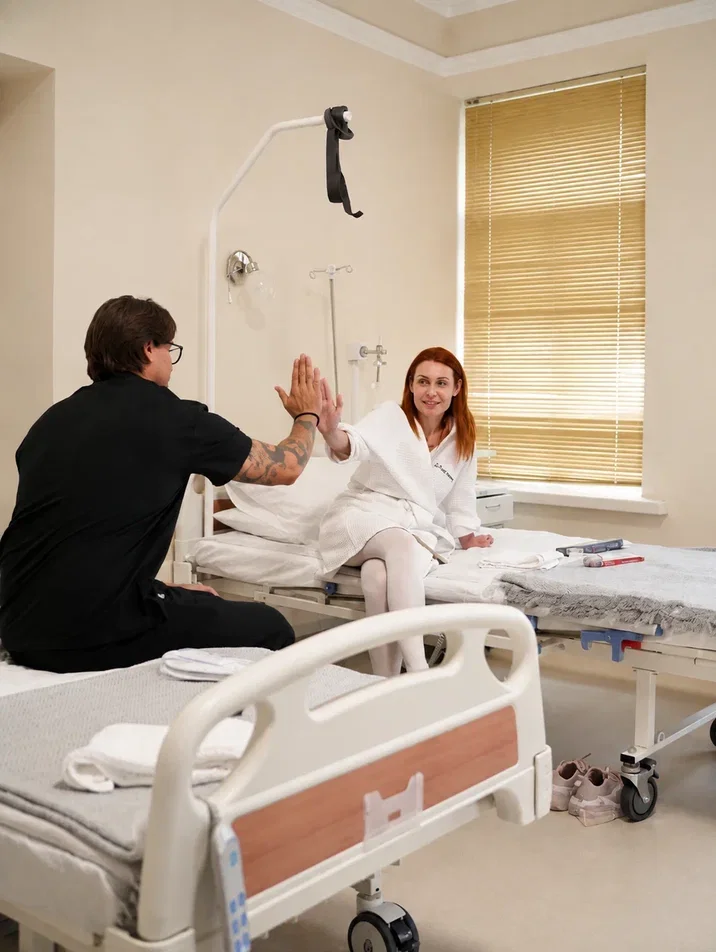
6You leave with advice on diet and recovery. Scheduled check-ups then track how you feel, your weight and your test results, and the clinic team stays with you for a year.
A plan is drawn up by the doctor at the consultation, with an explanation of how surgery will go
There is no fee for the consultation, is held before surgery and carries no obligation.
Book a consultationDoctors

27 years of experience
Chief bariatric surgeon
Surgeon

9 years of experience
Bariatric surgeon
Surgical oncologist
From the first consultation to the result, your surgeon operates and follows you.
You start with a free consultation with our patient care manager, who calculates your BMI, explains the methods and books you in with the surgeon.
Book a consultationCoordinators
We support you at every stage

The person you reach first at the clinic, from your first message up to the consultation
Specialist in patient care
Handles your questions before the first consultation and helps you choose a convenient date

Stays with you before and throughout your stay, from booking until discharge
Specialist in patient care
Helps you prepare for surgery and stays in touch during your stay at the clinic

By your side through recovery, from discharge to your final check-up
Specialist in patient care
Stays in touch through recovery and books every follow-up visit with the surgeon
Advantages
We match the best method to your health, lifestyle and goals. Our team is by your side all the way.
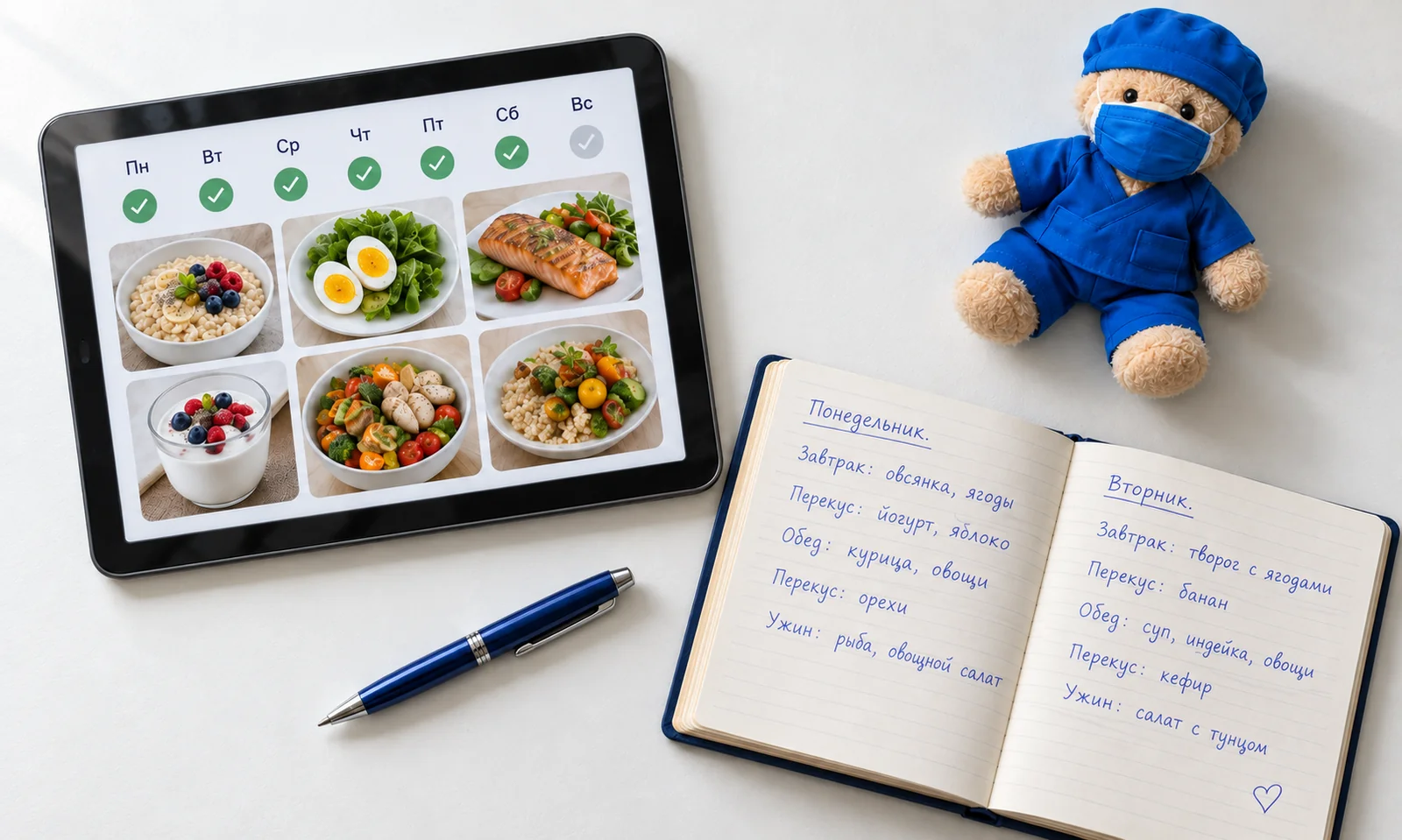
Our help covers adapting to new eating habits, tracking your results and maintaining them.

Consistent weight loss, better well-being and a higher quality of life.

We respect your time, working 24/7 with easy booking and a personal approach that adapts to your pace.
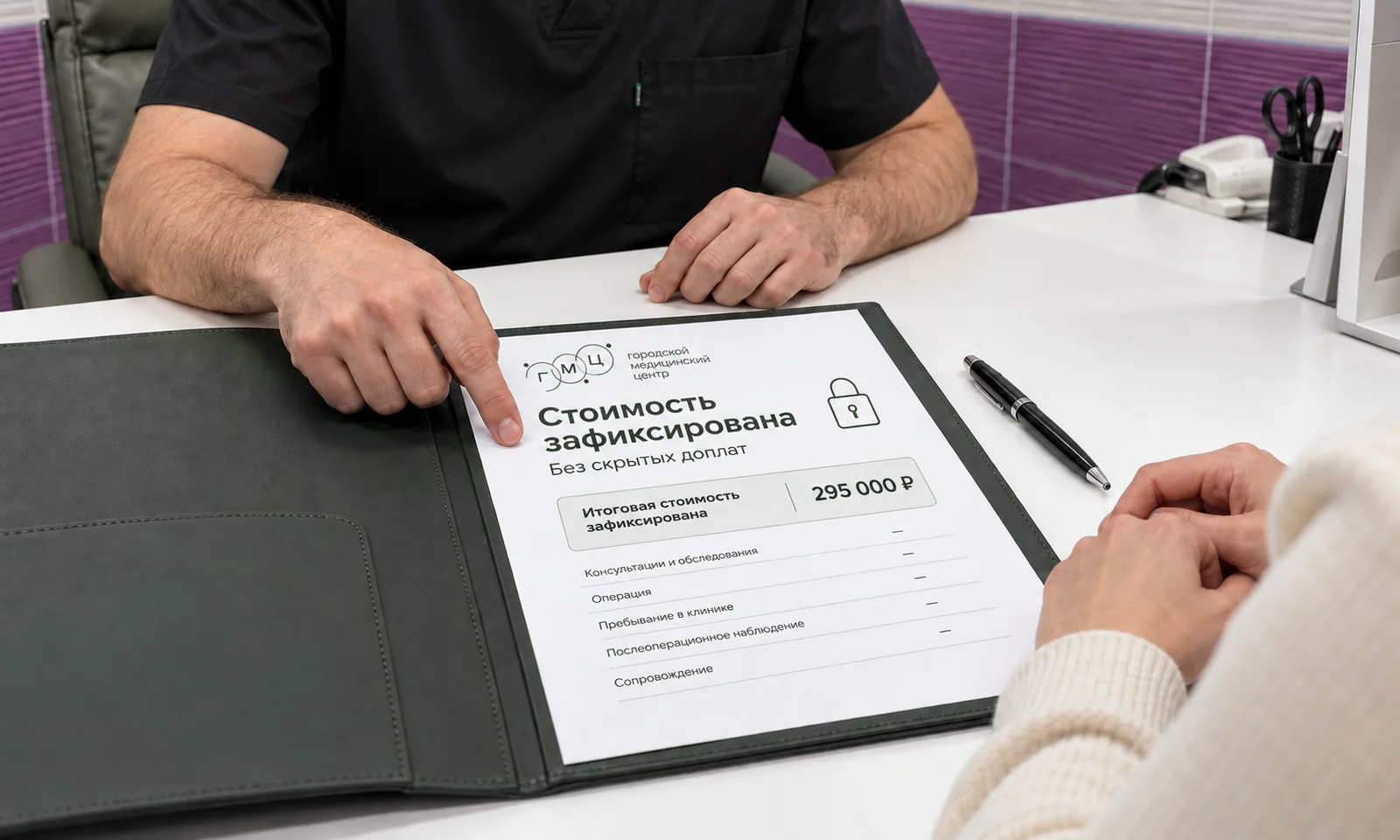
Following the consultation, the surgeon picks the method and you get a clear price — without hidden fees or surprises on the way to your result.
FAQ
Experienced bariatric surgeons perform the bariatric operations at the clinic:
Write to us — a coordinator will get back to you soon and arrange your consultation. The bariatric surgeon consultation is free of charge.
Surgery is prescribed only when clear criteria are met
BMI is the key measure used to assess how severe obesity is. You get it by dividing body weight (kg) by height squared (m²). Surgery is generally justified at a BMI above 40, or above 35 when serious related conditions are present. Sometimes it is also considered at lower values — when non-surgical methods have not worked.
Many mix them up, but they pursue fundamentally different goals. Bariatric surgery medically treats obesity and related diseases by changing how the digestive tract functions, addressing the causes of excess weight and metabolism. Plastic surgery reshapes the external contours of the body; it does not treat obesity or influence metabolism.
City Medical Centre provides four main types of bariatric surgery: sleeve gastrectomy, Roux-en-Y gastric bypass, mini gastric bypass (MGB) and SADI-S duodeno-ileal bypass. We choose each method individually by BMI, related conditions and the patient's goals.
We rely on modern laparoscopic technique. The operation is performed through 4 small punctures of 5 to 15 mm. Cosmetic sutures are used, so after healing the marks are barely visible.
Recovery depends on your activity. Office work: after 2–4 weeks. Physical work: after 1.5 months. Sport and activity: swimming allowed after 30 days, other exercise added step by step as weight drops. Travel and holidays: plan them no earlier than a month after surgery.
Your meals progress in stages: liquid food, soft food, then solid. The stress is on protein and on reducing high-calorie, fatty food.
Pregnancy after bariatric surgery is possible, but doctors advise waiting at least 12–18 months. During this time the body stabilizes, weight reaches target values and nutritional status normalizes.
Yes, vitamins are essential after bariatric surgery. As digestive anatomy changes, the body absorbs certain nutrients less well, so regular vitamin and mineral supplements become a lasting part of the patient's life.
Weight regain is possible after bariatric surgery but very unlikely provided you follow the doctor's advice. Eat properly, avoid high-calorie drinks and keep up regular follow-up with City Medical Centre specialists.
Prices are in US dollars; the amount in brackets is an approximate conversion to LYD at the rate of 02.10.2026. The final price is fixed in your contract.
Prices start from $3,600 (≈ LYD 23,500). The surgeon sets the final price at the free consultation, and it is fixed in the contract, with no hidden extras.
General anaesthesia, a personal coordinator from day one, monitoring in the hospital and support for one year.
The hospital stay is 1–5 days, depending on the method and how you feel. Office work is possible after 2–4 weeks.
Yes. The first consultation is free and does not oblige you to anything. You can start online by sending a message to the coordinator.
Message us on WhatsApp or Telegram using the buttons below. A coordinator will answer your questions and book a free consultation where the doctor names the exact price.
By messaging us, you agree to our Privacy Policy
Bariatric surgery is a medical treatment for obesity and related diseases. Unlike plastic surgery, it changes how the digestive tract works and addresses the causes of excess weight. For patients from Misrata, four main methods are available: sleeve gastrectomy, Roux-en-Y gastric bypass, mini gastric bypass and SADI-S. Each is chosen individually based on BMI, related conditions and personal goals.
Several things are worth planning ahead. Pregnancy is advised no earlier than 12–18 months after surgery, once weight and nutritional status stabilise. Vitamins become a permanent part of life because the body absorbs some nutrients less well. Swimming waits 30 days, strength work longer. Patients from Misrata discuss these points with the surgeon well before the operation date.
There are no hidden fees: one package covers everything required for the result. It brings together experienced surgeons, round-the-clock care, meals, nursing, a coordinator and a legal result guarantee. Tick the situations that apply to you and request a free check of your case; a coordinator will contact patients from Misrata to arrange the next steps.
Well-known people who spoke openly about this operation, in their own words.
 Al Roker and gastric bypass: twenty years of talking about it honestlyAl Roker had gastric bypass surgery in March 2002 and has talked about it for 20 years. His words, how the operation works and what recovery involves.
 Did Billy Gardell have bariatric surgery? Yes — and he says it saved his lifeThe Mike & Molly star had bariatric surgery in 2021 after a diabetes diagnosis. His quotes on the decision, the 100-pound loss and his children.
 Did Graham Elliot have weight-loss surgery? Yes, and he did it for his familyChef Graham Elliot had weight-loss surgery in 2013, saying it was what he needed to do for his family. His words, the operation and recovery.
 Did Mama June have a gastric sleeve? Yes — in her own wordsJune 'Mama June' Shannon had a gastric sleeve in May 2015. Her quotes on the 550-pound start, the regain and starting over.
 Did Randy Jackson have gastric bypass surgery? Yes, and he still talks about maintaining itRandy Jackson had gastric bypass surgery in 2003 and lost 114 pounds. His own words, how the operation works today and what recovery involves.
 Remi Bader and her weight-loss surgery: what she actually saidRemi Bader said in 2023 she had weight-loss surgery removing 80% of her stomach and lost 140 lbs. What she said, how the operation works, and recovery.
What patients write after this operation. Reviews are translated from the original language.
Irina, 26
For a long time I doubted whether to go ahead with surgery, but after the consultation I felt much calmer. Andrey Georgievich explained in detail how gastric bypass is done, what to expect after the operation and how recovery would go. I especially liked that they talked to me calmly and without pressure. I am now gradually getting used to my new way of life and I am very glad I took this step.
Bariatric surgery
Doctor: Andrey G. Ugay
Angelina, 22
For me the hardest part was deciding to have the operation. At the consultation Ruslan Sergeyevich answered all my questions in detail and explained the specifics of sleeve gastrectomy and recovery. After the operation I always understood what I was doing and why. Thank you to the doctor and the whole team for their attentiveness.
Bariatric surgery
Doctor: Ruslan S. Menzulin
Anna, 31
For a very long time I tried to deal with my excess weight on my own, but I did not get the result I wanted. After the consultation with Andrey Georgievich I finally understood what to do next. I came through the operation well, and my recovery was supervised by the doctors. It was important for me to feel that I was not left alone after surgery.
Bariatric surgery
Doctor: Andrey G. Ugay
Veronika, 25
Before the operation I had many fears, mostly of the unknown. Ruslan Sergeyevich explained every stage of treatment in detail and answered even the simplest questions. Thanks to that I felt much more confident. I keep following the recommendations and I am gradually seeing the changes I had the operation for.
Bariatric surgery
Doctor: Ruslan S. Menzulin
Valentina, 23
The decision to have bariatric surgery was not easy for me. I worried both about the operation itself and about how my life would change afterwards. At the consultation Andrey Georgievich explained everything in detail, so little by little my fear turned into confidence. What matters most to me now is the result and the chance to treat my health and lifestyle differently.
Bariatric surgery
Doctor: Andrey G. Ugay
Anna, 27
I am very grateful to Ruslan Sergeyevich for his attentiveness. Before the operation I had a huge number of questions, and I got a clear answer to every one of them. After the operation it was also clear which recommendations to follow and how to eat. It was important to me that the doctor stayed in touch and I felt supported at every stage.
Bariatric surgery
Doctor: Ruslan S. Menzulin
Bariatric patients are usually told that around ten percent of the excess weight comes off each month, and that the final result is reached in a year and a half to two years, protected by stable eating habits that keep the weight from creeping back. That is an average, and the word matters. Age, other illnesses and medicines all alter the rhythm, so a cousin who dropped faster or slower tells you very little about your own course.
Read the curve, not the single point. Weigh yourself at the same hour once a week, record waist, chest and thigh measurements monthly, and take a photograph in the same light from the same angle. Send the set to the coordinators on Telegram or Telegram together with a short note on sleep, energy and appetite. The doctor can then adjust the diet before a small problem grows, and you stop living by the number on the scale.
A city of about 391,137 people by the 2022 figure has plenty of households where several generations share the same worries about diabetes, blood pressure and aching knees. In those homes a monthly photo series becomes a family conversation: the sister notices the loose belt, the father notices the easier walk upstairs. That kind of evidence is far more motivating than a promise printed in an advertisement, and it is yours alone.
Be careful with the promise that sounds too neat. Anyone who names a particular figure for a particular date is describing a spreadsheet, not a body. The honest sentence is that the average loss is steady, that the final result takes eighteen to twenty-four months and that lasting habits hold it in place. Ask for that sentence in writing, because a plan that admits variation is the plan most likely to stay truthful.
In the first hours after the operation the team has you sit up, stand and sip fluids. Those small steps are checked and counted. After that you remain under observation at the clinic for anything from one to five days, depending on how extensive the surgery was and on any related conditions. Do not budget for the shortest figure only; if your stay is longer, it simply reflects what your body needs.
Pack a small bag with loose clothes, toiletries, a charger and a notebook for questions. Pick a calm companion who knows your medicines and has the coordinators' numbers. In a city where relatives arrive by the dozen, ask your companion to let everyone know that visits begin at home once you are back, and that your task right now is resting and drinking small amounts regularly rather than entertaining guests.
Fluids deserve attention from the very beginning. Take small, frequent sips as instructed rather than large gulps, and note in the notebook how much you drank and when. This looks trivial, yet it tells the team how your body is coping, and it helps them decide when you can leave. A patient who keeps a tidy record usually goes home with fewer unanswered questions.
When you reach home you need a quiet bedroom, a comfortable chair and a bed that you can get out of without strain. Clear tempting food from sight in the first weeks and keep the written diet plan within view. Put the coordinators at the top of your phone contacts: they answer around the clock, and a small question asked early tends to stay small.
Your diet moves in stages over one to two months, starting with liquids and progressing towards solid food so that the stomach can adapt. Write the schedule on a sheet and pin it in the kitchen. A household that can see your plan becomes an ally rather than an obstacle, and a mother who loves to feed her family will happily follow a plan she can read, but cannot guess one she has never seen.
Invitations arrive without warning: a lunch at an uncle's house, a work gathering, a neighbour who insists you taste something. Say politely and clearly that you are following a medical programme, bring your own small plate and cup, and remember that good manners never require eating what harms you. Most hosts relax quickly when they understand it is a health matter rather than a rejection of their cooking.
Heat changes the risk of dehydration. In Misrata the average August high is 32.5 degrees and July averages 31.7 with no rain at all, so a bottle of water should be your constant companion and sipping should be regular, not occasional. Avoid midday sun. If you feel dizzy, notice a dry mouth or pass little urine, message the coordinators at once instead of waiting until evening.
Winter brings cold and damp: January sees about 91.6 mm of rain and nights near 9.8 degrees, and people reach for heavy warm food. Ask the team which warm, suitable options fit your current stage, rather than assuming that everything warm is either allowed or forbidden. The principle is simple: follow the written plan instead of memory, and record what you eat during the early weeks.
Return to office work is possible after two to four weeks, depending on your job, while physically demanding work usually waits until about a month and a half. The difference is real in Misrata, where some people sit in the offices of the ports and steel companies headquartered here, while others stand in the plant or on the quay at Qasr Ahmed, lifting and walking all shift.
If you work in the plant or the port, talk to your supervisor before the operation, not after. Ask for extended leave or a temporary administrative role during the first weeks, and request regular breaks for water once you return to the heat. A letter from the doctor strengthens the request. A shop floor in August is not the place to test how much fluid your new stomach can handle.
Students and staff at the University of Misrata, with its fifteen faculties, are better served by a gradual return: short sessions first, a comfortable seat, a light bag and a water bottle. Do not push beyond your limits to prove to colleagues that you are fine, since over-exertion delays healing more than it impresses anyone. If you worry about questions, a simple answer such as a stomach operation closes the subject.
Walking is the cheapest medicine available. In the first two weeks a few short walks spread through the day, in the flat and around the block, are enough; then lengthen them slowly. Avoid the heat of midday in summer and heavy rain in winter, and wear supportive shoes. Libya's weekend falls on Friday and Saturday, so a family walk on those days can turn a duty into a habit.
To verify the surgeon, ask for the full name, the specialty certificate in bariatric or general surgery and details of experience with this exact type of operation. Then confirm the issuing body yourself. The ministry site moh.gov.ly mentions the Health Specialties Council, and official ministry channels can explain how a doctor's credentials are checked. Documents come before compliments, as any carpet buyer in the old market would say.
When you compare offers, ask for a written plan that names the proposed operation and explains why it suits your case, the expected stay in hospital, the diet programme, the follow-up for the next two years and the person who answers your questions after discharge. A proposal that offers a quick and certain result deserves caution, because the process takes eighteen to twenty-four months and every body responds in its own way.
Compare the offers on a table at home, after a night's sleep. Mark the points a proposal leaves vague and send each of them to the coordinators as a short question. A serious plan welcomes the question, and one that bristles at it has already told you something. Keep the replies in one folder, because the clearest differences between offers usually appear a week after you first read them.
Think about the long haul, too. A city that began as a supply point for caravans in the seventh century knows that long undertakings depend on provisions and patience. For you, that means a team that stays reachable, a plan that includes habits and not only the operation, and a family prepared to eat differently alongside you. Decide with all of that in view, not on the strength of one confident phone call.
You remain under observation for one to five days, depending on how extensive the operation was and on related conditions. In the first hours you sit up, stand and sip fluids. Pack a small bag and choose a calm companion who knows your medicines.
Office work can restart after two to four weeks, while physical work, such as plant or quay shifts, usually waits for about a month and a half. Speak to your supervisor before the operation and ask for lighter duties during the first weeks.
One to two months. You move from liquids to solid food in stages so that the stomach can adapt. Pin the written schedule in the kitchen so that the whole household knows what is allowed at each point.
On average about ten percent of the excess weight per month, although age, illnesses and medicines change the pace. Do not compare yourself with a relative; follow your own curve of measurements and photographs.
In a year and a half to two years, and stable eating habits keep the weight from returning. Monthly photos and measurements tell the story more fairly than a daily weigh-in.
Sip small amounts regularly all day, carry a bottle everywhere and avoid midday sun, especially when the August high averages 32.5 degrees. Dizziness, a dry mouth or very little urine call for an immediate message to the coordinators.
Say politely that you are following a medical programme, bring your own plate and cup, and show the family the written diet schedule. Good manners never require eating what harms you.
Ask for the full name and the specialty certificate in bariatric or general surgery, then confirm the issuing body yourself. The ministry site moh.gov.ly mentions the Health Specialties Council, and official channels can explain verification.
Page medically reviewed by Andrey G. Ugay, lead bariatric surgeon. Review date: .