City Medical Centre · multi-specialty surgery clinicOpen 24/7

Tummy tuck

Abdominoplasty in Khoms: a Flat Stomach

Free consultation

Price at consultation

The price is fixed in the contract before surgery
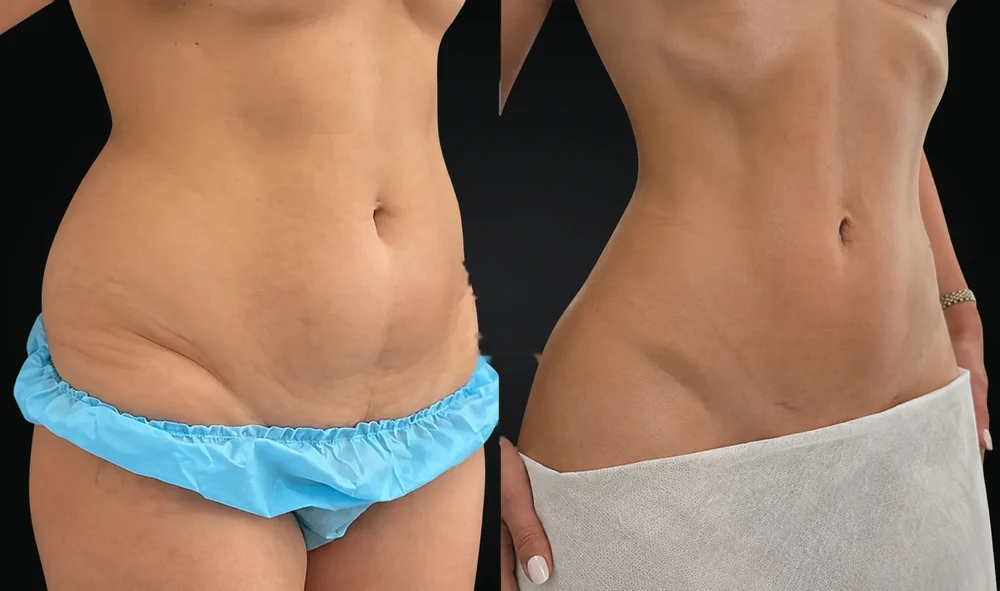
Real case
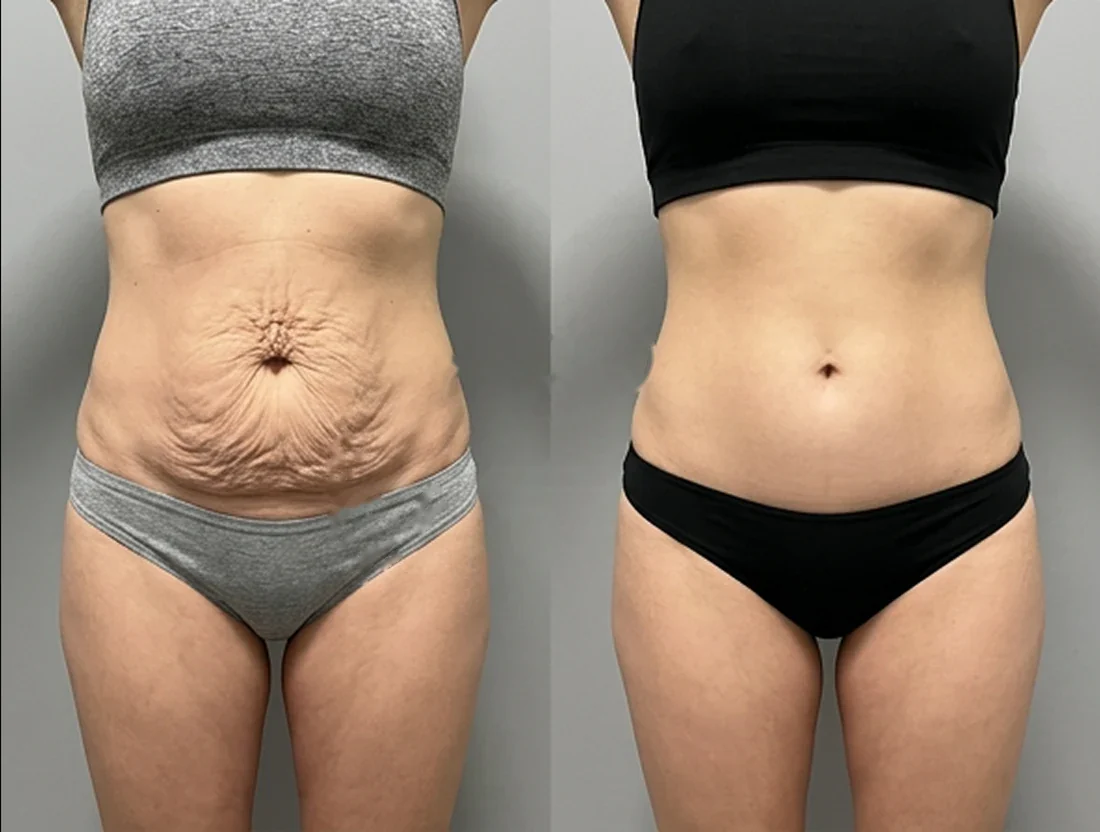
Tummy tuck: a patient's abdomen before and after surgery before after
A flat tummy and a toned silhouette in one operation. Your individual surgical plan and the expected result are discussed at the consultation

Message our coordinator

Free online consultation · Reply within 15 minutes

Message us on Telegram

By messaging us, you agree to our Privacy Policy

Results

Tummy tuck results
of our patients

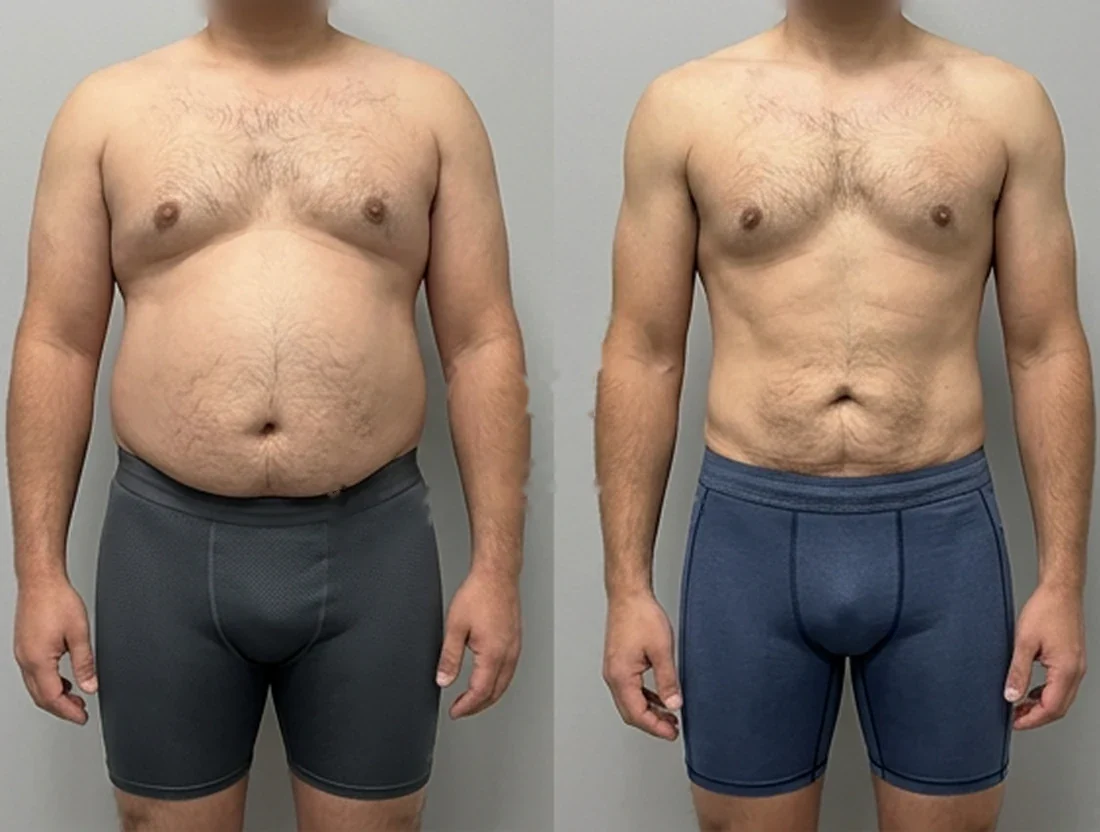
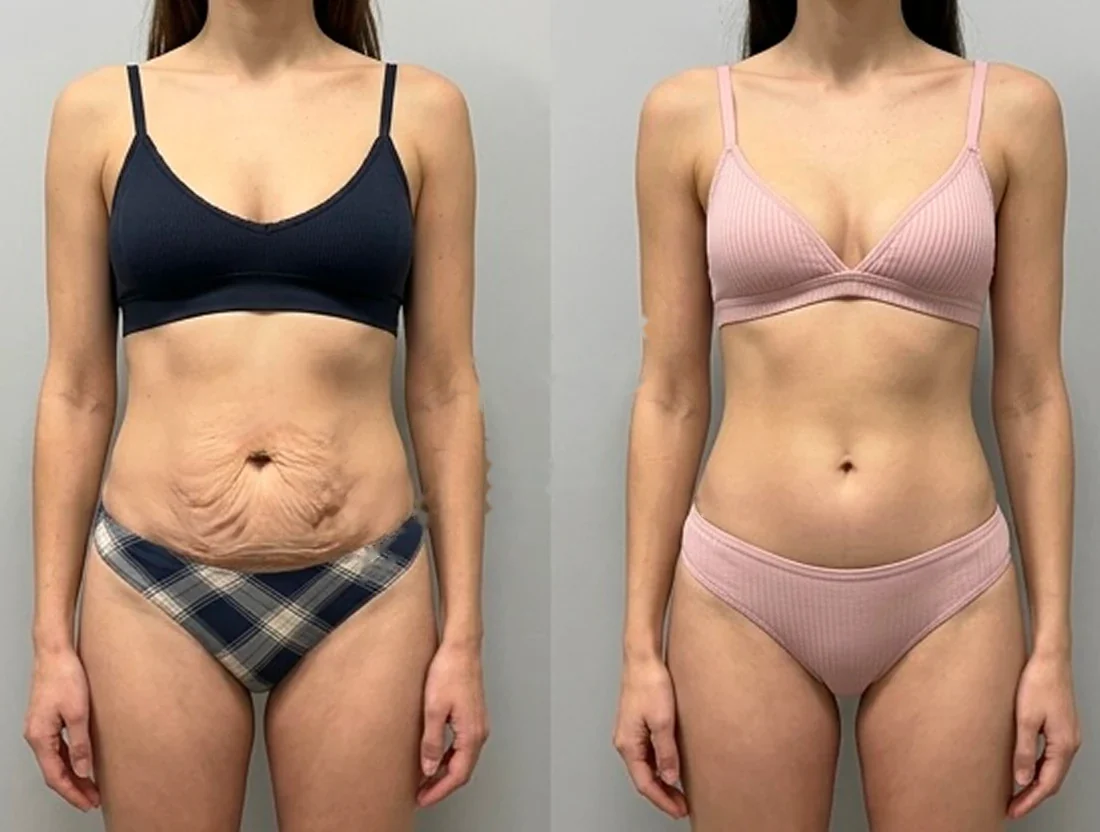
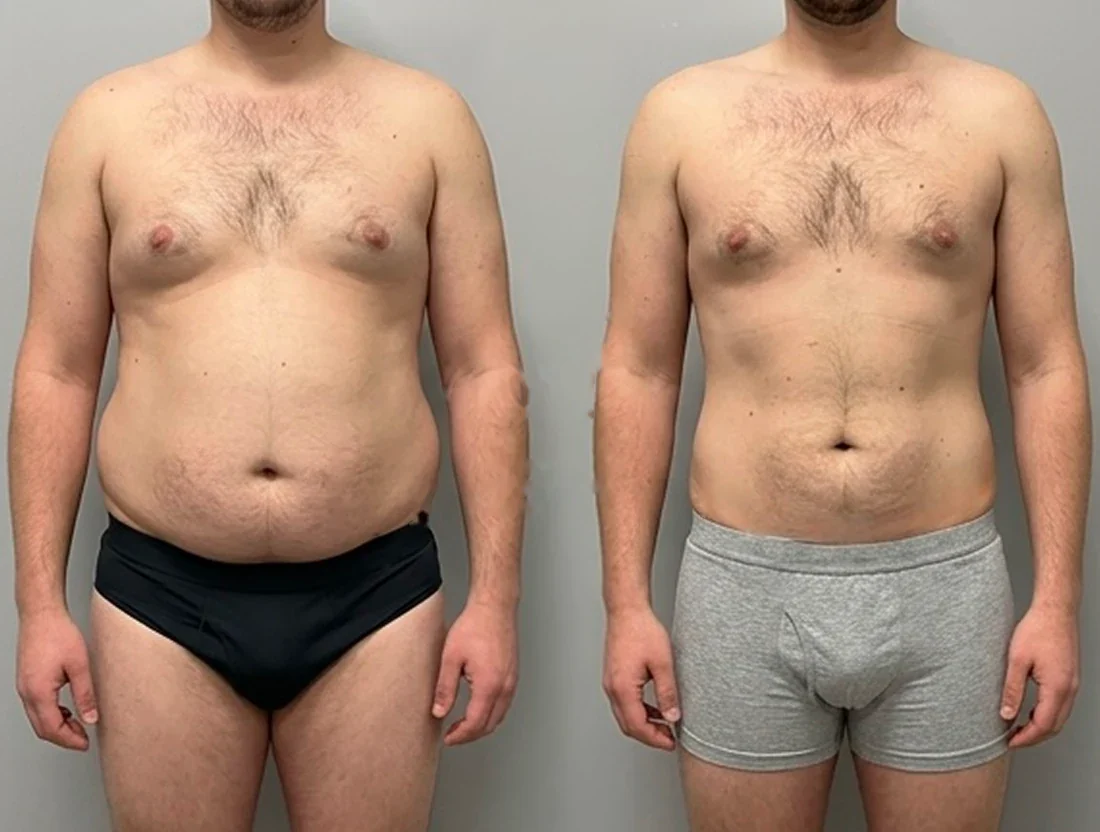
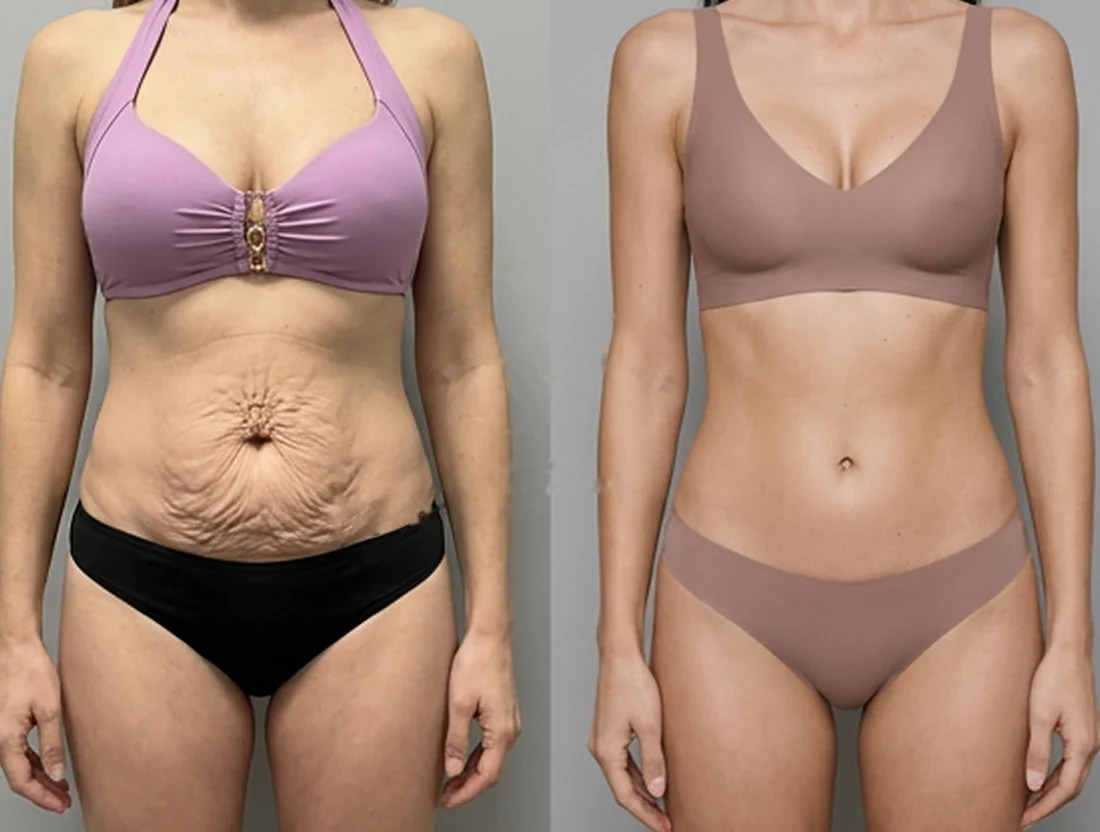
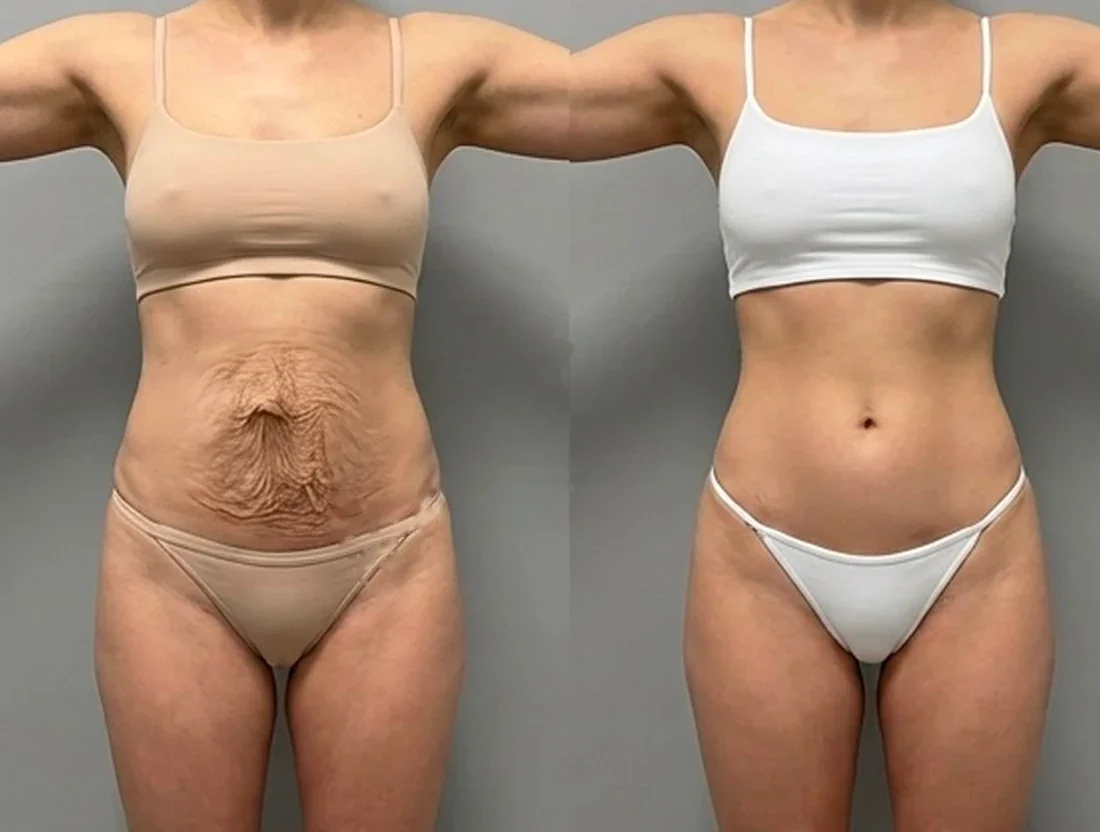
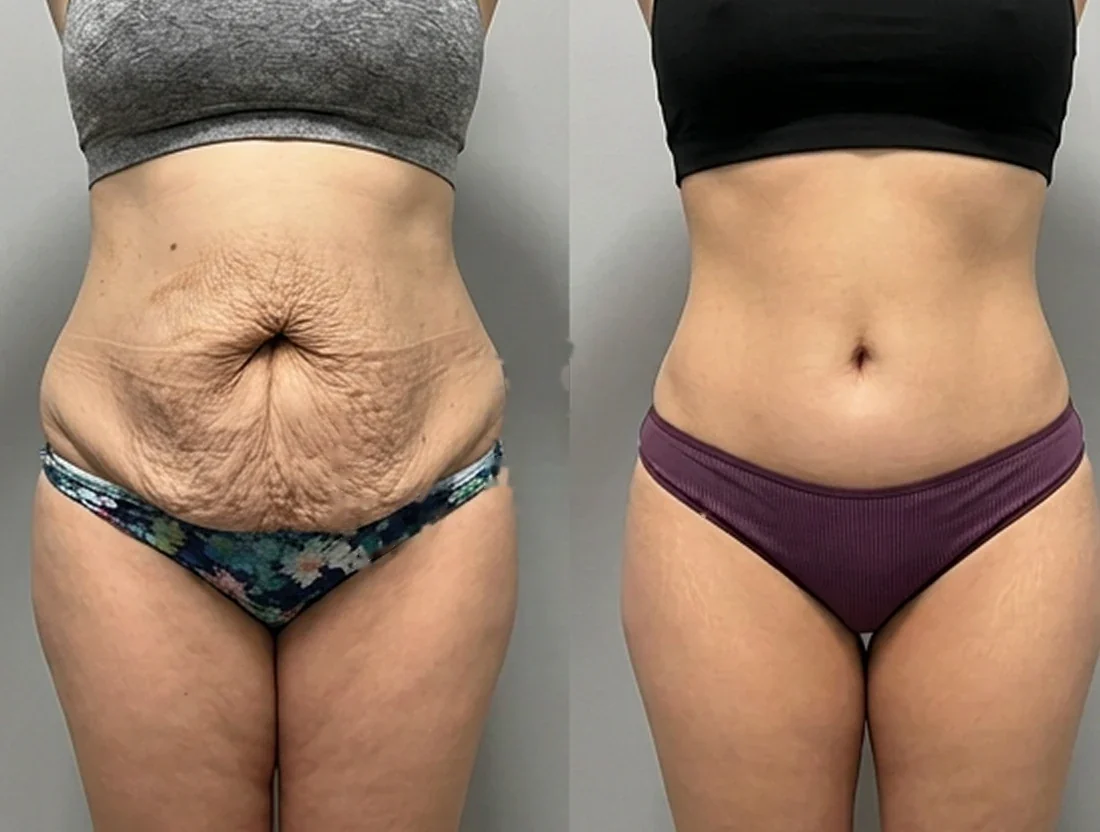
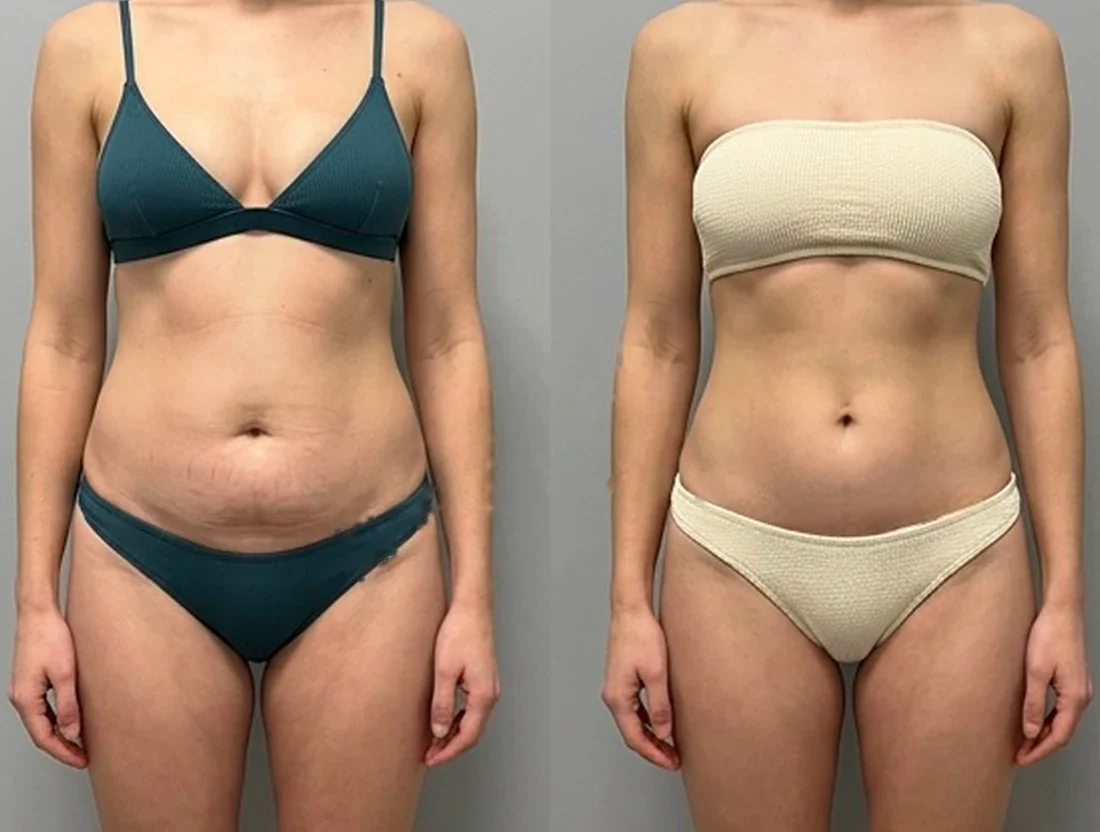
All cases are real patients. Faces and identifying details are hidden.

Tummy tuck: a female patient's abdomen before and after surgerybeforeafter
Tummy tuck: a male patient's abdomen before and after surgerybeforeafter
Tummy tuck: a female patient's abdomen before and after surgerybeforeafter
Tummy tuck: a male patient's abdomen before and after surgerybeforeafter
Tummy tuck: a female patient's abdomen before and after surgerybeforeafter
1 of 8

Comparison

Tummy tuck techniques

A tummy tuck is done as a full (classic) or mini operation, or combined with liposuction as lipoabdominoplasty. Compare the scope of surgery, the indications and the expected results to choose the right technique together with your surgeon.

Tummy tuck

Removal of excess skin, abdominal muscle tightening
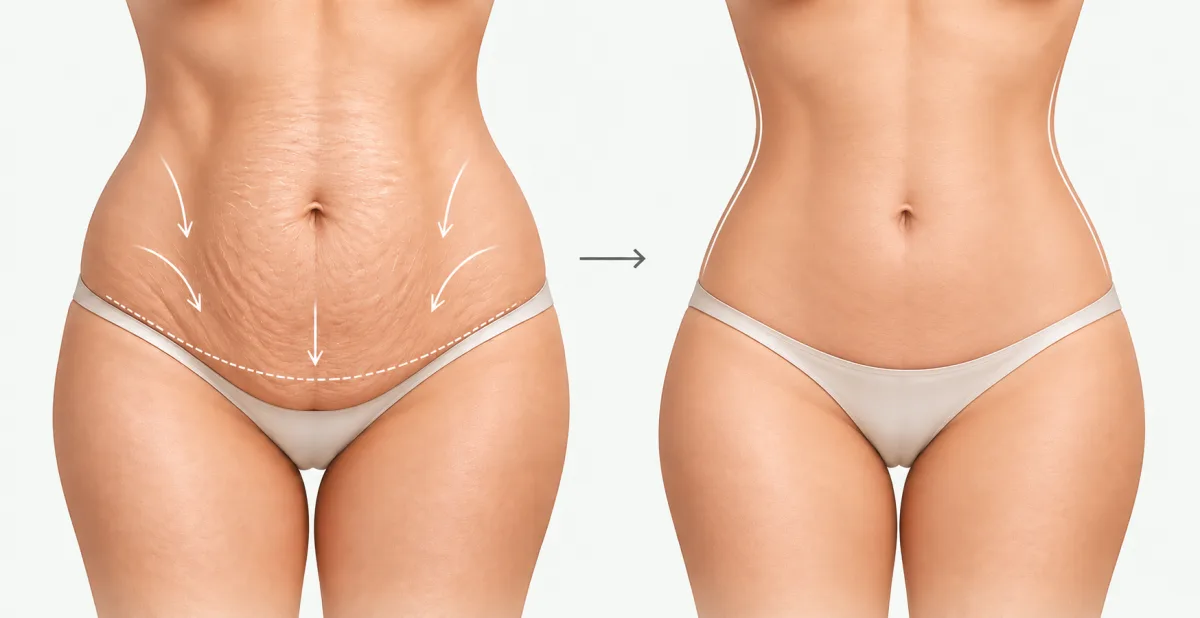
Tummy tuck diagram: the abdomen before surgery with the incision line, and the result
Main goal
Removal of excess skin, diastasis repair
When it is done
Excess skin after childbirth or weight loss
Anaesthesia and stay
General anaesthesia, up to 3 days in hospital

Lipoabdominoplasty

Tummy tuck with added liposuction
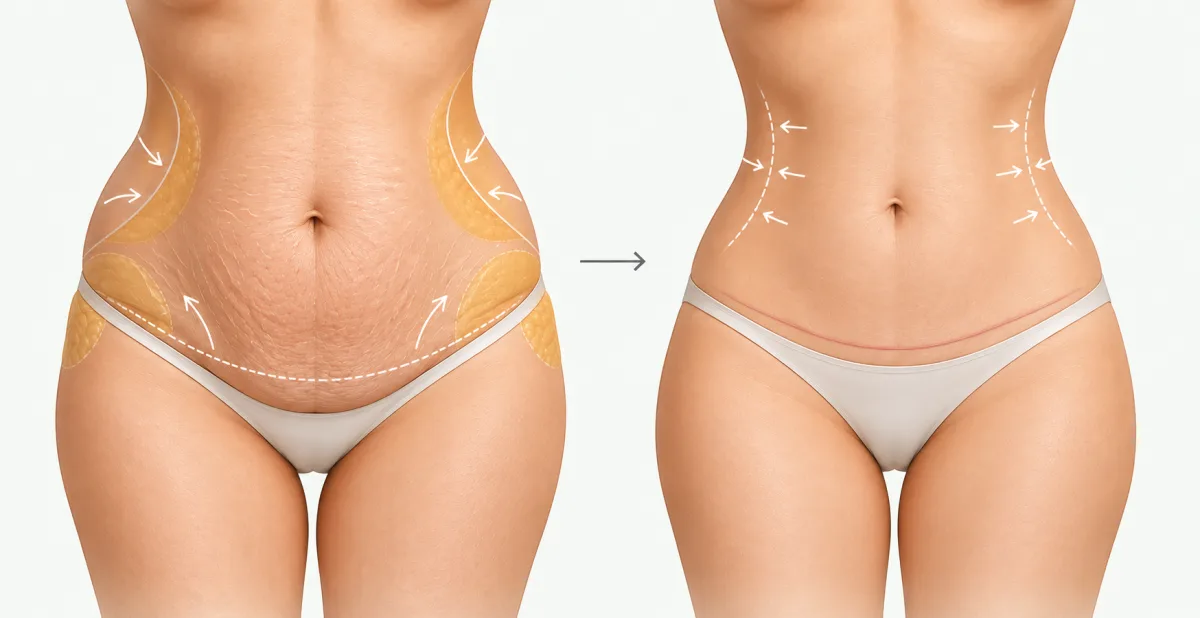
Lipoabdominoplasty diagram: the abdomen with fat on the flanks before surgery, and the result
Main goal
Tummy tightening and waist contouring
When it is done
For fat deposits on the flanks and waist
Anaesthesia and stay
General anaesthesia, up to 3 days in hospital

The benefits and recovery times shown are averaged for each technique and given for guidance: the scope of correction and rehabilitation depend on your anatomy and individual features, and the surgeon confirms them at the consultation.

At the consultation the surgeon draws up a plan for your case and explains how your tummy tuck will go.

Free, before surgery and with no obligation.

Book a consultation

Tummy tuck from the inside

About the clinic

A clinic where you can feel at ease

Modern equipment, comfortable rooms and care for every patient

A doctor and a patient in a clinic ward

Contact us the way that suits you

We will answer your questions and find a convenient time for a consultation

A tummy tuck is not for everyone

If your case can be solved without surgery, the doctor will tell you so at the consultation — and you will not spend money for nothing.

Suitable

A surgeon shows a patient on a model and a monitor how the abdominal contour changes after a tummy tuck
  • Rectus abdominis diastasis
  • Skin folds after weight loss
  • Loose abdominal skin
  • Stretched skin after pregnancy
  • A distorted abdominal contour

Not suitable

A surgeon discusses the indications and contraindications for a tummy tuck with a patient
  • Acute infections
  • Serious heart, kidney or liver conditions
  • Disorders of blood clotting
  • Under the age of 18
  • Decompensated diabetes
  • Cancer
  • Skin inflammation in the surgical area
  • Pregnancy and breastfeeding

Not sure the surgery is right for you?

Message us — the coordinator will ask for your photos in the messenger, and the surgeon will tell you whether a tummy tuck suits you. No surgery booking needed.

Find out if it suits me

A surgeon goes through a tummy tuck diagram with a patient at the consultation

Prices

You know the price
before surgery

The price is set at the consultation and fixed in the contract.

Other services

  • First consultationFree
  • Liposuction of the abdomen and flanksfrom $1,700
Book a consultation

Find out your tummy tuck plan and price

The surgeon assesses your abdominal skin and muscles, listens to your wishes and chooses the right correction technique.
The price is set at the consultation and fixed in the contract.

A nurse talks to a patient in a clinic ward

Message our coordinator

Free online consultation · Reply within 15 minutes

Message us on Telegram

By messaging us, you agree to our Privacy Policy

A patient's abdomen before a tummy tuck in the operating room

all inclusive

What the price includes

From preparation for surgery
to post-op check-ups.

  • All scheduled dressings
  • Scheduled post-op check-ups
  • A personal coordinator on call
  • Compression garments fitted on the day of surgery
  • A stay in a comfortable
    hospital ward with meals
  • Individual recommendations
    for recovery
  • Remote progress monitoring
    by photos

How it works

Three days at the clinic —
from preparation to discharge

An agreed correction plan, inpatient observation and post-op check-ups.

A doctor shows a patient a tummy tuck diagram on a monitor1

Consultation
and the surgical plan

The surgeon assesses your abdominal skin and muscles and checks for diastasis, listens to your wishes and chooses the right correction technique.

Paying the deposit by card at the clinic reception2

Booking the date
of surgery

We reserve a surgery date for you: the deposit can be paid by card at the clinic or online by bank transfer. The terms are fixed in the contract for medical services

A blood sample tube for tests before a tummy tuck3

Check-up before
surgery

Before surgery you complete a full lab check-up: blood tests, an ECG, a chest X-ray and reports from the required specialists.

The surgical team during the operation4

Surgery

The surgeon performs the tummy tuck with the chosen technique, repairs diastasis if needed and shapes a firmer abdominal contour.

A hospital ward at the clinic5

Inpatient stay

After surgery the patient stays for 1–3 days in a comfortable hospital ward with meals, under medical supervision.

A surgeon and a patient in the ward during recovery6

Recovery

After surgery you get a recovery programme. Check-ups at 7 days, 3 and 6 months help track your recovery.

Book a free consultation — the surgeon will plan every step with you.

A doctor discusses the tummy tuck plan with a patient
Book a consultation
A doctor discusses the tummy tuck plan with a patient

How it really happens

Recovery after a tummy tuck

Following surgery, the patient stays 1–3 days in hospital under medical supervision. Drains usually come out after two days, and stitches after 7 days. For 1.5–2 months a compression binder supports the abdominal wall and shapes a smooth contour. Within 30 days most swelling goes, and office work is possible after 2–3 weeks. Sports, sauna and heavy lifting are not allowed for 2–3 months; in the early days, sleep on your back with your knees bent. By 12 months the scar is fully mature: faded and barely noticeable.

Post-op check-ups

After 7 days, at 3 months and at 6 months. Until the end of the year, get a post-surgery consultation with your surgeon to review results and get more information, at the clinic's expense

Advantages

Reasons to choose City Medical Centre

A surgeon discusses the tummy tuck plan with a patient at the consultation

Just find out — you lose nothing

At the consultation we discuss your wishes and assess your abdominal skin and muscles. The surgeon explains what changes are possible, chooses the correction technique and answers your questions.

A surgeon on a video call with a patient after surgery

We stay with you after surgery

The surgeon follows your recovery and the changing abdominal contour at check-ups after 7 days, 3 and 6 months. Check-ups, dressings and aftercare advice are already included in the price of surgery.

A surgeon shows a patient a model and tummy tuck diagrams

A beautiful contour that fits your figure

We choose the correction technique based on your skin, muscles and figure. Our aim is a harmonious abdominal contour that keeps the natural proportions of your body.

A patient writes down a convenient visit time in her planner

Your schedule is our priority

We respect your time: we work 24/7, with easy booking and a personal approach — we adapt to your pace.
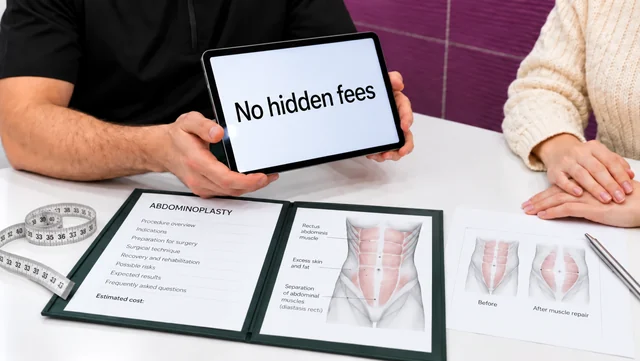
A surgeon shows a patient the fixed price of surgery with no extra charges

Fixed prices

After the consultation the surgeon defines the extent of correction, and you get a clear price for the surgery — no surprises on the way to the result you want.

A surgeon visits a patient in the hospital ward after surgery

Round-the-clock care after surgery

Recovery starts in a comfortable hospital ward under round-the-clock nursing care. The stay and meals are already included in the price.

FAQ

We answer what
people ask before booking

Tummy tuck in Khoms step by step

Diastasis is not always part of the picture. Repair is done only when the rectus abdominis muscles are actually separated: the surgeon sees it at the examination and, if in doubt, it is confirmed by ultrasound. When needed, the muscles are brought together during the tummy tuck itself, with no separate procedure. Patients from Khoms learn at the consultation whether their case requires it.

It all begins with a surgeon consultation: the doctor listens to your wishes, examines the abdomen and rules out contraindications, and a hormone screening is ordered to help predict the long-term result. Patients from Khoms then complete a check-up: blood tests including a coagulation panel, biochemistry and infections, ECG and chest X-ray, all available at the clinic with no waiting.

Nothing about the cost is hidden. The surgeon sets the price for abdominoplasty after a free in-person examination, and that amount is fixed in the contract. The surgeon stays in touch throughout recovery, and check-ups are part of the plan. For people from Khoms, the fastest way to get an exact figure is to leave a request; a coordinator will call and book a time.

Stories of well-known people

Well-known people who spoke openly about this operation, in their own words.

All stories about this operation →

Abdominoplasty and Al-Khums: knowing what is under the skin before you ask

With 390,943 people on the 2018 count, Al-Khums has mothers who raised large families, and men and women who lost a lot of weight and were left with loose skin they cannot exercise away. The question they share is whether a tummy tuck can do what training cannot. The answer begins with knowing what is actually there: hanging skin, abdominal muscles that drifted apart after pregnancy or weight gain, local fat, or some mixture. Sorting out that mixture is the first job of a surgeon reading your file. Be specific when describing what bothers you. A phrase such as a fold above the waistband that shows when I sit tells the surgeon more than the word sagging, and it brings him closer to your case before he sees your picture.

Build the file with daylight photographs, standing, from the front and twice from the side, once relaxed and once bending slightly forward, because leaning forward reveals the folds that a straight stance conceals. Add a photo of any existing scar from a caesarean or an appendix operation. Do not hold your stomach in and do not wear a girdle. The surgeon wants your real condition, not the best version of it, and he knows what to do with what he sees. If you carry an old scar or stretch marks that bother you, photograph them clearly, because the position of the new incision is planned around what is already on your abdomen.

Beside the pictures, write your history: how many births if any, your highest and lowest weights, how long your current weight has held steady, any diets or weight-loss operations, your medicines and whether you smoke. A stable weight matters a great deal for this operation, and anyone expecting to lose a lot more in the coming months is usually advised to wait until it settles. The more precise your description, the closer the reply will be to your own situation. Do not feel awkward about describing pregnancies and births. They are medical information that guides the choice of operation, and they are read with a clinical eye only.

The first answer comes in order: whether your case suits an abdominoplasty, whether it is a full tuck or something lighter, and what your file still needs in the way of tests or information. The coordinators answer on Telegram or Telegram around the clock, so a worry that arrives at night does not have to wait. Keep the whole conversation to read with someone you trust. All of it happens from your home in Al-Khums, with no commitment, and the decision stays yours. At this stage you may ask for anything that clarifies the picture, from a drawing of the incision to examples close to your own case, since information comes before the decision.

Two to four hours under general anaesthesia: how the day itself runs

You will be fully asleep for this operation, and the surgery itself runs somewhere from two to four hours, the exact length being set by what your abdomen needs. That time covers removing excess skin, tightening the muscles where needed, repositioning the navel and closing the wound with care. Do not be alarmed if the duration sounds long; it signals the amount of work, not a defect. Ask the surgeon where the incision will be drawn and about how long it will be, and how it can sit low enough for ordinary underwear to cover it. Good questions also include whether the navel will be moved, what it will look like once healed, and whether further procedures might be needed later. A straight answer about possibilities reassures more than a promise of a result with no exceptions.

Afterwards the ward keeps you for between one and three days, with nurses and the surgeon checking on you. Thin tubes called drains carry off fluid that gathers under the skin, and they normally come out around the second day. Know now that you will probably walk home slightly bent forward for the first time, because the skin is tight and standing straight takes a few days. Prepare your bed with pillows that raise the trunk and bend the knees slightly, since that position rests the abdomen, and do not push yourself upright. The first time you stand after surgery, ask your companion to support you at the side and not by the hand, because light dizziness after anaesthesia is common and fades.

Because of the hospital stay you need a companion who is with you in the first days: someone who knows the medicine times, helps you rise and sit, and keeps the drain area clean. Choose that person early and share the day-by-day plan. If you have small children, ask a relative to look after them, since a toddler jumping on your stomach or asking to be lifted needs someone who understands and steers him away gently. Home preparation here is not a luxury; it is part of the surgery. Remember that the companion needs rest too, so arrange with a second relative to take turns in the early days and avoid exhausting one person.

On the seventh day the stitches come out, a short visit that still matters, so make sure family or work does not clash with the appointment. Ask where it takes place, how you reach it and how to book it, and keep a photo of the wound from before and after. If you notice spreading redness or an unusual discharge before the date, do not wait for the visit. Send a picture to the team at once so they can decide whether to bring the appointment forward or give other guidance. Save the team's contact in your companion's phone as well, since he or she may need to call while you are asleep or tired.

Binder, scar and clock: from day one to month twelve

Desk jobs are realistic again around the two or three week mark, which suits an administrative employee, a cashier or a teacher, but not someone who carries loads or stands for long hours. Tell your employer early how long you will be away, and do not leave the negotiation to the last week. A realistic return date removes the worry about absence and spares your abdomen early strain. The Libyan weekend is Friday and Saturday, so start your leave just before it for extra days of rest. If your work involves many stairs or walking between offices, tell the surgeon so he can set a gradual return suited to you, and the third week does not catch you out with symptoms.

By the thirtieth day the bulk of the swelling has settled. The weeks from about six to eight after that are the compression binder stage, when puffiness and the feeling of tightness ease and a first, provisional result shows. Wear the binder exactly as the surgeon prescribes, no less and no more, over cotton in summer. August is the hottest month in Al-Khums, 32.0 degrees by day and 22.9 at night, so if the binder period falls in summer spend the midday hours in a cool house and go out at dawn or in the evening. Think of the binder as a support, never as a punishment; cutting corners with it prolongs the swelling and delays the shape you are waiting for.

Judging the finished contour and the scar makes sense only from the sixth month to the twelfth, when the tissues have completely adapted. During that time the scar changes in colour and feel, starting red and fading gradually, so do not judge it in the first weeks. Photograph the wound every two weeks from the same angle in the same light. A dated series helps you and the surgeon to measure progress, and it reassures you on the days when it seems nothing is changing. During these months you may feel light numbness or itching around the scar. Both are common during healing, but mention them to the team at your first check-up.

In January the city averages 17.9 degrees by day and 9.3 at night, in February 18.7 and 9.4, with about 30.9 rainy days a year and around six of them in January. That is good weather for long rest at home, but wet floors at the door or on the stairs are a risk, and a small slip is the last thing a tight abdomen needs. Put a non-slip pair of shoes at the entrance and ask someone to hold your hand on the steps during the first weeks. On rainy days limit unnecessary outings; rest in a warm house does more for your abdomen than an errand that can wait.

Olive season, stairs and kitchen: the household side of healing

Al-Khums lives partly on olive growing, along with the port and fishing, and the harvest keeps families bending, lifting and walking between trees. If your date is close to harvest time, resist joining in before clearance, because repeated bending and lifting sacks are among the first things forbidden. Plan the operation for a stretch when neither field nor house needs you, leave this year's picking to relatives and do not feel sorry; the season returns every year. None of this means cutting yourself off from the family. It means dividing tasks sensibly: who carries the bags, who does the laundry, who takes the children to school, so that you supervise rather than work.

Family food in the early weeks is part of recovery: light dishes, broth, cooked vegetables, plenty of water, and less of whatever causes bloating or constipation, since after a tummy tuck every internal pressure is felt. Ask the team about a suitable diet and do not rely on advice passed along by neighbours. Before the day of surgery cook and freeze enough for a week, because recovery that starts with a ready kitchen goes without strain. If cooking ahead is not possible, arrange with a relative for simple meals to arrive, and keep long standing at the stove out of your first week.

Murgub University has around 37,000 students on several campuses, so many homes have a son or daughter who is fast with a phone and a schedule. Use them. Ask for a chart with medicines, water and short indoor walks, an alarm for dressing changes, and regular photographs of the wound. The discipline that pays off in exams pays off in recovery too, and a tight abdomen repays those who keep to their timetable with smoother, quicker healing. Note each morning how you slept, how the wound looks and how far you walked. Those small notes become valuable material for the surgeon at the follow-up.

Keep family visits to a fixed hour and a short sitting, because a long evening on the sofa with guests tires an abdomen that has not yet healed, and if you must stay, lean on a cushion. Tell everyone your quiet is temporary and you will return to the gatherings in a few weeks. If any of these signs appears, pain beyond the prescribed relief, a lingering fever, swelling that grows on one side, or redness spreading near the wound or drain, message the team immediately and do not rely on neighbours. Before bed, review the day, set out tomorrow's medicine and water on the table, and you avoid night-time mistakes and pointless getting up.

What to demand in writing before choosing a tummy tuck surgeon

Leptis Magna, east of the city, flourished under Septimius Severus between 193 and 211 and stands as proof of building that was planned before it was carried out. Take the lesson. Ask each provider for a written plan stating the type of tuck, the position and approximate length of the incision, the anaesthesia, the length of stay, the drains, the binder and the follow-up programme. Then compare plans line by line, not slogan by slogan, since written detail separates an offer that read your file from one that was made for everybody. Do not settle for a single offer however much you like it; two written offers give you a measuring stick that the first alone cannot.

A surgeon's papers come under examination before trust: his full name, his precise specialty in plastic and reconstructive body surgery, documented experience of abdominoplasty in particular, a licence number you can verify, and dated result photographs taken six months or more afterwards, not the first week. Ask whether the incision in those photos sits where it was described to you; agreement between description and result is a sign of honesty. If photos come without dates or without a note on the time since surgery, ask for clarification, because a picture with no date is half a fact.

Ask about the period after the operation before asking about the day itself. How many check-ups, at what spacing? Who removes the stitches and drains? What happens if a problem appears in the wound after discharge? Is the result tracked through photographs at set months? The answers show how long a provider remains interested in you once the work is finished. Anyone who avoids them before you commit will avoid them more afterwards, so do not close the file until you hold an answer. Check as well who contacts you after discharge and how you can reach that person at night.

The Severan Basilica, with its quays and its square, still stands because its foundations were right. Your decision needs the same footing: documented information, a written plan, a surgeon who explains the limits of your case honestly, and then time to think at home in Al-Khums. If the plan fits your body, your schedule and your family, go ahead with confidence. If it does not, keep searching, because a decision taken calmly holds up, while one taken under pressure comes back to you with new questions. Give yourself one night between the plan and the decision; whoever will not grant that night has settled his position already.

I live in Al-Khums. How do I start a tummy tuck assessment from home?

Send daylight photos from the front and from the side in two poses, relaxed and slightly bent forward, with your history: births, highest and lowest weight, how long your present weight has been steady and your medicines. The surgeon reads the file and replies with a frank first estimate of the type of tuck that fits, from home, with no appointment. If you are unsure how to describe your condition, write it in your everyday words and let the surgeon translate it into terms.

How long does the surgery last, and will I be asleep?

You are under general anaesthesia and the work occupies two to four hours, depending on the case. A longer duration reflects the amount of work and not a fault. Ask the surgeon about the position and approximate length of the incision before the day, not on it. Also ask what you may eat on the evening before and when fasting must begin.

How long do I stay in hospital and when are the drains removed?

Expect one to three days on the ward, with the drains removed at roughly the two-day point. Prepare a bed with pillows that raise the trunk and bend the knees, and expect to walk slightly bent forward for the first days. Make sure someone can stay with you on your first night at home too.

When do the stitches come out?

Around the seventh day. Book the visit so it does not clash with family duties, photograph the wound before and after, and if redness spreads or an unusual discharge appears earlier, send a picture to the team straight away rather than waiting. It also helps to have someone accompany you to the visit, because moving around is tiring after surgery.

When can I go back to office work?

Around two to three weeks out. Jobs involving carrying or long standing need a longer pause set by the surgeon, so ask for a personal date. Since the weekend is Friday and Saturday, begin your leave just before it to gain extra days of rest. If you return early, tell colleagues that you need consideration with lifting and standing.

How long do I wear the binder, and what about summer heat?

The binder period lasts roughly one and a half to two months, while swelling and tightness fade. In summer wear it over a cotton layer, spend the midday in a cool house and walk at dawn or in the evening, changing the binder as the team advises. Do not adjust the binder on your own; only the surgeon knows the right pressure for your case.

When can I judge the scar and the final result?

From six to twelve months on, when the tissues have fully adapted. The scar changes colour and feel during that time, so do not judge it in the early weeks. Photograph it every two weeks from the same angle and in the same light. Full settling takes patience, and each check-up brings you closer to the finished picture.

When should I message the team urgently?

If pain goes beyond the prescribed relief, a fever persists, swelling grows on one side, redness spreads near the wound or drain, or breathing becomes hard. Do not wait for morning. The Telegram or Telegram line is open at any hour, so attach a clear photo. If you are not sure how serious something looks, send the photo anyway; the team will assess and reply.