City Medical Centre · multi-specialty surgery clinicOpen 24/7

Tummy tuck

Tummy Tuck in Annaba: Free Consultation

Free consultation

Price at consultation

The price is fixed in the contract before surgery
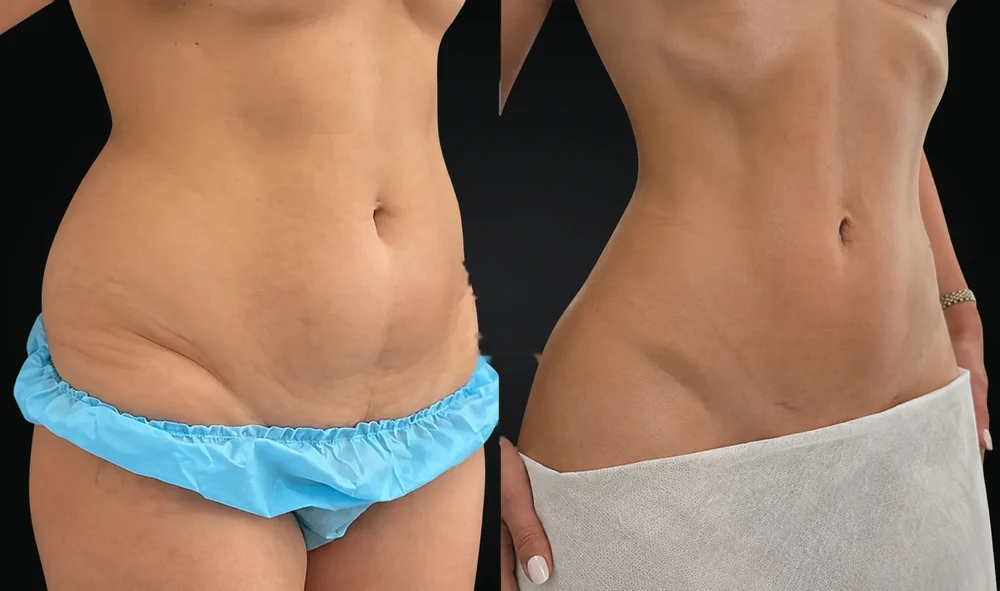
Real case
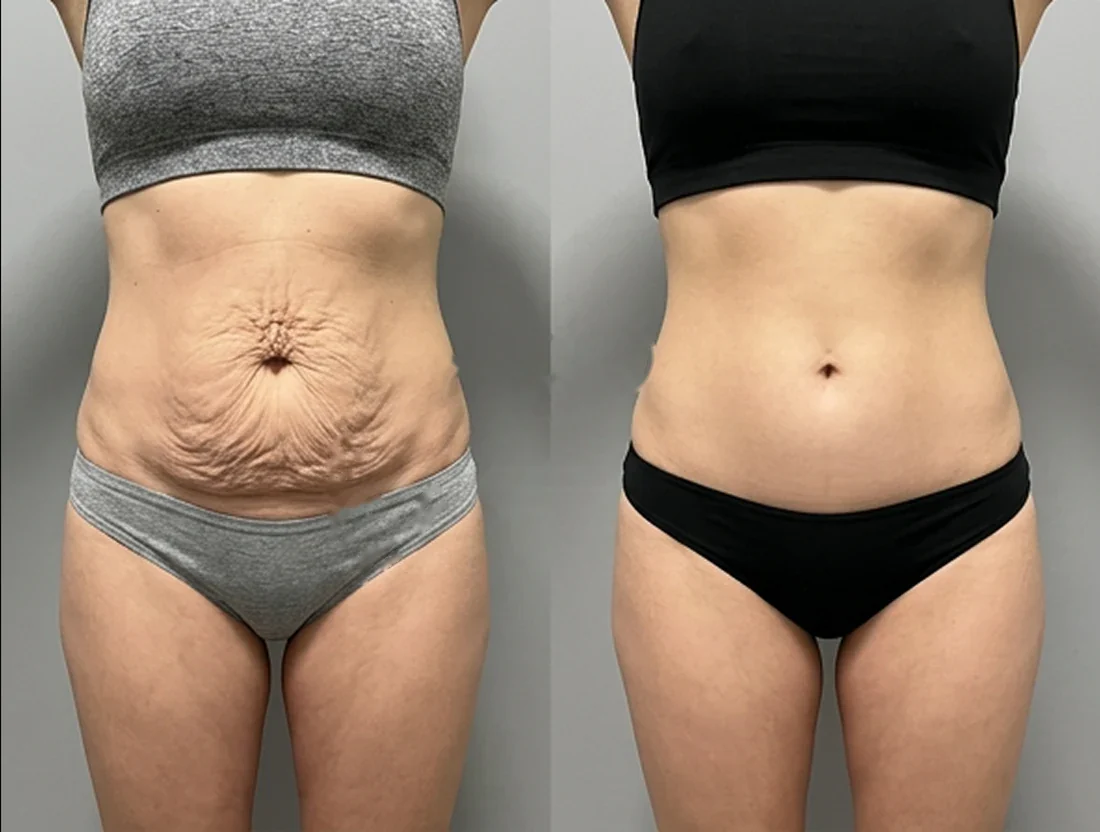
Tummy tuck: a patient's abdomen before and after surgery before after
A flat tummy and a toned silhouette in one operation. Your individual surgical plan and the expected result are discussed at the consultation

Message our coordinator

Free online consultation · Reply within 15 minutes

Message us on Telegram

By messaging us, you agree to our Privacy Policy

Results

Tummy tuck results
of our patients

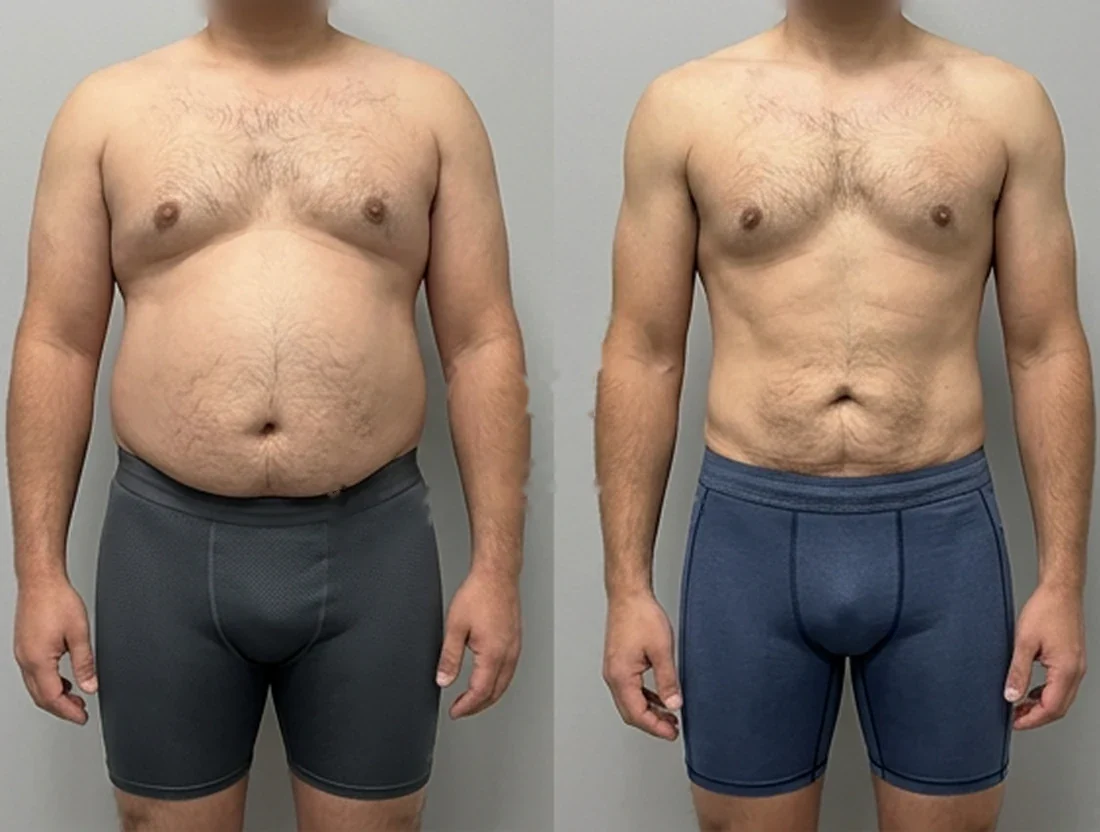
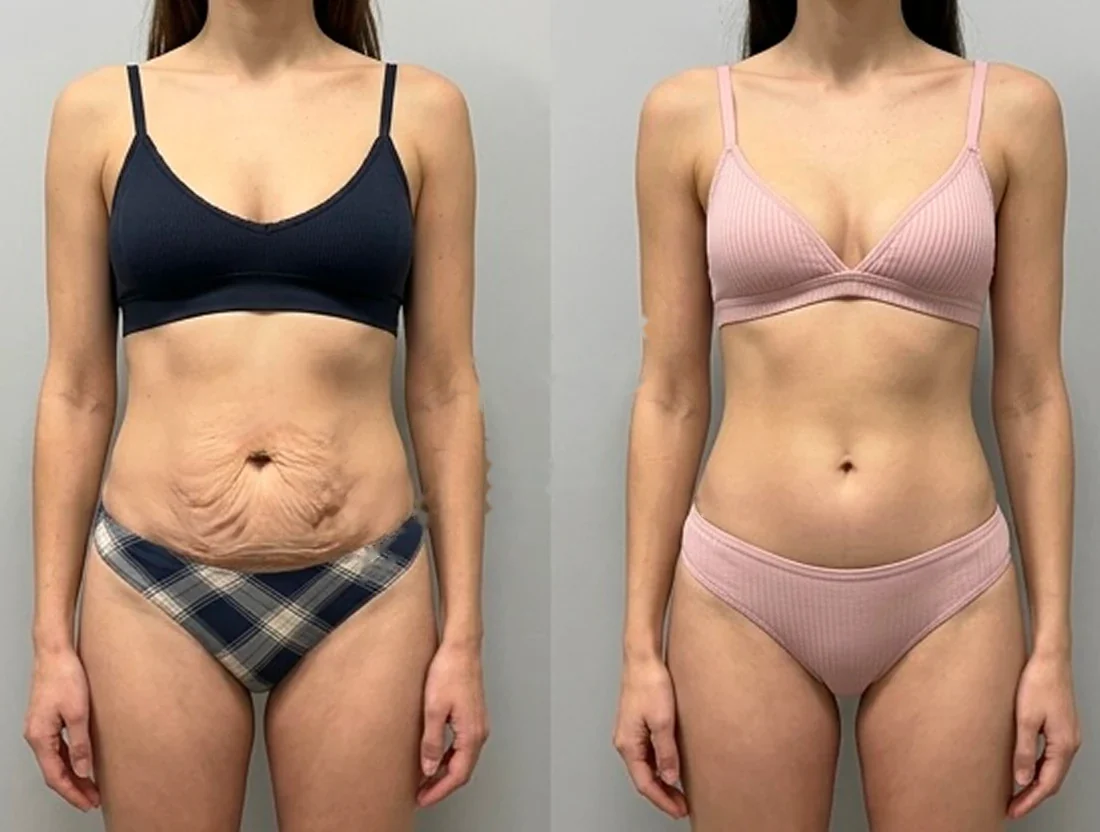
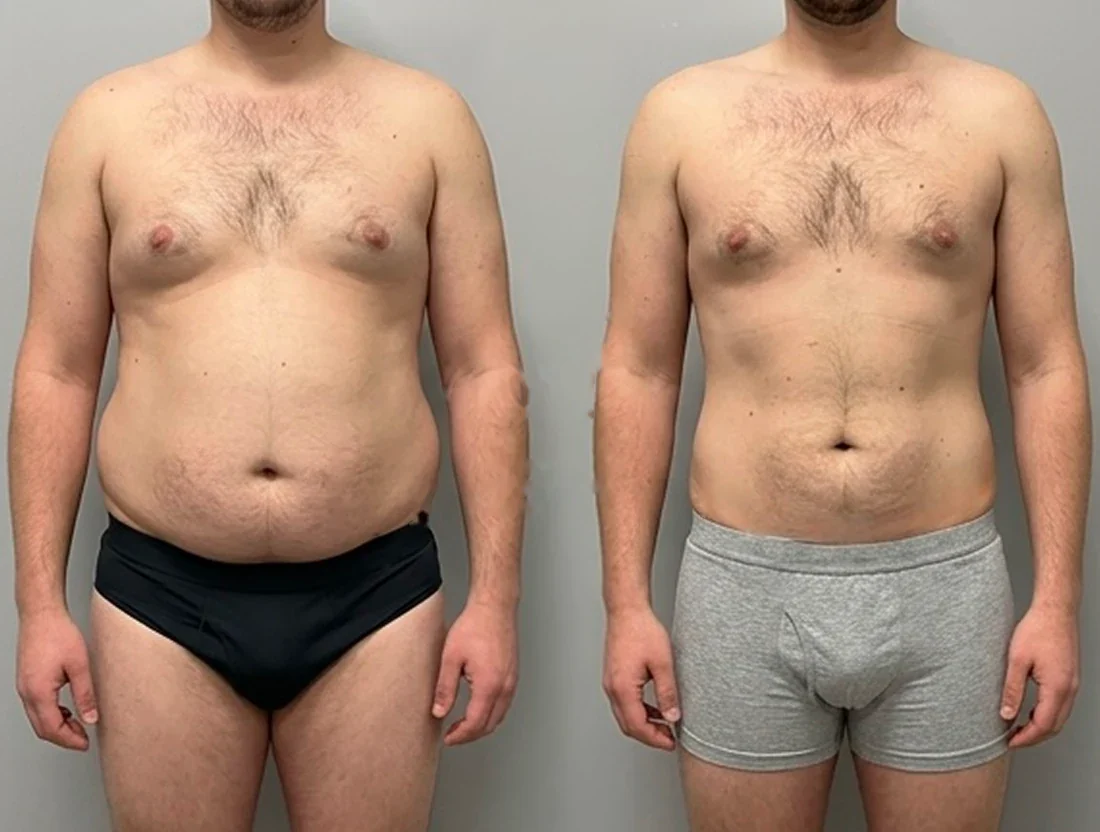
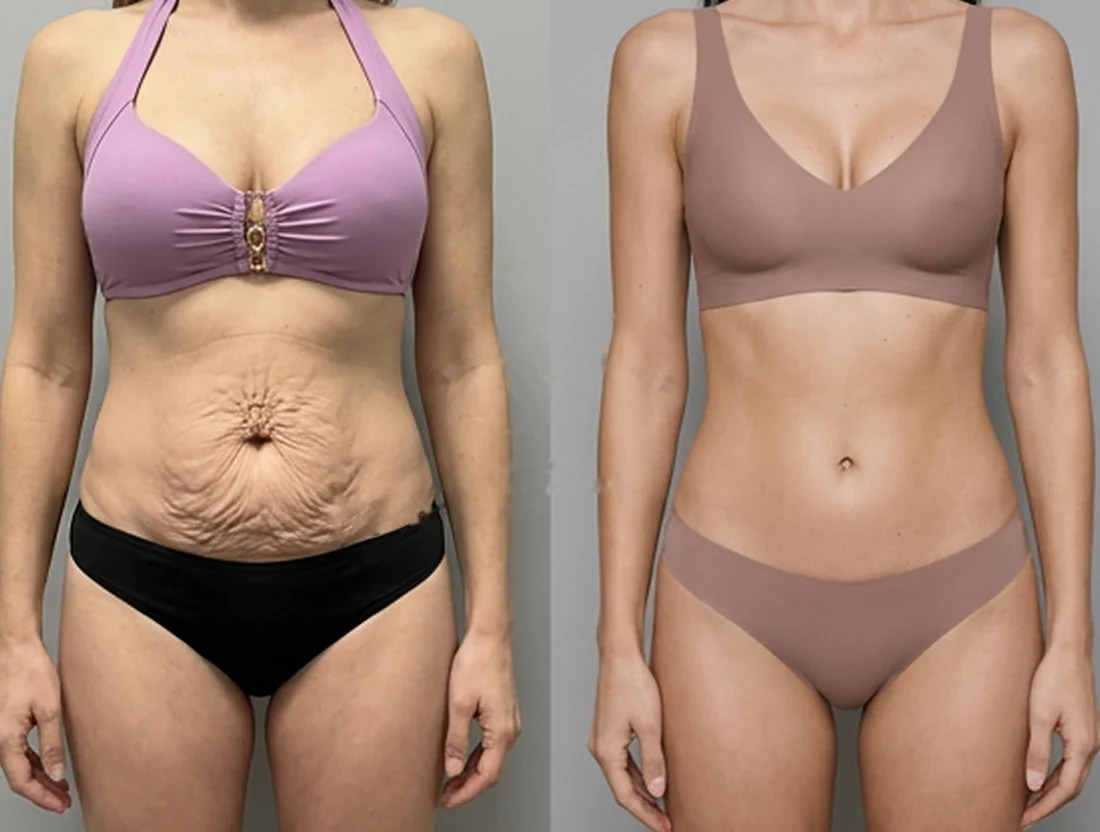
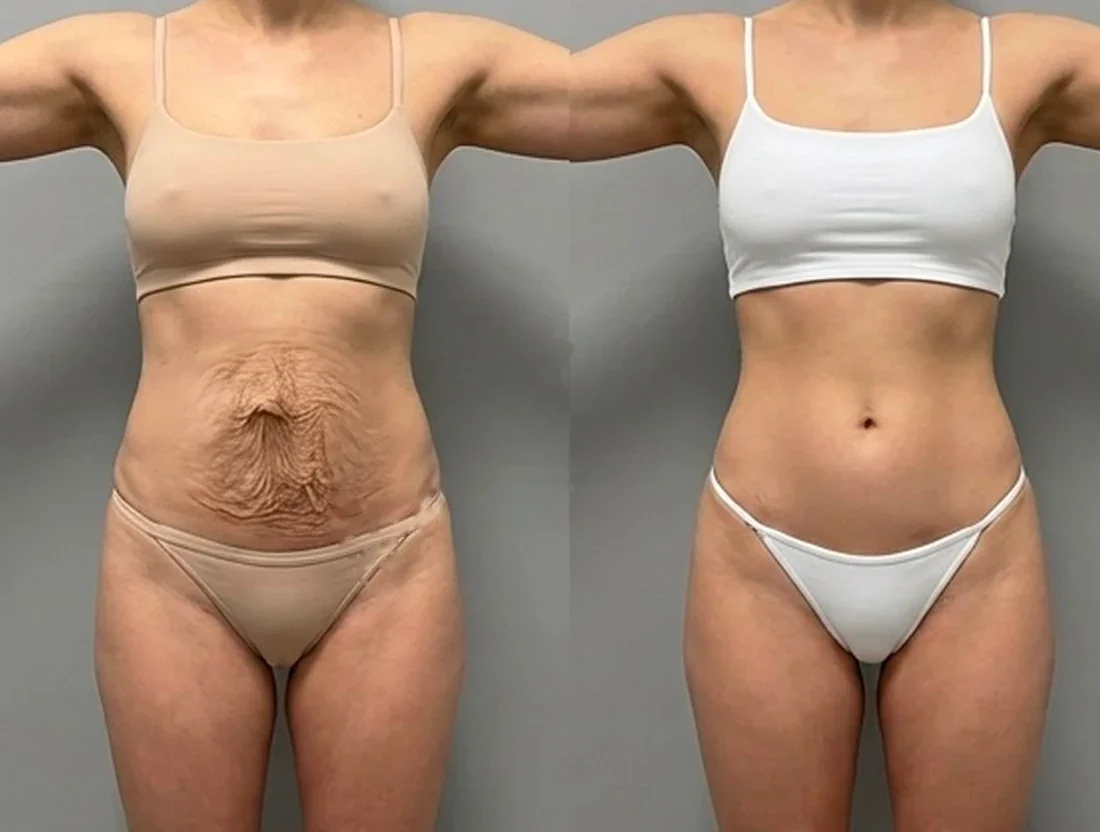
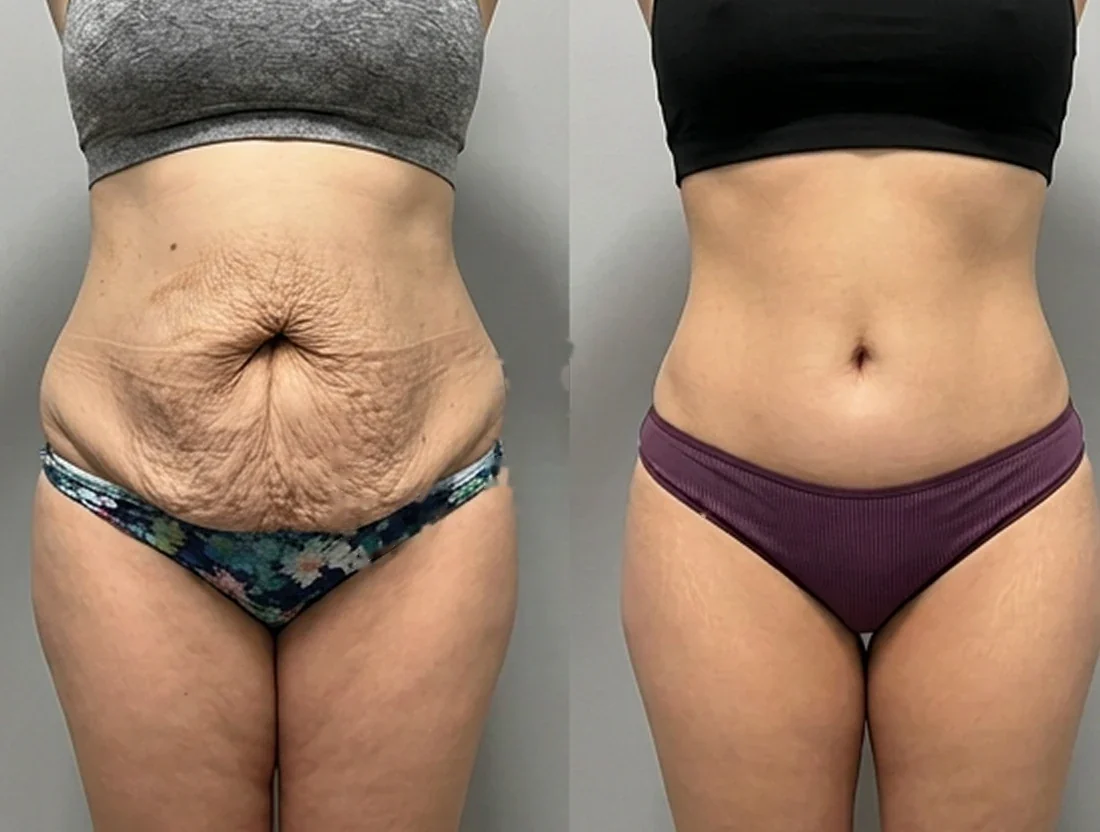
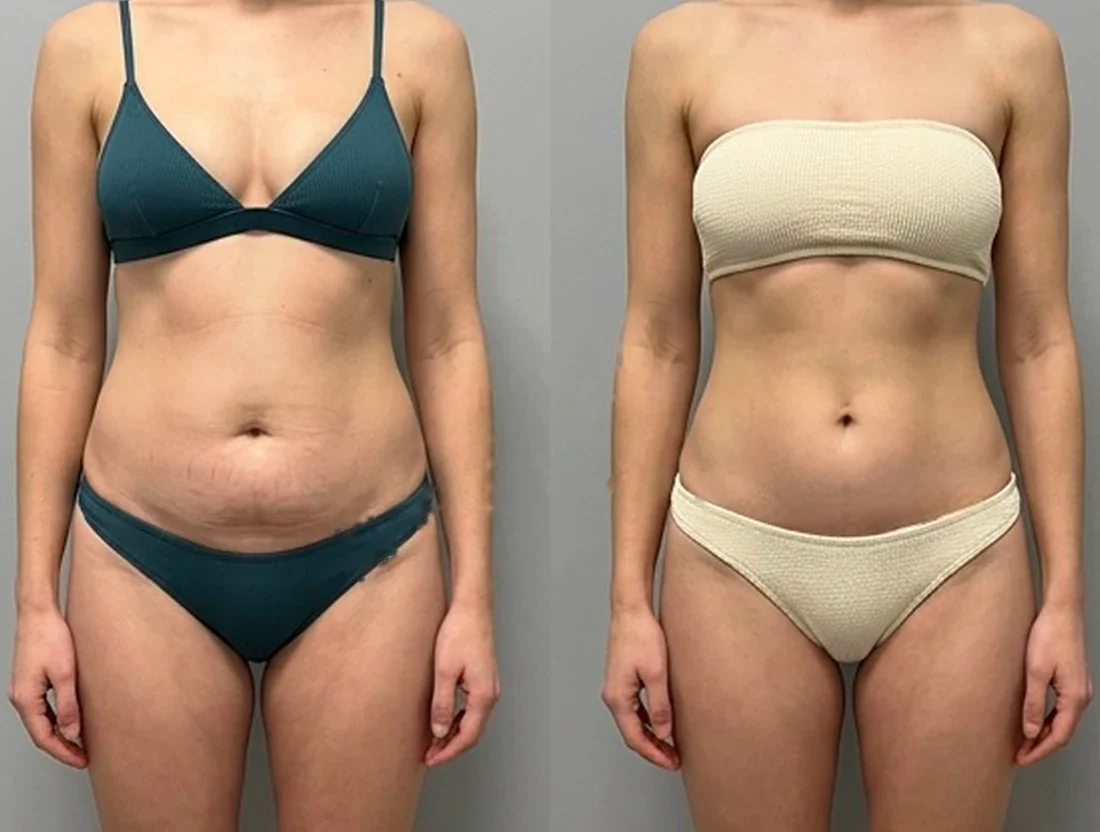
All cases are real patients. Faces and identifying details are hidden.

Tummy tuck: a female patient's abdomen before and after surgerybeforeafter
Tummy tuck: a male patient's abdomen before and after surgerybeforeafter
Tummy tuck: a female patient's abdomen before and after surgerybeforeafter
Tummy tuck: a male patient's abdomen before and after surgerybeforeafter
Tummy tuck: a female patient's abdomen before and after surgerybeforeafter
1 of 8

Comparison

Tummy tuck techniques

A tummy tuck is done as a full (classic) or mini operation, or combined with liposuction as lipoabdominoplasty. Compare the scope of surgery, the indications and the expected results to choose the right technique together with your surgeon.

Tummy tuck

Removal of excess skin, abdominal muscle tightening
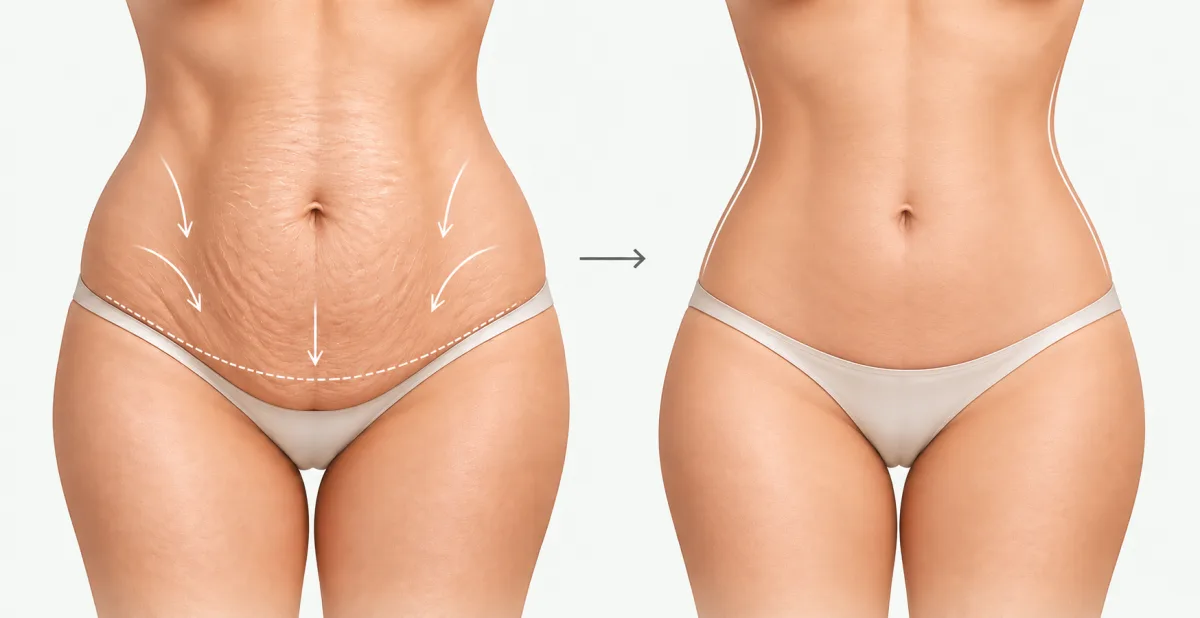
Tummy tuck diagram: the abdomen before surgery with the incision line, and the result
Main goal
Removal of excess skin, diastasis repair
When it is done
Excess skin after childbirth or weight loss
Anaesthesia and stay
General anaesthesia, up to 3 days in hospital

Lipoabdominoplasty

Tummy tuck with added liposuction
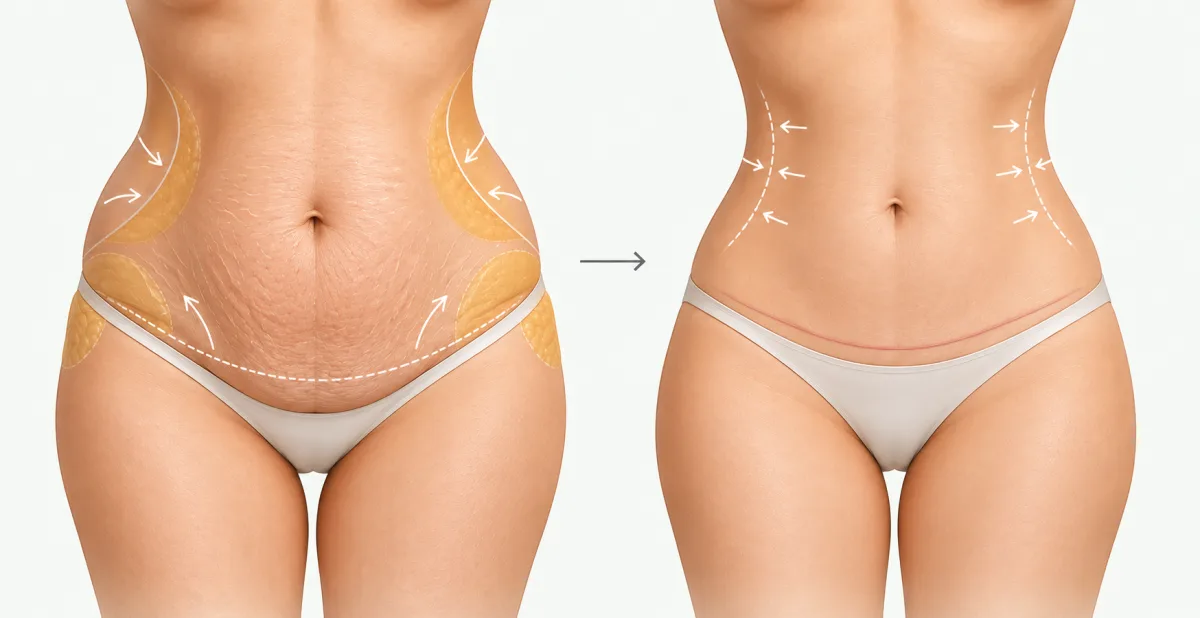
Lipoabdominoplasty diagram: the abdomen with fat on the flanks before surgery, and the result
Main goal
Tummy tightening and waist contouring
When it is done
For fat deposits on the flanks and waist
Anaesthesia and stay
General anaesthesia, up to 3 days in hospital

The benefits and recovery times shown are averaged for each technique and given for guidance: the scope of correction and rehabilitation depend on your anatomy and individual features, and the surgeon confirms them at the consultation.

At the consultation the surgeon draws up a plan for your case and explains how your tummy tuck will go.

Free, before surgery and with no obligation.

Book a consultation

Tummy tuck from the inside

About the clinic

A clinic where you can feel at ease

Modern equipment, comfortable rooms and care for every patient

A doctor and a patient in a clinic ward

Contact us the way that suits you

We will answer your questions and find a convenient time for a consultation

A tummy tuck is not for everyone

If your case can be solved without surgery, the doctor will tell you so at the consultation — and you will not spend money for nothing.

Suitable

A surgeon shows a patient on a model and a monitor how the abdominal contour changes after a tummy tuck
  • Rectus abdominis diastasis
  • Skin folds after weight loss
  • Loose abdominal skin
  • Stretched skin after pregnancy
  • A distorted abdominal contour

Not suitable

A surgeon discusses the indications and contraindications for a tummy tuck with a patient
  • Acute infections
  • Serious heart, kidney or liver conditions
  • Clotting disorders of the blood
  • Under the age of 18
  • Decompensated diabetes
  • Cancer
  • Skin inflammation in the surgical area
  • Pregnancy or breastfeeding

Not sure the surgery is right for you?

Message us — the coordinator will ask for your photos in the messenger, and the surgeon will tell you whether a tummy tuck suits you. No surgery booking needed.

Find out if it suits me

A surgeon goes through a tummy tuck diagram with a patient at the consultation

Prices

You know the price
before surgery

The price is set at the consultation and fixed in the contract.

Other services

  • First consultationFree
  • Liposuction of the abdomen and flanksfrom $1,700
Book a consultation

Find out your tummy tuck plan and price

The surgeon assesses your abdominal skin and muscles, listens to your wishes and chooses the right correction technique.
The price is set at the consultation and fixed in the contract.

A nurse talks to a patient in a clinic ward

Message our coordinator

Free online consultation · Reply within 15 minutes

Message us on Telegram

By messaging us, you agree to our Privacy Policy

A patient's abdomen before a tummy tuck in the operating room

all inclusive

What the price includes

From preparation for surgery
to post-op check-ups.

  • All scheduled dressings
  • Scheduled post-op check-ups
  • A personal coordinator on call
  • Compression garments fitted on the day of surgery
  • A stay in a comfortable
    hospital ward with meals
  • Individual recommendations
    for recovery
  • Remote progress monitoring
    by photos

How it works

Three days at the clinic —
from preparation to discharge

An agreed correction plan, inpatient observation and post-op check-ups.

A doctor shows a patient a tummy tuck diagram on a monitor1

Consultation
and the surgical plan

The surgeon assesses your abdominal skin and muscles and checks for diastasis, listens to your wishes and chooses the right correction technique.

Paying the deposit by card at the clinic reception2

Booking the date
of surgery

We reserve a surgery date for you: the deposit can be paid by card at the clinic or online by bank transfer. The terms are fixed in the contract for medical services

A blood sample tube for tests before a tummy tuck3

Check-up before
surgery

Before surgery you complete a full lab check-up: blood tests, an ECG, a chest X-ray and reports from the required specialists.

The surgical team during the operation4

Surgery

The surgeon performs the tummy tuck with the chosen technique, repairs diastasis if needed and shapes a firmer abdominal contour.

A hospital ward at the clinic5

Inpatient stay

After surgery the patient stays for 1–3 days in a comfortable hospital ward with meals, under medical supervision.

A surgeon and a patient in the ward during recovery6

Recovery

After surgery you get a recovery programme. Check-ups at 7 days, 3 and 6 months help track your recovery.

Book a free consultation — the surgeon will plan every step with you.

A doctor discusses the tummy tuck plan with a patient
Book a consultation
A doctor discusses the tummy tuck plan with a patient

How it really happens

Healing after a tummy tuck

Right after surgery the patient stays in hospital for 1–3 days under medical supervision. Drains are usually removed after two days and stitches after 7 days. A compression binder is worn for 1.5–2 months — it supports the abdominal wall and shapes a smooth contour. Most swelling goes within 30 days; office work resumes after 2–3 weeks. Sports, sauna and heavy lifting are off-limits for 2–3 months; at first, sleeping on your back with knees bent is advised. By 12 months the scar is fully mature: it fades and is barely noticeable.

Post-op check-ups

After 7 days, at 3 months and at 6 months. Until the end of the year, get a post-surgery consultation with your surgeon to review results and get more information, at the clinic's expense

Advantages

Reasons to choose City Medical Centre

A surgeon discusses the tummy tuck plan with a patient at the consultation

Just find out — you lose nothing

At the consultation we discuss your wishes and assess your abdominal skin and muscles. The surgeon explains what changes are possible, chooses the correction technique and answers your questions.

A surgeon on a video call with a patient after surgery

We stay with you after surgery

The surgeon follows your recovery and the changing abdominal contour at check-ups after 7 days, 3 and 6 months. Check-ups, dressings and aftercare advice are already included in the price of surgery.

A surgeon shows a patient a model and tummy tuck diagrams

A beautiful contour that fits your figure

We choose the correction technique based on your skin, muscles and figure. Our aim is a harmonious abdominal contour that keeps the natural proportions of your body.

A patient writes down a convenient visit time in her planner

Your schedule is our priority

We respect your time: we work 24/7, with easy booking and a personal approach — we adapt to your pace.
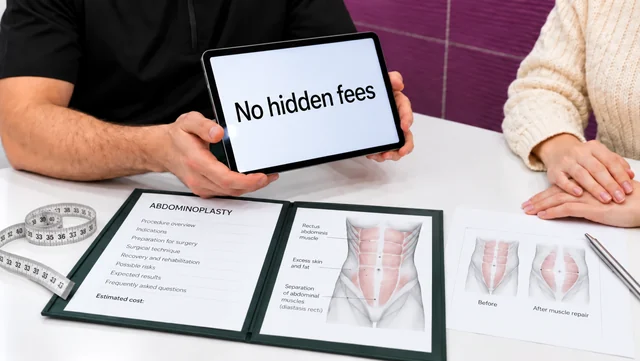
A surgeon shows a patient the fixed price of surgery with no extra charges

Fixed prices

After the consultation the surgeon defines the extent of correction, and you get a clear price for the surgery — no surprises on the way to the result you want.

A surgeon visits a patient in the hospital ward after surgery

Round-the-clock care after surgery

Recovery starts in a comfortable hospital ward under round-the-clock nursing care. The stay and meals are already included in the price.

FAQ

We answer what
people ask before booking

Choosing abdominoplasty in Annaba

Every tummy tuck leaves a scar; it is the unavoidable price of removing excess skin. In a classic procedure it runs across the lower abdomen from hip to hip, below the underwear or swimsuit line, and in a mini procedure it is much shorter. By 12 months the scar is mature, thin and barely noticeable. People in Annaba can discuss at the consultation how the incision line will be planned.

Compression is not optional: without the garment recovery is worse, because it supports the tissues and reduces swelling. For the first 3–4 weeks it is worn around the clock, then for about another month during the day; the operating surgeon names the exact period. For at least a month, sauna, pool, tanning beds, alcohol and smoking are off-limits. Annaba patients receive the full list of restrictions from the surgeon.

How much is a tummy tuck in Annaba? The answer comes at a free consultation: the surgeon examines the abdominal muscles and skin, chooses a classic or mini technique and decides whether diastasis repair or liposuction should be added. Only then is the price calculated and written into the contract. Send a request or message us in any messenger to get started.

Stories of well-known people

Well-known people who spoke openly about this operation, in their own words.

All stories about this operation →

A Waistline Questions Asked Along the Cours de la Révolution

Annaba is a city that dresses for the evening walk. When families drift along the Cours de la Révolution after sunset, summer clothes in light cotton and clinging fabrics show every fold that a loose winter coat hid for months. For many women after pregnancies, and for men who lost a great deal of weight, that quiet moment is when the abdominal wall stops being a private worry and becomes a question you finally type into a phone.

A tummy tuck is not the same thing as liposuction, and the confusion costs people months. The operation removes surplus skin and, where needed, tightens the stretched muscle layer underneath, so it answers a hanging apron of skin or a bulge that no exercise reaches. Fat that sits in a firm, evenly pinched layer is a different problem. Saying clearly which of the two you recognise in the mirror is the most useful sentence in your first message.

Annaba had 464,740 residents in the 2019 count for the city proper, and roughly a million if you count the whole agglomeration, so the number of women and men quietly asking the same thing is not small. What they share is that few want to discuss it in the waiting room of a neighbour's cousin. An online conversation from your own sofa removes that audience, and the coordinators who answer are reachable around the clock, which suits people who only find courage late in the evening.

Prepare three photographs before you write: straight from the front, a clean side view, and a three-quarter turn, all in daylight, standing relaxed rather than sucking in. Add one sentence about pregnancies, previous operations such as a caesarean scar, and any weight you expect to lose before surgery. A surgeon reads those few lines and the pictures together, and a vague message produces a vague opinion, while a precise one produces a plan you can actually compare.

The Seybouse valley and the green slopes of the Edough massif frame the city, and many residents grew up with outdoor weekends on the beach or in the hills. People who gave up swimming because they felt self-conscious about the stomach often mention it first. Say so if it applies. A surgeon who knows the clothes you want to wear again and the plans you keep postponing can shape the operation around your life, not around a generic chart.

Locals still use the old name Bône, and some older relatives will call Annaba the pearl of the East without a trace of irony. That pride has a practical side when you plan surgery: people here expect to be consulted and kept informed, so a mother, an aunt or a cousin may want to sit in on your first video conversation. Decide beforehand who sits beside you and who only receives a summary afterwards. A short list of questions written in your own hand keeps the talk focused.

Annual figures give a sober frame for timing. The city averages about 23.5 °C for the daytime high and 12.9 °C for the night low across a year, and 772.9 mm of rain falls over roughly 84 days. Tell the coordinators which season you are aiming for, then ask what that means for the binder, for the stitches coming out on day seven and for the first outing afterwards. A plan built around the weather calendar is easier to keep than a plan built around hope.

Operation Day in Figures: Anaesthesia, Hours and Drains

The surgery is performed under general anaesthesia and lasts two to four hours, depending on how much skin is removed and whether the muscle layer needs tightening. Nobody can honestly promise an exact duration from photographs alone, so read the range as a planning window, not a timetable. What you can fix in advance is who looks after the children, who drives you home when discharge comes, and which room of the house will be your quiet base for the first days.

After the operation you stay in hospital under medical supervision for one to three days. The drains placed during surgery are usually removed after two days, which is one reason the stay is not shortened to a few hours as it can be with small liposuction. It helps to know this early, because relatives often assume tummy tuck means a morning in and an evening out, and a wrong expectation is the quickest route to a tense family conversation.

On day seven the stitches are removed, which is the first small milestone you will actually feel. Until then you will find that standing fully upright is awkward and that a gentle forward posture is where the body wants to sit. Walking short distances inside the house is encouraged; heavy tasks are not. Keep a small notebook by the bed with the time you took each medicine and anything that worried you, so the next call is precise.

Many patients in port and industrial families plan around shift calendars, since the city has built its working life on the harbour, phosphate processing and the steel complex at El Hadjar. Put the operation date beside the real rota, not beside a hopeful one. Ask your employer for the leave period only after the doctor's written recommendation arrives, and keep a copy of the plan, because paperwork is easier to produce on day two than to reconstruct on day twenty.

Treat the hospital days as a small logistics exercise for your household. One to three days under supervision means one to three evenings when the home runs without you: school bags, the evening meal, the laundry. Write the routine for each evening on a sheet and stick it on the fridge. When the drains come out, usually after two days, you will want to come back to a house that already works rather than to a list of apologies.

Ask for the sequence of the operating day in plain words: when you stop eating, when you are marked, when the anaesthetist speaks to you, when you wake, and when someone first lets your family know. Families spread between the centre and El Bouni find it calming to know that the waiting relatives will hear something at a fixed moment instead of watching the phone for hours. Agree on one person who relays news to everybody else.

The Compression Binder Through an August Heat

The binder is worn for roughly one and a half to two months, and in Annaba that stretch can fall across the hottest part of the year. August averages a high of 31.8 °C with nights near 20.4 °C, and July is almost dry at 2.6 mm of rain, so a snug garment sits against skin that is already warm and damp. This is a practical matter, not a medical alarm, and it deserves a little planning before the date is fixed.

Buy two binders so one is always clean and dry, and choose soft, breathable lining against the skin. Wash the spare in the evening and let it dry in the shade of the balcony, never on a hot radiator or in direct sun, which can slacken the fabric. Wear a thin cotton layer between skin and binder if the rubbing begins. Small comforts like these decide whether the first weeks feel manageable or miserable.

Winter dates bring a different rhythm. January and February highs sit near 16.5 °C with lows around 7 °C, and November is the wettest month at 126.2 mm, so the house is cooler and damper while you spend long hours resting. Warm, loose layers over the binder suffice. The upside of a cold month is that a compression garment becomes invisible under ordinary clothes, which many patients appreciate when relatives drop in unannounced.

Swelling mostly goes within about thirty days, yet the tight, stiff feeling can linger through the binder period and fades gradually until the interim result becomes visible at around two months. Do not judge the contour in the mirror at week two. Take a photograph in the same light every week instead and compare them side by side. The coordinators can look at those photographs with you whenever a doubt appears, day or night.

Autumn is gentler on the binder. Temperatures ease while the rains return, and a first dry week in October gives you a good reason to take your short walks outside, on flat ground and without a bag in your hand. Keep to the hours when the pavement is quiet, and turn back at the first sign of tiredness. Fresh air helps the mood more than most people expect during these weeks of rest.

July is the driest month of the year in Annaba, with only 2.6 mm of rain, and highs around 30.9 °C. For a binder wearer that means no problem with damp laundry but plenty of sweat; for the indoor weeks it means open windows early in the morning and shutters drawn by midday. Ask how to rinse the binder between wearings, and how to protect the scar line from the rubbing that heat and sea air encourage.

February is almost as cold as January, with highs of 16.7 °C and lows of 6.8 °C, so a patient recovering then needs warm layers over the binder and not another tight garment. Choose a soft cardigan that opens in front and loose trousers or a long skirt with an elastic waist that sits clear of the scar line. Ask the team whether a waistband may touch the incision area or must stay away from it.

Back to the Desk, the Shop Counter and the Household

Office work usually resumes after two to three weeks, and that figure assumes a desk job, not a role that involves lifting or long standing. Algeria's weekend is Friday and Saturday, so a Sunday start after the second or third week lets you try a full working day with two rest days waiting behind it. Choose that arrangement if your employer allows it, and let colleagues know to expect a slower pace.

Teachers, administrators and students at Badji Mokhtar University, which counted more than 40,000 students in 2004, often find the return easier than people in physical trades. If your day includes carrying files, stacking stock or standing at a counter, discuss it openly in your first message. A sensible plan separates what you can do in week three from what waits until later, and a surgeon who hears the detail can write that plan for your specific job.

The household needs a quiet reorganisation too. Move what you use every day to waist height, from the kettle to the children's school bags, and ask a relative to take over laundry baskets and shopping for the first weeks. Women who run the home alone often hesitate to hand things over, but a patient who refuses help and strains the abdomen early may lose more time than one who accepted a sister's offer for a fortnight.

Sleep is a quiet part of recovery that people forget to plan. A couple of firm pillows under the knees and another behind the back let you rest slightly flexed, which takes tension off the front of the body. Short walks inside the flat several times a day keep circulation moving. Heavier exercise, long drives and swimming wait for the surgeon's go-ahead, and the coordinators will pass your questions on rather than leave you guessing.

Fridays tend to be the family day, and recovering patients often receive more visitors than they can comfortably host. Decide in advance how many guests you will see, for how long, and who will make the coffee. A neighbour who stays an hour and leaves is welcome. One who needs seating, serving and conversation for the whole afternoon quietly spends your energy, so let a relative at the door set the pace.

Households around the port and in El Hadjar organise their days around shifts, and the steel complex there is described as the largest in Africa, so a husband or brother on a rotating roster may be unavailable on the very days you need help. Write the roster on one page and match each shift to a task: carrying the shopping, helping you out of bed, cooking. Gaps on paper are easier to fix today than on the fourth morning at home.

If you run a small shop or sell at a market, the counter is the difficulty, not the desk. The stated return to office work is two to three weeks, and standing, lifting boxes or bending behind a counter takes longer to feel normal. Ask what you may lift in each week, then choose whether a relative covers the heavy part or whether you work seated for the first days. Honest scheduling protects the result better than any cream or gadget.

Scar, Final Contour and Checking Who Operates

The final contour and the scar are assessed at six to twelve months, after the tissues have fully adapted, and that is a long wait for anyone who wants an answer now. The scar starts red and firm and softens slowly. Ask the surgeon in advance where it will lie, whether it can sit below the line of a swimming costume, and what care it needs. Those answers are part of a proper plan, not an optional extra.

Annaba carries a long habit of keeping records, from the Roman streets of Hippo Regius to the registers of a modern port. Use the same instinct with your surgeon. In Algeria no one may practise medicine without being entered on the Tableau, the official register kept by the Order of Physicians, whose national council works through twelve regional councils. A real specialist should be able to tell you the registration without hesitation, and a hesitant answer is information in itself.

I would not rely on a public online search alone, because it has not been confirmed that the national council offers a searchable directory of its members. A more dependable route is to ask your regional council how it confirms enrolment, and to ask the surgeon for the document. Check the name on the paper against the name in the written plan. A short phone call to the council in working hours costs a few minutes and removes a large uncertainty.

Compare offers by their paperwork rather than by how warm the conversation felt: the written scope of the operation, the type of anaesthesia, the length of the hospital stay, what is included in follow-up, and who is available if something worries you in the second week. Lay two plans side by side on the table and tick each line. The one that answers every line in plain words is usually the one worth taking further.

Questions from relatives are a normal part of the process and deserve calm answers. A mother may ask whether the scar can be hidden, a husband may ask how long help is needed, and a friend may repeat a story heard at the market. Collect the questions in one list and send it to the coordinators together, so the replies come as a clear set of points that the whole family can read and put aside.

The scar is the part people talk about least and think about most. Photograph it on the day the stitches come out, again at the end of the binder period, and then at six and twelve months, always in the same light and from the same distance. Because the final contour and the scar are judged at six to twelve months, a picture from week three says little. Send each set to your coordinator so the comparison sits in a file and not in memory.

When two offers arrive, put them side by side with one question at the top of the page: what exactly is written about the stay of one to three days, the drains, the binder and the follow-up? A line that says nothing is an answer too. Share that sheet with the relative you trust most and ask them to find what is missing, because a fresh pair of eyes notices gaps that you have stopped seeing.

Keep the conversation with the household honest and unhurried. A husband may worry about the length of the surgery, a sister about the weeks of limited lifting, a teenager about who will cook. Answer each person with the specific line from your written plan rather than with general comfort, and let anyone with a worry write it down so it can be sent on to the coordinators in one message.

Is a tummy tuck the same as liposuction of the stomach?

No. A tummy tuck removes excess skin and, when needed, tightens the stretched muscle layer, so it suits a hanging apron or a bulge that exercise does not change. Liposuction removes fat only and leaves loose skin as it was. Many patients need one or the other, and a few need both. Your front, side and three-quarter photographs let the surgeon say which route fits.

How long does the operation take and what anaesthesia is used?

The surgery is done under general anaesthesia and lasts two to four hours. The exact time depends on how much skin is removed and whether the muscles need tightening, which the surgeon can only confirm after reviewing your photographs and history. Plan the day around the longer figure so nobody waits anxiously.

How many days do I stay in hospital?

You stay under medical supervision for one to three days. The drains placed at surgery are usually removed after two days, and that is a main reason the stay is longer than for small procedures. Arrange help at home before you go in, so the first evening back is calm.

When do the stitches come out?

The stitches are removed on day seven. Until then walk gently indoors, avoid heavy tasks and keep the dressing instructions you were given. If redness, a sudden swelling on one side or unusual discharge appears before that day, write to the coordinators with a photograph so they can pass it to the surgeon without delay.

Can I wear a compression binder in Annaba's summer?

Yes, and you will need it for about one and a half to two months. In August the average high is 31.8 °C, so keep a spare binder, wash one every evening and let it dry in the shade. A thin cotton layer under the garment reduces rubbing. Ask the surgeon before you change anything about how it is worn.

When can I go back to office work?

Office work resumes after two to three weeks. Since the weekend in Algeria is Friday and Saturday, many patients return on a Sunday so a full working day is followed by two days of rest. If your job involves lifting or long standing, tell the surgeon, because the plan for you will be different.

When will I see the real result?

Most swelling goes in about thirty days, and the interim result appears at around one and a half to two months once the binder period ends. The final contour and scar are assessed at six to twelve months. Take weekly photographs in the same light, so you compare real changes instead of mood on a given day.

How do I confirm my surgeon is properly registered?

In Algeria a doctor must be entered on the Tableau kept by the Order of Physicians, and the national council works through twelve regional councils. Ask the surgeon for the registration and the specialty in writing, then ask your regional council how it confirms enrolment. Match the name on the document to the name in your written plan.