


























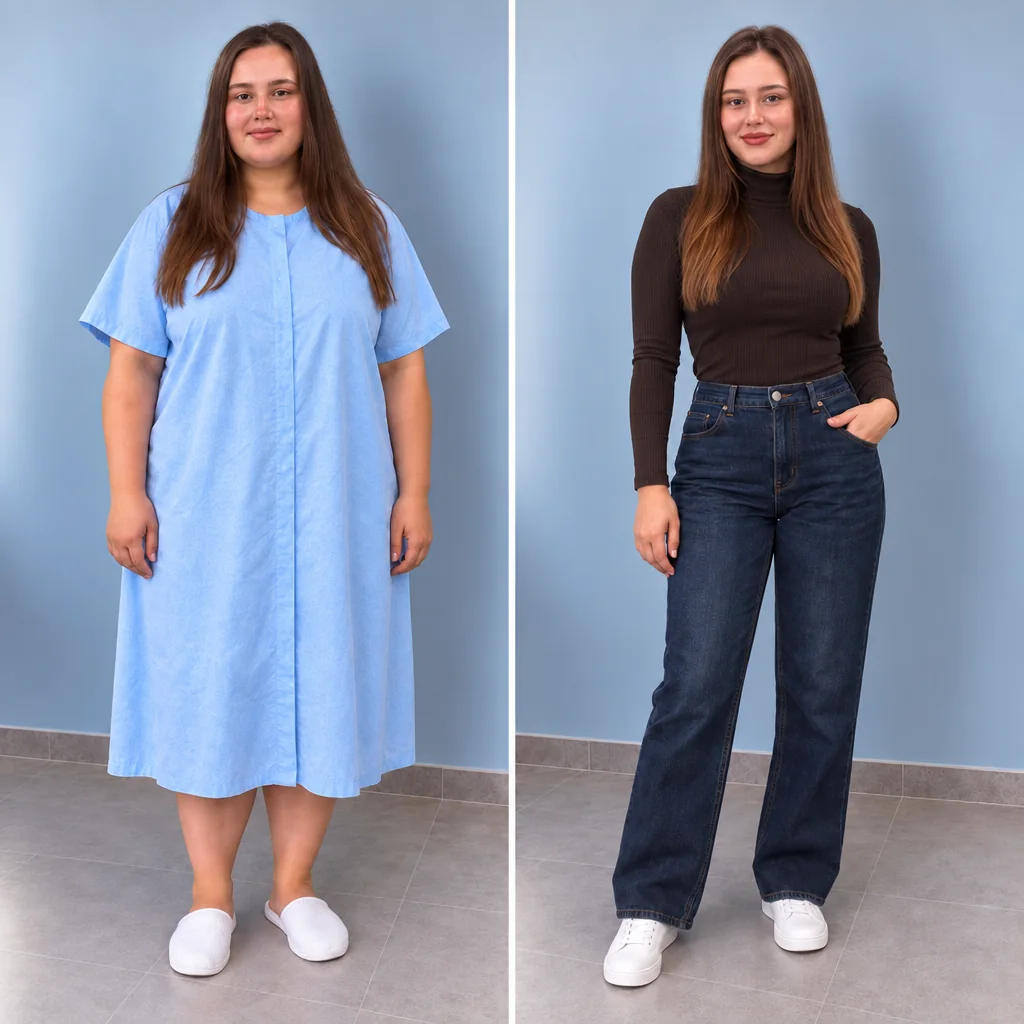
 beforeafter
Irina, 26
Bariatric surgery
Bariatric surgery
$3,600
$4,800 · First consultation — Free
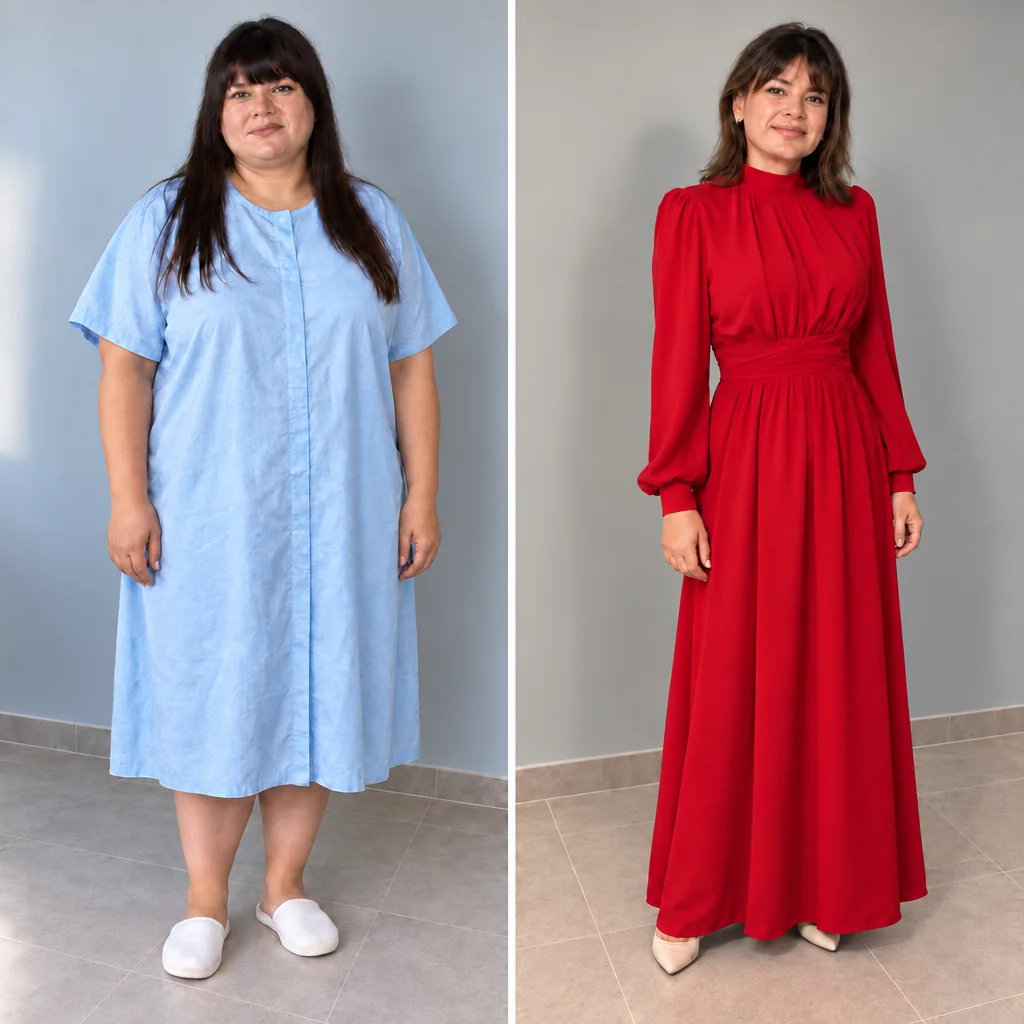 before
after
before
after
Message our coordinator
Free online consultation · Reply within 15 minutes
Message us on TelegramMessage us on WhatsAppBy messaging us, you agree to our Privacy Policy
Results
Each result belongs to a real patient of the clinic.
beforeafterBariatric surgery
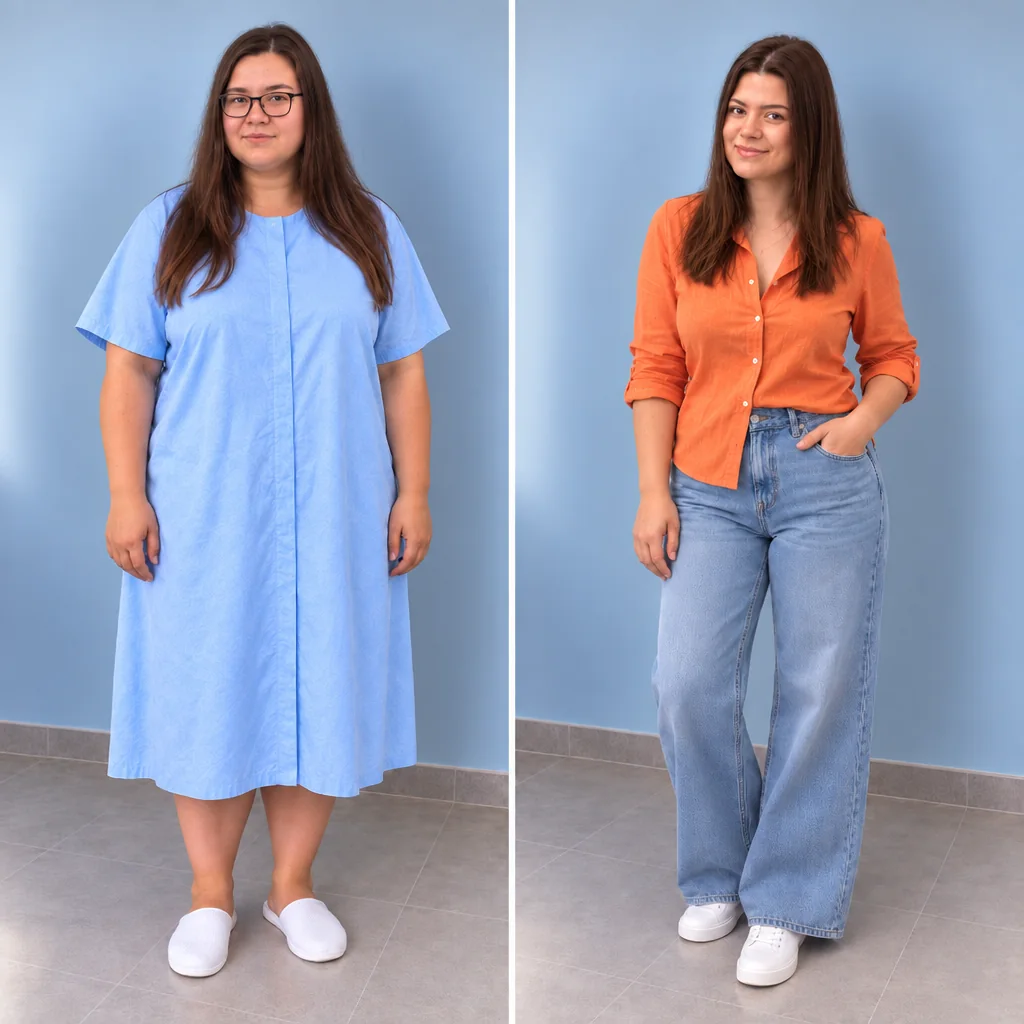 beforeafter
Bariatric surgery
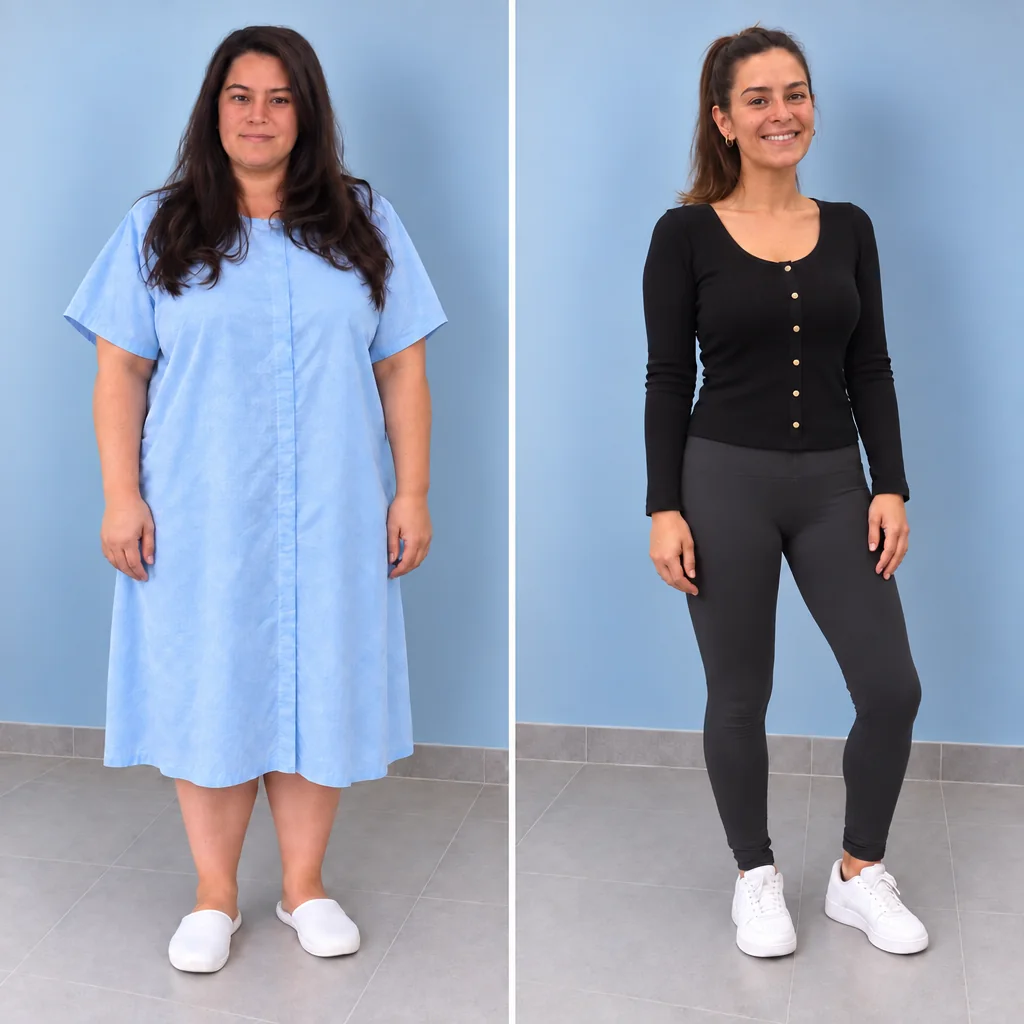 beforeafter
Bariatric surgery
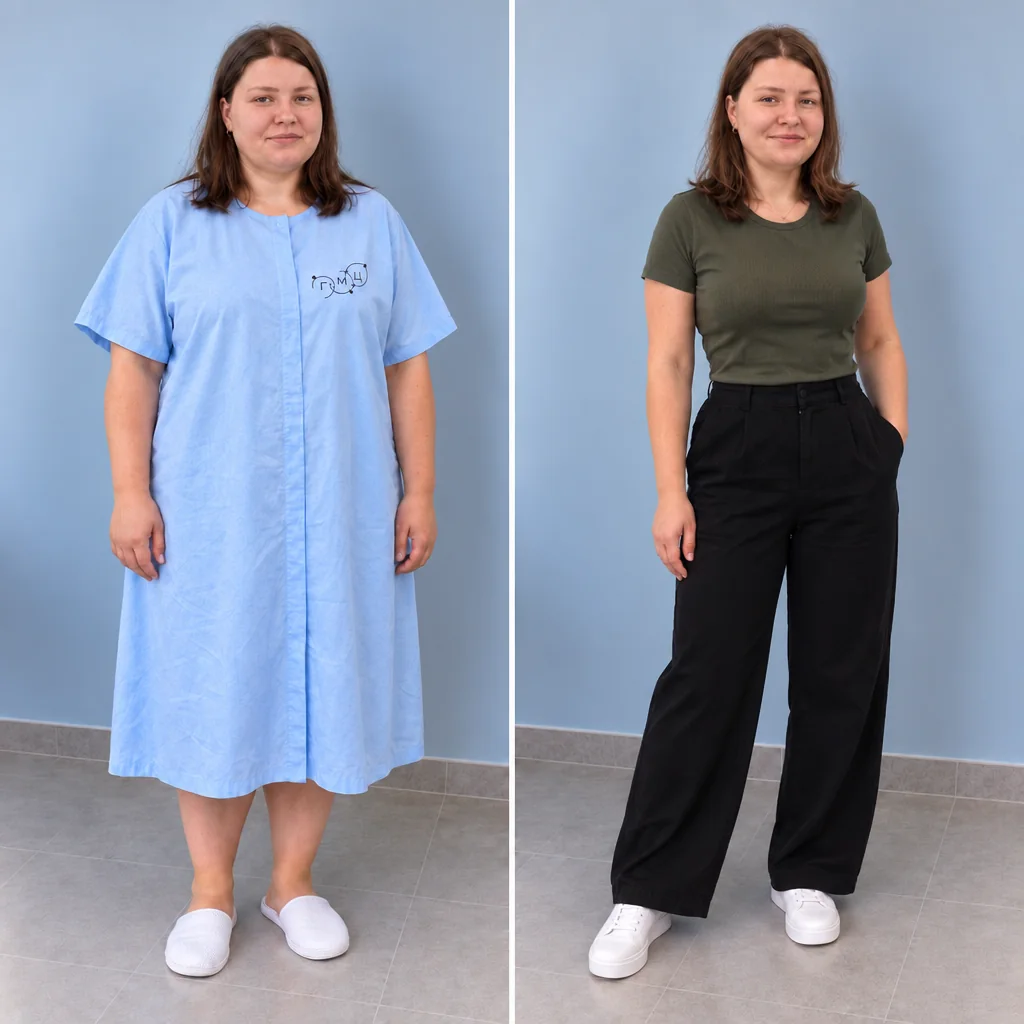 beforeafter
Bariatric surgery
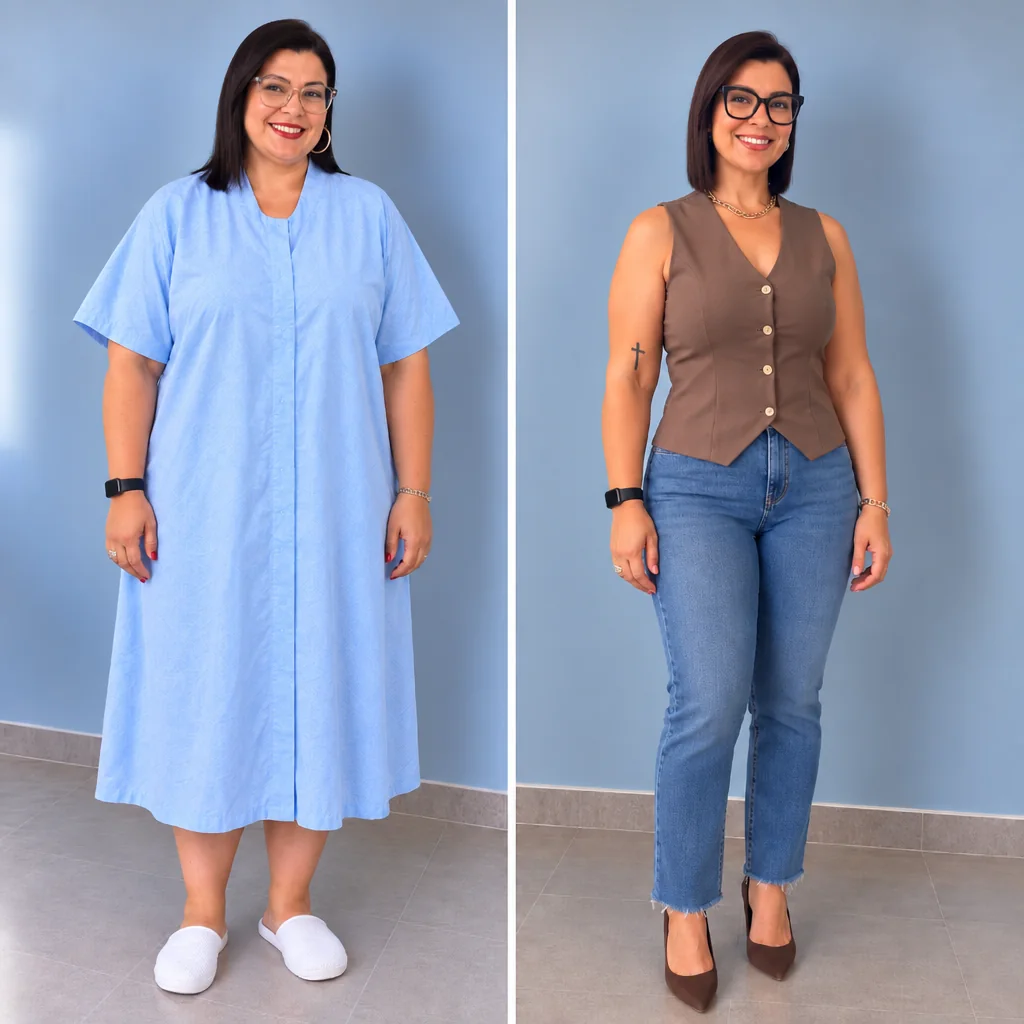 beforeafter
Bariatric surgery
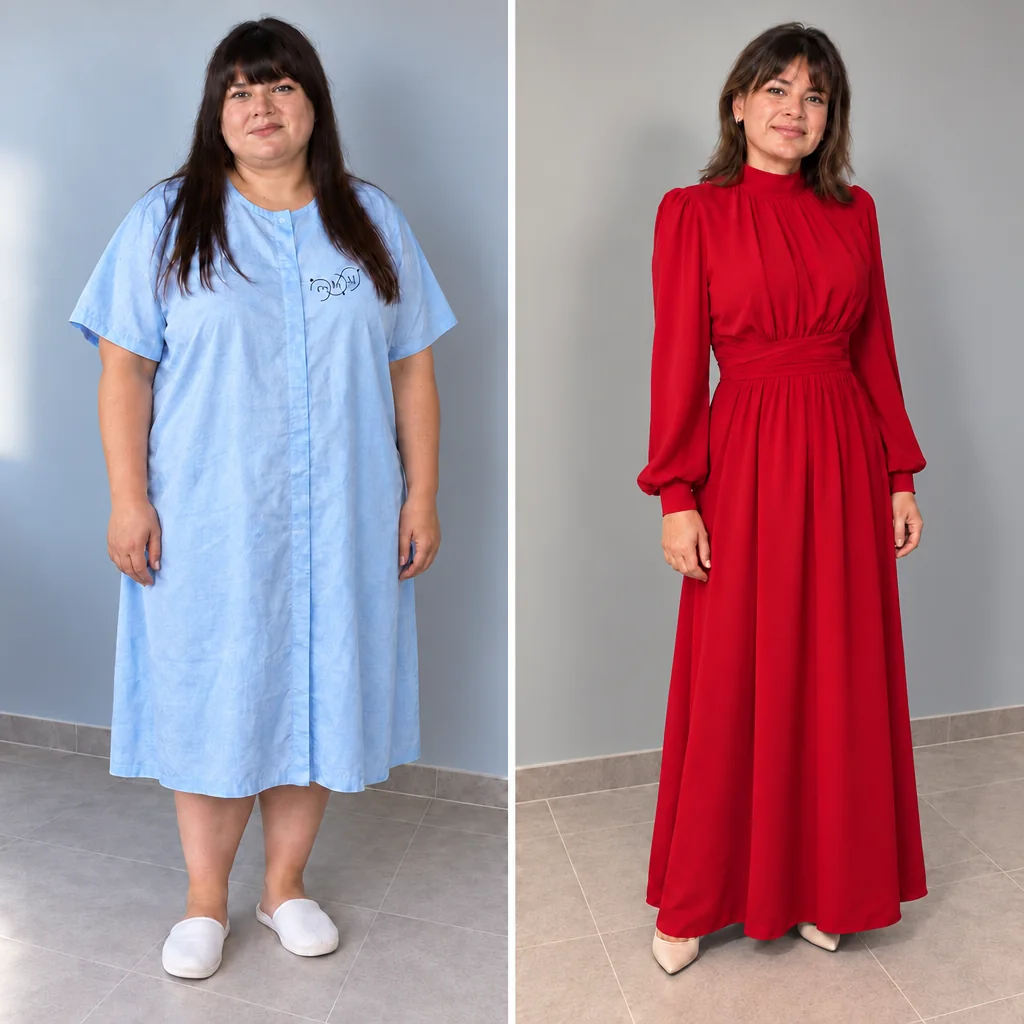 beforeafter
Bariatric surgery
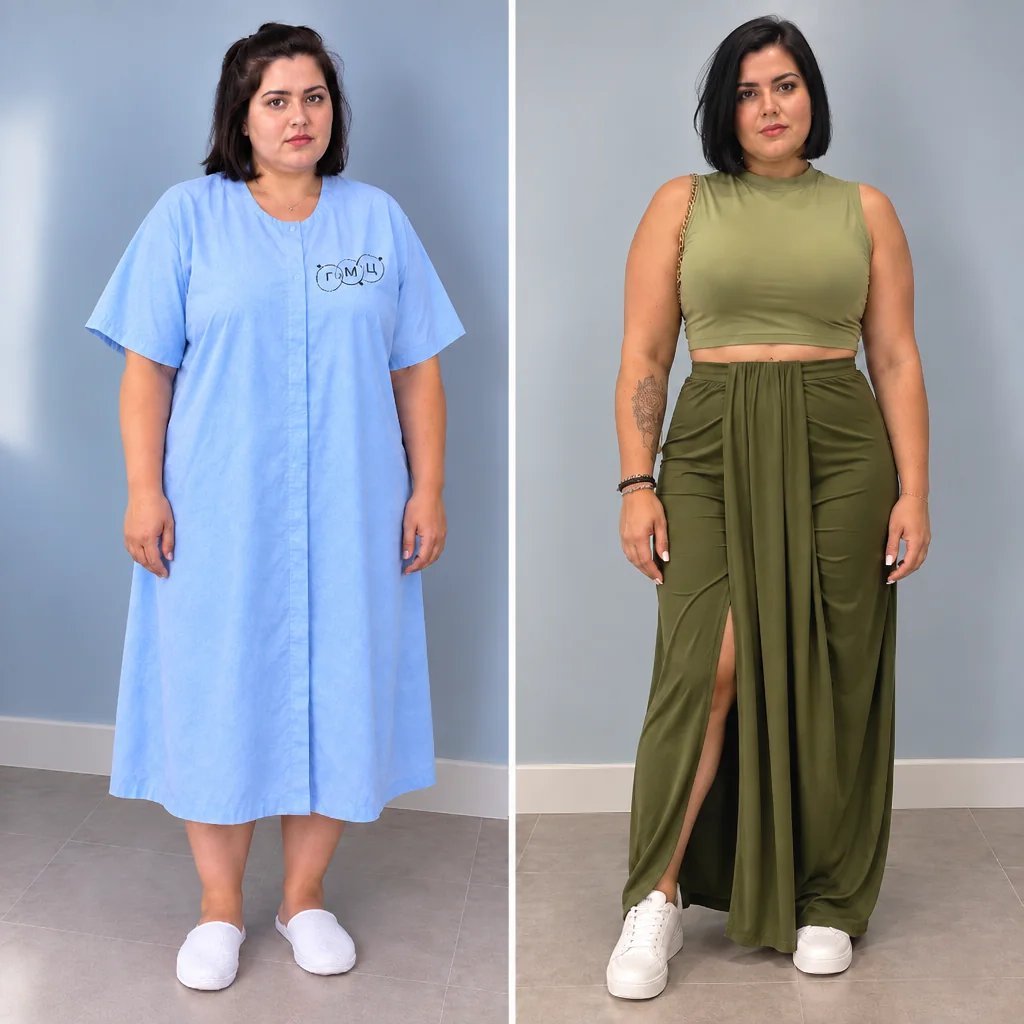 beforeafter
Bariatric surgery
 beforeafter
Bariatric surgery
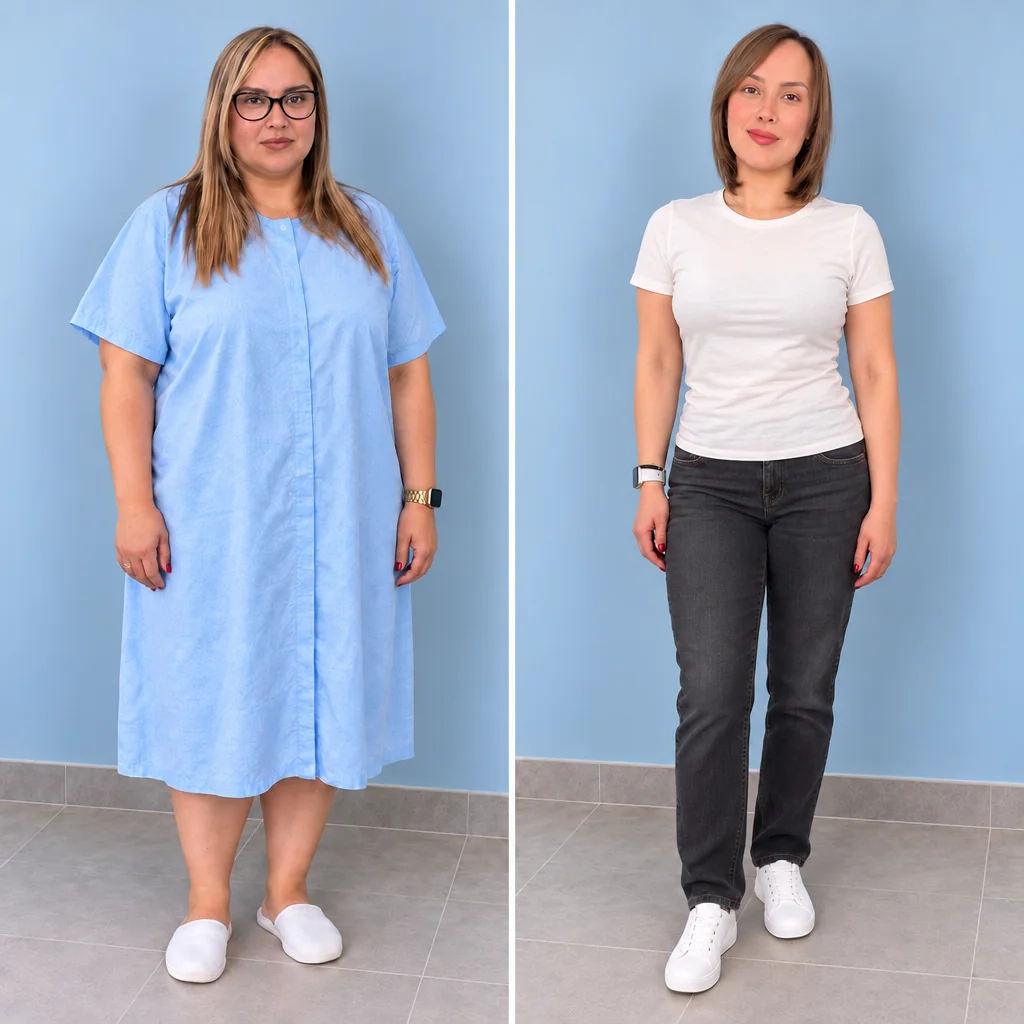 beforeafter
Bariatric surgery
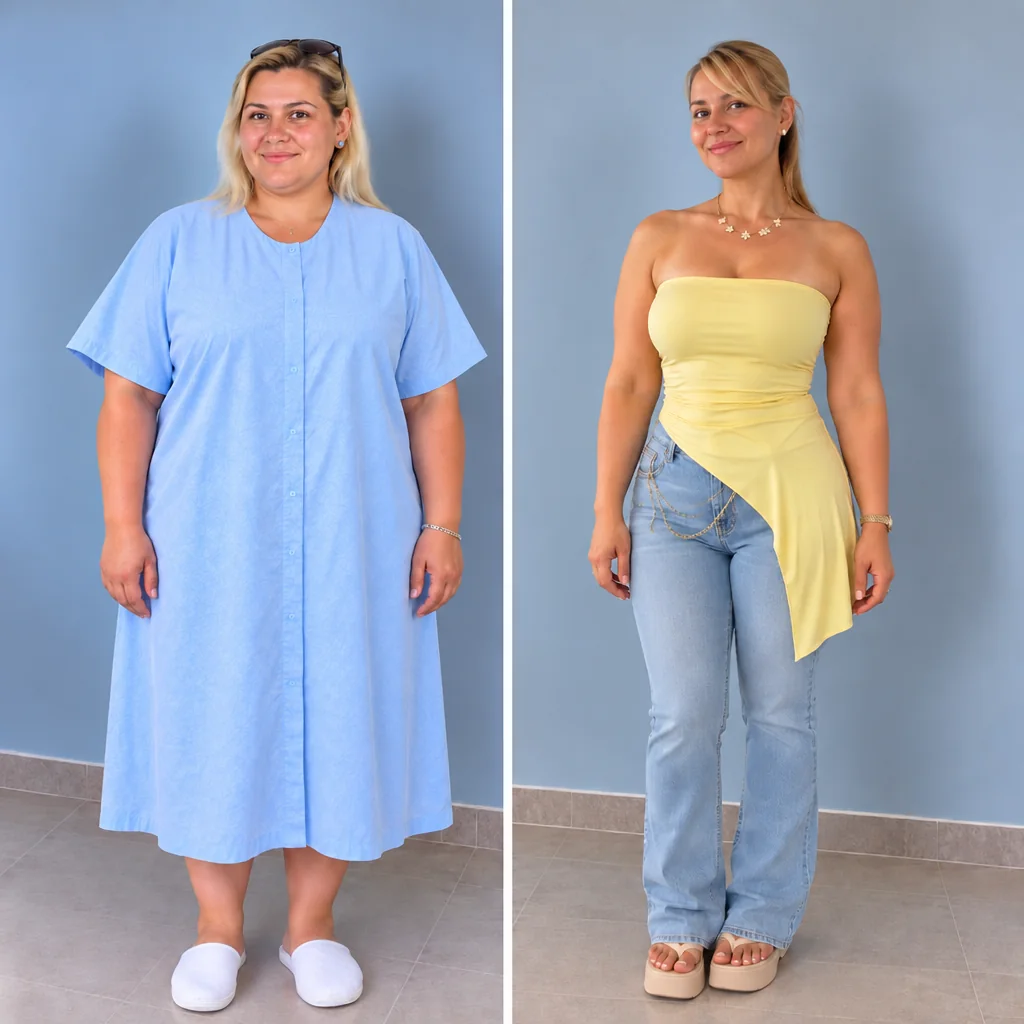 beforeafter
Bariatric surgery
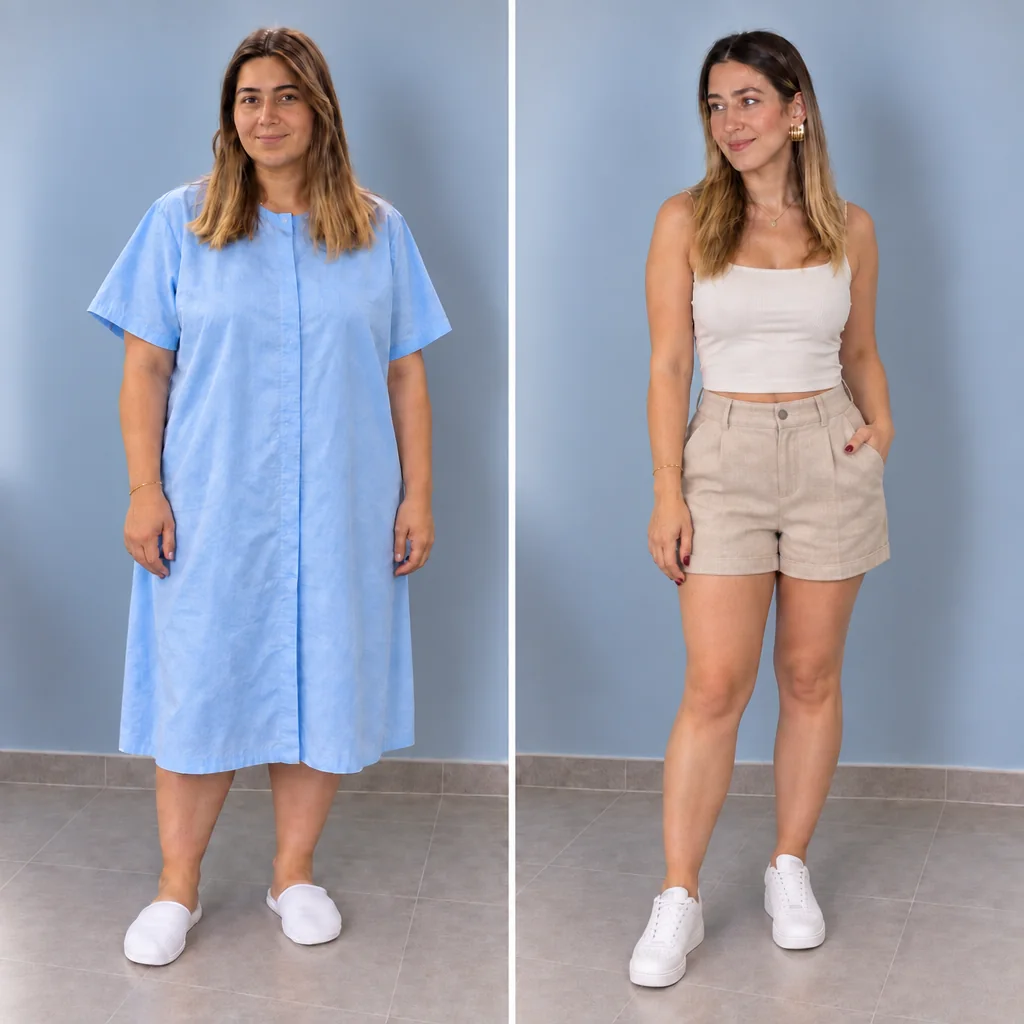 beforeafter
Bariatric surgery
Comparison
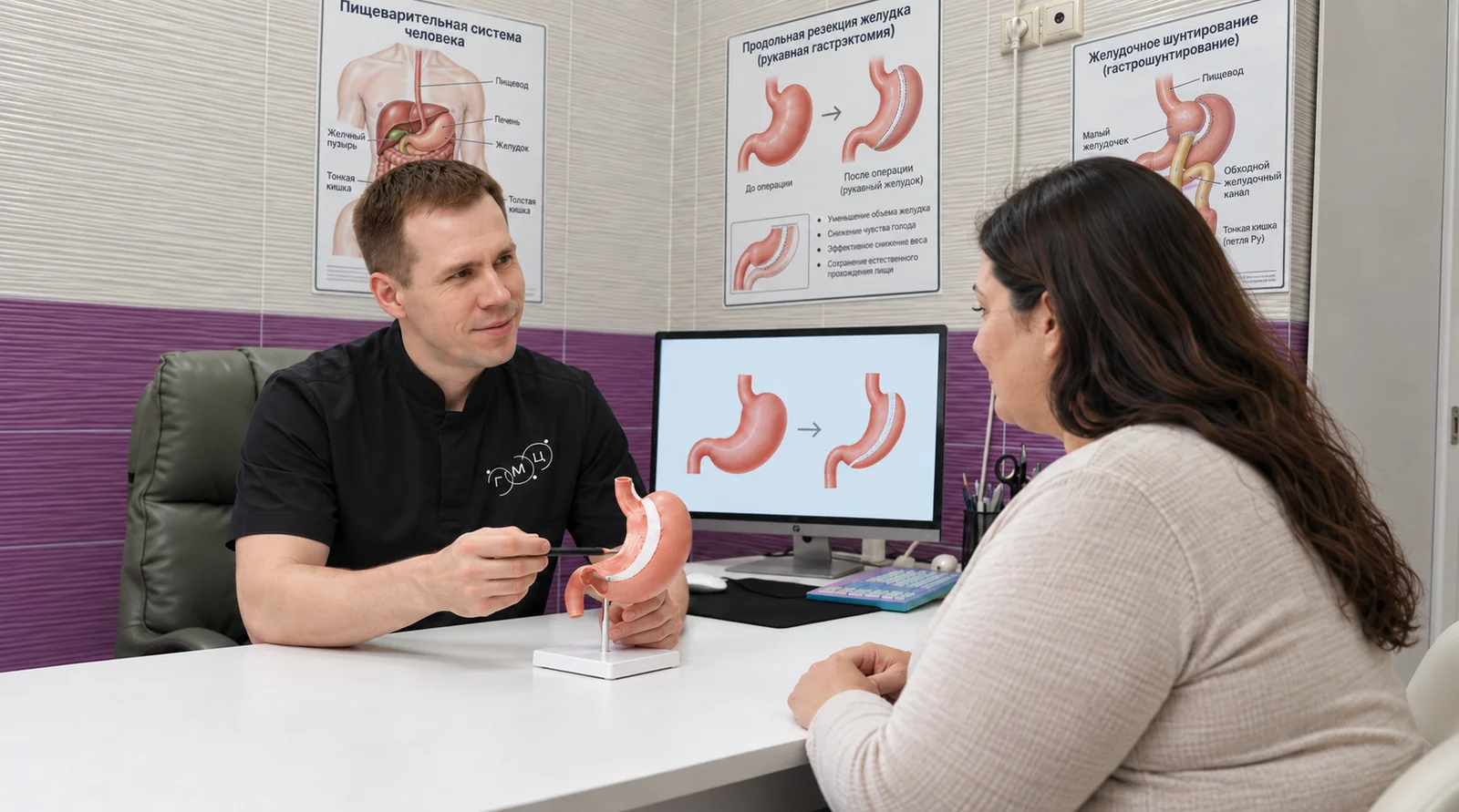
Sleeve gastrectomy and gastric bypass are the two main operations we perform. Compare their mechanism, goals and indications to make a confident choice of method.
A smaller stomach volume
Discounted price
$3,600 $4,800
Less stomach volume and a changed route for food
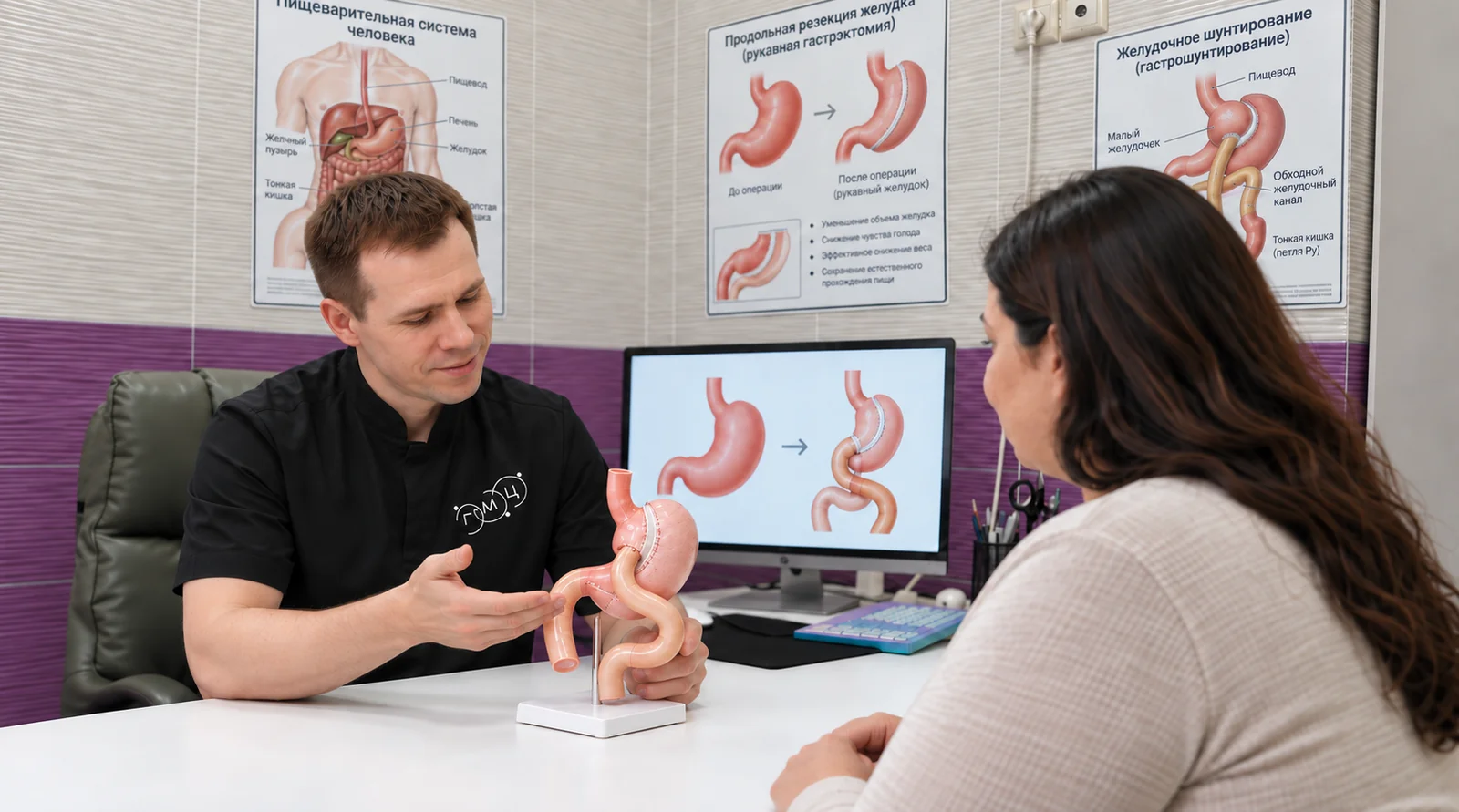
Discounted price
$4,000 $5,200
We show average benefits and recovery times for each method as a guide only: the extent of the operation and recovery are individual, set by your anatomy and features, and confirmed by the surgeon at the consultation.
Book a consultationThe clinic
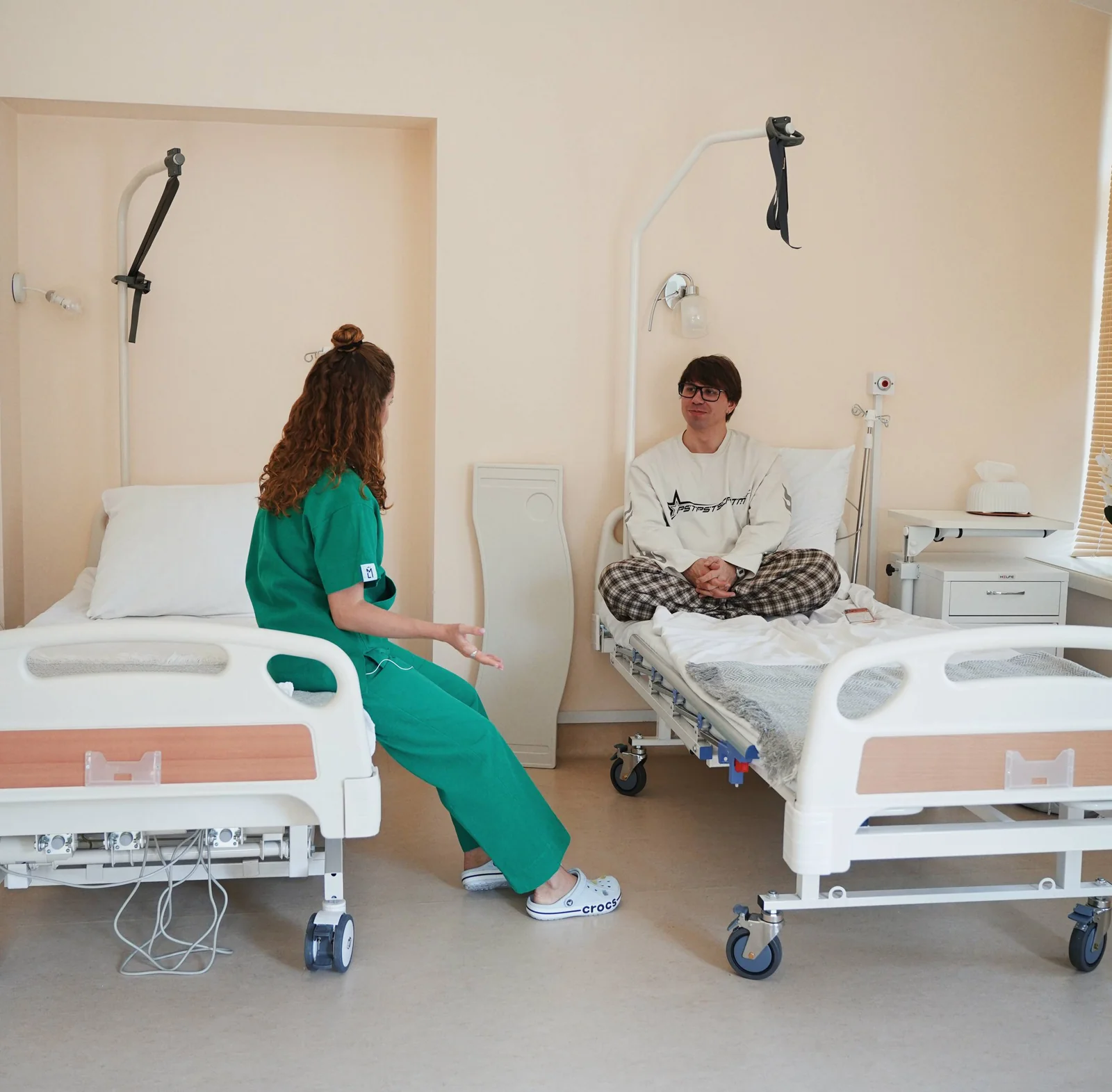
Comfortable rooms, modern equipment and care for each person
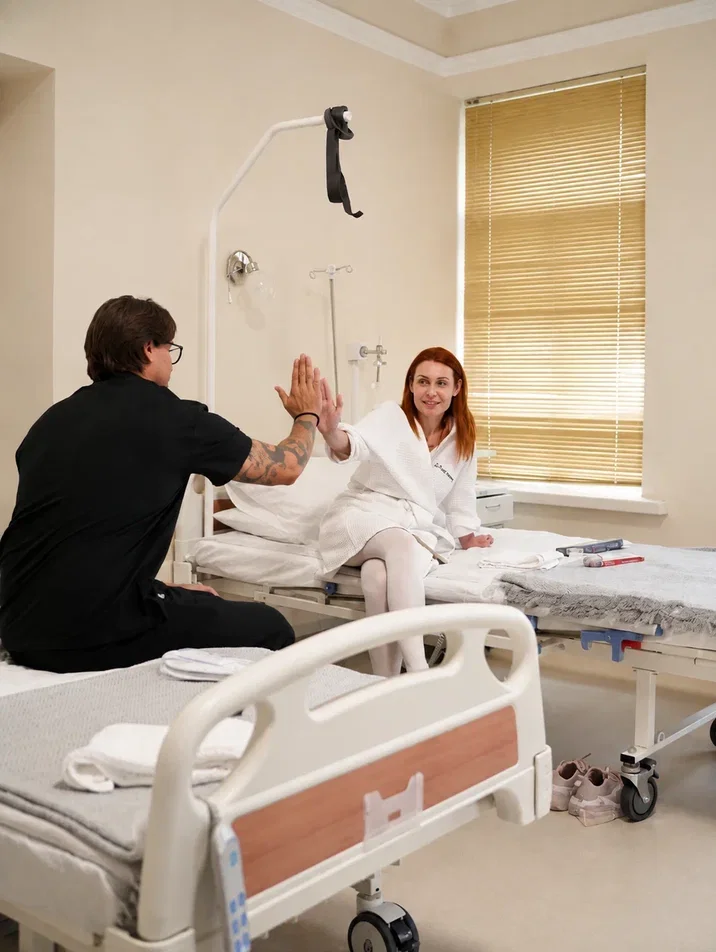
We will answer your questions and find a convenient time for a consultation
Get a consultationThe decision on surgery is made together with the surgeon after a consultation and check-up.
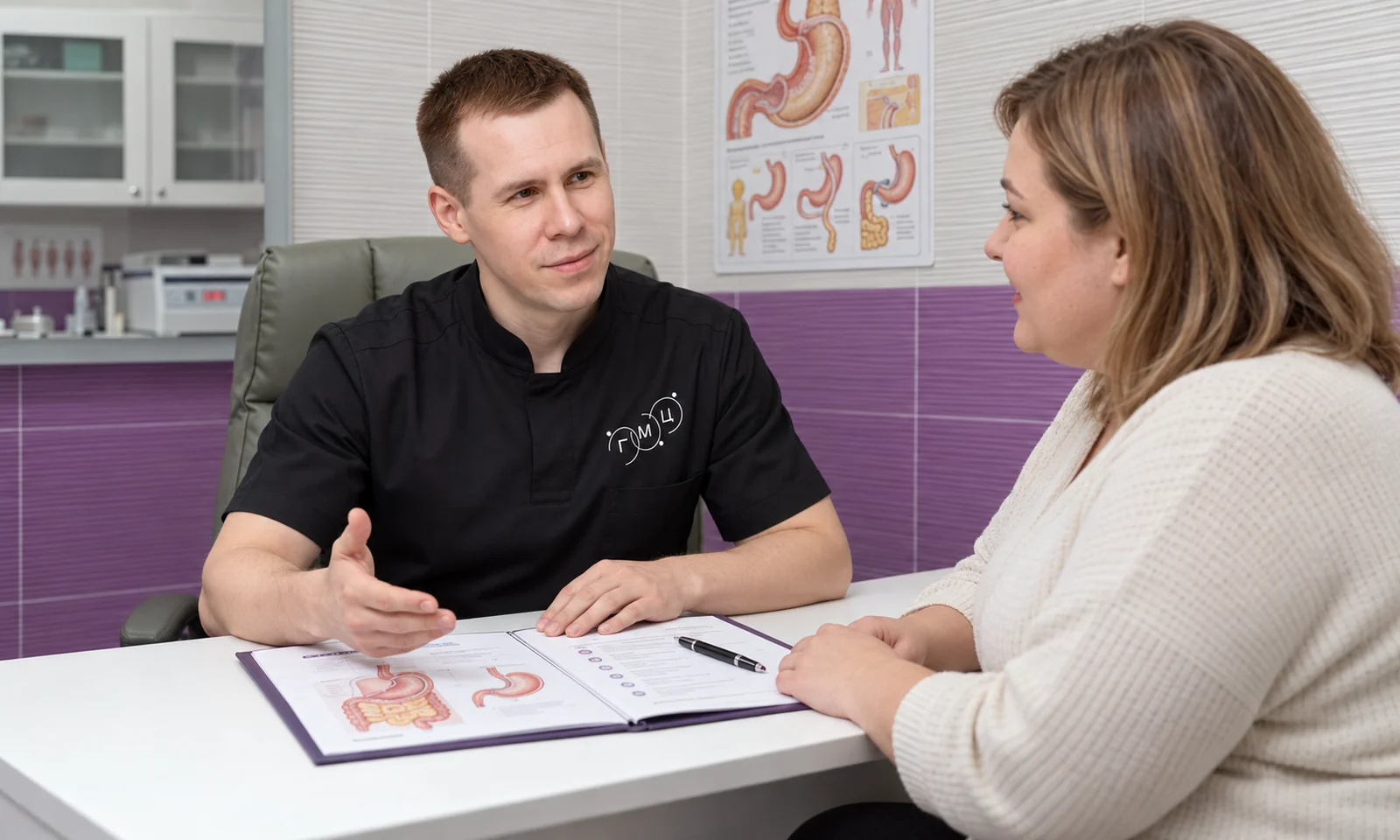
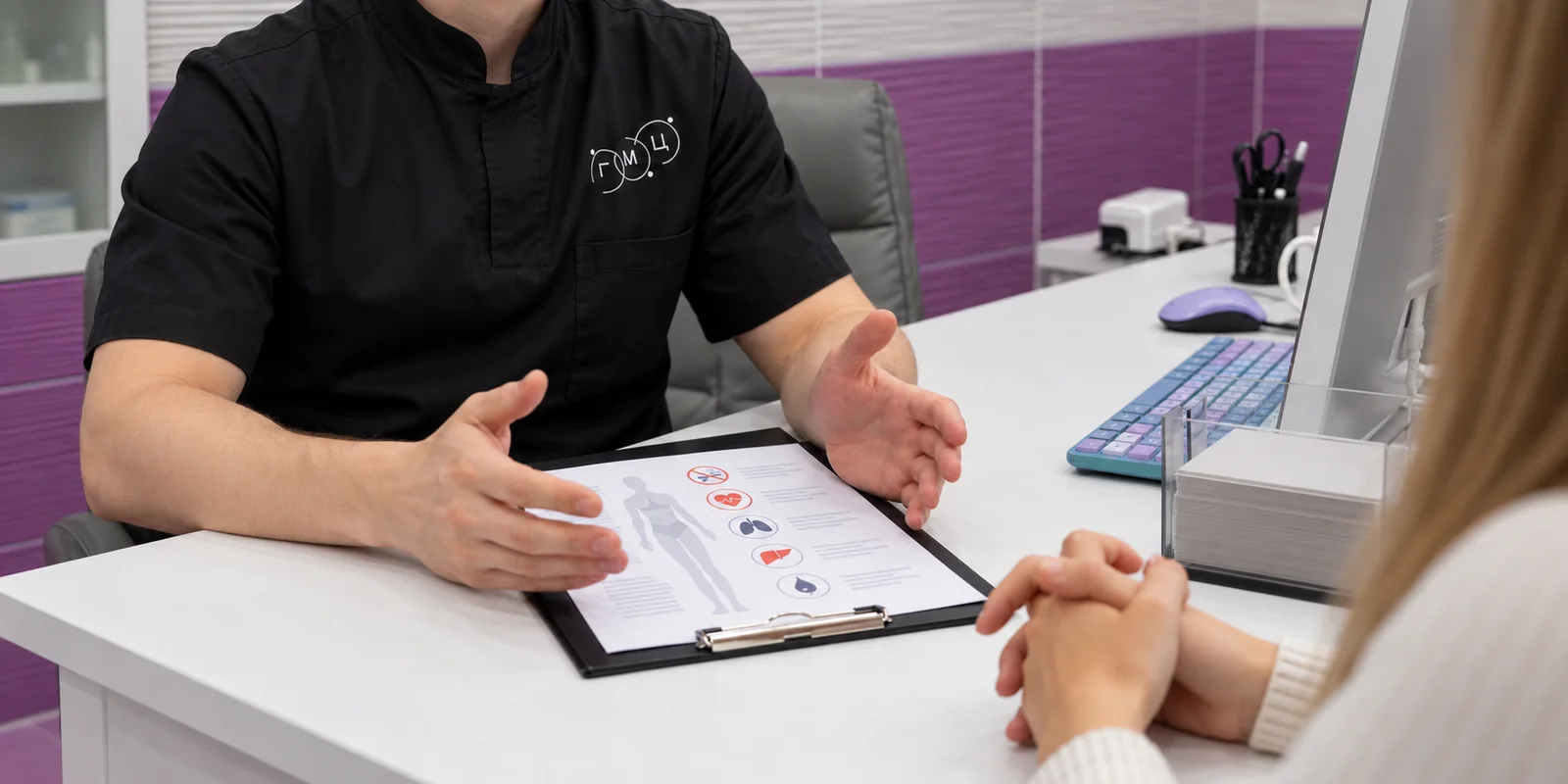
Not sure which group you fall into?
Drop us a line on Telegram — our coordinator will tell you whether you are a candidate for bariatric surgery. The surgeon consultation is free, with no obligation to have surgery.
Find out if it suits me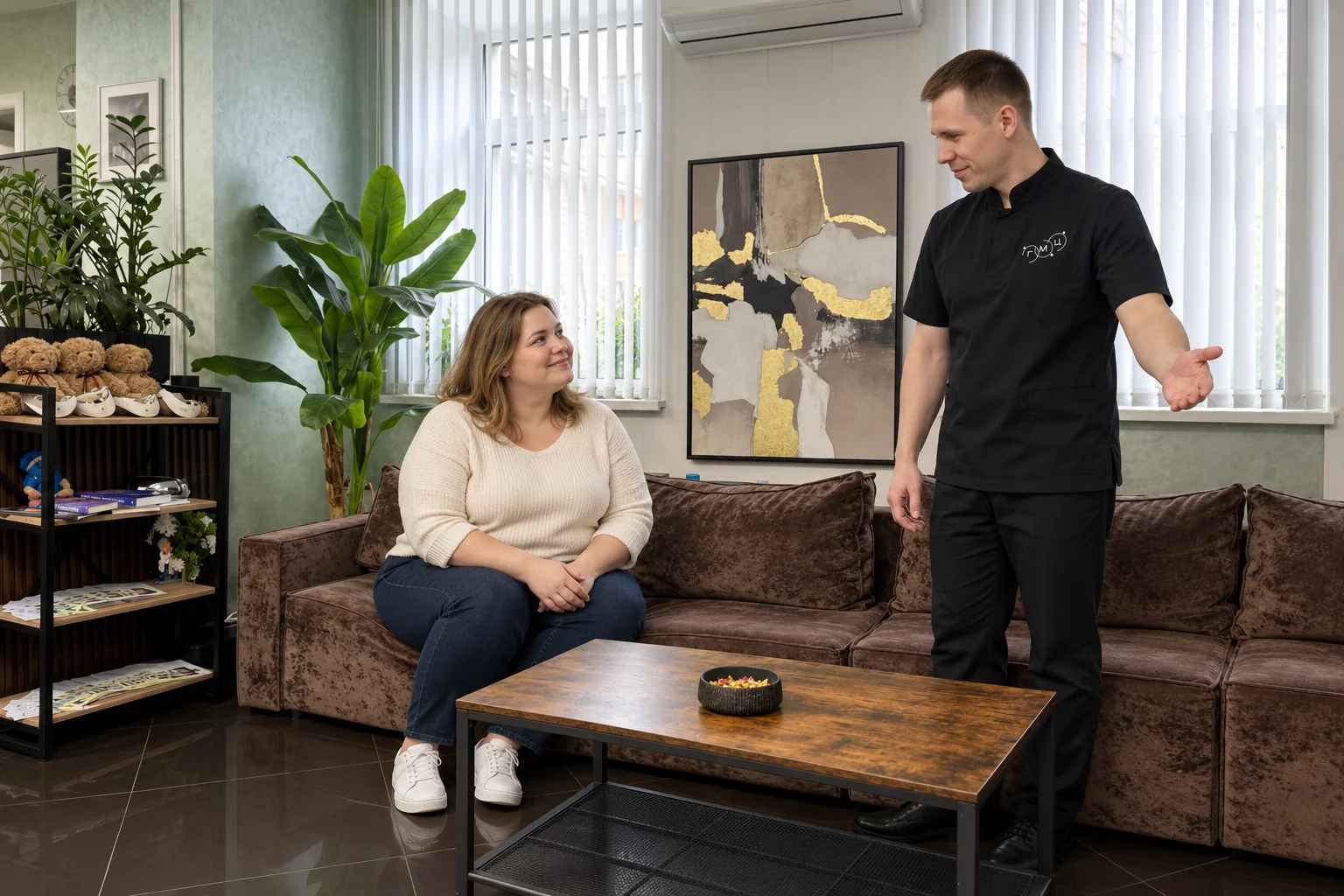
Prices
Your cost is confirmed at the consultation once the plan is ready and written into the contract.
Discounted price
A smaller stomach volume
$3,600$4,800
Discounted price
Rerouting food and losing weight

$4,000$5,200
Free
A treatment plan after the surgeon's examination

Free
the surgery price is set
and written into the contract
Following a health assessment and a talk about your goals, the doctor chooses the right bariatric surgery method. The cost is named at the consultation and set in the contract.
Message our coordinator
Free online consultation · Reply within 15 minutes
Message us on TelegramMessage us on WhatsAppBy messaging us, you agree to our Privacy Policy

price
No extra charges: one package takes you from preparation through 12 months of support.Everything from surgery preparation
to support over 12 months.
Step by step
Hospital monitoring, a treatment plan agreed with you and a year of support.
 1
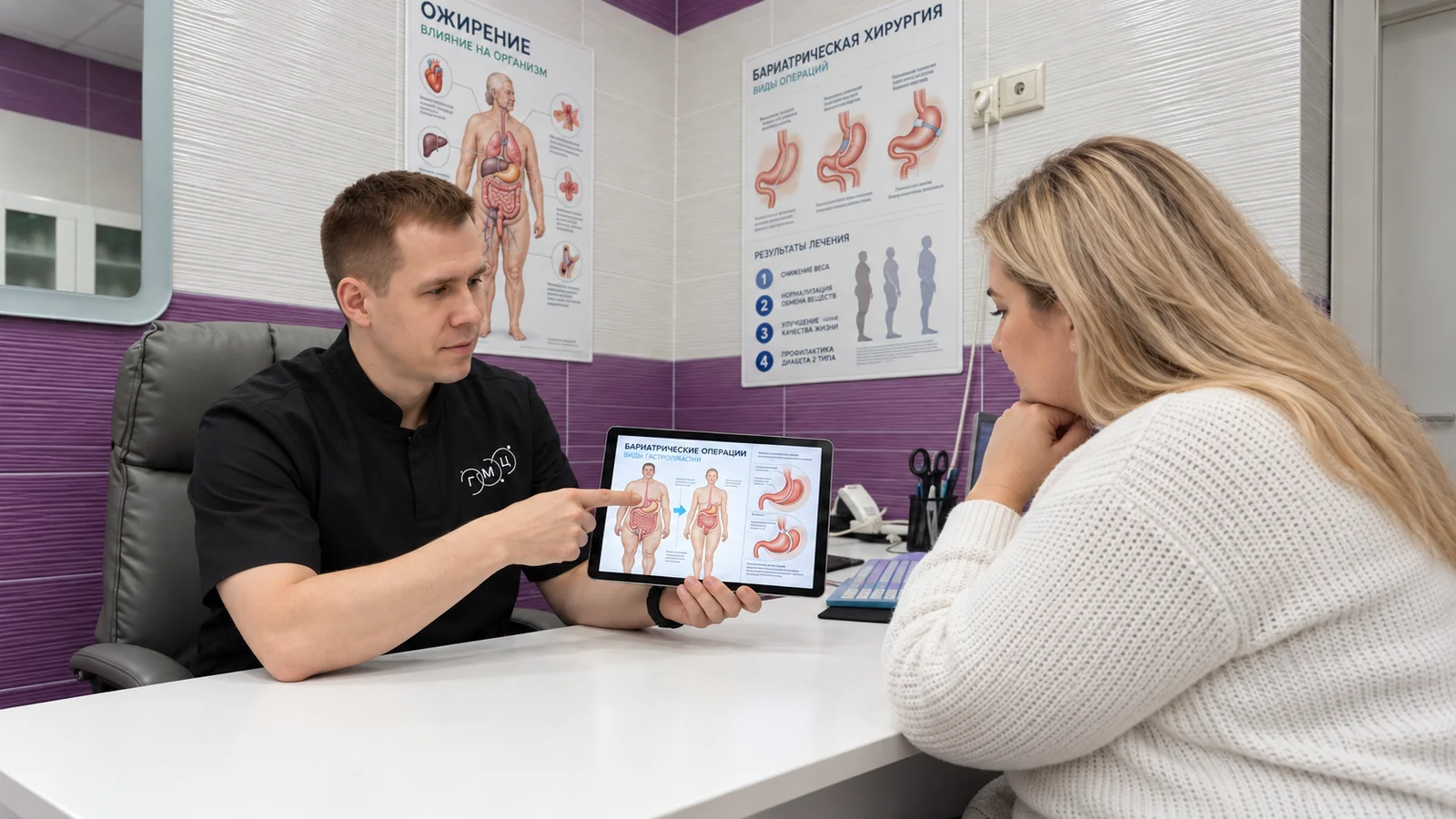
1The doctor looks at your health, talks about your goals and requests the tests needed to choose the right bariatric surgery method.
2A surgery date is reserved for you, with the deposit paid by card at the clinic or online by bank transfer. The terms are recorded in the contract for medical services
 3
3Ahead of surgery you take blood and urine tests, an ECG, an ultrasound and a gastroscopy, and see the specialists. The exact list is given by the doctor at the consultation.
 4
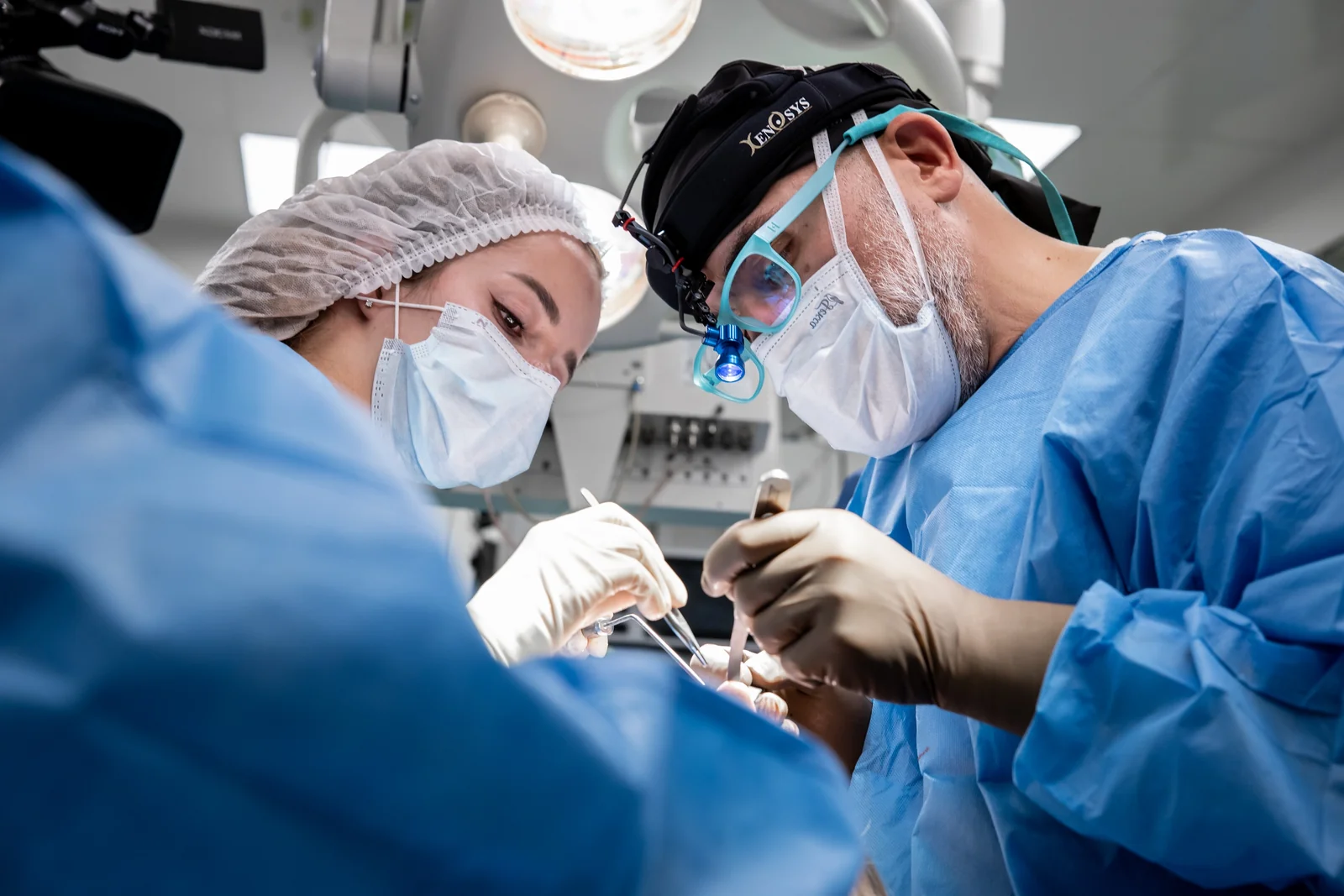
4Under general anaesthesia, the surgeon carries out the bariatric operation using the chosen method. After surgery the medical team monitors the patient.
 5
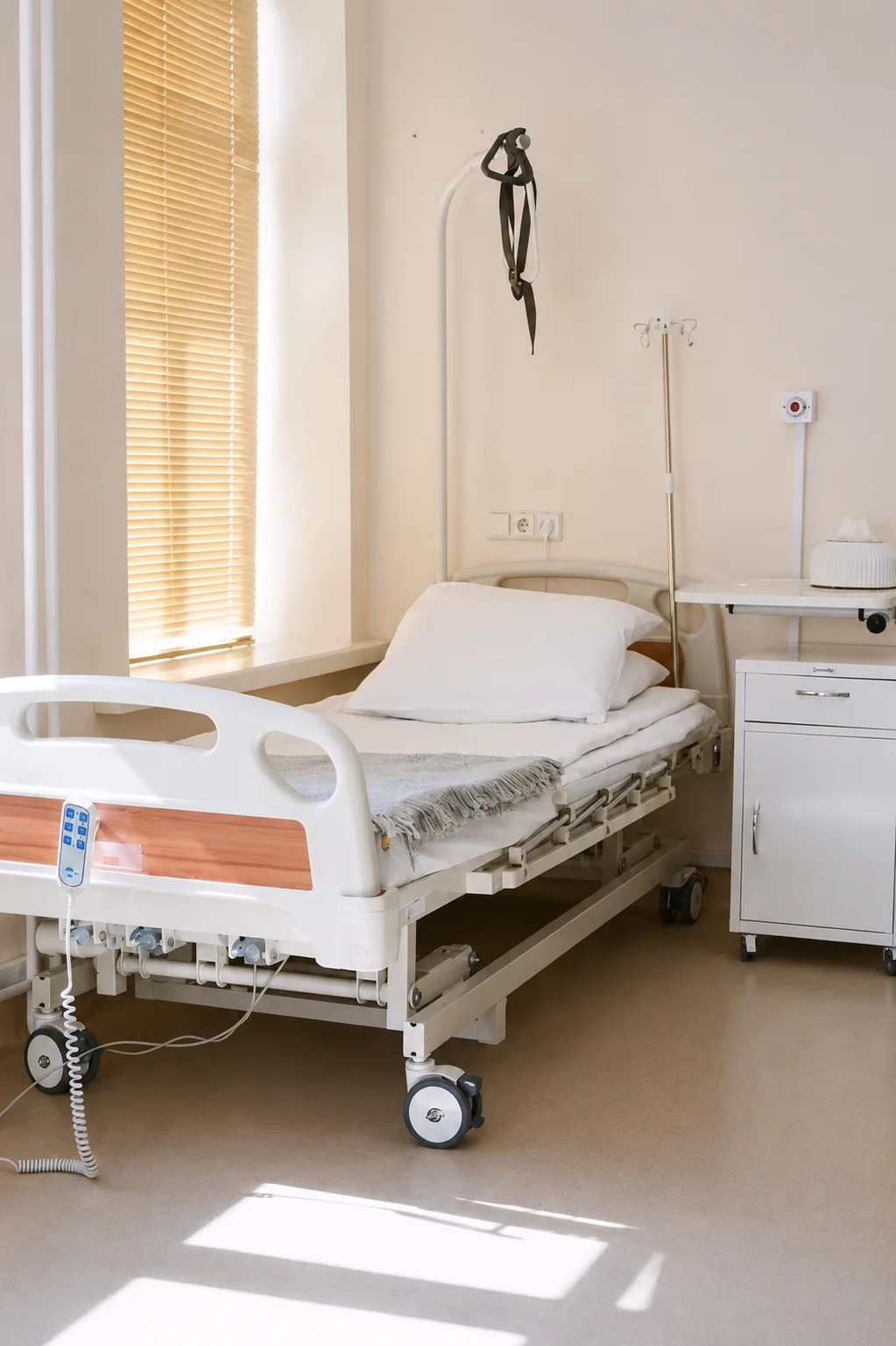
5After surgery, doctors supervise you in hospital. You stay from 1–3 to 4–5 days, depending on the complexity of the operation and your well-being.
 6
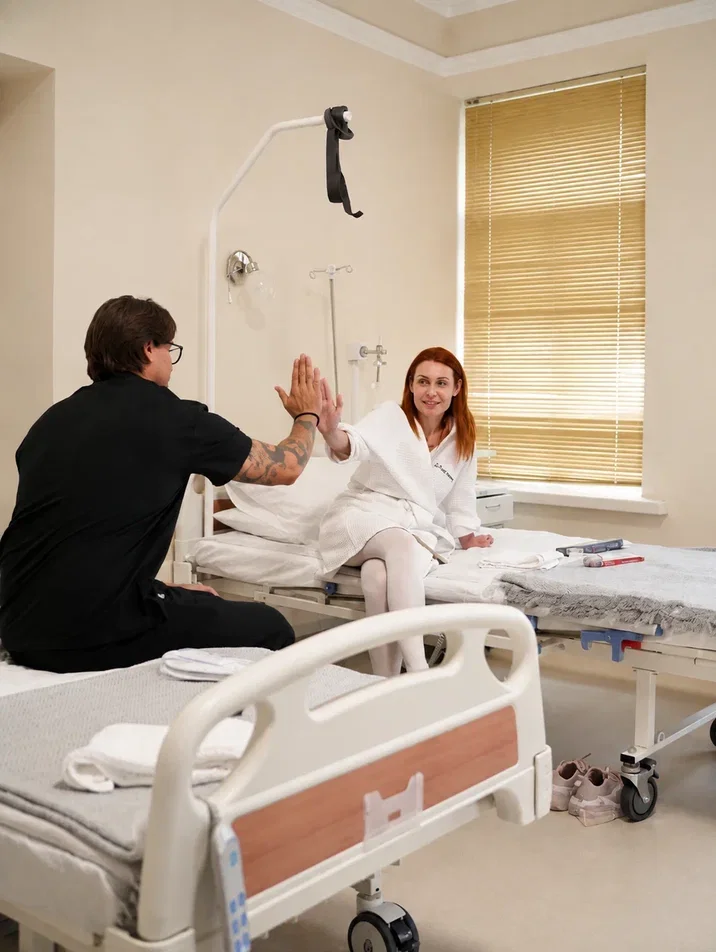
6On discharge you receive diet and recovery advice. Scheduled check-ups monitor how you feel, your weight and your test results, and the clinic team supports you for a year.
At the consultation the doctor draws up your plan and explains the surgery step by step
The consultation costs nothing, takes place before surgery and has no obligation.
Book a consultationDoctors

27 years of experience
Lead bariatric surgeon
Surgeon
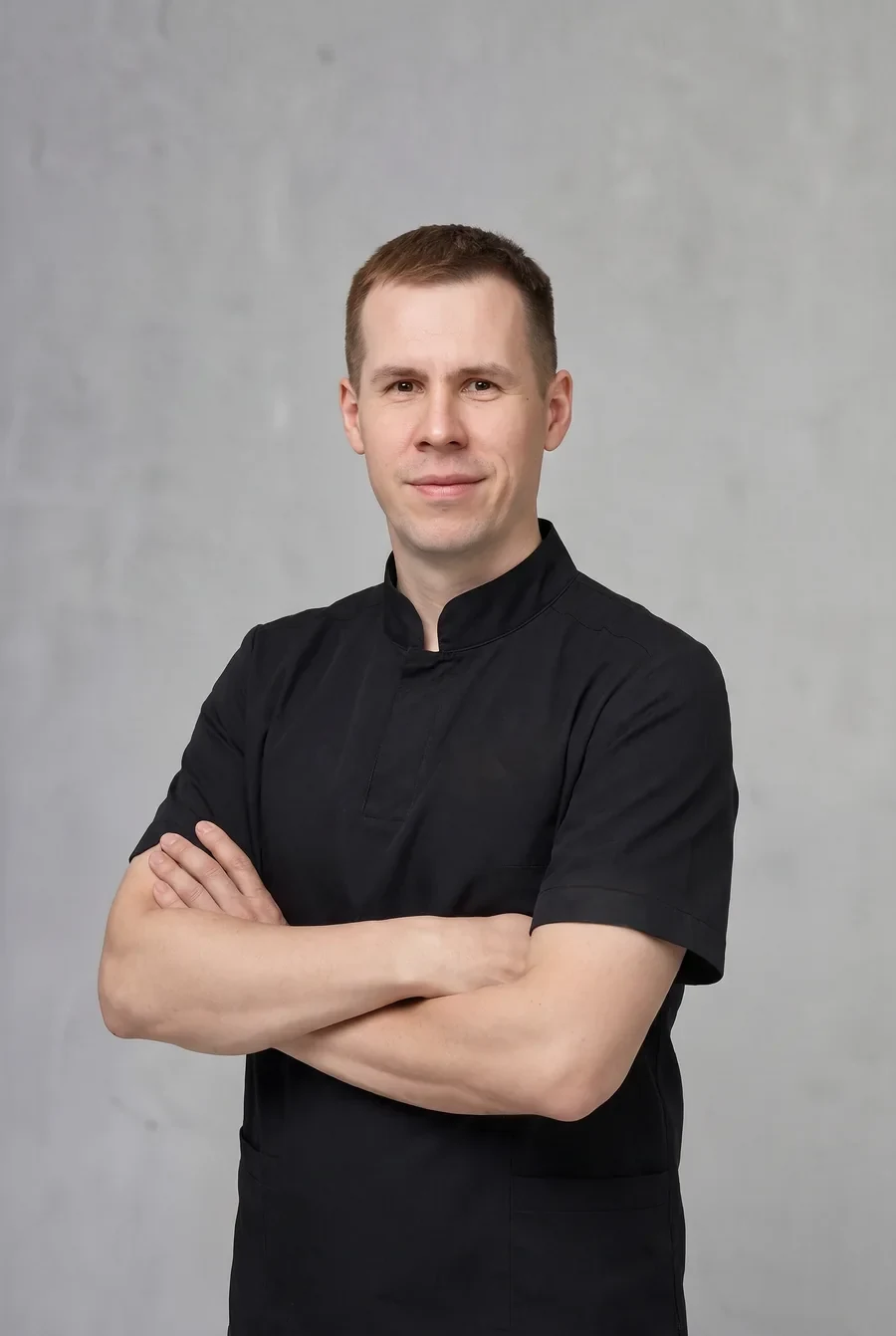
9 years of experience
Bariatric surgeon
Surgical oncologist
The surgeon who operates on you also follows you, from the first consultation to the result.
Our patient care manager holds the first consultation — calculating your BMI, explaining the methods and booking you with the surgeon. It costs nothing.
Book a consultationCoordinators
We support you at every stage

Your first clinic contact, from the very first message to the consultation
Care specialist for patients
Answers your questions before the first consultation and helps you choose a convenient date

By your side before and during your stay, from booking to discharge
Care specialist for patients
Stays in touch during your clinic stay and helps you prepare for surgery

By your side through recovery, from discharge to your final check-up
Care specialist for patients
Arranges your follow-up visits with the surgeon and stays in touch while you recover
Advantages
We find the best method for your health, lifestyle and goals. All the way through, our team is with you.
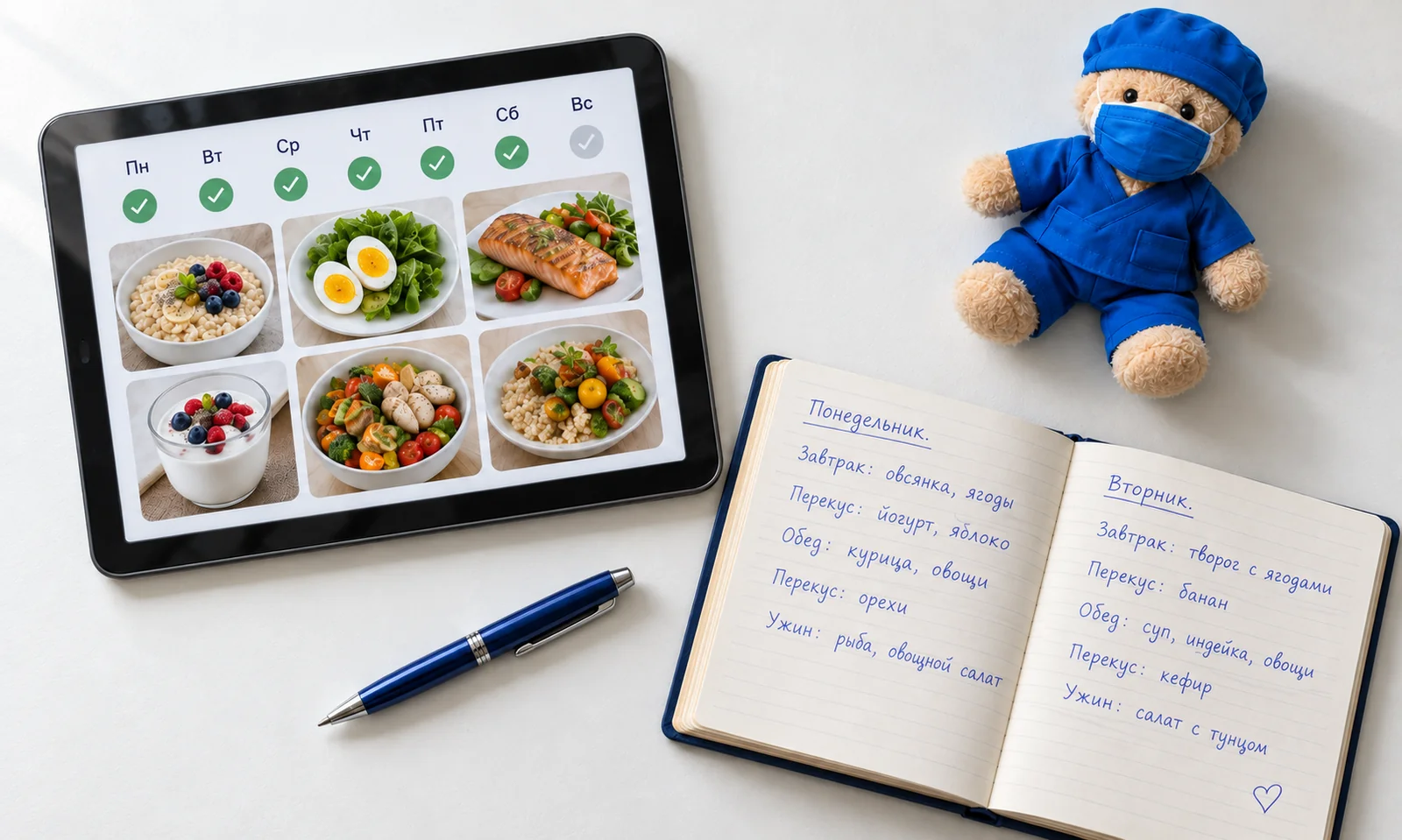
Adapting to new eating habits, tracking and keeping results — we help with it.

Stable weight loss, improved well-being and a higher quality of life.

We respect your time: we work 24/7, with easy booking and a personal approach — we adapt to your pace.
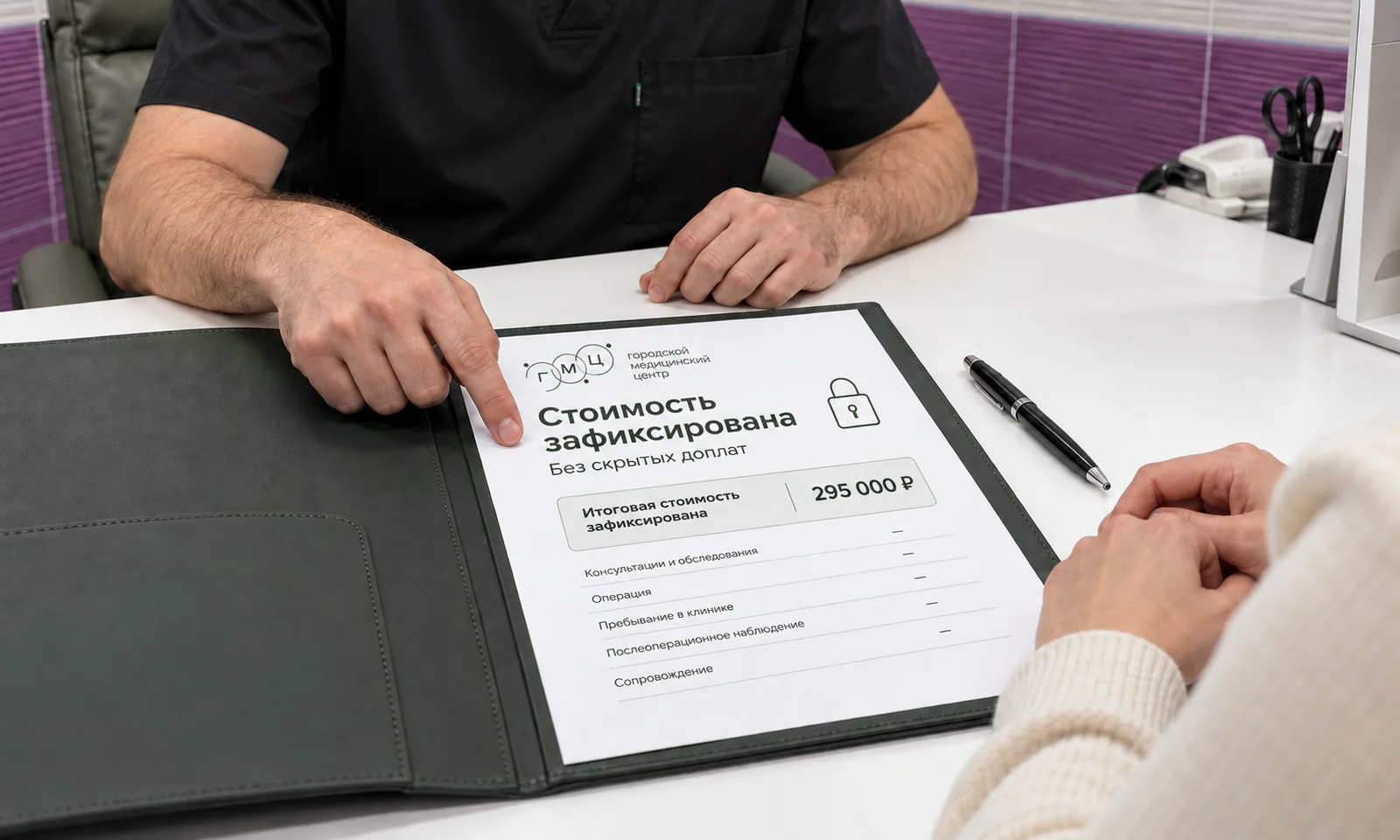
Once the consultation is over, the surgeon chooses the method and you receive a clear price — no hidden fees and no surprises on the way to your result.
FAQ
At the clinic, bariatric operations are carried out by experienced bariatric surgeons:
Send us a message — our coordinator will get back to you shortly and set up your consultation. The bariatric surgeon consultation is free.
Surgery is prescribed only when clear criteria are met
The degree of obesity is mainly assessed with BMI: body weight (kg) divided by height squared (m²). As a rule, surgery is justified when BMI exceeds 40, or exceeds 35 alongside serious related conditions. In some cases lower values may also qualify for surgery if non-surgical approaches have failed.
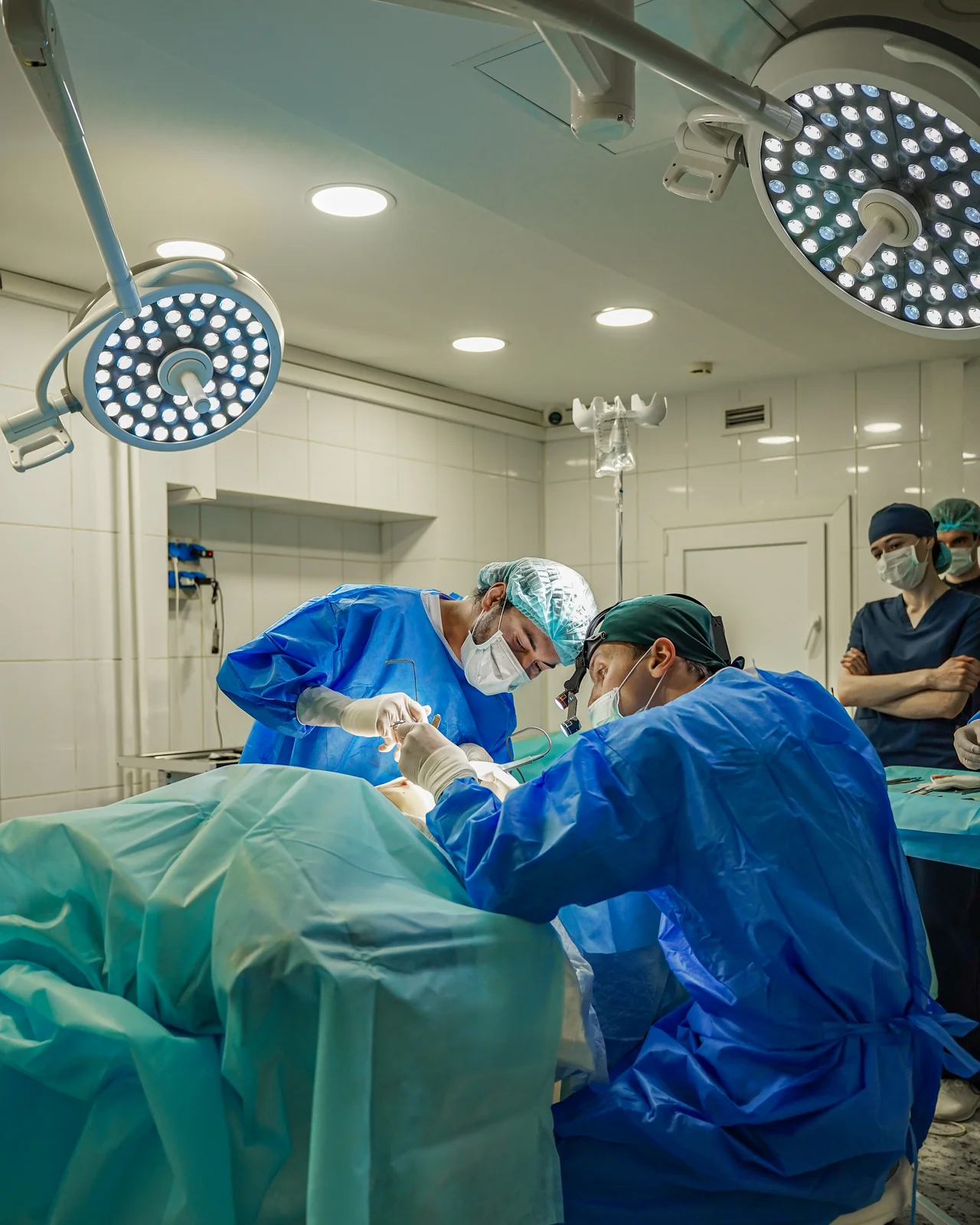
Though often confused, the two have fundamentally different goals. Bariatric surgery is a medical treatment of obesity and related illnesses; it changes the functioning of the digestive tract to address the causes of excess weight and metabolism. Plastic surgery reshapes the outer contours of the body and neither treats obesity nor affects metabolism.
City Medical Centre performs four core types of bariatric surgery: sleeve gastrectomy, Roux-en-Y gastric bypass, mini gastric bypass (MGB) and SADI-S duodeno-ileal bypass. Selection is individual and takes into account BMI, related conditions and the patient's goals.
We work with modern laparoscopic technique. The operation needs only 4 small punctures, 5 to 15 mm each. Cosmetic sutures are applied, so healed marks are almost invisible.
How soon you recover depends on what you do. Office work: 2–4 weeks later. Physical work: 1.5 months later. Sport and activity: swimming from day 30, other exercise brought in gradually as weight falls. Travel and holidays: ideally not sooner than a month after surgery.
Your meals progress in stages: liquid food, soft food, then solid. The stress is on protein and on reducing high-calorie, fatty food.
Getting pregnant after bariatric surgery is possible, but doctors advise waiting at least 12–18 months, so the body can stabilize, weight can reach target values and nutritional status can normalize.
Yes, vitamins become essential after bariatric surgery. The changed digestive anatomy lowers absorption of some nutrients, so regular vitamin and mineral supplements turn into a permanent part of the patient's life.
Weight regain after bariatric surgery is possible, but very unlikely if you follow the doctor's advice. Proper nutrition, avoiding high-calorie drinks and regular follow-up with City Medical Centre specialists are key.
Prices are in US dollars; the amount in brackets is an approximate conversion to DZD at the rate of 02.10.2026. The final price is fixed in your contract.
Prices start from $3,600 (≈ DZD 485,000). The surgeon sets the final price at the free consultation, and it is fixed in the contract, with no hidden extras.
General anaesthesia, a personal coordinator from day one, monitoring in the hospital and support for one year.
The hospital stay is 1–5 days, depending on the method and how you feel. Office work is possible after 2–4 weeks.
Yes. The first consultation is free and does not oblige you to anything. You can start online by sending a message to the coordinator.
Message us on WhatsApp or Telegram using the buttons below. A coordinator will answer your questions and book a free consultation where the doctor names the exact price.
By messaging us, you agree to our Privacy Policy
The decision rests on clear criteria: body mass index, overall health with related chronic conditions, and failed previous attempts at weight loss. BMI is weight in kilograms divided by height in metres squared. Contraindications include acute illness, severe chronic or mental illness, and less than six months since breastfeeding ended. Annaba patients receive a personal assessment against these points.
Step one: consultation. Step two: laboratory and instrumental tests, gastroscopy and specialist reviews. Step three: surgery through small punctures by a permanent team, not a duty shift. Step four: 1–5 days in the ward with meals and nursing. Step five: a staged diet and a year of follow-up. People in Annaba follow this route from start to finish.
What sets this programme apart is a result guarantee written into an official contract: weight loss is fixed legally, not just in words. Surgeons have 9–27 years in the field and work as a permanent team. Annaba residents can tick the situations that sound familiar on the page and then check their case for free with a surgeon.
Well-known people who spoke openly about this operation, in their own words.
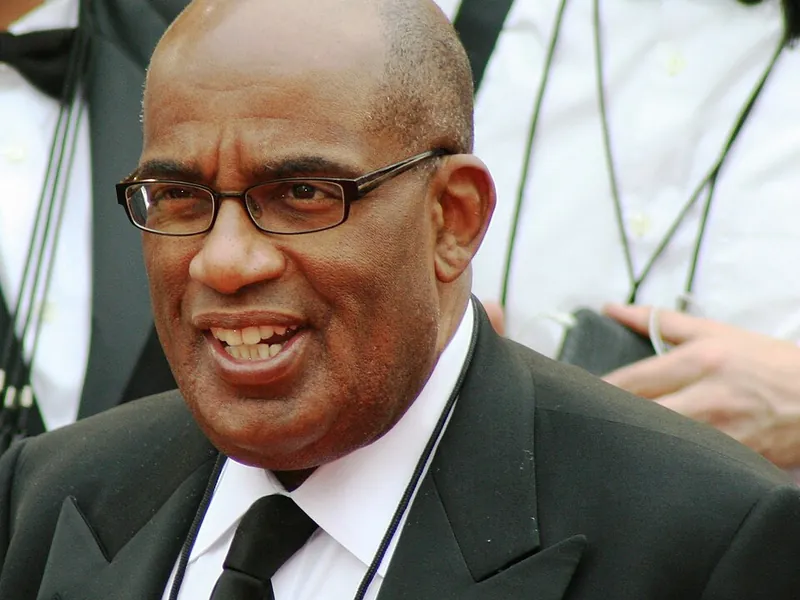 Al Roker and gastric bypass: twenty years of talking about it honestlyAl Roker had gastric bypass surgery in March 2002 and has talked about it for 20 years. His words, how the operation works and what recovery involves.
 Did Billy Gardell have bariatric surgery? Yes — and he says it saved his lifeThe Mike & Molly star had bariatric surgery in 2021 after a diabetes diagnosis. His quotes on the decision, the 100-pound loss and his children.
 Did Graham Elliot have weight-loss surgery? Yes, and he did it for his familyChef Graham Elliot had weight-loss surgery in 2013, saying it was what he needed to do for his family. His words, the operation and recovery.
 Did Mama June have a gastric sleeve? Yes — in her own wordsJune 'Mama June' Shannon had a gastric sleeve in May 2015. Her quotes on the 550-pound start, the regain and starting over.
 Did Randy Jackson have gastric bypass surgery? Yes, and he still talks about maintaining itRandy Jackson had gastric bypass surgery in 2003 and lost 114 pounds. His own words, how the operation works today and what recovery involves.
 Remi Bader and her weight-loss surgery: what she actually saidRemi Bader said in 2023 she had weight-loss surgery removing 80% of her stomach and lost 140 lbs. What she said, how the operation works, and recovery.
What patients write after this operation. Reviews are translated from the original language.
Irina, 26
For a long time I doubted whether to go ahead with surgery, but after the consultation I felt much calmer. Andrey Georgievich explained in detail how gastric bypass is done, what to expect after the operation and how recovery would go. I especially liked that they talked to me calmly and without pressure. I am now gradually getting used to my new way of life and I am very glad I took this step.
Bariatric surgery
Doctor: Andrey G. Ugay
Angelina, 22
For me the hardest part was deciding to have the operation. At the consultation Ruslan Sergeyevich answered all my questions in detail and explained the specifics of sleeve gastrectomy and recovery. After the operation I always understood what I was doing and why. Thank you to the doctor and the whole team for their attentiveness.
Bariatric surgery
Doctor: Ruslan S. Menzulin
Anna, 31
For a very long time I tried to deal with my excess weight on my own, but I did not get the result I wanted. After the consultation with Andrey Georgievich I finally understood what to do next. I came through the operation well, and my recovery was supervised by the doctors. It was important for me to feel that I was not left alone after surgery.
Bariatric surgery
Doctor: Andrey G. Ugay
Veronika, 25
Before the operation I had many fears, mostly of the unknown. Ruslan Sergeyevich explained every stage of treatment in detail and answered even the simplest questions. Thanks to that I felt much more confident. I keep following the recommendations and I am gradually seeing the changes I had the operation for.
Bariatric surgery
Doctor: Ruslan S. Menzulin
Valentina, 23
The decision to have bariatric surgery was not easy for me. I worried both about the operation itself and about how my life would change afterwards. At the consultation Andrey Georgievich explained everything in detail, so little by little my fear turned into confidence. What matters most to me now is the result and the chance to treat my health and lifestyle differently.
Bariatric surgery
Doctor: Andrey G. Ugay
Anna, 27
I am very grateful to Ruslan Sergeyevich for his attentiveness. Before the operation I had a huge number of questions, and I got a clear answer to every one of them. After the operation it was also clear which recommendations to follow and how to eat. It was important to me that the doctor stayed in touch and I felt supported at every stage.
Bariatric surgery
Doctor: Ruslan S. Menzulin
Annaba lives by its port, its factories and its long seafront evenings, and a lot of its residents have spent years in a cycle of diets that work for a season and then reverse. When the scale climbs back after every attempt, and knees, heart and mood begin to complain, people start typing questions about bariatric surgery. The honest first question is not whether you want to be slimmer, but whether your health picture makes an operation a reasonable medical option.
That judgement belongs to a surgeon who has seen your file, not to a photograph or a rumour from a cousin. Gather what you have: height and weight, a rough history of diets you have tried, any conditions such as diabetes, high blood pressure or sleep apnoea, and the medicines you take. Add two full-length pictures, front and side, in light clothing. Coordinators pass the whole bundle to the surgeon, no booking is required, and they answer at any hour.
The city had 464,740 residents in 2019, and about a million in the wider agglomeration, so desk workers, dockers, teachers and students all sit inside the same statistic. Long sedentary days with irregular meals explain part of many stories, and there is no blame in saying so. It is simply useful detail, because a dietary follow-up plan is only credible when it is built around the way you actually spend your week.
Be wary of fast promises circulating in online groups. Bariatric surgery is not a shortcut around habits; it is the start of new ones that must last for years. A serious surgeon explains the proposed procedure, its risks and what will be asked of you afterwards before mentioning a date. If someone quotes a precise result in a precise time without asking for medical background, step back and compare with a written offer from somewhere else.
Before you contact anyone, write down in your own words what you expect from the operation: easier breathing on stairs, better blood sugar, clothes in a different size. Goals tied to health survive the dull middle months, while a goal tied to one wedding fades once the wedding is over. Sharing that sentence with the coordinators helps the team understand what success would mean for you personally.
In the first hours after surgery you are allowed to sit up, stand and sip fluids. People are often surprised by how soon this happens, and it is intentional: movement helps circulation and recovery. Do not try to do more than the nurse suggests, and do not hesitate to ask for an arm the first time you stand. Calm cooperation on the first day saves you from days of avoidable tiredness later.
You then remain under observation for between one and five days, depending on the extent of the surgery and any related conditions. Please do not compare your stay with a friend's, because someone with diabetes or a breathing issue may stay longer than a person whose file is clear. Ask the surgeon before the date what your own expected stay is, and write the number down for whoever is accompanying you.
Choose one steady companion who knows your medicines and their times, and keep the stream of visitors small in those early days. Constant conversation and hospitality tire you and take away the rest the body needs. Agree with your family that only one person will contact the coordinators, so news reaches everyone from a single source and you avoid the muddled versions that appear when every relative tells a different friend.
Before you leave, ask for written instructions on food, medicines and warning signs, and read them together with your companion while you are still in your room. Do not rely on memory on a tired day. If a line is unclear, photograph the page and send it to the coordinators, who ask the surgeon and return the answer in plain words that you and your family can read together in the evening.
A staged diet runs for one to two months, moving from liquids to soft foods and finally to solids so the stomach can adapt. These weeks are protection, not punishment. Hurrying to solid food produces pain and vomiting and may land you back in hospital. Follow the schedule the team writes for you even on days when you feel capable of more, because feeling better is not the same as being ready.
Prepare the liquid stage before the operation: measured cups, water bottles, small bowls. Put a chart on the fridge with drinking and meal times. In a household where several generations eat together, a clear agreement with your mother or spouse about preparing your food separately matters, since the shared family table is the biggest test of the early weeks, far larger than any hospital corridor.
Seasons colour this stage. In winter, with rain above 100 mm in January and 126.2 mm in November, people lean toward hot broth and heavy dishes, while August highs near 31.8 °C bring cold drinks and iced desserts. Agree with the team on what suits each season, and ask frankly which foods will be absent from your table for a while, so a family gathering does not surprise you.
Drink small amounts regularly and do not wait for thirst; carry your bottle everywhere. Dizziness, persistent nausea or an inability to drink enough are signs that should not wait for the weekend. Send a message to the coordinators describing the symptoms and they pass it to the surgeon straight away. They are reachable at any hour, and a short question tonight beats a larger problem tomorrow.
Return to office work usually comes after two to four weeks, while physical work waits for about a month and a half. The local economy leans on the port, which exports iron, zinc, cork, livestock and cereals, and on phosphate processing, food production and the steel complex at El Hadjar. If you work in one of those fields, describe your daily movements to the surgeon in detail, so the rest period is set for your real job.
Lecturers, administrators and students at Badji Mokhtar University, which counted more than 40,000 students in 2004, generally find the return easier, but they must manage small frequent meals through long lectures. Pack a suitable lunch box, a water bottle and a phone alarm. Campus canteens and meeting schedules do not bend for a person who needs six small meals, so plan the day on paper before the first morning back.
Algeria's weekend falls on Friday and Saturday, so a Sunday return gives you one full working day followed by two days of rest. Try that rhythm if your employer allows it. If you work nights or rotating shifts, ask for a temporary adjustment, because a regular pattern of eating and sleeping is part of what keeps the first weeks stable and the digestive system calm.
Handle leave with paper. Ask the surgeon for a note with the recommended rest period and give it to your employer well before the date. Do not promise an early return under pressure from embarrassment, and do not stay home longer than needed out of fear. A written plan spares you many tiring conversations and tells those around you that this is a medical matter and not a luxury.
On average a patient loses about ten percent of the excess weight each month, and the pace slows gradually until the final result settles after one and a half to two years. Resist weighing yourself every day, which discourages more than it informs. Pick one fixed day a week, pair the number with a waist measurement and a photograph in the same light, and watch the direction of the line instead of a one-day wobble.
The result depends on more than surgery. Stable eating habits are what stop the weight returning, and those live in your kitchen: who cooks, what sits in the cupboard, what is served at gatherings. Talk to your family early about small shared changes that stop your table working against you. If a relative treats pressing food on guests as generosity, explain gently that your refusal is not an insult.
Annaba traces its roots to Hippo Regius, where Saint Augustine served as bishop from 396 to 430, and later wore the name Bône and the nickname pearl of the East. Walking among the Roman ruins, near the basilica or on the slopes of the Edough massif makes a worthy goal once your condition permits. Ask the surgeon when longer walks can start and treat them as a reward you look forward to.
Learn the follow-up route before accepting any offer: who watches your weight, when tests are done, whom you call if something worrying appears, and whether vitamins and supplements are part of the plan. A sheet of paper that answers these questions clearly shows that its author thinks about life after the operation, not only about the day of surgery.
Clothes change faster than expected, so do not buy a new wardrobe early. Keep one or two pieces in a middle size and wait for the pace to settle. Some people notice loose skin in places after a large loss, and this is something to raise with the surgeon early as part of a long plan, not a failure. Monthly photographs tell you when that conversation is due.
The surgeon decides after reviewing your height, weight, history of earlier attempts and any related conditions. Send these details together with two full-length photographs, front and side, to the coordinators, who put your file in front of the surgeon without any obligation to book. A single picture or a number in a short message is not enough for a fair judgement.
You stay under observation for between one and five days, depending on the extent of the surgery and related conditions. In the first hours you may sit up, stand and drink fluids. Ask the surgeon before the date for the expected stay in your own case, since patients with accompanying illnesses can stay longer.
You begin with liquids and move step by step to solid food over one to two months, so the stomach adapts. The written diet plan from the team is your reference. Do not hurry to solid food because you feel better, as that causes pain and vomiting and may take you back to hospital.
Office workers usually return after two to four weeks, and those with physical jobs after about a month and a half. If you work at the port or in a factory, describe your daily movements to the surgeon in detail, and ask for a written note you can hand to your employer.
On average about ten percent of the excess weight comes off each month, then the pace slows, and the final result settles after one and a half to two years. Cases differ and nobody can promise a number. Track direction with waist measurements and weekly photographs, not only the scale.
It can, if the old eating habits return. A lasting result rests on steady habits kept for years, not on the operation alone. Discuss the family table and gatherings early with your relatives, and ask the team about the follow-up plan before you decide anything.
It matters in practical ways. With August highs near 31.8 °C you need to sip water regularly, and with 126.2 mm of rain in November you should keep warm and avoid the wettest days. Agree with the surgeon on what suits the season in which your operation falls.
A doctor in Algeria must be entered on the Tableau kept by the Order of Physicians, whose national council works through twelve regional councils. Ask the surgeon for the registration in writing, and ask your regional council how it confirms enrolment. Do not rely on a spoken assurance alone.
Page medically reviewed by Andrey G. Ugay, lead bariatric surgeon. Review date: .