
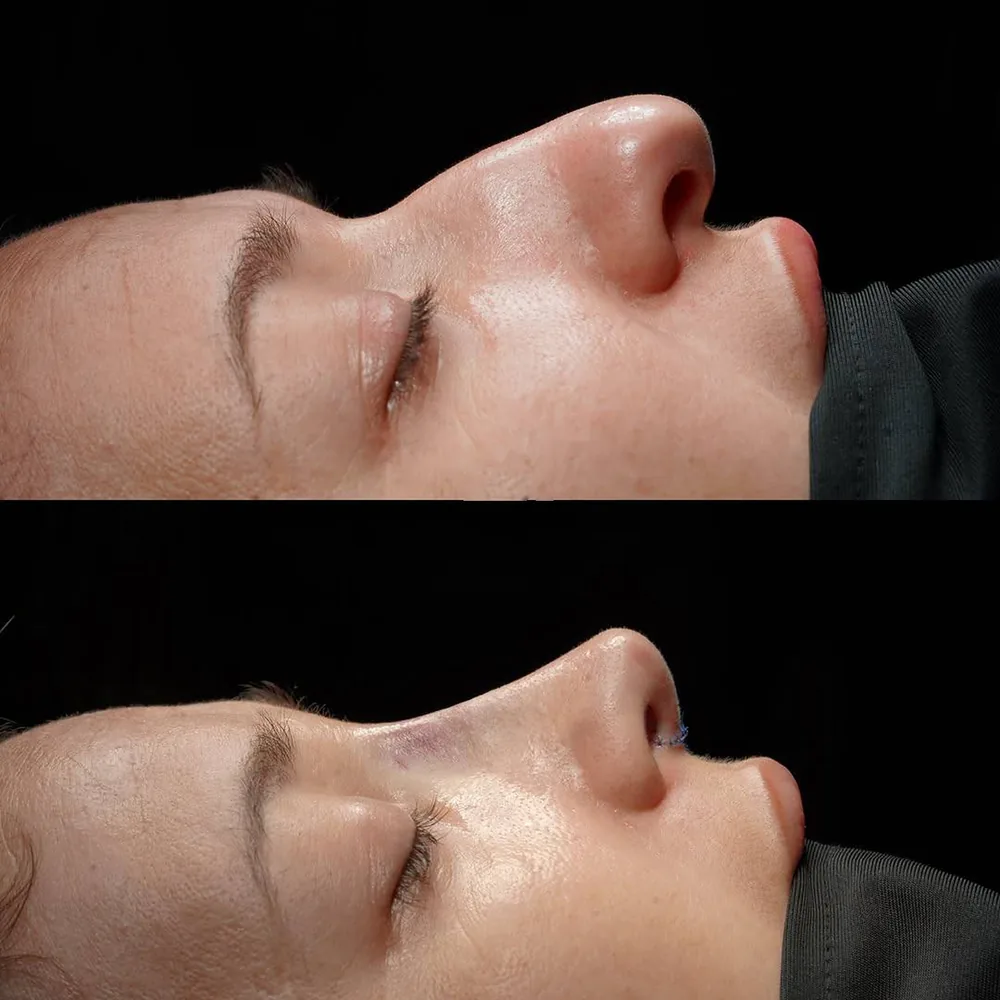
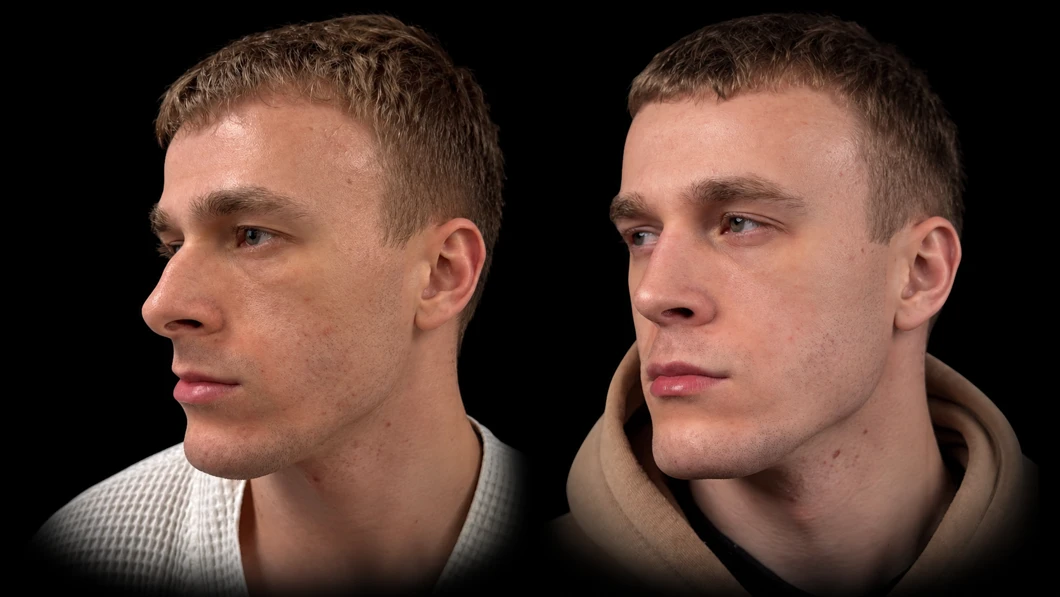
 beforeafter
Irina, 24
Rhinoplasty
Rhinoplasty
$4,200
Instead of $6,000 (≈ GHS 70,000) · First consultation — Free
 before
after
Message our coordinator
Free online consultation · Reply within 15 minutes
Message us on TelegramMessage us on WhatsAppBy messaging us, you agree to our Privacy Policy
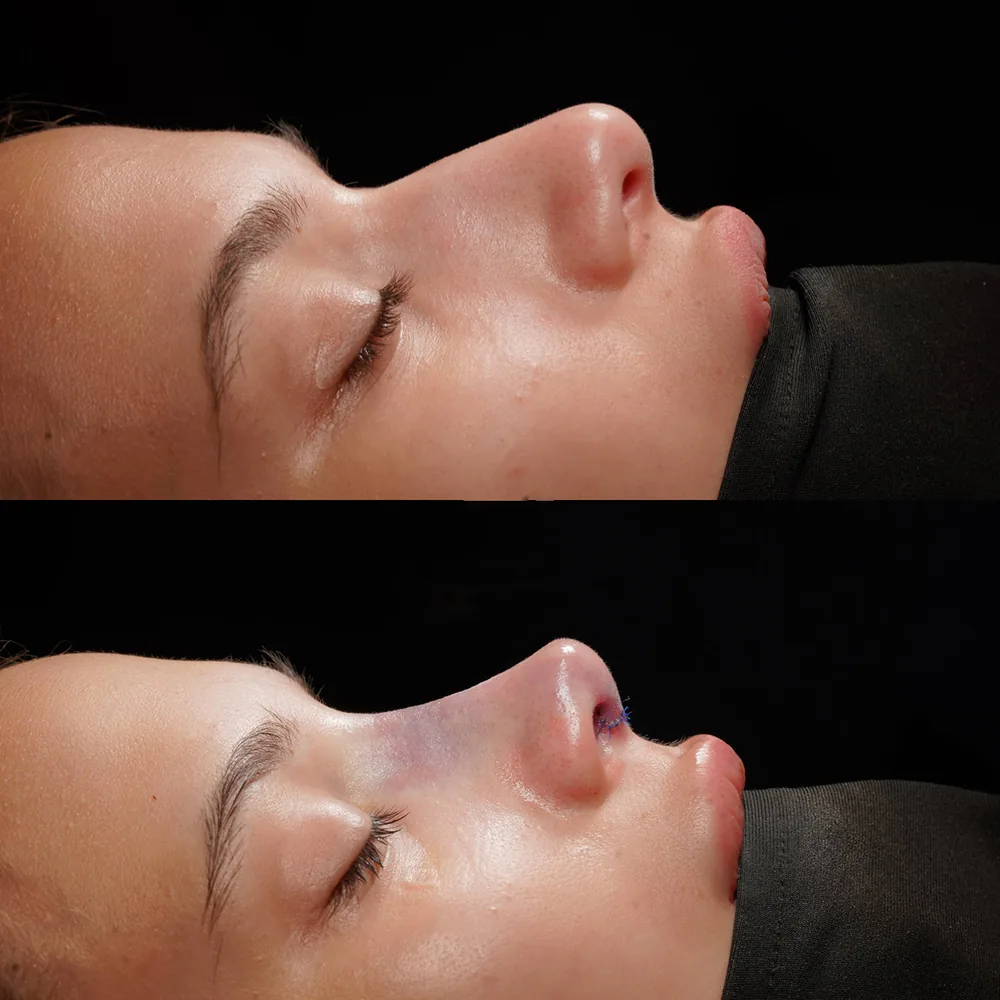
Results
Every case shown belongs to a real patient of the clinic.
beforeafterRhinoplasty
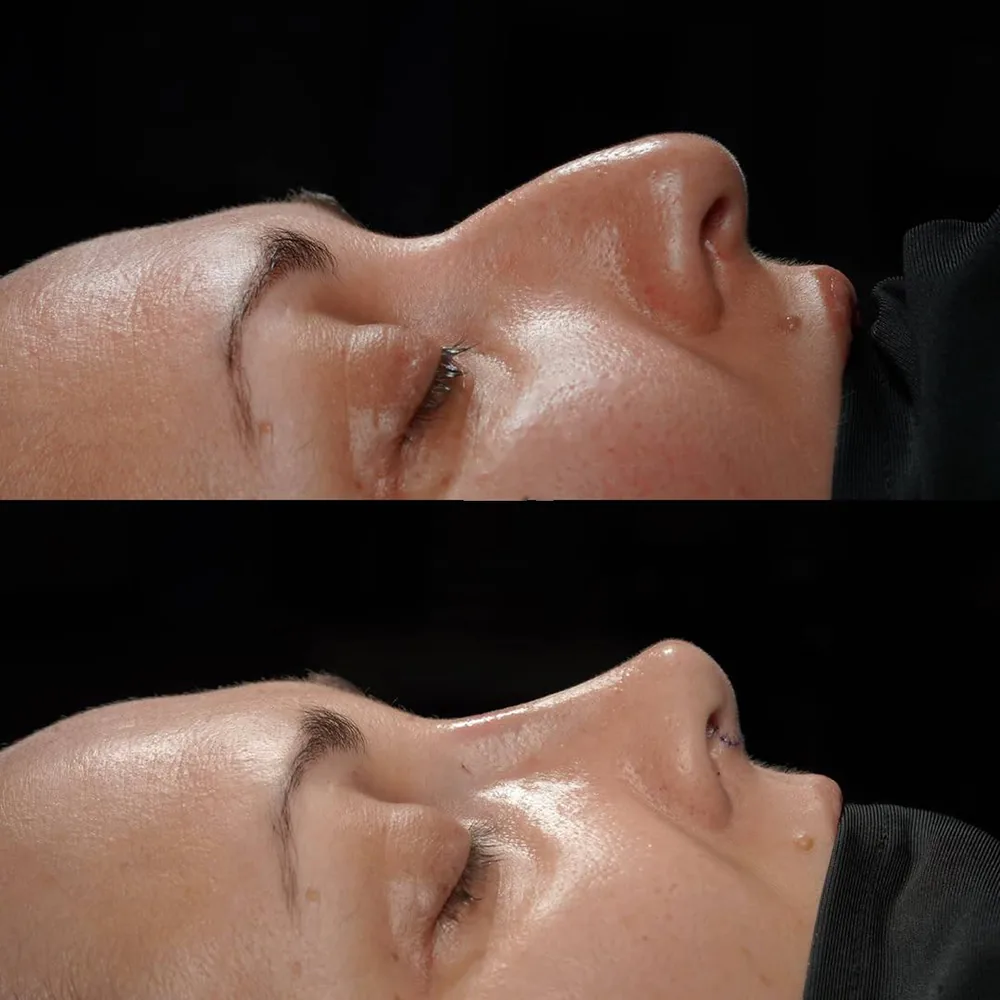 beforeafter
Rhinoplasty
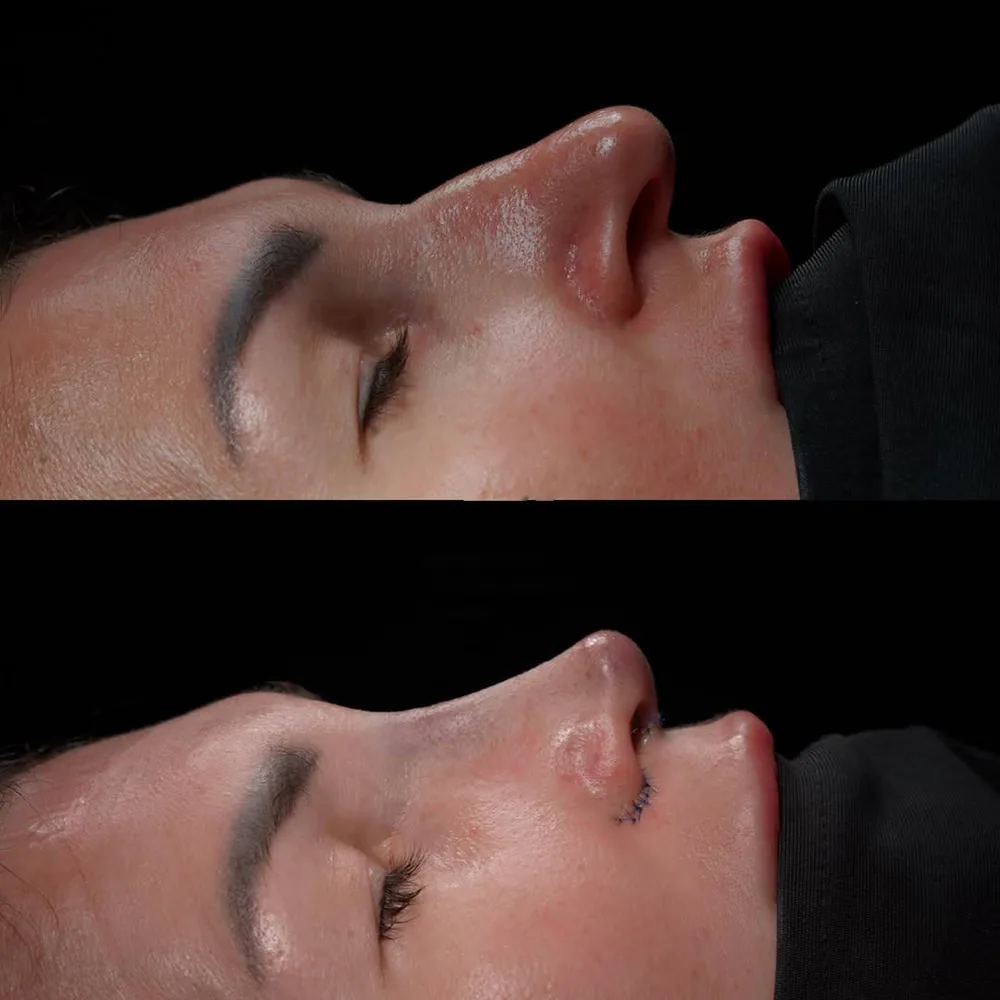 beforeafter
Rhinoplasty
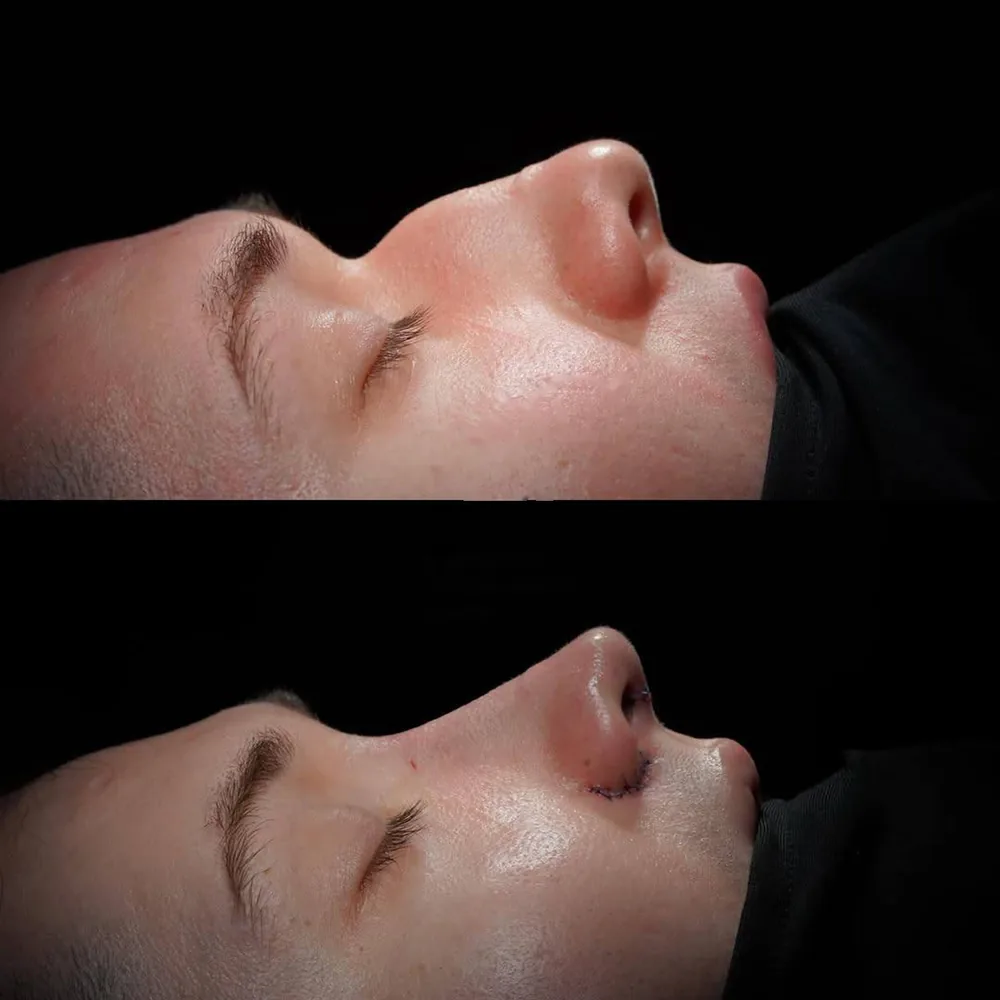 beforeafter
Rhinoplasty
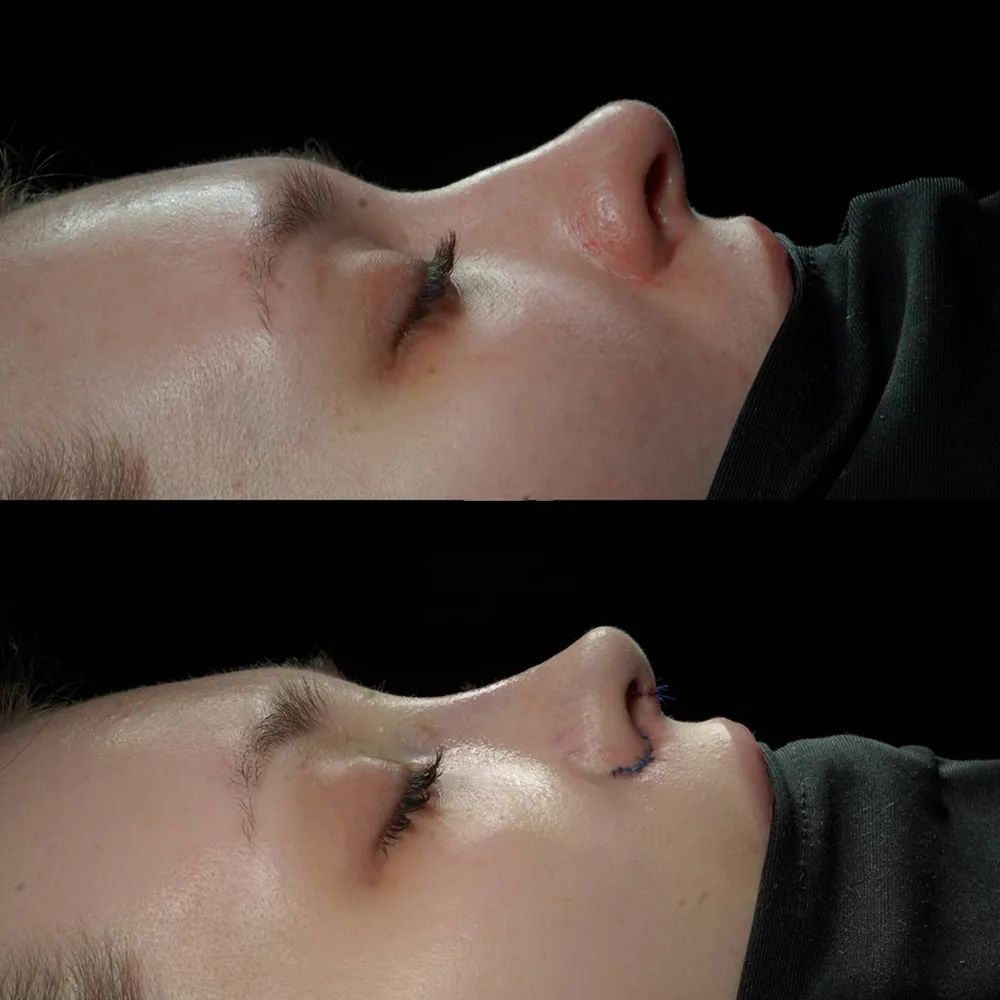 beforeafter
Rhinoplasty
beforeafterRhinoplasty
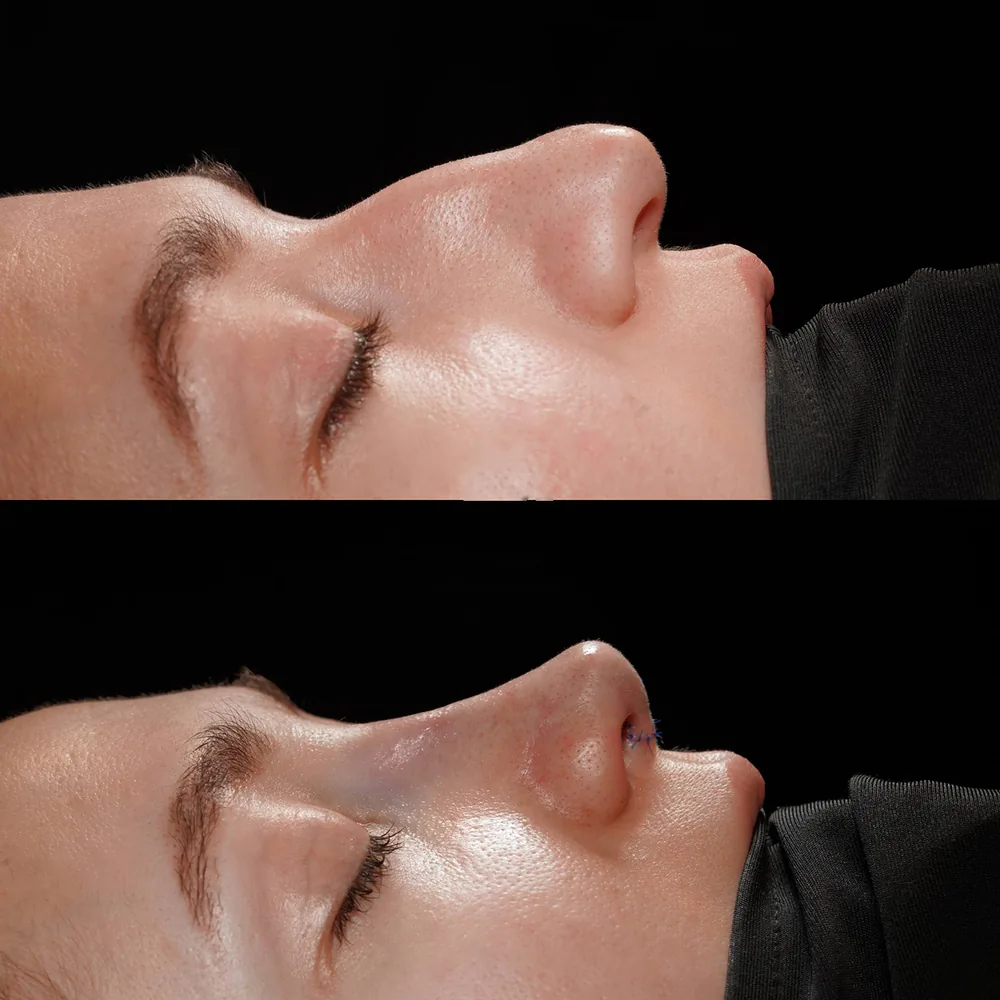 beforeafter
Rhinoplasty
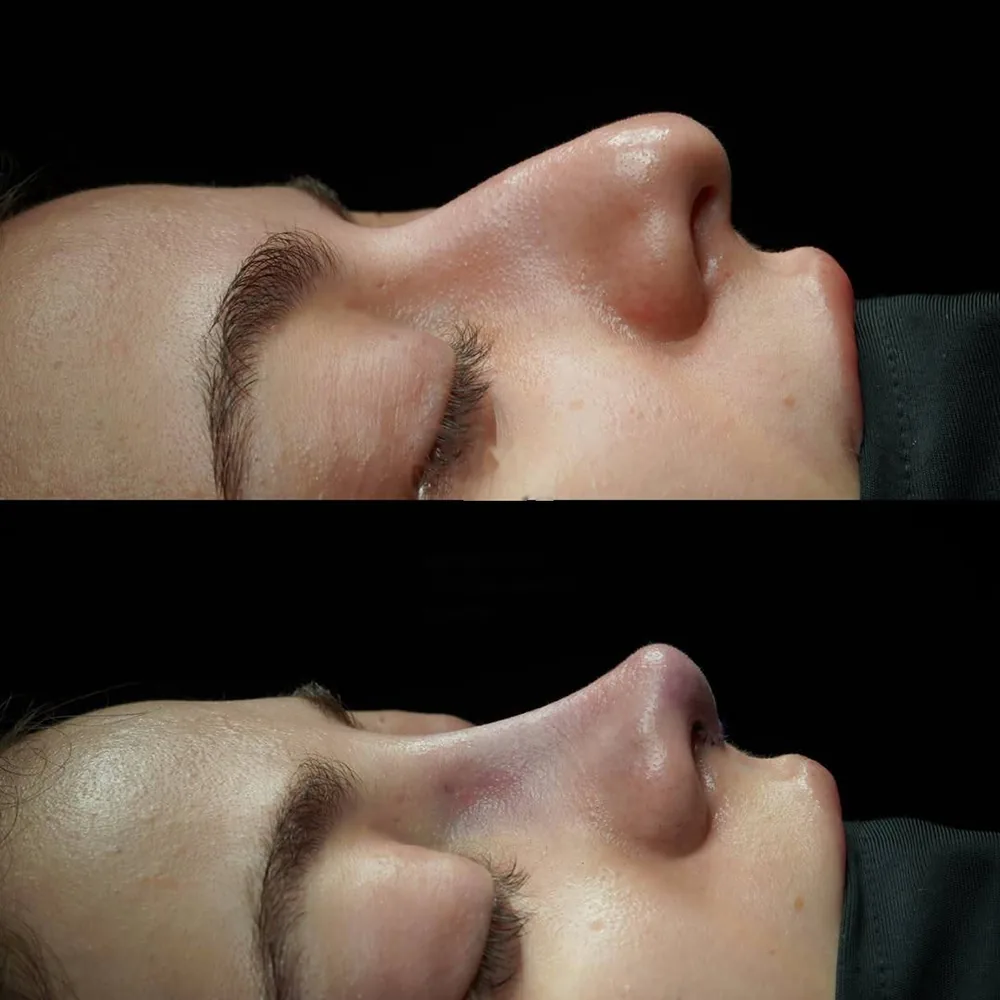 beforeafter
Rhinoplasty
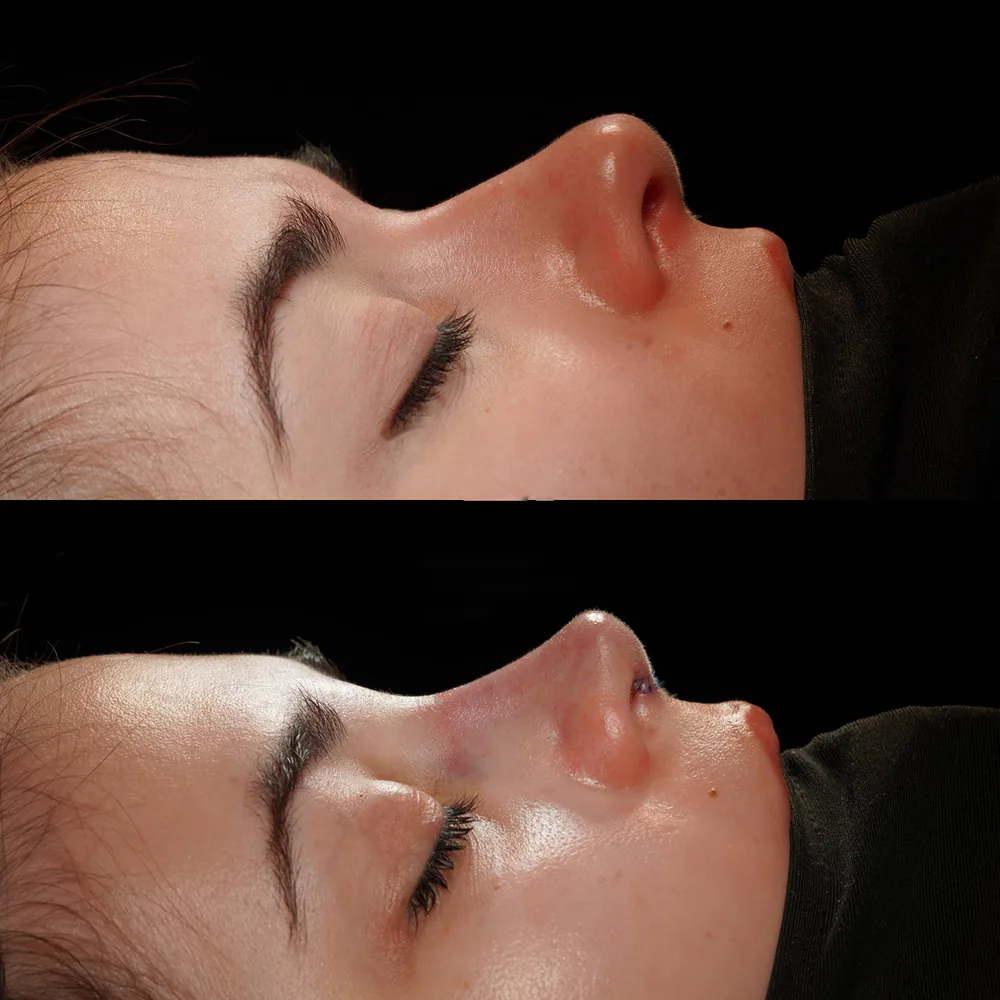 beforeafter
Rhinoplasty
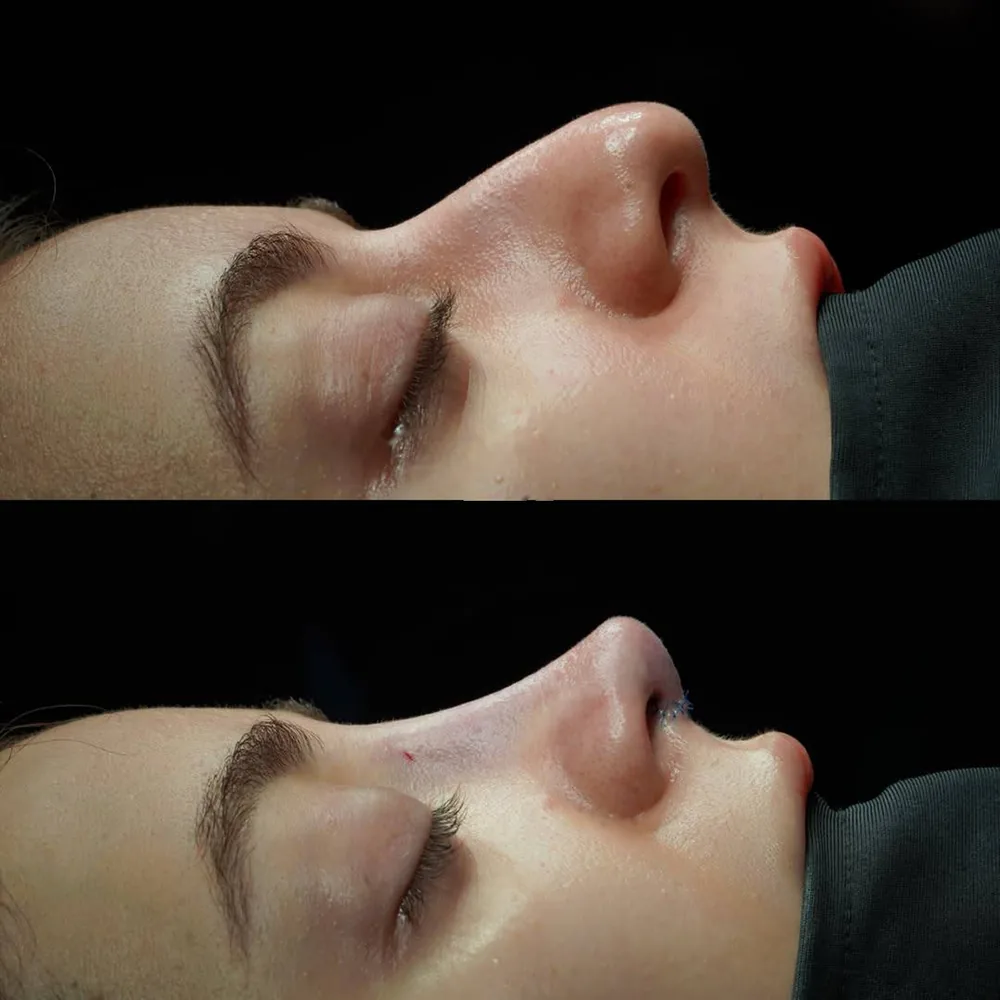 beforeafter
Rhinoplasty
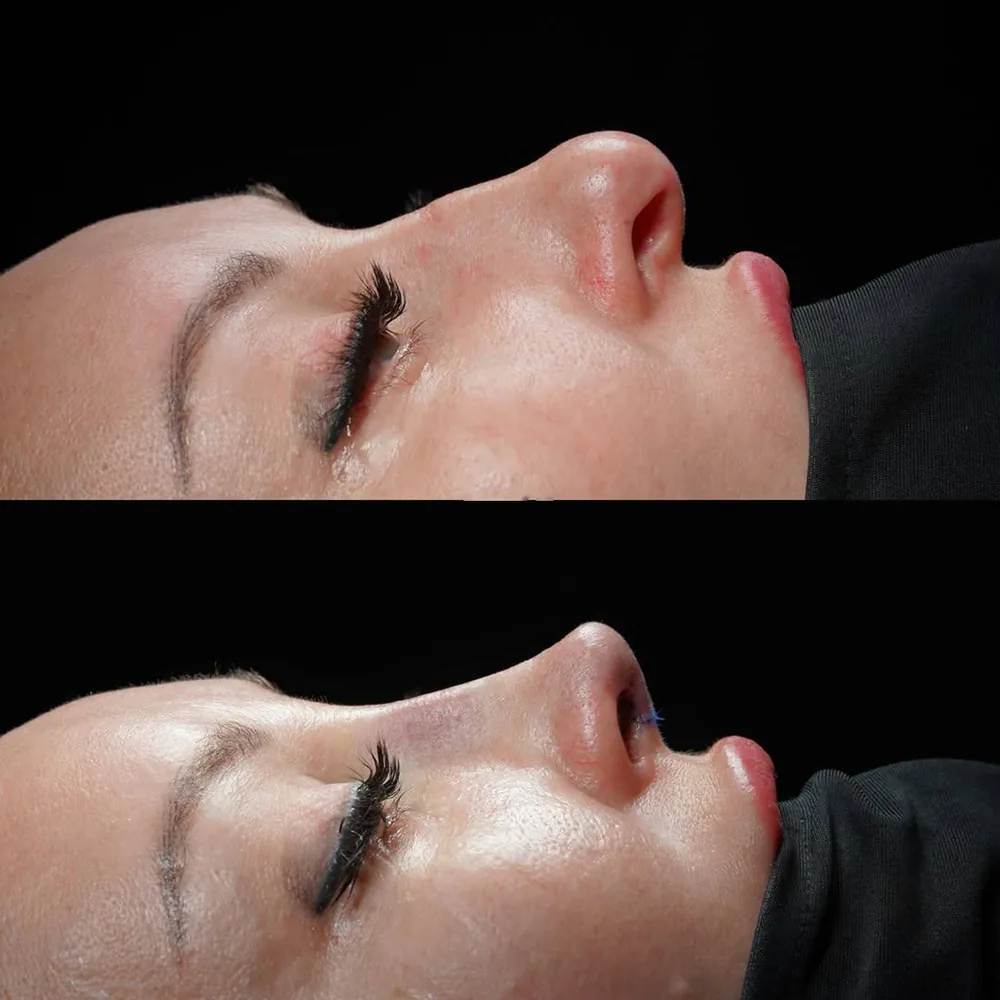 beforeafter
Rhinoplasty
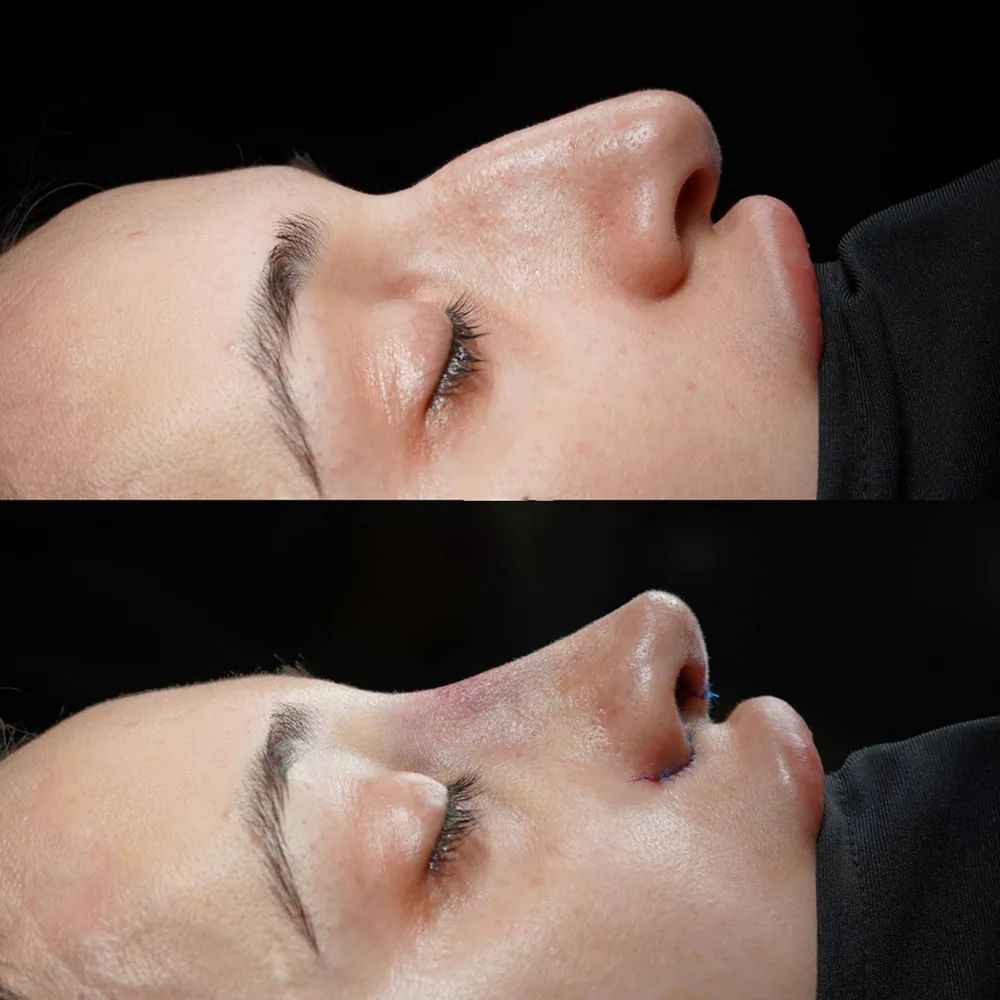 beforeafter
Rhinoplasty
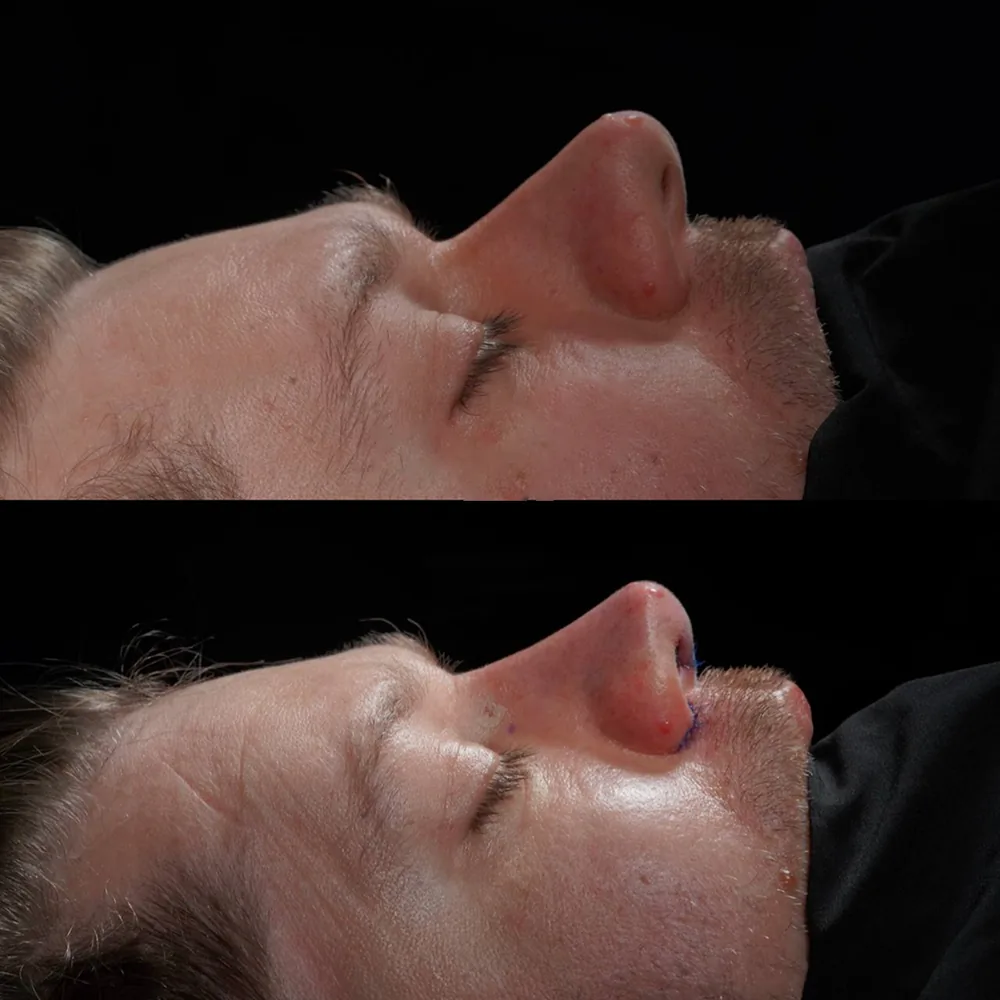 beforeafter
Rhinoplasty
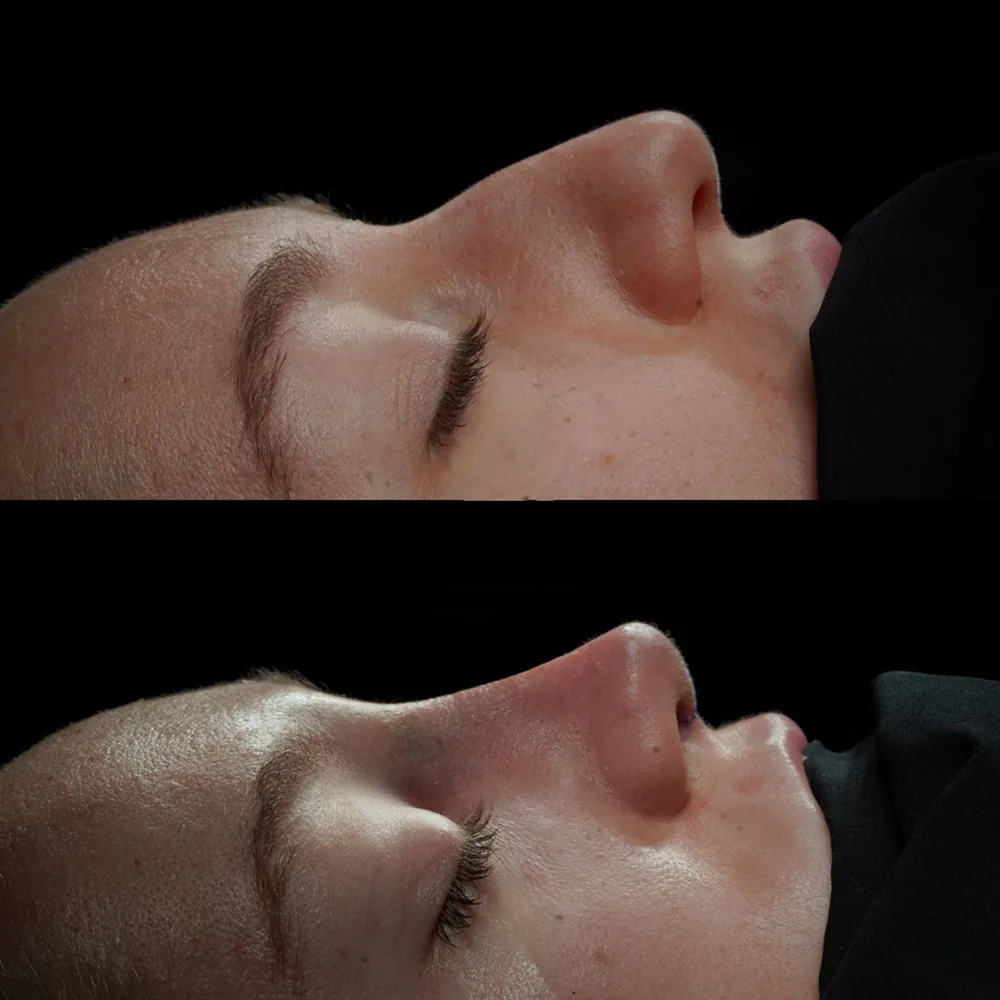 beforeafter
Rhinoplasty
Comparison
Our team finds the most effective solution for you and delivers an excellent result.
The first operation on the nose: changing its appearance and improving its function when breathing is impaired.
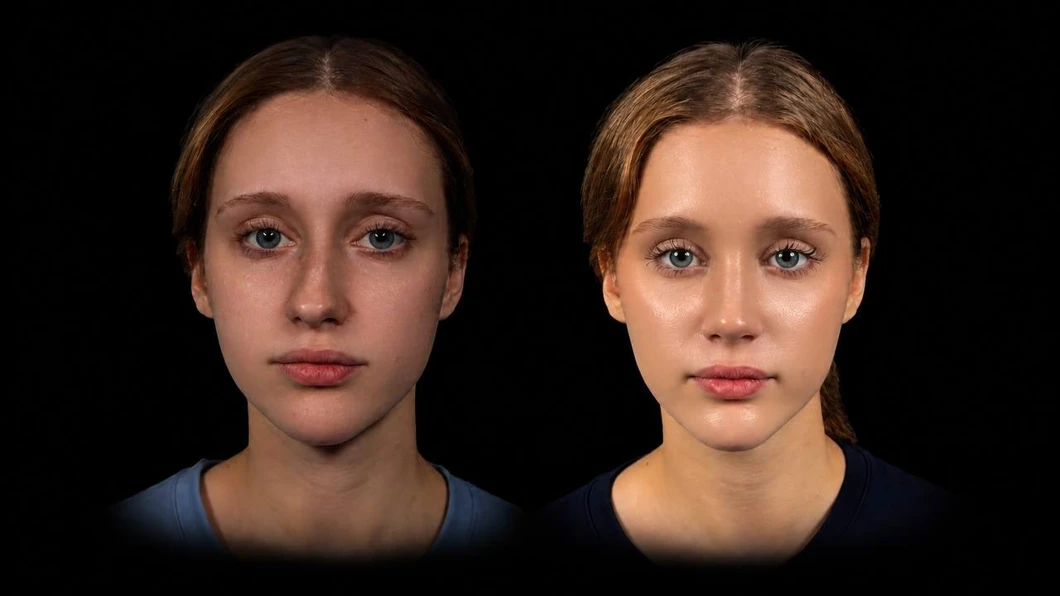
Discounted price
$4,200 $6,000
Revision rhinoplasty corrects the nose after a previous operation that was unsuccessful or partially successful, and is only performed once a year has passed since the first surgery.
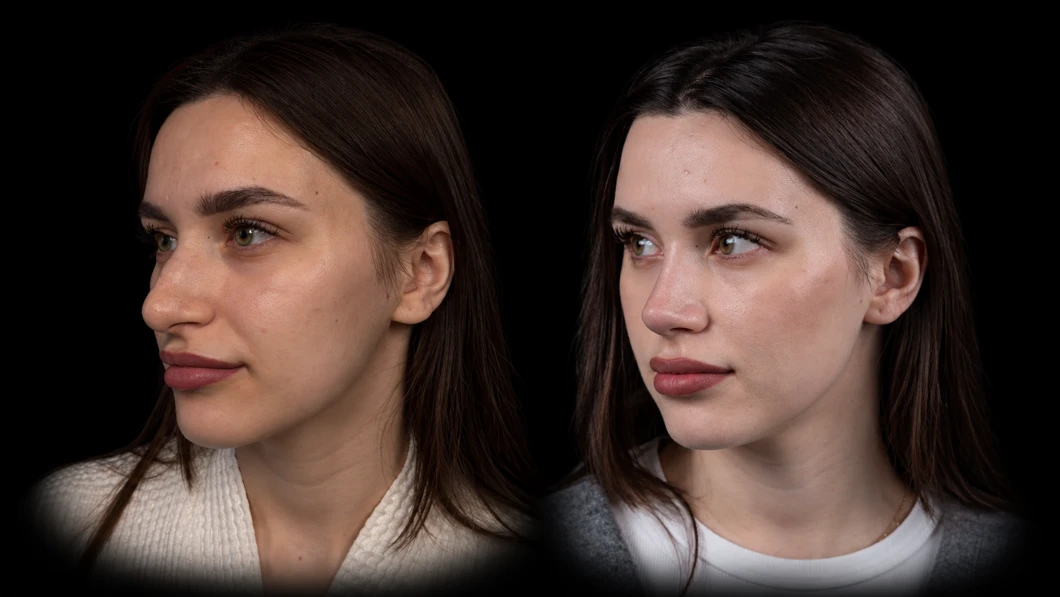
Discounted price
$5,400 $7,200
A combined procedure that treats the septum and reshapes the nose at the same time.
Discounted price
$5,000 $6,600
The benefits and recovery times shown are averaged by type of surgery and given for guidance: the extent of correction and recovery depend on your anatomy and individual features, and the surgeon confirms them at the consultation.
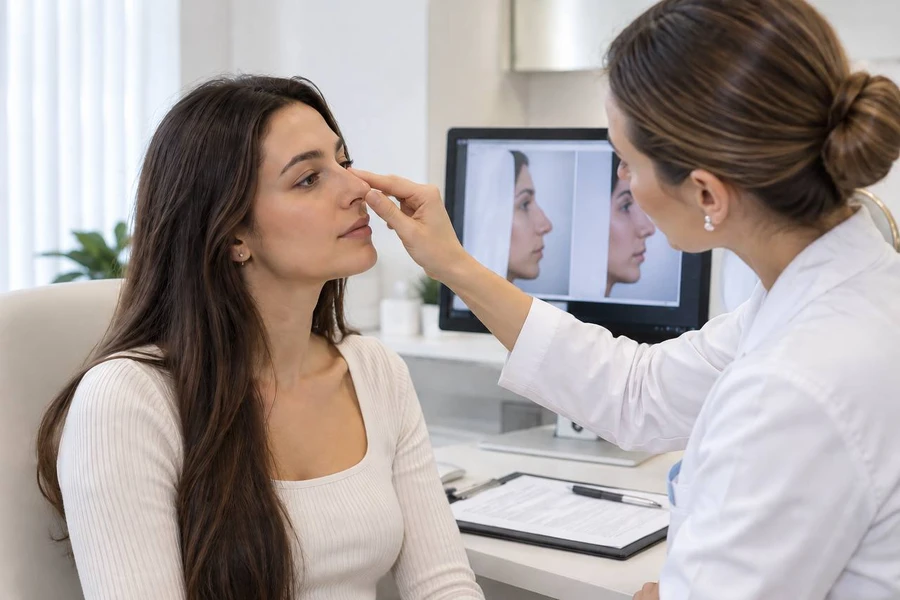
At the consultation the doctor will model the future result in 3D and explain
how your rhinoplasty will be carried out
The consultation costs nothing, takes place before surgery and carries no commitment.
Book a consultationInside the clinic
Comfortable rooms, modern equipment and personal attention to every patient
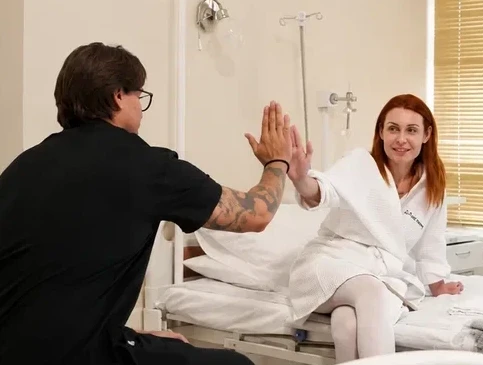
We answer every question and schedule the consultation at a time that suits you
Get a consultationIf surgery isn't actually needed in your case, the doctor will tell you this at the consultation, saving you an unnecessary expense.
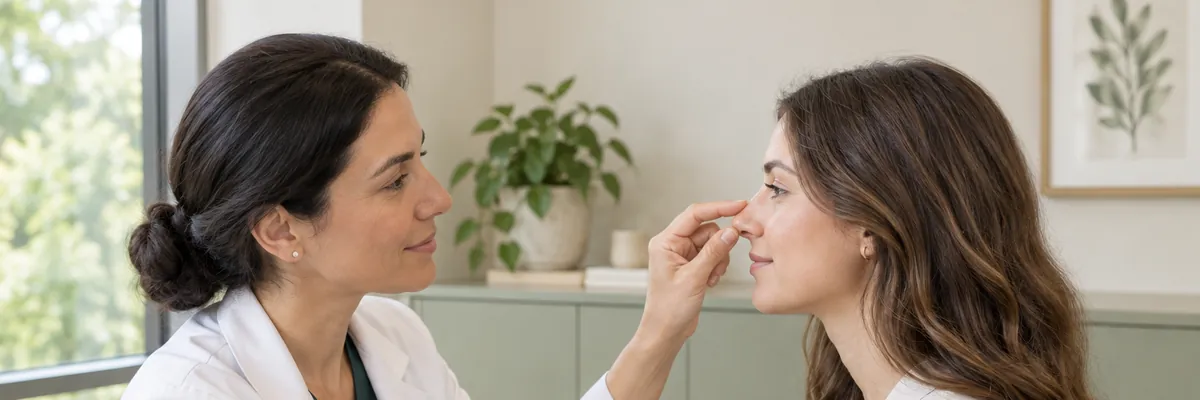

Not certain which group fits your case?
Message us on Telegram and send photos of your nose — the doctor will tell you whether rhinoplasty is right for you. Free and with no commitment to surgery.
Find out if it suits me
Prices
Once the result is modelled at the free consultation, the cost is announced and locked in the contract.
Discounted price
changing the nose shape
$4,200$6,000
Discounted price
secondary, revision
$5,400$7,200
Discounted price
both the shape and the septum
$5,000$6,600
Free
examination by the surgeon and 3D modelling
Free
the cost of the operation is named
and recorded in the contract
The doctor will look at your nose's anatomy, listen to what you'd like to change
and propose the right correction technique. The cost is given at the consultation and recorded in the contract.

Message our coordinator
Free online consultation · Reply within 15 minutes
Message us on TelegramMessage us on WhatsAppBy messaging us, you agree to our Privacy Policy
Price
Everything from surgery preparation
to support over 12 months.
Discounted price
$4,200$6,000Discounted price
How it works
A correction plan agreed with you, inpatient observation, and a full year of recovery follow-up.

The doctor examines your nose, talks through your wishes and runs the checks needed to choose the best correction technique

We hold a surgery date for you; the deposit may be paid at the clinic by card or online via bank transfer, with the terms fixed in the contract for medical services
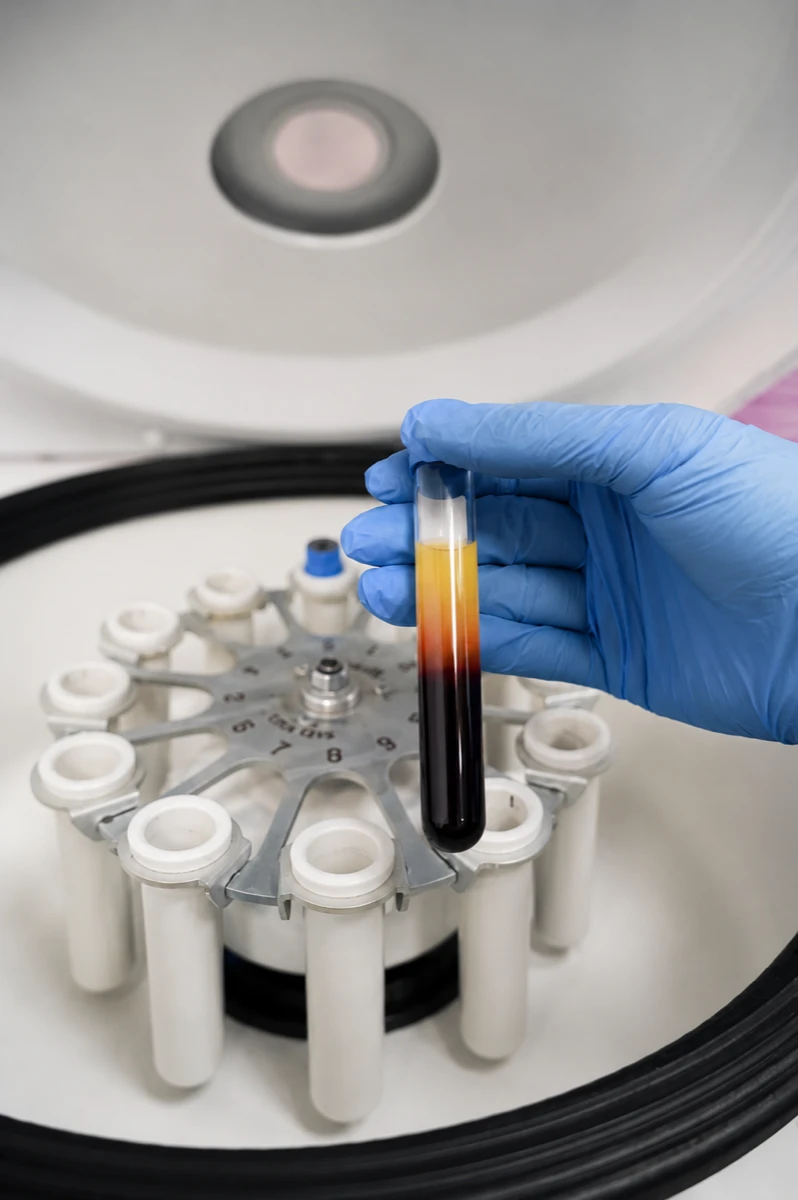
A full set of lab tests is needed before surgery: complete blood count, biochemistry, coagulation panel, chest X-ray and sinus X-ray
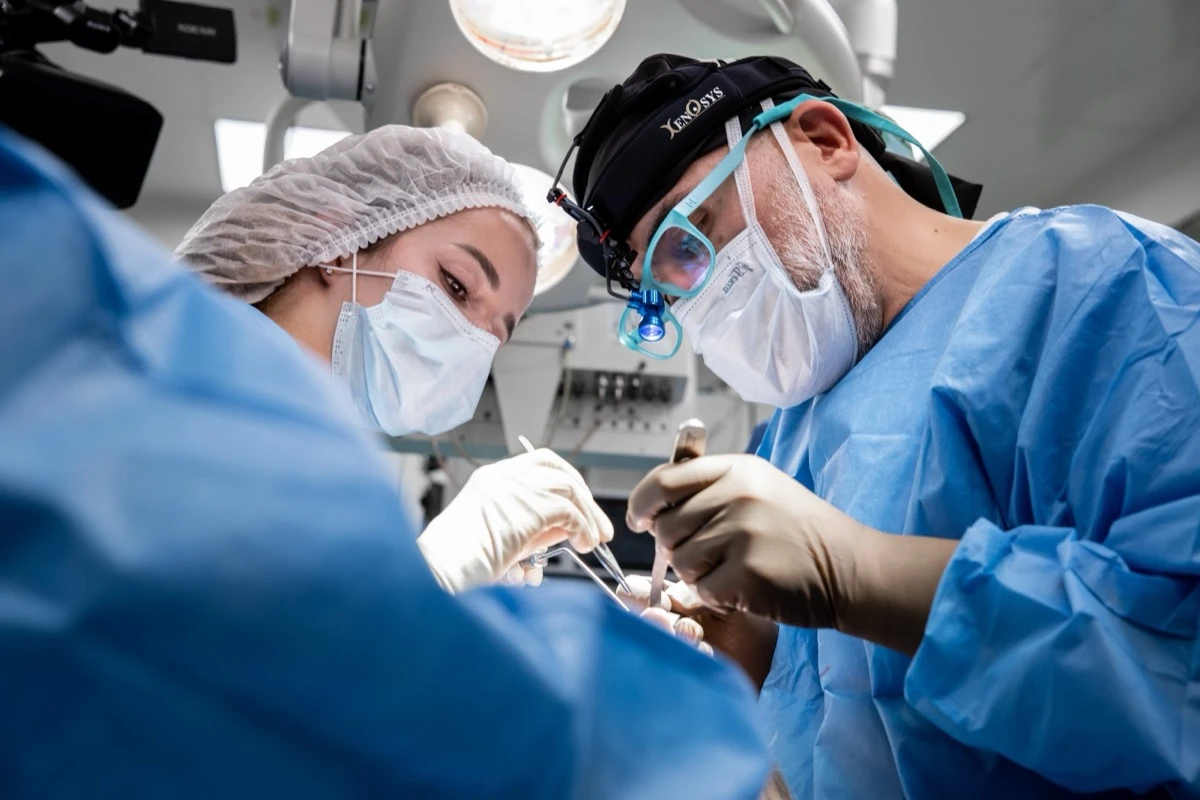
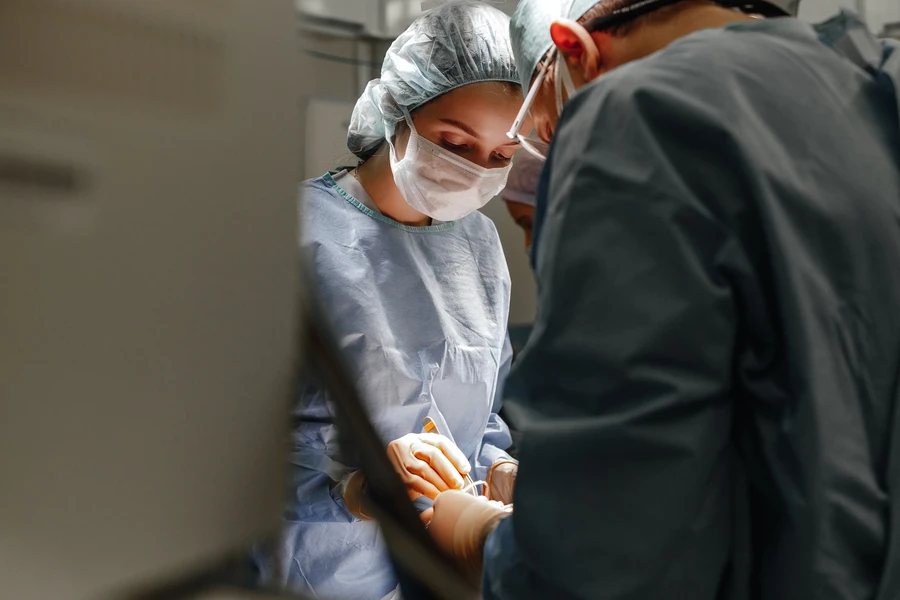
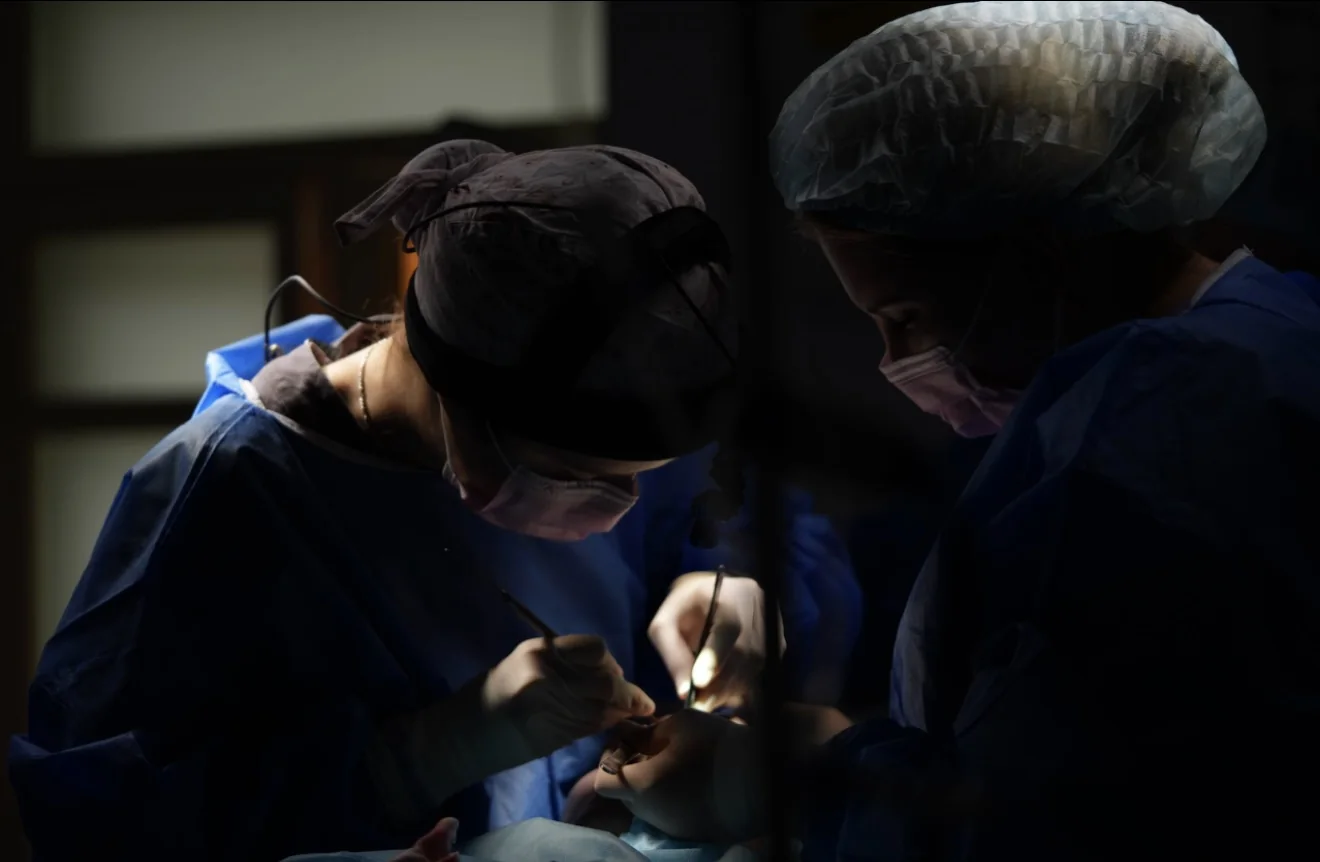
Rhinoplasty is carried out by the surgeon using the chosen technique under general or local anaesthesia, to correct the nose's shape and structure
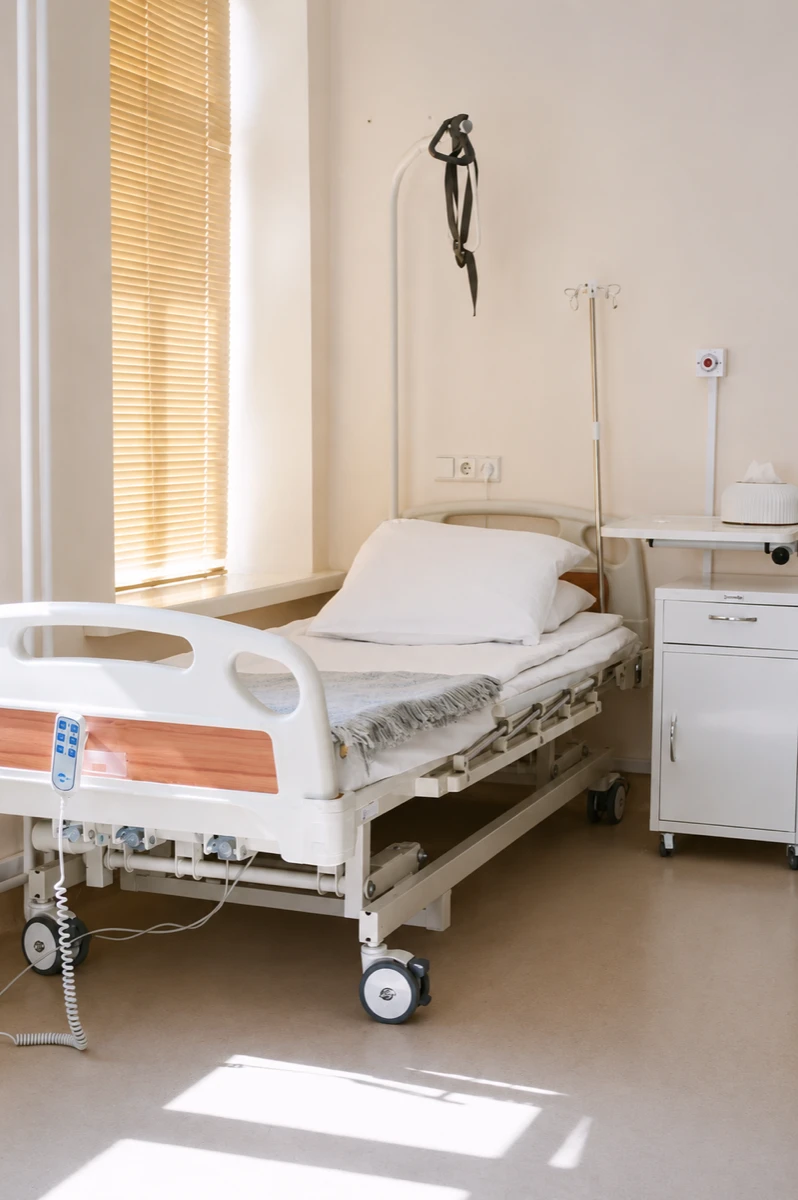
The clinic's inpatient unit is where all procedures are performed. You stay for one day post-surgery
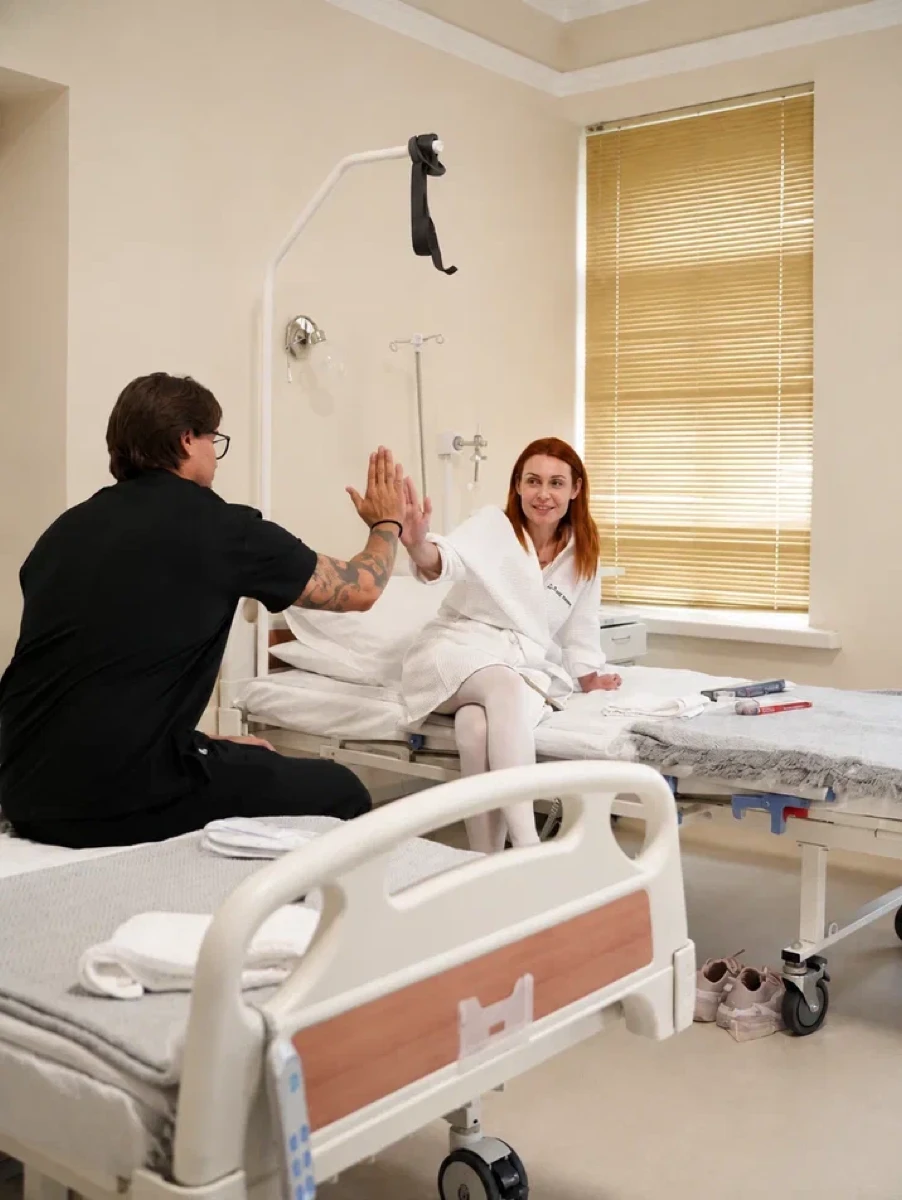
After the operation you receive a recovery programme; check-ups at 7 days, 3 and 6 months help monitor your recovery, and surgeon consultations remain free for a year afterwards.
You will see a realistic preview of the result at the consultation
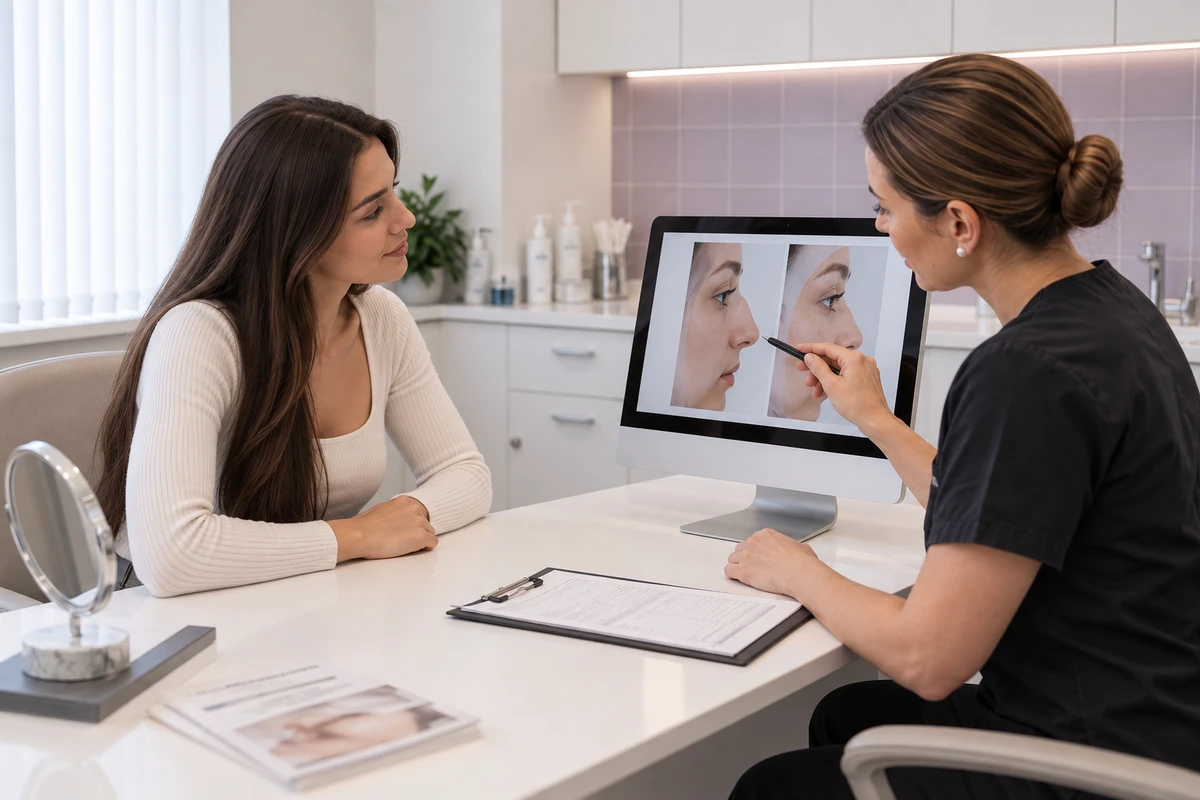
The consultation costs nothing, takes place before surgery and carries no commitment.
Book a consultationNasal splint
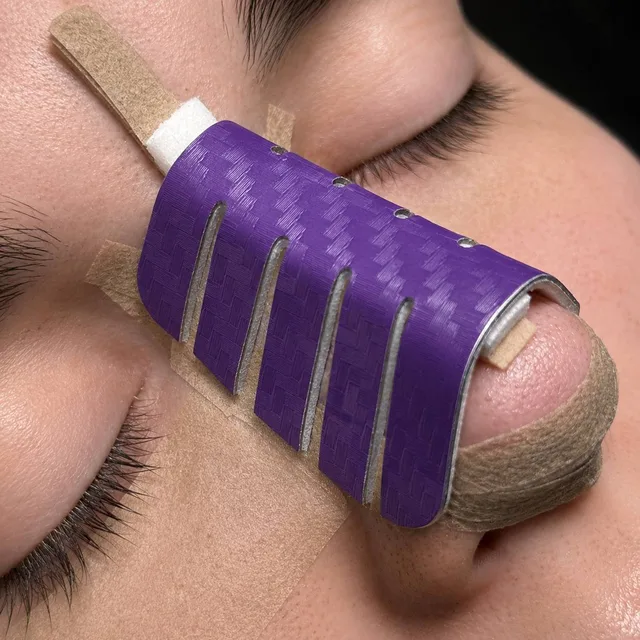
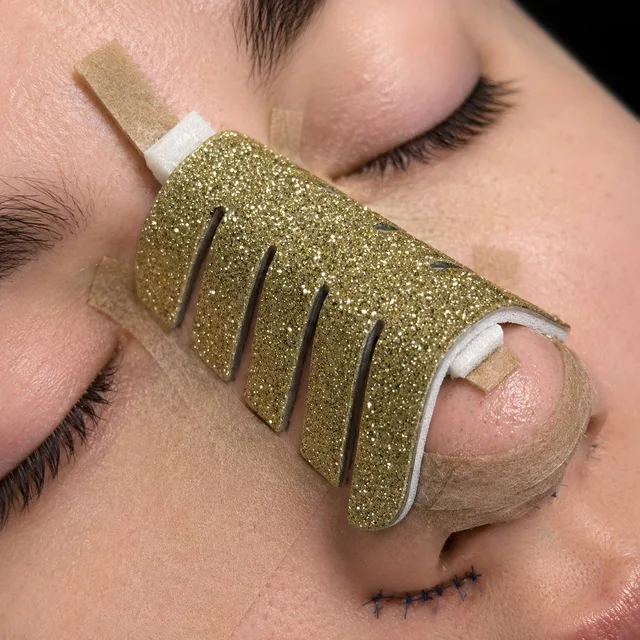
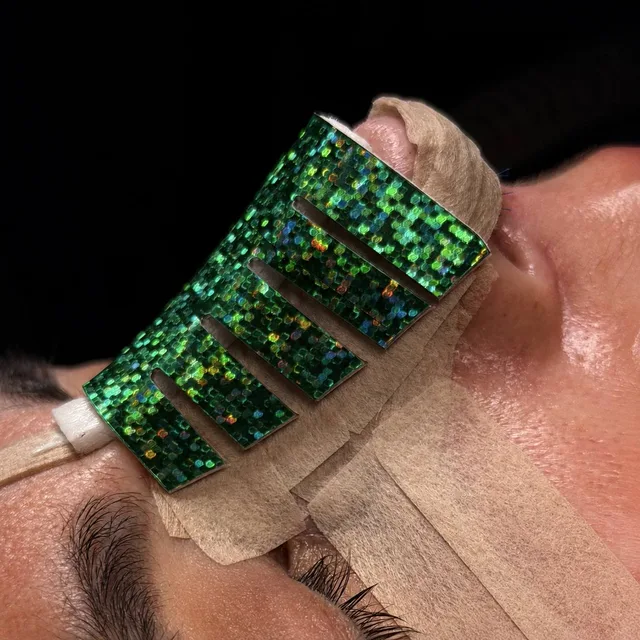
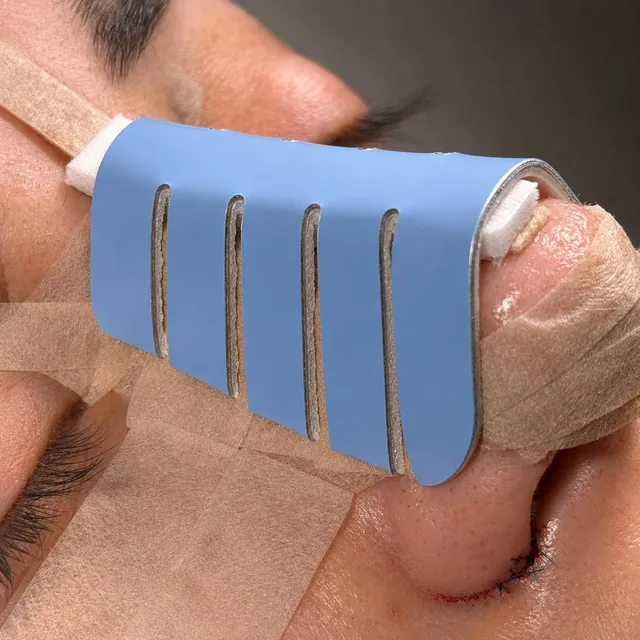
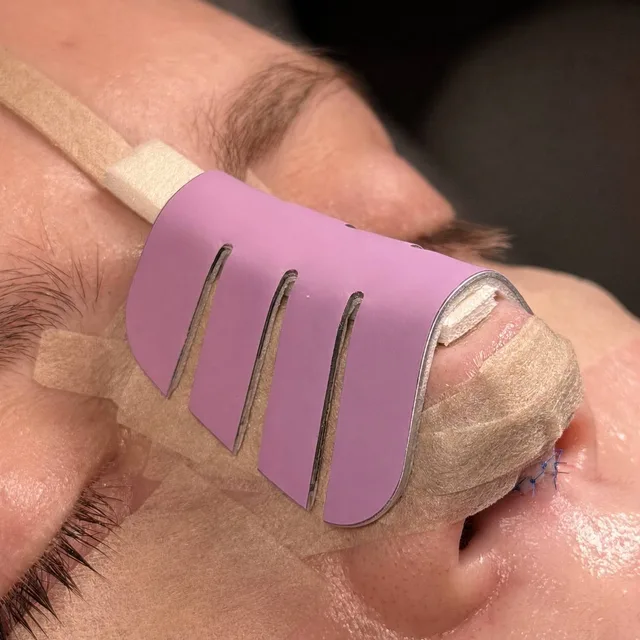
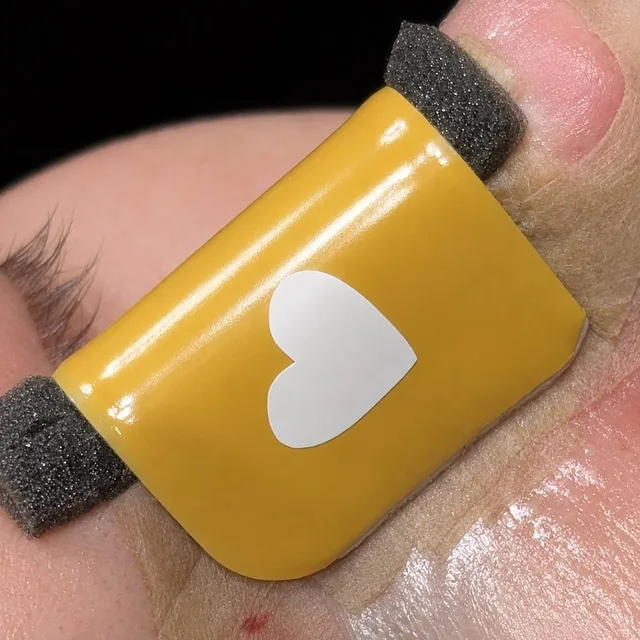
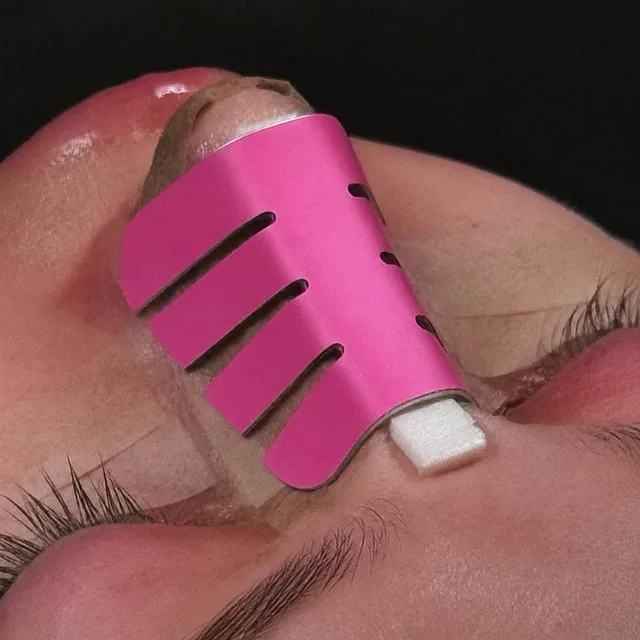
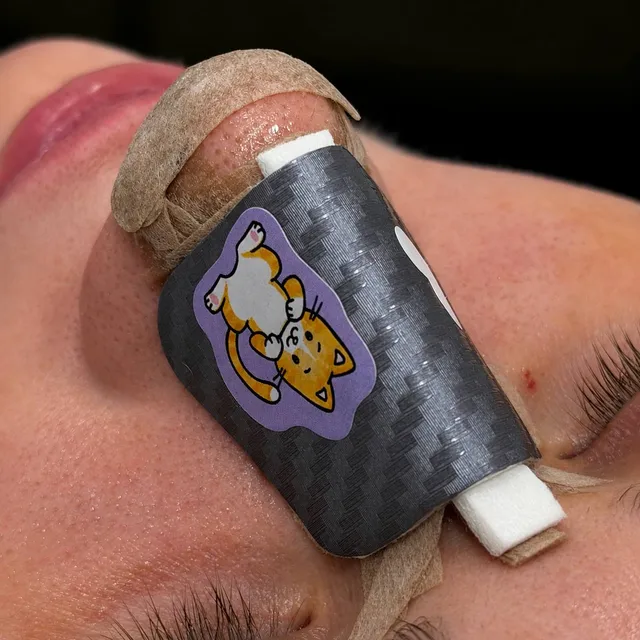
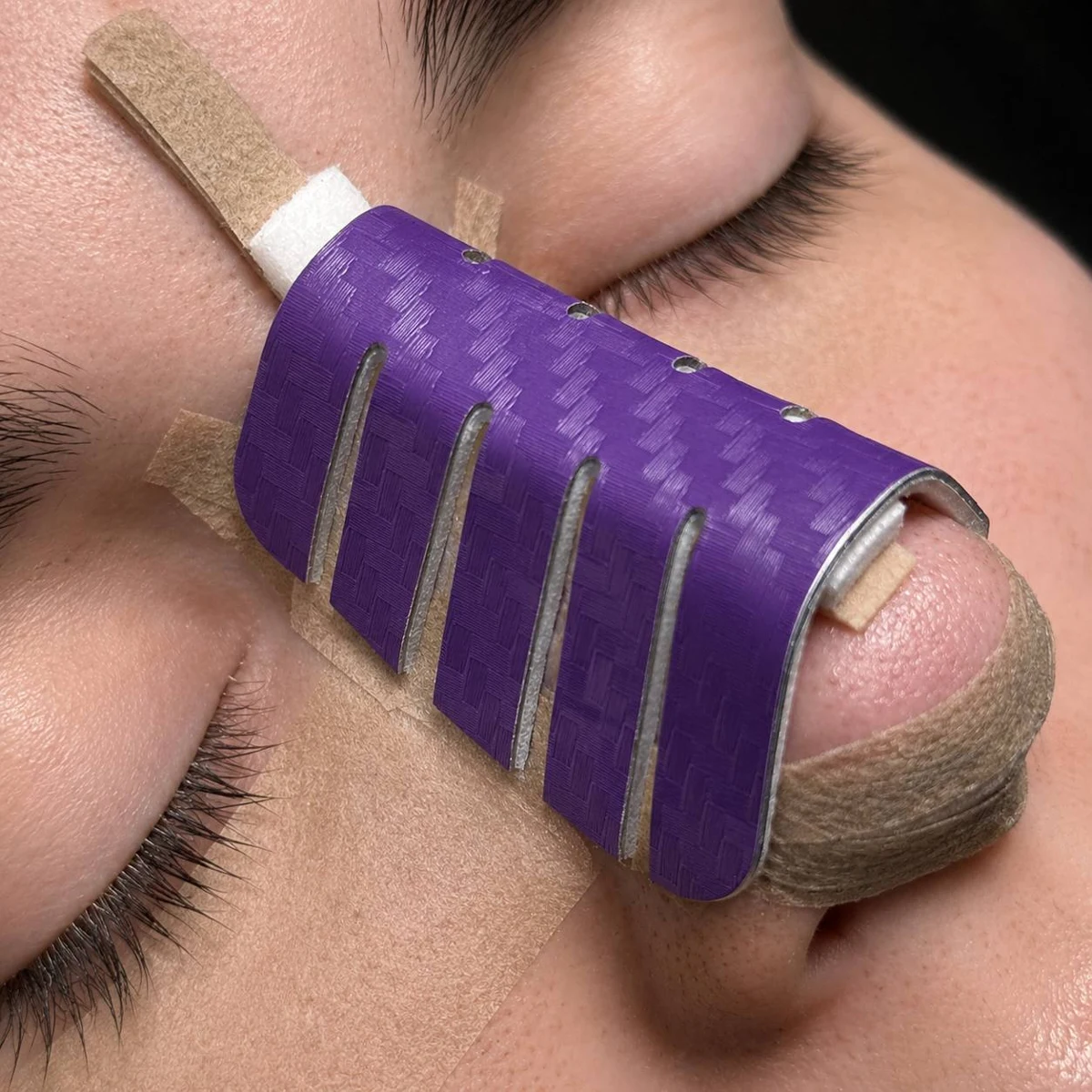
Every detail is chosen to highlight your natural beauty. So that you enjoy the change even while recovering, you can choose the colour of your own nasal splint.
The details that reflect your style:
Select a splint colour that suits how you feel
Confidence starts with small things, just like your future profile
Doctors
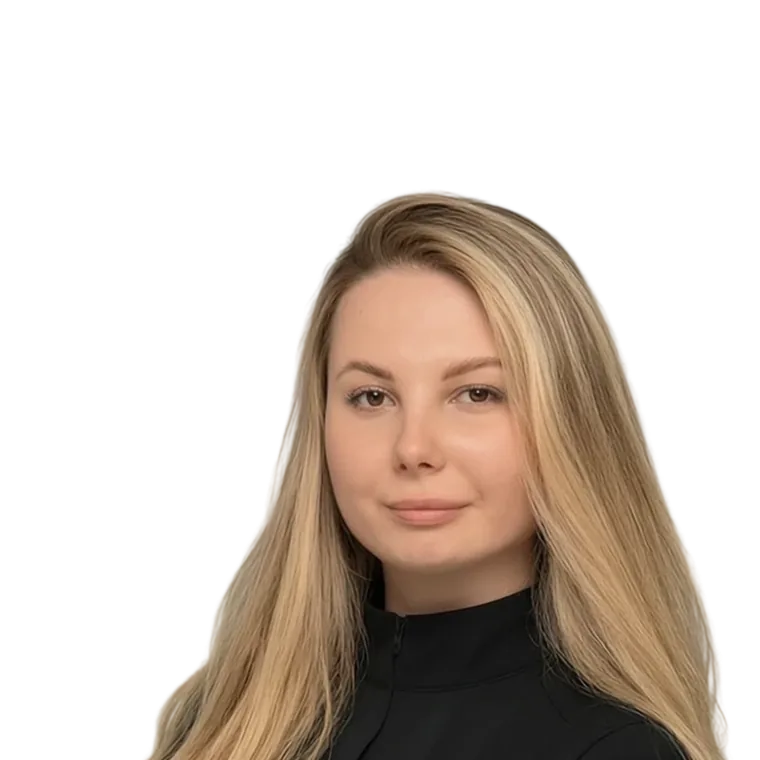
Rhinoplasty surgeon
At the consultation you talk to the surgeon who will operate
The doctor looks at your facial proportions, takes in your wishes and explains which changes can realistically be made.
Book a consultationCoordinators
We stay with you through every stage

A coordinator just for you
Your first contact at the clinic — from your first message to the consultation
Specialist in patient care
Answers your questions ahead of the first consultation and helps you pick a convenient date

A coordinator just for you
Supporting you before and during your stay, from booking right through to discharge
Specialist in patient care
Supports your preparation for surgery and remains in contact during your time at the clinic

A coordinator just for you
With you throughout recovery, from discharge all the way to your final check-up
Specialist in patient care
Stays in touch throughout your recovery and arranges your follow-up visits with the surgeon
A members-only channel for people who value honest, expert information
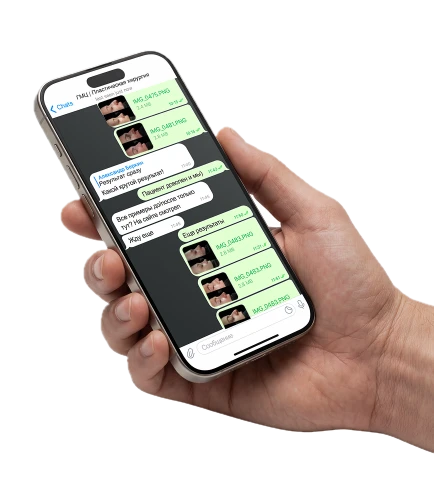
Message us — our coordinator will contact you shortly and book your consultation
Advantages
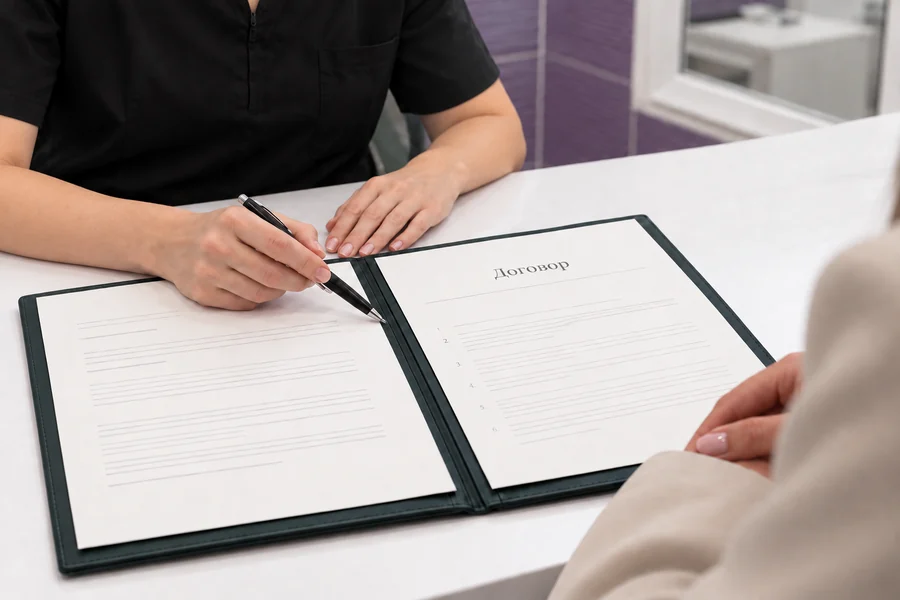
A lifetime guarantee under contract. All terms of the surgery, support and post-operative follow-up are set out in the contract in advance.
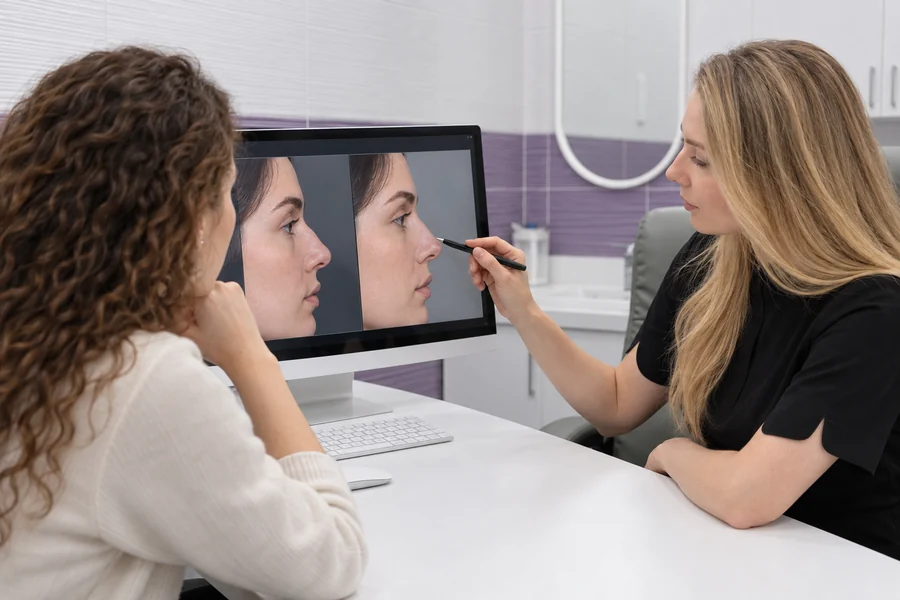
At a free consultation we review your case and tell you whether rhinoplasty is right for you. Facts only — no attempts to talk you into surgery.
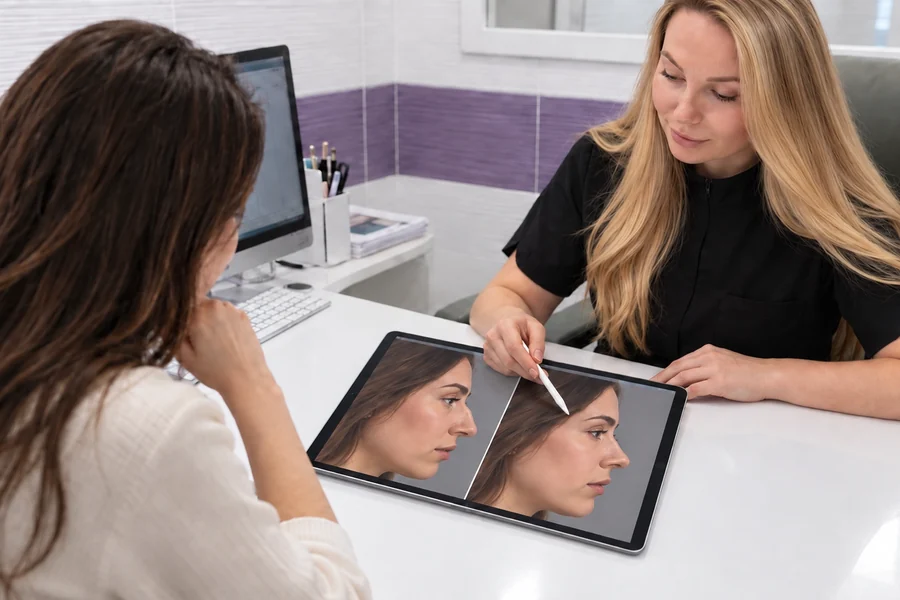
If your journey starts in another city or country, we fit the consultation and necessary preparation into a single trip, keeping the path to change comfortable with fewer trips.
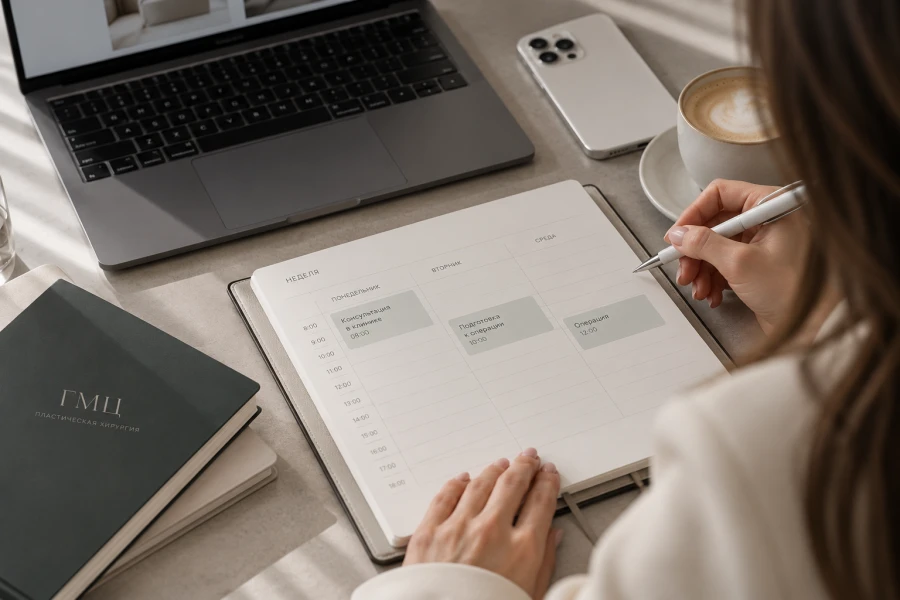
We respect your time: we work 24/7, with easy booking and a personal approach — we adapt to your pace.
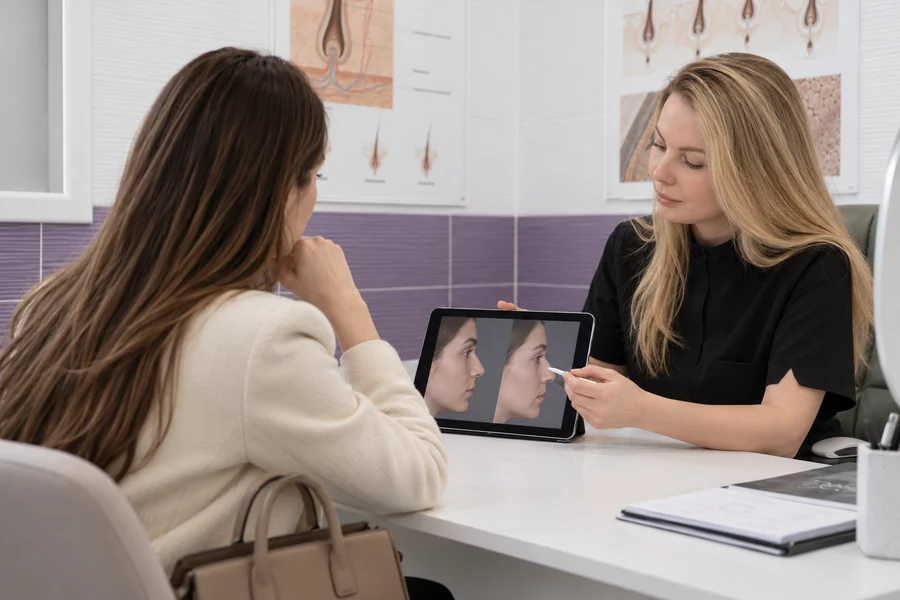
After the consultation, the surgeon sets out the extent of correction needed and gives you a clear price for the surgery, so there are no surprises on the way to the result.
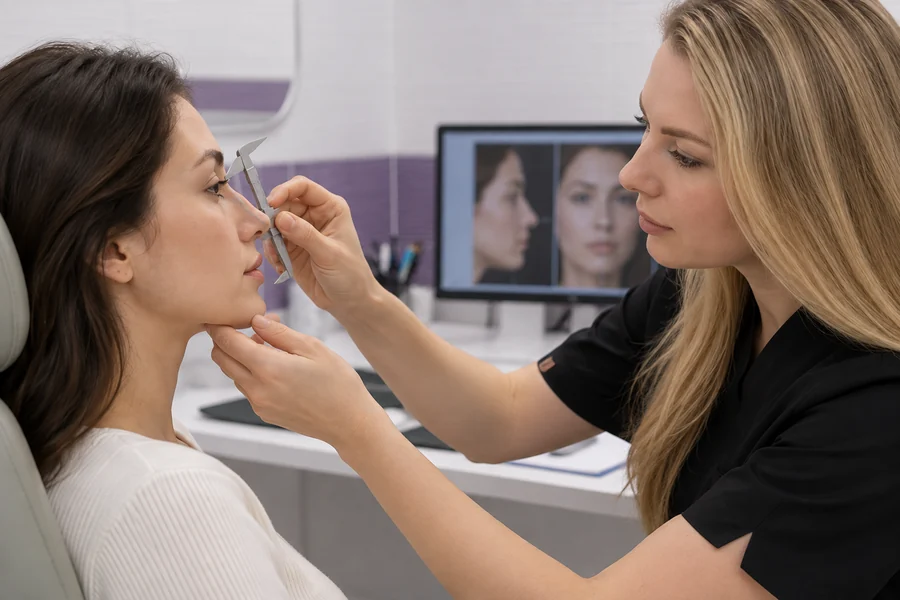
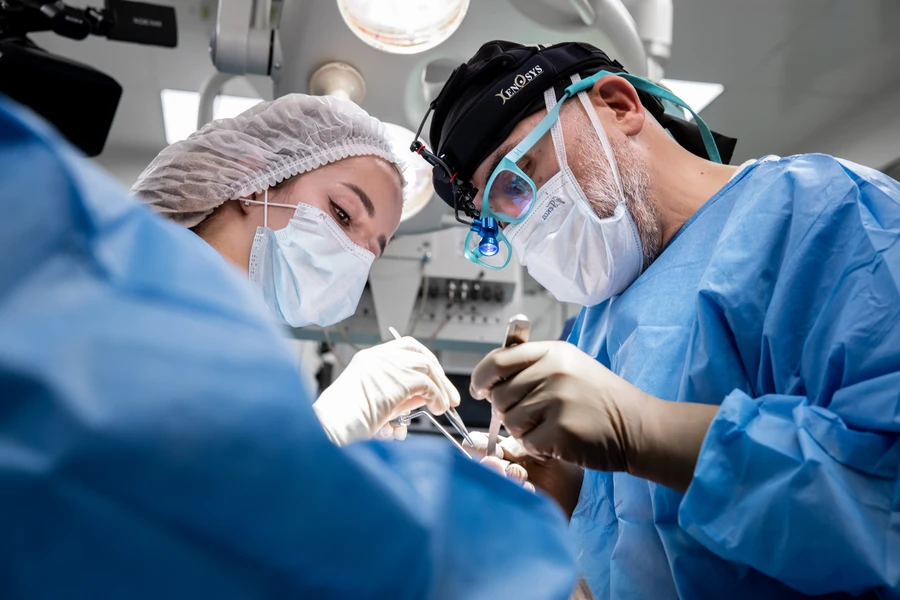
Precision and gentleness in the surgeon's work are supported by modern equipment, vital where millimetres can change proportions, profile and facial harmony.
Prices
Send a request and get a free consultation on any service
Free
BookPrice without discount: $6,000$4,200
Price without discount: $7,200$5,400
Price without discount: $6,600$5,000
Price without discount: $6,500$4,700
Price without discount: $7,200$5,400
FAQ
Rhinoplasty (nose job) — one of the most delicate and in-demand plastic surgeries, meant to reshape the nose according to the individual proportions of the nose and the whole face. Today's rhinoplasty is not simply an operation that changes how the nose looks, but complex surgical work aimed at an aesthetic ideal while protecting health.
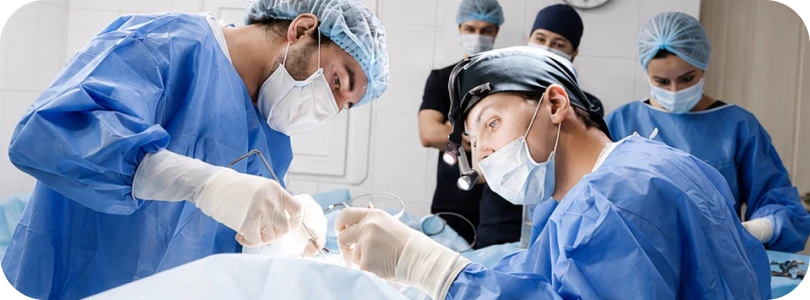
The ideal age is 18 to 45. At that point the nose is fully formed and tissues still heal well. If there are medical indications, surgery is possible at an older age when your general health allows
At its core, rhinoplasty is a comprehensive solution. It corrects both congenital and acquired nasal deformities, for example after a nasal injury. Patients are often bothered by a dorsal hump or an overly wide nose. Nose correction can also target the tip (tip rhinoplasty) or the nostrils (alar rhinoplasty). The surgical plan is created individually for each patient, taking every feature of their nose into account.
Rhinoplasty is performed under general anaesthesia and, depending on complexity, takes 1.5 to 3 hours.
The surgeon determines the extent and course of the surgery at the consultation, based on your goals and the anatomy of your nose.
Rhinoplasty — surgery to change the appearance of the nose (an aesthetic goal) and improve its function if breathing is impaired.
Septoplasty — surgery on the nasal septum to bring back normal breathing, leaving the outer contour of the nose unchanged.
Often both surgeries are combined, especially when a patient has a deviated septum and aesthetic concerns. This gives a harmonious look and restores full breathing. At City Medical Centre we perform rhinoseptoplasty — a combined surgery that solves both tasks at once
For a successful operation, preparation should begin 21 days before rhinoplasty. At the first appointment our plastic surgeon will give you a list of the required tests.
| Complete blood count (including ESR, white cell differential, platelets) | 2 weeks |
| Urinalysis | 2 weeks |
| Infection tests: HIV, HBsAg, anti-HCV, antibodies to Treponema pallidum | 2 weeks |
| Blood group and Rh factor | 2 weeks |
| Blood biochemistry (total protein; urea; uric acid; creatinine; glucose; total, unconjugated and conjugated bilirubin; ALT; AST; K; Na; Cl; cholesterol) | 2 weeks |
| Coagulation panel (Quick prothrombin, INR, APTT, D-dimer, antithrombin III) | 2 weeks |
| Electrocardiogram (ECG) tracing with a report | 2 weeks |
| Doppler ultrasound of the leg vessels / duplex scan of the leg veins | 2 weeks |
| Chest X-ray or fluorography with a report | 6 months |
| MSCT of the paranasal sinuses | 6 months |
| After the full laboratory work-up — a physician's report confirming there are no contraindications to surgery | 2 weeks |
Getting ready involves consultations with the plastic surgeon, lab work (CBC, biochemistry, coagulation, infection tests), ECG, chest X-ray, plus a nasal X-ray or CT. A week ahead, give up anticoagulants, alcohol and smoking. The day before — light food; no food 6 hours before surgery
Although nose surgery is one of the most popular and well-established aesthetic operations, like any surgery it carries certain risks. To minimise the likelihood of complications after rhinoplasty, our clinic provides thorough pre-operative preparation and post-operative monitoring.
Important: if after rhinoplasty you have difficulty breathing, severe pain, a high temperature or a change in the shape of your nose, contact your doctor immediately.
Rhinoplasty at City Medical Centre is performed with modern technology, safe materials and constant medical supervision, which keeps the risk of complications to a minimum.
We also provide post-operative monitoring and prescribe recovery therapy.
Recovery after nose surgery is just as important as the operation itself. Proper recovery determines how aesthetic and harmonious the final result will be. At City Medical Centre recovery is closely monitored and divided into three phases: early, intermediate and late
When swelling goes down (2–3 weeks), first improvements are visible; the final rhinoplasty result can be evaluated in 1–1.5 years, after full tissue stabilisation
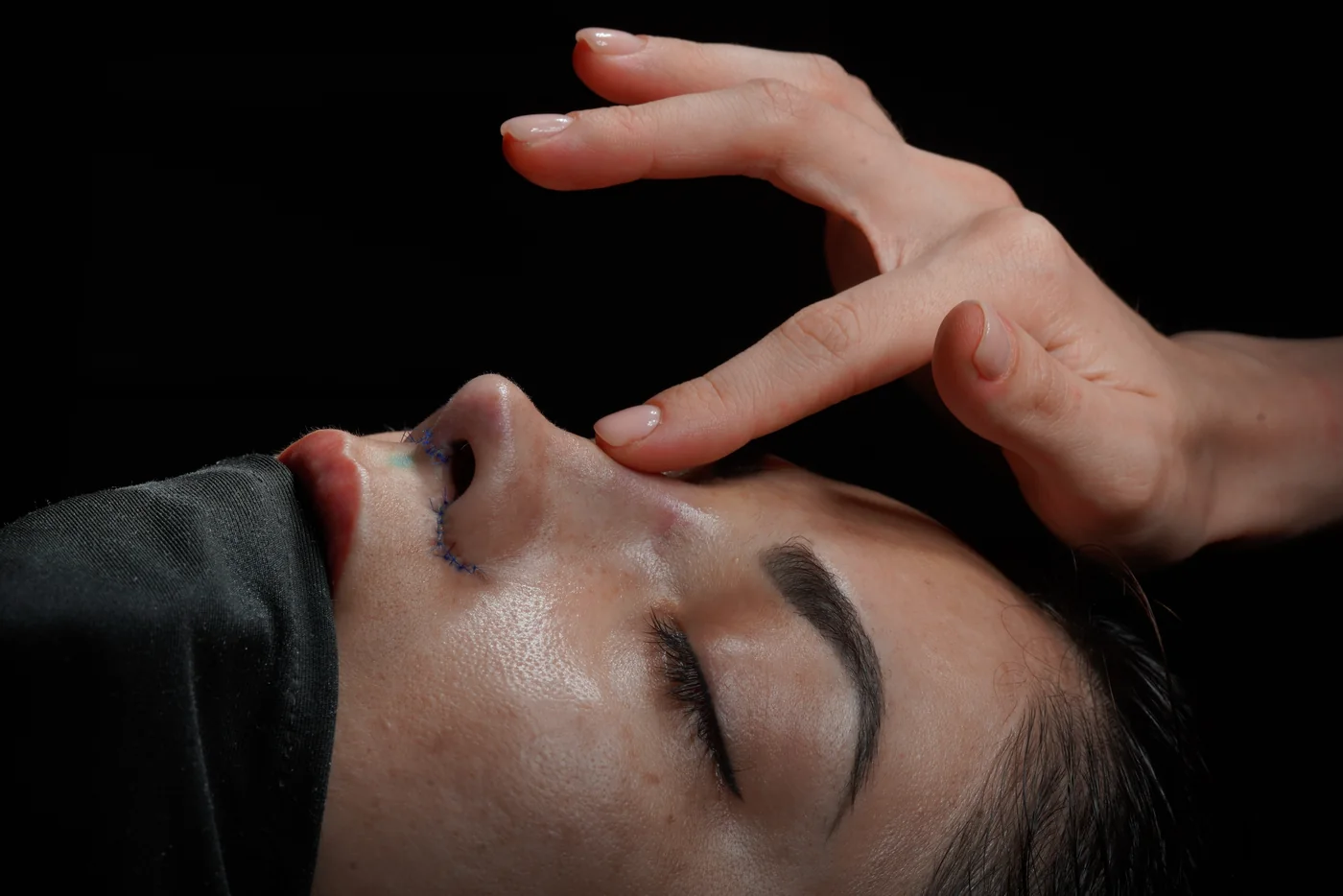
The nose needs to be protected after surgery. An aluminium cast is placed over the nose, with special silicone splints inside the nasal cavity. Nasal function is limited in the first days but recovers quickly. The final result of rhinoplasty can be assessed after 1–1.5 years, once the swelling has fully subsided.
Important: if nasal function is impaired after the first operation or you are not satisfied with the result, revision (secondary) rhinoplasty may be needed. It is a more complex procedure, performed no earlier than one year after the primary operation.
The nasal passages may be partly blocked by splints or swelling in the first days post-surgery. Full breathing tends to return within 1–2 weeks, depending on your body and the extent of surgery
Our doctors use microsurgical techniques and quality sutures to keep scars minimal
Rhinoplasty adds harmony to facial features and improves aesthetics, keeping your individuality. 3D modelling gives you an advance look at the predicted result, so the changes can be agreed with your surgeon
Rhinoplasty is a serious step. A well-performed rhinoplasty means the new nose is in perfect harmony with your facial features and works flawlessly. At the consultation the nasal surgeon assesses every parameter in detail: the size of the nose, tip projection, and the condition of the septum and nasal mucosa. We use 3D modelling so you can see the future proportions of your nose before the surgery is performed.
Don't just browse rhinoplasty photos online. Book a consultation to discuss what modern rhinoplasty can and cannot do for you. Correcting external nasal deformities and reshaping the nose is our speciality.
Under the current discount, rhinoplasty at City Medical Centre costs $4,200 (≈ GHS 49,000) instead of $6,000 (≈ GHS 70,000). We offer the first consultation free.
The price depends on how extensive the surgery is and is determined at the consultation: the doctor states the exact price after examining your nose and facial proportions.
General anaesthesia for the surgery, one day in the inpatient unit, doctor monitoring and a complimentary check-up afterwards. The clinic guarantees the result for life.
Your first visit to City Medical Centre for a consultation is free. The doctor examines your nose and facial proportions and names the exact surgery price.
Blog
Reading on rhinoplasty
Find out how recovery after rhinoplasty goes in the first 7, 14 and 30 days
Read the article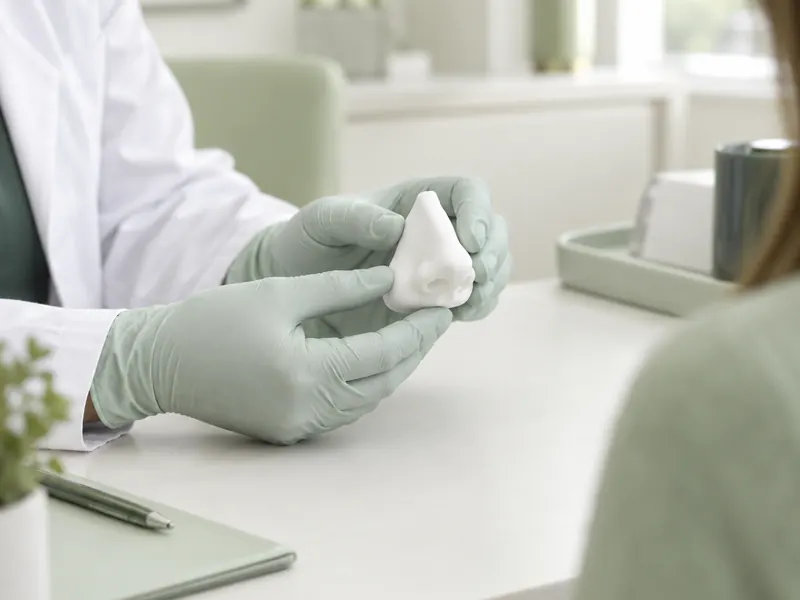
Preparation, recovery week by week, when the splint and stitches come out and how long to wait before flying home.
Read the articlePrices are in US dollars; the amount in brackets is an approximate conversion to GHS at the rate of 02.10.2026. The final price is fixed in your contract.
Prices start from $4,200 (≈ GHS 49,000). The surgeon sets the final price at the free consultation, and it is fixed in the contract, with no hidden extras.
The operation under general anaesthesia, a one-day inpatient stay, follow-up visits and dressings, plus a lifetime guarantee on the result.
Surgery takes 1.5–3 hours and you stay one day in the clinic. The nasal splints come out on day 7, and the cast is worn for up to 14 days.
Yes. The first consultation is free and does not oblige you to anything. You can start online by sending a message to the coordinator.
Message us on WhatsApp or Telegram using the buttons below. A coordinator will answer your questions and book a free consultation where the doctor names the exact price.
By messaging us, you agree to our Privacy Policy
Who is a candidate? The optimal age is 18 to 45, when the nose is fully formed and tissues heal well; with medical indications, older patients can also be considered if health allows. Indications include asymmetric cartilage or nostrils and significant breathing problems. Anyone researching rhinoplasty in Tamale should know the contraindications too: decompensated chronic disease, skin damage or inflammation in the area.
Here is the route in short: consultation with a 3D forecast, a full lab work-up confirming there are no contraindications, the operation, a day in the inpatient unit and then a recovery course with swelling relief and nose monitoring. Mild congestion may persist for 1–1.5 months. Nasal breathing usually returns within 1–2 weeks for patients in Tamale.
How much is a nose job in Tamale? The base price is $4,200 (≈ GHS 49,000) for the full package — from the operation itself to follow-up visits and dressings. The final amount depends on the extent of surgery and is set once the surgeon has examined your nose and facial proportions. Leave your name and phone number, and a coordinator will book your free consultation.
What patients write after this operation. Reviews are translated from the original language.
Ekaterina Ivanova
For a long time I was self-conscious about the length of my nose, until a friend who had had rhinoplasty recommended this clinic. At the very first consultation they set the date of surgery and explained every stage in detail. The rhinoplasty under general anaesthesia was performed by Mareta Meirieva: the swelling went down quickly, and after just a week my nose looked natural and neat. Modern equipment, attentive staff and appointments without delays made the whole process comfortable. I recommend the clinic to anyone who values professionalism and a quality result.
Rhinoplasty
Olga Vasilyeva
This was my first visit to the clinic, for rhinoseptoplasty, and to be honest I was very nervous. At the consultation they explained every stage of the operation and recovery in detail, which calmed me down straight away. The operation was performed by Mareta Meirieva: the swelling started to go down on the third day, and the result is visible to the naked eye. Everything inside is sterile and pleasant, the atmosphere inspires trust, and the staff are always responsive. I thank the clinic for the high level of service and the warm approach!
Rhinoplasty
Marina Samarina
Everything was first-class: clean, cosy and calm. Booking and choosing the right date was easy. The nose operation went smoothly and the nerve block was done perfectly: now I breathe freely without nasal drops! It is a real lifesaver for anyone tired of endless prescriptions and ineffective procedures. I recommend it to everyone who values professionalism and results.
Rhinoplasty
Viktoria Petrova
I recently had rhinoplasty and I am absolutely delighted. At the consultation they told me about every stage in detail, so I went into surgery fully prepared. The operation went smoothly: they straightened the bridge of my nose and made the nostrils symmetrical, and the shape came out very neat. The swelling lasted a little longer than I expected, but they explained straight away that full recovery takes more time. No unpleasant surprises, everything was within the normal range. I recommend the clinic to anyone looking for a confident result and an attentive attitude.
Rhinoplasty
Tamale is the capital of the Northern Region of Ghana and the country's third largest city, with a population of 374,744 people as of the 2021 population census. It has also been ranked as the fastest-growing city in West Africa. A city growing this quickly has many young adults who are building careers, studying and starting families, and some of them think about changing the shape of the nose. The reasons vary: a bump on the bridge, a wide tip, asymmetry after an injury, or trouble breathing through the nose.
City Medical Centre offers the first step to residents of Tamale without any need to leave home. You hold a free online consultation with coordinators who are available 24/7 on Telegram and Telegram. You can write in the evening after work or early in the morning before classes and still get an answer. A coordinator will call you back 24/7, so you do not need to fit your questions into a narrow window.
This text is for someone in Tamale who wants to understand the whole path: the conversation with the surgeon, the preparation, the operation, the recovery weeks and the long wait for the final shape. Every stage is described below against the background of daily life in a hot northern city.
Tamale has a tropical savanna climate. The city usually has a single rainy season a year, with heavy thunderstorms and little sunshine while it lasts. Mean monthly rainfall is about 89 mm, spread over 95 days of tropical showers. The average monthly temperature is around 34 °C, and the minimum monthly temperature is around 23 °C. Relative humidity is usually lowest between December and March at about 30%, and highest around August at about 70%.
For a patient after nose surgery this matters in practical ways. Heat and strong sun are not friends of a healing nose. The nose is covered with an aluminium cast for up to 14 days, and sweating under tape and a cast is unpleasant, so the first two weeks are easier at home in shade or in a cool room than on a sunny street. Keep the cast dry and protected, and ask the surgeon how to wash your face and hair while it is in place.
The dry months from December to March bring lower humidity. Dry air can make the inside of the nose feel crusted while splints are in place and during the weeks of slight congestion that follow. Ask your surgeon which gentle care is suitable for you and do not improvise with sprays or home remedies.
The rainy season has its own concerns: crowded places, damp weather and colds. A cold with sneezing and nose blowing is the last thing you want during the early recovery. Plan the operation so that the first weeks do not fall in a period when you expect to be in busy public places.
There is no single correct month in Tamale, but the local weather helps you think it through. Because average temperatures stay high, the question is mostly about sun exposure, humidity and dust-free conditions. The recovery programme runs through check-ups at 7 days, 3 and 6 months, and the final shape is judged only after 1–1.5 years, so any season you pick will be followed by several others.
Many patients prefer to schedule the operation when their workload is lighter. In a city whose economy rests on agriculture, trading, teaching and manufacturing, calendars differ a lot. A teacher may choose a school break. A trader may choose a quieter period in the market. A person working in farming-related activity may avoid the busiest stretch of the farming year, when long hours outdoors in strong sun are unavoidable.
Preparation should begin 21 days before rhinoplasty, so the real planning horizon is longer than the operation date alone. Count backwards from the date you want: the tests, the consultations with the surgeon and the week without anticoagulants, alcohol and smoking all fit into that window. Your coordinator will help you build a calendar around holidays and family events.
Mark festivals in particular. Tamale celebrates the Damba festival, Bugum chugu, Eid ul-Fitr and Eid Adha, and these are days when families gather, photographs are taken and people dress up. Many patients prefer not to have swelling or a cast on such days, and the recovery timeline lets you work out which dates to avoid.
Tamale has been the educational hub of Northern Ghana since the middle of the last century, and a suburb known as Education Ridge fits many schools into a small area. So a large share of the city is students, teachers and young staff. If you are a student, ask the surgeon what the first weeks look like so that you can plan lectures and exams. Days 1–3 mean breathing through the mouth with splints in the nostrils, and on day 7 the splints are removed.
The cast is worn for up to 14 days, and stitches are removed on day 14 together with the cast. Many people choose to stay away from work or classes for this period, because the cast is visible and speaking, eating and sleeping feel unusual at first. For office and teaching work, discuss with the surgeon when you can return and what activities to avoid, such as heavy lifting or bending in the first weeks.
For people whose work is outdoors or physical, the questions are different. Long hours in the sun, dust on market days and heavy carrying are all things to talk through with the surgeon beforehand. Do not try to guess the answer from a friend's experience; every nose and every operation is different.
For 1–1.5 months after nose surgery you may feel slight congestion. Most people keep working normally during this time, but it is wise to tell your employer or colleagues in advance that you may sound a little different.
Food in a northern Ghanaian city is part of social life, and meals are often shared with relatives and neighbours. Before the operation the rules are strict: the day before, eat light food, and no food or fluids at all in the last 6 hours before the scheduled time of surgery. If a family meal falls the evening before, plan it early and keep it light.
Tamale is a majority Muslim city, with 90.5% of the population Muslim according to the 2010 census, followed by Christians, spiritualists and traditionalists. For observant patients, the timing of the operation relative to fasting periods and religious holidays is a fair question for the coordinator. The 6-hour rule before anaesthesia, and the need for good general health before surgery, can affect the choice of dates, so discuss it openly and early.
Sport is a major part of the city's identity, from the local football club to the stadium that hosted matches in the 2008 African Cup of Nations. If you play football or any contact sport, ask the surgeon directly when you can return. Protection of the nose is the core of the question, and a blow to a healing nose is something to avoid. Do not rely on a fixed date told to you by a teammate; ask your own surgeon.
For the family side, remember that relatives often want to see you quickly. Agree with them in advance that the first days are for rest, and that the swelling needs 2–3 weeks to subside before the first improvements show.
The optimal age is 18 to 45. By this age the nose has formed completely, while tissues still heal well. With medical indications, older patients can have surgery if their general health allows. This means a person from Tamale who is still a teenager should wait, and an older patient should have a careful conversation about their health.
Rhinoplasty improves aesthetics and makes facial features more harmonious, without loss of individuality. That is a useful principle for anyone who worries about looking like a different person. In a city with strong ethnic and family identity, with Dagomba, Gonja, Mamprusi, Konkomba, Akan and other communities living side by side, many patients want a nose that fits their face and still looks like their family. Say this directly to the surgeon.
The doctor will look at your general health, and the preparation includes lab work (CBC, biochemistry, coagulation, infection tests), ECG, chest X-ray and a nasal X-ray or CT. Conditions affecting blood clotting, infections or heart problems can change the plan or delay the operation, and only the surgeon can decide.
Psychological readiness matters too. The patient should understand that the final result will be visible in 1–1.5 years. If you expect to look completely different after one month, it is better to talk it through with the coordinator before you decide.
You write to the coordinators on Telegram or Telegram, and the first conversation is free. Send clear photos of your nose from the front, from the side and from three-quarter views, and describe what bothers you: appearance, breathing, or both. Mention any earlier injuries or operations. A coordinator will call you back 24/7, which is convenient in a city where daily schedules differ widely.
The next step is examination by the surgeon and 3D modelling. At the consultation, the doctor will build a 3D model of the expected result and explain it. With 3D modelling the predicted result is visible in advance, and you agree on changes with your surgeon. This helps you decide calmly instead of relying on guesses.
Your time matters to us: we are reachable 24/7, booking is straightforward, and our approach is personal, adapting to your pace. You can take days or weeks to decide, and talk it over with your family, and nobody will rush you.
After the consultation you receive a list of the required tests. Many of them are routine, and you can discuss with the coordinator how to organise them close to home so that the results reach the surgeon in time.
The area of Tamale once consisted of small villages under the kingdom of Dagbon, and it was a popular destination of cattle trails in the region. In 1907 the British decided to establish administrative headquarters here with the help of the Dakpema, and in 1960 Tamale became the capital of the Northern Region. A place that grew from a cluster of villages into a regional centre has many families with roots in several generations of trading, herding and farming, and decisions about the body are often made together with elders and relatives.
That family-centred way of deciding fits well with a remote consultation. A person who thinks about rhinoplasty can ask the coordinators questions on Telegram or Telegram, then show the 3D model of the expected result to a mother, a husband or wife, or an uncle at home. The model is built at the consultation, the surgeon explains it, and nothing needs to be decided on the same evening. In a city where respect for older relatives is strong, this slow, shared step often matters more than any technical detail.
The road added in 1920 and nicknamed the Great North Road turned Tamale into a centre of business in the Northern Territories. Merchants who spent decades on that road know the value of careful planning, and the same attitude helps with surgery: write down the 21-day preparation window, list the required tests, and choose a date only when every step has a place in your calendar.
Tamale lies in the Kingdom of Dagbon, described as Ghana's oldest kingdom, and the city is traditionally inhabited by Dagombas, together with Gonja, Mamprusi, Nanumba, Konkomba and Akan residents. The city has a culture centre that shows the arts and tribes of the whole region, and the Baamaya and Tora dances are performed with their own meanings. Identity here is visible and valued, so many patients say the same thing at the first conversation: improve the nose, but keep the face recognisable.
This is exactly what 3D modelling is for. Rhinoplasty improves aesthetics and makes facial features more harmonious, without loss of individuality. Bring photos of close relatives if you want the new profile to stay in harmony with the family look, and ask the surgeon to show on the model how far a change can go while the face still looks like your own.
Chieftaincy matters in daily life too, and the history of the city includes long tension between the Gulkpe Na and the Dakpema. Public ceremonies and gatherings around chiefs are occasions when people dress formally and are photographed. If you have such an event in your family, count back from it: swelling needs 2 to 3 weeks to subside before the first improvements show, and the cast is worn for up to 14 days, so choose a date for surgery that leaves a calm margin before any ceremony.
The annual festivals celebrated in Tamale include Bugum chugu, the Damba festival, Eid ul-Fitr and Eid Adha. With 90.5% of the population Muslim in the 2010 census, the two Eids are among the biggest family occasions of the year, with visits, shared meals and many photographs. Few people want a cast on the nose in those pictures.
A practical way to plan is to take the festival date and work backwards. The cast and stitches come off on day 14, the splints on day 7, and the swelling takes 2 to 3 weeks to settle. So an operation done only days before a festival is a poor idea, while an operation done a few weeks after a festival gives you time to recover quietly and be in good shape before the next one. Remember that the final shape needs 1 to 1.5 years, so a festival two months after surgery will still show a nose that is changing.
Fasting and feasting also affect preparation. The rules before anaesthesia are firm: light food the day before and nothing to eat or drink for at least 6 hours before the operation. Talk with the coordinator about how the days of surgery sit next to periods of fasting, because general health and good hydration before surgery are part of a safe plan, and the surgeon has the final word.
Tamale's first educational institution was a teacher training college opened in 1944, followed by a secondary school in 1951, and today the city is the educational hub of Northern Ghana. Education Ridge, a suburb, is known for many schools in an area of about 3 km2. The city also has a teaching hospital, the third largest hospital in the country, which offers programmes in medicine, nursing and nutrition. Students of these programmes often understand the medical side of rhinoplasty well and arrive with detailed questions about anaesthesia, tests and follow-up.
For a student, the academic calendar is the main planning tool. Operation day is 1 day with 24 hours of observation, then breathing through the mouth for days 1 to 3, splints out on day 7, cast and stitches off on day 14. A break between terms fits this timeline better than the middle of an exam period. For a teacher, a school holiday has the extra benefit that a slightly changed voice during the weeks of mild congestion goes unnoticed in class.
Remember that your local health service and the remote team have different roles. The surgeon who operates and follows you for 12 months is part of the City Medical Centre programme, and you can send photos for the check-ups at 7 days, 3 and 6 months from home. If a local doctor sees you for an unrelated matter, tell them about the recent operation and the aluminium cast.
Tamale's mean monthly temperature is around 34 °C, and the dry stretch from December to March brings humidity down to about 30%. Dust and dry air are part of life then, and so are motorbikes: the city source records 600,032 motorbikes owned by locals in 2024, and tricycles known as Mahama-Cambuu or yellow-yellow are also common. For a patient with a healing nose this means thinking about transport in advance.
Riding a motorbike in the first weeks is a bad idea: wind, dust and the risk of a fall or a knock all threaten a nose protected by a cast. Arrange for a relative or a car to take you home after the hospital stay, avoid open vehicles while the cast is on, and ask the surgeon when helmets, glasses and other items that press on the nose are safe to use again. The same applies to shared tricycles, where a sudden stop can throw you against a metal frame.
Tamale Central Market is the heart of trade, and crowds, heat, dust and jostling make it a poor place for the first two weeks. Send a relative to shop, or wait until the cast is off. Traders who work there daily should discuss with the surgeon how long to stay away from the stall, and consider asking a family member to cover for a while, because standing in strong sun and dust is exactly what a recovering nose does not need.
Rhinoplasty is performed under general anaesthesia and, depending on complexity, takes 1.5 to 3 hours. For 24 hours following surgery the patient remains under observation in the inpatient unit. For your hospital stay, buy compression stockings (class 2 compression) in advance and bring them with you. A week ahead, give up anticoagulants, alcohol and smoking.
Days 1–3: breathing is through the mouth, with splints in the nostrils. Day 7: the splints are removed. The aluminium nasal cast is worn for up to 14 days; stitches are removed on day 14 together with the cast. You usually breathe fully again within 1–2 weeks, depending on your body and how extensive the surgery was.
First improvements show once swelling subsides (2–3 weeks), but the final result can be judged in 1–1.5 years, when tissues fully stabilise. In Tamale's heat, keep the nose protected from strong sun and from knocks, and ask the surgeon about glasses, headwear and sleeping position.
Once surgery is done, you follow a recovery programme, with check-ups at 7 days, 3 and 6 months to track progress. Consultations with your surgeon stay free for a year after surgery, and follow-up support lasts 12 months. Because these contacts are online, you can send photos and ask questions from home in Tamale.
Yes. The first consultation is free and online. You write to the coordinators on Telegram or Telegram, they are available 24/7, and a coordinator will call you back at any time. Then you have an examination by the surgeon with 3D modelling.
Rhinoplasty is performed under general anaesthesia and, depending on complexity, takes 1.5 to 3 hours. It is done in 1 day, and for 24 hours afterwards the patient stays under observation in the inpatient unit.
18 to 45 is the optimal age. By this age the nose has formed completely, while tissues still heal well. With medical indications, older patients can have surgery if their general health allows.
Preparation should begin 21 days before the operation. You need consultations with the plastic surgeon, lab work (CBC, biochemistry, coagulation, infection tests), ECG, chest X-ray and a nasal X-ray or CT. A week ahead, give up anticoagulants, alcohol and smoking. The day before, eat light food, and take nothing in the last 6 hours before surgery.
Average monthly temperatures in Tamale are around 34 °C, so protect the nose and the cast from strong sun and heavy sweating. Spend the first two weeks mostly in a cool, shaded place and ask the surgeon how to wash and what headwear is suitable. Do not use home remedies in the nose.
In the days right after surgery, splints or swelling may partly block the nasal passages. You usually breathe fully again within 1–2 weeks, depending on your body and how extensive the surgery was. Slight congestion may stay for 1–1.5 months.
Ask your surgeon for your own dates, because they depend on the type of work and the extent of surgery. The splints come out on day 7, and the cast and stitches on day 14. For football or other contact sport, the nose must be protected, so do not return until the surgeon allows it.
First improvements show once swelling subsides, in 2–3 weeks. The nose takes its final shape after 1–1.5 years, when tissues fully stabilise. This is why psychological readiness is part of the preparation.
You follow a recovery programme with check-ups at 7 days, 3 and 6 months. Consultations with your surgeon stay free for a year after surgery, and follow-up support lasts 12 months, so you can keep in touch from Tamale.
The consultation, 3D modelling and follow-up are online, so you can talk to the team from home. Surgery itself takes 1.5 to 3 hours under general anaesthesia and you stay one day. After that you have check-ups at 7 days, 3 and 6 months, and free consultations for a year.
Yes, in the first weeks. Motorbikes and tricycles are common in Tamale, but wind, dust and the risk of a knock threaten the nose under the aluminium cast, which stays for up to 14 days. Ask your surgeon when it is safe to ride and wear a helmet again.
You can. Count back from the festival: the splints come out on day 7, the cast and stitches on day 14, and swelling needs 2 to 3 weeks to subside. Leave a calm margin, and remember that the nose still changes until 1 to 1.5 years.
At the consultation the doctor builds a 3D model of the expected result and explains it. You can discuss it with relatives before deciding, and the coordinators on Telegram or Telegram are available 24/7 to answer further questions without any pressure.
Page medically reviewed by Marina T. Pershikova, rhinoplasty surgeon. Review date: .