
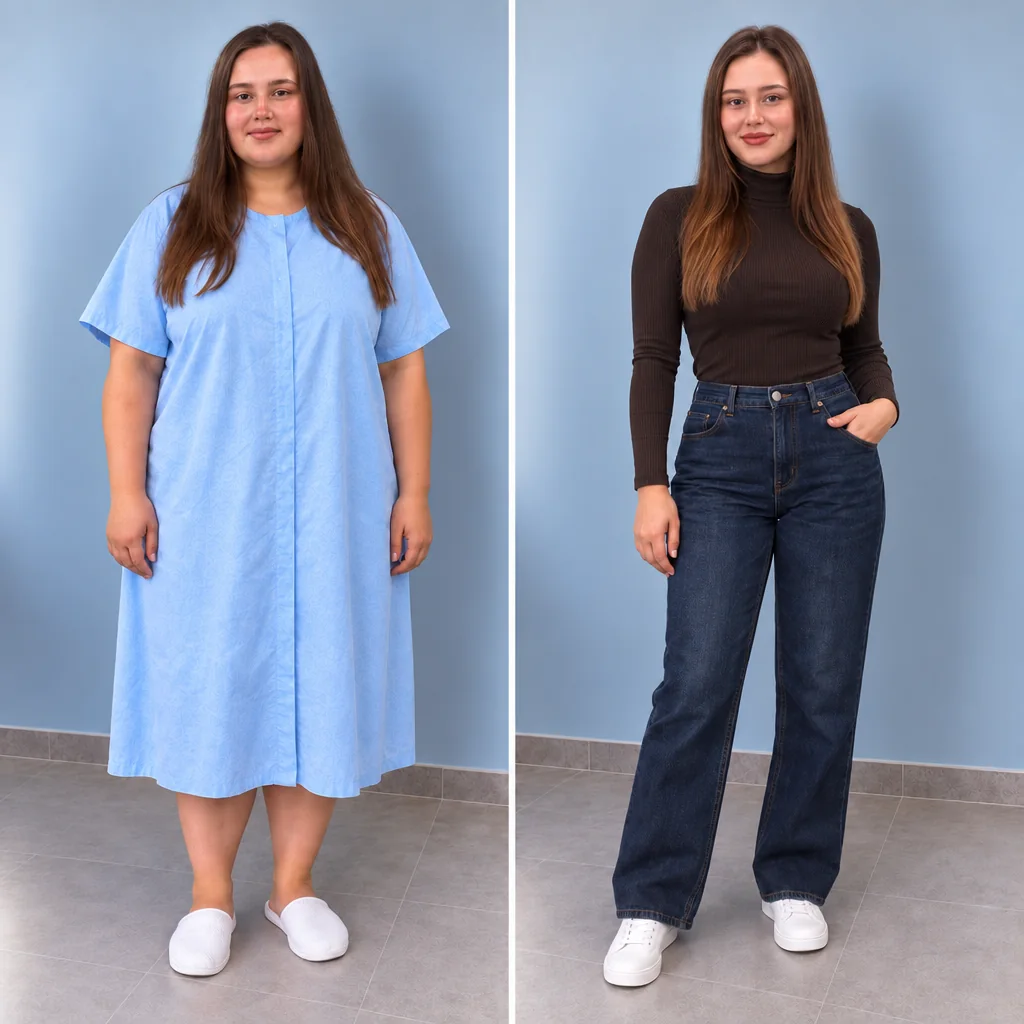
 beforeafter
Irina, 26
Bariatric surgery
Bariatric surgery
$3,600
$4,800 · First consultation — Free
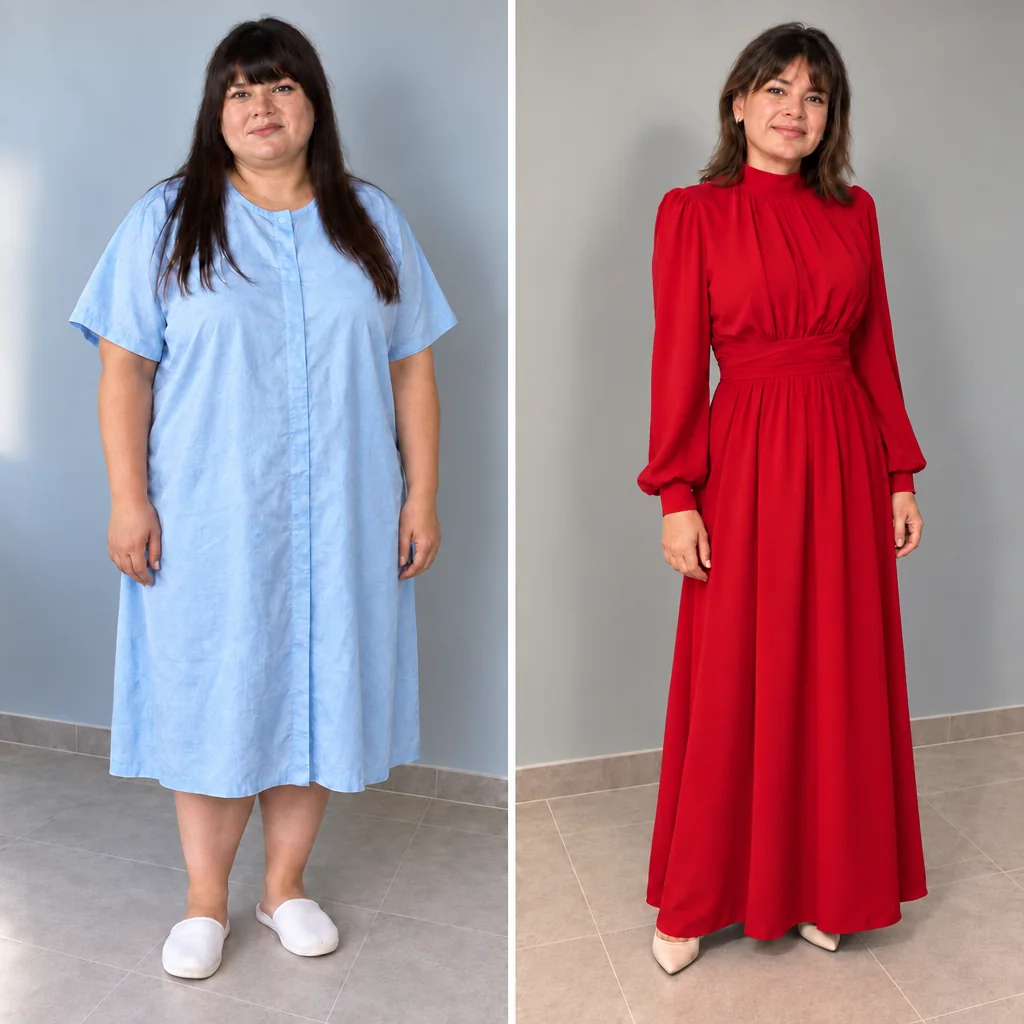 before
after
Message our coordinator
Free online consultation · Reply within 15 minutes
Message us on TelegramMessage us on WhatsAppBy messaging us, you agree to our Privacy Policy
Results
Every case shown is a real clinic patient.
beforeafterBariatric surgery
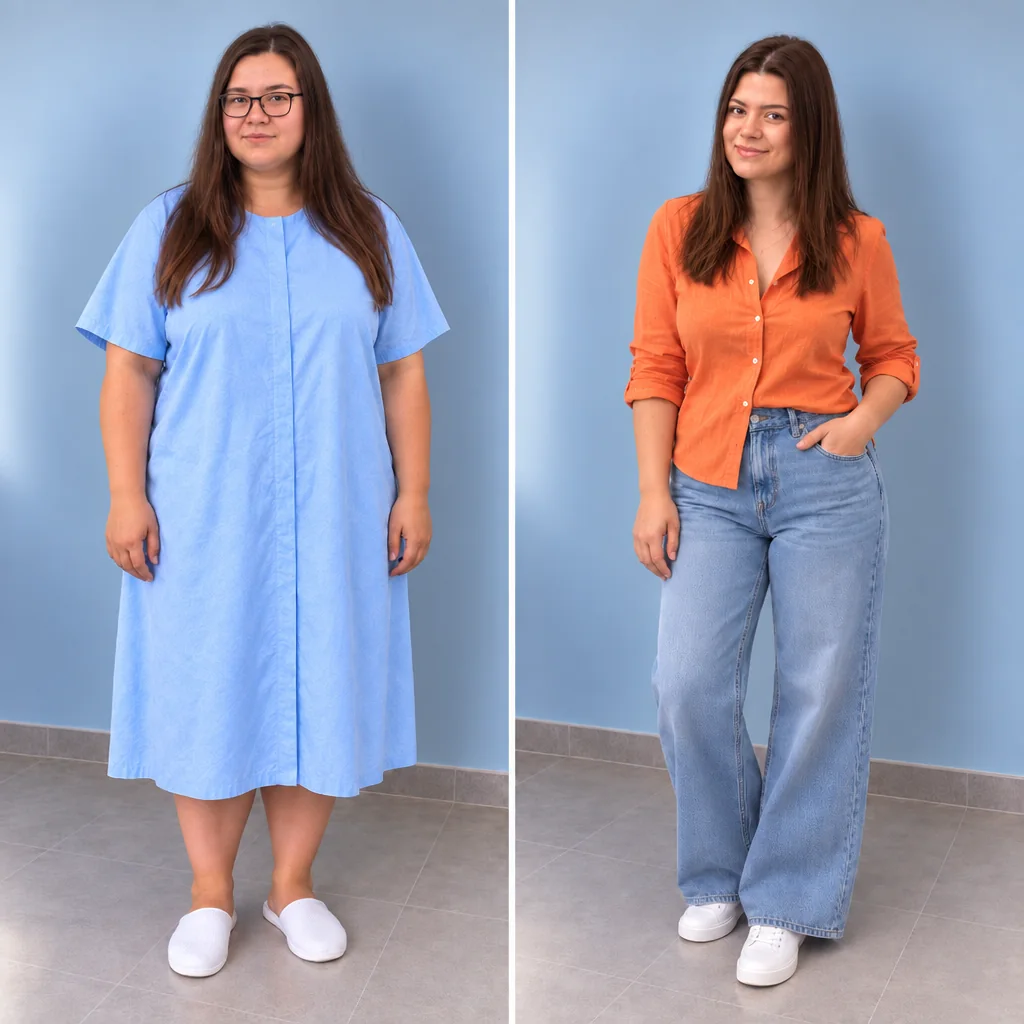 beforeafter
Bariatric surgery
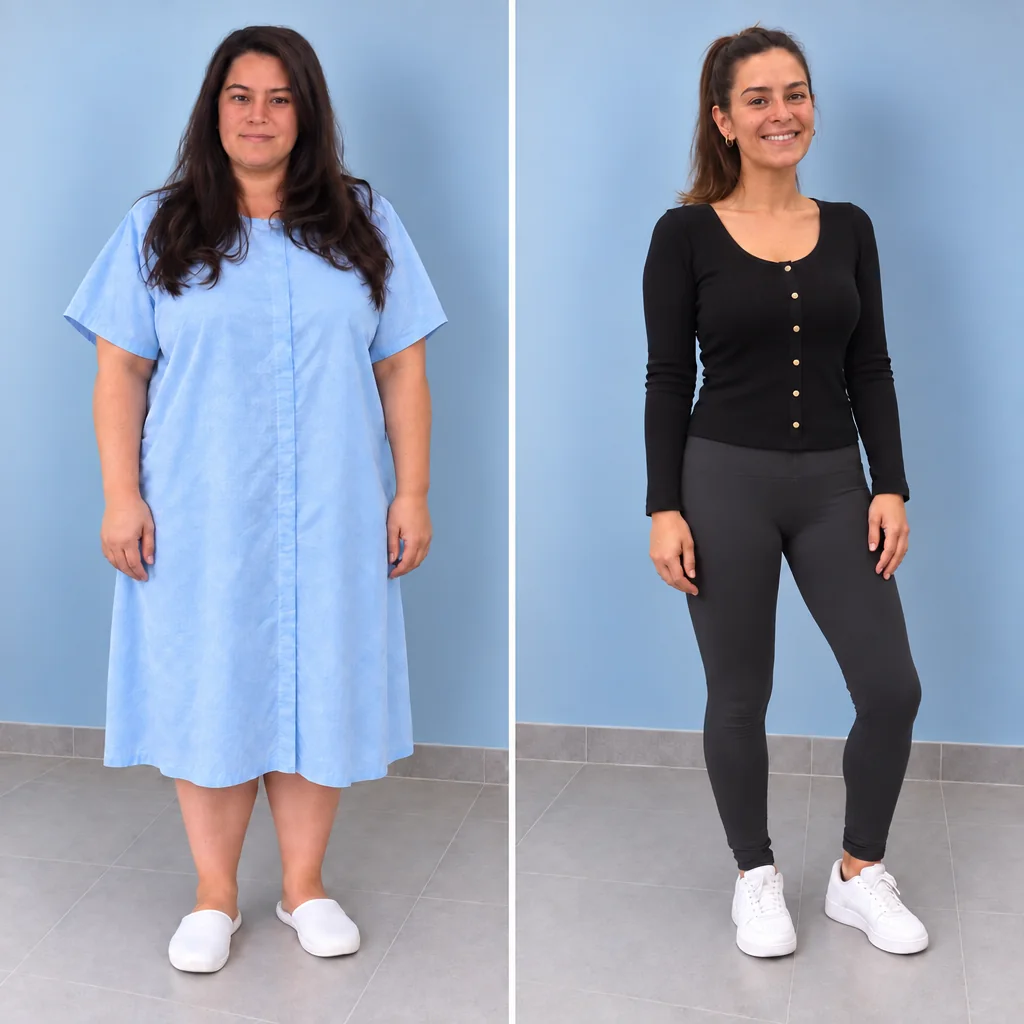 beforeafter
Bariatric surgery
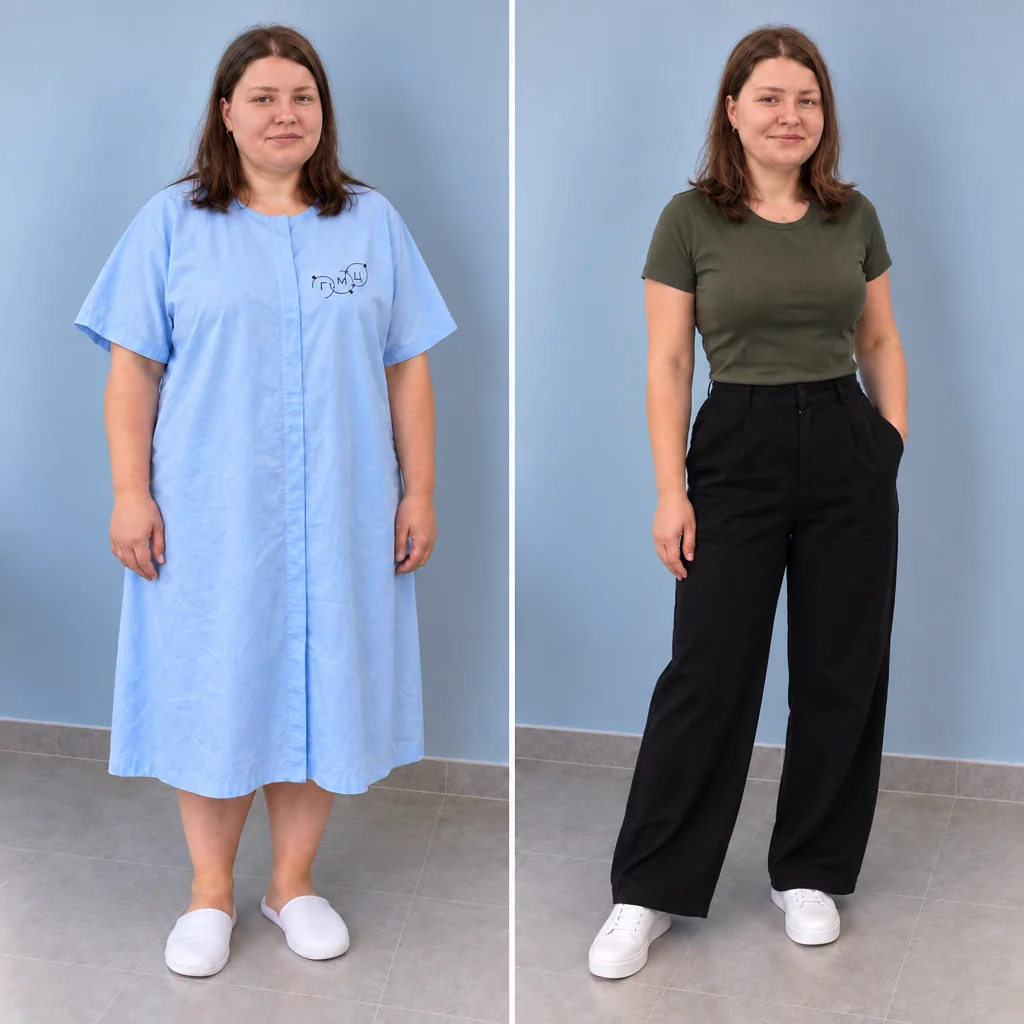 beforeafter
Bariatric surgery
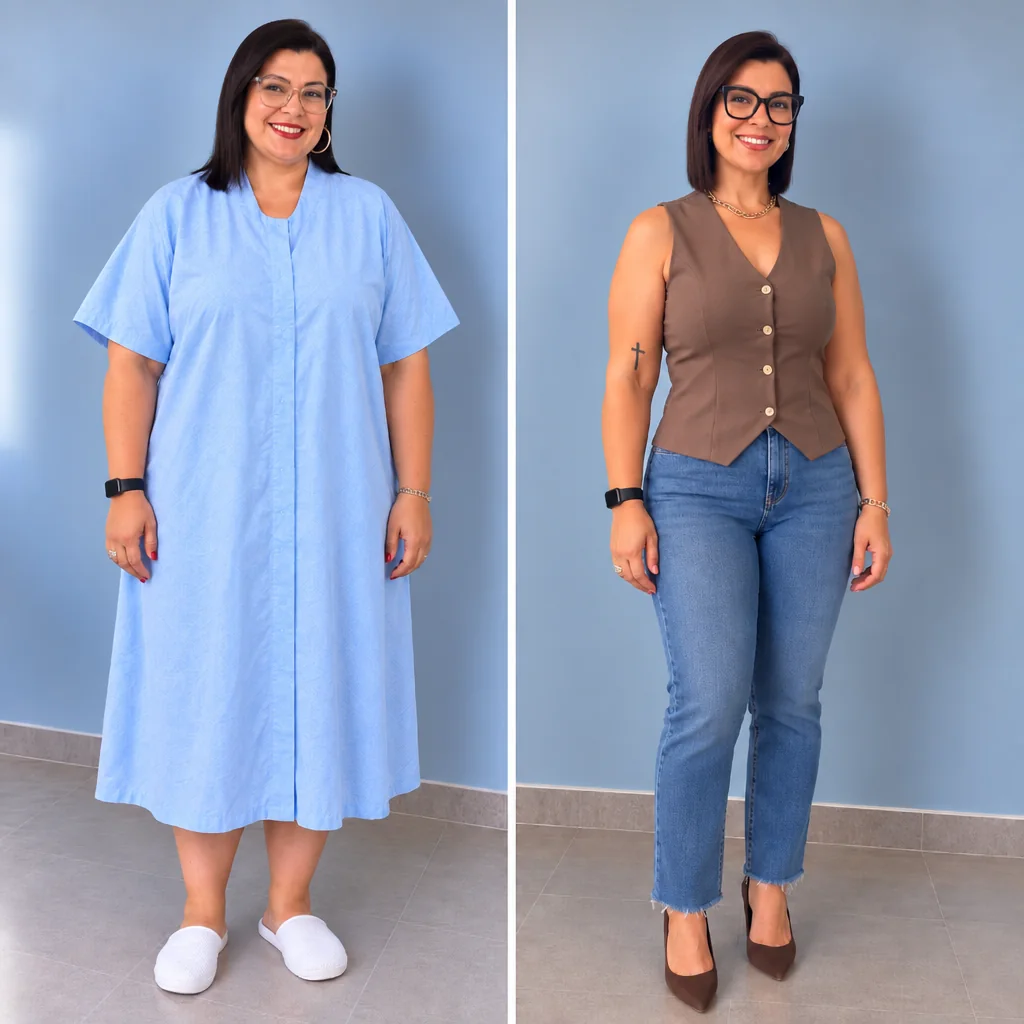 beforeafter
Bariatric surgery
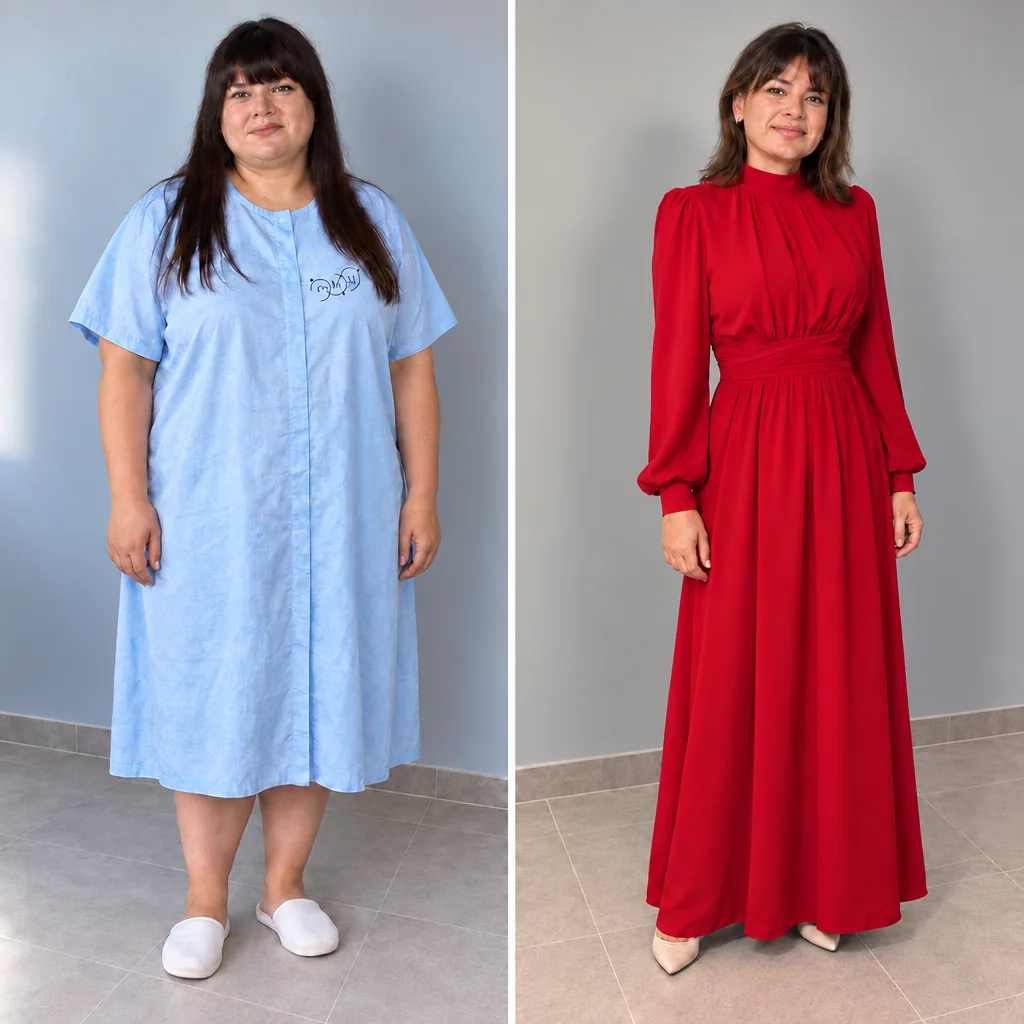 beforeafter
Bariatric surgery
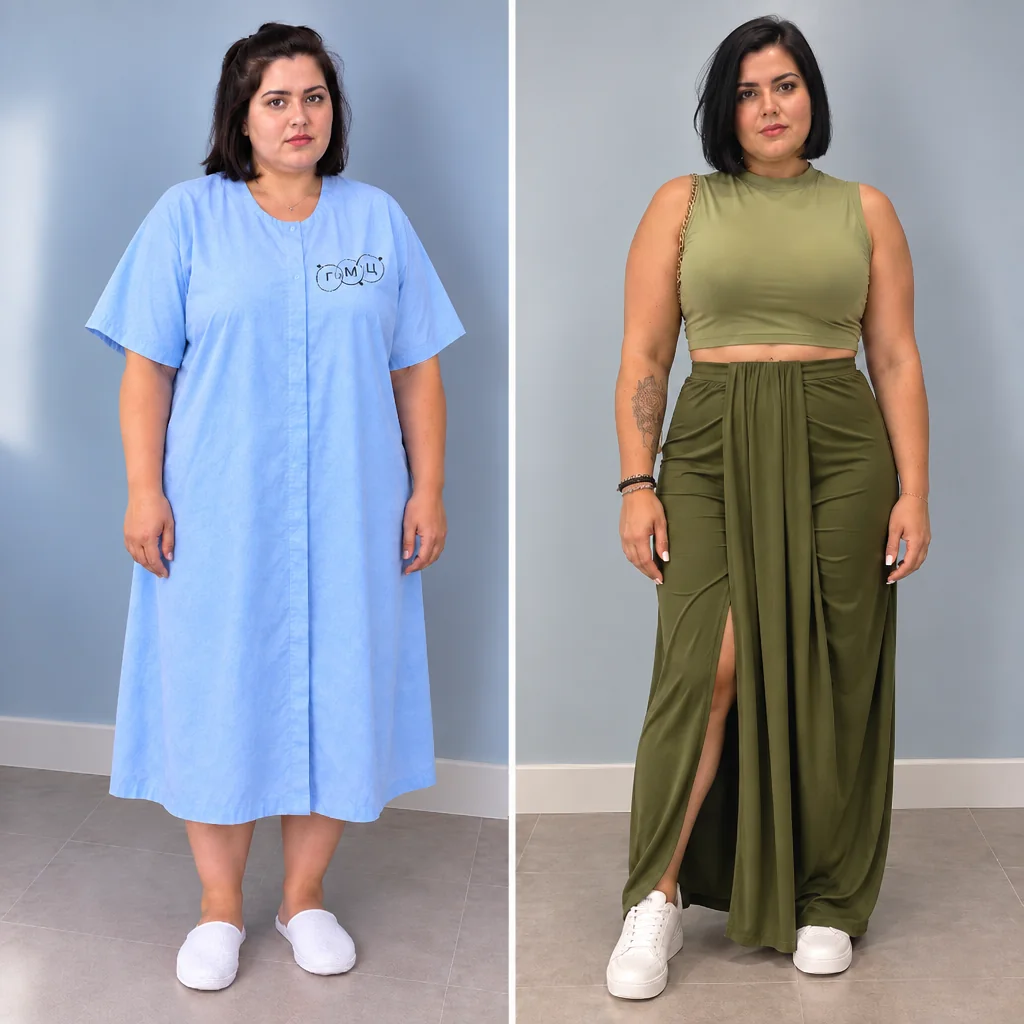 beforeafter
Bariatric surgery
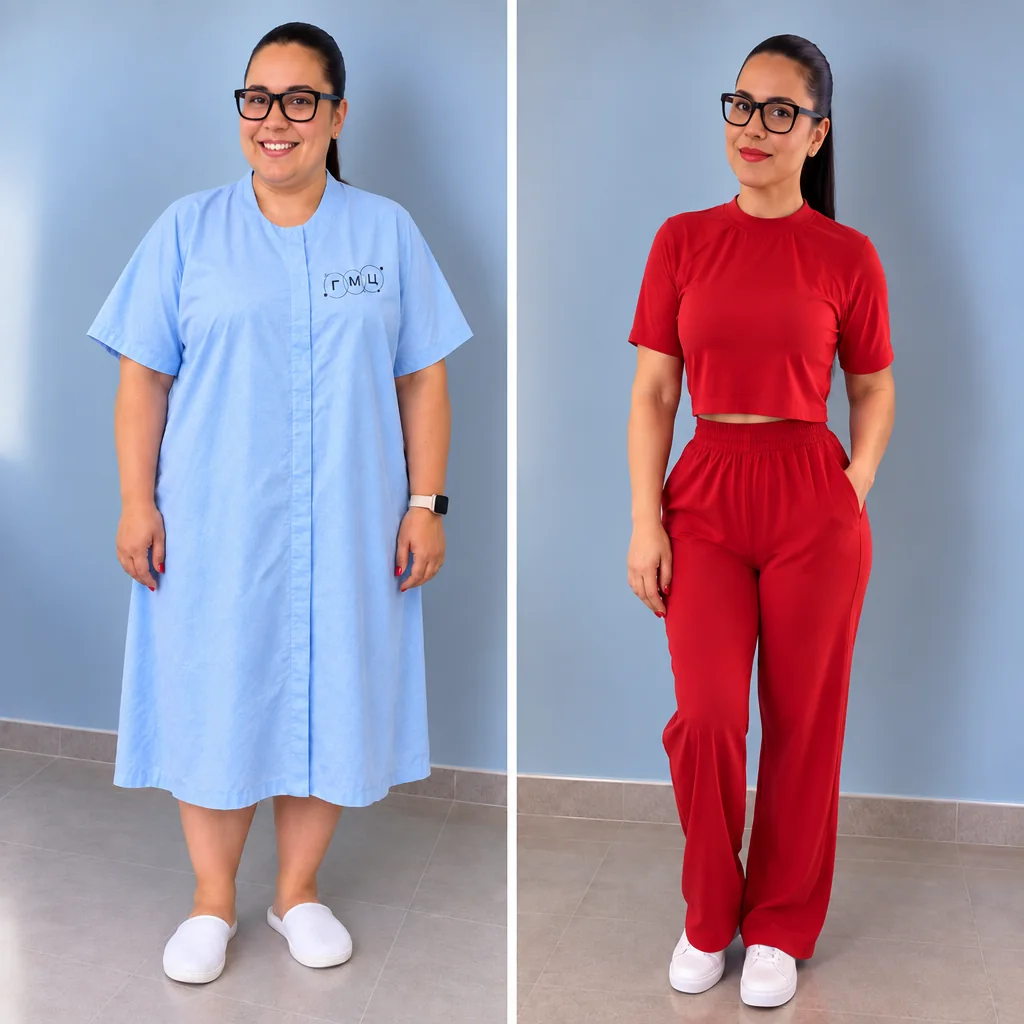 beforeafter
Bariatric surgery
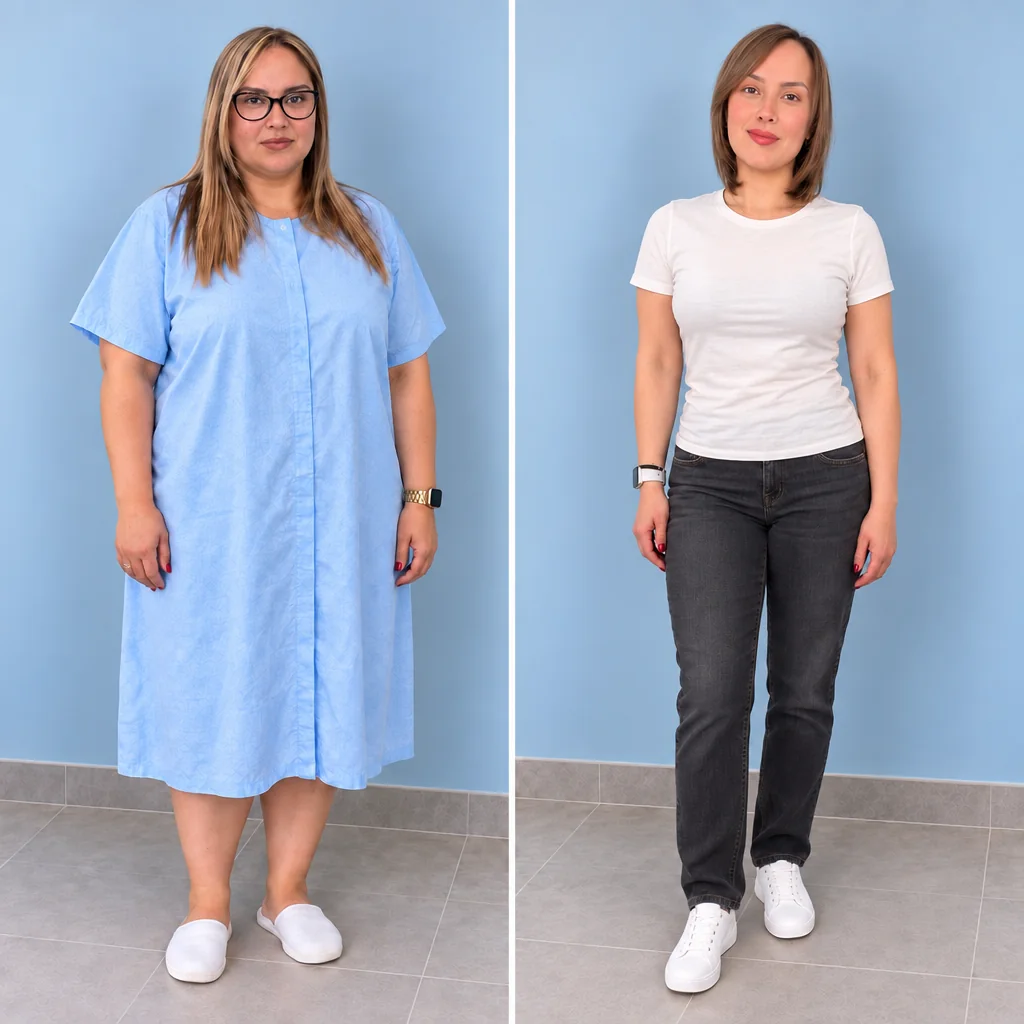 beforeafter
Bariatric surgery
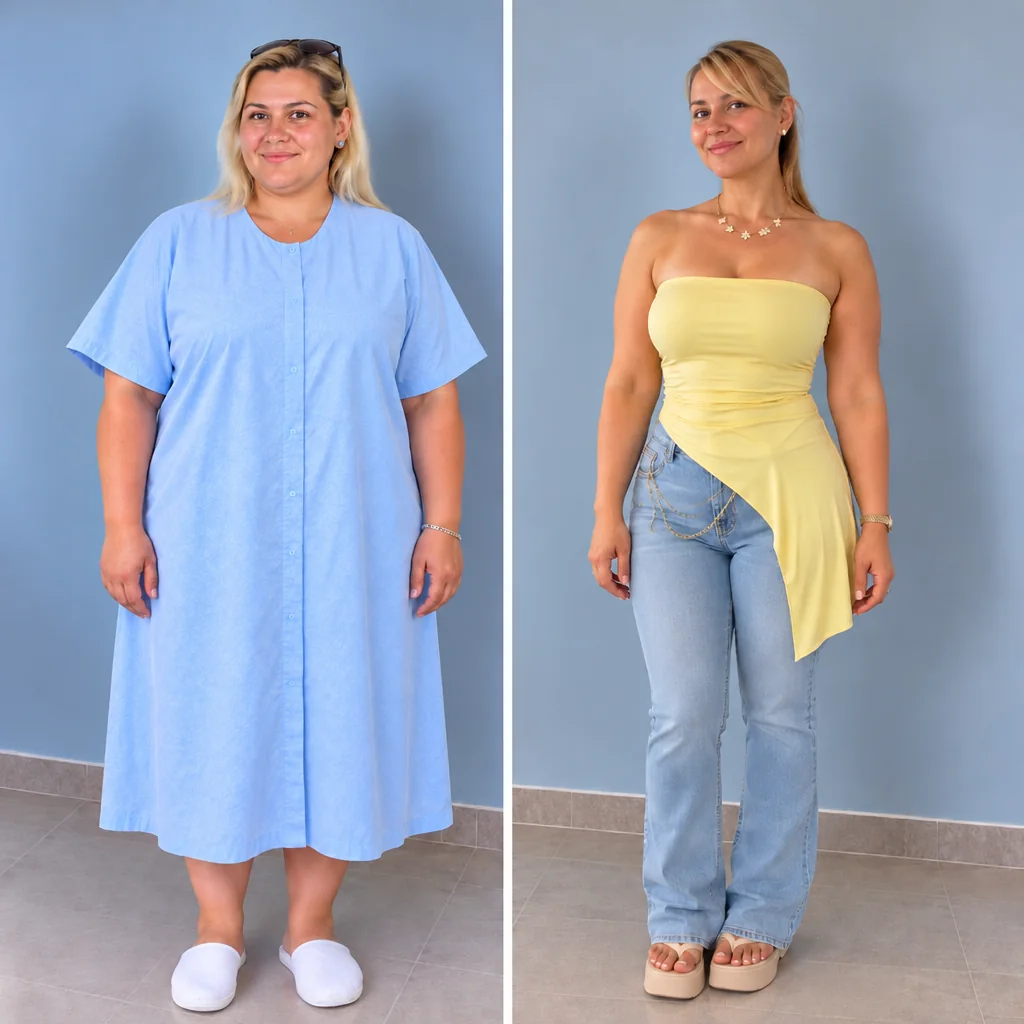 beforeafter
Bariatric surgery
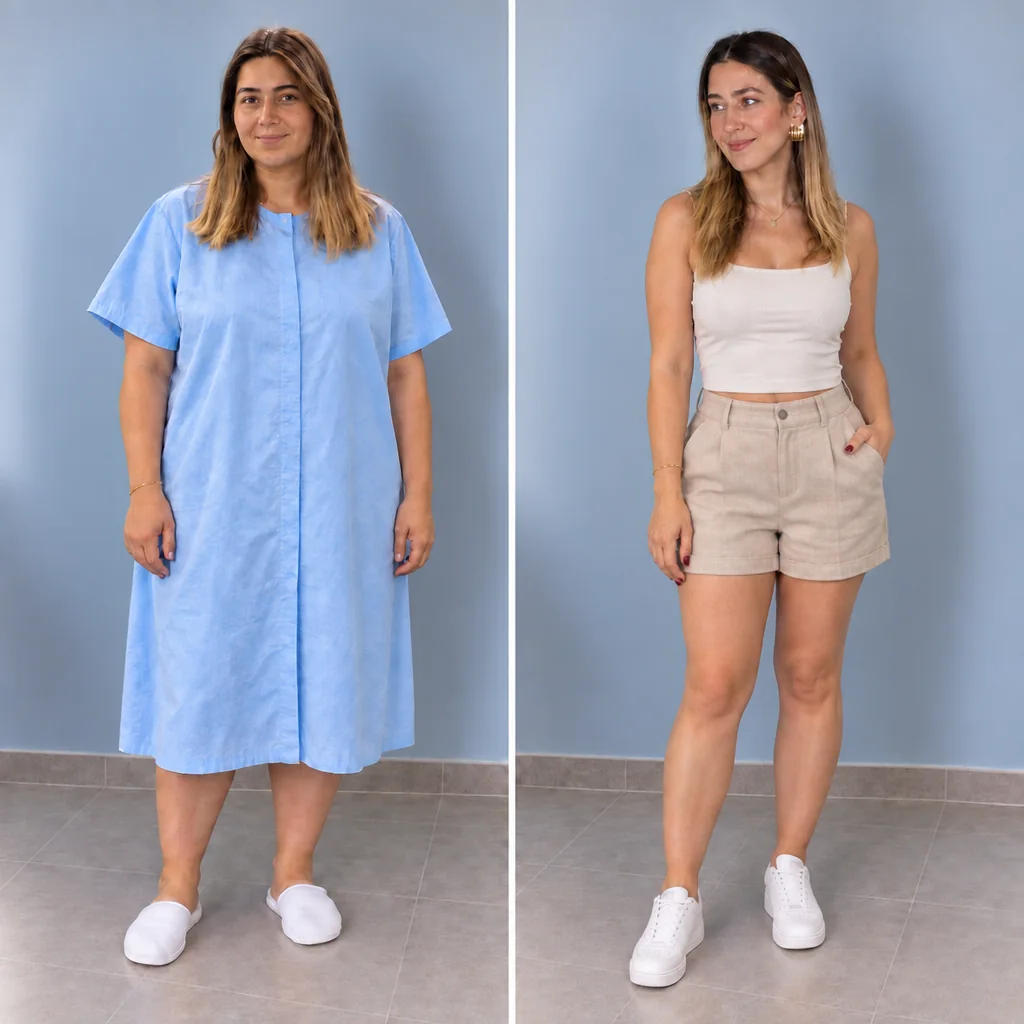 beforeafter
Bariatric surgery
Comparison
Sleeve gastrectomy and gastric bypass are the two main operations we perform. Compare their mechanism, goals and indications to make a confident choice of method.
Less stomach volume
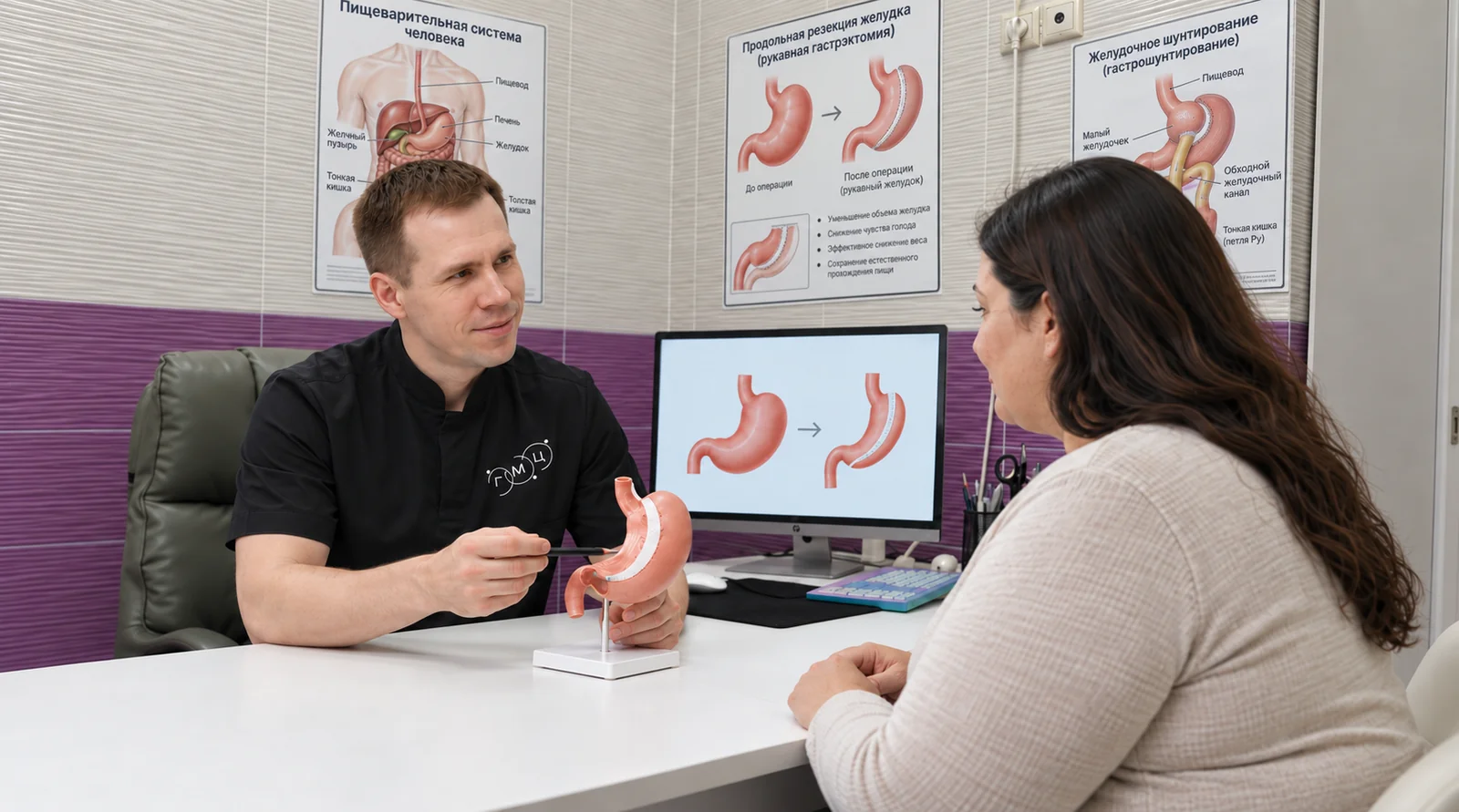
Discounted price
$3,600 $4,800
Stomach volume is reduced and the food path is changed
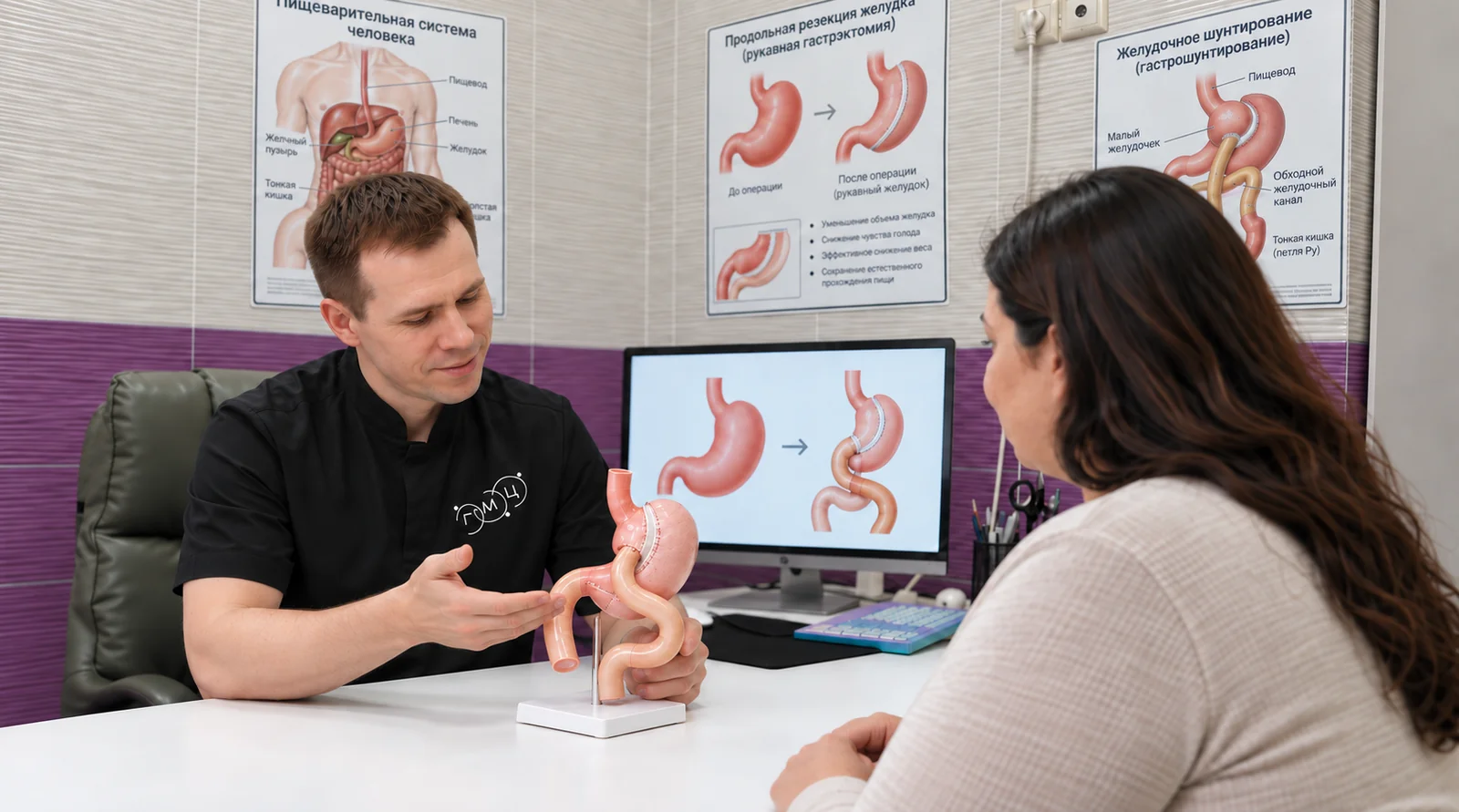
Discounted price
$4,000 $5,200
Benefits and recovery times are shown as averages for each method and are only a guide: the scope of surgery and your recovery depend on your anatomy and individual features, and the surgeon confirms them at the consultation.
Book a consultationInside the clinic
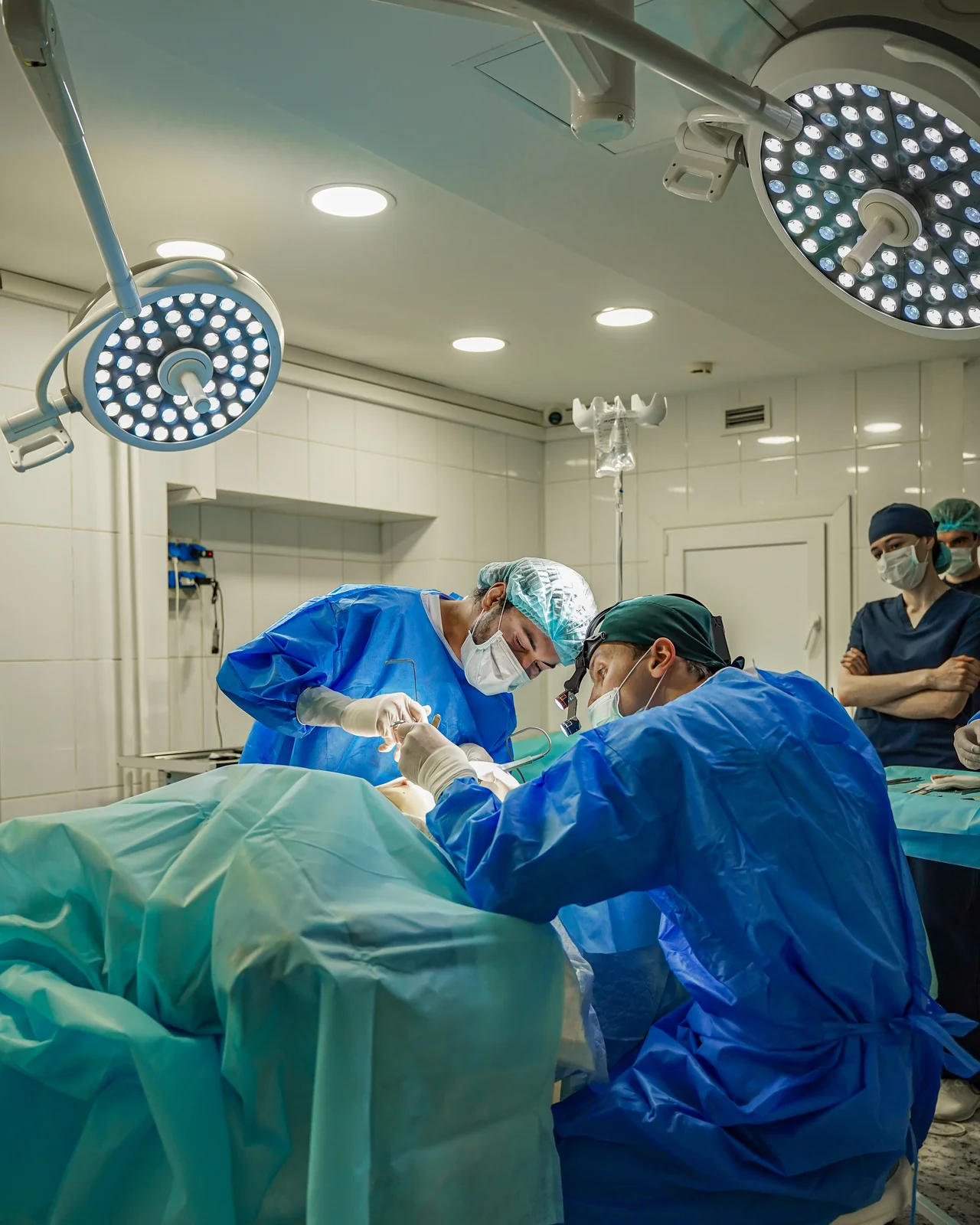
Comfortable rooms, modern equipment and care for each person
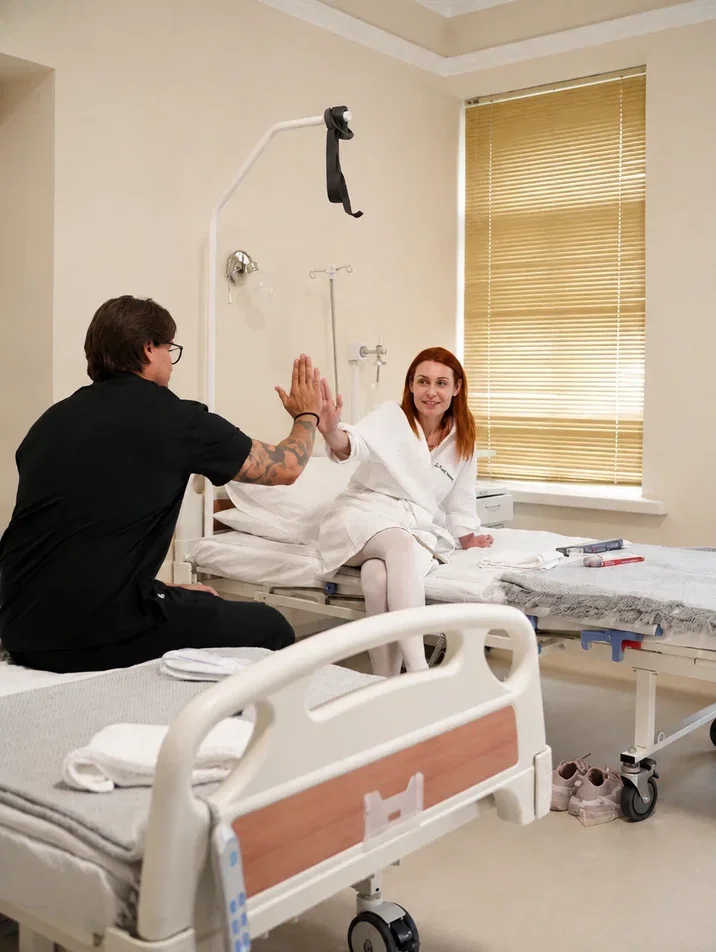
Ask us anything, and we will arrange a consultation at a time that suits you
Get a consultationThe choice to operate is made jointly with your surgeon following a consultation and check-up.
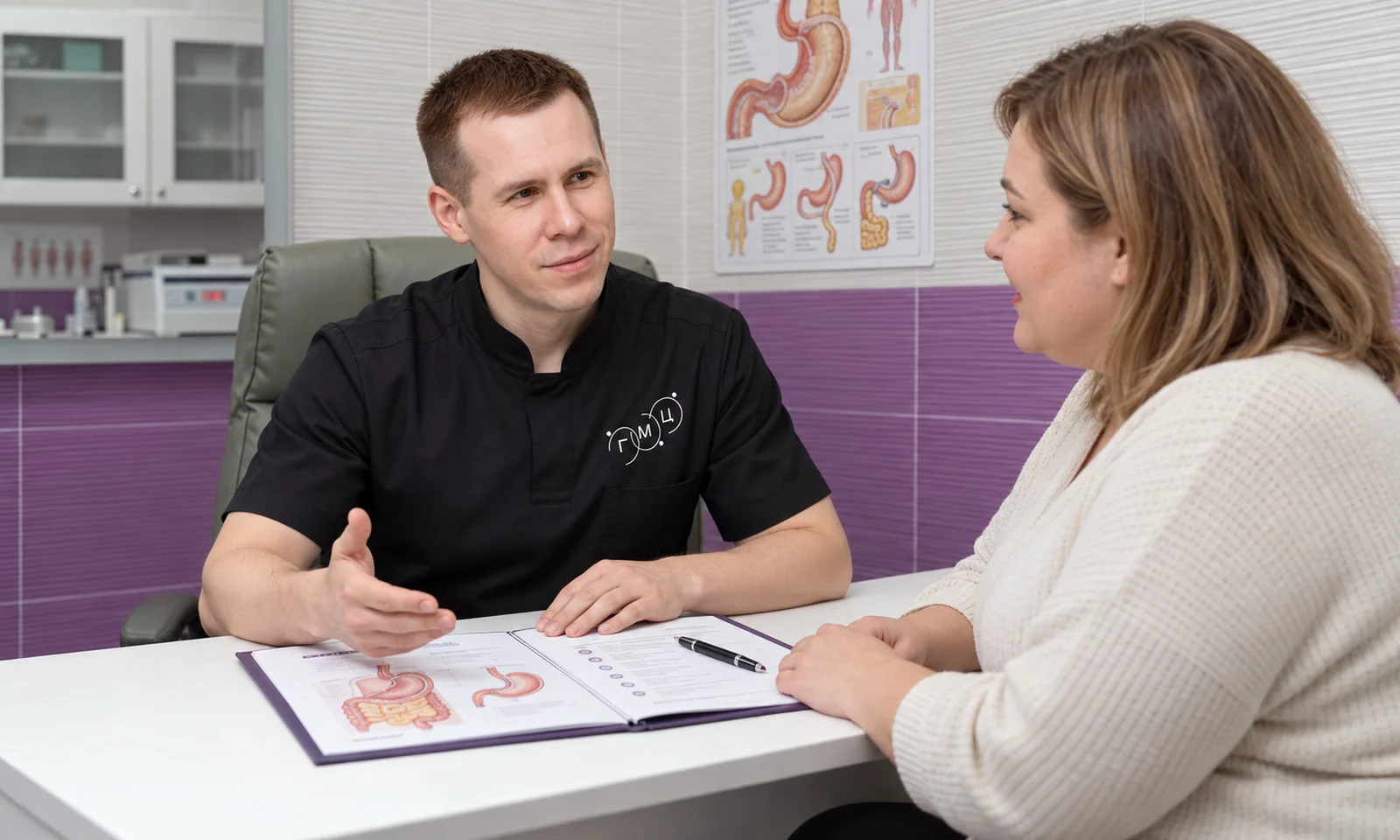
Unsure which column describes you?
Message us on Telegram — our coordinator will tell you whether bariatric surgery is right for you. The surgeon consultation is free, with no commitment to surgery.
Find out if it suits me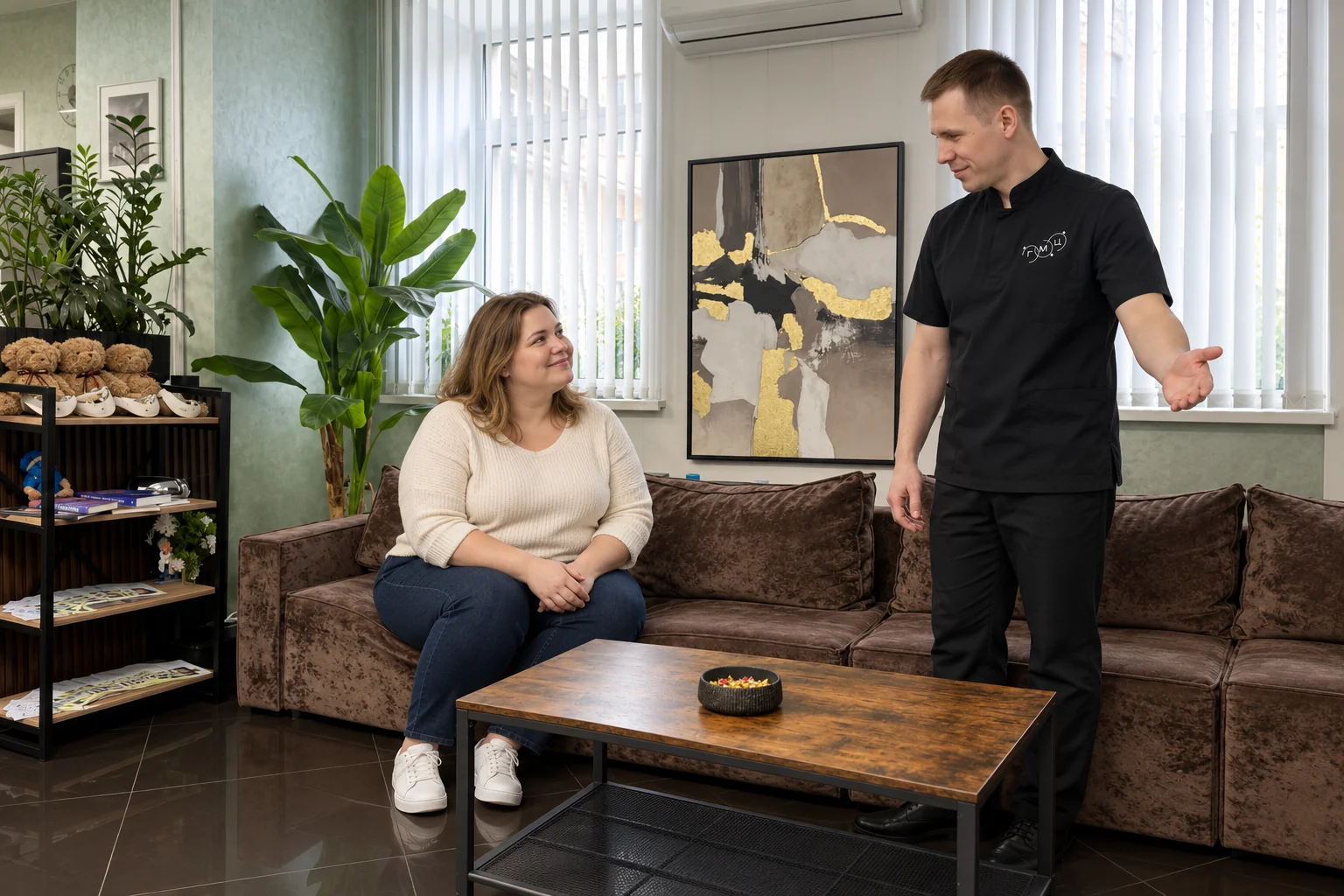
Prices
You learn the cost at the consultation once your plan is ready, and it is fixed in the contract.
Discounted price
Less stomach volume
$3,600$4,800
Discounted price
Rerouting food and losing weight
$4,000$5,200
Free
A treatment plan after the surgeon's examination

Free
the cost of the operation is named
and recorded in the contract
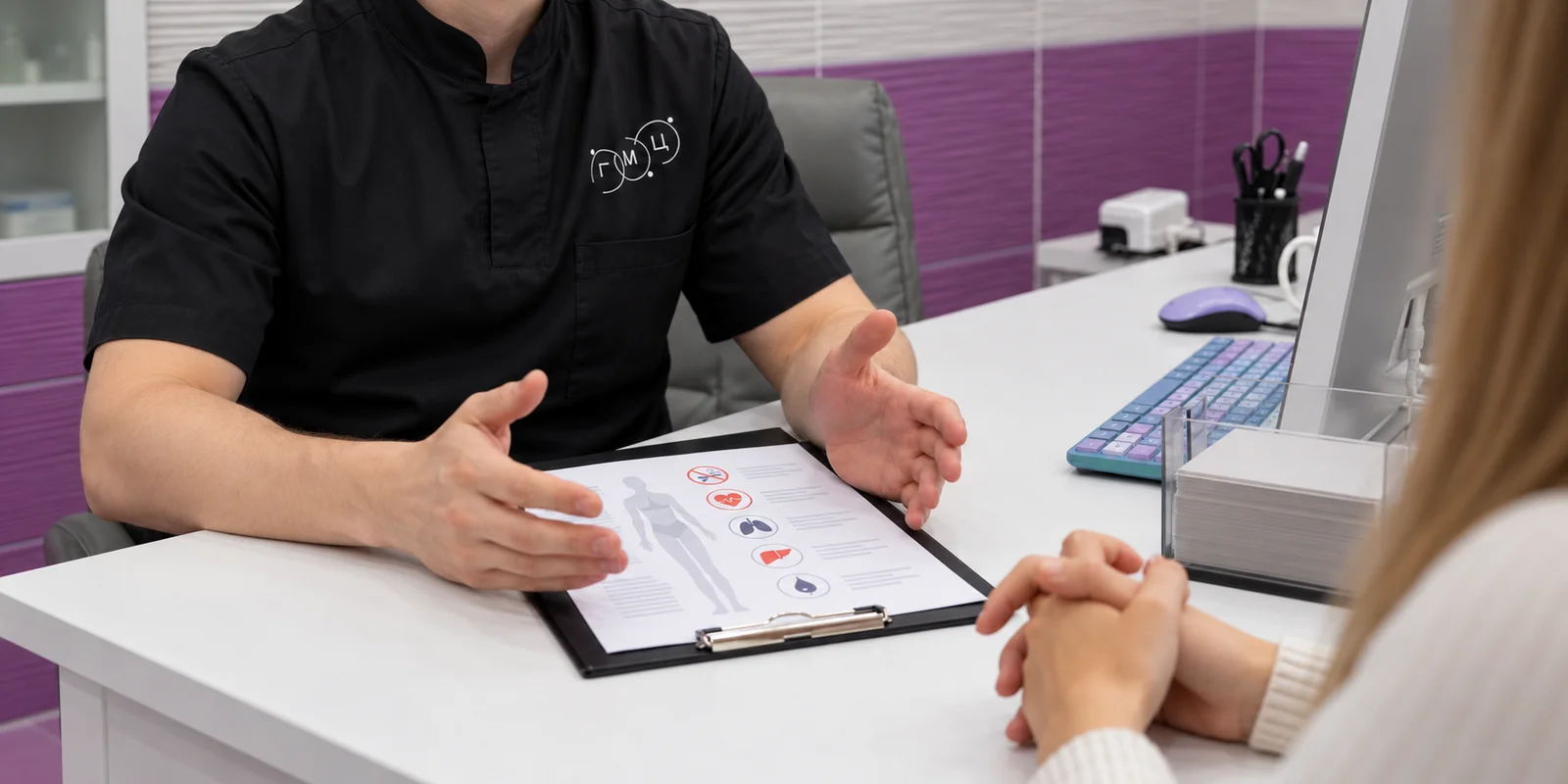
The doctor looks at your health, talks about your goals and chooses the right method of bariatric surgery. You get the cost at the consultation, fixed in the contract.
Message our coordinator
Free online consultation · Reply within 15 minutes
Message us on TelegramMessage us on WhatsAppBy messaging us, you agree to our Privacy Policy

price
From preparation to 12 months of support, all in one package. No added fees.Everything from surgery preparation
to support over 12 months.
How it works
Monitoring in hospital, an agreed treatment plan and support for a whole year.
 1
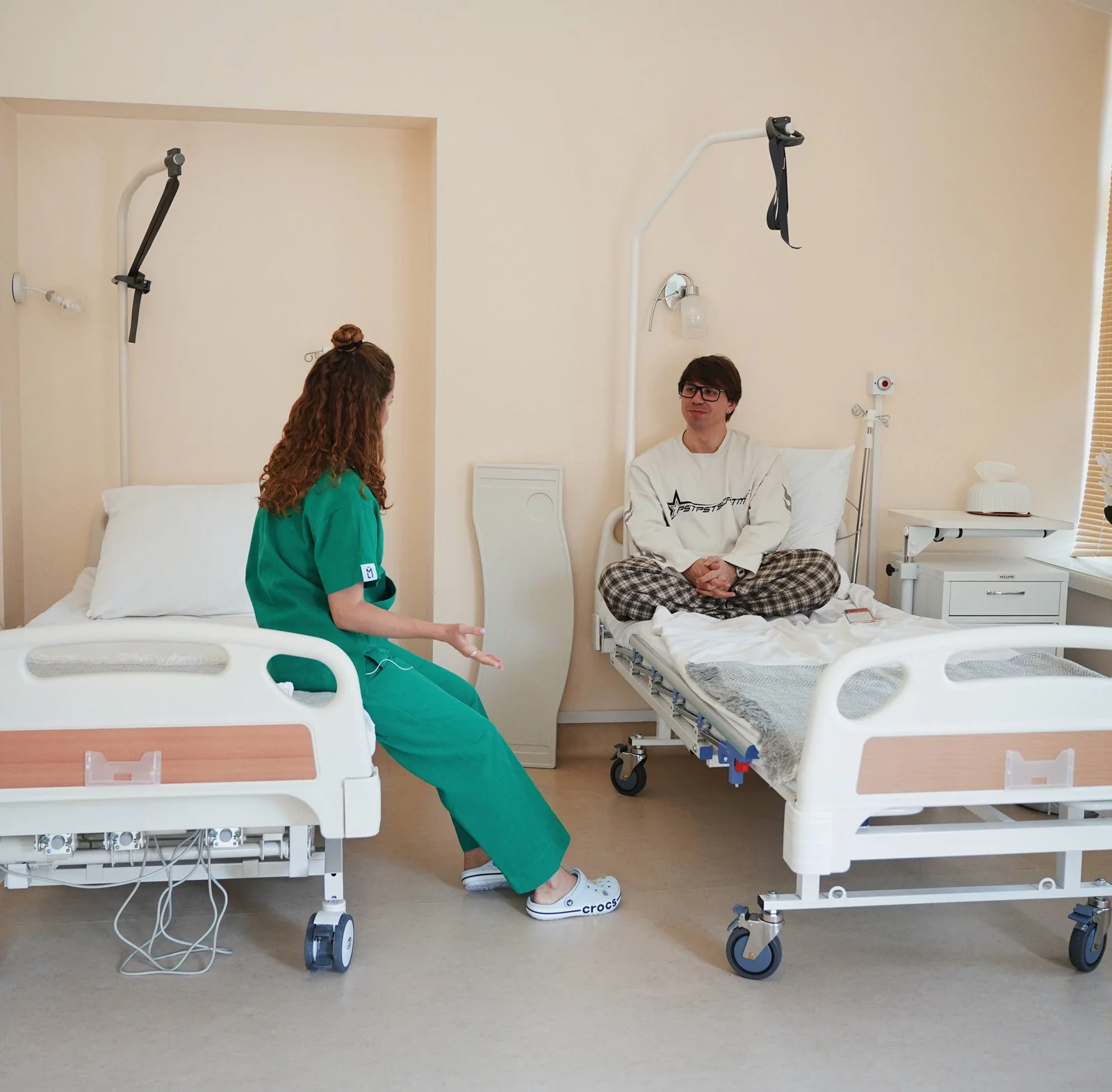
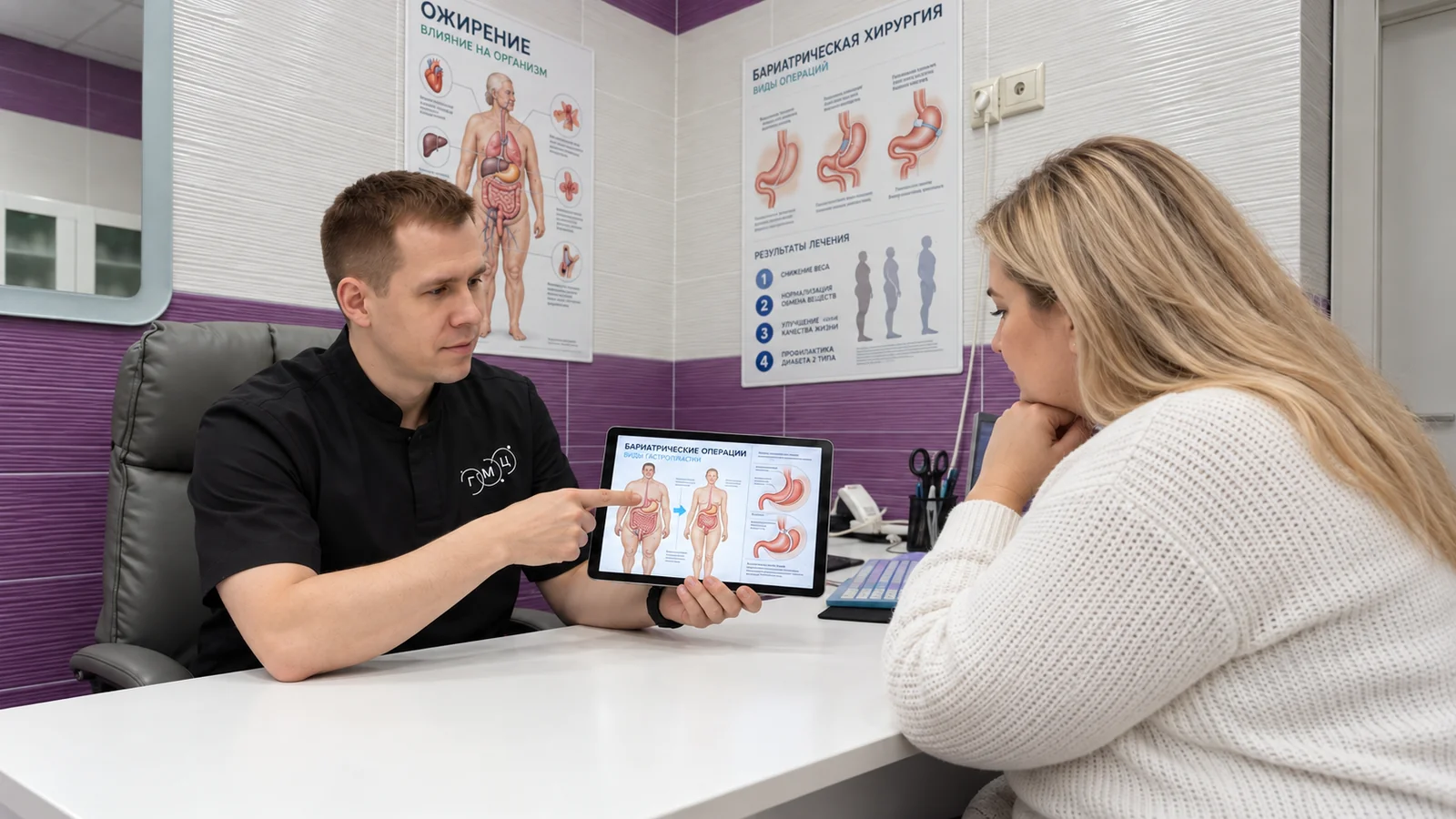
Your doctor assesses your health, discusses what you want to achieve and orders tests to find the right bariatric surgery method.
2We set aside a surgery date for you — the deposit is paid by card at the clinic or online by bank transfer, and the terms are fixed in the contract for medical services
 3
Before surgery you will have blood and urine tests, an ECG, an ultrasound and a gastroscopy, plus specialist appointments. The doctor provides the exact list at the consultation.
 4
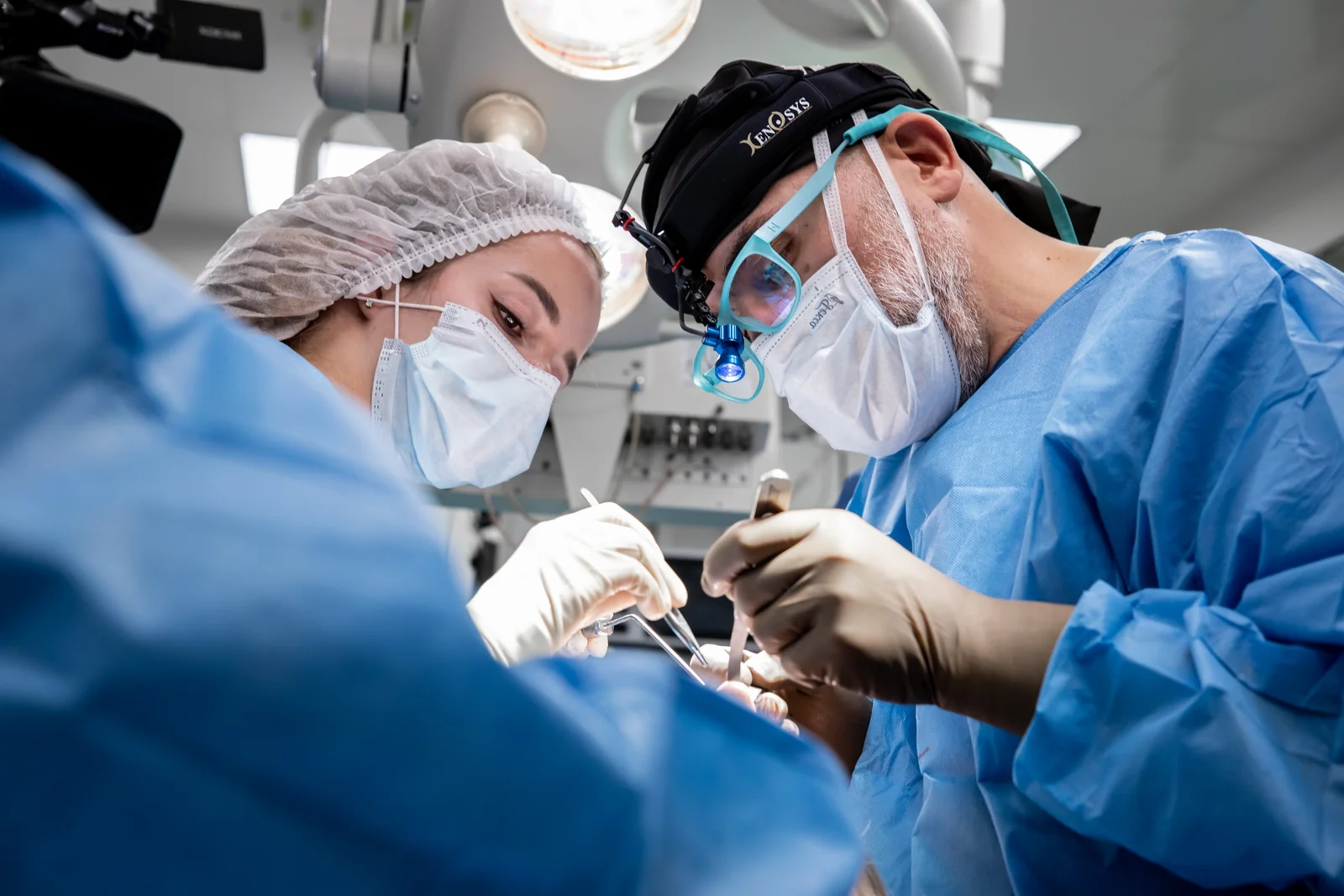
The surgeon performs the bariatric procedure by the chosen method under general anaesthesia, and the medical team then monitors the patient after surgery.
 5
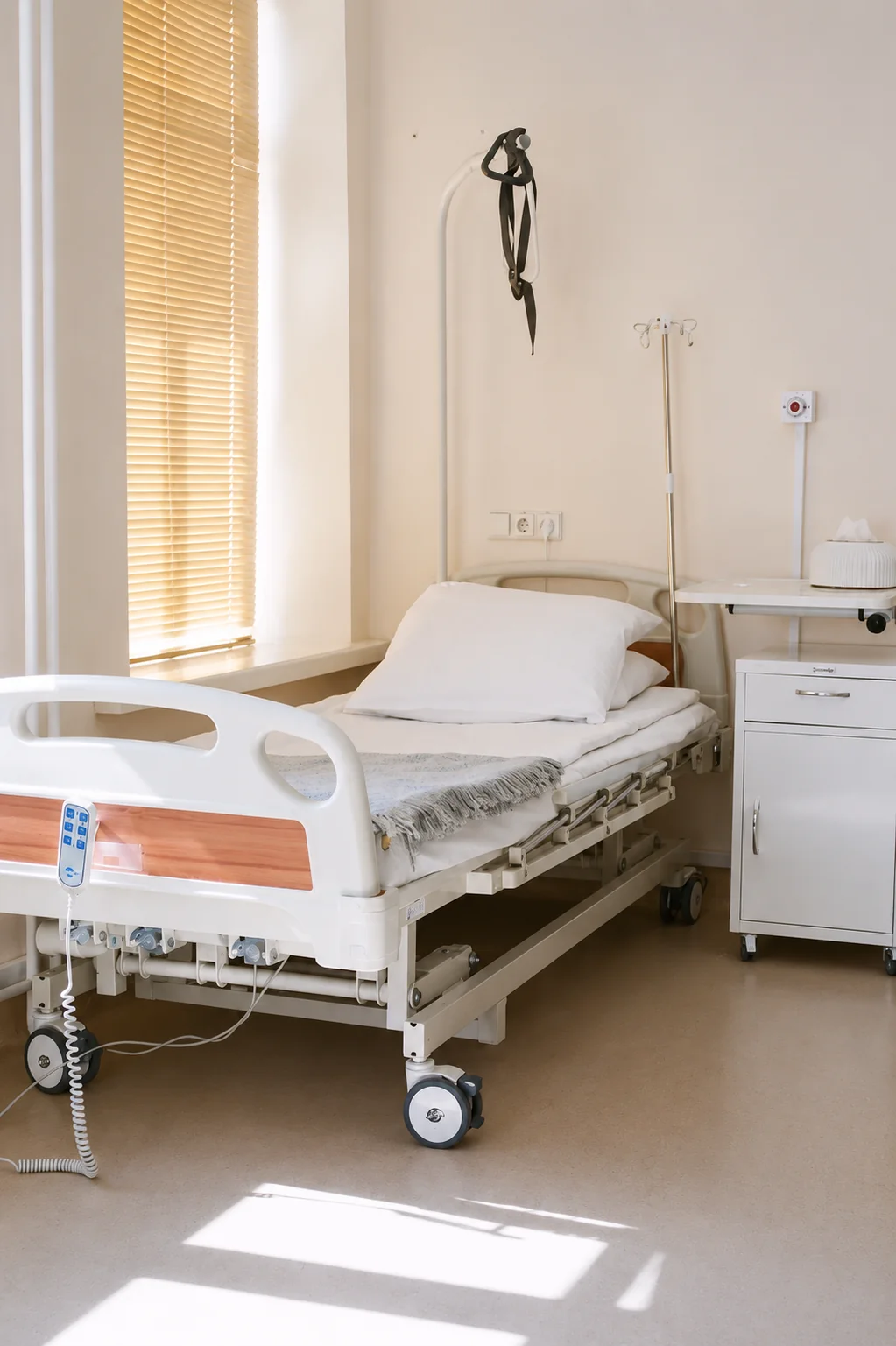
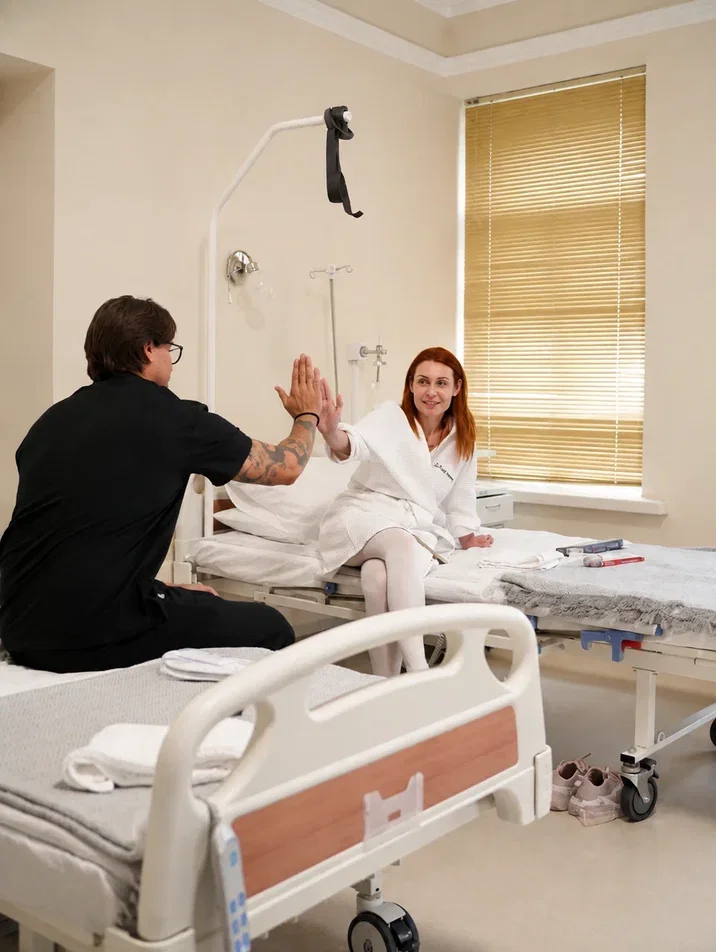
Doctors supervise you in hospital after surgery for a stay of 1–3 to 4–5 days, depending on the complexity of the operation and how you are feeling.
 6
When you are discharged, you get diet and recovery advice. Regular scheduled check-ups track your well-being, weight and test results, and the clinic team supports you for a year.
Your plan is drawn up at the consultation, where the doctor explains how the surgery will go
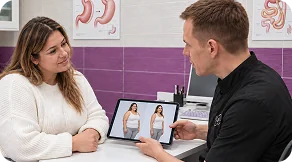
The consultation is free of charge, comes before surgery and obliges you to nothing.
Book a consultationDoctors

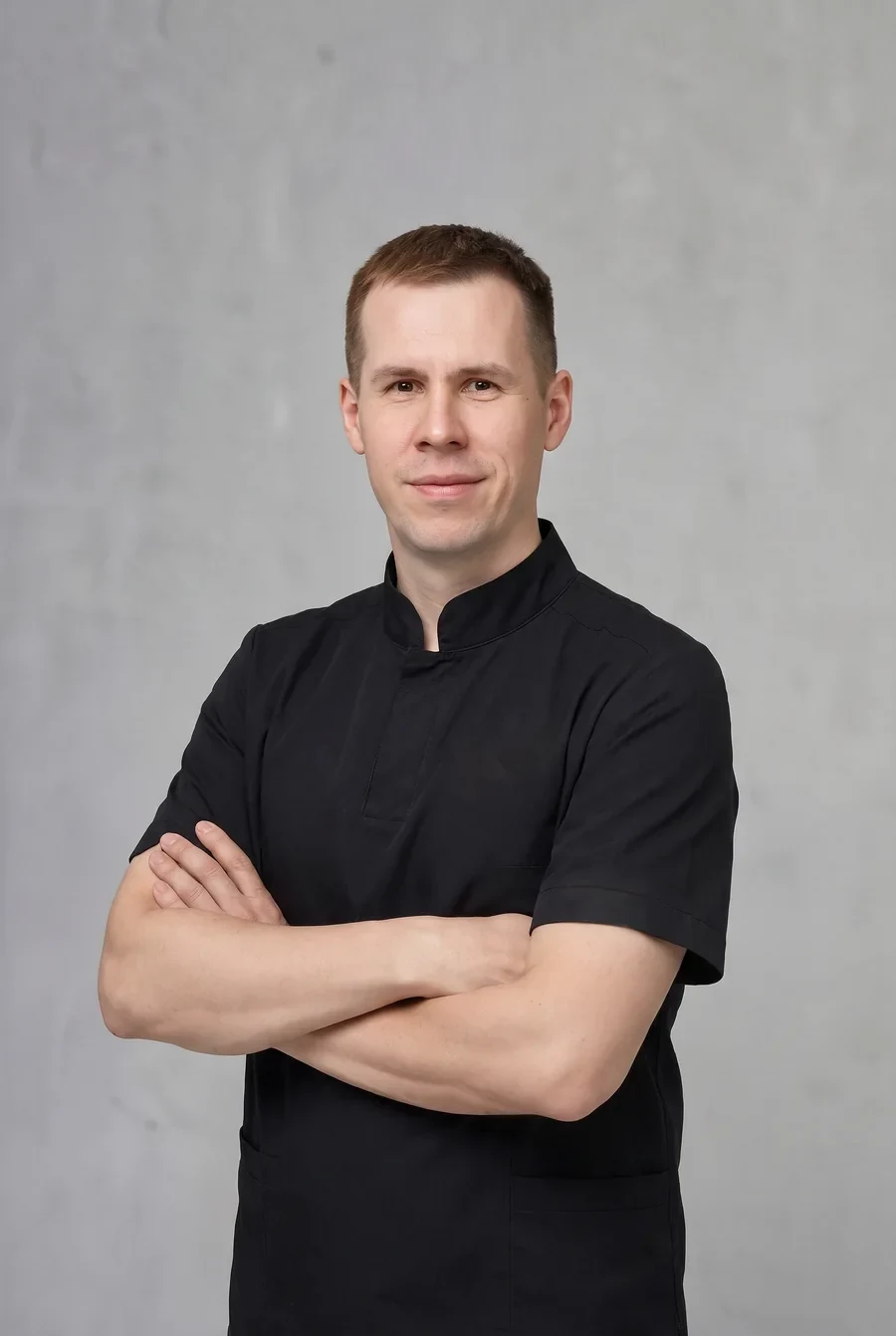
27 years of experience
Chief bariatric surgeon
Surgeon
9 years of experience
Bariatric surgeon
Surgical oncologist
The surgeon who operates on you also follows you, from the first consultation to the result.
Our patient care manager holds the first consultation — calculating your BMI, explaining the methods and booking you with the surgeon. It costs nothing.
Book a consultationCoordinators
Support at every step of the way

Your first contact at the clinic — from your first message to the consultation
Specialist in patient care
Answers your questions ahead of the first consultation and helps you pick a convenient date

With you before and while you stay with us, from booking to discharge
Specialist in patient care
Stays in touch during your clinic stay and helps you prepare for surgery

Stays with you during recovery, from discharge until your final check-up
Specialist in patient care
Arranges your follow-up visits with the surgeon and stays in touch while you recover
Advantages
We find the best method for your health, lifestyle and goals. All the way through, our team is with you.
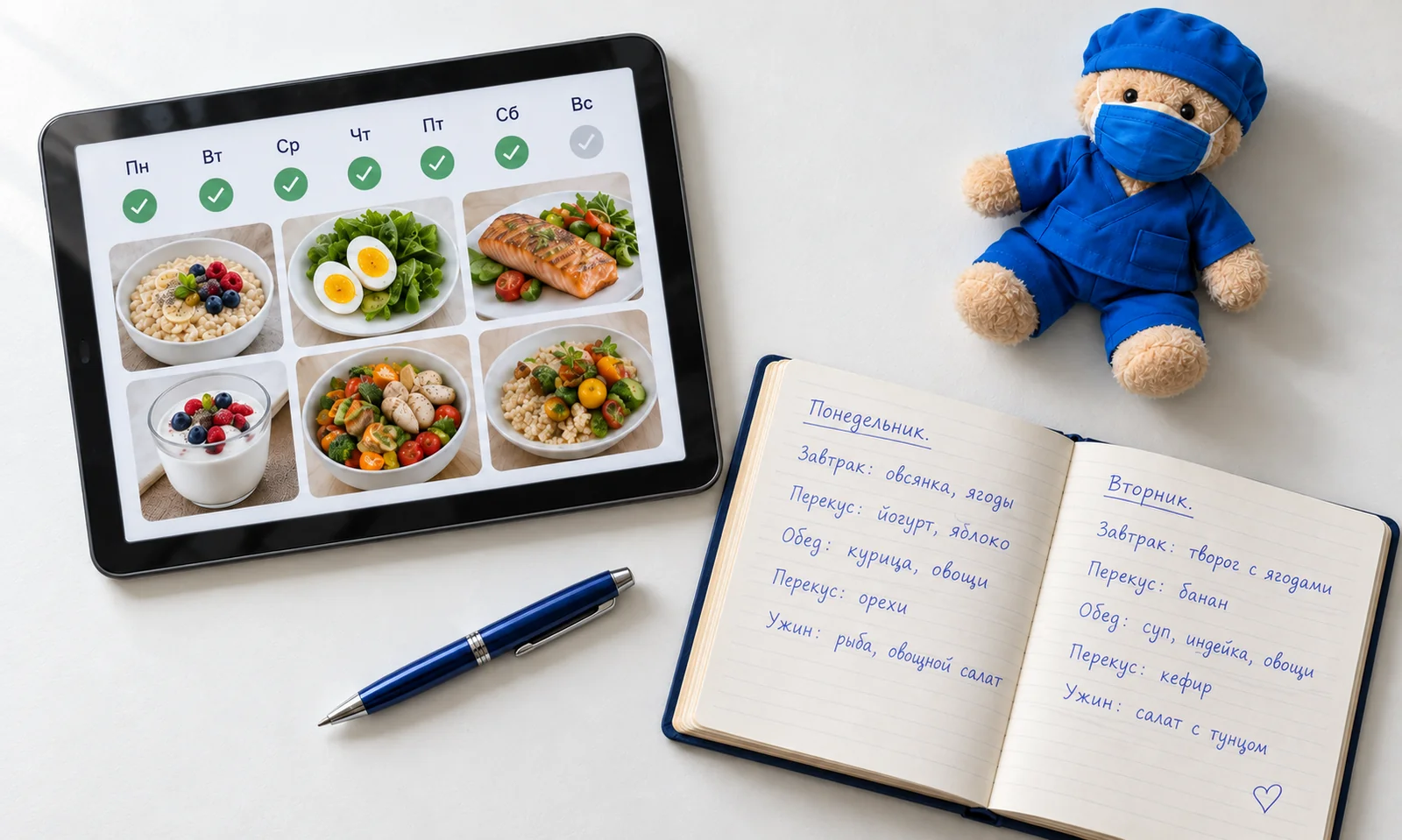
We help you adjust to new eating habits, follow your results and maintain them.
Consistent weight loss, better well-being and a higher quality of life.

Your time matters to us: we work 24/7, booking is simple and we take a personal approach at your pace.
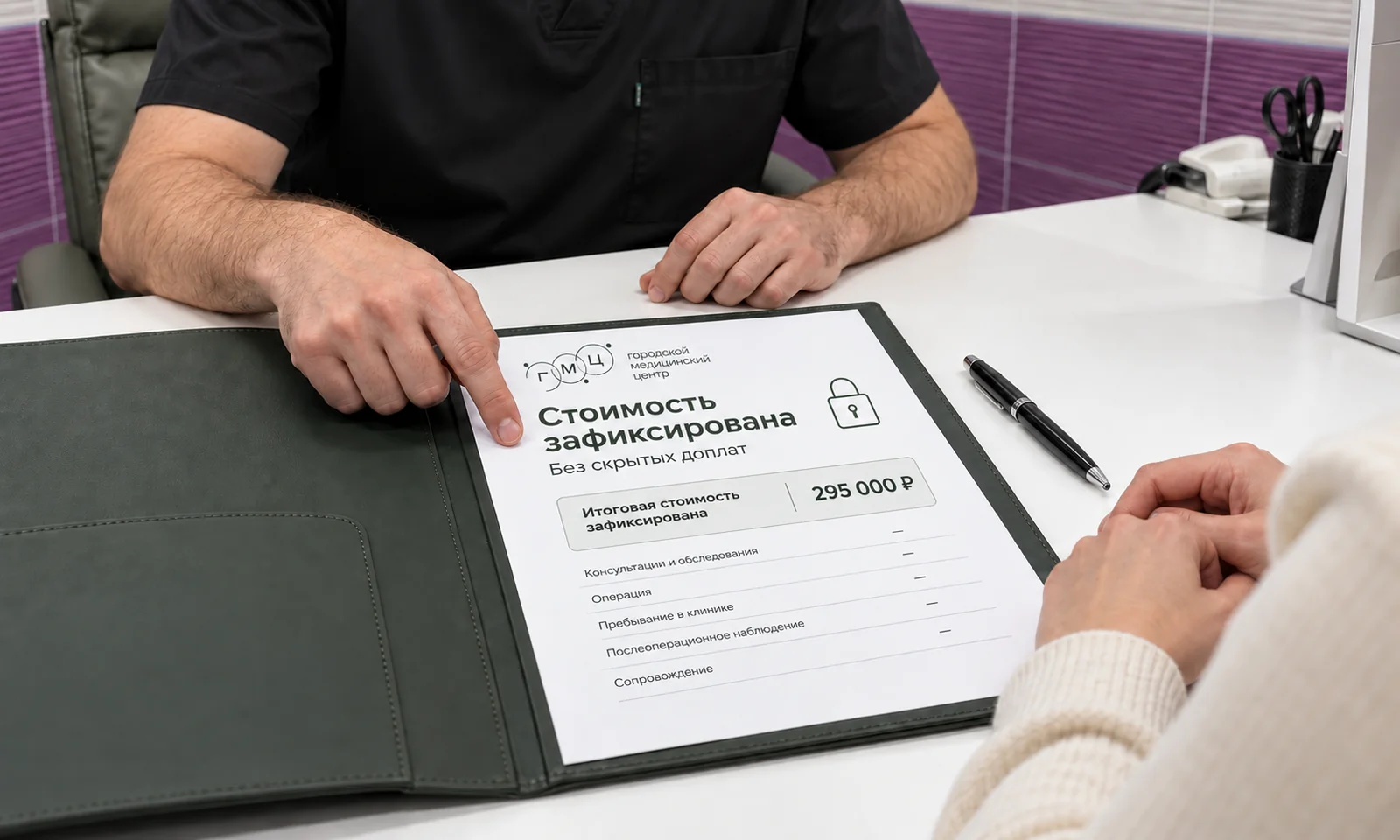
The surgeon chooses the method after the consultation and gives you a clear price, with no hidden fees or surprises on the way to your result.
FAQ
Bariatric operations at the clinic are performed by experienced bariatric surgeons:
Send us a message — our coordinator will get back to you shortly and set up your consultation. The bariatric surgeon consultation is free.
Surgery is prescribed only when clear criteria are met
The degree of obesity is mainly assessed with BMI: body weight (kg) divided by height squared (m²). As a rule, surgery is justified when BMI exceeds 40, or exceeds 35 alongside serious related conditions. In some cases lower values may also qualify for surgery if non-surgical approaches have failed.
Many confuse the two, yet their purposes are fundamentally different. Bariatric surgery is medicine's treatment for obesity and related diseases: it changes how the digestive tract operates and addresses the causes of excess weight and metabolism. Plastic surgery reshapes outer contours of the body without treating obesity or affecting metabolism.
City Medical Centre performs four core types of bariatric surgery: sleeve gastrectomy, Roux-en-Y gastric bypass, mini gastric bypass (MGB) and SADI-S duodeno-ileal bypass. Selection is individual and takes into account BMI, related conditions and the patient's goals.
Our approach is modern laparoscopic technique: 4 small punctures of 5 to 15 mm. We use cosmetic sutures, so the marks turn almost invisible after healing.
When you recover depends on your activity. Office work: after 2–4 weeks. Physical work: after 1.5 months. Sport and activity: swimming is fine after 30 days; other exercise gets added gradually as weight drops. Travel and holidays: best planned from a month after surgery.
Diet changes happen in stages, from liquids to soft food and then solids. It centers on protein and limits high-calorie, fatty food.
After bariatric surgery pregnancy is possible, yet doctors recommend at least 12–18 months of waiting. Meanwhile the body stabilizes, weight arrives at target values and nutritional status normalizes.
Yes, taking vitamins after bariatric surgery is mandatory. Because digestion is anatomically altered, the body absorbs some nutrients poorly, so regular vitamin and mineral supplements stay in the patient's life permanently.
Regain after bariatric surgery is possible, but very unlikely if you follow the doctor's advice. Proper nutrition, no high-calorie drinks and regular follow-up visits with City Medical Centre specialists make the difference.
Prices are in US dollars; the amount in brackets is an approximate conversion to GHS at the rate of 02.10.2026. The final price is fixed in your contract.
Prices start from $3,600 (≈ GHS 42,000). The surgeon sets the final price at the free consultation, and it is fixed in the contract, with no hidden extras.
General anaesthesia, a personal coordinator from day one, monitoring in the hospital and support for one year.
The hospital stay is 1–5 days, depending on the method and how you feel. Office work is possible after 2–4 weeks.
Yes. The first consultation is free and does not oblige you to anything. You can start online by sending a message to the coordinator.
Message us on WhatsApp or Telegram using the buttons below. A coordinator will answer your questions and book a free consultation where the doctor names the exact price.
By messaging us, you agree to our Privacy Policy
Why do diets fail? The body fights back: metabolism slows, appetite grows, and lost kilos return. When diet changes and medication cannot fundamentally improve the situation, surgery becomes the effective way out. Tamale residents who have tried diets, fasting and pills for years without a lasting result are exactly the patients for whom bariatric operations are intended.
The final result is reached in 1.5–2 years. Throughout the first year the team tracks weight loss, monitors tests and answers questions about diet and recovery, providing psychological and medical support at every stage. For patients in Tamale, regular follow-up with specialists and avoiding high-calorie drinks are the keys to keeping the result for good.
One package covers the full journey, from consultation to final result. There are no separate charges added later: ward, meals, nursing care and coordinator support are included. To find out whether surgery suits you, patients in Tamale can book a free surgeon consultation; the doctor reviews BMI, health and weight history and recommends a method.
What patients write after this operation. Reviews are translated from the original language.
Irina, 26
For a long time I doubted whether to go ahead with surgery, but after the consultation I felt much calmer. Andrey Georgievich explained in detail how gastric bypass is done, what to expect after the operation and how recovery would go. I especially liked that they talked to me calmly and without pressure. I am now gradually getting used to my new way of life and I am very glad I took this step.
Bariatric surgery
Doctor: Andrey G. Ugay
Angelina, 22
For me the hardest part was deciding to have the operation. At the consultation Ruslan Sergeyevich answered all my questions in detail and explained the specifics of sleeve gastrectomy and recovery. After the operation I always understood what I was doing and why. Thank you to the doctor and the whole team for their attentiveness.
Bariatric surgery
Doctor: Ruslan S. Menzulin
Anna, 31
For a very long time I tried to deal with my excess weight on my own, but I did not get the result I wanted. After the consultation with Andrey Georgievich I finally understood what to do next. I came through the operation well, and my recovery was supervised by the doctors. It was important for me to feel that I was not left alone after surgery.
Bariatric surgery
Doctor: Andrey G. Ugay
Veronika, 25
Before the operation I had many fears, mostly of the unknown. Ruslan Sergeyevich explained every stage of treatment in detail and answered even the simplest questions. Thanks to that I felt much more confident. I keep following the recommendations and I am gradually seeing the changes I had the operation for.
Bariatric surgery
Doctor: Ruslan S. Menzulin
Valentina, 23
The decision to have bariatric surgery was not easy for me. I worried both about the operation itself and about how my life would change afterwards. At the consultation Andrey Georgievich explained everything in detail, so little by little my fear turned into confidence. What matters most to me now is the result and the chance to treat my health and lifestyle differently.
Bariatric surgery
Doctor: Andrey G. Ugay
Anna, 27
I am very grateful to Ruslan Sergeyevich for his attentiveness. Before the operation I had a huge number of questions, and I got a clear answer to every one of them. After the operation it was also clear which recommendations to follow and how to eat. It was important to me that the doctor stayed in touch and I felt supported at every stage.
Bariatric surgery
Doctor: Ruslan S. Menzulin
Tamale is the capital of the Northern Region of Ghana and the country's third largest city, with a population of 374,744 people as of the 2021 population census. It lies in the Kingdom of Dagbon, Ghana's oldest kingdom, and has been ranked as the fastest-growing city in West Africa. A city that grows this quickly changes how people eat, move and work, and many residents now ask whether bariatric surgery (sleeve gastrectomy or gastric bypass) is a realistic option for them.
City Medical Centre works with patients from Tamale through a free online consultation. Coordinators are available around the clock (24/7) on Telegram and Telegram, so you can write from home, from a market stall, from a school staff room or from a farm, at the moment that suits you. Nobody has to rearrange the working day to ask a first question.
This text explains how the procedure fits into life in Tamale: the hot climate, the rhythm of work and festivals, the food people share, and the practical questions that come up before and after the operation. It is general information. Your own surgeon decides whether surgery is suitable for you.
BMI is the main tool for assessing the degree of obesity. It is calculated by dividing body weight in kilograms by height in metres squared. Surgery is usually justified with a BMI above 40, or above 35 with serious related conditions. In some cases surgery is considered at lower values too, if non-surgical approaches have failed. The surgeon confirms at the consultation whether surgery suits you.
For a resident of Tamale this means a simple home calculation first: weigh yourself, measure your height, and send both figures to the coordinator. Related conditions such as raised blood pressure, type 2 diabetes, joint pain or breathing problems during sleep are worth listing, because they influence the assessment. If you take regular medicines, write the names down as well.
The World Health Organization describes obesity as a chronic condition linked to many other diseases, which is one reason the decision is made with a doctor and not on the basis of appearance alone. General contraindications are decided individually. They can include certain untreated medical or psychological conditions, an inability to follow the dietary rules afterwards, or a plan to become pregnant very soon. Be frank about these points during the consultation.
Tamale has a tropical savanna climate with one rainy season a year. Mean monthly temperatures are around 34 °C on average, with minimum monthly temperatures around 23 °C. Relative humidity is usually lowest between December and March, at about 30%, and highest around August, at about 70%. Mean monthly rainfall is about 89 mm over 95 days of rainfall, falling as tropical showers and heavy thunderstorms.
Heat matters for recovery because the first weeks after bariatric surgery involve small, frequent sips of fluid and careful eating. In a hot city dehydration is the practical worry. Keep water within reach in every room, carry a bottle when you go out, and ask the surgeon how much fluid to aim for in each stage. Light, loose cotton clothing is comfortable over the small incisions, and shade and rest in the hottest part of the day are sensible.
Dry months with low humidity are easier on the skin around the incisions, while the humid rainy season calls for keeping the area clean and dry. The operation is performed laparoscopically through 4 small punctures of 5 to 15 mm, and cosmetic sutures are used, so after healing the marks are barely visible. Follow the wound care instructions you are given and do not use creams or traditional remedies on the incisions without asking the team.
There is no single best month in Tamale, but the local calendar helps you choose. The operation is done under general anaesthesia, with 1–5 days in hospital. Back to work comes after 2–4 weeks for office work. Plan a block of time that covers this, plus a margin for how you feel.
Many people in the city and its surroundings depend on farming, and the region's economy is based on agriculture, followed by trading, teaching and manufacturing. A farmer will think about the planting and harvest rhythm. Physical work is possible after 1.5 months, so heavy field work should not fall inside that period. A trader may prefer a quieter stretch between busy market periods, and a teacher may choose a school break.
Heavy rain and thunderstorms in the wet season can make getting around town slower, while the hottest dry weeks demand extra attention to fluids. Both can be managed, so the best season is the one when your household, your work and your family can support you. Tell the coordinator what your year looks like and they will help you work out a realistic window.
Tamale's cultural life is rich. The city has a culture centre that showcases the arts and tribes of the region, and the Dagbamba people perform dances such as the Baamaya and the Tora. Annual festivals celebrated in the city include Bugum Chugu, the Damba festival, Eid ul-Fitr and Eid ul-Adha. As of the 2010 census, 90.5% of residents were Muslims, so fasting and the festivals of the Islamic calendar shape many households' routines.
These occasions centre on shared meals, and that is an honest consideration for anyone planning bariatric surgery. After the operation, portions are small, eating is slow, and the diet moves through stages set by your medical team. It helps to decide in advance how you will handle a family table: serve yourself a small portion first, eat slowly, and let relatives know in advance that this is a medical plan and not a refusal of hospitality.
If you wish to fast for religious reasons, discuss it with the surgeon and the dietitian before the operation and again during recovery. Fluid and nutrition needs after surgery are specific, and your team can advise what is appropriate at each stage. Scheduling the operation away from a major festival lets you recover calmly and return to celebrations with confidence.
Tamale is the educational hub of Northern Ghana. The first institution in the city was a teacher training college in 1944, followed by a secondary school in 1951, and the suburb known as Education Ridge has many schools in a small area. Students and teachers can plan around term dates. Office work or classroom duties are possible after 2–4 weeks, so a short term break is often enough for a first return.
Recovery time depends on the activity. Office work: after 2–4 weeks. Physical work: after 1.5 months. Sport and activity: swimming is allowed after 30 days, and other exercise is gradually added as weight goes down. For someone who gets around town on tro-tro, buses or the bus rapid transit system, it is wise to talk with the surgeon about when long, crowded or bumpy rides are comfortable again, and to start with short outings.
Football is part of the city's identity, with Real Tamale United playing at the Aliu Mahama Sports Stadium. Fans and amateur players alike should return to play only gradually. Begin with walking in the cooler early morning or evening, then add activity as the team advises, and do not rush because friends are playing.
The first step is free and takes place from Tamale. Message the coordinators on Telegram or Telegram at any hour, since they work 24/7. Booking is easy, the approach is personal and the team adapts to your pace. A coordinator will call you back 24/7, so a missed call or a message sent late in the evening still gets an answer.
During the online consultation you share your height, weight, medical history and current medicines, and the surgeon confirms whether surgery suits you and which method, sleeve gastrectomy or gastric bypass, is more appropriate. The programme runs from preparation to 12 months of support, all in one package, with no added fees. Follow-up support lasts for 12 months.
The surgery is carried out under general anaesthesia with 1–5 days in hospital. Doctors supervise you after surgery for a stay of 1–3 to 4–5 days, depending on the complexity of the operation and how you are feeling. You will be under observation for 1–5 days. Support afterwards continues remotely, which suits a city where people have strong family networks and prefer to recover at home.
The area of Tamale once consisted of small villages under the Kingdom of Dagbon and was a popular destination of cattle trails in the region. In 1907 the British decided to establish administrative headquarters here with the help of the Dakpema, after German officials had taken over Yendi. A road added in 1920, nicknamed the 'Great North Road', turned the settlement into an important business centre of the Northern Territories, and in 1960 Tamale became the capital of the Northern Region.
A town built around cattle, trade and the movement of goods has a long tradition of hearty, shared meals and of measuring prosperity by abundance at the table. For a person planning a sleeve gastrectomy or gastric bypass, this history is a useful reminder that habits are cultural, not personal failings. Talking about it openly with your surgeon and dietitian makes the plan realistic.
The same history explains why many families in Tamale are large and closely connected, with grandparents, aunts and cousins living near one another. Before the operation, tell the relatives who cook and shop for the household what the medical team has advised. Their understanding will matter more than any single rule in the weeks of recovery.
Tamale lies in Dagbon, Ghana's oldest kingdom, and the city is traditionally inhabited by Dagombas, alongside Gonja, Mamprusi, Nanumba, Konkomba, Akan and Dagaaba residents and people from the Upper East Region. The Gulkpe Na and the Dakpema are the two chiefly offices whose history is tied to the city. Chieftaincy events, funerals and the Damba and Bugum Chugu festivals bring households together for days at a time.
If a family event of this kind falls in your calendar, do not schedule the operation inside the first weeks of recovery. During those weeks you need quiet, small portions and short outings, which is hard to manage in a crowded compound with long ceremonies. A better plan is to attend the event first, then book the surgery for a calmer period, or to postpone the next event until the doctors say you are comfortable.
Tamale's culture centre showcases the arts and tribes of the region, and the Baamaya and Tora dances are part of local celebrations. Dancing is a good goal to keep in mind. Gentle walking comes first, and the surgeon will tell you how to add more activity as weight goes down, so that you can return to the dance floor without strain.
Tamale is home to the Tamale Teaching Hospital, which handles health issues for the whole region and is the third largest hospital in the country. It also offers undergraduate and graduate programmes in medicine, nursing and nutrition. For a patient arranging bariatric surgery through an online consultation, it is reassuring to know that a large public hospital exists in the home city for general health needs.
Ask the City Medical Centre surgeon which routine tests you should do locally before the operation, and which results to send to the coordinator. Keep your own folder with test results, medicine names and any earlier diagnoses, such as diabetes or high blood pressure. If a local doctor looks after you, tell them about your plan so that treatment of related conditions stays coordinated with the surgical team.
Nutrition training in the city also means that dietitians and nurses are part of local health culture. After surgery, follow-up support lasts for 12 months through the programme, so write to the coordinators whenever a question comes up, and do not wait for a scheduled contact if something worries you.
Motorbikes are the most used means of transport for locals, and tricycles popularly called 'Mahama-Cambuu' or 'yellow-yellow' became popular because they are cheaper than taxis. Intercity STC, VIP and VVIP buses also run every day. In the first weeks after laparoscopic surgery through 4 small punctures, sitting astride a motorbike, bumping along on a tricycle or standing in a crowded vehicle is not what you want.
Arrange in advance for a relative or neighbour to drive you in a car for the few outings you need, such as the return home from hospital and any local check-ups. Ask the surgeon when you may ride a motorbike again, and until then do not do it. If your work depends on riding, speak to your employer about a short adjustment of duties; office work is possible after 2–4 weeks and physical work after 1.5 months.
Tamale's Metropolitan District covers about 647 km2, so distances can be long. Plan errands so that you walk short stretches in the cool of the morning or evening, and keep a bottle of water with you. Walking is the gentlest activity to build up in the early weeks.
The local economy is based on agriculture, followed by trading, teaching and manufacturing. Tamale Central Market is the heart of trading, and traders spend long hours on their feet in the heat. Farmers face common droughts and, as climate change makes floods and heatwaves more frequent, their working conditions are demanding. Ask the surgeon what you can lift and carry, and plan around the 1.5 months before physical work.
Teachers and students make up another large group, because Tamale became the educational hub of Northern Ghana, and Education Ridge holds multiple schools in a small area of 3 km2. A teacher who stands and speaks through the day should plan a staged return, beginning with lighter duties after 2–4 weeks. Tamale Teaching Hospital's training programmes mean nurses and health students in the city may also be planning leave, so agree dates early with your supervisor.
Tamale has a high unemployment rate and high rates of poverty, so many people worry about losing income during recovery. Speak openly with your employer or customers, plan the shortest absence your surgeon considers safe, and ask relatives who can cover stalls, classes or fields. A clear plan lowers stress, and calm recovery supports good results.
Getting pregnant after bariatric surgery is possible, but doctors advise waiting at least 12–18 months, so the body can stabilize, weight can reach target values and nutritional status can normalize. In a city with large, close families, young women often feel pressure on this subject, so it is worth planning the timing with the surgeon before the operation. The full result of the surgery is seen 18–24 months after surgery.
Prepare your questions before the call. Ask which method suits you and why. Ask what the first days in hospital look like, and which complications the team watches for. Ask about the diet stages, the vitamins you will need, and how to deal with a hot climate when your fluid intake is limited. Ask what to do if you have questions at night, and how follow-up works for the 12 months.
Also ask how the plan fits your faith, your work and your household: fasting, festival meals, farm or market work and the care of children. A good surgeon welcomes these questions. Bring a relative into the conversation if you wish, because support at home is one of the strongest factors in a smooth recovery.
Yes. The consultation is free and online. Write to the coordinators on Telegram or Telegram from Tamale. They work around the clock, 24/7, and a coordinator will call you back 24/7.
Usually a BMI over 40, or over 35 with related health conditions. In some cases surgery is considered at lower values too, if non-surgical approaches have failed. The surgeon confirms at the consultation whether surgery suits you.
Divide body weight in kilograms by height in metres squared. BMI is the main tool for assessing the degree of obesity, and you can calculate it at home before writing to the coordinator.
The hospital stay is 1–5 days, depending on the method and how you feel. Doctors supervise you after surgery, and the length depends on the complexity of the operation and on your condition.
General anaesthesia is used. The operation is performed laparoscopically through 4 small punctures of 5 to 15 mm, and cosmetic sutures are used, so after healing the marks are barely visible.
Office work is possible after 2–4 weeks. Physical work, including heavy farm or market work, is possible after 1.5 months. Recovery time depends on the activity and on how you feel.
Swimming is allowed after 30 days. Other exercise is added gradually as weight goes down. Ask the surgeon how to build up activity in the Tamale heat.
It is possible, but doctors advise waiting at least 12–18 months, so the body can stabilize, weight can reach target values and nutritional status can normalize.
The programme covers everything from preparation to 12 months of support, all in one package, with no added fees. Follow-up support continues for 12 months, and the team works 24/7.
The result is assessed 18–24 months after surgery. Weight goes down gradually during this period, and the follow-up team supports you throughout.
Yes. Tamale Teaching Hospital handles health issues for the whole region and is the third largest hospital in the country. Your bariatric follow-up still runs through the City Medical Centre team for 12 months, and the coordinators work 24/7.
Not in the first weeks. Motorbikes and tricycles are common in Tamale, but ask your surgeon when it is comfortable to ride again, and arrange a car ride for necessary outings until then.
Sitting or light office-type work is possible after 2–4 weeks, and physical work after 1.5 months. Standing long hours in the heat and lifting goods should wait until the surgeon confirms you are ready.
It is wise to avoid the first weeks of recovery around a big festival, because shared meals and long gatherings make it harder to follow the diet stages. Choose a calmer period and tell your family about your medical plan beforehand.
Page medically reviewed by Andrey G. Ugay, lead bariatric surgeon. Review date: .