
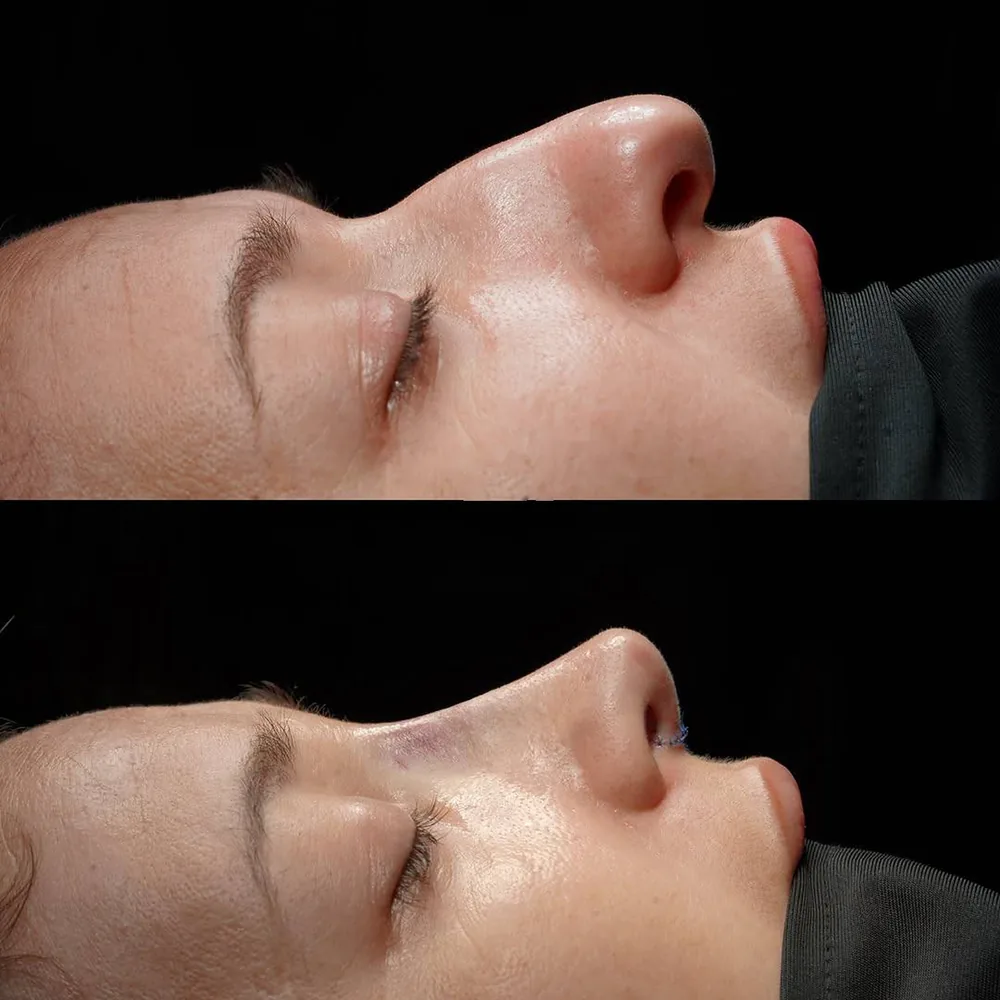
 beforeafter
Irina, 24
Rhinoplasty
Rhinoplasty
$4,200
Instead of $6,000 (≈ UGX 24,000,000) · First consultation — Free
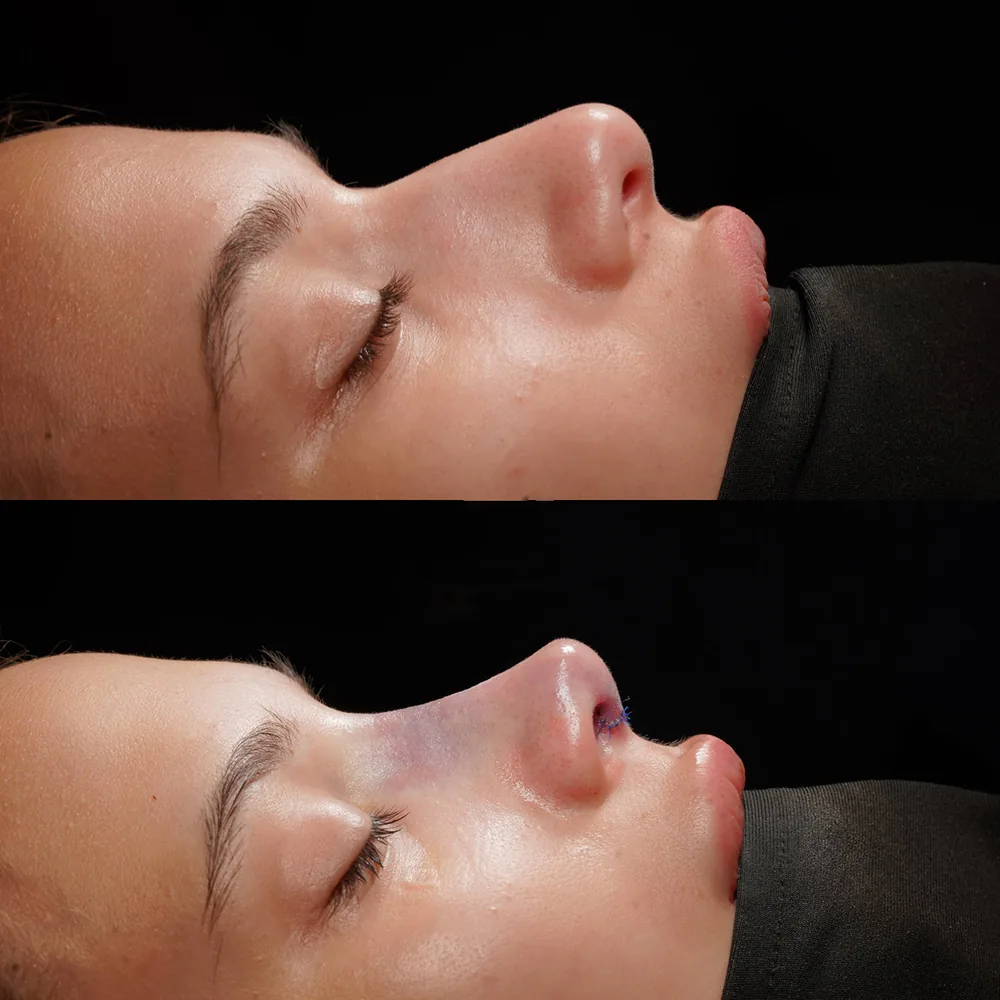 before
after
Message our coordinator
Free online consultation · Reply within 15 minutes
Message us on TelegramMessage us on WhatsAppBy messaging us, you agree to our Privacy Policy
Results
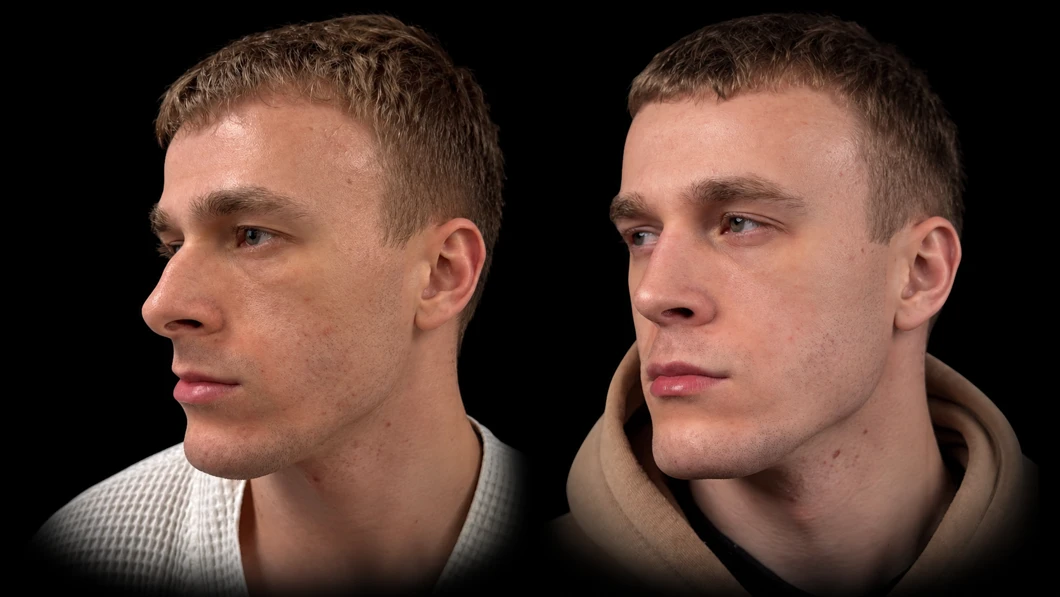
All cases are real patients of the clinic.
beforeafterRhinoplasty
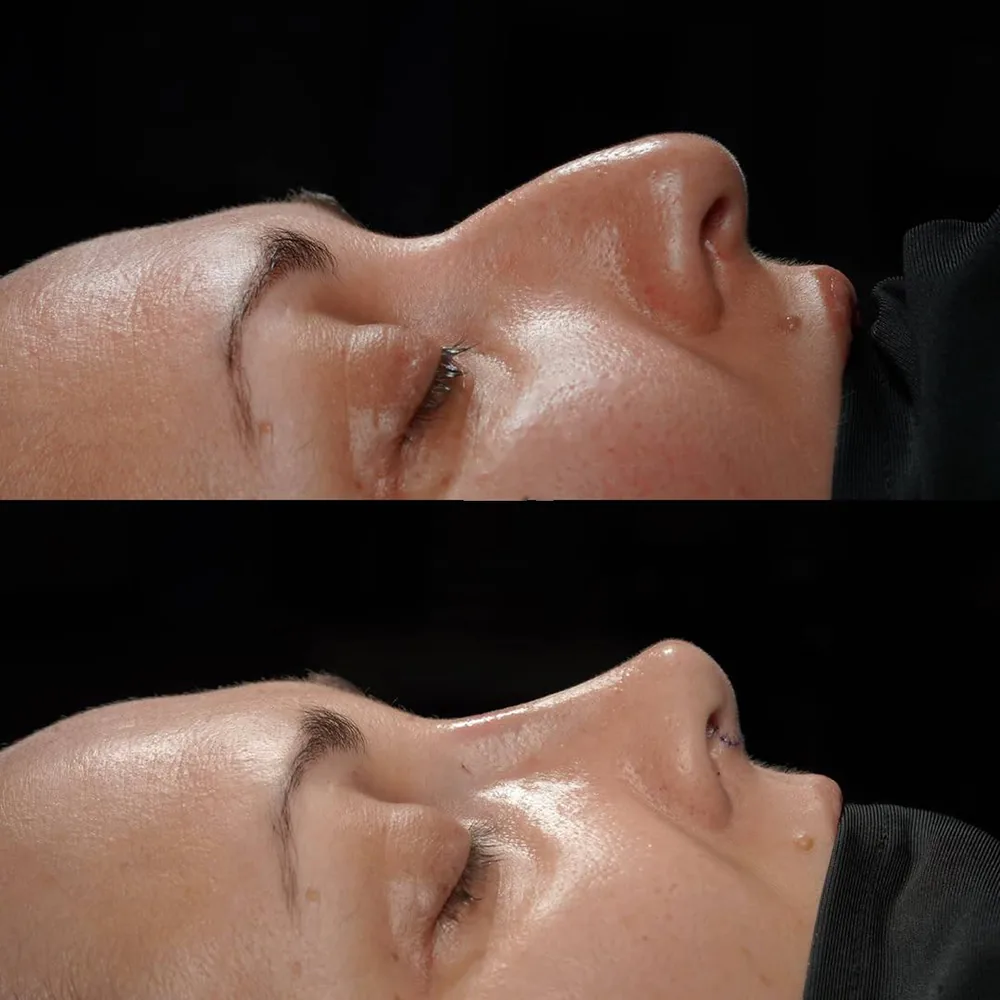 beforeafter
Rhinoplasty
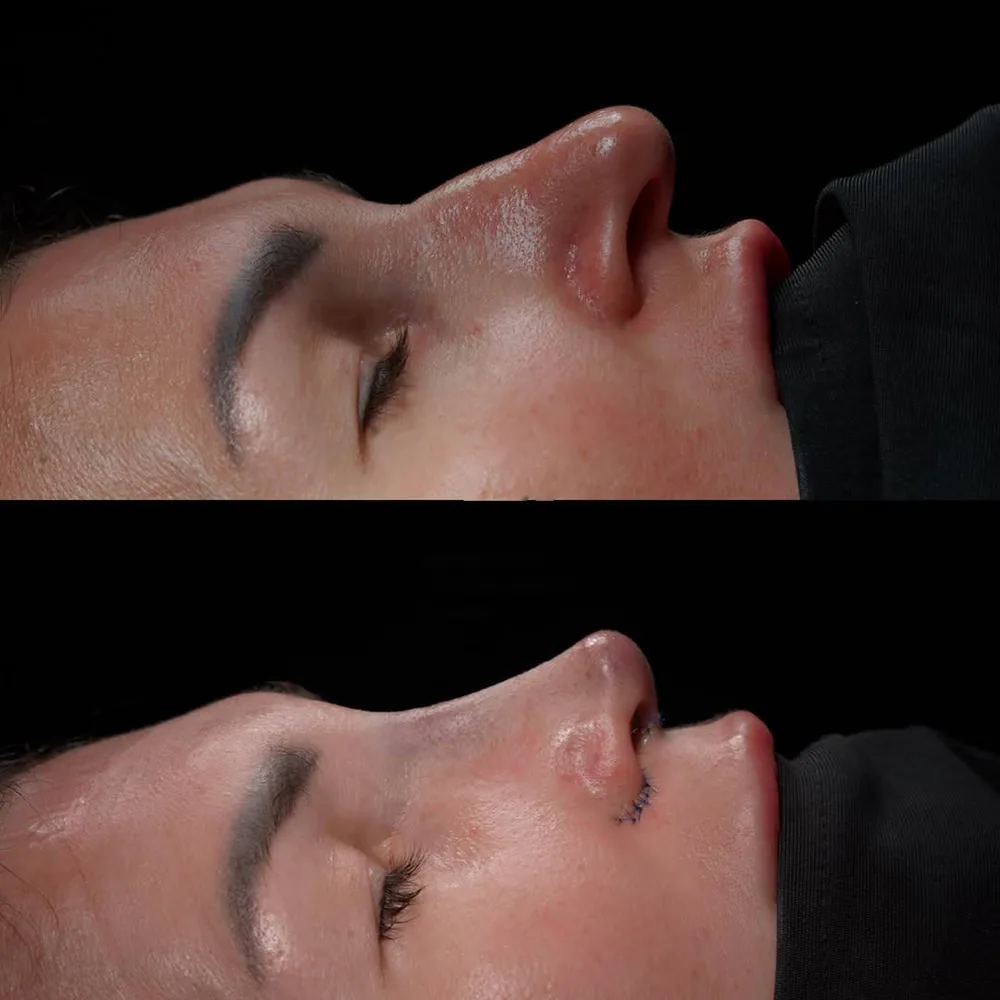 beforeafter
Rhinoplasty
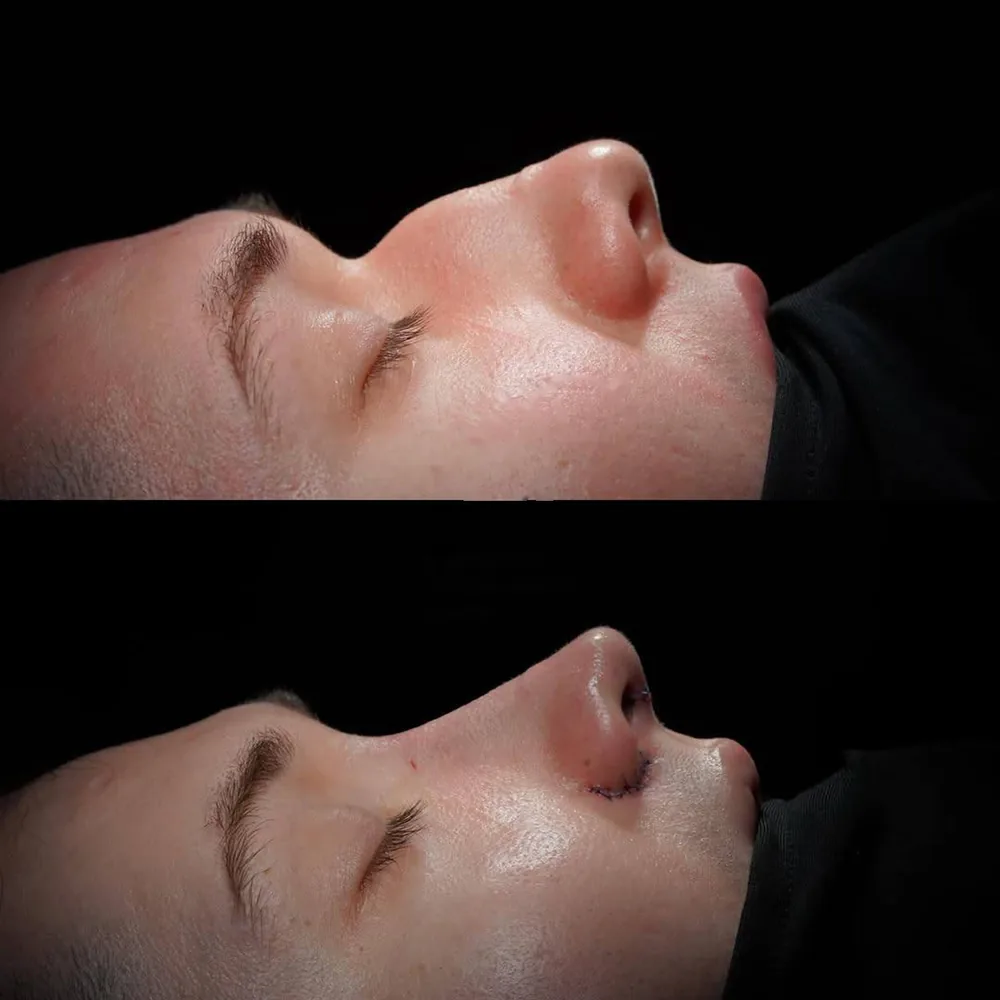 beforeafter
Rhinoplasty
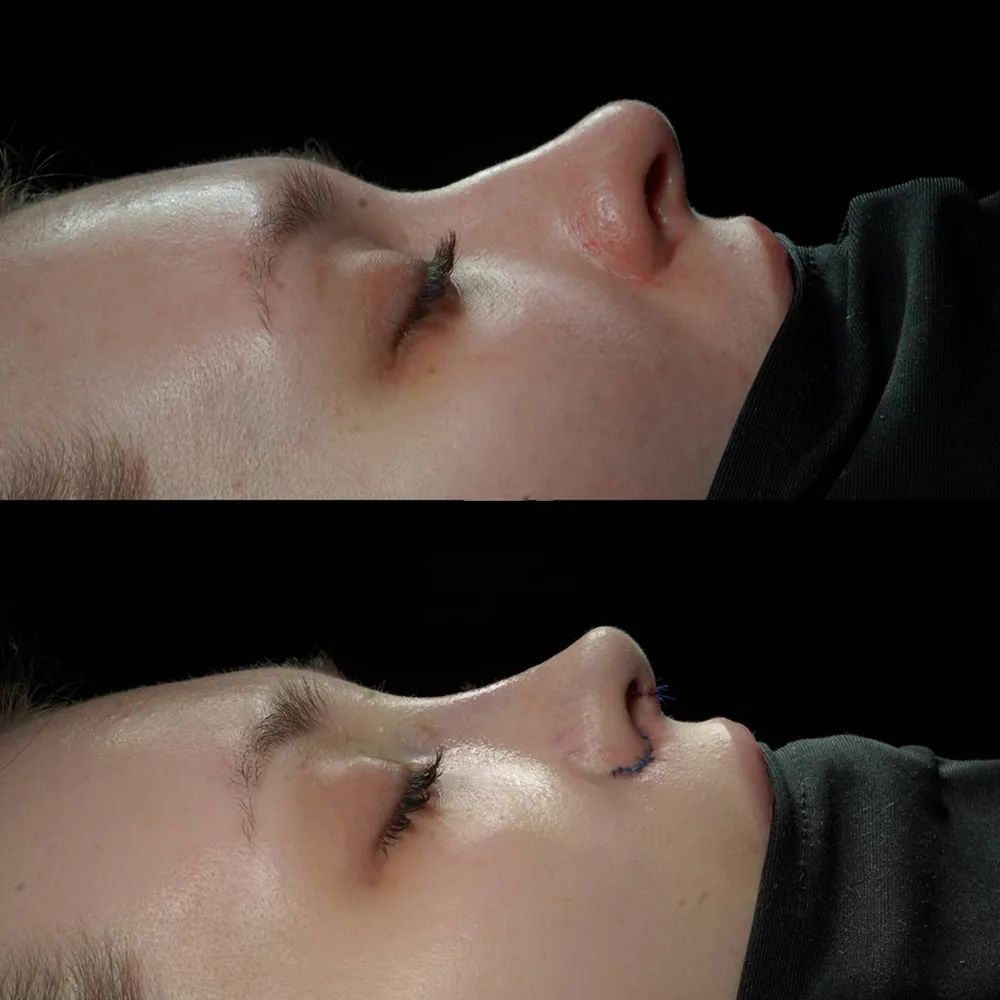 beforeafter
Rhinoplasty
beforeafterRhinoplasty
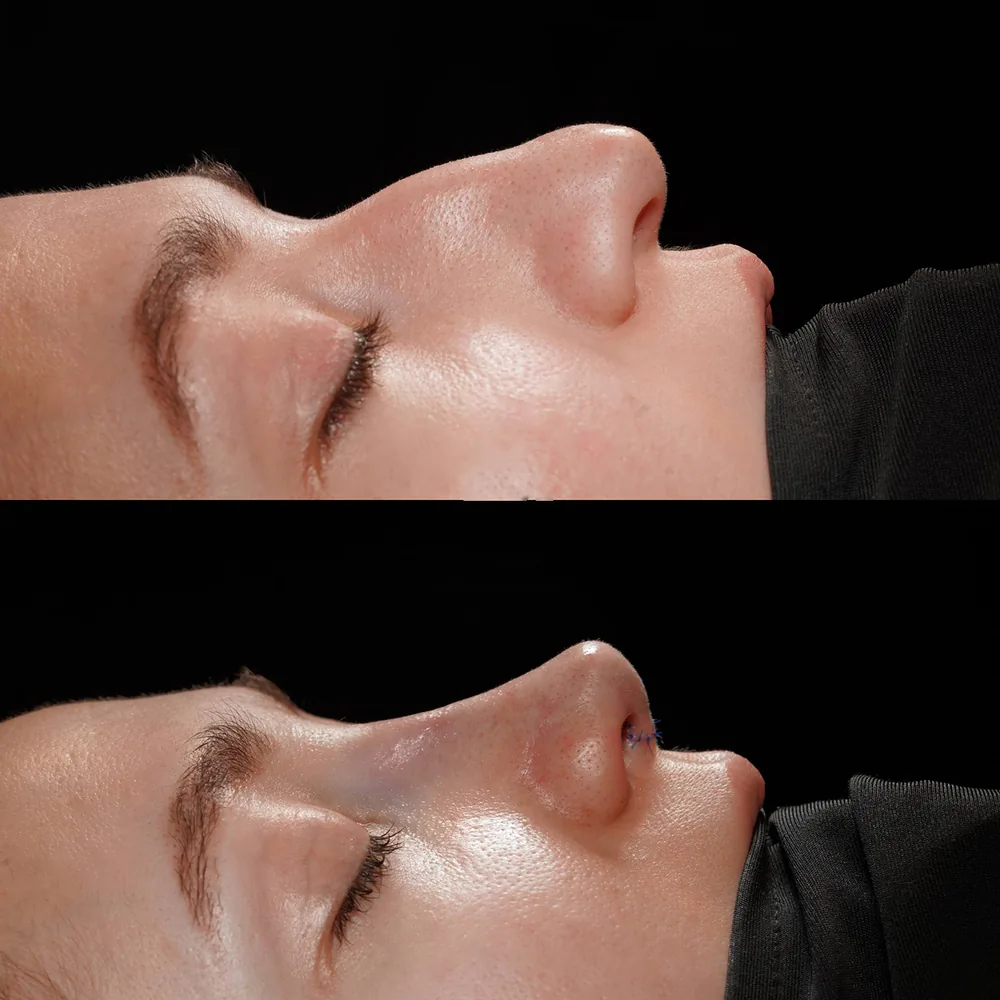 beforeafter
Rhinoplasty
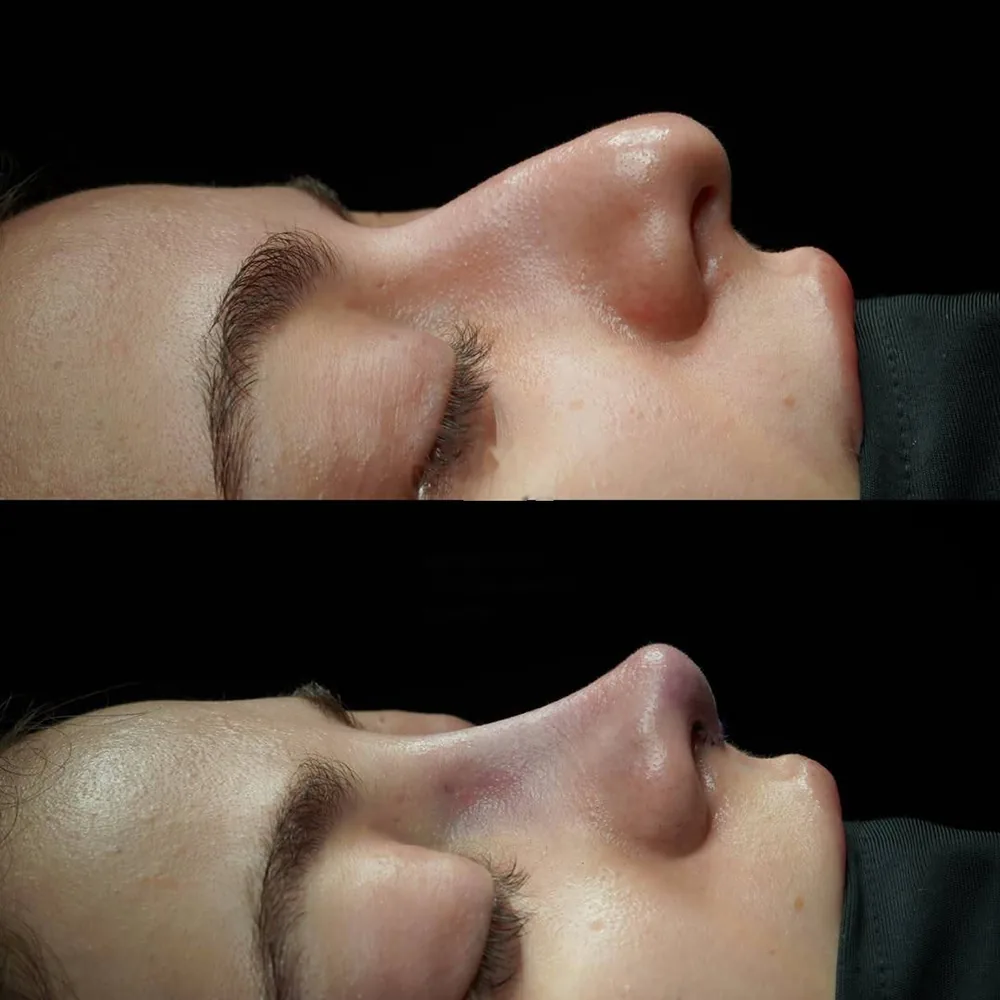 beforeafter
Rhinoplasty
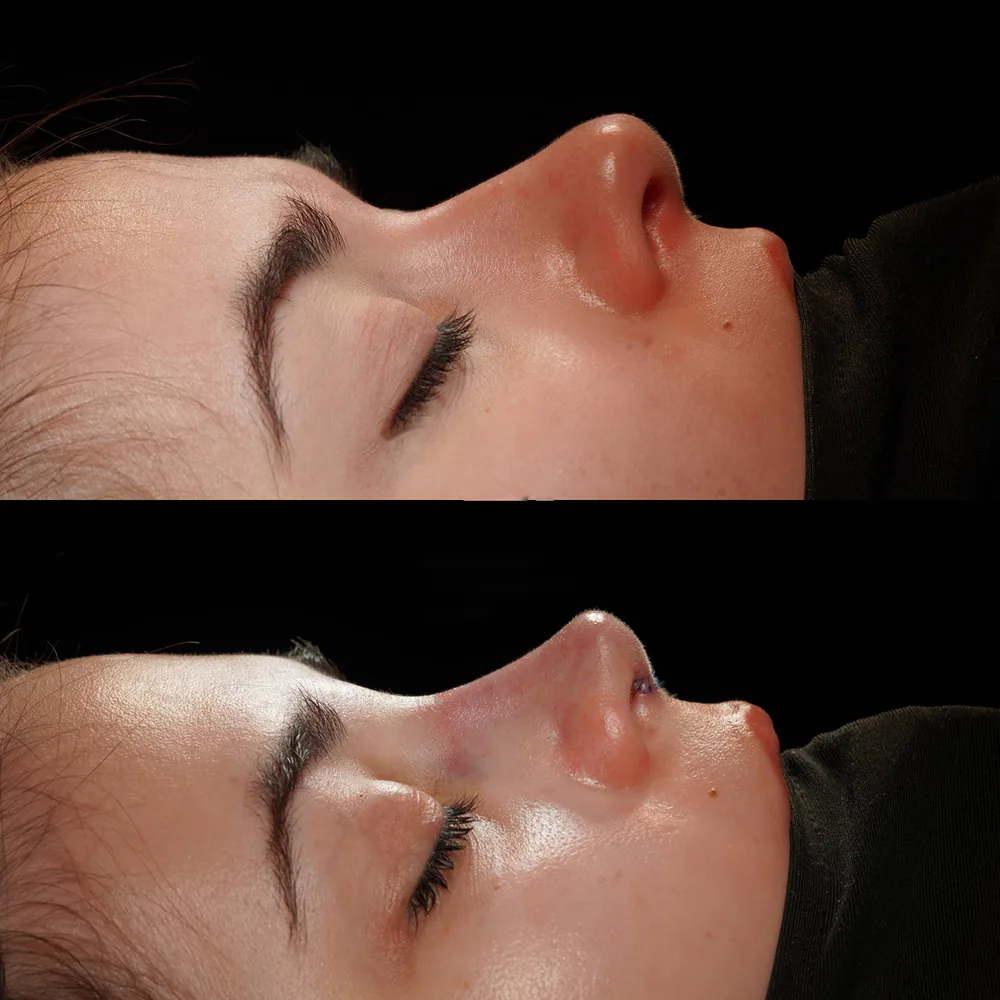 beforeafter
Rhinoplasty
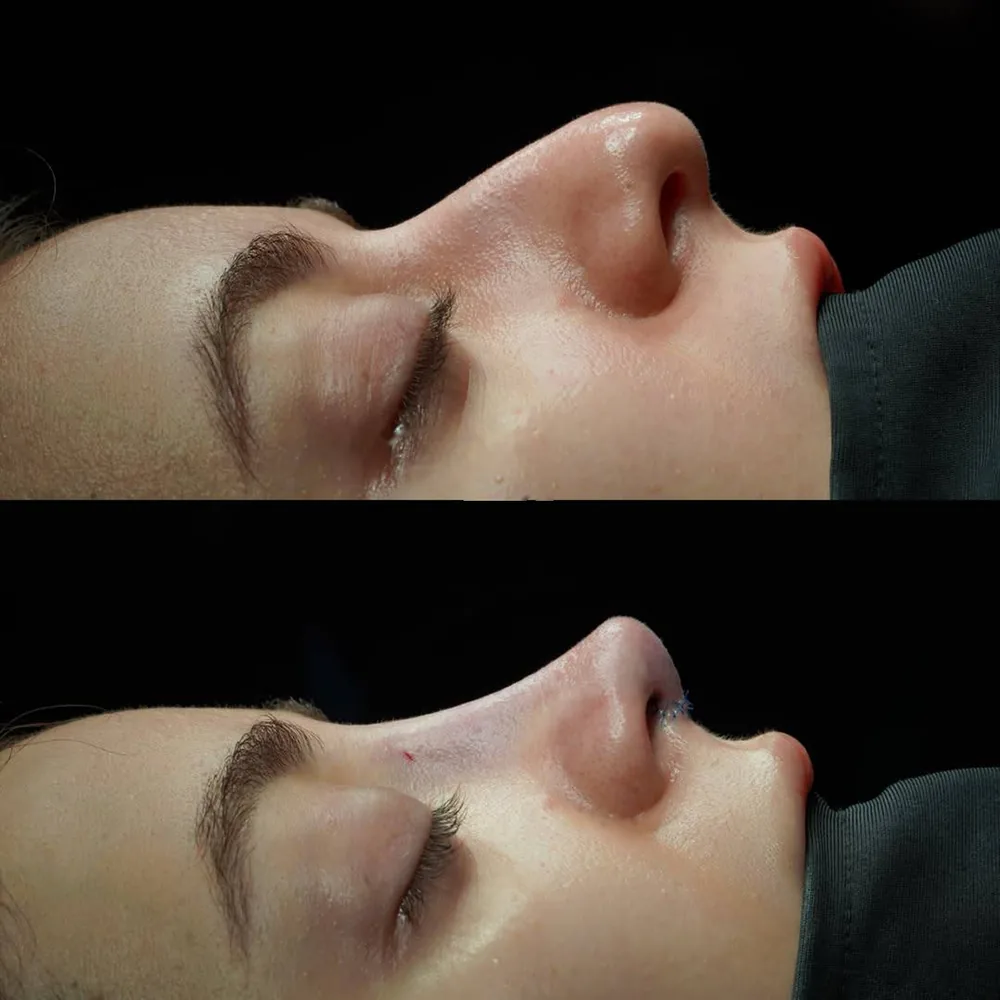 beforeafter
Rhinoplasty
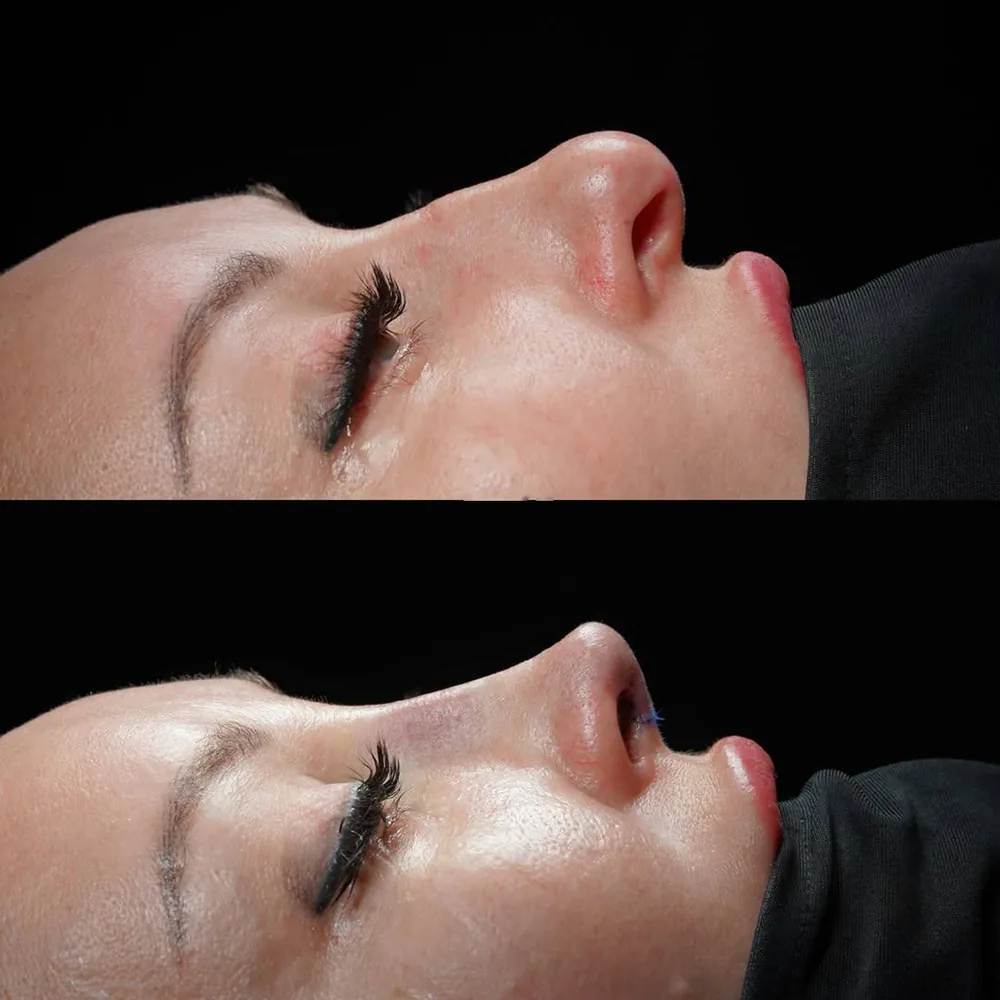 beforeafter
Rhinoplasty
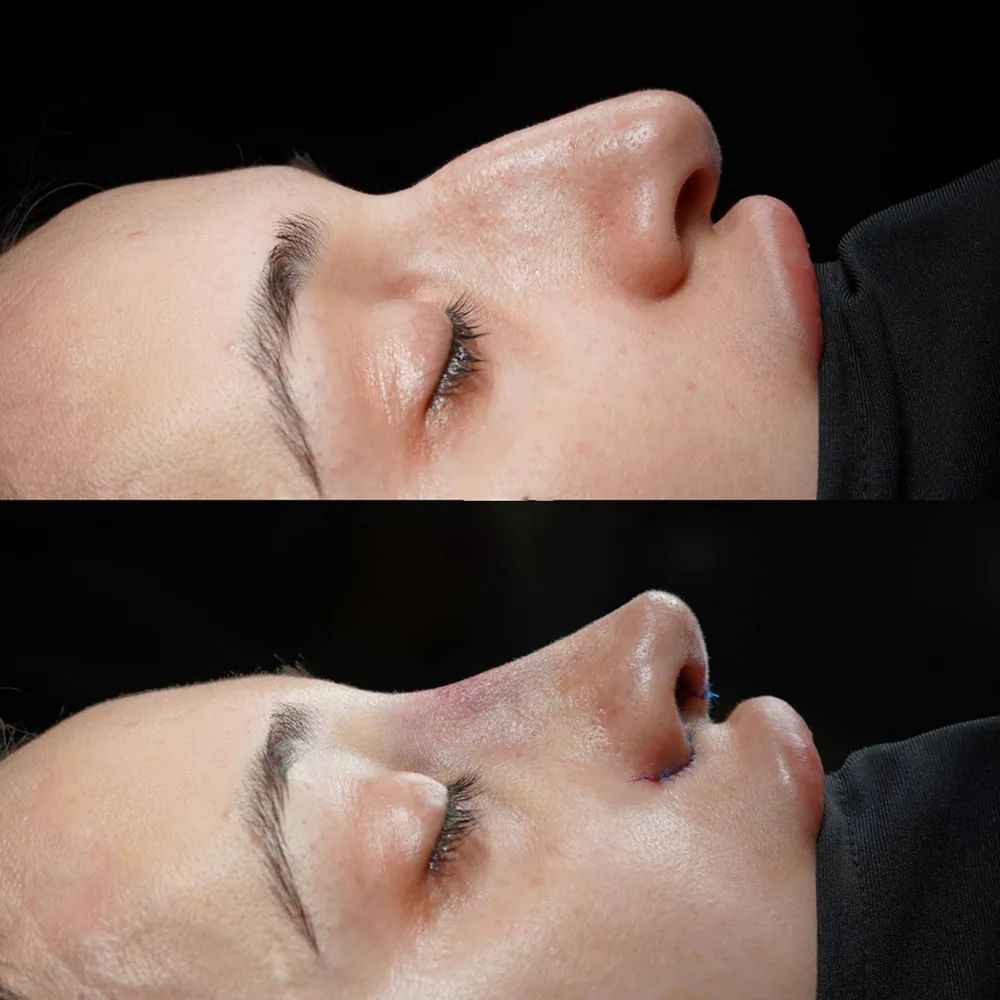 beforeafter
Rhinoplasty
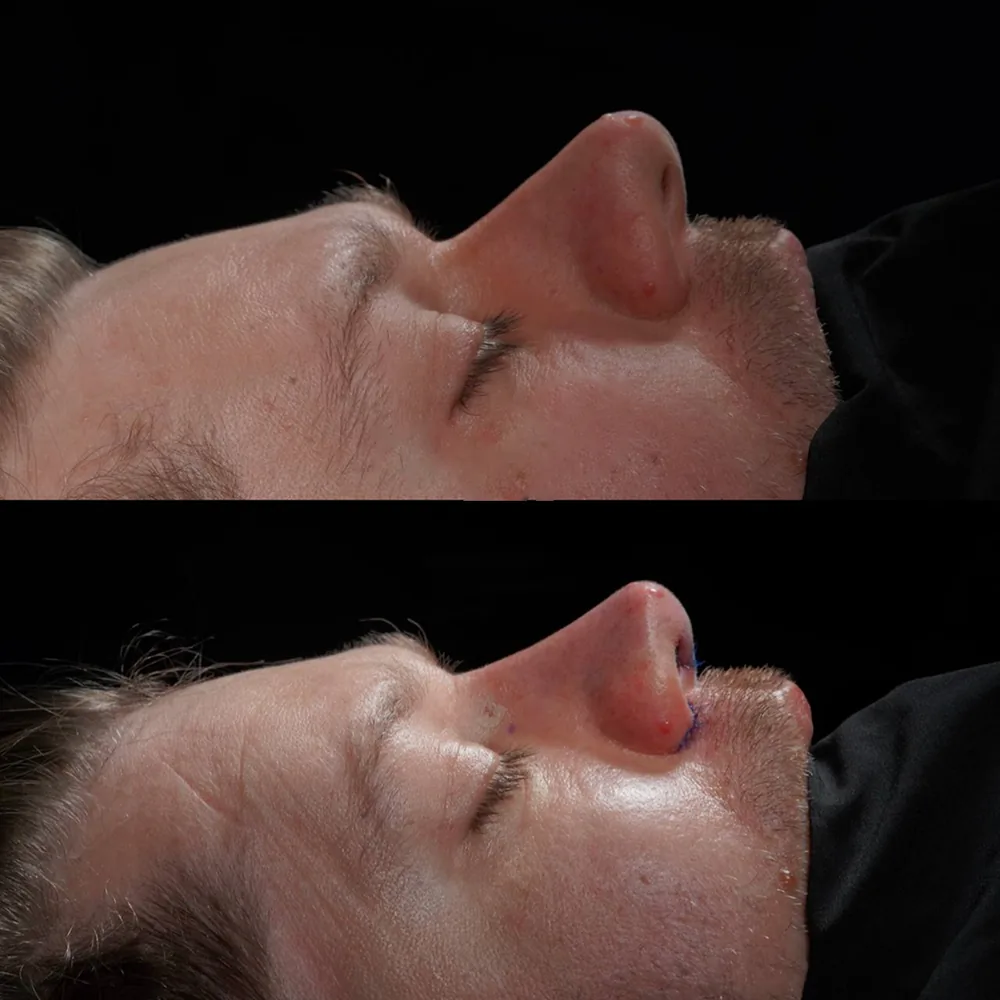 beforeafter
Rhinoplasty
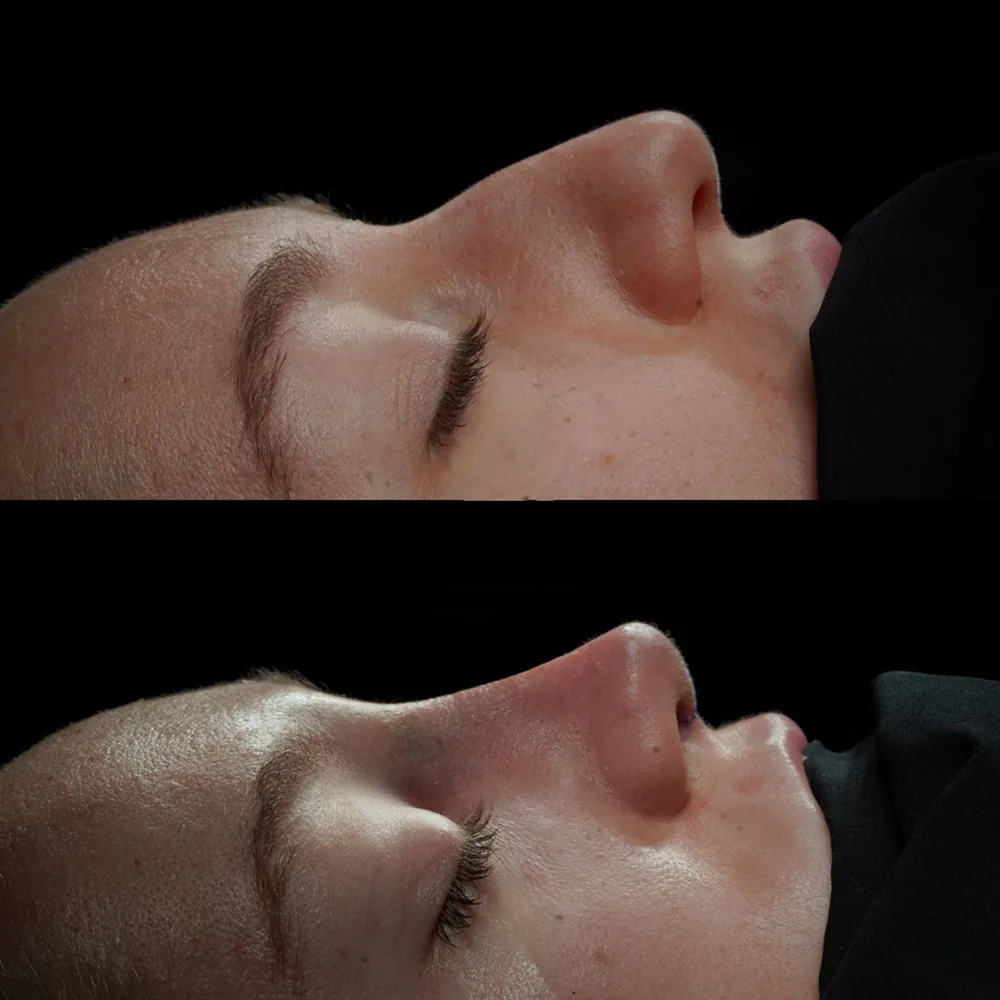 beforeafter
Rhinoplasty
Comparison
Our team finds the most effective solution for you and delivers an excellent result.
A first-time nose surgery: it reshapes the nose and corrects breathing when airflow is affected.
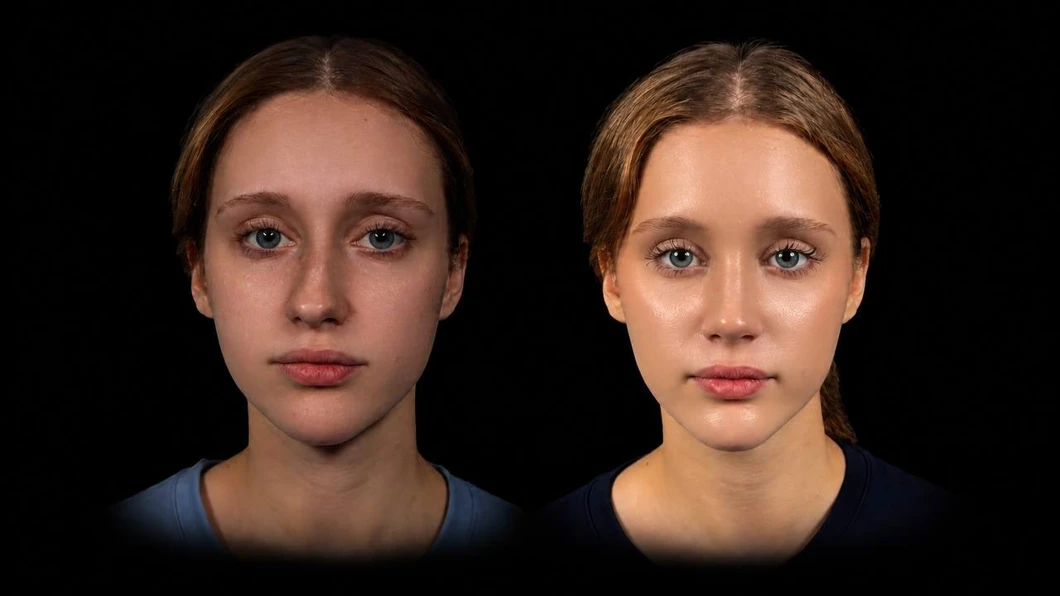
Discounted price
$4,200 $6,000
Repeat rhinoplasty: used to correct the nose following an operation that did not fully succeed. Scheduled no earlier than one year after the original surgery.
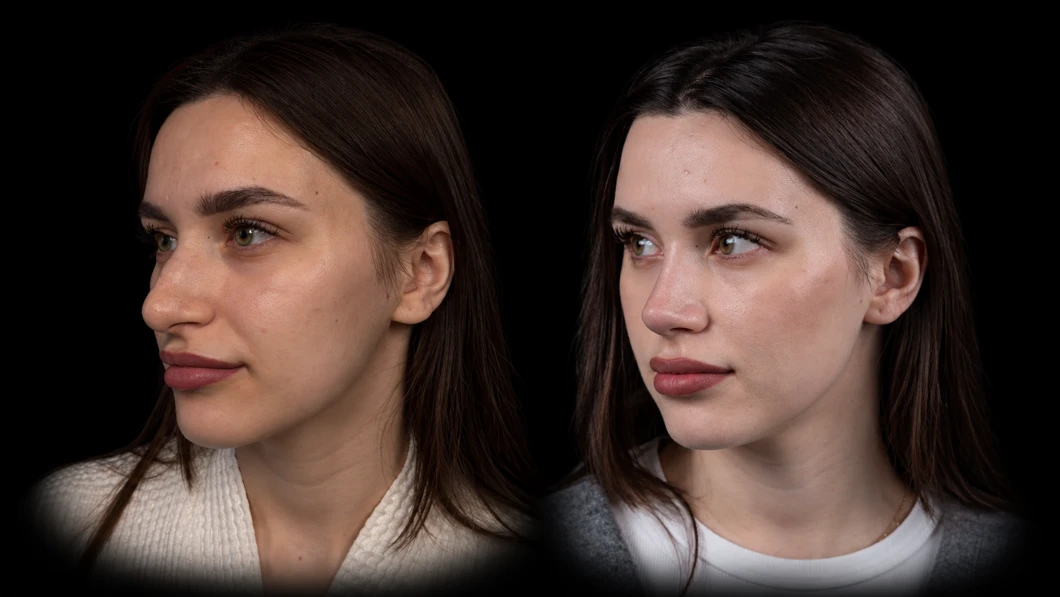
Discounted price
$5,400 $7,200
A single surgery addressing both the septum and the shape of the nose.
Discounted price
$5,000 $6,600
Recovery times and benefits shown are typical averages per type of surgery and are for general guidance only; your anatomy and individual features determine the real extent of correction and recovery, which the surgeon confirms during the consultation.
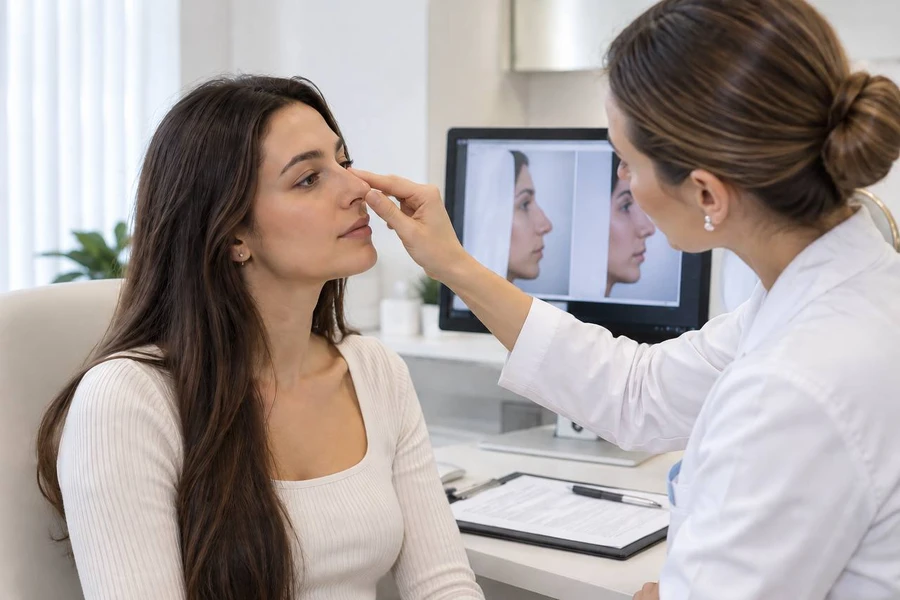
At the consultation, the doctor will build a 3D model of the expected result and explain
how your rhinoplasty will be carried out
The consultation is at no cost, held before any surgery, and commits you to nothing.
Book a consultationOur clinic
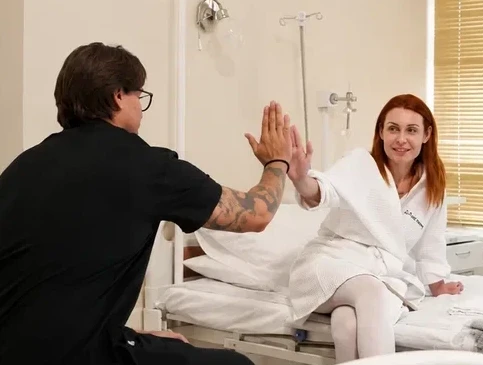
Modern facilities, comfortable rooms and care given to every patient
We'll respond to your questions and set up a consultation at a convenient time
Get a consultationShould your case be solvable without an operation, the doctor will say so at the consultation — so you won't pay for nothing.

Not certain which group fits your case?
Message us on Telegram and send photos of your nose — the doctor will tell you whether rhinoplasty is right for you. Free and with no commitment to surgery.
Find out if it suits me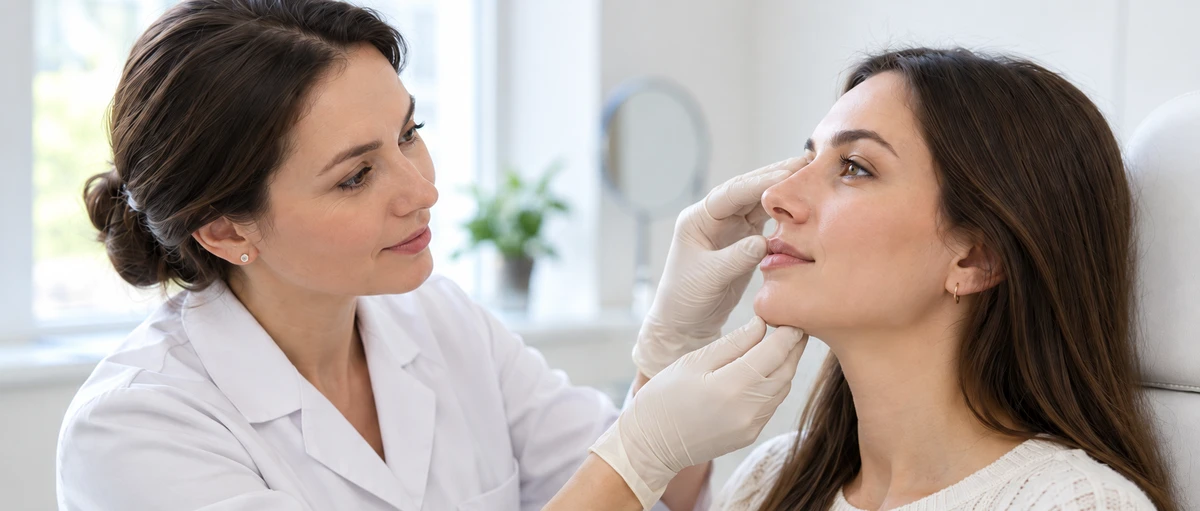
Prices
At the free consultation, once the result has been modelled, you receive the price, which is then fixed in the contract.
Discounted price
correcting the nose shape
$4,200$6,000
Discounted price
secondary, revision
$5,400$7,200
Discounted price
shape of the nose and the septum
$5,000$6,600
Free
a check-up by the surgeon and 3D modelling
Free
the cost of surgery is named
and fixed in the contract
The doctor will review the anatomy of your nose, take note of your wishes
and choose the right correction technique. The cost is named at the consultation and fixed in the contract.

Message our coordinator
Free online consultation · Reply within 15 minutes
Message us on TelegramMessage us on WhatsAppBy messaging us, you agree to our Privacy Policy
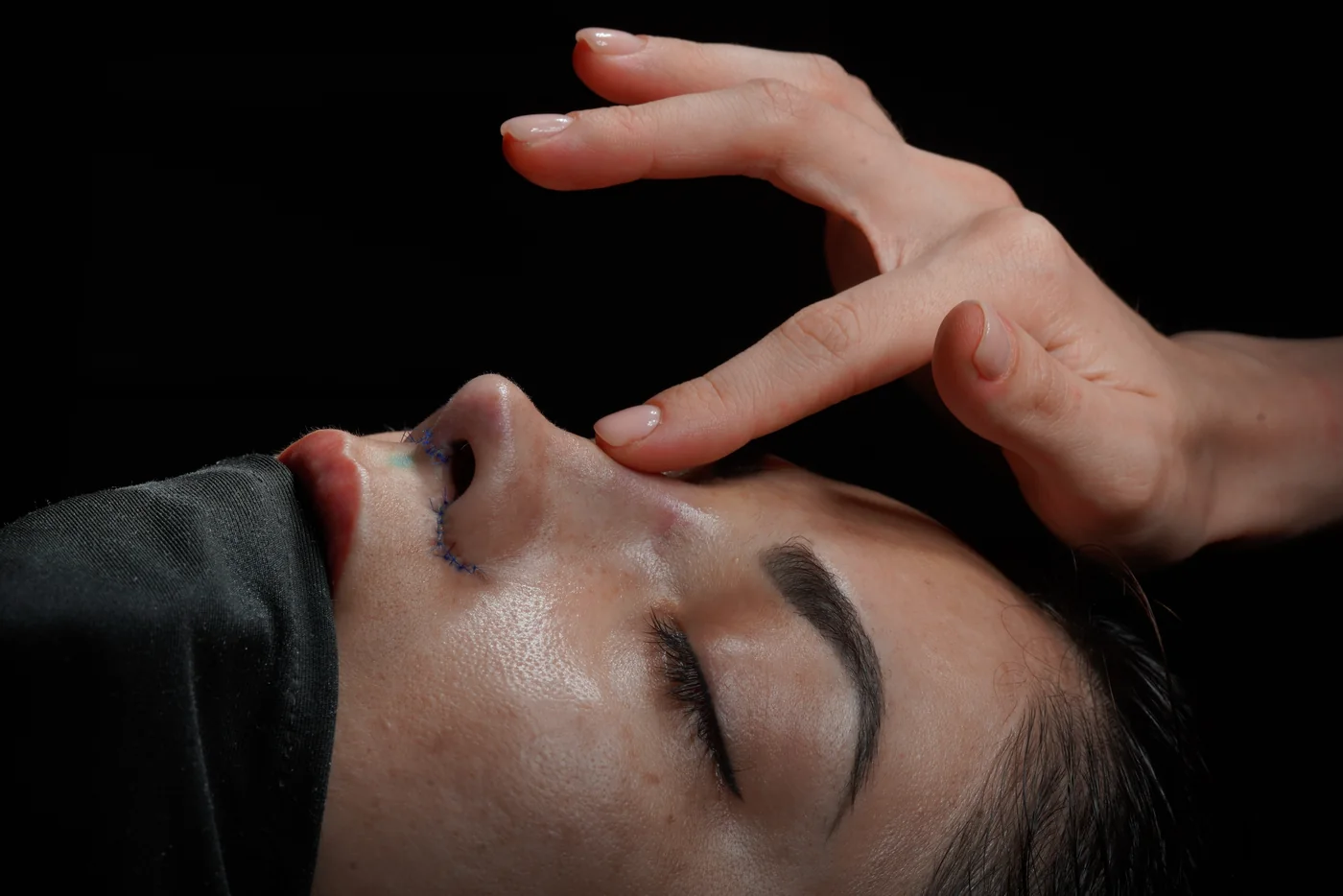
Price
From your pre-surgery preparation
to follow-up support for 12 months.
Discounted price
$4,200$6,000Discounted price
How it works
An agreed plan of correction, time under inpatient observation, and a year of recovery monitoring.
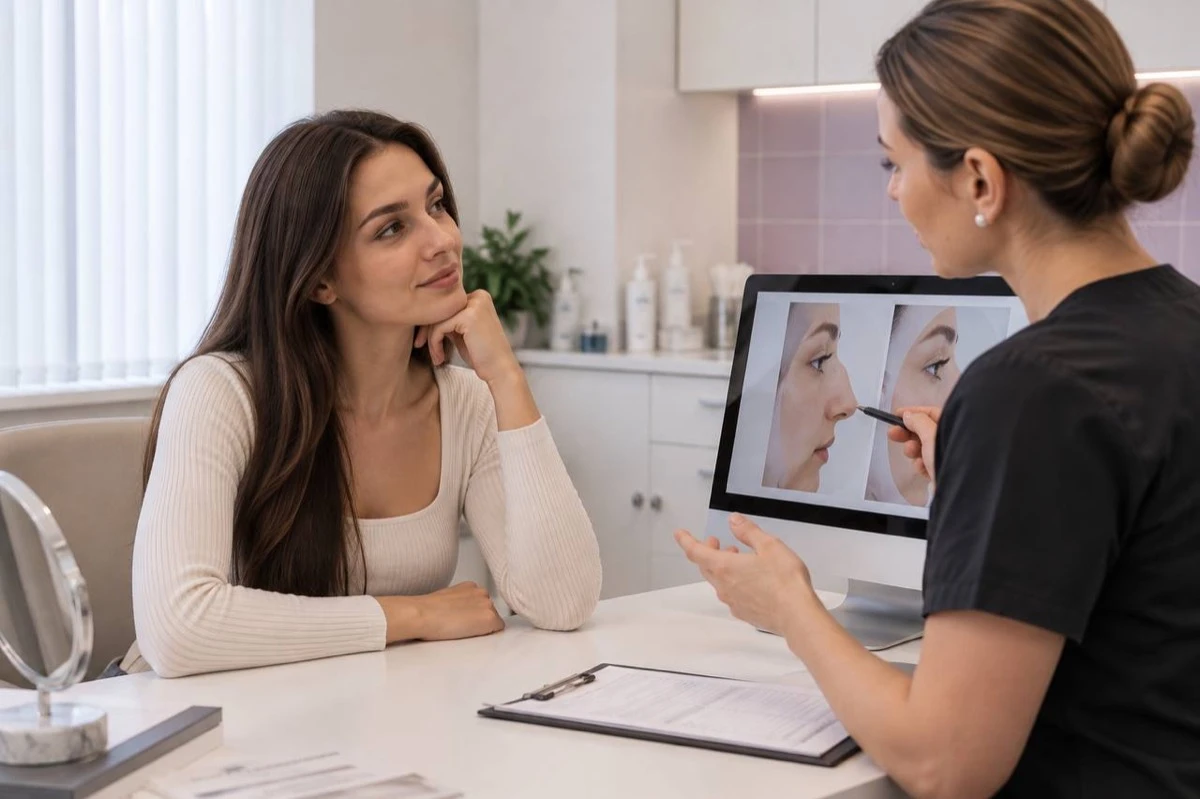
The doctor reviews your nose, talks about your wishes, and conducts the examinations required to pick the best correction technique

We hold a surgery date for you; the deposit may be paid at the clinic by card or online via bank transfer, with the terms fixed in the contract for medical services
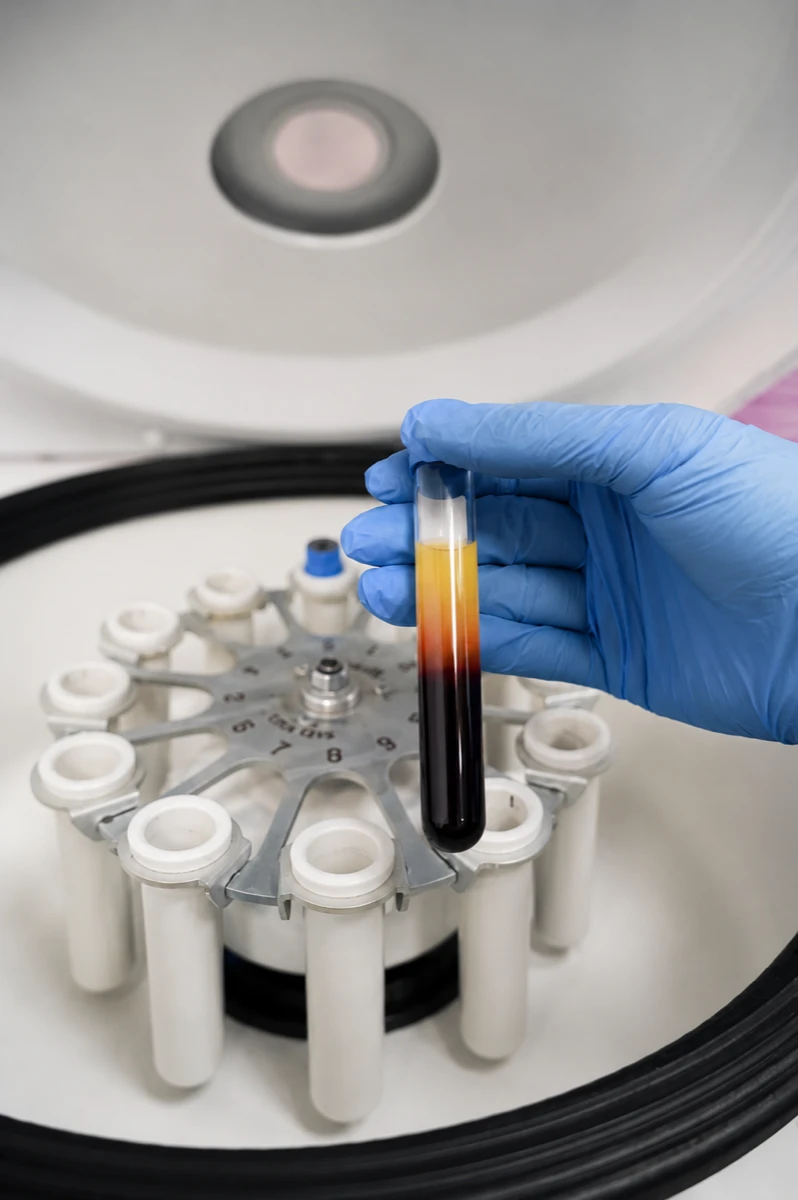
A full set of lab tests is needed before surgery: complete blood count, biochemistry, coagulation panel, chest X-ray and sinus X-ray
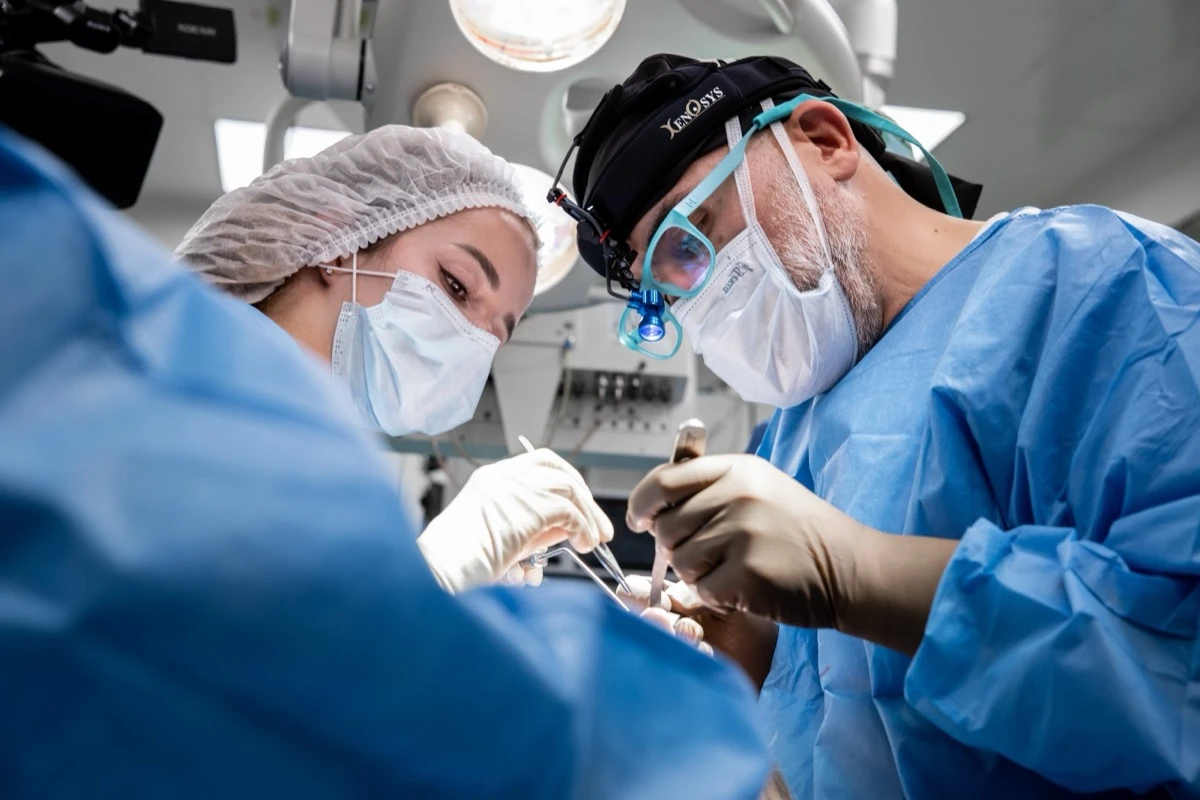
Rhinoplasty is carried out by the surgeon using the chosen technique under general or local anaesthesia, to correct the nose's shape and structure
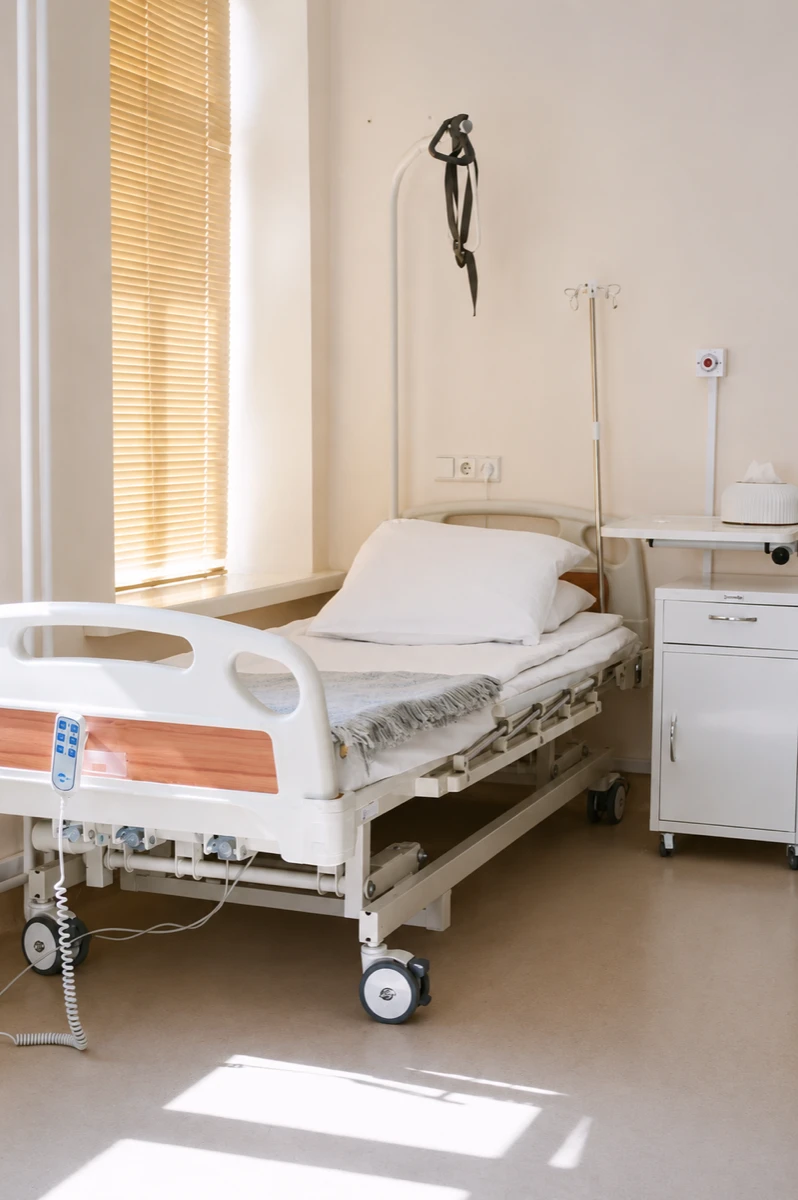
All procedures take place in our clinic's inpatient unit, and after surgery you spend one day there
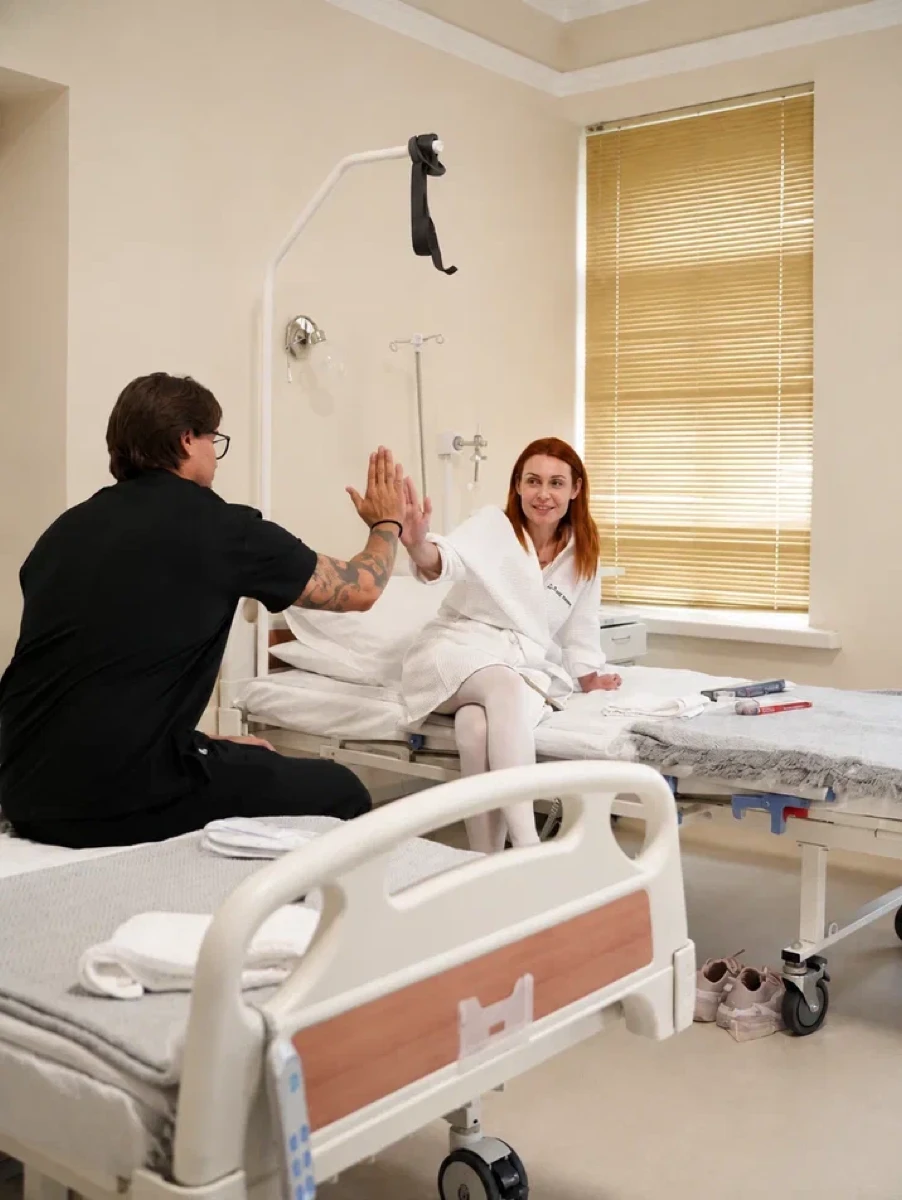
A recovery programme follows your surgery, including check-ups at 7 days, 3 and 6 months to track progress, with free surgeon consultations for a year after the operation.
During the consultation you get a realistic forecast of the expected result
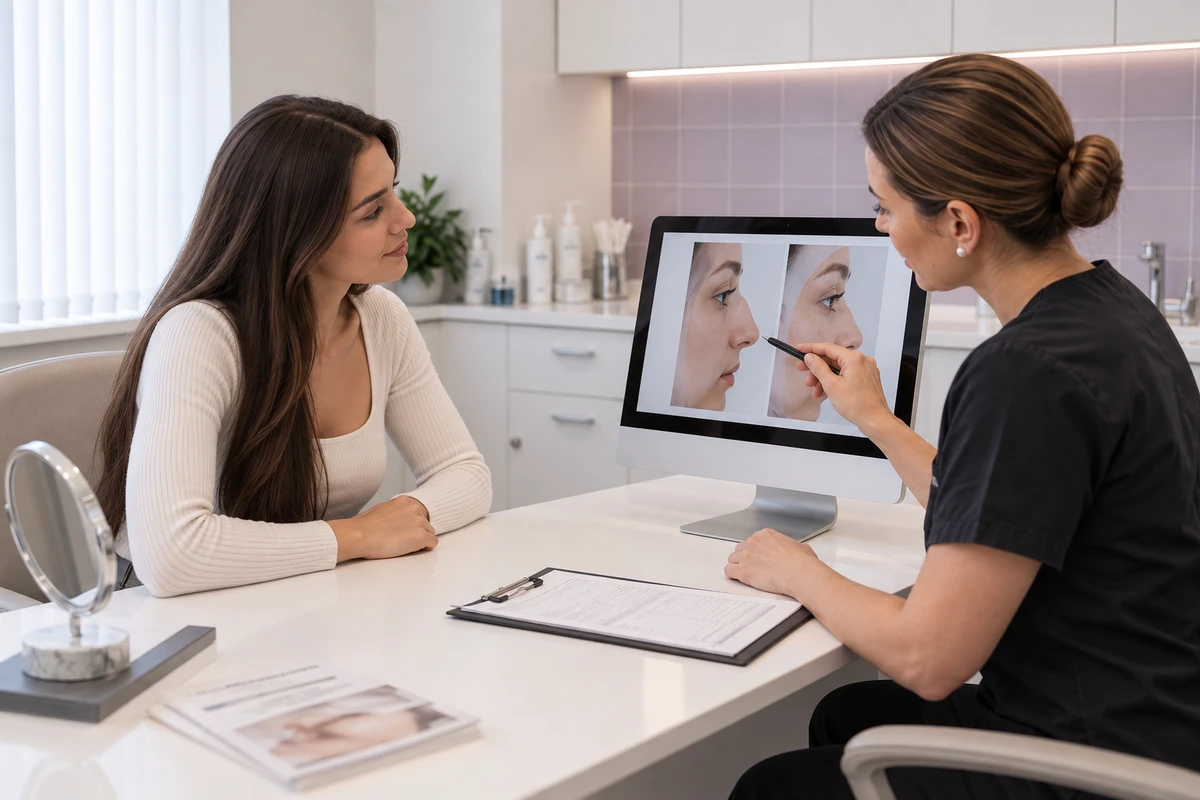
The consultation is at no cost, held before any surgery, and commits you to nothing.
Book a consultationNasal splint
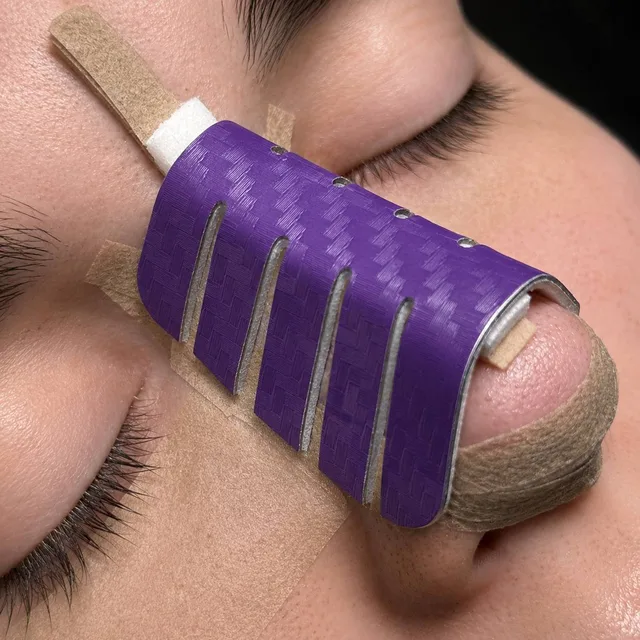
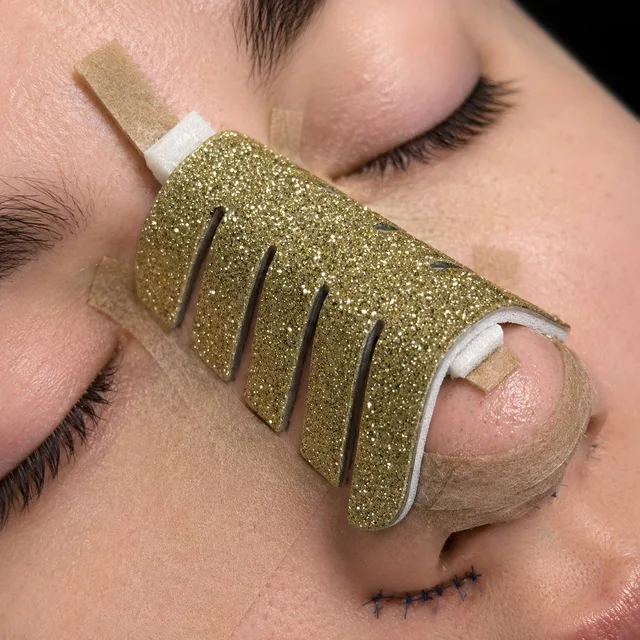
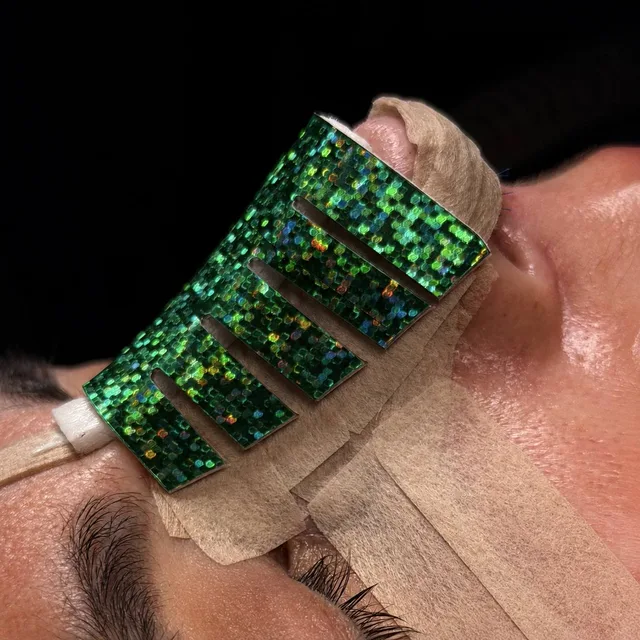
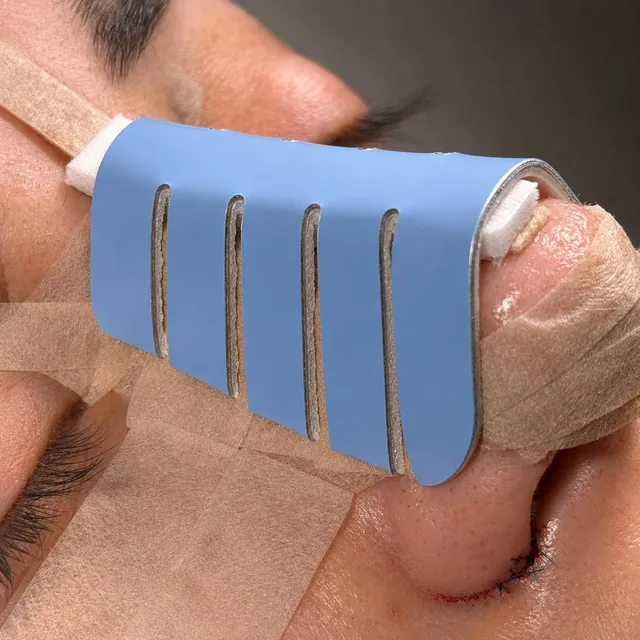
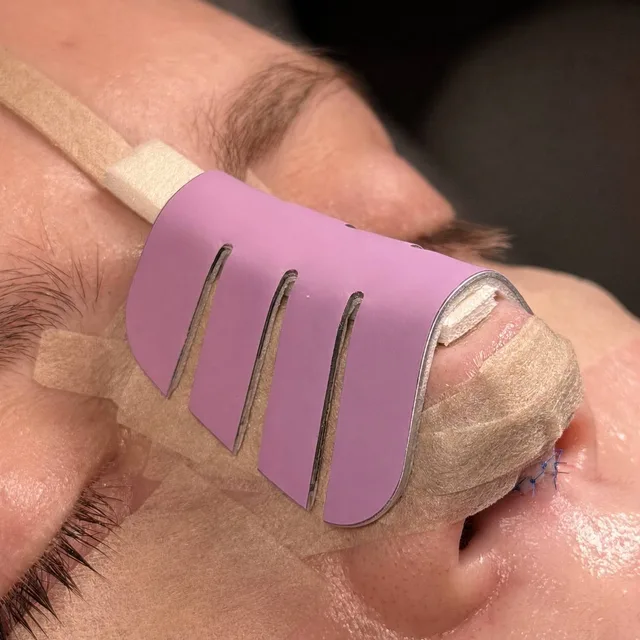
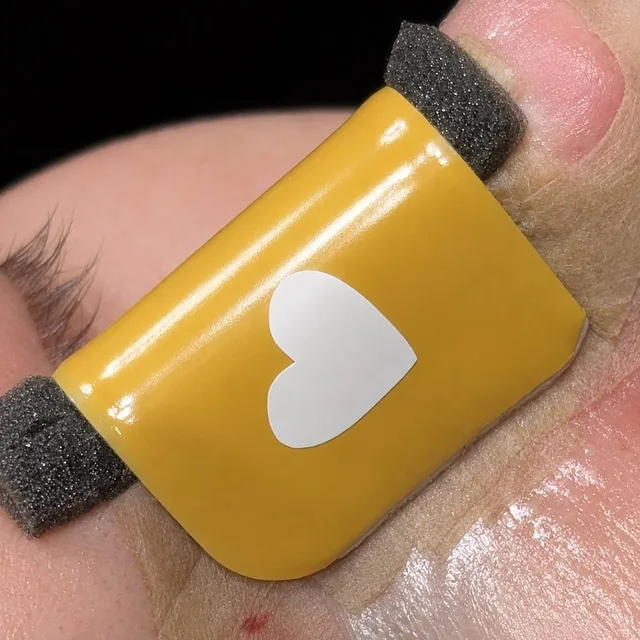
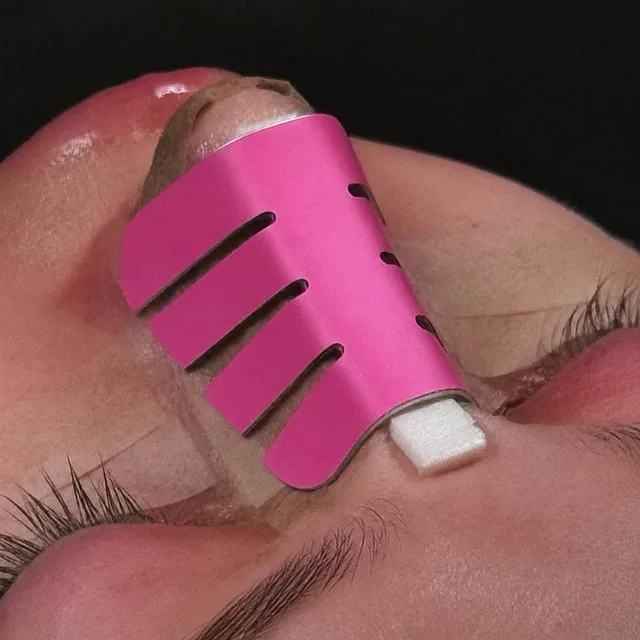
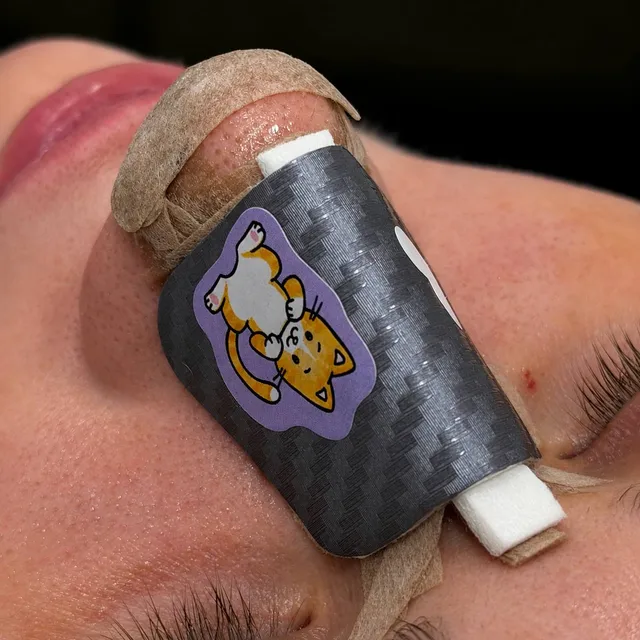
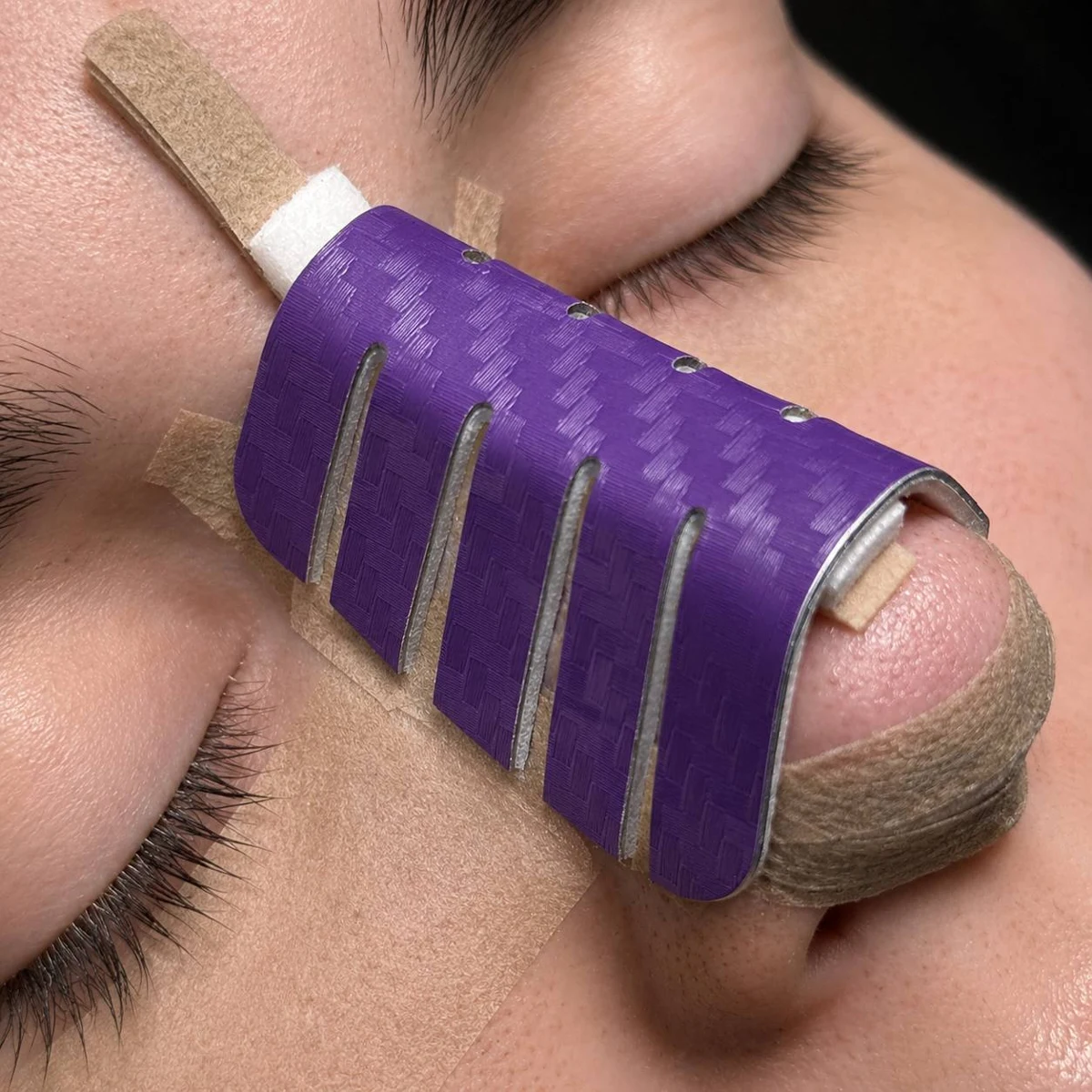
Every detail aims to highlight your natural beauty, and to make the recovery period more enjoyable, we let you pick the colour of your nasal splint.
Your personal style, down to the details:
Pick a splint colour that matches your mood
Just like your future profile, confidence begins with the small things
Doctors
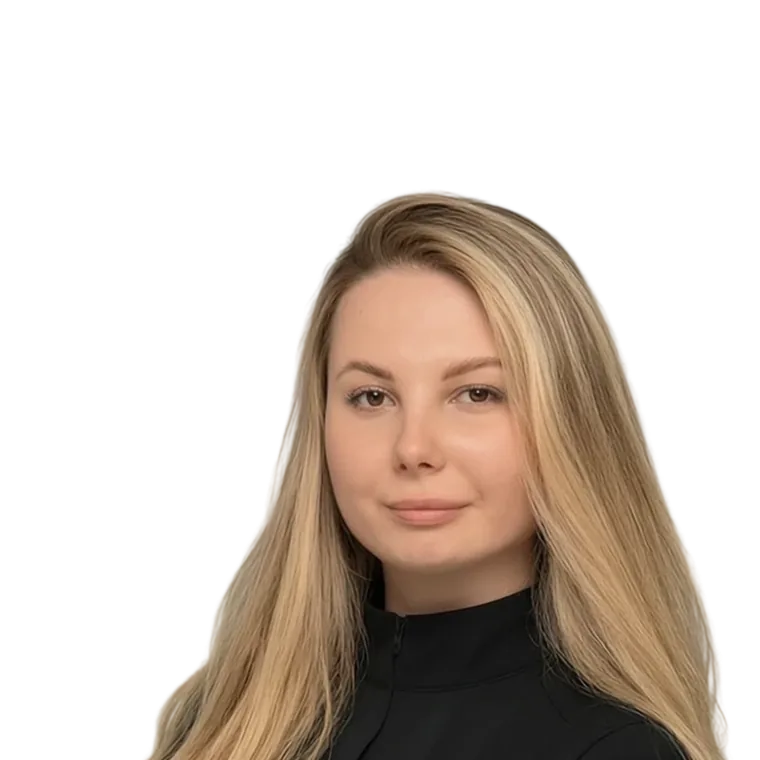
Rhinoplasty surgeon
The consultation is with the surgeon who will actually operate on you
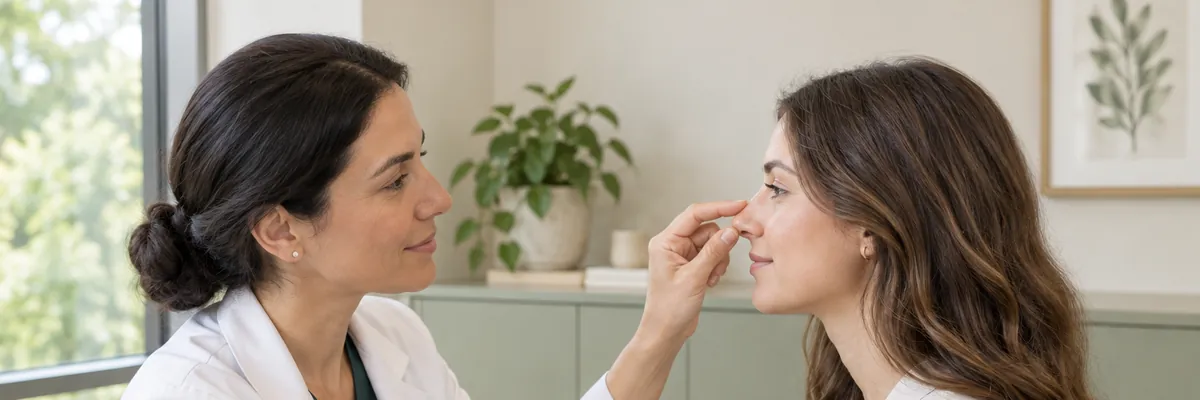
The doctor looks at your facial proportions, takes in your wishes and explains which changes can realistically be made.
Book a consultationCoordinators
We support you at every stage

Your dedicated coordinator
The clinic's first contact with you — covering everything from your first message to the consultation
Care specialist for patients
Helps you choose a convenient date and answers your questions before the first consultation
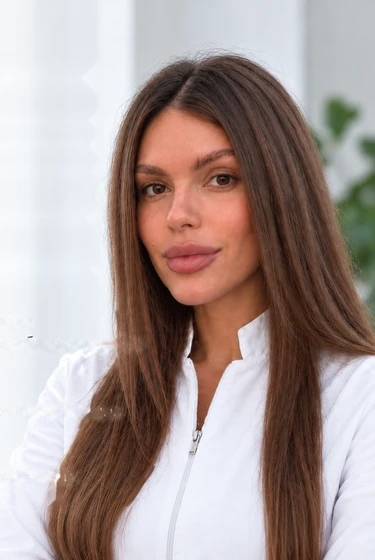
Your dedicated coordinator
By your side before and throughout your stay — from the moment you book to discharge
Care specialist for patients
Guides your preparation for surgery and keeps in contact throughout your stay
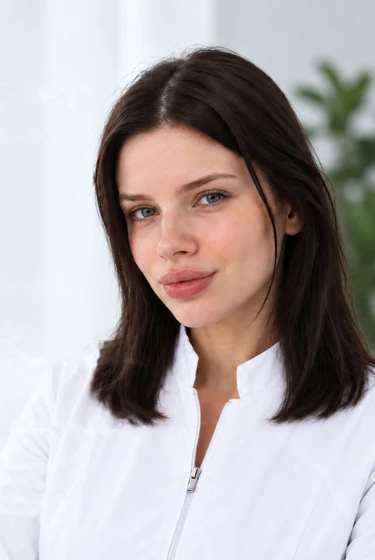
Your dedicated coordinator
With you through recovery — from discharge to your final check-up
Care specialist for patients
Remains in contact during recovery and schedules your follow-up appointments with the surgeon
A members-only channel for people who value honest, expert information
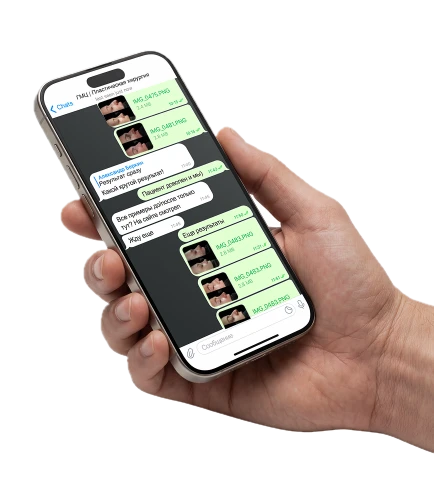
Message us — our coordinator will contact you shortly and book your consultation
Advantages
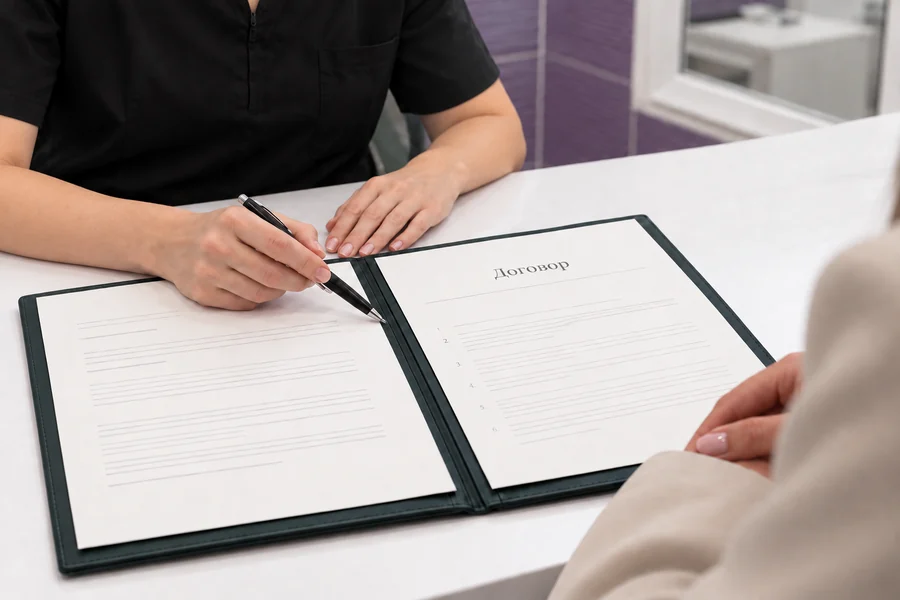
Under contract, you receive a lifetime guarantee — the surgery, support and post-operative follow-up terms are all fixed in advance.
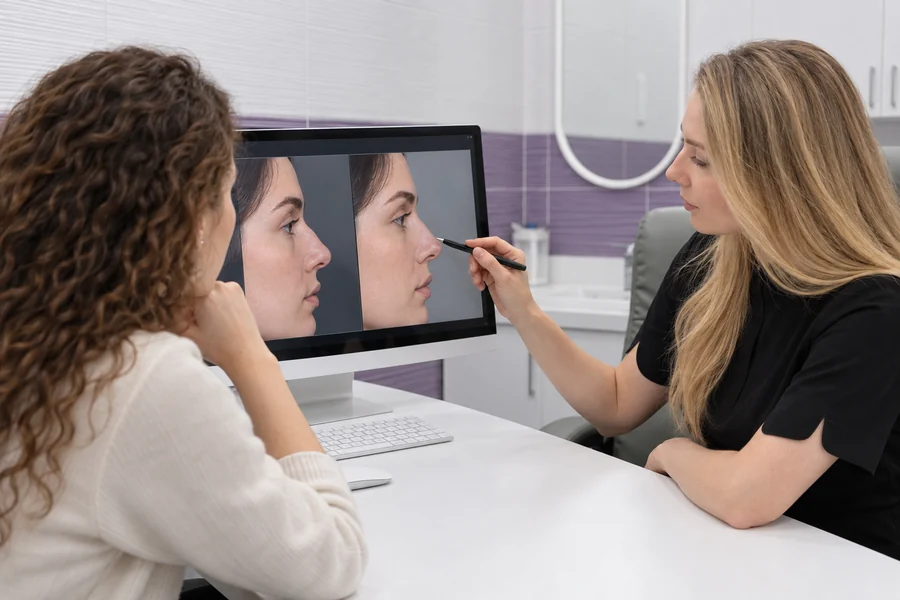
During a free consultation, we look at your case and tell you honestly whether rhinoplasty suits you — facts only, with no pressure to go ahead.
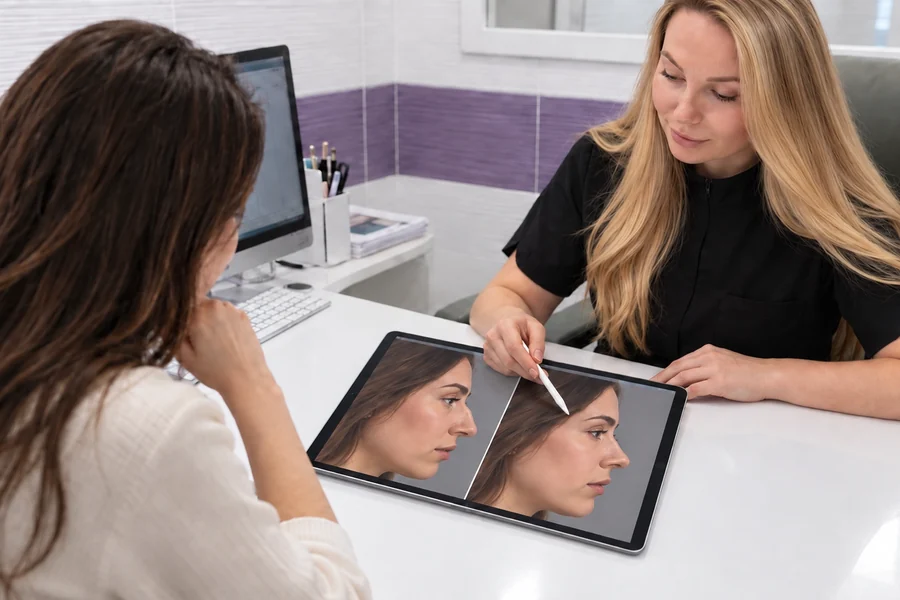
If your journey starts in another city or country, we fit the consultation and necessary preparation into a single trip, keeping the path to change comfortable with fewer trips.
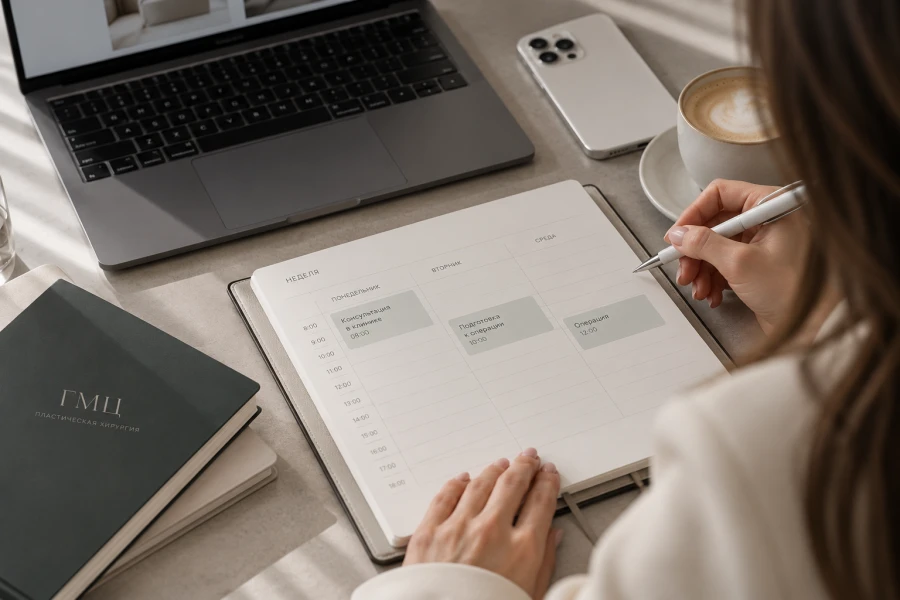
We respect your time: we work 24/7, with easy booking and a personal approach — we adapt to your pace.
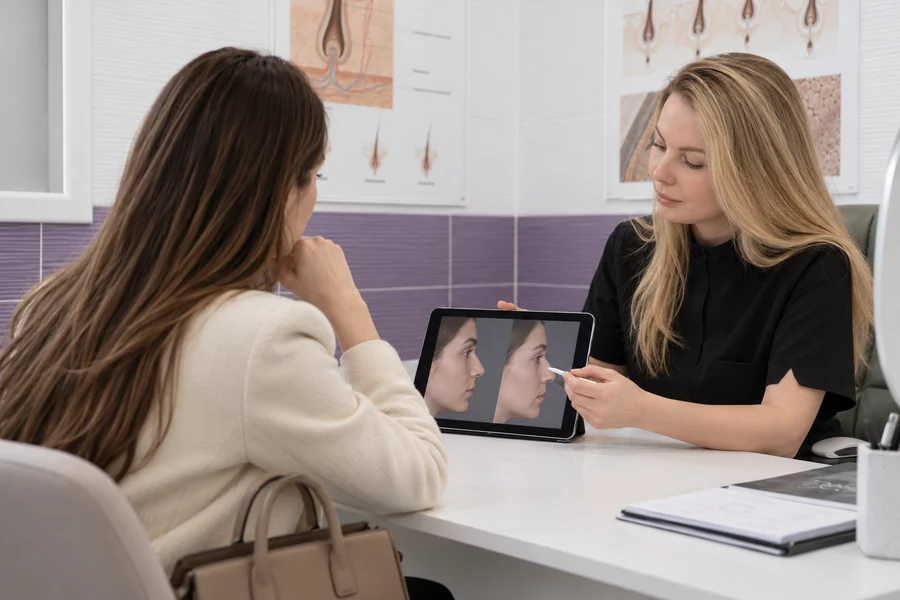
Following the consultation, the surgeon decides on the extent of correction and names a clear surgery price, keeping the path to your result free of surprises.
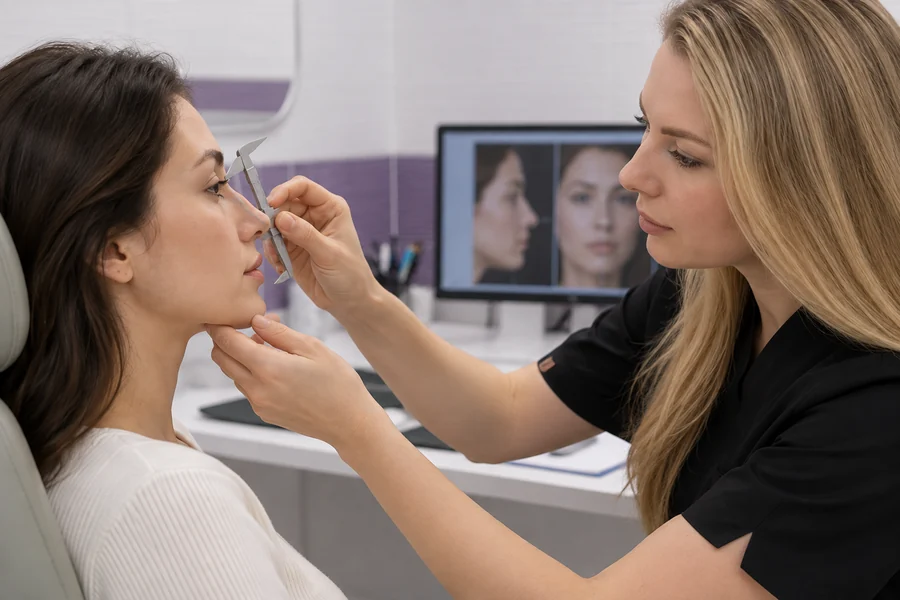
Modern equipment supports gentle, precise work by the surgeon, especially important where millimetres influence proportions, profile and facial harmony.
Prices
Send a request and get a free consultation on any service
Free
BookPrice without discount: $6,000$4,200
Price without discount: $7,200$5,400
Price without discount: $6,600$5,000
Price without discount: $6,500$4,700
Price without discount: $7,200$5,400
FAQ
Rhinoplasty (nose job) — one of the most delicate and sought-after plastic surgeries, aimed at reshaping the nose in line with the individual proportions of the nose and the whole face. Modern rhinoplasty is not just an operation to change how the nose looks, but complex surgical work aimed at an aesthetic ideal without compromising health.
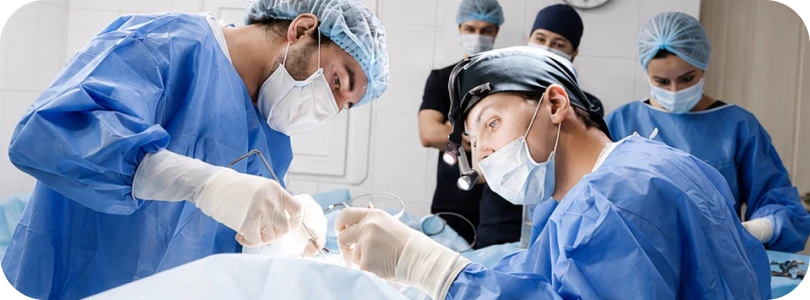
18 to 45 is the optimal age. By this age the nose has formed completely, while tissues still heal well. With medical indications, older patients can have surgery if their general health allows
At its core, rhinoplasty is a comprehensive solution. It corrects both congenital and acquired nasal deformities, for example after a nasal injury. Patients are often bothered by a dorsal hump or an overly wide nose. Nose correction can also target the tip (tip rhinoplasty) or the nostrils (alar rhinoplasty). The surgical plan is created individually for each patient, taking every feature of their nose into account.
Rhinoplasty is performed under general anaesthesia and, depending on complexity, takes 1.5 to 3 hours.
The surgeon determines the extent and course of the surgery at the consultation, based on your goals and the anatomy of your nose.
Rhinoplasty — surgery to change the appearance of the nose (an aesthetic goal) and improve its function if breathing is impaired.
Septoplasty — an operation correcting the nasal septum to restore normal breathing; the external shape of the nose stays the same.
Often both surgeries are combined, especially when a patient has a deviated septum and aesthetic concerns. This gives a harmonious look and restores full breathing. At City Medical Centre we perform rhinoseptoplasty — a combined surgery that solves both tasks at once
For a successful operation, preparation should begin 21 days before rhinoplasty. At the first appointment our plastic surgeon will give you a list of the required tests.
| Complete blood count (including ESR, white cell differential, platelets) | 2 weeks |
| Urinalysis | 2 weeks |
| Infection tests: HIV, HBsAg, anti-HCV, antibodies to Treponema pallidum | 2 weeks |
| Blood group and Rh factor | 2 weeks |
| Blood biochemistry (total protein; urea; uric acid; creatinine; glucose; total, unconjugated and conjugated bilirubin; ALT; AST; K; Na; Cl; cholesterol) | 2 weeks |
| Coagulation panel (Quick prothrombin, INR, APTT, D-dimer, antithrombin III) | 2 weeks |
| Electrocardiogram (ECG) tracing with a report | 2 weeks |
| Doppler ultrasound of the leg vessels / duplex scan of the leg veins | 2 weeks |
| Chest X-ray or fluorography with a report | 6 months |
| MSCT of the paranasal sinuses | 6 months |
| After the full laboratory work-up — a physician's report confirming there are no contraindications to surgery | 2 weeks |
Preparation covers plastic surgeon consultations; lab tests (CBC, biochemistry, coagulation, infection tests); ECG; chest X-ray; and an X-ray or CT scan of the nose. Stop taking anticoagulants, alcohol and smoking a week prior. Light meals the day before; fast 6 hours before surgery
Although nose surgery is one of the most popular and well-established aesthetic operations, like any surgery it carries certain risks. To minimise the likelihood of complications after rhinoplasty, our clinic provides thorough pre-operative preparation and post-operative monitoring.
Important: if after rhinoplasty you have difficulty breathing, severe pain, a high temperature or a change in the shape of your nose, contact your doctor immediately.
Rhinoplasty at City Medical Centre is performed with modern technology, safe materials and constant medical supervision, which keeps the risk of complications to a minimum.
We also provide post-operative monitoring and prescribe recovery therapy.
Recovery after nose surgery is just as important as the operation itself. Proper recovery determines how aesthetic and harmonious the final result will be. At City Medical Centre recovery is closely monitored and divided into three phases: early, intermediate and late
Initial improvements are visible once swelling settles (2–3 weeks), yet the final rhinoplasty result can only be judged in 1–1.5 years, as tissues fully stabilise
The nose needs to be protected after surgery. An aluminium cast is placed over the nose, with special silicone splints inside the nasal cavity. Nasal function is limited in the first days but recovers quickly. The final result of rhinoplasty can be assessed after 1–1.5 years, once the swelling has fully subsided.
Important: if nasal function is impaired after the first operation or you are not satisfied with the result, revision (secondary) rhinoplasty may be needed. It is a more complex procedure, performed no earlier than one year after the primary operation.
Splints or swelling may partly obstruct the nasal passages in the first days after surgery. Within 1–2 weeks full breathing usually returns, depending on the extent of the surgery and your body
Our doctors use microsurgical techniques and quality sutures to keep scars minimal
Rhinoplasty adds harmony to facial features and improves aesthetics, keeping your individuality. 3D modelling gives you an advance look at the predicted result, so the changes can be agreed with your surgeon
Rhinoplasty is a serious step. A well-performed rhinoplasty means the new nose is in perfect harmony with your facial features and works flawlessly. At the consultation the nasal surgeon assesses every parameter in detail: the size of the nose, tip projection, and the condition of the septum and nasal mucosa. We use 3D modelling so you can see the future proportions of your nose before the surgery is performed.
Don't just browse rhinoplasty photos online. Book a consultation to discuss what modern rhinoplasty can and cannot do for you. Correcting external nasal deformities and reshaping the nose is our speciality.
At City Medical Centre, rhinoplasty costs $4,200 (≈ UGX 16,500,000) instead of $6,000 (≈ UGX 24,000,000) thanks to the current discount. The first consultation is free.
The extent of surgery determines the cost, which is set at the consultation: after examining your nose and facial proportions, the doctor names the exact price.
Surgery under general anaesthesia, one day in the inpatient unit, doctor monitoring and a free check-up after surgery. The clinic gives a lifetime guarantee on the result.
We offer the first consultation at City Medical Centre free. The doctor examines your nose, evaluates the proportions of your face and names the exact cost.
Blog
Reading on rhinoplasty
Find out how recovery after rhinoplasty goes in the first 7, 14 and 30 days
Read the article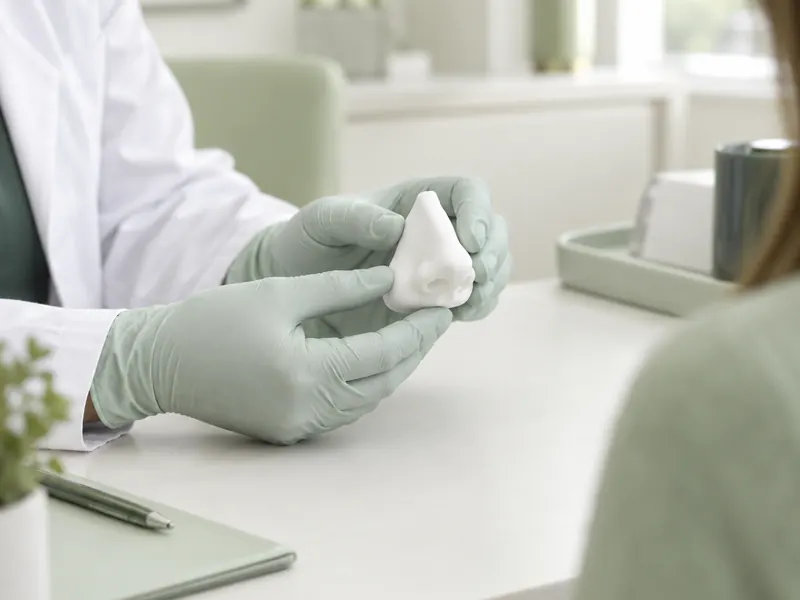
Preparation, recovery week by week, when the splint and stitches come out and how long to wait before flying home.
Read the articlePrices are in US dollars; the amount in brackets is an approximate conversion to UGX at the rate of 02.10.2026. The final price is fixed in your contract.
Prices start from $4,200 (≈ UGX 16,500,000). The surgeon sets the final price at the free consultation, and it is fixed in the contract, with no hidden extras.
The operation under general anaesthesia, a one-day inpatient stay, follow-up visits and dressings, plus a lifetime guarantee on the result.
Surgery takes 1.5–3 hours and you stay one day in the clinic. The nasal splints come out on day 7, and the cast is worn for up to 14 days.
Yes. The first consultation is free and does not oblige you to anything. You can start online by sending a message to the coordinator.
Message us on WhatsApp or Telegram using the buttons below. A coordinator will answer your questions and book a free consultation where the doctor names the exact price.
By messaging us, you agree to our Privacy Policy
Many people consider a nose job because of a hump, a wide bridge or a tip they want to refine; others because they cannot breathe freely. Rhinoplasty addresses both aesthetics and function. For residents of Entebbe, it is worth knowing that bone and cartilage are corrected with an ultrasonic piezo device, which keeps trauma to tissue and vessels to a minimum.
Recovery has early, middle and late phases. During days 1–3 you breathe through your mouth, and swelling and bruising may appear. Internal splints come out on day 7; the aluminium splint and stitches are removed by day 14. For a month, avoid exercise, saunas, pools and sun, and sleep on your back half-sitting. Patients from Entebbe get care advice at every stage.
Rhinoplasty costs $4,200 (≈ UGX 16,500,000). For patients from Entebbe, this price already includes the surgery and the surgeon's work, the inpatient stay after the operation, follow-up visits and dressings, and support from a personal coordinator. It covers every type of surgery — open and closed rhinoplasty, tip correction and septorhinoplasty. The first consultation is free; the exact cost is confirmed after an in-person exam.
What patients write after this operation. Reviews are translated from the original language.
Ekaterina Ivanova
For a long time I was self-conscious about the length of my nose, until a friend who had had rhinoplasty recommended this clinic. At the very first consultation they set the date of surgery and explained every stage in detail. The rhinoplasty under general anaesthesia was performed by Mareta Meirieva: the swelling went down quickly, and after just a week my nose looked natural and neat. Modern equipment, attentive staff and appointments without delays made the whole process comfortable. I recommend the clinic to anyone who values professionalism and a quality result.
Rhinoplasty
Olga Vasilyeva
This was my first visit to the clinic, for rhinoseptoplasty, and to be honest I was very nervous. At the consultation they explained every stage of the operation and recovery in detail, which calmed me down straight away. The operation was performed by Mareta Meirieva: the swelling started to go down on the third day, and the result is visible to the naked eye. Everything inside is sterile and pleasant, the atmosphere inspires trust, and the staff are always responsive. I thank the clinic for the high level of service and the warm approach!
Rhinoplasty
Marina Samarina
Everything was first-class: clean, cosy and calm. Booking and choosing the right date was easy. The nose operation went smoothly and the nerve block was done perfectly: now I breathe freely without nasal drops! It is a real lifesaver for anyone tired of endless prescriptions and ineffective procedures. I recommend it to everyone who values professionalism and results.
Rhinoplasty
Viktoria Petrova
I recently had rhinoplasty and I am absolutely delighted. At the consultation they told me about every stage in detail, so I went into surgery fully prepared. The operation went smoothly: they straightened the bridge of my nose and made the nostrils symmetrical, and the shape came out very neat. The swelling lasted a little longer than I expected, but they explained straight away that full recovery takes more time. No unpleasant surprises, everything was within the normal range. I recommend the clinic to anyone looking for a confident result and an attentive attitude.
Rhinoplasty
Page medically reviewed by Marina T. Pershikova, rhinoplasty surgeon. Review date: .
Entebbe is a city in Central Uganda on a peninsula of Lake Victoria, about 36 kilometres southwest of Kampala. It was once the seat of government of the Protectorate of Uganda, before independence in 1962, and today it is home to State House, the official office and residence of the President. The 2014 national census put the population at 69,958. For many residents of such a calm lakeside town, the question of nose surgery starts quietly: a conversation with a spouse, a friend or a colleague, and a few evenings of reading before any decision is made.
With City Medical Centre the first step is a free online consultation, and you take it from home in Entebbe. Coordinators are available 24/7 on WhatsApp and Telegram, so you can write when it suits you, after work, on a weekend or late in the evening. A coordinator will call you back 24/7, and the approach is personal, adapting to your pace.
Rhinoplasty improves aesthetics and makes facial features more harmonious, without loss of individuality. That wording matters to many people in Entebbe who do not want a dramatic change, only a nose that fits their face and still looks like them.
Entebbe has a tropical rainforest climate with no real dry season. The driest month is July, with precipitation averaging 72 millimetres, and the wettest is April, with an average of 264 millimetres. The temperature is moderated by the altitude: the hottest month is February with an average of 22.8 °C, and the coolest is July with 20.6 °C. There are no extreme swings, which is a gentle background for recovery.
Because the heat is moderate, the main climate questions after rhinoplasty are about moisture, sun and dust rather than severe heat. Damp, rainy weeks mean you will often move between indoors and outdoors, so keep the aluminium cast dry and ask your surgeon how to clean around it. In brighter weeks, protect the nose from strong sun once the cast is off, and discuss with the surgeon how long to avoid direct sunlight on the healing skin.
Swelling is the thing you notice most. First improvements show once swelling subsides, in 2–3 weeks, but the final result can be judged only in 1–1.5 years, when tissues fully stabilise. Sleeping with the head slightly raised and avoiding hot, steamy environments are general habits worth discussing at your consultation.
Since Entebbe has no true dry season, the choice of month depends less on weather and more on your calendar. April is the wettest month, and heavy rain can make the first days after discharge less comfortable if you must go out. July is the driest and coolest month, and many patients find a drier period easier for the first weeks of care.
Still, no month is forbidden. Practical points matter more: a quiet period at work or study, no major family event soon after surgery, and enough time for preparation. Preparation should begin 21 days before rhinoplasty, so count back from the date you have in mind.
Ask the coordinator to help you set the dates in a sensible order: online consultation, tests, surgery, then the check-ups at 7 days, 3 and 6 months. Planning the whole sequence in advance is better than choosing only the day of surgery.
You begin by writing to a coordinator on WhatsApp or Telegram. You describe what you would like to change, send clear photographs if asked, and agree a time for the online meeting. The consultation is free, and you can join from a quiet room at home in Entebbe with a stable connection.
At the consultation, the doctor will build a 3D model of the expected result and explain it. The steps are an examination by the surgeon and 3D modelling, followed by your surgery plan. With 3D modelling the predicted result is visible in advance, and you agree on changes with your surgeon.
Because Entebbe sits close to Kampala and many families have members in both places, some patients invite a relative to the call. That is a good idea. A second person hears the explanation, remembers the details and can help you recall questions afterwards.
Follow-up support lasts 12 months, so the conversation does not end when the call is over.
At the first appointment our plastic surgeon gives you a list of the required tests. Getting ready involves consultations with the plastic surgeon, lab work (CBC, biochemistry, coagulation, infection tests), ECG, chest X-ray, plus a nasal X-ray or CT. Residents of Entebbe can plan these examinations locally, then send the results to the coordinator for the surgeon to review.
A week ahead, give up anticoagulants, alcohol and smoking. The day before, eat light food. No food 6 hours before surgery, and your last food and any fluids must be taken at least 6 hours before the scheduled time of the operation. Tell the surgeon about every medicine and supplement you use.
For your hospital stay, buy compression stockings (class 2 compression) in advance and bring them with you. Do not leave this until the last day, since it is easy to forget when daily life in a busy household continues around you.
Psychological readiness is part of preparation as well. The patient should understand that the final result will be visible in 1–1.5 years.
Rhinoplasty is done in 1 day. It is performed under general anaesthesia and, depending on complexity, takes 1.5 to 3 hours. Afterwards, for 24 hours the patient remains under observation in the inpatient unit. In short, surgery takes 1.5–3 hours and you stay one day in the clinic.
The nose needs to be protected after surgery. An aluminium cast is placed over the nose, with special silicone splints inside the nasal cavity. Nasal function is limited in the first days but recovers quickly.
Your coordinator tells you in advance who should be with you, what to bring and how the day is organised. Share this plan with your family at home in Entebbe, so that someone can meet you after discharge and help you settle in a calm room.
Days 1–3: breathing is through the mouth, with splints in the nostrils. Day 7: the splints are removed. The aluminium nasal cast is worn for up to 14 days; stitches are removed on day 14 together with the cast. In the days right after surgery, splints or swelling may partly block the nasal passages. You usually breathe fully again within 1–2 weeks, depending on your body and how extensive the surgery was. For 1–1.5 months you may feel slight congestion.
Once surgery is done, you follow a recovery programme, with check-ups at 7 days, 3 and 6 months to track progress. Consultations with your surgeon stay free for a year after surgery. These meetings take place online, which suits life in Entebbe, where you can speak from home without rearranging your whole week.
Be patient with the mirror. The nose takes its final shape after 1–1.5 years. In humid weather the swelling may seem to change from day to day, and that alone is no reason for alarm. If something worries you, write to the coordinator, who is reachable 24/7.
A short practical list: keep the cast dry, avoid knocks, do not wear heavy glasses without asking the surgeon, and follow every instruction about cleaning and sleeping position.
Many people in Entebbe work in offices, public institutions, services and education, and some spend long days outdoors near the lake. Ask the surgeon how long to stay away from work while the cast and stitches are in place, remembering that the cast is worn for up to 14 days. Office work is usually easier to arrange than work with dust, heavy lifting or crowds.
Students should plan around exams and practical classes. Athletes and anyone who swims in the lake or a pool should ask for clear permission before returning to water or contact sport, since the nose must be protected from blows and pressure. Do not decide this by yourself; ask at the check-up at 7 days or later.
Family events, weddings and shared meals will also be part of your plan. Photographs taken early may show swelling that has not settled yet, since first improvements show in 2–3 weeks and the final result later. Choose important dates with that in mind.
The more honestly you describe your daily routine to the surgeon, the more useful the guidance will be.
The name Entebbe comes from the Luganda phrase e ntebe, which means a seat or a chair. The place was linked to the Mamba clan and was called entebbe za Mugula, after the title of a chief of one subdivision of the clan. It was probably named so because it was where a Baganda chief sat to hear and judge legal cases. For a person thinking about rhinoplasty, this is a pleasant thought: in Entebbe a decision has always been something to sit down with, listen to both sides and weigh carefully before announcing it.
Use that tradition. Sit down with your questions before the online consultation and write them in two columns: what bothers you about the nose, and what you want to keep. The doctor will build a 3D model of the expected result, and you can compare it with your list. Nothing has to be settled in one evening, and the coordinator, reachable 24/7, can move the call to a moment when you feel ready.
The town became a British colonial administrative and commercial centre in 1893, when Sir Gerald Portal used it as a base, and it later served as the seat of government of the Protectorate until independence in 1962. Today the government has moved to Kampala, but State House remains, and the town keeps a quiet, official, orderly character. People who live in such a setting often prefer planned, unhurried medical decisions, and a rhinoplasty that starts with 21 days of preparation suits that habit well.
Entebbe is made up of neighbourhoods such as Bugonga, Katabi, Nakiwogo, Nsamizi, Kitooro, Lunnyo and Lugonjo. The city covers 56.2 square kilometres, of which 20 square kilometres is water, so almost every resident lives close to the lake shore. Think about your own corner of town when you plan the weeks after surgery. Someone in a lakeside area such as Kitooro or Nakiwogo will have fresh, damp air and strong glare off the water, while a resident of an inland area like Bugonga may deal more with passing traffic and dust.
This matters because of the first days. Days 1–3 mean breathing through the mouth with splints in the nostrils, and on day 7 the splints are removed. During this time you will want a quiet room, not a long walk along a busy road. Choose the room in your home that is calmest and has a comfortable place to sleep with the head slightly raised, and ask a family member to handle errands.
When you take the online consultation, mention where you live and how you usually move around town. The surgeon can then give practical advice about when it is reasonable to go outside, how to shield the aluminium cast from rain and knocks, and when to be cautious in crowded places. Remember that the cast is worn for up to 14 days and stitches are removed on day 14 together with it, so crowded markets and busy queues are best postponed until the surgeon agrees.
Entebbe is known for the National Botanical Gardens, laid out in 1898, and for the Uganda Wildlife Education Centre, which also serves as the national zoo. Many residents use these green places for slow walks, and they are a natural idea once you start to feel better. The question is timing. In the first week, rest is the priority. After the splints come out on day 7, ask the surgeon at the check-up whether a short, shaded walk in a quiet area is acceptable, and what to avoid.
Think about specific hazards in such places. Shade protects a healing nose from strong sun, but crowds of school groups, running children and sudden movements near the cast are a different matter. Choose quiet hours of the week and a path with few people. Avoid anything that could bring a knock to the face, and keep the cast dry if showers come, which is likely since Entebbe has no real dry season.
The lake shore is tempting too, yet water needs a separate answer. Do not swim in Lake Victoria or a pool until the surgeon clearly allows it. Walking beside the water at a calm moment is a different thing from swimming, and a short stroll is often a pleasant reward for patience. Treat each step as a question for your check-up at 7 days, 3 and 6 months, where the surgeon follows your progress.
These gentle outings also help your mood. The nose takes its final shape after 1–1.5 years, so the weeks of waiting are long, and fresh air and greenery make them easier to bear.
Entebbe is home to the oldest golf course in East Africa, Entebbe Golf Club, established in 1900 and bordered on its south side by the wildlife education centre. If you play golf or walk the course, ask the surgeon when light activity is acceptable. A swing involves little direct risk to the nose, but sun, bending forward and sudden head movements all deserve a clear answer, and a hat or visor must not press on the healing nose.
Nkumba University is one of the more than thirty licensed institutions of tertiary education in Uganda, and its students, lecturers and staff give the area a young, busy rhythm. If you study or teach there, place surgery in a quiet part of the term, away from examinations and practical sessions. Remember the sequence: surgery takes 1.5–3 hours, you stay one day in the clinic, and the cast stays for up to 14 days. Many students prefer to use a break between terms and have the consultation earlier, so that the 21 days of preparation fall during ordinary lectures.
Entebbe also has many people employed in public offices: the Ministry of Agriculture, Animal Industry and Fisheries has its headquarters here, and the Civil Aviation Authority and the Special Forces Command are based in the town too. Staff in such institutions often keep strict schedules and may need formal notice for time away. Plan the dates with your employer early, and ask the surgeon what kind of note about your recovery you may need. Discuss in advance whether your role involves a uniform, a helmet or headgear that could press on the nose, and agree a return date only with the surgeon.
Entebbe hosts the Uganda Virus Research Institute and several research programmes, and it is the place where the headquarters of the National Medical Stores operate for now. Many residents therefore work around laboratories, health and science, and they tend to ask precise questions: what is checked in the blood tests, why a CT or nasal X-ray is needed, and how the anaesthetist is informed. These are good questions. The preparation includes lab work (CBC, biochemistry, coagulation, infection tests), ECG, chest X-ray, plus a nasal X-ray or CT, and you are entitled to understand the purpose of each one.
Ask for explanations in plain words and request them in writing through the coordinator. Ask how the 3D model is built, how closely the final nose is likely to follow it, and why the result can only be judged in 1–1.5 years. A careful patient also asks what happens if something in the tests needs clarification, and who reads the results.
Entebbe also has a well-known children's surgical hospital run by an international NGO, which shows how much local families value careful surgical care. Use the same attitude for yourself: do not rush, ask everything, and choose a team that explains each step. With follow-up support lasting 12 months and free consultations with the surgeon for a year after surgery, you can keep asking questions long after the operation.
18 to 45 is the optimal age. By this age the nose has formed completely, while tissues still heal well. With medical indications, older patients can have surgery if their general health allows. Contraindications are decided by the surgeon after tests and an honest talk about your health history, so mention chronic illness, allergies, medicines and earlier nose injuries.
Good questions to ask during the online consultation: What exactly will change on my 3D model, and what will stay the same? How will my breathing be affected and for how long? What should I do in the first 7, 14 and 30 days? When can I return to work and sport? Which signs mean I should contact the team at once?
Also ask how the check-ups at 7 days, 3 and 6 months are arranged, and how follow-up support for 12 months works in practice. Write the answers down, or ask a relative to do so.
Yes. The consultation is free and online. You write to a coordinator on WhatsApp or Telegram, agree a time and speak with the doctor from home. Coordinators are available 24/7.
The doctor will build a 3D model of the expected result and explain it. You see the predicted result in advance and agree on changes with your surgeon.
Rhinoplasty is performed under general anaesthesia and, depending on complexity, takes 1.5 to 3 hours. You then stay one day in the clinic, under observation for 24 hours.
Preparation should begin 21 days before rhinoplasty. At the first appointment the plastic surgeon gives you a list of the required tests, and a week ahead you give up anticoagulants, alcohol and smoking.
Buy compression stockings (class 2 compression) in advance and bring them with you. The coordinator will tell you about other practical items.
The splints are removed on day 7. The aluminium nasal cast is worn for up to 14 days, and stitches are removed on day 14 together with the cast.
In the first days splints or swelling may partly block the nasal passages. You usually breathe fully again within 1–2 weeks, depending on your body and how extensive the surgery was. Slight congestion may remain for 1–1.5 months.
First improvements show once swelling subsides, in 2–3 weeks, but the final result can be judged in 1–1.5 years, when tissues fully stabilise.
Entebbe has no real dry season, and April is the wettest month. Keep the cast dry, protect the nose from strong sun after it comes off, and ask your surgeon about care in damp weather.
You follow a recovery programme with check-ups at 7 days, 3 and 6 months. Consultations with your surgeon stay free for a year after surgery, and follow-up support lasts 12 months.
Entebbe comes from the Luganda e ntebe, a seat or chair, linked to a chief who sat to judge cases. It has no medical meaning, but many residents like the idea of sitting down and weighing a decision carefully before booking a consultation.
Not until your surgeon clearly allows it. Lake Victoria and pools are off limits at first, and the nose must be protected from knocks and pressure. Ask at your check-up at 7 days or later.
In the first week rest is the priority. After the splints are removed on day 7, ask the surgeon whether a short, quiet, shaded walk is fine. Avoid crowds and anything that could hit the nose while the cast is on.
Choose a quiet part of the term or a break. Preparation begins 21 days before, surgery takes 1.5–3 hours, you stay one day in the clinic, and the cast is worn for up to 14 days.
Ask your surgeon for a clear date. Sun, bending forward and a hat or visor pressing on the nose all need advice, and you should not return to the course before you have permission.