



























Message our coordinator
Free online consultation · Reply within 15 minutes
Message us on TelegramMessage us on WhatsAppBy messaging us, you agree to our Privacy Policy





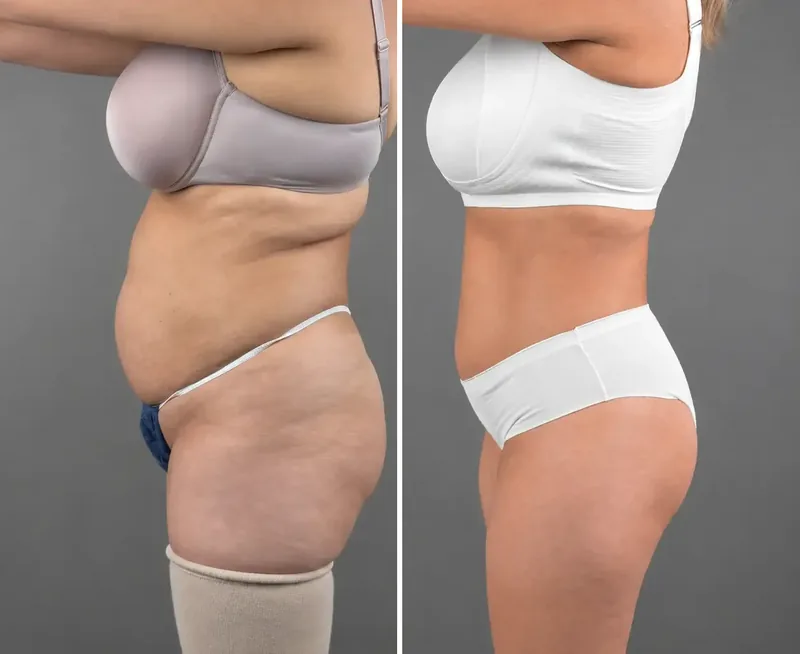
Age 48
6 months
Abdominal liposuction
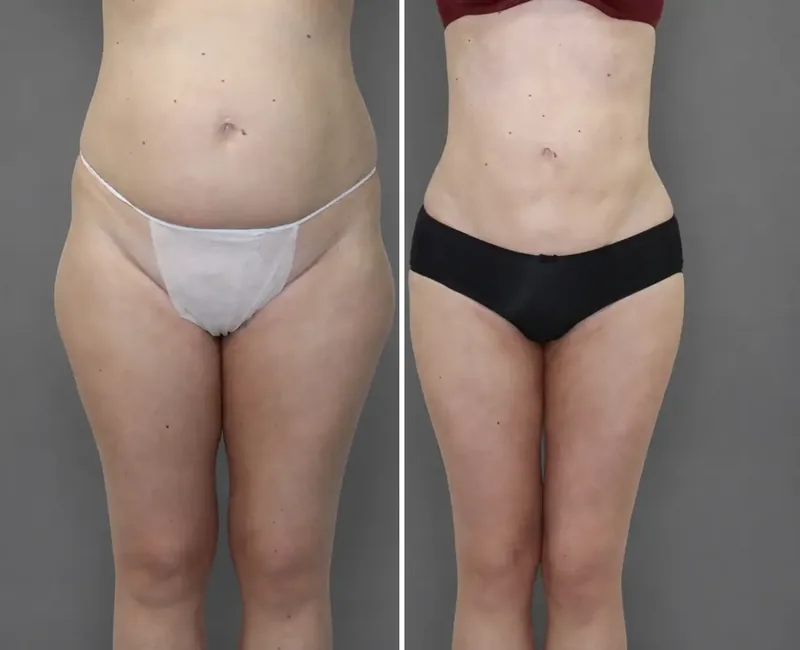
Age 52
8 months
Liposuction
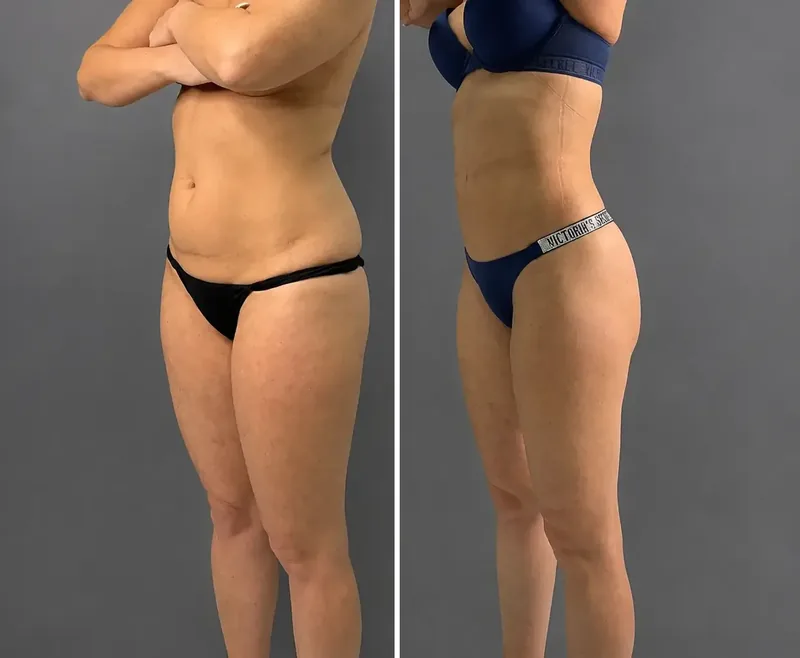
Age 37
7 months
Abdominal liposuction
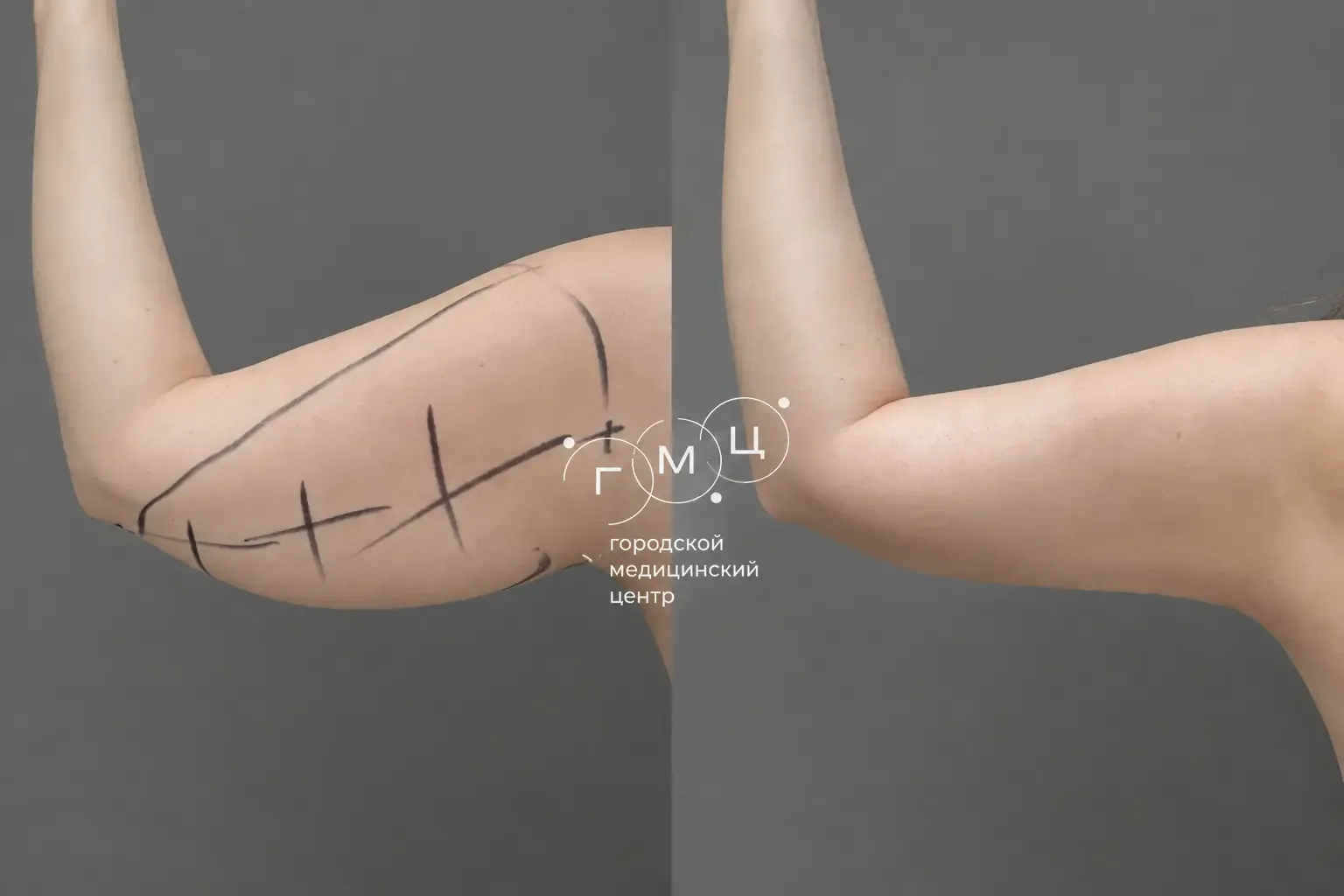
Age 30
9 months
Arm liposuction
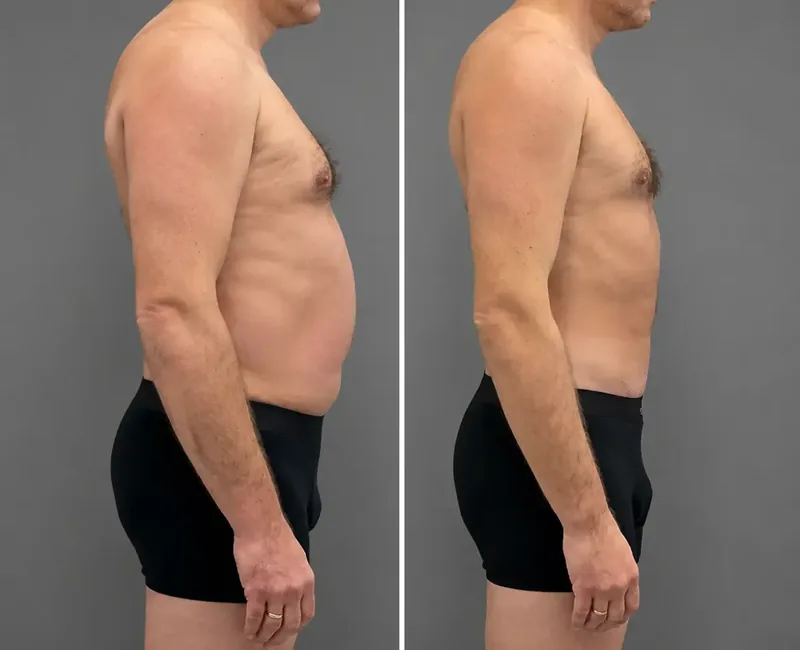
Age 49
10 months
Abdominal liposuction
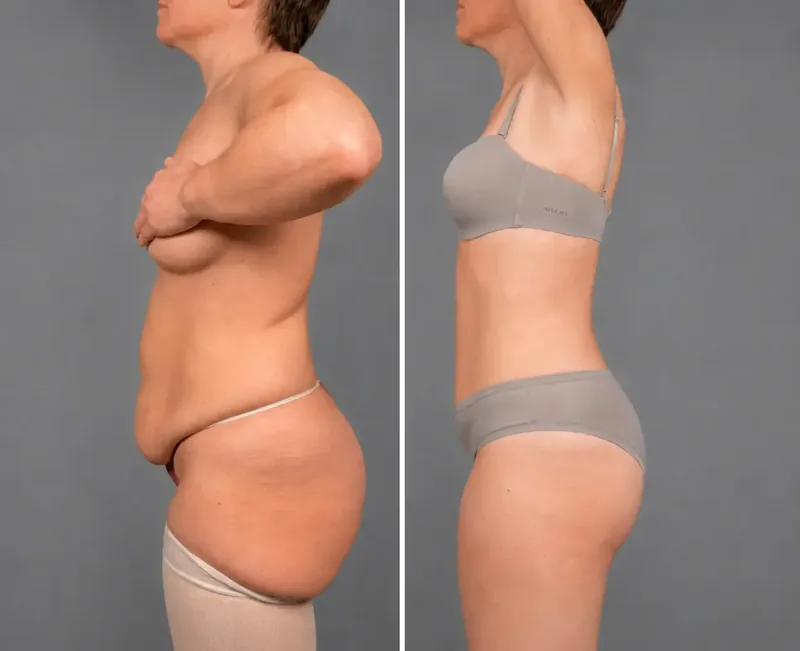
32 years
6 months
Liposuction
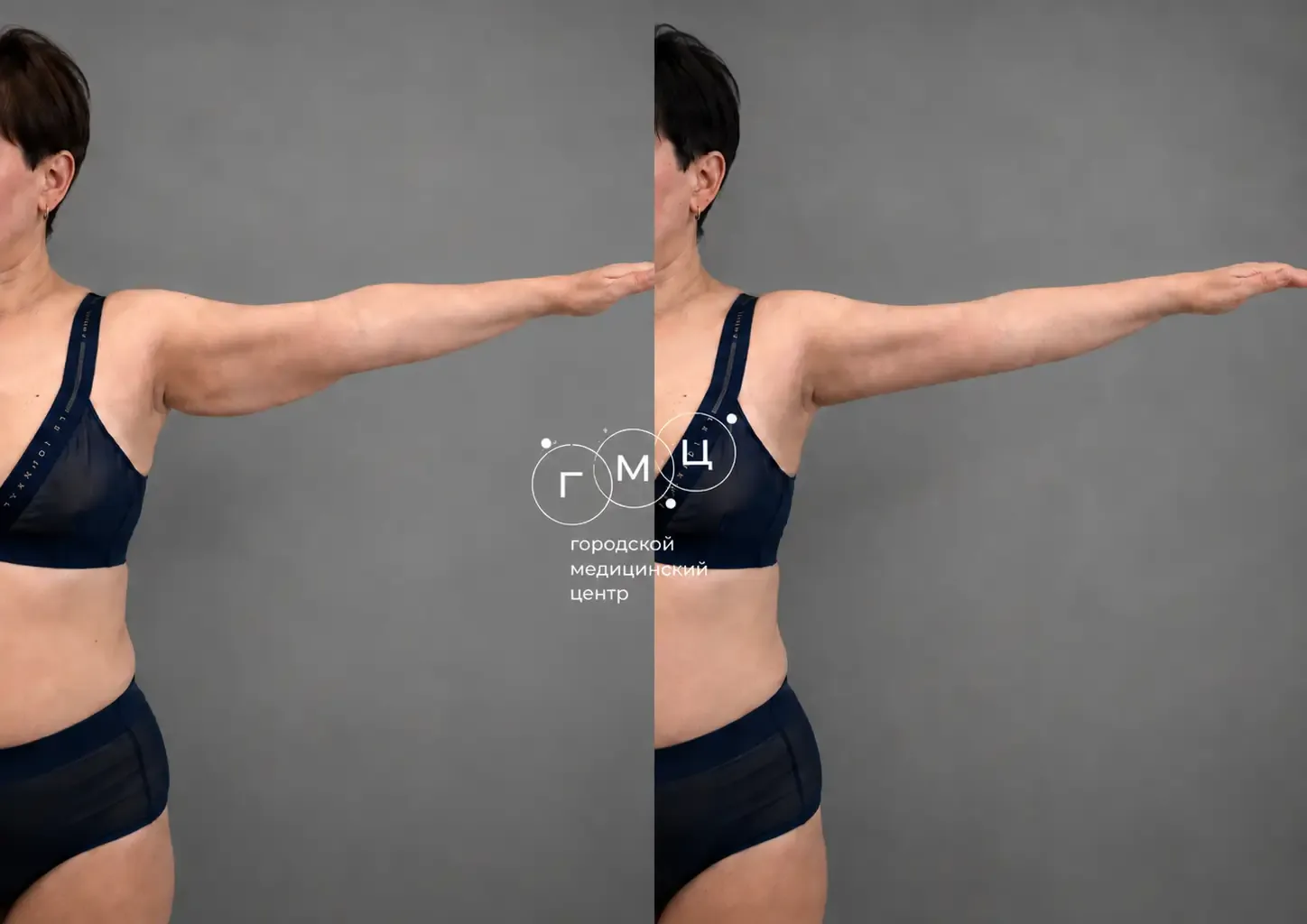
Age 51
6 months
Arm liposuction
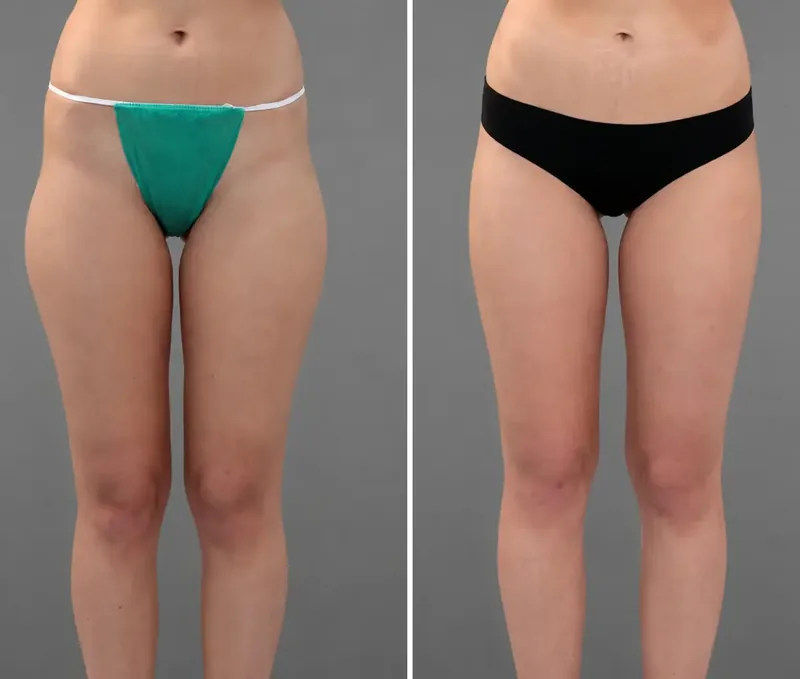
Age 30
8 months
Thigh liposuction
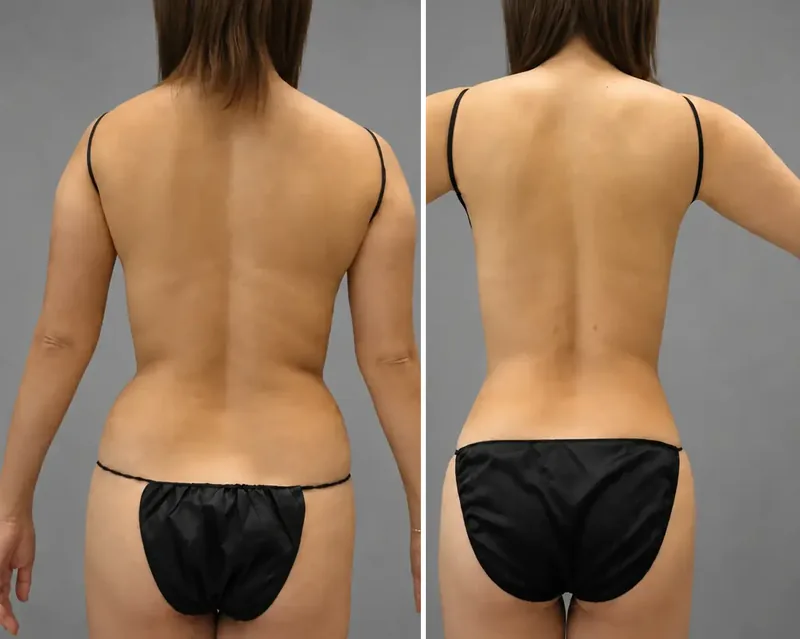
Age 38
7 months
Back liposuction
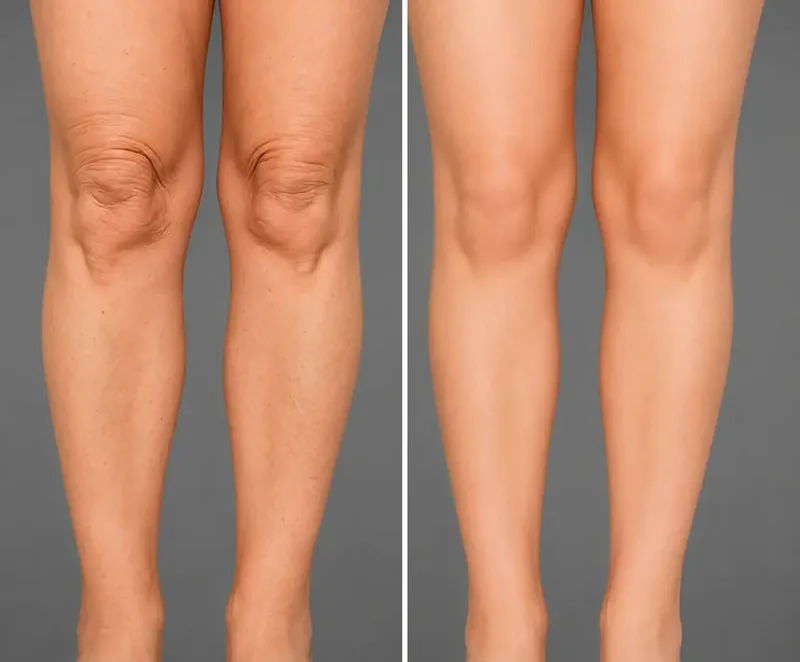
Age 35
6 months
Knee liposuction
Age 48
6 months
Abdominal liposuction
Age 52
8 months
Liposuction
Age 37
7 months
Abdominal liposuction
Age 30
9 months
Arm liposuction
Age 49
10 months
Abdominal liposuction
32 years
6 months
Liposuction
Age 51
6 months
Arm liposuction
Age 30
8 months
Thigh liposuction
Age 38
7 months
Back liposuction
Age 35
6 months
Knee liposuction







Fat deposits unaffected by diet and exercise
An uneven layer of subcutaneous fat
Disrupted body proportions and contours
Getting your silhouette back after childbirth or sudden weight loss
Male gynecomastia (fat component)

Patients under 18
Endocrine obesity
Significant chronic and mental health conditions
Decompensated diabetes
Blood coagulation disorders
Cancer
Pregnancy or breastfeeding
Serious heart, kidney, or liver problems
Temporary contraindications: acute infections, inflamed skin in the treatment area, menstruation, use of anticoagulant drugs
Liposuction in Zagazig: what you should know
Two techniques are used. In tumescent liposuction a saline-based solution with lidocaine and adrenaline is injected first; it loosens fat and constricts vessels, so blood loss is minimal and there is almost no bruising. In VASER liposuction ultrasound breaks down fat cells before vacuum removal, which suits athletic abs and delicate zones. The surgeon picks the method for each patient in Zagazig.
Duration depends on scope: from about one hour for a small area to three or four hours for a combined procedure. Anaesthesia is local or general depending on how much is treated. After general anaesthesia you spend one day in hospital under observation; after local anaesthesia you go home three to four hours later. The same approach applies to patients from Zagazig.
The cost is built around your zones: from $1,200 (≈ EGP 63,000) for the most compact area, rising for larger combinations such as the torso or the abdomen with flanks. Nothing is added later, because the contract fixes the price. Zagazig residents can split payment into interest-free instalments and begin with a free surgeon consultation, booked through the form on the page.
Stories of well-known people
Well-known people who spoke openly about this operation, in their own words.
 Amy Schumer's liposuction: “thanks for helping me get my strength back”Amy Schumer revealed her liposuction on Instagram in 2022 and explained why. Her words, how liposuction works today and what recovery looks like.
 Brooks Nader and her liposuction regret: what she actually saidModel Brooks Nader told People she regrets a past liposuction, saying it left dimples and ripples. What she said, how liposuction works, and recovery.
 Stacey Silva's liposuction: what was reported, and what wasn'tStacey Silva and her twin Darcey had liposuction on a 2021 trip to Turkey, reported by Showbiz Cheat Sheet. What was said, how the procedure works and recovery.
 Did Josie Gibson have liposuction? Yes, and she explained whyJosie Gibson had liposuction and skin removal on her arms in 2026 because of lipoedema. Her own words, how liposuction works and what recovery involves.
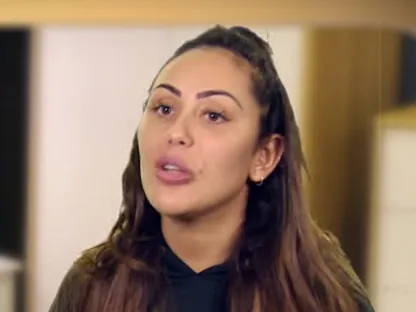 Sophie Kasaei: “Horrible insecurities drilled into me”Sophie Kasaei flew to Turkey in 2016 for a free BBL that nearly killed her. Her own words about the insecurities behind it, and what safe liposuction involves.
 Did Emmy Russ have liposuction? Yes, and she explained why herselfGerman reality TV personality Emmy Russ confirmed liposuction and skin tightening in October 2026 and explained why. Her words, the procedure and recovery.
A Delta Crossroads and Diets That Never Paid Off
Zagazig sits at the junction of the eastern Delta's routes linking Cairo with the canal cities and Damietta, and its population counts 430,445. A commercial city in such a spot means long stretches behind desks and counters, quick meals between appointments, and far less walking than bodies were built for — so stubborn pockets settle on flanks, abdomen or thighs at a near-stable weight.
The city itself maps generations of the story: it began as a small settlement called Nazlat az-Zaqaziq in 1830, named for the Zaqzuq family, then split from the Qanayat district to stand as an independent municipality in 1890. That layered history left a rich table and inherited eating habits no single decision erases.
A perfume shop owner on the commercial street, for instance, has tried every diet school across the years: his weight barely moves while the waistline stays what bothers him in mirrors and family photos. His first opinion comes through a message to around-the-clock coordinators on Telegram or Telegram, with natural-light photos and a precise description of the areas.
The Bathroom Scale Does Not Tell the Whole Story
Many patients are startled that the scale's needle barely moves after the procedure, because they walked in expecting a weight-loss outcome. The truth is that suction reshapes a defined pocket that ignored months of effort, while overall weight stays near where it was — and the best outcomes belong to people already at a stable weight.
Anyone who grasps these boundaries before booking enters calmly: the goal is a more proportionate figure in everyday clothing, not a new number on the screen. The only disappointment possible belongs to someone who promised himself what the procedure never aimed at, and the first evaluation exists to correct that picture.
A good consultation dedicates real time to eligibility: which areas genuinely qualify for suction and which need another route. A serious surgeon does not automatically agree to everything a patient points at, and that medical filter protects both effort and money.
One Area or a Wider Plan: Anaesthesia and the Overnight Stay
The plan's size decides the anaesthesia: a single modest area is usually treated under local anaesthesia, while a plan covering several areas calls for general anaesthesia and a one-day hospital stay under observation before the patient returns home quietly.
Afterward, compression garments are worn for four to six weeks, and saunas, steam baths, swimming pools and intense sport sit on the forbidden list while the treated areas settle. Light walking early is encouraged for circulation, while heavy lifting waits for a clear approval.
Visible changes usually appear within three to four weeks as swelling lightens and the skin settles onto the new line, and the final result is assessed around three months after surgery once the skin has fully healed. Set follow-ups show the patient his own progress curve through photographs instead of daily guesswork.
Compression Weeks Under Delta Humidity: Practical Arrangements
Humidity is this Delta city's permanent guest, pressing through most months alongside July heat approaching the mid-30s °C. A compression layer in such air calls for preparation: clean cotton underneath, rationed outdoor hours at the peak, a ventilated home through the afternoon, and water on a schedule rather than on thirst.
That is why many residents arrange the garment weeks inside the cooler, drier window from autumn to early spring, when staying home and an evening walk become two comfortable habits. The perfume shop owner finds winter his natural season for extra layers without a single customer asking why.
In any season the rule stays: rest in shaded or air-conditioned space during the most humid hours, and literal adherence to the surgeon's instructions on when each level of activity resumes — from walking to work to the gym.
The Financial System and the Syndicate Check Before Deciding
Egypt's funding sources are well known: the Health Insurance Organization covers about 60 percent of the population through payroll contributions for essential care, and the Universal Health Insurance law of 2018 rebuilds coverage around the household, with neither the old nor the new system designed for elective cosmetics. Patients plan the cost and settle it personally.
Before any payment comes a clear verification route: every physician practicing in Egypt is registered with the Egyptian Medical Syndicate (ems.org.eg), which offers an online specialty inquiry, while facilities answer to the Ministry of Health and Population (mohp.gov.eg). Matching the surgeon's details through the syndicate finishes from a phone before any approval.
In the first consultation two questions deserve plain answers: the difference between traditional suction and wave- or laser-assisted methods where they exist, and why one approach suits this specific case. A detailed, reasoned reply separates a surgeon thinking about his patient from one repeating a template.
Stocking the First Consultation: Photos and Questions, Prepared Like an Order
A shop owner in Zagazig knows merchandise gets prepared before it is displayed, and the same logic serves the first photo consultation. The required pictures are simple: front, side and back stances of the waist, abdomen and thighs, in reasonably fitted clothing that shows the body's true line, shot in a daylit room rather than under a yellow bulb. One frame from far away hides the very details a surgeon's judgment rests on, so a sensible close distance beats every camera embellishment.
Questions get prepared the way a trader writes his supplier list: on paper, in order. First comes eligibility: are all the areas I see actually candidates, or does one of them need another answer? Then the plan: does a single area suffice under local anaesthesia, or does a wider plan require general anaesthesia and a one-day hospital stay? Then the boundary question: where should the shape stand at the three-month mark? Writing the answers in a small notebook behind the counter protects them, because a useful conversation runs long and memory does not survive every detail.
Sending runs through a single channel: clear photos, a few lines on when the fat pocket appeared and which diets were tried, and the question list, all to coordinators on Telegram or Telegram who reply around the clock. Anyone uneasy with medical vocabulary writes in plain words; relaying the question as it is, is the coordinator's job. The first reply comes straight by what arrived: either suction fits the named areas, or the evaluation points to another route first. Either way the next step is known rather than guessed.
Does suction remove loose skin or old scars?
No, the procedure works on fat volume beneath the skin alone. Excess skin or scars need separate evaluation and a different procedure, which may be combined or postponed by the case, and the surgeon draws that boundary from the photographs.
When do I get back to my shop or my desk?
Most desk-based and quiet retail work resumes within a few days, with loose clothing hiding the garment through its stretch. Heavy work waits until the treated areas settle, with the exact date set at the first follow-up.
Can I walk through the city market during the garment weeks?
Light walking is encouraged from the first days, but market crowds in hot, humid hours stay uncomfortable early on. Errands arranged for early morning or evening, in loose clothes covering the layer, let daily life proceed normally.
What should I do if the swelling looks uneven between the two sides?
Mild asymmetry in the first weeks is common because the sides heal at close but not identical speeds. Contact the team at once through the same channel with clear photos, and they decide whether it sits within the normal course.
How long do I stay away from the gym?
Intense training stays forbidden for the entire four-to-six-week garment stretch, after which exercise returns gradually by the surgeon's decision at reviews. Treat the period as an organized pause serving the result, not a break that breaks the habit.
Will my weight change noticeably in the first month?
Expect a change in shape more than in number: the needle moves a little while the body learns its new contour as swelling recedes. The mirror and follow-up photos are the honest measure, not the bathroom scale.
I have an event three months out — is that enough time?
Yes, the final result is assessed about three months after full healing, so an occasion after that stretch finds the shape settled. Count the garment weeks inside the period and leave a small margin of rest before the day.
Does the fat return to the treated areas after years?
The removed cells do not come back, but remaining cells throughout the body enlarge if weight increases, shifting distribution. A stable weight and lightly adjusted inherited eating habits preserve the result's shape over the long run.
The areas sit under clothing: how do the photos stay modest?
Fitted home clothing is usually enough to show the waist and abdomen line, and no first-consultation photo asks anyone to undress. The surgeon reads overall distribution and balance; the close examination comes later, entirely by your choice. Anyone wanting more privacy shoots the areas separately in a closed room and sends them through the dedicated channel alone.
Which question separates a serious surgeon from a hasty one at first meeting?
Ask why he rules an option out, not only why he recommends one. A surgeon who explains his exclusions holds the complete picture of your case, while generic answers to every question sell a name rather than a plan. Add one more about how photo follow-up is run after the operation; a written, clear answer there spares you months of confusion later.
Liposuction in Zagazig: price and what is included
Prices are in US dollars; the amount in brackets is an approximate conversion to EGP at the rate of 02.10.2026. The final price is fixed in your contract.
- Liposuctionfrom $1,200 (≈ EGP 63,000) per area
How much does liposuction in Zagazig cost?
Prices start from $1,200 (≈ EGP 63,000) per area. The surgeon sets the final price at the free consultation, and it is fixed in the contract, with no hidden extras.
What is included in the price?
The operation under local or general anaesthesia and the surgeon's support throughout recovery. The price is per area and fixed in the contract.
How do I get my exact price?
Message us on WhatsApp or Telegram using the buttons below. A coordinator will answer your questions and book a free consultation where the doctor names the exact price.
By messaging us, you agree to our Privacy Policy