



























Message our coordinator
Free online consultation · Reply within 15 minutes
Message us on TelegramMessage us on WhatsAppBy messaging us, you agree to our Privacy Policy





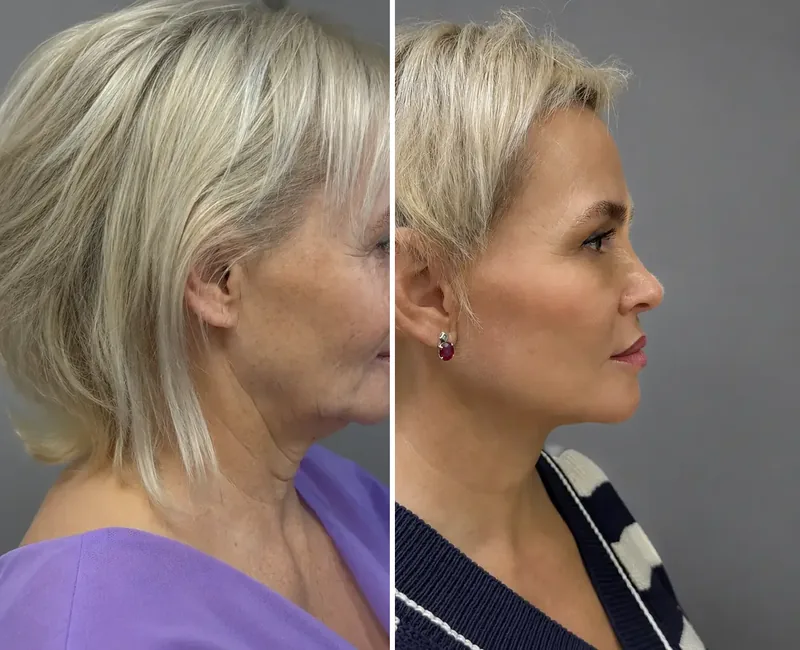

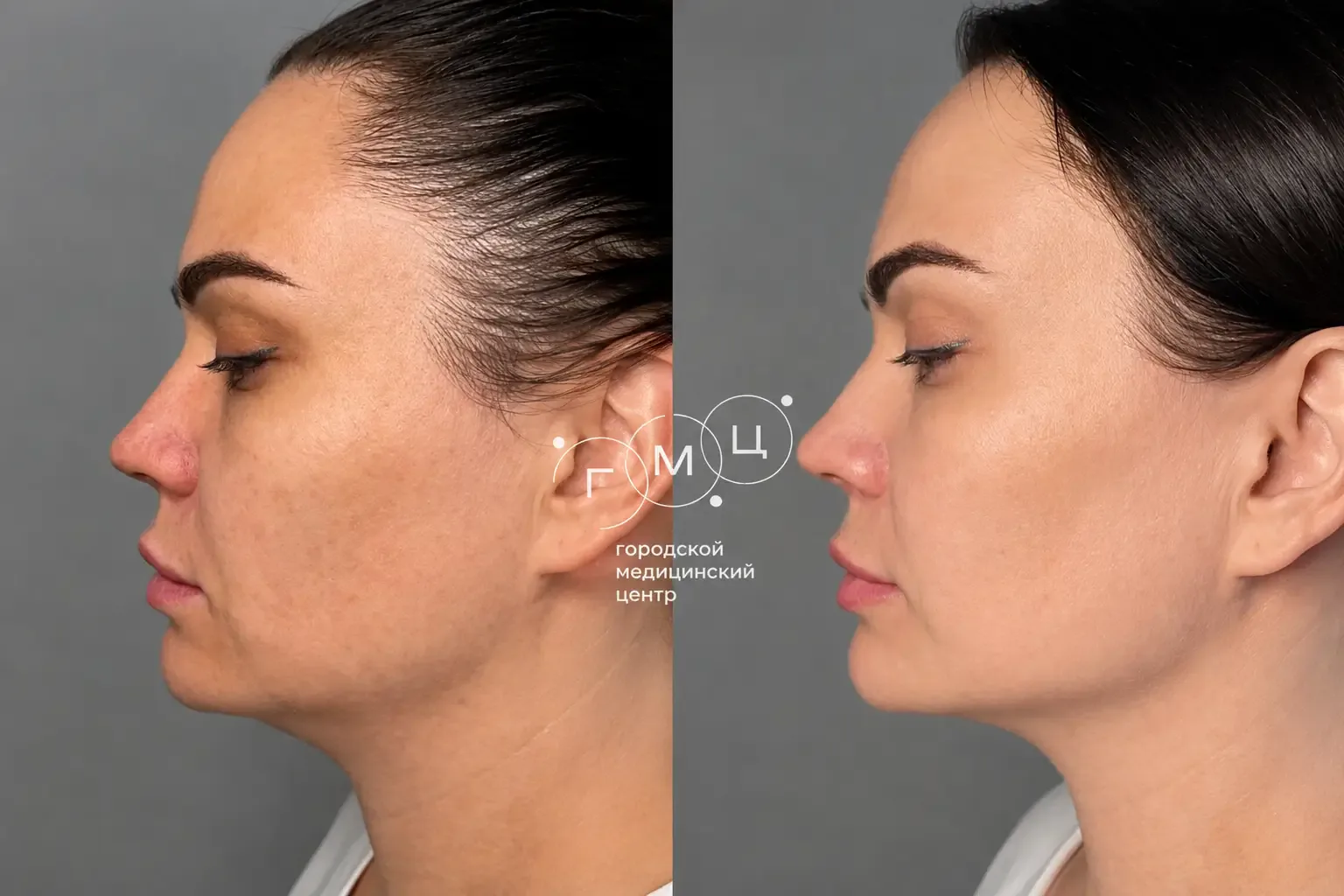
50 years
9 months
SMAS facelift
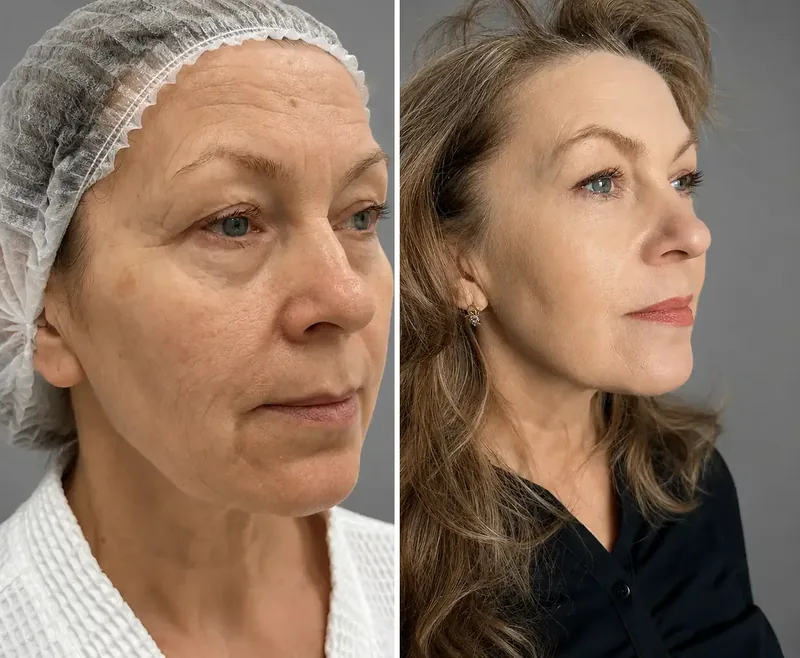
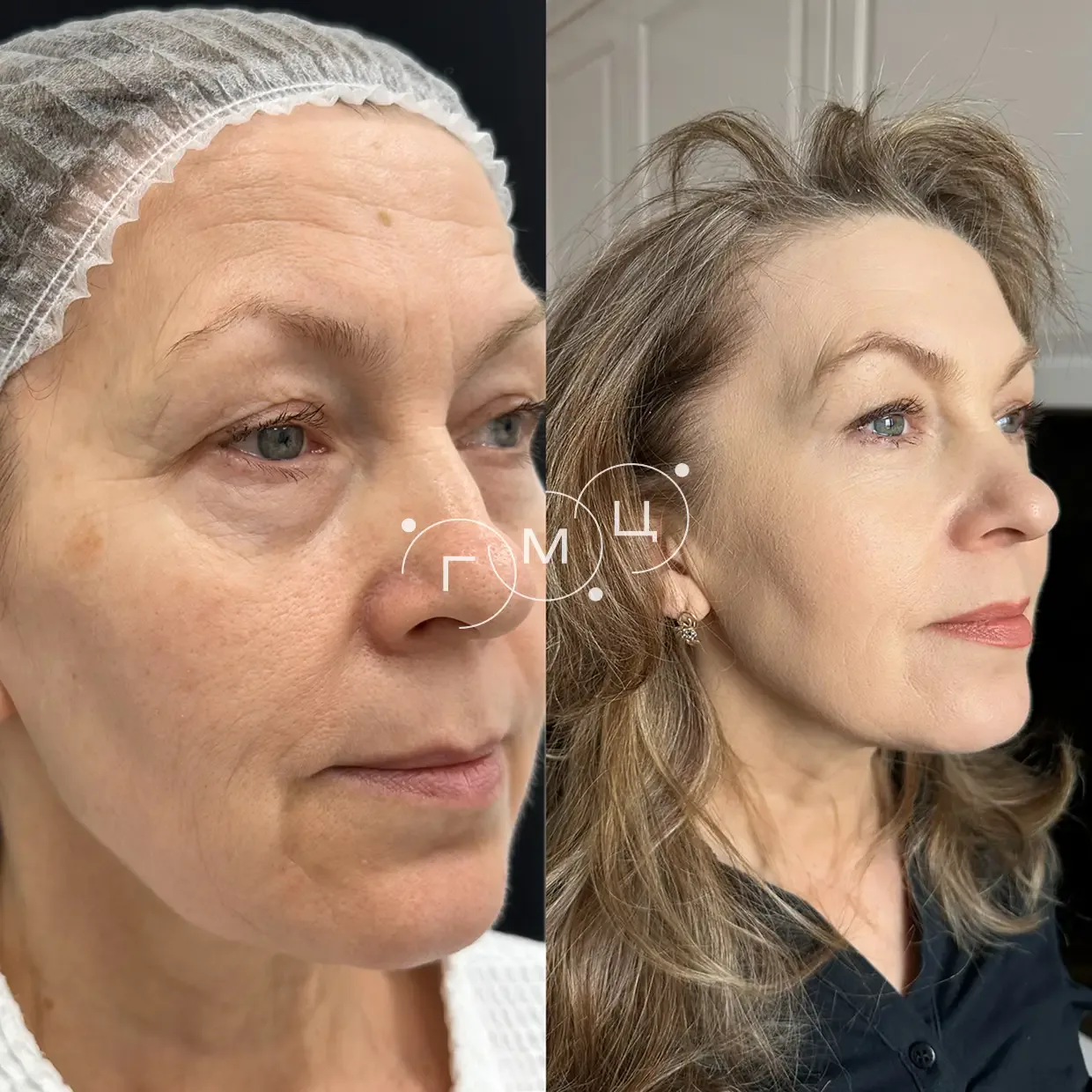
58 years
8 months
SMAS facelift
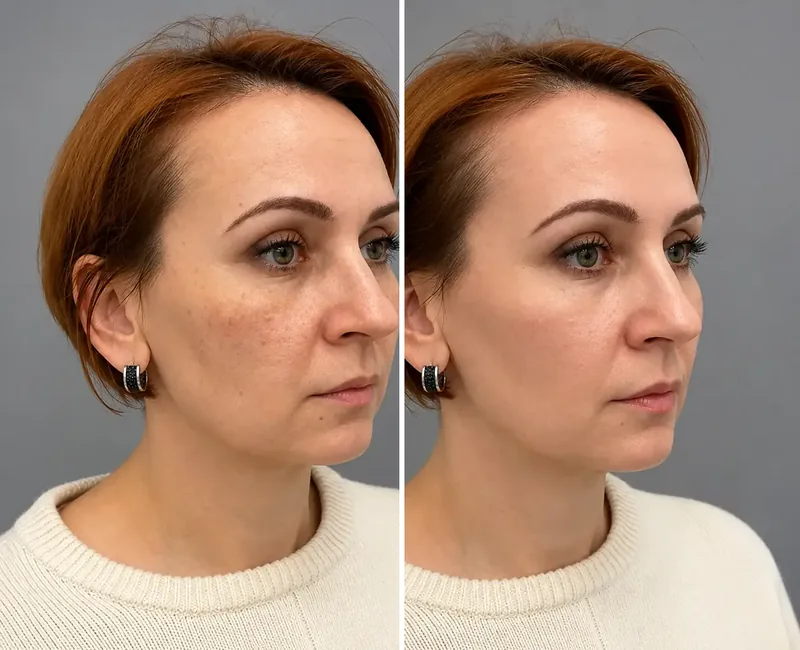
34 years
5 months
SMAS facelift
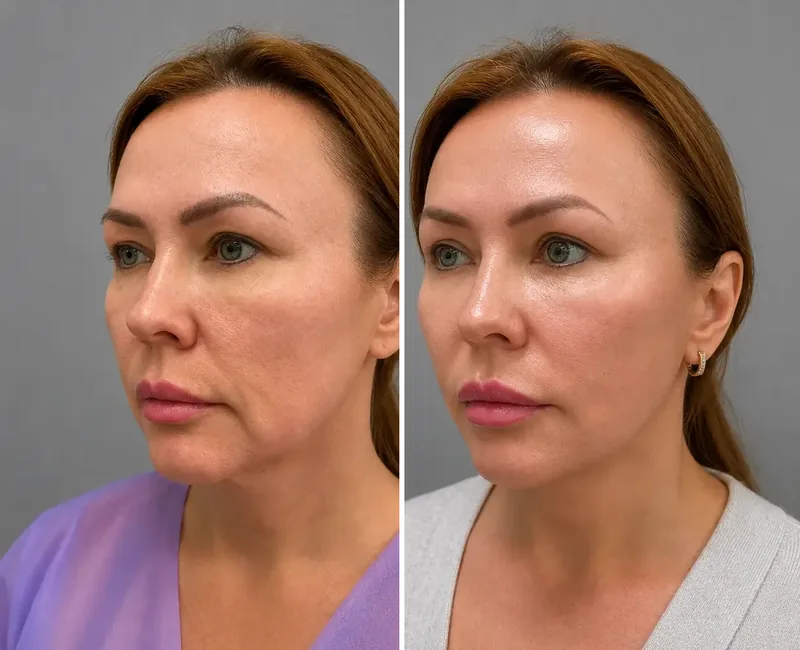
32 years
7 months
SMAS facelift
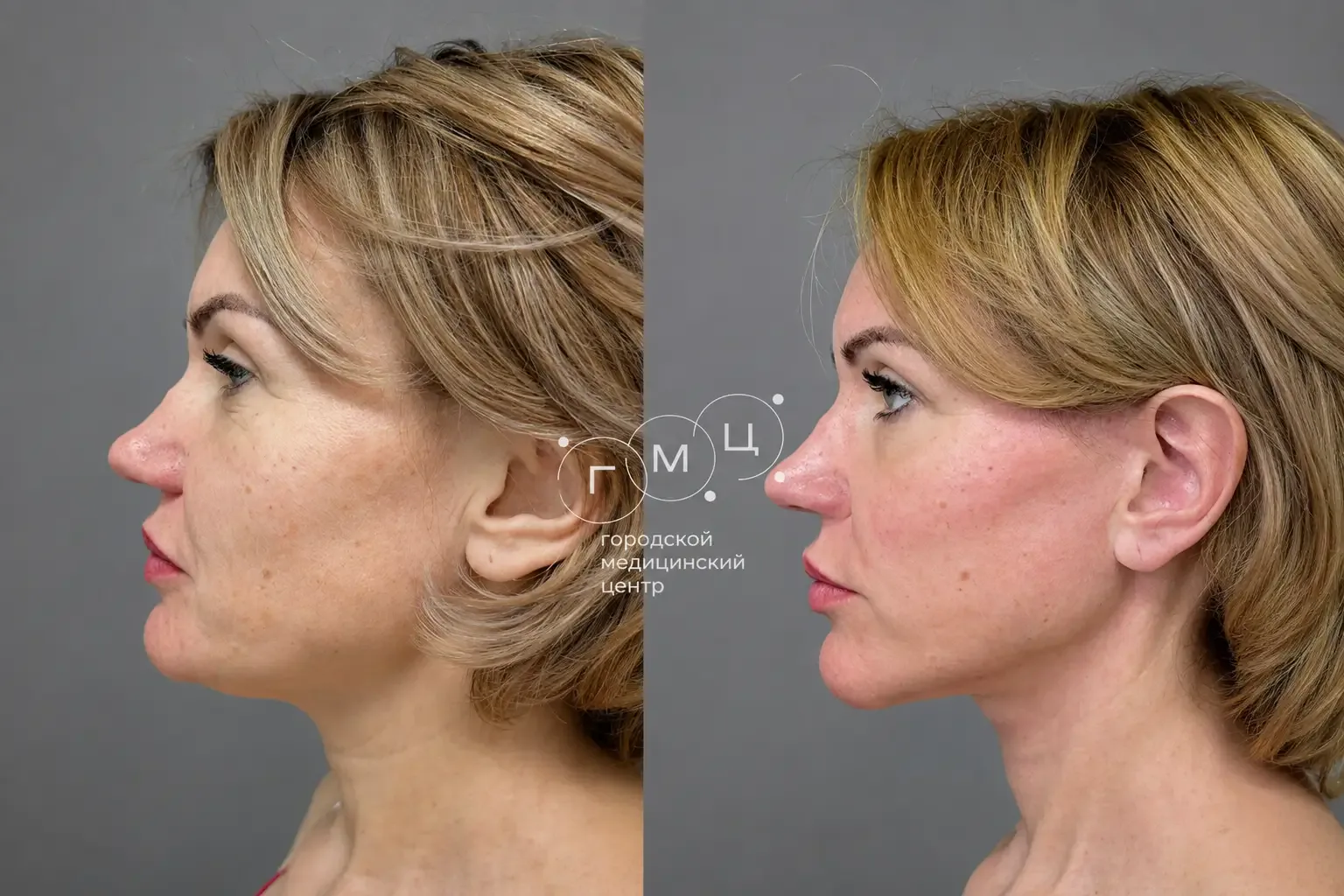
40 years
6 months
SMAS facelift
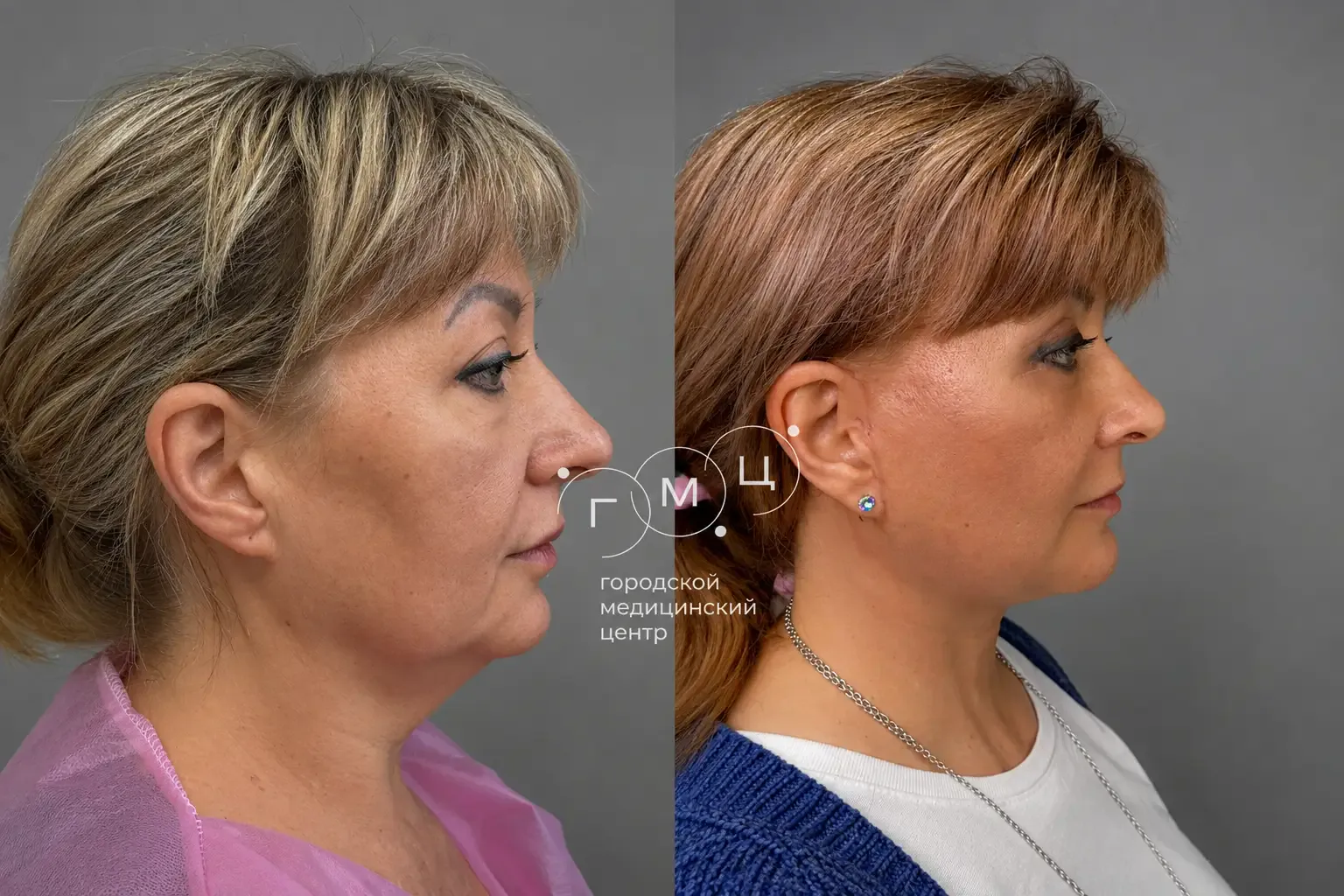
45 years
8 months
SMAS facelift
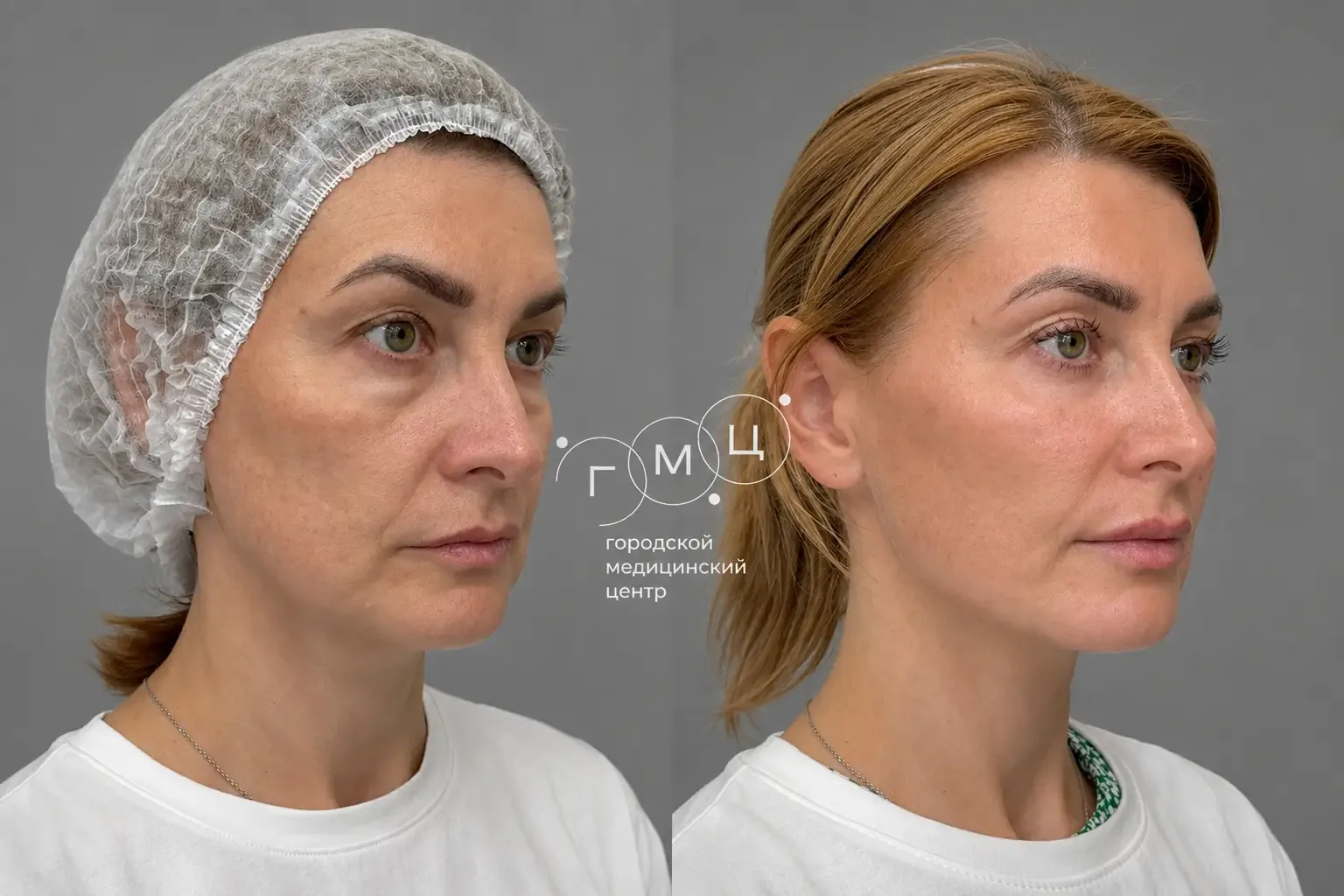
38 years
5 months
SMAS facelift
33 years
6 months
SMAS facelift
50 years
9 months
SMAS facelift
58 years
8 months
SMAS facelift
34 years
5 months
SMAS facelift
32 years
7 months
SMAS facelift
40 years
6 months
SMAS facelift
45 years
8 months
SMAS facelift
38 years
5 months
SMAS facelift
33 years
6 months
SMAS facelift

Pronounced sagging in the face and neck
Jowls and a blurred jawline
Double chin, loose skin on the neck
Deep marionette lines and nasolabial folds
Brows that droop, giving a heavy look
Skin firmness lost significantly after 40
Wanting a long-term result (7–10 years)

Younger than 30
Skin in an acute inflammatory state
Pregnancy or the breastfeeding period
A severe disease of the cardiovascular system
Problems with blood clotting
Cancer
Decompensated diabetes
Facelift in Zagazig: what you should know
There are four main options. A standard SMAS facelift lifts the mid and lower face. A full circular lift covers the forehead, temples, mid and lower face and neck. A neck and lower face lift targets the chin, jowls and loose neck skin. An endoscopic brow and temple lift repositions the brows through tiny punctures. The surgeon helps each patient from Zagazig choose by age and ageing type.
Recovery follows a clear timeline. For the first 7–10 days you need rest, a compression bandage and reduced physical activity. Swelling and bruising fade in 2–4 weeks, and full recovery takes about two months. The first clear changes appear after 3–4 weeks, and the face takes on its final look within 3–6 months. Patients from Zagazig are guided by the surgeon throughout.
The price starts at $2,400 (≈ EGP 130,000) and already covers the essentials: anaesthesia, the inpatient stay with meals, round-the-clock monitoring and a year of surgeon follow-up until the final result. Zagazig residents can pay through in-house 0% instalments with no overpayment. The first consultation is free: send your name and phone number, and a coordinator will contact you.
Stories of well-known people
Well-known people who spoke openly about this operation, in their own words.
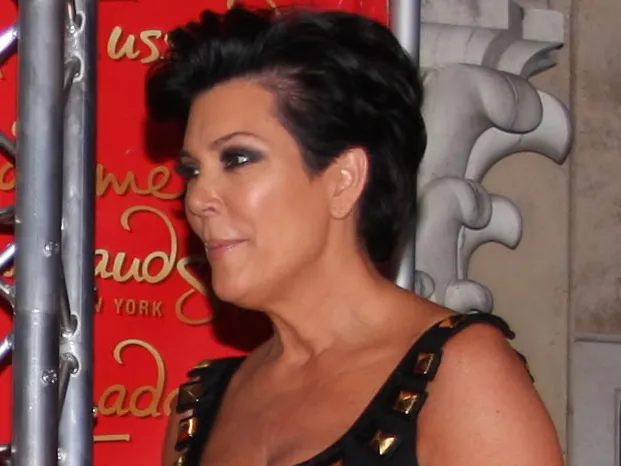 Kris Jenner’s facelift: “I love my facelift”Kris Jenner said she had a facelift about 15 years ago and a refresh before turning 70 — and that she loves it. How a SMAS facelift and recovery work.
 Did Vicki Gunvalson have a facelift? Yes, and she showed the result herselfVicki Gunvalson had a facelift in May 2018 after deciding fillers no longer looked like her. Her own words, how a facelift works and recovery.
 Keltie Knight’s facelift: why she decided to “just own it”Keltie Knight had a facelift in 2023 at 41 and chose to talk about it openly. What she said, how a SMAS facelift works and what recovery looks like.
 Did Linda de Mol have a neck lift? Yes, and she wrote about it herselfLinda de Mol wrote in LINDA. in 2025 that she had a neck lift. What she said, why she chose to be open, and how a face and neck lift works today.
 Linse Kessler and her facelifts: what she said herselfDanish reality star Linse Kessler has said openly that she has had several facelifts. Her words, how a modern facelift works and what recovery involves.
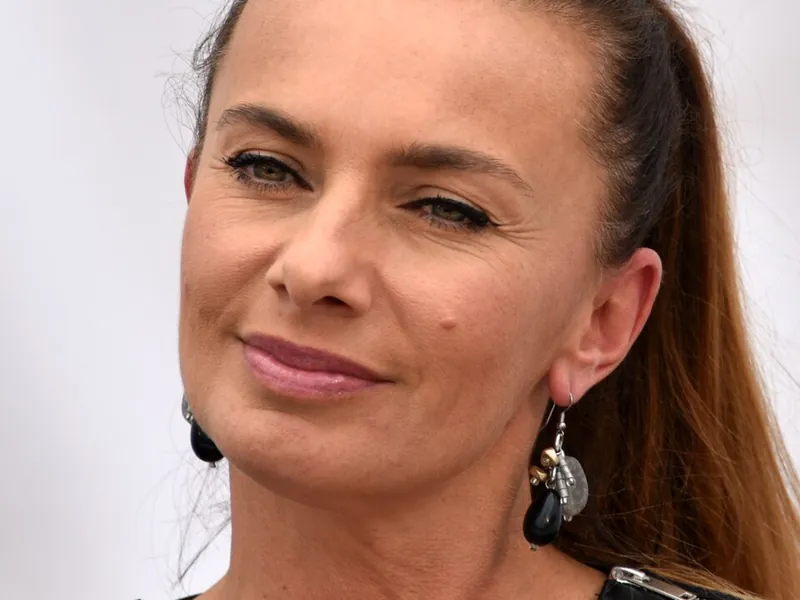 Did Alice Bendová have a facelift? Yes, and she explained why herselfAlice Bendová confirmed a deep plane facelift in September 2026. Her words, how a facelift works, who it suits and what recovery looks like.
A City With a Pharaonic Memory: The Look That Suits the Occasions
Zagazig, capital of Sharqia Governorate with 430,445 residents, sits near the ancient site of Bubastis, once a center of Egypt and home to the cult of the goddess Bastet, whose finds appear alongside pieces from Kufur Nigm in the museum of Zagazig University, while the Grand Mosque standing since Muhammad Ali's era stays a fixed point on every visiting route. Such a city keeps a steady calendar of occasions where attendees have known one another for decades.
A cultural employee in her mid-fifties who helps organize the museum's events and seasonal relative visits notices her sagging jawline and deepened mouth folds being read as exhaustion rather than age. Her goal is not a new face but a more rested version of her own, one that suits her image before a community that has known her for decades.
She moves from conviction to a written message sent to around-the-clock coordinators on Telegram or Telegram: an honest description of what has changed with recent photos in natural light, before any talk of a surgeon, a date, or a commitment. That is how private curiosity becomes medical material evaluated seriously.
Depth Before Surface: How a Real Lift Is Performed
The idea that escapes many patients is that a good facelift is not built on pulling skin but on repositioning the deeper tissue layer beneath it into its original places. The surgeon does this through incisions carefully hidden inside the hairline and the ear's natural creases, under general or combined inhalation anaesthesia leaving no room for pain during the operation.
No single incision pattern suits every case: how much sagging exists and exactly where — at the jawline alone or extending toward the neck — determines the technique and the duration. That is why the first evaluation rests on clear photographs and a precise description, far more than on any generic description of a ready-made service.
From that photo consultation the patient walks away with a staged map: what will change in the jawline area and the midface, in roughly what sequence. A surgeon drawing detail at this level hands over calmer later decisions, because the patient knows what is normal at each stage before she arrives at it.
A Resting Week Between Delta Humidity and an 18°C Winter
The first seven to ten days call for rest, a compression bandage and clearly reduced activity, and this is precisely the window where swelling and bruising reach their most visible point. Preparing the house for the stretch in advance — ready meals, delegated tasks — turns the critical week from an obstacle into a calm routine.
The local climate enters directly: Zagazig's summer can push daytime highs toward 42°C with Delta humidity weighing down the air, while the city's winter sits near 18°C in daylight. Staying indoors away from the sun through the first week becomes a natural habit in the gentler months, which is why the operation is usually booked into the cooler half of the year.
By roughly three to four weeks, as the swelling keeps lightening, most of the visible change appears, and the face continues its quiet refinement longer while the deep layers finish adapting. An early verdict in week two is a mistake avoided by anyone who understands this schedule from the start.
Naturalness Under Relatives' Eyes: Timing and Discretion
The most common worry in a city whose people know one another across decades is a result that reads as overdone rather than simply more rested. A natural outcome depends on working with the deep tissue layers rather than skin-tightening alone, and on a plan built from the patient's own features instead of one copied template.
Timing is managed with the city's own rationality: a quieter stretch of the family-and-events calendar gives the first ten bruised days their full span before the usual rhythm of visits resumes, and a good coordinator draws this timing into the recovery plan itself rather than treating it as a separate question.
Discretion is an option the whole path respects: many patients prefer that close relatives notice only a gradual, natural-looking change without advance notice of an operation, and message-based communication keeps every stage before the appointment itself between the patient and the coordinators alone, from the first photo to the last arrangement.
The Syndicate and Insurance: Two Steps Before Attending Any Appointment
Verification of who will perform the operation follows a clear route: every physician practicing in Egypt is registered with the Egyptian Medical Syndicate (ems.org.eg), which documents the specialty and provides an online inquiry about it, while facilities answer to the Ministry of Health and Population (mohp.gov.eg). Since the outcome rests on the surgeon's skill with the deeper tissues, matching the registration through the syndicate is worth its minutes.
Money follows its known rule: the Health Insurance Organization covers about 60 percent of the population for essential care through payroll contributions, and the Universal Health Insurance law of 2018 gradually rebuilds coverage around the family, with neither system funding an elective cosmetic operation. So the budget is built personally and in advance, free of pressure.
And follow-up continues long after the first resting week, with the surgeon tracking progress through photographs on the same Telegram or Telegram channel until the result settles completely — not stopping at the stitches' removal or the bruising's fade. That continuity keeps the whole path calmer and more readable.
Small Domestic Details: Clothes, Sleep, Posture and the Quiet Days
The seven-to-ten bandage days are governed by small details more than by big decisions. Garments that open at the front with buttons skip the over-the-head pull that strains the neck, and the loose outfits already hanging in any Zagazig woman's wardrobe pass over the bandage without asking anyone a thing. Hair lifted softly under a wide fabric band rather than hard clips, earrings postponed, and the skincare shelf retired until the surgeon gives his word.
Sleep asks for light engineering: the head raised on two stacked pillows or a wedge, rest taken on the back rather than the side, and a soft cotton cover changed when the dust of a wind-known city gathers. Lifelong stomach sleepers find the first week hardest of all, and a useful trick is a small pillow tucked under the arms to discourage rolling in the night. Standing at the kitchen sink or the laundry basin shrinks to interrupted minutes, since long bending adds to the heavy feeling across the face.
The remaining arrangements are small but mood-making: a glass of water and a fruit plate on the table beside the bed, the remote control and a charging phone within arm's reach, and meals prepared in advance that answer tomorrow's lunch before the question is asked. A walk down the wide hallway keeps the early gentle movement going without stepping outside, and any staircase is handled carefully, fully awake, one hand on the rail. All of it condenses into one message to the coordinators on Telegram or Telegram who answer around the clock: a short list to send before the date.
Does the lift cover the jawline only, or the neck too?
The scope is set by where sagging sits and how far it extends: some cases suffice with the midface and lower line, and when sagging reaches the neck the plan widens to cover it. Photo evaluation decides, and it is asked about directly in the first consultation.
When can I attend a cultural event at the university museum without remarks?
The days of clearest bruising and swelling are confined to the opening stretch of up to ten days, with most of the visible change appearing within three to four weeks. An occasion after that finds the face passing normally, especially in a quieter calendar stretch.
Why does swelling look bigger in the morning?
Fluids gather during the sleeping hours and make morning puffiness more pronounced, improving with daily movement — a known fluctuation in the recovery course. Regular follow-up photos show the general improvement line instead of judging each morning alone.
When do the first week's bruises fade in front of family?
Bruising sits at its most visible through the first seven to ten days and then eases gradually, and with the swelling lightening the shape closest to truth appears within three to four weeks. Occasions arranged after this window pass without questions.
What is the difference between the shape in month one and month six?
Month one shows most of the change but with swelling residue, while the following months complete the deep layers' adaptation so the lines read softer and more settled. That is why the surgeon is asked to describe the stages month by month.
How is discretion managed with the closest household members?
Every stage before the appointment itself stays between the patient and the coordinators over messages, so the decision remains closed until its owner opens it. Many patients tell exactly one person at home to cover the resting week.
Why does follow-up continue long after the stitches come out?
Because the deep tissue layers need longer than the bruising's fade to settle completely, and the final result is read only after that settling. Photograph-based follow-up on the same channel gives the surgeon a continuous picture and the patient documented reassurance.
Why does the cost stay outside insurance?
Because a facelift for appearance is classified as elective, and the Health Insurance Organization is oriented toward essential care through payroll contributions, while the 2018 law built the newer system around the family. The cost goes into a personal budget prepared early, without pressure.
When do I get back to sleeping on my side as usual?
Most women return to side sleeping gradually after the surgeon removes the bandage and is satisfied with healing. Anyone wanting faster comfort uses a soft pillow wrapped around the neck that keeps the head from drifting in the night. Ask about your own timing at the first follow-up, since tissues heal at different speeds from one woman to another.
Which clothes should be prepared before the operation day?
Two or three outfits opening at the front, with wide sleeves that fit over the bandage, in light colors that show bruising near the hairline without panic. Light headscarves for expected visitors, and flat shoes that demand no bending to put on. Packing this small bag a week ahead lets the resting days pass without digging through wardrobes or movements that pull at the face.
Facelift in Zagazig: price and what is included
Prices are in US dollars; the amount in brackets is an approximate conversion to EGP at the rate of 02.10.2026. The final price is fixed in your contract.
- Faceliftfrom $2,400 (≈ EGP 130,000)
How much does a facelift in Zagazig cost?
Prices start from $2,400 (≈ EGP 130,000). The surgeon sets the final price at the free consultation, and it is fixed in the contract, with no hidden extras.
What is included in the price?
A one-to-one consultation, the medical team, anaesthesia, inpatient care with meals, 24/7 monitoring and twelve months of follow-up by the surgeon.
How do I get my exact price?
Message us on WhatsApp or Telegram using the buttons below. A coordinator will answer your questions and book a free consultation where the doctor names the exact price.
By messaging us, you agree to our Privacy Policy