City Medical Centre · multi-specialty surgery clinicOpen 24/7

Liposuction in Yenagoa: Price and Techniques

Free consultation

from $1,200

The price is fixed in the contract before surgery
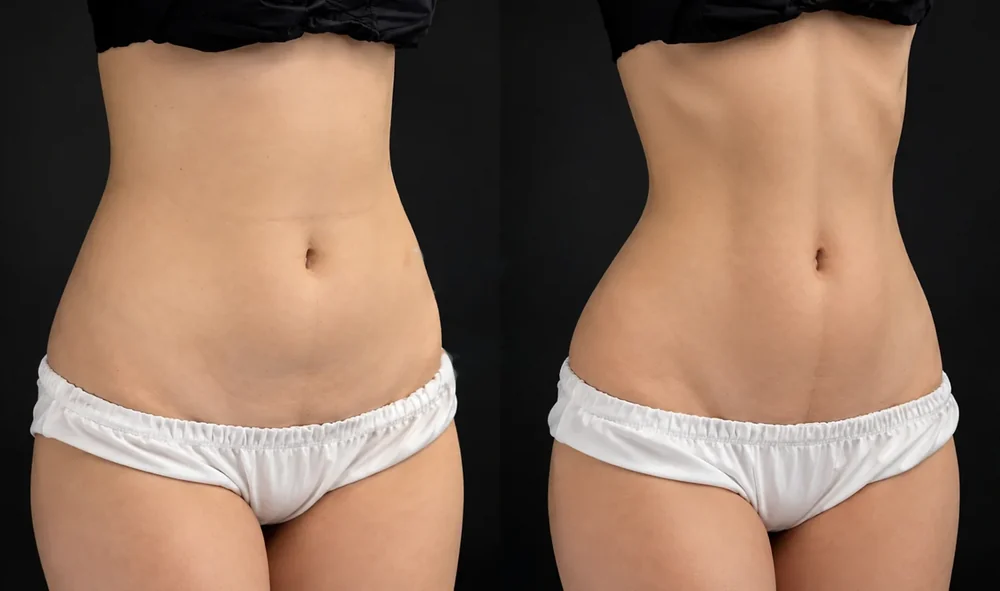
Real case
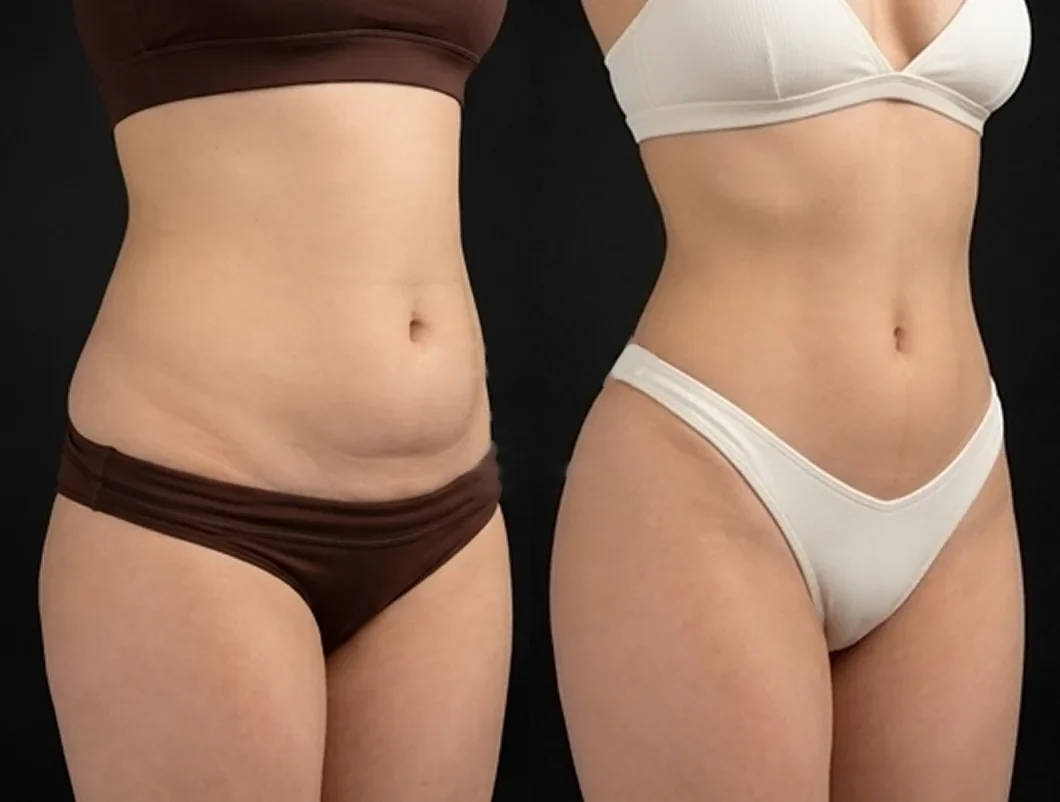
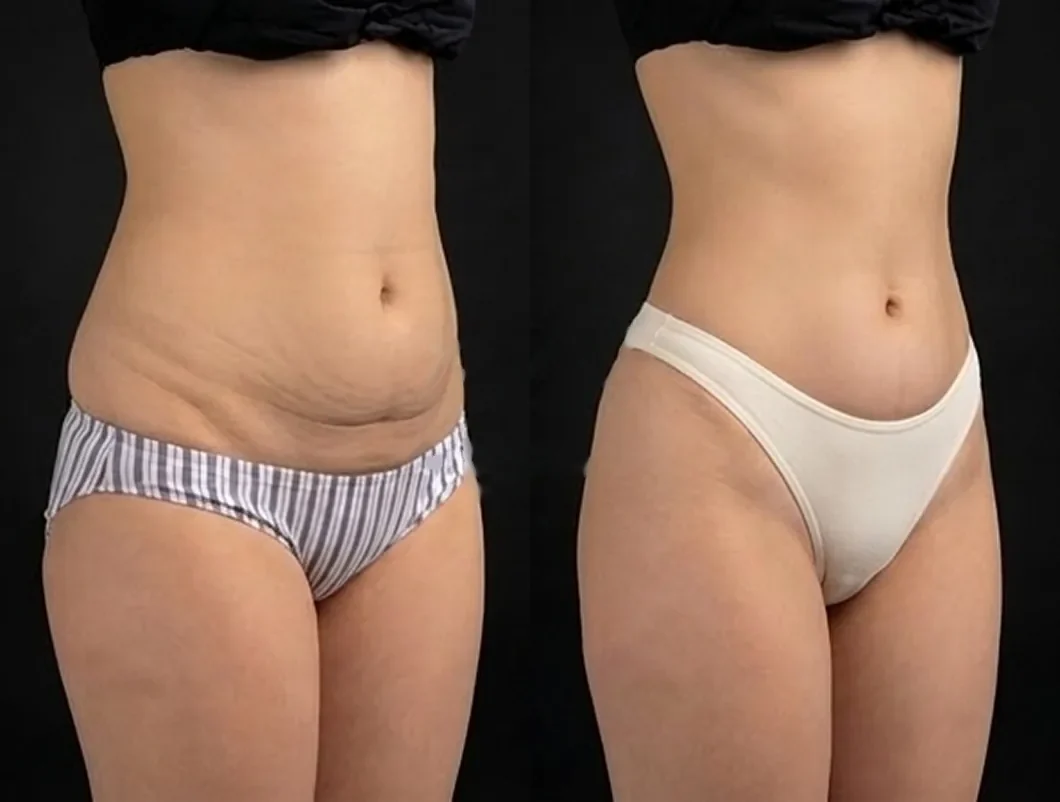
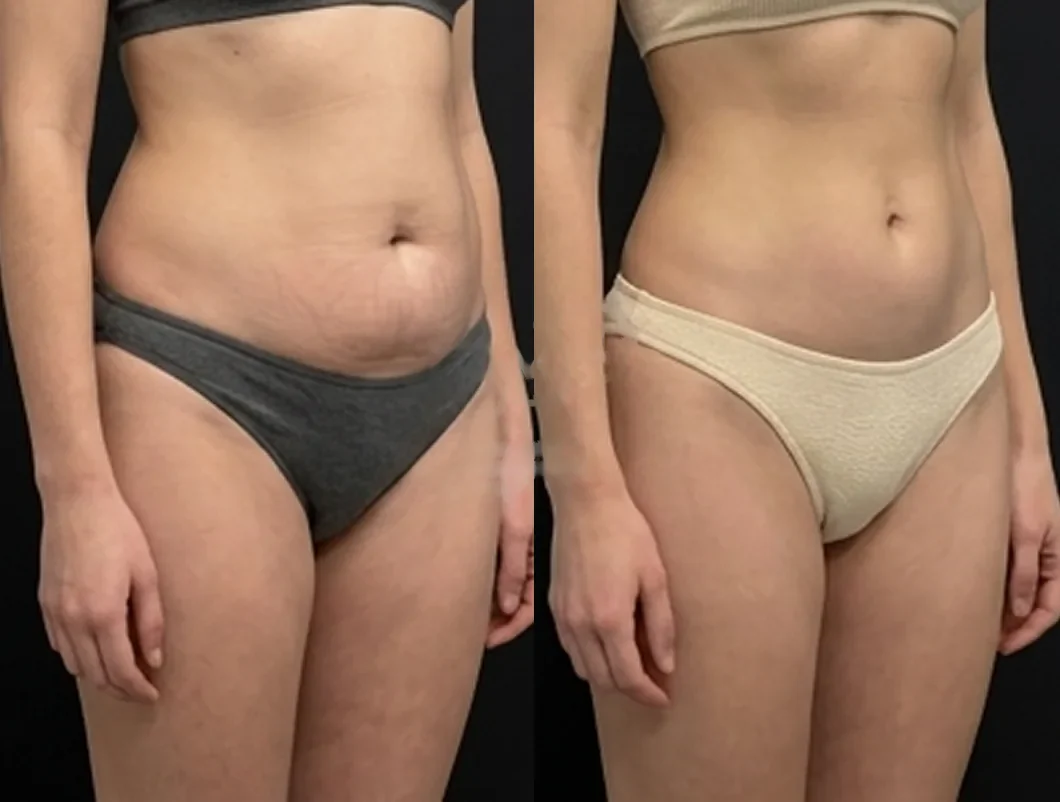
Liposuction: a patient's abdomen and flanks before and after surgery before after
Stubborn local fat that diet and exercise don't shift. Your plan is set at the consultation

Message our coordinator

Free online consultation · Reply within 15 minutes

Message us on Telegram

By messaging us, you agree to our Privacy Policy

Results

Liposuction results
of our patients

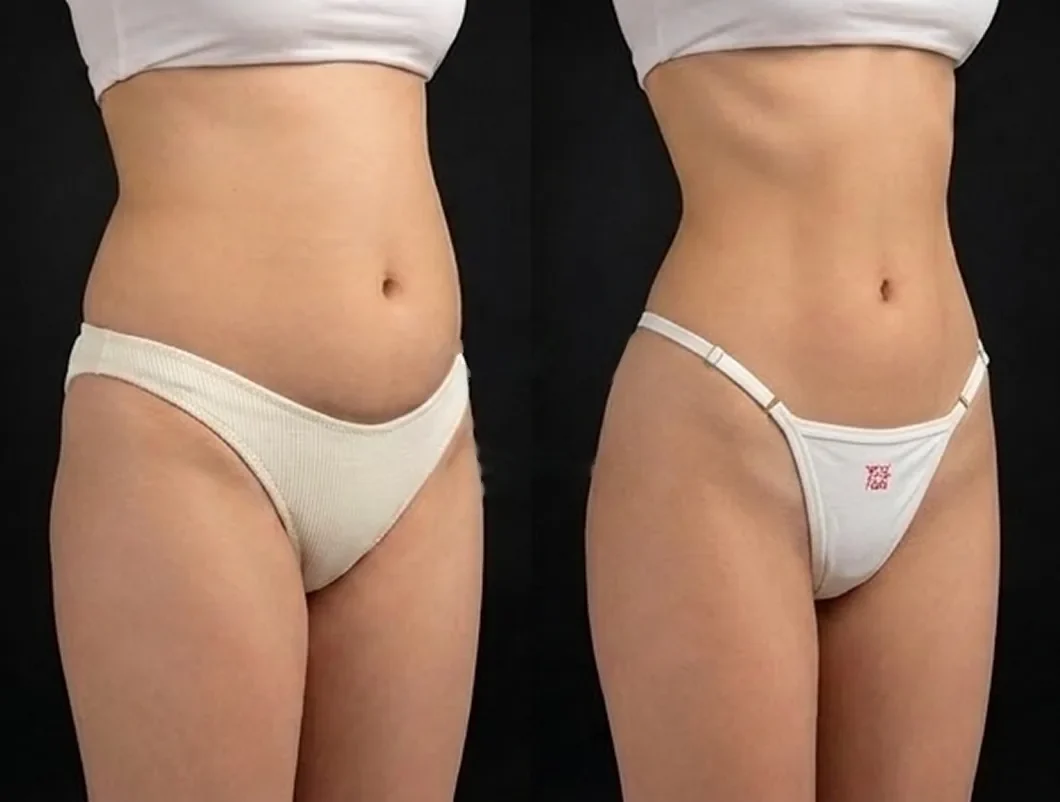
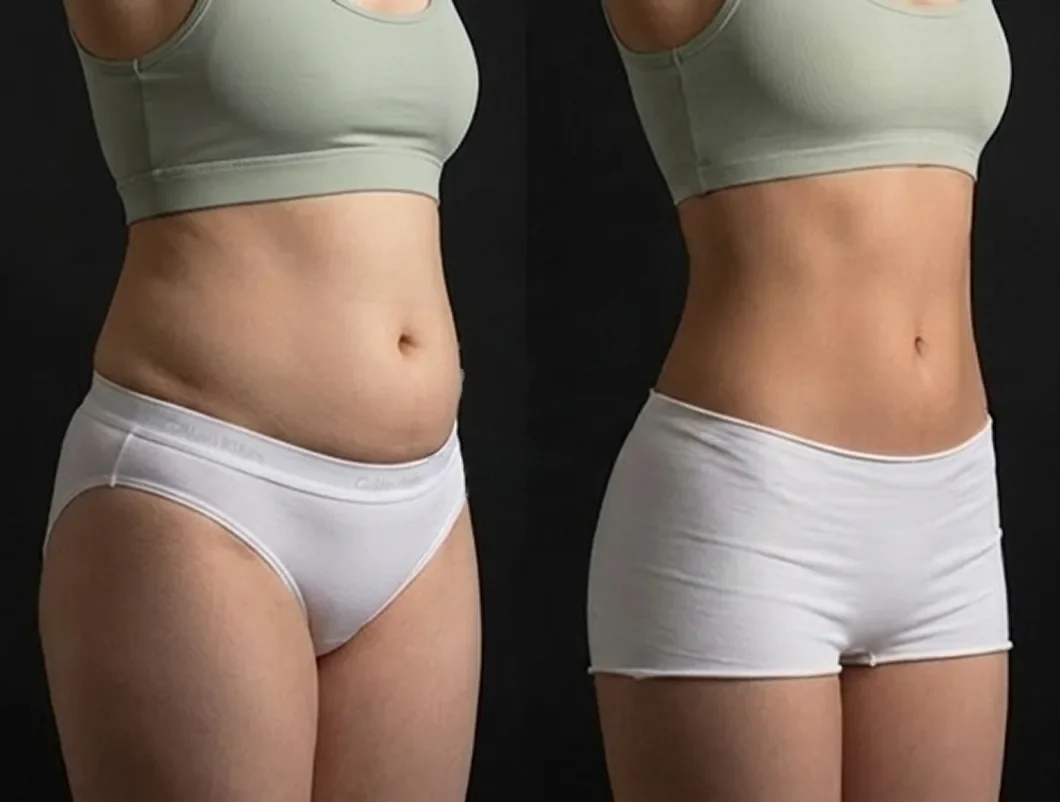
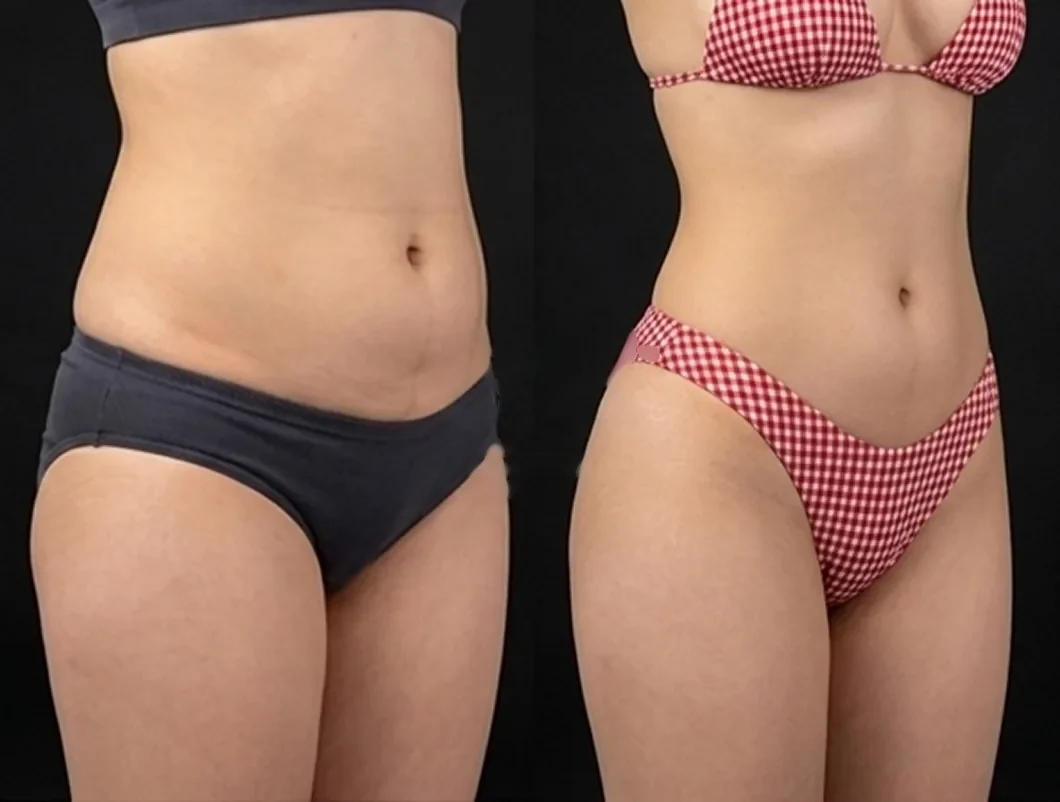
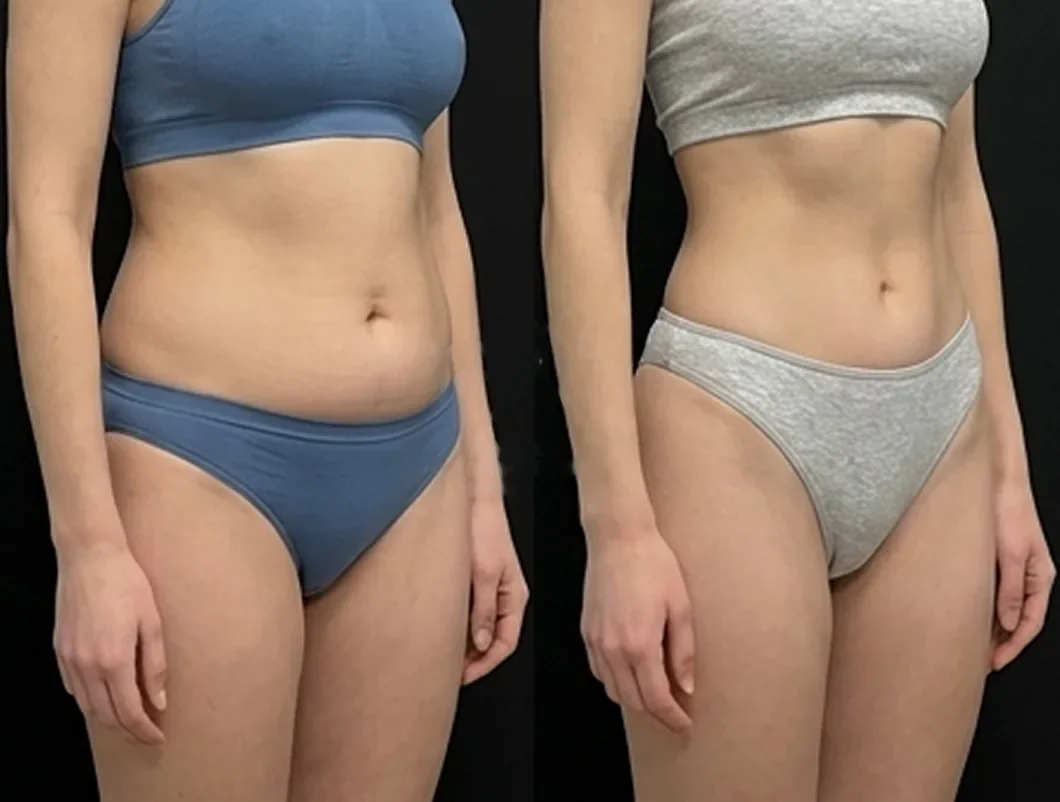
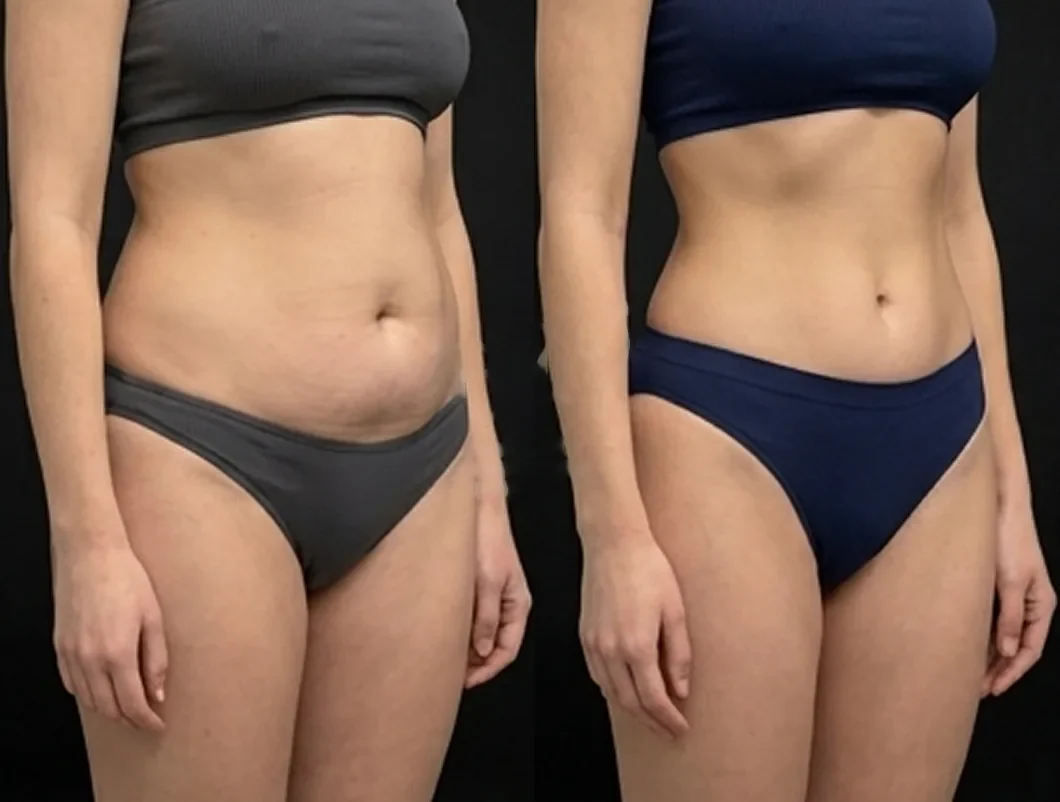
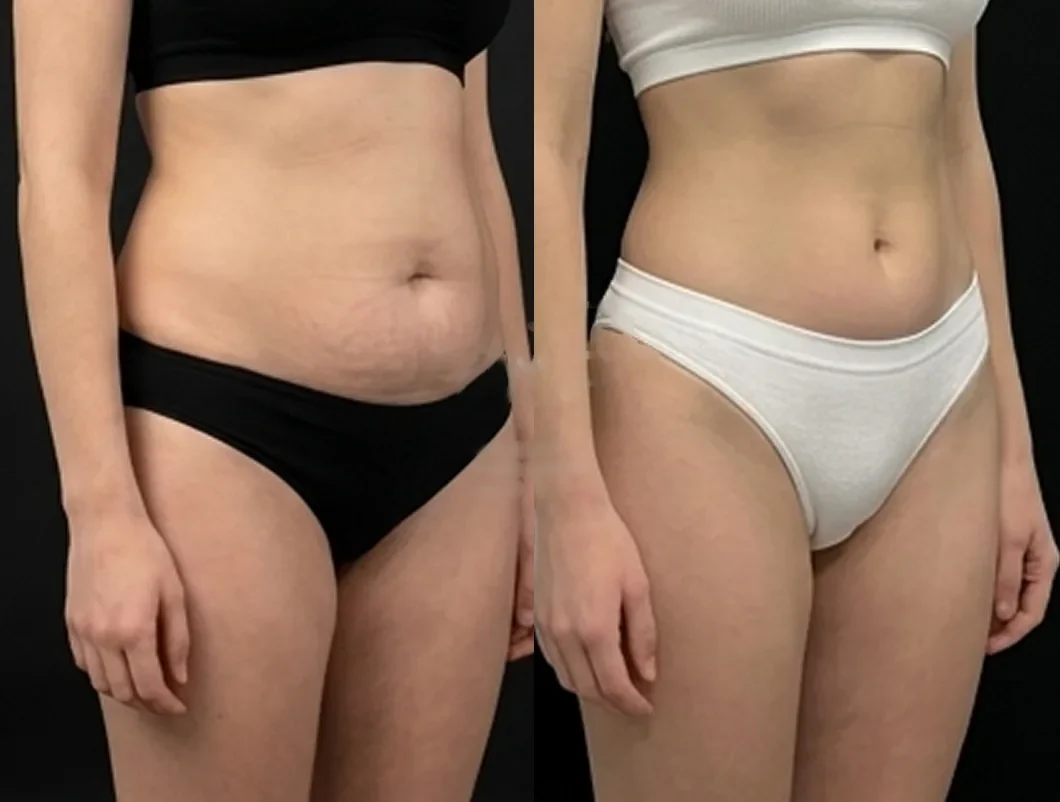
All cases are real patients. Faces and identifying details are hidden.

Stomach and flanks

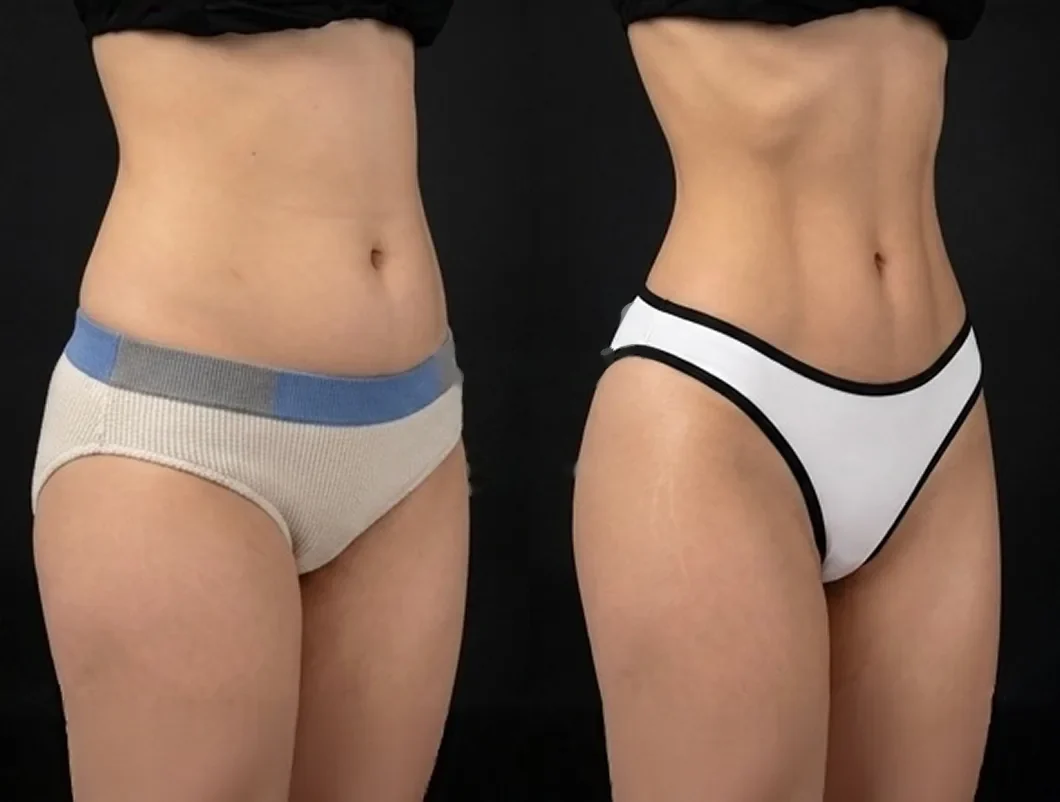
Liposuction of the abdomen and waist: before and after surgerybeforeafter
1 of 10

Comparison

Liposuction techniques

We use two liposuction techniques: tumescent (classic) and VASER (ultrasound). Compare the goal, the indications and the anaesthesia to choose the right technique together with your surgeon.

Tumescent liposuction

A special solution loosens fat for removal through a thin cannula
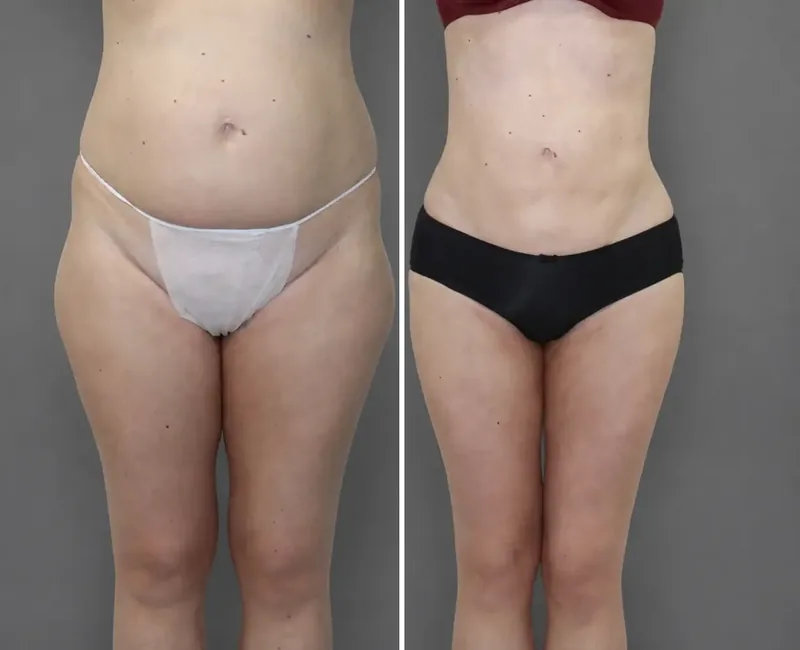
Tumescent liposuction: abdomen and thighs before and after surgery

from $1,200

Main goal
Removal of local fat with minimal blood loss
When it is done
Abdomen, flanks, thighs, back, arms, chin
Anaesthesia and stay
Local or general anaesthesia, home the same day or after 1 day

VASER liposuction

Ultrasound breaks down fat cells before vacuum removal
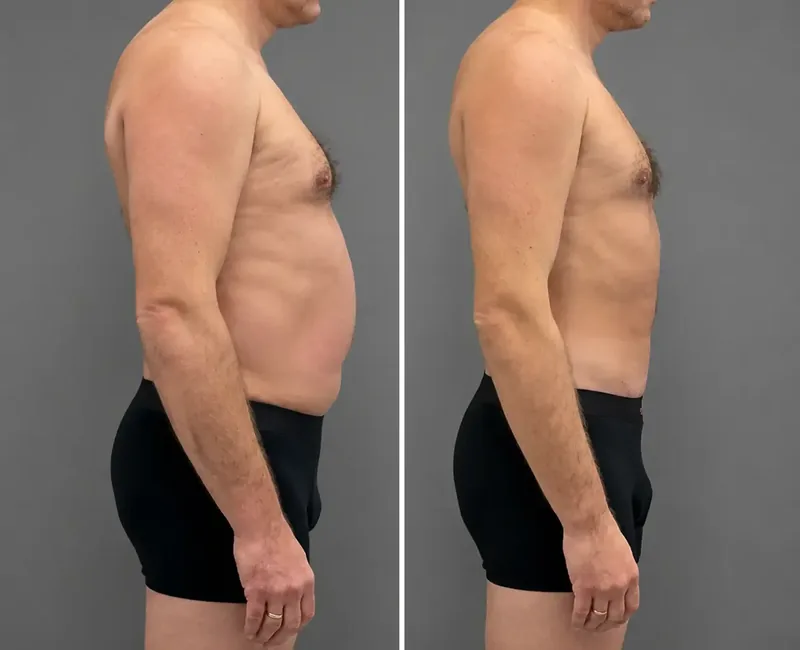
VASER liposuction: a male patient before and after surgery

Price at consultation

Main goal
Defined muscle relief and body contouring
When it is done
Athletic abs and delicate areas
Anaesthesia and stay
Local or general anaesthesia, 1–4 hours of surgery

The benefits and recovery times shown are averaged for each technique and given for guidance: the scope of correction and rehabilitation depend on your anatomy and individual features, and the surgeon confirms them at the consultation.

At the consultation the surgeon draws up a plan for your case and explains how your liposuction will go.

Free, before surgery and with no obligation.

Book a consultation

Body areas we treat

Multiple areas can be done during one operation, which saves recovery time and budget

  • Stomach and flanks

    The most requested area for women and men, often combined with abdominoplasty

  • Thighs (outer and inner)

    Fat “traps” that resist exercise

  • Back, including the lower back

    Rolls that affect the back's silhouette

  • Arms and shoulders

    A cosmetic concern that shows in warm weather

  • Chin and neck

    A small volume with a fast result

  • Knees

    A delicate spot that requires precision

  • Chest (for men)

    Gynecomastia, pseudogynecomastia: the fat part

About the clinic

A clinic where you can feel at ease

Modern equipment, comfortable rooms and care for every patient
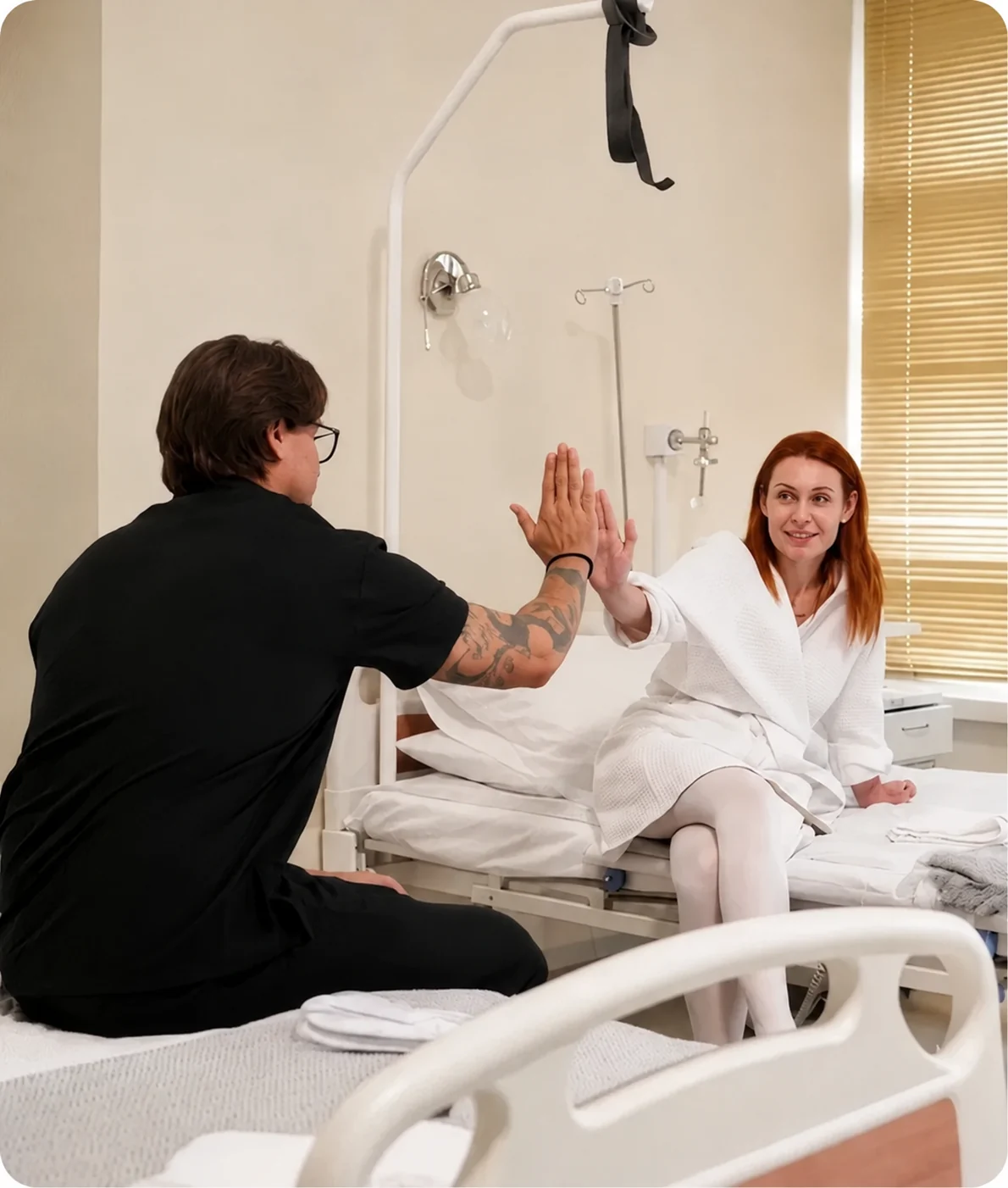
A doctor and a patient in a clinic ward

Contact us the way that suits you

We will answer your questions and find a convenient time for a consultation

Request a free call

Liposuction is not for everyone

If your case can be solved without surgery, the doctor will tell you so at the consultation — and you will not spend money for nothing.

Suitable
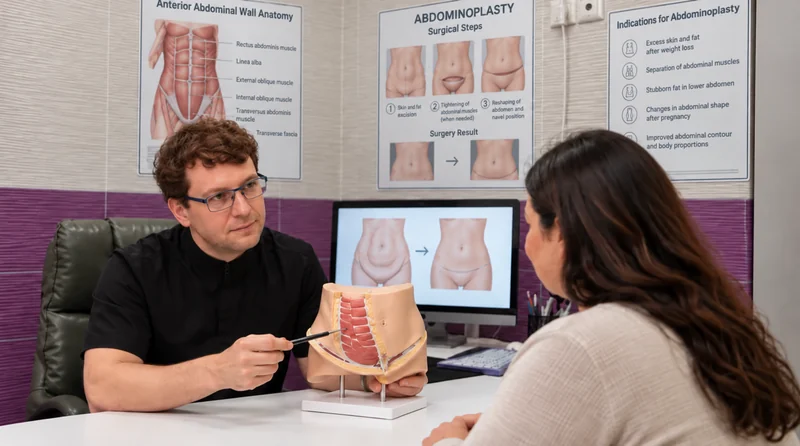
A surgeon shows a patient on a model and a monitor how the body contour changes after liposuction
  • Local fat that resists diet and exercise
  • Uneven subcutaneous fat
  • Disrupted body proportions
  • Silhouette changes after childbirth or weight loss
  • Fat component of gynecomastia in men
  • Good skin tone and elasticity

Not suitable
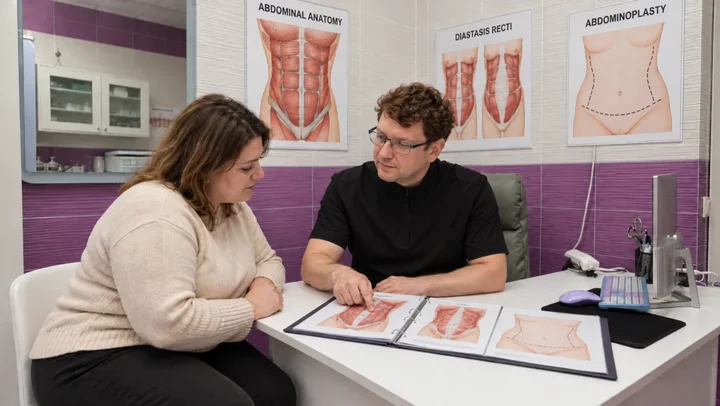
A surgeon discusses the indications and contraindications for liposuction with a patient
  • Not yet 18
  • Being pregnant or breastfeeding
  • Endocrine obesity
  • Decompensated diabetes
  • Blood clotting disorders
  • Serious heart, kidney or liver disease, cancer

Not sure the surgery is right for you?

Leave your number — the coordinator will call you back, and the surgeon will tell you whether liposuction suits you. No surgery booking needed.

Find out if it suits me
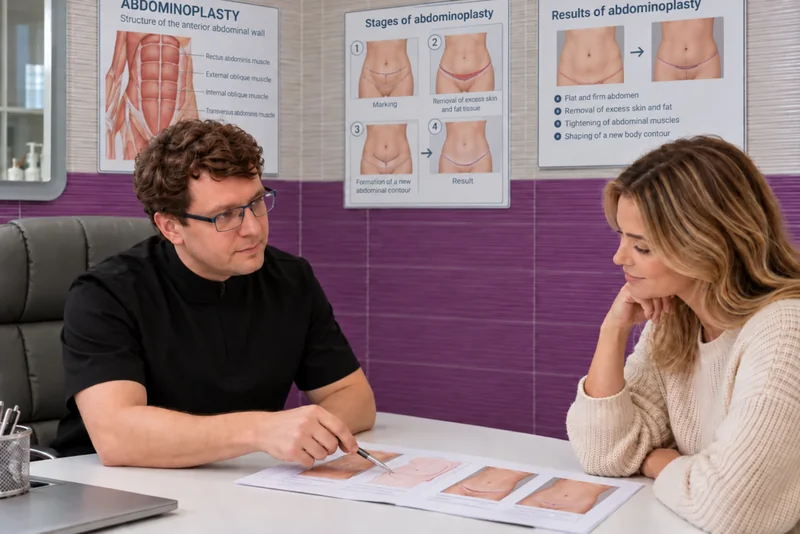
A surgeon goes through the treatment areas with a patient at the consultation

Prices

You know the price
before surgery

The final price is calculated individually after an examination and fixed in the contract.

Liposuction prices

  • First consultationFree
  • Flanks / waist liposuctionfrom $1,400
  • Thigh liposuction (outer)from $1,200
  • Thigh liposuction (inner)from $1,200
  • Torso liposuction — the front abdominal wall, sides of the belly, lower backfrom $3,600
Book a consultation

Find out your liposuction plan and price

The surgeon assesses the fat deposits and skin tone, listens to your wishes and chooses the right technique.
A nurse talks to a patient in a clinic ward

Message our coordinator

Free online consultation · Reply within 15 minutes

Message us on Telegram

By messaging us, you agree to our Privacy Policy
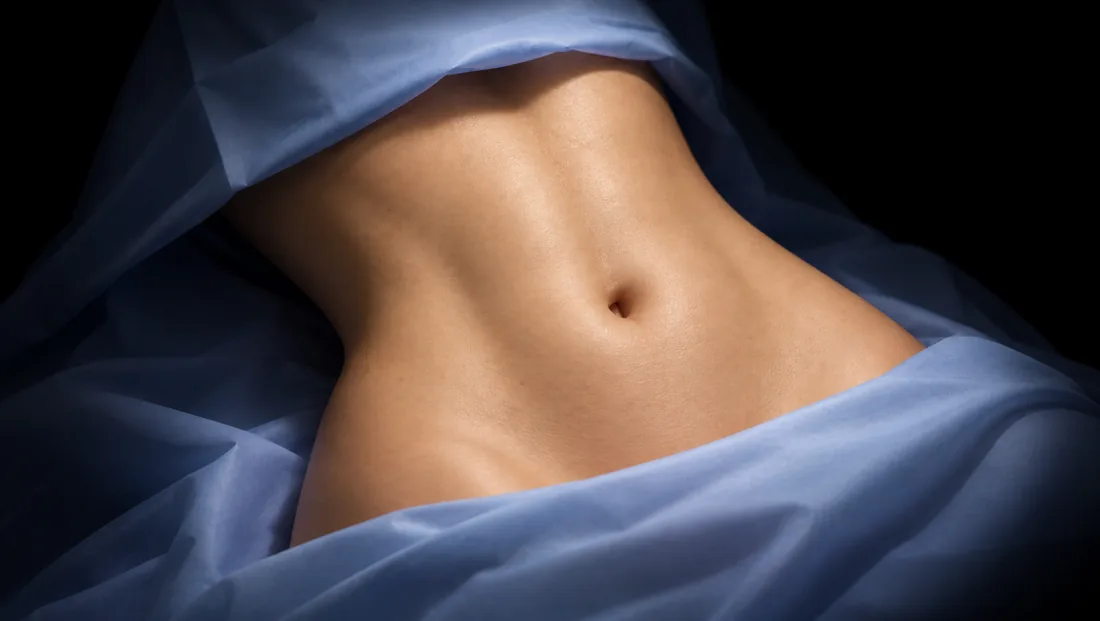
A patient before liposuction in the operating room

all inclusive

What the price includes

From preparation for surgery
to post-op check-ups.

  • All scheduled dressings
  • Scheduled post-op check-ups
  • A personal coordinator on call
  • Compression garments fitted on the day of surgery
  • A stay in a comfortable
    hospital ward with meals
  • Individual recommendations
    for recovery
  • Remote progress monitoring
    by photos

from $1,200

Book a consultation

How it works

From consultation —
to your new contour

An agreed treatment plan, careful monitoring after surgery and post-op check-ups.
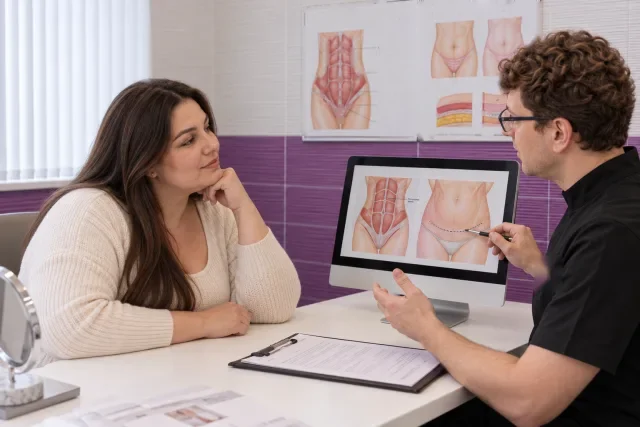
A surgeon goes through the liposuction plan with a patient on a monitor1

Consultation
and the surgical plan

The surgeon listens to your wishes, assesses the fat deposits and skin tone and rules out contraindications. A hormonal screening is also ordered — it helps predict the long-term result.
Paying the deposit by card at the clinic reception2

Booking the date
of surgery

We reserve a surgery date for you: the deposit can be paid by card at the clinic or online by bank transfer. The terms are fixed in the contract for medical services
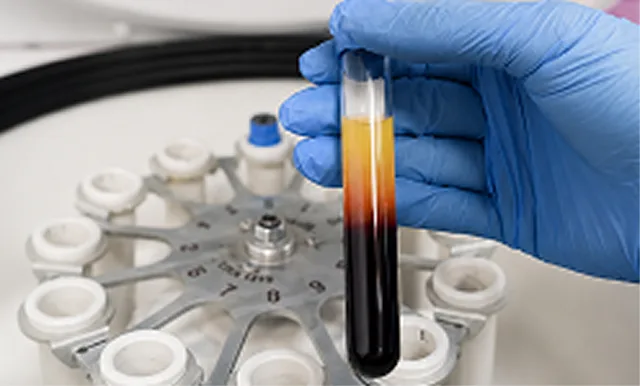
A blood sample tube for tests before liposuction3

Check-up before
surgery

Blood tests (complete count, coagulation panel, biochemistry, infections), an ECG, a chest X-ray and, if needed, a GP consultation. All tests can be done at the clinic with no waiting.
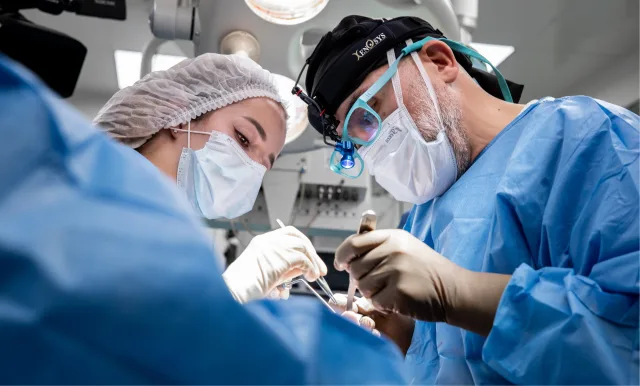
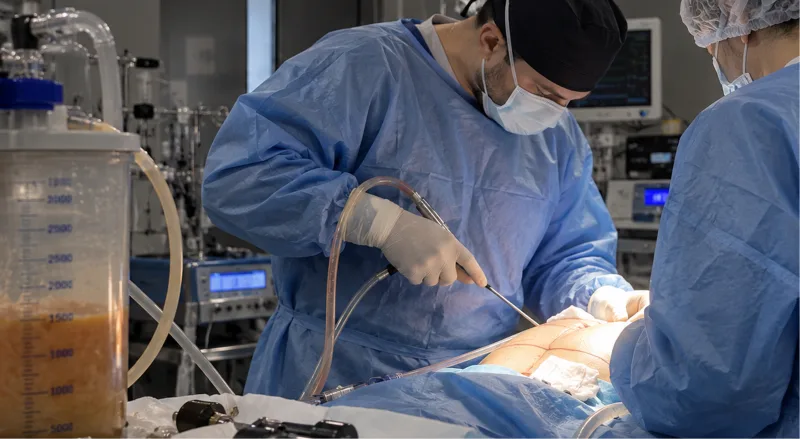
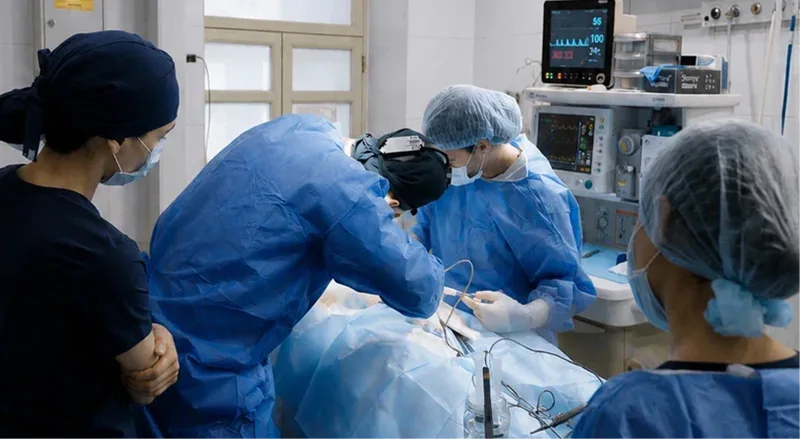
The surgical team during the operation4

Surgery

Marking the areas and fitting compression garments. Under local or general anaesthesia the surgeon removes fat through 3–5 mm micro-punctures — from 1 hour for small areas to 3–4 hours for a combined procedure.
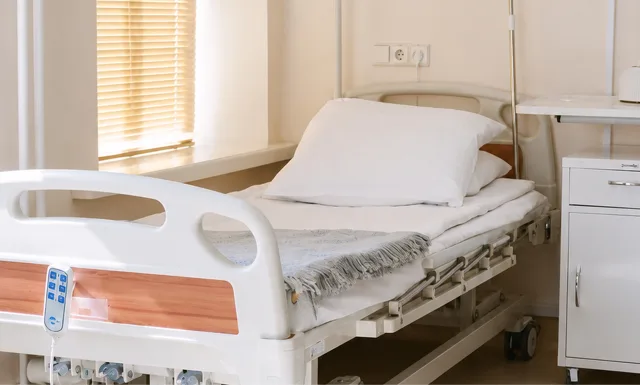
A hospital ward at the clinic5

Waking up
and monitoring

With local anaesthesia you go home 3–4 hours after surgery; with general anaesthesia you stay one day in a comfortable ward under medical supervision.
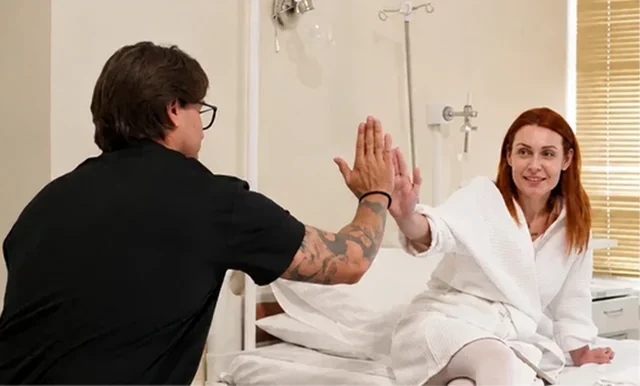
A surgeon and a patient in the ward during recovery6

Recovery

Compression garments for 30–45 days. First changes show at 2 weeks, once swelling subsides; the final result forms in 3–6 months. Check-ups at 7 days, 3 and 6 months.
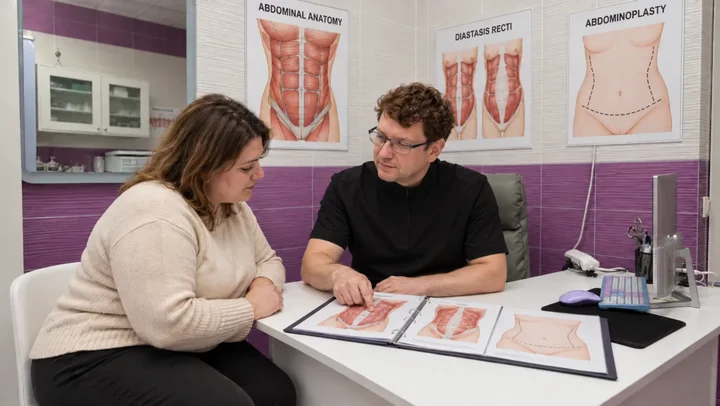
Book a free consultation — the surgeon will plan every step with you.

A doctor discusses the liposuction plan with a patient
Book a consultation
A doctor discusses the liposuction plan with a patient

Recovery after liposuction

After tumescent liposuction, recovery is much shorter than after a conventional procedure. Most patients return to work within 7–10 days. In the first week, mild swelling and a raised temperature are possible — a normal response to surgery. Compression garments are worn for 30–45 days: they fix the new contours and speed up tissue recovery. In the first month, bathhouse, sauna, pool and intense sport are off-limits. For the best result and faster recovery we recommend lymphatic drainage massage, pressotherapy and a gradual return to activity. First visible changes show 2 weeks after surgery, when the main swelling subsides; the final result forms in 3–6 months.

Post-op check-ups

After 7 days, at 3 months and at 6 months. Until the end of the year, get a post-surgery consultation with your surgeon to review results and get more information, at the clinic's expense.

Advantages

Why patients pick City Medical Centre
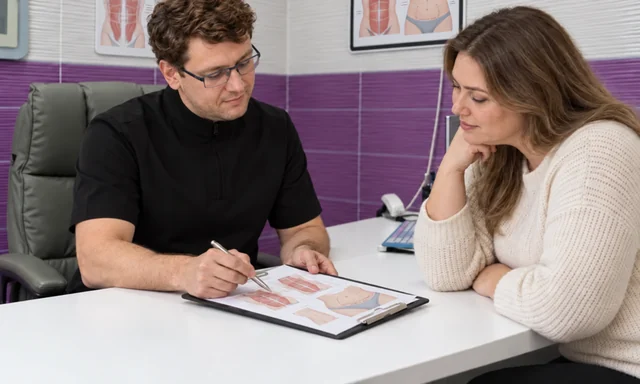
A surgeon discusses the liposuction plan with a patient at the consultation

Just find out — you lose nothing

At the consultation we discuss your wishes and assess the fat deposits and skin tone. Before surgery an endocrinologist rules out hormonal causes of the fat deposits — this improves the long-term result.
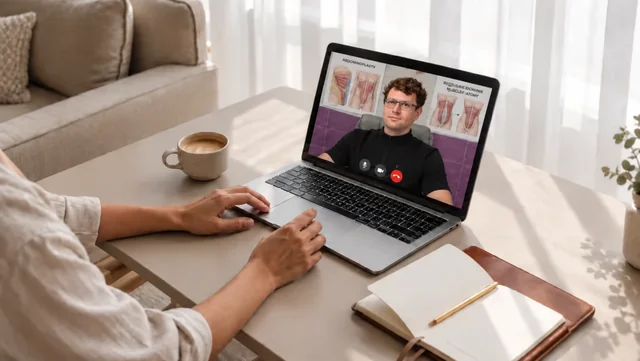
A surgeon on a video call with a patient after surgery

We stay with you after surgery

The surgeon follows your recovery and the new body contour at check-ups after 7 days, 3 and 6 months. Check-ups, dressings and aftercare advice are already included in the price of surgery.
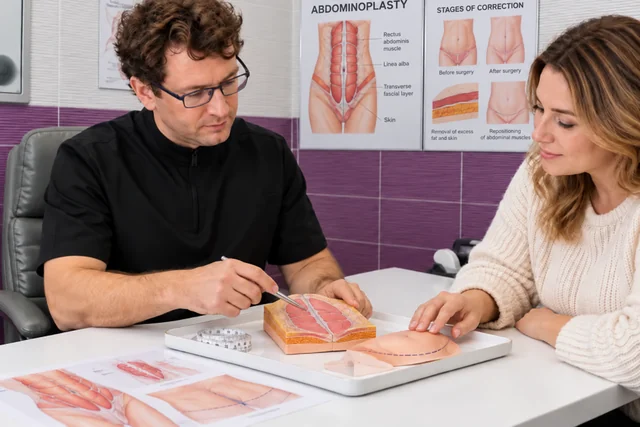
A surgeon shows a patient a model and body contouring diagrams

A beautiful contour that fits your figure

Tumescent and VASER techniques, micro-incisions of 3–5 mm and precise volume control. Our aim is a smooth contour that keeps the natural proportions of your body.
A patient writes down a convenient visit time in her planner

Your schedule is our priority

We respect your time: we work 24/7, with easy booking and a personal approach — we adapt to your pace.
A surgeon shows a patient a tablet: no hidden fees

Fixed prices

After the consultation the surgeon defines the areas and the scope of surgery, and you get a clear price fixed in the contract — no hidden extras.
A surgeon visits a patient in the hospital ward after surgery

Round-the-clock care after surgery

With general anaesthesia recovery starts in a comfortable hospital ward under round-the-clock nursing care. The stay and meals are already included in the price.

FAQ

We answer what
people ask before booking

Liposuction in Yenagoa: price and what is included

Prices are in US dollars; the amount in brackets is an approximate conversion to NGN at the rate of 02.10.2026. The final price is fixed in your contract.

How much does liposuction in Yenagoa cost?

Prices start from $1,200 (≈ ₦1,600,000) per area. The surgeon sets the final price at the free consultation, and it is fixed in the contract, with no hidden extras.

What is included in the price?

The operation under local or general anaesthesia and the surgeon's support throughout recovery. The price is per area and fixed in the contract.

How do I get my exact price?

Message us on WhatsApp or Telegram using the buttons below. A coordinator will answer your questions and book a free consultation where the doctor names the exact price.

By messaging us, you agree to our Privacy Policy

Liposuction in Yenagoa: a short guide

Liposuction is minimally invasive: fat is removed through micro-incisions of just a few millimetres that usually need no stitches and become barely visible once healed. Before surgery the surgeon assesses skin tone and elasticity, because firm skin tightens on its own along the new contours. If you are considering liposuction in Yenagoa with stretch marks or reduced tone, preparatory treatments may be recommended.

Duration depends on scope: from about one hour for a small area to three or four hours for a combined procedure. Anaesthesia is local or general depending on how much is treated. After general anaesthesia you spend one day in hospital under observation; after local anaesthesia you go home three to four hours later. The same approach applies to patients from Yenagoa.

One operation can cover several problem zones, and the price reflects that: from $1,200 (≈ ₦1,600,000) for a single area, calculated individually for combinations. The contract fixes the sum with no hidden extras, and instalments carry no interest. For patients from Yenagoa, a free surgeon consultation is the place to plan scope and cost together. Leave a request to book yours.

Yenagoa and the decision to have liposuction

Yenagoa is the capital of Bayelsa State, in the Niger Delta region of southern Nigeria. The Yenagoa Local Government Area covers 706 km2 and has an estimated population of 798,466 (2024). Most residents are Ijaw. English is the official language, and local languages such as Epie-Atissa are also spoken, along with Ijaw dialects such as Ekpetiama, Gbarian, Buseni and Zarama. For a procedure like liposuction this matters because people usually discuss it first within a close circle of family, friends and colleagues, and the conversation often moves between languages.

Liposuction is a body-contouring operation. It removes stubborn local fat deposits that stay in place despite a stable weight, regular movement and sensible eating. It is not a weight-loss method and it does not treat obesity. The World Health Organization describes excess weight as a health matter that needs lifestyle and medical attention, and that is the right frame for the decision. If your main goal is to lose a large amount of weight, talk to a physician first. If you have a stable weight and a local area that does not respond to effort, a surgical consultation makes sense.

People in Yenagoa who ask about the operation often have clear, practical reasons. Some want clothes to fit better at work or at family events. Others want to feel comfortable in a swimsuit at a river or beach outing. Others simply want the body contour they know they have underneath. Whatever the reason, it is worth writing it down before the first conversation with the surgeon. A clear goal makes it easier for the surgeon to say what is realistic and which areas are worth treating.

From Yenagoa you start with a free online consultation. Coordinators are available around the clock (24/7) on Telegram and Telegram, so you can write when it suits your own schedule, and send photos and questions in your own time. There is no need to rearrange your week just to take the first step. The aim of this text is to help you prepare for that conversation with the specifics of Yenagoa life in mind.

Climate in Yenagoa and what it means for recovery

Yenagoa sits in an area of swamps and mangrove tropical rainforest. The weather stays unpleasant for much of the year: the wet season is warm and cloudy, and the dry season is hot and mostly cloudy. The average annual temperature moves between 71 °F and 87 °F, rarely falling below 63 °F or rising above 90 °F. There is no cold season to speak of, so there is no time of year when thick clothing would hide a compression garment, and no time when you can ignore heat.

Compression garments are worn for 30–45 days after liposuction, and your surgeon may advise 4–6 weeks of wearing them with avoidance of active sport. In a warm climate that is the part patients worry about most. Plan for it: choose breathable cotton layers to wear beneath the garment, keep a spare set so you can change when you sweat, and keep the garment clean and dry. Ask the surgeon how to deal with skin irritation and when the garment may be taken off briefly for washing.

Heat and swelling go together. Swelling and bruising clear by weeks 4–5, and during this period warm days can make the treated area feel tighter and heavier than on a cooler day. Rest in a ventilated room, drink water regularly, and avoid long spells outdoors in the hottest part of the day. Tanning beds are off-limits for at least a month, and in a sunny region the same caution applies to long, direct sun exposure on the treated skin. Ask your surgeon how to protect the area outdoors.

Because the climate in Yenagoa does not change dramatically, the choice of month is less about temperature and more about the rhythm of the wet and dry seasons and about your own calendar. That is the subject of a later section.

What the operation involves, step by step

Understanding the procedure removes most of the fear around it. The first stage is marking the areas and fitting compression garments. Then, under local or general anaesthesia, the surgeon removes fat through 3–5 mm micro-punctures. The operation lasts from 1 hour for small areas to 3–4 hours for a combined procedure, so the overall range is 1–4 hours of surgery. The techniques include tumescent and VASER, with micro-incisions of 3–5 mm and precise volume control. The aim is a smooth contour that keeps the natural proportions of your body.

The choice of anaesthesia matters for planning. With local anaesthesia you go home 3–4 hours after surgery. With general anaesthesia you stay one day in a comfortable ward under medical supervision. In other words, you are home the same day with local anaesthesia, or after 1 day with general anaesthesia. Which option suits you depends on how many areas are treated, on your health and on the surgeon's recommendation.

The punctures are only 3–5 mm across and usually need no stitches. Once healed, the marks are barely visible, and with proper care during recovery they fade completely. For people in Yenagoa who wear light clothing for most of the year, this is a reasonable point to raise: ask the surgeon where exactly the entry points will be, so you know in advance which marks might be visible in a swimsuit or sleeveless clothing.

Expect the early days to feel like deep bruising and tightness rather than sharp pain. Your surgeon will explain what to expect and which medication to use. If something feels different from what was described, contact the coordinators at once, on Telegram or Telegram, around the clock.

Planning around work, study and city life

Yenagoa is a state capital, so many residents work in offices, in public service, in trade, in education or in their own business. Most patients get back to their usual routine and work in 7–10 days, and the return to work is generally set at 7–10 days. If your job is desk-based, the lower end of that range is realistic. If you stand for long hours, carry stock or do manual work, plan for the longer end and discuss it with the surgeon, because the first 7 days allow no physical exertion or heavy lifting.

Students can plan in a similar way. Lectures that require sitting are manageable once the surgeon agrees, but it helps to avoid exam weeks, field work and any activity that needs long standing or lifting during the first period. If you run a small business, think about who will cover for you in the first week and how to arrange your tasks so that you can work from home if needed. Remote work, phone calls and messaging are usually the first things you can pick up again.

Family life in Yenagoa is full of events: weddings, naming ceremonies, church gatherings and community occasions. These are the dates to put in your calendar before choosing the operation date. Compression garments are worn for 30–45 days, and swelling and bruising clear by weeks 4–5, so it is wiser not to schedule surgery just before an event where you want to wear fitted clothing. Allow time, because the final result forms in 3–6 months.

Daily movement around a Niger Delta city also has its own demands, including crossing busy roads and being on your feet in public places. During the first week, ask a relative or friend to help with errands and carrying. Arrange these small supports ahead of time and you will recover with less stress.

Sport, football and active leisure after liposuction

Football is part of the identity of Yenagoa. Bayelsa United plays in the second-tier Nigeria National League, and Bayelsa Queens competes in the NWFL Premiership; both clubs won the 2021 Aiteo Cup, the men's and women's sides respectively. Many people in the city play casual matches, run, train in groups or simply follow the teams. If sport is part of your week, ask the surgeon early how the timeline affects you.

The rules are clear. For the first 7 days, no physical exertion or heavy lifting. For 4–6 weeks, wear compression garments and avoid the bathhouse, sauna, pool and active sport. Alcohol is off-limits for at least a month. Your surgeon gives all individual recommendations after surgery, and those personal instructions come before any general advice. Do not return to football, running or gym sessions simply because you feel well; feeling good in the second or third week is common and still does not mean the tissues are ready.

A sensible way to return is gradual. Walking comes first, because gentle movement supports circulation. Then light activity, and only with your surgeon's approval, a return to more demanding sport. Contact sports and anything with a risk of impact on the treated area need particular care. Ask how the surgeon will judge readiness at the check-ups after 7 days, 3 months and 6 months.

Water is part of life in a delta city, but pools and the sauna are excluded for 4–6 weeks after the operation, and any bathing in natural water should be discussed with your surgeon before you do it. Treat it as a question to put to the surgeon in the first consultation, not something to decide by yourself later.

The best time of year for the operation in Yenagoa

Because Yenagoa has no cold season, the season is a matter of comfort rather than of safety. In the wet season the weather is warm and cloudy, which means less direct sun on healing skin but still a need to manage heat under compression garments. In the dry season it is hot and mostly cloudy, so you should plan rest in a cool room and avoid long exposure outdoors. Neither season is closed to surgery; choose the one in which you can rest most easily.

Think about practical things for each season. In the wet season, getting around the city can be harder, and you may prefer to keep errands to a minimum in the first week. In the dry season, heat is the main factor, so access to a fan or air-conditioned room helps. Either way, quiet days at home in the first 7 days are the most valuable thing you can arrange.

Your own calendar matters as much as the weather. Avoid periods of heavy workload, major family events and busy exam periods. Remember the timeline: first changes show at 2 weeks, once swelling subsides; an interim result is assessed at 1.5–2 months; the final result forms in 3–6 months. If you want to feel settled in your new contour before a particular occasion, start counting well in advance of that date.

Pre-operative preparation also takes time. Tests such as blood tests, ECG and ultrasound, plus consultations with a GP and an anaesthesiologist, are required, so book the first online consultation early and let the coordinators help you plan the sequence.

Candidates, contraindications and preparation

Liposuction suits adults with a stable weight who have localised fat deposits that do not respond to diet and exercise, and who have reasonably good skin elasticity and realistic expectations. We operate from age 18+, if there are no contraindications. There is no upper age limit; after an examination and health assessment, the decision is made individually. This means that age alone is not a reason to rule yourself out, and it is also not a reason to skip the examination.

Contraindications are decided by the doctors after your tests, but in general terms, conditions that affect blood clotting, serious heart or lung problems, active infections and uncontrolled chronic illness need careful assessment. Pregnancy and breastfeeding are usually reasons to postpone. If you are managing a long-term condition, tell the coordinators and the surgeon at the very start and bring your medical records to the consultation.

Preparation is concrete. Give up smoking, alcohol and medications that affect clotting (aspirin, etc.) 7–10 days before liposuction. Pre-operative tests are also required: blood tests, ECG, ultrasound, and consultations with a GP and an anesthesiologist. You will receive all instructions after the first consultation. Do not stop any prescribed medication on your own; ask the doctor which ones to adjust.

If your main concern is excess weight rather than local deposits, the conversation will probably start with weight management. This is in line with how the World Health Organization frames overweight: as a health issue to be handled with medical guidance. An honest surgeon will tell you if liposuction is not the right tool for you now.

Questions Yenagoa patients bring to the first conversation

People who write from Yenagoa tend to ask very practical questions rather than abstract ones. How many areas can be treated in one operation? Will I have to wear the garment under office clothes? How soon can I stand at my desk or behind my counter again? Writing these down before the first online consultation saves time and keeps the discussion focused on your real life in a Niger Delta capital.

A second group of questions concerns honesty about results. Liposuction changes the contour where fat is removed, but it does not tighten loose skin and it does not stop the body from changing with future weight gain. Ask the surgeon how your skin quality affects the plan and what a realistic outcome looks like for your build. The surgeon's aim is a smooth contour that keeps the natural proportions of your body, not an exaggerated shape.

A third group concerns the team and the aftercare. Ask who will answer your messages after the operation, how quickly, and what to do if a dressing becomes uncomfortable or a swelling seems uneven. Coordinators work 24/7 on Telegram and Telegram, so a question that comes up late in the evening or very early in the morning does not have to wait.

Food, hydration and everyday habits during recovery

Food is a central part of social life in Yenagoa, from family meals to gatherings after church and community events. During recovery, simple, balanced meals help you feel steady. Plan ahead: ask a relative to prepare light food for the first days so that you are not standing for long at a stove while the treated areas are still tender and the first 7 days allow no physical exertion or heavy lifting.

Drink water regularly, especially in a warm, humid place where you sweat under a compression garment. Alcohol is off-limits for at least a month, which matters if your social calendar includes celebrations where drinks are offered. Decide in advance how you will politely decline; having an answer ready makes it much easier.

Smoking and medications that affect clotting, such as aspirin, must be stopped 7–10 days before liposuction, so check the contents of your home medicine cabinet early. Do not rely on memory or on advice from friends. Ask the doctor to confirm which tablets, if any, you should pause and for how long, and follow the written instructions you receive after the first consultation.

Keep expectations steady about weight. Fat cells removed by liposuction do not come back in the same places, but the body can still gain fat elsewhere if habits change. A stable routine of movement and sensible eating, built up gradually once your surgeon allows activity, is the best way to look after the contour you have paid for with your recovery time.

Family support, privacy and the people around you

In a close-knit city like Yenagoa, news travels fast. Some patients are happy to share their plans, others prefer privacy. Decide early who needs to know. At least one trusted adult should be aware of your surgery date, because you will need help getting home, especially after general anaesthesia, and someone to check on you during the first days.

If you live with children or elderly relatives, arrange help with lifting and carrying. The restriction on heavy lifting in the first 7 days includes picking up a small child, carrying water containers or moving shopping bags. A spouse, a sibling or a neighbour can take over these tasks for a short period, and it is far easier to agree this beforehand than to improvise.

Mood can fluctuate during recovery. Swelling and bruising are visible for a few weeks, and the final result forms only in 3–6 months, so the mirror may disappoint you at the third week even when everything is progressing normally. Remind yourself of the timeline: first changes show at 2 weeks, an interim result is assessed at 1.5–2 months. If worry builds up, message the coordinators rather than keeping it to yourself.

Check-ups and long-term follow-up for patients in Yenagoa

Because you are consulting online from Yenagoa, follow-up needs a clear plan from the beginning. The surgeon follows your recovery and the new body contour at check-ups after 7 days, 3 months and 6 months. Ask the coordinators exactly how each check-up is arranged, what photos or information you should prepare and how you will receive the surgeon's comments.

At each stage, note the same things: how the swelling looks, how the skin feels, how comfortable the garment is and whether you have any questions about activity. A short written diary helps you remember details when the check-up comes. Take photographs in the same light and from the same angles so that changes are easy to compare.

Until the end of the year you can also get a post-surgery consultation with your surgeon to review results and get more information, at the clinic's expense. Use it. It is a good moment to discuss sport, clothing, and whether any area needs further attention once the tissues have fully adapted.

How the remote consultation works from Yenagoa

The first step is free and online. You write to the coordinators on Telegram or Telegram, available 24/7, and tell them which areas concern you, your general health, and your goals. You may be asked for photos in good, even light and for basic information such as height, weight and any past operations. Messages in English are fine, and the process is designed to fit your pace.

The surgeon then reviews your information and discusses what is realistic. At this point, bring your list of questions. Useful ones include: Which areas are suitable for treatment and which are not? Would local or general anaesthesia suit me better? How many hours of surgery are expected? What does the compression garment look like and how long must I wear it? When can I go back to work and to sport? How are check-ups arranged?

We respect your time: we work 24/7, with easy booking and a personal approach, and we adapt to your pace. You do not have to decide during the first conversation. Many people write, think, ask relatives, and return a week later with more questions. That is entirely normal.

Check-ups are part of the plan. The surgeon follows your recovery and the new body contour at check-ups after 7 days, 3 and 6 months. Check-ups, dressings and aftercare advice are already included in the cost of surgery. Until the end of the year, you can also get a post-surgery consultation with your surgeon to review results and get more information, at the clinic's expense. Ask the coordinators how these appointments are arranged so that nothing surprises you.

Is liposuction a way to lose weight?

No. Liposuction shapes the body by removing stubborn local fat deposits; it is not a treatment for obesity. The World Health Organization treats excess weight as a health issue that needs lifestyle and medical attention. If weight loss is your main aim, begin with a physician. If your weight is stable and a specific area does not respond to effort, a surgical consultation is the right step.

How long does the operation take and when do I go home?

Surgery takes 1–4 hours: from 1 hour for small areas to 3–4 hours for a combined procedure. With local anaesthesia you go home 3–4 hours after surgery. With general anaesthesia you stay one day in a comfortable ward under medical supervision. The surgeon will recommend which option fits your case.

When can I return to work in Yenagoa?

Most patients get back to their usual routine and work in 7–10 days. Desk work is usually possible toward the start of that range, while physically demanding jobs need more caution. The first 7 days allow no physical exertion or heavy lifting. Your surgeon gives individual advice after surgery.

How do I cope with compression garments in the warm climate?

Compression garments are worn for 30–45 days. Yenagoa stays warm throughout the year, with temperatures usually between 71 °F and 87 °F. Use breathable cotton layers beneath the garment, keep a spare set so you can change, rest in a ventilated room, and ask the surgeon how to manage skin irritation and when the garment can be removed for washing.

When can I play football or go back to the gym?

For the first 7 days, no physical exertion or heavy lifting. For 4–6 weeks, wear compression garments and avoid the bathhouse, sauna, pool and active sport. Alcohol and tanning beds are off-limits for at least a month. Your surgeon decides when you can resume sport, usually after assessing your recovery, and gives individual recommendations.

Will there be visible scars?

The operation uses punctures only 3–5 mm across, which usually need no stitches. Once healed, the marks are barely visible, and with proper care during recovery they fade completely. Ask the surgeon where the entry points will be so you know what to expect in light or fitted clothing.

When will I see the result?

The first changes show at 2 weeks, once the main swelling goes down. Swelling and bruising clear by weeks 4–5. An interim result is assessed at 1.5–2 months, and the final contours form in 3–6 months, once the tissues have fully adapted. Check-ups are at 7 days, 3 months and 6 months.

How should I prepare before surgery?

Give up smoking, alcohol and medications that affect clotting (aspirin, etc.) 7–10 days before liposuction. You will also need blood tests, an ECG, an ultrasound, and consultations with a GP and an anesthesiologist. You receive all instructions after the first consultation, so do not change prescribed medication without asking the doctor.

Who can have liposuction, and is there an age limit?

We operate from age 18+, if there are no contraindications. There is no upper age limit; after an examination and health assessment, the decision is made individually. Conditions affecting clotting, the heart or lungs, and active infections need particular assessment by the doctors.

How do I start from Yenagoa?

Write to the coordinators on Telegram or Telegram. They are available around the clock (24/7), and the first online consultation is free. Prepare your questions, a few clear photos and basic health information. You can take your time to decide, and the team adapts to your pace.

Can I have liposuction on several areas at once?

Often yes. A combined procedure is possible and takes up to 3–4 hours, while small areas take from 1 hour. The surgeon decides after reviewing your health, your tests and your goals, and will tell you whether treating several areas in one session suits you.

What should I ask the surgeon during the online consultation?

Ask which areas are suitable, whether local or general anaesthesia fits you better, how long surgery will take, how long you must wear the compression garment, when you can return to work and sport, and how the check-ups after 7 days, 3 and 6 months are arranged.

Do I need someone with me after the operation?

It is wise. With local anaesthesia you go home 3–4 hours after surgery, and with general anaesthesia you stay one day under supervision. In both cases a relative or friend should help during the first days, especially with lifting, errands and household tasks.