
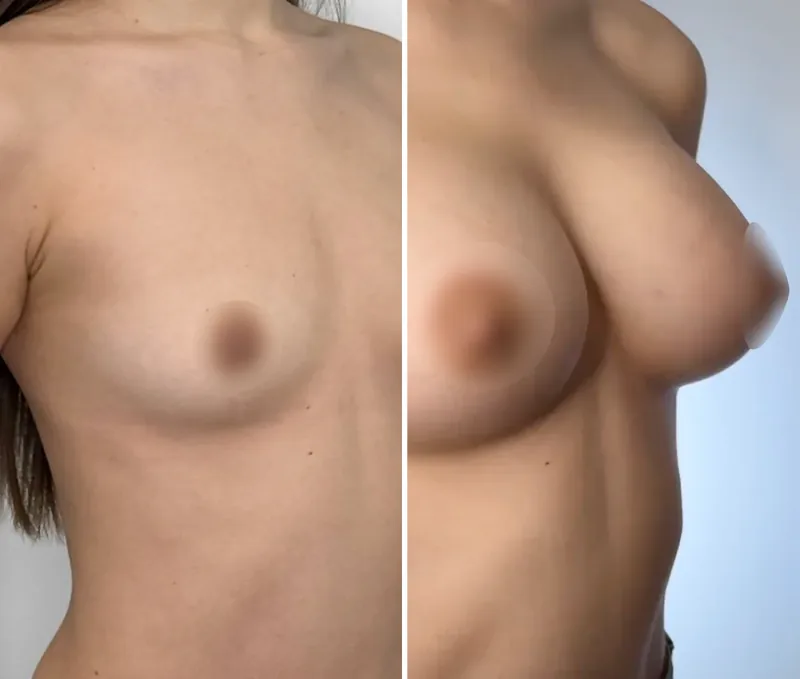
 beforeafter
Mammoplasty
Method: implants
Breast augmentation
$4,700
$5,900 · First consultation — Free
Message our coordinator
Free online consultation · Reply within 15 minutes
Message us on TelegramMessage us on WhatsAppBy messaging us, you agree to our Privacy Policy
Results
These are real patients of the clinic, with faces and identifying details hidden.
beforeafterMethod: implants
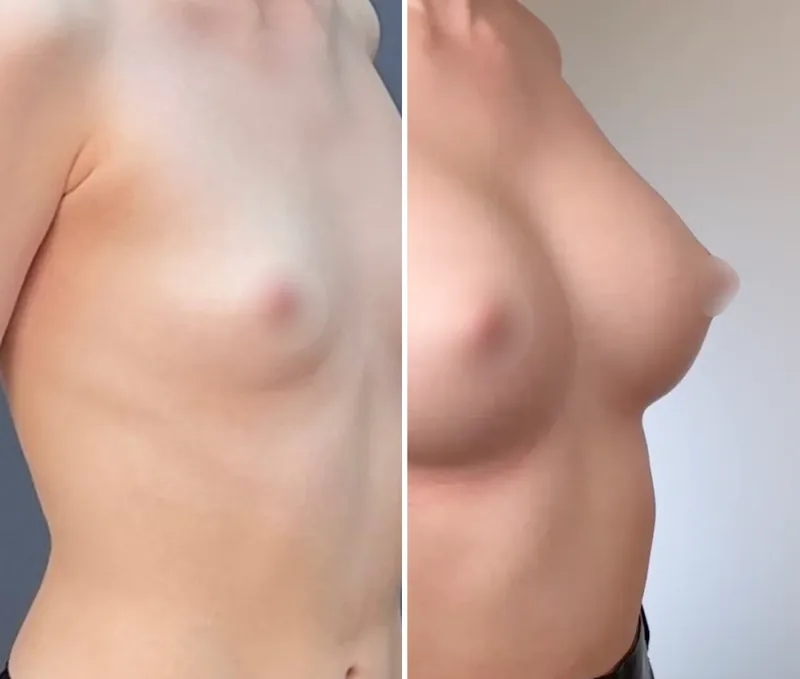 beforeafter
Method: implants
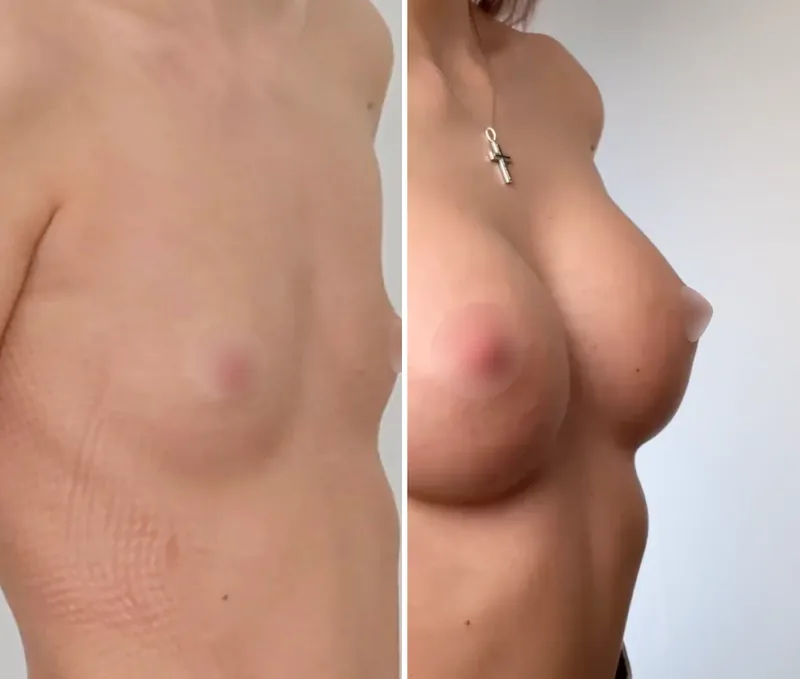 beforeafter
Method: implants
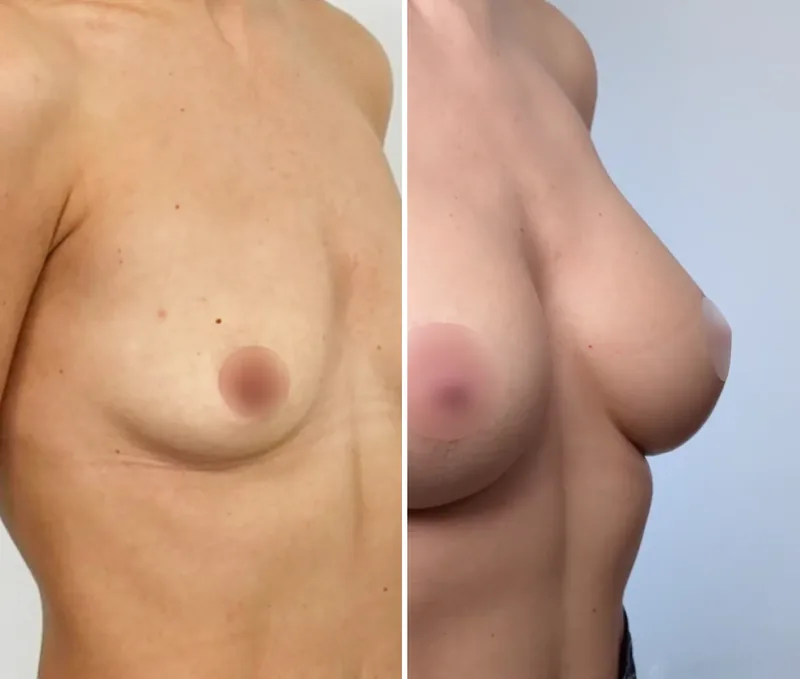 beforeafter
Method: implants
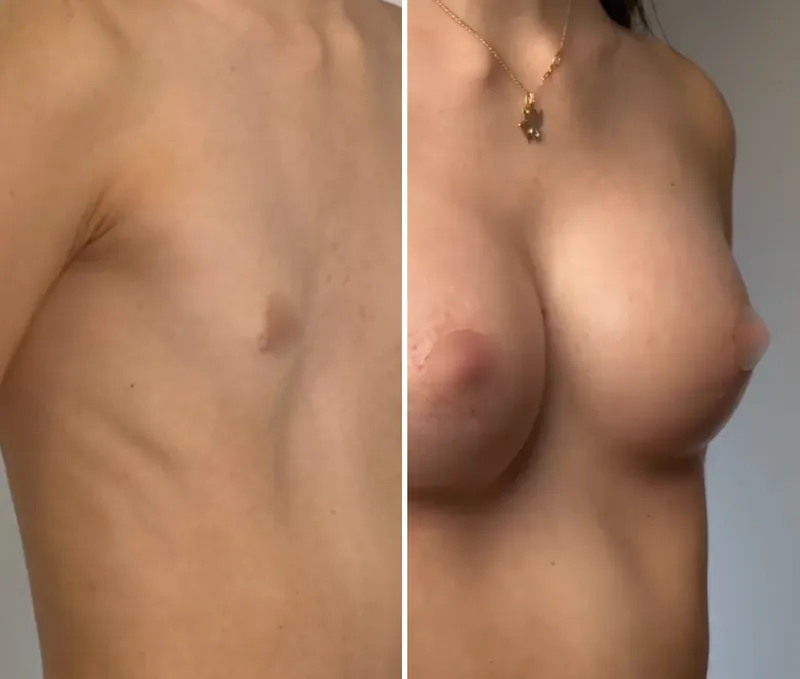 beforeafter
Method: implants
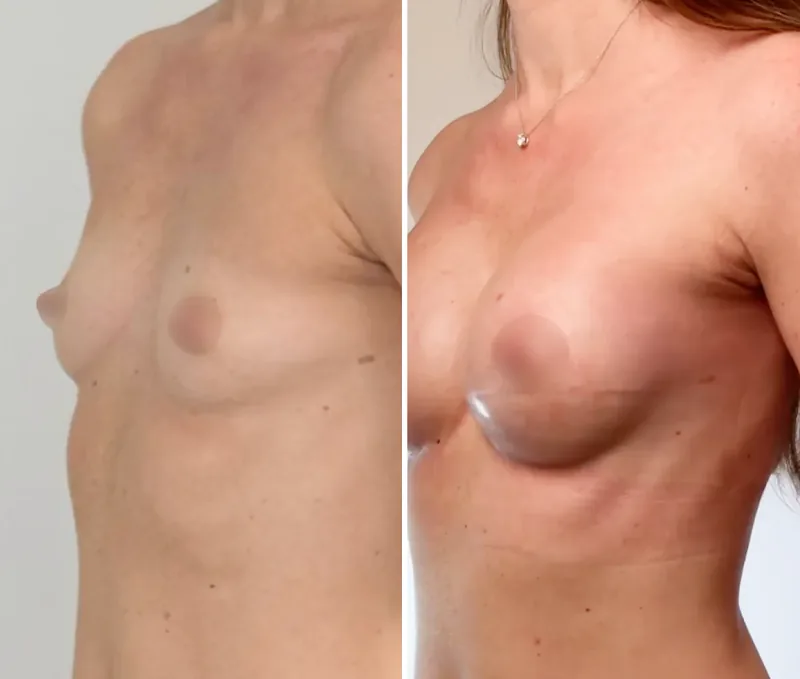 beforeafter
Method: implants
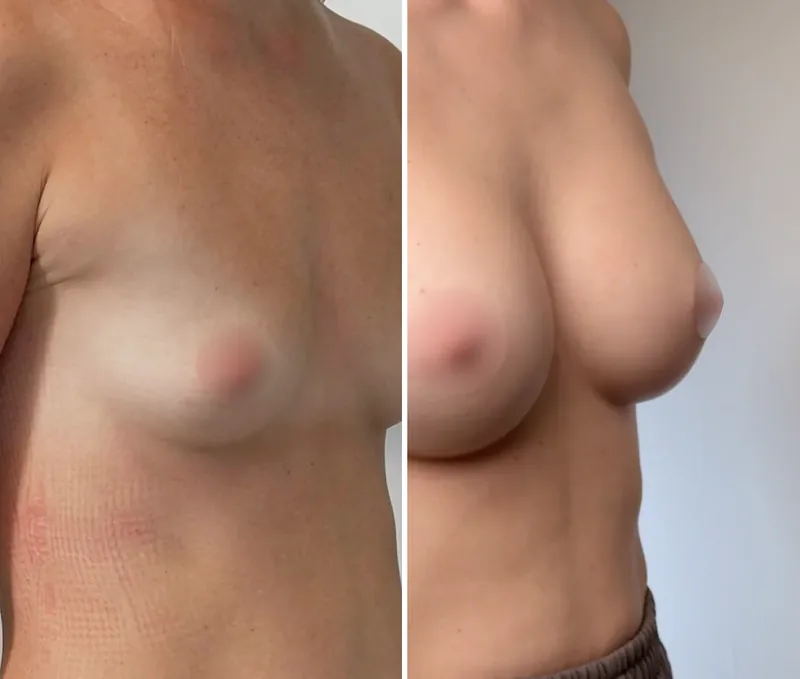 beforeafter
Method: implants
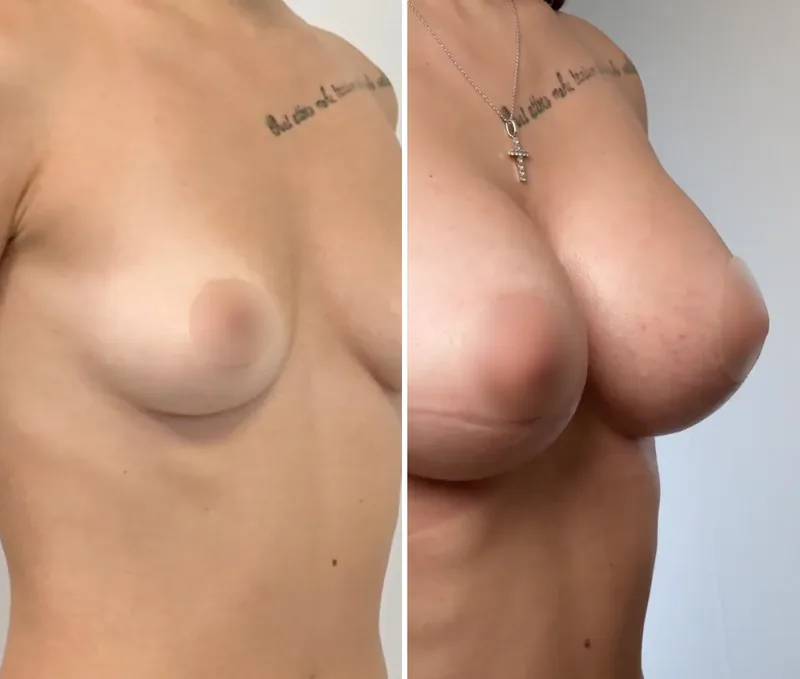 beforeafter
Method: implants
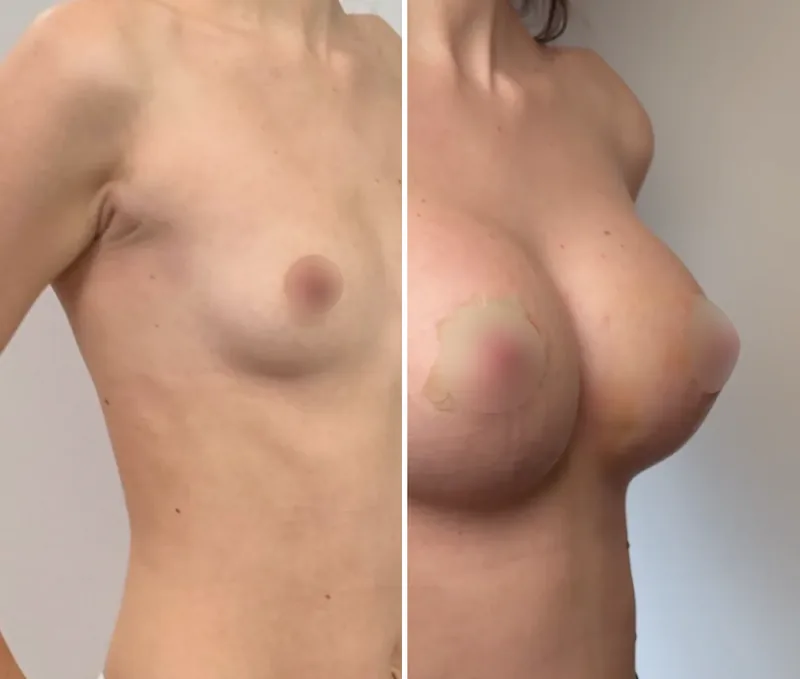 beforeafter
Method: implants
Comparison
Augmentation and reduction are the two main breast correction methods we perform. Compare what each one achieves, how precise it is and when it is indicated.
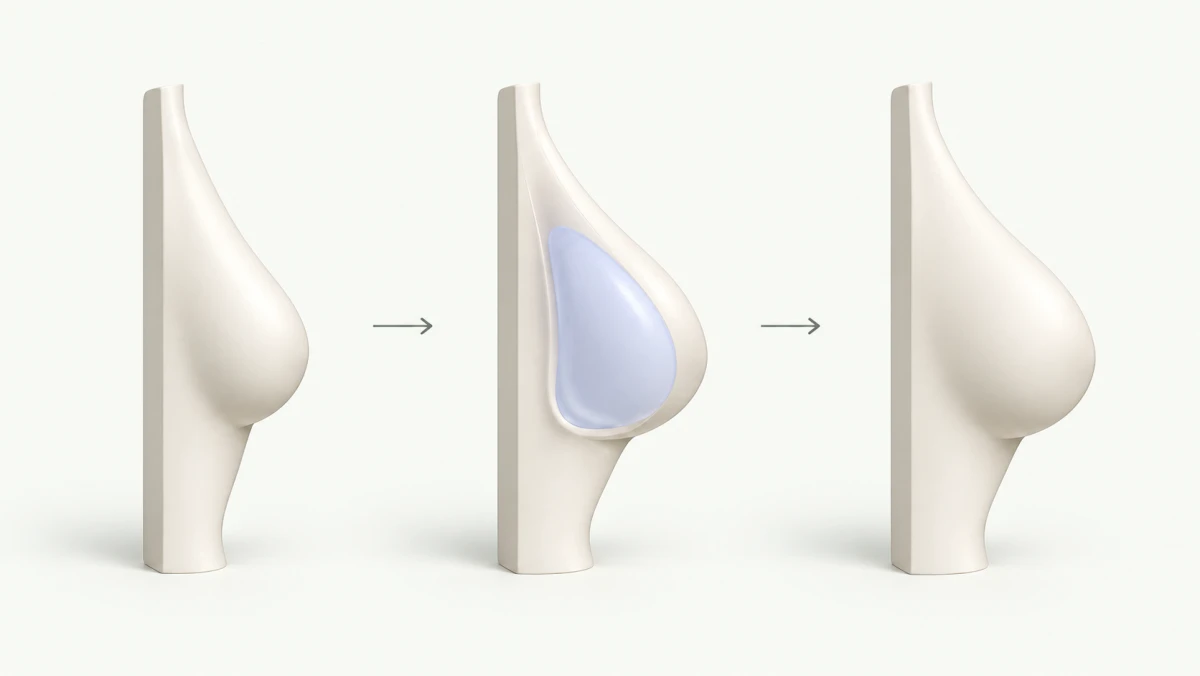
Size and shape correction with implants
Discounted price
$4,700 $5,900
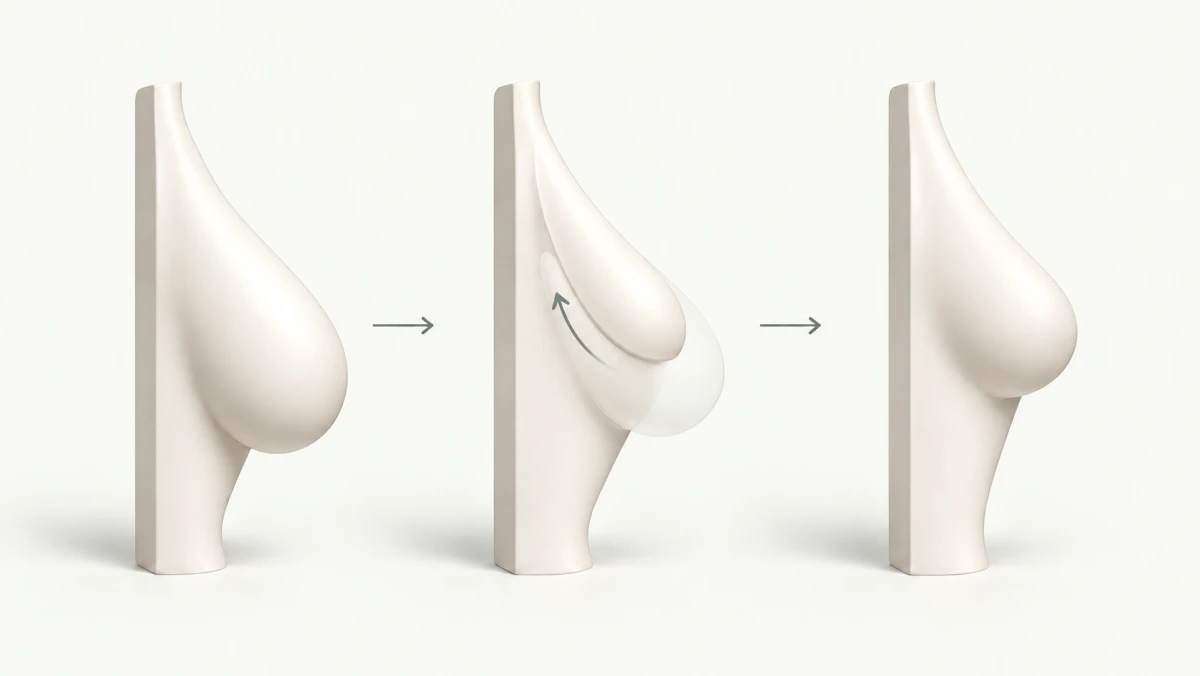
Correcting breast size by reducing volume and weight
Discounted price
$4,700 $5,900
At your consultation the surgeon looks at the shape and proportions of your breasts, talks through what you want and recommends the best mammoplasty option.
The consultation is free, before surgery and with no commitment.
Comparison
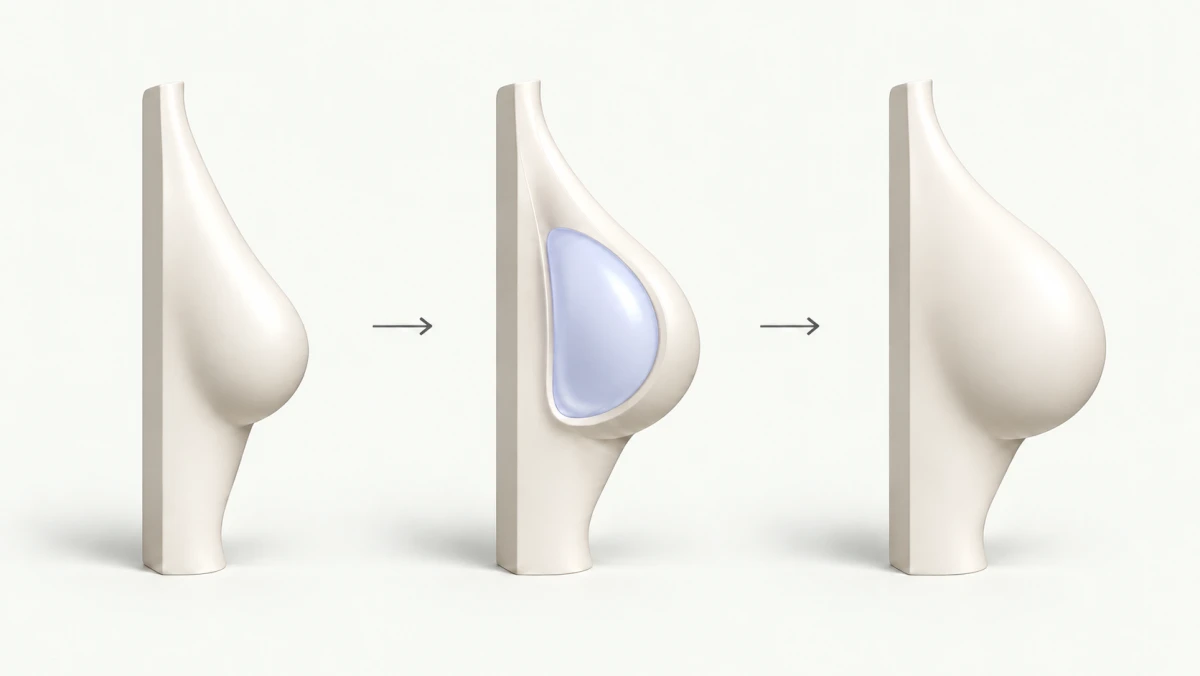
We use two main implant types — round and anatomical. Both increase volume and improve breast shape, yet each gives a different contour and result.
A fuller upper pole with even volume
A soft teardrop shape with a natural slope
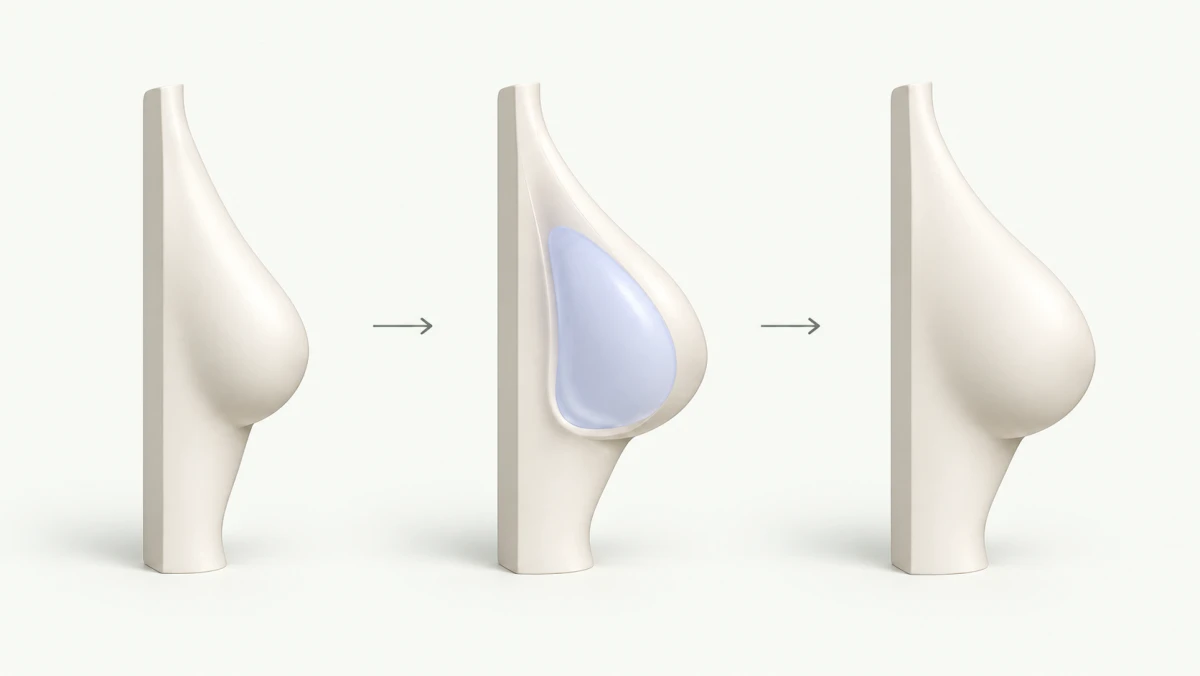
The surgeon will help you choose the implant shape and volume.
Inside the clinic
Up-to-date equipment, comfortable rooms and attention to each patient
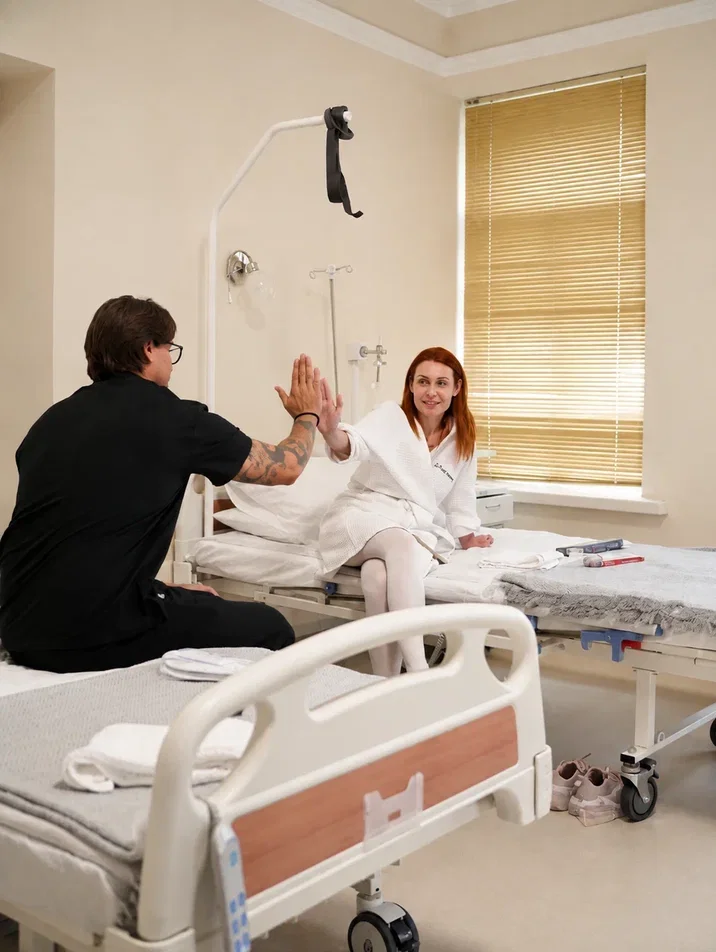
Ask us anything, and we will arrange a consultation at a time that suits you
If your case can be solved without surgery, the doctor will tell you so at the consultation — and you will not spend money for nothing.

Not sure whether surgery is right for you?
Send us a message — the coordinator will ask for a few photos in a messenger, and after reviewing them the surgeon will tell you if mammoplasty is right for you.
Find out if it suits me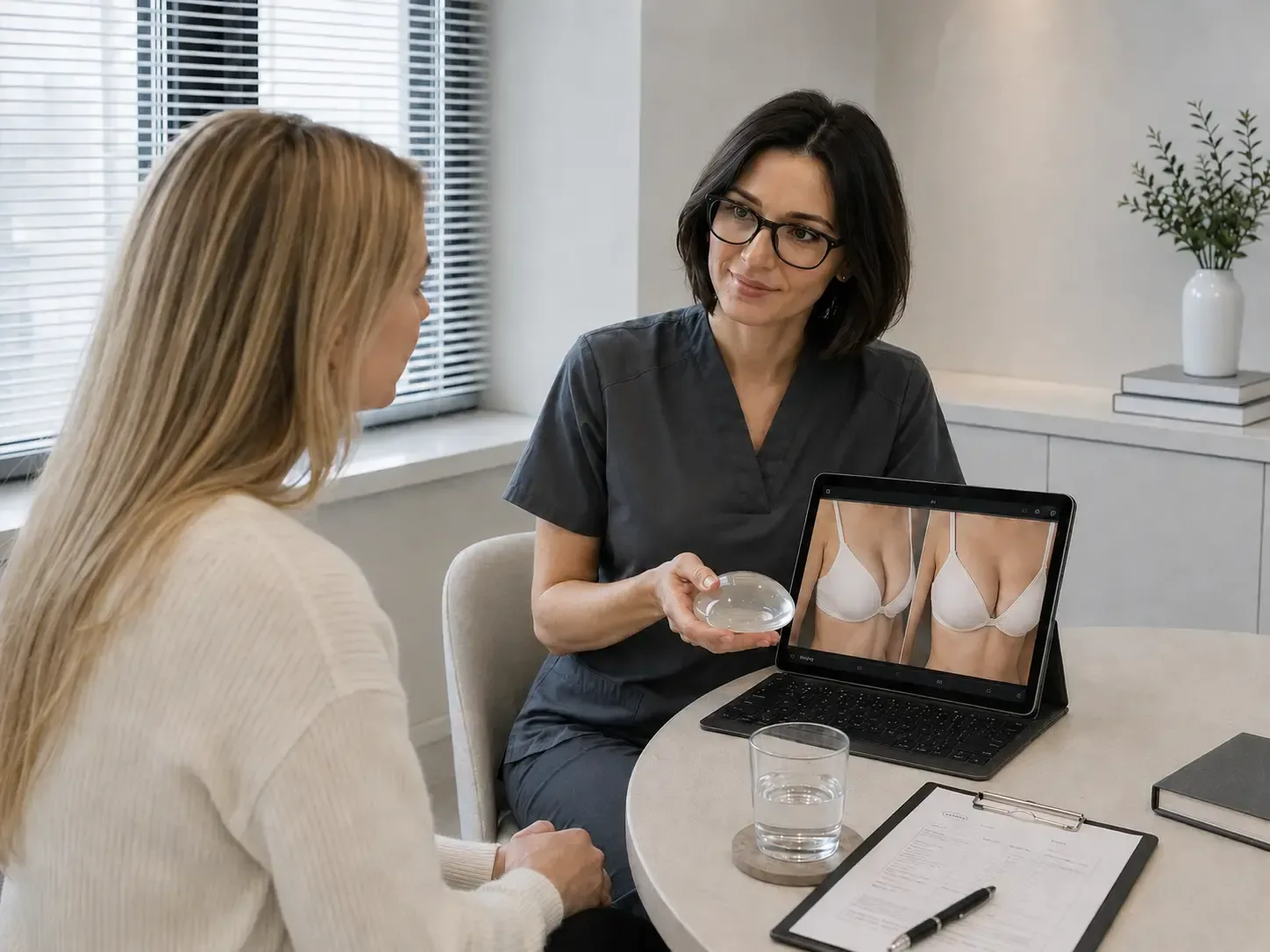
Prices
The price is set at the consultation and fixed in the contract.
Discounted price
Size and shape correction with implants
$4,700$5,900
Discounted price
Reducing the volume and weight of the breasts
$4,700$5,900
Breast restoration after mastectomy
The price is set at the consultation and fixed in the contract.
Get a consultationThe surgeon assesses the anatomy and proportions of your breasts, listens to your wishes and chooses the right correction method.
The price is set at the consultation and fixed in the contract.
Message our coordinator
Free online consultation · Reply within 15 minutes
Message us on TelegramMessage us on WhatsAppBy messaging us, you agree to our Privacy Policy
all inclusive
From your pre-surgery preparation
to follow-up support for 12 months.
Discounted price
$4,700$5,900
The process
An agreed plan for the correction, observation in hospital and recovery monitoring for a year.
 1
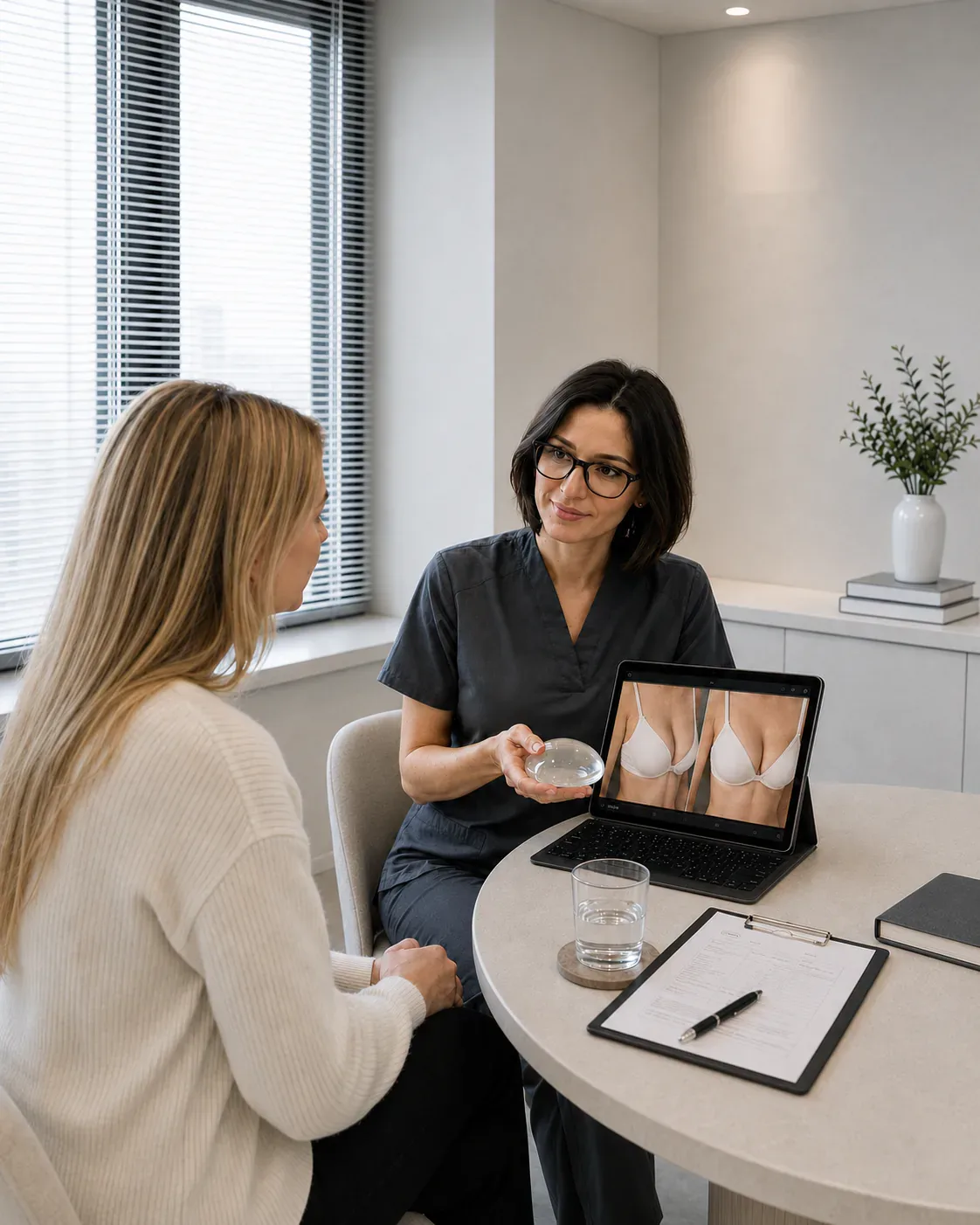
The surgeon looks at your figure, talks through your wishes and picks the best volume, shape and correction method.
 2
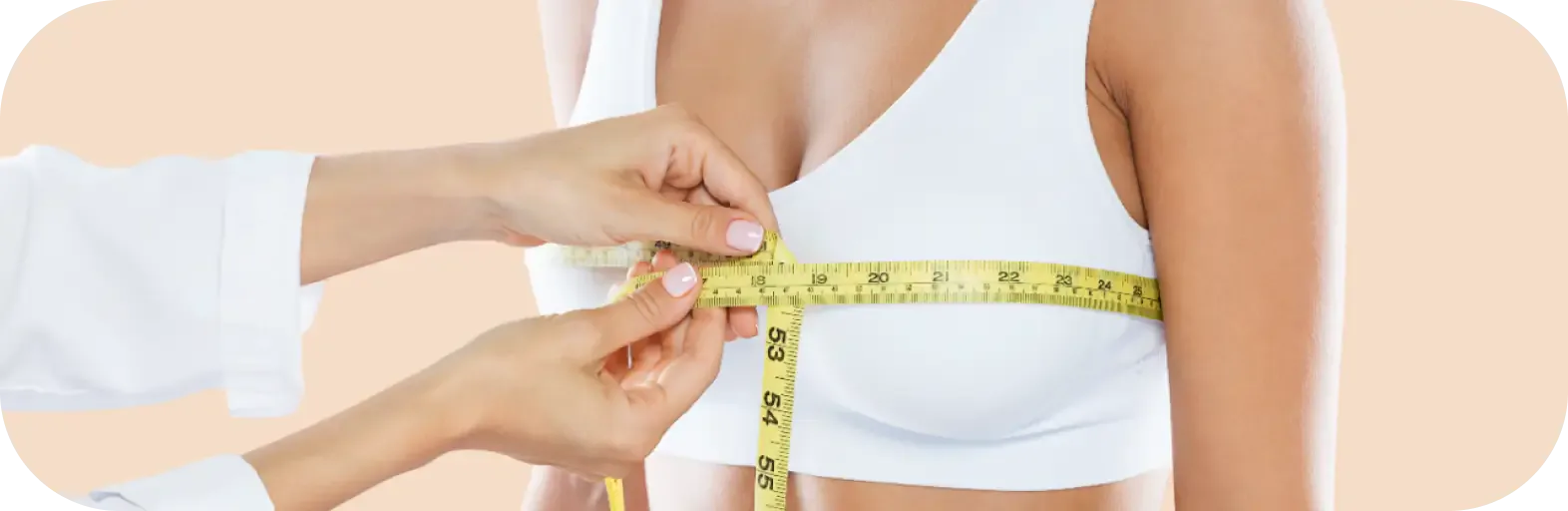
We hold a surgery date for you. You can pay the deposit by card at the clinic or online by bank transfer; all terms are set out in the contract for medical services
 3
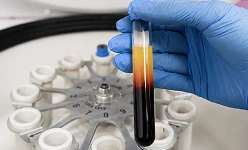
A complete pre-operative check-up comes first: blood tests, an ECG and the other examinations prescribed by your doctor.
 4
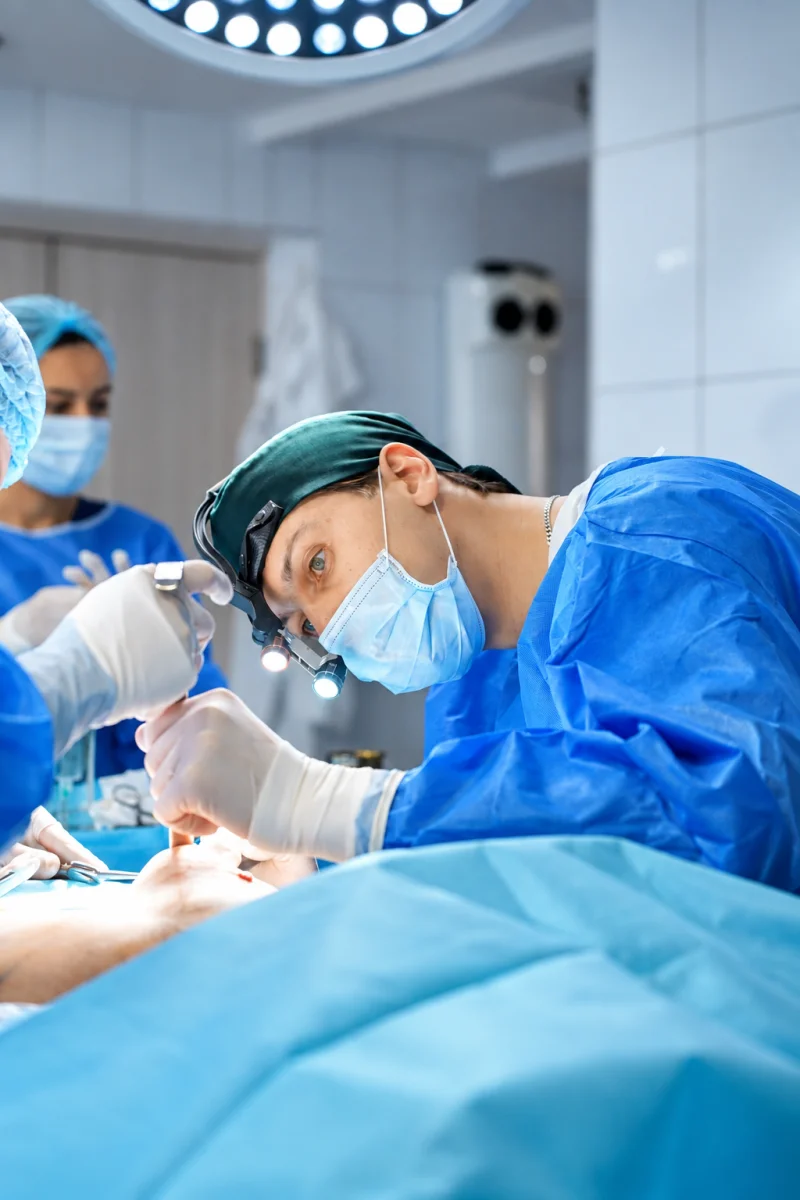
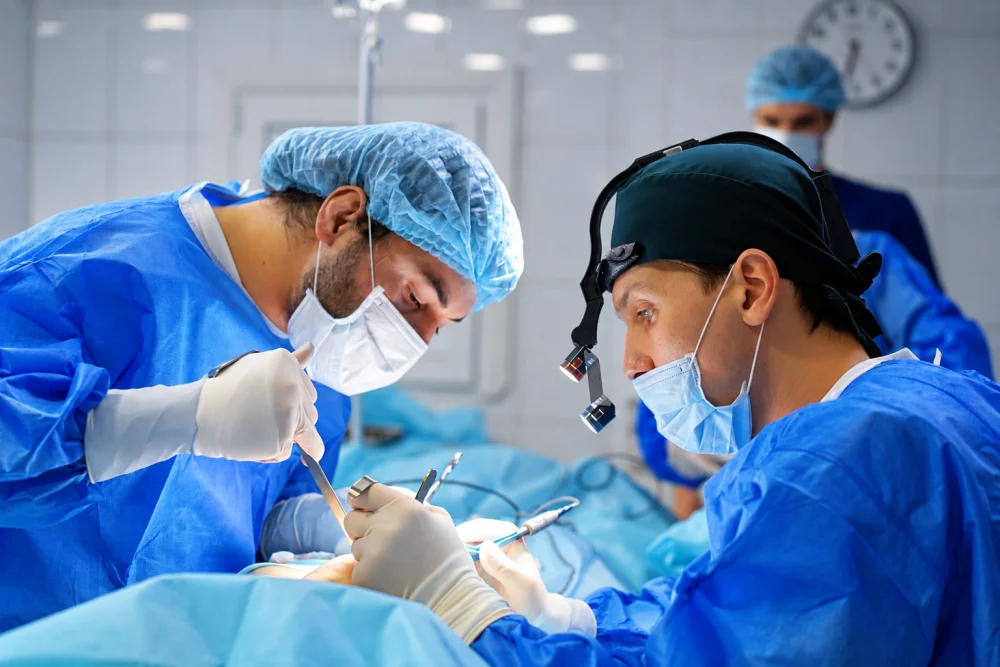
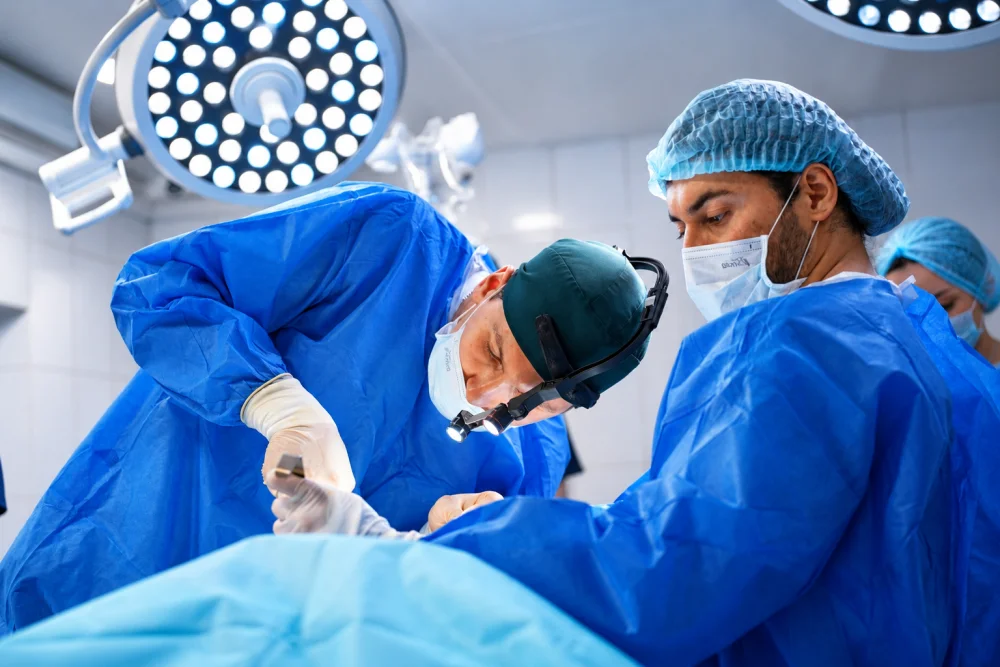
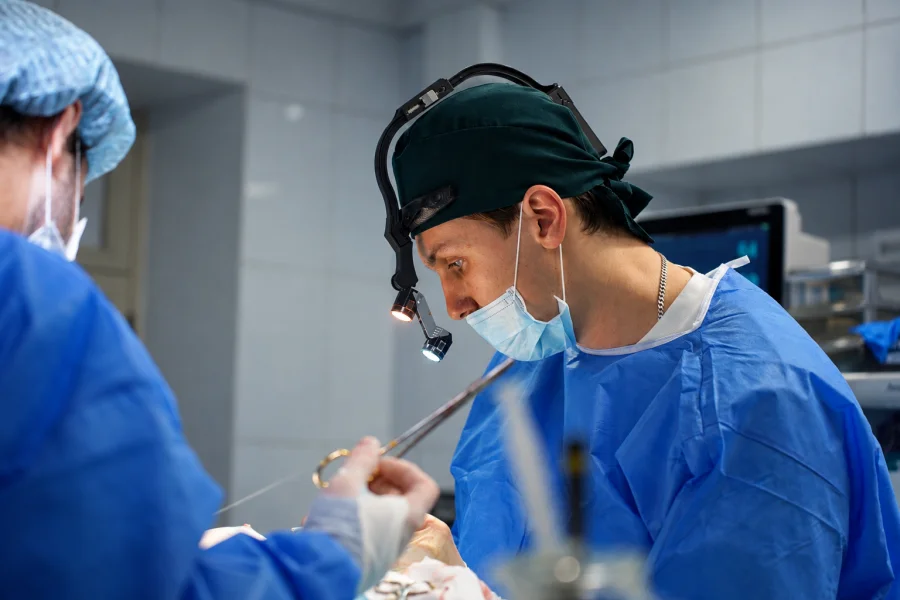
The surgeon performs mammoplasty according to your individual plan. The operation takes place under general anesthesia with continuous patient monitoring.
 5
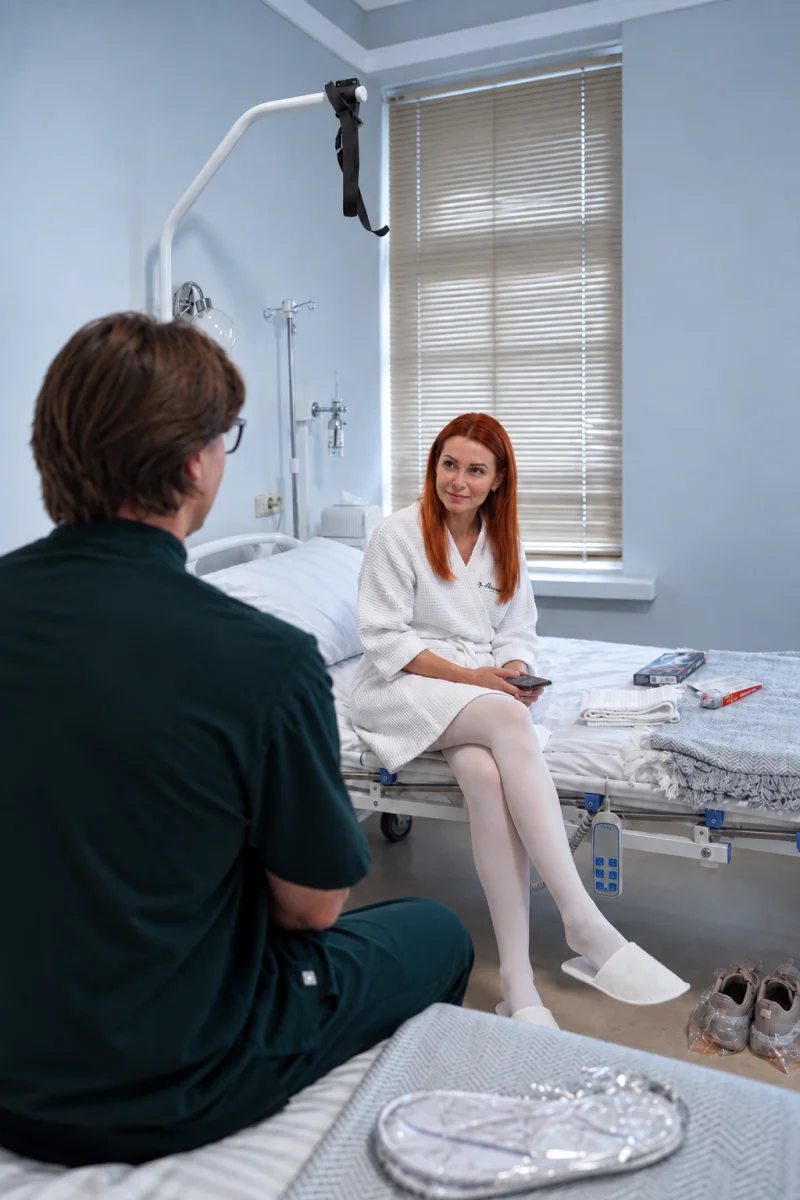
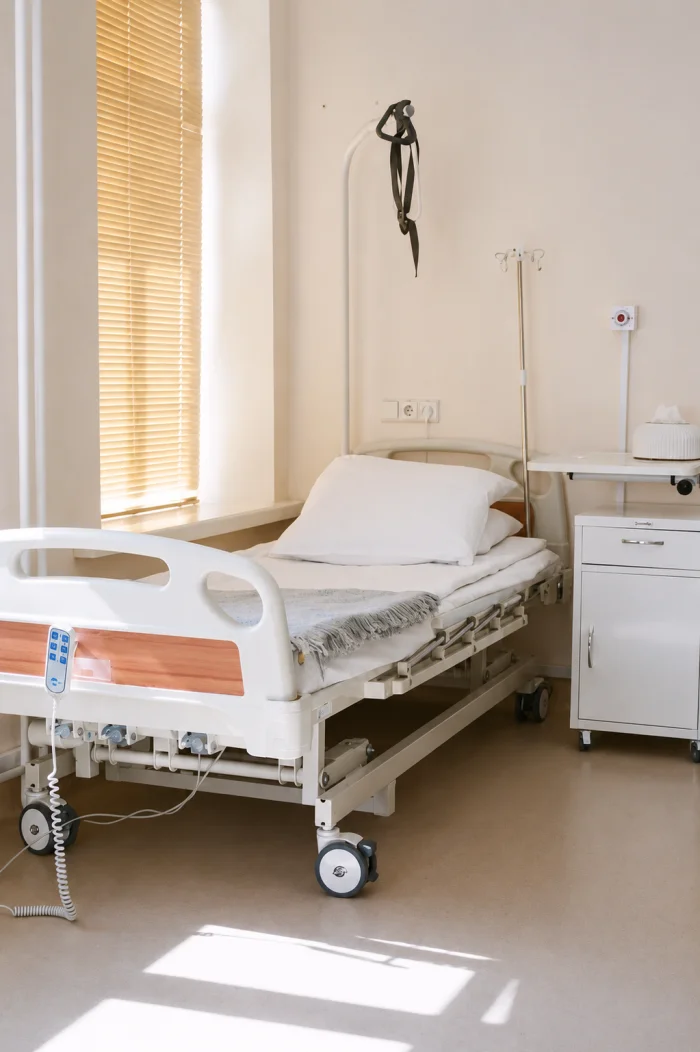
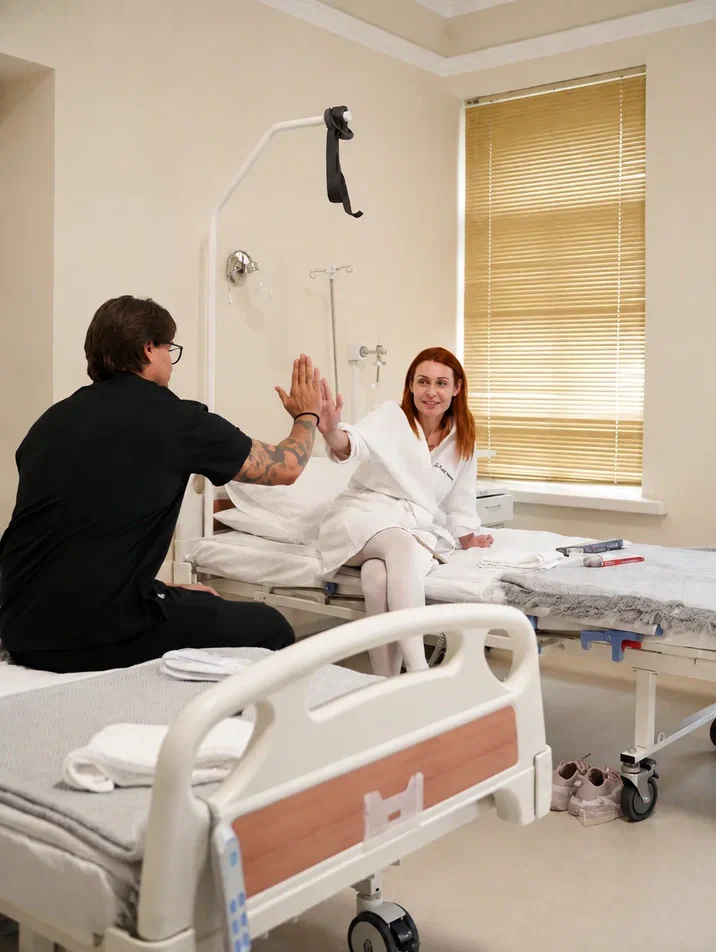
After the operation you remain in the clinic's comfortable inpatient ward, cared for by the medical team until you are discharged.
 6
You get a personal recovery programme after the operation. Follow-up visits at 7 days, 3 and 6 months monitor healing; for a year, surgeon consultations are free of charge.
Stop taking aspirin-containing drugs, steroids and hormonal medications for chronic conditions before surgery
Stop hormonal oral contraceptives at least one month before the procedure
Get your tests a week ahead of surgery
Ahead of surgery, take a few simple steps: balance work and rest, get more sleep, steer clear of stress, anxiety and strong emotions, and cut back on physical activity.
For as long as 40 days, stay away from intense gym workouts and overly active aerobics; light cardio is possible after a month. Monitor your diet and meals.
After 3 weeks, post-op swelling disappears
Discomfort goes away after 3 months
Scars form within 3 weeks
Avoid exertion (lifting over 3 kg)
During 3 months all tissue inflammation subsides and a “pocket” forms around the implant
During recovery after correction, compression garments are worn for 1–1.5 months
No lifting arms above shoulder height — 3 weeks
Baths and saunas are off-limits up to three months, as is physiotherapy
Doctors
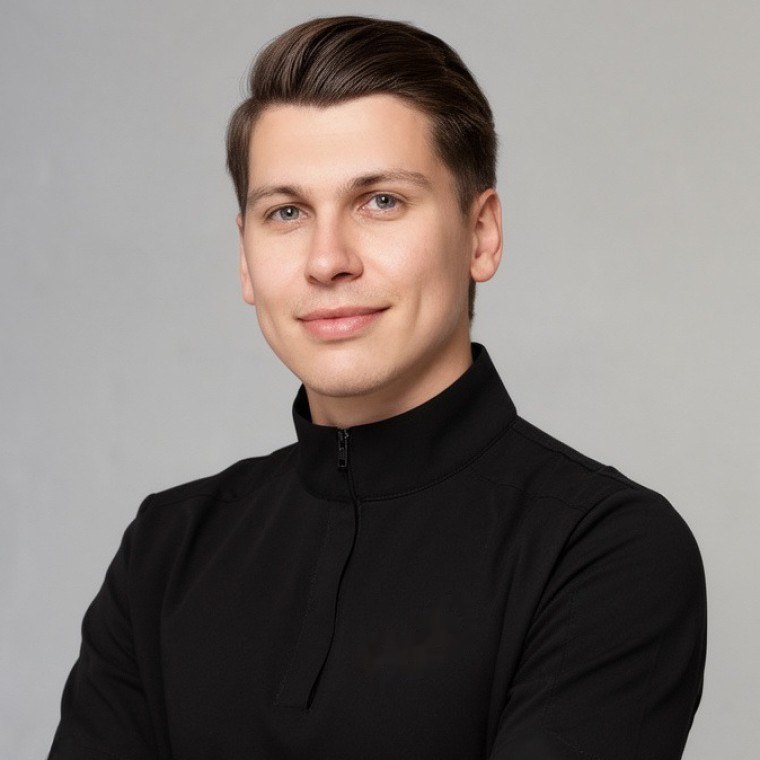
7 years of experience
Plastic surgeon
Did a residency in plastic surgery at the Petrovsky National Research Centre of Surgery. Specialty: aesthetic and reconstructive breast and body surgery.
You speak with the operating surgeon at the consultation
A seasoned plastic surgeon who cares for patients' health as well as their beauty
Book a consultationAdvantages
We review your wishes at the consultation and model the planned result. The surgeon explains what the operation can do, so you understand exactly what we are aiming for.
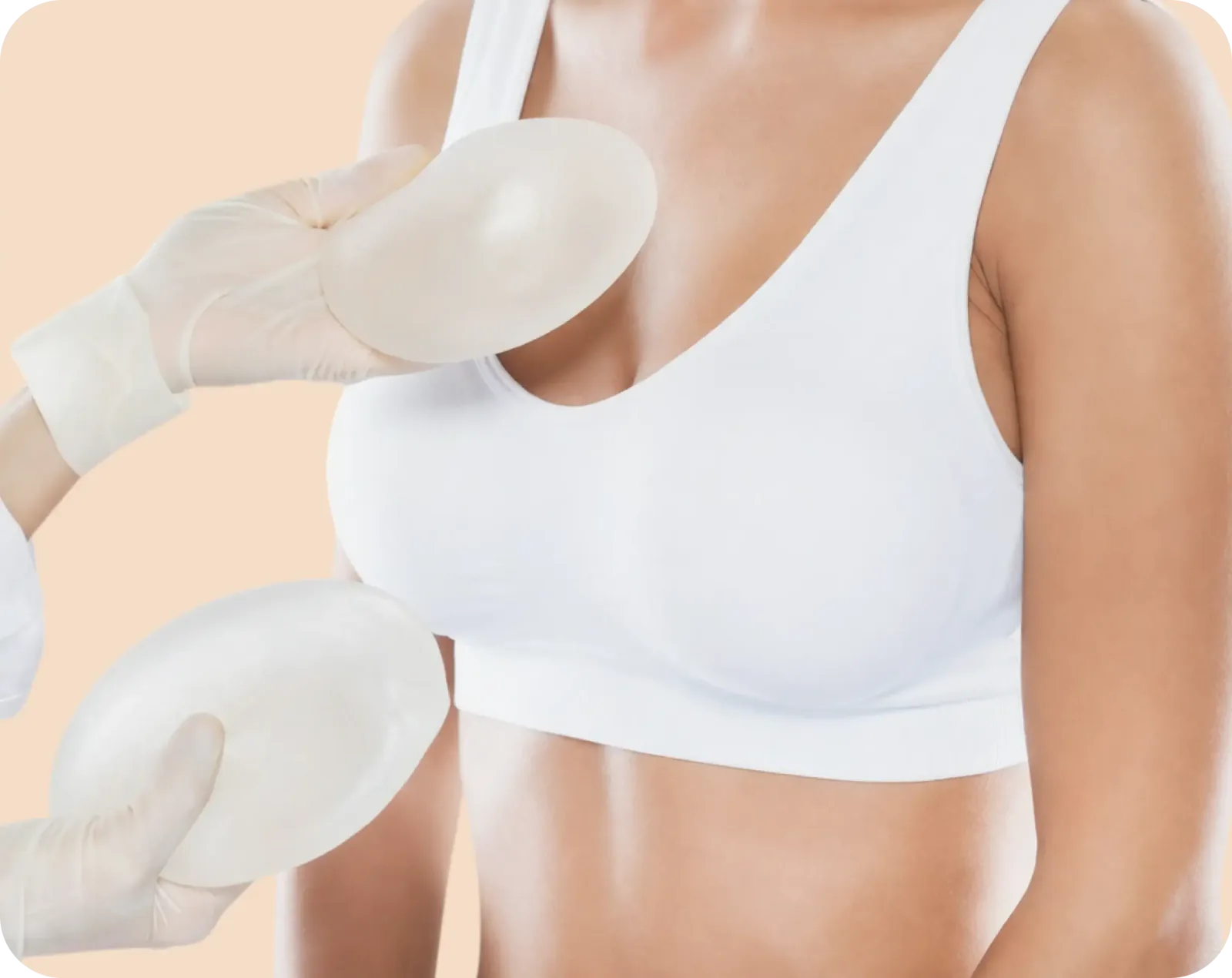
For a year the surgeon monitors your recovery and how your breast shape settles. Check-ups and dressings are already included in the price.
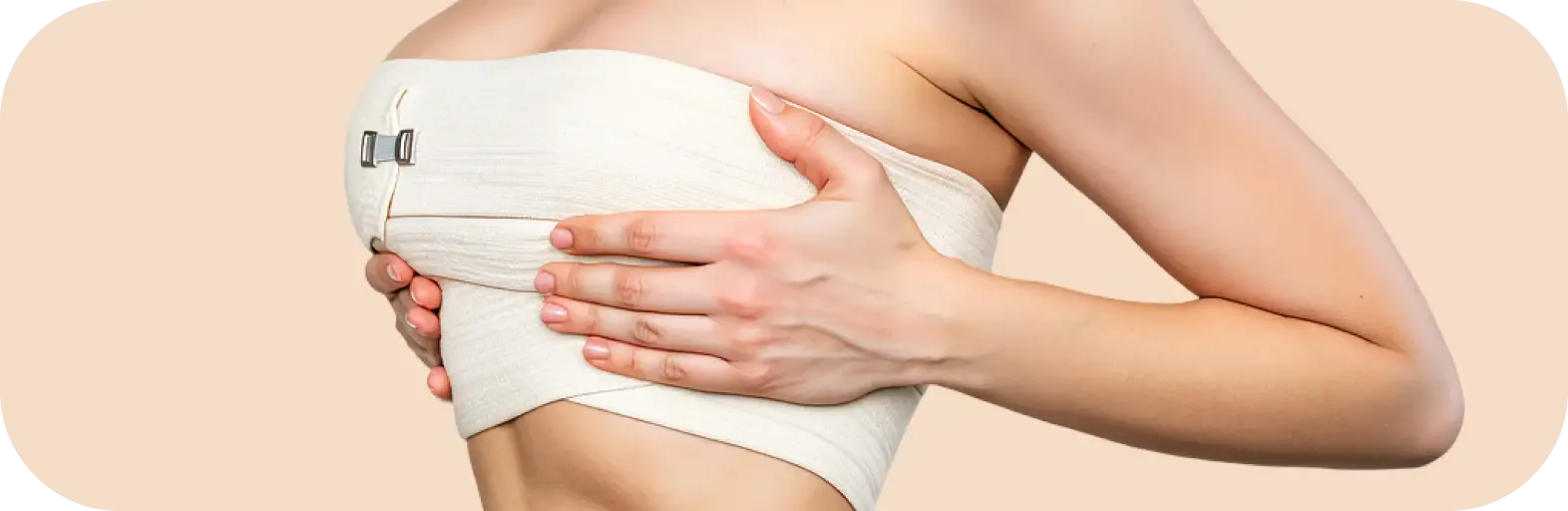
We choose the shape, volume and correction method based on your anatomy and wishes. For augmentation, implant size and profile are chosen individually.
We respect your time: we work 24/7, with easy booking and a personal approach — we adapt to your pace.
After the consultation the surgeon determines the scope of correction, and you receive a clear price for the surgery with no surprises along the way.

Recovery starts in a comfortable inpatient ward with nursing care around the clock. Your stay and meals are already included in the price.
FAQ
Mammoplasty spans several procedures: augmentation (enlargement with implants), reduction (excess tissue and skin are removed), mastopexy (lift of sagging breasts), reconstruction (after mastectomy) and asymmetry correction. The ideal method is chosen for you individually, taking into account your wishes and the surgeon's advice.
Message us — our coordinator will get back to you shortly and book your consultation. The plastic surgeon consultation is free.
Complications are infrequent provided all recommendations are followed. They may include hematoma or seroma, infection of the wound, changes in nipple sensitivity (lower or higher), capsular contracture, aesthetic asymmetry, wound separation and tissue necrosis.
Mammoplasty results hold for a long time, roughly 10–15 years after augmentation (up until implant replacement) and 5–10 years after a lift or reduction. Weight, pregnancy, the aging of skin and gravity play a role in duration. Supportive underwear and weight control help maintain the result.
The ability to breastfeed after mammoplasty depends on the type of operation. With augmentation through an under-breast or armpit incision and a submuscular implant, lactation usually remains, because the glandular tissue is not harmed. After a lift or reduction the risk is greater, as ducts may be cut. Raise this with your surgeon ahead of time.
Implant selection considers material (silicone gives the most natural look; saline is less common), shape (round or anatomical teardrop), surface (smooth or textured), size and profile. The surgeon picks the best fit for your anatomy and wishes.
The surgery itself is performed under general anesthesia — the patient feels nothing. In the first 1–3 days moderate discomfort is possible and is relieved with painkillers. By day 5–7 pain decreases significantly, and by weeks 2–3 discomfort is gone. If pain is severe, tell your doctor right away.
You can return to work (without physical exertion) after 7–14 days. Light walks after 1–2 weeks. Fitness and swimming after 4–6 weeks, strength training after 3 months. Pool and sea after 4–6 weeks. Wear compression garments for 4–6 weeks. Exact timing depends on your recovery.
No scientific evidence shows that mammoplasty raises the risk of breast cancer, and implants do not cause cancer. After surgery, continue regular screening with self-exams, mammography and ultrasound, and always tell the examining doctor that you have implants.
A C-section does not rule out mammoplasty, but full recovery of the body must come first. Wait 6–12 months or more after giving birth and after you stop breastfeeding. Before surgery, you must have a surgeon's consultation and check-up.
Mammoplasty always leaves scars, though with a skilled surgeon they are minimal. The incisions are hidden under the breast, around the areola or in the armpit. Scars are reddish in the early months but fade within 6–12 months and become almost invisible.
Mild asymmetry soon after surgery is normal during the first weeks and is caused by swelling and uneven healing. If shape or size remains different after 3–6 months, your surgeon should examine you to establish the cause.
After mammoplasty, nipple and breast sensitivity may change temporarily — decrease or increase. The cause is irritation of nerve endings. In most cases sensitivity returns within 3–12 months. If there is no improvement after a year, see your surgeon.
Although hormonal drugs (contraceptives, hormone replacement therapy) have no direct impact on implants, they can produce swelling or changes in breast tissue volume, temporarily affecting appearance. Be sure your surgeon knows about such medications before surgery.
Prices are in US dollars; the amount in brackets is an approximate conversion to NGN at the rate of 02.10.2026. The final price is fixed in your contract.
Prices start from $4,700 (≈ ₦6,300,000). The surgeon sets the final price at the free consultation, and it is fixed in the contract, with no hidden extras.
The surgical team's work, anaesthesia, the inpatient stay with meals, dressings and follow-up visits for twelve months.
Message us on WhatsApp or Telegram using the buttons below. A coordinator will answer your questions and book a free consultation where the doctor names the exact price.
By messaging us, you agree to our Privacy Policy
Augmentation mammoplasty is an elective aesthetic operation carried out under general anesthesia. It is chosen by women in Yenagoa who want more volume or a corrected contour. Anatomical precision matters here: the plastic surgeon marks the new breast position, plans the access around your anatomy and fits an implant that respects your proportions, keeping the look natural rather than artificial.
For anyone in Yenagoa planning augmentation, preparation starts weeks ahead. Aspirin-containing drugs, steroids and some hormonal medications are stopped 1–2 weeks before; oral contraceptives, at least a month before. Tests are taken a week prior. After the operation you remain in hospital for one day, then follow a recovery program focused on reducing swelling and caring for the breasts.
What do you pay for? From $4,700 (≈ ₦6,300,000) covers the operation itself and everything around it: preparation with the surgeon, anesthesia, one day in an inpatient room with meals and 24/7 supervision, then twelve months of dressings, check-ups and surgeon follow-up. Consultations with the plastic surgeon are free. Anyone from Yenagoa can apply via the form or any messenger to arrange one.
What patients write after this operation. Reviews are translated from the original language.
Anna Smirnova
I went to Dmitry Sergeyevich for breast augmentation with implants. At the consultation everything was explained in detail, and together we chose the best size. The operation under combined anaesthesia took 2 hours, and I was discharged home the next day. The swelling went down in about a month, and my breasts look very natural. The year of follow-up care is a real lifesaver: you can always ask a question and get an answer. Thank you to the clinic!
Breast augmentation
Doctor: Dmitry S. Kuznetsov
Ekaterina Morozova
After two births I decided on a breast lift without implants. I chose Dmitry Sergeyevich and have no regrets. The result exceeded all my expectations: my breasts are lifted and the shape is youthful and firm. The incisions are minimal and almost invisible. I spent one day in the hospital, and the room was very comfortable. I recommend him!
Breast lift
Doctor: Dmitry S. Kuznetsov
Olga Kuznetsova
I had a combined operation, a breast lift with augmentation, with Dmitry Sergeyevich. At the consultation it was immediately clear that I was in the right place. Everything is included in the price, with no hidden charges. After a month my breasts already feel soft and natural. Personal follow-up after the operation is very valuable.
Breast lift with implants
Doctor: Dmitry S. Kuznetsov
Maria Lebedeva
Breast augmentation from a size 3 to a size 4 with Dmitry Sergeyevich. He chose perfect anatomical implants. The operation took 2 hours, and I woke up with almost no pain. In the ward I was fed and monitored around the clock. Four months have passed and the result looks like a magazine cover.
Breast augmentation
Doctor: Dmitry S. Kuznetsov
Natalia Vorobyova
I went to Dmitry Sergeyevich to correct breast asymmetry with a small lift. A true professional: at the consultation he immediately showed before-and-after photos of similar cases. Recovery was easy and the swelling went down quickly. I had my check-up after just 7 days. An excellent clinic!
Breast reconstruction
Doctor: Dmitry S. Kuznetsov
Yulia Romanova
I had a lift with implants after losing a lot of weight. I chose Dmitry Sergeyevich. At the consultation everything was explained in simple words, and my fears were gone. One day in the hospital, then care at home. Now my breasts look natural and keep their shape. I am very happy!
Breast lift with implants
Doctor: Dmitry S. Kuznetsov
Yenagoa is the capital of Bayelsa State in the Niger Delta, in southern Nigeria. The Local Government Area covers 706 km2 and had an estimated population of 798,466 in 2024. Ijaw communities form the majority, English is the official language, and local languages such as Epie-Atissa are also spoken. Women here often talk about body image and surgery quietly, with a sister, a close friend or a colleague. A private, unhurried conversation is therefore a sensible way to begin.
City Medical Centre works with patients in Yenagoa through a free online consultation. You write to the coordinators on Telegram or Telegram from home, from your workplace or from a quiet corner of the compound. The coordinators are available 24/7, so you can send your questions after the family has gone to bed or before the working day begins. You do not need to rearrange your week around an appointment.
This text is meant to help you prepare for breast augmentation in the context of daily life in Yenagoa: the climate, work, family obligations, food, exercise and the rhythm of the year. Nothing here replaces a personal assessment by a surgeon. It should help you arrive at the consultation with clear questions and a realistic picture of recovery.
Yenagoa lies among swamps and mangrove tropical rainforest. The wet season is warm and cloudy, and the dry season is hot and mostly cloudy. The average annual temperature moves between 71 °F and 87 °F, rarely dropping below 63 °F or rising above 90 °F. For someone recovering from breast augmentation, the main climate factors are heat, humidity and sweat rather than strong sun.
Compression garments have to be worn for a set time after the operation: 4–6 weeks according to the standard recovery plan, and in some corrective cases 1–1.5 months. In a humid climate this takes planning. Choose soft, breathable, well-fitting garments and keep a few spares so you can change them when damp. Keep the skin around the incisions clean and dry, wash as your surgeon instructs, and never treat irritation with home remedies. If you notice redness, warmth or unusual discharge, write to your coordinator the same day.
Rain and humidity also affect daily comfort. Wet roads and crowded transport are not good for a body that must avoid heavy exertion, so arrange lifts with family or colleagues for the first days. Keep a light cotton wrap or loose shirt at home that opens at the front, because pulling clothes over the head is awkward while you must not raise your arms above shoulder height for 3 weeks.
The process starts with a message. You tell the coordinator about your goals, general health, previous operations, pregnancies and whether you are still breastfeeding. You will be asked for photographs and recent medical information. A coordinator will call you back 24/7, so you choose the moment that suits you, whether that is between lectures, after work or on a quiet weekend.
The surgeon then reviews your case remotely and discusses implant options, the incision location, the type of anaesthesia and the likely shape. Incisions can be placed in discreet areas: under the breast, around the areola or in the armpit. A good consultation covers what is realistic for your body, not only what you saw in a photo. Ask to see how the plan would suit your frame, your skin and your usual clothing.
Before any decision, a check-up and an assessment by the surgeon are required. Use the free consultation to compare options calmly. You can come back to the same coordinators with more questions as often as you need, without pressure and without a deadline.
Breast augmentation is performed under general anaesthesia, so there is no sensation during surgery. The hospital stay is 1–2 days. During that time you are under 24/7 monitoring by medical staff. The surgical team gives you a recovery programme before you go home, and you should read it with whoever will help you at home.
In the first 1–3 days you may feel moderate discomfort, and painkillers relieve it. Pain subsides significantly by day 5–7, and the discomfort is gone by weeks 2–3. If pain becomes severe, tell your doctor right away. Do not wait to see whether it passes.
For families in Yenagoa, the practical question is who will cook, carry water or shopping, and care for children in the first week. Settle this before the operation. Lifting more than 3 kg is not allowed, which includes a toddler, a full bag of produce or a large cooking pot. Having a relative or neighbour ready to help makes the first days much calmer.
Many women in Yenagoa work in offices, schools, shops, government departments or on their own business. Return to work is possible after 7–14 days, provided the work involves no physical exertion. A desk or classroom role is generally easier than one that involves lifting, long standing or heavy bags. Timing depends on your recovery, and the surgeon will decide with you.
Plan your leave with a margin. If you can take a little longer than the minimum, you will return less tired. Tell your employer only as much as you wish. A general statement that you are having a planned procedure and need a short rest is enough.
Students can usually plan the operation around a break between terms. Avoid carrying a heavy backpack of books at first, and avoid long hours of writing with the arms raised. Light walks are possible after 1–2 weeks, and they help you feel active without overloading the body.
The city is built among waterways and swampland, and water is part of daily life. After breast augmentation, pool and sea are allowed after 4–6 weeks, the same period as fitness and swimming. Rivers and creeks are not sterile, so ask your surgeon specifically whether natural water is suitable for you once your incisions have fully closed, and wait until you get a clear answer.
For exercise, avoid intense gym workouts and overly active aerobics for as long as 40 days. Light cardio is possible after a month. Strength training is allowed after 3 months. Do not lift your arms above shoulder height for 3 weeks, and avoid lifting more than 3 kg while you recover. Monitor your diet and meals as well, since sudden weight changes affect the final shape.
Football is a strong tradition in Yenagoa, with Bayelsa United and Bayelsa Queens followed by many residents. If you play recreationally or like to join friends on the pitch, remember that running is not the only issue: jumping, collisions and sudden arm movements put load on the chest. Return step by step and follow the schedule you were given, not the pace of your friends.
Food is a central part of social life in Yenagoa, and family gatherings, church events, weddings and celebrations bring large shared meals. During recovery, plan so that you can attend without strain. Sit, eat in moderation and let others serve. Avoid carrying dishes and avoid dancing energetically in the first weeks, because both put strain on the chest and arms.
Weight control matters for augmentation results. Weight changes, pregnancy, skin aging and gravity affect how long the result looks good. Results last a long while: about 10–15 years for augmentation, until implant replacement. To maintain the result, choose supportive underwear and control your weight. The WHO fact sheet on obesity and overweight is a useful general reference on healthy weight management.
If a major event such as a wedding or a family celebration is on your calendar, choose an operation date that leaves enough time before it. Swelling after surgery goes away after 3 weeks, but the final look settles over months. In 3 months any inflammatory changes in the tissue disappear and a pocket forms around the implant. Avoid scheduling surgery immediately before an occasion where you want to feel entirely comfortable.
Breast augmentation suits adult women in good general health who want a larger or fuller shape, or who wish to restore volume after pregnancy or weight loss. A candidate should have realistic expectations and be ready to follow the recovery rules. Chronic illness, unmanaged conditions, active infection or unstable weight are reasons for the surgeon to postpone or reconsider.
Pregnancy and breastfeeding need special attention. Mammoplasty after a C-section is possible, but only once your body has fully recovered. Allow at least 6–12 months after giving birth and after breastfeeding stops. A consultation and check-up with a surgeon are required before surgery.
Be honest during the consultation about medication, allergies, smoking, earlier operations and your family plans. Only the surgeon can determine whether the operation is suitable. A careful no is better than a rushed yes.
Yenagoa sits in the Niger Delta at about 4°55′ N and 6°15′ E, in an area of swamps and mangrove tropical rainforest. The Local Government Area covers 706 km2, and the Ijaw majority has lived with rivers and creeks for generations. For a woman planning breast augmentation, this means the days after surgery are best organised around where you will rest. Choose a room that is dry, ventilated and close to a bathroom, rather than a spot that is damp or hard to reach in heavy rain.
The wetter season runs from March 20 to November 11, and in that stretch more than 46% of days bring rain. September has the most wet days, an average of 24.5. The dry season runs from November 11 to March 20, and January has the fewest wet days, an average of 2.8. If you want to avoid wet roads and cancelled plans during the first days at home, the dry months are the calmer choice for the operation. Whichever month you choose, keep the first week free of errands.
Discuss with your surgeon during the free online consultation how the season you have in mind fits your recovery. Remember that swelling after surgery goes away after 3 weeks, and compression garments are worn for 4–6 weeks. Count those weeks on your calendar before fixing a date.
Yenagoa has a clearer season that starts about November 17 and lasts for 2.8 months, ending around February 11. December is the clearest month, with the sky clear, mostly clear or partly cloudy 41% of the time. The cloudier period lasts 9.2 months, and April is the cloudiest month, with a cloudy or mostly cloudy sky 87% of the time.
This pattern affects planning. During the clearer months, sunshine is stronger and fresh scars need cover, so wear loose, light clothing that closes at the front and keep the incisions out of direct light. Scars are reddish early on and fade over 6–12 months, so the first season after surgery is the time to be most careful. In the cloudy months the light feels softer, but cloud does not mean the skin needs no protection, so ask your surgeon what scar care they advise.
Humid, overcast weeks bring another practical task: keeping garments and bedding dry. Rotate your compression garments, air them out, and tell your coordinator on Telegram or Telegram the same day if you notice redness, warmth or unusual discharge.
Yenagoa is the capital of Bayelsa State, so many residents work in government offices, public institutions, schools and the businesses that serve them. The city is also tied to the petroleum sector through well-known natives such as Diezani Alison-Madueke, former Minister of Petroleum, and Heineken Lokpobiri, the current minister of state of petroleum as of 2026. Office and administrative roles of this kind are usually compatible with the return to work after 7–14 days, provided there is no physical exertion.
If your job involves field visits, site inspections or carrying equipment, speak to your employer about a desk-based period first. Do not lift more than 3 kg and do not raise your arms above shoulder height for 3 weeks. Even a heavy handbag, a laptop case or a box of files can break that rule, so ask a colleague to carry things for you.
Federal Medical Centre, Yenagoa is part of the city's medical landscape, and many patients like to have a local health facility in mind for ordinary check-ups. City Medical Centre does not replace that, but your coordinators can help you decide what information to share with a local doctor if you need routine care while you recover. Always tell any doctor you see that you have had breast surgery and are on a recovery programme.
Football is a visible part of the city's identity. Bayelsa United, a men's club in the second-tier Nigeria National League, and Bayelsa Queens, a women's club in the NWFL Premiership, both won the 2021 Aiteo Cup in their categories. The men's final against Nasarawa United ended 2–2 and was decided 4–3 on penalties. The women's team in particular gives local women a strong example of an active life.
If you play or train, the plan after augmentation should be gradual. For as long as 40 days, stay away from intense gym workouts and overly active aerobics. Light cardio is possible after a month, fitness and swimming after 4–6 weeks, and strength training after 3 months. Watching matches from the stands is fine once you feel comfortable, but avoid crowds and jostling in the first weeks, because a knock to the chest is the last thing a healing breast needs.
Ask the surgeon how to rebuild your routine in stages, and write the dates down. If a team, church group or neighbourhood event expects you to take part, decide in advance what you will say and what you will do instead. Having a plan makes it easier to say no without explanation.
There are scars after mammoplasty, though a skilled surgeon keeps them minimal. Early on they are reddish, and over 6–12 months they fade and become almost unnoticeable. In a warm climate such as that of Yenagoa, protect fresh scars from direct sun with clothing and ask your surgeon what care they recommend.
In the first weeks slight asymmetry is normal, because swelling and uneven healing are behind it. If shape or size still differ after 3–6 months, see your surgeon for a check-up to find the reason. Breast and nipple sensitivity may also change for a time, going down or up. In the majority of cases it is restored within 3–12 months. If nothing has improved after a year, consult your surgeon.
After surgery you get a recovery programme. Check-ups at 7 days, 3 and 6 months help track your recovery, and for a year after surgery consultations with your surgeon are free. Follow-up support lasts for 12 months. You can send photographs and questions from Yenagoa through Telegram or Telegram, and the coordinators are there around the clock.
Yes. The consultation is free and online. You contact the coordinators on Telegram or Telegram, send your details and photographs, and a coordinator will call you back 24/7. You can do all of this from home or from work.
The stay is 1–2 days. The operation is done under general anaesthesia, and you are under 24/7 monitoring by medical staff. You receive a recovery programme before going home.
General anaesthesia is used for the surgery itself, so there is no sensation during it. In the first 1–3 days you may feel moderate discomfort, which painkillers relieve. Pain subsides significantly by day 5–7, and discomfort is gone by weeks 2–3. If pain becomes severe, tell your doctor right away.
You may go back to work after 7–14 days, provided there is no physical exertion. Desk work is generally easier than jobs involving lifting. Timing depends on your recovery.
Compression garments stay on for 4–6 weeks, and in some corrective cases recovery involves 1–1.5 months of garments. In humid weather, choose breathable fabric, keep spare garments to change when damp and keep the skin clean and dry as instructed.
Fitness and swimming are allowed after 4–6 weeks, and the same applies to pool and sea. Avoid intense gym workouts and overly active aerobics for as long as 40 days. Light cardio is possible after a month, and strength training after 3 months. Ask your surgeon about rivers and creeks before swimming in them.
Results after mammoplasty last a long while: about 10–15 years for augmentation, until implant replacement. Weight changes, pregnancy, skin aging and gravity affect their duration. Supportive underwear and weight control help maintain the result.
It is possible, but only once your body has fully recovered. Allow at least 6–12 months after giving birth and after breastfeeding stops. A consultation and check-up with a surgeon are required before surgery.
There are scars, though a skilled surgeon keeps them minimal. Incisions go in discreet areas such as under the breast, around the areola or in the armpit. Early on they are reddish, but over 6–12 months they fade and are almost unnoticeable.
You receive a recovery programme, with check-ups at 7 days, 3 and 6 months. For a year after surgery, consultations with your surgeon are free, and follow-up support lasts for 12 months. The coordinators are available around the clock.
Both are possible, but the dry season, from November 11 to March 20, has fewer rainy days, so moving around is easier in the first days. The wetter season runs from March 20 to November 11, with September the wettest month. Whatever the month, keep the first week free of errands and agree the date with your surgeon.
Scars are reddish early on and fade over 6–12 months. Keep them covered with loose clothing and avoid direct light, especially in the clearer season from about November 17 to February 11. Ask your surgeon what scar care they recommend.
Yes, you may go back to work after 7–14 days if the work involves no physical exertion. Avoid lifting more than 3 kg and avoid raising your arms above shoulder height for 3 weeks, so ask colleagues to carry files and equipment.
Avoid intense gym workouts and overly active aerobics for as long as 40 days. Light cardio is possible after a month, fitness and swimming after 4–6 weeks, and strength training after 3 months. Timing depends on your recovery, so follow your surgeon's schedule.
Page medically reviewed by Dmitry S. Kuznetsov, plastic surgeon. Review date: .