
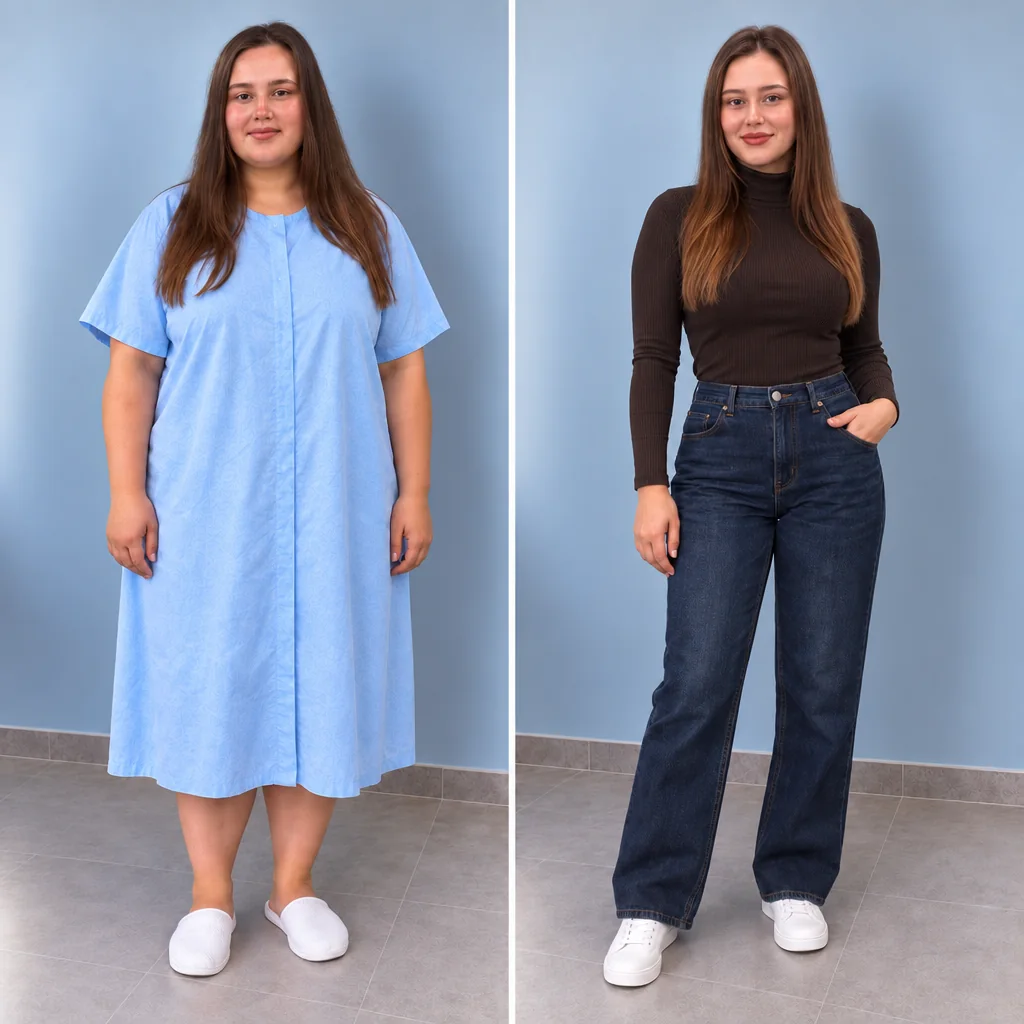
 beforeafter
Irina, 26
Bariatric surgery
Bariatric surgery
$3,600
$4,800 · First consultation — Free
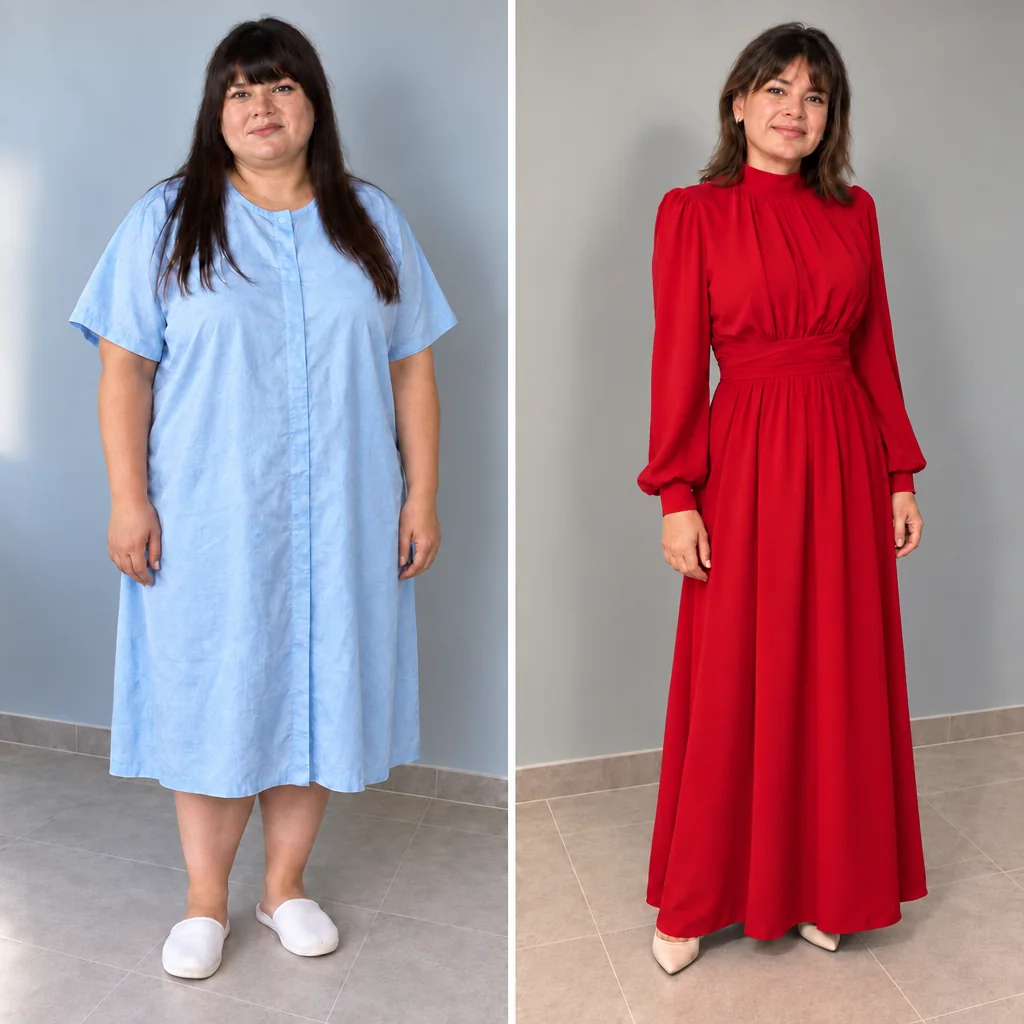 before
after
Message our coordinator
Free online consultation · Reply within 15 minutes
Message us on TelegramMessage us on WhatsAppBy messaging us, you agree to our Privacy Policy
Results
All cases are real patients of the clinic.
beforeafterBariatric surgery
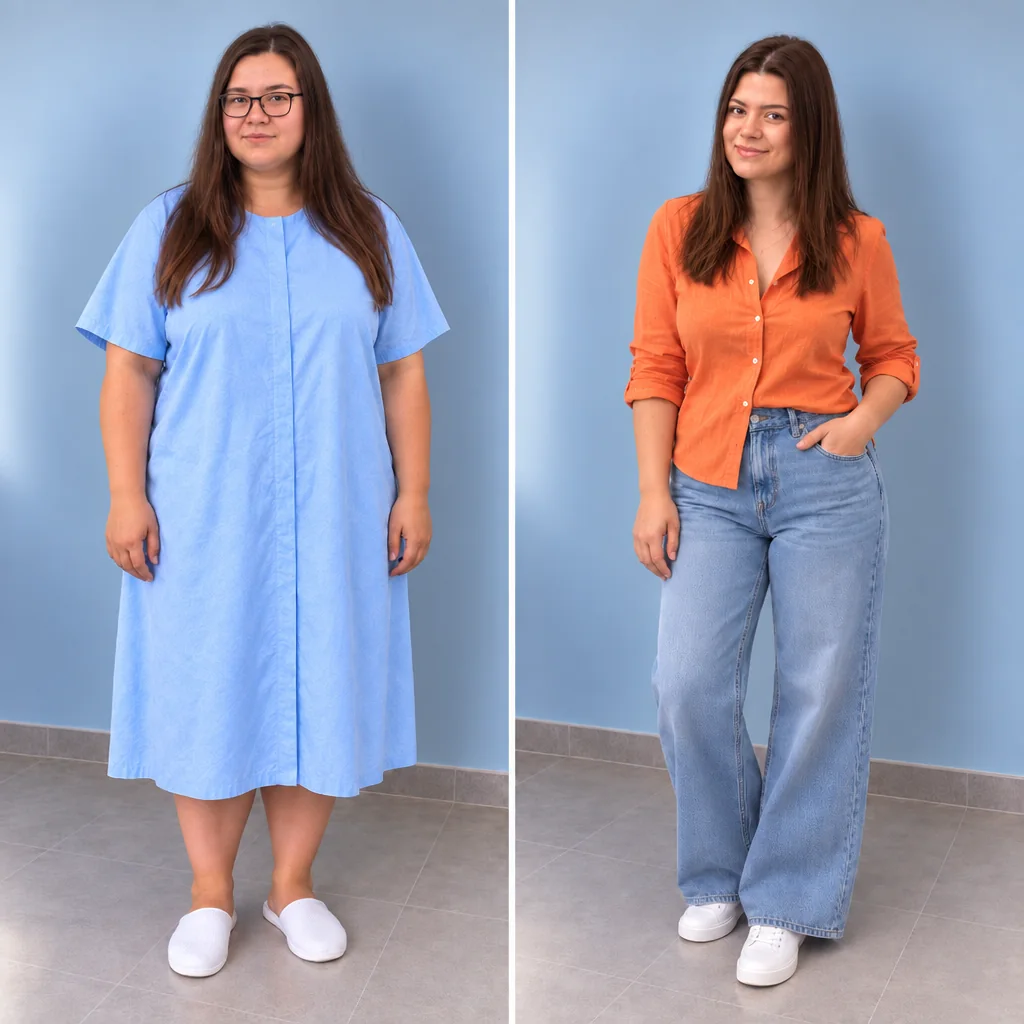 beforeafter
Bariatric surgery
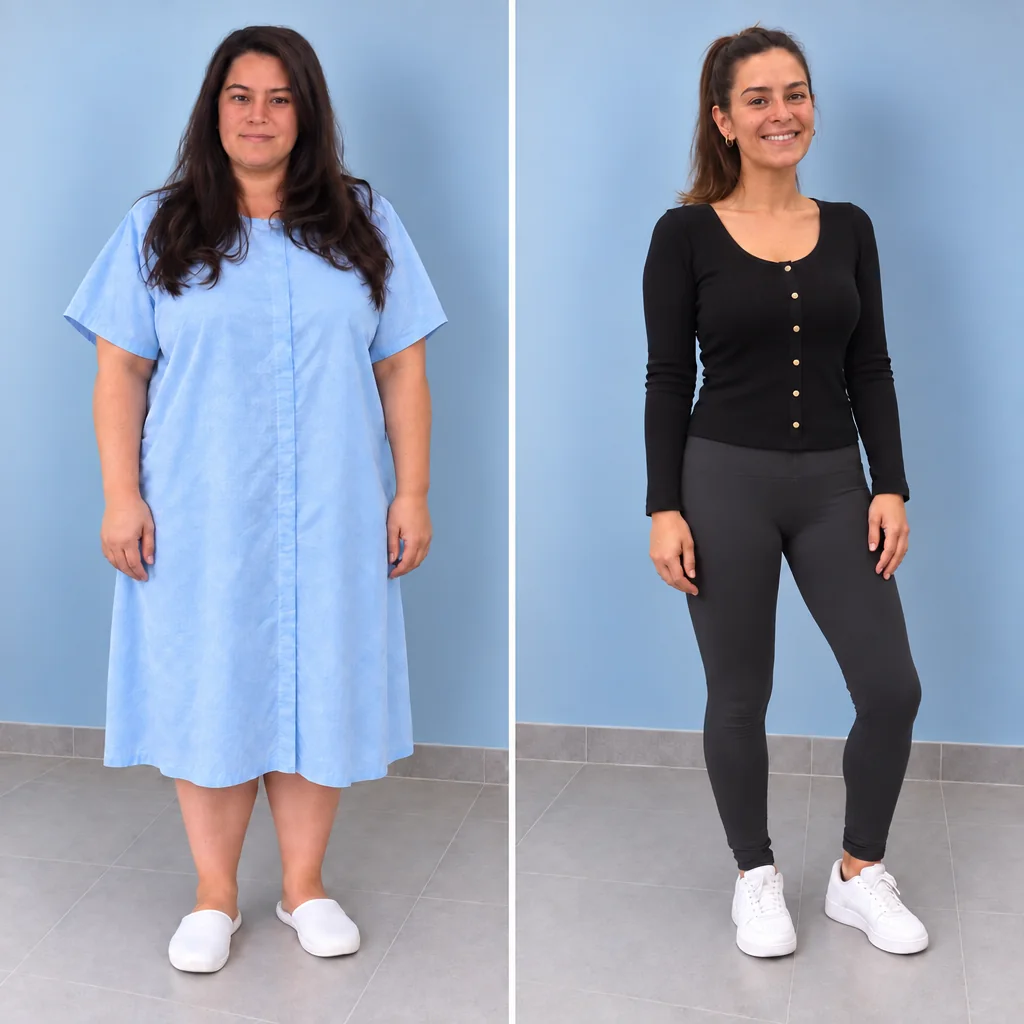 beforeafter
Bariatric surgery
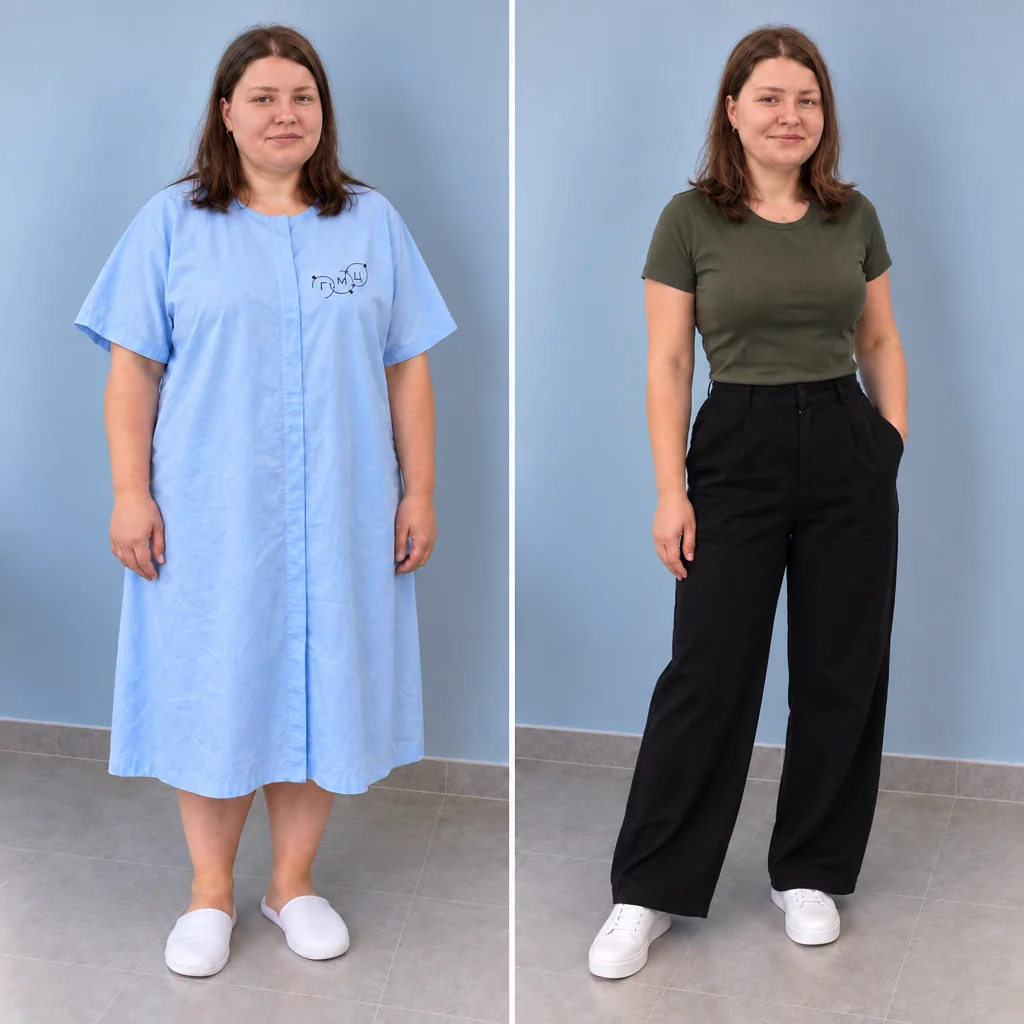 beforeafter
Bariatric surgery
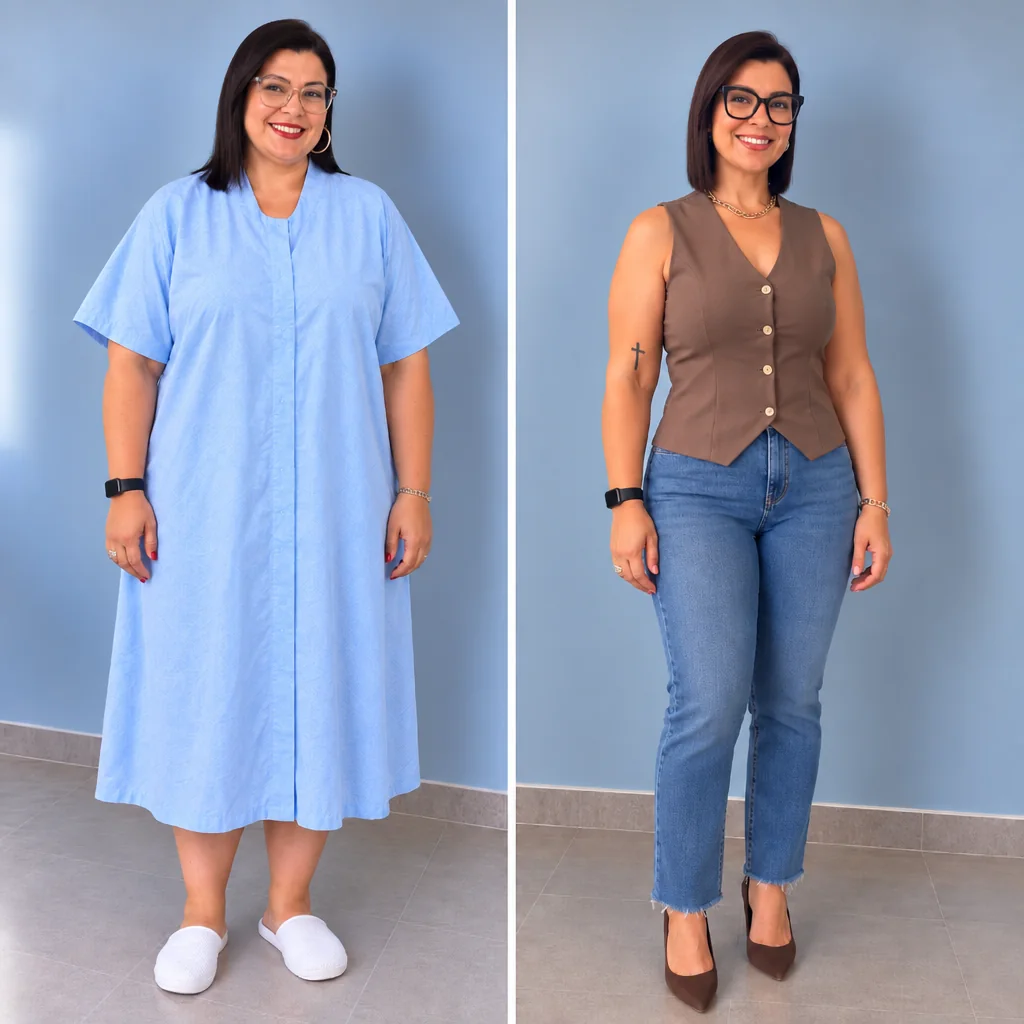 beforeafter
Bariatric surgery
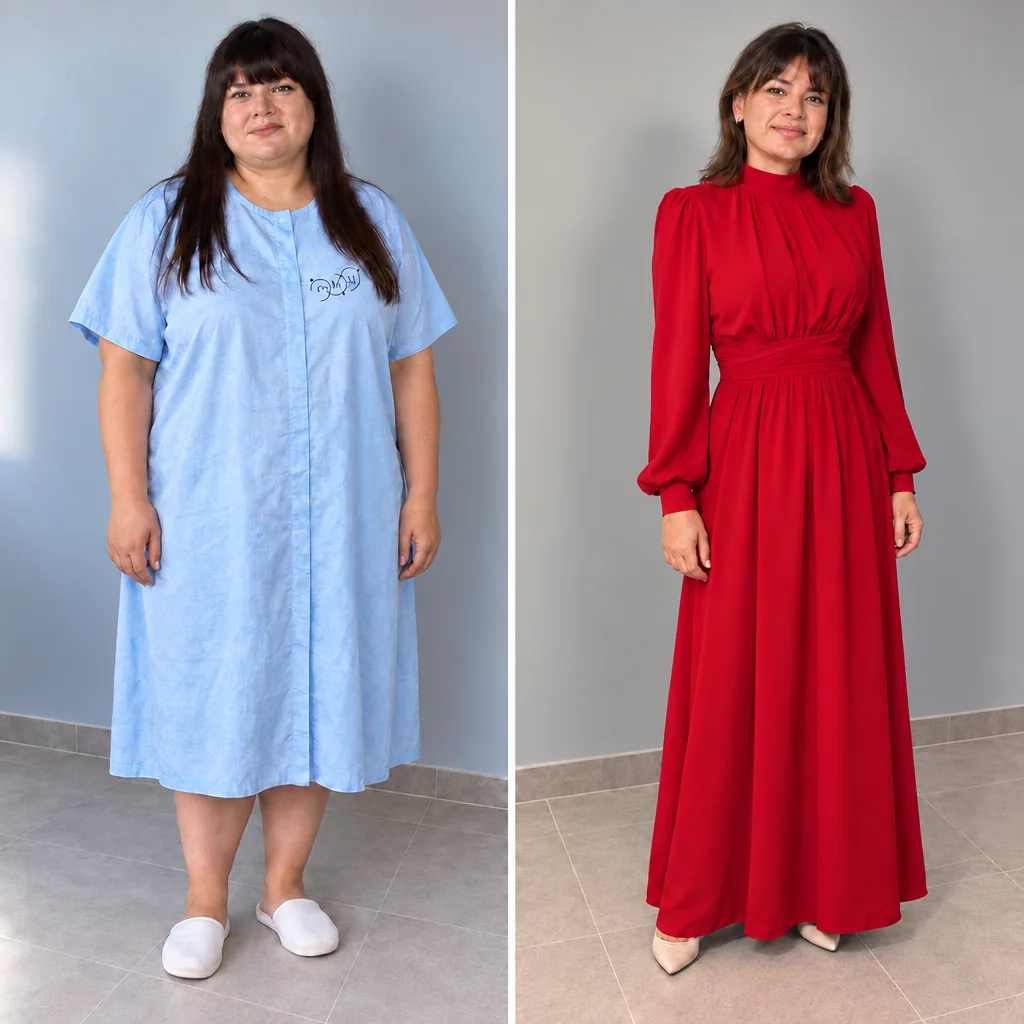 beforeafter
Bariatric surgery
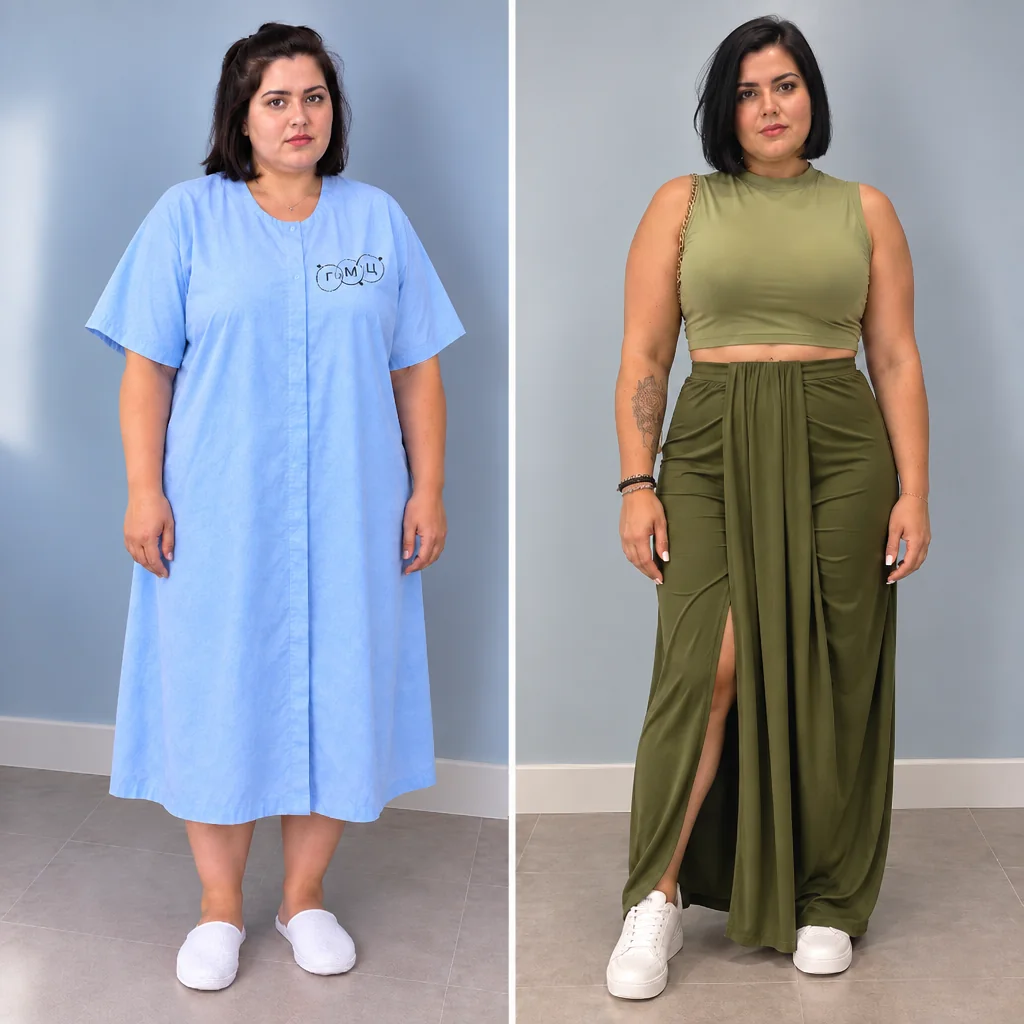 beforeafter
Bariatric surgery
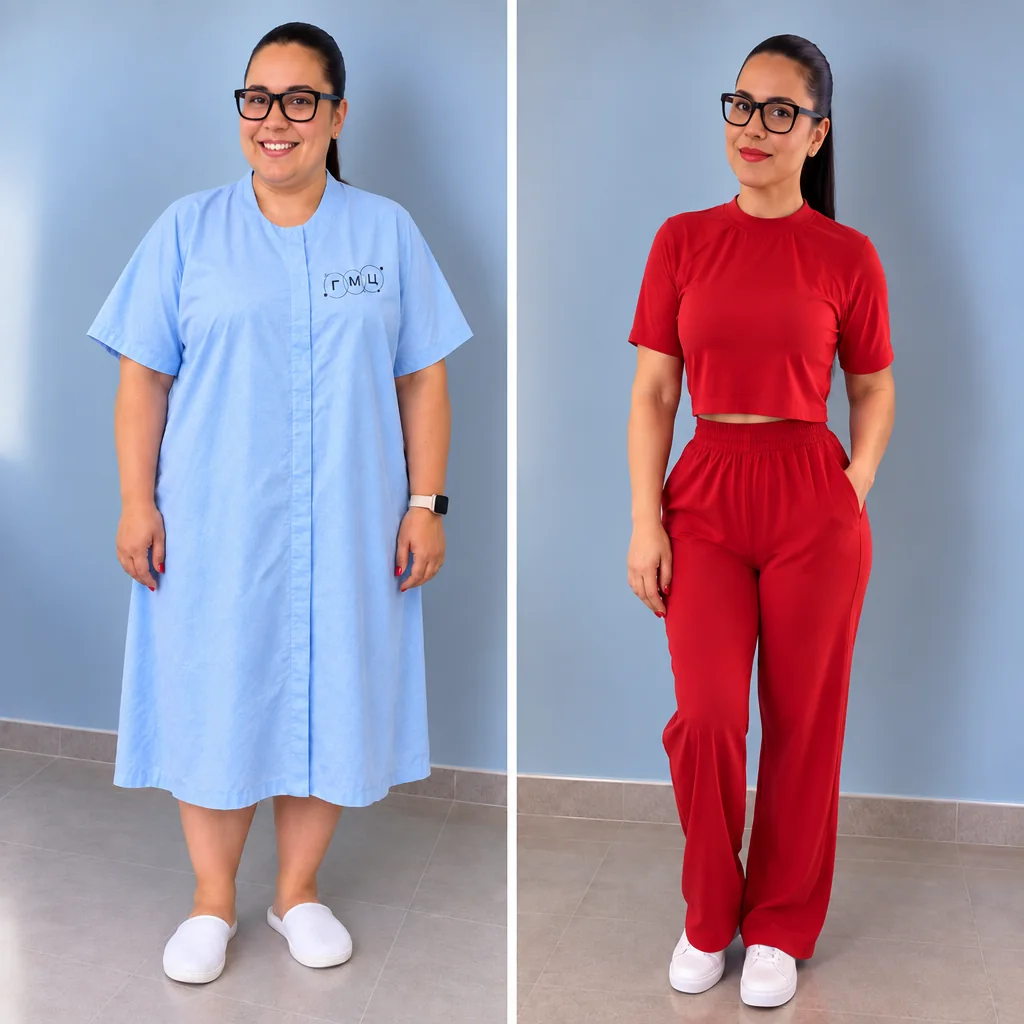 beforeafter
Bariatric surgery
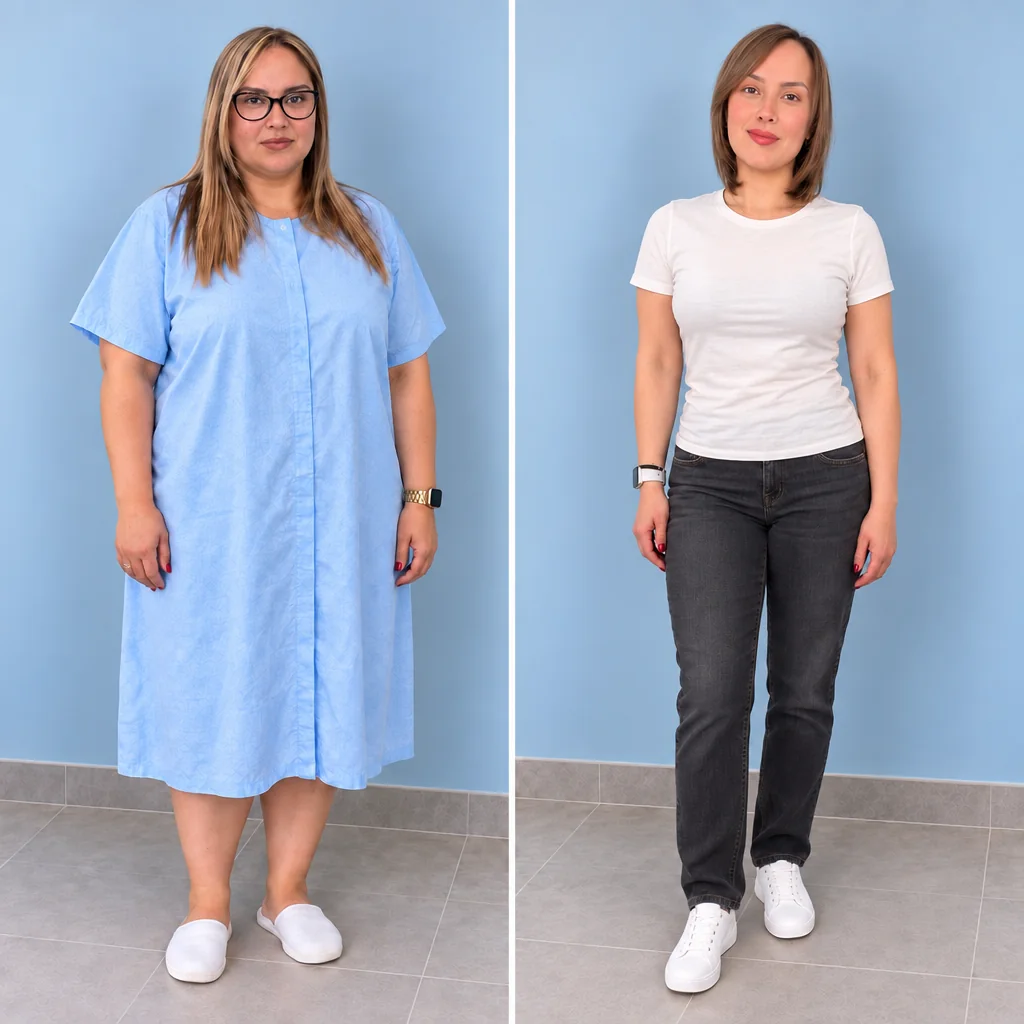 beforeafter
Bariatric surgery
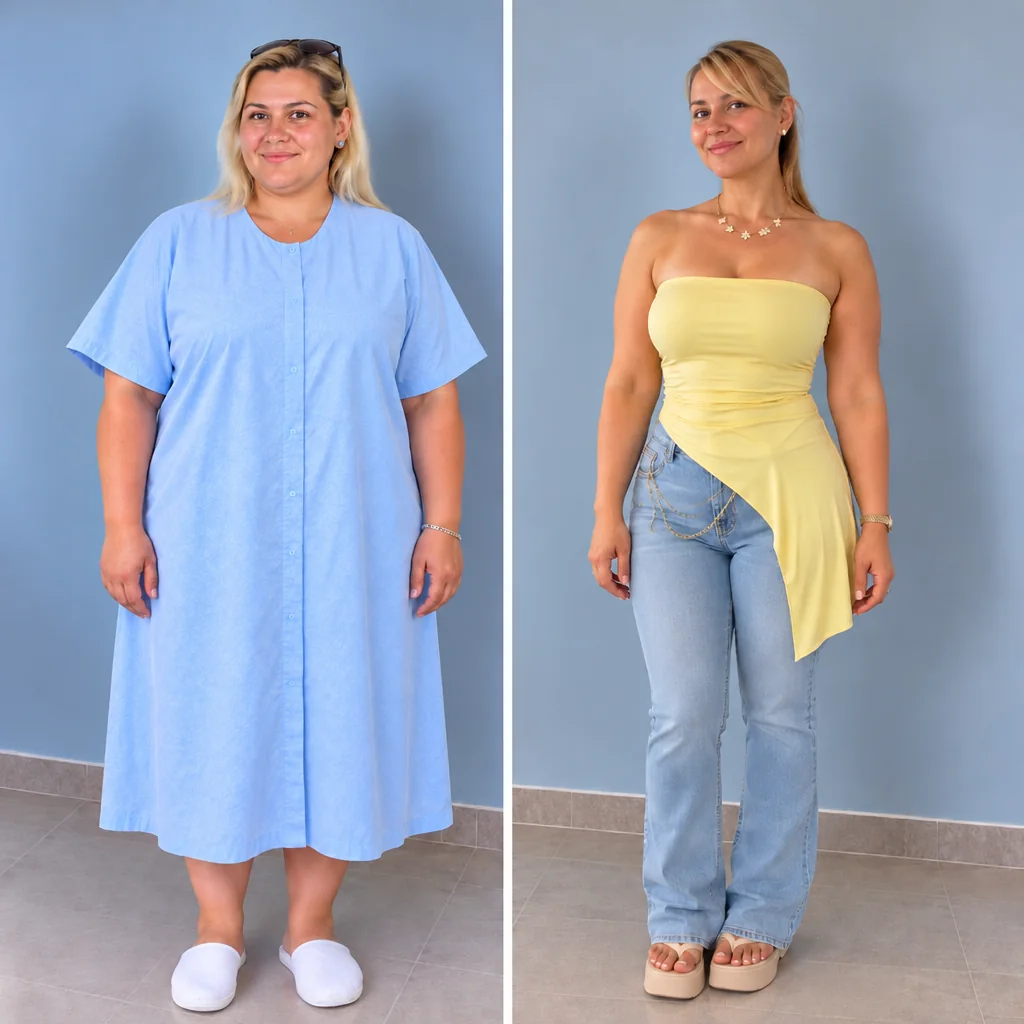 beforeafter
Bariatric surgery
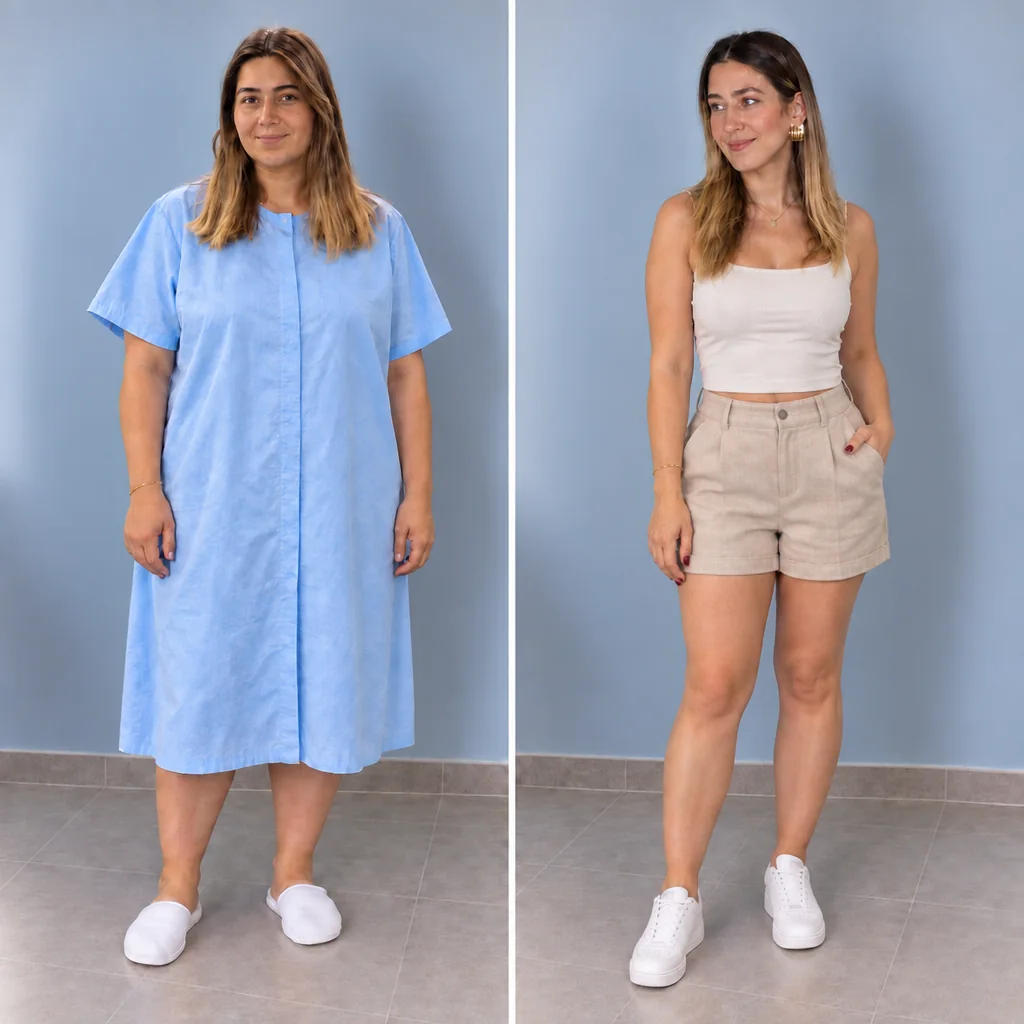 beforeafter
Bariatric surgery
Comparison
We offer two main options: gastric bypass and sleeve gastrectomy. Weigh up how each works, its purpose and its indications to settle on your method with confidence.
Making the stomach smaller
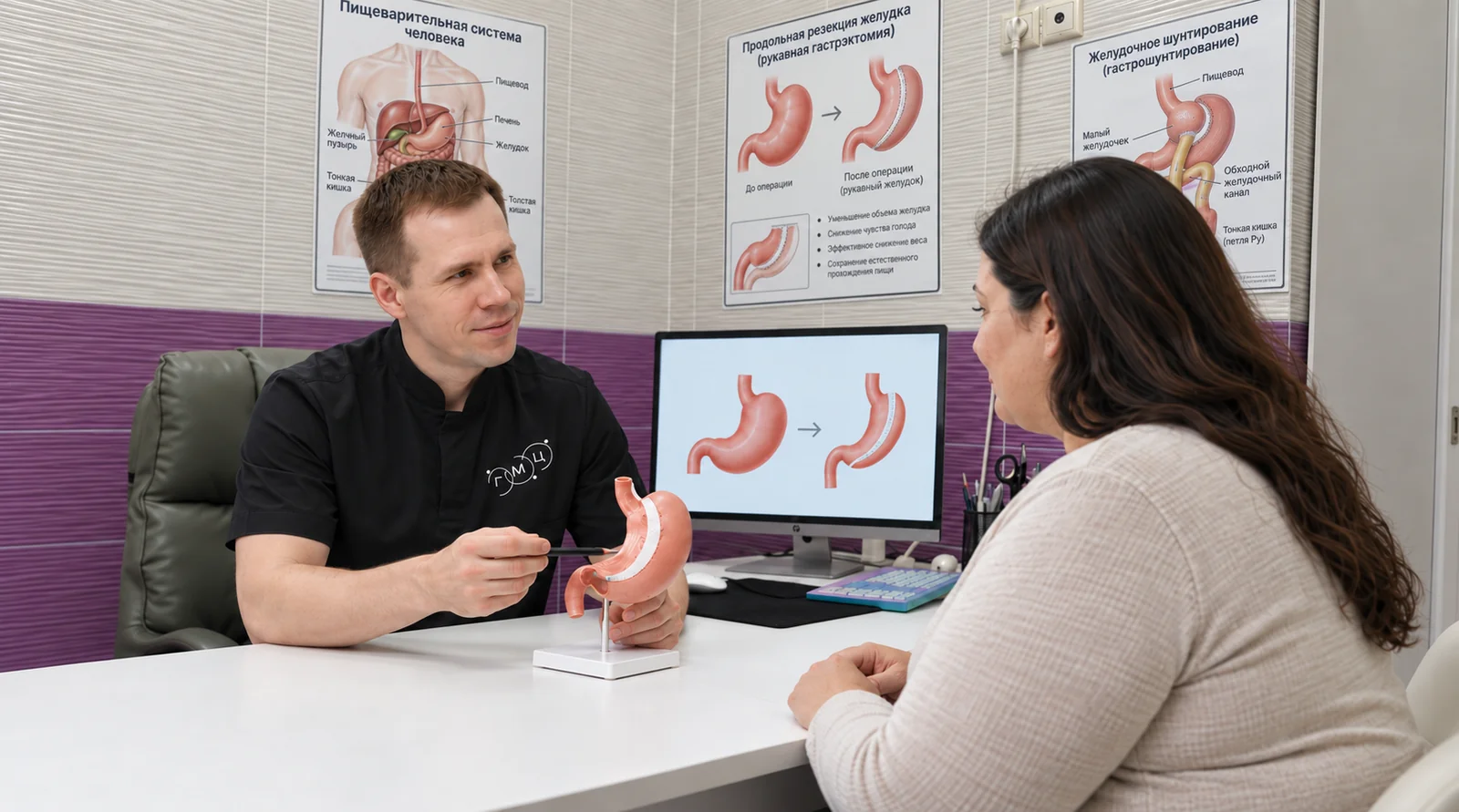
Discounted price
$3,600 $4,800
The stomach is made smaller and food is rerouted
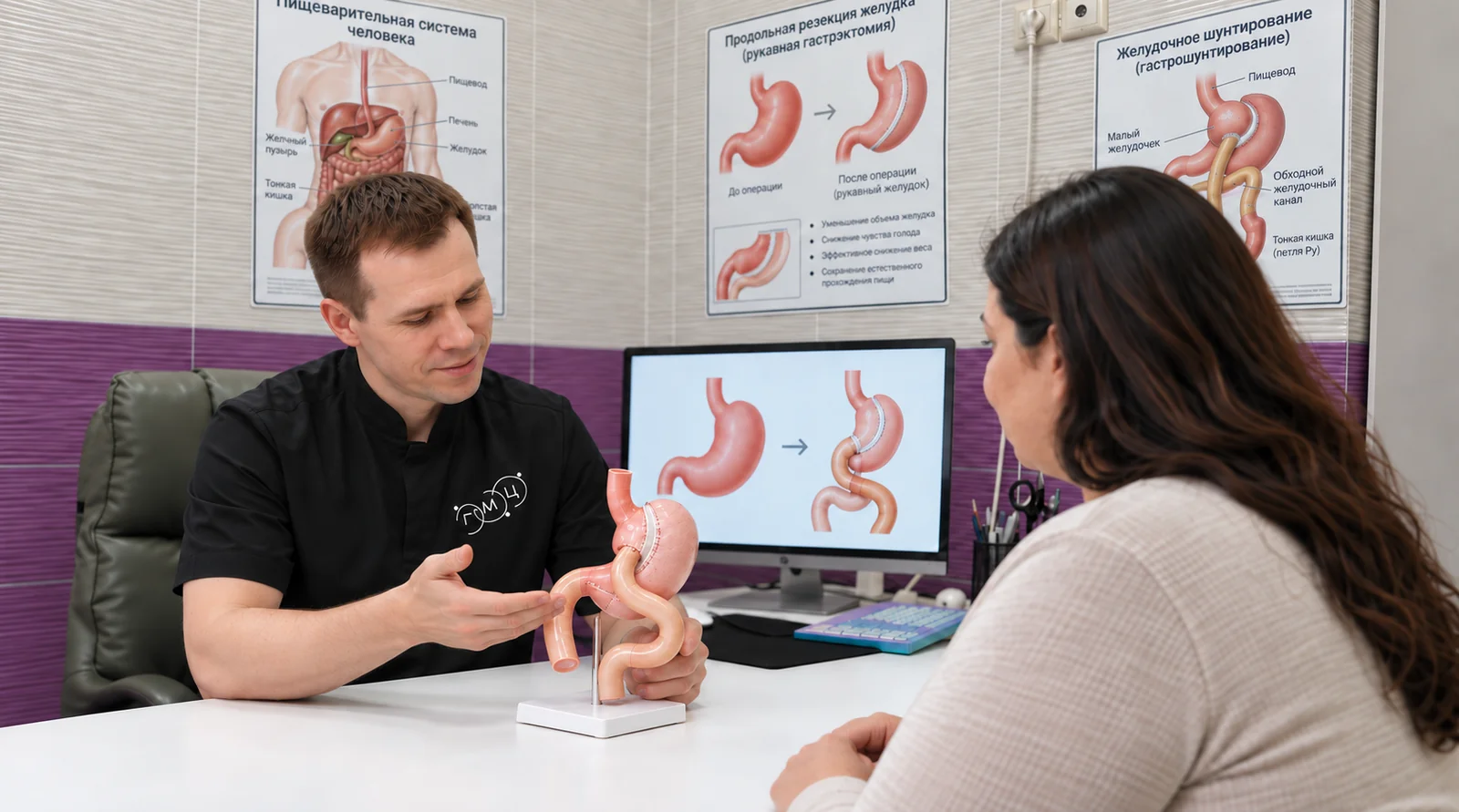
Discounted price
$4,000 $5,200
Recovery times and benefits are averaged for each method and shown for orientation. Your anatomy and individual features shape the extent of surgery and recovery, and the surgeon confirms both at the consultation.
Book a consultationInside the clinic
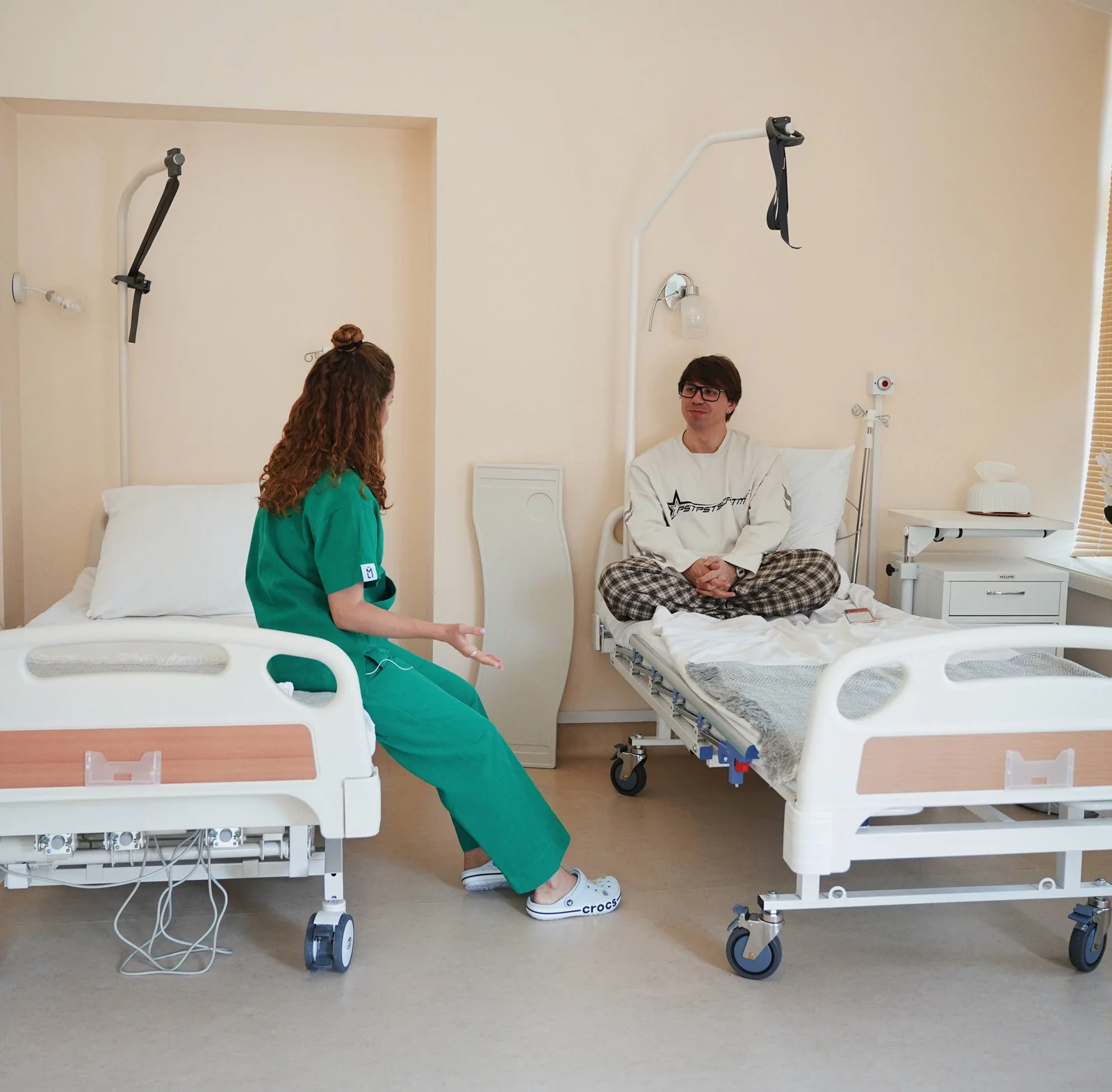
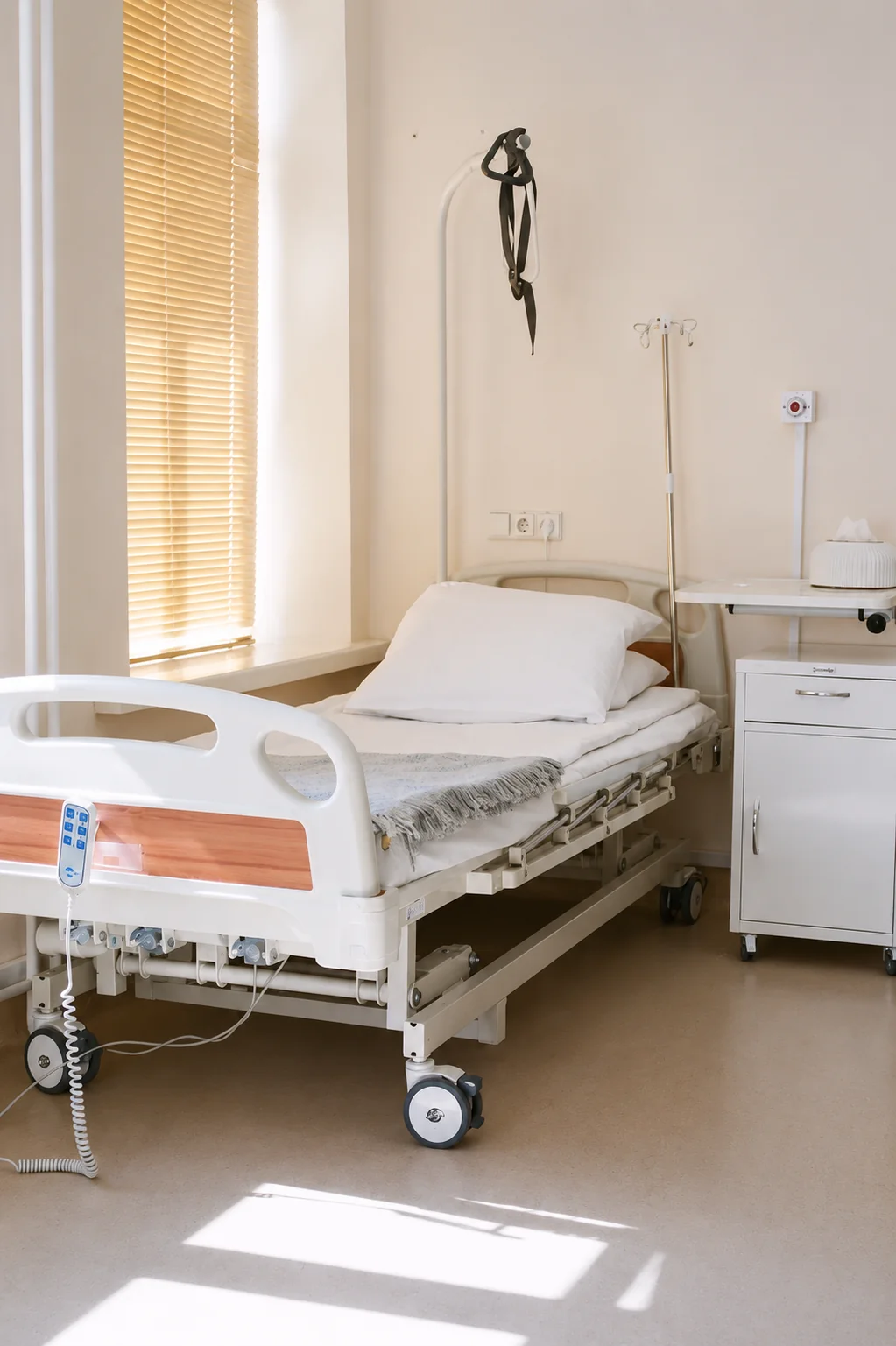
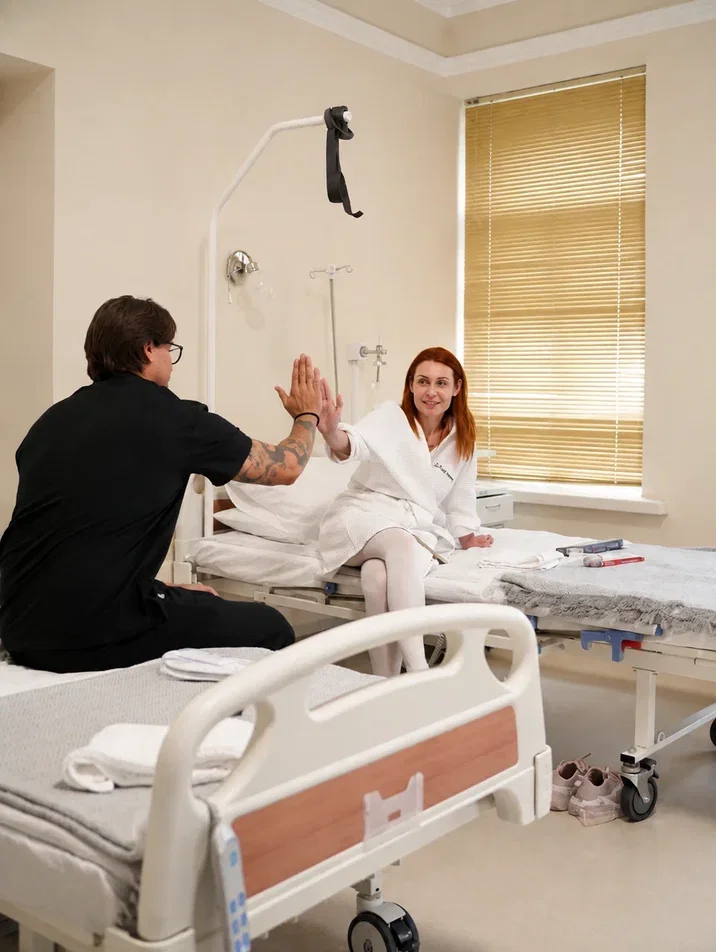
Up-to-date equipment, comfortable rooms and attention to each patient
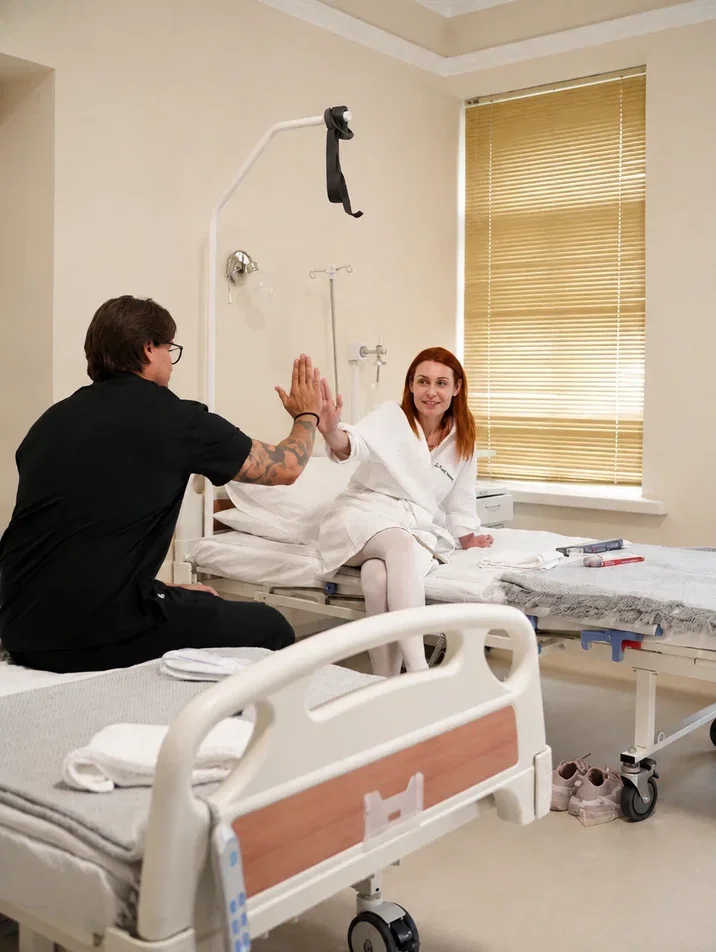
Ask us anything, and we will arrange a consultation at a time that suits you
Get a consultationAfter a consultation and check-up, the surgeon and you make the decision on surgery together.
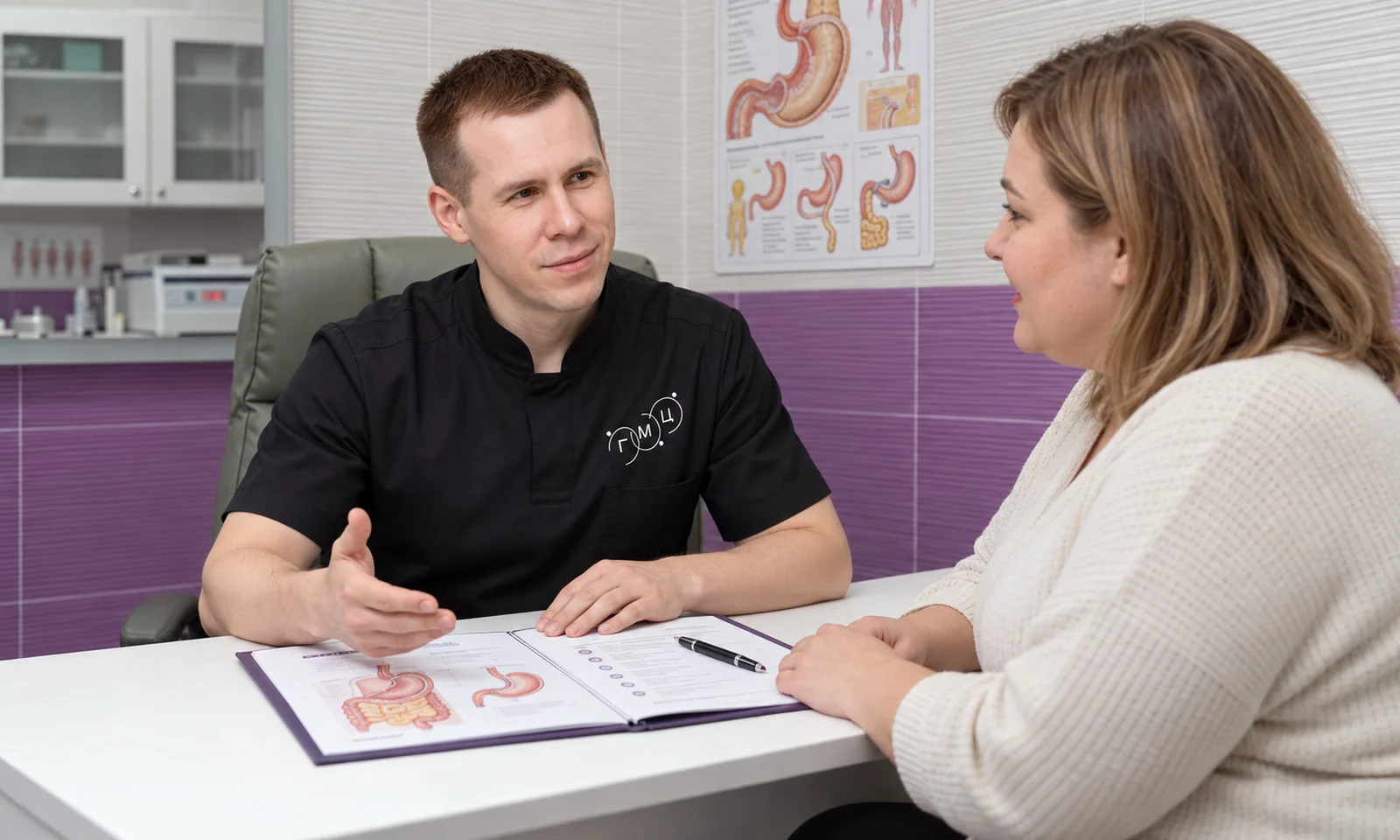
Can't tell which column fits your case?
Get in touch on Telegram — our coordinator will explain whether bariatric surgery is right for you. The consultation with a surgeon is free, and there is no commitment to an operation.
Find out if it suits me
Prices
At the consultation, when your plan is ready, we name the cost and fix it in the contract.
Discounted price
Making the stomach smaller
$3,600$4,800
Discounted price
Weight reduction with rerouting of food
$4,000$5,200
Free
Your treatment plan follows the surgeon's examination

Free
the cost of surgery is named
and fixed in the contract
The doctor assesses your health, discusses your goals and chooses the right bariatric surgery method. The cost is named at the consultation and fixed in the contract.
Message our coordinator
Free online consultation · Reply within 15 minutes
Message us on TelegramMessage us on WhatsAppBy messaging us, you agree to our Privacy Policy
price
One package spans preparation through 12 months of support, and there are no hidden extras.From your pre-surgery preparation
to follow-up support for 12 months.
The process
An agreed plan of treatment, in-hospital monitoring and a year of support.
 1
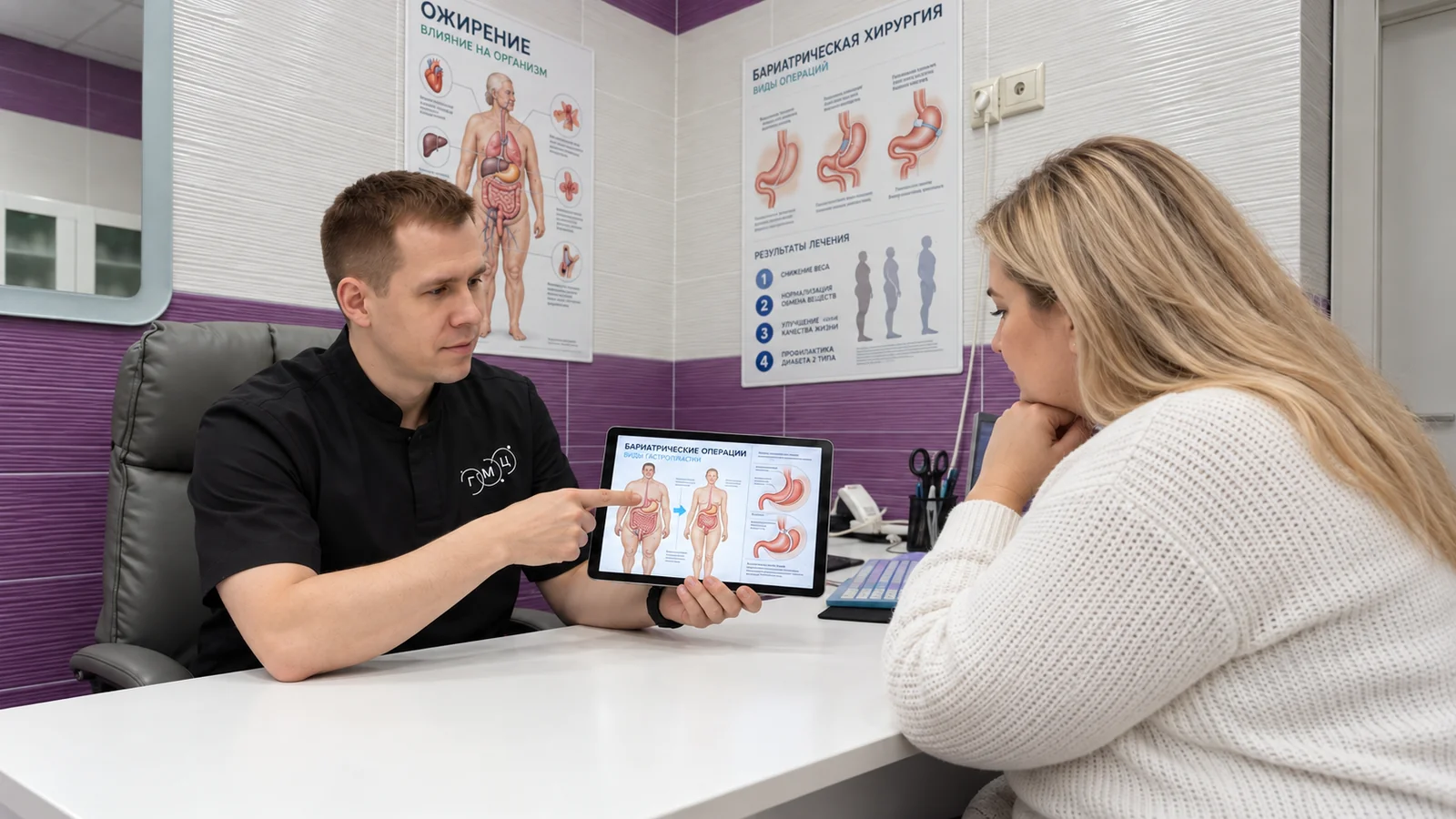
After assessing your health and discussing your goals, the doctor orders the tests that help choose the right bariatric surgery method.
2We reserve a surgery date for you: the deposit can be paid by card at the clinic or online by bank transfer. The terms are fixed in the contract for medical services
 3
Pre-operative checks include blood and urine tests, an ECG, an ultrasound, a gastroscopy and specialist visits; your exact list comes from the doctor at the consultation.
 4
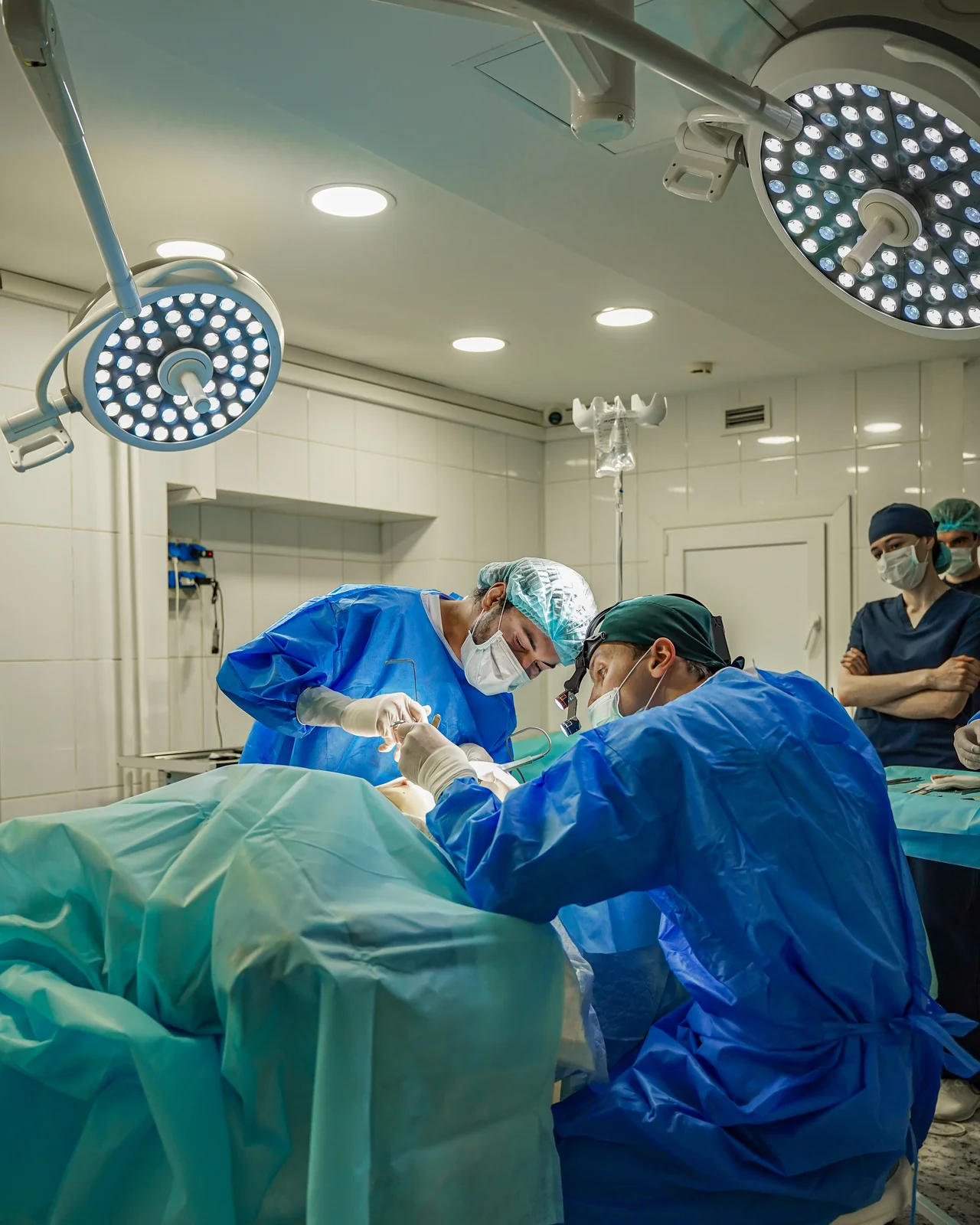
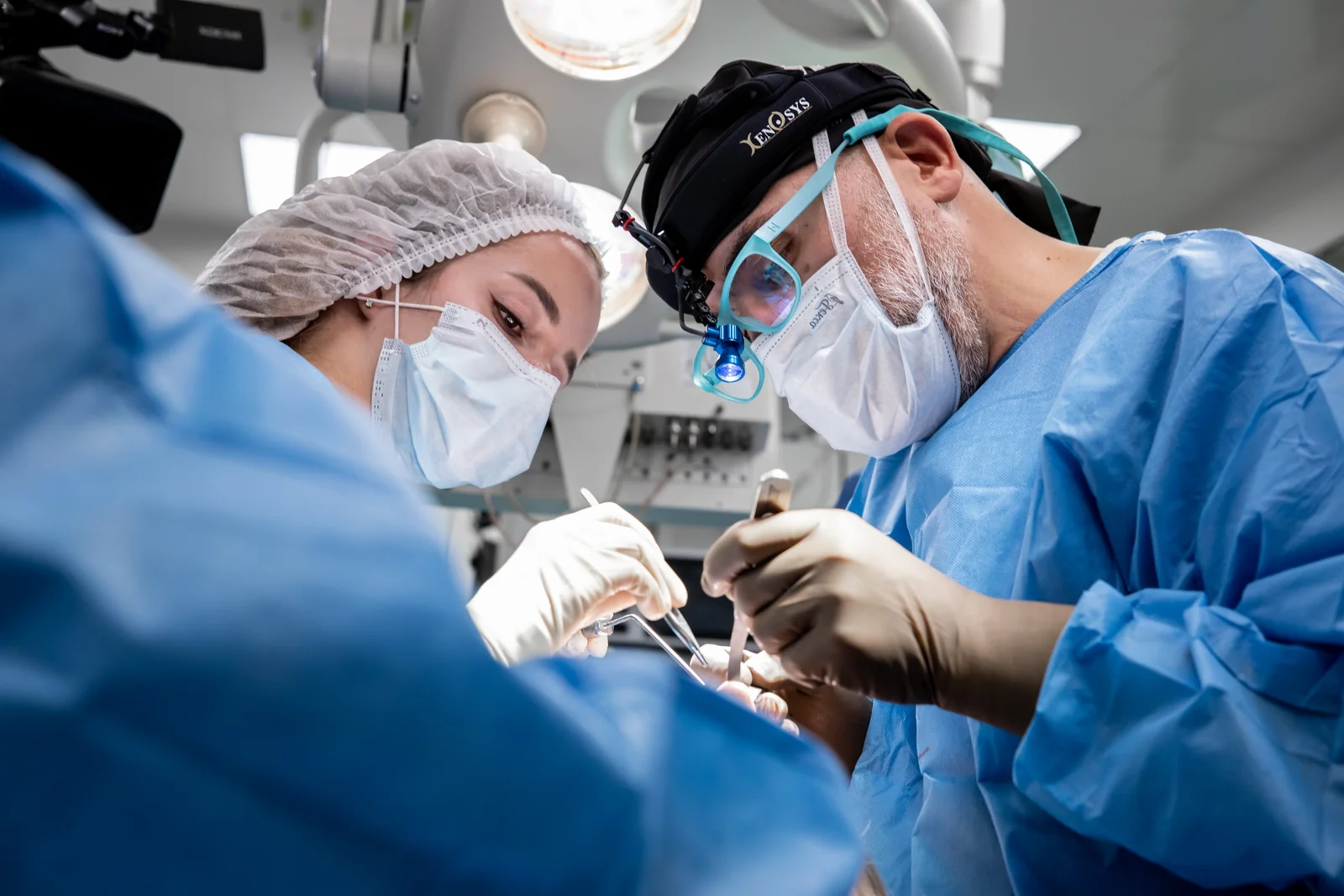
The bariatric operation is performed by the surgeon under general anaesthesia with the selected method. Afterwards the patient is monitored by the medical team.
 5
After the operation you stay in hospital under doctors' supervision for 1–3 to 4–5 days, depending on the complexity of the operation and how you feel.
 6
You leave with advice on diet and recovery. Scheduled check-ups then track how you feel, your weight and your test results, and the clinic team stays with you for a year.
At the consultation the doctor draws up a plan and explains how the surgery will go
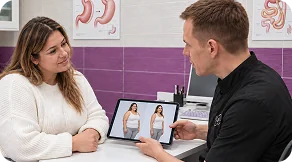
You pay nothing for the consultation, happens before surgery, with no obligation.
Book a consultationDoctors
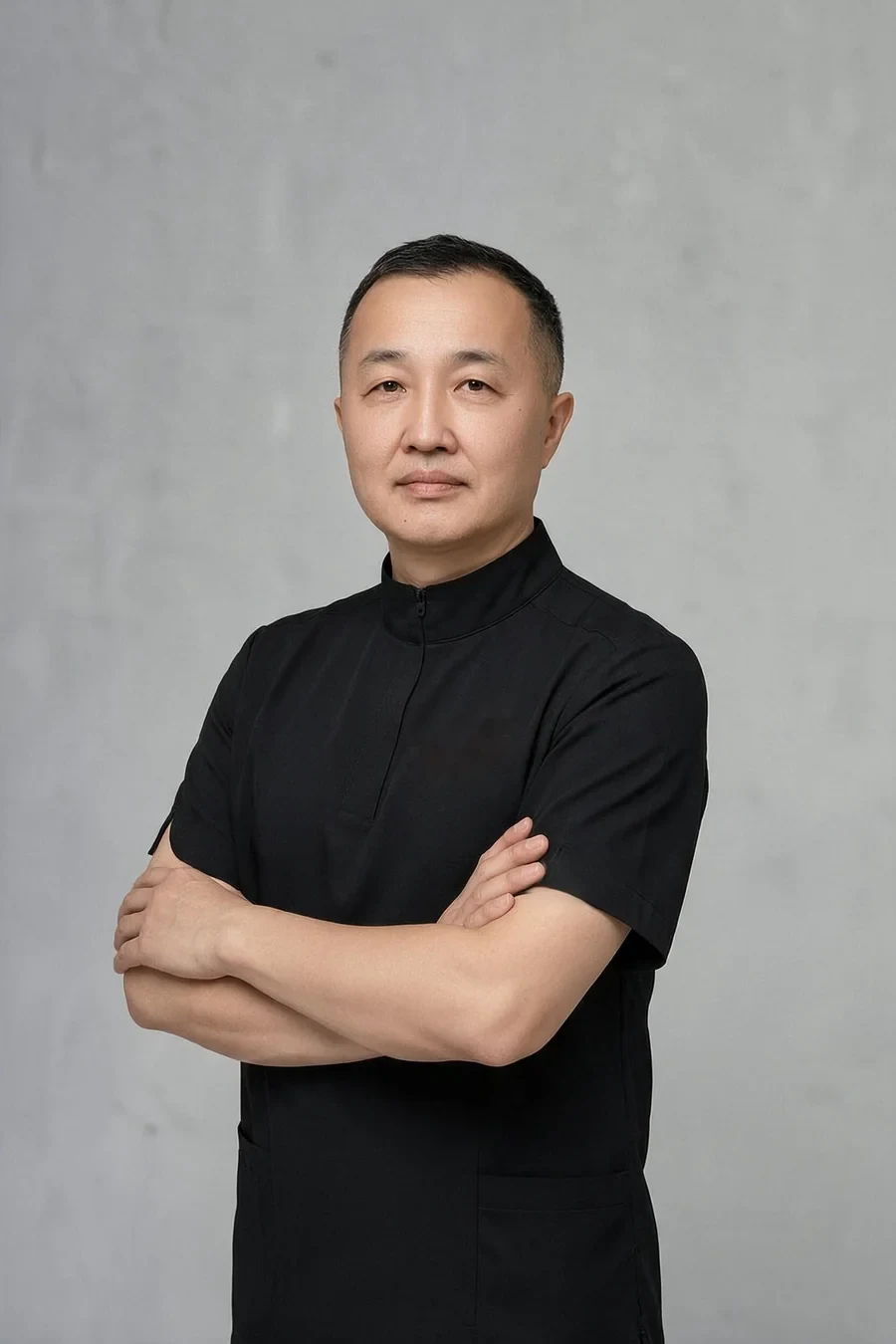
27 years of experience
Leading bariatric surgeon
Surgeon
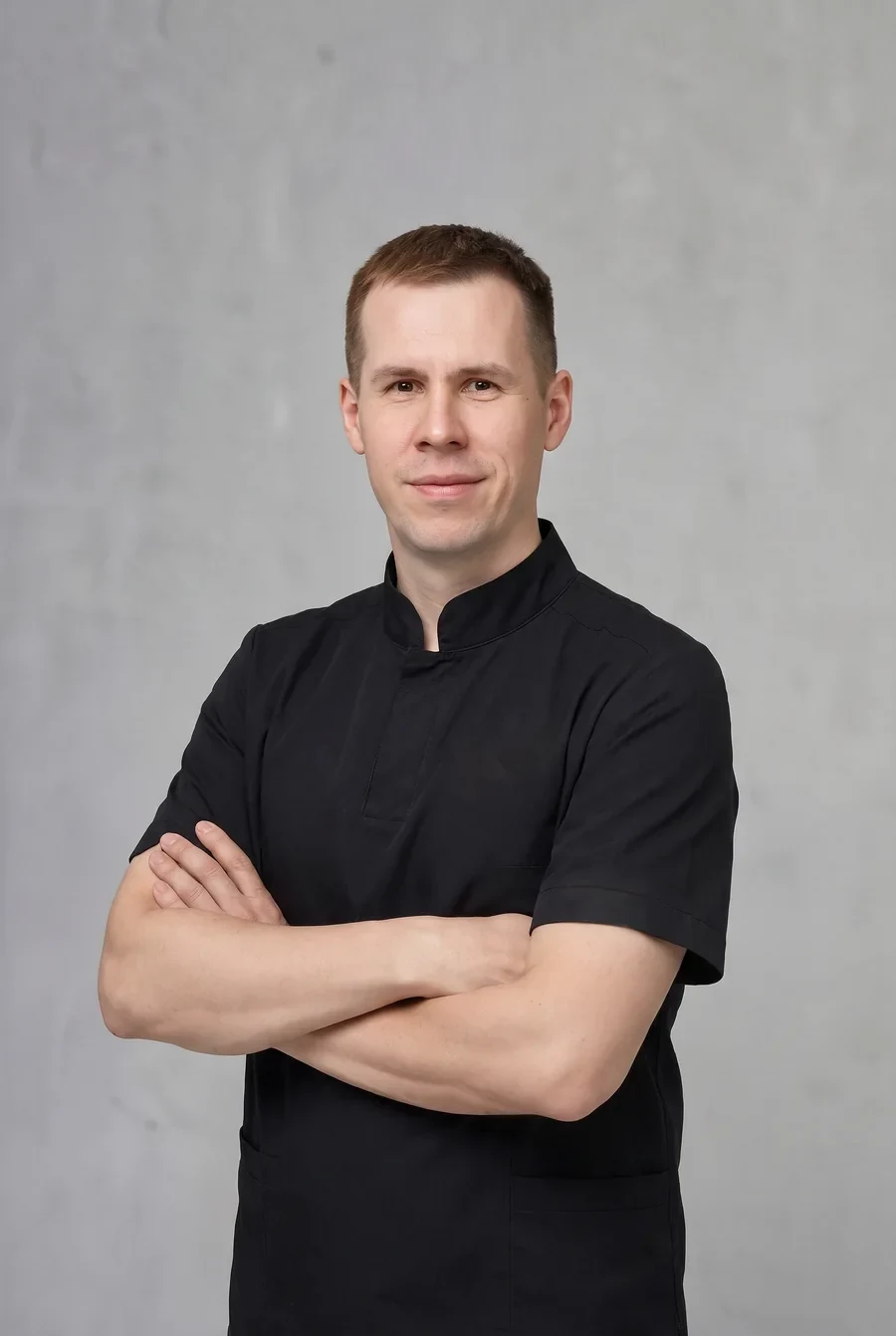
9 years of experience
Bariatric surgeon
Surgical oncologist
From the first consultation to the result, your surgeon operates and follows you.
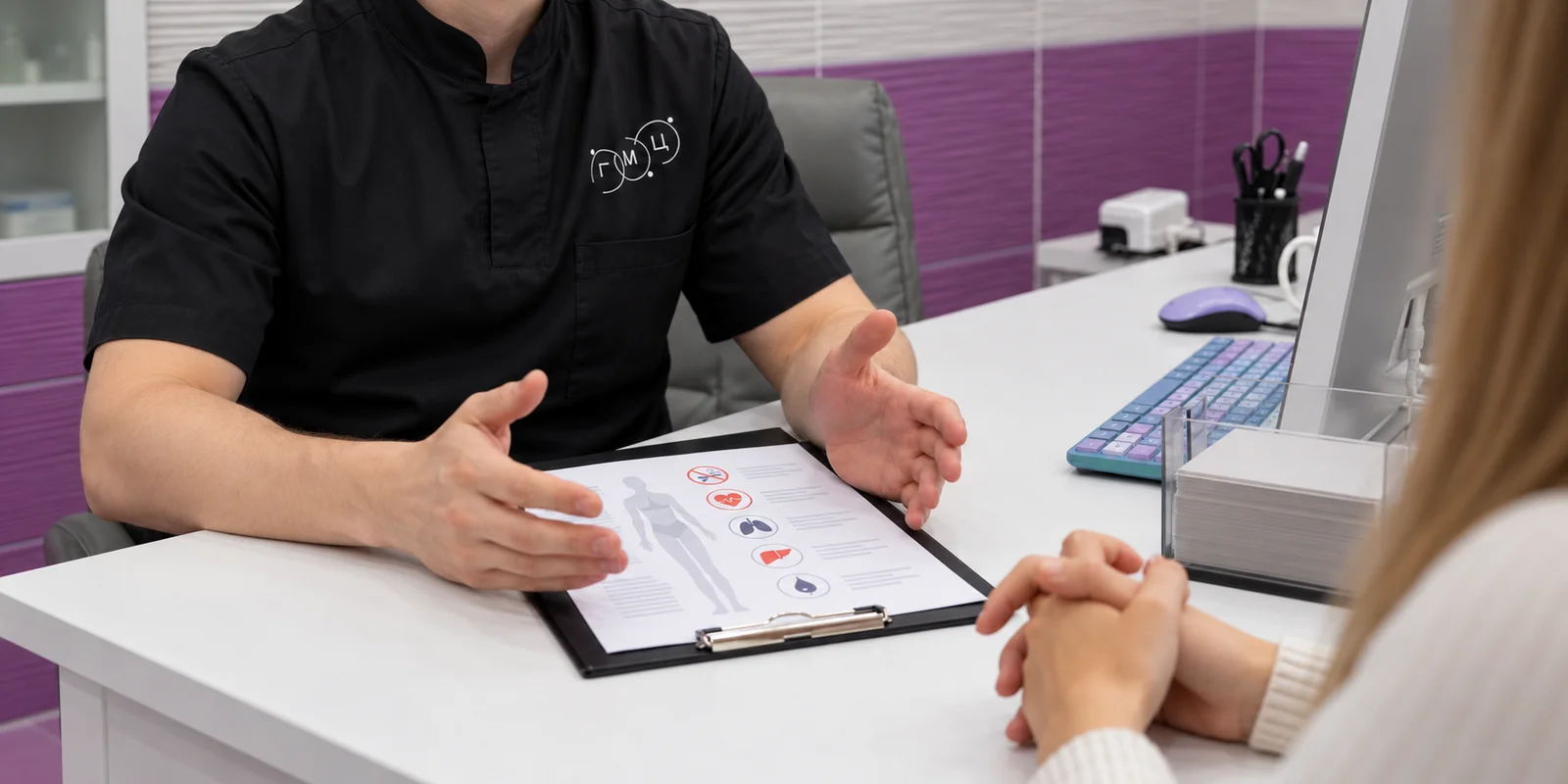
The first consultation is with our patient care manager: they calculate your BMI, explain the methods and book you in with the surgeon. Free of charge.
Book a consultationCoordinators
We support you at every stage

The clinic's first contact for you — from your first message until the consultation
Specialist in patient care
Replies to your questions before the first consultation and helps you choose a convenient date

From the moment you book to discharge — with you before and during your stay
Specialist in patient care
Guides your preparation for surgery and stays in contact while you are at the clinic

Supports you through recovery — from discharge through to your last check-up
Specialist in patient care
Stays in touch through recovery and books every follow-up visit with the surgeon
Advantages
We choose the optimal method for your health, lifestyle and goals, with our team beside you all the way.
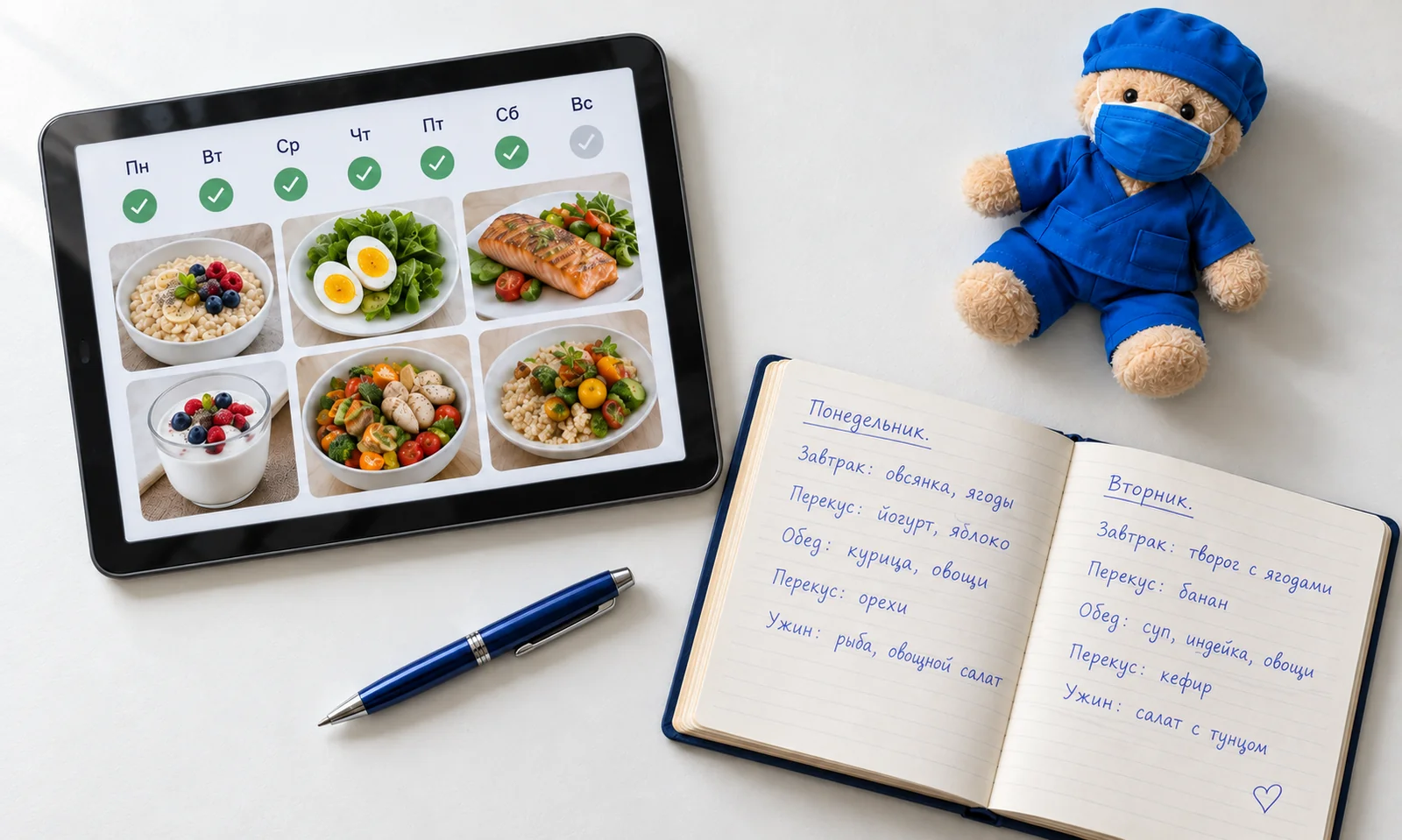
With our help you adapt to new eating habits, track your results and sustain them.
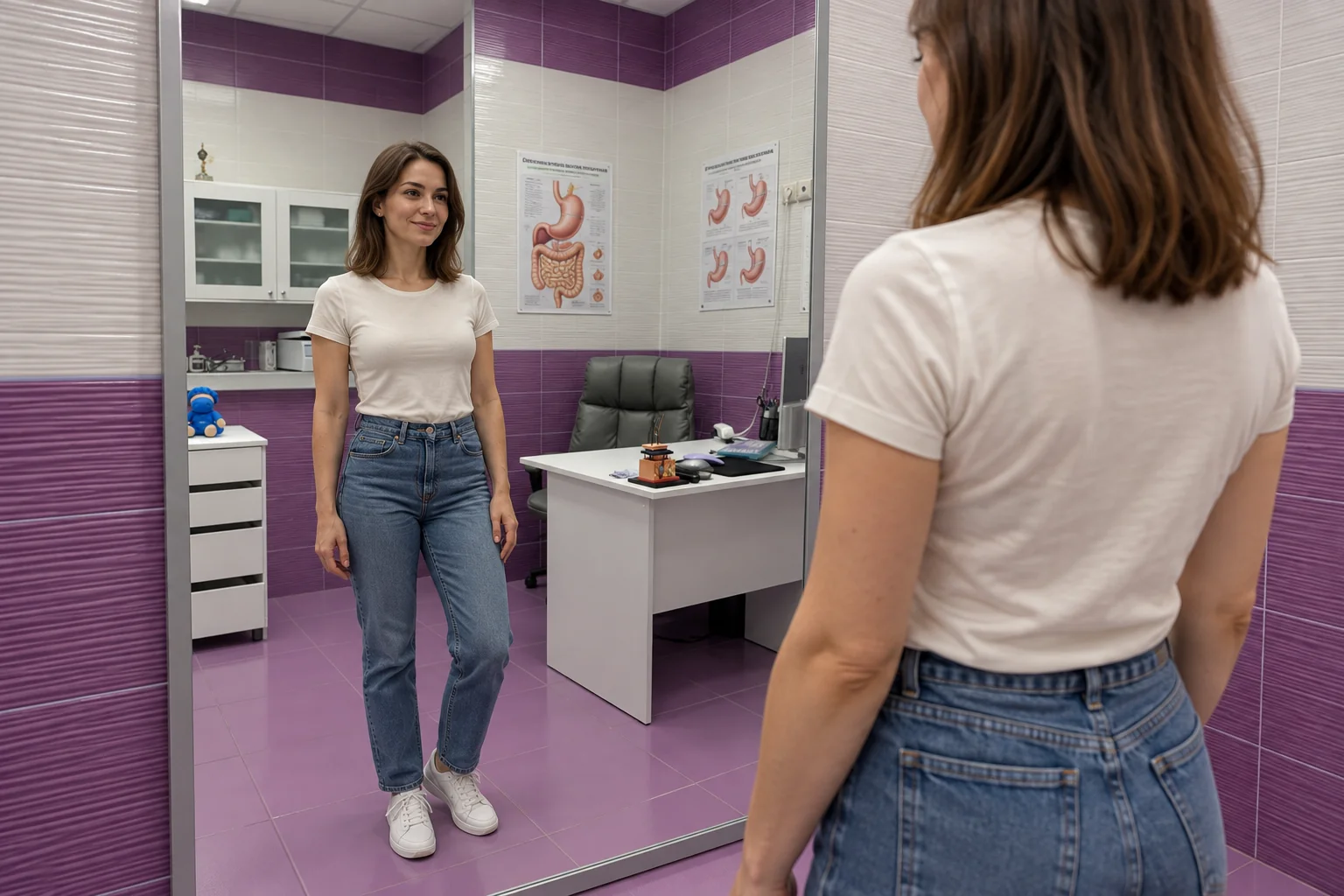
Steady weight loss, feeling better and a higher quality of life.
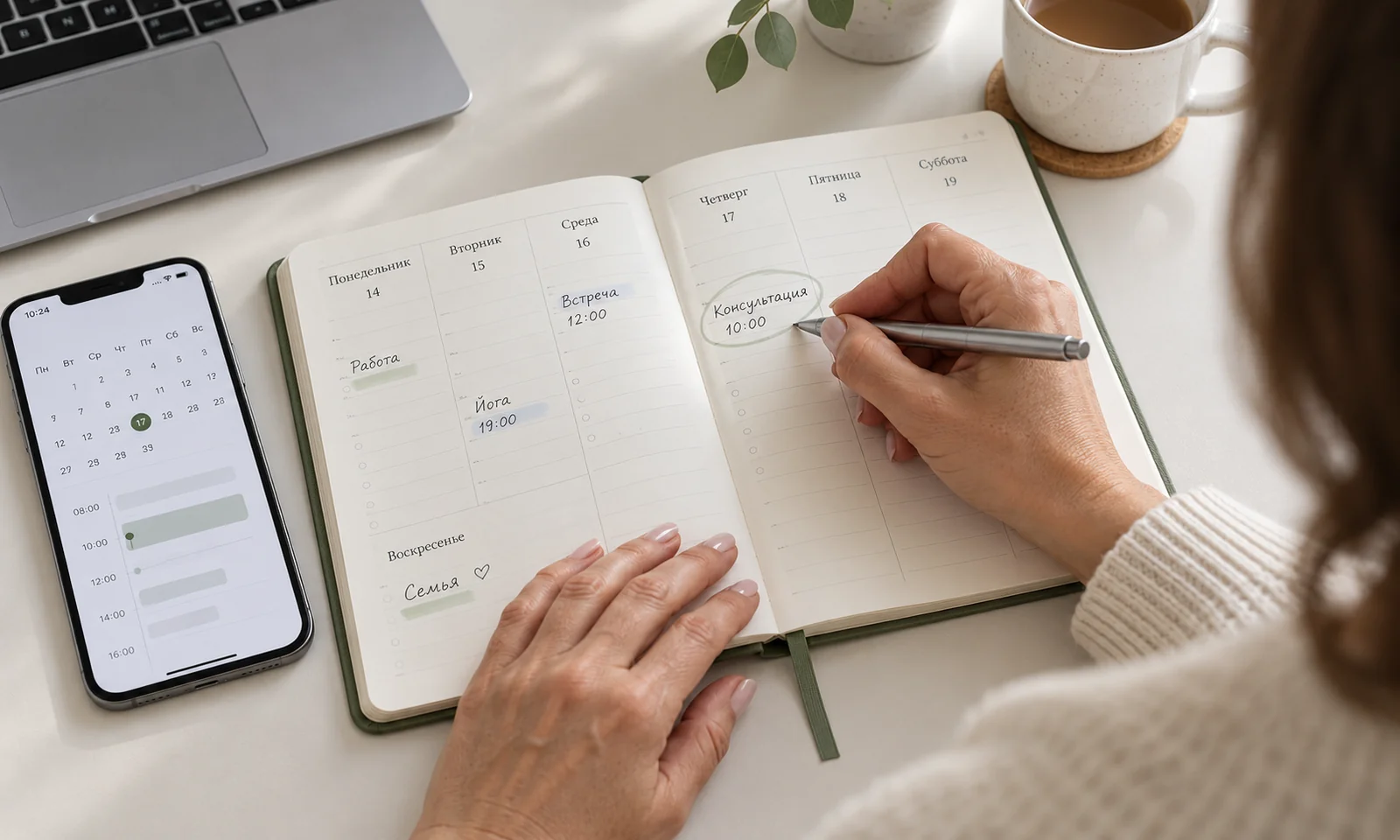
We adapt to your pace and respect your time — easy booking, a personal approach and open 24/7.
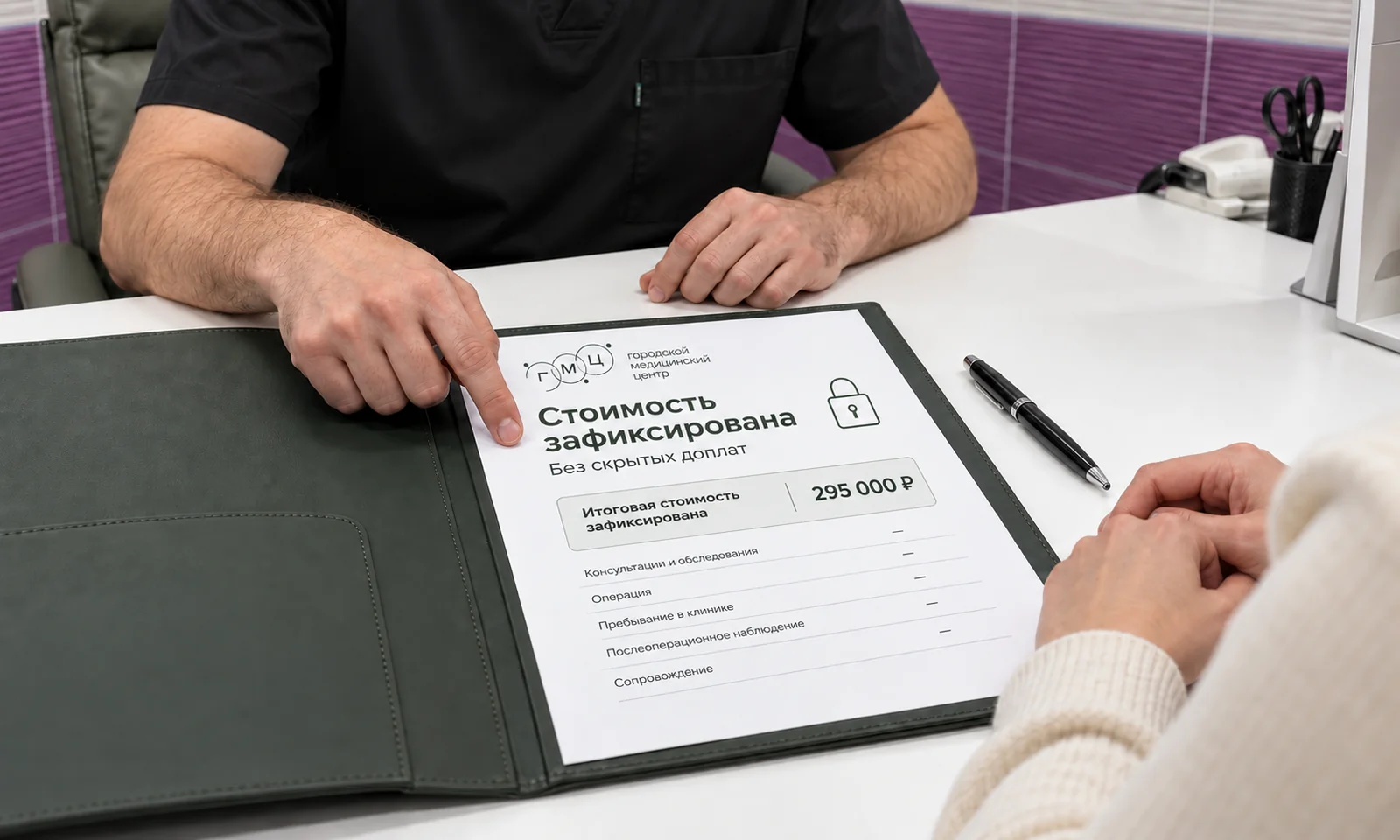
After the consultation the surgeon chooses the method and you get a clear price — no hidden fees and no surprises on the way to your result.
FAQ
Experienced bariatric surgeons carry out bariatric operations at the clinic:
Get in touch by message: our coordinator will reply shortly and book your consultation. The bariatric surgeon consultation is free.
Surgery is prescribed only when clear criteria are met
BMI is the main tool for assessing the degree of obesity. It is calculated by dividing body weight (kg) by height squared (m²). Surgery is usually justified with a BMI above 40, or above 35 with serious related conditions. In some cases surgery is considered at lower values too — if non-surgical approaches have failed.
Many people confuse the two, but their goals are fundamentally different. Bariatric surgery is a medical treatment for obesity and related diseases. It changes how the digestive tract works, addressing the causes of excess weight and metabolism. Plastic surgery reshapes the body's outer contours; it does not treat obesity or affect metabolism.
City Medical Centre provides four main types of bariatric surgery: sleeve gastrectomy, Roux-en-Y gastric bypass, mini gastric bypass (MGB) and SADI-S duodeno-ileal bypass. We choose each method individually by BMI, related conditions and the patient's goals.
Modern laparoscopic technique is what we use. Just 4 small punctures of 5 to 15 mm are needed for the operation. Cosmetic sutures mean the marks are nearly invisible after healing.
When you recover depends on your activity. Office work: after 2–4 weeks. Physical work: after 1.5 months. Sport and activity: swimming is fine after 30 days; other exercise gets added gradually as weight drops. Travel and holidays: best planned from a month after surgery.
Your diet changes step by step: from liquid food to soft and then to solid. The emphasis is on protein and on cutting high-calorie, fatty food.
Bariatric surgery does not rule out pregnancy, but doctors suggest waiting 12–18 months or more. During that time the body settles, weight reaches target values and nutrition status normalizes.
Yes, vitamins are essential after bariatric surgery. As digestive anatomy changes, the body absorbs certain nutrients less well, so regular vitamin and mineral supplements become a lasting part of the patient's life.
Weight can be regained after bariatric surgery, but this is very unlikely with the doctor's advice followed. Proper nutrition, avoiding high-calorie drinks and regular follow-up with City Medical Centre specialists are crucial.
Prices are in US dollars; the amount in brackets is an approximate conversion to NGN at the rate of 02.10.2026. The final price is fixed in your contract.
Prices start from $3,600 (≈ ₦4,800,000). The surgeon sets the final price at the free consultation, and it is fixed in the contract, with no hidden extras.
General anaesthesia, a personal coordinator from day one, monitoring in the hospital and support for one year.
The hospital stay is 1–5 days, depending on the method and how you feel. Office work is possible after 2–4 weeks.
Yes. The first consultation is free and does not oblige you to anything. You can start online by sending a message to the coordinator.
Message us on WhatsApp or Telegram using the buttons below. A coordinator will answer your questions and book a free consultation where the doctor names the exact price.
By messaging us, you agree to our Privacy Policy
SADI-S combines a sleeve with intestinal bypass in two stages and is one of the most powerful bariatric operations, with 80–90% excess weight loss and a long-lasting result. It suits super obesity with a BMI over 50, severe type 2 diabetes, or a second stage after an ineffective sleeve. Anyone in Yenagoa in these situations can discuss it at a consultation.
The work-up is done in one building with its own lab, ultrasound and gastroscopy, so preparation is quick and without queues. After laparoscopic surgery, the patient stays under observation for 1 to 5 days depending on the extent of the operation. Within the first hours you may sit up, stand and drink. Most Yenagoa patients are up and moving on day one.
Weight loss is written into the contract, and the package includes every stage: consultation, diagnostics, the operation, inpatient care with meals and a year of support. A personal coordinator guides you from day one. To begin, patients from Yenagoa leave a request on the page or message the clinic, then receive a free consultation with a bariatric surgeon.
What patients write after this operation. Reviews are translated from the original language.
Irina, 26
For a long time I doubted whether to go ahead with surgery, but after the consultation I felt much calmer. Andrey Georgievich explained in detail how gastric bypass is done, what to expect after the operation and how recovery would go. I especially liked that they talked to me calmly and without pressure. I am now gradually getting used to my new way of life and I am very glad I took this step.
Bariatric surgery
Doctor: Andrey G. Ugay
Angelina, 22
For me the hardest part was deciding to have the operation. At the consultation Ruslan Sergeyevich answered all my questions in detail and explained the specifics of sleeve gastrectomy and recovery. After the operation I always understood what I was doing and why. Thank you to the doctor and the whole team for their attentiveness.
Bariatric surgery
Doctor: Ruslan S. Menzulin
Anna, 31
For a very long time I tried to deal with my excess weight on my own, but I did not get the result I wanted. After the consultation with Andrey Georgievich I finally understood what to do next. I came through the operation well, and my recovery was supervised by the doctors. It was important for me to feel that I was not left alone after surgery.
Bariatric surgery
Doctor: Andrey G. Ugay
Veronika, 25
Before the operation I had many fears, mostly of the unknown. Ruslan Sergeyevich explained every stage of treatment in detail and answered even the simplest questions. Thanks to that I felt much more confident. I keep following the recommendations and I am gradually seeing the changes I had the operation for.
Bariatric surgery
Doctor: Ruslan S. Menzulin
Valentina, 23
The decision to have bariatric surgery was not easy for me. I worried both about the operation itself and about how my life would change afterwards. At the consultation Andrey Georgievich explained everything in detail, so little by little my fear turned into confidence. What matters most to me now is the result and the chance to treat my health and lifestyle differently.
Bariatric surgery
Doctor: Andrey G. Ugay
Anna, 27
I am very grateful to Ruslan Sergeyevich for his attentiveness. Before the operation I had a huge number of questions, and I got a clear answer to every one of them. After the operation it was also clear which recommendations to follow and how to eat. It was important to me that the doctor stayed in touch and I felt supported at every stage.
Bariatric surgery
Doctor: Ruslan S. Menzulin
Yenagoa is the capital of Bayelsa State in the Niger Delta region of Southern Nigeria. The Local Government Area covers 706 km2 and has an estimated population of 798,466 at 2024. It is a river-and-swamp city in an area of mangrove tropical rainforest, and many residents balance office work, government-related jobs, trading, family duties and church or community life.
People in Yenagoa who start looking into bariatric surgery (sleeve gastrectomy or gastric bypass) usually have a long history behind the decision. They have tried diets, exercise plans and food changes, and weight has come back or never moved enough. This text is general information for planning from Yenagoa. It does not replace the surgeon's assessment, which is always individual.
The City Medical Centre works through a free online consultation. You contact us from Yenagoa, and coordinators are available around the clock (24/7) on Telegram and Telegram. A coordinator will call you back 24/7, so you do not have to arrange your day around a clinic schedule.
Both operations are bariatric procedures. They change how much food the stomach can hold and, in the case of bypass, how food moves through the digestive tract. The surgeon decides at the consultation which method suits your health, weight, eating habits and related conditions. A patient from Yenagoa should not choose a method from online forums alone.
We rely on modern laparoscopic technique. The operation is performed through 4 small punctures of 5 to 15 mm. Cosmetic sutures are used, so after healing the marks are barely visible. For many people this matters for comfort in warm weather, when lighter clothing is worn and the body is more visible.
The operation is done under general anaesthesia, with 1–5 days in hospital. The hospital stay is 1–5 days, depending on the method and how you feel.
BMI is the main tool for assessing the degree of obesity. It is calculated by dividing body weight (kg) by height squared (m²). Surgery is usually justified with a BMI above 40, or above 35 with serious related conditions. In some cases surgery is considered at lower values too, if non-surgical approaches have failed.
Before the online consultation, a person in Yenagoa can measure weight and height at home and calculate BMI. Prepare a short list of other health conditions, medicines you take, previous operations and earlier attempts to lose weight. The surgeon confirms whether surgery suits you at the consultation.
The World Health Organization describes obesity as a chronic condition linked to other health problems, which is why the decision is medical and not cosmetic. Surgery is not suitable for everyone, and a doctor may postpone or decline it if there are contraindications, for example an unstable general condition or an inability to follow the eating plan afterwards. Only the surgeon can judge this after reviewing your records.
Yenagoa has unpleasant weather all year round. The wet season is warm and cloudy, and the dry season is hot and mostly cloudy. The average annual temperature fluctuates between 71 °F and 87 °F, rarely falling below 63 °F or rising over 90 °F. The city stands among swamps and mangrove rainforest, so humidity is part of daily life.
For recovery this means a few practical points. Wear loose, breathable clothing that does not rub the small wounds. Keep the wound area clean and dry, and follow the surgeon's instructions on dressings. In hot, humid weather sweat can irritate the skin, so change clothes when they become damp.
Hydration needs special attention after bariatric surgery because the stomach is smaller and you drink in small sips. In warm Yenagoa weather, plan to sip fluids regularly through the day, as the surgeon and dietitian advise. Avoid long walks in midday heat in the first days and choose the cooler morning or evening hours for gentle movement.
Rain can make roads wet and slippery in the wet season. Think about this when you plan your first outings after discharge, and keep someone with you when you walk outside early in the recovery.
There is no perfect month in Yenagoa, because the city is warm all year. The wet season is warm and cloudy, and the dry season is hot and mostly cloudy. Choose the period when your work, family duties and support at home are best organised, rather than waiting for ideal weather.
If you can, pick a time when you do not have major events, deadlines or long journeys within the town. Rainy days can make errands harder, while hot days can tire you faster. A quiet period lets you rest, take short walks and keep to the meal plan.
Discuss your preferred timing with the coordinator. They can match it to the surgeon's schedule and the preparation steps, which are all part of one programme: from preparation to 12 months of support, all in one package. No added fees.
Recovery time depends on the activity. Office work: after 2–4 weeks. Physical work: after 1.5 months. For a civil servant, teacher, bank employee or office worker in Yenagoa this means planning leave in advance and telling your employer only what you wish to share. For people with physical work, such as loading, building or boat-related tasks, the longer period is important and should not be shortened.
Students can plan the operation around exams and coursework. Back to work after 2–4 weeks is the usual guide for light duties, but your own recovery and the surgeon's advice decide.
Sport and activity: swimming allowed after 30 days, other exercise gradually added as weight goes down. In a river city like Yenagoa, where water is close, this is a useful point: do not swim in rivers or open water before the surgeon allows it, and choose clean, controlled water when the time comes. Football is a big part of local life, with Bayelsa United and Bayelsa Queens in the city, and fans who also play can return to the pitch only gradually and with medical approval.
Family matters too. Ask relatives to help with heavy lifting, shopping and cooking during the first days, so you can rest.
Meals in Yenagoa are often shared with family, friends and colleagues, and celebrations bring large portions. After sleeve gastrectomy or gastric bypass, portions are much smaller and the diet is introduced in stages that the surgical team and dietitian explain. Do not rely on neighbours' advice about what to eat.
Tell your household in advance that your food will change. Cooking separate small portions, choosing protein-rich foods when the doctor allows them and avoiding fizzy and very sugary drinks are typical topics for the dietitian. Ask for a written plan that fits local foods and your cooking habits, and ask how to handle social meals without pressure.
Support does not stop at discharge. The programme includes follow-up support for 12 months, and a coordinator is reachable 24/7, so questions about food, fluids or how you feel can be raised when they appear, including at night.
The first step is a free online consultation. Write to the coordinators on Telegram or Telegram from Yenagoa at any hour; they work 24/7, booking is easy, the approach is personal and we adapt to your pace. You can send your height, weight, medical history and test results, and a coordinator will call you back 24/7.
At the consultation the surgeon reviews your data and explains which procedure may suit you. Usually a BMI over 40, or over 35 with related health conditions, is the guide, but the surgeon confirms whether surgery suits you.
Mobile network quality can vary, so choose a quiet place with stable signal for the video or voice call, and keep your documents ready as photos or PDF files. Family members can join the call if you want them to understand the plan.
Yenagoa lies at 4°55′29″N 6°15′51″E in the Niger Delta, in an area of swamps and mangrove tropical rainforest. The Local Government Area covers 706 km2 and has an estimated population of 798,466 at 2024. In a place shaped by water, a normal day can include crossing wet ground, waiting for rain to ease or moving between neighbourhoods and towns and villages of the LGA that are not equally easy to reach.
For bariatric surgery this geography is a planning question. Before you book, think about how you will move around in the first days after discharge. Choose a resting place with a short, dry, even path to the door, keep the bathroom close to the bed, and ask someone to handle errands that involve uneven or muddy ground. A hospital stay of 1–5 days is followed by quiet days at home, and a stable footing matters more than speed.
Mangrove and swamp surroundings also mean standing water and insects near many homes. Keep the small wounds covered as the surgeon instructs and wash your hands before touching dressings. If a wound becomes red, hot or painful, report it to the coordinator, who can be reached 24/7.
The Ijaws form the majority of the Local Government Area. English is the official language, and Epie-Atissa is one of the local languages spoken in Yenagoa. Ekpetiama, Gbarian, Buseni and Zarama are Ijaw dialects found in the LGA. A family may switch between several of these in one conversation.
This is useful when you prepare for the online consultation. The consultation can be held in English, but your relatives who will support your diet may be more comfortable in Ijaw or Epie-Atissa. Write the main instructions in English during the call, then explain them to the household in the language they use at home, so that nobody relies on half-remembered advice about portions, fluids or supplements.
Words for food and body size differ between communities and carry different feelings. Decide beforehand how you want to talk about your decision with elders, church friends or neighbours, and what you prefer to keep private. You do not owe anyone a long explanation of a medical choice made with your surgeon.
Football gives Yenagoa one of its proudest stories. Bayelsa United, a men's club in the second-tier Nigeria National League, and Bayelsa Queens, a women's club in the NWFL Premiership, both won the 2021 Aiteo Cup. The men's final was played at the new Samuel Ogbemudia Stadium in Benin City, where Bayelsa United beat Nasarawa United 4–3 on penalties after a 2–2 draw.
For a patient who loves the game, there are two separate questions: watching and playing. Sitting with friends to follow a match is possible once you feel well, but matchday food is the challenge, because snacks, fizzy drinks and big shared plates are part of the evening. Bring your own small portion and water, and agree with friends that you will not be pressed to eat more.
Playing is different. Swimming is allowed after 30 days, and other exercise is added gradually as weight goes down. A weekend kickabout with colleagues or teammates should wait for the surgeon's approval, and you should start with walking and light movement. Contact, sudden sprints and long matches in humid air come last.
As the capital of Bayelsa State, Yenagoa has many people working in government offices and related jobs, and the city has produced well-known public figures, including a former Minister of Petroleum and several senators and governors of the state. Whatever your own job, the pattern of a capital is similar: fixed working weeks, meetings, long sitting hours and official events with catered food.
Office work is possible after 2–4 weeks, and physical work after 1.5 months. If your post involves site visits or field supervision, plan a gradual return, with desk duties first. Ask your surgeon for a note about restrictions, and share it with your supervisor only as far as you wish.
Official functions and long seminars often come with buffet meals and sweet drinks. In your first weeks back, carry a small bottle of water, eat slowly, stop when you feel full and do not accept pressure to finish a plate. Colleagues usually adjust quickly when told simply that your doctor has set an eating plan.
Doctors supervise you in hospital after surgery for a stay of 1–3 to 4–5 days, depending on the complexity of the operation and how you are feeling. Observation lasts 1–5 days. The full result develops slowly, and the typical timing is 18–24 months after surgery.
For women in Yenagoa who plan a family: getting pregnant after bariatric surgery is possible, but doctors advise waiting at least 12–18 months, so the body can stabilize, weight can reach target values and nutritional status can normalize. Discuss contraception and timing with the surgeon before the operation.
Keep every follow-up contact, take the vitamins and supplements prescribed, and report any unusual pain, fever or inability to drink fluids to the coordinator straight away.
Yes. The consultation is online and free. Contact the coordinators on Telegram or Telegram; they are available 24/7, and a coordinator will call you back 24/7.
Usually a BMI over 40, or over 35 with related health conditions. In some cases surgery is considered at lower values too, if non-surgical approaches have failed. The surgeon confirms whether surgery suits you at the consultation.
Divide body weight in kilograms by height in metres squared (m²). You can do this at home in Yenagoa before the consultation.
General anaesthesia is used. The hospital stay is 1–5 days, depending on the method and how you feel.
With modern laparoscopic technique through 4 small punctures of 5 to 15 mm. Cosmetic sutures are used, so after healing the marks are barely visible.
Office work is possible after 2–4 weeks. Physical work: after 1.5 months. The surgeon gives the final advice for your situation.
Swimming is allowed after 30 days, and other exercise is added gradually as weight goes down. In Yenagoa, avoid rivers and open water until the surgeon agrees.
Yenagoa is warm all year, with temperatures usually between 71 °F and 87 °F. Wear loose breathable clothing, keep wounds clean and dry, and sip fluids regularly as advised.
Doctors advise waiting at least 12–18 months, so the body can stabilize, weight can reach target values and nutritional status can normalize.
The programme runs from preparation to 12 months of support, all in one package, with no added fees, and follow-up support for 12 months.
It needs a little extra planning. Choose a resting place with a short, dry path and a nearby bathroom, ask relatives to handle errands on wet ground, and keep the wounds clean and covered as instructed. The coordinator is reachable 24/7 if you have questions.
The consultation is in English, which is the official language of Yenagoa. Relatives can join the call, and you can explain the diet and care instructions afterwards in the language your household uses.
Swimming is allowed after 30 days, and other exercise is added gradually as weight goes down. Return to matches only with the surgeon's approval, starting with walking and light movement.
Office work is possible after 2–4 weeks. Physical work, such as field duties, comes after 1.5 months. The surgeon gives the final advice for your situation.
Page medically reviewed by Andrey G. Ugay, lead bariatric surgeon. Review date: .