Liposuction for residents of Hoji ya Henda: how the city shapes your planning
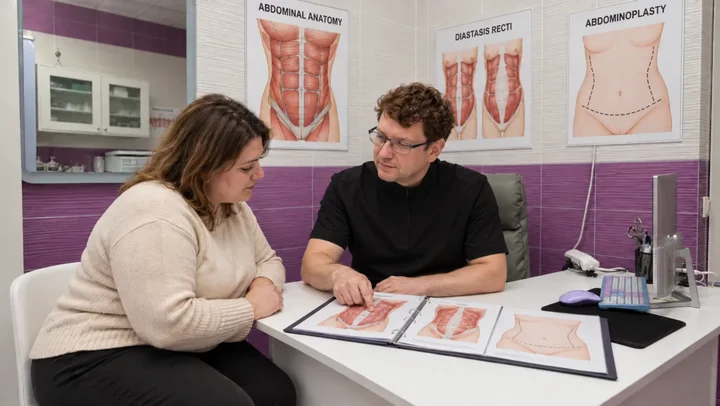
Hoji ya Henda is a large Angolan city with about 642,050 inhabitants. A city of this size has many different rhythms: people with office jobs, traders, teachers, drivers, students, nurses, mothers who run a household and a small business at once. Each of these lives puts different demands on a body contouring operation, and each needs a different plan for the days after surgery. That is why we start a conversation about liposuction with your daily routine rather than with the operation itself.
Liposuction is a procedure for removing localised fat deposits that do not respond to diet and exercise: the abdomen, flanks, thighs, hips, arms, the area under the chin and similar zones. It is not a method of losing weight and not a treatment for obesity. The World Health Organization describes overweight and obesity as a serious public health matter and stresses the role of nutrition and physical activity. Liposuction works best for people whose weight is reasonably stable and who want to refine their shape. If you live in Hoji ya Henda and are not sure whether you belong to this group, an online consultation is the simplest way to find out.
Everything starts remotely. You contact the coordinators on Telegram or WhatsApp from your own city, at any hour, because they work 24/7. The first consultation is free and online. You describe the areas that bother you, send photographs if you wish, list your medical history, and the surgeon explains which technique suits you and what the plan would look like. You do not need to rearrange your week to take this first step: it can be done in an evening after work or in a quiet moment at home.
This text is written specifically with life in Hoji ya Henda in mind: its warm Atlantic-influenced climate, its seasons, its working habits and its family and food traditions. Our aim is a smooth contour that keeps the natural proportions of your body, and the plan for recovery should fit the way you actually live.
Climate of Hoji ya Henda and what it means for recovery after liposuction
Angola lies on the western Atlantic coast of Southern Africa, and, like the rest of tropical Africa, it has alternating rainy and dry seasons. Temperatures tend to rise closer to the Atlantic Ocean, and the coastal plain is relatively dry compared with the interior. For a person recovering from liposuction this means that heat is the main climatic factor to plan around, much more than cold.
Heat matters because swelling is a normal part of recovery, and warm weather can make swollen tissue feel heavier and more uncomfortable. The compression garment, which you wear for 30–45 days, can feel warm on hot afternoons. Practical advice is general but useful: choose loose, light, breathable clothing in cotton or linen to wear over the garment, keep the home ventilated, rest in the shade during the hottest hours, and drink water regularly. Do not remove the garment on your own because it feels hot. If it causes real discomfort, tell the coordinators and the surgeon, who can advise on how to wear it correctly.
The dry season in Angola is known as cacimbo and is often marked by a heavy morning mist. Cooler, misty mornings are a comfortable time for gentle short walks once your surgeon allows light activity. The rainy season brings humidity, and humidity affects how clothing and dressings feel on the skin. Keep the puncture areas clean and dry as instructed, change into dry clothes after getting damp, and ask your surgeon how to handle dressings when the air is very humid.
Sun is another point. For at least a month tanning beds are off-limits, and in a sunny climate it is sensible to avoid direct sun on the treated area during the early recovery. Cover the treated area with clothing, and ask the surgeon when sunscreen and sun exposure are acceptable once the marks have healed. This is general advice; your surgeon will give you individual recommendations after surgery.
Choosing the season for the operation in Hoji ya Henda
Many patients ask which month is best. The honest answer is that there is no single correct season; the best time is the one when you can rest properly. Still, the local climate gives some guidance. Angola has distinct rainy and dry seasons, and the dry season with its cooler, misty mornings is generally more comfortable for wearing a compression garment for 30–45 days. The period of heavy heat and humidity is more demanding, though recovery is entirely possible with sensible clothing and rest.
The climate is changing too. Angola's annual average temperature has increased by 1.4 °C since 1951 and is expected to keep rising, and extremely hot days are projected to become more frequent in coming decades. For a patient in Hoji ya Henda this is one more reason to plan the quieter, cooler part of the year if your calendar allows, and to prepare a cool, comfortable place at home for the first week.
Think also about your own calendar rather than only the weather. Most patients return to usual routine and work in 7–10 days. Swelling and bruising clear by weeks 4–5, and the final result forms in 3–6 months. If you have a wedding, a baptism, a family celebration or an important work deadline, count backwards. You will want the first weeks free of exertion, and you will want to see the early changes, which show at 2 weeks, before an event where you will be photographed.
Remember also the check-ups: at 7 days, at 3 months and at 6 months. These are conducted by the surgeon, and they fit best into a plan when you know your commitments in advance. Our coordinators work around the clock and can help you build a schedule that matches your pace; we adapt to you, not the other way round.
Daily life, work and study in Hoji ya Henda during recovery
Hoji ya Henda is a busy urban place where much of life happens outside the home: commuting, markets, shops, workshops and offices. After liposuction, most patients get back to their usual routine and work in 7–10 days. That is an average, and it depends on the number of areas treated and on the type of work you do.
If you work at a desk, in an office or in a school, you can usually return at the earlier end of the range, wearing the compression garment under loose clothing. If your work is physical, such as lifting goods, long hours on your feet, loading or construction, plan for the later end of that range, or discuss with the surgeon whether a lighter schedule is possible. For the first 7 days there must be no physical exertion or heavy lifting, and that includes carrying shopping bags, children or water containers.
Students should think about exam periods and practical classes. A single afternoon of sitting in lectures is manageable earlier than a week of physical training. If you study, tell your surgeon about the load you carry and ask when it is realistic to go back to full activity.
Mothers and those who care for relatives should arrange help in advance. Ask a family member, a neighbour or a friend to take over lifting and heavy household tasks for the first week. Many patients find that the practical question is not the operation itself but who will do the cooking, cleaning and school runs. Settling this before surgery makes the first days calm. You do not have to stop all your life: short, slow movement around the home is good for circulation, and your surgeon will explain how much is enough.
Food culture, family events and weight in Hoji ya Henda
Food in Angola is shared and generous, and meals with family and friends are central to social life. We do not suggest that you give up this part of your life. But it is worth being honest about the role of liposuction: it removes fat cells in treated areas, and it does not replace a balanced way of eating. If weight is gained after the operation, the body can change shape again. That is why the surgeon talks with you about stable weight, nutrition and movement during the consultation.
Before surgery, a calm eating pattern helps you arrive in good condition. You will receive all instructions after the first consultation. In the days before liposuction you must give up smoking, alcohol and medications that affect clotting, such as aspirin, 7–10 days earlier. If a family celebration falls in that window, plan ahead so you are not placed in an awkward position; you can simply say that you are preparing for a medical procedure.
After surgery, lighter meals are usually more comfortable in the first days, especially with a compression garment on. Drink water regularly, particularly in warm weather. Alcohol is off-limits for at least a month, which is worth remembering when invitations come: weddings, birthdays, funerals and gatherings after church or community events are all part of local life, and you can plan which ones you will attend and which you will skip while you recover.
Family events also raise a question about what to wear. The compression garment is worn for 30–45 days, and avoiding the bathhouse, sauna, pool and active sport is advised for 4–6 weeks. Choose loose clothes that cover it comfortably. Many people feel more at ease when they think of this period as a short, temporary stage rather than a long limitation.
Sport, beaches and pools: when you can return to activity
The Atlantic coast of Angola means that the sea is part of leisure for many people, and warm weather encourages outdoor activity. After liposuction, though, water and active sport must wait. For the first 7 days there is no physical exertion or heavy lifting. For 4–6 weeks you wear compression garments and avoid the bathhouse, sauna, pool and active sport. Sea water and shared pools fall into the same caution, because the puncture areas need to heal and stay clean. Ask your surgeon when swimming is safe in your case.
Football is popular in Angola, and many people play in the evening with friends or colleagues. If you are a teammate in a local group, tell them in advance that you will miss games for a few weeks. Returning too early can increase swelling and discomfort, and it does not speed up the result. Gentle walking is usually encouraged early, and your surgeon will tell you when to add other forms of movement.
Gym training, running, dance and any exercise that strains the abdomen and trunk should be reintroduced gradually. Pay attention to how your body feels: persistent pain, sudden increase in swelling, fever or any worrying sign should be reported to the coordinators and the surgeon without delay.
Sun and heat during exercise deserve a separate mention. Outdoor training in strong sun while wearing a compression garment can be uncomfortable and tiring. When you do return to activity, choose cooler hours, light clothing and plenty of water. Tanning beds are off-limits for at least a month. Your surgeon gives all individual recommendations after surgery, and they take priority over any general rule.
How the remote consultation works from Hoji ya Henda
The process is designed so that a resident of Hoji ya Henda can begin without leaving the city. First, you write to the coordinators on Telegram or WhatsApp. They are available 24/7, and you can write in the evening, at the weekend or during a break at work. Booking is easy, and we keep a personal approach.
Second, you have a free online consultation with a surgeon. You describe the areas you want to correct, your height and weight, previous operations, chronic conditions, medications and allergies, and you can send photographs. The surgeon explains whether liposuction is suitable, which areas can be treated, which technique is recommended and what you can realistically expect. We use tumescent and VASER techniques, with micro-incisions of 3–5 mm and precise volume control.
Third, you receive instructions for preparation. Pre-operative tests are required: blood tests, ECG, ultrasound, and consultations with a GP and an anesthesiologist. You will receive all instructions after the first consultation. Many of these tests can be done through the medical services available locally, and the results are sent to the team for review.
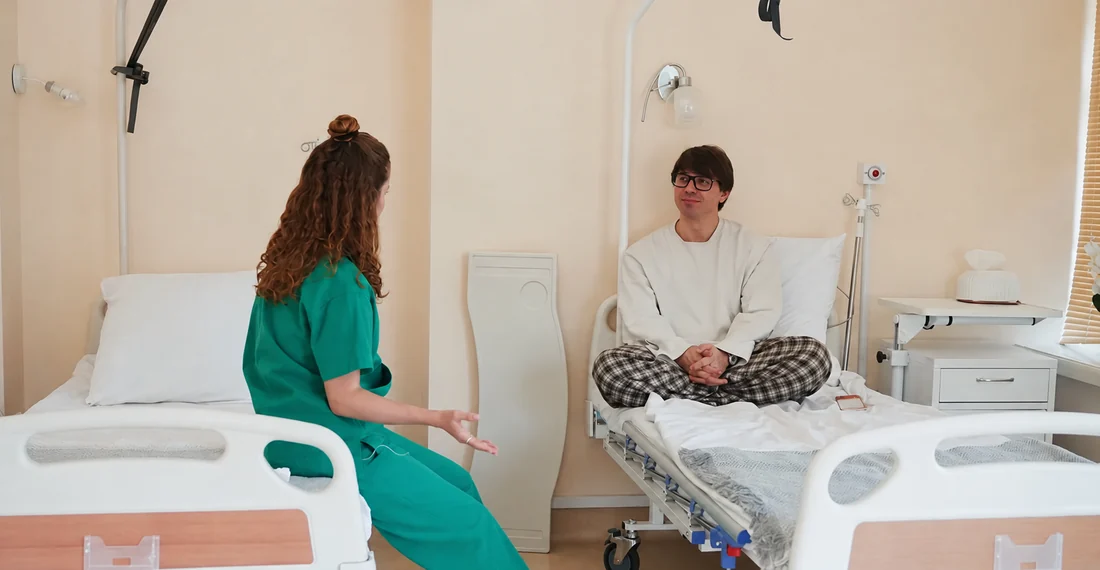
Fourth, the operation itself. On the day, areas are marked and compression garments are fitted. Under local or general anaesthesia the surgeon removes fat through 3–5 mm micro-punctures, from 1 hour for small areas to 3–4 hours for a combined procedure. With local anaesthesia you go home 3–4 hours after surgery; with general anaesthesia you stay one day in a comfortable ward under medical supervision.
Fifth, aftercare. The surgeon follows your recovery and the new body contour at check-ups after 7 days, 3 months and 6 months. Check-ups, dressings and aftercare advice are already included in the price of surgery. Until the end of the year, you can get a post-surgery consultation with your surgeon to review results and get more information, at the clinic's expense. Contact with the coordinators remains available around the clock, which matters when a question appears late in the evening.
Who is a candidate and who should wait
We operate from age 18+, if there are no contraindications. There is no upper age limit: after an examination and health assessment, the decision is made individually. This means that an older patient in Hoji ya Henda is not automatically excluded, and a young patient is not automatically accepted. The state of health matters more than the number of years.
The best candidates have localised fat that remains despite sensible eating and activity, good skin elasticity, stable weight and realistic expectations. Liposuction improves contour; it does not tighten very loose skin and it is not a replacement for a lifestyle change. If the main issue is excess skin after major weight loss, the surgeon may suggest a different approach, and this will be discussed honestly.
General contraindications are decided by the doctor after assessment. They can include serious heart, blood-clotting or other chronic conditions that are not under control, active infections, and pregnancy or breastfeeding. Because Angola faces infectious diseases such as malaria, cholera and typhoid fever, tell the surgeon about any recent illness, fever or ongoing treatment so that the operation is planned for a time when your body is well.
Be open about everything: smoking, alcohol, herbal remedies, regular medication and previous surgery. Aspirin and other medications that affect clotting need to be stopped 7–10 days before liposuction, but only follow this under the guidance of the doctor who knows your condition. If something worries you, the consultation is the place to say it.
Working out a realistic plan: a week-by-week view for Hoji ya Henda
Patients in Hoji ya Henda often tell the coordinators that they want a clear picture of the whole recovery in time, not only the day of surgery. It helps to divide the process into stages and to attach each stage to ordinary life in a large Angolan city, where mornings are busy and a lot of daily business depends on being on your feet.
The first 7 days are the quietest stage. Whether you go home the same day under local anaesthesia or after 1 day under general anaesthesia, this is the time for rest, short slow walks around the home, and no physical exertion or heavy lifting. Prepare the house beforehand: water within reach, light food ready, a comfortable place to sit, and a relative or friend who can answer the door and carry anything heavy. The first check-up with the surgeon falls at 7 days.
From the second week many patients are back to their usual routine and work, since most return in 7–10 days. The first changes appear at 2 weeks, once the main swelling goes down, and you may feel encouraged. Still, the compression garment stays on for 30–45 days, and for 4–6 weeks you avoid the bathhouse, sauna, pool and active sport. Weeks 4 and 5 are when swelling and bruising clear.
The later stage is simply patience. An interim result is assessed at 1.5–2 months, and the final contours form in 3–6 months, once the tissues have fully adapted. The check-ups at 3 and 6 months allow the surgeon to compare your body with the earlier photographs. Keep your own photographs taken in the same light and pose; they make the change easier to judge honestly.
Transport, errands and the city rhythm in the first days
Hoji ya Henda is part of the densely populated Luanda urban area, and anyone who lives here knows how a simple errand can take a long time on crowded roads. After liposuction this matters. Sitting for long periods in a crowded vehicle, standing in queues or carrying bags is not what the body needs in the first week. Arrange in advance for a trusted person to take you home after surgery, especially after general anaesthesia, and avoid planning errands for the first days.
If you need to run a household business or a small shop, think about who can cover for you. Even a few days of delegating can make recovery calmer. Messages and orders can be handled from a chair at home, and this does not conflict with the advice for rest as long as you are not lifting stock or standing for hours.
When you do go out, wear loose clothing over the compression garment, choose the cooler hours of the day, and carry water. Avoid pushing through crowds where someone may bump into the treated areas. If you notice a sudden increase in swelling, fever or pain that does not match what the surgeon described, write to the coordinators straight away; they answer around the clock.
Emotional preparation and talking to family
Body contouring is a personal decision, and in a city with large, close families it often raises comments from relatives, neighbours and colleagues. Some people prefer to share the plan with a spouse or a close friend, and some keep it private. Both choices are normal. What matters is that at least one trusted person knows the dates, knows how to contact the coordinators, and can help during the first week.
Expectations deserve a calm conversation with yourself. Liposuction refines the contour; it does not change life circumstances or solve problems unrelated to the body. Our aim is a smooth contour that keeps the natural proportions of your body, so the result should look like you, in better balance. Patients who come with clear and modest goals are usually the most satisfied.
Swelling, bruising and a tight feeling under the garment can make the early weeks feel longer than they are. It helps to remember that these are expected stages. If your mood dips or you feel anxious, speak with the coordinators or the surgeon; you do not have to carry it alone. Short walks, light meals, good sleep and conversation with someone you trust all help.
What to expect from the result and how to talk to the surgeon
The surgery is done through punctures only 3–5 mm across, and they usually need no stitches. Once healed, the marks are barely visible, and with proper care during recovery they fade completely. Many patients in a warm climate worry about visible scars on skin exposed to sun and swimwear, so this is a point worth raising in the consultation, together with advice on caring for the skin afterwards.
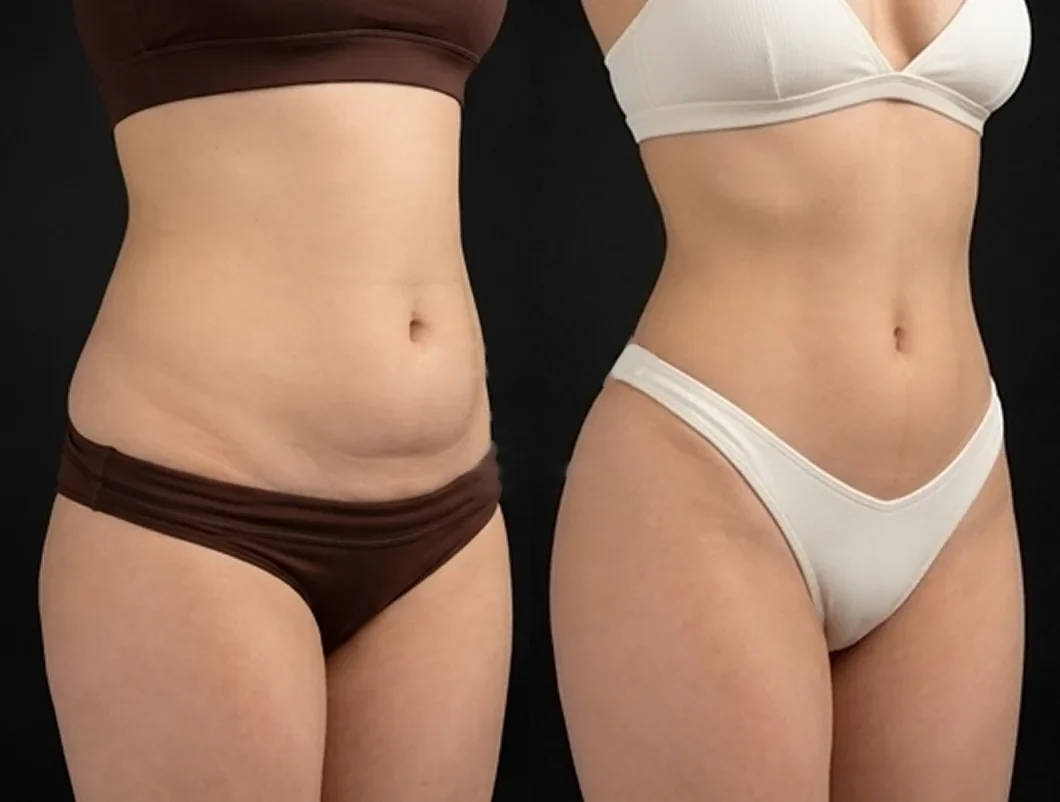
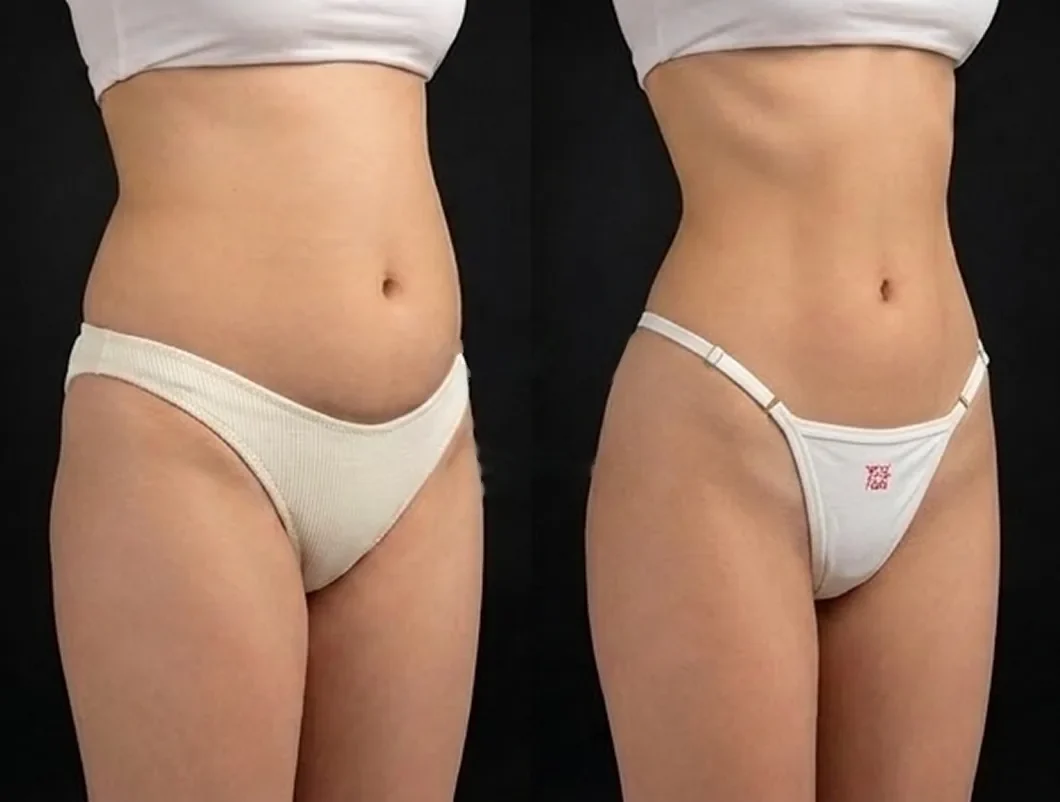
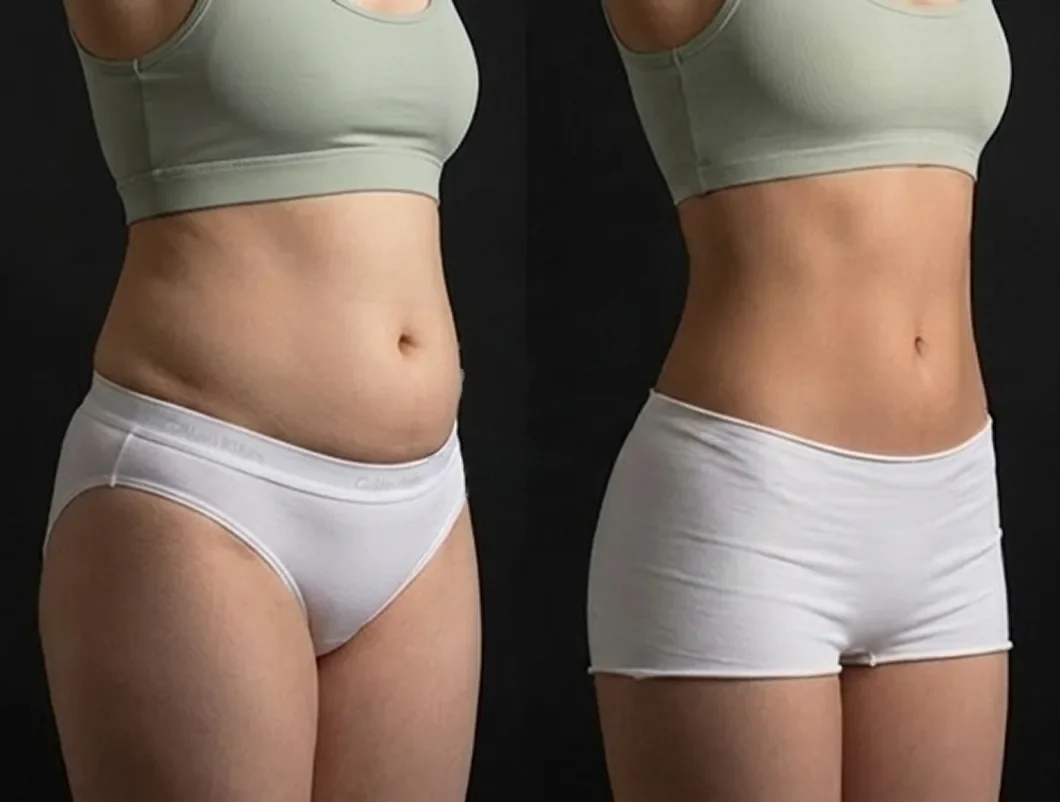
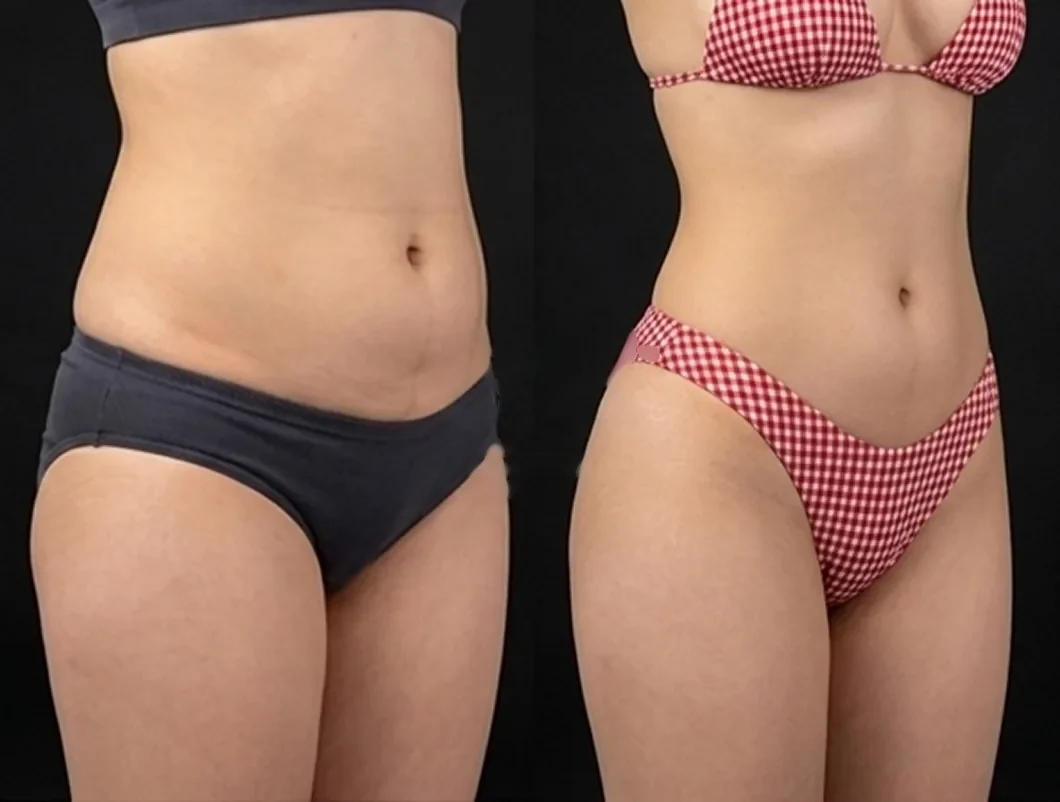
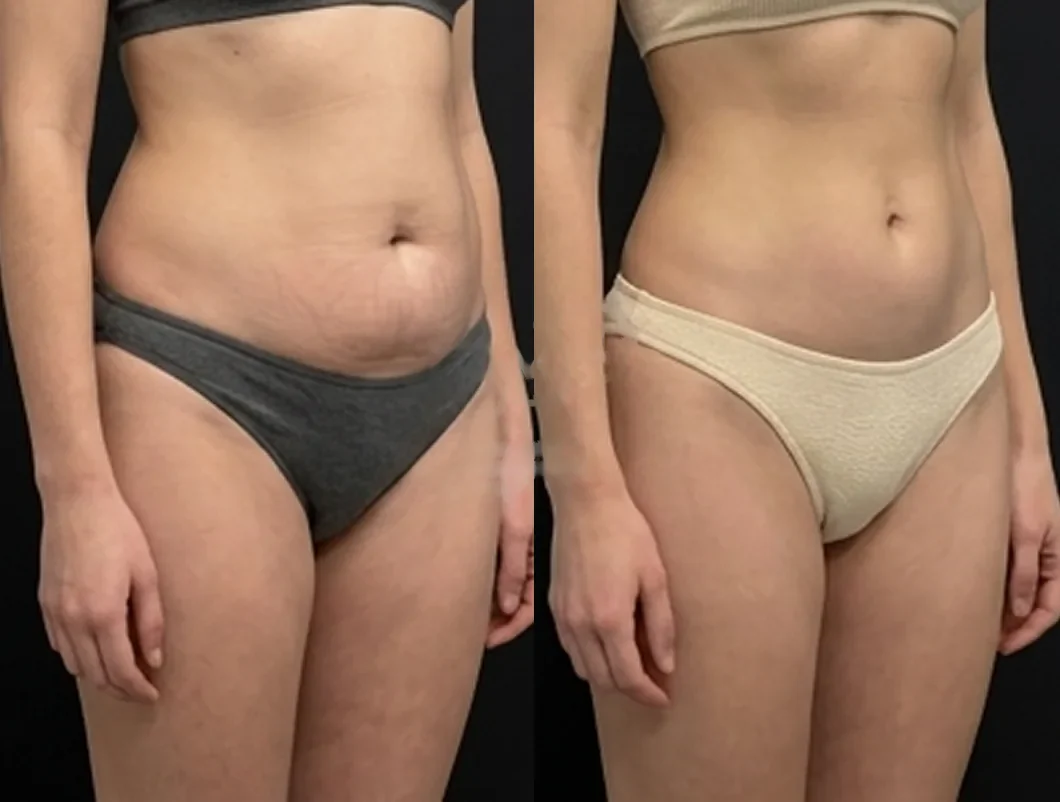
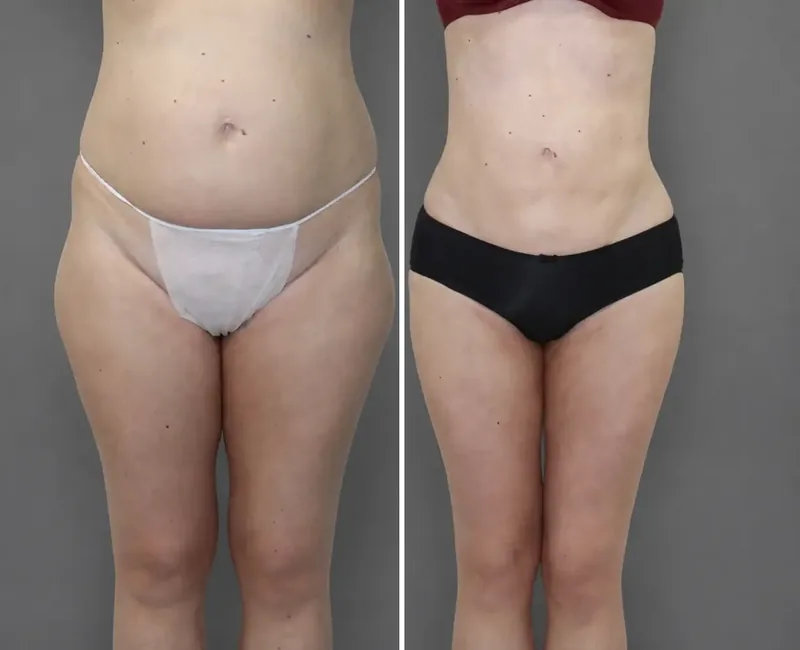
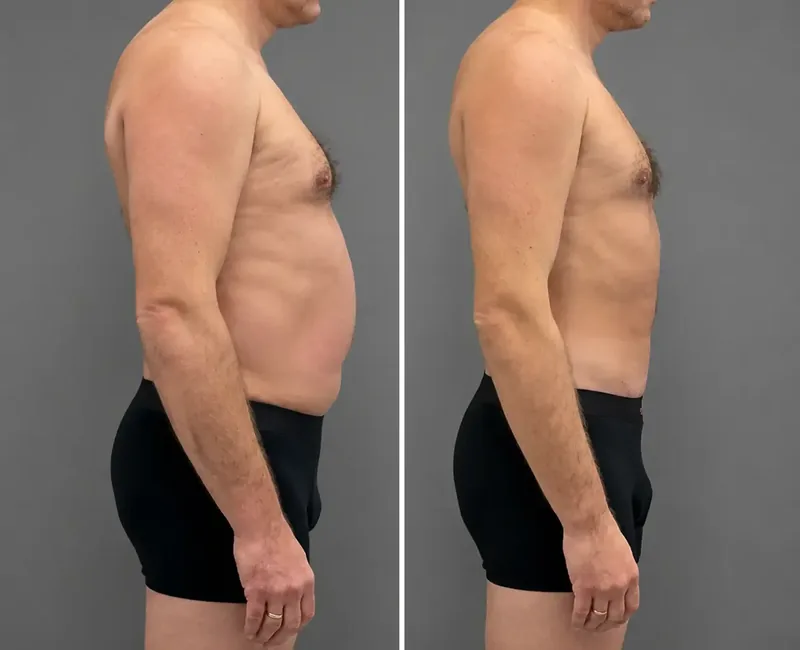
The timeline is gradual. The first changes show at 2 weeks, once the main swelling goes down. An interim result is assessed at 1.5–2 months. Swelling and bruising clear by weeks 4–5. The final result forms in 3–6 months, once the tissues have fully adapted. Patience is part of the process, and judging the result in the first days is a common mistake.
Prepare questions for the surgeon. Which areas will be treated, and in what order? Which technique and which anaesthesia are recommended for me, and why? How long will the surgery last, and will I go home the same day or after 1 day? When can I return to work, and what if my work is physical? When can I swim, play sport and go out in the sun? How should I wear the compression garment in hot weather? What should I do if I notice something unusual in the night? Who answers me, and how quickly?
Ask also what the surgeon expects from you: stable weight, adequate rest, regular check-ups at 7 days, 3 and 6 months, and following the advice about alcohol, smoking and exertion. We respect your time and adapt to your pace, but a good result is built together. Write down the answers or ask the coordinators to send them in a message so you can return to them during recovery.
Can I have the first liposuction consultation from Hoji ya Henda without leaving the city?
Yes. The first consultation is free and online. You contact the coordinators on Telegram or WhatsApp from your own city, they work 24/7, and the surgeon speaks with you remotely, reviews your information and photographs and explains the plan.
How long does liposuction take and when do I go home?
Surgery lasts 1–4 hours: from 1 hour for small areas to 3–4 hours for a combined procedure. With local anaesthesia you go home 3–4 hours after surgery, and with general anaesthesia you stay one day in a comfortable ward under medical supervision.
How hot weather affects the compression garment in Hoji ya Henda?
You wear the compression garment for 30–45 days, and in warm, humid weather it can feel uncomfortable. Wear loose breathable clothes over it, rest in the shade, drink water and keep the skin clean and dry. Do not take the garment off on your own; if it is a problem, ask the surgeon.
When can I return to work?
Most patients return to their usual routine and work in 7–10 days. Desk work is usually easier than physical work. For the first 7 days there must be no physical exertion or heavy lifting, so if your job is physical, discuss it with the surgeon beforehand.
When can I swim in the sea or a pool and play sport?
For 4–6 weeks you wear compression garments and avoid the bathhouse, sauna, pool and active sport. Ask the surgeon before returning to the sea or swimming, because the puncture areas must be fully healed. Your surgeon gives all individual recommendations after surgery.
Will there be visible scars?
The surgery is done through punctures only 3–5 mm across, which usually need no stitches. Once healed, the marks are barely visible, and with proper care during recovery they fade completely.
When will I see the result?
The first changes show at 2 weeks, when the main swelling subsides. An interim result is assessed at 1.5–2 months, swelling and bruising clear by weeks 4–5, and the final contours form in 3–6 months.
How should I prepare for the operation?
Give up smoking, alcohol and medications that affect clotting, such as aspirin, 7–10 days before liposuction. Pre-operative tests are required: blood tests, ECG, ultrasound, and consultations with a GP and an anesthesiologist. You will receive all instructions after the first consultation.
Is there an age limit?
We operate from age 18+, if there are no contraindications. There is no upper age limit; after an examination and health assessment, the decision is made individually.
What follow-up is included after the operation?
The surgeon follows your recovery and the new body contour at check-ups after 7 days, 3 months and 6 months. Check-ups, dressings and aftercare advice are already included in the price of surgery. Until the end of the year, you can also get a post-surgery consultation with your surgeon, at the clinic's expense.
What should I prepare at home in Hoji ya Henda before surgery?
Prepare a quiet, ventilated place to rest, water and light food within reach, loose cotton clothing to wear over the compression garment, and a relative or friend who can help with lifting and errands during the first 7 days, when no physical exertion or heavy lifting is allowed.
Can I go home by myself after the operation?
It is better to have someone with you. With local anaesthesia you go home 3–4 hours after surgery, and with general anaesthesia you stay one day under medical supervision. Arrange in advance for a trusted person to accompany you and stay nearby on the first day.
Who do I contact if I have a question late at night during recovery?
Write to the coordinators on Telegram or WhatsApp. They work 24/7, so a question that appears in the evening or at night does not have to wait until morning, and they pass medical questions to your surgeon.



























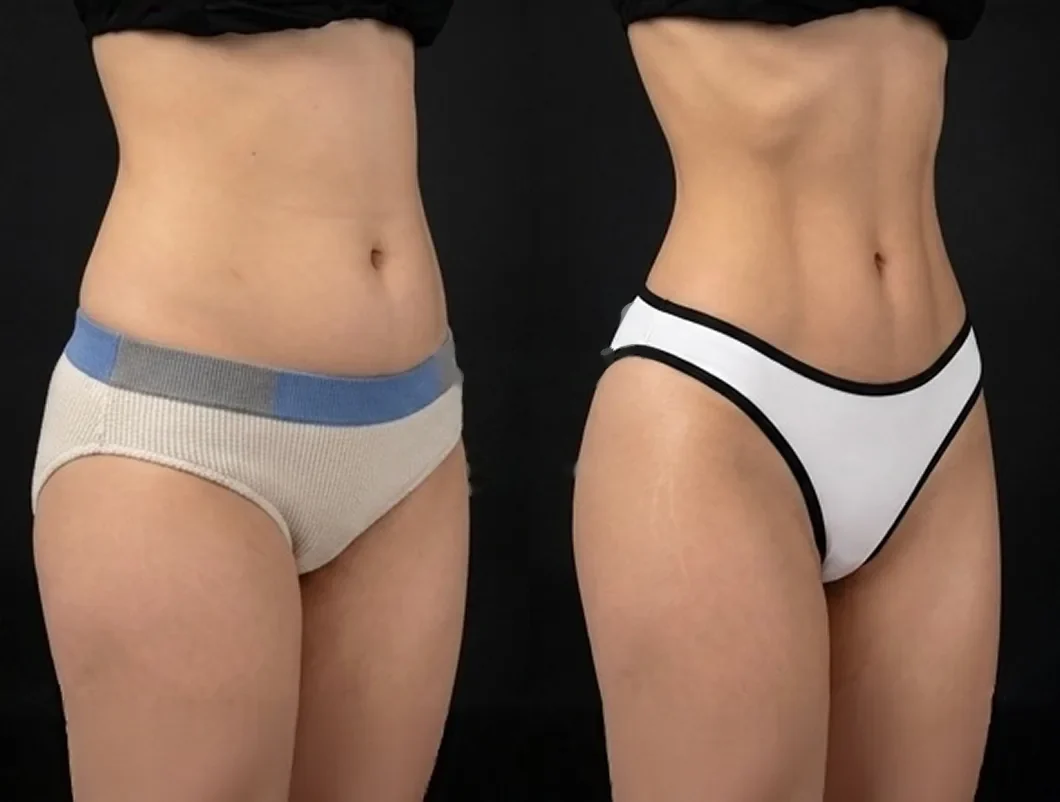 beforeafter
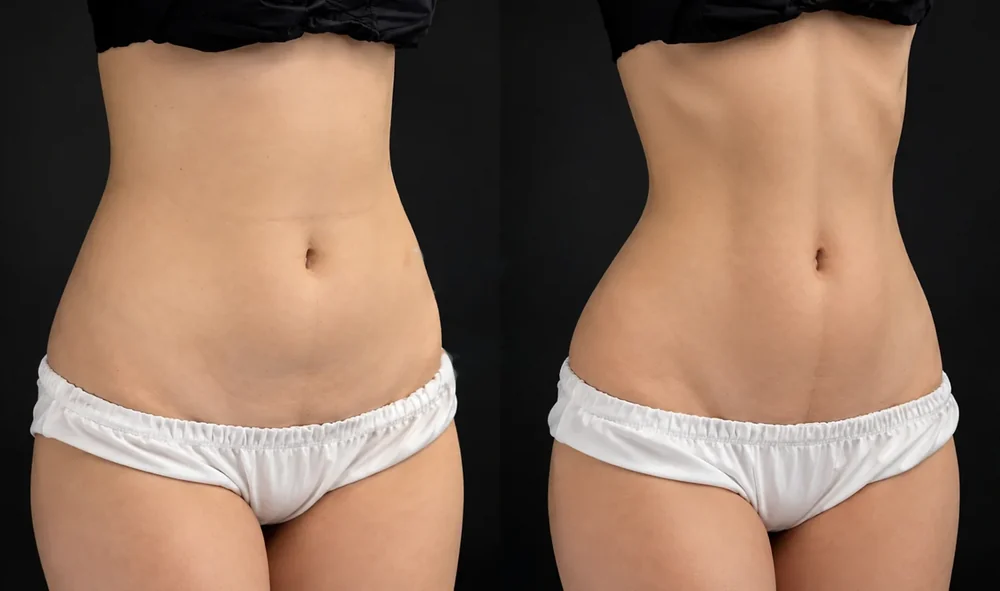
 beforeafter
 beforeafter
 beforeafter
 beforeafter
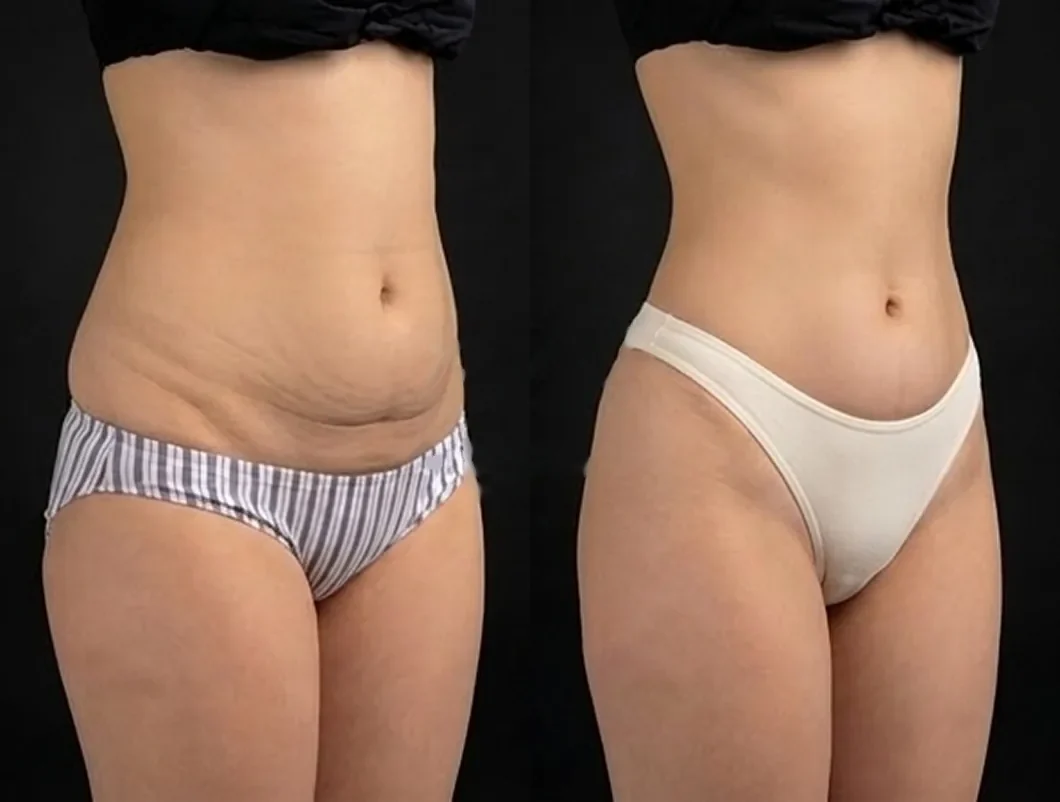 beforeafter
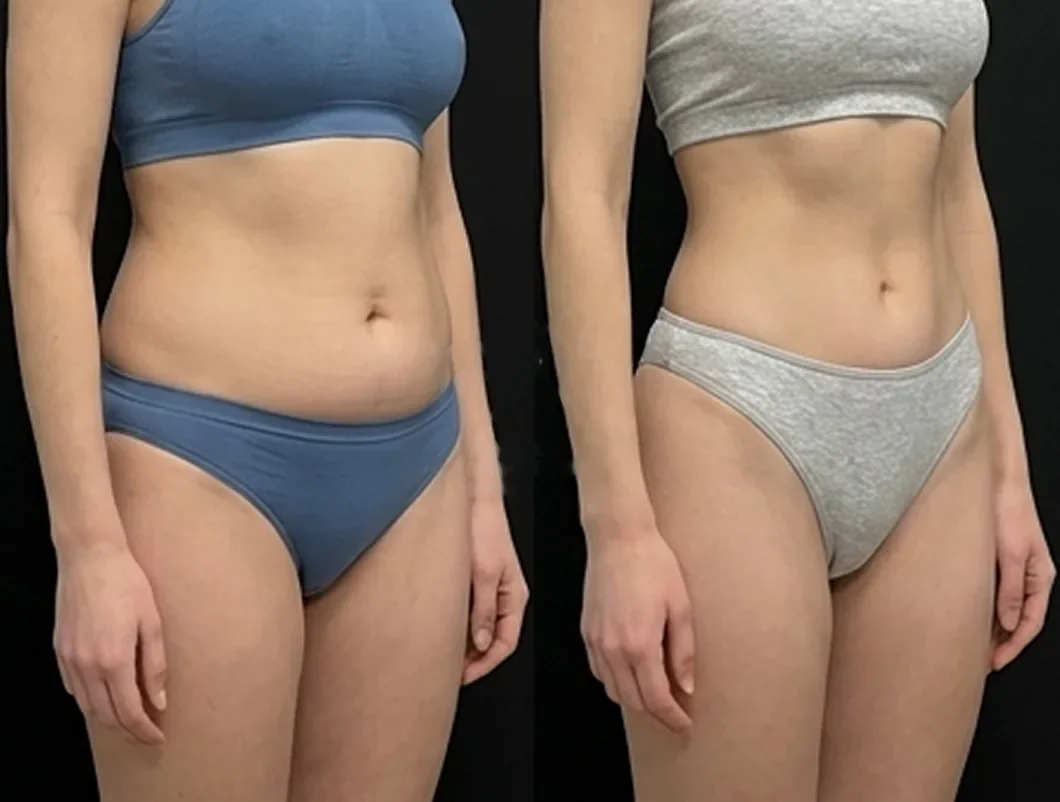 beforeafter
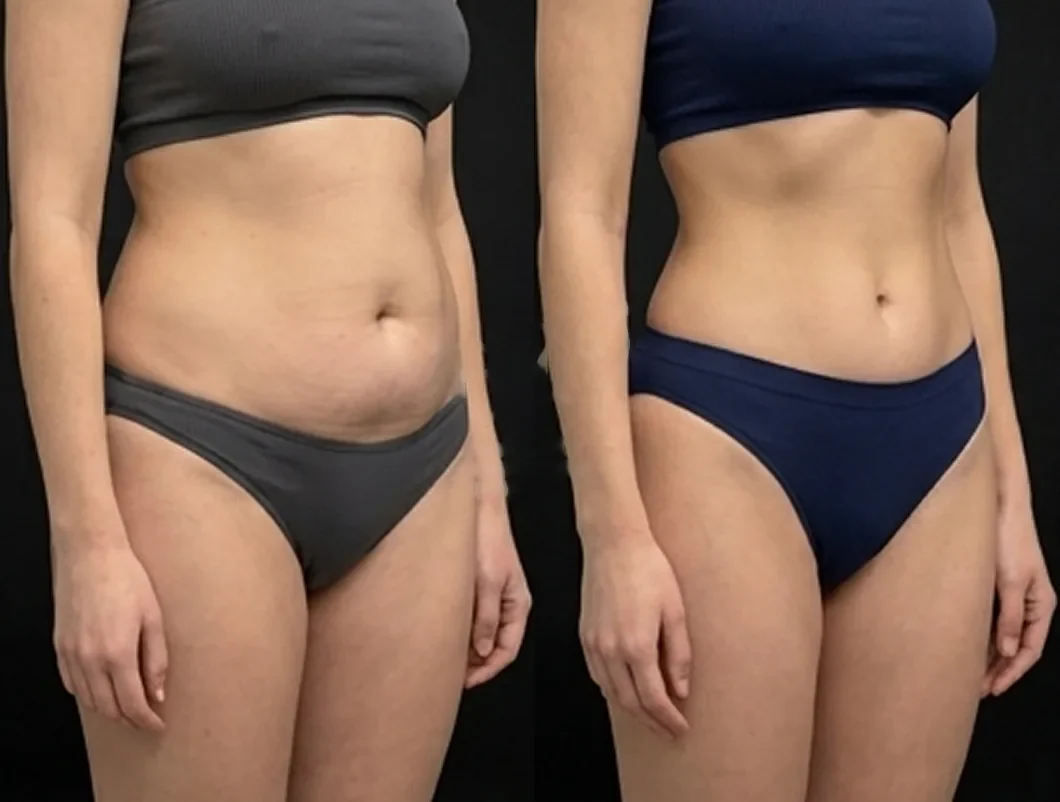 beforeafter
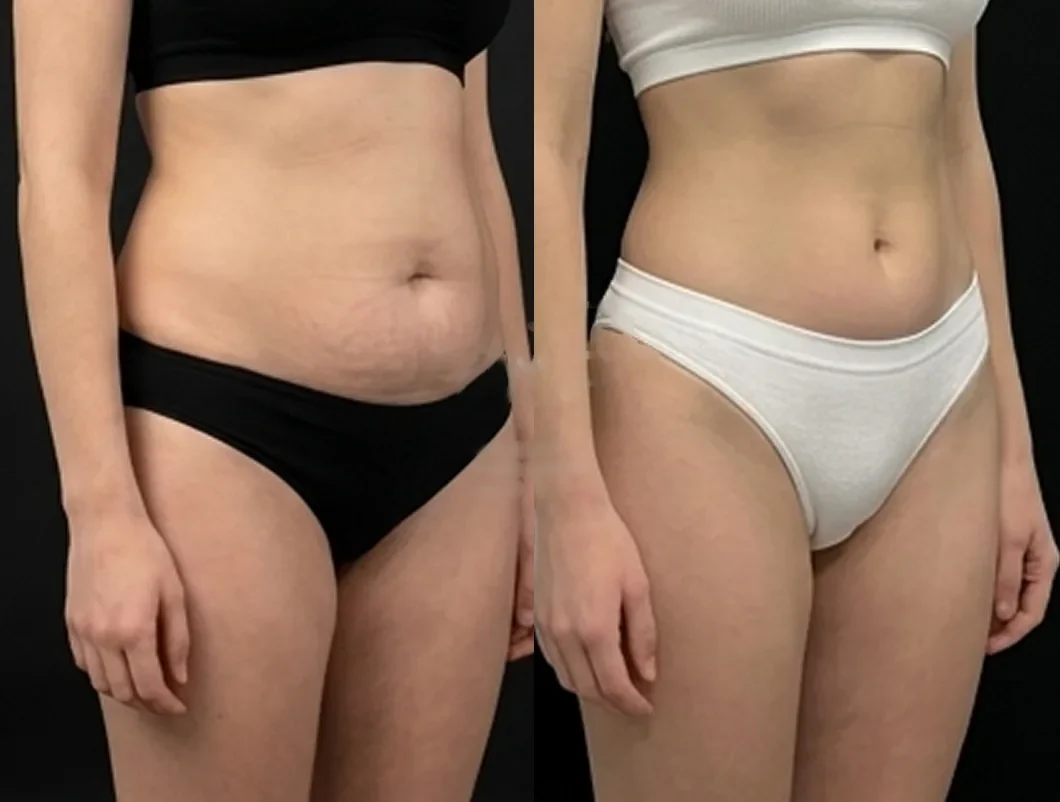 beforeafter
 beforeafter






 1
 2
 3
 4
 5
 6