


























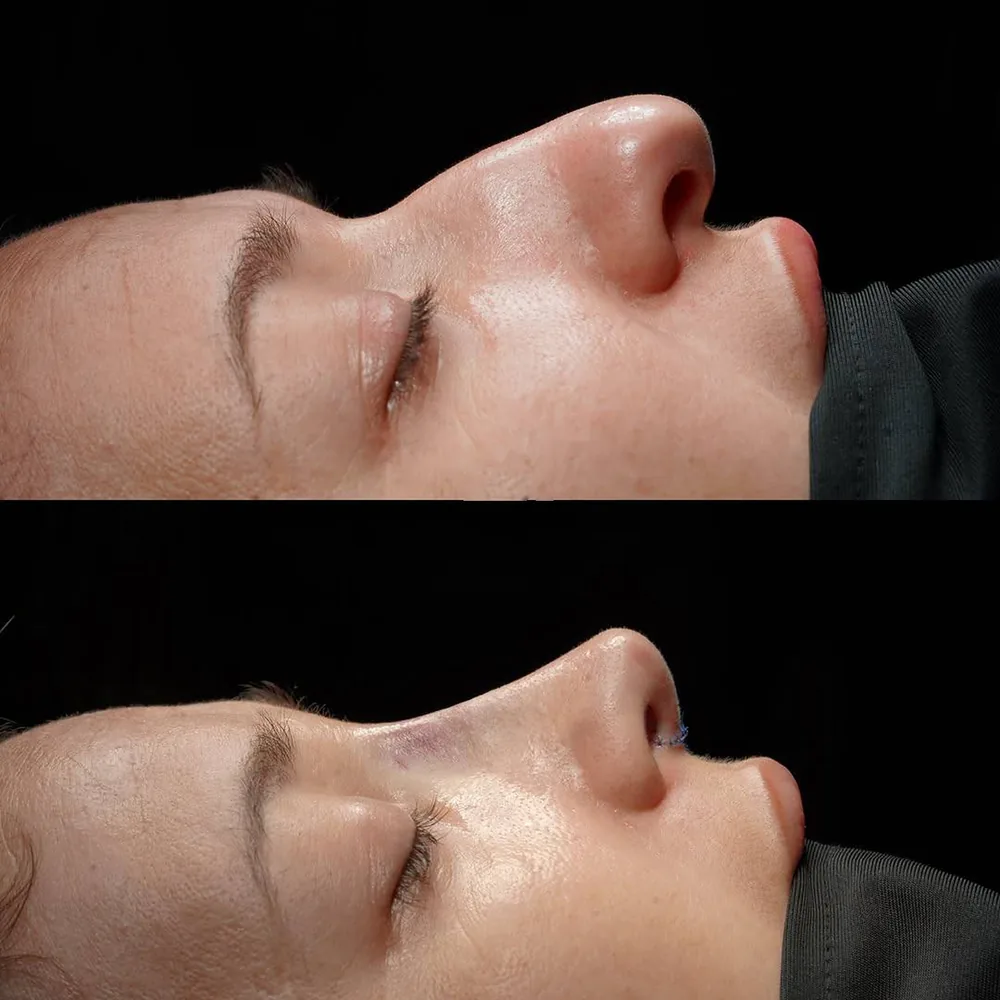
 beforeafter
Irina, 24
Rhinoplasty
Rhinoplasty
$4,200
Instead of $6,000 (≈ AOA 5,600,000) · First consultation — Free
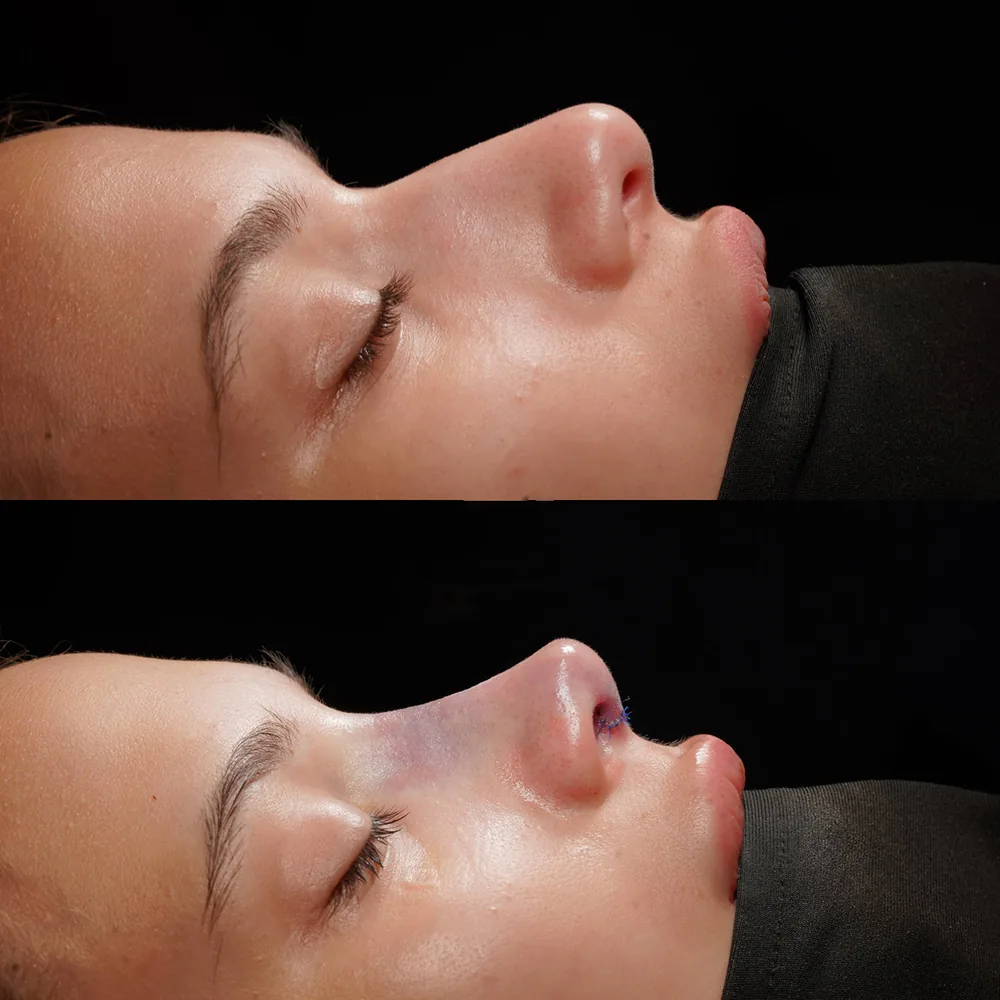 before
after
Message our coordinator
Free online consultation · Reply within 15 minutes
Message us on TelegramMessage us on WhatsAppBy messaging us, you agree to our Privacy Policy
Results
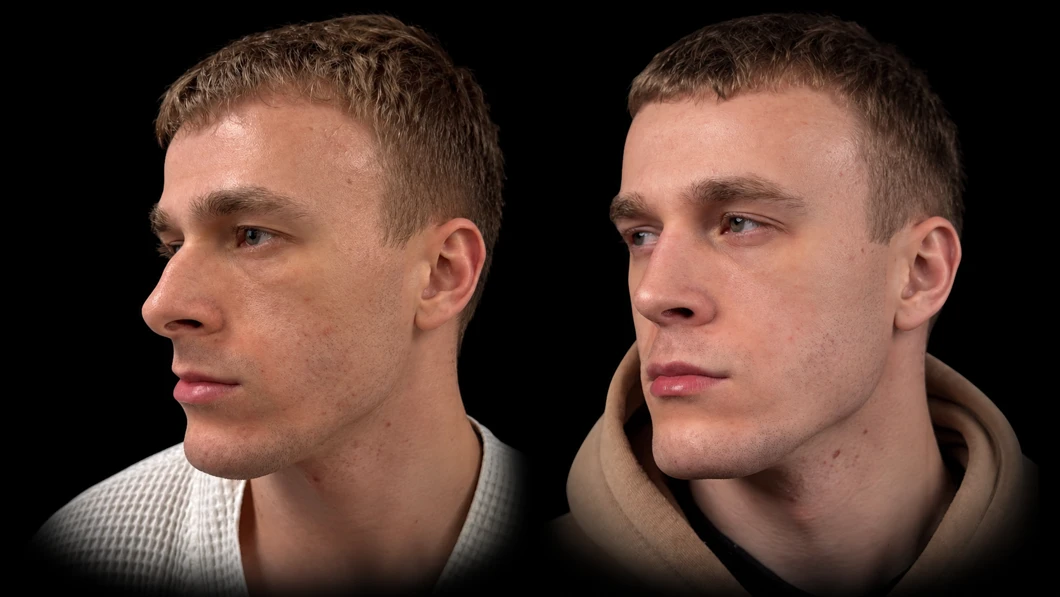
All examples come from actual patients of the clinic.
beforeafterRhinoplasty
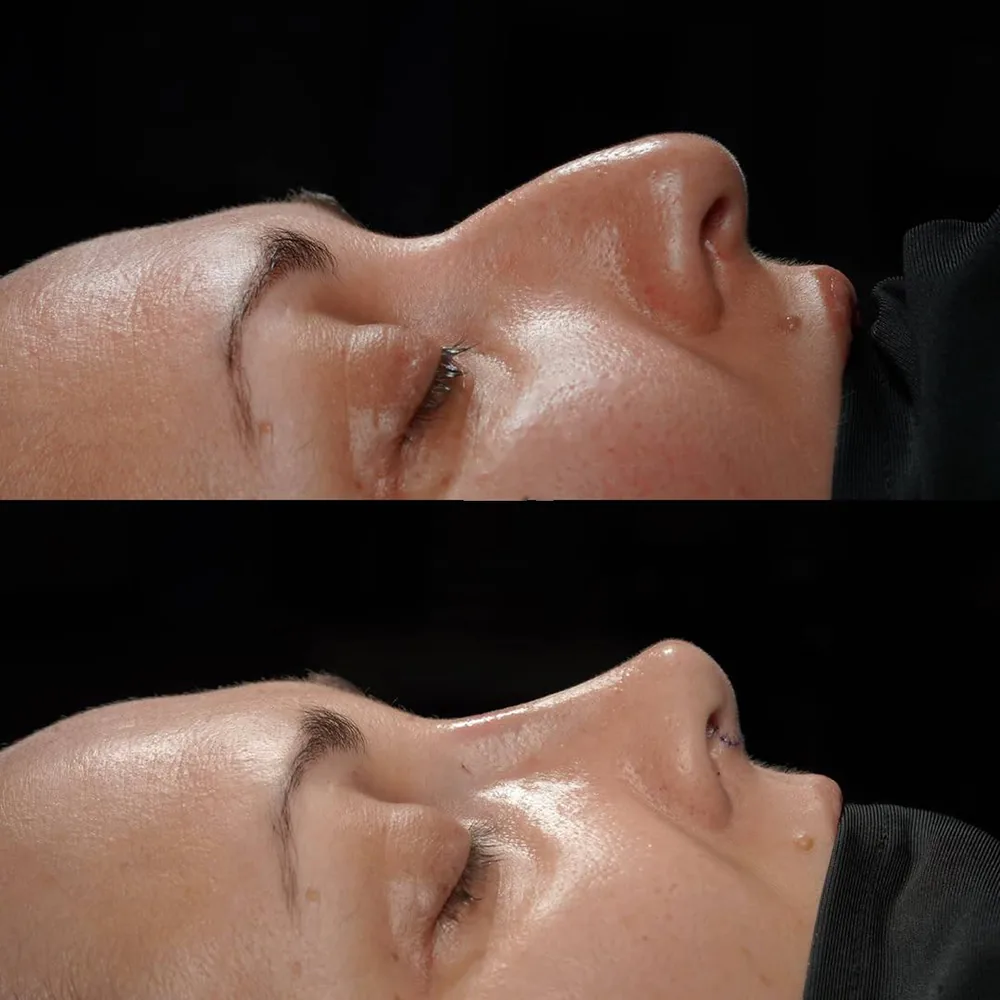 beforeafter
Rhinoplasty
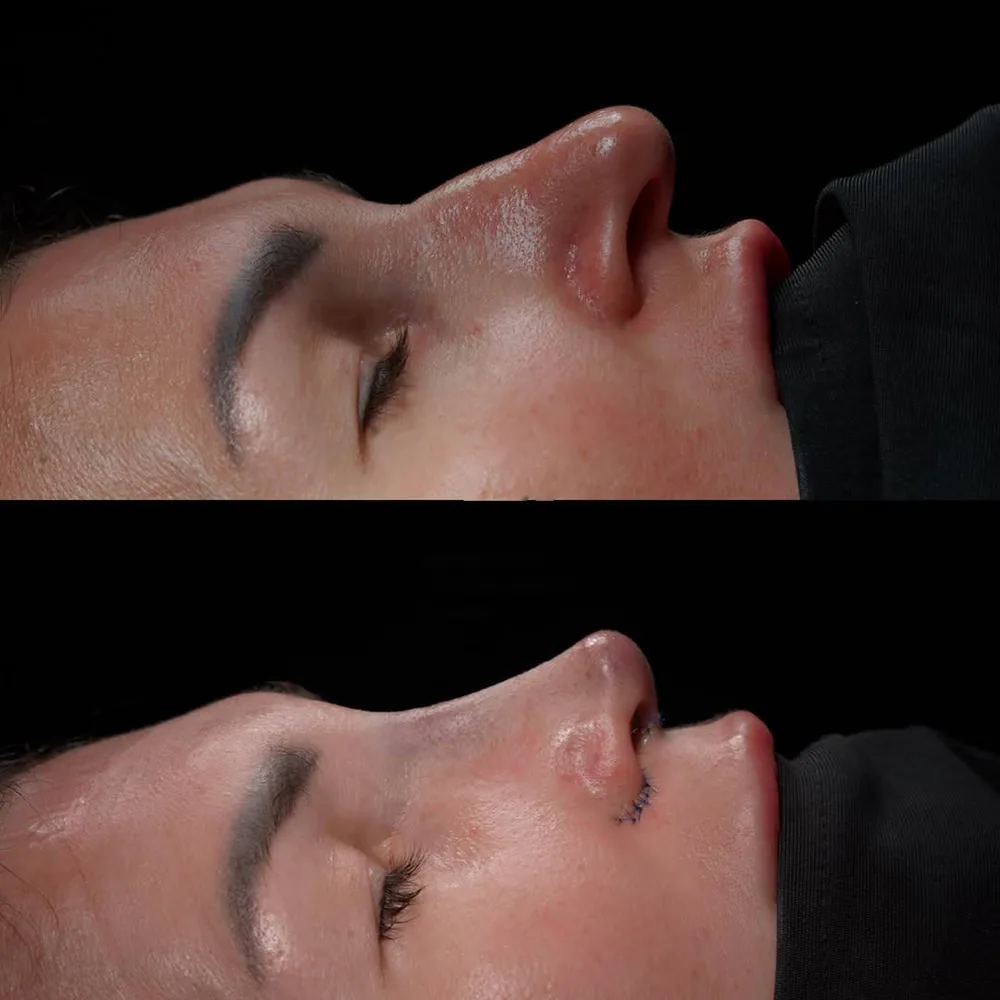 beforeafter
Rhinoplasty
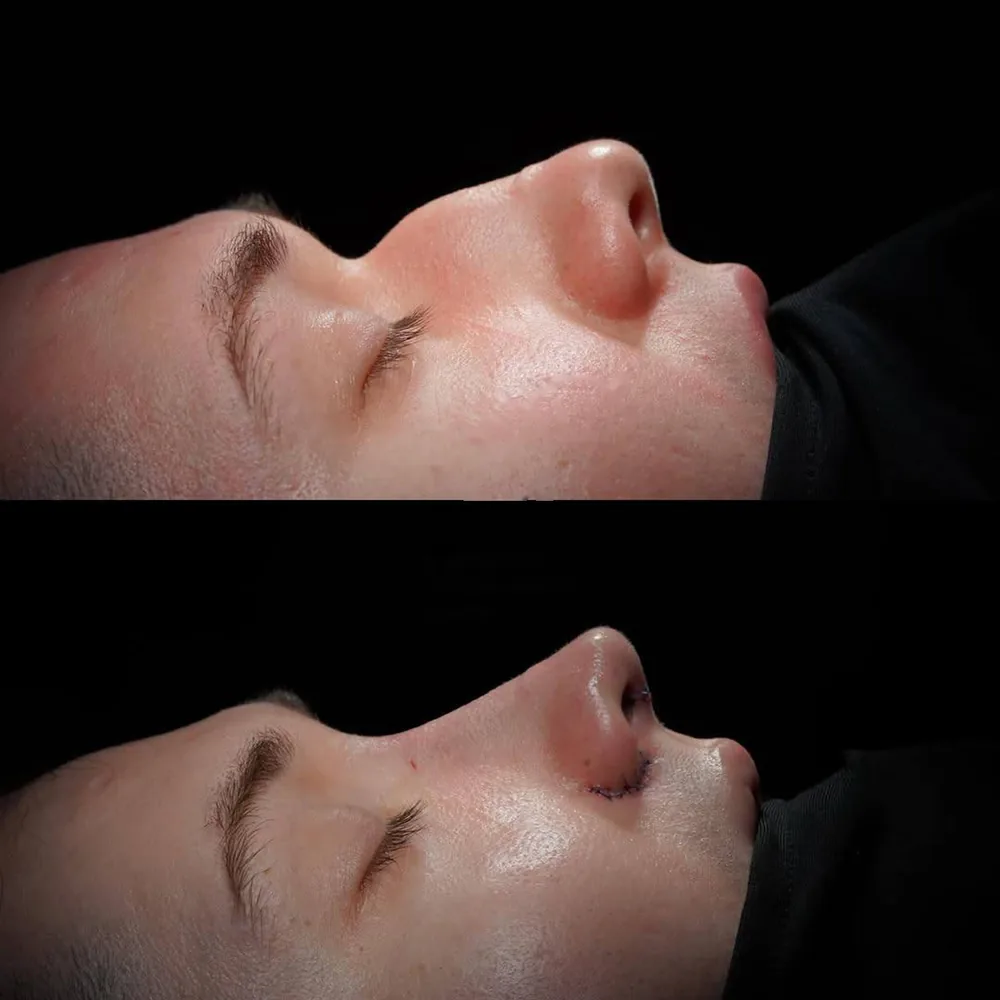 beforeafter
Rhinoplasty
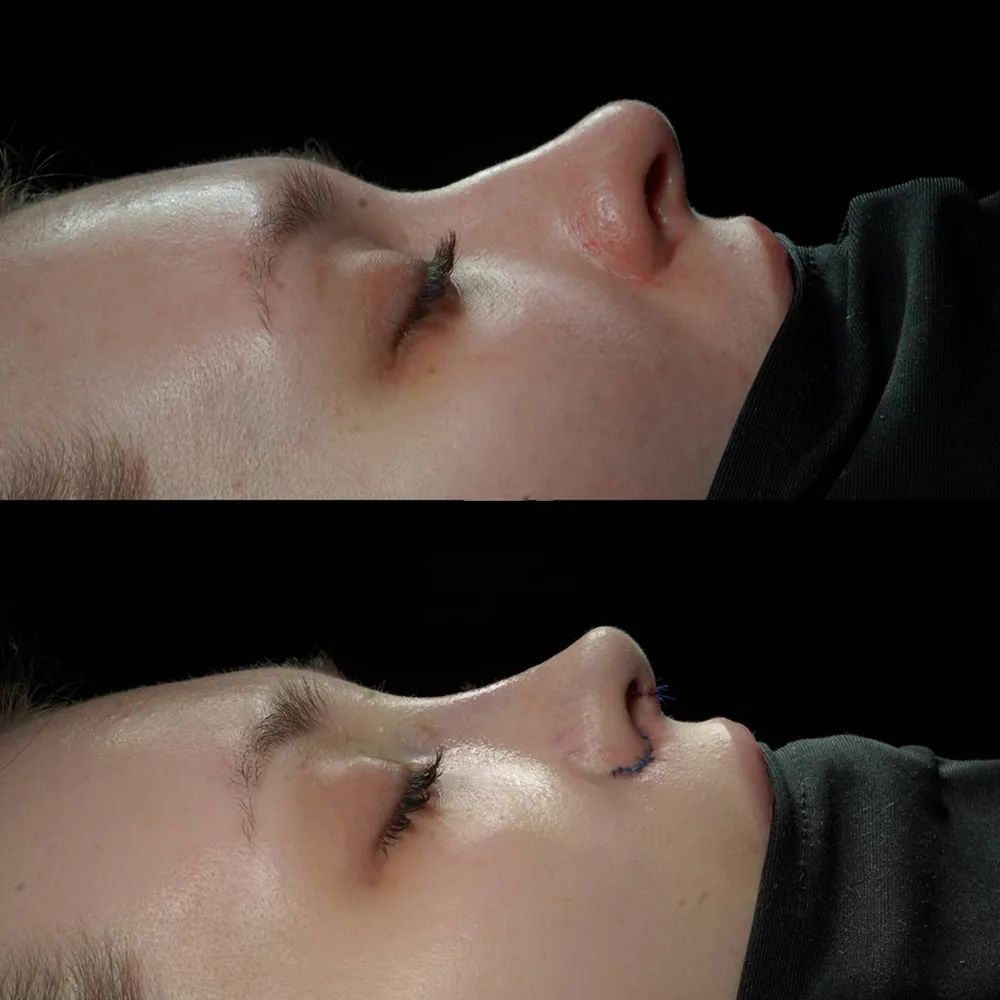 beforeafter
Rhinoplasty
beforeafterRhinoplasty
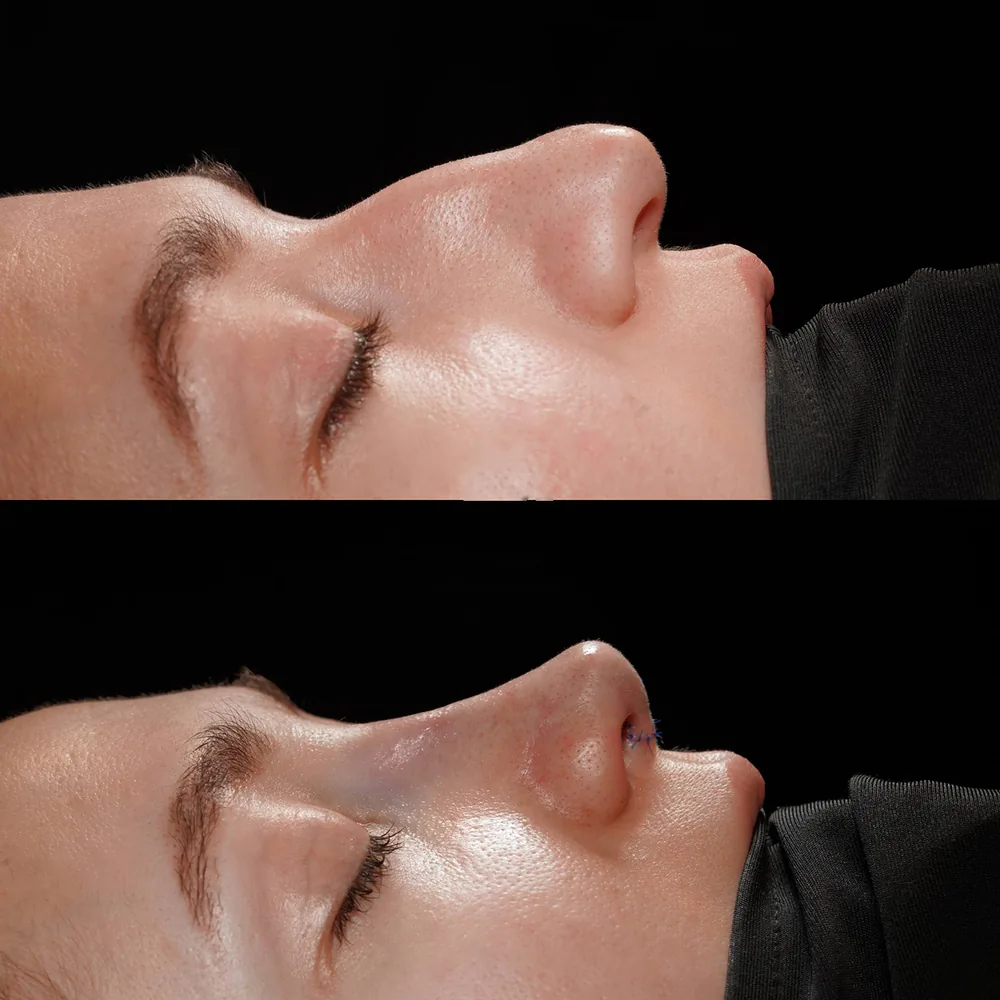 beforeafter
Rhinoplasty
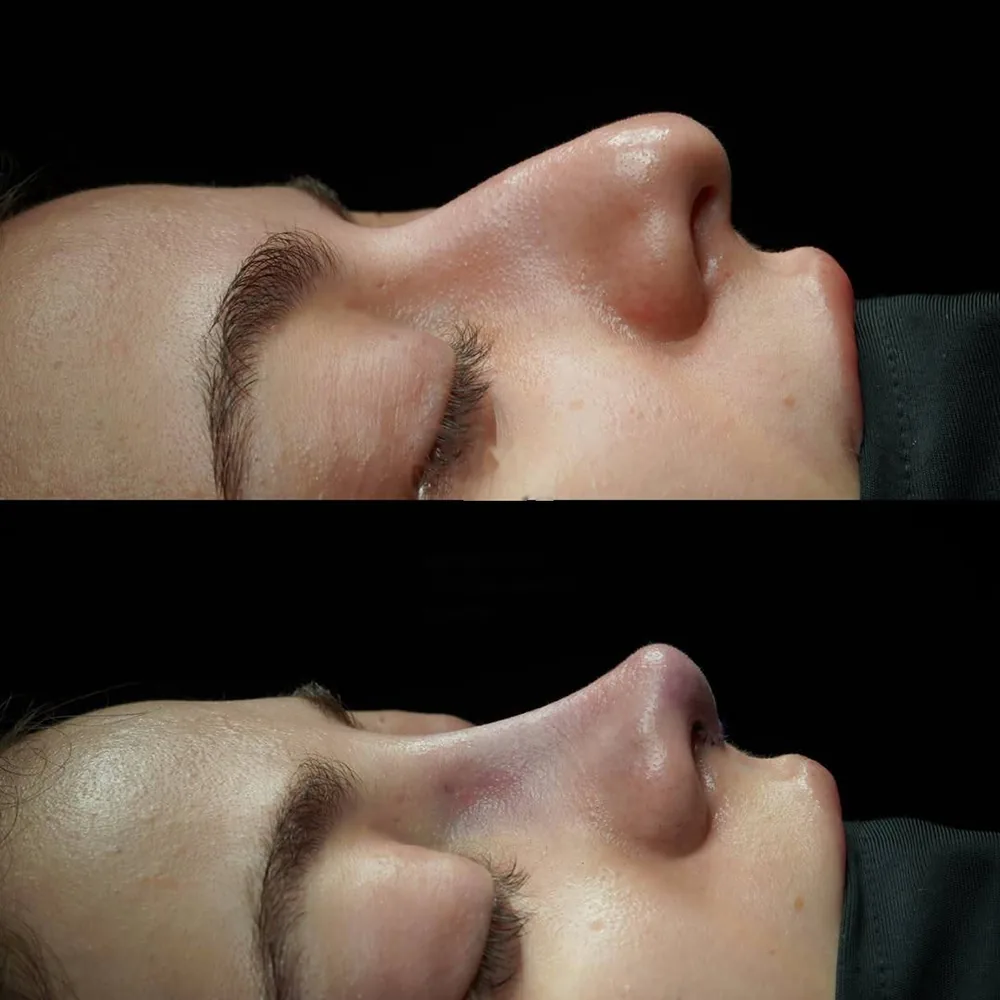 beforeafter
Rhinoplasty
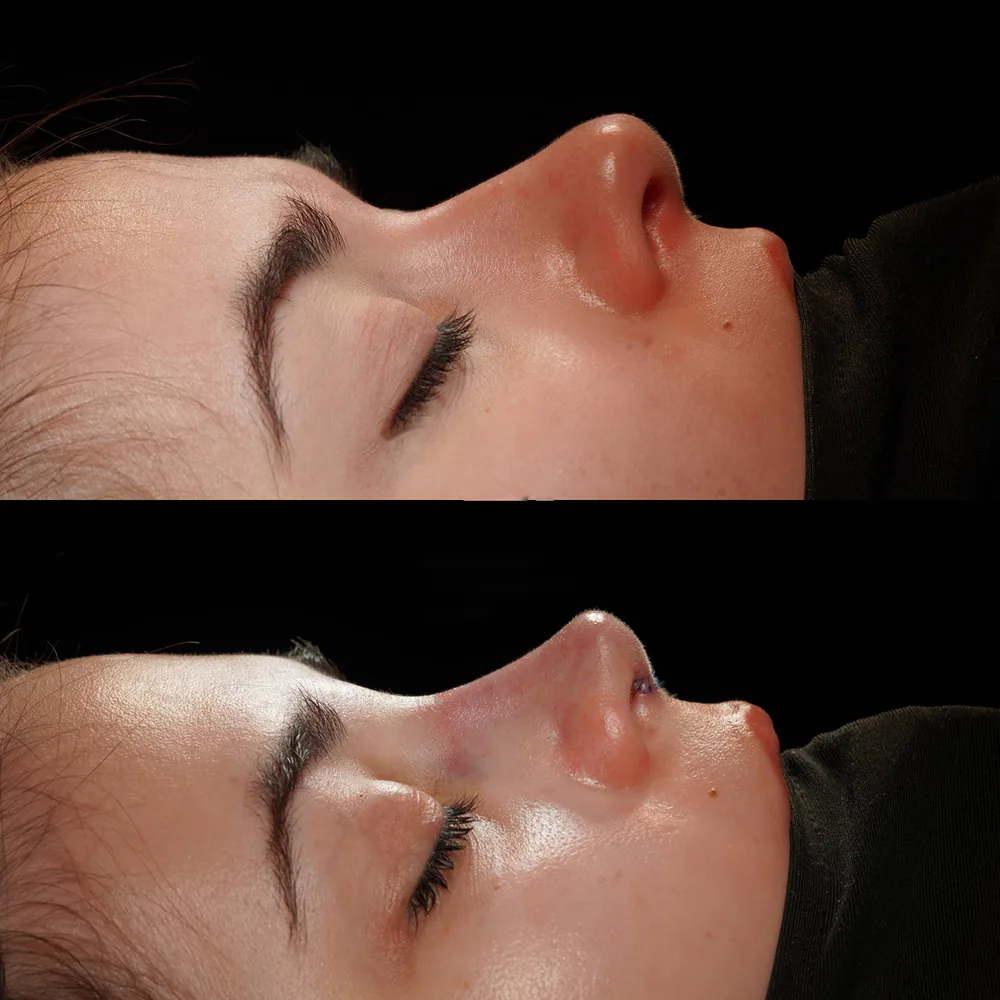 beforeafter
Rhinoplasty
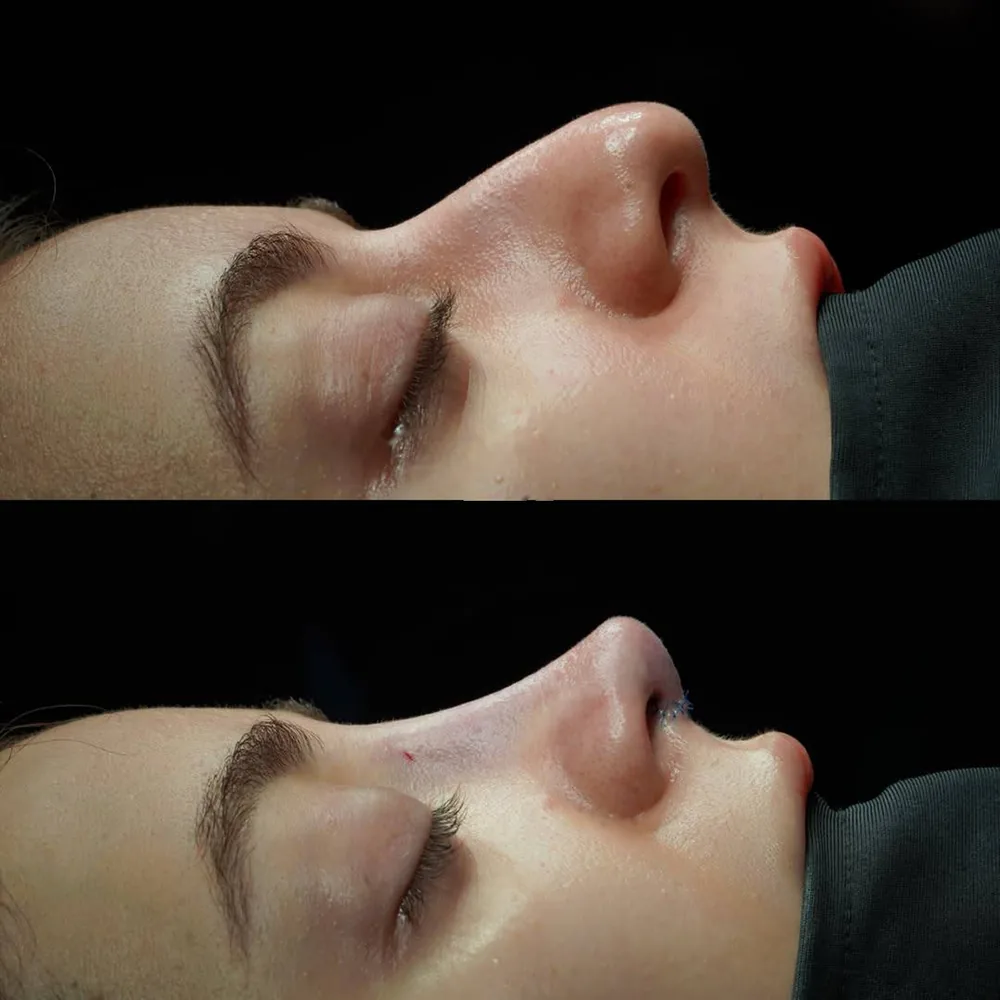 beforeafter
Rhinoplasty
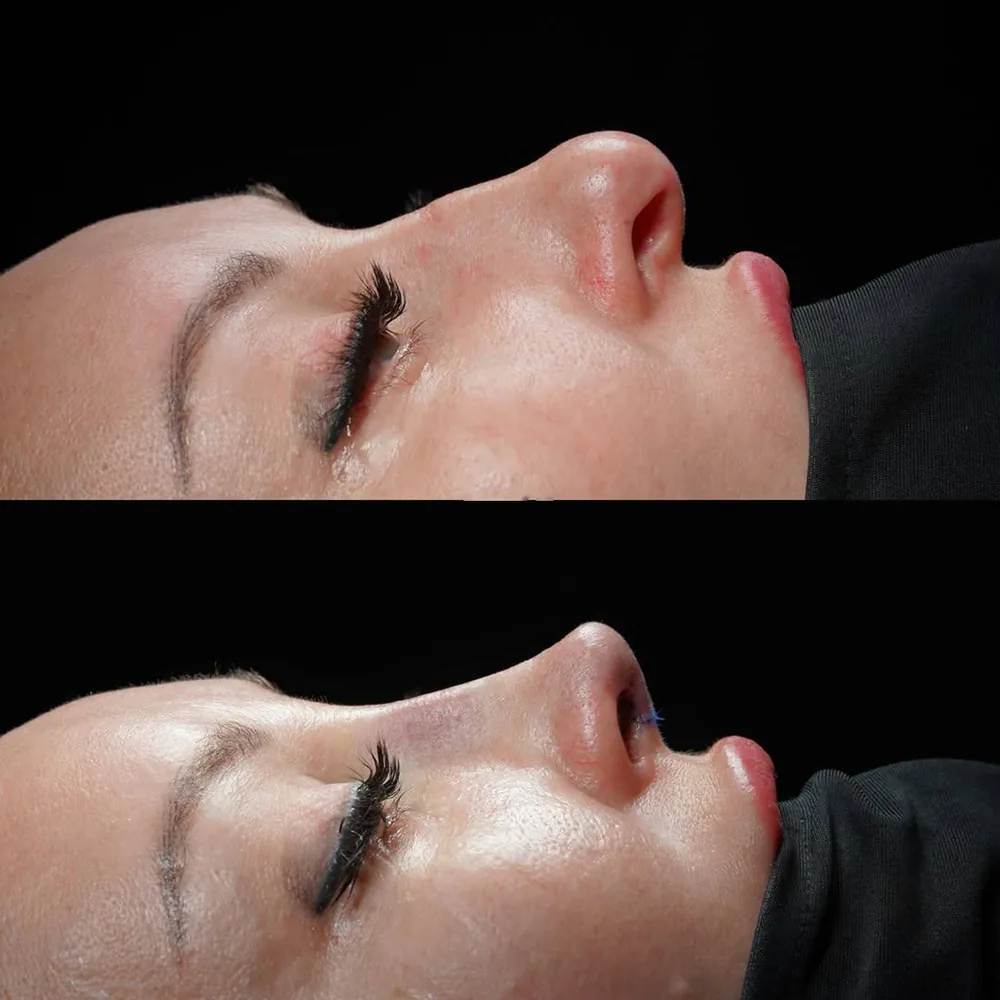 beforeafter
Rhinoplasty
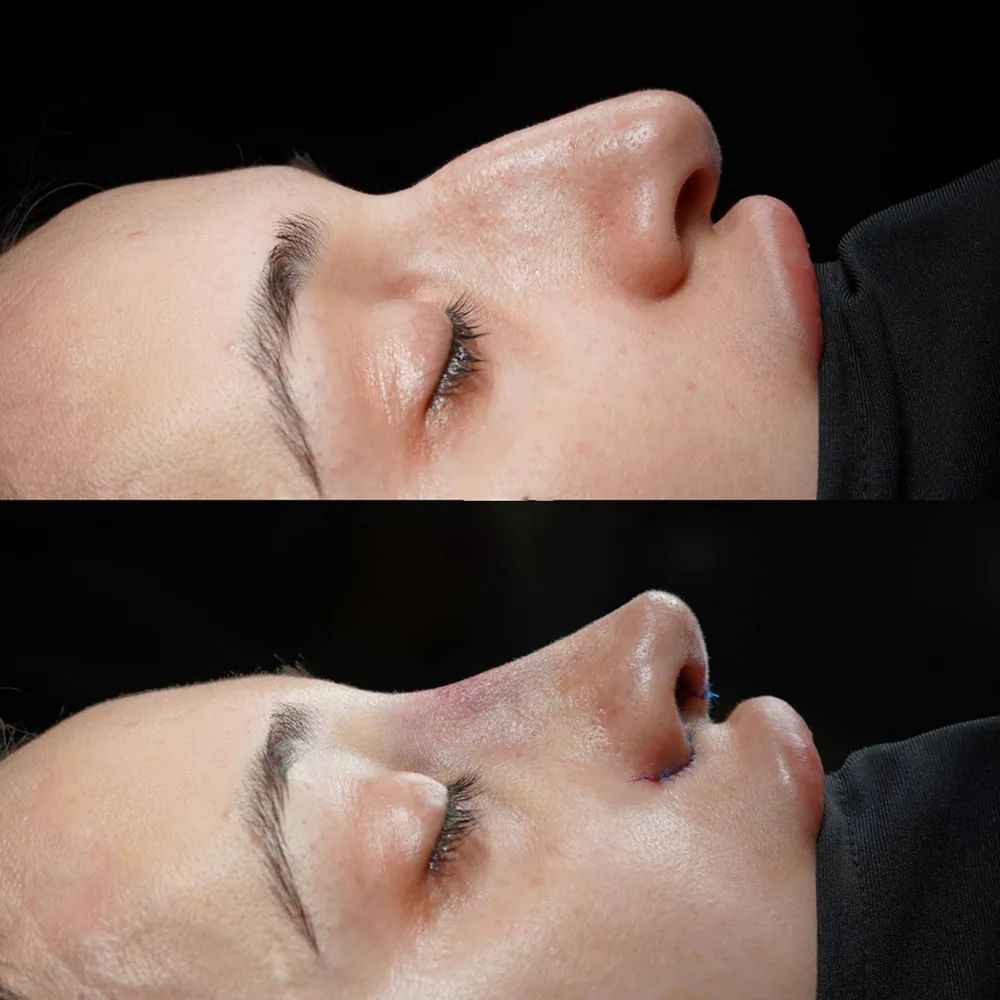 beforeafter
Rhinoplasty
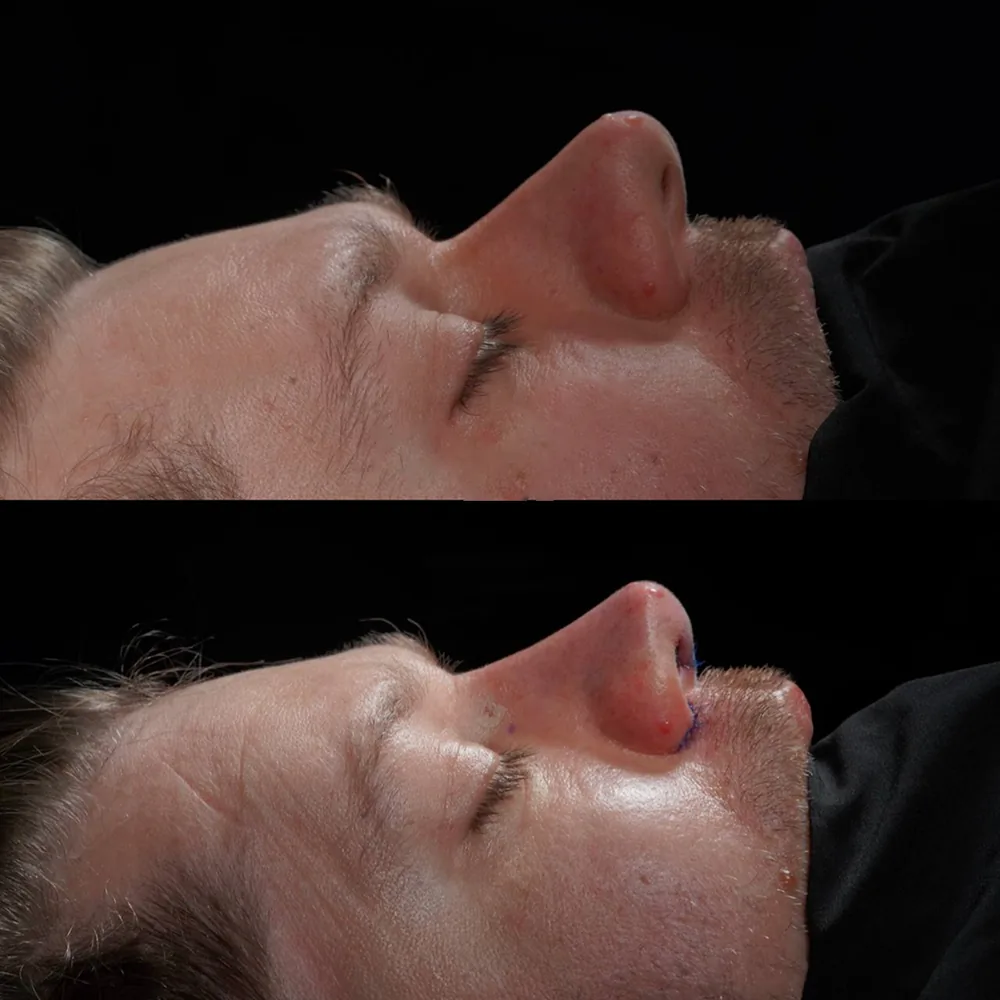 beforeafter
Rhinoplasty
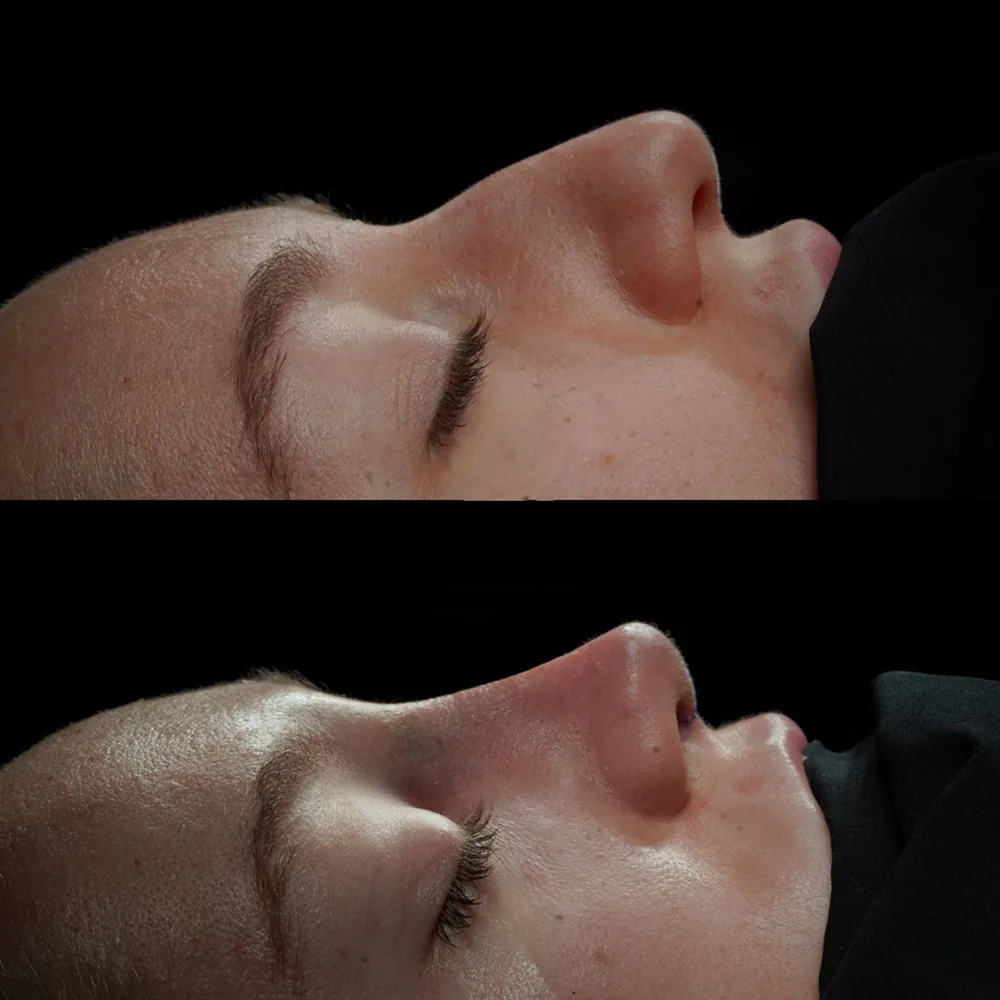 beforeafter
Rhinoplasty
Comparison
The most effective solution for you — found by us, with an excellent result delivered.
A primary nasal operation that adjusts appearance and improves breathing when airflow is restricted.
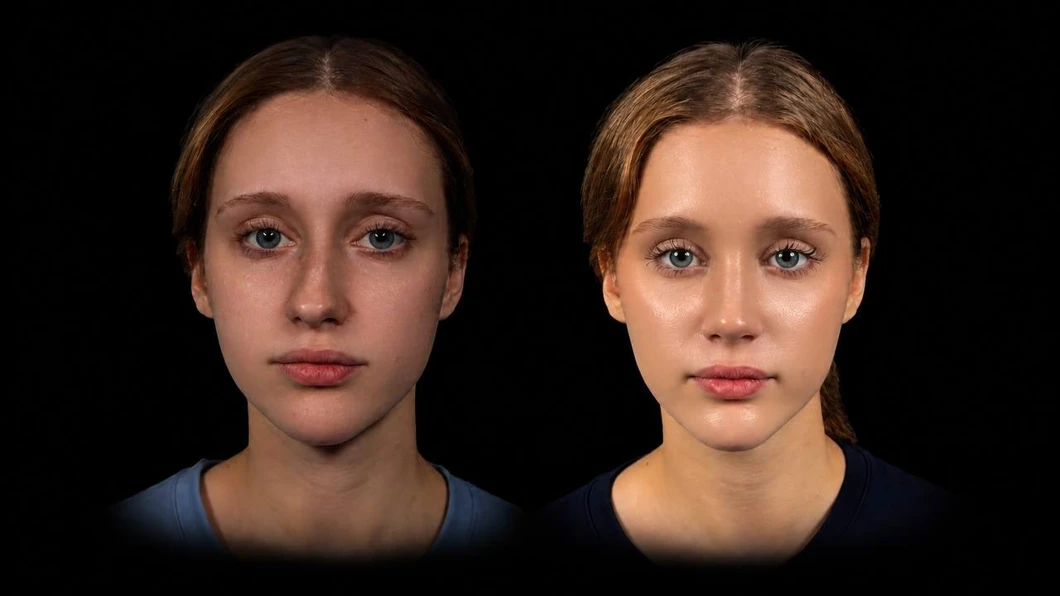
Discounted price
$4,200 $6,000
Repeat rhinoplasty: used to correct the nose following an operation that did not fully succeed. Scheduled no earlier than one year after the original surgery.
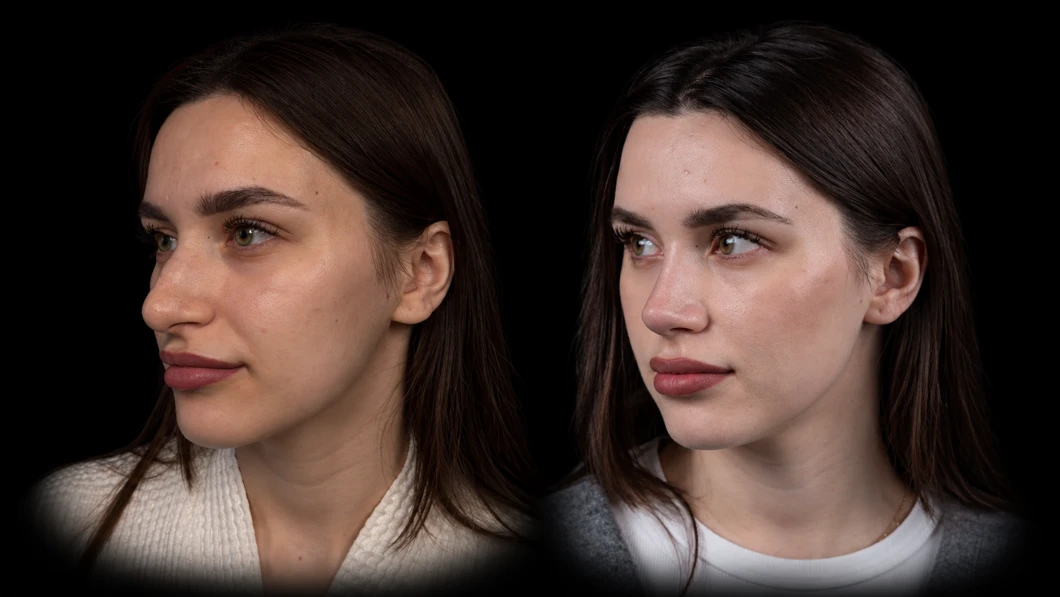
Discounted price
$5,400 $7,200
A single surgery addressing both the septum and the shape of the nose.
Discounted price
$5,000 $6,600
Shown here are average benefits and recovery times by surgery type, for guidance only: the real extent of correction and recovery time depends on your anatomy, confirmed by the surgeon at the consultation.
At the consultation the doctor will make a 3D model of the future result and explain
each step of your rhinoplasty
The consultation is free, before surgery and with no commitment.
Book a consultationInside the clinic
Up-to-date equipment, comfortable rooms and attentive care for every patient
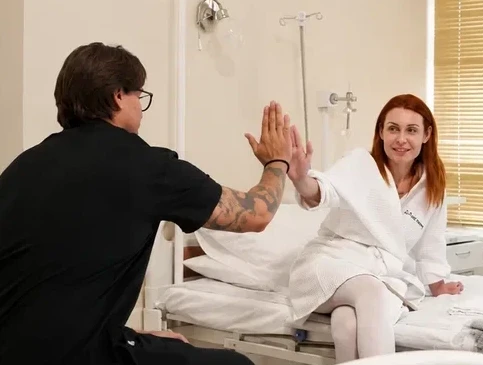
Our team answers your questions and finds a convenient consultation slot
By messaging us, you agree to our Privacy Policy
Get a consultationShould your case be solvable without an operation, the doctor will say so at the consultation — so you won't pay for nothing.
Message us on Telegram and send photos of your nose — the doctor will tell you whether rhinoplasty is right for you. Free and with no commitment to surgery.
Find out if it suits me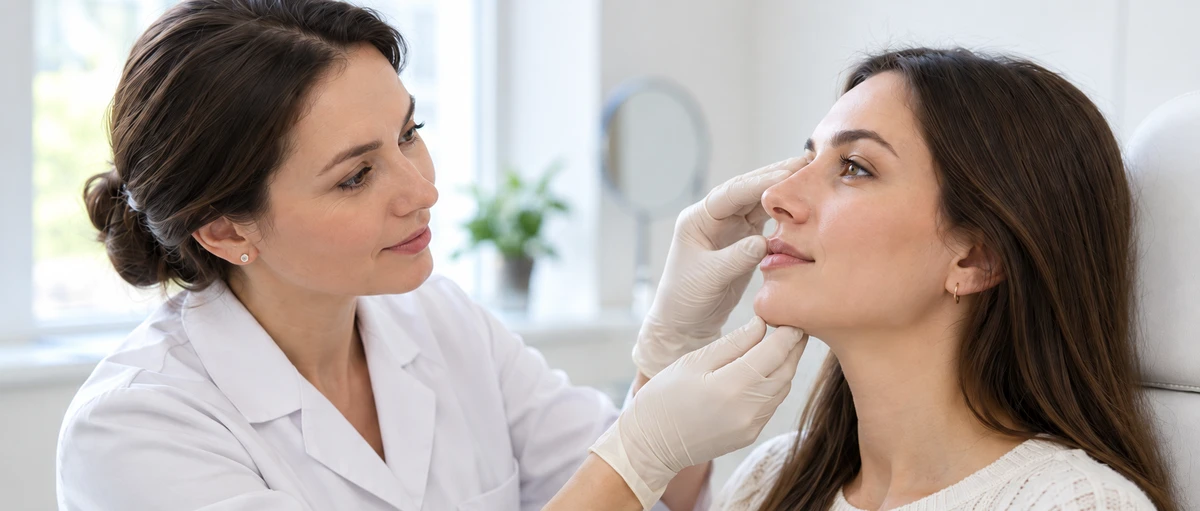
Prices
The cost is named at the free consultation, after result modelling, and fixed in the contract.
Discounted price
nose reshaping
$4,200$6,000
Discounted price
secondary, revision
$5,400$7,200
Discounted price
both the shape and the septum
$5,000$6,600
Free
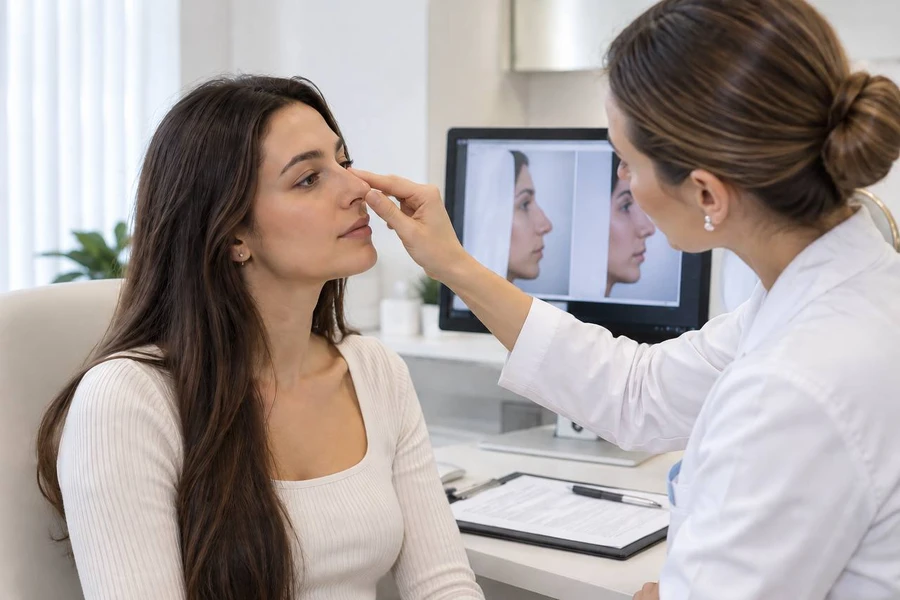
surgeon's assessment and a 3D model
Free
the cost of the operation is named
and recorded in the contract
The doctor will assess the anatomy of your nose, listen to your wishes
and propose the right correction technique. The cost is given at the consultation and recorded in the contract.

Message our coordinator
Free online consultation · Reply within 15 minutes
Message us on TelegramMessage us on WhatsAppBy messaging us, you agree to our Privacy Policy
Price
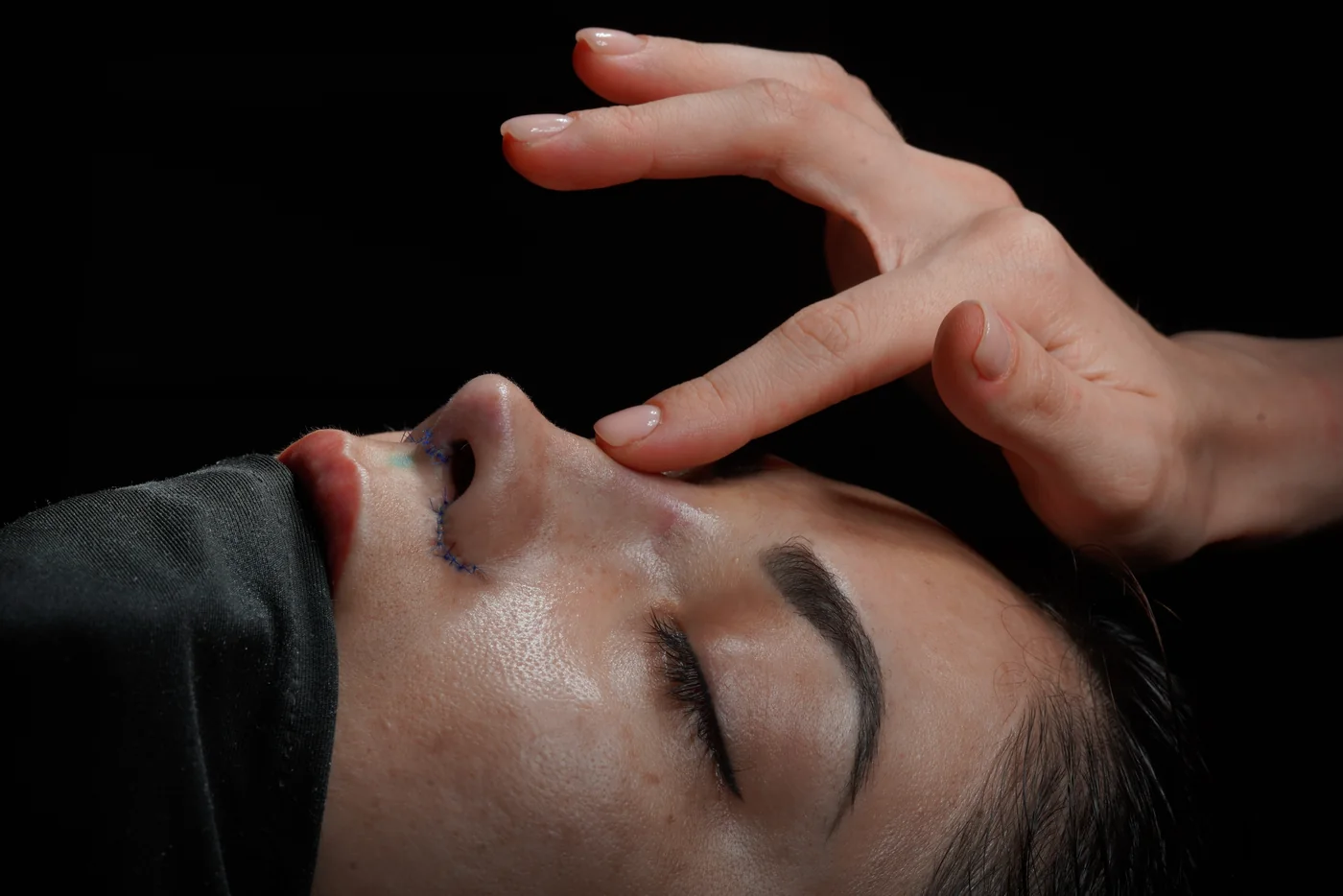
From your pre-surgery preparation
to follow-up support for 12 months.
Discounted price
$4,200$6,000Discounted price
How it goes
A plan for your correction agreed in advance, inpatient observation, and monitoring throughout the year of recovery.
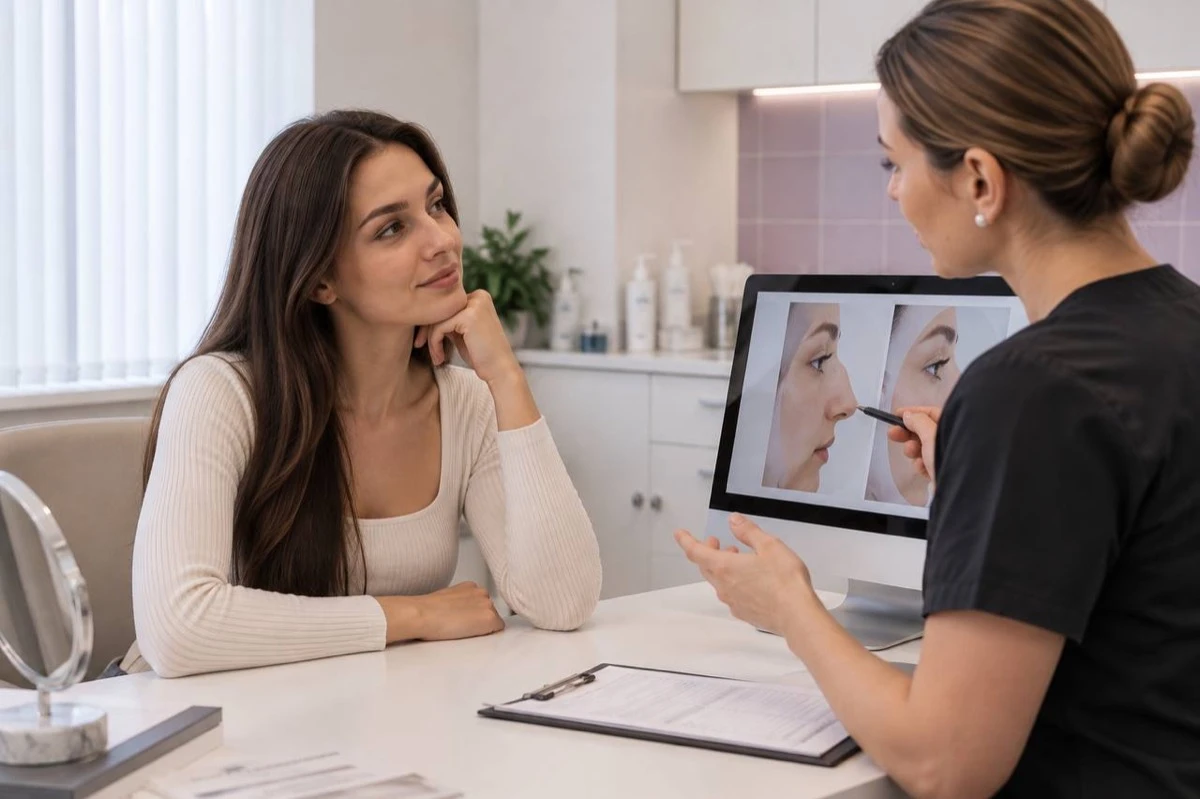
The doctor assesses your nose and your wishes, then performs the examinations needed to choose the right correction technique

We hold a surgery date for you; the deposit may be paid at the clinic by card or online via bank transfer, with the terms fixed in the contract for medical services
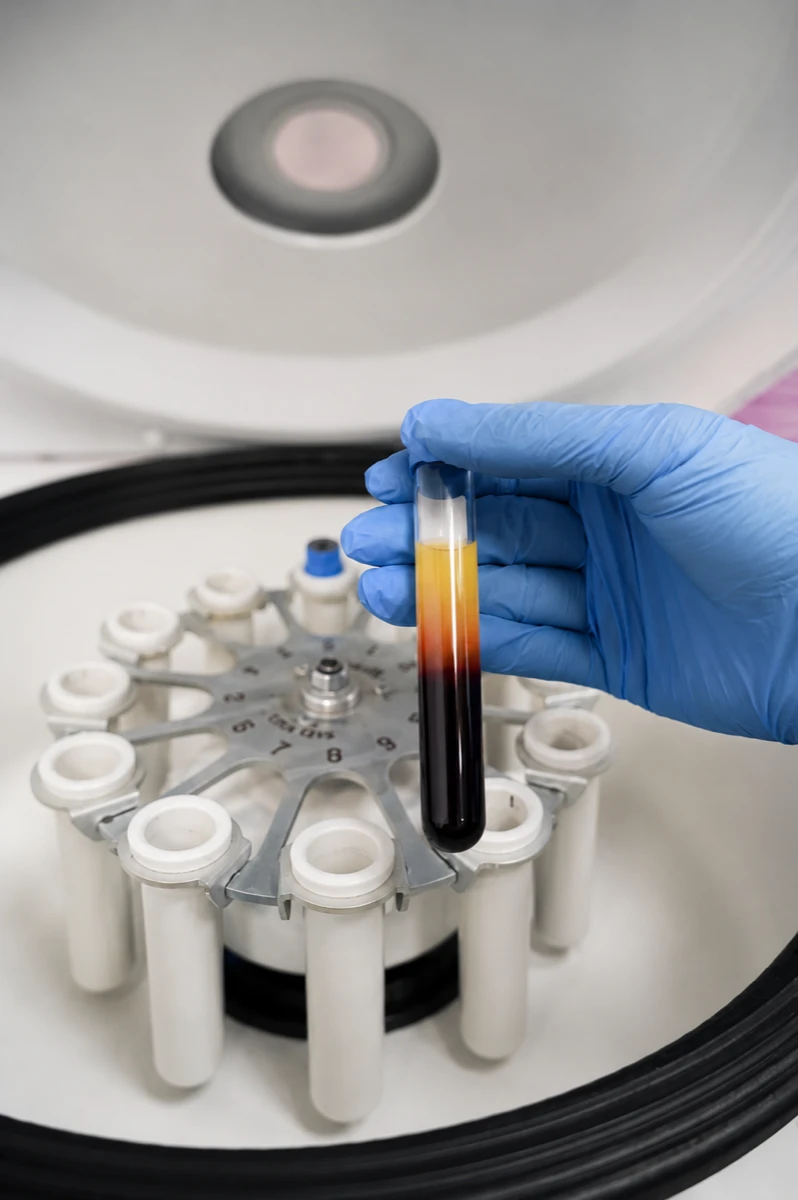
A full set of lab tests is needed before surgery: complete blood count, biochemistry, coagulation panel, chest X-ray and sinus X-ray
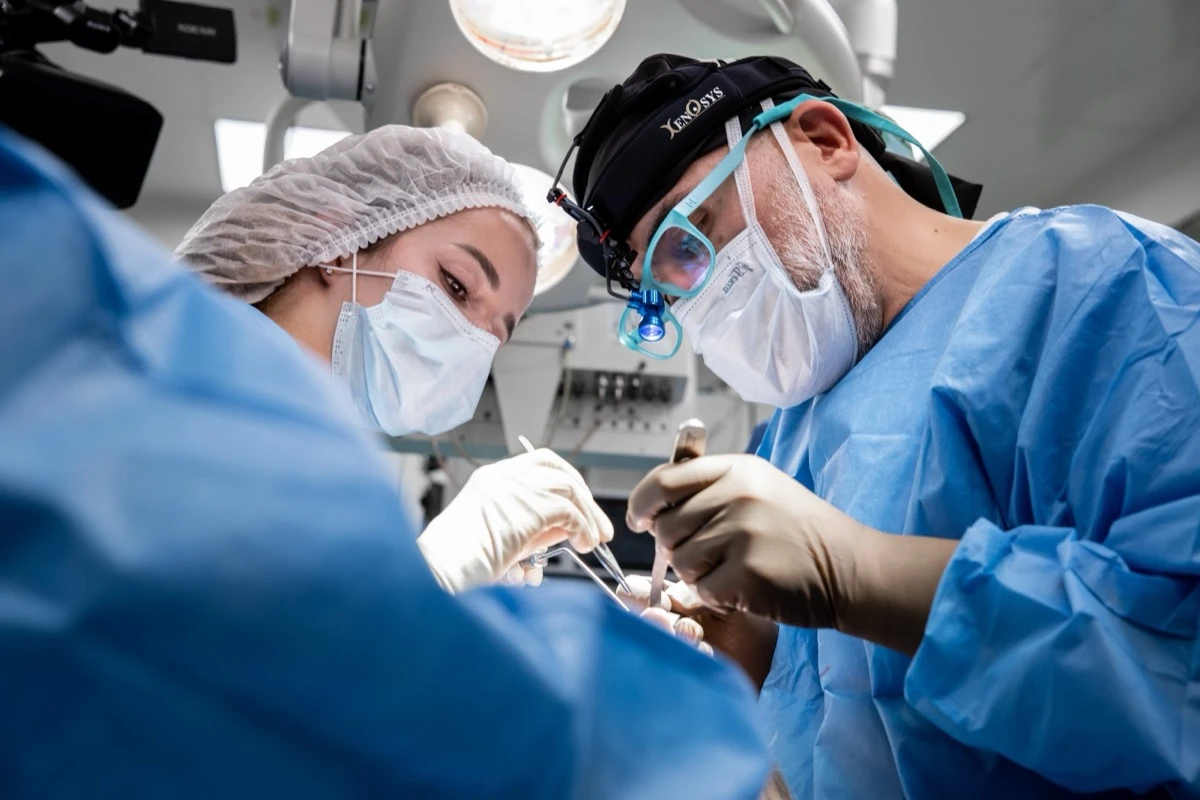
Under general or local anaesthesia, the surgeon performs the rhinoplasty with the chosen technique, correcting the structure and shape of the nose
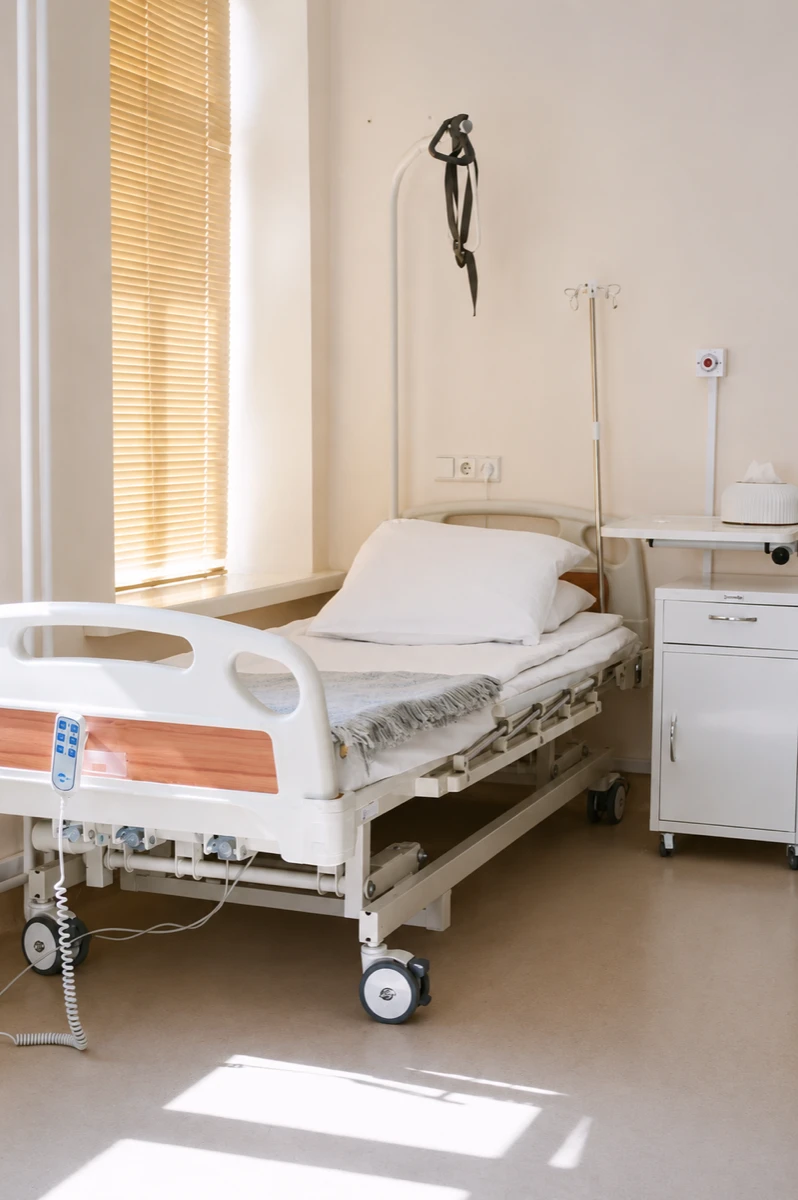
All procedures take place in our clinic's inpatient unit, and after surgery you spend one day there
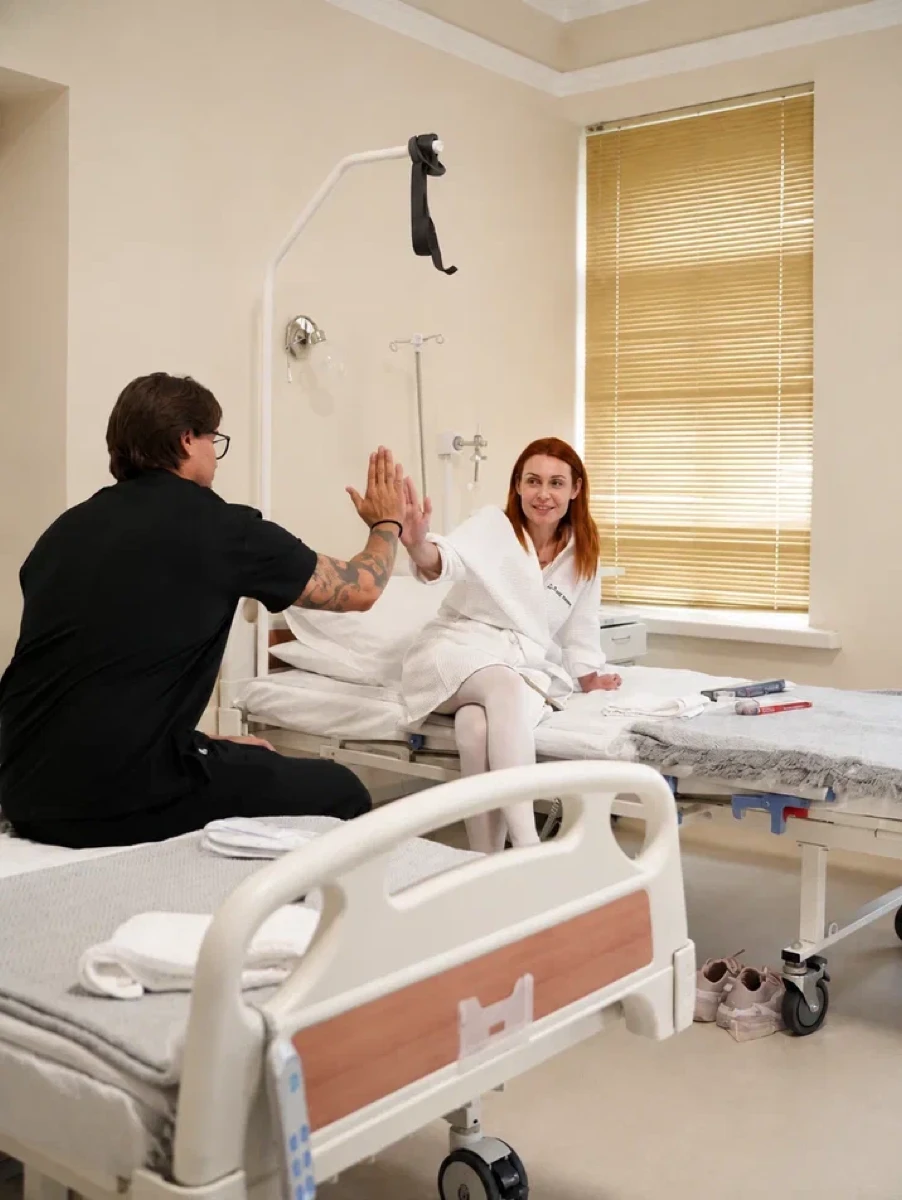
You get a recovery programme after surgery, with progress tracked through check-ups at 7 days, 3 and 6 months — and free consultations with your surgeon for a year.
You will see a realistic preview of the result at the consultation
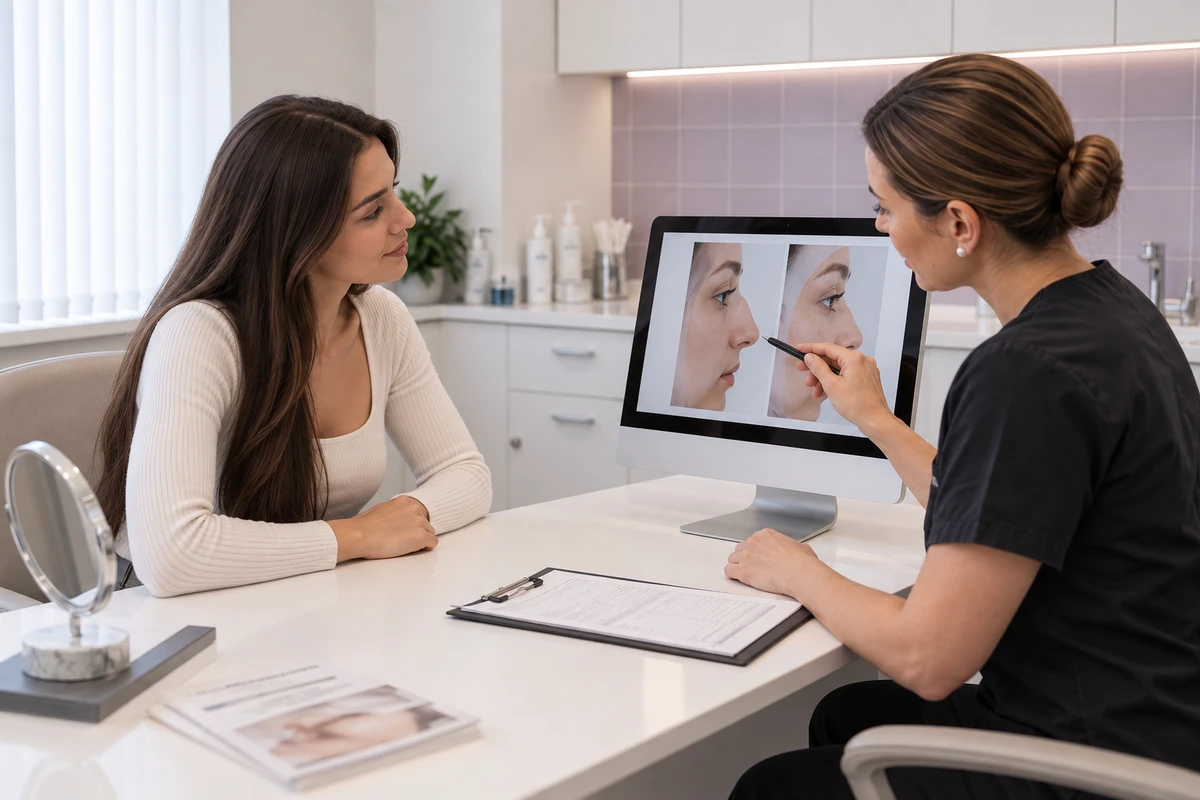
The consultation is free, before surgery and with no commitment.
Book a consultationNasal splint
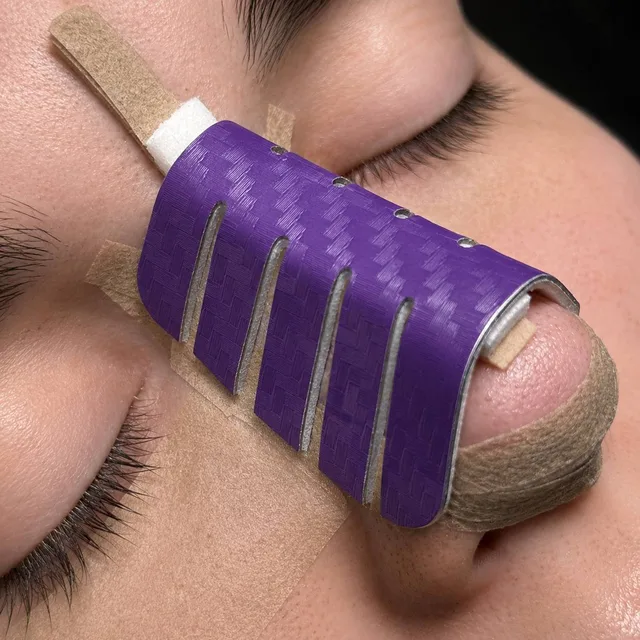
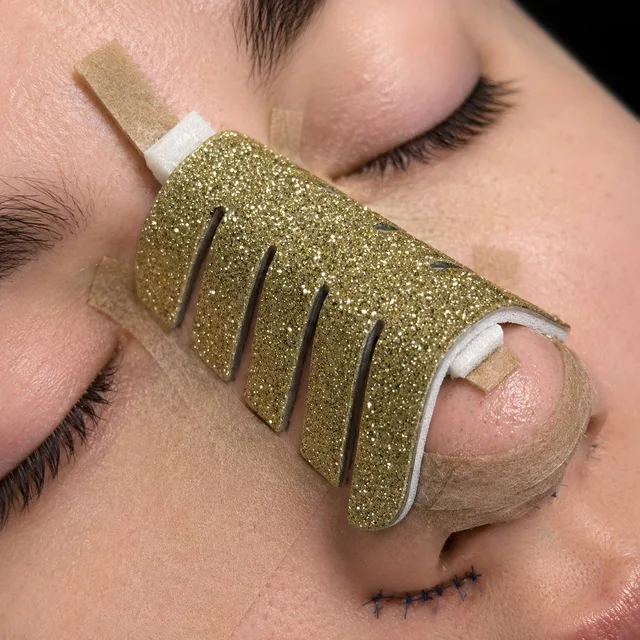
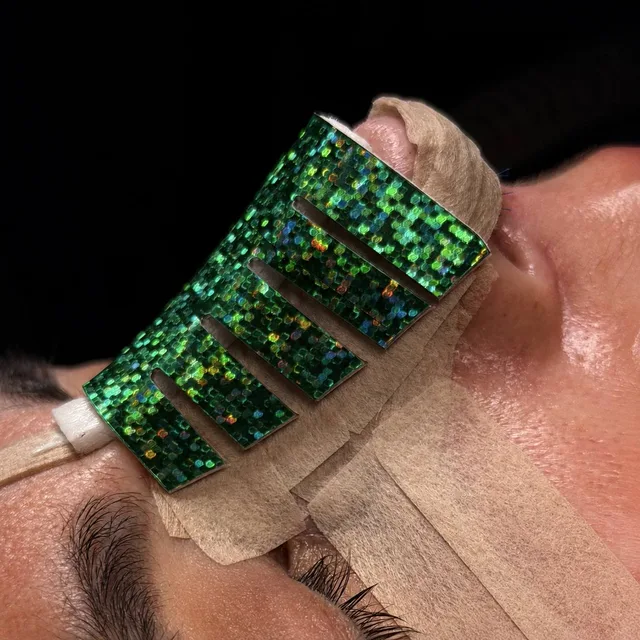
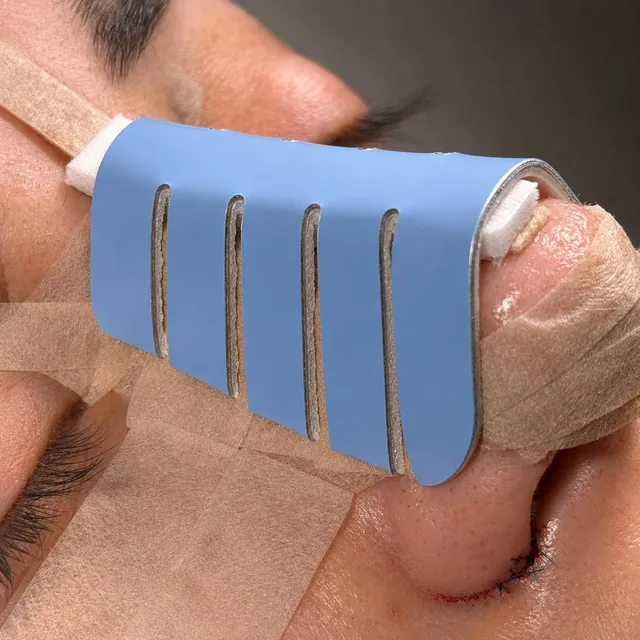
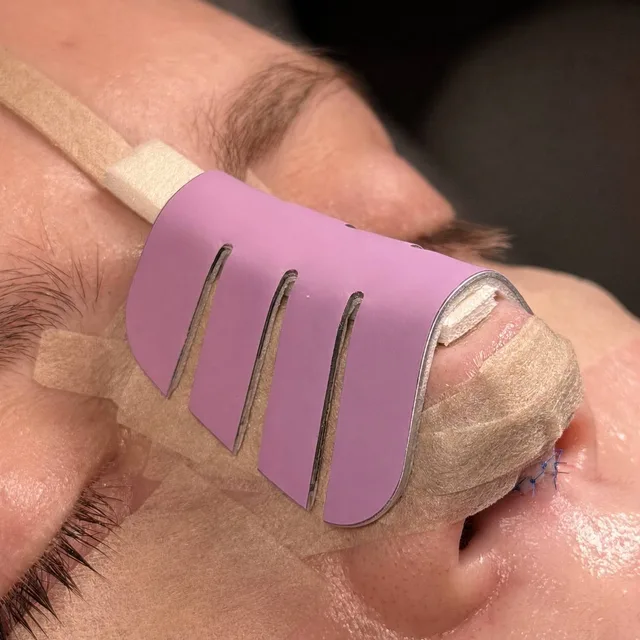
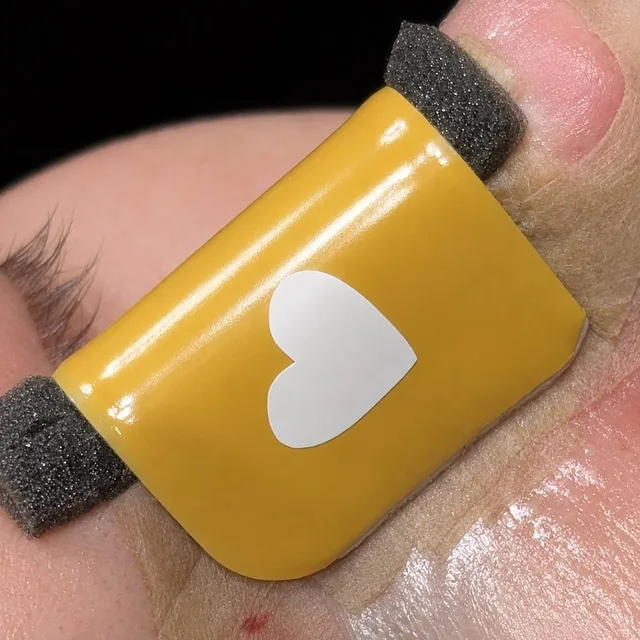
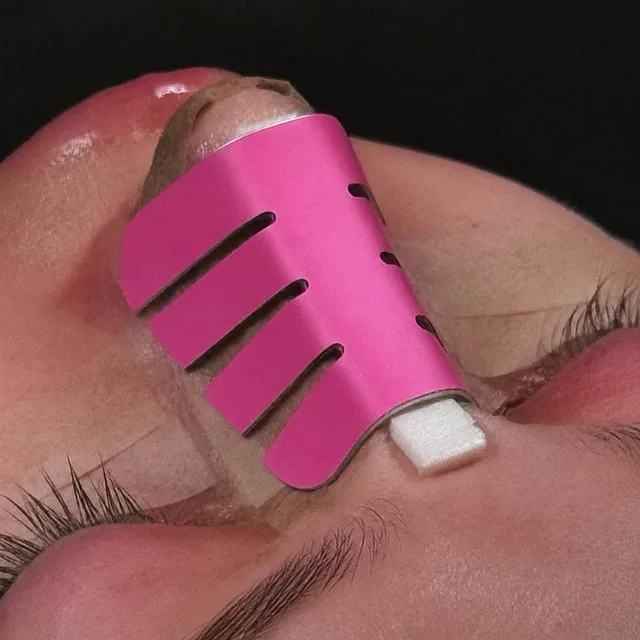
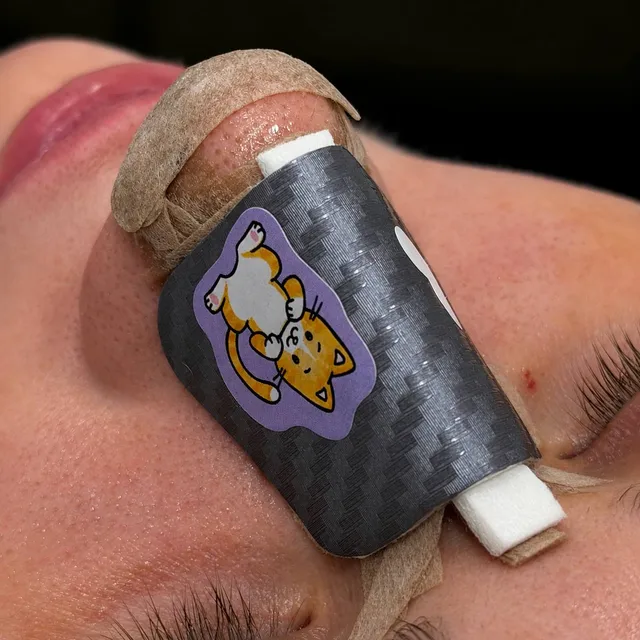
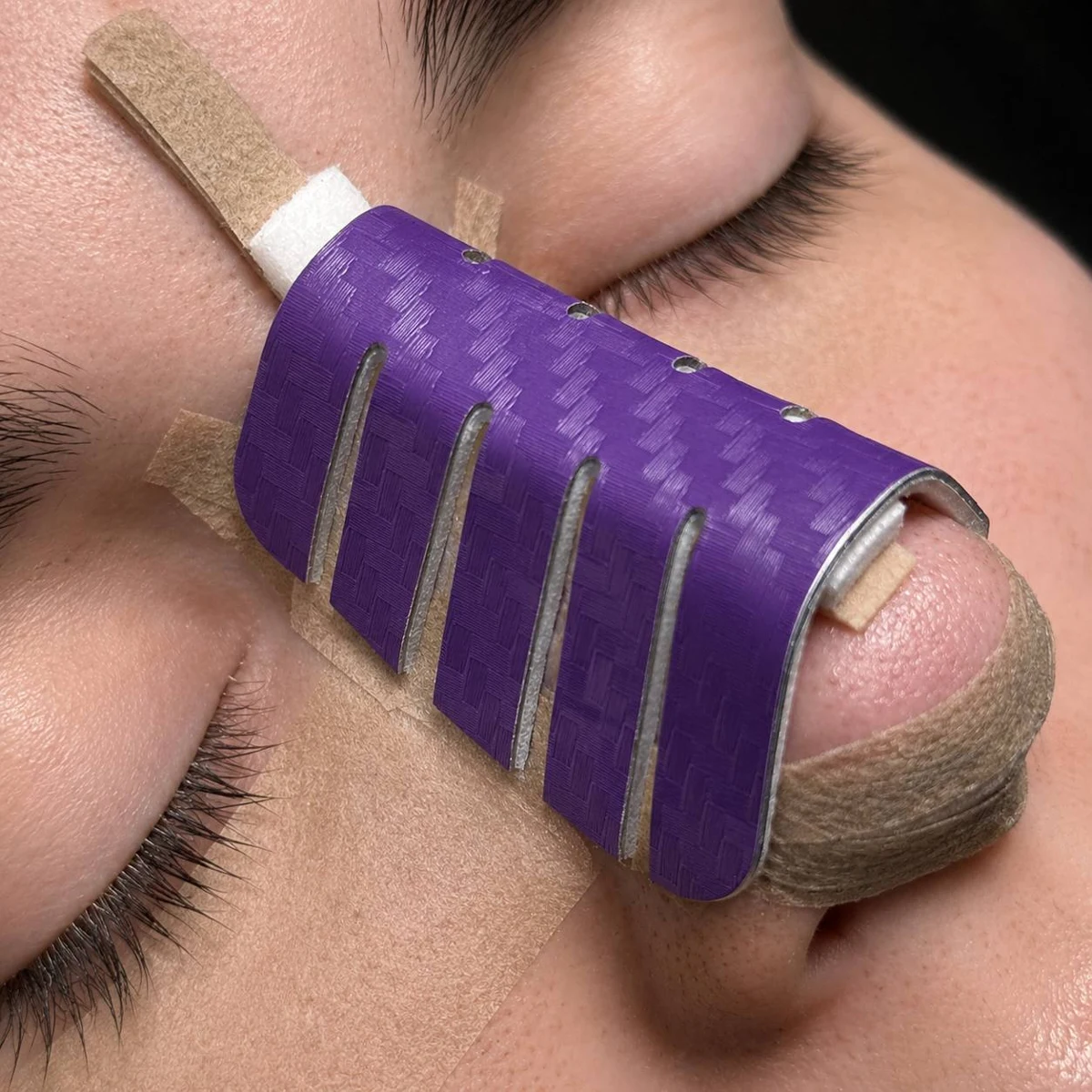
Every detail is chosen to highlight your natural beauty. So that you enjoy the change even while recovering, you can choose the colour of your own nasal splint.
Your own style, in the small details:
Select a splint colour that suits how you feel
Just like your future profile, confidence begins with the small things
Doctors
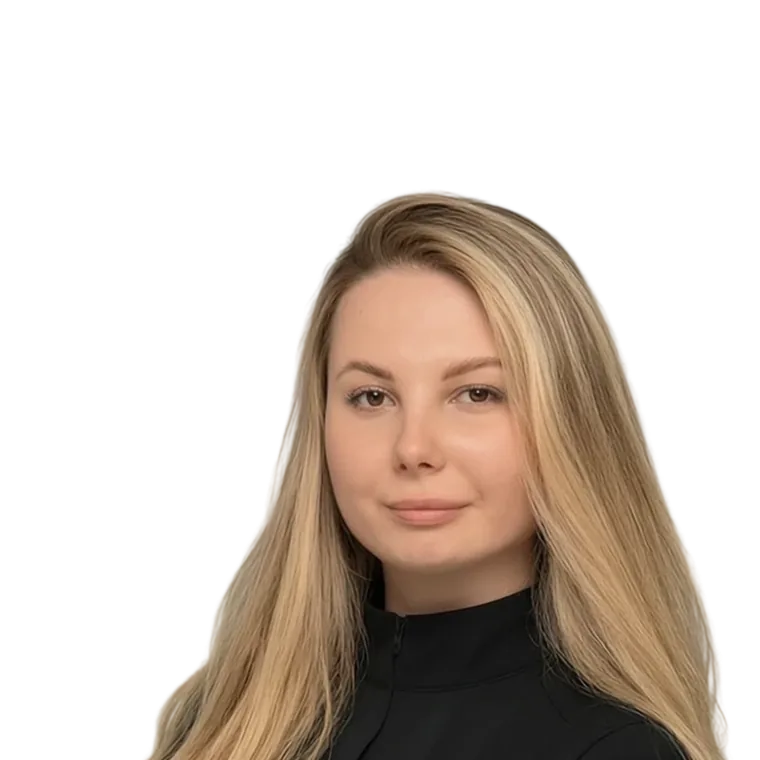
Rhinoplasty surgeon
You speak directly with the operating surgeon at the consultation
The doctor assesses your facial proportions, listens to your wishes and explains which changes are possible.
Book a consultationCoordinators
We support you at every stage

Your dedicated coordinator
Your first point of contact at the clinic — from your very first message through to the consultation
Patient care specialist
Responds to your questions ahead of the consultation and helps you settle on a convenient date

Your dedicated coordinator
Present before and during your stay — covering everything from booking to discharge
Patient care specialist
Guides your preparation for surgery and keeps in contact throughout your stay

Your dedicated coordinator
Supporting you through recovery, from discharge to your final check-up
Patient care specialist
Remains in contact during recovery and schedules your follow-up appointments with the surgeon
A private channel for people who value honesty and expertise
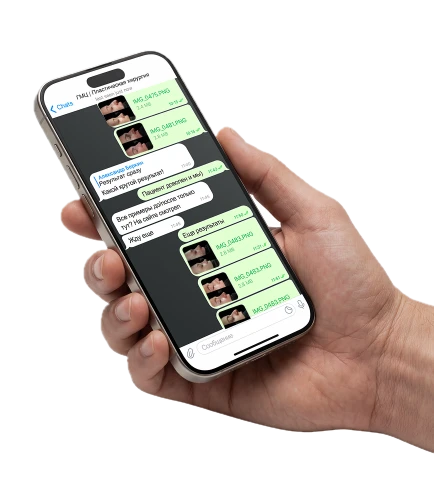
Message us — our coordinator will contact you shortly and book your consultation
By messaging us, you agree to our Privacy Policy
Get a consultationAdvantages
A lifetime guarantee under contract. All terms of the surgery, support and post-operative follow-up are set out in the contract in advance.
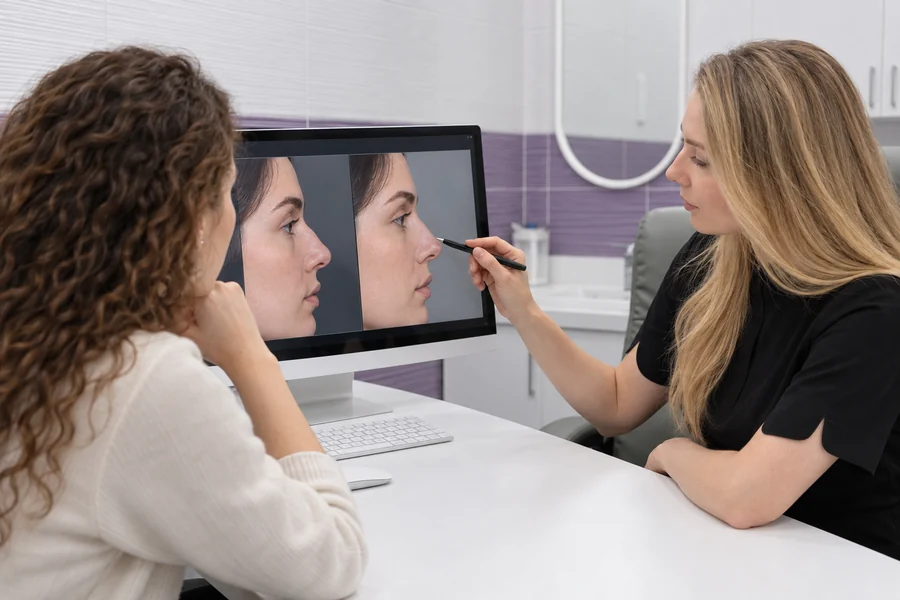
A free consultation lets us review your case and tell you whether rhinoplasty makes sense for you — facts only, no persuasion involved.
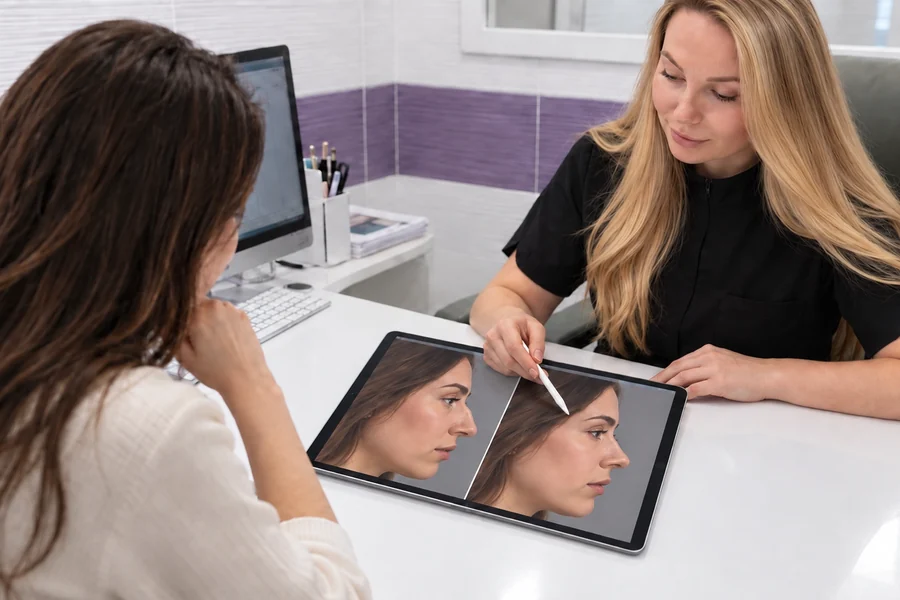
Coming from another city or country? We organise the consultation and all necessary preparation within a single trip, making the process more comfortable with fewer journeys needed.
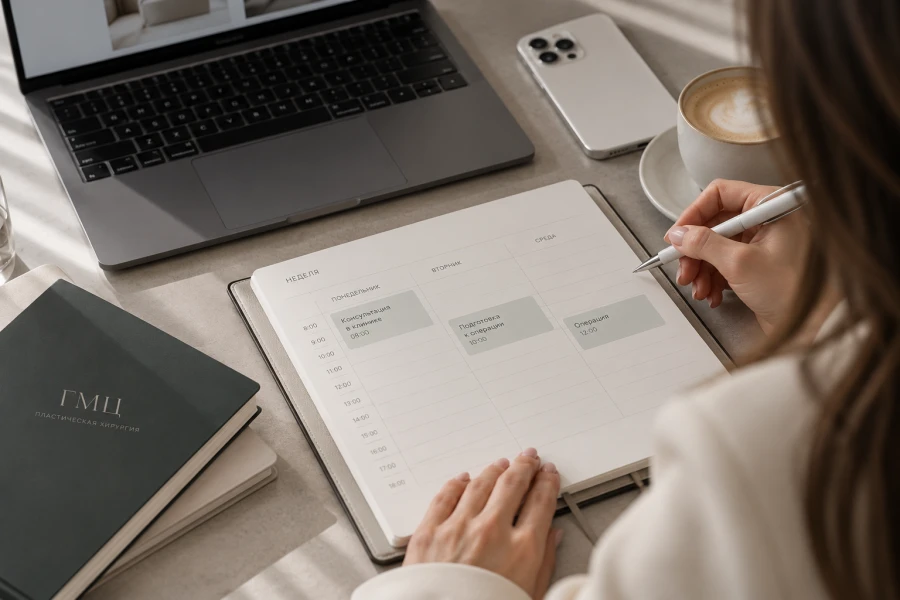
We value your time: available 24/7, with simple booking and a personal approach that adapts to your pace.
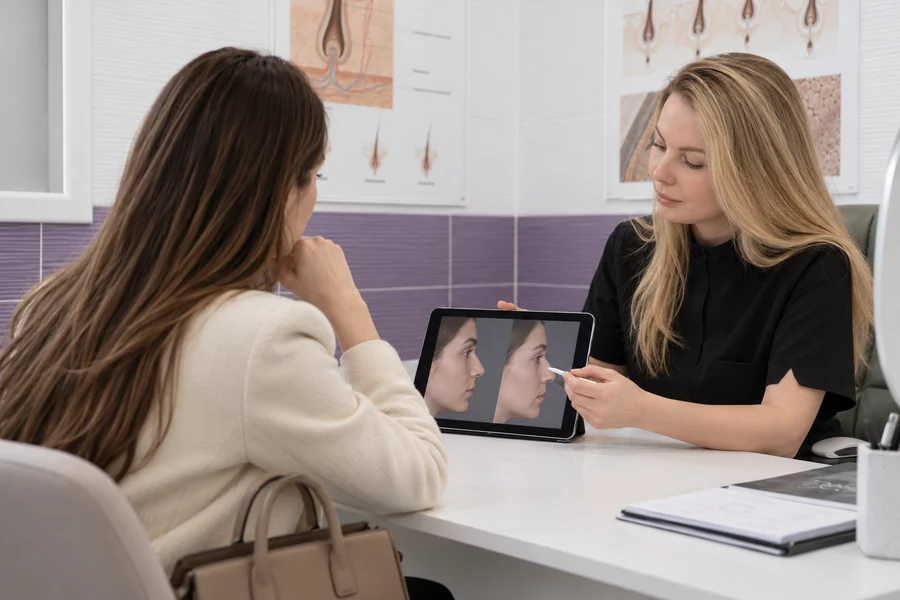
After the consultation, the surgeon sets out the extent of correction needed and gives you a clear price for the surgery, so there are no surprises on the way to the result.
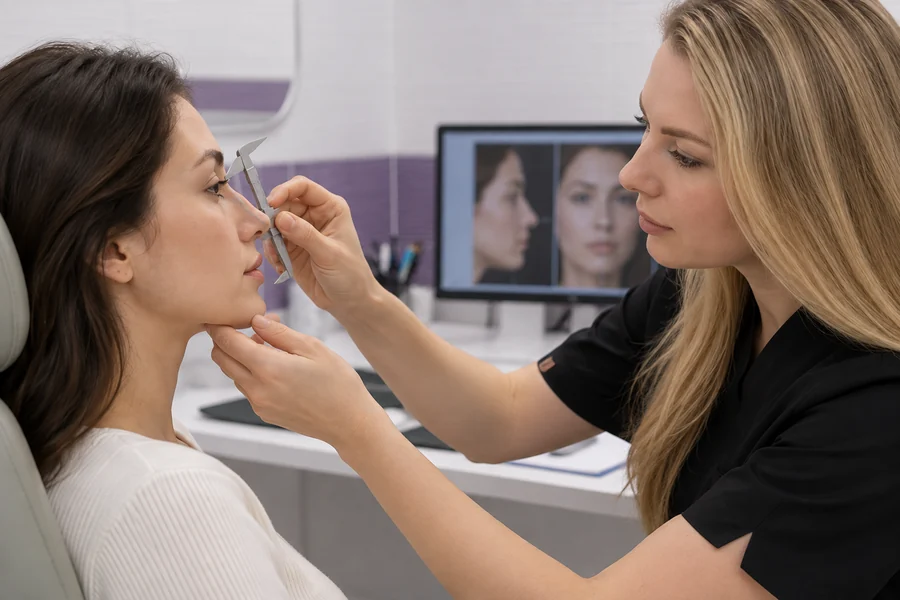
Modern equipment supports gentle, precise work by the surgeon, especially important where millimetres influence proportions, profile and facial harmony.
Prices
Send a request and get a free consultation on any service
Free
BookPrice without discount: $6,000$4,200
Price without discount: $7,200$5,400
Price without discount: $6,600$5,000
Price without discount: $6,500$4,700
Price without discount: $7,200$5,400
FAQ
Rhinoplasty (nose job) — one of the most intricate and popular plastic surgeries, intended to reshape the nose so it matches the individual proportions of the nose and the whole face. Modern rhinoplasty is more than an operation to alter the nose's look — it is complex surgical work aimed at an aesthetic ideal that does not compromise health.
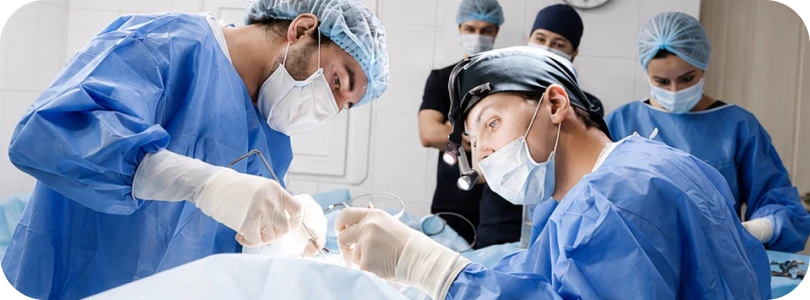
The optimal age is 18 to 45. By then the nose is fully formed and tissues still heal well. With medical indications, surgery can be done at an older age if your general health allows
At its core, rhinoplasty is a comprehensive solution. It corrects both congenital and acquired nasal deformities, for example after a nasal injury. Patients are often bothered by a dorsal hump or an overly wide nose. Nose correction can also target the tip (tip rhinoplasty) or the nostrils (alar rhinoplasty). The surgical plan is created individually for each patient, taking every feature of their nose into account.
Rhinoplasty is performed under general anaesthesia and, depending on complexity, takes 1.5 to 3 hours.
The surgeon determines the extent and course of the surgery at the consultation, based on your goals and the anatomy of your nose.
Rhinoplasty — surgery to change the appearance of the nose (an aesthetic goal) and improve its function if breathing is impaired.
Septoplasty — surgical correction of the nasal septum to restore normal breathing, without changing the outer contour of the nose.
Often both surgeries are combined, especially when a patient has a deviated septum and aesthetic concerns. This gives a harmonious look and restores full breathing. At City Medical Centre we perform rhinoseptoplasty — a combined surgery that solves both tasks at once
For a successful operation, preparation should begin 21 days before rhinoplasty. At the first appointment our plastic surgeon will give you a list of the required tests.
| Complete blood count (including ESR, white cell differential, platelets) | 2 weeks |
| Urinalysis | 2 weeks |
| Infection tests: HIV, HBsAg, anti-HCV, antibodies to Treponema pallidum | 2 weeks |
| Blood group and Rh factor | 2 weeks |
| Blood biochemistry (total protein; urea; uric acid; creatinine; glucose; total, unconjugated and conjugated bilirubin; ALT; AST; K; Na; Cl; cholesterol) | 2 weeks |
| Coagulation panel (Quick prothrombin, INR, APTT, D-dimer, antithrombin III) | 2 weeks |
| Electrocardiogram (ECG) tracing with a report | 2 weeks |
| Doppler ultrasound of the leg vessels / duplex scan of the leg veins | 2 weeks |
| Chest X-ray or fluorography with a report | 6 months |
| MSCT of the paranasal sinuses | 6 months |
| After the full laboratory work-up — a physician's report confirming there are no contraindications to surgery | 2 weeks |
Preparation covers plastic surgeon consultations; lab tests (CBC, biochemistry, coagulation, infection tests); ECG; chest X-ray; and an X-ray or CT scan of the nose. Stop taking anticoagulants, alcohol and smoking a week prior. Light meals the day before; fast 6 hours before surgery
Although nose surgery is one of the most popular and well-established aesthetic operations, like any surgery it carries certain risks. To minimise the likelihood of complications after rhinoplasty, our clinic provides thorough pre-operative preparation and post-operative monitoring.
Important: if after rhinoplasty you have difficulty breathing, severe pain, a high temperature or a change in the shape of your nose, contact your doctor immediately.
Rhinoplasty at City Medical Centre is performed with modern technology, safe materials and constant medical supervision, which keeps the risk of complications to a minimum.
We also provide post-operative monitoring and prescribe recovery therapy.
Recovery after nose surgery is just as important as the operation itself. Proper recovery determines how aesthetic and harmonious the final result will be. At City Medical Centre recovery is closely monitored and divided into three phases: early, intermediate and late
Improvements begin to show after swelling subsides (2–3 weeks), but it takes 1–1.5 years to judge the final rhinoplasty result, when tissues fully stabilise
The nose needs to be protected after surgery. An aluminium cast is placed over the nose, with special silicone splints inside the nasal cavity. Nasal function is limited in the first days but recovers quickly. The final result of rhinoplasty can be assessed after 1–1.5 years, once the swelling has fully subsided.
Important: if nasal function is impaired after the first operation or you are not satisfied with the result, revision (secondary) rhinoplasty may be needed. It is a more complex procedure, performed no earlier than one year after the primary operation.
In the first days after surgery the nasal passages may be partly blocked by splints or swelling. Full breathing usually returns within 1–2 weeks, depending on the extent of surgery and your body
Our doctors use microsurgical techniques and quality sutures to keep scars minimal
Rhinoplasty brings more harmony to facial features and improves aesthetics while keeping your individuality. 3D modelling lets you see the predicted result beforehand and agree on changes with your surgeon
Rhinoplasty is a serious step. A well-performed rhinoplasty means the new nose is in perfect harmony with your facial features and works flawlessly. At the consultation the nasal surgeon assesses every parameter in detail: the size of the nose, tip projection, and the condition of the septum and nasal mucosa. We use 3D modelling so you can see the future proportions of your nose before the surgery is performed.
Don't just browse rhinoplasty photos online. Book a consultation to discuss what modern rhinoplasty can and cannot do for you. Correcting external nasal deformities and reshaping the nose is our speciality.
What you pay depends on the extent of surgery and is agreed at the consultation — the doctor quotes the exact price once your nose and facial proportions are examined.
Blog
Useful reading on rhinoplasty
Find out how recovery after rhinoplasty goes in the first 7, 14 and 30 days
Read the article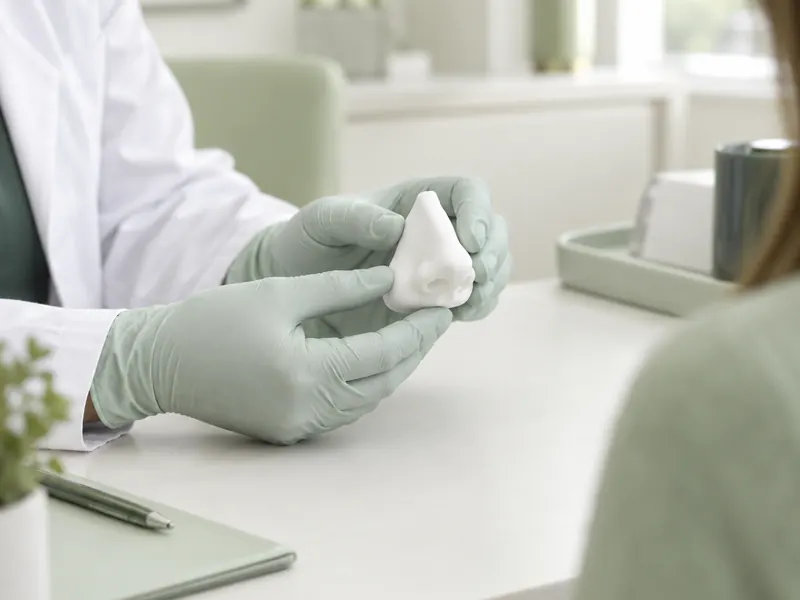
Preparation, recovery week by week, when the splint and stitches come out and how long to wait before flying home.
Read the articlePrices are in US dollars; the amount in brackets is an approximate conversion to AOA at the rate of 02.10.2026. The final price is fixed in your contract.
Prices start from $4,200 (≈ AOA 3,900,000). The surgeon sets the final price at the free consultation, and it is fixed in the contract, with no hidden extras.
The operation under general anaesthesia, a one-day inpatient stay, follow-up visits and dressings, plus a lifetime guarantee on the result.
Surgery takes 1.5–3 hours and you stay one day in the clinic. The nasal splints come out on day 7, and the cast is worn for up to 14 days.
Yes. The first consultation is free and does not oblige you to anything. You can start online by sending a message to the coordinator.
Message us on WhatsApp or Telegram using the buttons below. A coordinator will answer your questions and book a free consultation where the doctor names the exact price.
By messaging us, you agree to our Privacy Policy
Rhinoplasty, or nose job, reshapes the nose to fit the individual proportions of the face. It corrects congenital and acquired deformities, including changes after a nasal injury. Patients from Hoji ya Henda most often ask about removing a dorsal hump, narrowing an overly wide nose, refining the tip or correcting the nostrils. Every surgery plan is created individually, taking into account all features of the nose.
What happens after surgery? For the first day you stay under observation in the inpatient unit. Swelling gradually subsides, though the tip and bridge may remain swollen for some time. Bending over, touching the nose and wearing glasses or makeup around it are off-limits early on. The final result for patients from Hoji ya Henda can be judged after 1–1.5 years, once tissues fully stabilise.
Nothing about the price is hidden. For $4,200 (≈ AOA 3,900,000), residents of Hoji ya Henda get the operation performed by the plastic surgeon, a day in the ward, follow-up appointments and dressings, and personal coordinator support throughout. The same amount covers open and closed techniques, tip correction and septorhinoplasty. Your first step is a free consultation where the doctor assesses the nose and gives a precise quote.
What patients write after this operation. Reviews are translated from the original language.
Ekaterina Ivanova
For a long time I was self-conscious about the length of my nose, until a friend who had had rhinoplasty recommended this clinic. At the very first consultation they set the date of surgery and explained every stage in detail. The rhinoplasty under general anaesthesia was performed by Mareta Meirieva: the swelling went down quickly, and after just a week my nose looked natural and neat. Modern equipment, attentive staff and appointments without delays made the whole process comfortable. I recommend the clinic to anyone who values professionalism and a quality result.
Rhinoplasty
Olga Vasilyeva
This was my first visit to the clinic, for rhinoseptoplasty, and to be honest I was very nervous. At the consultation they explained every stage of the operation and recovery in detail, which calmed me down straight away. The operation was performed by Mareta Meirieva: the swelling started to go down on the third day, and the result is visible to the naked eye. Everything inside is sterile and pleasant, the atmosphere inspires trust, and the staff are always responsive. I thank the clinic for the high level of service and the warm approach!
Rhinoplasty
Marina Samarina
Everything was first-class: clean, cosy and calm. Booking and choosing the right date was easy. The nose operation went smoothly and the nerve block was done perfectly: now I breathe freely without nasal drops! It is a real lifesaver for anyone tired of endless prescriptions and ineffective procedures. I recommend it to everyone who values professionalism and results.
Rhinoplasty
Viktoria Petrova
I recently had rhinoplasty and I am absolutely delighted. At the consultation they told me about every stage in detail, so I went into surgery fully prepared. The operation went smoothly: they straightened the bridge of my nose and made the nostrils symmetrical, and the shape came out very neat. The swelling lasted a little longer than I expected, but they explained straight away that full recovery takes more time. No unpleasant surprises, everything was within the normal range. I recommend the clinic to anyone looking for a confident result and an attentive attitude.
Rhinoplasty
Page medically reviewed by Marina T. Pershikova, rhinoplasty surgeon. Review date: .
Hoji ya Henda is a large urban area in Angola with about 642,050 inhabitants. It lies in Luanda Province, the part of the country that contains the capital and its main port. In a place this busy, people notice faces and first impressions. Many residents think about their profile for years before asking about rhinoplasty: a dorsal hump, a drooping tip, a nose that feels too wide, or a nose that has not been the same since an injury. These are normal reasons to ask a plastic surgeon for advice.
Rhinoplasty improves aesthetics and makes facial features more harmonious, without loss of individuality. For many patients in Hoji ya Henda this is the main concern. They do not want a different face. They want their own face, balanced. A good conversation with the surgeon starts from that wish, not from a catalogue of noses.
City Medical Centre works with patients in Hoji ya Henda remotely. You contact the coordinators from home, the consultation is free and online, and coordinators are available around the clock (24/7) on Telegram and WhatsApp. You can send your questions at any hour, including late in the evening after work or family obligations, and a coordinator will call you back 24/7.
Angola lies on the western Atlantic coast of Southern Africa. Along the coast there is a coastal plain that is rather dry and extends inland for a distance of 50 to 160 km. Like the rest of tropical Africa, the country has alternating rainy and dry seasons. Temperatures tend to rise closer to the Atlantic Ocean, so a person in Hoji ya Henda should expect warm weather for much of the year and plan the recovery period accordingly.
Heat matters after nose surgery because it increases swelling and discomfort. In the first days the nose is protected by an aluminium cast and silicone splints inside the nasal cavity. A hot, humid room makes the face feel heavier and makes sleeping harder. Plan to rest in the coolest, best ventilated room of your home, keep your head raised when lying down as your surgeon advises, and avoid long periods in strong sun.
Sun protection is a general rule for the healing nose. Stay in the shade, wear a wide-brimmed hat that does not press on the nose, and ask your surgeon when sunscreen on the nose is acceptable. Never put sunglasses with heavy frames on the cast or on a nose that is still swollen, because pressure on the bridge can disturb the healing tissues.
The dry season in Angola, called cacimbo, is often marked by a heavy morning mist. For someone recovering from rhinoplasty, damp morning air and dust on the roads can irritate the nose. Splints may partly block the nasal passages in the first days, and swelling can too, so you breathe mostly through the mouth. Dry, dusty air makes the mouth and lips feel parched, so keep water close and agree with your surgeon how to care for the inside of the nose.
The rainy season brings its own questions: wet streets, crowded transport and sudden downpours. After the operation you should avoid situations where someone could knock your face, and a packed minibus at a busy hour is exactly that. If your recovery falls in a rainy period, ask a relative or a colleague to help with errands and rides so you do not need to push through crowds while the nose is protected.
Neither season rules out surgery. What matters is that you plan the first 14 days, when the cast is on, around the weather. Choose a period when you can stay at home, keep the nose dry and clean, and keep your normal outdoor activities to a minimum. Your coordinator can help you work out the timing with the surgeon.
The coolest months in Angola are July and August, in the middle of the dry season. For many patients in Hoji ya Henda, a cooler period feels more comfortable for the first weeks, because less heat means less discomfort under the cast. That said, the choice is personal. Work, study, family events and your own readiness matter more than the calendar.
A practical way to choose is to look backwards from the key dates. Preparation should begin 21 days before rhinoplasty. The splints come out on day 7, and the cast and stitches on day 14. Slight congestion may be felt for 1–1.5 months. Count these stages and check that none of them falls on an event where you need to look your best or be physically active, such as a wedding, a graduation or an important work deadline.
Remember that the first improvements show once swelling subsides, in 2–3 weeks, but the final shape is judged only after 1–1.5 years. A patient who expects to see a finished nose before a family celebration in a month will be disappointed. Be honest with yourself and the surgeon about this when choosing a date.
Hoji ya Henda is a busy urban area, and most patients cannot disappear for long. The surgery takes 1.5 to 3 hours under general anaesthesia, and you stay one day in the clinic. For 24 hours after the operation you remain under observation in the inpatient unit. Then comes the period at home with the cast, which is worn for up to 14 days, so talk to your employer or teachers about the days you need to be away from public view.
Office and desk work usually fits better with this stage than physical work. If your job involves dust, heavy lifting, driving through crowded streets or working outdoors in the heat, discuss the return date with your surgeon in detail. Students should plan around lectures and exams so they are not forced to rush back while the nose still needs protection.
Sport needs the same caution. Football, running with a lot of sweating, swimming and any contact activity put the nose at risk or irritate the healing tissues. Ask your surgeon when each activity can be resumed, and agree it in writing with your coordinator. Teammates and friends should know you will skip matches for a while, and that is better than an injury to the nose.
Family matters too. Parents, a husband or wife, and children will see you with a cast. Prepare them in advance, ask someone to help with young children who might bump your face, and explain that the real result will take 1–1.5 years to appear.
Meals in Hoji ya Henda are often shared with family and friends, and many dishes are hot, spicy or salty. Before surgery, the rules are clear: the day before, eat light food, and take your last food and any fluids at least 6 hours before the scheduled time of the operation. Tell your household so nobody insists that you eat or drink something at the last moment.
A week before the operation you should give up anticoagulants, alcohol and smoking. If social gatherings often include drinks or cigarettes, this is the moment to tell friends you are taking a break. Alcohol and smoking are not only a preparation matter, they also affect how tissues heal, so ask your surgeon how long to continue the pause afterwards.
In the first days you breathe through the mouth, with splints in the nostrils. Soft, cool food is easier to eat then, and very hot dishes can add to the feeling of heat in the face. Prepare food in advance so you do not need to cook or go out. Keep drinking water, because breathing through the mouth dries it out, and ask the surgeon about any food to avoid during the recovery programme.
At the first appointment our plastic surgeon will give you a list of the required tests. Getting ready involves consultations with the plastic surgeon, lab work (CBC, biochemistry, coagulation, infection tests), ECG, chest X-ray, plus a nasal X-ray or CT. Residents of Hoji ya Henda can do this testing locally and send the results to the coordinator, so the surgeon sees the whole picture before the operation.
For your hospital stay, buy compression stockings (class 2 compression) in advance and bring them with you. This is easy to forget when you are focused on the nose, so put it on your checklist early. If you have trouble finding the right size, ask your coordinator what to look for.
Psychological readiness is as important as the tests. The patient should understand that the final result will be visible in 1–1.5 years. During this time the nose changes: swelling goes down, the tip refines, and the tissues stabilise. Patients who accept this process cope better with the weeks when the nose looks puffy and unfinished.
The best age is 18 to 45. By this age the nose has formed completely, while tissues still heal well. With medical indications, older patients can have surgery if their general health allows. Contraindications are assessed by the surgeon on the basis of your tests and history, so be open about any chronic illness, medicines you take and previous nose injuries.
The first step is a free online consultation. You write to the coordinators on Telegram or WhatsApp, describe what bothers you and send a few clear photos if asked. The coordinators are available around the clock, so you choose a moment that suits you, and a coordinator will call you back 24/7. Booking is straightforward, and the approach is personal, adapting to your pace.
At the consultation, the doctor will build a 3D model of the expected result and explain. This includes an examination by the surgeon and 3D modelling, and the result is a surgery plan. With 3D modelling the predicted result is visible in advance, and you agree on changes with your surgeon. It is a good chance to say that you want a natural nose that suits your face and not a copy of someone else's.
After the operation you follow a recovery programme, with check-ups at 7 days, 3 and 6 months to track progress. Consultations with your surgeon stay free for a year after surgery, and follow-up support lasts 12 months. Since you are at home in Hoji ya Henda during the recovery, you can send photos and questions through the same messengers whenever something worries you.
Patients from Hoji ya Henda tend to start with practical questions rather than aesthetic ones. How many days will I be out of sight? Who looks after the children? Will my employer understand? These are reasonable, and the coordinators hear them every day. The usual answer is to plan around the fixed stages: one day in the clinic, splints out on day 7, cast and stitches out on day 14.
A second group of questions is about shape. Some people want a smaller hump, others a more refined tip or a nose that looks narrower from the front. Say clearly what you do and do not want. With 3D modelling the predicted result is visible in advance, so you can look at a realistic picture, ask for changes and agree them with your surgeon before anything is decided.
A third group concerns breathing. Many people who ask about appearance also have a nose that feels blocked. Mention this at the first consultation, because the surgeon examines both the shape and the function of your nose and builds the plan with both in mind.
Write your questions down before the online consultation, ideally in the evening when the day's work is finished and you can think calmly. Ask which changes are realistic for your nose, what the 3D model shows and what it cannot show, and how the anaesthesia and the one day in the clinic will go.
Ask about the recovery programme in detail. Which check-ups are planned at 7 days, 3 and 6 months? How do you send photos if something worries you? What should you do if the splints feel uncomfortable before day 7? Remember that follow-up support lasts 12 months and consultations stay free for a year after surgery, so you do not need to keep every worry to yourself.
Finally, ask about your own situation: chronic illness, regular medicines, earlier nose injuries and any previous operations. Honest answers help the surgeon judge candidacy and contraindications. The surgeon, not a friend or a social media post, decides whether the operation suits you.
Hoji ya Henda is part of Luanda Province, which holds the capital and the country's main port. Life here is crowded: markets, minibuses, queues, busy pavements. For a nose under an aluminium cast, a crowd is the main practical risk, because one careless elbow can undo careful work. Plan your first two weeks so that you go out only when necessary and at quiet hours.
Ask a relative, a neighbour or a colleague to take over errands such as shopping and paying bills. If you must travel inside the city, choose the calmest option available and keep your hands near your face in a crowd. Keep the cast dry and clean, and never press or adjust it yourself.
At home, set up a corner before the operation: extra pillows to keep the head raised, water within reach, soft food prepared, your phone charged with the coordinators' chat open. Such small preparations make the first days at home much easier, especially when breathing is through the mouth and the nose is limited in function.
In a city of about 642,050 inhabitants, news travels quickly through relatives, neighbours and colleagues. Many patients in Hoji ya Henda therefore think about who to tell before they think about the operation itself. There is no single right answer. Some people prefer to tell only a husband or wife and one close relative. Others share the plan with the whole family so that nobody is surprised by a cast on the face.
A calm, practical explanation works best. Say that you are having a nose operation under general anaesthesia, that it takes 1.5 to 3 hours, that you stay one day in the clinic, and that a cast is worn for up to 14 days. Relatives who understand the stages are more likely to help with children, cooking and errands than to ask when you will look normal again.
With your employer or teachers, talk about dates rather than details. Explain that you will need a few days of rest at home and that you will not be fit for crowded or physical tasks while the nose is protected. A clear plan made in advance is usually received better than a sudden absence.
Young adults in Hoji ya Henda spend a lot of time on phones, and photographs with filters shape ideas of what a nose should look like. A filtered picture of a stranger is a poor guide. Faces differ in the shape of the forehead, cheeks, chin and lips, and a nose that suits one person can look out of place on another.
This is why the 3D model matters. At the consultation, the doctor will build a 3D model of the expected result and explain it. You look at your own face, not at someone else's, and you agree on changes with your surgeon. If something in the model feels too sharp, too small or too different from you, say so before the plan is fixed.
Rhinoplasty improves aesthetics and makes facial features more harmonious, without loss of individuality. Bring a few photographs of noses you like, but treat them as a way to describe your taste rather than as a target to copy. A good surgeon explains which parts are possible for your anatomy and which are not.
Sleep is the part of recovery that patients often underestimate. In a warm coastal climate, a stuffy bedroom makes it harder to rest with a cast on the nose and breathing through the mouth. Before the operation, check how air moves in your sleeping room, and arrange extra pillows so that the head stays raised, as your surgeon advises.
Wash and care for the face exactly as you were instructed, and keep the cast clean and dry. Sweat in warm weather can irritate the skin around the edges of the cast, so keep towels and clean cloths nearby, wipe the surrounding skin gently, and do not touch or move the cast yourself. If the cast feels loose or uncomfortable, message your coordinator rather than adjusting it at home.
Choose loose clothes that open at the front or button down, so that you do not need to pull a shirt over your head during the first days. Keep your phone and water within reach of the bed. These small comforts reduce the urge to get up and move around in the heat, which helps swelling settle.
Once the cast and stitches are removed on day 14, many people feel that the story is over. In fact it continues for a long time. For 1–1.5 months you may feel slight congestion, and the nose takes its final shape after 1–1.5 years. Patience is part of the treatment.
Use the planned check-ups at 7 days, 3 and 6 months to compare the nose with your first photographs. Take pictures in the same light and at the same angles, so that you can see changes calmly instead of judging them in the mirror on a bad morning. Send them to your coordinator when you have questions.
Remember that consultations with your surgeon stay free for a year after surgery and that follow-up support lasts 12 months. Use that time. A small worry raised early is easier to discuss than a doubt that has grown for months.
Days 1–3: breathing is through the mouth, with splints in the nostrils. Day 7: the splints are removed. The aluminium nasal cast is worn for up to 14 days, and stitches are removed on day 14 together with the cast. In the days right after surgery, splints or swelling may partly block the nasal passages. You usually breathe fully again within 1–2 weeks, depending on your body and how extensive the surgery was.
For 1–1.5 months after nose surgery you may feel slight congestion. First improvements show once swelling subsides (2–3 weeks), but the final rhinoplasty result can be judged in 1–1.5 years, when tissues fully stabilise. Nasal function is limited in the first days but recovers quickly. Throughout, protect the nose from knocks, heat and strong sun, which are all realistic concerns in Hoji ya Henda.
If you want a detailed picture, ask your coordinator about recovery in the first 7, 14 and 30 days, so you know what to expect at each stage and when to contact the surgeon.
Yes. The consultation is online and free. You contact the coordinators on Telegram or WhatsApp from home, and they are available around the clock. The surgeon examines your case remotely, and the doctor will build a 3D model of the expected result and explain it to you.
Rhinoplasty is performed under general anaesthesia and, depending on complexity, takes 1.5 to 3 hours. You stay one day in the clinic, and for 24 hours after the operation you remain under observation in the inpatient unit.
The coolest months are July and August, in the middle of the dry season, which many patients find more comfortable. Still, work, family events and your readiness matter more. Plan so that the 14 days with the cast fall in a period when you can stay home and avoid sun and crowds.
In the first days splints or swelling may partly block the nose. You usually breathe fully again within 1–2 weeks, depending on your body and how extensive the surgery was. Slight congestion may remain for 1–1.5 months.
The splints are removed on day 7. The aluminium nasal cast is worn for up to 14 days, and stitches are removed on day 14 together with the cast.
Preparation should begin 21 days before rhinoplasty. You will need consultations with the plastic surgeon, lab work (CBC, biochemistry, coagulation, infection tests), ECG, chest X-ray, plus a nasal X-ray or CT. The surgeon gives you the exact list at the first appointment.
A week ahead, give up anticoagulants, alcohol and smoking. The day before, eat light food. Your last food and any fluids must be taken at least 6 hours before the scheduled time of the operation. Also buy compression stockings (class 2 compression) and bring them with you.
The optimal age is 18 to 45, when the nose has formed completely and tissues still heal well. With medical indications, older patients can have surgery if their general health allows. The surgeon decides after examining you and reviewing your tests.
First improvements show once swelling subsides, in 2–3 weeks, but the final result can be judged in 1–1.5 years, when tissues fully stabilise. Check-ups take place at 7 days, 3 and 6 months.
Yes. Consultations with your surgeon stay free for a year after surgery, and follow-up support lasts 12 months. You can reach coordinators on Telegram and WhatsApp at any time.
Partly. The cast is worn for up to 14 days and swelling subsides over 2–3 weeks, so most people arrange leave or work from home for the visible period. Final shape appears in 1–1.5 years, so changes look natural and gradual.
Prepare extra pillows, drinking water, soft food, your compression stockings (class 2 compression) for the hospital stay, and a quiet resting place. Tell your household about the 6 hours without food or fluids before surgery.
It is the first step. The surgeon examines your case, the doctor builds a 3D model of the expected result and explains it, and you receive a surgery plan. The surgeon then gives you the list of tests to complete.
It is your decision. Most patients tell a husband or wife and a close relative who can help at home, and arrange leave from work or study without giving every detail. The cast is worn for up to 14 days, so plan that period carefully.
Yes. Photographs help you describe your taste. The doctor will build a 3D model of the expected result and explain which changes suit your face, and you agree on them with your surgeon.
Keep the head raised on extra pillows, choose the coolest and best ventilated room, keep water within reach and wear loose clothing. Do not touch the cast. If anything feels wrong, write to the coordinators, who are available around the clock.