



























Message our coordinator
Free online consultation · Reply within 15 minutes
Message us on TelegramMessage us on WhatsAppBy messaging us, you agree to our Privacy Policy

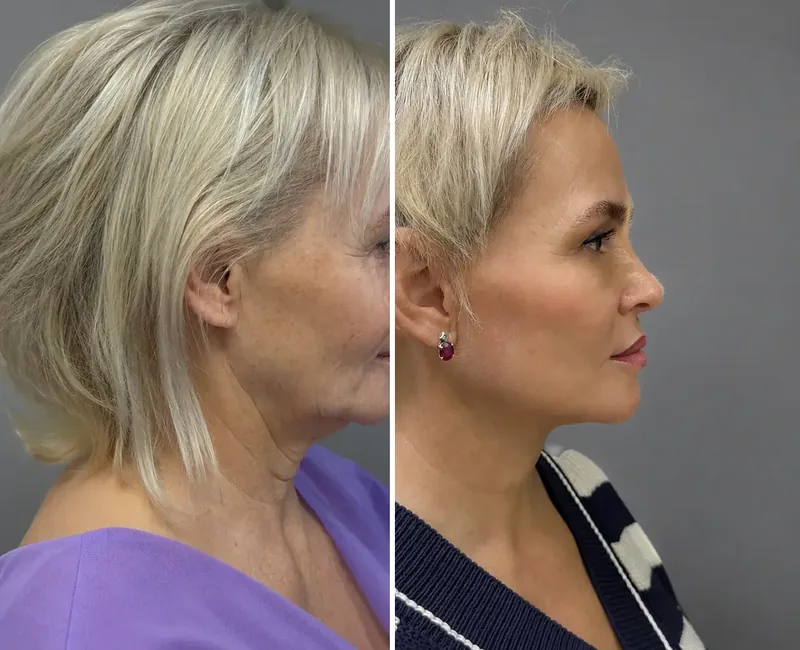
50 years
9 months
SMAS facelift
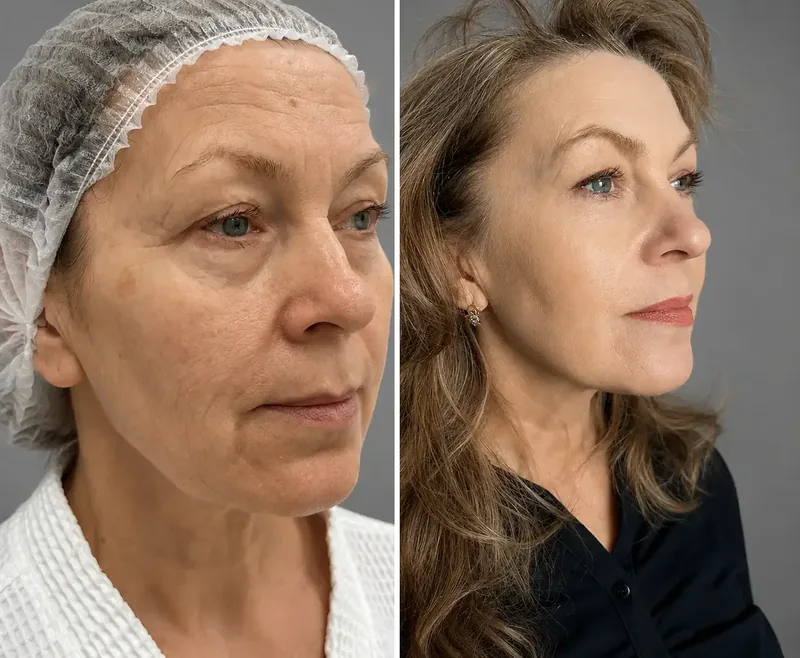
58 years
8 months
SMAS facelift
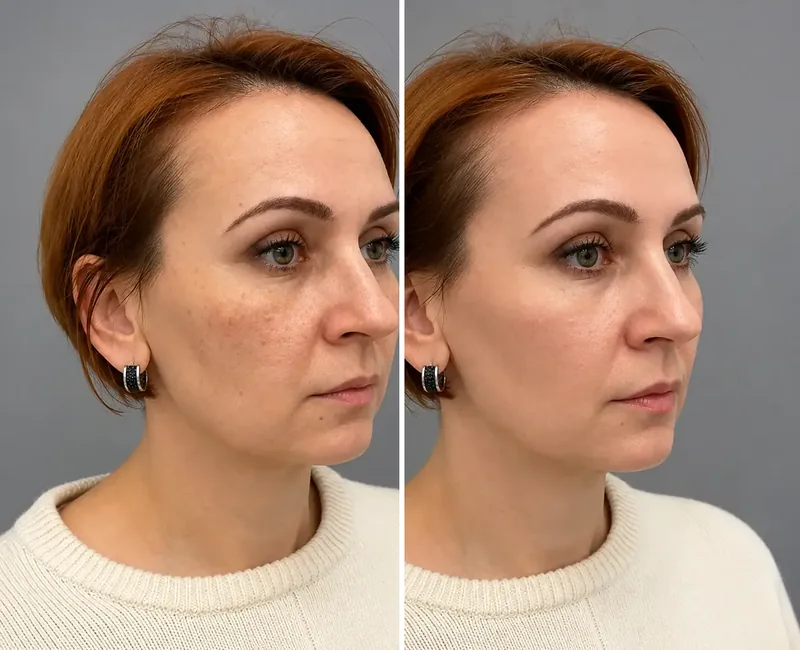
34 years
5 months
SMAS facelift
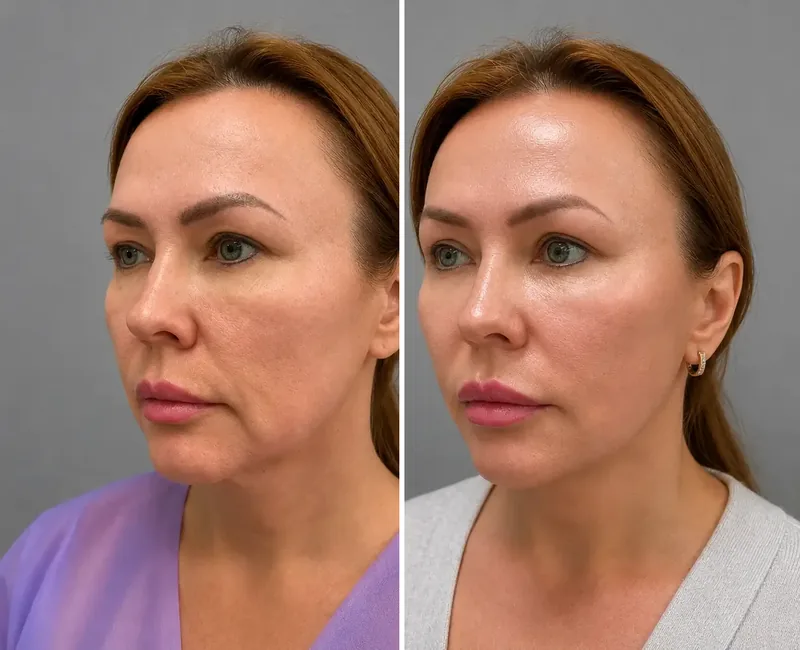
32 years
7 months
SMAS facelift
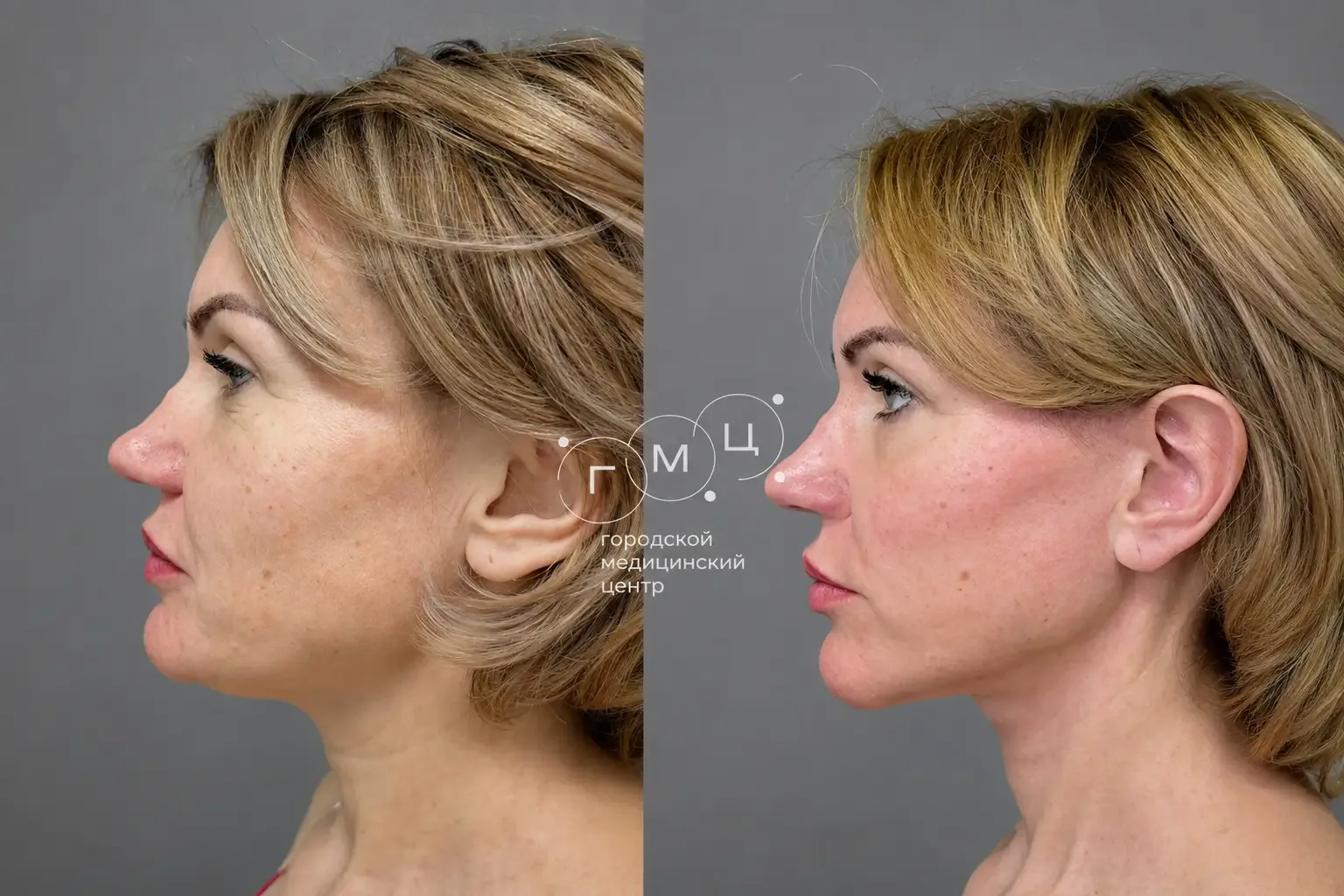
40 years
6 months
SMAS facelift
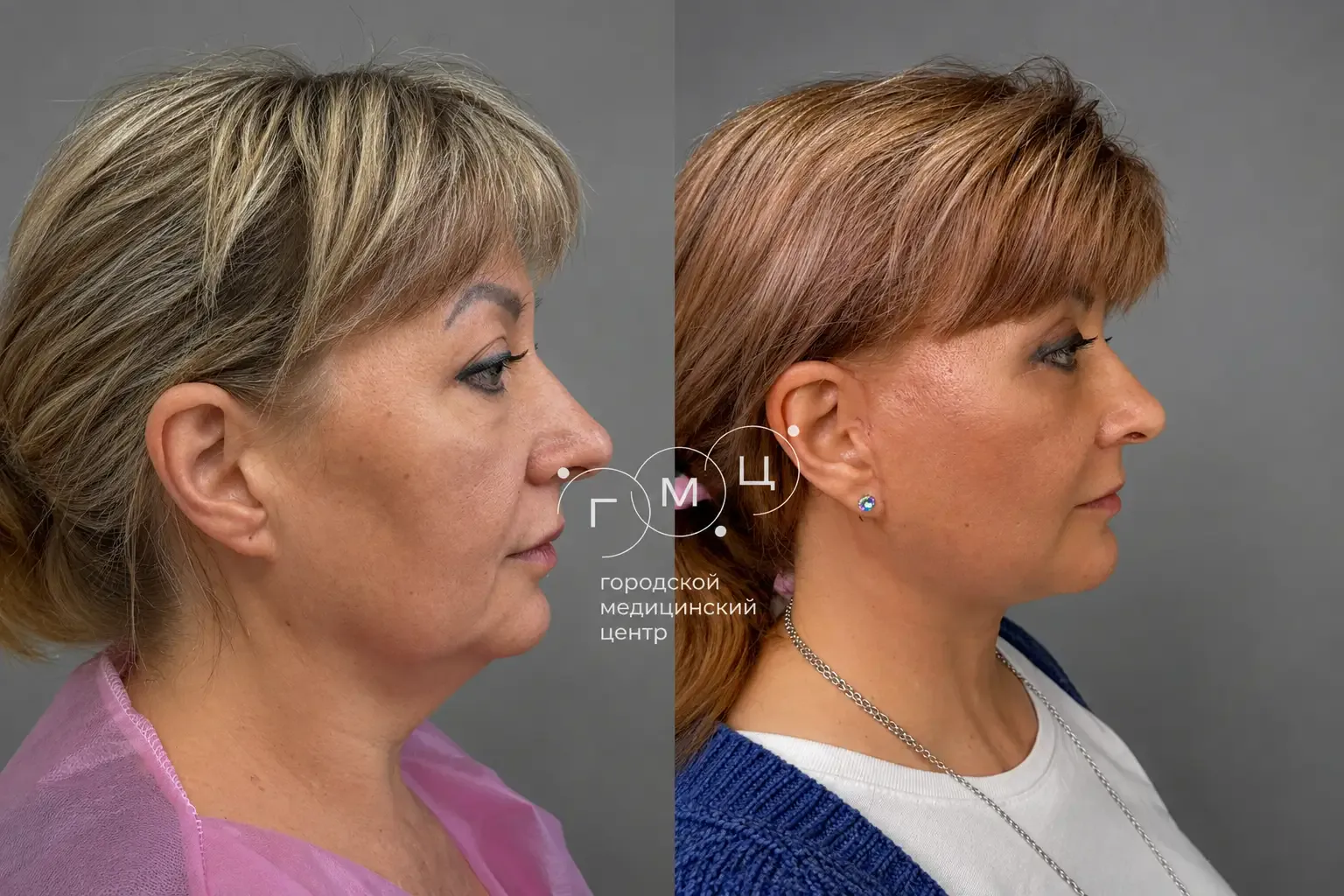
45 years
8 months
SMAS facelift
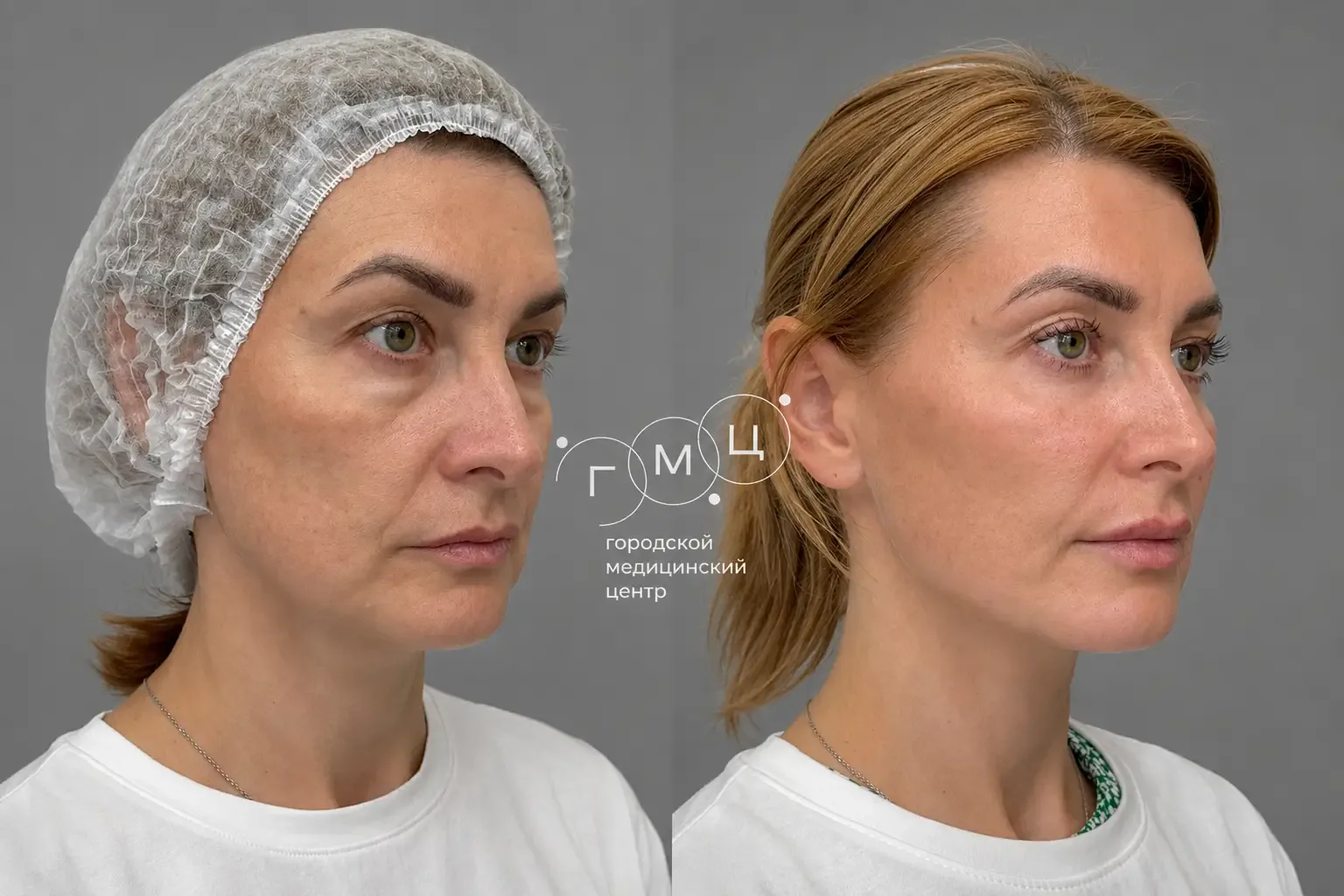
38 years
5 months
SMAS facelift
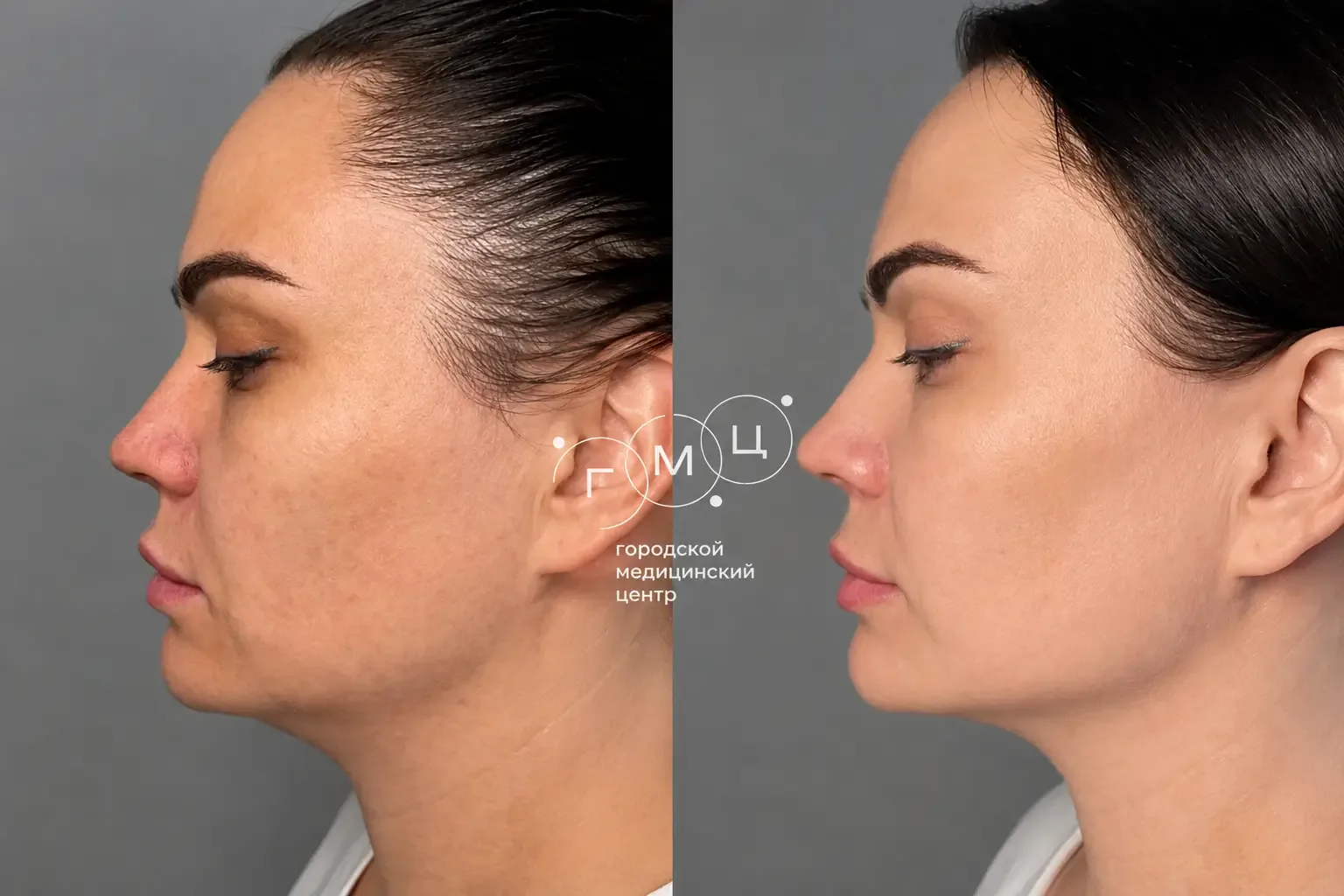
33 years
6 months
SMAS facelift
50 years
9 months
SMAS facelift
58 years
8 months
SMAS facelift
34 years
5 months
SMAS facelift
32 years
7 months
SMAS facelift
40 years
6 months
SMAS facelift
45 years
8 months
SMAS facelift
38 years
5 months
SMAS facelift
33 years
6 months
SMAS facelift
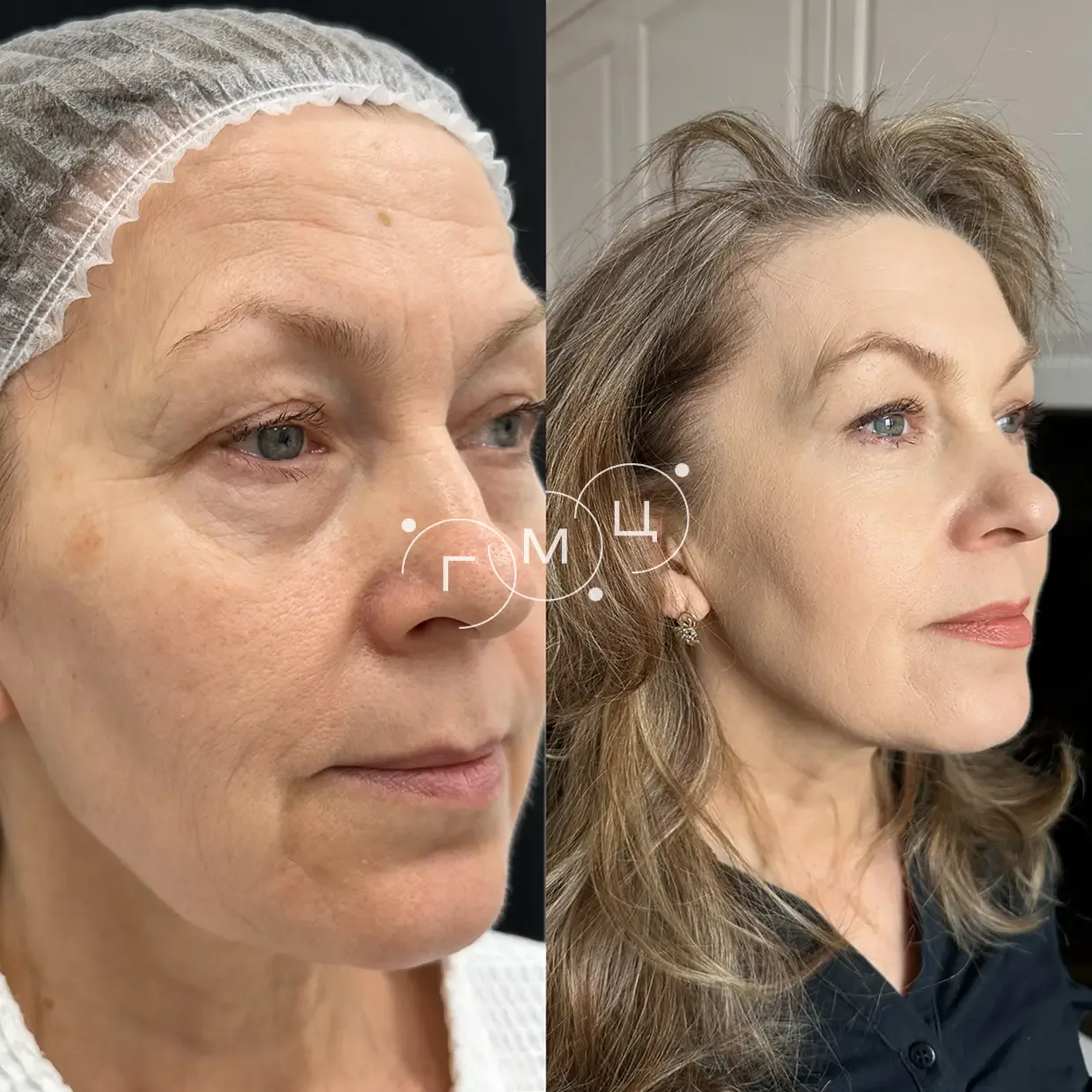

The face and neck show marked sagging
The jawline is blurred, with jowls
Loose neck skin and a double chin
Deep marionette lines and nasolabial folds
A heavy look caused by drooping brows
A marked loss of skin firmness after 40
Wanting a long-term result (7–10 years)

Younger than 30
An acute skin inflammation
Pregnancy and the breastfeeding stage
Serious cardiovascular disease
A blood-clotting disorder
Cancer
Decompensated diabetes
Facelift in Hoji ya Henda: from consultation to result
After 40–50 the skin gradually loses firmness: tissues sag, jowls form, the jawline blurs and the cheeks droop. A surgical SMAS facelift works deeper than cosmetology, repositioning the muscle and fascia layer so it treats the cause of sagging rather than its effects. For patients from Hoji ya Henda, this gives a lasting result even when changes are significant, with the effect holding for 7–10 years.
Follow-up does not end at discharge. Throughout the first year, your plastic surgeon monitors how the face settles and checks the result until it is final. Personal support is
provided before and after surgery. When combined procedures such as eyelid surgery or double-chin liposuction are planned, the surgeon sets their scope in advance. For patients from Hoji ya Henda, every step is agreed at the consultation.
What do you pay for? From $2,400 (≈ AOA 2,250,000) covers the operation and everything around it: a one-to-one consultation, the medical team, anaesthesia, inpatient care with meals, 24/7 monitoring and twelve months of surgeon follow-up. The first consultation is free and comes with no pressure to decide. Anyone in Hoji ya Henda can apply via any messenger to arrange a convenient time.
Hoji ya Henda and the decision to have a facelift
Hoji ya Henda is a large urban community in Angola with about 642,050 inhabitants. It lies in Luanda Province, which covers 1,649 km2 and has a population of approximately 8,665,510 according to the census of 19 September 2024. In a place this size, people are in constant contact with colleagues, neighbours, customers and relatives. Many residents notice changes in their own faces long before they decide to do anything about them: heavier cheeks, jowls, a softer jawline, a tired look that does not match how they feel.
A facelift is a serious decision, and in a busy city it is usually made quietly, after several months of thought. Patients from Hoji ya Henda often ask the same first
questions: what exactly changes, how long does it last, how long will I be out of ordinary life, and who will look after me afterwards. This text answers them in plain language, in the context of life in a densely populated Luanda Province.
Beyond 40–50 the skin gradually loses firmness: noticeable sagging, jowls, a blurred jawline and drooping cheeks. A surgical SMAS facelift works deeper than cosmetology by repositioning the muscle and fascia layer. It treats the cause of sagging, not its effects, and delivers a lasting result even with significant changes. That difference matters to people who have already tried creams, massage or surface procedures and want something that holds.
What a SMAS facelift does and how it differs from surface treatments
A facelift of this kind tightens the deep SMAS layer under the skin, not only the skin itself. The lower face, jawline and neck therefore stay firmer for longer. The result lasts about 7–10 years. For a resident of Hoji ya Henda who spends much of the day outdoors, in traffic and in crowded workplaces, a result that does not depend on daily upkeep is a practical advantage.
The operation corrects at 3 levels. The central step is lifting and securing the muscle and fascia layer. This
lets the surgeon treat the cause of sagging itself: weakened ligaments and descended muscles. Deep work on the SMAS gives a natural look and results lasting up to 10 years. Skin that is simply pulled tight tends to look stretched, while deep repositioning keeps the facial expression natural, which is what most patients want when they return to work and family life.
The incisions are hidden along the hair line and around the ears, so in daily life the scars are not conspicuous once healing is complete. Your surgeon will explain exactly where they run in your case and how to care for them.
Four options and how the choice is made
We have 4 main options. At the consultation, the surgeon helps select the best one for your age and type of ageing. Two of them are described most often by patients who write to the coordinators from Hoji ya Henda.
The classic SMAS lift of the mid and lower face: the surgeon works on the skin and the SMAS layer through incisions hidden along the hair line and around the ears. It removes jowls, sagging cheeks, a double chin and deep nasolabial folds. Results last 7–10 years. It suits people whose main concern is the lower half of the face.
The comprehensive lift covers the forehead, temples, mid and lower face and neck. It suits marked sagging in several areas at once. It delivers the most complete rejuvenation and a natural look, free of a «mask» effect. Results last up to 10 years. It is a larger operation, so planning the recovery period matters even more.
Do not choose from photographs alone. Send clear photos in daylight during the online consultation, describe what bothers you most, and let the surgeon explain which option matches your anatomy. An honest surgeon will sometimes recommend a smaller operation than the patient expected.
Climate in Hoji ya Henda and healing after a facelift
Angola lies on the western Atlantic coast of Southern Africa, and the country has distinct, alternating rainy and dry seasons. The coastal plain is somewhat sparsely watered, and temperatures tend to rise closer to the Atlantic Ocean. The dry season, known as cacimbo, is often marked by heavy morning mist. For a person healing after a facelift, this means two different kinds of care depending on the time of year.
In warm and humid weather the main concerns are heat, sweating and sun. Fresh scars and bruised skin should be protected from direct sun. Wear a light, wide-brimmed hat or loose headwear that does not press on the ears or the incision lines, and stay in the shade in the middle of the day. Heat can also make swelling
feel heavier, so cool rooms, rest with the head raised and loose clothing help. Follow the surgeon's instructions on the compression bandage rather than improvising.
In the cacimbo season the mornings are misty and the air can be cooler and drier. Dry air can make the skin feel tight, and dust on roads and building sites can irritate wounds. Keep the face clean, do not touch the incisions with unwashed hands, and ask the surgeon which skin care products are acceptable at each stage.
Angola's average temperature has risen by 1.4 °C since 1951, and extremely hot days are expected to become more frequent. This is one more reason to plan the recovery period carefully and avoid scheduling it during the hottest weeks if you can.
Choosing the season for the operation
There is no universal best month, but there are sensible rules. The first 7–10 days call for rest, a compression bandage and less physical activity. Swelling and bruising fade within 2–4 weeks, and full recovery takes about 2 months. Choose a period in which you can stay at home, in a cool and quiet room, without obligations that force you outdoors.
In Hoji ya Henda, as in the rest of Luanda Province, the calendar of rainy and dry seasons affects everyday movement around the city. Heavy rain can make journeys on the roads slow and tiring, and fatigue is the last thing you need during the first days. The dry months bring mist in the mornings and less intense downpours, but the sun still needs respect once you start going outside again.
Think also about family events. Weddings, funerals, church celebrations and school ceremonies fall on fixed dates, and many families plan around them. Most patients prefer not to be photographed in the first weeks, while bruising is visible. After 3–4 weeks, as the swelling settles, the first clear changes appear. Your face takes on its final look in 3–6 months. If an important celebration is coming, leave a comfortable margin of several months, not weeks.
Ask the coordinator to help build a timeline from your own calendar: work obligations, school terms for your children, family dates and the weather in the coming months.
Work, study, sport and everyday life during recovery
Hoji ya Henda is a place of working people: traders, drivers, office staff, teachers, students and many who combine several activities. After a facelift, the first 7–10 days are for rest. Do not plan to return to a job that involves lifting, bending, dust or long hours in the sun during this time. Office or remote work in a calm setting can usually resume earlier than physical work, but only as your surgeon allows.
Swelling and bruising fade within 2–4 weeks, so many people feel comfortable meeting colleagues and customers again after that period. Full recovery takes about 2 months. Ask the surgeon for a clear schedule that separates light walking, ordinary housework, driving,
and demanding exercise. Football, running, gym work and heavy manual tasks should wait until the surgeon gives permission, because strain raises blood pressure in the face and can disturb healing.
Students and teachers should discuss the timing of exams and lessons with their family. Parents of small children should arrange help at home in advance, because lifting a child and bending over are not advisable in the early days.
Meals during recovery should be simple and easy to chew. Avoid very salty food that increases swelling and avoid alcohol while the surgeon forbids it. If family meals are central to your household, ask relatives to prepare soft, light dishes and let you eat calmly without social pressure.
Who is a candidate and who should wait
As a rule, surgery is recommended for patients aged 40+ with marked tissue sagging, and in some cases from 35. The recommendation is made individually after an examination. The typical candidate has noticeable jowls, a blurred jawline, drooping cheeks or a loose neck, and is looking for a result that lasts (7–10 years) rather than a short-term effect.
A facelift is not suitable for everyone, and a responsible surgeon will say so. Poorly controlled chronic illness, active infection, heavy smoking, unrealistic expectations or the wish to look like another person can all be reasons to wait or to choose another approach. Tell the surgeon honestly about all
medicines, previous operations, allergies and any problems with blood pressure or healing.
Weight is another point to discuss. Large changes in body weight after the operation can change the facial contours, so it is better to have a stable weight before surgery. The World Health Organization treats excess weight as a matter of general health, and a doctor can advise you on it in a calm, respectful way.
Young patients with mild changes often do better with smaller measures. If you are under 40 and only slightly bothered, say so at the consultation and ask what the surgeon would suggest.
How the online consultation works from Hoji ya Henda
The first step is free. You contact the coordinators on Telegram or WhatsApp from home, from your workplace or from wherever you are comfortable. They are available around the clock, 24/7, with flexible booking and a personal approach: we fit around your busy schedule and adapt to you. This matters in a city where days are full and the day's plans often change.
Prepare a few clear photographs of your face from the front and the side in natural light, a list of your medicines and illnesses, and your questions. Then talk with the medical team by message or video call. The surgeon
assesses your face, explains which of the 4 options fits you and tells you honestly what the operation can and cannot change.
The package includes a one-to-one consultation, the medical team, anaesthesia, inpatient care with meals, 24/7 monitoring and twelve months of follow-up by the surgeon. Continuous 24/7 monitoring by the medical team continues throughout the stay. For the whole first year, your operating surgeon follows you up, so you can send photographs and ask questions as healing progresses.
One operation gives a complete result. A repeat procedure is possible after 7–10 years if the patient wants it.
Facelift planning around daily routines in Hoji ya Henda
Hoji ya Henda belongs to Luanda Province, where the census of 19 September 2024 counted approximately 8,665,510 people. In a densely populated area, privacy during recovery is a real planning question. Neighbours, relatives and colleagues often visit without warning, so decide beforehand who will know about your operation and who will be told only later. Agree with your household on a simple message for visitors during the first days.
Think through the rooms in your home. During the first 7–10 days you will need a quiet place where you can
rest with the head raised, away from noise, cooking smoke and dust. If the household is large, ask a trusted relative to manage visitors, meals and children, so you can follow the instructions for the compression bandage and reduced physical activity without interruption.
Prepare practical things in advance: soft food, clean pillowcases, a thermometer, your list of medicines and a charged phone. The phone matters because the coordinators answer on WhatsApp and Telegram around the clock, 24/7, and the medical team keeps continuous 24/7 monitoring during the inpatient stay.
Heat, humidity and the first weeks of healing
Temperatures in Angola tend to rise closer to the Atlantic Ocean, and Hoji ya Henda lies in a coastal province. For a healing face this means that heat and sweat are daily factors. Keep the head raised when you sleep, use cool but not icy conditions, and wear loose, soft clothing that opens at the front so you never pull a garment over the face.
Swimming in the sea or in a pool should wait until the surgeon gives permission. Salt, chlorine and
crowded water are not suitable for fresh incisions along the hair line and around the ears. Ask your surgeon for a clear date and do not rely on what friends say about their own operations.
Hair care also needs a plan. Ask who may wash your hair in the first days, which products are acceptable and when you can return to braiding, extensions, hair colouring or tight styles. Tight styles pull on the skin near the incisions, so discuss them before the operation, not after it.
Communication with family and colleagues in Hoji ya Henda
Many patients worry about how others will react. A good approach is to speak about rest, health and a planned medical procedure without long explanations. After 3–4 weeks, as the swelling settles, the first clear changes appear, and the face takes on its final look in 3–6 months. Because change is gradual, most people around you will simply say that you look rested.
If you work with customers, think about how to arrange the first weeks. Some people ask a colleague or relative
to cover their tasks for the period of rest. Others continue light work from home once the surgeon allows it. Swelling and bruising fade within 2–4 weeks, so plan face-to-face meetings after that time.
Emotional support also counts. It is normal to feel tired or doubtful in the early days when swelling is at its peak. Talk to your spouse, a sibling or a close friend, and use the coordinators and your operating surgeon, who follows you up for the whole first year, whenever a question worries you.
Follow-up over twelve months
Recovery does not end when the bruising has gone. Full recovery takes about 2 months, and the final look needs 3–6 months. During this time the face changes slowly, and photographs taken in the same light every few weeks help you and the surgeon see progress honestly.
Twelve months of follow-up by the surgeon means that questions about scars, tightness, sensation or skin care
have a clear destination. Keep a short diary of what you notice and send it with your pictures. Do not compare yourself with other patients, because age, skin type and the chosen option all influence the pace of healing.
A repeat procedure is possible after 7–10 years if the patient wants it, but one operation gives a complete result. For this reason the long-term habits that protect the face matter: sun protection, stable weight, sensible skin care and regular contact with your doctor.
Questions to put to the surgeon
Write your questions down before the consultation. Useful ones include: which of the 4 options suits my face and why; which layers will be treated; where exactly the incisions will run along the hair line and around the ears; what type of anaesthesia is used; how long I stay under inpatient care; what the compression bandage is for and how long I wear it; and what I may do on each day of recovery.
Ask also how the surgeon will follow you in the following months, how to send photographs, and what signs of trouble should make you call at once, such as sudden one-sided swelling, strong pain, fever or unusual discharge. Ask what skin protection you need in the Angolan sun and how to deal with dust, heat and humidity while you heal.
A good surgeon welcomes detailed questions and answers calmly, without promising miracles. If an answer sounds too perfect, ask again. Honest expectations are the best basis for satisfaction later.
How long does the result of a facelift last?
The result lasts up to 10 years, and a surgical SMAS facelift gives an effect that lasts 7–10 years. Ageing continues naturally, but the face keeps a firmer jawline and cheeks for much longer than after surface treatments.
How long is the recovery?
During the first 7–10 days you need rest, a compression bandage and less physical activity. Swelling and bruising fade within 2–4 weeks, and full recovery takes about 2 months. Your final look appears in 3–6 months.
When will I see the first changes?
After 3–4 weeks, as the swelling settles, the first clear changes appear. Your face takes on its final look in 3–6 months, so be patient in the early weeks when bruising is still visible.
What is the best age for a facelift?
As a rule, surgery is recommended for patients aged 40+ with marked tissue sagging, and in some cases from 35. The recommendation is made individually after an examination, not by age alone.
How is a SMAS facelift different from cosmetology?
Cosmetology works on the skin. A SMAS facelift tightens the deep muscle and fascia layer under the skin, so it treats the cause of sagging, not its effects. The lower face, jawline and neck stay firmer for longer.
Is the sun in Angola a problem after surgery?
Yes, sun and heat need care. Protect fresh scars from direct sun, wear light headwear that does not press on the incisions, stay in the shade and follow the surgeon's advice on skin care. Dust and dirt should also be kept away from the wounds.
Can I do the consultation from Hoji ya Henda without leaving home?
Yes. The consultation is online and free. Coordinators are available 24/7 on WhatsApp and Telegram, and you can send photographs and speak to the medical team from your own home.
What is included in the care?
A one-to-one consultation, the medical team, anaesthesia, inpatient care with meals, 24/7 monitoring and twelve months of follow-up by the surgeon.
Will I need a second operation?
One operation gives a complete result. A repeat procedure is possible after 7–10 years if the patient wants it.
How do I hide the recovery period from neighbours in Hoji ya Henda?
Choose a calm period, tell only the people who must know, and agree on a simple explanation for visitors. Rest at home for the first 7–10 days, and swelling and bruising fade within 2–4 weeks.
Can I swim in the sea or a pool after a facelift?
Wait until your surgeon gives clear permission. Salt water and chlorine can irritate fresh incisions, so ask for a specific date at your follow-up.
Who can I ask questions after the operation?
Your operating surgeon follows you up for the whole first year, and the coordinators answer on WhatsApp and Telegram around the clock, 24/7.
Facelift in Hoji ya Henda: price and what is included
Prices are in US dollars; the amount in brackets is an approximate conversion to AOA at the rate of 2 October 2026. The final price is fixed in your contract.
- Faceliftfrom $2,400 (≈ AOA 2,250,000)
How much does a facelift in Hoji ya Henda cost?
Prices start from $2,400 (≈ AOA 2,250,000). The surgeon sets the final price at the free consultation, and it is fixed in the contract, with no hidden extras.
What is included in the price?
A one-to-one consultation, the medical team, anaesthesia, inpatient care with meals, 24/7 monitoring and twelve months of follow-up by the surgeon.
How do I get my exact price?
Message us on WhatsApp or Telegram using the buttons below. A coordinator will answer your questions and book a free consultation where the doctor names the exact price.
By messaging us, you agree to our Privacy Policy