Liposuction for residents of Luanda: how the process works from your own city
Luanda is the capital and largest city of Angola, its main seaport and its administrative centre, and the people who live here tend to plan big decisions carefully. Body contouring is no exception. Most women and men who ask about liposuction in Luanda want to know the same things first. How long is the procedure? When can I go back to work? What do I do about the sun, the sea and the family calendar? This text answers those questions in the context of daily life in the city.
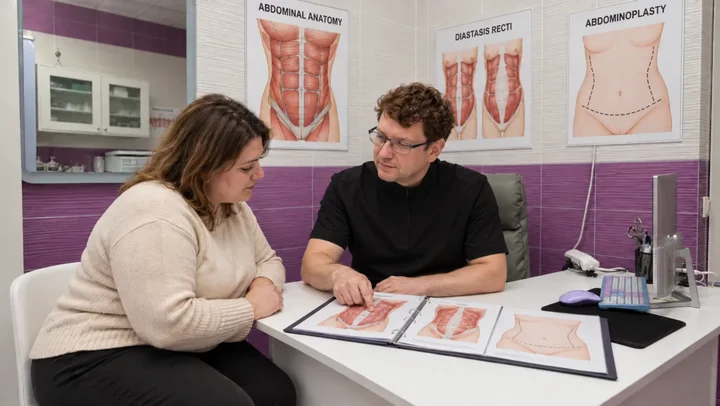
City Medical Centre works with patients from Luanda through a free online consultation. You write to the coordinators on Telegram or WhatsApp, they are available around the clock (24/7), and you describe the areas that bother you: abdomen, flanks, thighs, arms, chin or back. You can send photos in good light and tell the coordinators about your general health, previous operations and the medications you take. Nothing in this first step commits you to surgery. You can ask questions in Portuguese, the official and most widely used language of the city, at the hour that suits your work and family schedule.
The surgery itself is built around a few facts worth knowing from the start. It is done under local or general anaesthesia and takes from 1 to 4 hours, depending on how many areas are treated. The surgeon removes fat through micro-punctures of 3–5 mm. With local anaesthesia you go home 3–4 hours after surgery; with general anaesthesia you stay one day in a comfortable ward under medical supervision. Most patients return to their usual routine and work in 7–10 days.
The rest of this text takes these facts and places them in the real rhythm of Luanda: its climate, its traffic, its food, its social life and its seasons.
A coastal capital with a large and varied population
Luanda sits on Angola's northern Atlantic coast. Luanda and its metropolitan area is the most populous Portuguese-speaking national capital in the world, and in 2024 the population reached more than 8.8 million inhabitants, a third of Angola's population. A city of this size means that people live very different routines. Some work in offices of the Cidade Alta, some in the port area of the Baixa, some in industry, construction, trade or the oil sector, and others study or run family businesses.
That variety matters for planning liposuction. A person who sits at a desk can often return to work sooner than someone who lifts, carries or stands for long hours. The general figure is 7–10 days for most patients, but the surgeon will adapt the advice to your job. If your work involves heavy lifting, remember that for the first 7 days there must be no physical exertion or heavy lifting at all, and that active sport stays off the list for 4–6 weeks.
The inhabitants of Luanda are mostly Ambundu, with growing Bakongo and Ovimbundu communities, and there is also a sizable community of Portuguese origin. Kimbundu, Umbundu and Kikongo are spoken alongside Portuguese. Body proportions, clothing traditions and expectations about a natural look differ between families and communities, so it helps to tell the surgeon plainly what a natural result means for you. The aim of the technique is a smooth contour that keeps the natural proportions of your body, not an artificial shape.
Because so many families in Luanda have relatives in different parts of the city, from Viana to the old centre, discussing the plan at home before the consultation is often a good idea. Decide in advance who will help you during the first days, who will take over your household tasks, and who needs to know about the operation.
Climate of Luanda and what it means for recovery
Luanda has a hot semi-desert climate, bordering on a hot desert climate. It is warm to hot but surprisingly dry, because the cool Benguela Current stops moisture from condensing into rain. Annual rainfall is about 405 millimetres, and it varies strongly from year to year. Humidity is low for a tropical latitude, and the hotter months are more bearable than in many other cities of Western and Central Africa. For someone recovering from liposuction this is a real advantage, because heavy, sticky air makes compression garments uncomfortable.
The main thing to remember is that compression garments must be worn for 30–45 days, and in the recommendations from the surgeon the figure for the strict regime is 4–6 weeks. In a warm city you should plan breathable clothing worn over the garment, light cotton fabrics, and a calm day structure. Move slowly in the hottest hours, avoid sweating heavily in the first days, and keep the skin clean and dry under the garment, changing it as your surgeon advises.
Frequent fog and cloud, especially from May to October, keep nights from cooling even in the completely dry months. This can give a false feeling that the sun is weak. Sun exposure on healing skin still needs care: protect the treated areas from direct sun, do not lie on the beach in the first weeks, and ask your surgeon when it is safe to expose the skin again. Tanning beds are off-limits for at least a month, and natural sun should be treated with the same caution.
Dust and dry air can irritate small wounds and dry the skin. Use only the dressings and creams recommended by your surgeon. The micro-punctures of 3–5 mm usually need no stitches, and with proper care during recovery the marks fade completely, so gentle skin care in a dry climate is a simple way to help the result.
Daily life, traffic and work during the first days
Anyone who lives in Luanda knows that moving around the city takes planning. Roads in many neighbourhoods are under reconstruction, and traffic congestion is a regular part of the day. Public transport includes suburban rail services, the public company TCUL and a large fleet of white-and-blue minibuses known as candongueiros, which are often crowded.
This is important for the day of surgery and the first week. After local anaesthesia you go home 3–4 hours after the operation; after general anaesthesia you stay one day under supervision and then go home. In both cases you should not ride home in a packed minibus. Arrange a private car with a calm driver, a relative or a friend, plan a route that avoids the busiest hours, and keep a cushion or soft support for the seat.
In the first 7 days there must be no physical exertion or heavy lifting. For a person in Luanda that means thinking ahead about carrying water containers or shopping bags, climbing many stairs in buildings with unreliable lifts, and standing in queues. Ask a family member to take over these tasks. If essential services such as electricity sometimes fail in your neighbourhood, prepare your recovery corner in advance: water, light, a phone charger, and the garment ready to wear.
Most patients are back at work in 7–10 days. If you work in an office, talk to your employer about a short absence and, if possible, a gradual return. If your work is physical, tell the surgeon at the first consultation so the plan can be realistic. Swelling and bruising clear by weeks 4–5, so for important meetings or events in the first month, keep loose clothing in mind.
Food culture, family gatherings and the social calendar
Food is a central part of life in Luanda. Meals at home, weekend gatherings, birthdays, baptisms and weddings bring families together around large tables, and the city's Portuguese and African culinary traditions meet in many dishes. A procedure that changes body contour is easier to plan when you consider this calendar honestly.
Before surgery, the pre-operative instructions matter. You will need to give up smoking, alcohol and medications that affect clotting, such as aspirin, 7–10 days before liposuction. This means that a wedding, a party or a celebration with alcohol falling in that window is a reason to choose another date. After surgery, alcohol is off-limits for at least a month, so the same applies afterwards. It is better to choose a period without major celebrations than to explain your absence or refuse a toast under pressure.
Liposuction is not a weight-loss method and does not replace a balanced diet. It removes fat from specific areas and gives a smoother contour, but the result is kept by stable habits. Think about how meals are organised in your household: who cooks, how portions are served, how often you eat out. A realistic conversation with the surgeon about nutrition and activity after the operation is part of a good consultation.
During recovery, eat simple, light meals, drink enough water, and avoid heavy salty food in the first days, since it can increase swelling. Your surgeon gives all individual recommendations after surgery, and the coordinators on Telegram or WhatsApp are available around the clock if a question appears in the evening after a family dinner.
Sea, pool, sport and club life
Luanda lives by the Atlantic. The Ilha de Luanda, the waterfront and the yacht and sports clubs, among them the Nautical Club of Luanda Island founded in 1924, show how much of the city's leisure is tied to water. People who enjoy the sea, swimming, boating or the pool often ask when they can return to it.
The rule is clear in the recommendations: for 4–6 weeks, wear compression garments and avoid the bathhouse, sauna, pool and active sport. In practice this includes the sea and the beach as well, because the same caution applies to healing micro-punctures, to heat and to sun on the treated areas. Ask your surgeon specifically about sea water and sun, and follow the answer for your own case. Planning a boat day or a swim in the weeks right after surgery is not a good idea.
Sport has its own stages. The first 7 days are without physical exertion. After that, gentle walking helps circulation and general well-being, but active training, football, gym work with heavy weights and dance classes need to wait until the surgeon allows them. If you are a team player or train regularly, tell the surgeon how many sessions you usually do so the plan for returning to sport is concrete.
The city also hosts cultural events such as the annual Luanda International Jazz Festival. If you want to attend, think about the dates of the event when choosing the operation date, and about comfort: long standing in a crowd, heat and tight seating are not ideal in the first weeks, while the garment under clothing is easy to hide. Once swelling and bruising have cleared, usually by weeks 4–5, most people feel comfortable returning to normal social life.
Choosing the season for the operation in Luanda
Luanda has a short rainy season in March and April and a long dry stretch from May to October, with fog and mild nights. There is no single perfect month, but each period has its own considerations for liposuction.
The cooler, drier months from May to October are often comfortable for wearing compression garments for 30–45 days, because the air is dry and the heat is less oppressive. At the same time, frequent fog can hide how strong the sun still is, so protection of the treated skin remains necessary. The hotter months bring more sweating under the garment and a stronger wish to go to the beach, which is exactly the activity that must be postponed for 4–6 weeks.
The short rainy season can bring heavier traffic and difficult roads, since city roads are in many places under repair. This is worth thinking about on the day of surgery and on the days of check-ups. Check-ups are planned at 7 days, 3 months and 6 months, so choose a period when you can attend them calmly without clashing with exams, business deadlines or long absences from Luanda.
Think also about your personal calendar: school holidays, work peaks, religious and family holidays. Because the first changes show at 2 weeks, an interim result is assessed at 1.5–2 months and the final contour forms in 3–6 months, some people prefer to operate well before an important event, so that swelling and bruising have cleared and the result looks natural by the date of the celebration. The coordinators can help you count the dates backwards from your event.
Who is a candidate and when liposuction is not suitable
Liposuction is for people who have localised fat deposits that do not respond well to diet and exercise, with reasonably elastic skin and stable weight. The centre operates from age 18+, if there are no contraindications. There is no upper age limit: after an examination and health assessment, the decision is made individually.
Overweight and obesity are a separate matter. The World Health Organization describes obesity and overweight as a major health concern, and liposuction is not a treatment for obesity. If your main concern is general excess weight, a doctor should first assess your overall health, nutrition and lifestyle. Liposuction works best as a contour correction, not as a way to lose weight.
Contraindications are decided by the doctor and may include certain heart, blood clotting and chronic conditions, active infections, and some other states of health. In Luanda, where many people live with high blood pressure or other chronic conditions that go unchecked for years, honest preparation matters. Pre-operative tests are required: blood tests, ECG, ultrasound, and consultations with a GP and an anaesthesiologist. You receive all instructions after the first consultation.
Be fully open with the doctor about everything you take, including herbal remedies, traditional preparations and supplements, because some affect clotting. Medications such as aspirin must be stopped 7–10 days before the operation. Smoking also slows healing and should be stopped in the same period. If you plan a pregnancy soon or recently gave birth, discuss it directly: the timing of liposuction is better when the body is stable.
Questions to ask the surgeon and how follow-up works
A good consultation leaves you with clear answers. Patients from Luanda often prepare a list in advance. Which techniques will be used? The centre works with tumescent and VASER techniques, with micro-incisions of 3–5 mm and precise volume control. How many areas can be treated at once? A small area can take from 1 hour, while a combined procedure takes 3–4 hours. Which anaesthesia is recommended for your case, local or general, and what does it mean for going home the same day or after 1 day?
Ask about the garment: how many sets you need, how to wash and dry them in a warm climate, and how to wear them comfortably under work clothes. Ask which signs during recovery need an immediate message to the coordinators. Ask about sleeping position, showering, walking and when you can drive.
Follow-up is organised in a clear way. The surgeon follows your recovery and the new body contour at check-ups after 7 days, 3 months and 6 months. Check-ups, dressings and aftercare advice are already included in the cost of surgery. Until the end of the year you can also get a post-surgery consultation with your surgeon to review results and get more information, at the clinic's expense.
Realistic expectations are part of the questions. The first changes show at 2 weeks, once swelling subsides. The interim result is assessed at 1.5–2 months, and the final result forms in 3–6 months, when the tissues have fully adapted. Ask the surgeon to explain what you will see at each stage, so that swelling in the first weeks does not cause unnecessary worry.
Questions Luanda patients ask before booking liposuction
Conversations with coordinators tend to follow a pattern. People in Luanda rarely begin with the technique. They begin with practical worries: how many days away from work, who will look after the children, whether the garment will show under office clothes, and whether the result will look natural. These are sensible questions, and each one has a concrete answer in the plan: home the same day after local anaesthesia or after 1 day after general anaesthesia, back to work after 7–10 days, compression garments for 30–45 days.
Another frequent question is about privacy. Luanda is a large capital, and many people prefer not to discuss a cosmetic operation with colleagues or neighbours. An online consultation helps here. You write from your own phone, at an hour that suits you, and nobody needs to know about it until you decide to tell them. Loose clothing, a short absence and a calm explanation such as a minor planned procedure are usually enough for the first weeks.
People also ask whether several areas can be treated together. The answer depends on your health and on the volume of fat. Small areas take about 1 hour, while a combined procedure takes 3–4 hours, and the surgeon decides after the consultation and tests whether combining areas is sensible in your case. Do not push for more areas than the surgeon recommends. A smooth contour that keeps the natural proportions of your body matters more than the number of zones.
Finally, many ask what happens if they feel unsure after the consultation. Nothing obliges you to continue. You can take time, discuss it with your family, compare the plan with your own calendar and return with new questions. The coordinators answer around the clock, so the decision can be made at your own pace.
Clothing, the garment and appearance in the city
In Luanda, appearance and dress matter in many professional and social settings, and people often wonder how the compression garment fits into daily wear. It is worn for 30–45 days, and the strict regime in the recommendations is 4–6 weeks. The practical solution is a wardrobe prepared in advance: loose cotton trousers, longer shirts, dresses with a straight cut and soft fabrics that do not press on the treated areas.
Because the climate is dry and warm rather than humid, light layers work well. Avoid synthetic fabrics next to the skin above the garment, and keep a spare garment so that you can change when the first one is washed and fully dry. Ask the surgeon how to wash it, because some detergents irritate healing skin, and how to dry it safely when the day is cloudy and the fog stays long.
Swelling and bruising clear by weeks 4–5, so in the first month your shape may look different from day to day. This is normal and is not the final result. The first changes show at 2 weeks, and the final contour forms in 3–6 months. Avoid judging the outcome in front of the mirror every morning. Take photographs on the check-up dates instead and compare them with the surgeon.
If you attend formal events, plan the outfit around the garment rather than the other way round. A tailor in Luanda can adjust clothes in the weeks after the operation, but wait until swelling has settled before ordering fitted pieces, because your measurements will still change.
Urban pace, rest and emotional preparation
Luanda moves quickly: heavy traffic, long commutes, family obligations and a demanding working day. Recovery from liposuction asks the opposite of you for a short time. In the first 7 days there must be no physical exertion or heavy lifting, and the body needs sleep, water and calm. For many residents the hardest part is not pain but learning to slow down.
Prepare emotionally as well as practically. It is common to feel impatience around the second and third week, when the swelling is still visible and the final result is far away. Remember that the first changes show at 2 weeks, an interim result is assessed at 1.5–2 months, and the final contours form only in 3–6 months. Tell one trusted person about the plan so that you have someone to talk to on a difficult day.
Short walks at home help circulation and mood, as long as the surgeon agrees. Keep screen time and work messages light in the first days. If you run a business or manage a team, hand over urgent tasks in advance so that you are not tempted to leave your recovery corner for a meeting.
The coordinators on Telegram or WhatsApp are available 24/7, so a worry in the middle of the night does not have to wait until morning. Write down your questions as they appear and send them together with a clear photo of the treated area if the surgeon asks for it.
The remote consultation from Luanda step by step
The consultation is free and online, which suits a city where moving across districts can take a long time. You contact the coordinators on Telegram or WhatsApp at any hour. They work 24/7, with easy booking and a personal approach, and they adapt to your pace. You can write in the evening after work or early in the morning before the traffic starts.
Prepare a short message: your age, height and weight, the areas of concern, chronic conditions, medications, previous operations, smoking and alcohol habits. Add clear photos if you are comfortable doing so. The medical team then assesses whether liposuction is suitable, which technique and anaesthesia are more appropriate, and which tests you should do before surgery.
Pre-operative tests can be organised through your usual doctor or laboratory in Luanda, and the results are shared with the team. You will receive written instructions on what to stop, when to stop it and how to prepare, including the 7–10 days without smoking, alcohol and medications that affect clotting.
After the operation you stay in touch with the coordinators, and the surgeon gives all individual recommendations. If a question appears in the middle of the night, the chat is available around the clock. The plan for the first 7 days, the 4–6 weeks of compression and restrictions, and the check-ups at 7 days, 3 months and 6 months are explained step by step, so that a person living in Luanda can fit them into a normal family and work life.
Is the online consultation for patients in Luanda really free?
Yes. The first online consultation is free. You write to the coordinators on Telegram or WhatsApp, who are available 24/7, describe the areas you want to correct and receive an initial assessment and a plan of pre-operative tests.
How long does liposuction take and when do I go home?
The surgery takes from 1 to 4 hours, from 1 hour for small areas to 3–4 hours for a combined procedure. With local anaesthesia you go home 3–4 hours after surgery. With general anaesthesia you stay one day in a comfortable ward under medical supervision.
When can I return to work in Luanda?
Most patients return to their usual routine and work in 7–10 days. If your job is physical or involves heavy lifting, tell the surgeon, because the first 7 days require no physical exertion at all and active sport waits 4–6 weeks.
How long do I wear compression garments, and is it difficult in the heat?
Compression garments are worn for 30–45 days. Luanda is warm but dry, with low humidity for a tropical city, so breathable cotton clothes over the garment, calm movement in the hottest hours and clean dry skin usually make it manageable. Your surgeon explains washing and changing.
Can I go to the beach or swimming pool after the operation?
For 4–6 weeks you should avoid the bathhouse, sauna, pool and active sport, and the sea and strong sun should be treated with the same caution. Tanning beds and alcohol are off-limits for at least a month. Ask the surgeon when you can return to the water.
Will there be visible scars?
The surgery is done through punctures only 3–5 mm across, which usually need no stitches. Once healed, the marks are barely visible, and with proper care during recovery they fade completely.
When will I see the result?
The first changes show at 2 weeks, when the main swelling has gone down. An interim result is assessed at 1.5–2 months. Swelling and bruising clear by weeks 4–5, and the final contour forms in 3–6 months.
What do I need to do before the operation?
Give up smoking, alcohol and medications that affect clotting, such as aspirin, 7–10 days before liposuction. You also need blood tests, an ECG, an ultrasound, and consultations with a GP and an anaesthesiologist. You receive all instructions after the first consultation.
Is there an age limit, and is liposuction a way to lose weight?
The centre operates from age 18+ if there are no contraindications, and there is no upper age limit: after examination and health assessment the decision is made individually. Liposuction corrects contours and is not a treatment for obesity or a replacement for healthy nutrition.
What follow-up is included?
The surgeon follows your recovery at check-ups after 7 days, 3 months and 6 months. Check-ups, dressings and aftercare advice are already included in the cost of surgery, and until the end of the year you can get a post-surgery consultation with your surgeon.
Can I keep the operation private from colleagues in Luanda?
Yes. The consultation is online and you can write at any hour. Most patients return to work in 7–10 days, and loose clothing hides the compression garment. Whom you tell is your own decision.
Can several areas be treated in one operation?
Often yes, but the surgeon decides after the consultation and pre-operative tests. Small areas take from 1 hour, while a combined procedure takes 3–4 hours under local or general anaesthesia.
When should I order fitted clothes after liposuction?
Wait until swelling and bruising have cleared, usually by weeks 4–5, and ideally until the interim assessment at 1.5–2 months. Your measurements keep changing until the final contour forms in 3–6 months.



























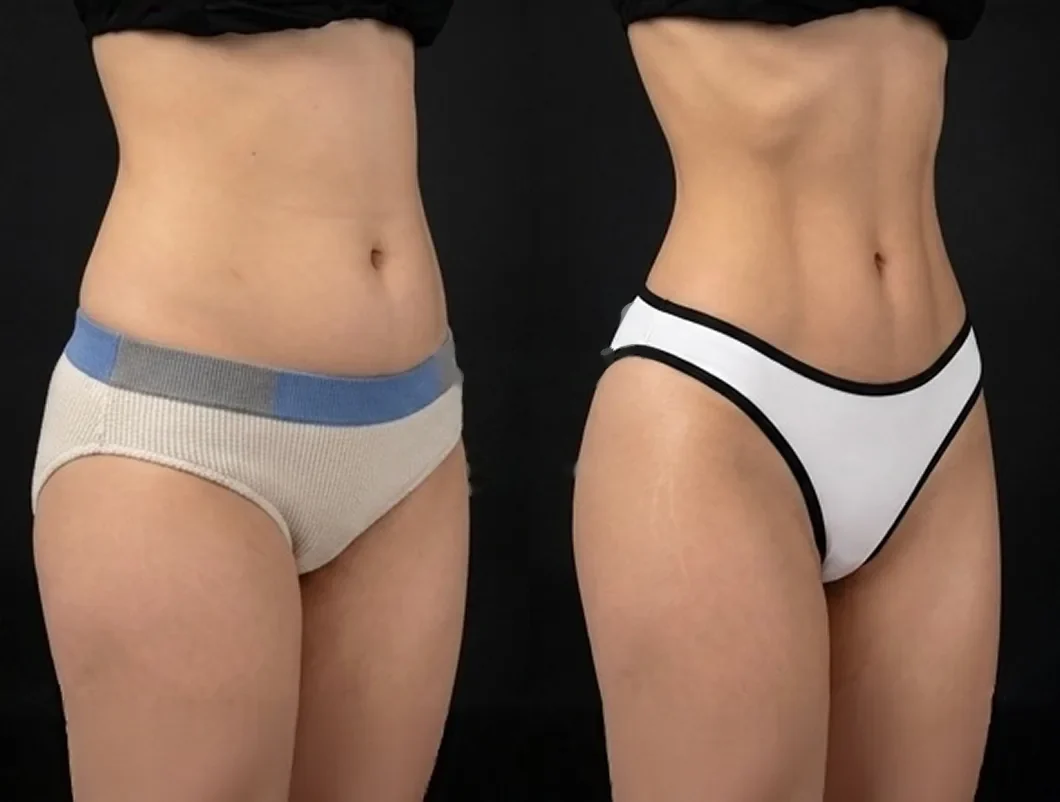 beforeafter
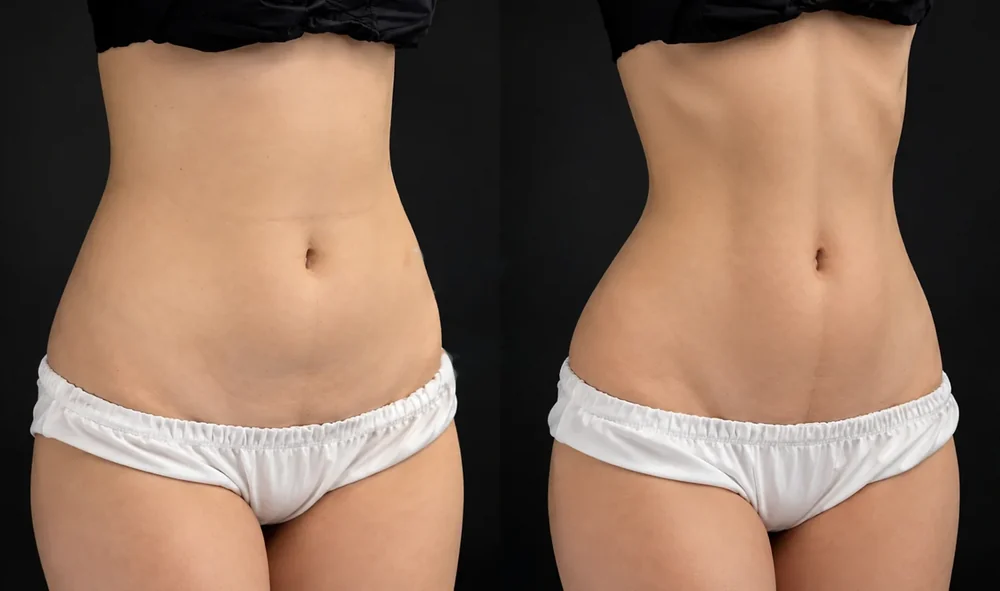
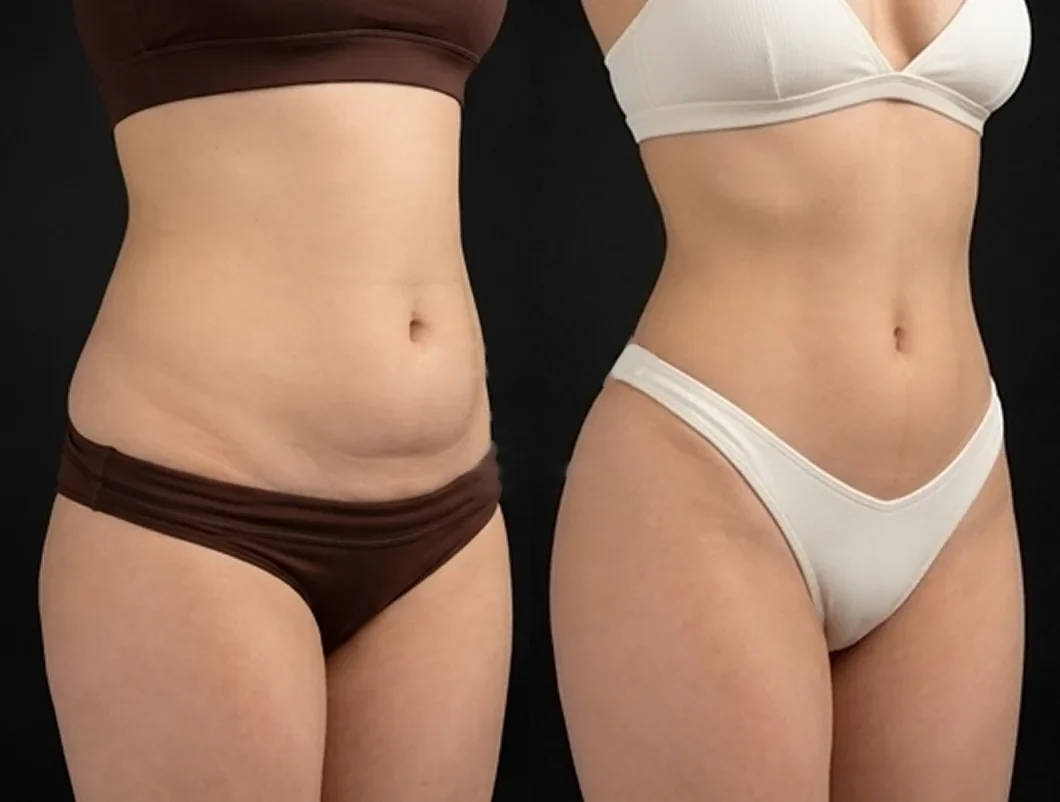 beforeafter
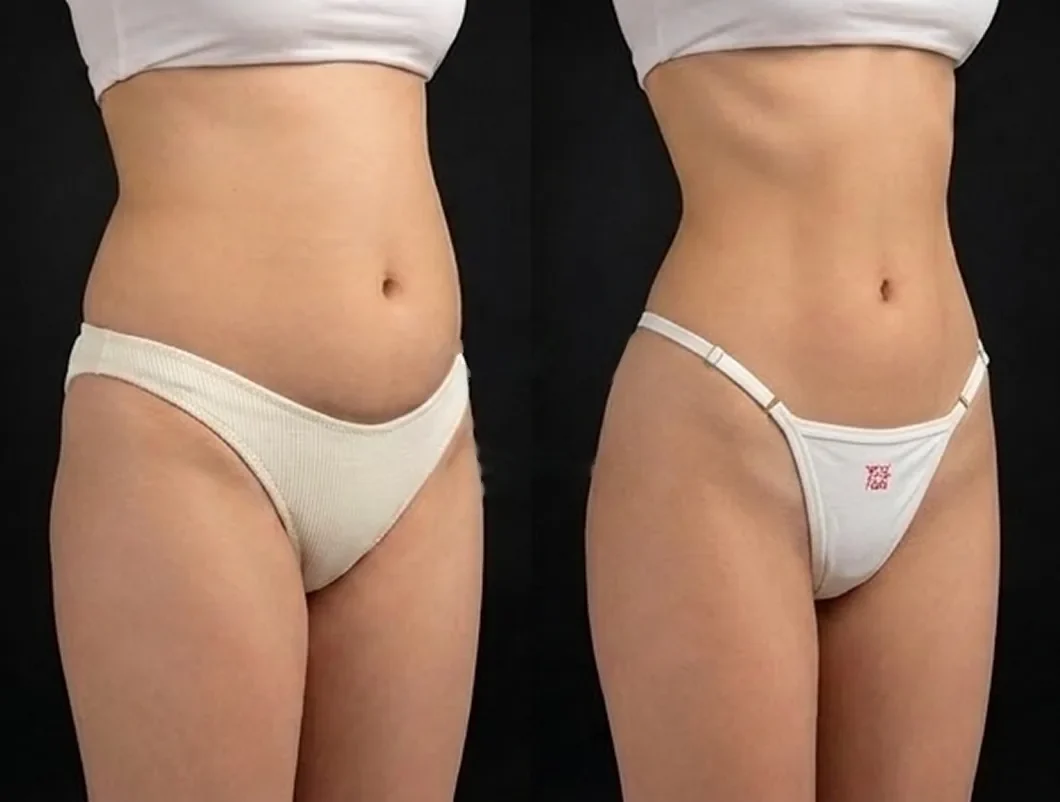 beforeafter
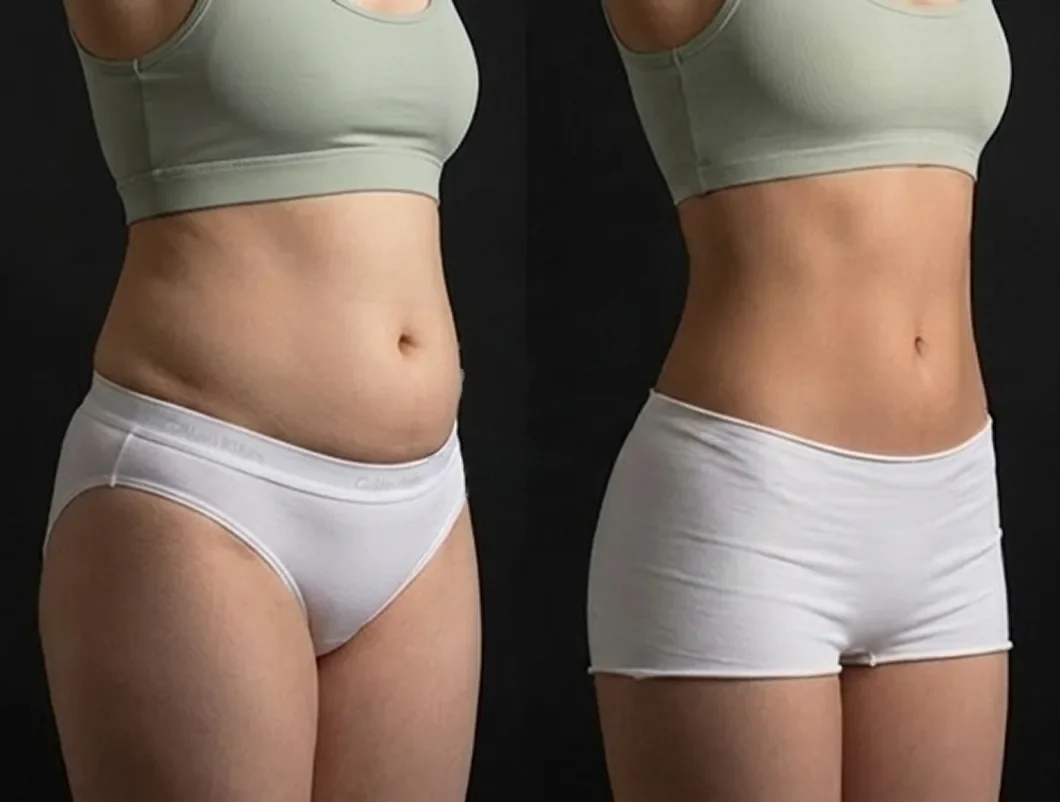 beforeafter
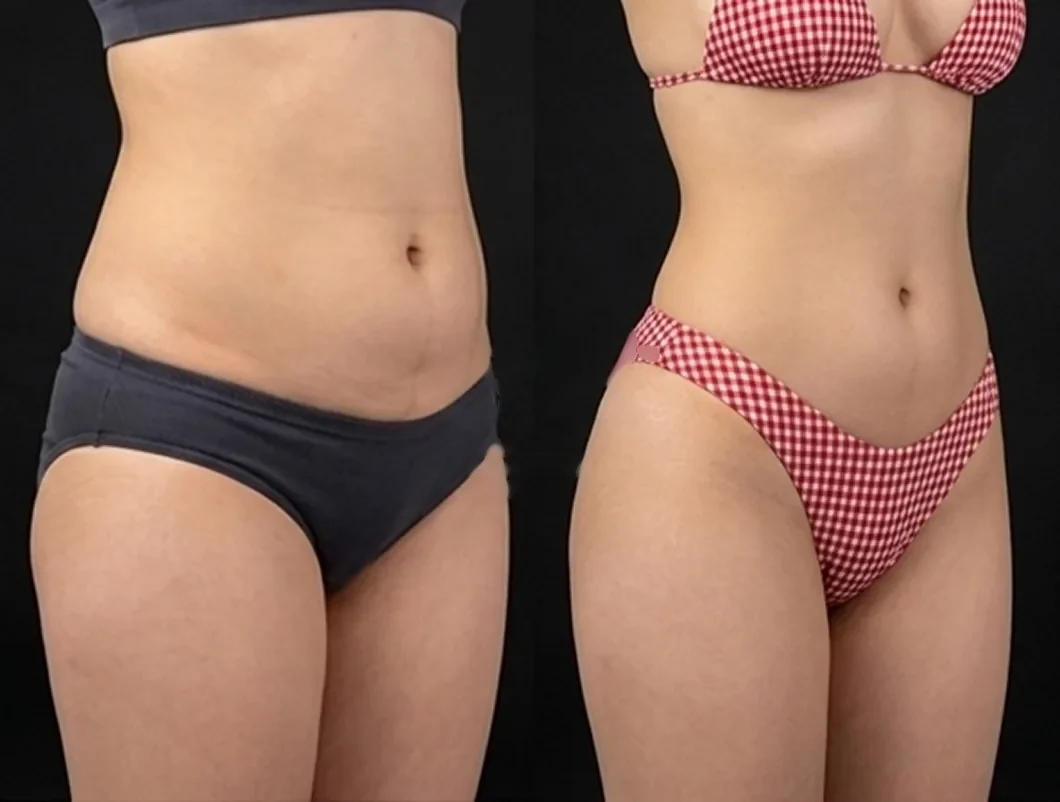 beforeafter
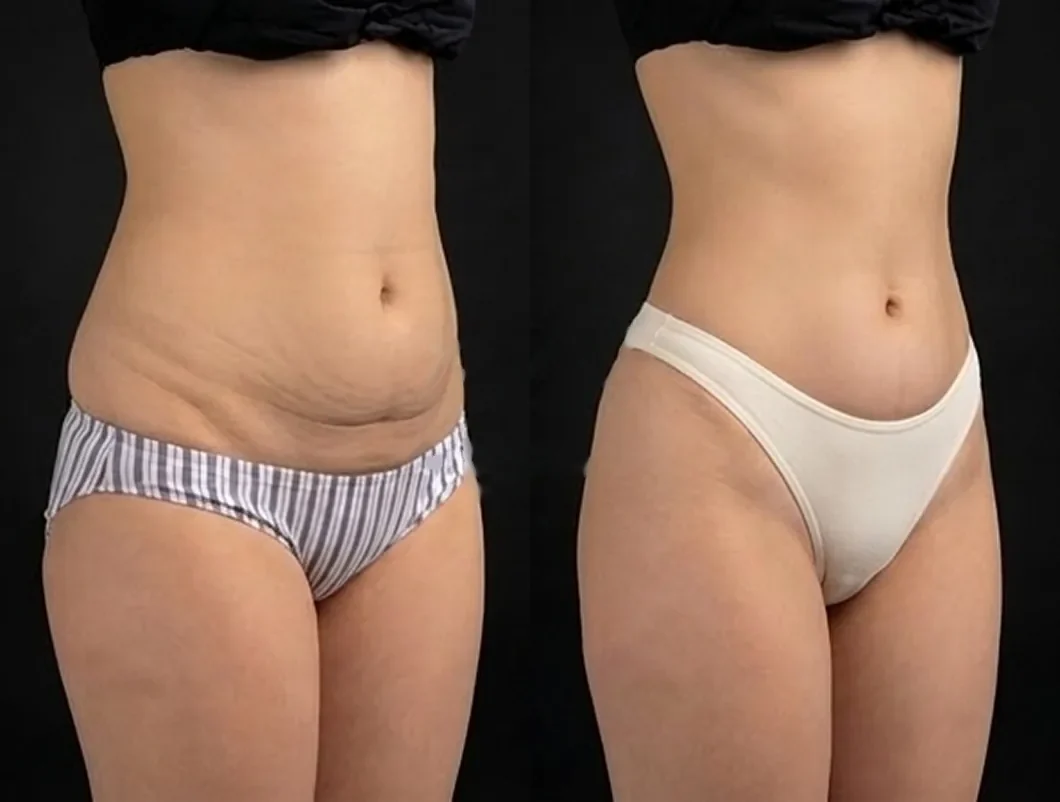 beforeafter
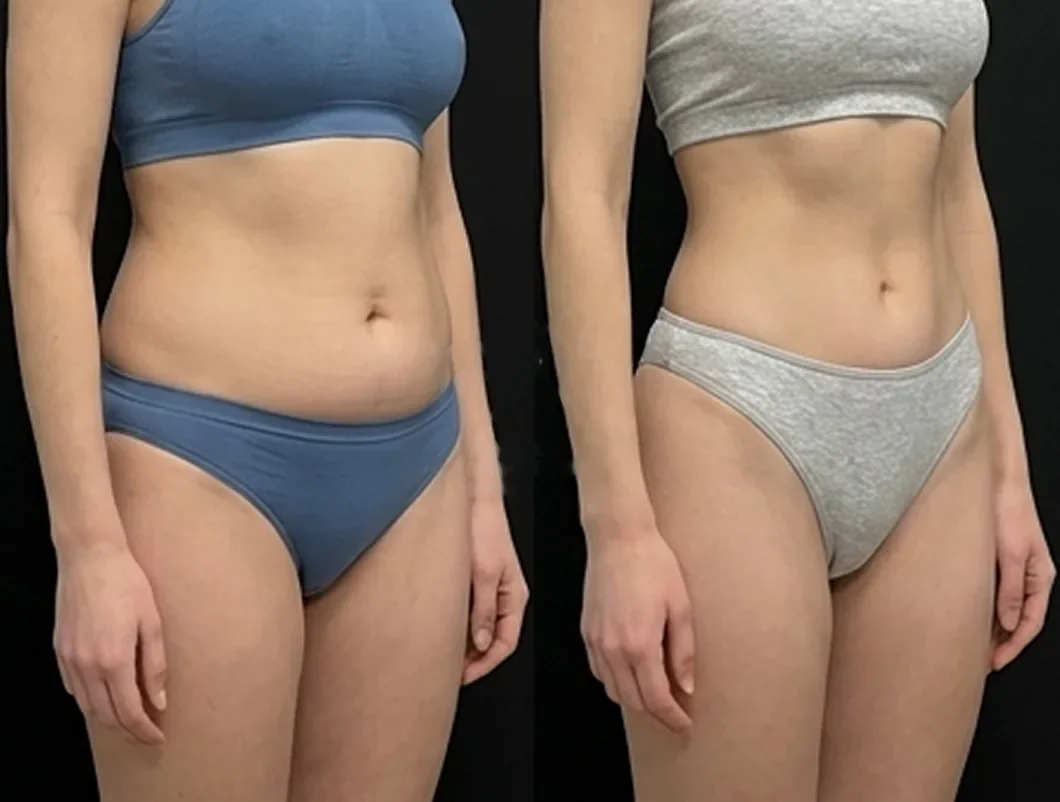 beforeafter
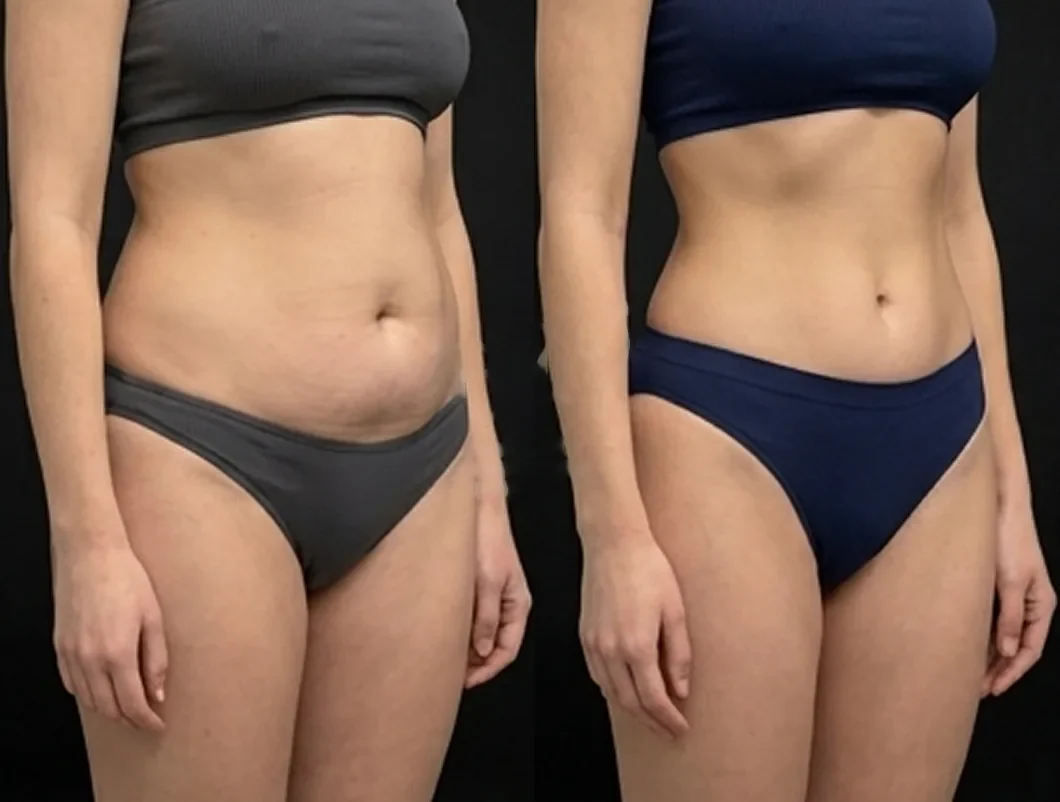 beforeafter
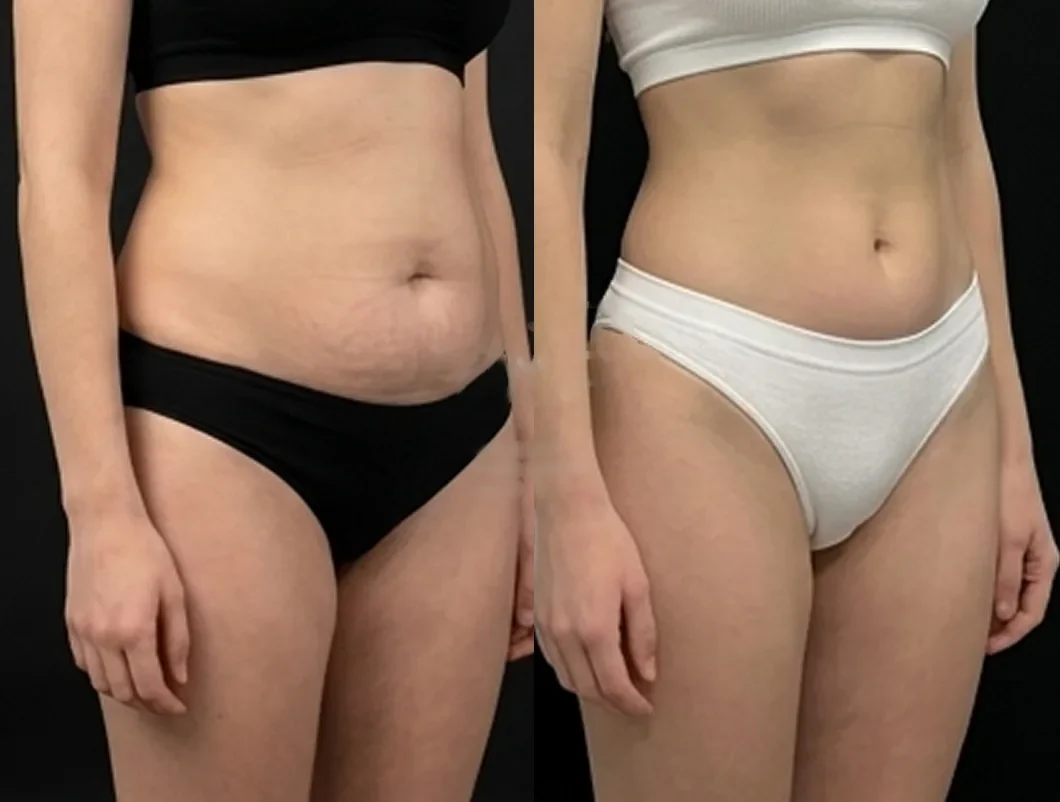 beforeafter
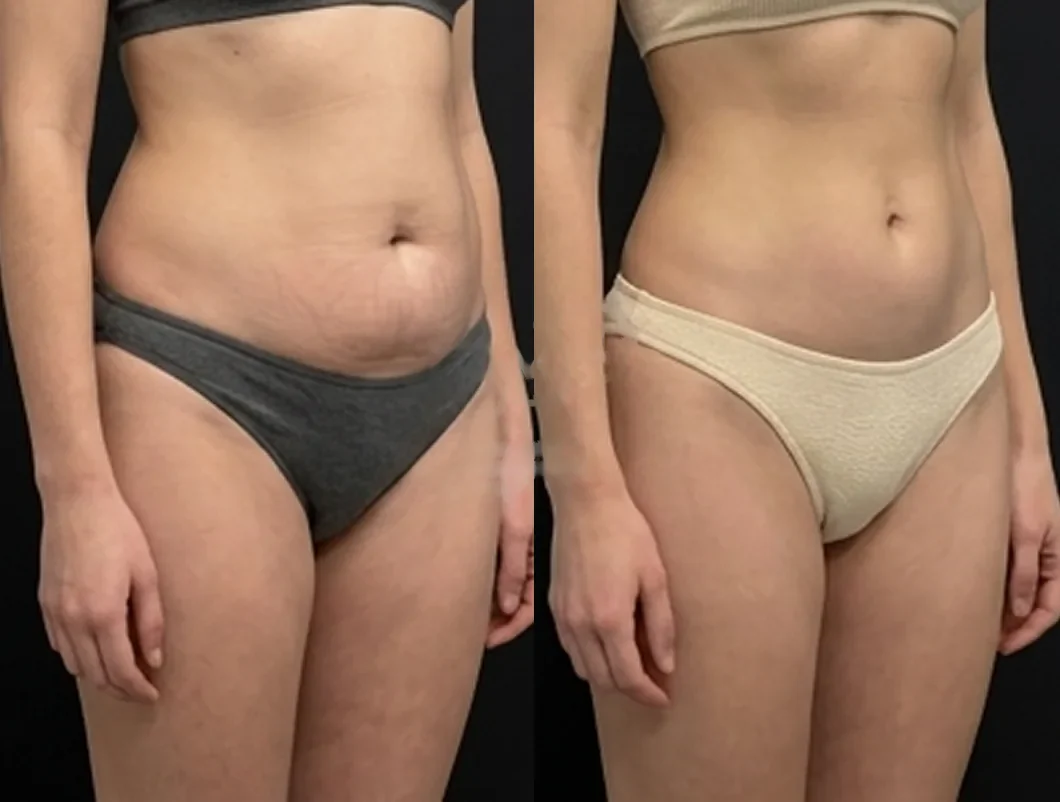 beforeafter
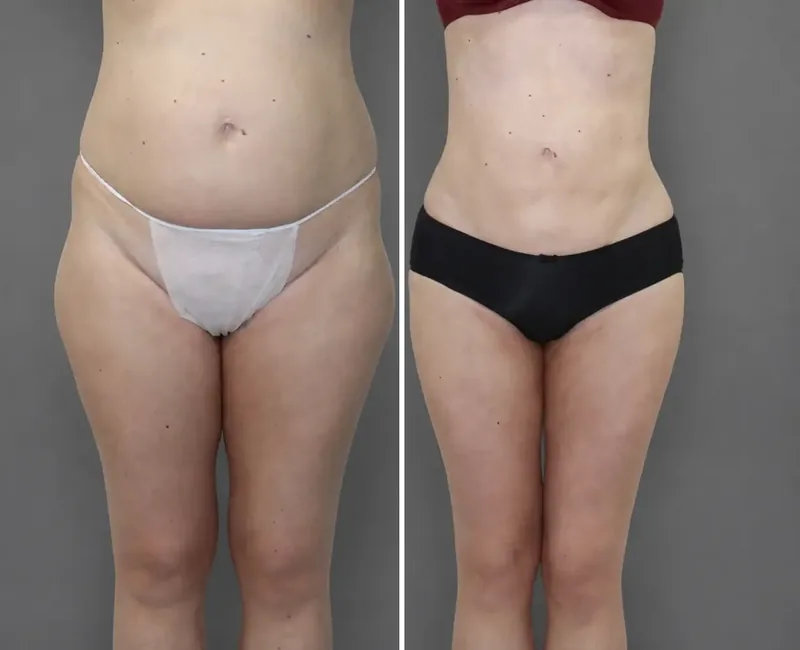
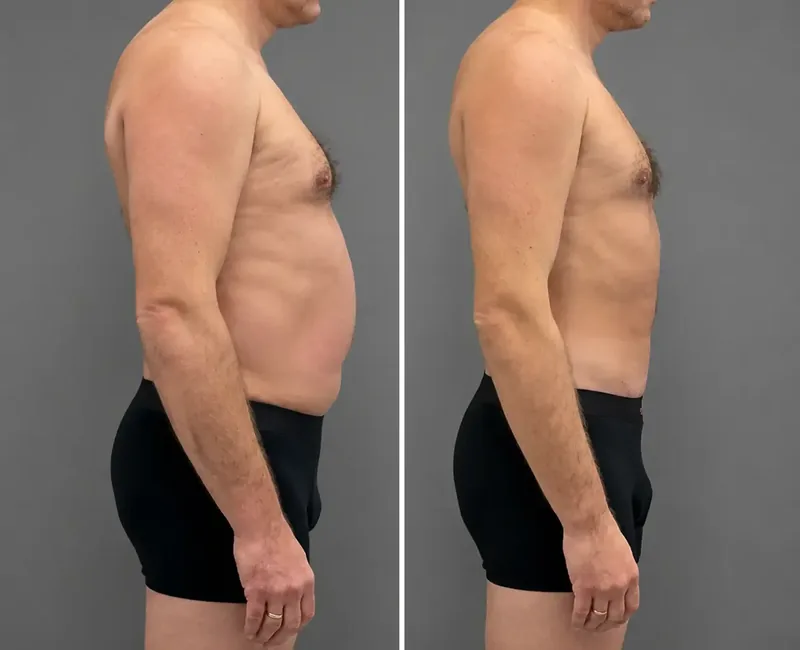






 1
 2
 3
 4
 5
 6