Talatona and why liposuction questions come up here
Talatona is a city and municipality in the province of Luanda, bordering the capital. It is a planned city, designed by the Angolan government to reduce traffic in central Luanda. Its infrastructure was built in a location south of Luanda, and it now houses several administrative and economic services that were moved out of the central zone. For residents this means a daily rhythm of offices, business buildings and commuting, and that rhythm is the starting point for planning liposuction sensibly.
The municipality has approximately 500,000 inhabitants, based on the 2018 population projections of the National Institute of Statistics. It consists of the headquarters commune, also called Talatona, and the commune of Benfica. It is further subdivided into the urban districts of Camama, Futungo de Belas and Quifica. People from all of these areas contact us with the same basic question: how do I fit a body-contouring procedure into a working week without losing control of my schedule?
Liposuction is a contouring operation. It removes localised fat deposits that do not respond to diet and exercise, such as the abdomen, flanks, thighs, arms or chin. It is not a method of losing weight, and the World Health Organization treats overweight and obesity as health conditions that need medical assessment and long-term care. A good surgeon will say this plainly at the first conversation. If your main goal is a large change in body weight, the discussion starts with your general health and not with the operation.
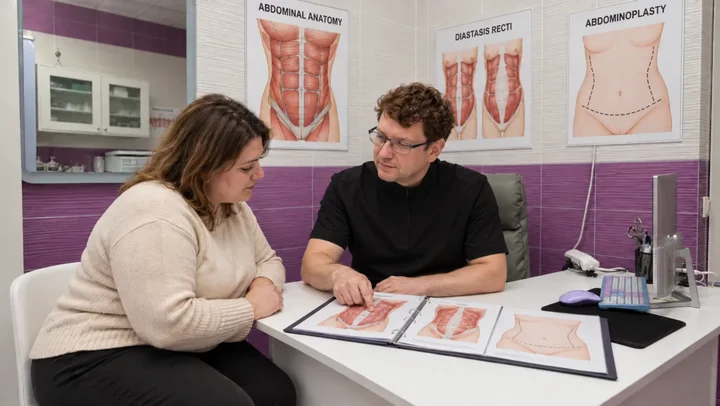
The consultation is free and online. You write to the coordinators on Telegram or WhatsApp from your own home in Talatona, in any hour, because the coordinators work 24/7. You send photographs and a short description of what bothers you, and the surgeon assesses whether liposuction is suitable, which areas are realistic, and what preparation is needed.
Climate in Talatona and what it means for recovery
Angola has a tropical climate with distinct alternating rainy and dry seasons. The dry season, known as cacimbo, is often marked by heavy morning mist, and temperatures tend to rise closer to the Atlantic Ocean. Talatona lies in the coastal province of Luanda, so heat and humidity are part of daily life for much of the year. Heat matters after liposuction because it increases the feeling of swelling and makes tight compression garments more tiring to wear.
Compression garments are worn for 30–45 days. In warm weather this is the part of recovery patients worry about most. Practical advice is general but useful: choose breathable cotton clothing to wear over the garment, keep the garment clean and dry, ask the surgeon how to wash and rotate it, and plan to spend the hottest part of the day indoors in a cool room. Do not loosen or remove the garment on your own because of discomfort; talk to the surgeon first.
Sun is the second consideration. Fresh micro-puncture marks and bruised skin should be kept out of direct sun, and tanning beds are off-limits for at least a month. In a coastal city where many people like to be outdoors, this means using light clothing and shade rather than exposing the treated areas. A hat and loose long sleeves are helpful if you must go out.
Talatona is bathed by the bay of Mussulo, and the sea and the beach are a natural weekend plan for many families. After liposuction, avoid the pool and active sport for 4–6 weeks, as well as the bathhouse and sauna. Sea water falls under the same caution while the micro-punctures are healing, so ask your surgeon when swimming is acceptable for you. The surgeon gives all individual recommendations after surgery.
Choosing the season for the operation
There is no single correct month, but the climate of the Angolan coast gives you something to think about. Angola alternates between rainy and dry seasons, and the coolest months, July and August, fall in the middle of the dry season. A cooler period can make the 30–45 days in compression garments more comfortable, and it is easier to stay in light layers without overheating.
The rainy months bring more humidity and sometimes disrupted days. If your recovery plan depends on short outings for check-ups, dressings or errands, ask yourself whether rain and heavy traffic could make those outings hard. Planning a quiet first week at home removes most of that concern, because for the first 7 days no physical exertion or heavy lifting is allowed.
Think about your calendar as well as the weather. Choose a period when you do not have a wedding, a christening, a major family celebration or a beach holiday in the first weeks after the operation. Swelling and bruising clear by weeks 4–5, and the final result forms in 3–6 months. If you want to look your best at an event, count the months backwards and leave generous time, as the first changes show at 2 weeks and an interim result is assessed at 1.5–2 months.
Climate change makes very hot days more frequent in Angola in the coming decades, so do not expect that waiting will bring ideal conditions. A realistic approach is to pick the calmer period of your own year, tell the coordinator your preferred timing during the free online consultation, and let the team plan preparation tests and the date around it.
Work, study and daily life in a planned city
Many people in Talatona work in administrative and economic services, which were relocated to this part of Luanda province from the central zone of the capital. Office work is an advantage for recovery. Most patients get back to their usual routine and work in 7–10 days, and a desk job that allows you to change position and wear loose clothing over the compression garment is easier than work that involves heavy lifting.
If your work includes physical tasks, standing for long hours or carrying loads, discuss it with the surgeon beforehand. The first 7 days exclude physical exertion and heavy lifting, and after that the return to demanding tasks should be gradual. Tell the surgeon honestly what you do all day, so that the plan fits your real life and not an idealised one.
Commuting is part of life in a city that was built to relieve traffic in central Luanda. Sitting in a car or a minibus for a long time in the first days can be tiring, so arrange a lift for the day you go home. With local anaesthesia you go home 3–4 hours after surgery; with general anaesthesia you stay one day in a comfortable ward under medical supervision. Either way, do not drive yourself home.
Students and people who study in the evening should also plan ahead. Missing a week of classes is easier to organise than missing exams, so avoid the exam period. Ask a relative or a colleague to take notes or cover tasks. Small arrangements like these make the first week calm, which in turn supports healing.
Sport, fitness and an active lifestyle after liposuction
People in Talatona who go to the gym, run in the evening or play football with friends often ask when they can return. The answer is staged. For the first 7 days, no physical exertion or heavy lifting. For 4–6 weeks, wear compression garments and avoid the bathhouse, sauna, pool and active sport. Light walking is usually encouraged early, but the surgeon tells you what is suitable for you.
Do not rush back because you feel well. Swelling and bruising clear by weeks 4–5, and the tissues keep adapting until the final result forms in 3–6 months. Training too hard too soon can increase swelling and discomfort. When you return, begin with lower intensity and increase gradually, listening to your body and to the surgeon's advice at the check-ups.
Liposuction does not replace a healthy lifestyle. It removes localised fat, but the remaining tissue still responds to nutrition and activity. Patients who keep moving and eat sensibly usually enjoy their new contour more. Ask the surgeon at your online consultation which kind of exercise will help you maintain results once you are cleared to train.
If you play team sports, mention it, and tell the surgeon about contact or impact movements that could press on the treated areas. If you swim in the bay of Mussulo or at a pool, remember that water is excluded during the early weeks. Plan your return to the water for when the surgeon allows it, not when the weather tempts you.
Food, family occasions and planning around them
Family life is central for many patients from Talatona, and meals with relatives, celebrations and gatherings are a natural part of the calendar. After liposuction there is no need to avoid food, but a lighter and regular diet helps you feel better in the first days, particularly under general anaesthesia. Your surgeon gives individual recommendations, and you should follow them.
Alcohol is off-limits for at least a month, and you should also give it up 7–10 days before the operation, along with smoking and medications that affect clotting, such as aspirin. This matters if a celebration falls in that window. It is easier to explain to family that you are on a medical programme than to make a last-minute exception. Choose a date that avoids major events both before and after surgery.
Some patients prefer to tell relatives, others prefer privacy. Both choices are fine. If you decide to tell someone, choose a person you trust to help you in the first days with practical things such as shopping, cooking and children. Having your spouse, a sister or a friend available for the first 7 days reduces the temptation to lift or strain.
When you attend a gathering in the weeks after surgery, wear loose clothes over the garment, keep your seat comfortable and do not stay out in the heat for long. Remember that compression garments are worn for 30–45 days, so plan outfits in advance. Small details of this kind make recovery much less stressful.
How the remote consultation works from Talatona
You do not need to go anywhere to begin. Write to the coordinators on Telegram or WhatsApp from your home or workplace in Talatona. They work 24/7, so you can write in the evening after work, on a weekend or during a quiet moment of the day. The first consultation is online and free.
You will be asked to describe the areas you want to treat, your general health, any previous operations, chronic illnesses, medications and whether you smoke or drink alcohol. Photographs help the surgeon judge the quality of the skin and the distribution of fat. The surgeon then explains whether liposuction suits you and which techniques are being considered, such as tumescent and VASER with micro-incisions of 3–5 mm and precise volume control.
The coordinator then explains the next steps: the pre-operative tests, the choice of anaesthesia and how the dates are arranged. Pre-operative tests include blood tests, ECG, ultrasound, and consultations with a general practitioner and an anaesthesiologist. You will receive all instructions after the first consultation, and you can ask the same questions as many times as you need.
The approach is personal and flexible. We respect your time and adapt to your pace, with easy booking and a personal approach. You are under no obligation to decide immediately. Many people from Talatona talk with the team several times, show the plan to their family and only then choose a date.
The procedure itself: what to expect
Liposuction begins with marking the areas and fitting compression garments. Under local or general anaesthesia the surgeon removes fat through 3–5 mm micro-punctures. The operation lasts from 1 hour for small areas to 3–4 hours for a combined procedure, and the overall range is 1–4 hours of surgery.
The anaesthesia is either local or general, and the choice depends on the volume, the number of areas, your health and your preference. With local anaesthesia you go home 3–4 hours after surgery; with general anaesthesia you stay one day in a comfortable ward under medical supervision. The aim is a smooth contour that keeps the natural proportions of your body, not an exaggerated shape.
Because the punctures are only 3–5 mm across, they usually need no stitches. Once healed, the marks are barely visible, and with proper care during recovery they fade completely. This is reassuring for people in a warm coastal city who wear light clothing, but you still need to protect fresh marks from the sun and follow care instructions.
The surgeon follows your recovery and the new body contour at check-ups after 7 days, 3 months and 6 months. Check-ups, dressings and aftercare advice are already included in the surgery package. Until the end of the year, you can also get a post-surgery consultation with your surgeon to review results and get more information, at the clinic's expense.
Recovery timeline, results and who is a suitable candidate
The first changes show at 2 weeks after surgery, when the main swelling has gone down. Swelling and bruising clear by weeks 4–5, an interim result is assessed at 1.5–2 months, and the final contours form in 3–6 months, once the tissues have fully adapted. Be patient: judging the result in the first weeks leads to unnecessary worry.
Most patients get back to their usual routine and work in 7–10 days. Compression garments stay on for 30–45 days, and for 4–6 weeks you avoid the bathhouse, sauna, pool and active sport. Alcohol and tanning beds are off-limits for at least a month. The surgeon gives all individual recommendations after the operation, and they take precedence over any general advice.
We operate from age 18+, if there are no contraindications. There is no upper age limit; after an examination and health assessment, the decision is made individually. Contraindications are assessed by the surgeon and the anaesthesiologist. Anyone with a serious chronic illness, a clotting problem or an unresolved infection should say so openly during the online consultation.
Good candidates are people whose weight is relatively stable and whose problem is localised fat that does not respond to lifestyle changes. Liposuction is not a treatment for obesity, a point also made by the World Health Organization in its guidance on overweight. If your weight is far above the healthy range, the surgeon may suggest dealing with that first.
Talatona's districts and how location shapes your plan
Talatona is made up of the headquarters commune, which also bears the name Talatona, and the commune of Benfica, and it is further subdivided into the urban districts of Camama, Futungo de Belas and Quifica. Residents of these areas live at different distances from one another and from the centre of Luanda, and that matters when you plan the few days around surgery. Before you choose a date, think about where you will rest, who will be with you, and how far you will have to move on the first day at home.
The municipal territory is bathed by the bay of Mussulo and includes two islands, the islet of Birds and the island of Desterro. For many local families the water is a regular weekend setting. If you live near the bay, tell the surgeon during the online consultation, because the early weeks without sea water, the pool and active sport are easier to accept when you have planned alternative activities in advance.
Talatona sits in the province of Luanda, which is the most densely populated part of the country. In such an environment it is normal to hear opinions from colleagues, neighbours and relatives about body contouring. Treat these as conversation and not as medical advice. The only reliable assessment is the one made by the surgeon after your photographs, your health history and your tests.
Preparing your home in Talatona for the first days
A calm first week begins with the home. Before the operation, prepare a bed or sofa where you can rest comfortably, put everyday items within easy reach, and arrange meals so that you do not need to stand for long in the kitchen. Since the first 7 days exclude physical exertion and heavy lifting, move heavy shopping, water containers and laundry baskets out of your daily routine in advance.
Keep a clean spare compression garment if the surgeon advises one, along with loose cotton clothes that fit comfortably over it. In a warm coastal climate, light fabrics are much easier to tolerate for the 30–45 days of compression. Ask the surgeon how to wash the garment and how often to change it, and follow those instructions exactly.
Think about electricity and cooling. Because heat increases the feeling of swelling and tiredness, a fan or a cool room helps you rest. Plan so that you will not depend on a long walk in the afternoon sun for anything essential. A relative, a neighbour or a friend who can bring groceries or medication during the first days makes a real difference.
Finally, keep your phone charged and the chat with the coordinators open. They work 24/7 on Telegram and WhatsApp, so if something worries you at night, you can write immediately instead of waiting for the morning. Your surgeon gives all individual recommendations after surgery, and those instructions replace any general advice.
Common myths that patients in Talatona repeat
One frequent belief is that liposuction is a quick way to lose weight before an event. It is not. It reshapes localised areas and does not replace diet, movement or medical care for overweight. The World Health Organization describes overweight and obesity as health conditions that need proper assessment, and a responsible surgeon will discuss your weight openly before agreeing to operate.
Another belief is that the result can be judged after a few days. In reality swelling hides the contour at first. The first changes show at 2 weeks, once swelling subsides, an interim result is assessed at 1.5–2 months, and the final result forms in 3–6 months. Comparing yourself with photographs of other people at a different stage only creates anxiety.
Some people think that a procedure done through small punctures leaves no need for care. The punctures are only 3–5 mm across and usually need no stitches, and once healed the marks are barely visible, but recovery still requires compression garments, rest, protection from sun and attendance at check-ups after 7 days, 3 and 6 months.
A last myth is that a person must be young. We operate from age 18+, if there are no contraindications, and there is no upper age limit. After an examination and health assessment the decision is made individually, so health matters more than the number in your passport.
Practical checklist before you write to the coordinators
A short list saves time during the free online consultation. Note which areas bother you and since when, whether your weight has been stable, any previous operations, chronic illnesses, current medications and whether you smoke or drink alcohol. Have two or three clear photographs ready in good daylight, and write down the dates you would prefer, keeping family events and work deadlines in mind.
Think about your work. Most patients get back to their usual routine and work in 7–10 days, so tell the coordinator whether you have an office role in Talatona, a job on your feet or a schedule with fixed deadlines. This helps the team suggest a realistic date for surgery and for the first check-up at 7 days.
Prepare to stop smoking, alcohol and medications that affect clotting, such as aspirin, 7–10 days before liposuction, and expect the pre-operative tests: blood tests, ECG, ultrasound, and consultations with a general practitioner and an anaesthesiologist. You will receive all instructions after the first consultation, so you do not need to memorise anything in advance.
Lastly, agree with a trusted person who will take you home and stay near you for the first days. With local anaesthesia you go home 3–4 hours after surgery; with general anaesthesia you stay one day in a comfortable ward under medical supervision. Having this arrangement settled makes the decision itself much easier.
Questions to ask the surgeon before you decide
Prepare your questions in advance and write them down. Ask which areas are realistic for you and which are better left alone. Ask which technique is recommended, whether tumescent, VASER or a combination, and why. Ask how much fat can be removed safely in one session, and whether a combined procedure suits your health.
Ask about anaesthesia: would local or general be better for you, and what does each mean for the day of surgery? Remember that under local anaesthesia you go home 3–4 hours after surgery, and under general anaesthesia you stay one day. Ask what you should do in the previous 7–10 days, including which medications to stop, and which tests are required.
Ask about recovery in your specific situation in Talatona: how to cope with the heat while wearing the garment, how to arrange a return to work in 7–10 days, which tasks to avoid, and when sport and the pool become possible. Ask what to do if you notice unusual swelling, pain or fever, and how to reach the team quickly. The coordinators answer on Telegram and WhatsApp at any time.
Finally, ask what the follow-up looks like: check-ups after 7 days, 3 months and 6 months, dressings and aftercare advice, and the post-surgery consultation until the end of the year. A clear answer to these questions shows that the care continues long after the operation itself, which is what matters most.
Can I have the first consultation from Talatona without leaving home?
Yes. The consultation is online and free. You write to the coordinators on Telegram or WhatsApp, send photographs and a short description, and the surgeon assesses whether liposuction suits you. The coordinators work 24/7, so you can write at a time that suits your day.
How long will I be off work after liposuction?
Most patients get back to their usual routine and work in 7–10 days. If your work involves heavy lifting or long periods on your feet, discuss it with the surgeon, because the first 7 days exclude physical exertion and heavy lifting and the return to hard tasks should be gradual.
Is the heat in Talatona a problem for wearing compression garments?
Compression garments are worn for 30–45 days, and warm, humid weather can make them tiring. Wear breathable clothing over the garment, keep it clean and dry, rest in a cool room during the hottest hours and ask the surgeon about washing and rotating it. Do not remove it on your own.
Can I swim in the sea or a pool after the operation?
For 4–6 weeks you should avoid the pool, the bathhouse, the sauna and active sport. Sea water belongs to the same caution while the micro-punctures are healing. Ask your surgeon when swimming is acceptable for you.
How long does the surgery take, and when do I go home?
Surgery takes from 1 hour for small areas to 3–4 hours for a combined procedure, under local or general anaesthesia. With local anaesthesia you go home 3–4 hours after surgery; with general anaesthesia you stay one day in a comfortable ward under medical supervision.
Will there be visible scars?
The surgery is done through punctures only 3–5 mm across, and they usually need no stitches. Once healed, the marks are barely visible, and with proper care during recovery they fade completely. Protect them from the sun and follow the surgeon's instructions.
When will I see the result?
The first changes show at 2 weeks, once the main swelling subsides. Swelling and bruising clear by weeks 4–5, an interim result is assessed at 1.5–2 months, and the final contours form in 3–6 months. Check-ups take place at 7 days, 3 months and 6 months.
How should I prepare for liposuction?
Give up smoking, alcohol and medications that affect clotting, such as aspirin, 7–10 days before the operation. Pre-operative tests are required: blood tests, ECG, ultrasound, and consultations with a general practitioner and an anaesthesiologist. You receive all instructions after the first consultation.
Who can have liposuction, and is there an age limit?
We operate from age 18+, if there are no contraindications. There is no upper age limit; after an examination and health assessment, the decision is made individually. Liposuction is a contouring procedure and not a treatment for obesity.
Are check-ups and aftercare included?
Yes. The surgeon follows your recovery at check-ups after 7 days, 3 months and 6 months, and check-ups, dressings and aftercare advice are already included in the surgery package. Until the end of the year, you can also have a post-surgery consultation to review results, at the clinic's expense.
Does living on the Mussulo bay side of Talatona change anything for recovery?
Not the operation itself, but the early weeks do need planning. For 4–6 weeks you avoid the pool, the bathhouse, the sauna and active sport, and sea water falls under the same caution while the punctures heal. Protect the treated areas from direct sun and ask the surgeon when swimming is acceptable.
Is liposuction a way to lose weight quickly?
No. It is a contouring operation for localised fat that does not respond to diet and exercise. Overweight and obesity are health conditions that need medical assessment, and the surgeon will discuss your general health honestly before any decision.
Who should be with me at home after the operation?
Choose a relative or friend you trust, ideally for the first 7 days, when physical exertion and heavy lifting are not allowed. With local anaesthesia you go home 3–4 hours after surgery, so someone should take you home and help with meals, shopping and children.



























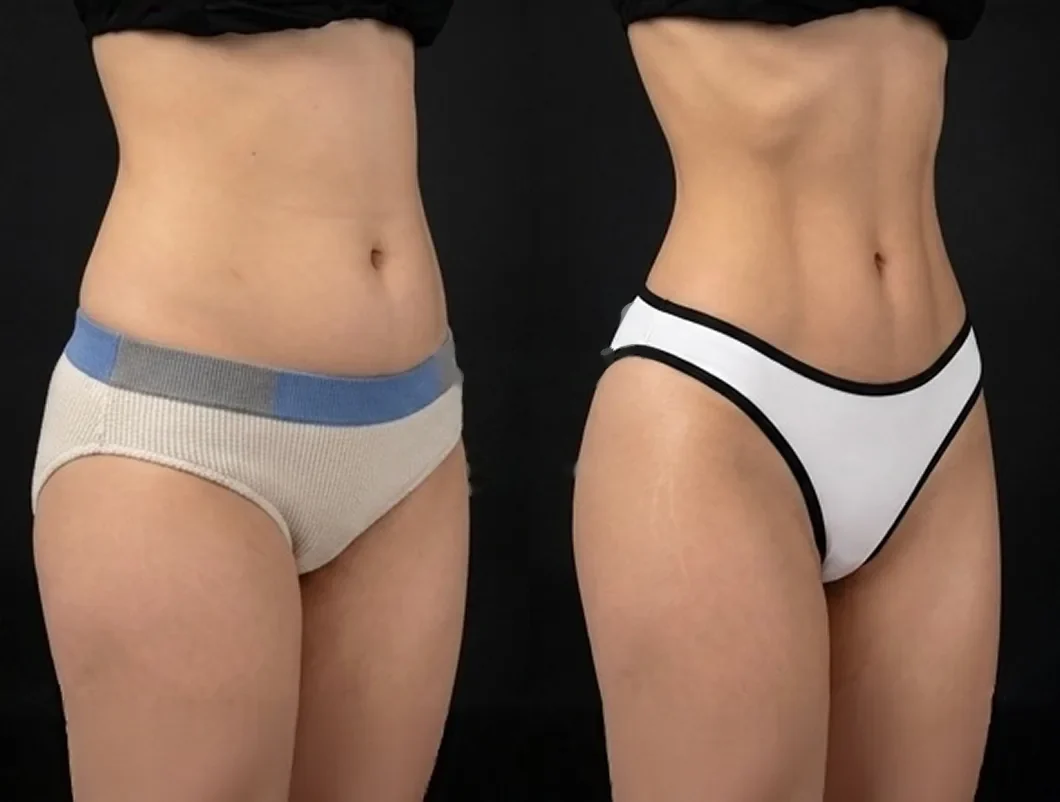 beforeafter
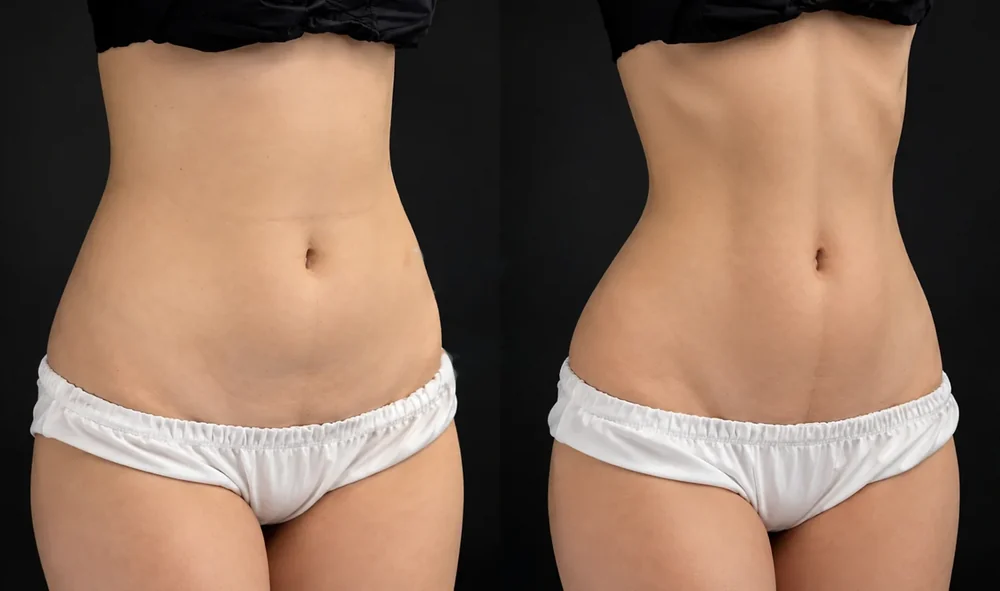
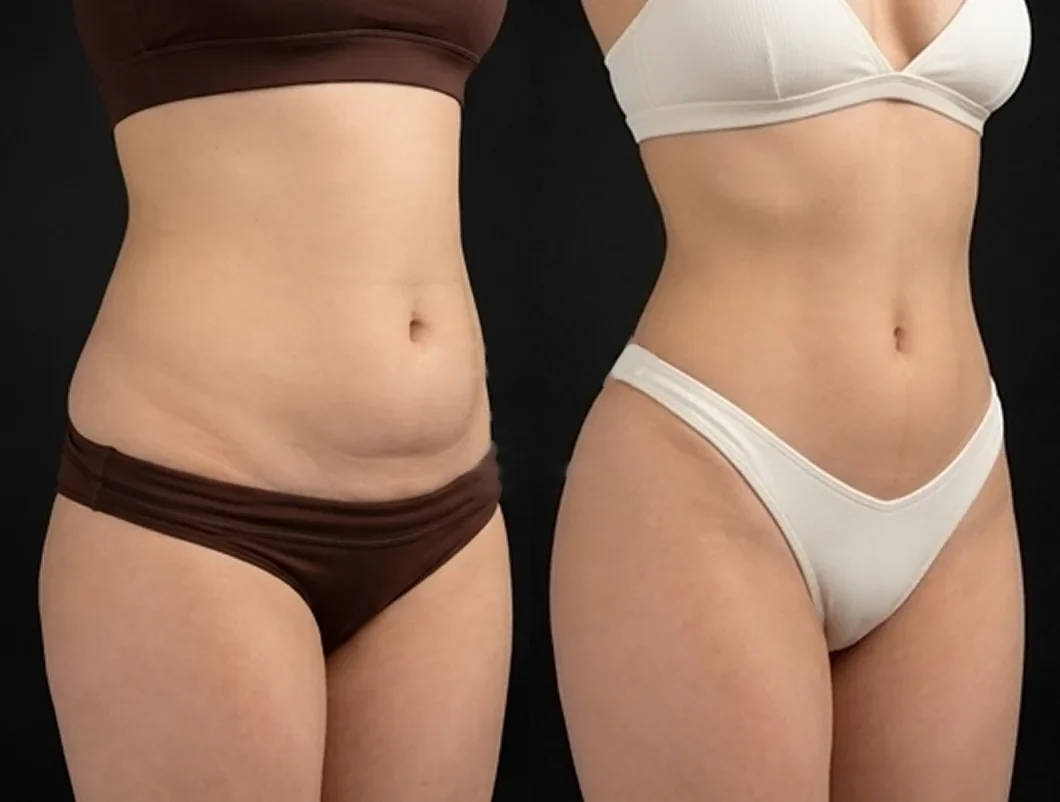 beforeafter
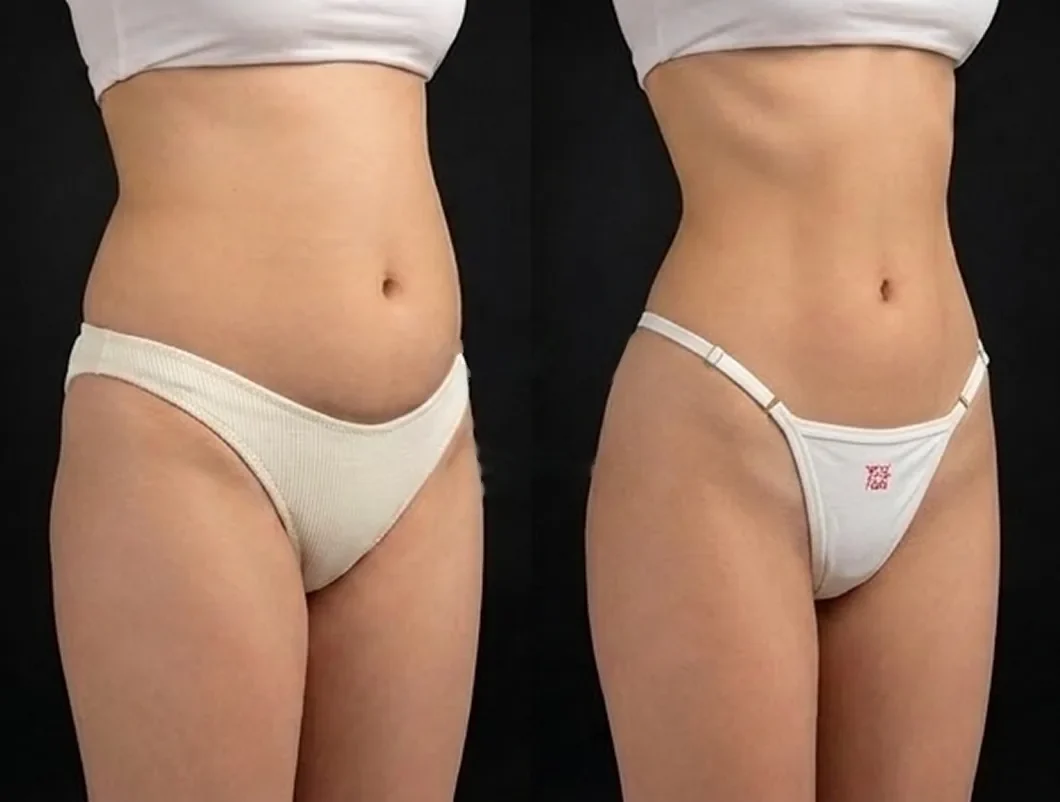 beforeafter
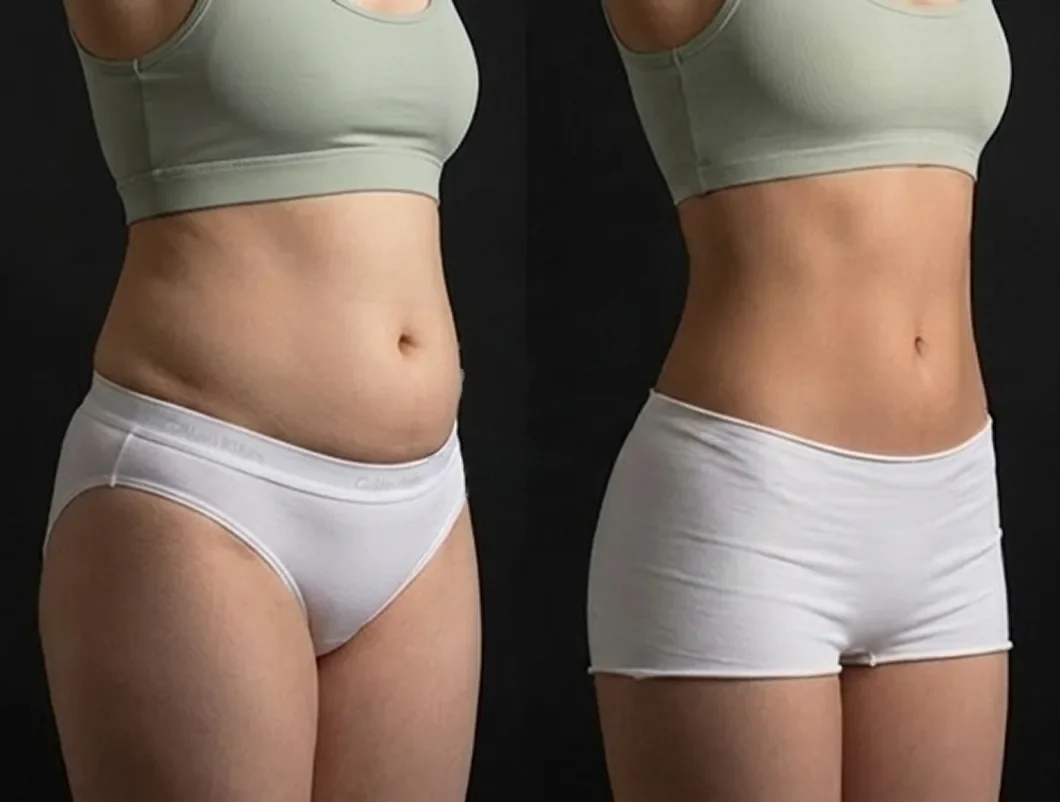 beforeafter
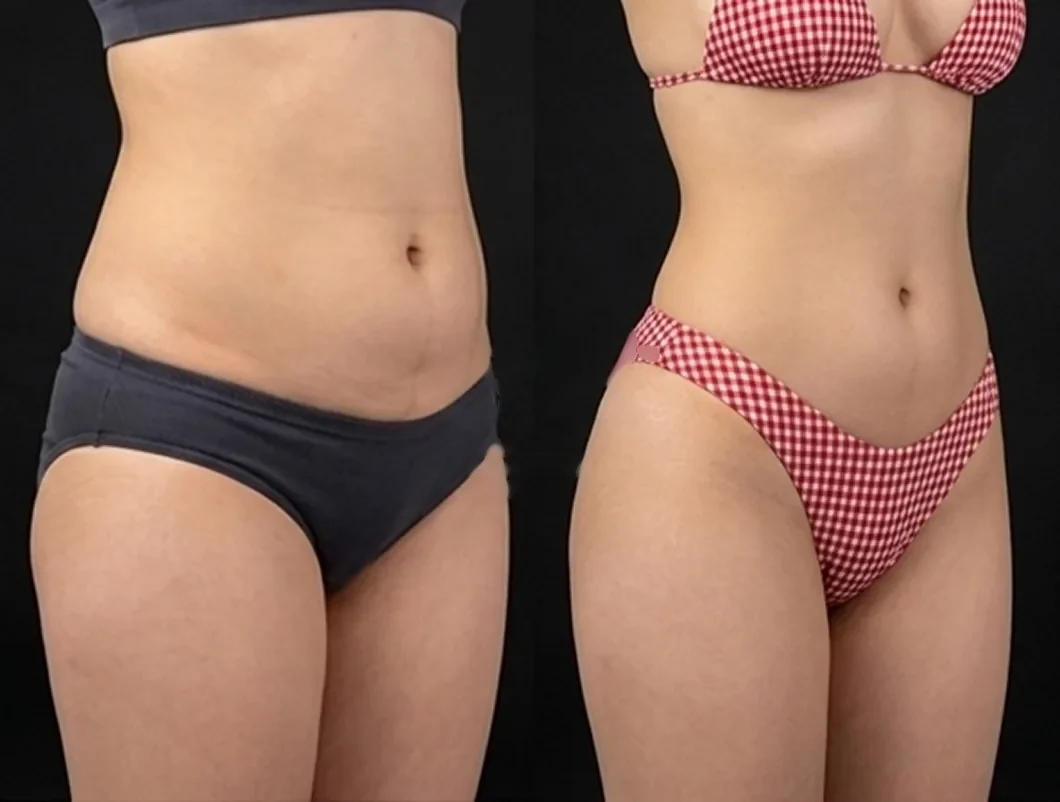 beforeafter
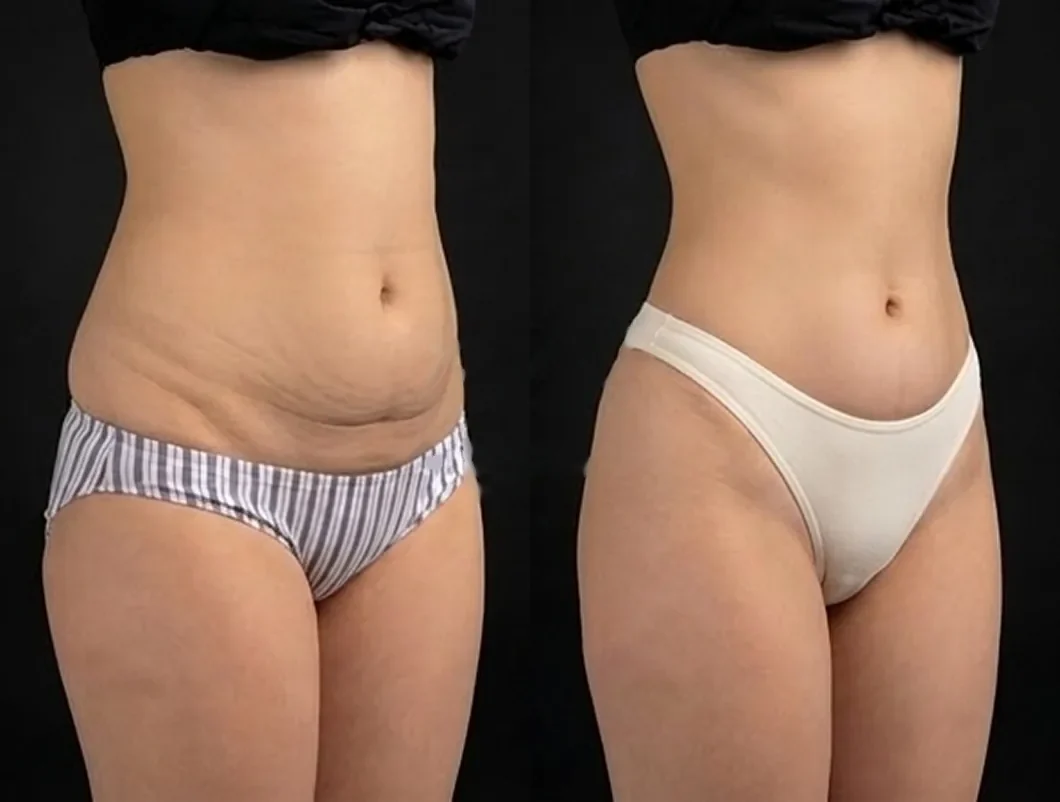 beforeafter
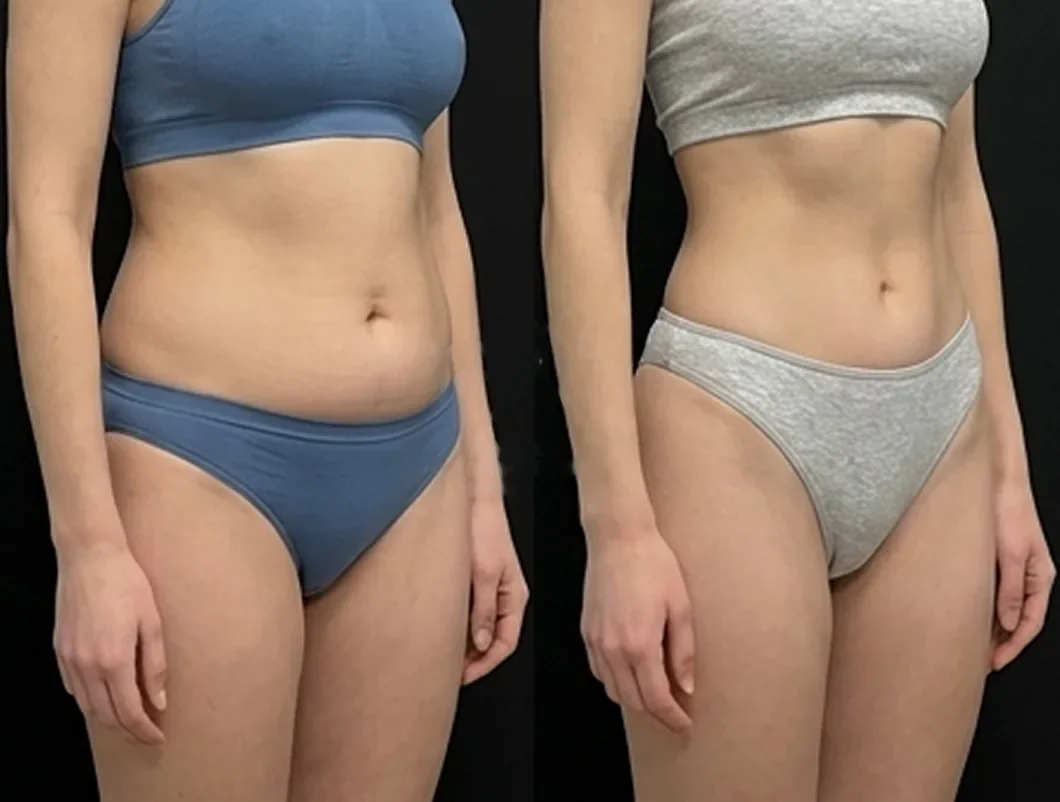 beforeafter
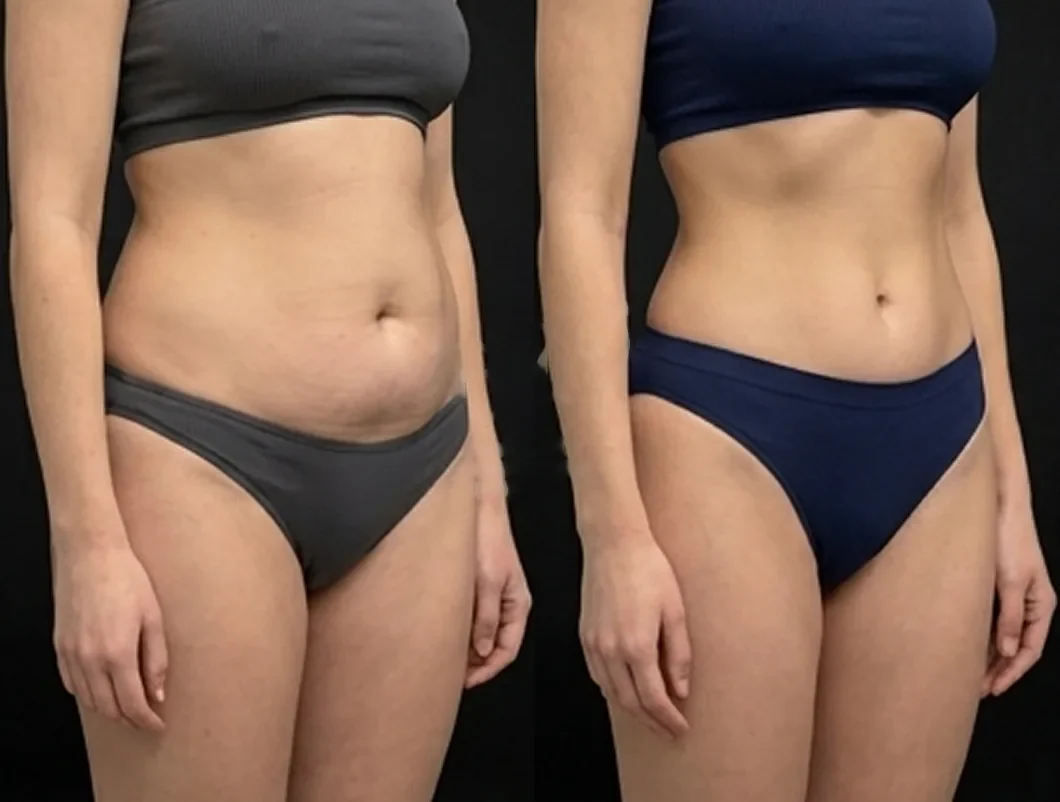 beforeafter
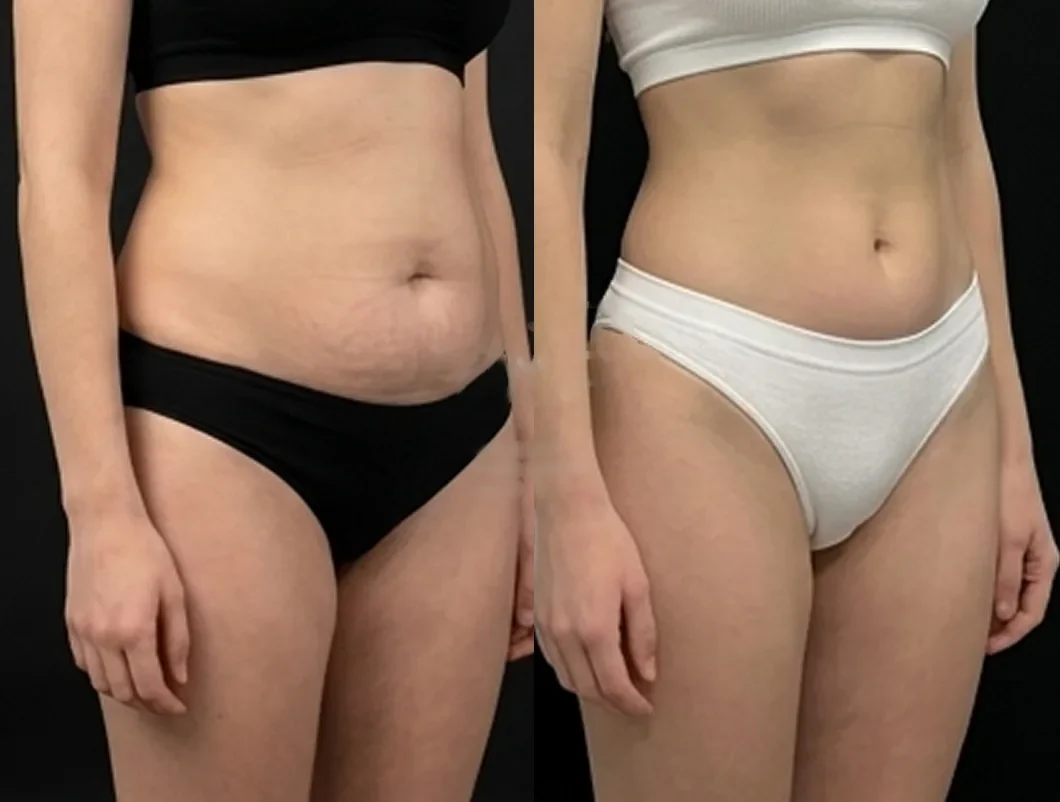 beforeafter
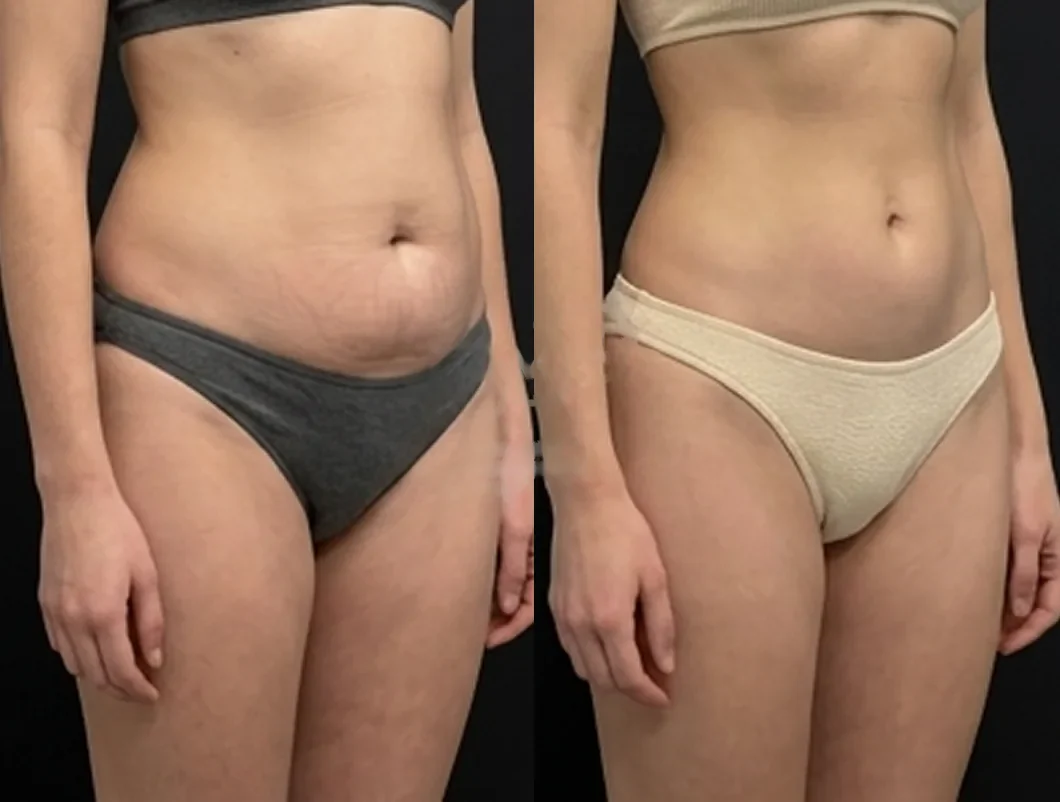 beforeafter
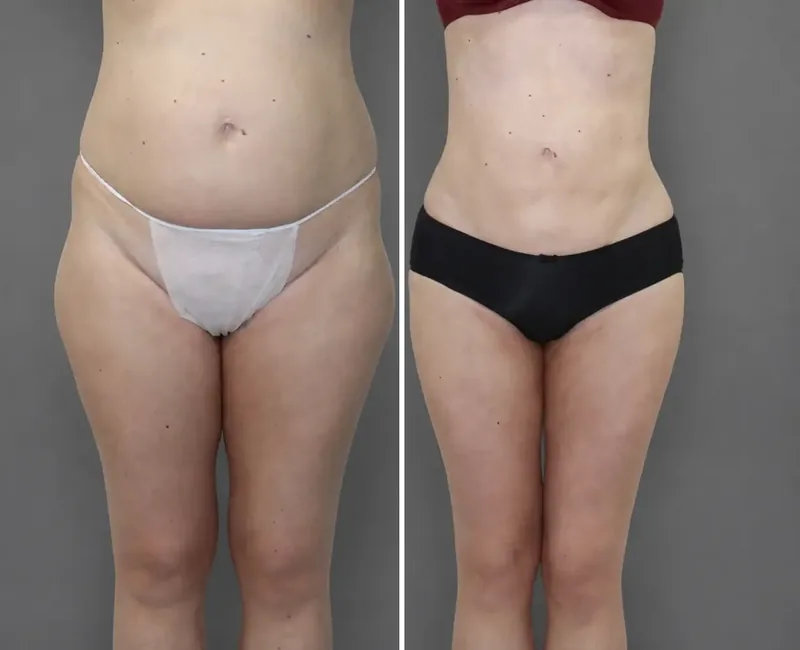
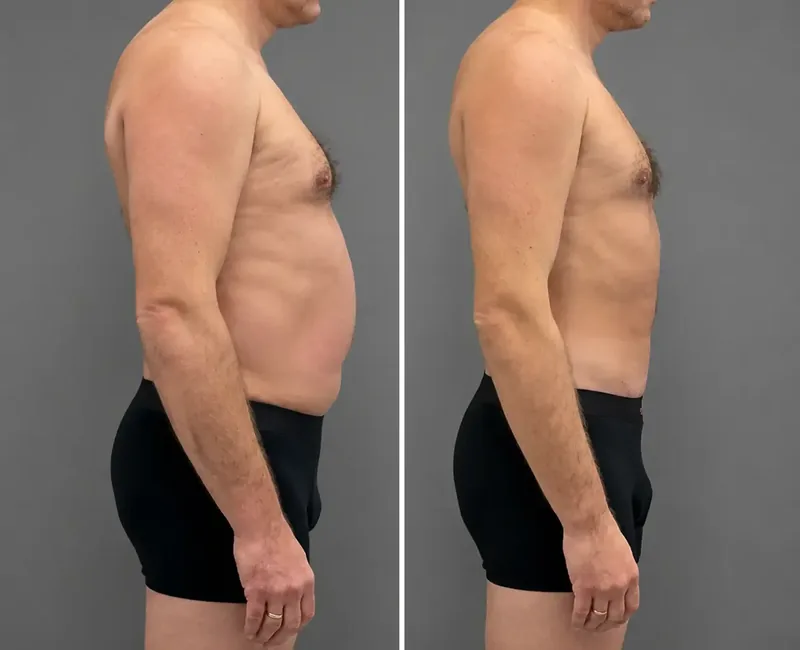






 1
 2
 3
 4
 5
 6