City Medical Centre · multi-specialty surgery clinicOpen 24/7

Tummy tuck

Tummy Tuck in Talatona: Methods and Recovery

Free consultation

Price at consultation

The price is fixed in the contract before surgery
Real case
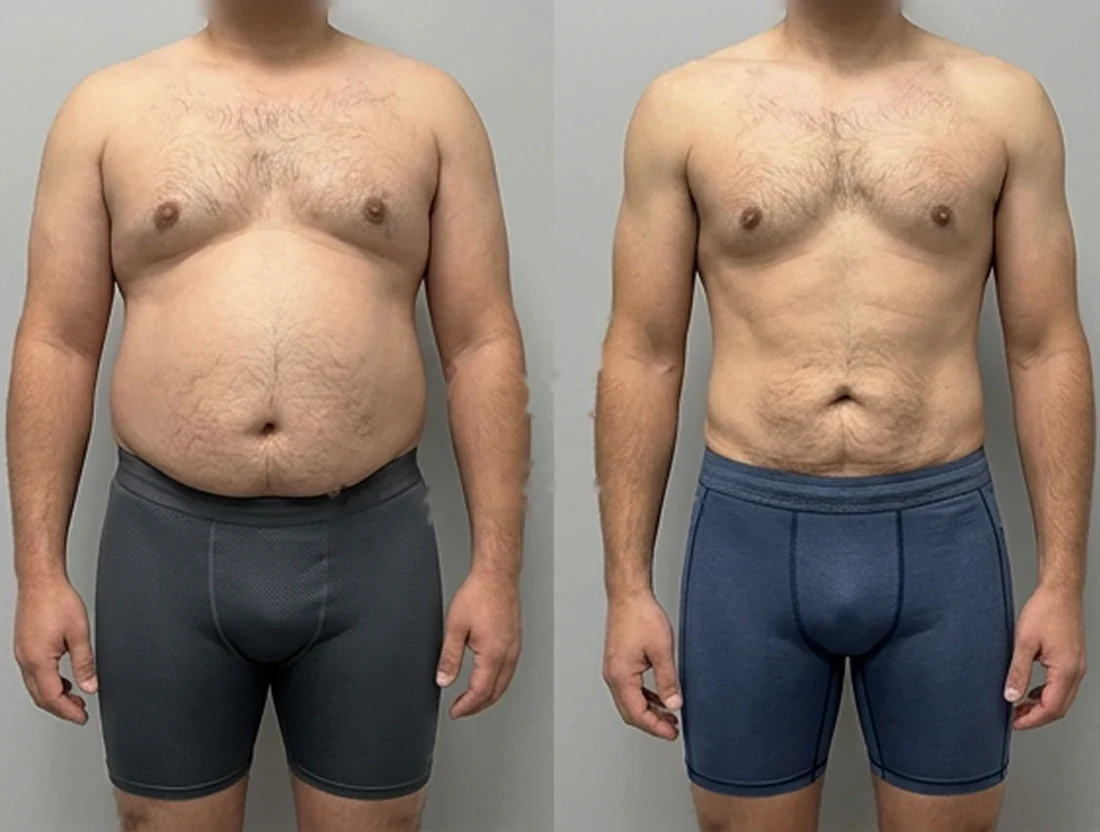
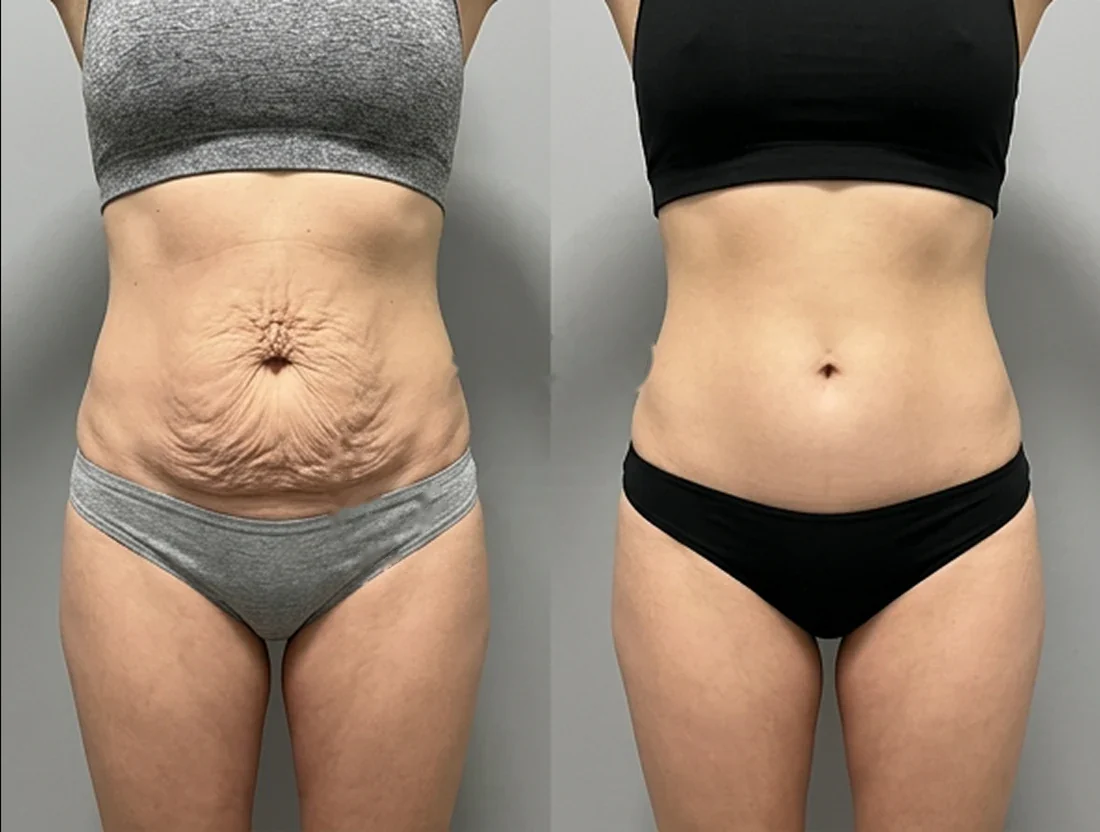
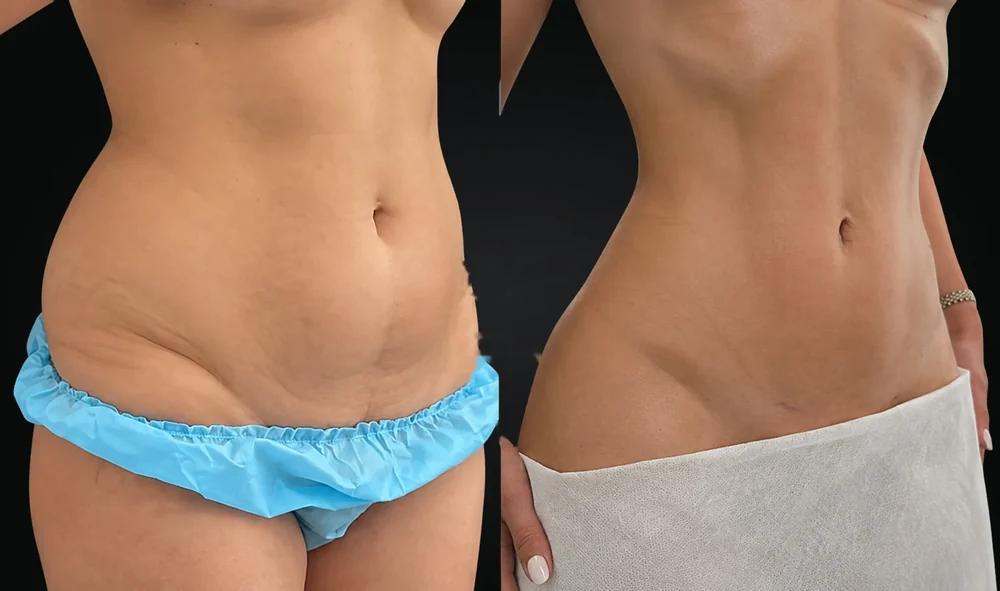
Tummy tuck: a patient's abdomen before and after surgery before after
A flat tummy and a toned silhouette in one operation. Your individual surgical plan and the expected result are discussed at the consultation

Message our coordinator

Free online consultation · Reply within 15 minutes

Message us on Telegram

By messaging us, you agree to our Privacy Policy

Results

Tummy tuck results
of our patients

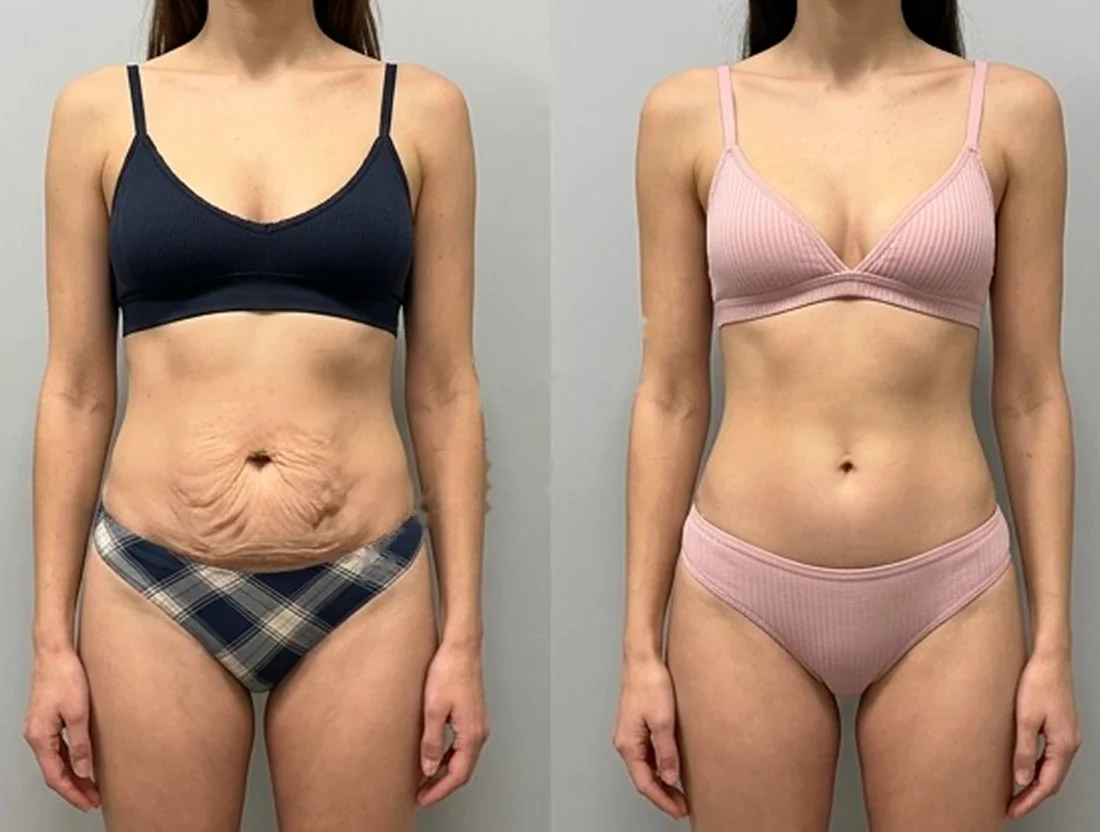
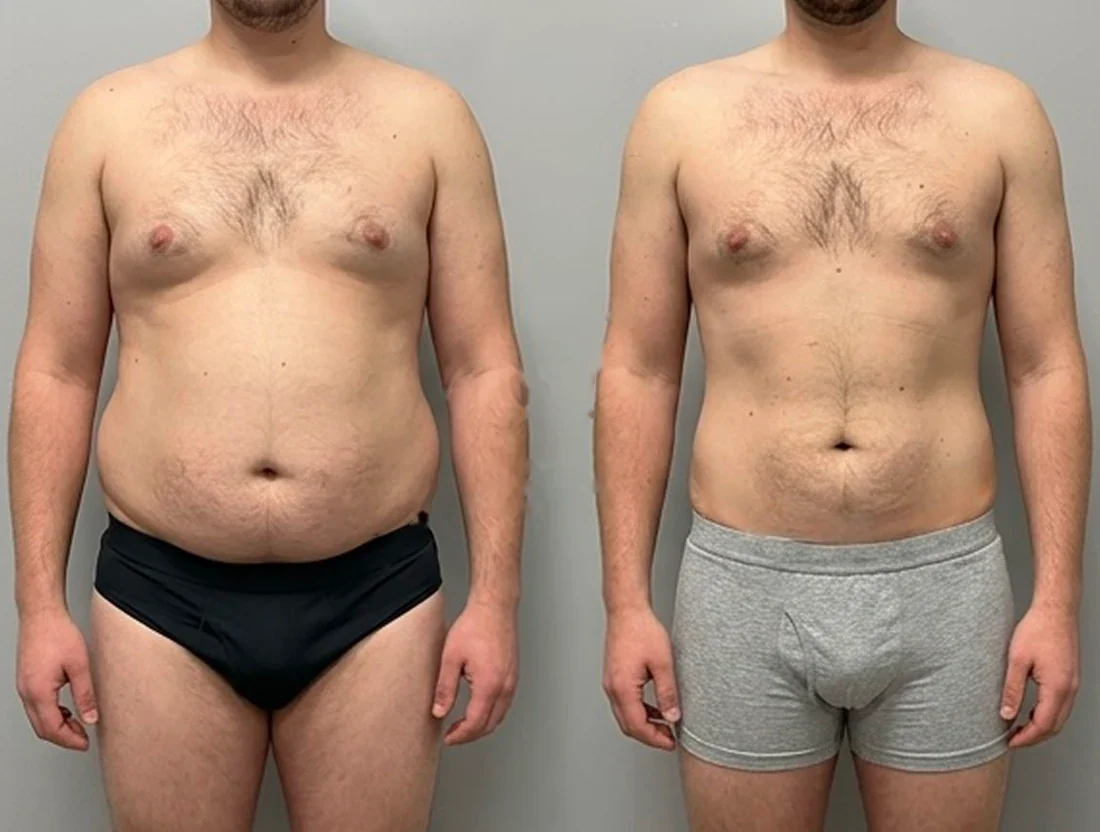
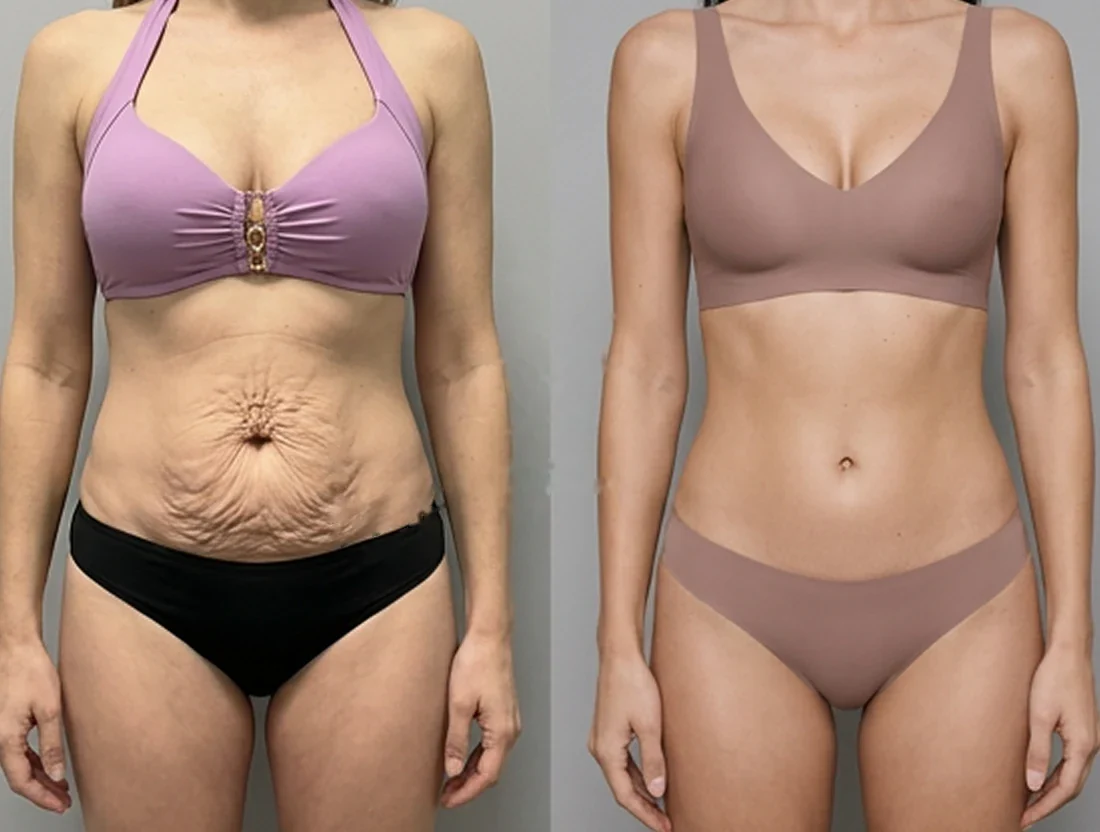
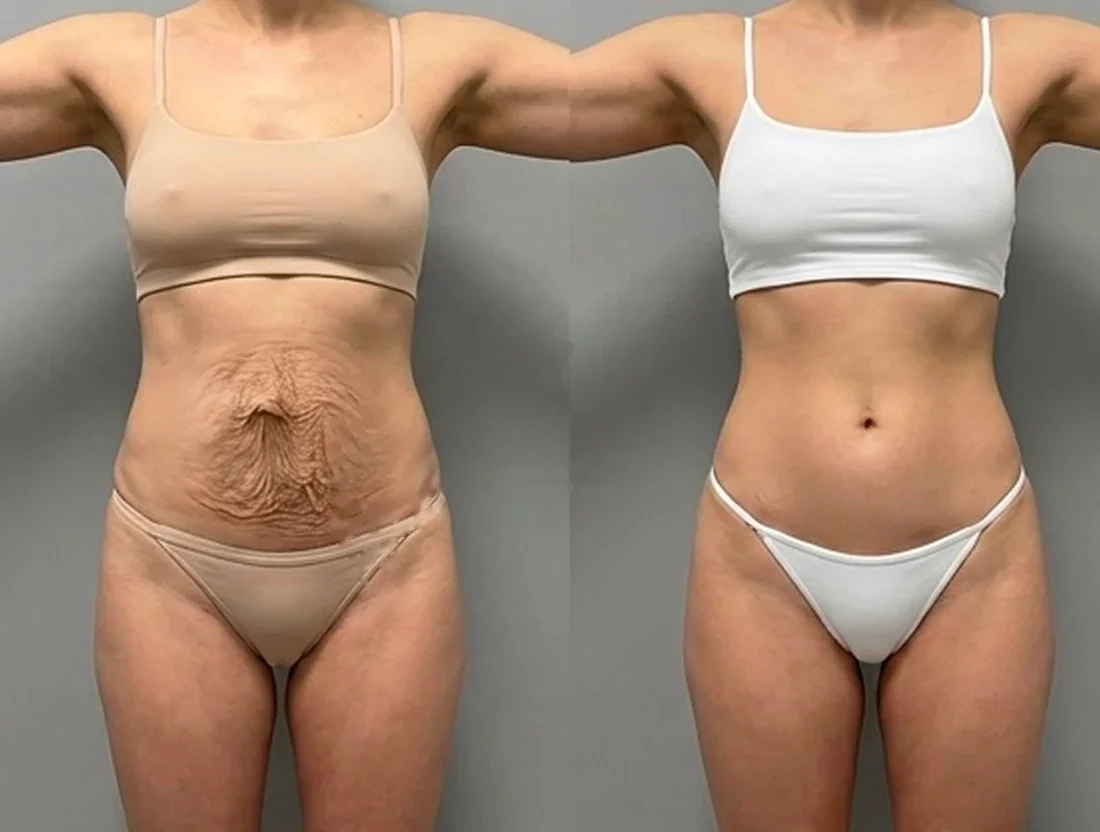
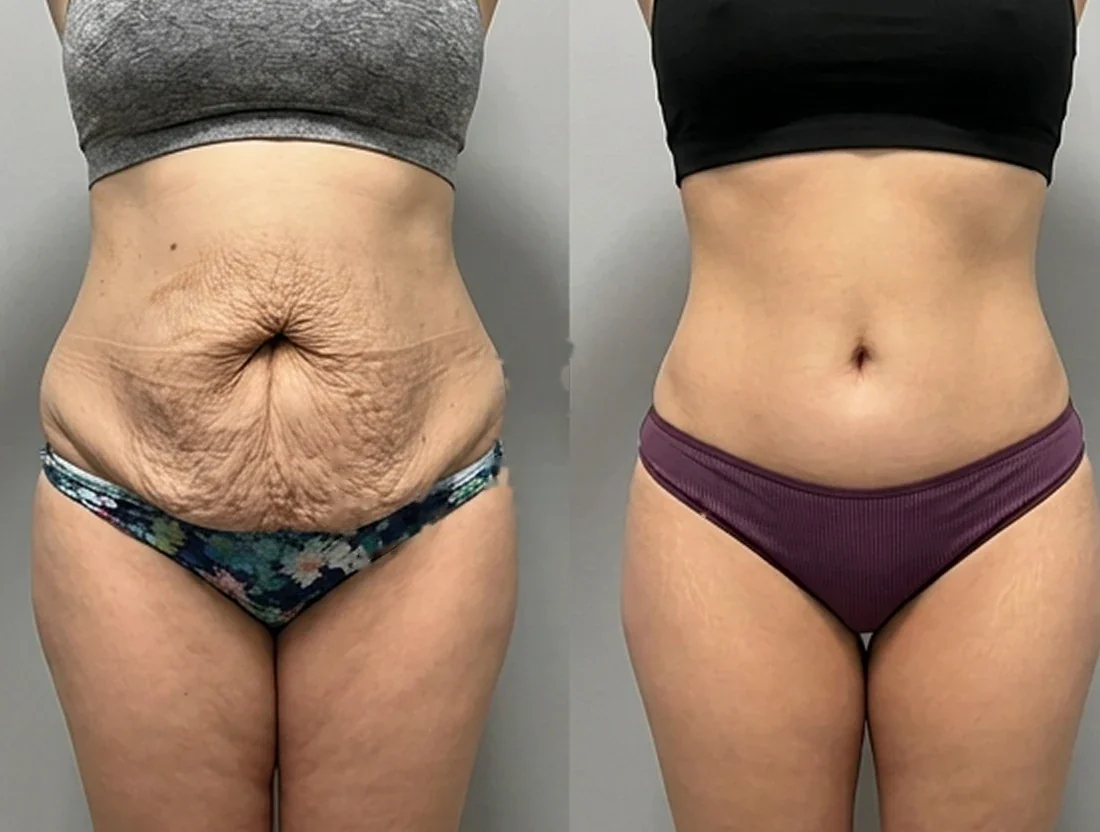
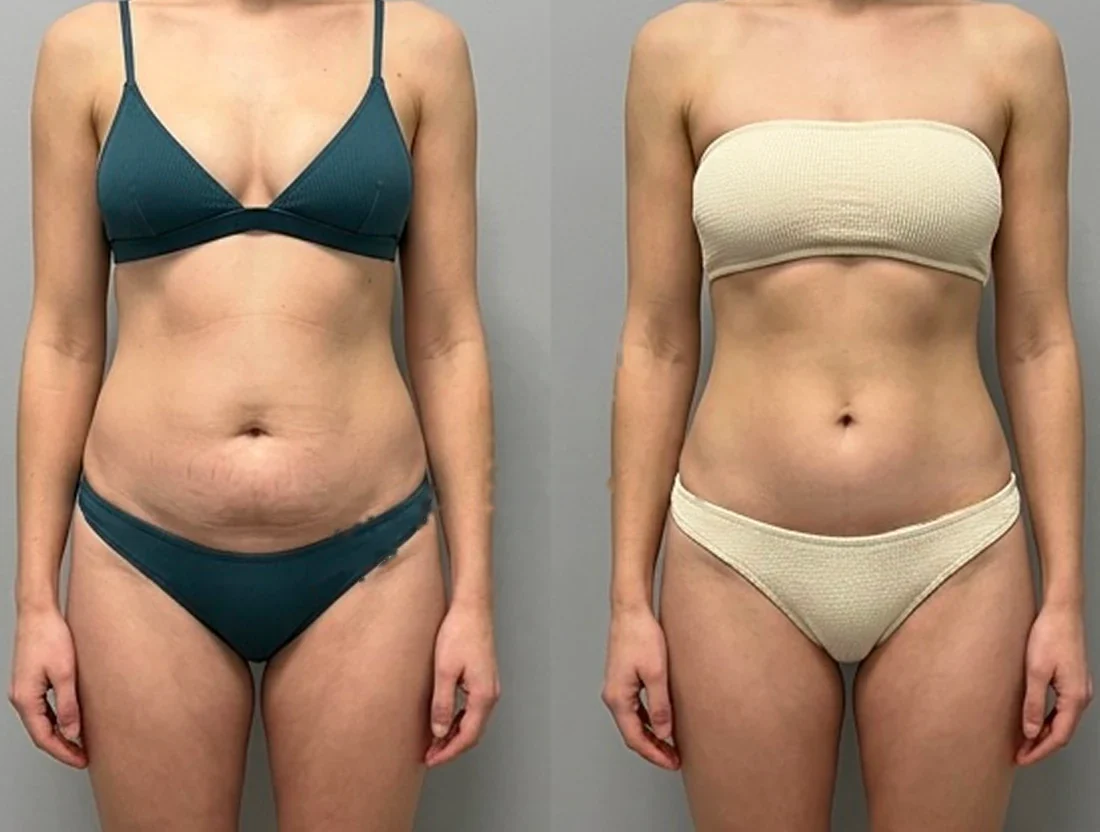
All cases are real patients. Faces and identifying details are hidden.

Tummy tuck: a female patient's abdomen before and after surgerybeforeafter
Tummy tuck: a male patient's abdomen before and after surgerybeforeafter
Tummy tuck: a female patient's abdomen before and after surgerybeforeafter
Tummy tuck: a male patient's abdomen before and after surgerybeforeafter
Tummy tuck: a female patient's abdomen before and after surgerybeforeafter
1 of 8

Comparison

Tummy tuck techniques

A tummy tuck is done as a full (classic) or mini operation, or combined with liposuction as lipoabdominoplasty. Compare the scope of surgery, the indications and the expected results to choose the right technique together with your surgeon.

Tummy tuck

Removal of excess skin, abdominal muscle tightening
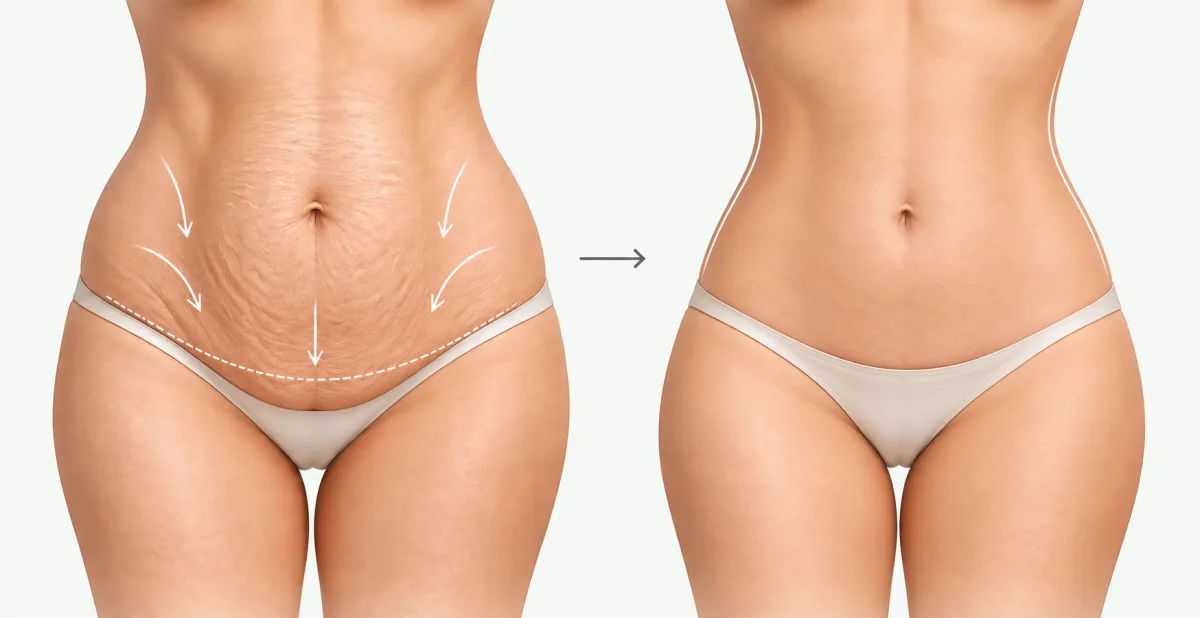
Tummy tuck diagram: the abdomen before surgery with the incision line, and the result
Main goal
Removal of excess skin, diastasis repair
When it is done
Excess skin after childbirth or weight loss
Anaesthesia and stay
General anaesthesia, up to 3 days in hospital

Lipoabdominoplasty

Tummy tuck with added liposuction
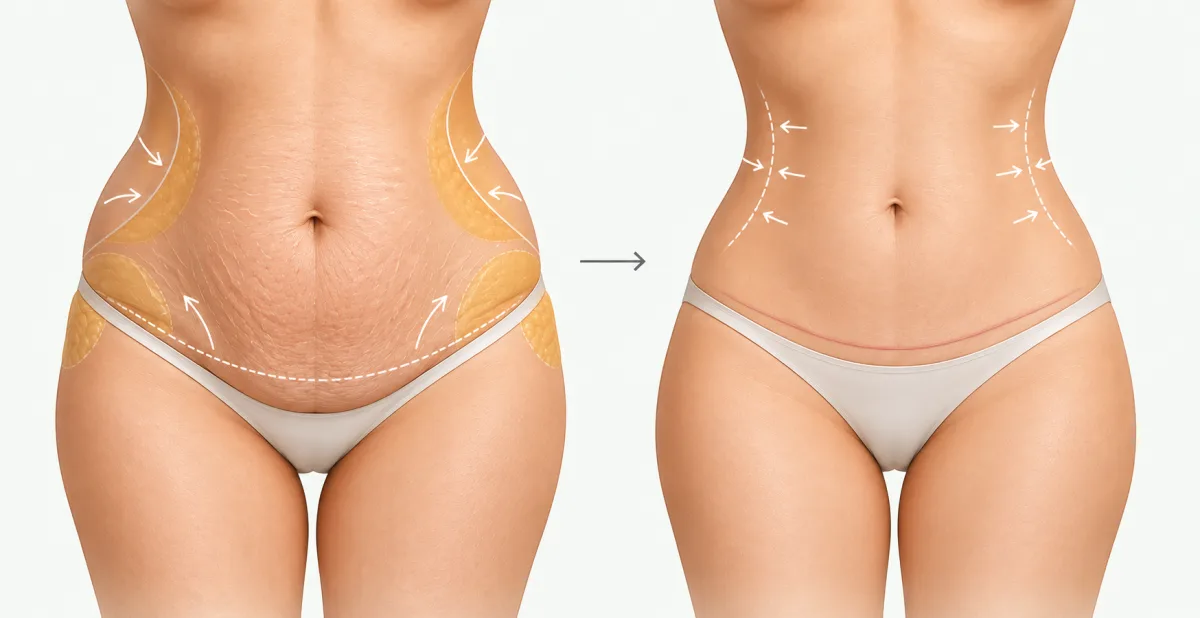
Lipoabdominoplasty diagram: the abdomen with fat on the flanks before surgery, and the result
Main goal
Tummy tightening and waist contouring
When it is done
For fat deposits on the flanks and waist
Anaesthesia and stay
General anaesthesia, up to 3 days in hospital

The benefits and recovery times shown are averaged for each technique and given for guidance: the scope of correction and rehabilitation depend on your anatomy and individual features, and the surgeon confirms them at the consultation.

At the consultation the surgeon draws up a plan for your case and explains how your tummy tuck will go.

Free, before surgery and with no obligation.

Book a consultation

Tummy tuck from the inside

About the clinic

A clinic where you can feel at ease

Modern equipment, comfortable rooms and care for every patient

A doctor and a patient in a clinic ward

Contact us the way that suits you

We will answer your questions and find a convenient time for a consultation

By messaging us, you agree to our Privacy Policy

A tummy tuck is not for everyone

If your case can be solved without surgery, the doctor will tell you so at the consultation — and you will not spend money for nothing.

Suitable

A surgeon shows a patient on a model and a monitor how the abdominal contour changes after a tummy tuck
  • Rectus abdominis diastasis
  • Skin folds after weight loss
  • Loose abdominal skin
  • Stretched skin after pregnancy
  • A distorted abdominal contour

Not suitable

A surgeon discusses the indications and contraindications for a tummy tuck with a patient
  • Acute infections
  • Significant disease of the heart, kidneys or liver
  • Disorders of blood clotting
  • Age below 18
  • Decompensated diabetes
  • Cancer
  • Skin inflammation in the surgical area
  • Pregnancy or breastfeeding

Not sure the surgery is right for you?

Message us — the coordinator will ask for your photos in the messenger, and the surgeon will tell you whether a tummy tuck suits you. No surgery booking needed.

Find out if it suits me

A surgeon goes through a tummy tuck diagram with a patient at the consultation

Prices

You know the price
before surgery

The price is set at the consultation and fixed in the contract.

Other services

  • First consultationFree
  • Liposuction of the abdomen and flanksfrom $1,700
Book a consultation

Find out your tummy tuck plan and price

The surgeon assesses your abdominal skin and muscles, listens to your wishes and chooses the right correction technique.
The price is set at the consultation and fixed in the contract.
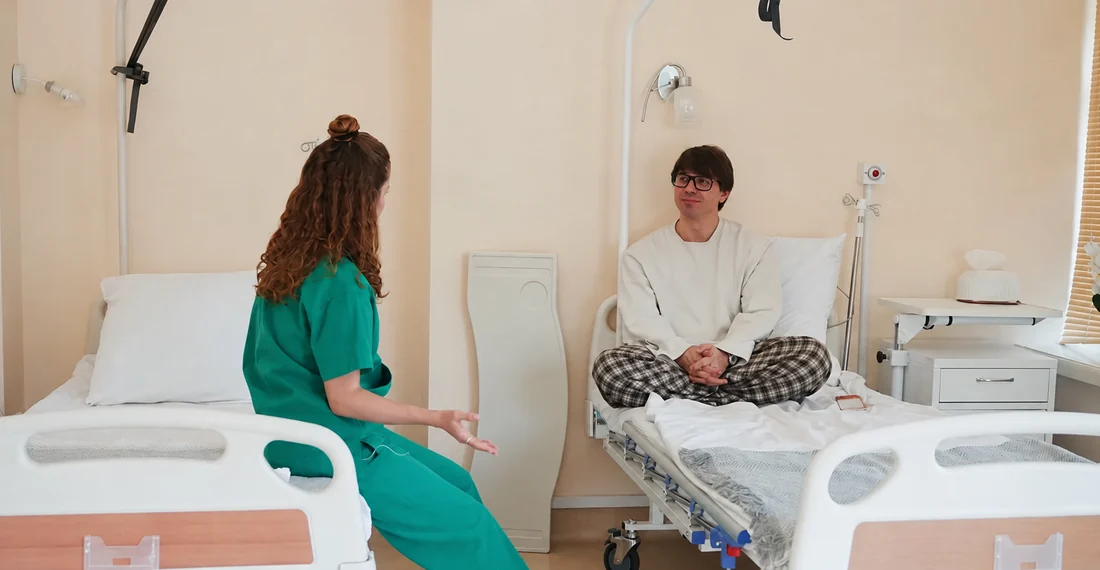
A nurse talks to a patient in a clinic ward

Message our coordinator

Free online consultation · Reply within 15 minutes

Message us on Telegram

By messaging us, you agree to our Privacy Policy
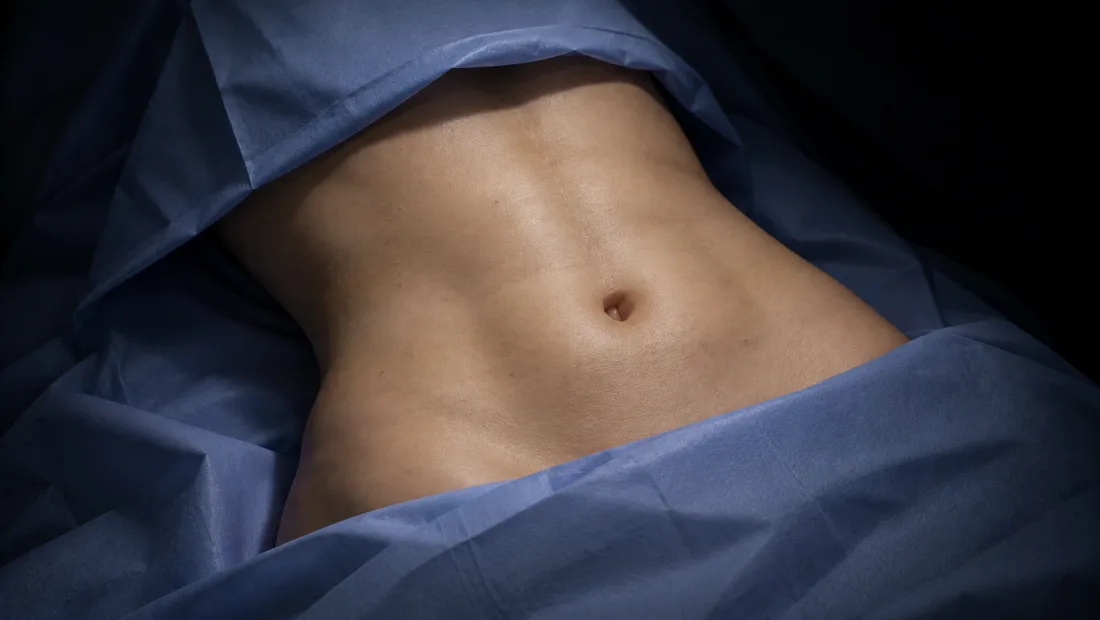
A patient's abdomen before a tummy tuck in the operating room

all inclusive

What the price includes

From preparation for surgery
to post-op check-ups.

  • All scheduled dressings
  • Scheduled post-op check-ups
  • A personal coordinator on call
  • Compression garments fitted on the day of surgery
  • A stay in a comfortable
    hospital ward with meals
  • Individual recommendations
    for recovery
  • Remote progress monitoring
    by photos

How it works

Three days at the clinic —
from preparation to discharge

An agreed correction plan, inpatient observation and post-op check-ups.

A doctor shows a patient a tummy tuck diagram on a monitor1

Consultation
and the surgical plan

The surgeon assesses your abdominal skin and muscles and checks for diastasis, listens to your wishes and chooses the right correction technique.

Paying the deposit by card at the clinic reception2

Booking the date
of surgery

We reserve a surgery date for you: the deposit can be paid by card at the clinic or online by bank transfer. The terms are fixed in the contract for medical services

A blood sample tube for tests before a tummy tuck3

Check-up before
surgery

Before surgery you complete a full lab check-up: blood tests, an ECG, a chest X-ray and reports from the required specialists.

The surgical team during the operation4

Surgery

The surgeon performs the tummy tuck with the chosen technique, repairs diastasis if needed and shapes a firmer abdominal contour.

A hospital ward at the clinic5

Inpatient stay

After surgery the patient stays for 1–3 days in a comfortable hospital ward with meals, under medical supervision.

A surgeon and a patient in the ward during recovery6

Recovery

After surgery you get a recovery programme. Check-ups at 7 days, 3 and 6 months help track your recovery.
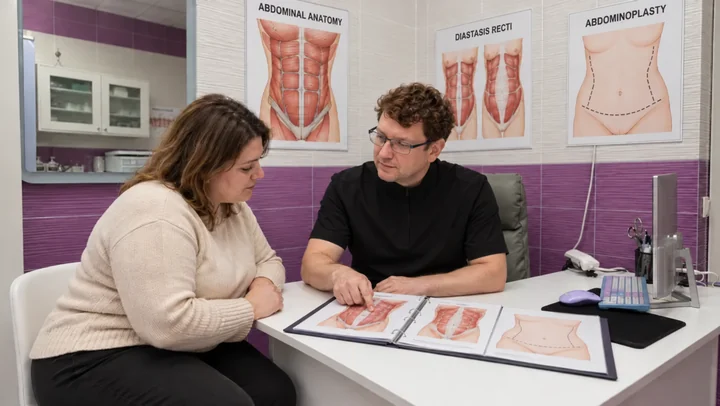
Book a free consultation — the surgeon will plan every step with you.

A doctor discusses the tummy tuck plan with a patient
Book a consultation
A doctor discusses the tummy tuck plan with a patient

How it really happens

Recovery after a tummy tuck

For 1–3 days right after surgery the patient stays in hospital under medical supervision. Drains are usually removed after two days, stitches after 7 days. You wear a compression binder for 1.5–2 months; it supports the abdominal wall and shapes a smooth contour. Office work resumes after 2–3 weeks, and most swelling goes within 30 days. Sports, sauna and heavy lifting are off-limits for 2–3 months, and at first sleeping on your back with knees bent is advised. By 12 months the scar is fully mature and fades to barely noticeable.

Post-op check-ups

After 7 days, at 3 months and at 6 months. Until the end of the year, get a post-surgery consultation with your surgeon to review results and get more information, at the clinic's expense

Advantages

Why patients pick City Medical Centre

A surgeon discusses the tummy tuck plan with a patient at the consultation

Just find out — you lose nothing

At the consultation we discuss your wishes and assess your abdominal skin and muscles. The surgeon explains what changes are possible, chooses the correction technique and answers your questions.

A surgeon on a video call with a patient after surgery

We stay with you after surgery

The surgeon follows your recovery and the changing abdominal contour at check-ups after 7 days, 3 and 6 months. Check-ups, dressings and aftercare advice are already included in the price of surgery.

A surgeon shows a patient a model and tummy tuck diagrams

A beautiful contour that fits your figure

We choose the correction technique based on your skin, muscles and figure. Our aim is a harmonious abdominal contour that keeps the natural proportions of your body.

A patient writes down a convenient visit time in her planner

Your schedule is our priority

We respect your time: we work 24/7, with easy booking and a personal approach — we adapt to your pace.
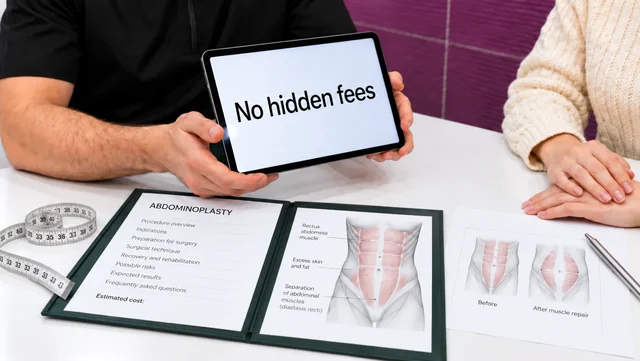
A surgeon shows a patient the fixed price of surgery with no extra charges

Fixed prices

After the consultation the surgeon defines the extent of correction, and you get a clear price for the surgery — no surprises on the way to the result you want.

A surgeon visits a patient in the hospital ward after surgery

Round-the-clock care after surgery

Recovery starts in a comfortable hospital ward under round-the-clock nursing care. The stay and meals are already included in the price.

FAQ

We answer what
people ask before booking

Abdominoplasty in Talatona: a short guide

What exactly changes? The surgery removes sagging skin and the fat apron entirely, and stretch marks below the navel go with them. The upper abdominal skin is pulled downward, so the tummy becomes smooth. If the rectus muscles have separated, they are brought together in the same operation. For anyone researching a tummy tuck in Talatona, removed skin does not grow back, so that part of the result is permanent.

It all begins with a surgeon consultation: the doctor listens to your wishes, examines the abdomen and rules out contraindications, and a hormone screening is ordered to help predict the long-term result. Patients from Talatona then complete a check-up: blood tests including a coagulation panel, biochemistry and infections, ECG and chest X-ray, all available at the clinic with no waiting.

Combining procedures can make the plan more efficient: a tummy tuck with flank and waist liposuction or diastasis repair is done under one anaesthesia with one recovery period. The price for such a combination, as for a standalone operation, is set after a free consultation and fixed in the contract. People in Talatona can book that consultation through the form or any messenger.

Talatona and why planning a tummy tuck here is a practical question

Talatona is a city and municipality in the province of Luanda, bordering the Angolan capital. It is a planned city: the Angolan government designed it to reduce traffic in central Luanda, and its infrastructure was built south of the capital. Today it houses several administrative and economic services that were relocated from the central zone. For a person considering abdominoplasty, this means a daily life organised around offices, services and commuting, and that shapes how the weeks of recovery should be arranged.

The municipality is made up of the headquarters commune, which also bears the name Talatona, and the commune of Benfica, and it is further subdivided into the urban districts of Camama, Futungo de Belas and Quifica. According to the 2018 population projections prepared by the National Institute of Statistics, it has approximately 500,000 inhabitants. A city of that size has many residents with different schedules: office employees, people in administrative services, business owners, students and parents. Each of them needs a different recovery plan, and a good consultation starts with your real week, not with an abstract calendar.

City Medical Centre works with residents of Talatona through a free online consultation. Coordinators are available around the clock, 24/7, on Telegram and WhatsApp, so you can write in the evening after work or early in the morning before the traffic starts. You send your questions, photographs and medical history, and the coordinator arranges a conversation with the surgeon. You do not need to rearrange your day around an appointment slot; the process adapts to your pace.

Climate of Talatona and what it means for recovery after abdominoplasty

Like the rest of tropical Africa, Angola has distinct, alternating rainy and dry seasons. The dry season, called cacimbo, is often marked by heavy morning mist, and the coolest months are July and August, in the middle of the dry season. Temperatures also tend to rise closer to the Atlantic Ocean, and Talatona lies on the coastal side of the country, beside the bay of Mussulo. For a patient after a tummy tuck, heat is the main climate factor to plan for, because warm weather makes a compression garment feel heavier and can increase the sense of tightness and swelling.

Because of this, many people from Talatona prefer to schedule the operation so that the first weeks of wearing the garment fall in a cooler part of the year. The cool months of the dry season are a reasonable option to discuss with the surgeon. This is general advice, not a rule: your health, your work calendar and the surgeon's availability matter more than the weather. If you have to recover in hotter weather, you can manage it with light, loose clothing over the garment, rest in a ventilated room and sensible fluid intake.

The garment requirement stays the same in any season. Recovery is worse without it because it supports the tissues and reduces swelling. For the first 3–4 weeks it stays on around the clock, then during the daytime for roughly a month more. Your operating surgeon will name the exact period. In a warm coastal city, it helps to buy two garments so that one can be washed and dried while you wear the other, and to ask the surgeon about the fabric that is most comfortable in humid weather.

Sun, sea and the Mussulo bay: what to avoid in the first months

The municipal territory of Talatona is bathed by the bay of Mussulo, which includes two islands, the islet of Birds and the island of Desterro. For many residents the sea is part of weekends and family life, so the question about the beach comes up in almost every consultation. The rules after a tummy tuck are the same for everyone: sauna, steam bath, pool, tanning beds, alcohol and smoking are out for at least a month. In practice, swimming in a pool or the sea should wait until the surgeon allows it at a check-up.

Direct sun on the healing abdomen is another concern. A fresh scar is sensitive, and strong coastal sunlight can leave it darker and more noticeable. General advice is to keep the area covered with the garment and clothing, avoid sunbathing on the abdomen during recovery and ask the surgeon what scar care and sun protection suit your skin type. Tanning beds are excluded for the same reason.

If an outing to the bay is planned with family or colleagues, it is better to place it after the check-ups rather than before. Beach days involve sun, heat, long sitting, lifting children and bags, and walking on soft sand, all of which conflict with the first weeks of restricted activity. Telling the coordinator about such plans in advance lets the surgeon propose a date for the operation that does not collide with an event you do not want to miss.

Daily life, work and returning to the office

Talatona concentrates administrative and economic services that were moved from central Luanda, so many residents work in offices. This fits well with the medical facts: you can be back at work after 2–3 weeks. Three milestones mark recovery. After 2–3 weeks you can do office work; by 1.5–2 months swelling and tightness pass; and at 6–12 months, with the tissues fully adapted, the final result and scar are assessed. Office employees can plan around the first milestone, but the work must be sedentary and not physically demanding.

For the first 2–3 weeks you avoid physical exertion, heavy lifting and sudden movements. If your job involves carrying equipment, standing for many hours or supervising physical work, tell the surgeon at the consultation. The surgeon may suggest a longer period away from those duties, and it is better to organise cover with your employer beforehand than to rush back. Daily commuting in a city built to ease traffic can still mean time in a car or minibus, so ask whether the seating position and the length of the journey are suitable for you in the first days.

Practical preparation helps. Arrange help with housework and shopping, prepare simple meals before the operation and place frequently used items at waist height so that you do not have to bend or stretch. If you have small children, organise someone who can lift them for the first weeks. These small details often decide whether the recovery period is calm or stressful.

Family events, food culture and the recovery period

Family gatherings, church events, weddings and celebrations are an important part of life in the Luanda area, and they usually involve large meals, long sitting and a lot of standing and greeting. After a tummy tuck, it is sensible not to plan to host or to cook for a large group during the first weeks. Guests are welcome to visit you, but you should not take on the physical work of an event, and the garment should not be taken off for the occasion.

Alcohol is out for at least a month, and this matters at celebrations where toasts are customary. Prepare an answer in advance, for example that you are following your doctor's instructions. Smoking is also excluded for at least a month. Before the operation, stop smoking, drinking alcohol and taking medicines that affect blood clotting 7–10 days ahead; the surgeon will tell you which of your usual medicines belong to that group.

As for food, there is no special diet in the medical facts, so follow the surgeon's advice. In general terms, light meals, enough fluids and a calm stomach make the first days easier, because a tight garment and a healing abdomen do not combine well with heavy, very rich dishes. Plan your first meals at home, and let family members know in advance that you will eat smaller portions.

Remote consultation from Talatona: how it works step by step

The consultation is free and online. You write to the coordinators on Telegram or WhatsApp, available 24/7, and describe what you want to change: loose skin, a stretched abdominal wall after pregnancy or weight loss, or the contour of the abdomen. You send photographs in good light and a short medical history. The coordinator passes this to the surgeon, who discusses whether a classic tummy tuck or a mini tummy tuck is more suitable and what the preparation will involve.

You must be at least 18 and have no contraindications. No upper age limit exists; each case is considered individually, after an examination and health assessment. This means a person of any age can ask for an opinion, and the surgeon decides on the basis of health and not only a number. Honest answers about chronic illnesses, previous operations, allergies and the medicines you take make the assessment more accurate.

Preparation is a must. The pre-surgery check-up covers blood tests, ECG, leg vein ultrasound and consultations with a GP and anaesthetist. Get it done in advance, not the day before. The exact list comes from the surgeon at the consultation, and tests usually stay valid for 10–14 days, so the timing of the tests should be agreed with the coordinator. In a large municipality like Talatona, it is wise to plan the days for tests so that they do not collide with work obligations.

The operation, the hospital stay and the check-ups

A tummy tuck is performed under general anaesthesia, with up to 3 days in hospital. After surgery the patient stays for 1–3 days in a comfortable hospital ward with meals, under medical supervision. A classic tummy tuck means 1–3 days under medical supervision; for a mini tummy tuck, one day is usually enough. At home, recovery continues, and the surgeon monitors it at scheduled check-ups. Tell your family exactly how long you will be in hospital so that they can organise childcare and work.

After surgery you get a recovery programme. Check-ups at 7 days, 3 and 6 months help track your recovery. The surgeon follows your recovery and the changing abdominal contour at those check-ups, and dressings and aftercare advice are part of the surgery. Until the end of the year, you can also get a post-surgery consultation with your surgeon to review results and get more information, at the clinic's expense. For a resident of Talatona, this means the follow-up can be planned in advance and fitted around work and family commitments.

The timeline of results is the same for everyone. The first changes appear 2 weeks after surgery as the main swelling subsides, followed by two checkpoints: the interim result at 1.5–2 months and the final contours at 6–12 months. Patience is part of the process: in the first weeks the abdomen may look swollen and feel tight, and this is expected. If something worries you, write to the coordinator at any hour and ask for the surgeon's advice instead of waiting for the next check-up.

Planning around Talatona's rainy and dry seasons

Angola has alternating rainy and dry seasons, and in the south the rainy season begins later, in November, and lasts until about February. Talatona sits south of the capital on the coastal side, so these months are a useful reference when you choose a date. Rain and humidity can make the garment feel stickier and slow its drying, so keep a second garment ready and plan how you will move around the city on wet days.

The dry season, called cacimbo, often brings heavy morning mist. Mist is not a medical problem, but it is a reminder that mornings can feel cool and damp while afternoons feel warmer, and loose layers over the garment let you adjust without removing it. Ask the surgeon whether your own calendar, rather than the weather alone, should decide the month.

Wet weather also affects walking. Short, slow walks in the early days are part of a calm recovery, but wet pavements and a tight abdomen do not mix well with sudden movements. For the first 2–3 weeks you avoid physical exertion, heavy lifting and sudden movements, so choose dry hours for a walk and keep someone close at hand.

Dust, mist and wound care at home

Talatona is a planned city with new construction and wide roads, and dust can enter a home on dry days. Keep the bedroom and the place where you change your clothes clean, wash your hands before touching dressings and follow the aftercare advice from the surgeon. Dressings and aftercare advice are already included in the price of surgery, so you do not need to improvise with products from a shop.

Plan a quiet corner of the home where you will spend the first days: a bed with enough pillows, a table at waist height for water, medicines and a phone, and a short path to the bathroom. In a coastal climate, a fan or a ventilated room helps you stay comfortable under the garment, as long as you do not sit directly in a strong draught.

Keep the coordinator's Telegram or WhatsApp chat open on your phone. Coordinators work 24/7, so if a dressing looks different or you are unsure about something, you can write at once and ask the surgeon's team how to proceed, instead of searching for advice from friends or online groups.

Candidates and contraindications: an honest conversation from Talatona

A tummy tuck is considered for people who are at least 18 and have no contraindications. The usual reasons for asking are loose skin or a stretched abdominal wall after pregnancy or weight change. No upper age limit exists, and each case is considered individually, after an examination and health assessment, so a person in Talatona should not exclude themselves because of a birthday.

Contraindications are decided by the surgeon and the anaesthetist from your tests, not from a chat with friends. This is why the pre-surgery check-up matters: blood tests, ECG, leg vein ultrasound and consultations with a GP and anaesthetist. Be open about chronic illnesses, previous operations, allergies and every medicine you take, including herbal remedies, because some of them affect blood clotting.

If the surgeon recommends waiting, treat it as part of safe planning rather than a refusal. A pause can allow time to stabilise weight, finish a course of treatment or complete a pregnancy plan, and the online consultation can be repeated whenever your situation changes.

Sport, activity and questions to ask the surgeon

Many residents of Talatona walk, run, go to the gym or play football and other team sports in their free time. After a tummy tuck, sport is resumed gradually, with the surgeon's approval only, and compression garments are worn for another 4–8 weeks. Do not return to training because you feel well; the internal tissues heal more slowly than the skin looks. Light walking in the early days is usually encouraged, but any intense exercise should wait for the surgeon's decision at a check-up.

Prepare your questions before the consultation. Ask which type of operation suits you and why, what the scar will look like and where it will lie, how long you will wear the garment, what is allowed in the first 2–3 weeks, and when you can return to your specific kind of work and sport. Ask what the surgeon needs to know about your previous pregnancies, weight changes and medicines. Ask what warning signs mean you should write at once.

Weight is also a topic that should be discussed honestly. If you plan further weight loss or a pregnancy, tell the surgeon, because this can influence the timing of the operation. The World Health Organization describes overweight and obesity as an important health issue, and a stable, healthy weight is a sensible background for a planned abdominal operation. The surgeon will give an individual opinion after examining your medical data.

How soon can I go back to the office after a tummy tuck?

You can be back at work after 2–3 weeks if your work is office-based. For the first 2–3 weeks you avoid physical exertion, heavy lifting and sudden movements, so jobs with physical load need a longer break, which the surgeon will discuss with you.

What kind of anaesthesia is used and how long is the hospital stay?

The operation is performed under general anaesthesia, with up to 3 days in hospital. A classic tummy tuck means 1–3 days under medical supervision, while for a mini tummy tuck one day is usually enough. You stay in a comfortable ward with meals.

Do I need to wear a compression garment in the warm climate of Talatona?

Yes, it is a requirement. Recovery is worse without the garment because it supports the tissues and reduces swelling. The first 3–4 weeks it stays on around the clock, then during the daytime for roughly a month more. Your operating surgeon will name the exact period.

Can I go to the beach or the bay of Mussulo after the operation?

Sauna, steam bath, pool, tanning beds, alcohol and smoking are out for at least a month. Sea or pool swimming should wait for the surgeon's permission at a check-up, and the healing scar should be protected from strong sun.

How do I prepare for the operation?

Preparation is a must. Stop smoking, drinking alcohol and taking medicines that affect blood clotting 7–10 days before. The pre-surgery check-up covers blood tests, ECG, leg vein ultrasound and consultations with a GP and anaesthetist. Get it done in advance, not the day before.

Which tests are needed and how long do they stay valid?

The list includes blood and urine tests, coagulation panel, biochemistry, infection tests, ECG, chest X-ray, ultrasound of the leg veins and a GP's report. The exact list comes from the surgeon at the consultation, and tests usually stay valid for 10–14 days.

When will I see the result?

The first changes appear 2 weeks after surgery as the main swelling subsides. The interim result is visible at 1.5–2 months and the final contours at 6–12 months, when the tissues are fully adapted and the scar is assessed.

Is there an age limit?

You must be at least 18, with no contraindications. No upper limit exists; each case is considered individually, after an examination and health assessment.

When are the check-ups, and what do they include?

Check-ups take place after 7 days, at 3 months and at 6 months. The surgeon follows your recovery and the changing abdominal contour, and dressings and aftercare advice are part of the surgery. Until the end of the year you can also get a post-surgery consultation to review results.

How do I start a consultation from Talatona?

Write to the coordinators on Telegram or WhatsApp. They are available 24/7, the online consultation is free, and the process is adapted to your pace. Send photographs and a short medical history, and the coordinator will arrange the conversation with the surgeon.

Does the rainy season affect when I should have a tummy tuck?

It can influence comfort, not the medical result. Rain and humidity make the compression garment less pleasant, so keep a spare one. Choose the date together with the surgeon, according to your health, work and the practical side of recovery.

Who decides whether I have contraindications?

The surgeon and the anaesthetist decide after the pre-surgery check-up and your medical history. You must be at least 18, with no contraindications, and each case is considered individually, after an examination and health assessment.

Who do I contact if I am worried at home at night?

Write to the coordinators on Telegram or WhatsApp. They work 24/7 and can pass your question to the surgeon. Your check-ups are after 7 days, at 3 months and at 6 months, but you do not have to wait for them to ask a question.