Liposuction for residents of Addis Ababa: how the remote consultation works
Addis Ababa is the capital and largest city of Ethiopia, with an estimated 6,287,000 inhabitants as of 2025. A city of that size has a very wide range of people asking about liposuction: office workers, teachers, traders, athletes, mothers after pregnancy, and people who have simply noticed that diet and training no longer change one stubborn area. City Medical Centre works with all of them in the same way. The first conversation takes place online, from your home or your workplace in Addis Ababa, and it is free.
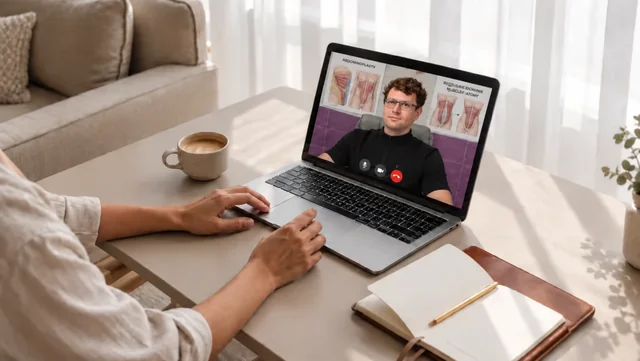
Our coordinators are available 24/7 on WhatsApp and Telegram. That matters in a city where the working day is often long and unpredictable. You can write in the evening after work, early in the morning, or during a break, and you do not need to arrange your day around a clinic reception. You send a short description of the area that bothers you, a few photographs in good daylight if you wish, and your questions. The coordinator then arranges a video consultation with a surgeon, and the surgeon explains what liposuction can and cannot change in your particular case.
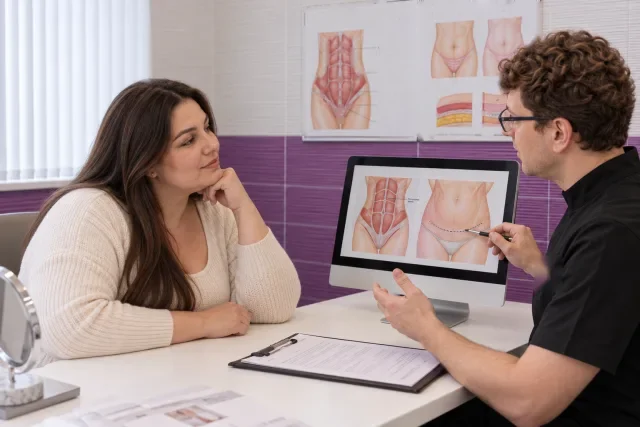
During this first online conversation the surgeon looks at your body type, the quality and elasticity of the skin, the areas you want to treat, and your medical history. You will also learn which tests are required before surgery: blood tests, ECG, ultrasound, and consultations with a GP and an anesthesiologist. You receive all instructions after the first consultation, so nothing is left to guesswork.
We respect your time: we work 24/7, with easy booking and a personal approach, and we adapt to your pace. If you want to think for a week, talk with your family and come back with more questions, that is entirely normal. Nobody should decide on surgery in one evening, and a good consultation leaves you better informed rather than pressured.
Living at 2,355 metres: what the highland climate means for recovery
Addis Ababa lies in the Ethiopian Highlands at an elevation of 2,355 metres, which makes it the highest capital in Africa. The altitude keeps temperatures moderate all year: no month has a mean temperature above 22 °C. For someone planning liposuction, this is a useful background. You will not be recovering through extreme heat, and wearing compression garments is generally more comfortable in a mild climate than in a hot coastal one.
Still, the climate is not uniform through the year. Mid-November to January is the dry season, with daytime highs usually not above 23 °C and nights between 5 °C and 10 °C that can drop to freezing. The short rainy season runs from February to May, with warm temperatures and pleasant rainfall and night minimums of about 10–15 °C. The long wet season from June to mid-September is the coldest period, with frequent rain, hail, cloud cover and fewer hours of sunshine. Autumn is a transition between the wet and dry seasons.
What does this mean in practice? Compression garments are worn for 30–45 days, and on cool mornings and evenings in Addis Ababa you can layer loose clothing over them without overheating. Cool nights are also a reason to keep warm and move gently, because a patient who is shivering and tense tends to hold the body stiffly and sleeps badly. In the rainy months, wet pavements and crowded transport call for caution: do not rush, and avoid being pushed or jostled in the first week.
The altitude itself is not something we can turn into a medical rule here, but it is a good topic for your surgeon and anesthesiologist. Tell them that you live in Addis Ababa, mention any breathing problems, anemia or other conditions, and ask whether anything in your history needs special attention before anaesthesia. It is a simple question to raise during a free online consultation.
Choosing the season for your operation in Addis Ababa
There is no single correct month, and the medical plan always comes first. But the rhythm of the city can help you choose. The dry season from mid-November to January has cool, clear days and cold nights. This is comfortable for wearing compression garments for 30–45 days, and the swelling and bruising, which clear by weeks 4–5, will pass in weather that does not add physical stress.
The short rainy season from February to May is mild, with warm temperatures. Many patients find it convenient because the days are not extreme in either direction. The only point to plan for is the rain itself: on wet days it is better to stay home during the first 7 days, when no physical exertion or heavy lifting is allowed, and to keep your outings short afterwards.
The long wet season, June to mid-September, is the coldest period, with dark, chilly days. Some people like it for liposuction precisely because they want to stay home, rest, and keep a low profile while the body recovers, and because loose layered clothing hides compression garments easily. Others prefer more daylight for their mood. Both choices are reasonable.
Beyond weather, think about your calendar. Do you have a family event, a wedding, a religious holiday or an important work deadline in the next few months? Remember that the first changes show at 2 weeks, an interim result is assessed at 1.5–2 months, and the final contours form in 3–6 months. If you want to feel confident at a particular family event, plan the operation well before it, not days before. Our coordinators can help you build a realistic timeline on WhatsApp or Telegram at any hour.
Work, study and daily routine in a busy capital
Addis Ababa has a diverse economy. Many residents work in trade and commerce, manufacturing, civil administration, transport, education, health and social services, and hotels and catering. The city is also the seat of major international organizations and is growing quickly, with a construction boom and new shopping malls. Different jobs mean different recovery plans, and it is worth discussing yours with the surgeon.
Most patients get back to their usual routine and work in 7–10 days. For a desk job, an administrative role, or study, this usually means returning to a seated routine in about that time, wearing compression garments under ordinary clothes. If your work involves standing for long hours, carrying goods, lifting boxes, or long walks between sites and offices, tell the surgeon before surgery. The first 7 days exclude physical exertion and heavy lifting, and your surgeon gives individual recommendations after the operation.
Students at the many universities and colleges in Addis Ababa often ask about exams and classes. A good approach is to schedule liposuction after an exam period, not before it, so that you can rest without stress. Bruising and swelling clear by weeks 4–5, so a student who wants to look and feel fully at ease in lectures and social life should keep that time frame in mind.
Commuting is another real question. Public buses, light rail and taxis can be crowded in the capital. In the first days after surgery, avoid pushing through crowds and standing for long in transport. Ask a family member or colleague to accompany you if you can, and plan your first day back at work for a quieter hour. These small decisions make recovery calmer.
Sport, running culture and returning to activity
Addis Ababa is a city that takes running seriously. It hosts the Jan Meda International Cross Country and the Great Ethiopian Run, a well-known annual running event held in late October. Many residents jog in the morning, join a running group, or play football with friends. If you are active, liposuction needs a clear plan for how and when you come back to training.
The rules are straightforward. For the first 7 days, no physical exertion or heavy lifting. For 4–6 weeks, wear compression garments and avoid the bathhouse, sauna, pool and active sport. Alcohol and tanning beds are off-limits for at least a month. Your surgeon gives all individual recommendations after surgery, and you should follow them rather than the advice of a friend or a trainer.
If you are preparing for a race, do not schedule liposuction just before it. Gentle walking is useful early because it supports circulation, but running, intense gym work and contact sport come later, once the surgeon allows it. Ask directly: when can I jog lightly, when can I lift weights, when can I swim? Write the answers down.
Remember also that liposuction is a body contouring procedure, not a weight loss method or a treatment for obesity. General health information about overweight and obesity is available from the World Health Organization, and a healthy lifestyle remains the foundation. Liposuction can refine proportions in areas that resist exercise and diet, and the most satisfying results are seen in patients who stay active and keep a stable weight after the operation.
What patients in Addis Ababa ask before liposuction
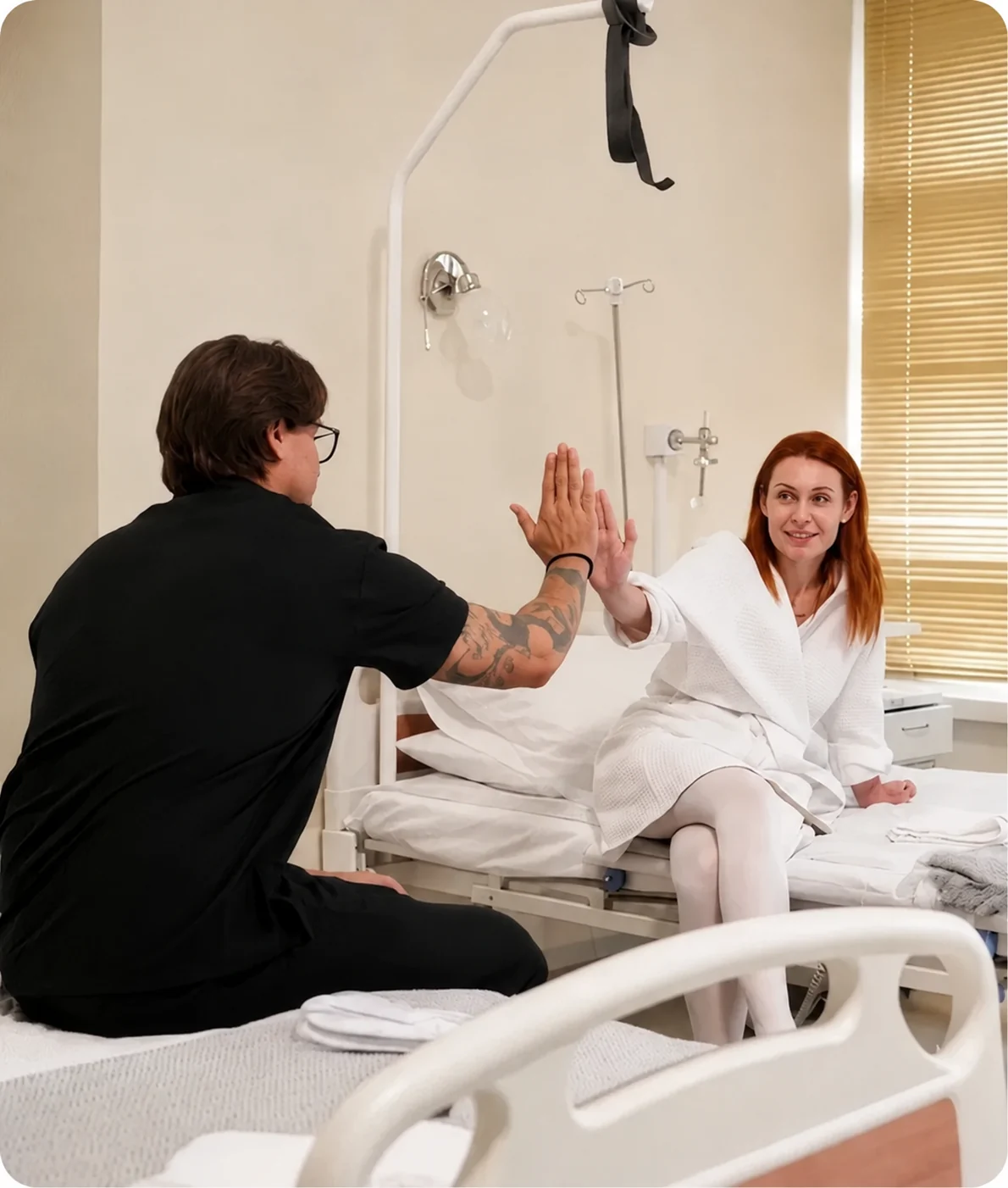
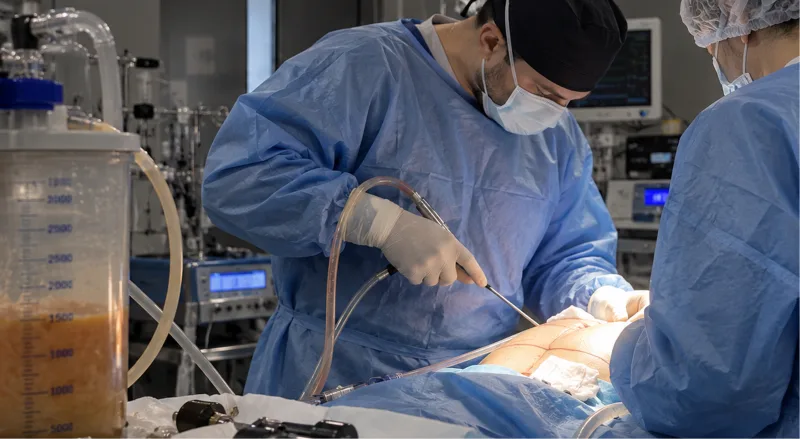
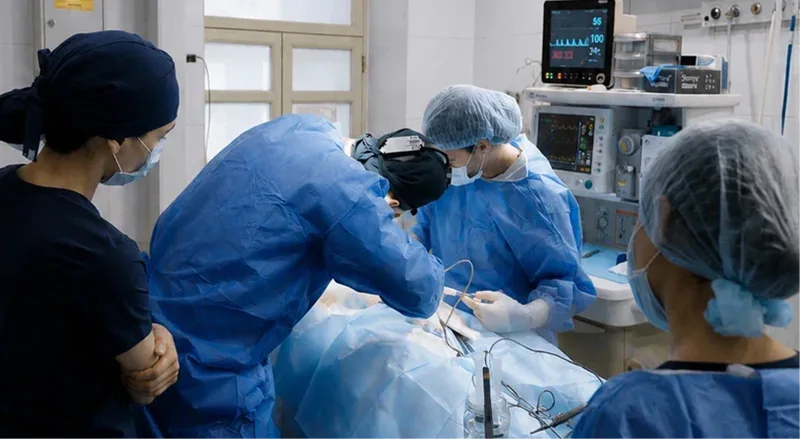
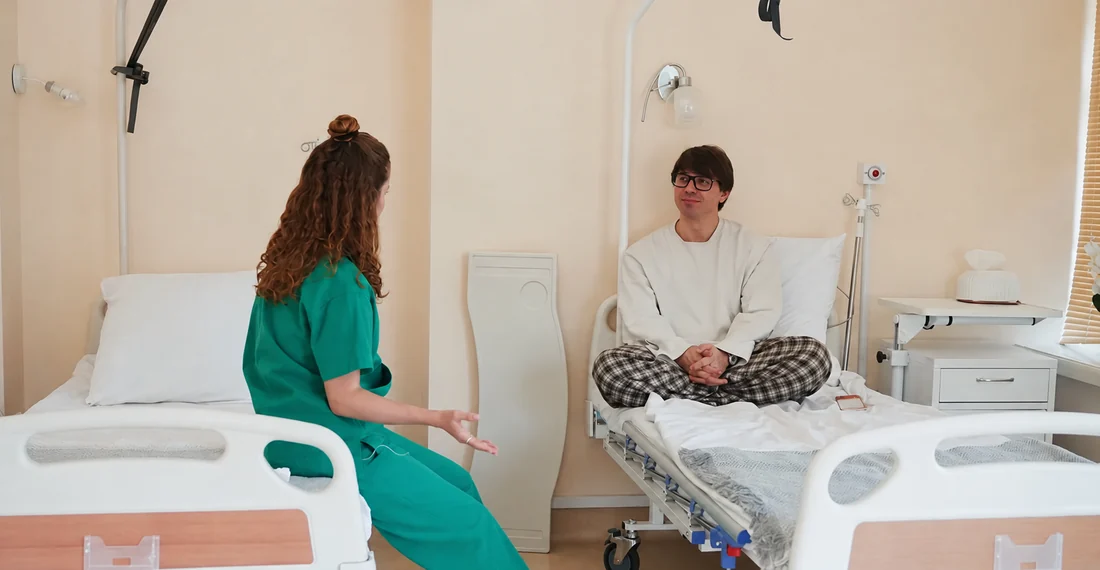
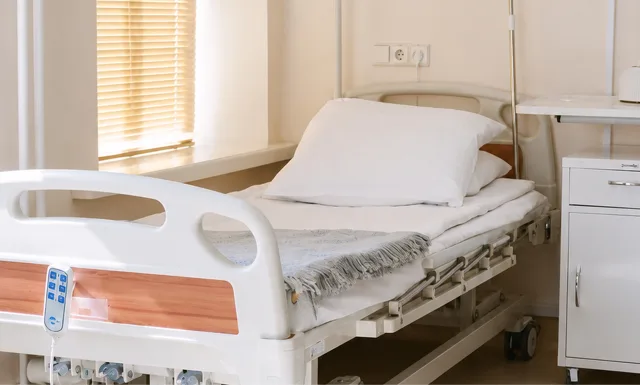
Questions from the capital are practical and thoughtful. People ask: how long does the operation take, will I be awake, how many days will I be off work, will I have visible scars, and when will I see the result? The answers come from the medical plan. Surgery takes 1–4 hours, from 1 hour for small areas to 3–4 hours for a combined procedure. Anaesthesia is local or general. With local anaesthesia you go home 3–4 hours after surgery; with general anaesthesia you stay one day in a comfortable ward under medical supervision.
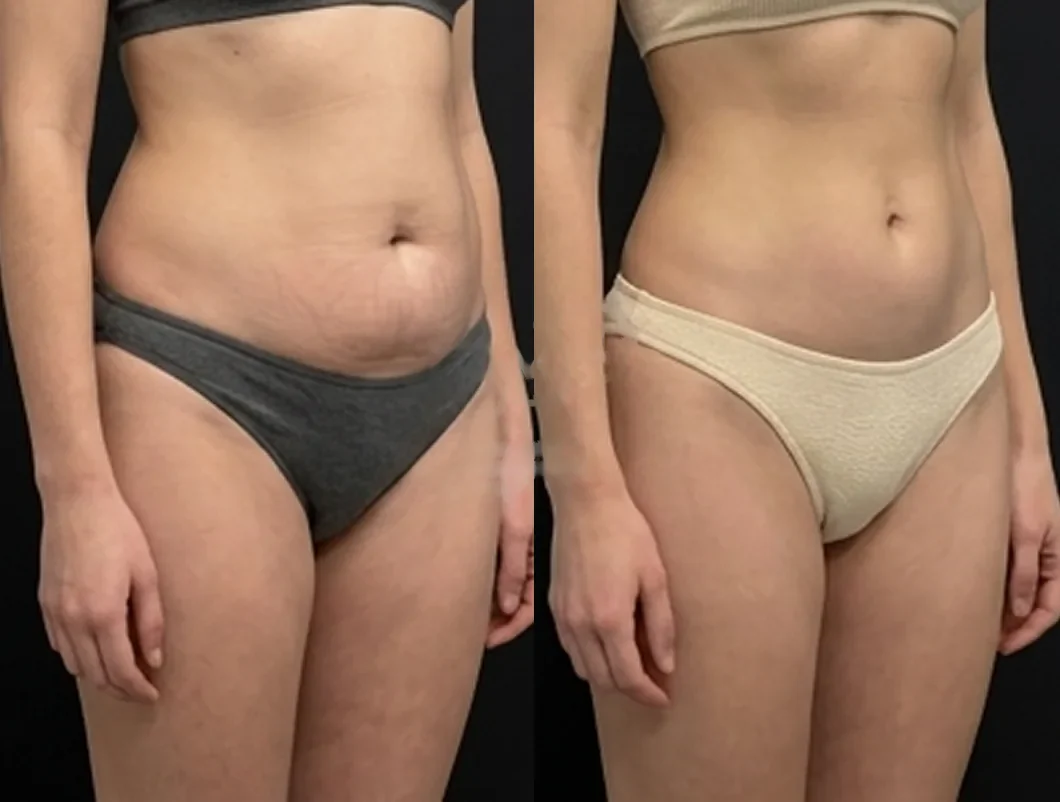
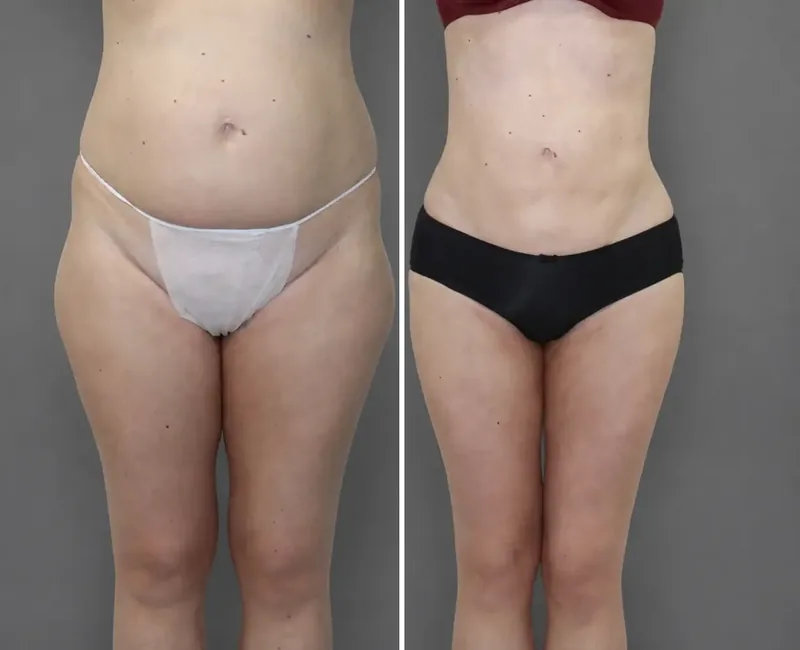
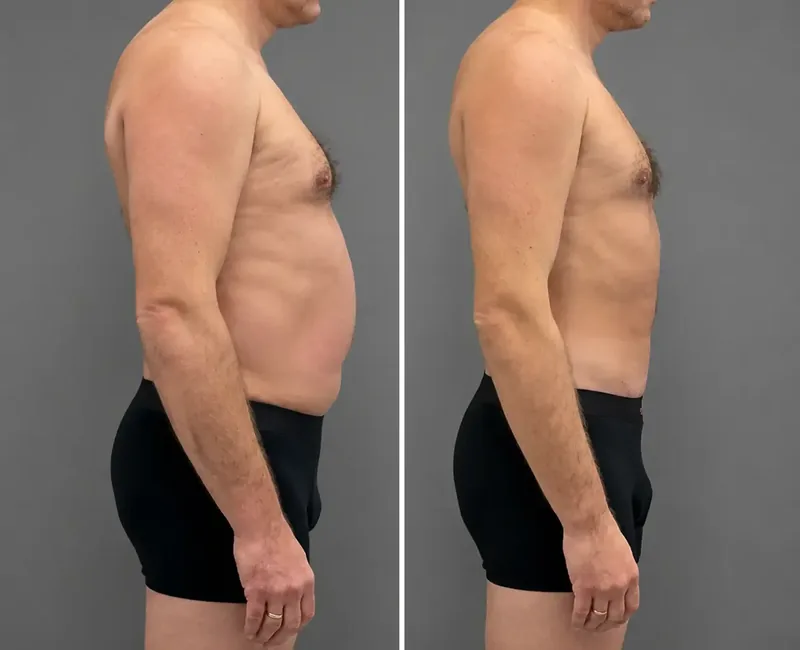
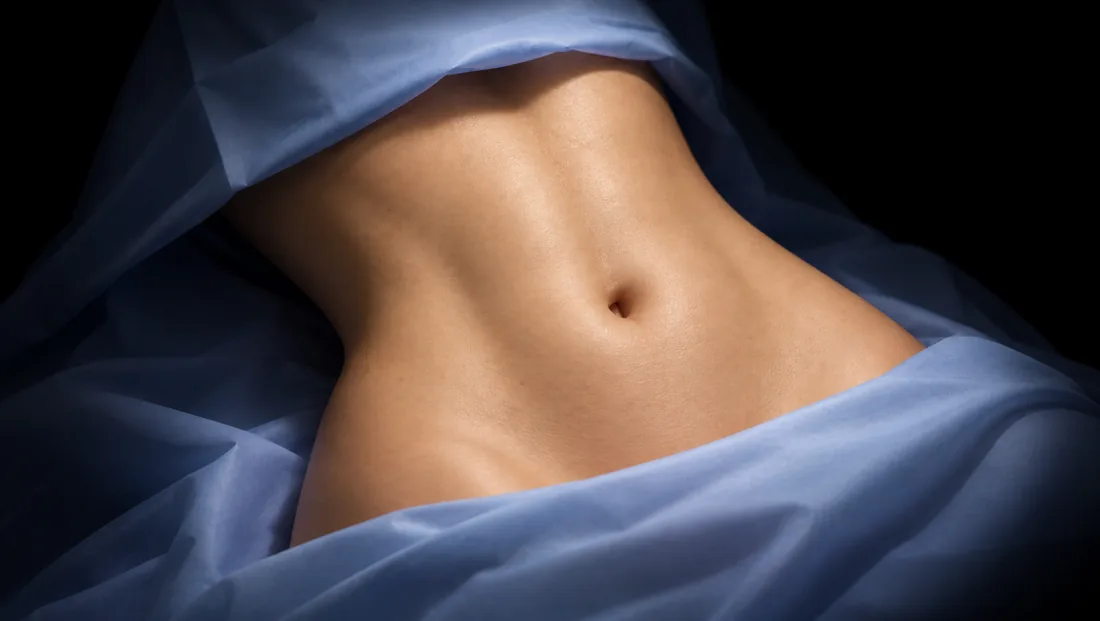
Many ask about scars. The surgery is done through punctures only 3–5 mm across, which usually need no stitches. Once healed, the marks are barely visible, and with proper care during recovery they fade completely. We use tumescent and VASER techniques, micro-incisions of 3–5 mm and precise volume control. The aim is a smooth contour that keeps the natural proportions of your body, not an exaggerated or artificial shape.
Another common question concerns timing of the result. The first changes show at 2 weeks, once swelling subsides. An interim result is assessed at 1.5–2 months, and the final result forms in 3–6 months. Patients who expect to see a finished contour in a few days are often disappointed, so we explain this clearly in advance.
Some people worry about privacy. In a large and close-knit city where families, colleagues and neighbours are connected, discretion matters. Because the consultation is online and the coordinator writes to you personally on WhatsApp or Telegram, you decide whom to tell and when. Others ask about their husband, wife or family: it is wise to discuss your plans with the person who will help you at home during the first days.
Family life, celebrations and food culture in planning recovery
Addis Ababa is a melting pot of communities from across the country, and family life is central. Households are large, and the 2007 census counted an average of 5.3 persons per household in the city. A large household can be a real help during recovery, because there are more hands for cooking, shopping and caring for children. It can also mean fewer quiet moments, and visitors may come often. Agree in advance who will support you and who will give you space.
The city has Orthodox, Muslim and Protestant communities, and religious holidays, weddings and gatherings fill the calendar. When choosing a date, look at the coming months and avoid placing surgery right before an event where you will be expected to stand, cook, host or dance for hours. Recovery needs rest, and swelling and bruising only clear by weeks 4–5. Planning the operation a few months ahead of a major celebration lets you attend it feeling comfortable, with the final result still forming but the first changes already visible.
Meals shared with family and guests are an important part of social life. After surgery, eat sensible, balanced meals and drink enough fluids. Alcohol is off-limits for at least a month, and this can be awkward at gatherings, so tell your close relatives that you are not drinking for medical reasons. Before surgery, give up smoking, alcohol and medications that affect clotting, such as aspirin, 7–10 days before liposuction.
Mothers often ask when it is appropriate to have liposuction after pregnancy and breastfeeding. This is an individual question for the surgeon: we operate from age 18+ if there are no contraindications, and after an examination and health assessment the decision is made individually. Be honest about your childbirth history, your plans for another pregnancy and your general health so that the plan is realistic.
Who is a candidate, and who should wait
Liposuction suits adults who have localized fat deposits on the abdomen, flanks, thighs, arms, back or under the chin that do not respond to diet and exercise, who have reasonably elastic skin and who are in good general health. We operate from age 18+, if there are no contraindications. There is no upper age limit: after an examination and health assessment, the decision is made individually.
Liposuction is not a tool for large weight loss. If the main concern is excess weight, the first step is a medical approach to nutrition, activity and health, and the World Health Organization offers general information on overweight and obesity. Surgery can come later as a contouring step, once your weight is stable. Surgeons also tell patients that loose skin cannot be tightened by liposuction alone, and sometimes a different type of operation is discussed during the consultation.
Reasons to postpone or reconsider include serious heart, lung or blood clotting conditions, active infection, uncontrolled chronic illness, and unrealistic expectations. Smoking and certain medications raise the need for preparation. Pre-operative tests, including blood tests, ECG, ultrasound, GP and anesthesiologist consultations, are required, and the results guide the final decision.
Being honest at the online consultation is the best way to protect yourself. Tell the surgeon about every medication, supplement, previous operation and allergy. Residents of Addis Ababa who live at altitude should also mention any history of breathing problems or anemia. The goal is a safe, calm operation, and sometimes the right advice is to wait.
Dust, sun and the highland air: protecting small wounds in Addis Ababa
Addis Ababa lies at 2,355 metres in the Ethiopian Highlands, and the city has a subtropical highland climate. The air can feel cool even when the sun is strong, and that difference is worth remembering after liposuction. The small puncture marks left by 3-5 mm micro-incisions need gentle handling, and the first weeks are a time for covered skin, clean dressings and calm routines rather than long hours outdoors.
In the dry season, from mid-November to January, days are clear and the nights can be close to freezing. Clear days mean strong light, so a hat, loose long sleeves and shade are sensible when you must go out. In the rainy months, from February to May and from June to mid-September, cloud and rain keep the light softer, but wet shoes, splashed streets and damp clothing call for attention to hygiene. Change a damp garment promptly and keep the treated area dry, following the dressing advice your surgeon gives you.
A busy capital with a construction boom also means dust and noise on many streets. In the first days it is better to move around the city as little as possible, avoid crowded places and let your body rest at home. Ask your surgeon how to keep the dressings clean and what to do if they become wet or dirty. Alcohol and tanning beds are off-limits for at least a month, and direct sun on healing skin is something to discuss in detail during your online consultation.
How to prepare your home in Addis Ababa before the operation
Because the first consultation is online and the surgeon explains everything by video, the preparation of your home is partly in your own hands. With local anaesthesia you go home 3-4 hours after surgery, and with general anaesthesia you stay one day in a comfortable ward under medical supervision. Either way, the first days are spent resting, so it helps to prepare a quiet corner before the day of surgery.
Think about simple things. Put the items you use daily at waist height so that you do not need to bend or lift. Prepare easy meals in advance. Arrange a comfortable place to sleep, with warm blankets for the cool nights of the dry season. Keep your compression garments, which you wear for 30-45 days, washed and ready, and ask your coordinator how many sets are sensible to have. For the first 7 days there is no physical exertion or heavy lifting, so agree with your household who will carry water, shopping and children.
Ask a husband, wife, sister, friend or colleague to be reachable on the first day, especially for the journey home from the clinic. Keep your phone charged and the coordinator's WhatsApp or Telegram chat open: the team works 24/7, so a question at night does not have to wait for morning. Write down the dates of your check-ups at 7 days, 3 months and 6 months, and put them in your calendar next to your work and family plans.
Expectations, body image and a sensible decision
In a large city of an estimated 6,287,000 inhabitants as of 2025, people see many images every day: on screens, in shopping malls, at social gatherings. It is easy to compare yourself with others. A good liposuction consultation separates a realistic wish from a comparison. The aim is a smooth contour that keeps the natural proportions of your body, and the surgeon will tell you honestly when a goal is not reachable with this operation.
Take your time. Write down what exactly bothers you: a flank that does not change with training, a lower abdomen after childbirth, a heavy chin line, inner thighs. Then ask yourself whether the wish is your own, and whether it would still matter in a year. Patients who can answer these questions calmly are usually better prepared for recovery, including the weeks when swelling is still visible and the final result is not yet formed.
Remember the timeline. The first changes show at 2 weeks, an interim result is assessed at 1.5-2 months, and the final contours form in 3-6 months. Swelling and bruising clear by weeks 4-5. Understanding this rhythm protects you from disappointment in the third week, which is a common moment of doubt. If doubts appear, write to your coordinator: the conversation is free, and nobody expects you to decide under pressure.
Aftercare, check-ups and questions to ask your surgeon
Recovery is a process, not a single day. You wear compression garments for 30–45 days. The surgeon follows your recovery and the new body contour at check-ups after 7 days, 3 months and 6 months, and dressings and aftercare advice are part of the plan. Until the end of the year, you can get a post-surgery consultation with your surgeon to review results and get more information, at the clinic's expense. Because you live in Addis Ababa, these follow-up conversations are organized remotely with our coordinators, who are available 24/7.
Prepare a list of questions for the online consultation. Which areas should be treated, and which should be left alone? Will the operation be under local or general anaesthesia, and why? How long will the procedure take for my combination of areas? Which technique will be used, tumescent or VASER? What will the compression garments be like, and how do I care for them? When can I return to work, to light walking, to running? What should I do if I notice unusual pain, fever or asymmetry?
Ask also how to look after the small puncture marks. Protect them from strong direct sun, avoid scratching and keep them clean as instructed. Highland sunshine can be strong on clear days even when the air feels cool, so a hat and covered skin are sensible. In wet and cloudy months, good rest, warm clothes and a calm schedule serve you better than any gadget.
Finally, ask about the realistic result. Liposuction removes fat cells in the treated areas and refines the contour, but it works best together with stable weight and a healthy lifestyle. When you understand the process, the check-ups at 7 days, 3 and 6 months become a natural rhythm, and the final result, which forms in 3–6 months once tissues have fully adapted, will not surprise you.
Can I have the first liposuction consultation from Addis Ababa without leaving home?
Yes. The first consultation is free and online. You contact our coordinators on WhatsApp or Telegram, available 24/7, and arrange a video conversation with a surgeon from your home or workplace in Addis Ababa.
How long does liposuction take and when do I go home?
Surgery takes 1–4 hours, from 1 hour for small areas to 3–4 hours for a combined procedure. With local anaesthesia you go home 3–4 hours after surgery; with general anaesthesia you stay one day in a comfortable ward under medical supervision.
When can I return to work?
Most patients get back to their usual routine and work in 7–10 days. If your job is physically demanding, the surgeon will advise you individually. For the first 7 days there should be no physical exertion or heavy lifting.
How long do I wear compression garments, and does the cool climate of Addis Ababa help?
Compression garments are worn for 30–45 days. Addis Ababa has a mild highland climate, with no month above 22 °C in mean temperature, so many patients find the garments more comfortable than they would be in a hot climate. On cold nights you can layer loose clothing over them.
Will I have visible scars?
The surgery is done through punctures only 3–5 mm across, which usually need no stitches. Once healed, the marks are barely visible, and with proper care during recovery they fade completely.
When will I see the result?
The first changes show at 2 weeks, once the main swelling goes down. An interim result is assessed at 1.5–2 months, and the final contours form in 3–6 months, once tissues have fully adapted.
When can I go back to running or the gym?
For the first 7 days there is no physical exertion or heavy lifting. For 4–6 weeks you wear compression garments and avoid the bathhouse, sauna, pool and active sport. Your surgeon gives individual recommendations after the operation, so ask about your specific sport.
How should I prepare before the operation?
Give up smoking, alcohol and medications that affect clotting, such as aspirin, 7–10 days before liposuction. Pre-operative tests are also required: blood tests, ECG, ultrasound, and consultations with a GP and an anesthesiologist. You receive all instructions after the first consultation.
Is there an age limit?
We operate from age 18+, if there are no contraindications. There is no upper age limit: after an examination and health assessment, the decision is made individually.
What follow-up do I get after surgery?
The surgeon follows your recovery at check-ups after 7 days, 3 months and 6 months. Until the end of the year you can also have a post-surgery consultation to review results and get more information, at the clinic's expense. Your coordinator stays reachable 24/7 on WhatsApp or Telegram.
Is it better to stay home or go out in the first week in Addis Ababa?
Stay home as much as possible. For the first 7 days there is no physical exertion or heavy lifting, and busy streets, crowded transport and dust do not help the healing of small puncture marks. Short, calm outings are possible only if your surgeon agrees.
Do I need someone at home after liposuction?
It is wise to have a husband, wife, relative or friend nearby on the first day, especially if you have general anaesthesia and stay one day under supervision, or if you go home 3-4 hours after surgery under local anaesthesia. Help with cooking, shopping and children makes the first week easier.
What if I have doubts a few weeks after the operation?
Doubts around the third week are common, because swelling is still present. The first changes show at 2 weeks, an interim result is assessed at 1.5-2 months and the final contours form in 3-6 months. Write to your coordinator on WhatsApp or Telegram, and raise your questions at the check-ups.

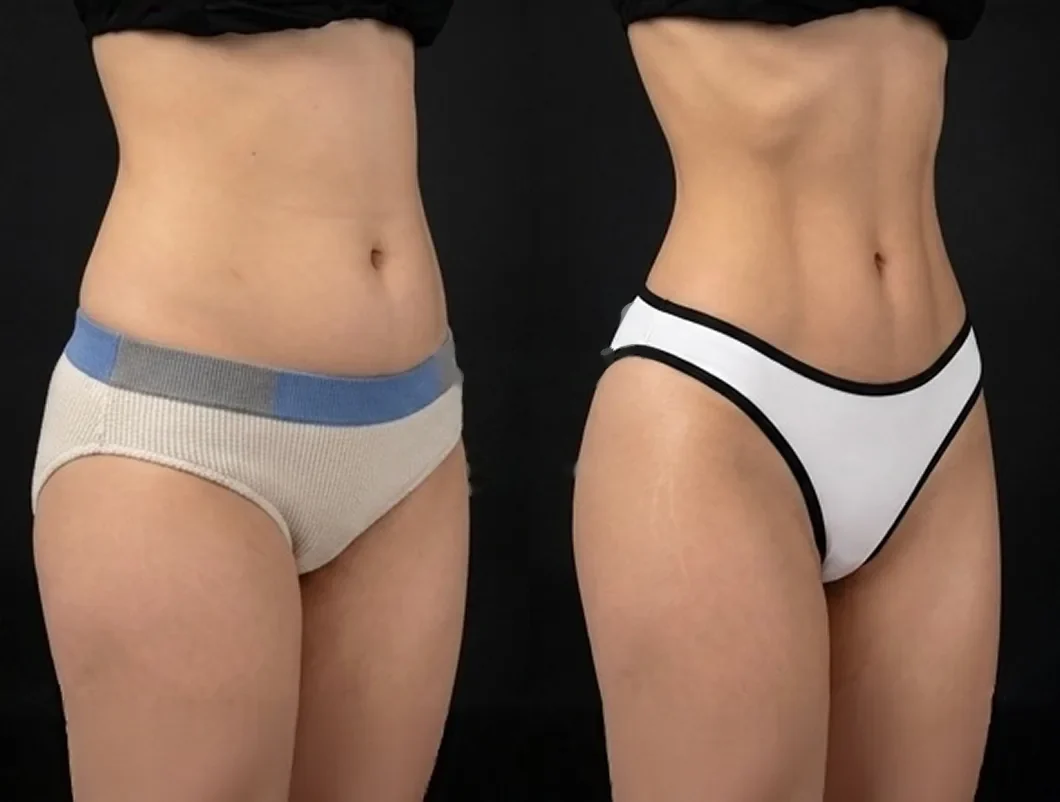 beforeafter
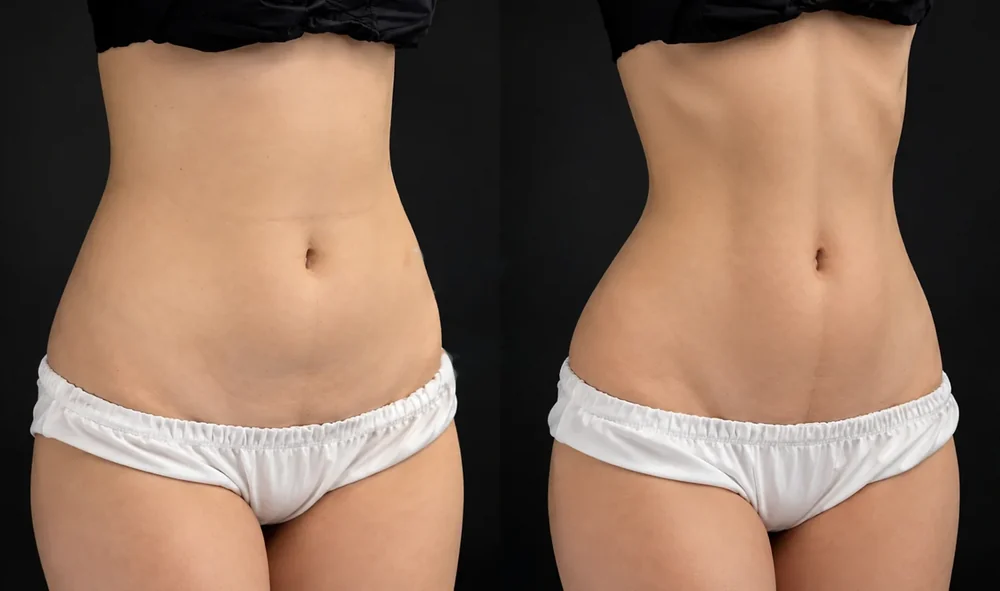
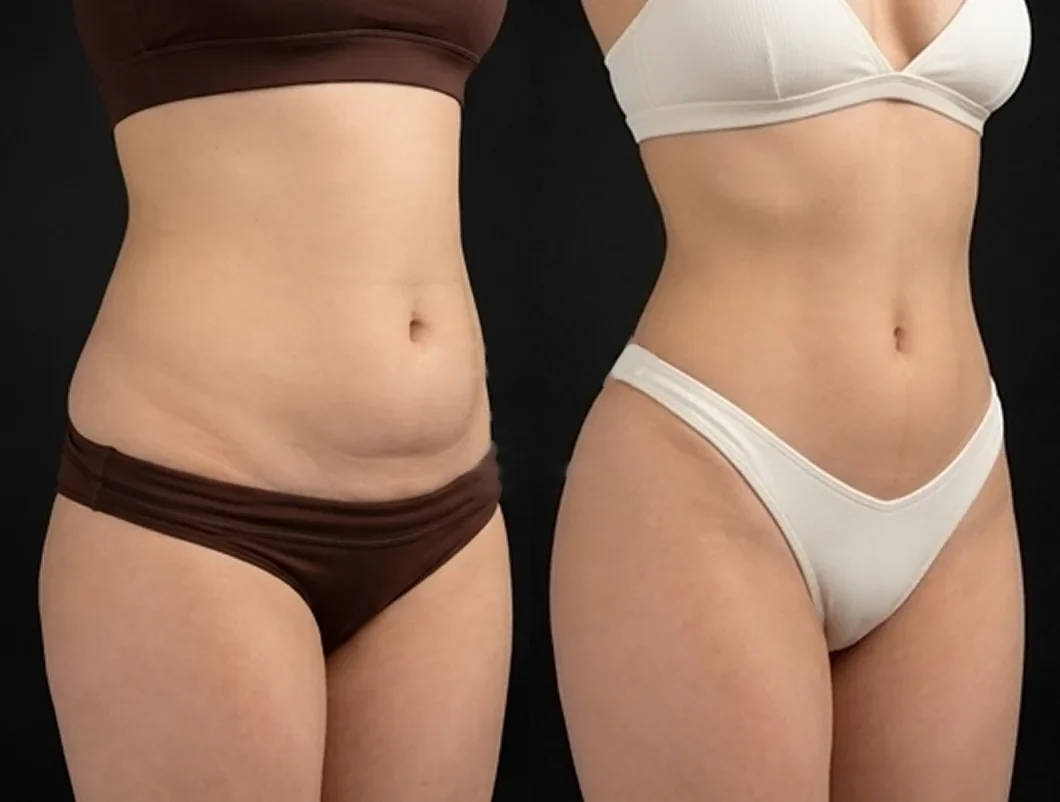 beforeafter
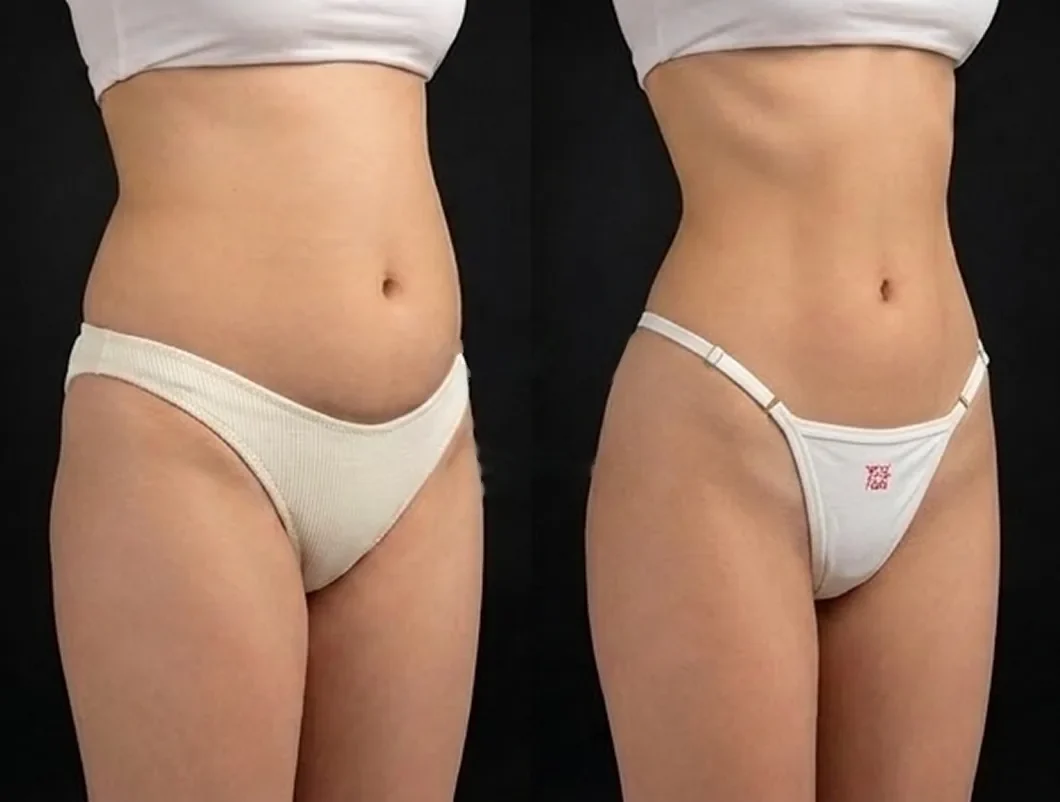 beforeafter
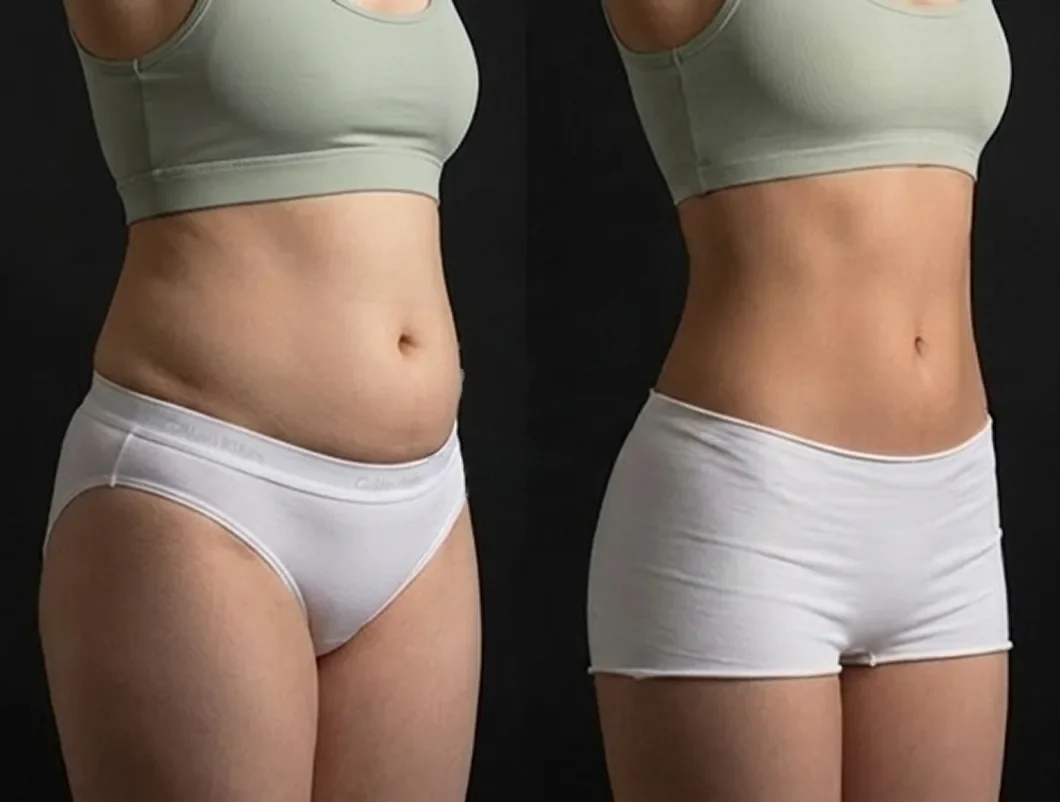 beforeafter
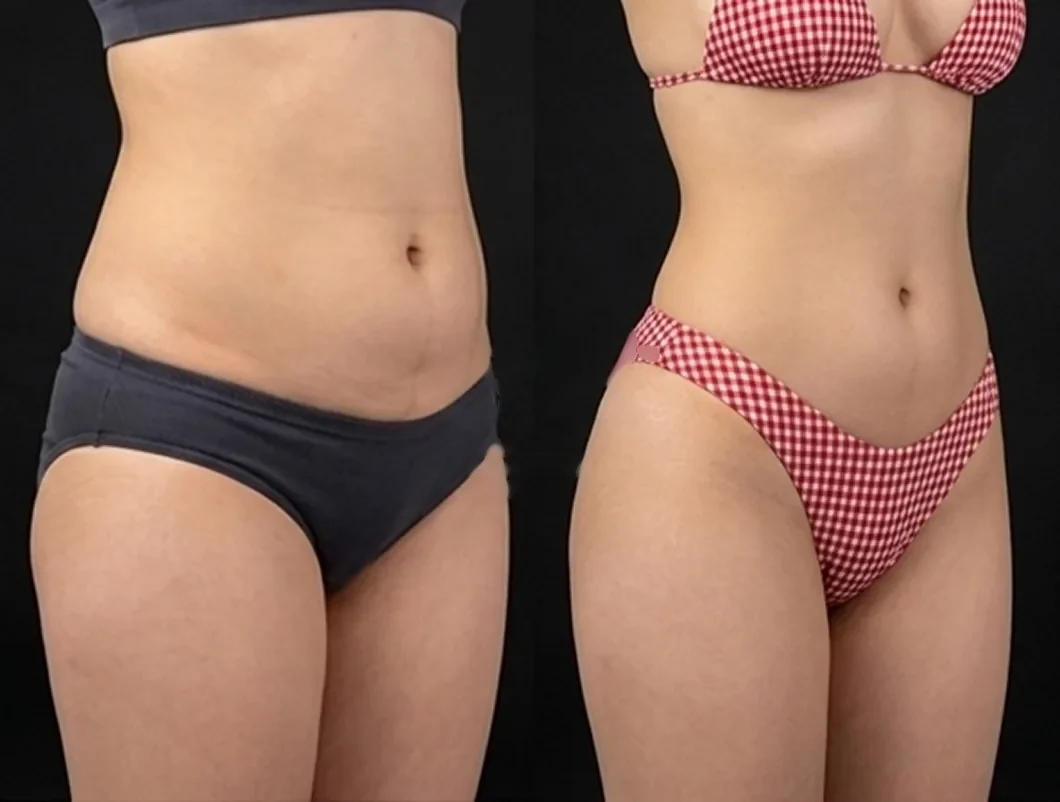 beforeafter
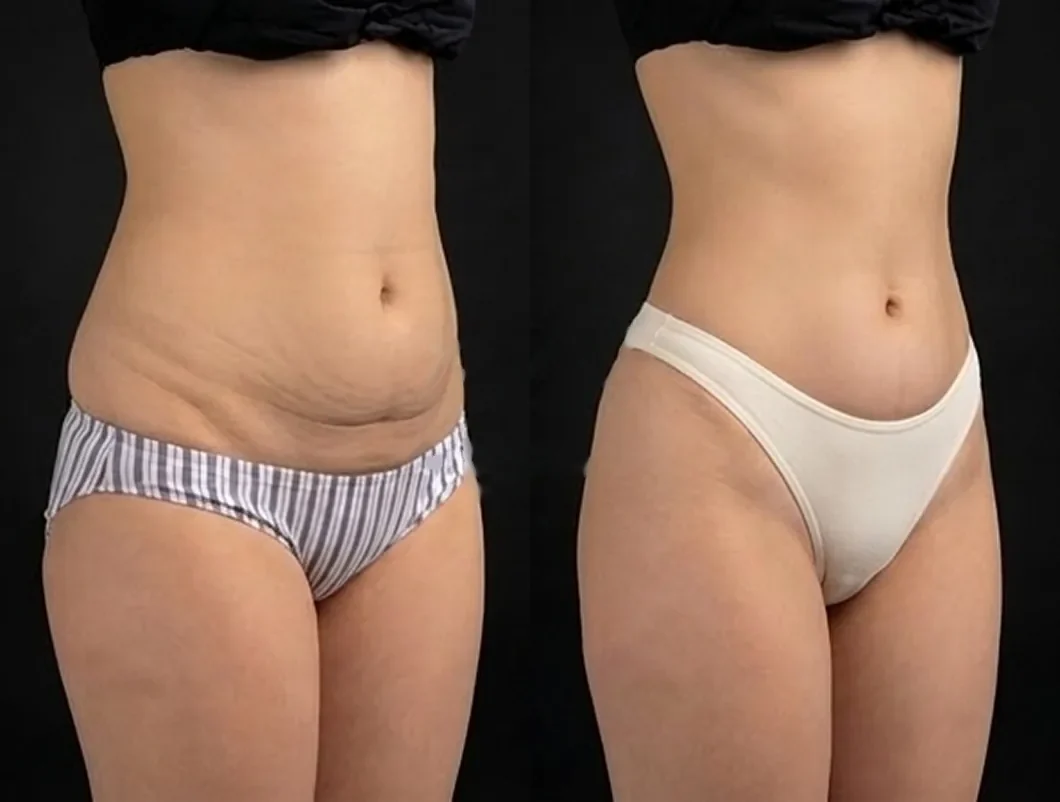 beforeafter
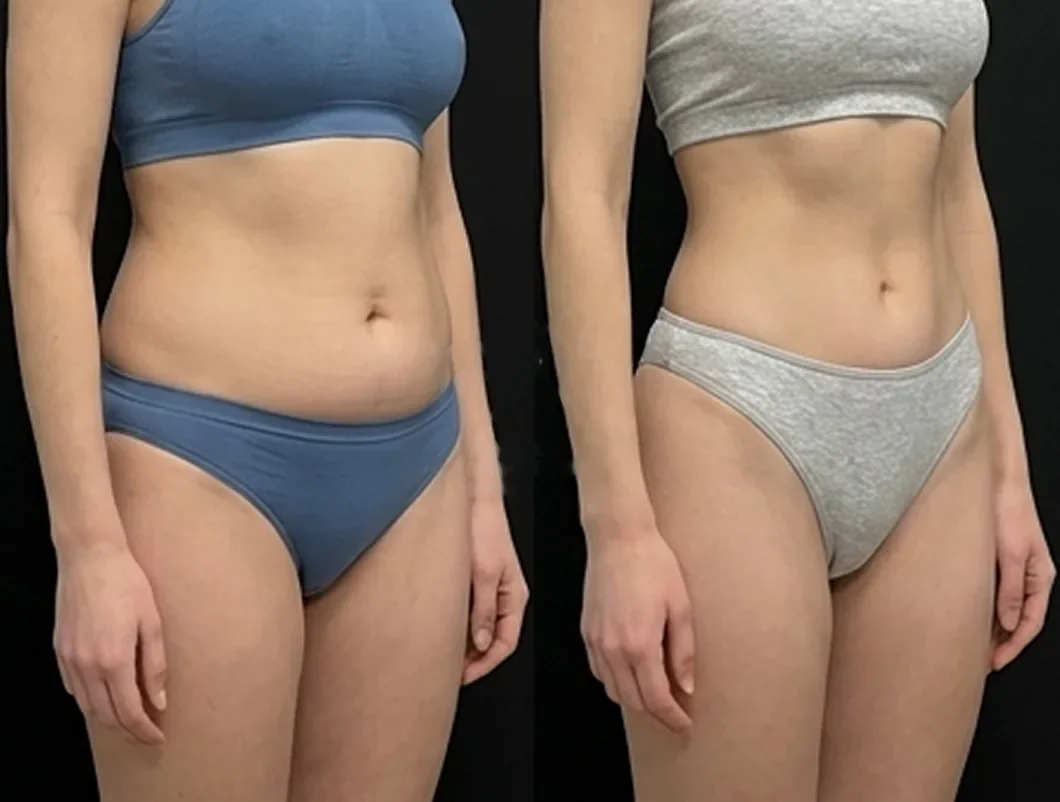 beforeafter
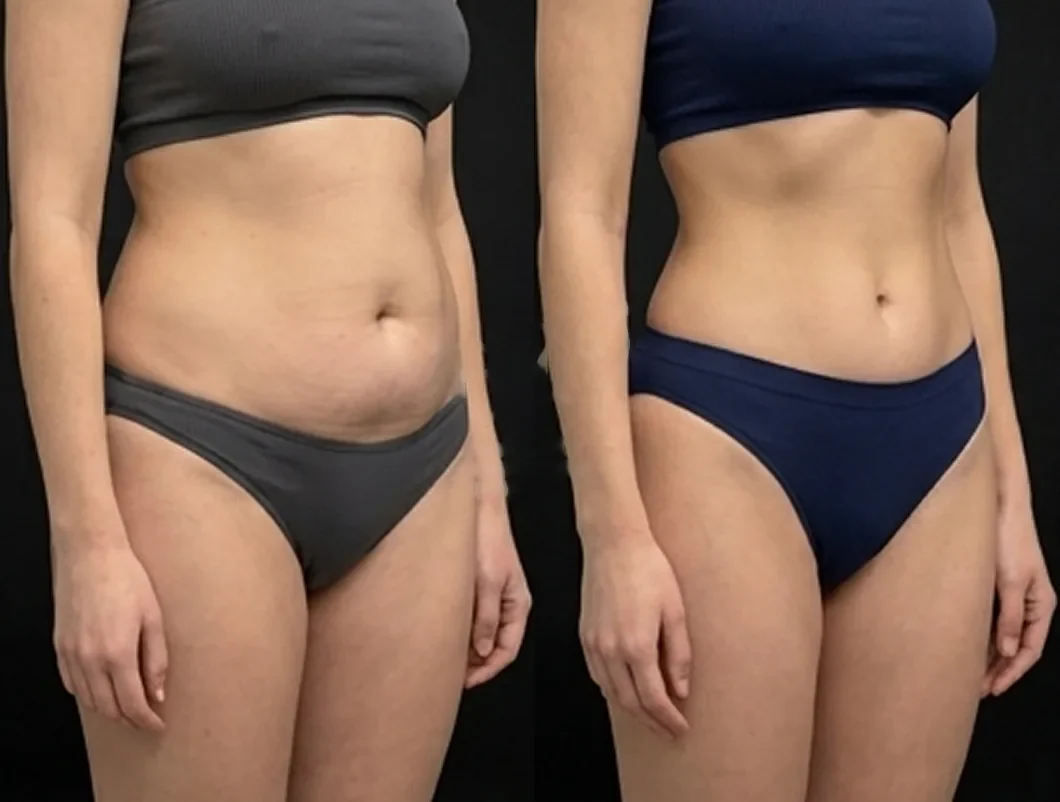 beforeafter
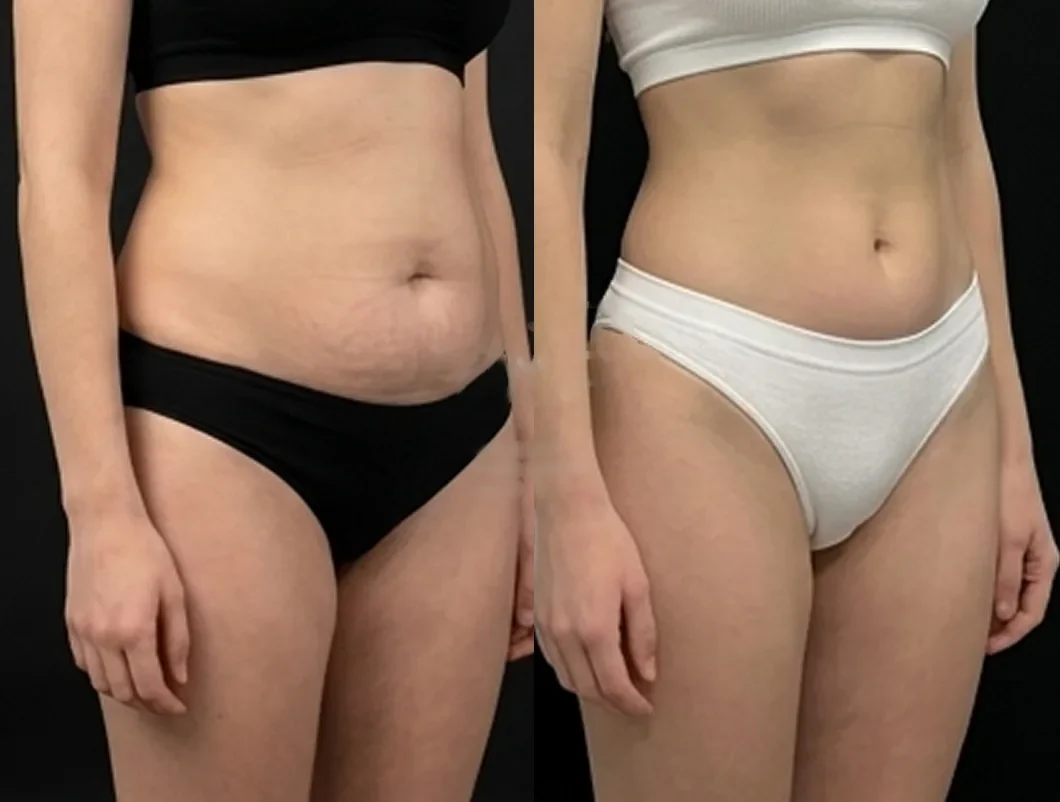 beforeafter
 beforeafter
 1
 2
 3
 4
 5
 6