
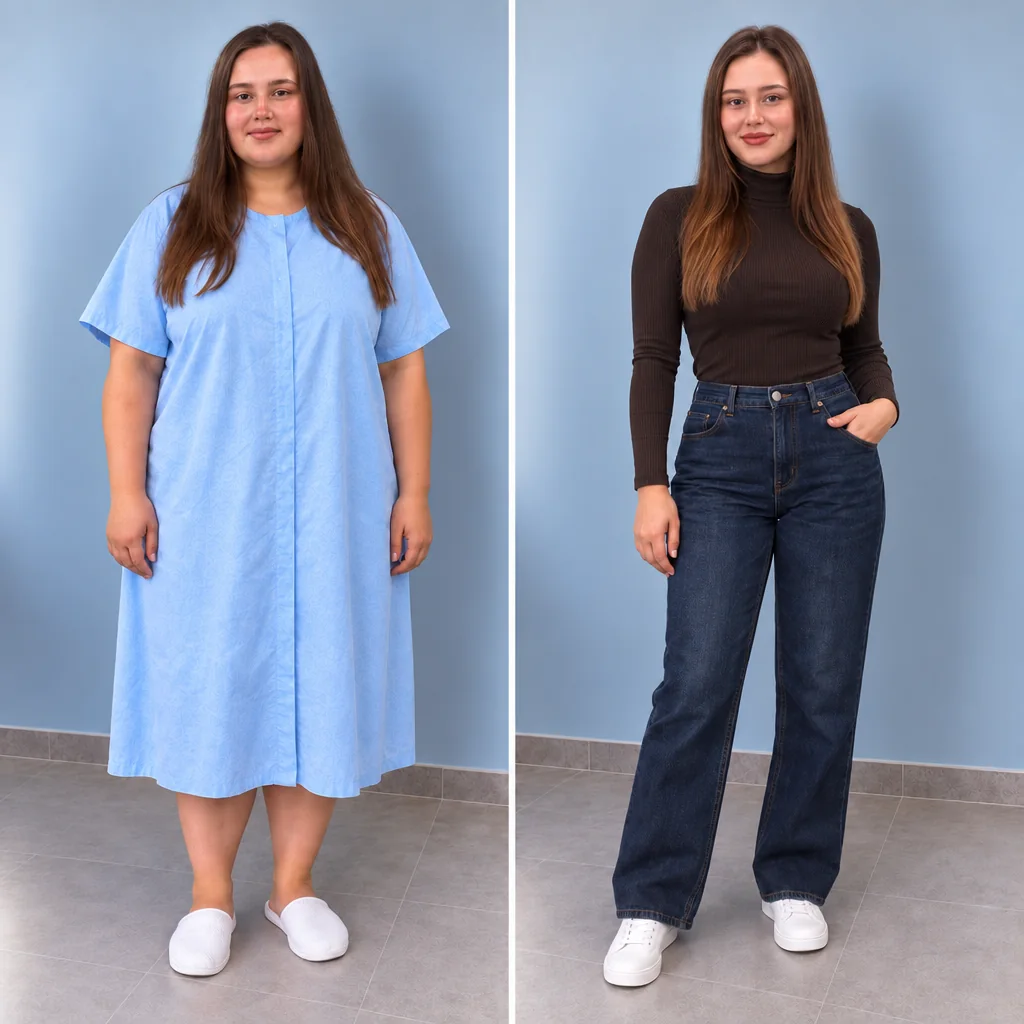
 beforeafter
Irina, 26
Bariatric surgery
Bariatric surgery
$3,600
$4,800 · First consultation — Free
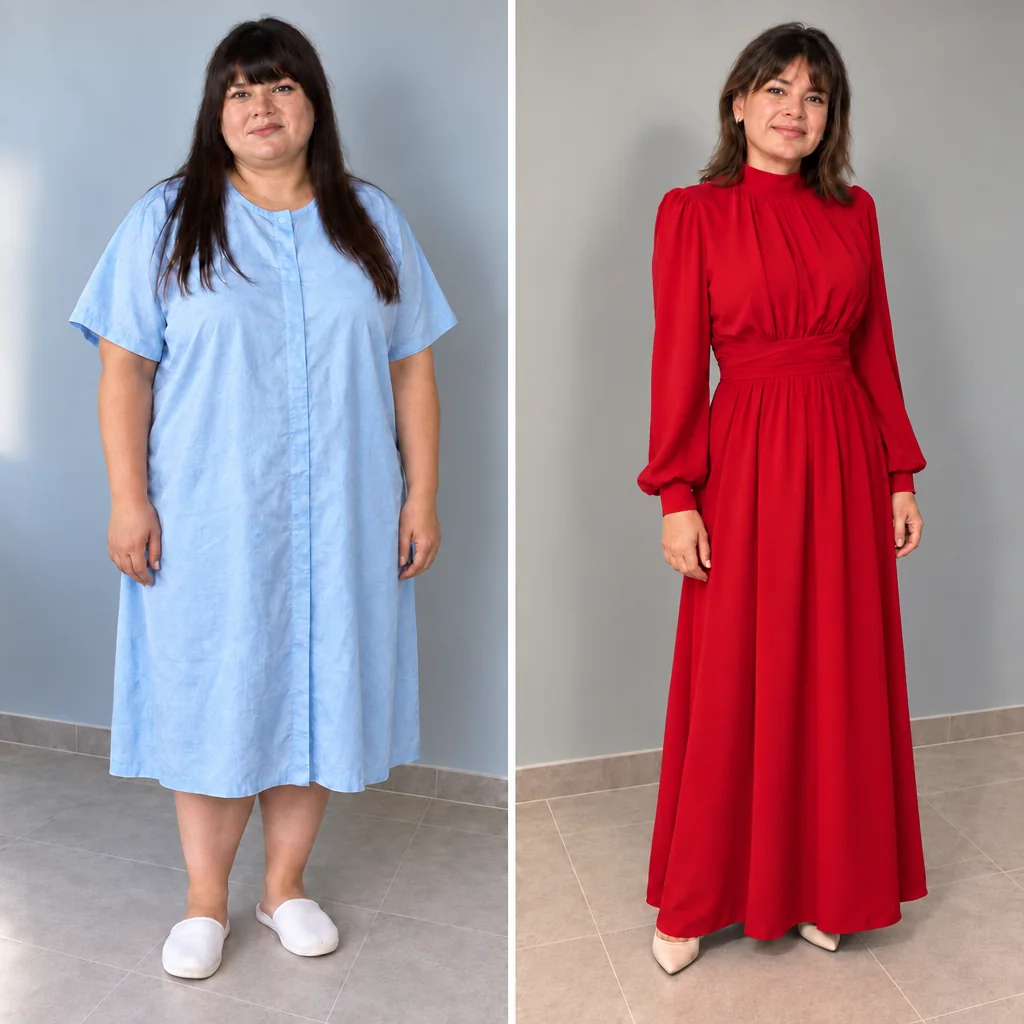 before
after
Message our coordinator
Free online consultation · Reply within 15 minutes
Message us on TelegramMessage us on WhatsAppBy messaging us, you agree to our Privacy Policy
Results
All cases are real patients of the clinic.
beforeafterBariatric surgery
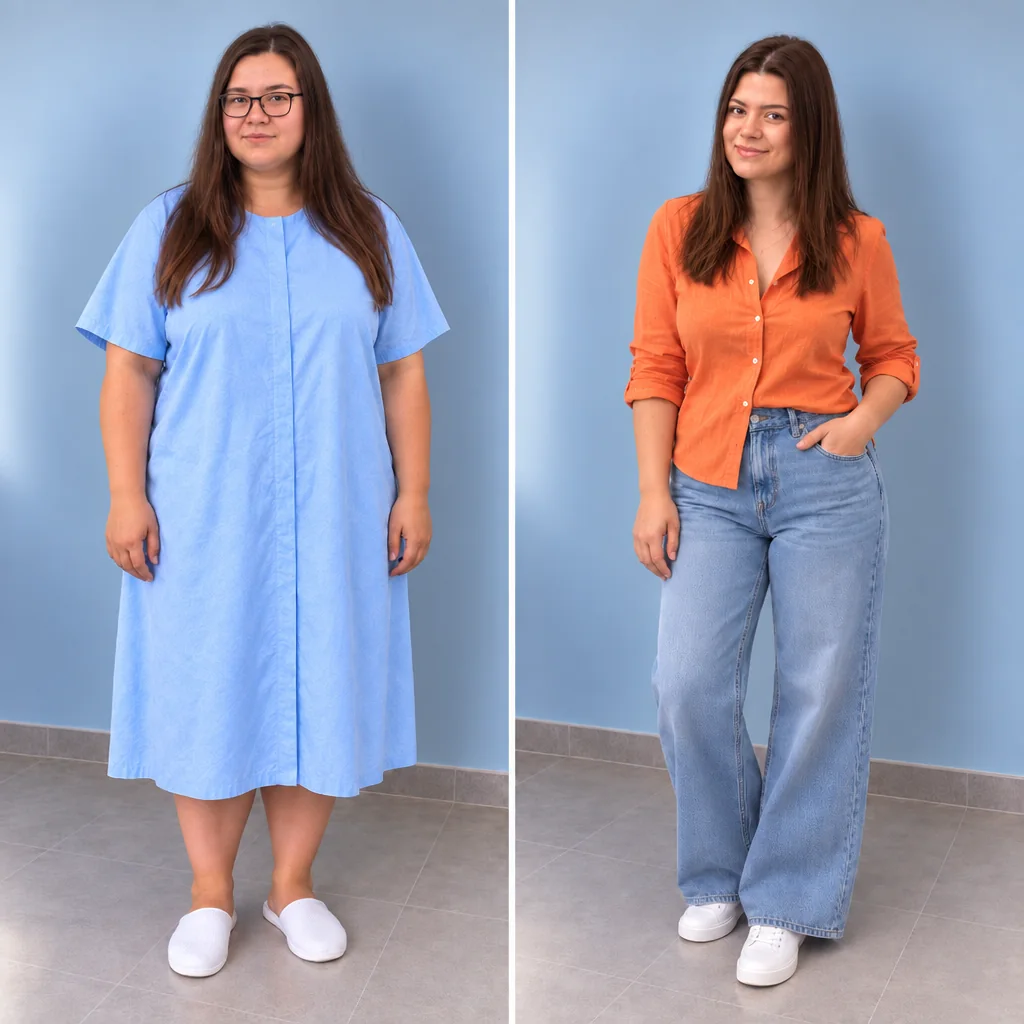 beforeafter
Bariatric surgery
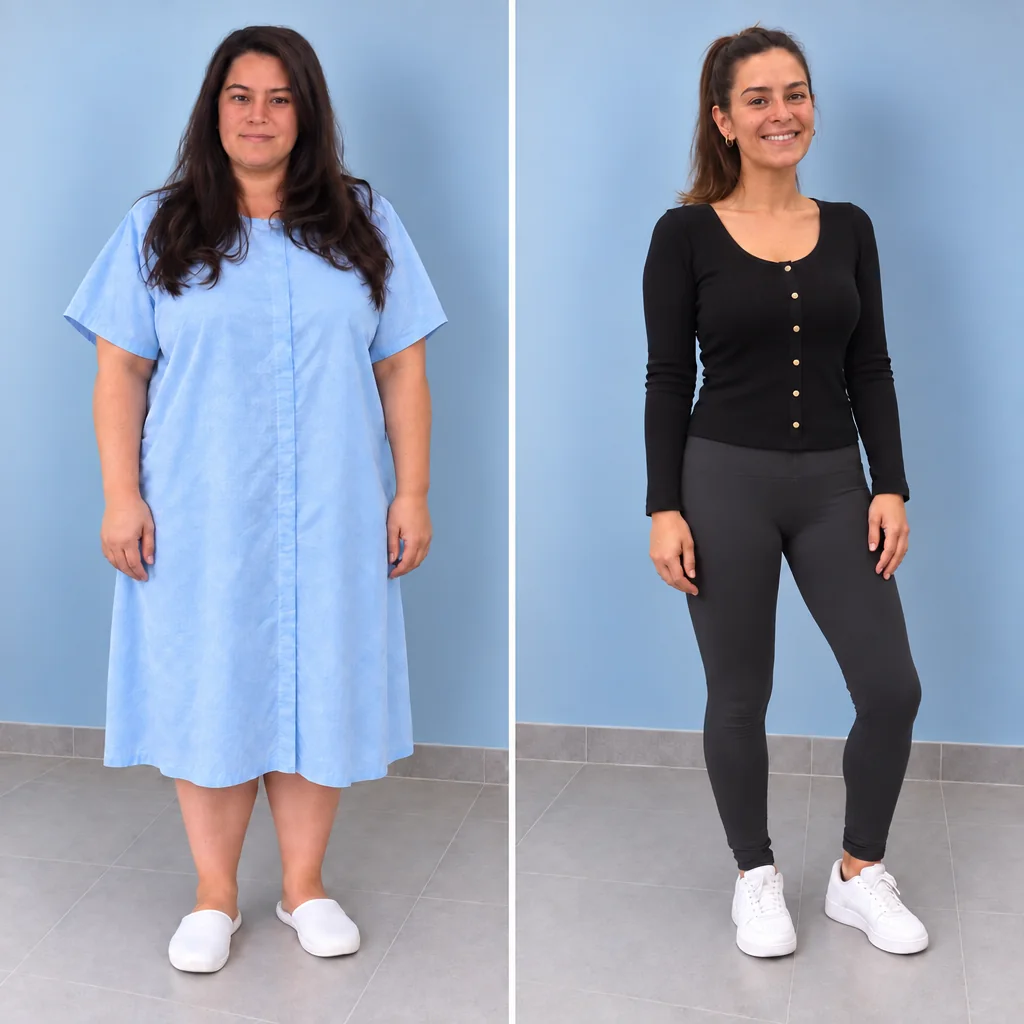 beforeafter
Bariatric surgery
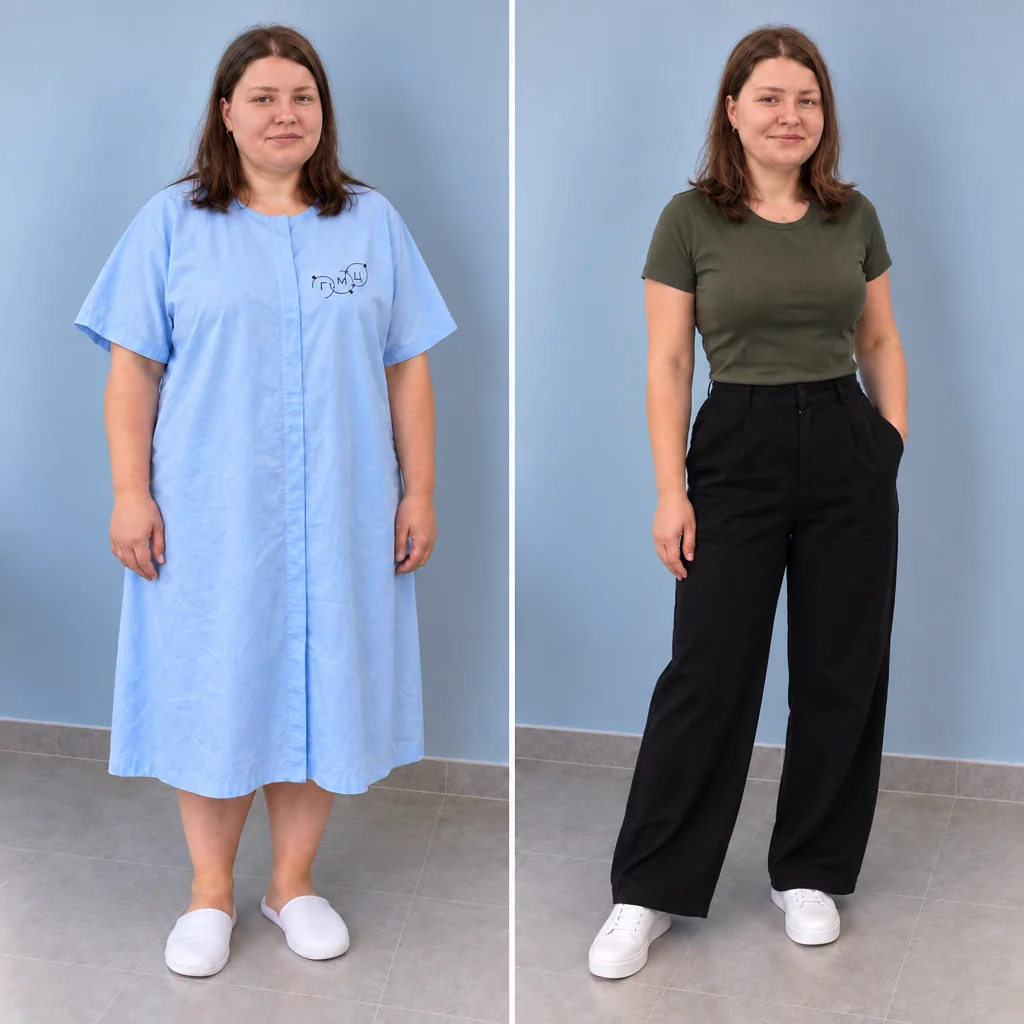 beforeafter
Bariatric surgery
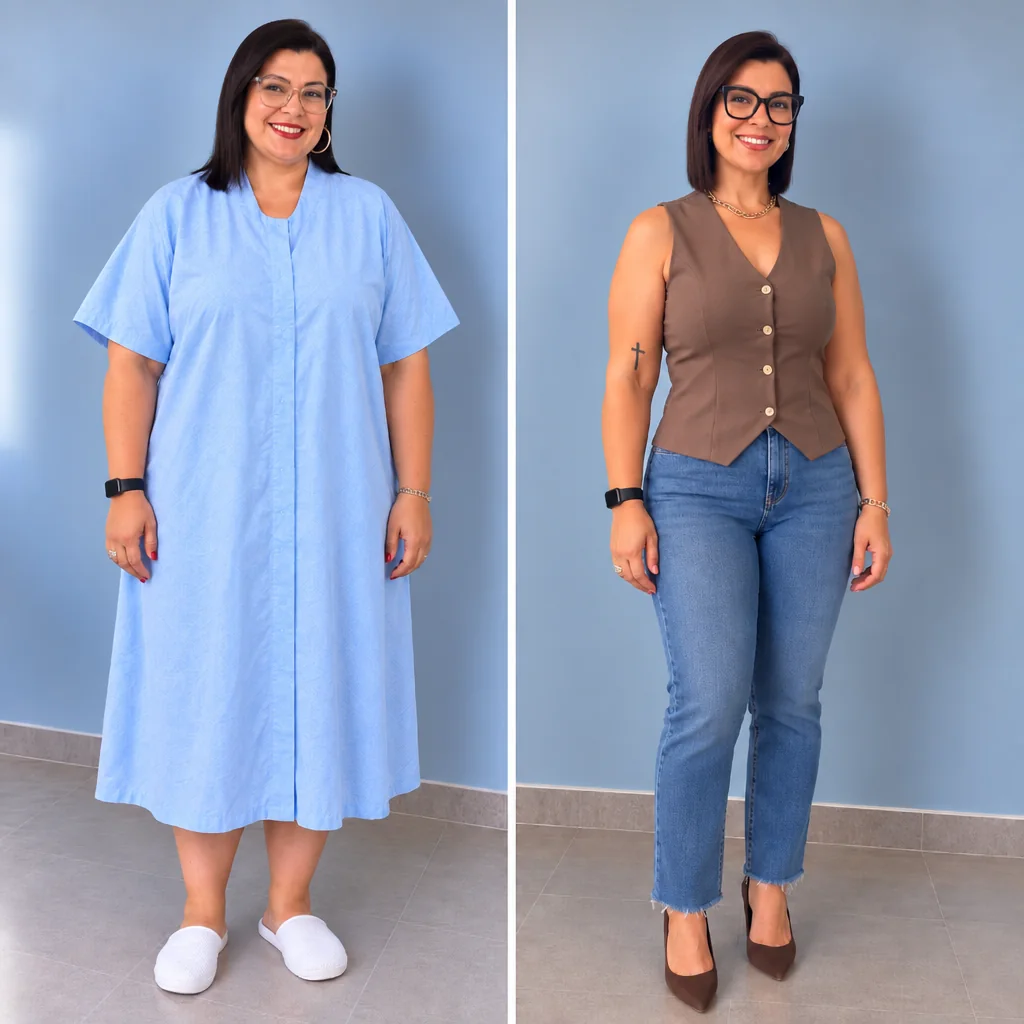 beforeafter
Bariatric surgery
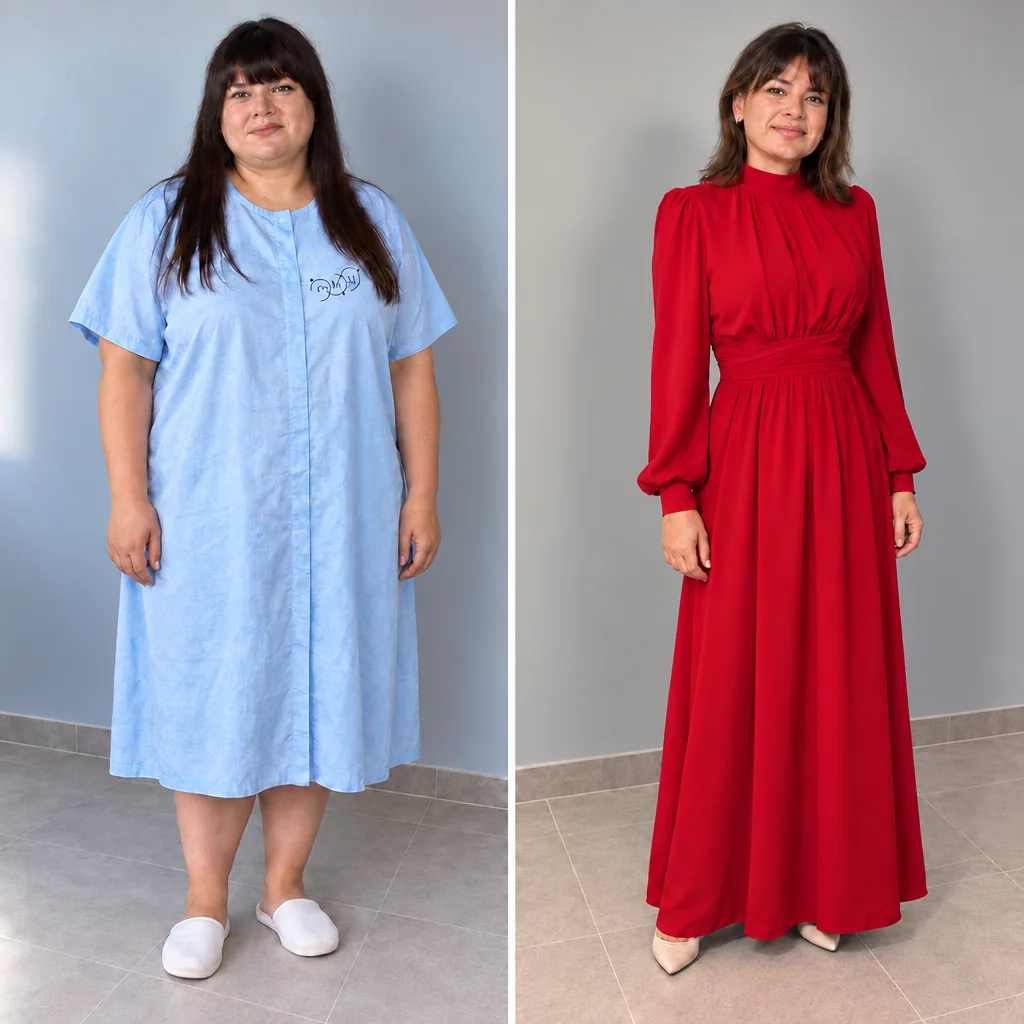 beforeafter
Bariatric surgery
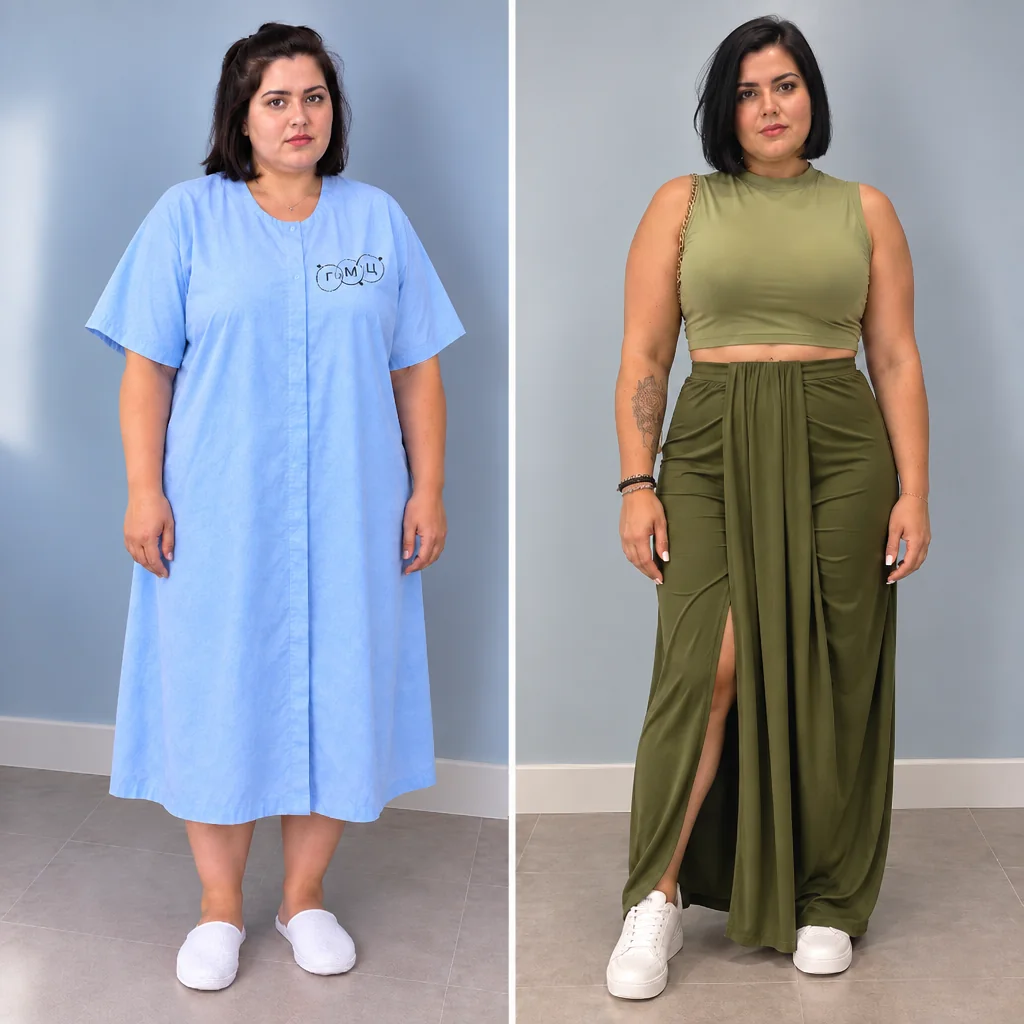 beforeafter
Bariatric surgery
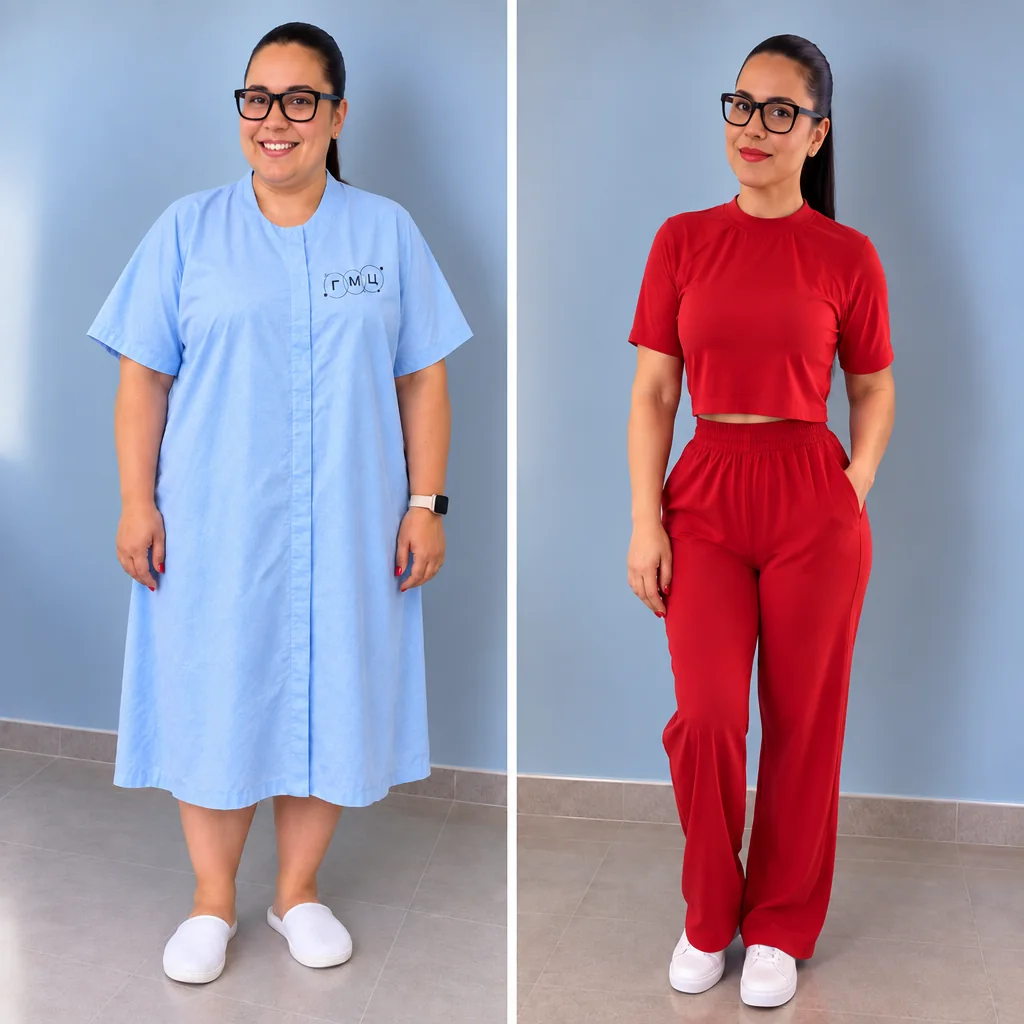 beforeafter
Bariatric surgery
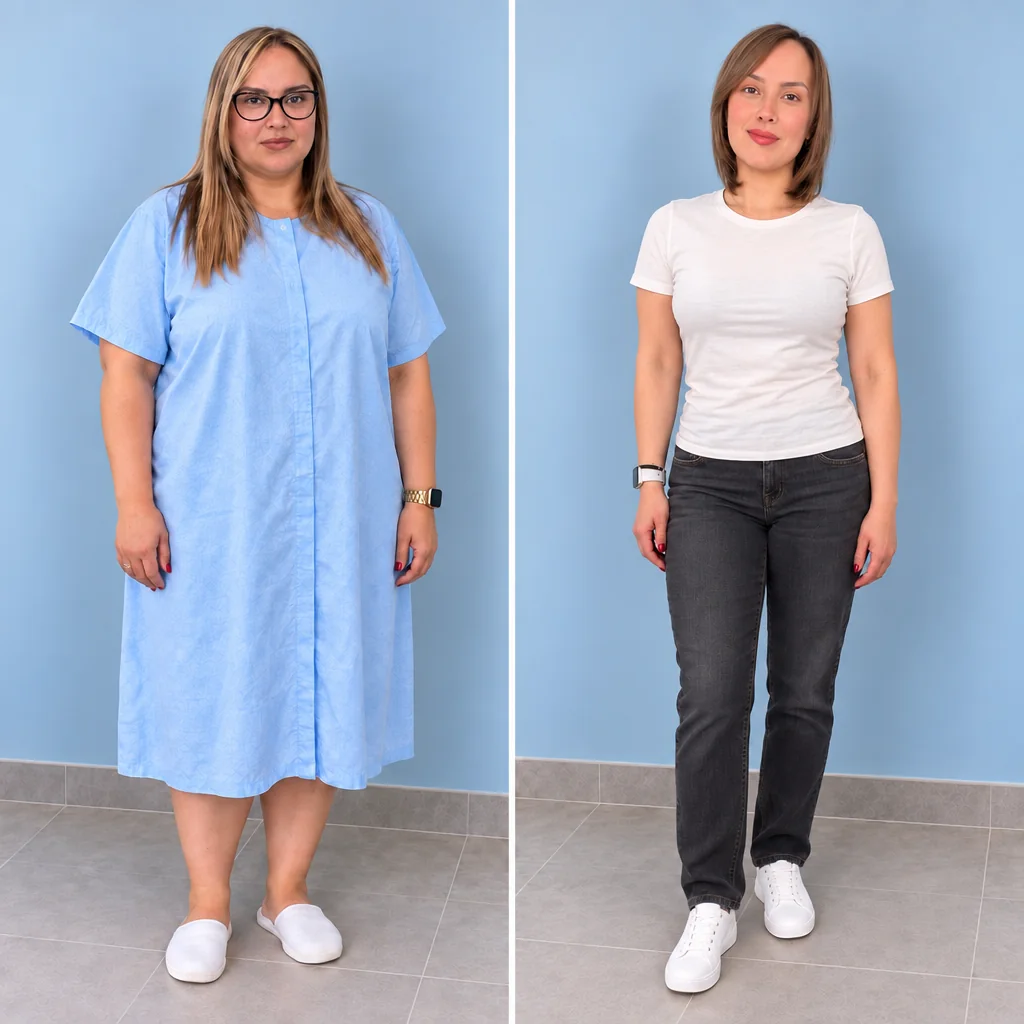 beforeafter
Bariatric surgery
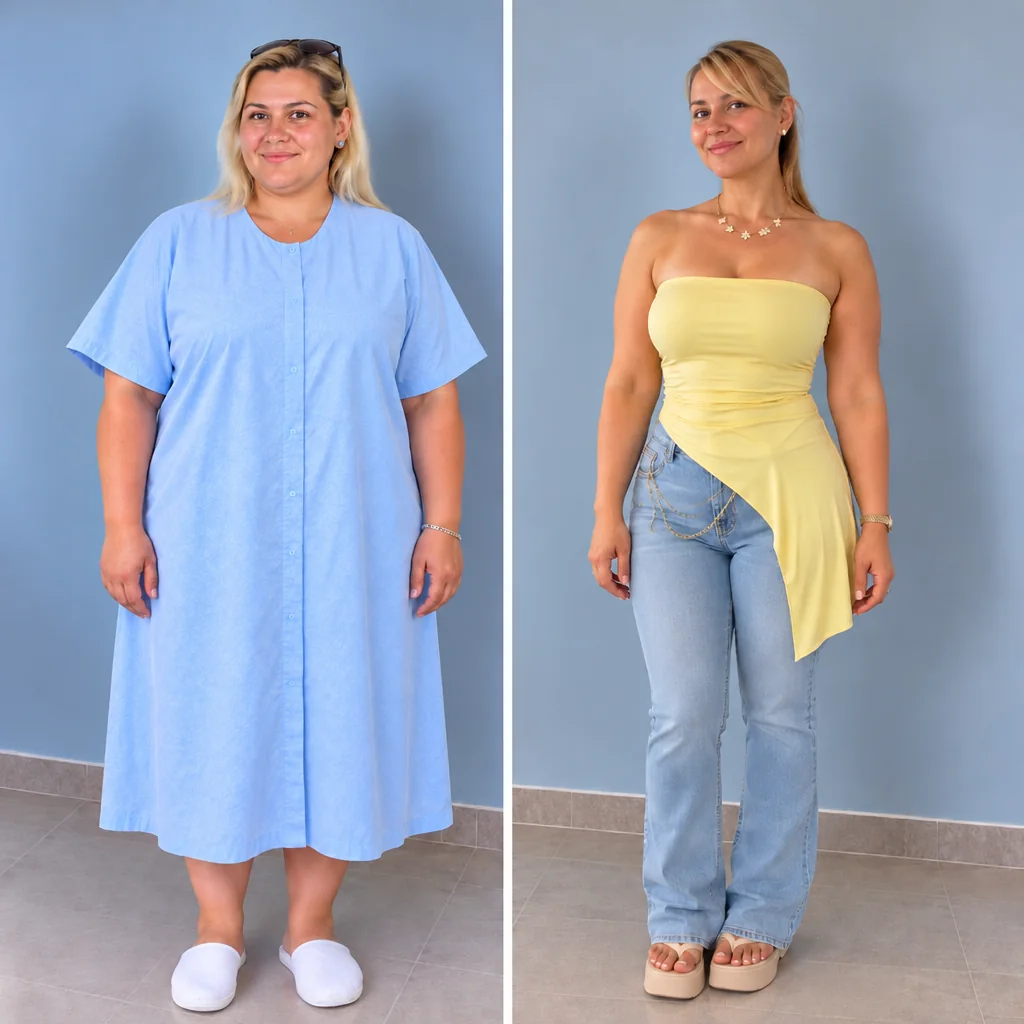 beforeafter
Bariatric surgery
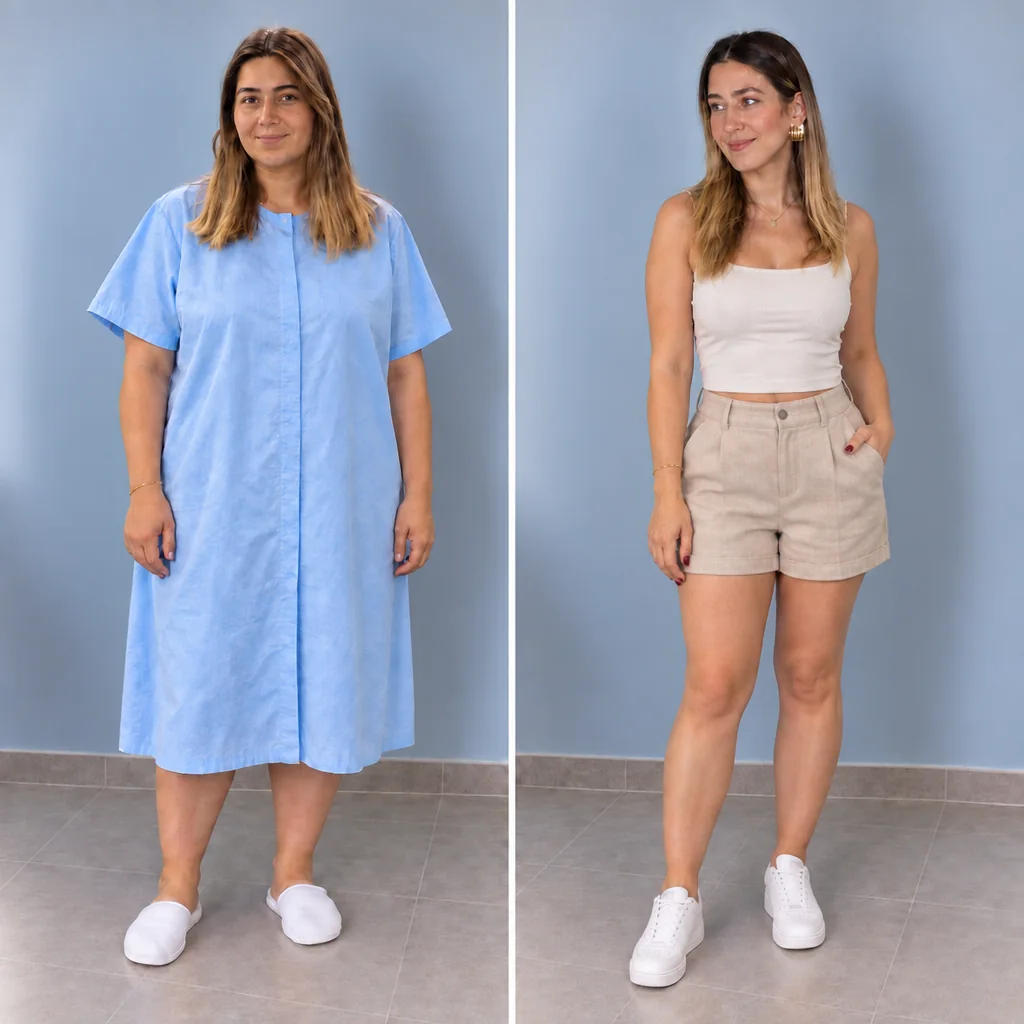 beforeafter
Bariatric surgery
Comparison
There are two main surgeries we offer: the sleeve and the bypass. Learn how they work, why they are done and who they suit, so you can choose your method with confidence.
A smaller stomach volume
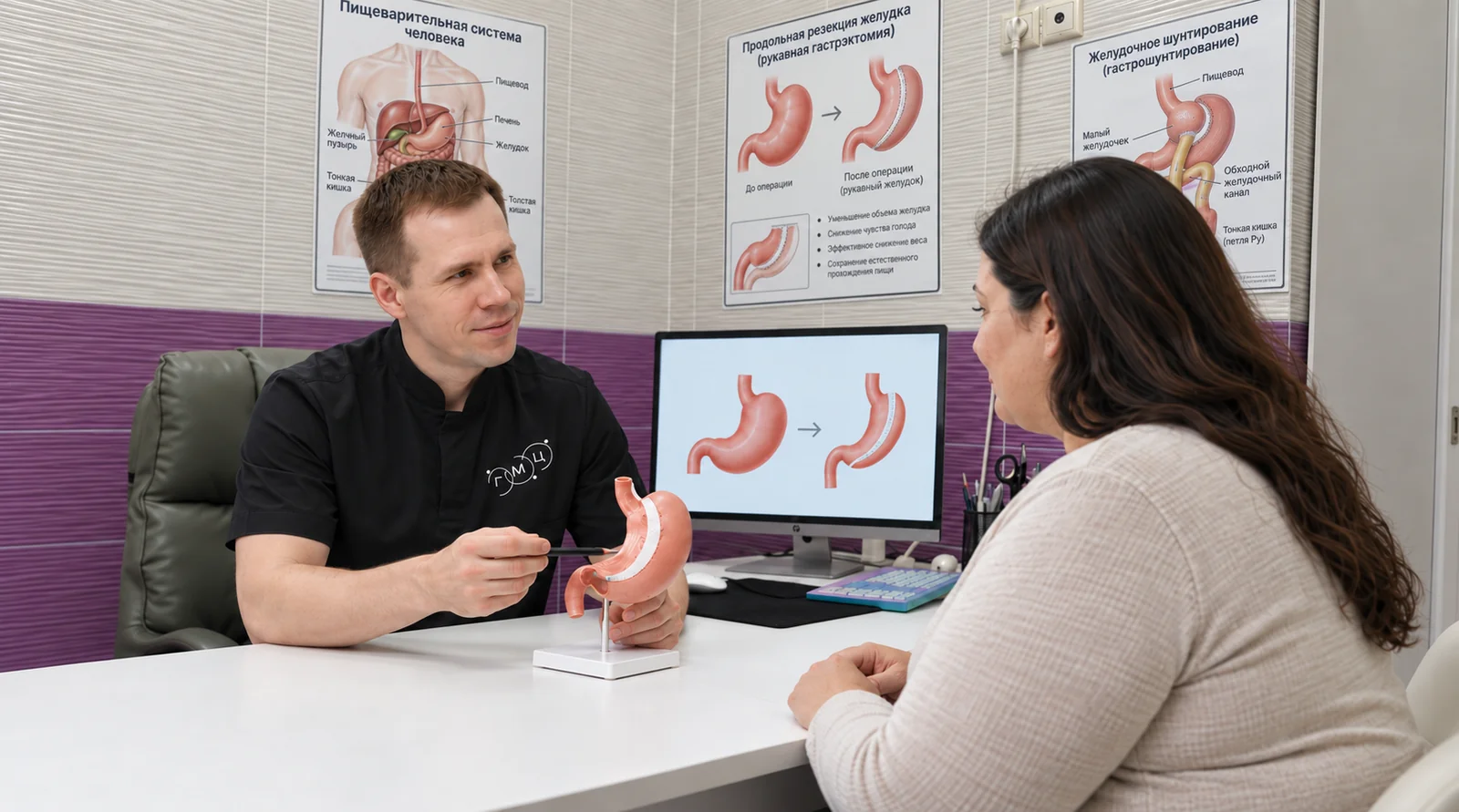
Discounted price
$3,600 $4,800
Stomach volume is reduced and the food path is changed
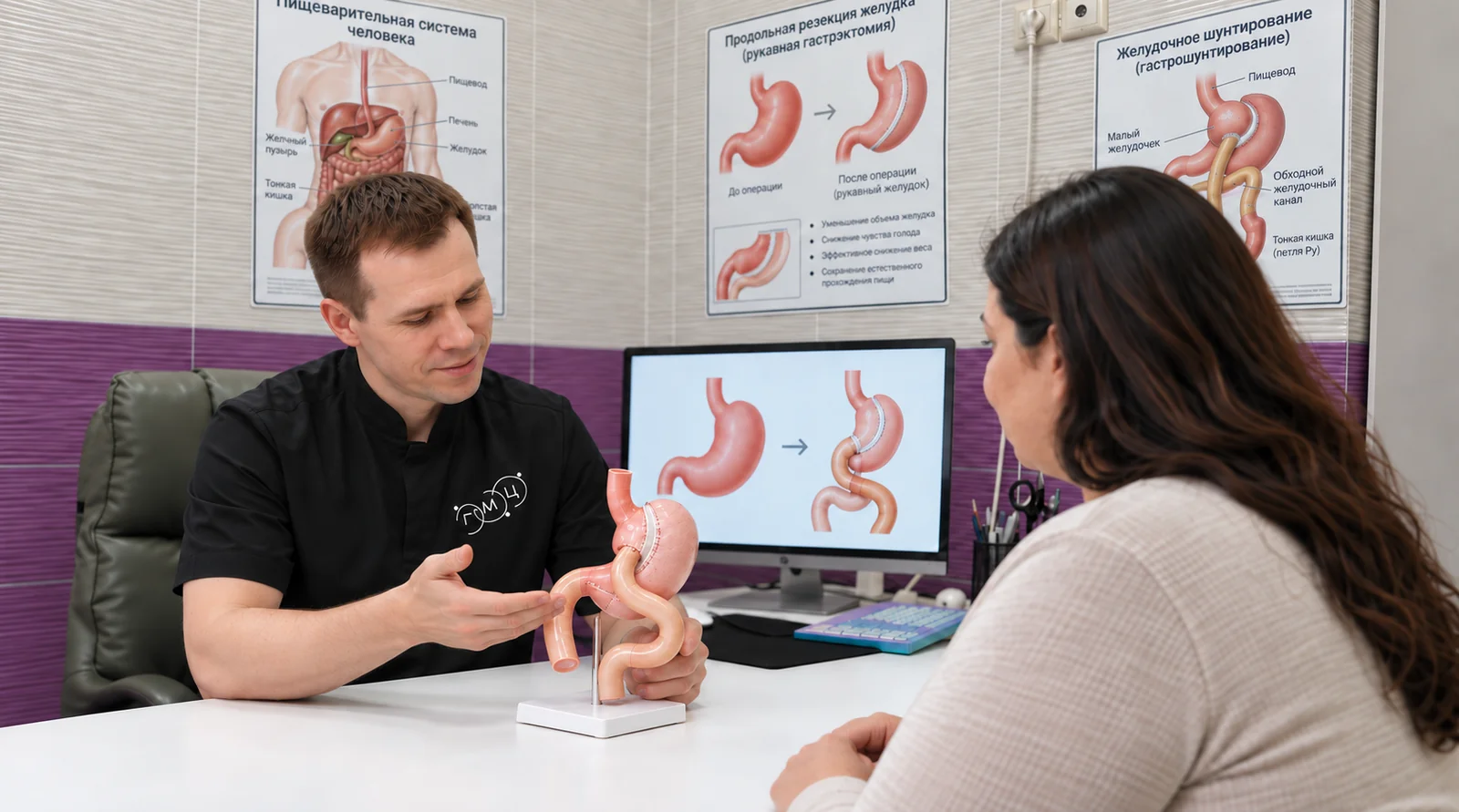
Discounted price
$4,000 $5,200
We show average benefits and recovery times for each method as a guide only: the extent of the operation and recovery are individual, set by your anatomy and features, and confirmed by the surgeon at the consultation.
Book a consultationThe clinic
Modern equipment, comfortable rooms and care for every patient
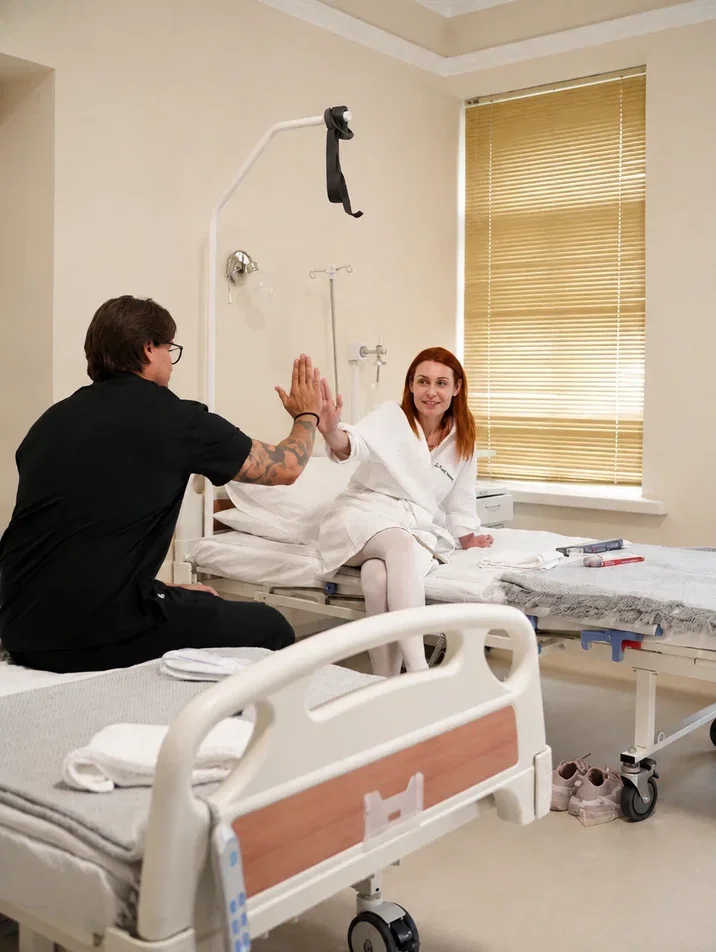
You get answers to your questions and a consultation slot that fits your schedule
Get a consultationYou and the surgeon decide on surgery together, after a consultation and check-up.
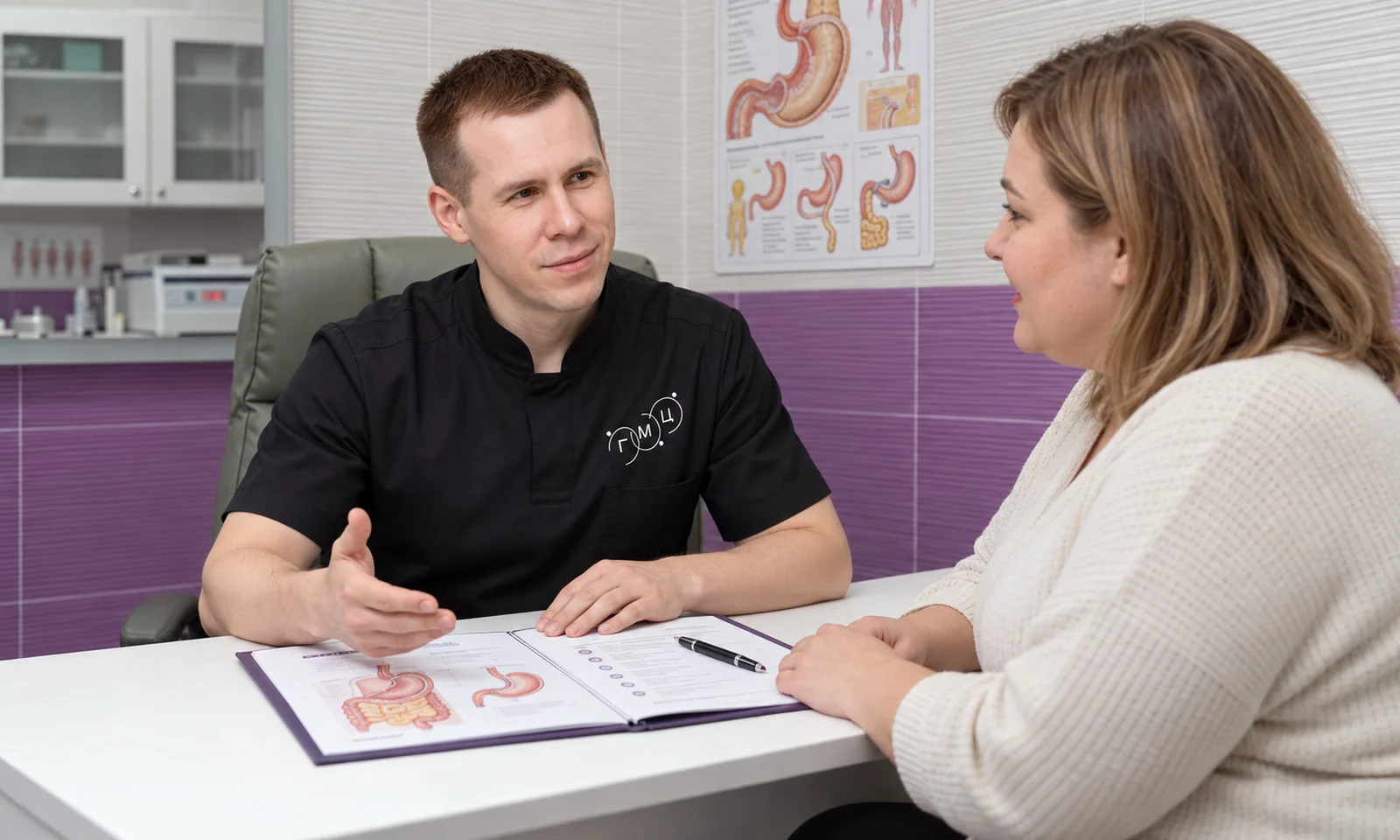
Not certain which side you are on?
Write to us on Telegram — a coordinator will let you know whether bariatric surgery is an option for you. The surgeon consultation costs nothing and carries no obligation to operate.
Find out if it suits me
Prices
At the consultation, when your plan is ready, we name the cost and fix it in the contract.
Discounted price
A smaller stomach volume
$3,600$4,800
Discounted price
Weight loss and rerouting food
$4,000$5,200
Free
The surgeon examines you and draws up a treatment plan

Free
you are told the cost of surgery
and it is fixed in the contract
The doctor reviews your health and goals and decides on the right bariatric surgery method. At the consultation the cost is named, and the contract fixes it.
Message our coordinator
Free online consultation · Reply within 15 minutes
Message us on TelegramMessage us on WhatsAppBy messaging us, you agree to our Privacy Policy
price
One package includes preparation and 12 months of support. There are no extra charges.Starting with preparation for surgery
and ending with support for 12 months.
What to expect
A jointly agreed treatment plan, monitoring in hospital and support over a year.
 1
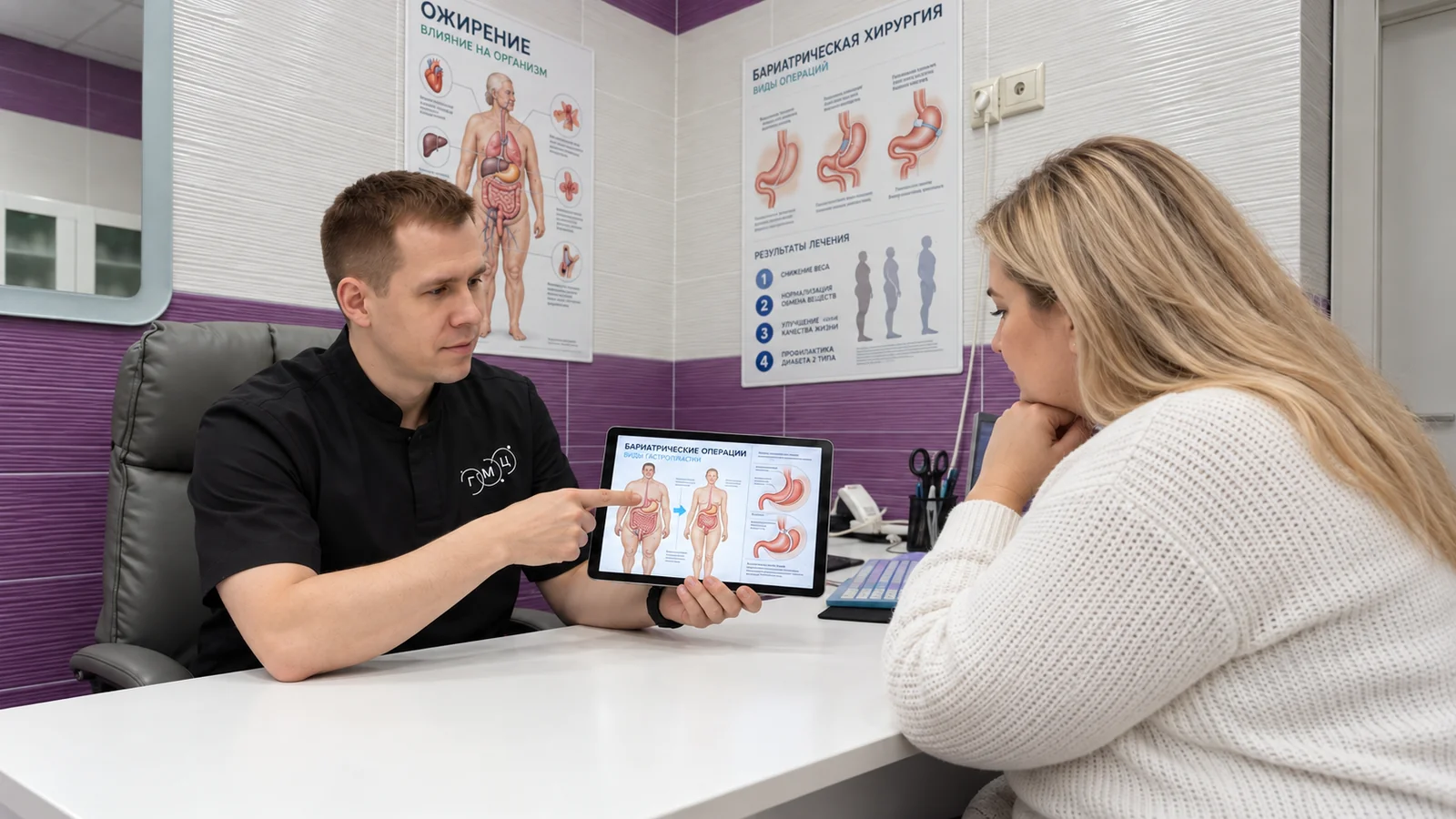
The doctor looks at your health, talks about your goals and requests the tests needed to choose the right bariatric surgery method.
2A surgery date is reserved for you, with the deposit paid by card at the clinic or online by bank transfer. The terms are recorded in the contract for medical services
 3
Before surgery you will have blood and urine tests, an ECG, an ultrasound and a gastroscopy, plus specialist appointments. The doctor provides the exact list at the consultation.
 4
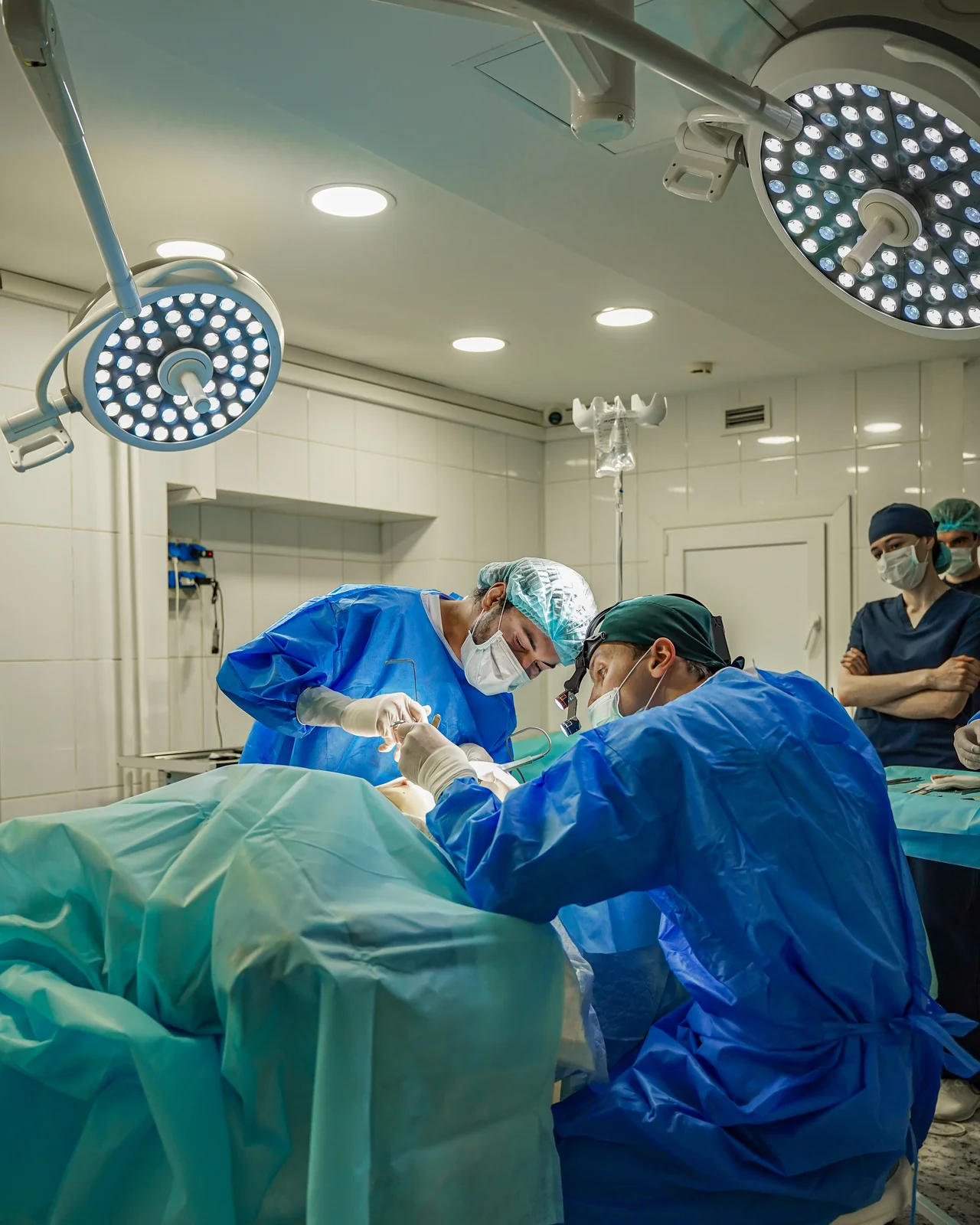
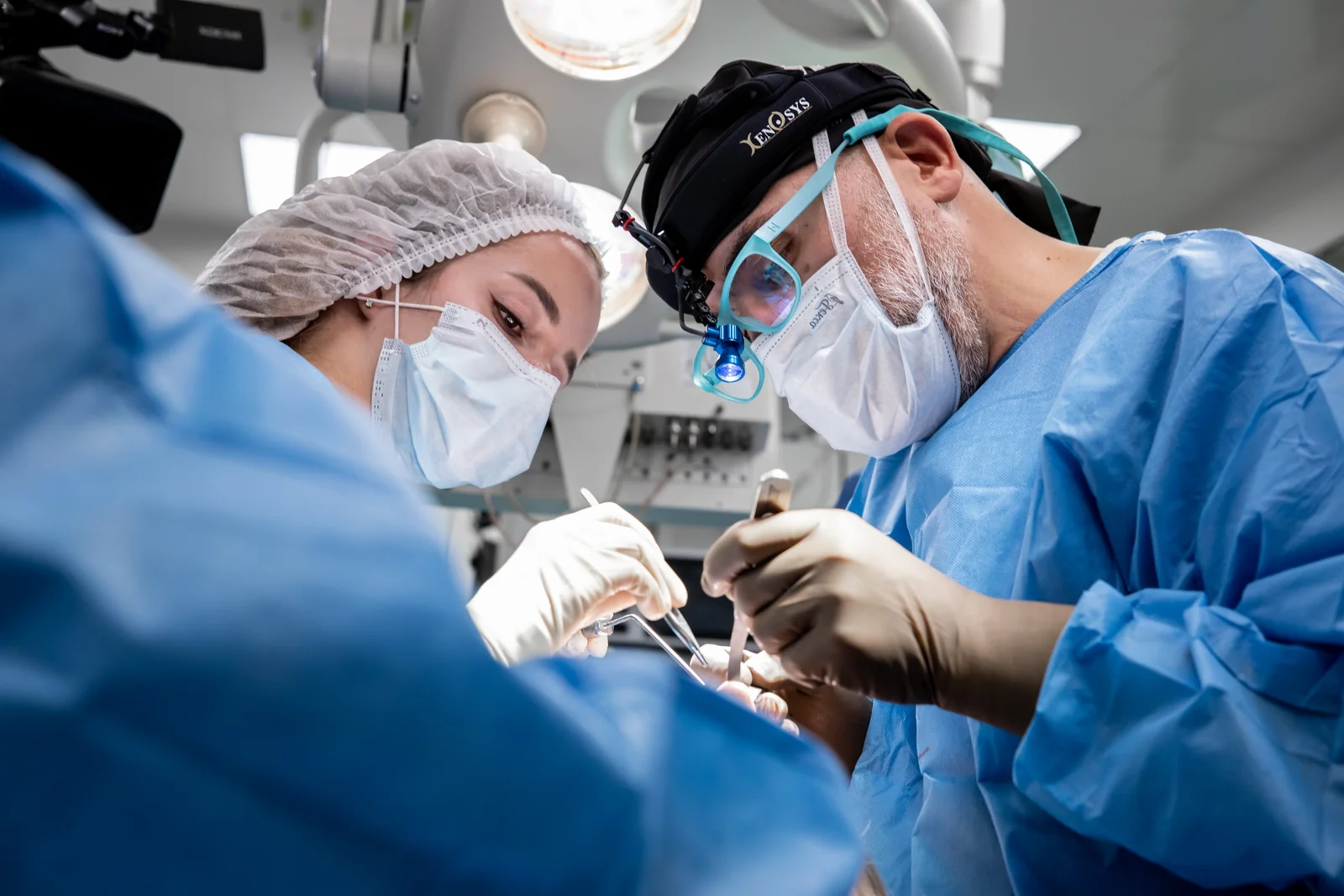
The bariatric operation takes place under general anaesthesia, performed by the surgeon with the chosen method; after surgery the medical team monitors the patient.
 5
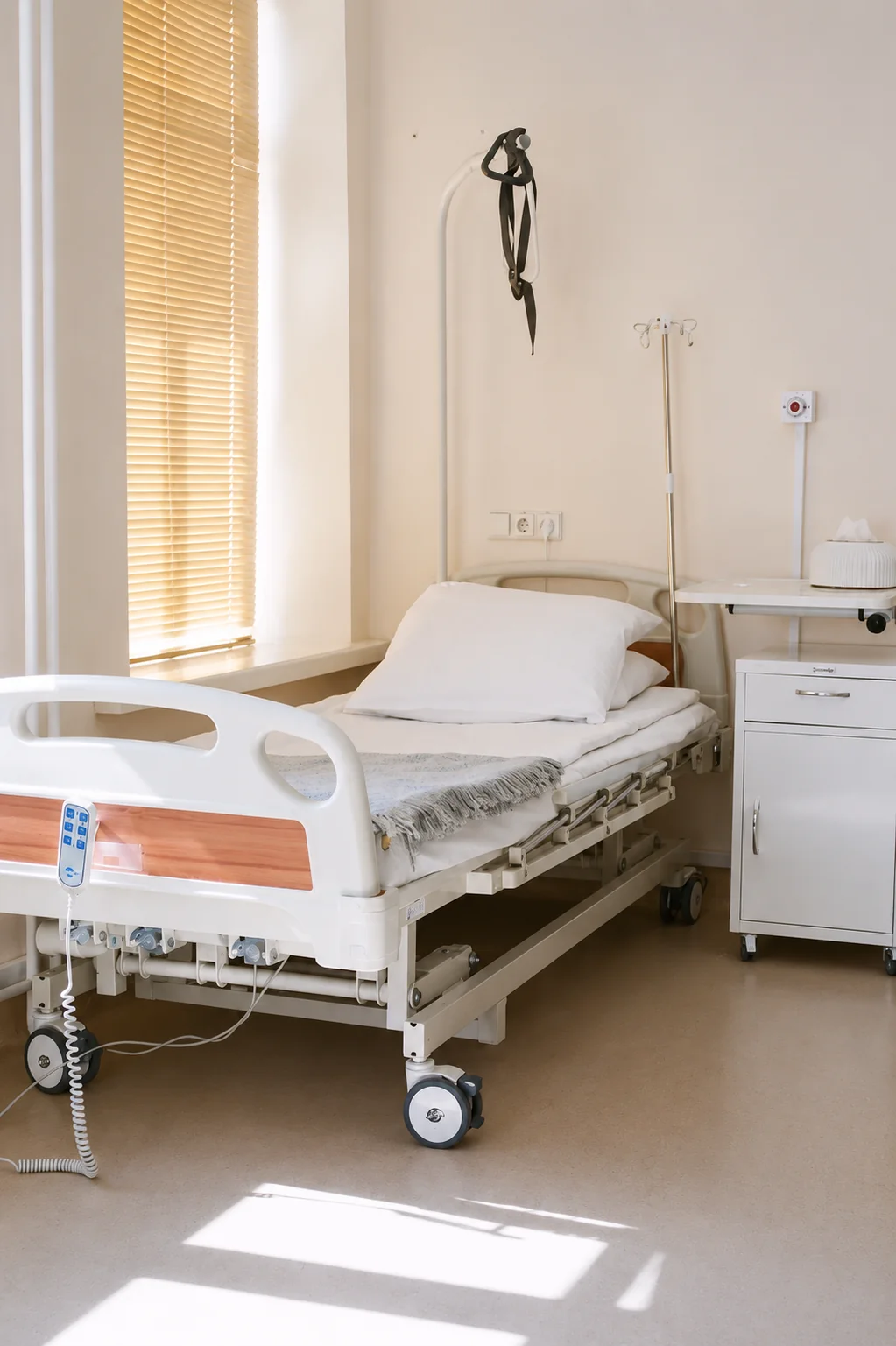
You stay in hospital under doctors' supervision after surgery; the stay runs from 1–3 to 4–5 days, depending on the operation's complexity and how you feel.
 6
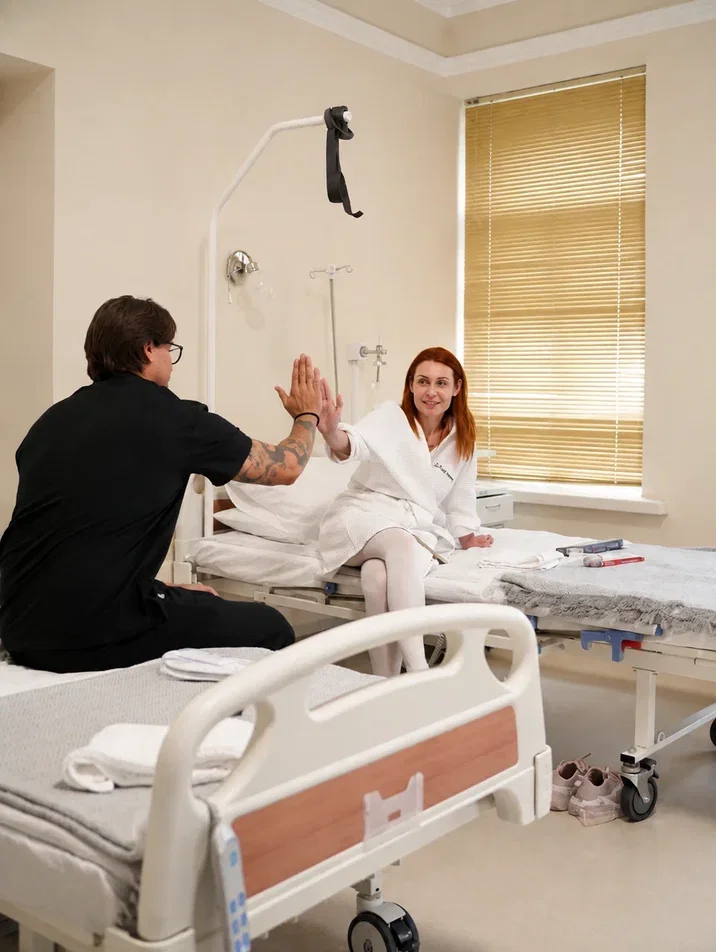
After you leave hospital, you receive advice on diet and recovery. Scheduled check-ups monitor your weight, test results and how you feel. The clinic team supports you for a year.
At the consultation the doctor makes a plan and tells you how the surgery will go
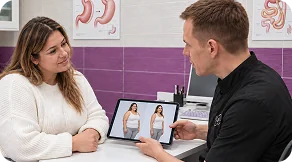
The consultation is free of charge, comes before surgery and obliges you to nothing.
Book a consultationDoctors
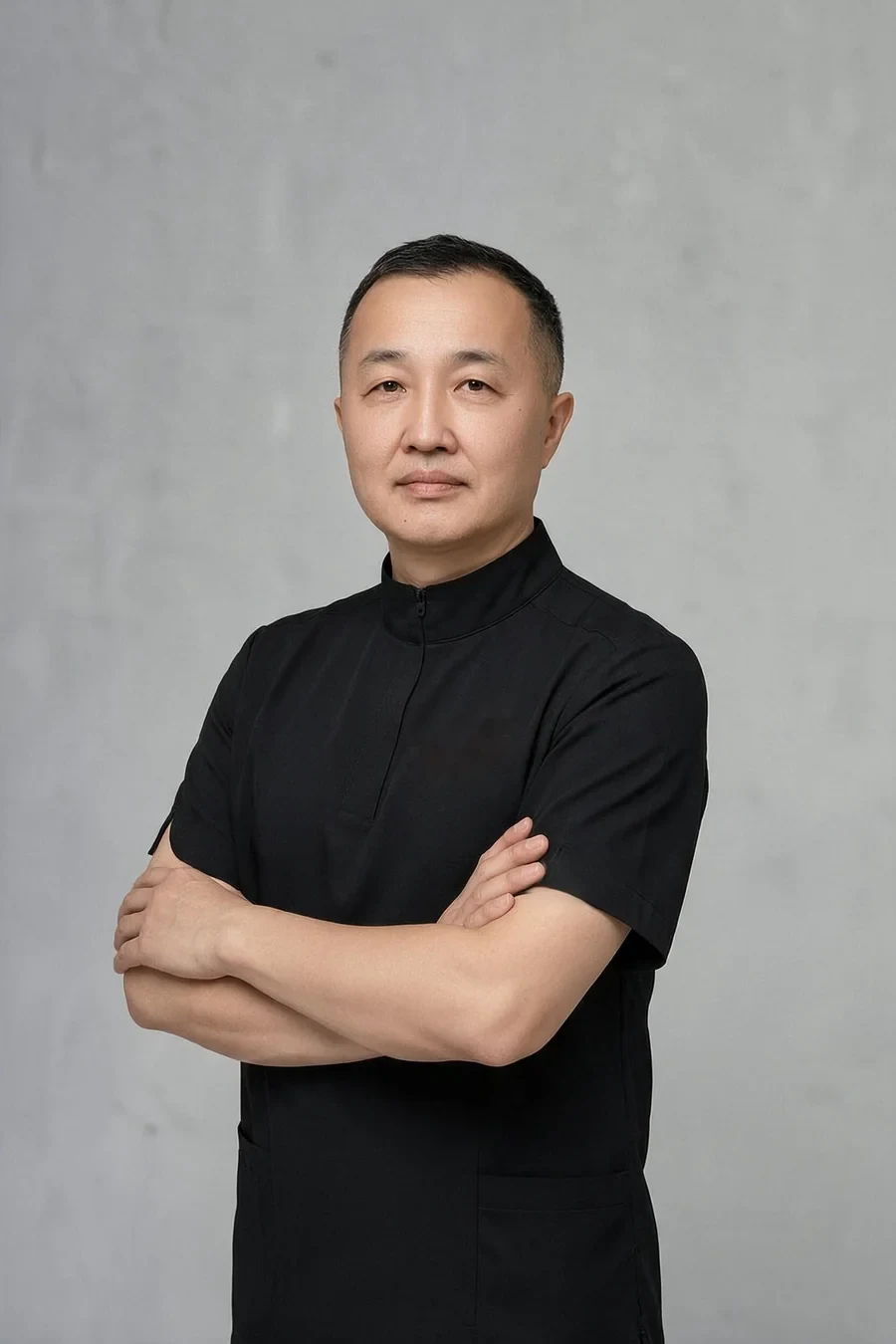
27 years of experience
Senior bariatric surgeon
Surgeon
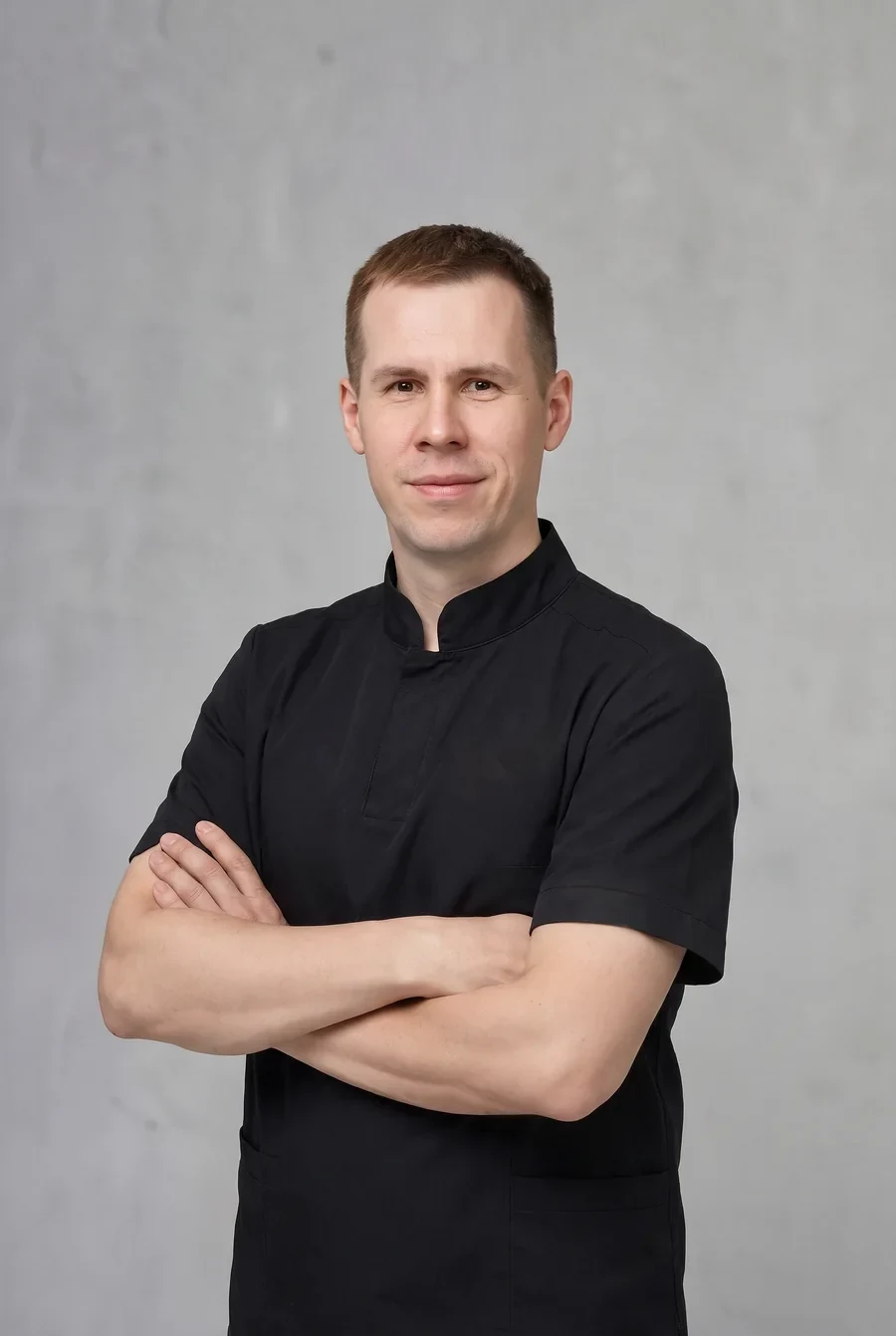
9 years of experience
Bariatric surgeon
Surgical oncologist
Your surgeon does the operation and follows your progress from the first consultation to the result.
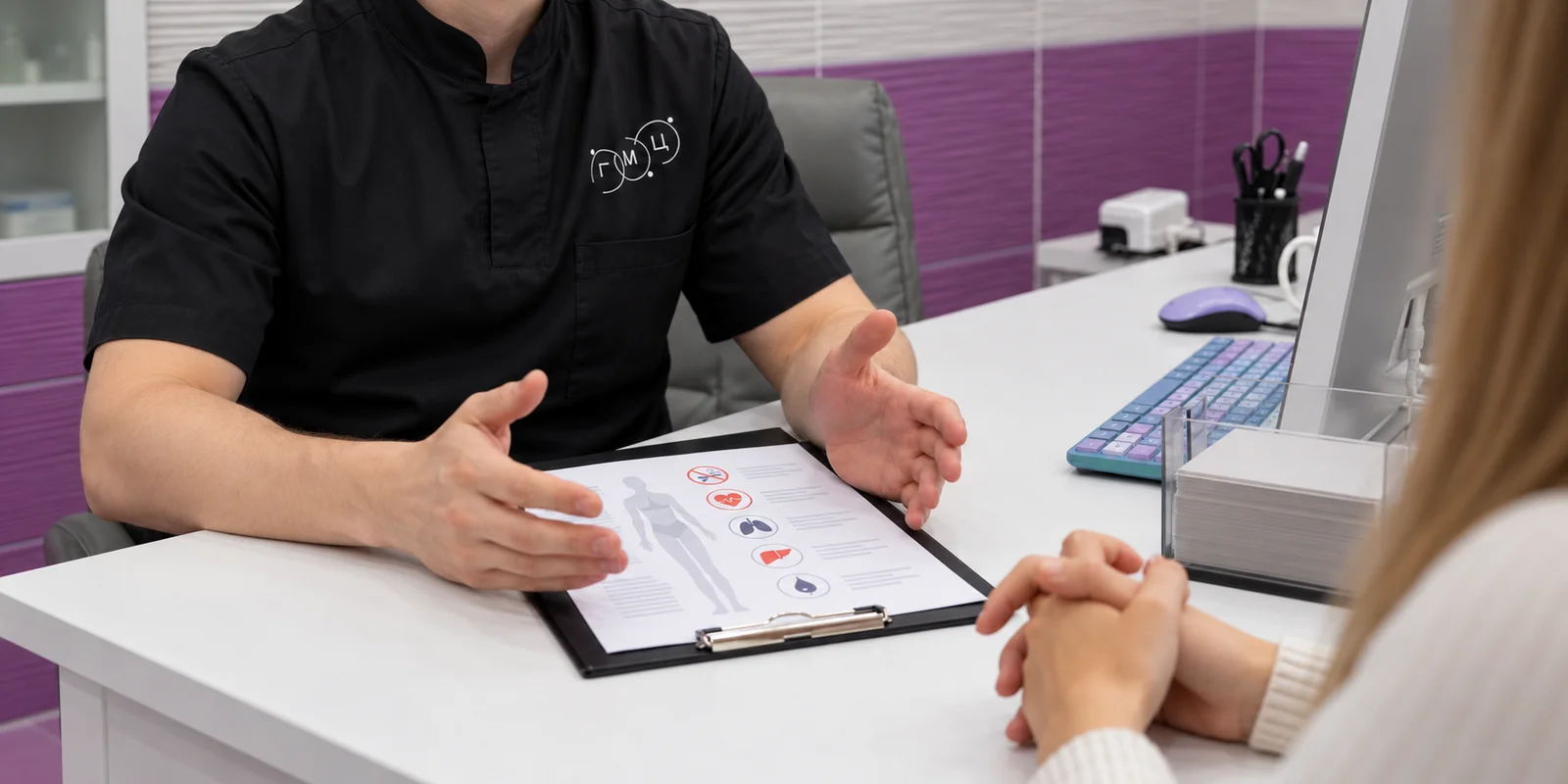
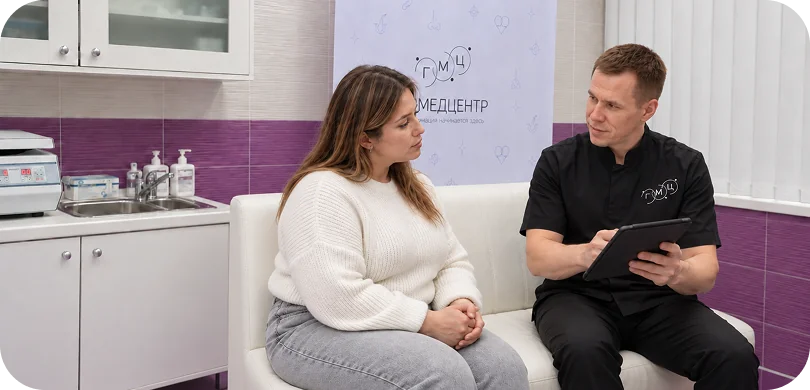
Your first consultation is with our patient care manager, who calculates your BMI, explains the methods and books you in with the surgeon. It is free of charge.
Book a consultationCoordinators
Our team supports you at each stage

The person you reach first at the clinic, from your first message up to the consultation
Patient care specialist
Answers your questions before the first consultation and helps you choose a convenient date

From the moment you book to discharge — with you before and during your stay
Patient care specialist
Stays in touch during your clinic stay and helps you prepare for surgery

By your side through recovery, from discharge to your final check-up
Patient care specialist
Books your follow-up visits with the surgeon and keeps in touch during recovery
Advantages
We pick the best method for your health, lifestyle and goals, and our team is with you all the way.
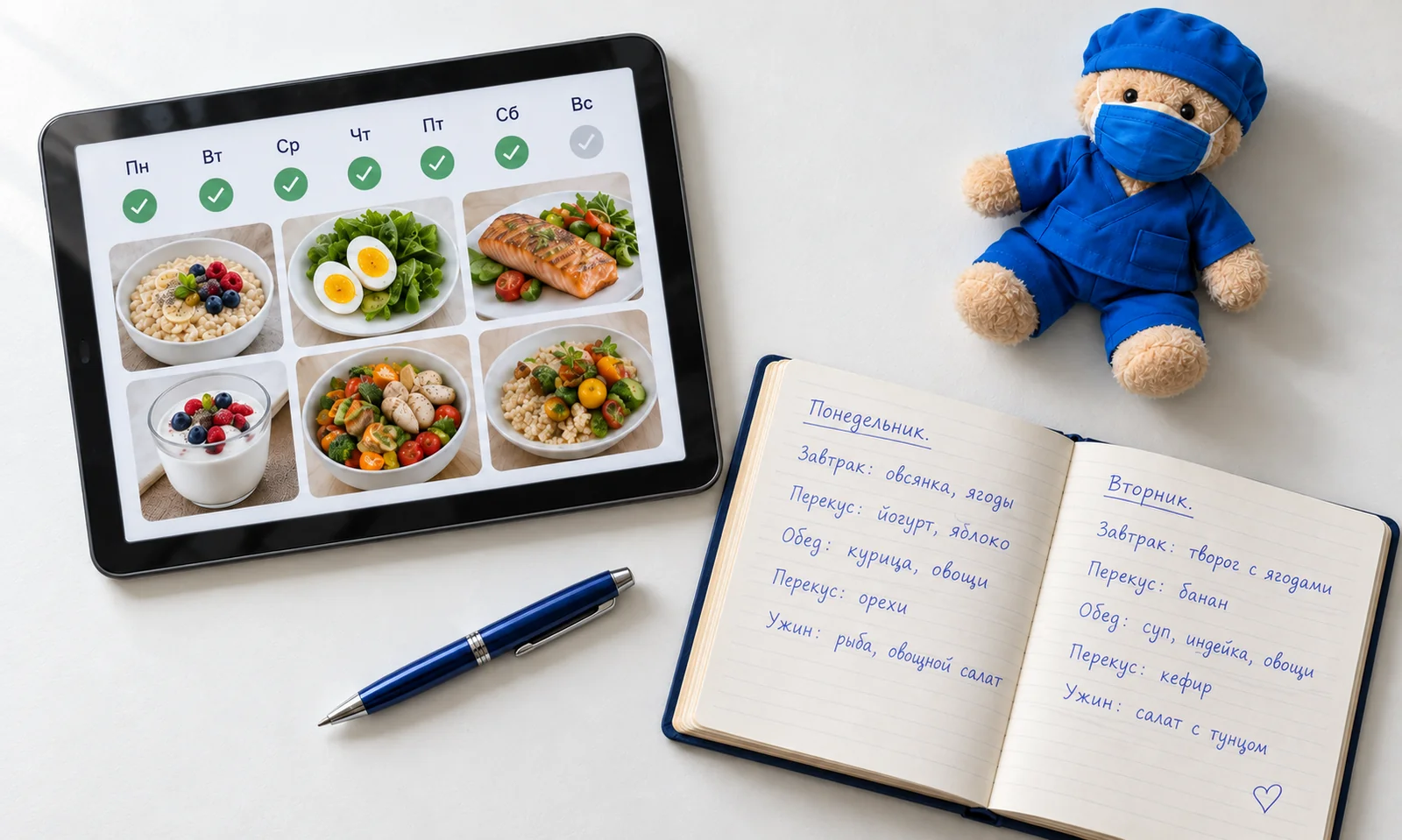
We help you get used to new eating habits, monitor your results and hold on to them.
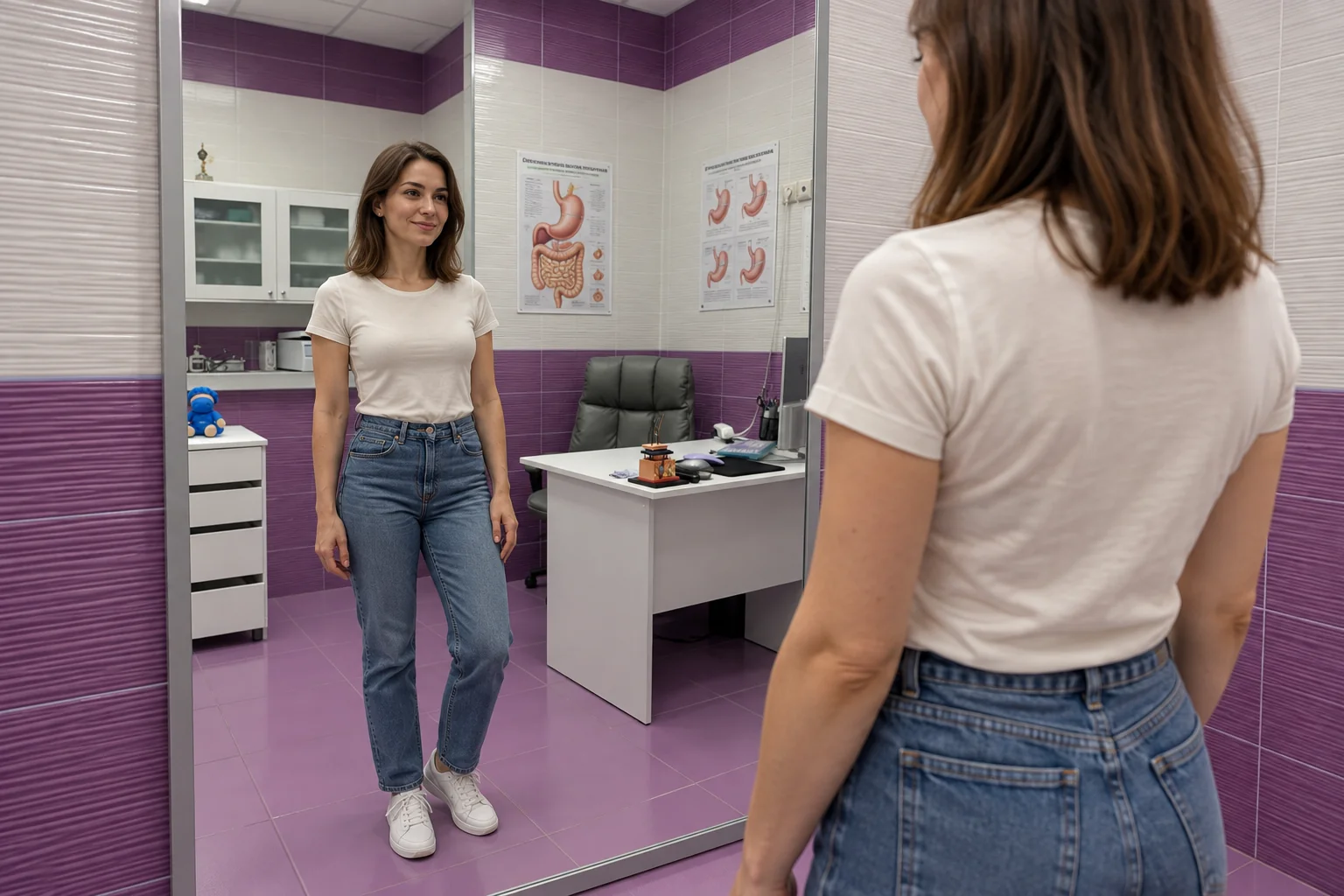
Weight loss that is steady, better well-being and a higher quality of life.
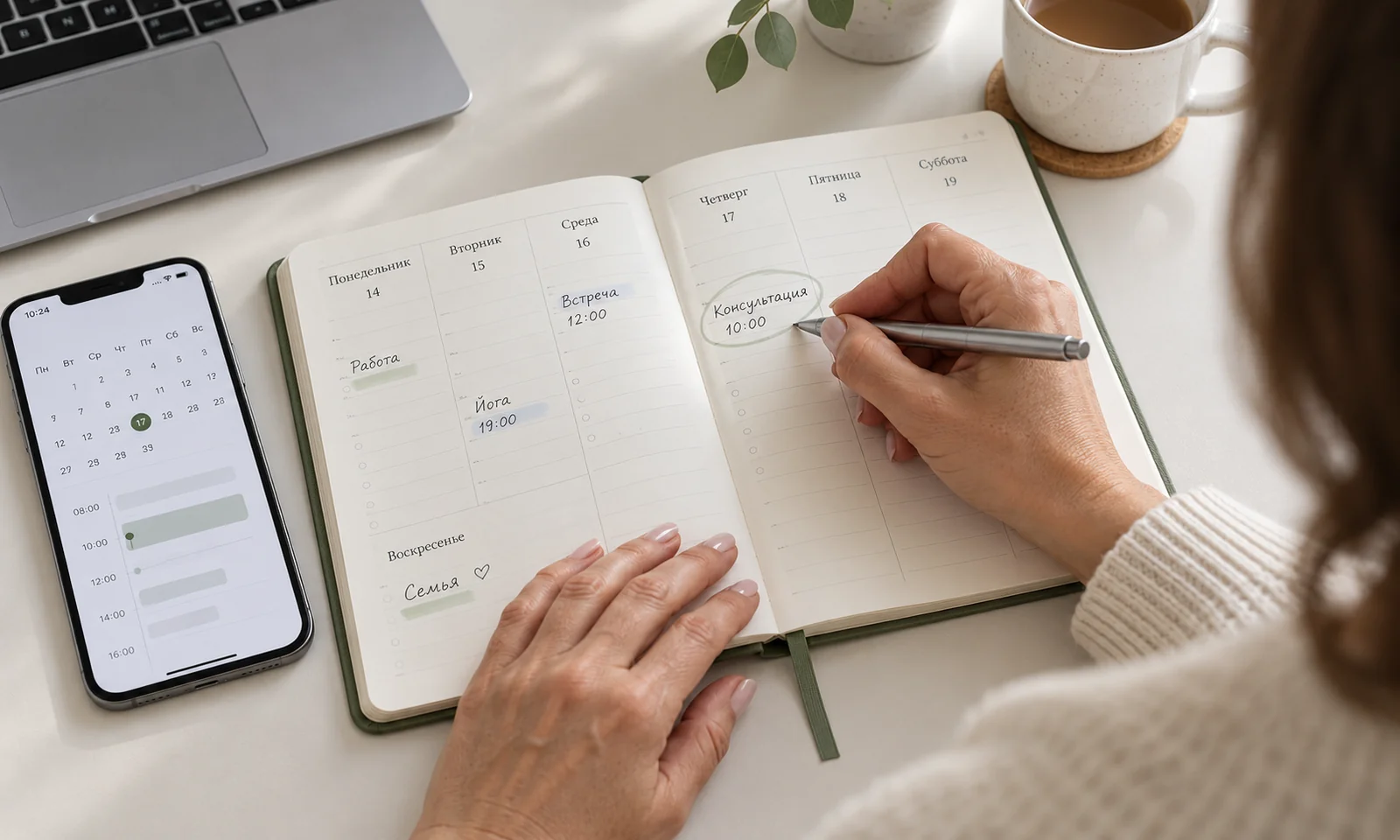
We respect your time: we work 24/7, with easy booking and a personal approach — we adapt to your pace.
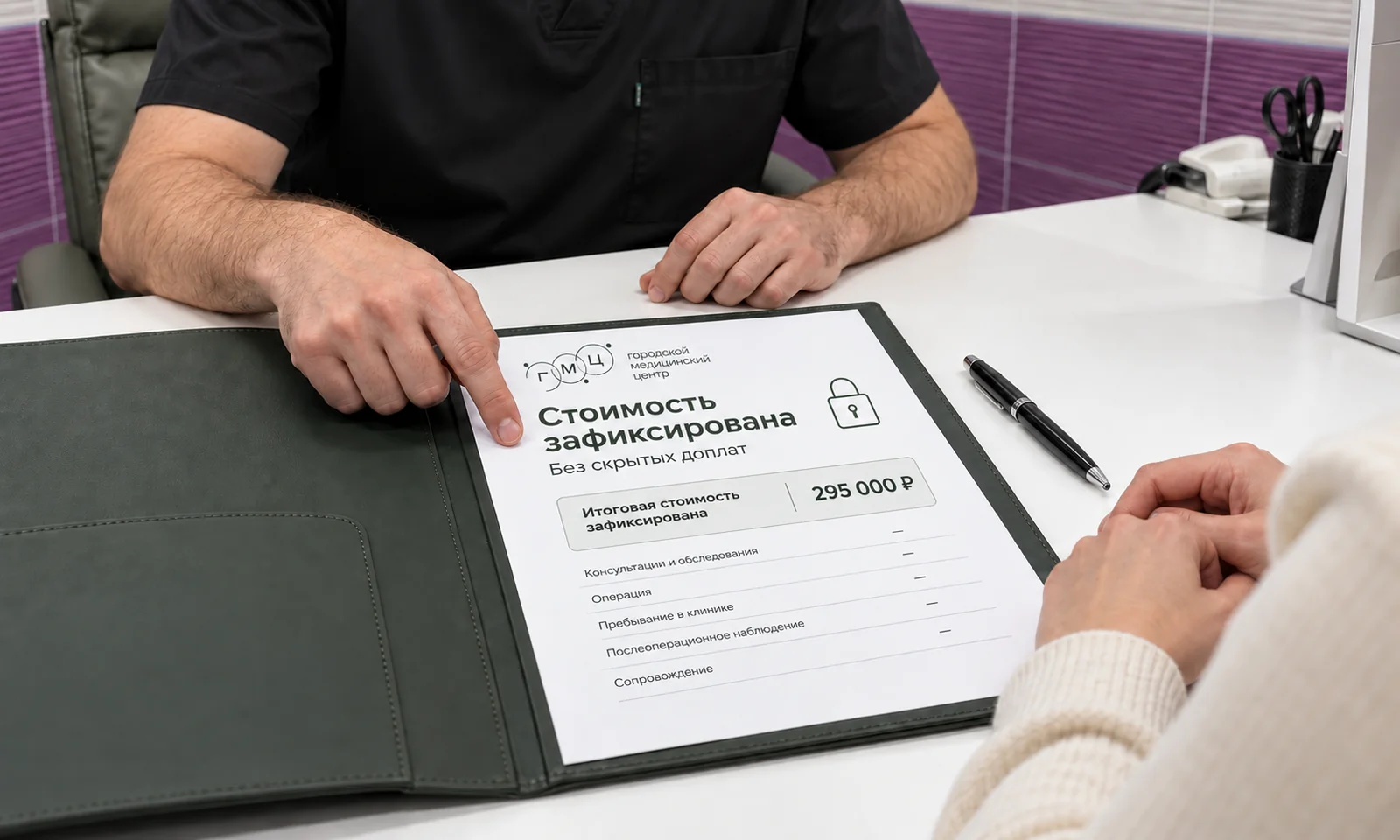
After the consultation the surgeon chooses the method and you get a clear price — no hidden fees and no surprises on the way to your result.
FAQ
The clinic's bariatric procedures are performed by experienced bariatric surgeons:
Message us — our coordinator will be in touch shortly to arrange your consultation. There is no charge for the bariatric surgeon consultation.
Surgery is prescribed only when clear criteria are met
Obesity is graded mainly by BMI, calculated as body weight (kg) over height squared (m²). A BMI above 40 usually justifies surgery, as does a BMI above 35 with serious related conditions. In certain cases surgery is considered at lower values too, if approaches without surgery have not succeeded.
Many people confuse them, but the goals are fundamentally different. Bariatric surgery is a medical way to treat obesity and related diseases. It changes how the digestive tract works, getting at the causes of excess weight and metabolism. Plastic surgery only reshapes the body's outer contours; it does not treat obesity or affect metabolism.
There are four main types of bariatric surgery at City Medical Centre: sleeve gastrectomy, Roux-en-Y gastric bypass, mini gastric bypass (MGB) and SADI-S duodeno-ileal bypass. BMI, related conditions and the patient's goals guide the individual choice of method.
Our surgeons use modern laparoscopic technique: the operation goes through 4 small 5 to 15 mm punctures. With cosmetic sutures, the marks become almost invisible once healed.
When you recover depends on your activity. Office work: after 2–4 weeks. Physical work: after 1.5 months. Sport and activity: swimming is fine after 30 days; other exercise gets added gradually as weight drops. Travel and holidays: best planned from a month after surgery.
You move through diet stages from liquid food to soft and finally solid. Protein comes first, and high-calorie, fatty food is restricted.
Pregnancy is possible after bariatric surgery; doctors advise waiting no less than 12–18 months. This gives the body time to stabilize, for weight to reach target values and nutritional status to normalize.
Yes, taking vitamins after bariatric surgery is mandatory. Because digestion is anatomically altered, the body absorbs some nutrients poorly, so regular vitamin and mineral supplements stay in the patient's life permanently.
After bariatric surgery weight regain can happen, but it is very unlikely if the doctor's advice is followed. What matters is proper nutrition, avoiding high-calorie drinks and regular follow-up with City Medical Centre specialists.
Prices are in US dollars; the amount in brackets is an approximate conversion to ETB at the rate of 02.10.2026. The final price is fixed in your contract.
Prices start from $3,600 (≈ ETB 590,000). The surgeon sets the final price at the free consultation, and it is fixed in the contract, with no hidden extras.
General anaesthesia, a personal coordinator from day one, monitoring in the hospital and support for one year.
The hospital stay is 1–5 days, depending on the method and how you feel. Office work is possible after 2–4 weeks.
Yes. The first consultation is free and does not oblige you to anything. You can start online by sending a message to the coordinator.
Message us on WhatsApp or Telegram using the buttons below. A coordinator will answer your questions and book a free consultation where the doctor names the exact price.
By messaging us, you agree to our Privacy Policy
Surgery is usually justified with a BMI above 40, or above 35 when serious related conditions are present, and sometimes at lower values if other approaches have failed. People in Addis Ababa who have carried 30 kg or more above normal for years, whose weight returns after every diet, or who live with type 2 diabetes, hypertension or joint pain are typical candidates.
It begins with a surgeon's consultation: medical history, choice of method and a recovery plan. Patients from Addis Ababa then complete a work-up — blood and urine tests, biochemistry, HbA1c, coagulation, chest X-ray, ECG, abdominal and kidney ultrasound, leg vein Doppler and a required gastroscopy — plus consultations with a GP, endocrinologist, psychiatrist, cardiologist and, for women, a gynecologist.
One package covers the full journey, from consultation to final result. There are no separate charges added later: ward, meals, nursing care and coordinator support are included. To find out whether surgery suits you, patients in Addis Ababa can book a free surgeon consultation; the doctor reviews BMI, health and weight history and recommends a method.
What patients write after this operation. Reviews are translated from the original language.
Irina, 26
For a long time I doubted whether to go ahead with surgery, but after the consultation I felt much calmer. Andrey Georgievich explained in detail how gastric bypass is done, what to expect after the operation and how recovery would go. I especially liked that they talked to me calmly and without pressure. I am now gradually getting used to my new way of life and I am very glad I took this step.
Bariatric surgery
Doctor: Andrey G. Ugay
Angelina, 22
For me the hardest part was deciding to have the operation. At the consultation Ruslan Sergeyevich answered all my questions in detail and explained the specifics of sleeve gastrectomy and recovery. After the operation I always understood what I was doing and why. Thank you to the doctor and the whole team for their attentiveness.
Bariatric surgery
Doctor: Ruslan S. Menzulin
Anna, 31
For a very long time I tried to deal with my excess weight on my own, but I did not get the result I wanted. After the consultation with Andrey Georgievich I finally understood what to do next. I came through the operation well, and my recovery was supervised by the doctors. It was important for me to feel that I was not left alone after surgery.
Bariatric surgery
Doctor: Andrey G. Ugay
Veronika, 25
Before the operation I had many fears, mostly of the unknown. Ruslan Sergeyevich explained every stage of treatment in detail and answered even the simplest questions. Thanks to that I felt much more confident. I keep following the recommendations and I am gradually seeing the changes I had the operation for.
Bariatric surgery
Doctor: Ruslan S. Menzulin
Valentina, 23
The decision to have bariatric surgery was not easy for me. I worried both about the operation itself and about how my life would change afterwards. At the consultation Andrey Georgievich explained everything in detail, so little by little my fear turned into confidence. What matters most to me now is the result and the chance to treat my health and lifestyle differently.
Bariatric surgery
Doctor: Andrey G. Ugay
Anna, 27
I am very grateful to Ruslan Sergeyevich for his attentiveness. Before the operation I had a huge number of questions, and I got a clear answer to every one of them. After the operation it was also clear which recommendations to follow and how to eat. It was important to me that the doctor stayed in touch and I felt supported at every stage.
Bariatric surgery
Doctor: Ruslan S. Menzulin
Page medically reviewed by Andrey G. Ugay, lead bariatric surgeon. Review date: .
Addis Ababa is the capital and largest city of Ethiopia, with an estimated population of 6,287,000 inhabitants as of 2025. It is a highly developed cultural, financial and administrative centre. Many residents work in trade, manufacturing, civil administration, transport, education, health services, and hotels and catering. Office days, long meetings and shift work all shape how a person eats, moves and sleeps. When excess weight stops responding to diet and exercise, sleeve gastrectomy or gastric bypass becomes a question that people in the city ask more and more openly.
City Medical Centre offers a free online consultation to patients in Addis Ababa. Coordinators are available around the clock (24/7) on WhatsApp and Telegram, so you can write after work, in the evening or at any other time that suits you. A coordinator will call you back 24/7. The work is organised in a personal way and adapted to your own pace, so you are never rushed into a decision.
This text is general information. It does not replace the surgeon's assessment. The surgeon confirms at the consultation whether surgery suits you, and only after reviewing your history, your weight and your current state of health.
The usual criterion is a BMI over 40, or over 35 with related health conditions. BMI is the main tool for assessing the degree of obesity. It is calculated by dividing body weight in kilograms by height in metres squared. Surgery is usually justified with a BMI above 40, or above 35 with serious related conditions. In some cases surgery is considered at lower values too, if non-surgical approaches have failed.
Before the online call, it helps to write down your height, your current weight, the diets and programmes you have already tried, and the chronic conditions you live with, such as raised blood pressure, diabetes or sleep problems. Residents of Addis Ababa often come to the conversation after several years of attempts, and a clear timeline of those attempts helps the surgeon judge your situation.
Surgery is not suitable for everyone. Conditions that make an operation under general anaesthesia unsafe, untreated eating disorders, or an unwillingness to follow nutritional advice can all be reasons to wait or to choose another path. The surgeon will explain this plainly. A candid answer of this kind is part of a good consultation, not a refusal to help.
The two most common questions are which operation gives more weight loss and which is easier to live with. The honest answer is that the choice depends on your BMI, your related conditions, your eating habits and your goals. The surgeon discusses both methods with you and explains the reasons for recommending one of them.
Both operations rely on modern laparoscopic technique. The operation is performed through 4 small punctures of 5 to 15 mm. Cosmetic sutures are used, so after healing the marks are barely visible. For people who spend their days in offices, hotels, schools or shops in Addis Ababa and wear light clothing for much of the year, this detail often matters.
The operation is performed under general anaesthesia. The hospital stay is 1–5 days, depending on the method and how you feel. Doctors supervise you in hospital after surgery for a stay of 1–3 to 4–5 days, depending on the complexity of the operation and how you are feeling. Ask the surgeon which of these ranges applies to your case and why.
Addis Ababa lies in the Ethiopian Highlands at an elevation of 2,355 metres, and the high elevation moderates temperatures all year round. No month has a mean temperature above 22 °C. This is good news for recovery: you are rarely exposed to the heavy heat that makes compression garments, bandages and wound care uncomfortable elsewhere.
The dry season runs from mid-November to January, with daily maximum temperatures usually not above 23 °C and cool nights that range from 5 °C to 10 °C and can drop to freezing. Warm layers at home are sensible in this period, as is soft clothing that does not press on the puncture areas. The short rainy season is from February to May. The long wet season, from June to mid-September, is the coldest time of the year, with frequent rain, hail and cloud. Damp days make it tempting to stay still, so ask your surgeon about gentle walking at home during this period.
Altitude and dry air can make it easy to forget to drink. In the first weeks after surgery, sip fluids slowly through the day exactly as the team has instructed, and report anything that worries you to the coordinator. Protect healing marks from strong sun when you are outdoors at height, and choose a hat or a cap for comfort. These are general suggestions; your surgeon's instructions always come first.
There is no single best month in a city where temperatures are so even. The decision usually depends on your work calendar, school terms for your children, family obligations and when you can count on help at home. Because the climate is mild, the weather seldom forces a postponement.
The dry months from mid-November to January are cool and calm, which suits quiet rest at home and short walks. The short rainy season from February to May brings warm temperatures and pleasant rainfall, with a smaller gap between day and night temperatures. In the long wet season, the cold and damp can make daily movement less appealing, so plan indoor walking and warm clothing if you choose these months.
Whichever month you pick, plan the first weeks with the surgeon's recovery timeline in mind. Office work is possible after 2–4 weeks. Physical work follows after 1.5 months. Agree these dates with your employer or colleagues in advance, and ask the coordinator if you need help with the wording of a medical note.
Addis Ababa is a city of universities and colleges, from Addis Ababa University, founded in 1950, to many public and private institutions. Students and young staff members who consider surgery often ask whether they can keep up with classes. The general answer is that sedentary study can resume sooner than heavy activity, but the exact moment depends on how you feel and what the surgeon says.
For work, the facts are straightforward. Recovery time depends on the activity. Office work: after 2–4 weeks. Physical work: after 1.5 months. If your job involves lifting, long hours on your feet or work at a hotel, a market or a construction site, plan the longer period and discuss duties with your employer before the operation.
Sport has a special place in the city. Addis Ababa hosts the Jan Meda International Cross Country and the annual 10 km Great Ethiopian Run, held in late October. Many residents want to return to running or walking in a group. After surgery, swimming is allowed after 30 days, and other exercise is gradually added as weight goes down. Do not set a goal such as a race date without the surgeon's agreement; ask what a realistic first target looks like.
Addis Ababa is a melting pot of communities from across the country. Amharic, Afaan Oromo, Gurage, Tigrinya and other languages are spoken, and the city has Orthodox, Muslim and Protestant communities. Family gatherings, religious holidays and celebrations are major parts of social life, and they are almost always built around shared food. Households in the city are large, with an average of 5.3 persons per household at the 2007 census, so meals are often communal.
After sleeve gastrectomy or gastric bypass, portions are much smaller and the diet moves through stages. Tell your family early. Explain that you will eat slowly, in small amounts, and that this is not a sign of disrespect to the host. Many patients find it helpful to agree beforehand with relatives on what will be served for them during the early weeks.
If you observe religious fasting periods, tell the surgeon and the dietitian at the very first consultation. Fasting in the weeks after the operation can interfere with protein intake and hydration, and the team can suggest how to plan your diet safely. Do not decide this alone; discuss it openly, and the coordinator can help prepare the questions.
A useful consultation is a prepared one. Write your list before the call and keep it short enough to cover everything. Good questions include: which operation suits my BMI and my conditions, and why; how long will I stay in hospital; what will I eat in each stage; which vitamins will I need; what follow-up will I have.
The programme is structured as one package from preparation to 12 months of support, with no added fees. Ask exactly what each stage includes, who answers your messages, and how quickly. Follow-up support for 12 months matters, because the first year is when habits are formed and when most questions arise.
Also ask about pregnancy if you or your spouse are planning a family. Getting pregnant after bariatric surgery is possible, but doctors advise waiting at least 12–18 months, so the body can stabilize, weight can reach target values and nutritional status can normalize. Ask about long-term results too: the full result is usually seen 18–24 months after surgery, so do not judge the operation by the first months.
You contact the coordinators on WhatsApp or Telegram, at any hour. We work 24/7: booking is easy, the approach is personal and we adapt to your pace. You send basic information about your height, weight and health, and the coordinator arranges a free online consultation with the surgeon. A coordinator will call you back 24/7.
During the consultation the surgeon reviews your history, explains the options and tells you whether surgery suits you. Nothing is decided in a hurry. You can take time at home with your family, which matters in a city where major decisions are usually discussed with relatives, and come back with further questions.
If you choose to go ahead, the coordinator guides you through the preparation step by step, then the hospital stay of 1–5 days under observation, and afterwards the support during the first 12 months. Keep your messages and test results in one place on your phone, so each conversation continues where the last one ended.
Addis Ababa means 'new flower' in Amharic, while the Oromo name Finfinnee refers to a fountain of hot mineral water. The settlement began in 1886 in the valley south of Mount Entoto, around the Filwuha hot mineral springs, where Empress Taytu and the royal court liked to take mineral baths. A city that grew around warm water has a long habit of connecting health with daily routine, and that is a useful frame of mind for someone planning bariatric surgery.
Many residents still think of care for the body as something slow and regular rather than sudden. After sleeve gastrectomy or gastric bypass, the same attitude helps: short daily walks, steady sips of fluid and calm rest at home matter more than any single dramatic effort. Ask the surgeon at the online consultation when gentle warm showers are suitable, and keep the puncture areas clean and dry as instructed.
The city lies at the foot of Mount Entoto and rises from about 2,326 metres in the southern periphery to over 3,000 metres in the Entoto Mountains to the north. One of Emperor Menelik's contributions still visible today is the planting of eucalyptus trees along the city streets, and the Entoto hills remain the natural backdrop for outdoor exercise.
For recovery this means that your route matters. Choose a flat, quiet street near home for the first walks and avoid steep slopes while you are still weak. Climbing toward Entoto belongs to a later stage, once the surgeon agrees that exercise can increase gradually as weight goes down. Because the city is high, breathlessness can come sooner than you expect, so stop and rest without guilt.
Sport clubs and group running are part of city life, but swimming is allowed only after 30 days, so do not plan a pool visit before that date.
Addis Ababa grew from sefer, the large plots allocated in 1887 to nobles and their households, and the word is still used for neighbourhoods. Today the city is divided into subcities and 99 wards called kebele, and people often rely on neighbours, relatives and the local church or mosque in daily life.
This closeness can be a real strength after surgery. Before the operation, tell one or two trusted people in your sefer what you are planning, and ask who can cook small portions, collect prescriptions or simply check on you. Office work is possible after 2–4 weeks and physical work after 1.5 months, so arrange help for the weeks in between.
Households here include people from the Amhara, Oromo, Gurage, Dorze and Tigrayan communities, so mealtime customs differ from family to family. Explain your new eating pattern kindly and early to each household you visit often.
Addis Ababa is a financial and administrative centre and home to major international organizations, which means many residents work in offices, meetings and conferences where food is offered at fixed moments. Banking grew in the city from the 1920s, and today banks, ministries and service companies employ a large share of the workforce.
If your job involves official lunches, hospitality or frequent meetings, tell your employer in advance that you will need a short leave and that for the first weeks you will eat small amounts slowly. Ask the surgeon how to handle a first day back at the desk, and keep a water bottle within reach. The coordinators are on WhatsApp and Telegram around the clock if you need help preparing a medical note.
Obesity is a medical condition, not a lack of willpower. The World Health Organization treats obesity and overweight as a significant health concern, and the capital, with its offices, shopping malls, restaurants and growing range of services, has a lifestyle that is changing for many households.
Treat surgery as a tool, not a shortcut. It works best together with regular meals, enough protein, fluids, movement and medical check-ups. The results come from the combination of the operation and the changes you make afterwards.
If you are unsure whether the time is right, a free online consultation costs you nothing but a conversation. Write to the coordinators and ask your questions in your own words.
Yes. The consultation is online and free. You write to the coordinators on WhatsApp or Telegram, they are available around the clock, and the surgeon speaks with you remotely. A coordinator will call you back 24/7.
Usually a BMI over 40, or over 35 with related health conditions. In some cases surgery is considered at lower values too, if non-surgical approaches have failed. The surgeon confirms at the consultation whether surgery suits you.
With modern laparoscopic technique, through 4 small punctures of 5 to 15 mm, under general anaesthesia. Cosmetic sutures are used, so after healing the marks are barely visible.
The hospital stay is 1–5 days, depending on the method and how you feel. Doctors supervise you in hospital after surgery, and the surgeon can tell you which range applies to your case.
Office work is possible after 2–4 weeks. Physical work follows after 1.5 months. Agree the dates with your employer before the operation.
The high elevation keeps temperatures moderate all year, with no month above 22 °C in mean temperature, so heat is rarely a problem for bandages or compression garments. Cool nights in the dry season call for warm, soft clothing, and drinking enough fluids matters at altitude. Follow your surgeon's instructions.
Swimming is allowed after 30 days. Other exercise is gradually added as weight goes down. Ask the surgeon before returning to running or any intense training.
It is possible, but doctors advise waiting at least 12–18 months, so the body can stabilize, weight can reach target values and nutritional status can normalize.
The package runs from preparation to 12 months of support, all in one, with no added fees. Follow-up support for 12 months is part of it.
The full result is usually seen 18–24 months after surgery. Weight changes gradually, and the surgeon will explain what to expect at each stage.
The city is at 2,355 metres, so you may feel breathless sooner on slopes. Start with flat, short walks, rest when needed and increase activity gradually as the surgeon advises. Raise any unusual symptoms with the coordinator.
Yes, if the surface is level and quiet. Choose a familiar street near home in your sefer, walk at a slow pace and avoid steep climbs toward the Entoto hills until the surgeon agrees.
Tell them early and plainly: you will eat small portions slowly, and you will be away from office work for about 2–4 weeks, or longer for physical work, which follows after 1.5 months.
Relatives, neighbours and your community often form the support network. Agree beforehand who will cook suitable food and who will check on you, while the coordinators remain available 24/7 for questions.