


























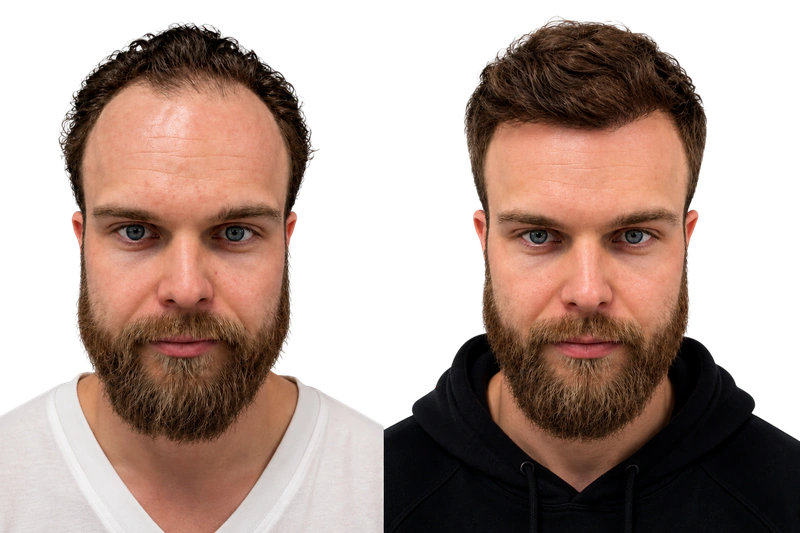

original
12 months by now
2,800 grafts
FUE method
City Medical Centre
0% instalments
from $367/mo
Your first chat and sum — $0.
Actual case
original
12 months by now
FUE — no cuts and no stitches. Graft numbers and result forecast tallied without a penny — before you decide.
No charge, ever, no surgery booking required
Message our coordinator
Free online consultation · Reply within 15 minutes
Message us on TelegramMessage us on WhatsAppBy messaging us, you agree to our Privacy Policy
results
Whoever you see here was treated at CMC.
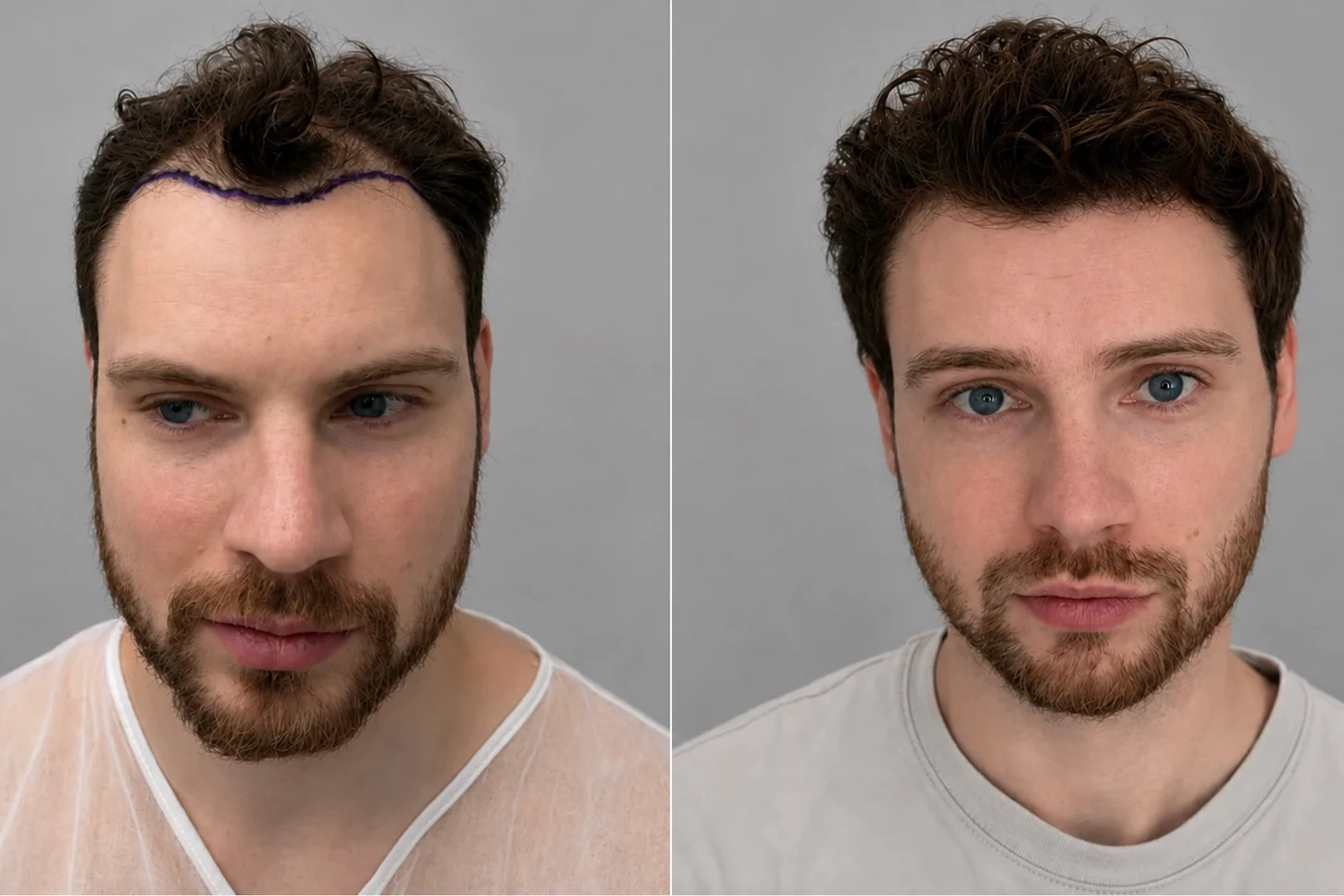
original
12 months by now
2,800 grafts
FUE method
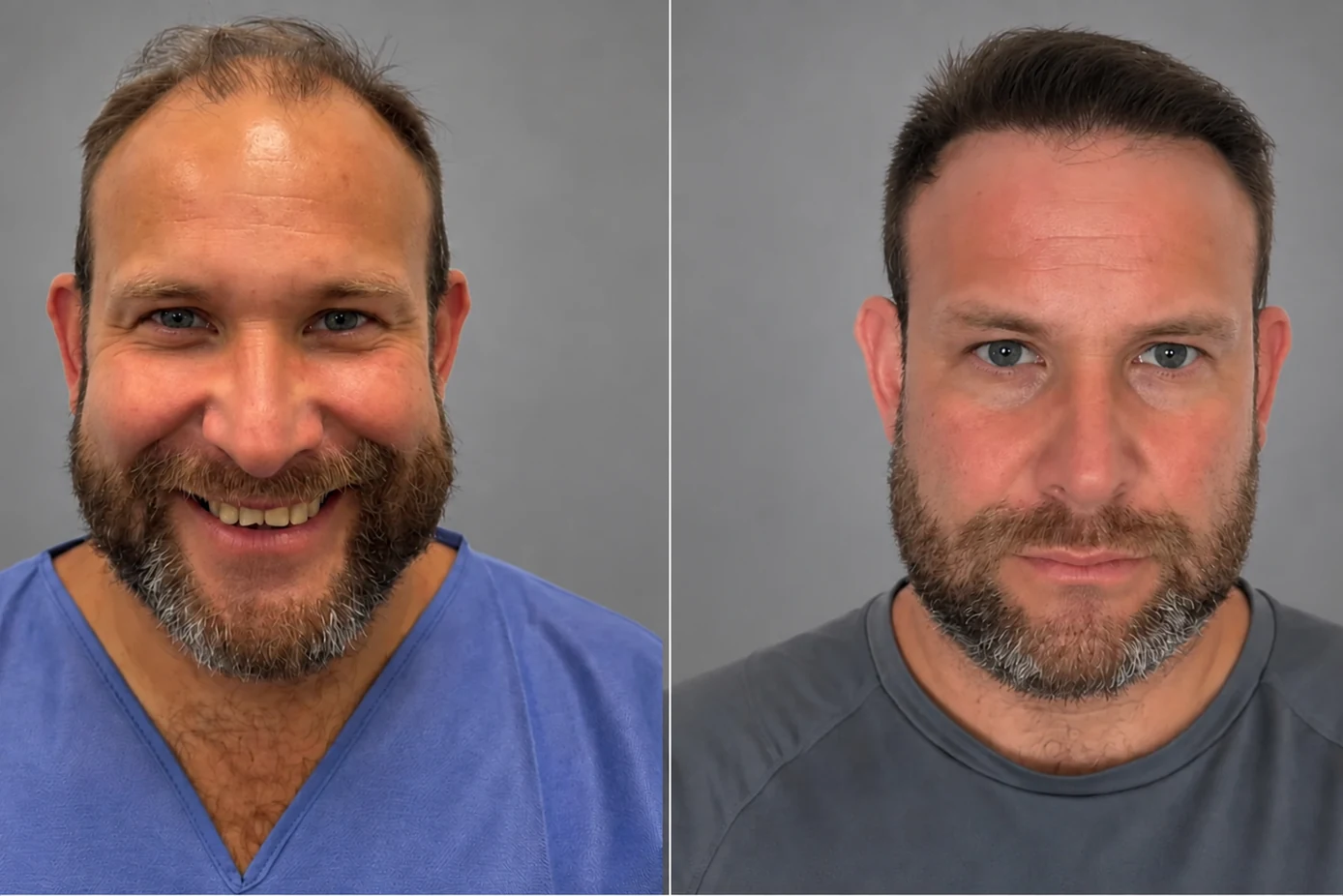
original
12 months by now
3,500 grafts
FUE method
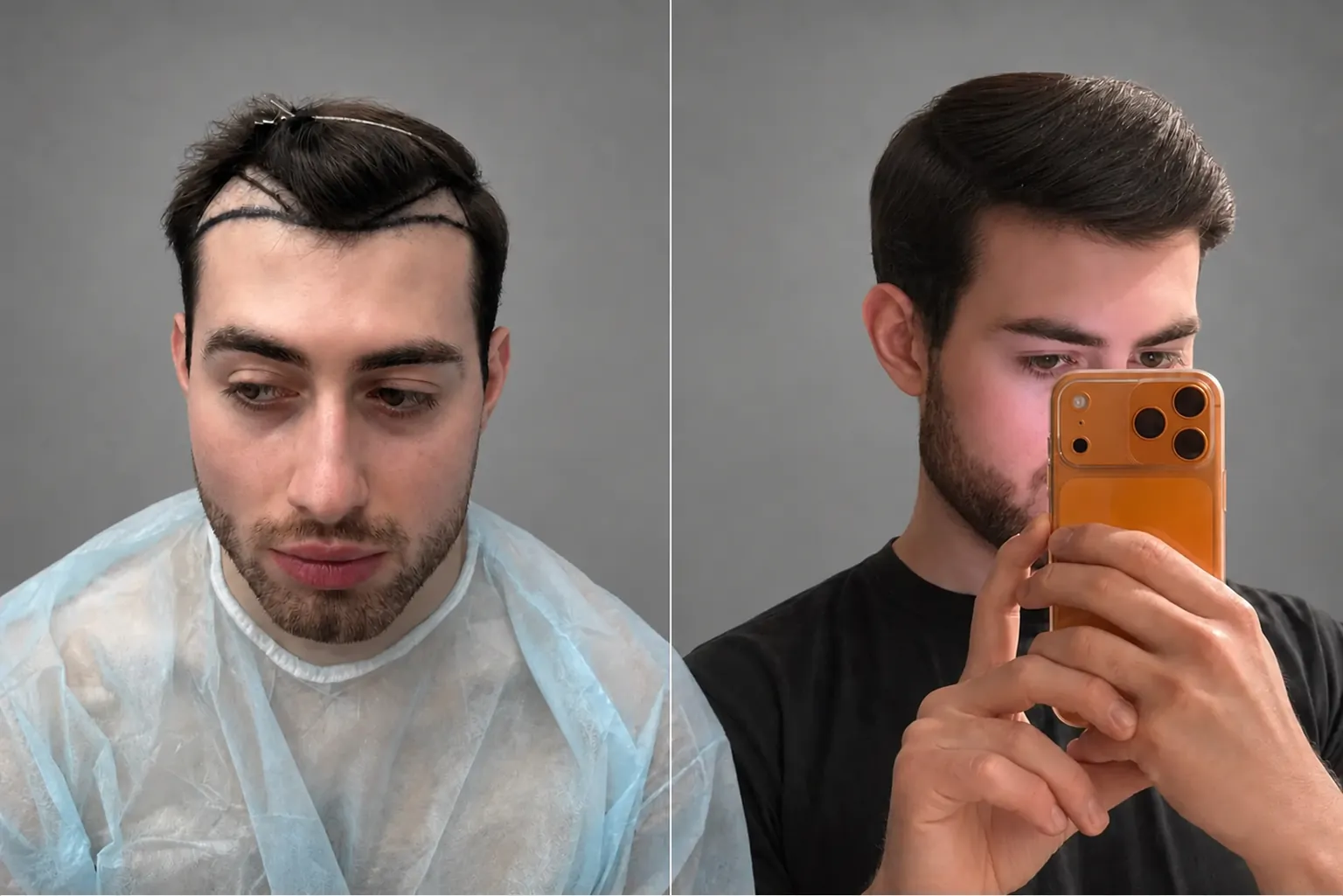
original
12 months by now
2,600 grafts
FUE method
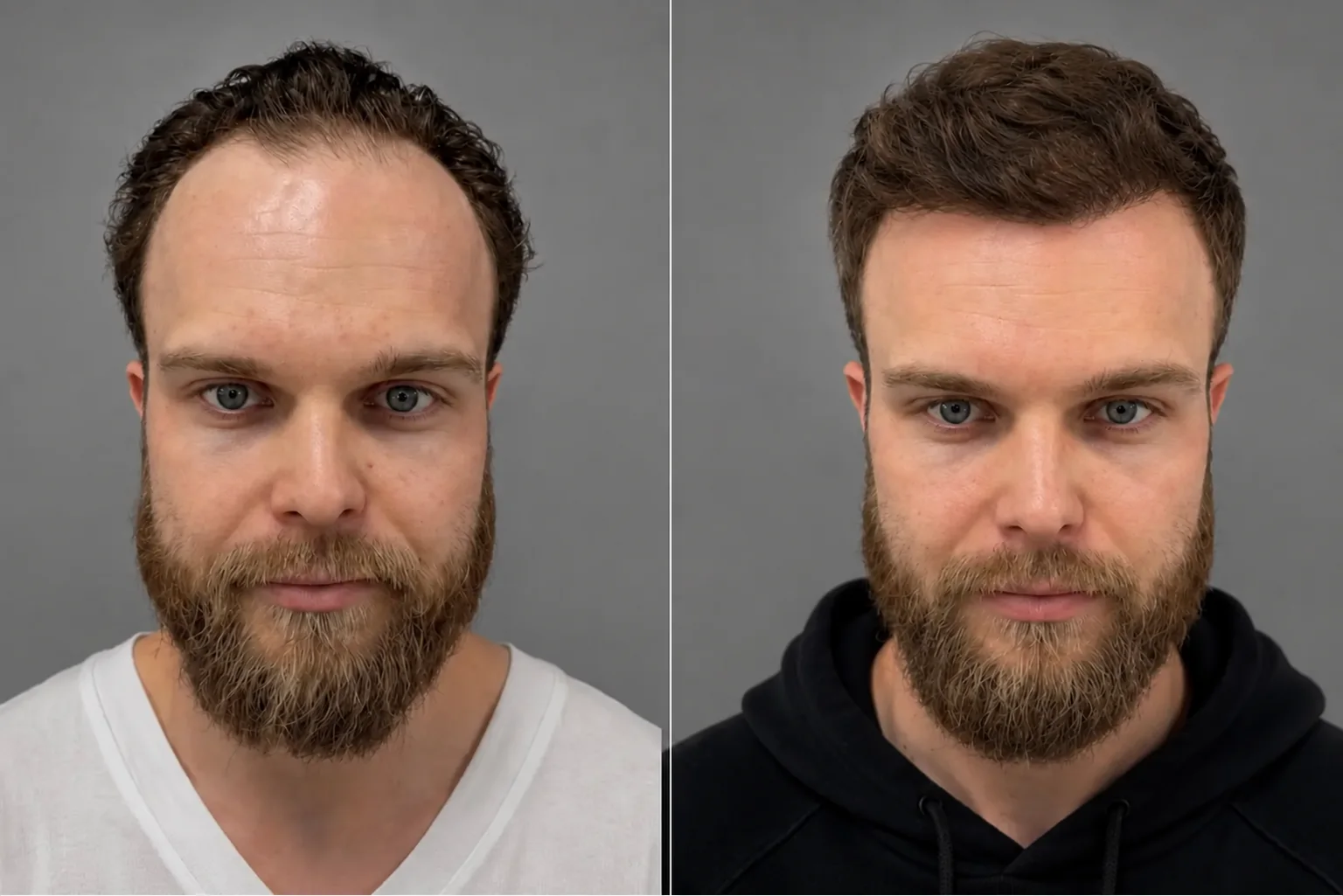
original
12 months by now
3,000 grafts
FUE method
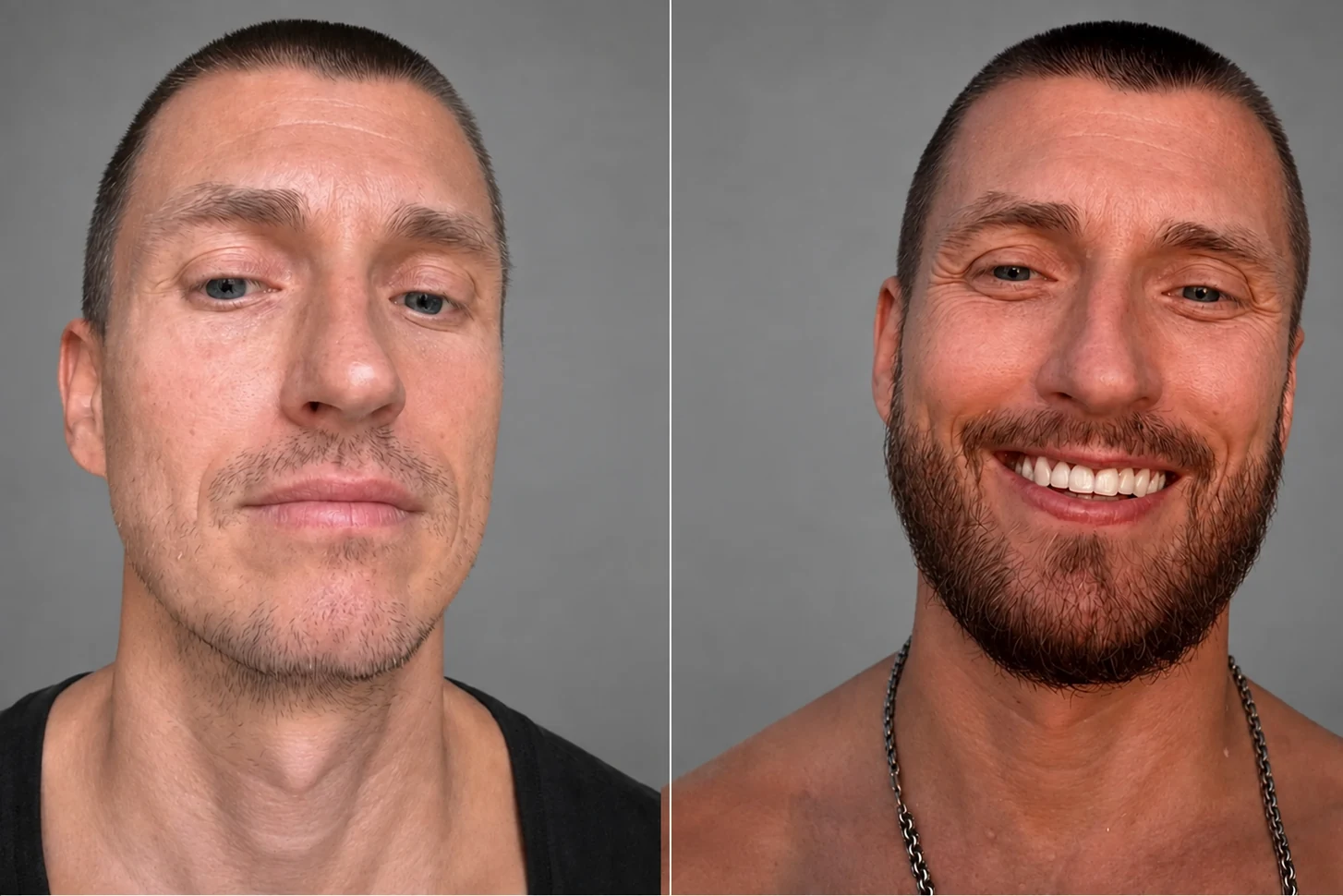
original
12 months by now
2,700 grafts
FUE method
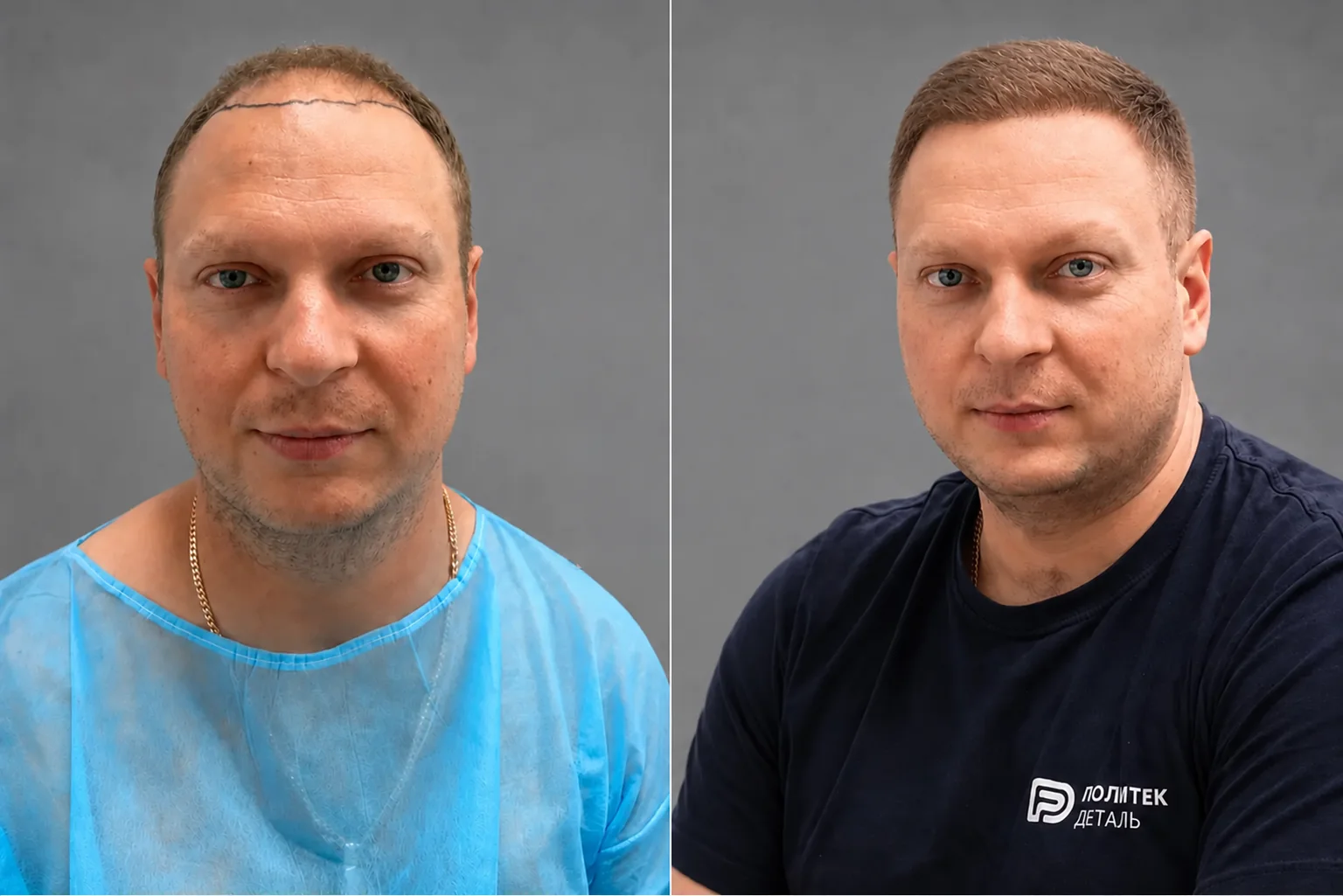
original
12 months by now
3,300 grafts
FUE method
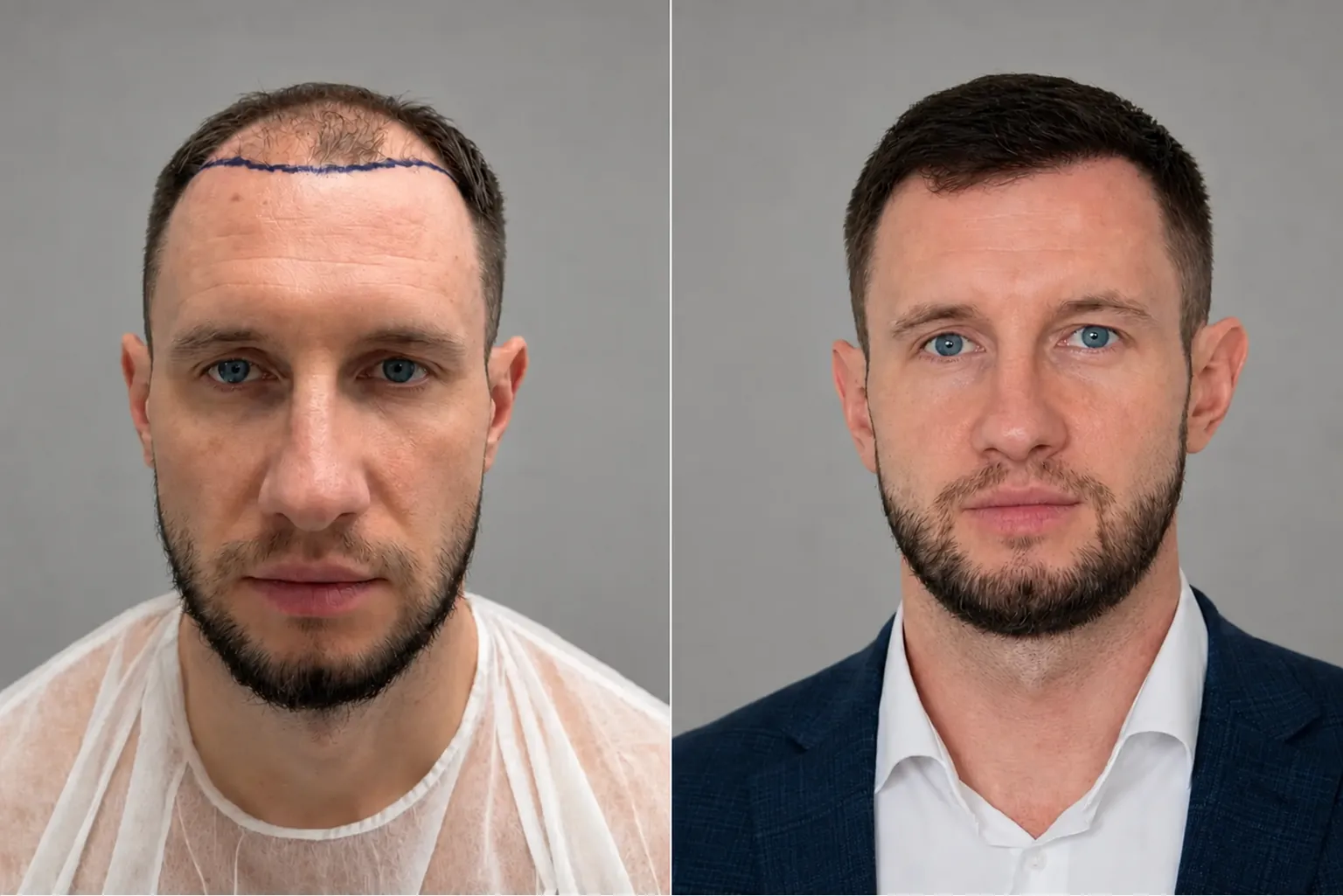
original
12 months by now
2,900 grafts
FUE method
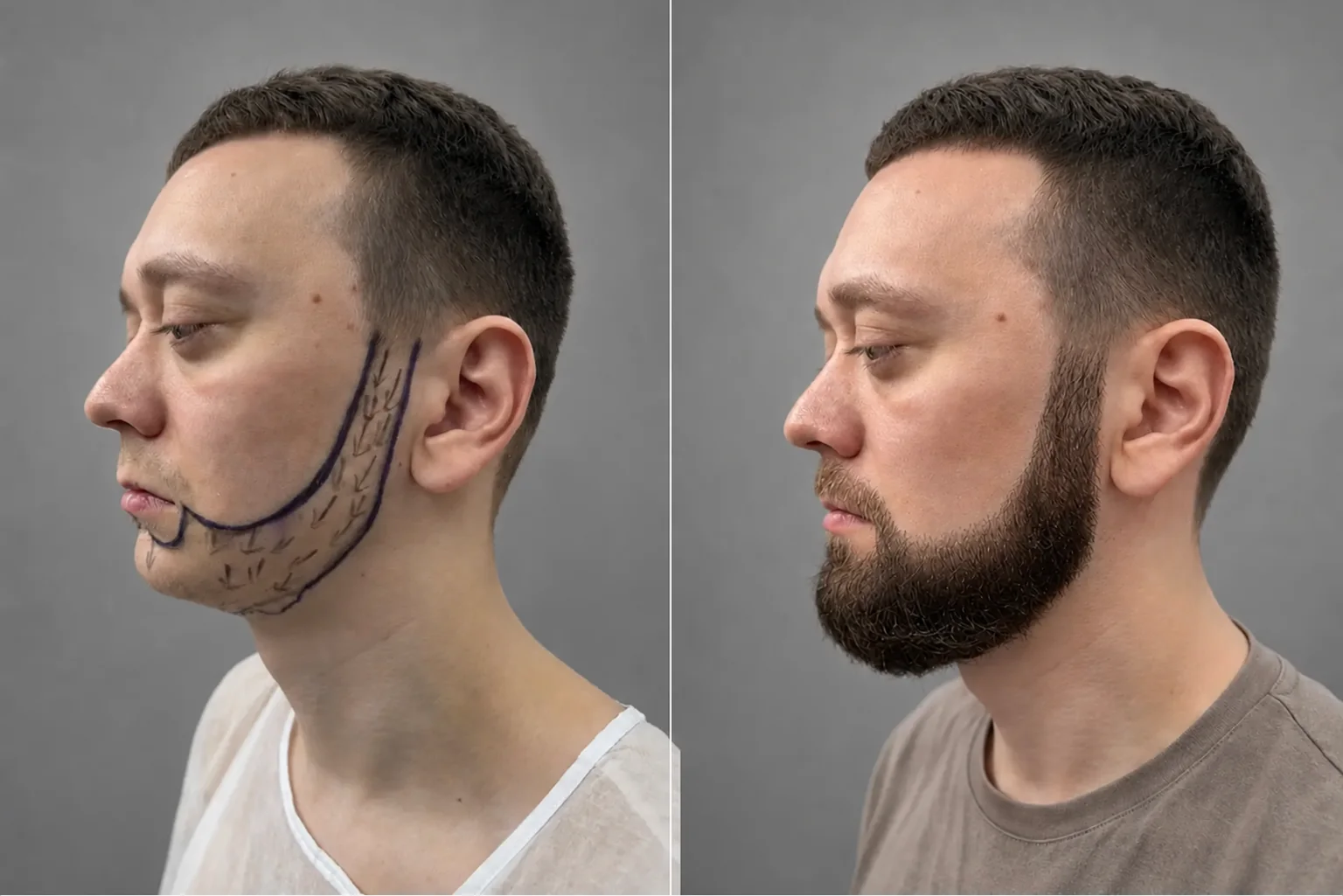
original
12 months by now
2,500 grafts
FUE method
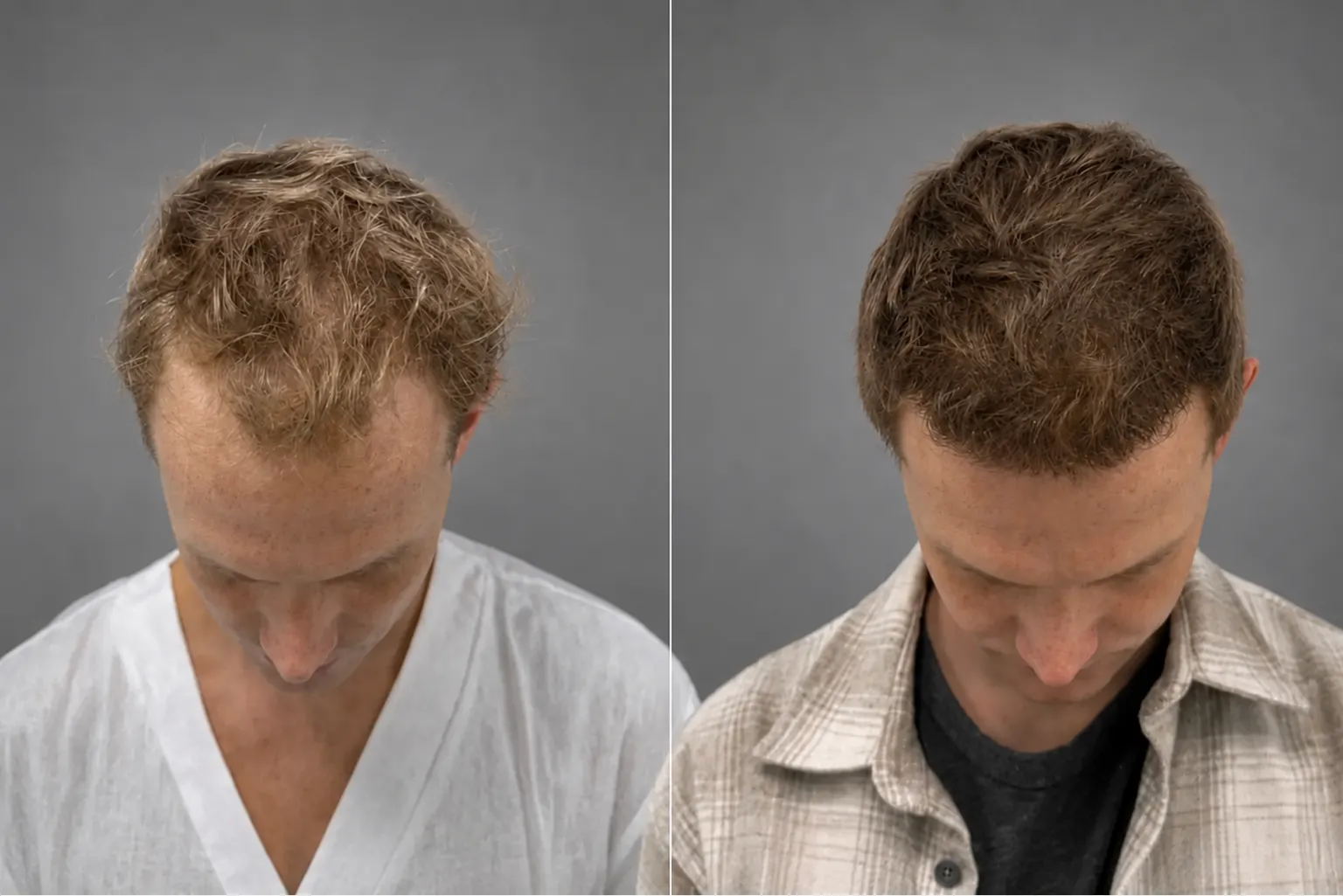
original
12 months by now
3,400 grafts
FUE method
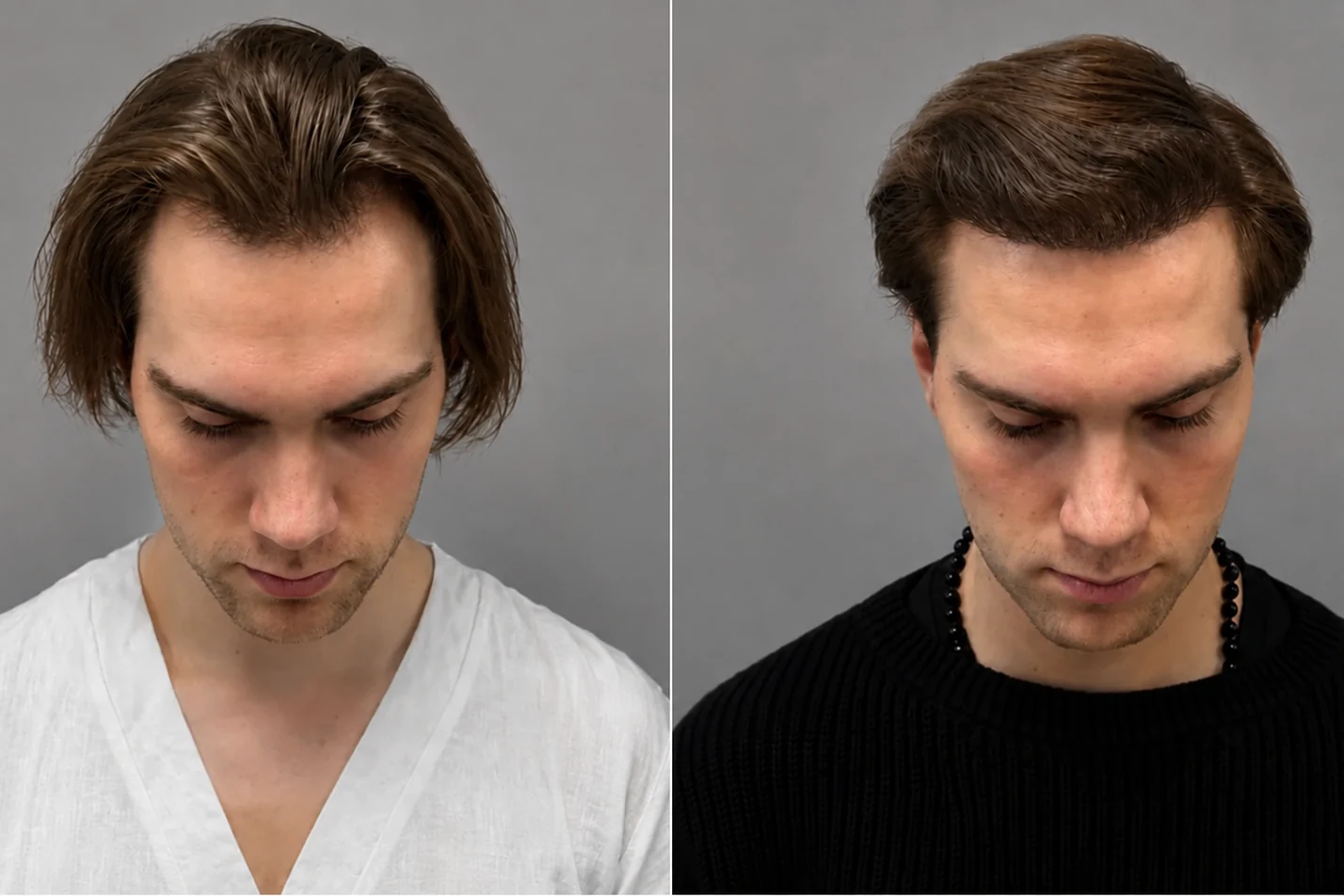
original
12 months by now
2,500 grafts
FUE method
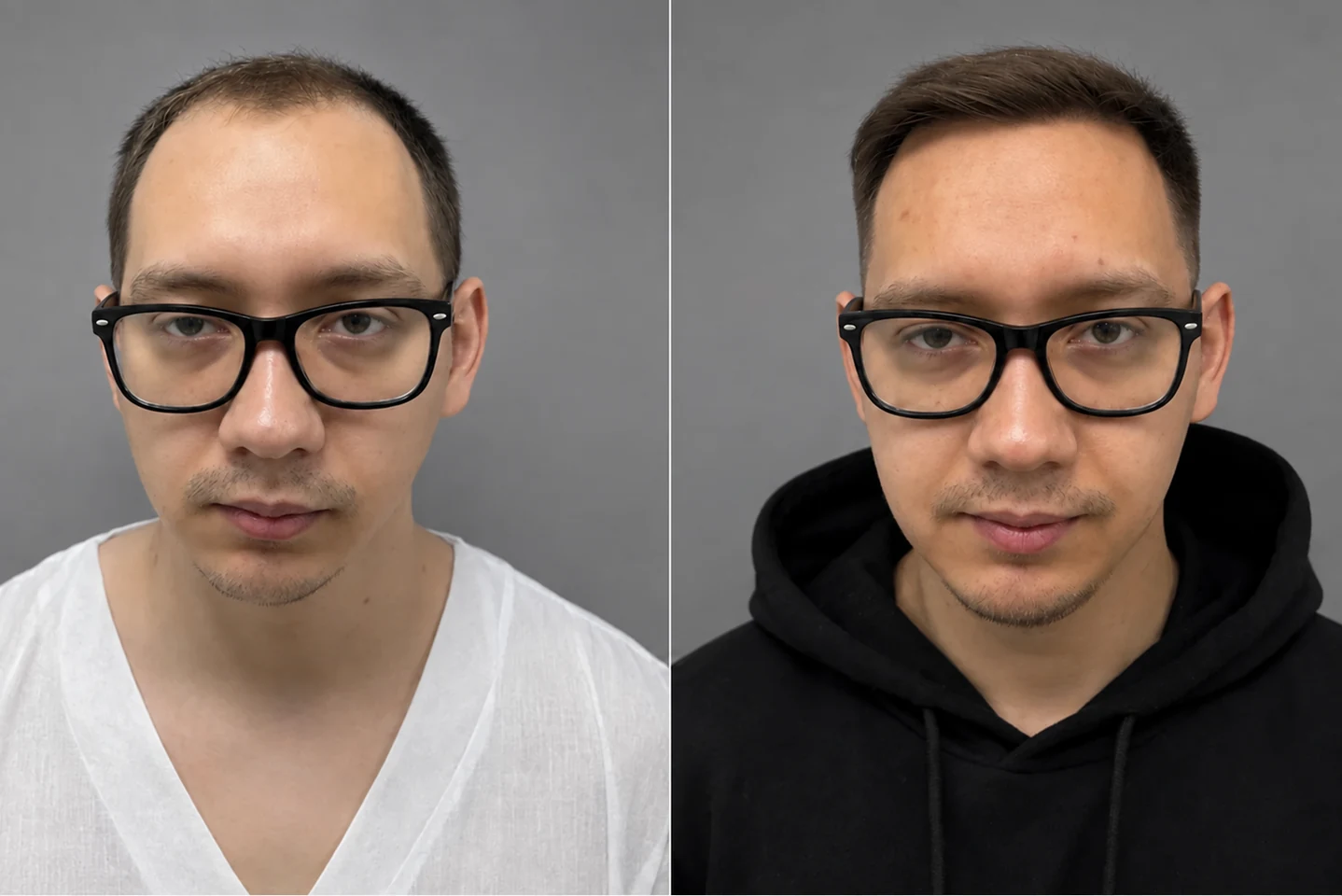
original
12 months by now
3,100 grafts
FUE method
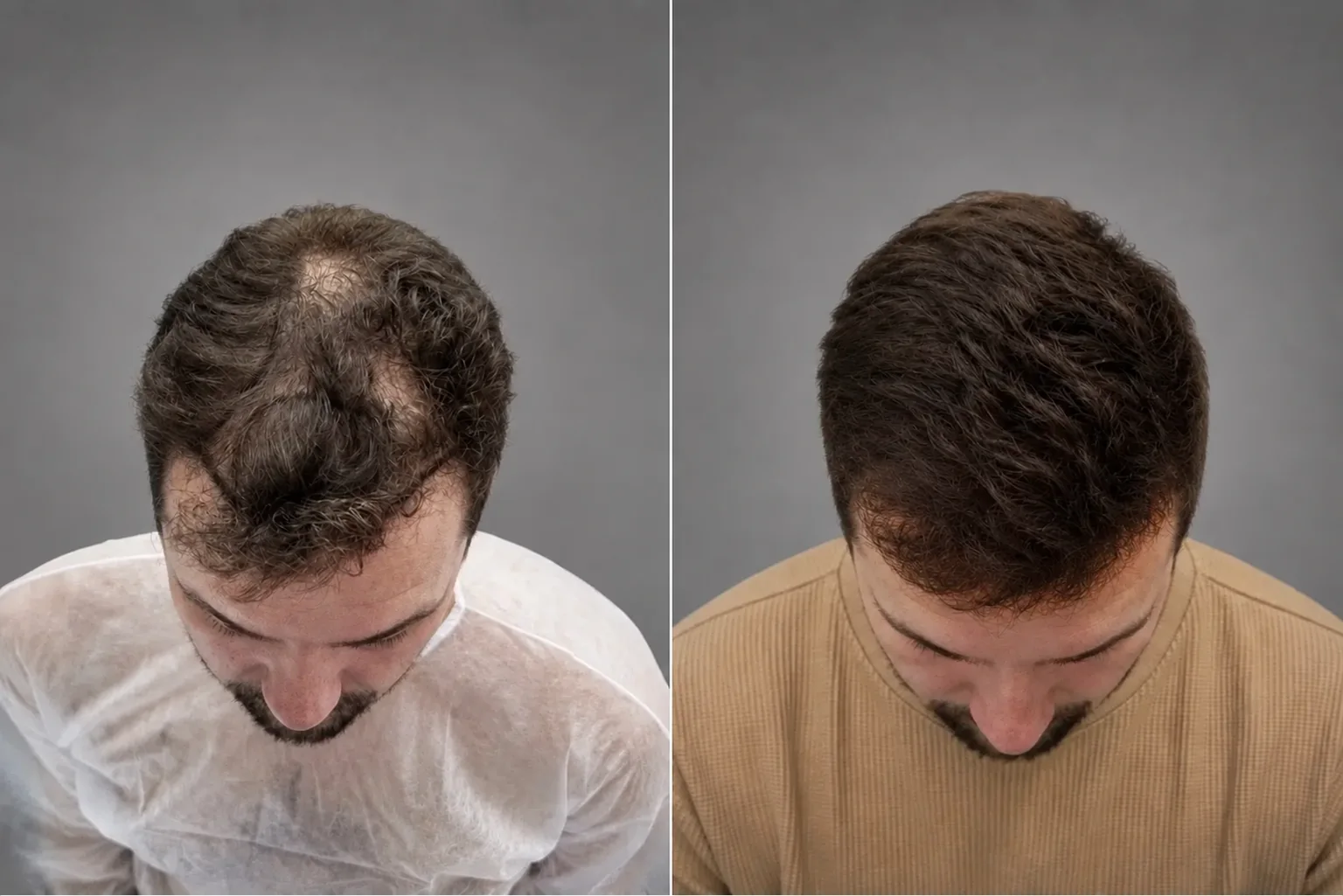
original
12 months by now
3,600 grafts
FUE method
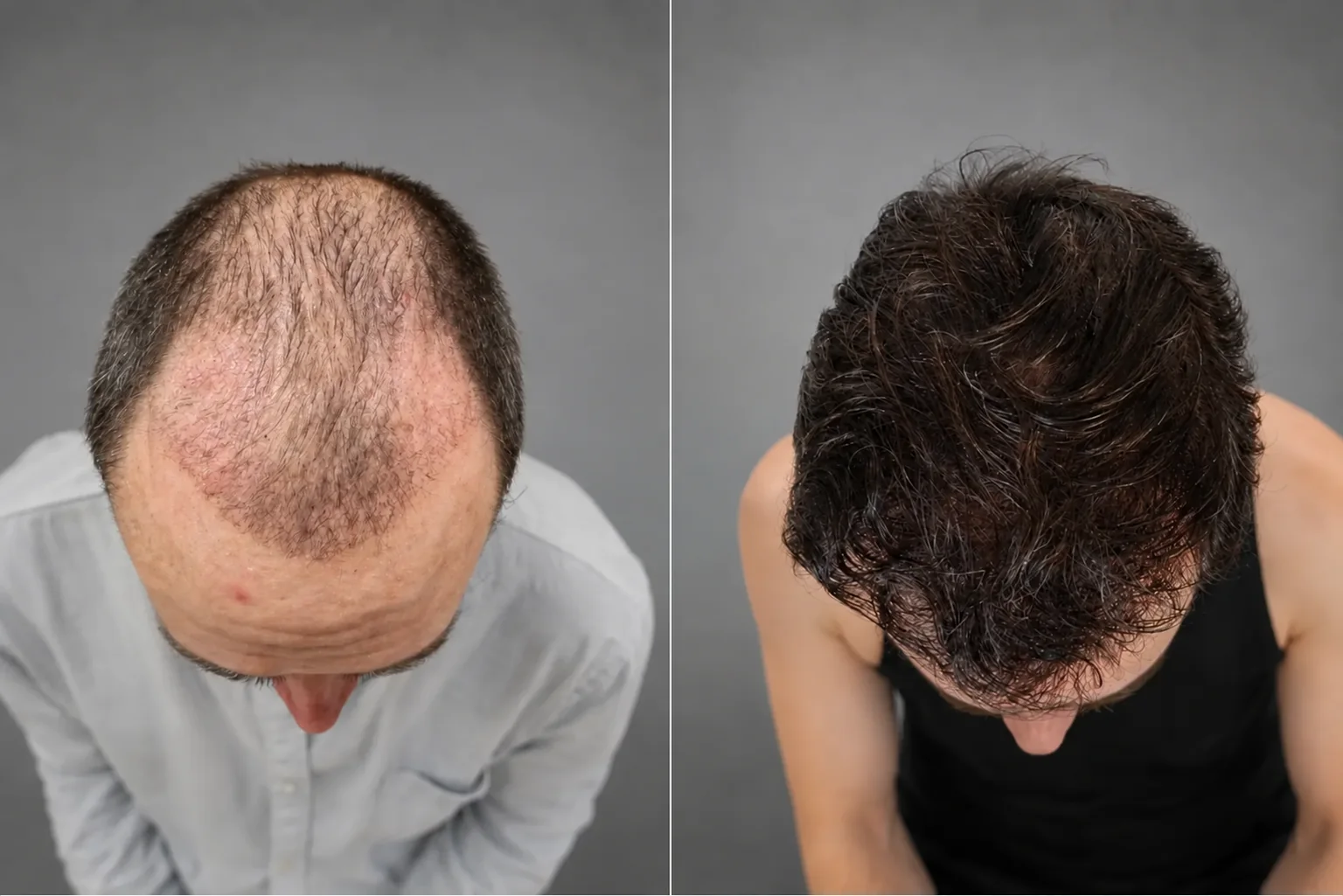
original
12 months by now
4,000 grafts
FUE method
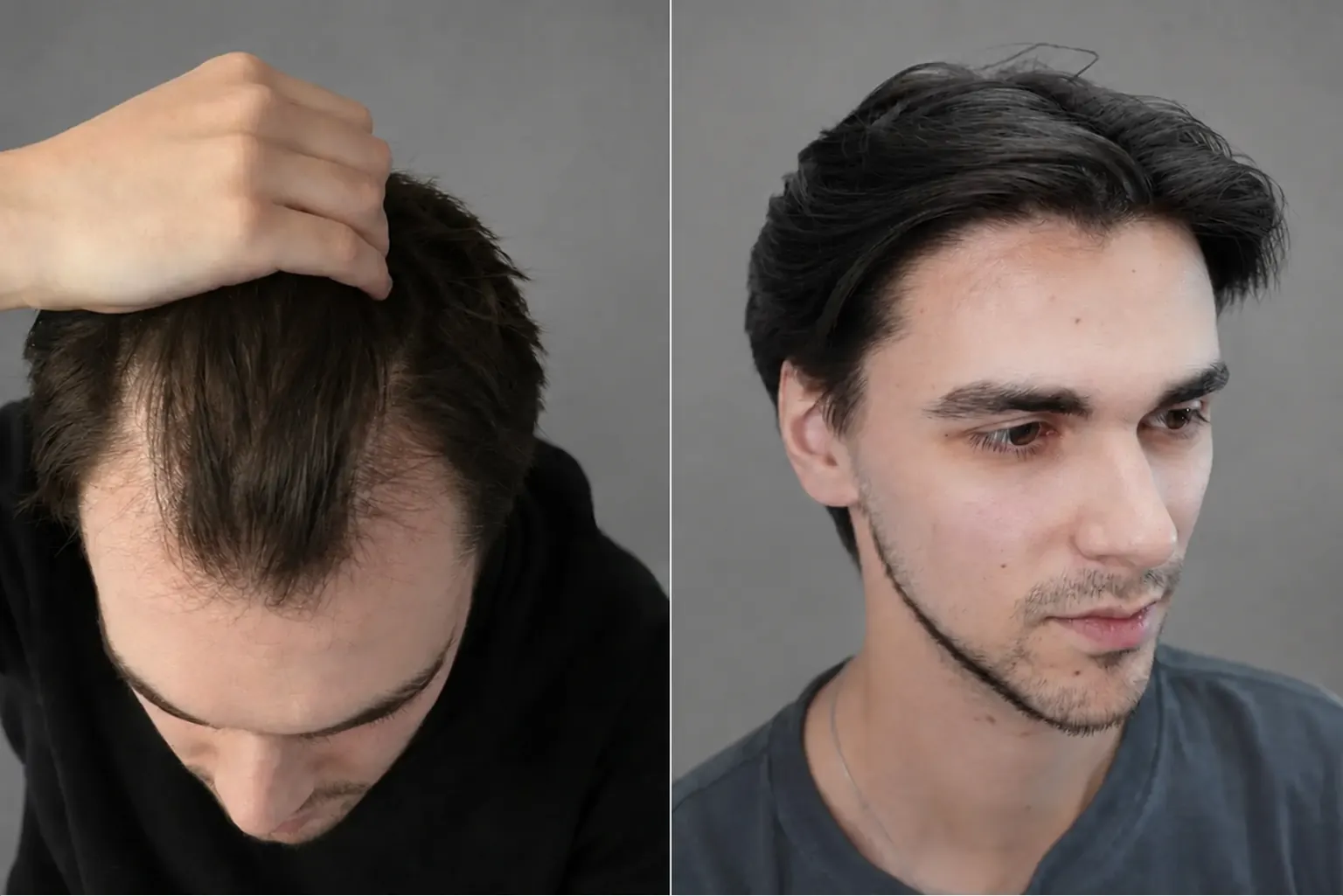
original
12 months by now
3,200 grafts
FUE method
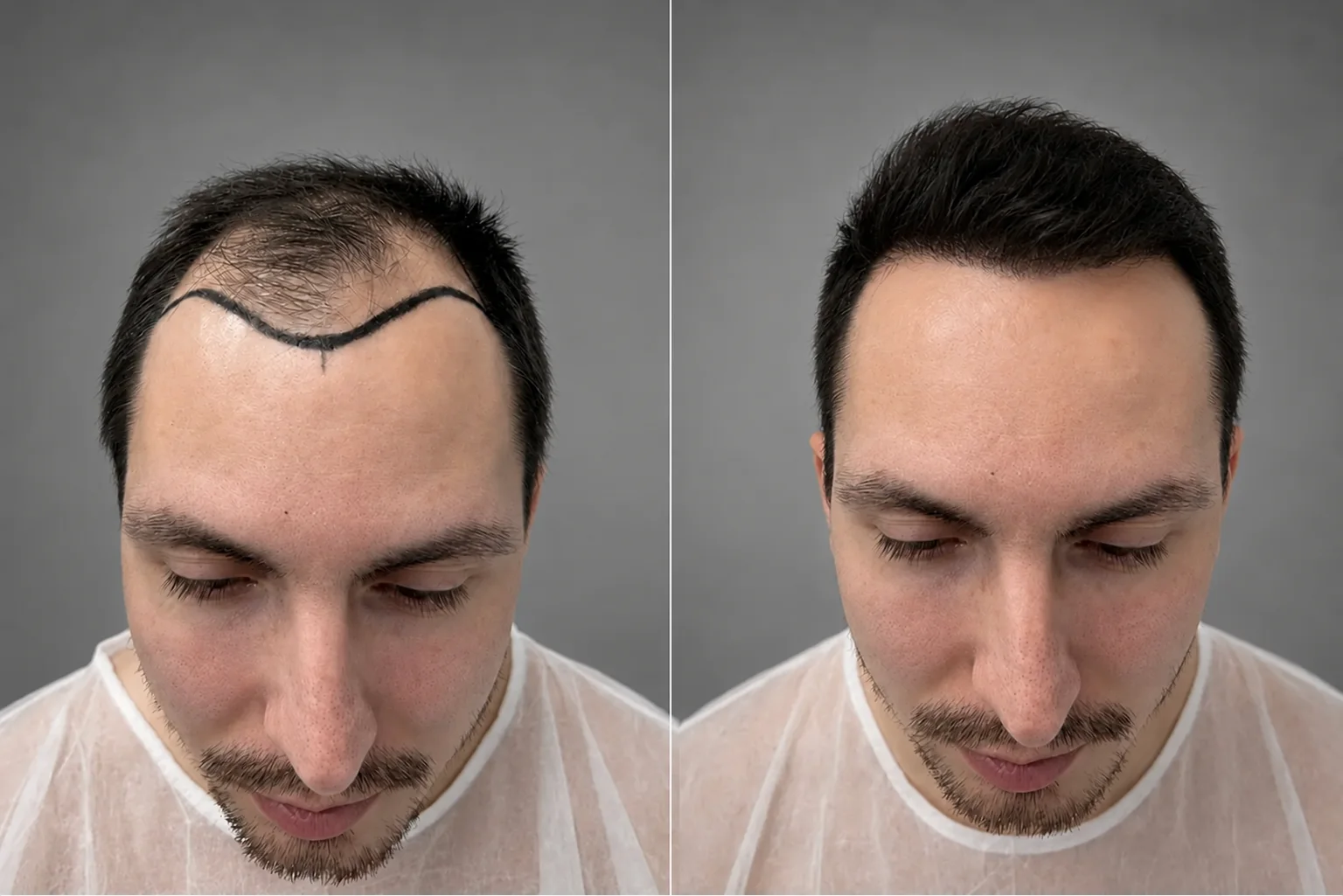
original
12 months by now
3,000 grafts
FUE method
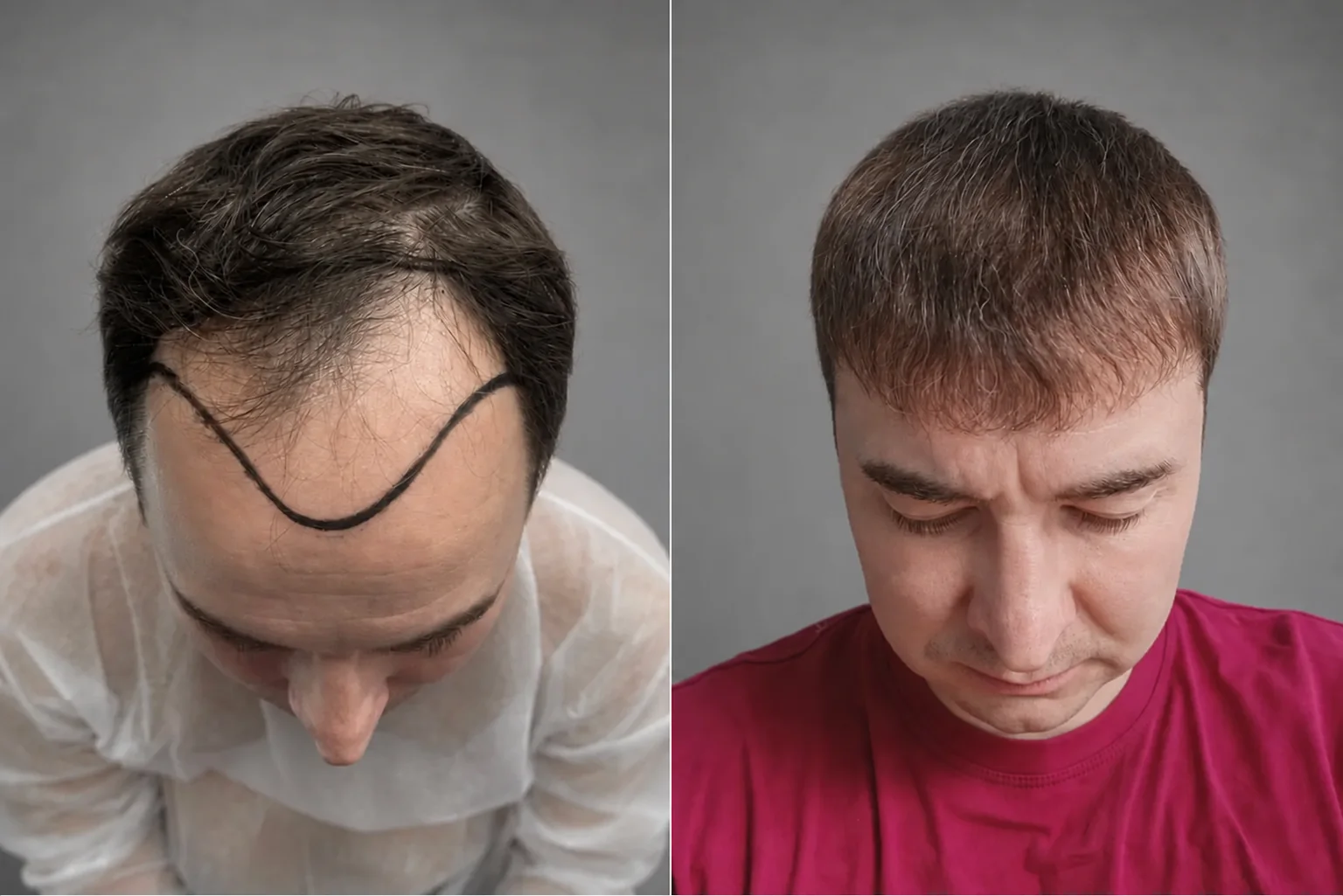
original
12 months by now
3,700 grafts
FUE method
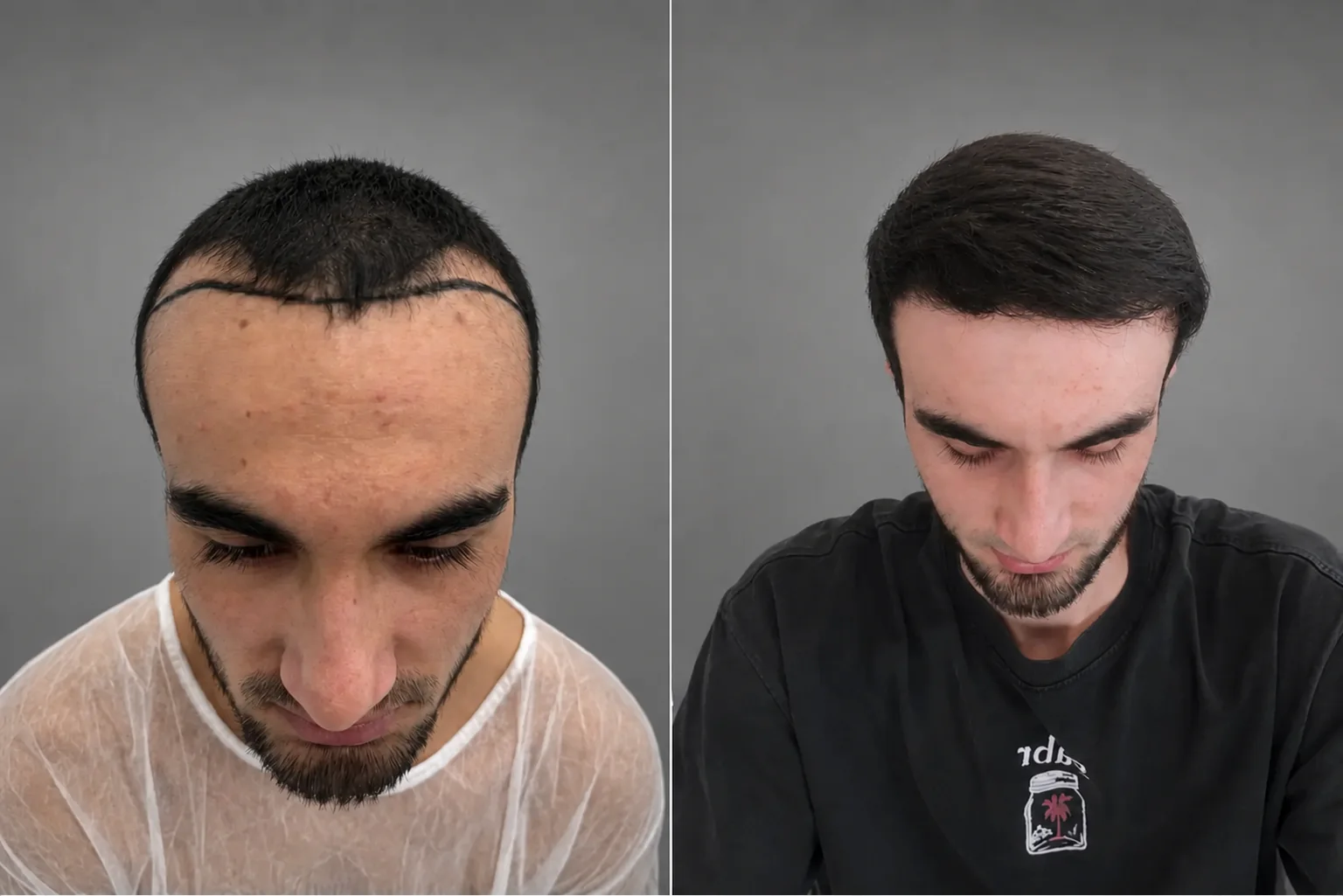
original
12 months by now
2,700 grafts
FUE method
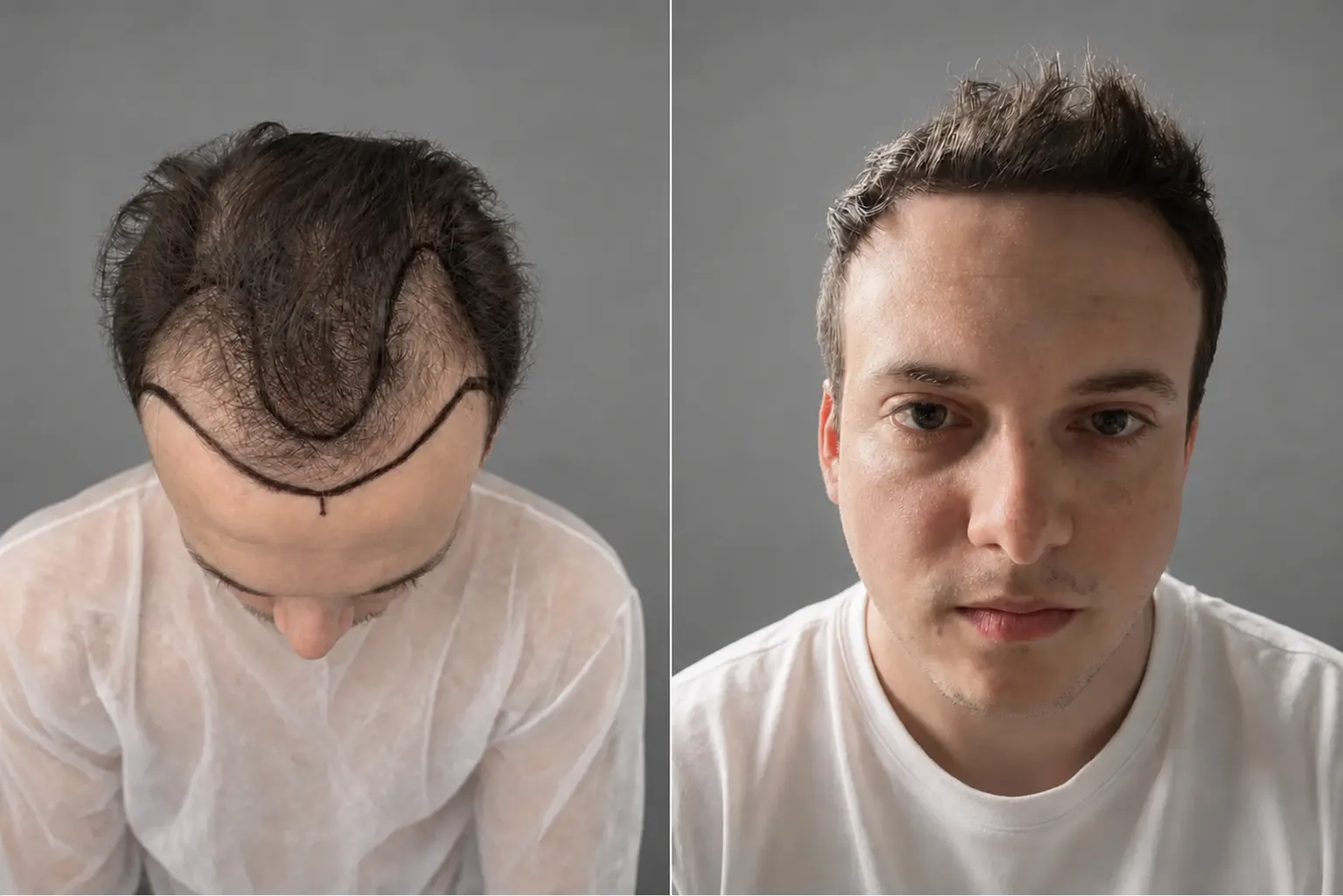
original
12 months by now
3,800 grafts
FUE method
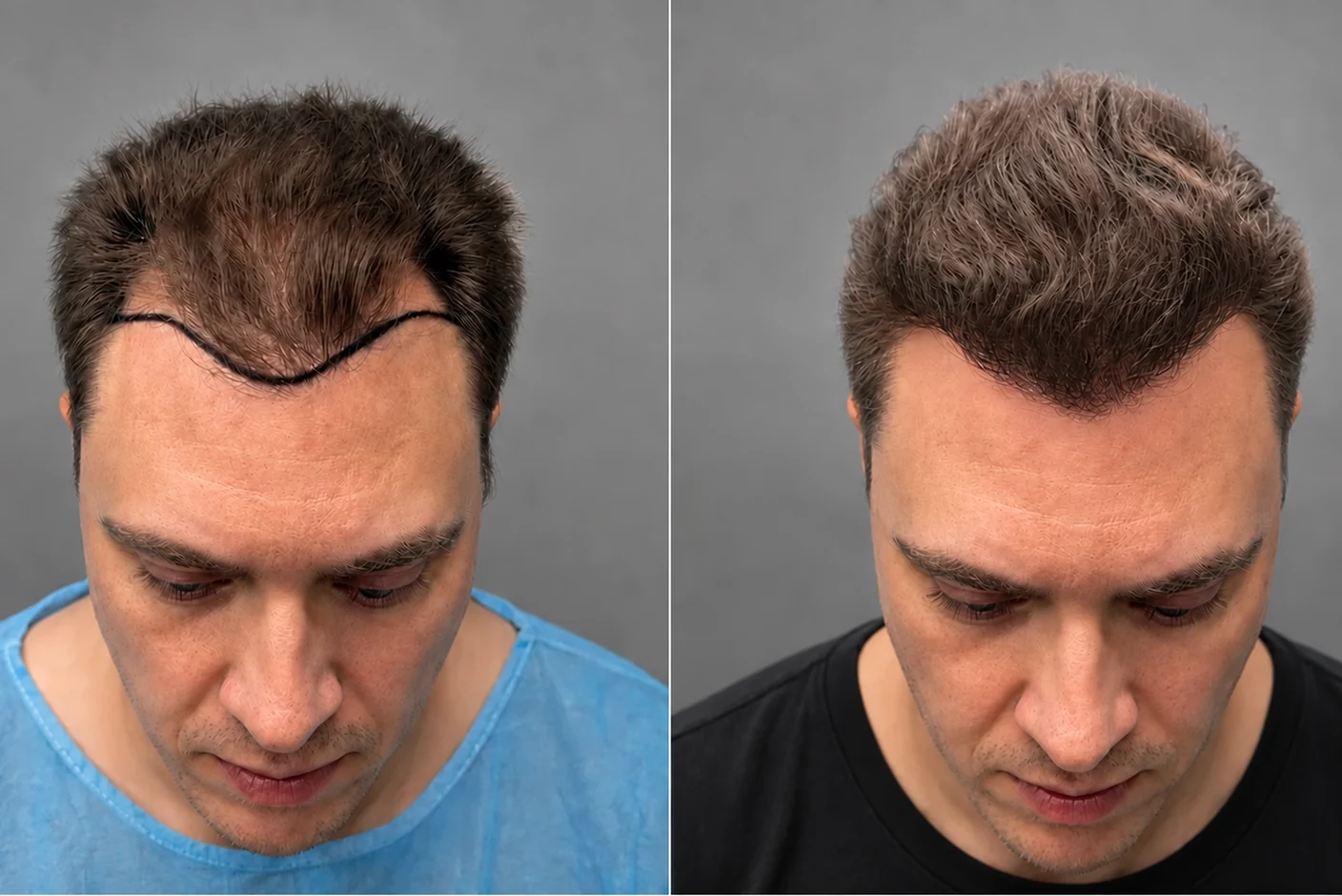
original
12 months by now
3,300 grafts
FUE method
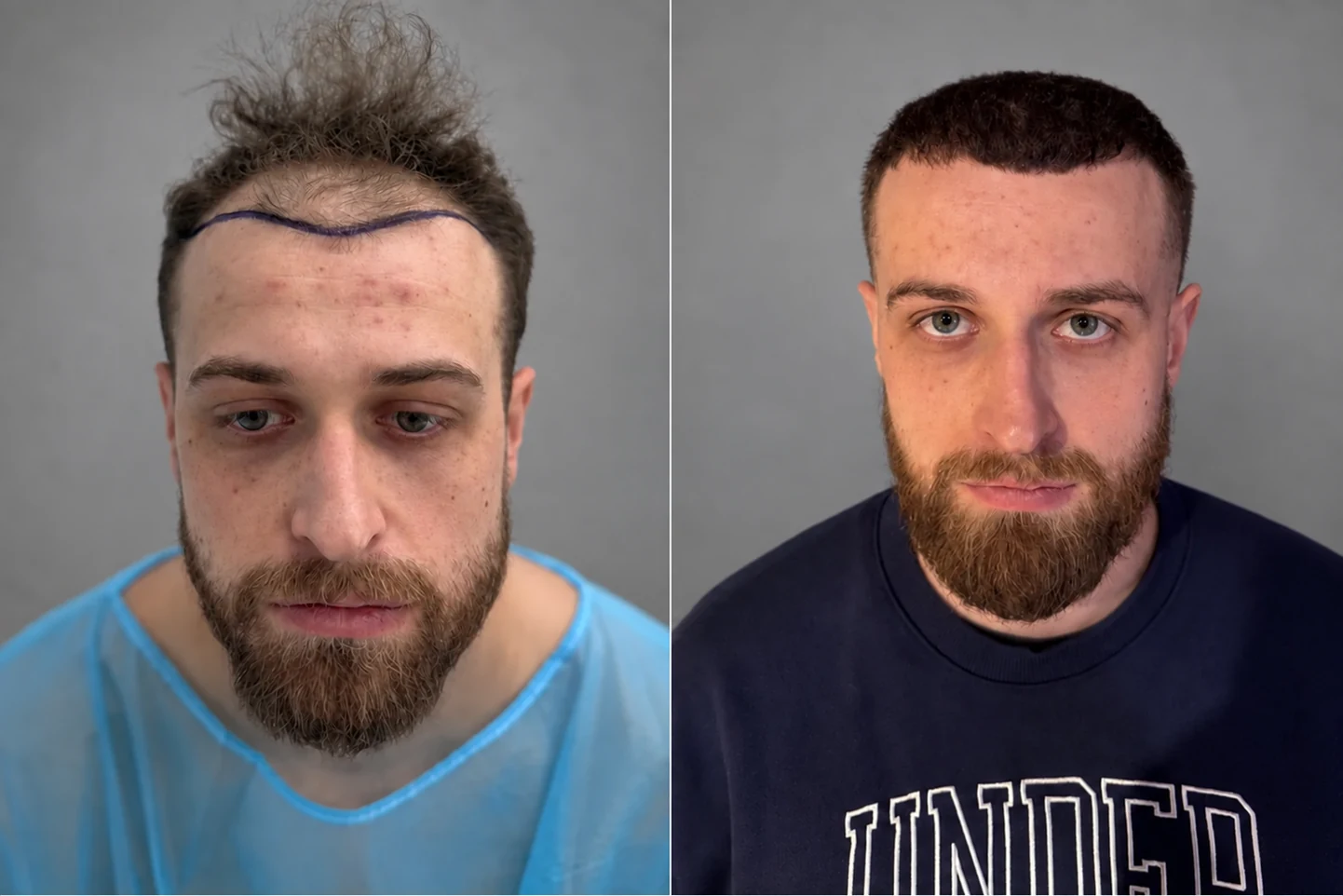
original
12 months by now
2,800 grafts
FUE method
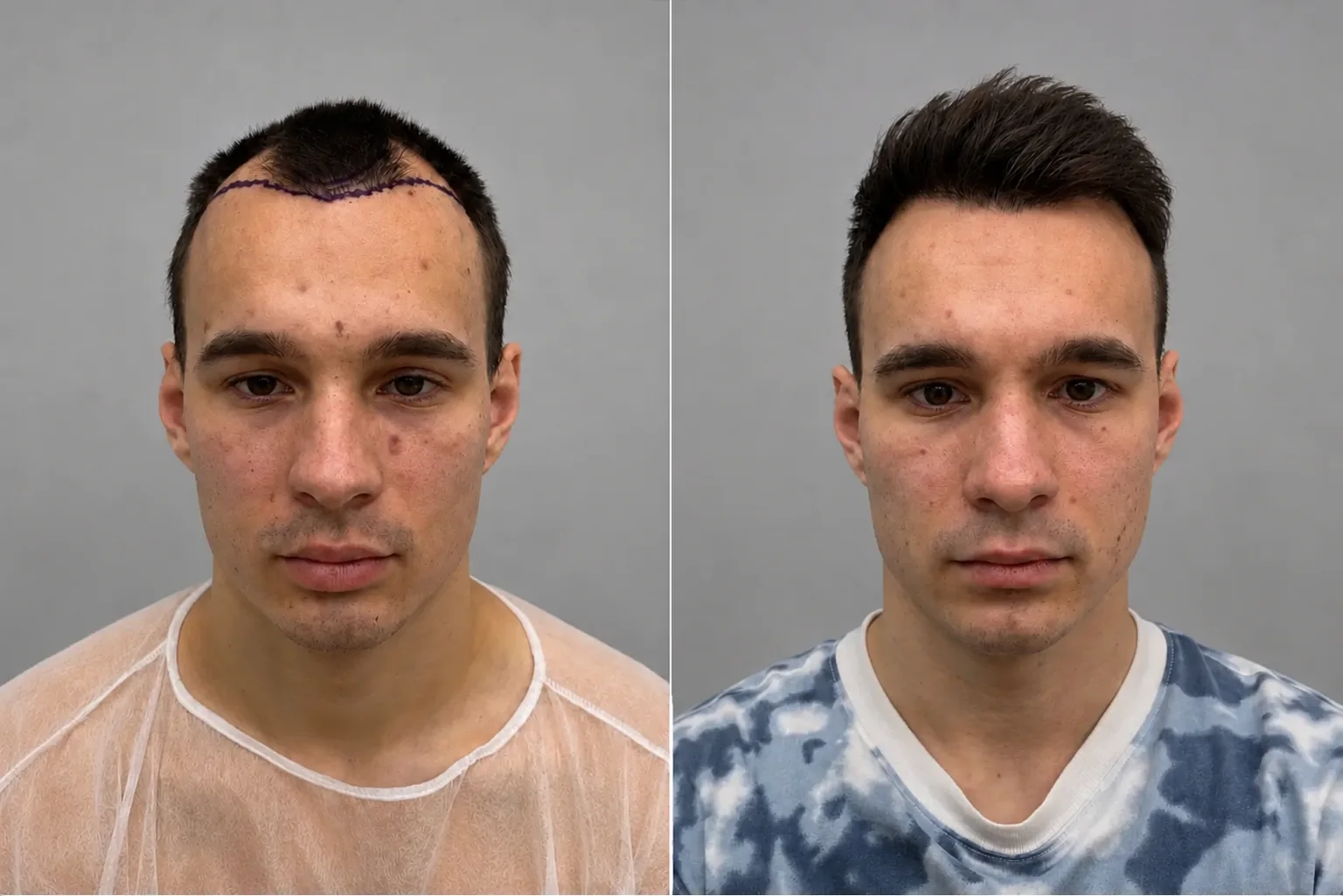
original
12 months by now
2,500 grafts
FUE method
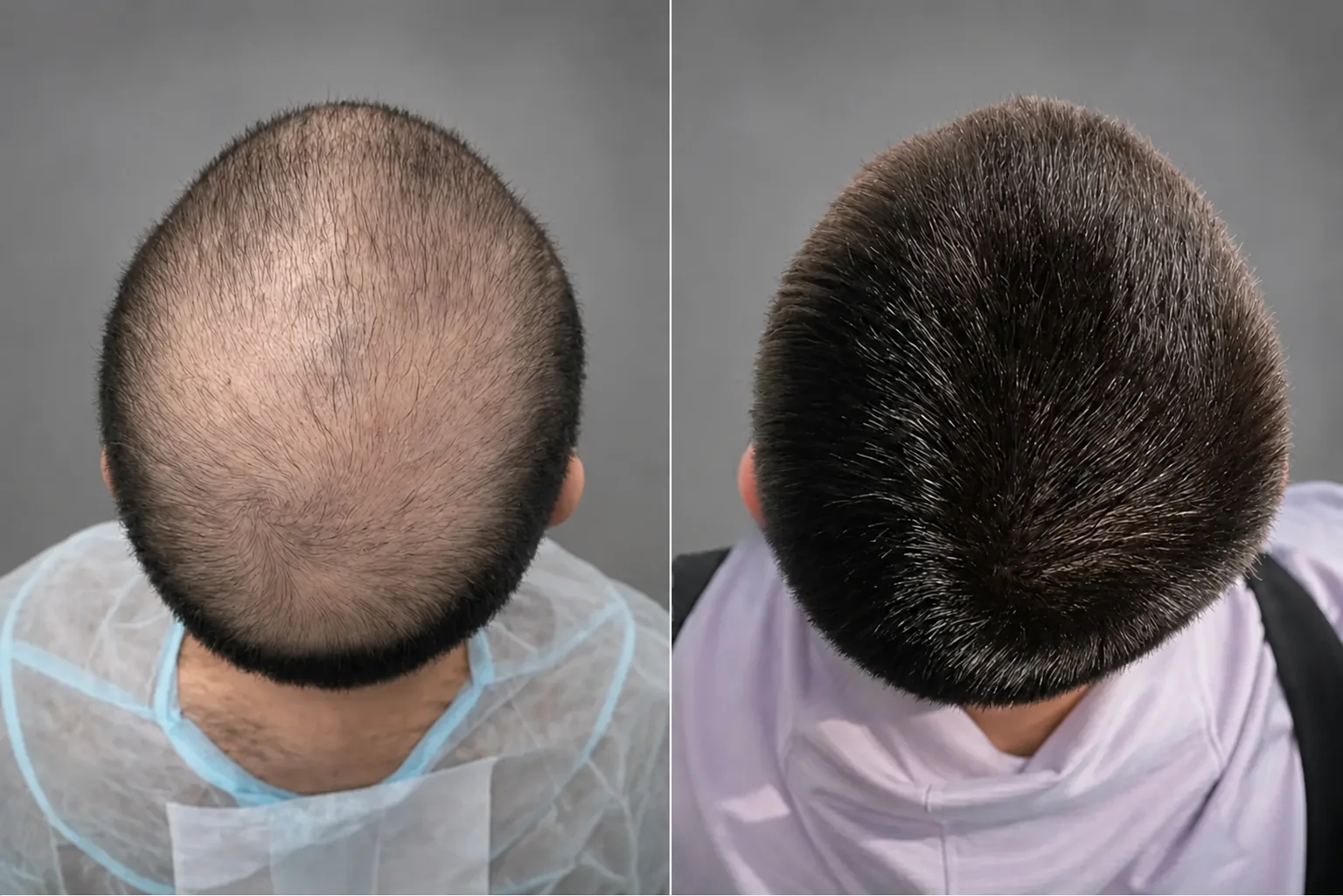
original
12 months by now
3,900 grafts
FUE method
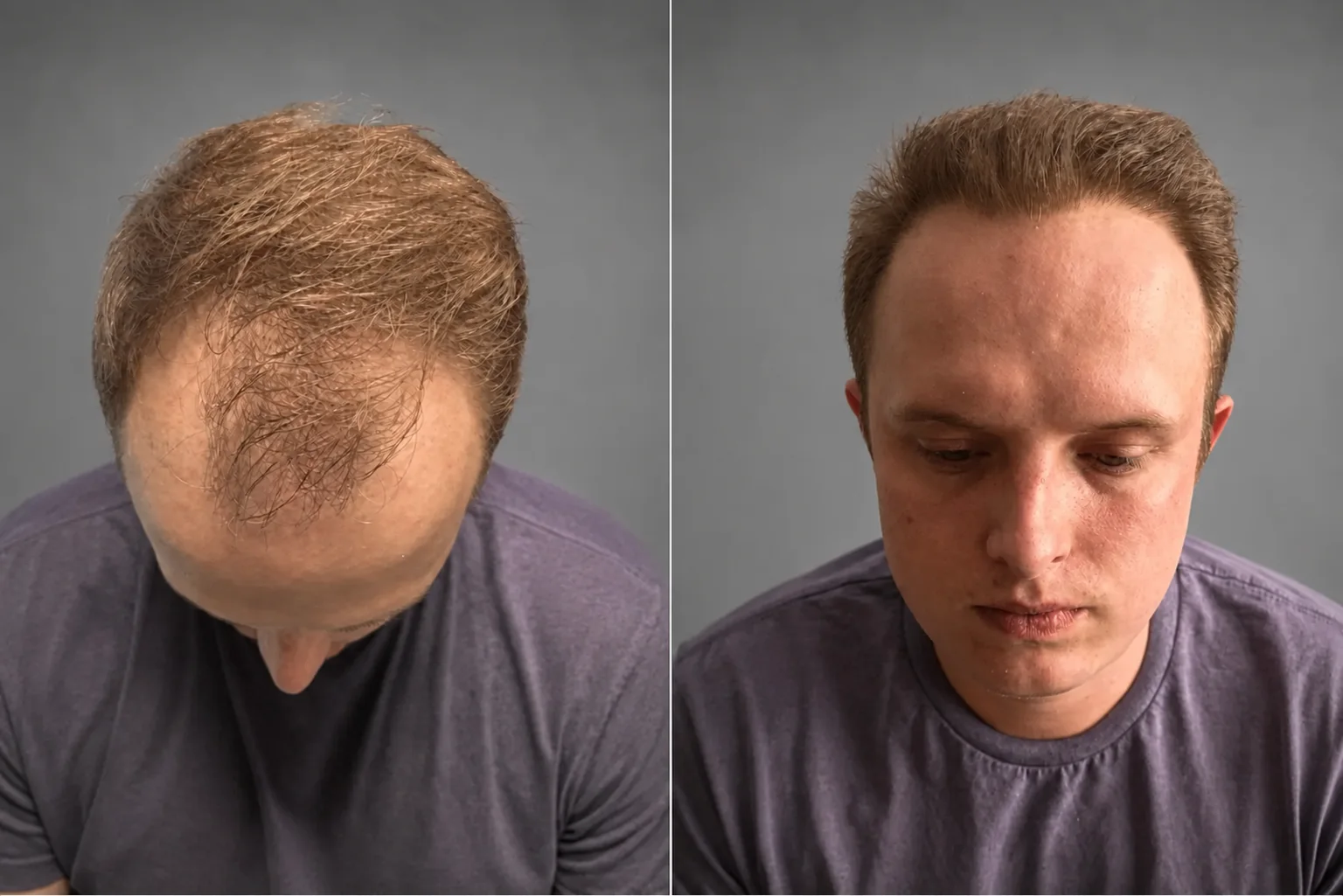
original
12 months by now
3,500 grafts
FUE method
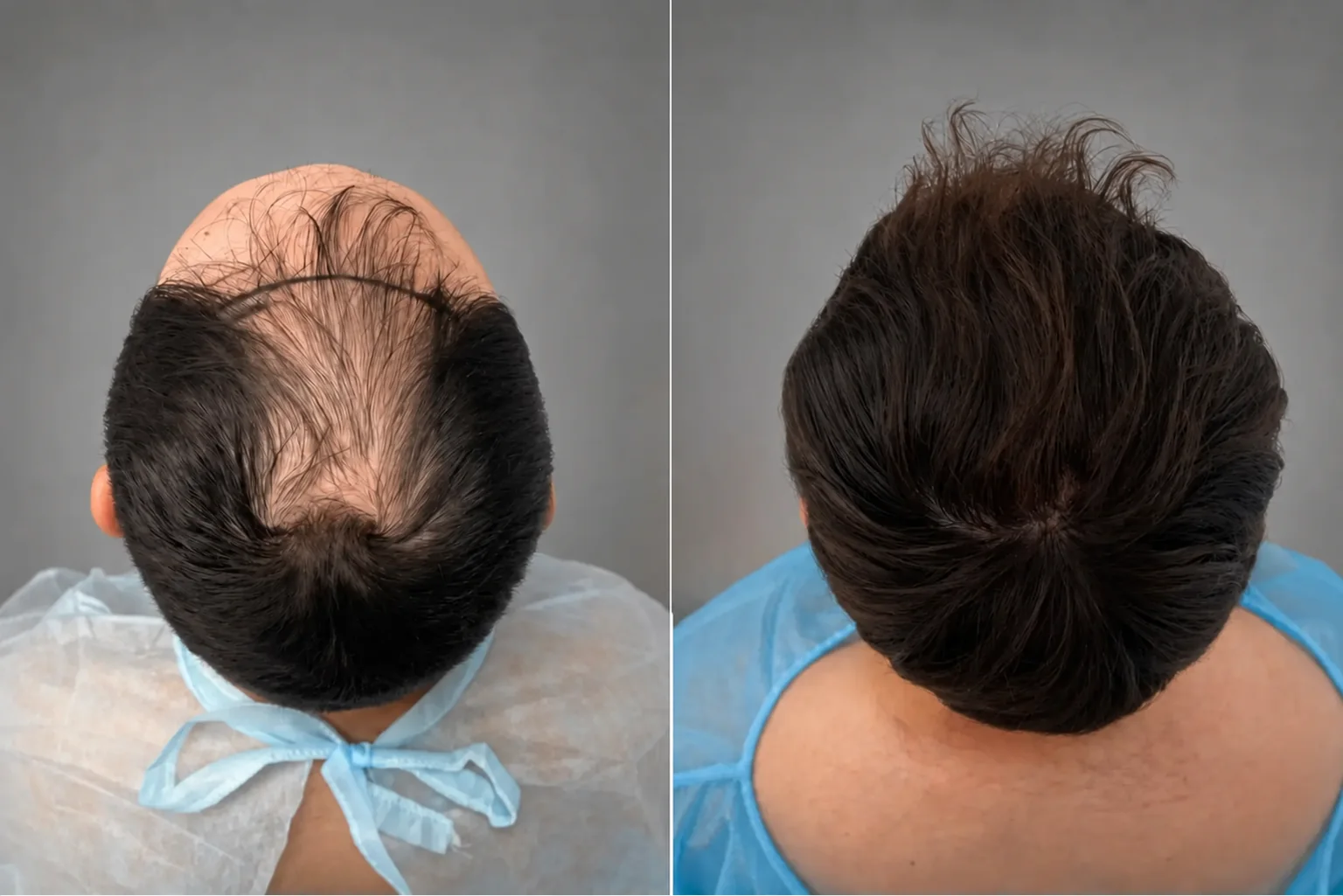
original
12 months by now
3,800 grafts
FUE method
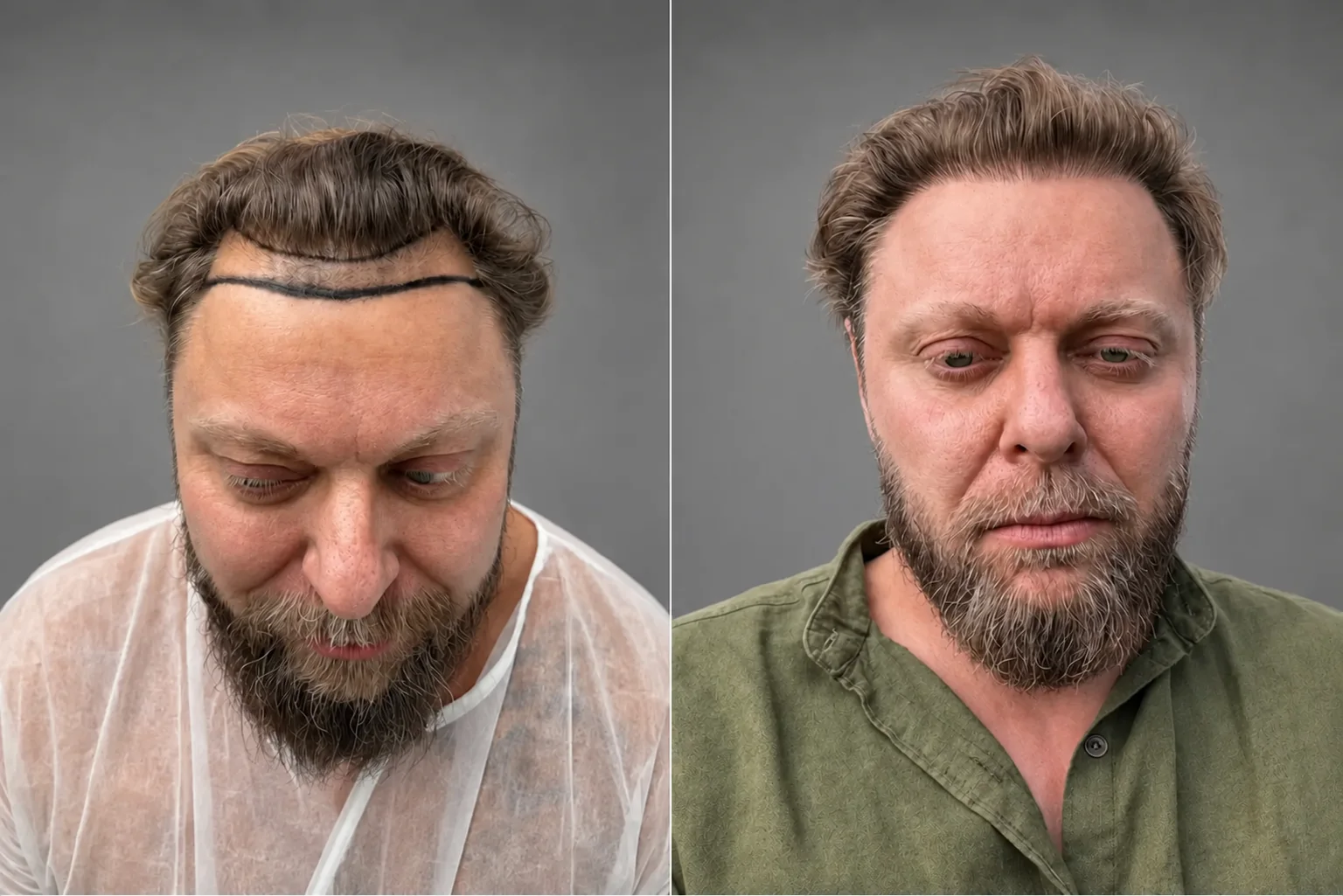
original
12 months by now
2,900 grafts
FUE method
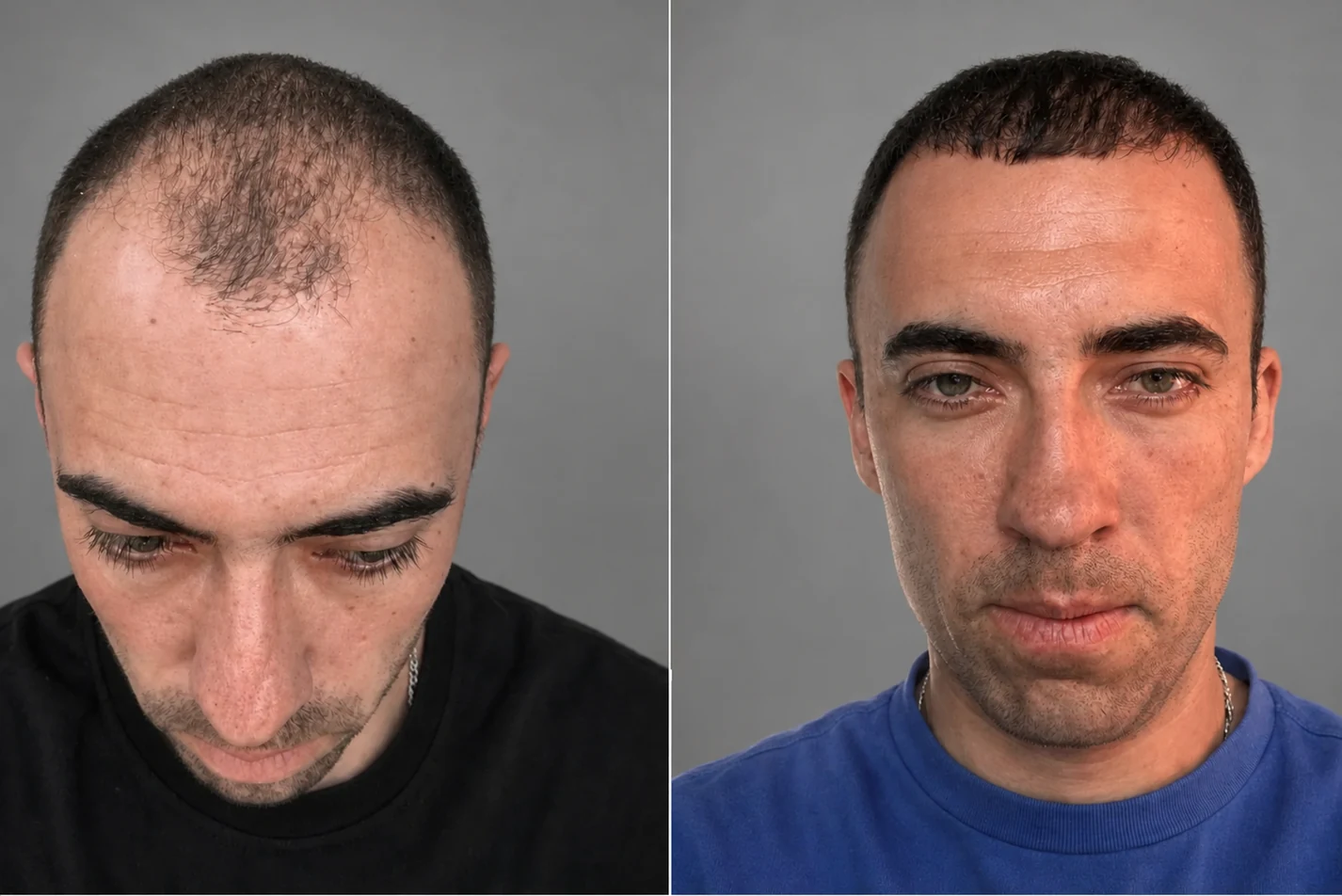
original
12 months by now
3,600 grafts
FUE method
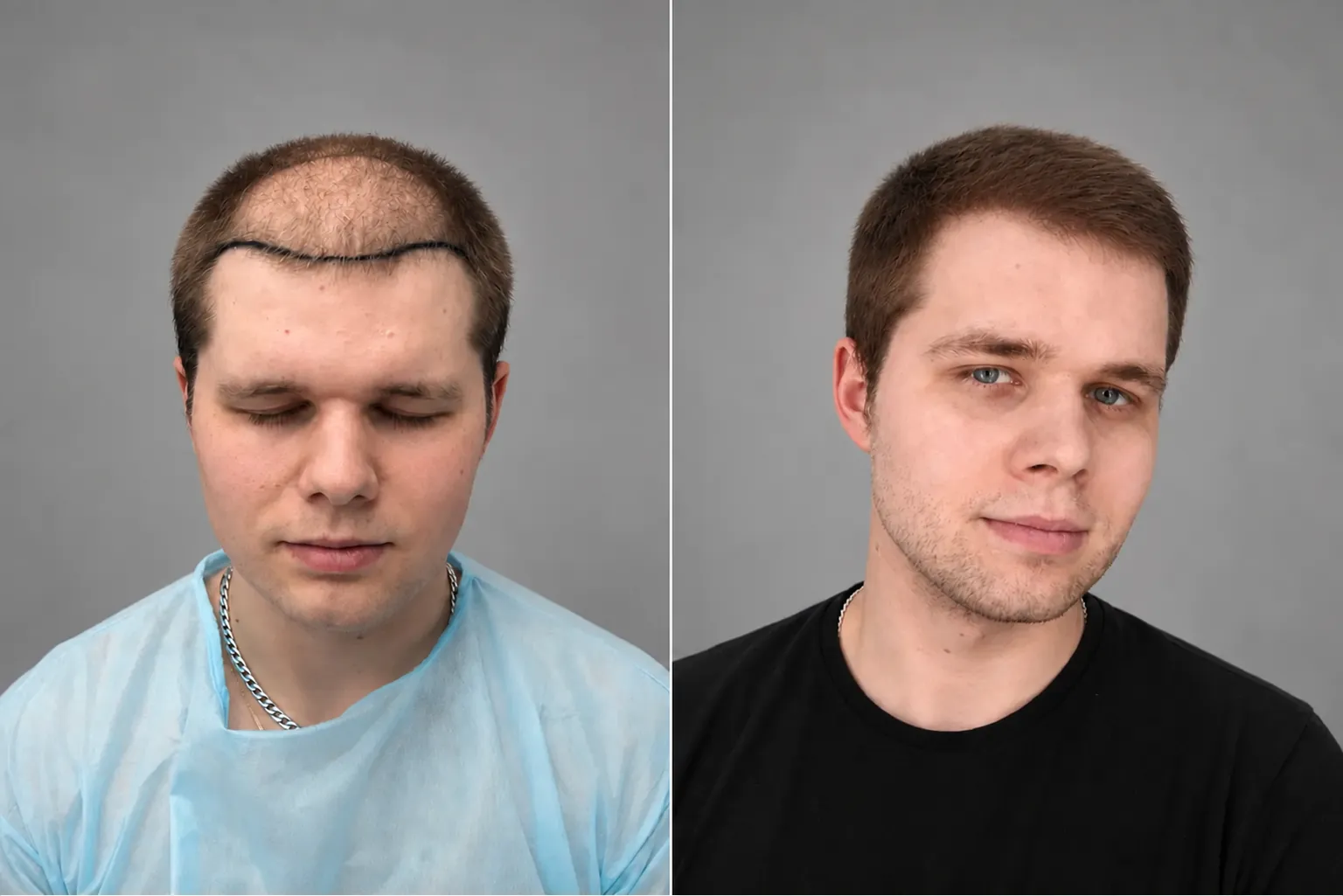
original
12 months by now
2,600 grafts
FUE method
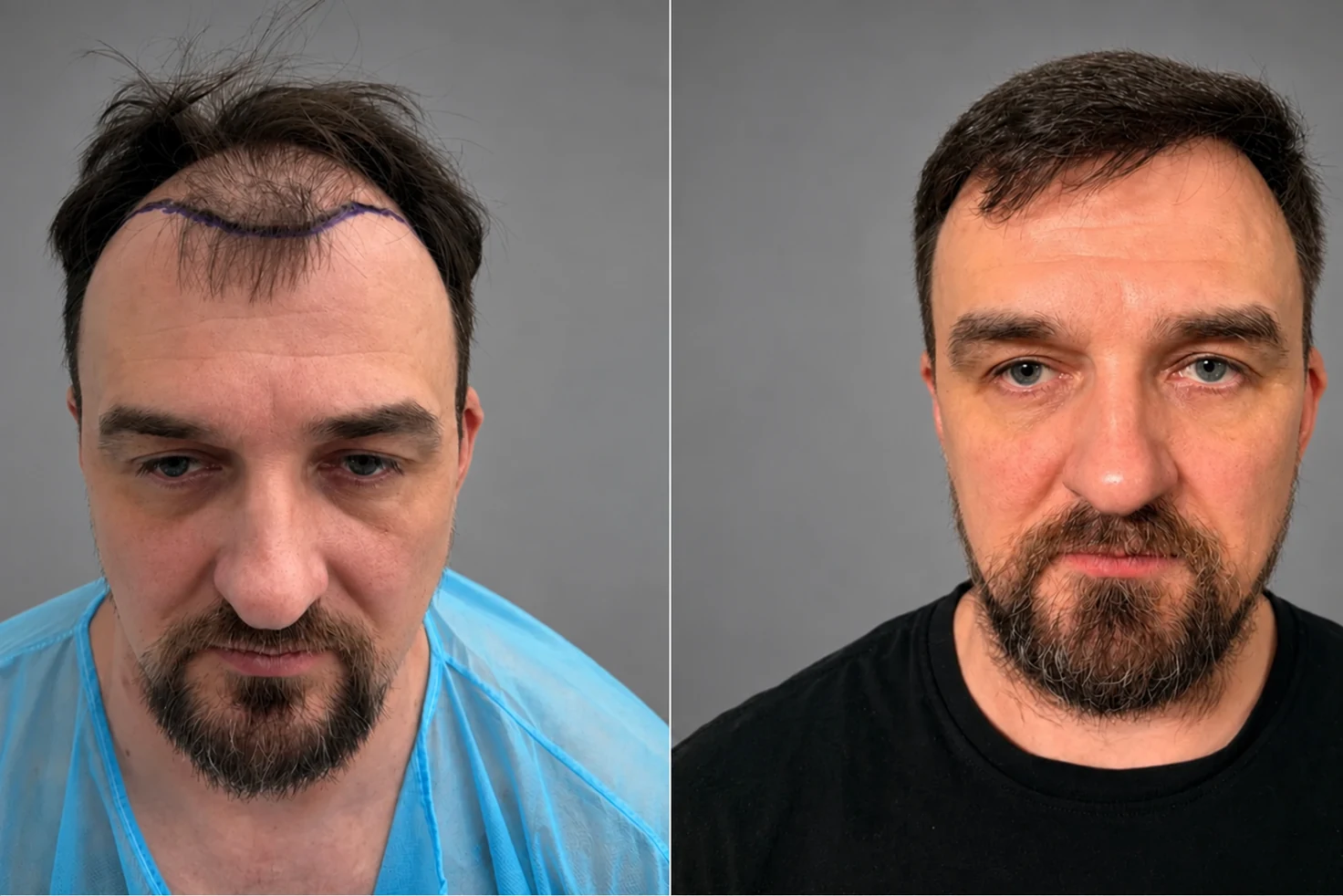
original
12 months by now
2,700 grafts
FUE method
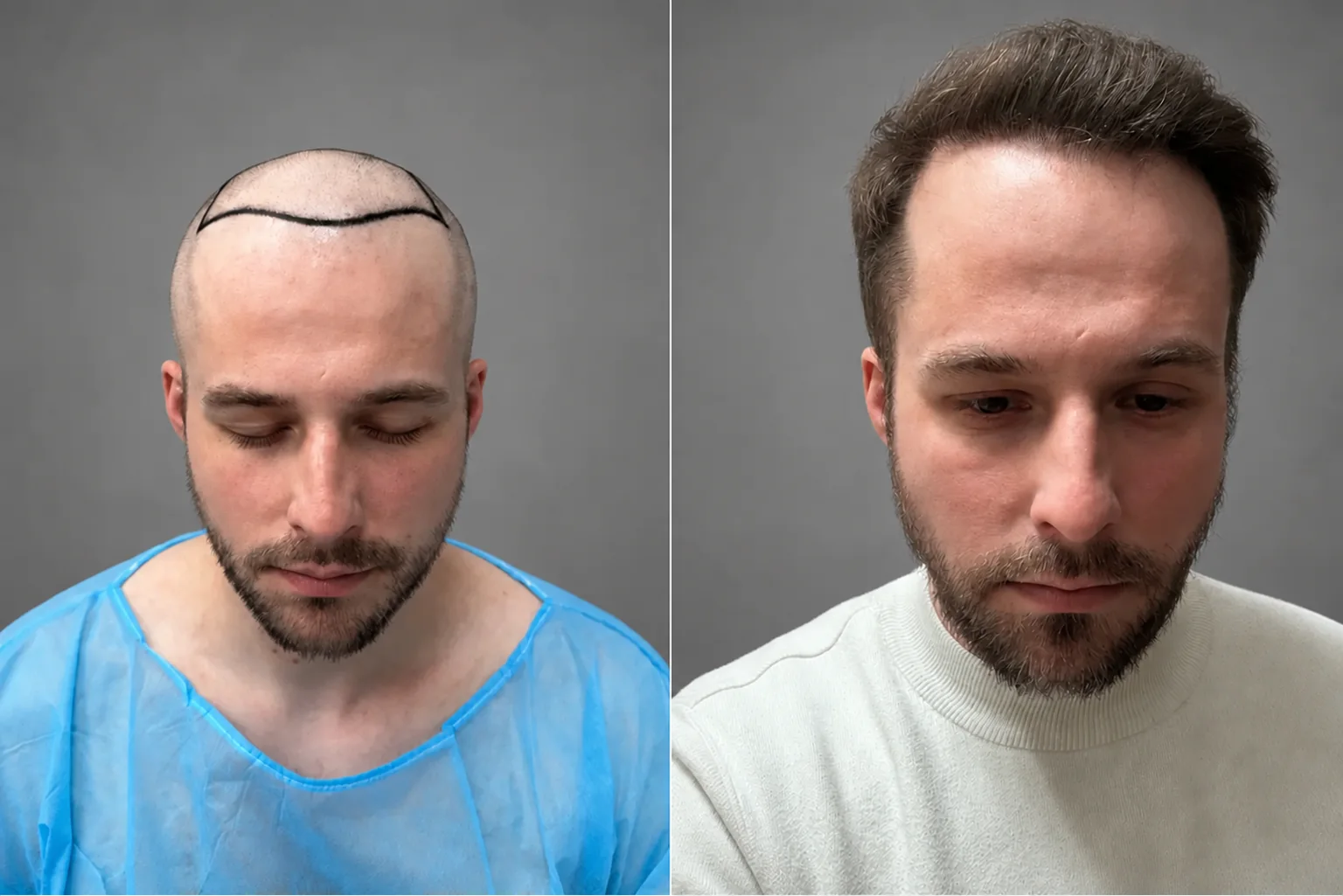
original
12 months by now
3,700 grafts
FUE method
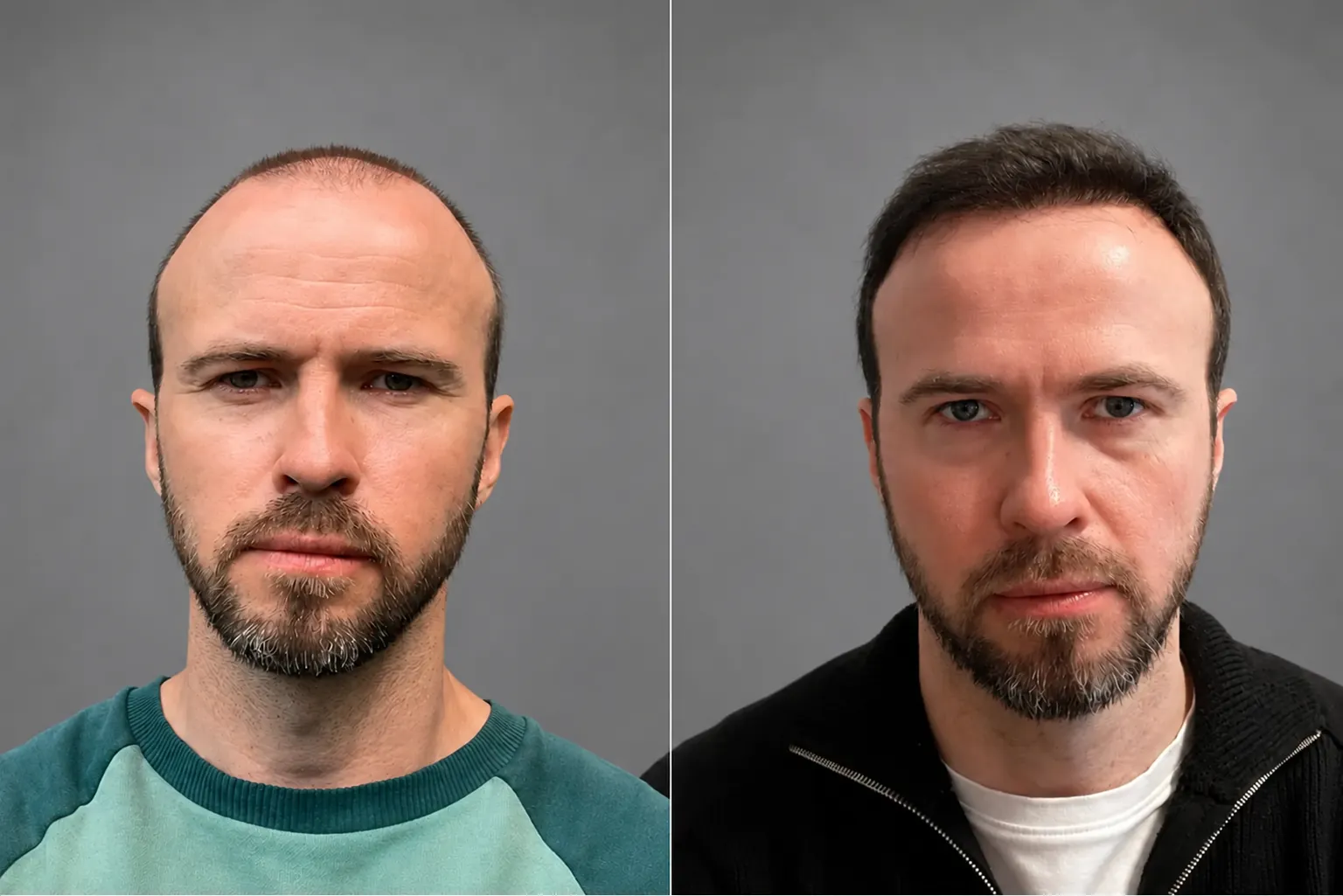
original
12 months by now
3,200 grafts
FUE method
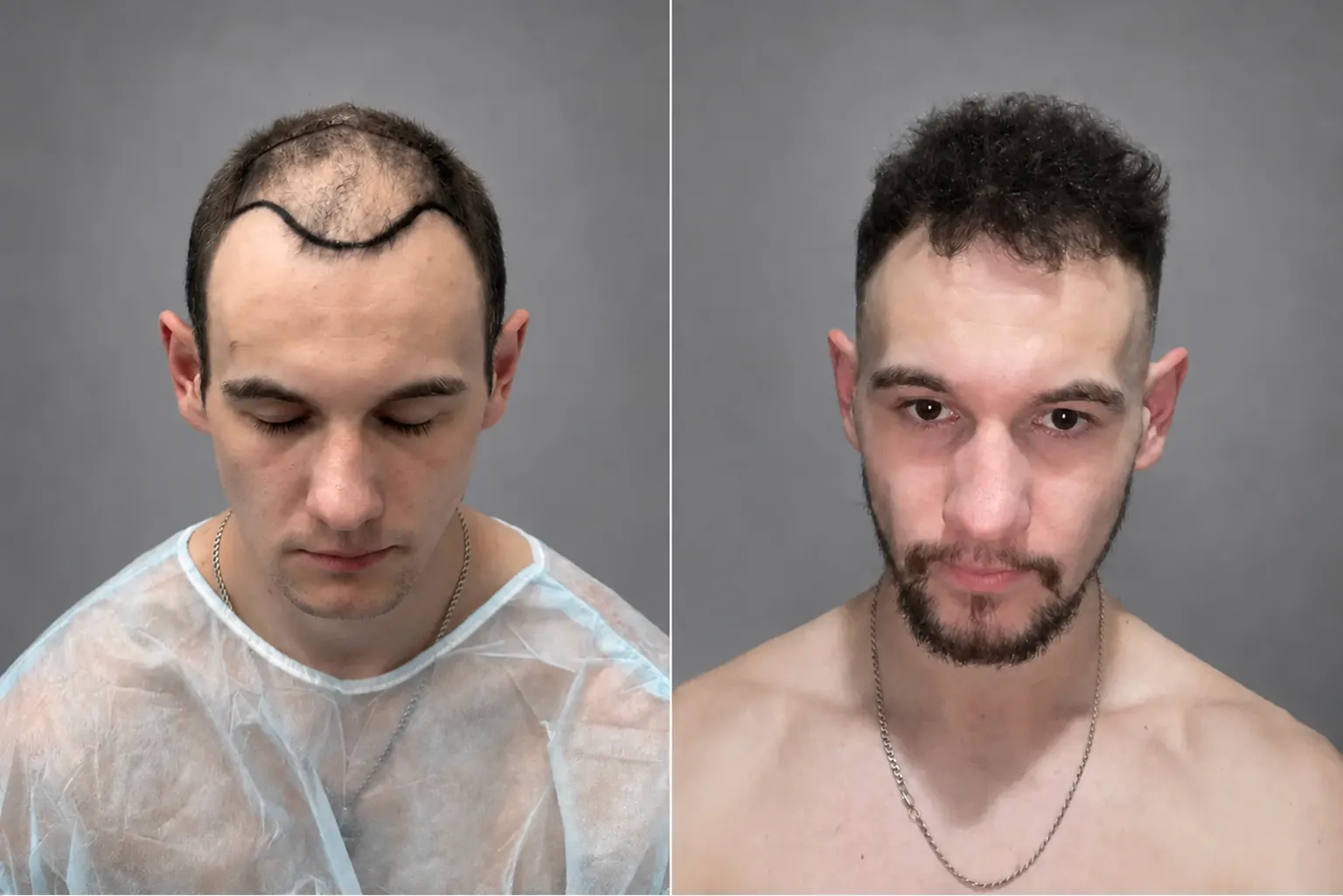
original
12 months by now
3,000 grafts
FUE method
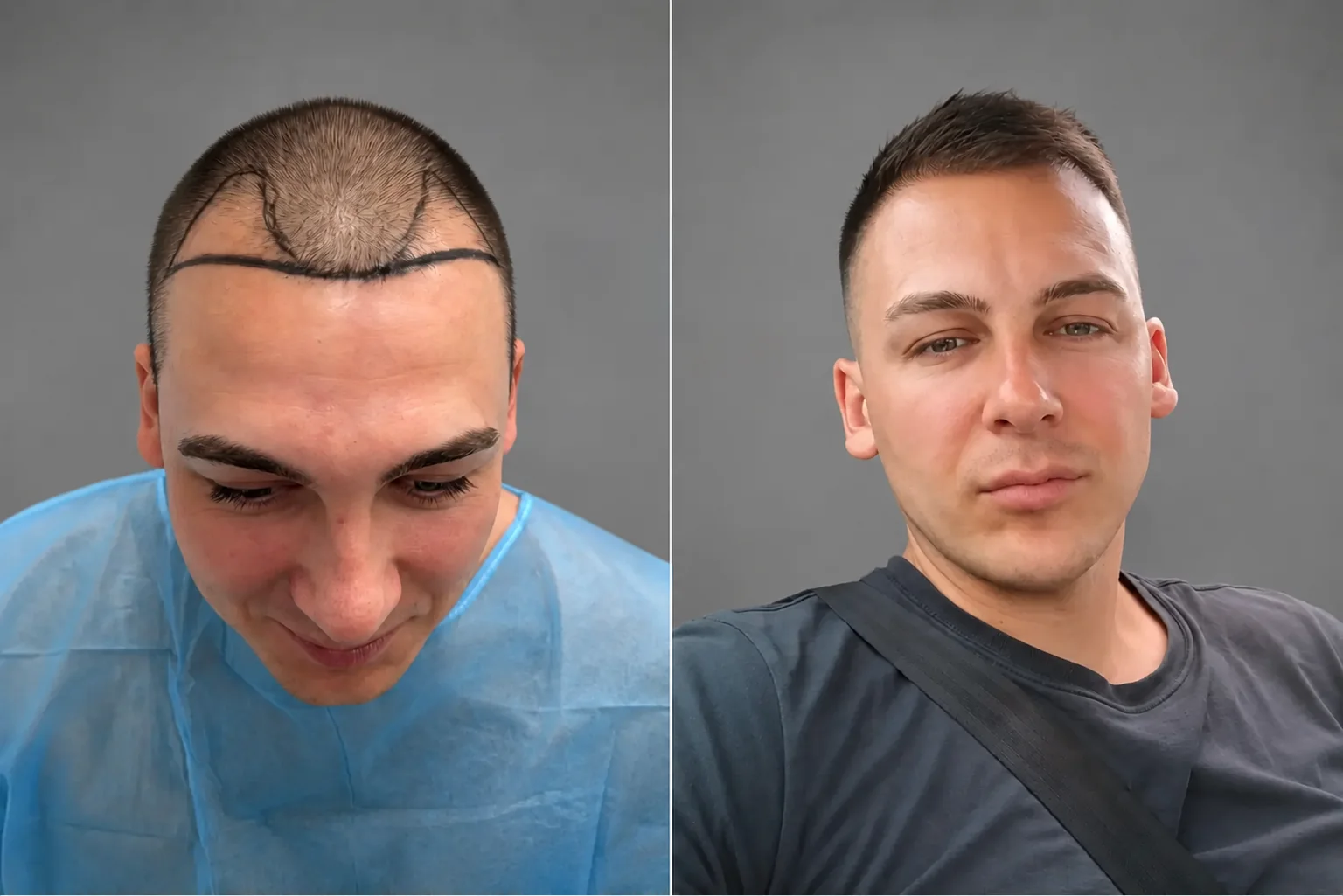
original
12 months by now
2,800 grafts
FUE method
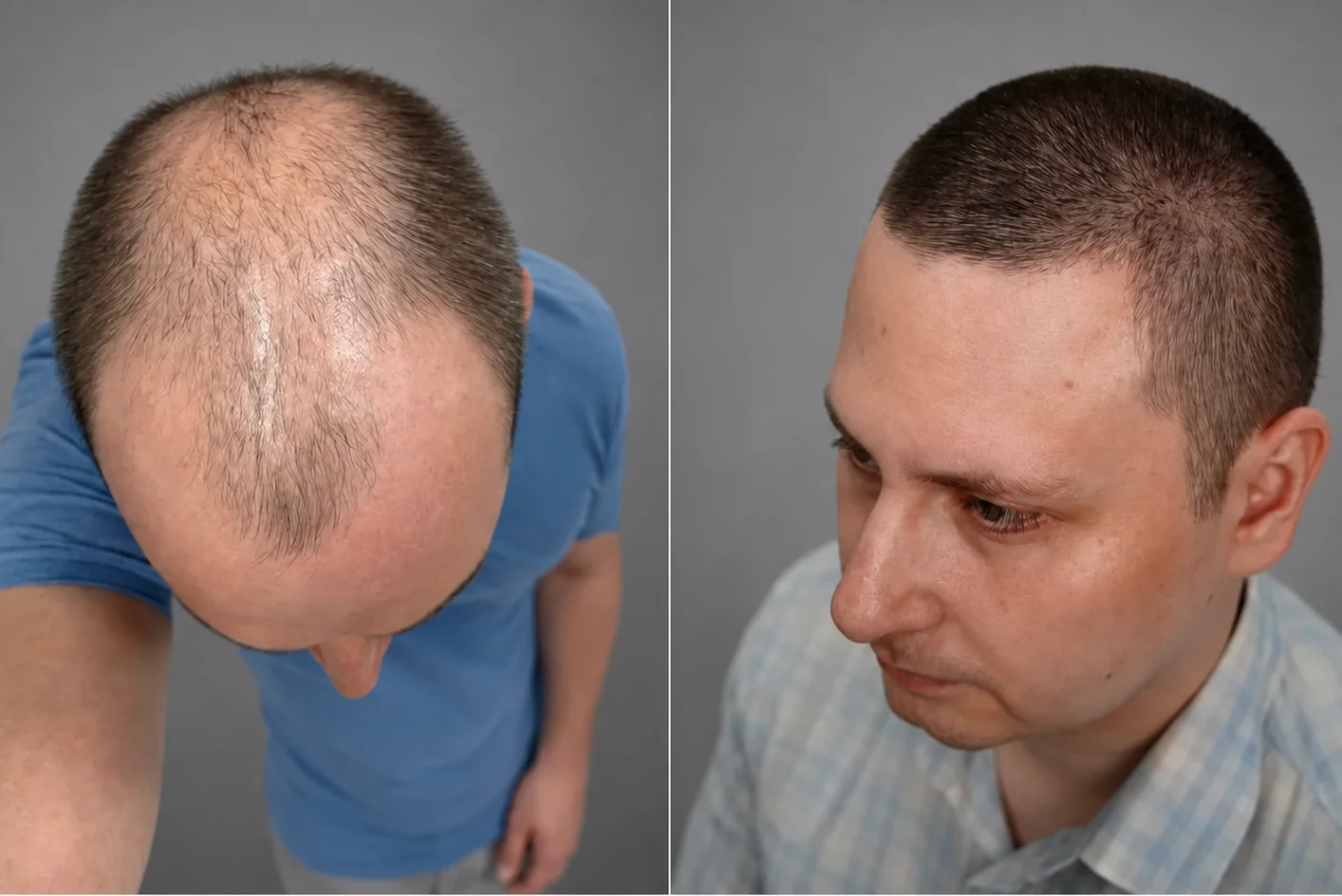
original
12 months by now
4,000 grafts
FUE method
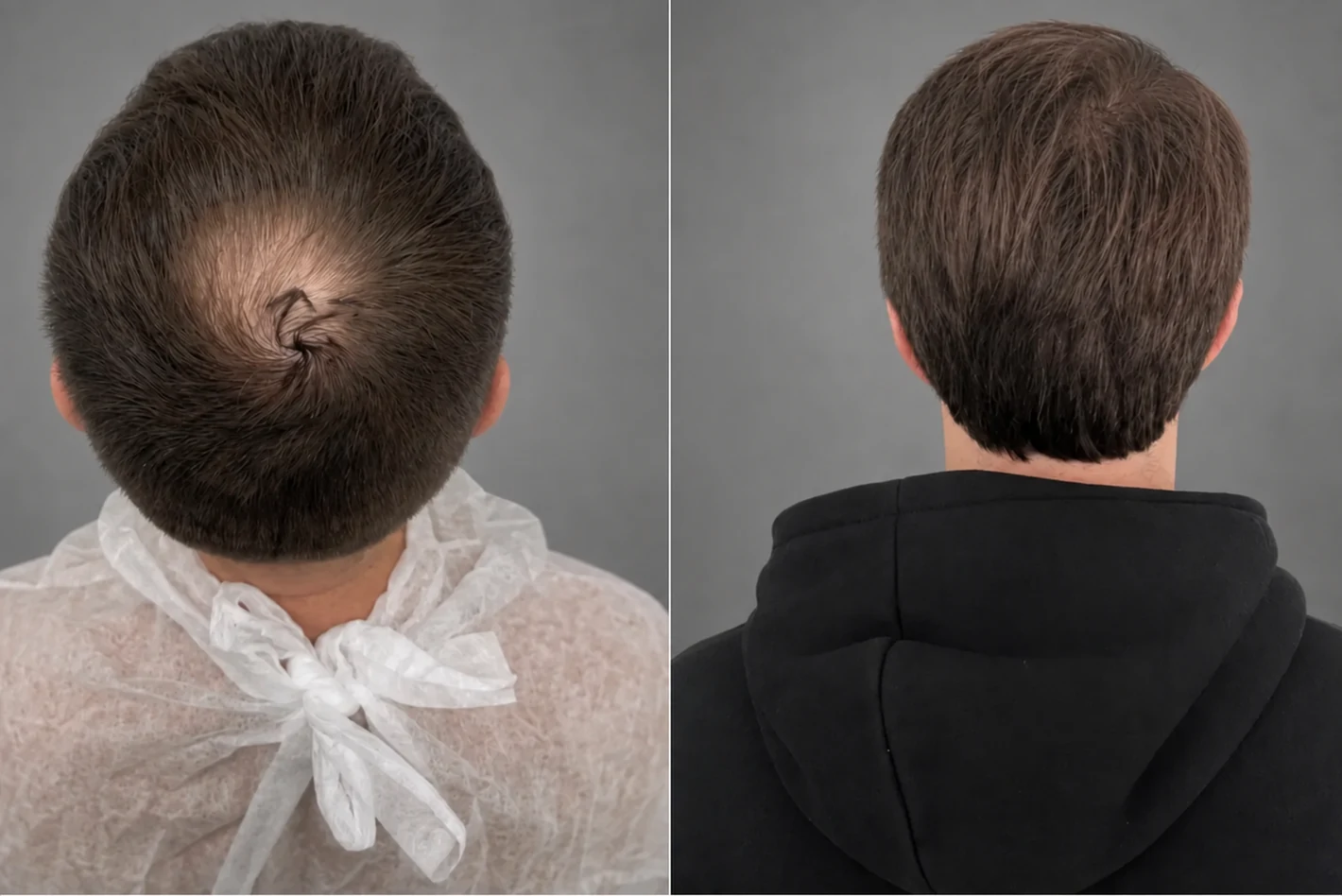
original
12 months by now
3,400 grafts
FUE method
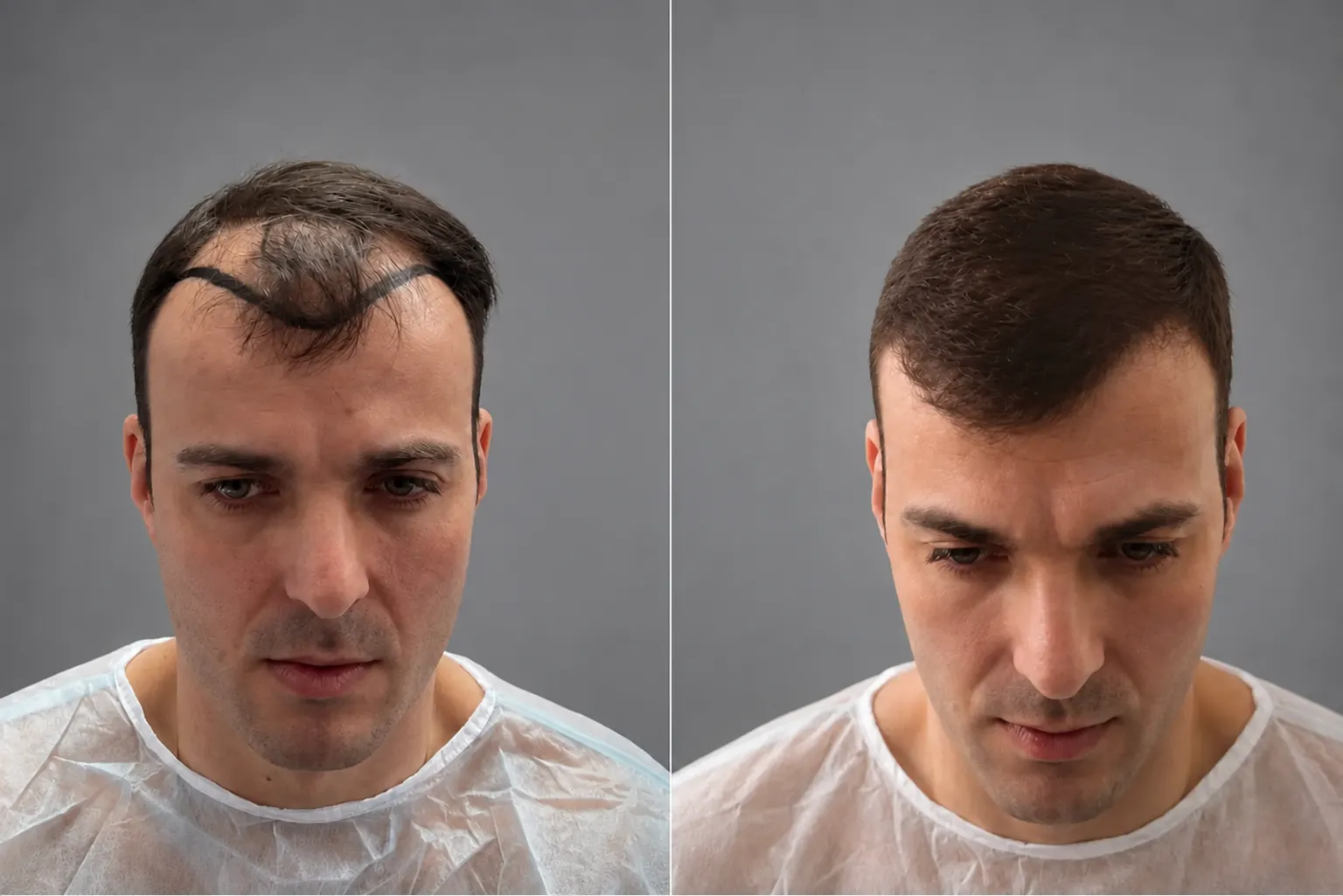
original
12 months by now
2,900 grafts
FUE method
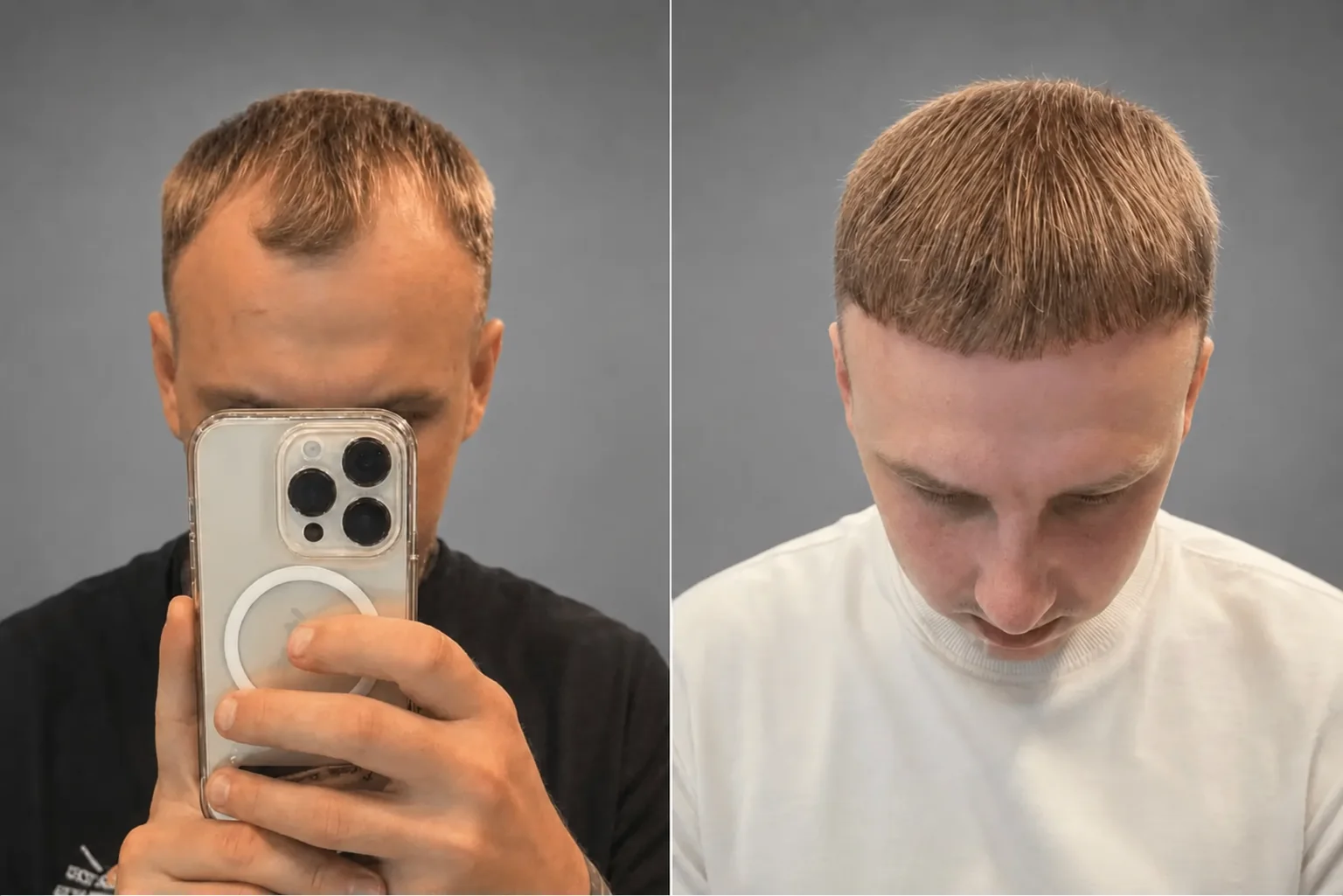
original
12 months by now
3,100 grafts
FUE method
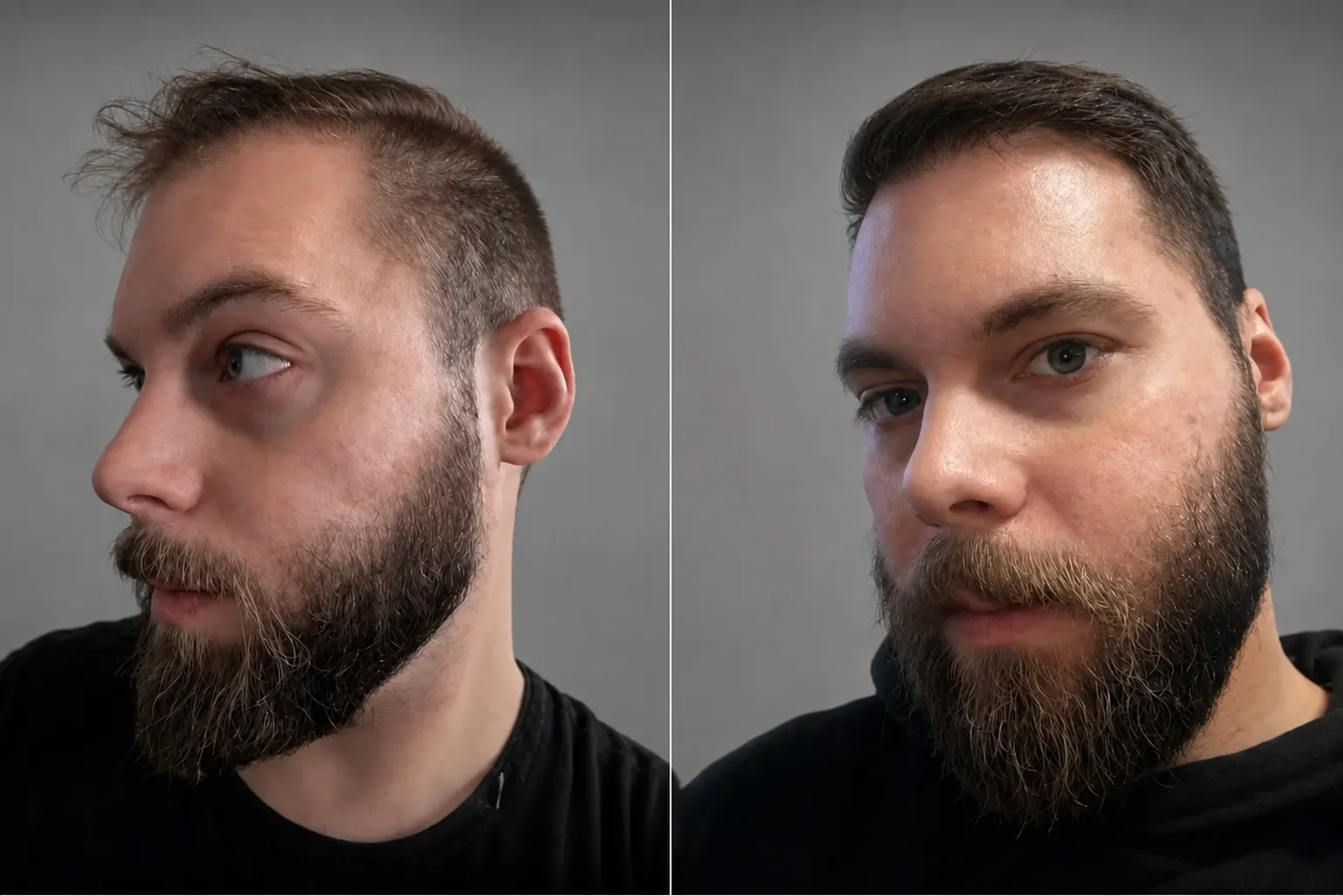
original
12 months by now
2,600 grafts
FUE method
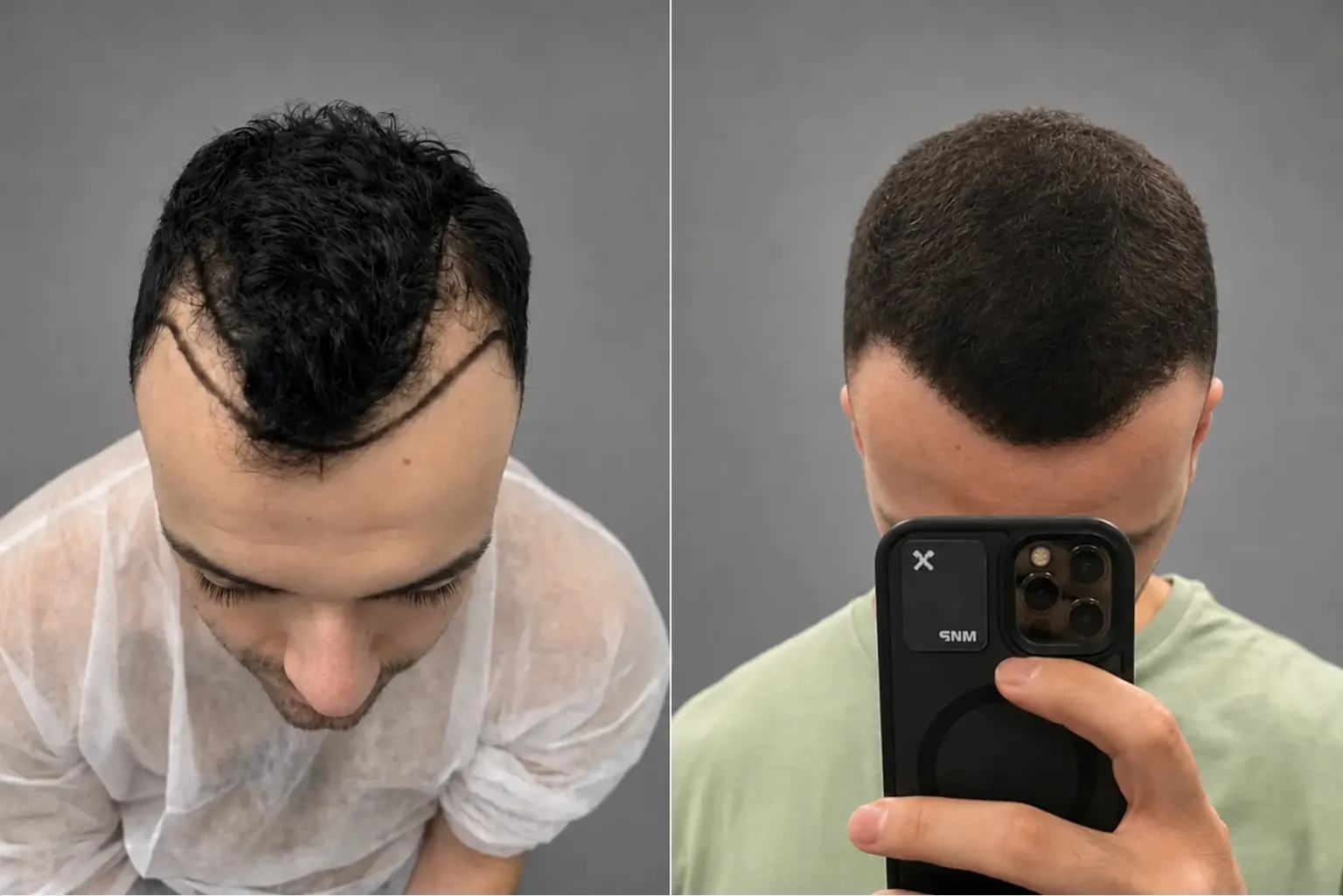
original
12 months by now
3,300 grafts
FUE method
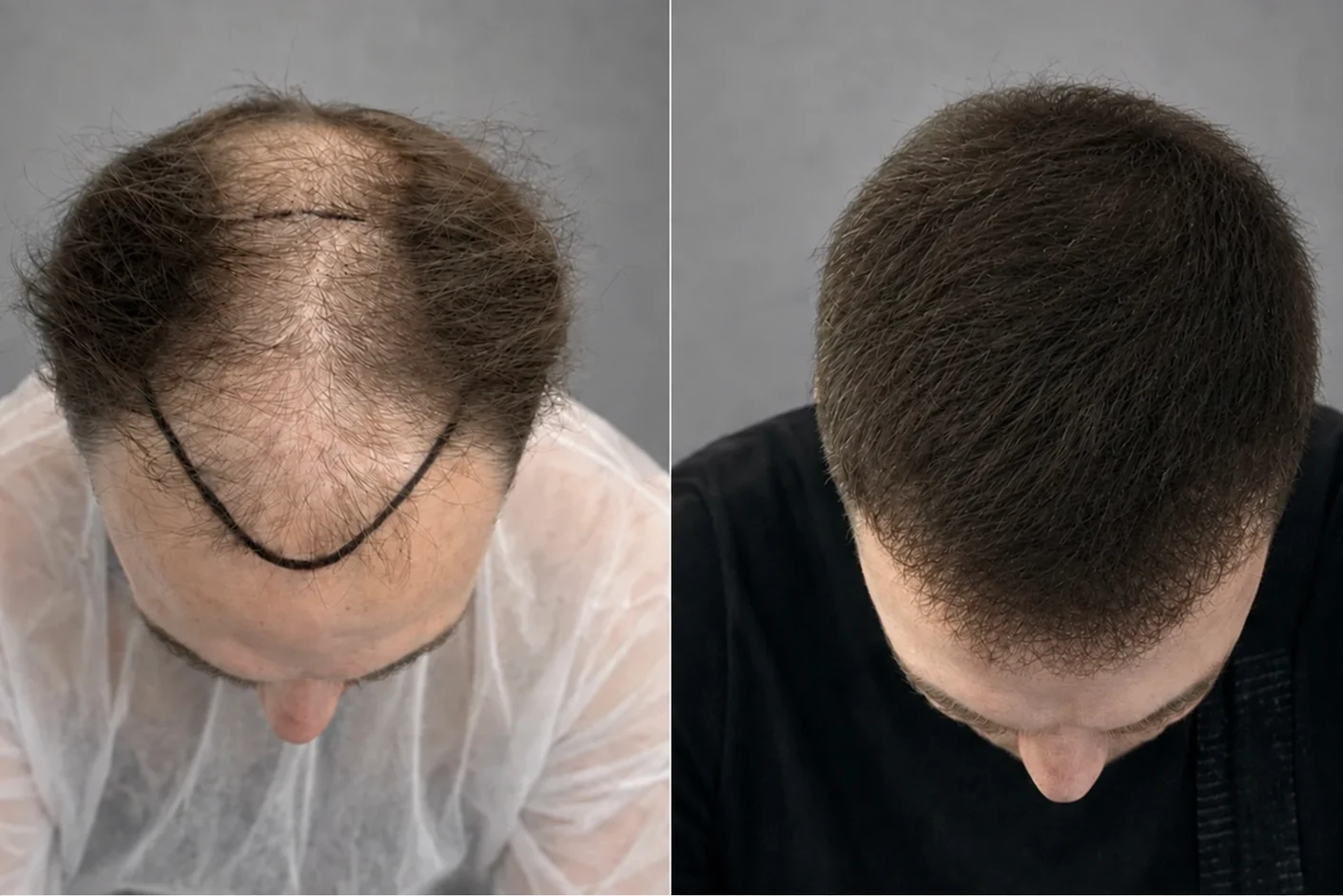
original
12 months by now
3,900 grafts
FUE method
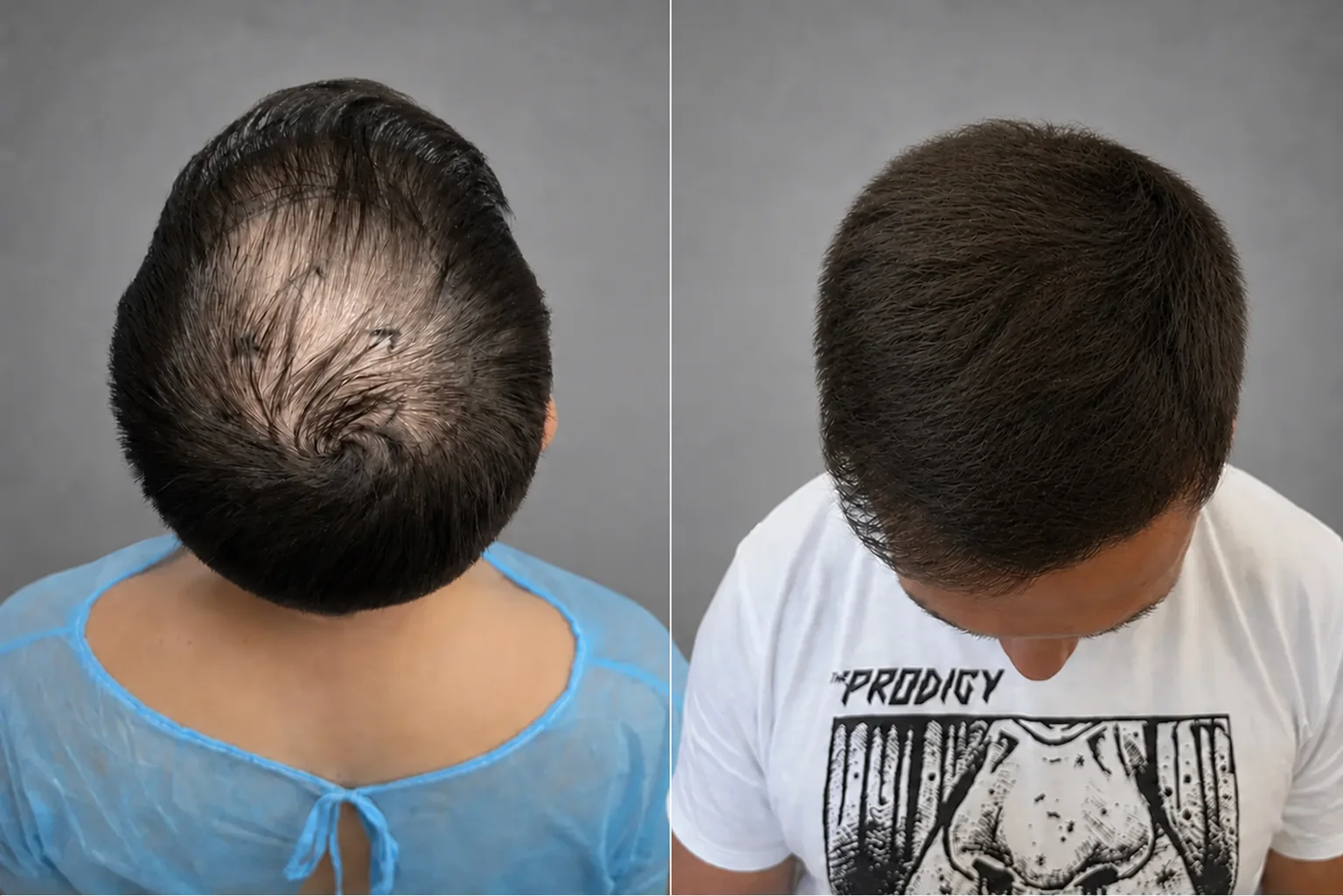
original
12 months by now
3,500 grafts
FUE method
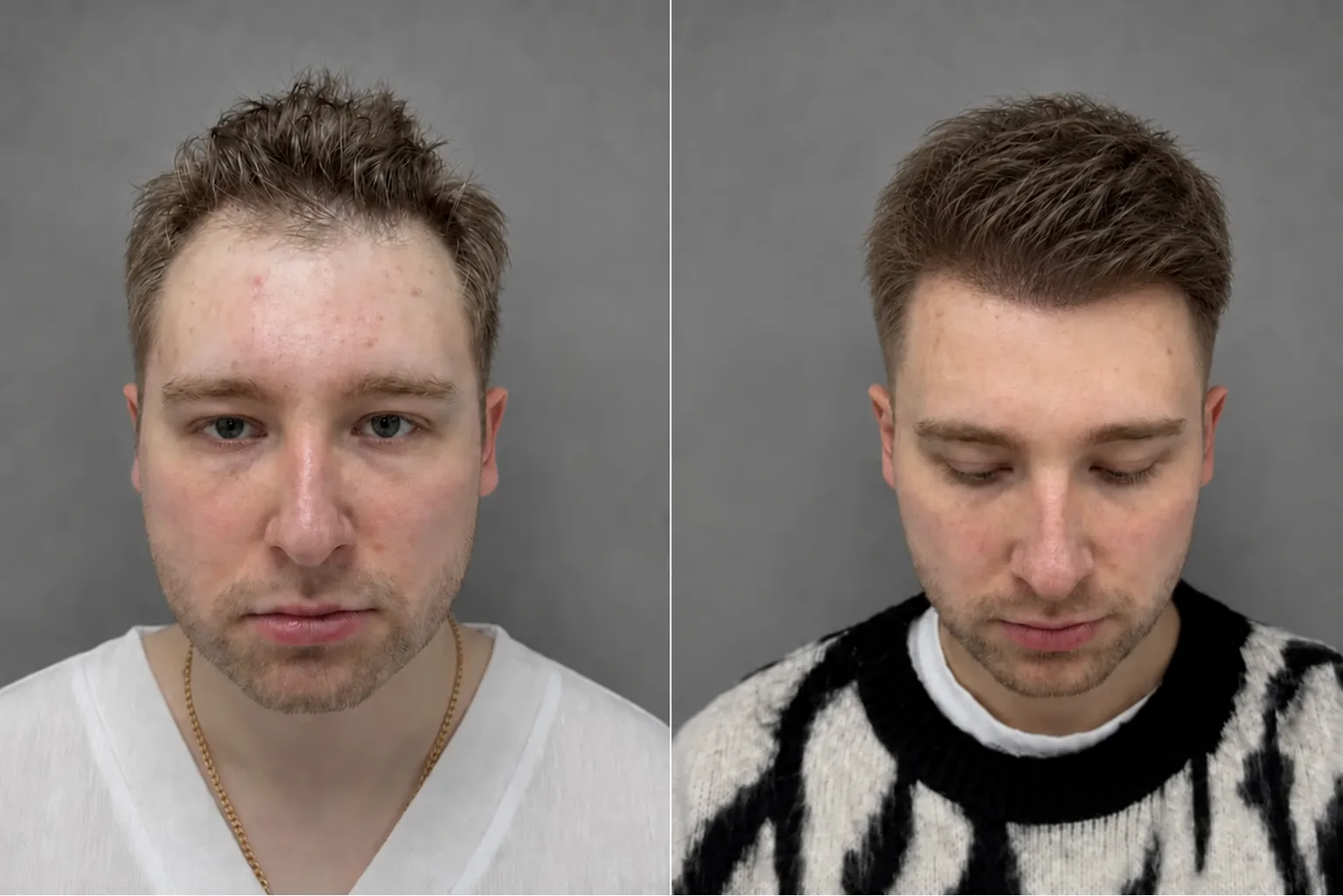
original
12 months by now
2,700 grafts
FUE method
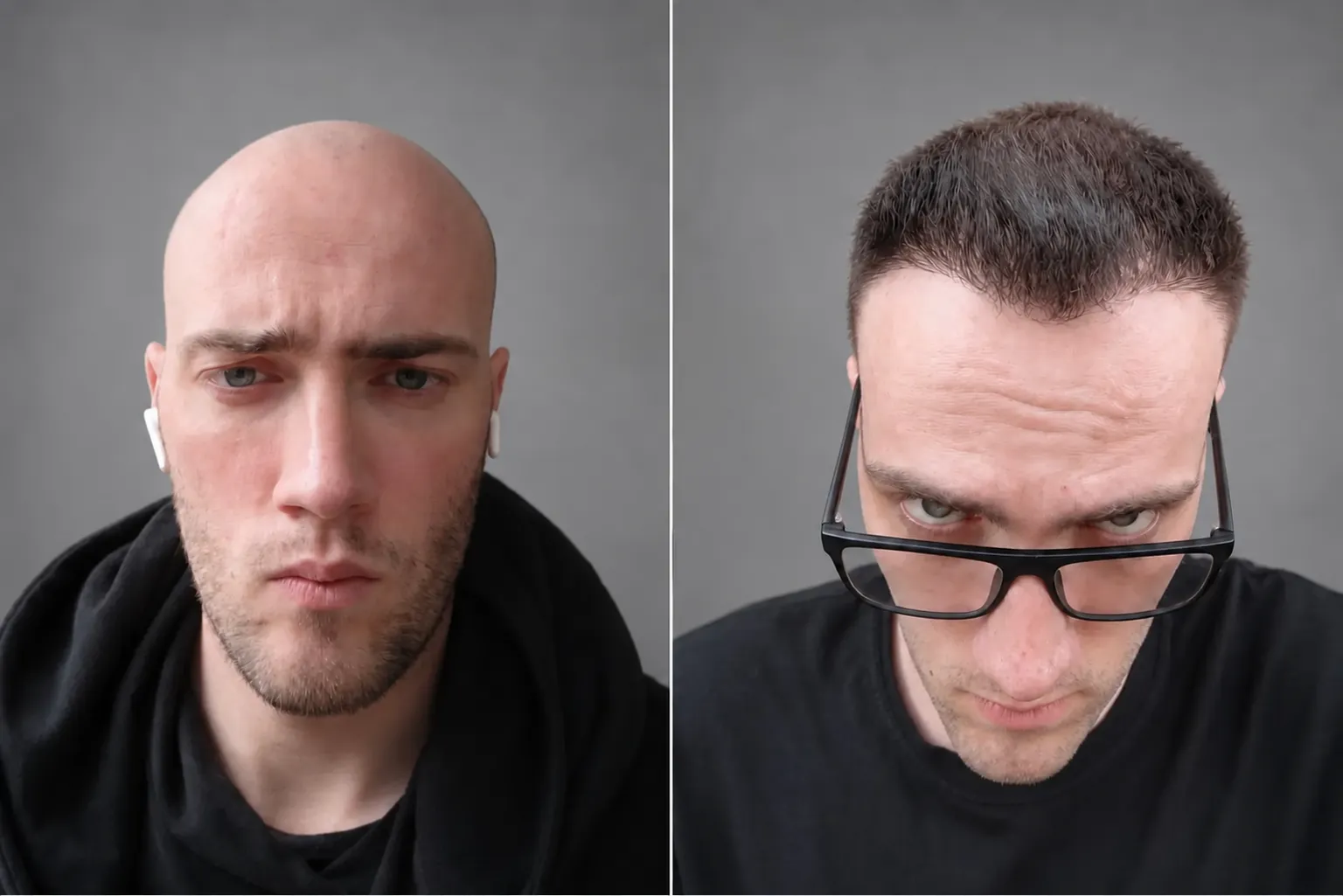
original
12 months by now
3,800 grafts
FUE method
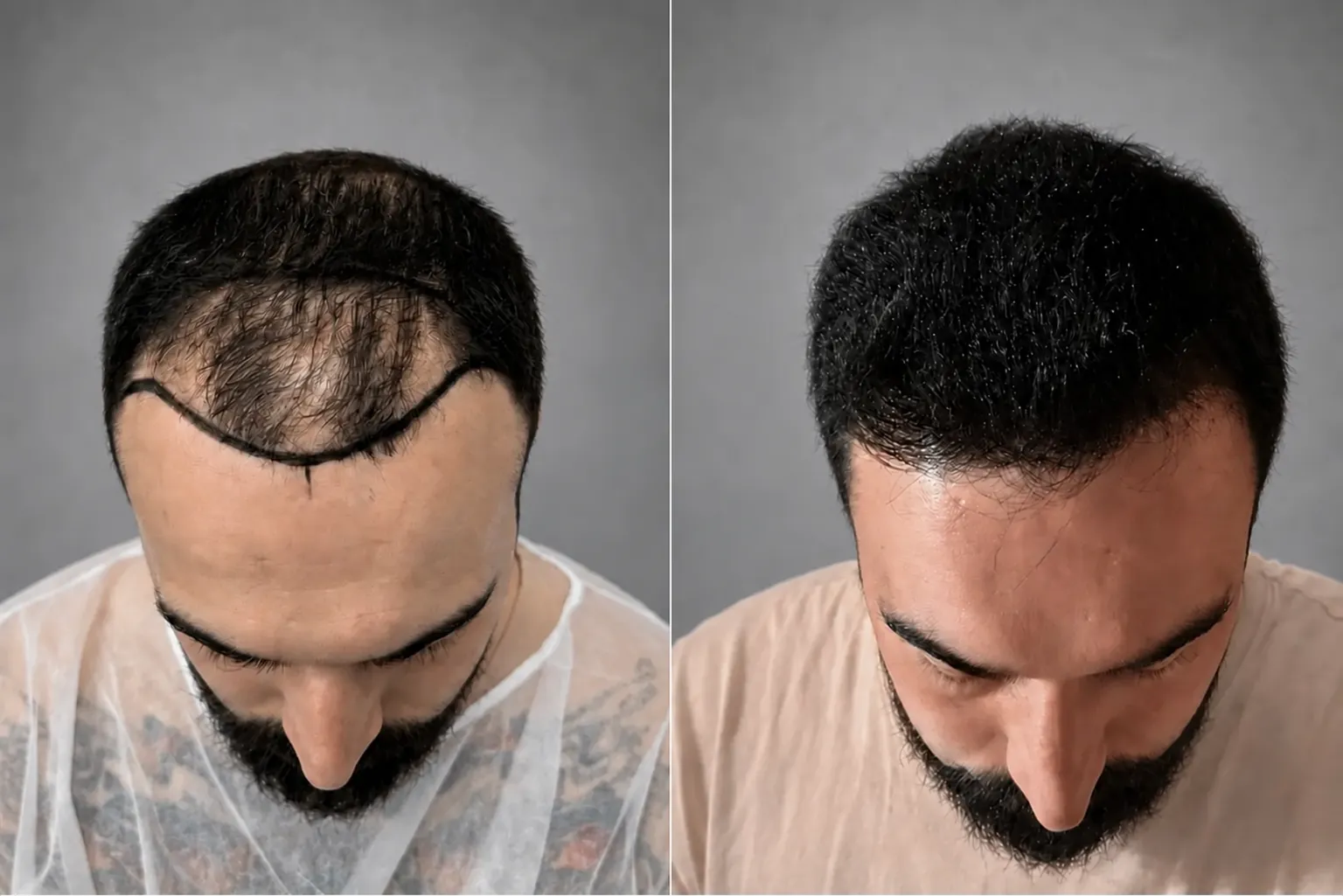
original
12 months by now
3,200 grafts
FUE method
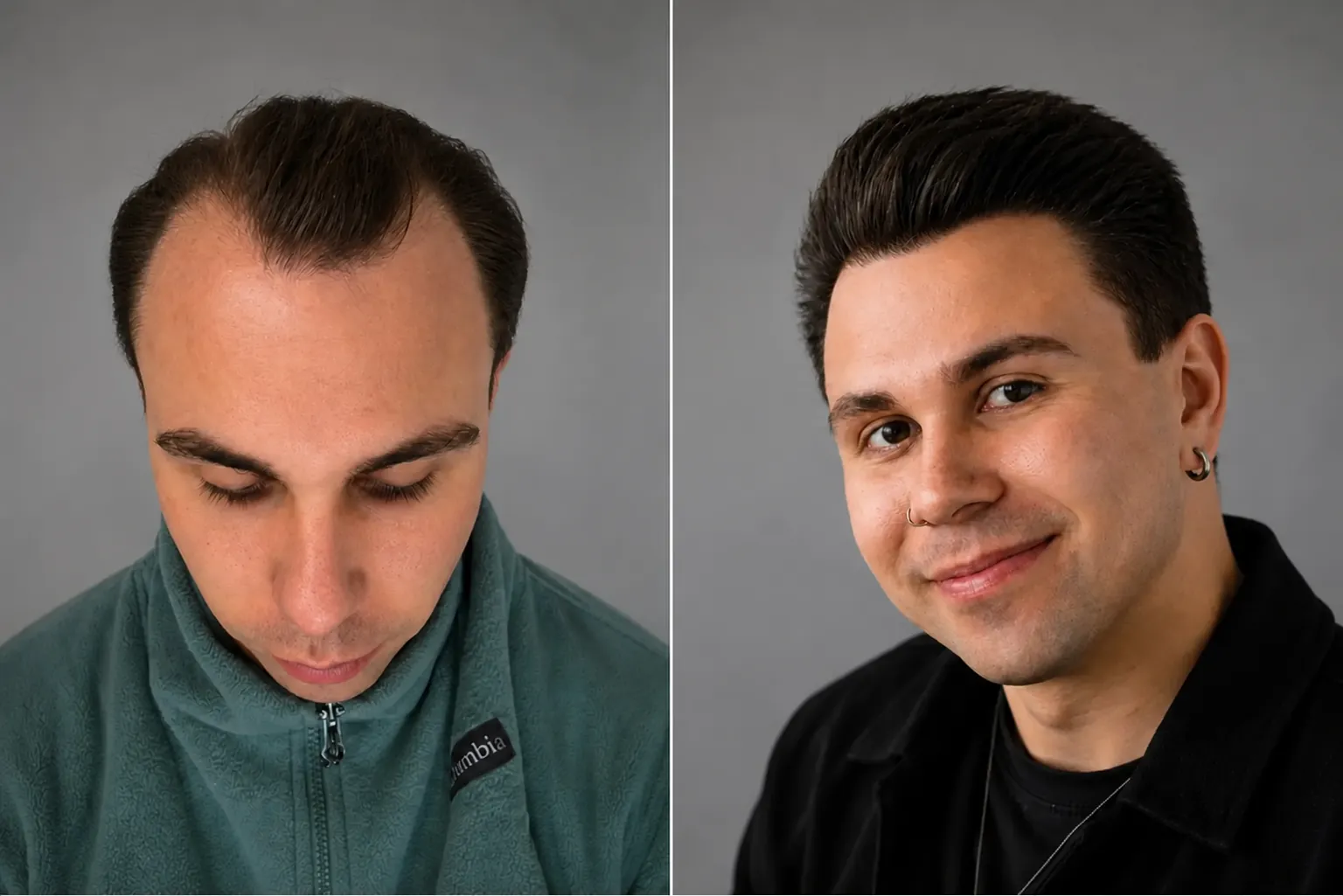
original
12 months by now
3,000 grafts
FUE method
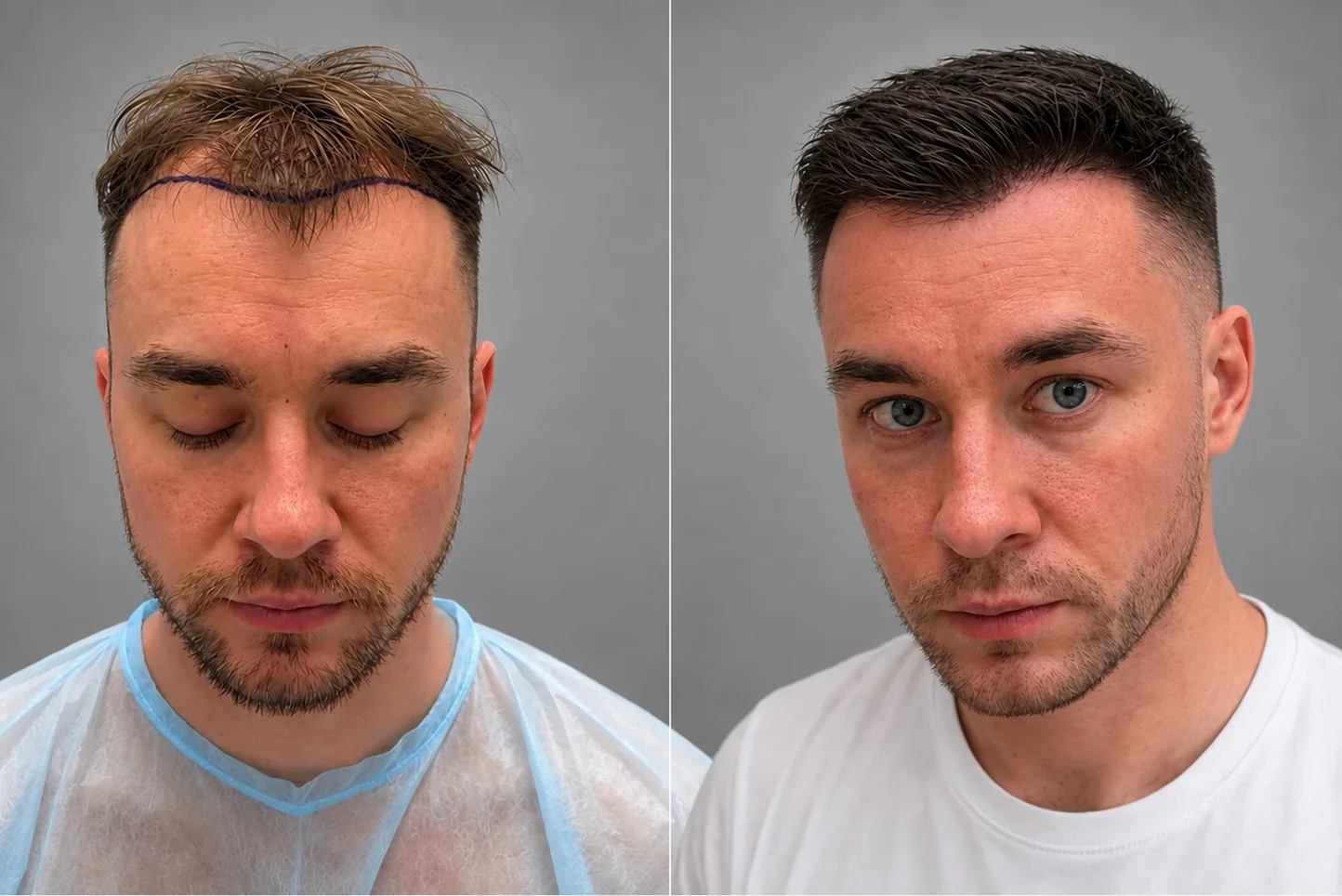
original
12 months by now
2,800 grafts
FUE method
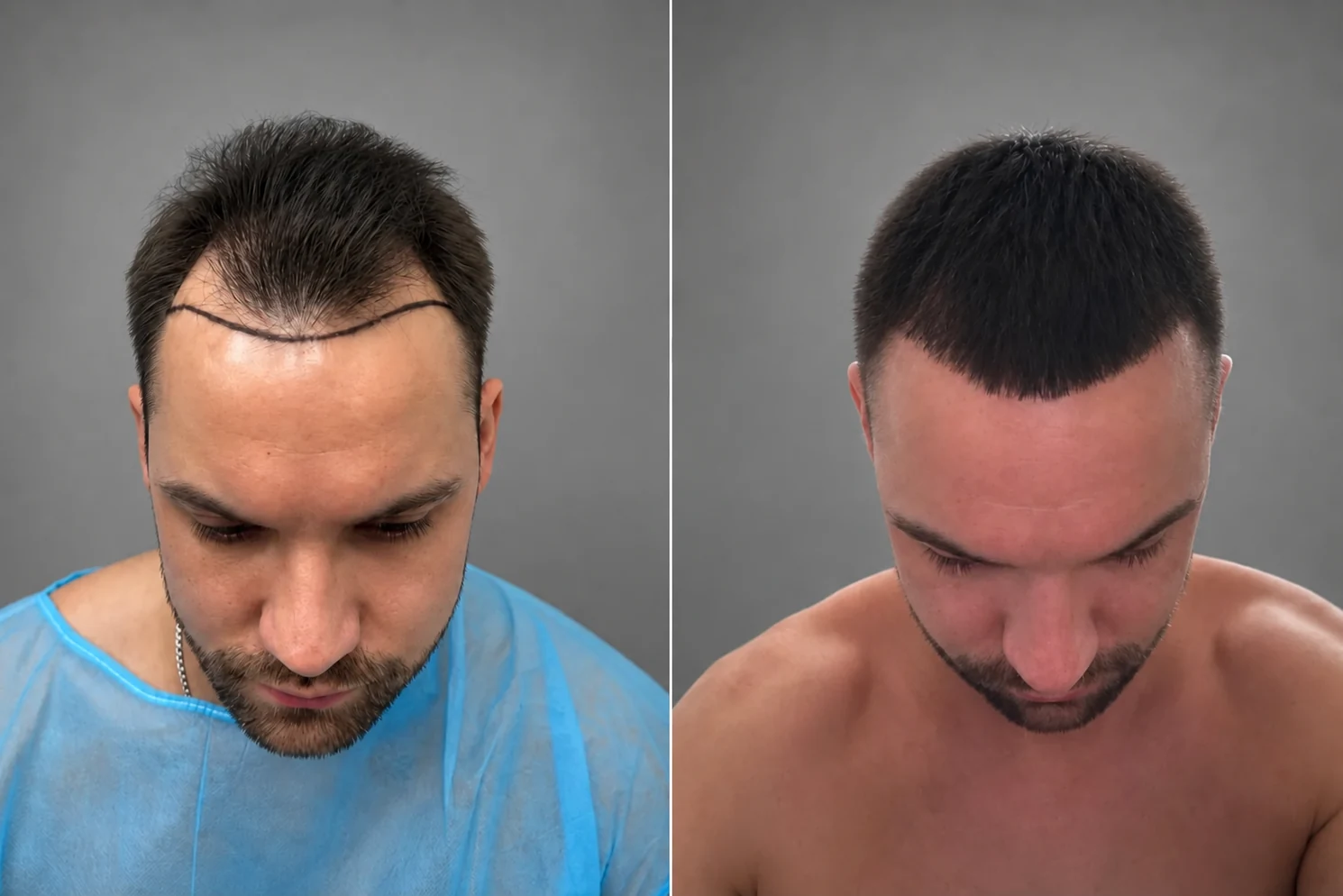
original
12 months by now
3,100 grafts
FUE method
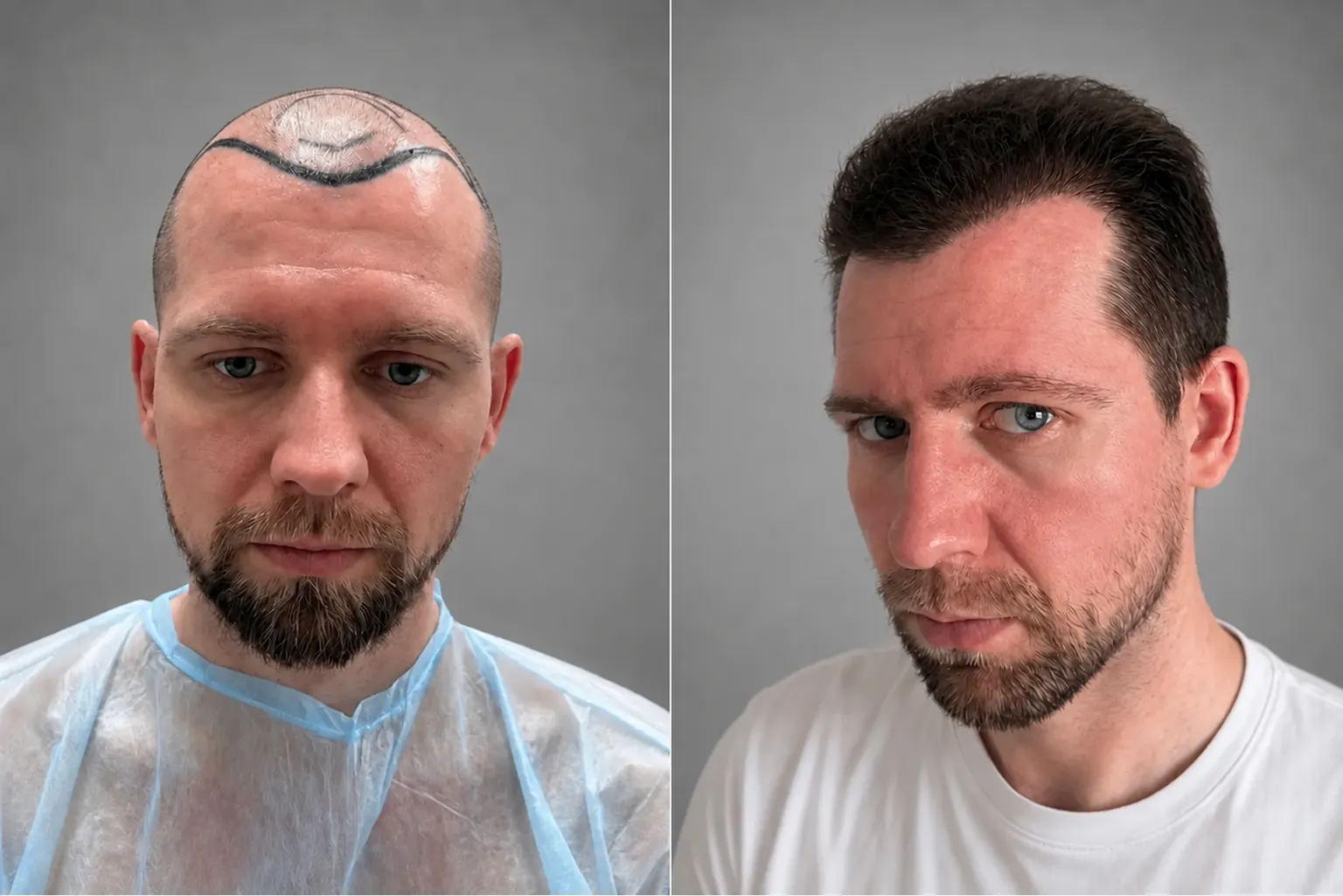
original
12 months by now
3,600 grafts
FUE method
Comparison
Three technologies transfer the grafts: classic FUE, suture-free DHI and a combined protocol. Study the implantation technique, the tissue trauma and the graft survival, and make an informed choice.
Classic technique without incisions or stitches
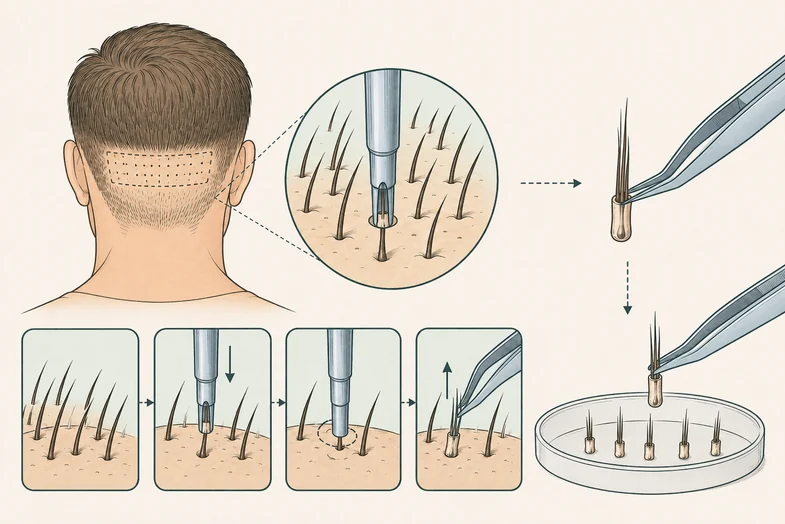
$2,200
$2,700
Graft implantation technique
ForcepsGraft trauma
MinimalHair's natural angle
NaturalGraft survival
98–100%Suitable for
Androgenetic alopeciaSuture-free implantation with a Choi pen
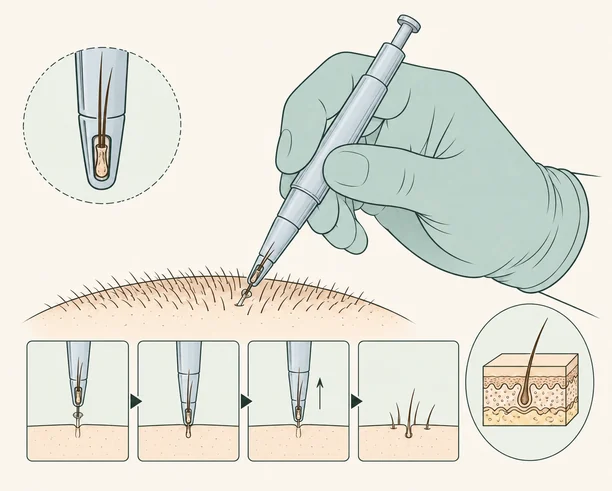
$2,500
$2,900
Graft implantation technique
DHI pen (Choi implanter)Graft trauma
MinimalHair's natural angle
NaturalGraft survival
98–100%Suitable for
DensificationFUE for extraction, DHI implant
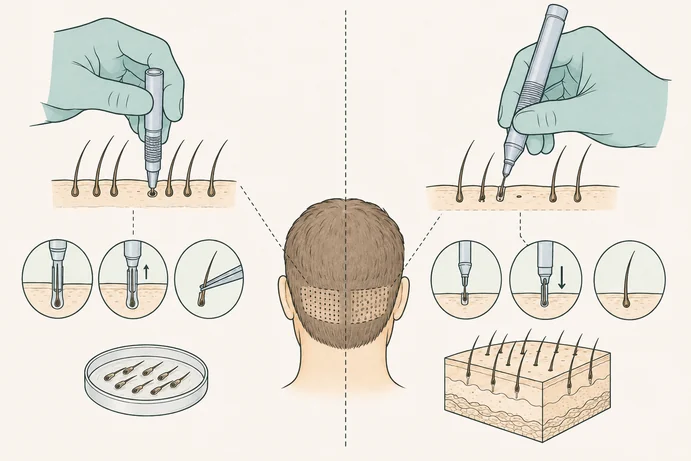
$2,700
$2,900
Graft implantation technique
FUE extraction with DHI implantGraft trauma
MinimalHair's natural angle
NaturalGraft survival
98–100%Suitable for
Androgenetic alopecia and densificationSurvival and trauma data are averaged by method and offered as a guide: the exact numbers depend on the transplant area and on the patient's individual features, which the doctor clarifies at the consultation.
Have a consultation
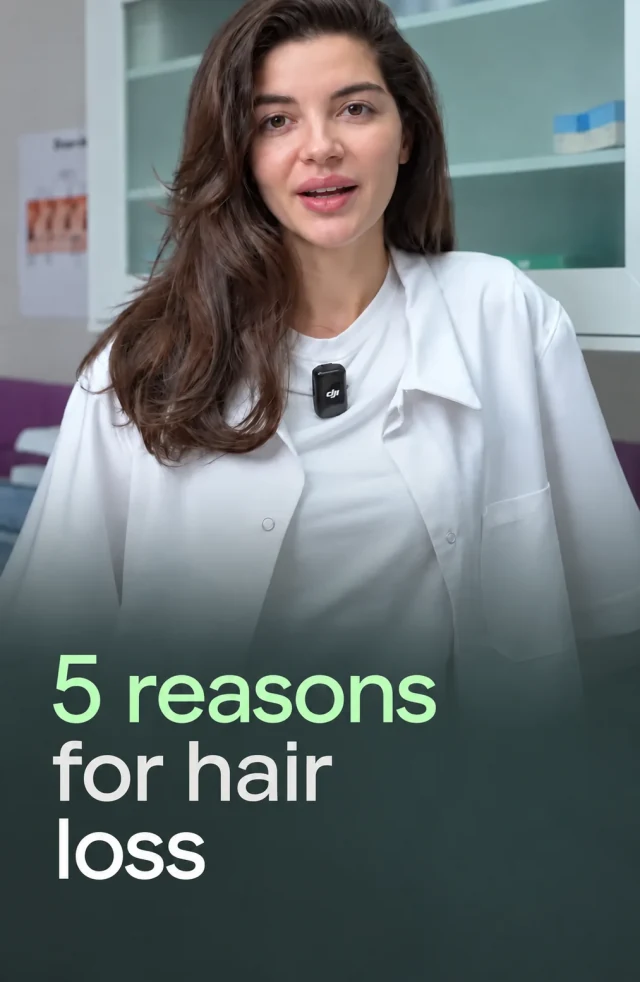
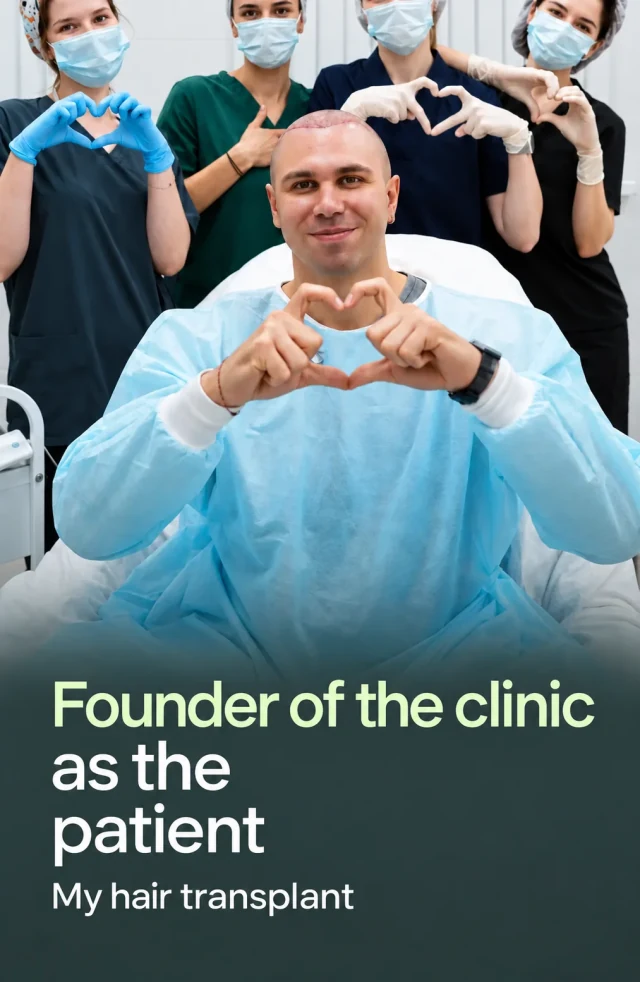
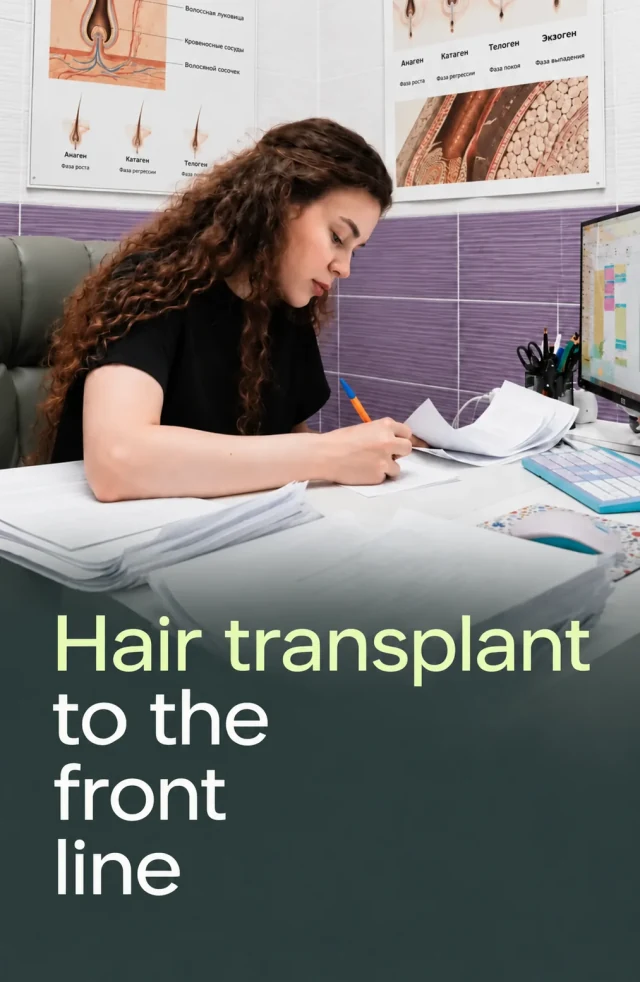
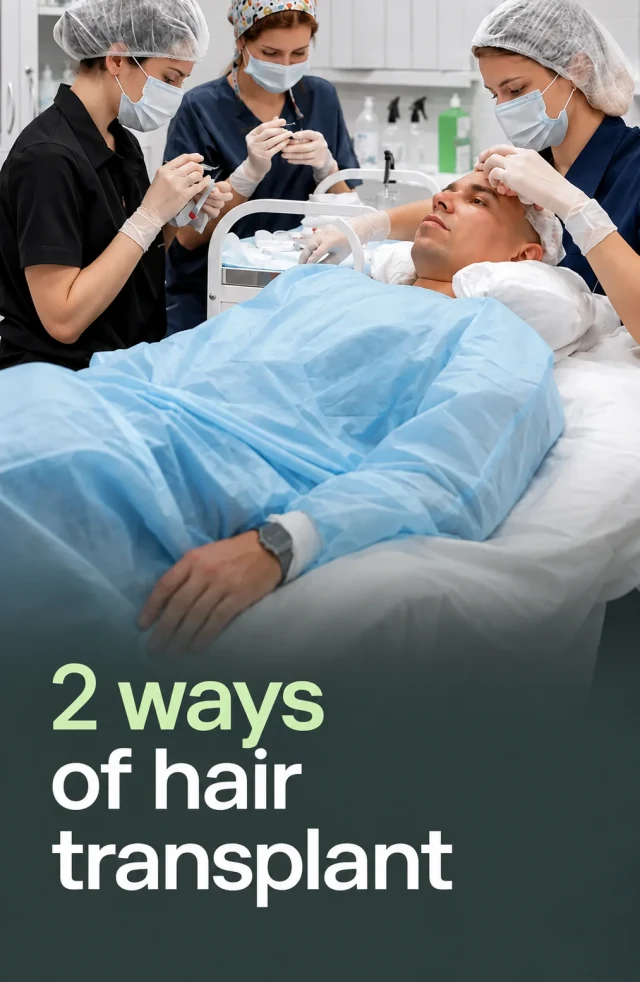


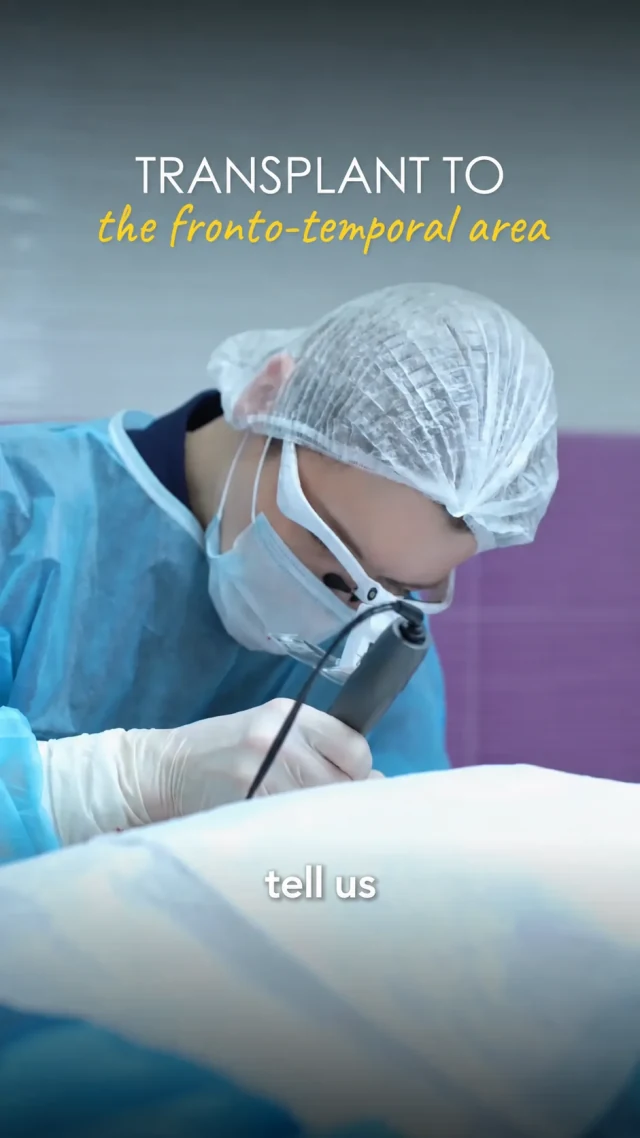

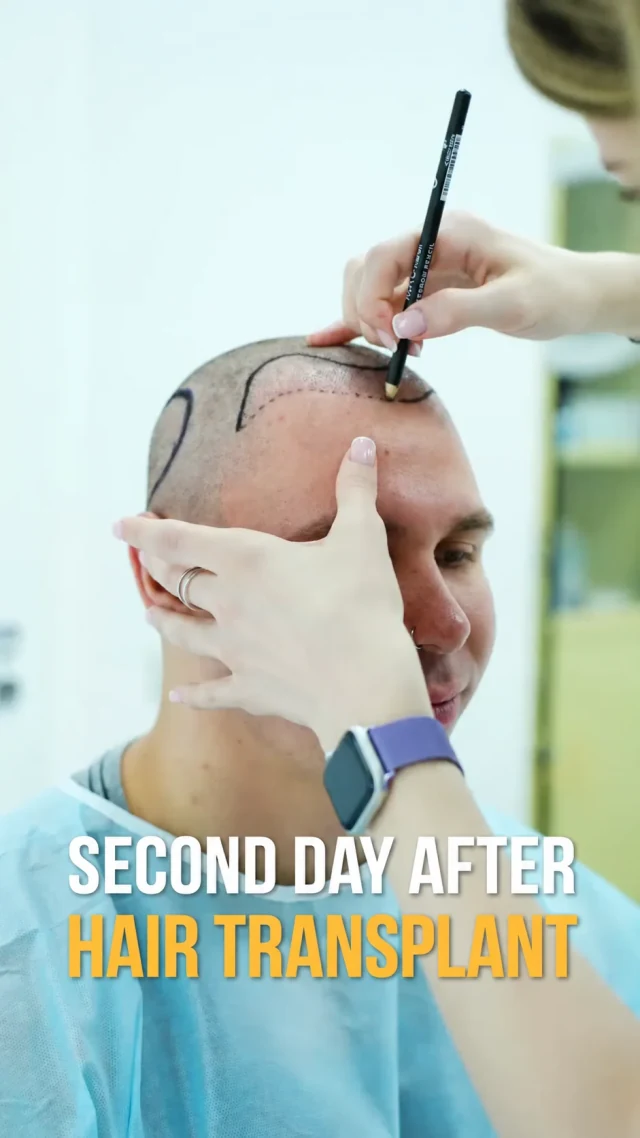
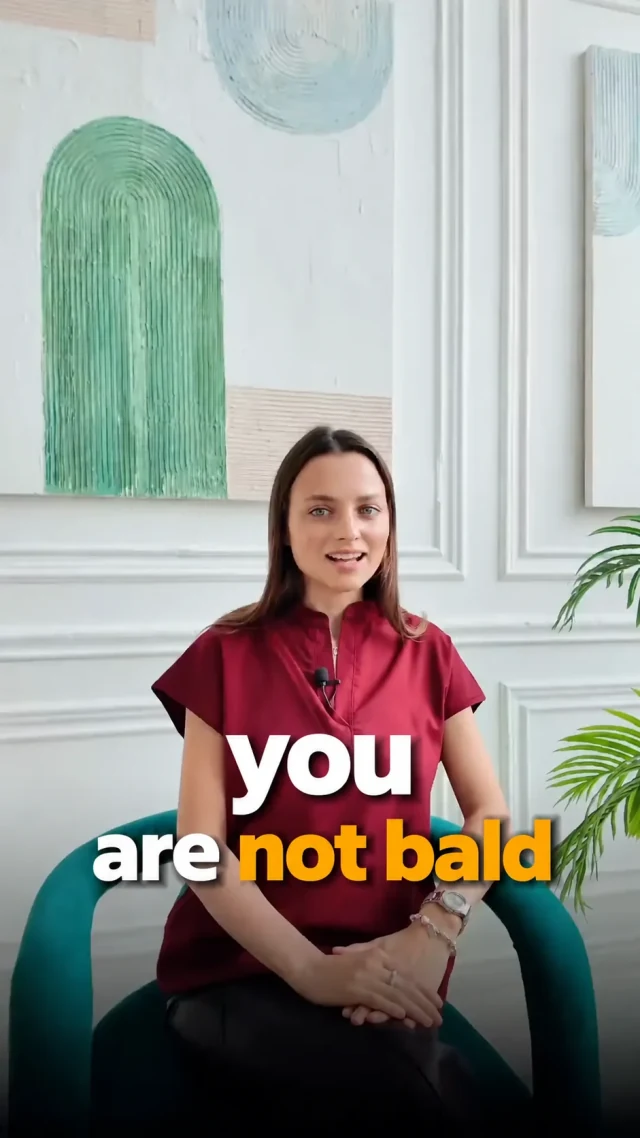
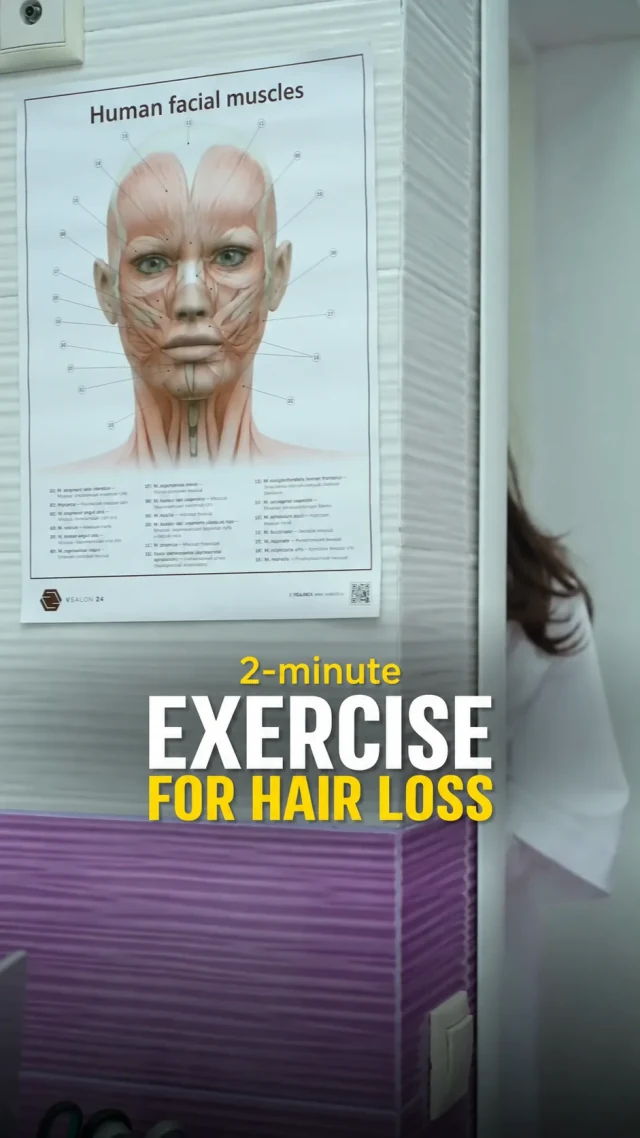
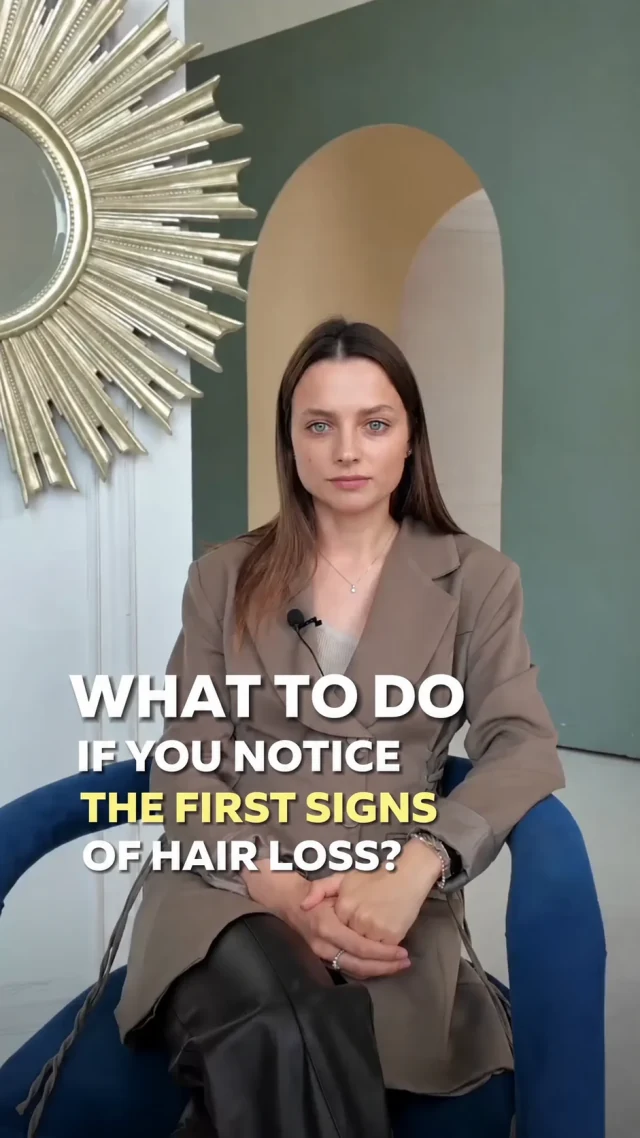
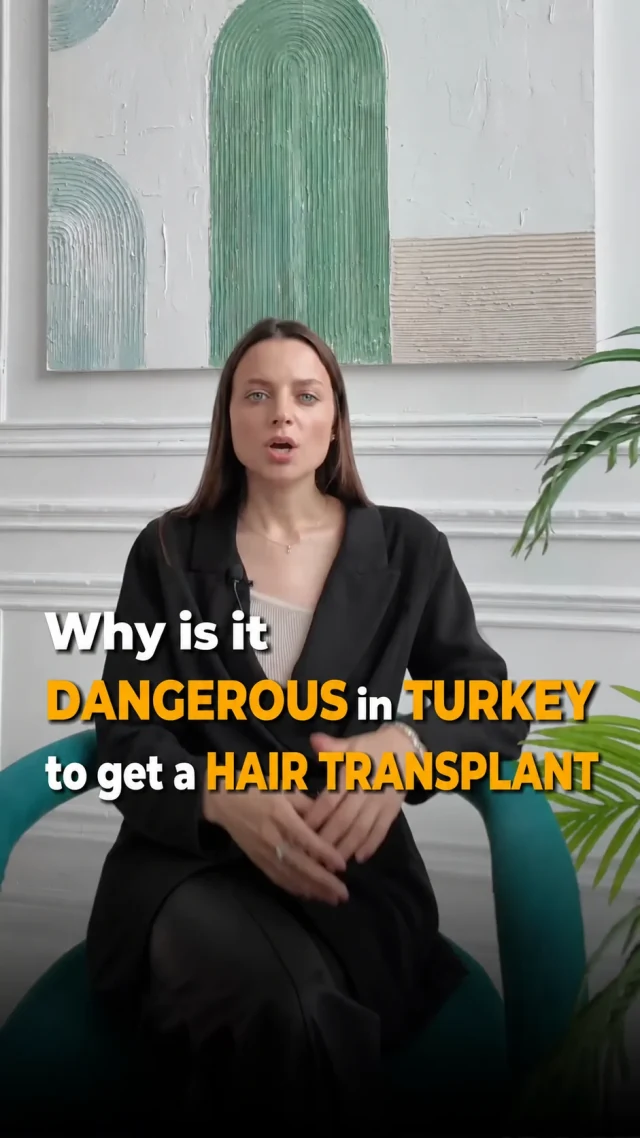
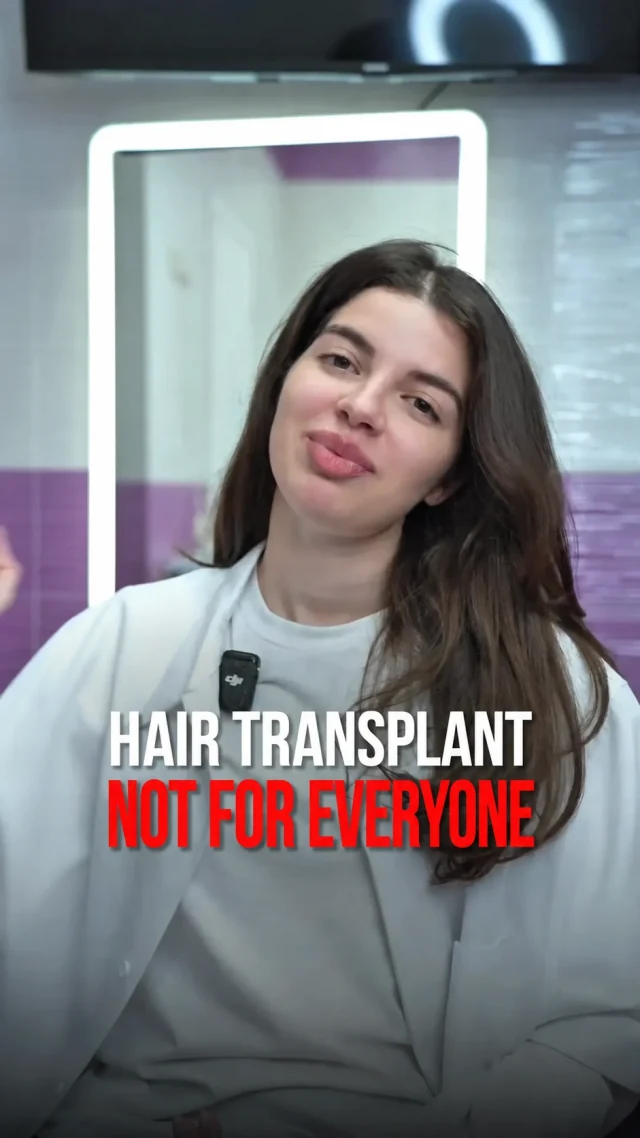
about the clinic
Attentive care, quality equipment and rooms that feel comfortable
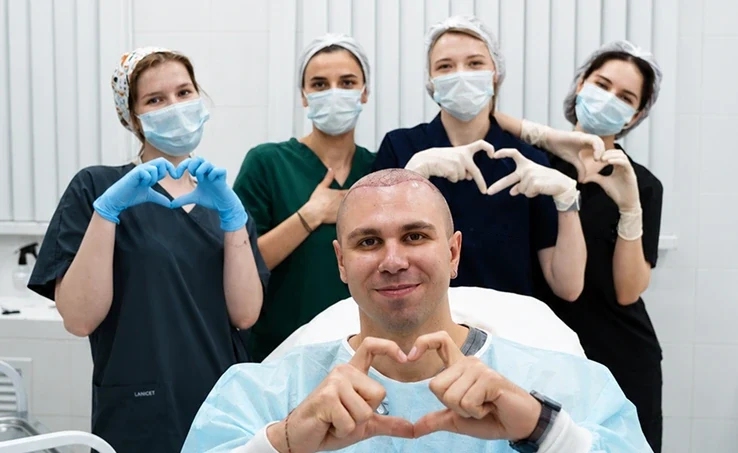
Nothing is left unclear, and the consultation is arranged for a suitable hour
Message us on Telegram Send an enquiryIf your case can be solved without surgery, the doctor will say so right at the consultation — and you will not waste your money. Below are the conditions in which a transplant really works.
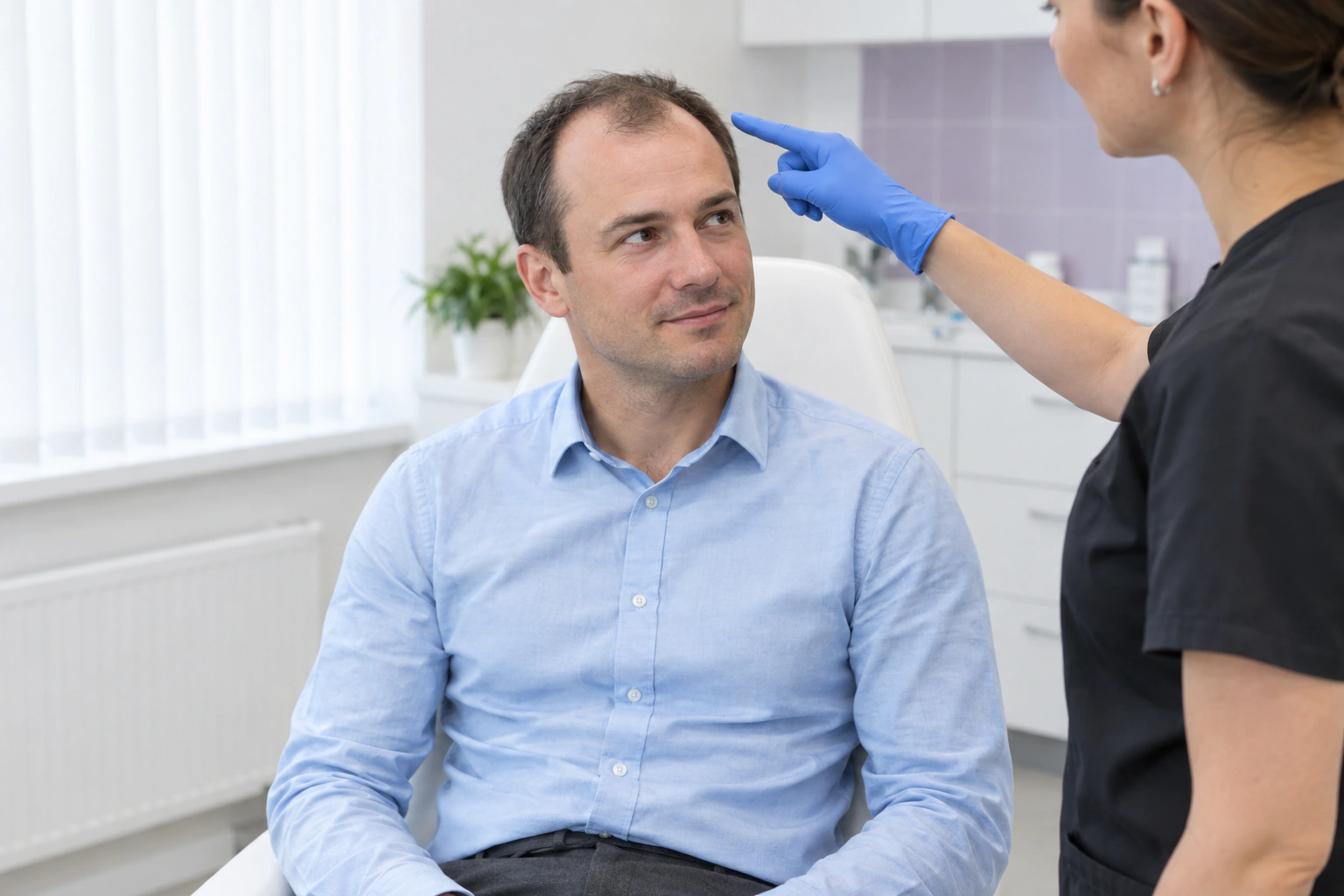
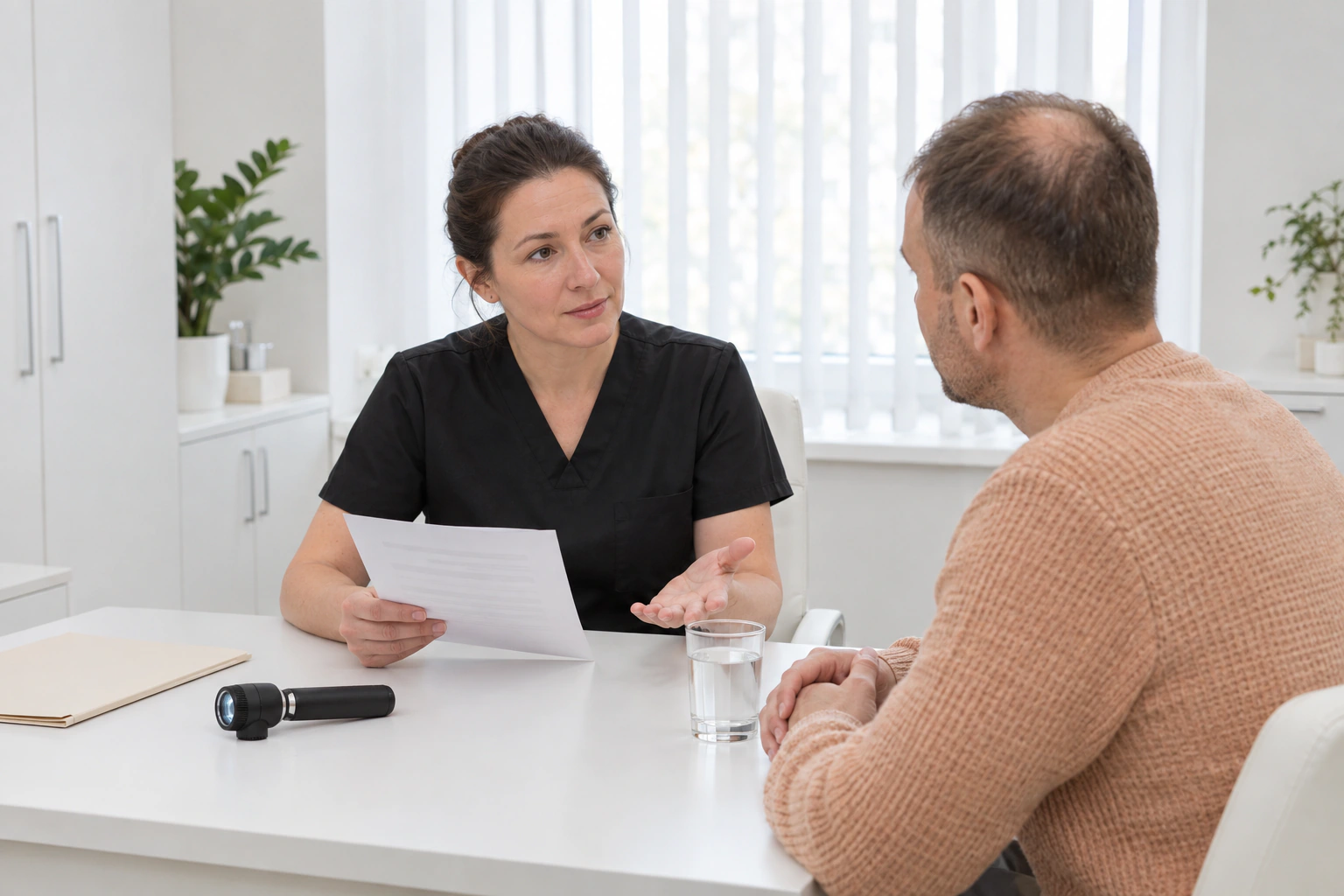
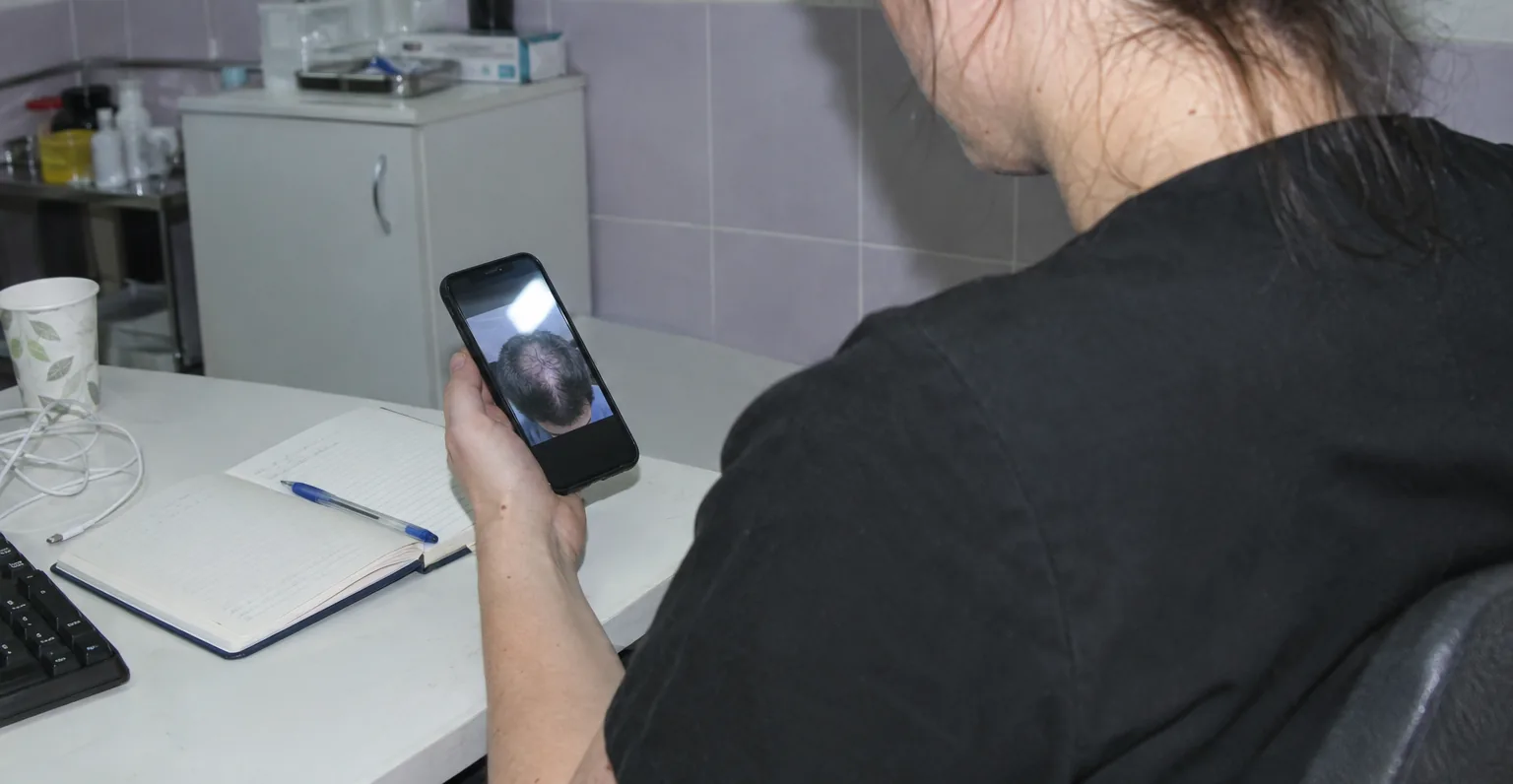
Leave a way to reach you. A coordinator asks for photos of the thinning area in a messenger, then a doctor answers whether a transplant would help you. No charge, no booking made.
services
No figure is named until the grafts have been counted; this happens at the free consultation and is recorded in the contract.
suture-free graft extraction
$2,200$2,700
or $367/mo — 0% instalments for 6 months
Freeze your quoteimplantation without channels
$2,500$2,900
or $417/mo — 0% instalments for 6 months
Freeze your quotecombined technique
$2,700$2,900
or $450/mo — 0% instalments for 6 months
Freeze your quote| The first appointment | Free |
|---|---|
| Eyebrow transplant, FUE | |
| Beard transplant, FUEinstalments $467/mo | |
| Hair trichopigmentation | |
| PRP therapy / session | $200 |
all included
We see it through: pre-op planning and 12 months of care.
No extra charges appear on the day of surgery.
two extra zones
Not only on the scalp: the same grafts from the back of the head, the same FUE method — only the area changes.
FUE method, free of cuts or stitches
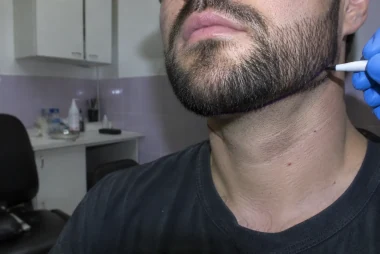
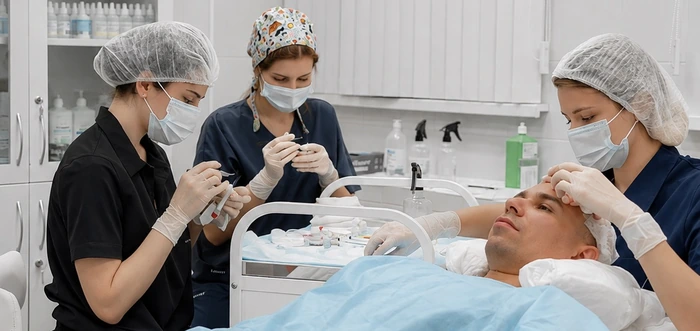
Grafts are taken from the donor area at the back of the head and moved through micro-punctures of about 1 mm — no scars are left. The doctor and you choose the shape before the operation, taking your facial features into account. Transplanted hair grows for life, and the beard can be trimmed and styled as usual.
$2,800$3,000
or $467/mo — 0% instalments for 6 months
Freeze your quoteFUE method, free of cuts or stitches
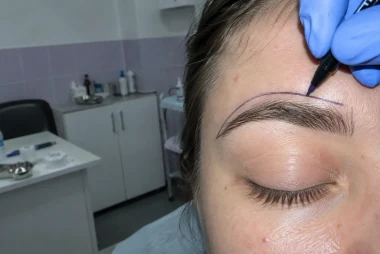
The surgeon sketches the eyebrow shape during the initial consultation: you look through references together and the design follows your facial features. The hairs go in at the right angle, so the eyebrows look natural. It also helps where hairs have stopped growing after years of plucking.
$1,600$1,700
a same-day procedure with the scalp area numbed
Freeze your quoteThe donor zone is looked at, the grafts are added up and a realistic result is spelled out. At that consultation you also learn the cost, which the contract then fixes.
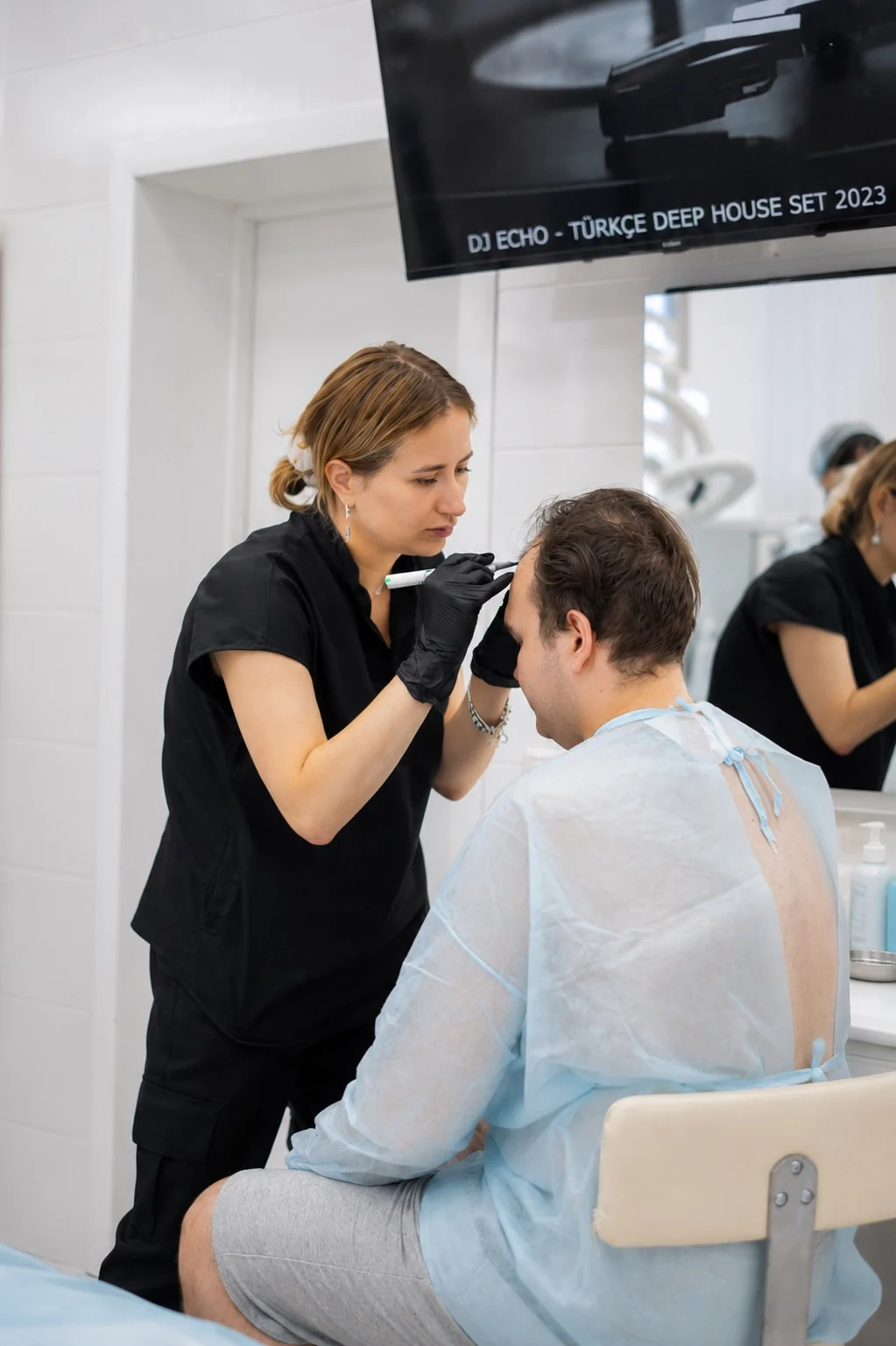
Message our coordinator
Free online consultation · Reply within 15 minutes
Message us on TelegramMessage us on WhatsAppBy messaging us, you agree to our Privacy Policy
Process
From consultation to going home — all in one day
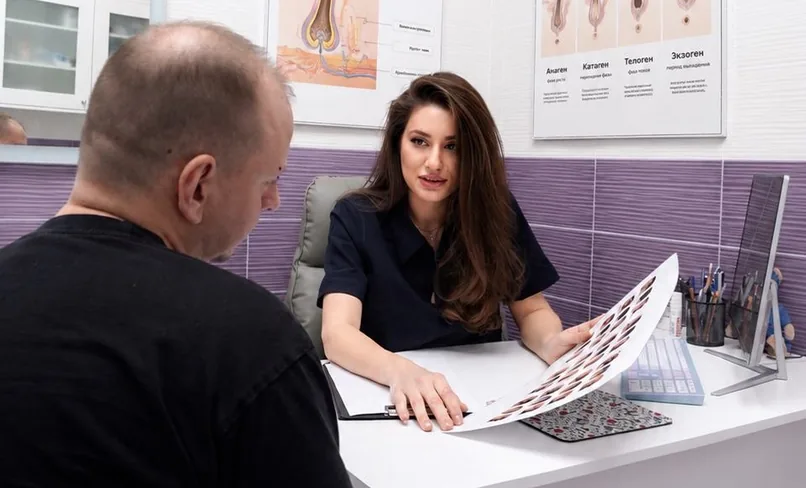
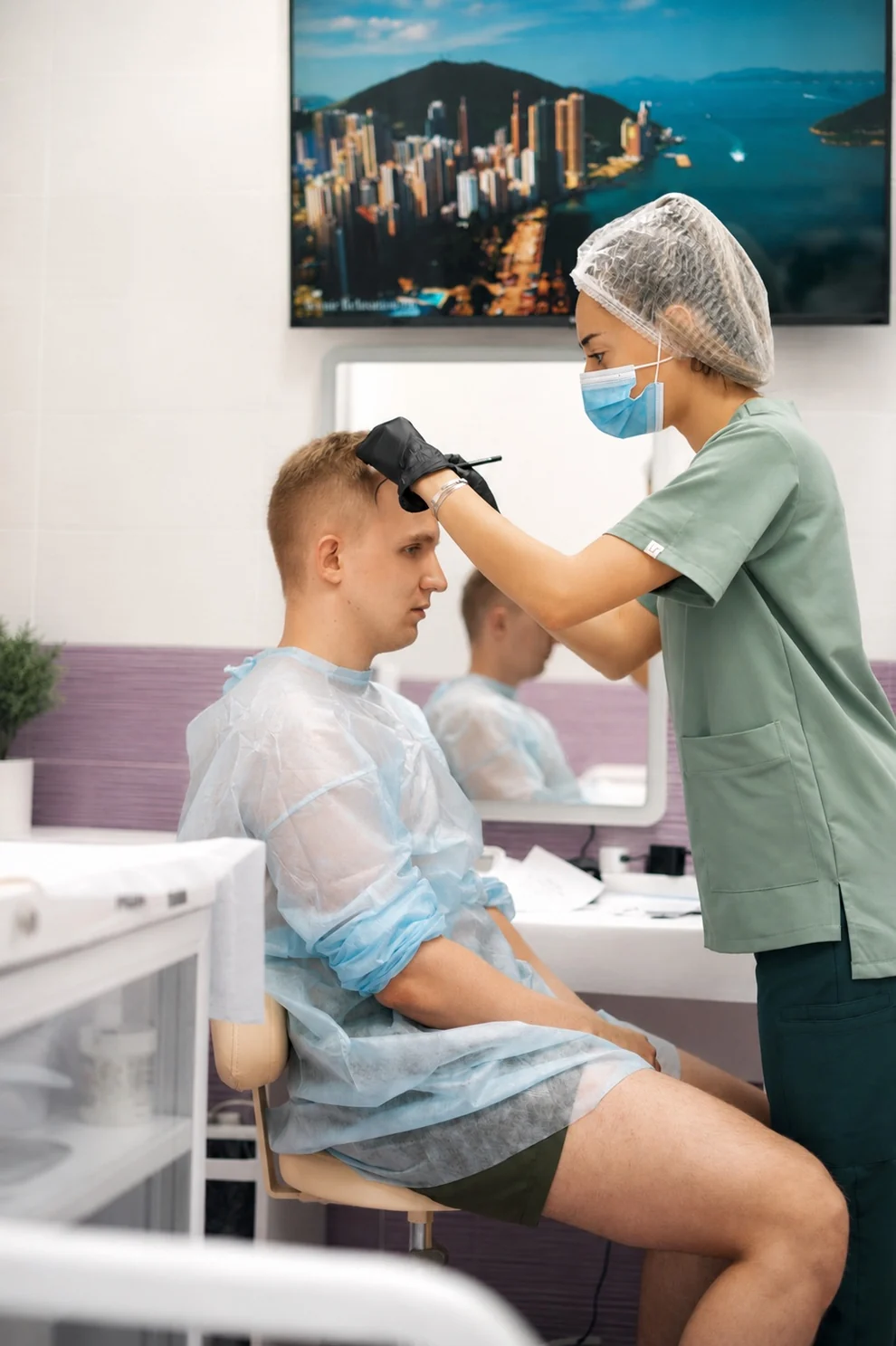
At the very first step, the doctor explains FUE and DHI free of charge, answers whatever questions you bring, and prepares a surgical plan designed around you.

Patients in Samawah can reserve their surgery date with a deposit paid by card at the clinic or online, formalized through a medical services contract.
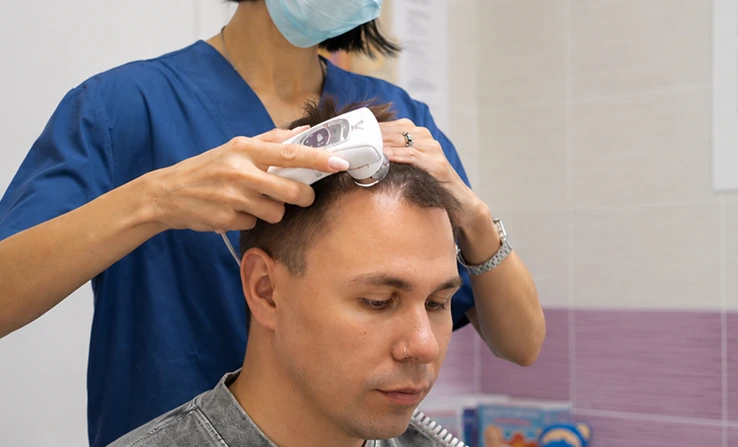
You are given the full set of test requirements by the clinic, with directions attached, so preparation is straightforward.
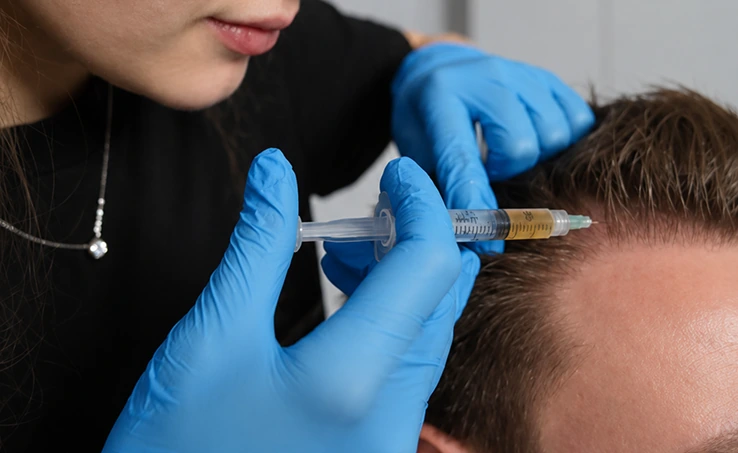
A local anaesthetic handles the sensation, leaving the operation free of pain.
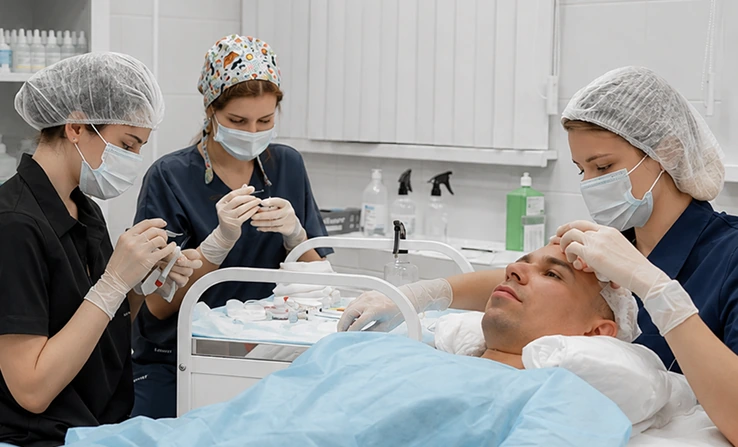
The surgeon collects grafts from the donor zone, back of the head or temples, without leaving stitches.
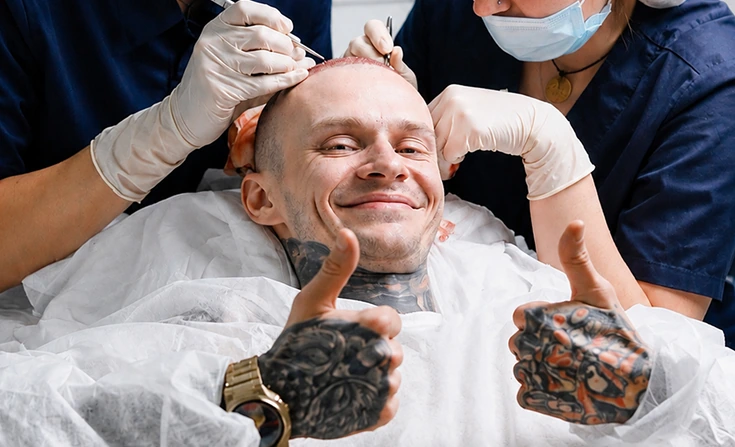
Grafts collected from the donor zone are set into the area of baldness.
This final step covers recovery, with the clinic giving you everything required and detailed instructions to speed healing.
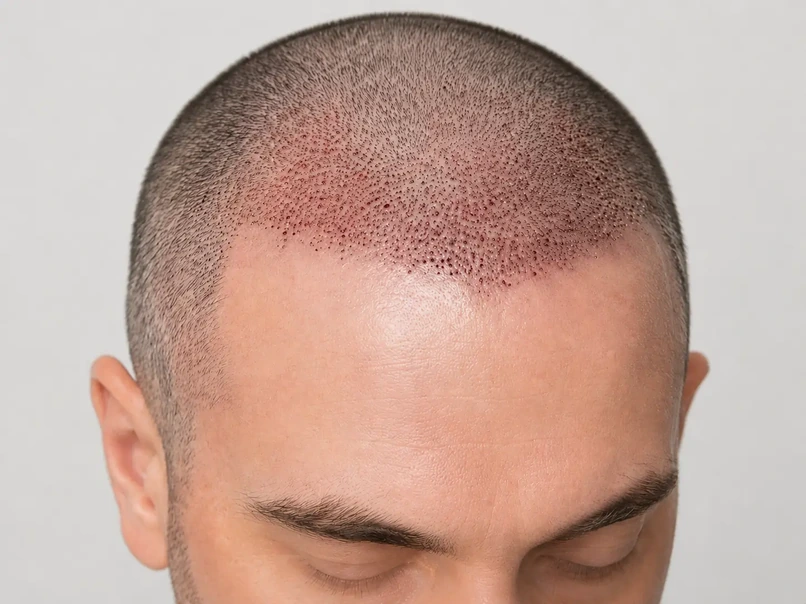
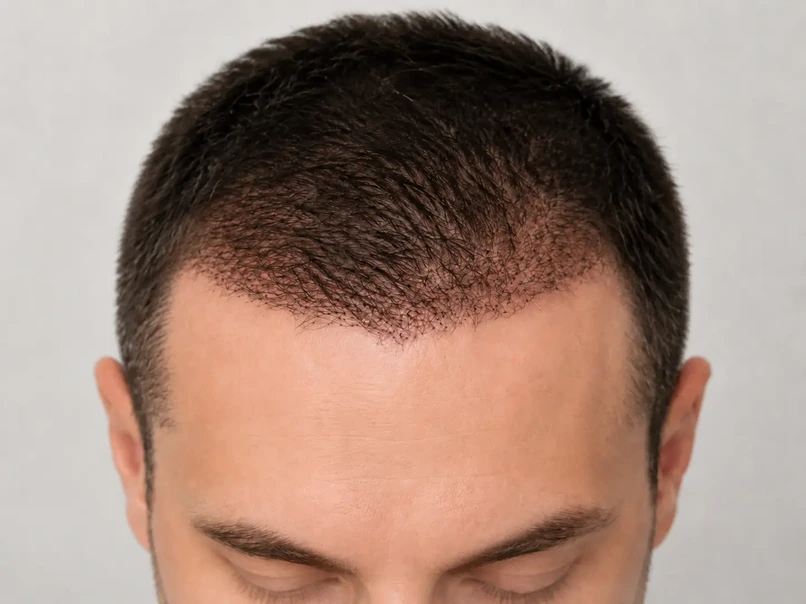
The crusts are gone, the swelling goes down, the area recovers
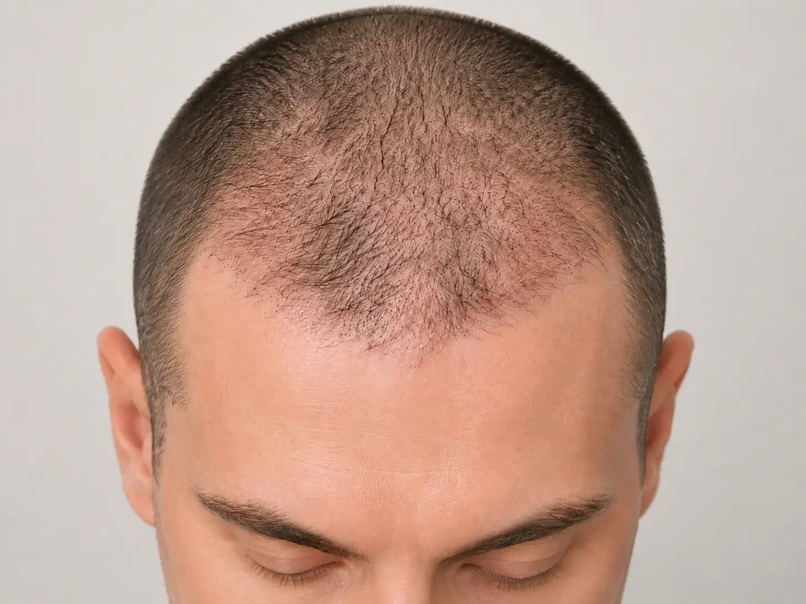
Normal stage. Only the hairs fall out, the follicles remain in place
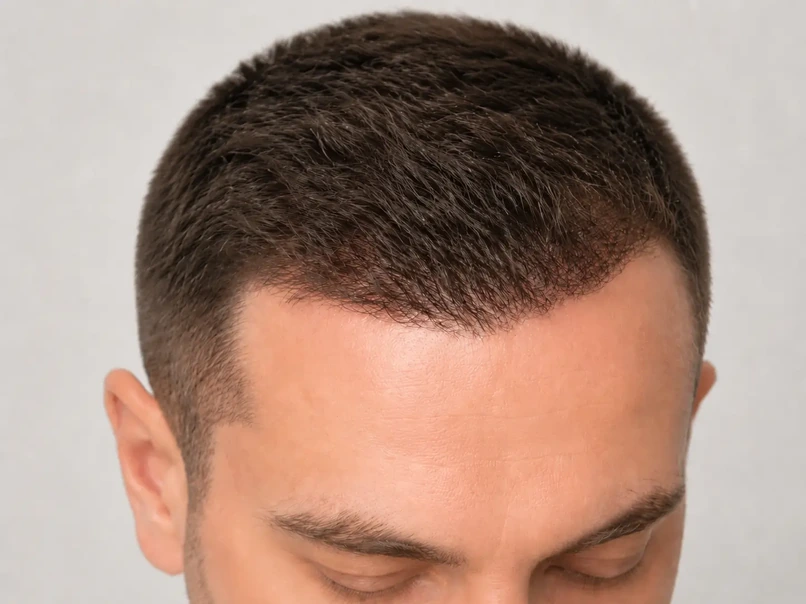
The new hairs appear gradually and the result shows
The hair becomes thicker, the main volume and shape are visible
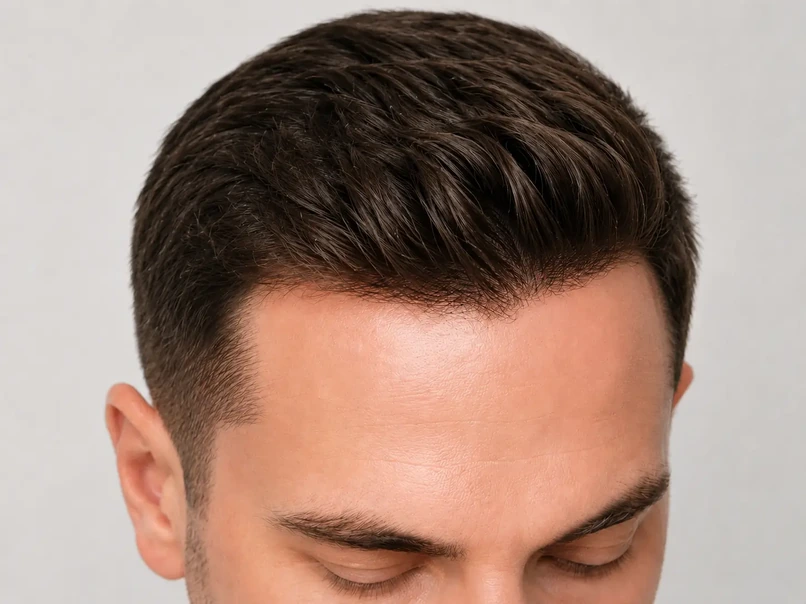
The density is final and the hairline natural
Free, ahead of surgery, with no commitment.
Have a consultationdoctors
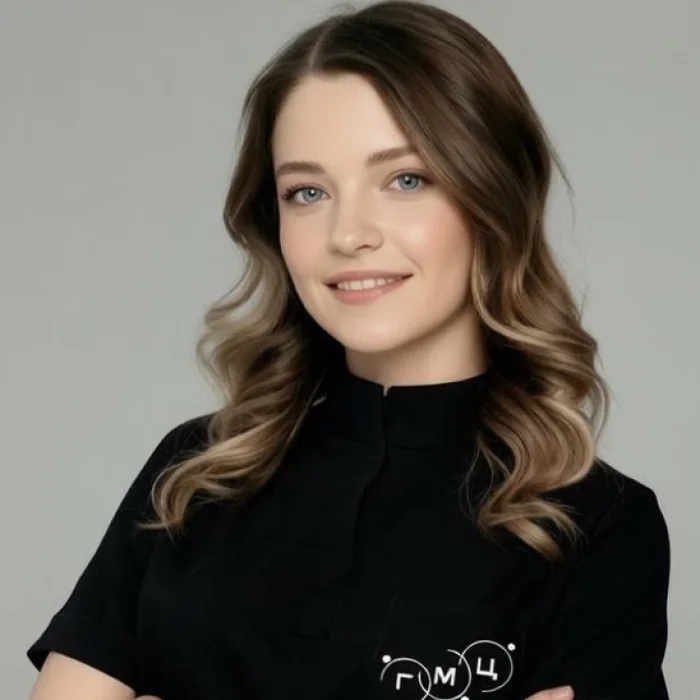
Hair transplant doctor, trichologist, surgeon
10 years of experience

Dermatovenereologist, trichologist, surgeon
11 years in practice
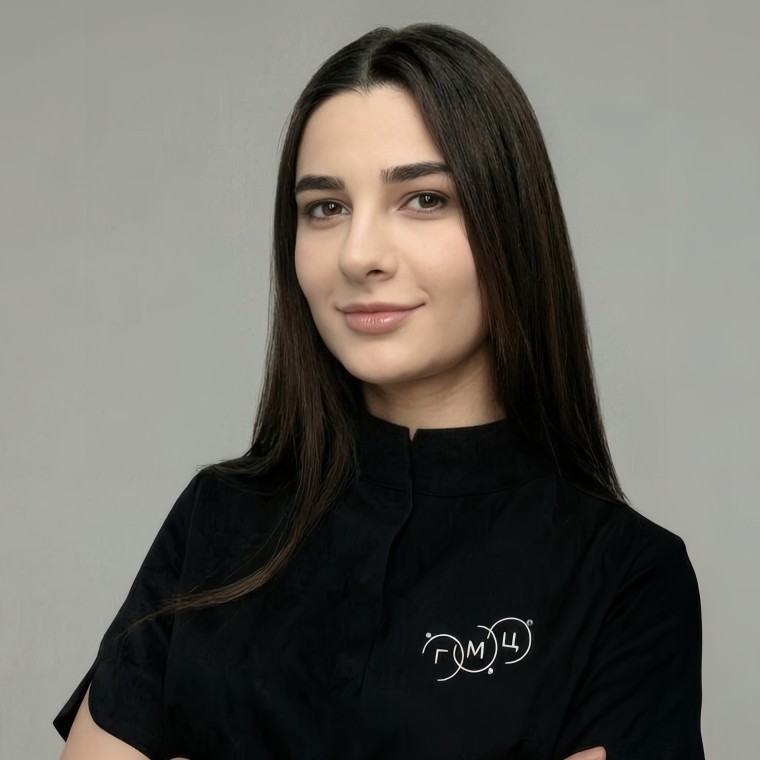
Plastic surgeon
9 years in practice
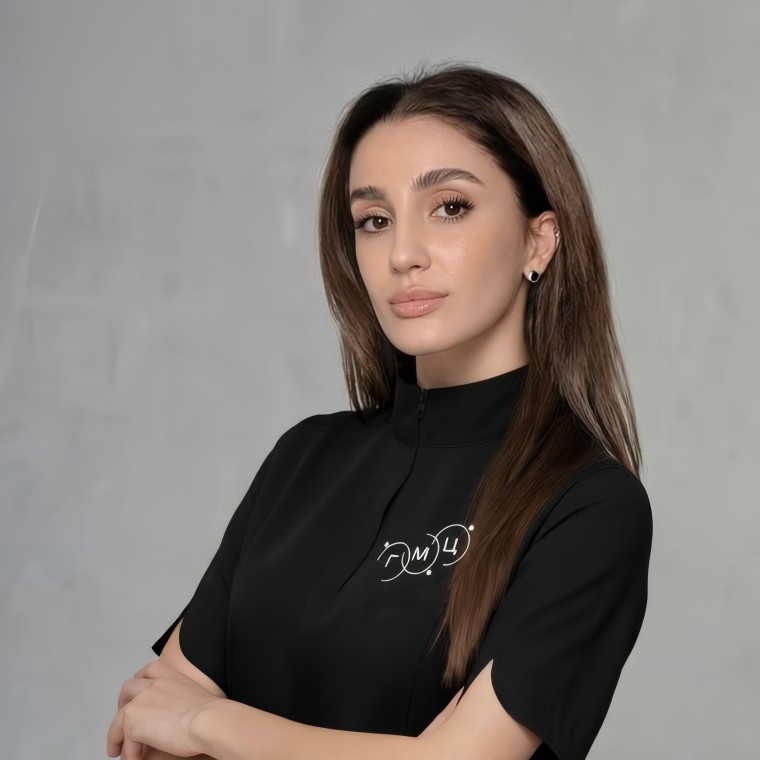
Plastic surgeon
9 years in practice
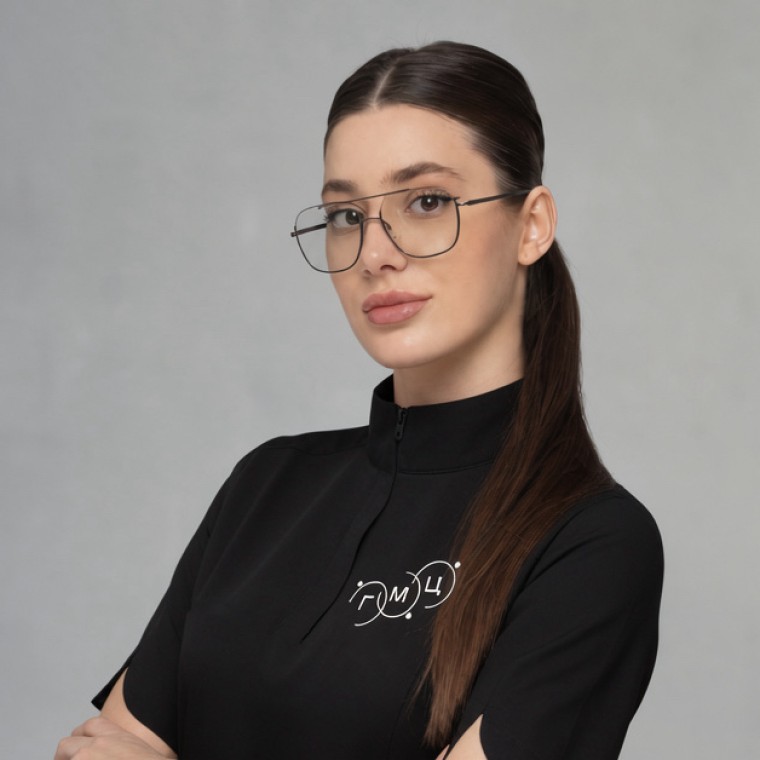
Assistant
9 years in practice
A careful look at the donor zone, a graft calculation and a clear statement of the outcome.
Have a consultationcoordinators
The clinic gives every patient one coordinator who covers the whole path to recovery.
Care and support lead
Will support you ahead of and after surgery
Covers the paperwork and the scheduling
Care and support lead
Will support you ahead of and after surgery
Covers the paperwork and the scheduling
Care and support lead
Will support you ahead of and after surgery
Covers the paperwork and the scheduling
Care and support lead
Will support you ahead of and after surgery
Covers the paperwork and the scheduling
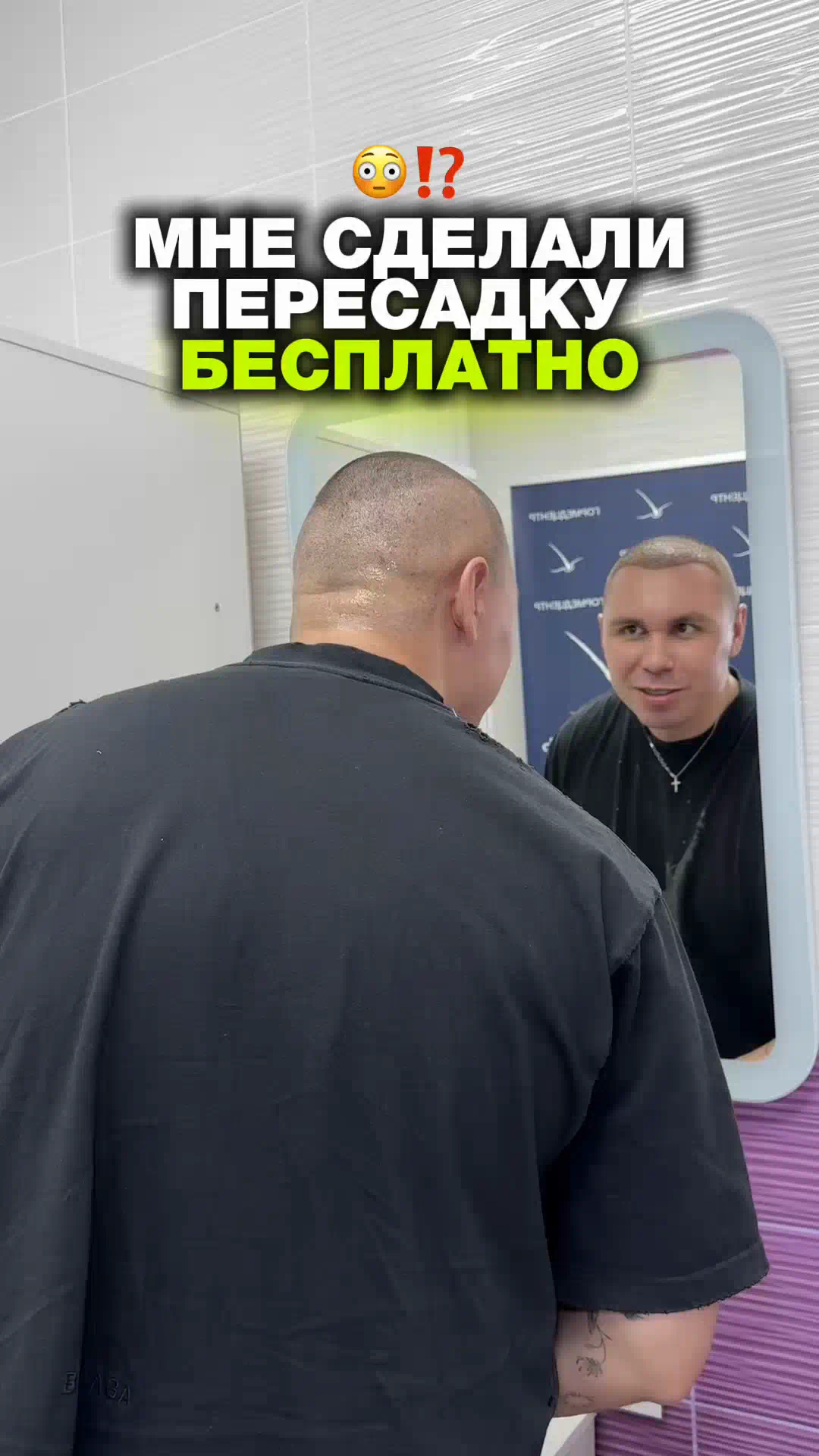
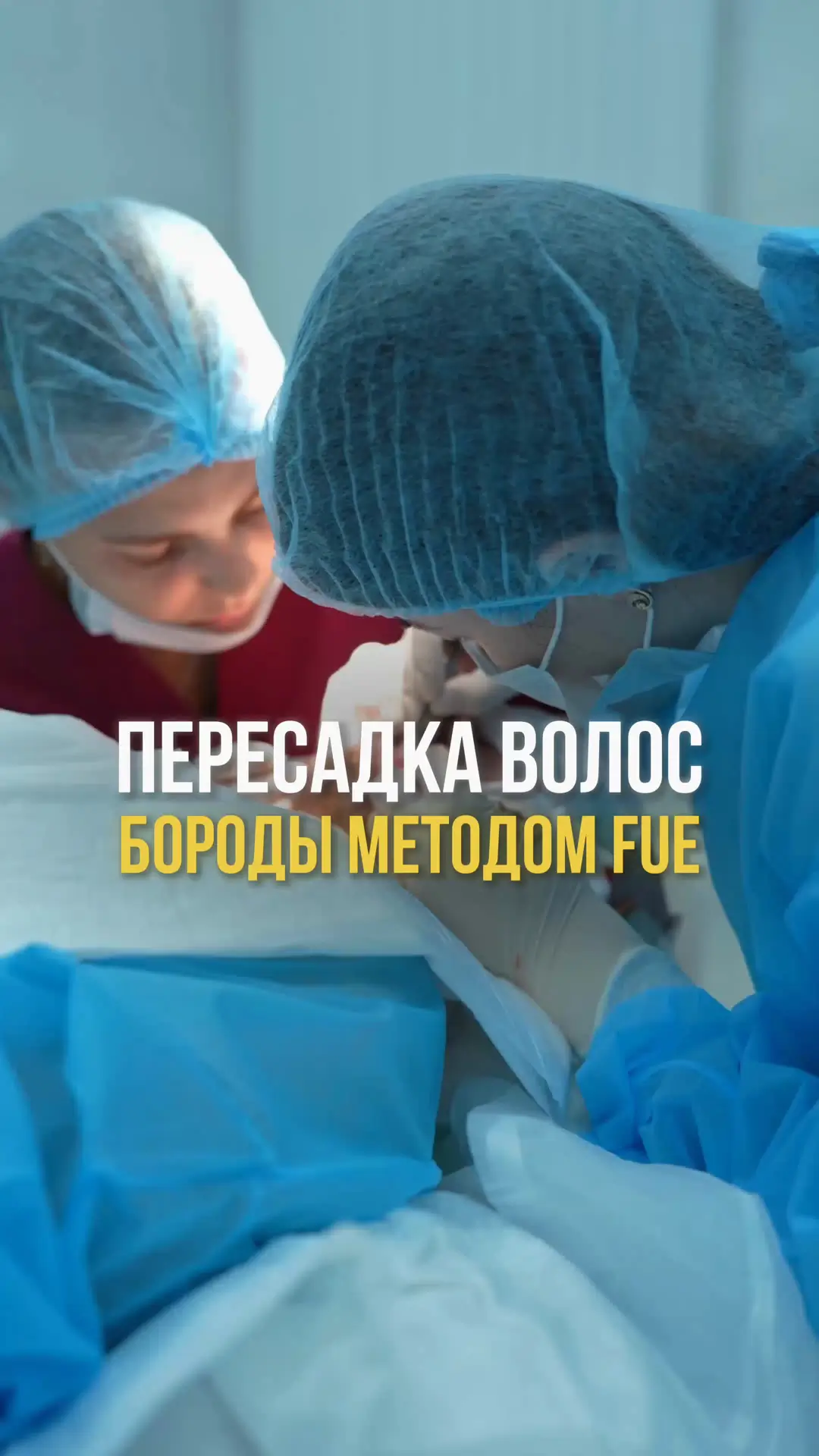

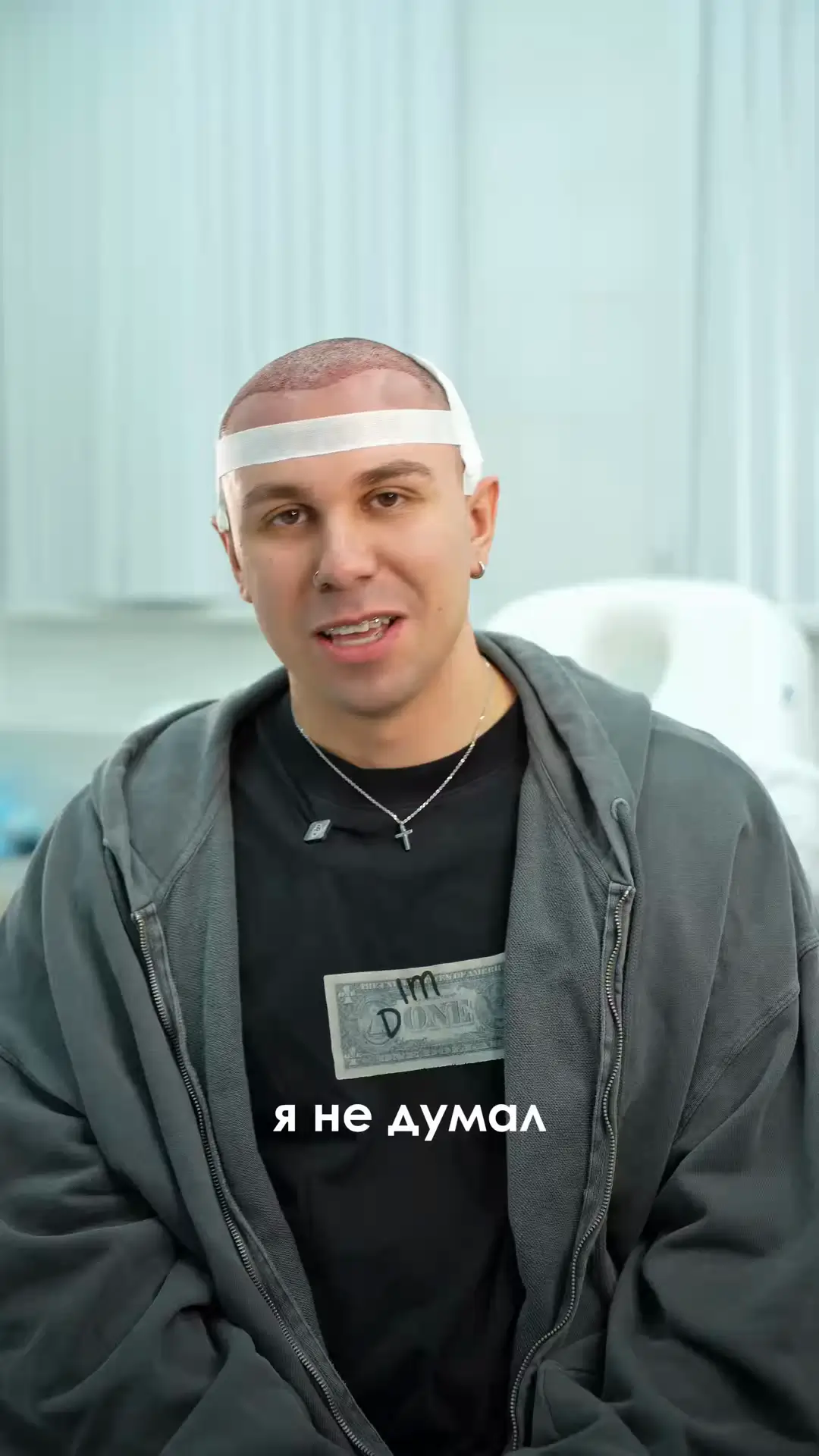
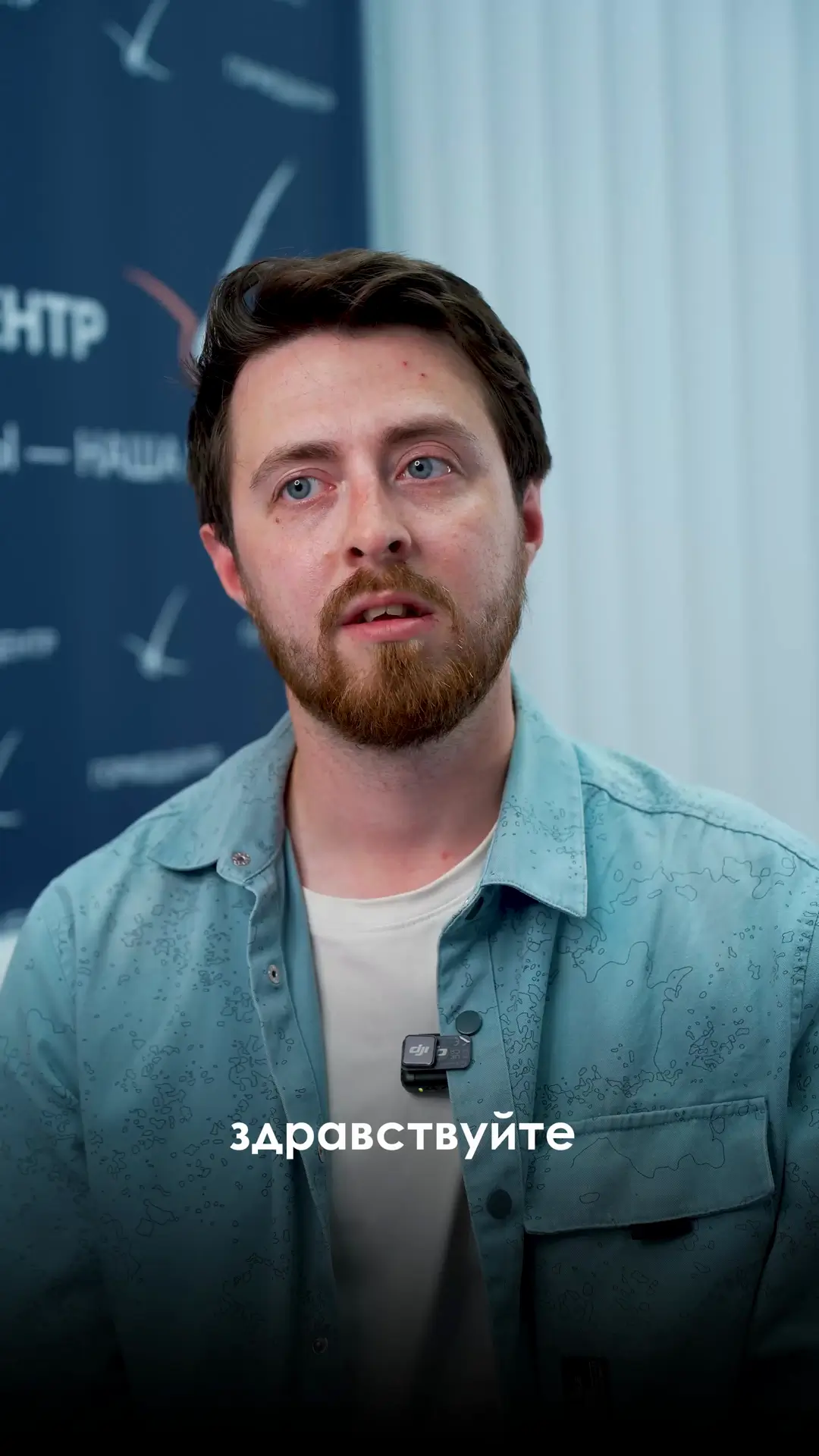
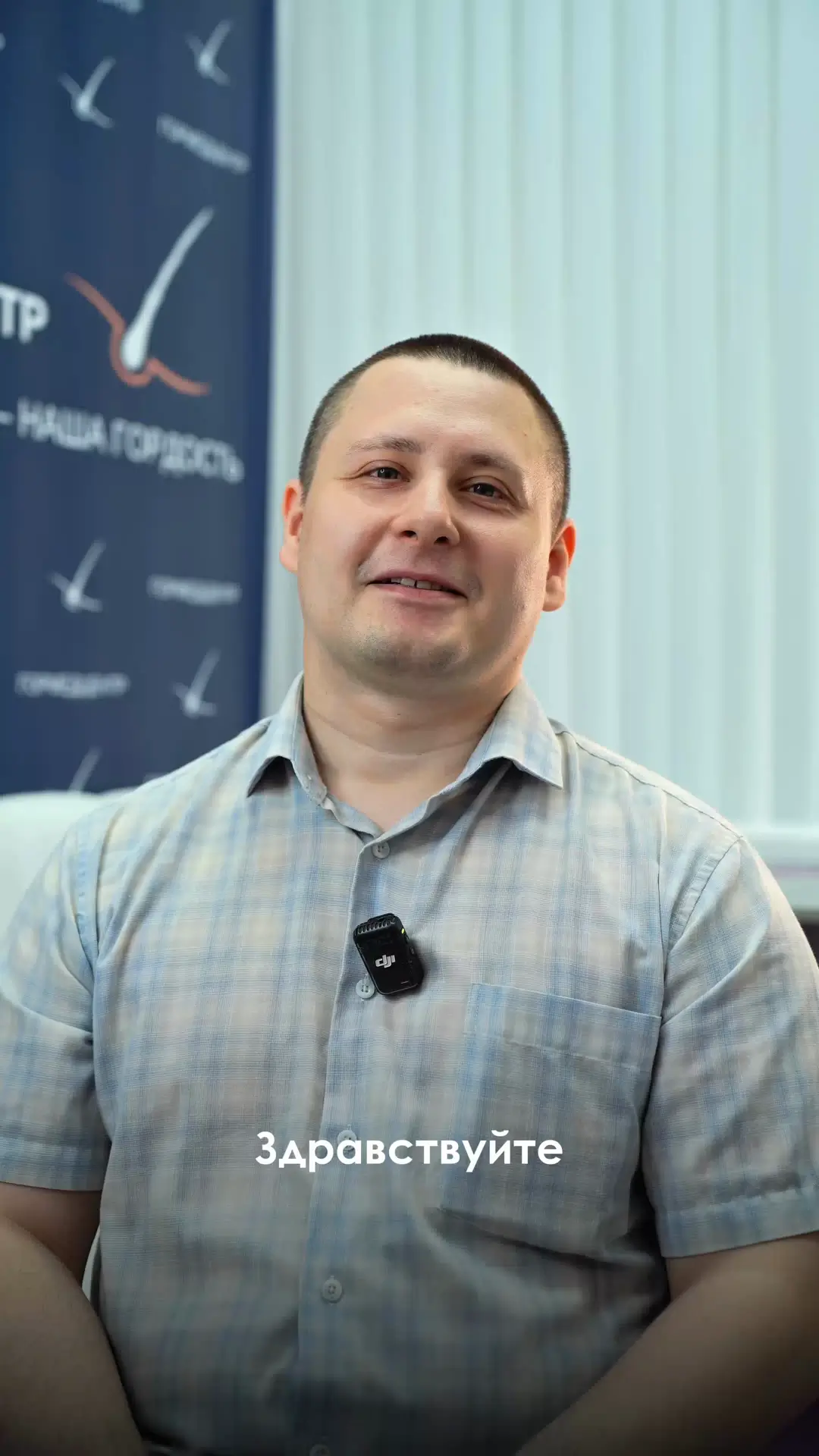
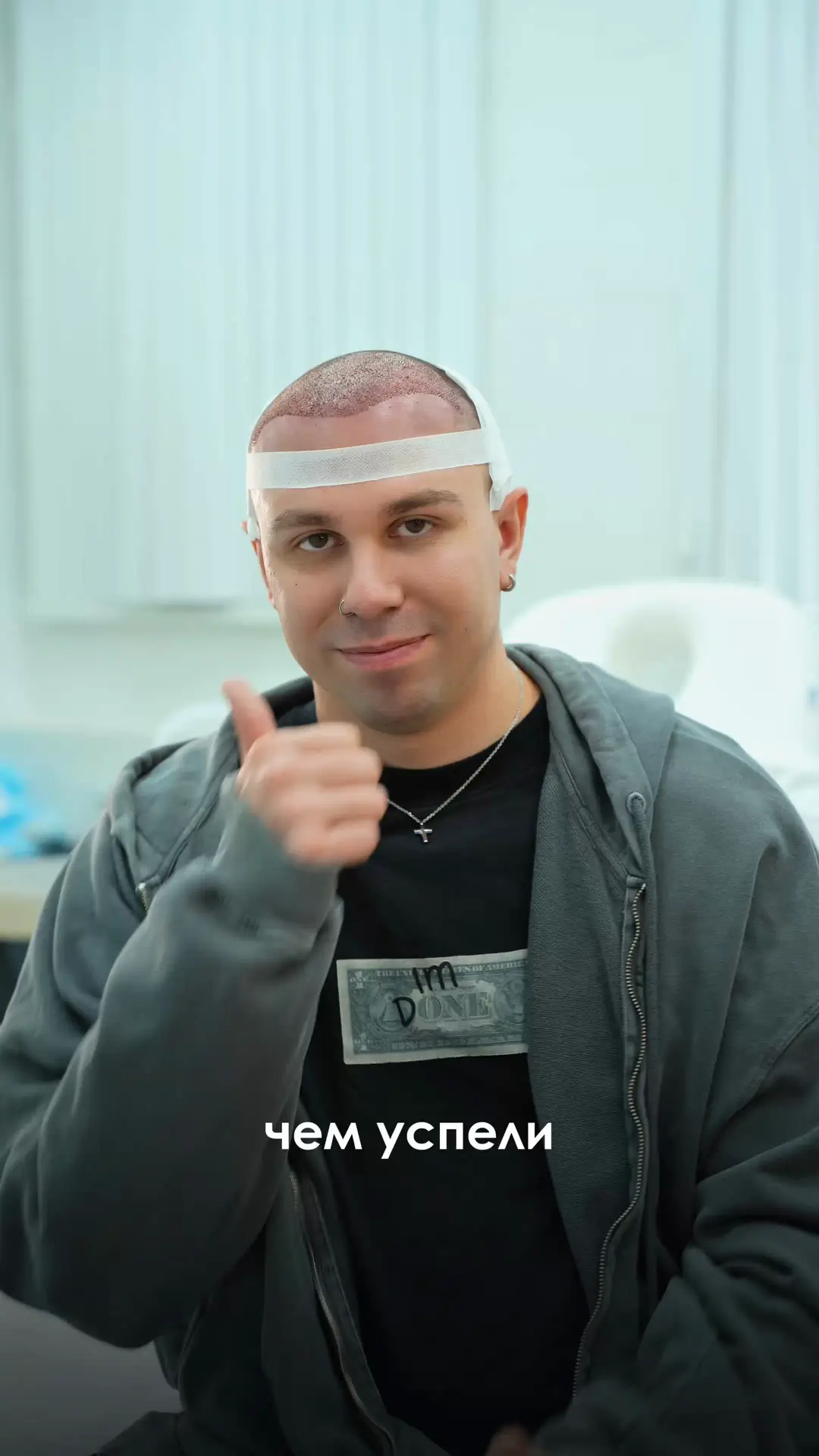
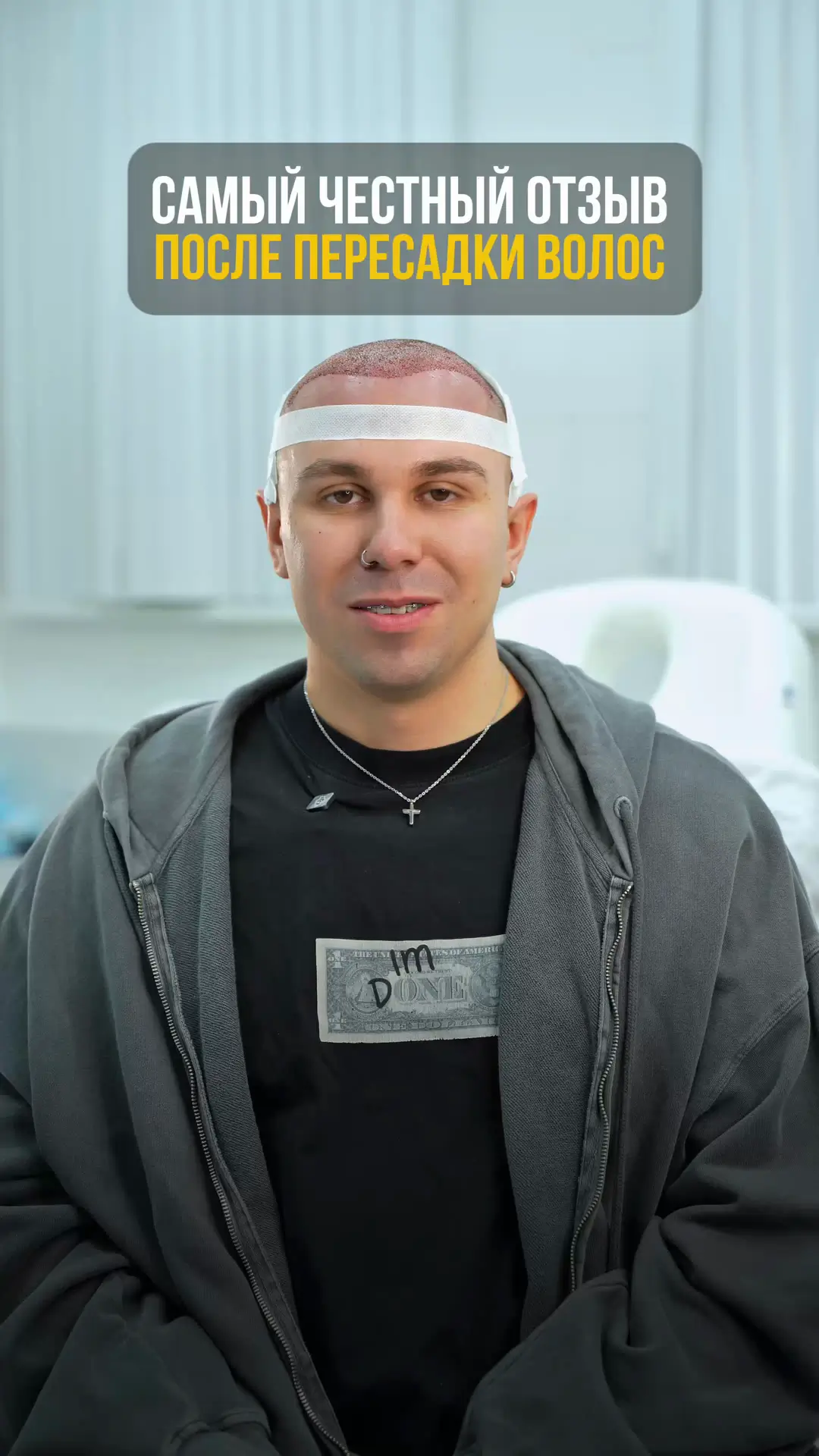
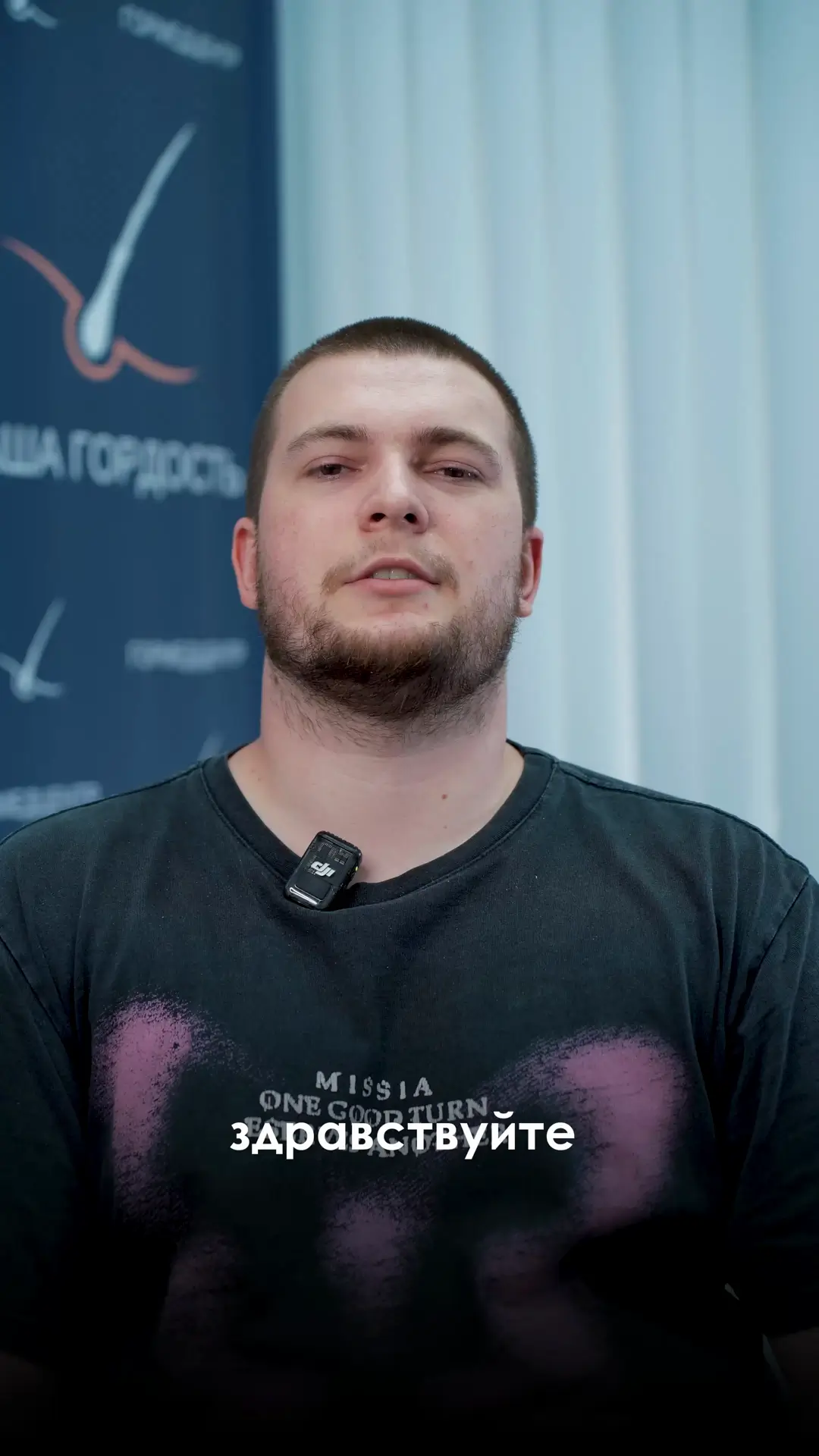
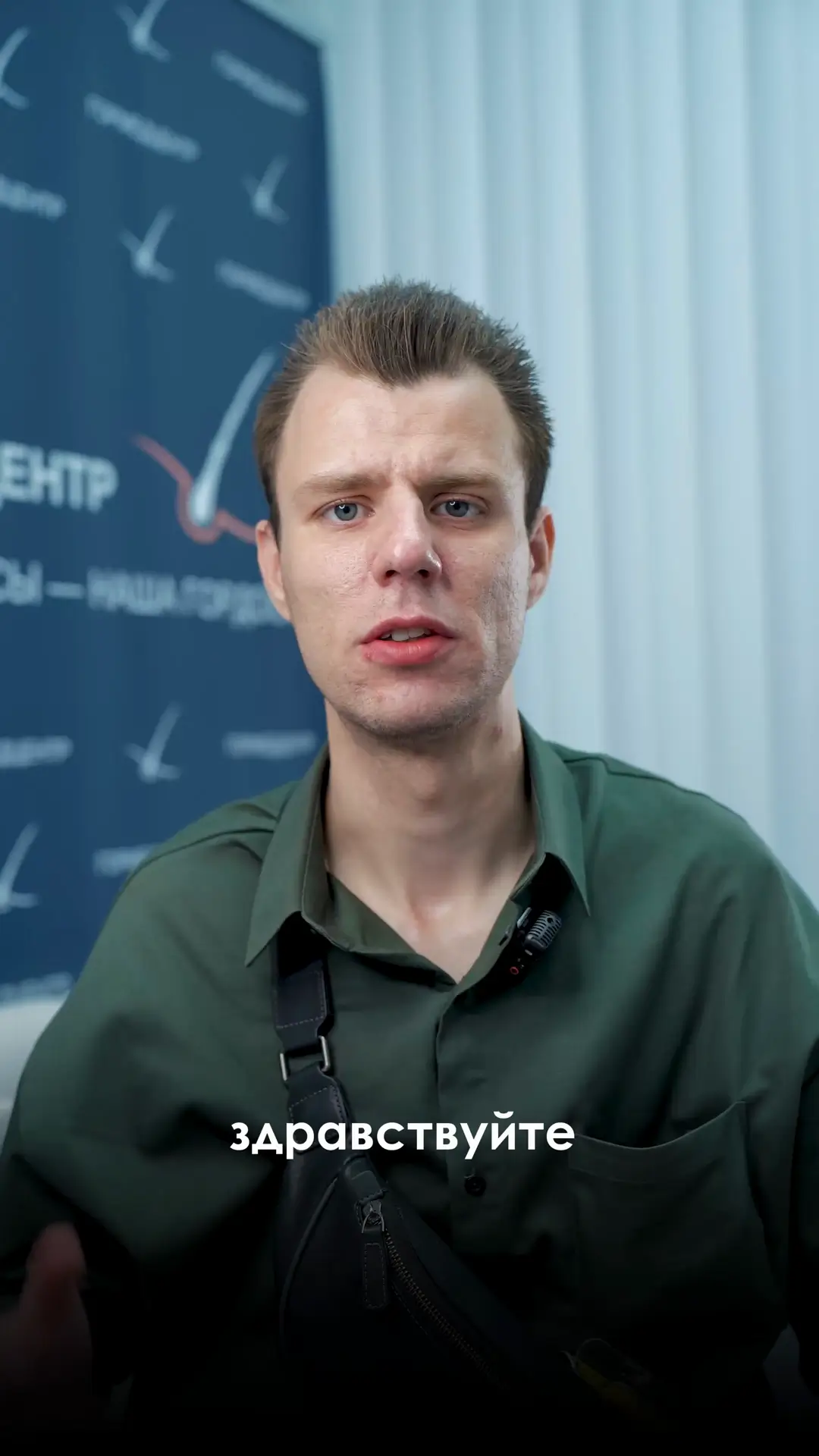
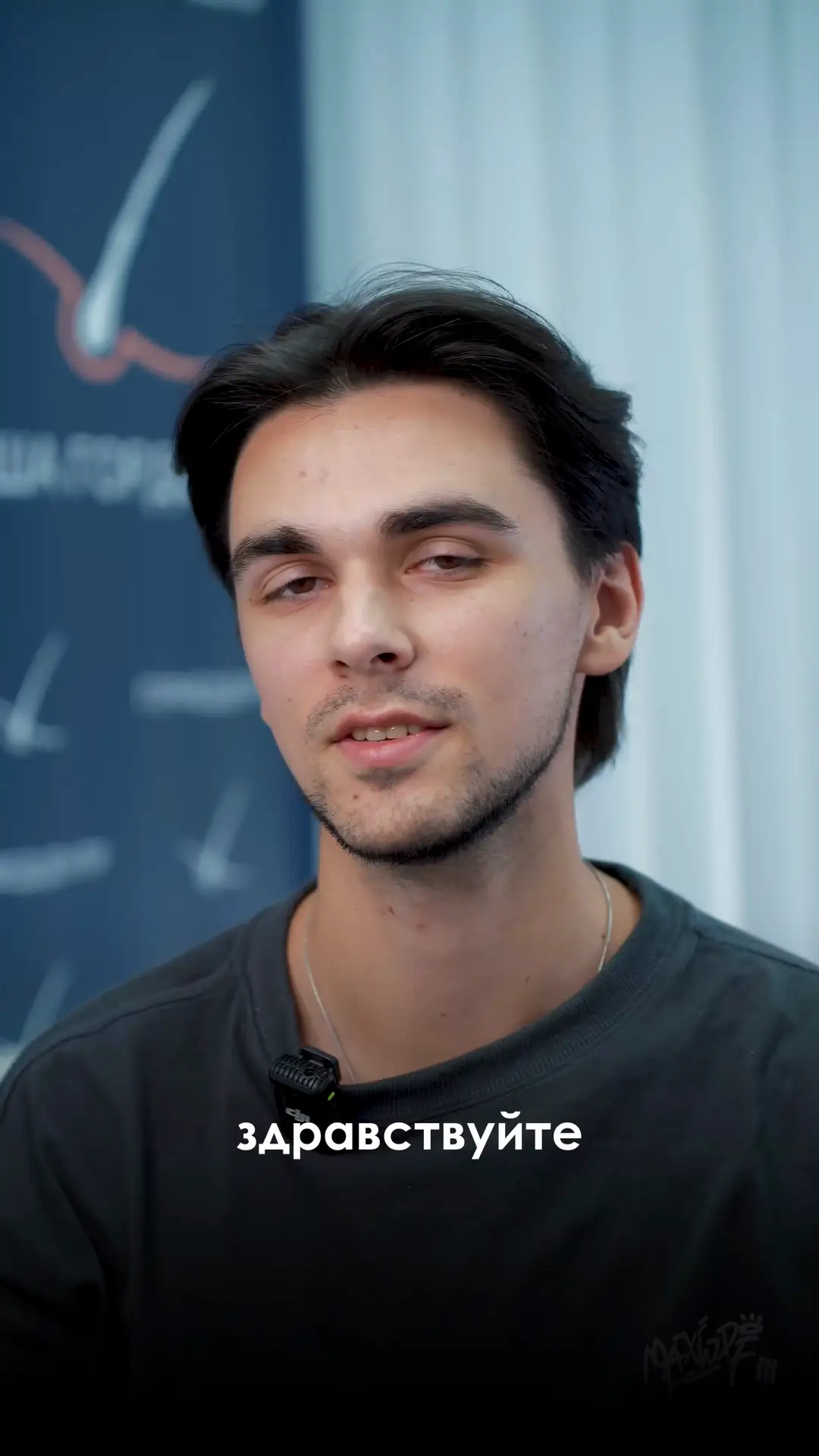

Nothing is left unclear, and the consultation is arranged for a suitable hour
Message us on Telegram Send an enquiryPoints people raise
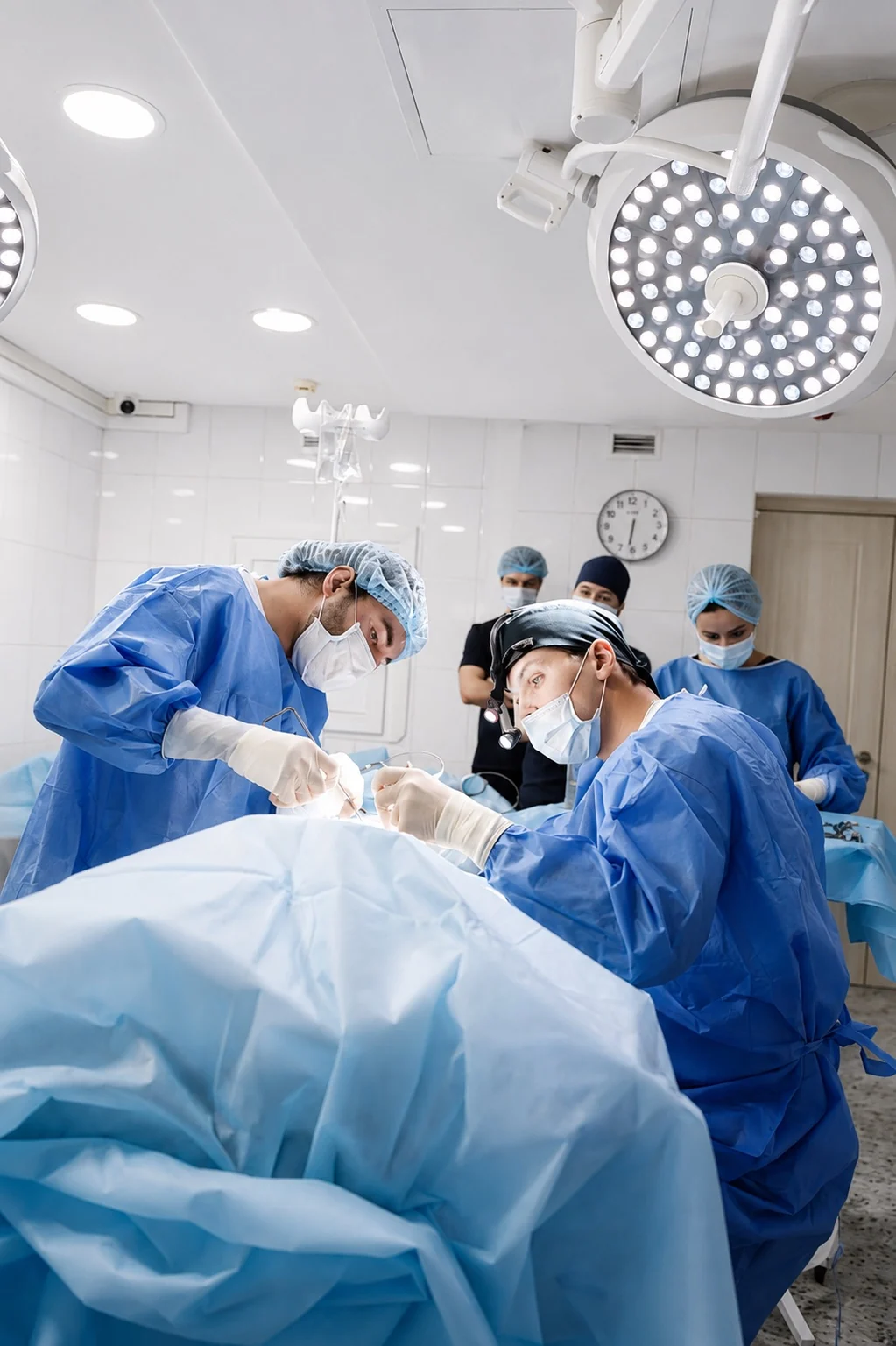
Yes, this is standard. People become patients no matter which town or country they are in, and your photographs go to the doctor online.
FUE is $2,200 (≈ IQD 2,900,000), DHI is $2,500 (≈ IQD 3,300,000), combined DHI+FUE is $2,700 (≈ IQD 3,550,000). A free consultation with a graft count gives you the exact, contract-fixed price.
Just one day is needed, and you sleep in your own bed.
It is not painful. Local anesthesia is given at the very start.
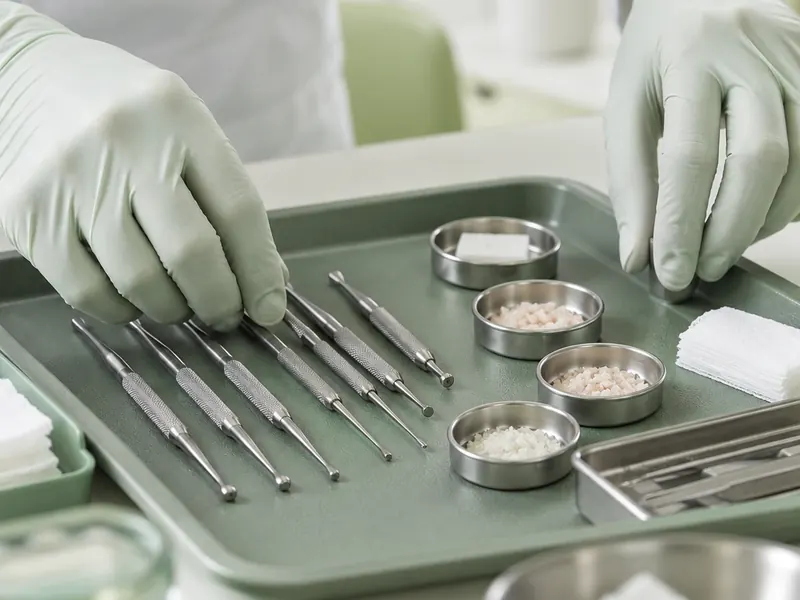
FUE is cut-free graft extraction by tweezer. DHI is direct implantation with a Choi pen, skipping channel-making. The combined technique takes grafts by FUE and places them using the DHI method.
Only an assessment of the donor zone gives the answer, and the doctor performs that at no cost.
0–10 days for healing, 2–4 weeks for normal shedding of transplanted hair, 3–4 months for new growth to start, 6–9 months for real density, and 12–18 months for the final result.
You get a lifetime hair growth guarantee, written into the contract.
The clinic works under a medical licence, care meets the standards and clinical guidelines
per Ministry of Health.
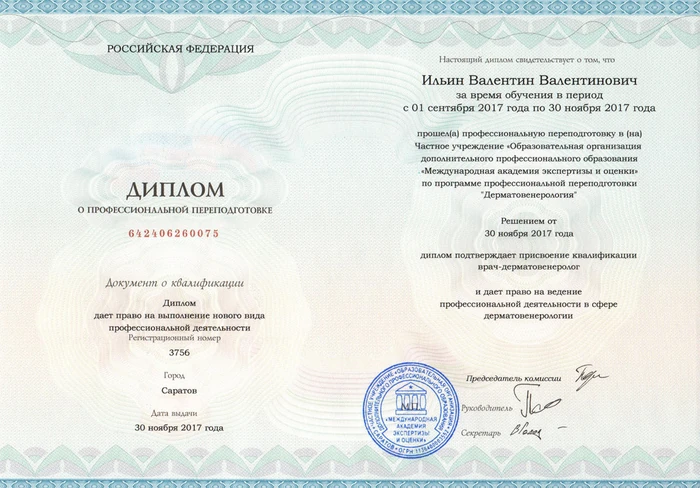
Diplomas you can read before the operation is agreed
Browse the documentsAKC POMOSHCH LLC
the clinic's legal name
1057746096924
OGRN
7728536872
INN
It is a one-day matter for a patient in Samawah. FUE and DHI are done without any cut and without a single stitch, with local anaesthesia doing all the work, so nothing about it resembles major surgery.
Nothing has to be arranged in advance to start in Samawah. The online consultation is free: the doctor studies photos of the thinning area and counts the grafts needed. The clinic is in touch 24/7, so you write when it suits you.
0-10 days of healing, a normal shedding of the transplanted hairs at 2-4 weeks, and the first growth at 3-4 months: those three markers are enough for a patient to judge whether things are going exactly as they should.
Prices are in US dollars; the amount in brackets is an approximate conversion to IQD at the rate of 02.10.2026. The final price is fixed in your contract.
By messaging us, you agree to our Privacy Policy
What patients write after this operation. Reviews are translated from the original language.
Andrey M.
I had the operation a month ago. Before and after surgery they were always in touch and helped with questions about my tests. The operation itself went wonderfully, the staff are polite and masters of their craft, you feel you are in safe hands. I am recovering now, and they answer all my questions. I am happy and I recommend them!
DHI hair transplant
Pavel Sinitsyn
The best clinic of all the ones I was choosing from. No regrets at all! The result is simply amazing, I am thrilled. I recommend it to everyone: these people do great work and make people happy. Once again, a huge thank you to everyone. Roman, the head of the clinic, is the best: he was personally in touch with me and looked after my recovery. Thank you for making my dream come true.
FUE hair transplant
Maria Akopyan
I thought about an eyebrow transplant for a long time and finally went for it. At first I was afraid the result would look unnatural, but when I saw my new eyebrows I was delighted! They came out full and in harmony with my face. I can hardly believe that now I just wash my face and go, I have never felt so free. For anyone tired of constant make-up, a transplant is a real lifesaver!
Eyebrow transplant (FUE)
Alexander M.
I really wanted a thick beard, but I had problems with it. I tried every home remedy and minoxidil, and nothing helped. After a long search for the best clinic I settled on this one. Thank you so much for the service, I liked everything and now I am happy! I had the beard transplant 10 months ago and I am very pleased with the result. By the way, the music in the clinic was great, as far as I remember. A friend of mine has already come to you for a transplant on my advice and was also happy with the result. I wish you every success!
Beard transplant (FUE)
Vladimir Z.
I went to the clinic to see a trichologist and had a hair transplant. I really liked the doctor's approach, and all the recommendations helped. I want to point out that nobody tries to sell you extra services: they tell you things as they are, and if some treatment is not needed, they do not push it. Cosy and clean.
DHI hair transplant
Artem Popov
This may sound obvious, but a head of hair really changes everything in your life. You feel much more confident and go through life like a winner. And it is all thanks to the doctor at this clinic and to the staff who take care of their patients. Many thanks to the clinic for a happy life with new hair, for the comfortable conditions and for the professionalism during the hair transplant.
FUE hair transplant
In Samawah, whose 2018 population table counts about 224,030 residents, young men argue with the mirrors of the barbershops near Suq Al Masgoof over a receding hairline, and many walk out with a half-made decision: a hair transplant that relocates follicles from a dense zone to the thinning one, under local anaesthesia that numbs only the working area. A transplant creates no new hair out of nothing, it moves what you already have, and a serious assessment says this first, before any talk of hairline design.
The assessment starts at home with clear daylight photographs of the scalp: from above, from the front, over the crown, and of the donor area behind both ears, with a line about the family history of baldness, because the pattern followed by a father and uncles explains half of what the surgeon will want to know. Send the photos and the note to the coordinators on Telegram or Telegram who answer at any hour, and the first reply will say whether your donor area covers the plan you have in mind.
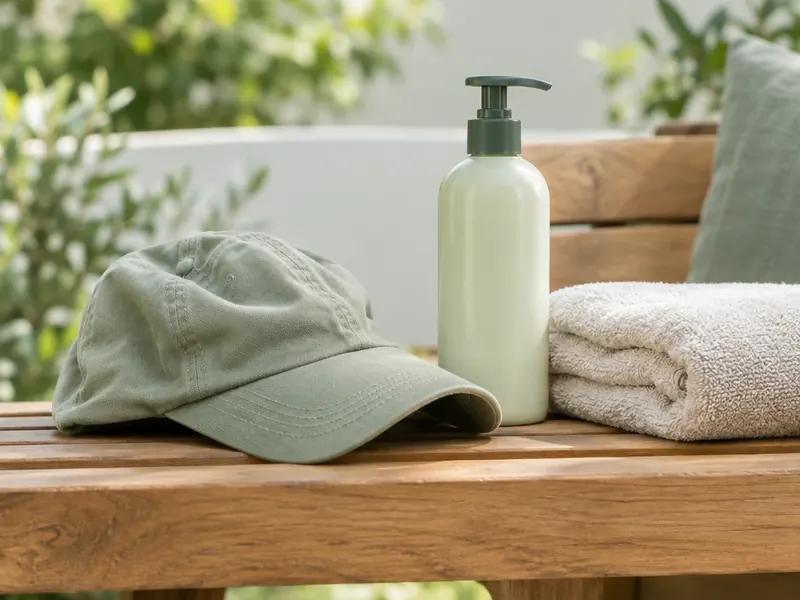
The fierce sun of this city has made the cap part of local dress in summer and winter alike, so whoever fixes a transplant date prepares a wide, soft cap well in advance, since protecting the transplanted zone from sun and dust heads the instructions of the first weeks. Choose a fabric that neither scratches nor clings, and skip the tight daily cap you already own, because pressure on fresh grafts before they settle serves nothing at all.
The timetable asks for the patience of palm growers: the final result lands between month twelve and month eighteen, and the road passes through known stations that the following sections set out, so nobody should read the hairline in week one or judge the project in month three. Copy the whole schedule onto one sheet and pin it where you see it every morning; the questions arrive precisely at the middle of the road, never at its start.
Across the first ten days the crusts fall, the swelling eases and the grafts settle into place, and washing follows exactly the method the surgeon demonstrates: gentle pouring with no direct pressure and no rubbing, and a soft towel pressed rather than dragged. Leave the crusts alone no matter how they tempt your fingers, because every crust detaches on its own schedule carrying its healed trace with it, and impatient hands are the true enemy of the first fortnight in this file.
The city's dust keeps a familiar map of places: brick kilns at the edges, the crowded old lanes of Suq Al Masgoof, and desert dust storms in the dry air, so keep your distance in the early weeks, hand the shopping to a family member, and keep the cap itself clean and rotated. Whoever works near the kilns or unloading goods arranges a longer cover, because fine dust lodges between the transplanted hairs and provokes scratching that a young scalp should never meet.
Dry heat touches the scalp before anything else: keep the room on moderate air-conditioning with no cold stream aimed at the head, time your outings for the evening among the palms where the air of both banks softens, and keep the scalp's moisture only through whatever the surgeon recommends. July averages a high of 43.4C here and August 43.7C, and these two months ask of you a well-ordered house rather than any appointment outdoors.
The city's winter arrives bundled with its rains: 106 mm a year concentrated between December and February, and the early protective cap dislikes rain, so keep the grafts away from direct wetting until the surgeon allows it, and whoever must go out carries a wide umbrella rather than trusting the cap alone. The January mean low reaches 5.0C and the morning air bites, which makes the mild midday hours the sensible slot for any unavoidable short errand.
Between the second and fourth week the transplanted hairs themselves fall out, a reassuring station written into the schedule rather than a surprise: the hair shaft drops while the follicle stays anchored in place, and households often circle this stretch with anxiety precisely because the hair they had just celebrated appears to be leaving. Explain this temporary shedding to everyone under your roof from day one, since a calm house soothes a scalp better than a thousand reminders to be patient.
New growth begins to show between the third and fourth month as fine hairs that thicken with time, visible density arrives between the sixth and ninth month, and from there the monthly album takes charge: one photograph each month in the same daylight and from the same fixed high angle, because weekly change escapes the daily eye while a month-to-month comparison reveals the growth curve the way successive season photographs reveal the date harvest.
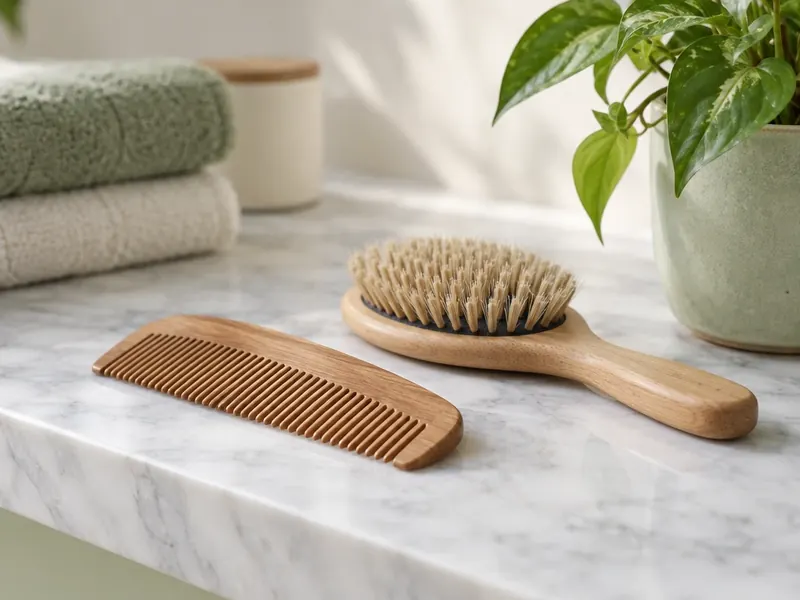
Visiting the barber is one of the city's oldest habits, so whoever keeps a regular barber near the market postpones any trimming or shaving over the transplanted zone until the surgeon gives explicit permission, and then explains the new hairline's positions to the barber personally if needed. The wide cap stays the companion of sunny months, exchanged for regular washing of the cap itself, because dirty fabric resting on a treated scalp is an invitation to itching that nobody wants.
The return to work arranges itself around the single clinic day of the operation and the home rest that follows: workers on the cement shifts and the railway workshop agree a gentler week with their supervisors in advance, shopkeepers line up short cover, and anyone whose job demands a helmet or any tight headgear comes back last of all, because direct pressure on fresh grafts fits no schedule however tight the time.
The first card to inspect is not a scalp photograph but the surgeon's identity: Iraq's Ministry of Health, formed in 1920, regulates the country's health work and sets its systems, its structure holding an inspection department that monitors governmental and non-governmental facilities, and its official site is moh.gov.iq. Ask for the surgeon's registration number and specialty and verify them yourself; twenty years of experience without a number is not worth a line, and the documented number alone turns promises into accountability.
Understand the limits of a transplant honestly from the first consultation: the density of the result is set by the donor area's stock rather than by your wish for thick hair, and a serious surgeon tells you roughly how many grafts your plan can carry and whether a later session might be needed. Whoever promises any hairline you point at without touching the limits of your supply is selling a barbershop picture, not a transplant plan, so ask for the medical reason behind every item and get it in writing.
The written plan covers the full schedule: the single clinic day, the washing method of the first days, the visit dates up to month twelve and beyond, and the channel that answers between visits, for which the Telegram and Telegram coordinators reachable at any hour stand ready with an opinion on any urgent photograph or question between two appointments. One folder gathering papers and photos saves you half an hour of retelling at every single visit.
Compare more than one offer on cold paper: whoever is described in broad experience with no registration number drops off the list first, and whoever pushes you to decide within one session or promises density beyond your supply earns one direct question, why the hurry? Ask each side for a written plan, set it aside for a full day, then read it in the calm of your home in Samawah, because quiet comparison exposes the gaps that verbal enthusiasm hides.
The final density and the settled hairline arrive between the twelfth and eighteenth month, when the thickened hairs mature and the line becomes part of the face rather than an addition to it, and the regular visits across this whole stretch are what keep the course on track and explain every uneven patch between zones. Whoever kept their papers and monthly photos in one folder arrives at each visit with half the conversation already done.
Comparison photographs make the entire difference: one picture each month from above and from the front in the same daylight, with a one-line note at the end of each month about anything unusual, then open the album with the surgeon at the visit and read the curve together instead of guessing. Students of Al-Muthanna University with its fifteen colleges know the worth of ordered data, and moving that habit from lecture notebooks to a scalp album costs them nothing.
As the result matures, the habits of the early weeks turn into permanent manner: the cap through burning noons, evening walks timed between the palms of the two banks, and the gentle regular washing, all of which suit a healthy scalp after the grafts and protect the original hair alongside them. The folk song of Samawah's palms that carries the city's name sums up the same schedule: fruit needs a whole season, and a transplanted hair needs eighteen months respected by its owner.
Begin the path from home exactly as you began reading this: four daylight photos of the scalp, a line about the family history, and one clear question on whether the donor area covers your plan, all of it sent to the coordinators on Telegram or Telegram at whatever hour suits you. A town on the banks of the Euphrates has known for centuries that planting is never hurried, and that is precisely the spirit for anyone entering a transplant timetable with clear eyes.
The procedure runs under local anaesthesia that numbs the working area so you stay comfortable throughout, and the discomfort people remember is the brief anaesthetic injection rather than the hours of work themselves; afterwards the sensations settle with the painkillers the surgeon sets. Mention any specific concern about sensitivity or medication in your first message to the coordinators on Telegram or Telegram, before any appointment.
Between the second and fourth week the transplanted hair shaft drops while the follicle stays firmly in place, a known station in the schedule rather than a failure, and new growth then begins from that same follicle. Explain this to your household from the start so nobody panics, and photograph the stage into your monthly album for the surgeon to read at the next visit.
Fine new hairs show between the third and fourth month and thicken with time, visible density arrives between the sixth and ninth month, and the final result settles between the twelfth and eighteenth. Photograph monthly in fixed daylight and a fixed angle and compare album to album, because weekly change escapes the daily eye while the monthly comparison shows the whole curve.
Exactly as the surgeon demonstrates: gentle pouring with no direct pressure and no rubbing, a soft towel pressed rather than dragged, and the crusts left to detach in their own time without picking. Keep dust away in those weeks regardless, delegating the crowded market errands and kiln-side duties to the family, and keep a clean, rotated cap over the grafts between washes.
With July averaging 43.4C and August 43.7C, the wide soft cap and a moderately air-conditioned house are the companions of the first weeks, and the gentlest outing hours are evenings among the palms on the two banks, with no direct pressure and no burning sun on the grafts. Winter brings the city's bundled rains of 106 mm a year, so no direct wetting before the surgeon allows it and a wide umbrella when going out is necessary.
The procedure takes its single day at the clinic and then you go home to a home-rest regime the surgeon lays out, so agree a gentler opening week with your supervisor or whoever shares the shop before the date, and anyone needing a helmet or tight headgear for work returns last of all. Postpone barbering and trimming until explicit permission, and explain the new hairline's positions to the barber yourself at the first return.
That number comes from the surgeon's examination of your donor area, not from your preference, because the result's density is drawn by your own supply rather than by sample pictures, and a serious surgeon states the approximate quantity and whether the plan needs a later session. Ask for the complete plan in writing with a medical reason for each item, and step away from anyone promising density beyond your stock in a single session.
Iraq's Ministry of Health, formed in 1920, regulates the country's health work through structures including an inspection department that monitors governmental and non-governmental facilities, and its official site is moh.gov.iq, so request the surgeon's registration number and specialty and verify them yourself before any commitment. Send your scalp photos and your question about donor supply to the coordinators on Telegram or Telegram at any hour, and ask for the answers in writing.
Page medically reviewed by Anastasia A. Kolesnik, hair transplant doctor. Review date: .
Well-known people who spoke openly about this operation, in their own words.
 John Cena's hair transplant: “I got a problem, I try to fix it”John Cena spoke openly in 2025 about his hair transplant and the fan signs that pushed him to it. His words, how the procedure works and the recovery.
 Did Calum Best have a hair transplant? Yes, and he said so himselfCalum Best said in 2023 he had his sixth hair transplant, this time using patches of beard hair. His words, how the procedure works and recovery.
 Did Chloe Goodman have a hair transplant? Yes, and she explained whyChloe Goodman had a hair transplant in 2025 after losing hair following pregnancy. Her own words, how the procedure works and what recovery involves.
 Did Dean McCullough have a hair transplant? Yes, and he filmed itRadio 1 presenter Dean McCullough shared his FUE hair transplant on TikTok in 2024. His own words, what the swelling means and how results develop.
 Did Ella Morgan have a hair transplant? Yes — to cover a hairline scarThe Married at First Sight star revealed a hair transplant in 2025 to cover scarring along her hairline from facial surgery. Her own words and the facts.
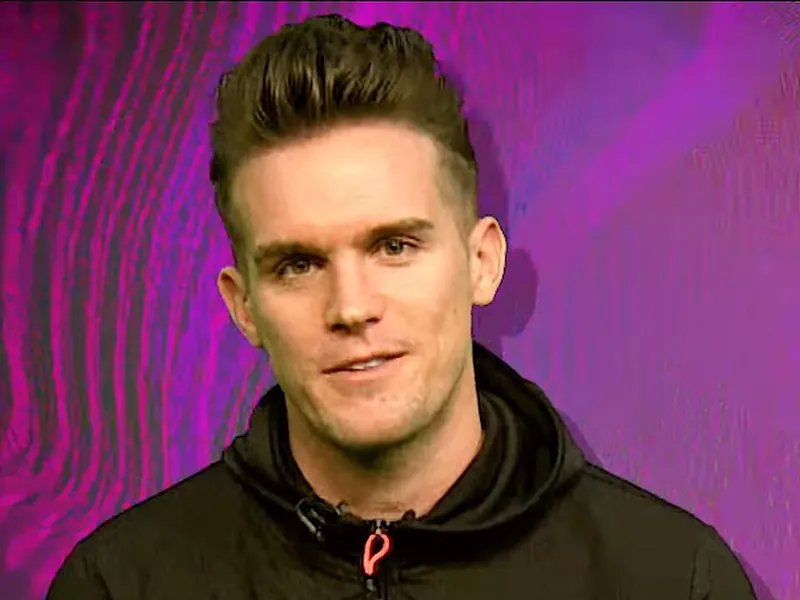 Gaz Beadle on his beard transplant: “I LOVE IT”Gaz Beadle told his 3.6 million followers he had a beard transplant after years of patchy stubble. His own words, and how a hair or beard transplant works today.
 Forceps
 Minimal


