


























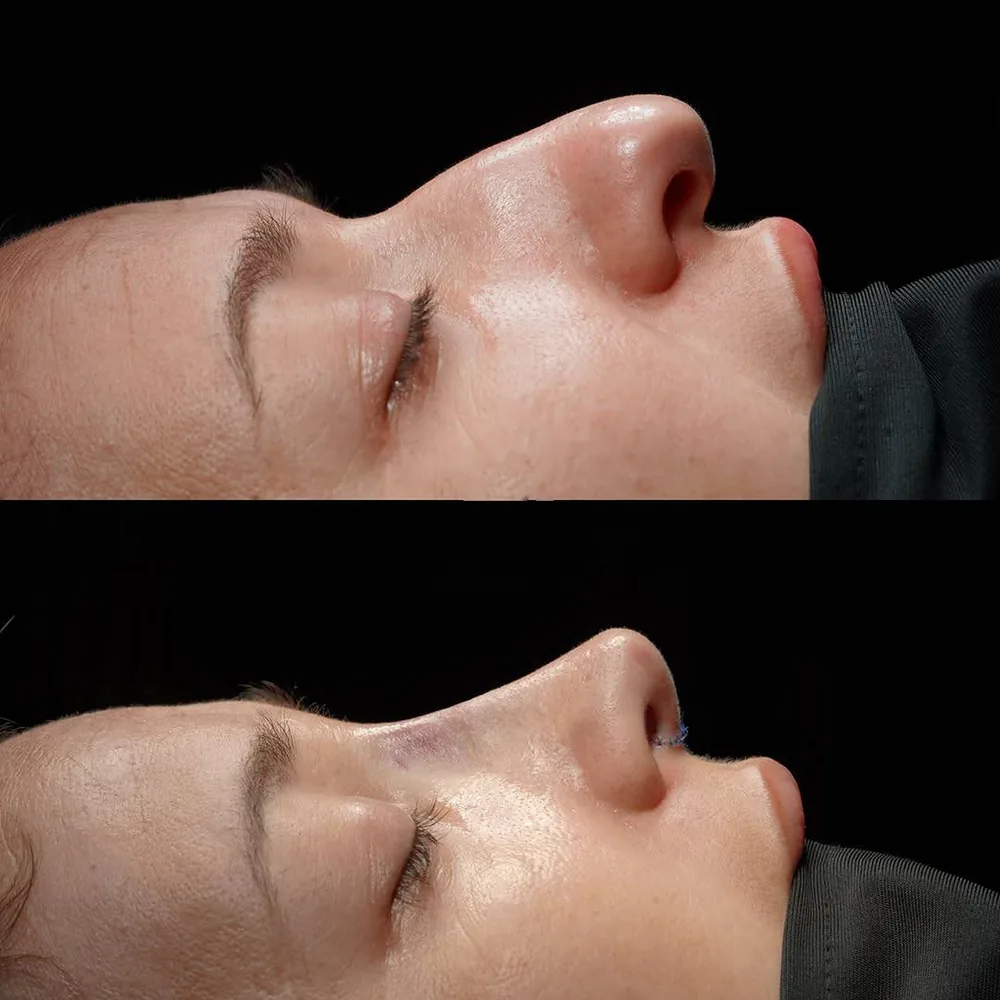
 beforeafter
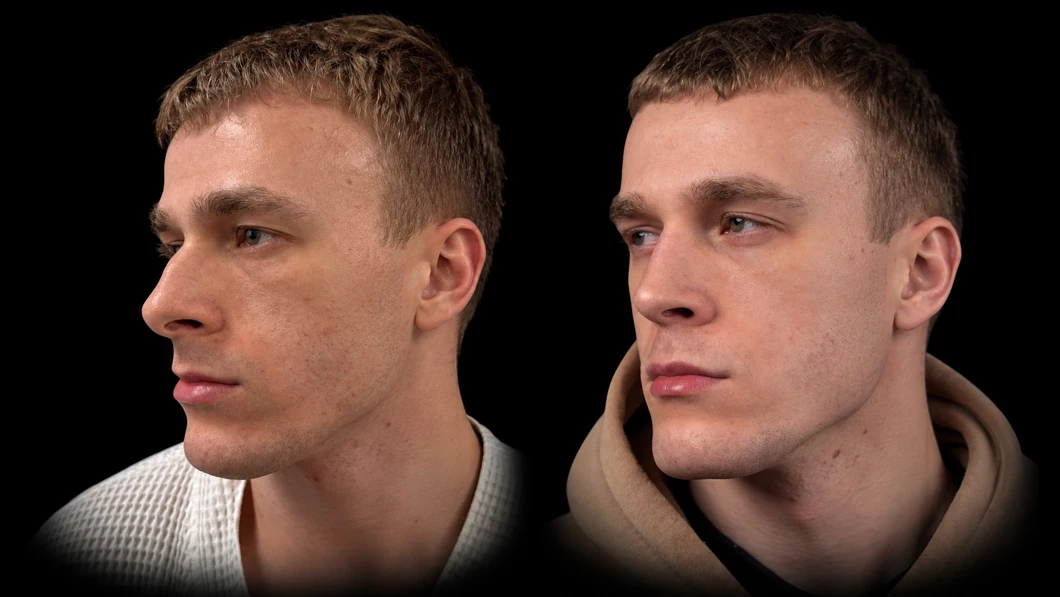
Irina, 24
Rhinoplasty
Rhinoplasty
$4,200
Instead of $6,000 (≈ IQD 7,900,000) · First consultation — Free
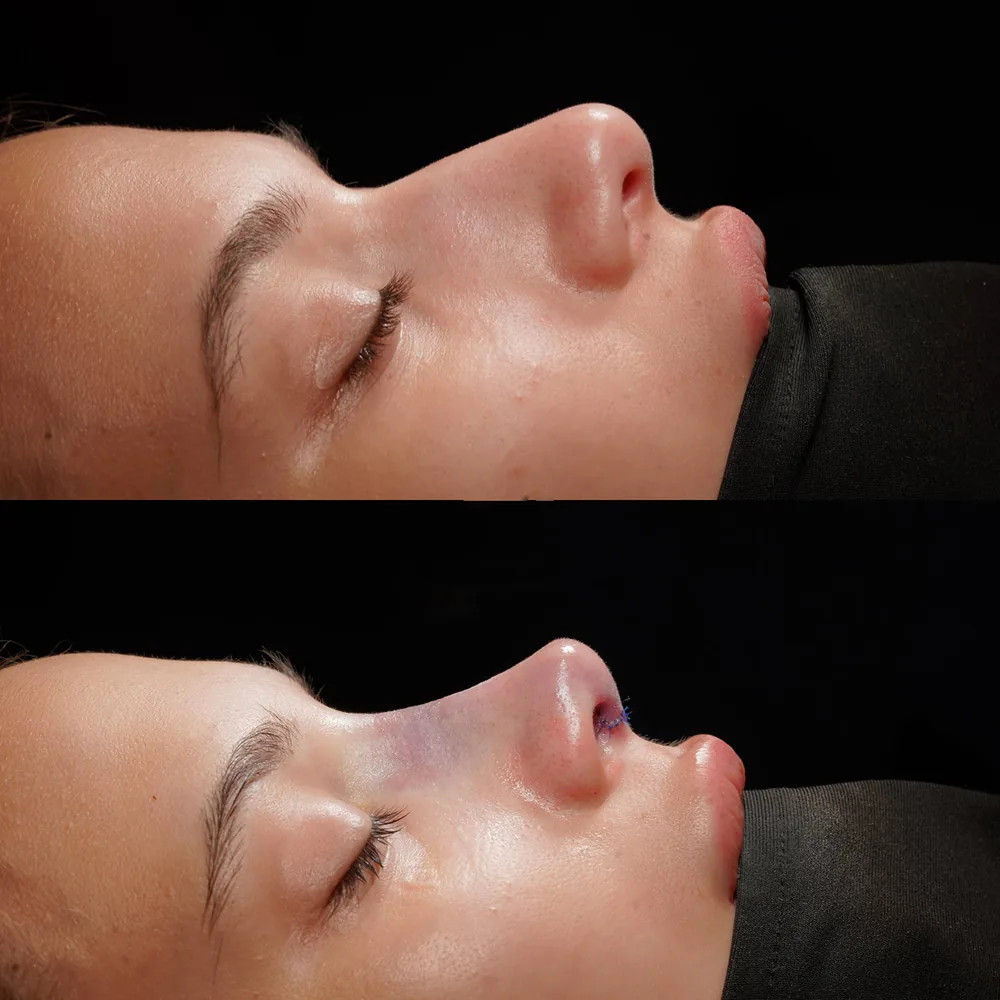 before
after
before
after
Message our coordinator
Free online consultation · Reply within 15 minutes
Message us on TelegramMessage us on WhatsAppBy messaging us, you agree to our Privacy Policy
Results
These are genuine patients treated at the clinic.
beforeafterRhinoplasty
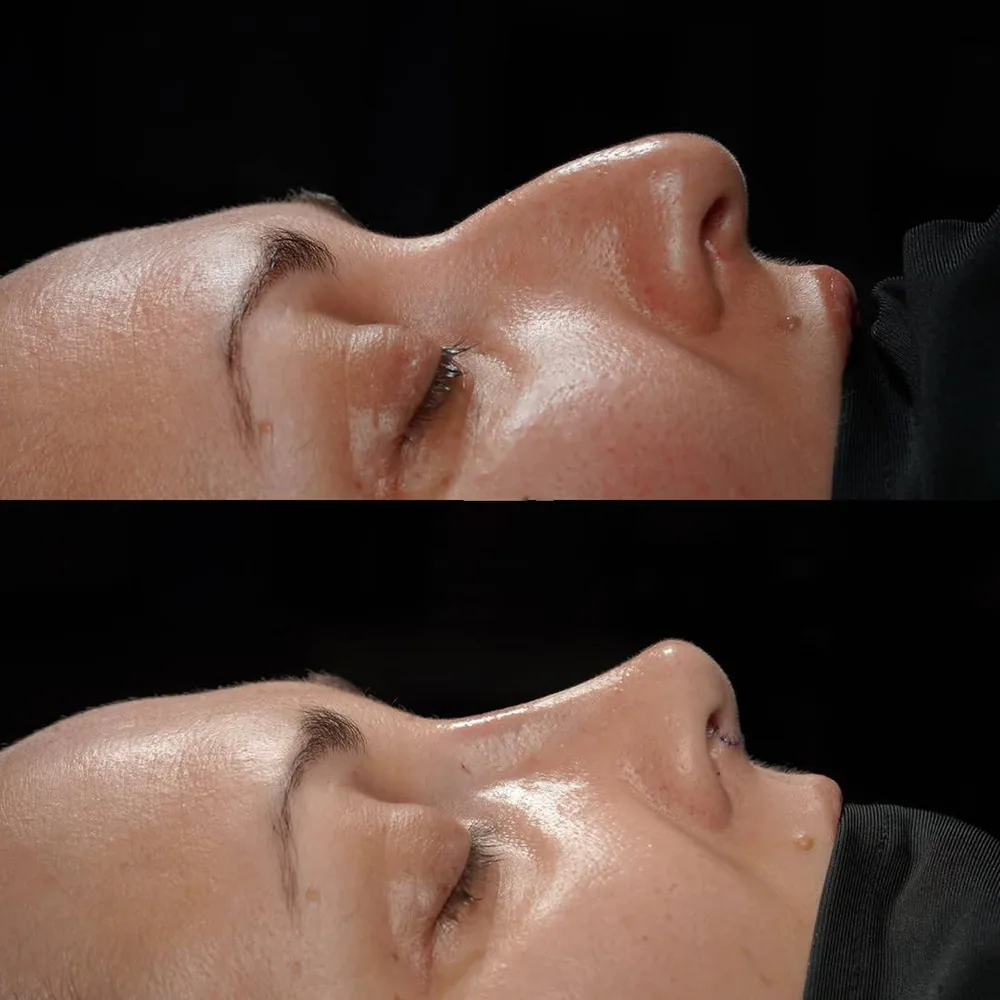 beforeafter
Rhinoplasty
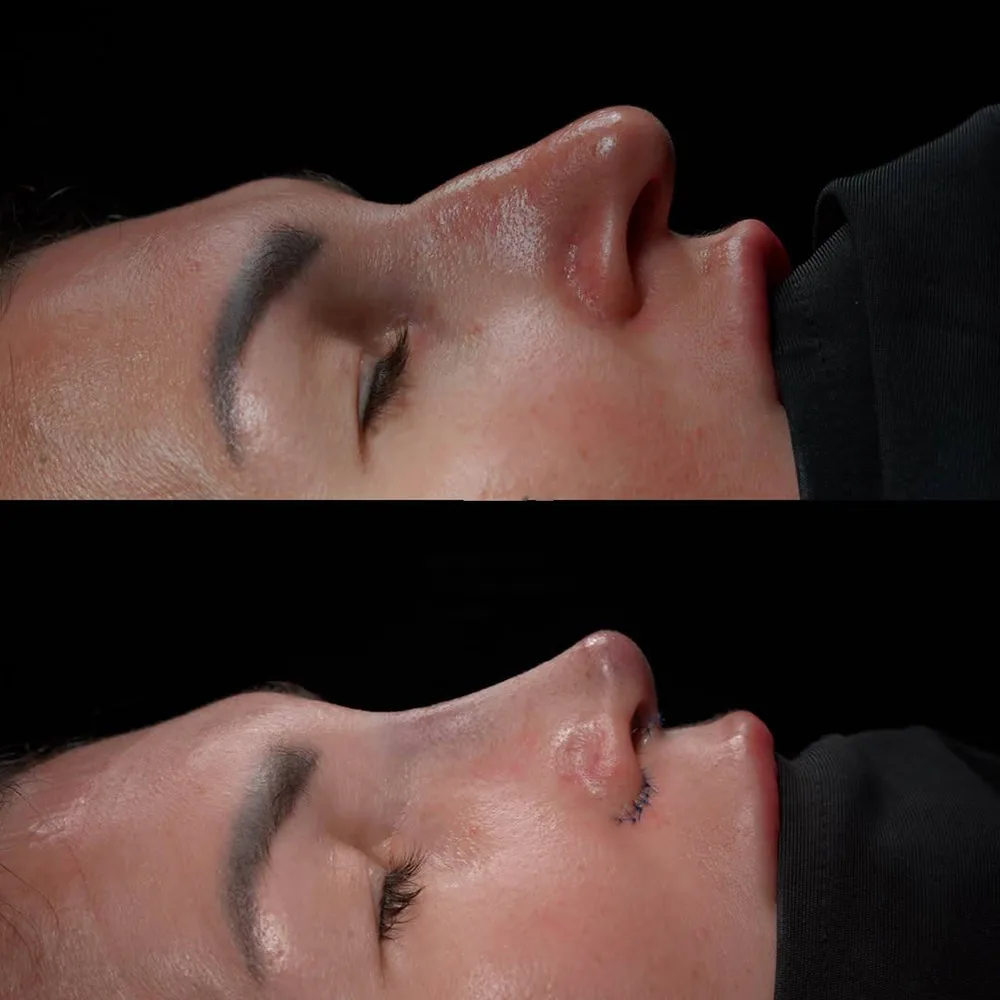 beforeafter
Rhinoplasty
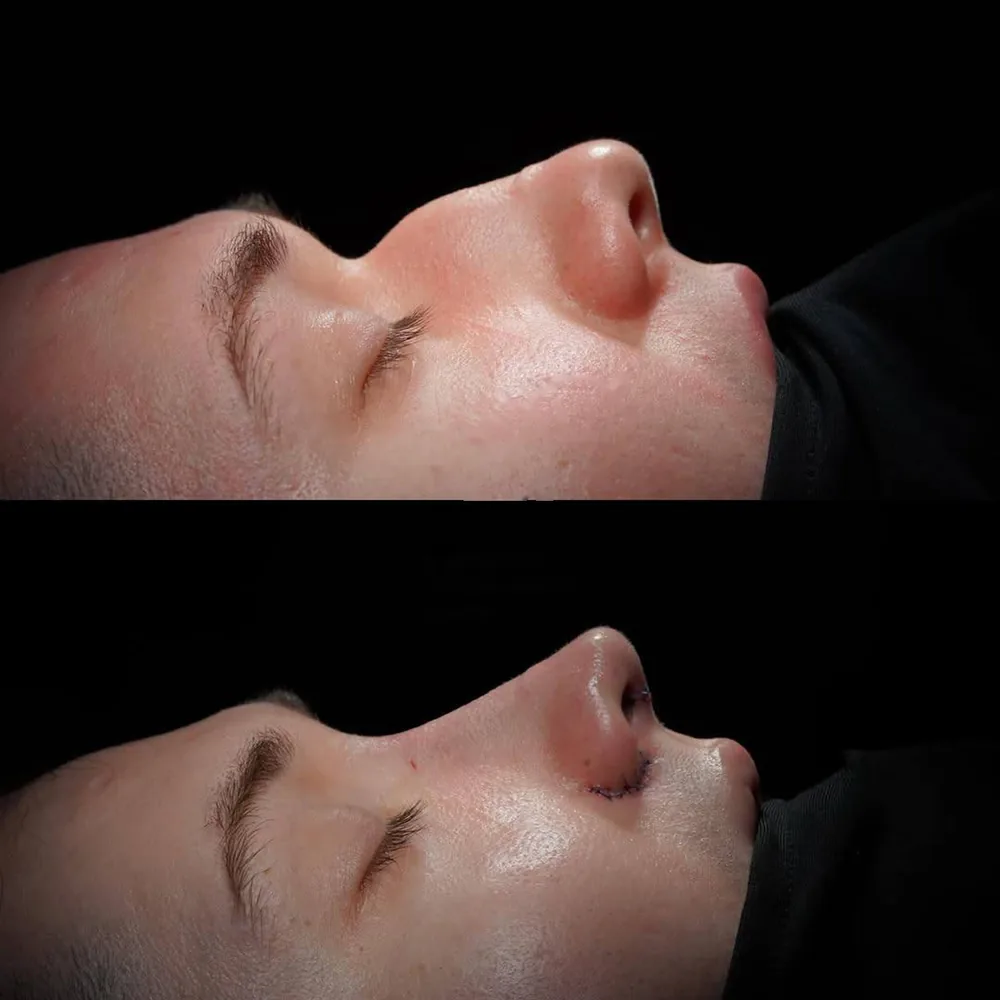 beforeafter
Rhinoplasty
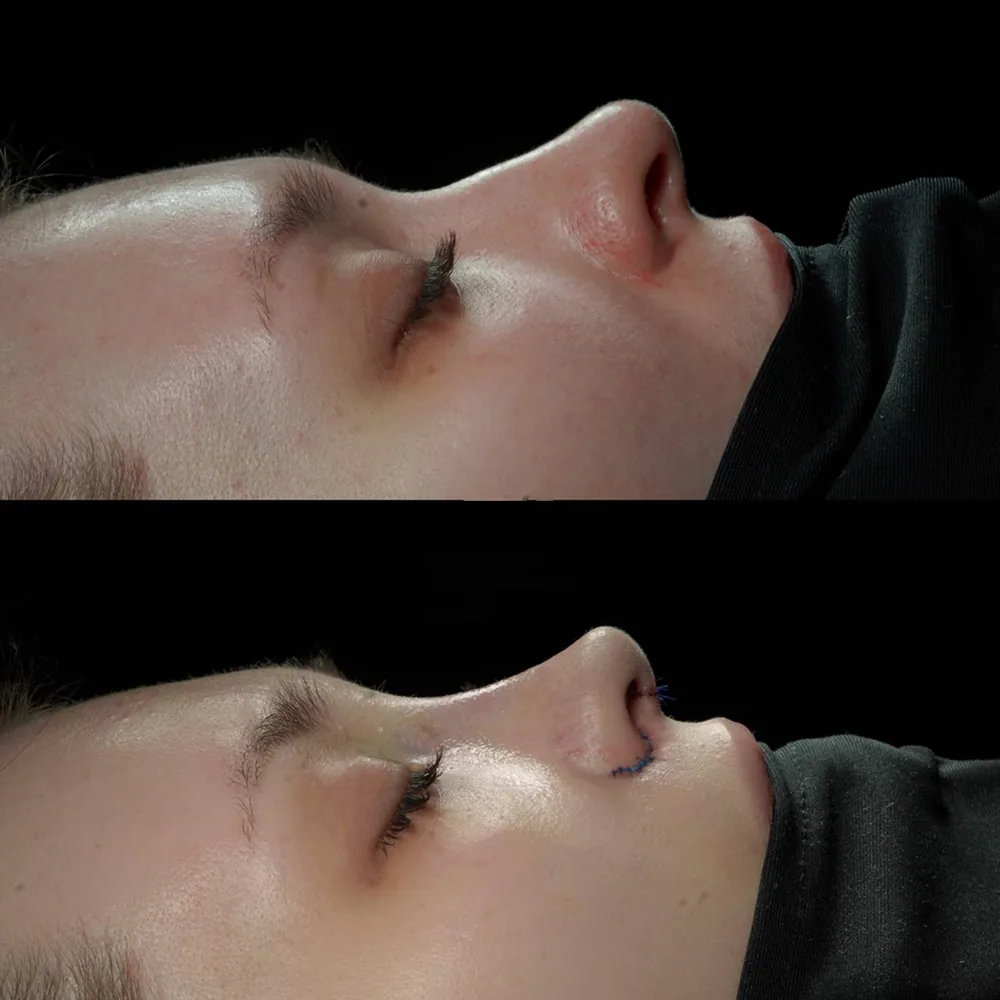 beforeafter
Rhinoplasty
beforeafterRhinoplasty
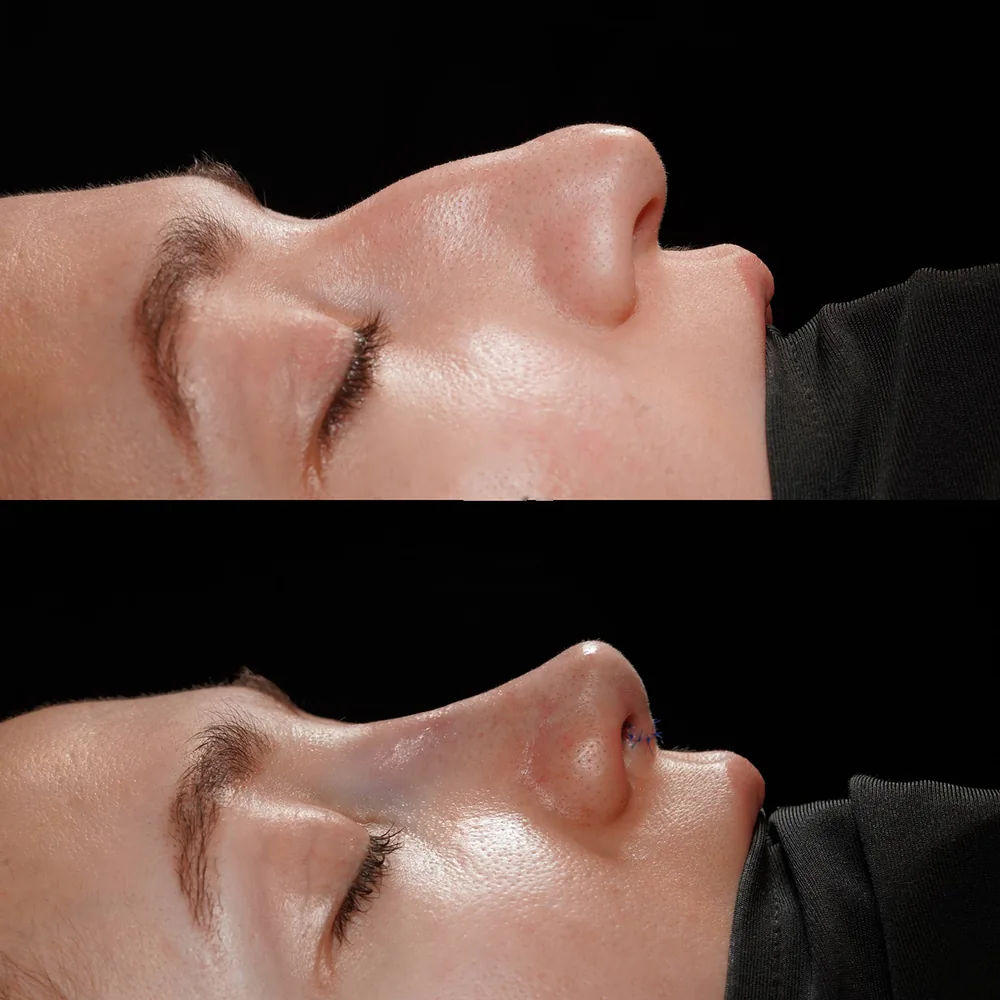 beforeafter
Rhinoplasty
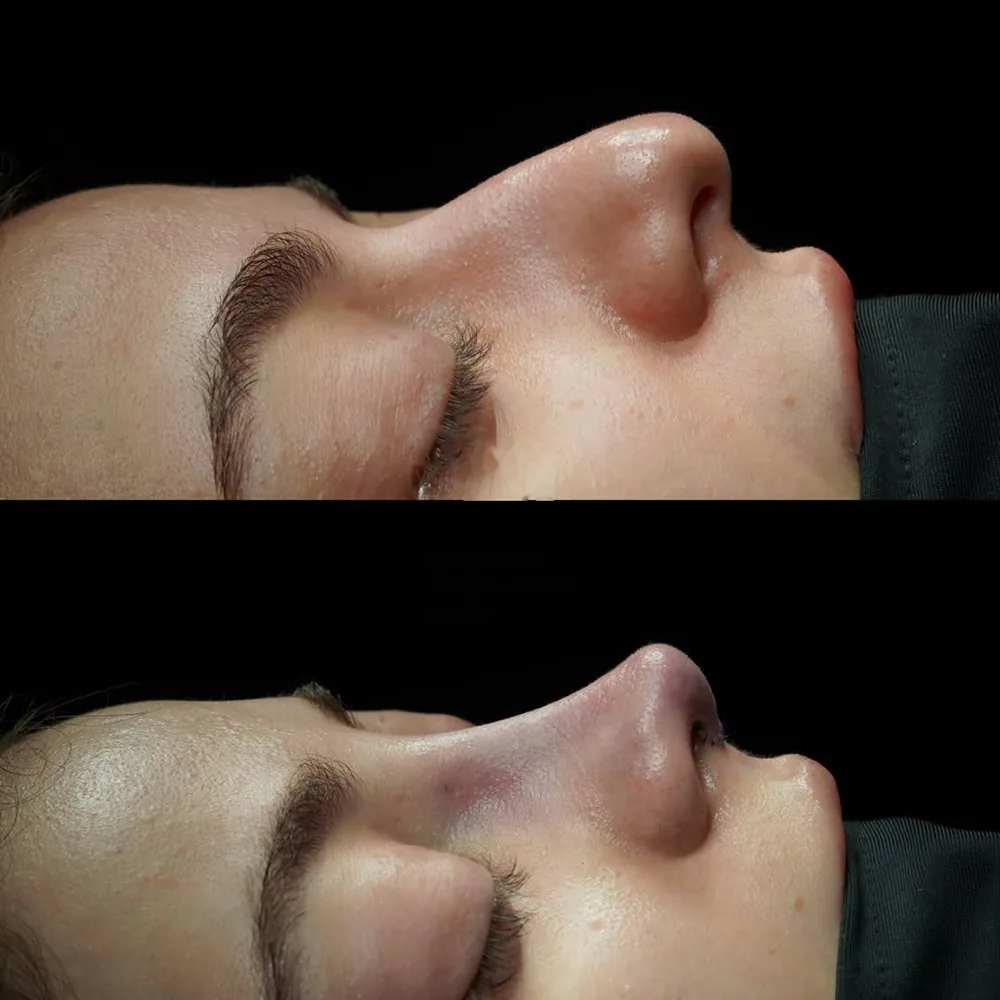 beforeafter
Rhinoplasty
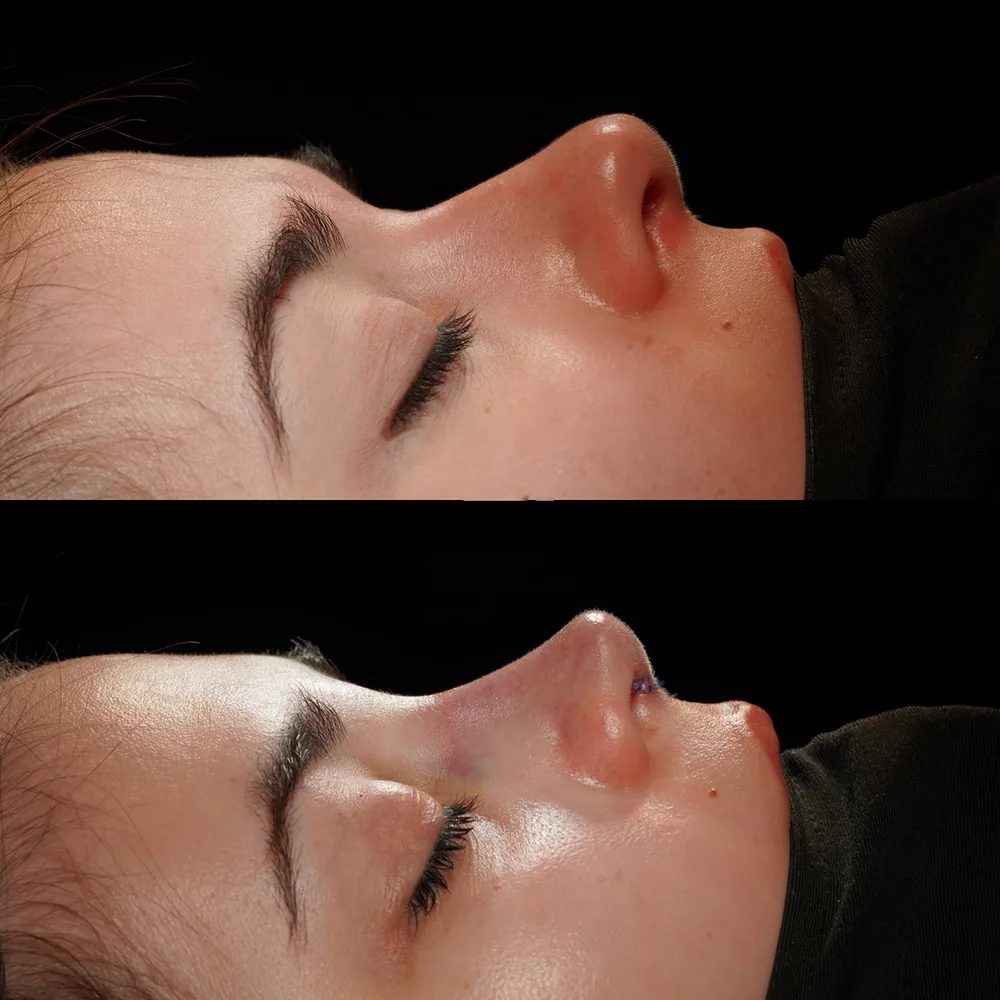 beforeafter
Rhinoplasty
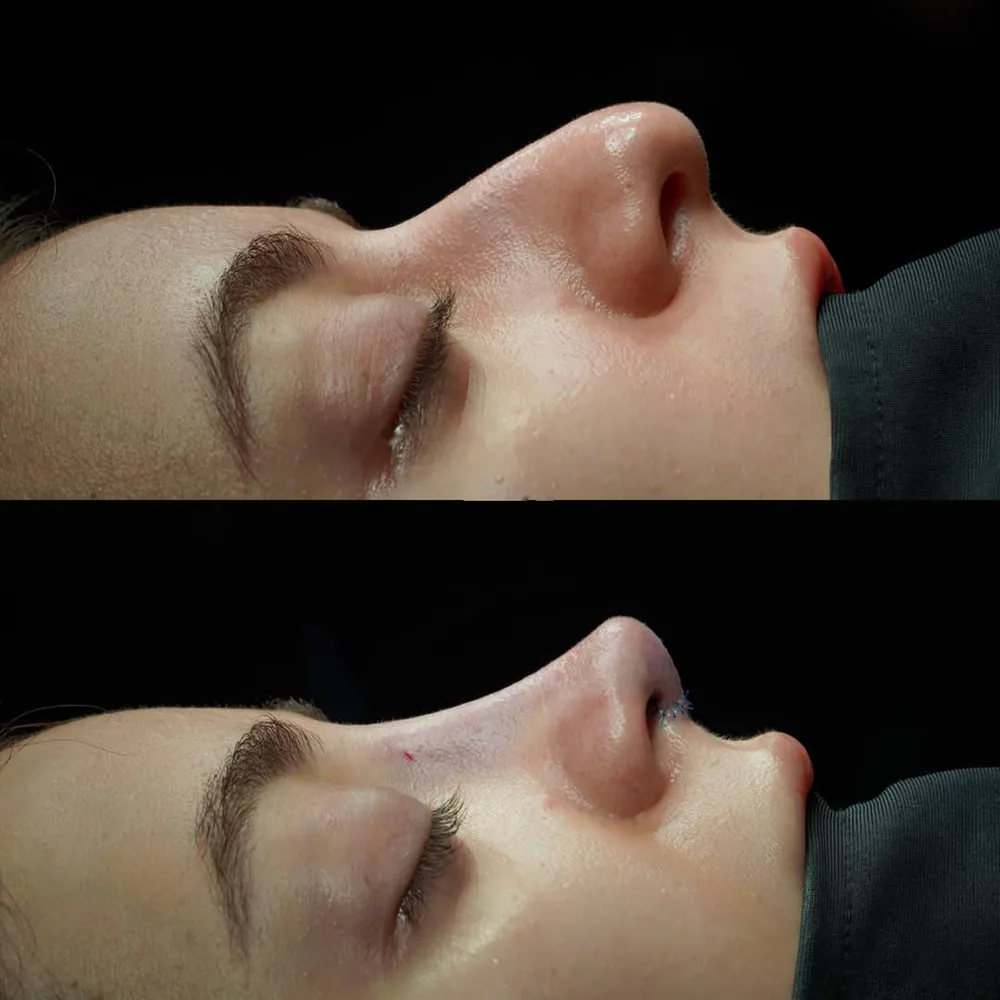 beforeafter
Rhinoplasty
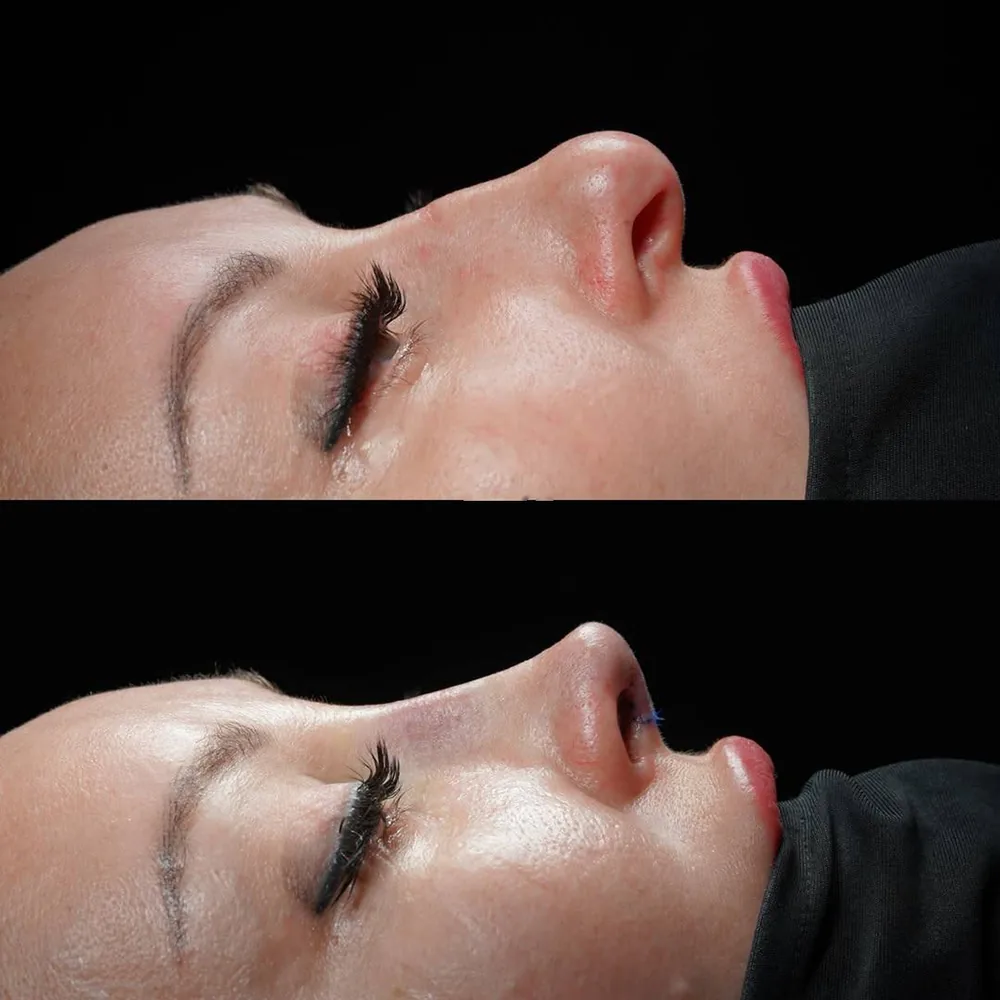 beforeafter
Rhinoplasty
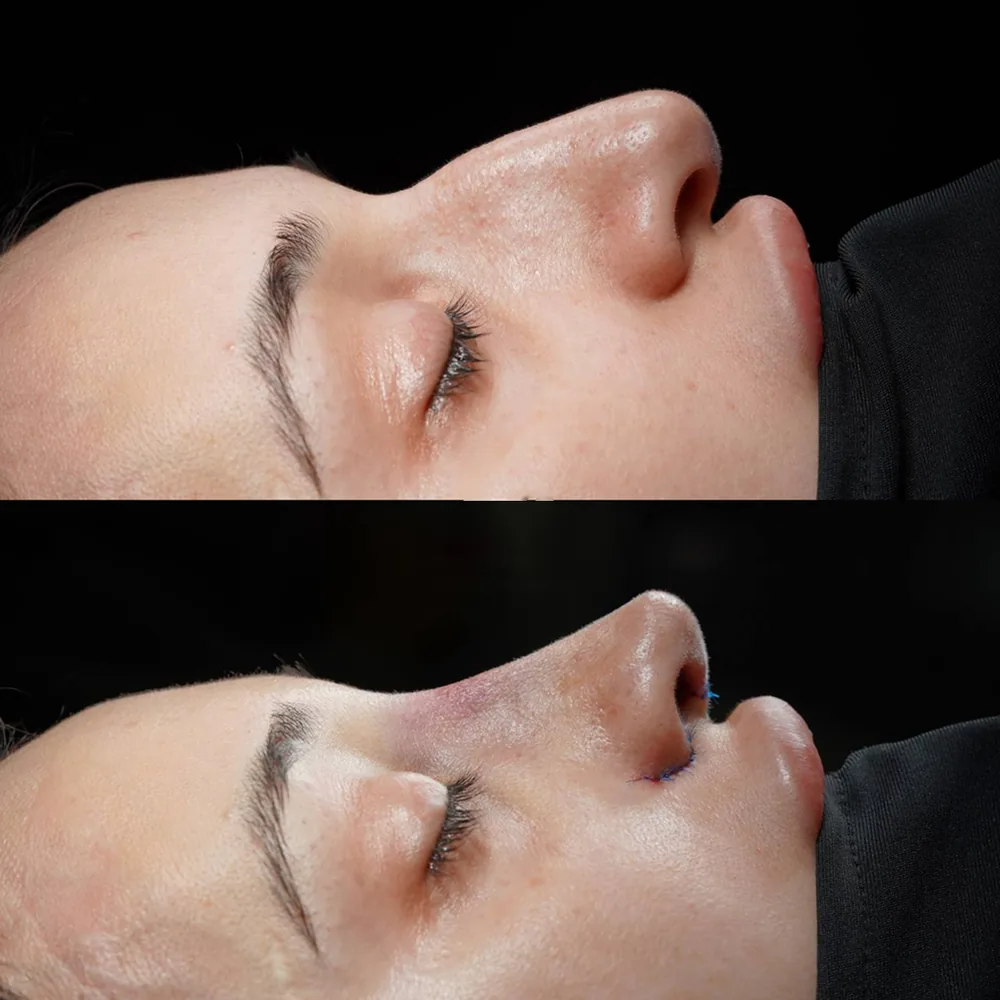 beforeafter
Rhinoplasty
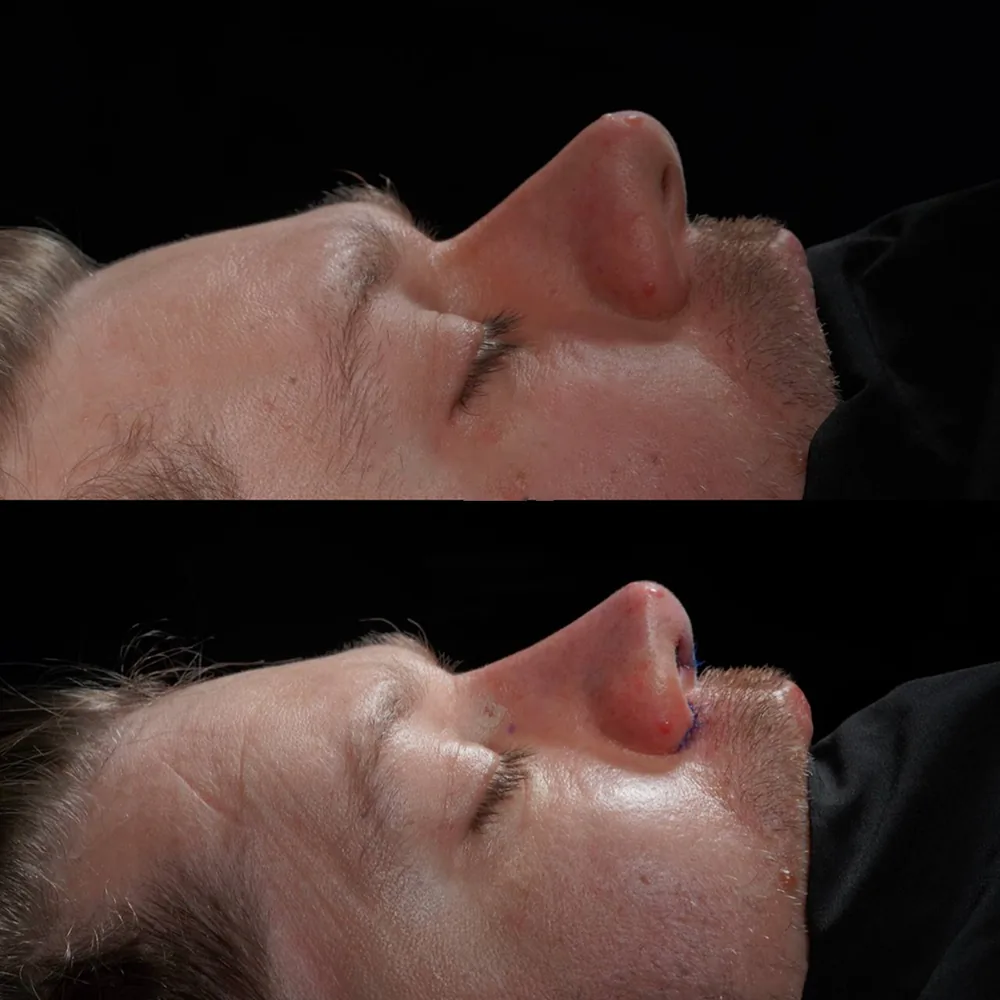 beforeafter
Rhinoplasty
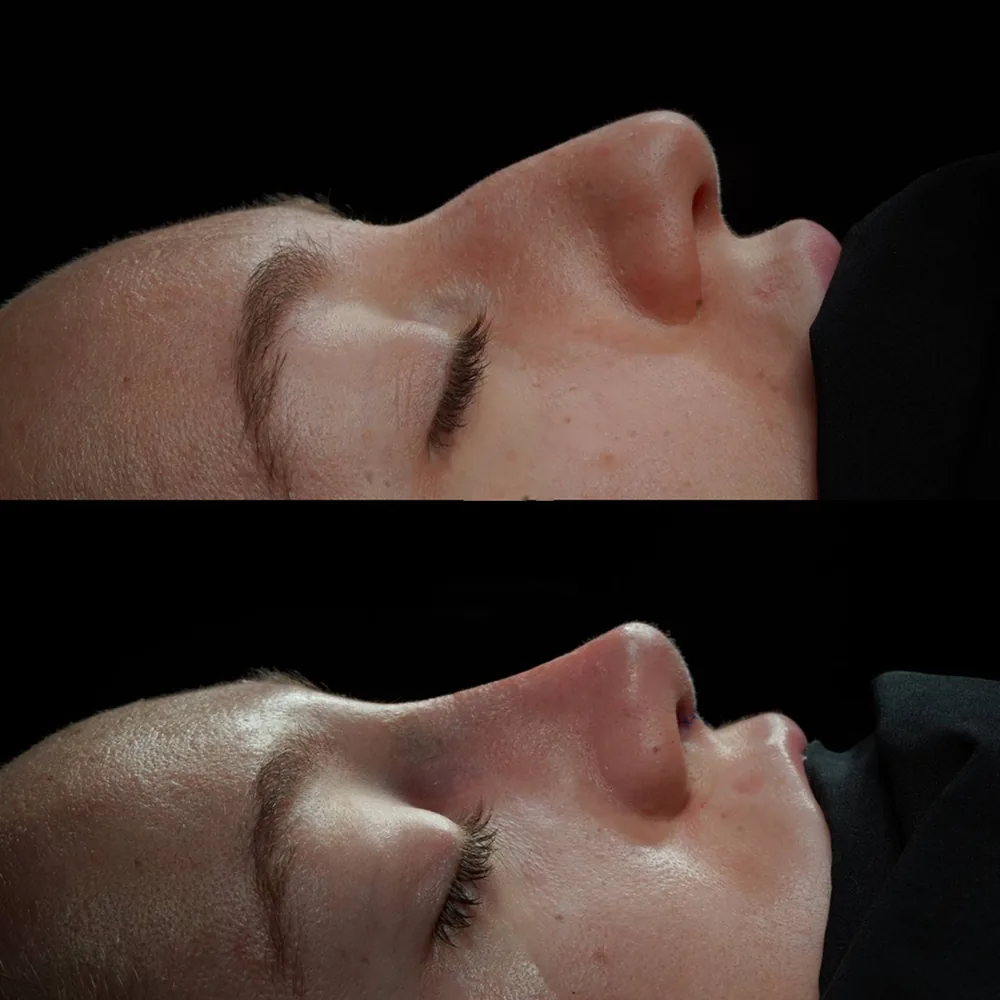 beforeafter
Rhinoplasty
Comparison
We will choose the most effective option for you and deliver an excellent outcome.
The initial nose procedure, aimed at changing its shape and restoring function if breathing is impaired.
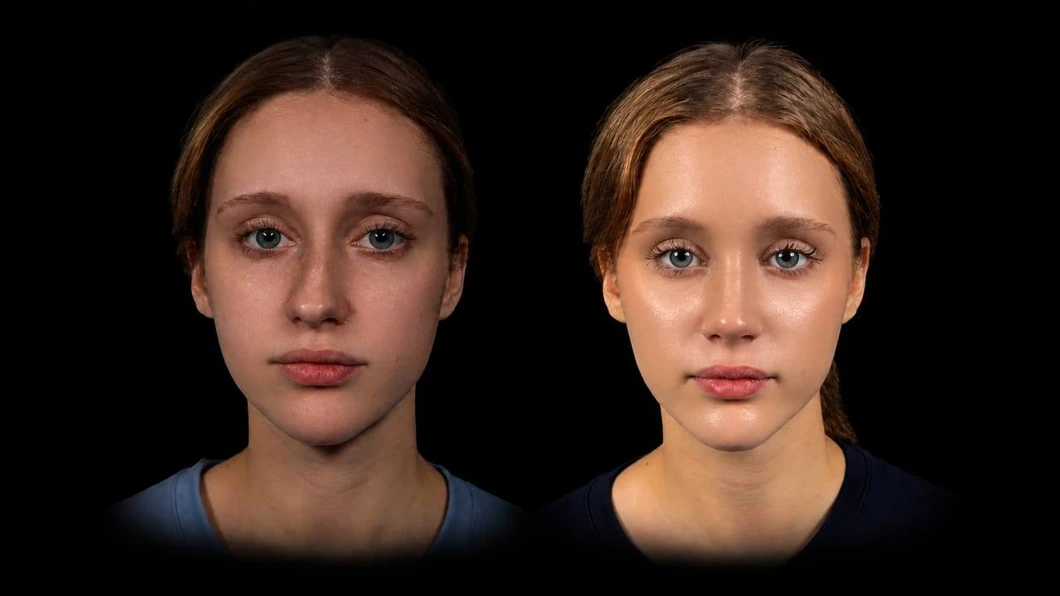
Discounted price
$4,200 $6,000
Repeat rhinoplasty: used to correct the nose following an operation that did not fully succeed. Scheduled no earlier than one year after the original surgery.
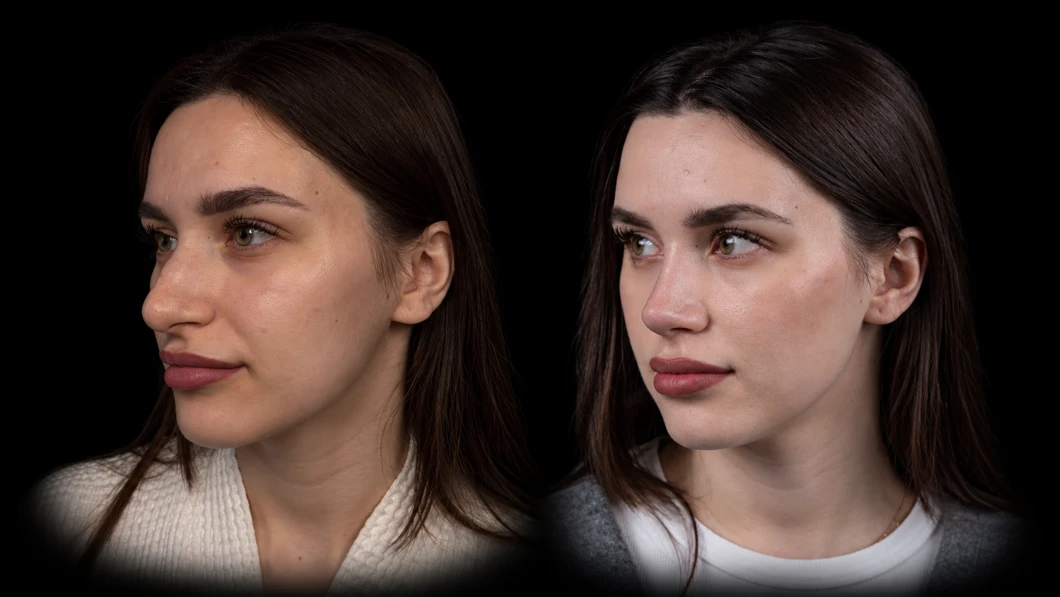
Discounted price
$5,400 $7,200
A combined procedure that treats the septum and reshapes the nose at the same time.
Discounted price
$5,000 $6,600
Recovery times and benefits shown are typical averages per type of surgery and are for general guidance only; your anatomy and individual features determine the real extent of correction and recovery, which the surgeon confirms during the consultation.
At the consultation the doctor will make a 3D model of the future result and explain
each step of your rhinoplasty
The consultation costs nothing, takes place before surgery and carries no commitment.
Book a consultationThe clinic
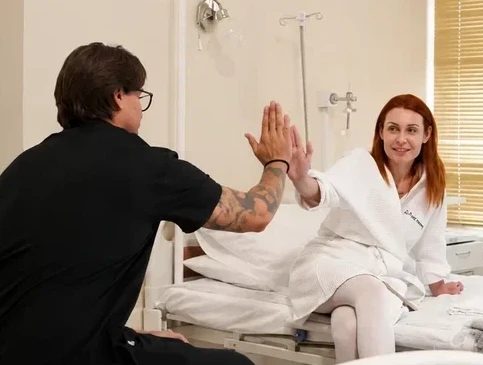
Modern equipment, comfortable rooms and care for every patient
We'll respond to your questions and set up a consultation at a convenient time
Get a consultationShould your case be solvable without an operation, the doctor will say so at the consultation — so you won't pay for nothing.
Unsure which column applies to you?
Message us on Telegram and send photos of your nose — the doctor will tell you whether rhinoplasty is right for you. Free and with no commitment to surgery.
Find out if it suits me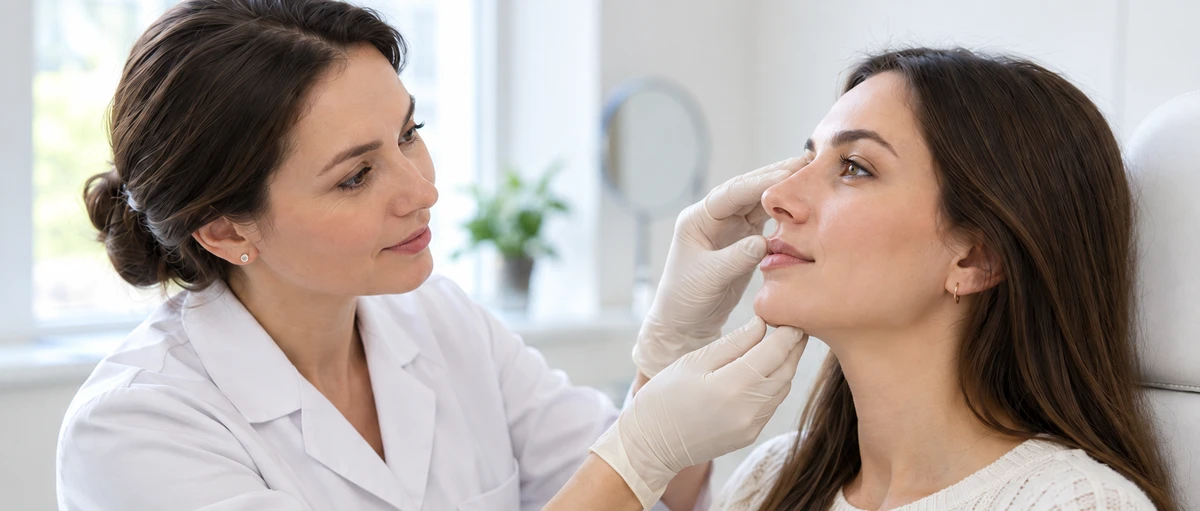
Prices
The cost is named at the free consultation, after result modelling, and fixed in the contract.
Discounted price
reshaping the nose
$4,200$6,000
Discounted price
secondary, revision
$5,400$7,200
Discounted price
both the shape and the septum
$5,000$6,600
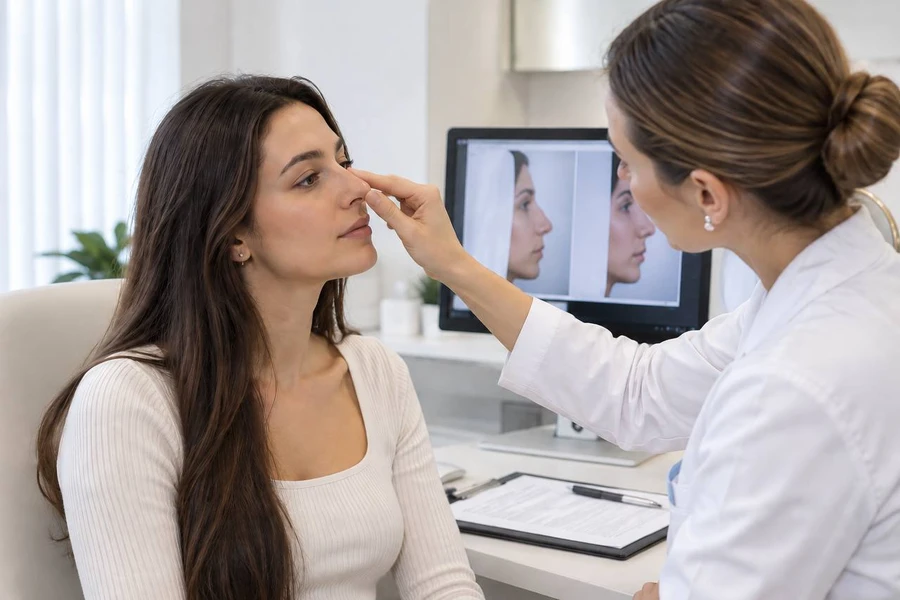
Free
surgeon's assessment and a 3D model
Free
the price of surgery is confirmed
and fixed in your contract
The doctor will study your nasal anatomy, listen carefully to what you want
and propose the right correction technique. The cost is given at the consultation and recorded in the contract.
Message our coordinator
Free online consultation · Reply within 15 minutes
Message us on TelegramMessage us on WhatsAppBy messaging us, you agree to our Privacy Policy
Price
From getting ready for surgery
to 12 months of support.
Discounted price
$4,200$6,000Discounted price
How it goes
A correction plan agreed with you, inpatient observation, and a full year of recovery follow-up.
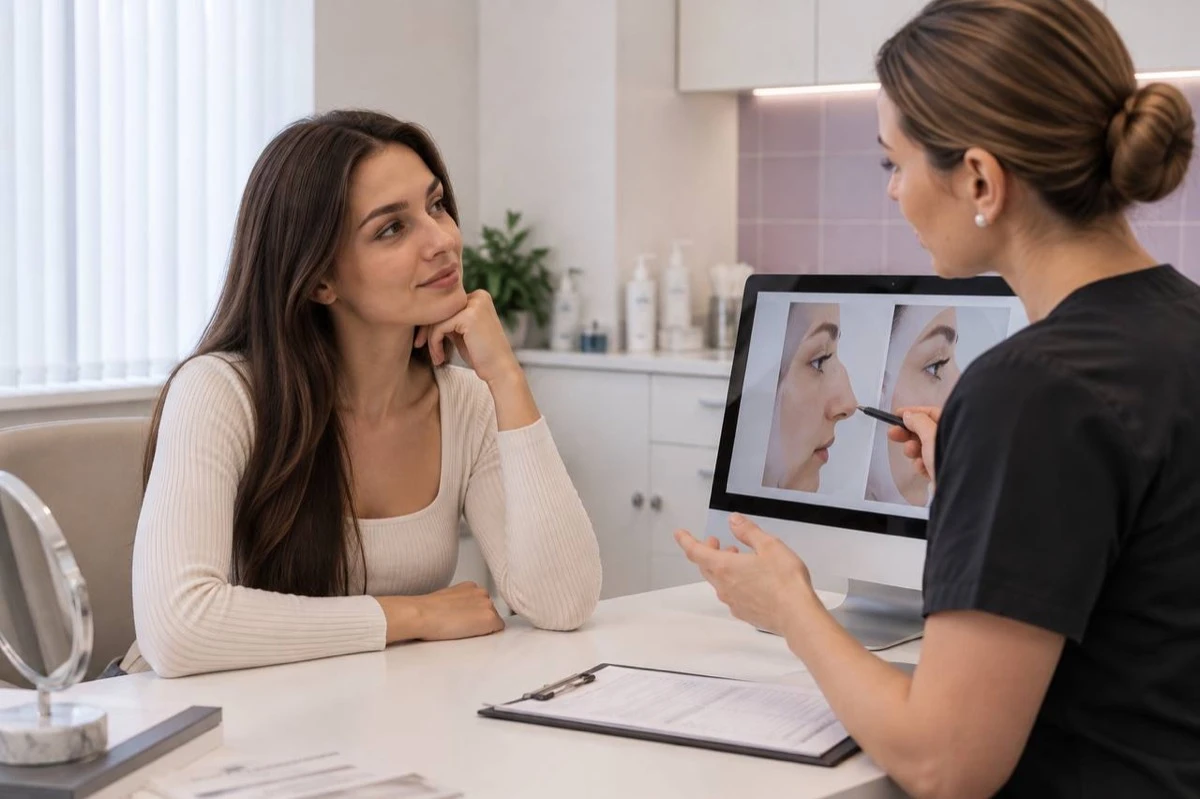
The doctor assesses your nose, discusses your wishes and carries out the examinations needed to choose the best correction technique

Your surgery date is reserved once the deposit is paid — by card at the clinic or online by bank transfer — and the terms are confirmed in the contract for medical services
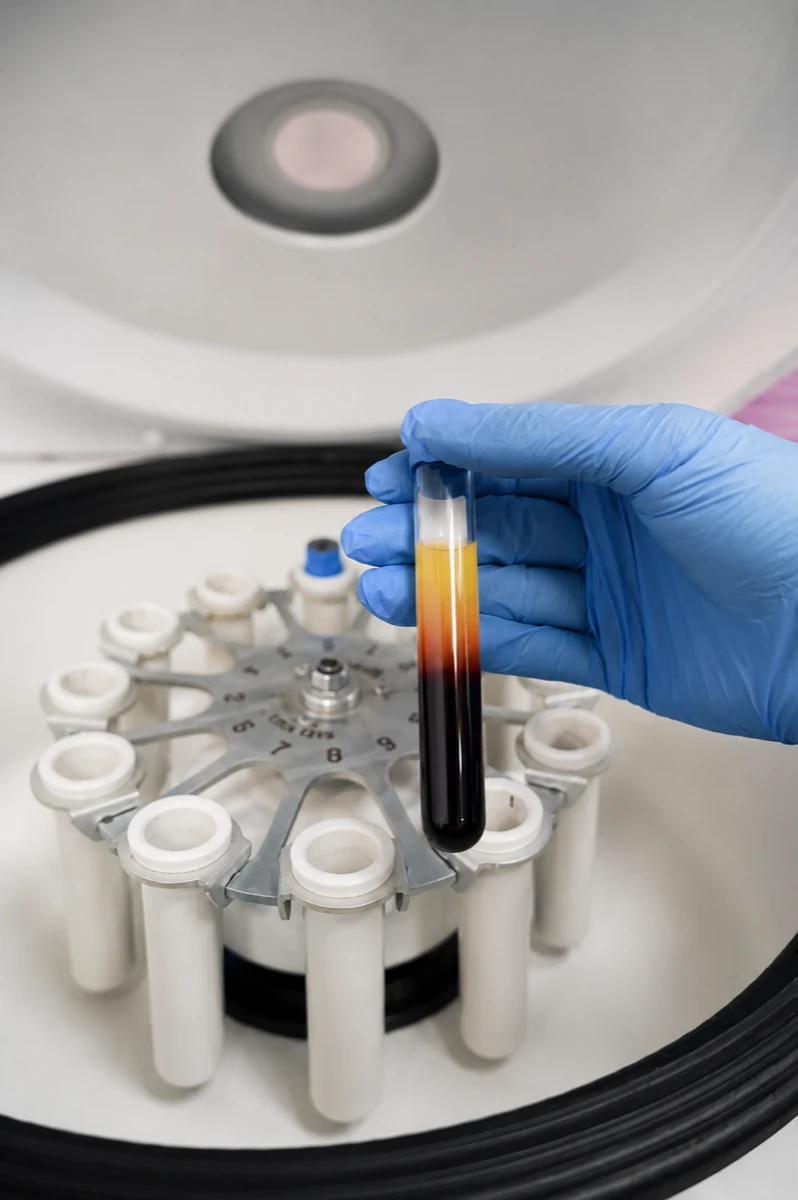
Ahead of surgery, a full set of lab tests is required: complete blood count, biochemistry, coagulation panel, chest X-ray and a sinus X-ray
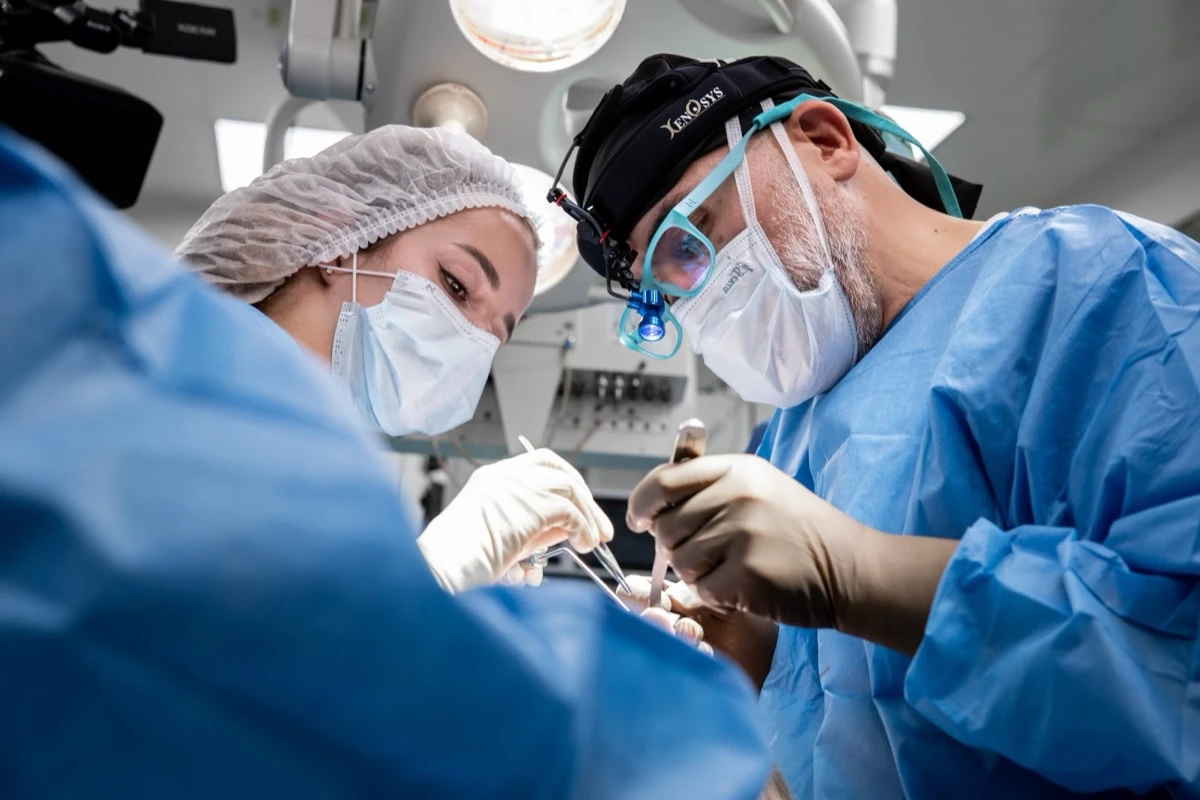
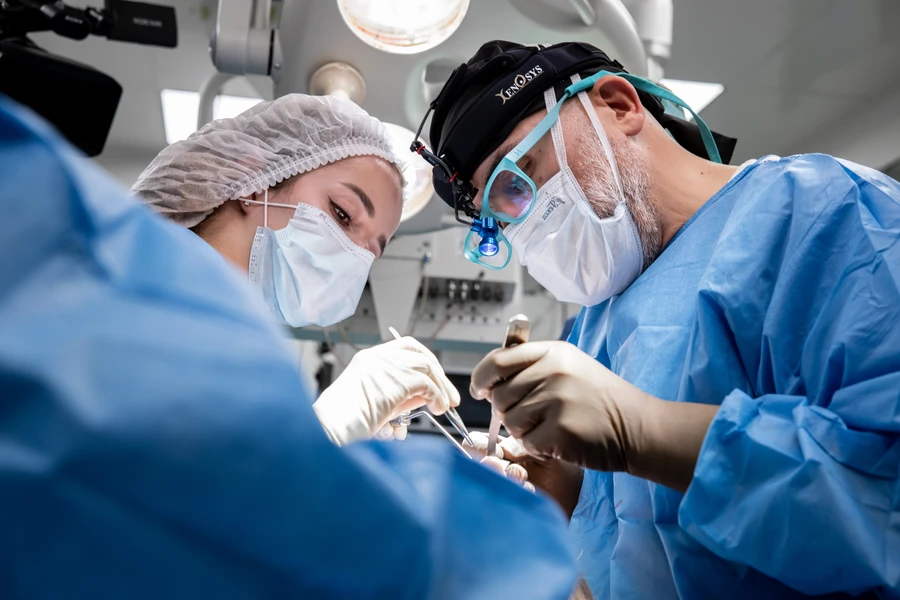
Under general or local anaesthesia, the surgeon performs the rhinoplasty with the chosen technique, correcting the structure and shape of the nose
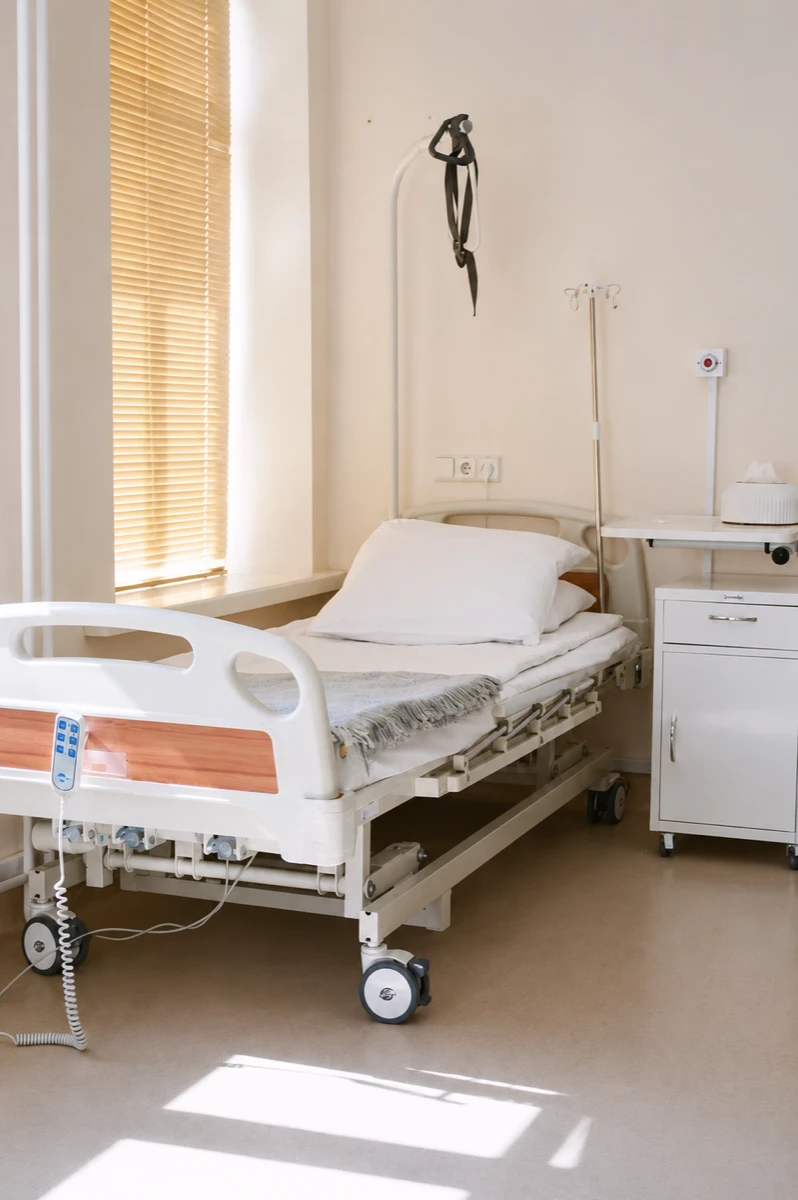
Every procedure takes place in the clinic's inpatient unit. You stay there for one day after surgery
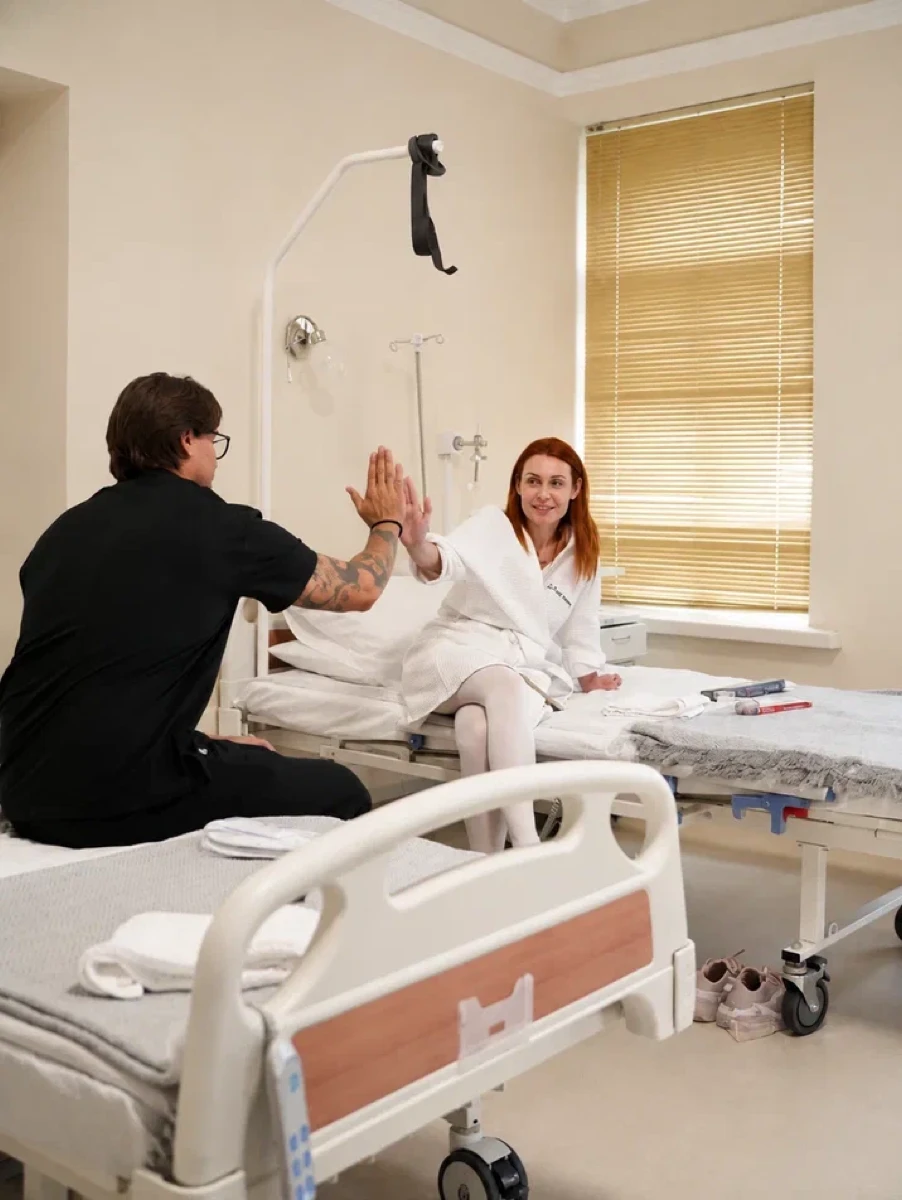
You get a recovery programme after surgery, with progress tracked through check-ups at 7 days, 3 and 6 months — and free consultations with your surgeon for a year.
At the consultation you will see a realistic forecast of the result
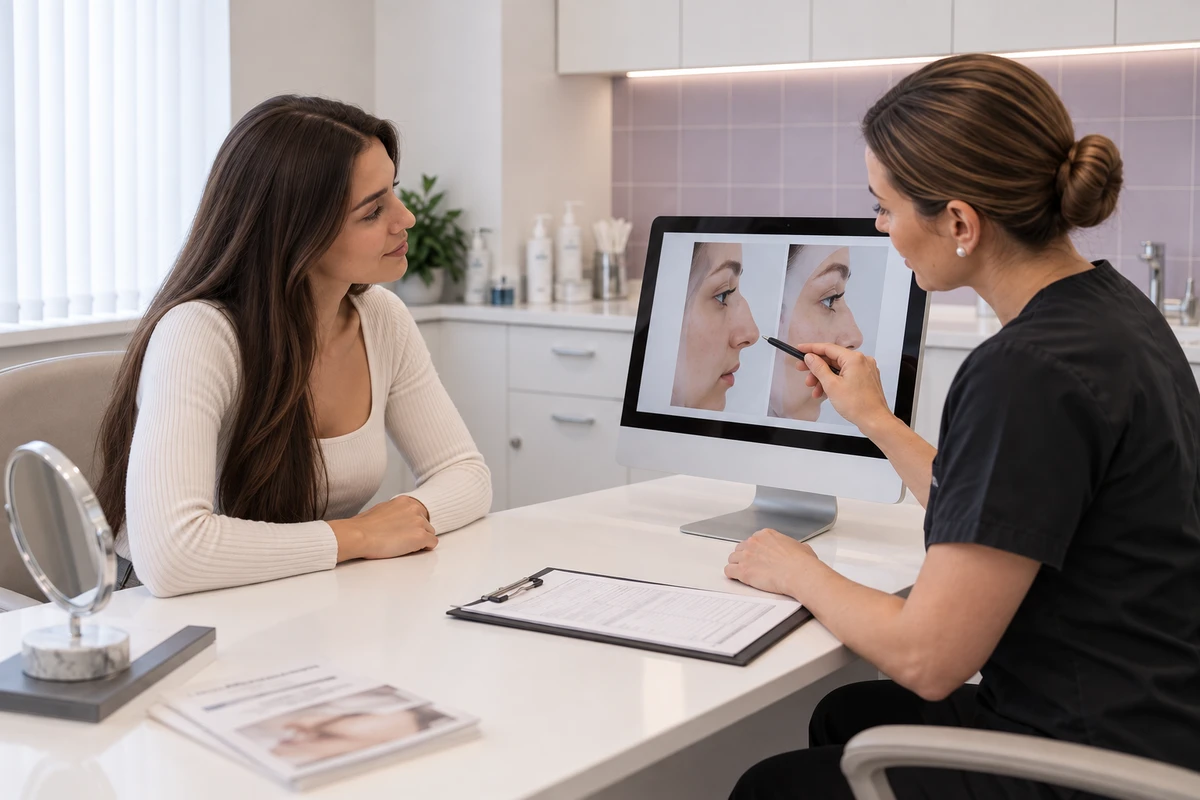
The consultation costs nothing, takes place before surgery and carries no commitment.
Book a consultationNasal splint
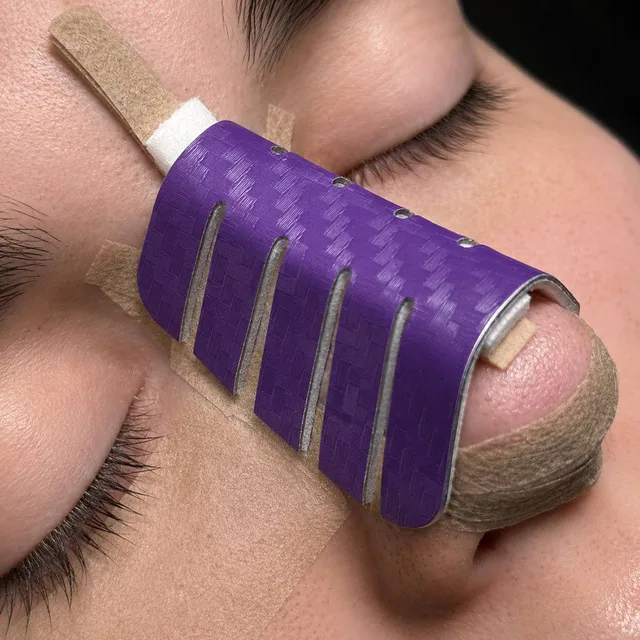
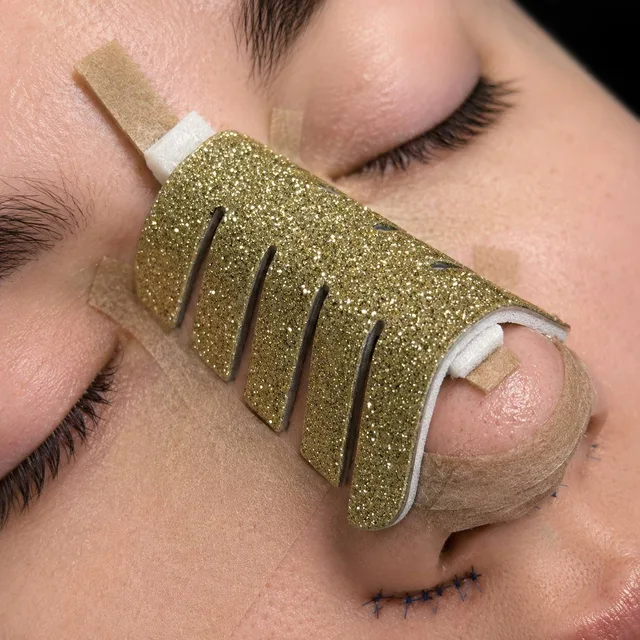
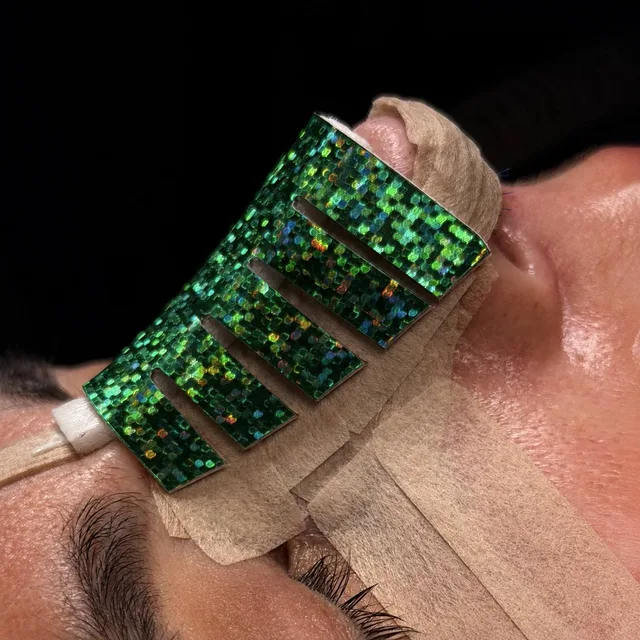
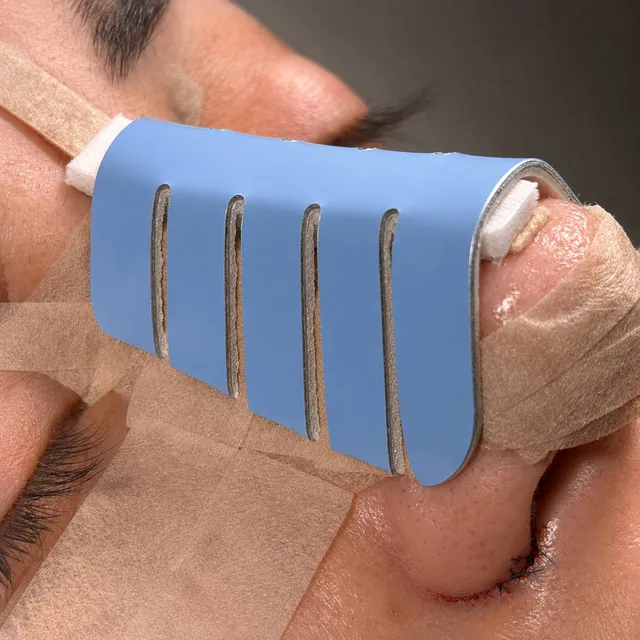
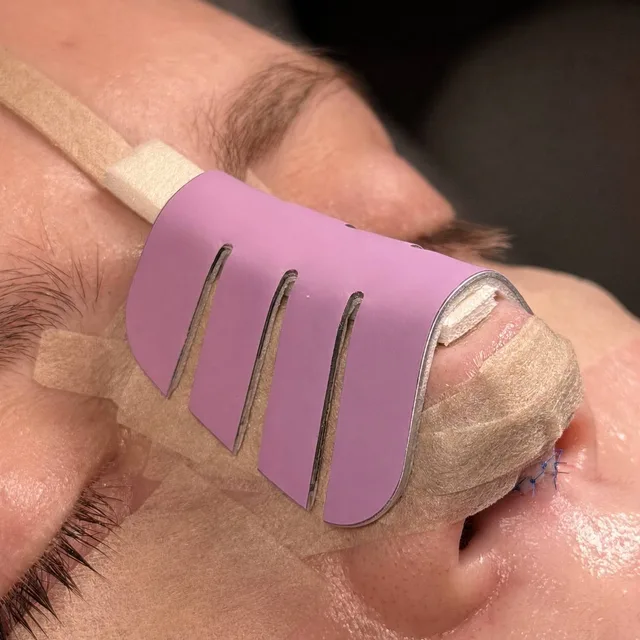
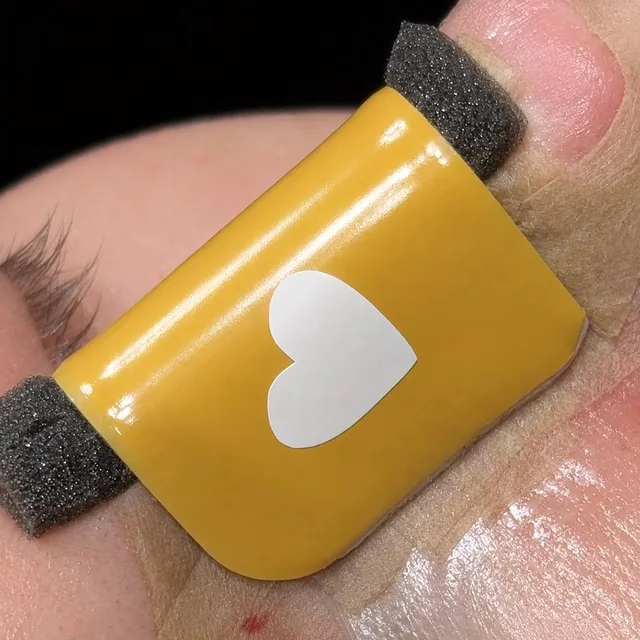
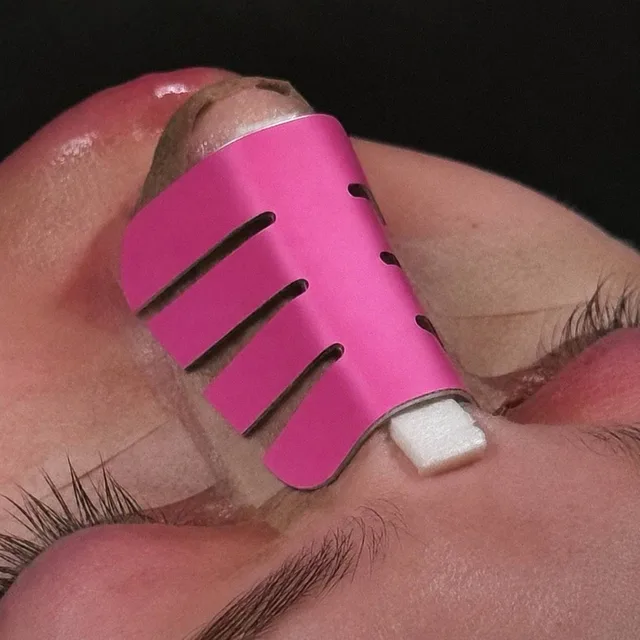
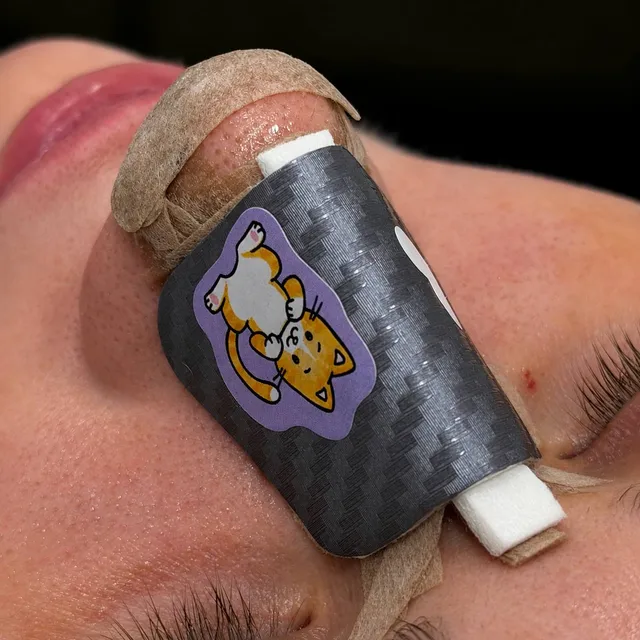
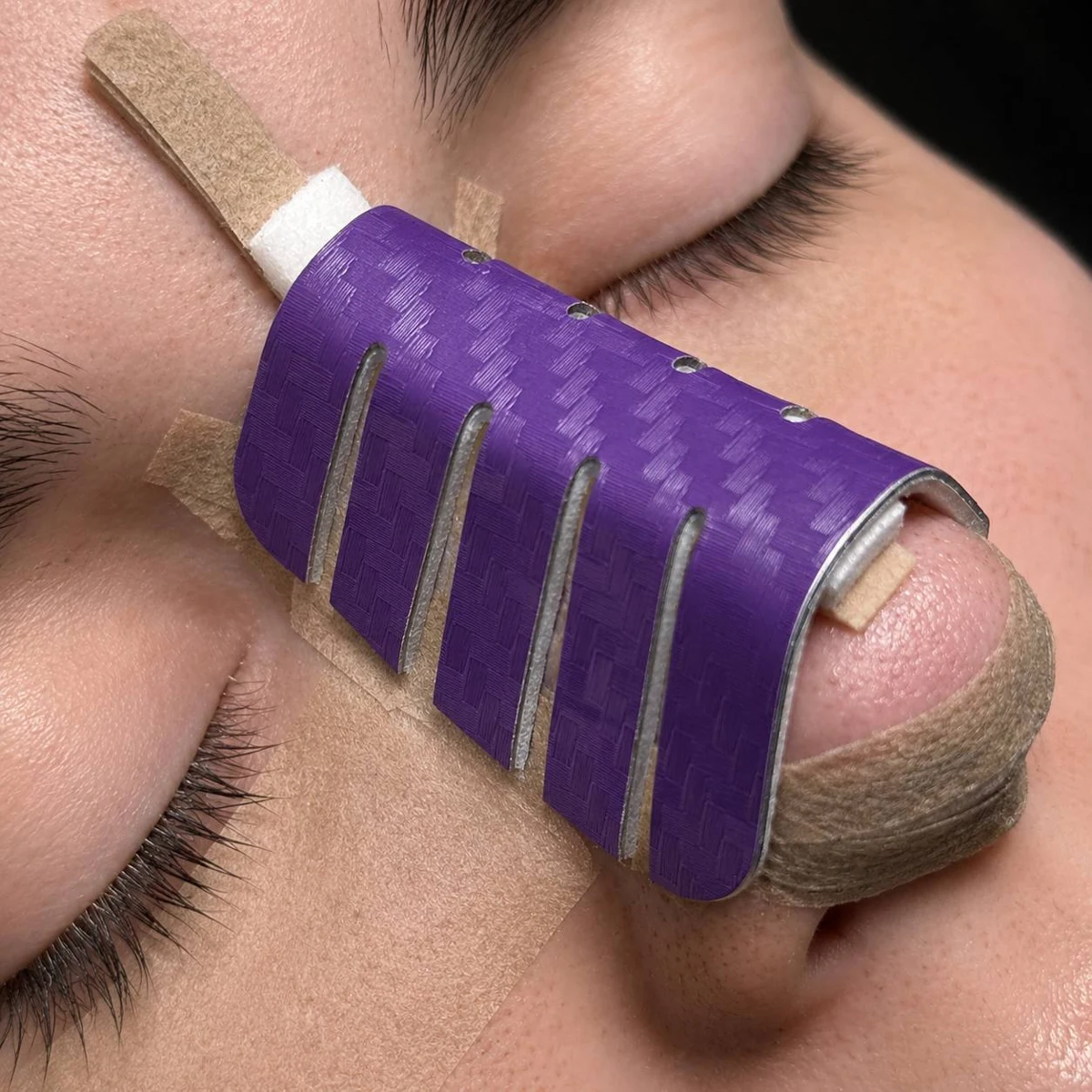
Every detail is chosen to highlight your natural beauty. So that you enjoy the change even while recovering, you can choose the colour of your own nasal splint.
Style shown in the details:
Pick a splint colour that matches your mood
Small things build confidence — much like your future profile
Doctors
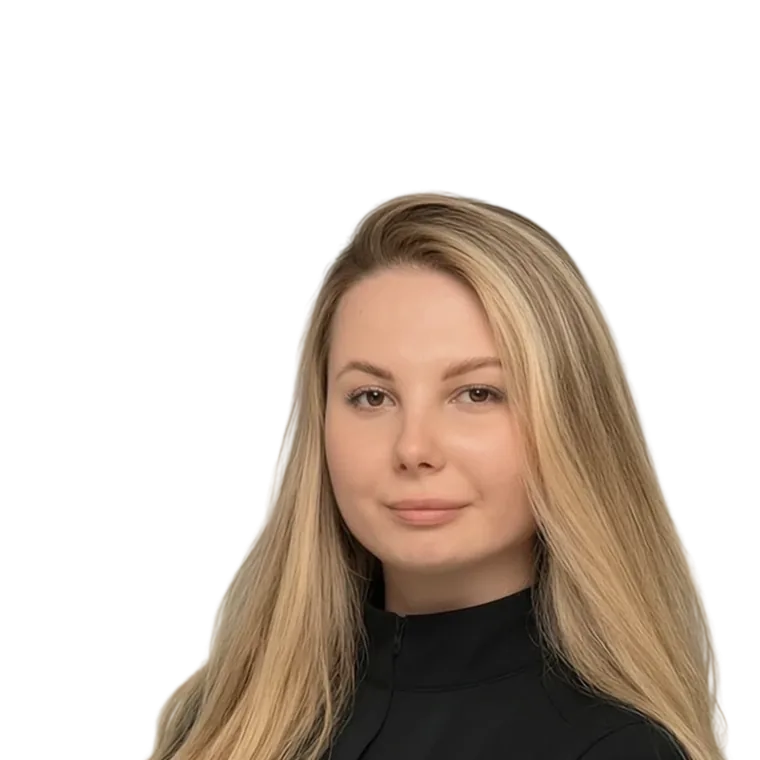
Rhinoplasty surgeon
You speak directly with the operating surgeon at the consultation
Your facial proportions are assessed by the doctor, who listens to your wishes and explains the possible changes.
Book a consultationCoordinators
We stay with you through every stage

A coordinator just for you
Your first contact at the clinic — from your first message to the consultation
Care specialist for patients
Answers your questions ahead of the first consultation and helps you pick a convenient date

A coordinator just for you
Supporting you before and during your stay, from booking right through to discharge
Care specialist for patients
Helps you get ready for surgery and keeps in touch throughout your stay at the clinic

A coordinator just for you
Supporting you through recovery, from discharge to your final check-up
Care specialist for patients
Remains in contact during recovery and schedules your follow-up appointments with the surgeon
A closed channel for those who value honesty and expertise
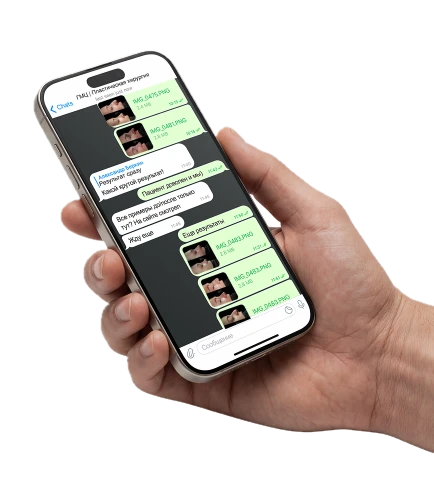
Message us — our coordinator will contact you shortly and book your consultation
Advantages
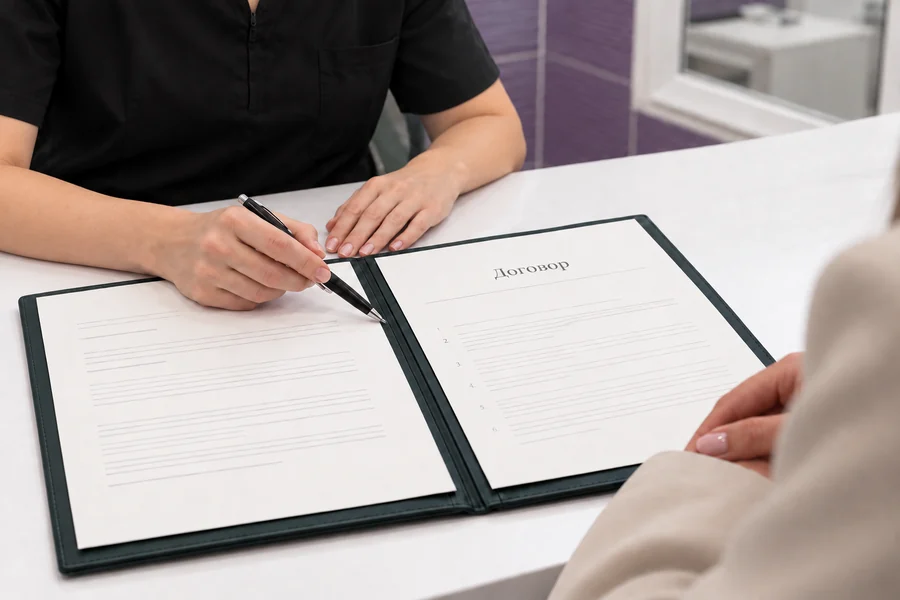
A lifetime guarantee, set out in the contract. The terms of the surgery, ongoing support and post-operative follow-up are all agreed in advance.
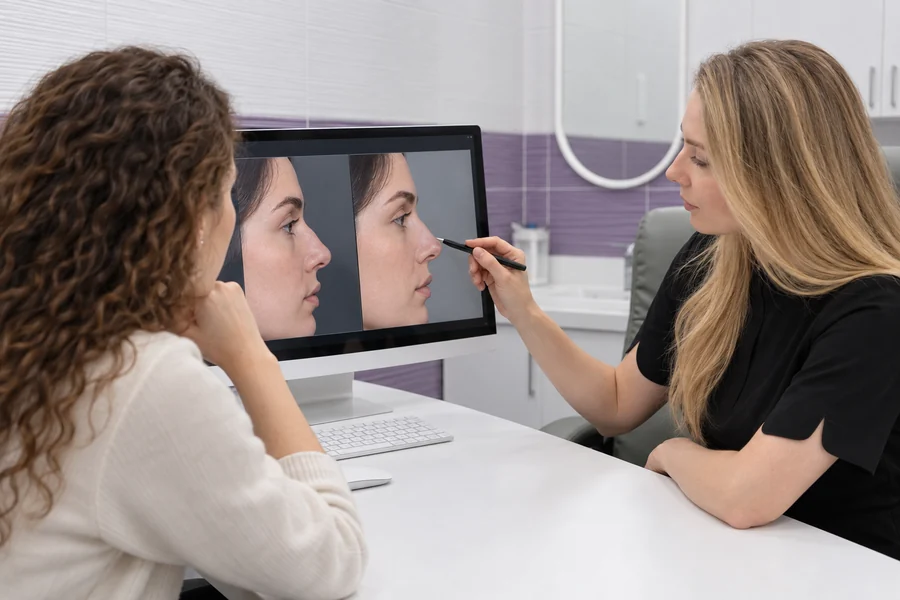
A free consultation lets us review your case and tell you whether rhinoplasty makes sense for you — facts only, no persuasion involved.
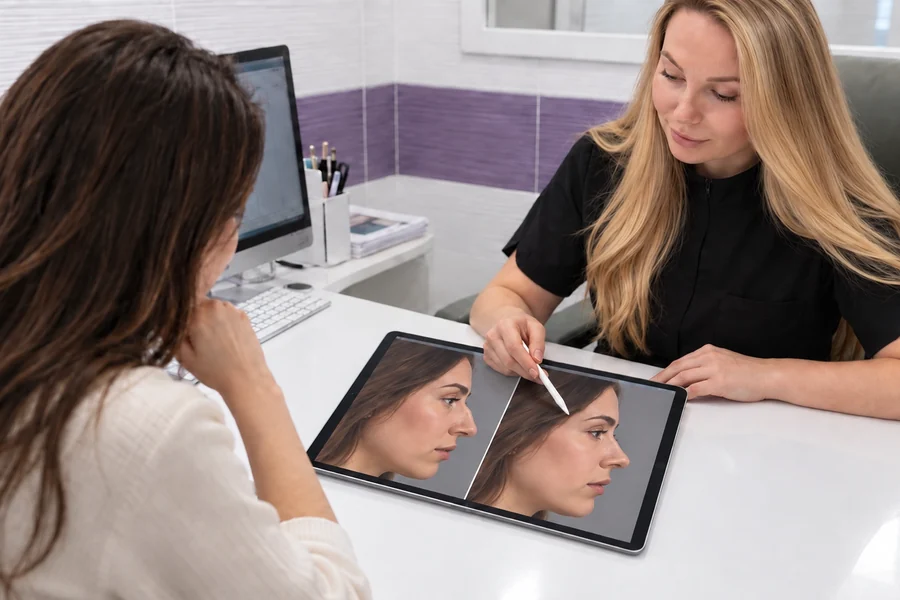
For patients travelling from another city or country, we combine the consultation and the required preparation into one trip, so the process is more convenient and needs fewer journeys.
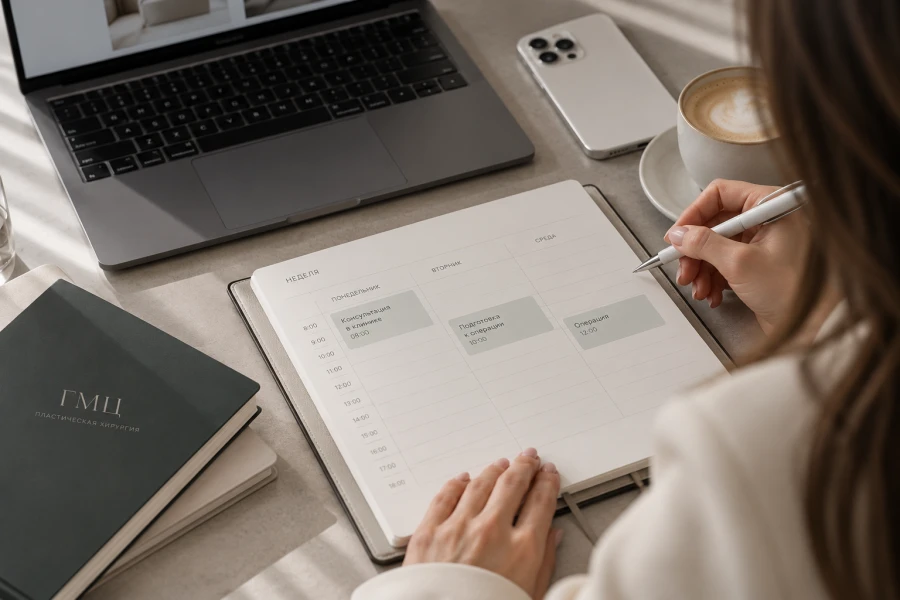
Available 24/7 with easy booking and a personal approach, we adapt to your pace because your time matters.
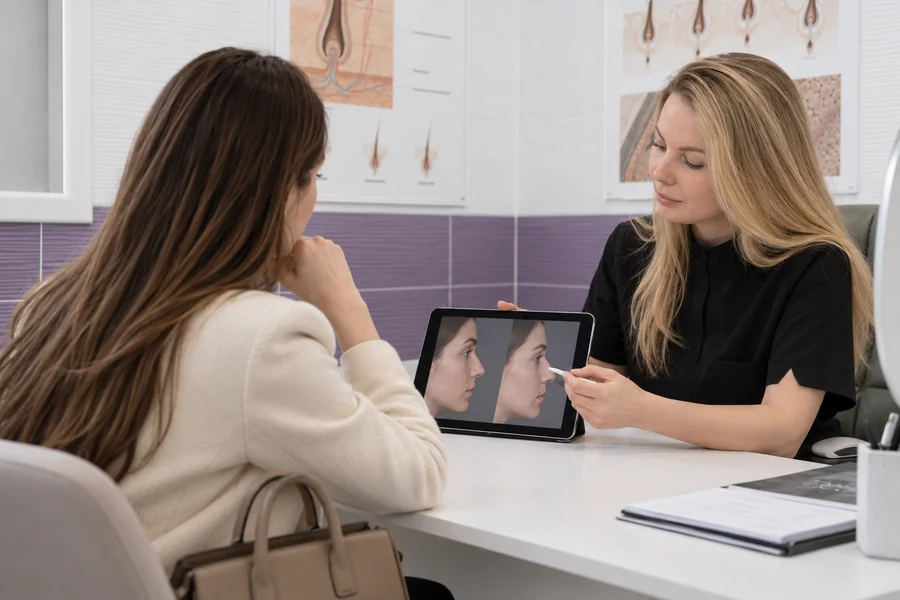
After the consultation the surgeon defines the extent of correction, and you get a clear price for the surgery — no surprises on the way to the result you want.
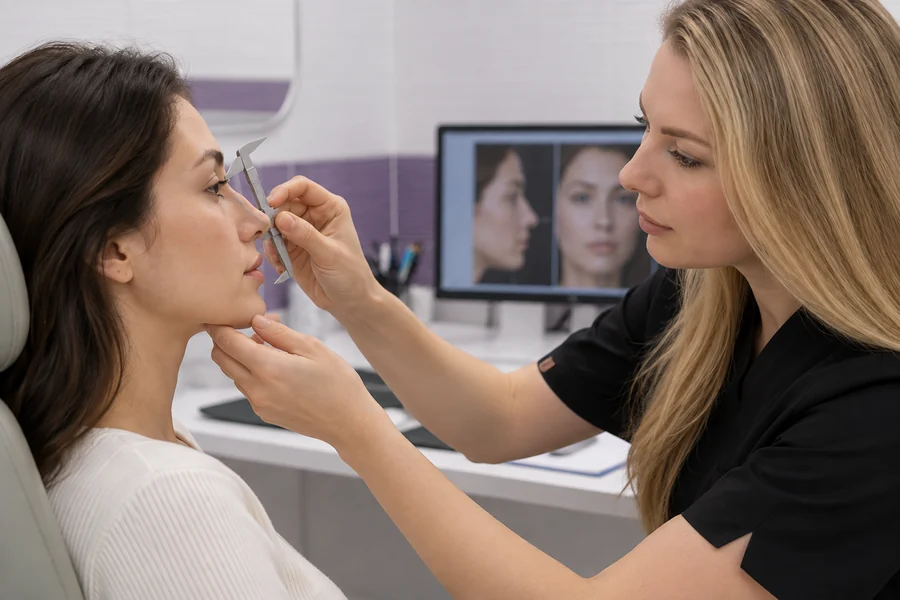
Modern equipment allows the surgeon to work precisely and gently, which matters where a single millimetre can affect proportions, profile and facial harmony.
Prices
Send a request and get a free consultation on any service
Free
BookPrice without discount: $6,000$4,200
Price without discount: $7,200$5,400
Price without discount: $6,600$5,000
Price without discount: $6,500$4,700
Price without discount: $7,200$5,400
FAQ
Rhinoplasty (nose job) — one of the more delicate and frequently requested plastic surgeries, meant to adjust the nose's shape to the individual proportions of the nose and the whole face. Modern rhinoplasty is not merely a procedure to change how the nose appears, but complex surgical work aimed at an aesthetic ideal without risking health.
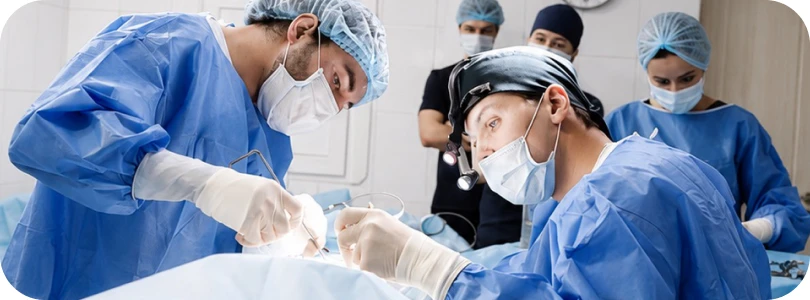
Surgery is best done at 18 to 45, when the nose has finished forming and tissues still heal well. If medically indicated, it can be done later in life, provided your general health allows
At its core, rhinoplasty is a comprehensive solution. It corrects both congenital and acquired nasal deformities, for example after a nasal injury. Patients are often bothered by a dorsal hump or an overly wide nose. Nose correction can also target the tip (tip rhinoplasty) or the nostrils (alar rhinoplasty). The surgical plan is created individually for each patient, taking every feature of their nose into account.
Rhinoplasty is performed under general anaesthesia and, depending on complexity, takes 1.5 to 3 hours.
The surgeon determines the extent and course of the surgery at the consultation, based on your goals and the anatomy of your nose.
Rhinoplasty — surgery to change the appearance of the nose (an aesthetic goal) and improve its function if breathing is impaired.
Septoplasty — an operation correcting the nasal septum to restore normal breathing; the external shape of the nose stays the same.
Often both surgeries are combined, especially when a patient has a deviated septum and aesthetic concerns. This gives a harmonious look and restores full breathing. At City Medical Centre we perform rhinoseptoplasty — a combined surgery that solves both tasks at once
For a successful operation, preparation should begin 21 days before rhinoplasty. At the first appointment our plastic surgeon will give you a list of the required tests.
| Complete blood count (including ESR, white cell differential, platelets) | 2 weeks |
| Urinalysis | 2 weeks |
| Infection tests: HIV, HBsAg, anti-HCV, antibodies to Treponema pallidum | 2 weeks |
| Blood group and Rh factor | 2 weeks |
| Blood biochemistry (total protein; urea; uric acid; creatinine; glucose; total, unconjugated and conjugated bilirubin; ALT; AST; K; Na; Cl; cholesterol) | 2 weeks |
| Coagulation panel (Quick prothrombin, INR, APTT, D-dimer, antithrombin III) | 2 weeks |
| Electrocardiogram (ECG) tracing with a report | 2 weeks |
| Doppler ultrasound of the leg vessels / duplex scan of the leg veins | 2 weeks |
| Chest X-ray or fluorography with a report | 6 months |
| MSCT of the paranasal sinuses | 6 months |
| After the full laboratory work-up — a physician's report confirming there are no contraindications to surgery | 2 weeks |
Preparation consists of plastic surgeon consultations, lab tests (CBC, biochemistry, coagulation, infection tests), ECG, chest X-ray, and a nasal X-ray or CT. One week before surgery, stop anticoagulants, alcohol and smoking. On the day before, eat light meals; fast for 6 hours before surgery
Although nose surgery is one of the most popular and well-established aesthetic operations, like any surgery it carries certain risks. To minimise the likelihood of complications after rhinoplasty, our clinic provides thorough pre-operative preparation and post-operative monitoring.
Important: if after rhinoplasty you have difficulty breathing, severe pain, a high temperature or a change in the shape of your nose, contact your doctor immediately.
Rhinoplasty at City Medical Centre is performed with modern technology, safe materials and constant medical supervision, which keeps the risk of complications to a minimum.
We also provide post-operative monitoring and prescribe recovery therapy.
Recovery after nose surgery is just as important as the operation itself. Proper recovery determines how aesthetic and harmonious the final result will be. At City Medical Centre recovery is closely monitored and divided into three phases: early, intermediate and late
Swelling subsides and first improvements appear (2–3 weeks), but judging the final rhinoplasty result is possible in 1–1.5 years, when tissues fully settle
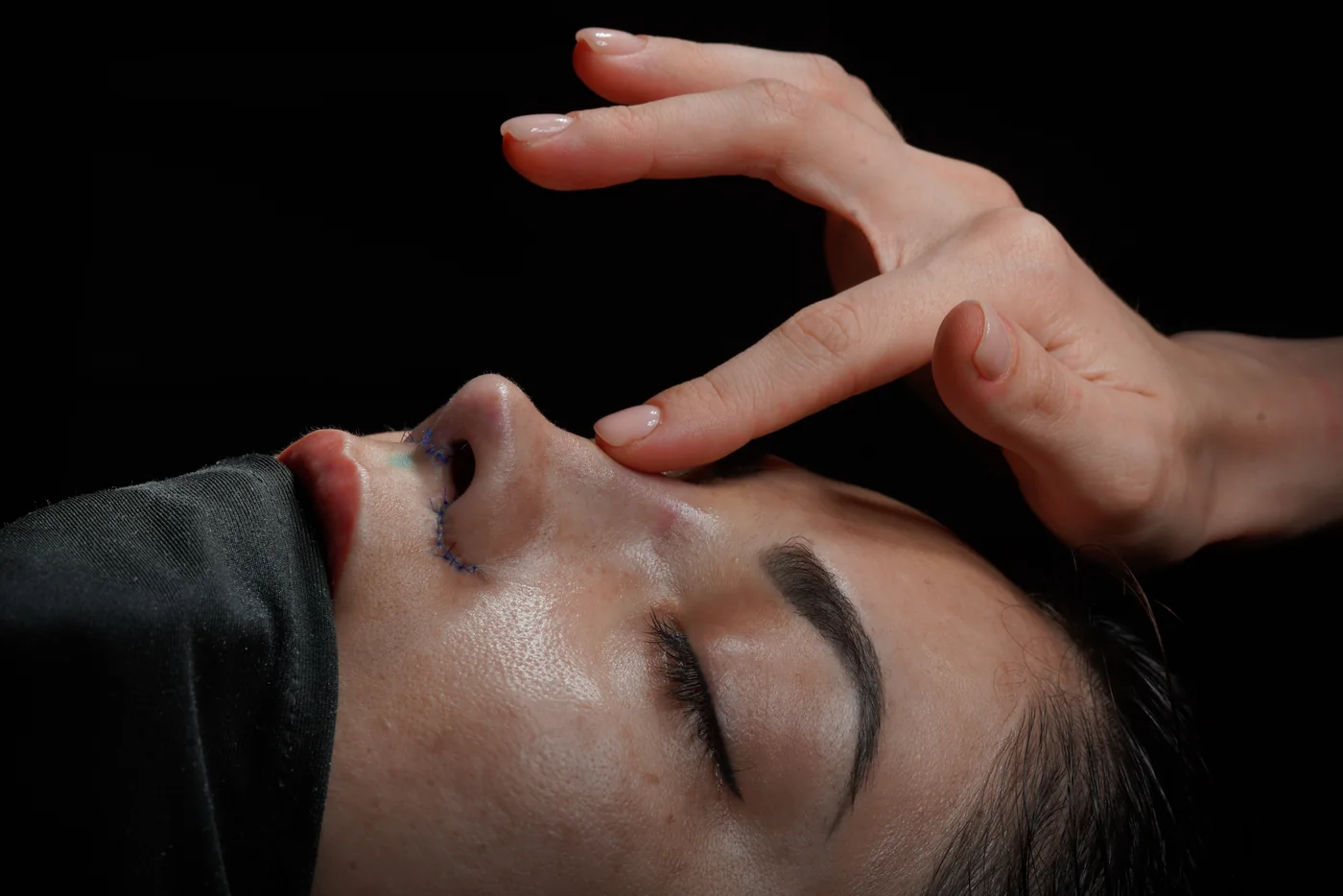
The nose needs to be protected after surgery. An aluminium cast is placed over the nose, with special silicone splints inside the nasal cavity. Nasal function is limited in the first days but recovers quickly. The final result of rhinoplasty can be assessed after 1–1.5 years, once the swelling has fully subsided.
Important: if nasal function is impaired after the first operation or you are not satisfied with the result, revision (secondary) rhinoplasty may be needed. It is a more complex procedure, performed no earlier than one year after the primary operation.
In the early days after the operation, splints or swelling may partially block the nasal passages. Breathing usually recovers fully within 1–2 weeks, depending on the scope of surgery and your body
Our doctors use microsurgical techniques and quality sutures to keep scars minimal
Rhinoplasty adds harmony to facial features and improves aesthetics, keeping your individuality. 3D modelling gives you an advance look at the predicted result, so the changes can be agreed with your surgeon
Rhinoplasty is a serious step. A well-performed rhinoplasty means the new nose is in perfect harmony with your facial features and works flawlessly. At the consultation the nasal surgeon assesses every parameter in detail: the size of the nose, tip projection, and the condition of the septum and nasal mucosa. We use 3D modelling so you can see the future proportions of your nose before the surgery is performed.
Don't just browse rhinoplasty photos online. Book a consultation to discuss what modern rhinoplasty can and cannot do for you. Correcting external nasal deformities and reshaping the nose is our speciality.
Rhinoplasty at City Medical Centre costs $4,200 (≈ IQD 5,600,000) instead of $6,000 (≈ IQD 7,900,000) with the current discount. The first consultation is free.
The final cost depends on the scope of surgery and is set at the consultation, with the doctor naming the exact price after examining your nose and facial proportions.
General anaesthesia for the surgery, one day in the inpatient unit, doctor monitoring and a complimentary check-up afterwards. The clinic guarantees the result for life.
City Medical Centre offers the first consultation free. After examining your nose and facial proportions, the doctor names the exact cost of surgery.
Blog
Useful reading on rhinoplasty
Find out how recovery after rhinoplasty goes in the first 7, 14 and 30 days
Read the article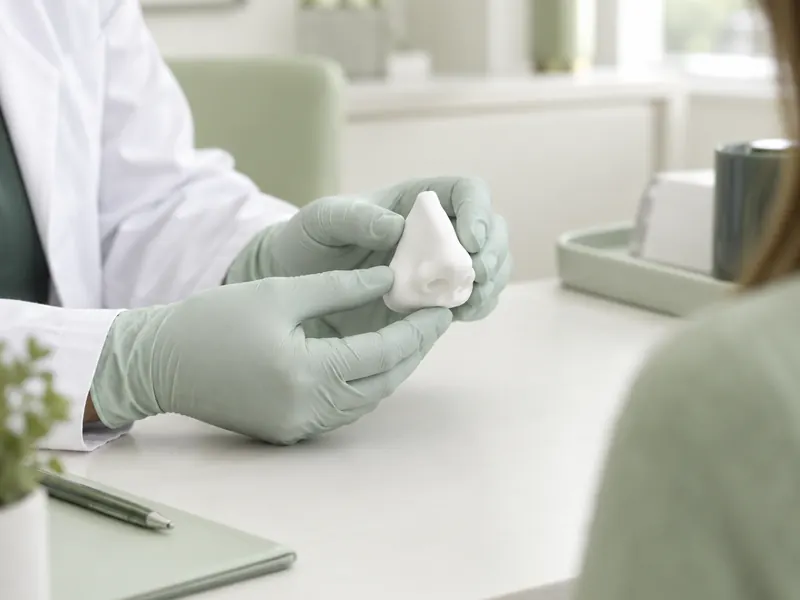
Preparation, recovery week by week, when the splint and stitches come out and how long to wait before flying home.
Read the articlePrices are in US dollars; the amount in brackets is an approximate conversion to IQD at the rate of 02.10.2026. The final price is fixed in your contract.
Prices start from $4,200 (≈ IQD 5,600,000). The surgeon sets the final price at the free consultation, and it is fixed in the contract, with no hidden extras.
The operation under general anaesthesia, a one-day inpatient stay, follow-up visits and dressings, plus a lifetime guarantee on the result.
Surgery takes 1.5–3 hours and you stay one day in the clinic. The nasal splints come out on day 7, and the cast is worn for up to 14 days.
Yes. The first consultation is free and does not oblige you to anything. You can start online by sending a message to the coordinator.
Message us on WhatsApp or Telegram using the buttons below. A coordinator will answer your questions and book a free consultation where the doctor names the exact price.
By messaging us, you agree to our Privacy Policy
What does rhinoplasty change? Depending on the plan, the bridge, tip, nostrils or septum are reshaped: excess tissue is removed or a graft is added. Anyone looking for rhinoplasty in Samawah can weigh a closed technique with all incisions hidden inside the nose against an open technique for maximum control over shape. Either way, the proposed result is visualised with 3D modelling first.
Everything starts with a consultation and nose modelling: the doctor assesses your anatomy, discusses wishes and chooses the correction method. Patients from Samawah then complete a lab work-up — blood count, biochemistry, coagulation panel, infection tests, ECG, chest X-ray and a CT scan of the sinuses. Surgery lasts 1.5 to 3 hours under general anaesthesia, followed by one day in the inpatient unit.
If you are comparing rhinoplasty prices in Samawah, look at what is included. Here $4,200 (≈ IQD 5,600,000) is the full figure for the operation with follow-up visits, dressings, inpatient stay and coordinator support, plus a lifetime guarantee on the result. Apply before the end of the year and the consultation is on the clinic. Fill in the short form to get started.
What patients write after this operation. Reviews are translated from the original language.
Ekaterina Ivanova
For a long time I was self-conscious about the length of my nose, until a friend who had had rhinoplasty recommended this clinic. At the very first consultation they set the date of surgery and explained every stage in detail. The rhinoplasty under general anaesthesia was performed by Mareta Meirieva: the swelling went down quickly, and after just a week my nose looked natural and neat. Modern equipment, attentive staff and appointments without delays made the whole process comfortable. I recommend the clinic to anyone who values professionalism and a quality result.
Rhinoplasty
Olga Vasilyeva
This was my first visit to the clinic, for rhinoseptoplasty, and to be honest I was very nervous. At the consultation they explained every stage of the operation and recovery in detail, which calmed me down straight away. The operation was performed by Mareta Meirieva: the swelling started to go down on the third day, and the result is visible to the naked eye. Everything inside is sterile and pleasant, the atmosphere inspires trust, and the staff are always responsive. I thank the clinic for the high level of service and the warm approach!
Rhinoplasty
Marina Samarina
Everything was first-class: clean, cosy and calm. Booking and choosing the right date was easy. The nose operation went smoothly and the nerve block was done perfectly: now I breathe freely without nasal drops! It is a real lifesaver for anyone tired of endless prescriptions and ineffective procedures. I recommend it to everyone who values professionalism and results.
Rhinoplasty
Viktoria Petrova
I recently had rhinoplasty and I am absolutely delighted. At the consultation they told me about every stage in detail, so I went into surgery fully prepared. The operation went smoothly: they straightened the bridge of my nose and made the nostrils symmetrical, and the shape came out very neat. The swelling lasted a little longer than I expected, but they explained straight away that full recovery takes more time. No unpleasant surprises, everything was within the normal range. I recommend the clinic to anyone looking for a confident result and an attentive attitude.
Rhinoplasty
Samawah, the capital of Al-Muthanna Governorate some 280 km southeast of Baghdad, counts around 224,030 residents in a 2018 population table, and in a city of clerks, students and farmers three rhinoplasty questions keep appearing: a visible hump on the bridge, breathing limited by a deviated septum, or an earlier operation that fell short of what was hoped. A first evaluation starts with a written description of the case and clear photographs, and with nothing else at all.
The town is built on both banks of the Euphrates, and four bridges tie the two sides together at the centre, so families on the island side and on the west bank ask the same practical things: does my case need a first operation or a correction of an earlier one, and can a crooked septum be fixed in the same session. The practical first step from home is straightforward: photos from the front, the side and below in daylight, plus a note on what bothers you, shape or breathing or both, sent to coordinators on Telegram or Telegram who answer around the clock.
Palm groves ring the town so thickly that a folk song praises the palms of Samawah, and the habit of strolling between the palms and the river after sunset belongs to nearly everyone here; on such walks some people notice their breathing straining as the pace quickens. A note like that is worth a lot at the consultation: write down exactly when the airflow tightens, while walking, while sleeping, or in an air-conditioned room, because this timing points the surgeon toward the actual cause of the blockage.
Founded in 1494 and sitting near Uruk, where some of the oldest known writing appeared around 3300 BC, Samawah is a town that keeps its records, and that instinct suits a patient preparing questions in advance. Put everything on one sheet before the first message: which operation type fits your case, how long the hospital stay lasts, how many follow-up visits are planned, and who answers questions between those visits; attach the sheet and the first reply you get will cover what genuinely worries you rather than a generic answer.
A primary operation is the first surgery on a nose and it corrects shape while improving breathing where airflow is restricted, which suits anyone whose nose has never been touched; a revision is reserved for patients whose earlier operation left a partial or disappointing result and it demands a closer examination because the tissue itself has already changed; rhinoseptoplasty combines reshaping with straightening a deviated septum in a single session and fits people whose main complaint is nasal obstruction rather than appearance alone.
On the practical numbers: the operation runs under general anaesthesia and takes from one and a half to three hours depending on complexity, a straightforward primary case sitting near the shorter end and a revision with more detail stretching toward the longer one, and the patient stays one day in hospital under observation before going home. Those figures matter for planning at home: whoever arranges the hospital day, the family schedule and the workload in advance starts the recovery with a much calmer head.
Each of the three types carries its own selection rules: a revision is done only once the tissue from the first operation has fully settled, at the surgeon's judgement, because rushing it narrows the available options and complicates the fine details; the combination with septum correction requires checking how much cartilage is available in place. Ask at the consultation which type the surgeon recommends for your case and why exactly, since a reasoned medical answer says far more than a loose phrase about broad experience that could describe anyone.
In a town where livelihoods run on cement shifts, the railway workshop and the citrus season, sequencing your days off is practical housekeeping rather than a luxury: the single hospital day and the first quiet days need an understanding worked out beforehand with the employer or the household, who closes the shop on the day you return, who handles the housework in that first week, who takes the children to school. The consultation itself asks no leaving home at all, because photos and the description go digitally and the coordinators arrange whatever follows.
Samawah's climate is hot desert: average highs reach 43.4C in July and 43.7C in August, and rain is nearly absent from June through September, so the earliest weeks of recovery usually meet a dry, unforgiving afternoon. Stay in a moderately air-conditioned room, out of direct sun and away from cold drafts blowing across your face, and postpone any non-essential daytime outing; keeping out of the sun is advice every patient hears, but in this city it becomes a doubled priority through every summer.
Winter is another world: the mean January low sits at 5.0C and most of the 106 mm of yearly rain falls across the winter months, and cold air produces a feeling of nasal congestion even in people who are perfectly healthy. Anyone recovering in January or February prepares a steadily warm room, skips the early-morning cold, and asks the family to run the heater before waking rather than after, because sudden swings of temperature around a freshly operated nose are anything but gentle.
Brick kilns up to thirty metres tall stand at the edges of town, and the Ottoman-era Suq Al Masgoof stays crowded on the west bank with its tightly packed old streets; both are steady sources of dust that deserve avoiding during the first weeks, when nasal tissue is at its most sensitive. Hand the market errands to a family member for that stretch, postpone any duty near the kilns if you work there, and keep your windows on the side away from the dusty street through midday.
About 23 km west of town stretches Sawa Lake, a salt lake designated a Ramsar site in 2014, ringed by dry saline flats whose air carries a biting mineral dryness. In the early weeks of recovery postpone lakeside outings and any session out on the open plains, settle for airing the room in calm hours, and use a saline nasal spray only in the measure the surgeon recommends, because the dry air around Samawah makes measured moistening part of nasal comfort rather than an extra indulgence.
The rules of the first weeks are plain: never remove the splint or dressings yourself, since their timing is the surgeon's call alone; do not poke at the nose with fingers or rough paper tissues; stay away from hot baths and steam sessions; and cut smoking down or stop it if you can, because it slows tissue healing and dulls the result. Prepare two pillows before you come home from the hospital so the head stays semi-upright and sleep stays on the back, and remind yourself that one reckless day can cost you the whole shape.
Physical strain is off the table at the start of recovery: no heavy lifting, no sport, no sharp bending, and no repeated stairs in the first days. Anyone whose work runs between the palm groves, the market unloading or factory shifts passes the heavy tasks to relatives or colleagues for that stretch, because a rushed return to loads can disturb what the surgeon fixed with care. Begin with calm walking inside the house once the surgeon allows it, and widen the range gradually following his instructions rather than your own feelings.
Some signals cannot wait: difficulty breathing, severe pain that will not settle with the painkillers the surgeon approved, a fever, a sudden change in the shape of the nose, or bleeding that refuses to stop. At any one of them contact your doctor immediately, and if you need a channel to the team at any hour, the coordinators on Telegram and Telegram answer around the clock and know how to direct you within minutes. Do not frighten yourself over every tiny sensation, but never talk yourself out of acting on these specific ones.
Students of Al-Muthanna University, opened in 2007 with fifteen colleges including a medical college established in 2008, know the rhythm of a semester well and are already good at documentation: record the surgeon's instructions on your phone after each visit, log every follow-up date, and write one line each week about how the nose feels, because swelling moves slowly and memory alone will miss the trend. That short log and the voice notes let the surgeon compare your course at each visit with real precision.
In Iraq the Ministry of Health, formed in 1920 and working from Baghdad through its official site moh.gov.iq, writes the country's health regulations and laws, and its structure includes an inspection department overseeing governmental and non-governmental facilities, so asking for a surgeon's registration number and specialty and confirming them before any commitment is a reasonable move. A verifiable number separates a credentialed surgeon from certificates hung on a wall, and anyone embarrassed by so simple a question should not be managing your nose or your decisions.
The limits of the result are set by your structure, not your wishes: nasal bone and cartilage differ from person to person, and thicker skin takes longer to settle over the new framework and hides fine detail more than thin skin does. Ask the surgeon plainly what can realistically change in your own nose, and bring older photographs of your face from past years if you have them, because they show him the natural tendency of your tissue and support an honest prediction instead of an imported look that was never meant for your face.
Late winter fills the plains around Samawah with truffle-gathering groups, and locals bend and brush the soil for hours at a stretch; in the early weeks of recovery hand this pastime to its usual fans, because repeated bending, dust and fatigue together are not weather for a freshly operated nose. Trade it for a family coffee at home while you review the questions still open for the surgeon, and send them to the coordinator on Telegram or Telegram whenever the hour suits you.
Before deciding, compare more than one offer with a cold eye: which of the three operation types is proposed and for what medical reason in your case, how far the follow-up plan stretches, and which channel answers questions between the visits; ask for what you agreed on in writing rather than verbally. Gather the papers into one folder and read them calmly at home in Samawah, and decide without hurried talk or manufactured deadlines, the way a town that has stood since 1494 has always made up its mind.
The operation runs under general anaesthesia and lasts from one and a half to three hours depending on how complex the case is: a straightforward primary procedure sits near the shorter end, while a revision with more detail approaches the longer one. The patient then stays one day in hospital under observation before returning home to Samawah to continue the recovery among family.
It adds no risk by itself, but an average high of 43.7C in August and 43.4C in July makes a moderately cool room and avoidance of direct sun more important than usual during the first weeks. That is a stricter application of the surgeon's standard advice rather than a new rule, and any non-essential daytime outing waits until the surgeon himself allows it.
Gradually rather than all at once: swelling hides the result first, and the features emerge as it recedes, with the tip settling somewhat later than the rest of the nose because its tissue is denser, and thicker skin taking longer than thin. Follow-up visits repeat throughout the recovery so the surgeon can compare the course each time, and patience with this rhythm is part of the result itself.
It improves breathing when the blockage sits in the nasal passages or in a deviated septum, particularly when reshaping and septum correction are combined in one session, while problems unrelated to the nose's shape, such as seasonal allergies, stay untouched. Tell the surgeon exactly when your breathing tightens and in what air, because that description identifies the source of the problem before any decision is made.
Iraq's Ministry of Health, established in 1920, oversees the country's health regulations and includes an inspection department that monitors governmental and non-governmental facilities, and its official site is moh.gov.iq. Ask for the surgeon's registration number and specialty and verify them before any commitment; general titles and certificates on a wall count for little, while a documented number separates a licensed surgeon from pleasant talk.
Postpone it: the Ottoman-era Suq Al Masgoof is crowded, its old streets are tightly packed, and it carries enough dust to irritate a nose at the height of its sensitivity, just like the brick kilns at the edge of town. Delegate the shopping to a family member for those weeks, and if you work inside the market arrange a short leave, because crowds and dust together make the first weeks of recovery heavier and longer than they need to be.
On your back with the head raised on two pillows in a semi-upright position, and avoid side or face-down sleeping, because pressure on a swollen nose slows the swelling from receding and may disturb what the surgeon fixed. Set the bed up before you come home from the hospital day, keep soft side cushions away from your arm's reach, and correct your position immediately if you wake up turned onto your side.
Write a clear description of what bothers you, shape or breathing or both, add daylight photos from the front, the side and below, and send them to coordinators on Telegram or Telegram who are available around the clock. The first honest reply will indicate whether your case is primary, a revision, or reshaping combined with septum correction, and from there you decide at your own pace without pressure.
Page medically reviewed by Marina T. Pershikova, rhinoplasty surgeon. Review date: .
Well-known people who spoke openly about this operation, in their own words.
 Ashley Tisdale's rhinoplasty: a breathing problem, a decision and the reactionAshley Tisdale had rhinoplasty in 2007 to fix a deviated septum and later wrote about the shaming that followed. Her words, the operation and recovery.
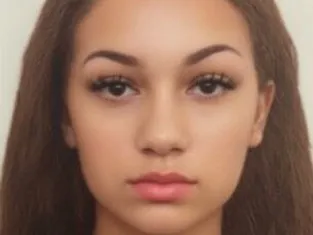 Bhad Bhabie and her rhinoplasty: what she posted, day by dayIn January 2025 Bhad Bhabie (Danielle Bregoli) shared her rhinoplasty recovery on Instagram. What she wrote, why she had it, and how a nose job works.
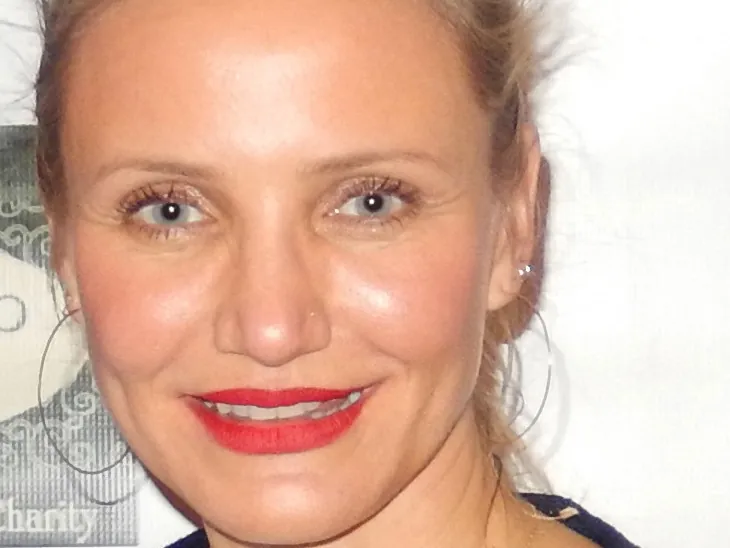 Did Cameron Diaz have a nose operation? Yes — and she called it purely medicalThe actress told GQ her septum was “like a train derailed” and had a nose operation so she could breathe. Her quotes, and how septorhinoplasty works today.
 Did Darcey Silva get a nose job? Yes, and she said so herselfDarcey Silva described getting a rhinoplasty on a 2021 'twinsformation' trip to Turkey with her twin sister Stacey. Her words, the surgery and recovery explained.
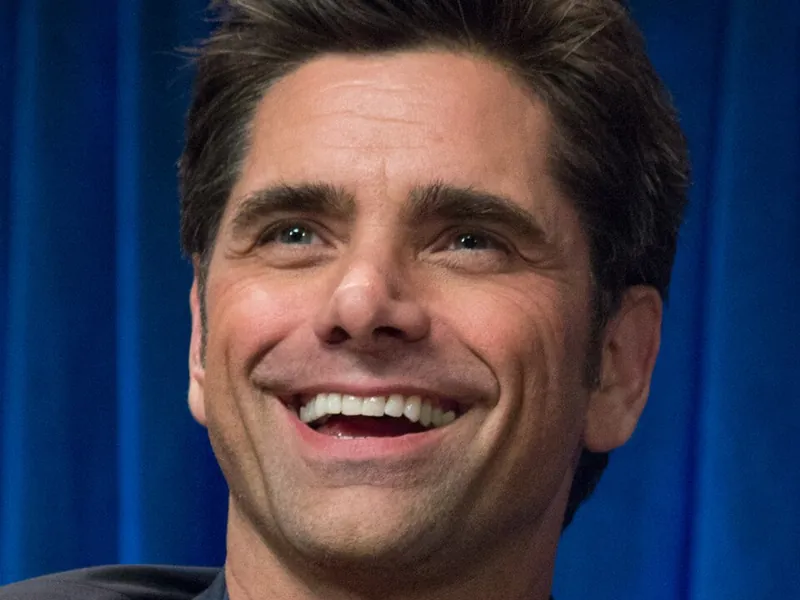 Did John Stamos have a nose job? Yes — two, he admits himselfThe Full House star admitted two rhinoplasties in the 1980s — a childhood golf-club break, vanity, and a famous surgeon's help.
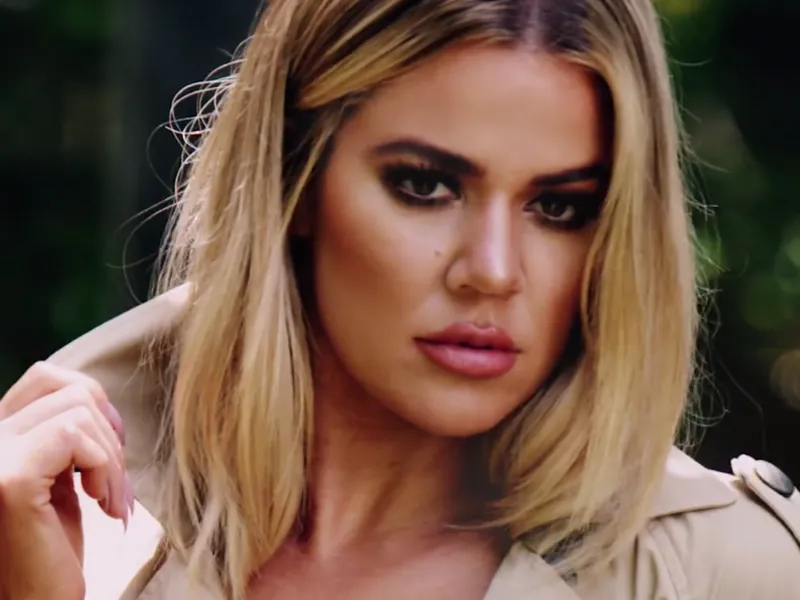 Did Khloé Kardashian have a nose job? Yes, and she confirmed it herselfKhloé Kardashian confirmed on Twitter that she had a nose job around 2019. Her own words, how rhinoplasty is done today and what recovery involves.