City Medical Centre · multi-specialty surgery clinicOpen 24/7

Tummy tuck

Abdominoplasty in Samawah: a Flat Stomach

Free consultation

Price at consultation

The price is fixed in the contract before surgery
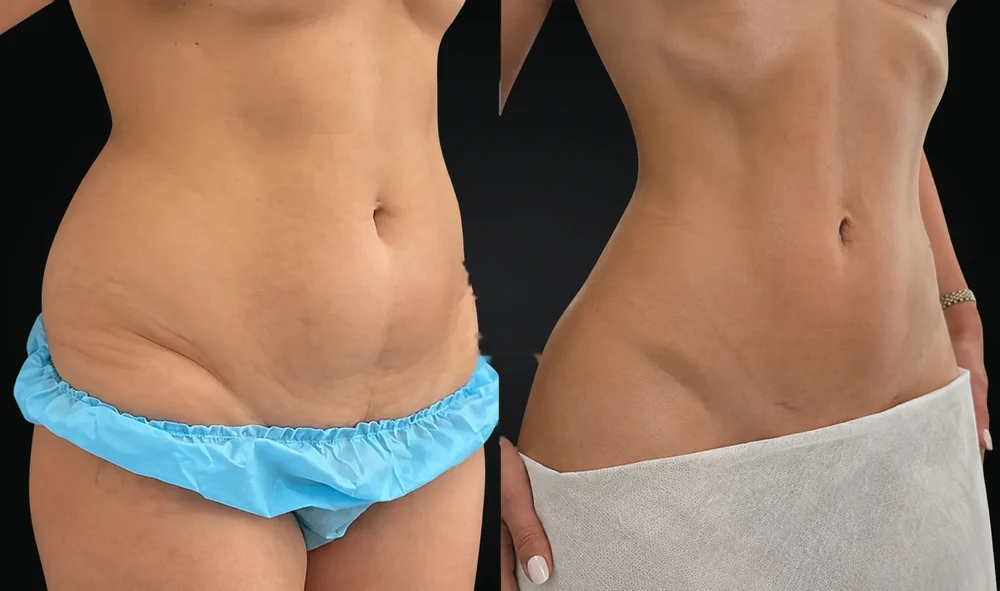
Real case
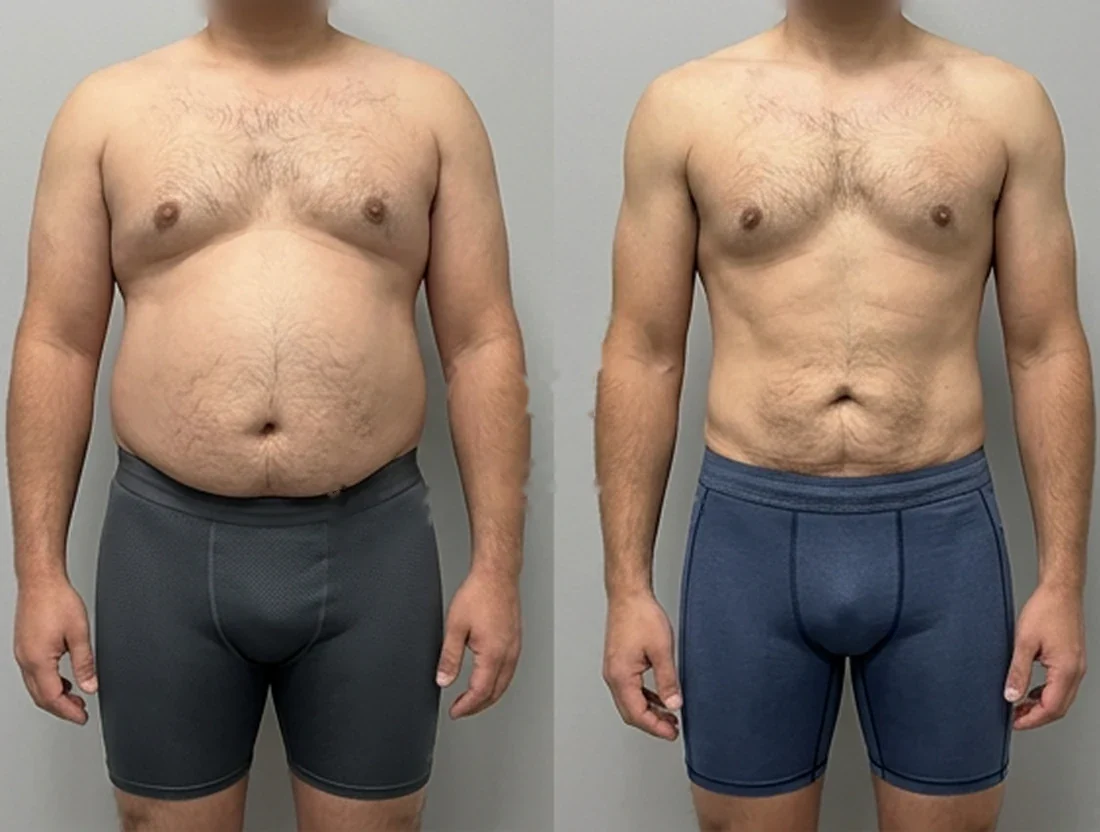
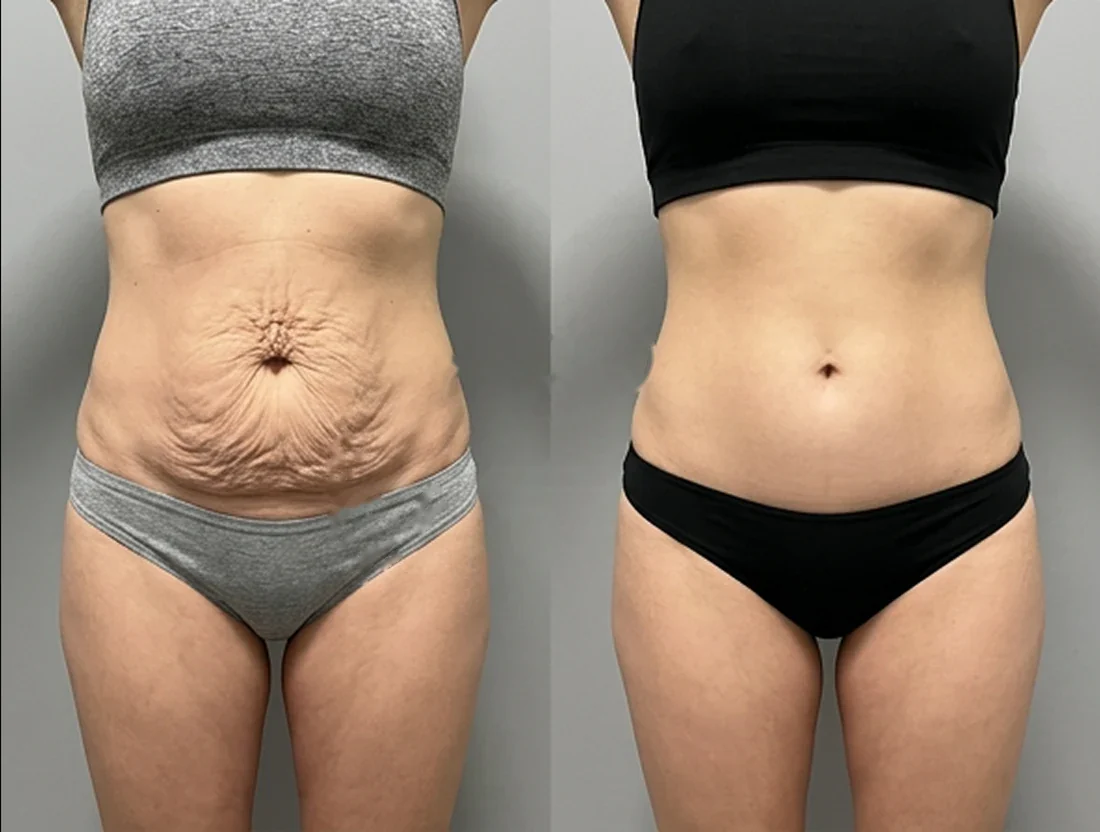
Tummy tuck: a patient's abdomen before and after surgery before after
A flat tummy and a toned silhouette in one operation. Your individual surgical plan and the expected result are discussed at the consultation

Message our coordinator

Free online consultation · Reply within 15 minutes

Message us on Telegram

By messaging us, you agree to our Privacy Policy

Results

Tummy tuck results
of our patients

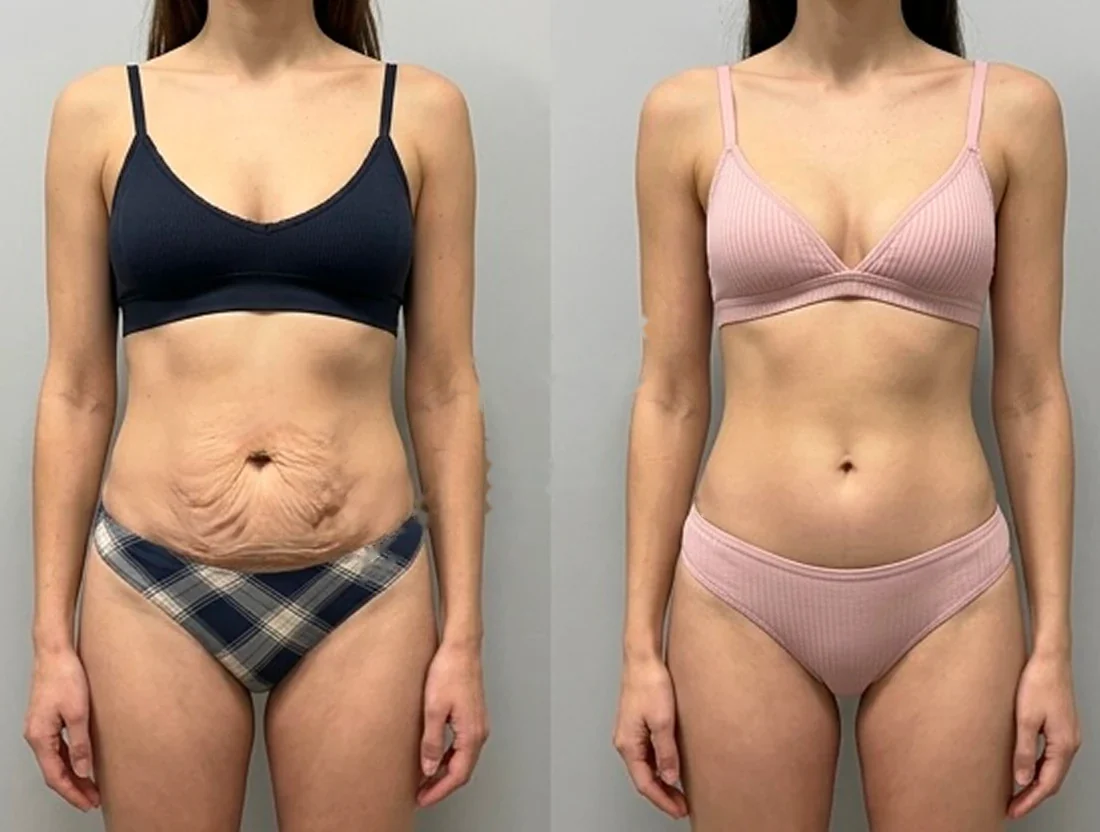
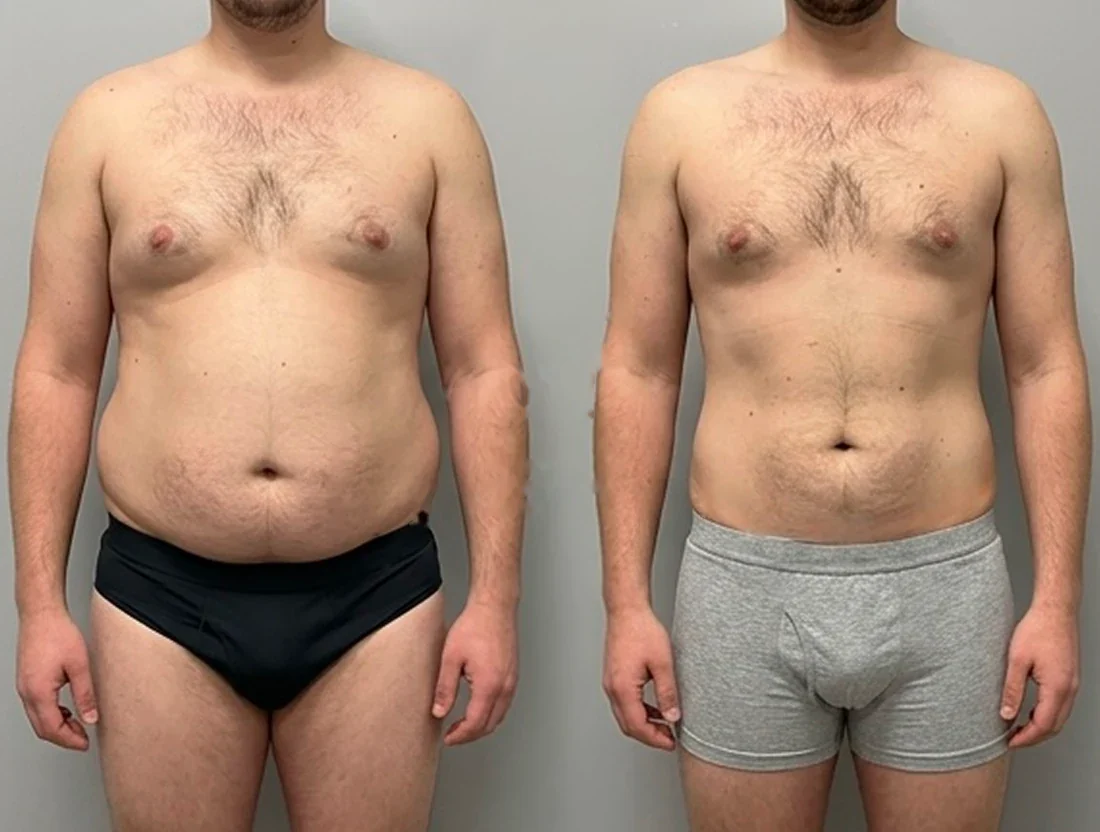
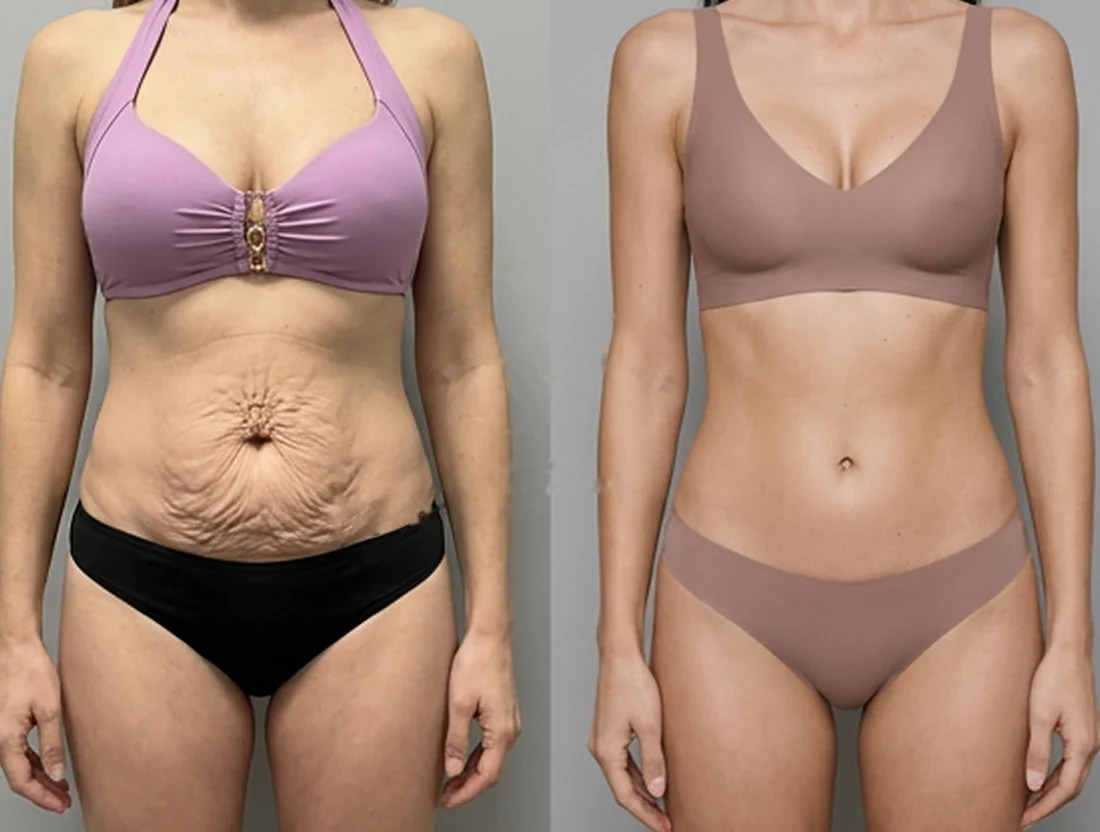
All cases are real patients. Faces and identifying details are hidden.

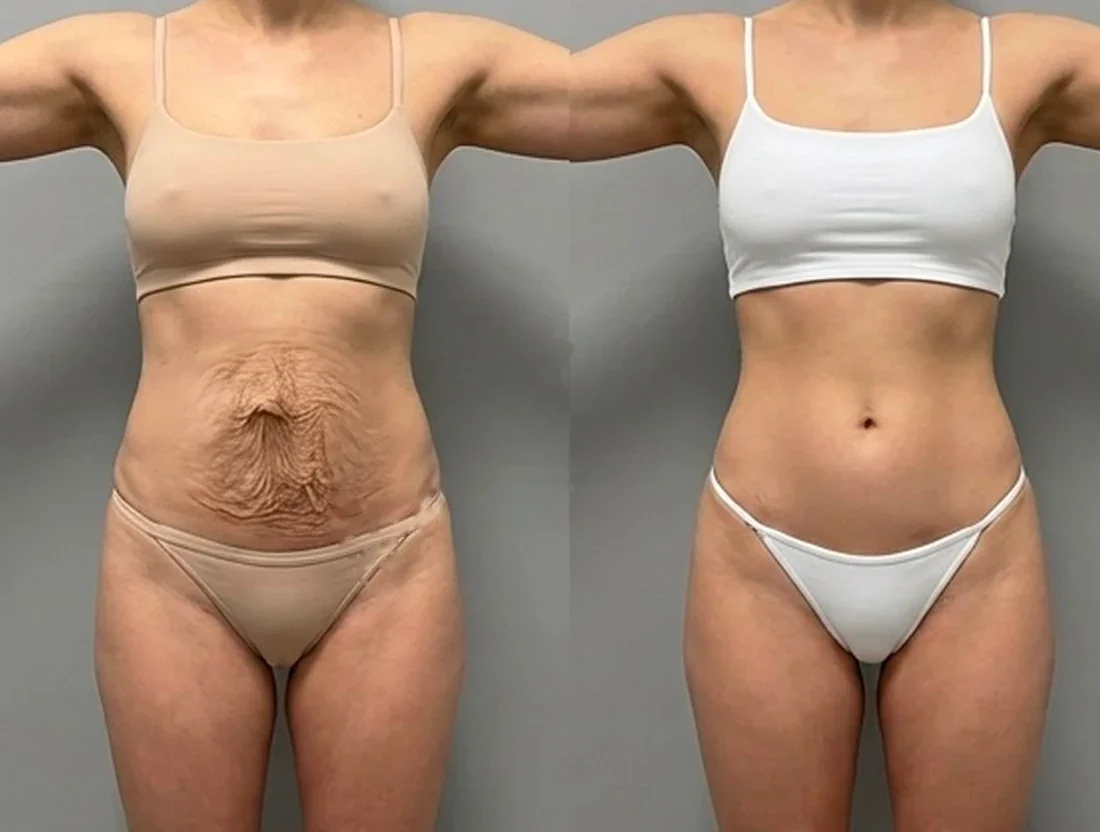
Tummy tuck: a female patient's abdomen before and after surgerybeforeafter
Tummy tuck: a male patient's abdomen before and after surgerybeforeafter
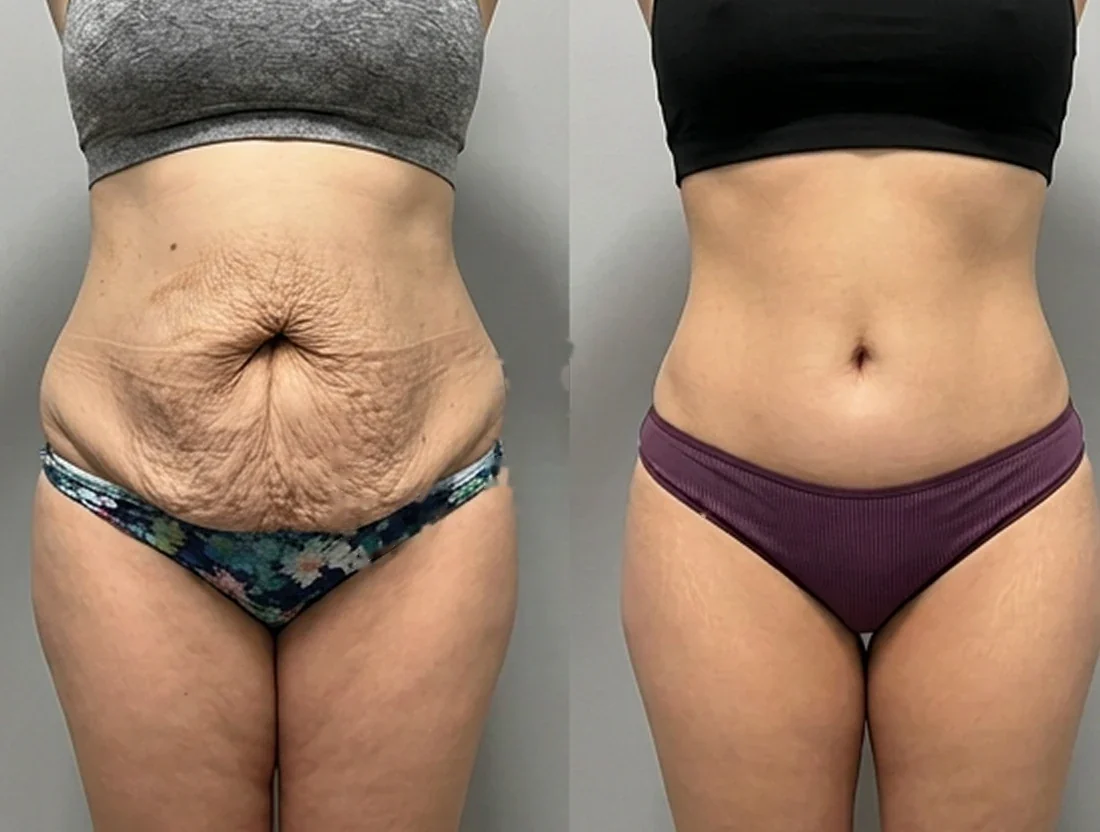
Tummy tuck: a female patient's abdomen before and after surgerybeforeafter
Tummy tuck: a male patient's abdomen before and after surgerybeforeafter
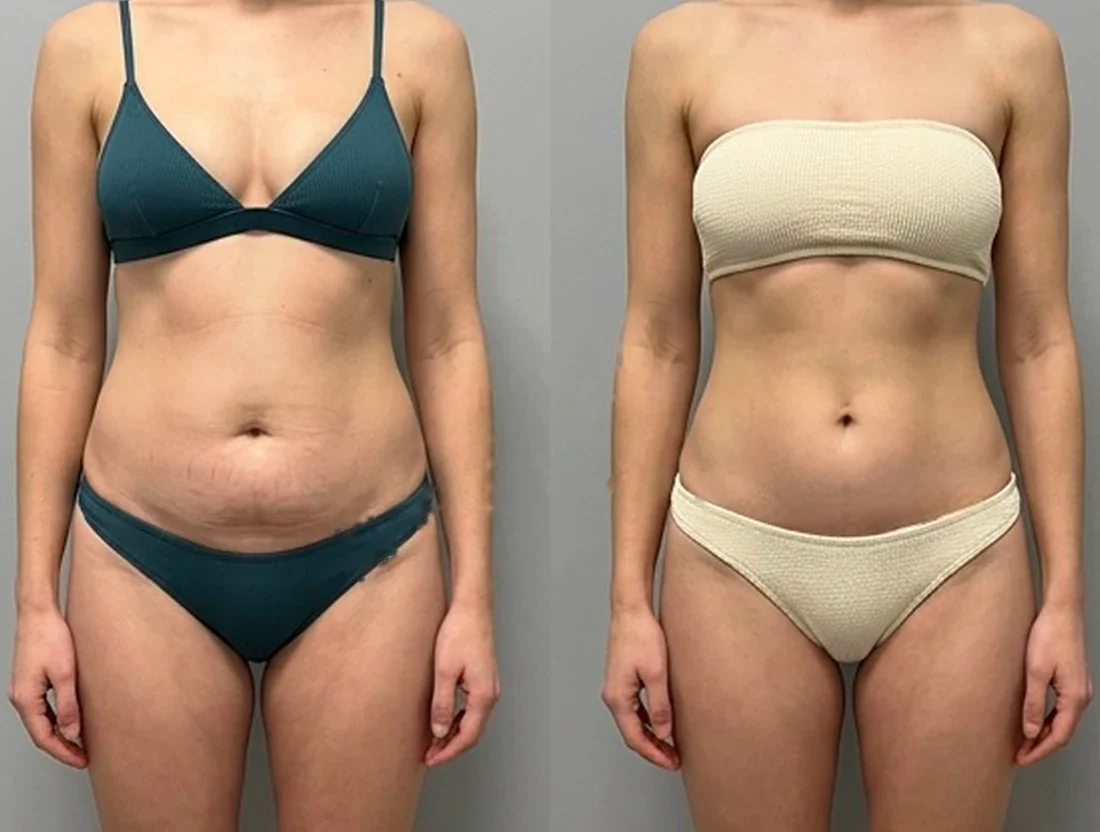
Tummy tuck: a female patient's abdomen before and after surgerybeforeafter
1 of 8

Comparison

Tummy tuck techniques

A tummy tuck is done as a full (classic) or mini operation, or combined with liposuction as lipoabdominoplasty. Compare the scope of surgery, the indications and the expected results to choose the right technique together with your surgeon.

Tummy tuck

Removal of excess skin, abdominal muscle tightening
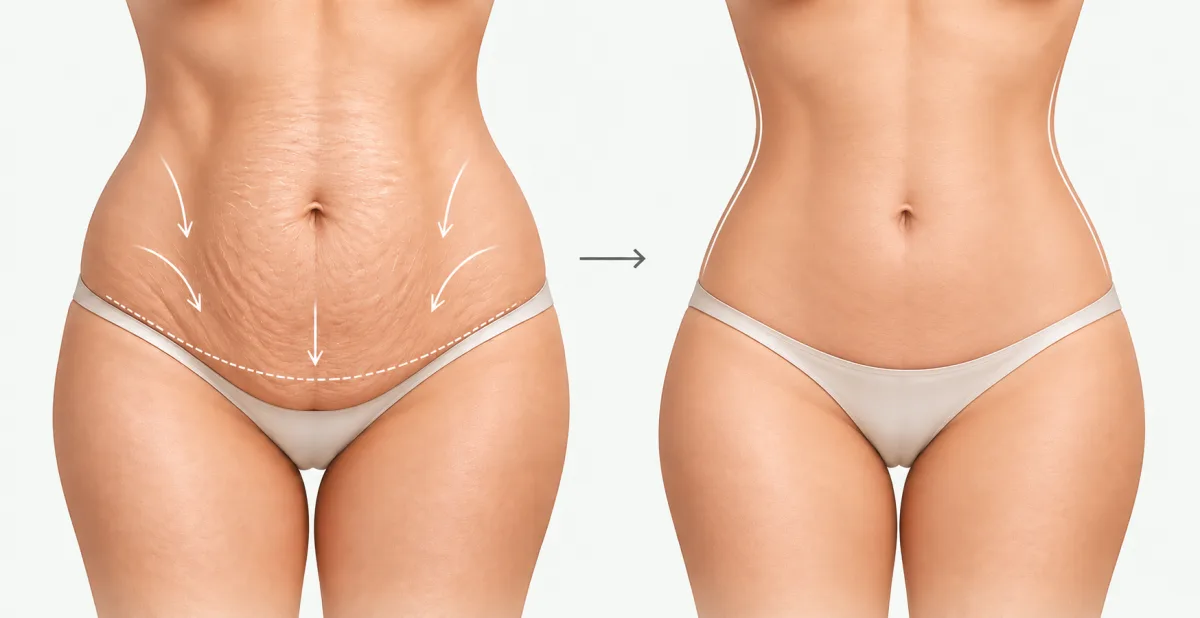
Tummy tuck diagram: the abdomen before surgery with the incision line, and the result
Main goal
Removal of excess skin, diastasis repair
When it is done
Excess skin after childbirth or weight loss
Anaesthesia and stay
General anaesthesia, up to 3 days in hospital

Lipoabdominoplasty

Tummy tuck with added liposuction
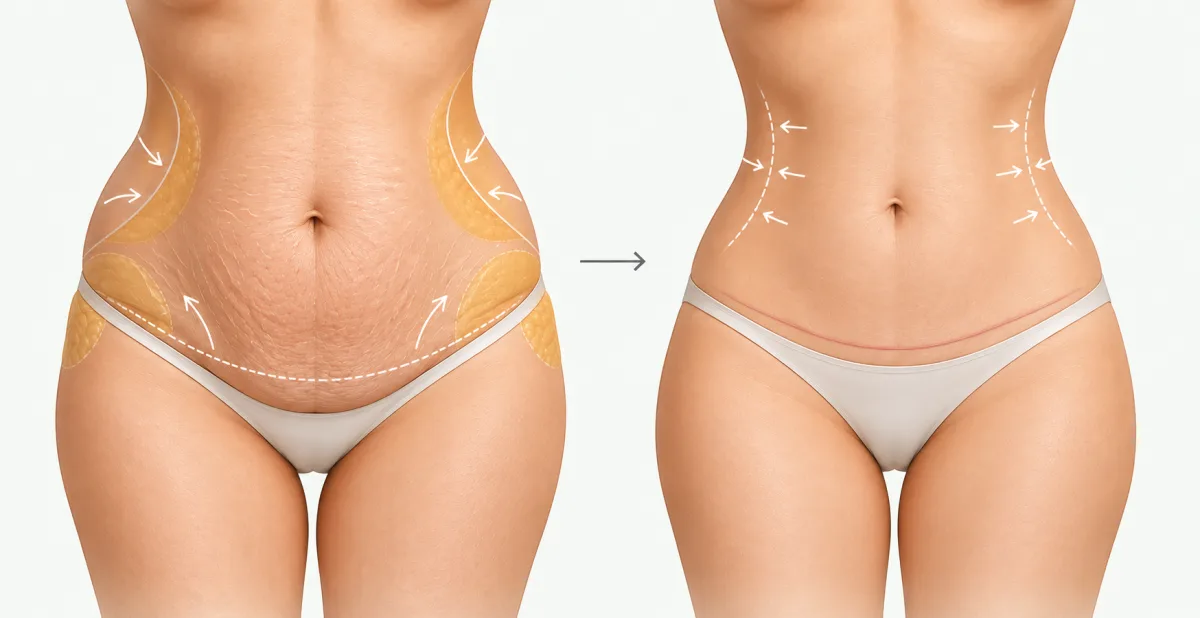
Lipoabdominoplasty diagram: the abdomen with fat on the flanks before surgery, and the result
Main goal
Tummy tightening and waist contouring
When it is done
For fat deposits on the flanks and waist
Anaesthesia and stay
General anaesthesia, up to 3 days in hospital

The benefits and recovery times shown are averaged for each technique and given for guidance: the scope of correction and rehabilitation depend on your anatomy and individual features, and the surgeon confirms them at the consultation.

At the consultation the surgeon draws up a plan for your case and explains how your tummy tuck will go.

Free, before surgery and with no obligation.

Book a consultation

Tummy tuck from the inside

About the clinic

A clinic where you can feel at ease

Modern equipment, comfortable rooms and care for every patient

A doctor and a patient in a clinic ward

Contact us the way that suits you

We will answer your questions and find a convenient time for a consultation

A tummy tuck is not for everyone

If your case can be solved without surgery, the doctor will tell you so at the consultation — and you will not spend money for nothing.

Suitable

A surgeon shows a patient on a model and a monitor how the abdominal contour changes after a tummy tuck
  • Rectus abdominis diastasis
  • Skin folds after weight loss
  • Loose abdominal skin
  • Stretched skin after pregnancy
  • A distorted abdominal contour

Not suitable

A surgeon discusses the indications and contraindications for a tummy tuck with a patient
  • Acute infections
  • Severe heart, kidney or liver disease
  • Disorders of blood clotting
  • Under the age of 18
  • Decompensated diabetes
  • Cancer
  • Skin inflammation in the surgical area
  • Currently pregnant or breastfeeding

Not sure the surgery is right for you?

Message us — the coordinator will ask for your photos in the messenger, and the surgeon will tell you whether a tummy tuck suits you. No surgery booking needed.

Find out if it suits me

A surgeon goes through a tummy tuck diagram with a patient at the consultation

Prices

You know the price
before surgery

The price is set at the consultation and fixed in the contract.

Other services

  • First consultationFree
  • Liposuction of the abdomen and flanksfrom $1,700
Book a consultation

Find out your tummy tuck plan and price

The surgeon assesses your abdominal skin and muscles, listens to your wishes and chooses the right correction technique.
The price is set at the consultation and fixed in the contract.

A nurse talks to a patient in a clinic ward

Message our coordinator

Free online consultation · Reply within 15 minutes

Message us on Telegram

By messaging us, you agree to our Privacy Policy

A patient's abdomen before a tummy tuck in the operating room

all inclusive

What the price includes

From preparation for surgery
to post-op check-ups.

  • All scheduled dressings
  • Scheduled post-op check-ups
  • A personal coordinator on call
  • Compression garments fitted on the day of surgery
  • A stay in a comfortable
    hospital ward with meals
  • Individual recommendations
    for recovery
  • Remote progress monitoring
    by photos

How it works

Three days at the clinic —
from preparation to discharge

An agreed correction plan, inpatient observation and post-op check-ups.

A doctor shows a patient a tummy tuck diagram on a monitor1

Consultation
and the surgical plan

The surgeon assesses your abdominal skin and muscles and checks for diastasis, listens to your wishes and chooses the right correction technique.

Paying the deposit by card at the clinic reception2

Booking the date
of surgery

We reserve a surgery date for you: the deposit can be paid by card at the clinic or online by bank transfer. The terms are fixed in the contract for medical services

A blood sample tube for tests before a tummy tuck3

Check-up before
surgery

Before surgery you complete a full lab check-up: blood tests, an ECG, a chest X-ray and reports from the required specialists.

The surgical team during the operation4

Surgery

The surgeon performs the tummy tuck with the chosen technique, repairs diastasis if needed and shapes a firmer abdominal contour.

A hospital ward at the clinic5

Inpatient stay

After surgery the patient stays for 1–3 days in a comfortable hospital ward with meals, under medical supervision.

A surgeon and a patient in the ward during recovery6

Recovery

After surgery you get a recovery programme. Check-ups at 7 days, 3 and 6 months help track your recovery.

Book a free consultation — the surgeon will plan every step with you.

A doctor discusses the tummy tuck plan with a patient
Book a consultation
A doctor discusses the tummy tuck plan with a patient

How it really happens

Recovering after a tummy tuck

For 1–3 days right after surgery the patient stays in hospital under medical supervision. Drains are usually removed after two days, stitches after 7 days. You wear a compression binder for 1.5–2 months; it supports the abdominal wall and shapes a smooth contour. Office work resumes after 2–3 weeks, and most swelling goes within 30 days. Sports, sauna and heavy lifting are off-limits for 2–3 months, and at first sleeping on your back with knees bent is advised. By 12 months the scar is fully mature and fades to barely noticeable.

Post-op check-ups

After 7 days, at 3 months and at 6 months. Until the end of the year, get a post-surgery consultation with your surgeon to review results and get more information, at the clinic's expense

Advantages

Why patients pick City Medical Centre

A surgeon discusses the tummy tuck plan with a patient at the consultation

Just find out — you lose nothing

At the consultation we discuss your wishes and assess your abdominal skin and muscles. The surgeon explains what changes are possible, chooses the correction technique and answers your questions.

A surgeon on a video call with a patient after surgery

We stay with you after surgery

The surgeon follows your recovery and the changing abdominal contour at check-ups after 7 days, 3 and 6 months. Check-ups, dressings and aftercare advice are already included in the price of surgery.

A surgeon shows a patient a model and tummy tuck diagrams

A beautiful contour that fits your figure

We choose the correction technique based on your skin, muscles and figure. Our aim is a harmonious abdominal contour that keeps the natural proportions of your body.

A patient writes down a convenient visit time in her planner

Your schedule is our priority

We respect your time: we work 24/7, with easy booking and a personal approach — we adapt to your pace.
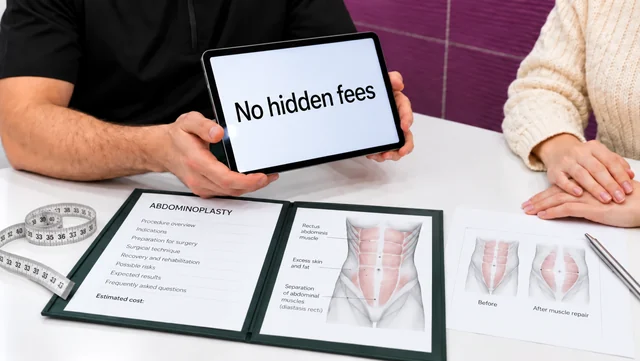
A surgeon shows a patient the fixed price of surgery with no extra charges

Fixed prices

After the consultation the surgeon defines the extent of correction, and you get a clear price for the surgery — no surprises on the way to the result you want.

A surgeon visits a patient in the hospital ward after surgery

Round-the-clock care after surgery

Recovery starts in a comfortable hospital ward under round-the-clock nursing care. The stay and meals are already included in the price.

FAQ

We answer what
people ask before booking

Tummy tuck in Samawah: techniques, stages and recovery

Every tummy tuck leaves a scar; it is the unavoidable price of removing excess skin. In a classic procedure it runs across the lower abdomen from hip to hip, below the underwear or swimsuit line, and in a mini procedure it is much shorter. By 12 months the scar is mature, thin and barely noticeable. People in Samawah can discuss at the consultation how the incision line will be planned.

It all begins with a surgeon consultation: the doctor listens to your wishes, examines the abdomen and rules out contraindications, and a hormone screening is ordered to help predict the long-term result. Patients from Samawah then complete a check-up: blood tests including a coagulation panel, biochemistry and infections, ECG and chest X-ray, all available at the clinic with no waiting.

If you are comparing tummy tuck options in Samawah, look at more than the operation itself. Here the approach includes hormone screening before surgery, tests at the clinic with no waiting, a hospital stay under medical supervision and surgeon support until the result. The cost is calculated after a free consultation and fixed in the contract. Leave a request to arrange yours.

Stories of well-known people

Well-known people who spoke openly about this operation, in their own words.

All stories about this operation →

When Diet Empties What a Tummy Tuck Can Tighten in Samawah

In Samawah, the administrative centre of Al-Muthanna Governorate on both banks of the Euphrates, many people meet the same scene: the weight comes down through diet and exercise, yet the abdominal skin stays loose and the muscles beneath it remain separated after pregnancy or after a large weight loss, and neither another diet nor another exercise class undoes what the stretching left behind. A tummy tuck removes the excess skin, tightens the muscles and returns the navel to its place, performed under general anaesthesia lasting two to four hours by the scale of the work.

The assessment begins at home with a message to the coordinators on Telegram and Telegram who reply at any hour: daylight photographs of the abdomen from the front and side, a line about your weight across the last two years because stability is a condition of the result, and a line about any planned pregnancy for those still of childbearing age, since a pregnancy after the tightening undoes what was repaired. The first reply states whether your case is a full tightening or another option that fits better.

At the tailors near Suq Al Masgoof the city's people measure their thobes and abayas, and there the body's story reads before any consultation: a waist measure that moved across whole seasons, a garment that tightened or slackened with the years. Whoever plans a tummy tuck postpones the tailor's new measurements until after the final result, and contents herself now with precise photographs that show the surgeon the body's full line from the front and the side.

Put your questions on one sheet before the first message: the length and position of the incision and what it means for your clothing, how long the drains stay, the months of the compression binder, and the follow-up visits, then attach the sheet to the message. A surgeon who meets ordered questions answers in ordered writing, and your time stays free for reading calmly at home instead of losing an important detail inside one hurried session's talk.

The Operation and the First Days: General Anaesthesia and a Hospital Stay of Up to Three Days

The surgery runs under general anaesthesia and lasts two to four hours, and the patient remains in hospital under care from one to three days by the scale of the work and her condition, with the drains usually removed after two days. Ask at the consultation who watches the anaesthesia, who walks you out on discharge day, and who answers your family by phone after you leave, and write the answers into your file alongside the plan sheet.

The house for the return is readied before the operation day: a bed that rises easily with a side support, pillows that lift the torso, and a clear walking path through the room with no sliding rugs, because the first walking days move with a slight forward bend rather than upright. One family member stays close through the hospital days and the first days at home, managing the kitchen, the children and the market, since a freshly tightened back carries nothing in that stretch.

Sitting on the floor cushions in the city's evening gatherings is an old habit, and it is the first thing postponed after a tummy tuck: rising from the floor loads the whole abdomen onto the repaired muscles, so use high chairs through the first weeks and stand slowly with the help of your hands rather than your belly. The household understands it once it is explained a single time, and the gatherings will keep your seat warm for the month you spend on a chair.

The stitches come out on day seven as a rule, after which the visits space out into longer appointments that read the scar and the contours. Let the same person who accompanied you from the hospital drive you to the day-seven visit, and anyone working on the cement shifts, the railway workshop or the unloading of market goods arranges a longer cover with the supervisor in advance, because the return to heavy lifting in this operation is slower than in any other aesthetic one.

The Compression Binder for One and a Half to Two Months: Samawah's Heat Passes Through Here

The compression binder is worn from one and a half to two months, across which the swelling and tightness pass until the interim result, and in a city whose July average high reaches 43.4C and August 43.7C the binder stays bearable with a cotton layer beneath, a moderately cooled room, and midday visits postponed. Honouring the written schedule for removing, washing and refitting it is what lets the skin adhere to the new lines instead of rippling.

Around thirty days most of the swelling has gone, and from there the daily walk takes its true role: short distances widening week by week among the palms of the two banks in the evening, because walking guards against clotting, speeds the swelling's retreat and corrects the posture after the tightening. The evening air along the Euphrates corniche is the gentlest stretch of the city's summer day, and in winter, once the January mean low reaches 5.0C, the walk moves to the mild midday hours.

Office work resumes after two to three weeks, while heavy loads stay postponed until after the binder period on the surgeon's judgement, and whoever works at the kilns, the unloading docks or the fields arranges a longer cover that no hurry can replace. Make the rule plain to the household: a tightened back carries nothing across the first two months, and whoever lifts the bags and the children in that stretch is buying you a result that arrives whole.

The scar runs across the lower abdomen, the longest scar in this file, and its care starts from the surgeon's sheet: gentle cleaning, moisturizing with the specified creams, and full protection from the city's sun whose August high reaches 43.7C and which darkens any exposed scar. Its early pink fades across the months until the final assessment, and whoever shields it from the sun through the first year collects its fairness in the years after.

The Result Between Month Six and Month Twelve: The Tailor's New Measurement

The final contours and the mature scar are read between the sixth and twelfth month once the tissues have adapted completely, so pass no verdict on the abdomen in month two or on the scar in month three, because each of them is mid-road at that point. It is a long schedule that asks for the patience of palm growers specifically, and whoever kept its stations on one sheet lived the months with a settled heart instead of a fresh worry every passing week.

A monthly album in the same daylight and from the same angle shows the course the daily eye misses, and after it comes the tailor appointment you postponed: new measurements for thobes and abayas with the masters of Suq Al Masgoof, and a cut that fits the waist line that has settled. Whoever rejoiced in a new measurement too early, before the sixth month, paid for it with clothes that hang loose once the last swelling drains away.

Keeping the result is a matter of a stable weight: the seasonal table of the city's homes, its dates, winter sweets and late-winter truffle dishes, is all fine in its place, while a noticeable gain after the tightening re-stretches the skin that was trimmed and burdens the lines. Keep the glass of water permanently present in the dry air, turn the short daily walk into a habit rather than a phase, and weigh yourself weekly on the same scale in the morning.

Follow-up visits read the scar's and the contours' course through to the final assessment, and the coordinators on Telegram and Telegram who reply at any hour are your channel for any observation between two appointments, from an odd colour in the scar to a tightness beyond the usual. One file gathering the plan sheet, the monthly album and the visit reports makes every appointment short and precise, and shows the surgeon your whole story rather than its last fragment.

Verification and Limits: From the Registration Number to a Written Decision

Inspect first the hands that will carry the scalpel: Iraq's Ministry of Health, formed in 1920, regulates the country's health work, its structure holding an inspection department that monitors governmental and non-governmental facilities alongside a quality control division, and its official site is moh.gov.iq. Ask the surgeon for his registration number and specialty and confirm them yourself before any appointment, because a tummy tuck ranks among the larger operations and is not entrusted to a certificate hanging without a number to question.

The tightening has limits that an honest surgeon names from the first consultation: a stable weight before the operation is a condition rather than a suggestion, the next pregnancy is postponed by plan because it undoes what was repaired, and smoking is stopped early because it chokes the healing of such a wide skin area. Whoever's weight still swings or whose pregnancy sits close is better served by ordering the other priority first, and you should hear that from the surgeon's mouth without decoration, since it is his selection standard, not a fault in you.

Ask plainly about the scale of the planned work: a full tightening or a limited one, and whether anything else is combined in the same session, because combining changes the calculations of anaesthesia and time within the two-to-four-hour band that the surgeon sets, not preference. Request the complete plan in writing, the expected incision length, the binder months, the visit count and who answers between them, for that sheet is what your trust stands on, not a single session's verbal assurance.

Compare more than one offer at leisure from your home in Samawah: place the papers side by side, read the differences between plans rather than between phrases, and send whatever questions remain to the coordinators on Telegram and Telegram at any hour. Whoever pushes you to decide inside a single session tells you something about himself, and whoever grants you reading time grants you respect, and a palm city whose name rides its own folk song knows that a sound tightening begins with calm rather than with hurry.

Picking Your Month: What Each Samawah Season Does to the Weeks After a Tummy Tuck

No medical rule ties a tummy tuck to one month of the year, so the choice is practical, and the climate table of Samawah is the most honest planning tool you own. The operation itself takes two to four hours under general anaesthesia and one to three days in hospital, but the weather touches what follows: a compression binder for one and a half to two months, and no sport, sauna or heavy lifting for two to three months. Lay those two spans over the calendar first, and only then choose a date with the surgeon.

The cool months are the gentlest for a snug binder. November brings a mean high of 25.6C and a low of 10.9C, December 18.3C and 6.9C, and by January the high sits at 15.1C and in February at 18.6C. These are also the wettest weeks of a year that totals just 106 mm, with 19 mm in November and 24 mm in December, so a wet pavement and a chilly early morning replace the heat as the thing you plan around. An operation in this season keeps the sauna-and-sport ban inside the cool months, and the walk that helps the swelling fade can be taken at midday without effort.

Spring is a middle path with a catch. March averages 24.6C by day and 11.2C by night, April 31.0C and 16.1C, and May climbs to 37.8C. A tummy tuck in early March gives you comfortable first weeks, yet the closing weeks of the binder period fall in April and May, when the afternoons are already warm. If your date lands there, keep two or three thin cotton layers to change under the binder and ask the surgeon how it should be washed and refitted, rather than improvising when the first hot afternoon arrives.

From June to September the table records no rain at all, and the daily high stays between 41.4C and 43.7C. An operation in those months is possible, but it asks for a cooled room, errands moved away from midday and a patient family. Think about the scar as well: it runs across the lower abdomen and keeps maturing for about twelve months, so a January operation meets its first summer when the scar is roughly six months old, still pink and sensitive to sun. Whatever the season, the final word on timing belongs to your surgeon, who knows your health and the scale of the planned work.

Between the Euphrates and Uruk: A City Used to Keeping Records

Samawah stands on both banks of the Euphrates in the south of the country, and its governorate, Al-Muthanna, carries the name of al-Muthanna ibn Haritha al-Shaybani. The area was once a district attached to Diwaniyah, rose to the rank of a liwa in 1969, and the governorate was established in 1975 after years of being joined with Qadissiya and Najaf. A place that has changed its administrative shape within living memory understands that arrangements are written down so that nobody has to rely on recollection, and that habit is exactly what a tummy tuck plan needs.

About 39 km to the east, inside the same governorate, lie the ruins of Uruk, the Sumerian city that covered more than 2 square kilometres and gave the world some of the oldest known writing, dated to around 3300 BC. UNESCO inscribed the site on its World Heritage List in 2016. People of the region grow up with the idea that a thing worth remembering is worth writing down, and you can borrow it: a dated folder with the plan sheet, the coordinators' written replies, a photograph taken monthly in the same light and the notes from every visit.

A tummy tuck rewards that kind of record because its story is long. Drains usually come out after two days, stitches after seven, most swelling goes within about thirty days, and the final contours and the scar are judged between the sixth and twelfth month, with check-ups at seven days, three months and six months along the way. Written notes let you tell at month four whether the slight tightness you feel is on the expected path, and give the surgeon a full account instead of a fragment recalled on the day of the visit.

The city has also grown its own medical education: Al-Muthanna University, founded in 2007 on the northern side of Samawah, opened its College of Medicine on 26 May 2008. In a place where medicine is taught locally, asking a surgeon for his registration number and specialty does not sound rude, it sounds ordinary. Ask politely, ask in writing, and keep the answers in the same folder that holds your photographs, because a calm decision about a large operation is built from documents rather than from impressions.

A Composite Picture: A Mother From Muthanna and Her One-Page Question Sheet

Picture, as an illustration and not a real person, a mother of three in her late thirties from one of the towns around Samawah. Her weight has held steady for two years, she is not planning another pregnancy soon, and the skin of her abdomen no longer follows the muscles beneath it whatever she does in the gym. She sends daylight photographs from the front and side to the coordinators on Telegram or Telegram, who reply at any hour, and the first answer tells her whether her case is a full tummy tuck or something that fits her better.

Before any consultation she writes one sheet. How large is the planned work, and is anything else combined with it? How long will the incision be? Who watches the general anaesthesia, how many of the one to three hospital days does she need, and when do the drains come out? How many months in the binder, and what are the dates of the check-ups at seven days, three months and six months? Who answers a worried message on a Friday evening? She also confirms the surgeon's registration number and specialty through the Ministry of Health channels before she agrees to anything.

Then she builds her calendar. The operation goes in a cooler month, a sister agrees to stay for the first weeks, the bed gets extra pillows and the floor cushions are put away until the surgeon allows them back. She plans office work after two to three weeks, keeps heavy lifting for others through the binder months and keeps her monthly album going until the sixth month check-up. Nothing in this story required a hurried decision, and that is the point of it: the quality of a tummy tuck begins on the paper that precedes the operation.

How long do I stay in hospital after a tummy tuck?

From one to three days under care depending on the scale of the work and your condition, with the drains usually removed after two days, and then you return to your house in Samawah for a rest regime you prepared with a rising bed and a safe walking path. Take your written questions with you on day one and note the surgeon's answers into the same file, so they stand before you in the first week rather than in memory alone.

When are the stitches removed?

On day seven as a rule, in a short visit, after which the visits space out into longer appointments that read the scar and the contours. Arrange with your family who drives you to the day-seven visit in advance, and never attempt to remove a stitch or a tape yourself however ready it looks, because the timing of removal is the surgeon's call and his alone.

When can I return to my office work?

After two to three weeks according to the recovery's course and the surgeon's judgement, while heavy loads stay postponed until after the compression binder period, and anyone whose shifts involve lifting boxes, unloading market goods or working the kilns arranges a longer cover in advance. An early return to lifting in this operation specifically charges its price to the whole result, not to a single week.

For how many months do I wear the compression binder?

From one and a half to two months per the surgeon's instructions, across which the swelling and tightness pass to the interim result, and in a city with July highs of 43.4C and August 43.7C it needs a cotton layer beneath, a moderately cooled room and postponed midday visits. Follow the written schedule of removal, washing and refitting literally, because it is what lets the skin adhere to the new lines.

When does the swelling fade and the contours appear?

Most of the swelling fades within about thirty days, while the final contours and the mature scar are read between the sixth and twelfth month once the tissues adapt. Photograph monthly in fixed daylight and a fixed angle and compare the album month to month, passing no verdict on the abdomen in month two or on the scar in month three, because each is mid-road then.

Can I sit on the floor cushions of the gatherings in the first weeks?

Postpone it: rising from the floor loads the whole abdomen onto the freshly repaired muscles, so use high chairs through the first weeks and stand with the help of your hands rather than by pushing with the belly, and explain it once to the household. You return to the floor cushions gradually with the surgeon's permission, and the gatherings will keep your place until you rejoin them with a straight back.

What if I become pregnant after the tightening?

A pregnancy after the tightening re-stretches the skin and re-separates the muscles that were repaired, undoing a large part of the work, which is why the surgeon asks about your childbearing plans at the consultation and asks that the next pregnancy wait a sufficient span after the result. If a pregnancy sits near in your plans, say so in the first message to the coordinators on Telegram or Telegram, available at any hour, so the assessment is built on it from the start.

How do I verify the surgeon before an operation of this size?

Iraq's Ministry of Health, formed in 1920, regulates the country's health work through structures that include an inspection department monitoring facilities and a quality control division, and its official site is moh.gov.iq, so request the surgeon's registration number and specialty and confirm them yourself before any appointment. Ask for the complete plan in writing, from the expected incision length to the binder months and the visit count, and send remaining questions to the coordinators on Telegram and Telegram at any hour.

Is there a best month in Samawah for a tummy tuck?

There is no medical rule about the season, so it is a practical choice. The cool months from November to March keep the binder weeks bearable, spring leads the final binder weeks into rising heat, and June to September, with highs between 41.4C and 43.7C and no rain, ask for a cooled room and a patient household. Your surgeon sets the date after examining you.

What if my binder weeks fall in April or May?

Wear it as the surgeon instructs for one and a half to two months, keep two or three thin cotton layers so you can change them, skip errands in the hottest afternoon hours and ask how to wash and refit the binder properly. Never loosen it or leave it off to cool down without the surgeon's approval.

When can I go back to the pool, the sauna and sport?

The pool, sauna and steam bath stay off the list for at least a month, physical exertion and heavy lifting for the first two to three weeks, and sport and heavy lifting are held back for two to three months. Sport then returns gradually and only with the surgeon's approval, so ask him for the dates in writing.

How do I follow my recovery between check-ups?

Take one photograph a month in the same daylight and from the same angle, keep your notes in one folder and bring them to the check-ups at seven days, three months and six months. Anything unusual in the scar or in the tightness can be sent to the coordinators on Telegram or Telegram, who reply at any hour, without waiting for the next appointment.