

Message our coordinator
Free online consultation · Reply within 15 minutes
Message us on TelegramMessage us on WhatsAppBy messaging us, you agree to our Privacy Policy



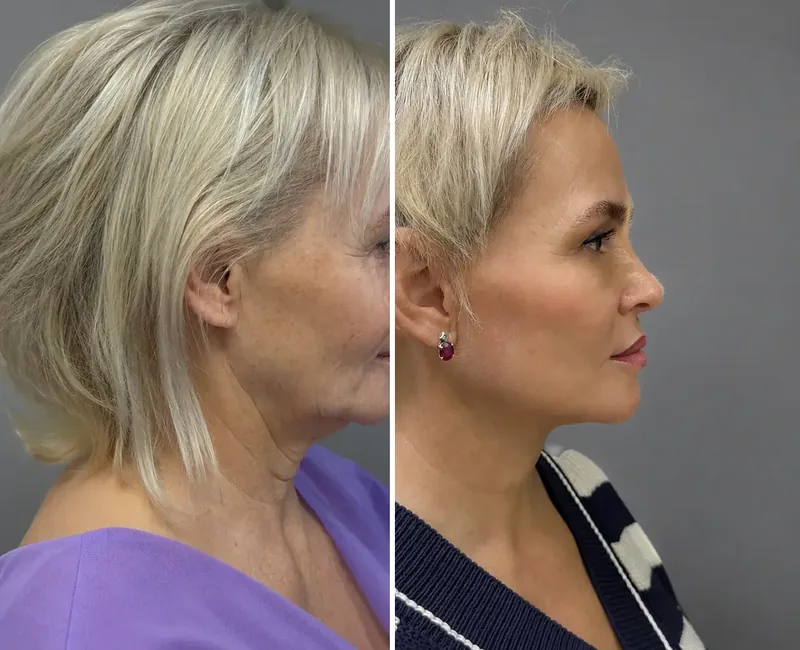

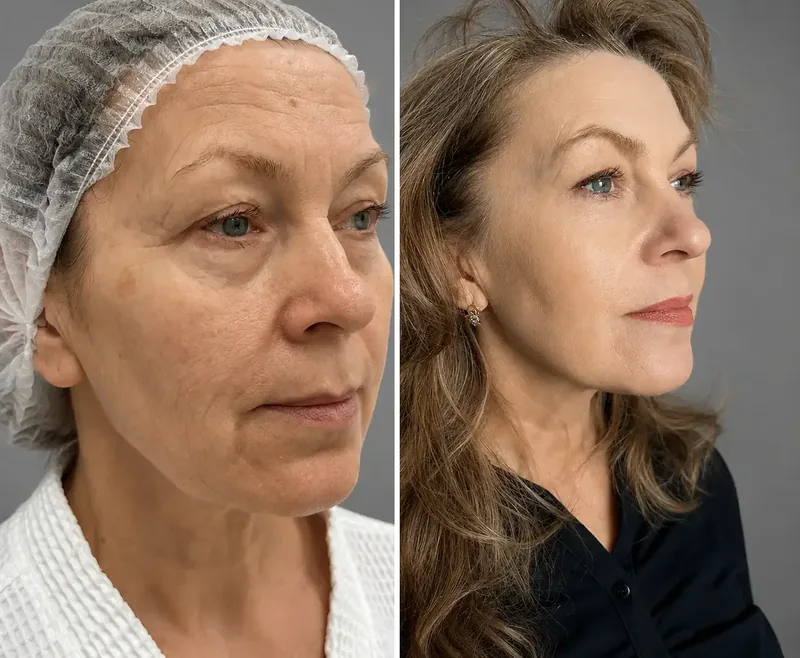
50 years
9 months
SMAS facelift
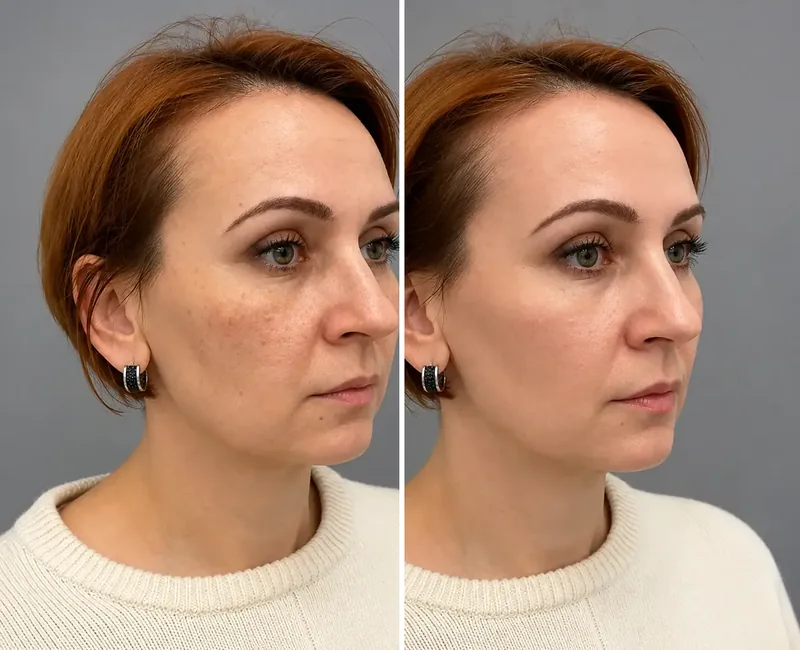
58 years
8 months
SMAS facelift
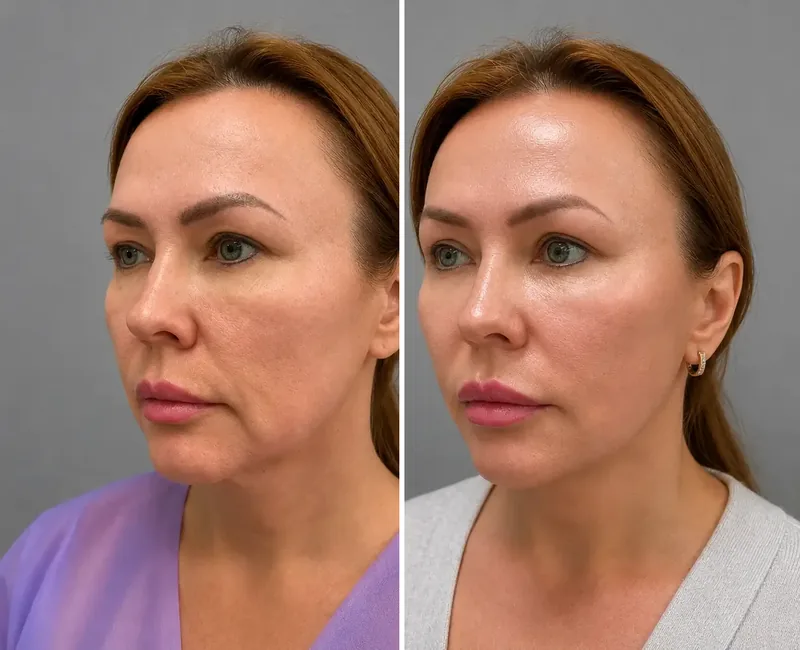
34 years
5 months
SMAS facelift
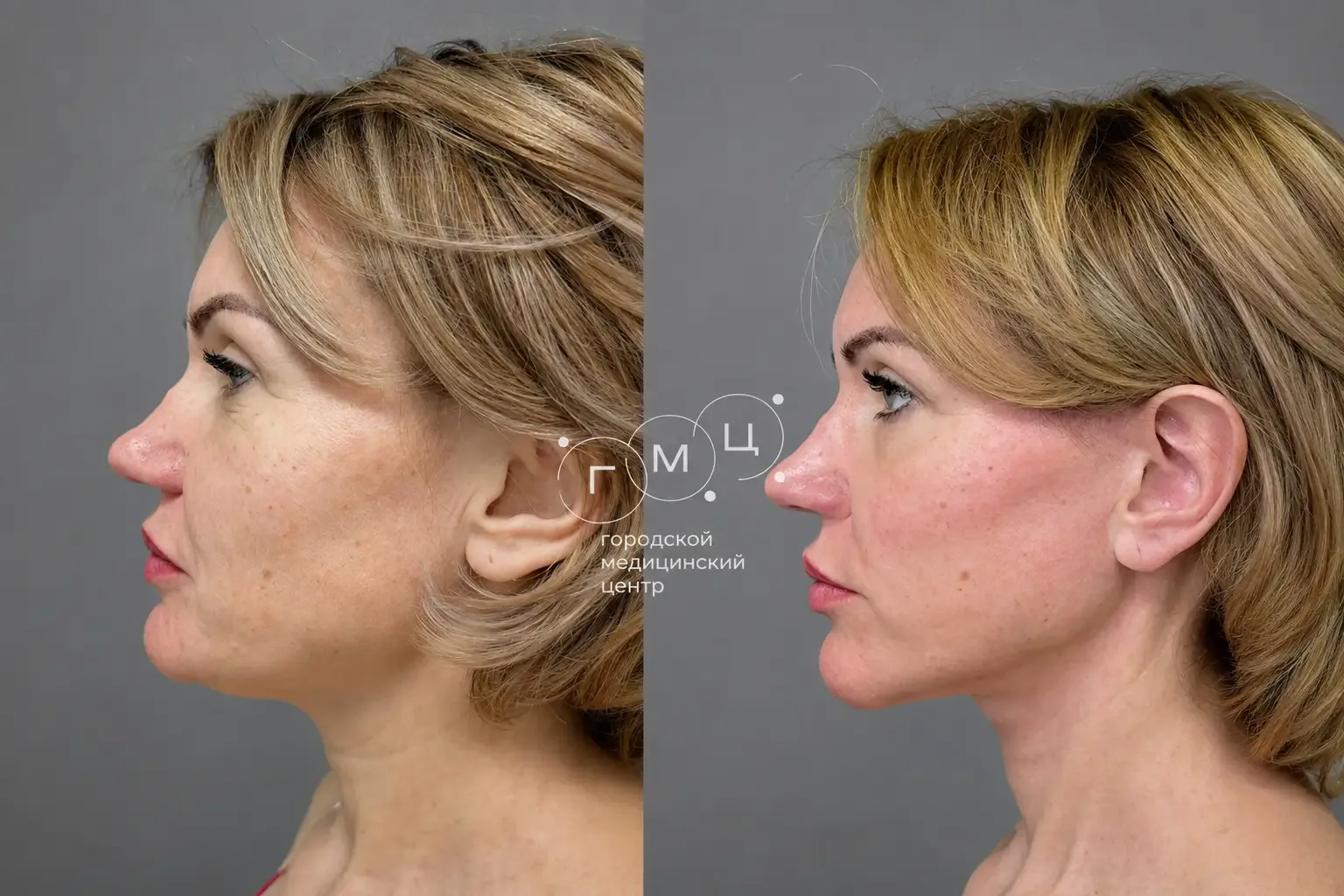
32 years
7 months
SMAS facelift
40 years
6 months
SMAS facelift
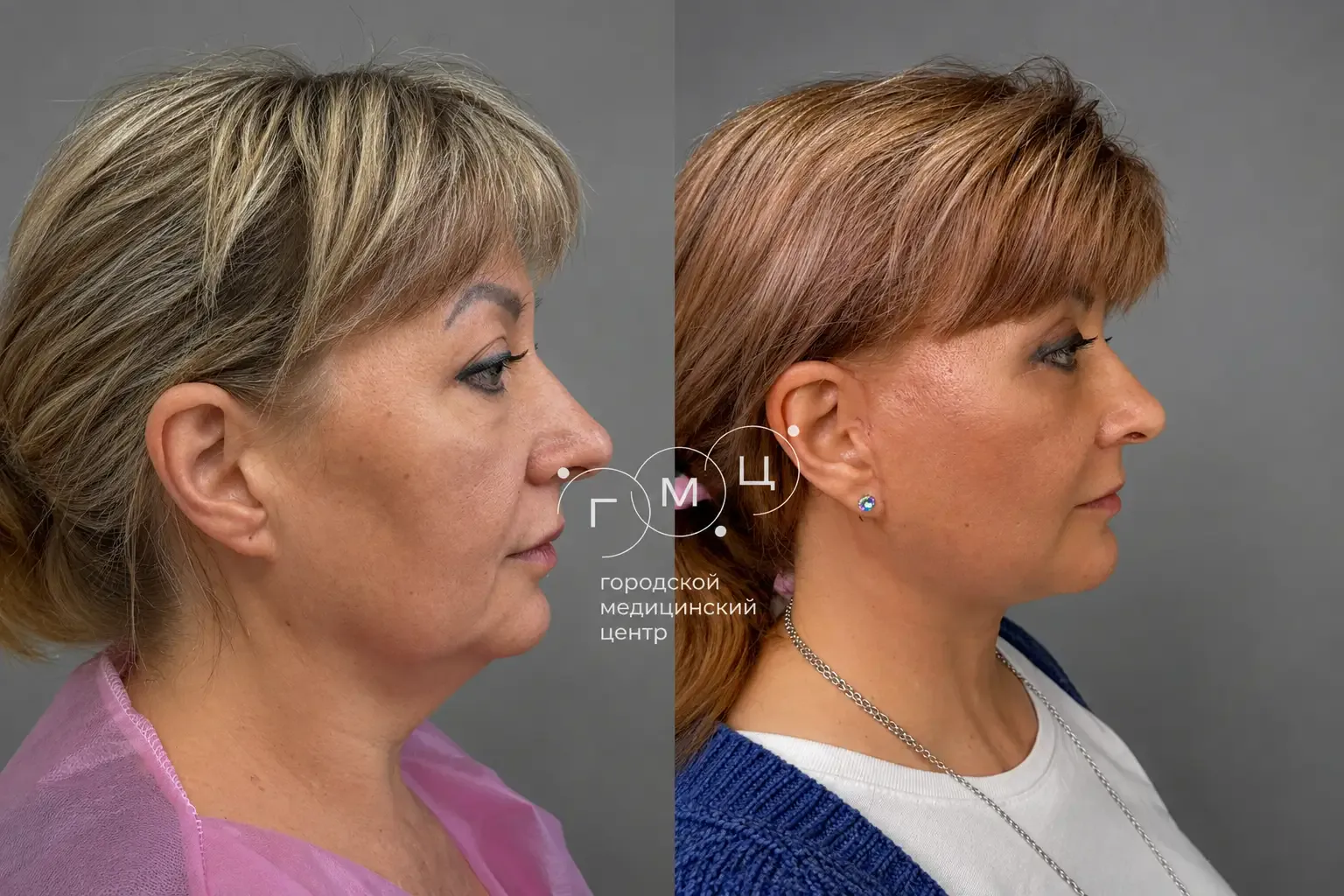
45 years
8 months
SMAS facelift
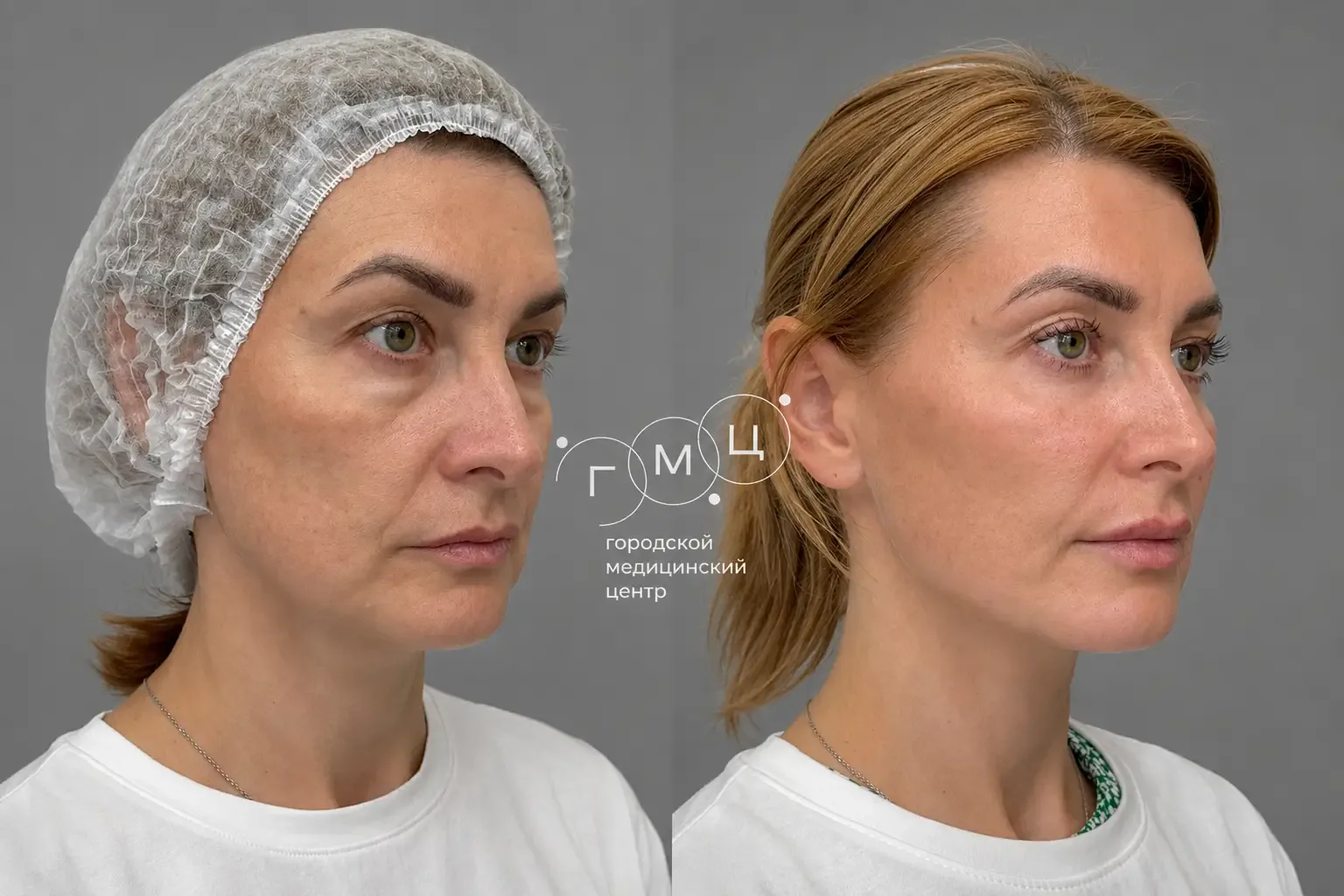
38 years
5 months
SMAS facelift
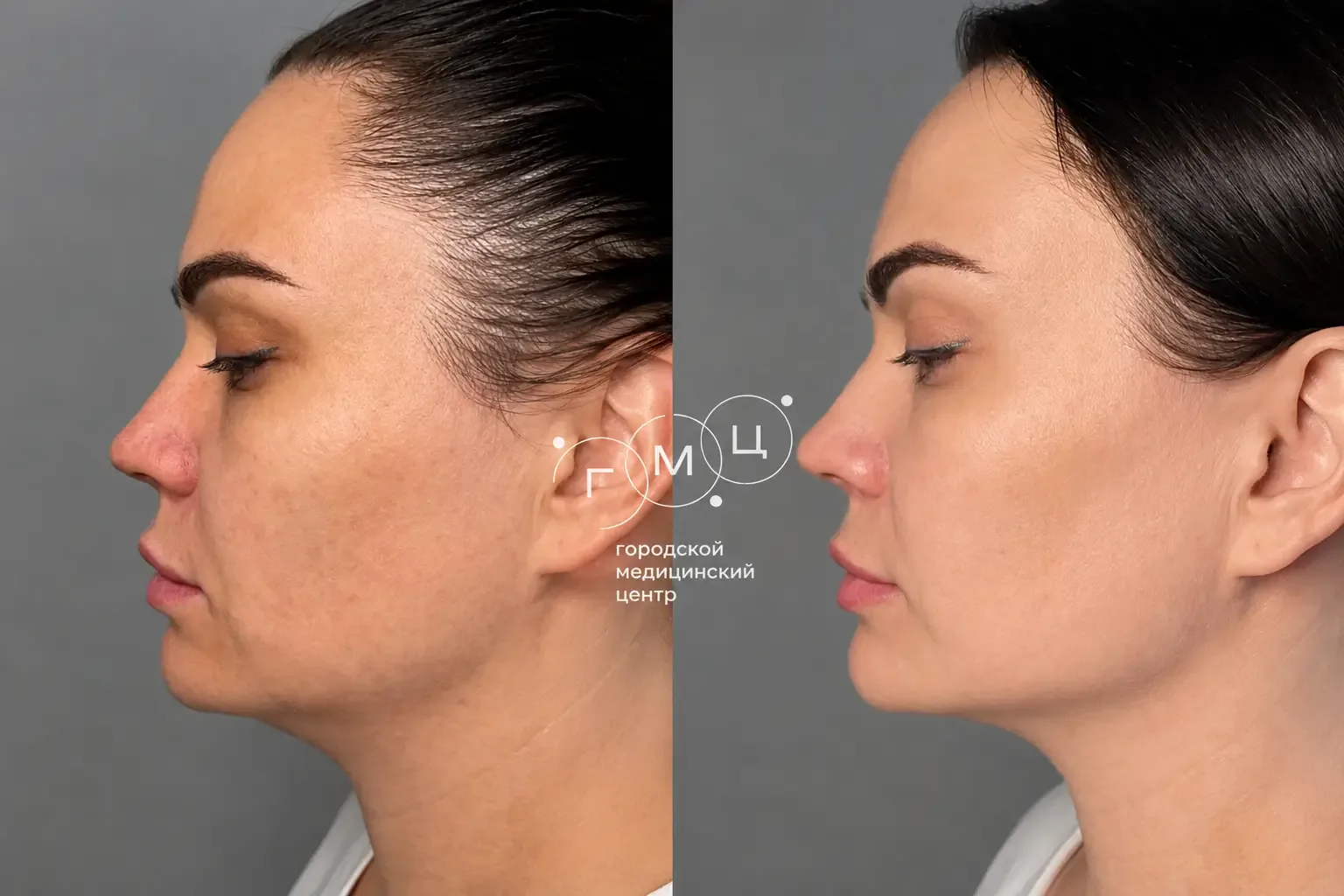
33 years
6 months
SMAS facelift
50 years
9 months
SMAS facelift
58 years
8 months
SMAS facelift
34 years
5 months
SMAS facelift
32 years
7 months
SMAS facelift
40 years
6 months
SMAS facelift
45 years
8 months
SMAS facelift
38 years
5 months
SMAS facelift
33 years
6 months
SMAS facelift
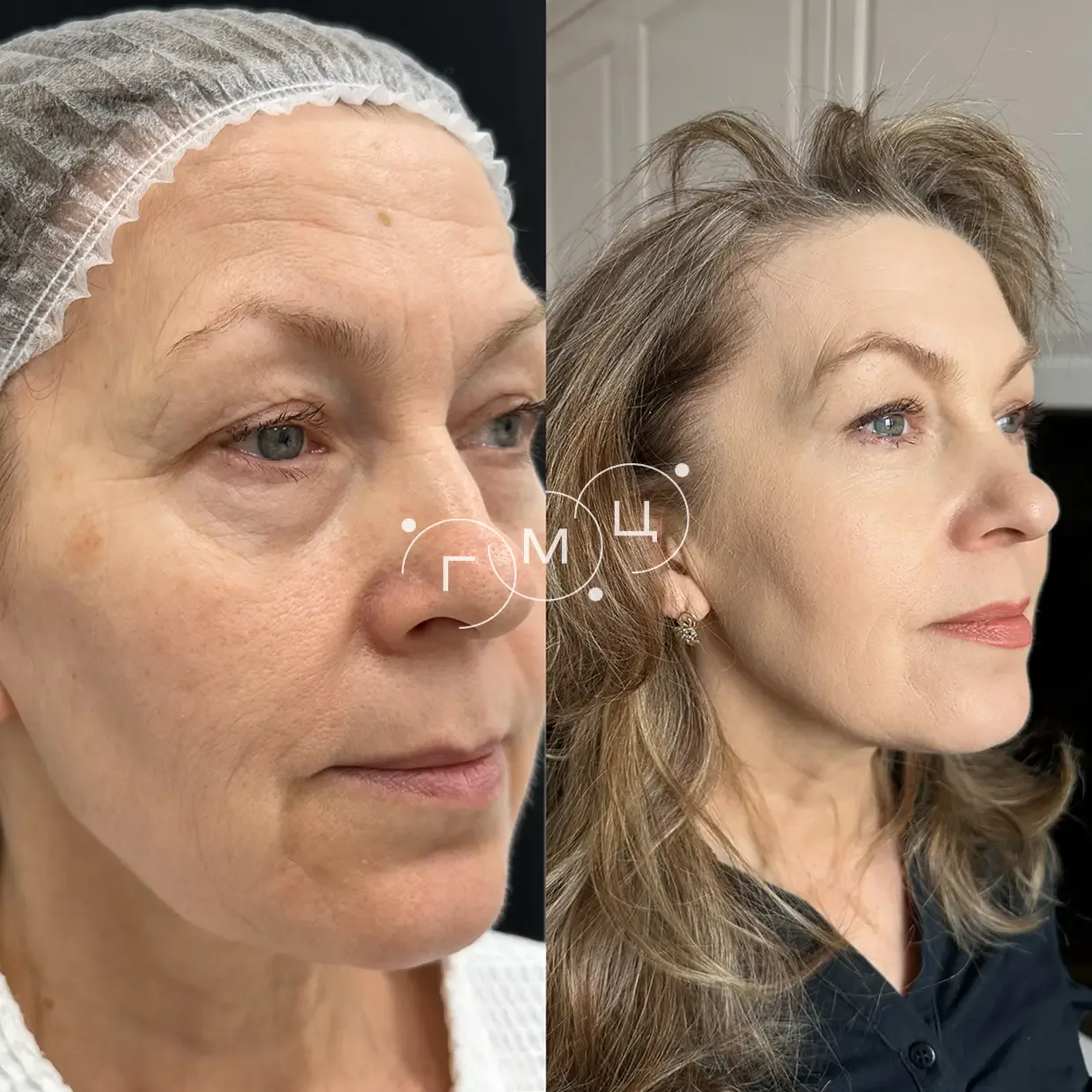

Marked sagging across the face and neck
Jowls and a blurred jawline
Double chin, loose skin on the neck
Deep nasolabial folds, marionette lines
A heavy look caused by drooping brows
Significant loss of skin firmness after 40
Wanting a long-term result (7–10 years)

Age under 30
Skin in an acute inflammatory state
Pregnancy and the breastfeeding stage
Severe cardiovascular disease
Impaired blood clotting
Cancer
Decompensated diabetes
Facelift in Zanzibar City step by step
What changes after a facelift? The lower-face contour becomes crisp, the cheeks are lifted, the chin line is clean without a double chin and nasolabial folds soften. Brows rise and the eyes look more open. The aim for patients from Zanzibar City is a younger, fresher look without an overdone effect or a mask-like appearance. One surgery gives a complete result, and a full lift keeps it for up to 10 years.
Is a SMAS facelift painful? No: the surgery is done under general inhalation anaesthesia, so you feel nothing. Afterwards, discomfort and tightness are possible for a few days and are eased with prescribed medication. A compression bandage and reduced activity help the tissues settle in the first 7–10 days. That is the typical course for people in Zanzibar City after surgery.
One payment, many components. From $2,400 (≈ TZS 6,400,000), Zanzibar City patients receive a personal consultation, surgery by an experienced team, combined inhalation anaesthesia, an inpatient room, meals and 24/7 monitoring by medical staff. Personal support before and after surgery and a full year of plastic surgeon follow-up are part of the package. The first step, a consultation, is free.
Facelift in Zanzibar City: price and what is included
Prices are in US dollars; the amount in brackets is an approximate conversion to TZS at the rate of 02.10.2026. The final price is fixed in your contract.
- Faceliftfrom $2,400 (≈ TZS 6,400,000)
How much does a facelift in Zanzibar City cost?
Prices start from $2,400 (≈ TZS 6,400,000). The surgeon sets the final price at the free consultation, and it is fixed in the contract, with no hidden extras.
What is included in the price?
A one-to-one consultation, the medical team, anaesthesia, inpatient care with meals, 24/7 monitoring and twelve months of follow-up by the surgeon.
How do I get my exact price?
Message us on WhatsApp or Telegram using the buttons below. A coordinator will answer your questions and book a free consultation where the doctor names the exact price.
By messaging us, you agree to our Privacy Policy
Zanzibar City and the decision to have a facelift
Zanzibar City, often simply called Zanzibar, is the largest city on the island of Zanzibar. It lies on the west coast of Unguja, the main island of the archipelago, north of Dar es Salaam across the Zanzibar Channel. In 2022 the population of the Mjini District was 219,007. It is a compact city of about 15.4 square kilometres, with the Indian Ocean on its western side. People here know each other, families are close, and a visible change in someone's face is noticed quickly. That is why many residents want to plan a facelift calmly and discreetly.
The medical logic is the same everywhere. Beyond 40-50 the skin gradually loses firmness, with noticeable sagging, jowls, a blurred jawline and drooping cheeks. A surgical SMAS facelift works deeper than cosmetology by repositioning the muscle and fascia layer. It treats the cause of sagging, not its effects, and delivers a lasting result even with significant changes.
Residents of Zanzibar City usually begin with a free online consultation. You send photographs, describe your concerns and your health history, and talk to a coordinator in your own city and in your own time. Coordinators are available around the clock (24/7) on WhatsApp and Telegram, so you can write after work or in the evening once the household is quiet.
Stone Town, Ng'ambo and how the city shapes your planning
Zanzibar City has two main parts. Stone Town is the historical core, the former capital of the Zanzibar Sultanate, declared a UNESCO World Heritage Site in 2000 for its architecture and culture. Ng'ambo, literally «The Other Side», is a much larger, modern area that grew around Stone Town and includes office buildings and large apartment blocks such as those of the Michenzani neighbourhood.
This matters for recovery. A person living in a narrow-laned historic quarter and a person in an apartment block face different practical questions. Who will help at home in the first days? Is there a quiet room to rest? How easy is it to avoid crowds and strong sun while the face is swollen? Think through these questions before the operation and tell the coordinator about your home situation.
In the first 7-10 days the plan is rest, a compression bandage and less physical activity. Arrange household errands, shopping and school runs for relatives or neighbours in advance, so you do not need to leave home in the busiest hours.
Climate of Zanzibar City and recovery after a facelift
Zanzibar City has a tropical monsoon climate (Köppen Am). The average temperature is 26.9 °C, and monthly averages usually lie between 25.1 and 28.8 °C. Average annual rainfall is 1,512 mm. The warmth is steady through the year, so heat is a constant factor in recovery and not just a seasonal one.
Heat and humidity tend to increase the feeling of swelling and tightness under a compression bandage. General advice: stay in a ventilated or cooled room, drink water regularly, avoid long exposure to the sun and avoid hot, steamy rooms until the surgeon allows it. Swelling and bruising fade within 2-4 weeks, and full recovery takes about 2 months, so plan for a long period of sun care.
The sun on the coast is strong even on cloudy days. When the surgeon permits you to go outside, protect the face with a wide-brimmed hat or a light scarf that does not press on the incision lines, and use the sun protection the surgeon recommends. Do not rub or scratch the skin around the ears and along the hair line.
Rainy and dry seasons: choosing the time for the operation
The city has two rainy seasons. Most rain falls between March and May, and a smaller rainy season comes in November and December. The drier months are January and February, and a longer drier period runs from June to October. There is no single correct month, but the pattern helps you think about practical comfort.
During heavy rains, moving around the city can be tiring and damp conditions make it harder to keep the head and face clean and dry. During the longer dry season, sunlight and dust become the main concerns, and hats and sun protection matter more. Both are manageable if you plan ahead and follow the surgeon's instructions.
A sensible approach is to choose a period when you can stay at home for the first 7-10 days, when work and family obligations are lighter, and when you can avoid major gatherings for several weeks. Discuss the dates with the coordinator, who will line them up with the surgeon's schedule. The first clear changes appear after 3-4 weeks as the swelling settles, and the face takes its final look in 3-6 months. If you have a family occasion in mind, leave a comfortable margin.
Work, study, family life and the return to routine
Zanzibar City is an administrative and commercial centre, and many people work in offices, in service jobs or in their own business. Some people can work from home for part of the day, others need to be present. Tell the coordinator what your work involves, because it affects how long you may want to stay at home. The first 7-10 days are for rest, a compression bandage and less physical activity. Bruising and swelling fade within 2-4 weeks.
If you work with customers or appear in public, plan to return when the visible signs have settled, not on the first day you feel well. If you are a teacher, a student, or have a role in a community or family business, consider whether you can reduce your visible activity for a few weeks. Avoid lifting heavy objects and avoid bending with the head down during the early recovery.
Family matters too. Many people want a husband or wife, adult children or close relatives to know about the plan and to help in the first days. Others prefer privacy. Both choices are fine, but think in advance about who will bring meals, take care of children, and answer visitors. Full recovery takes about 2 months, and the operating surgeon follows you for the whole first year.
Sea, swimming, sport and everyday habits
Because the city sits on the Indian Ocean coast, the sea is part of everyday life, and many patients ask when they can swim. Do not enter the sea or a pool until the surgeon confirms the wounds have healed. Salt water, sand and bacteria are not suitable for fresh incision lines. Ask your surgeon for a clear personal answer and follow it.
The same applies to sport. In the first 7-10 days physical activity is reduced. After that, return step by step: walking first, then light activity, and only later exercise that raises pressure in the head or strains the face. Football, running and swimming should wait until the surgeon allows them. Ask about each sport you play, including team games with a risk of a blow to the face.
Daily habits also matter: sleeping with the head slightly raised, avoiding smoking, protecting the face from sun, and keeping the skin clean as instructed. Hot meals and steam can increase swelling, so allow things to cool down. Ask which foods and drinks the medical team recommends during the first weeks, and what to do about chewing if the area around the ears feels tight.
Who is a candidate, and which type of facelift is discussed
As a rule, surgery is recommended for patients aged 40+ with marked tissue sagging, and in some cases from 35. The recommendation is made individually after an examination. Typical candidates notice a marked loss of skin firmness after 40, jowls, a blurred jawline, drooping cheeks or sagging in the neck, and are looking for a result that lasts (7-10 years).
There are 4 main options. At the consultation, the surgeon helps select the best one for your age and type of ageing. The classic SMAS lift of the mid and lower face works on the skin and the SMAS layer through incisions hidden along the hair line and around the ears. It removes jowls, sagging cheeks, a double chin and deep nasolabial folds, with results lasting 7-10 years.
The comprehensive lift covers the forehead, temples, mid and lower face and neck and suits marked sagging in several areas at once. It delivers the most complete rejuvenation and a natural look, free of a «mask» effect, with results lasting up to 10 years. A surgical SMAS facelift corrects at 3 levels, and the central step is lifting and securing the muscle and fascia layer, which treats weakened ligaments and descended muscles.
General contraindications include unstable chronic illness, active infection, poor healing and unrealistic expectations. Heart, blood pressure, diabetes and blood clotting problems must be disclosed honestly, and smoking should be discussed. Excess body weight is also something to talk about openly with the doctor. The decision is made only after an examination and tests.
How the online consultation works from Zanzibar City
The first step is a free online consultation. You write to the coordinators on WhatsApp or Telegram, available 24/7, and send clear photographs of the face from the front and sides, together with a short description of your health, medications and previous operations. The medical team then explains which approach may suit you and what to expect.
The care is described as including a one-to-one consultation, the medical team, anaesthesia, inpatient care with meals, 24/7 monitoring and twelve months of follow-up by the surgeon. Continuous 24/7 monitoring by the medical team continues during the stay. Booking is flexible and personal, so the plan is adapted to your schedule and does not force you to rearrange your life around it.
Prepare your questions before the call. Write them down in the language you are most comfortable with, whether Swahili or English, and keep the answers in one chat so that you and your family can review them later.
Questions to ask the surgeon
Good questions are concrete. Which type of lift suits my face and why? Which areas will be treated, and where will the incision lines run? How will the SMAS layer be lifted and secured? What anaesthesia is used and how long will I stay in inpatient care? What will the first 7-10 days look like, and when will I see the first clear changes?
Ask about expectations. After 3-4 weeks, as the swelling settles, the first clear changes appear. The face takes its final look in 3-6 months. The result lasts up to 10 years, or 7-10 years depending on the option. One operation gives a complete result, and a repeat procedure is possible after 7-10 years if the patient wants it. Ask how the surgeon sees your own ageing process.
Finally, ask about follow-up and about what to do if something worries you at home. For the whole first year your operating surgeon follows you up. Ask how you will send photographs, how quickly you can expect an answer, and what signs should prompt you to write at once. Also ask about weight, since the WHO notes that obesity and overweight are major health concerns, and body weight affects general surgical planning.
At what age is a facelift usually recommended?
As a rule, surgery is recommended for patients aged 40+ with marked tissue sagging, and in some cases from 35. The recommendation is made individually after an examination. Beyond 40-50 the skin gradually loses firmness, and the surgeon assesses your face, not only your age.
What is a SMAS facelift and how does it differ from cosmetology?
It is a face lift that tightens the deep SMAS layer under the skin, not only the skin itself, so the lower face, jawline and neck stay firmer for longer. It treats the cause of sagging, not its effects. The result lasts about 7-10 years.
How long does recovery take?
During the first 7-10 days you rest, wear a compression bandage and reduce physical activity. Swelling and bruising fade within 2-4 weeks, and full recovery takes about 2 months. In a warm, humid city such as Zanzibar City, plan to stay in a cool room and protect your face from the sun.
When will I see the result?
After 3-4 weeks, as the swelling settles, the first clear changes appear. Your face takes on its final look in 3-6 months. The effect lasts 7-10 years, and some options up to 10 years.
Which types of facelift are there?
There are 4 main options. The classic SMAS lift treats the mid and lower face through incisions hidden along the hair line and around the ears. The comprehensive lift covers the forehead, temples, mid and lower face and neck. The surgeon helps choose the one for your age and type of ageing.
Can I swim in the sea or play sport soon after the operation?
Not until the surgeon allows it. In the first 7-10 days physical activity is reduced, and sea water and pools should be avoided until the wounds have healed. The surgeon will give you personal dates for each activity.
Do I need a second operation?
One operation gives a complete result. A repeat procedure is possible after 7-10 years if the patient wants it. It is not required automatically, and the decision depends on how your face changes with time.
How do I start from Zanzibar City?
Write to the coordinators on WhatsApp or Telegram. They are available around the clock (24/7). The consultation is free and online, and you can send photographs and questions from home at a time that suits you.
What does the service include?
It includes a one-to-one consultation, the medical team, anaesthesia, inpatient care with meals, 24/7 monitoring and twelve months of follow-up by the surgeon. Ask the coordinator to explain each part in detail before you decide.