
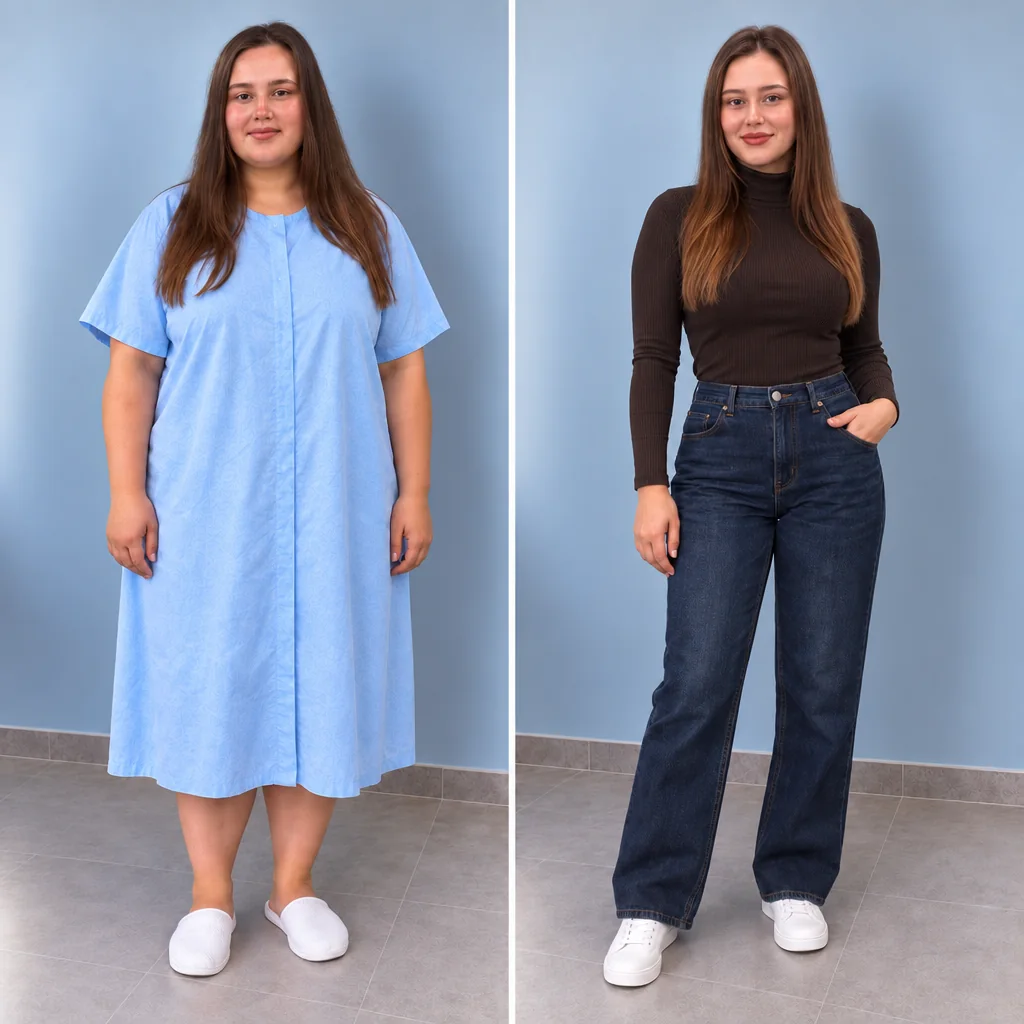
 beforeafter
Irina, 26
Bariatric surgery
Bariatric surgery
$3,600
$4,800 · First consultation — Free
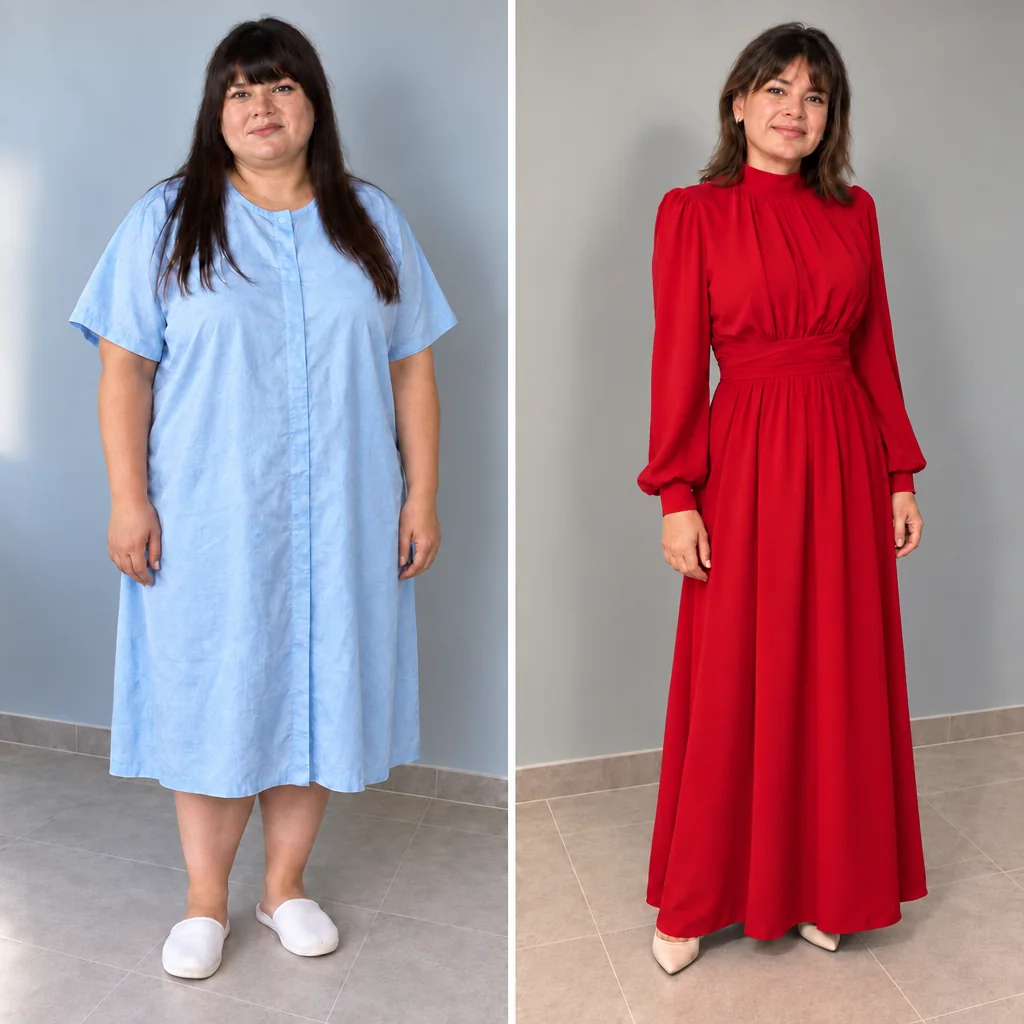 before
after
Message our coordinator
Free online consultation · Reply within 15 minutes
Message us on TelegramMessage us on WhatsAppBy messaging us, you agree to our Privacy Policy
Results
Each result belongs to a real patient of the clinic.
beforeafterBariatric surgery
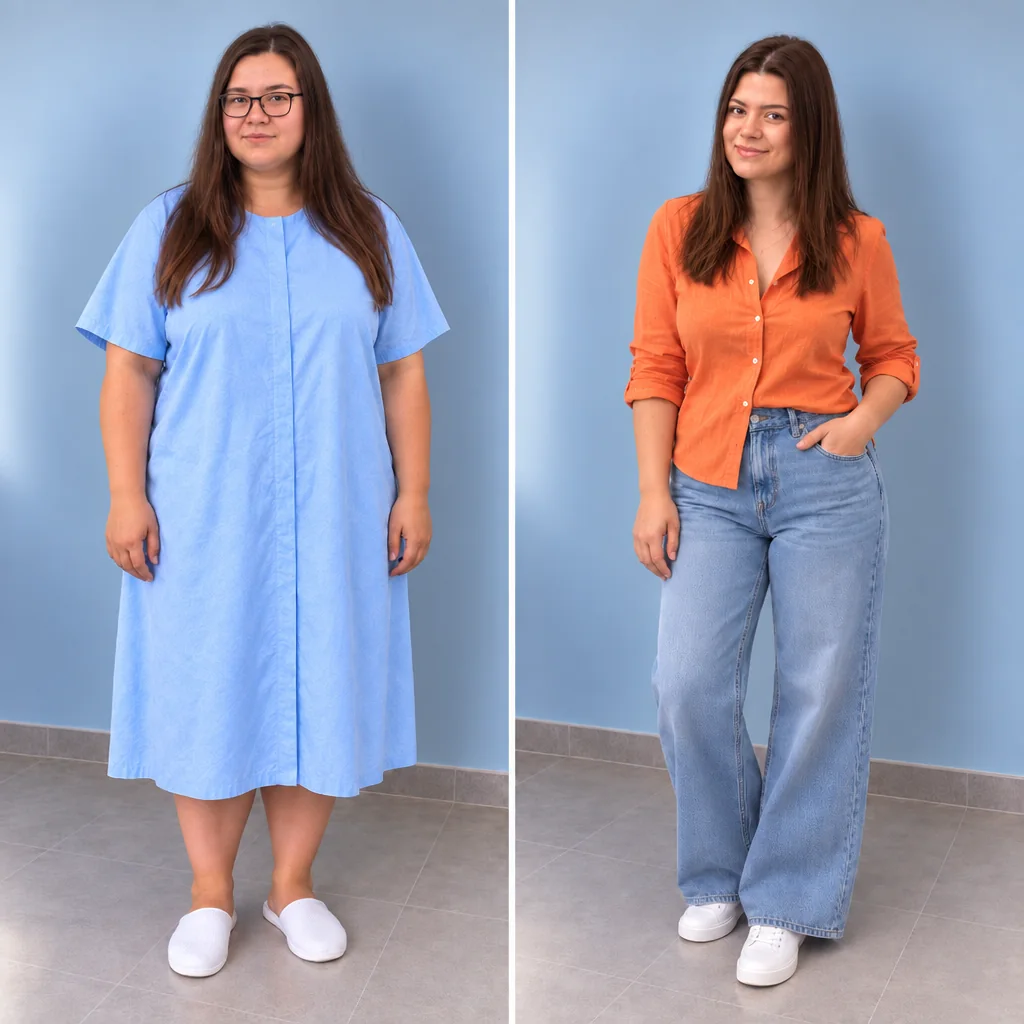 beforeafter
Bariatric surgery
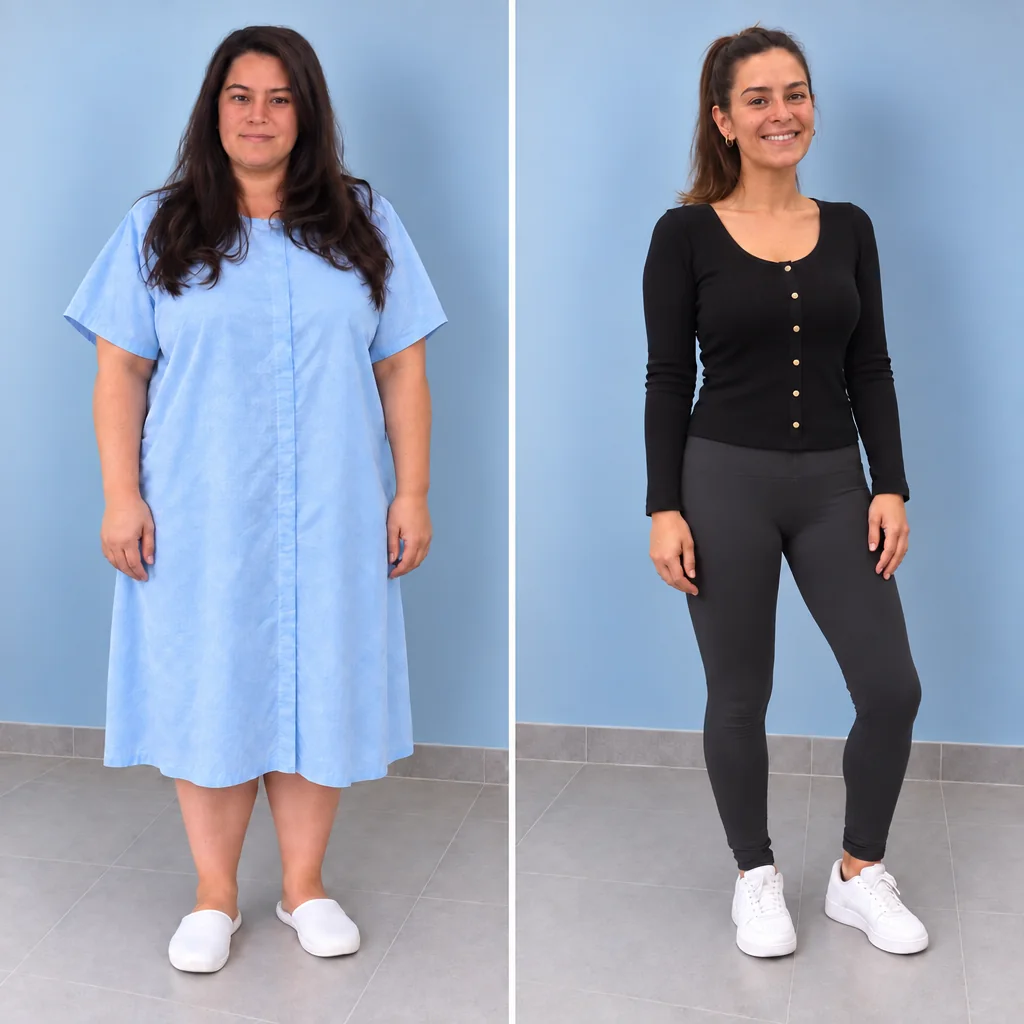 beforeafter
Bariatric surgery
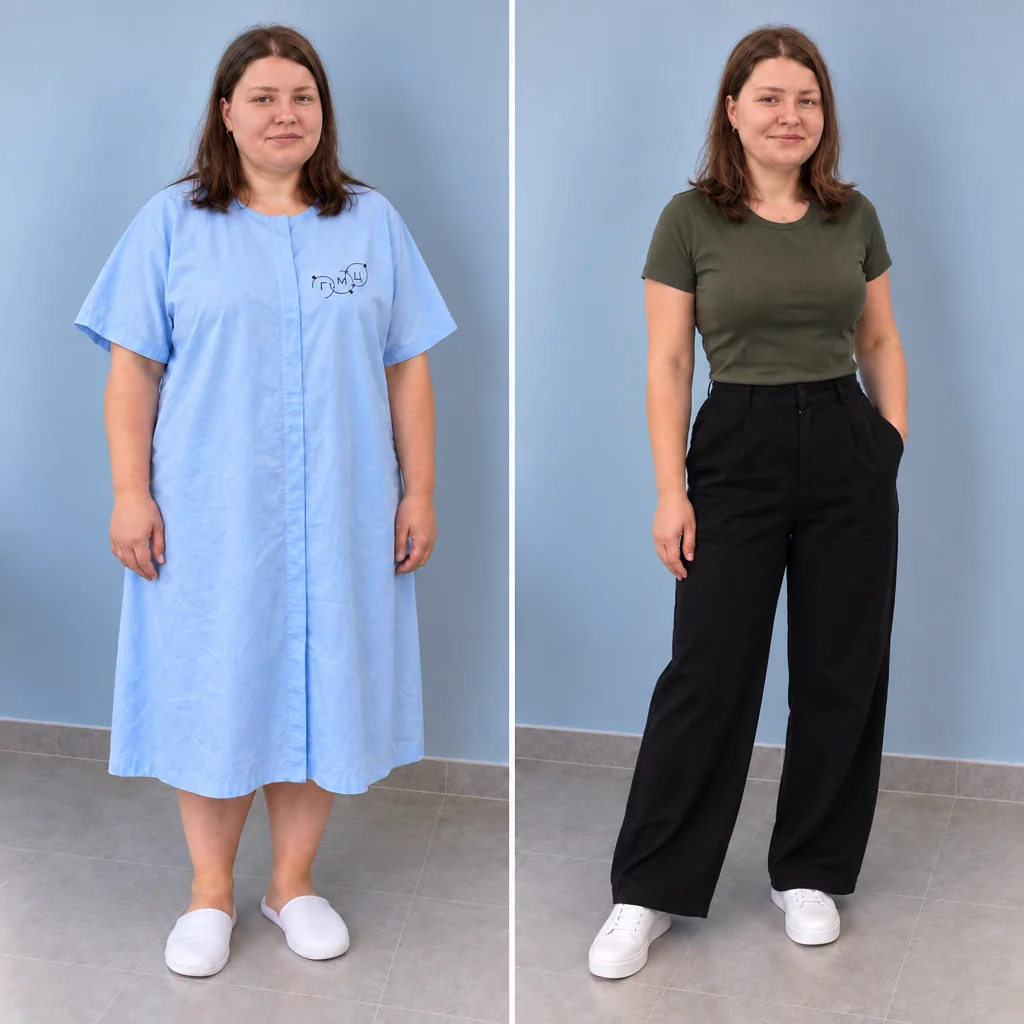 beforeafter
Bariatric surgery
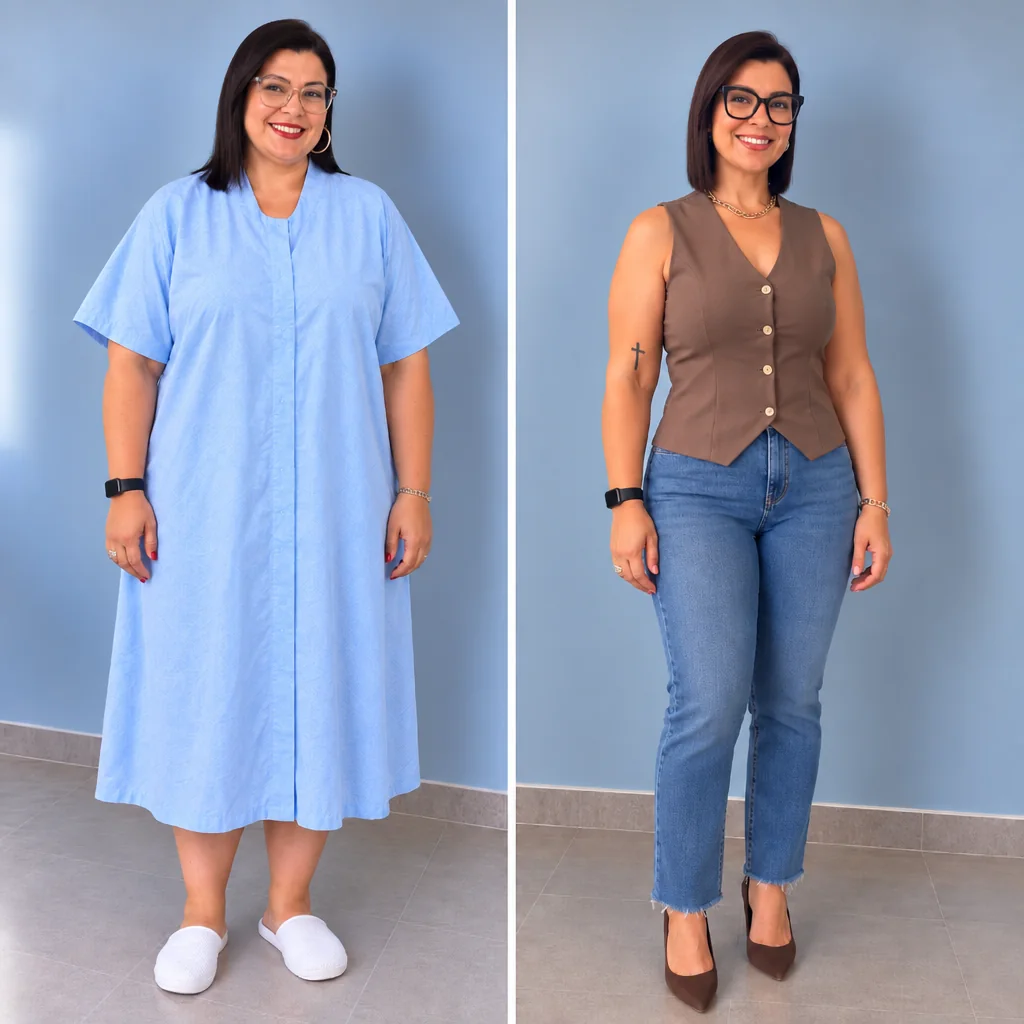 beforeafter
Bariatric surgery
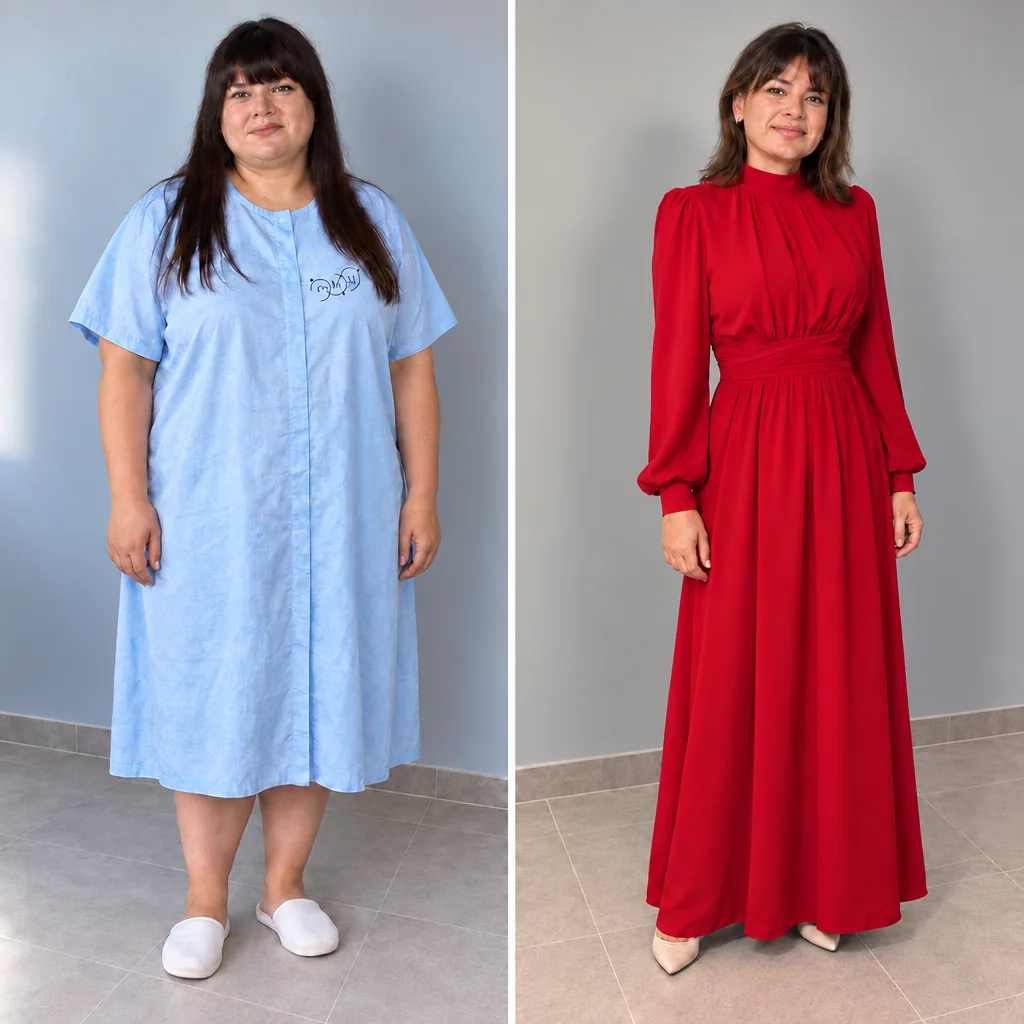 beforeafter
Bariatric surgery
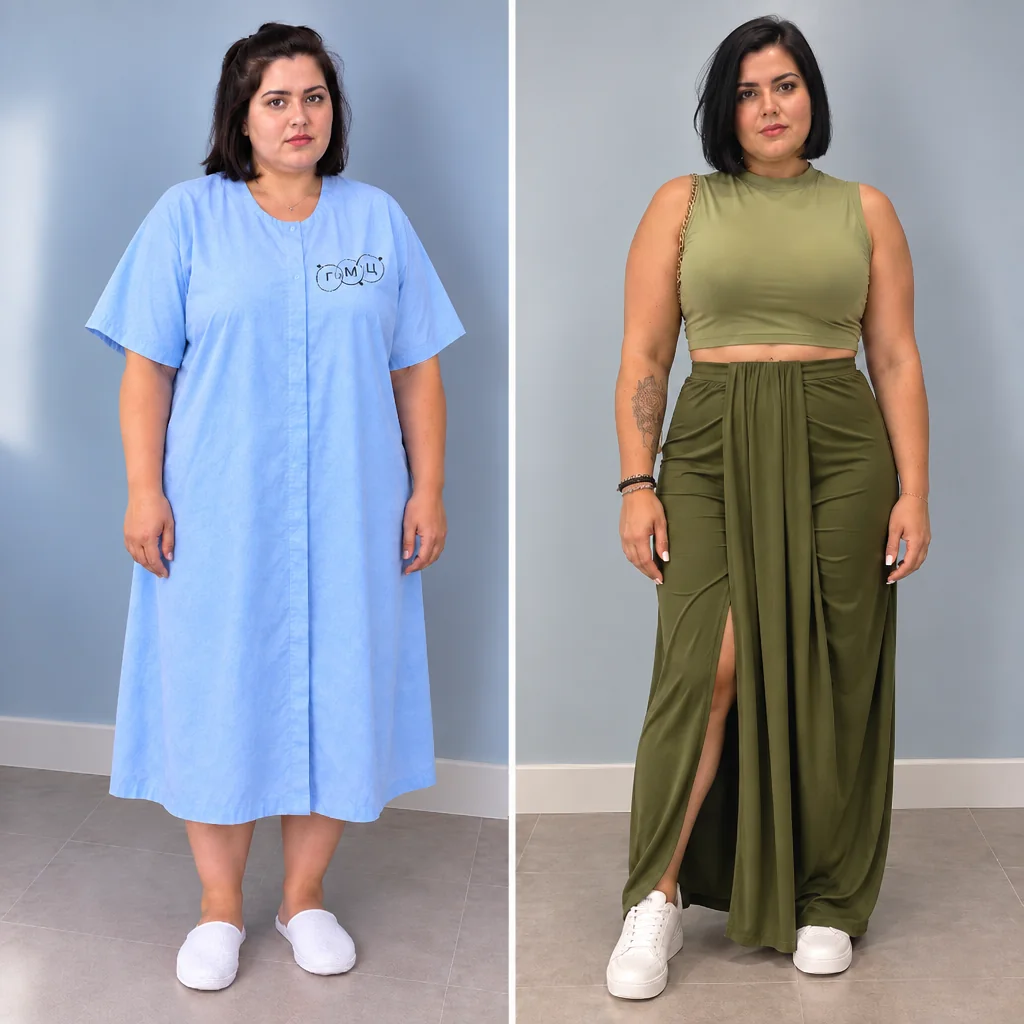 beforeafter
Bariatric surgery
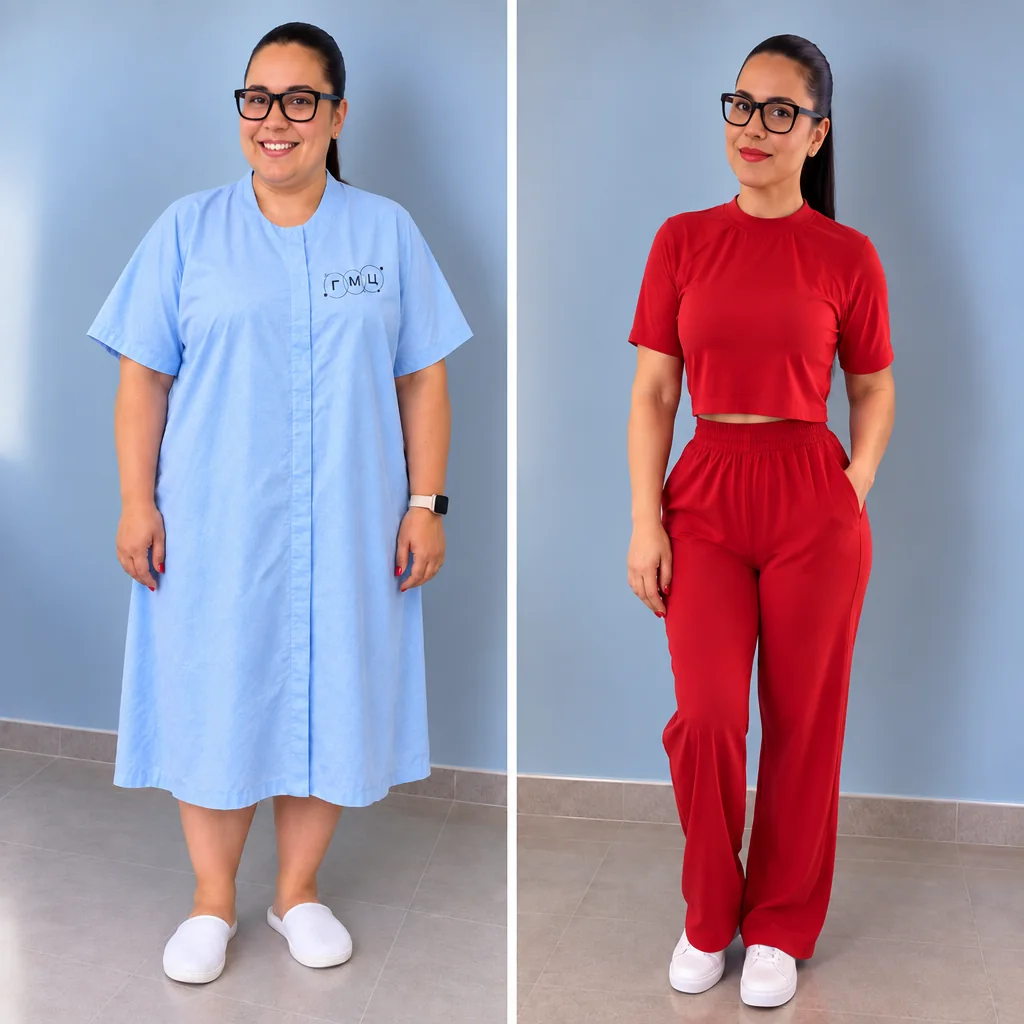 beforeafter
Bariatric surgery
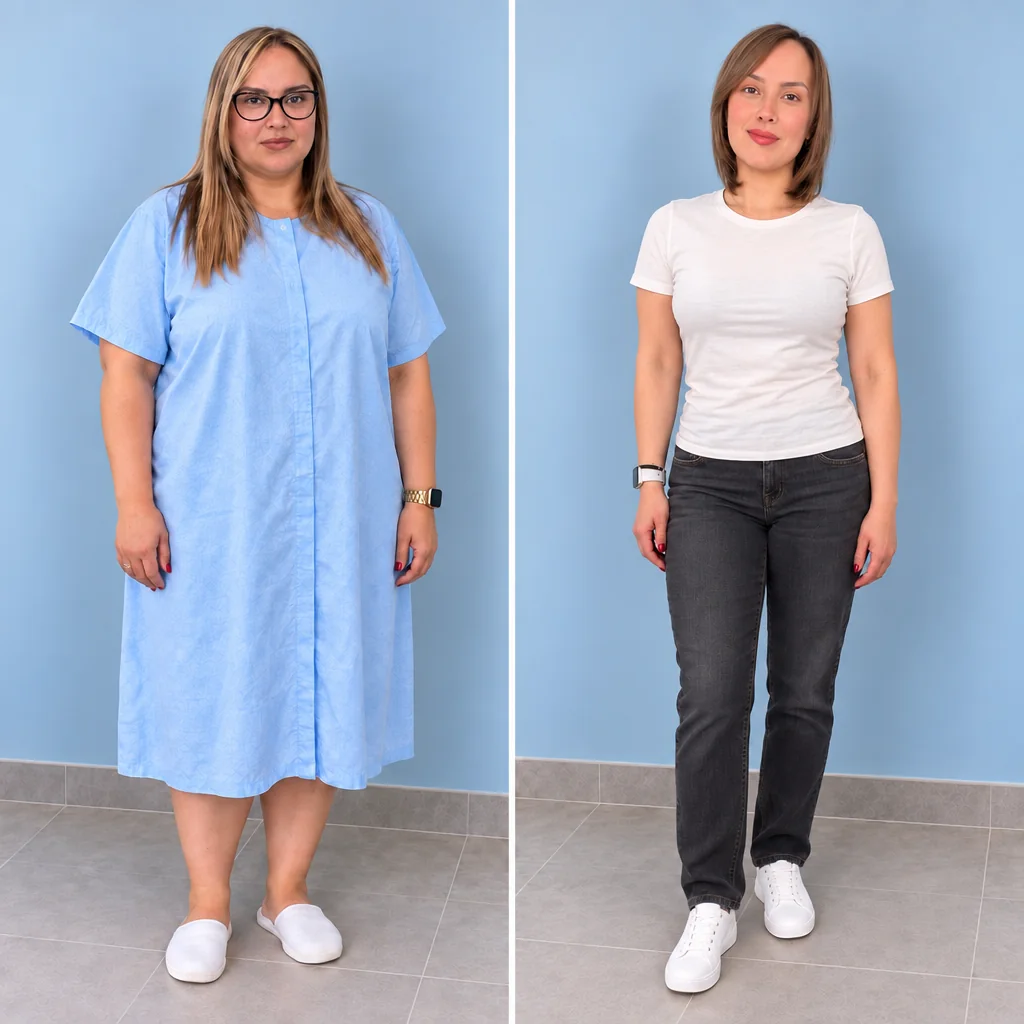 beforeafter
Bariatric surgery
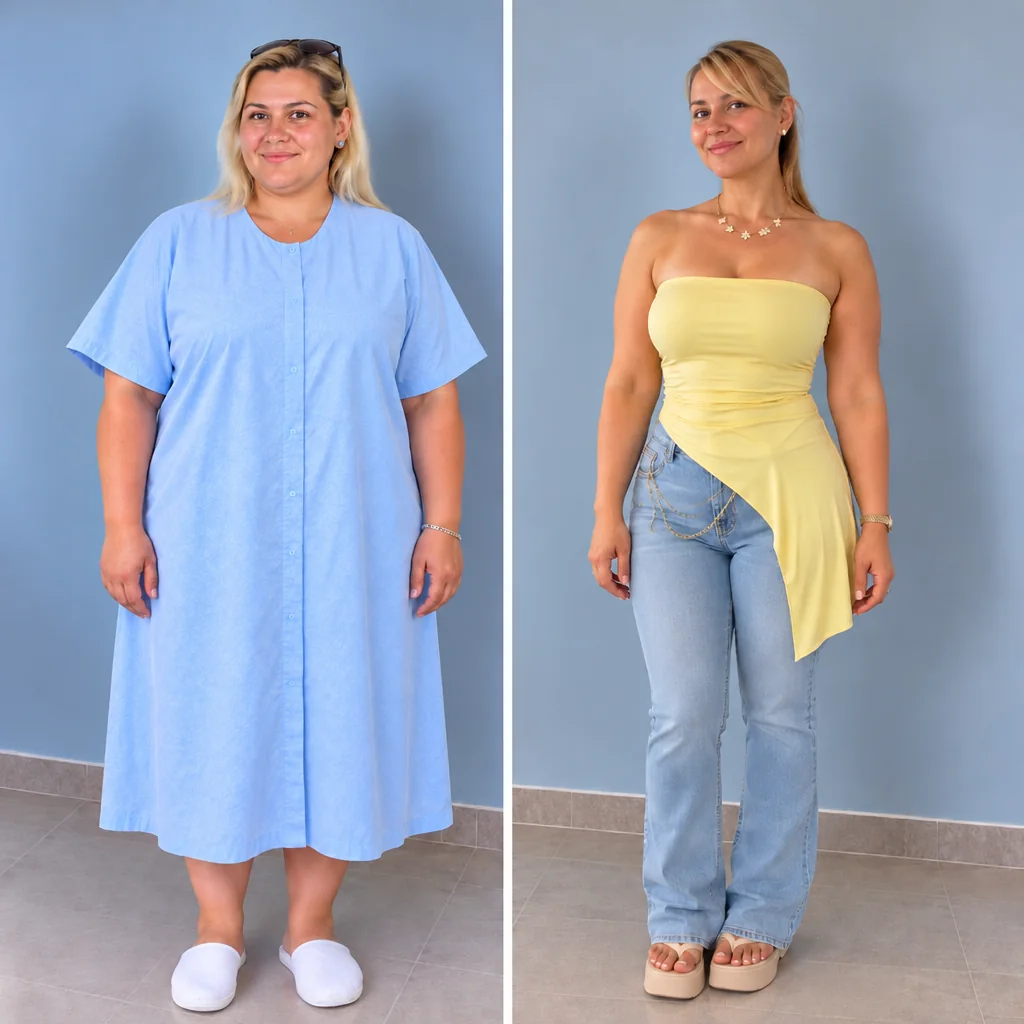 beforeafter
Bariatric surgery
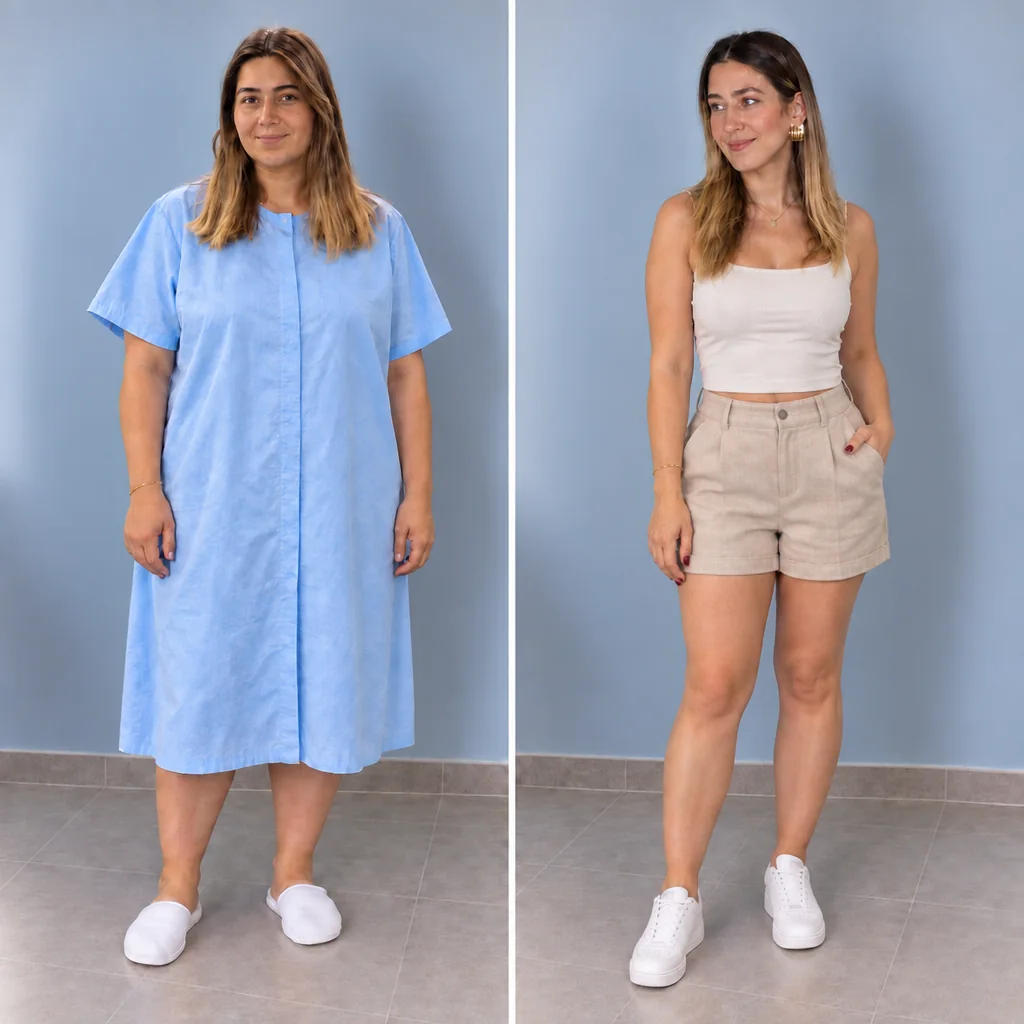 beforeafter
Bariatric surgery
Comparison
Two core procedures are offered here: gastric bypass and sleeve gastrectomy. See how each one works, its purpose and its indications so you can pick a method with confidence.
Reducing the stomach volume
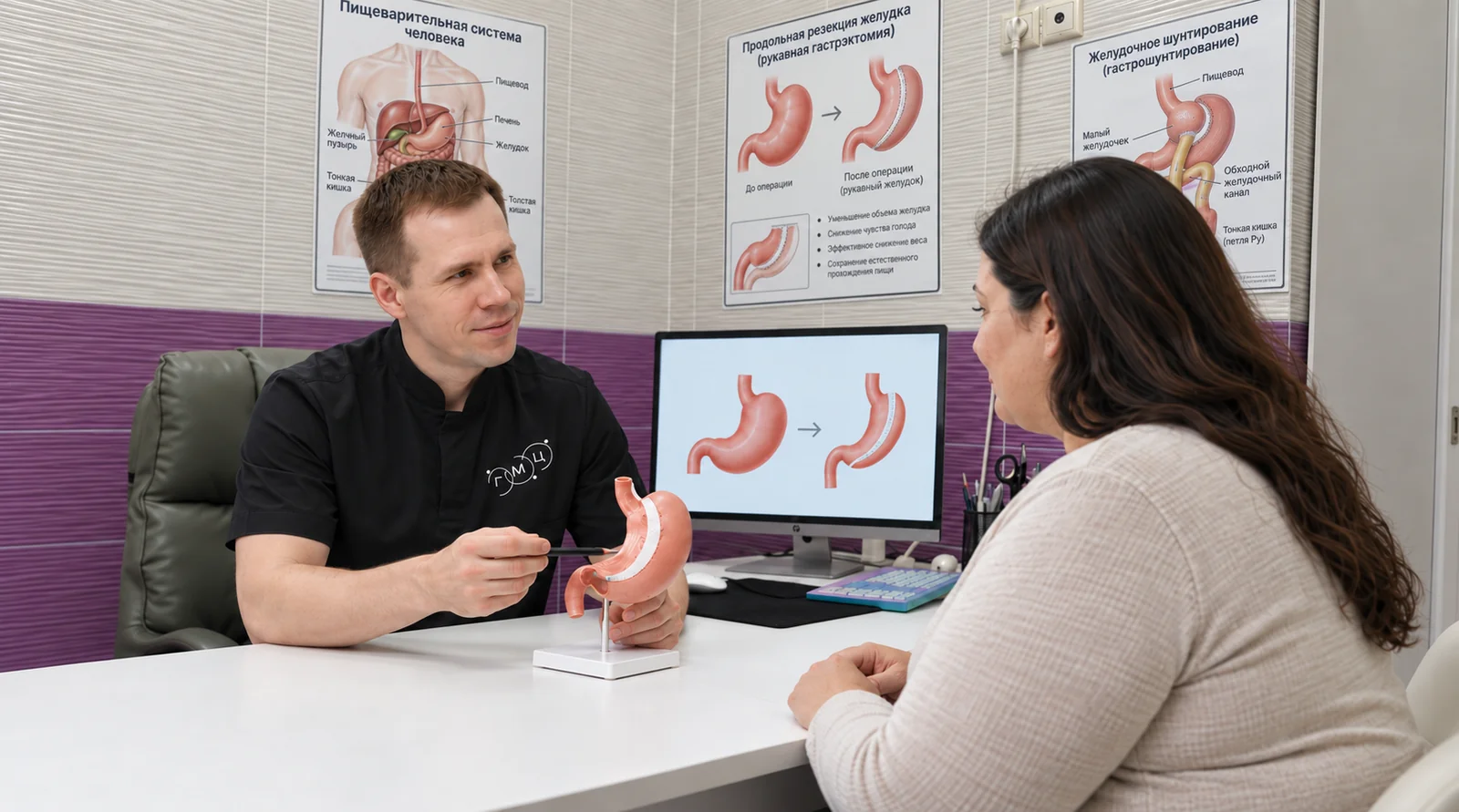
Discounted price
$3,600 $4,800
Less stomach volume and a changed route for food
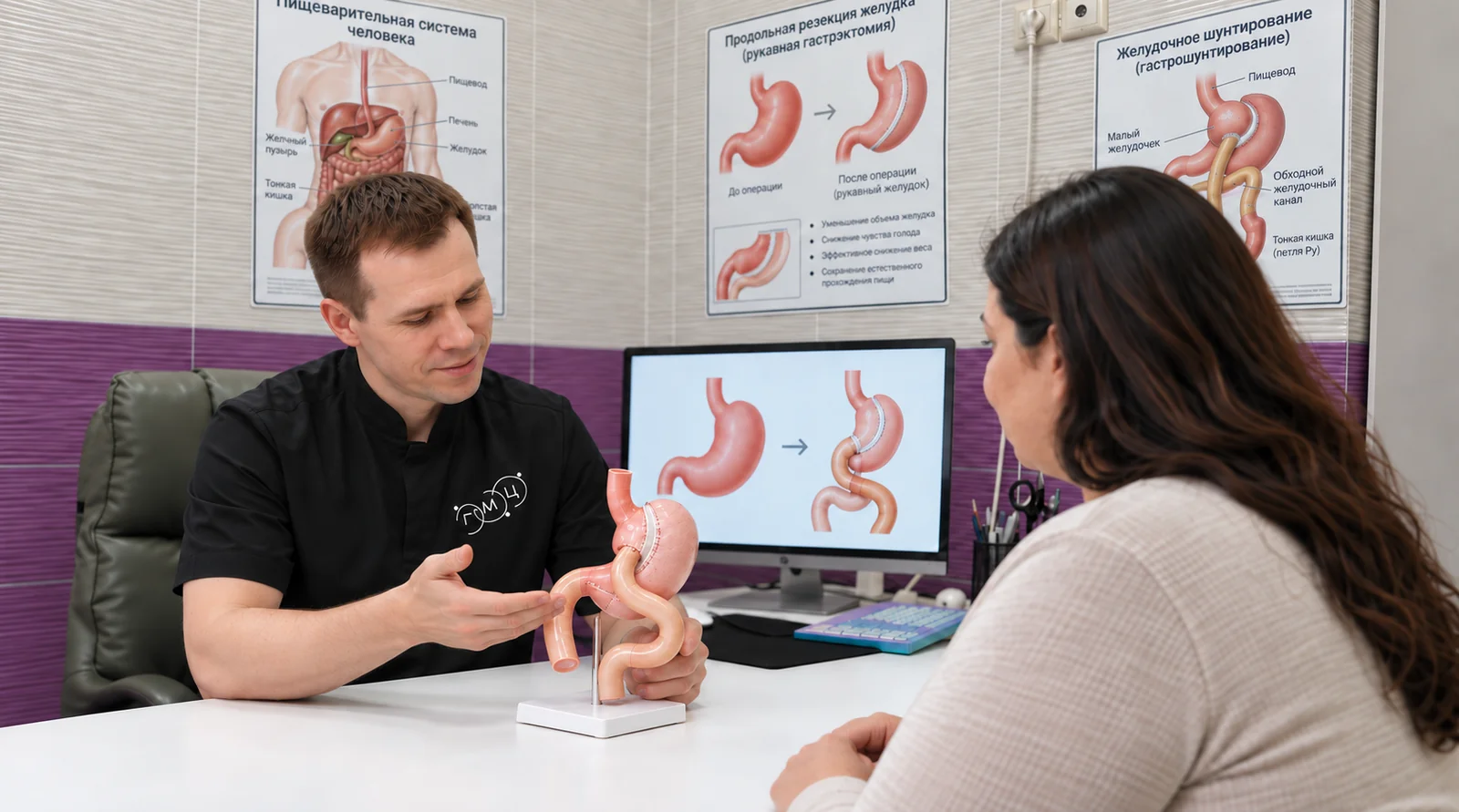
Discounted price
$4,000 $5,200
Recovery times and benefits are averaged for each method and shown for orientation. Your anatomy and individual features shape the extent of surgery and recovery, and the surgeon confirms both at the consultation.
Book a consultationAbout us
Comfortable rooms, modern equipment and care for each person
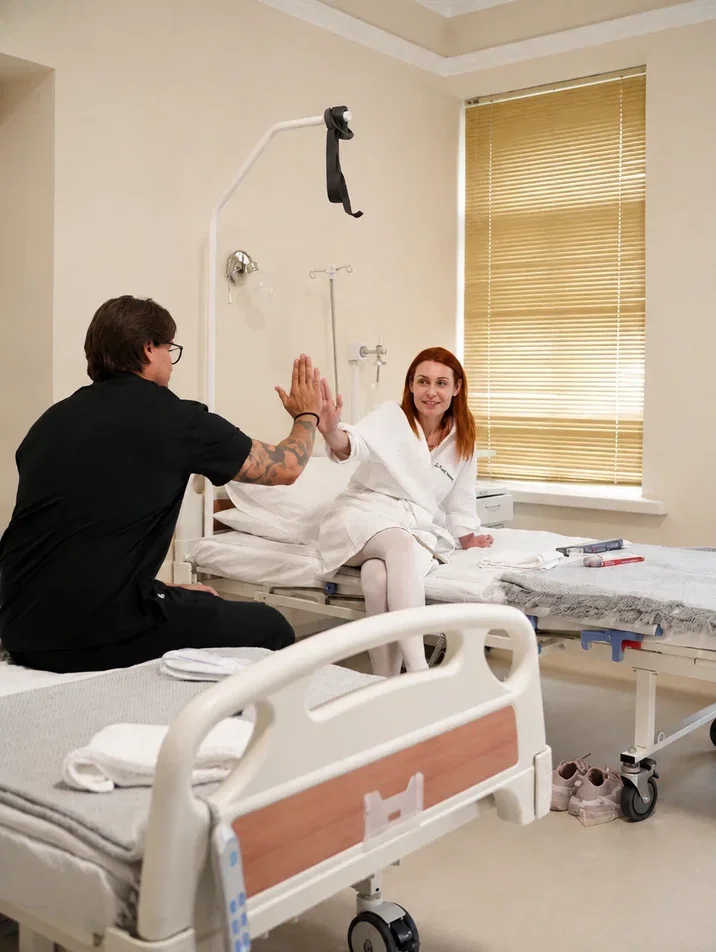
We answer your questions and pick a convenient consultation time
Get a consultationYou and the surgeon decide on surgery together, after a consultation and check-up.
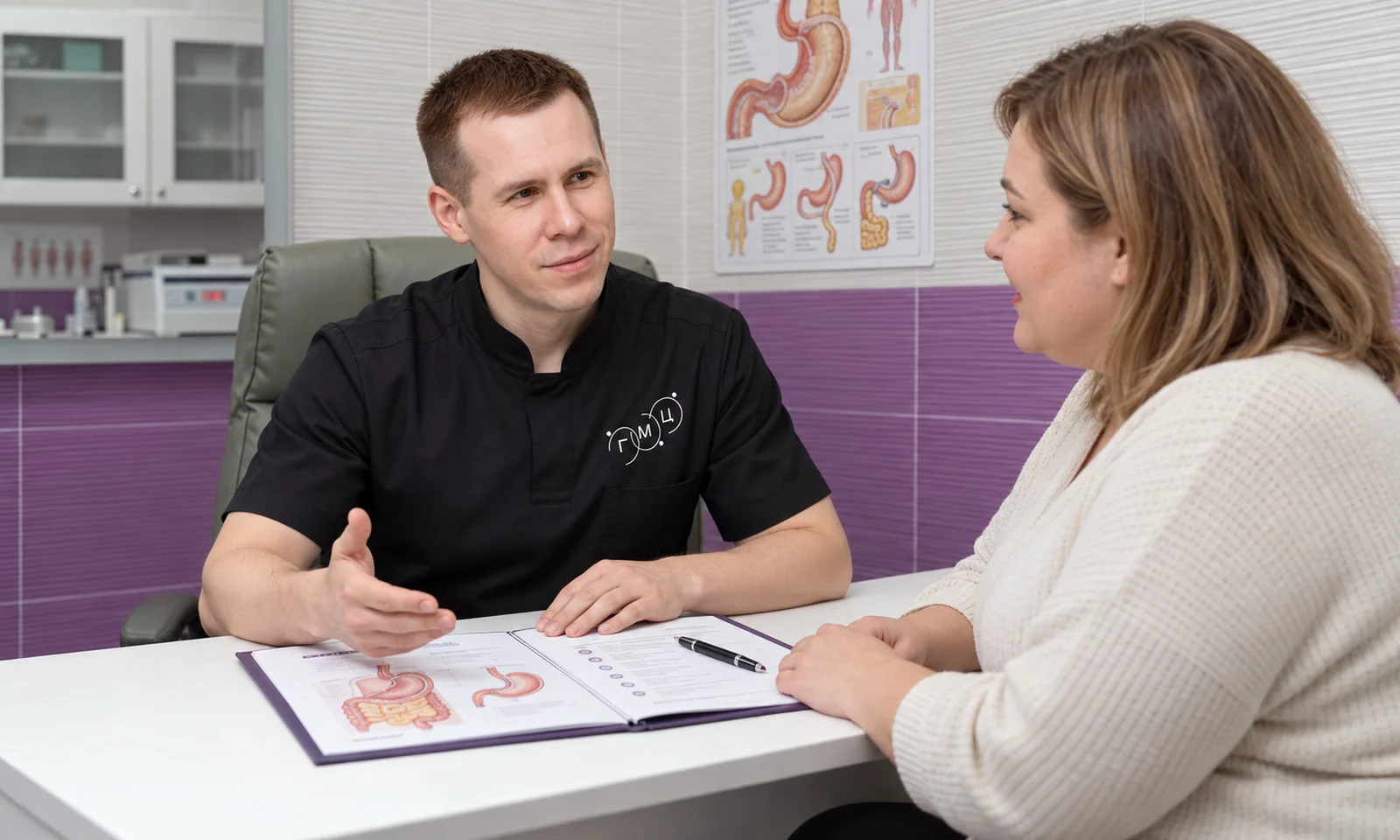
Not certain which side you are on?
Drop us a line on Telegram — our coordinator will tell you whether you are a candidate for bariatric surgery. The surgeon consultation is free, with no obligation to have surgery.
Find out if it suits me
Prices
When your plan is prepared, the cost is named at the consultation and locked in the contract.
Discounted price
Reducing the stomach volume
$3,600$4,800
Discounted price
Rerouting food and losing weight

$4,000$5,200
Free
Examination by the surgeon and a personal treatment plan

Free
the price of surgery is confirmed
and fixed in your contract
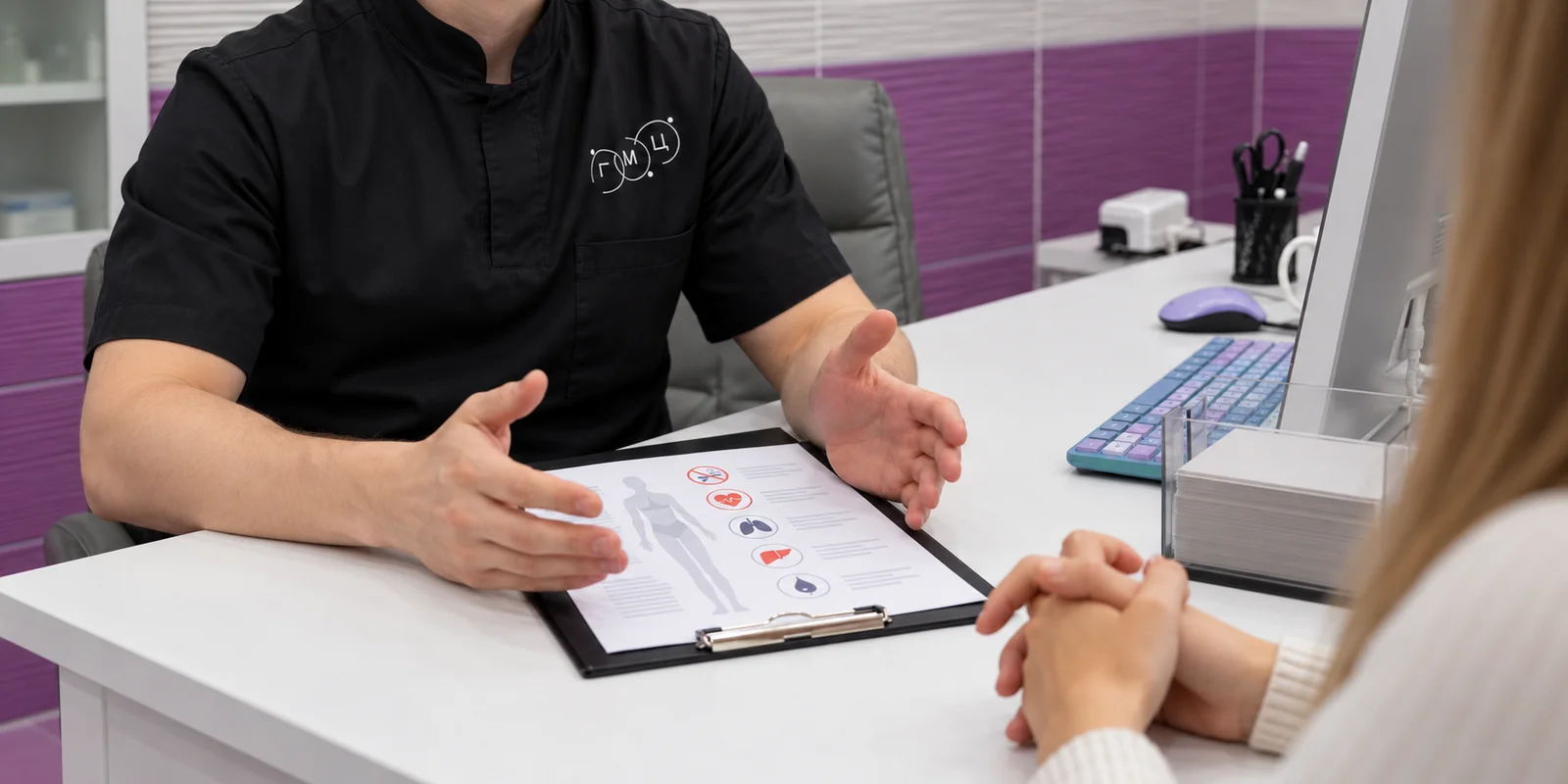
The doctor reviews your health and goals and decides on the right bariatric surgery method. At the consultation the cost is named, and the contract fixes it.
Message our coordinator
Free online consultation · Reply within 15 minutes
Message us on TelegramMessage us on WhatsAppBy messaging us, you agree to our Privacy Policy

price
One package — from preparation to 12 months of support. No extra charges.From preparation for surgery
to support for 12 months.
How it works
An agreed treatment plan, close monitoring in hospital and support lasting a year.
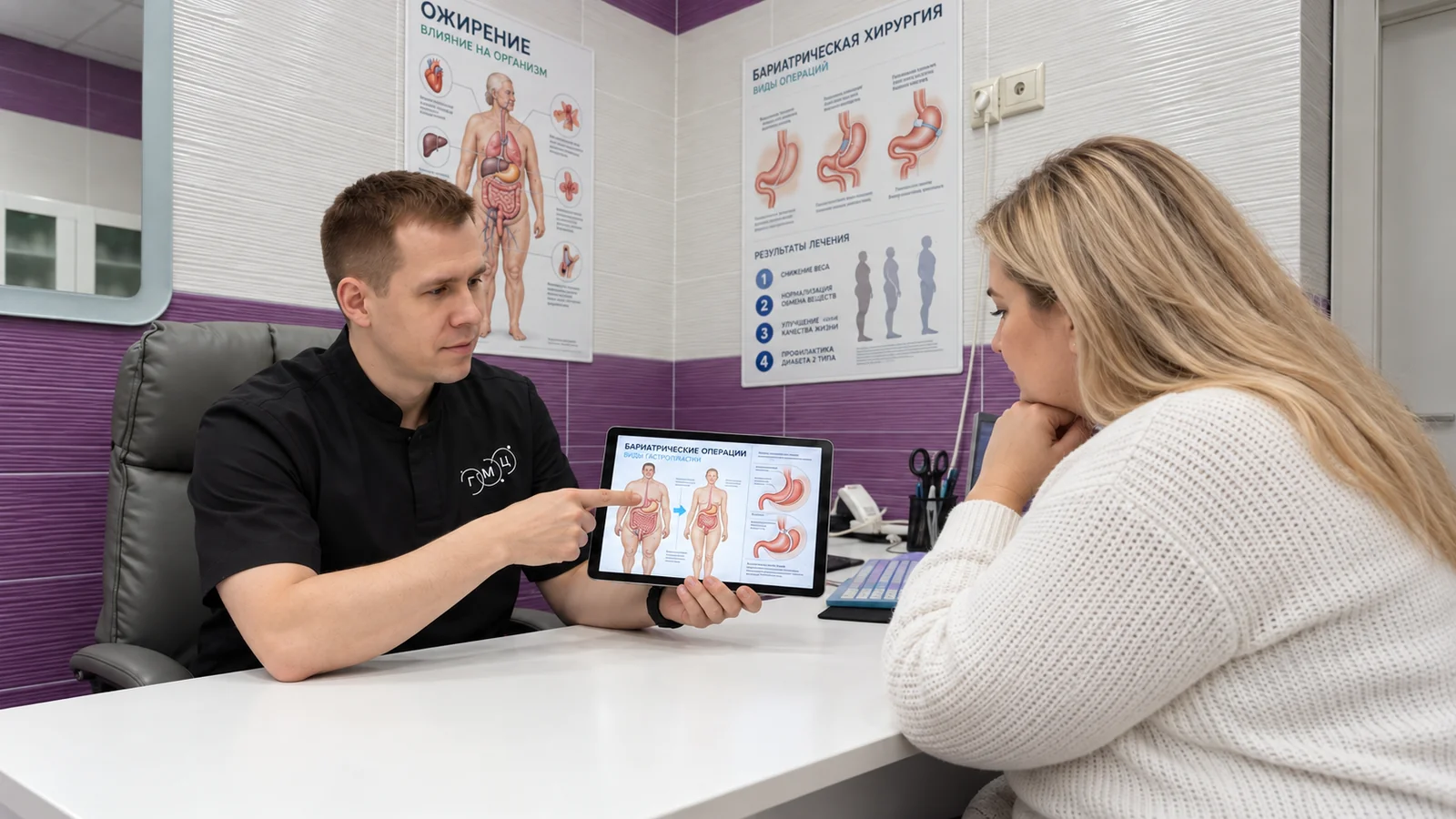 1
The doctor evaluates your health, talks through your goals and orders the tests needed to select the right bariatric surgery method.
2Your surgery date is reserved once the deposit is paid — by card at the clinic or by online bank transfer. The contract for medical services fixes the terms
 3
Before surgery you will have blood and urine tests, an ECG, an ultrasound and a gastroscopy, plus specialist appointments. The doctor provides the exact list at the consultation.
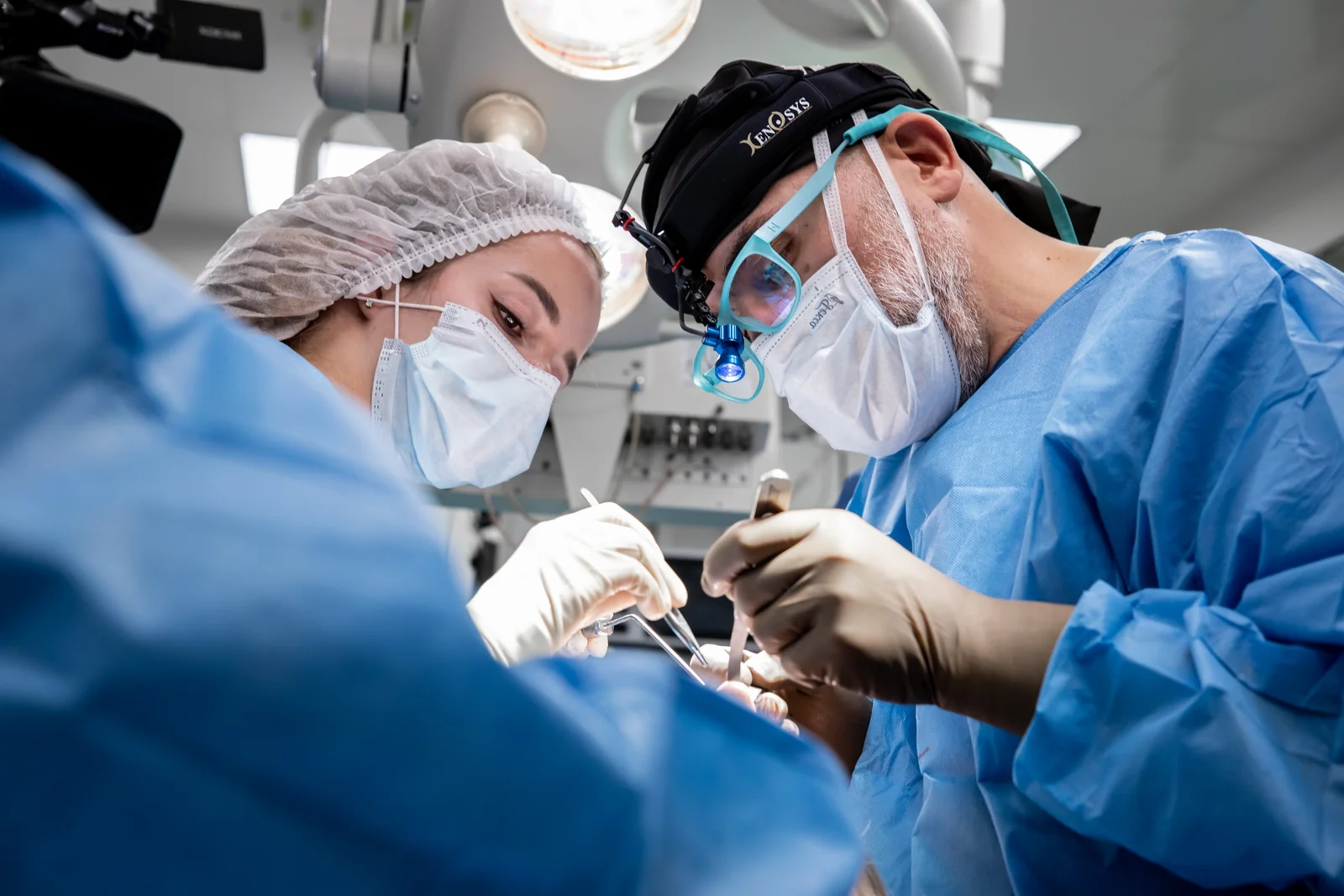 4
Using the chosen method, the surgeon performs the bariatric surgery under general anaesthesia. Once it is over, the medical team monitors the patient.
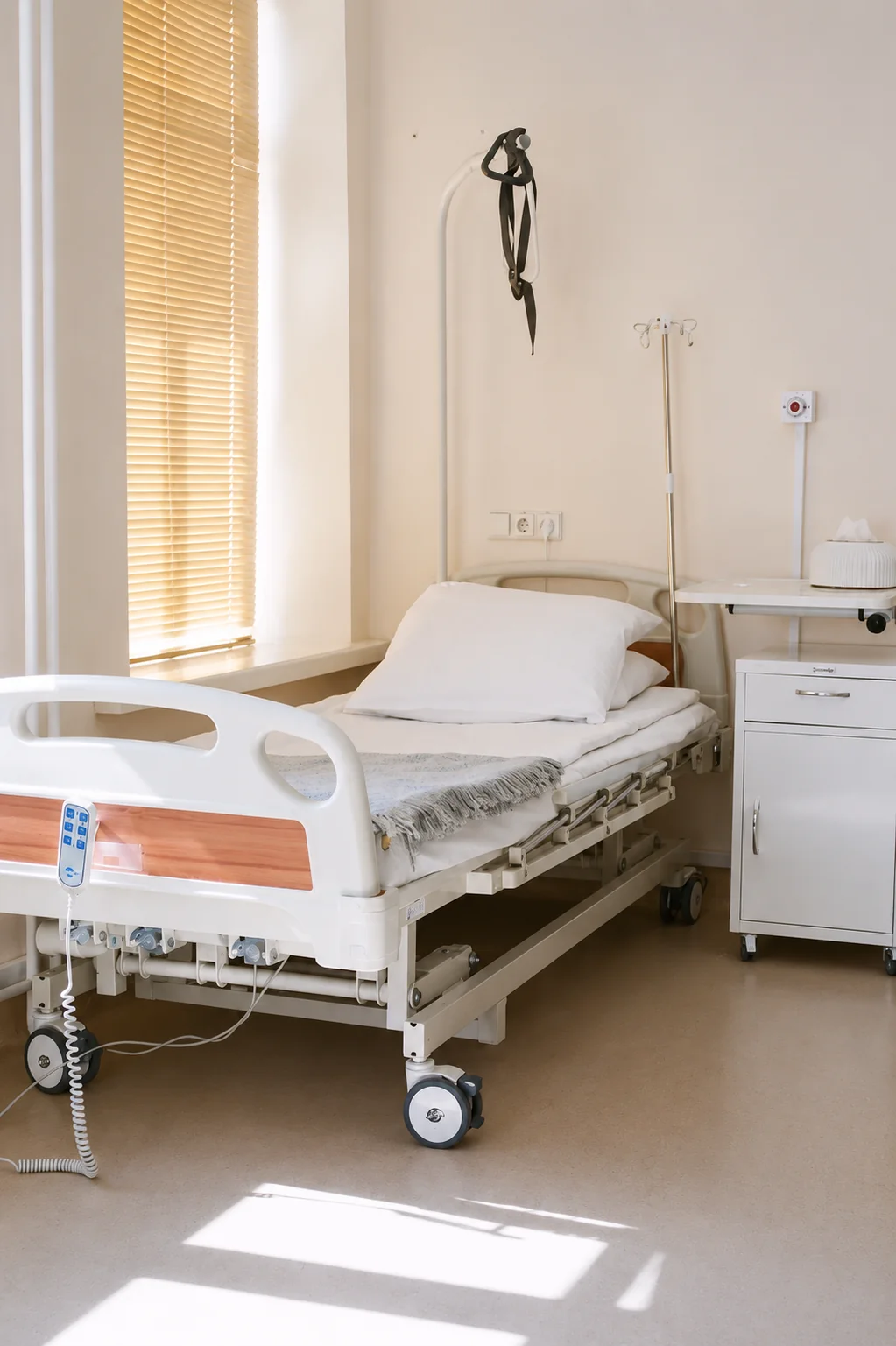 5
After surgery, doctors supervise you in hospital. You stay from 1–3 to 4–5 days, depending on the complexity of the operation and your well-being.
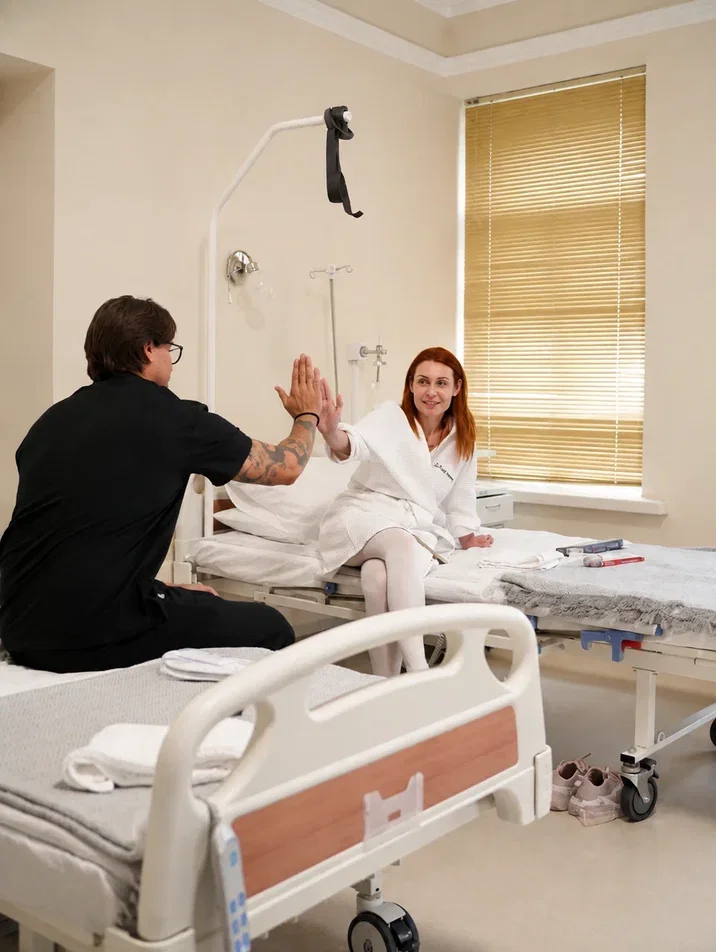 6
The clinic team supports you for a year after discharge: you get advice on diet and recovery, and scheduled check-ups track your well-being, weight and test results.
The doctor explains how the surgery will go and draws up a plan at the consultation
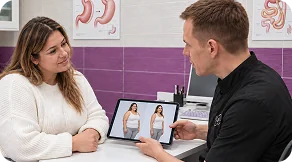
The consultation is free of charge, comes before surgery and obliges you to nothing.
Book a consultationDoctors
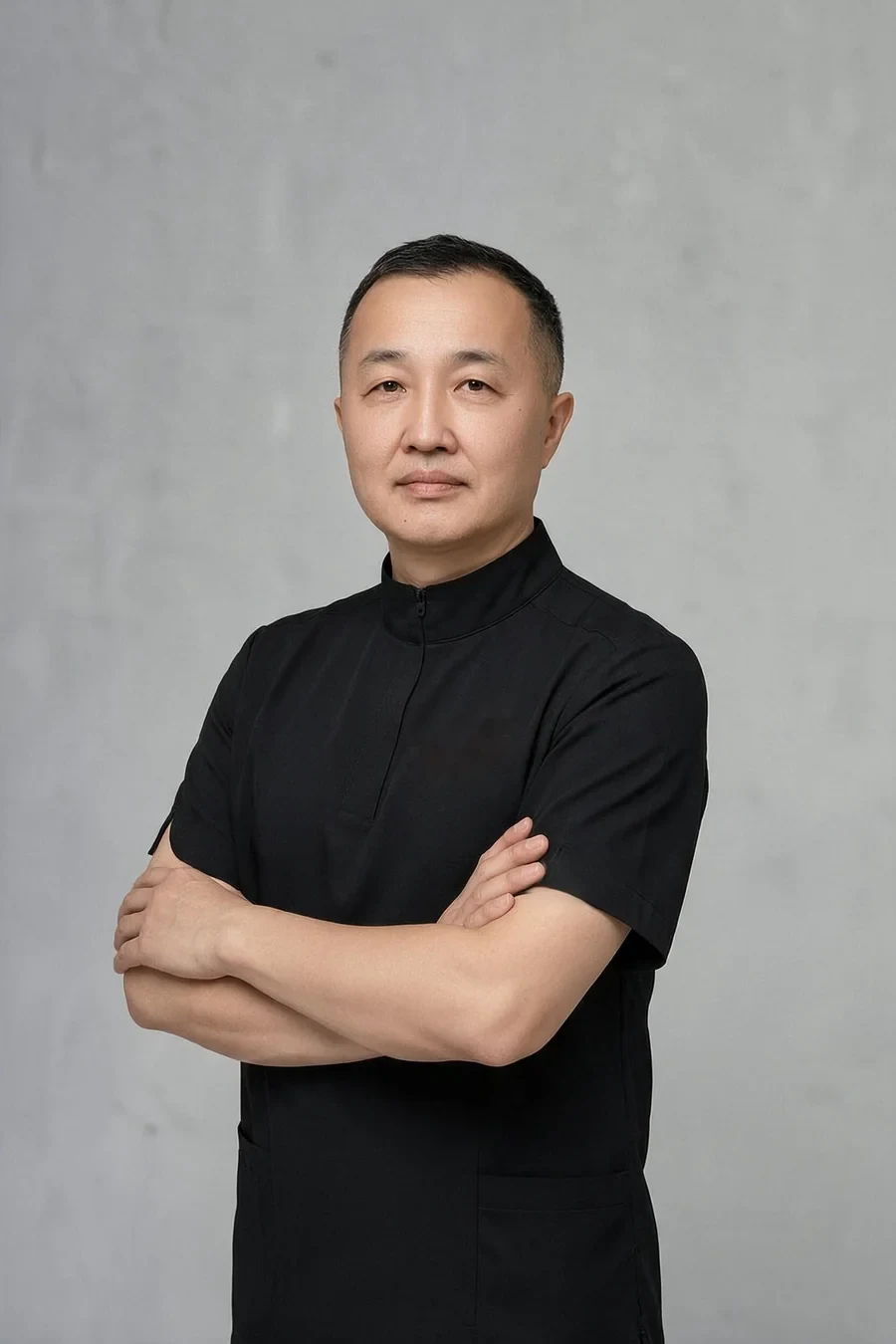
27 years of experience
Senior bariatric surgeon
Surgeon
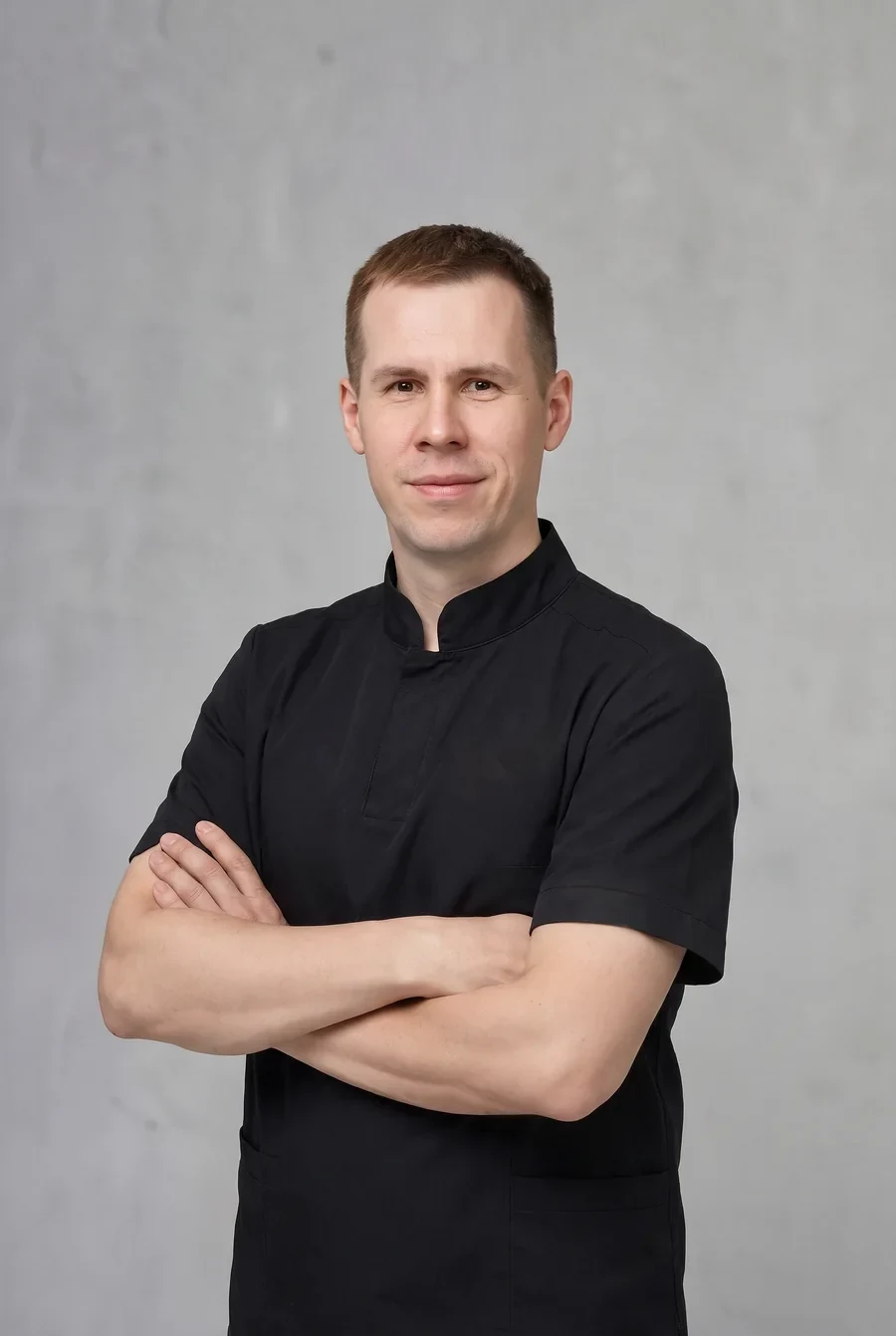
9 years of experience
Bariatric surgeon
Surgical oncologist
From the first consultation to the result, your surgeon operates and follows you.
Free of charge, the first consultation with our patient care manager covers calculating your BMI, explaining the methods and booking you in with the surgeon.
Book a consultationCoordinators
You have our support at every step

From your first message to the consultation — your first contact at the clinic
Patient support specialist
Answers any questions before your first consultation and helps you choose a suitable date

Accompanies you before and during your stay, from booking to discharge
Patient support specialist
Supports your preparation for surgery and keeps in touch during your clinic stay

By your side from discharge to your final check-up during recovery
Patient support specialist
Stays in touch during your recovery and schedules follow-up visits with the surgeon
Advantages
We pick the best method for your health, lifestyle and goals, and our team is with you all the way.
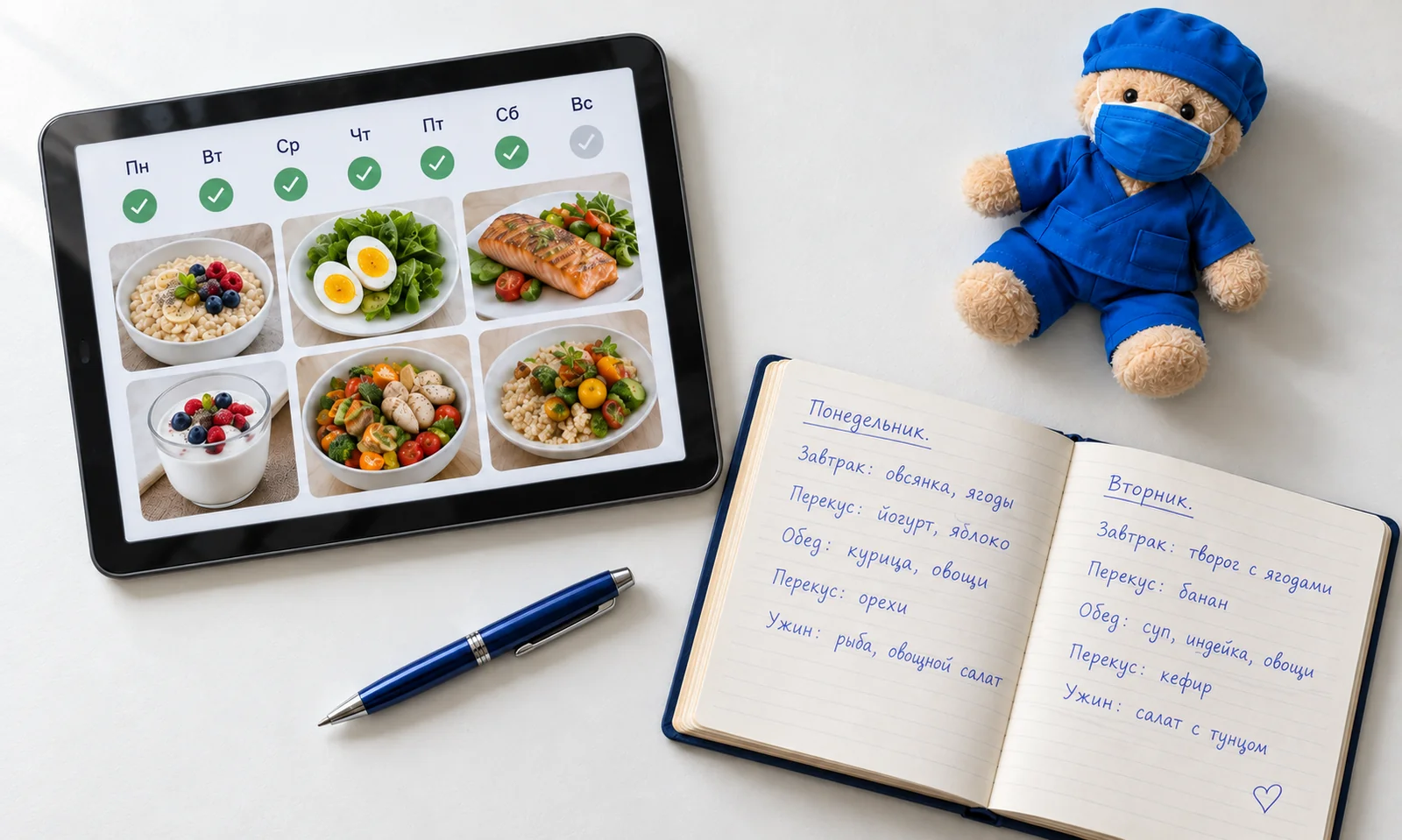
We help you track your results, keep them and adapt to new eating habits.
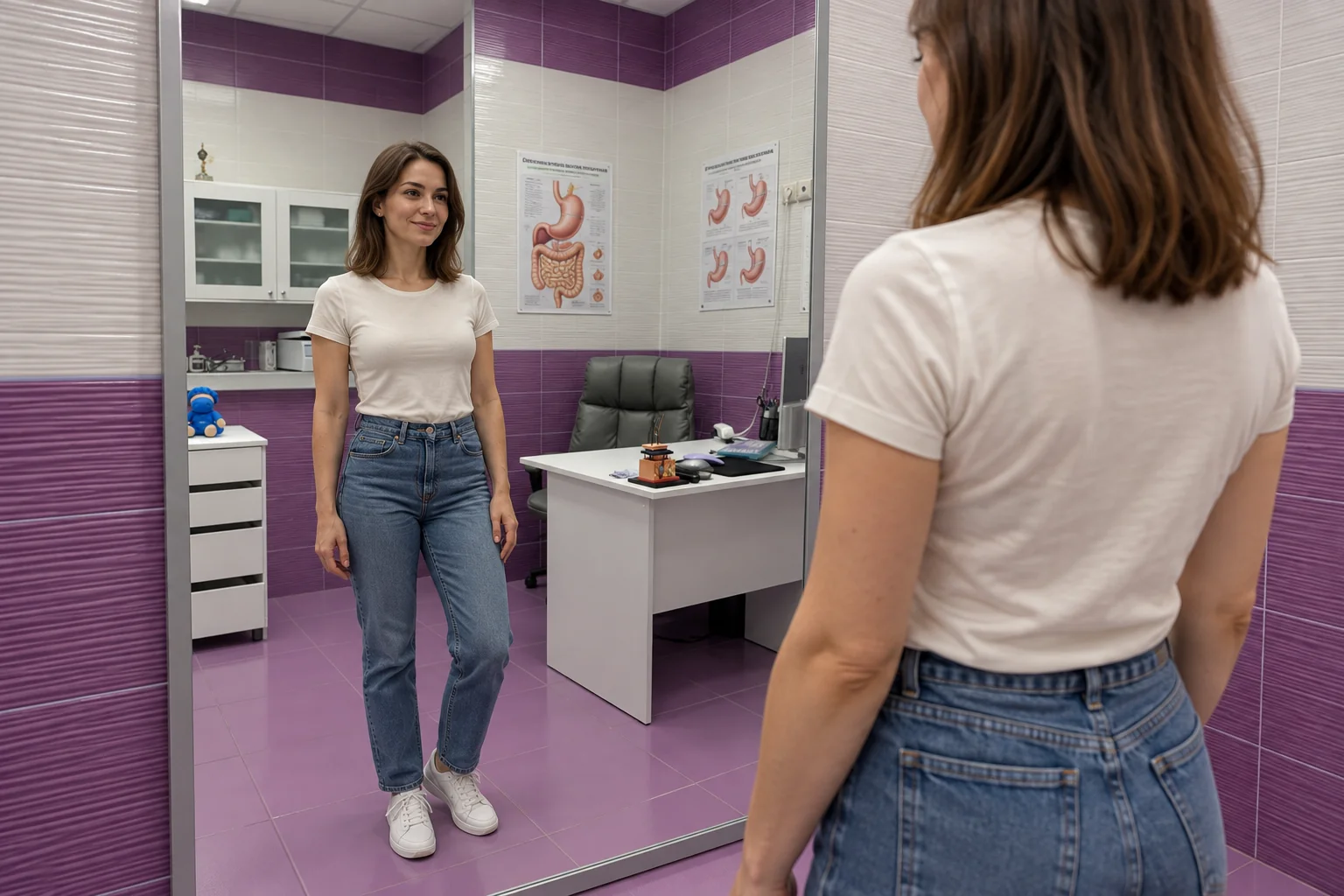
Better well-being, steady weight loss and a higher quality of life.

We respect your time — open 24/7, easy booking and a personal approach that follows your pace.
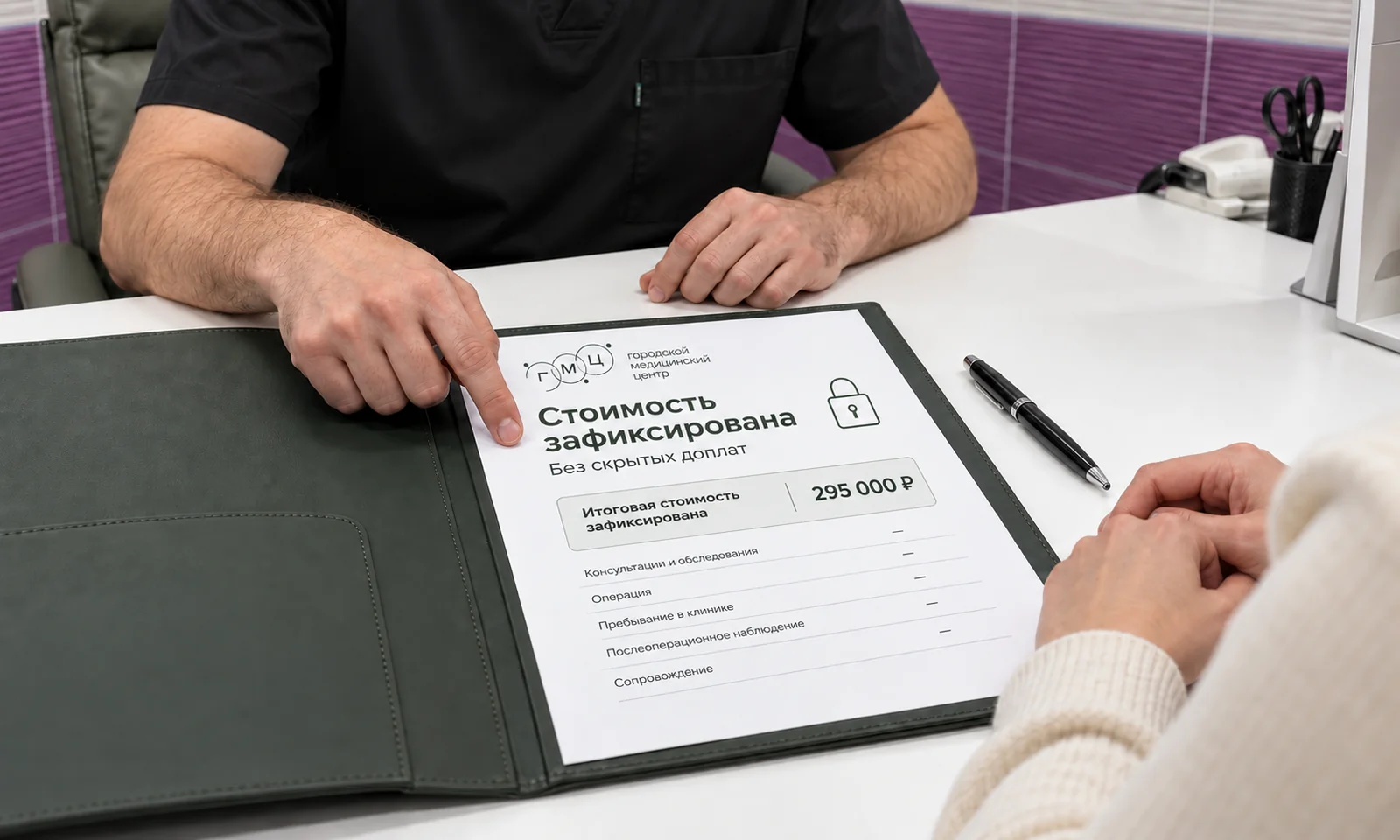
Once the consultation is over, the surgeon chooses the method and you receive a clear price — no hidden fees and no surprises on the way to your result.
FAQ
Our clinic's bariatric operations are performed by experienced bariatric surgeons:
Write to us and our coordinator will respond shortly and book you in for a consultation. The consultation with the bariatric surgeon is free.
Surgery is prescribed only when clear criteria are met
BMI is the principal gauge of how advanced obesity is, found by dividing body weight (kg) by height squared (m²). Typically, a BMI above 40 — or above 35 with serious related conditions — justifies surgery. Some patients with lower values are considered for surgery too, if non-surgical options have failed.
The two are often confused, yet their goals differ fundamentally. Bariatric surgery is a medical treatment for obesity and its related diseases. It alters how the digestive tract works, tackling the causes of excess weight and metabolism. Plastic surgery changes the body's outer contours; it neither treats obesity nor affects metabolism.
There are four main types of bariatric surgery at City Medical Centre: sleeve gastrectomy, Roux-en-Y gastric bypass, mini gastric bypass (MGB) and SADI-S duodeno-ileal bypass. BMI, related conditions and the patient's goals guide the individual choice of method.
The operation uses modern laparoscopic technique, through 4 small punctures of 5 to 15 mm. We place cosmetic sutures, and after healing the marks become almost invisible.
Recovery depends on what you plan to do. Office work: after 2–4 weeks. Physical work: after 1.5 months. Sport and activity: swimming after 30 days, other exercise phased in as weight drops. Travel and holidays: preferably not earlier than one month after surgery.
Stage by stage, you move from liquid food to soft and then solid. Priority goes to protein, and high-calorie, fatty food is limited.
Bariatric surgery does not rule out pregnancy, but doctors suggest waiting 12–18 months or more. During that time the body settles, weight reaches target values and nutrition status normalizes.
Yes — vitamins are required after bariatric surgery. With the digestive anatomy changed, some nutrients are absorbed less well, and regular vitamin and mineral supplements become a permanent part of life.
Weight regain after bariatric surgery is possible, but very unlikely if you follow the doctor's advice. Proper nutrition, avoiding high-calorie drinks and regular follow-up with City Medical Centre specialists are key.
Prices are in US dollars; the amount in brackets is an approximate conversion to TZS at the rate of 02.10.2026. The final price is fixed in your contract.
Prices start from $3,600 (≈ TZS 9,600,000). The surgeon sets the final price at the free consultation, and it is fixed in the contract, with no hidden extras.
General anaesthesia, a personal coordinator from day one, monitoring in the hospital and support for one year.
The hospital stay is 1–5 days, depending on the method and how you feel. Office work is possible after 2–4 weeks.
Yes. The first consultation is free and does not oblige you to anything. You can start online by sending a message to the coordinator.
Message us on WhatsApp or Telegram using the buttons below. A coordinator will answer your questions and book a free consultation where the doctor names the exact price.
By messaging us, you agree to our Privacy Policy
SADI-S combines a sleeve with intestinal bypass in two stages and is one of the most powerful bariatric operations, with 80–90% excess weight loss and a long-lasting result. It suits super obesity with a BMI over 50, severe type 2 diabetes, or a second stage after an ineffective sleeve. Anyone in Zanzibar City in these situations can discuss it at a consultation.
Several things are worth planning ahead. Pregnancy is advised no earlier than 12–18 months after surgery, once weight and nutritional status stabilise. Vitamins become a permanent part of life because the body absorbs some nutrients less well. Swimming waits 30 days, strength work longer. Patients from Zanzibar City discuss these points with the surgeon well before the operation date.
A permanent team — not a duty shift — handles your case, and the whole package is transparent. Included are the operation, 24/7 care in the ward, meals, nursing and a personal coordinator from day one, plus support throughout the first year. Zanzibar City patients also get a contractual result guarantee. Book a free consultation to discuss your situation.
What patients write after this operation. Reviews are translated from the original language.
Irina, 26
For a long time I doubted whether to go ahead with surgery, but after the consultation I felt much calmer. Andrey Georgievich explained in detail how gastric bypass is done, what to expect after the operation and how recovery would go. I especially liked that they talked to me calmly and without pressure. I am now gradually getting used to my new way of life and I am very glad I took this step.
Bariatric surgery
Doctor: Andrey G. Ugay
Angelina, 22
For me the hardest part was deciding to have the operation. At the consultation Ruslan Sergeyevich answered all my questions in detail and explained the specifics of sleeve gastrectomy and recovery. After the operation I always understood what I was doing and why. Thank you to the doctor and the whole team for their attentiveness.
Bariatric surgery
Doctor: Ruslan S. Menzulin
Anna, 31
For a very long time I tried to deal with my excess weight on my own, but I did not get the result I wanted. After the consultation with Andrey Georgievich I finally understood what to do next. I came through the operation well, and my recovery was supervised by the doctors. It was important for me to feel that I was not left alone after surgery.
Bariatric surgery
Doctor: Andrey G. Ugay
Veronika, 25
Before the operation I had many fears, mostly of the unknown. Ruslan Sergeyevich explained every stage of treatment in detail and answered even the simplest questions. Thanks to that I felt much more confident. I keep following the recommendations and I am gradually seeing the changes I had the operation for.
Bariatric surgery
Doctor: Ruslan S. Menzulin
Valentina, 23
The decision to have bariatric surgery was not easy for me. I worried both about the operation itself and about how my life would change afterwards. At the consultation Andrey Georgievich explained everything in detail, so little by little my fear turned into confidence. What matters most to me now is the result and the chance to treat my health and lifestyle differently.
Bariatric surgery
Doctor: Andrey G. Ugay
Anna, 27
I am very grateful to Ruslan Sergeyevich for his attentiveness. Before the operation I had a huge number of questions, and I got a clear answer to every one of them. After the operation it was also clear which recommendations to follow and how to eat. It was important to me that the doctor stayed in touch and I felt supported at every stage.
Bariatric surgery
Doctor: Ruslan S. Menzulin
Page medically reviewed by Andrey G. Ugay, lead bariatric surgeon. Review date: .
Zanzibar City, also called Mjini District, is one of two administrative districts of Mjini Magharibi Region in Tanzania. It is the largest city on the island of Zanzibar and lies on the west coast of Unguja, the main island of the archipelago, north of Dar es Salaam across the Zanzibar Channel. In 2022 its population was 219,007. For a person living here, thinking about weight surgery usually starts quietly: at a family table, after a conversation with a doctor, or after years of trying diets that did not hold.
Bariatric surgery means operations such as sleeve gastrectomy and gastric bypass. They change the size of the stomach, or the way food passes through the digestive tract, so that a person eats less and feels full sooner. The decision is a serious one, and this text is written for residents of Zanzibar City who want a calm, practical picture of how planning, the operation and recovery fit into life on the island.
City Medical Centre works with patients from Zanzibar City through a free online consultation. Coordinators are available 24/7 on WhatsApp and Telegram, so you can ask a first question at any hour, including late in the evening after work or after family obligations are finished.
Zanzibar City has two main parts: Stone Town and Ng'ambo, which means 'The Other Side'. Stone Town is the historical core, the former capital of the Zanzibar Sultanate, and was declared a UNESCO World Heritage Site in 2000. Ng'ambo is a much larger, modern area that grew around it, with office buildings and large apartment blocks such as those of the Michenzani neighbourhood.
This matters for daily planning. Someone living in a narrow Stone Town house, someone in an apartment block in Michenzani and someone working in an office have different routines for rest, stairs, meals and visitors. Before the operation it is worth thinking through your own home: where you will rest, how easily you can reach the bathroom, who will help with shopping and cooking in the first days, and how you will manage if you live on an upper floor.
The remote consultation lets you describe this real setting to the team. Your coordinator can then help you prepare questions that fit your own household rather than a general checklist.
Zanzibar City has a tropical monsoon climate. The average temperature is 26.9 °C, and monthly averages usually stay between 25.1 and 28.8 °C. The average annual rainfall is 1,512 mm. The heaviest rains come between March and May, a smaller rainy season falls between November and December, January and February are drier, and a longer dry season runs from June to October.
Warmth all year round shapes recovery in practical ways. In hot, humid weather you lose fluid more easily, and after bariatric surgery you will be drinking in small amounts, so hydration needs deliberate attention. Your surgeon and dietitian will give you a plan for fluids. Light, breathable clothing is more comfortable over the healing punctures, and any compression garment the surgeon recommends should be worn as advised, with attention to skin irritation from sweat.
Heavy rain can make streets slippery and flooded, which affects the gentle daily walking that is encouraged after surgery. In the rainy months plan indoor walking routes or use dry hours of the day. In the drier months, walk in the cooler early morning or evening and avoid long hours in direct sun while you are regaining strength.
There is no single correct month. The drier stretch from June to October offers easier movement outside and simpler logistics for relatives who will help you. The long rains of March to May can make short outings harder, but they may suit someone who prefers to stay at home during recovery.
Think also about your own calendar: work deadlines, school terms, religious and family occasions, and periods when many relatives are around. Hospital stay is 1–5 days, depending on the method and how you feel, and office work is possible after 2–4 weeks. Choose a window in which you can actually rest without pressure to return early.
Ask your coordinator to help you compare two or three possible periods. Because the consultation is online and coordinators are available around the clock, you can discuss the calendar with family members present, which is useful when household help will be needed.
Food is central to social life in Zanzibar City. Meals are shared, hospitality matters, and refusing a plate can feel awkward. After bariatric surgery your portions will be much smaller and the diet will move through stages set by the medical team. This is one of the most practical conversations to have with your family before the operation.
Talk with relatives early. Explain that you will eat slowly, in small amounts, and will not be able to finish a large plate. Ask them not to press you to eat more. At gatherings you can take a small portion of what suits your plan and focus on protein and fluids as your dietitian advises. Fried, very sugary and very rich dishes are usually the hardest to tolerate, and your team will tell you when and how to reintroduce different foods.
Ask the surgeon and dietitian for a written plan that you can show to the person who cooks at home. When one person prepares meals for the whole household, a shared understanding makes the first weeks much easier.
BMI is the main tool for assessing the degree of obesity. It is calculated by dividing body weight (kg) by height squared (m²). Surgery is usually justified with a BMI above 40, or above 35 with serious related conditions. In some cases surgery is considered at lower values too, if non-surgical approaches have failed. The surgeon confirms at the consultation whether surgery suits you.
The World Health Organization describes obesity as a chronic condition linked to other illnesses, which is why medical assessment, not only appearance, guides the decision. Related conditions such as type 2 diabetes, high blood pressure or sleep apnoea are discussed in detail during the review.
Surgery may not be suitable if you cannot follow the lifelong eating and vitamin routine, if there are medical conditions that make general anaesthesia unsafe, or if other health problems need treatment first. Only the surgeon can decide this after reviewing your records, so prepare your medical history, current medicines and previous attempts at weight loss before the consultation.
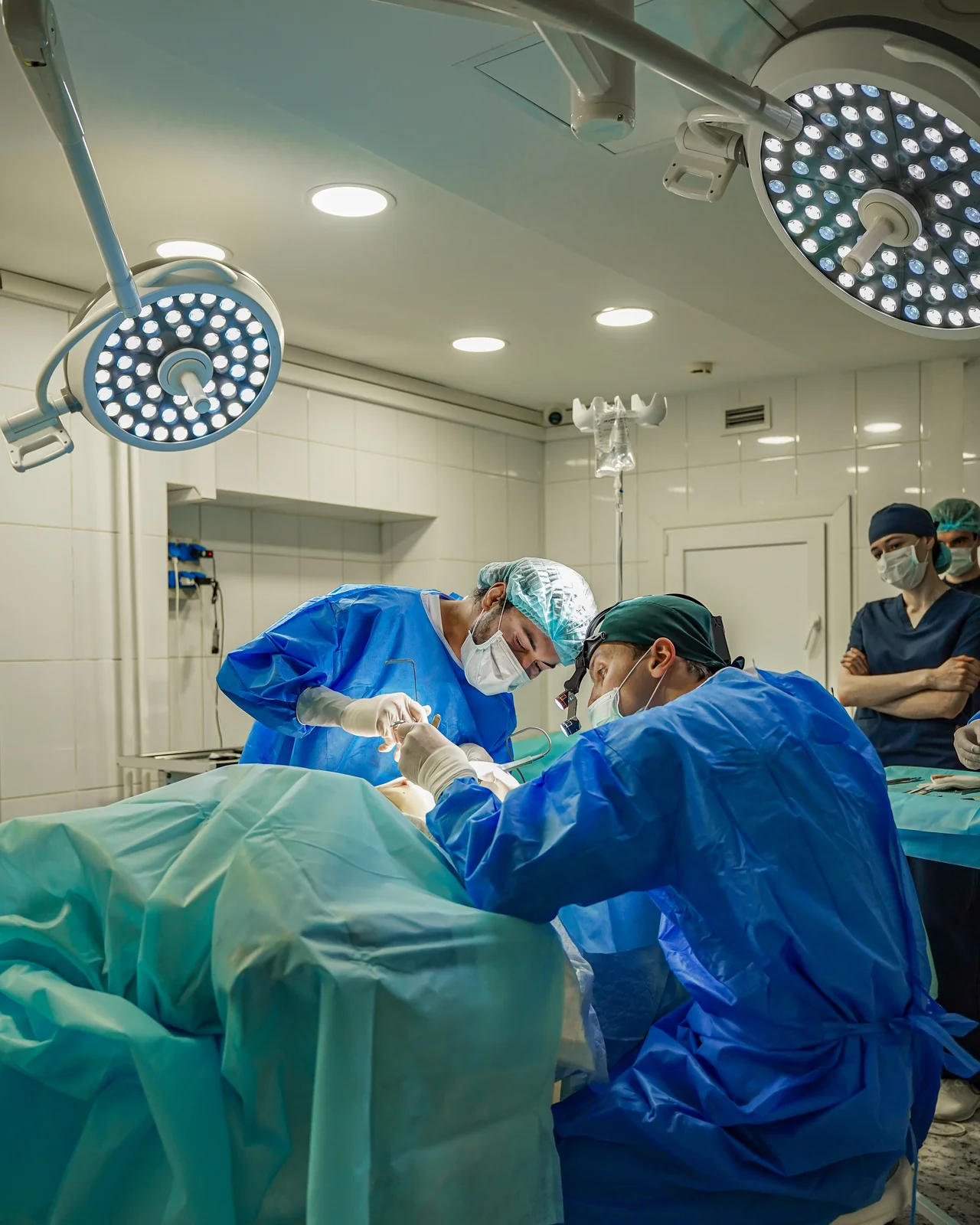
The centre relies on modern laparoscopic technique. The operation is performed through 4 small punctures of 5 to 15 mm. Cosmetic sutures are used, so after healing the marks are barely visible. The procedure is carried out under general anaesthesia.
Doctors supervise you in hospital after surgery for a stay of 1–3 to 4–5 days, depending on the complexity of the operation and how you are feeling. In short form, the stay is 1–5 days. During this time the team watches your recovery, fluid intake and first movement.
Sleeve gastrectomy and gastric bypass differ in how they work, and the choice depends on your health, weight, eating habits and other conditions. Ask the surgeon why one method fits you better, what the main advantages and limits of each are, and what follow-up each requires.
Recovery time depends on activity. Office work is possible after 2–4 weeks, and physical work after 1.5 months. For many people in Zanzibar City working in administration, shops, education or services, the office timeline is the relevant one, but anyone with heavy lifting, long standing or outdoor labour in the heat should plan the longer period.
Sport and activity return gradually. Swimming is allowed after 30 days, and other exercise is added step by step as weight goes down. On an island with the Indian Ocean on the city's western edge, sea swimming is tempting, but wait until the allowed period has passed and the wounds have healed, and follow the surgeon's advice about clean water and sun exposure.
Students can usually plan a return to lessons in line with the office-work timeline, but should confirm this with the surgeon, especially if the schedule includes sport. Begin with walking, then add exercise as your energy and the medical team allow.
The first step is free and remote. You contact the coordinators on WhatsApp or Telegram, describe your height, weight, health conditions and goals, and send any existing test results. A coordinator will call you back 24/7, so the time that suits you is the time that works.
The package covers everything from preparation to 12 months of support, all in one package, with no added fees. Follow-up support lasts 12 months. We work 24/7: booking is easy, the approach is personal and we adapt to your pace.
Use the consultation to ask direct questions and write the answers down. A relative can join the conversation if you wish. You decide when and whether to proceed.
In 1824 Said bin Sultan, Sultan of Muscat and Oman, established the capital of his kingdom in Zanzibar City, and Stone Town remained the seat of the Zanzibar Sultanate afterwards. In 1892 Zanzibar was declared a free port. The old core grew as a dense harbour town, and that history is still visible in the closely built houses and narrow lanes. For a patient preparing for sleeve gastrectomy or gastric bypass, this matters in a very simple way: the first walks after the hospital stay of 1–5 days will often start in a lane, not on a wide pavement.
Stone Town was declared a UNESCO World Heritage Site in 2000 because of its architecture and culture. Many buildings have steep internal stairs and small rooms. Before the operation, look at your own entrance, the stairs and the distance from your bed to the bathroom. Ask a relative to walk through the route with you, and plan where you can sit and rest during short gentle walks.
In 1592 the first English ship arrived in the port, and in 1866 David Livingstone stayed in the city to prepare his last expedition. The port character of the city means people are used to hosting guests and relatives. Use that habit in your favour: agree in advance who will visit in the first weeks, for how long, and who will answer the door while you rest.
Ng'ambo, 'The Other Side', developed around Stone Town after the Zanzibar Revolution. Stone Town and Ng'ambo were historically divided by a creek that was later filled in, and the street on the Stone Town side, once called Creek Road, is now Benjamin Mkapa Road. Many residents move between the two parts every day, for work, school or family visits.
The Michenzani neighbourhood is known for its large apartment blocks. If you live in one, ask yourself practical questions before surgery: how many floors you must climb, whether the stairs are well lit, whether a neighbour or relative can carry shopping, and where you can place a chair for short rests. Gentle walking is encouraged during recovery, and a stairwell can serve as a safe indoor route when it rains.
Zanzibar City covers only 15.4 km2, so most daily errands are close together. This helps recovery planning: pharmacy visits, short follow-up errands and family help can be arranged without long days outside. Tell your coordinator which part of the city you live in so the preparation list suits your home.
The city district is divided into constituencies such as Amani, Chumbuni, Jangombe, Kikwajuni, Kwahani, Kwamtipura, Magomeni, Mji Mkongwe, Mpendae and Rahaleo. Each has its own street life, shops and neighbours who know each other well. In such close communities news about an operation spreads quickly, so decide beforehand what you want to tell people and who should be informed.
Support from neighbours can be real help: a relative who cooks suitable meals, a friend who walks with you in the evening, a neighbour who keeps a child for an hour. Name one person from your household or street as your helper for the first weeks and show them your written eating plan from the dietitian.
If friends ask why you are eating small portions, a short calm answer is enough: this is a medical decision supervised by doctors. You do not need to defend it at every meal. Your coordinator can help you prepare the wording if the conversation worries you.
The places of worship in Zanzibar City are predominantly Muslim mosques, and there are also Christian churches, including Roman Catholic, Anglican, Lutheran, Baptist and Assemblies of God communities. Prayer times, fasting periods and religious festivals give the year a clear rhythm, and many families gather around shared meals on those days.
When choosing a date for the operation, look at the religious and family calendar. A period of fasting or a large festive meal soon after surgery would put pressure on you just when your diet is limited to the stages set by the medical team. Discuss the calendar with your surgeon, and ask what to do about fasting after surgery, since this is a medical question that needs a personal answer.
Prayer also involves kneeling, standing and bending. Ask the surgeon when these movements will feel comfortable, and whether you may pray seated at first. Your religious leader or family elders can be told that this is a temporary adaptation, which usually removes any awkwardness.
The district has a water border to the west with the Indian Ocean, and the city faces the Zanzibar Channel, with Dar es Salaam on the mainland side to the south of the channel's far shore. The sea shapes work and leisure: fishing, trade, the harbour and evening walks by the water. Seafood is part of the table in a coastal city, and after bariatric surgery you will ask your dietitian when fish and other protein foods can be introduced and in what texture.
Evening walks along the waterfront are a natural form of gentle activity once the surgeon agrees. The sea breeze is pleasant, but the sun and humidity still tire you. Take water, wear a hat and light clothing, and stop when you feel weak. Swimming in the ocean is allowed only after 30 days, and only when the wounds have healed and the surgeon agrees.
Because the city is an island port with a long trading history and a free port status declared in 1892, many residents have relatives living in other places and keep in contact by phone. Online consultation fits this habit well: a relative who lives elsewhere can join the video or message conversation and hear the plan directly.
Getting pregnant after bariatric surgery is possible, but doctors advise waiting at least 12–18 months, so the body can stabilize, weight can reach target values and nutritional status can normalize. For young women in Zanzibar City planning a family, this should be discussed before the operation, not after.
The result develops over time. Weight changes continue for months, and the timeline used in planning is 18–24 months after surgery. Regular check-ups, vitamins and eating habits during this period matter as much as the operation itself.
Involve your spouse or family in the plan. Support at home is one of the strongest factors in keeping the changes steady, and the 12 months of follow-up gives you a structure for questions as they arise.
Yes. The consultation is free and online. You write to the coordinators on WhatsApp or Telegram, and a coordinator will call you back 24/7.
Usually a BMI over 40, or over 35 with related health conditions. The surgeon confirms whether surgery suits you at the consultation. In some cases it is considered at lower values if non-surgical approaches have failed.
Divide body weight in kilograms by height in metres squared. For example, you need your accurate weight and height to give the coordinator.
General anaesthesia is used. The hospital stay is 1–5 days, depending on the method and how you feel.
The operation uses laparoscopic technique through 4 small punctures of 5 to 15 mm. Cosmetic sutures are used, so after healing the marks are barely visible.
Office work is possible after 2–4 weeks. Physical work is possible after 1.5 months.
Swimming is allowed after 30 days. Other exercise is added gradually as weight goes down. Follow your surgeon's advice on wounds and sun.
The temperature usually stays between 25.1 and 28.8 °C, so pay attention to fluids, light clothing and avoiding long hours in direct sun. Ask your team for a personal hydration plan.
It is possible, but doctors advise waiting at least 12–18 months, so the body can stabilize and nutritional status can normalize.
The package runs from preparation to 12 months of support, all in one package, with no added fees. Follow-up support lasts 12 months.
Stone Town has narrow lanes and old houses with steep stairs, so plan short walks, take rests and have a helper nearby at first. Gentle walking is encouraged, and you increase it step by step as your surgeon allows.
Check the number of floors, the lighting on the stairs and who can carry shopping. Prepare a resting place and a written eating plan for the person who cooks. Describe your home to the coordinator, who will help you adapt the preparation list.
Yes, look at the calendar. Festive meals and fasting periods can make the first weeks of the diet harder. Discuss the dates and any questions about fasting with your surgeon, who can give a personal answer.
Swimming is allowed after 30 days. Wait until the wounds have healed, follow the surgeon's advice about clean water and sun, and add other exercise gradually as weight goes down.