


























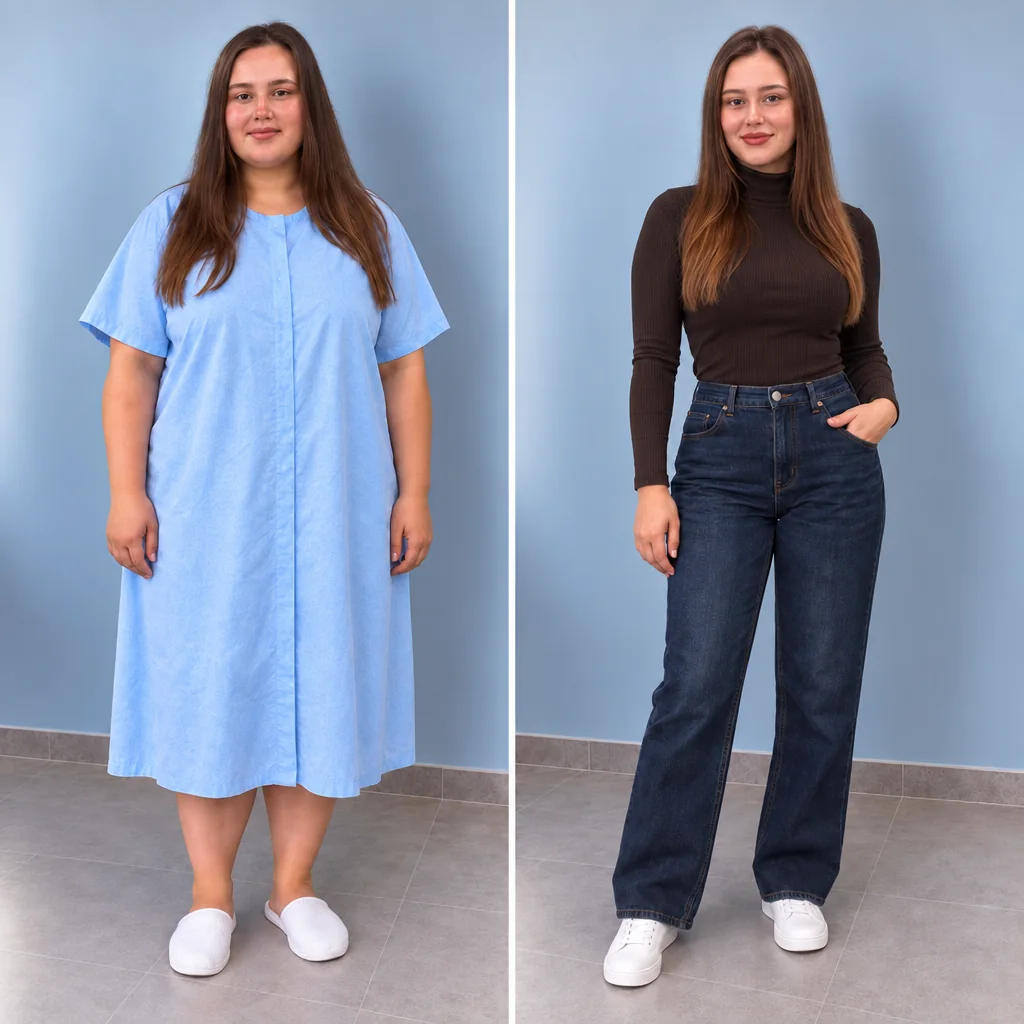
 beforeafter
Irina, 26
Bariatric surgery
Bariatric surgery
$3,600
$4,800 · First consultation — Free
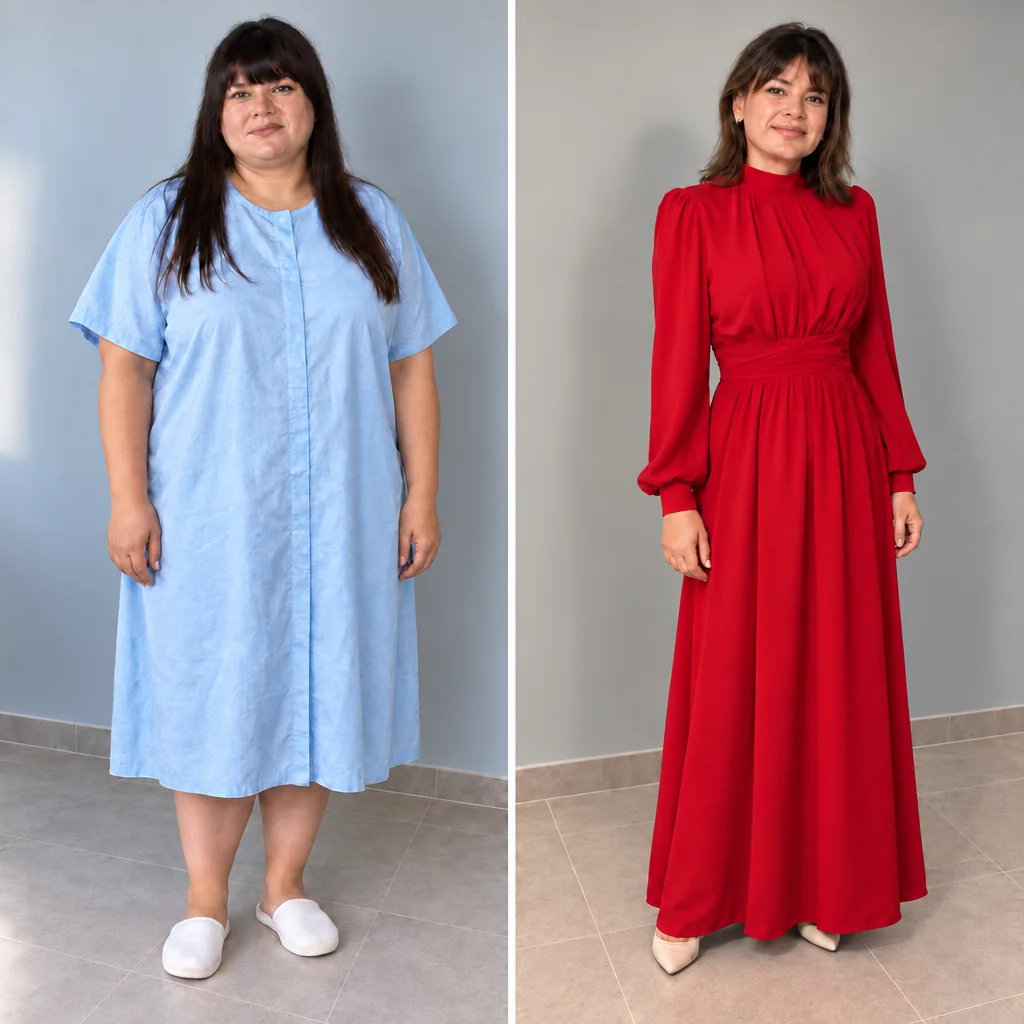 before
after
before
after
Message our coordinator
Free online consultation · Reply within 15 minutes
Message us on TelegramMessage us on WhatsAppBy messaging us, you agree to our Privacy Policy
Results
Every case shown is a real clinic patient.
beforeafterBariatric surgery
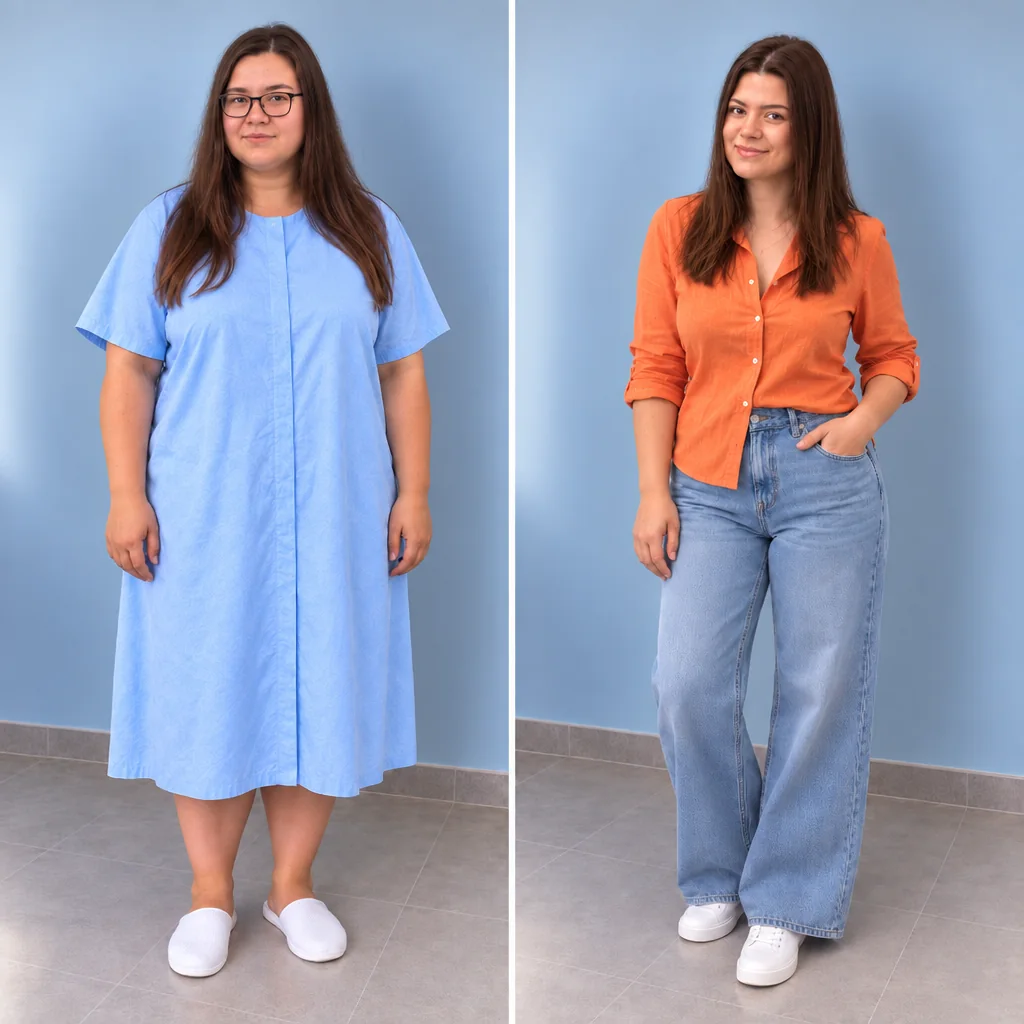 beforeafter
Bariatric surgery
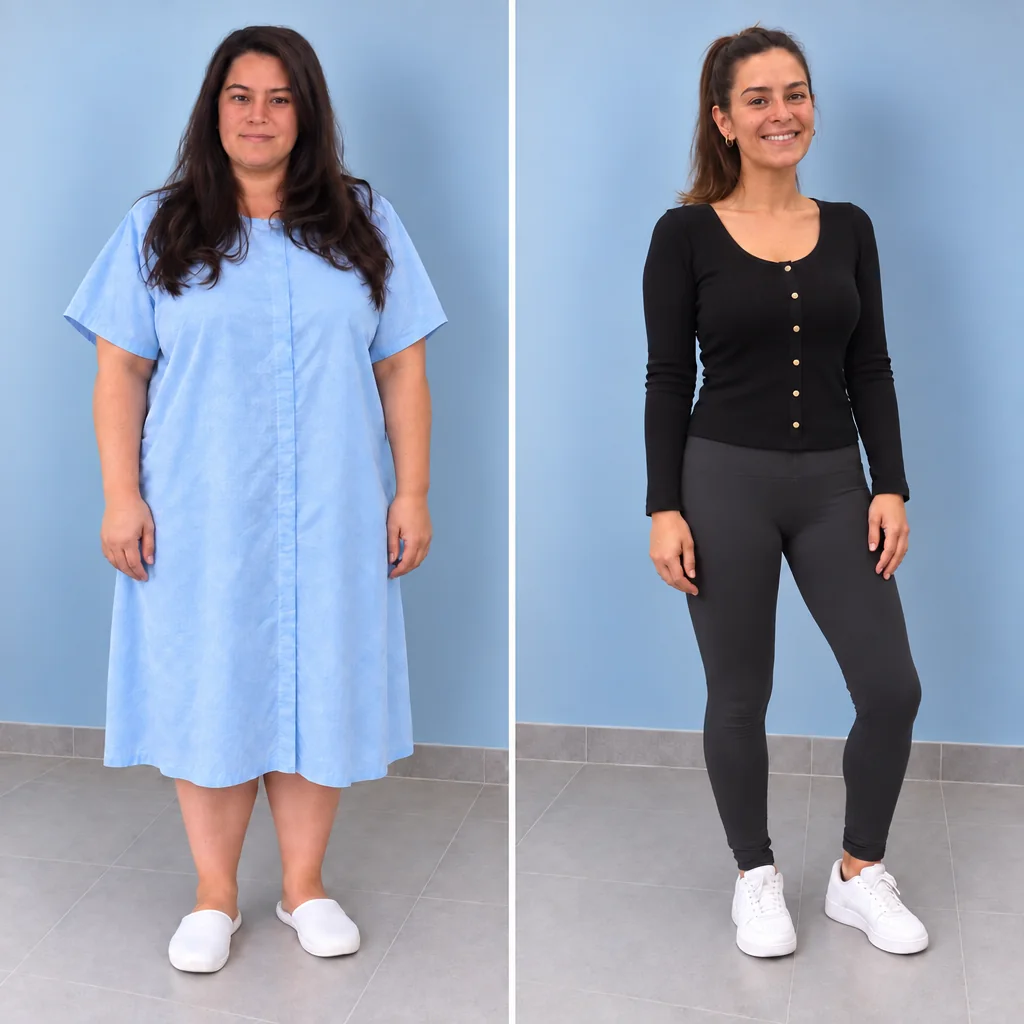 beforeafter
Bariatric surgery
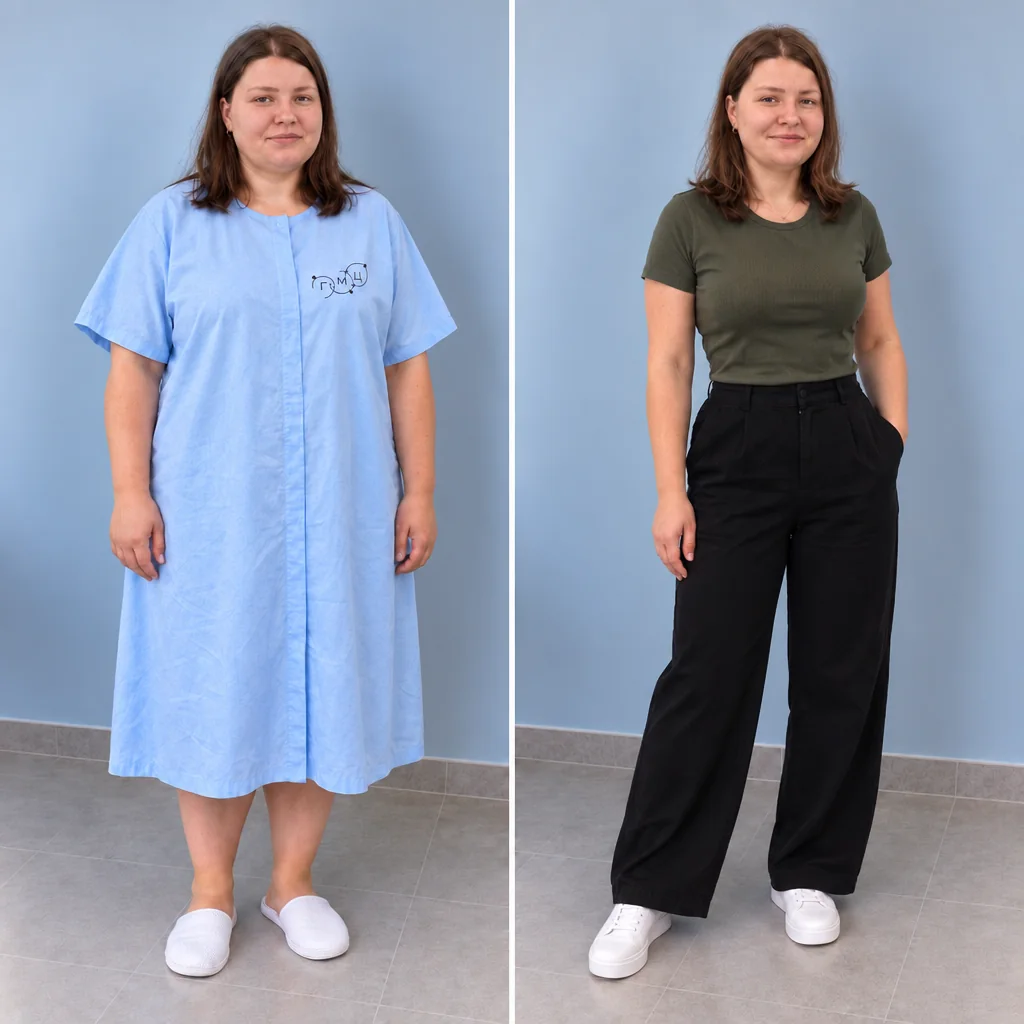 beforeafter
Bariatric surgery
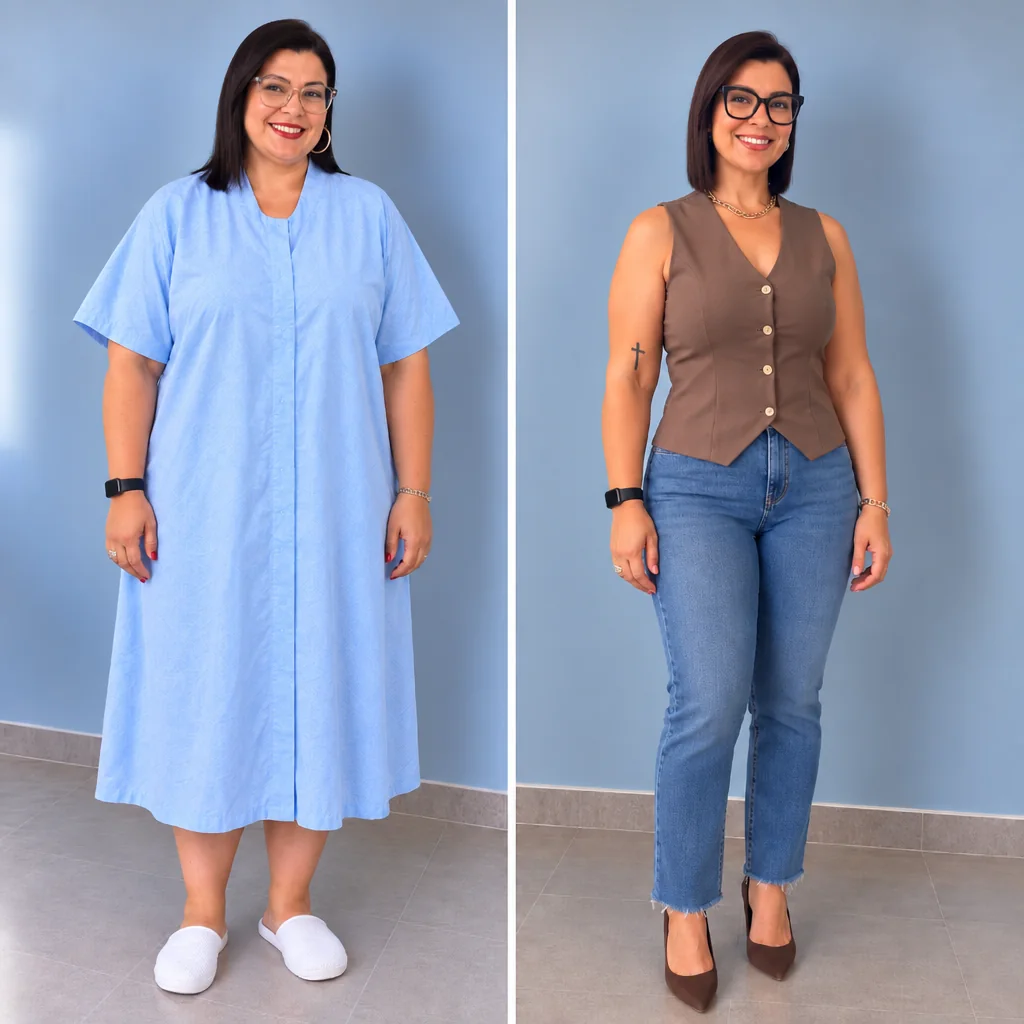 beforeafter
Bariatric surgery
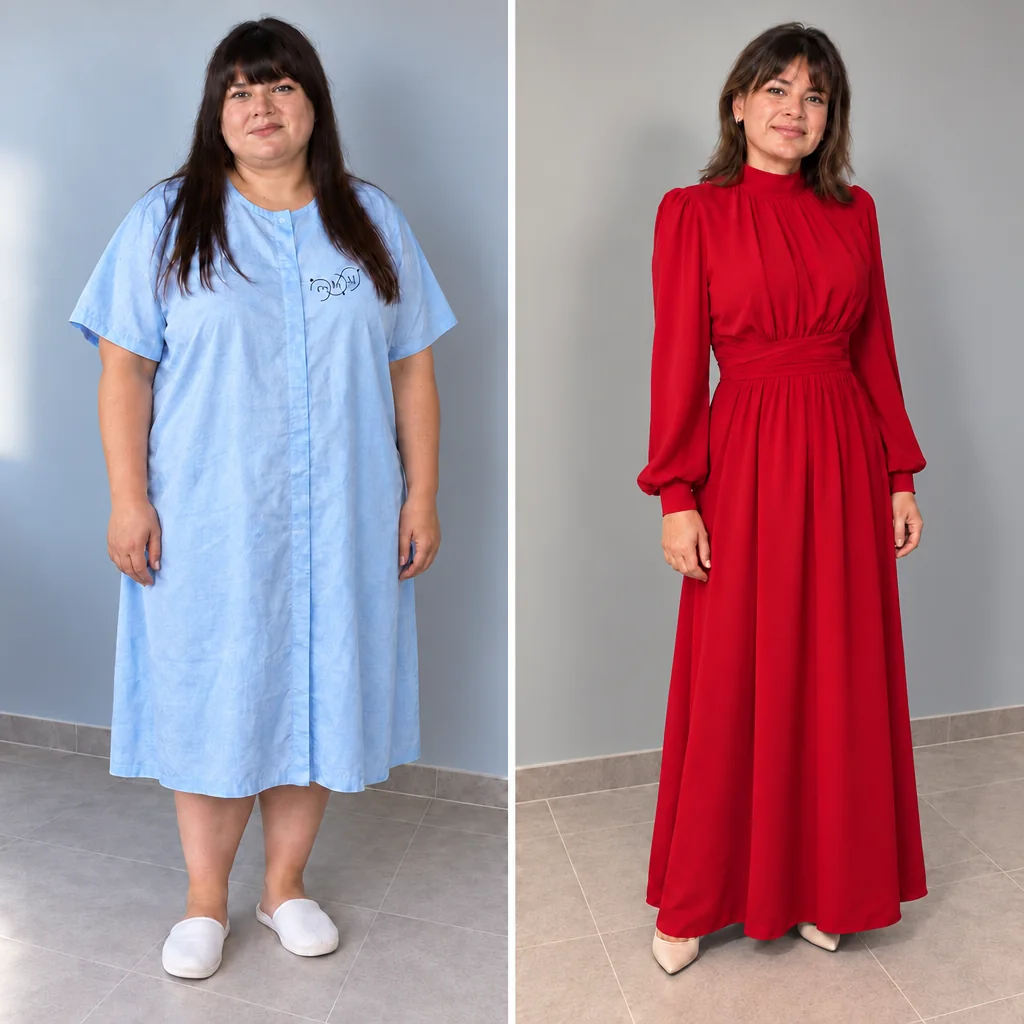 beforeafter
Bariatric surgery
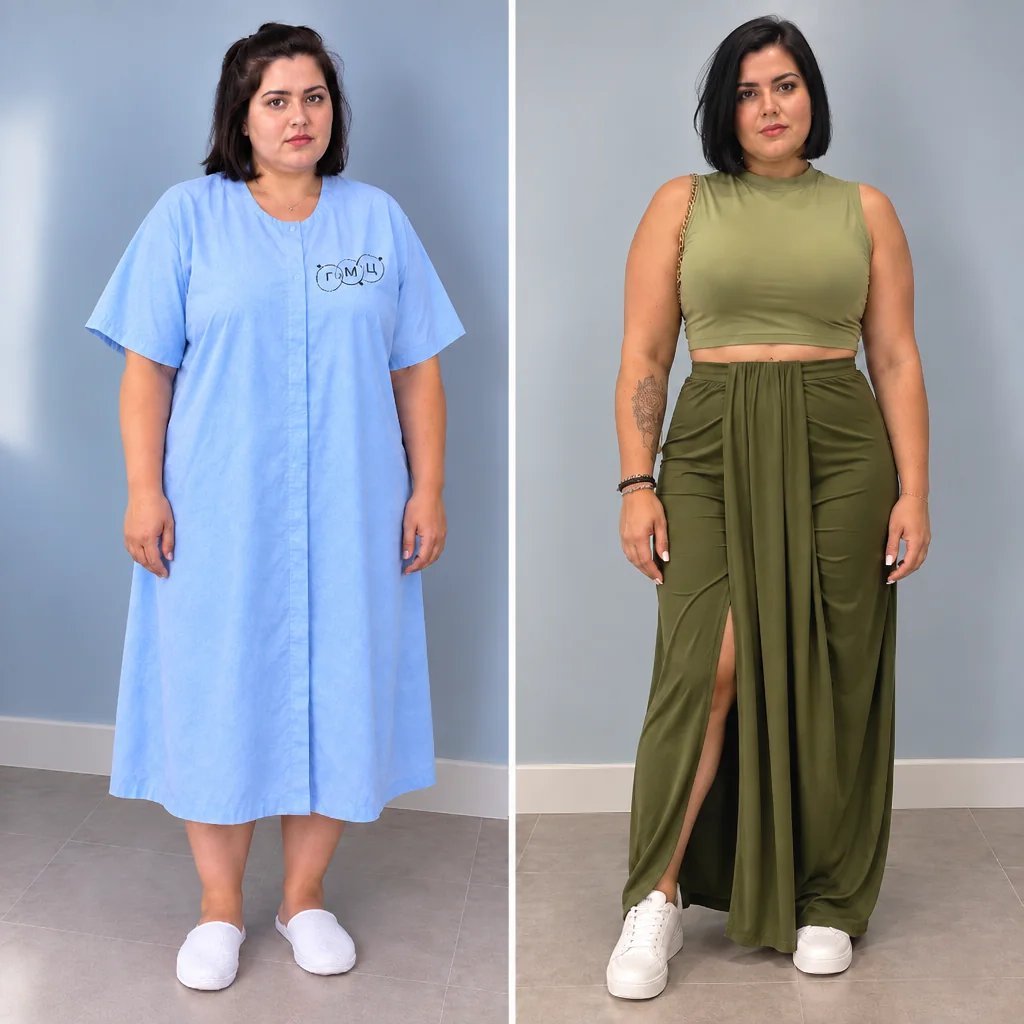 beforeafter
Bariatric surgery
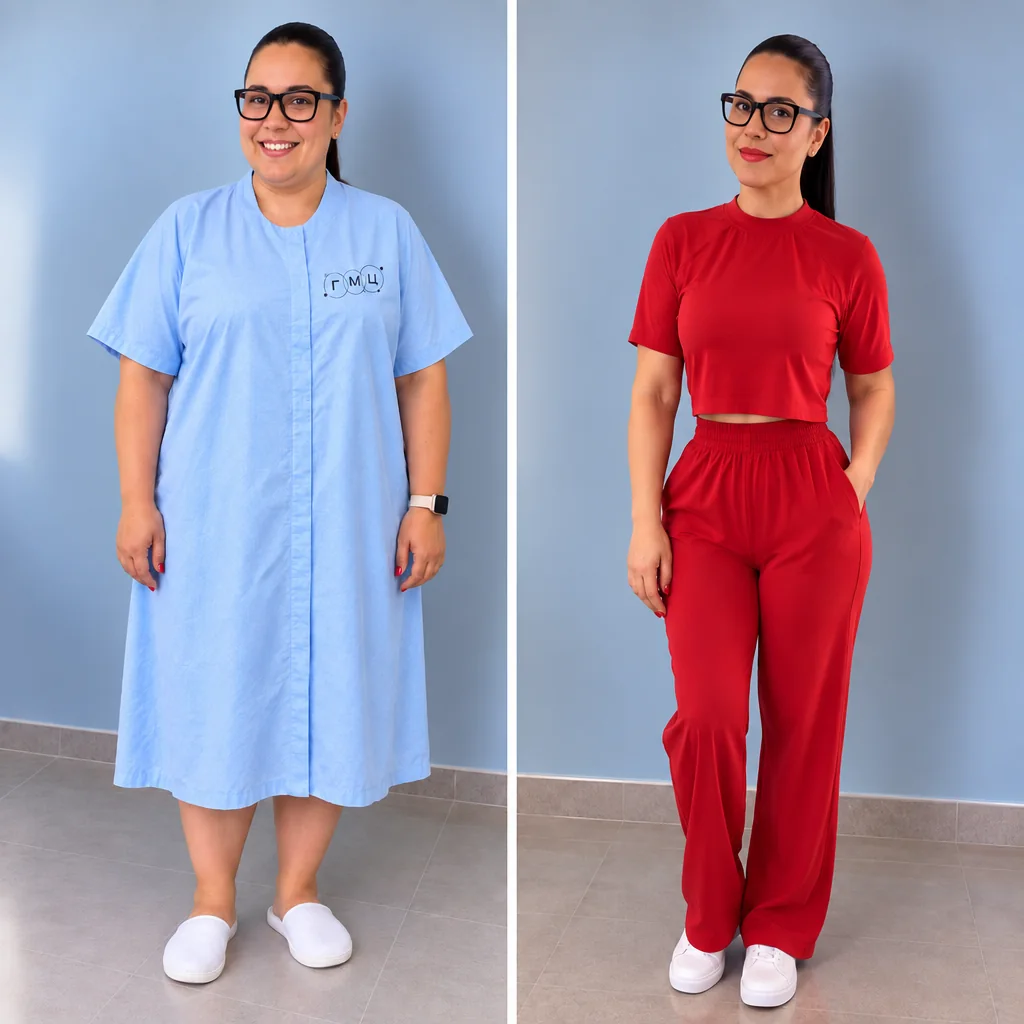 beforeafter
Bariatric surgery
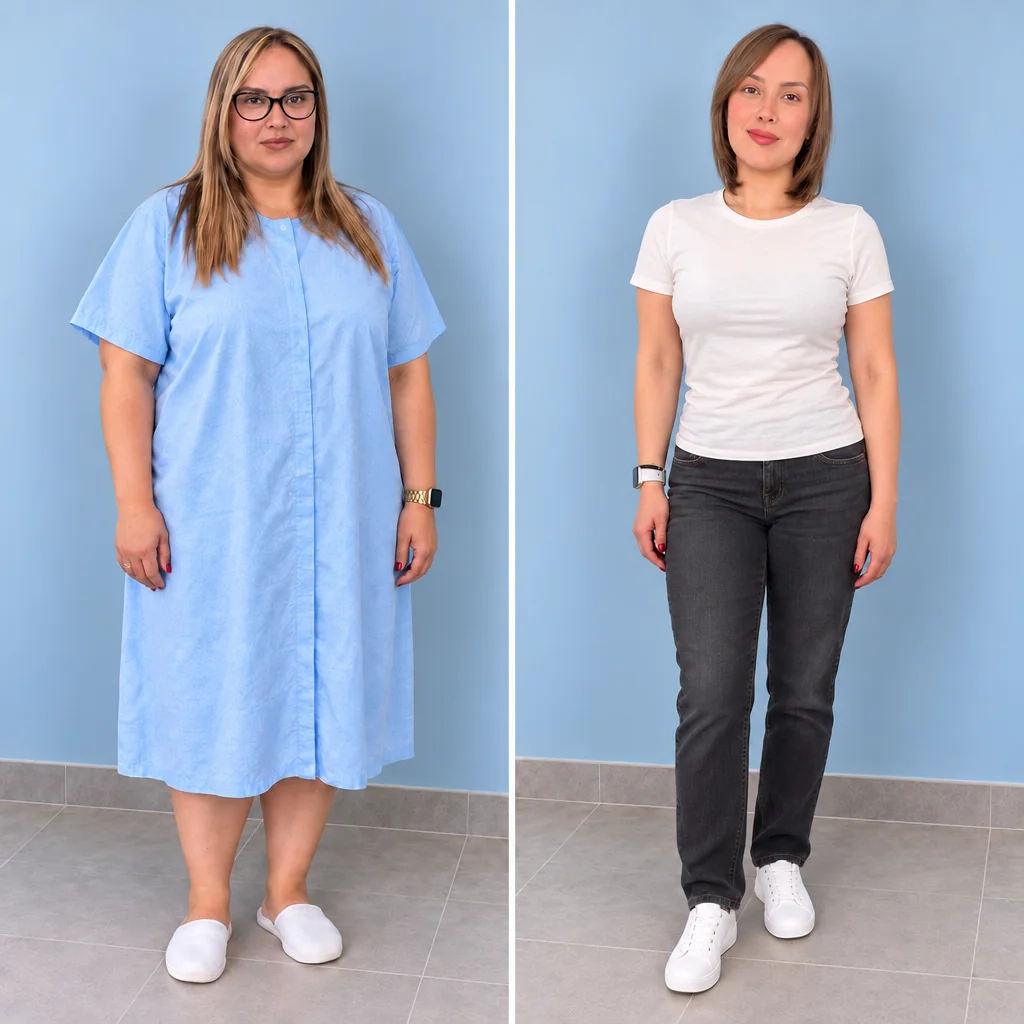 beforeafter
Bariatric surgery
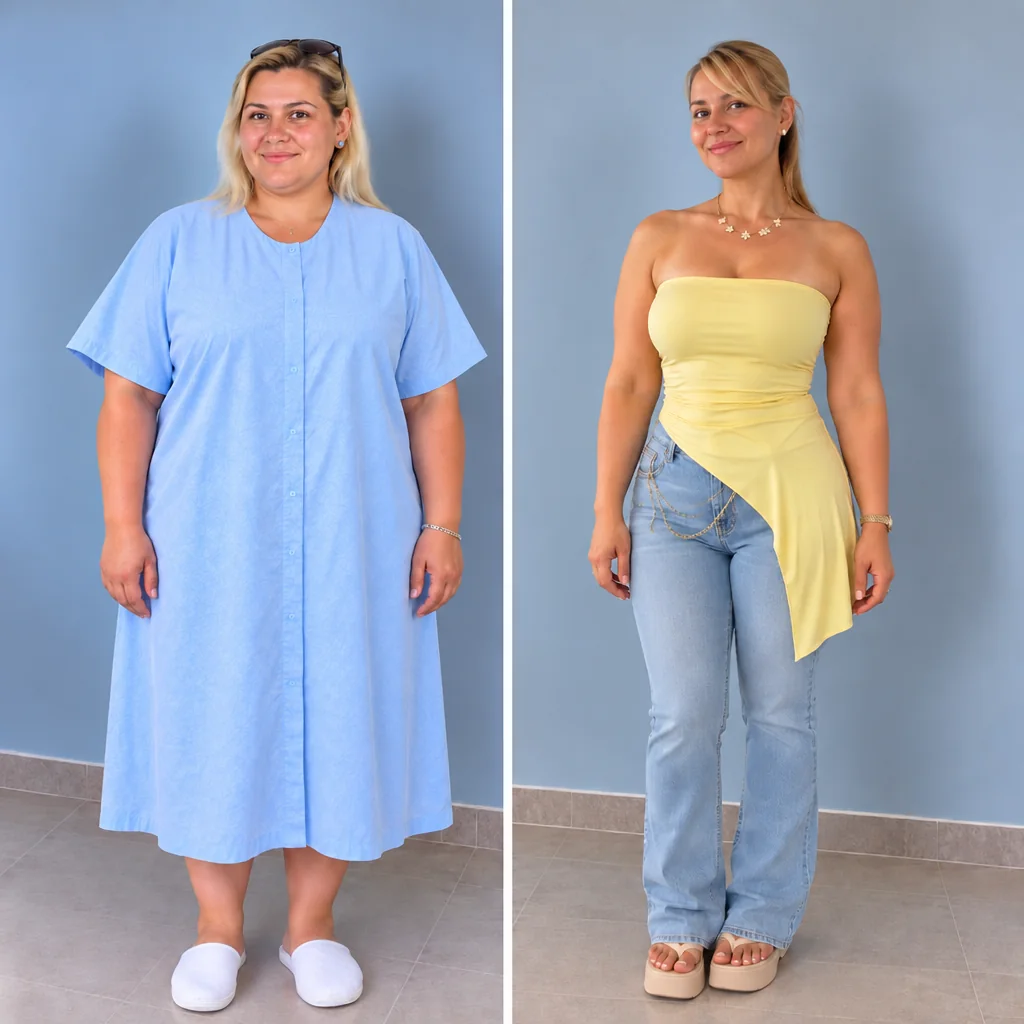 beforeafter
Bariatric surgery
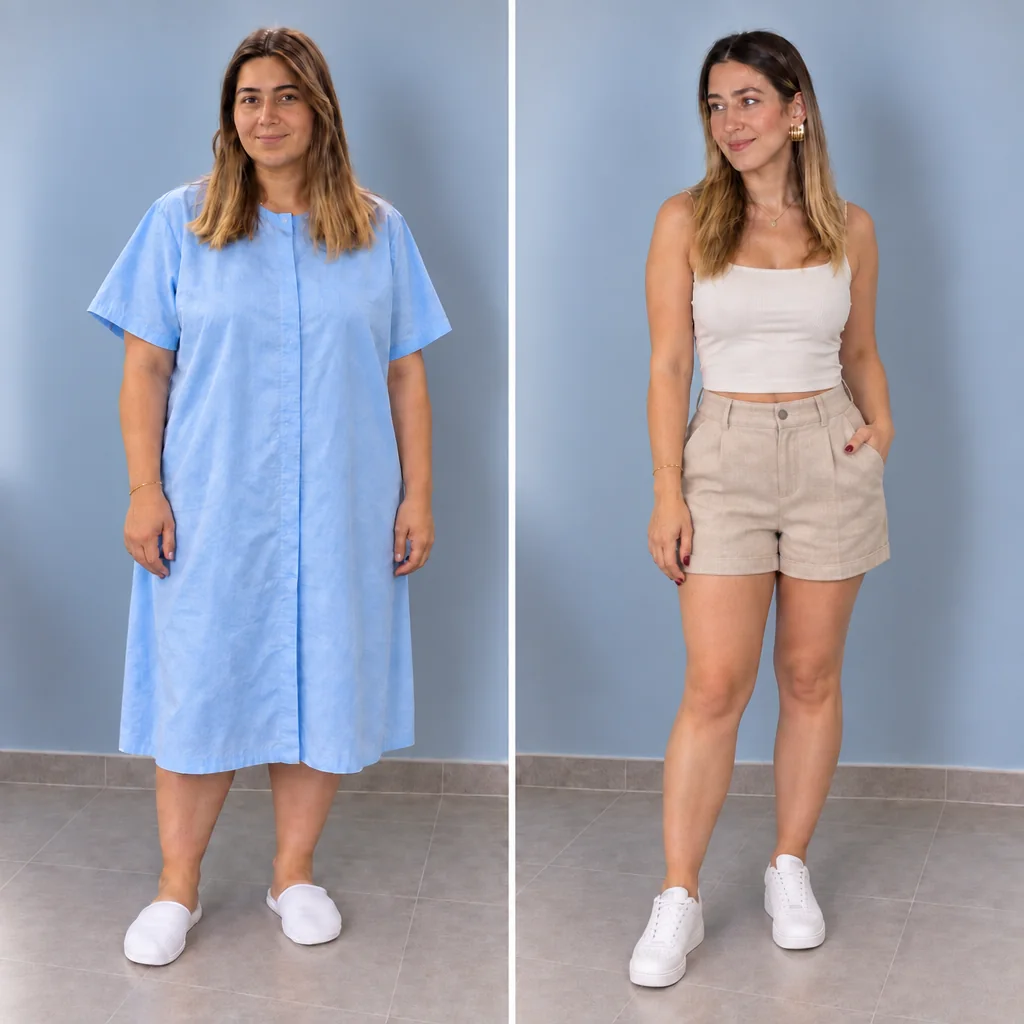 beforeafter
Bariatric surgery
Comparison
Our clinic focuses on two operations, the sleeve gastrectomy and the gastric bypass. Look at the mechanism, the aim and the indications of each before you confidently choose.
Reducing the stomach volume
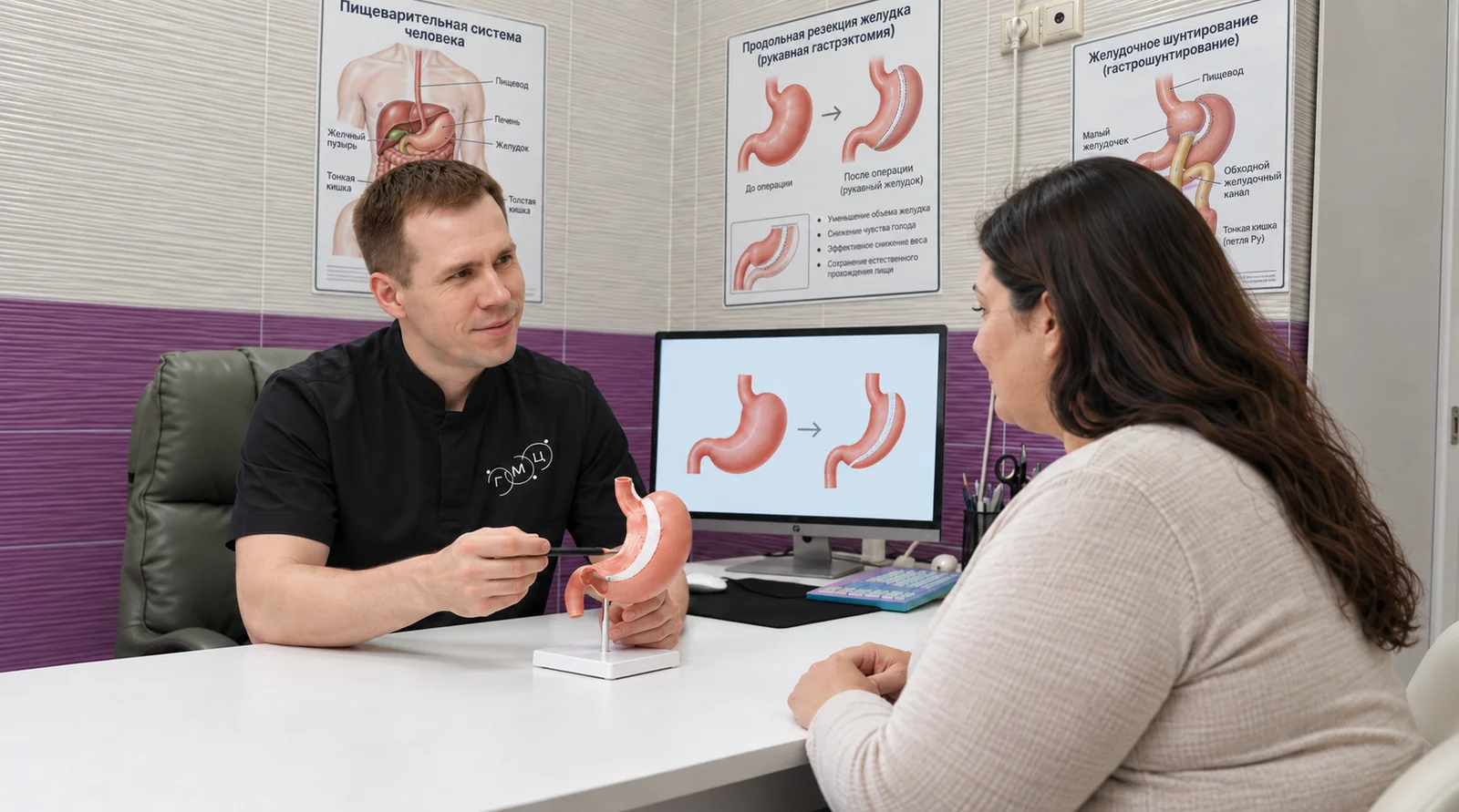
Discounted price
$3,600 $4,800
Less stomach volume and a changed route for food
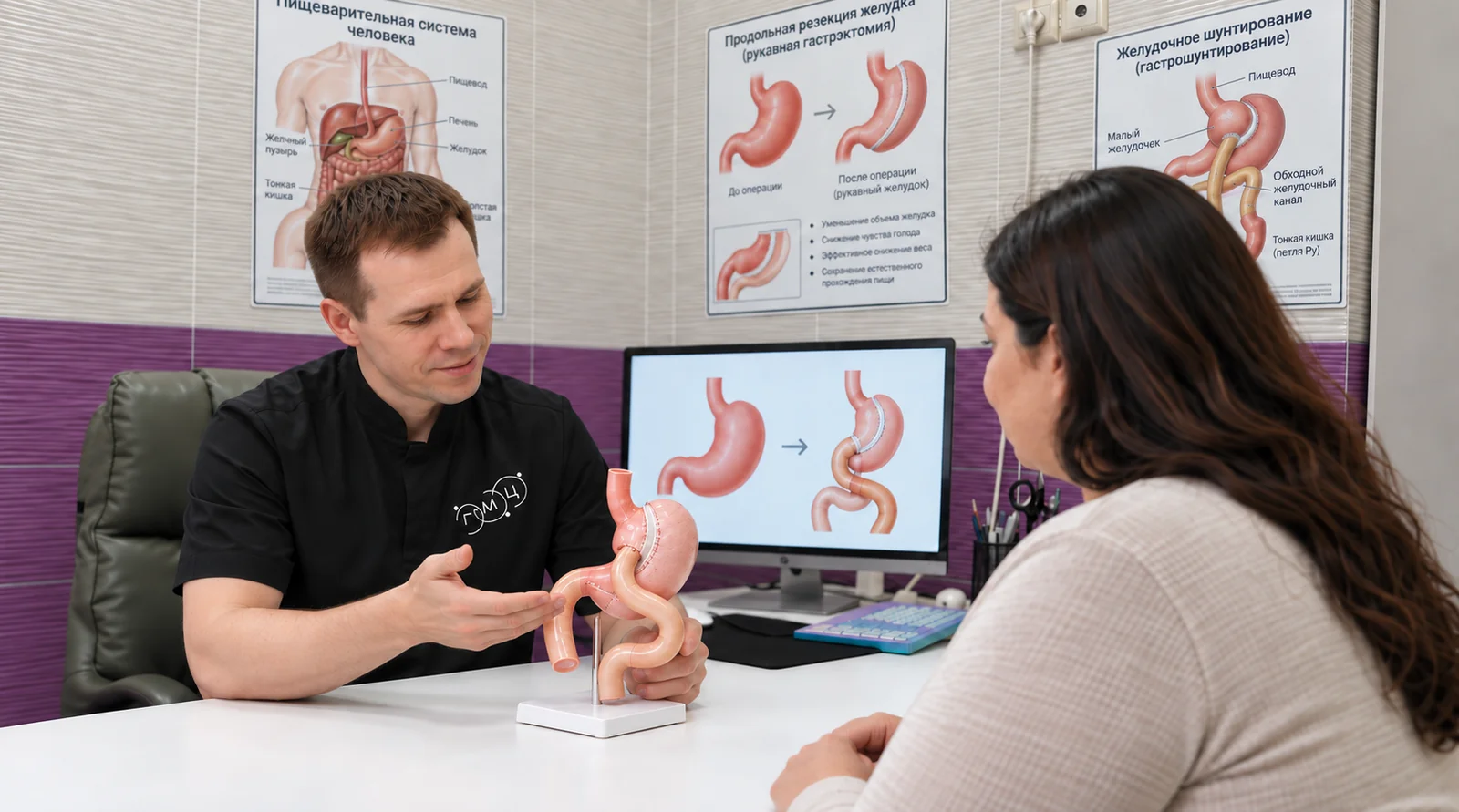
Discounted price
$4,000 $5,200
All benefits and recovery periods listed are averages per method, for guidance only. The extent of surgery and recovery vary with your anatomy and individual traits and are confirmed by the surgeon at the consultation.
Book a consultationOur clinic
Modern equipment, comfortable rooms and care for every patient
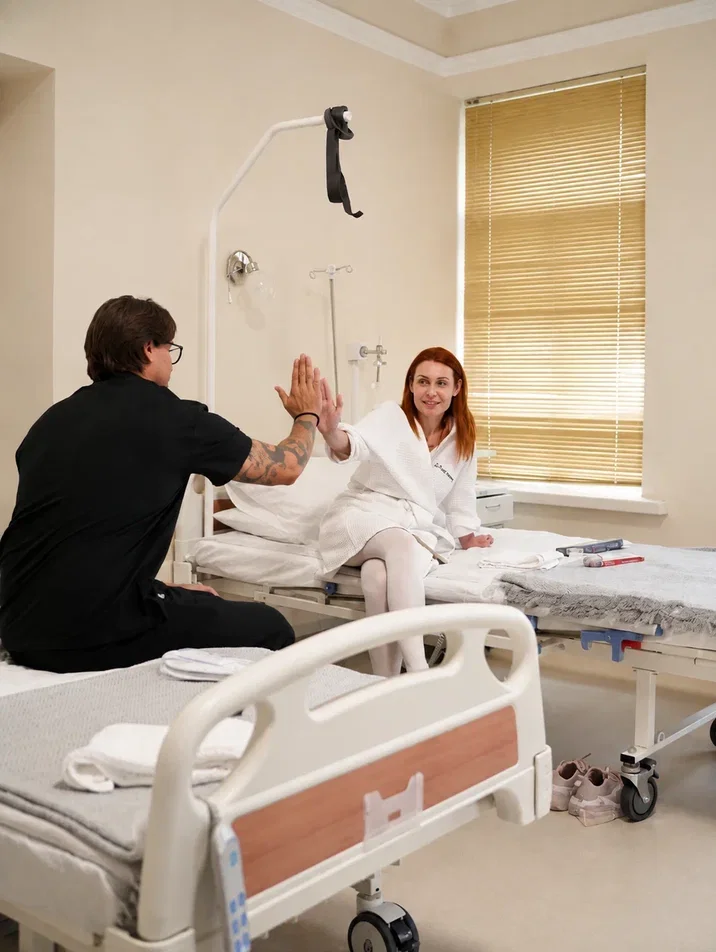
Our team will reply to your questions and help you choose a consultation time
Get a consultationSurgery is only decided jointly with the surgeon, once the consultation and check-up are done.
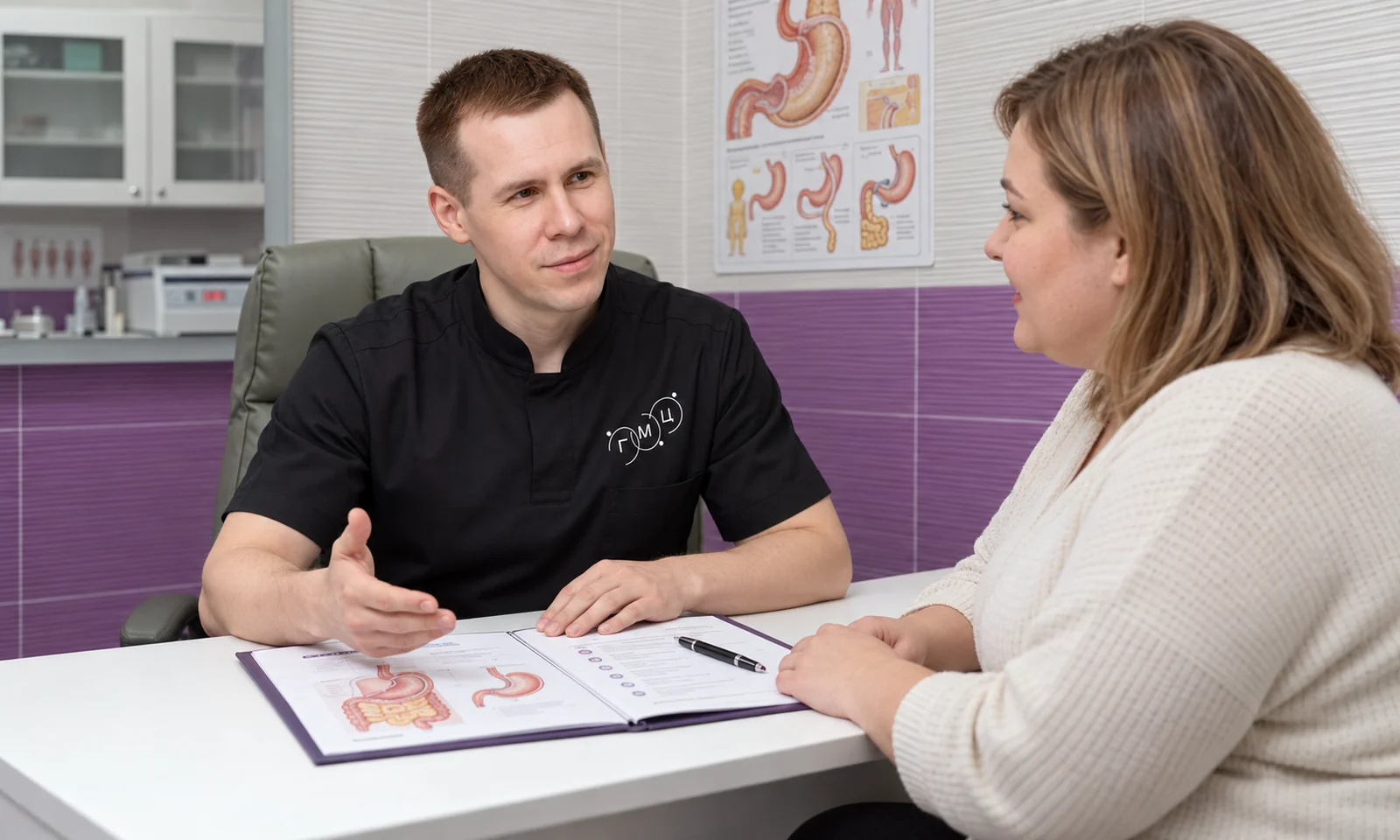
Can't tell which column fits your case?
Message us on Telegram and our coordinator will tell you if bariatric surgery suits you. The consultation with the surgeon is free and does not commit you to surgery.
Find out if it suits me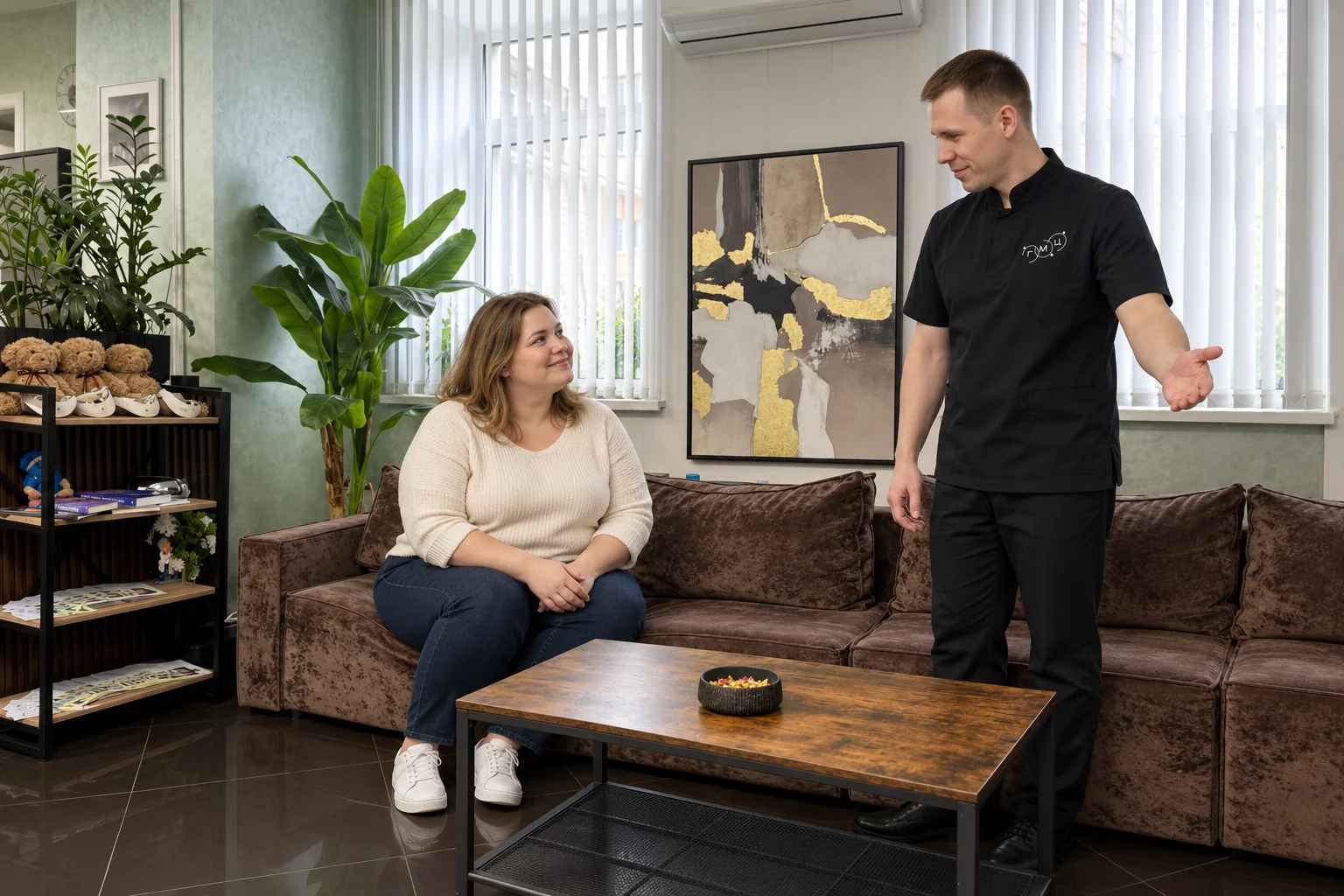
Prices
At the consultation, when your plan is ready, we name the cost and fix it in the contract.
Discounted price
Reducing the stomach volume
$3,600$4,800
Discounted price
Losing weight by changing the food route

$4,000$5,200
Free
Your treatment plan follows the surgeon's examination

Free
the cost of the operation is named
and recorded in the contract
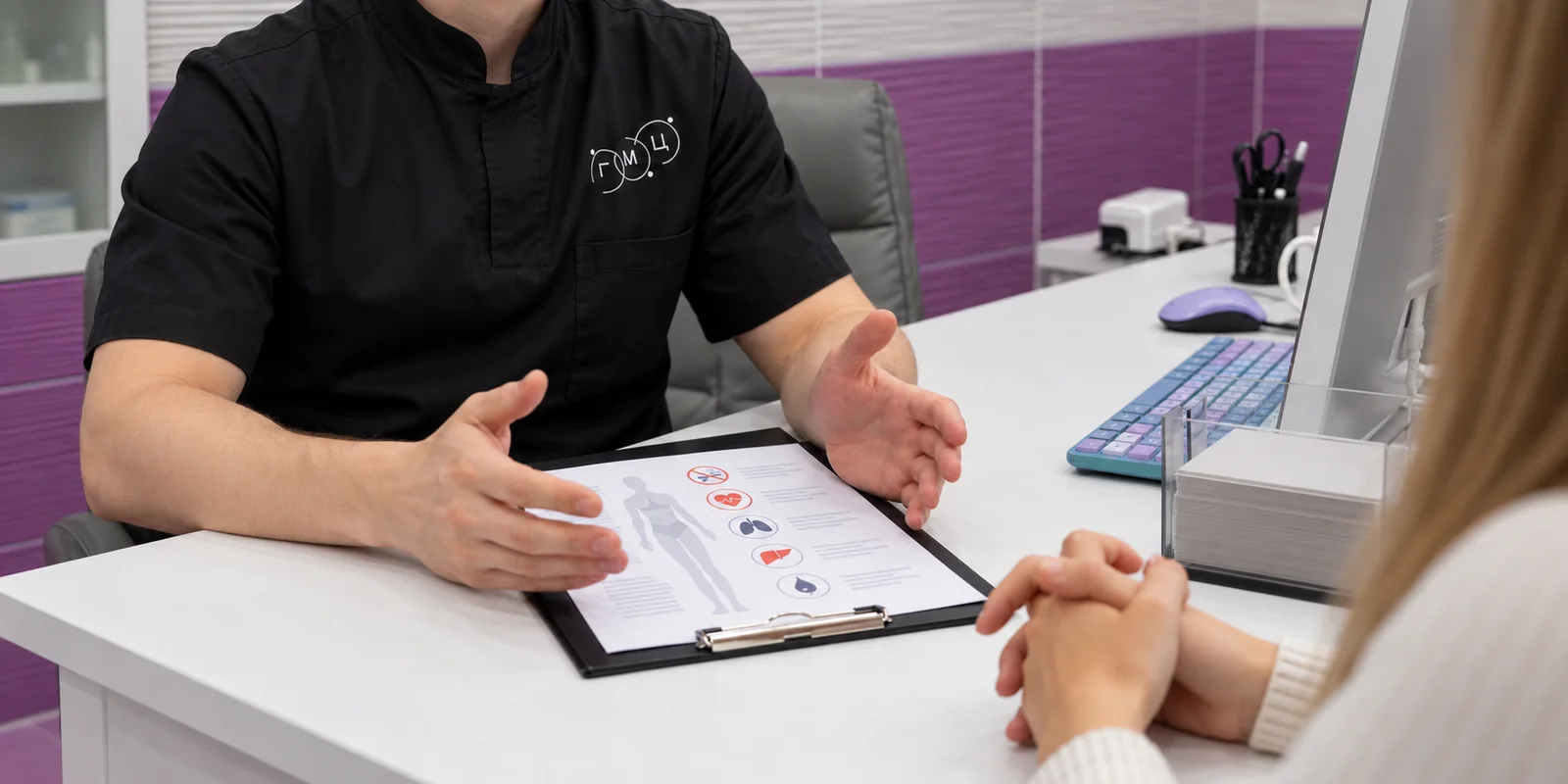
The doctor assesses your health, discusses your goals and chooses the right bariatric surgery method. The cost is named at the consultation and fixed in the contract.
Message our coordinator
Free online consultation · Reply within 15 minutes
Message us on TelegramMessage us on WhatsAppBy messaging us, you agree to our Privacy Policy

price
Preparation to 12 months of support in one package — nothing extra to pay.Starting with preparation for surgery
and ending with support for 12 months.
The process
An agreed treatment plan, close monitoring in hospital and support lasting a year.
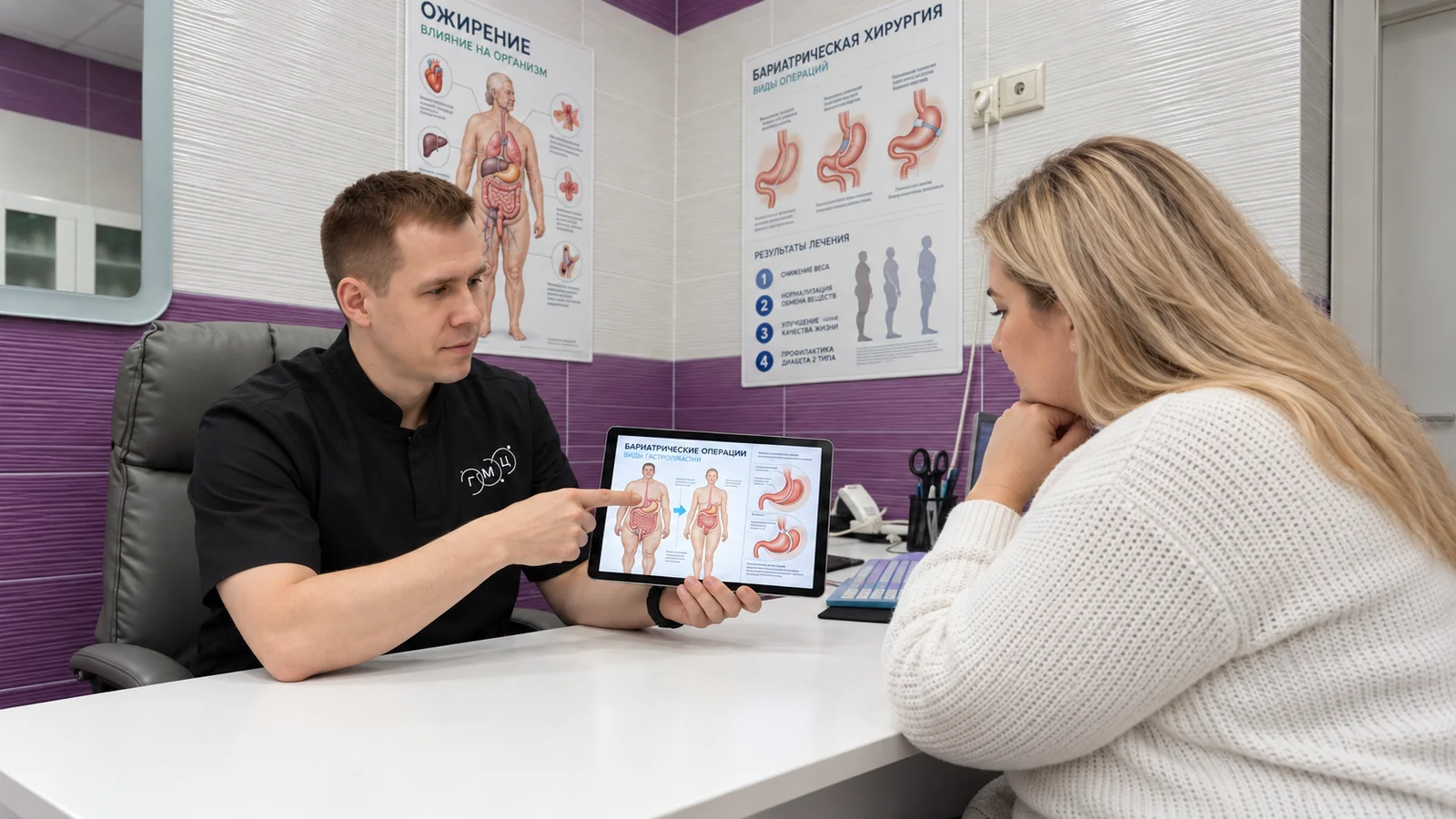 1
1To choose the right bariatric surgery method, the doctor assesses your health, discusses your goals and orders the necessary tests.
2A surgery date is reserved for you, with the deposit paid by card at the clinic or online by bank transfer. The terms are recorded in the contract for medical services
 3
3Preparation for surgery means blood and urine tests, an ECG, an ultrasound, a gastroscopy and specialist consultations. Your doctor gives you the exact list at the consultation.
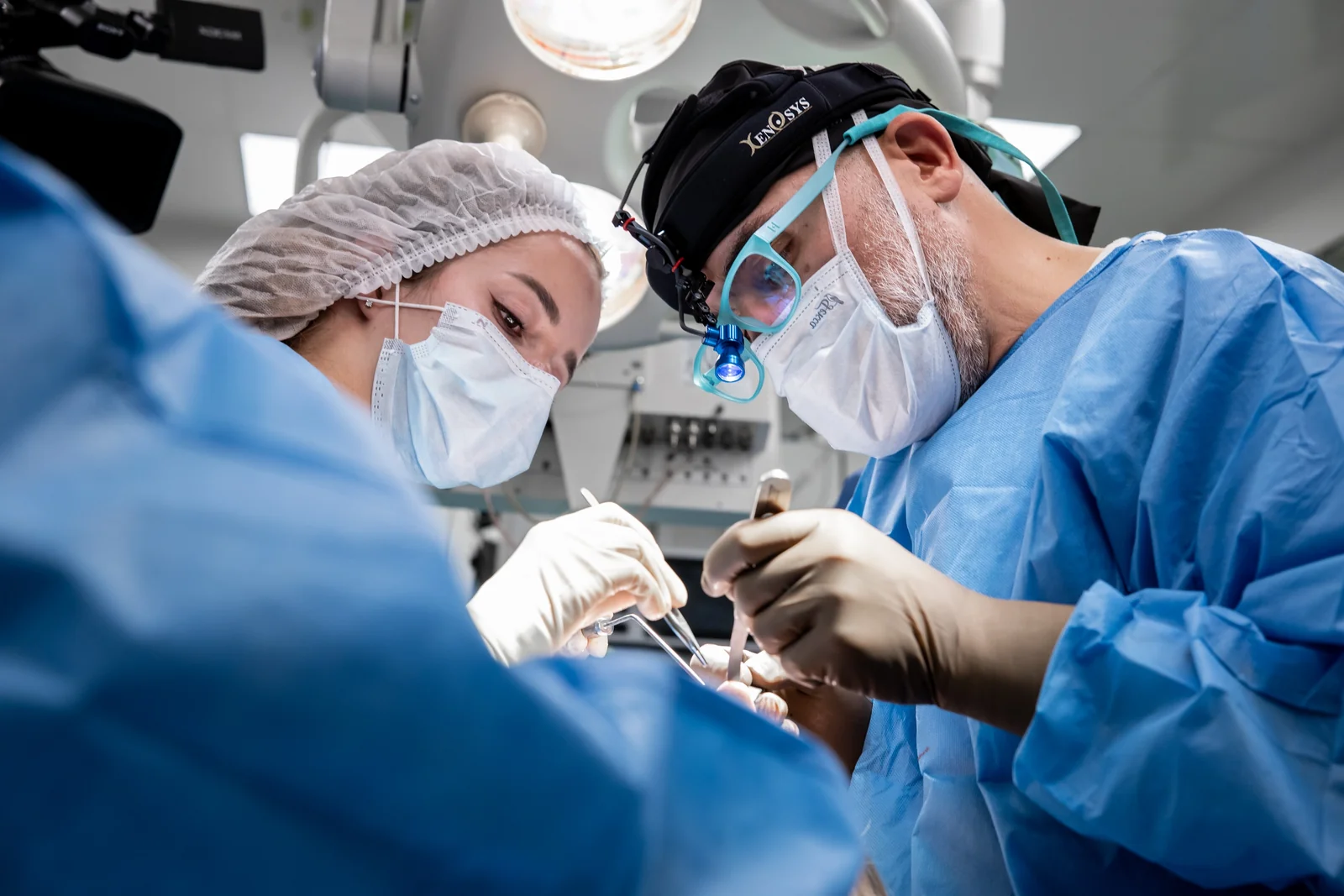 4
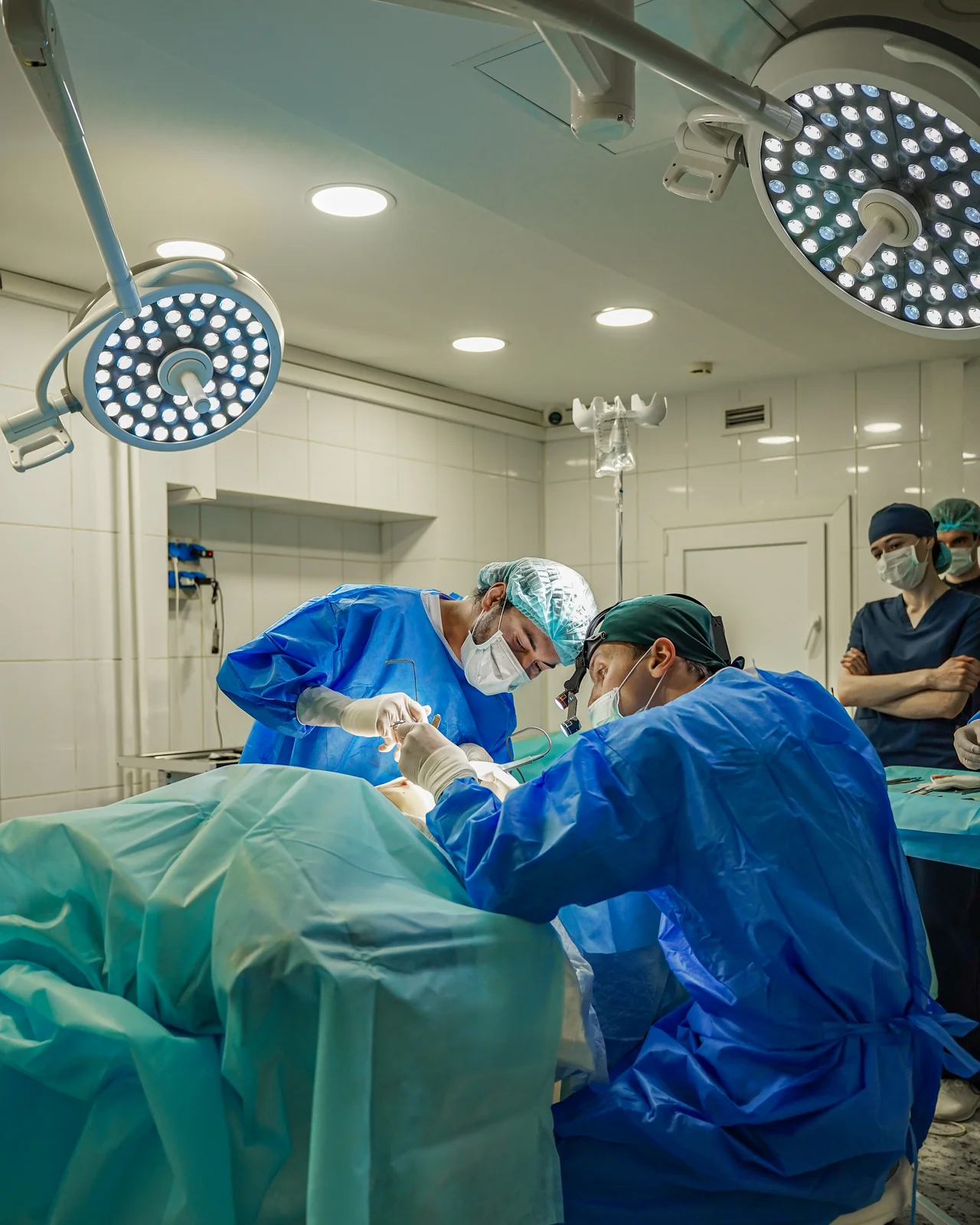
4The bariatric operation is performed by the surgeon under general anaesthesia with the selected method. Afterwards the patient is monitored by the medical team.
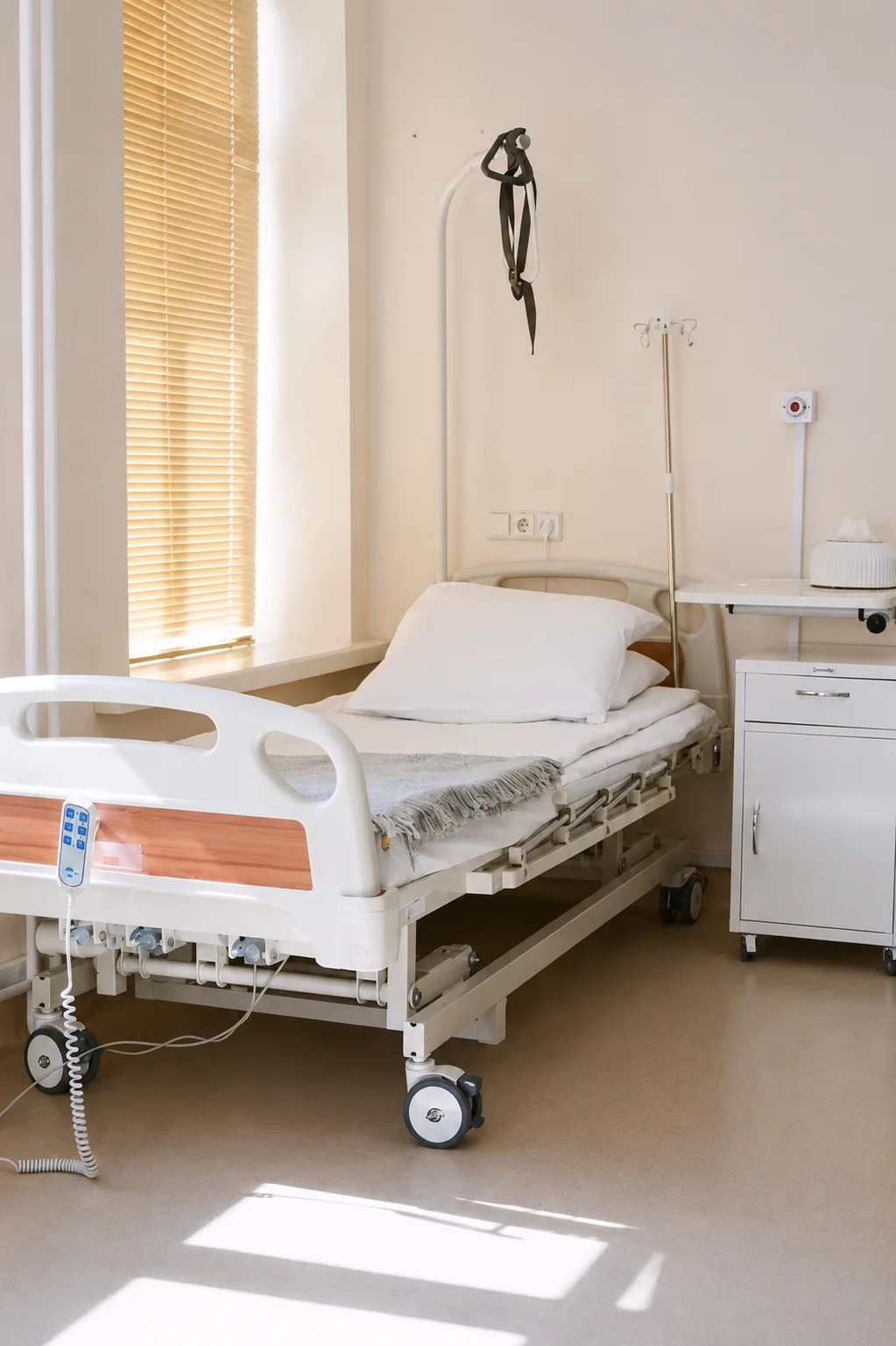 5
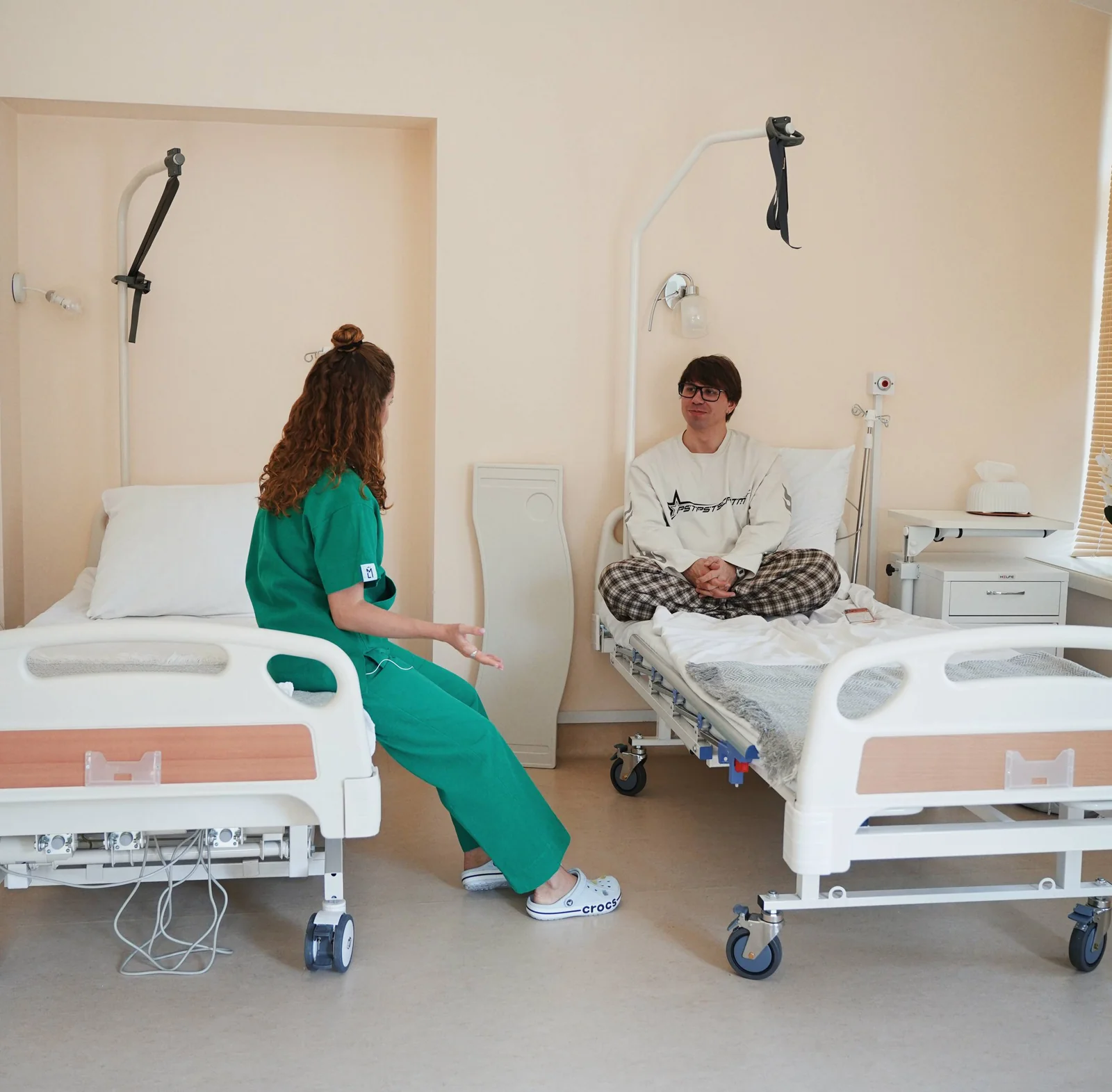
5Your hospital stay after surgery lasts from 1–3 to 4–5 days under doctors' supervision; the length depends on how complex the operation was and how you feel.
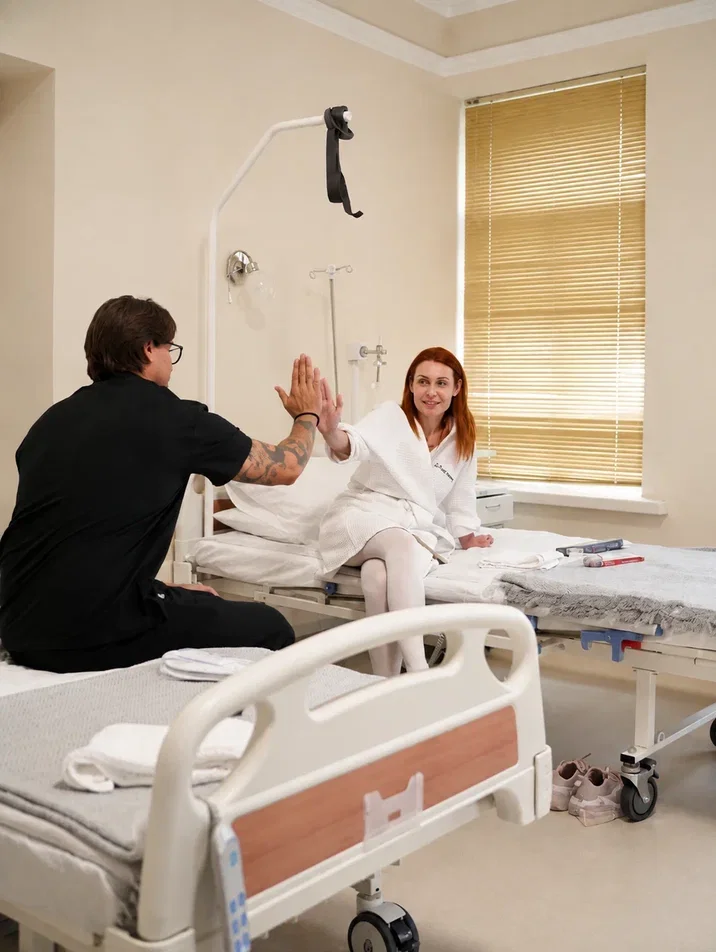 6
6You leave with advice on diet and recovery. Scheduled check-ups then track how you feel, your weight and your test results, and the clinic team stays with you for a year.
Your plan is drawn up at the consultation, where the doctor explains how the surgery will go
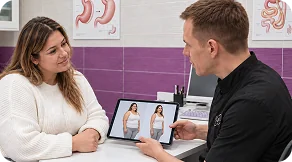
The consultation costs nothing, takes place before surgery and has no obligation.
Book a consultationDoctors
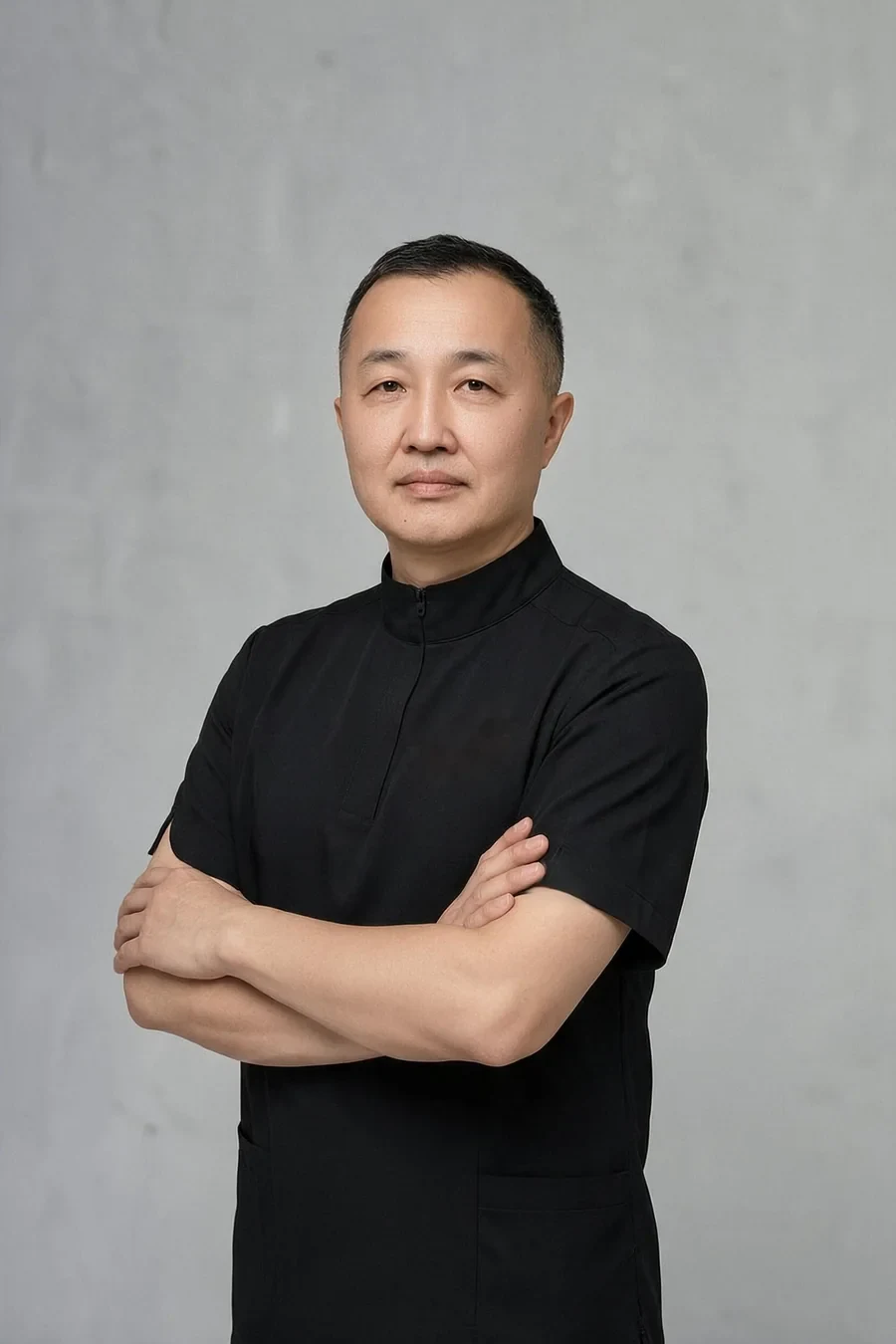
27 years of experience
Leading bariatric surgeon
Surgeon
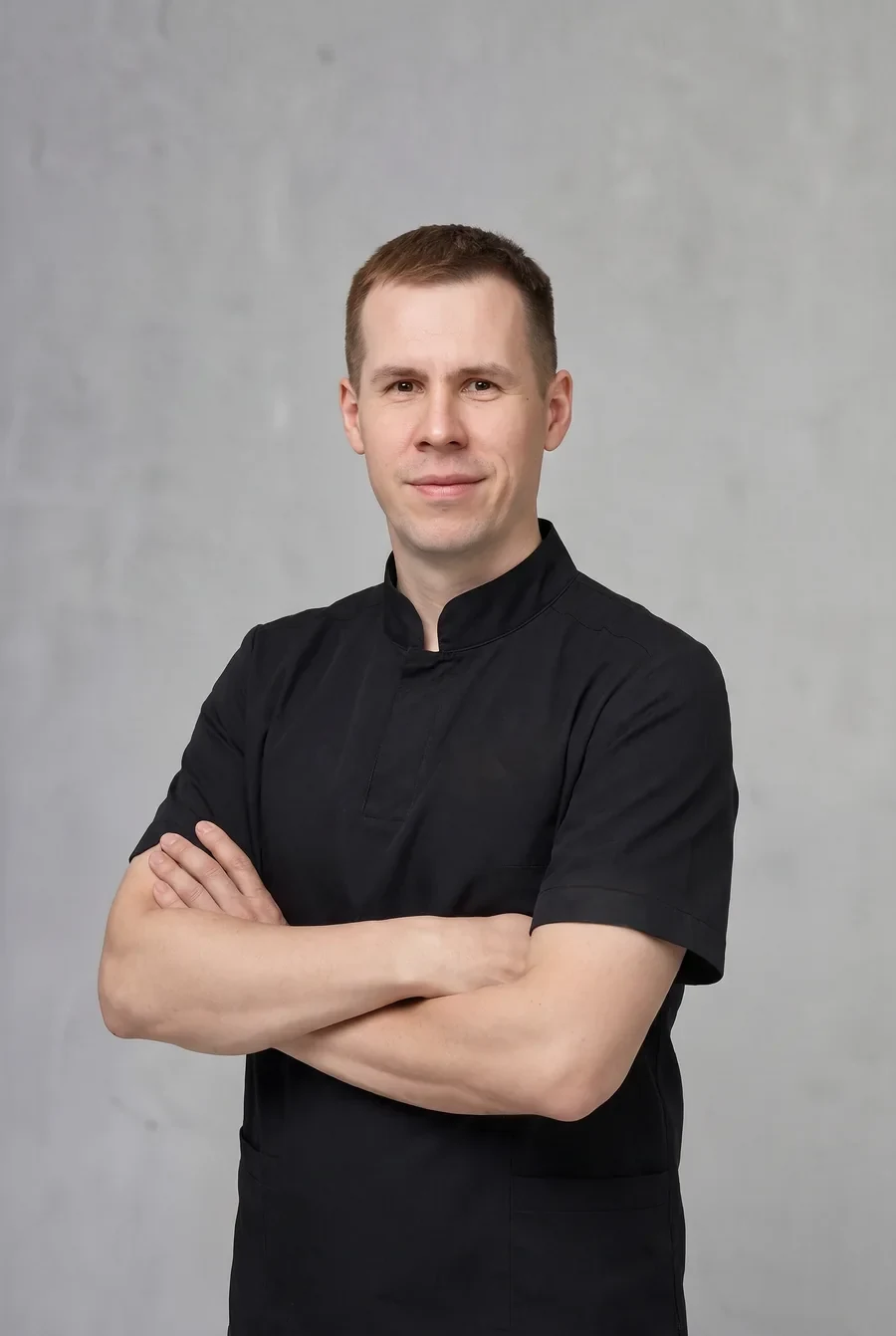
9 years of experience
Bariatric surgeon
Surgical oncologist
Your surgeon does the operation and follows your progress from the first consultation to the result.
Our patient care manager holds the first consultation — calculating your BMI, explaining the methods and booking you with the surgeon. It costs nothing.
Book a consultationCoordinators
We support you at every stage

Your first contact at the clinic, all the way from your first message to the consultation
Specialist in patient care
Answers your questions before the first consultation and helps you choose a convenient date

Stays with you before and throughout your stay, from booking until discharge
Specialist in patient care
Guides your preparation for surgery and stays in contact while you are at the clinic

Supports you through recovery — from discharge through to your last check-up
Specialist in patient care
Keeps in contact throughout recovery and arranges your follow-up visits with the surgeon
Advantages
The method we choose is the best one for your health, lifestyle and goals — and our team stays with you throughout.
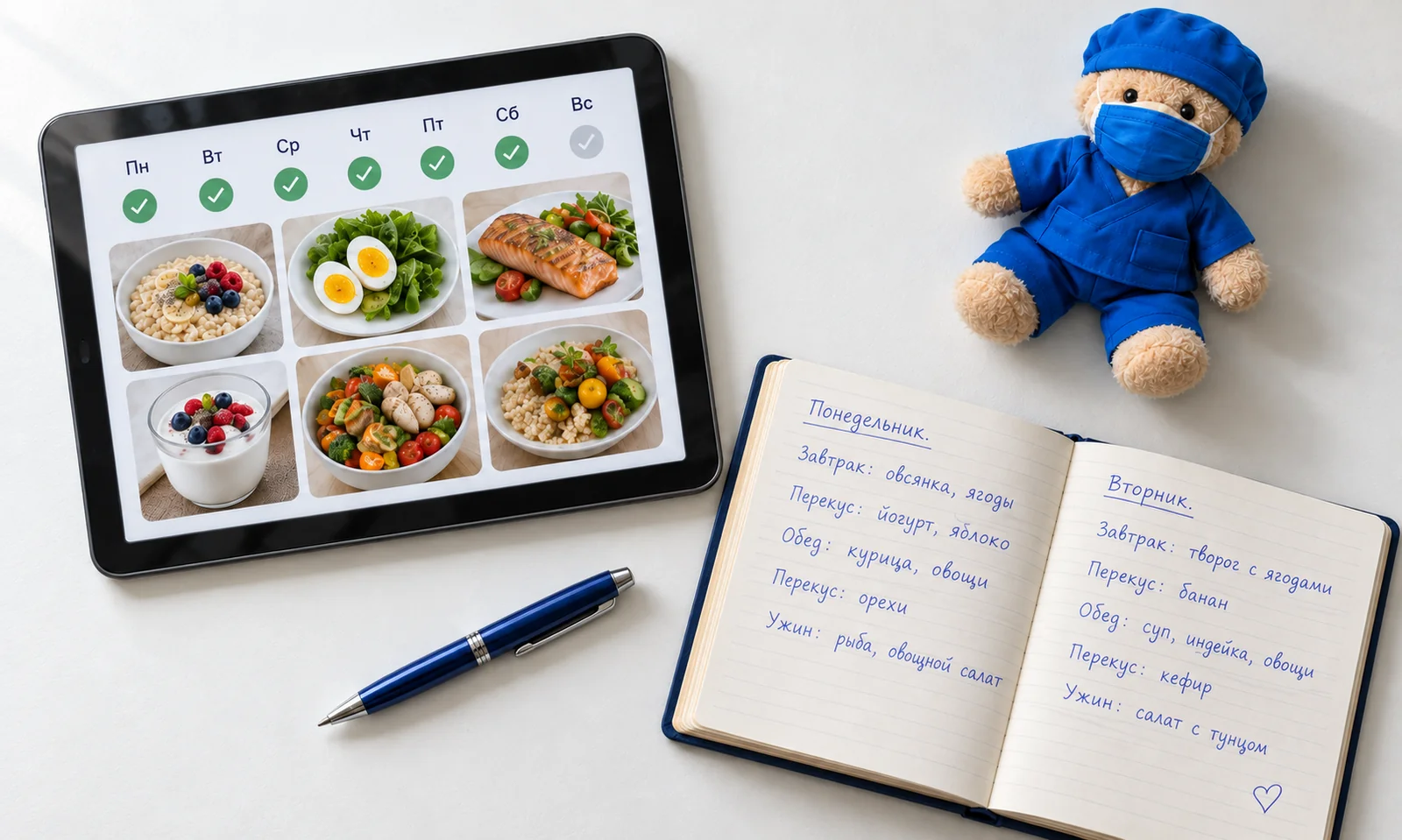
We help you adapt to new eating habits, track your results and keep them.
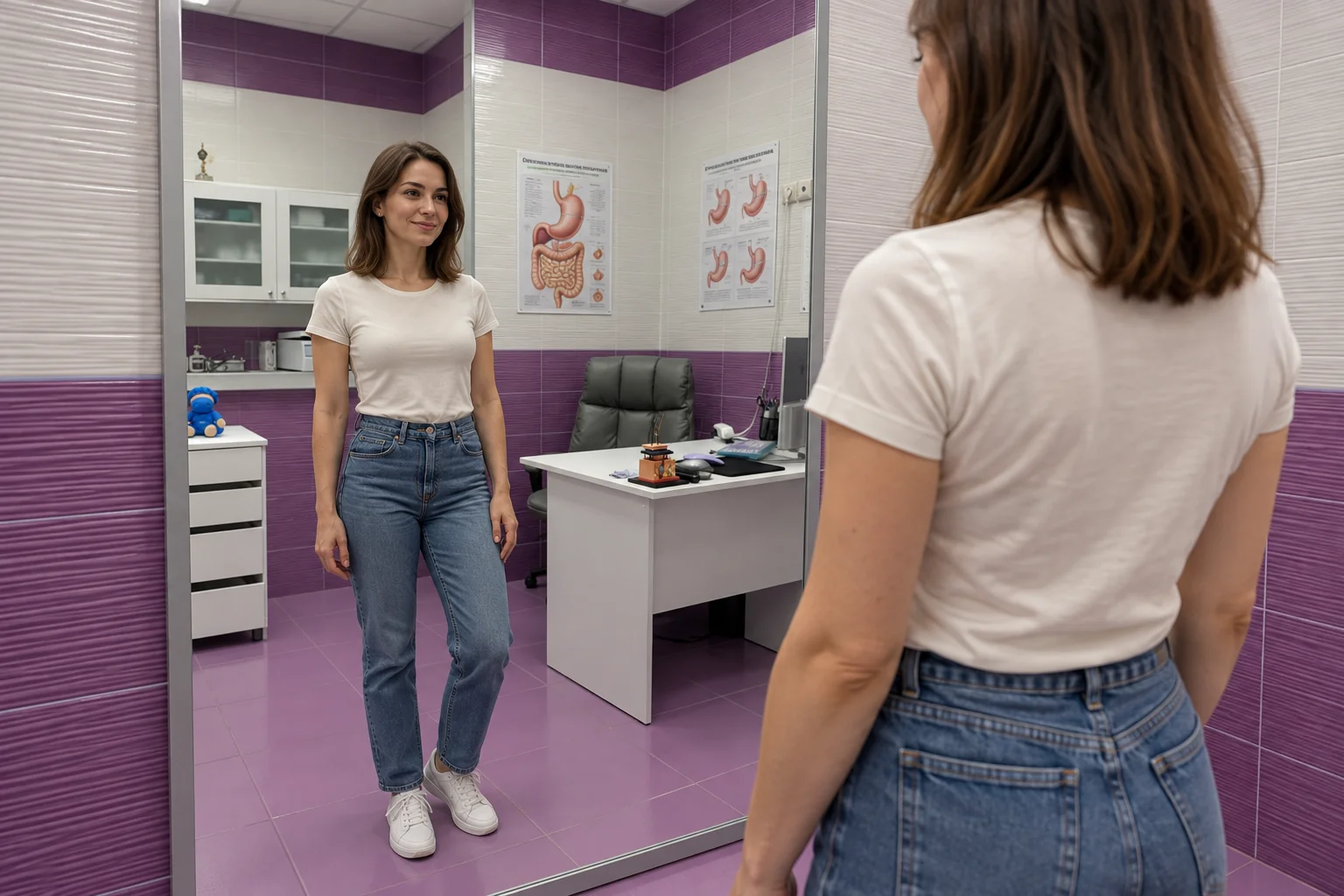
Better well-being, steady weight loss and a higher quality of life.
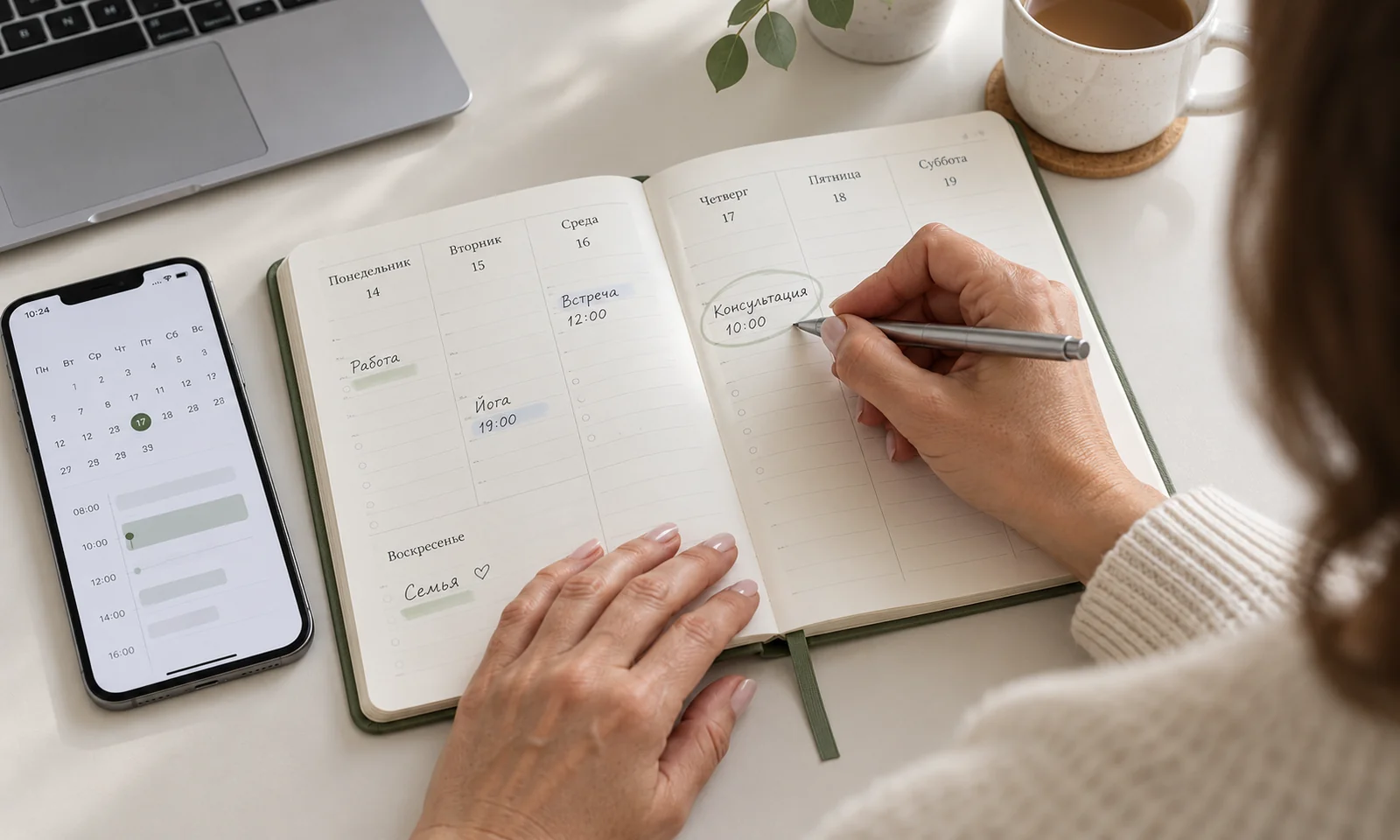
We respect your time — open 24/7, easy booking and a personal approach that follows your pace.
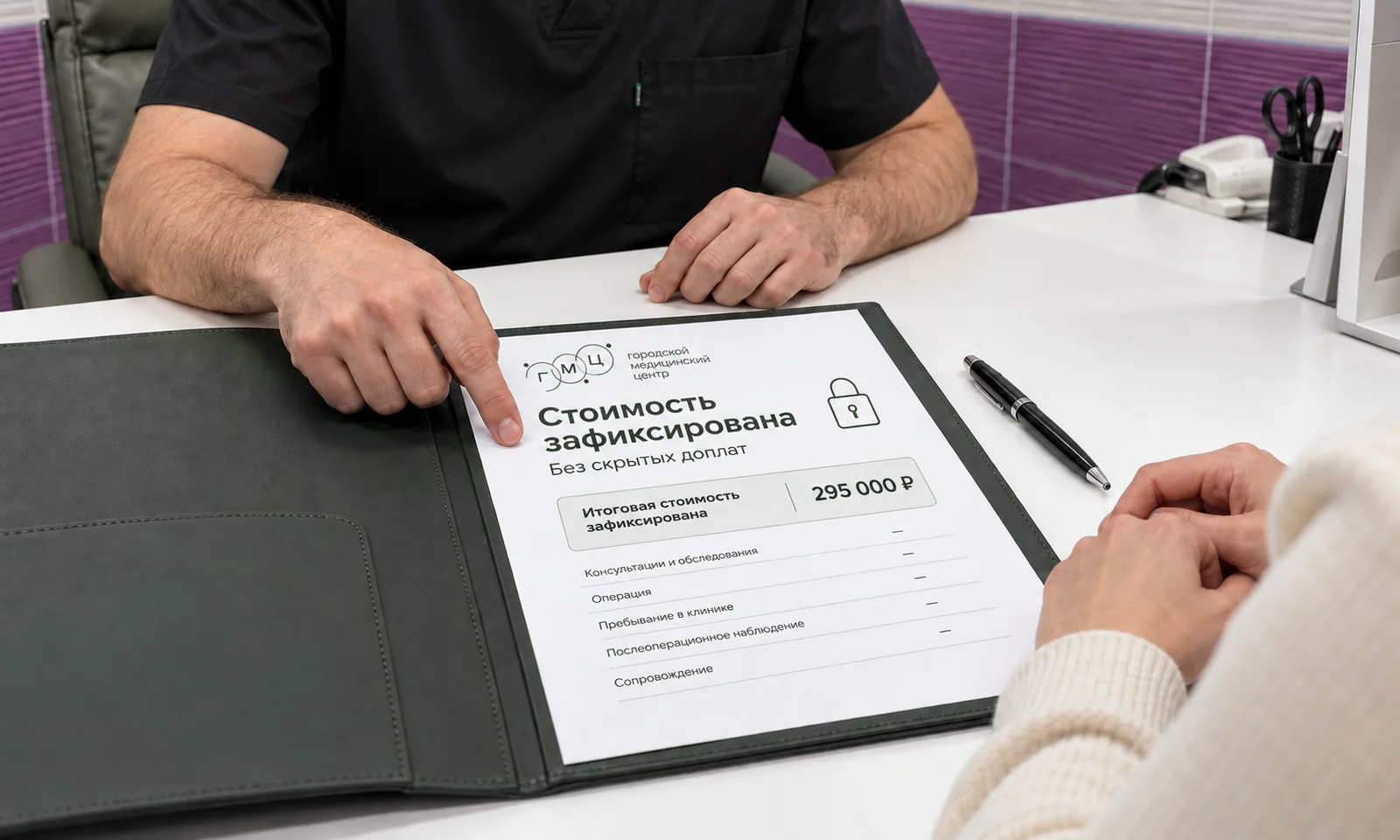
After the consultation you know the method the surgeon has chosen and the clear price, with no hidden fees and no surprises on the way to your result.
FAQ
Bariatric operations at the clinic are performed by experienced bariatric surgeons:
Get in touch by message: our coordinator will reply shortly and book your consultation. The bariatric surgeon consultation is free.
Surgery is prescribed only when clear criteria are met
BMI serves as the chief indicator of obesity severity. Divide body weight (kg) by height squared (m²) to calculate it. Surgery is normally justified at BMI above 40, or above 35 with serious accompanying conditions. In selected cases it is considered at lower values as well — if non-surgical methods did not help.
People often confuse these two, though their aims are fundamentally different. Bariatric surgery is medical treatment of obesity and associated diseases. It changes the way the digestive tract works, acting on the causes of excess weight and on metabolism. Plastic surgery alters outer body contours and does not treat obesity or affect metabolism.
City Medical Centre performs four core types of bariatric surgery: sleeve gastrectomy, Roux-en-Y gastric bypass, mini gastric bypass (MGB) and SADI-S duodeno-ileal bypass. Selection is individual and takes into account BMI, related conditions and the patient's goals.
Our approach is modern laparoscopic technique: 4 small punctures of 5 to 15 mm. We use cosmetic sutures, so the marks turn almost invisible after healing.
Recovery time depends on the activity. Office work: after 2–4 weeks. Physical work: after 1.5 months. Sport and activity: swimming allowed after 30 days, other exercise gradually added as weight goes down. Travel and holidays: plan no sooner than one month after surgery.
Your diet changes step by step: from liquid food to soft and then to solid. The emphasis is on protein and on cutting high-calorie, fatty food.
You can become pregnant after bariatric surgery, but doctors advise a wait of at least 12–18 months. Over this period the body stabilizes, weight hits target values and nutritional status normalizes.
Yes, vitamins are essential after bariatric surgery. As digestive anatomy changes, the body absorbs certain nutrients less well, so regular vitamin and mineral supplements become a lasting part of the patient's life.
Regain after bariatric surgery is possible, but very unlikely if you follow the doctor's advice. Proper nutrition, no high-calorie drinks and regular follow-up visits with City Medical Centre specialists make the difference.
Prices are in US dollars; the amount in brackets is an approximate conversion to IQD at the rate of 02.10.2026. The final price is fixed in your contract.
Prices start from $3,600 (≈ IQD 4,750,000). The surgeon sets the final price at the free consultation, and it is fixed in the contract, with no hidden extras.
General anaesthesia, a personal coordinator from day one, monitoring in the hospital and support for one year.
The hospital stay is 1–5 days, depending on the method and how you feel. Office work is possible after 2–4 weeks.
Yes. The first consultation is free and does not oblige you to anything. You can start online by sending a message to the coordinator.
Message us on WhatsApp or Telegram using the buttons below. A coordinator will answer your questions and book a free consultation where the doctor names the exact price.
By messaging us, you agree to our Privacy Policy
Bariatric surgery is a medical treatment for obesity and related diseases. Unlike plastic surgery, it changes how the digestive tract works and addresses the causes of excess weight. For patients from Ramadi, four main methods are available: sleeve gastrectomy, Roux-en-Y gastric bypass, mini gastric bypass and SADI-S. Each is chosen individually based on BMI, related conditions and personal goals.
Recovery is short thanks to the minimally invasive technique, and absorbable sutures dissolve on their own. Office work is usually resumed after 2–4 weeks and physical work after about 1.5 months; swimming is allowed after 30 days, with other exercise added gradually. For the first weeks, no sauna or intense training. Ramadi residents get the same step-by-step guidance from the team.
Everything needed for the result is combined in one package, with no hidden fees and no surprises. For patients from Ramadi, it includes surgery by a dedicated team, round-the-clock care in the ward with meals and nursing, a doctor nearby 24/7 and a personal coordinator. The first step is a free 15-minute consultation with a bariatric surgeon.
Well-known people who spoke openly about this operation, in their own words.
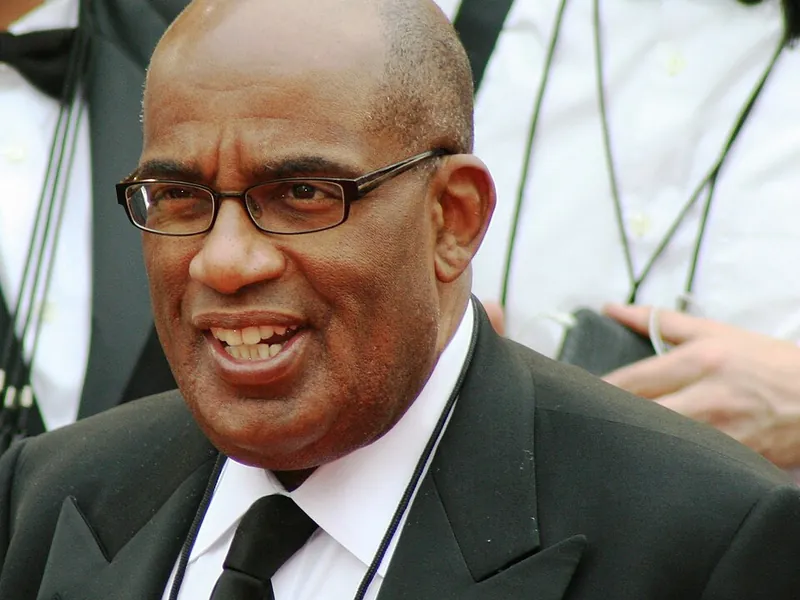 Al Roker and gastric bypass: twenty years of talking about it honestlyAl Roker had gastric bypass surgery in March 2002 and has talked about it for 20 years. His words, how the operation works and what recovery involves.
 Did Billy Gardell have bariatric surgery? Yes — and he says it saved his lifeThe Mike & Molly star had bariatric surgery in 2021 after a diabetes diagnosis. His quotes on the decision, the 100-pound loss and his children.
 Did Graham Elliot have weight-loss surgery? Yes, and he did it for his familyChef Graham Elliot had weight-loss surgery in 2013, saying it was what he needed to do for his family. His words, the operation and recovery.
 Did Mama June have a gastric sleeve? Yes — in her own wordsJune 'Mama June' Shannon had a gastric sleeve in May 2015. Her quotes on the 550-pound start, the regain and starting over.
 Did Randy Jackson have gastric bypass surgery? Yes, and he still talks about maintaining itRandy Jackson had gastric bypass surgery in 2003 and lost 114 pounds. His own words, how the operation works today and what recovery involves.
 Remi Bader and her weight-loss surgery: what she actually saidRemi Bader said in 2023 she had weight-loss surgery removing 80% of her stomach and lost 140 lbs. What she said, how the operation works, and recovery.
What patients write after this operation. Reviews are translated from the original language.
Irina, 26
For a long time I doubted whether to go ahead with surgery, but after the consultation I felt much calmer. Andrey Georgievich explained in detail how gastric bypass is done, what to expect after the operation and how recovery would go. I especially liked that they talked to me calmly and without pressure. I am now gradually getting used to my new way of life and I am very glad I took this step.
Bariatric surgery
Doctor: Andrey G. Ugay
Angelina, 22
For me the hardest part was deciding to have the operation. At the consultation Ruslan Sergeyevich answered all my questions in detail and explained the specifics of sleeve gastrectomy and recovery. After the operation I always understood what I was doing and why. Thank you to the doctor and the whole team for their attentiveness.
Bariatric surgery
Doctor: Ruslan S. Menzulin
Anna, 31
For a very long time I tried to deal with my excess weight on my own, but I did not get the result I wanted. After the consultation with Andrey Georgievich I finally understood what to do next. I came through the operation well, and my recovery was supervised by the doctors. It was important for me to feel that I was not left alone after surgery.
Bariatric surgery
Doctor: Andrey G. Ugay
Veronika, 25
Before the operation I had many fears, mostly of the unknown. Ruslan Sergeyevich explained every stage of treatment in detail and answered even the simplest questions. Thanks to that I felt much more confident. I keep following the recommendations and I am gradually seeing the changes I had the operation for.
Bariatric surgery
Doctor: Ruslan S. Menzulin
Valentina, 23
The decision to have bariatric surgery was not easy for me. I worried both about the operation itself and about how my life would change afterwards. At the consultation Andrey Georgievich explained everything in detail, so little by little my fear turned into confidence. What matters most to me now is the result and the chance to treat my health and lifestyle differently.
Bariatric surgery
Doctor: Andrey G. Ugay
Anna, 27
I am very grateful to Ruslan Sergeyevich for his attentiveness. Before the operation I had a huge number of questions, and I got a clear answer to every one of them. After the operation it was also clear which recommendations to follow and how to eat. It was important to me that the doctor stayed in touch and I felt supported at every stage.
Bariatric surgery
Doctor: Ruslan S. Menzulin
Ramadi was founded in 1869 by the Ottoman governor of Baghdad, Midhat Pasha, and in 1892 it was described as the most alert town of the Euphrates valley. Its population grew from about 12,020 in 1956 to 192,556 in 1987, and an estimate for 2018 puts the city near 223,500. A place that has changed so quickly understands change, which is a useful frame for bariatric surgery: the operation alters the body within hours, while the habits around it take years to settle. The Ramadi Barrage, built in 1955 to feed Lake Habbaniyah, and the Habbaniyah canal that marks the western edge of the centre show how deliberately the city has always managed water and growth.
That is why the conversation begins with your history, not with a date. Write to the coordinators on Telegram or Telegram and tell them your height, your weight today, the most you have ever weighed, and any illness such as diabetes, high blood pressure or interrupted breathing at night. The surgeon studies the file and replies in writing with an honest view of whether surgery suits you now or whether something should come first. If you have records from a previous doctor, a quick photograph of each page is plenty. Do not worry about order or neatness, because the coordinators arrange everything for the surgeon.
Nobody asks you to attend an appointment in a waiting room to get this first opinion. The exchange happens on your phone, whenever you have a quiet moment, and the coordinators are reachable at any hour of the day or night. A lecturer between classes at Anbar University or a driver parked at the roadside can write in two minutes and read the answer in the evening. Students and staff keep irregular hours, and so do shift workers and drivers; a service that never closes its chat suits all of them better than office-hour telephone lines.
Take your time with the reply. Show it to the family member whose opinion you value, jot down the questions that appear, and send them back. A decision that matures over a few days, backed by a document you can reread, tends to last far longer than one made in the glow of a single enthusiastic phone call. There is no penalty for walking away after reading the answer, and no pressure to answer within a day.
Soon after surgery you are able to sit, stand and drink fluids. A period of observation at the clinic follows, lasting from one to five days according to the extent of surgery and related conditions. Ask in your first message for the estimate that fits your case. The people in your household, who may need to take leave themselves, deserve to know whether they are planning for a long weekend or for most of a week. If your relatives live in different districts, share the estimate with all of them at once, so that visiting plans do not turn into a rota nobody agreed on.
A return to office work is usually possible two to four weeks after the operation. Physical work, such as loading trucks or building site tasks, waits about a month and a half. If you drive along the western road that made the city a trading stop, you already know how tiring long hours at the wheel can be. Put that kind of duty after the physical recovery, not before, and ask the team for a written note your employer can read. A letter from the team describing why you should avoid heavy lifting for that period is the simplest way to protect your position at work without a long explanation.
During the first one to two months the diet climbs a ladder from liquids to soft food and then to normal solids in small portions. The ladder is not a suggestion, because the stomach heals on its own timetable. The written schedule reaches your phone, and the coordinators will tell you whether a given dish fits the current rung. Print it and stick it on the fridge door so every adult in the kitchen can see it. Some patients find a kitchen timer helpful for spacing tiny meals, because the early weeks reward regularity far more than appetite.
Patients lose roughly ten percent of their excess weight each month on average, and the end result becomes clear between one and a half and two years. No operation alone keeps the weight off; steady eating habits do. That explains why the conversation with the coordinators continues after discharge, with weekly weights, small questions and the occasional worry that is easier to settle early. Keep your records together: weights, measurements and a short note on how you felt each week. They make follow-up chats quick and precise.
We could not find an open public page that explains to Iraqi patients how to verify a particular doctor's licence. The one organisation with a website we could confirm is the Iraqi Board for Medical Specializations, a postgraduate training body established in 1986. It trains specialists; it is not a patient directory. So we will not make up a lookup route, and we prefer to describe plainly what you can do. Wherever a title or a stamp seems impressive, it still tells you nothing about the quality of the follow-up care you will receive.
Request the specialty certificate and licence to practise in clear photographs. Ask how many operations of the recommended type the surgeon has done, how complications such as bleeding or leaks are handled, and whether the same surgeon follows you after discharge. Detailed, direct answers are a good sign. Vague ones suggest that you should pause, ask again and, if needed, walk away. Write down the answers you receive, with the date, and keep them in the chat so that nothing depends on memory.
Ramadi is a university city. Anbar University was founded there in 1987, so many families know doctors and academics who can read a certificate and say whether the training matches the claim. A colleague's opinion carries more weight than any advertisement, and asking costs nothing but a short conversation. If you do not know any doctor, say so to the coordinator, who will explain what can and cannot be confirmed from the documents in your hands.
On insurance, the sources we reviewed give no firm information about whether weight surgery is covered in Iraq, so we promise nothing either way. Ask your insurer or workplace scheme in writing and keep the reply. Remember too that Friday and Saturday form the Iraqi weekend, so a date that adds your leave to those days can shorten your time away from work. Ask your employer about the sick-leave paperwork early, since some departments want a medical note before the date, not after it.
Daytime highs in Ramadi average about 44.5 degrees Celsius in August and 44.1 in July, while January nights fall to around 5.3. Rainfall totals roughly 122.85 mm a year, with January the wettest month at about 36 mm and August and September almost dry. Those numbers should sit on the table when you choose a month for stomach surgery. Annual rainfall is modest, but the Euphrates and the canals keep the air near the water a little softer than the open desert beyond, which the early morning walker will notice.
Summer drains water from the body, and after the operation you can drink only small amounts at a time. You need a plan: a small glass every half hour, water that is cool but not icy, a shaded room and a way of keeping the bedroom comfortable. If the house cannot provide those conditions in July, waiting for autumn is wiser than risking dehydration after a successful procedure. Very cold drinks can irritate a healing stomach, so aim for a moderate temperature and watch how you respond.
January brings the heaviest rain of the year and the lowest temperatures. Residents of outlying districts may find side roads muddy, so stock up on medicines and groceries before your date and avoid errands in bad weather. A calm, well-supplied house is the real comfort of that month. Arrange transport in advance as well, and keep a relative with a car on call if you need to return for a check on a hot afternoon.
Most households find late autumn and early spring the kindest windows, when the air is mild and a short walk in the yard is pleasant. Still, do not let the weather decide alone. If school terms, harvests or a relative's availability point to another month, choose that month, and the coordinator will plan around you. If a family wedding or a religious occasion falls near your preferred month, mention it early and the schedule will bend around it.
Before your date, set up the kitchen: a small blender, sealed containers, teaspoons, measured water bottles. Pureed meals need broth, boiled vegetables and plain yoghurt without added sugar. The team can send a shopping list in writing, so nobody wastes an afternoon in the market on items that do not belong to your stage. A small timer that reminds you to sip water saves your companion from watching the clock all day.
A large household needs a guardian of the table, someone who calmly returns sweets and fizzy drinks to the cupboard. Agree beforehand that food cooked for everyone is not served to you in the first phase, and that an offer of something tasty does not demand a yes. This social arrangement matters more than any pill in the first weeks. When neighbours visit, offer unsweetened tea; they will understand the message without a long explanation.
Keep the chat open on a companion's phone too, so that if you feel too tired to write, someone can do it for you. The signs worth reporting quickly are a fever, vomiting that will not stop, pain that grows and breathlessness. Everything else can be asked about at any hour and will be answered according to urgency, so you are not alone with a worry in the middle of the night. Keep a notebook by the bed for symptoms and times, which gives the team a clear picture without long retellings.
As months pass, record your weight weekly and your waist once a month, and send the numbers to the team. One slow reading means little, but a run of readings draws a picture. If progress stalls for longer than expected, the surgeon reads your numbers together with your eating pattern and suggests an adjustment, with no blame and no drama. Every quiet month deserves to be noticed, even if the scale moved less than you hoped.
People whose weight already harms their health, especially with diabetes, high blood pressure or night-time breathing problems, and who have tried diets without lasting results. The surgeon decides from your written details, not from the scale alone. Mention previous operations and medicines too, since both affect the choice.
No. The first stage is entirely written. You send your details on Telegram or Telegram, the surgeon reads them, and the reply comes back as a message. You choose afterwards whether to continue. If more information is needed, the coordinator will ask short, specific questions.
Between one and five, depending on the extent of surgery and any related conditions. Ask for the estimate that matches your case early, so your household can prepare. A longer stay is a medical decision made for your safety, not a sign of a problem.
Desk work after two to four weeks; physical work after about a month and a half. Do not move your date forward just because you feel well, since the new stomach needs more time than your energy suggests. If your work is heavy, ask for a short written note for your employer.
Move from liquids to pureed food and then to solids in very small portions. You receive a weekly timetable and should ask before trying any food you are unsure about. Portions may need adjusting, so report what you notice.
No one can promise that. The final result appears after about one and a half to two years, and what protects it is steady eating habits and regular follow-up, not the surgery by itself. Staying in contact with the team is the best way to protect what you have achieved.
Ask for the specialty certificate and licence, and show them to a doctor you trust. We found no public Iraqi tool for patients to verify a licence online, so direct questions are the route that exists. If anything in the documents seems inconsistent, ask for clarification before going on.
Yes. The coordinators answer on Telegram and Telegram day and night. Simple questions get an immediate reply, and medical ones go to the surgeon with the answer returning to your chat. Put your name and the topic in the first line so your message is easy to trace.
Page medically reviewed by Andrey G. Ugay, lead bariatric surgeon. Review date: .