


























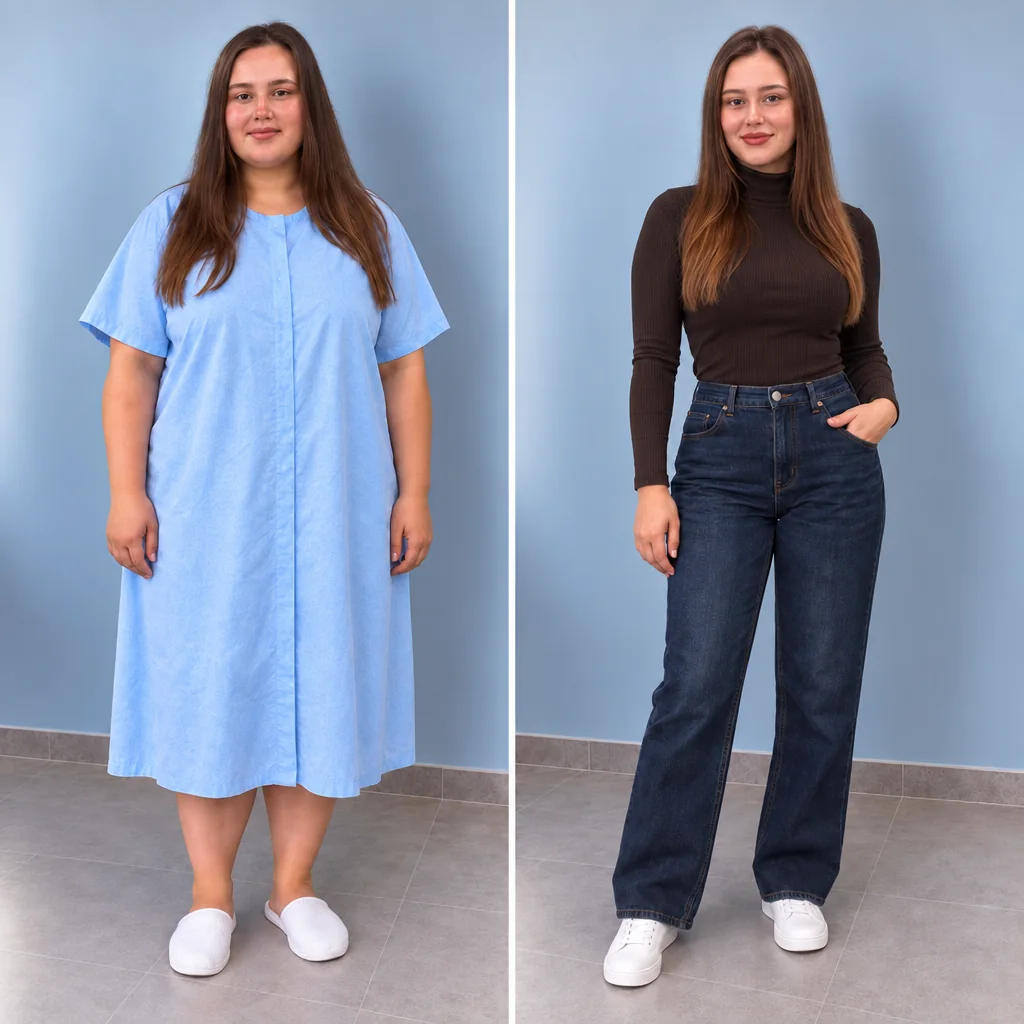
 beforeafter
Irina, 26
Bariatric surgery
Bariatric surgery
$3,600
$4,800 · First consultation — Free
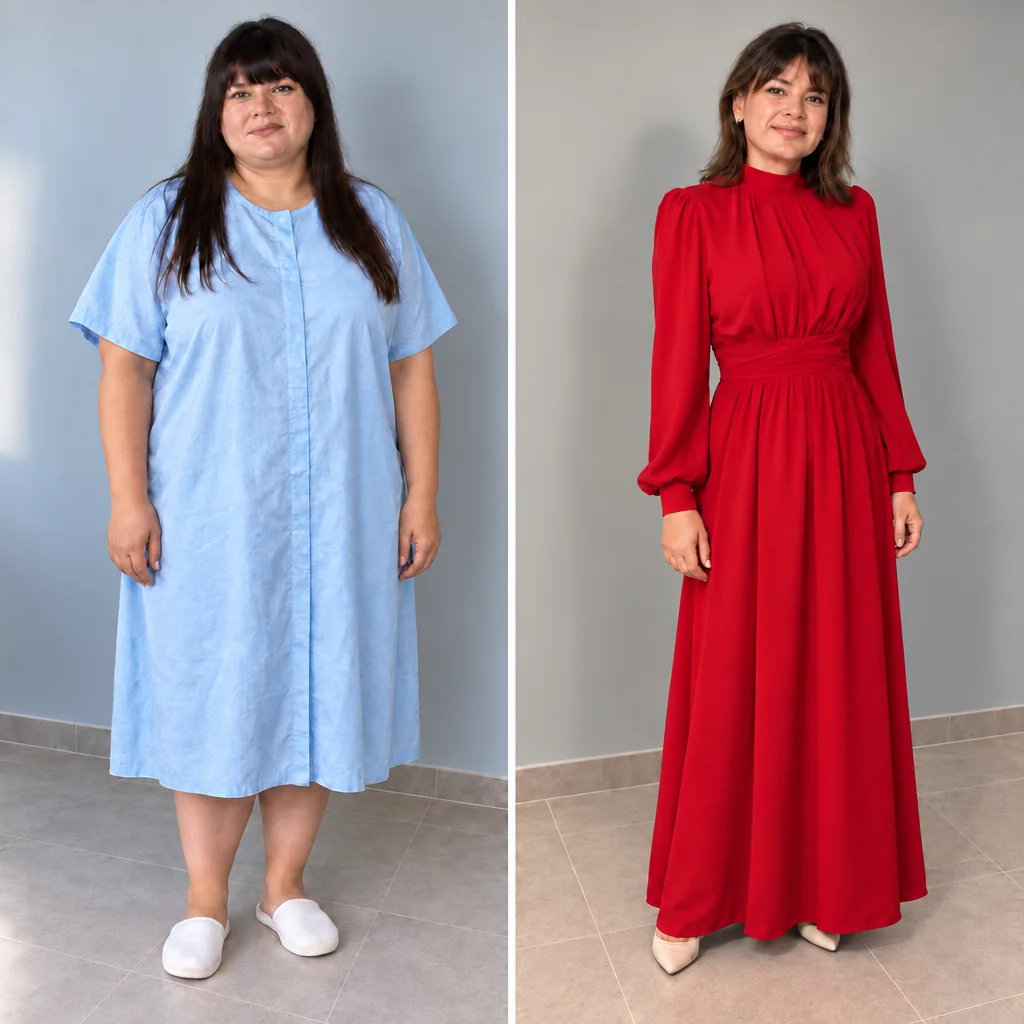 before
after
before
after
Message our coordinator
Free online consultation · Reply within 15 minutes
Message us on TelegramMessage us on WhatsAppBy messaging us, you agree to our Privacy Policy
Results
These are real patients treated at the clinic.
beforeafterBariatric surgery
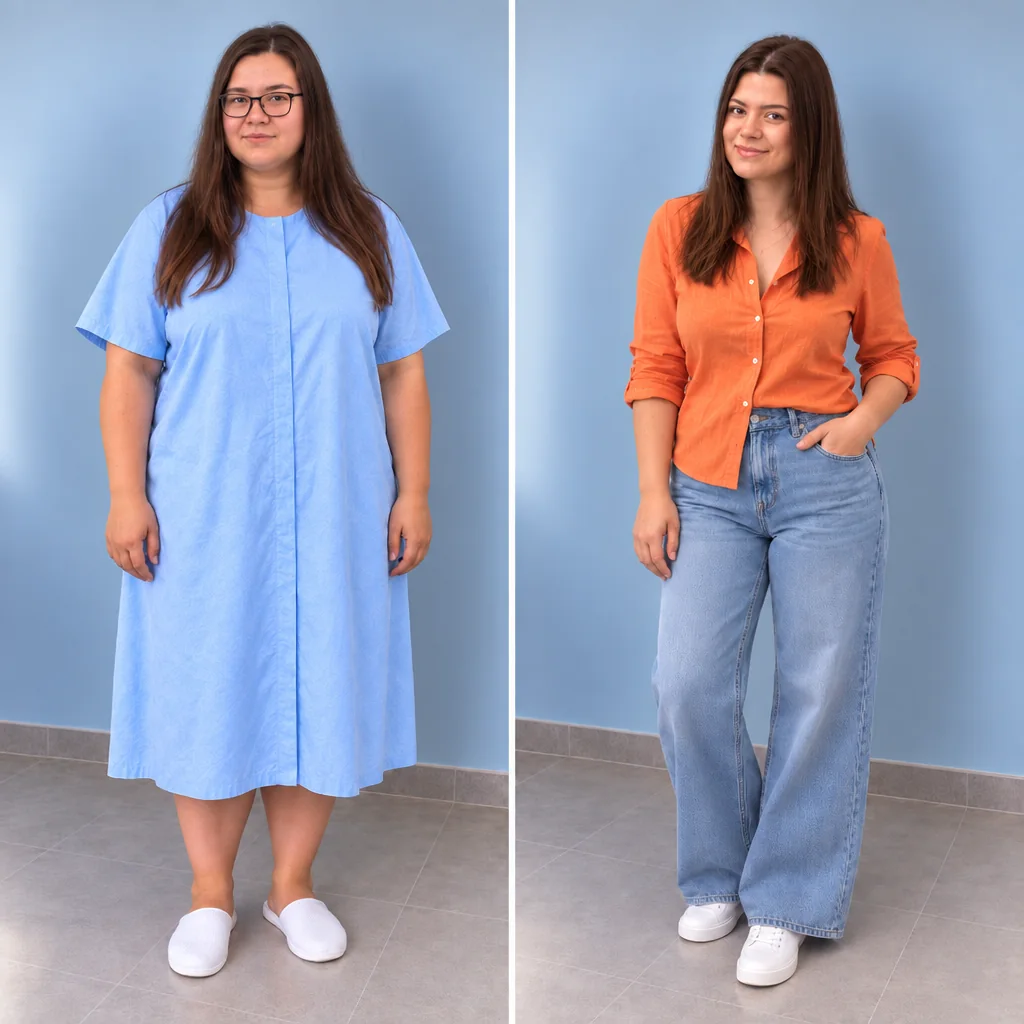 beforeafter
Bariatric surgery
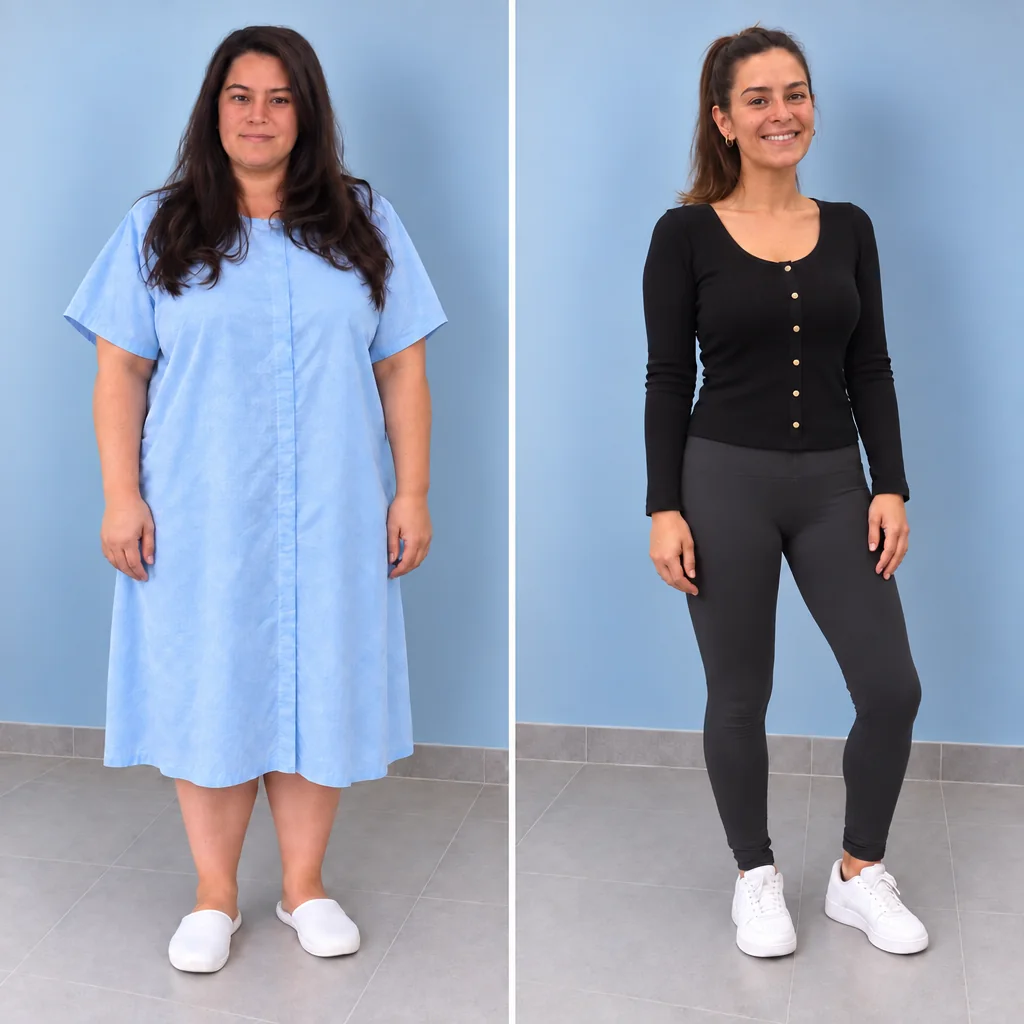 beforeafter
Bariatric surgery
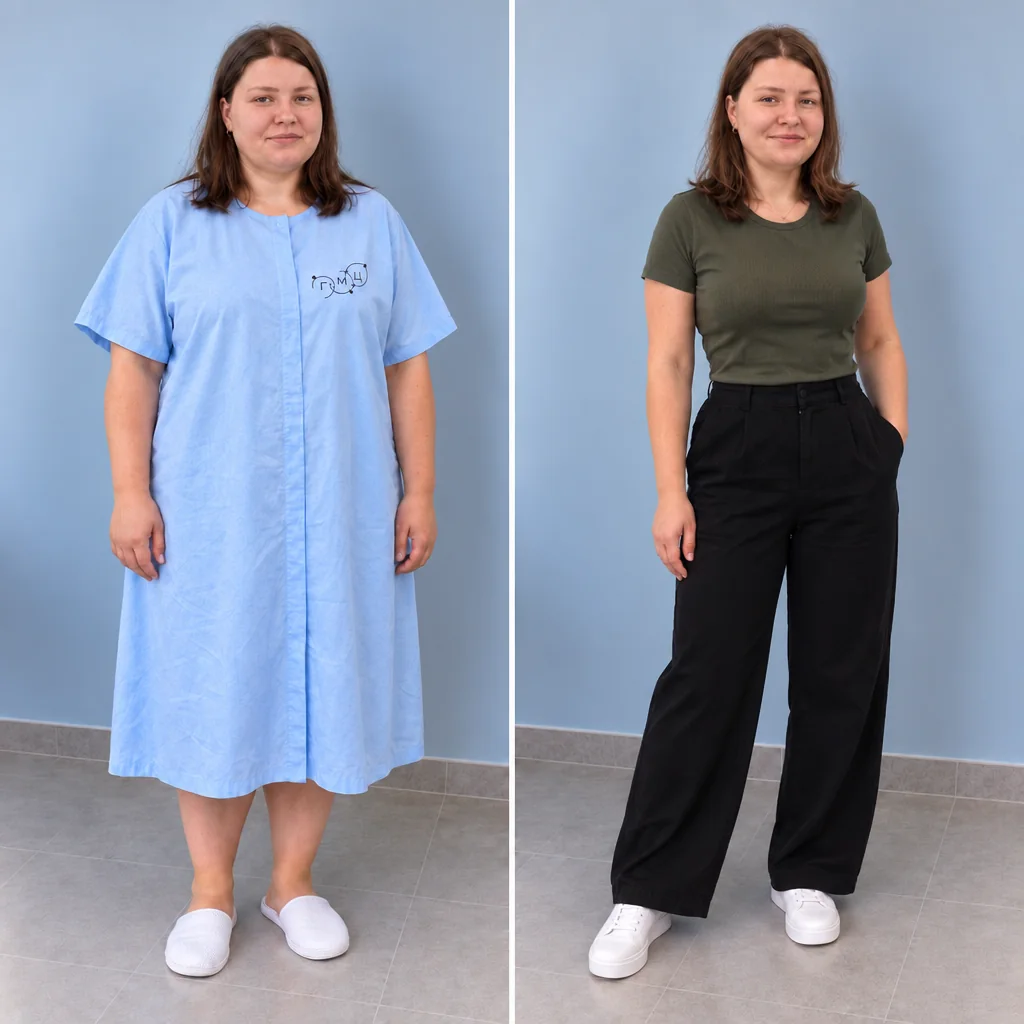 beforeafter
Bariatric surgery
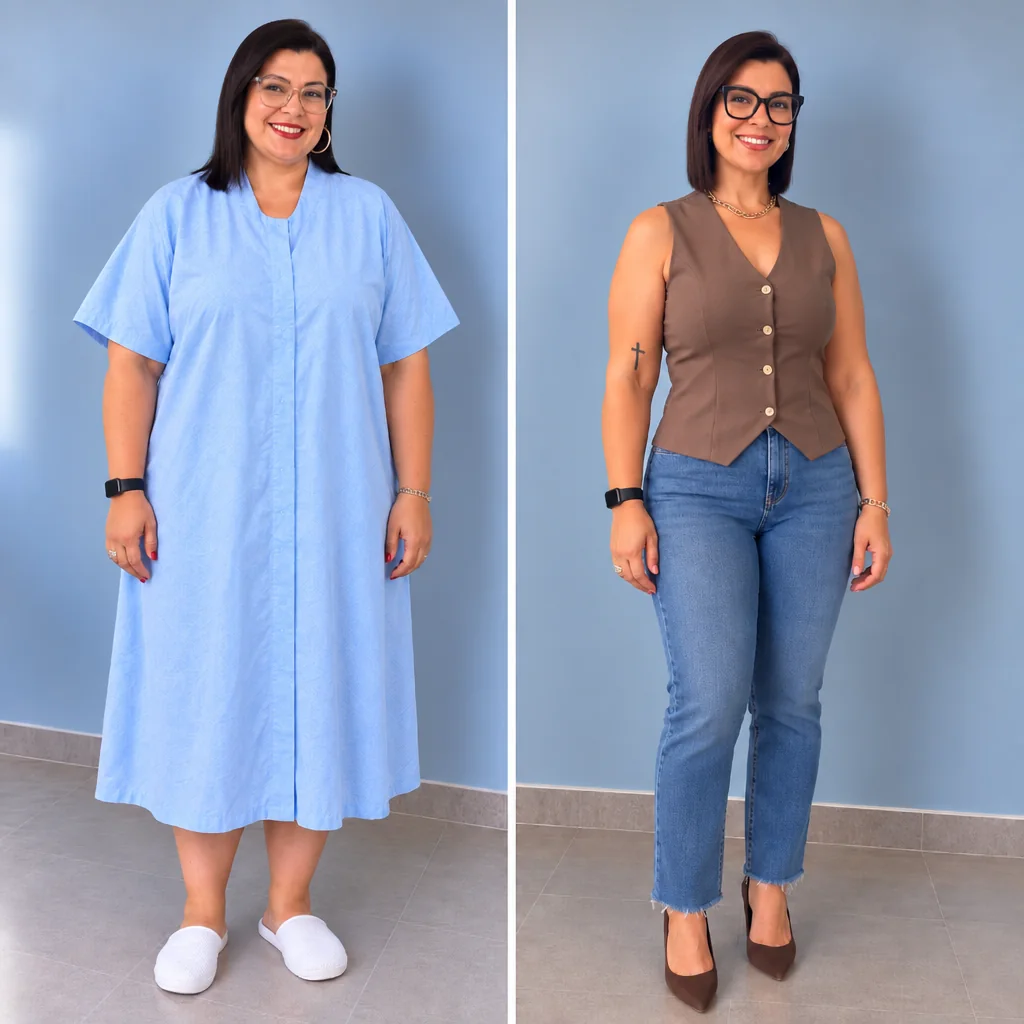 beforeafter
Bariatric surgery
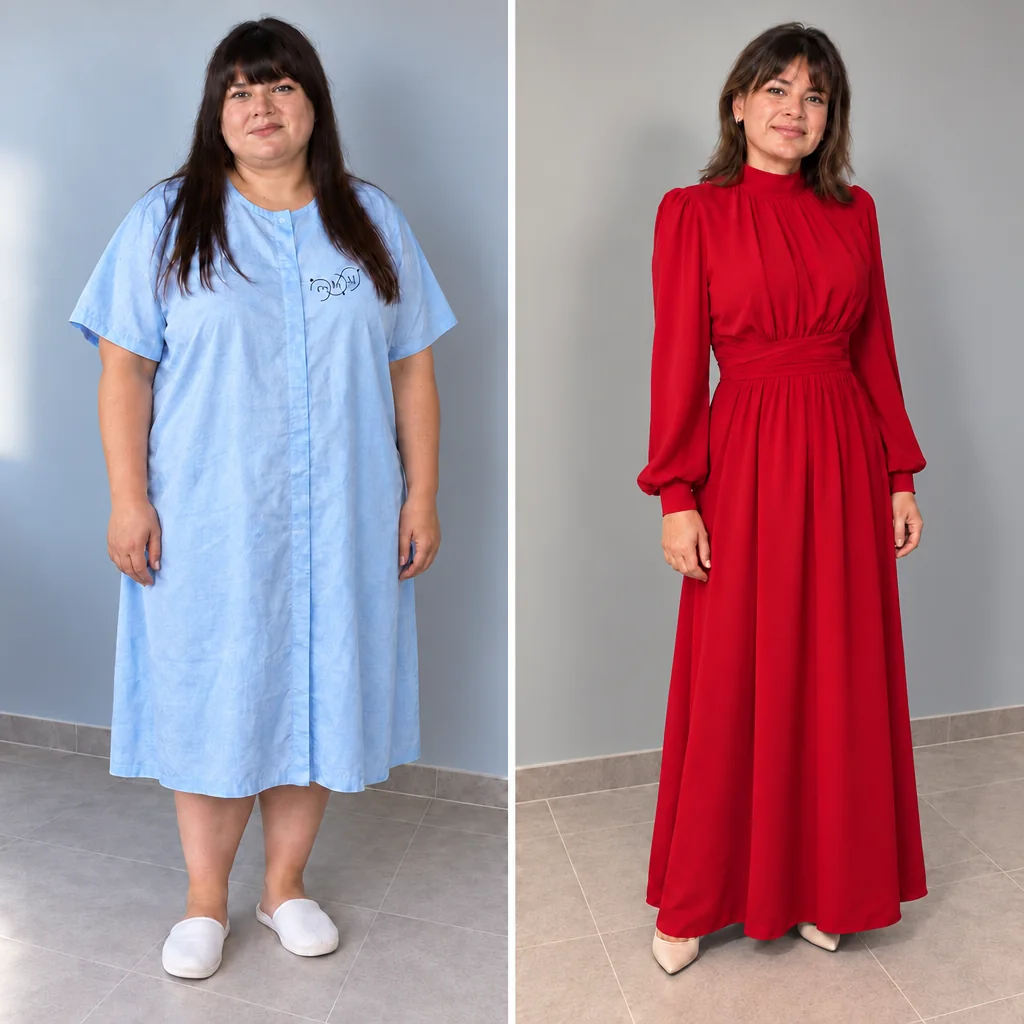 beforeafter
Bariatric surgery
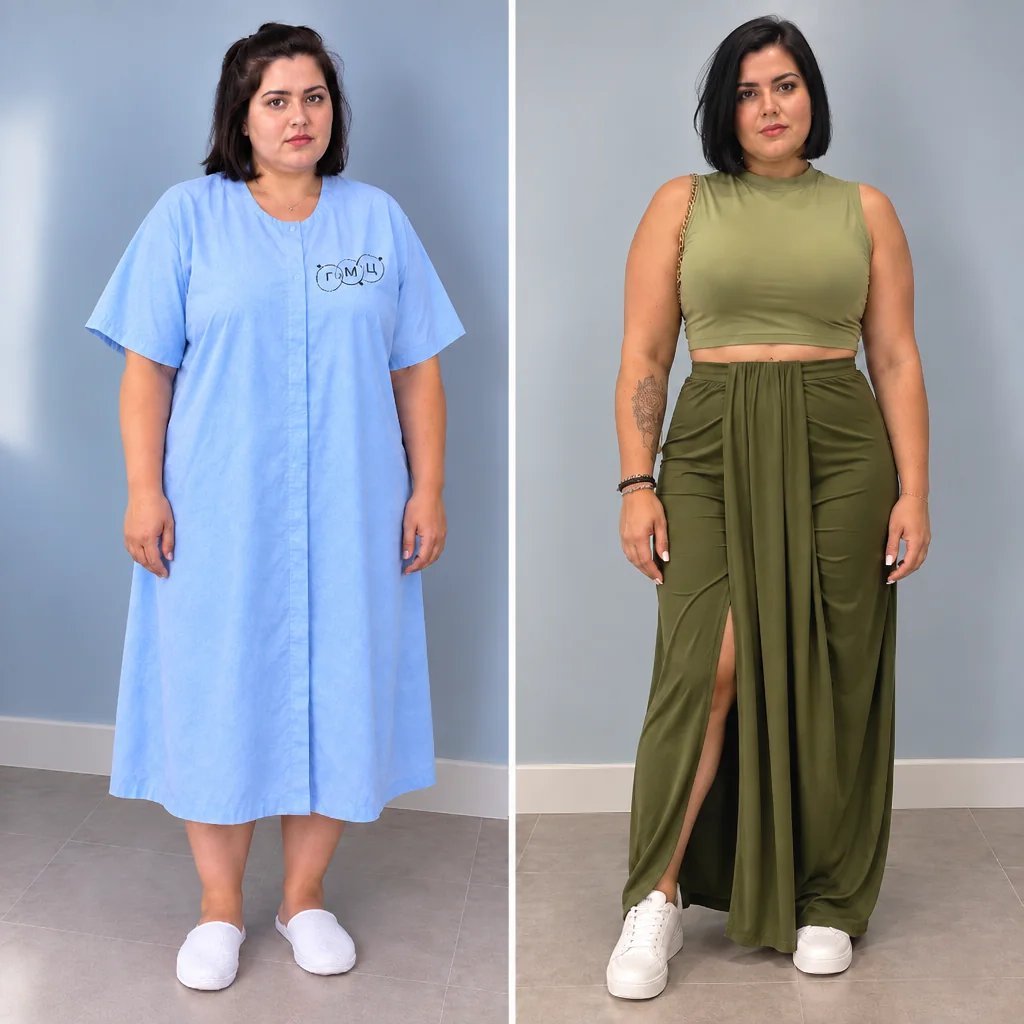 beforeafter
Bariatric surgery
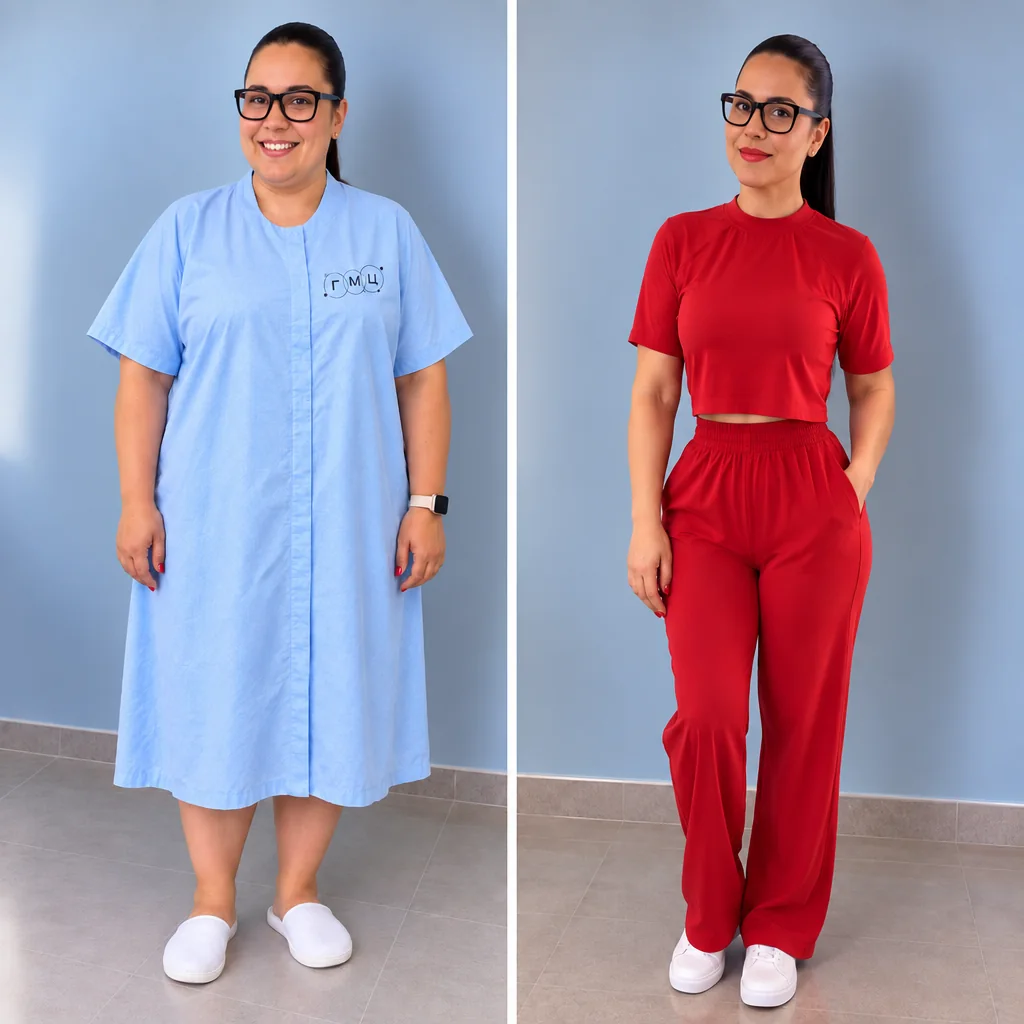 beforeafter
Bariatric surgery
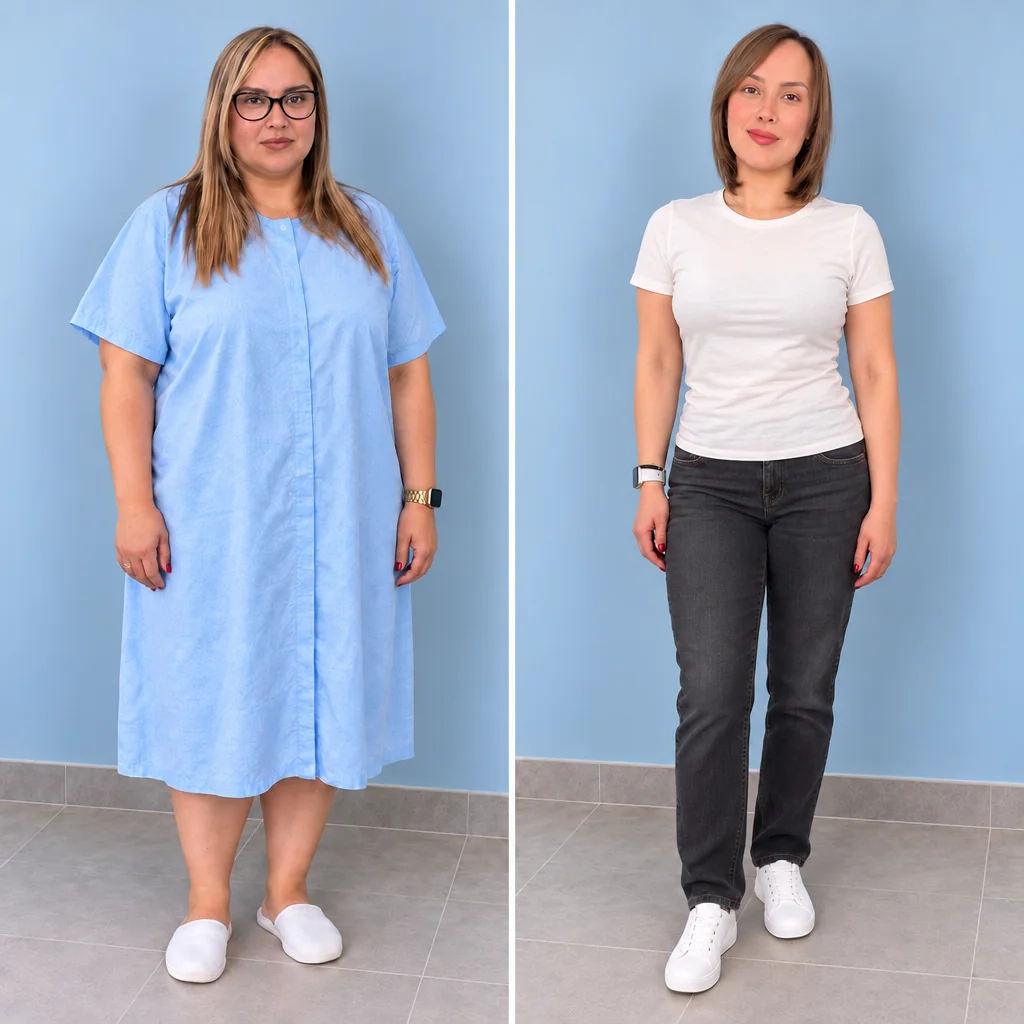 beforeafter
Bariatric surgery
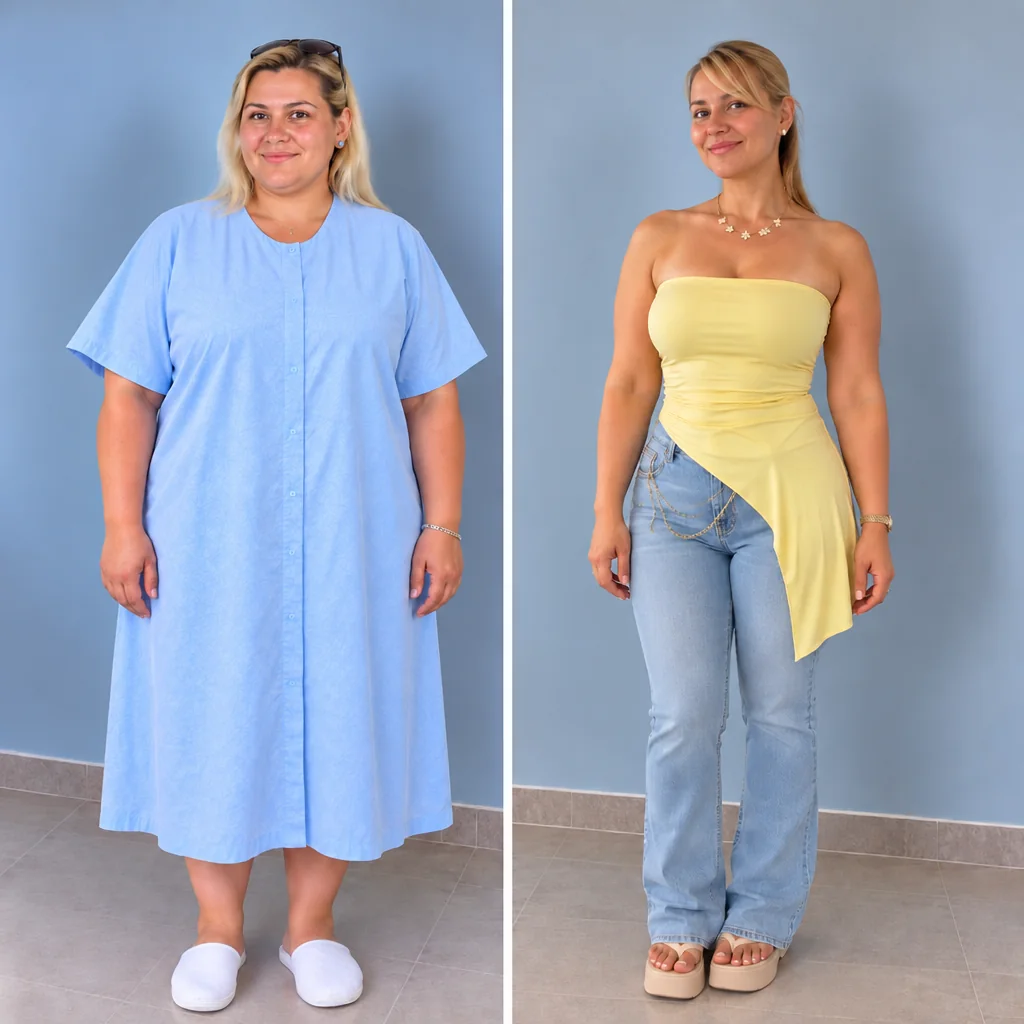 beforeafter
Bariatric surgery
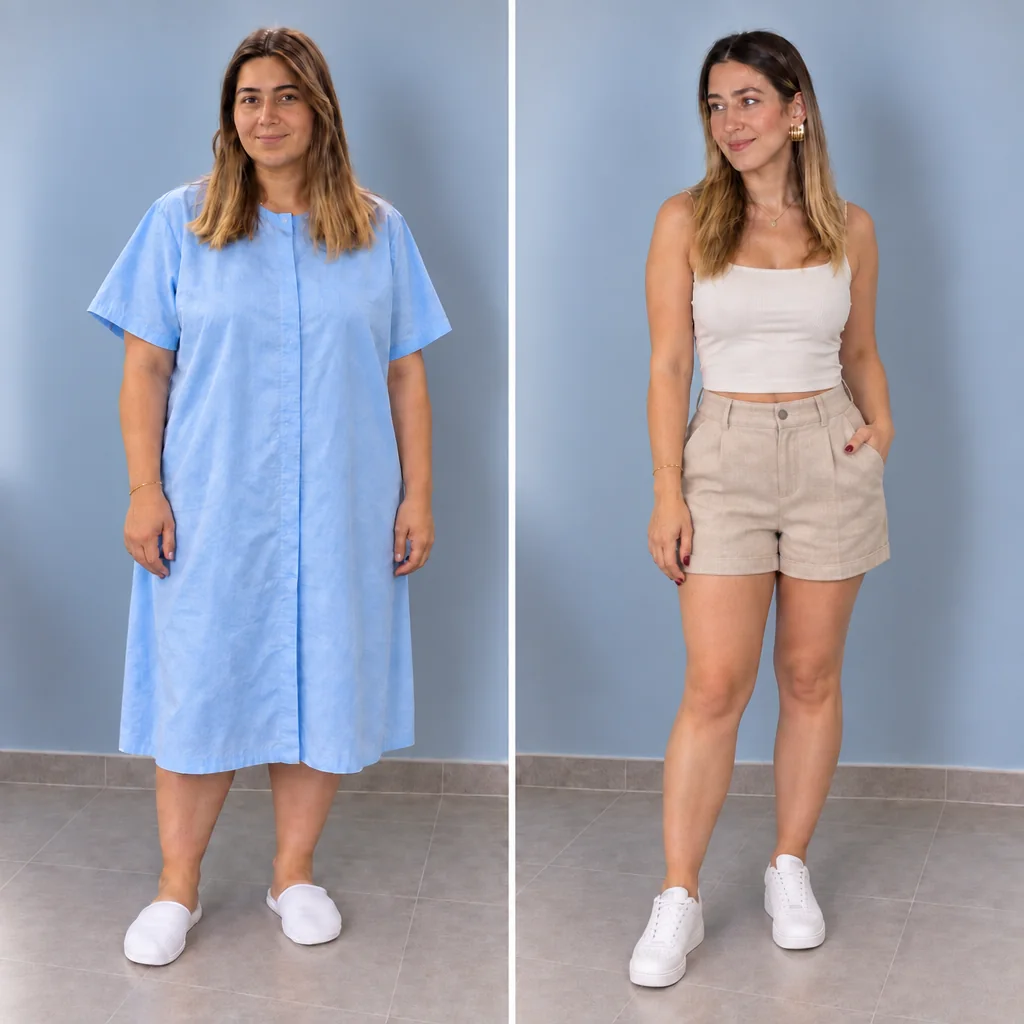 beforeafter
Bariatric surgery
Comparison
Our clinic focuses on two operations, the sleeve gastrectomy and the gastric bypass. Look at the mechanism, the aim and the indications of each before you confidently choose.
A smaller stomach volume
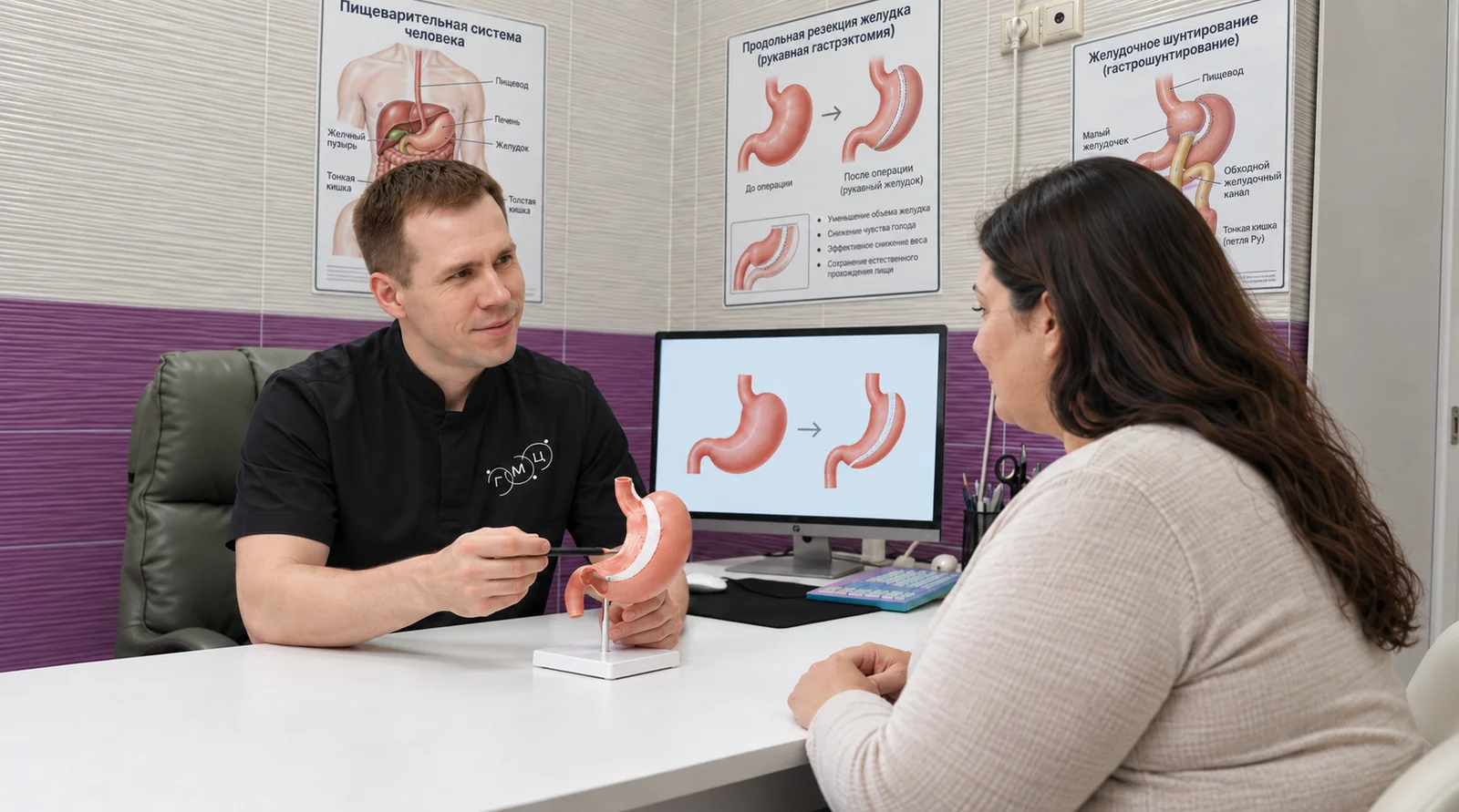
Discounted price
$3,600 $4,800
A smaller stomach volume plus a new route for food
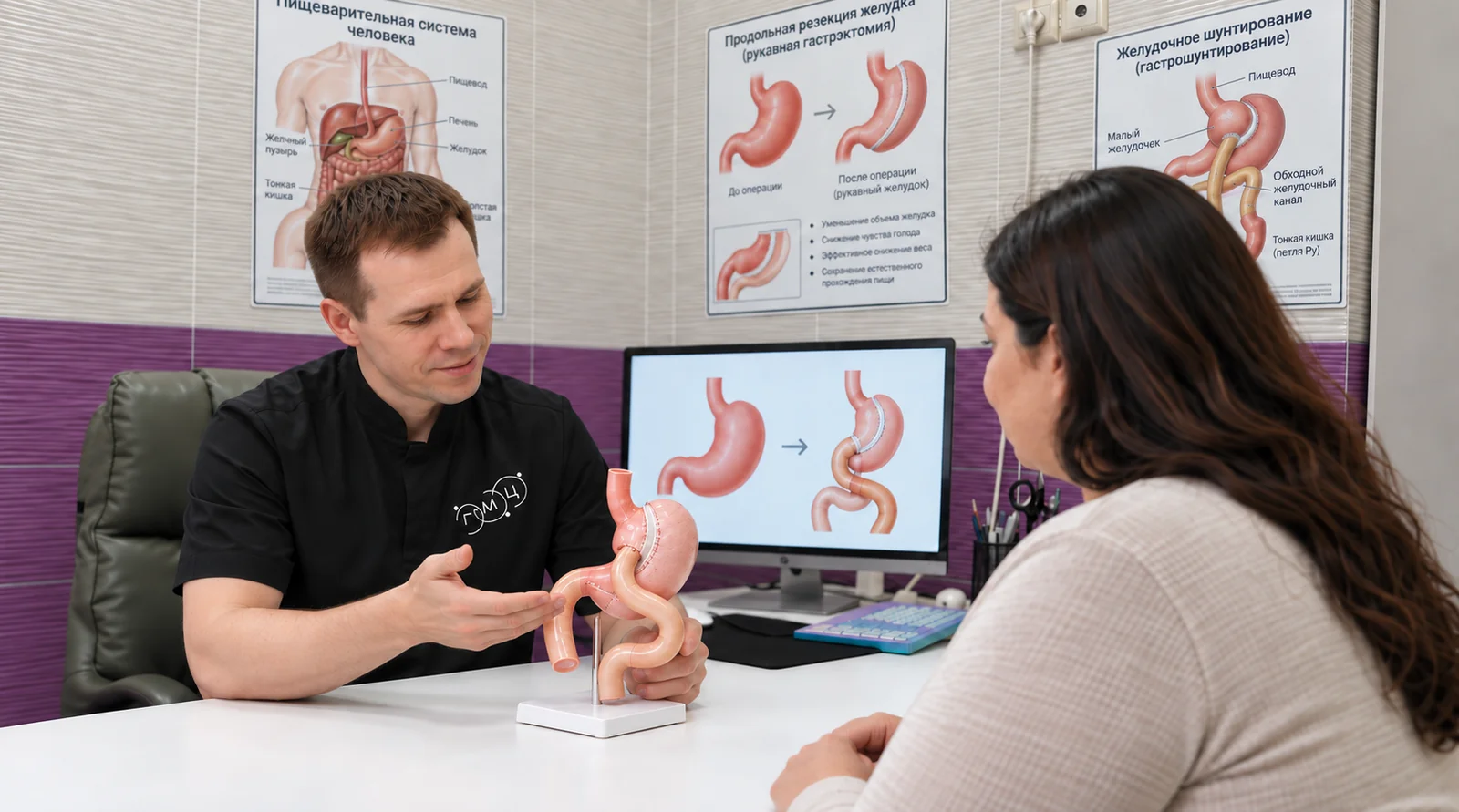
Discounted price
$4,000 $5,200
Shown for guidance, the benefits and recovery times are averages by method. The surgeon confirms the extent of surgery and recovery at the consultation, since they depend on your anatomy and individual features.
Book a consultationAbout us
Each patient gets care, comfortable rooms and modern equipment
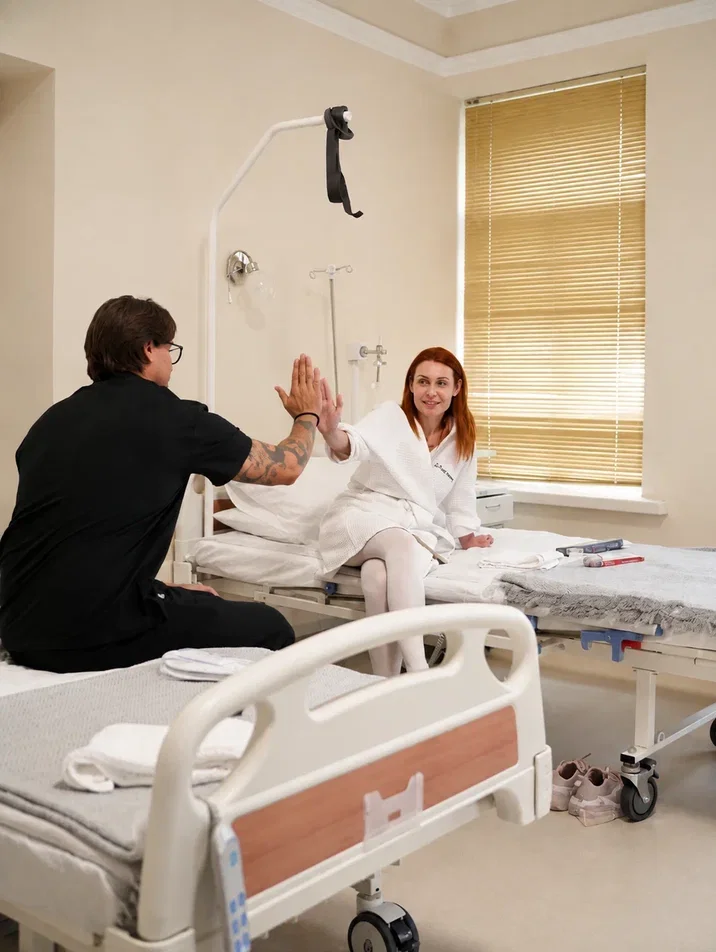
You get answers to your questions and a consultation slot that fits your schedule
Get a consultationYou and the surgeon decide on surgery together, after a consultation and check-up.
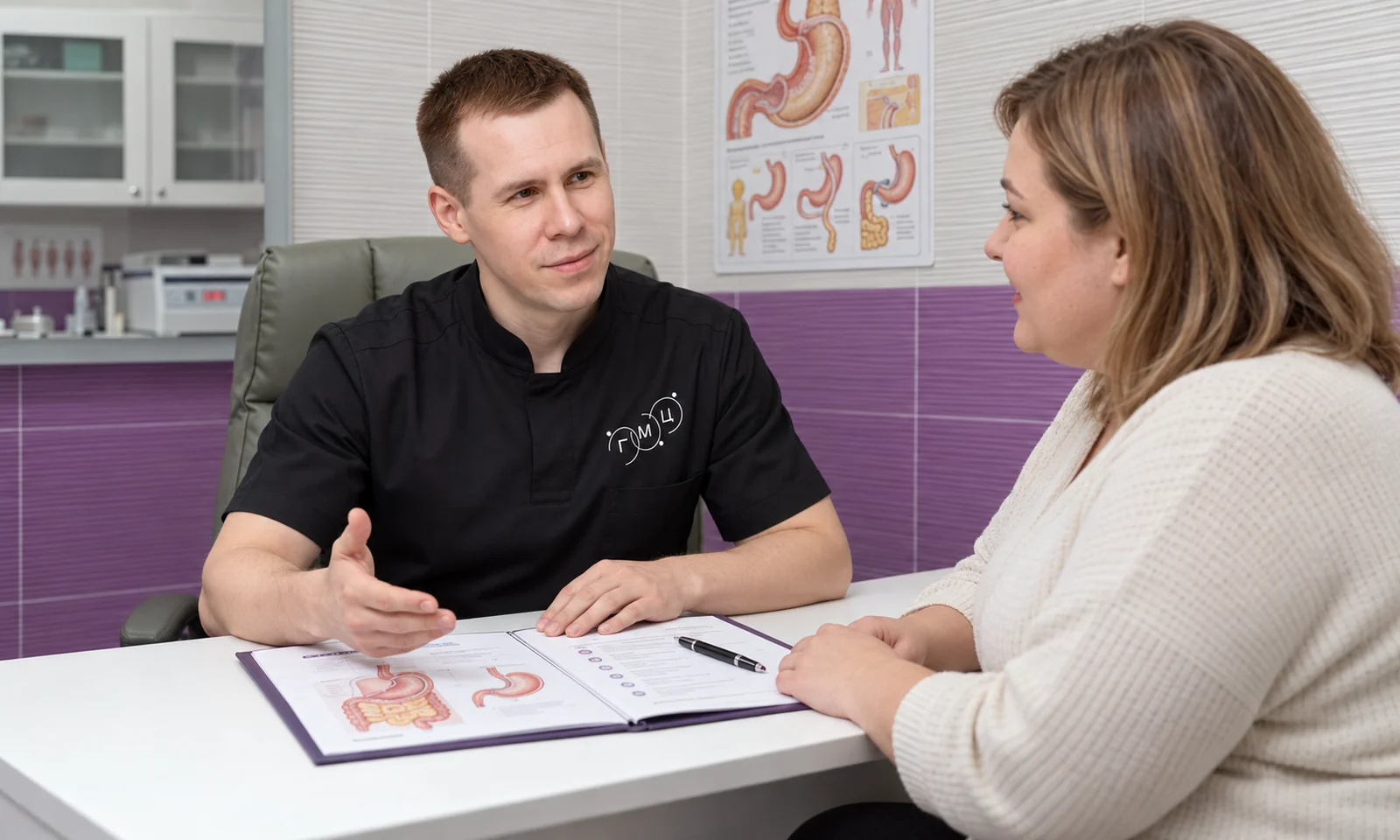
Unsure which column describes you?
Send us a Telegram message to find out from our coordinator if bariatric surgery is right for you. There is no charge for the surgeon consultation and no commitment to surgery.
Find out if it suits me
Prices
When your plan is prepared, the cost is named at the consultation and locked in the contract.
Discounted price
A smaller stomach volume
$3,600$4,800
Discounted price
Weight loss and a new route for food

$4,000$5,200
Free
A treatment plan after the surgeon's examination

Free
the price of surgery is confirmed
and fixed in your contract
Following a health assessment and a talk about your goals, the doctor chooses the right bariatric surgery method. The cost is named at the consultation and set in the contract.
Message our coordinator
Free online consultation · Reply within 15 minutes
Message us on TelegramMessage us on WhatsAppBy messaging us, you agree to our Privacy Policy

price
All in one package, from the preparation stage to 12 months of support — and no extra fees.From preparation for surgery
to support for 12 months.
How it goes
An agreed treatment plan, close monitoring in hospital and support lasting a year.
 1
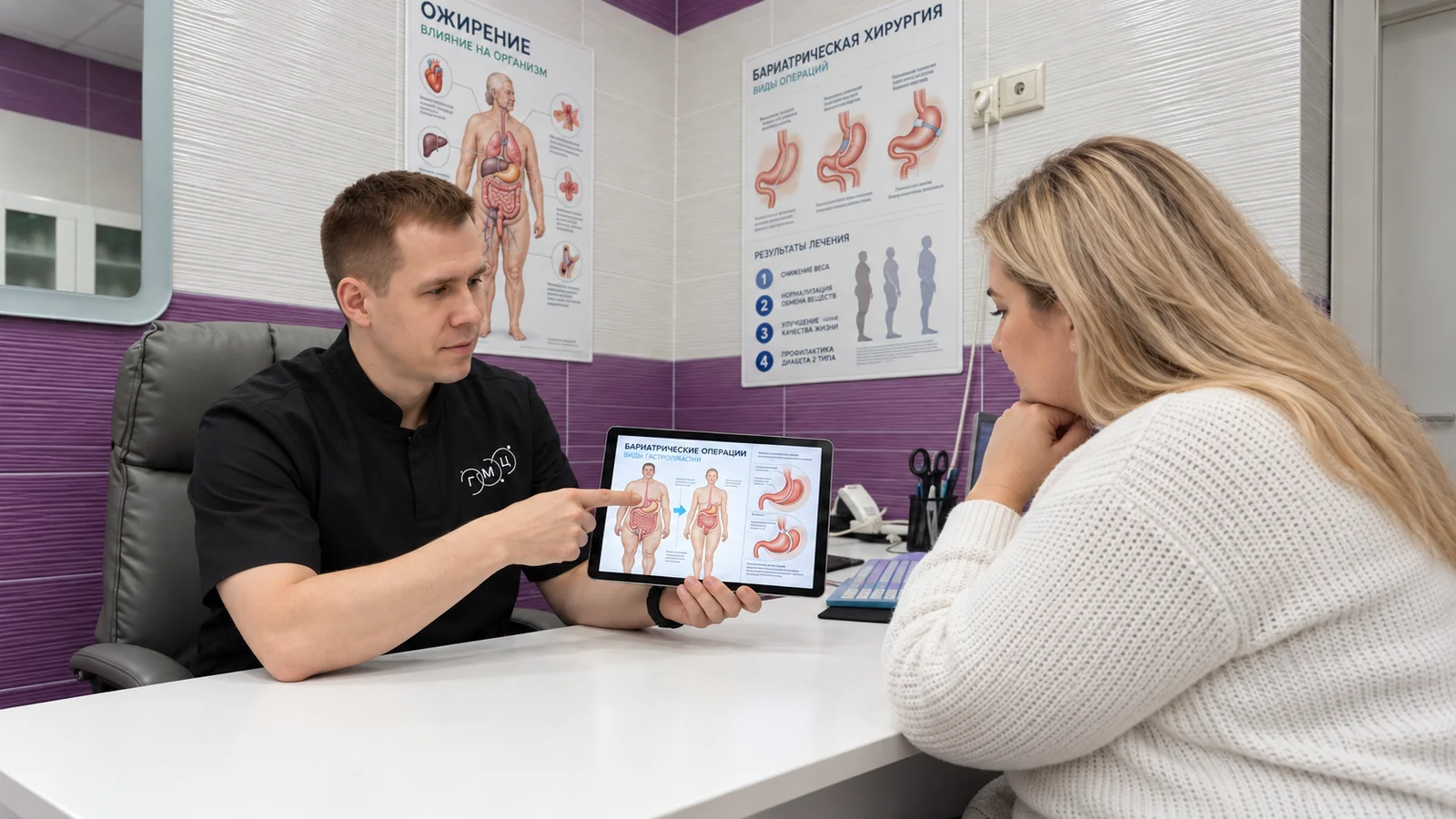
1The doctor evaluates your health, talks through your goals and orders the tests needed to select the right bariatric surgery method.
2To reserve your surgery date, pay the deposit by card at the clinic or online by bank transfer. The terms are fixed in the contract for medical services
 3
3Blood and urine tests, an ECG, an ultrasound, a gastroscopy and specialist visits come before surgery. At the consultation the doctor gives you the exact list.
 4
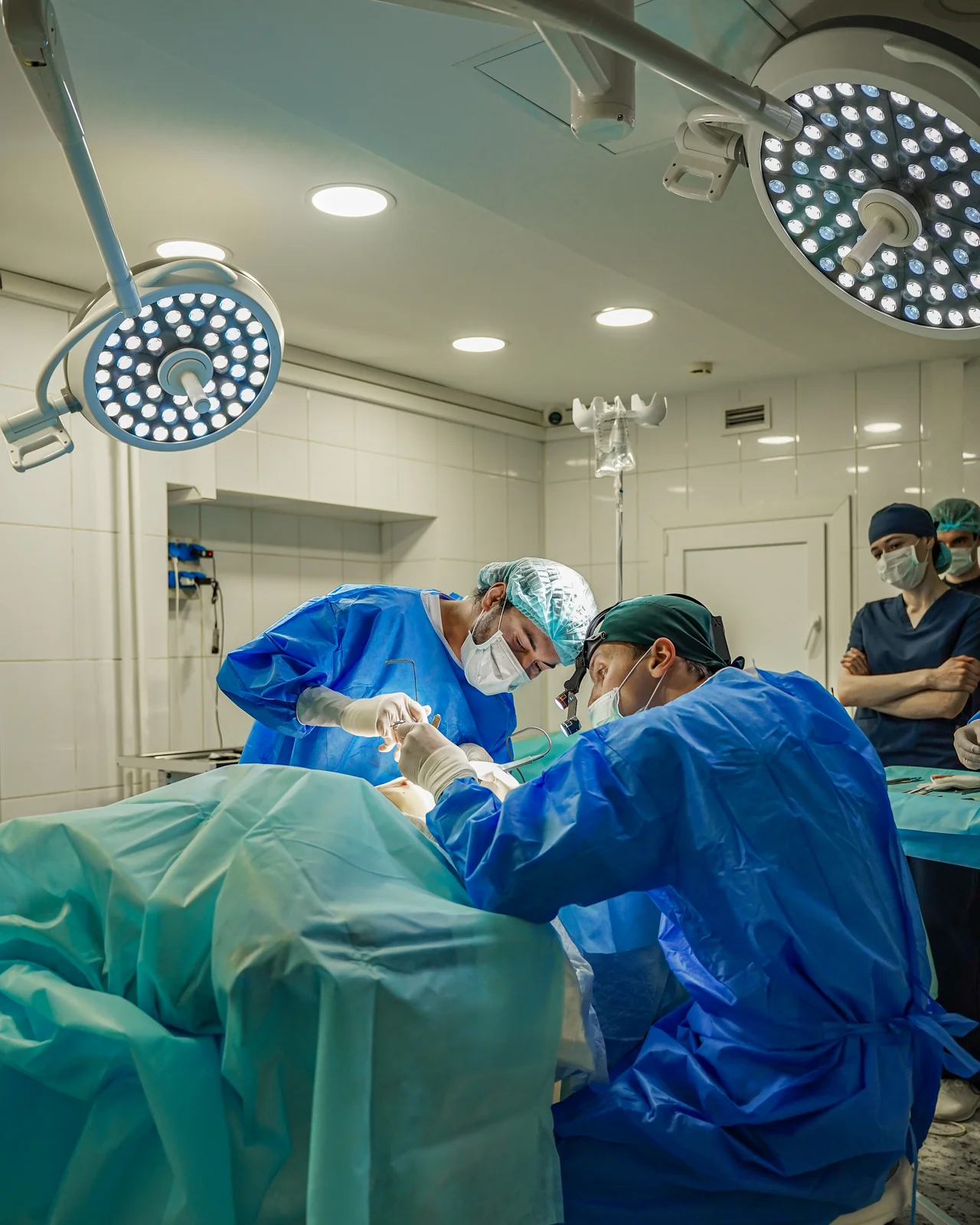
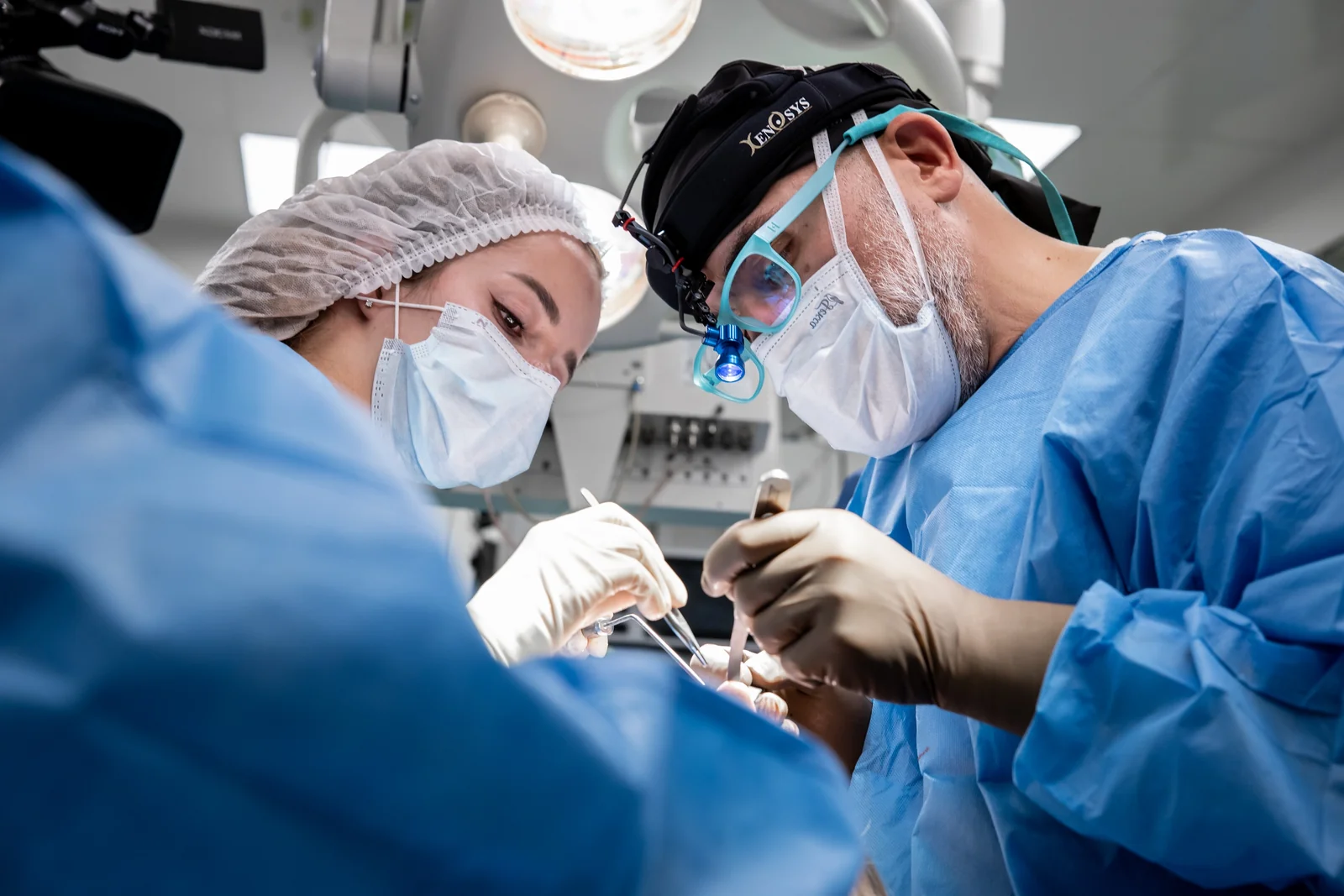
4Using the chosen method, the surgeon performs the bariatric surgery under general anaesthesia. Once it is over, the medical team monitors the patient.
 5
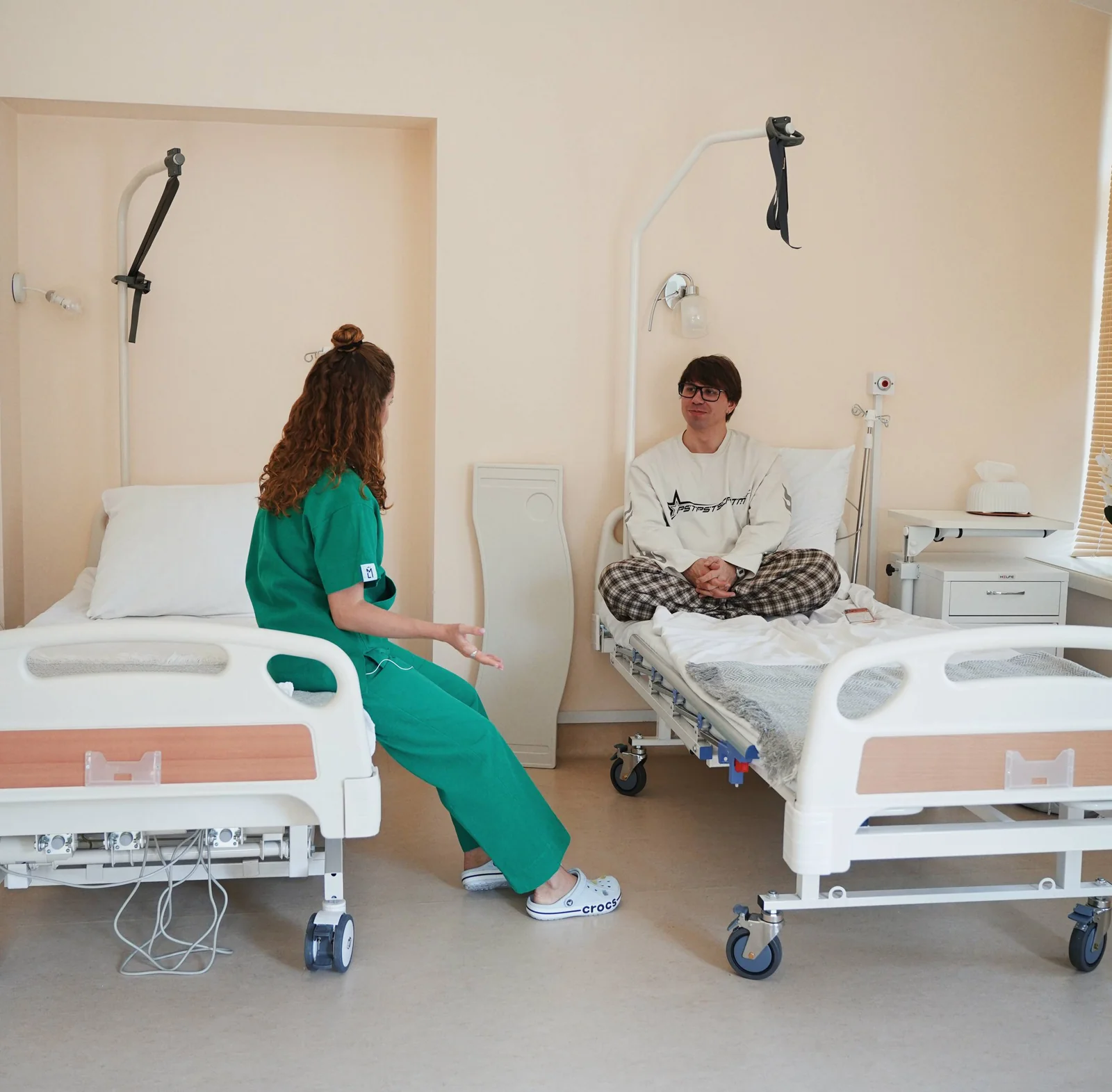
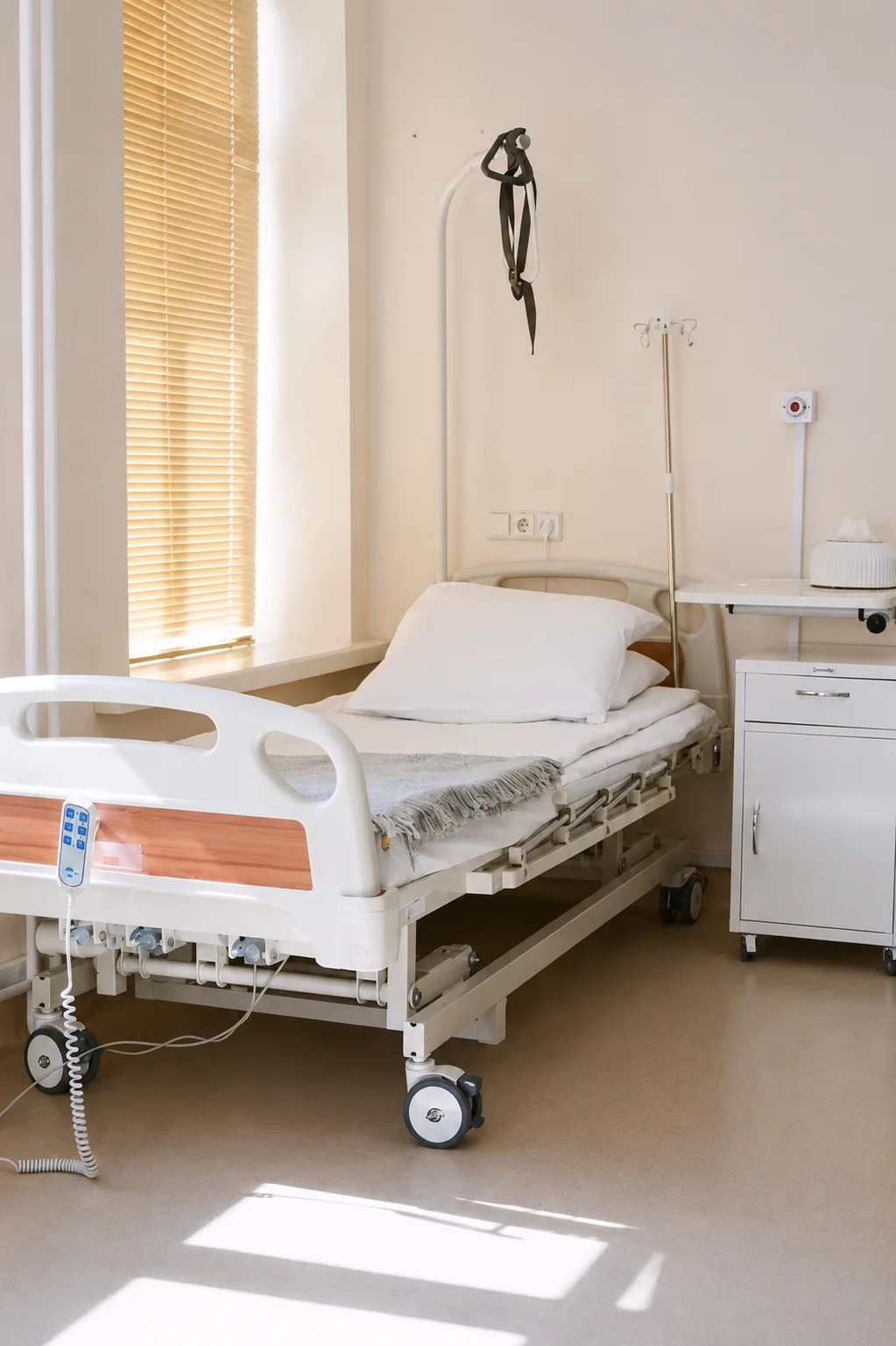
5After surgery, doctors supervise you in hospital. You stay from 1–3 to 4–5 days, depending on the complexity of the operation and your well-being.
 6
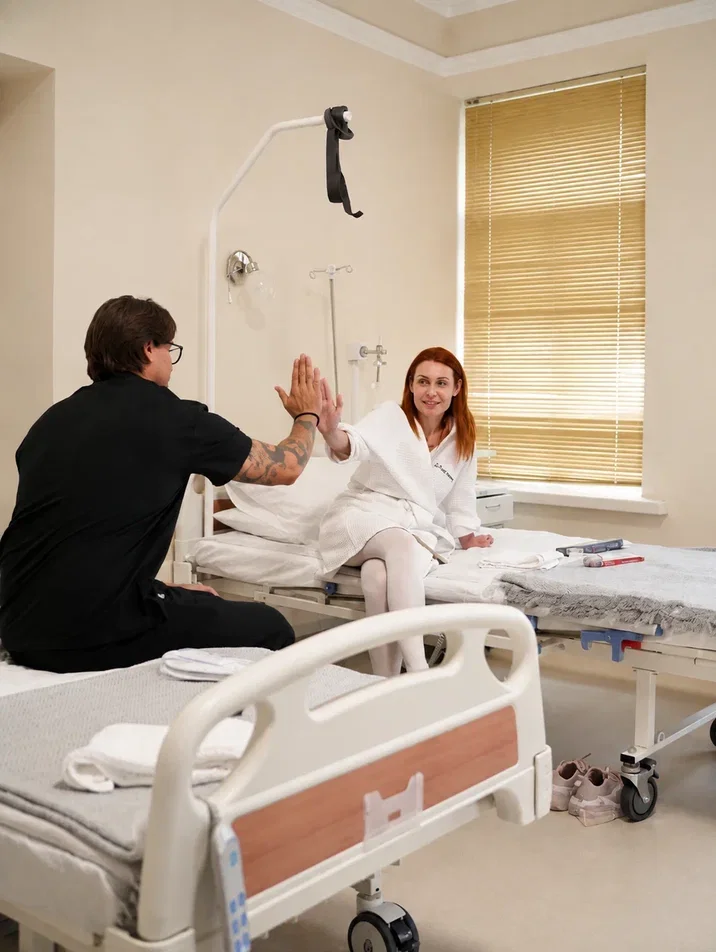
6On discharge you receive diet and recovery advice. Scheduled check-ups monitor how you feel, your weight and your test results, and the clinic team supports you for a year.
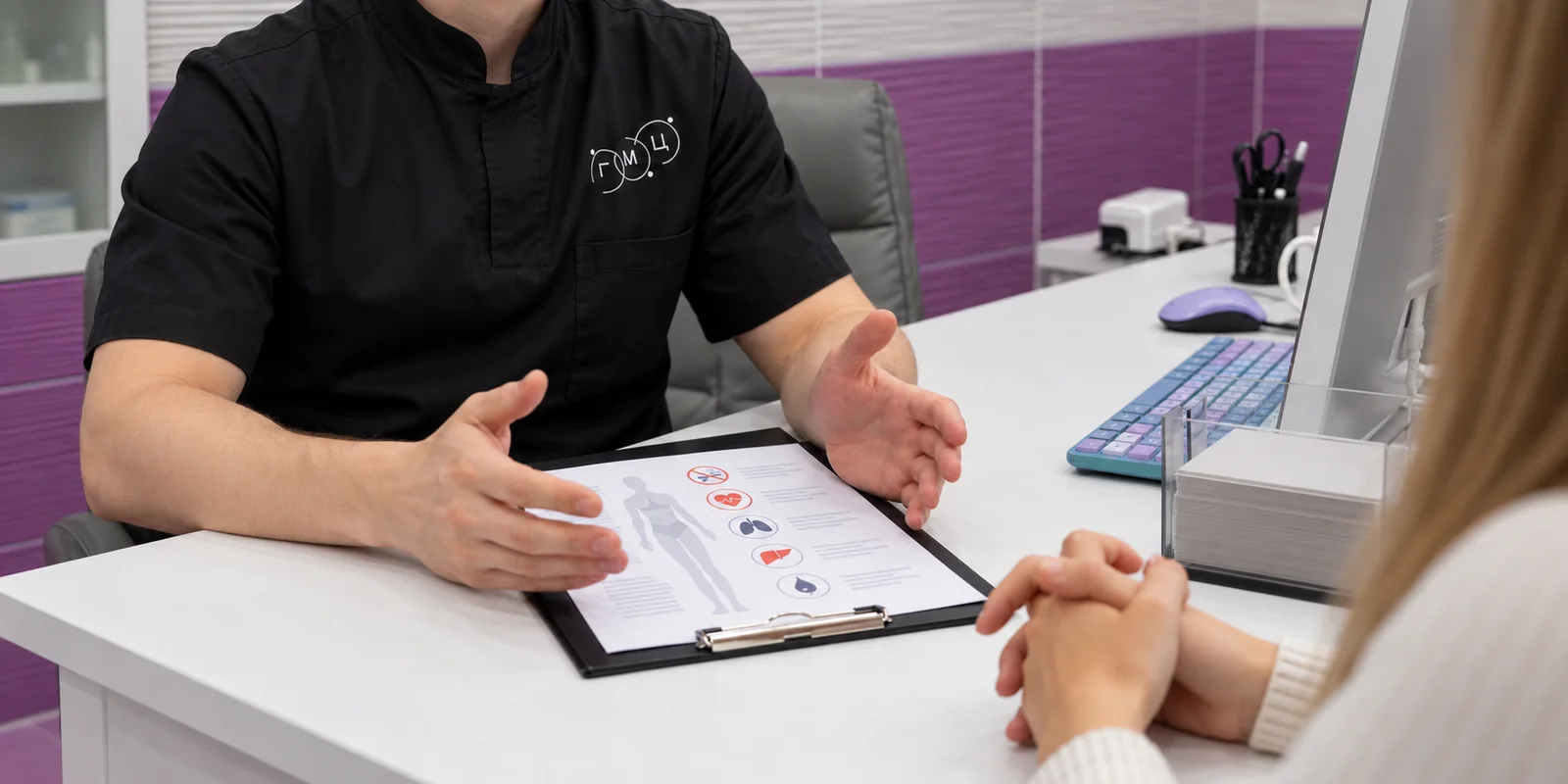
At the consultation the doctor draws up your plan and explains the surgery step by step
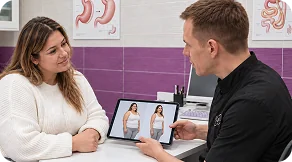
The consultation is free, before surgery and with no obligation.
Book a consultationDoctors

27 years of experience
Senior bariatric surgeon
Surgeon
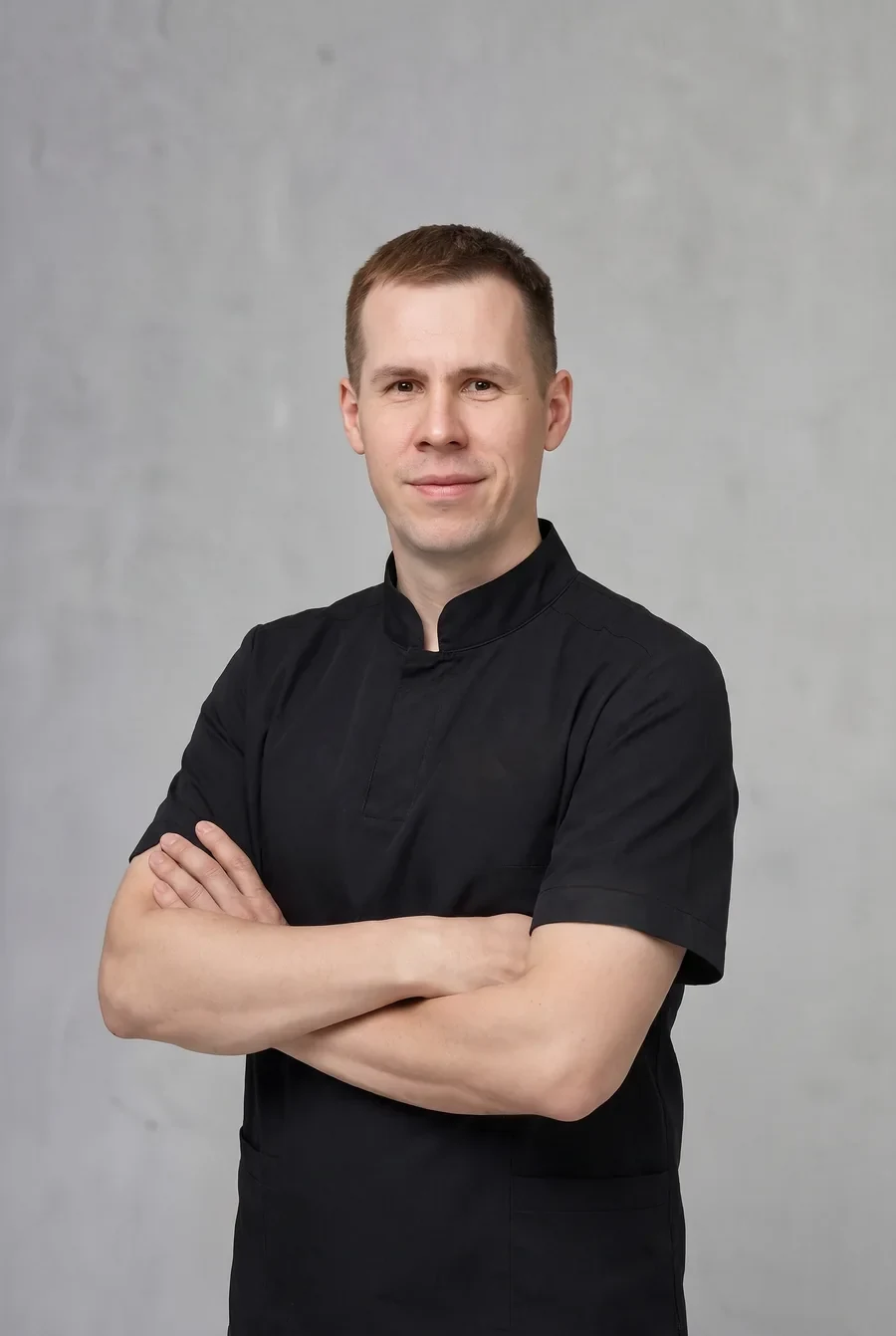
9 years of experience
Bariatric surgeon
Surgical oncologist
The surgeon who operates on you also follows you, from the first consultation to the result.
Free of charge, the first consultation with our patient care manager covers calculating your BMI, explaining the methods and booking you in with the surgeon.
Book a consultationCoordinators
You have our support at every step

The clinic's first contact for you — from your first message until the consultation
Specialist in patient care
Answers your questions before the first consultation and helps select a date that works for you

From the moment you book to discharge — with you before and during your stay
Specialist in patient care
Helps you prepare for surgery and stays in touch during your stay at the clinic

With you all through recovery, from discharge to the final check-up
Specialist in patient care
Keeps in touch as you recover and books your surgeon follow-up visits
Advantages
We select the most suitable method for your health, lifestyle and goals. Our team supports you all the way.
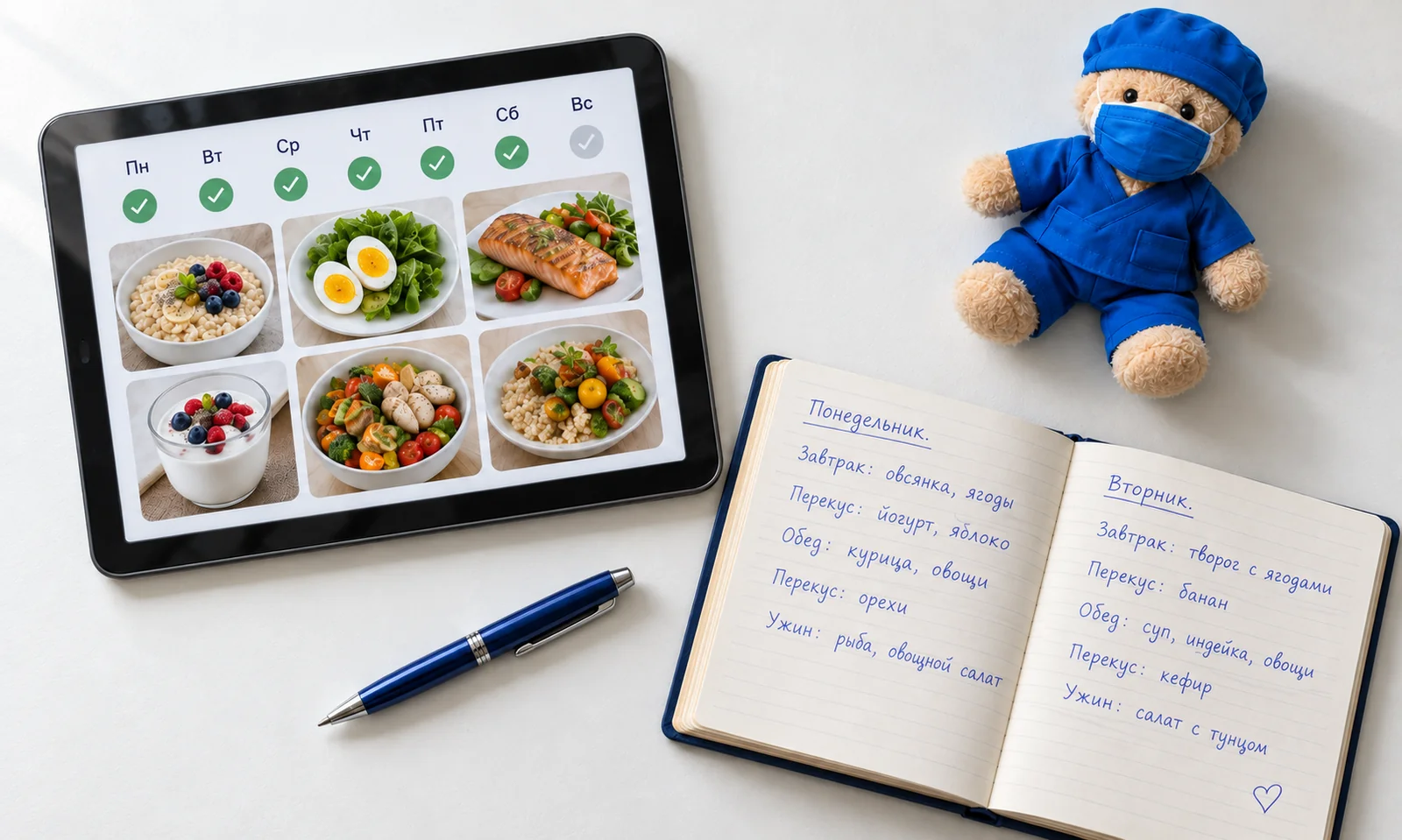
We help you adjust to new eating habits, follow your results and maintain them.

Steady weight loss, feeling better and a higher quality of life.

We work 24/7 out of respect for your time, with easy booking and a personal approach — we adapt to your pace.
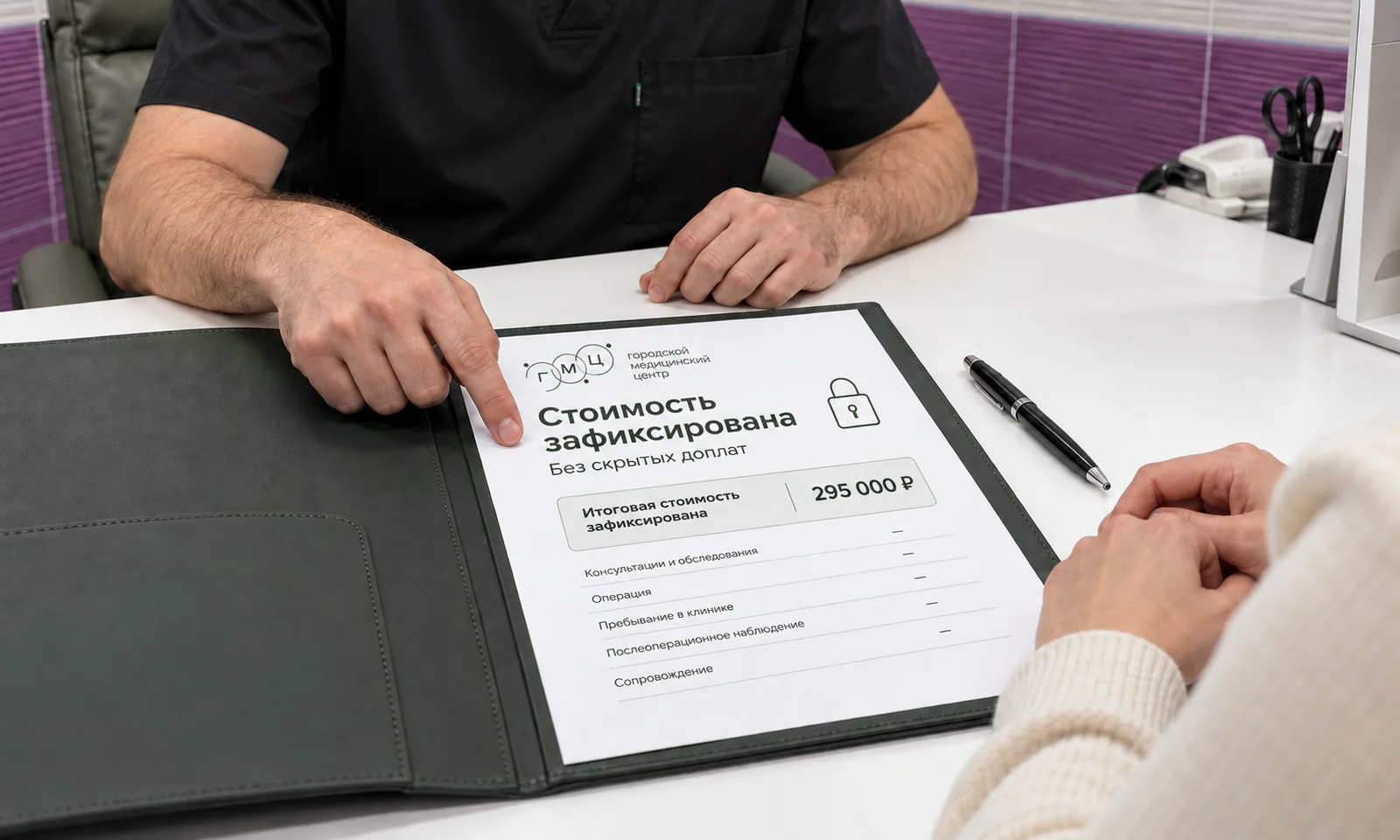
The surgeon decides on the method after the consultation and you get a clear price: no hidden fees, no unexpected costs on the way to your result.
FAQ
At the clinic, bariatric operations are carried out by experienced bariatric surgeons:
Message us — our coordinator will be in touch shortly to arrange your consultation. There is no charge for the bariatric surgeon consultation.
Surgery is prescribed only when clear criteria are met
The main way to assess the degree of obesity is BMI. It is body weight (kg) divided by height squared (m²). Generally, surgery is justified with BMI above 40, or above 35 combined with serious related conditions. Lower values may sometimes be considered for surgery too, when non-surgical measures have failed.
Many people confuse the two, but their goals are fundamentally different. Bariatric surgery is a medical treatment for obesity and related diseases. It changes how the digestive tract works, addressing the causes of excess weight and metabolism. Plastic surgery reshapes the body's outer contours; it does not treat obesity or affect metabolism.
There are four main types of bariatric surgery at City Medical Centre: sleeve gastrectomy, Roux-en-Y gastric bypass, mini gastric bypass (MGB) and SADI-S duodeno-ileal bypass. BMI, related conditions and the patient's goals guide the individual choice of method.
Our surgeons use modern laparoscopic technique: the operation goes through 4 small 5 to 15 mm punctures. With cosmetic sutures, the marks become almost invisible once healed.
The recovery timeline depends on your activity. Office work: after 2–4 weeks. Physical work: after 1.5 months. Sport and activity: swimming allowed from 30 days, other exercise added gradually as weight comes down. Travel and holidays: best planned at least a month after surgery.
The diet evolves in steps — from liquids to soft, then solid food — with a focus on protein and limits on high-calorie, fatty food.
Pregnancy is an option after bariatric surgery, but doctors advise waiting at least 12–18 months. By then the body has stabilized, weight has reached target values and nutritional status has normalized.
Yes, vitamins become essential after bariatric surgery. The changed digestive anatomy lowers absorption of some nutrients, so regular vitamin and mineral supplements turn into a permanent part of the patient's life.
Regaining weight after bariatric surgery is possible, yet very unlikely when you stick to the doctor's advice. The keys are proper nutrition, no high-calorie drinks and regular check-ups with City Medical Centre specialists.
Prices are in US dollars; the amount in brackets is an approximate conversion to IQD at the rate of 02.10.2026. The final price is fixed in your contract.
Prices start from $3,600 (≈ IQD 4,750,000). The surgeon sets the final price at the free consultation, and it is fixed in the contract, with no hidden extras.
General anaesthesia, a personal coordinator from day one, monitoring in the hospital and support for one year.
The hospital stay is 1–5 days, depending on the method and how you feel. Office work is possible after 2–4 weeks.
Yes. The first consultation is free and does not oblige you to anything. You can start online by sending a message to the coordinator.
Message us on WhatsApp or Telegram using the buttons below. A coordinator will answer your questions and book a free consultation where the doctor names the exact price.
By messaging us, you agree to our Privacy Policy
SADI-S combines a sleeve with intestinal bypass in two stages and is one of the most powerful bariatric operations, with 80–90% excess weight loss and a long-lasting result. It suits super obesity with a BMI over 50, severe type 2 diabetes, or a second stage after an ineffective sleeve. Anyone in Hillah in these situations can discuss it at a consultation.
Eating changes in stages. A staged diet lasts 1–2 months, moving from liquid to soft to solid food so the stomach can adapt, with the focus on protein and limited high-calorie, fatty dishes. Following specialist advice, patients lose on average 10% of excess weight per month. Those from Hillah build stable eating habits that keep the weight from returning.
A permanent team — not a duty shift — handles your case, and the whole package is transparent. Included are the operation, 24/7 care in the ward, meals, nursing and a personal coordinator from day one, plus support throughout the first year. Hillah patients also get a contractual result guarantee. Book a free consultation to discuss your situation.
Well-known people who spoke openly about this operation, in their own words.
 Al Roker and gastric bypass: twenty years of talking about it honestlyAl Roker had gastric bypass surgery in March 2002 and has talked about it for 20 years. His words, how the operation works and what recovery involves.
 Did Graham Elliot have weight-loss surgery? Yes, and he did it for his familyChef Graham Elliot had weight-loss surgery in 2013, saying it was what he needed to do for his family. His words, the operation and recovery.
 Did Randy Jackson have gastric bypass surgery? Yes, and he still talks about maintaining itRandy Jackson had gastric bypass surgery in 2003 and lost 114 pounds. His own words, how the operation works today and what recovery involves.
 Remi Bader and her weight-loss surgery: what she actually saidRemi Bader said in 2023 she had weight-loss surgery removing 80% of her stomach and lost 140 lbs. What she said, how the operation works, and recovery.
 Did Rex Ryan have weight-loss surgery? Yes, and he says it has been greatRex Ryan had Lap-Band surgery in March 2010 and lost over 100 pounds. His own words, how weight-loss surgery works today and what recovery involves.
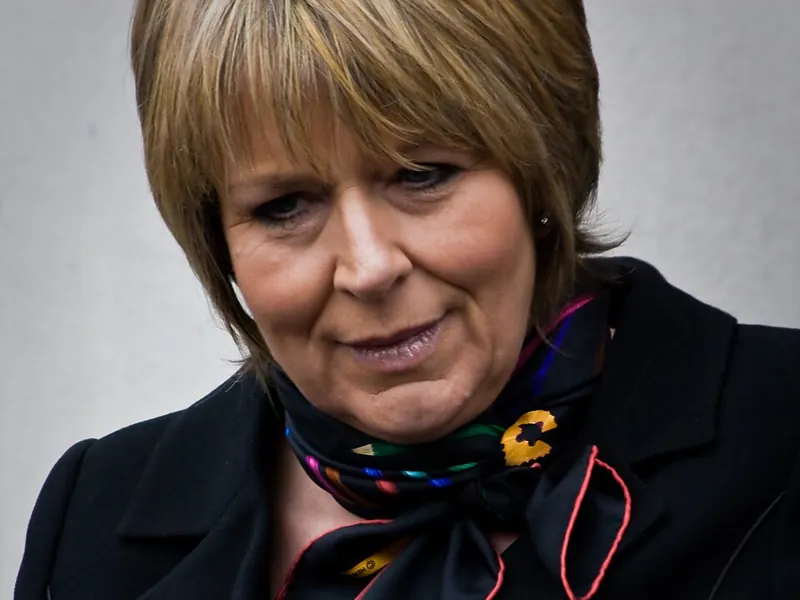 Fern Britton and her gastric band: “I did it for me”Fern Britton said in 2008 that she had a gastric band fitted two years earlier. Her words, how weight-loss surgery has changed and what it involves now.
What patients write after this operation. Reviews are translated from the original language.
Irina, 26
For a long time I doubted whether to go ahead with surgery, but after the consultation I felt much calmer. Andrey Georgievich explained in detail how gastric bypass is done, what to expect after the operation and how recovery would go. I especially liked that they talked to me calmly and without pressure. I am now gradually getting used to my new way of life and I am very glad I took this step.
Bariatric surgery
Doctor: Andrey G. Ugay
Angelina, 22
For me the hardest part was deciding to have the operation. At the consultation Ruslan Sergeyevich answered all my questions in detail and explained the specifics of sleeve gastrectomy and recovery. After the operation I always understood what I was doing and why. Thank you to the doctor and the whole team for their attentiveness.
Bariatric surgery
Doctor: Ruslan S. Menzulin
Anna, 31
For a very long time I tried to deal with my excess weight on my own, but I did not get the result I wanted. After the consultation with Andrey Georgievich I finally understood what to do next. I came through the operation well, and my recovery was supervised by the doctors. It was important for me to feel that I was not left alone after surgery.
Bariatric surgery
Doctor: Andrey G. Ugay
Veronika, 25
Before the operation I had many fears, mostly of the unknown. Ruslan Sergeyevich explained every stage of treatment in detail and answered even the simplest questions. Thanks to that I felt much more confident. I keep following the recommendations and I am gradually seeing the changes I had the operation for.
Bariatric surgery
Doctor: Ruslan S. Menzulin
Valentina, 23
The decision to have bariatric surgery was not easy for me. I worried both about the operation itself and about how my life would change afterwards. At the consultation Andrey Georgievich explained everything in detail, so little by little my fear turned into confidence. What matters most to me now is the result and the chance to treat my health and lifestyle differently.
Bariatric surgery
Doctor: Andrey G. Ugay
Anna, 27
I am very grateful to Ruslan Sergeyevich for his attentiveness. Before the operation I had a huge number of questions, and I got a clear answer to every one of them. After the operation it was also clear which recommendations to follow and how to eat. It was important to me that the doctor stayed in touch and I felt supported at every stage.
Bariatric surgery
Doctor: Ruslan S. Menzulin
Hillah is the capital of Babil Governorate, with an estimated population of around 455,700. Bariatric surgery is not aimed at someone who wants to lose a little weight; it is for people living with obesity and its health consequences: high blood pressure, type 2 diabetes, sleep apnoea, varicose veins, joint disease, fatty liver, or reproductive health problems.
On the other hand, the operation is not performed on anyone under 18, on pregnant women, on people with a blood-clotting disorder, severe chronic illness or acute mental illness, during an active flare of an acute or chronic condition, within six months of stopping breastfeeding, or where a malignant tumour is present. These criteria are reviewed in detail at the consultation before any decision is made.
The process starts with planning, not booking: a free online consultation where the doctor calculates your BMI and reviews your general health, with coordinators reachable 24/7 on Telegram and Telegram for any question.
The decision is made together by the doctor and the patient after examination, not by the doctor alone. The criteria for unsuitability, such as pregnancy, a period too close to the end of breastfeeding, or severe chronic illness, are not arbitrary restrictions; they are directly tied to the safety of general anaesthesia and recovery in the weeks right after surgery.
Iraq's public health system has been free for decades, but public hospitals began charging for individual services in February 2016, and by 2020 the country had around 372 hospitals with a combined 53,802 beds nationwide. That system is built mainly around basic care, while weight-loss surgery remains an elective procedure that each patient arranges privately, outside that framework.
That is why the follow-up plan after surgery matters so much: a full year of surgeon support, scheduled check-ups tracking weight and test results, and the option of remote progress checks by photo between visits.
Average highs in Hillah reach about 41.3 °C in June and 43.6 °C in July, while January stays around 16.4 °C, with almost no rain from June through September. Preparation for bariatric surgery begins two to four weeks beforehand by cutting fast carbohydrates and fats, and a month before by stopping smoking, reducing physical activity and avoiding stress. The day before, meals are switched to light food, and the last fluids come three to four hours before surgery.
Anyone choosing summer should stay well hydrated before that short pre-operative fast and stay in air-conditioned rooms during the last days of preparation. Pre-operative tests usually include blood and urine analysis, an ECG, an ultrasound and a gastroscopy, with the exact list set by the doctor at the consultation. The operation is done under general anaesthesia, with a hospital stay of one to five days depending on the method and how you feel, and most patients return to desk-based work within two to four weeks.
Life in many of Hillah's extended households means frequent family occasions and generous hospitality, which makes changing eating habits after bariatric surgery harder than simply following a diet on paper. Aftercare support therefore focuses on small practical steps: smaller portions at each meal, eating more slowly, and agreeing with the family in advance on what will be served at gatherings close to the surgery date.
Scheduled follow-up throughout the year after surgery helps these habits settle gradually rather than through trial and error, and round-the-clock contact with coordinators on Telegram and Telegram means a question about a specific meal or social occasion can be asked as soon as it comes up.
The available methods include sleeve gastrectomy, Roux-en-Y gastric bypass, mini gastric bypass and SADI-S, chosen individually based on BMI, related conditions and the patient's goals. Sleeve gastrectomy is usually recommended for obesity without marked reflux, while bypass is preferred when type 2 diabetes or reflux is present.
Support after surgery runs for a full year: scheduled check-ups tracking weight and test results, and help adapting to new eating habits, because the long-term success of the operation depends on that follow-up at least as much as on the method chosen.
For anyone working a desk job in Hillah's government offices or schools, returning to that kind of work within two to four weeks means arranging a short leave in advance is easier than waiting until the day of surgery to tell an employer. Anyone in a more physically demanding job may need a little longer, as the surgeon decides afterwards.
The Iraqi Board for Medical Specializations, founded in 1986 and running training since 1988, awards specialist certificates after long training; it now covers 37 specialty programmes with more than 2,505 Iraqi doctors in training. Ask the surgeon about their specific experience with bariatric surgery, how many operations of each method they have performed, and which method fits your BMI and related conditions, and why.
Ask, too, about the checks reviewed before approving surgery and the plan for psychological and dietary support after discharge. Hillah is a university city, home since 1991 to the University of Babylon and its medical college, which makes residents accustomed to asking about precise specialisation before any surgical decision.
In Hillah's markets and neighborly sittings, stories about weight-loss surgery travel faster than any book: that whoever gets a sleeve never eats again, that the operation is for women chasing beauty alone, that everyone regains the weight within a year. A single story crosses from city to city, losing details and gaining exaggerations, and whoever builds a medical decision on a neighbor's tale stays torn between encouragement and warning without ever reaching knowledge.
The test for every story is the same: ask the concerned source, not the listener. The never-eats-again story falls to one question about eating stages afterward, and the honest answer speaks of smaller portions and slower chewing, not permanent deprivation. The beauty-only story falls against the acceptance criteria: the operation is for obesity with companions like high blood pressure and type 2 diabetes, not looks alone, and a surgeon accepting anyone at any weight is the one to worry about. The regain story is checked by asking about the follow-up program running a full year, since the long-term outcome is built by reviews and habits, not reputation.
The tools sit within reach of every Hillah resident: a free online consultation where the doctor calculates your BMI and explains the methods on the table, sleeve, Roux-en-Y bypass, mini bypass and SADI-S, and a second opinion available over the same photos. Coordinators on Telegram and Telegram answer around the clock on whatever tale troubles you, turning a doubtful story into a documented question with a written answer. That is how the rumor dies, not the decision, and what you carry home becomes an examined fact rather than an inherited opinion.
People living with obesity alongside high blood pressure, type 2 diabetes, sleep apnoea, varicose veins, joint disease, fatty liver or reproductive health problems.
Anyone under 18, pregnant women, people with a clotting disorder or severe chronic or acute mental illness, those in an active flare of a condition, and anyone within six months of stopping breastfeeding.
Sleeve gastrectomy suits obesity without marked reflux; bypass suits type 2 diabetes or reflux; mini bypass and SADI-S are chosen for specific cases.
One to five days depending on the method and how you feel, under general anaesthesia.
Usually within two to four weeks, depending on the method and your health.
Iraq's public system focuses on basic care and began charging for individual services in 2016; weight-loss surgery remains an elective procedure arranged privately.
Cut fast carbohydrates and fats two to four weeks before, stop smoking and reduce activity a month before, eat light the day before, and have your last fluids three to four hours before surgery.
With a free online consultation where the doctor calculates your BMI. Coordinators are reachable 24/7 on Telegram and Telegram.
Blood and urine analysis, an ECG, an ultrasound and a gastroscopy, with the exact list set by the doctor at the consultation.
With smaller portions, eating more slowly, and agreeing with the family on what will be served in advance; scheduled follow-up through the year helps these habits settle gradually.
The doctor and the patient decide together after examination; the criteria for unsuitability are directly tied to the safety of anaesthesia and recovery, not arbitrary restrictions.
For a desk job, arranging a short leave of two to four weeks in advance is easier than waiting until the day of surgery to tell your employer.
The nutrition program after surgery rebuilds habits around a smaller capacity, and bread and rice are among the foods a dietitian discusses by quantity and timing, stage by stage, not prohibitions carved in stone. Ask the team directly what meals look like through the first year; a written answer beats any market tale.
A single story is not evidence in any medical field, because people's cases differ at the root: BMI, related conditions, and commitment to follow-up. The evidence is your own plan: your BMI after calculation, the methods presented to you with reasons, and the follow-up program running a full year. Whoever compares his story against a written recommendation finds the gap between the tale and the case obvious on its own.
Page medically reviewed by Andrey G. Ugay, lead bariatric surgeon. Review date: .