City Medical Centre · multi-specialty surgery clinicOpen 24/7

Tummy tuck

Tummy Tuck with Diastasis Repair in Ramadi

Free consultation

Price at consultation

The price is fixed in the contract before surgery
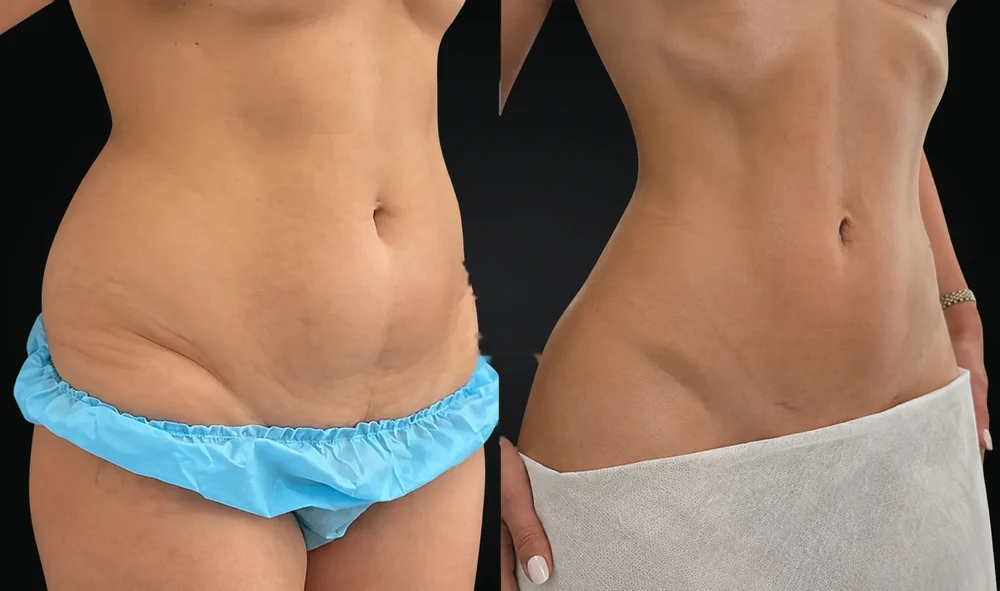
Real case
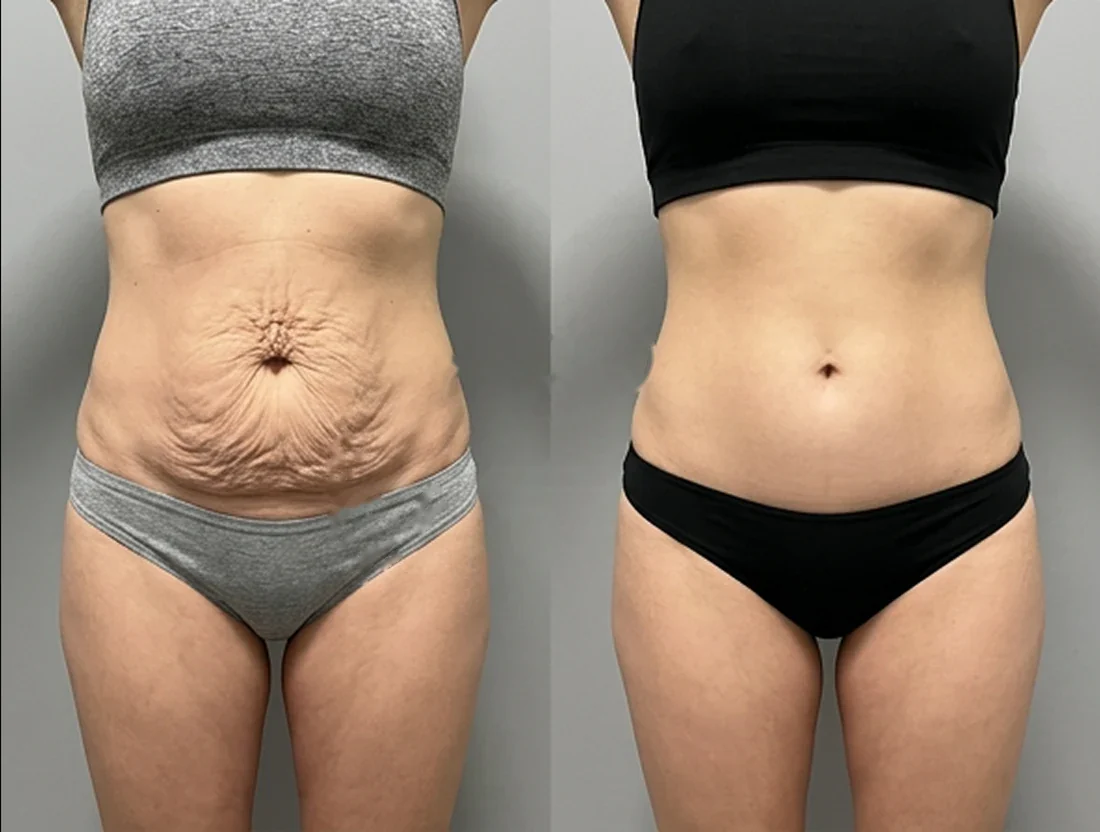
Tummy tuck: a patient's abdomen before and after surgery before after
A flat tummy and a toned silhouette in one operation. Your individual surgical plan and the expected result are discussed at the consultation

Message our coordinator

Free online consultation · Reply within 15 minutes

Message us on Telegram

By messaging us, you agree to our Privacy Policy

Results

Tummy tuck results
of our patients

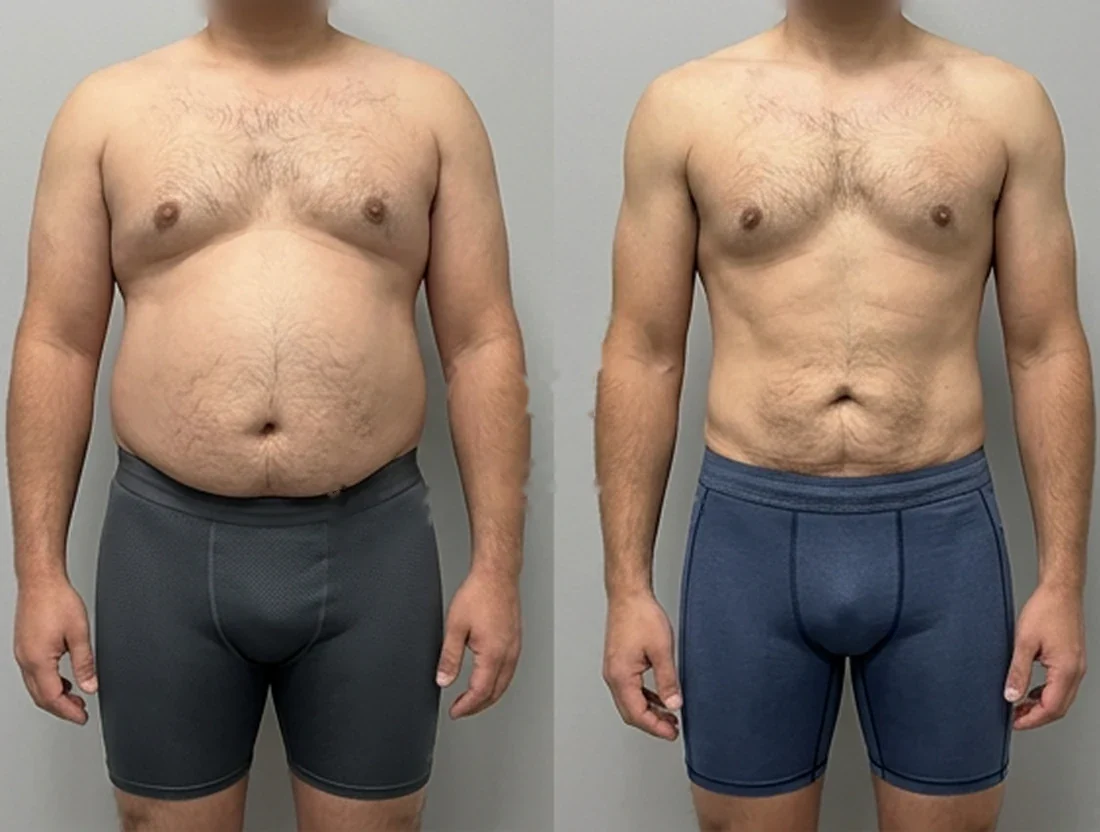
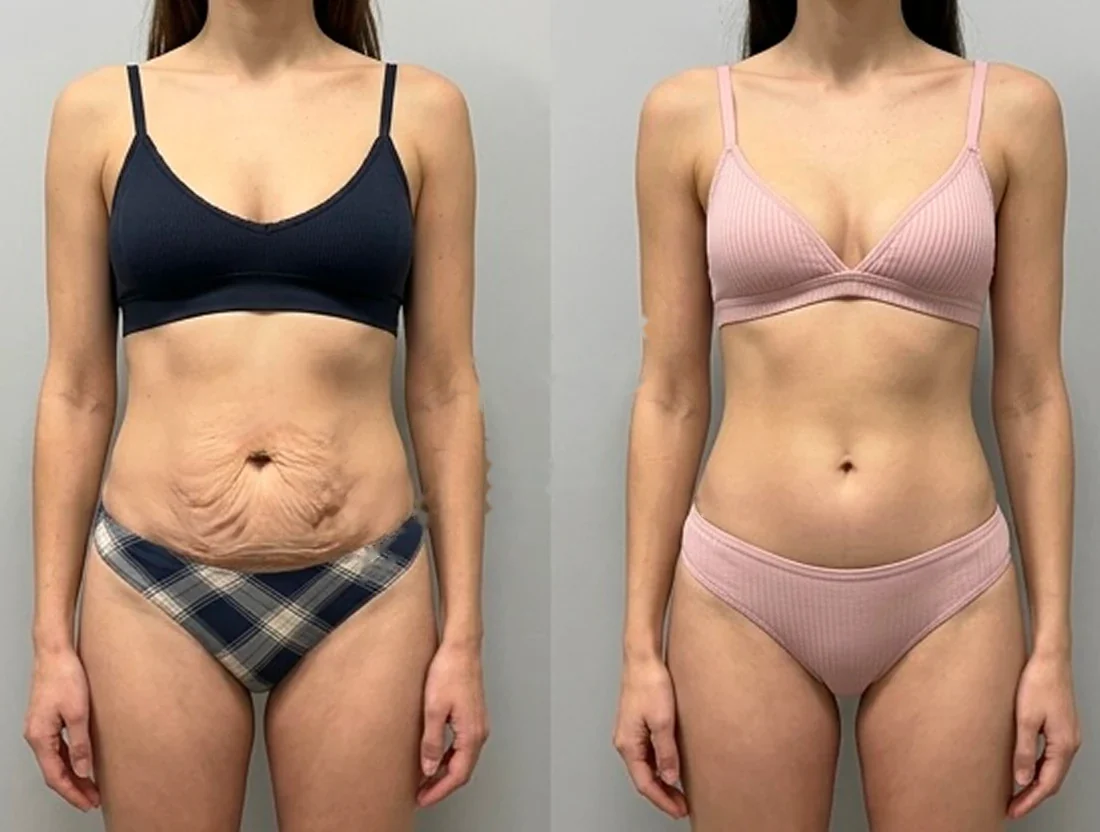
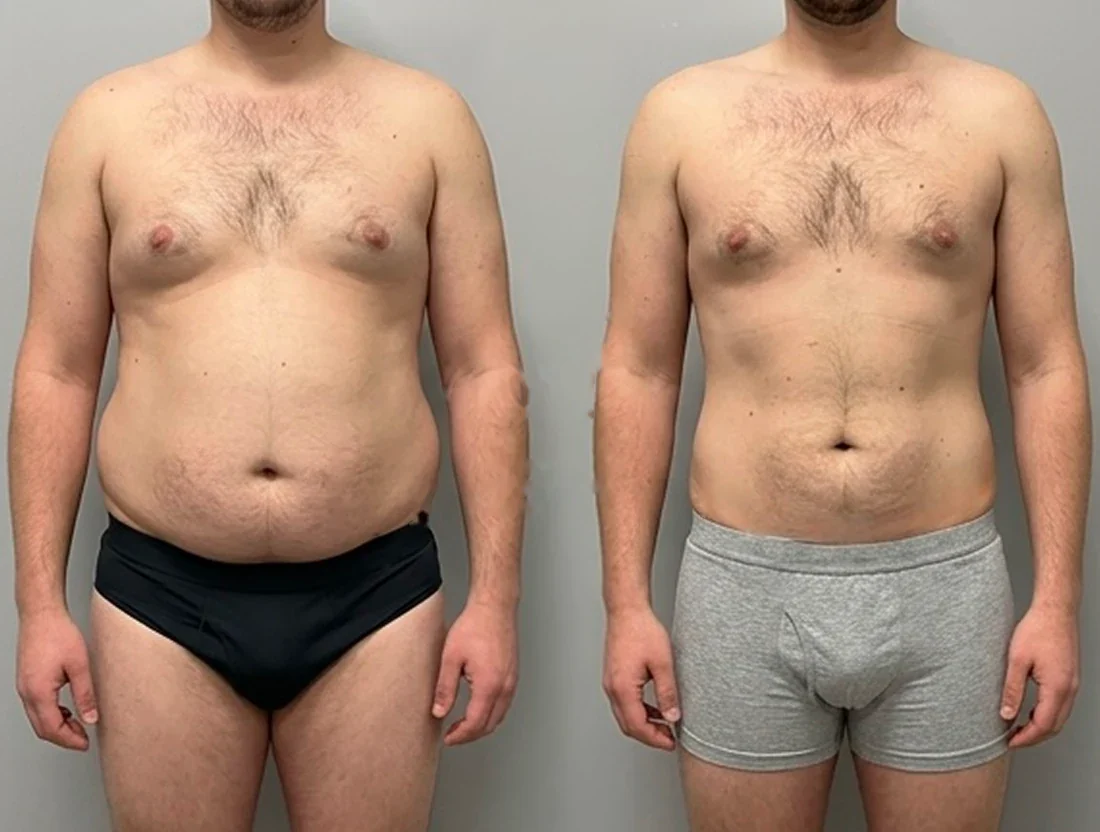
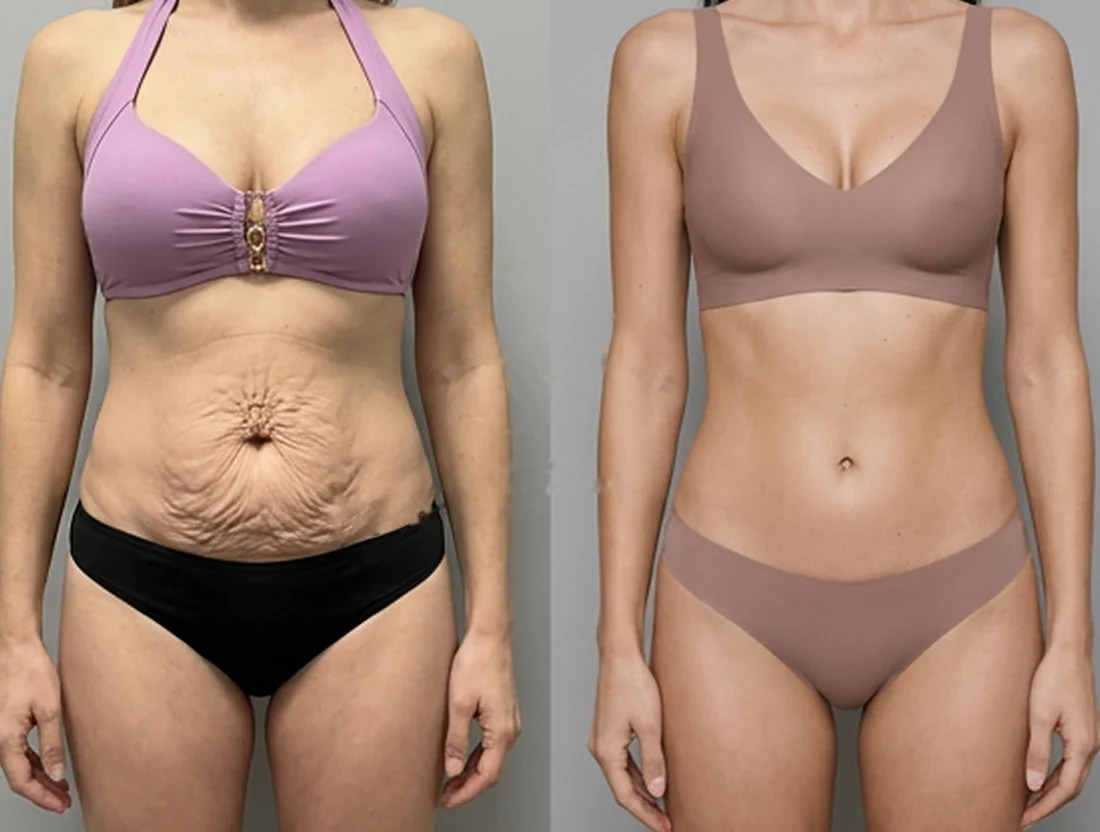
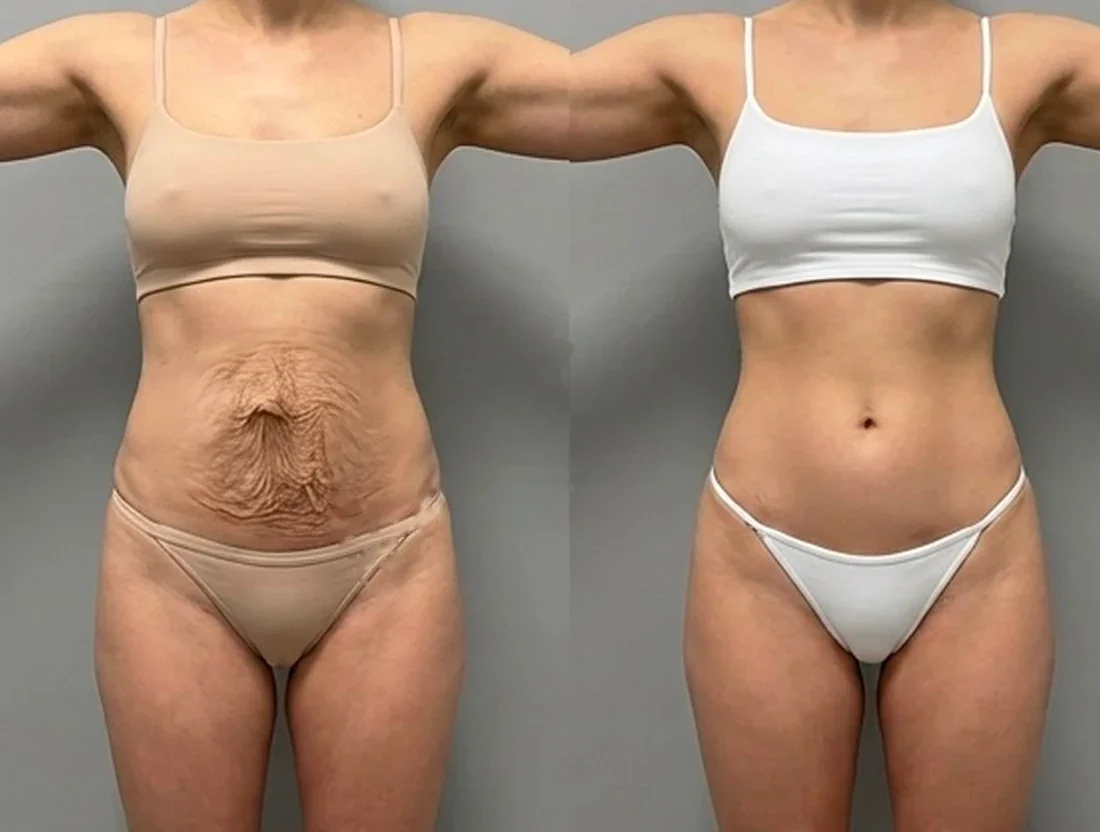
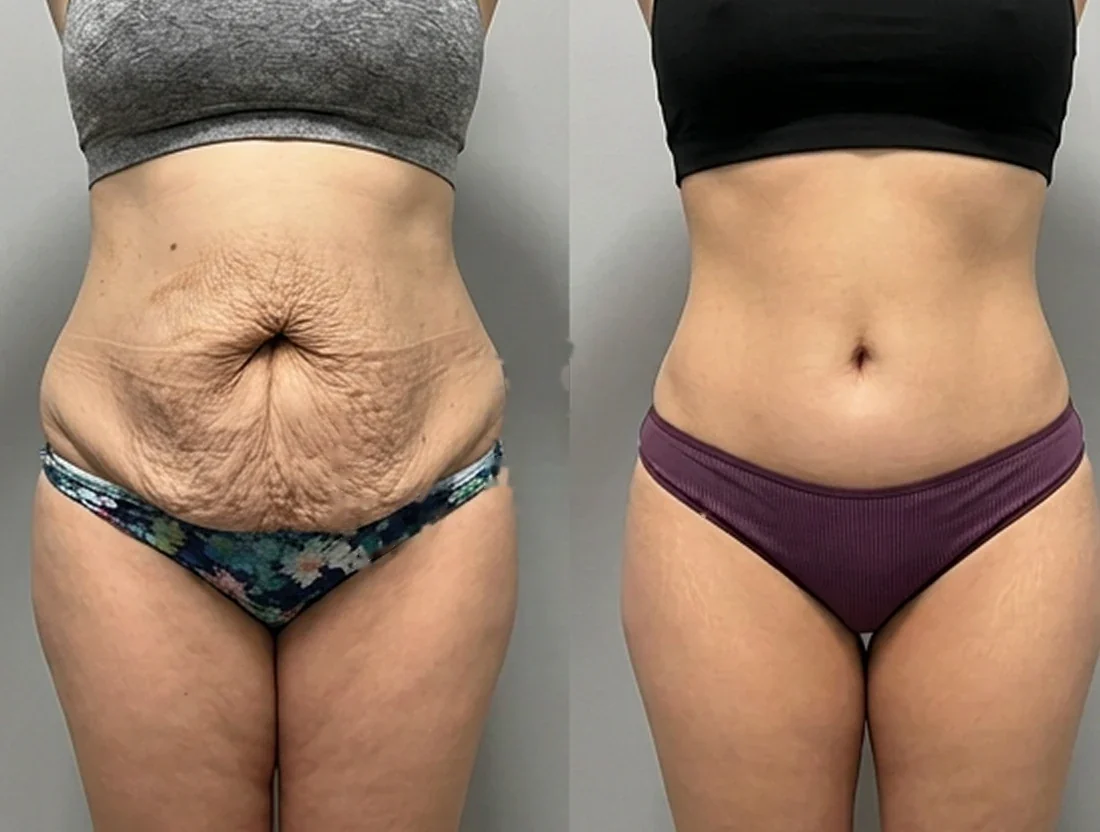
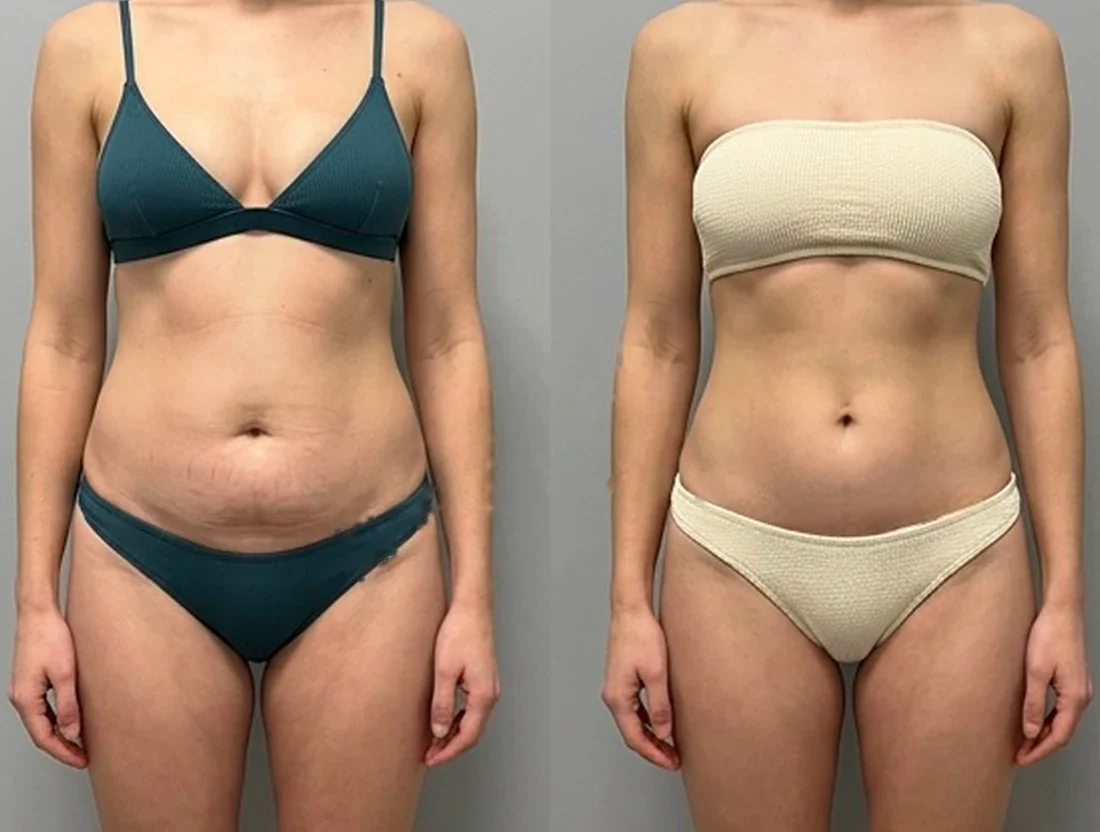
All cases are real patients. Faces and identifying details are hidden.

Tummy tuck: a female patient's abdomen before and after surgerybeforeafter
Tummy tuck: a male patient's abdomen before and after surgerybeforeafter
Tummy tuck: a female patient's abdomen before and after surgerybeforeafter
Tummy tuck: a male patient's abdomen before and after surgerybeforeafter
Tummy tuck: a female patient's abdomen before and after surgerybeforeafter
1 of 8

Comparison

Tummy tuck techniques

A tummy tuck is done as a full (classic) or mini operation, or combined with liposuction as lipoabdominoplasty. Compare the scope of surgery, the indications and the expected results to choose the right technique together with your surgeon.

Tummy tuck

Removal of excess skin, abdominal muscle tightening
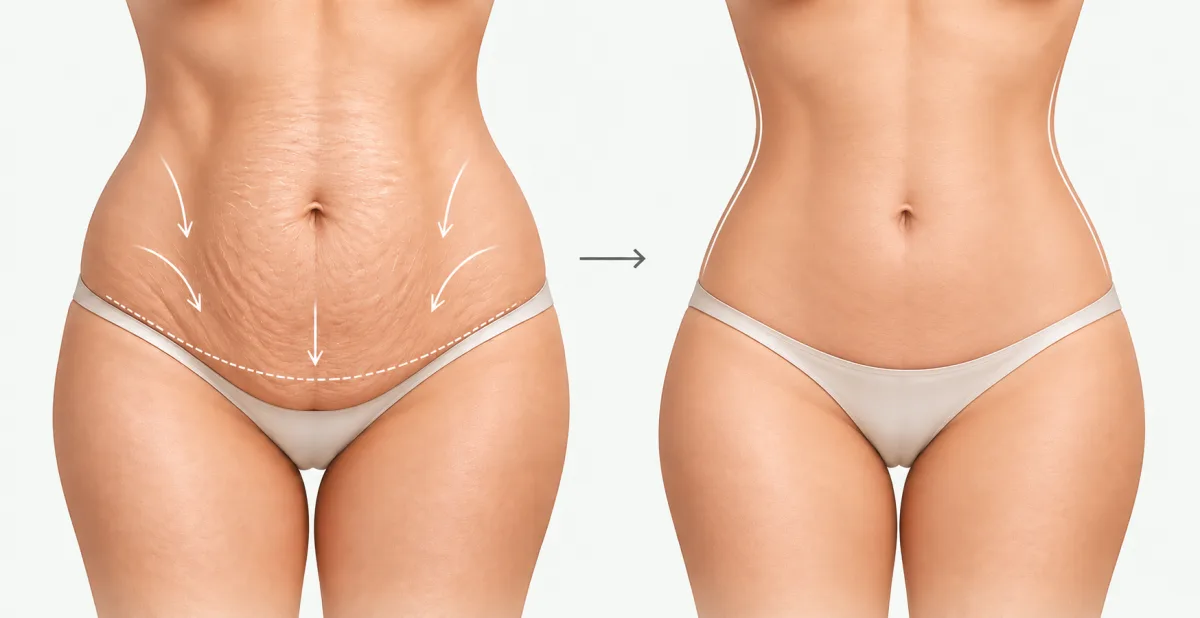
Tummy tuck diagram: the abdomen before surgery with the incision line, and the result
Main goal
Removal of excess skin, diastasis repair
When it is done
Excess skin after childbirth or weight loss
Anaesthesia and stay
General anaesthesia, up to 3 days in hospital

Lipoabdominoplasty

Tummy tuck with added liposuction
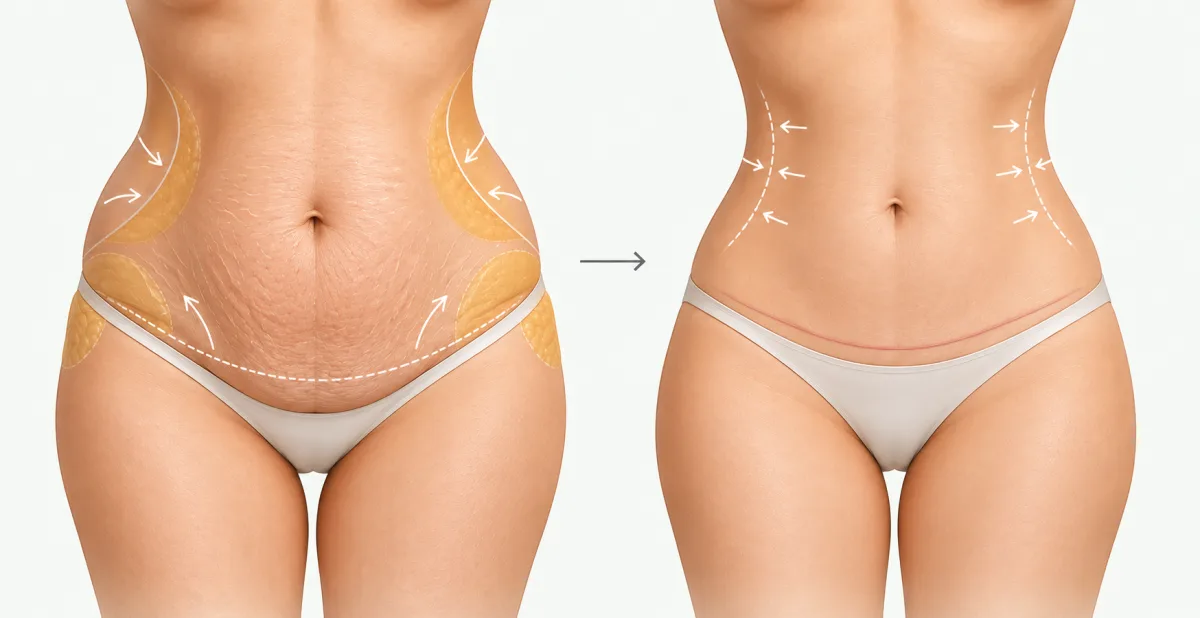
Lipoabdominoplasty diagram: the abdomen with fat on the flanks before surgery, and the result
Main goal
Tummy tightening and waist contouring
When it is done
For fat deposits on the flanks and waist
Anaesthesia and stay
General anaesthesia, up to 3 days in hospital

The benefits and recovery times shown are averaged for each technique and given for guidance: the scope of correction and rehabilitation depend on your anatomy and individual features, and the surgeon confirms them at the consultation.

At the consultation the surgeon draws up a plan for your case and explains how your tummy tuck will go.

Free, before surgery and with no obligation.

Book a consultation

Tummy tuck from the inside

About the clinic

A clinic where you can feel at ease

Modern equipment, comfortable rooms and care for every patient

A doctor and a patient in a clinic ward

Contact us the way that suits you

We will answer your questions and find a convenient time for a consultation

A tummy tuck is not for everyone

If your case can be solved without surgery, the doctor will tell you so at the consultation — and you will not spend money for nothing.

Suitable

A surgeon shows a patient on a model and a monitor how the abdominal contour changes after a tummy tuck
  • Rectus abdominis diastasis
  • Skin folds after weight loss
  • Loose abdominal skin
  • Stretched skin after pregnancy
  • A distorted abdominal contour

Not suitable

A surgeon discusses the indications and contraindications for a tummy tuck with a patient
  • Acute infections
  • Serious heart, kidney or liver conditions
  • Blood clotting disorders
  • Under the age of 18
  • Decompensated diabetes
  • Cancer
  • Skin inflammation in the surgical area
  • Being pregnant or breastfeeding

Not sure the surgery is right for you?

Message us — the coordinator will ask for your photos in the messenger, and the surgeon will tell you whether a tummy tuck suits you. No surgery booking needed.

Find out if it suits me

A surgeon goes through a tummy tuck diagram with a patient at the consultation

Prices

You know the price
before surgery

The price is set at the consultation and fixed in the contract.

Other services

  • First consultationFree
  • Liposuction of the abdomen and flanksfrom $1,700
Book a consultation

Find out your tummy tuck plan and price

The surgeon assesses your abdominal skin and muscles, listens to your wishes and chooses the right correction technique.
The price is set at the consultation and fixed in the contract.

A nurse talks to a patient in a clinic ward

Message our coordinator

Free online consultation · Reply within 15 minutes

Message us on Telegram

By messaging us, you agree to our Privacy Policy

A patient's abdomen before a tummy tuck in the operating room

all inclusive

What the price includes

From preparation for surgery
to post-op check-ups.

  • All scheduled dressings
  • Scheduled post-op check-ups
  • A personal coordinator on call
  • Compression garments fitted on the day of surgery
  • A stay in a comfortable
    hospital ward with meals
  • Individual recommendations
    for recovery
  • Remote progress monitoring
    by photos

How it works

Three days at the clinic —
from preparation to discharge

An agreed correction plan, inpatient observation and post-op check-ups.

A doctor shows a patient a tummy tuck diagram on a monitor1

Consultation
and the surgical plan

The surgeon assesses your abdominal skin and muscles and checks for diastasis, listens to your wishes and chooses the right correction technique.

Paying the deposit by card at the clinic reception2

Booking the date
of surgery

We reserve a surgery date for you: the deposit can be paid by card at the clinic or online by bank transfer. The terms are fixed in the contract for medical services

A blood sample tube for tests before a tummy tuck3

Check-up before
surgery

Before surgery you complete a full lab check-up: blood tests, an ECG, a chest X-ray and reports from the required specialists.

The surgical team during the operation4

Surgery

The surgeon performs the tummy tuck with the chosen technique, repairs diastasis if needed and shapes a firmer abdominal contour.

A hospital ward at the clinic5

Inpatient stay

After surgery the patient stays for 1–3 days in a comfortable hospital ward with meals, under medical supervision.

A surgeon and a patient in the ward during recovery6

Recovery

After surgery you get a recovery programme. Check-ups at 7 days, 3 and 6 months help track your recovery.

Book a free consultation — the surgeon will plan every step with you.

A doctor discusses the tummy tuck plan with a patient
Book a consultation
A doctor discusses the tummy tuck plan with a patient

How it really happens

Healing after a tummy tuck

Right after surgery the patient stays in hospital for 1–3 days under medical supervision. Drains are usually removed after two days and stitches after 7 days. A compression binder is worn for 1.5–2 months — it supports the abdominal wall and shapes a smooth contour. Most swelling goes within 30 days; office work resumes after 2–3 weeks. Sports, sauna and heavy lifting are off-limits for 2–3 months; at first, sleeping on your back with knees bent is advised. By 12 months the scar is fully mature: it fades and is barely noticeable.

Post-op check-ups

After 7 days, at 3 months and at 6 months. Until the end of the year, get a post-surgery consultation with your surgeon to review results and get more information, at the clinic's expense

Advantages

Reasons to choose City Medical Centre

A surgeon discusses the tummy tuck plan with a patient at the consultation

Just find out — you lose nothing

At the consultation we discuss your wishes and assess your abdominal skin and muscles. The surgeon explains what changes are possible, chooses the correction technique and answers your questions.

A surgeon on a video call with a patient after surgery

We stay with you after surgery

The surgeon follows your recovery and the changing abdominal contour at check-ups after 7 days, 3 and 6 months. Check-ups, dressings and aftercare advice are already included in the price of surgery.

A surgeon shows a patient a model and tummy tuck diagrams

A beautiful contour that fits your figure

We choose the correction technique based on your skin, muscles and figure. Our aim is a harmonious abdominal contour that keeps the natural proportions of your body.

A patient writes down a convenient visit time in her planner

Your schedule is our priority

We respect your time: we work 24/7, with easy booking and a personal approach — we adapt to your pace.
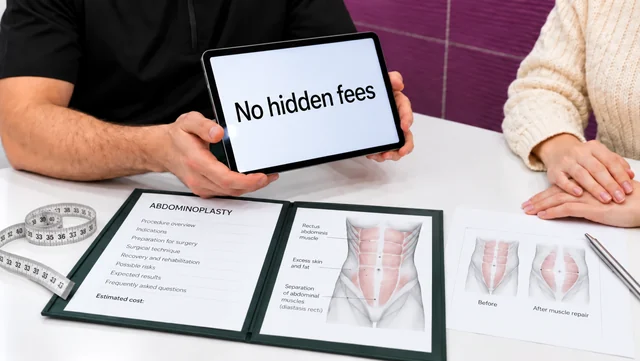
A surgeon shows a patient the fixed price of surgery with no extra charges

Fixed prices

After the consultation the surgeon defines the extent of correction, and you get a clear price for the surgery — no surprises on the way to the result you want.

A surgeon visits a patient in the hospital ward after surgery

Round-the-clock care after surgery

Recovery starts in a comfortable hospital ward under round-the-clock nursing care. The stay and meals are already included in the price.

FAQ

We answer what
people ask before booking

Choosing abdominoplasty in Ramadi

A tummy tuck, or abdominoplasty, is surgical tightening of the front abdominal wall that removes excess stretched skin and fat. It is not a weight-loss method and does not replace diet or exercise. For patients from Ramadi, the goal is a flat abdominal contour: removing the overhanging skin-and-fat apron, repairing separated rectus muscles and, where needed, creating a new navel.

After surgery you stay in hospital under medical supervision for 1–3 days; after a mini tummy tuck one day is usually enough. Drains are typically removed after two days and stitches after seven. A compression binder is worn for 1.5–2 months to support the abdominal wall and shape a smooth contour. Recovery continues at home, and patients in Ramadi are monitored at scheduled check-ups.

The price of a tummy tuck is set individually after a free consultation, because it depends on the technique and the scope of surgery. For patients from Ramadi, the figure is then fixed in the contract with no hidden extra charges. The clinic works under an official contract with a guarantee. Leave your name and phone number, and a coordinator will contact you to book the consultation.

Stories of well-known people

Well-known people who spoke openly about this operation, in their own words.

All stories about this operation →

Twelve thousand to two hundred thousand: a fast-growing river city and its questions about body contour

Ramadi was founded in 1869 by the Ottoman governor of Baghdad, Midhat Pasha, on the Euphrates some 110 km west of the capital, in irrigated plains. Its population climbed from 12,020 in 1956 to 192,556 in 1987, and the most recent figure we found is 223,500 for 2018. A city that has changed this quickly is full of people with busy diaries: students at Anbar University, founded in 1987, civil servants, teachers, shop owners, and mothers who keep all of them fed. The town stood on the road west from the river valley and grew as a halt for traders and carriers, and people who inherit that habit learn that goods are inspected before they are bought. A body is worth more than any cargo. You have every right to ask, compare and wait until your own mind is settled, and no one serious will hurry you.

For many of those women, the question about a tummy tuck begins with the same observation. Pregnancies or a large change in weight left the skin below the navel loose and the muscles of the abdominal wall separated, and neither exercise nor diet moved it. The operation addresses precisely that: the surgeon removes the excess skin and fat and draws the separated muscles together, giving the trunk a firmer, flatter front. It is a body-contouring operation, not a way to lose kilograms. Surgeons differ in method. Some choose a long incision that removes more skin, others prefer a shorter one when the case allows. Ask yours why he picked a particular approach for you, where the scar will lie in relation to underwear and swimwear, and how he plans to keep the skin from being pulled too tight at the closure.

Before the first photograph is taken, spend a moment on a different question: who will operate? In Iraq we found no public page where a patient can check a doctor's registration herself, so we do not pretend there is one. The Iraqi Board for Medical Specializations, founded in 1986 with teaching from 1988 and 37 programmes, shows postgraduate training, though it is not a licensing office. Ask for the specialist certificate, the registration number and a written follow-up plan. After every conversation with the coordinators, write down what was said and the date. Numbers and appointments fade quickly, and trouble begins when two people remember differently. A written plan lets you go back to what was agreed at any moment, and it also helps a relative understand your situation if you need support.

Send the coordinators a message on Telegram or Telegram; someone answers at every hour. Attach front and side photographs in even light, state the number of pregnancies, the way your weight has moved in the last two years, any caesarean scars, regular medicines and chronic conditions. The surgeon reads the whole picture and tells you whether a full abdominoplasty or a lighter operation suits you. Nothing in that first exchange obliges you to book. If you cannot get a satisfying answer to a question on your list, keep asking, possibly in other words, because the question may not have arrived as you meant it. A thoughtful patient helps the surgeon to be open, and she does not swallow vagueness out of politeness or fear of seeming difficult.

The operating day and the three days after it

A typical day begins with admission, last-minute tests and a conversation with the anaesthetist about food, medicines and allergies. The operation is performed under general anaesthesia and takes between two and four hours, depending on how much skin is removed and how much muscle repair is needed. A shorter correction for a modest excess takes less time than a full one, and the surgeon will tell you which applies in your case. It helps to learn what the ward room offers: a bed that raises the head and knees, a call button for the nurse, a bathroom close by. Ask about these details before your date so that nothing small surprises you on a tired first night, when everything feels larger than it is.

After you wake, you are watched on the ward for one to three days. The medical team checks the wound, the fluid in the drains and your vital signs. The drains are normally removed after about two days. Pain is managed with the medicines the team selects, and you should report it honestly, because the dose can be adjusted when it is not enough. Nausea or dizziness after general anaesthesia is common and temporary. The surgeon may advise compression stockings for your legs and a blood-thinning injection during the stay. Do not be alarmed: these are standard precautions after longer operations, and their presence shows attention to detail rather than a problem. Ask the nurse why each measure is used, since understanding calms the mind.

One calm companion works better than a rotating crowd. Choose a person who remembers the plan, writes down doses, and can speak to the coordinators on the phone. Visitors should be few and brief so that you sleep. Pack a shirt that opens at the front, wide-waisted bottoms, socks, a long phone charger and a folder with earlier test results. Leave valuables at home. Never endure severe pain in silence. Soreness after abdominoplasty is expected and managed with suitable painkillers, but if pain rises suddenly, or comes with redness, heat or swelling on one side, call the nurse at once. Some early warnings are easy to treat if they are reported on time and hard if they are ignored.

When the surgeon releases you, you receive written instructions: medicines, times, warning signs, and the date of the next visit. Put the sheet where you can see it from the bed and explain it to whoever cares for you. On the first evening at home a coordinator will usually check in. Tell them everything truthfully, including small worries, since some of them deserve an early look. The most useful gift a family can give in these days is quiet company. Do not ask about the result every hour, and do not compare the shape with what you imagine. The abdomen is swollen, bound and discoloured at this point, which is far from the final picture, and comments upset someone who is already tired.

August at 44 degrees, January rain and what the Anbar air does to a healing wound

Ramadi's climate is a study in contrast. August brings an average daytime high of about 44.5 degrees with nights near 29, July is a little cooler, while January falls to around 16.4 in the day and 5.3 at night. Annual rain is about 123 mm, with January the wettest at roughly 36 mm and August and September practically dry. These differences shape how pleasant the compression weeks will be. Plan your day in blocks: sit and rest, then a short walk around the house, then rest again. In summer take the walks very early or after sunset, and if that is impossible, keep to the cooled corridor. The surgeon sets your pace, and each week you hear whether to extend the distance or hold steady.

The binder is worn for roughly one and a half to two months. In winter it works as a warm layer under clothing and is easy to tolerate. In summer it asks for an air-conditioned room, a thin cotton layer changed daily and a lot of water. For this reason many women prefer the shoulder seasons, from late autumn to early spring, when the garment does not fight the weather. The garment needs care. One piece is not enough in the early weeks, so keep a second to wear while the first is washed. Ask the surgeon how to wash it, in what water temperature and how to dry it out of direct sun, because fabric that has lost its elasticity no longer supports the tissues and should be replaced.

Dust deserves a mention in a city that sits on a plain between the Euphrates and the Habbaniyah canal. During the first weeks, stay inside on dusty days, keep windows closed and clean floors with a damp cloth instead of sweeping, which raises particles. A fresh wound dislikes airborne grit as much as it dislikes rough fabrics that rub on it. Water matters even more in this dry climate. Drink regularly through the day, cool but not icy, and go easy on salt, which encourages fluid retention and swelling. Vegetables and light protein support healing and ease the constipation that some medicines cause. Heavy, greasy feasts can wait for later.

If your work or studies force a summer date, do not despair. The load can be eased with a cold room, light-coloured cotton, rest through midday and a fresh layer whenever the old one is damp. Put the matter to the coordinators, who will suggest the best available weeks in the surgeon's schedule and write down the options so you can compare them calmly. In spring or autumn, take advantage of mild evenings to sit in the courtyard briefly, shielded from wind that carries dust. In winter, avoid a chill after washing, dry the area well and dress warmly without pressing on the wound. A habit of small adjustments with the weather makes the weeks pass more easily.

Reading the calendar after surgery, from the first stitch removal to the final scar

Recovery moves along a known timetable. Stitches come out at about seven days. Most swelling disappears by thirty days. The compression binder is worn for one and a half to two months. The final shape and the scar are judged at six to twelve months, when the tissues have settled. If the household knows this sequence, nobody expects the finished result in week three. Mothers of young children find that the hardest part is not being able to lift them. Arrange in advance who will do it and teach the little ones to sit beside you for stories instead of climbing onto you. Children usually understand when told that mummy's tummy needs rest for a while, and many become helpers.

Office work, teaching from a chair and study can resume after two to three weeks in most cases. Work that needs standing for hours or lifting waits for the surgeon's permission. A student should speak to the faculty early, arrange for lecture notes from a classmate, and not count on sitting through long sessions on hard seats in the first fortnight; a small cushion for the lower back helps a great deal. If you work in a government office or a company, ask about the paperwork for leave and the documents required. The coordinators can tell you what the medical side provides, and you handle the administrative side early. That avoids surprises a few days before the date, when it is hardest to arrange anything.

Short walks indoors every few hours are the best early medicine. They improve circulation, lower stiffness and lift mood. Walk without hurry, stand as straight as comfort permits, and use a pillow to support the waist when sitting. Hard exercise, heavy lifting and carrying children are on hold until the review, and those who ignore this pay for it in the quality of the scar. If your weight has changed greatly, tell the surgeon precisely: the highest weight, the present weight and how long it has stayed stable. These facts affect the technique and the expected appearance of the skin. Candour here only helps, and a surgeon cannot plan well around figures that were rounded to look better.

The scar has a timetable of its own. It begins red and slightly hard, softens and pales over months. Photograph it monthly in the same light and send the pictures to the coordinators, who pass them to the surgeon. Rising redness, increasing pain, an unusual smell or discharge need immediate contact; do not wait for the date written in the calendar. Remember that writing to the coordinators costs only time, and that they are there at every hour. Do not leave a heavy question until morning merely because the night is late. Type it now, and you will have an answer when you wake, or at once if somebody is free. Most worries shrink once they are written down.

Insurance, second opinions and the folder you should keep

None of the sources we checked says whether insurance in Iraq covers cosmetic abdominal surgery, so we make no promise. Ask whichever body you deal with in writing, wait for the written reply and keep it. If your complaint includes a medical element, for example weakness of the abdominal wall, tell the surgeon at the start, as it may change how the case is assessed. By the fourth week you may feel you are nearly back to normal, yet the binder and certain limits are still ahead. Do not lift your own restrictions early. Ask each week whether the instructions have changed, because the surgeon adjusts them according to what he sees in the photographs and review, and he will not always volunteer it.

A second opinion is a sensible step for a major operation. Show the photographs and the plan to a doctor you trust, perhaps a relative in the profession, and bring the questions back to the coordinators. A surgeon who is confident in his work does not mind being compared, and you are more likely to stay calm if you have heard the same advice twice. When exercise becomes possible, begin with brisk walking and gentle stretching, then increase little by little. If you feel pulling or pain at the incision, stop and report it. Your body sends clear signals, and the only requirement is to listen before the signal becomes a problem that interrupts the recovery.

Make one folder, paper or digital, and keep everything in it: the certificate, the registration number, the written plan, the messages with the coordinators, the discharge sheet, the monthly photographs. When a year passes and you want to recall what was agreed, you will have it all. The folder also helps any other doctor who treats you later. Do not neglect your mood. Some women feel empty after surgery, anxious about what others will say, or disappointed by an unrealistic expectation. Speaking to the coordinators or to a relative you trust lightens the load. If sadness lasts or deepens, tell the surgeon, who can point you to the right help.

Finally, trust your feelings about the conversation. If answers are vague, if someone pushes you to hurry, or if the surgeon is not named, step back. Dates reappear, but a major operation cannot be undone. Coordinators who welcome hard questions earn more confidence than those who deflect them, and you will be able to tell the difference quickly. After a year the picture settles. Compare the first photographs with the latest, judge the contour, the scar and the way your clothes fit, and write down what helped and what you wish you had known sooner. You may pass that experience to a friend considering the same decision, and spread more informed choices around you.

Who benefits most from a tummy tuck, and who may do better with another procedure?

The operation suits a woman with loose, overstretched skin and separated abdominal muscles, typically after pregnancies or substantial weight loss. If the skin is firm and the problem is a localised pocket of fat, a lighter procedure may fit better. The surgeon decides after looking at your photographs and history, which is why the coordinators ask for them first. In every case the final choice of procedure follows the surgeon's examination, not an internet photograph.

How long does the operation take and is anaesthesia general?

Anaesthesia is general, and the operation lasts about two to four hours depending on the correction required. You then spend one to three days in hospital under observation. After he has seen your photographs, the surgeon gives an estimate for your own case, and it is written into the plan so your family can organise the day. Your written plan includes the expected duration so that your family can plan around it.

Do heat and dust in Anbar slow healing?

They can if nothing is done. Heat increases sweating under the binder, so you need a cool room, a thin cotton layer and fluids, while dust irritates a fresh wound, so stay indoors on dusty days and keep windows shut. A milder season is easier, but the final decision depends on your calendar and the surgeon's schedule. If the dust is heavy on the day of your appointment, tell the coordinators and they will advise.

Can I schedule it in the summer holidays from university?

In principle yes, but summer makes the compression weeks harder. If holidays are the only free time, prepare an air-conditioned room, cotton layers and rest in the afternoon. If a cooler season is possible, it is easier. Tell the coordinators your free weeks and they will propose dates that balance your time and comfort. Your free weeks can be matched against the surgeon's list in a written schedule.

When can I return to study or work at a desk?

Usually after two to three weeks, and most swelling fades in around a month. The surgeon sets the exact date after seeing the wound, and slower healing means more rest. Bring a cushion for your back, avoid carrying a heavy bag, and stand up and walk briefly now and then. Do not lift a heavy bag, and use a soft cushion behind your back.

How can I judge a surgeon's qualifications when no lookup page exists?

Ask the coordinators for the specialist certificate, the registration number, the number of similar operations performed and the follow-up plan in writing. The Iraqi Board for Medical Specializations trains doctors in 37 programmes, and its certificate shows postgraduate training, though it is not a licence-checking body. A calm tone and a written record make these exchanges easier for everyone involved.

Will insurance pay for this operation?

Our sources do not confirm cover for cosmetic surgery in Iraq, so we promise nothing. Ask in writing and wait for a written reply. If you have a medical issue with the abdominal wall, mention it to the surgeon, because it may alter the assessment of your case. Never assume anything about insurance before you hold the reply in your hands.

When is the result final and the scar settled?

The result and the scar are assessed between six and twelve months after the operation, when the tissues have fully adapted. Before then the colour and firmness change, and that is ordinary. Send monthly photographs to the coordinators so the surgeon can compare and tell you whether the course is normal or needs an earlier visit. Anything that worries you between photographs deserves a message straight away.