


























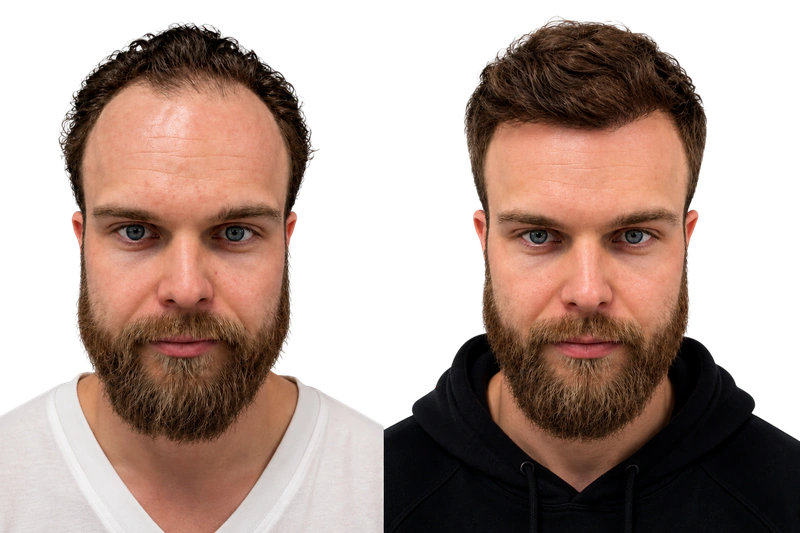

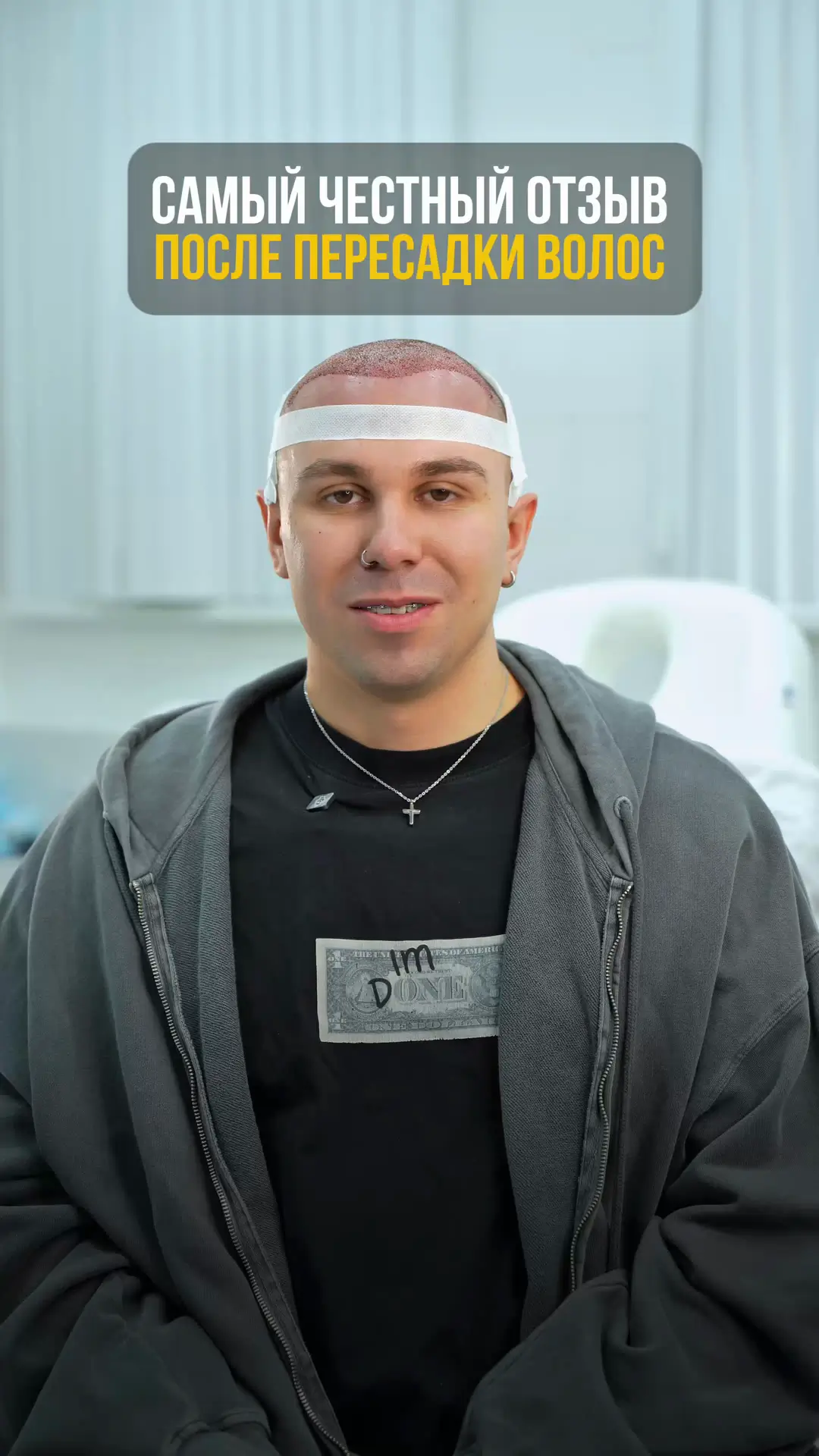
the start
12 months by now
2,800 grafts
FUE method
City Medical Centre
0% instalments
from $367/mo
Advice, then the price — $0.
Actual case
the start
12 months by now
FUE method, cuts and stitches excluded. Grafts and the forecast sized up without any cost — before you decide.
Nothing to pay, no surgery booking required
Message our coordinator
Free online consultation · Reply within 15 minutes
Message us on TelegramMessage us on WhatsAppBy messaging us, you agree to our Privacy Policy
results
Authentic patient results, published as they are.
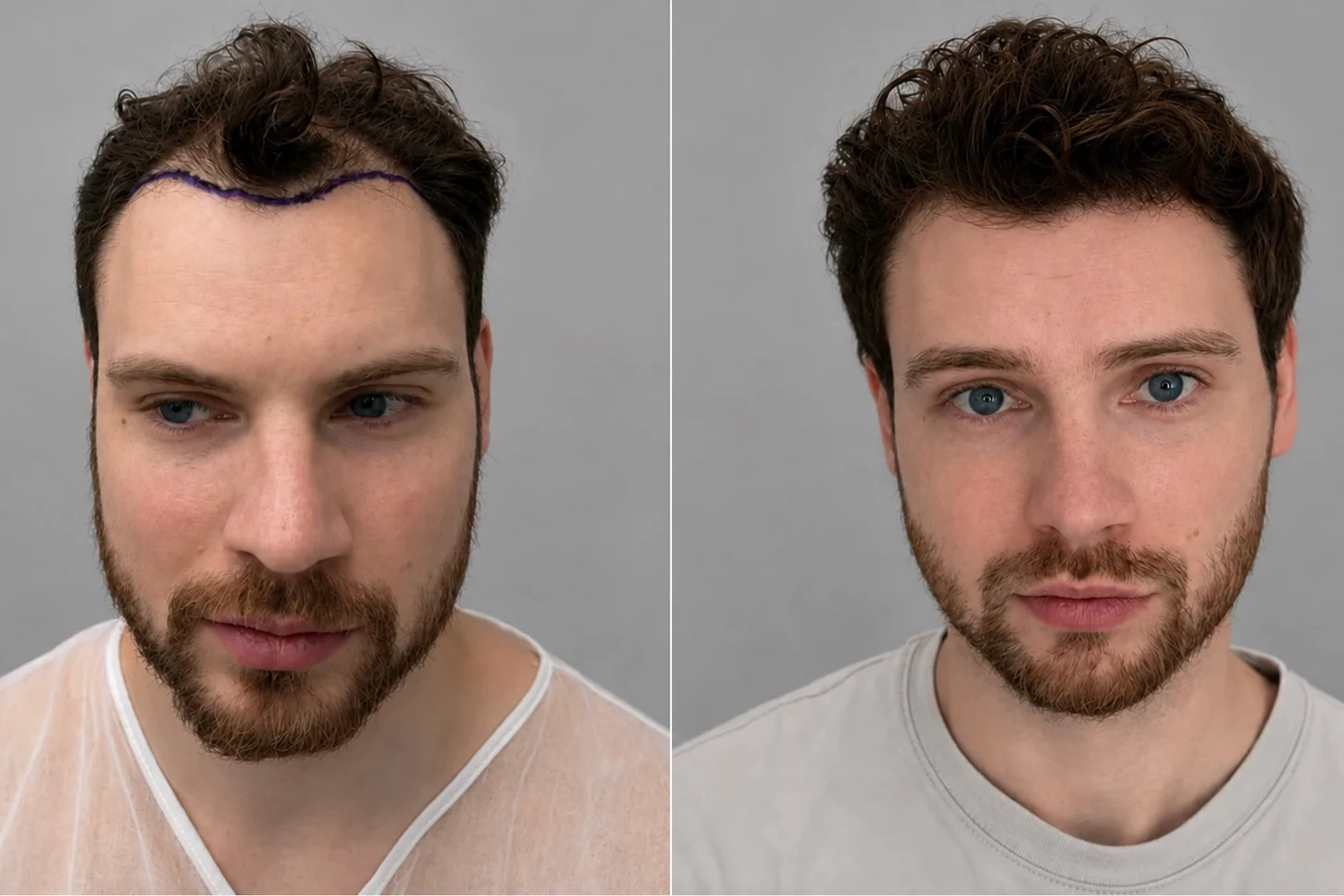
the start
12 months by now
2,800 grafts
FUE method
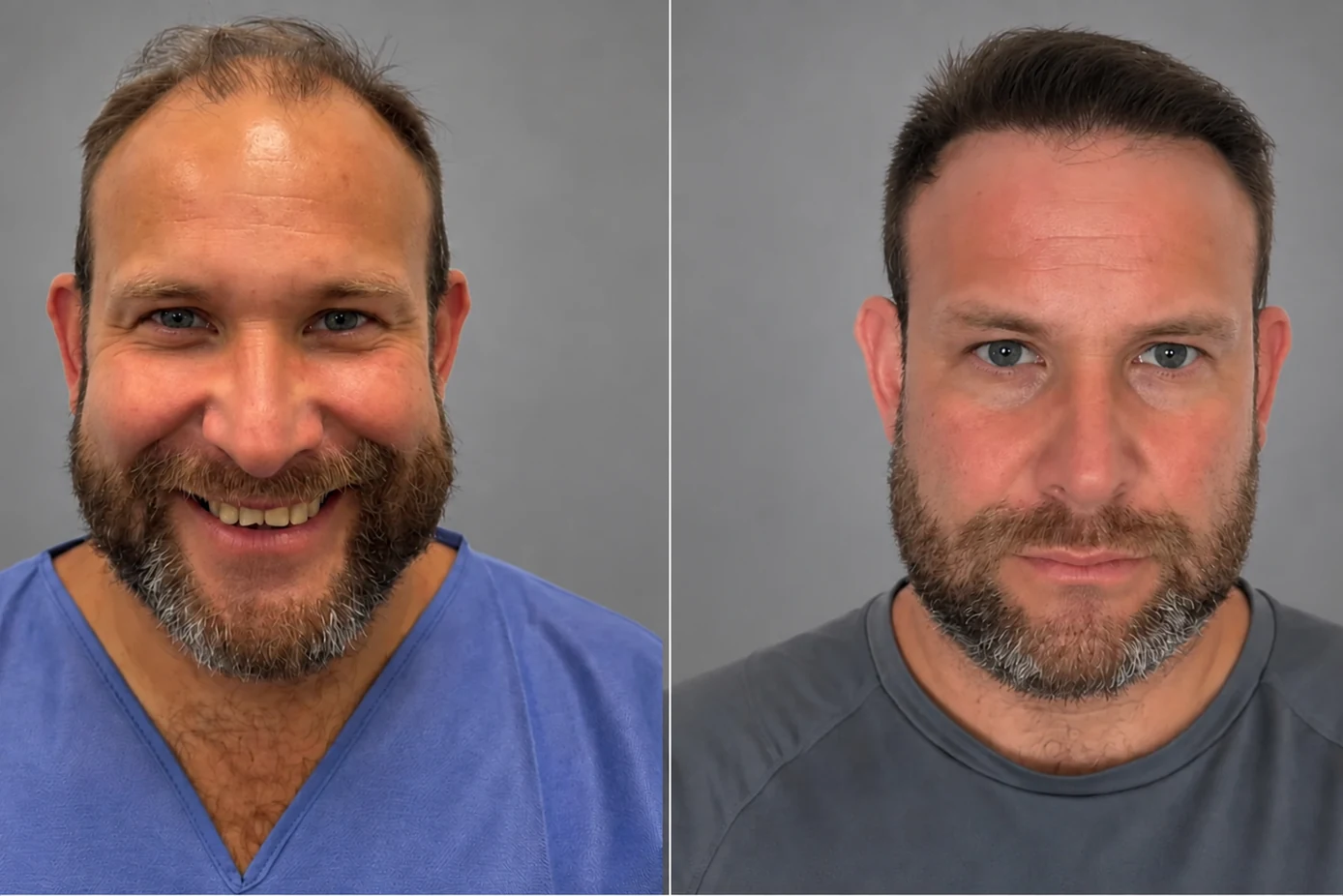
the start
12 months by now
3,500 grafts
FUE method
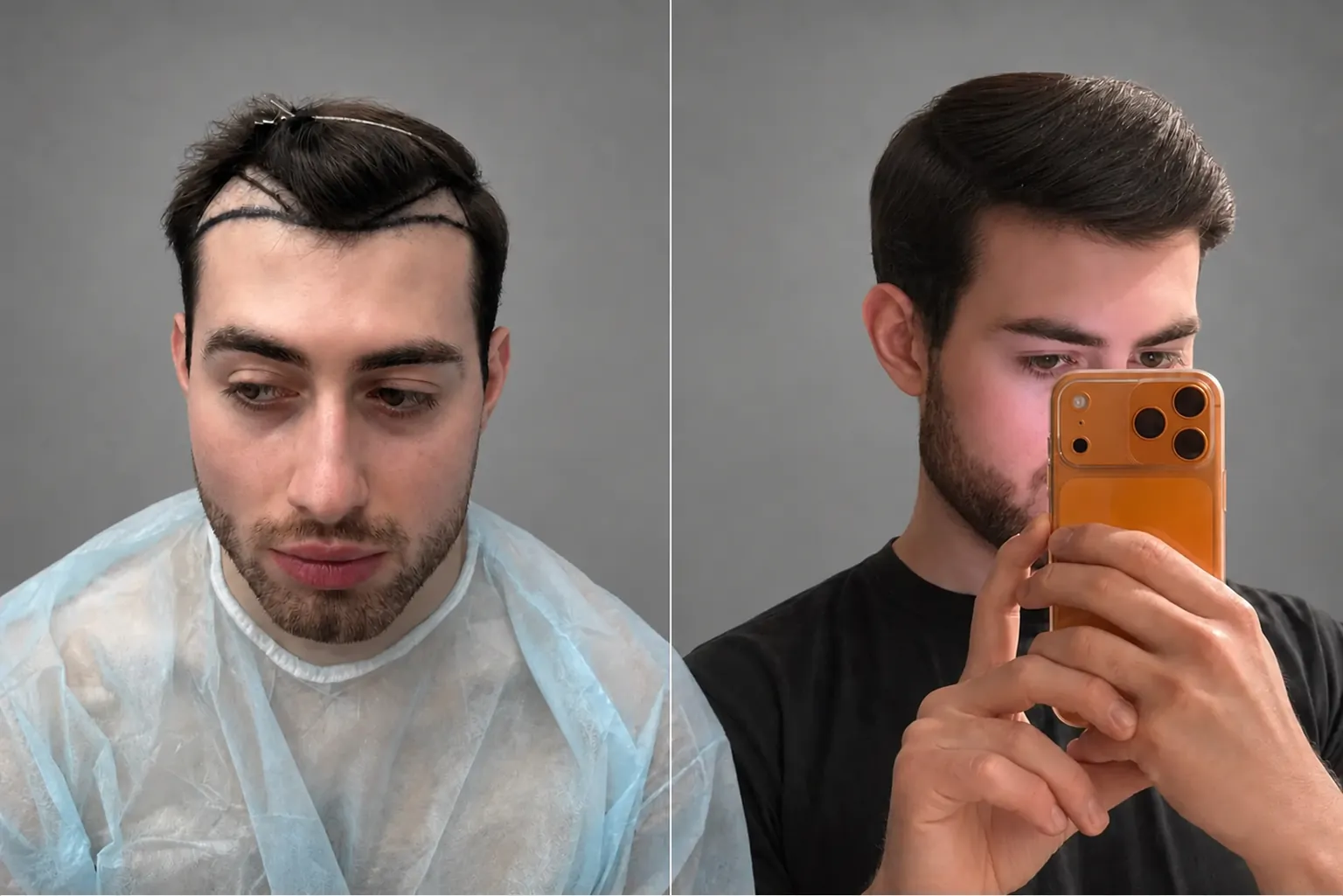
the start
12 months by now
2,600 grafts
FUE method
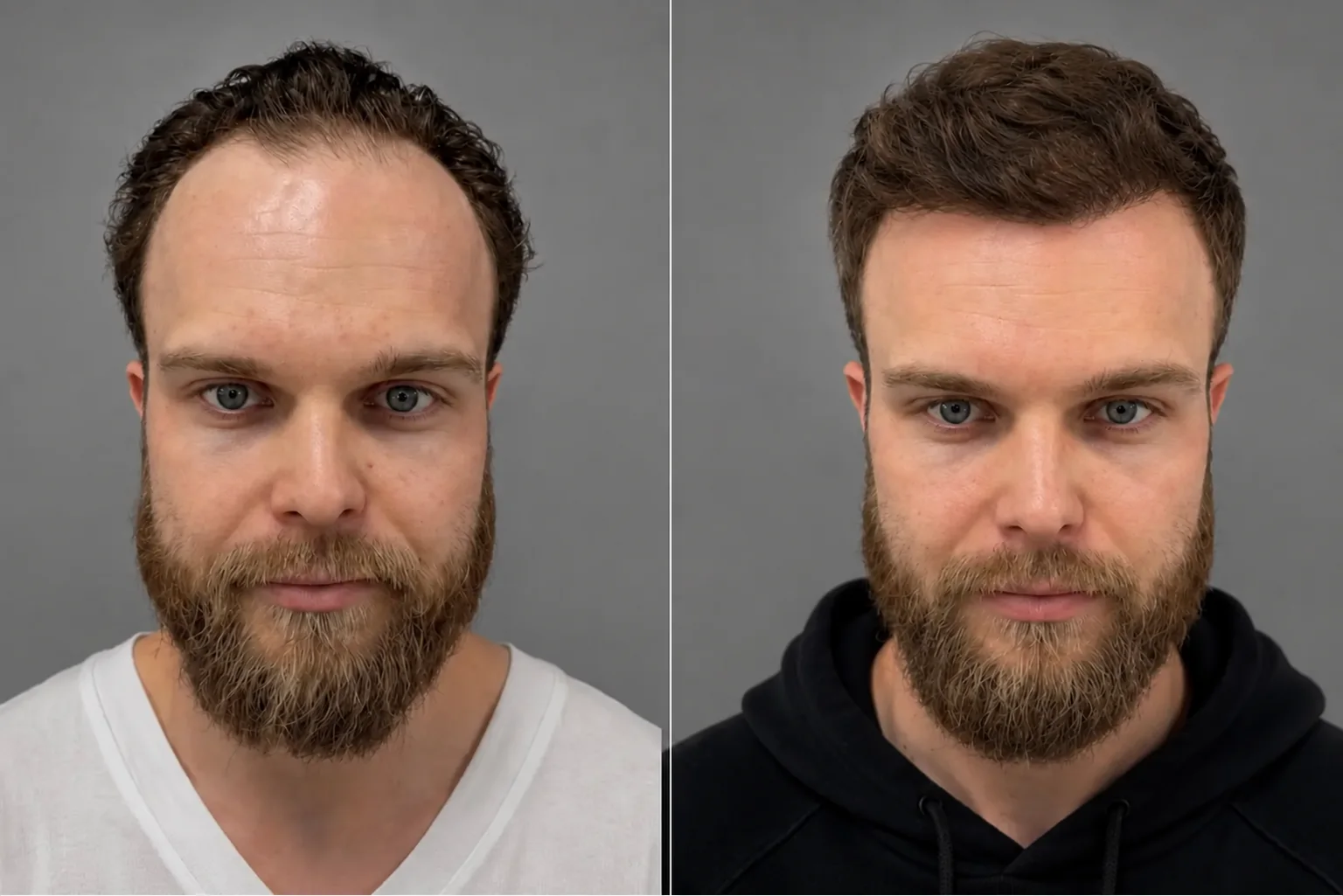
the start
12 months by now
3,000 grafts
FUE method
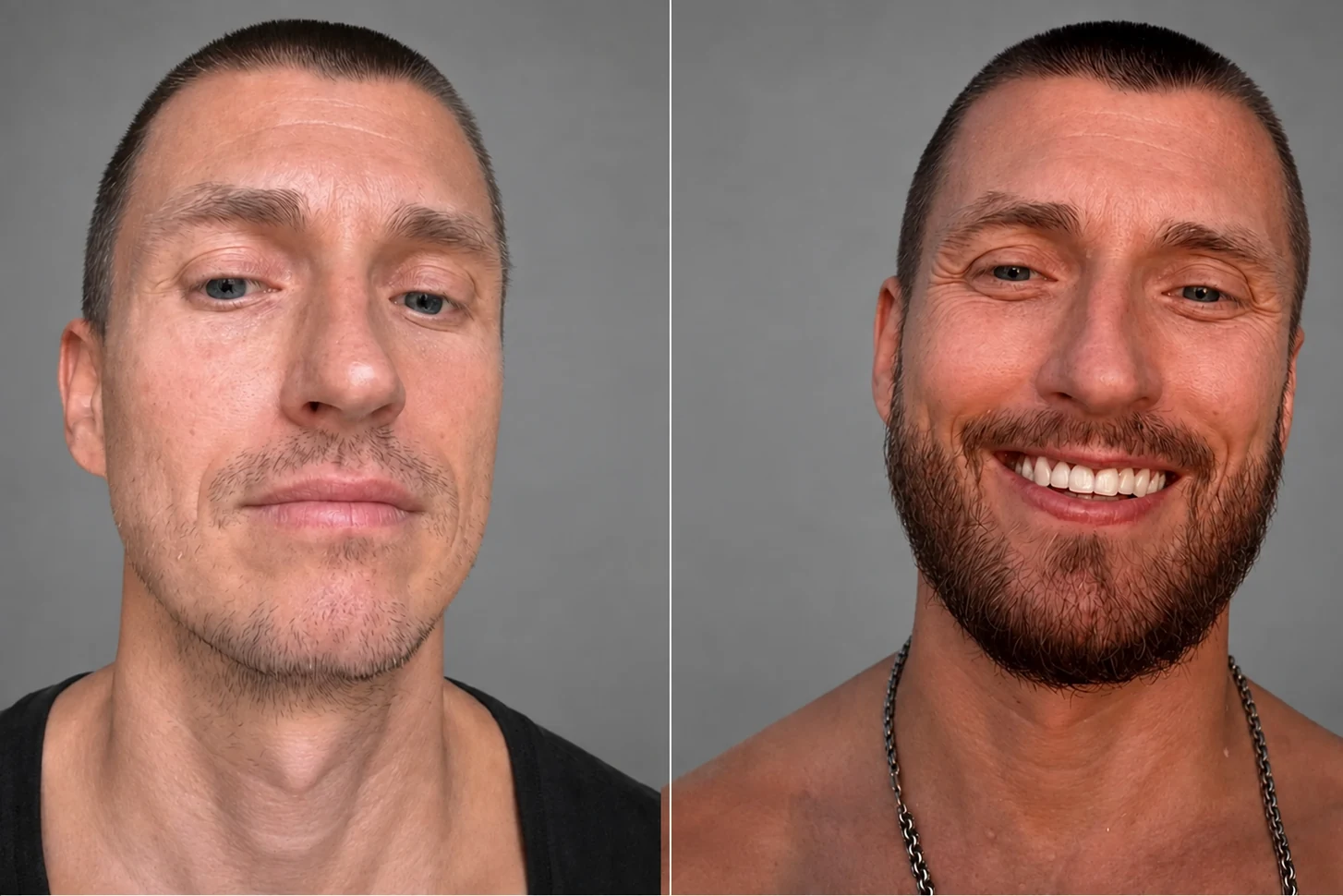
the start
12 months by now
2,700 grafts
FUE method
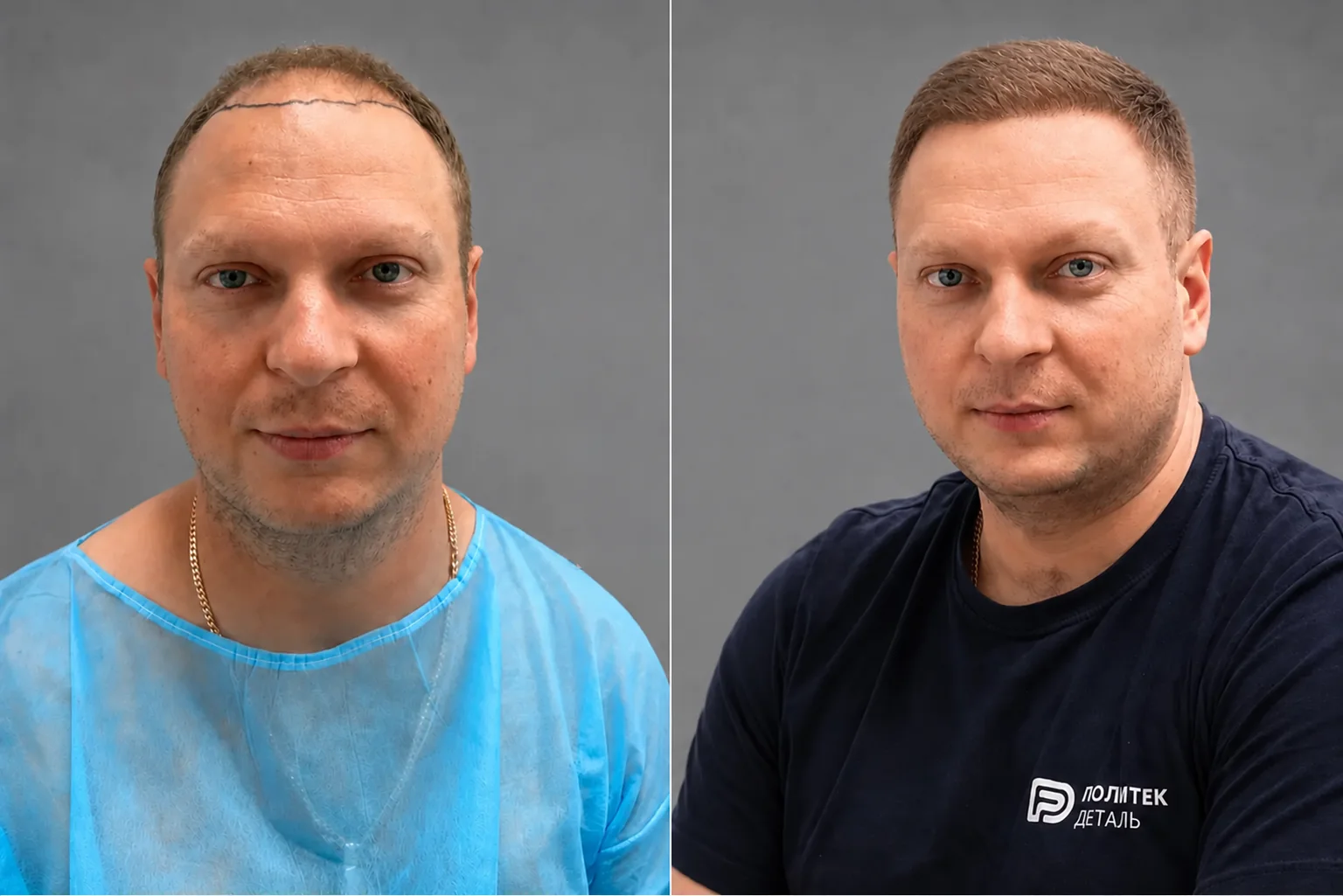
the start
12 months by now
3,300 grafts
FUE method
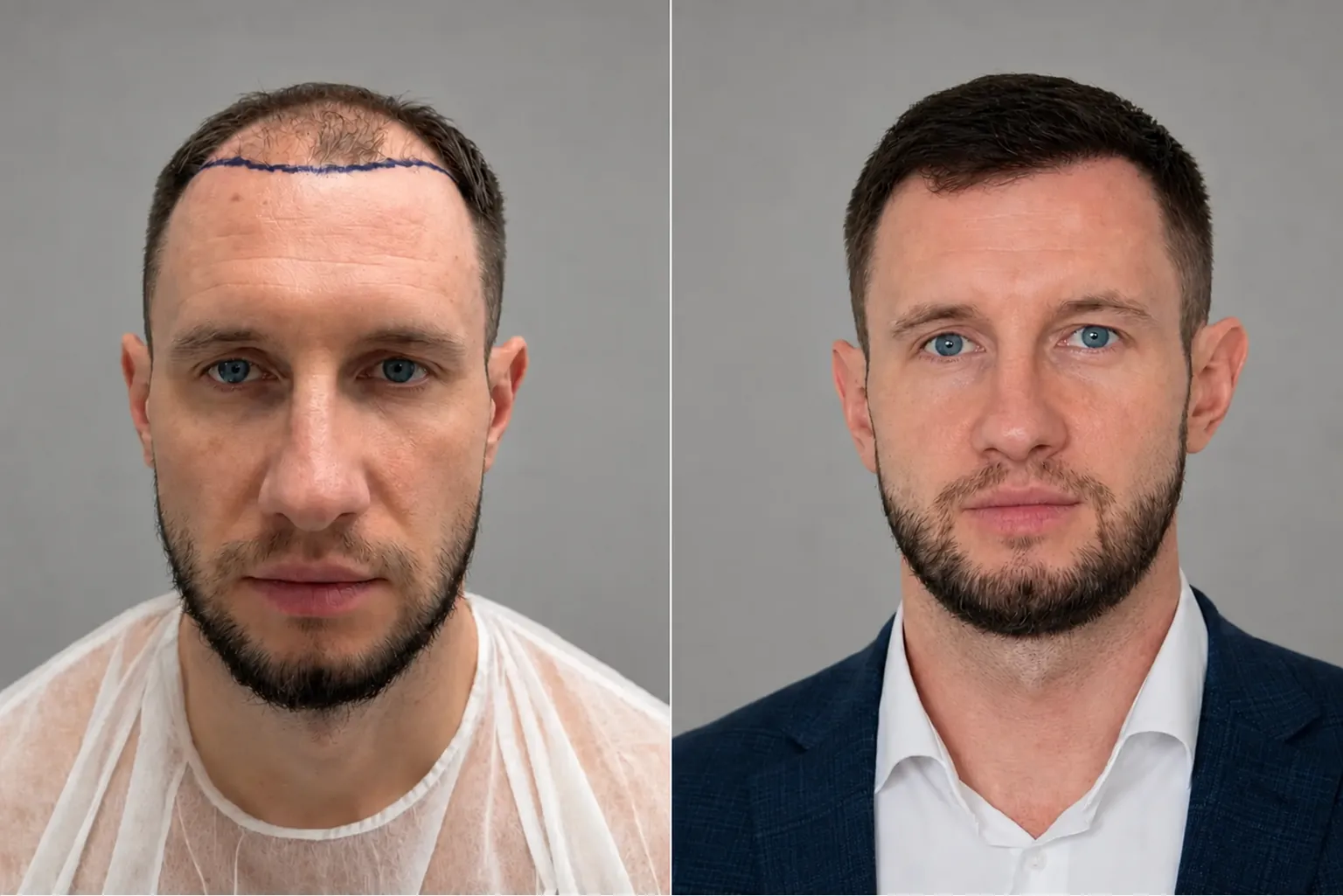
the start
12 months by now
2,900 grafts
FUE method
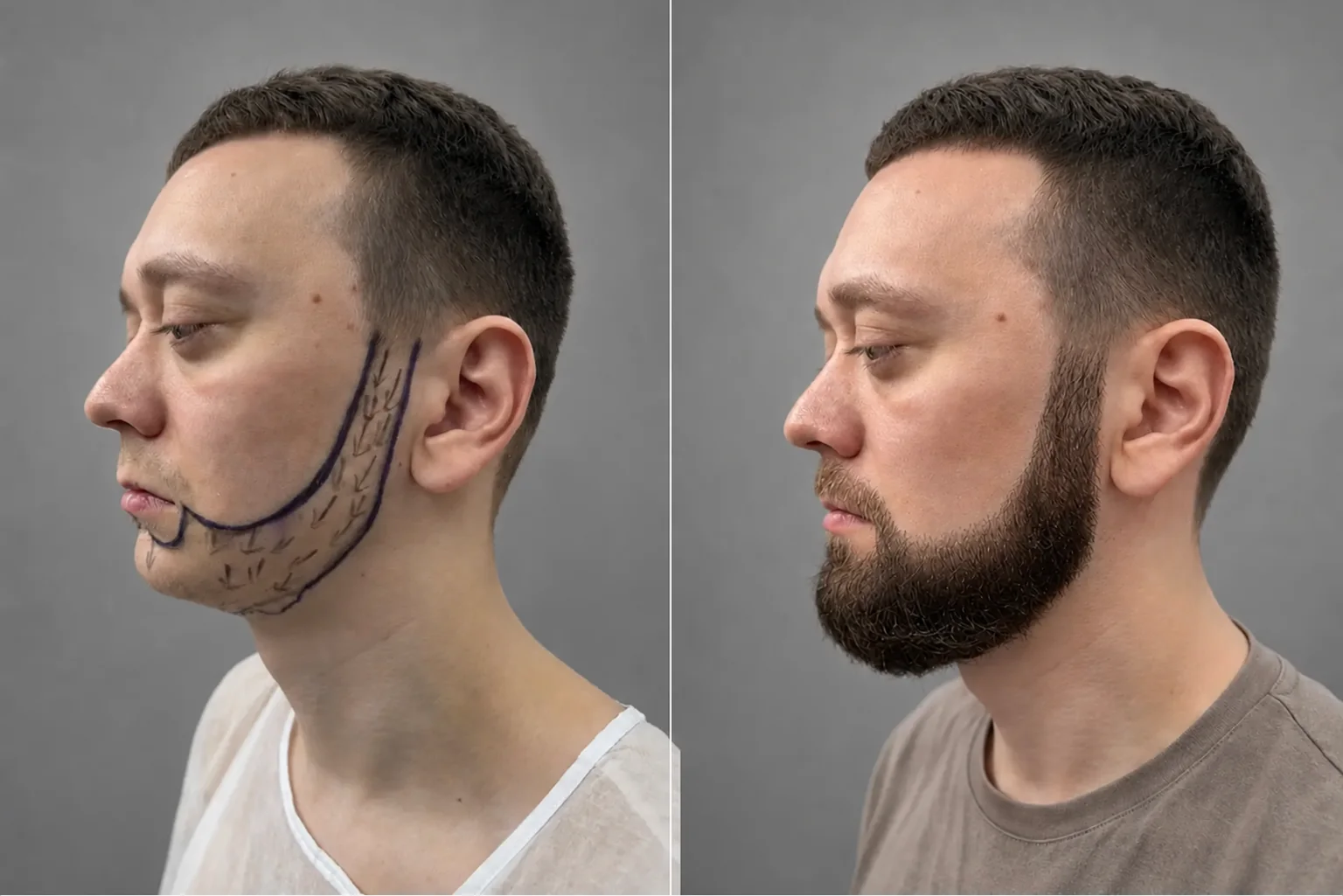
the start
12 months by now
2,500 grafts
FUE method
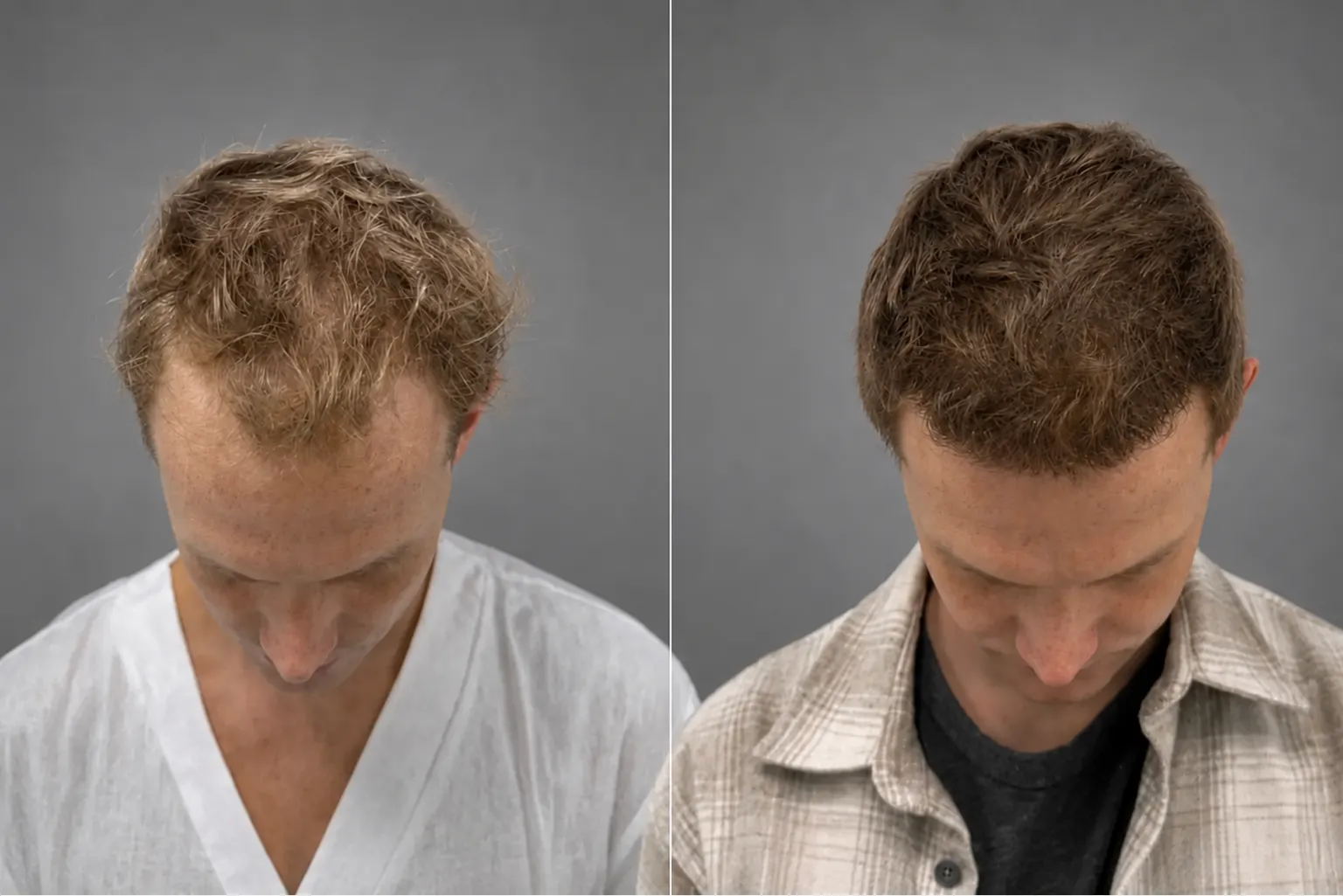
the start
12 months by now
3,400 grafts
FUE method
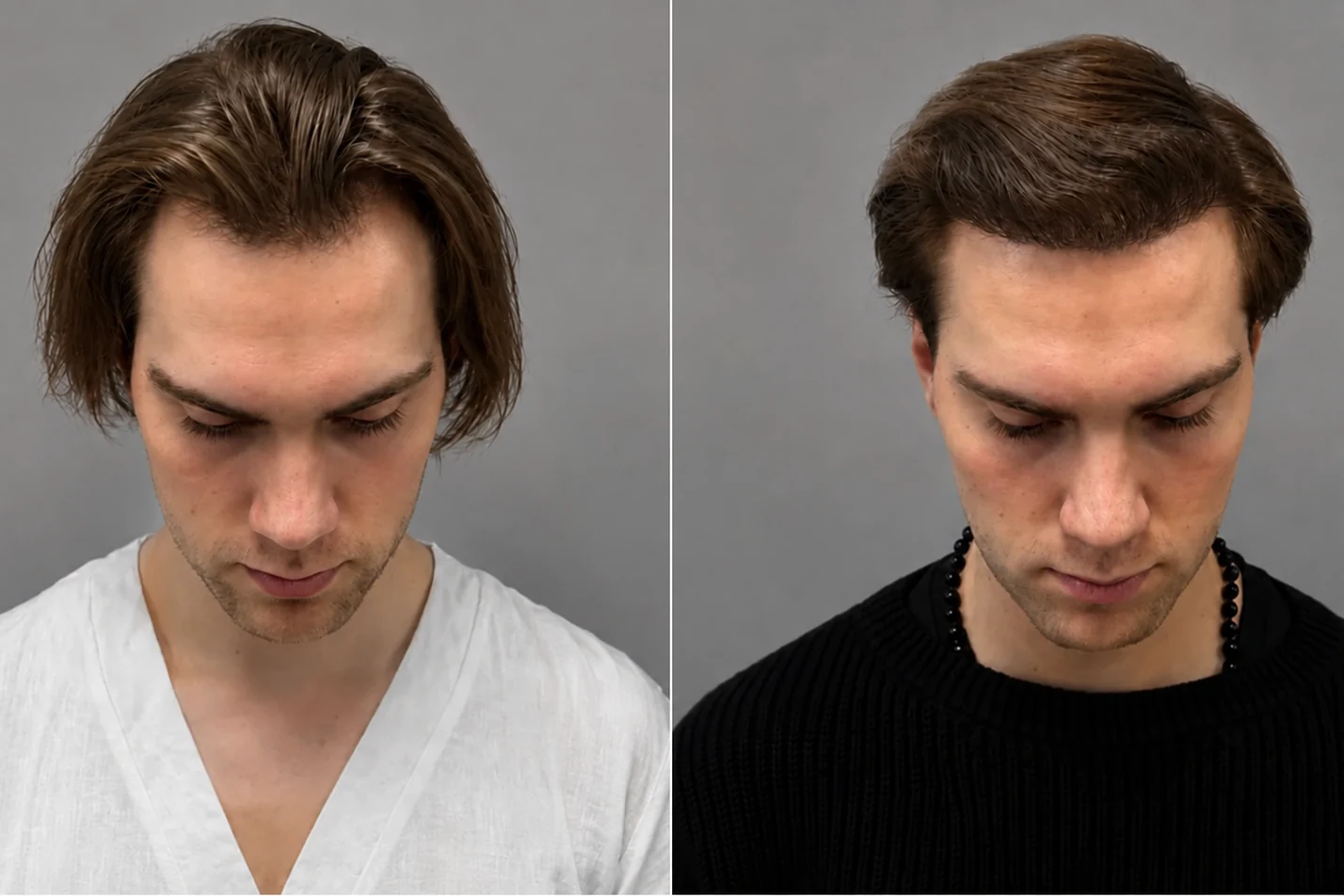
the start
12 months by now
2,500 grafts
FUE method
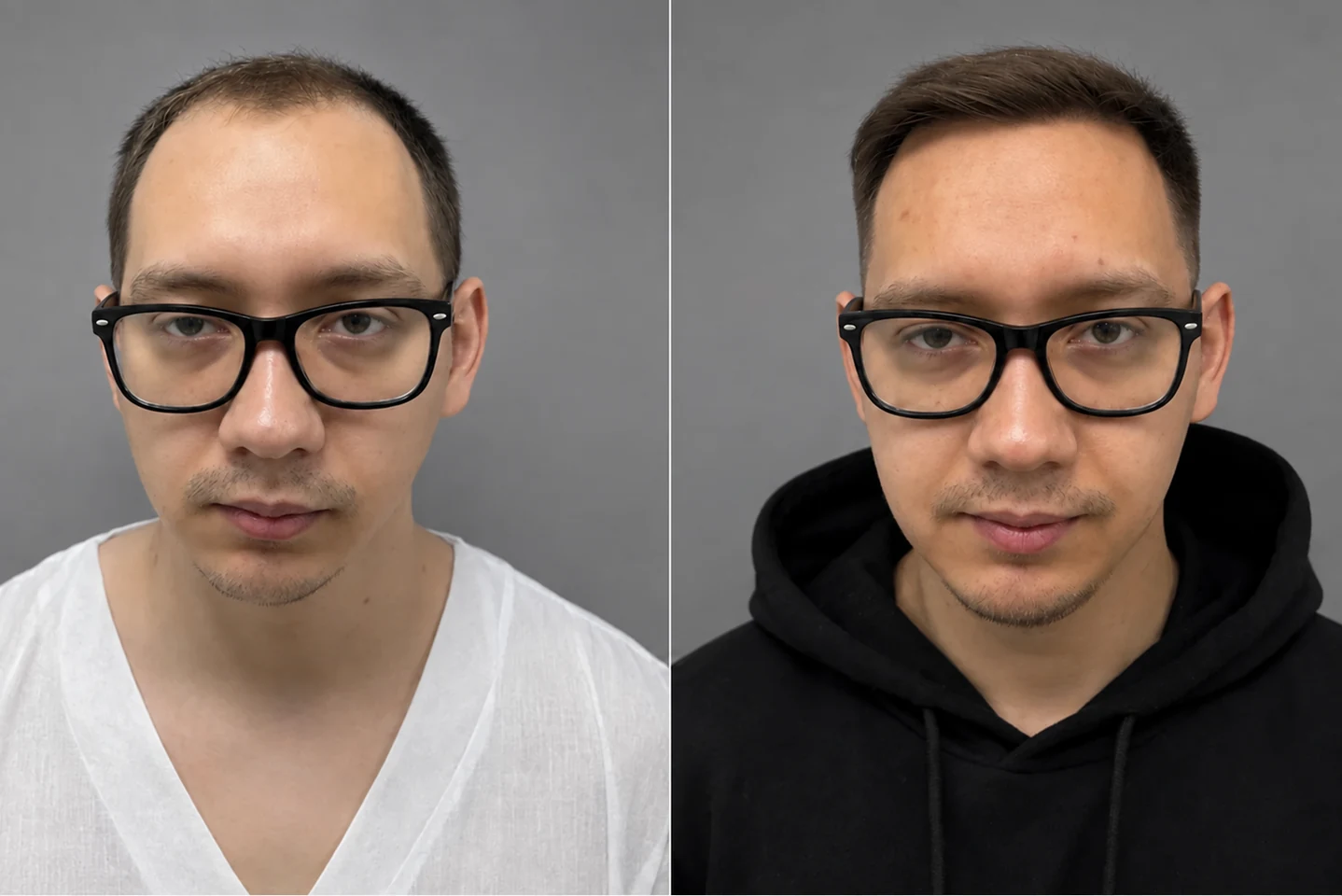
the start
12 months by now
3,100 grafts
FUE method
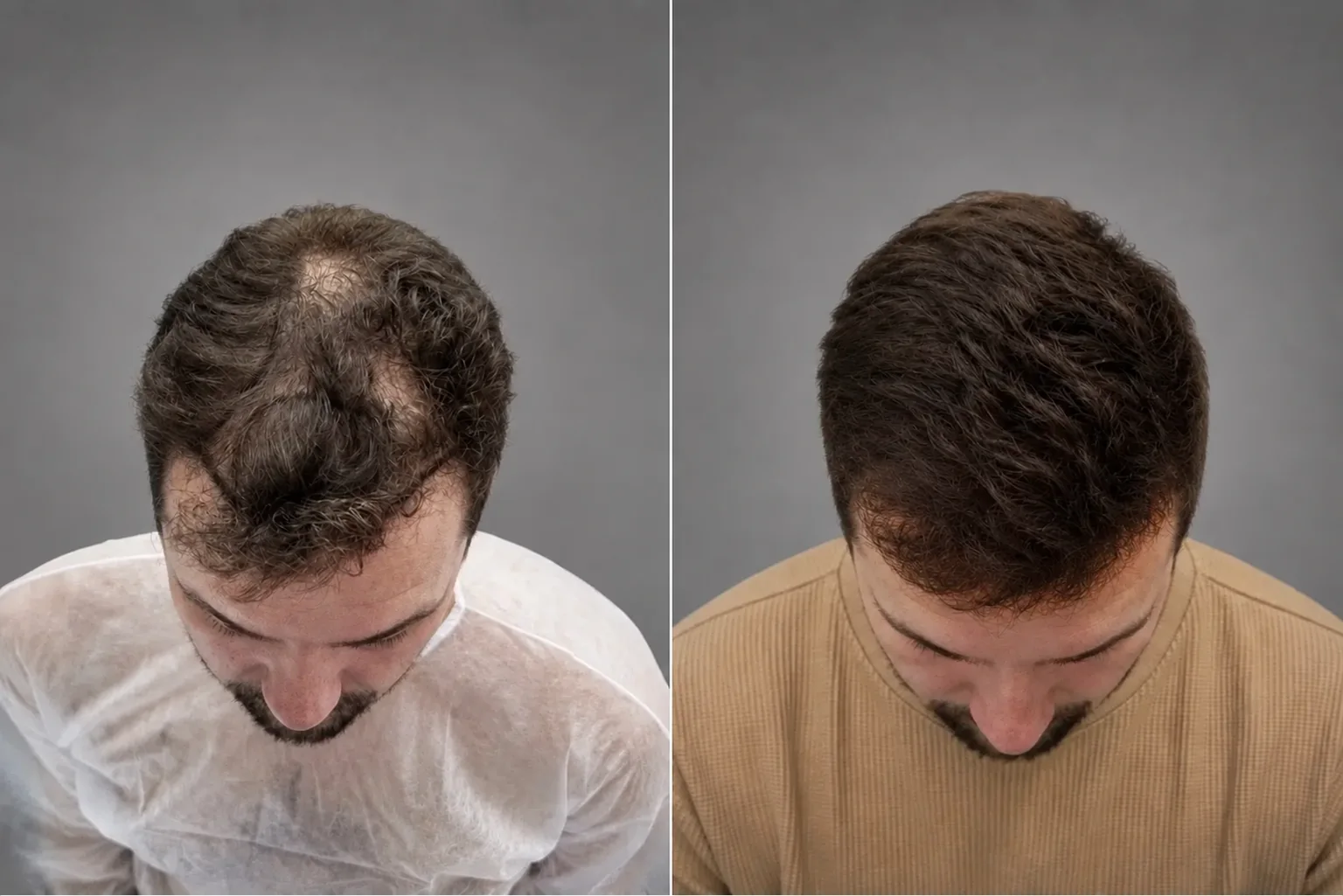
the start
12 months by now
3,600 grafts
FUE method
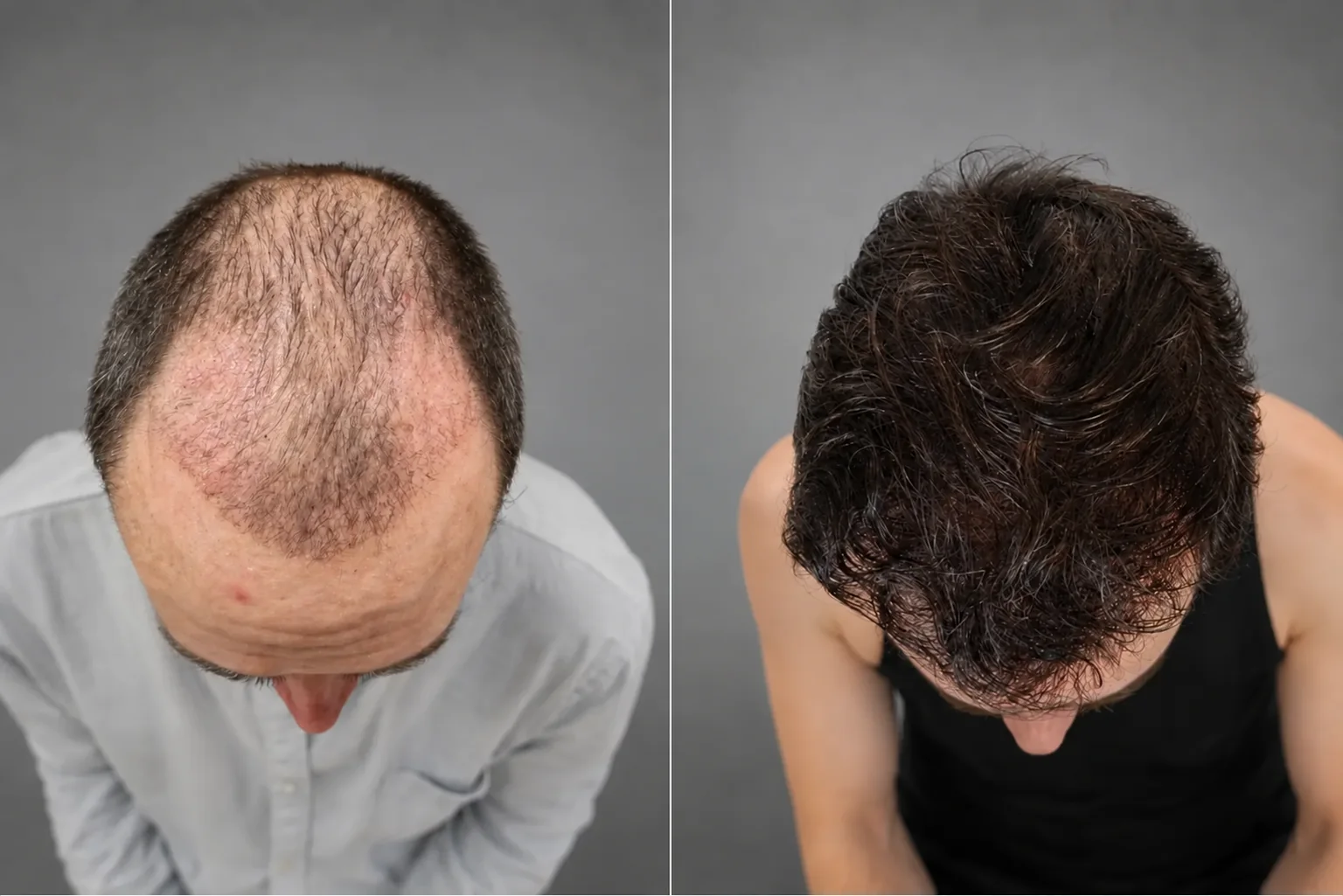
the start
12 months by now
4,000 grafts
FUE method
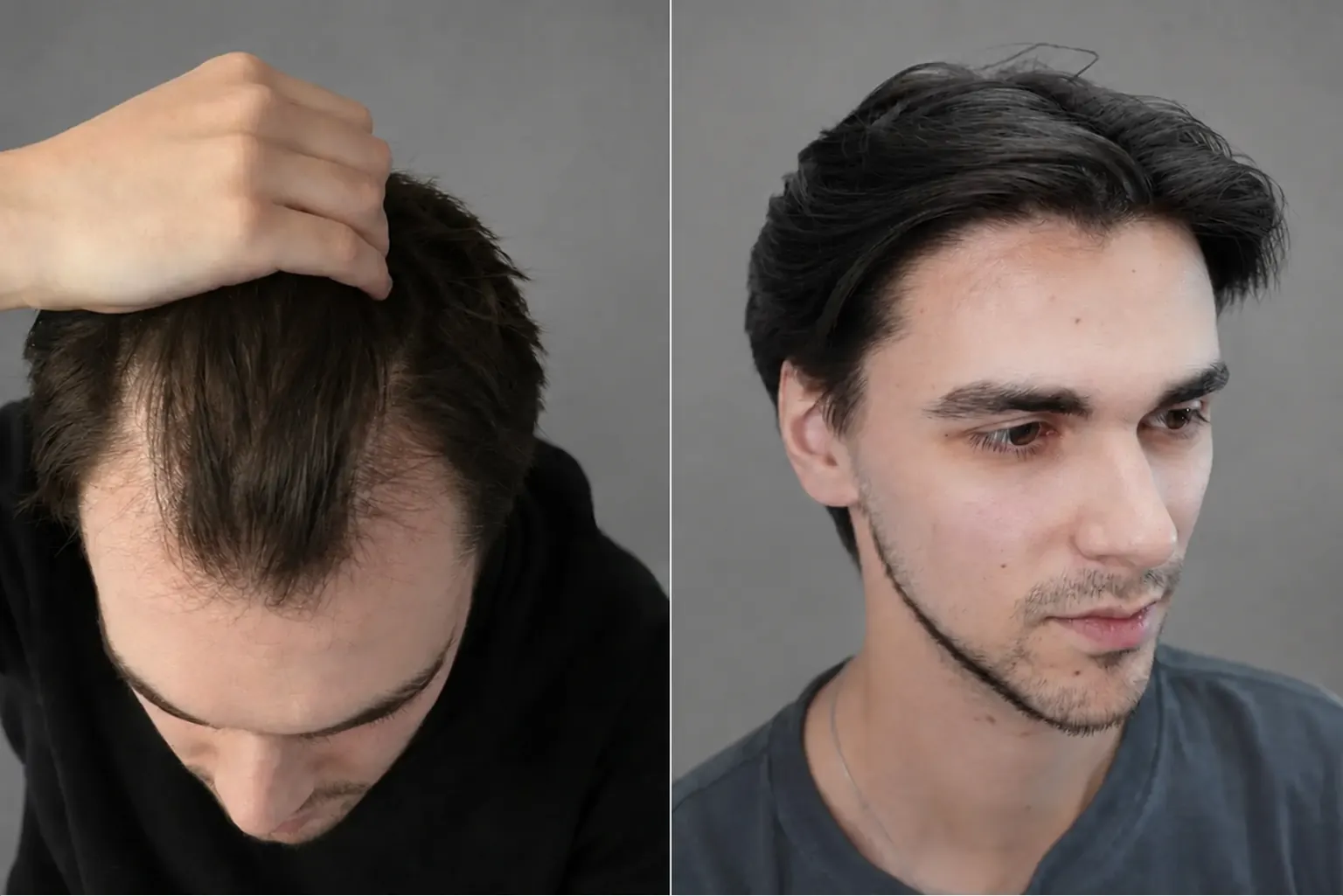
the start
12 months by now
3,200 grafts
FUE method
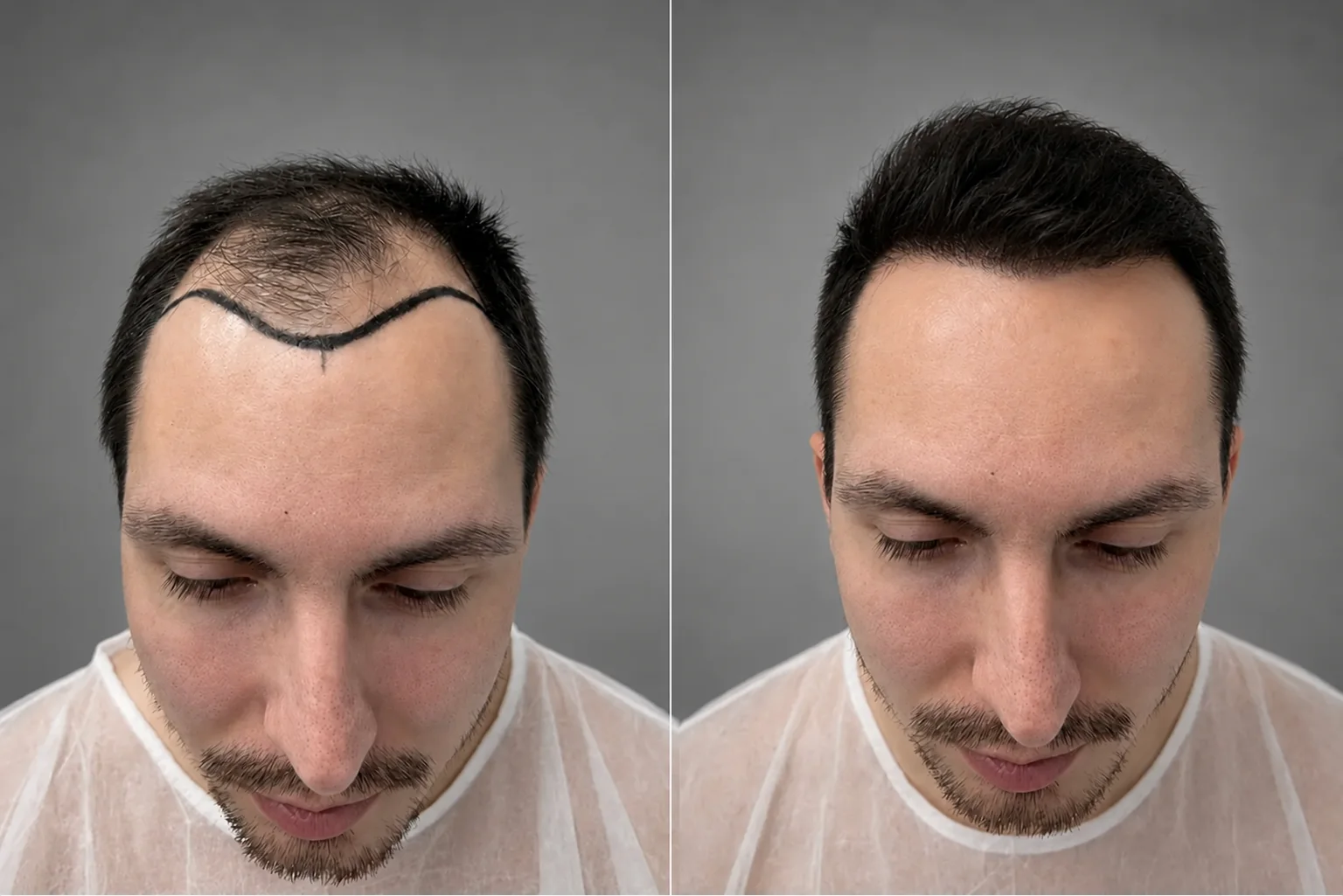
the start
12 months by now
3,000 grafts
FUE method
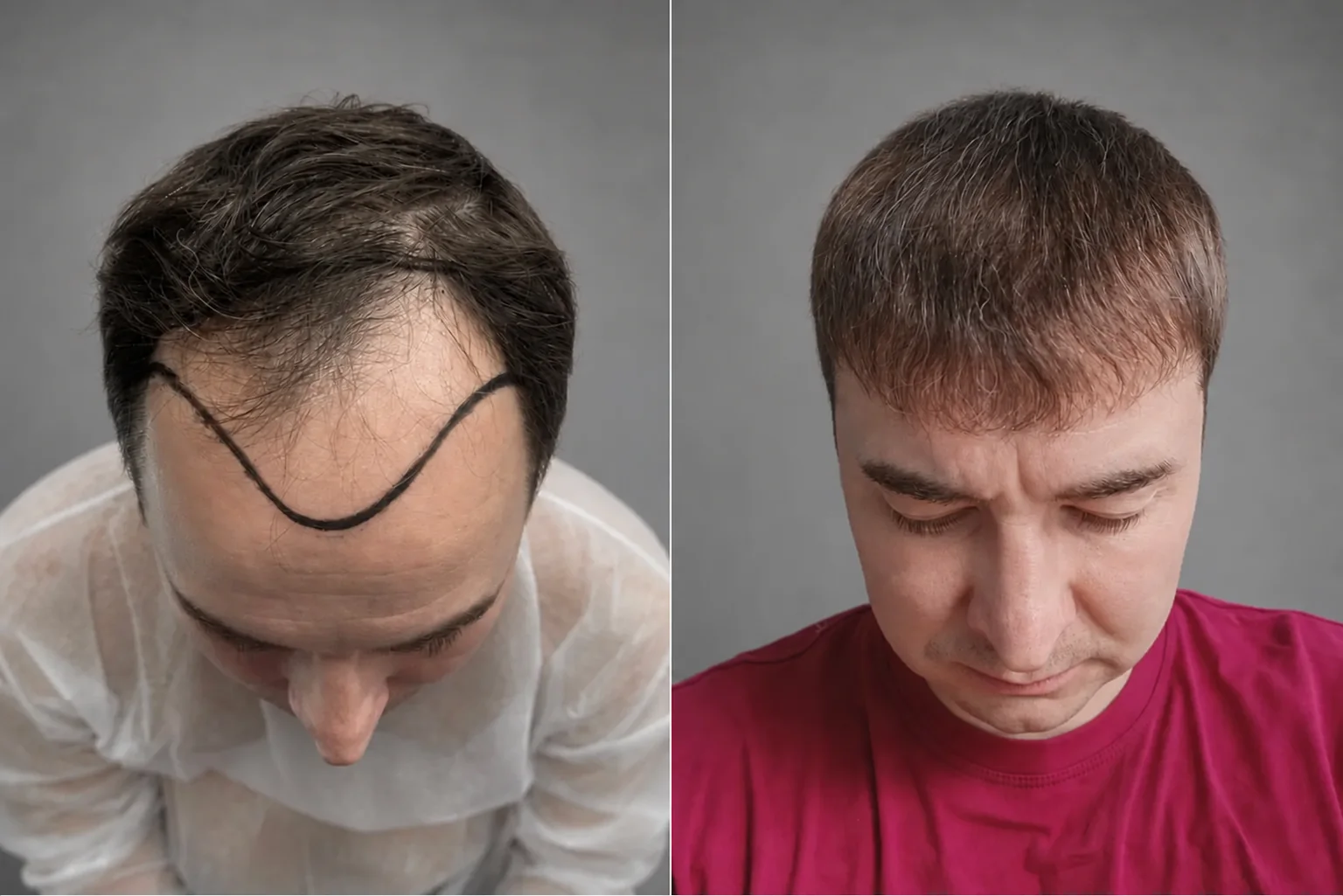
the start
12 months by now
3,700 grafts
FUE method
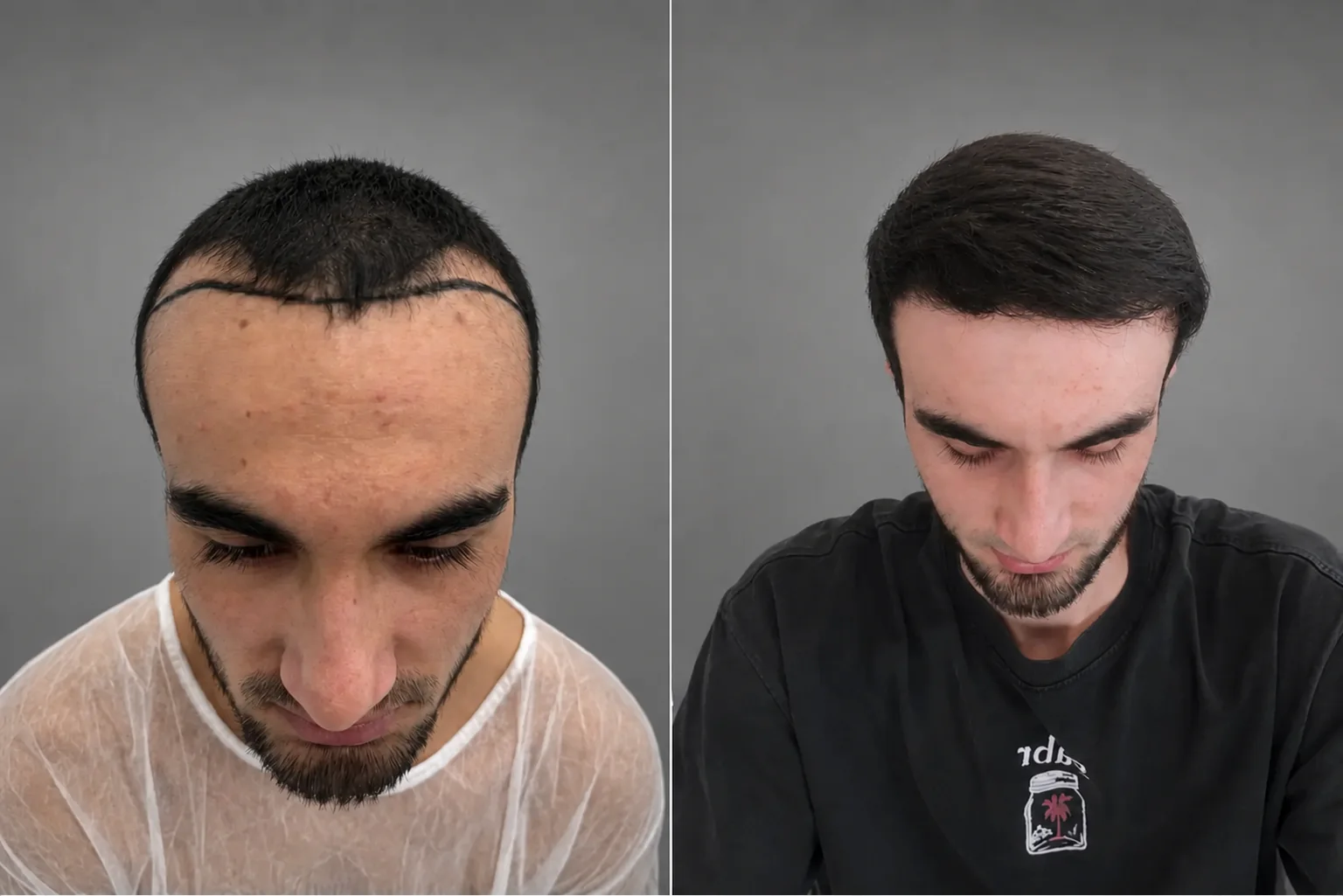
the start
12 months by now
2,700 grafts
FUE method
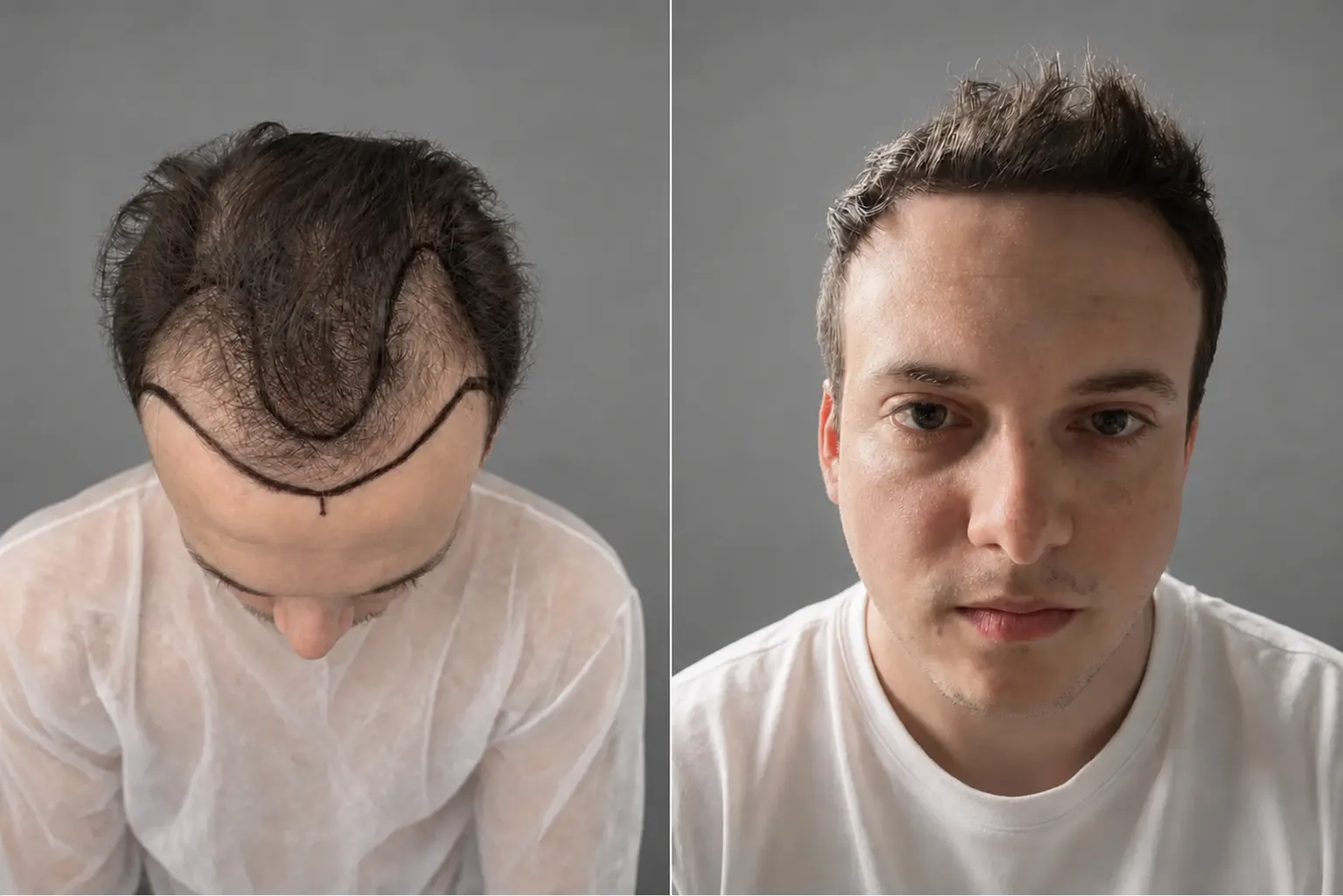
the start
12 months by now
3,800 grafts
FUE method
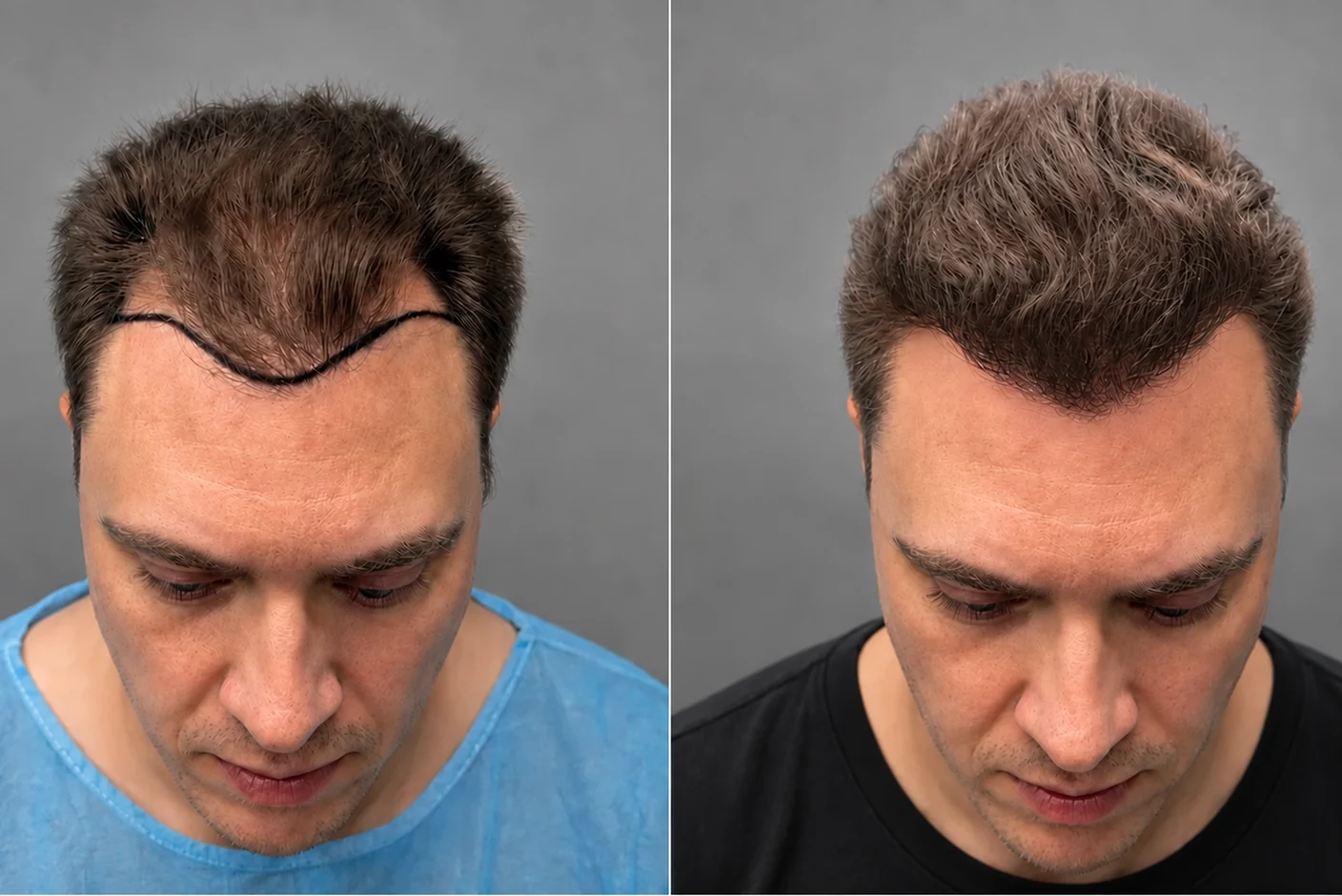
the start
12 months by now
3,300 grafts
FUE method
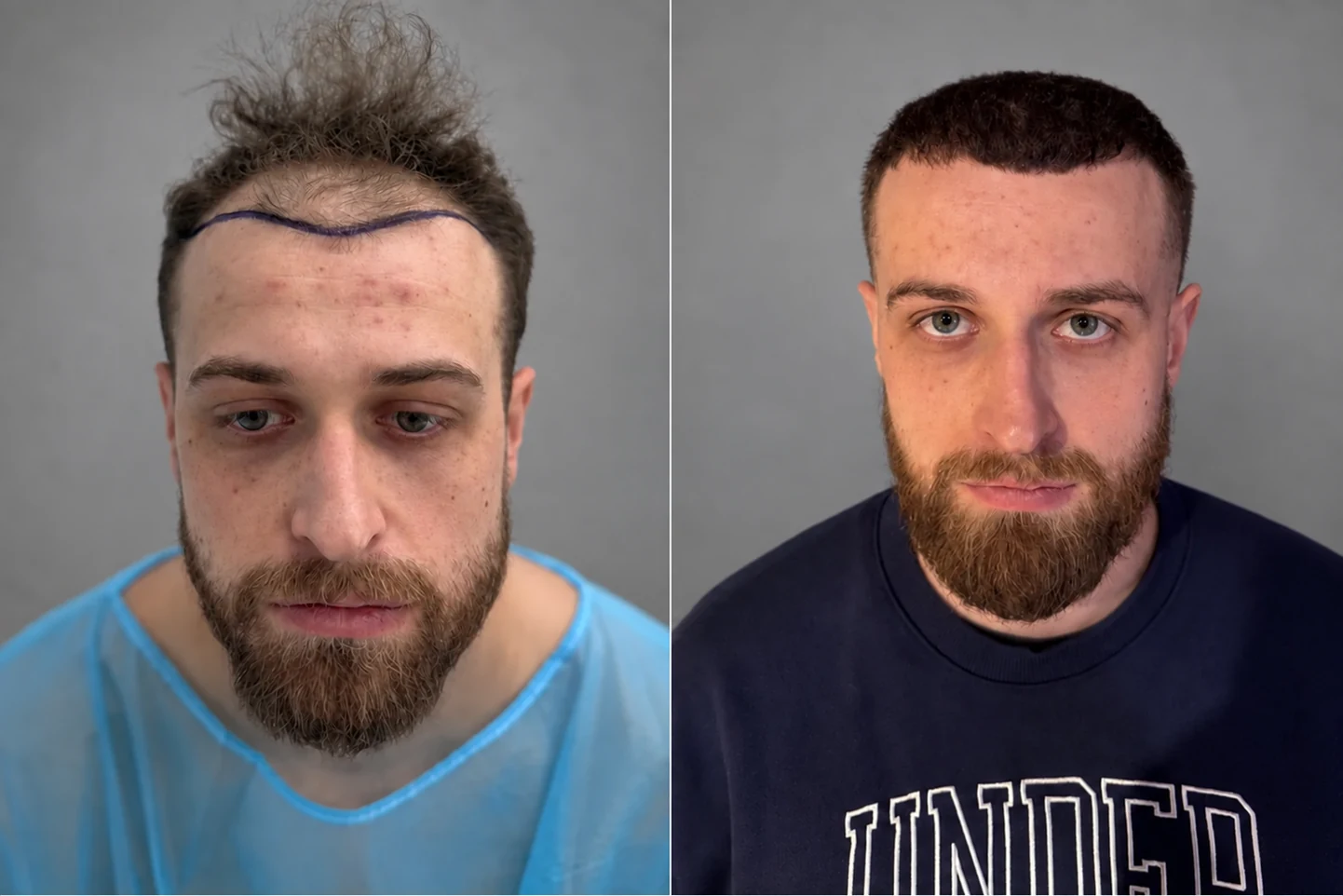
the start
12 months by now
2,800 grafts
FUE method
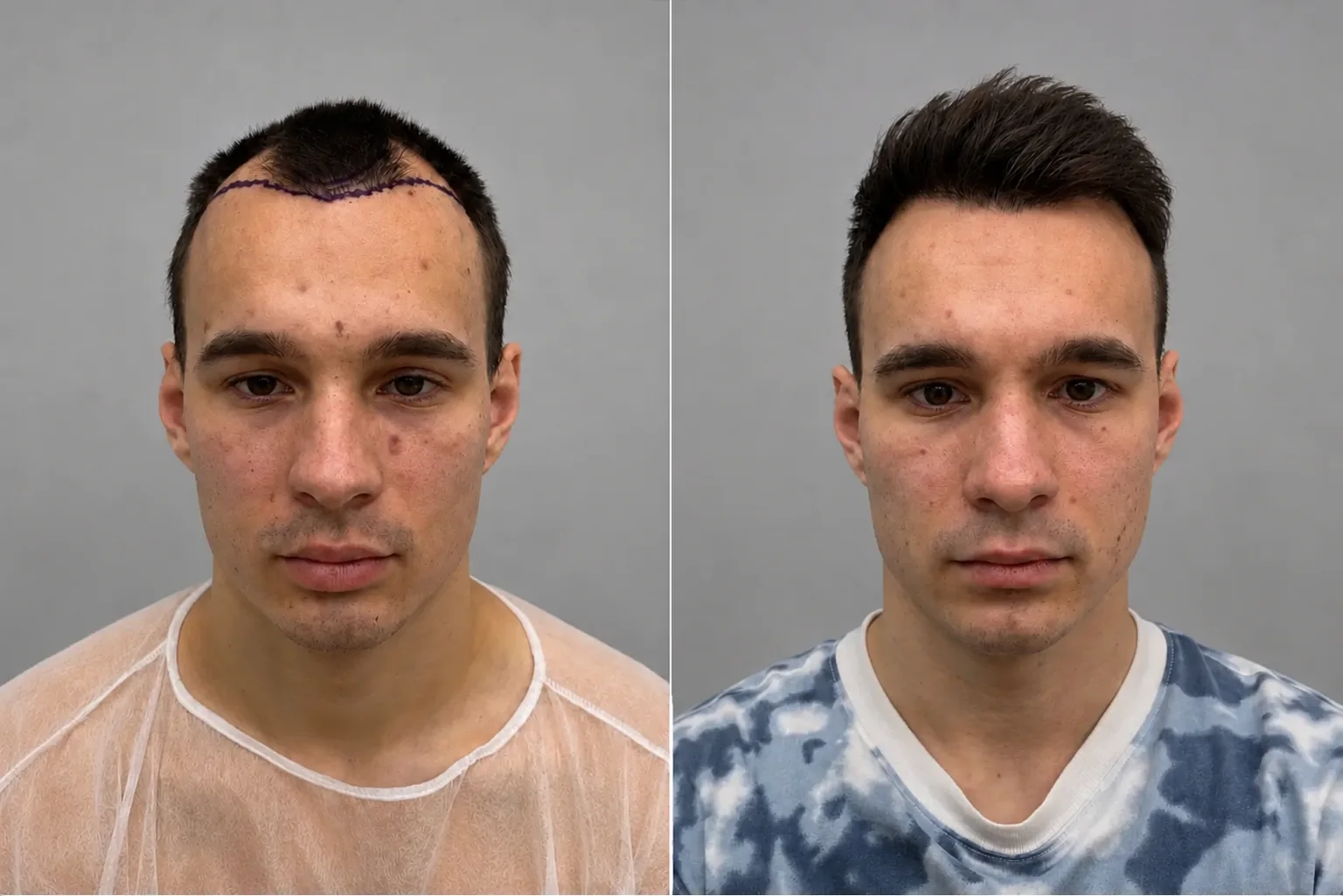
the start
12 months by now
2,500 grafts
FUE method
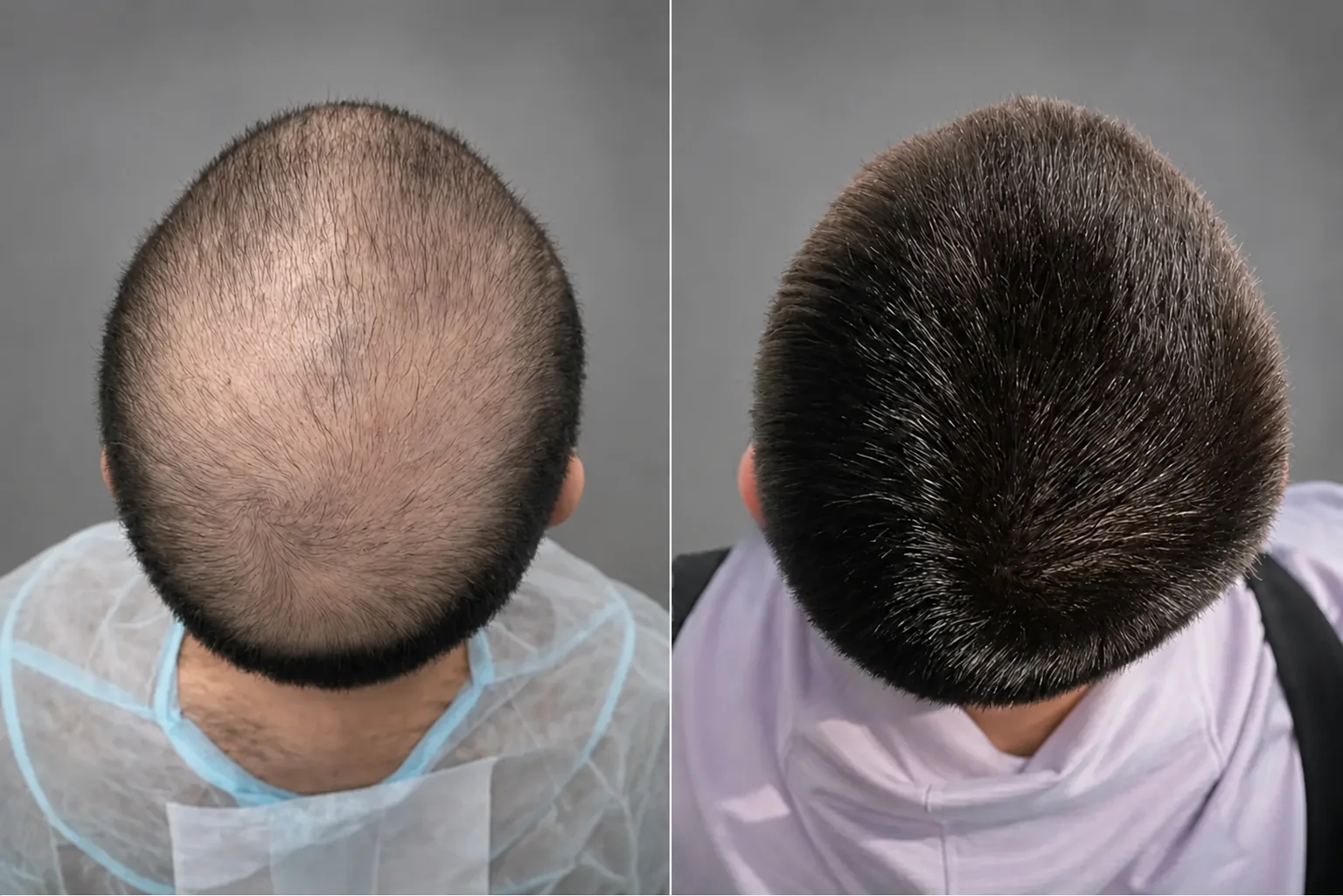
the start
12 months by now
3,900 grafts
FUE method
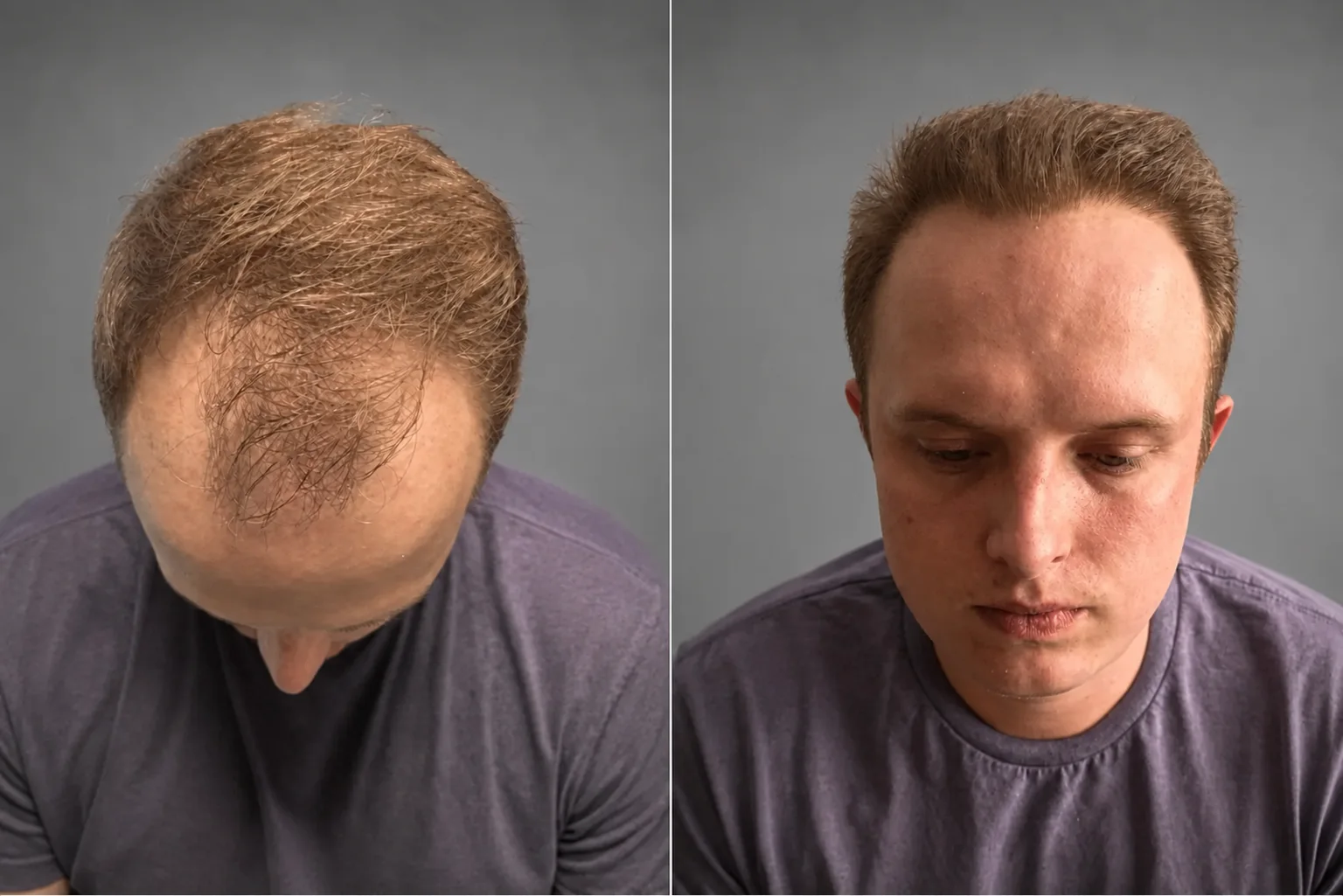
the start
12 months by now
3,500 grafts
FUE method
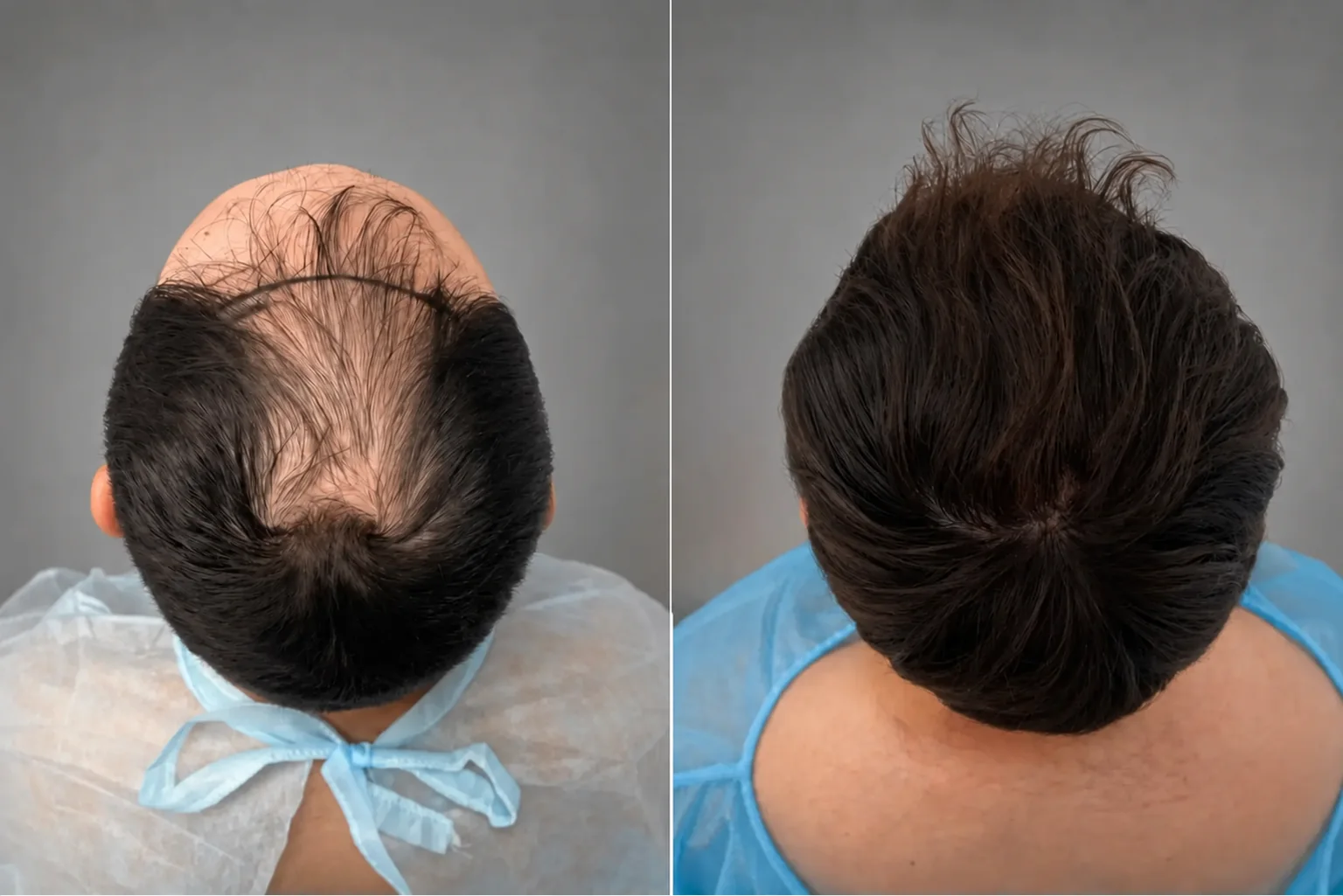
the start
12 months by now
3,800 grafts
FUE method
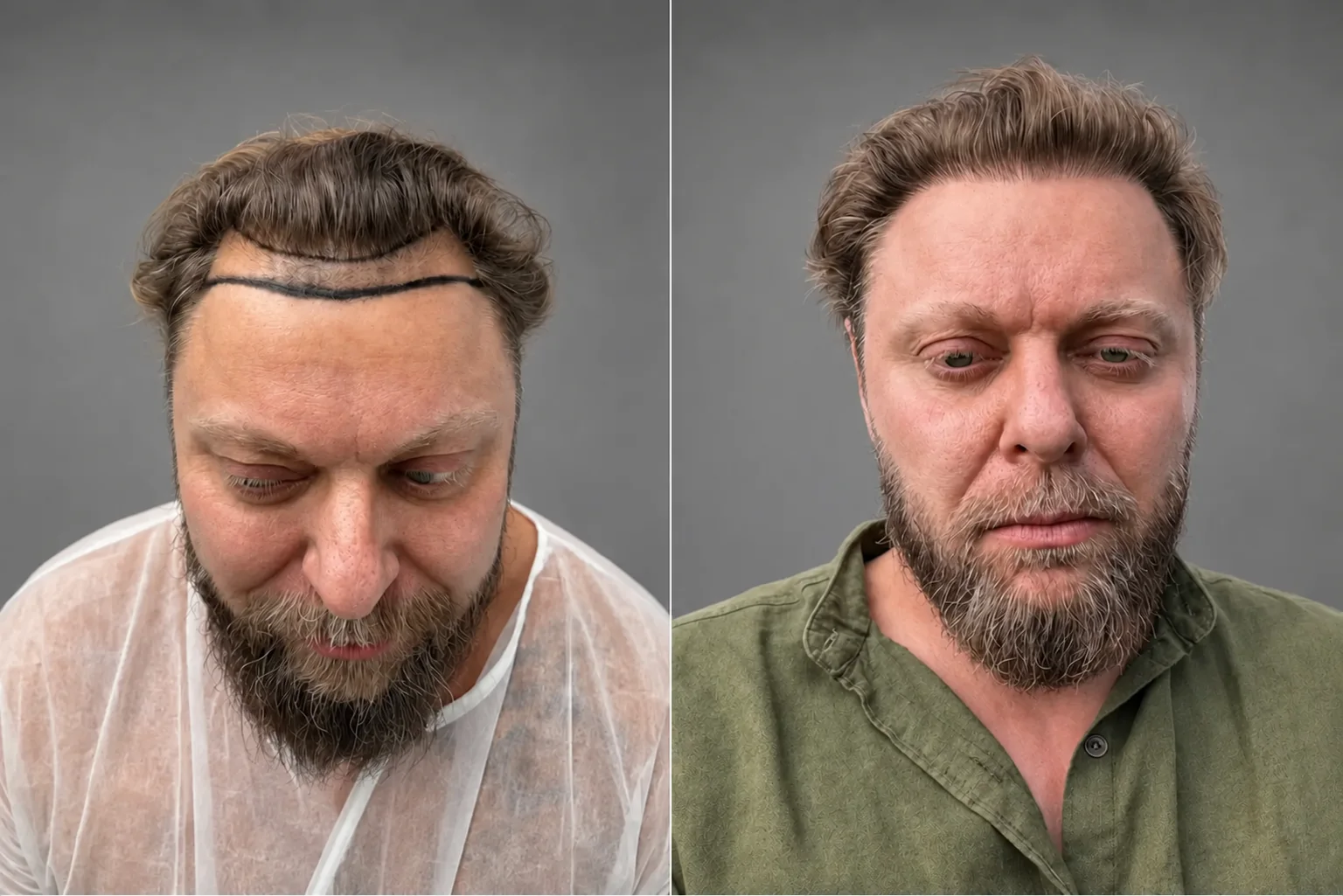
the start
12 months by now
2,900 grafts
FUE method
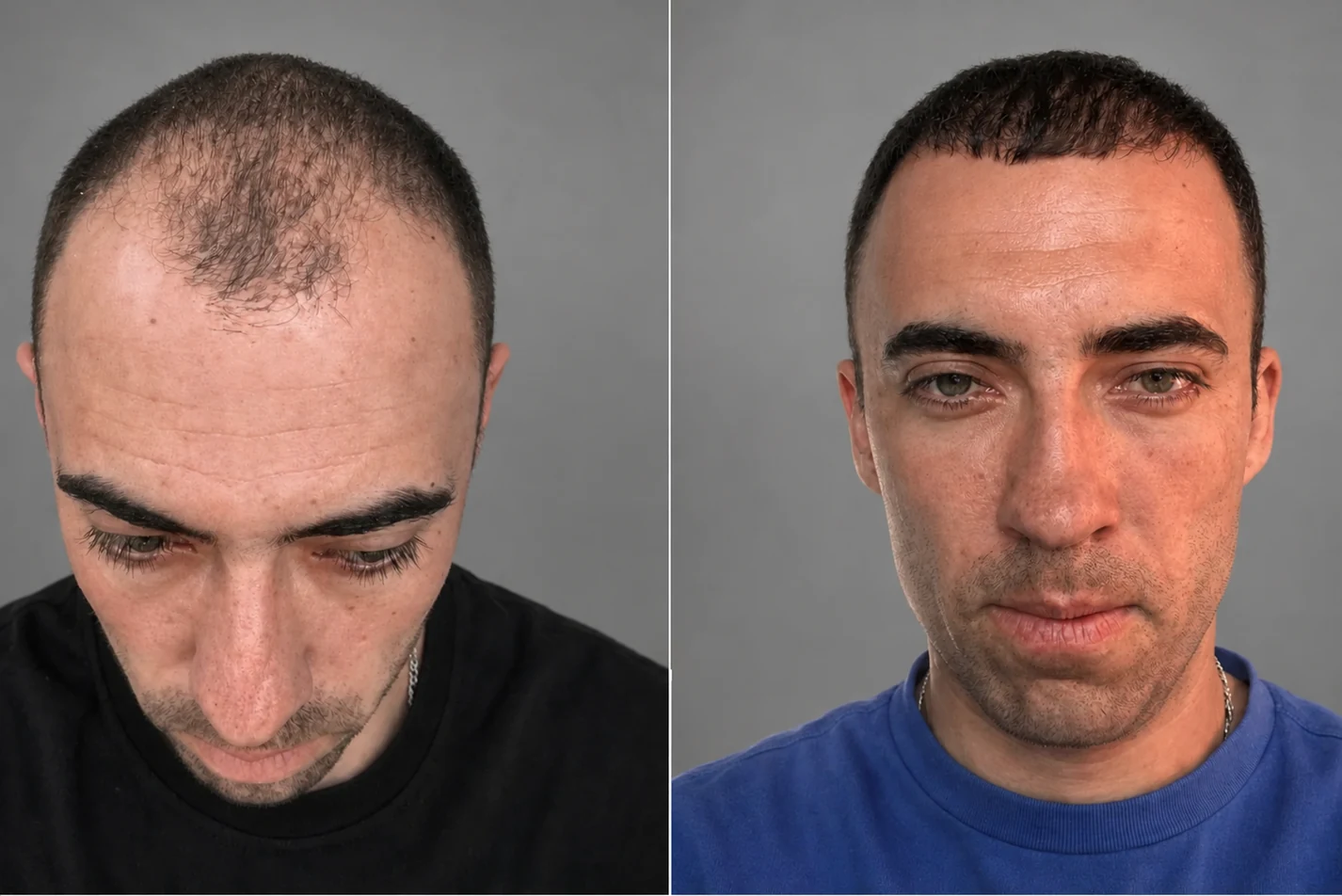
the start
12 months by now
3,600 grafts
FUE method
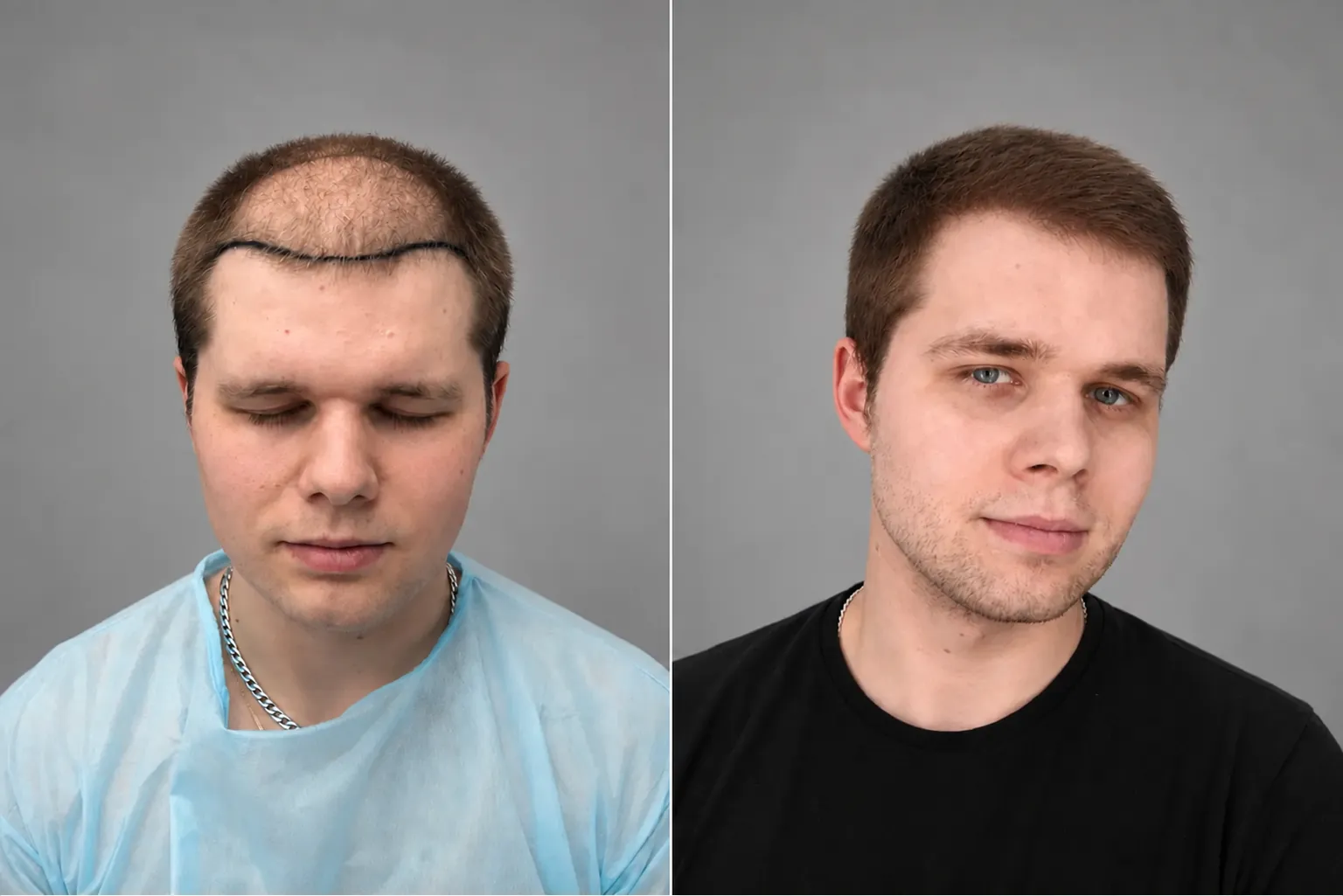
the start
12 months by now
2,600 grafts
FUE method
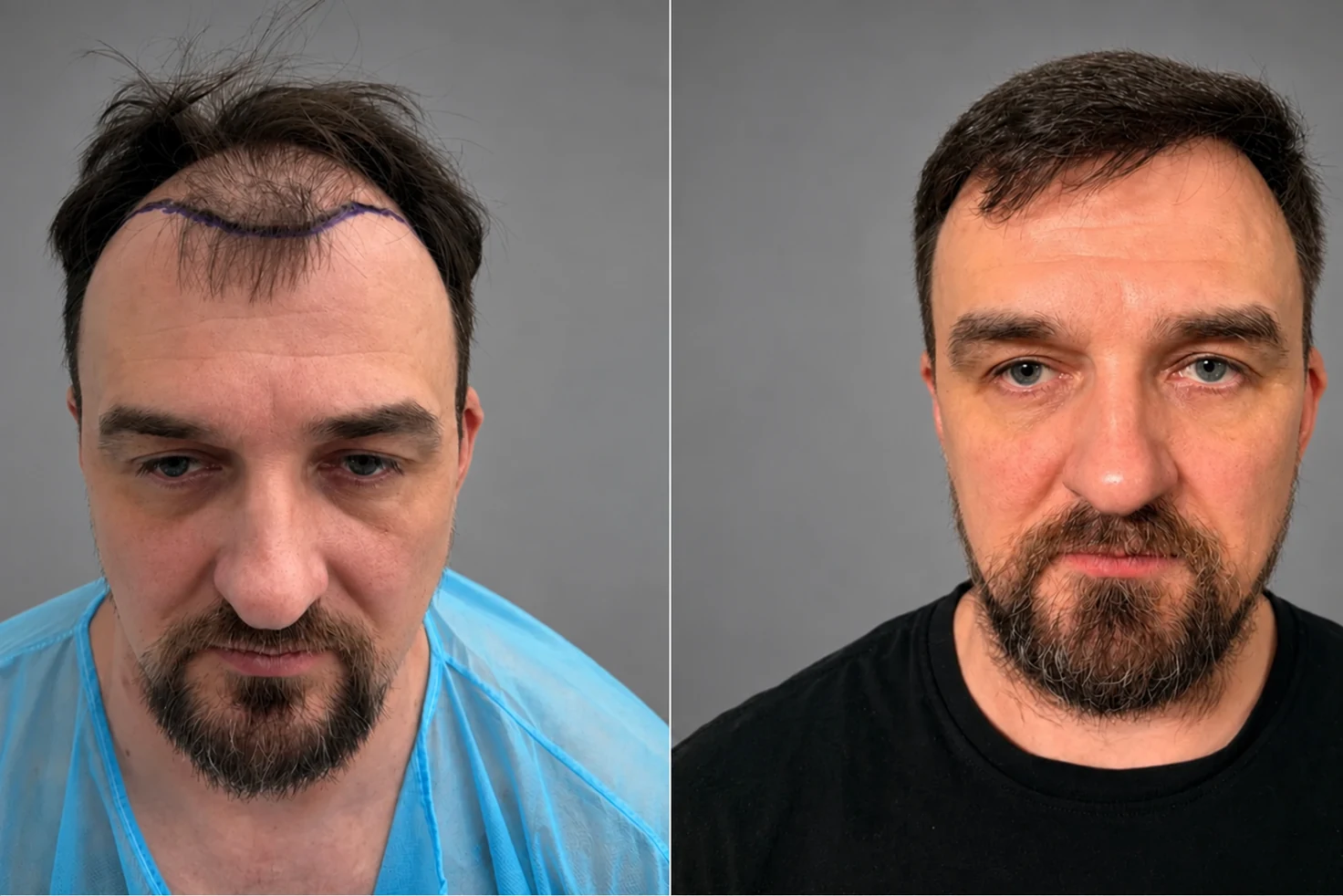
the start
12 months by now
2,700 grafts
FUE method
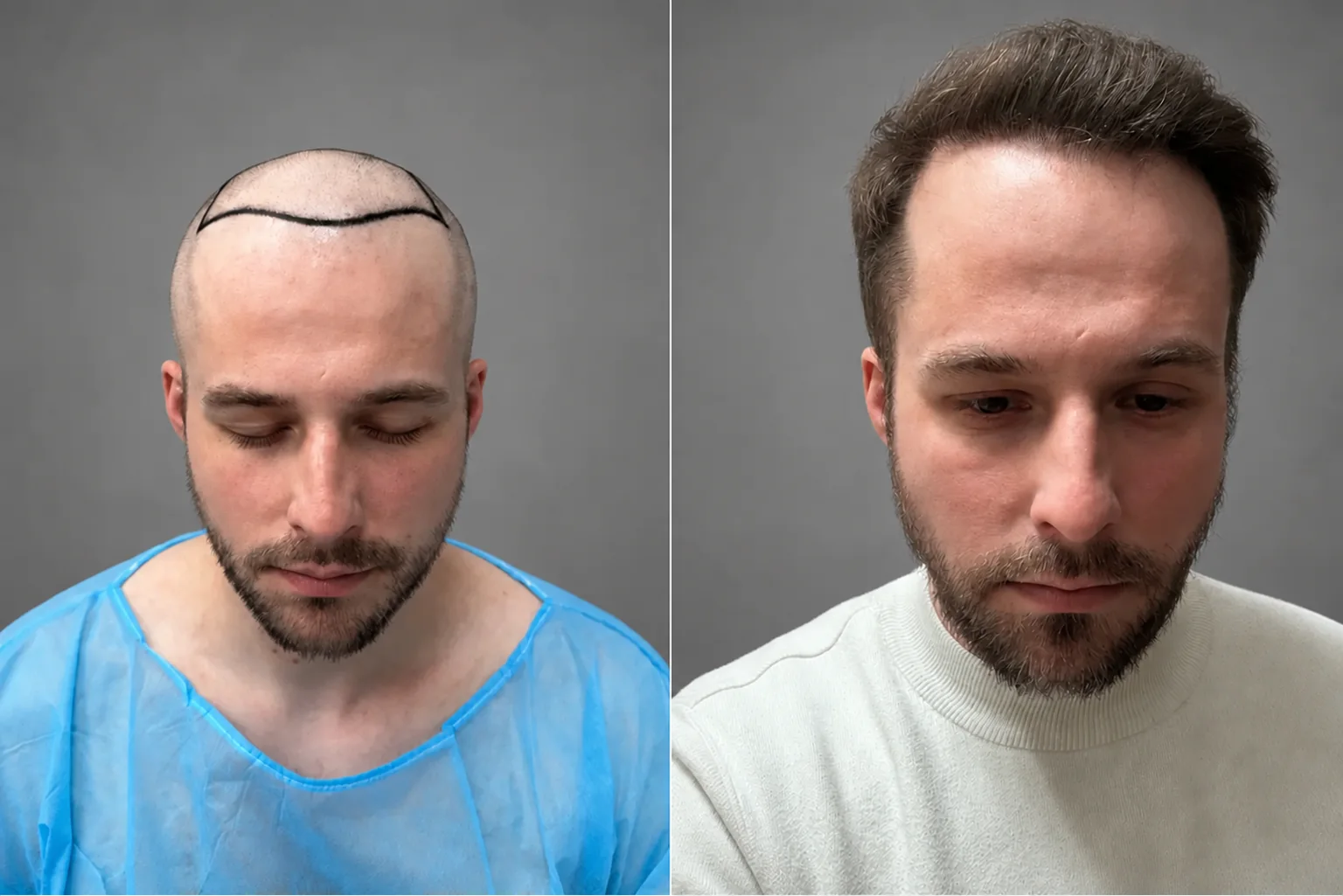
the start
12 months by now
3,700 grafts
FUE method
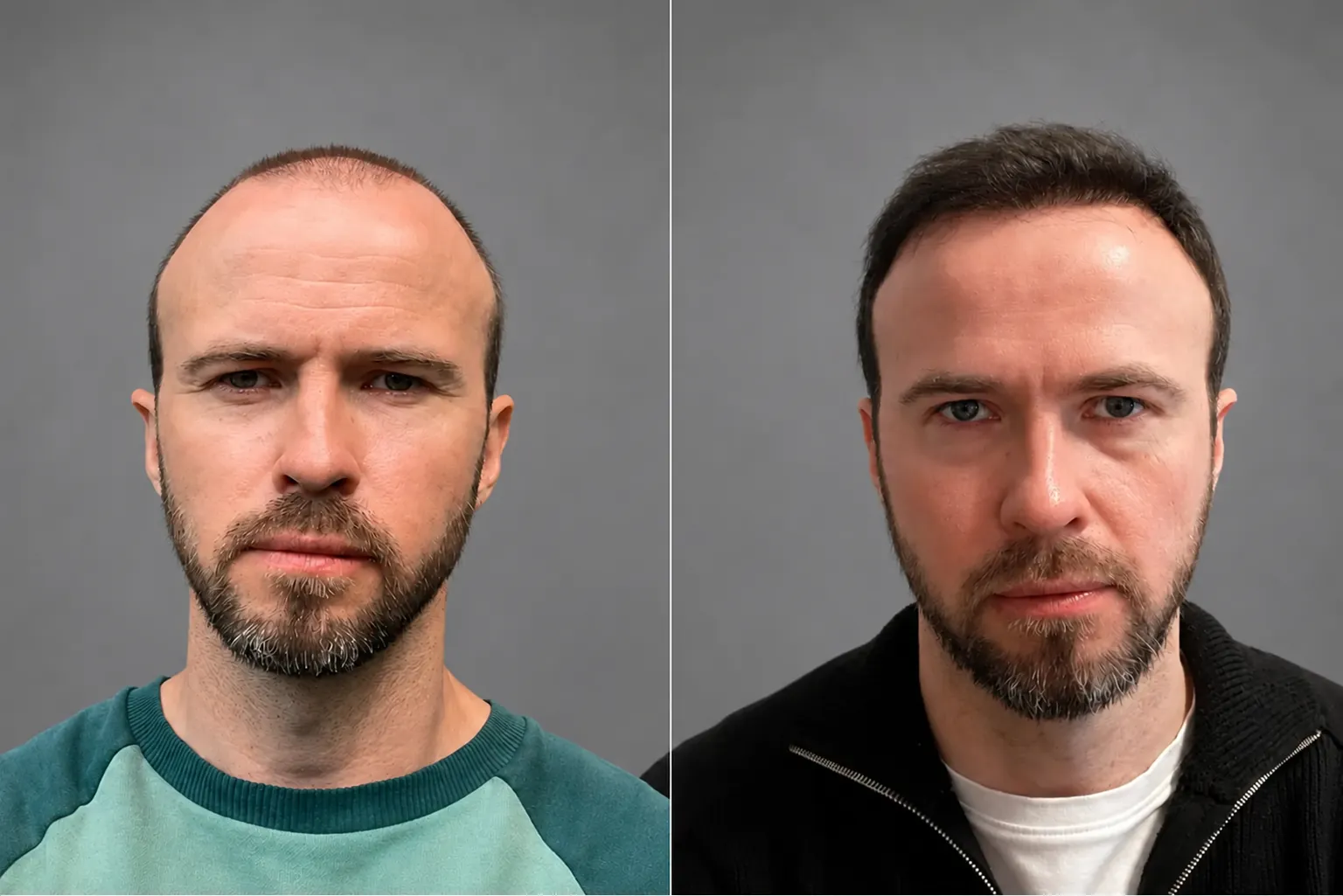
the start
12 months by now
3,200 grafts
FUE method
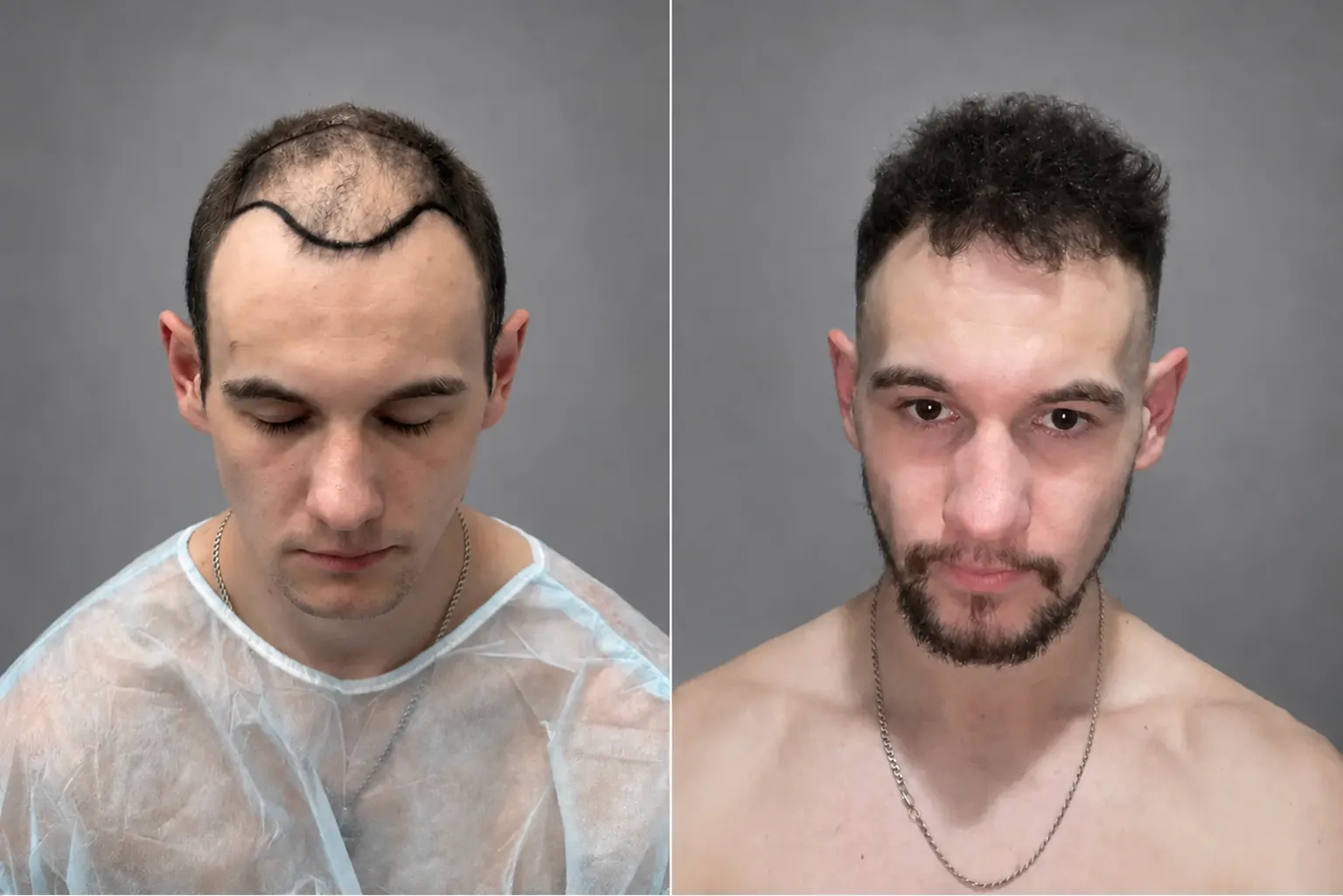
the start
12 months by now
3,000 grafts
FUE method
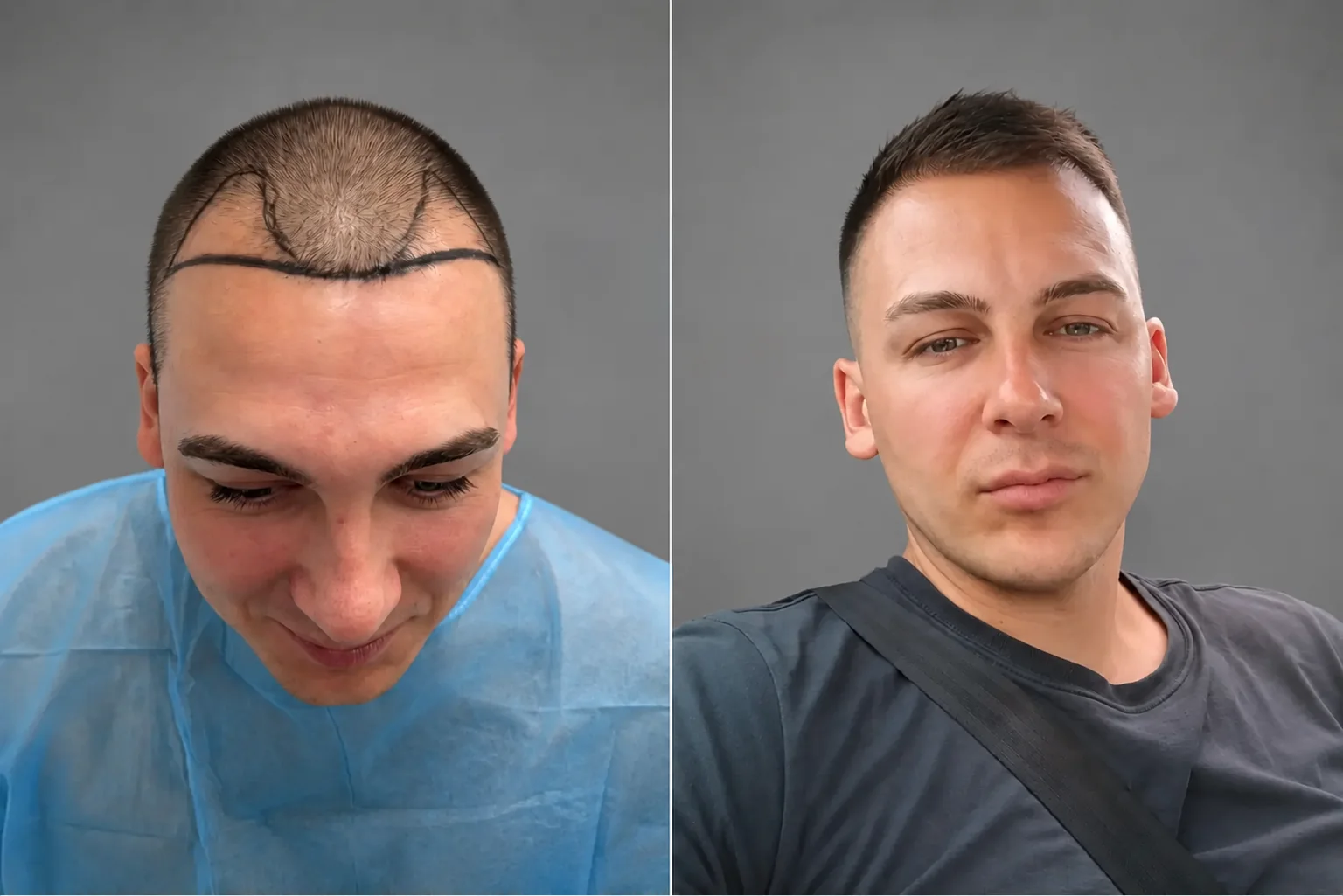
the start
12 months by now
2,800 grafts
FUE method
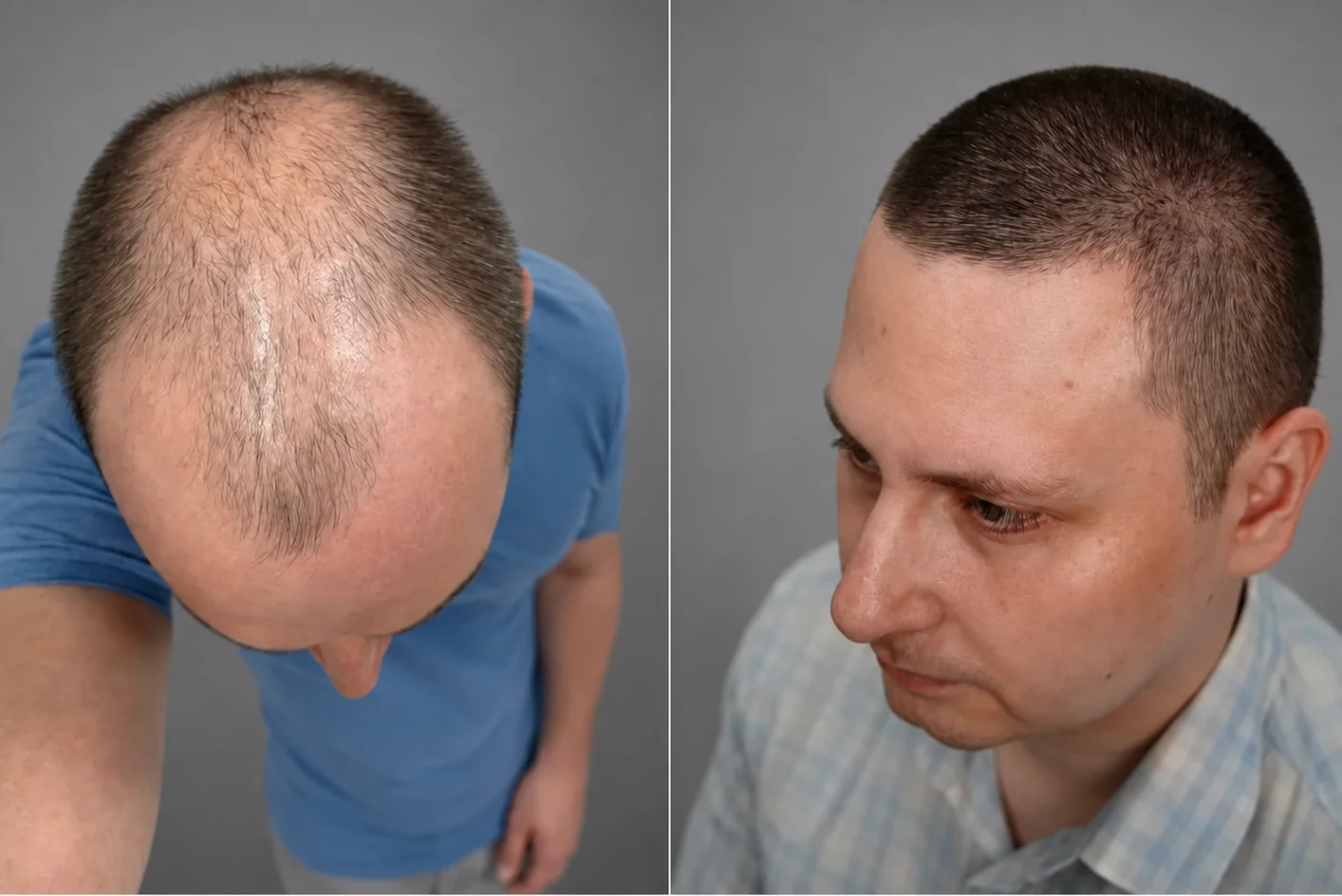
the start
12 months by now
4,000 grafts
FUE method
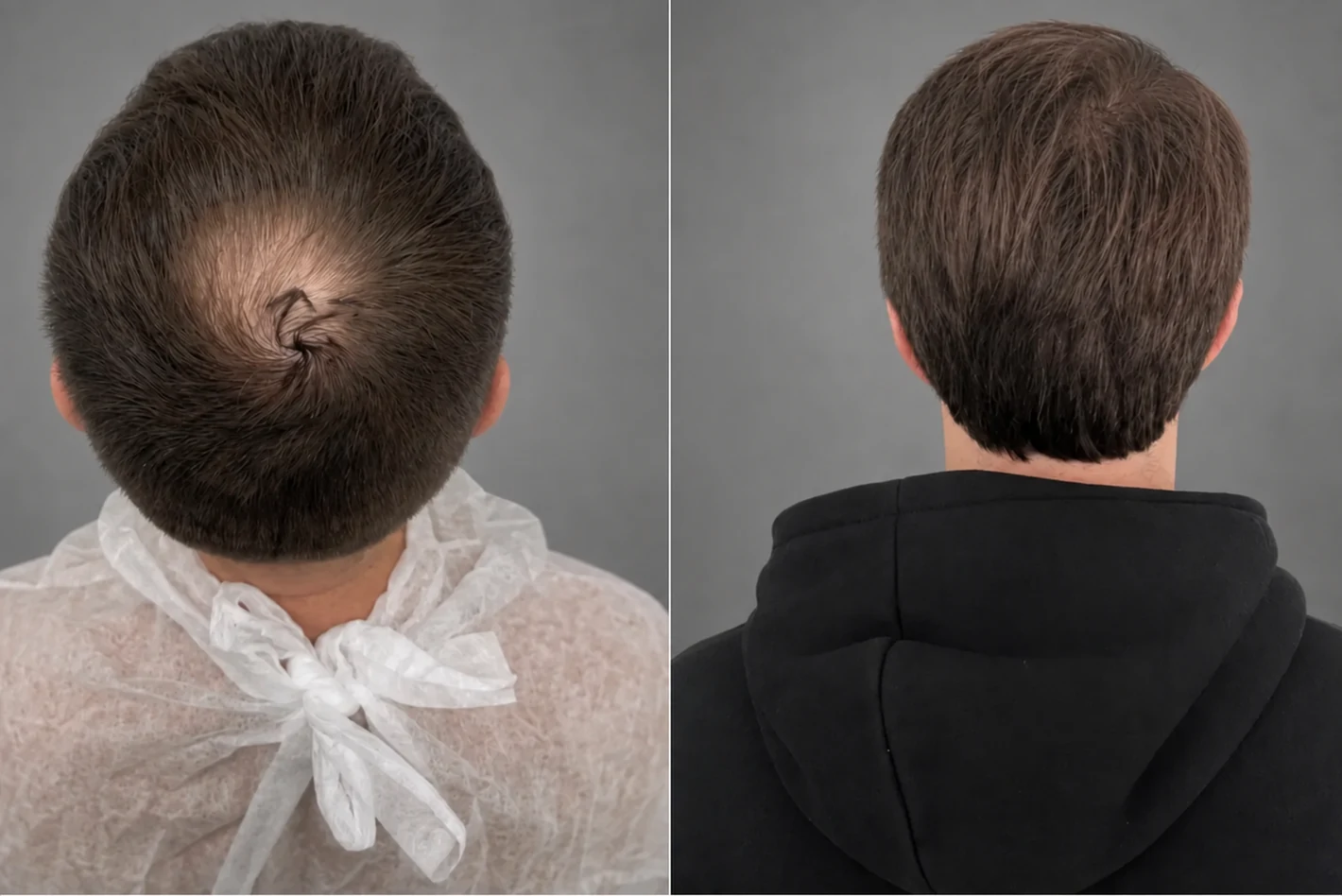
the start
12 months by now
3,400 grafts
FUE method
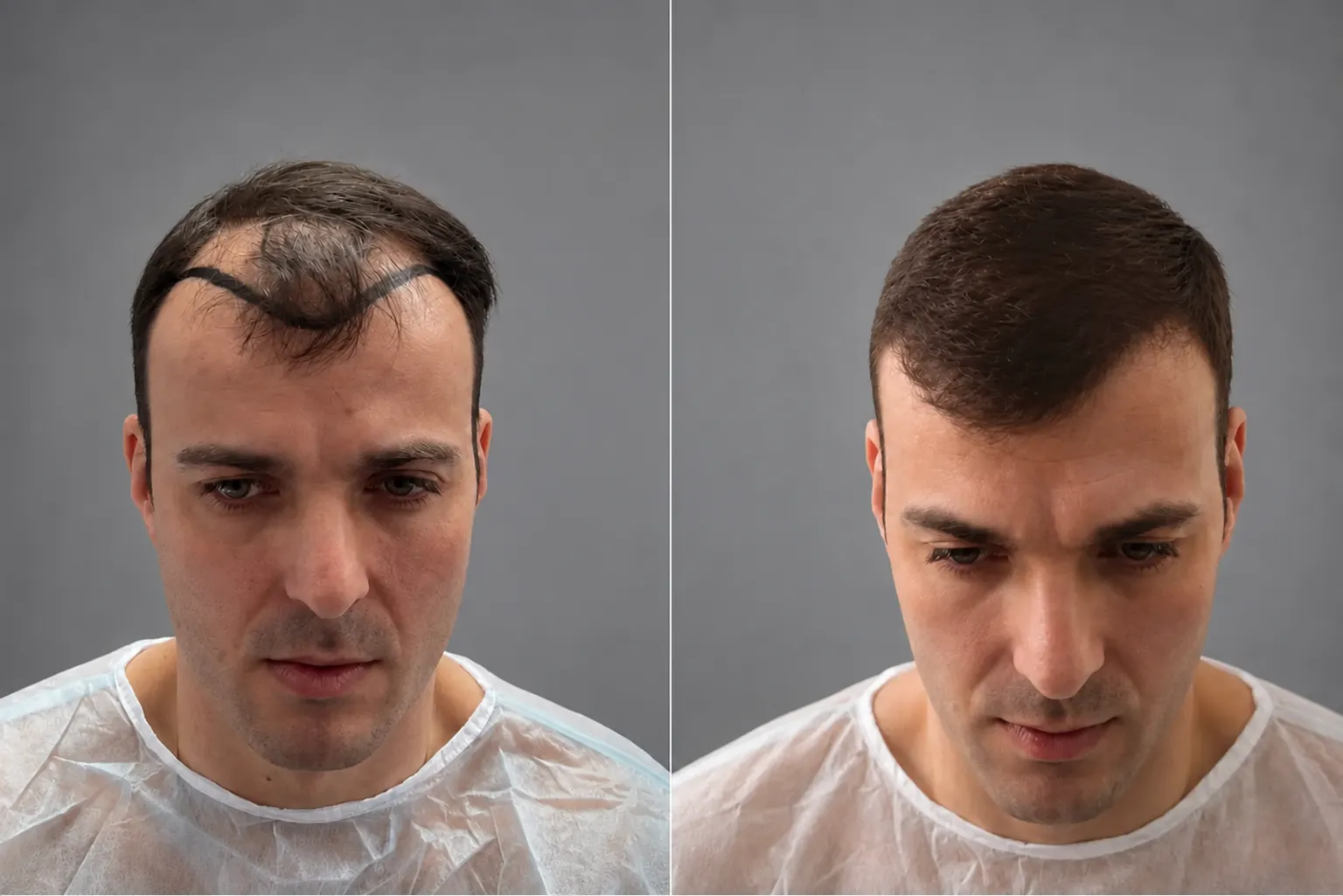
the start
12 months by now
2,900 grafts
FUE method
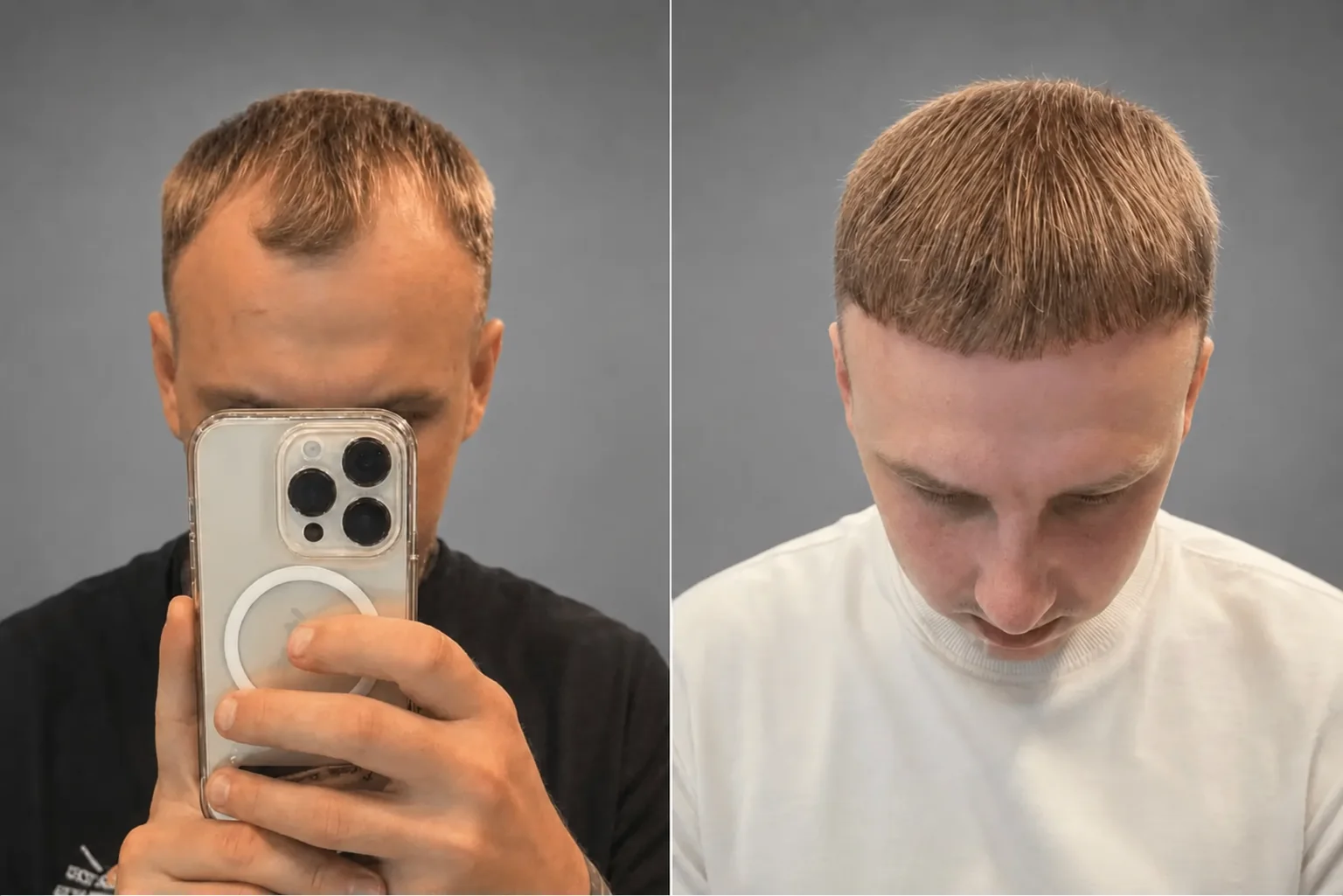
the start
12 months by now
3,100 grafts
FUE method
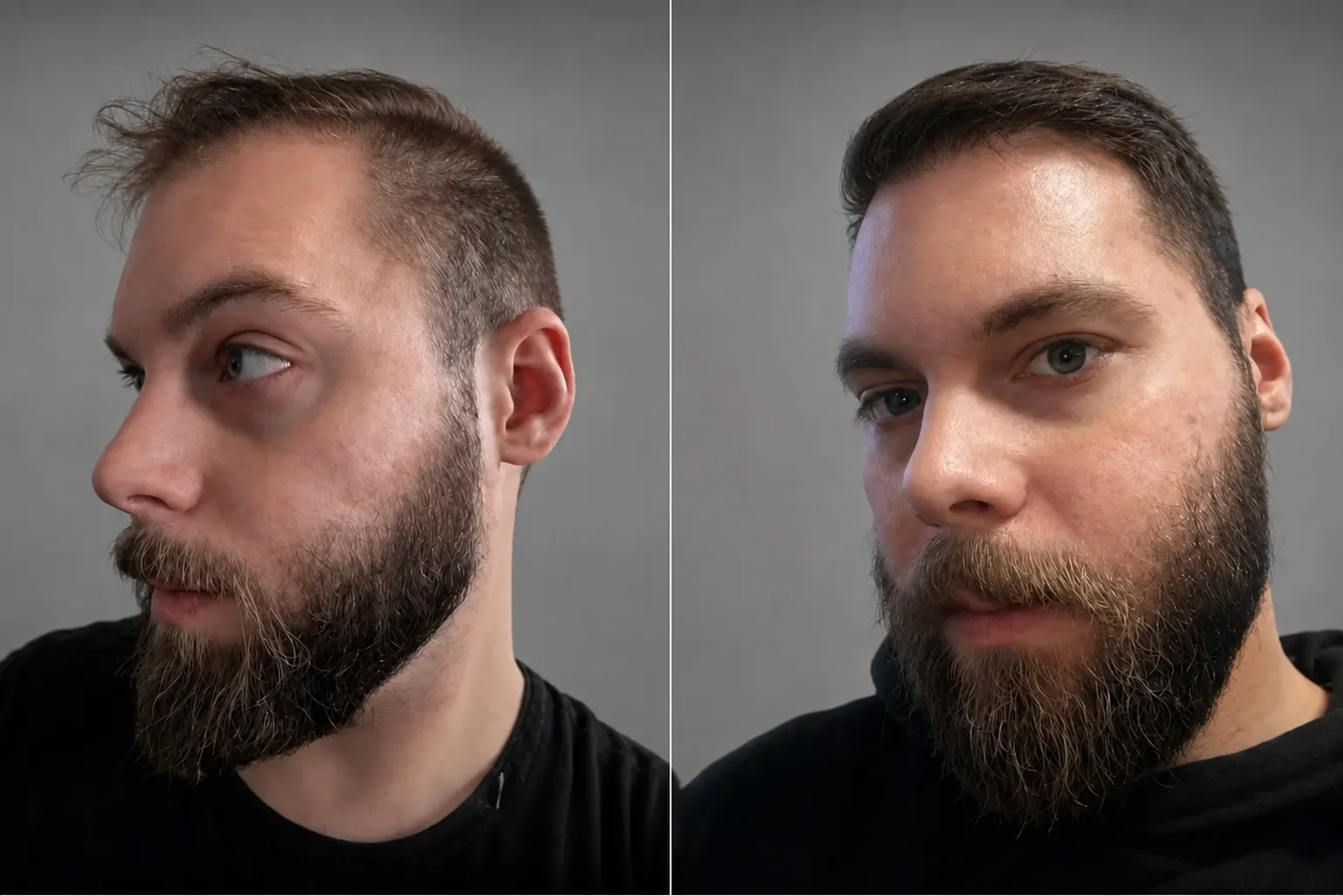
the start
12 months by now
2,600 grafts
FUE method
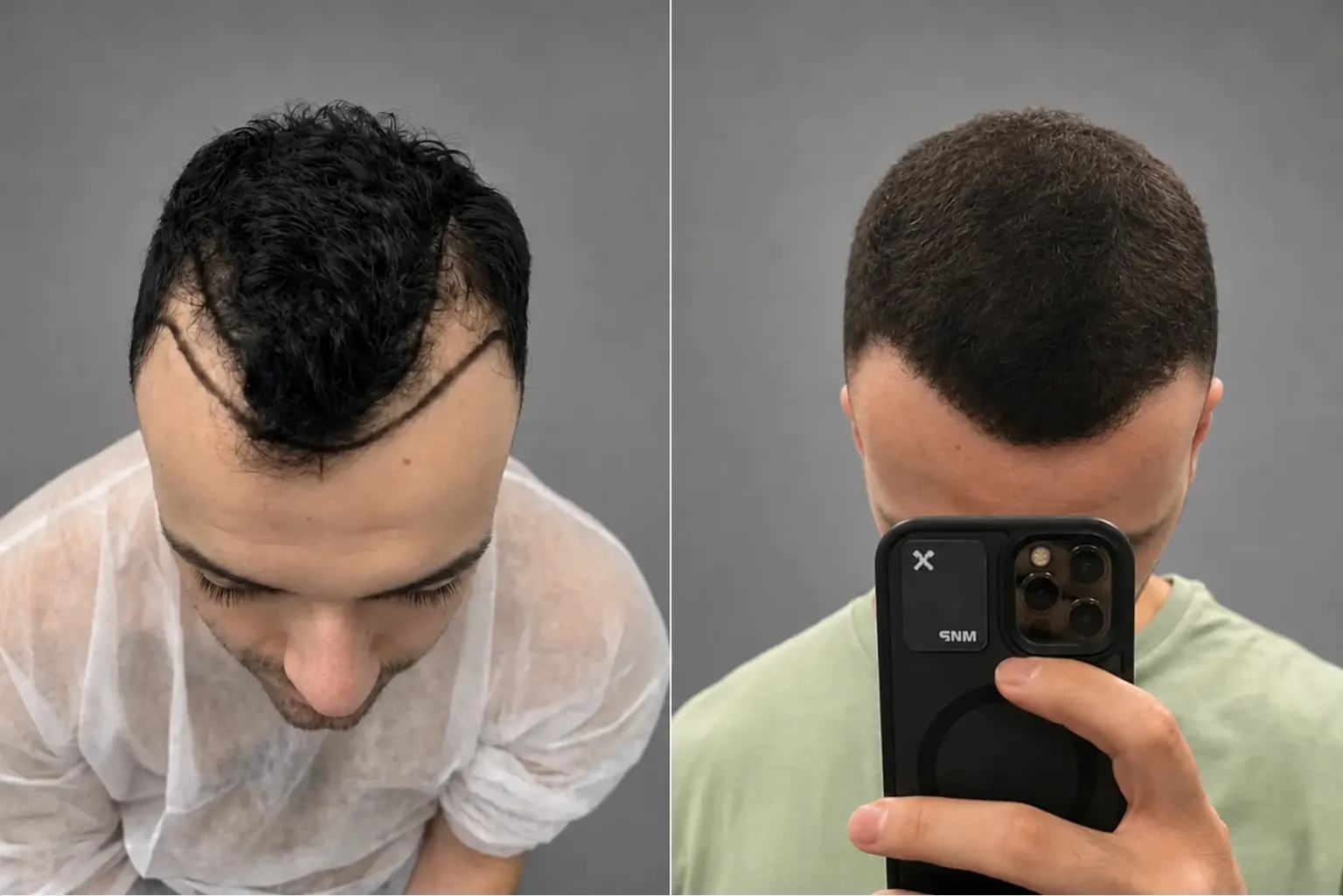
the start
12 months by now
3,300 grafts
FUE method
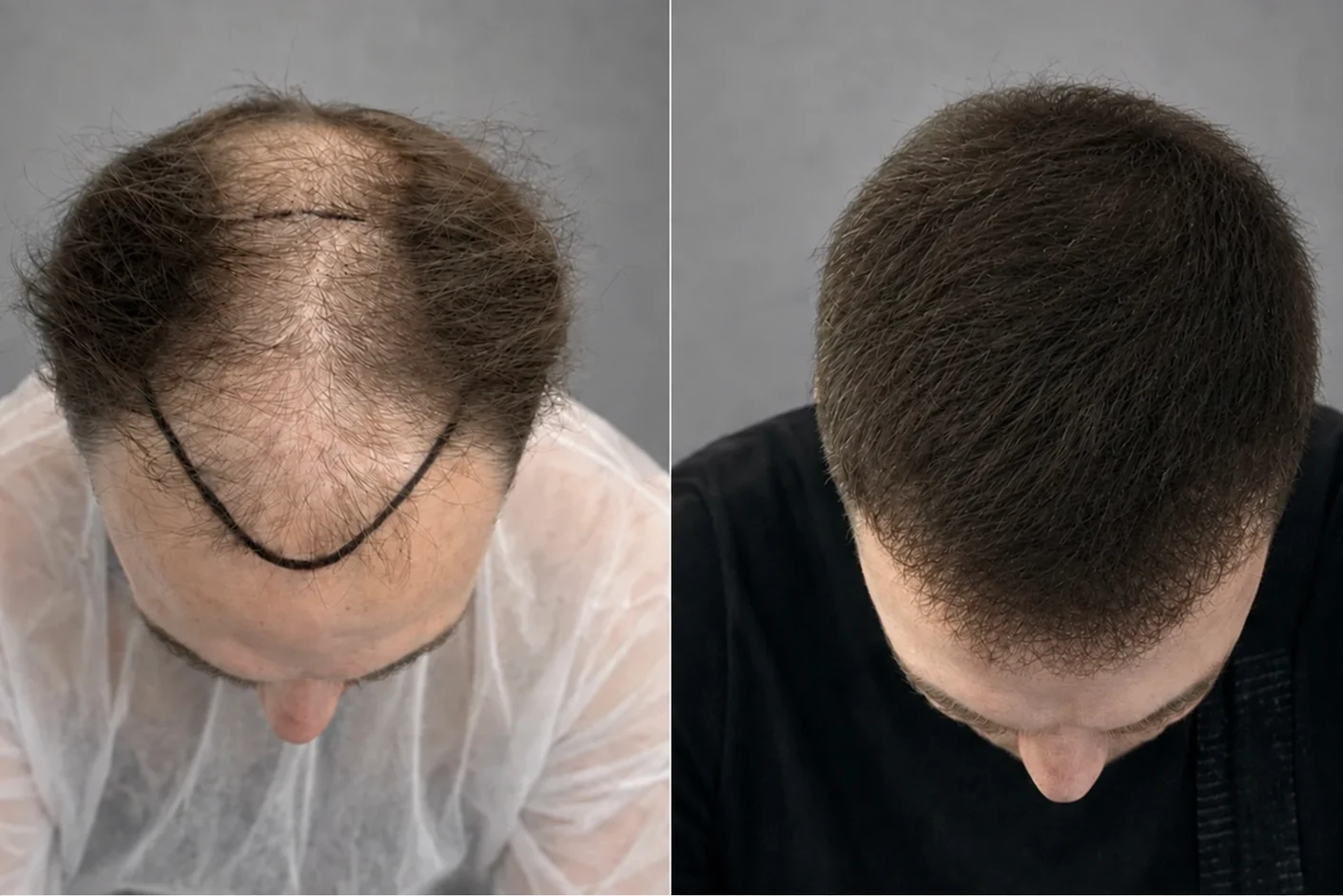
the start
12 months by now
3,900 grafts
FUE method
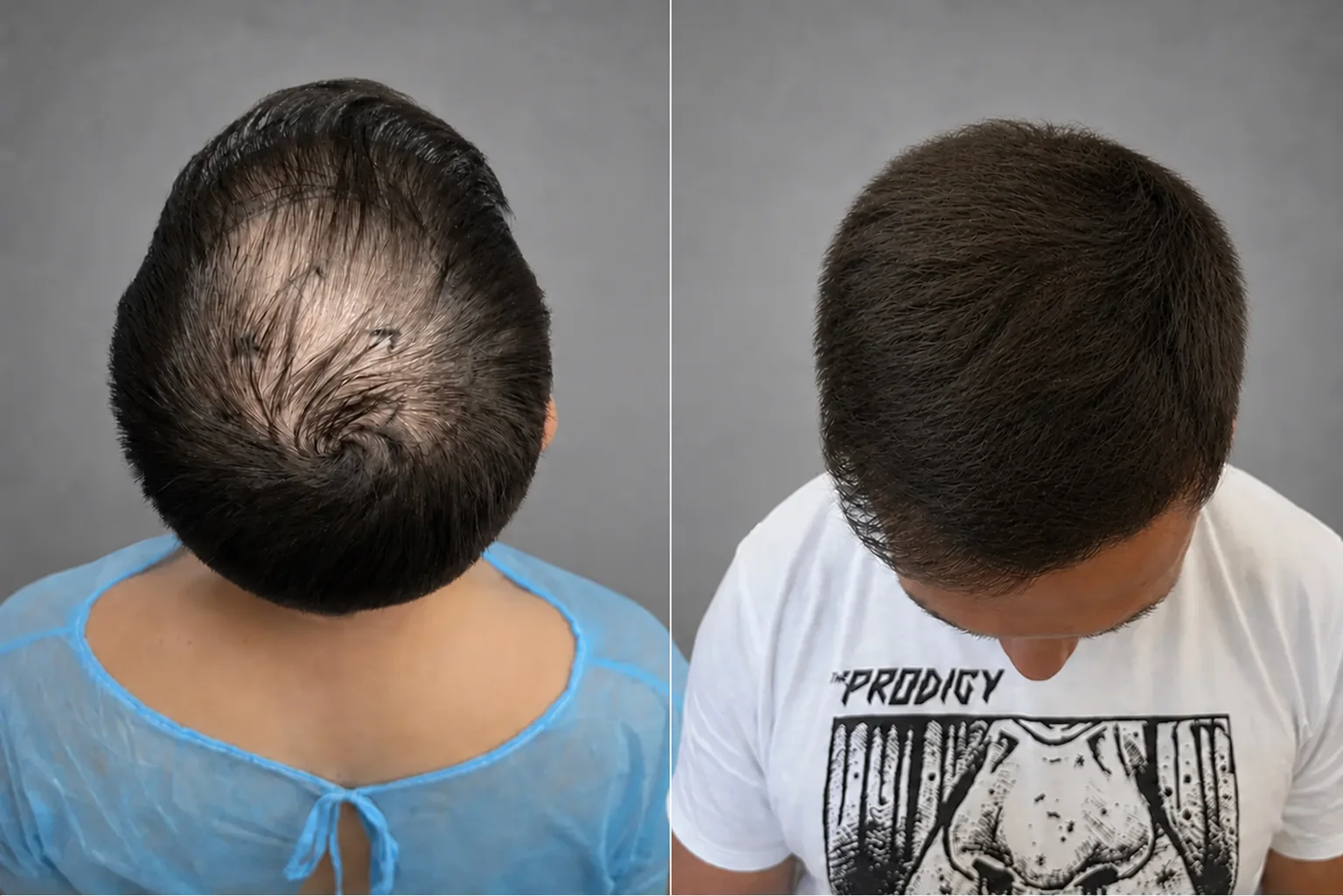
the start
12 months by now
3,500 grafts
FUE method
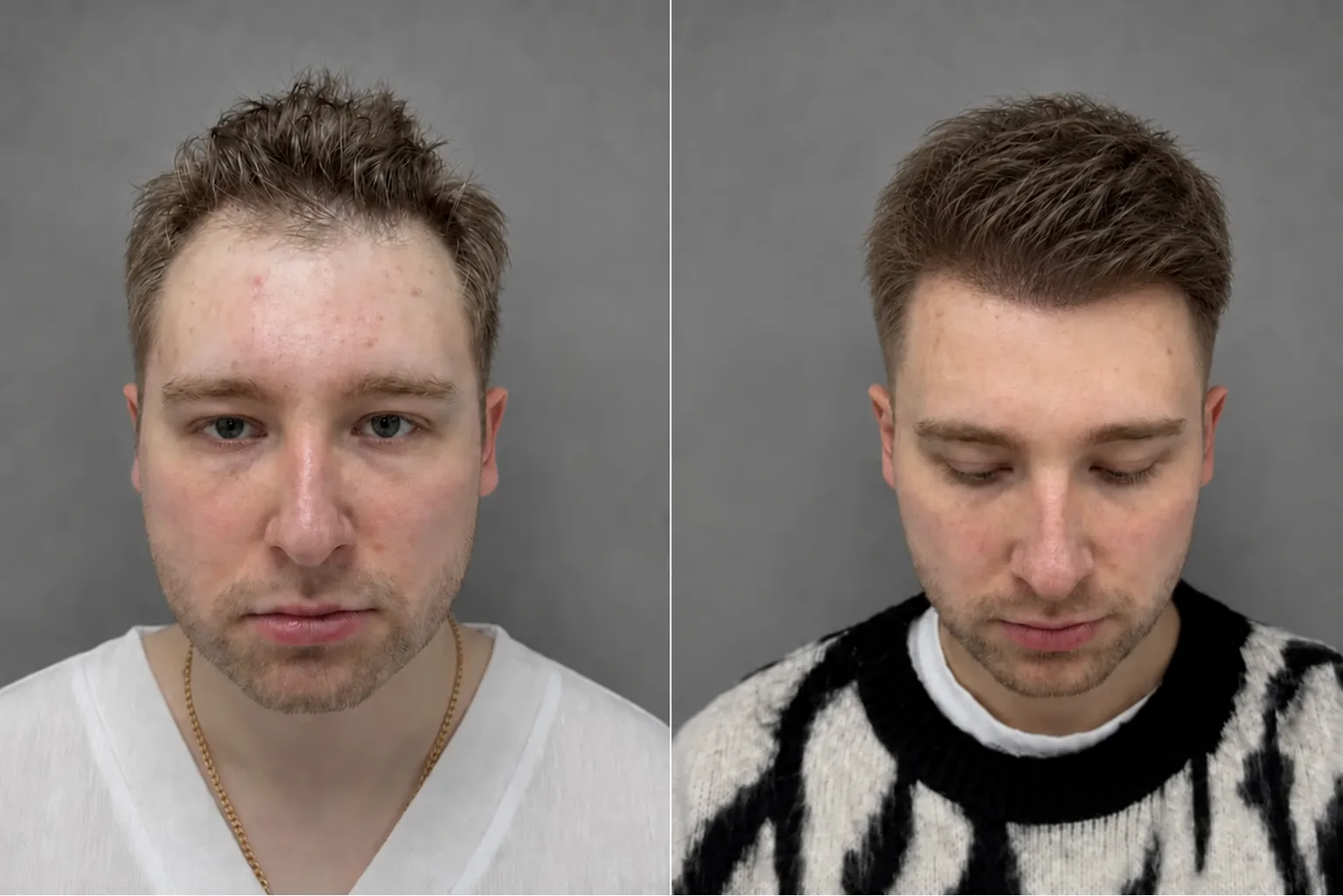
the start
12 months by now
2,700 grafts
FUE method
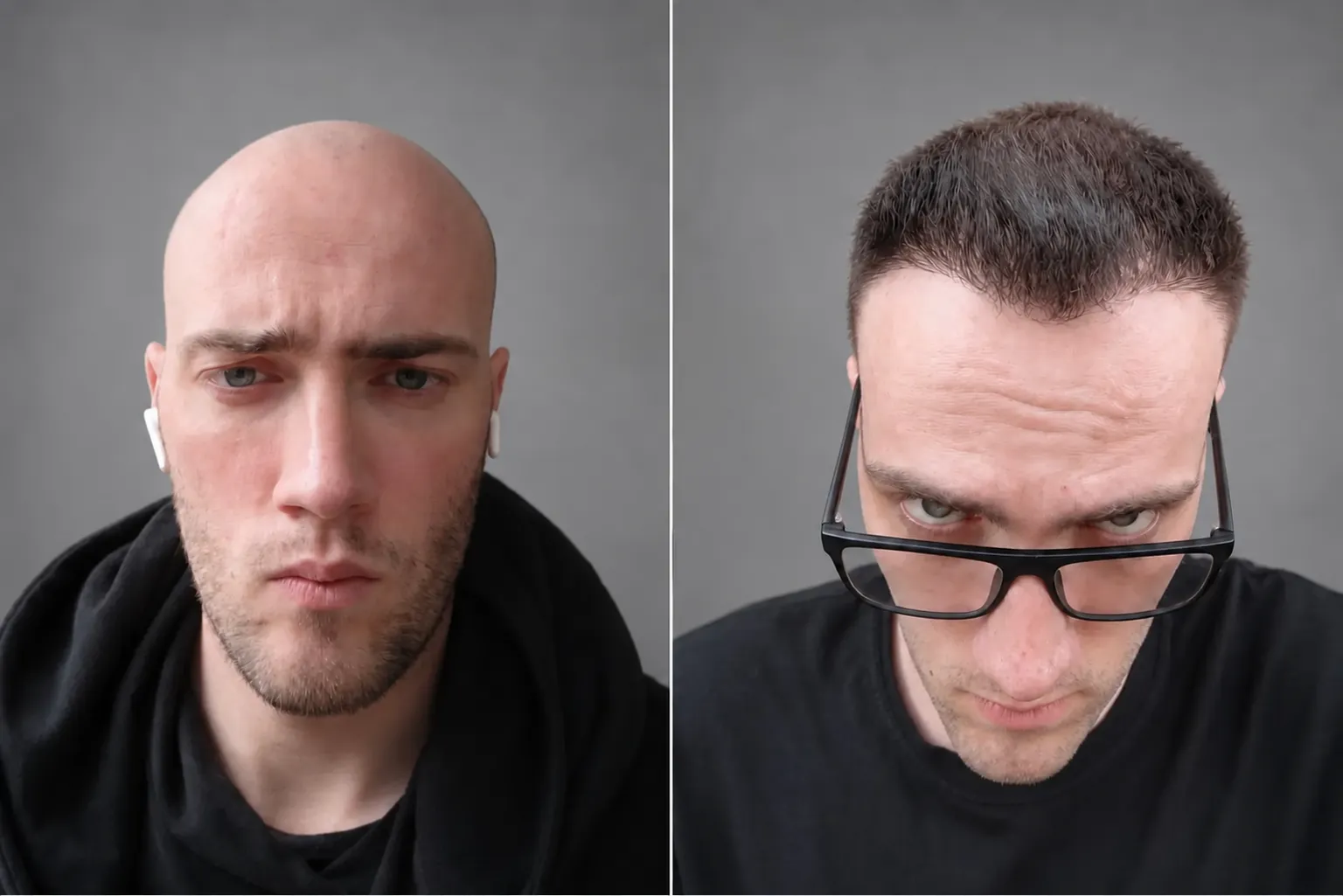
the start
12 months by now
3,800 grafts
FUE method
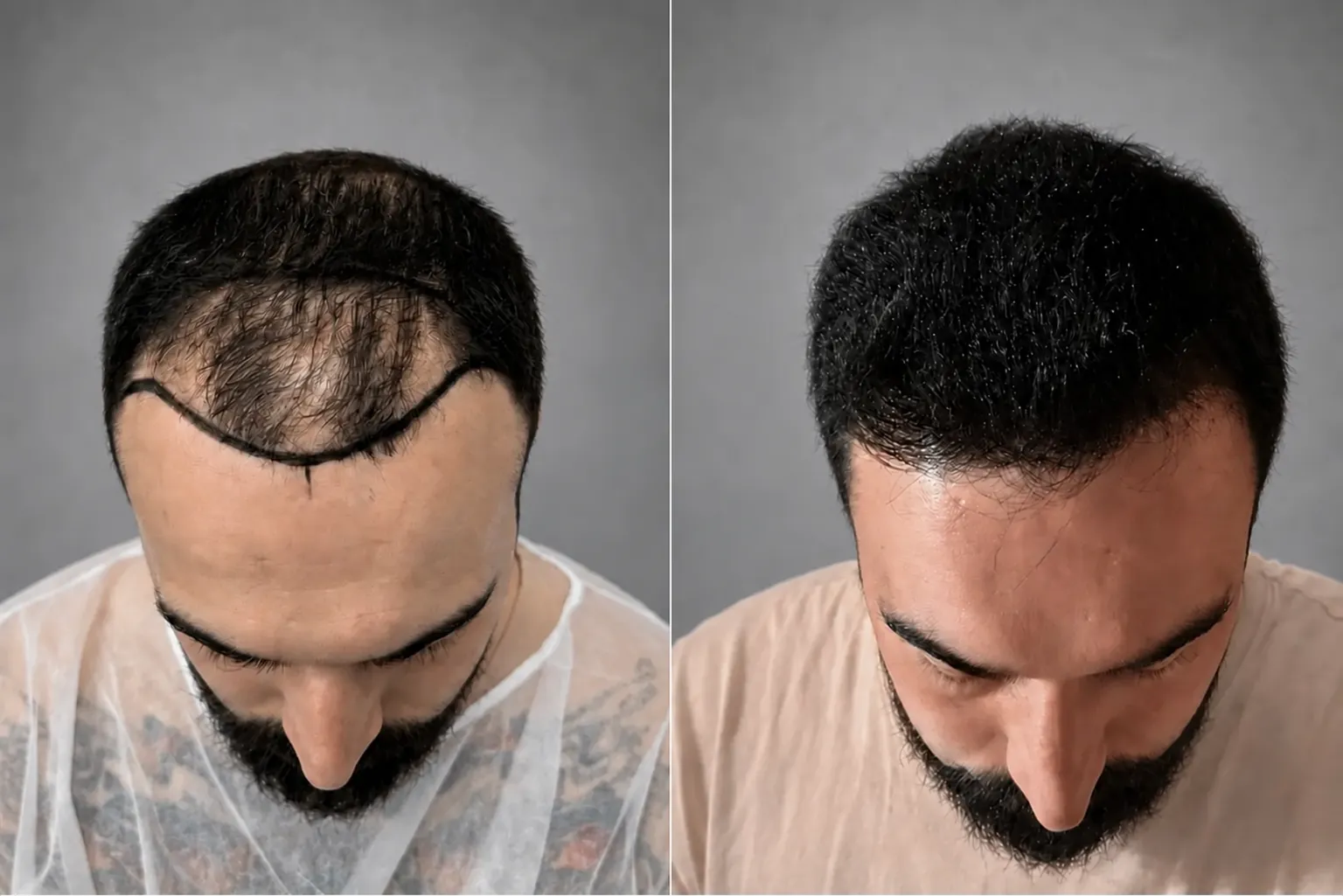
the start
12 months by now
3,200 grafts
FUE method
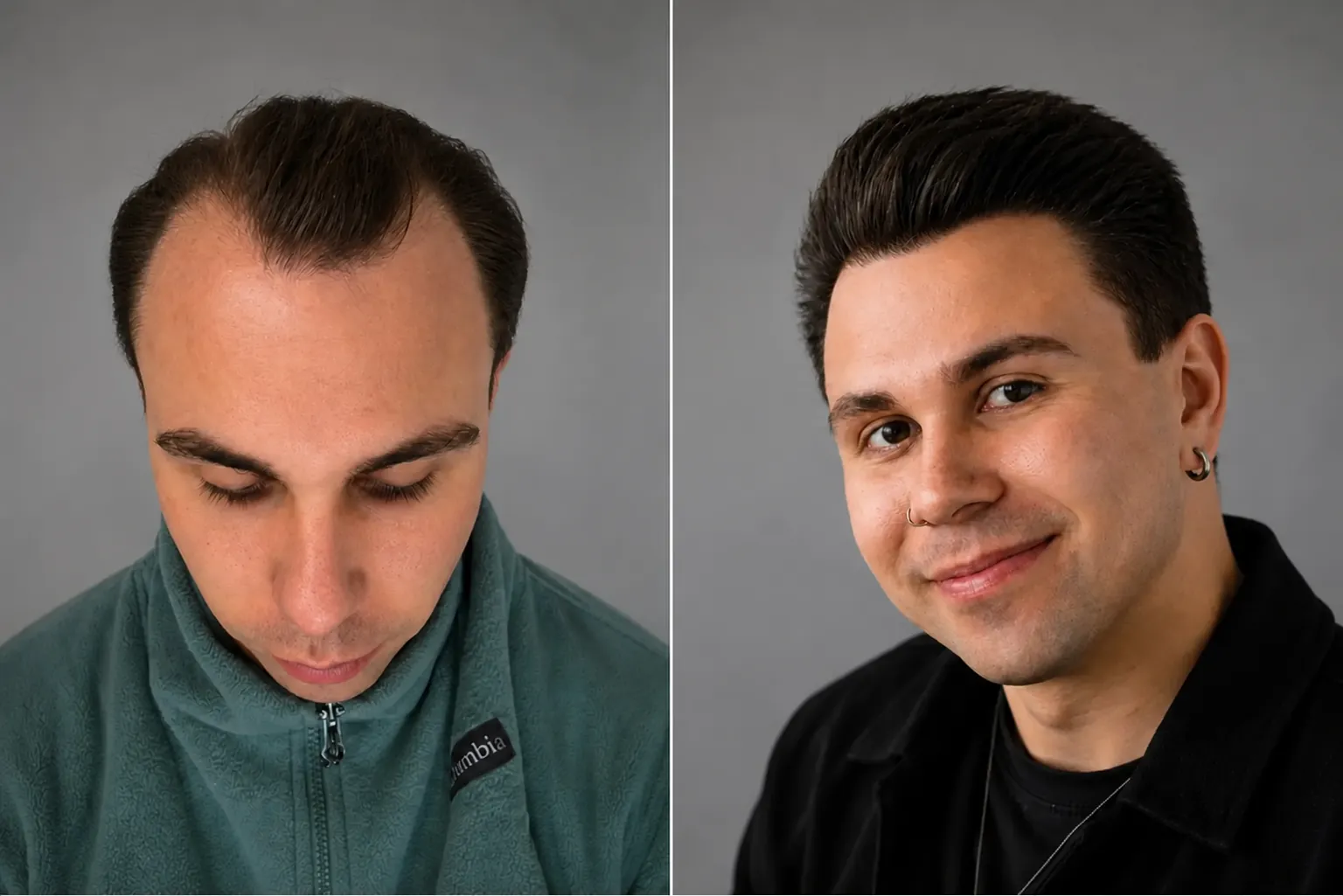
the start
12 months by now
3,000 grafts
FUE method
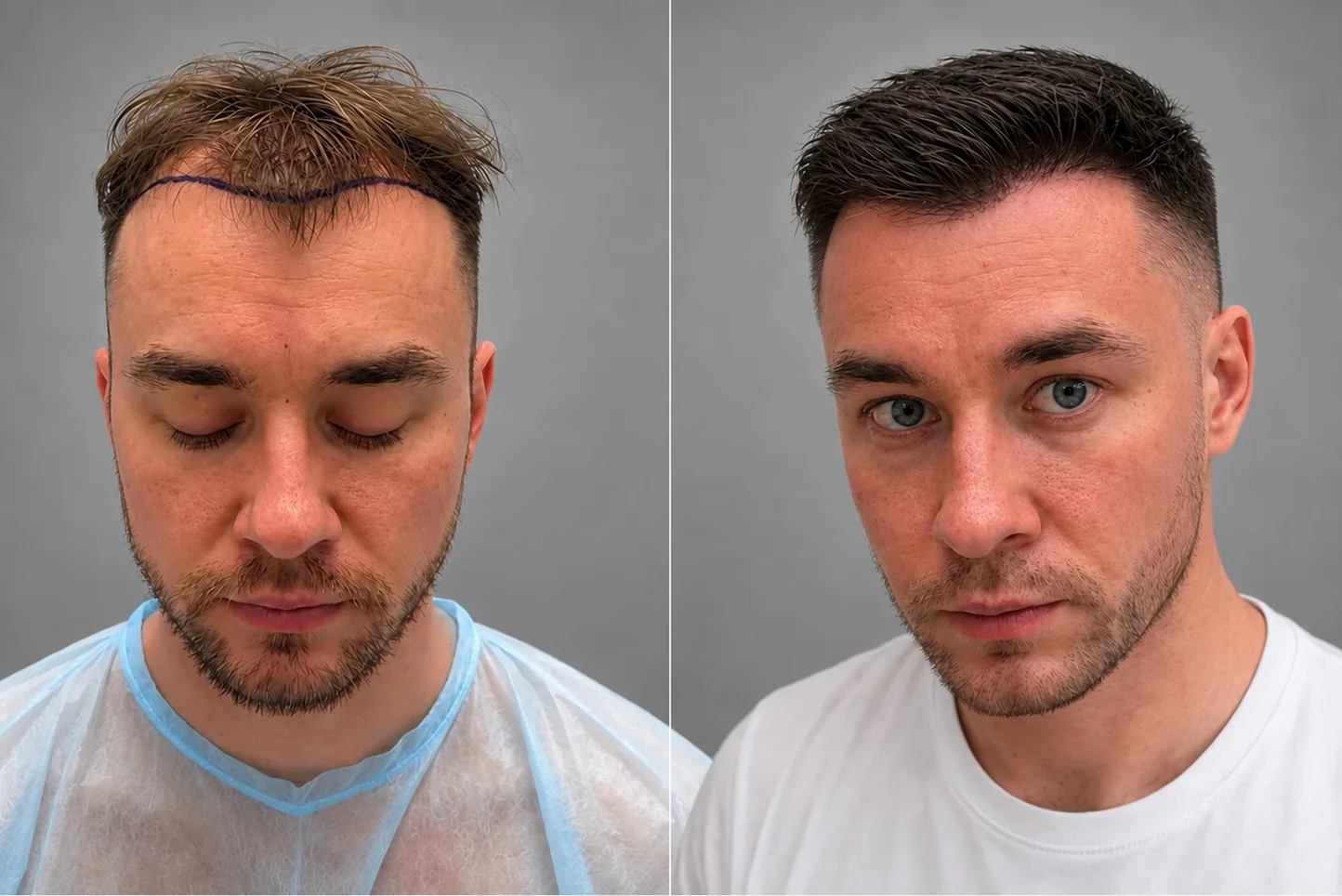
the start
12 months by now
2,800 grafts
FUE method
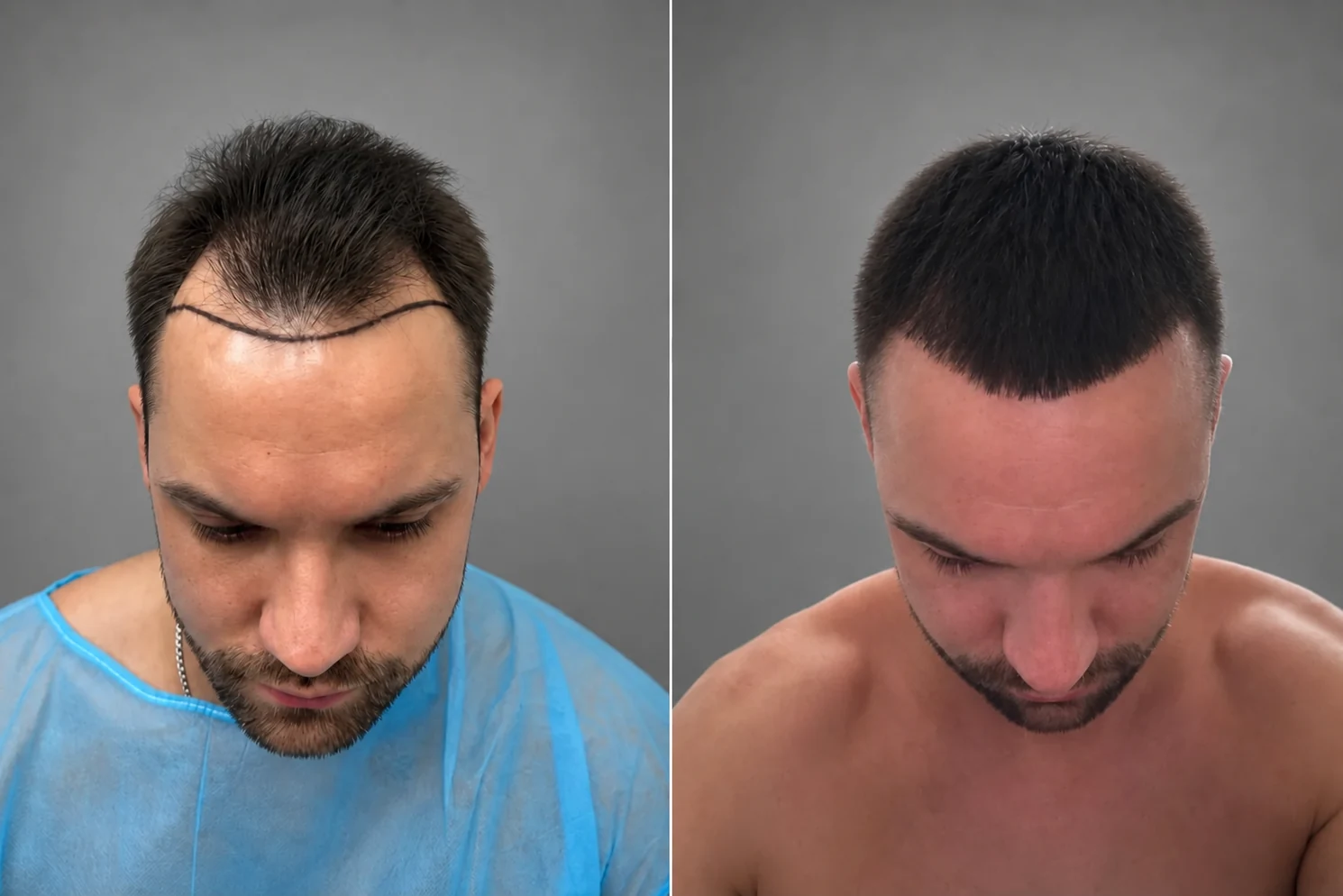
the start
12 months by now
3,100 grafts
FUE method
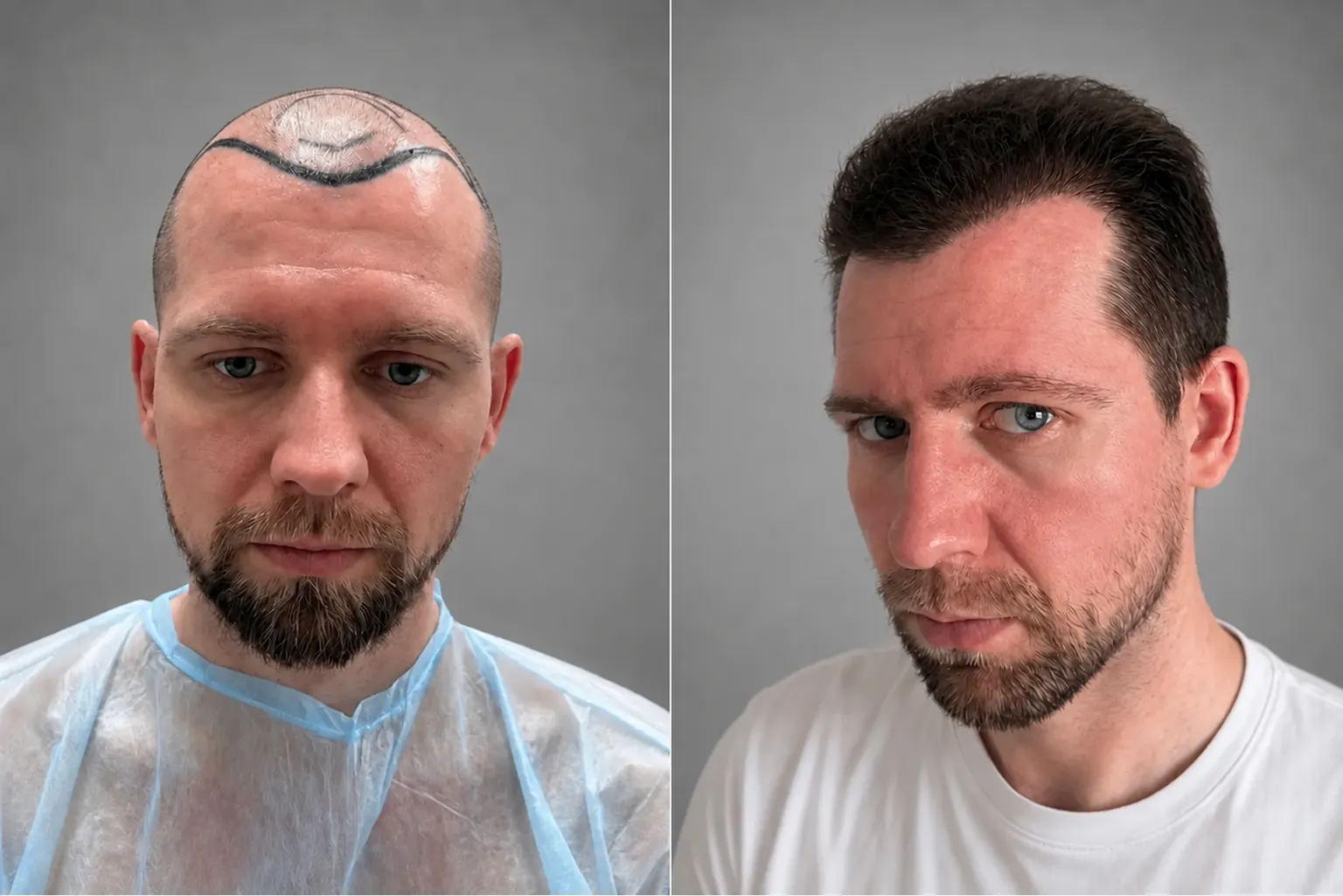
the start
12 months by now
3,600 grafts
FUE method
Comparison
We transfer grafts by three technologies: classic FUE, suture-free DHI and a combined protocol. Compare them by implantation technique, tissue trauma and graft survival, and pick your method knowingly.
Classic method requiring no cuts or sutures
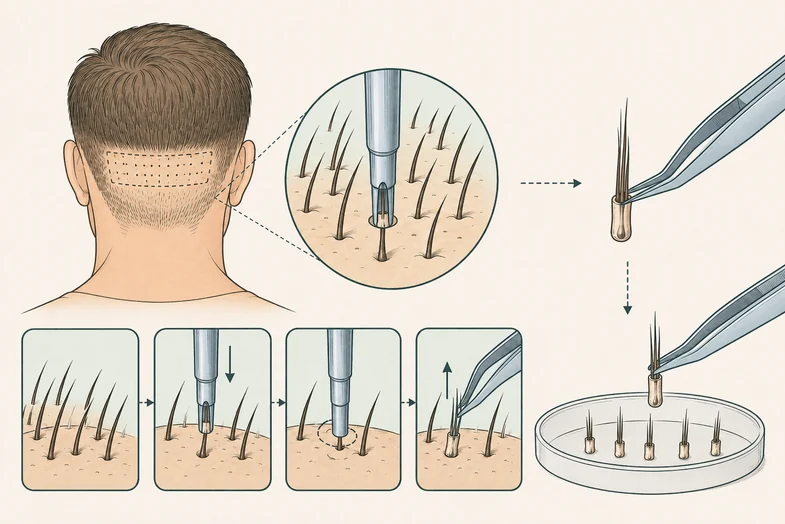
$2,200
$2,700
Graft implantation technique
ForcepsGraft trauma
MinimalA natural angle for hair
NaturalGraft survival
98–100%Suitable for
Androgenetic alopeciaStitch-free implantation with a Choi pen
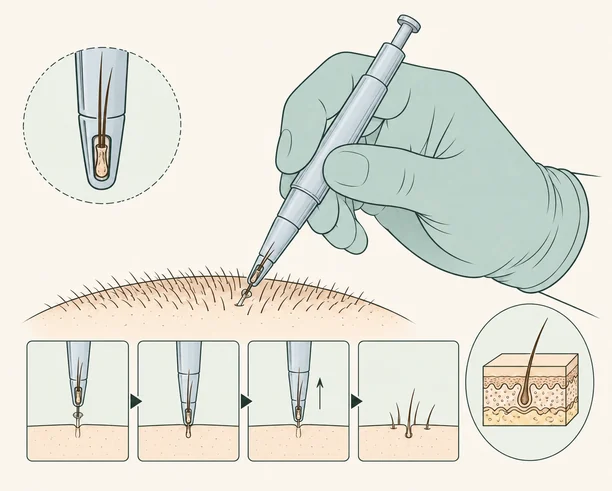
$2,500
$2,900
Graft implantation technique
Choi implanter, DHI penGraft trauma
MinimalA natural angle for hair
NaturalGraft survival
98–100%Suitable for
DensificationFUE extraction, DHI pen implant
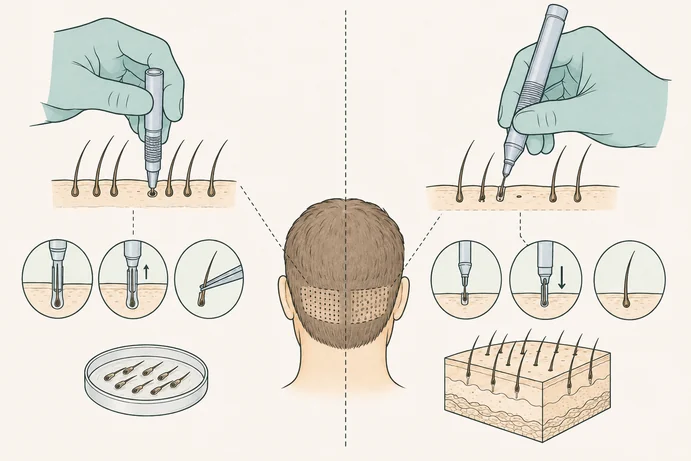
$2,700
$2,900
Graft implantation technique
FUE extraction plus DHI implantGraft trauma
MinimalA natural angle for hair
NaturalGraft survival
98–100%Suitable for
Androgenetic alopecia and densificationSurvival and trauma data are averaged by method and offered as a guide: the exact numbers depend on the transplant area and on the patient's individual features, which the doctor clarifies at the consultation.
Get expert advice


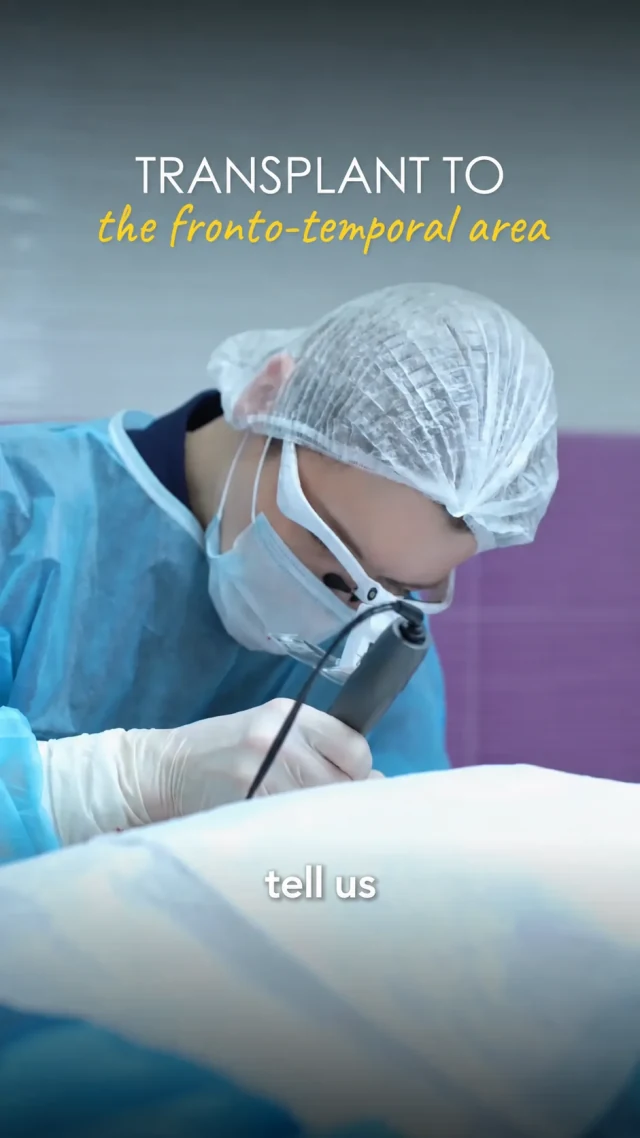

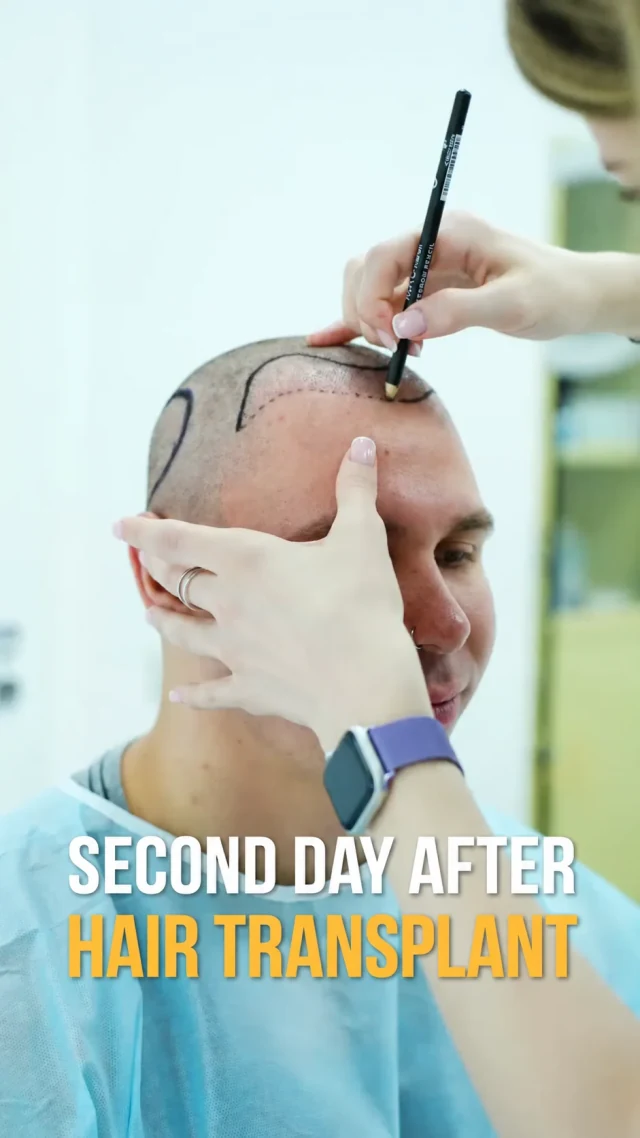
about the clinic
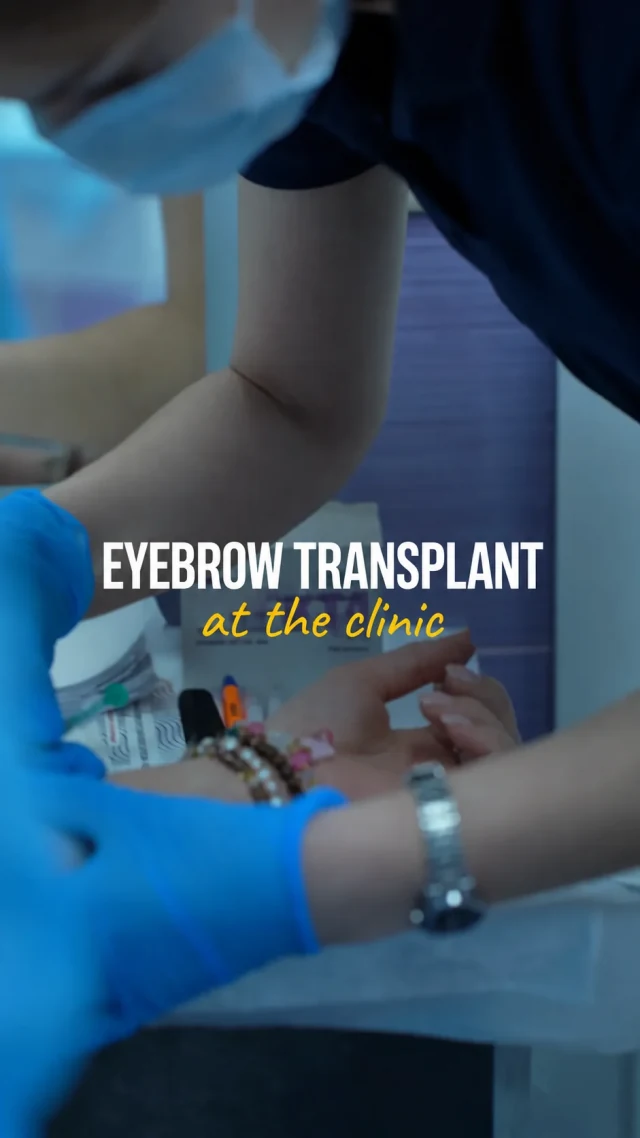
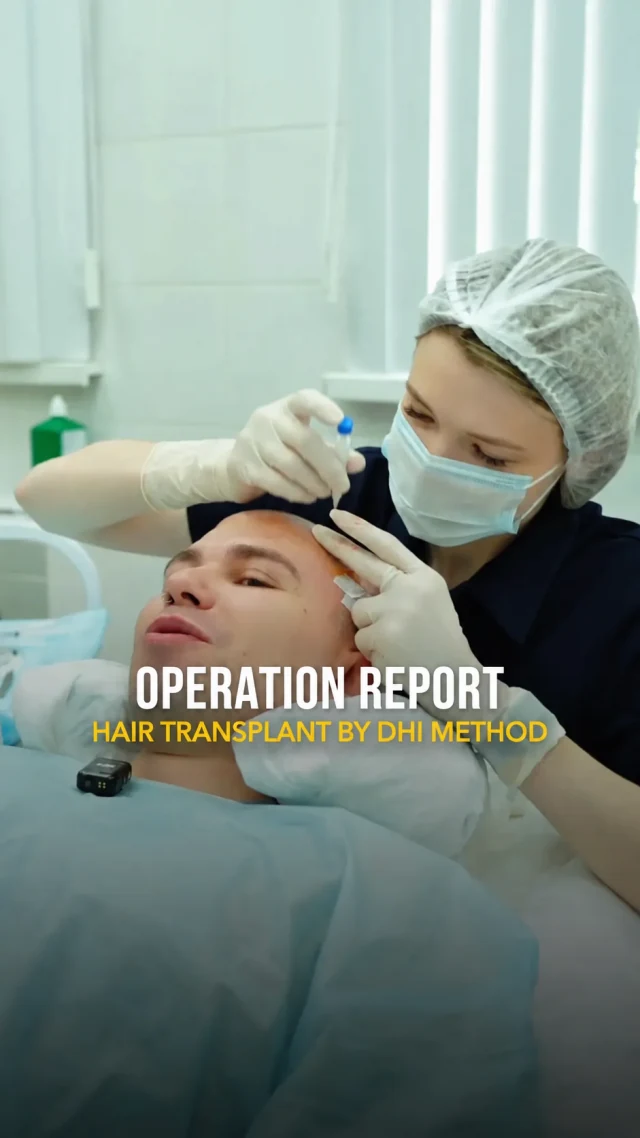
Proper equipment, a calm room and attention for each patient
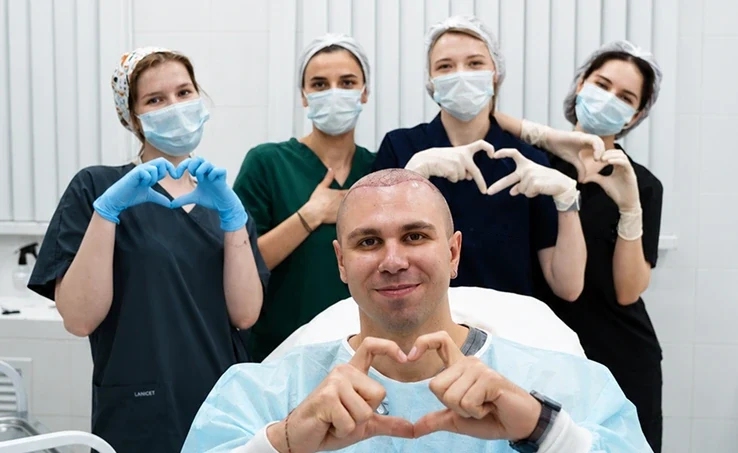
Every query is handled and the consultation booked at an hour that suits
Message us on Telegram Contact us nowIf surgery is avoidable in your case, you will hear it from the doctor at the consultation — and you will not waste your money. Below are the conditions in which a transplant really works.
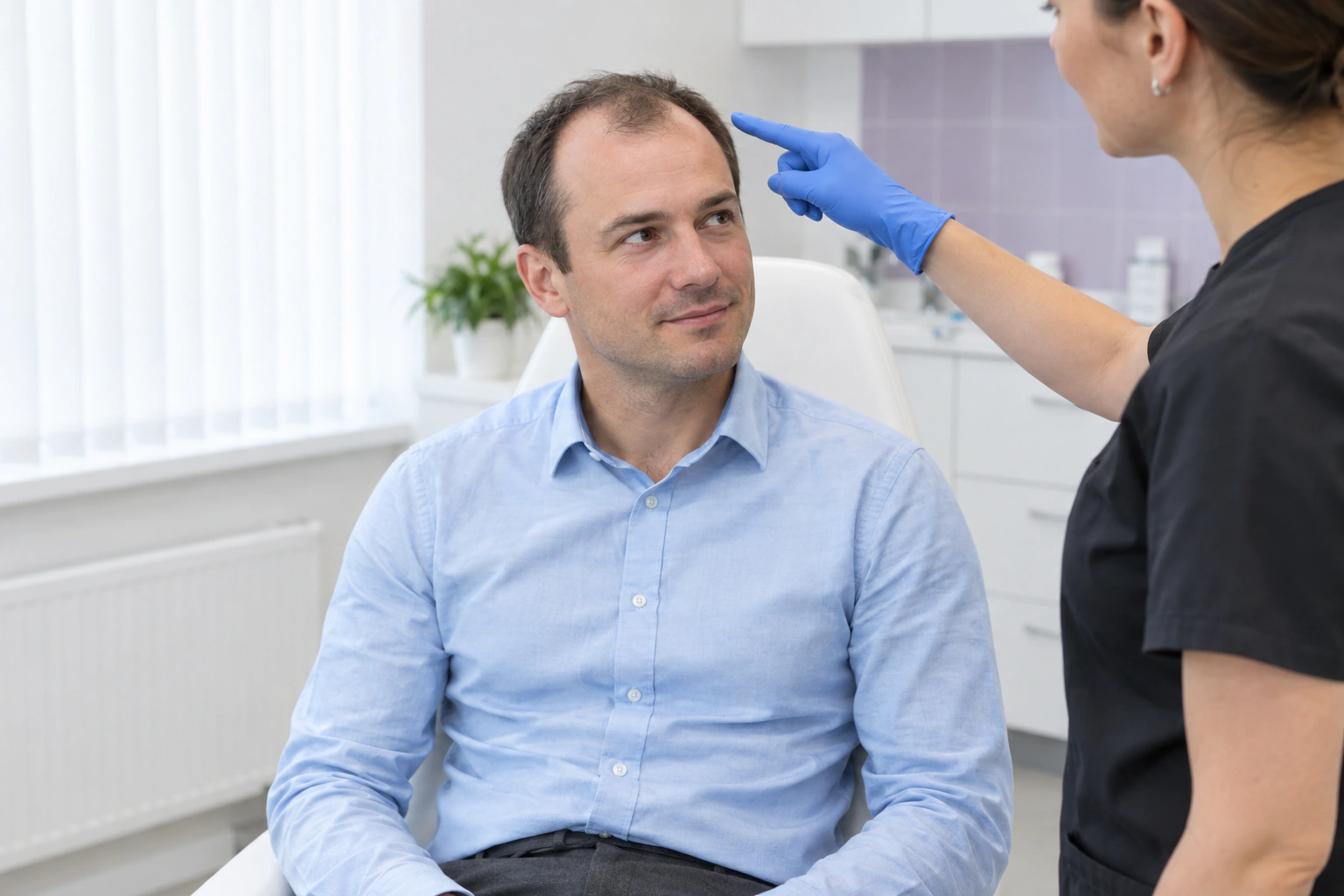

Leave a phone number. Photos of the thinning area go to a coordinator in a messenger, a doctor assesses them and answers whether a transplant would help. No cost, no obligation.
services
You are told what it will cost at the free consultation, after the counting, and the contract secures that figure.
suture-free graft extraction
$2,200$2,700
or $367/mo — 0% instalments for 6 months
Pin your priceimplantation without channels
$2,500$2,900
or $417/mo — 0% instalments for 6 months
Pin your pricecombined technique
$2,700$2,900
or $450/mo — 0% instalments for 6 months
Pin your price| The first sit-down | Free |
|---|---|
| Eyebrow transplant, FUE | |
| Beard transplant, FUEinstalments $467/mo | |
| Hair trichopigmentation | |
| PRP therapy / session | $200 |
all included
From getting ready for surgery to 12-month follow-up.
Nobody hands you a new invoice on surgery day.
two further spots
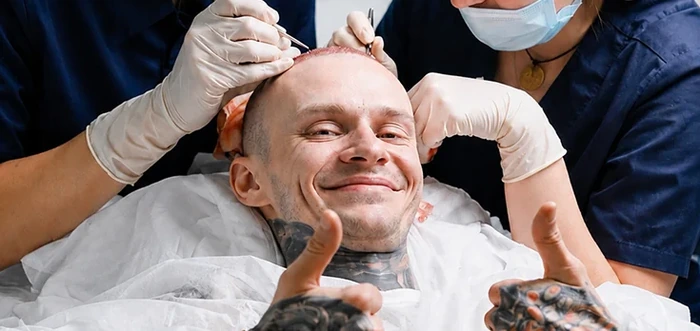
There is nothing special about the scalp here. The grafts come from the back of the head, the method is FUE, the zone varies.
FUE method, free of cuts or stitches
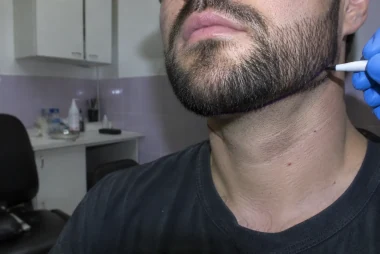
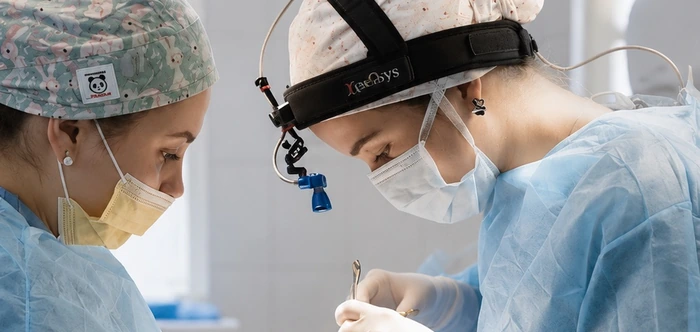
Grafts are taken from the donor area at the back of the head and moved through micro-punctures of about 1 mm, so no scars are left. The doctor agrees the shape with you before the operation, taking your facial features into account. Transplanted hair grows for life: trim and style the beard as usual.
$2,800$3,000
or $467/mo — 0% instalments for 6 months
Pin your priceFUE method, free of cuts or stitches
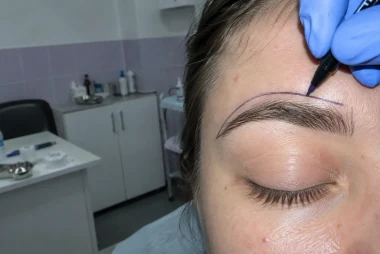
At the very first consultation the surgeon pencils in the brow line, you both go over reference images, and the drawing is matched to the proportions of your face. Placing each hair at the proper angle is what makes the result believable. Where plucking over many years has halted growth, this works as well.
$1,600$1,700
an op you walk out of, under local anaesthesia
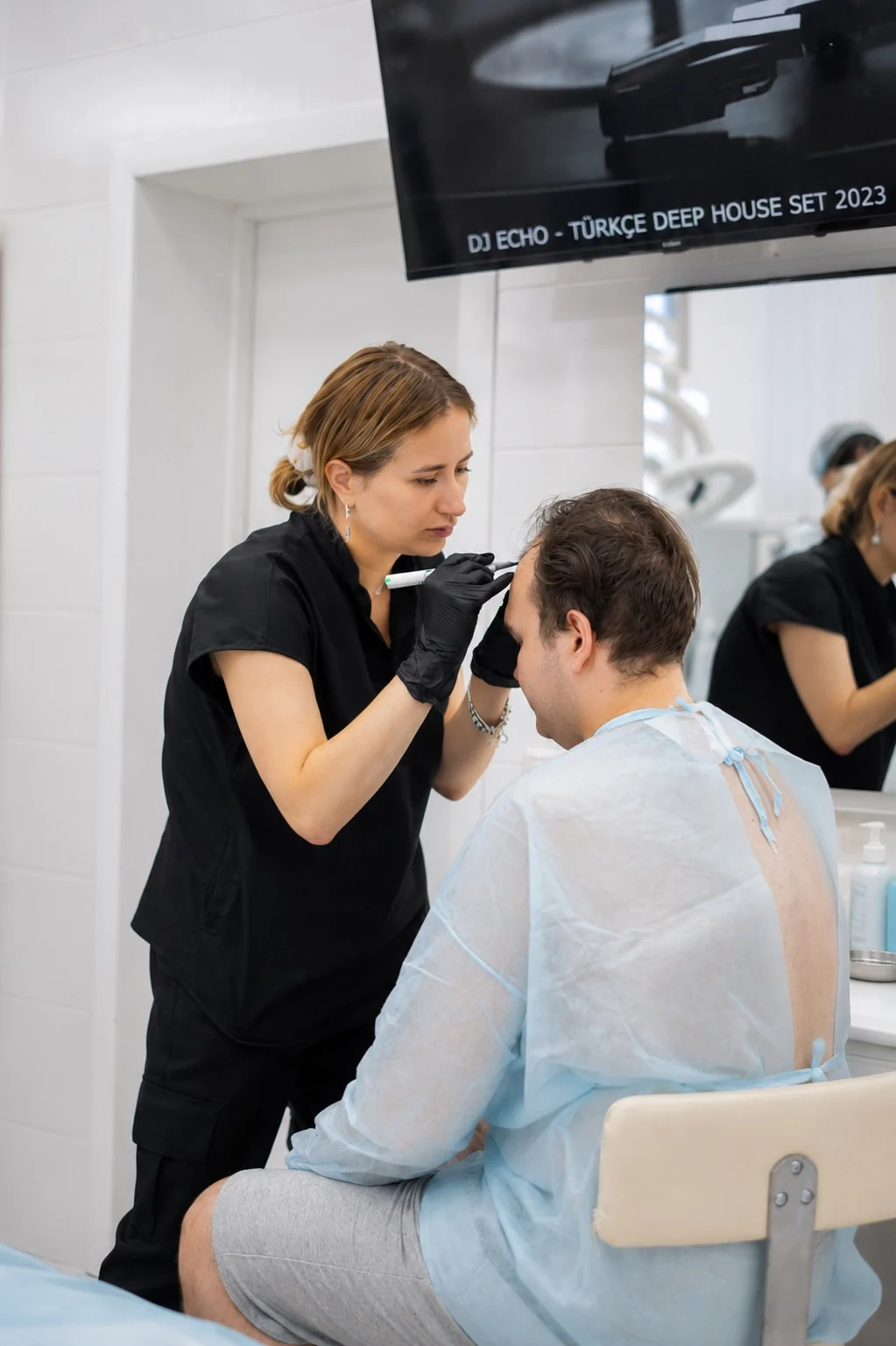
Pin your priceThe donor zone is looked at, the grafts are added up and a realistic result is spelled out. At that consultation you also learn the cost, which the contract then fixes.
Message our coordinator
Free online consultation · Reply within 15 minutes
Message us on TelegramMessage us on WhatsAppBy messaging us, you agree to our Privacy Policy
Process
From consultation to going home — all in one day
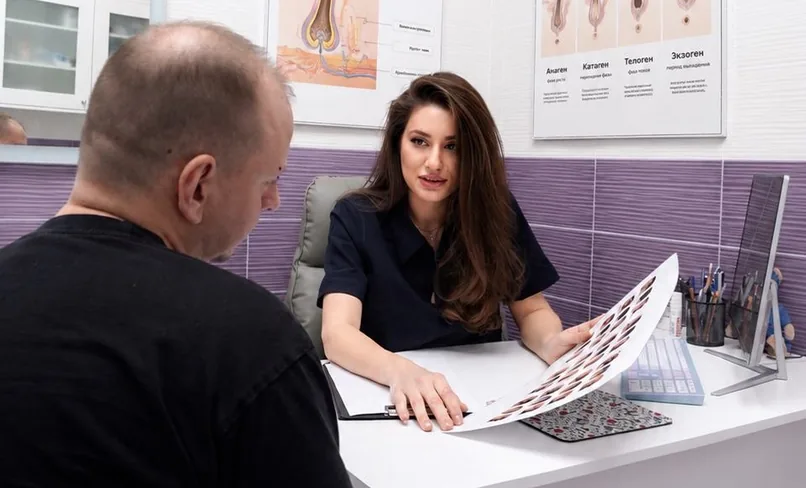
The opening consultation covers the mechanics of FUE and of DHI, gives you room to ask, and ends with the doctor examining the donor zone.

Once you're ready, the surgery date is reserved with a deposit, paid either by card at the clinic or online, and the terms are fixed in a medical services contract.
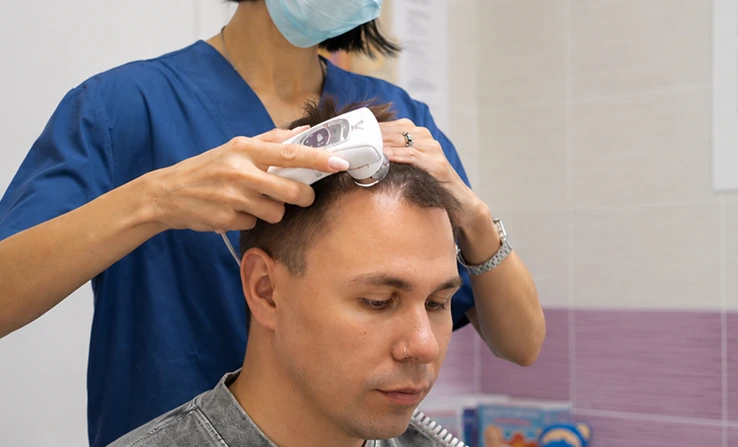
The tests required beforehand are spelled out by the clinic, which also explains how each of them should be taken.
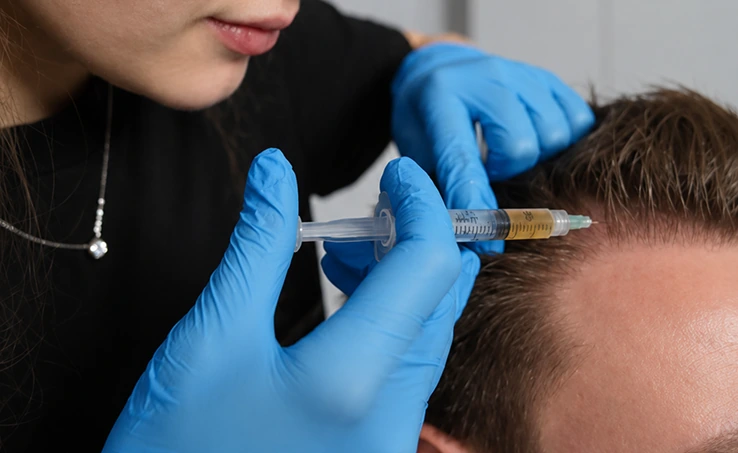
Local anaesthetic takes care of sensation, so the surgery is painless.
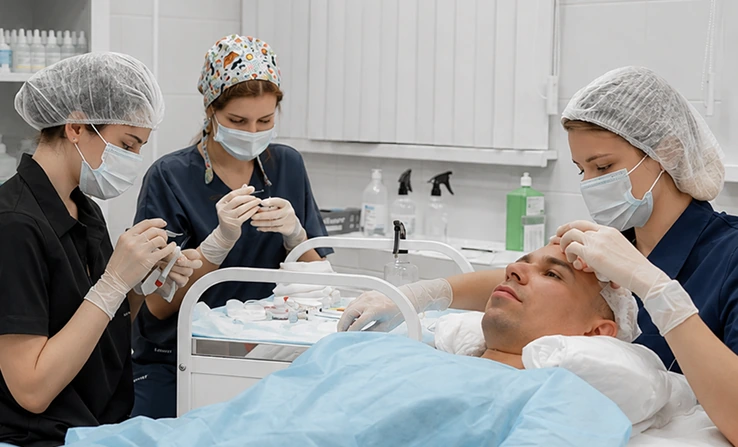
Grafts leave the donor zone at the rear of the scalp or the temples without a single suture being placed.
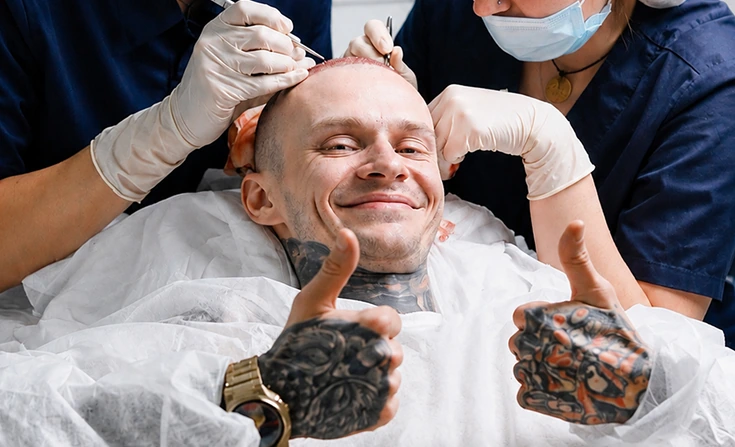
Grafts collected from the donor zone are set into the area of baldness.
Recovery starts with supplies from the clinic and directions that leave nothing unexplained.
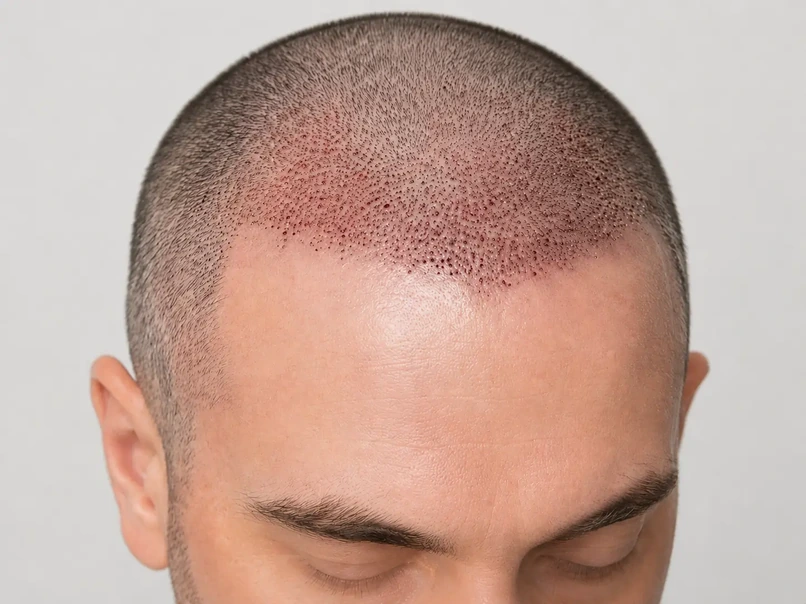
Crusts come away, swelling fades and the skin quietly heals
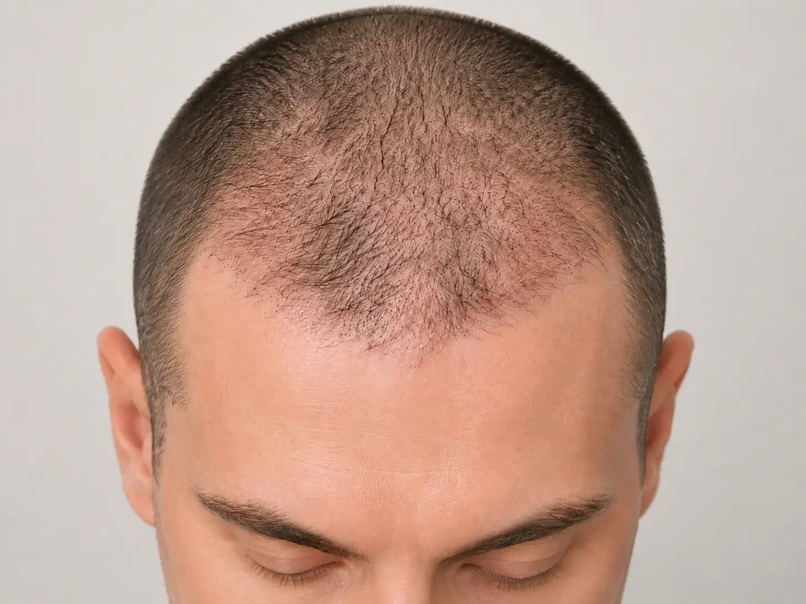
Expected, brief and harmless: shafts go, follicles remain
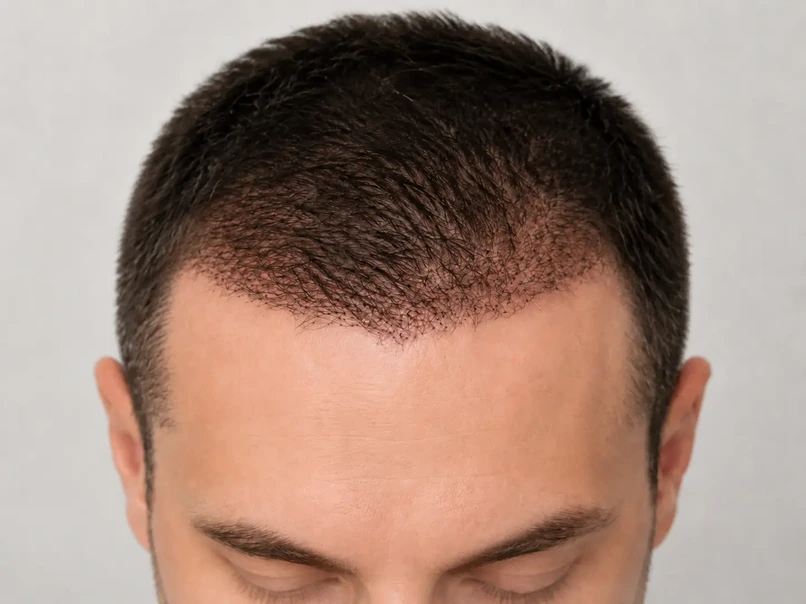
Gradually new hairs appear and the result shows
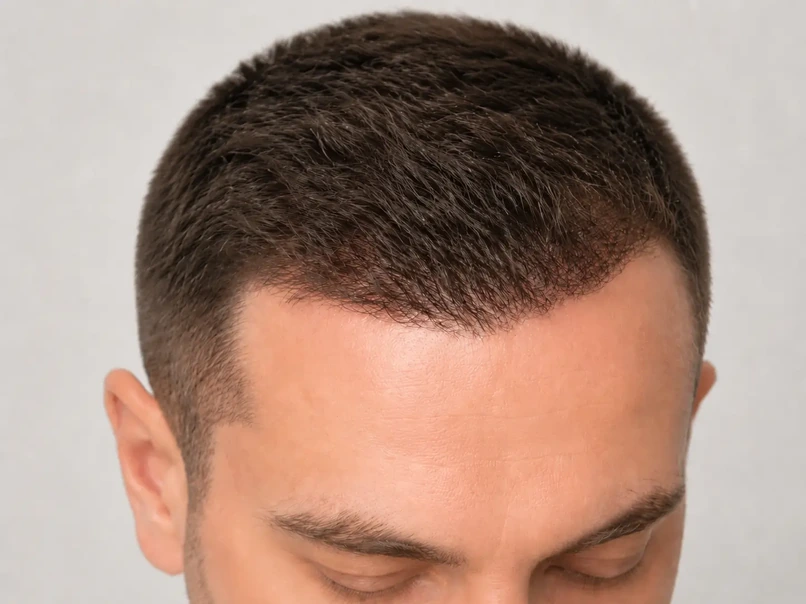
Density rises and the main volume and the hairline become clear
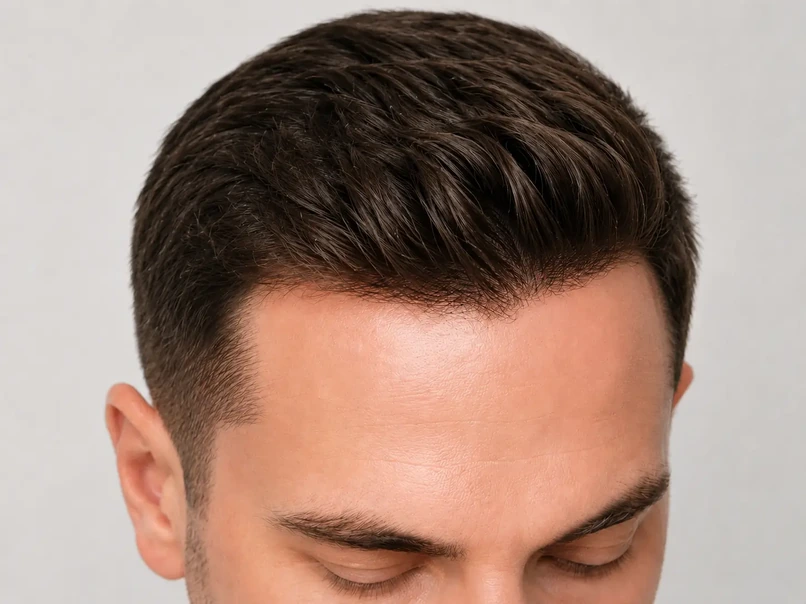
Density becomes final, the hairline natural
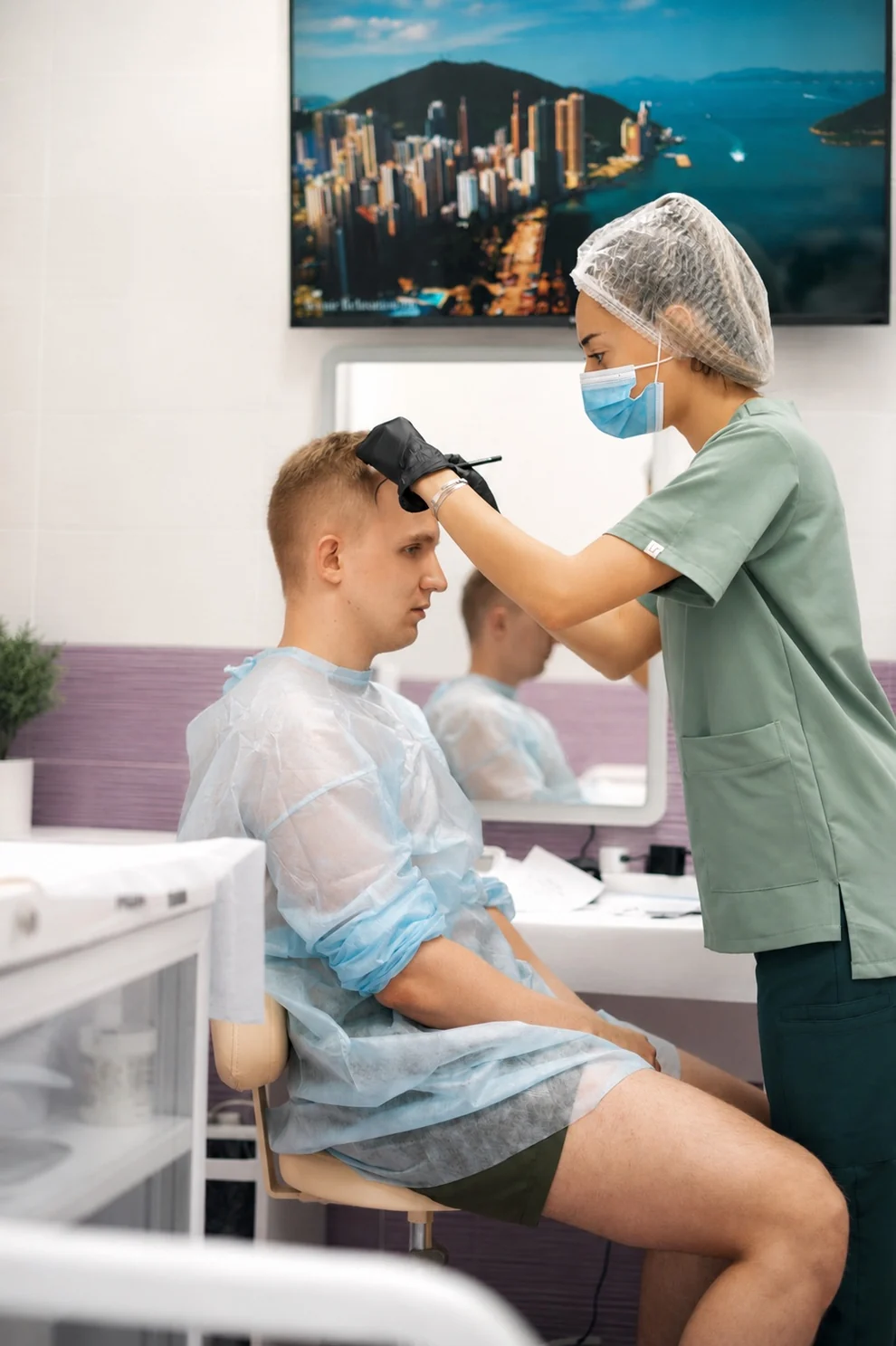
Free, before the surgery, with no commitment.
Get expert advicedoctors
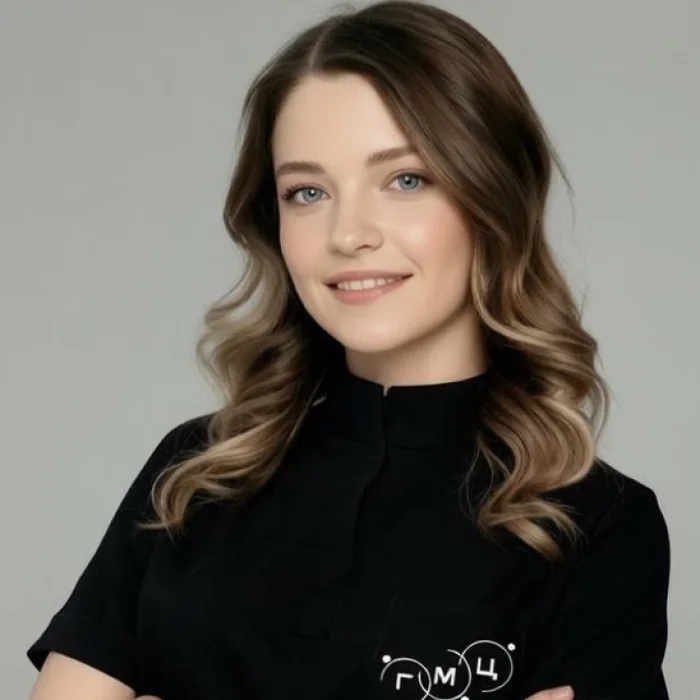
Hair transplant doctor, trichologist, surgeon
10 years in practice

Dermatovenereologist, trichologist, surgeon
11 years of experience
Plastic surgeon
9 years in practice

Plastic surgeon
9 years in practice
Assistant
9 years in practice
A careful look at the donor zone, a graft calculation and a clear statement of the outcome.
Get expert advicecoordinators
You are assigned a personal coordinator — with you from the first enquiry to recovery.
Patient support lead
Supports you both before and after surgery
Will chase the papers and hold your slot
Patient support lead
Supports you both before and after surgery
Will chase the papers and hold your slot

Patient support lead
Supports you both before and after surgery
Will chase the papers and hold your slot
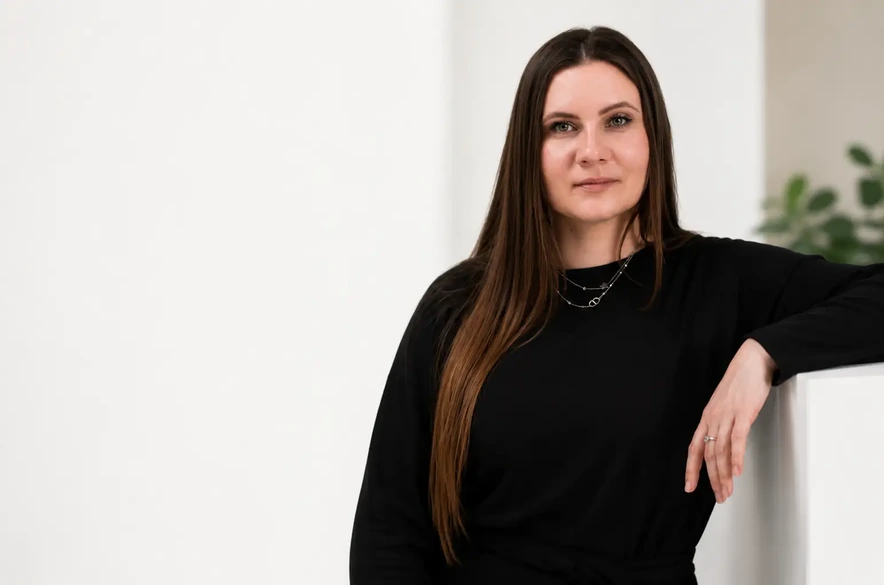
Patient support lead
Supports you both before and after surgery
Will chase the papers and hold your slot
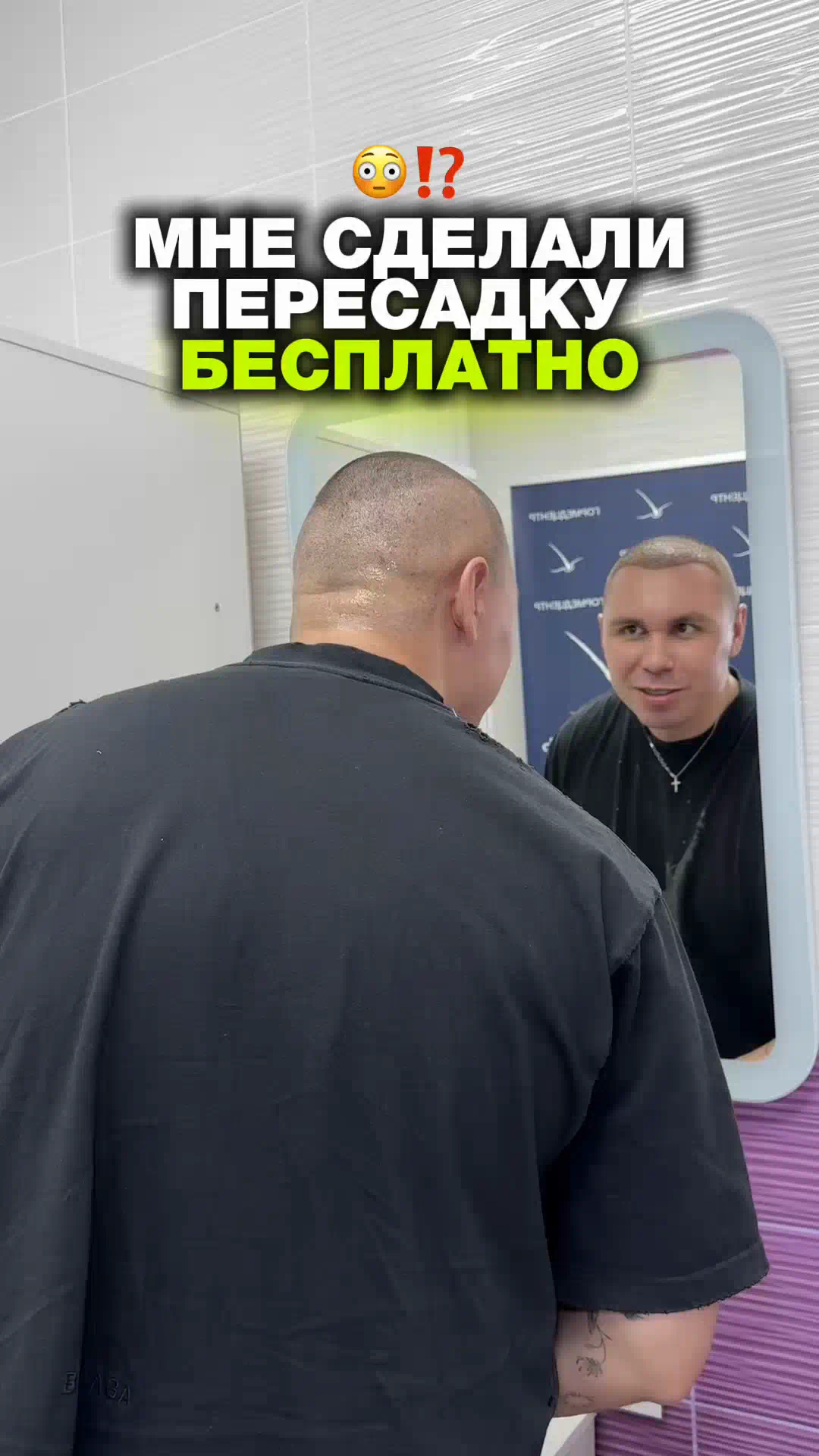
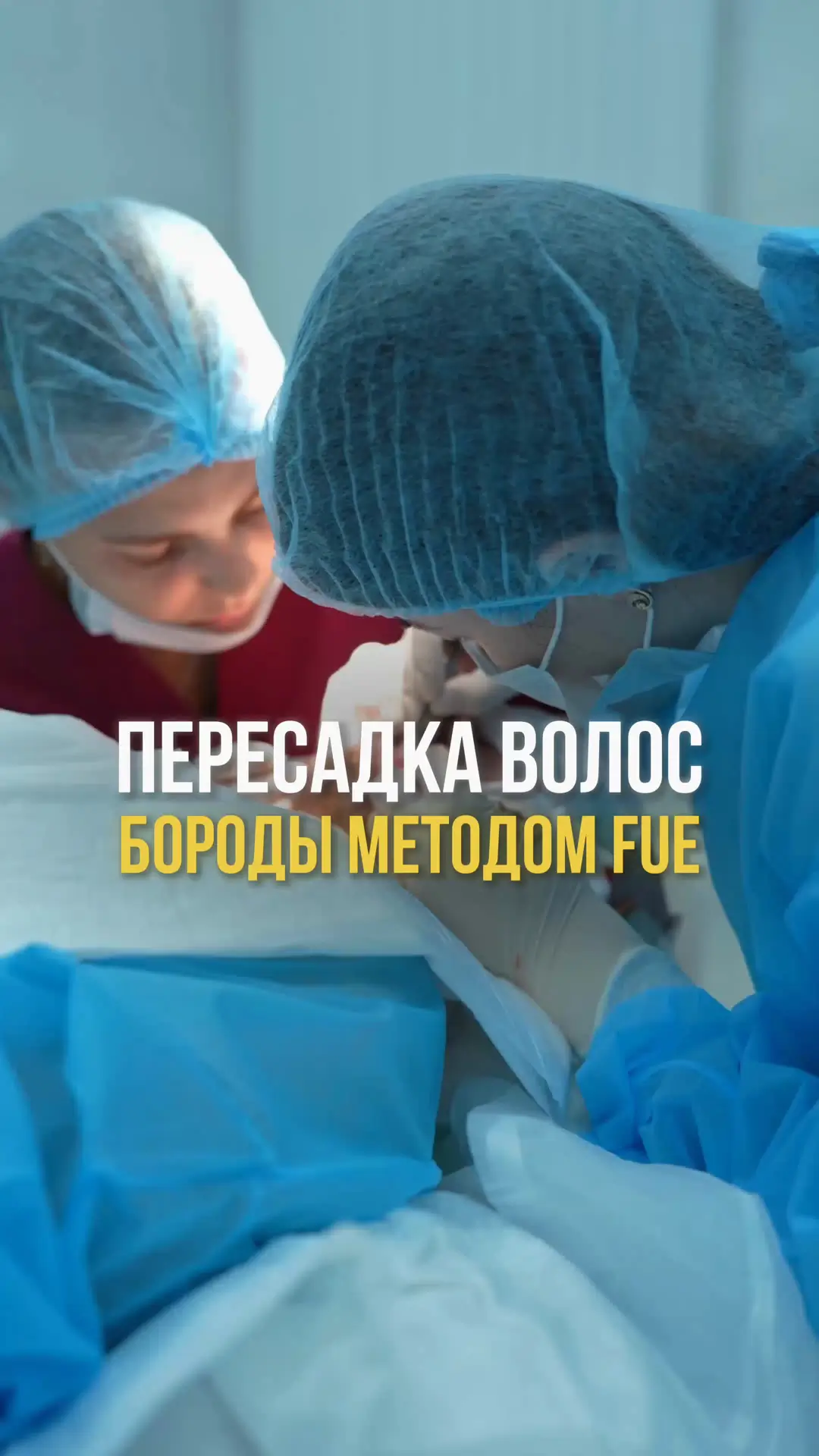

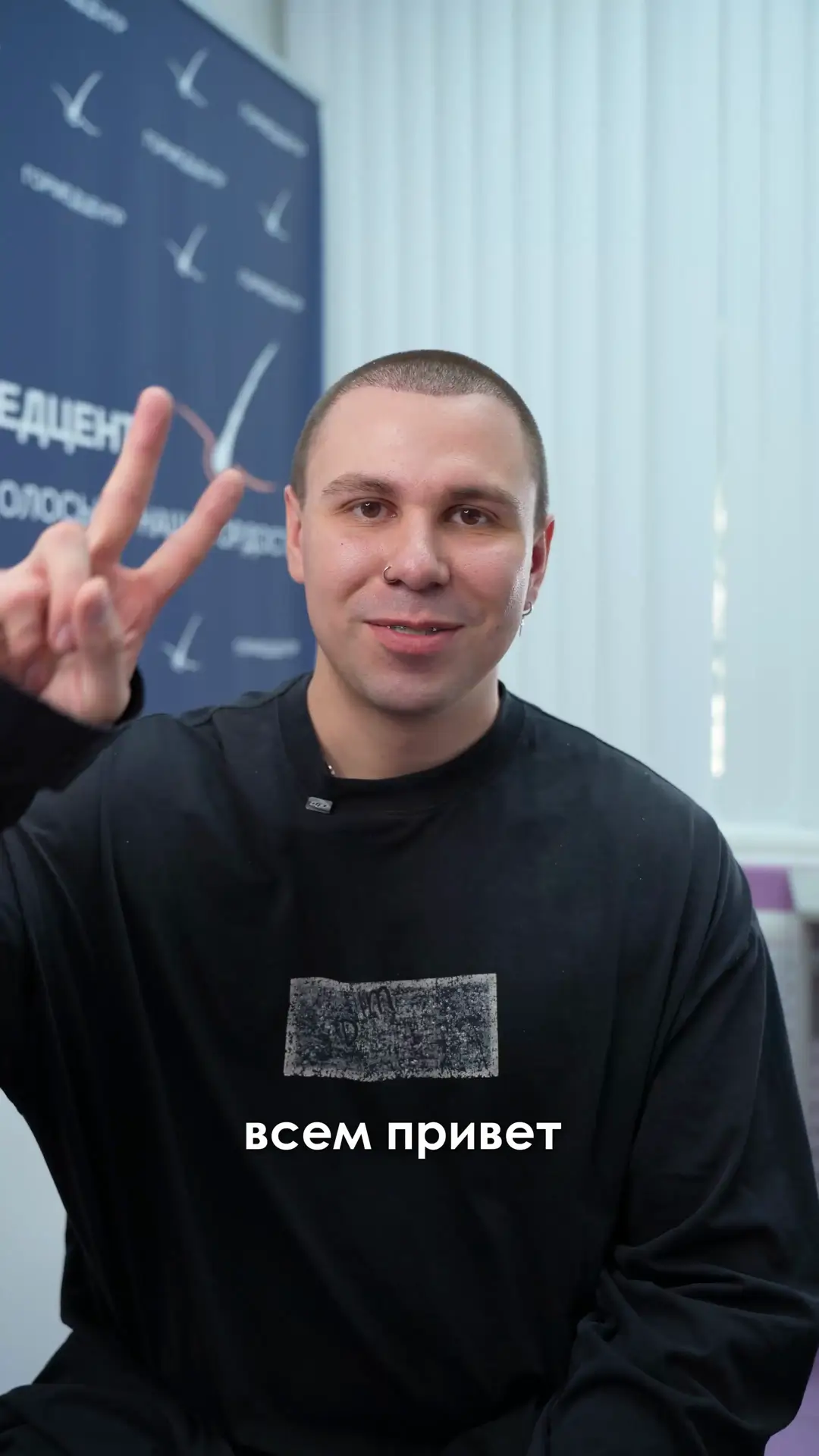

Every query is handled and the consultation booked at an hour that suits
Message us on Telegram Contact us nowYour main worries
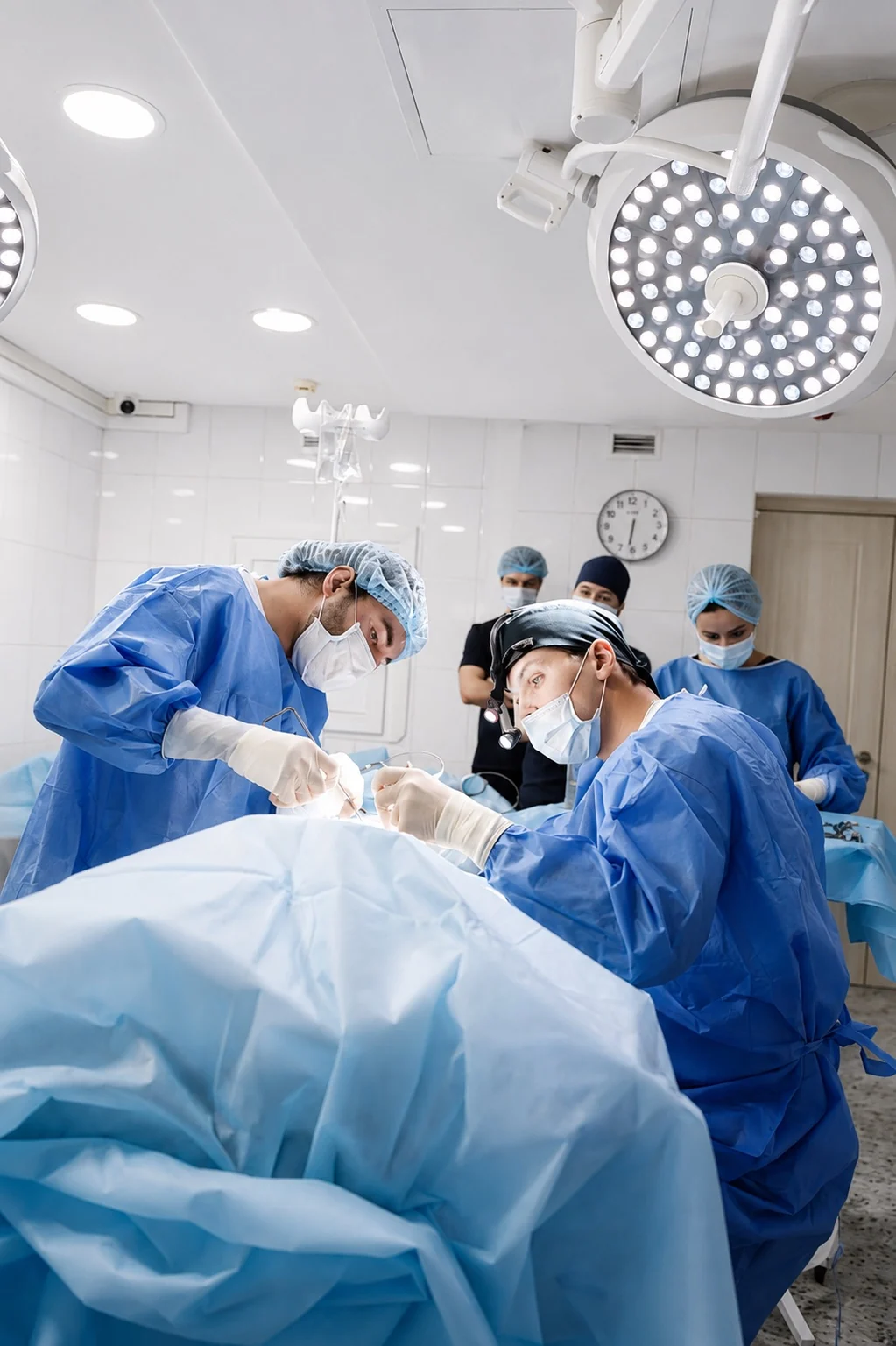
Absolutely. Patients based in other towns and other countries are taken on, and a doctor can look at your photographs online.
FUE: $2,200 (≈ IQD 2,900,000). DHI: $2,500 (≈ IQD 3,300,000). Combined: $2,700 (≈ IQD 3,550,000). A free consultation and graft count gives you the final, contract-fixed price with no hidden extras.
The procedure is completed within a single day, after which you head home.
No — local anaesthesia keeps the whole procedure pain-free.
FUE relies on tweezer harvesting with no incisions or stitches. DHI relies on Choi-pen implantation without channels. The combined DHI+FUE approach harvests by FUE and implants by DHI.
The count depends on your donor supply; a doctor establishes it during a consultation that costs nothing.
0–10 days of healing, a normal loss of hair at 2–4 weeks, regrowth from 3–4 months, density plainly there at 6–9 months, and the last word at 12–18 months.
A lifetime guarantee of hair growth is included, confirmed in your contract.
Medical licence in place, care provided to the standards and clinical guidelines
under Ministry of Health.
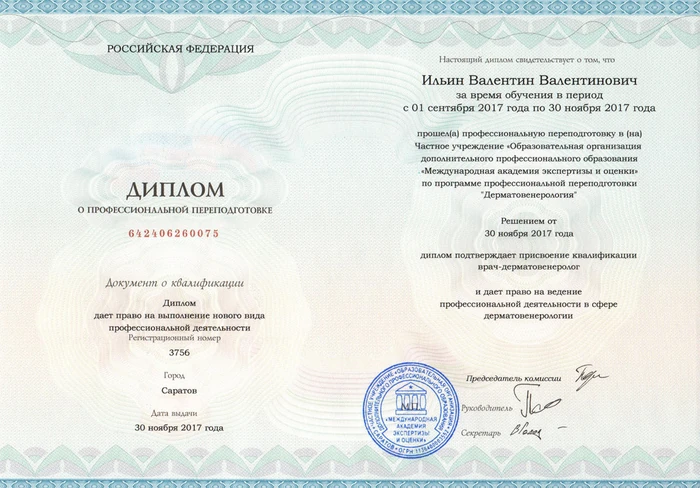
Diplomas and certificates of the doctors on your surgical team
Look at the papersAKC POMOSHCH LLC
the clinic's legal entity
1057746096924
OGRN
7728536872
INN
For a patient in Ramadi the practical picture is short: FUE and DHI, no cutting, no suturing, local anaesthesia and one working day. The operation does not run over into a second day or into a course of treatment.
The free online consultation removes the guesswork for a patient in Ramadi. The doctor studies photographs of the affected zone and answers whether a transplant will do anything for it. Replies 24/7.
Healing runs 0-10 days and the transplanted hairs shed at 2-4 weeks, a stage that surprises only the unprepared. Growth returns at 3-4 months, density at 6-9, the final result at 12-18. Check-ups at 1, 3, 6, 9 and 12 months, photo tracking with a personal coordinator, lifetime growth guarantee.
Prices are in US dollars; the amount in brackets is an approximate conversion to IQD at the rate of 02.10.2026. The final price is fixed in your contract.
By messaging us, you agree to our Privacy Policy
Known people who talked openly about this operation, in their own words.
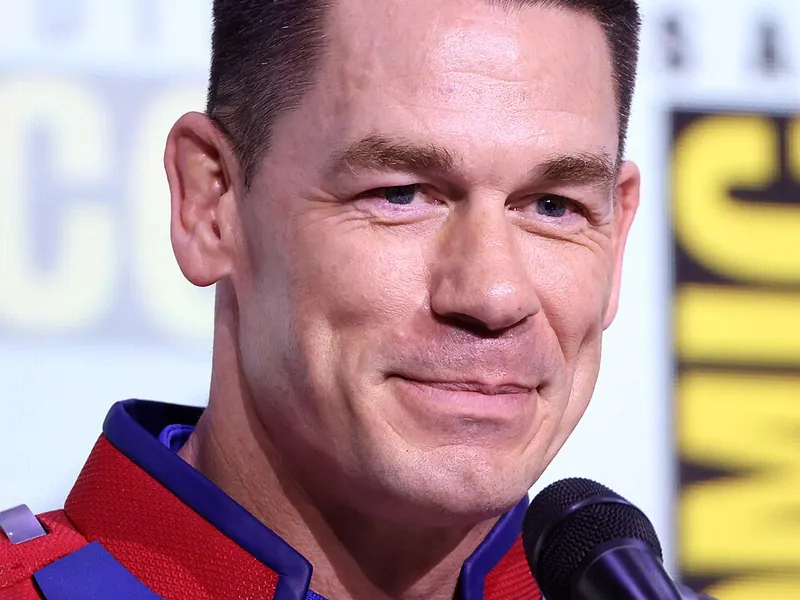 John Cena's hair transplant: “I got a problem, I try to fix it”John Cena spoke openly in 2025 about his hair transplant and the fan signs that pushed him to it. His words, how the procedure works and the recovery.
 Did Calum Best have a hair transplant? Yes, and he said so himselfCalum Best said in 2023 he had his sixth hair transplant, this time using patches of beard hair. His words, how the procedure works and recovery.
 Did Chloe Goodman have a hair transplant? Yes, and she explained whyChloe Goodman had a hair transplant in 2025 after losing hair following pregnancy. Her own words, how the procedure works and what recovery involves.
 Did Dean McCullough have a hair transplant? Yes, and he filmed itRadio 1 presenter Dean McCullough shared his FUE hair transplant on TikTok in 2024. His own words, what the swelling means and how results develop.
 Did Ella Morgan have a hair transplant? Yes — to cover a hairline scarThe Married at First Sight star revealed a hair transplant in 2025 to cover scarring along her hairline from facial surgery. Her own words and the facts.
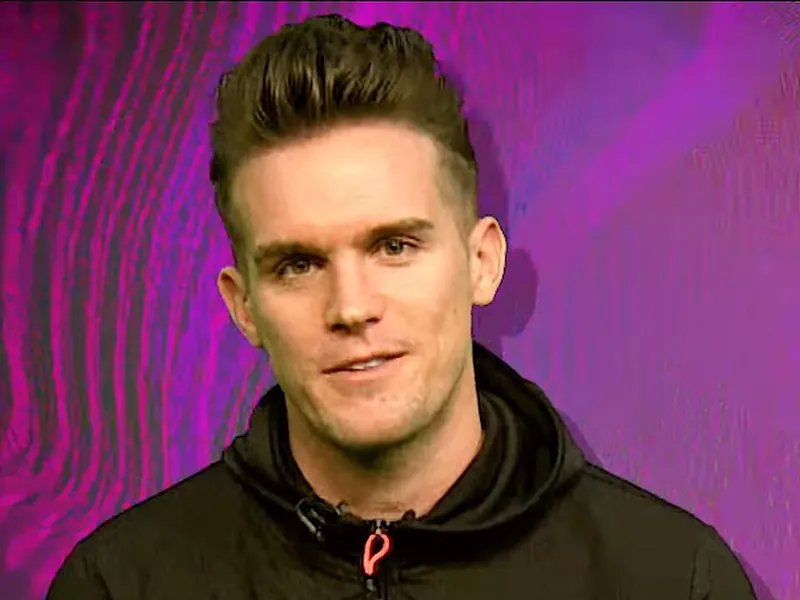 Gaz Beadle on his beard transplant: “I LOVE IT”Gaz Beadle told his 3.6 million followers he had a beard transplant after years of patchy stubble. His own words, and how a hair or beard transplant works today.
What patients write after this operation. Reviews are translated from the original language.
Andrey M.
I had the operation a month ago. Before and after surgery they were always in touch and helped with questions about my tests. The operation itself went wonderfully, the staff are polite and masters of their craft, you feel you are in safe hands. I am recovering now, and they answer all my questions. I am happy and I recommend them!
DHI hair transplant
Pavel Sinitsyn
The best clinic of all the ones I was choosing from. No regrets at all! The result is simply amazing, I am thrilled. I recommend it to everyone: these people do great work and make people happy. Once again, a huge thank you to everyone. Roman, the head of the clinic, is the best: he was personally in touch with me and looked after my recovery. Thank you for making my dream come true.
FUE hair transplant
Maria Akopyan
I thought about an eyebrow transplant for a long time and finally went for it. At first I was afraid the result would look unnatural, but when I saw my new eyebrows I was delighted! They came out full and in harmony with my face. I can hardly believe that now I just wash my face and go, I have never felt so free. For anyone tired of constant make-up, a transplant is a real lifesaver!
Eyebrow transplant (FUE)
Alexander M.
I really wanted a thick beard, but I had problems with it. I tried every home remedy and minoxidil, and nothing helped. After a long search for the best clinic I settled on this one. Thank you so much for the service, I liked everything and now I am happy! I had the beard transplant 10 months ago and I am very pleased with the result. By the way, the music in the clinic was great, as far as I remember. A friend of mine has already come to you for a transplant on my advice and was also happy with the result. I wish you every success!
Beard transplant (FUE)
Vladimir Z.
I went to the clinic to see a trichologist and had a hair transplant. I really liked the doctor's approach, and all the recommendations helped. I want to point out that nobody tries to sell you extra services: they tell you things as they are, and if some treatment is not needed, they do not push it. Cosy and clean.
DHI hair transplant
Artem Popov
This may sound obvious, but a head of hair really changes everything in your life. You feel much more confident and go through life like a winner. And it is all thanks to the doctor at this clinic and to the staff who take care of their patients. Many thanks to the clinic for a happy life with new hair, for the comfortable conditions and for the professionalism during the hair transplant.
FUE hair transplant
Ramadi was born in 1869 as an administrative decision by Midhat Pasha, Baghdad's Ottoman governor, and a visitor writing in 1892 already called it the liveliest town of the Euphrates valley. The census figures trace the same energy: 12,020 residents in 1956, 192,556 by 1987, and an estimate of 223,500 in 2018, all on fertile irrigated plains west of Baghdad. A town that keeps outgrowing itself tends to keep its hair questions private until it finds the right place to answer them.
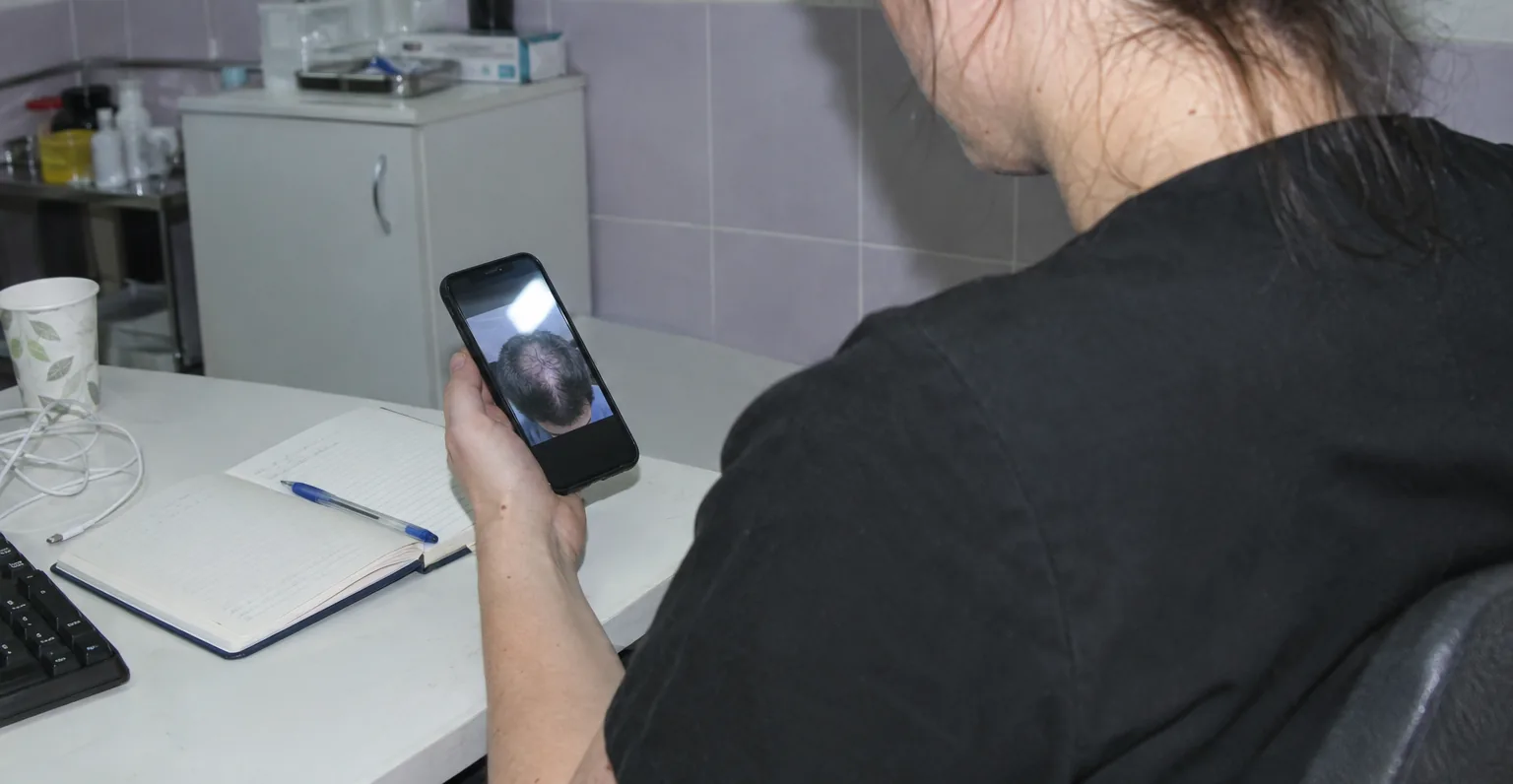
The step that precedes everything happens at home, before the shutters open: one shot of the front line, one of the crown, one of the donor belt behind the ears, all in straight daylight, plus a line on when the thinning started and another on everyday medicines. The message goes to the coordinators on Telegram or Telegram whenever it suits you, and a doctor's first reading places your case honestly: whether a transplant suits it at all, and how much your reserve can actually carry.
Three readings inside those frames decide more than any advertisement: how strong the stock behind the head is, how even the strands are in weight and colour, and how much ground the thinning has taken. Since a transplant relocates follicles and invents none, that reading sets what any agreement can honestly hold, a realistic count, a reasoned layout, and a line drawn to your own face rather than lifted from a poster. Whoever quotes above your reserve is selling appetite; whoever names your limits hands you a decision that holds.
In a town whose merchants work the road west toward Syria and Jordan, deals are made quietly, and the state of one's hair belongs to the same school: nothing is announced in a public gathering before it is settled. The whole opening stage therefore runs through messages, questions asked at your pace, answers read at leisure, a decision timed by you alone, and nobody at the shop or in the family's sitting room hears a word before you choose to speak.
The caravan masters who worked this road trusted nothing that was not written down, and the discipline applies here as well: before any date, a written plan gathers the technique proposed with its medical reason in your case, the approximate graft figure and where it comes from, the review calendar across the months, and the name of the hands that will actually do the work, not only the sign above the door. Read the sheet calmly and question every vague clause before signing.
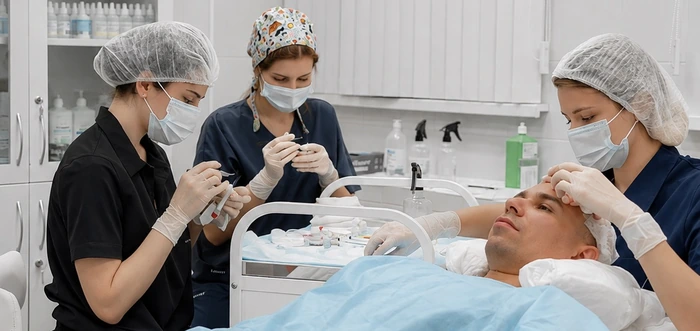
The session itself works under local anaesthesia that leaves your mind and movements untouched, so you can read or talk between stages, and it asks for a single day in the treatment place before you return home in the evening. There is no overnight stay, and the first evenings are managed from your own room: the head a little raised in sleep, a written washing programme in the order it will be carried out, and small crusts that heal and drop in their own time across the first ten days.
Those evenings go easier when the room is prepared in advance: a clean pillow cover changed every second day, lukewarm rather than hot water for the washes, and only the products the team has approved. Questions that wake up at midnight go out as a message with a photograph, and one gathered list earns a more considered reply than scattered notes. For anyone living near the Habbaniyah canal that bounds the town centre on the west, the evening walk stays a plan for later weeks, arranged with the team once the first stretch has closed.
Work arranges itself around the week: Iraq's Friday-Saturday rest lets an office worker absorb a session held just before it, while a trader in transport or a shopkeeper on the western road delegates the first days to a deputy and sets a full return date with the team. The point is not to hurry back but to come back without the healing stretch colliding with a crowded season that a few weeks of planning could have pushed aside.
August here is not a hot day followed by a mild evening: the mean high reads 44.5°C with the low at 29.0, so the night itself carries summer heat that many cities only see at noon, and July follows at 44.1 and 28.7. In such a month a cooled bedroom stops being a comfort and becomes part of the plan, because broken sleep disturbs the rhythm of washes and rest through the first weeks more than anything else on the schedule.
Water tells the opposite story: a whole year gathers only about 122.85 millimetres, August and September take zero, and January alone drops roughly 36 millimetres, the largest single share. That short rainy stretch is a gift for timing a full return to outdoor routine, and whoever holds the calendar free finds the cold months restful at 16.4 and 5.3 in January and 17.3 and 7.1 in December. Work the arithmetic backwards from your own anchor dates: trading hours, the school year, or freight seasons on the western road.
The town's geography helps order the day as well: it stretches along the Euphrates that divides the governorate of Anbar, the Habbaniyah canal draws the western edge of the centre, and the barrage of 1955 sends water out to Lake Habbaniyah. Through the first weeks the riverbanks belong to a later date the team sets, but a balcony over the water, or a short walk in the evening calm once the critical stretch has passed, is a far gentler thing than midday.
One last habit deserves to become law in the opening month: nothing new touches the scalp without the team's leave, whether an oil praised in family gatherings or drops sold in the markets, and no itch is scratched on instinct however ordinary it feels. The goodwill of parents and relatives is welcome, but it is pointed at the team's written programme instead of spoken recipes, so the household becomes a support inside the plan rather than a second source of confusion on top of it.
From the second week through the fourth, the visible hair releases and falls while the follicle stays seated and opens a fresh cycle; whoever never heard of the stage believes everything ended at the first pillow, and whoever read the written schedule recognises the announced date arriving on time. The team explains this station before the session for exactly that reason, so the house crosses it with patience rather than with a night of telephoned relatives.
The first new hairs sprout in months three and four, fine enough for room lighting to hide, then thicken until volume and the drawn line show plainly across months six to nine, and no final verdict settles before the twelfth month, sometimes stretching to the eighteenth. A town that grew up as a station on a long road knows a road is read through its stations, not its first kilometre, and hair behaves the same way: every month a station with its own date, no early verdicts.
The station log is one photograph at the head of every month, the same daylight and the same three angles, kept in order in a single file with a line under each shot about anything unusual. Six photographs spanning two distant months show what the daily mirror conceals, and if progress truly stalls, your question to the doctor stands on a readable file rather than on a morning impression, a difference that improves the quality of the answer itself.
All of the follow-up is run from home: the monthly file crosses Telegram or Telegram, the team reads the whole curve rather than one stray week, and an in-person review is set when the curve calls for it, not when memory grows restless. A student of the University of Anbar, open since 1987, knows the result is announced on its date and not before, and the scalp works on the same logic: an examination every month, a final mark on the written date.
Ramadi itself began as paperwork: a decree of 1869 by Baghdad's Ottoman governor Midhat Pasha that a city should stand here, and its accounts have been kept in documents ever since. Put the first document question to any surgeon: which certificate you carry and who granted it, whether the training covered hair transplantation specifically, and whose hands perform the session. A doctor sure of his papers answers at once, and hesitation over a single number hands you the summary of the whole conversation.
The available reference for postgraduate medical training in Iraq is the Iraqi Board for Medical Specializations: working since 1986, its first intake two years later, its programmes now thirty-seven. Its certificate is a strong training document to request and read, but it is not an office that verifies licences for the public, so keep two matters separate: the certificate shows the specialist formation, while the right to practise shows in licensing papers you request and check yourself before any commitment.
When two offers stand in front of you, read the two documents rather than the voices: the technique proposed and its reason in your case, the approximate count and its source, how far the review calendar runs, the channel that answers between reviews and at what hours, and what stays outside the agreement in writing. Keep a full day between the two readings, and send whatever refuses to resolve to the coordinators at any time; a side confident of its paperwork neither rushes you nor hides a clause of it.
And start from where you live: three morning shots, two lines on the onset and your medicines, sent by Telegram or Telegram at the moment you pick. A straight first answer places your case within its real bounds, and you move from your house by the Euphrates whenever you decide, without the news running ahead of you and without a hurried closing session; a choice that will sit in every future photograph deserves to be taken awake, in the manner of the town named for wakefulness.
It numbs the skin of the scalp alone, so you stay awake and can talk or read between stages, with no general anaesthesia and no overnight bed: one day in the treatment place, then home in the evening. Mild tightness and small crusts in the days after are ordinary, and any sensation outside the familiar goes to the team at once with a photograph, not to the next review.
One photograph at the head of each month, identical daylight, identical three angles, kept in order with a line under each shot. The long months between session and result deceive the daily mirror, while the photographed log reads the curve plainly: first fine hairs in months three and four, clear volume across six to nine, and final settling between the twelfth and eighteenth.
Because the month's low stays at 29.0 degrees while the high averages 44.5, so the night carries the same heat as the day. A cooled bedroom arranged before the date becomes part of the plan, since heat-broken sleep disturbs the washing and resting rhythm of the first weeks more than anything else. With the date in your hands, December and January rest at 7.1 and 5.3.
The proposed technique and its medical reason in your case, the approximate graft figure and its source, the review calendar with its full reach, the name of the hands that perform the work, and what remains outside the agreement. The sheet protects both sides and is reread on some doubting night months later; a clause promised aloud but refused in writing has already answered you.
Pick the gap between your crowded seasons, hand the first days in full to a deputy, and fold the Friday-Saturday rest into the quiet stretch if the session falls just before it. The first ten healing days want regularity in washing and rest more than they want heroics, and pushing a busy freight season aside by weeks is easier than arguing with irritated crusts and dust.
The follow-up team, by Telegram or Telegram at whatever hour the question arrives, and a question sent with its photograph earns the faster, more exact reply. Gather each week's questions into a single message instead of scattering them, and keep the answers beside your photographed file so the doctor reads your question against a complete curve rather than an isolated moment.
Only the timing. The year collects about 122.85 millimetres with January's share near 36, and the cold months rest at 16.4 in January and 17.3 in December, gentler on a fresh scalp. A head covering that turns light winter rain, and keeping direct wetting off the area until the team allows it, are enough; the weather adds no new instruction of its own.
The specialty certificate, its number and its issuing body. Postgraduate training for Iraq's doctors passes through the Iraqi Board for Medical Specializations, at work since 1986 with thirty-seven programmes, and its certificate is a training reference you read yourself, while licence verification rests on papers you request from the doctor directly. Hesitation over one number is verdict enough on the rest of the conversation.
Page medically reviewed by Anastasia A. Kolesnik, hair transplant doctor. Review date: .

 Forceps
 Minimal


