



























Message our coordinator
Free online consultation · Reply within 15 minutes
Message us on TelegramMessage us on WhatsAppBy messaging us, you agree to our Privacy Policy





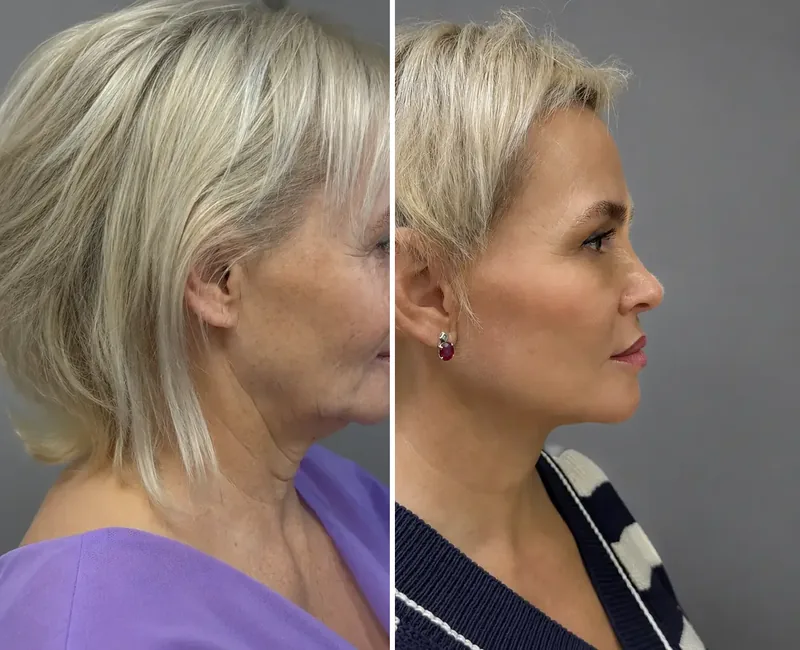

50 years
9 months
SMAS facelift
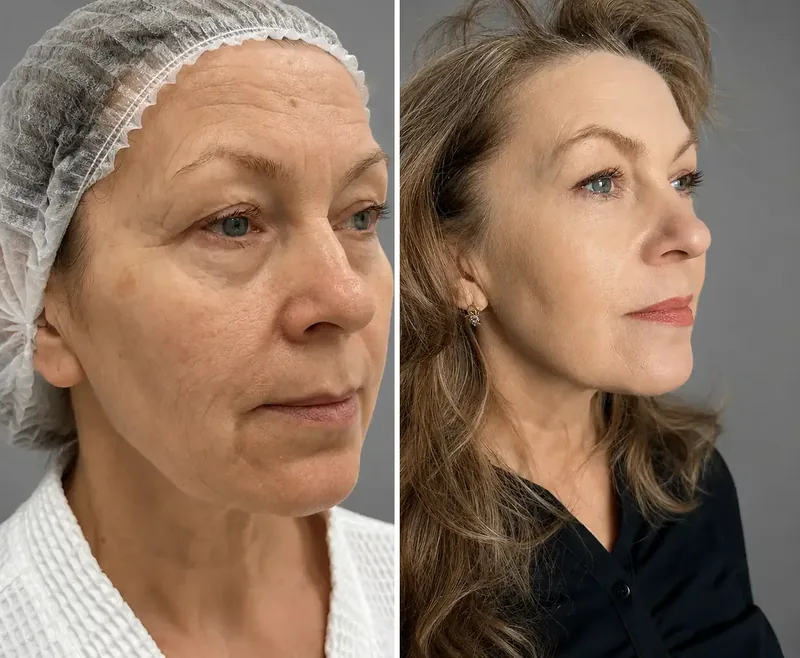
58 years
8 months
SMAS facelift
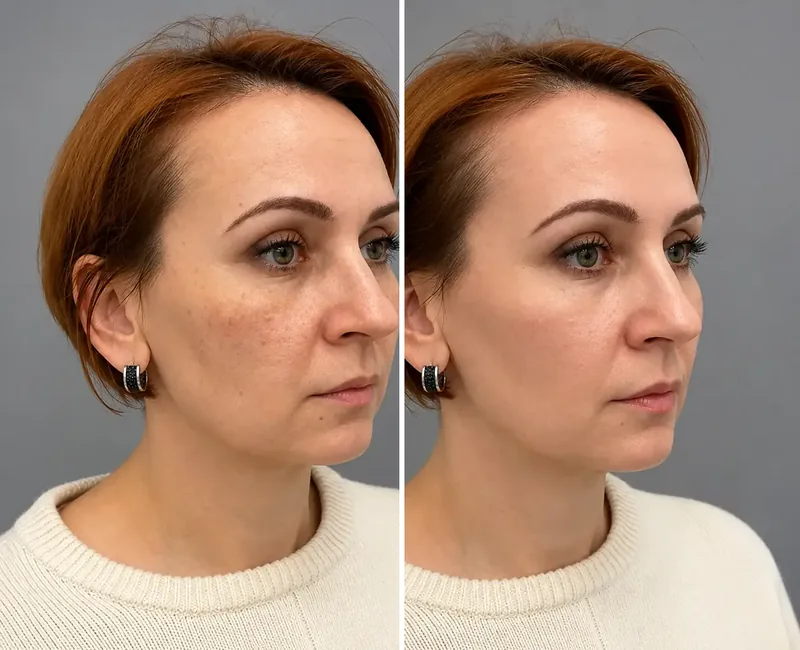
34 years
5 months
SMAS facelift
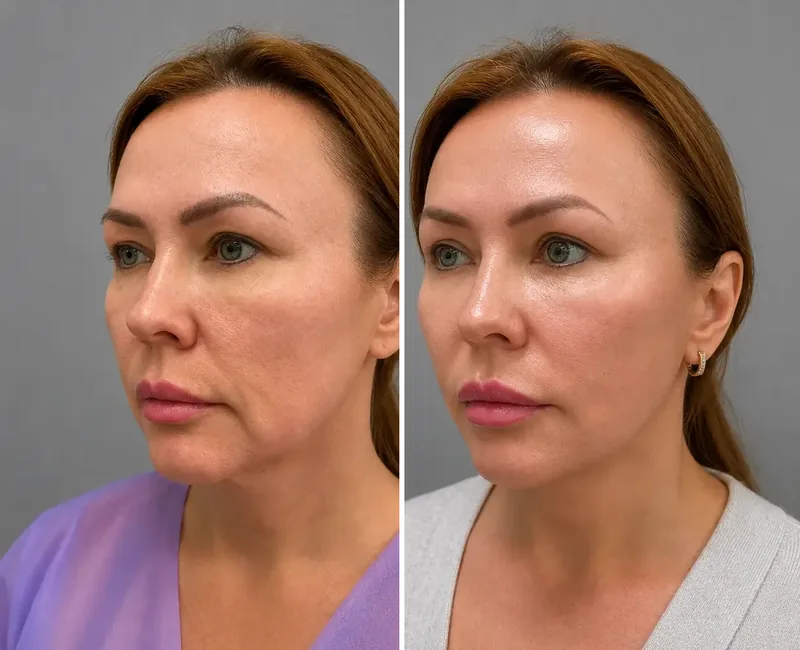
32 years
7 months
SMAS facelift
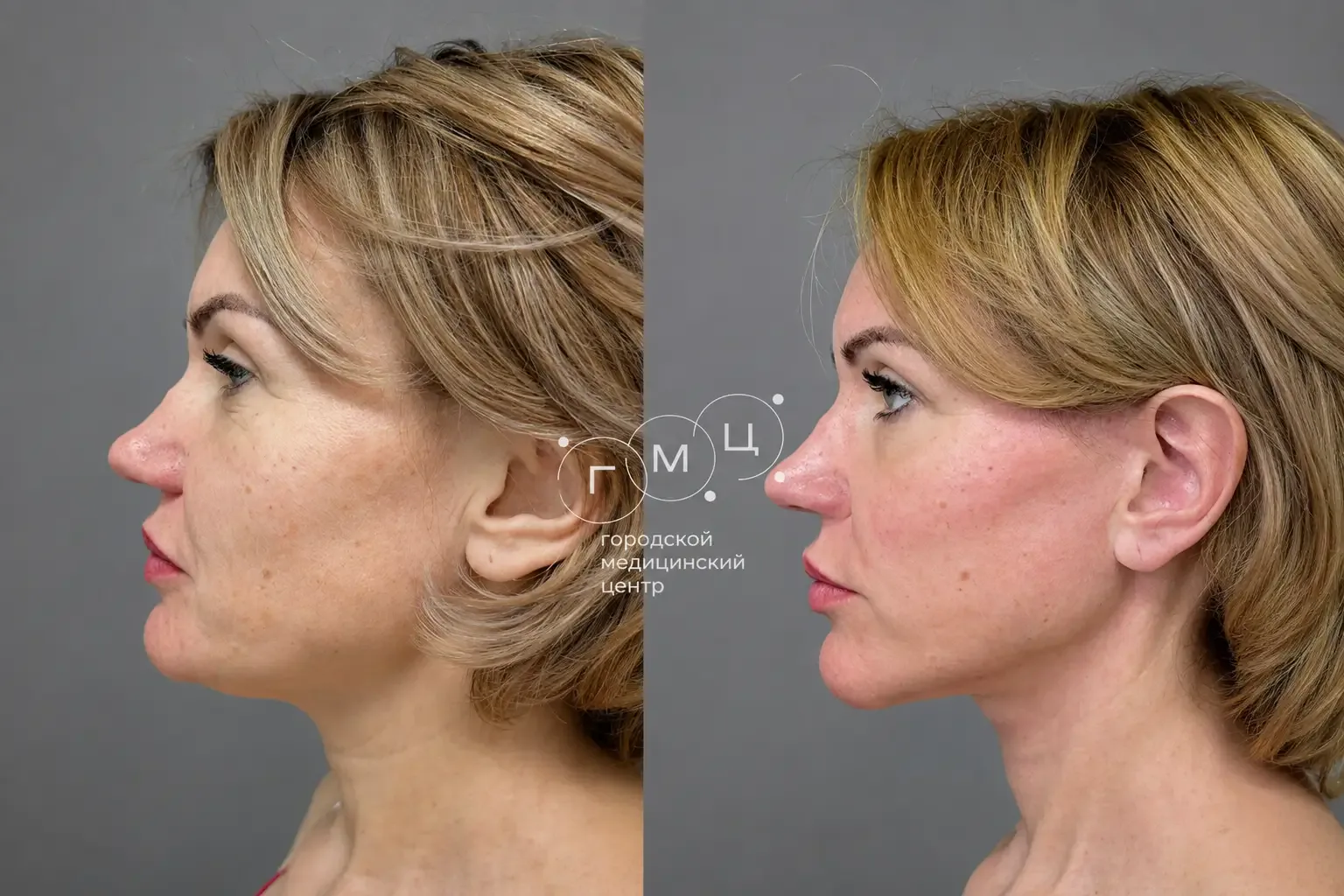
40 years
6 months
SMAS facelift
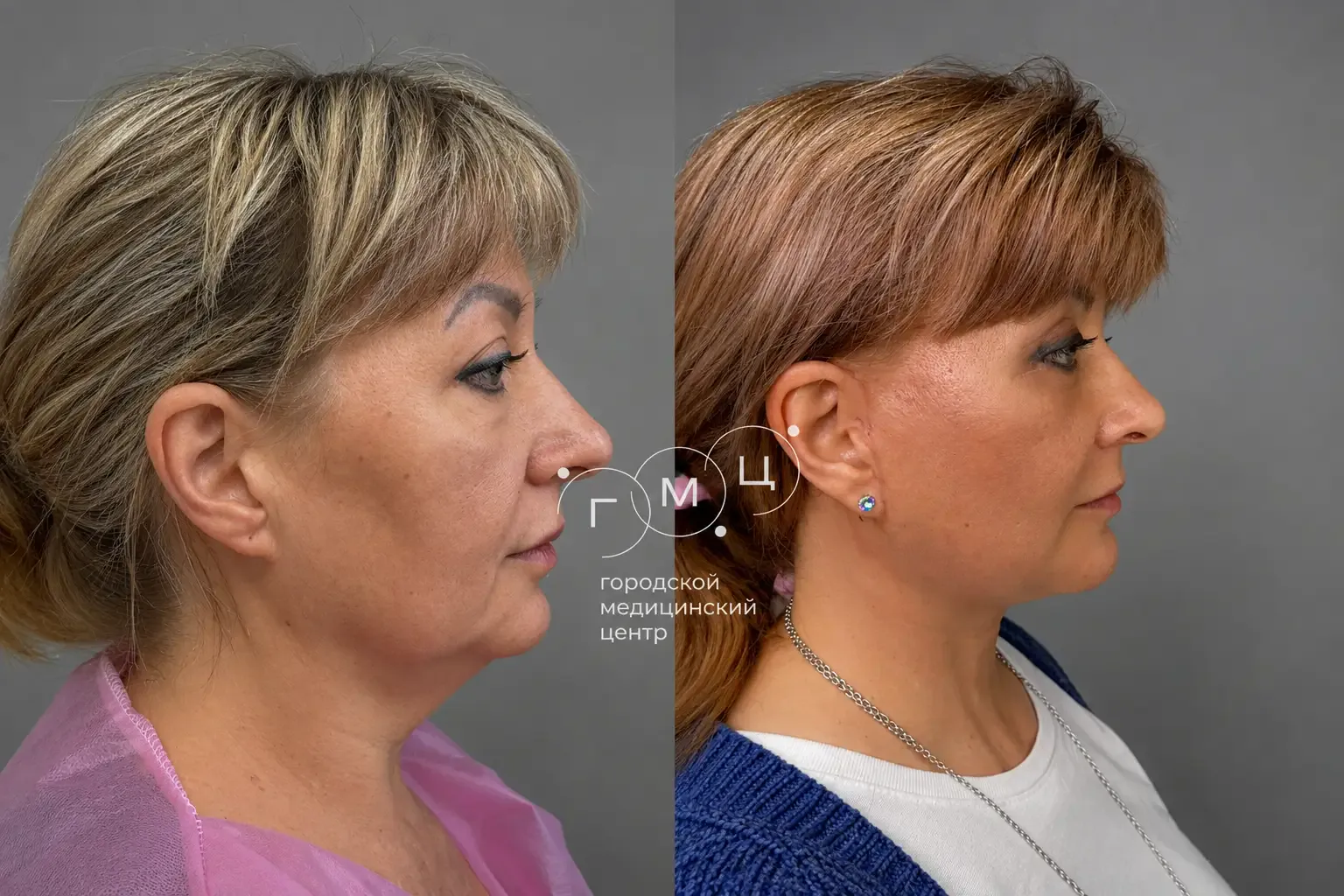
45 years
8 months
SMAS facelift
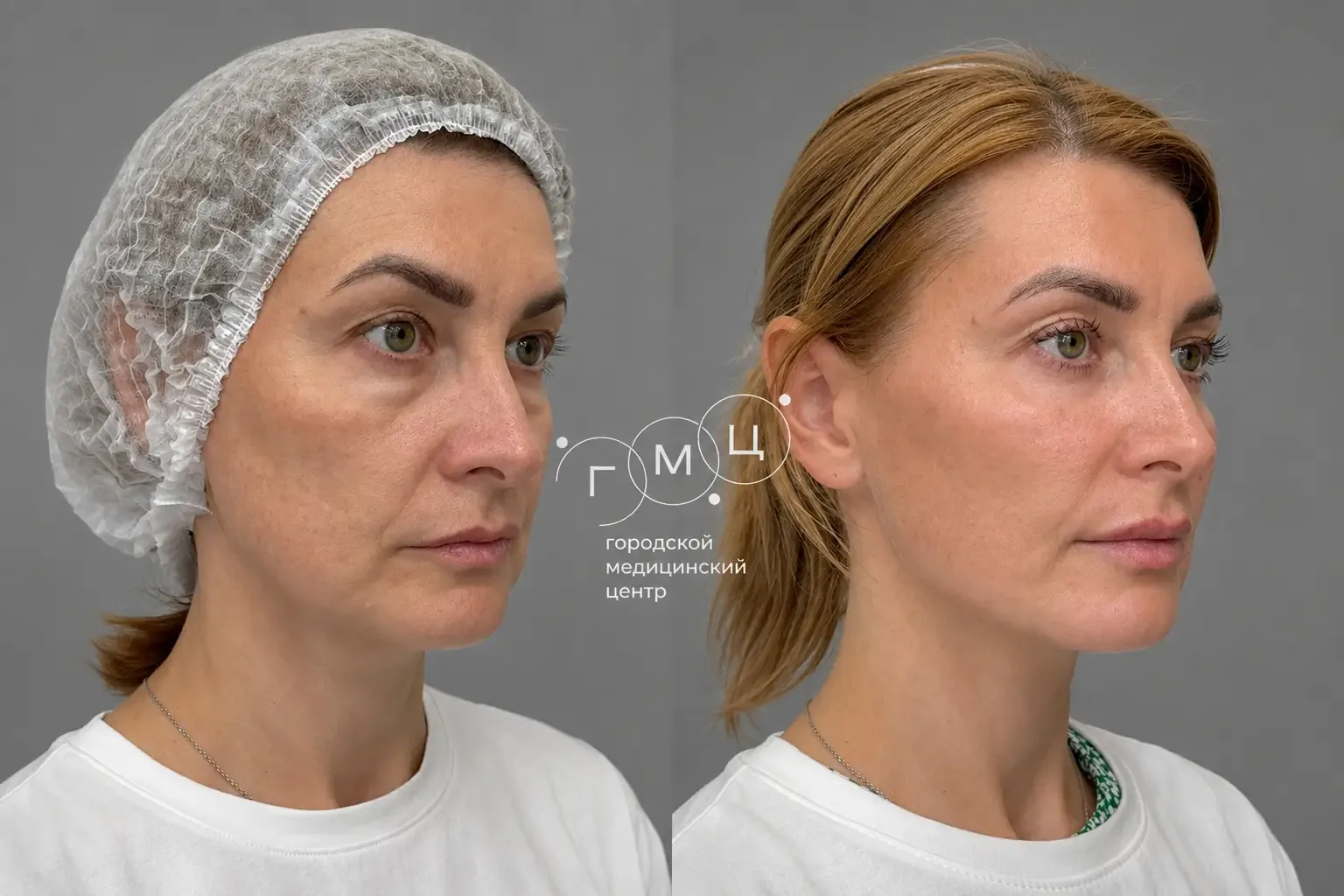
38 years
5 months
SMAS facelift
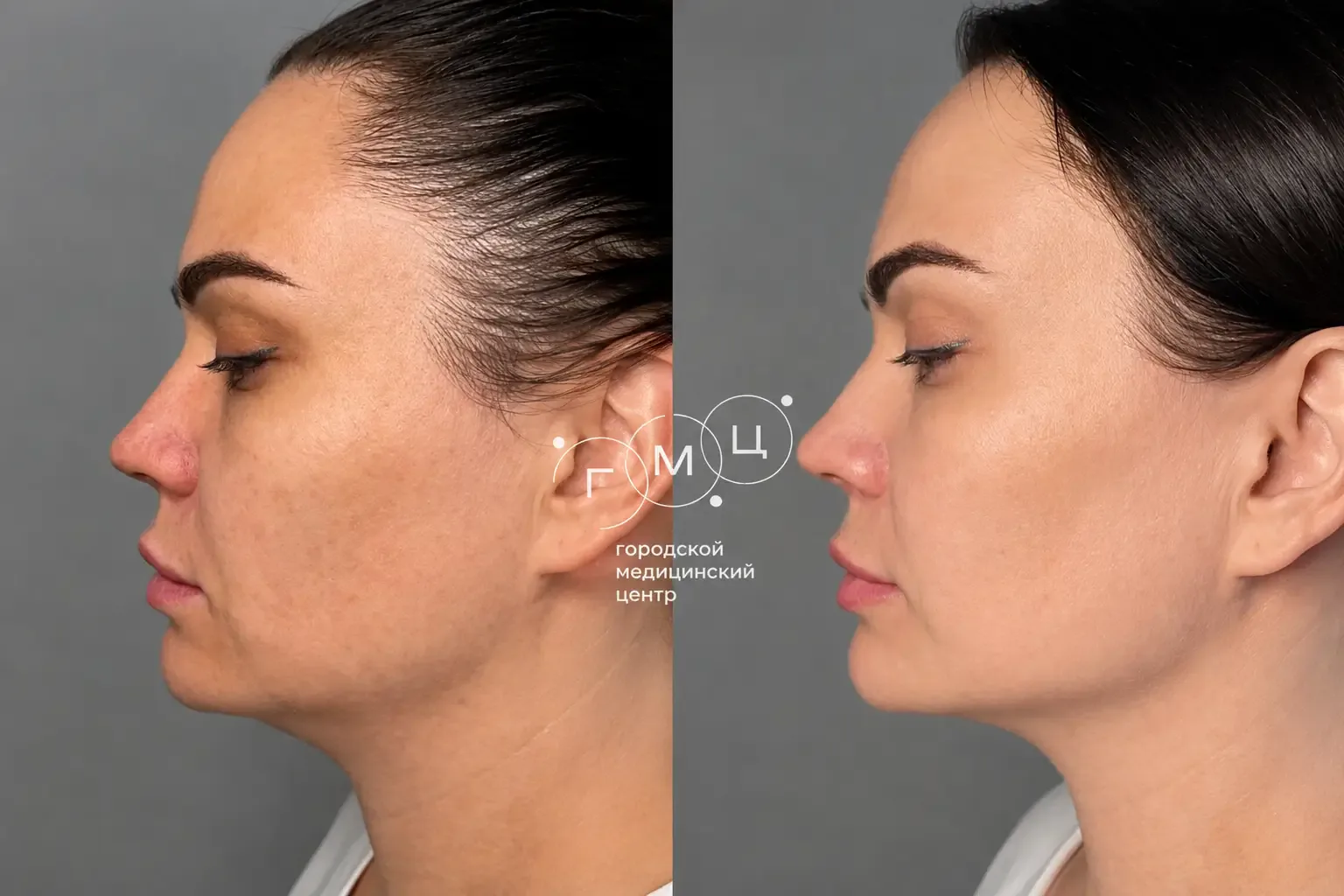
33 years
6 months
SMAS facelift
50 years
9 months
SMAS facelift
58 years
8 months
SMAS facelift
34 years
5 months
SMAS facelift
32 years
7 months
SMAS facelift
40 years
6 months
SMAS facelift
45 years
8 months
SMAS facelift
38 years
5 months
SMAS facelift
33 years
6 months
SMAS facelift
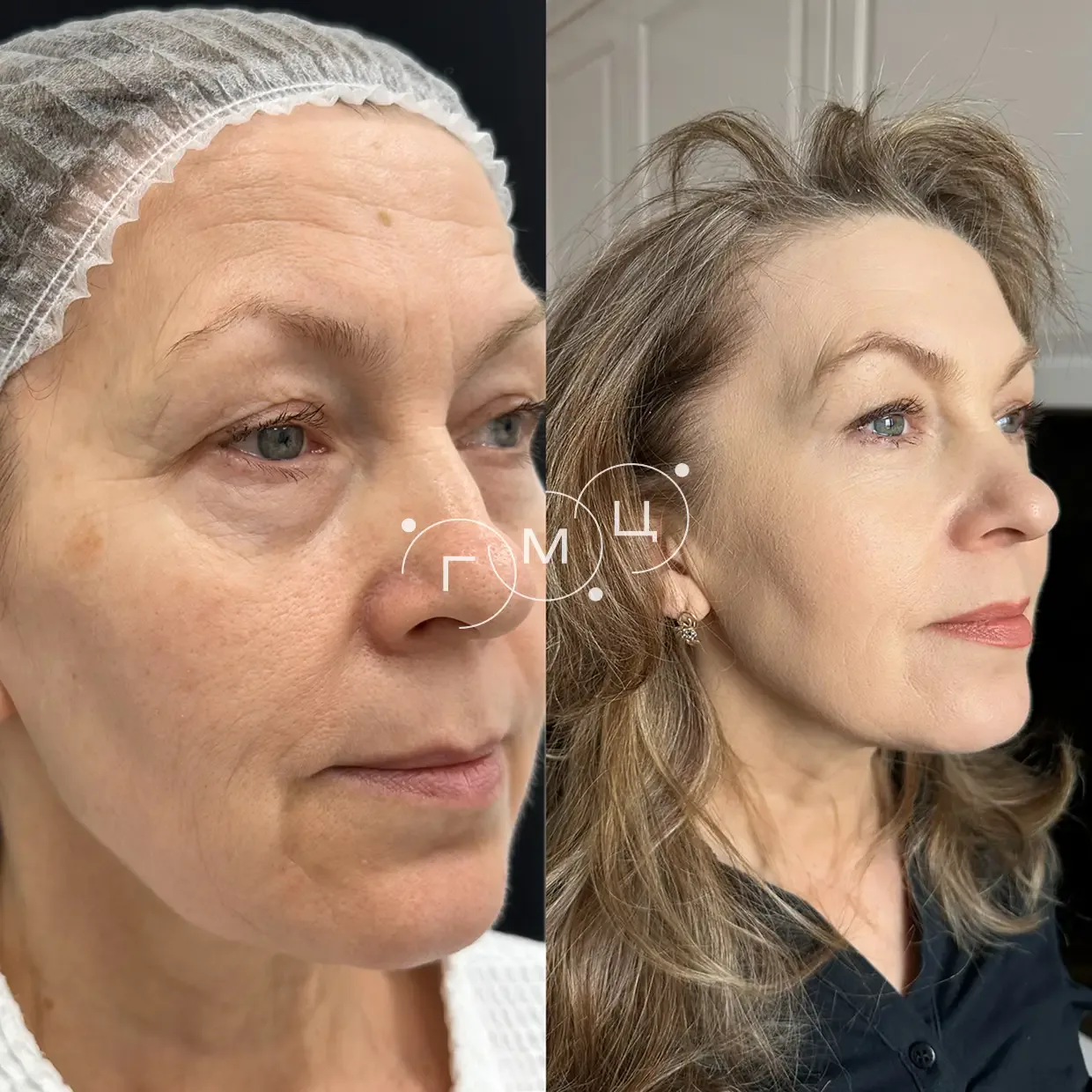

Pronounced sagging in the face and neck
The jawline is blurred, with jowls
Double chin, loose skin on the neck
Pronounced nasolabial folds and marionette lines
Drooping brows, a heavy look
A marked loss of skin firmness after 40
A long-term result is wanted (7–10 years)

Age under 30
Acute skin inflammation
Being pregnant or breastfeeding
A severe disease of the cardiovascular system
Blood clotting disorders
Cancer
Decompensated diabetes
Choosing a facelift in Ramadi
After 40–50 the skin gradually loses firmness: tissues sag, jowls form, the jawline blurs and the cheeks droop. A surgical SMAS facelift works deeper than cosmetology, repositioning the muscle and fascia layer so it treats the cause of sagging rather than its effects. For patients from Ramadi, this gives a lasting result even when changes are significant, with the effect holding for 7–10 years.
Discomfort and tightness in the first few days are normal and are relieved with medication prescribed by the doctor. Your operating surgeon then follows you up for the whole first year, until the final result. For those in Ramadi, this means the same surgeon who performed the operation monitors how the face settles, answers questions along the way and assesses the outcome at the end.
A facelift costs from $2,400 (≈ IQD 3,150,000). For patients from Ramadi, the price includes a one-to-one consultation, a highly experienced medical team, combined inhalation anaesthesia, a stay in comfortable inpatient rooms, 24/7 monitoring by medical staff, meals during your stay, personal support before and after surgery and a year of follow-up by your plastic surgeon. Start with a free consultation.
Stories of well-known people
Well-known people who spoke openly about this operation, in their own words.
 Kris Jenner’s facelift: “I love my facelift”Kris Jenner said she had a facelift about 15 years ago and a refresh before turning 70 — and that she loves it. How a SMAS facelift and recovery work.
 Did Vicki Gunvalson have a facelift? Yes, and she showed the result herselfVicki Gunvalson had a facelift in May 2018 after deciding fillers no longer looked like her. Her own words, how a facelift works and recovery.
 Keltie Knight’s facelift: why she decided to “just own it”Keltie Knight had a facelift in 2023 at 41 and chose to talk about it openly. What she said, how a SMAS facelift works and what recovery looks like.
 Did Linda de Mol have a neck lift? Yes, and she wrote about it herselfLinda de Mol wrote in LINDA. in 2025 that she had a neck lift. What she said, why she chose to be open, and how a face and neck lift works today.
 Linse Kessler and her facelifts: what she said herselfDanish reality star Linse Kessler has said openly that she has had several facelifts. Her words, how a modern facelift works and what recovery involves.
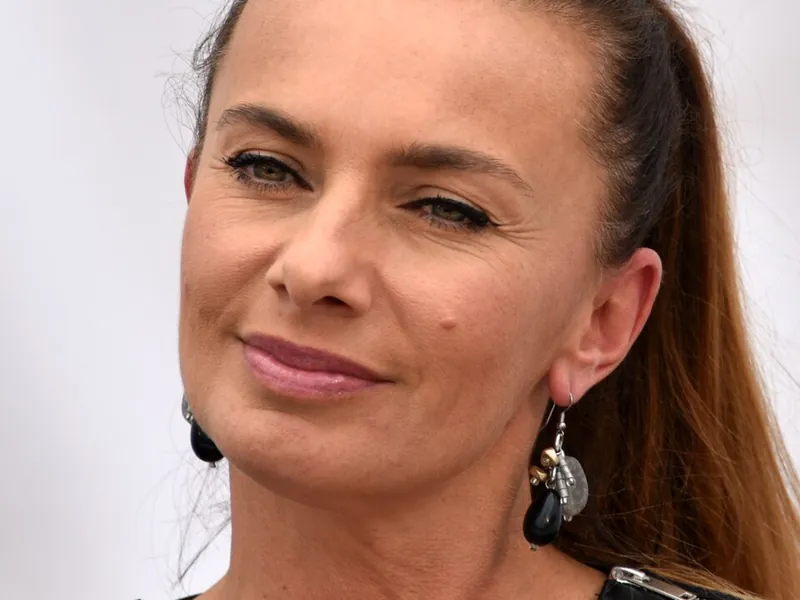 Did Alice Bendová have a facelift? Yes, and she explained why herselfAlice Bendová confirmed a deep plane facelift in September 2026. Her words, how a facelift works, who it suits and what recovery looks like.
A Planned Town Reads a Planned Face: The 1869 Lesson Applied
Midhat Pasha laid out Ramadi on the Euphrates in 1869 on a drawn plan, and the town grew from 12,020 residents in 1956 to roughly 223,500 in the 2018 count. A town that began as a drawing respects drawings in personal matters too, and a facelift decision is drawn before it is built: front and side photographs in daylight at home, your regular medicines, any earlier facial operations, and two honest lines about what you want the face to say. The plan precedes the construction, exactly as it did in 1869.
Send the drawn plan in one message to the care coordinators on Telegram or Telegram, reachable day and night, and the reply functions like a surveyor's confirmation: whether a facelift suits your case or another start fits better, which anaesthesia the operation uses, and which tests belong before a date. With that page saved, the specialist consultation turns into a working session on your own face, and its minutes stop being spent on definitions everyone already knows.
The chronicler who called this the valley's most awake town in 1892 was praising attention, and attention is the quality the decision asks for. Read the first reply twice, mark what is unclear, ask again, and never let enthusiasm compress a thought that needs a week. Wakefulness in medical decisions means the papers are read before the signature, and Ramadi's whole commercial history stands on that habit.
The Ramadi barrage, finished in 1955 to feed Lake Habbaniyah, still does its quiet work because it was measured before it was built. A facelift decision carries the same engineering logic: honest measurements, written stages, and patience for the materials' own tempo. General anaesthesia for the operation, about two months of recovery, and stability between months three and six are the specifications; everything else in the plan hangs from them.
General Anaesthesia, Two Months, Then Stability: The Numbers of the Decision
Three numbers hold the calendar: the operation runs under general anaesthesia; two months, give or take, for full recovery; and stability arrives between months three and six. Nearby occasions move, the heaviest work weeks are stepped around, and the return to public life comes in stages the plan names. A household that builds its expectations on these figures lives quietly through the weeks; one that builds them on retellings re-litigates the decision at every visit.
Placement on the Anbar calendar decides half the comfort: trading families and transport men know their peak seasons, governorate employees know their crowded weeks, and students at the University of Anbar, established in 1987, know their exam blocks. Set the date in the gap between peaks with a month's clearance, and let Friday and Saturday stand as Iraq's weekly rest directly behind the most sensitive days. Five minutes with a calendar beats a month of crossed fingers.
The receiving house is arranged a week ahead, not the night before: a room that breathes, a bed that keeps the head raised, water close, light food per the team's instructions, front-opening clothes, and a charged phone with the coordination line pinned. Name the household's parts aloud, two months of shopping, driving on the day, hosting the short visits, phone duty. Anbar's extended families have run harvests and guest seasons with tighter sheets than these two months ask.
Hospitality rules belong in writing too, because Anbar houses are generous: visits short and after midday, no photographs in the first fortnight, one designated answerer for the family's questions. The kind relative who stays an hour can tire a healing face without meaning any harm, and an agreed shape for each visit protects both warmth and rest. Written house rules feel formal for two days and prove indispensable for two months.
August 44.5, January 5.3: Placing Two Months on the Anbar Calendar
The Euphrates year splits into two registers: August at 44.5C by day and 29.0 at night, July at 44.1 and 28.7, against January's 16.4 and 5.3 and December's 17.3 and 7.1. Rainfall totals about 122.85 mm a year, January alone carrying 36 mm, with August and September dry. The two recovery months should be read off this table: a winter date gives whole afternoons for light walking, while a summer date is run from dawn to dusk on purpose.
The walking ground is ready-made: beside the Habbaniyah canal on the western shoulder of the center, or along the shore of Lake Habbaniyah fed by the 1955 barrage. Winter afternoons make these loops a pleasure; summer moves them to the hours after sunset. One route, one fixed hour, one mark in the notebook each day. The river taught the city that steady work beats occasional force, and the recovery weeks run on exactly that principle.
If a summer date is unavoidable, borrow the city's own summer grammar: errands at dawn before the heat builds, indoors through the noon core, movement after sunset when the air softens along the water. Nothing in that arrangement fights the medical instructions; it is their translation into local weather, practiced here for generations. The patient who adopts it finds the weeks passing like any others, only more deliberately.
And extend the same patience to the outcome: stability arrives between months three and six, and the first weeks move in small steps that close mirrors hide and dated photographs reveal. Compare monthly, keep the first file safe, and let the record do the talking at the checkpoints. The Euphrates is never judged by one meter of its bank; a healing face is judged by the whole distance it has covered.
The Wide Anbar House Hears the Written Word First
Anbar households are wide and word moves through them faster than visits. Use the speed deliberately: send the family's likely questions in one list to the care coordinators on Telegram or Telegram at any hour, and bring the written answers to the next sitting before the stories arrive. A house that leads with documents sets the tone of the whole conversation, and the tone decides how many evenings the topic will occupy.
Write the list the way the questions actually come: does a visible mark remain, how long is the recovery, when does the shape settle, what is off limits in the first weeks, and when does public life resume. Keep your own page with follow-up dates and permitted medicines where the companion can find it. Ten minutes of writing saves ten evenings of retelling in a family where every retelling grows a tail.
After the answers, the roles take names: a companion for the day, two months of shopping, a host for the brief visits, a phone voice for distant relatives. Anbar's extended families have organized harvests and guest seasons with narrower lists than this, and two written months pass over them lightly. The patient whose care has a name on every line rests properly, and the house that works in silence does half the recovery's work for him.
When a frightening tale or a dazzling promise crosses the sitting, it goes into the next message to the team and the written answer returns to the table. Stories lose their teeth against paragraphs, and the fixed numbers, general anaesthesia, two months, three to six months, are the scale every story is measured against. The household that keeps this habit becomes the quarter's calm reference instead of its relay station.
No Portal to Check: The File You Request Becomes the Scale
No Iraqi portal lets a patient check a doctor's licence today, so verification is a craft performed with requested papers: the registration number, the specialty certificate with its issuing body, a written description of the operation for your face, the follow-up plan with dates, and the named person who answers between reviews. The Iraqi Board for Medical Specializations, founded in 1986 with teaching from 1988 across 37 programs, marks genuine specialist training, though it is not a licence office.
Weighing offers on one scale is the natural method here: two merchants, two shipments, one balance. Lay registration against registration, plan against plan, follow-up against follow-up, and read for an hour in the quiet of a morning before the heat rises. The serious file announces itself through small printed particulars, the dates it names and the questions it anticipated, and those particulars predict the weeks ahead better than any meeting's charm.
Give the choice its week: re-read in a cool morning, set the files side by side, and pick the plan that explained itself on the first reading. The town a chronicler called the valley's most awake has never trusted a deal concluded in one heated evening, and a decision that will live on your face deserves the same suspicion of haste. Read like a merchant, sign like a neighbor.
Close the ledger with the numbers as they were opened: general anaesthesia, two months of recovery, stability between months three and six, and monthly photographs that record the road as it actually went. The patient who walks from the first drawn plan to the sixth month arrives with something more durable than a result, which is a decision he can explain line by line to anyone who matters.
Is general anaesthesia part of the plan every time?
Yes: a facelift runs under general anaesthesia, a fixed element of the plan rather than a preference. The steadiness serves the arrangements, fasting beforehand per instructions, a companion who knows the day's timings, and a house ready at the end of it. Request the operation-day details in the first message and keep them in writing, since the whole two-month calendar that follows hangs on that day alone.
How long until the face is fully settled?
Two months, give or take, for full recovery, with stability arriving between months three and six. Build the calendar on both figures: nearby occasions move, the heaviest weeks are stepped around, and dated photographs at monthly intervals report the progress that close mirrors distort. A patient who knows the real span in advance is never managed by anyone's retelling of someone else's recovery.
Where does the date sit on the Anbar calendar?
In the gap between peaks, with a month's clearance: trading and transport seasons, crowded governorate weeks and the exam blocks of the University of Anbar are all known in advance, so the date goes between them. Friday and Saturday stand as Iraq's weekly rest directly behind the most sensitive days, and the absence is announced early in one neutral sentence. Five minutes with a calendar settles what weeks of hesitation would not.
Which season serves the two months best here?
Winter, comfortably: January at 16.4C by day and 5.3 at night opens whole afternoons for light walking beside the Habbaniyah canal or along Lake Habbaniyah, fed by the 1955 barrage. Summer is workable only on the city's own grammar, dawn errands, indoor noons, movement after sunset, with August averaging 44.5C. Rainfall never interrupts anywhere in the year beyond January's 36 mm of the 122.85 total.
What does the drawn plan contain at the start?
Front and side photographs of the face in daylight at home, your regular medicines, any earlier facial operations, and two honest lines about what bothers you and what you want the face to say. One message to the care coordinators on Telegram or Telegram at any hour returns a surveyor's confirmation: suitability, the tests worth preparing, and the fixed specifications of the operation day.
How are two offers weighed without a public register?
On one scale, paper against paper: registration number and specialty certificate with issuer, a written description of the operation for your face, a follow-up plan with named dates, the person who answers between reviews, and the procedure for post-discharge questions. The Iraqi Board for Medical Specializations, founded in 1986 with teaching from 1988 across 37 programs, marks genuine specialist training though it is not a licence office. Read both files in one quiet morning and the difference announces itself.
How does a wide family hear about the decision without chaos?
By leading with documents: send the family's likely questions in one list to the care coordinators at any hour, bring the written answers to the next sitting before the stories arrive, and assign the two months' roles by name, companion, shopping, visits, phone. Anbar households respect a host who has read his papers, and the topic that could fill ten evenings closes in one sitting.
How is progress read across the weeks?
At checkpoints, not in mirrors: dated photographs at monthly intervals against the fixed numbers, general anaesthesia, two months of recovery, stability between months three and six. The early weeks move in small steps that spaced photos reveal and close mirrors hide, the way the Euphrates is judged by the distance between its banks rather than by one meter of water. The patient who reads this way ends the journey trusting every month behind him.
Facelift in Ramadi: price and what is included
Prices are in US dollars; the amount in brackets is an approximate conversion to IQD at the rate of 02.10.2026. The final price is fixed in your contract.
- Faceliftfrom $2,400 (≈ IQD 3,150,000)
How much does a facelift in Ramadi cost?
Prices start from $2,400 (≈ IQD 3,150,000). The surgeon sets the final price at the free consultation, and it is fixed in the contract, with no hidden extras.
What is included in the price?
A one-to-one consultation, the medical team, anaesthesia, inpatient care with meals, 24/7 monitoring and twelve months of follow-up by the surgeon.
How do I get my exact price?
Message us on WhatsApp or Telegram using the buttons below. A coordinator will answer your questions and book a free consultation where the doctor names the exact price.
By messaging us, you agree to our Privacy Policy