


























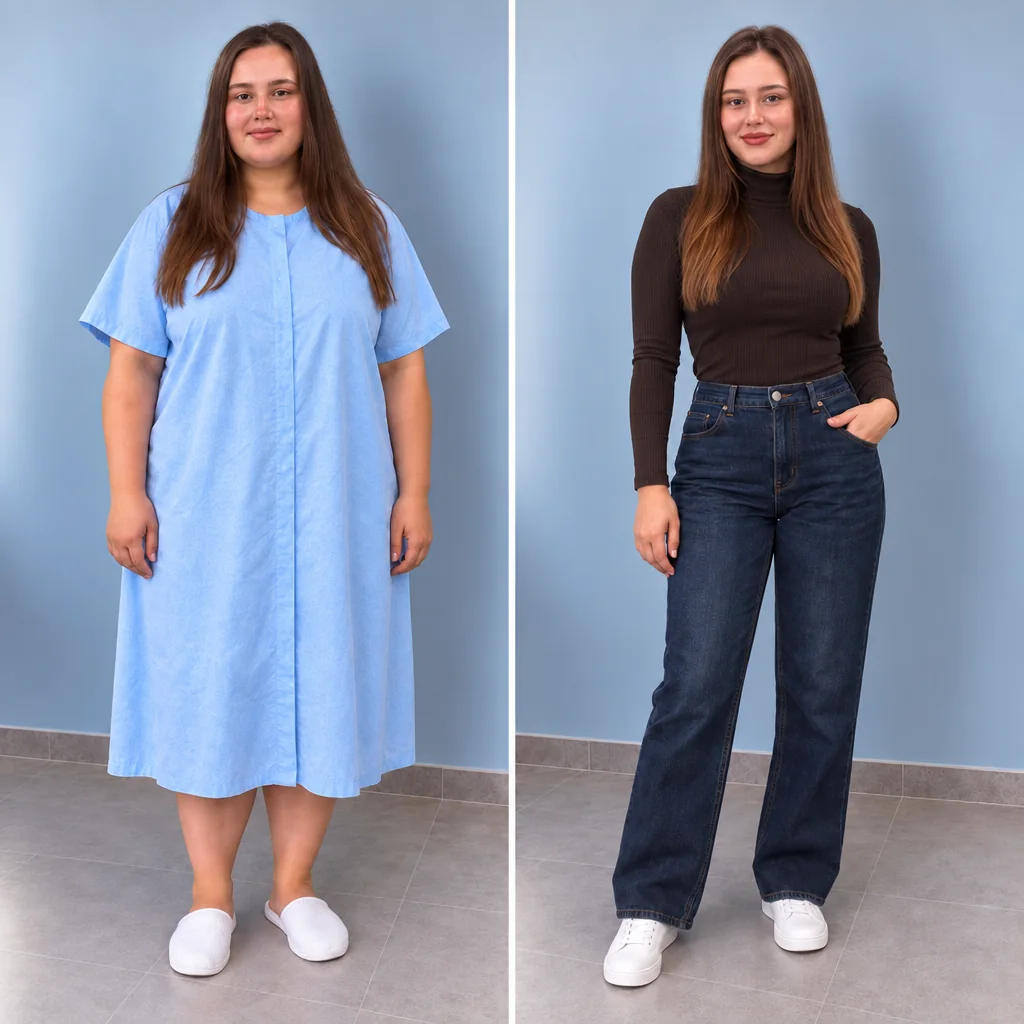
 beforeafter
Irina, 26
Bariatric surgery
Bariatric surgery
$3,600
$4,800 · First consultation — Free
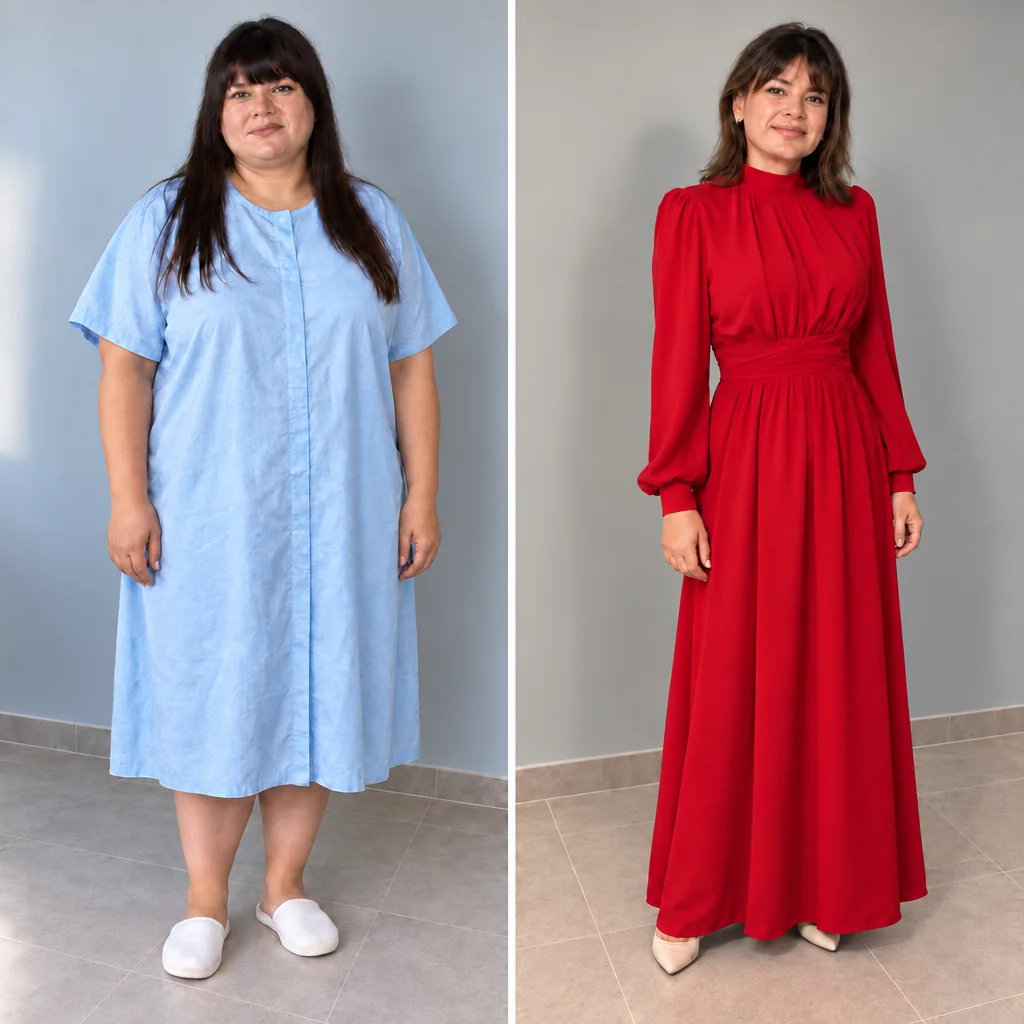 before
after
before
after
Message our coordinator
Free online consultation · Reply within 15 minutes
Message us on TelegramMessage us on WhatsAppBy messaging us, you agree to our Privacy Policy
Results
All cases are real patients of the clinic.
beforeafterBariatric surgery
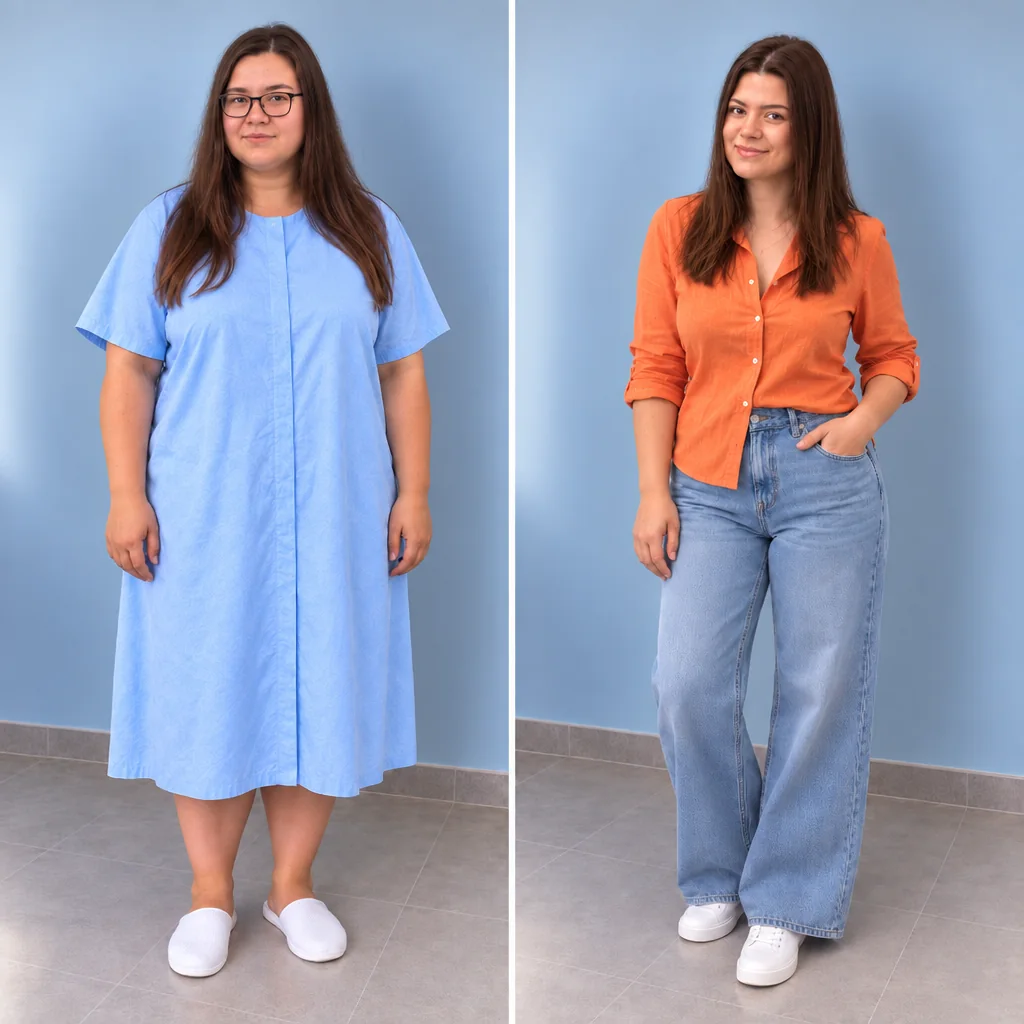 beforeafter
Bariatric surgery
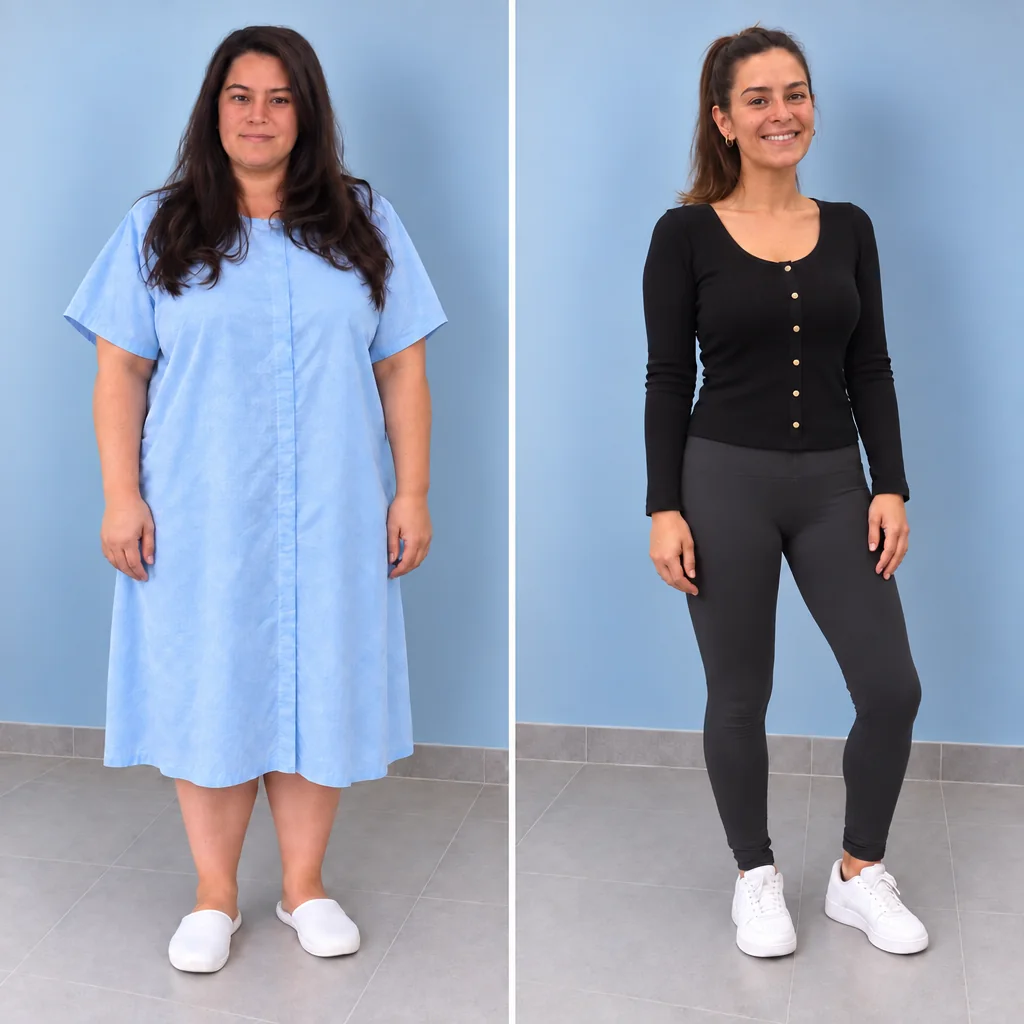 beforeafter
Bariatric surgery
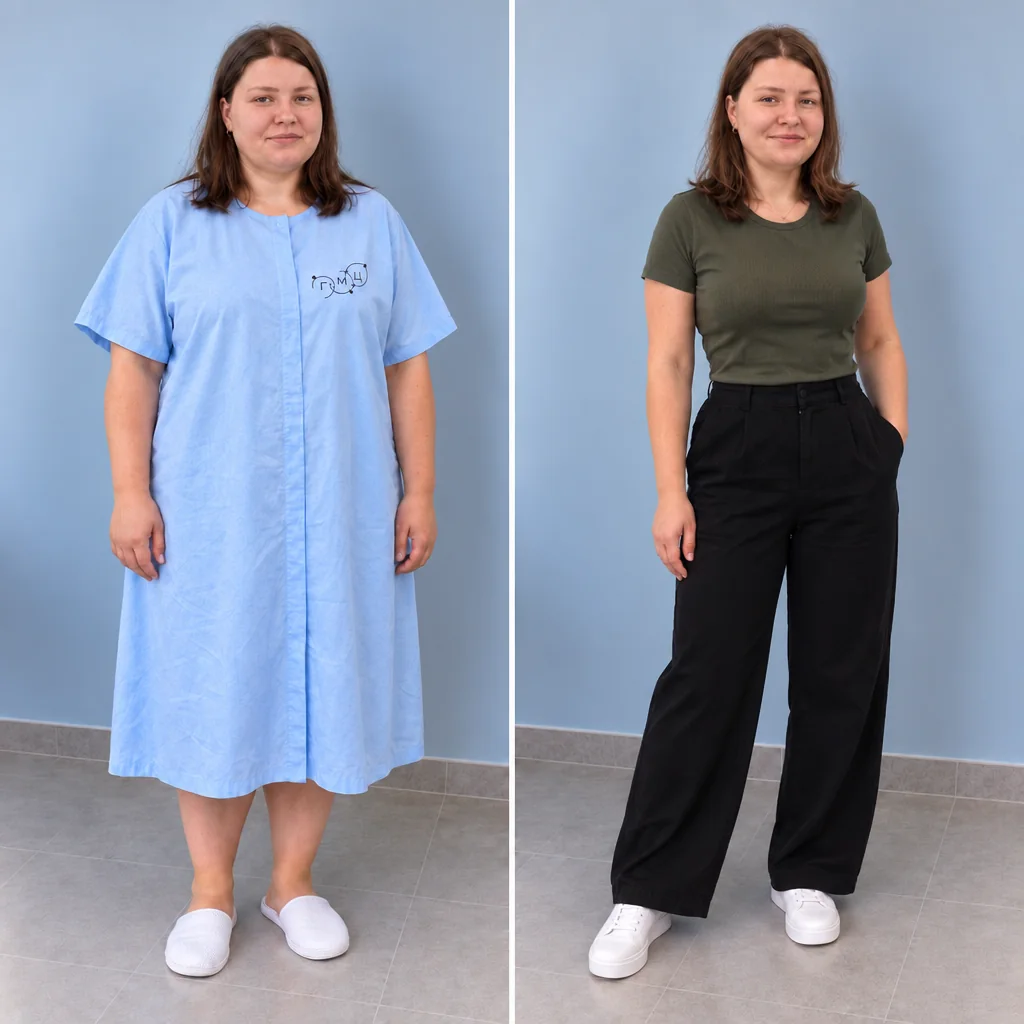 beforeafter
Bariatric surgery
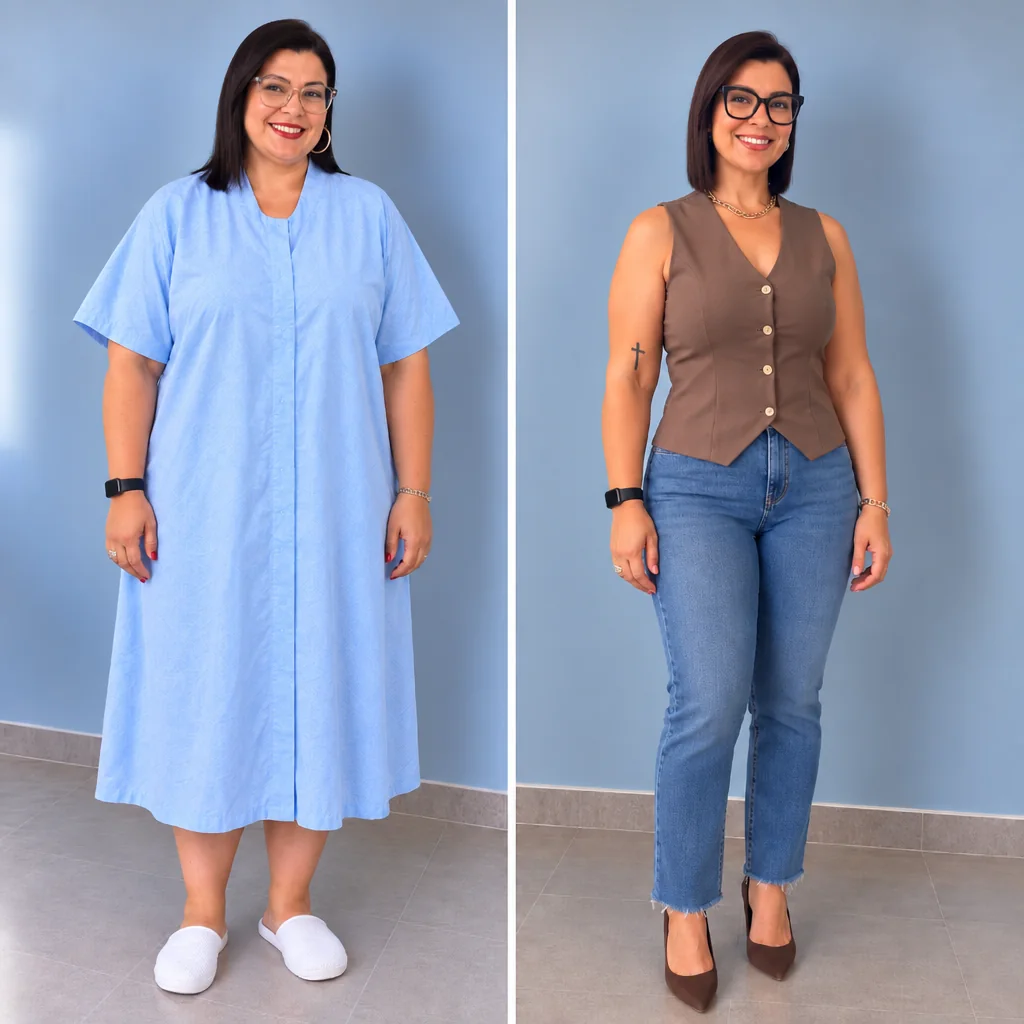 beforeafter
Bariatric surgery
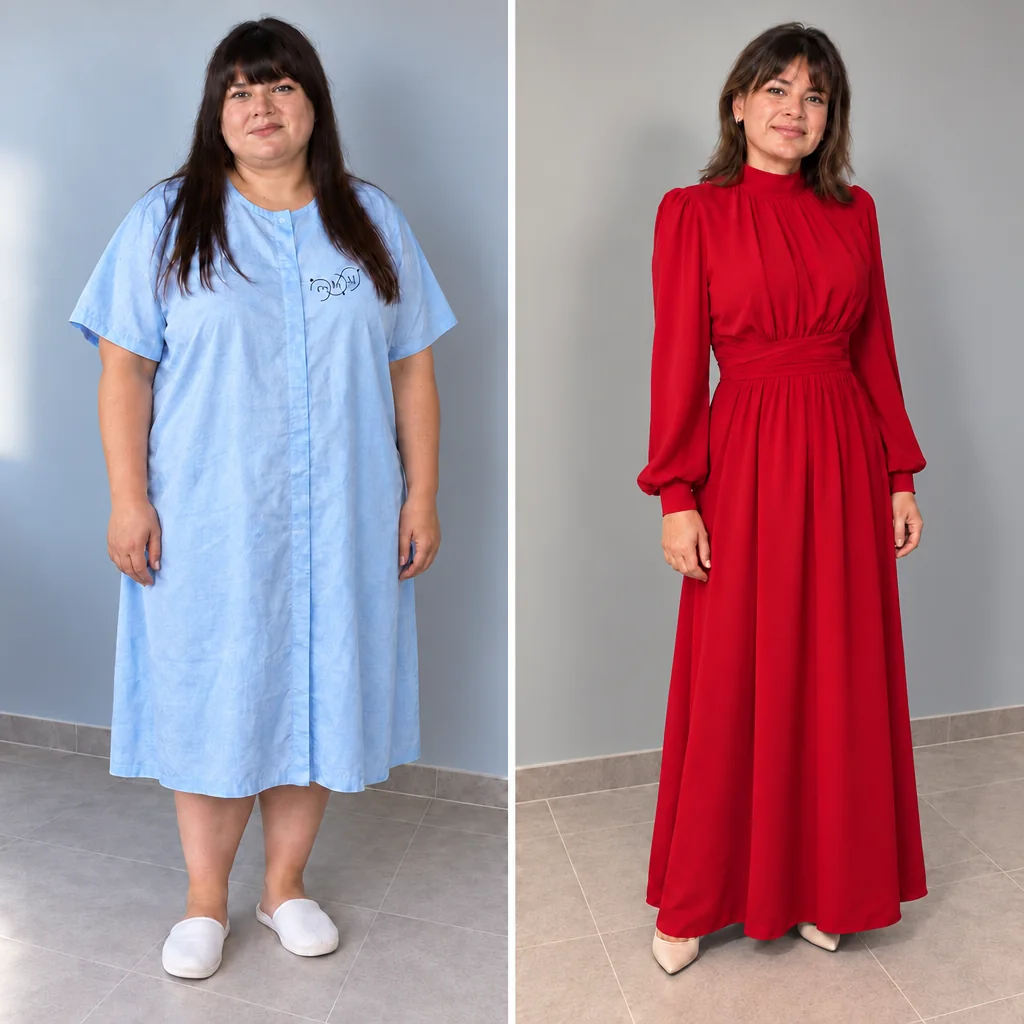 beforeafter
Bariatric surgery
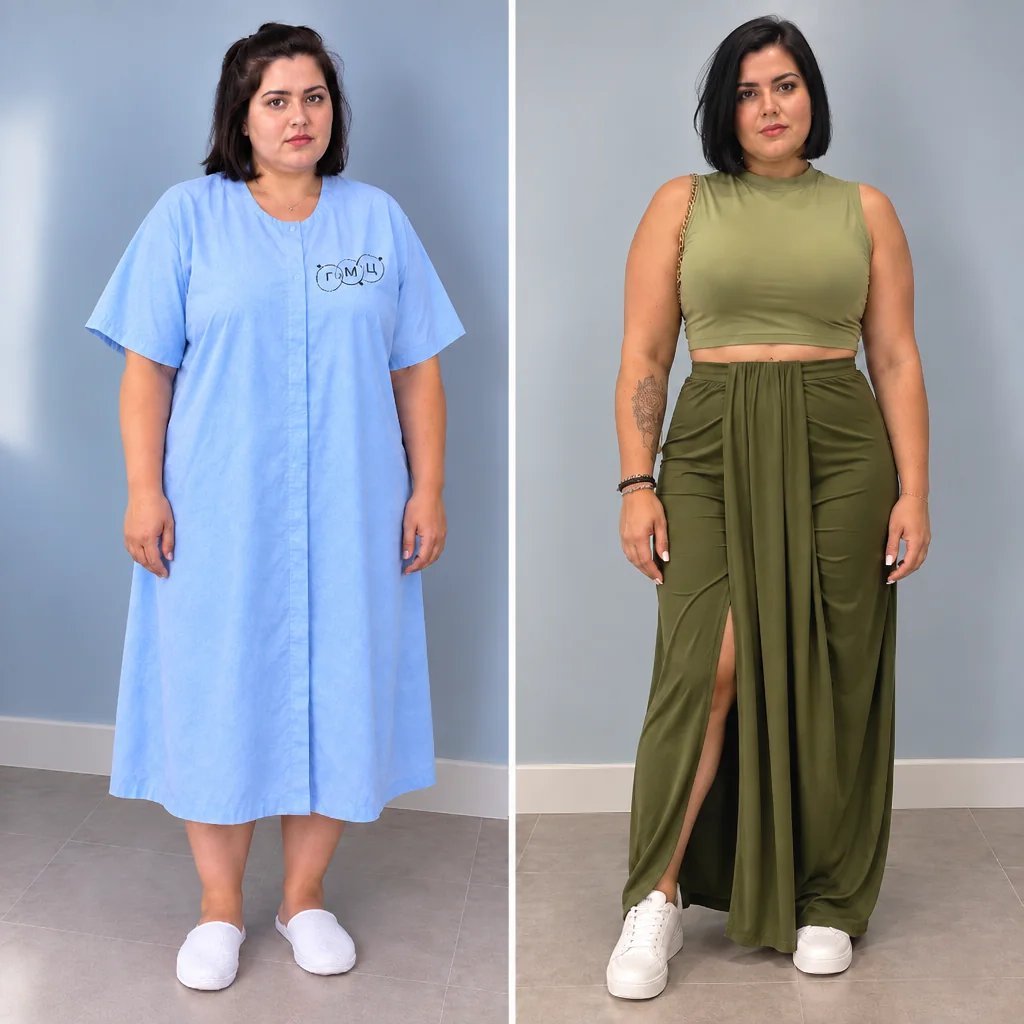 beforeafter
Bariatric surgery
 beforeafter
Bariatric surgery
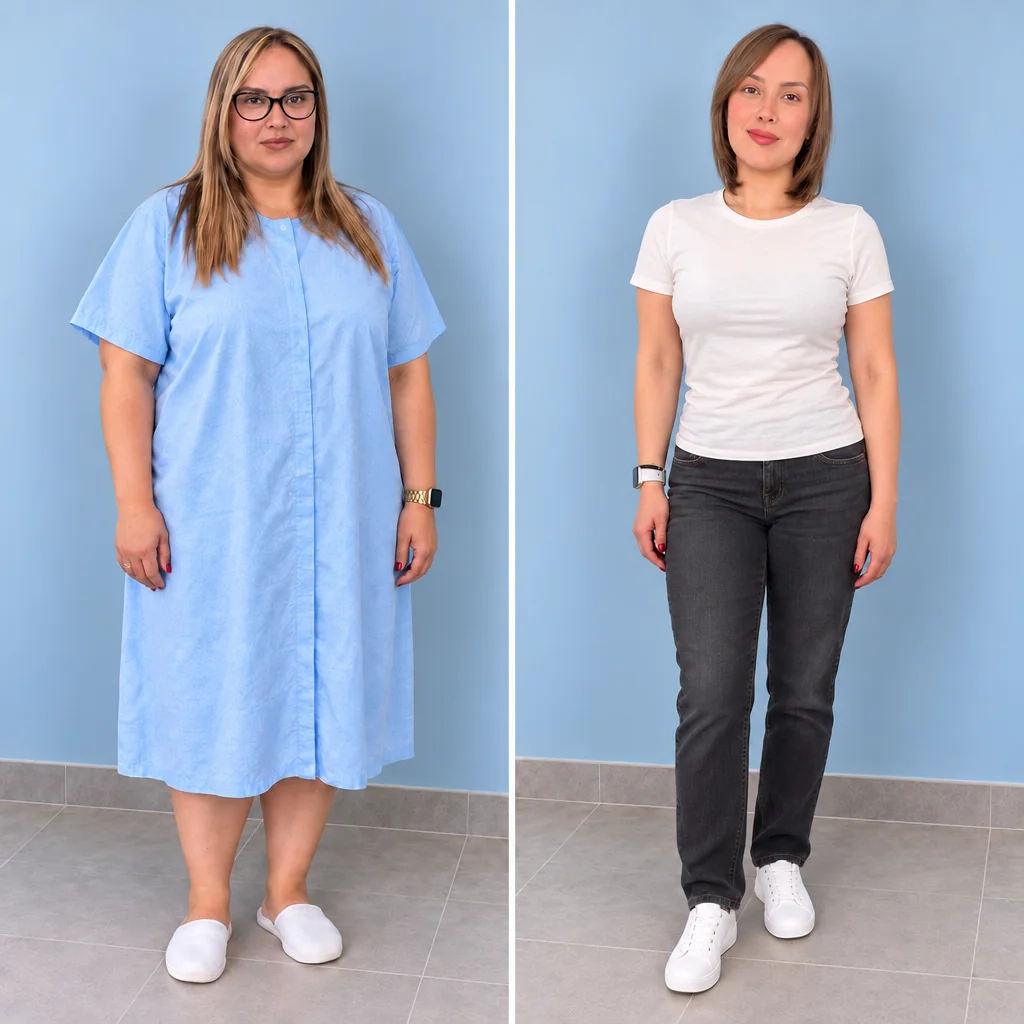 beforeafter
Bariatric surgery
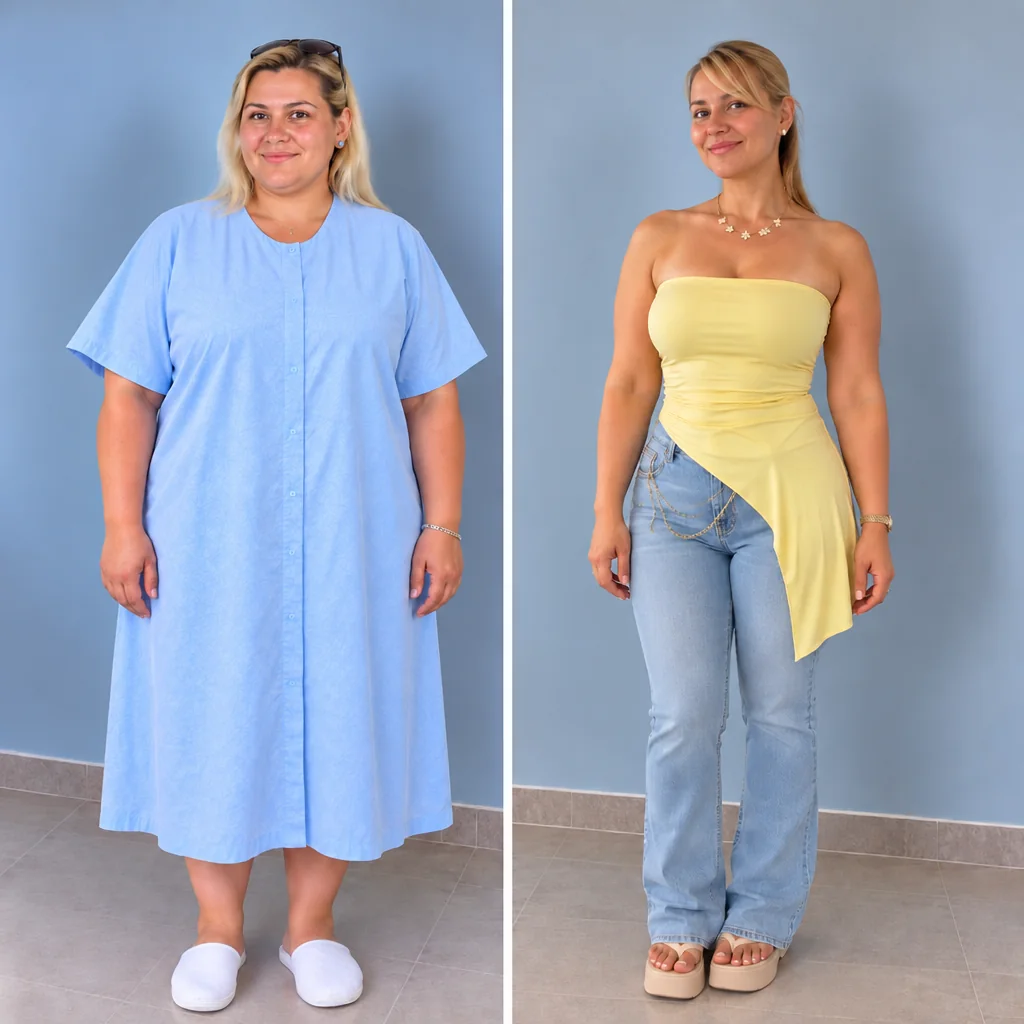 beforeafter
Bariatric surgery
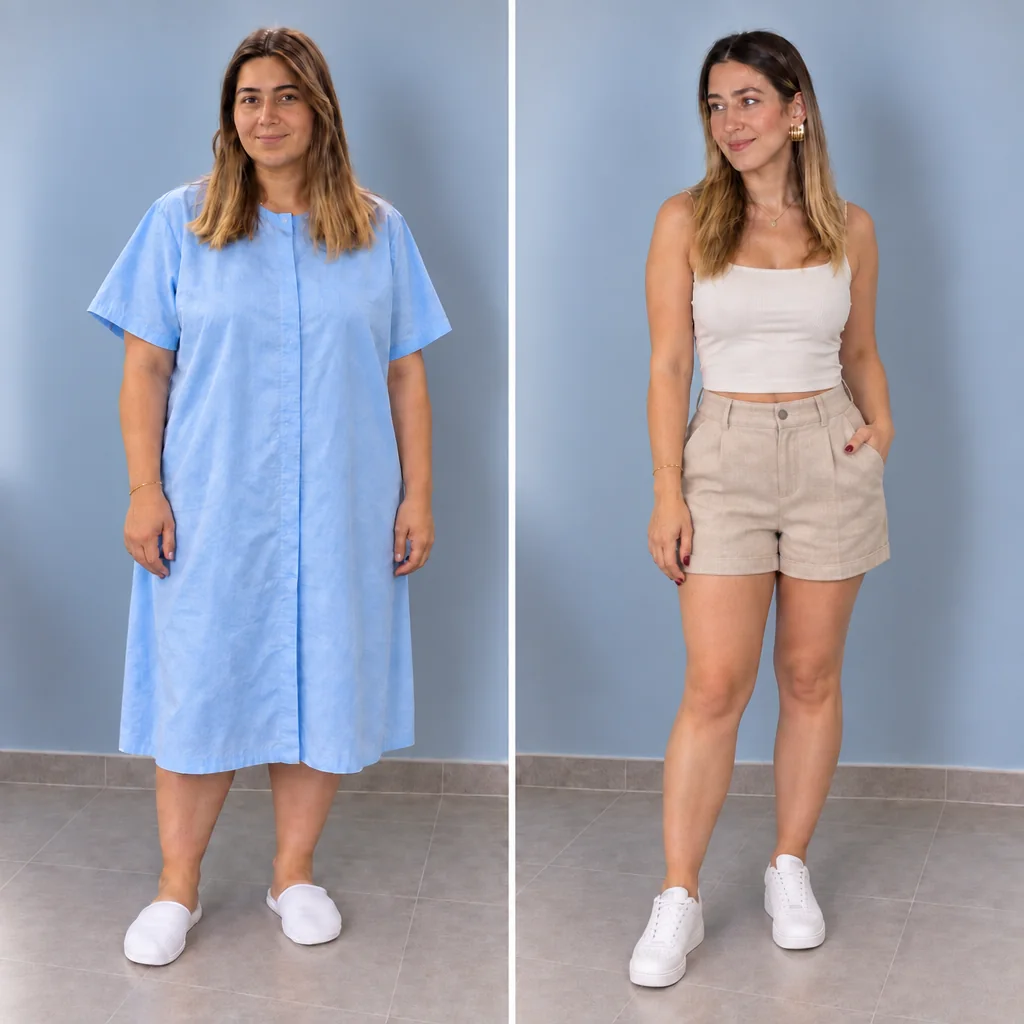 beforeafter
Bariatric surgery
Comparison
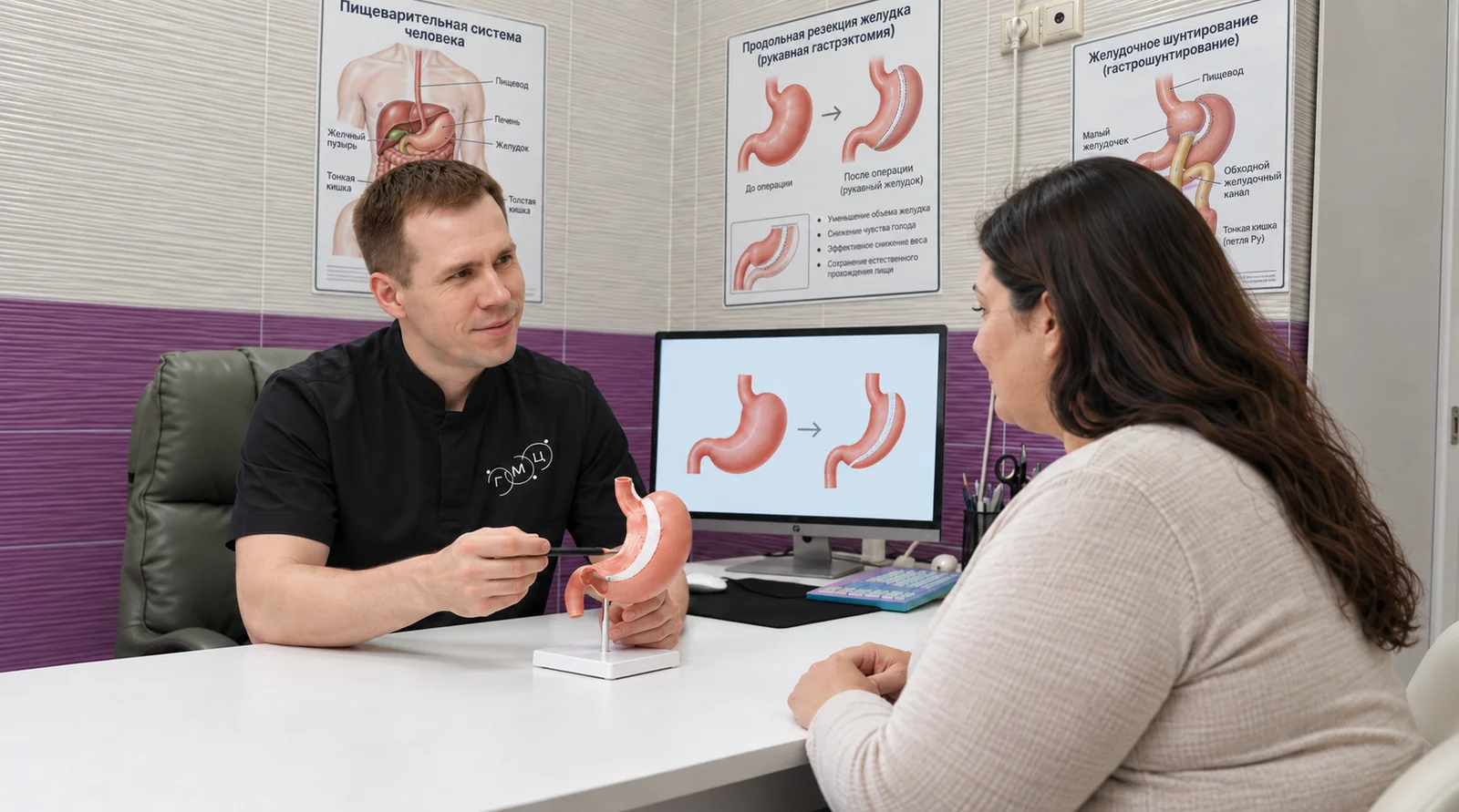
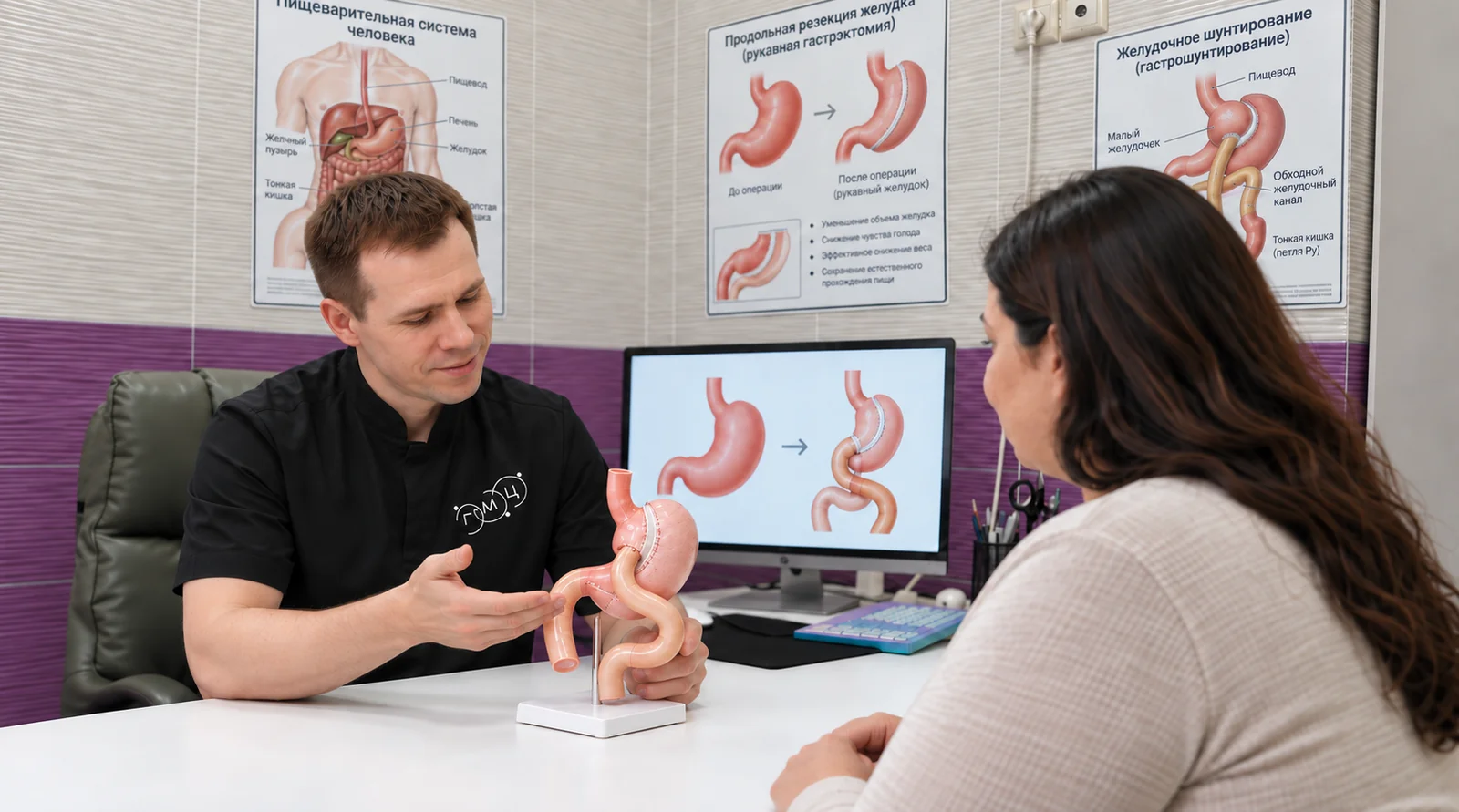
We carry out two principal operations: gastric bypass and sleeve gastrectomy. Review how each works, what it treats and when it is advised, and choose your method with confidence.
Reducing the stomach volume
Discounted price
$3,600 $4,800
Stomach volume is reduced and the food path is changed
Discounted price
$4,000 $5,200
The benefits and recovery times shown are averaged by method and given for guidance: the extent of surgery and recovery depend on your anatomy and individual features, and the surgeon confirms them at the consultation.
Book a consultationAbout us
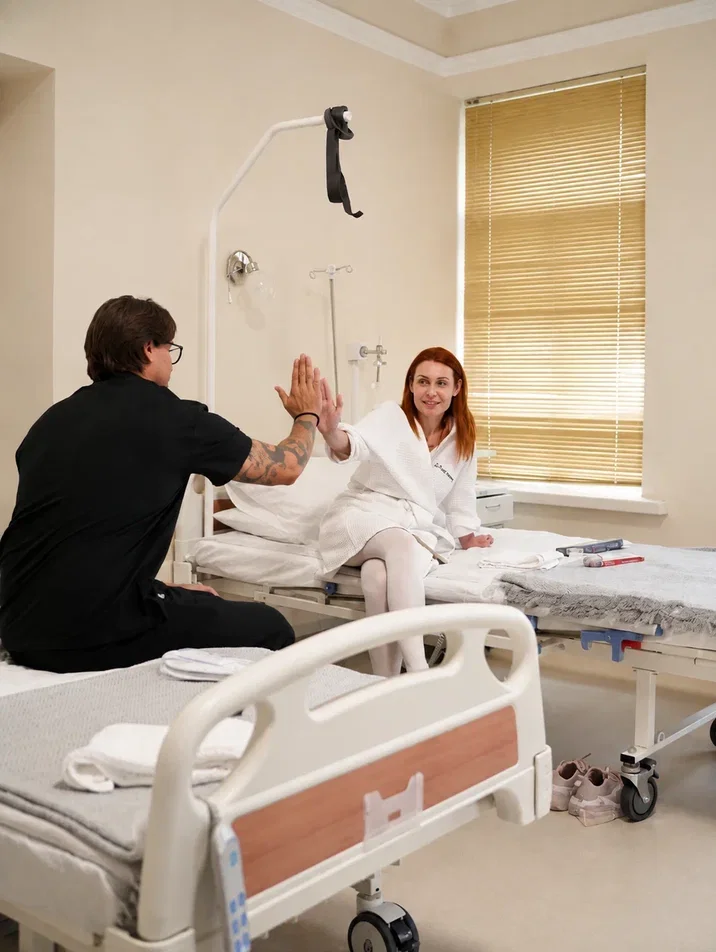
Up-to-date equipment, comfortable rooms and attention to each patient
We answer your questions and pick a convenient consultation time
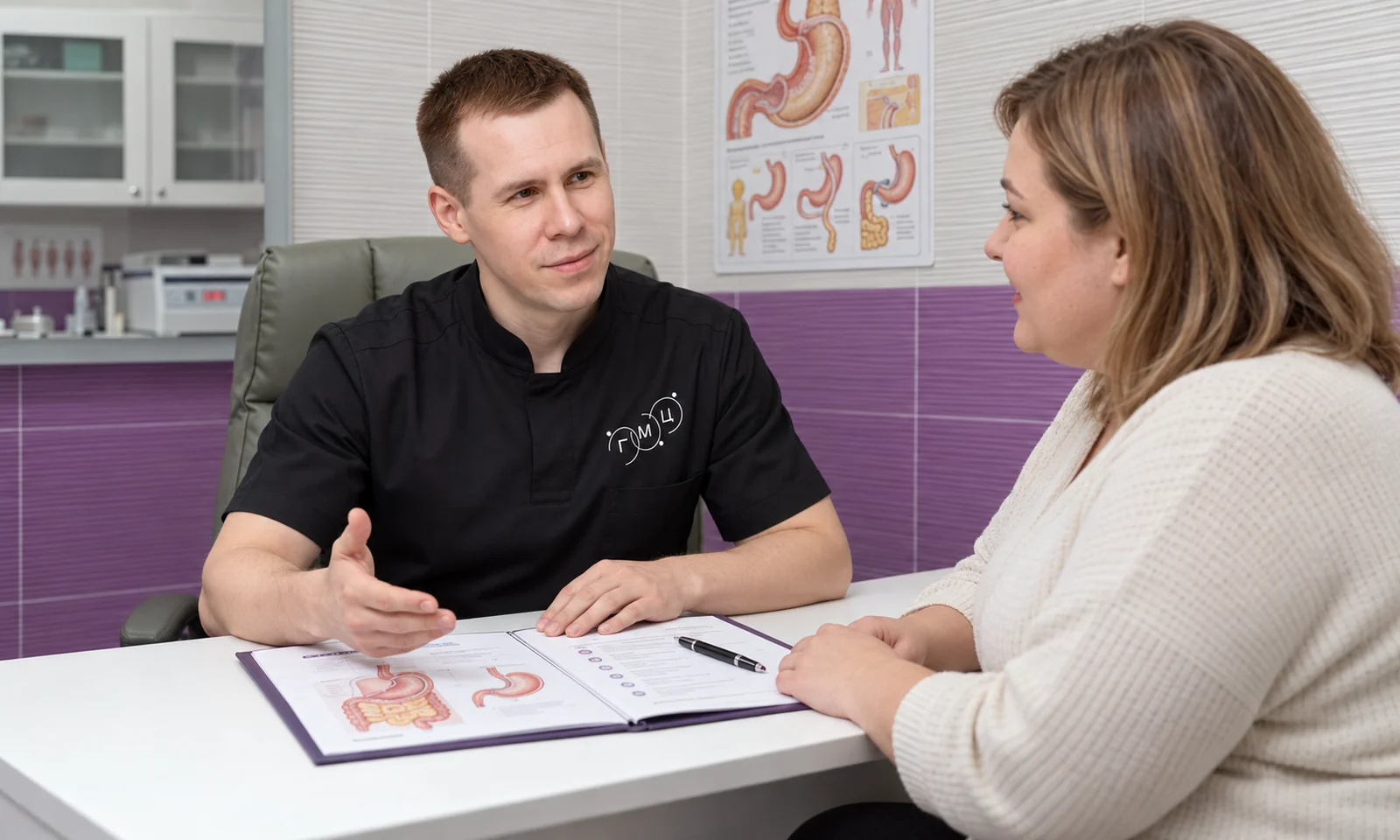
Get a consultationTogether with the surgeon, you decide on surgery after a consultation and check-up.
Not sure which group you fall into?
Text us on Telegram — our coordinator will let you know if bariatric surgery is the right choice for you. The surgeon consultation is free, with no obligation to go ahead with surgery.
Find out if it suits me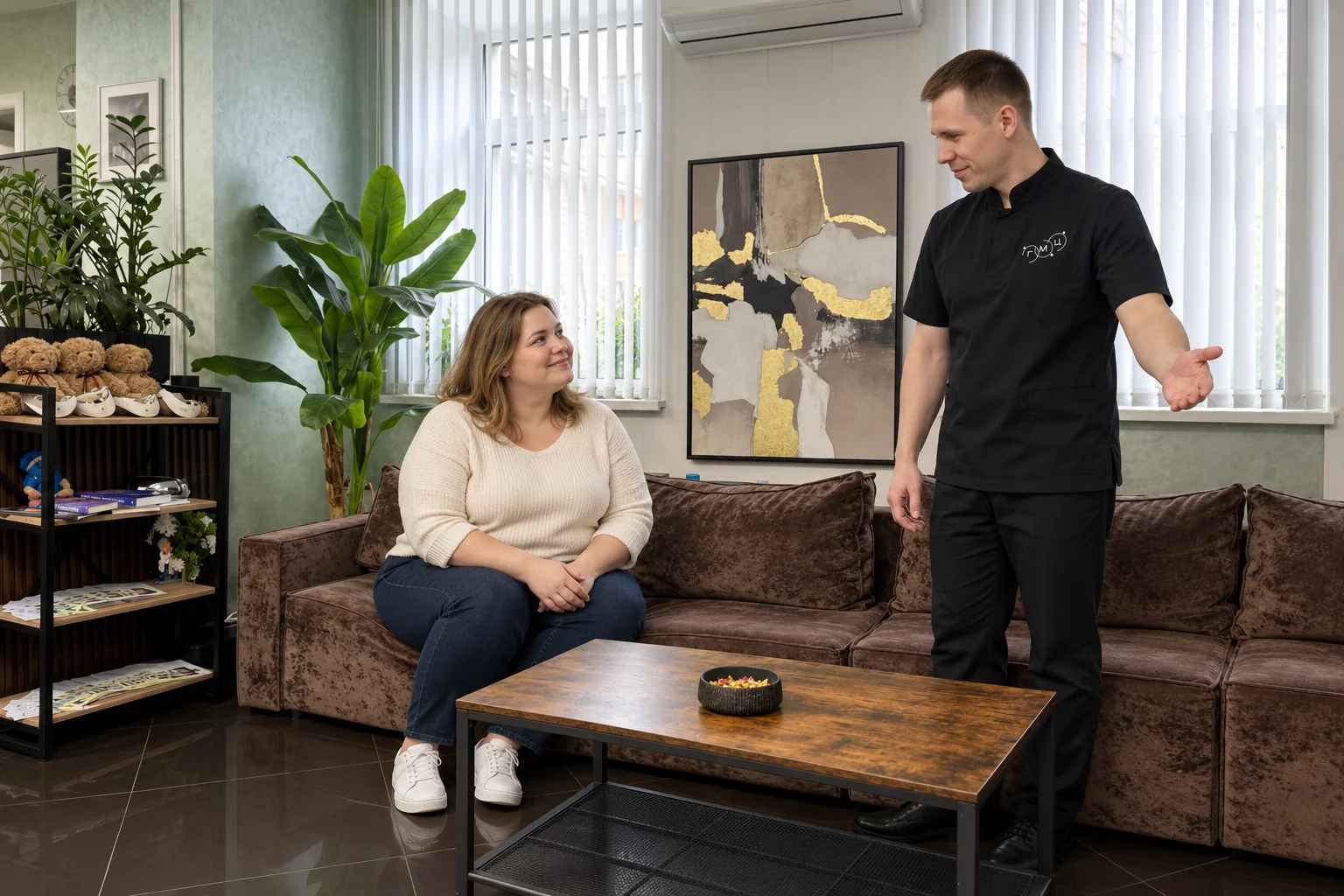
Prices
At the consultation, when your plan is ready, we name the cost and fix it in the contract.
Discounted price
Reducing the stomach volume
$3,600$4,800
Discounted price
Weight loss and rerouting food

$4,000$5,200
Free
The surgeon examines you and draws up a treatment plan

Free
you are told the cost of surgery
and it is fixed in the contract
Following a health assessment and a talk about your goals, the doctor chooses the right bariatric surgery method. The cost is named at the consultation and set in the contract.
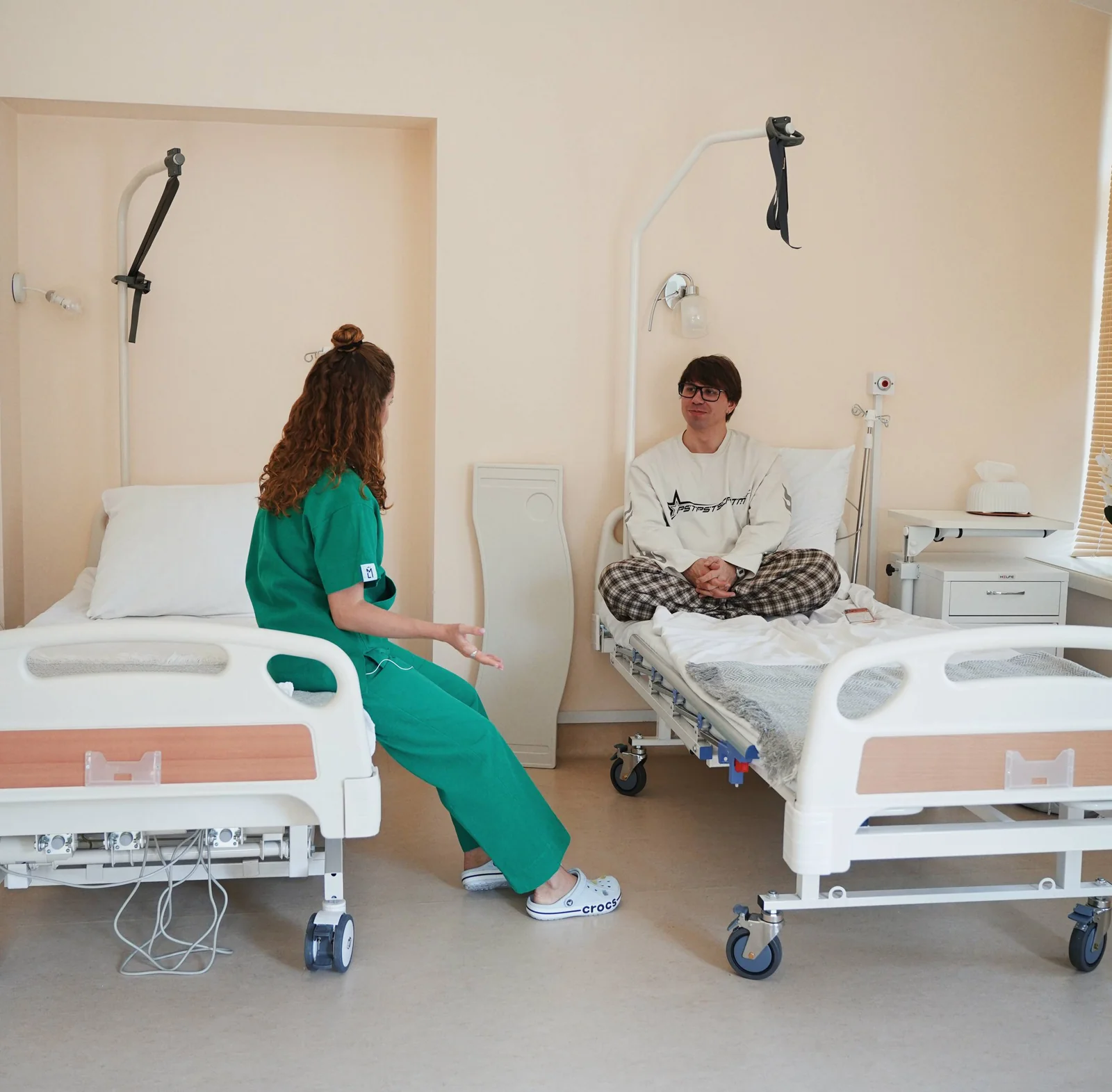
Message our coordinator
Free online consultation · Reply within 15 minutes
Message us on TelegramMessage us on WhatsAppBy messaging us, you agree to our Privacy Policy

price
No extra charges: one package takes you from preparation through 12 months of support.From getting ready for surgery
to 12 months of support.
How it goes
An agreed treatment plan, monitoring in hospital and support for a year.
 1
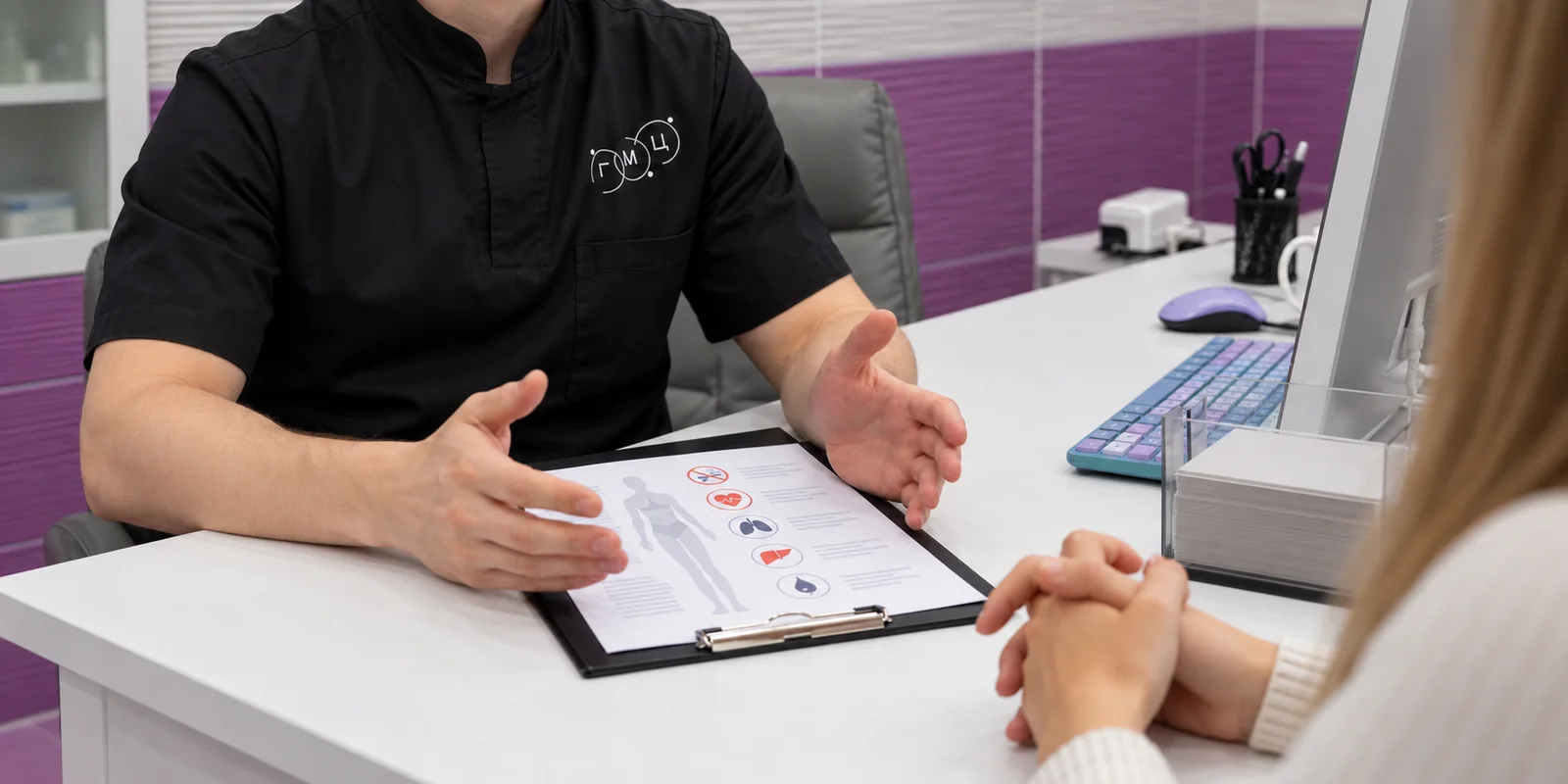
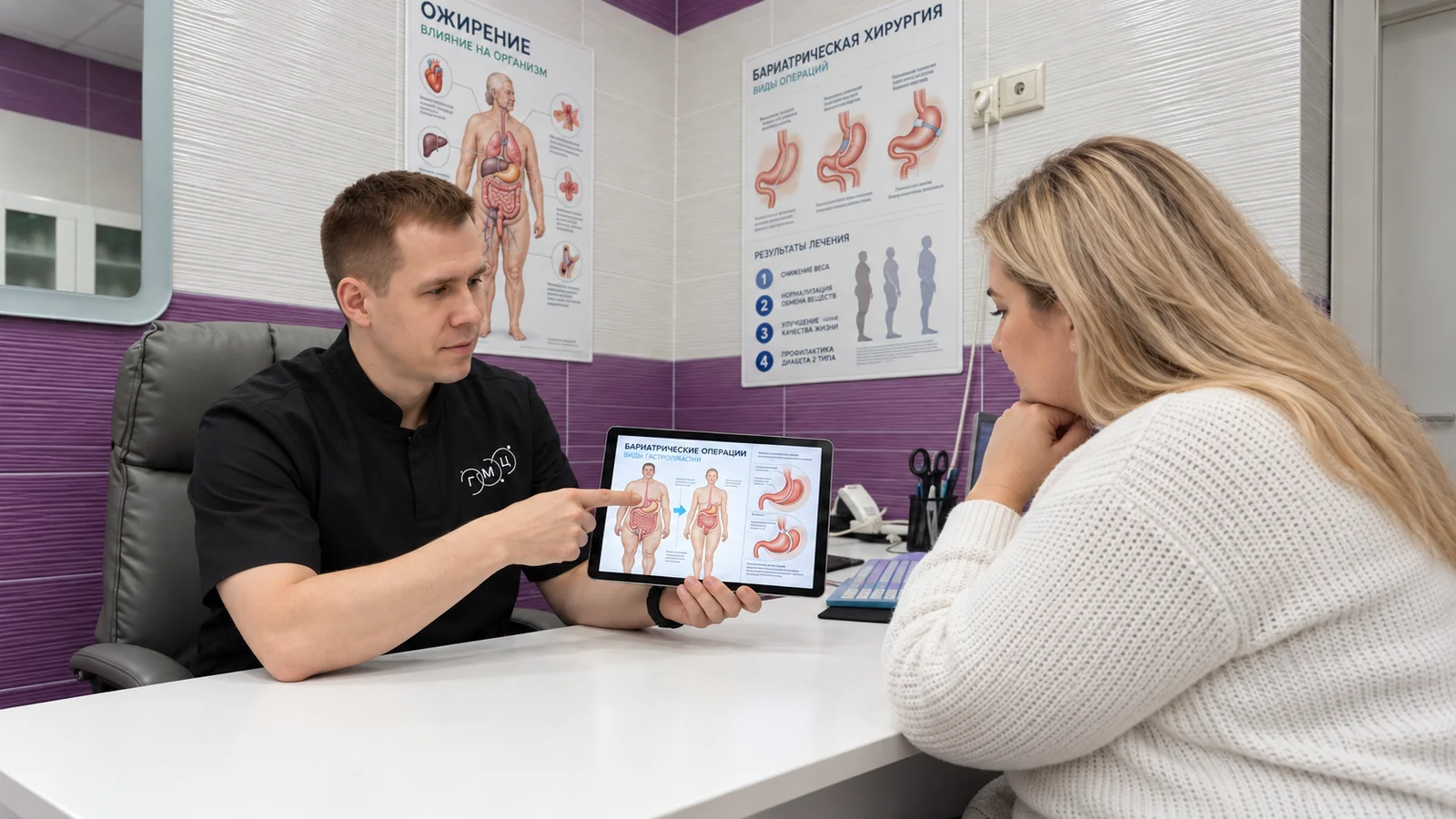
1The doctor reviews your health and goals and orders the tests required to decide on the right bariatric surgery method.
2We set aside a surgery date for you — the deposit is paid by card at the clinic or online by bank transfer, and the terms are fixed in the contract for medical services
 3
3Before surgery you will have blood and urine tests, an ECG, an ultrasound and a gastroscopy, plus specialist appointments. The doctor provides the exact list at the consultation.
 4
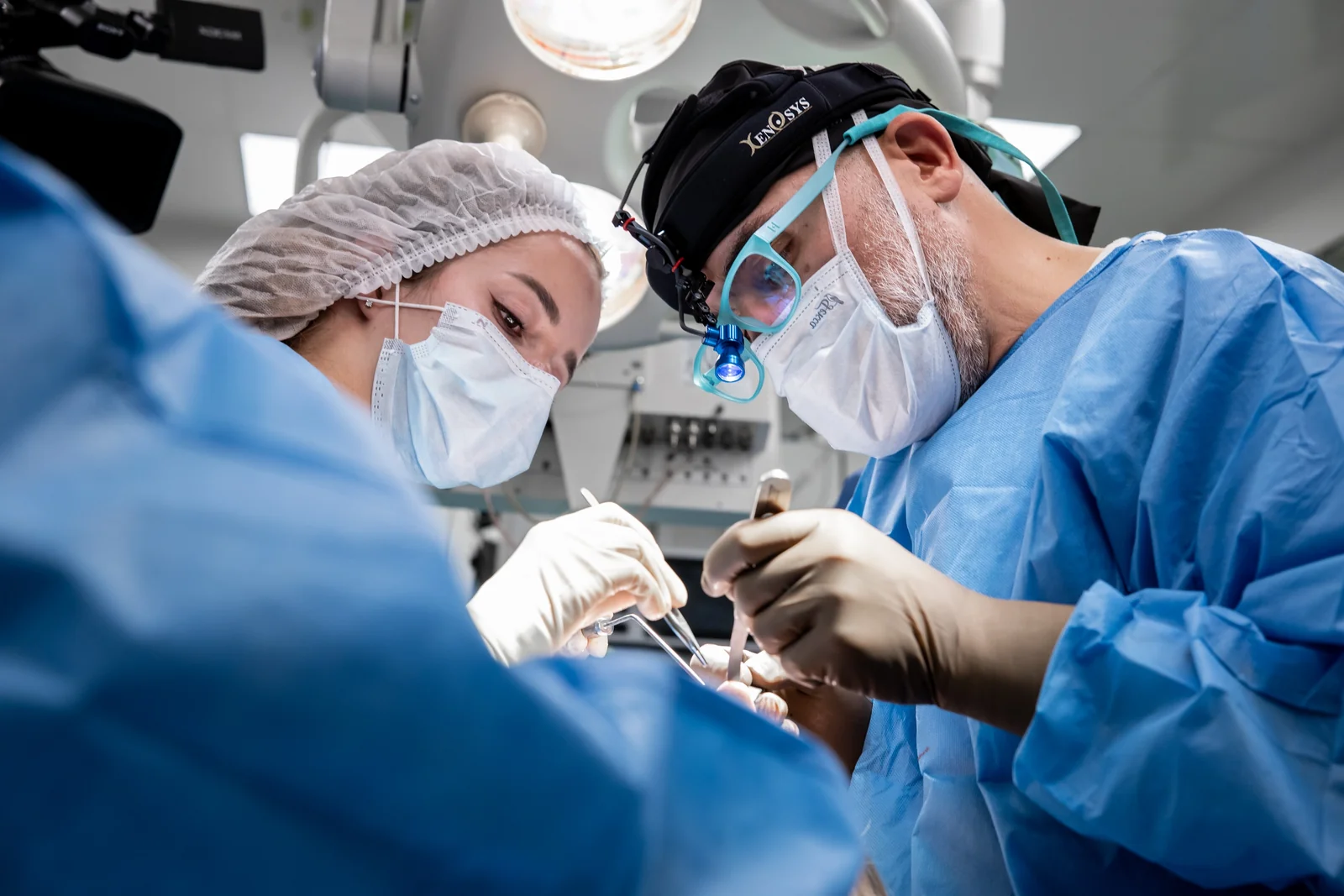
4The bariatric operation is performed by the surgeon under general anaesthesia with the selected method. Afterwards the patient is monitored by the medical team.
 5
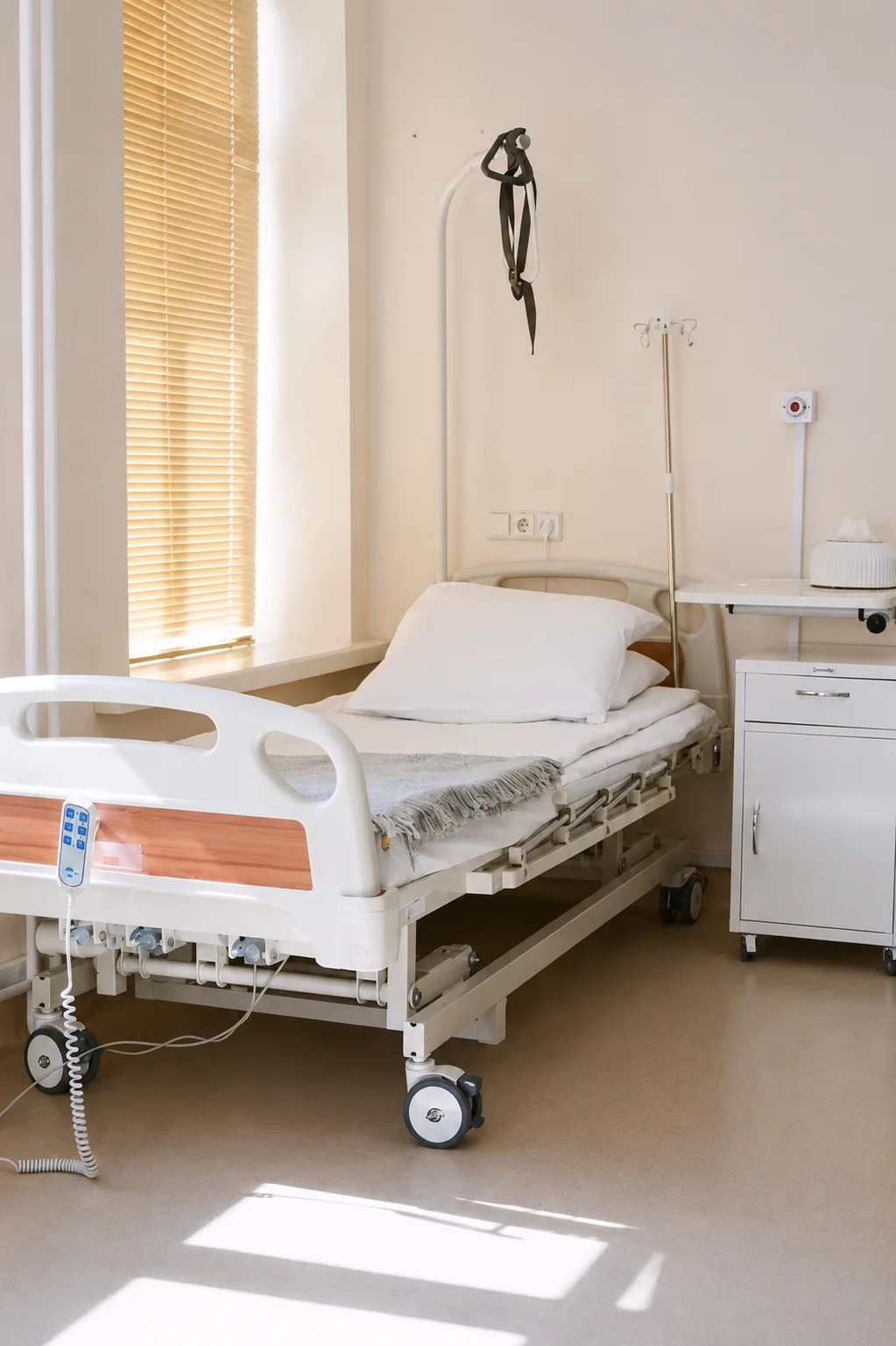
5How you feel and how complex the operation was determine your hospital stay after surgery — from 1–3 to 4–5 days, under doctors' supervision.
 6
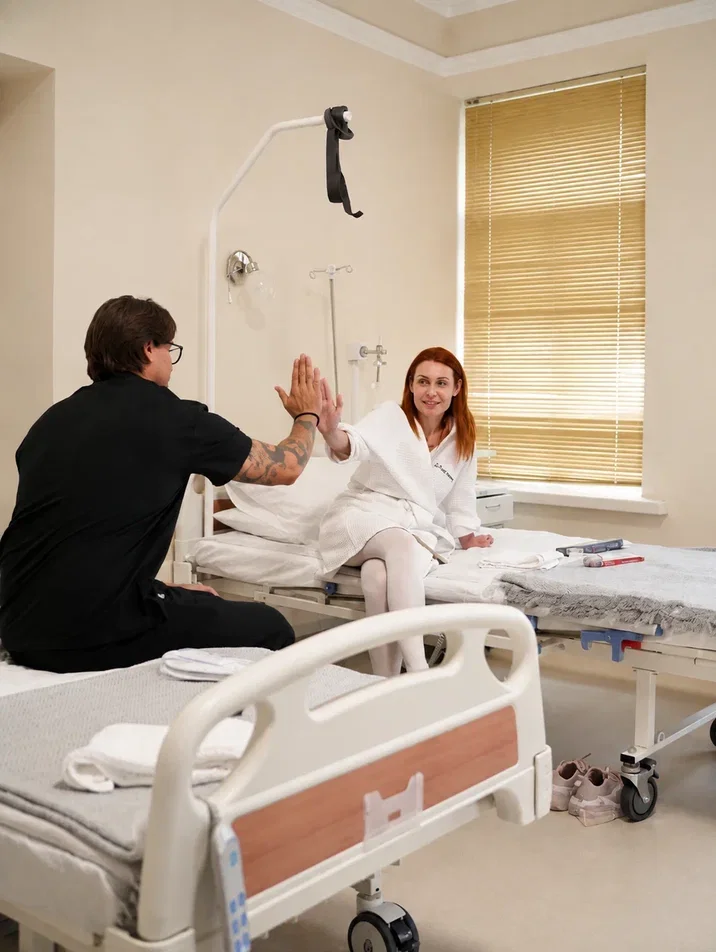
6The clinic team supports you for a year after discharge: you get advice on diet and recovery, and scheduled check-ups track your well-being, weight and test results.
At the consultation the doctor draws up your plan and explains the surgery step by step
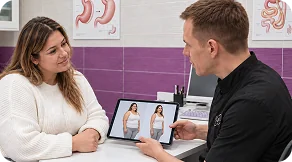
You pay nothing for the consultation, happens before surgery, with no obligation.
Book a consultationDoctors

27 years of experience
Head bariatric surgeon
Surgeon
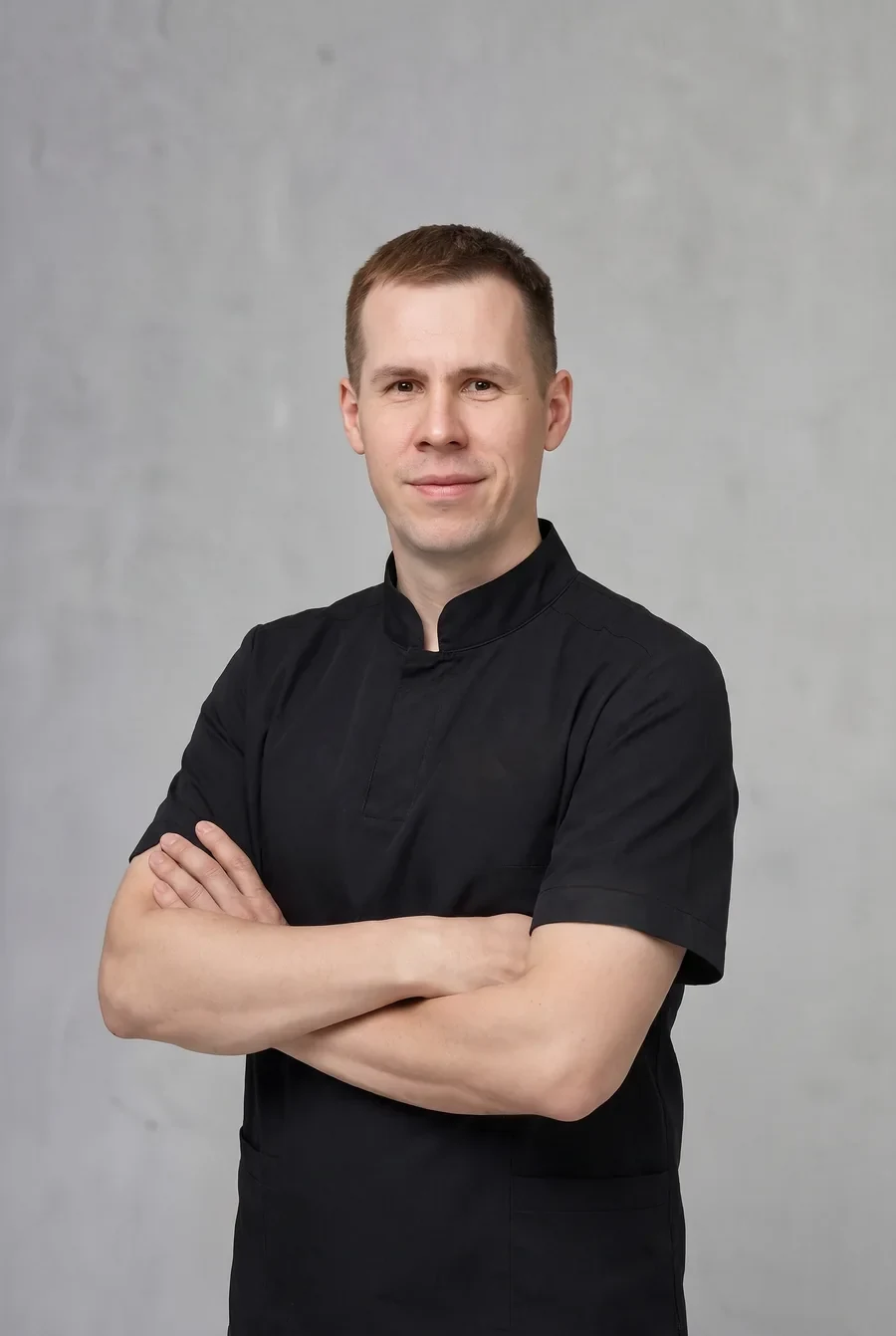
9 years of experience
Bariatric surgeon
Surgical oncologist
One surgeon operates and follows you all the way, from the first consultation to the result.
Free of charge, the first consultation with our patient care manager covers calculating your BMI, explaining the methods and booking you in with the surgeon.
Book a consultationCoordinators
Support at every step of the way

First contact at the clinic for you — from your first message through to the consultation
Patient support specialist
Handles your questions before the first consultation and helps you choose a convenient date

Supports you before and during your stay — from booking through to discharge
Patient support specialist
Helps you prepare for surgery, then keeps in touch throughout your stay at the clinic

With you throughout your recovery, from discharge to your final check-up
Patient support specialist
Stays in touch through recovery and books every follow-up visit with the surgeon
Advantages
The best method is chosen for your health, lifestyle and goals, and our team is with you all the way.
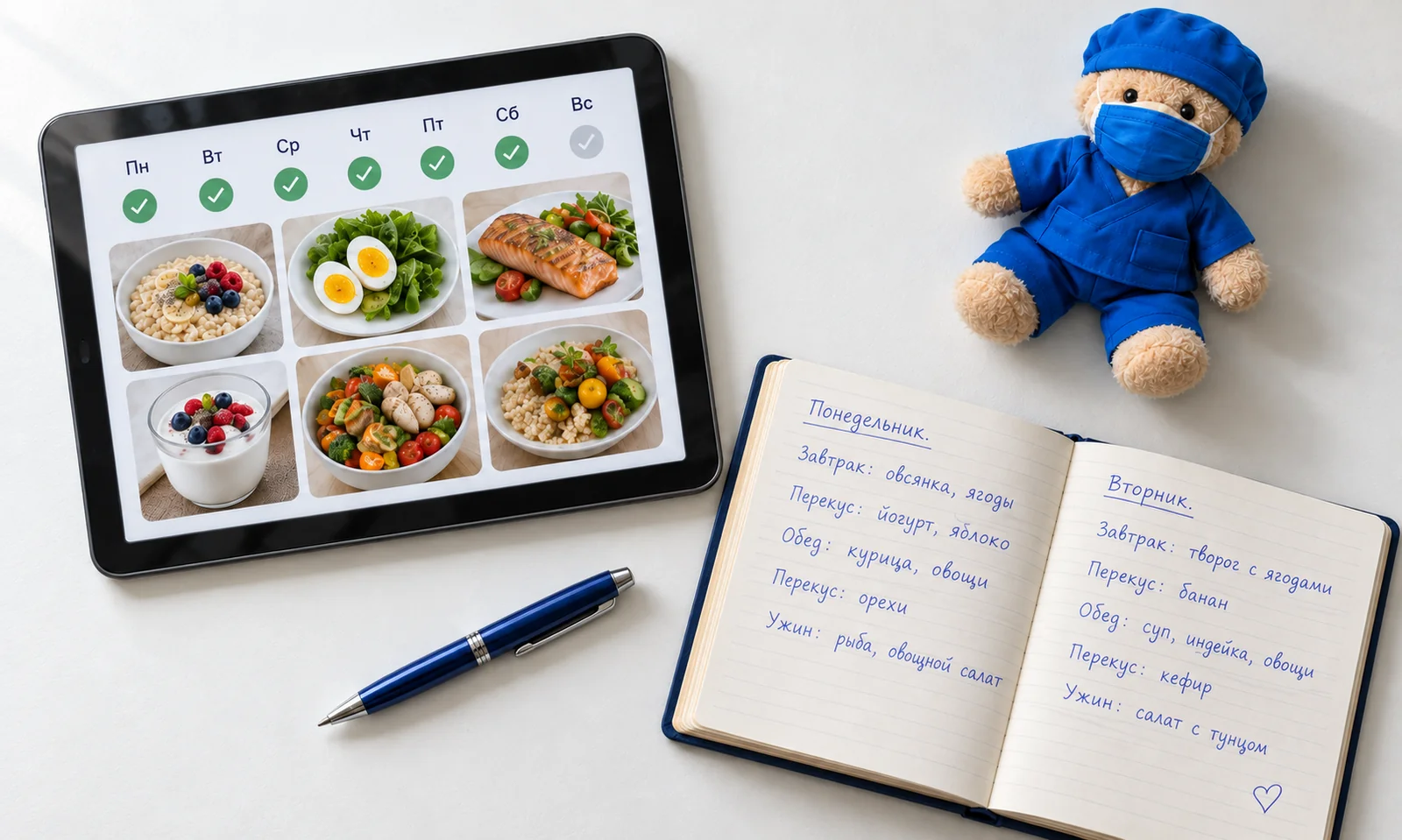
We help you track your results, keep them and adapt to new eating habits.

Weight loss that is steady, better well-being and a higher quality of life.

We respect your time — open 24/7, easy booking and a personal approach that follows your pace.
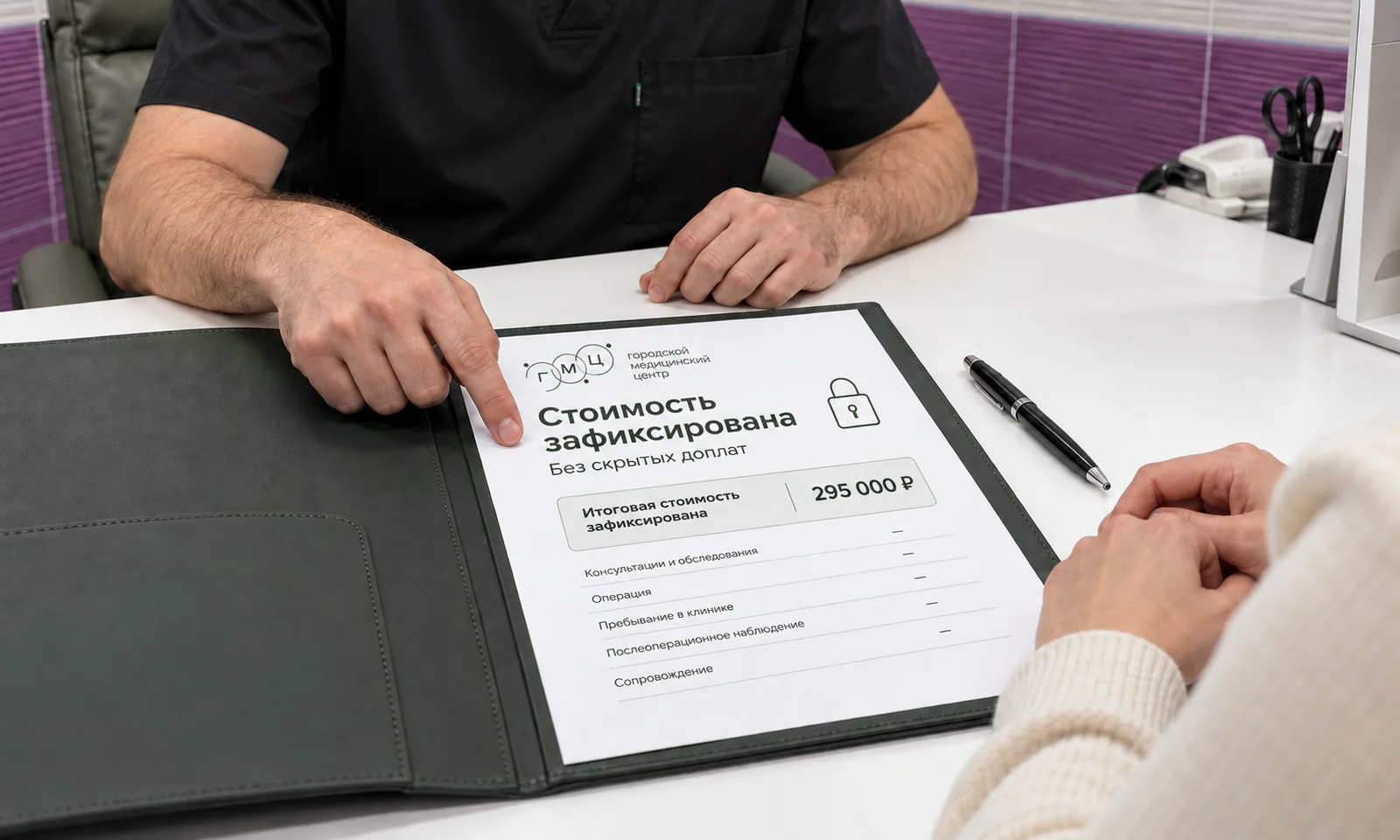
The surgeon chooses the method after the consultation and gives you a clear price, with no hidden fees or surprises on the way to your result.
FAQ
At the clinic, experienced bariatric surgeons perform the bariatric operations:
Drop us a message and our coordinator will get back to you shortly to book your consultation. The bariatric surgeon consultation is free.
Surgery is prescribed only when clear criteria are met
BMI is the key measure used to assess how severe obesity is. You get it by dividing body weight (kg) by height squared (m²). Surgery is generally justified at a BMI above 40, or above 35 when serious related conditions are present. Sometimes it is also considered at lower values — when non-surgical methods have not worked.
People often confuse these two, though their aims are fundamentally different. Bariatric surgery is medical treatment of obesity and associated diseases. It changes the way the digestive tract works, acting on the causes of excess weight and on metabolism. Plastic surgery alters outer body contours and does not treat obesity or affect metabolism.
City Medical Centre performs four core types of bariatric surgery: sleeve gastrectomy, Roux-en-Y gastric bypass, mini gastric bypass (MGB) and SADI-S duodeno-ileal bypass. Selection is individual and takes into account BMI, related conditions and the patient's goals.
We work with modern laparoscopic technique. The operation needs only 4 small punctures, 5 to 15 mm each. Cosmetic sutures are applied, so healed marks are almost invisible.
How soon you recover depends on what you do. Office work: 2–4 weeks later. Physical work: 1.5 months later. Sport and activity: swimming from day 30, other exercise brought in gradually as weight falls. Travel and holidays: ideally not sooner than a month after surgery.
You move through diet stages from liquid food to soft and finally solid. Protein comes first, and high-calorie, fatty food is restricted.
After bariatric surgery pregnancy is possible, yet doctors recommend at least 12–18 months of waiting. Meanwhile the body stabilizes, weight arrives at target values and nutritional status normalizes.
Yes — vitamins are required after bariatric surgery. With the digestive anatomy changed, some nutrients are absorbed less well, and regular vitamin and mineral supplements become a permanent part of life.
Weight regain after bariatric surgery is possible, but very unlikely if you follow the doctor's advice. Proper nutrition, avoiding high-calorie drinks and regular follow-up with City Medical Centre specialists are key.
Prices are in US dollars; the amount in brackets is an approximate conversion to IQD at the rate of 02.10.2026. The final price is fixed in your contract.
Prices start from $3,600 (≈ IQD 4,750,000). The surgeon sets the final price at the free consultation, and it is fixed in the contract, with no hidden extras.
General anaesthesia, a personal coordinator from day one, monitoring in the hospital and support for one year.
The hospital stay is 1–5 days, depending on the method and how you feel. Office work is possible after 2–4 weeks.
Yes. The first consultation is free and does not oblige you to anything. You can start online by sending a message to the coordinator.
Message us on WhatsApp or Telegram using the buttons below. A coordinator will answer your questions and book a free consultation where the doctor names the exact price.
By messaging us, you agree to our Privacy Policy
The decision rests on clear criteria: body mass index, overall health with related chronic conditions, and failed previous attempts at weight loss. BMI is weight in kilograms divided by height in metres squared. Contraindications include acute illness, severe chronic or mental illness, and less than six months since breastfeeding ended. Baqubah patients receive a personal assessment against these points.
Step one: consultation. Step two: laboratory and instrumental tests, gastroscopy and specialist reviews. Step three: surgery through small punctures by a permanent team, not a duty shift. Step four: 1–5 days in the ward with meals and nursing. Step five: a staged diet and a year of follow-up. People in Baqubah follow this route from start to finish.
A permanent team — not a duty shift — handles your case, and the whole package is transparent. Included are the operation, 24/7 care in the ward, meals, nursing and a personal coordinator from day one, plus support throughout the first year. Baqubah patients also get a contractual result guarantee. Book a free consultation to discuss your situation.
Well-known people who spoke openly about this operation, in their own words.
 Al Roker and gastric bypass: twenty years of talking about it honestlyAl Roker had gastric bypass surgery in March 2002 and has talked about it for 20 years. His words, how the operation works and what recovery involves.
 Did Billy Gardell have bariatric surgery? Yes — and he says it saved his lifeThe Mike & Molly star had bariatric surgery in 2021 after a diabetes diagnosis. His quotes on the decision, the 100-pound loss and his children.
 Did Graham Elliot have weight-loss surgery? Yes, and he did it for his familyChef Graham Elliot had weight-loss surgery in 2013, saying it was what he needed to do for his family. His words, the operation and recovery.
 Did Mama June have a gastric sleeve? Yes — in her own wordsJune 'Mama June' Shannon had a gastric sleeve in May 2015. Her quotes on the 550-pound start, the regain and starting over.
 Did Randy Jackson have gastric bypass surgery? Yes, and he still talks about maintaining itRandy Jackson had gastric bypass surgery in 2003 and lost 114 pounds. His own words, how the operation works today and what recovery involves.
 Remi Bader and her weight-loss surgery: what she actually saidRemi Bader said in 2023 she had weight-loss surgery removing 80% of her stomach and lost 140 lbs. What she said, how the operation works, and recovery.
What patients write after this operation. Reviews are translated from the original language.
Irina, 26
For a long time I doubted whether to go ahead with surgery, but after the consultation I felt much calmer. Andrey Georgievich explained in detail how gastric bypass is done, what to expect after the operation and how recovery would go. I especially liked that they talked to me calmly and without pressure. I am now gradually getting used to my new way of life and I am very glad I took this step.
Bariatric surgery
Doctor: Andrey G. Ugay
Angelina, 22
For me the hardest part was deciding to have the operation. At the consultation Ruslan Sergeyevich answered all my questions in detail and explained the specifics of sleeve gastrectomy and recovery. After the operation I always understood what I was doing and why. Thank you to the doctor and the whole team for their attentiveness.
Bariatric surgery
Doctor: Ruslan S. Menzulin
Anna, 31
For a very long time I tried to deal with my excess weight on my own, but I did not get the result I wanted. After the consultation with Andrey Georgievich I finally understood what to do next. I came through the operation well, and my recovery was supervised by the doctors. It was important for me to feel that I was not left alone after surgery.
Bariatric surgery
Doctor: Andrey G. Ugay
Veronika, 25
Before the operation I had many fears, mostly of the unknown. Ruslan Sergeyevich explained every stage of treatment in detail and answered even the simplest questions. Thanks to that I felt much more confident. I keep following the recommendations and I am gradually seeing the changes I had the operation for.
Bariatric surgery
Doctor: Ruslan S. Menzulin
Valentina, 23
The decision to have bariatric surgery was not easy for me. I worried both about the operation itself and about how my life would change afterwards. At the consultation Andrey Georgievich explained everything in detail, so little by little my fear turned into confidence. What matters most to me now is the result and the chance to treat my health and lifestyle differently.
Bariatric surgery
Doctor: Andrey G. Ugay
Anna, 27
I am very grateful to Ruslan Sergeyevich for his attentiveness. Before the operation I had a huge number of questions, and I got a clear answer to every one of them. After the operation it was also clear which recommendations to follow and how to eat. It was important to me that the doctor stayed in touch and I felt supported at every stage.
Bariatric surgery
Doctor: Ruslan S. Menzulin
Baqubah has carried the nickname Mother of Oranges for as long as its groves have fed the markets of Iraq, and a town built around abundant fruit and generous tables has plenty of residents who have tried, honestly and repeatedly, to lose weight and watched it return. Severe obesity is a metabolic illness that brings type 2 diabetes, high blood pressure, sleep apnoea and worn knees in its wake, and bariatric surgery is the branch of medicine that treats it by changing how much the stomach holds and how quickly it signals fullness.
A candidate is chosen by assessment, never by wish. The first step costs one message: write to the coordinators, who answer in Telegram and Telegram around the clock, with your height and current weight, the highest and lowest figures of the last ten years, the diets and medicines you have already tried, and any diagnosis you carry such as diabetes or hypertension. The reply tells you whether the case looks suitable for an operation and which tests the team will ask for before it says more.
The city list gives the municipality 268,866 residents in 2014, and the people behind that number include students and teachers of the University of Diyala, founded in 1999 with fourteen colleges and a college of medicine, as well as grove owners, drivers on the road to Baghdad and shopkeepers around the old market. Their working days differ, so the questions differ too: ask how the plan fits a shift pattern, a seasonal harvest or a classroom timetable, and ask for the answer in writing.
The name Baqubah is Aramaic and means the house of Jacob, and the settlement predates the Islamic conquests, although the modern town dates its founding to 1882. In the Abbasid period it was the centre of the upper Nahrawan district and a station on the Khorasan road, with date palms and fruit orchards watered from the Nahrawan canal. By the fourteenth century its gardens were known for oranges and for sawadi, the large citrus fruit also called pomelo, and the saying about its dates and lemons became a byword for excellence.
Why bring a history lesson into a medical page? Because the habits that bariatric surgery has to change were formed in places like this one: tables set for guests, fruit and sweet drinks offered the moment someone sits down, and a social rule that refusing food insults the host. The operation can make a smaller stomach, but only the person can make a quieter relationship with the table, and that is easier when the family understands why the plate has shrunk.
Tell the household directly. A short conversation before the operation, covering what you will eat, what you will decline and why, spares you a dozen awkward moments at weddings, condolence gatherings and Friday lunches. Fruit from the groves comes back into the diet later in measured portions, and the team will tell you when each food is safe to reintroduce.
After the operation the patient stays under observation for one to five days, depending on how extensive the surgery was and on the other conditions the person lives with. During the first hours the team allows sitting, standing and sips of fluid in stages, and the day of discharge is set by examination results rather than by anyone's calendar.
Food moves in three steps across one to two months: liquids first, then pureed food, then solids. The stomach is healing during this time, and each step is a protection for it. Pick the household foods that suit each step before you go into hospital, such as clear soups, yoghurt and soft lentils, so that no one improvises in the kitchen during the first week home.
Plan work in two layers. A desk job, a counter or a classroom is usually possible again after two to four weeks. Heavy labour, for example lifting crates in the citrus season or hauling sacks, waits roughly a month and a half. Tell your employer the earliest and the latest date at the outset, and agree who covers the heavy tasks, because pressure on the abdomen in the early weeks is the thing the surgeon asks you to avoid the most.
Baqubah has a hot desert climate. The average high reaches 45.0C in July and 45.3C in August, and no rain falls from June to September. Dehydration after a bariatric operation is therefore a real risk rather than a theoretical one, since the reduced stomach cannot take a large drink at once and dry air hides thirst. Carry a bottle and take small sips throughout the day, not a glass at lunch.
Walking is the second routine to build. In summer the hours after sunset on the bank of the Diyala river are the only comfortable time outdoors, and in winter midday is kinder, because January lows average 5.9C and most of the 186 mm of annual rain falls between November and March. In the early months weight loss averages about ten percent of the excess weight per month when food and walking are both kept up, and the team will tell you when to lengthen the route.
Some signs are not left for the next appointment: vomiting that does not stop, strong dizziness, sharp pain in the abdomen or the first signs of dehydration in hot weather. Write the emergency number of your local hospital beside the coordinators' chat on your phone, and show the people at home what each sign looks like.
The final result arrives between one and a half and two years after surgery. Before that the scale moves quickly, then slowly, then sideways for a few weeks, and each of these phases is ordinary. Weigh yourself once a week at the same hour, measure the waist once a month and keep a dated photograph, so that you are judging a curve rather than a single morning.
Regain, when it comes, usually begins with habits and missed appointments rather than with the stomach itself. Follow-up visits check blood count, vitamins and minerals along with weight, and they continue for years. If the scale creeps up for two consecutive weeks, send a message to the coordinators rather than waiting for the next scheduled visit, since an early correction is small.
Large weight loss can leave loose skin in some areas. Decisions about skin tightening wait until the weight has stopped changing, and the skin itself continues to contract slowly over the two years, so month six is too early to judge it. If tightening still seems necessary after stabilisation, it becomes a new, separate assessment with its own plan.
The first is medical: does the team recommend sleeve resection, a bypass or another operation for your body, and what in your examinations led to that choice? A recommendation without reasons is only a sales line. Ask for the reasoning in writing and keep it in the same file as your test results.
The second is practical: who in your household will take over the shopping, the cooking and the school run during the first week, and who accompanies you on the day of discharge? A person recovering from abdominal surgery should not be lifting grocery bags or climbing stairs repeatedly, and a family that has planned this in advance loses far less time to improvisation.
The third is about the long run: will you attend follow-up visits for years, and is there a person at home who will remind you when a blood test is due? The operation is the beginning of a relationship with the team. Patients who treat the follow-up schedule as part of the treatment report fewer surprises, and the team can intervene early when a vitamin level drops or the scale starts to creep.
In Iraq the body that regulates health care is the Ministry of Health, formed in 1920. Its structure includes an inspection department for governmental and non-governmental facilities and a quality-control division, and its official site is moh.gov.iq. Ask for the surgeon's registration number and specialty in writing and verify them there before you accept any appointment.
A responsible team names the limits of the operation aloud. Acceptance is based on examinations, the commitment to follow-up spans years, and a person who cannot yet change eating habits may be better served by a supervised nutrition programme first. Hearing that from the team is a safety signal, not a refusal.
Collect offers on paper and compare them line by line: the type of operation proposed and the reason, the expected hospital days, the year-one visit schedule and who answers questions between visits. Then decide at home, over a few days, and not under the pressure of one conversation.
Candidacy is decided after examination of weight history, coexisting illnesses and previous attempts at treatment. Send your height, weight, medicines and diagnoses to the coordinators and ask which tests the team will request before any recommendation.
From one to five days, depending on the extent of the surgery and on your other conditions. In the first hours sitting, standing and sips of fluid in stages are allowed as the team decides.
Food progresses from liquids to purees to solids over one to two months. Ask for the written schedule for each step and prepare suitable foods at home before the admission date.
Explain what you will eat, what you will decline politely and why, and ask one relative to run the kitchen and the shopping in the first week. A short, calm conversation beforehand prevents arguments at gatherings later.
Office or classroom work is usually possible after two to four weeks, and heavy work such as lifting crates or sacks waits about a month and a half. Agree the dates with your employer beforehand.
Take small, frequent sips all day, because the small stomach cannot take a large drink at once, and keep a bottle with you through the July and August highs of 45.0C and 45.3C. Dizziness and headache in hot weather deserve a message to the team.
In the early months about ten percent of the excess weight per month when diet and walking are maintained, slowing later. Track weekly weight and a monthly photograph and read the trend, not a single day.
Between one and a half and two years after surgery. Follow-up visits continue through that period and beyond to protect it.
Ask for the registration number and specialty, and check them with Iraq's Ministry of Health at moh.gov.iq. Put every answer from the team in writing and compare more than one offer.
Fruit comes back into the diet later and in measured portions, once the team confirms the stage of recovery. Ask for the written order in which foods are reintroduced instead of trying them on your own.
Page medically reviewed by Andrey G. Ugay, lead bariatric surgeon. Review date: .