City Medical Centre · multi-specialty surgery clinicOpen 24/7

Tummy tuck

Abdominoplasty in Lilongwe: a Flat Stomach

Free consultation

Price at consultation

The price is fixed in the contract before surgery
Real case
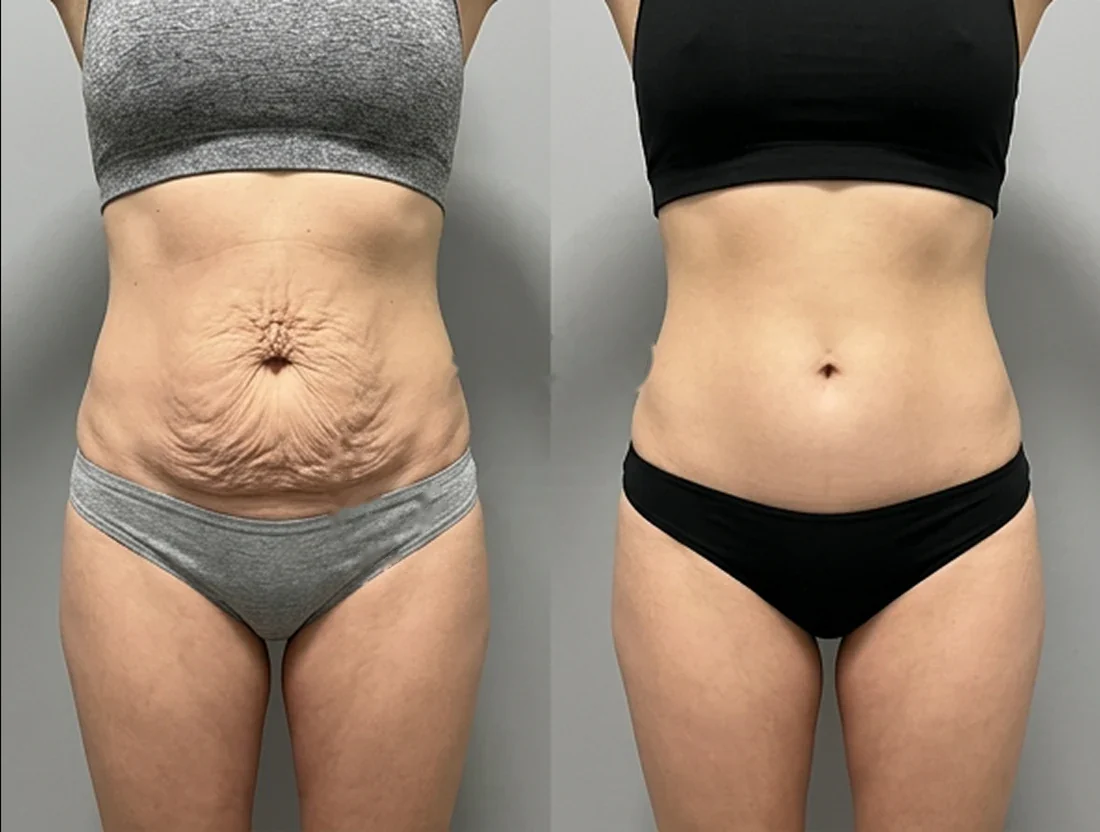
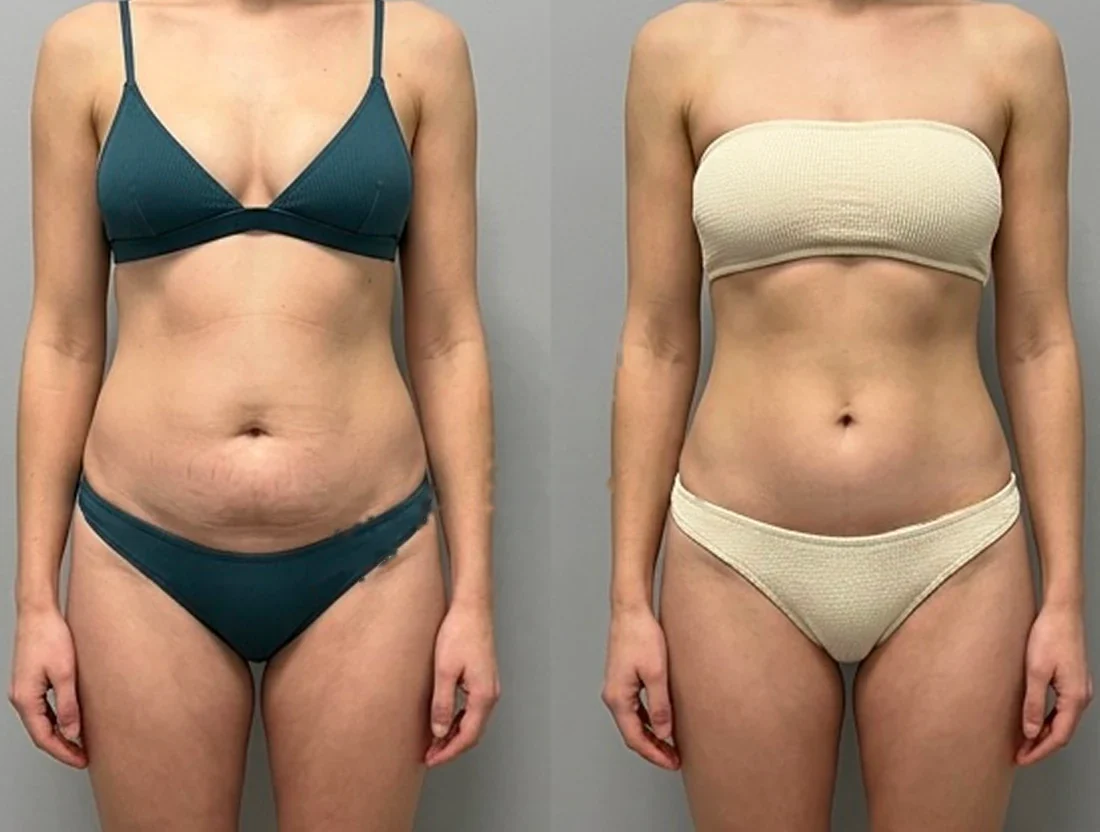
Tummy tuck: a patient's abdomen before and after surgery before after
A flat tummy and a toned silhouette in one operation. Your individual surgical plan and the expected result are discussed at the consultation

Message our coordinator

Free online consultation · Reply within 15 minutes

Message us on Telegram

By messaging us, you agree to our Privacy Policy

Results

Tummy tuck results
of our patients

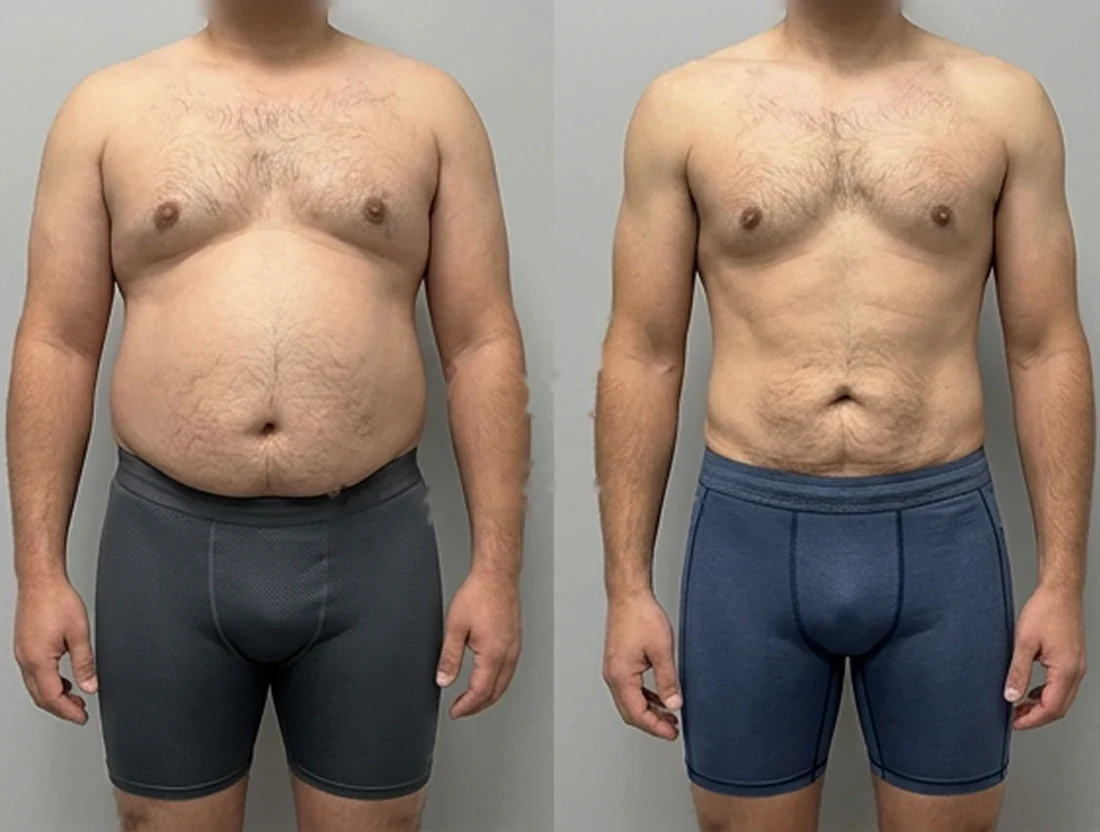
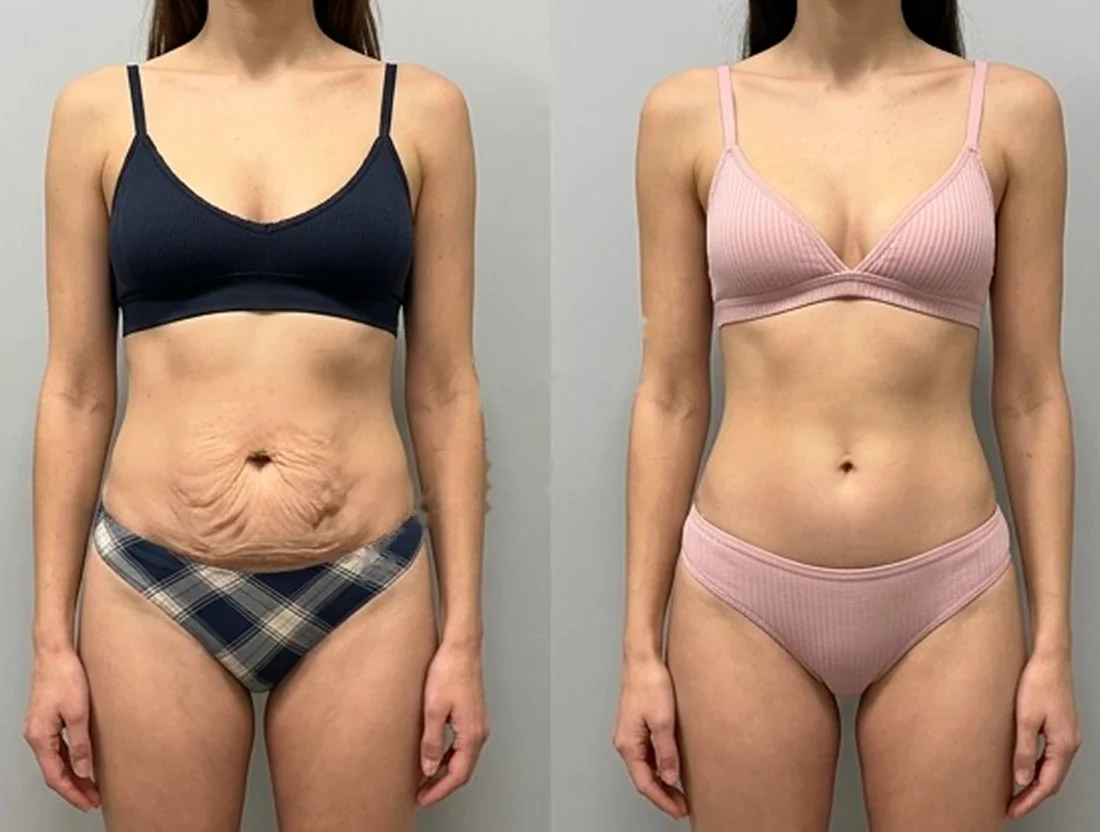
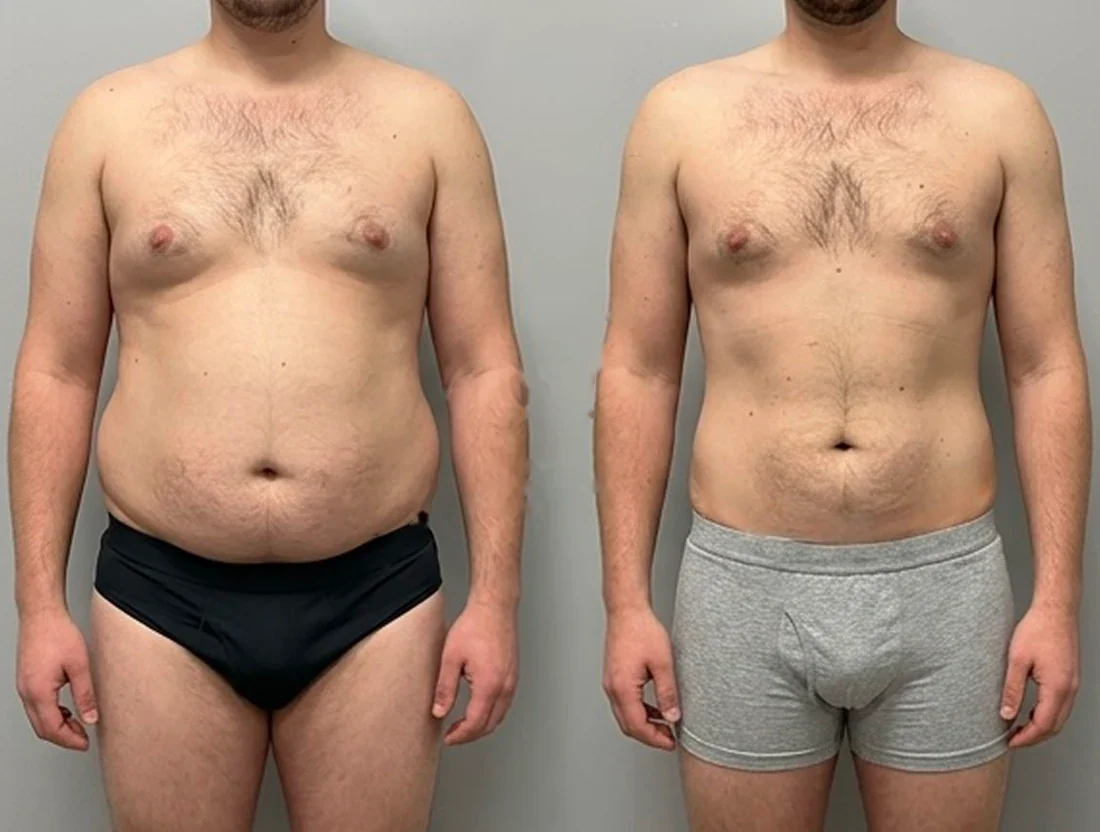
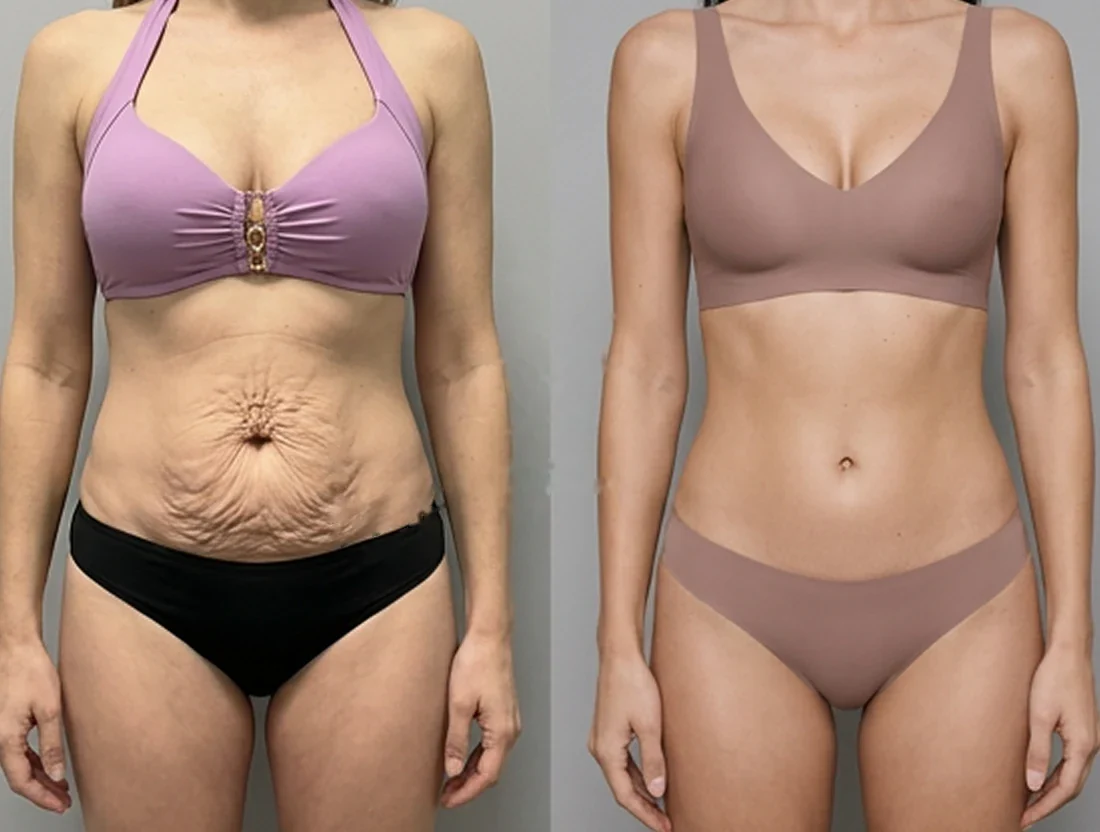
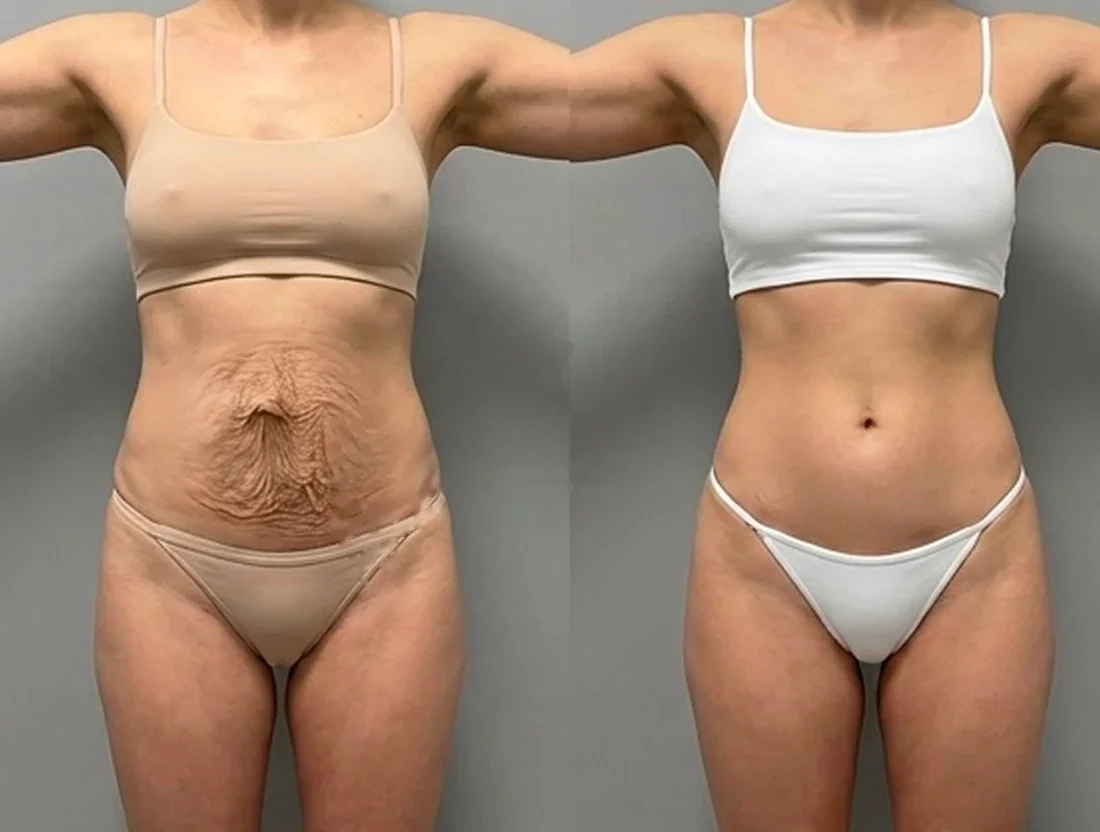
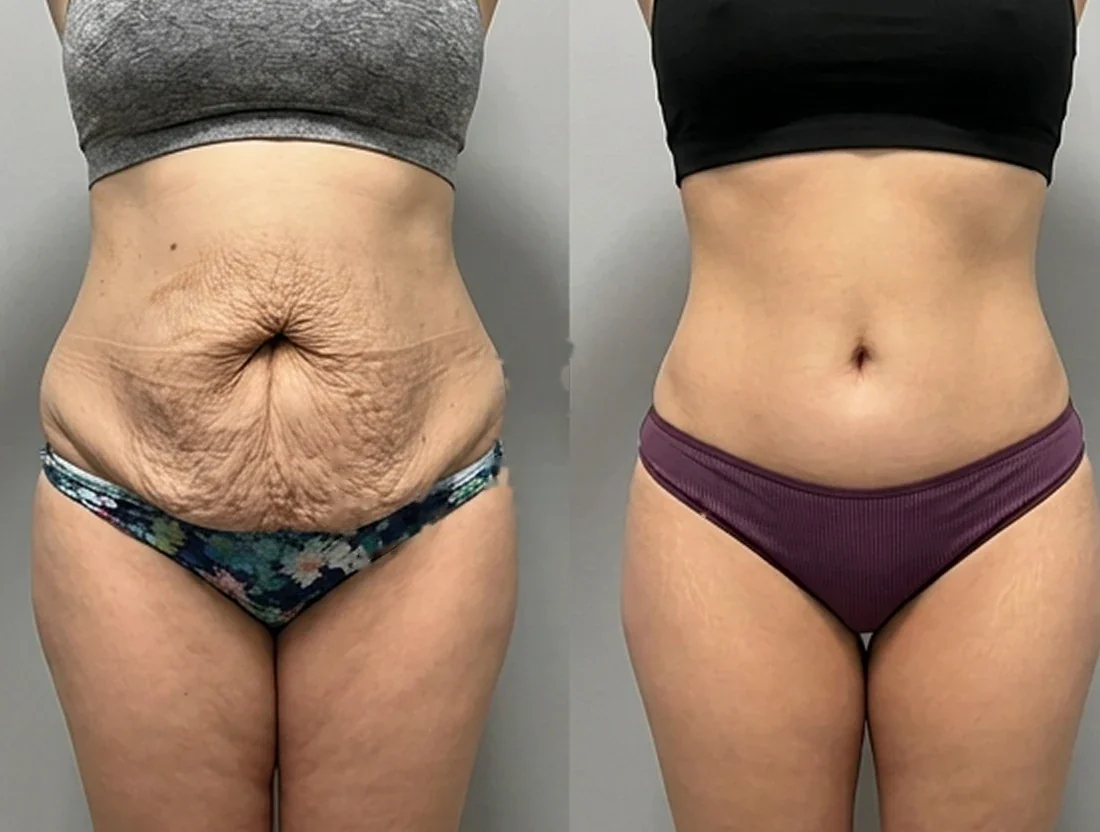
All cases are real patients. Faces and identifying details are hidden.

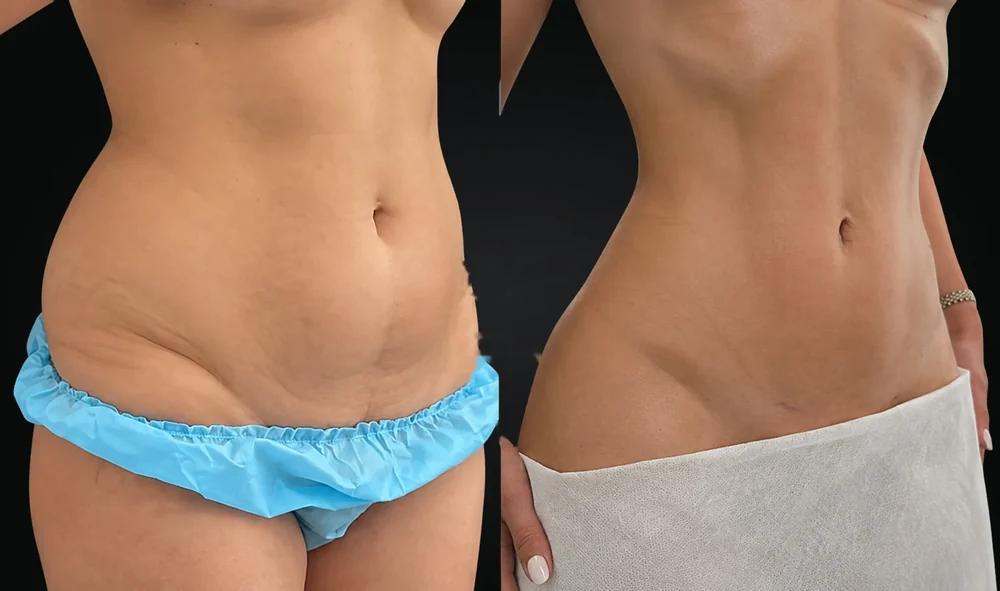
Tummy tuck: a female patient's abdomen before and after surgerybeforeafter
Tummy tuck: a male patient's abdomen before and after surgerybeforeafter
Tummy tuck: a female patient's abdomen before and after surgerybeforeafter
Tummy tuck: a male patient's abdomen before and after surgerybeforeafter
Tummy tuck: a female patient's abdomen before and after surgerybeforeafter
1 of 8

Comparison

Tummy tuck techniques

A tummy tuck is done as a full (classic) or mini operation, or combined with liposuction as lipoabdominoplasty. Compare the scope of surgery, the indications and the expected results to choose the right technique together with your surgeon.

Tummy tuck

Removal of excess skin, abdominal muscle tightening
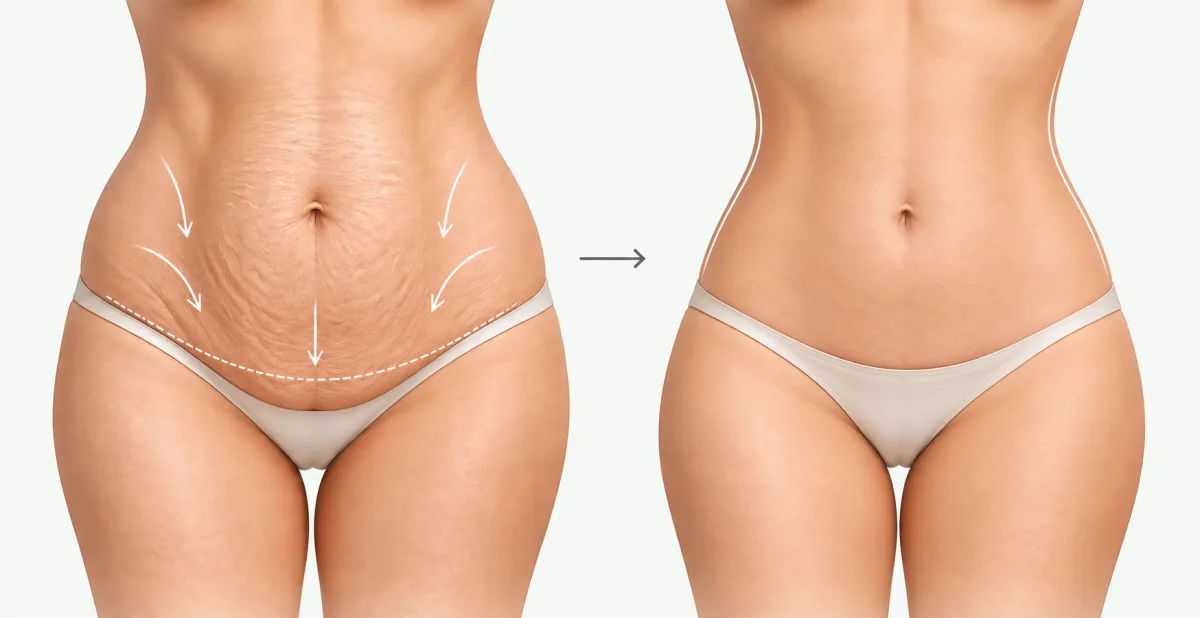
Tummy tuck diagram: the abdomen before surgery with the incision line, and the result
Main goal
Removal of excess skin, diastasis repair
When it is done
Excess skin after childbirth or weight loss
Anaesthesia and stay
General anaesthesia, up to 3 days in hospital

Lipoabdominoplasty

Tummy tuck with added liposuction
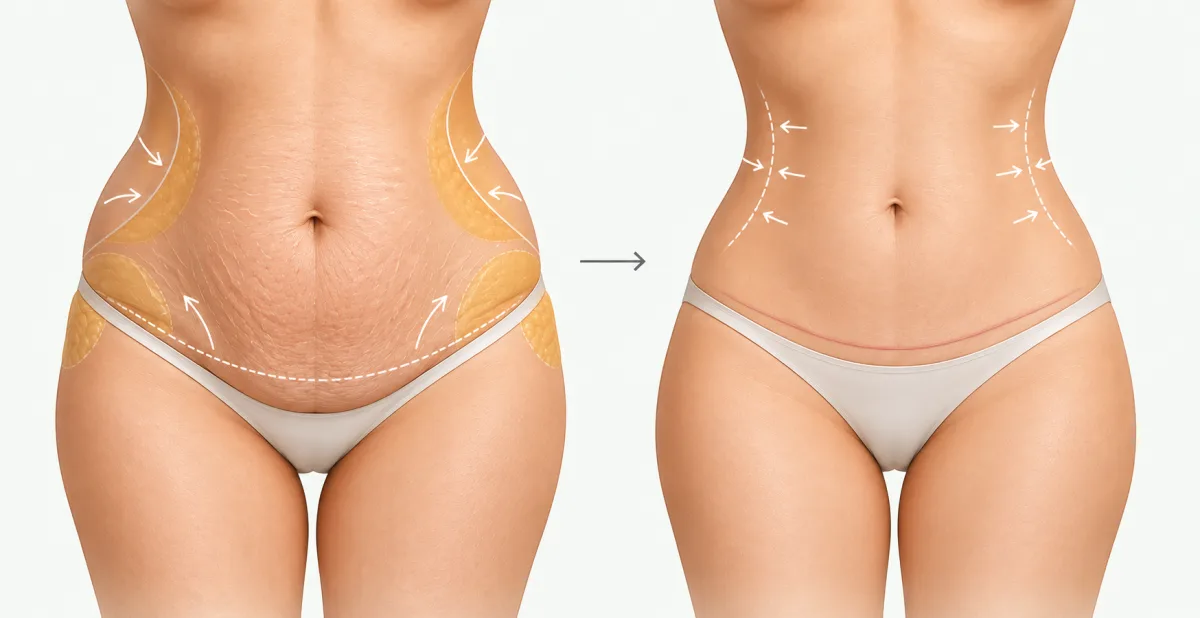
Lipoabdominoplasty diagram: the abdomen with fat on the flanks before surgery, and the result
Main goal
Tummy tightening and waist contouring
When it is done
For fat deposits on the flanks and waist
Anaesthesia and stay
General anaesthesia, up to 3 days in hospital

The benefits and recovery times shown are averaged for each technique and given for guidance: the scope of correction and rehabilitation depend on your anatomy and individual features, and the surgeon confirms them at the consultation.

At the consultation the surgeon draws up a plan for your case and explains how your tummy tuck will go.

Free, before surgery and with no obligation.

Book a consultation

Tummy tuck from the inside

About the clinic

A clinic where you can feel at ease

Modern equipment, comfortable rooms and care for every patient
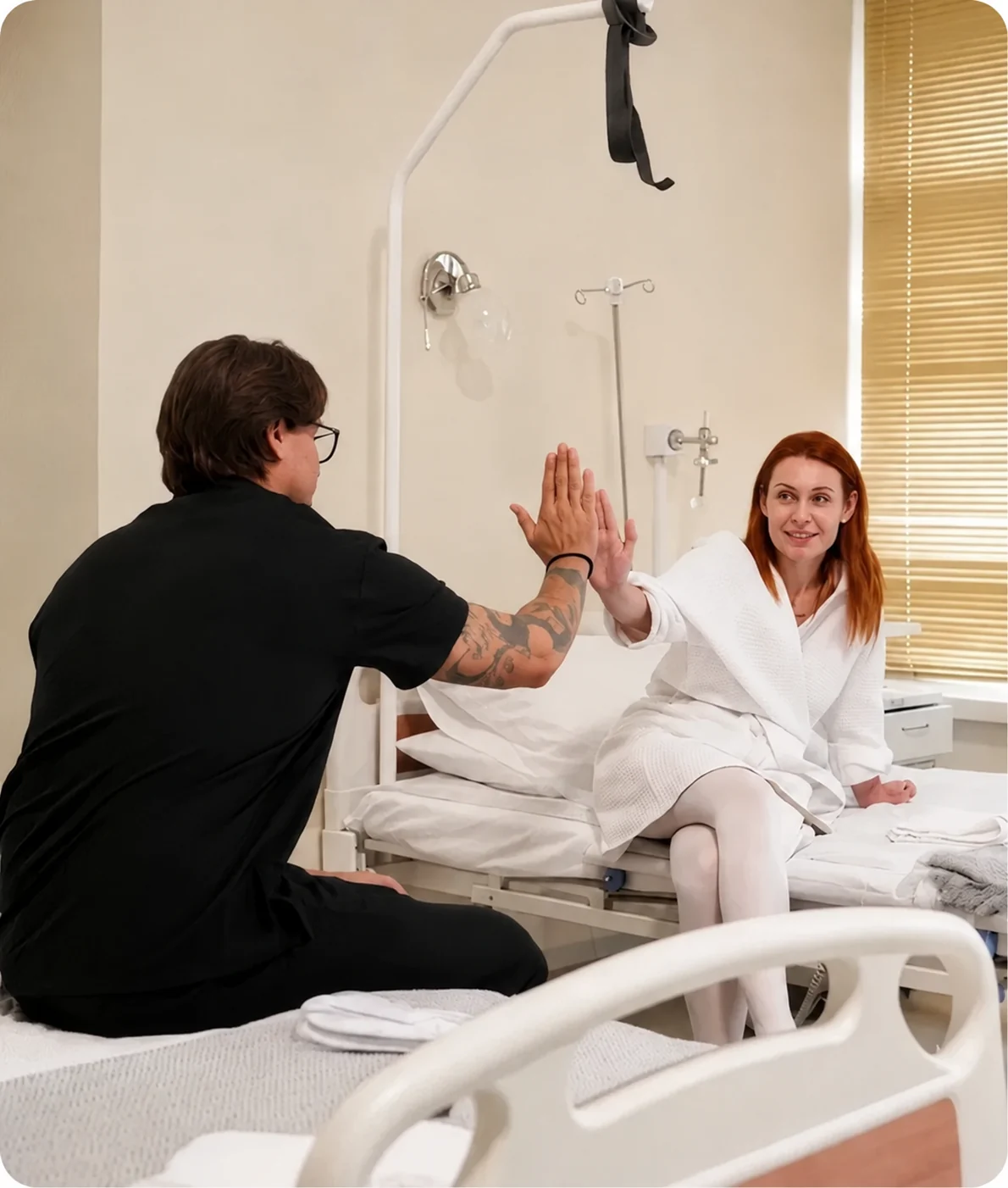
A doctor and a patient in a clinic ward

Contact us the way that suits you

We will answer your questions and find a convenient time for a consultation

A tummy tuck is not for everyone

If your case can be solved without surgery, the doctor will tell you so at the consultation — and you will not spend money for nothing.

Suitable
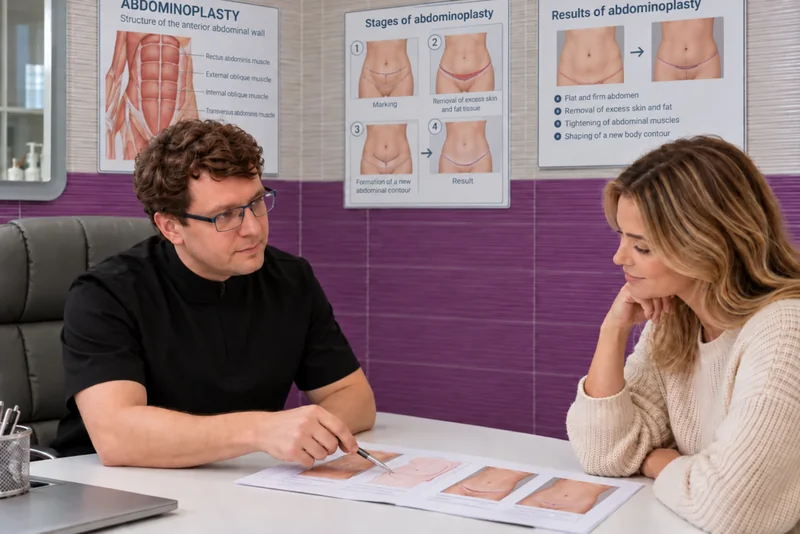
A surgeon shows a patient on a model and a monitor how the abdominal contour changes after a tummy tuck
  • Rectus abdominis diastasis
  • Skin folds after weight loss
  • Loose abdominal skin
  • Stretched skin after pregnancy
  • A distorted abdominal contour

Not suitable
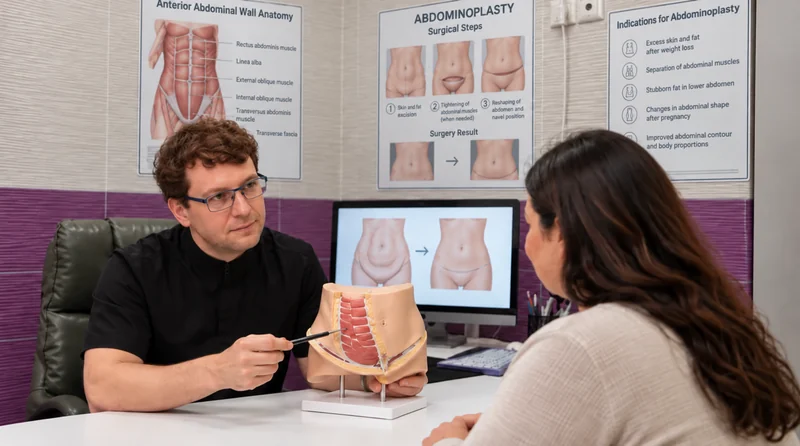
A surgeon discusses the indications and contraindications for a tummy tuck with a patient
  • Acute infections
  • Serious heart, kidney or liver conditions
  • Problems with blood clotting
  • Under the age of 18
  • Decompensated diabetes
  • Cancer
  • Skin inflammation in the surgical area
  • Being pregnant or breastfeeding

Not sure the surgery is right for you?

Message us — the coordinator will ask for your photos in the messenger, and the surgeon will tell you whether a tummy tuck suits you. No surgery booking needed.

Find out if it suits me
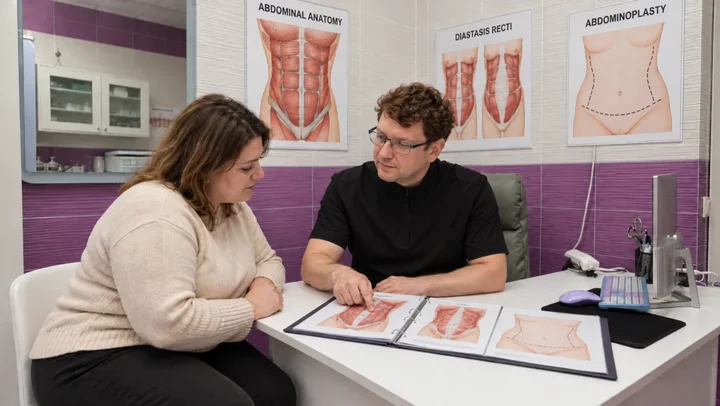
A surgeon goes through a tummy tuck diagram with a patient at the consultation

Prices

You know the price
before surgery

The price is set at the consultation and fixed in the contract.

Other services

  • First consultationFree
  • Liposuction of the abdomen and flanksfrom $1,700
Book a consultation

Find out your tummy tuck plan and price

The surgeon assesses your abdominal skin and muscles, listens to your wishes and chooses the right correction technique.
The price is set at the consultation and fixed in the contract.
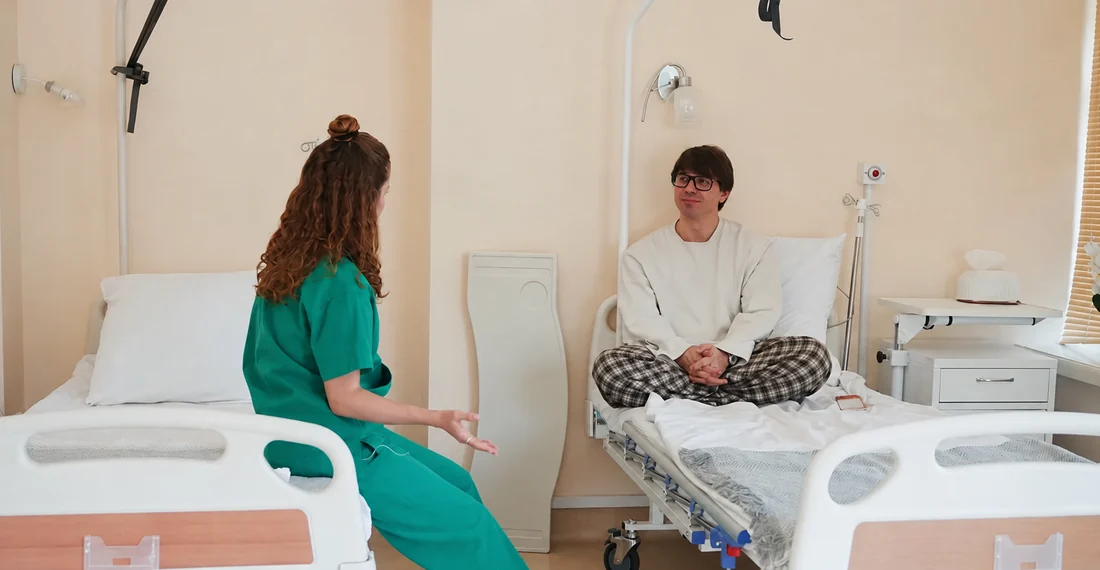
A nurse talks to a patient in a clinic ward

Message our coordinator

Free online consultation · Reply within 15 minutes

Message us on Telegram

By messaging us, you agree to our Privacy Policy
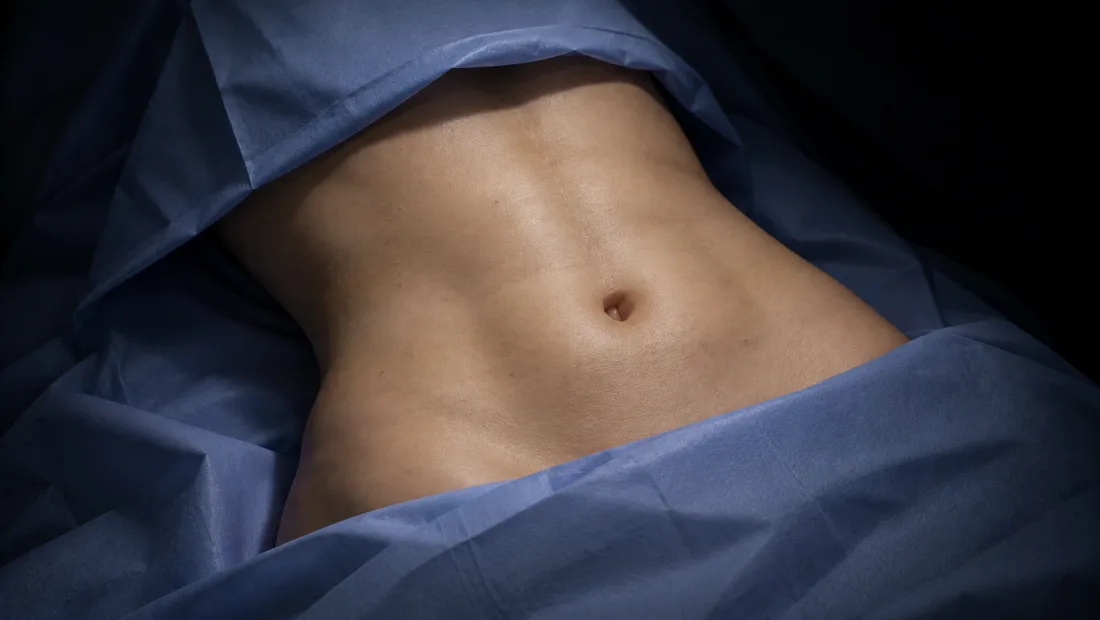
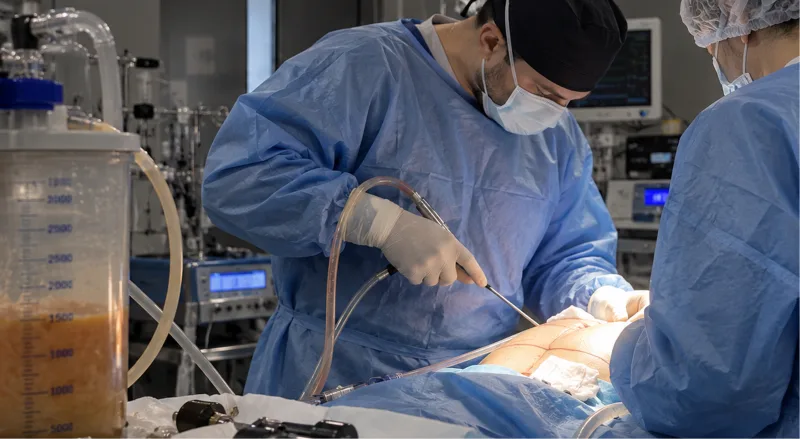
A patient's abdomen before a tummy tuck in the operating room

all inclusive

What the price includes

From preparation for surgery
to post-op check-ups.

  • All scheduled dressings
  • Scheduled post-op check-ups
  • A personal coordinator on call
  • Compression garments fitted on the day of surgery
  • A stay in a comfortable
    hospital ward with meals
  • Individual recommendations
    for recovery
  • Remote progress monitoring
    by photos

How it works

Three days at the clinic —
from preparation to discharge

An agreed correction plan, inpatient observation and post-op check-ups.
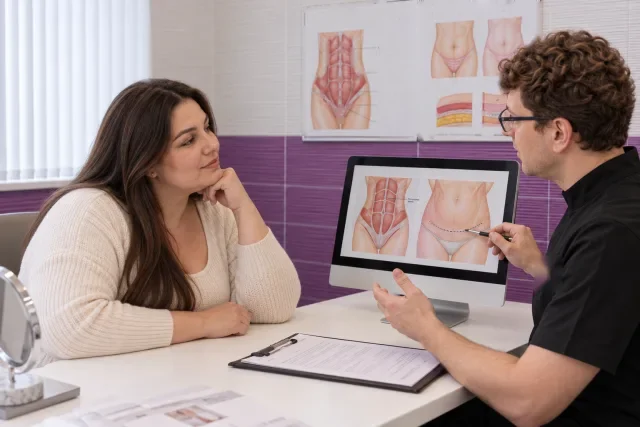
A doctor shows a patient a tummy tuck diagram on a monitor1

Consultation
and the surgical plan

The surgeon assesses your abdominal skin and muscles and checks for diastasis, listens to your wishes and chooses the right correction technique.

Paying the deposit by card at the clinic reception2

Booking the date
of surgery

We reserve a surgery date for you: the deposit can be paid by card at the clinic or online by bank transfer. The terms are fixed in the contract for medical services
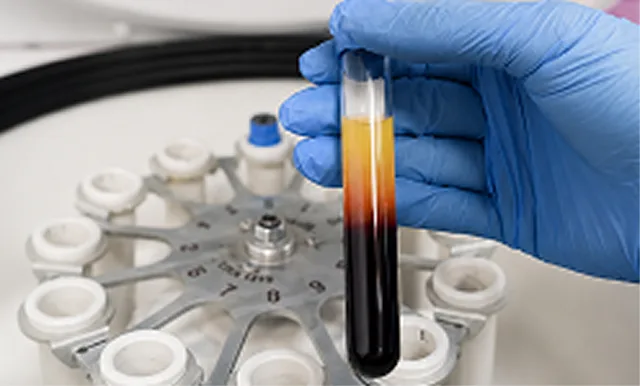
A blood sample tube for tests before a tummy tuck3

Check-up before
surgery

Before surgery you complete a full lab check-up: blood tests, an ECG, a chest X-ray and reports from the required specialists.
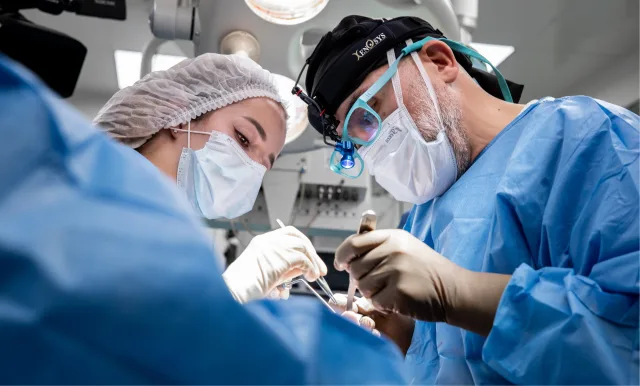
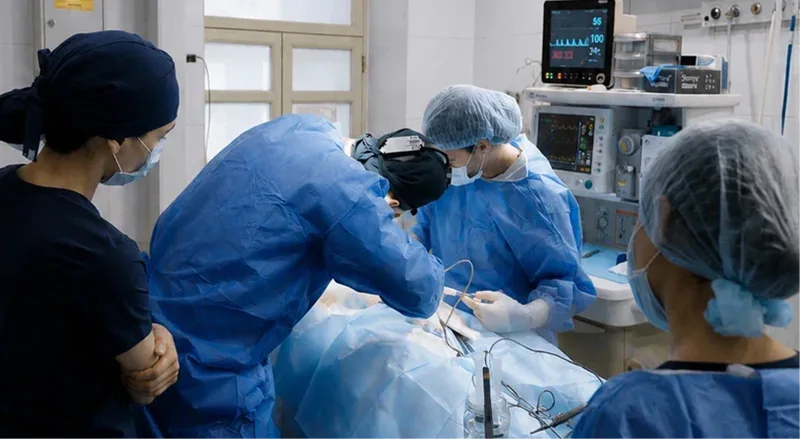
The surgical team during the operation4

Surgery

The surgeon performs the tummy tuck with the chosen technique, repairs diastasis if needed and shapes a firmer abdominal contour.
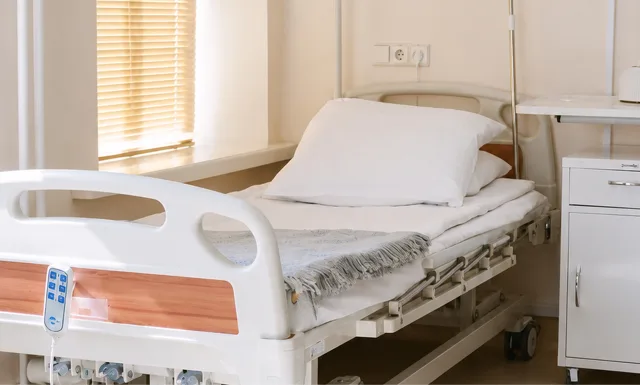
A hospital ward at the clinic5

Inpatient stay

After surgery the patient stays for 1–3 days in a comfortable hospital ward with meals, under medical supervision.
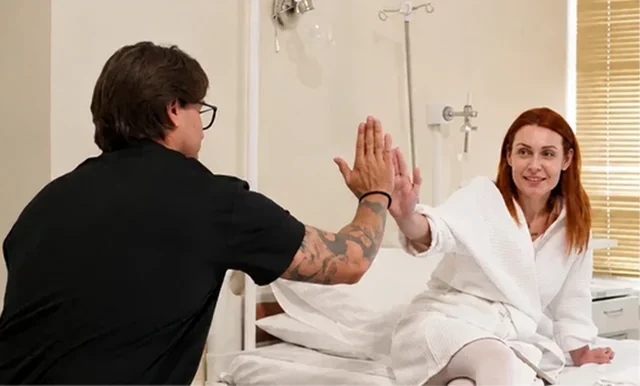
A surgeon and a patient in the ward during recovery6

Recovery

After surgery you get a recovery programme. Check-ups at 7 days, 3 and 6 months help track your recovery.
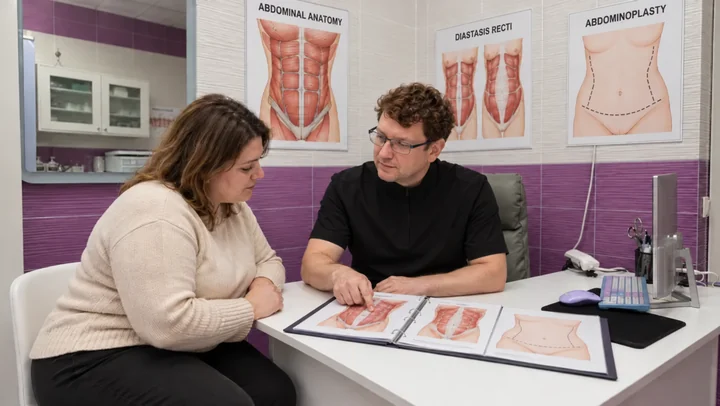
Book a free consultation — the surgeon will plan every step with you.

A doctor discusses the tummy tuck plan with a patient
Book a consultation
A doctor discusses the tummy tuck plan with a patient

How it really happens

Recovering after a tummy tuck

The patient remains in hospital under medical supervision for 1–3 days right after surgery. Drains are usually taken out after two days and stitches after 7 days. A compression binder, worn for 1.5–2 months, supports the abdominal wall and shapes a smooth contour. Within 30 days most swelling goes; after 2–3 weeks you can return to office work. Sports, sauna and heavy lifting are not allowed for 2–3 months, and sleeping on your back with knees bent is recommended at first. By 12 months the scar has matured fully: it fades and is hardly visible.

Post-op check-ups

After 7 days, at 3 months and at 6 months. Until the end of the year, get a post-surgery consultation with your surgeon to review results and get more information, at the clinic's expense

Advantages

What makes patients choose City Medical Centre
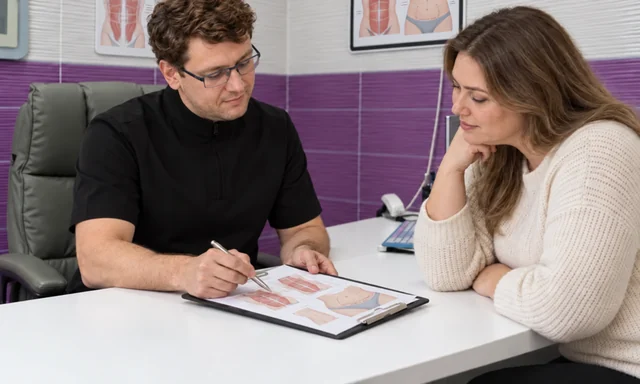
A surgeon discusses the tummy tuck plan with a patient at the consultation

Just find out — you lose nothing

At the consultation we discuss your wishes and assess your abdominal skin and muscles. The surgeon explains what changes are possible, chooses the correction technique and answers your questions.
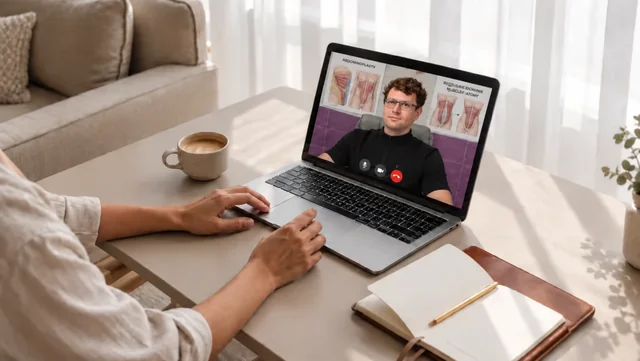
A surgeon on a video call with a patient after surgery

We stay with you after surgery

The surgeon follows your recovery and the changing abdominal contour at check-ups after 7 days, 3 and 6 months. Check-ups, dressings and aftercare advice are already included in the price of surgery.
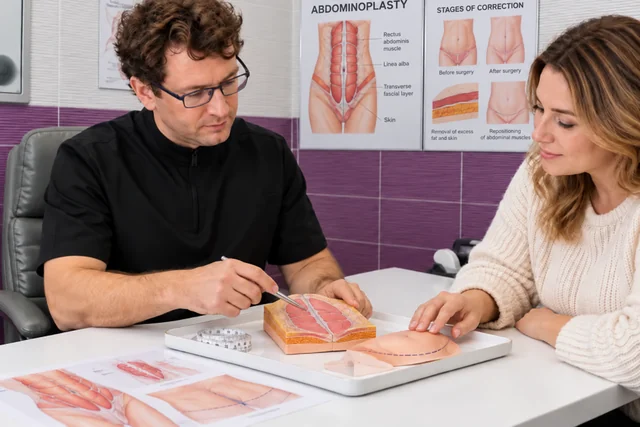
A surgeon shows a patient a model and tummy tuck diagrams

A beautiful contour that fits your figure

We choose the correction technique based on your skin, muscles and figure. Our aim is a harmonious abdominal contour that keeps the natural proportions of your body.

A patient writes down a convenient visit time in her planner

Your schedule is our priority

We respect your time: we work 24/7, with easy booking and a personal approach — we adapt to your pace.
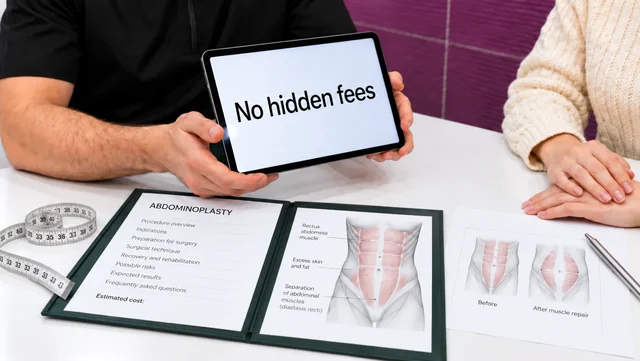
A surgeon shows a patient the fixed price of surgery with no extra charges

Fixed prices

After the consultation the surgeon defines the extent of correction, and you get a clear price for the surgery — no surprises on the way to the result you want.

A surgeon visits a patient in the hospital ward after surgery

Round-the-clock care after surgery

Recovery starts in a comfortable hospital ward under round-the-clock nursing care. The stay and meals are already included in the price.

FAQ

We answer what
people ask before booking

About abdominoplasty for patients from Lilongwe

Diastasis is not always part of the picture. Repair is done only when the rectus abdominis muscles are actually separated: the surgeon sees it at the examination and, if in doubt, it is confirmed by ultrasound. When needed, the muscles are brought together during the tummy tuck itself, with no separate procedure. Patients from Lilongwe learn at the consultation whether their case requires it.

Here is the route in brief. Consultation and hormone screening. Tests: blood and urine, coagulation, biochemistry, infections, ECG, chest X-ray, leg vein ultrasound and a GP's report. Surgery lasting 2–4 hours. One to three days in hospital. A compression binder, then check-ups at 7 days, 3 months and 6 months. Patients in Lilongwe follow this same sequence from start to finish.

The price of a tummy tuck is set individually after a free consultation, because it depends on the technique and the scope of surgery. For patients from Lilongwe, the figure is then fixed in the contract with no hidden extra charges. The clinic works under an official contract with a guarantee. Leave your name and phone number, and a coordinator will contact you to book the consultation.

Lilongwe and the decision to have a tummy tuck

Lilongwe is the capital and largest city of Malawi, in the central region near the borders with Mozambique and Zambia. It is an important economic and transportation hub for central Malawi. The city had a population of 989,318 at the 2018 Census, up from 674,448 in 2008, and the figure given for 2020 is 1,122,000. A city that has grown this fast is full of people planning their lives around work, family and study, and many of them think about body contouring quietly and for a long time before they ask anyone.

A tummy tuck, or abdominoplasty, is the operation people in Lilongwe most often ask about after pregnancies, after major weight loss, or when loose skin and a weakened abdominal wall no longer respond to exercise. This text explains how to plan the operation around the real rhythm of life in Lilongwe: the climate, the working week, family events, sport and food.

The centre works with patients from Lilongwe through a free online consultation. Coordinators are available 24/7 on WhatsApp and Telegram, so you can write when it suits you, in the evening after work or at the weekend, and your questions are answered without a visit to any office in the city.

Climate of Lilongwe and what it means for recovery

Lilongwe has a humid subtropical climate that borders on a subtropical highland climate, with pleasantly warm summers and mild winters. Because of the altitude, temperatures are lower than you would expect for a tropical city. That is good news for anyone who has to wear a compression garment around the clock for the first weeks, because the garment is easier to tolerate when the air is not oppressively hot.

The year has three clear parts. A short monsoon season runs from December to March, a lengthy dry winter covers April to August, and a warm summer lasts from September to November. Each of them affects recovery in a different way, and it is worth looking at your own calendar against these seasons before choosing a date.

Whatever the season, the rules after a tummy tuck are the same for everyone. For the first 2-3 weeks you avoid physical exertion, heavy lifting and sudden movements. Sauna, steam bath, pool, tanning beds, alcohol and smoking are out for at least a month. The climate changes how comfortable these weeks feel, but not the rules themselves.

Choosing the season: rainy months, dry winter or warm spring

The monsoon from December to March brings heavy downpours, with around 200 millimetres of rain in a month during the wettest months. For a patient in the first days at home, this means wet roads and slippery steps, and a real chance that a short errand becomes awkward. Sudden movements, slipping and hurried steps are exactly what you want to avoid early on, so arrange help with shopping, school runs and errands in advance if your recovery falls in these months.

The dry winter, April to August, is long and mild. Many patients find it practical: there is no heavy rain, the temperature is comfortable under clothing, and the garment under loose clothes is less noticeable. The warm months of September to November are pleasant, but they are the period when you would be tempted by sun and outdoor events, and tanning beds and sun exposure of fresh scars are things to discuss with the surgeon.

There is no single correct month. The best season is the one in which you can take 2-3 weeks away from office work, have help at home, and have no major commitments in the first weeks. Discuss the choice with your coordinator and surgeon during the online consultation.

Work in Lilongwe: when you can return

Lilongwe's economy is dominated by the government and public institutions. The civil service employs about 27 percent of all formal workers, while 40 percent work in the private sector and 2 percent are self-employed. Finance, banking, retail trade, construction, transport, public administration, tourism and tobacco manufacturing are the main activities, and Kanengo in the north is the main industrial area.

For desk work in a ministry, bank or office, the planning is simple: back to work after 2-3 weeks. After 2-3 weeks you can do office work, and this is the first of three recovery milestones. If your job is physical, for example in construction, in storage or in transport, you should not expect to return at the same time. Heavy lifting and sudden movements stay off the list for the first 2-3 weeks and longer, and the surgeon must approve the return to heavy duties.

If you are self-employed or run a small business, plan who covers your tasks. Arrange handover with a colleague before the operation, not after it. Many patients also find it easier to tell their employer only that they need medical leave, and the surgeon can advise on the length of absence at your follow-up.

Family life, food culture and the first weeks at home

In Lilongwe, family is close and daily life often involves cooking, hosting and shared meals. Maize storage and food processing are part of the city's economy, and maize-based staples are central in many homes. After a tummy tuck, these habits need some preparation. Cooking for a large household, carrying pots, lifting children and bending over low stoves all count as exertion and sudden movement.

Before the operation, prepare simple meals, arrange for a relative or friend to help with heavy tasks, and put the things you use daily at waist or shoulder height. Ask someone to take over the lifting of young children for the first 2-3 weeks. This matters especially for mothers, who are among the most frequent candidates for the operation.

Alcohol is out for at least a month, which is worth remembering when family gatherings, weddings and celebrations are near. Choose a date for surgery that leaves room for at least a month without such events, or plan to attend them in comfortable clothes and without alcohol. A calm, well-organised home in the first days is one of the best contributions you can make to your own recovery.

Sport and active life in Lilongwe after abdominoplasty

Sport is part of life in the city. Football is followed closely, with Bingu National Stadium, which opened in early 2017 with a capacity of 40,000, and teams such as Silver Strikers, Civo Sporting, Blue Eagles and Kamuzu Barracks. Basketball, netball, volleyball and rugby are played at schools, private institutions and the Griffin Sayenda Sports complex. Many patients are players, coaches, parents of players or regular spectators.

Watching a match is easier than playing one. A match in a crowded stadium means crowds, pushing and long sitting, so ask your surgeon when it is reasonable. Sport is resumed gradually, with the surgeon's approval only, and compression garments are worn for another 4-8 weeks. Contact and team sports such as football, rugby and netball involve sudden movements, so they should come at the end of the sequence, not at the beginning.

The pool is also excluded for at least a month. Start with walking on level ground, then ask the surgeon at a check-up what to add. Do not judge readiness only by how you feel, because swelling and tightness take time to pass: by 1.5-2 months they pass, and the final result is assessed at 6-12 months.

Preparation: tests, habits and the online consultation

Preparation is a must. Stop smoking, drinking alcohol and taking medicines that affect blood clotting 7-10 days before a tummy tuck. The pre-surgery check-up covers blood tests, ECG, leg vein ultrasound and consultations with a GP and anaesthetist. Get it done in advance, not the day before.

The list is identical for all: blood and urine tests, coagulation panel, biochemistry, infection tests, ECG, chest X-ray, ultrasound of the leg veins and a GP's report. The exact list comes from the surgeon at the consultation, and tests usually stay valid for 10-14 days. A patient in Lilongwe can plan these tests locally with their own doctor and time them so that they remain valid.

The online consultation is free. You write to the coordinators on WhatsApp or Telegram at any hour, send photos and a short medical history, and then speak with the surgeon by video. We respect your time: we work 24/7, with easy booking and a personal approach, and we adapt to your pace. You do not need to arrange a visit anywhere in Lilongwe to begin.

The operation, the hospital stay and the recovery programme

The operation is carried out under general anaesthesia, with up to 3 days in hospital. After surgery the patient stays for 1-3 days in a comfortable hospital ward with meals, under medical supervision. A classic tummy tuck means 1-3 days; for a mini tummy tuck, one day is usually enough. At home, recovery continues, and the surgeon monitors it at scheduled check-ups.

After surgery you get a recovery programme. Check-ups at 7 days, 3 and 6 months help track your recovery. The surgeon follows your recovery and the changing abdominal contour at these check-ups. Check-ups, dressings and aftercare advice are already included in the price of surgery. Until the end of the year, you can get a post-surgery consultation with your surgeon to review results and get more information, at the clinic's expense.

For a patient from Lilongwe, the practical advice is to keep the recovery programme in a visible place and to write your questions down between check-ups. The online format means you can raise them with the coordinators at any hour.

Compression garment, scars and the timeline of the result

The compression garment is a requirement: recovery is worse without it because it supports the tissues and reduces swelling. The first 3-4 weeks it stays on around the clock, then during the daytime for roughly a month more. Your operating surgeon will name the exact period. In a mild climate like Lilongwe's highland-influenced one, wearing it is usually manageable, but in the warmer months from September to November choose breathable clothing over it.

The first changes appear 2 weeks after surgery as the main swelling subsides, followed by two checkpoints: the interim result at 1.5-2 months and the final contours at 6-12 months. At 6-12 months, with the tissues fully adapted, the final result and scar are assessed. Be patient: the scar and contour keep changing for months.

Protect the scar from strong sun and avoid tanning beds. Do not judge the result in the first weeks, when the abdomen can look swollen and feel tight.

Lilongwe's growth, informal settlements and why privacy matters in planning

Lilongwe grew from under 20,000 people in 1966 to nearly a million in 2018. A city that has changed this quickly holds many kinds of households: civil servants in established neighbourhoods, traders, students, and families who have moved in from the districts around the capital. Each of them plans a tummy tuck differently, and the right plan depends on housing, help at home and the daily routine rather than on the city's size.

Many residents live in informal settlements, where space is limited, kitchens are small and water may have to be fetched or stored. If your home is like this, tell the coordinators during the online consultation. Dressings must stay clean and dry, so it is sensible to agree in advance where you will rest, who will help you wash your hands before changing anything, and how you will keep the garment and bedding clean during the first weeks.

Privacy is also a practical matter. In a close community, news travels fast. Some patients prefer to tell only one trusted relative and to arrange the recovery quietly. A free online consultation on WhatsApp or Telegram allows you to ask every question from home, at your own pace, and the coordinators are there 24/7.

Students, teachers and young mothers in Lilongwe

Lilongwe has the University of Malawi, founded in 1964, and a large school system: 38 private and 66 public primary schools with 103,602 pupils, and 29 secondary schools with 30,795 students. This means many teachers, lecturers, university staff and parents with children in school are among the people asking about abdominoplasty.

For teachers and lecturers, the working day involves long standing, moving between classrooms and carrying books. The first milestone is office work after 2-3 weeks, but a teacher on their feet all day should ask the surgeon at the 7-day check-up whether the return is realistic. Planning the operation for a school break, if your timetable allows, removes much of the pressure.

For a parent with children in school, plan the school run in advance. Heavy lifting and sudden movements are off the list for the first 2-3 weeks, so a relative or neighbour should take over carrying bags, lifting small children and walking long distances. Write the arrangement down before the operation so that nothing depends on improvisation in the first days.

Practical questions patients in Lilongwe often ask

Patients in Lilongwe tend to ask about the same things: will the scar be visible under everyday clothes, how long will I feel tight, can I sleep normally, and what happens if I have a question at night. The last one has a simple answer: coordinators work 24/7, and the surgeon follows your recovery at check-ups after 7 days, 3 and 6 months.

Another frequent question is whether a tummy tuck can be combined with life in a household with many commitments. It can, but only with honest planning. Recovery is not a single event: after 2-3 weeks you can do office work, by 1.5-2 months swelling and tightness pass, and at 6-12 months the final result and scar are assessed. Think of it as three stages and plan help for the first, patience for the second and the third.

Finally, people ask whether the result will last. The answer depends on stable weight, later pregnancies and general health, and the surgeon will talk through these points with you. Agree on the follow-up plan before the operation, and keep your check-up dates in a phone calendar so that none of them is missed.

Planning a tummy tuck around the Lilongwe working week and the school calendar

Lilongwe is a city of institutions: the government and public bodies dominate its economy, and the civil service employs about 27 percent of all formal workers. That gives many residents a fixed weekly rhythm, with predictable mornings, set meetings and little freedom to disappear for a few days. A tummy tuck fits such a life only if it is planned in advance and the date is agreed with your employer or your own diary.

A practical way to plan is to count backwards. Preparation matters first: stop smoking, drinking alcohol and taking medicines that affect blood clotting 7-10 days before the operation. Then comes the hospital stay of 1-3 days, and then the first stage at home, when you avoid physical exertion, heavy lifting and sudden movements for 2-3 weeks. Put these three blocks into your calendar before you choose a date, and keep the days around them free of travel across town, deadlines and long meetings.

The school calendar matters too. Lilongwe has 38 private and 66 public primary schools and 29 secondary schools, so a large share of the city's households organise their year around term time and holidays. If you have children, a school break may give you more hands at home, but it also means children are around all day and may want to be carried or lifted. Decide in advance who does what, and explain to older children that for a while you need to move carefully.

Heavy rain, wet ground and a safe first walk

The wettest months in Lilongwe bring around 200 millimetres of rain in a month. For someone in the first weeks after abdominoplasty, the weather is not an abstract matter. Wet ground, mud at the gate and slippery steps raise the chance of a sudden movement, and sudden movements are on the list of things to avoid for the first 2-3 weeks.

Short, gentle walks on level, dry ground are a sensible part of the early days, but choose the time of day with the weather in mind. In the dry winter, from April to August, this is easy. In the monsoon, from December to March, walk indoors, in a corridor or around the house, and keep a stable pair of flat shoes by the door. Ask someone to walk beside you on the first outings, so that you have an arm to hold if the ground is uneven.

Rain also affects the way you get to check-ups and consultations. The check-ups at 7 days, 3 months and 6 months are part of the recovery programme, and they are worth protecting from last-minute changes. If the 7-day check-up falls in a rainy week, arrange a lift in advance and allow extra time, so that you are not rushing on wet ground in a compression garment.

Weight, health and realistic expectations for residents of Lilongwe

A tummy tuck corrects loose skin and a weakened abdominal wall; it does not replace a healthy way of life. The World Health Organization treats obesity and overweight as health matters that call for attention over a long period, and a surgeon will talk about your weight, your habits and your general health before agreeing to operate. Honest preparation for this conversation helps you get a plan that fits you.

Think about the changes in your life that could influence the result: a possible future pregnancy, a major change in weight, or a very demanding physical job. None of these automatically rules out an operation, but each should be mentioned during the online consultation, because the surgeon considers every case individually after an examination and health assessment. You must be at least 18, with no contraindications, and no upper age limit exists.

Expectations matter as much as medicine. The first changes appear 2 weeks after surgery as the main swelling subsides, the interim result comes at 1.5-2 months, and the final contours and scar are assessed at 6-12 months. Patients who understand this timeline are calmer in the first weeks, when the abdomen can look swollen and feel tight, and are less likely to compare themselves with photographs taken months later.

Who is a candidate and what to ask the surgeon

You must be at least 18, with no contraindications. No upper limit exists; each case is considered individually, after an examination and health assessment. A tummy tuck is not a weight-loss method. The World Health Organization describes obesity and overweight as conditions to be managed through health care and lifestyle, and a surgeon will want your weight to be stable before operating.

Questions worth asking in the online consultation: which type of operation suits me, the classic or the mini tummy tuck; how long will I be in hospital; what will the scar look like and where; which tests do I need and how long do they stay valid; when can I return to my specific job; when can I start sport; how long will I wear the garment; and who do I contact between check-ups.

Be open about smoking, medicines, earlier operations and plans for future pregnancies. The surgeon can only plan safely with complete information, and honest answers protect your recovery.

Can I have a free consultation from Lilongwe?

Yes. The online consultation is free, and coordinators are available 24/7 on WhatsApp and Telegram. You send photos and a short history and then speak with the surgeon by video.

How soon can I go back to work after a tummy tuck?

For office work, back to work after 2-3 weeks. Physical work needs more time and the surgeon's approval.

Which season in Lilongwe is better for the operation?

There is no single answer. The monsoon from December to March brings heavy rain and slippery ground, the dry winter from April to August is mild and long, and September to November is warm. Choose the time when you can rest and have help.

What anaesthesia is used and how long is the hospital stay?

General anaesthesia, with up to 3 days in hospital. The patient stays 1-3 days in a comfortable ward with meals, under medical supervision; for a mini tummy tuck, one day is usually enough.

What is forbidden after the operation?

For the first 2-3 weeks you avoid physical exertion, heavy lifting and sudden movements. Sauna, steam bath, pool, tanning beds, alcohol and smoking are out for at least a month.

When can I play football, netball or basketball again?

Sport is resumed gradually, with the surgeon's approval only, and compression garments are worn for another 4-8 weeks. Team sports with sudden movements come last.

How long do I wear the compression garment?

The first 3-4 weeks around the clock, then during the daytime for roughly a month more. Your operating surgeon will name the exact period.

What tests do I need?

Blood and urine tests, coagulation panel, biochemistry, infection tests, ECG, chest X-ray, ultrasound of the leg veins and a GP's report. The exact list comes from the surgeon, and tests usually stay valid for 10-14 days.

When will I see the result?

The first changes appear 2 weeks after surgery, the interim result at 1.5-2 months, and the final contours at 6-12 months.

Are check-ups included?

Yes. Check-ups at 7 days, 3 and 6 months, dressings and aftercare advice are already included in the price of surgery.

I live in a crowded neighbourhood of Lilongwe. Can I still recover safely at home?

Yes, if you plan it. Choose a clean, quiet place to rest, arrange help with heavy tasks for the first 2-3 weeks, and keep dressings clean and dry. Discuss your living conditions with the coordinators during the online consultation so the surgeon can advise accordingly.

I am a teacher in Lilongwe. When can I go back to the classroom?

Office work is possible after 2-3 weeks. A job that involves long standing and moving around should be discussed with the surgeon at the 7-day check-up before you set a date.

Who can I write to if a question comes up at night?

The coordinators are available 24/7 on WhatsApp and Telegram, so you can write at any hour. The surgeon reviews your recovery at the check-ups after 7 days, 3 and 6 months.

Can I plan the operation around the school term in Lilongwe?

Yes. Many families prefer a school break because there is more help at home, but children are then around all day, so agree in advance who lifts and carries. For the first 2-3 weeks you avoid heavy lifting and sudden movements.

Is it safe to walk outside during the rainy months?

Short walks are useful, but in the monsoon from December to March, wet and slippery ground raises the risk of a sudden movement. Walk indoors at first, wear stable flat shoes and have someone beside you on early outings.

Will my weight and health be discussed before the operation?

Yes. The surgeon considers each case individually after an examination and health assessment, and will ask about stable weight, future pregnancies and general health. You must be at least 18, with no contraindications.