

Message our coordinator
Free online consultation · Reply within 15 minutes
Message us on TelegramMessage us on WhatsAppBy messaging us, you agree to our Privacy Policy

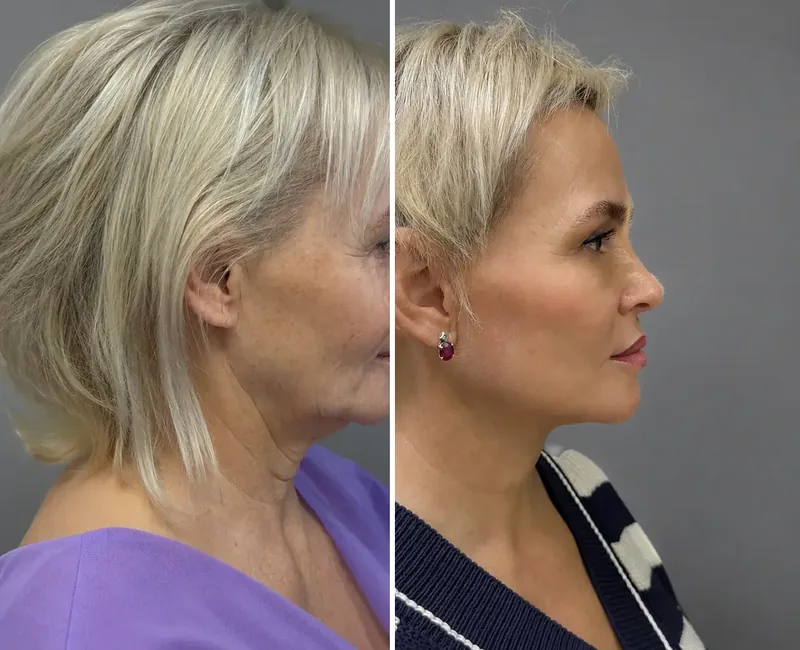
50 years
9 months
SMAS facelift
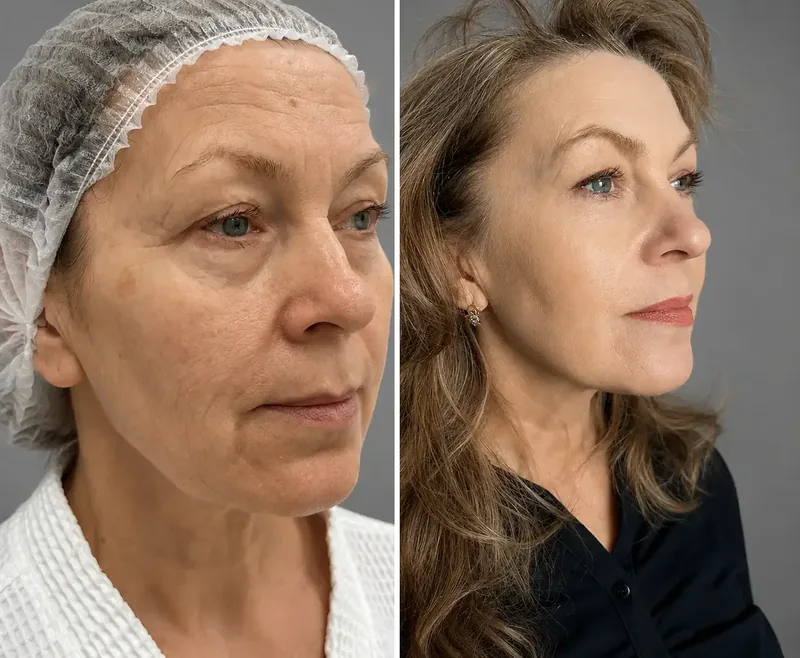
58 years
8 months
SMAS facelift
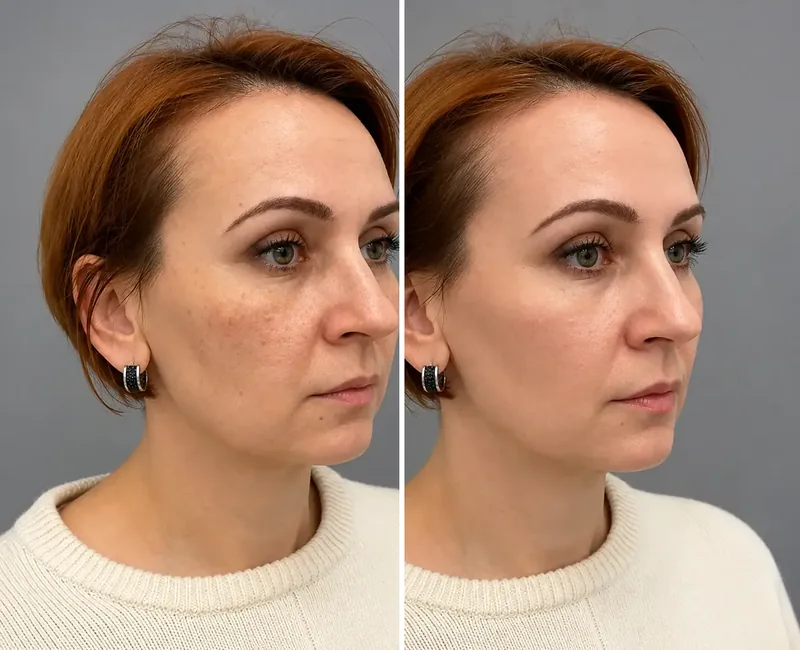
34 years
5 months
SMAS facelift
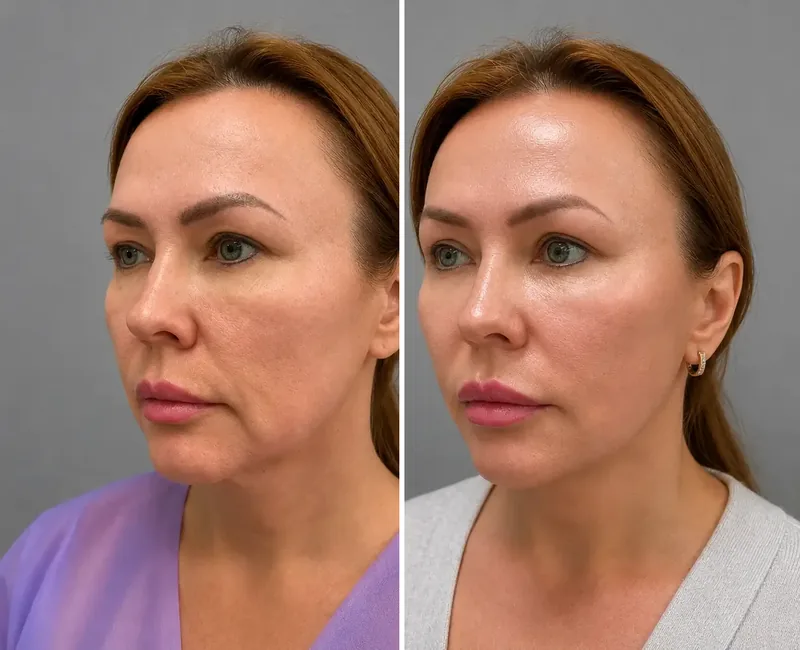
32 years
7 months
SMAS facelift
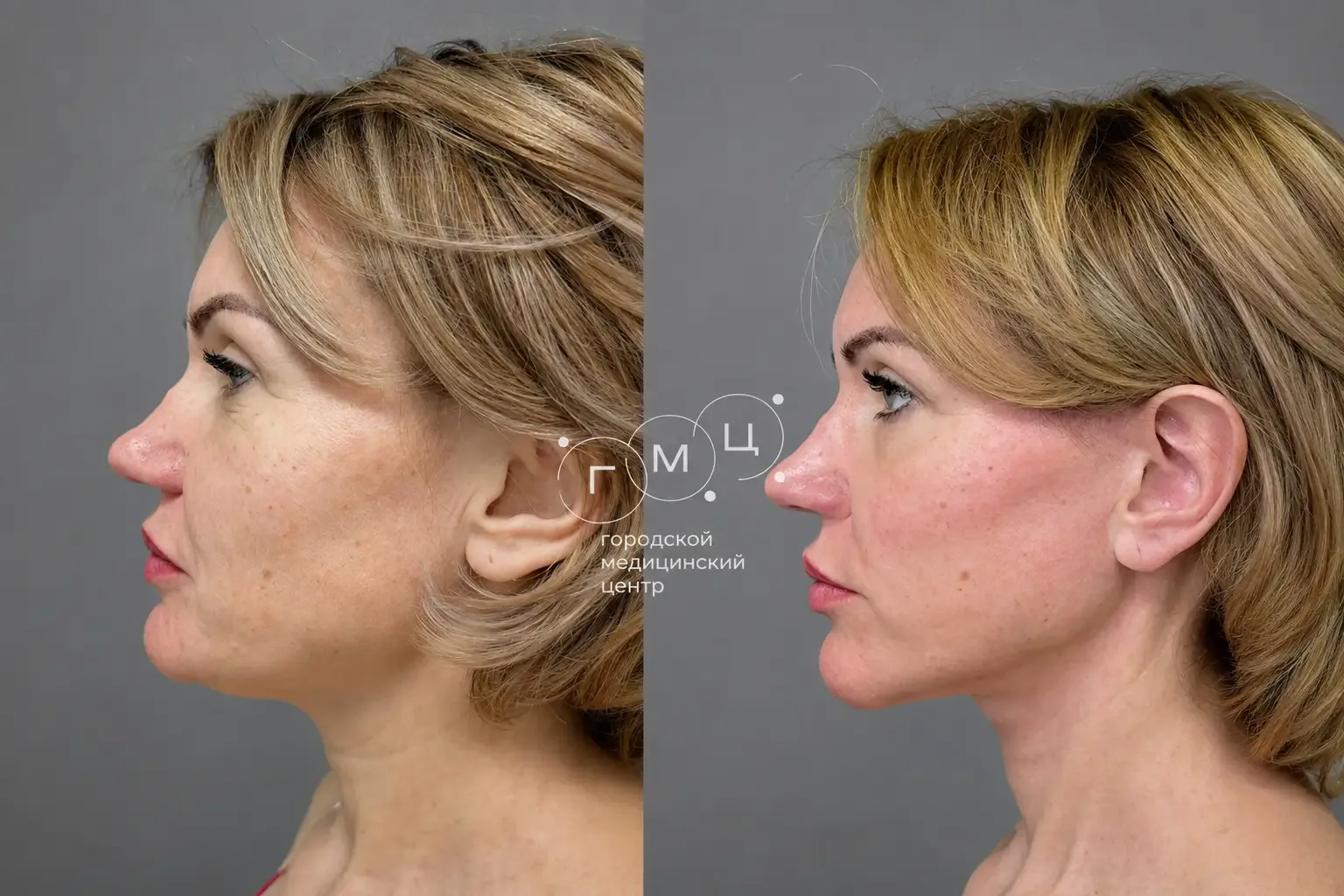
40 years
6 months
SMAS facelift
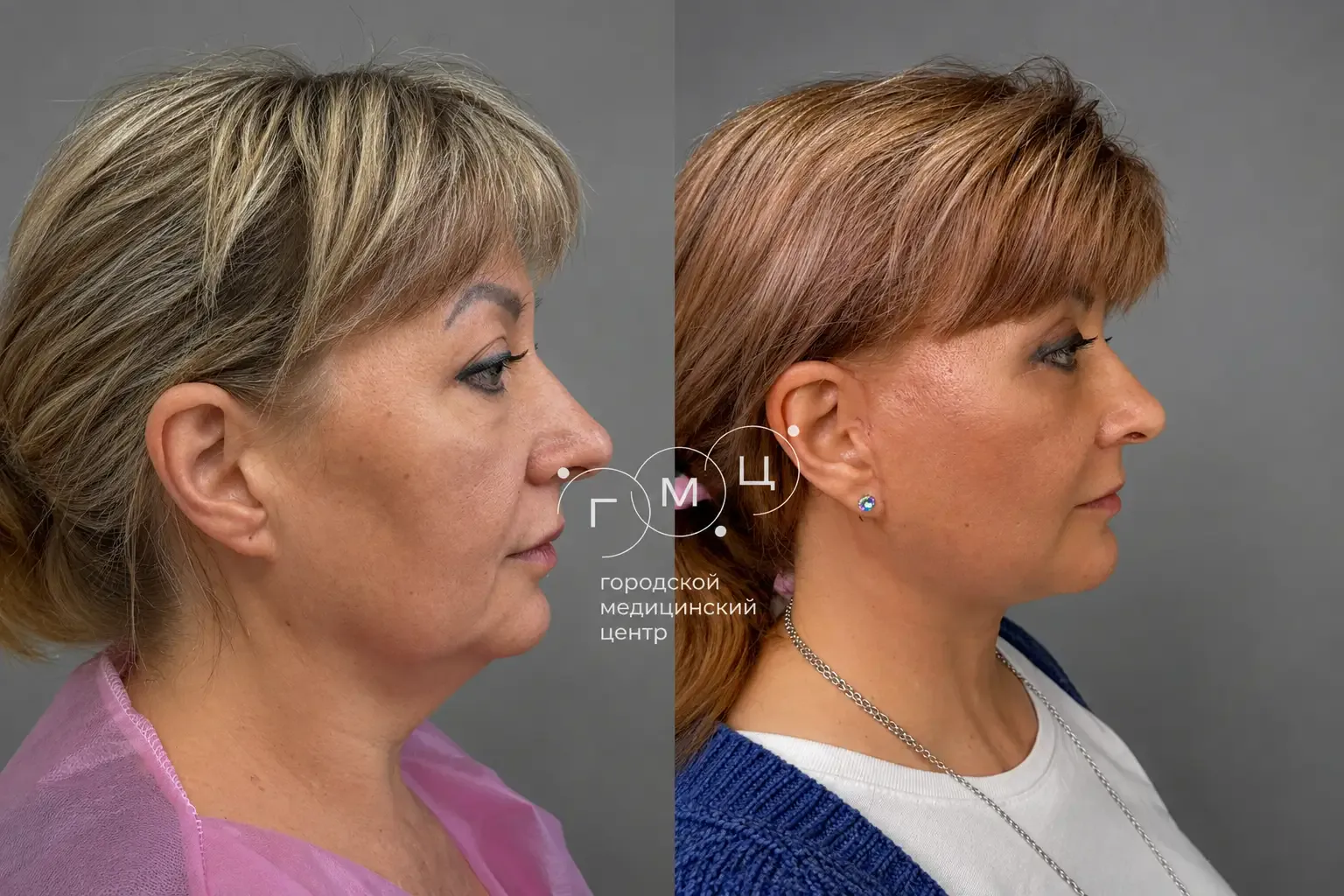
45 years
8 months
SMAS facelift
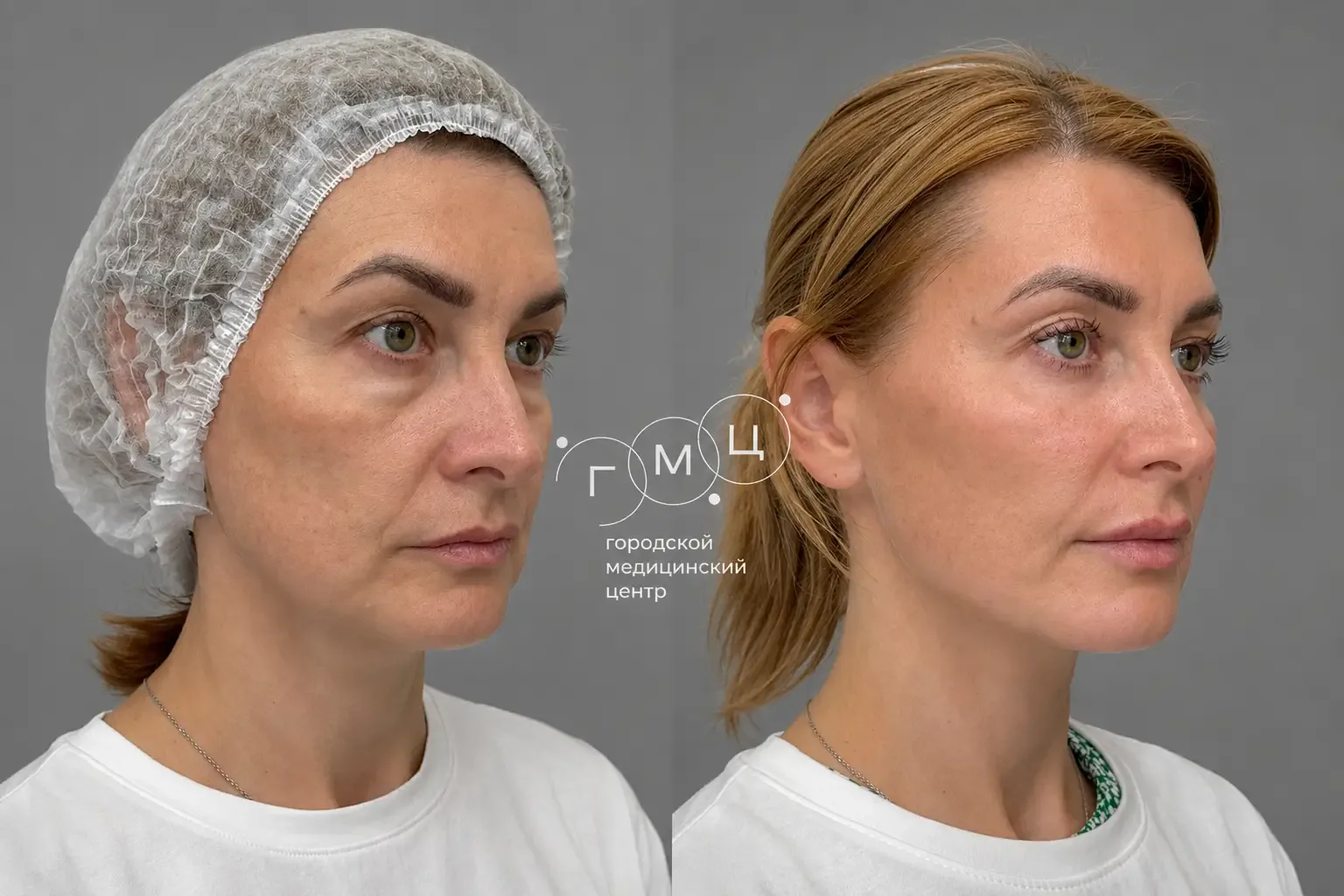
38 years
5 months
SMAS facelift
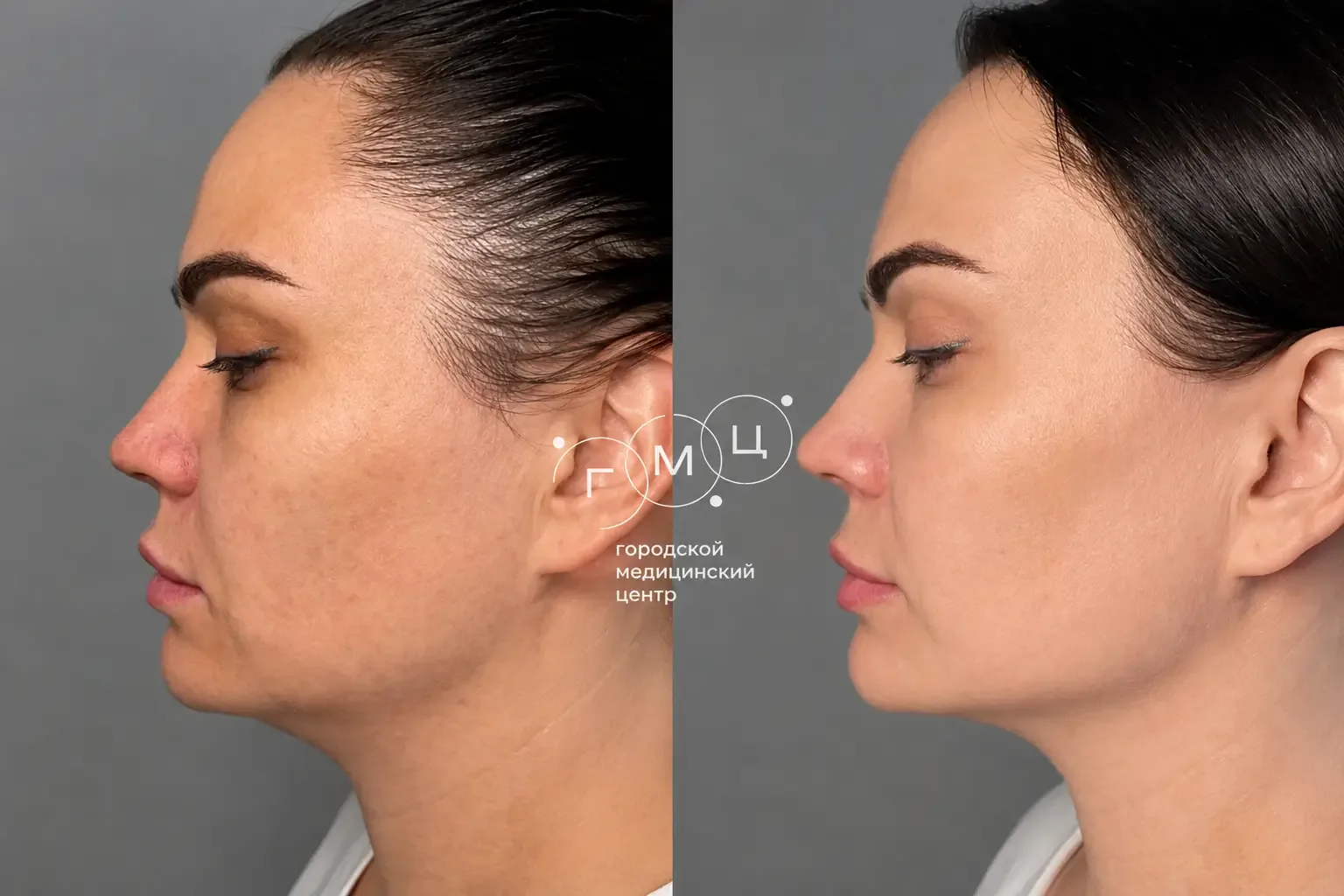
33 years
6 months
SMAS facelift
50 years
9 months
SMAS facelift
58 years
8 months
SMAS facelift
34 years
5 months
SMAS facelift
32 years
7 months
SMAS facelift
40 years
6 months
SMAS facelift
45 years
8 months
SMAS facelift
38 years
5 months
SMAS facelift
33 years
6 months
SMAS facelift
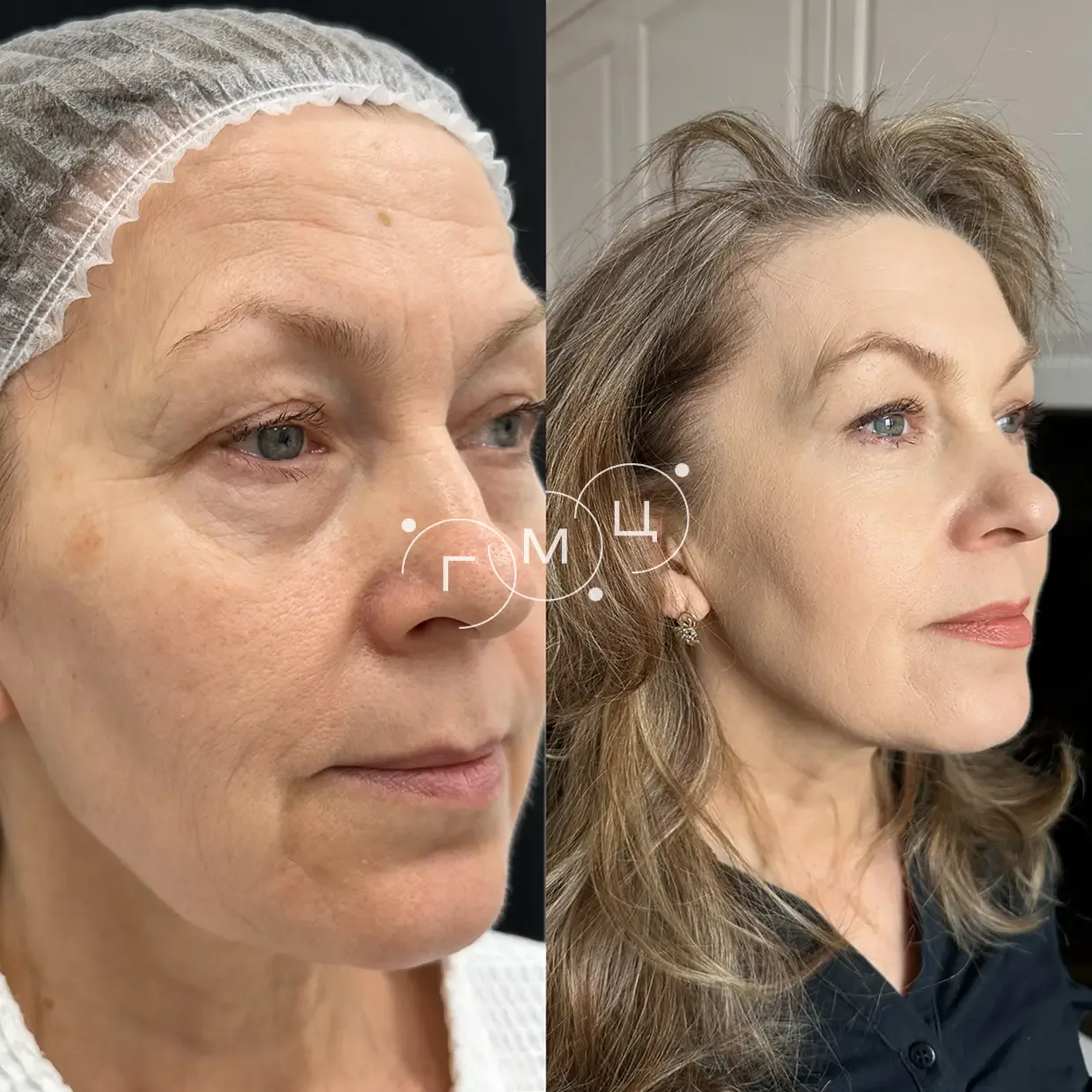

Pronounced sagging in the face and neck
A loss of jawline definition, jowls
A double chin with loose skin on the neck
Deep nasolabial folds, marionette lines
Brows that droop, giving a heavy look
A marked loss of skin firmness after 40
Preference for a long-term result (7–10 years)

Being under 30
Active, acute inflammation of the skin
Being pregnant or breastfeeding
A severe cardiovascular condition
Problems with blood clotting
Cancer
Decompensated diabetes
About facelift surgery for patients from Lilongwe
What changes after a facelift? The lower-face contour becomes crisp, the cheeks are lifted, the chin line is clean without a double chin and nasolabial folds soften. Brows rise and the eyes look more open. The aim for patients from Lilongwe is a younger, fresher look without an overdone effect or a mask-like appearance. One surgery gives a complete result, and a full lift keeps it for up to 10 years.
Inside the operating room the SMAS facelift runs through three levels of correction. First the skin flap is lifted and redraped, and excess skin removed. Next, fat in the cheeks and lower face is redistributed. Finally the muscle and fascia layer is lifted and secured, treating weakened ligaments and descended muscles. This is how the operation goes for patients from Lilongwe.
A facelift costs from $2,400 (≈ MWK 4,200,000). For patients from Lilongwe, the price includes a one-to-one consultation, a highly experienced medical team, combined inhalation anaesthesia, a stay in comfortable inpatient rooms, 24/7 monitoring by medical staff, meals during your stay, personal support before and after surgery and a year of follow-up by your plastic surgeon. Start with a free consultation.
Facelift in Lilongwe: price and what is included
Prices are in US dollars; the amount in brackets is an approximate conversion to MWK at the rate of 02.10.2026. The final price is fixed in your contract.
- Faceliftfrom $2,400 (≈ MWK 4,200,000)
How much does a facelift in Lilongwe cost?
Prices start from $2,400 (≈ MWK 4,200,000). The surgeon sets the final price at the free consultation, and it is fixed in the contract, with no hidden extras.
What is included in the price?
A one-to-one consultation, the medical team, anaesthesia, inpatient care with meals, 24/7 monitoring and twelve months of follow-up by the surgeon.
How do I get my exact price?
Message us on WhatsApp or Telegram using the buttons below. A coordinator will answer your questions and book a free consultation where the doctor names the exact price.
By messaging us, you agree to our Privacy Policy
Lilongwe and the question of a facelift
Lilongwe is the capital and largest city of Malawi, in the central region near the borders with Mozambique and Zambia. It is an important economic and transport hub for the centre of the country. The 2018 Census counted 989,318 residents, up from 674,448 in 2008, and the 2020 figure was 1,122,000. The city has grown from under 20,000 people in 1966 to nearly a million in 2018, so it is a young, fast-moving capital with a large working population.
Many people in Lilongwe spend their days among colleagues, clients and officials, at meetings and public events. For some of them the question of a facelift starts with a photo or a video call, where the lower face looks tired, the jaw line has softened and the cheeks have dropped. That is a normal reason to ask for information. It does not mean you have to decide quickly.
City Medical Centre works with patients in Lilongwe through a free online consultation. Coordinators are available around the clock (24/7) on WhatsApp and Telegram, so you can write when it suits your own schedule. This text explains how a facelift fits into the real life of the city: its climate, working rhythm, family occasions and sport.
What a surgical SMAS facelift does and who it is for
Beyond 40–50 the skin gradually loses firmness: noticeable sagging, jowls, a blurred jaw line and drooping cheeks appear. A surgical SMAS facelift works deeper than cosmetology. It repositions the muscle and fascia layer, so it treats the cause of sagging, not only its effects. The surgeon corrects at 3 levels, and the central step is lifting and securing the muscle and fascia layer, which deals with weakened ligaments and descended muscles.
As a rule, surgery is recommended for patients aged 40+ with marked tissue sagging, and in some cases from 35. The recommendation is made individually after an examination. A marked loss of skin firmness after 40 and a wish for a result that lasts (7–10 years) are the typical reasons patients ask for this operation.
For a resident of Lilongwe this means a calm conversation rather than a rushed choice. You send photos, describe what bothers you, and the surgeon explains whether a facelift is suitable or whether another approach would suit you better. If the signs of ageing are still mild, an honest specialist will say so.
The four options and how to choose between them
There are 4 main options. At the consultation, the surgeon helps select the right one for your age and type of ageing. Two of them are described most often. The classic SMAS lift of the mid and lower face works on the skin and the SMAS layer through incisions hidden along the hair line and around the ears. It removes jowls, sagging cheeks, a double chin and deep nasolabial folds. Results last 7–10 years.
The comprehensive lift covers the forehead, temples, mid and lower face and neck. It suits marked sagging in several areas at once and delivers the most complete rejuvenation with a natural look, free of a «mask» effect. Results last up to 10 years.
In practice, a person who mainly notices heavy jowls and a soft jaw line will talk about the classic version. A person who sees changes from the forehead down to the neck will discuss the comprehensive lift. Send clear photos in daylight, straight on and from the side, because the surgeon bases the first discussion on how your face looks in ordinary light.
Climate of Lilongwe and recovery
Lilongwe has a humid subtropical climate that borders on a subtropical highland climate, with pleasantly warm summers and mild winters. Because of the altitude, temperatures are lower than you would expect in a tropical city. There is a short monsoon season from December to March, a lengthy dry winter from April to August and a warm summer from September to November.
The dry months of April to August are comfortable for recovery. The air is not oppressive, and wearing a compression garment and covering the head outdoors is easier than in the hottest weeks. Direct sun should still be avoided on healing skin, so a wide-brimmed hat, shade and a gentle routine matter. Ask the surgeon how to protect the scars from sunlight as they mature.
The monsoon brings heavy downpours, with around 200 millimetres of rain in a month in the wettest months. Wet weather itself does not harm healing, but slippery roads and crowded minibuses are an obstacle in the first days when you should avoid bumps, bending and sudden movements. Plan to stay at home, with someone to help you, during the first 7–10 days of rest. The warm months of September to November call for lighter clothing, care with sweating under a bandage and sensible sun protection.
Dust and smoke from the dry season can irritate healing skin, so keep windows closed on windy days and follow the surgeon's instructions on cleaning the incision lines. Do not use creams or home remedies that the surgeon has not approved.
Choosing a season for the operation
There is no single correct month, but the climate gives some guidance. Many patients prefer the dry winter from April to August, when daily temperatures are moderate and heavy rain is rare. In that period, swelling and bruising, which fade within 2–4 weeks, are easier to manage at home, and walking outdoors for fresh air is more pleasant.
The rainy months from December to March are also workable if you have help at home and do not need to leave the house. The main consideration is not the weather but your calendar. Count back from important events and give yourself enough time: the first clear changes appear after 3–4 weeks, full recovery takes about 2 months, and the face takes on its final look in 3–6 months.
The most useful question to the coordinator is what happens to your schedule at each stage. For example, if you have an event at the end of the year, discuss with the surgeon whether the timing allows the face to settle. Do not fix the date before the medical team has seen your photos and confirmed that the operation is suitable.
Work, study and public life in Lilongwe
Lilongwe's economy is dominated by government and public institutions. Finance, banking, retail trade, construction, transport, public administration, tourism and tobacco manufacturing are the main activities, and Kanengo in the north is the main industrial area with food processing and storage. The civil service employs about 27 percent of formal workers, 40 percent work in the private sector and 2 percent are self-employed.
For an office worker, a civil servant or a teacher, the first 7–10 days of rest, with a compression bandage and less physical activity, should be planned as time away from the desk. Swelling and bruising fade within 2–4 weeks, and during that time many patients prefer to avoid meetings where they would be on show. Work that can be done from home, such as reading and writing, usually comes back sooner than public duties.
If you work in retail or transport and spend long hours on your feet or in the sun, discuss that directly with the surgeon. The same applies to self-employed people, whose income depends on being present. Ask for a realistic plan: when it is reasonable to answer calls, when to return to full days and when to go back to physical tasks.
Lilongwe also has a large student population. The University of Malawi was founded in 1964, and the city has 38 private and 66 public primary schools and 29 secondary schools. Teachers and lecturers should think about voice, standing for long periods and contact with crowds of children when planning their return.
Sport, family occasions and food
Lilongwe is a city of sport. Bingu National Stadium opened in early 2017, and other grounds include Silver Stadium, Civo Stadium and Nankhaka Ground. Silver Strikers, Civo Sporting, Blue Eagles and Kamuzu Barracks are the big teams. Basketball, netball, volleyball and rugby union are also played in the city, including at the Griffin Sayenda Sports complex.
If you play or coach, plan the break. The first 7–10 days are for rest and less physical activity. Ask the surgeon when you can walk briskly, when to return to light training and when to go back to contact sports such as rugby or to games with a ball that could strike the face. Do not rely on a friend's advice: the surgeon sets the timing for your own case.
Family events, weddings and church gatherings are an important part of social life, and many patients want the face to look rested for them. It is sensible to choose a date well after the operation, since full recovery takes about 2 months and the final look comes in 3–6 months. Food at gatherings is often rich and salty, and a lot of salt can make swelling feel worse, so ask the team what to eat and drink in the first weeks. Keep to the diet and the instructions given for the period after surgery, and avoid anything the surgeon has not approved.
The first year matters as well. Your operating surgeon follows you up for the whole first year, so you can write with questions at any stage, not only at the beginning.
How the remote consultation works from Lilongwe
The first step is free and online. You write to the coordinators on WhatsApp or Telegram, available around the clock (24/7), and describe what bothers you. Then you send photos and, if you wish, a short video. The medical team studies them and the surgeon explains the options in a one-to-one consultation. Open 24/7 with flexible booking and a personal approach: we fit around your busy schedule and adapt to you.
What the programme includes is explained in a single, clear way: a one-to-one consultation, the medical team, anaesthesia, inpatient care with meals, 24/7 monitoring and twelve months of follow-up by the surgeon. Continuous 24/7 monitoring by the medical team continues throughout the stay.
Questions to prepare for the surgeon: which of the 4 options suits my age and type of ageing; where the incisions will be; what the first 7–10 days will look like; when I can return to work and sport; what happens if I am unhappy with something; how the follow-up is organised. Write them down before the call and keep a list of your medicines and past illnesses, because they affect the choice of anaesthesia and plan.
Contraindications, expectations and a repeat procedure
The recommendation is made individually after an examination, and a facelift is not suitable for everyone. In general terms, the surgeon will want to know about chronic illnesses, blood pressure, clotting problems, smoking, medicines you take regularly and any previous operations. Be honest about all of these, because they influence safety and recovery.
Realistic expectations help. The result lasts up to 10 years, generally 7–10 years, because the deep SMAS layer is tightened and not only the skin, so the lower face, jaw line and neck stay firmer for longer. A facelift does not stop ageing: the face continues to change over time. One operation gives a complete result, and a repeat procedure is possible after 7–10 years if the patient wants it.
The final look takes time. After 3–4 weeks, as the swelling settles, the first clear changes appear, and the face takes on its final look in 3–6 months. If you look in the mirror in the second week and feel unsure, that is normal, and the team is ready to answer your questions.
Can I have the first consultation from Lilongwe?
Yes. The first consultation is free and online. You write to the coordinators on WhatsApp or Telegram at any hour, since they are available around the clock (24/7), send photos and then talk to the surgeon in a one-to-one consultation.
At what age is a facelift usually recommended?
As a rule, surgery is recommended for patients aged 40+ with marked tissue sagging, and in some cases from 35. The decision is made individually after an examination, not by age alone.
How long does the result last?
The result lasts up to 10 years, and a surgical SMAS facelift gives an effect that lasts 7–10 years. A repeat procedure is possible after 7–10 years if the patient wants it.
Which time of year in Lilongwe is better for recovery?
Many patients choose the dry winter from April to August, when temperatures are moderate. The rainy months from December to March and the warm months from September to November are also possible with help at home, shade, a hat and care for the scars. The medical team does not fix the date until it has reviewed your photos.
How long do I need to rest after the operation?
During the first 7–10 days you rest, wear a compression bandage and reduce physical activity. Swelling and bruising fade within 2–4 weeks, and full recovery takes about 2 months.
When will I see the result?
After 3–4 weeks, as the swelling settles, the first clear changes appear. Your face takes on its final look in 3–6 months.
How many types of facelift are there?
There are 4 main options. At the consultation, the surgeon helps select the right one for your age and type of ageing. The classic SMAS lift works on the mid and lower face, and the comprehensive lift covers the forehead, temples, mid and lower face and neck.
Is this different from cosmetology procedures?
Yes. A surgical SMAS facelift works deeper than cosmetology by repositioning the muscle and fascia layer. It treats the cause of sagging, not its effects, so the lower face, jaw line and neck stay firmer for longer.
Can I keep playing football, netball or rugby?
Yes, after recovery. The first 7–10 days are for rest and less physical activity, and the surgeon tells you when to return to light training and later to contact games. The timing depends on how your own healing goes.
What does the programme include and who looks after me afterwards?
It includes a one-to-one consultation, the medical team, anaesthesia, inpatient care with meals, 24/7 monitoring and twelve months of follow-up by the surgeon. For the whole first year, your operating surgeon follows you up.