
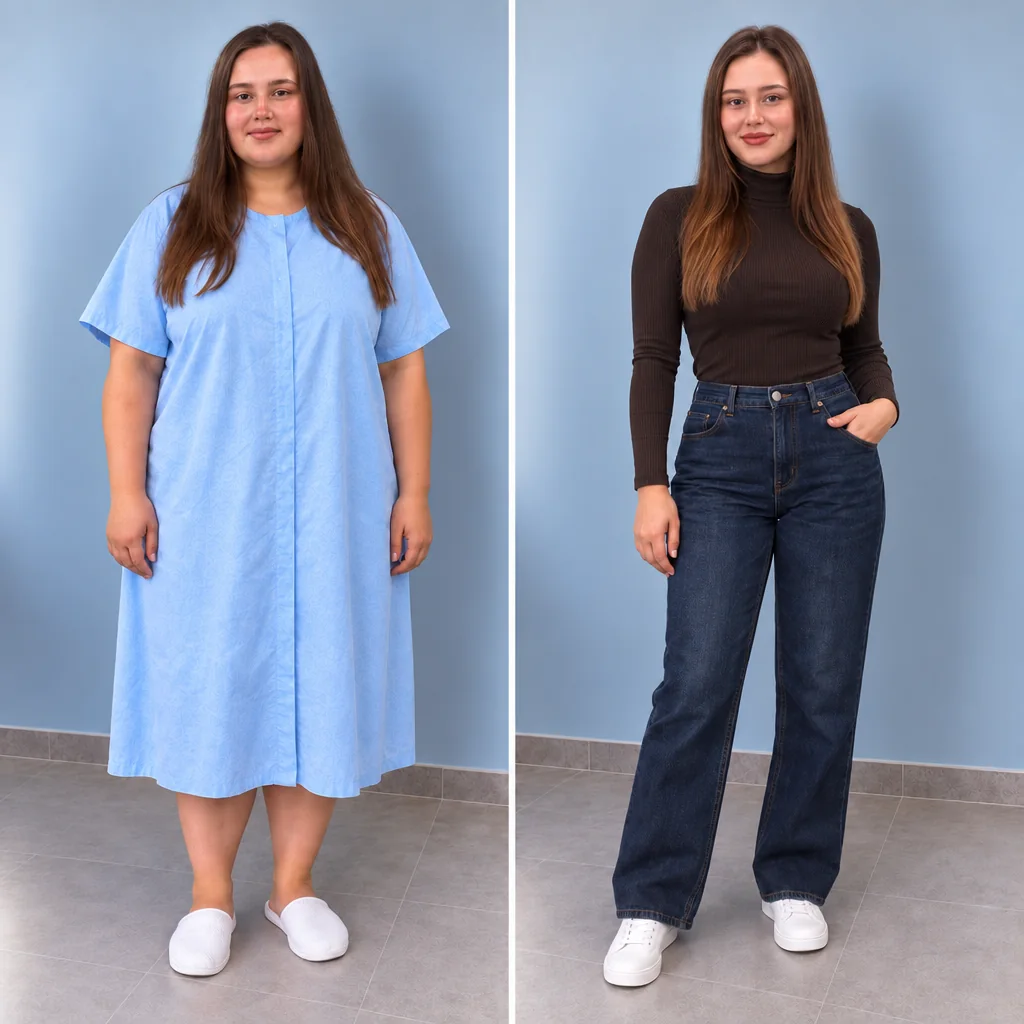
 beforeafter
Irina, 26
Bariatric surgery
Bariatric surgery
$3,600
$4,800 · First consultation — Free
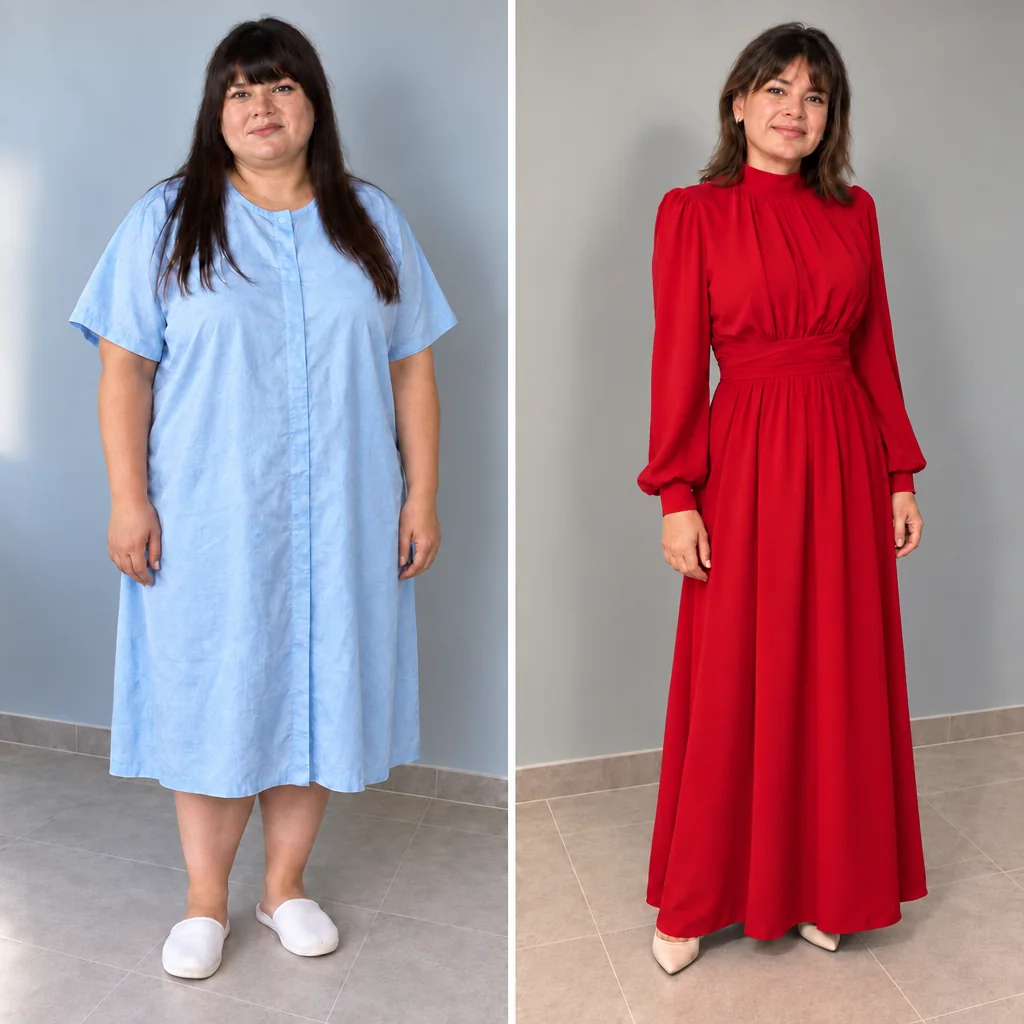 before
after
Message our coordinator
Free online consultation · Reply within 15 minutes
Message us on TelegramMessage us on WhatsAppBy messaging us, you agree to our Privacy Policy
Results
Each result belongs to a real patient of the clinic.
beforeafterBariatric surgery
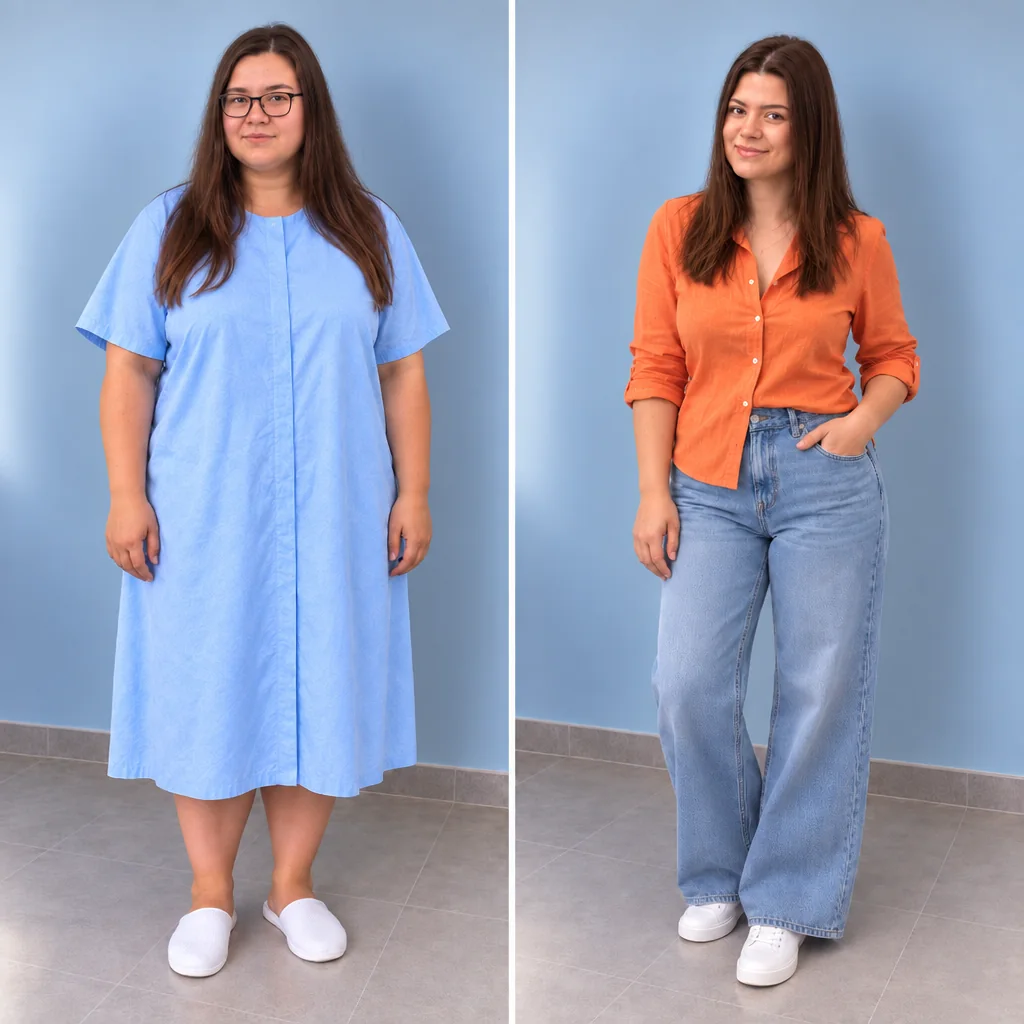 beforeafter
Bariatric surgery
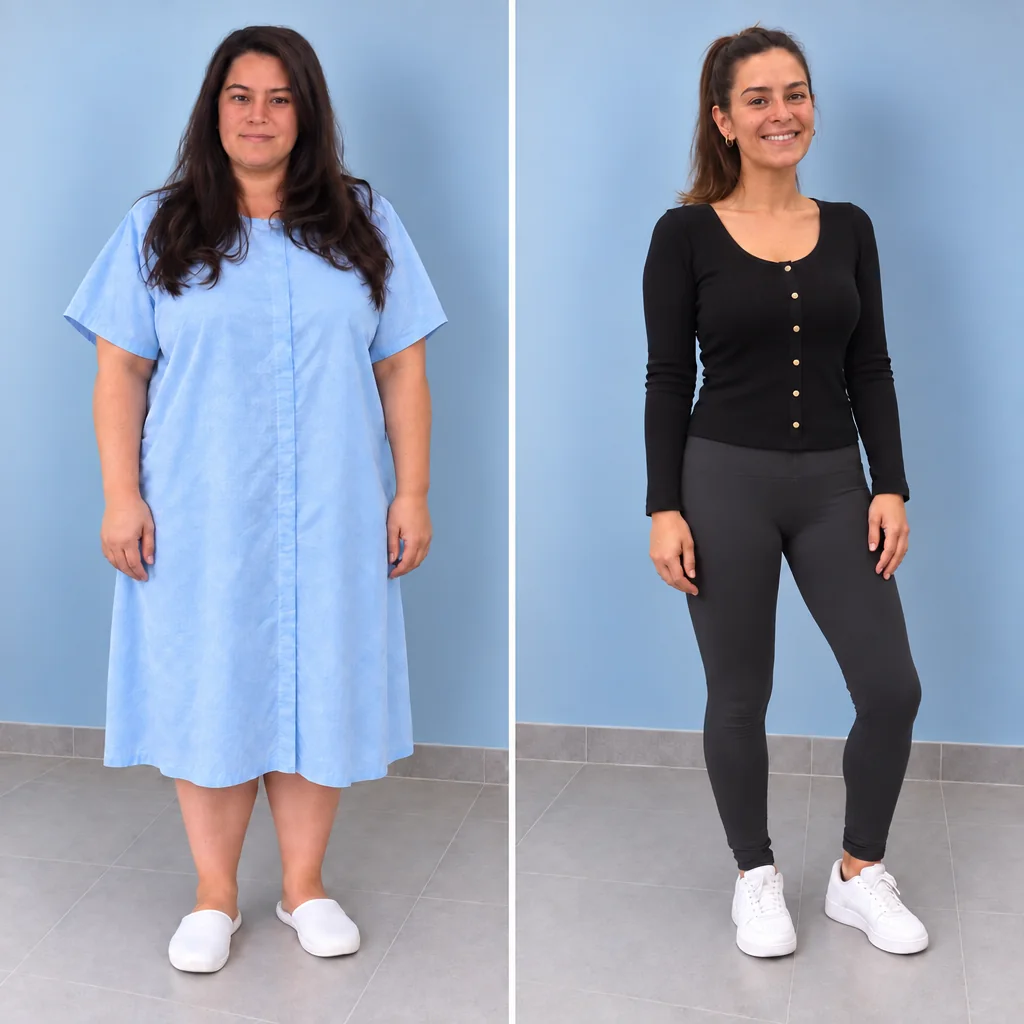 beforeafter
Bariatric surgery
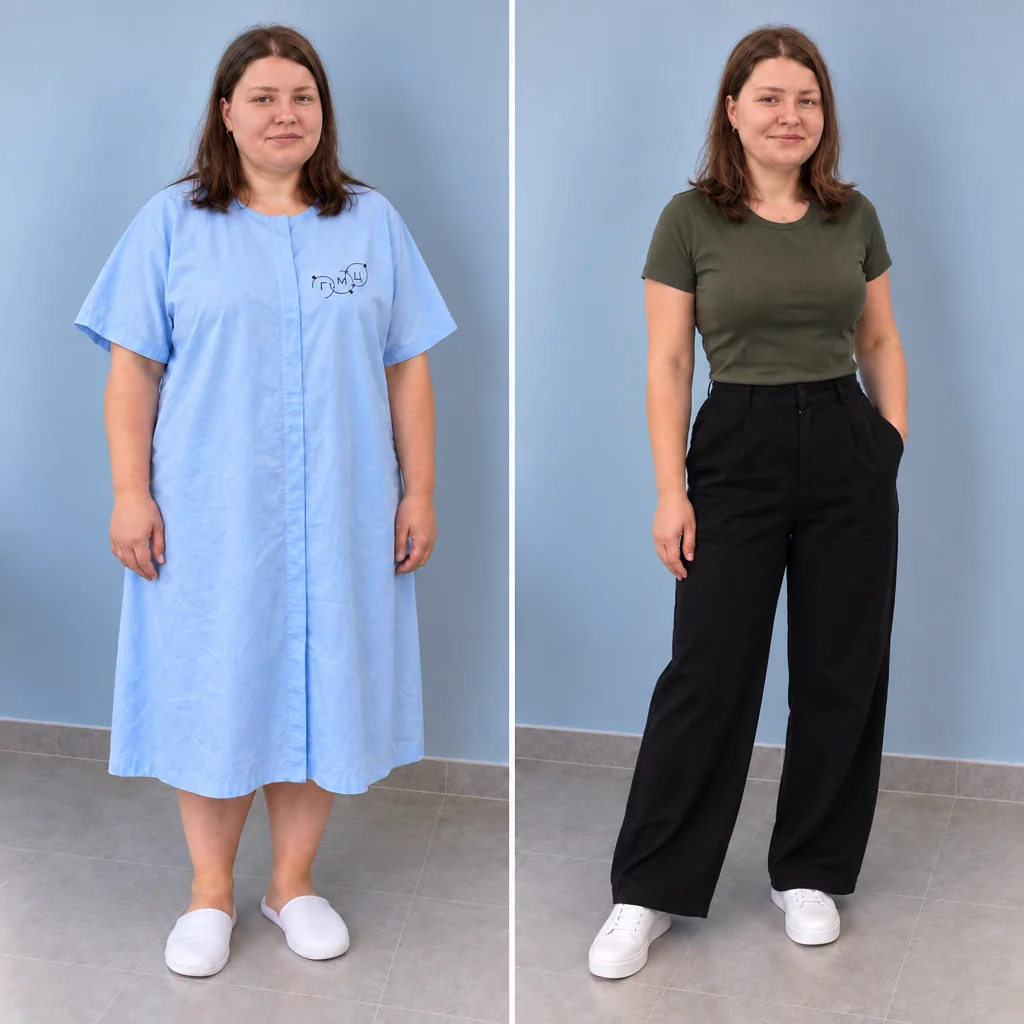 beforeafter
Bariatric surgery
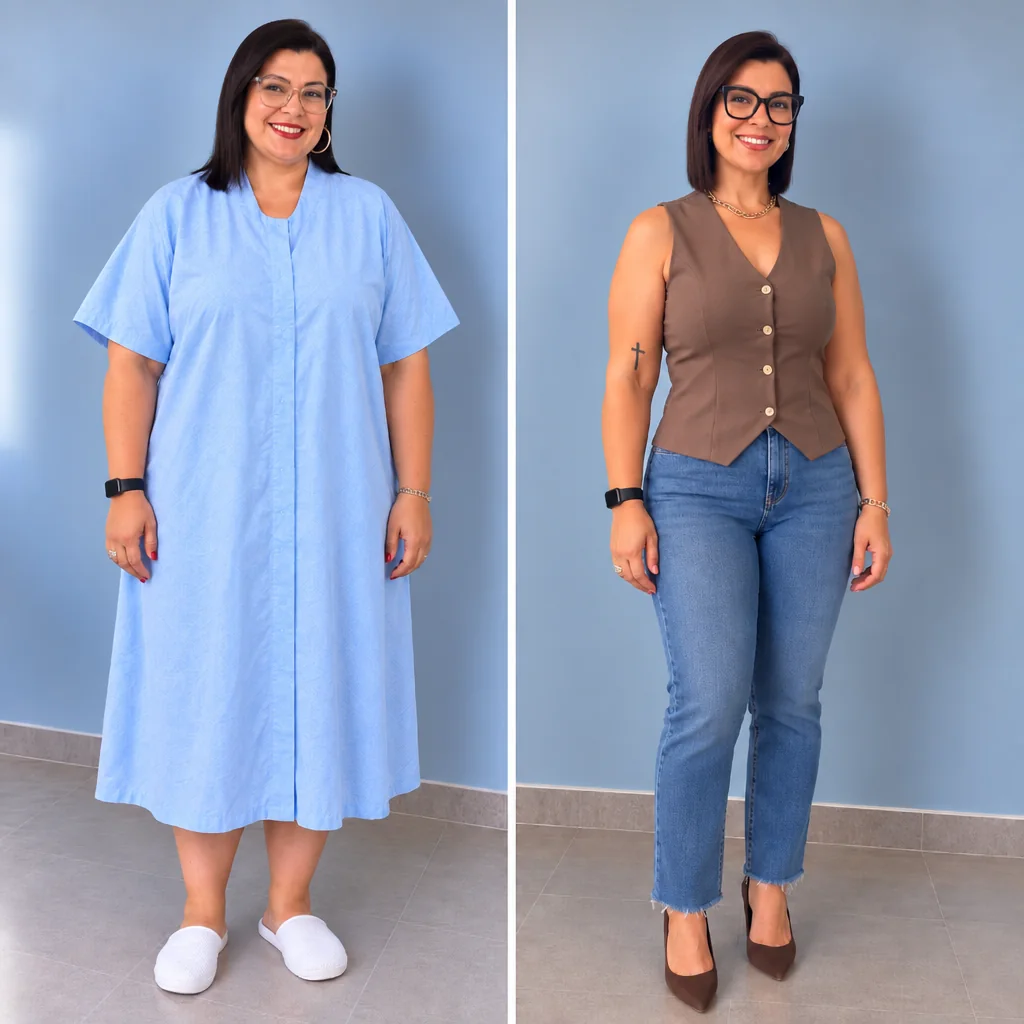 beforeafter
Bariatric surgery
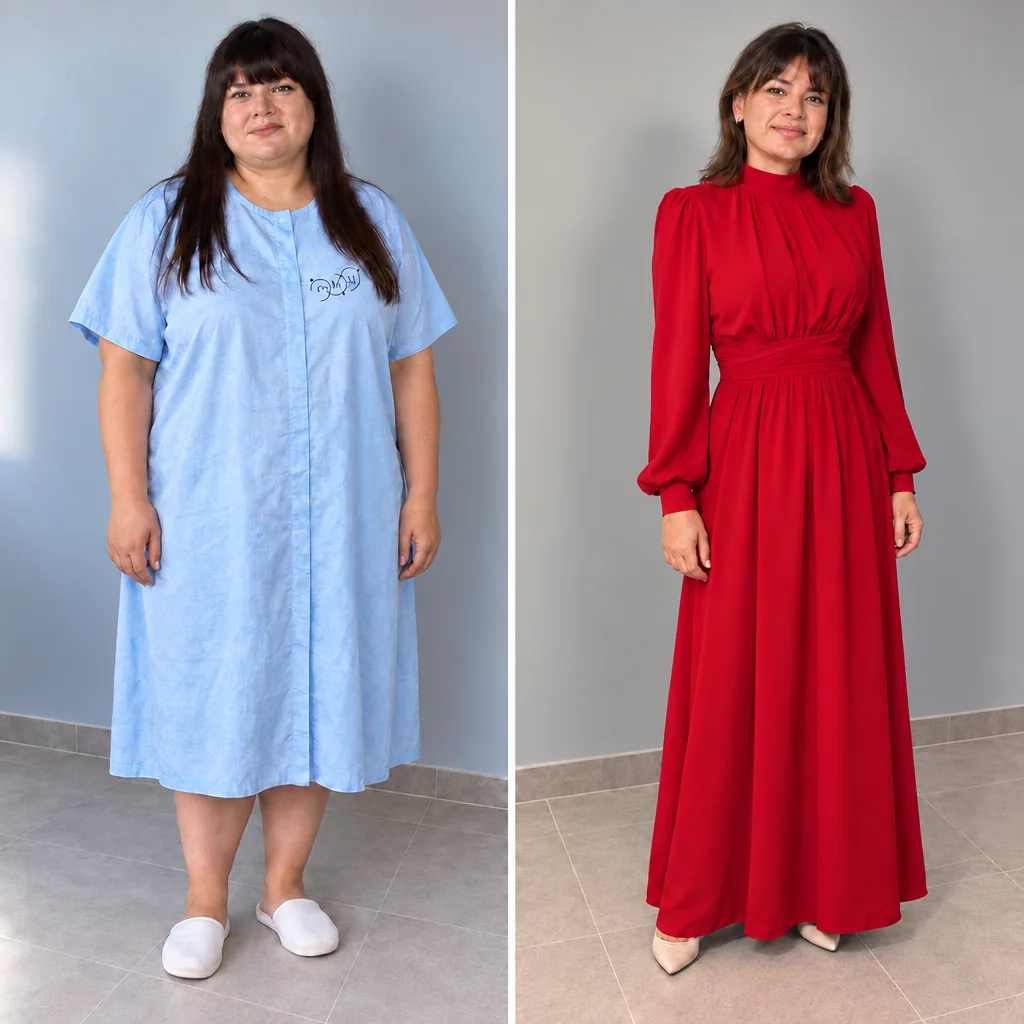 beforeafter
Bariatric surgery
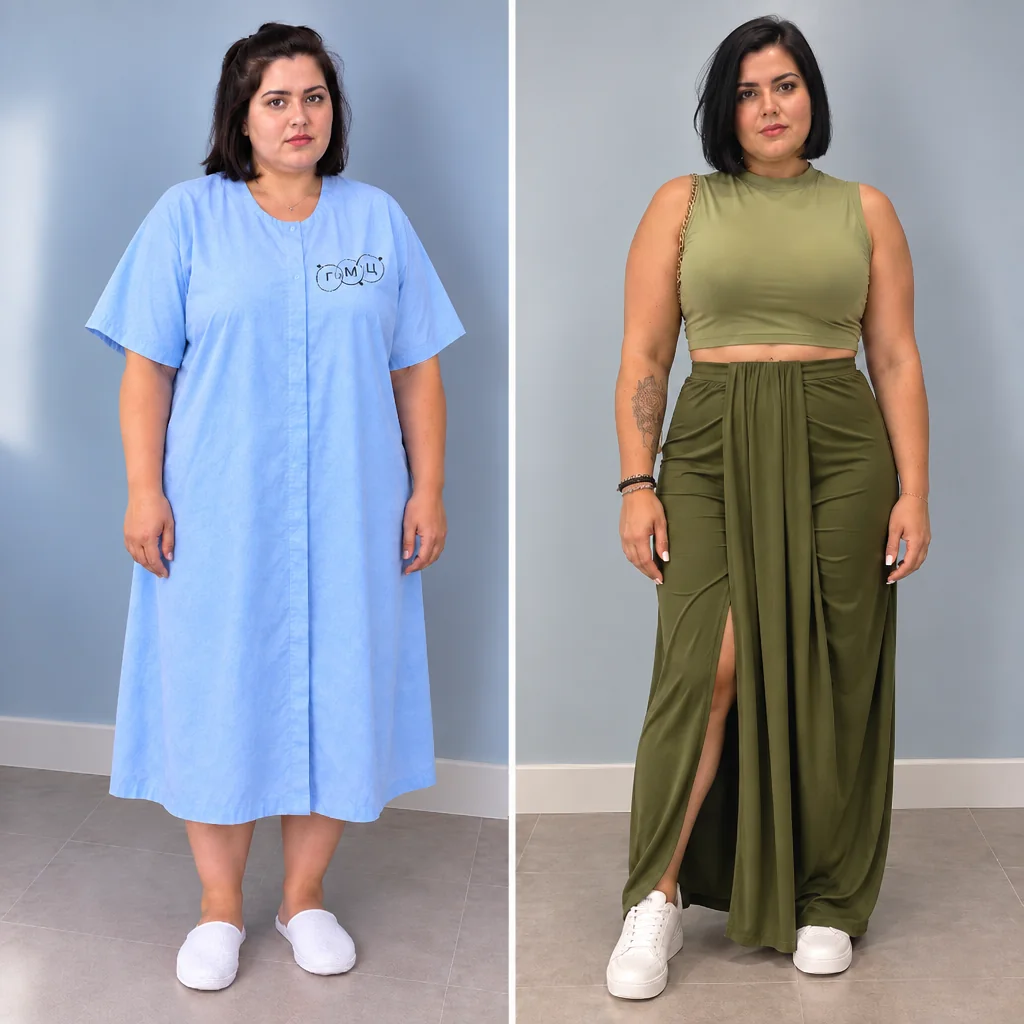 beforeafter
Bariatric surgery
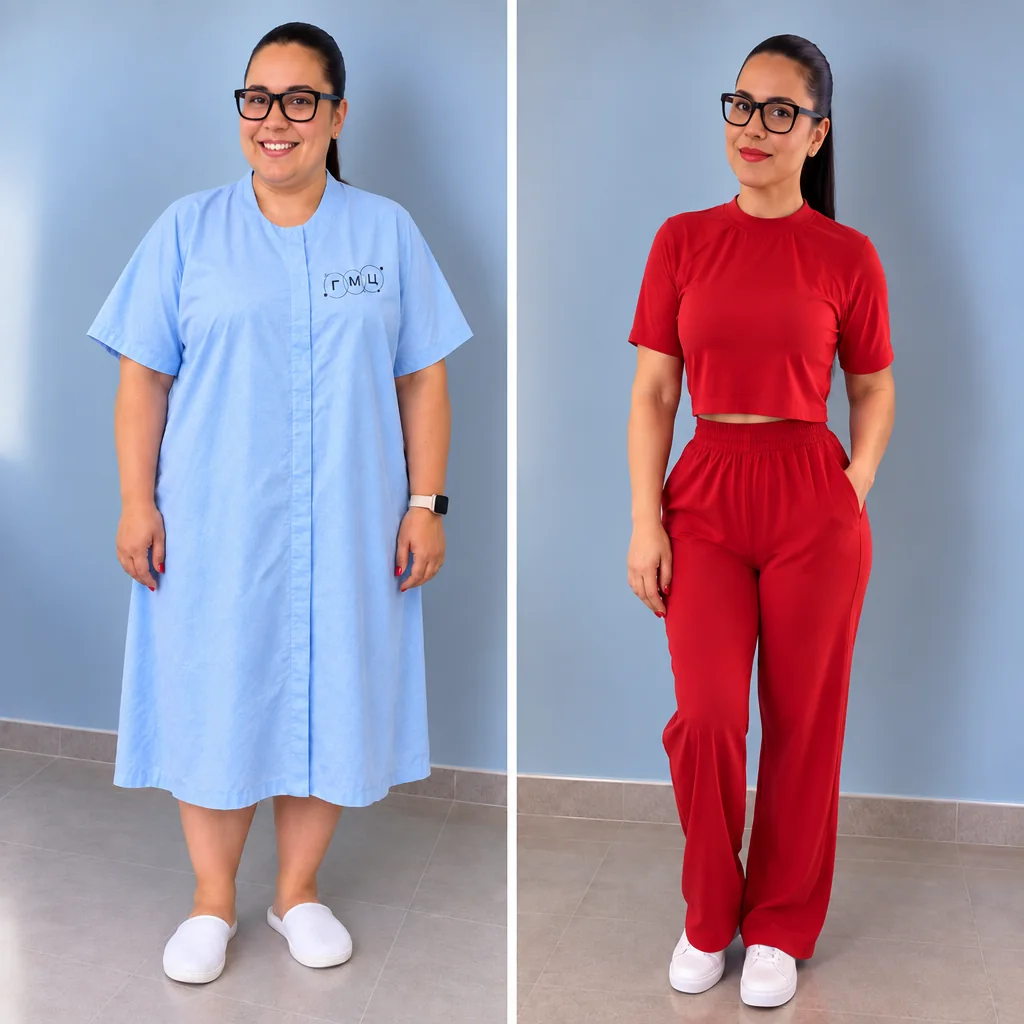 beforeafter
Bariatric surgery
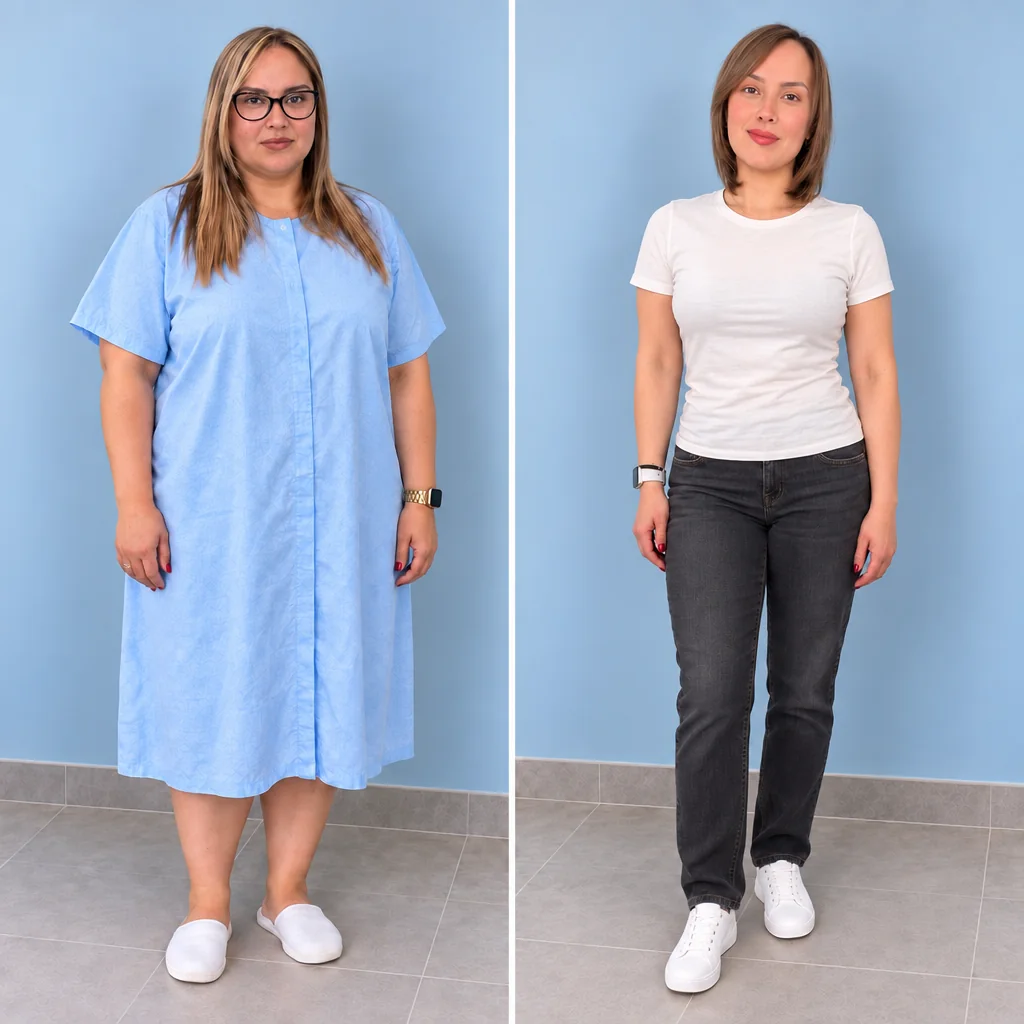 beforeafter
Bariatric surgery
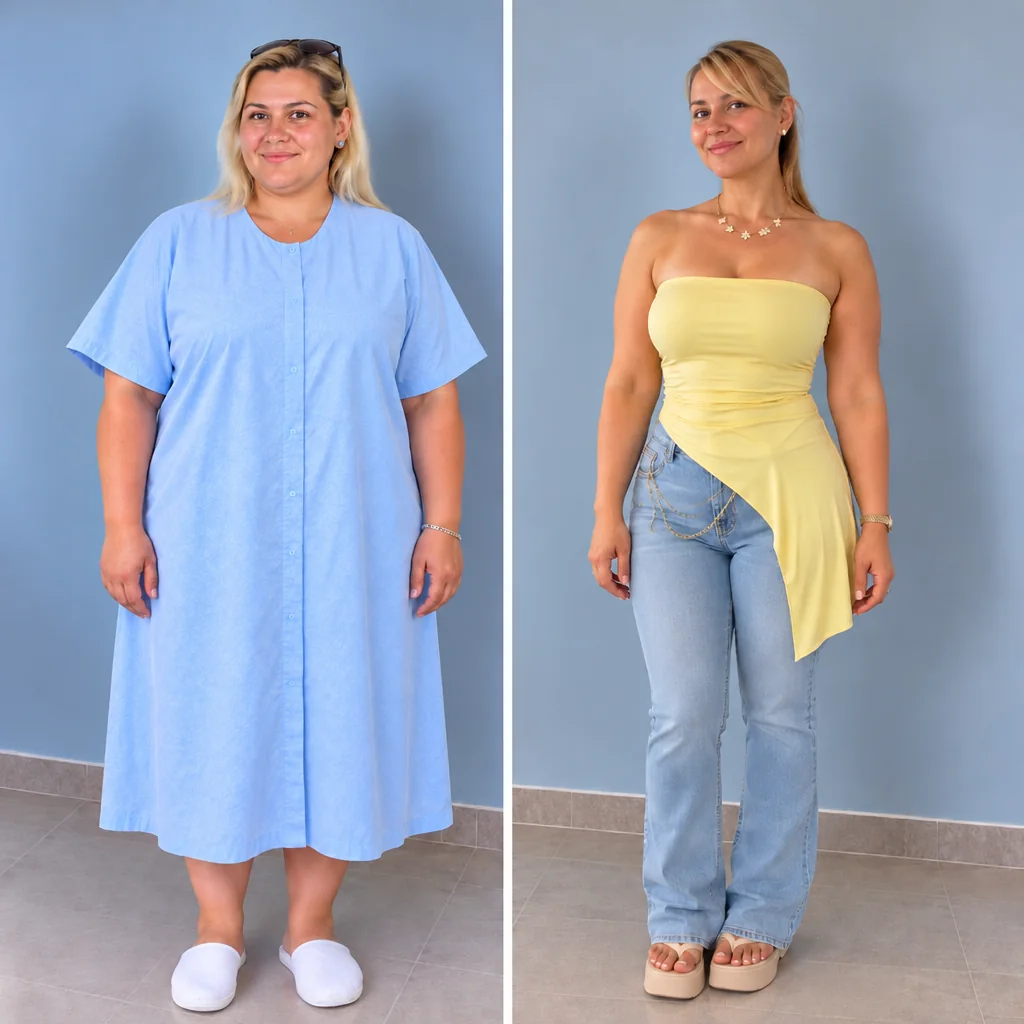 beforeafter
Bariatric surgery
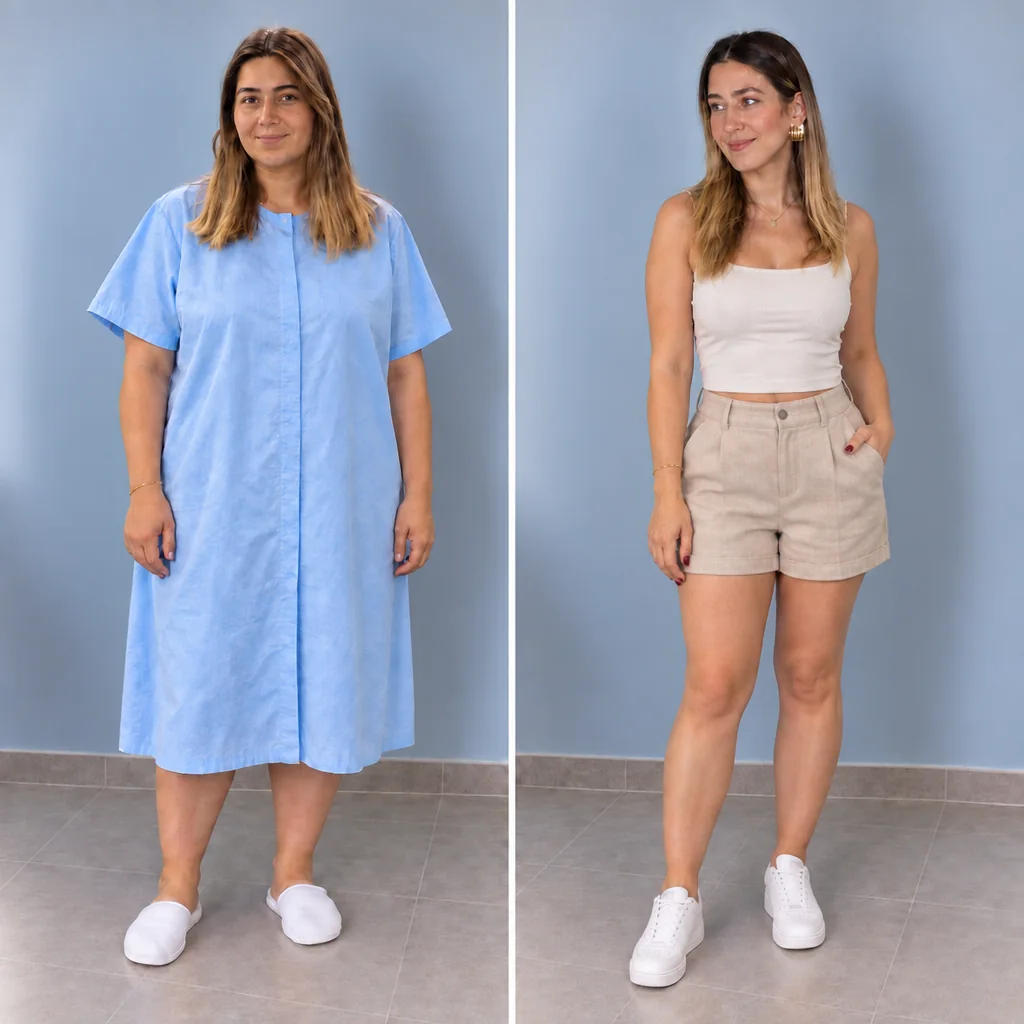 beforeafter
Bariatric surgery
Comparison
Two core procedures are offered here: gastric bypass and sleeve gastrectomy. See how each one works, its purpose and its indications so you can pick a method with confidence.
Reducing the stomach volume
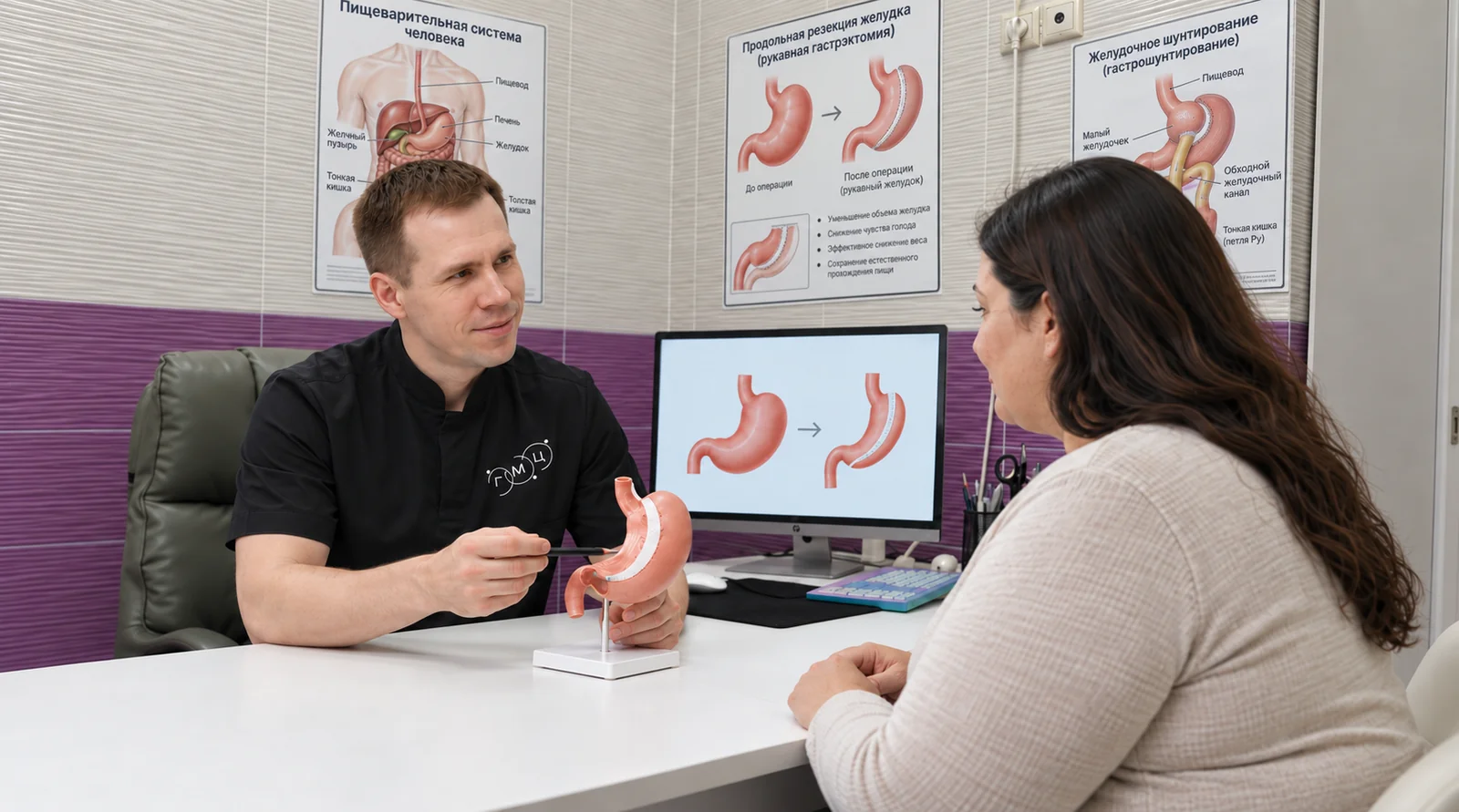
Discounted price
$3,600 $4,800
A smaller stomach volume plus a new route for food
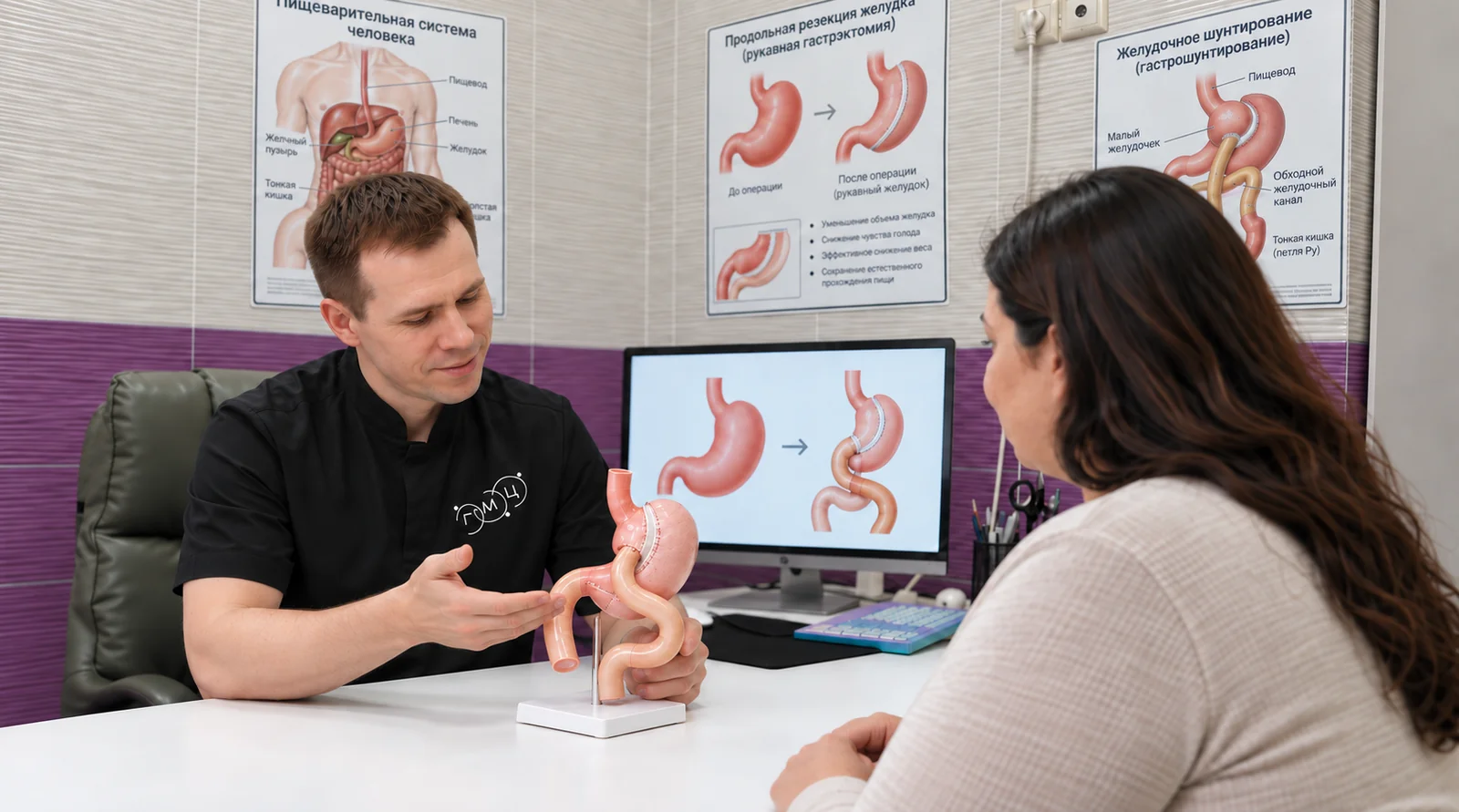
Discounted price
$4,000 $5,200
Benefits and recovery times are shown as averages for each method and are only a guide: the scope of surgery and your recovery depend on your anatomy and individual features, and the surgeon confirms them at the consultation.
Book a consultationOur clinic
Each patient gets care, comfortable rooms and modern equipment
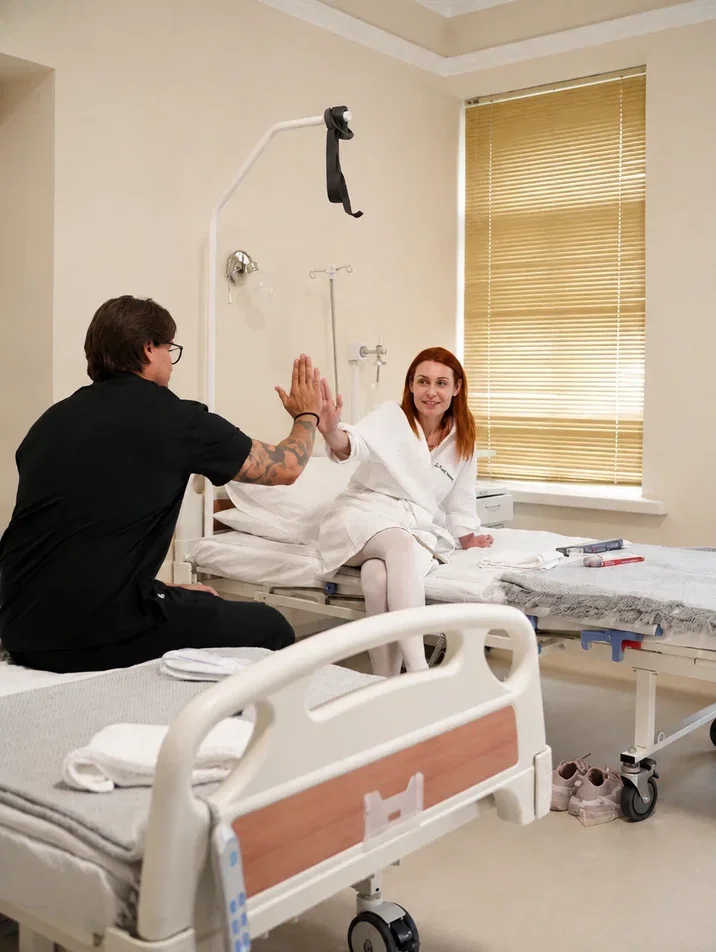
We will answer your questions and find a convenient time for a consultation
Get a consultationAfter a consultation and check-up, the surgeon and you make the decision on surgery together.
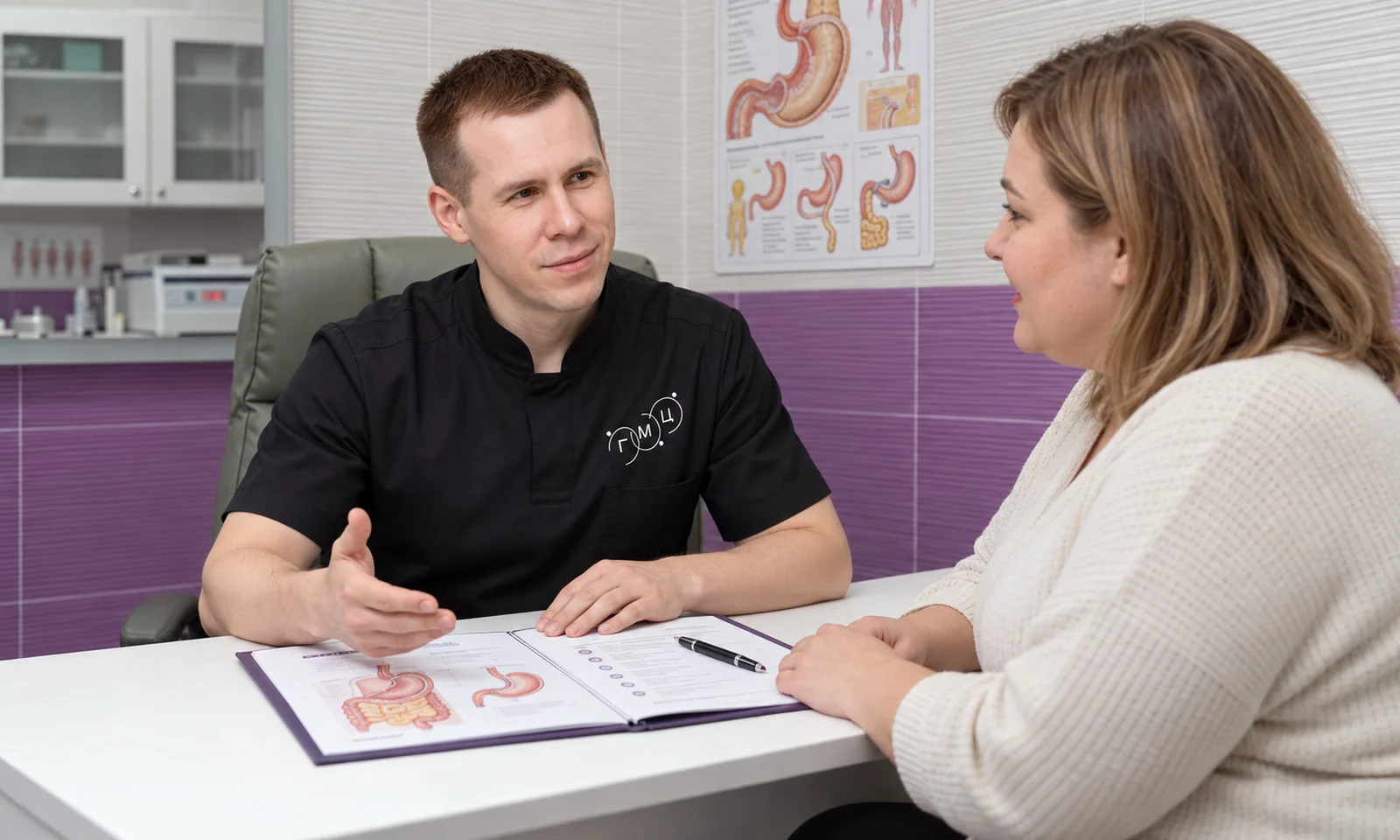
Can't tell which column fits your case?
Get in touch on Telegram — our coordinator will explain whether bariatric surgery is right for you. The consultation with a surgeon is free, and there is no commitment to an operation.
Find out if it suits me
Prices
When your plan is prepared, the cost is named at the consultation and locked in the contract.
Discounted price
Reducing the stomach volume
$3,600$4,800
Discounted price
Weight reduction with rerouting of food
$4,000$5,200
Free
A treatment plan after the surgeon's examination

Free
the cost of surgery is named
and fixed in the contract
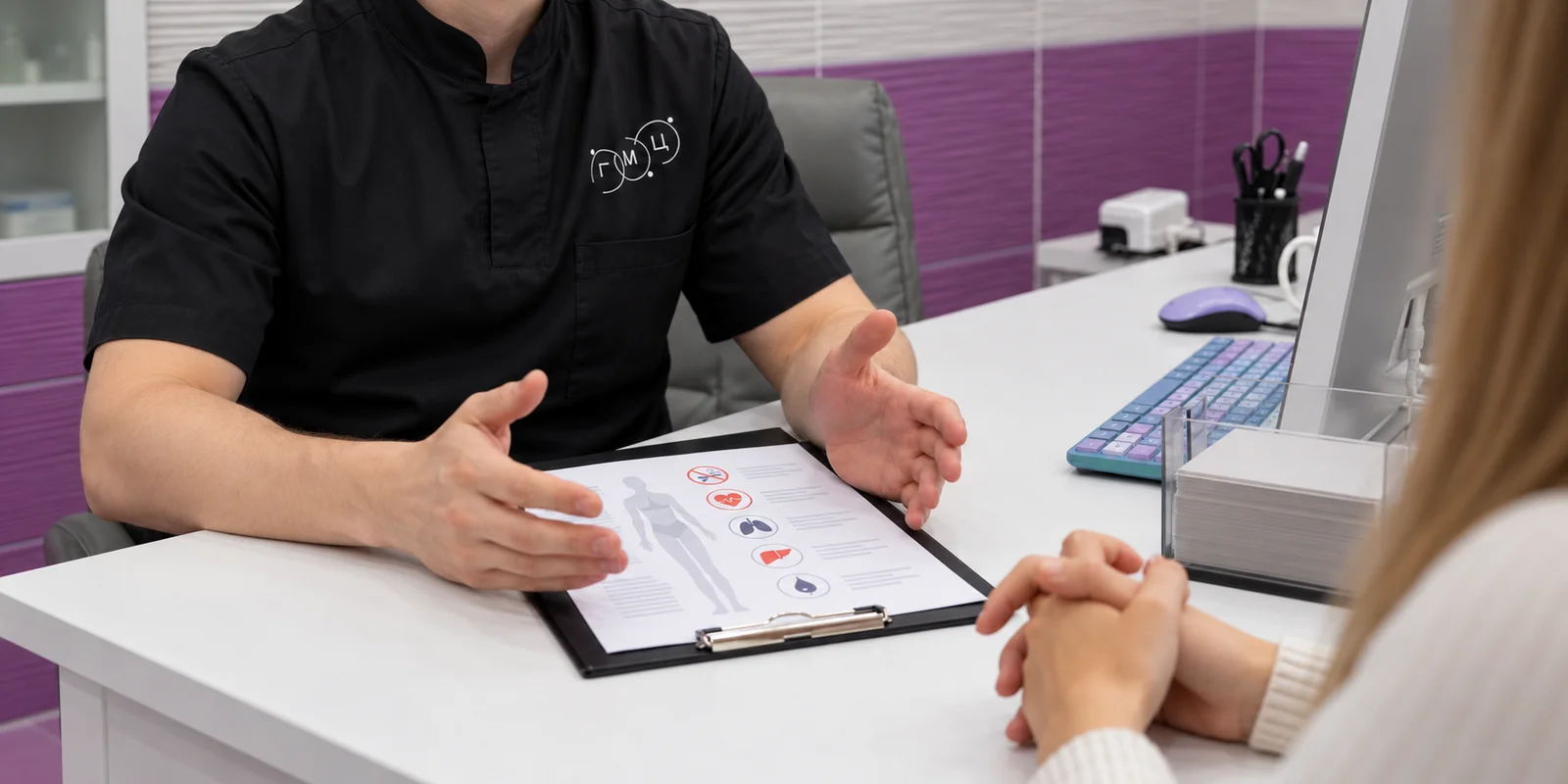
Assessing your health and discussing what you want to achieve, the doctor selects the right bariatric method. The cost is named at the consultation and written into the contract.
Message our coordinator
Free online consultation · Reply within 15 minutes
Message us on TelegramMessage us on WhatsAppBy messaging us, you agree to our Privacy Policy
price
You get one package, preparation to 12 months of support, with nothing extra.Starting with preparation for surgery
and ending with support for 12 months.
What to expect
Hospital monitoring, a treatment plan agreed with you and a year of support.
 1
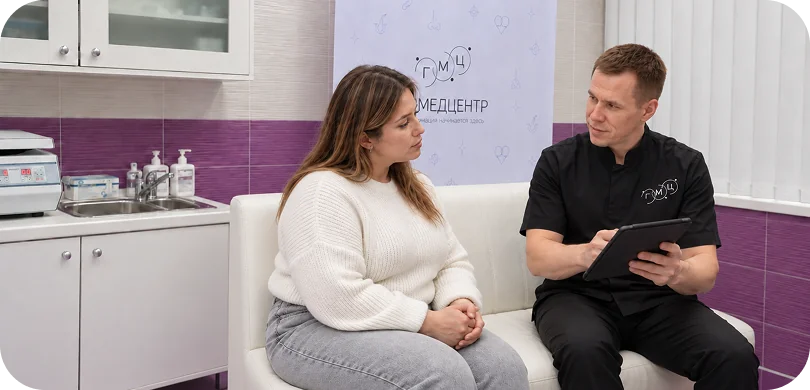
Your doctor assesses your health, discusses what you want to achieve and orders tests to find the right bariatric surgery method.
2We secure a date for your surgery: you can pay the deposit by card at the clinic or by bank transfer online. The terms are fixed in the medical services contract
 3
At the consultation the doctor gives you the exact list of pre-surgery checks: blood and urine tests, an ECG, an ultrasound, a gastroscopy and visits to specialists.
 4
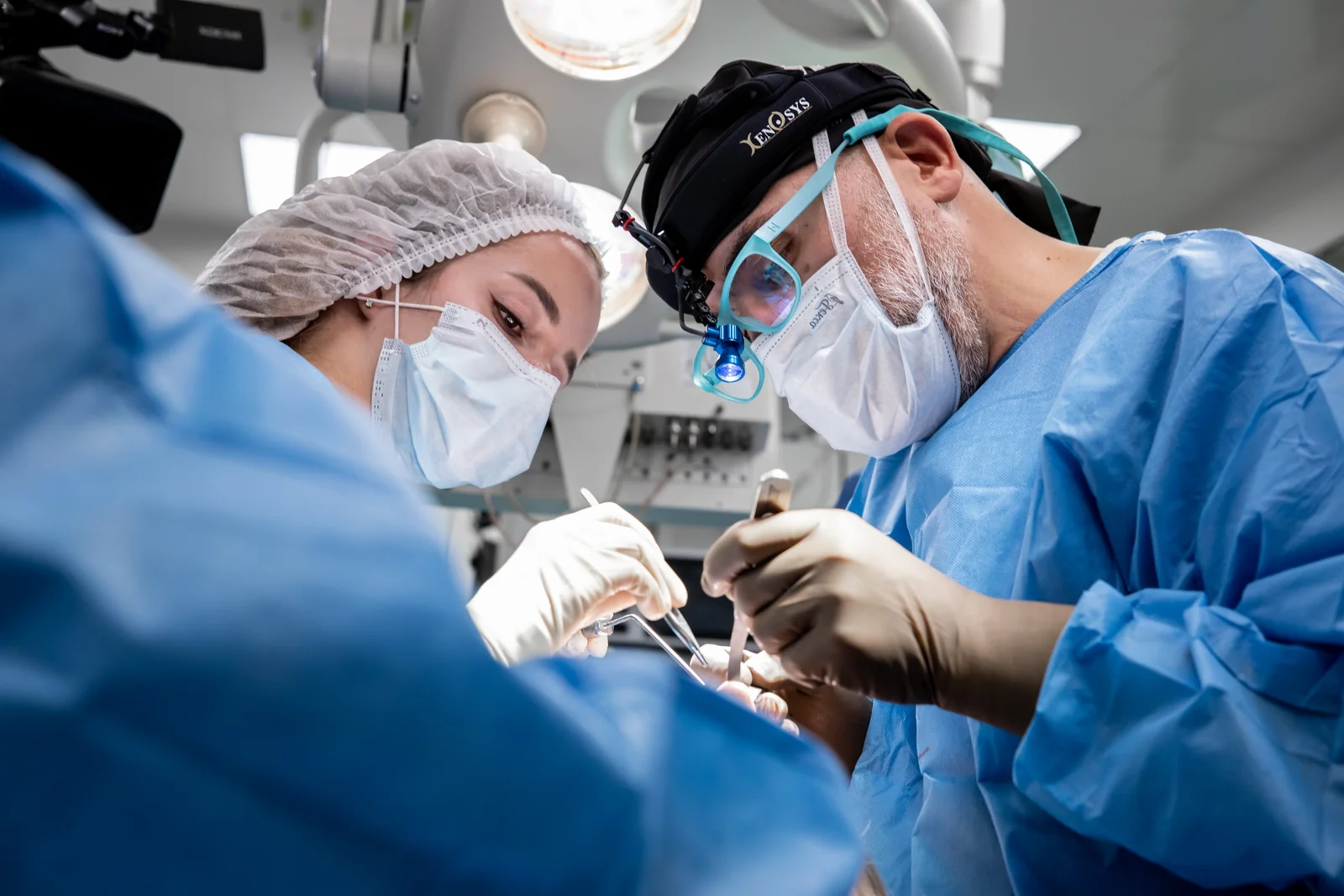
The surgeon performs the bariatric operation with the chosen method under general anaesthesia. After surgery the patient is monitored by the medical team.
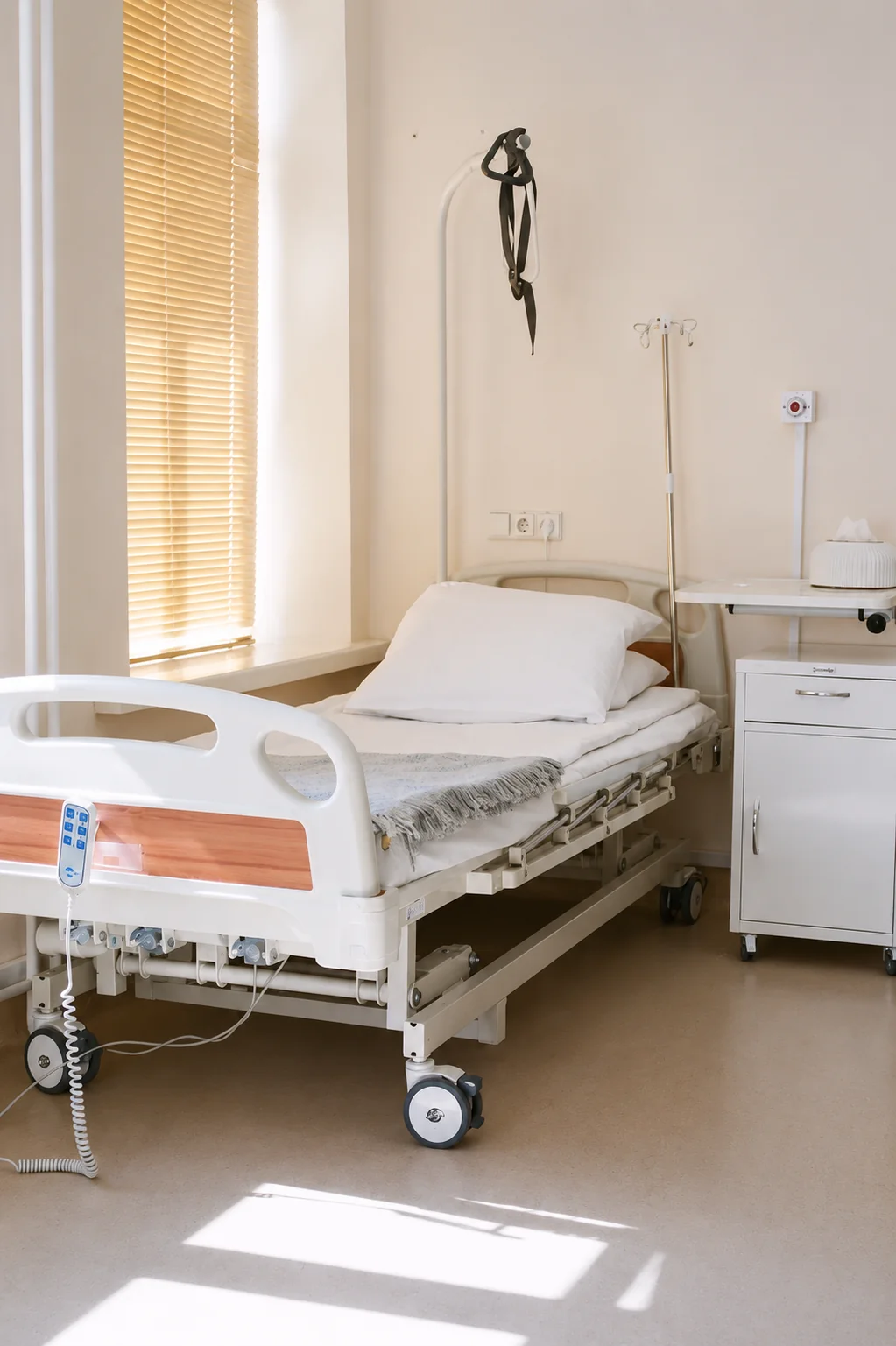 5
Doctors supervise you in hospital after surgery for a stay of 1–3 to 4–5 days, depending on the complexity of the operation and how you are feeling.
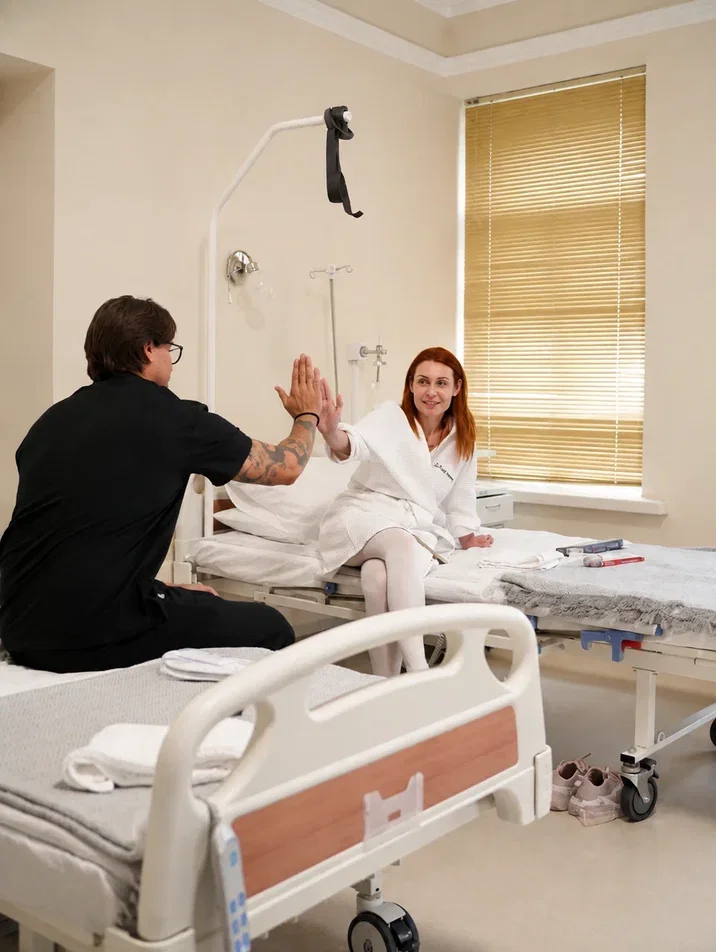 6
When you are discharged, you get diet and recovery advice. Regular scheduled check-ups track your well-being, weight and test results, and the clinic team supports you for a year.
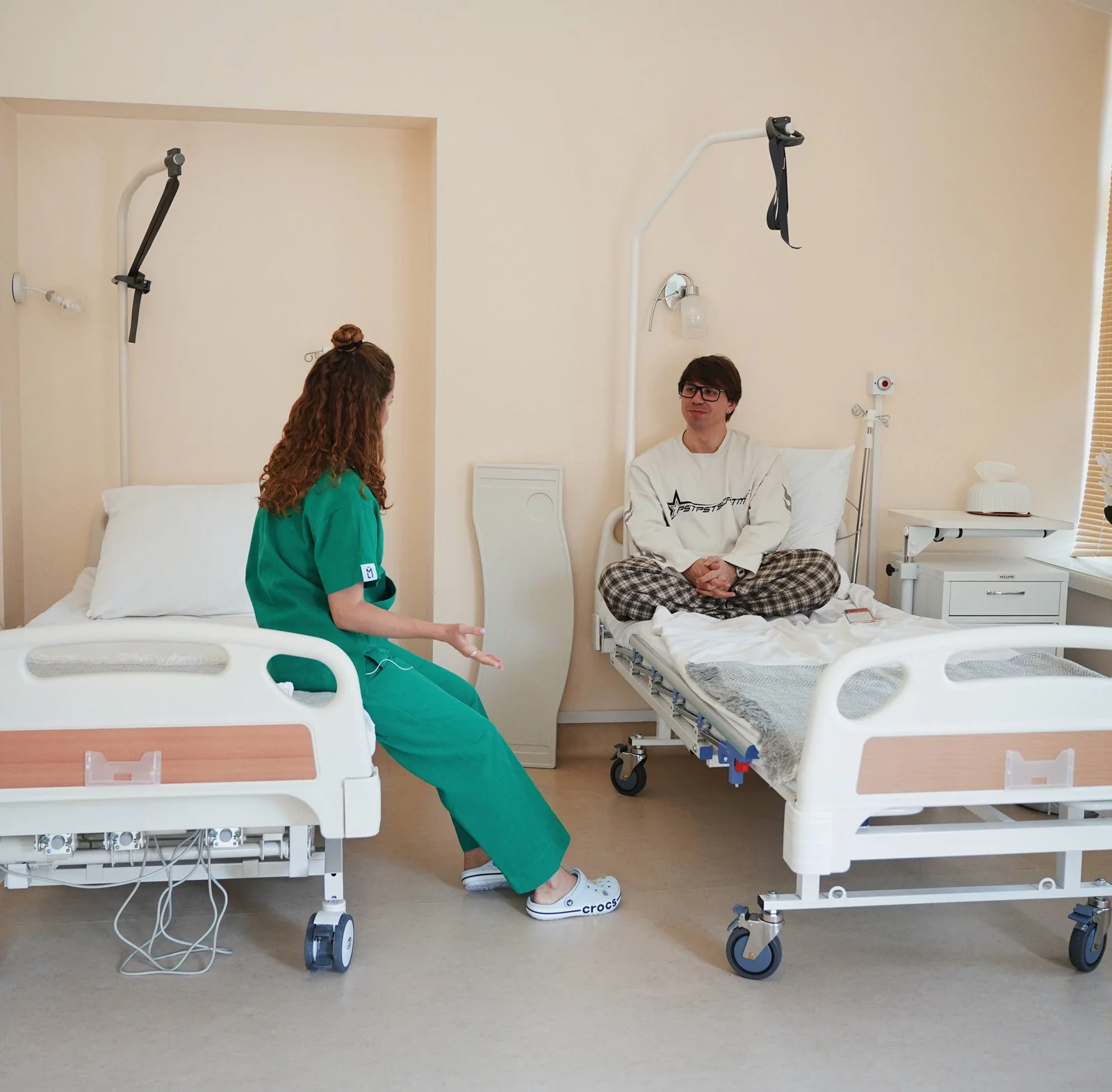
The doctor draws up a plan at the consultation and explains how the surgery will go
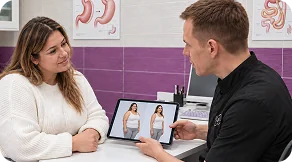
The consultation is free of charge, comes before surgery and obliges you to nothing.
Book a consultationDoctors
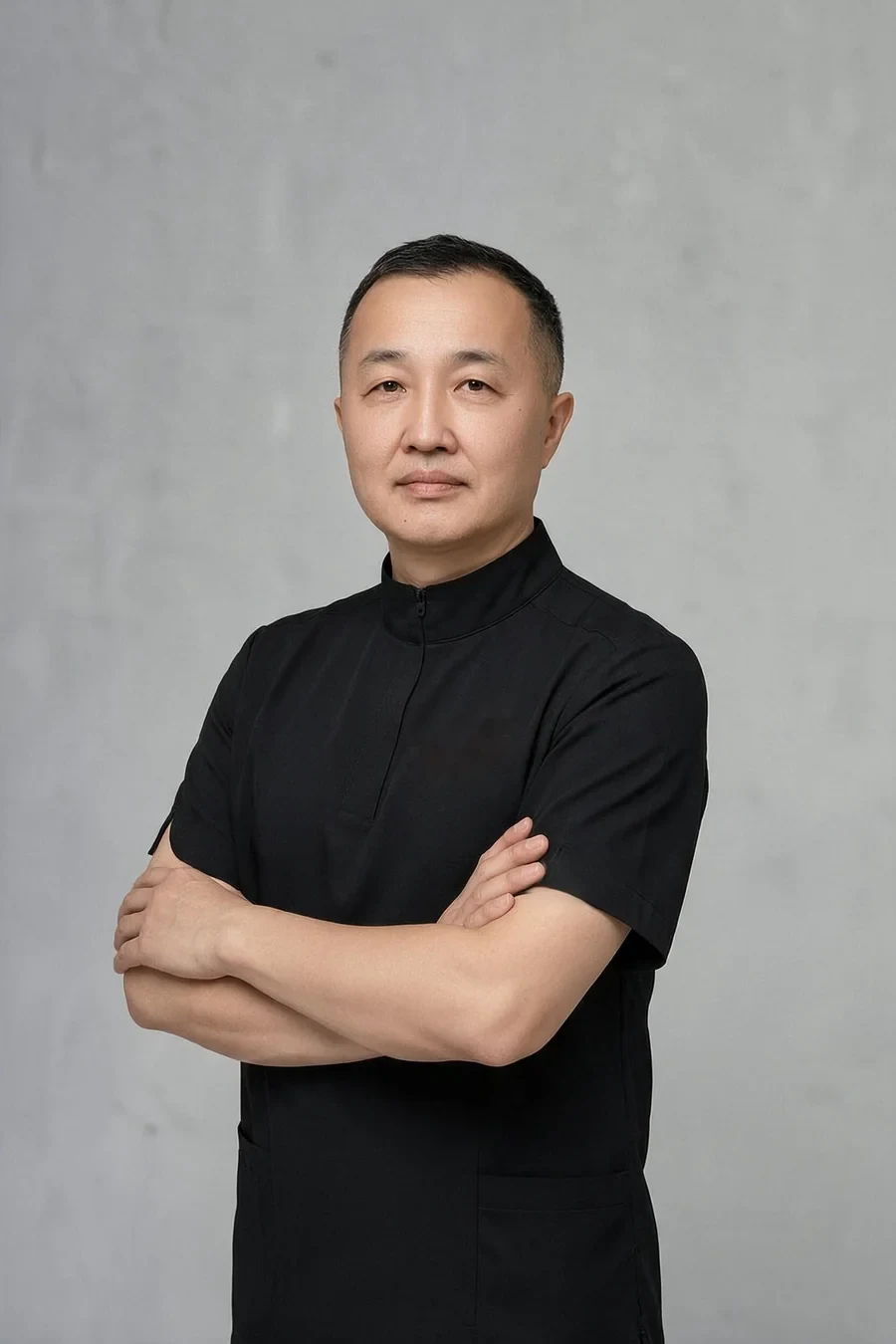
27 years of experience
Senior bariatric surgeon
Surgeon
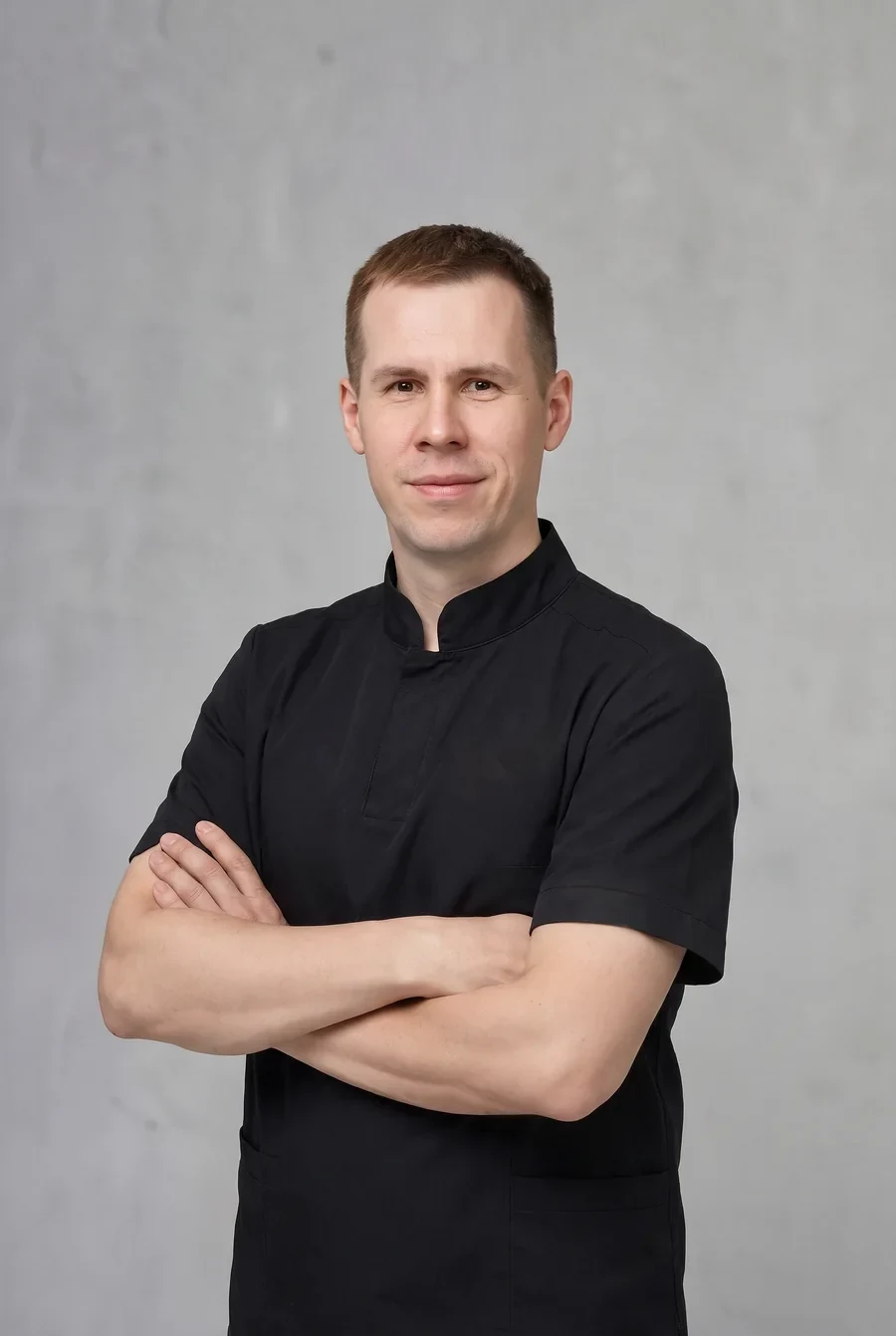
9 years of experience
Bariatric surgeon
Surgical oncologist
From the first consultation to the result, your surgeon operates and follows you.
Free of charge, the first consultation with our patient care manager covers calculating your BMI, explaining the methods and booking you in with the surgeon.
Book a consultationCoordinators
You have our support at every step

From the first message to the consultation, your first point of contact at the clinic
Specialist in patient care
Helps you choose a convenient date and answers your questions before the first consultation

From the moment you book to discharge — with you before and during your stay
Specialist in patient care
Helps you prepare for the operation and stays in touch while you are at the clinic

With you through recovery — from discharge to your final check-up
Specialist in patient care
Keeps in contact while you recover and schedules your follow-ups with the surgeon
Advantages
We choose the optimal method for your health, lifestyle and goals, with our team beside you all the way.
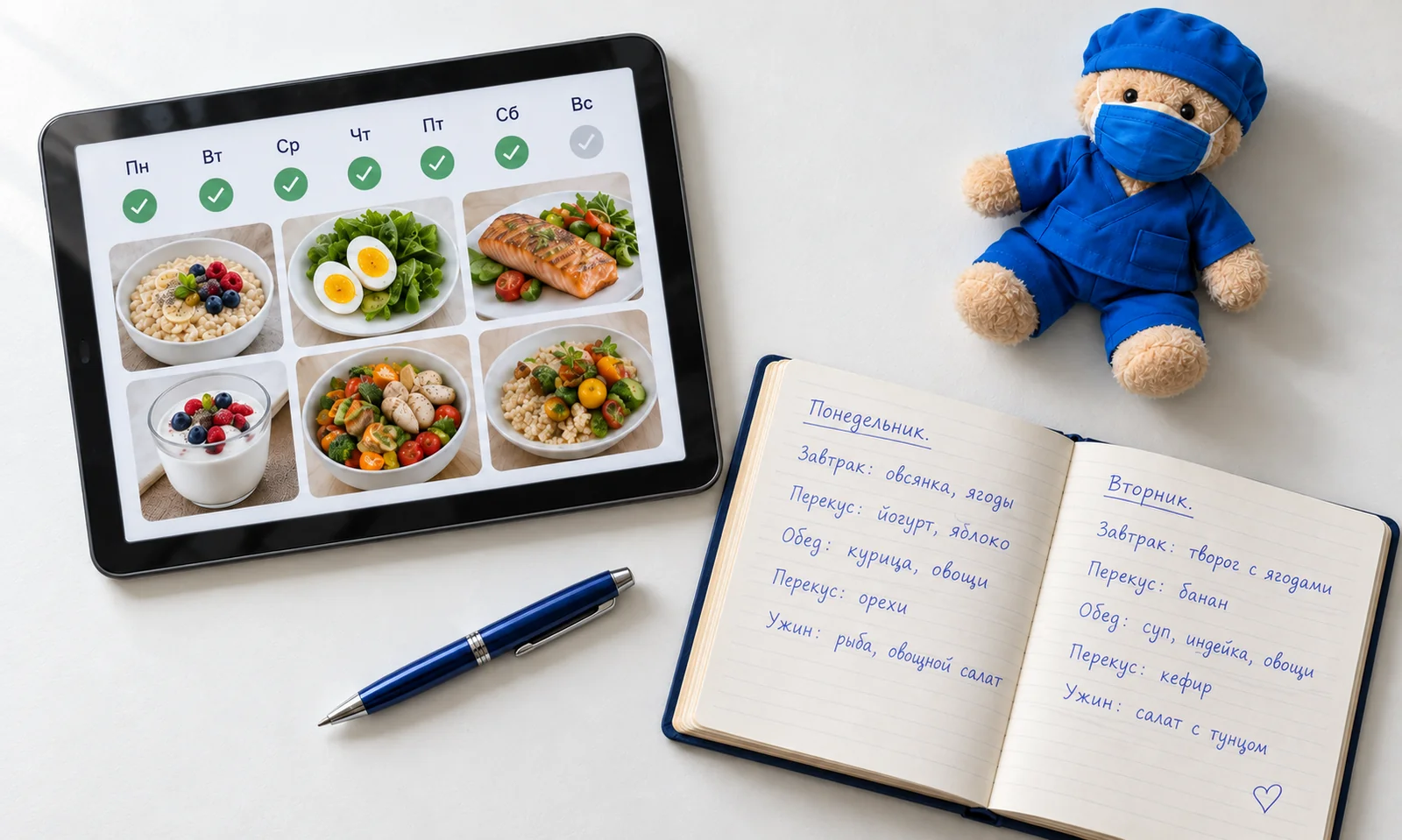
Adapting to new eating habits, tracking and keeping results — we help with it.
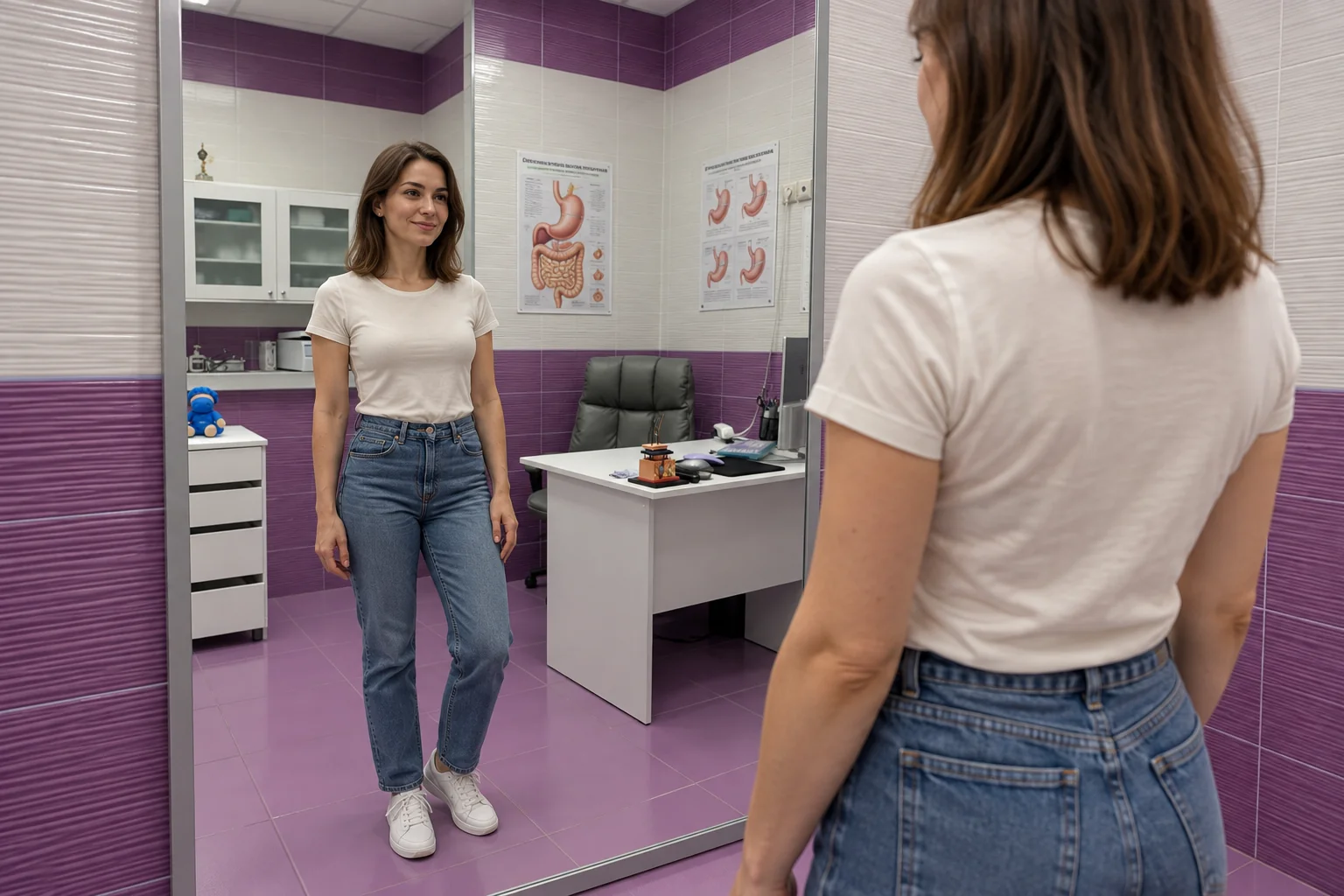
Steady weight loss, better well-being and a higher quality of life.
Respecting your time, we are available 24/7, offer easy booking and a personal approach, and adapt to your pace.
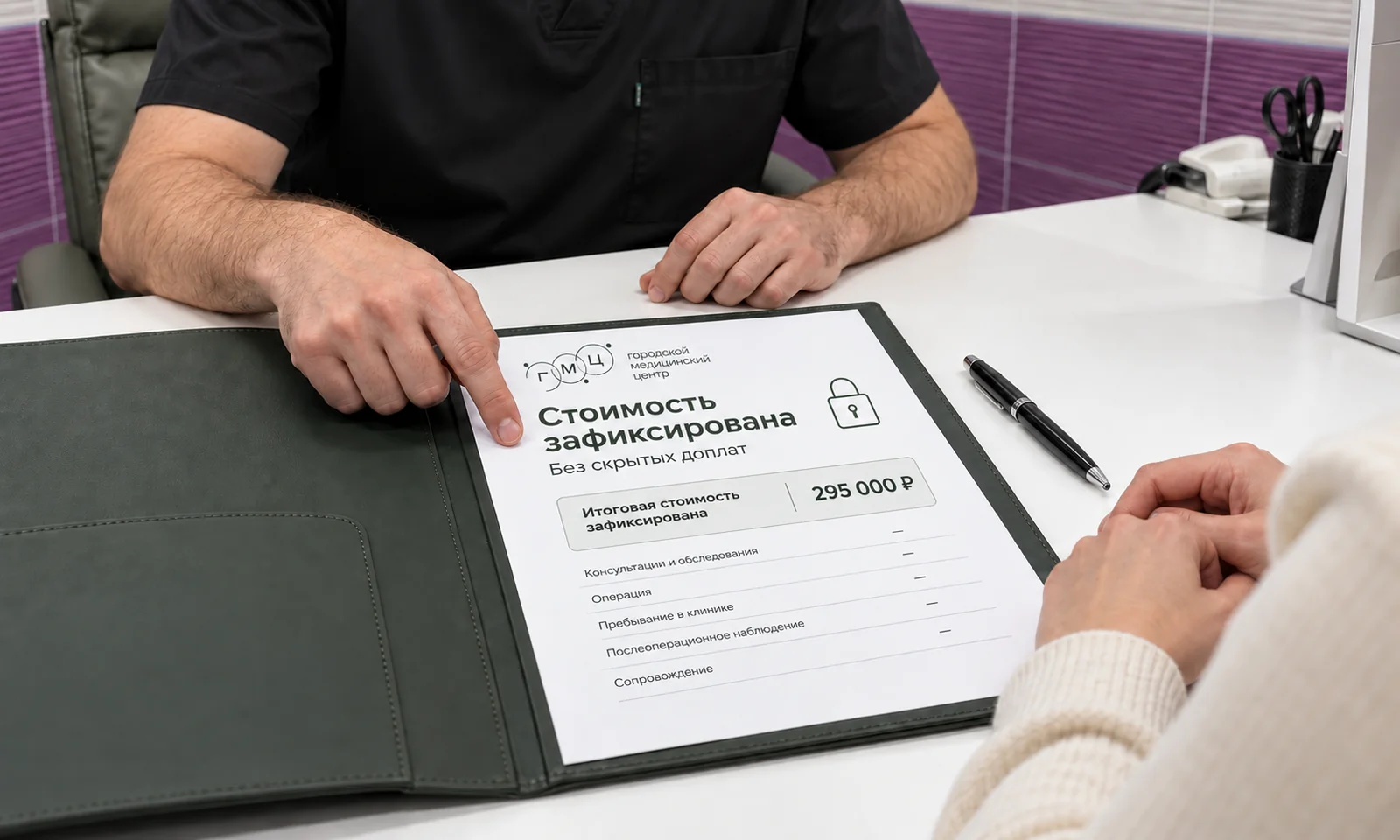
Following the consultation, the surgeon picks the method and you get a clear price — without hidden fees or surprises on the way to your result.
FAQ
Bariatric surgery at the clinic is performed by experienced bariatric surgeons:
Message us — our coordinator will reply soon and schedule your consultation. Your consultation with the bariatric surgeon is free.
Surgery is prescribed only when clear criteria are met
Obesity is graded mainly by BMI, calculated as body weight (kg) over height squared (m²). A BMI above 40 usually justifies surgery, as does a BMI above 35 with serious related conditions. In certain cases surgery is considered at lower values too, if approaches without surgery have not succeeded.
People often confuse these two, though their aims are fundamentally different. Bariatric surgery is medical treatment of obesity and associated diseases. It changes the way the digestive tract works, acting on the causes of excess weight and on metabolism. Plastic surgery alters outer body contours and does not treat obesity or affect metabolism.
City Medical Centre performs four core types of bariatric surgery: sleeve gastrectomy, Roux-en-Y gastric bypass, mini gastric bypass (MGB) and SADI-S duodeno-ileal bypass. Selection is individual and takes into account BMI, related conditions and the patient's goals.
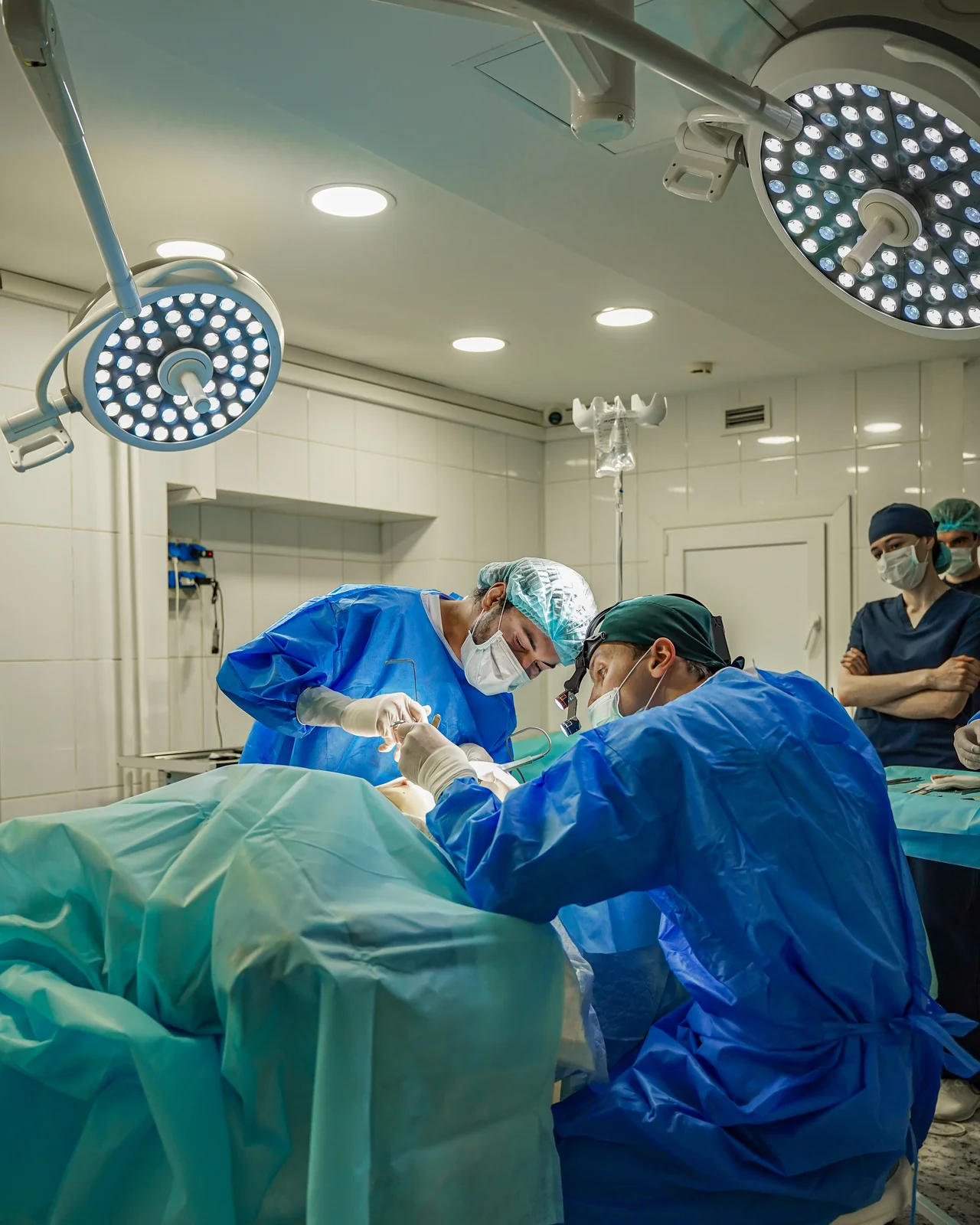
Our surgeons use modern laparoscopic technique: the operation goes through 4 small 5 to 15 mm punctures. With cosmetic sutures, the marks become almost invisible once healed.
The recovery timeline depends on your activity. Office work: after 2–4 weeks. Physical work: after 1.5 months. Sport and activity: swimming allowed from 30 days, other exercise added gradually as weight comes down. Travel and holidays: best planned at least a month after surgery.
You move through diet stages from liquid food to soft and finally solid. Protein comes first, and high-calorie, fatty food is restricted.
After bariatric surgery pregnancy is possible, yet doctors recommend at least 12–18 months of waiting. Meanwhile the body stabilizes, weight arrives at target values and nutritional status normalizes.
Yes, after bariatric surgery vitamins cannot be skipped. As the digestive anatomy changes, some nutrients are absorbed less well, making regular vitamin and mineral supplements a permanent feature of the patient's life.
Regaining weight after bariatric surgery is possible, yet very unlikely when you stick to the doctor's advice. The keys are proper nutrition, no high-calorie drinks and regular check-ups with City Medical Centre specialists.
Prices are in US dollars; the amount in brackets is an approximate conversion to MWK at the rate of 02.10.2026. The final price is fixed in your contract.
Prices start from $3,600 (≈ MWK 6,300,000). The surgeon sets the final price at the free consultation, and it is fixed in the contract, with no hidden extras.
General anaesthesia, a personal coordinator from day one, monitoring in the hospital and support for one year.
The hospital stay is 1–5 days, depending on the method and how you feel. Office work is possible after 2–4 weeks.
Yes. The first consultation is free and does not oblige you to anything. You can start online by sending a message to the coordinator.
Message us on WhatsApp or Telegram using the buttons below. A coordinator will answer your questions and book a free consultation where the doctor names the exact price.
By messaging us, you agree to our Privacy Policy
SADI-S combines a sleeve with intestinal bypass in two stages and is one of the most powerful bariatric operations, with 80–90% excess weight loss and a long-lasting result. It suits super obesity with a BMI over 50, severe type 2 diabetes, or a second stage after an ineffective sleeve. Anyone in Lilongwe in these situations can discuss it at a consultation.
A personal coordinator is assigned from day one, so no one goes through the process alone. After the first examination, each patient gets an individual diagnostic programme to identify every disorder in the body. Then the surgeon selects the method and performs the laparoscopic operation, and a doctor stays nearby 24/7. That is the sequence for everyone from Lilongwe.
Everything needed for the result is combined in one package, with no hidden fees and no surprises. For patients from Lilongwe, it includes surgery by a dedicated team, round-the-clock care in the ward with meals and nursing, a doctor nearby 24/7 and a personal coordinator. The first step is a free 15-minute consultation with a bariatric surgeon.
What patients write after this operation. Reviews are translated from the original language.
Irina, 26
For a long time I doubted whether to go ahead with surgery, but after the consultation I felt much calmer. Andrey Georgievich explained in detail how gastric bypass is done, what to expect after the operation and how recovery would go. I especially liked that they talked to me calmly and without pressure. I am now gradually getting used to my new way of life and I am very glad I took this step.
Bariatric surgery
Doctor: Andrey G. Ugay
Angelina, 22
For me the hardest part was deciding to have the operation. At the consultation Ruslan Sergeyevich answered all my questions in detail and explained the specifics of sleeve gastrectomy and recovery. After the operation I always understood what I was doing and why. Thank you to the doctor and the whole team for their attentiveness.
Bariatric surgery
Doctor: Ruslan S. Menzulin
Anna, 31
For a very long time I tried to deal with my excess weight on my own, but I did not get the result I wanted. After the consultation with Andrey Georgievich I finally understood what to do next. I came through the operation well, and my recovery was supervised by the doctors. It was important for me to feel that I was not left alone after surgery.
Bariatric surgery
Doctor: Andrey G. Ugay
Veronika, 25
Before the operation I had many fears, mostly of the unknown. Ruslan Sergeyevich explained every stage of treatment in detail and answered even the simplest questions. Thanks to that I felt much more confident. I keep following the recommendations and I am gradually seeing the changes I had the operation for.
Bariatric surgery
Doctor: Ruslan S. Menzulin
Valentina, 23
The decision to have bariatric surgery was not easy for me. I worried both about the operation itself and about how my life would change afterwards. At the consultation Andrey Georgievich explained everything in detail, so little by little my fear turned into confidence. What matters most to me now is the result and the chance to treat my health and lifestyle differently.
Bariatric surgery
Doctor: Andrey G. Ugay
Anna, 27
I am very grateful to Ruslan Sergeyevich for his attentiveness. Before the operation I had a huge number of questions, and I got a clear answer to every one of them. After the operation it was also clear which recommendations to follow and how to eat. It was important to me that the doctor stayed in touch and I felt supported at every stage.
Bariatric surgery
Doctor: Ruslan S. Menzulin
Page medically reviewed by Andrey G. Ugay, lead bariatric surgeon. Review date: .
Lilongwe is the capital and largest city of Malawi, in the central region, near the borders with Mozambique and Zambia. It has a population of 989,318 as of the 2018 Census, up from 674,448 in 2008, and the city grew from under 20,000 people in 1966 to nearly a million in 2018. A city that has changed this fast brings together very different lifestyles, work patterns and eating habits, and people in Lilongwe come to the question of bariatric surgery from many different starting points.
Sleeve gastrectomy and gastric bypass are the two operations most often discussed. Both reduce the amount of food the stomach can hold, and the bypass also changes the route food takes through the digestive tract. Neither is a quick fix. Each works only when it is combined with a new way of eating, regular follow-up and a realistic plan that fits daily life in the city.
City Medical Centre works with patients in Lilongwe through a free online consultation. Coordinators are available around the clock (24/7) on WhatsApp and Telegram, so you can ask your first questions from home, at a time that suits your working day or your family.
BMI is the main tool for assessing the degree of obesity. It is calculated by dividing body weight (kg) by height squared (m²). Surgery is usually justified with a BMI above 40, or above 35 with serious related conditions. In some cases surgery is considered at lower values too, if non-surgical approaches have failed.
The World Health Organization describes obesity as a chronic condition linked to many other illnesses, which is why doctors look at the whole picture and not only at one number on the scale. A person in Lilongwe who has tried diets and exercise programmes for years without lasting change may be a reasonable candidate for a conversation.
The surgeon confirms whether surgery suits you at the consultation. Before that meeting, write down your height, current weight, past weight changes, any diagnoses such as diabetes or high blood pressure, and the medicines you take. This makes the first conversation much more useful.
You write to a coordinator on WhatsApp or Telegram at any hour. A coordinator will call you back 24/7. Booking is easy, the approach is personal and the team adapts to your pace, which matters if you are balancing a government office schedule, school runs or shift work.
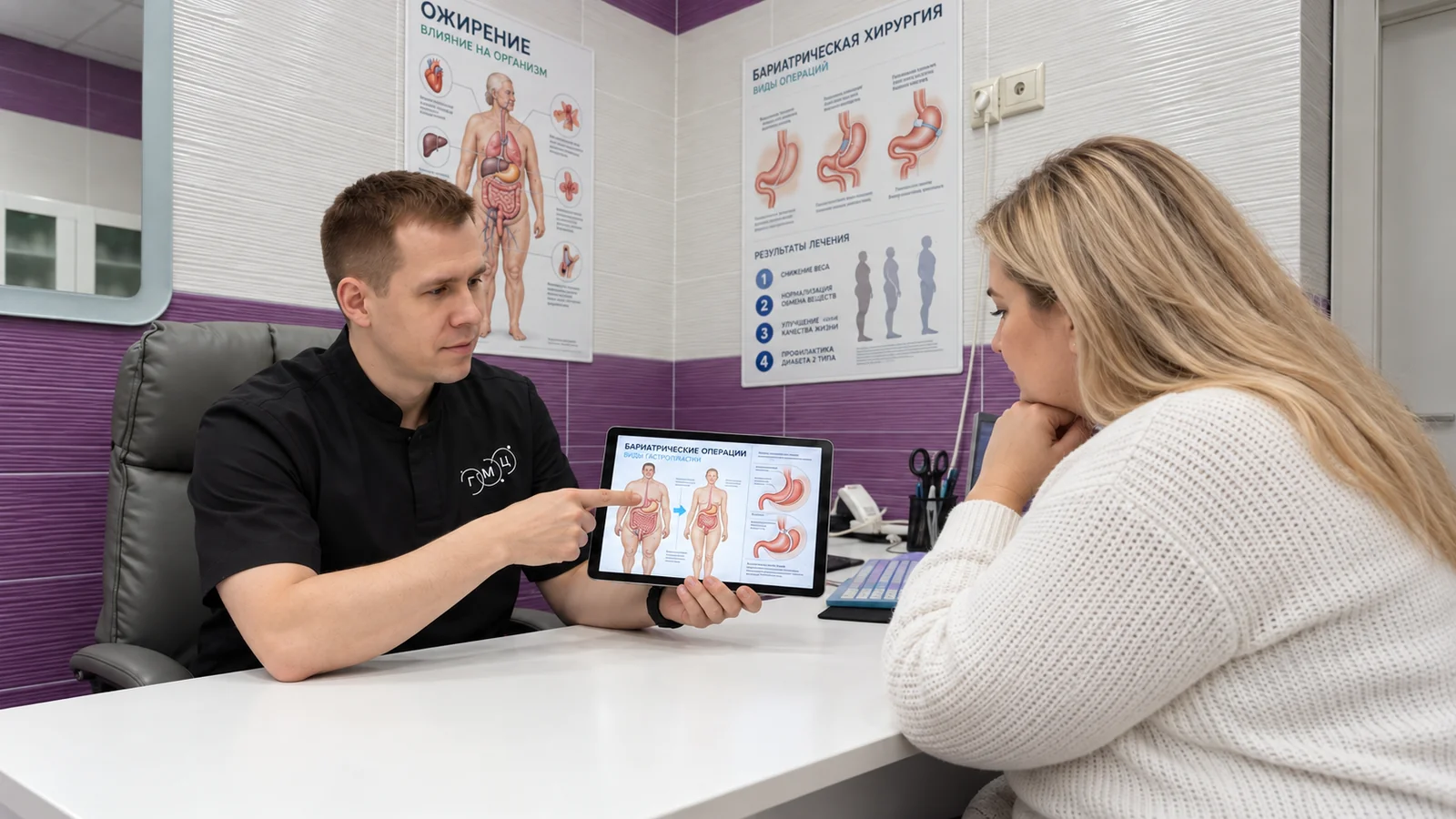
At the online consultation the surgeon reviews your history, your BMI and your health conditions, explains the difference between sleeve gastrectomy and gastric bypass for your case, and answers questions. The consultation is free and does not commit you to anything.
The programme runs from preparation to 12 months of support, all in one package. No added fees. Follow-up support continues for 12 months, so you are not left alone once the hospital stay is over, and you can keep asking questions from your own city.
The centre relies on modern laparoscopic technique. The operation is performed through 4 small punctures of 5 to 15 mm. Cosmetic sutures are used, so after healing the marks are barely visible. This matters for people who wear fitted clothing at work, at church services or at weddings and do not want visible scars.
The operation is carried out under general anaesthesia. The hospital stay is 1–5 days, depending on the method and how you feel. Doctors supervise you in hospital after surgery for a stay of 1–3 to 4–5 days, depending on the complexity of the operation and how you are feeling.
Ask the surgeon which of the two operations is proposed for you and why, what could change the plan on the day, and what you will be able to do on each day of the stay.
Lilongwe has a humid subtropical climate that borders on a subtropical highland climate, with pleasantly warm summers and mild winters. Because of the altitude, temperatures are lower than expected for a tropical city. This is helpful for recovery, since extreme heat is rarely the main problem when you are healing.
The short monsoon season runs from December to March, with heavy downpours of around 200 millimetres in a month during the wettest months. Wet roads and crowded transport are a practical concern when you are tired and need to attend check-ups, so arranging a lift or a quiet schedule for those weeks is sensible.
The long dry winter covers April to August, and the warm summer lasts from September to November. Many people find the dry months convenient for the operation because moving about is easier. In the warm months, wear loose, breathable clothing, keep a water bottle with you, and follow the surgeon's advice about sun and sweating around the small wounds. Dust in the dry season is another reason to keep the healing areas clean and covered as advised.
There is no single right month. If your work allows it, the dry months from April to August bring easier movement and fewer weather-related interruptions. If your calendar is fixed by school terms, family events or a busy period at work, plan around those first.
Remember that the first weeks matter most. Think about who will help with shopping, cooking and children during the early days at home, and about how you will reach follow-up calls. Because consultations are online, the timetable can be set around your life and not the other way round.
Lilongwe's economy is dominated by government and public institutions, and the civil service employs about 27 percent of all formal workers, while 40 percent work in the private sector. Many people therefore have desk-based jobs. Recovery time depends on the activity. Office work: after 2–4 weeks. Physical work: after 1.5 months.
If you work in finance, banking, retail, construction, transport or in the industrial area of Kanengo, tell the surgeon exactly what your day involves, especially lifting and long hours on your feet. Ask your employer about leave in advance and keep the paperwork ready.
The city has many schools and a university, so students and teachers also plan around terms. Ask the surgeon whether a school break would give you enough time at home, and agree on a gradual return with your coordinator.
Sport is part of life in Lilongwe: football around Bingu National Stadium and the Silver, Civo and Nankhaka grounds, basketball and netball at schools and malls, and a rugby union competition. Many patients want to know when they can play again.
The guidance is clear: swimming is allowed after 30 days, and other exercise is gradually added as weight goes down. Do not rush back to a match or to heavy training just because you feel well. Contact sports and heavy lifting should be discussed with the surgeon first.
Walking is a good start. As weight falls, exercise becomes easier and more enjoyable, and joining a friendly netball or football group again can be a real motivation, provided you are cleared to do so.
Maize is central to meals in Malawi, and maize storage and food processing are part of Lilongwe's economy. Shared plates, large portions and food offered as hospitality at family gatherings can make a new eating plan feel hard. Prepare your family in advance and explain that small portions are medical necessity, not rudeness.
At weddings, funerals and church gatherings, serve yourself a small portion first, eat slowly, and say politely that you are following a doctor's plan. Ask the dietitian for practical ideas that use the foods you already cook at home, and for a list of items to avoid in the early weeks.
Sweet drinks and fried street snacks are easy to find in a busy city, so decide beforehand what you will choose instead. The 12 months of support exist so you can ask these everyday questions as they appear.
Lilongwe began as a boma set up by the local leader Njewa around 1902 and became an administrative centre in 1904. In the 1920s its position at the junction of several major roadways made it an agricultural market centre for the fertile Central Region Plateau, and it was officially recognised as a town in 1947. It became the capital in 1975, replacing Zomba, and the last government offices moved here in 2005.
A city built on trade and administration has a particular rhythm: people are used to planning, paperwork and appointments. That helps with bariatric surgery. Treat the preparation as a project with steps: collect your test results, agree leave with your employer, arrange help at home, and fix your questions for the surgeon before the online consultation.
Many families in Lilongwe come from other parts of the central region and keep close ties with relatives elsewhere. Tell those relatives early about your plan. Support from a wider family circle is useful during the first weeks, when you will eat small portions and need rest, and when a coordinator on WhatsApp or Telegram can answer questions at any hour.
Lilongwe is divided into an Old City and a New City. The new part hosts hotels, embassies, government institutions and offices, while the old part has markets, bus stations, cafes and restaurants. The modern shops of the centre contrast with the street and walled markets of Old Town.
This matters for recovery. Old Town is busy and crowded, and the markets are tempting places for fried snacks and sweet drinks. In the early weeks, ask a family member to do the shopping, and avoid long walks through crowded stalls while you are still tired. Plan your online follow-up calls for a quiet hour at home, not in a bus station or a noisy cafe.
The city is organised in numbered Areas, assigned in the order in which they were created, not by geography. If you live in a high-density Area and a relative lives in a calmer residential one, think about whether recovering at a quieter home for the first days would help you rest. Discuss it with your coordinator when you set the timetable.
Kanengo, in the north of the city, is the main industrial area, with food processing, tobacco storage and sales, maize storage and other light industry. Elsewhere in the city, finance, banking, retail, construction, transport, public administration and tobacco manufacturing are the main activities. Lilongwe's economy is dominated by government and public institutions, and the Malawian parliament sits here.
A warehouse or storage worker in Kanengo and a clerk on Capital Hill will have very different recovery plans. Office work is possible after 2–4 weeks, while physical work is possible after 1.5 months. Bring a clear description of your tasks to the consultation: how much you lift, how long you stand, and whether you work shifts.
About 76 percent of Lilongwe's population live in informal settlements, and unemployment stands at 16 percent, so many people work for themselves or on short arrangements without formal sick leave. If that is your situation, plan the weeks of rest carefully with your family, and ask the surgeon how to build a gradual return that protects your income without hurrying the healing.
The University of Malawi was founded in 1964, and Lilongwe has 38 private and 66 public primary schools with 103,602 pupils, plus 29 secondary schools with 30,795 students. Teachers, parents and older students are a large part of the city's daily life.
If you are a teacher, the school calendar is your best planning tool: a term break can cover the stay of 1–5 days in hospital and the first weeks at home. If you are a student, ask about a hospital stay timed for a quieter period, and remember that returning to a desk is possible after 2–4 weeks, while school sport should wait until the surgeon agrees.
Parents of school-age children should arrange lifts and meals in advance. Packing a child's lunch and cooking family meals can be a challenge when your own portions are tiny, so agree a simple routine at home before the operation.
Bingu National Stadium, opened in early 2017 with a capacity of 40,000, is the centre of football in the city, together with Silver Stadium, Civo Stadium and Nankhaka Ground. Silver Strikers, Civo Sporting, Blue Eagles and Kamuzu Barracks are the big teams, and the Griffin Sayenda Sports complex offers basketball, volleyball and netball.
A match day means crowds, long standing, sun and snacks. In the first weeks after surgery, watch the game from home and keep the stadium for later. Swimming is allowed after 30 days, and other exercise is added gradually as weight goes down. A walking group or a friendly netball session is a gentle way to return to your team.
Church is central to community life here: the Church of Central Africa Presbyterian is the largest denomination in the city at 23.15 percent, followed by Catholics at 17.28 percent, with Islam at 11.12 percent. Congregations often share meals after services. Tell the people you eat with that you follow a medical plan; most communities respond with kindness and can become a real support for your new habits.
Getting pregnant after bariatric surgery is possible, but doctors advise waiting at least 12–18 months, so the body can stabilize, weight can reach target values and nutritional status can normalize. Couples in Lilongwe planning a family should raise this at the first consultation.
The result develops over time, and the main change is seen 18–24 months after surgery. Weight loss varies from person to person and depends on how closely you follow the plan. Regular check-ups, supplements if prescribed, and steady habits keep the benefit going.
Usually a BMI over 40, or over 35 with related health conditions. In some cases surgery is considered at lower values too, if non-surgical approaches have failed. The surgeon confirms at the consultation whether it suits you.
Yes. The consultation is free and online. Coordinators are available 24/7 on WhatsApp and Telegram, and a coordinator will call you back 24/7.
Both reduce stomach capacity. The bypass also changes the route of food through the digestive tract. The surgeon explains which suits your health conditions and goals.
General anaesthesia.
The hospital stay is 1–5 days, depending on the method and how you feel. Doctors supervise you in hospital after surgery.
No large incisions are made. The operation is performed through 4 small punctures of 5 to 15 mm, and cosmetic sutures are used, so after healing the marks are barely visible.
Office work is possible after 2–4 weeks. Physical work is possible after 1.5 months.
Swimming is allowed after 30 days. Other exercise is added gradually as weight goes down.
Not necessarily. The monsoon runs from December to March with heavy downpours, which can make getting to check-ups harder. Many people prefer the dry months, but the choice depends on your own schedule.
Doctors advise waiting at least 12–18 months, so the body can stabilize and nutritional status can normalize.
The programme runs from preparation to 12 months of support, all in one package, with no added fees.
The city lies on a plateau at an altitude of 1,050 m, so temperatures are lower than expected for a tropical city. This generally makes the weeks at home more comfortable, but you should still follow the surgeon's advice on clothing and the care of the small wounds.
Physical work is possible after 1.5 months, and office work after 2–4 weeks. Describe your tasks to the surgeon so the return can be planned step by step.
Large crowds, long standing and snacks are best avoided in the early weeks. Swimming is allowed after 30 days, and other activity is added gradually. Ask the surgeon when a match day is reasonable for you.
Arrange who will shop and cook, plan quiet hours for follow-up calls, and keep the coordinator's WhatsApp or Telegram chat at hand. A coordinator will call you back 24/7.