City Medical Centre · multi-specialty surgery clinicOpen 24/7

Tummy tuck

Abdominoplasty (Tummy Tuck) in Kira

Free consultation

Price at consultation

The price is fixed in the contract before surgery
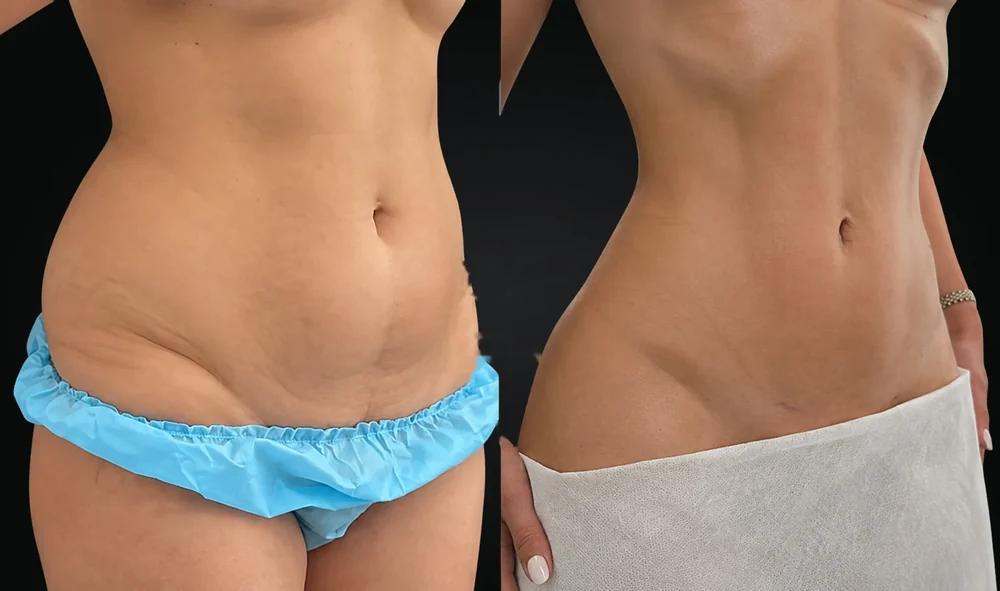
Real case
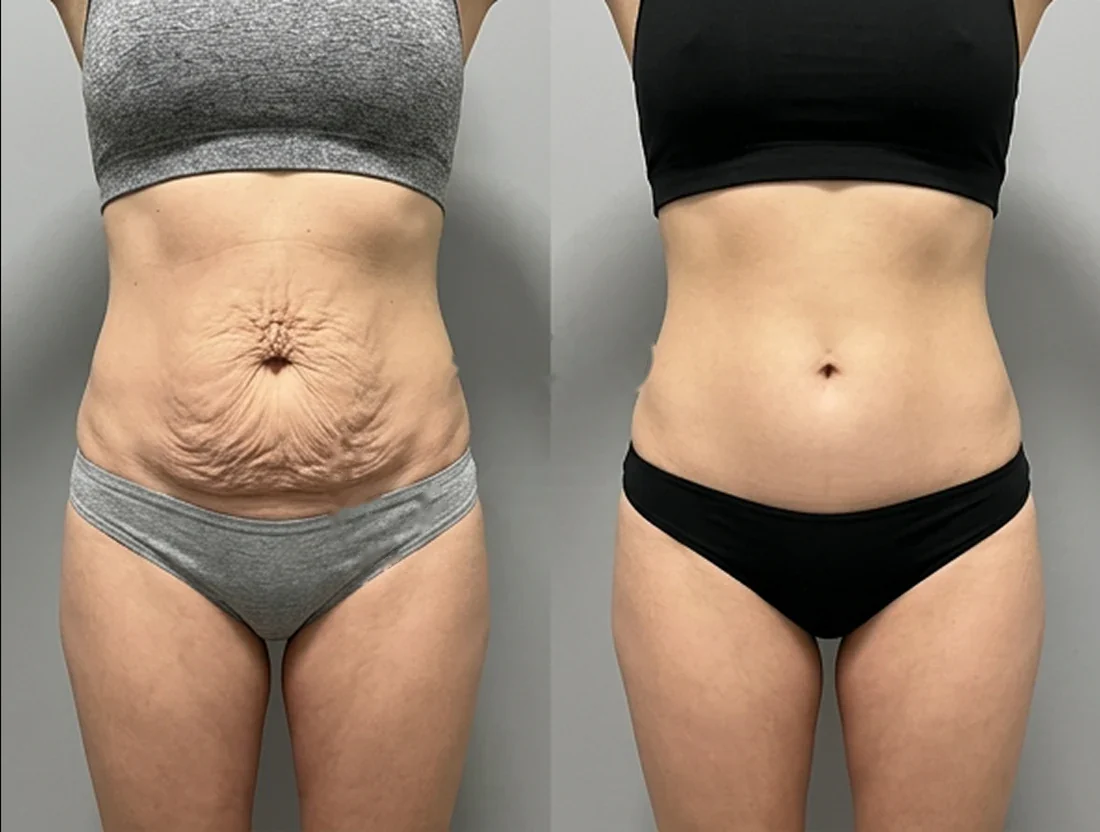
Tummy tuck: a patient's abdomen before and after surgery before after
A flat tummy and a toned silhouette in one operation. Your individual surgical plan and the expected result are discussed at the consultation

Message our coordinator

Free online consultation · Reply within 15 minutes

Message us on Telegram

By messaging us, you agree to our Privacy Policy

Results

Tummy tuck results
of our patients

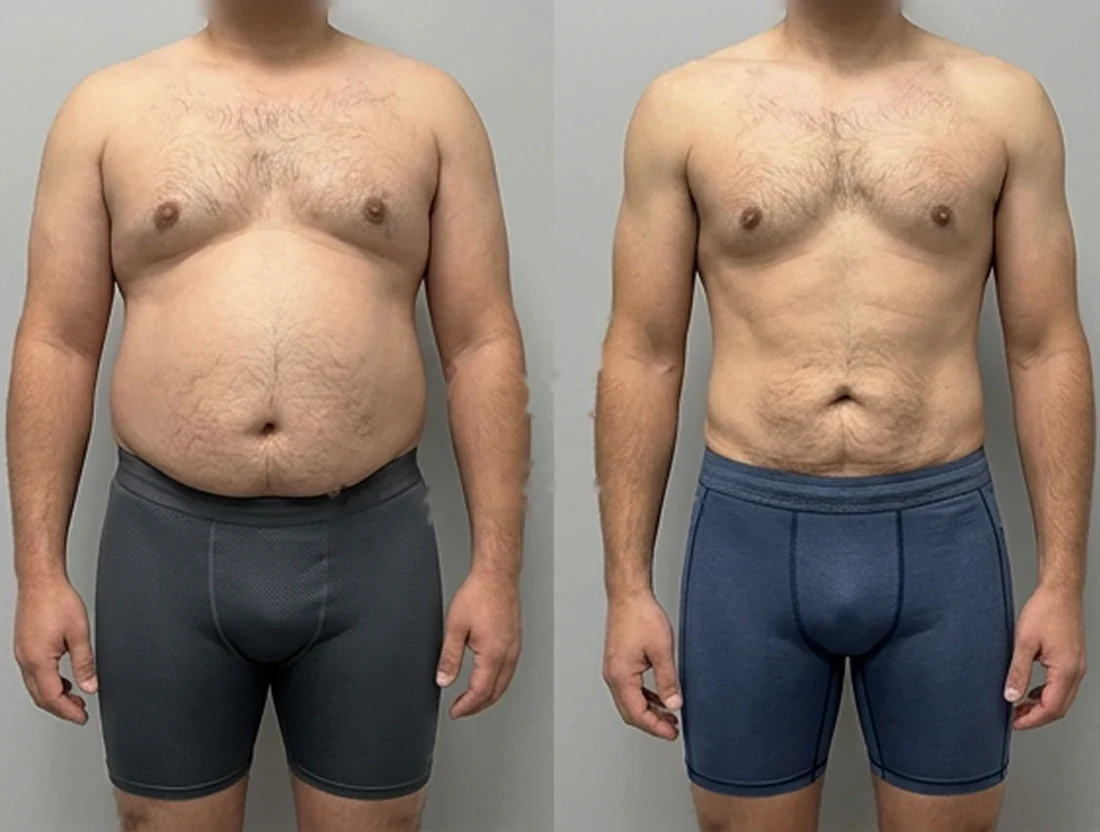
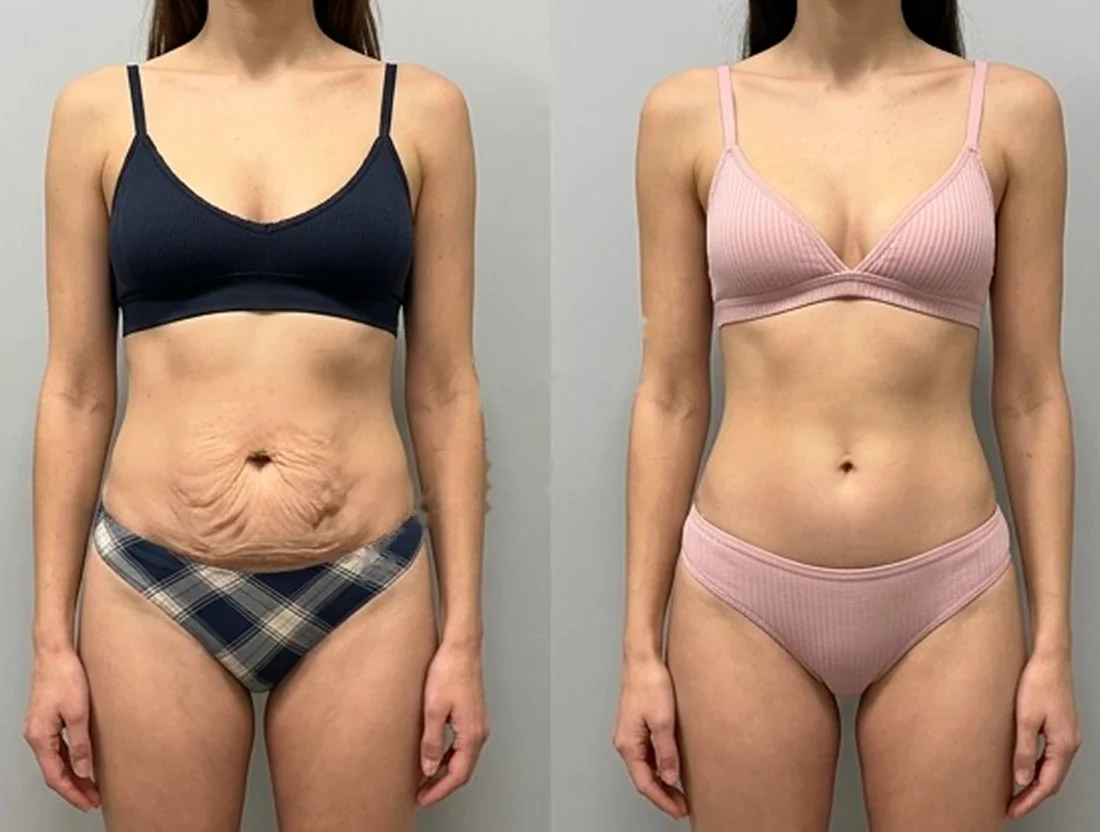
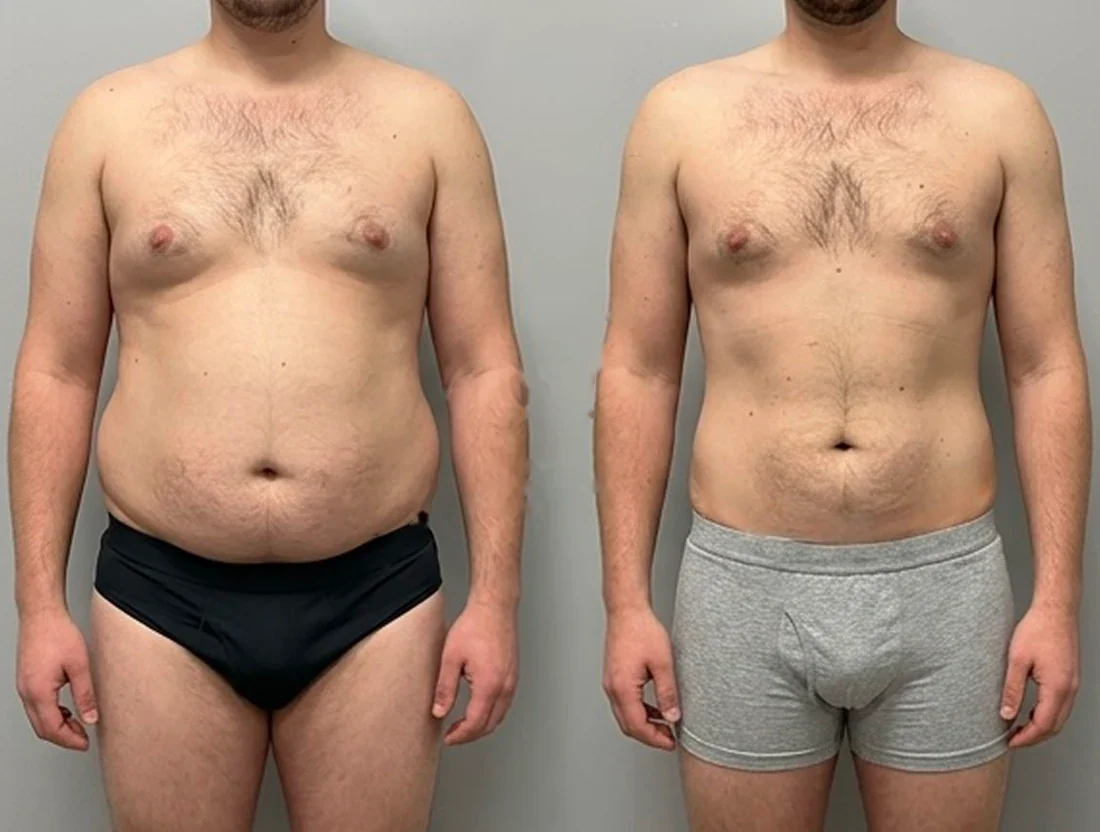
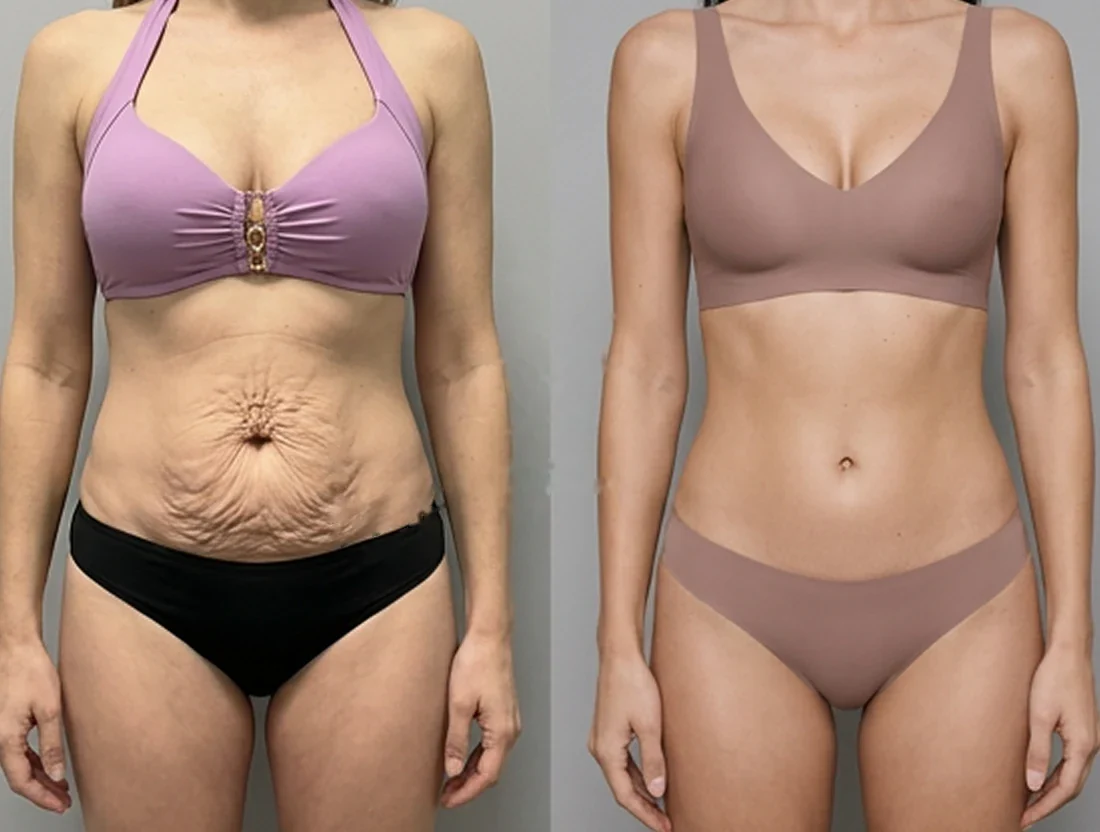
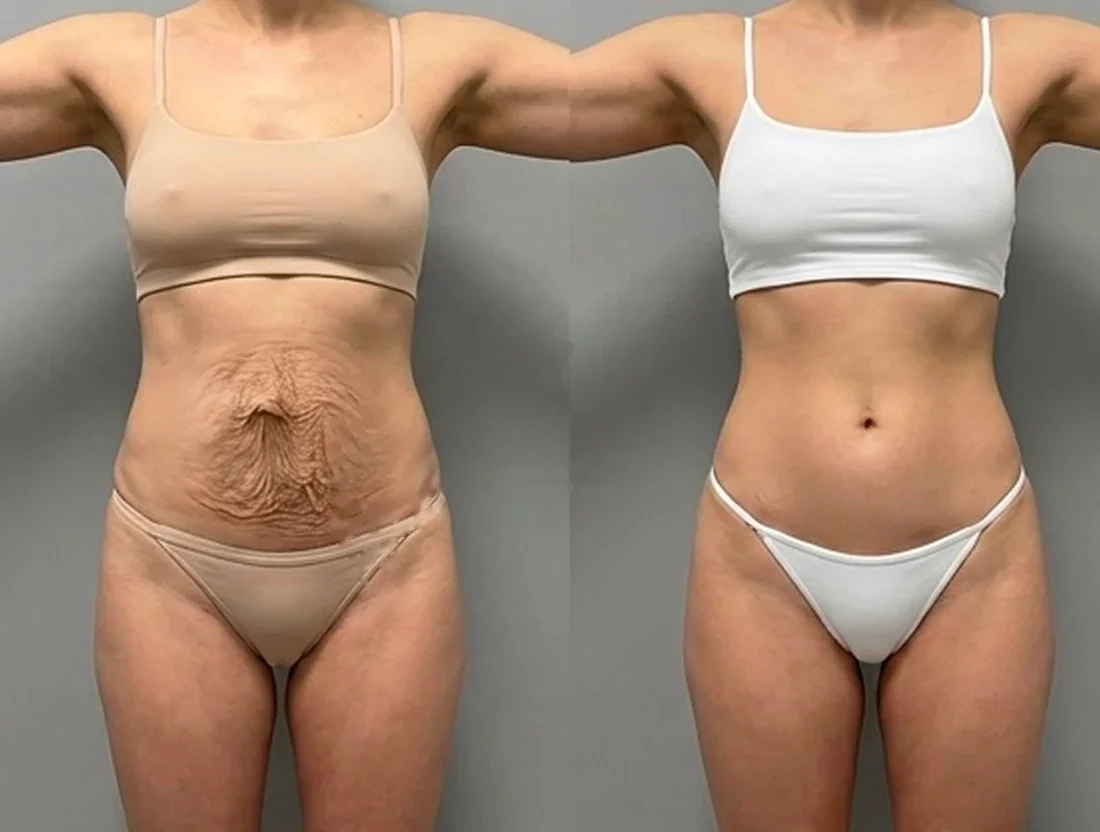
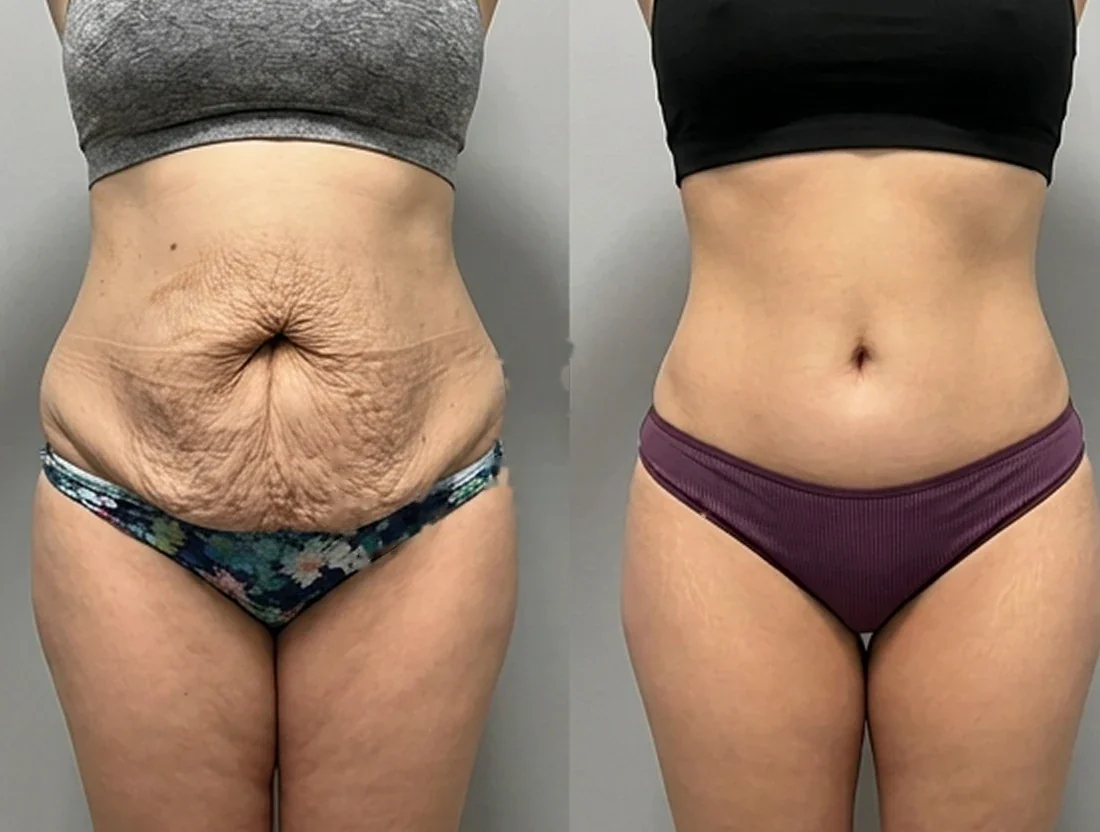
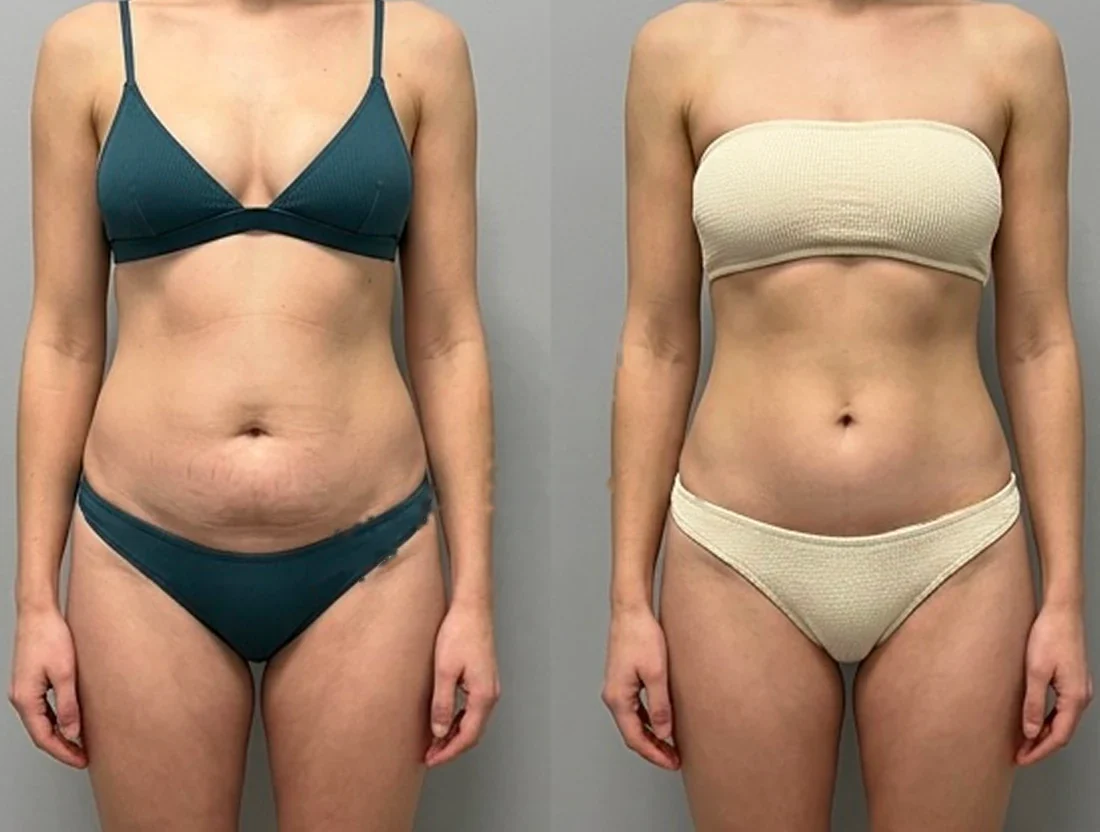
All cases are real patients. Faces and identifying details are hidden.

Tummy tuck: a female patient's abdomen before and after surgerybeforeafter
Tummy tuck: a male patient's abdomen before and after surgerybeforeafter
Tummy tuck: a female patient's abdomen before and after surgerybeforeafter
Tummy tuck: a male patient's abdomen before and after surgerybeforeafter
Tummy tuck: a female patient's abdomen before and after surgerybeforeafter
1 of 8

Comparison

Tummy tuck techniques

A tummy tuck is done as a full (classic) or mini operation, or combined with liposuction as lipoabdominoplasty. Compare the scope of surgery, the indications and the expected results to choose the right technique together with your surgeon.

Tummy tuck

Removal of excess skin, abdominal muscle tightening
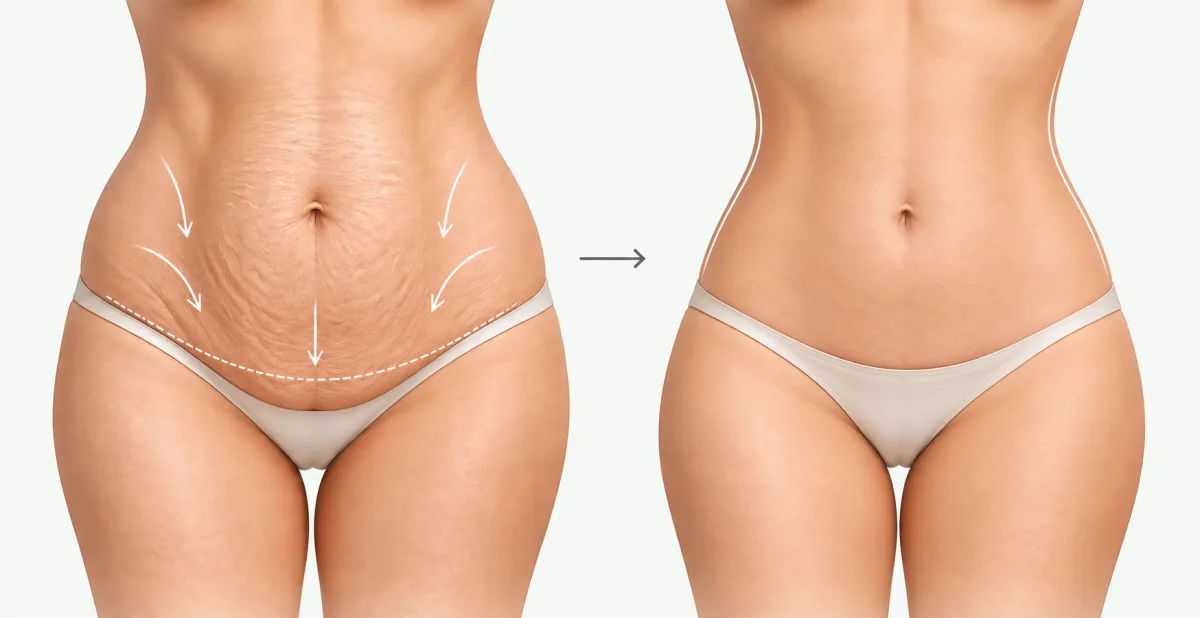
Tummy tuck diagram: the abdomen before surgery with the incision line, and the result
Main goal
Removal of excess skin, diastasis repair
When it is done
Excess skin after childbirth or weight loss
Anaesthesia and stay
General anaesthesia, up to 3 days in hospital

Lipoabdominoplasty

Tummy tuck with added liposuction
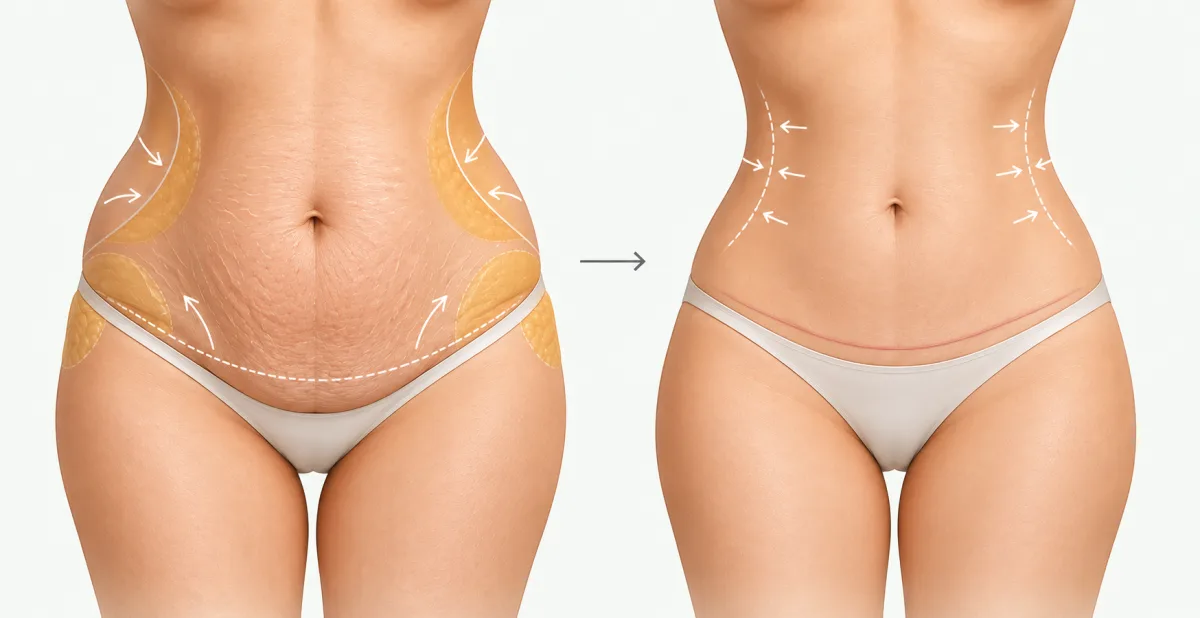
Lipoabdominoplasty diagram: the abdomen with fat on the flanks before surgery, and the result
Main goal
Tummy tightening and waist contouring
When it is done
For fat deposits on the flanks and waist
Anaesthesia and stay
General anaesthesia, up to 3 days in hospital

The benefits and recovery times shown are averaged for each technique and given for guidance: the scope of correction and rehabilitation depend on your anatomy and individual features, and the surgeon confirms them at the consultation.

At the consultation the surgeon draws up a plan for your case and explains how your tummy tuck will go.

Free, before surgery and with no obligation.

Book a consultation

Tummy tuck from the inside

About the clinic

A clinic where you can feel at ease

Modern equipment, comfortable rooms and care for every patient

A doctor and a patient in a clinic ward

Contact us the way that suits you

We will answer your questions and find a convenient time for a consultation

A tummy tuck is not for everyone

If your case can be solved without surgery, the doctor will tell you so at the consultation — and you will not spend money for nothing.

Suitable

A surgeon shows a patient on a model and a monitor how the abdominal contour changes after a tummy tuck
  • Rectus abdominis diastasis
  • Skin folds after weight loss
  • Loose abdominal skin
  • Stretched skin after pregnancy
  • A distorted abdominal contour

Not suitable

A surgeon discusses the indications and contraindications for a tummy tuck with a patient
  • Acute infections
  • Severe disease of the heart, kidneys or liver
  • Disorders of blood clotting
  • Age below 18
  • Decompensated diabetes
  • Cancer
  • Skin inflammation in the surgical area
  • Being pregnant or breastfeeding

Not sure the surgery is right for you?

Message us — the coordinator will ask for your photos in the messenger, and the surgeon will tell you whether a tummy tuck suits you. No surgery booking needed.

Find out if it suits me

A surgeon goes through a tummy tuck diagram with a patient at the consultation

Prices

You know the price
before surgery

The price is set at the consultation and fixed in the contract.

Other services

  • First consultationFree
  • Liposuction of the abdomen and flanksfrom $1,700
Book a consultation

Find out your tummy tuck plan and price

The surgeon assesses your abdominal skin and muscles, listens to your wishes and chooses the right correction technique.
The price is set at the consultation and fixed in the contract.
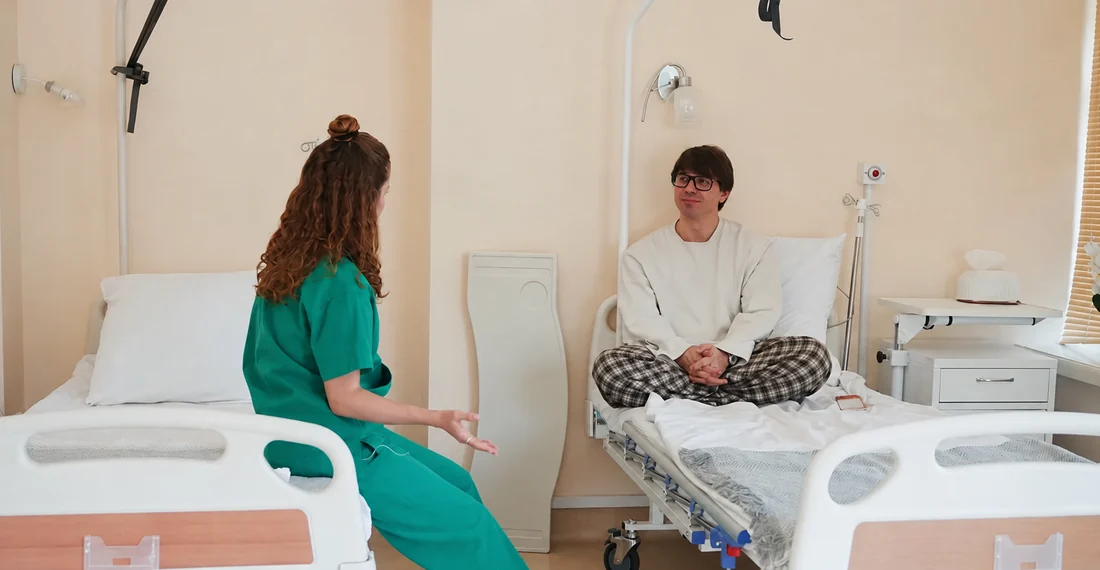
A nurse talks to a patient in a clinic ward

Message our coordinator

Free online consultation · Reply within 15 minutes

Message us on Telegram

By messaging us, you agree to our Privacy Policy
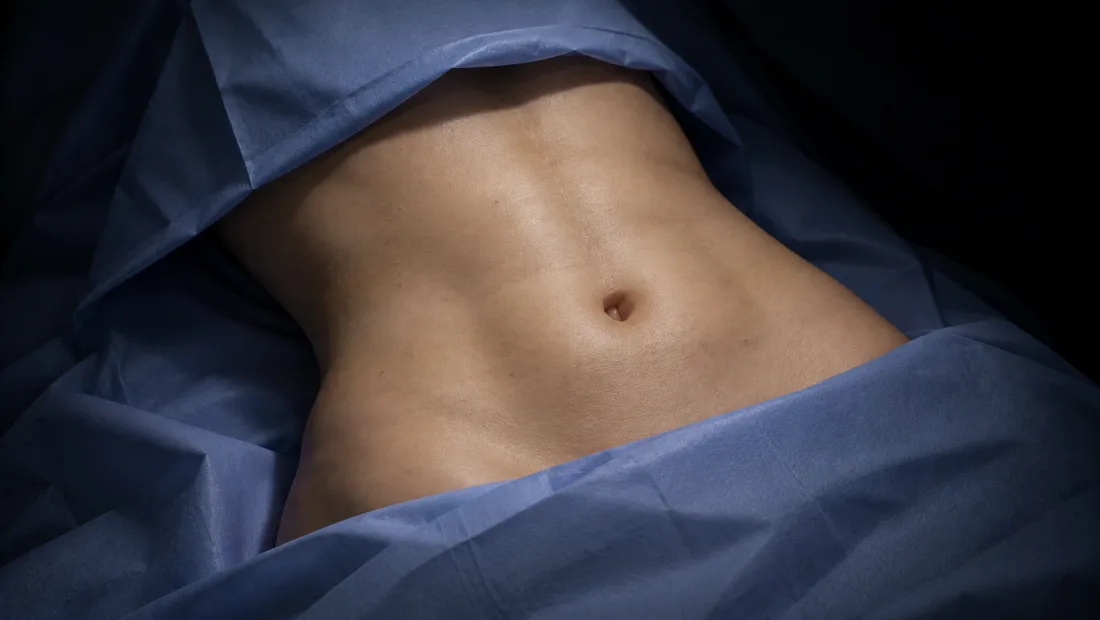
A patient's abdomen before a tummy tuck in the operating room

all inclusive

What the price includes

From preparation for surgery
to post-op check-ups.

  • All scheduled dressings
  • Scheduled post-op check-ups
  • A personal coordinator on call
  • Compression garments fitted on the day of surgery
  • A stay in a comfortable
    hospital ward with meals
  • Individual recommendations
    for recovery
  • Remote progress monitoring
    by photos

How it works

Three days at the clinic —
from preparation to discharge

An agreed correction plan, inpatient observation and post-op check-ups.

A doctor shows a patient a tummy tuck diagram on a monitor1

Consultation
and the surgical plan

The surgeon assesses your abdominal skin and muscles and checks for diastasis, listens to your wishes and chooses the right correction technique.

Paying the deposit by card at the clinic reception2

Booking the date
of surgery

We reserve a surgery date for you: the deposit can be paid by card at the clinic or online by bank transfer. The terms are fixed in the contract for medical services

A blood sample tube for tests before a tummy tuck3

Check-up before
surgery

Before surgery you complete a full lab check-up: blood tests, an ECG, a chest X-ray and reports from the required specialists.

The surgical team during the operation4

Surgery

The surgeon performs the tummy tuck with the chosen technique, repairs diastasis if needed and shapes a firmer abdominal contour.

A hospital ward at the clinic5

Inpatient stay

After surgery the patient stays for 1–3 days in a comfortable hospital ward with meals, under medical supervision.

A surgeon and a patient in the ward during recovery6

Recovery

After surgery you get a recovery programme. Check-ups at 7 days, 3 and 6 months help track your recovery.
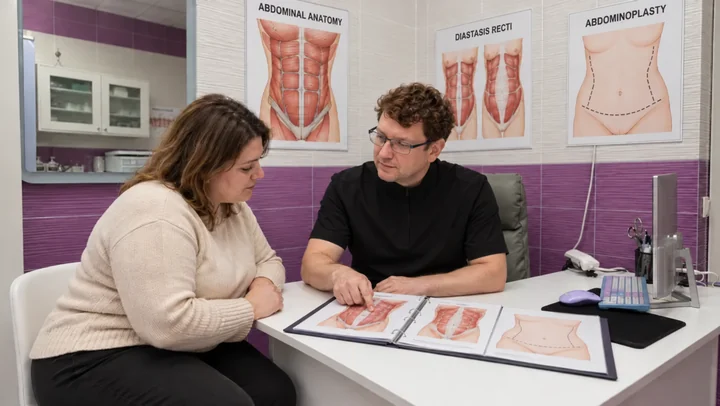
Book a free consultation — the surgeon will plan every step with you.

A doctor discusses the tummy tuck plan with a patient
Book a consultation
A doctor discusses the tummy tuck plan with a patient

How it really happens

Recovering after a tummy tuck

The patient stays in hospital under medical supervision for 1–3 days right after surgery. Usually drains are removed after two days and stitches after 7 days. Wearing a compression binder for 1.5–2 months supports the abdominal wall and gives a smooth contour. Most swelling is gone within 30 days, with office work resuming after 2–3 weeks. For 2–3 months avoid sports, sauna and heavy lifting; at first, sleeping on your back with knees bent is recommended. By 12 months the scar is fully mature, faded and barely noticeable.

Post-op check-ups

After 7 days, at 3 months and at 6 months. Until the end of the year, get a post-surgery consultation with your surgeon to review results and get more information, at the clinic's expense

Advantages

Why patients pick City Medical Centre

A surgeon discusses the tummy tuck plan with a patient at the consultation

Just find out — you lose nothing

At the consultation we discuss your wishes and assess your abdominal skin and muscles. The surgeon explains what changes are possible, chooses the correction technique and answers your questions.

A surgeon on a video call with a patient after surgery

We stay with you after surgery

The surgeon follows your recovery and the changing abdominal contour at check-ups after 7 days, 3 and 6 months. Check-ups, dressings and aftercare advice are already included in the price of surgery.

A surgeon shows a patient a model and tummy tuck diagrams

A beautiful contour that fits your figure

We choose the correction technique based on your skin, muscles and figure. Our aim is a harmonious abdominal contour that keeps the natural proportions of your body.

A patient writes down a convenient visit time in her planner

Your schedule is our priority

We respect your time: we work 24/7, with easy booking and a personal approach — we adapt to your pace.
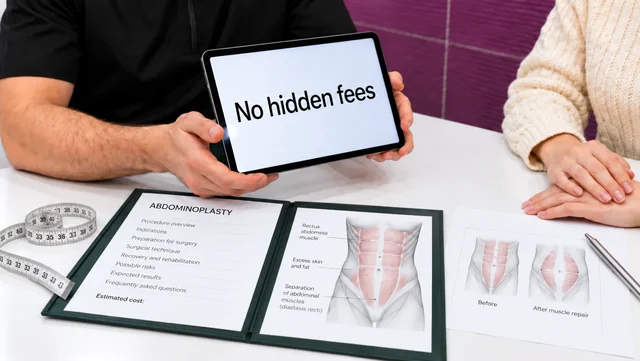
A surgeon shows a patient the fixed price of surgery with no extra charges

Fixed prices

After the consultation the surgeon defines the extent of correction, and you get a clear price for the surgery — no surprises on the way to the result you want.

A surgeon visits a patient in the hospital ward after surgery

Round-the-clock care after surgery

Recovery starts in a comfortable hospital ward under round-the-clock nursing care. The stay and meals are already included in the price.

FAQ

We answer what
people ask before booking

Abdominoplasty in Kira: a short guide

Abdominoplasty is often combined with other procedures. Liposuction of the flanks and waist can be added to shape the silhouette, and after childbirth rectus diastasis repair is included. One anaesthesia and one recovery period cover everything, and the surgeon decides the scope at an in-person consultation. This makes the operation a complete abdominal correction for patients from Kira.

Recovery has three milestones. Office work is possible after 2–3 weeks, swelling and tightness pass by 1.5–2 months, and the final result and scar are assessed at 6–12 months once tissues have adapted. Most swelling goes within 30 days. Sport, sauna and heavy lifting wait 2–3 months, and sleeping on your back with knees bent is advised at first. The same timeline applies to Kira patients.

Start with a free consultation for a tummy tuck in Kira. The surgeon assesses your abdomen, explains the difference between the classic and mini techniques for your case and gives the final price, which is then recorded in the contract. Apply before the end of the year and the consultation is at the clinic's expense. Write to us in any messenger or use the form on the page.

Kira and why residents ask about a tummy tuck

Kira Town is a municipality in the Wakiso District of the Central Region of Uganda, and it is described as the country's second most populous city. In 2020 the national statistics office estimated its population at 462,900 people. Between 2014 and 2020 the municipality grew at an average rate of 6.68 percent a year. A city that grows this fast is full of young families, working parents and people building careers, and many of them eventually ask about body contouring after pregnancy or a major change in weight.

A tummy tuck, or abdominoplasty, is the operation people from Kira most often ask about when the skin and the abdominal wall no longer respond to diet and exercise. It removes excess skin and fat and can tighten the muscles of the abdomen. It is not a weight-loss method, and a good consultation begins with that honest point.

You speak with us online from home, free of charge, and our coordinators answer on WhatsApp and Telegram 24/7. That suits a municipality where many people spend long hours on the road and want to plan quietly without rearranging their working day.

Living next to Kampala: planning around a busy schedule

Kira is a bedroom community for Kampala. Many residents work in the capital, leave early and come home late, and that rhythm shapes how a surgery should be planned. A tummy tuck is major surgery under general anaesthesia, with up to 3 days in hospital, so it needs a calm window in your calendar, not a gap squeezed between deadlines.

The medical guidance is clear: after 2–3 weeks you can return to office work. For people in Kira who commute daily, this means thinking honestly about the first weeks at home. Sudden movements and heavy lifting are to be avoided for the first 2–3 weeks, so the daily commute and long hours of sitting should be discussed with your surgeon before you choose a date.

Talk to your employer early, arrange for someone to help at home, and settle who will manage school runs and errands. Our coordinators can help you build a realistic timeline in a conversation that fits around your own hours, because they work 24/7.

A city that is both a home and a dormitory for the capital also means that many families share the load of childcare and housework. Agree the roles before the operation so that you are not tempted to lift, carry or hurry in the first weeks.

Climate, seasons and choosing the time for surgery

The right month for surgery depends on your own routine more than on the weather. What matters is general advice: in warm and humid conditions swelling can feel more uncomfortable under a compression garment, so light, breathable clothing worn over it helps, and a cool, ventilated room at home makes the first weeks easier.

Avoid strong sun on the healing abdomen and the scar. Tanning beds are out for at least a month, and direct sun on a fresh scar is best avoided as well. Cover the area with loose clothing when you go outside.

Dust on busy roads and in crowded public places is a practical concern for dressings. Keep the wound clean and follow the surgeon's aftercare advice. Rainy days are a good reason to stay in and rest, which is exactly what recovery asks of you in the early period.

When you pick a season, think about the weeks around it as well: school terms, busy periods at work and family occasions. The best time is the one when you can truly stay quiet for the first two to three weeks.

Preparation: tests and habits before the operation

Preparation is a must. Stop smoking, drinking alcohol and taking medicines that affect blood clotting 7–10 days before a tummy tuck. The pre-surgery check-up covers blood tests, ECG, leg vein ultrasound and consultations with a GP and anaesthetist. Get it done in advance, not the day before.

The full list is the same for everyone: blood and urine tests, coagulation panel, biochemistry, infection tests, ECG, chest X-ray, ultrasound of the leg veins and a GP's report. The exact list comes from the surgeon at the consultation, and tests usually stay valid for 10–14 days. In Kira you can collect these results locally and send them to the coordinators for review before the surgeon decides on the next step.

Plan the order of events so that the tests do not expire before the date is fixed. Ask the coordinator which results are needed first, and keep digital copies on your phone so they can be shared quickly.

If you take any regular medicine, write the names and doses down before the consultation. The surgeon and anaesthetist need the full picture, and only they can say what to continue and what to pause.

Hospital stay and the first days

A stay in hospital is needed. A classic tummy tuck means 1–3 days under medical supervision; for a mini tummy tuck, one day is usually enough. After surgery the patient stays in a comfortable hospital ward with meals, under medical supervision. At home recovery continues, and the surgeon monitors it at scheduled check-ups.

For a family in Kira, think ahead about who will be with you when you come home, how you will move around the house, and what you will eat. Simple, light meals are easier in the first days, and relatives can prepare them for you so that you do not have to stand at the stove.

Ask your surgeon how to sleep, how to rise from bed and how to move without straining the abdomen. Practical details like these make the first nights calmer.

Prepare the bedroom in advance: pillows for support, water and necessary items within arm's reach, and a clear path to the bathroom. Small preparations at home reduce the temptation to make sudden movements.

Recovery rules, compression garment and sport

The rules after a tummy tuck are the same for everyone. For the first 2–3 weeks you avoid physical exertion, heavy lifting and sudden movements. Sauna, steam bath, pool, tanning beds, alcohol and smoking are out for at least a month. Sport is resumed gradually, with the surgeon's approval only, and compression garments are worn for another 4–8 weeks.

The garment is a requirement: recovery is worse without it because it supports the tissues and reduces swelling. The first 3–4 weeks it stays on around the clock, then during the daytime for roughly a month more. Your operating surgeon will name the exact period. In a warm climate, keep a second garment so one can be washed while you wear the other, and choose soft clothing over it.

For those in Kira who jog in the morning, go to the gym or play sport with friends, patience is the point: return step by step, and only after your surgeon agrees. Teammates and workout friends can wait, and a rushed return puts the result at stake.

Timeline of the result

Three milestones mark recovery: after 2–3 weeks you can do office work, by 1.5–2 months swelling and tightness pass, and at 6–12 months, with the tissues fully adapted, the final result and scar are assessed.

For everyone the answer is the same. The first changes appear 2 weeks after surgery as the main swelling subsides, followed by two checkpoints: the interim result at 1.5–2 months and the final contours at 6–12 months.

If you have a family event, a wedding or a graduation on your calendar, count back from it and leave enough room. Do not expect the final contour at the first event after surgery. Patience here protects you from disappointment.

Who is a candidate and who is not

You must be at least 18, with no contraindications. No upper limit exists; at the centre each case is considered individually, after an examination and health assessment.

In general terms, the operation suits adults with loose skin or a stretched abdominal wall after pregnancy or significant weight loss. It is less suitable when weight is still changing, when there are serious general health conditions, or when someone cannot stop smoking before the operation. Excess weight is a public health topic in its own right, and the WHO publishes general information on obesity and overweight that helps explain why stable weight matters before surgery.

Women who plan another pregnancy are usually advised to talk it through with the surgeon first, because it affects the timing.

How the online consultation from Kira works

You write to our coordinators on WhatsApp or Telegram from home in Kira. The first consultation is online and free. You send photos and basic information about your health, and the surgeon assesses whether a classic or a mini tummy tuck fits your situation.

We respect your time: we work 24/7, with easy booking and a personal approach, and we adapt to your pace. You can write in the evening after work or on a weekend, and you do not need to leave your neighbourhood to start.

After surgery you get a recovery programme. Check-ups at 7 days, 3 and 6 months help track your recovery. The surgeon follows your recovery and the changing abdominal contour at those check-ups. Check-ups, dressings and aftercare advice are already included in the surgery package. Until the end of the year, you can get a post-surgery consultation with your surgeon to review results and get more information, at the clinic's expense.

Food culture in Kira and eating well around the operation

Meals in a growing municipality like Kira are often shared with relatives, colleagues and neighbours, and food is a natural part of every gathering. When you plan a tummy tuck, it helps to think about food as part of the preparation rather than as an afterthought. Talk to the surgeon and the anaesthetist about when to stop eating before the operation, and follow their instructions exactly.

In the first days at home, light and simple meals are easier on the body. Ask a relative to cook for you so you do not stand for long at the stove, bend over low shelves or carry heavy pots. Plenty of fluids, soft foods and regular small portions are a sensible general approach, and your surgeon will confirm what suits you.

Alcohol is out for at least a month, which matters when family celebrations fall in your calendar. Tell your relatives in advance that you will be sitting out the toasts. Most people respond with understanding when they know it is part of a medical recovery programme.

Stable weight before surgery supports a more predictable result. The WHO publishes general information on obesity and overweight, and it is a useful reading list when you discuss with your surgeon how your weight and diet may affect the plan.

Study, school terms and family life in a young municipality

Kira is home to schools and colleges, including a teachers' college at Kitikifumba village and a university campus at Namugongo. Many residents are students, teachers or parents of school-age children, and the academic calendar often decides when a quiet period is possible.

If you are a teacher or work in a school, think about how long you stand and how much you move around during a day. The medical guidance gives a return to office work after 2–3 weeks, and heavy lifting and sudden movements are avoided for the first 2–3 weeks. A classroom or a school office has its own demands, so describe your daily tasks to the surgeon and ask for a personal plan.

If you are a student, agree on deadlines and submissions with your department before the date is fixed. Carrying a bag of books is exactly the kind of load to avoid in the early period, so ask a friend or a classmate to help.

For parents, the first weeks mean that small children cannot be lifted. Arrange help from grandparents, an older sibling or a neighbour, and explain to the children that you need to rest. Planning these details early removes pressure and lets you focus on healing.

Hygiene, dressings and keeping the wound clean

A fast-growing municipality has busy markets, crowded roads and shared public spaces, and the local public health department works on hygiene and sanitation in such places. For a patient recovering from a tummy tuck, the same principle applies at the personal level: keep the treated area clean and dry, and follow the aftercare advice you are given.

Dressings and aftercare advice are already included in the surgery package, and the surgeon reviews your recovery at check-ups after 7 days, 3 and 6 months. Do not change the routine on your own, and do not apply creams or home remedies to the wound without asking.

In the first weeks, avoid crowded places where people may bump into you. A short, calm walk in a quiet area at home is better than a visit to a busy market. If something worries you, such as increasing pain, redness or unusual discharge, write to the coordinators straight away, since they are reachable around the clock and can pass your message to the surgeon.

Talking to family and managing expectations

A tummy tuck is a personal decision, and in a close community some people will have opinions. Decide in advance whom you will tell and how much you want to share. Your husband or wife, a sister or a close friend can be your support at home during the early period.

Be realistic about what the operation does. It removes excess skin and fat and can tighten the abdominal muscles, but it is not a weight-loss method, and the scar is assessed only at 6–12 months, when the tissues are fully adapted.

Look at your own photographs from before, not at pictures of other people, and ask the surgeon what is realistic for your body type. A calm online conversation from home gives you time to think, and you can return to the coordinators with new questions as often as you need.

Moving around Kira after surgery

Kira is a bedroom community for Kampala, so daily life usually involves moving between home, work, school and shops. After a tummy tuck, how you move matters as much as how far you go. Sudden movements and heavy lifting are avoided for the first 2–3 weeks, so think now about which of your usual outings can be postponed, shortened or done by someone else.

Bumpy, crowded rides, sharp braking and climbing in and out of vehicles can put sudden strain on the abdomen. Ask the surgeon at the online consultation about sitting posture, getting in and out of a car and how long a seated spell is reasonable at each stage. Ask a relative or a trusted driver to take you home from hospital and to the scheduled check-ups, so that you can sit calmly and wear your compression garment comfortably.

The check-ups at 7 days, 3 and 6 months are part of the recovery programme. Put them in your calendar before the operation, and tell your employer and family that these dates are fixed. Planning early means you do not skip a check-up because a day turned out to be busy.

Working life in a fast-growing municipality

The municipality grew at an average rate of 6.68 percent a year between 2014 and 2020, and many residents run small businesses, work in shops, offices and schools or commute into the capital. Each kind of work puts different demands on a healing abdomen, so the answer to when you can return is personal.

The medical guidance is that you can return to office work after 2–3 weeks. If your day involves standing for hours, carrying stock, lifting boxes or supervising a busy workplace, describe it in detail to the surgeon. A job like that needs a more careful plan than a desk job, and you should not assume that the office-work timeline fits it.

If you run your own business, prepare a handover in advance. Decide who opens, who handles customers, who deals with deliveries and who answers the phone while you rest. Self-employed people often return too early because nobody else can cover for them, and that is exactly the habit to plan against.

Compression garments are worn around the clock for the first 3–4 weeks, then during the daytime for roughly a month more. Think about how you will dress for work in that period, and choose loose clothes that fit comfortably over the garment.

Weddings, church services and community gatherings

Family and community events are a big part of life in Kira, and many patients ask whether they can be around them soon after surgery. The honest answer is to plan your date so that the first weeks of quiet do not collide with an event you cannot skip.

Long hours of sitting on hard seats, hugging many guests, carrying children and helping to set up or clear away are the very activities that strain the abdomen in the early period. Tell your relatives in advance that you will attend briefly or not at all, and ask them to understand that this is a medical recovery programme.

Remember that swelling and tightness pass by 1.5–2 months, and the final result and scar are assessed at 6–12 months. If a major celebration is on your calendar, count back from it with your surgeon and leave enough room, so that you are comfortable and not disappointed.

Alcohol and smoking are out for at least a month, so toasts and shared drinks are best sat out. A simple, friendly explanation usually settles the matter.

Emotional preparation and a calm decision

Choosing a tummy tuck is a personal decision, and it should be made without pressure from friends, social media or the wish to hurry before an event. A good consultation gives you time to ask, think and come back with more questions.

Because the first consultation is online and free, you can hold it from a quiet corner of your home in Kira, with your spouse or a family member beside you if you wish. The coordinators are available around the clock on WhatsApp and Telegram, so you can write when you have a clear head, not only when you have a free hour.

Be ready for the recovery to feel slow. Tightness, swelling and tiredness in the early weeks are part of the process, and the first changes appear 2 weeks after surgery as the main swelling subsides. Keep contact with the coordinators and use the check-ups to ask anything that worries you.

Questions to ask the surgeon

Prepare a short list before the call. Ask whether a classic or a mini tummy tuck suits you, how long you will stay in hospital, what the scar will look like and how it is assessed at 6–12 months, and which tests you must complete first.

Ask about the garment: how long to wear it around the clock and when daytime wear is enough. Ask when you can return to office work, when you may resume sport and what to avoid at home.

Ask what happens if you have questions after you return to your home in Kira. The answer is the scheduled check-ups at 7 days, 3 and 6 months, plus the coordinators who are reachable around the clock. Write the answers down and compare them calmly before you decide.

Can I start the consultation from Kira without leaving home?

Yes. The consultation is online and free. You contact the coordinators on WhatsApp or Telegram, who are available 24/7, and send your photos and health details.

Is preparation really necessary?

Yes. Stop smoking, drinking alcohol and taking medicines that affect blood clotting 7–10 days before the operation. The pre-surgery check-up covers blood tests, ECG, leg vein ultrasound and consultations with a GP and anaesthetist, and it should be done in advance, not the day before.

Which tests are needed?

The list is identical for all: blood and urine tests, coagulation panel, biochemistry, infection tests, ECG, chest X-ray, ultrasound of the leg veins and a GP's report. The surgeon gives the exact list, and tests usually stay valid for 10–14 days.

What anaesthesia is used and how long is the hospital stay?

General anaesthesia, with up to 3 days in hospital. A classic tummy tuck means 1–3 days under medical supervision; for a mini tummy tuck, one day is usually enough.

When can I go back to work?

You can return to office work after 2–3 weeks. If your job in Kampala or in Kira involves heavy lifting, discuss it with the surgeon, since heavy lifting is avoided for the first 2–3 weeks.

How long do I wear the compression garment?

It is a requirement. The first 3–4 weeks it stays on around the clock, then during the daytime for roughly a month more. Your operating surgeon will name the exact period.

When can I swim or exercise?

Sauna, steam bath, pool, tanning beds, alcohol and smoking are out for at least a month. Sport is resumed gradually, with the surgeon's approval only.

When will I see the result?

The first changes appear 2 weeks after surgery as the main swelling subsides. The interim result comes at 1.5–2 months and the final contours at 6–12 months.

Is there an age limit?

You must be at least 18, with no contraindications. No upper limit exists; each case is considered individually after an examination and health assessment.

What follow-up do I get after returning home?

You get a recovery programme with check-ups at 7 days, 3 and 6 months. Check-ups, dressings and aftercare advice are already included in the surgery package.

I am a teacher in Kira. When can I return to the classroom?

Return to office work is possible after 2–3 weeks. Because heavy lifting and sudden movements are avoided for the first 2–3 weeks, describe your daily tasks to the surgeon and agree on a personal plan.

Can I take a motorcycle taxi or a crowded minibus soon after the operation?

Sudden movements and heavy lifting are avoided for the first 2–3 weeks, and bumpy or crowded rides invite exactly that. Ask your surgeon which outings are acceptable at each stage, and arrange a relative or a trusted driver for the hospital and the check-ups.

I run a small shop in Kira. Can I return after 2–3 weeks?

Return to office work is possible after 2–3 weeks, but a job that involves standing for long hours or lifting stock is different. Describe your daily tasks to the surgeon and arrange help with lifting before you reopen.

Can I attend a wedding or a family gathering soon after surgery?

Plan your date so that the first 2–3 weeks are quiet. Alcohol is out for at least a month, and swelling and tightness pass by 1.5–2 months, so count back from the event with your surgeon.