
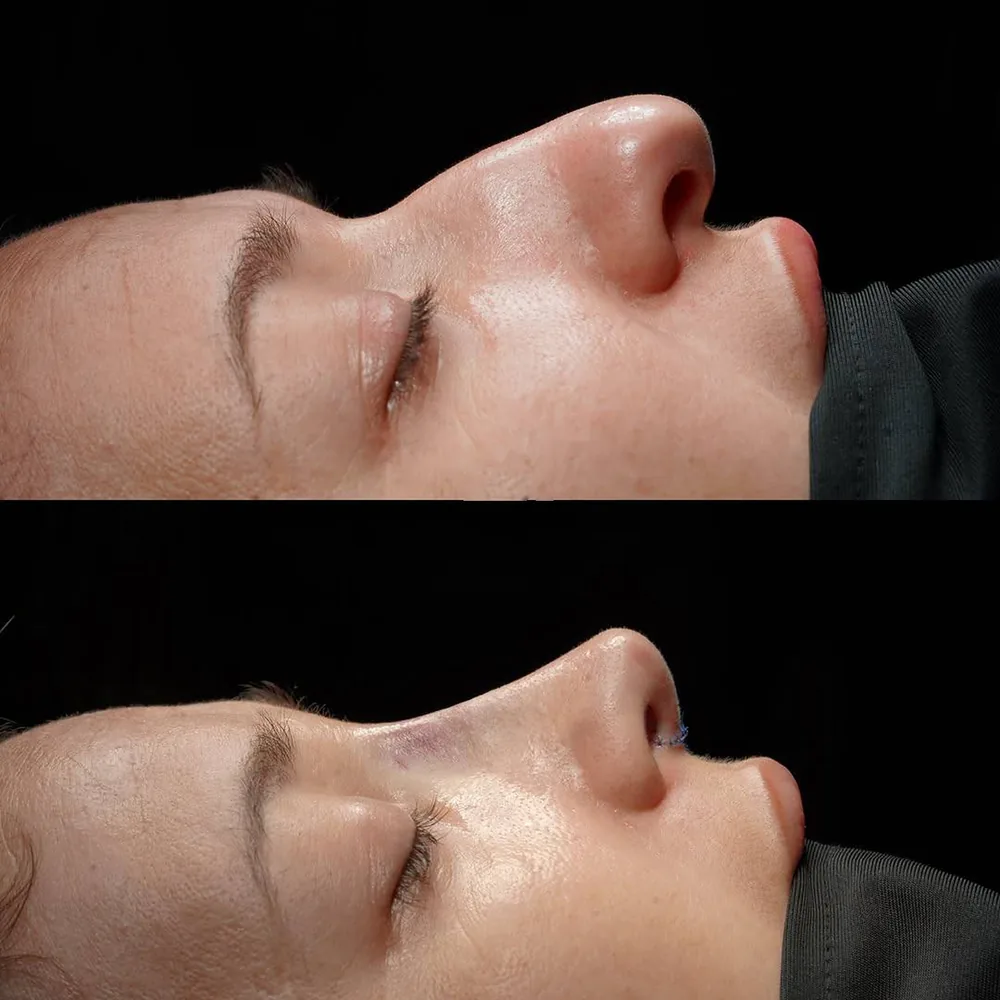
 beforeafter
Irina, 24
Rhinoplasty
Rhinoplasty
$4,200
Instead of $6,000 (≈ UGX 24,000,000) · First consultation — Free
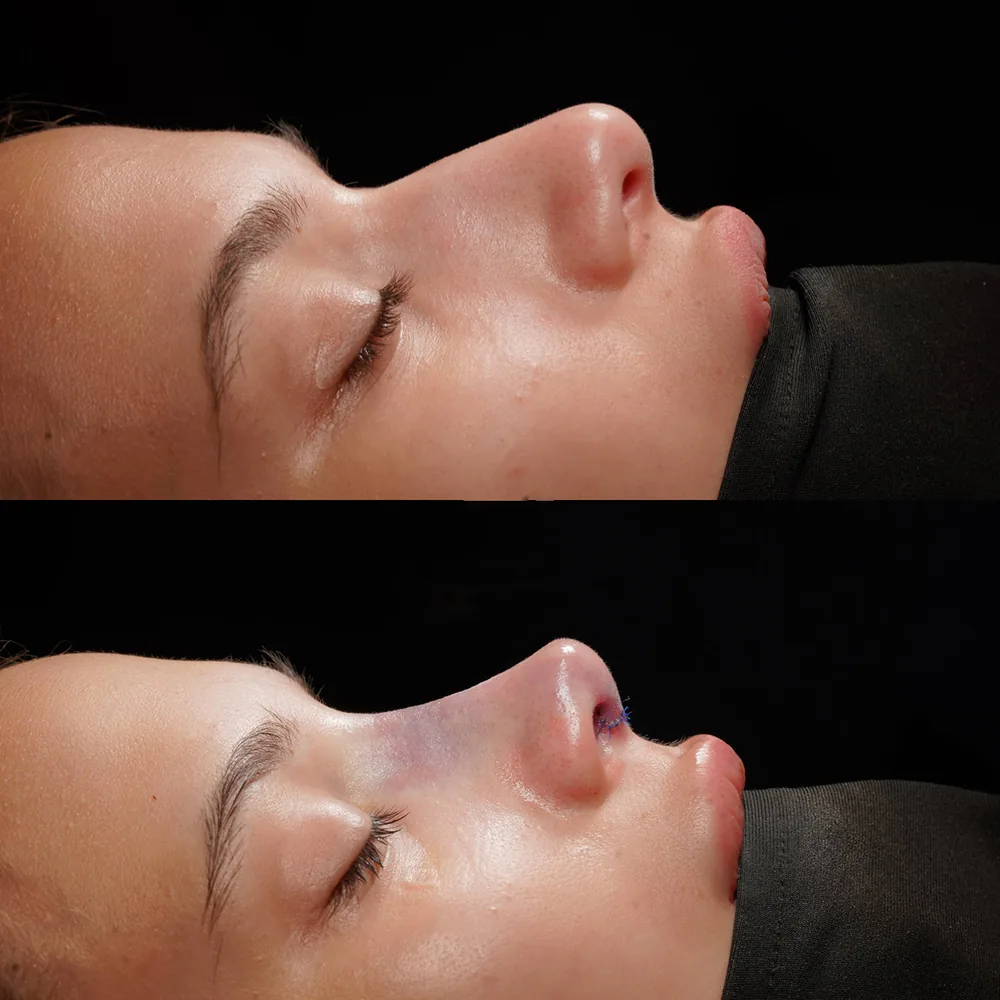 before
after
Message our coordinator
Free online consultation · Reply within 15 minutes
Message us on TelegramMessage us on WhatsAppBy messaging us, you agree to our Privacy Policy
Results
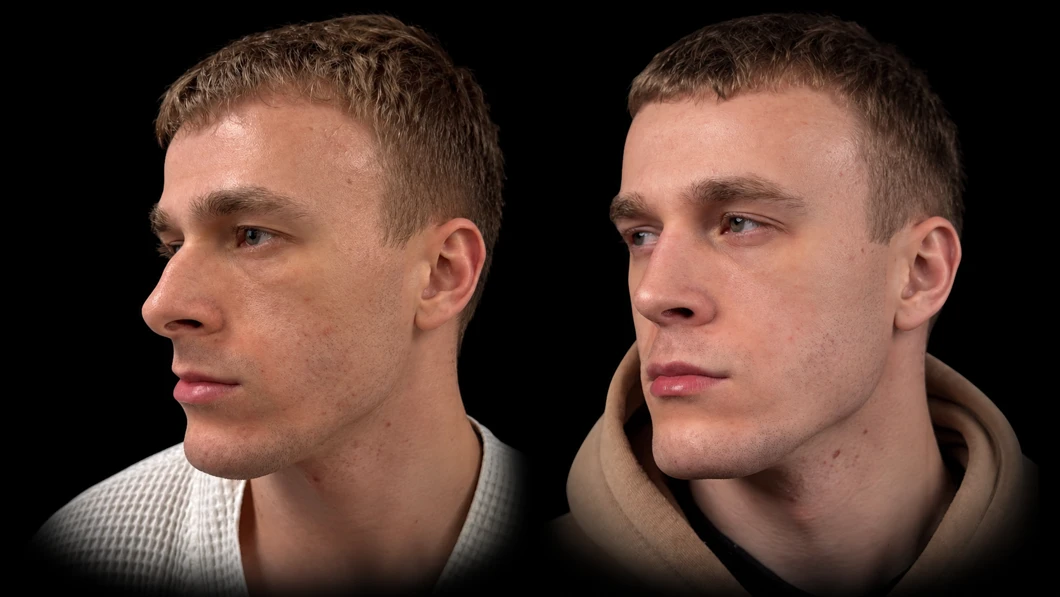
All cases are real patients of the clinic.
beforeafterRhinoplasty
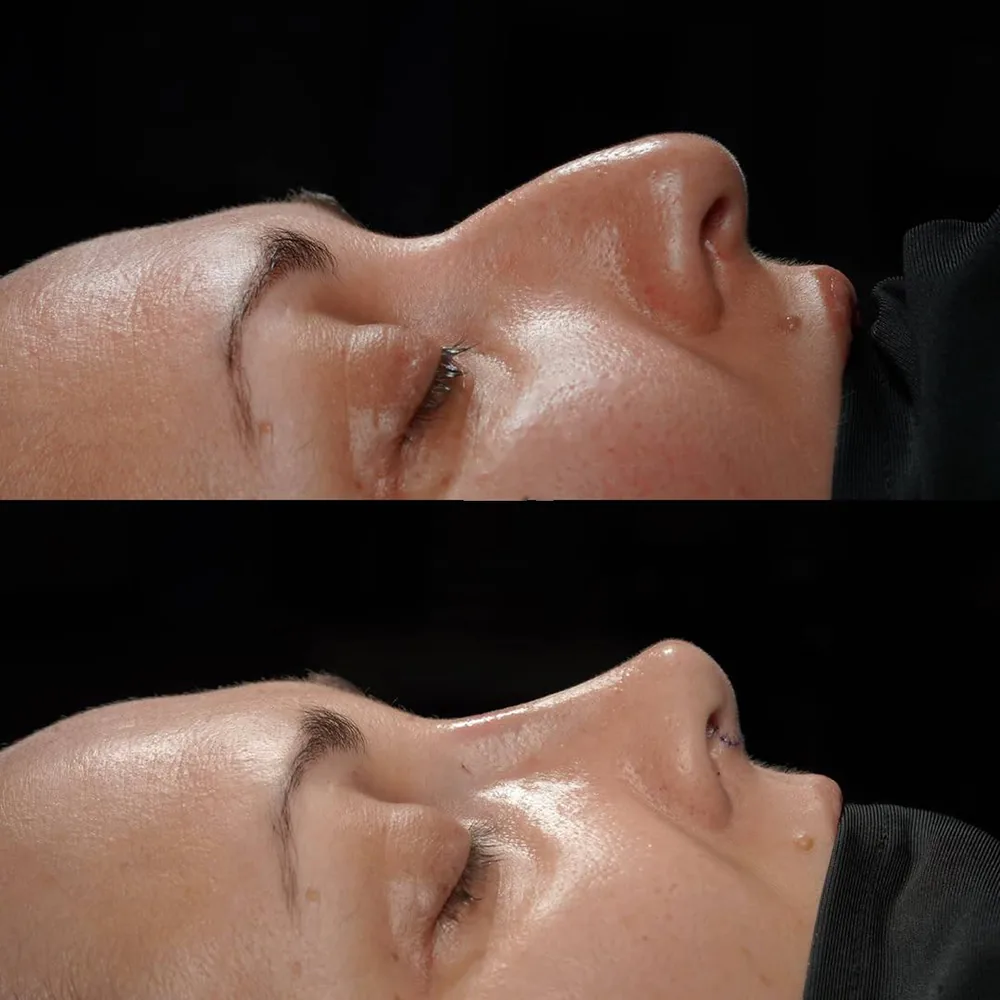 beforeafter
Rhinoplasty
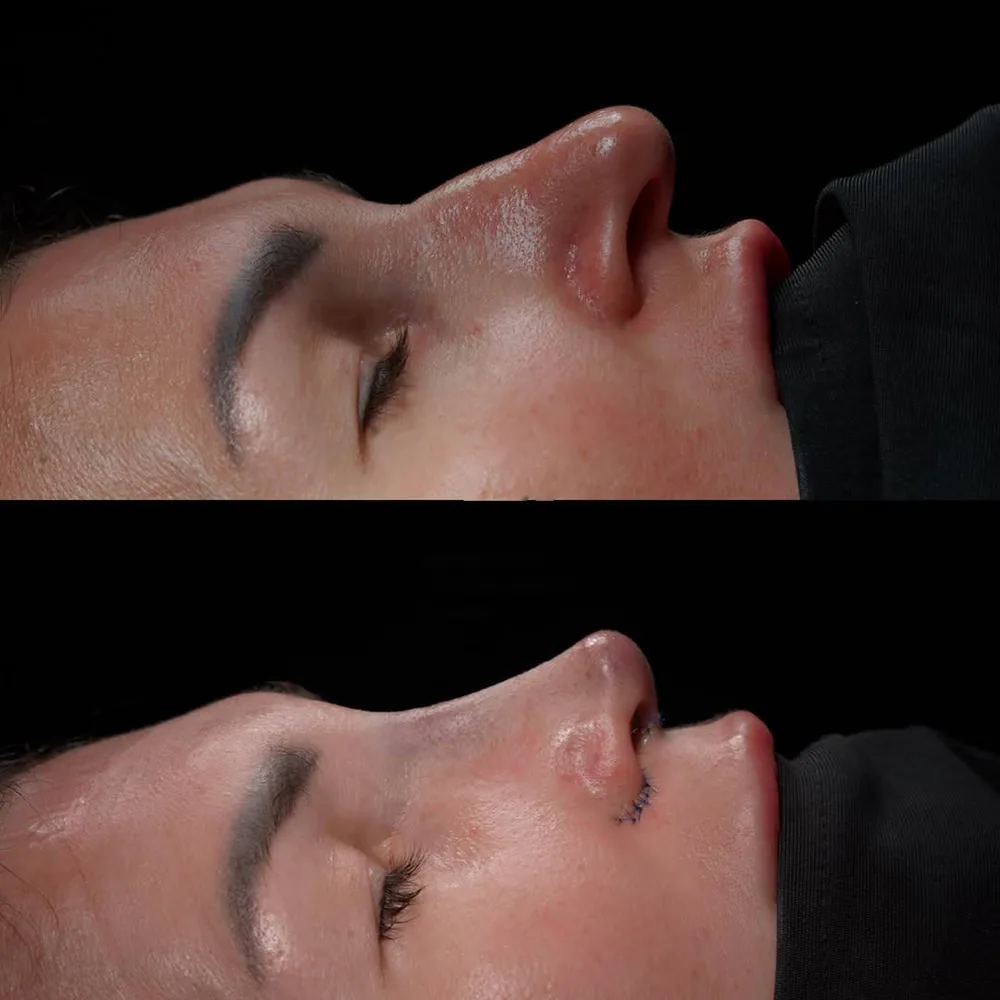 beforeafter
Rhinoplasty
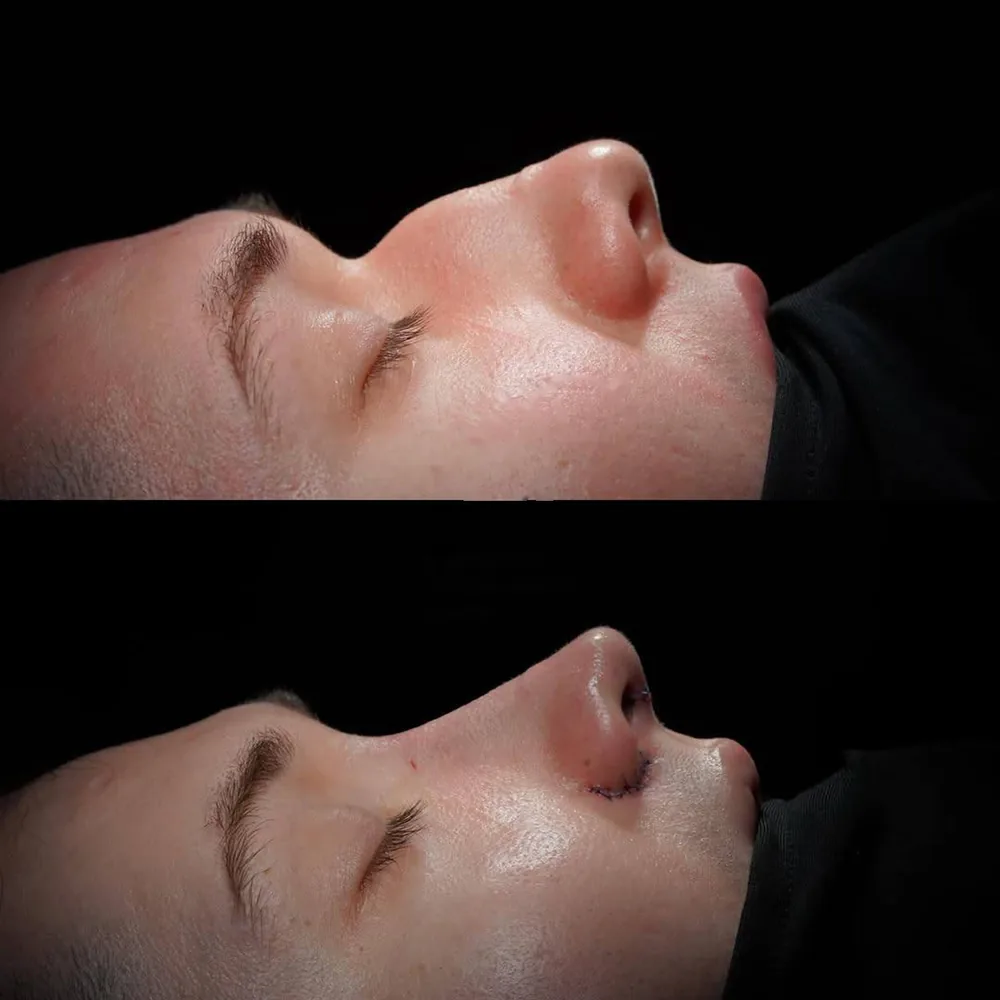 beforeafter
Rhinoplasty
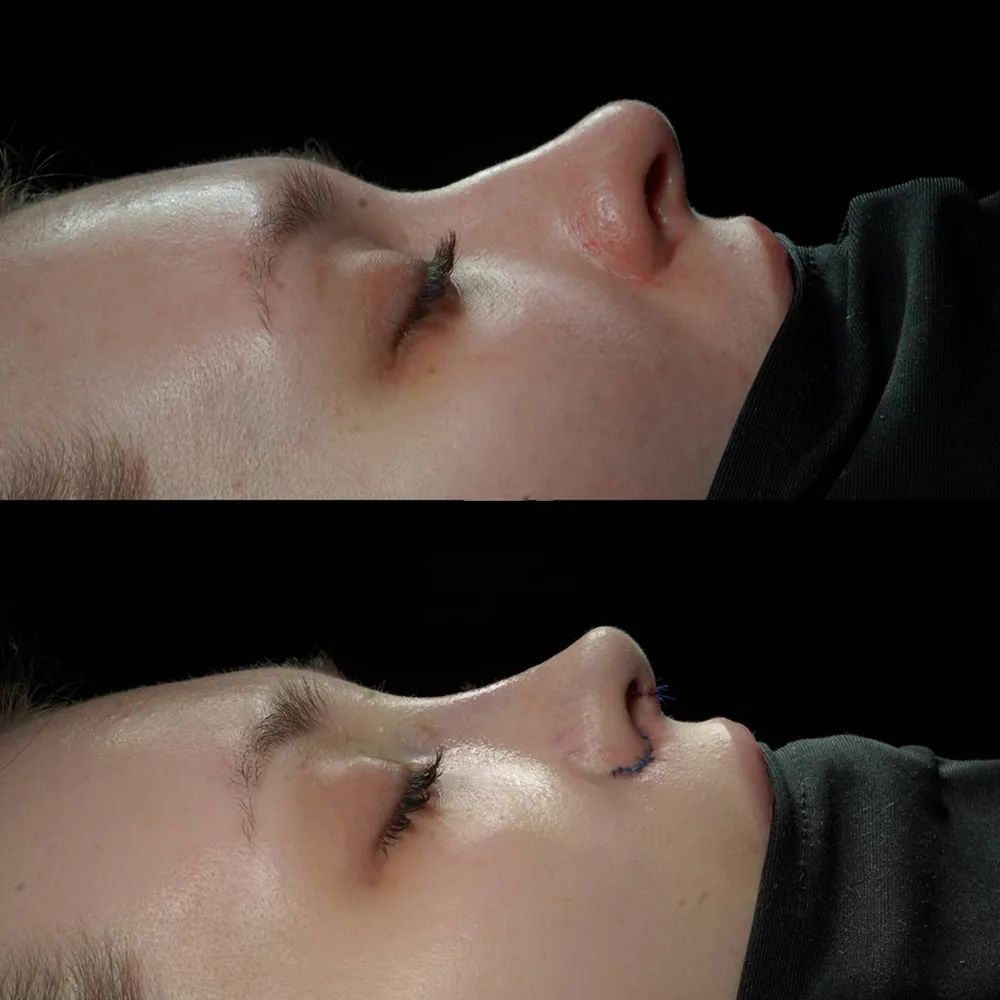 beforeafter
Rhinoplasty
beforeafterRhinoplasty
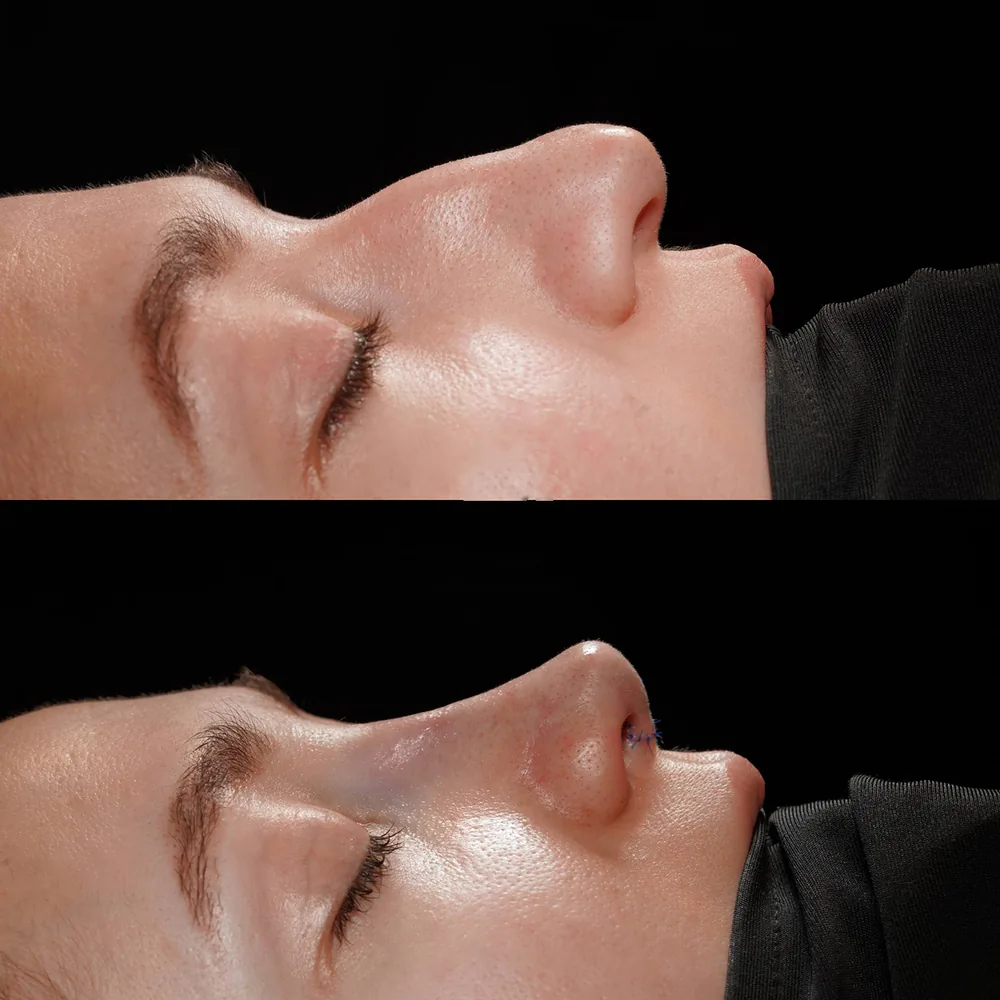 beforeafter
Rhinoplasty
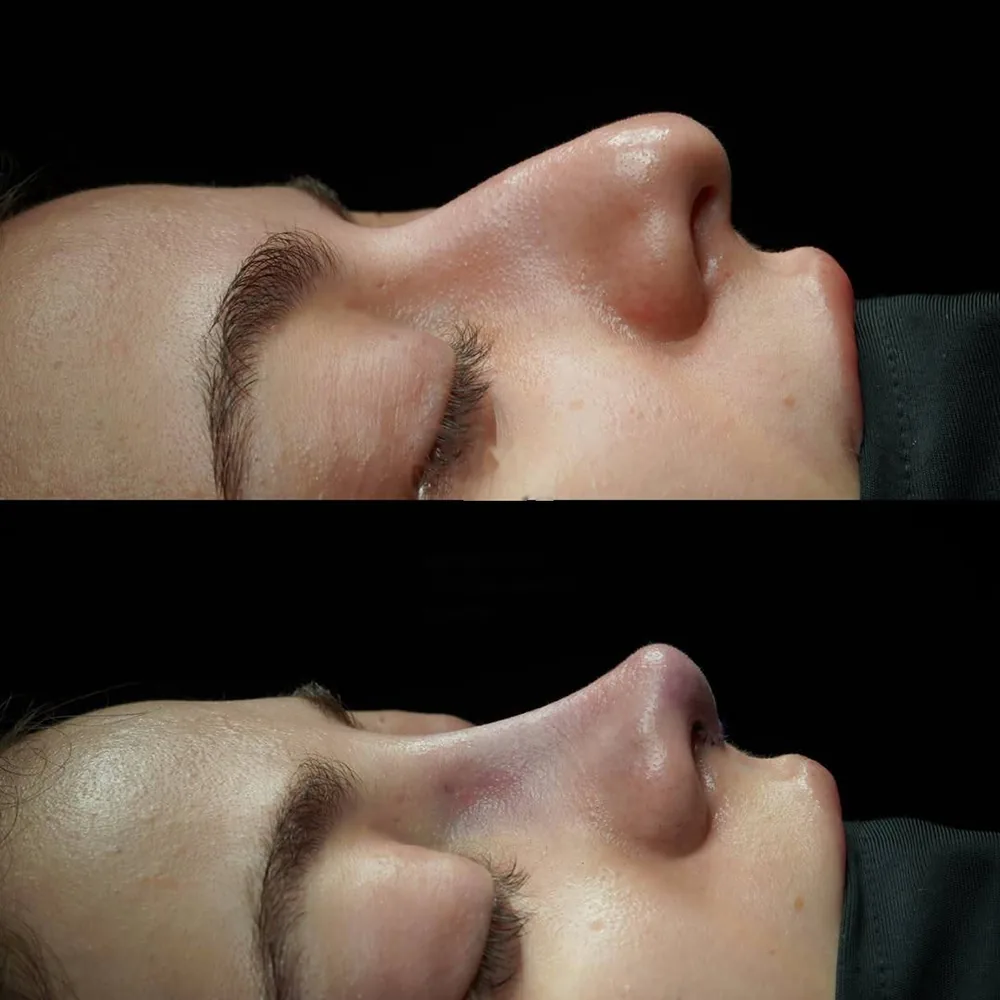 beforeafter
Rhinoplasty
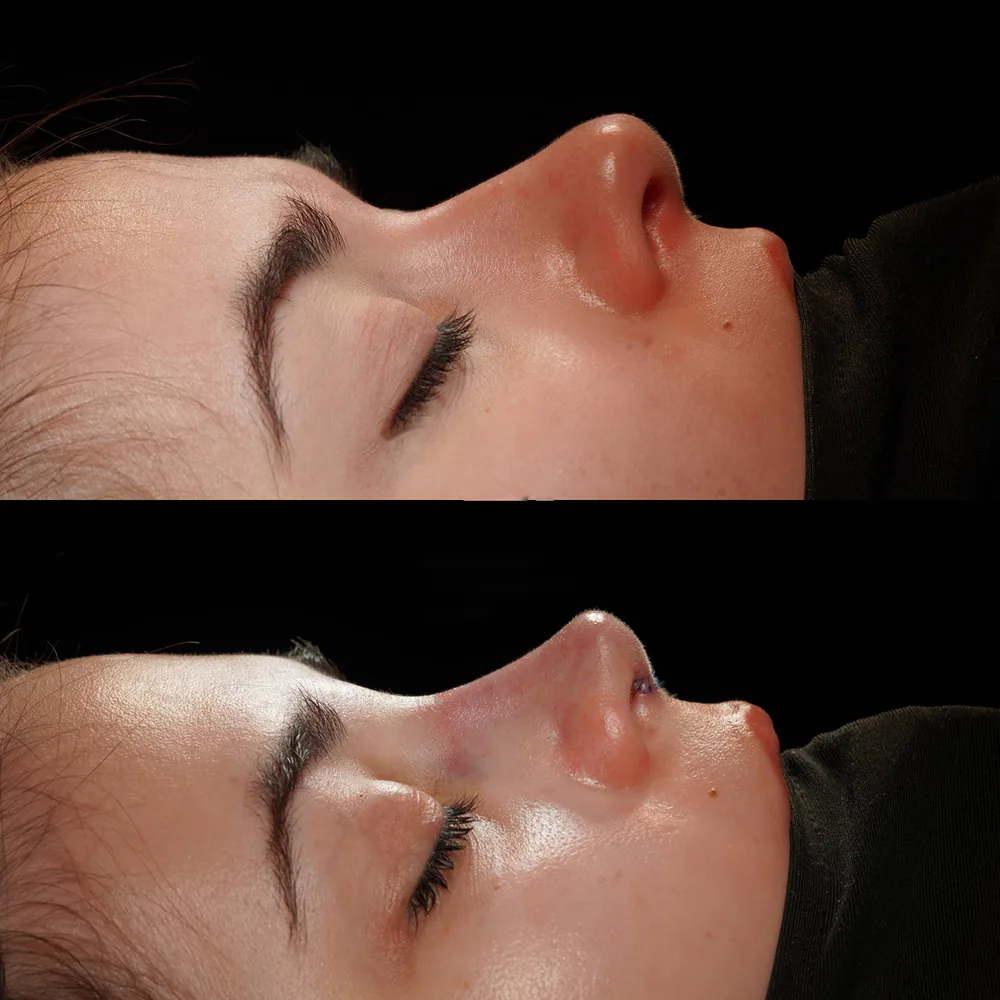 beforeafter
Rhinoplasty
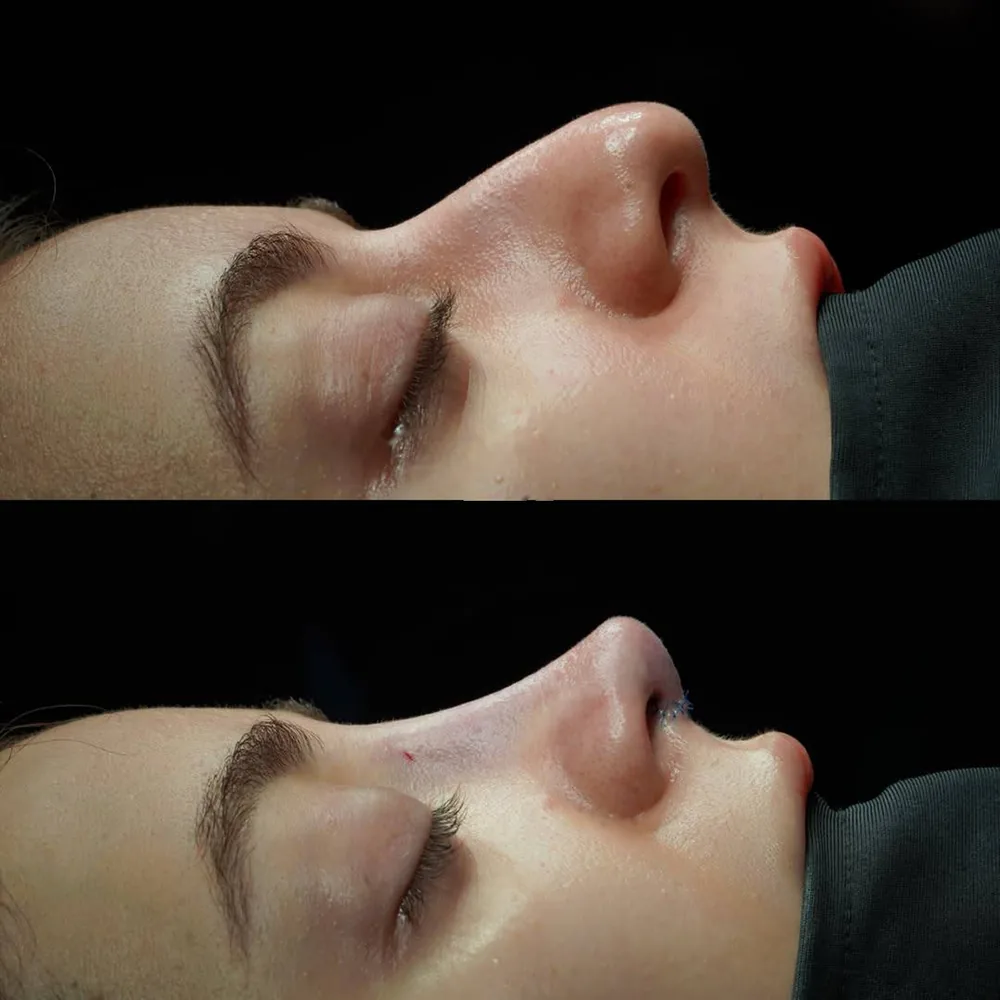 beforeafter
Rhinoplasty
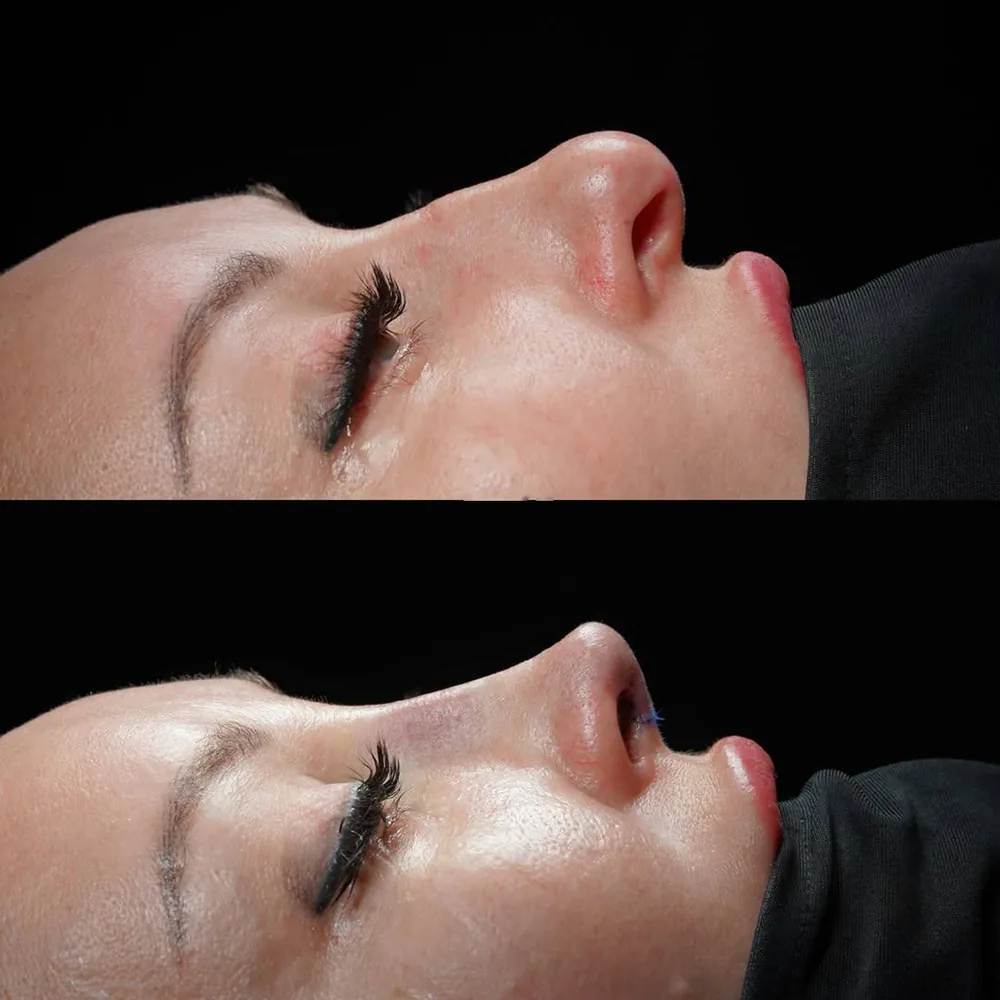 beforeafter
Rhinoplasty
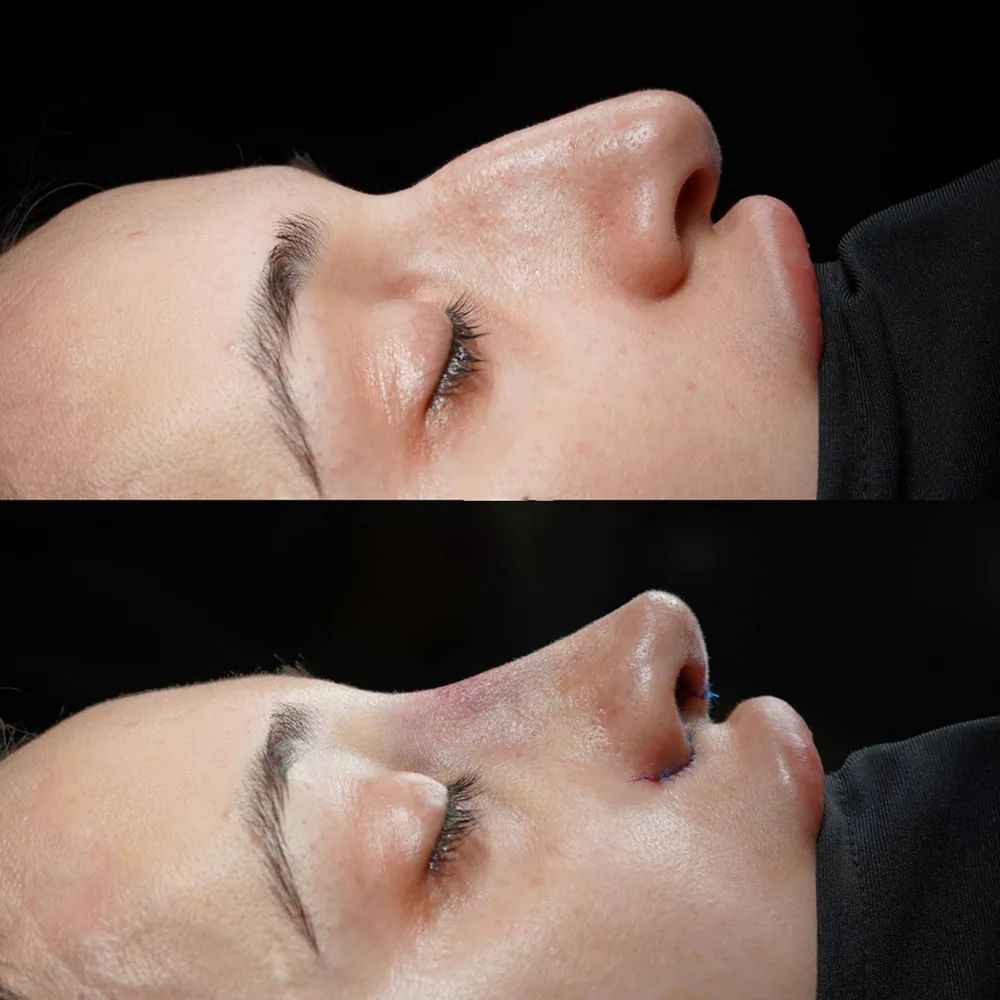 beforeafter
Rhinoplasty
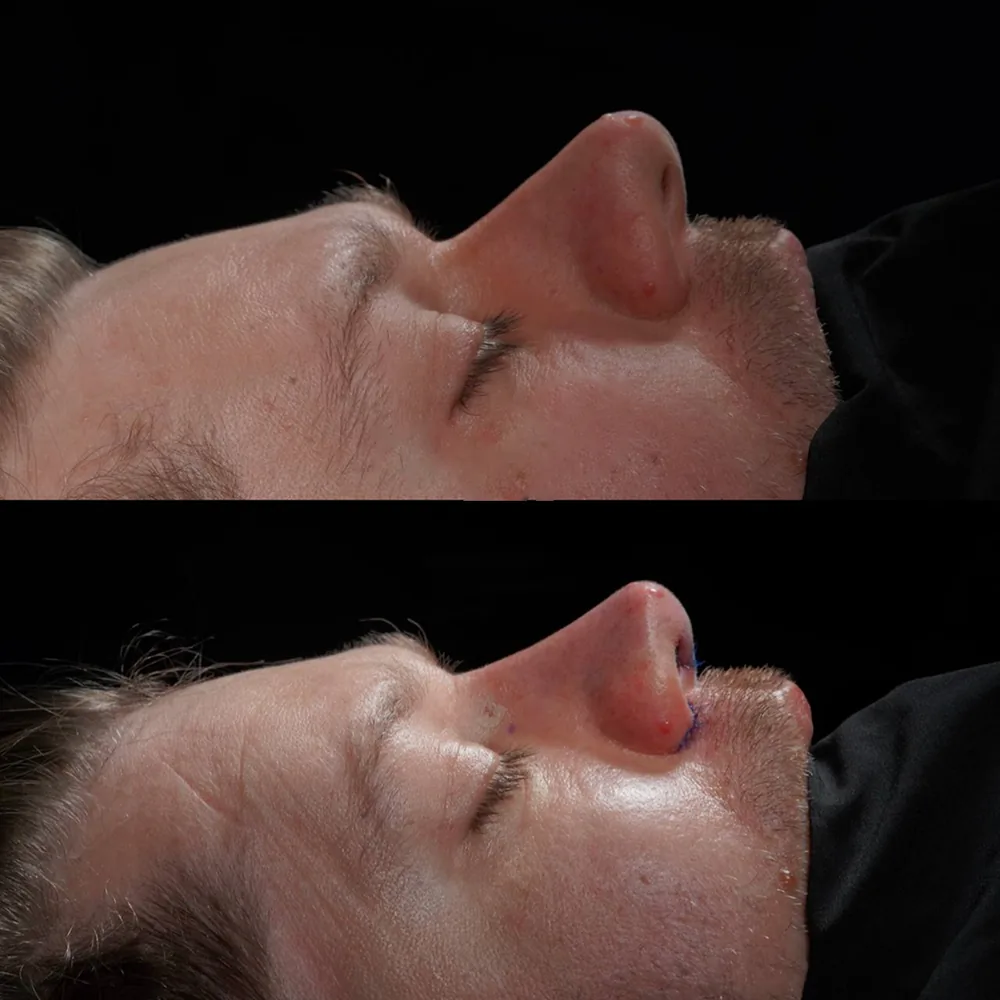 beforeafter
Rhinoplasty
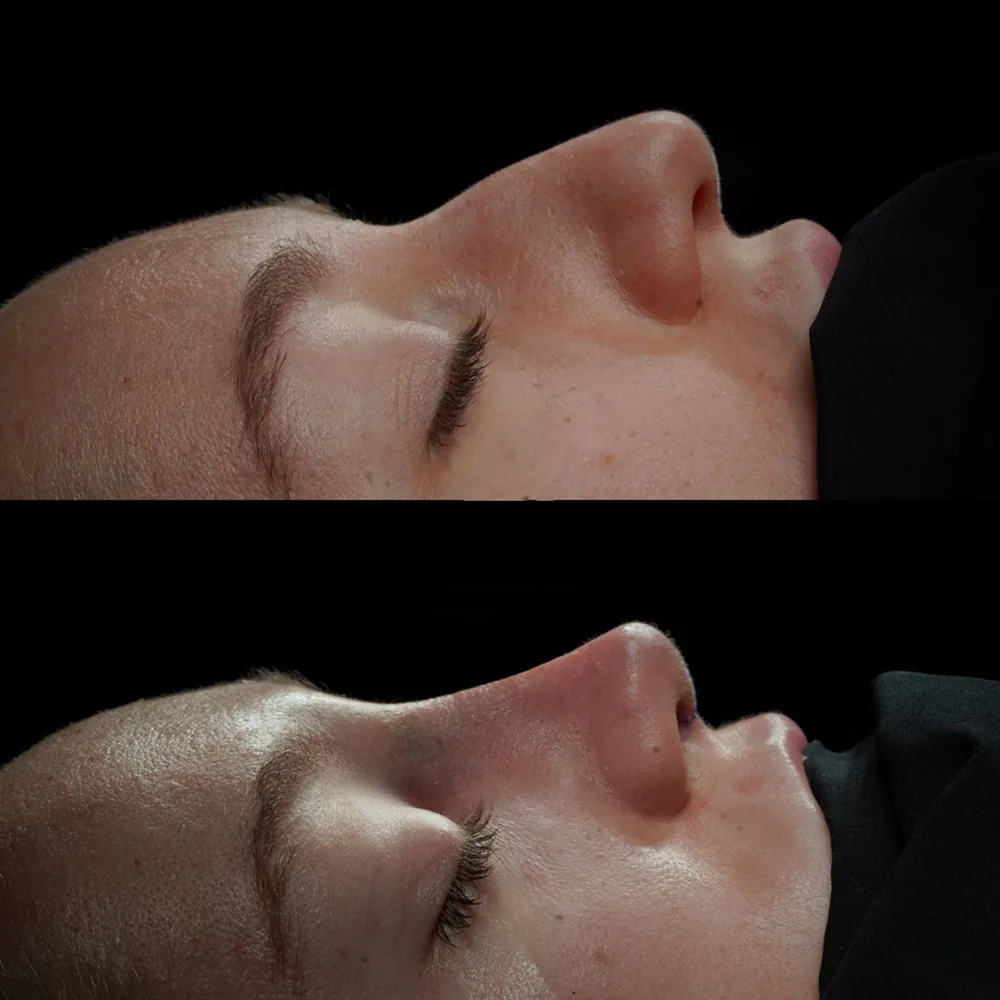 beforeafter
Rhinoplasty
Comparison
We will find the most effective solution for you and deliver an excellent result.
A primary nasal operation that adjusts appearance and improves breathing when airflow is restricted.
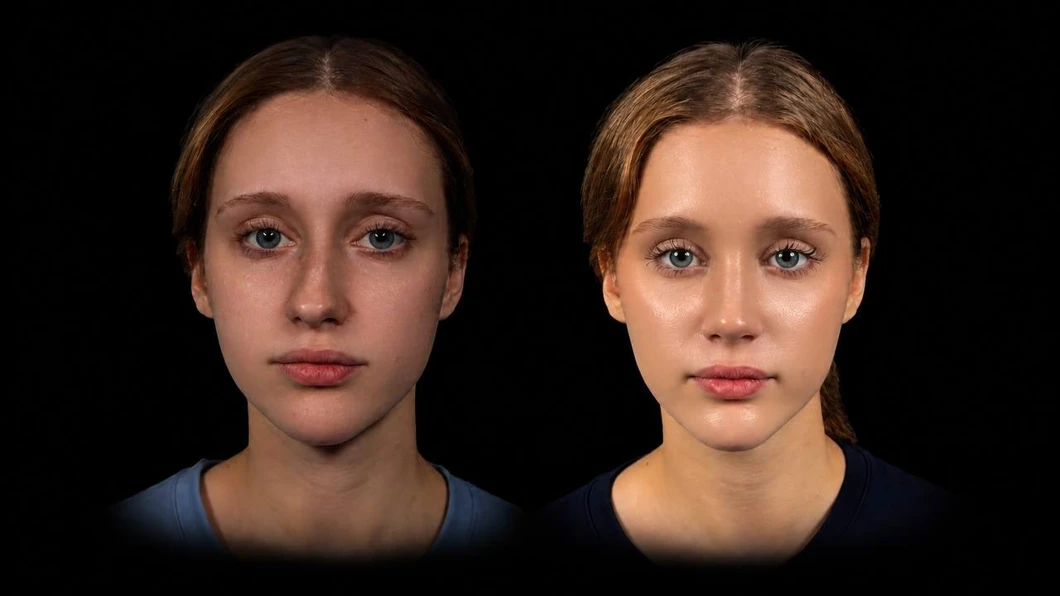
Discounted price
$4,200 $6,000
Repeat rhinoplasty: used to correct the nose following an operation that did not fully succeed. Scheduled no earlier than one year after the original surgery.
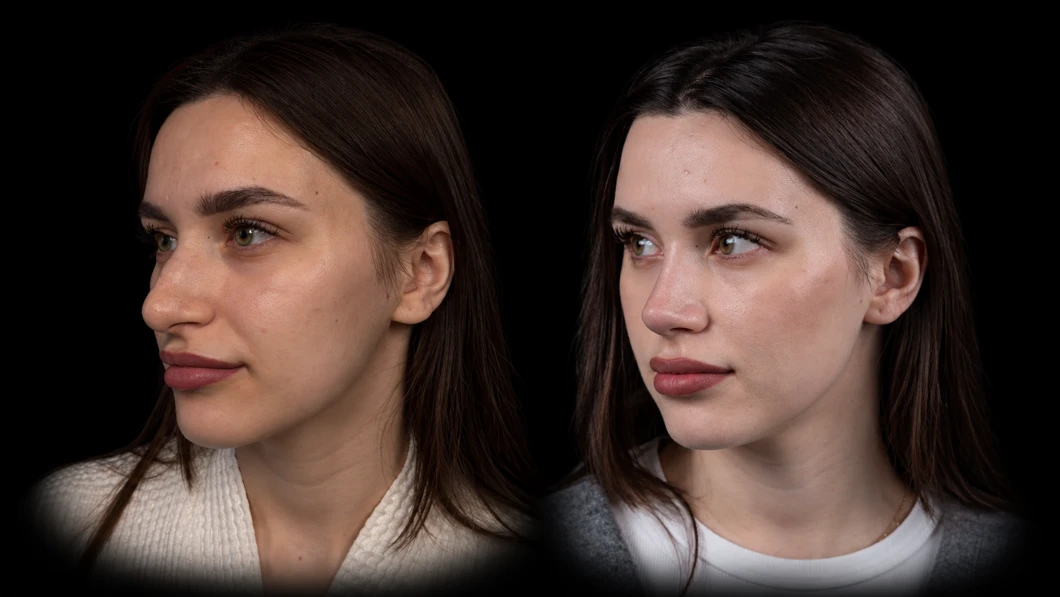
Discounted price
$5,400 $7,200
A combined operation to correct the septum and change the appearance of the nose.
Discounted price
$5,000 $6,600
Shown here are average benefits and recovery times by surgery type, for guidance only: the real extent of correction and recovery time depends on your anatomy, confirmed by the surgeon at the consultation.
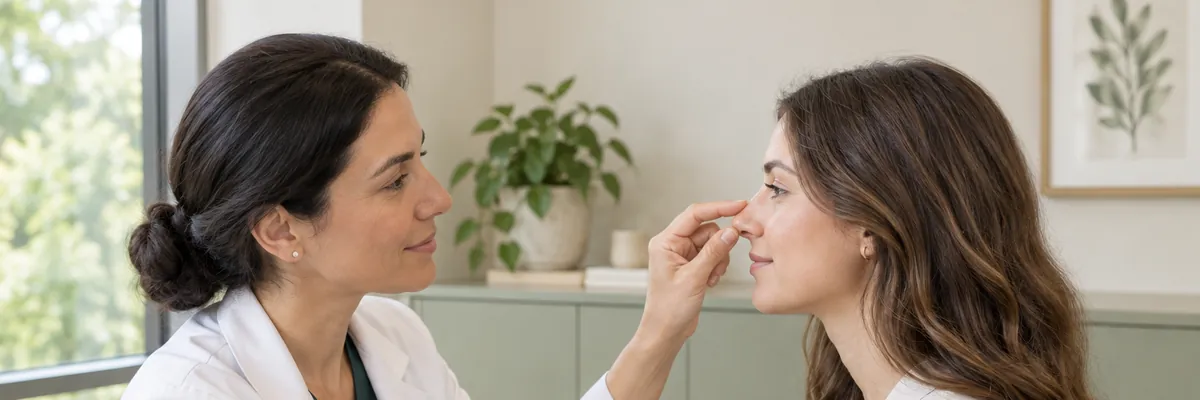
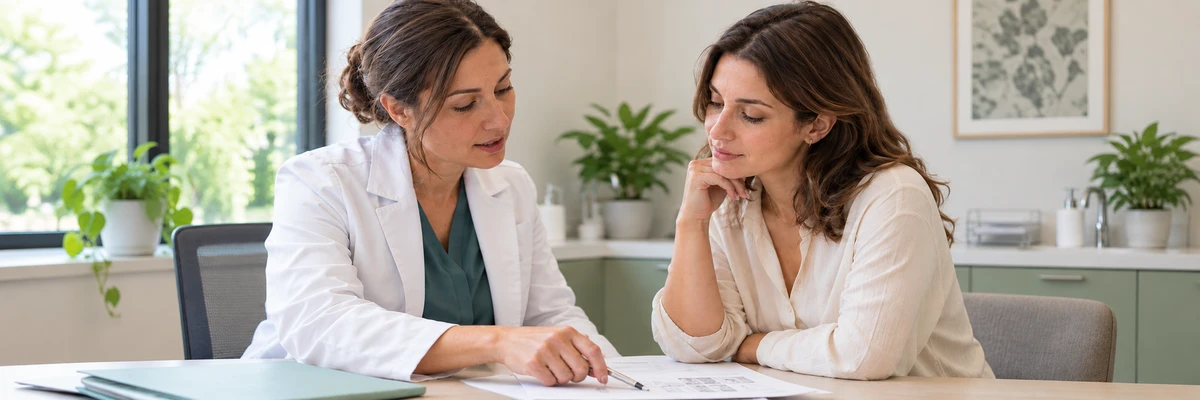
At the consultation, the doctor will build a 3D model of the expected result and explain
each step of your rhinoplasty
Free of charge, before surgery, and with no obligation — that is the consultation.
Book a consultationAbout the clinic
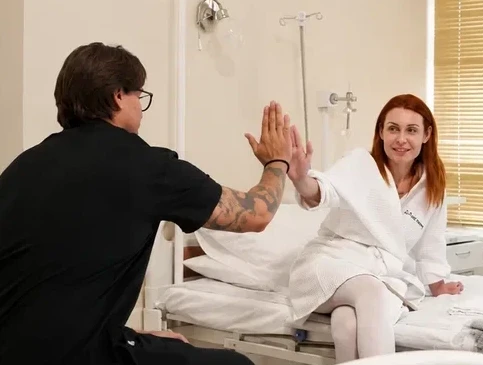
Every patient gets modern equipment, comfortable rooms and attentive care
We will answer your questions and find a convenient time for a consultation
Get a consultationShould your case be solvable without an operation, the doctor will say so at the consultation — so you won't pay for nothing.
Not sure which column you belong to?
Message us on Telegram and send photos of your nose — the doctor will tell you whether rhinoplasty is right for you. Free and with no commitment to surgery.
Find out if it suits me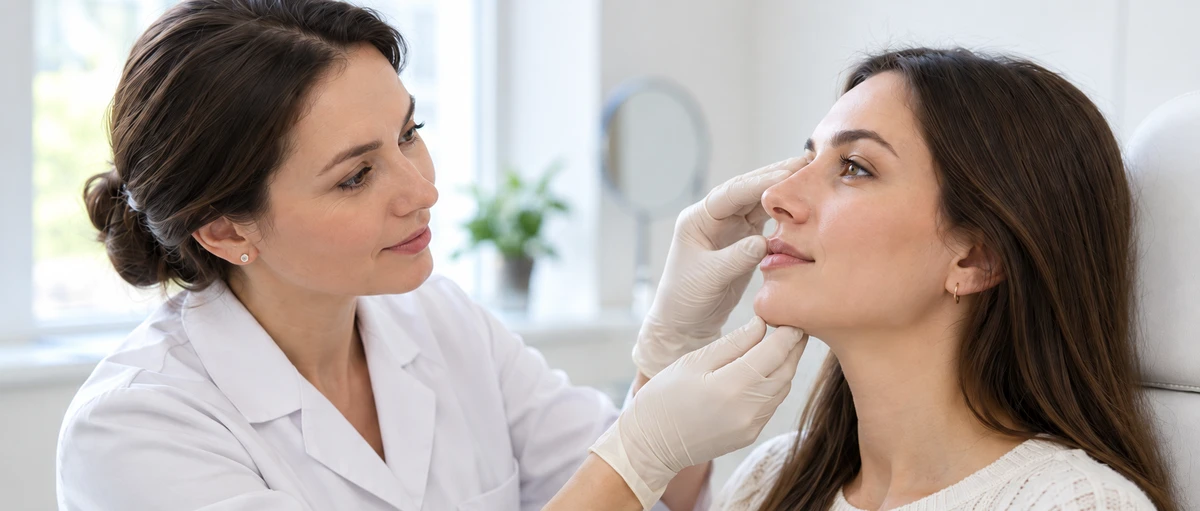
Prices
The cost is named at the free consultation, after result modelling, and fixed in the contract.
Discounted price
nose reshaping
$4,200$6,000
Discounted price
secondary, revision
$5,400$7,200
Discounted price
shape of the nose and the septum
$5,000$6,600
Free
3D modelling after the surgeon's examination
Free
you are told the cost of surgery
and it is fixed in the contract
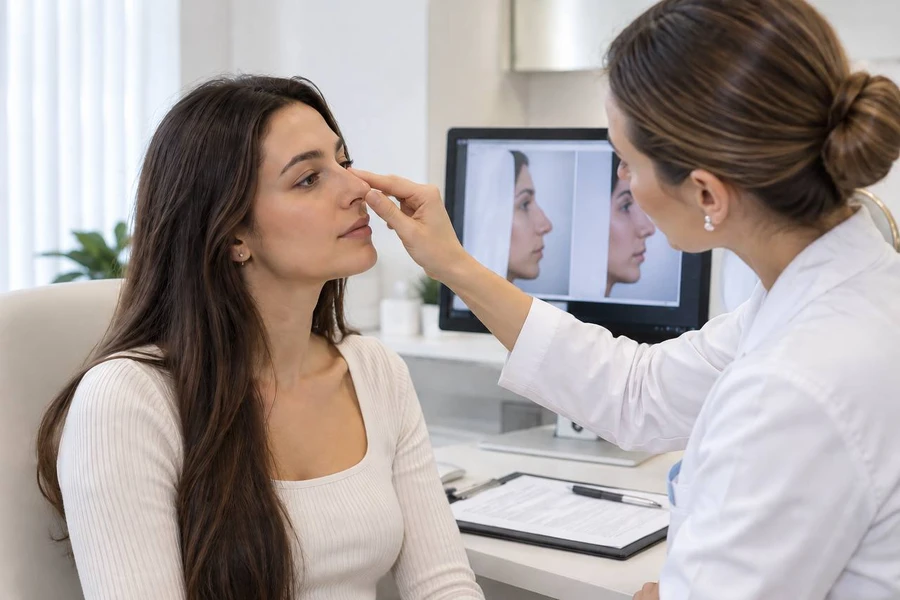
The doctor will review the anatomy of your nose, take note of your wishes
and pick the correction technique that suits you. The price is named at the consultation and set in the contract.

Message our coordinator
Free online consultation · Reply within 15 minutes
Message us on TelegramMessage us on WhatsAppBy messaging us, you agree to our Privacy Policy
Price
From getting ready for surgery
to 12 months of support.
Discounted price
$4,200$6,000Discounted price
Step by step
Inpatient observation, a year of recovery monitoring, and a correction plan agreed together with you.
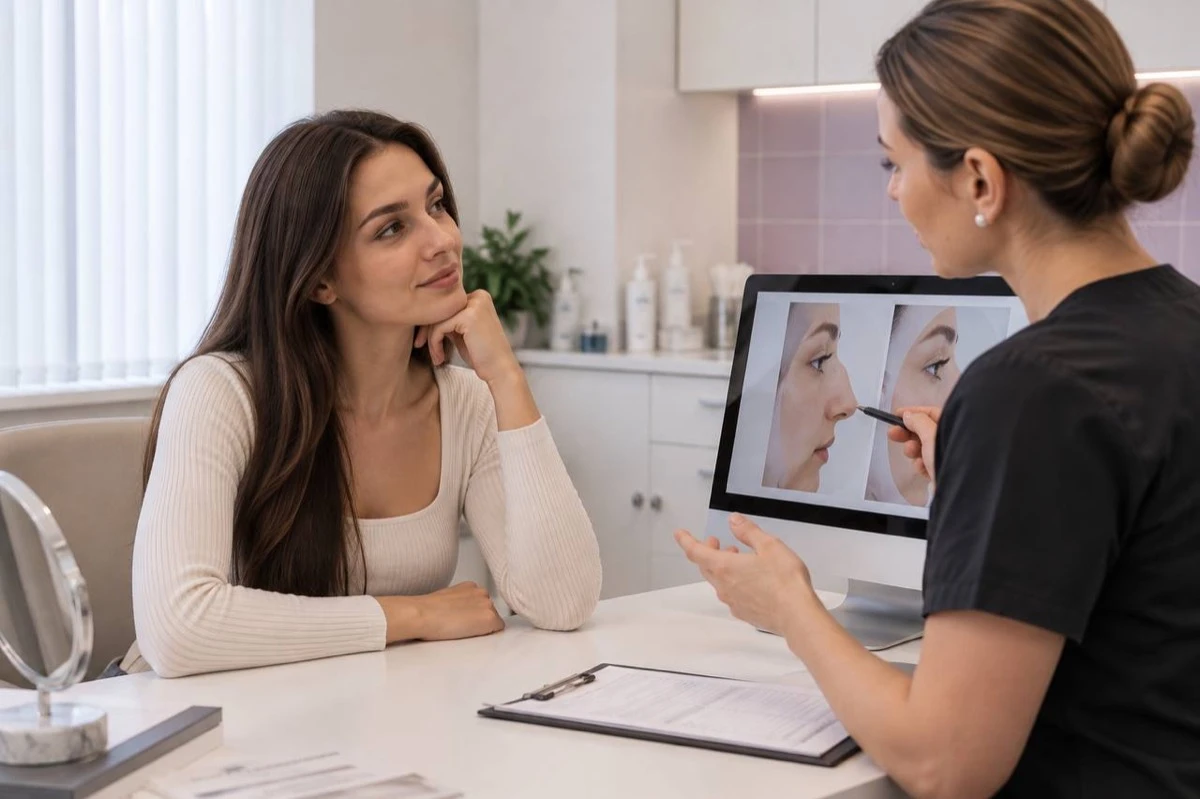
The doctor assesses your nose, discusses your wishes and carries out the examinations needed to choose the best correction technique

We reserve a surgery date for you: the deposit can be paid by card at the clinic or online by bank transfer. The terms are fixed in the contract for medical services
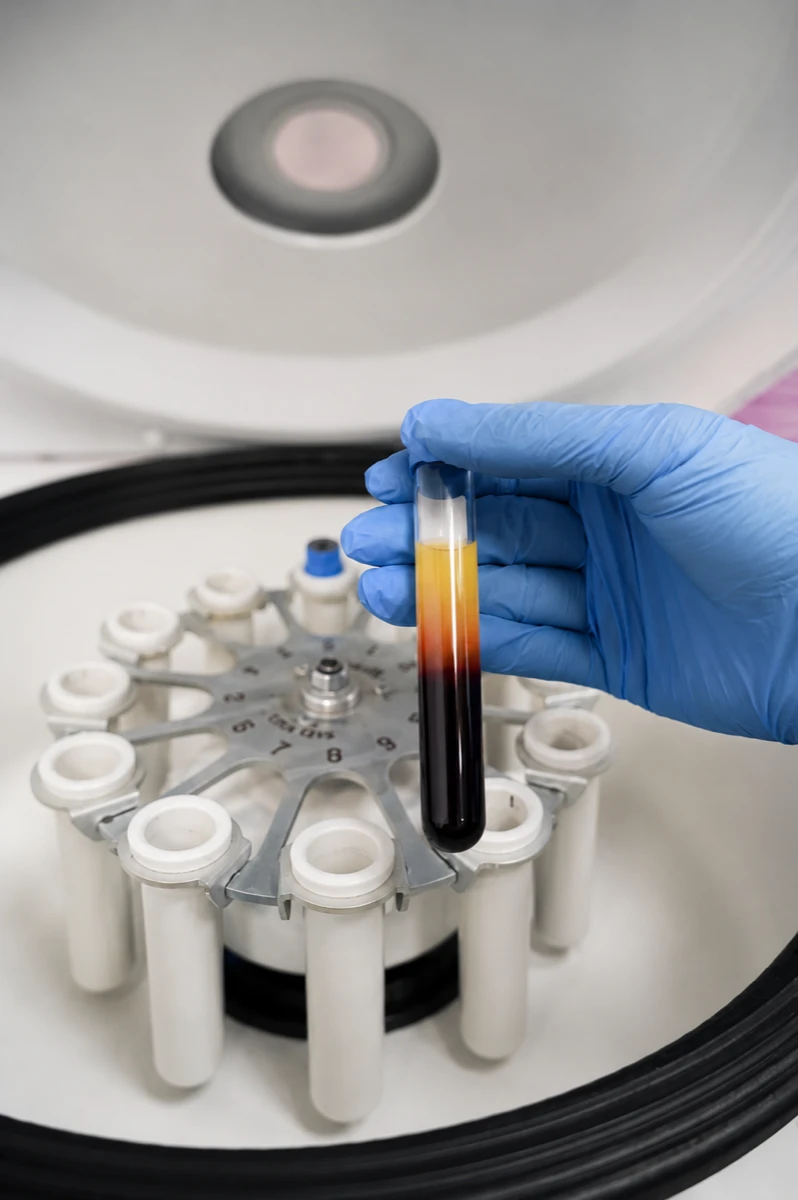
Before surgery you need a full set of lab tests: complete blood count, biochemistry, coagulation panel, chest X-ray and an X-ray of the sinuses
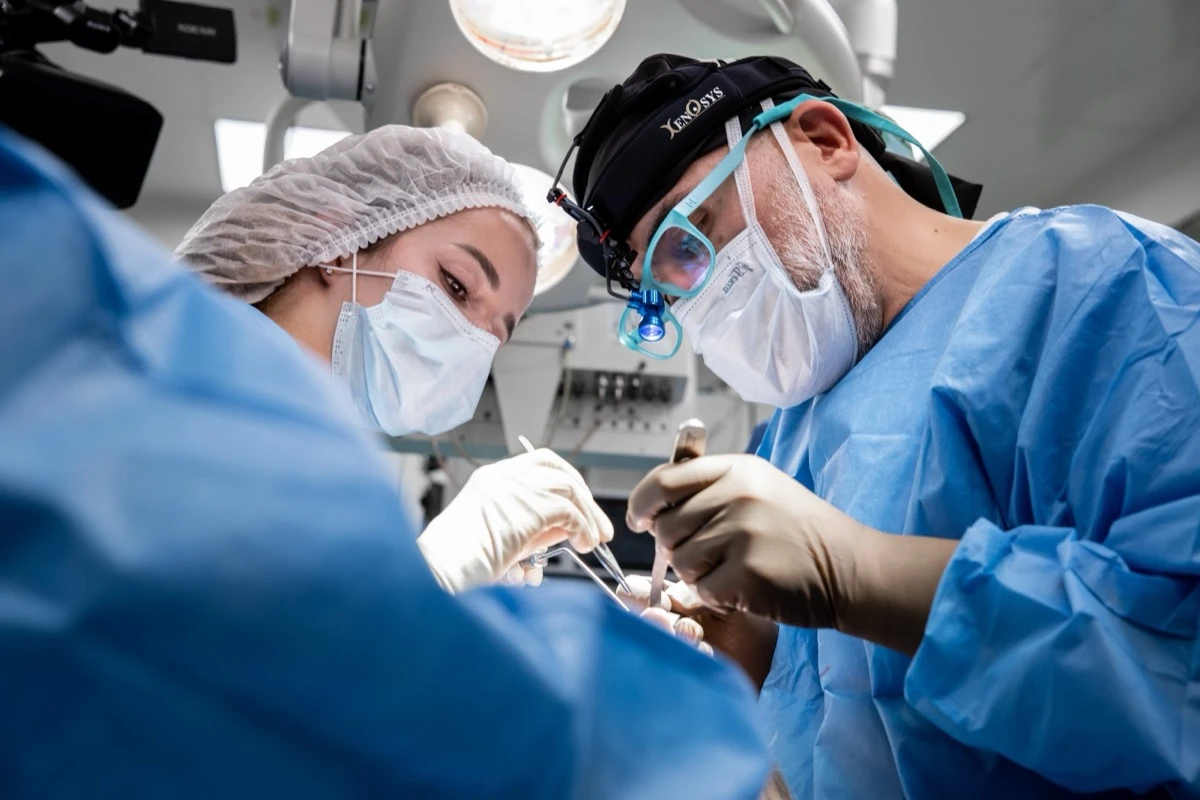
Under general or local anaesthesia, the surgeon performs the rhinoplasty with the chosen technique, correcting the structure and shape of the nose
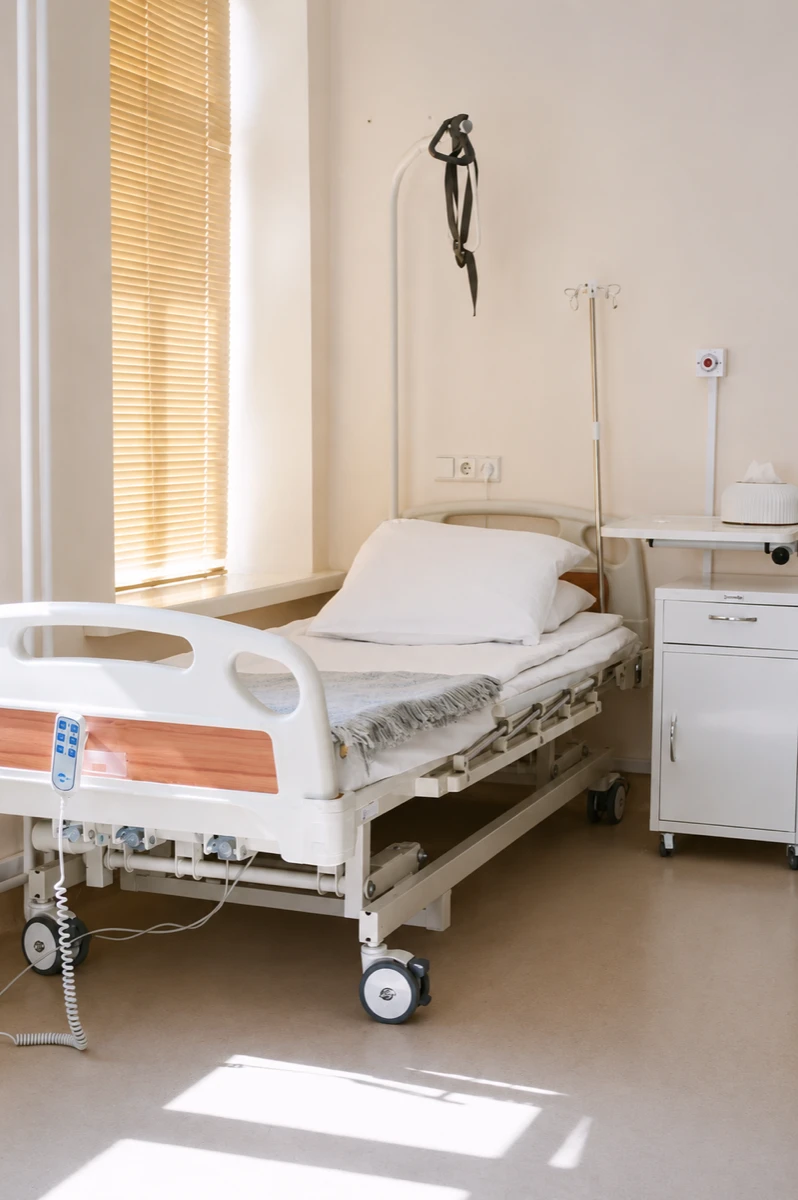
We perform all procedures in the clinic's inpatient unit. After the operation you remain there one day
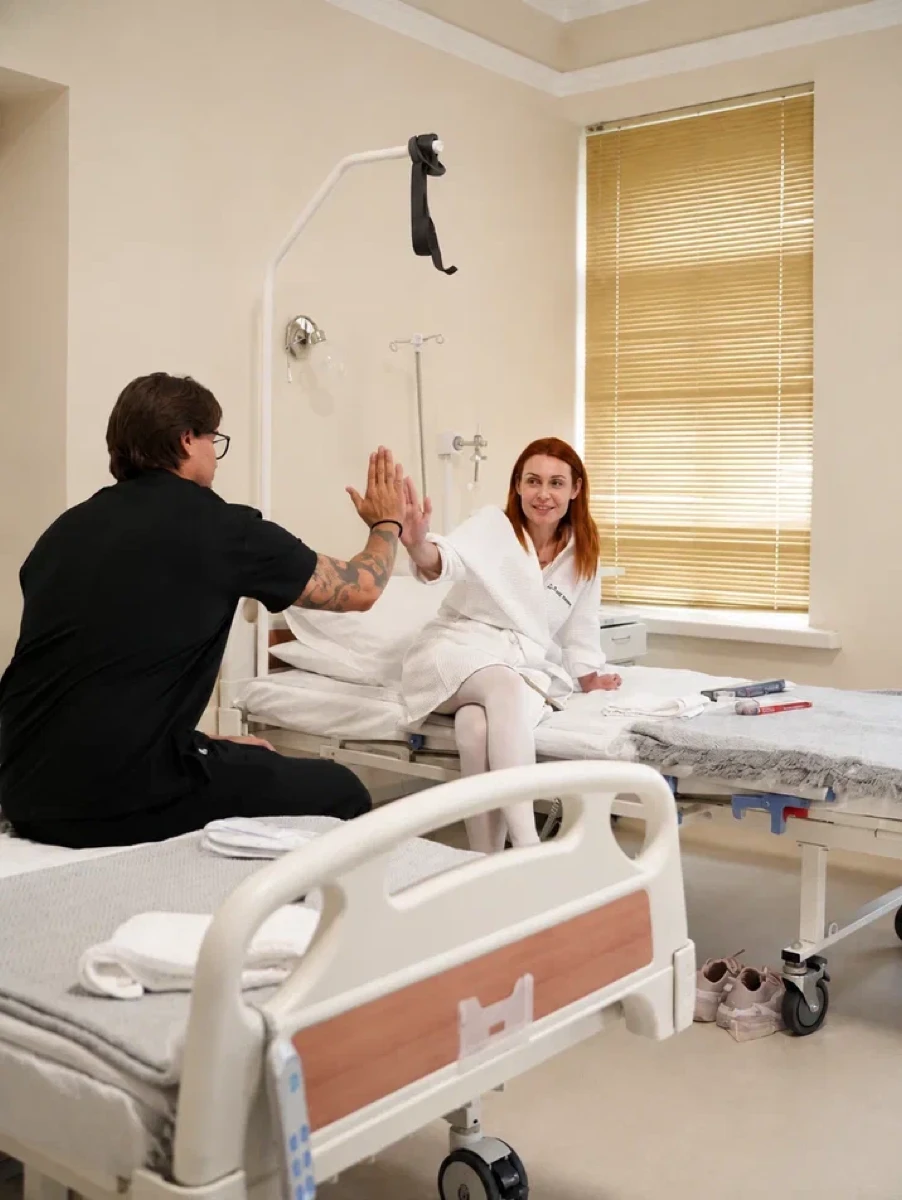
After surgery you get a recovery programme. Check-ups at 7 days, 3 and 6 months help track your recovery. For a year after surgery, consultations with your surgeon are free.
At the consultation you will see a realistic forecast of the result
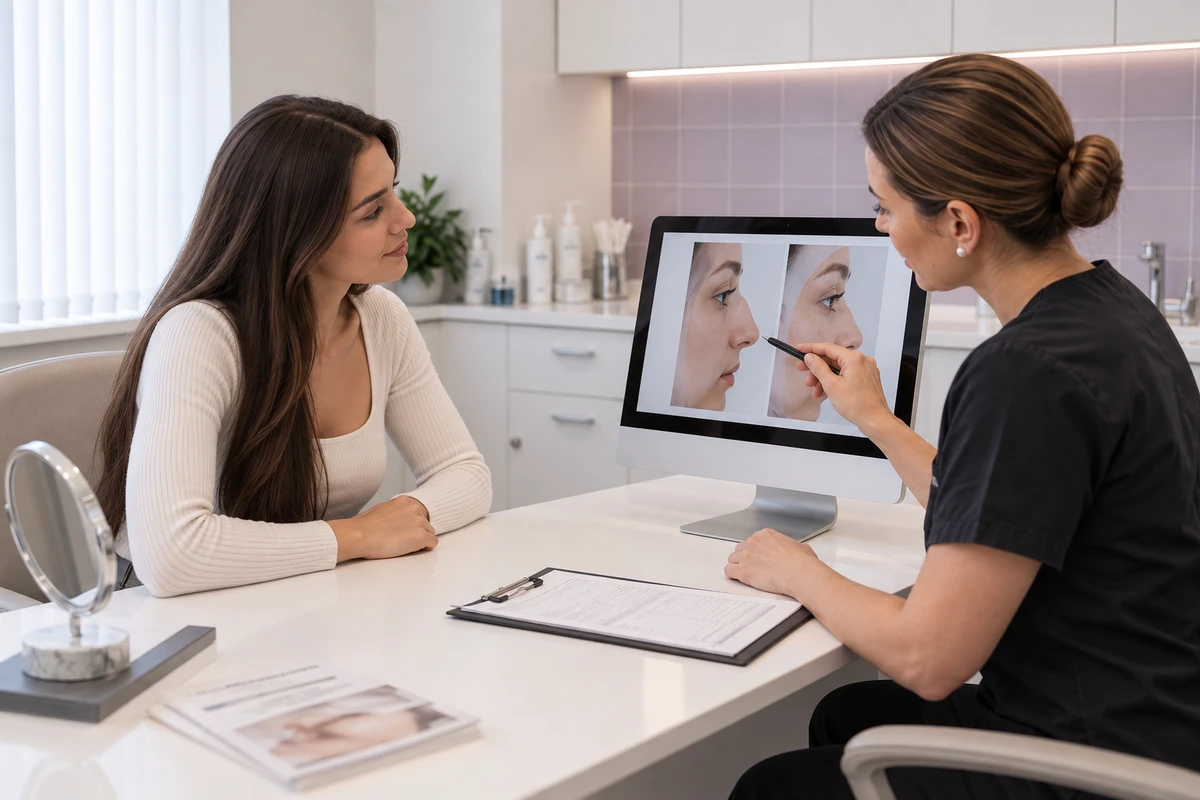
Free of charge, before surgery, and with no obligation — that is the consultation.
Book a consultationNasal splint
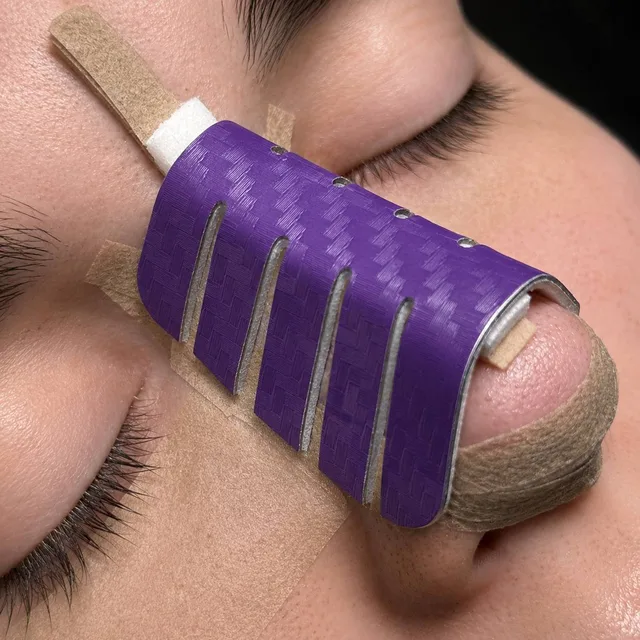
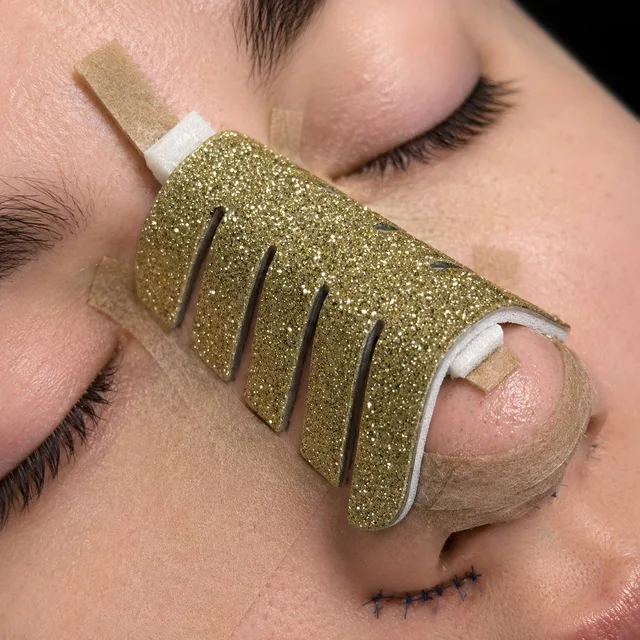
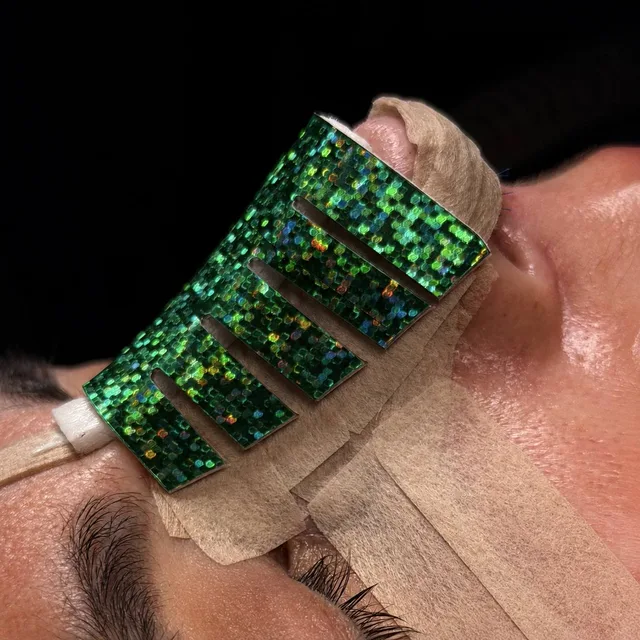
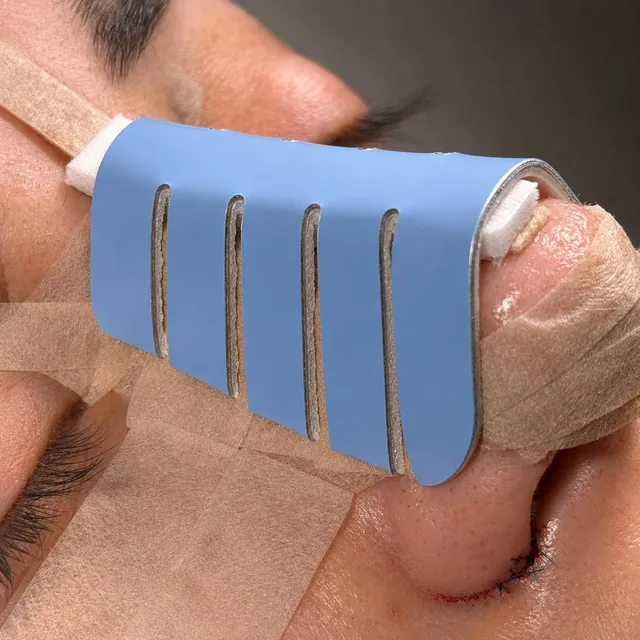
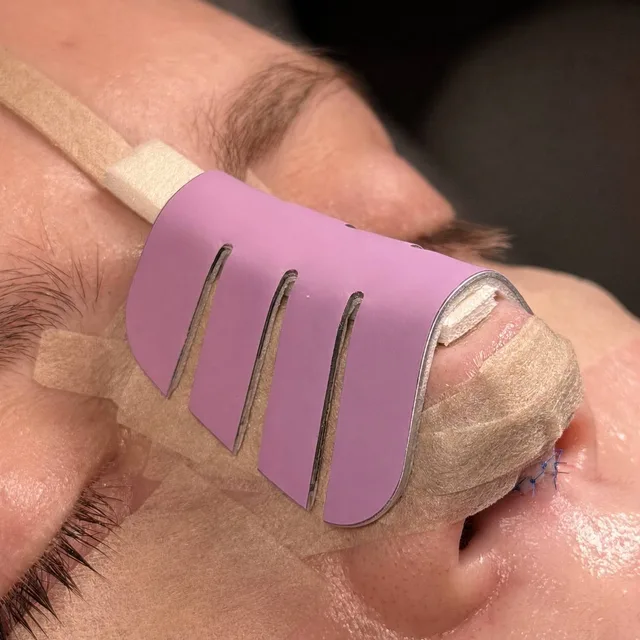
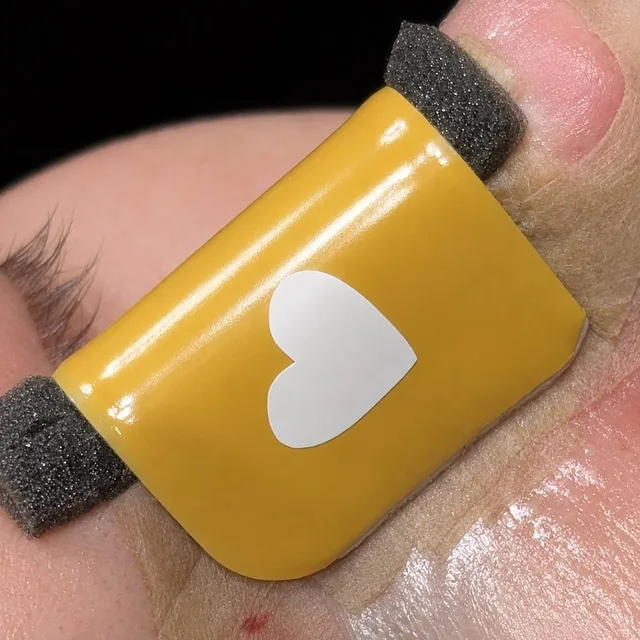
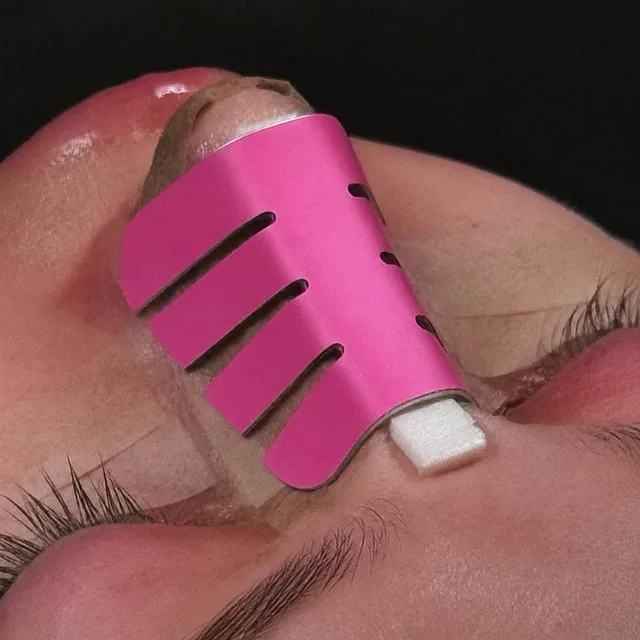
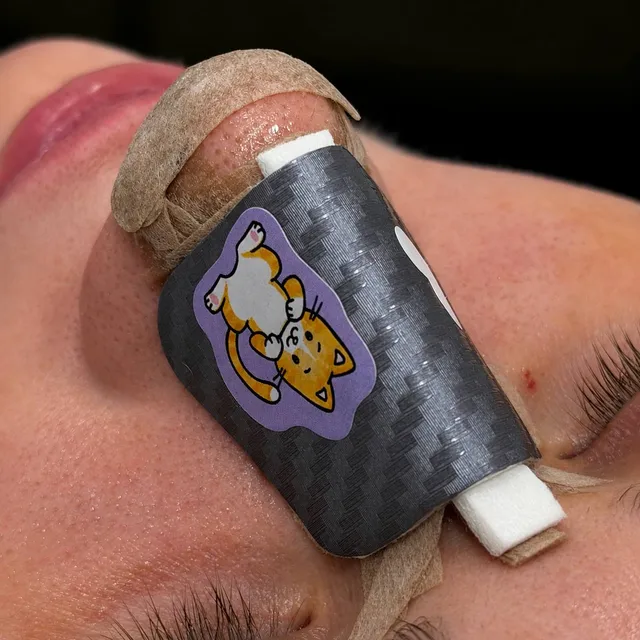
We design every detail to bring out your natural beauty — and so recovery feels good too, you get to choose the colour of your own nasal splint.
The details that reflect your style:
Choose a splint colour to match your mood
Confidence starts with small things, just like your future profile
Doctors
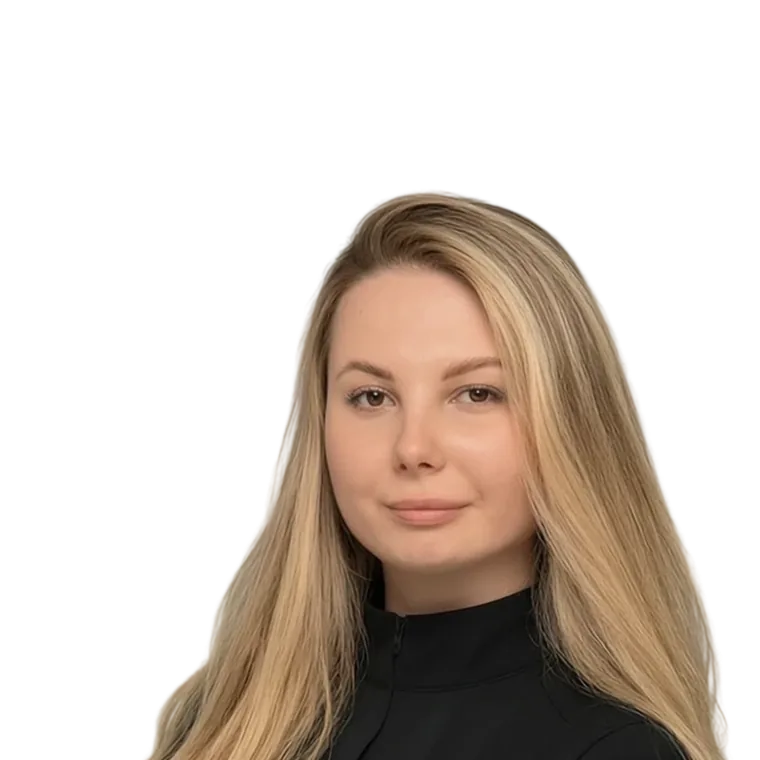
Rhinoplasty surgeon
The consultation is with the surgeon who will actually operate on you
The doctor looks at your facial proportions, takes in your wishes and explains which changes can realistically be made.
Book a consultationCoordinators
Support is there for you at every stage

A personal coordinator
Your first contact at the clinic — from your first message to the consultation
Patient care specialist
Responds to your questions ahead of the consultation and helps you settle on a convenient date

A personal coordinator
Supporting you before and during your stay, from booking right through to discharge
Patient care specialist
Helps you prepare for the operation and stays in touch while you're at the clinic

A personal coordinator
Present through your recovery, from discharge to the final check-up
Patient care specialist
Stays in touch throughout your recovery and arranges your follow-up visits with the surgeon
A private channel for people who value honesty and expertise
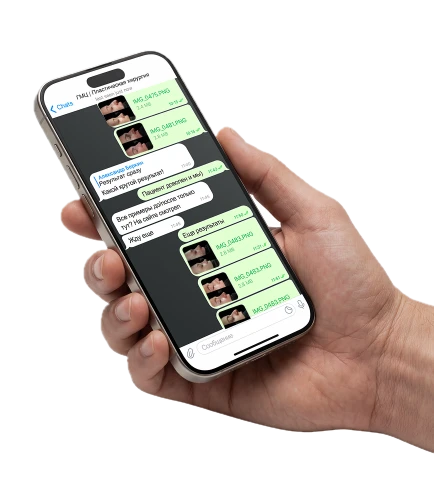
Message us — our coordinator will contact you shortly and book your consultation
Advantages
A lifetime guarantee under contract. All terms of the surgery, support and post-operative follow-up are set out in the contract in advance.
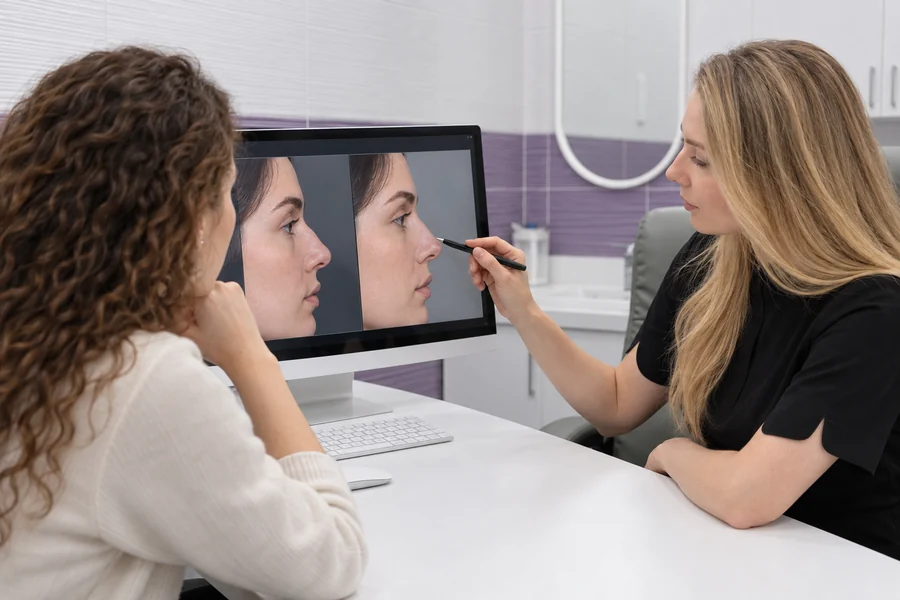
During a free consultation, we look at your case and tell you honestly whether rhinoplasty suits you — facts only, with no pressure to go ahead.
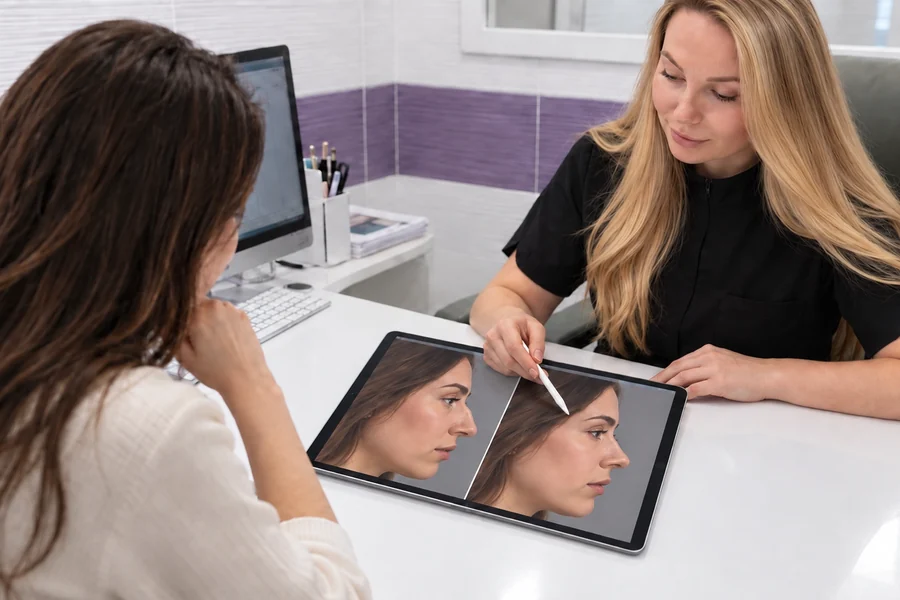
If you come from another city or country, we arrange the consultation and the necessary preparation in one trip — so that the path to change is more comfortable and needs fewer journeys.
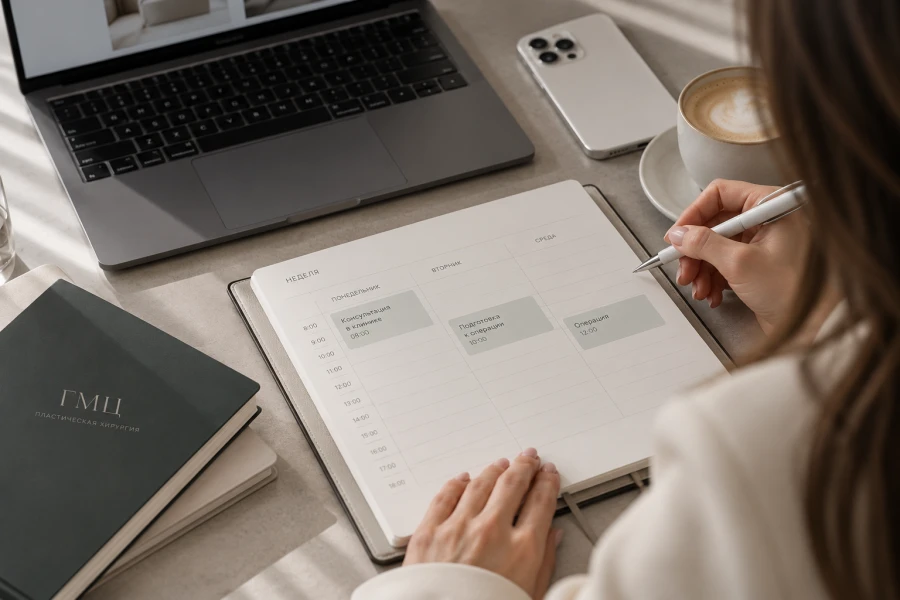
We respect your time: we work 24/7, with easy booking and a personal approach — we adapt to your pace.
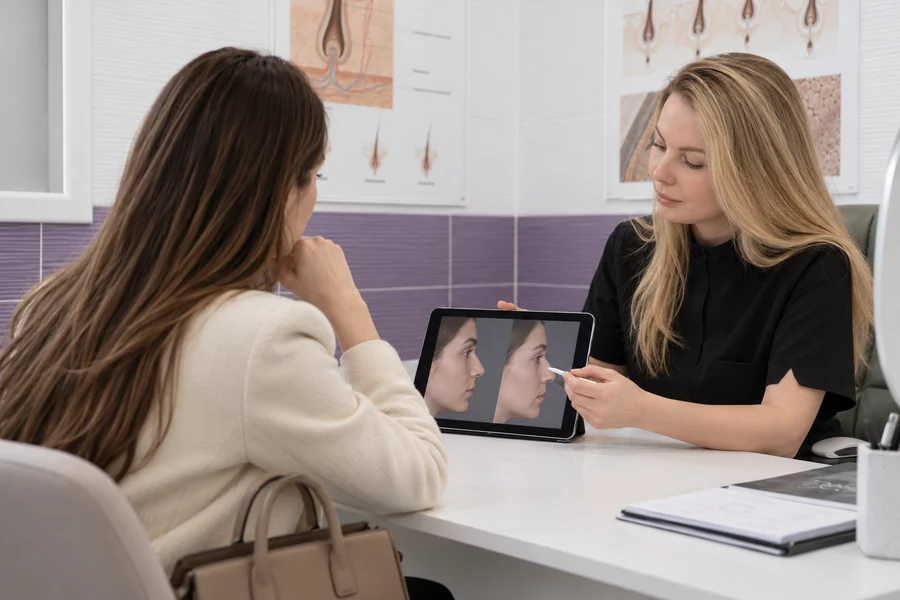
After the consultation, the surgeon sets out the extent of correction needed and gives you a clear price for the surgery, so there are no surprises on the way to the result.
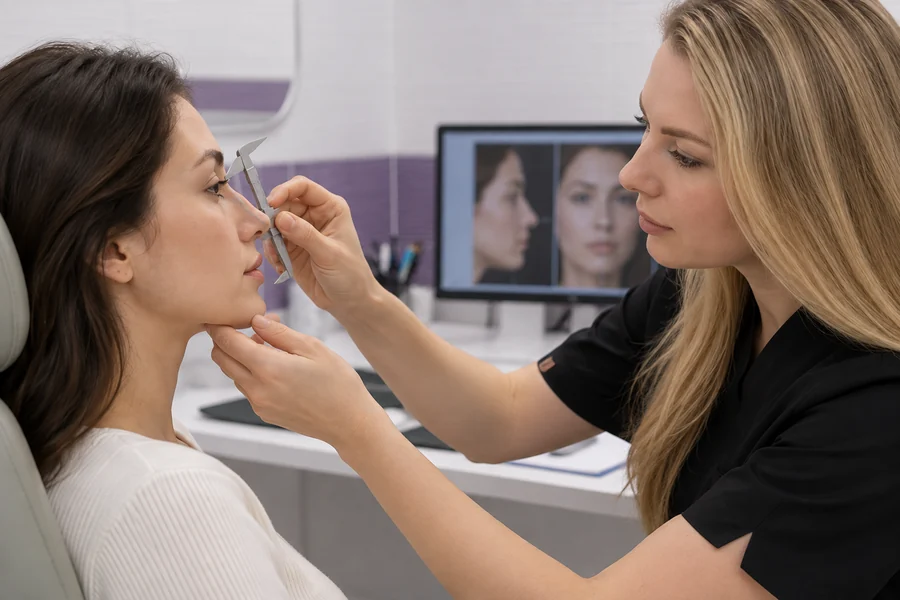
Precision and gentleness in the surgeon's work are supported by modern equipment, vital where millimetres can change proportions, profile and facial harmony.
Prices
Send a request and get a free consultation on any service
Free
BookPrice without discount: $6,000$4,200
Price without discount: $7,200$5,400
Price without discount: $6,600$5,000
Price without discount: $6,500$4,700
Price without discount: $7,200$5,400
FAQ
Rhinoplasty (nose job) — among the most delicate and widely requested plastic surgeries, designed to reshape the nose to match the individual proportions of the nose and the whole face. Modern rhinoplasty goes beyond changing how the nose looks — it is complex surgical work aimed at an aesthetic result without putting health at risk.
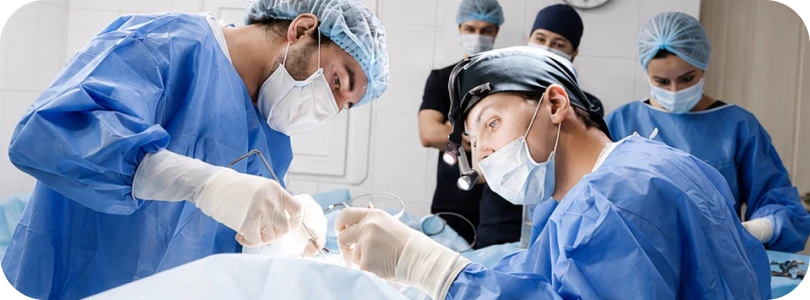
Optimal age: 18 to 45. The nose is fully formed by this time, and tissues still heal well. Where medically indicated, surgery can be performed at an older age if your general health allows
At its core, rhinoplasty is a comprehensive solution. It corrects both congenital and acquired nasal deformities, for example after a nasal injury. Patients are often bothered by a dorsal hump or an overly wide nose. Nose correction can also target the tip (tip rhinoplasty) or the nostrils (alar rhinoplasty). The surgical plan is created individually for each patient, taking every feature of their nose into account.
Rhinoplasty is performed under general anaesthesia and, depending on complexity, takes 1.5 to 3 hours.
The surgeon determines the extent and course of the surgery at the consultation, based on your goals and the anatomy of your nose.
Rhinoplasty — surgery to change the appearance of the nose (an aesthetic goal) and improve its function if breathing is impaired.
Septoplasty — surgical correction of the septum for normal breathing, with the external contour of the nose left as it is.
Often both surgeries are combined, especially when a patient has a deviated septum and aesthetic concerns. This gives a harmonious look and restores full breathing. At City Medical Centre we perform rhinoseptoplasty — a combined surgery that solves both tasks at once
For a successful operation, preparation should begin 21 days before rhinoplasty. At the first appointment our plastic surgeon will give you a list of the required tests.
| Complete blood count (including ESR, white cell differential, platelets) | 2 weeks |
| Urinalysis | 2 weeks |
| Infection tests: HIV, HBsAg, anti-HCV, antibodies to Treponema pallidum | 2 weeks |
| Blood group and Rh factor | 2 weeks |
| Blood biochemistry (total protein; urea; uric acid; creatinine; glucose; total, unconjugated and conjugated bilirubin; ALT; AST; K; Na; Cl; cholesterol) | 2 weeks |
| Coagulation panel (Quick prothrombin, INR, APTT, D-dimer, antithrombin III) | 2 weeks |
| Electrocardiogram (ECG) tracing with a report | 2 weeks |
| Doppler ultrasound of the leg vessels / duplex scan of the leg veins | 2 weeks |
| Chest X-ray or fluorography with a report | 6 months |
| MSCT of the paranasal sinuses | 6 months |
| After the full laboratory work-up — a physician's report confirming there are no contraindications to surgery | 2 weeks |
You prepare with plastic surgeon consultations, lab tests (CBC, biochemistry, coagulation, infection tests), an ECG, a chest X-ray and an X-ray or CT of the nose. Stop anticoagulants, alcohol and smoking a week before surgery. Eat lightly the day before and fast 6 hours before surgery
Although nose surgery is one of the most popular and well-established aesthetic operations, like any surgery it carries certain risks. To minimise the likelihood of complications after rhinoplasty, our clinic provides thorough pre-operative preparation and post-operative monitoring.
Important: if after rhinoplasty you have difficulty breathing, severe pain, a high temperature or a change in the shape of your nose, contact your doctor immediately.
Rhinoplasty at City Medical Centre is performed with modern technology, safe materials and constant medical supervision, which keeps the risk of complications to a minimum.
We also provide post-operative monitoring and prescribe recovery therapy.
Recovery after nose surgery is just as important as the operation itself. Proper recovery determines how aesthetic and harmonious the final result will be. At City Medical Centre recovery is closely monitored and divided into three phases: early, intermediate and late
The first improvements emerge with reduced swelling (2–3 weeks), though the final rhinoplasty result becomes clear in 1–1.5 years, once tissues are fully stable
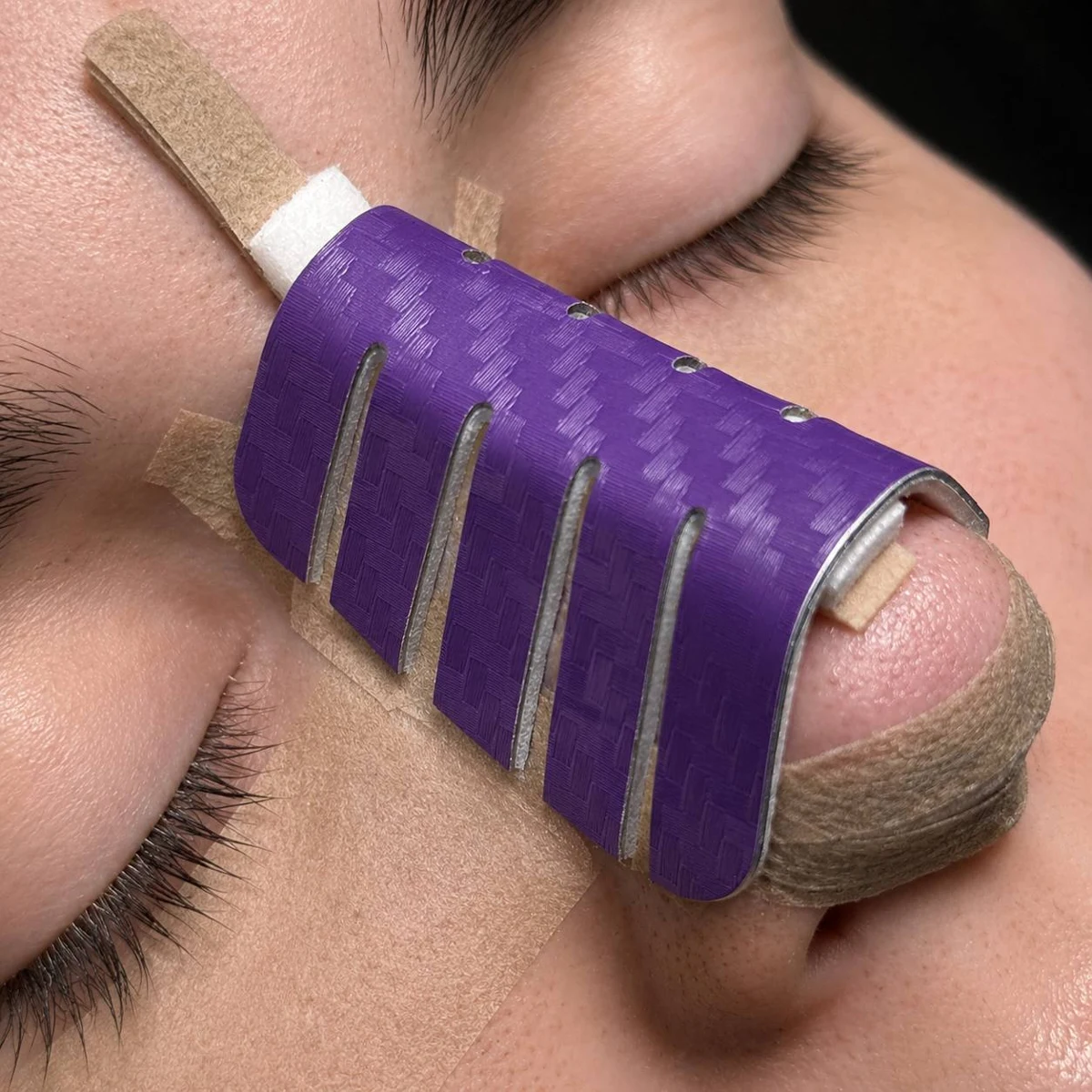
The nose needs to be protected after surgery. An aluminium cast is placed over the nose, with special silicone splints inside the nasal cavity. Nasal function is limited in the first days but recovers quickly. The final result of rhinoplasty can be assessed after 1–1.5 years, once the swelling has fully subsided.
Important: if nasal function is impaired after the first operation or you are not satisfied with the result, revision (secondary) rhinoplasty may be needed. It is a more complex procedure, performed no earlier than one year after the primary operation.
In the first days after surgery the nasal passages may be partly blocked by splints or swelling. Full breathing usually returns within 1–2 weeks, depending on the extent of surgery and your body
Our doctors use microsurgical techniques and quality sutures to keep scars minimal
Rhinoplasty harmonises facial features and enhances aesthetics without sacrificing individuality. Thanks to 3D modelling, you preview the predicted result and agree on the changes with your surgeon
Rhinoplasty is a serious step. A well-performed rhinoplasty means the new nose is in perfect harmony with your facial features and works flawlessly. At the consultation the nasal surgeon assesses every parameter in detail: the size of the nose, tip projection, and the condition of the septum and nasal mucosa. We use 3D modelling so you can see the future proportions of your nose before the surgery is performed.
Don't just browse rhinoplasty photos online. Book a consultation to discuss what modern rhinoplasty can and cannot do for you. Correcting external nasal deformities and reshaping the nose is our speciality.
Under the current discount, rhinoplasty at City Medical Centre costs $4,200 (≈ UGX 16,500,000) instead of $6,000 (≈ UGX 24,000,000). We offer the first consultation free.
How much it costs depends on the extent of surgery and is decided at the consultation: the doctor names the exact price after studying your nose and facial proportions.
The operation under general anaesthesia, a one-day stay in the inpatient unit, doctor monitoring and a free check-up after it. The clinic offers the result a lifetime guarantee.
At City Medical Centre the first consultation costs nothing. The doctor checks your nose, assesses your facial proportions and gives the exact surgery cost.
Blog
Articles about rhinoplasty
Find out how recovery after rhinoplasty goes in the first 7, 14 and 30 days
Read the article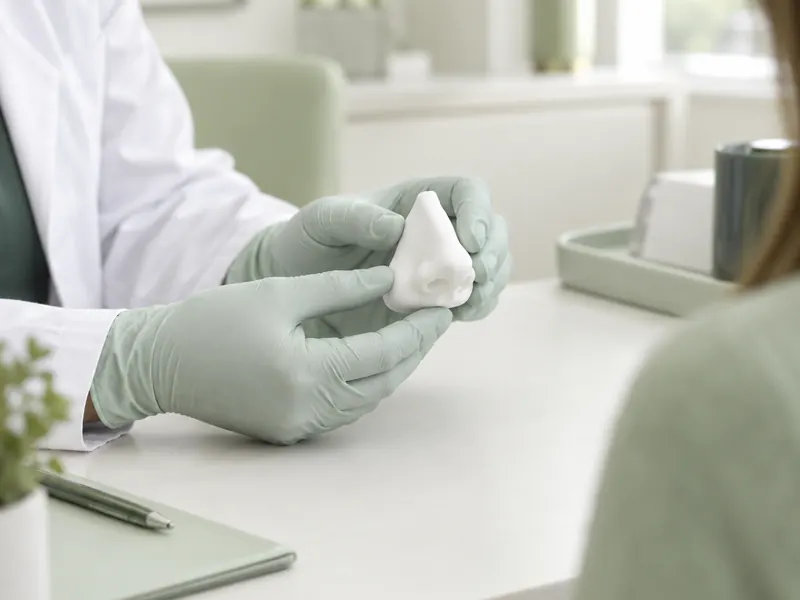
Preparation, recovery week by week, when the splint and stitches come out and how long to wait before flying home.
Read the articlePrices are in US dollars; the amount in brackets is an approximate conversion to UGX at the rate of 02.10.2026. The final price is fixed in your contract.
Prices start from $4,200 (≈ UGX 16,500,000). The surgeon sets the final price at the free consultation, and it is fixed in the contract, with no hidden extras.
The operation under general anaesthesia, a one-day inpatient stay, follow-up visits and dressings, plus a lifetime guarantee on the result.
Surgery takes 1.5–3 hours and you stay one day in the clinic. The nasal splints come out on day 7, and the cast is worn for up to 14 days.
Yes. The first consultation is free and does not oblige you to anything. You can start online by sending a message to the coordinator.
Message us on WhatsApp or Telegram using the buttons below. A coordinator will answer your questions and book a free consultation where the doctor names the exact price.
By messaging us, you agree to our Privacy Policy
This is one of the most delicate and popular plastic surgeries. It suits adults who want to correct the shape of the nose, whether the issue is congenital or appeared after an injury, and those with impaired nasal breathing. If you are from Kira and unhappy with the outcome of an earlier operation, secondary rhinoplasty is also an option after at least a year.
First visible results appear after about two weeks, and full healing takes around four months on average. The nose settles into its final shape over 1–1.5 years, so seeing your surgeon during this period matters. Until the end of the year, Kira patients can have a free post-op consultation where the doctor evaluates the outcome, monitors recovery and answers questions.
Start with a free, non-binding consultation: you get an assessment of nasal anatomy, a 3D forecast and answers on recovery. If you decide to proceed, rhinoplasty costs $4,200 (≈ UGX 16,500,000), including the operation, inpatient stay, follow-up visits and dressings, with a lifetime guarantee on the result. Patients from Kira can send a request online or message a coordinator.
What patients write after this operation. Reviews are translated from the original language.
Ekaterina Ivanova
For a long time I was self-conscious about the length of my nose, until a friend who had had rhinoplasty recommended this clinic. At the very first consultation they set the date of surgery and explained every stage in detail. The rhinoplasty under general anaesthesia was performed by Mareta Meirieva: the swelling went down quickly, and after just a week my nose looked natural and neat. Modern equipment, attentive staff and appointments without delays made the whole process comfortable. I recommend the clinic to anyone who values professionalism and a quality result.
Rhinoplasty
Olga Vasilyeva
This was my first visit to the clinic, for rhinoseptoplasty, and to be honest I was very nervous. At the consultation they explained every stage of the operation and recovery in detail, which calmed me down straight away. The operation was performed by Mareta Meirieva: the swelling started to go down on the third day, and the result is visible to the naked eye. Everything inside is sterile and pleasant, the atmosphere inspires trust, and the staff are always responsive. I thank the clinic for the high level of service and the warm approach!
Rhinoplasty
Marina Samarina
Everything was first-class: clean, cosy and calm. Booking and choosing the right date was easy. The nose operation went smoothly and the nerve block was done perfectly: now I breathe freely without nasal drops! It is a real lifesaver for anyone tired of endless prescriptions and ineffective procedures. I recommend it to everyone who values professionalism and results.
Rhinoplasty
Viktoria Petrova
I recently had rhinoplasty and I am absolutely delighted. At the consultation they told me about every stage in detail, so I went into surgery fully prepared. The operation went smoothly: they straightened the bridge of my nose and made the nostrils symmetrical, and the shape came out very neat. The swelling lasted a little longer than I expected, but they explained straight away that full recovery takes more time. No unpleasant surprises, everything was within the normal range. I recommend the clinic to anyone looking for a confident result and an attentive attitude.
Rhinoplasty
Page medically reviewed by Marina T. Pershikova, rhinoplasty surgeon. Review date: .
Kira Town is a municipality in the Wakiso District of the Central Region of Uganda. It is described as the country's second most populous city, and UBOS estimated its population at 462,900 people in 2020. The national census of August 2014 counted 317,157, and the population grew at an average of 6.68 percent a year between 2014 and 2020. A town that grows this fast is full of young families, students, traders, office workers and people building careers. Many of them think about how they look in photographs, on video calls and at work.
Kira is also a bedroom community for Kampala. Many residents spend their working day in the capital and come home in the evening. People in this rhythm rarely have spare weeks, so they ask practical questions first. How many days will I be away? When can I be seen in public? Who answers my questions at night? Rhinoplasty is a planned operation, and a clear plan matters more than anything else.
Patients from Kira usually contact us with one of two requests. Some want to change the shape of the nose: a dorsal hump, a wide tip, or a nose that looks out of balance with the chin and forehead. Others have trouble breathing and want to know whether function and shape can be treated in one operation. Both groups begin with a free online consultation from home, where the surgeon looks at the goals and explains what is realistic.
You do not need to leave your neighbourhood to start. The consultation is free and online. Our coordinators are available around the clock (24/7) on WhatsApp and Telegram, so you can write after work, in the evening, or between lectures and meetings. A coordinator will call you back 24/7, which suits a city where many people spend long hours commuting to Kampala and back and cannot take calls at fixed times.
The first step is a conversation about what bothers you and what you expect. You send photographs from several angles, and the surgeon examines them. At the consultation the doctor builds a 3D model of the expected result and explains it. This is where your wishes are tested against anatomy. A model on screen is much easier to discuss than words such as slightly narrower or a little shorter, and you can agree on changes before anything is decided.
Rhinoplasty is done in 1 day, and the plan is built around that fact. After the consultation you receive a surgery plan with the list of required tests. Many people in Kira like to talk it over with a spouse, parents or a close friend first. You are welcome to include them in the video call so that everyone hears the same explanation from the surgeon.
The optimal age is 18 to 45. By this age the nose has formed completely, while tissues still heal well. With medical indications, older patients can have surgery if their general health allows. In a young city like Kira, where there are many students and young professionals, this age question comes up often. Teenagers and their parents should understand that the nose must finish growing before the operation is planned.
Beyond age, the surgeon looks at general health, the condition of the nasal passages and your reasons for surgery. Rhinoplasty improves aesthetics and makes facial features more harmonious, without loss of individuality. The aim is not to copy a celebrity nose but to find a shape that fits your own face. That is why the 3D model is built on your photographs and not on a template.
Some situations call for caution or postponement: acute infections, uncontrolled chronic illness, or blood-clotting problems that have not been assessed. You also need to be honest about medicines you take. Anticoagulants must be stopped a week ahead, and the surgeon has to know about them from the start. Only an examination and tests can decide whether surgery is right for you, and the first online conversation helps you find out whether it is worth going further.
For a successful operation, preparation should begin 21 days before rhinoplasty. At the first appointment our plastic surgeon will give you a list of the required tests. Getting ready involves consultations with the plastic surgeon, lab work (CBC, biochemistry, coagulation, infection tests), ECG, chest X-ray, plus a nasal X-ray or CT. Planning this period in Kira is mostly about fitting appointments around your work and family life, so start the calendar early.
A week ahead, give up anticoagulants, alcohol and smoking. Social life can make this harder than it sounds. Weddings, graduations, church and family gatherings and long dinners with friends are a big part of life in a growing town, and alcohol is often part of them. Look at your calendar for the week before surgery and decline invitations that are hard to enjoy without a drink. Tell relatives in advance so nobody pushes a glass on you.
The day before, eat light food. On the day of surgery, your last food and any fluids must be taken at least 6 hours before the scheduled time of the operation. No food 6 hours before surgery is a firm rule, because the operation is done under general anaesthesia. For your hospital stay, buy compression stockings (class 2 compression) in advance and bring them with you. Do not leave this for the last day, since finding the right size can take time.
Rhinoplasty is performed under general anaesthesia and, depending on complexity, takes 1.5 to 3 hours. Anaesthesia lasts 1 day in the plan, and you stay one day in the clinic. For 24 hours following rhinoplasty, the patient remains under observation in the inpatient unit. This is a calm period in which the team monitors your breathing, comfort and wound.
Think in advance about who will be with you. In a town where many people commute, it helps to arrange for a relative or close friend to be free on the day of surgery and the day after. Also decide who will tell your employer, your lecturers or your family circle, so that you do not have to answer messages while recovering.
Your coordinator stays in contact. Your time matters to us: we are reachable 24/7, booking is straightforward, and our approach is personal, adapting to your pace. If a question comes up at night, such as a tight cast, strange sensations or worry about swelling, you write in the same chat and a coordinator calls you back.
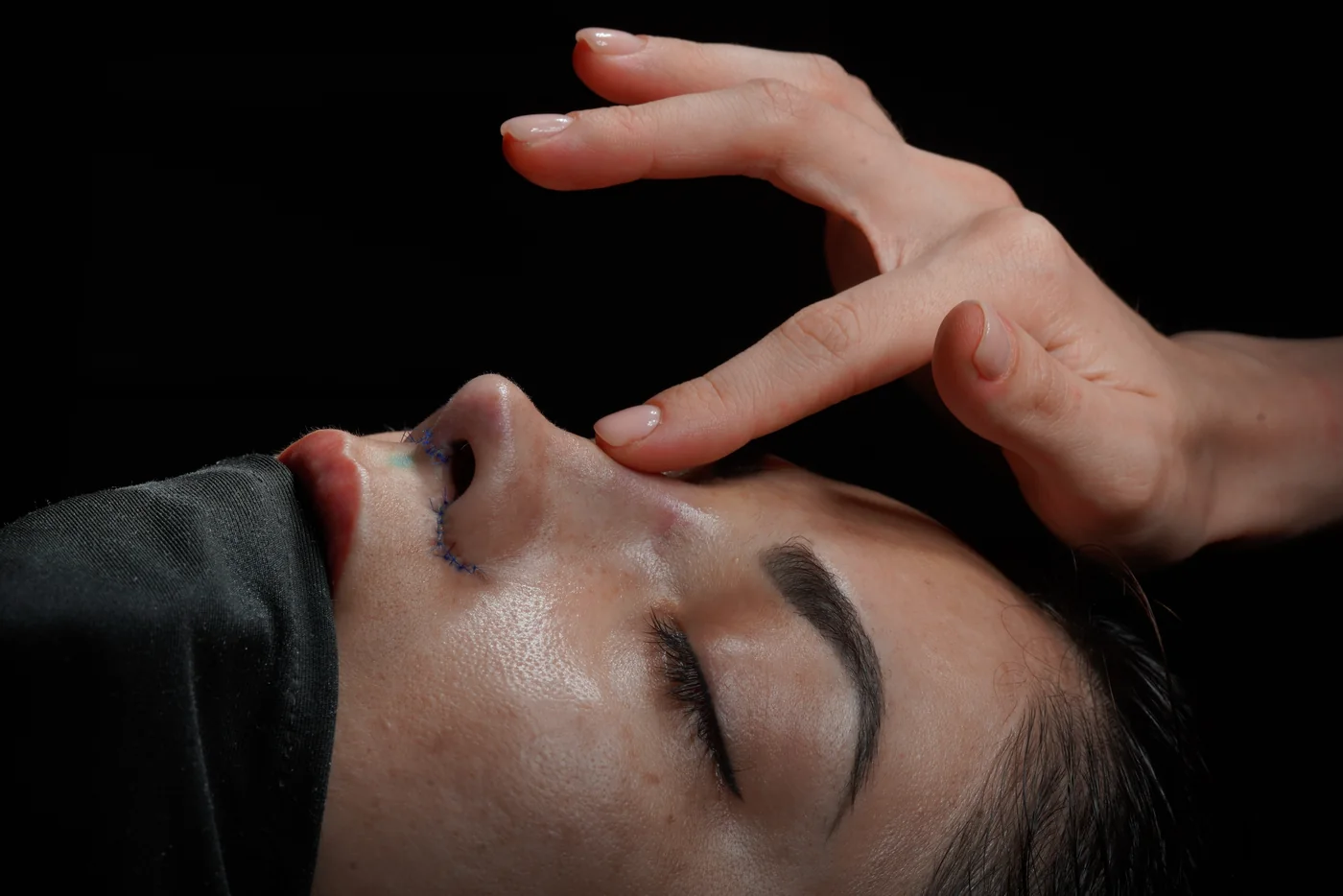
The nose needs to be protected after surgery. An aluminium cast is placed over the nose, with special silicone splints inside the nasal cavity. Days 1–3: breathing is through the mouth, with splints in the nostrils. Day 7: the splints are removed. The aluminium nasal cast is worn for up to 14 days; stitches are removed on day 14 together with the cast. In the days right after surgery, splints or swelling may partly block the nasal passages. You usually breathe fully again within 1–2 weeks, depending on your body and how extensive the surgery was.
Everyday conditions in Kira matter here. Roads and busy markets mean dust and crowds, and in a crowd someone may knock your face. Keep away from packed places while the cast is on, and ask a relative to run errands. Hot sun and long outdoor days are best avoided at first. Do not rest sunglasses or heavy frames on the nose. A loose cap or head covering that does not touch the cast is fine if it does not press on it. Keep the splints and cast dry, and follow the surgeon's instructions on cleaning.
For 1–1.5 months after nose surgery you may feel slight congestion. First improvements show once swelling subsides (2–3 weeks), but the final rhinoplasty result can be judged in 1–1.5 years, when tissues fully stabilise. The nose takes its final shape after 1–1.5 years. Patients are often surprised by this. Psychological readiness matters: the patient should understand that the final result will be visible in 1–1.5 years, and that photographs in the early weeks show a nose that is still changing.
Many people in Kira work in Kampala, others run their own business in town, and a large number are students. Schools, colleges and universities operate in the municipality, among them a teachers' college in Kitikifumba and a university campus at Namugongo. If you study there, discuss the schedule with your lecturers before surgery. If you work in an office, plan the days around the stages of recovery: day 7 when splints come out, and day 14 when the cast and stitches are removed. Many patients choose to stay out of public view until the cast is gone, and your employer needs to know only what you choose to tell them.
Sport needs patience. Contact sports such as football, which is popular among young people everywhere, carry the risk of a blow to the nose and should wait until the surgeon allows. The same goes for swimming pools: ask at your check-up before going back to the water, since the nose must be protected. Walking is usually fine early on, but strenuous exercise and heavy lifting increase swelling. Your surgeon will tell you when to return to each activity, and it is better to wait a little longer than to rush.
Family events are the other test. Weddings, naming ceremonies and religious holidays bring photographs, and many people want to look their best. Plan the operation so that the main events fall well after the first weeks, remembering that the final form appears only after 1–1.5 years. Food culture also plays a role. Hot, spicy or very salty dishes and heavy meals are best avoided at first if they make you sweat, flush or feel swollen. Choose soft, easy-to-eat dishes while you breathe through the mouth during the first days.
Namugongo is one of the three divisions of Kira Municipality, together with Kira and Bweyogere. It is best known for the Catholic Basilica of the Uganda Martyrs, built in Kyaliwajjala Ward at the place where most of the 22 Catholic Uganda Martyrs, now Saints, were burned alive on the orders of Ssekabaka Mwanga II in the late 19th century. An Anglican shrine run by the Church of Uganda stands about 5 kilometres east of the basilica, at the place where another group of martyrs lost their lives for their beliefs. For many families in Kira these two sites shape the religious calendar.
Large gatherings of worshippers around Namugongo mean crowds, heat, dust and long hours on foot. For a patient in the first 14 days, with an aluminium cast on the nose, this is exactly the kind of setting to skip. Someone could bump your face, and a long day in the sun is tiring while the nose is still swollen. If you usually attend services or ceremonies at the shrines, plan the operation so that the cast and stitches are already removed on day 14, and treat the first weeks as a quiet period at home.
Ask yourself honestly which religious and family events matter most to you this year. If a major gathering at Namugongo is in your diary, count backwards. Surgery takes 1.5 to 3 hours, you stay one day in the clinic, the splints come out on day 7, and the cast and stitches on day 14. Swelling usually settles over 2–3 weeks, although the final shape needs 1–1.5 years. A coordinator will help you lay these dates against your own calendar during the free online consultation.
Kireka Ward is home to the palace that Kabaka Ronald Muwenda Mutebi II and the Nnabagereka of Buganda, Sylvia Nagginda, maintain on Kireka Hill. For many residents, Buganda traditions and respect for family elders are part of daily life. A decision about cosmetic surgery is therefore rarely taken alone. Parents, aunts, uncles and a spouse often have opinions, and some of them may worry about anaesthesia or about changing the face you were born with.
The 3D model helps here. Because rhinoplasty improves aesthetics and makes facial features more harmonious, without loss of individuality, you can show relatives a predicted result that still looks like you. Invite an elder to join the video call and hear the surgeon explain general anaesthesia, the one-day stay and the 24 hours of observation. A calm explanation from the surgeon usually works better than any argument at the dinner table.
Think also about how you will explain the cast. For up to 14 days an aluminium cast sits on the nose, and neighbours in a close community notice quickly. Decide in advance whether you will tell people the truth, and whom you will tell first. Once the cast is gone, remember that fine swelling continues and the nose takes its final shape after 1–1.5 years, so early comments from others describe a nose that is not finished yet.
Bweyogerere Division reaches the extreme southeast of Kira Town, where the Kampala Industrial and Business Park lies at Namanve. It is an 894-hectare development park created by the Uganda Investment Authority. Kiira Motors Corporation, a state enterprise set up to develop the domestic automotive value chain and commercialise the Kiira Electric Vehicle Project, belongs to the same industrial story. Factory, workshop and logistics jobs in this area mean dust, fumes, noise and sometimes heavy physical work.
If you work in such an environment, talk to your surgeon about your duties. While the nose is protected by the cast and splints, dusty or smoky workplaces and any risk of a knock to the face are unwelcome. Heavy lifting and strenuous effort increase swelling, so ask for lighter tasks or time away until the surgeon confirms it is safe. Slight congestion for 1–1.5 months after nose surgery is normal, and a clean, ventilated room helps you feel comfortable.
For office staff, teachers and traders the picture is different but the logic is the same. Count the days: splints out on day 7, cast and stitches out on day 14, check-ups at 7 days, 3 and 6 months. Many employees in Kira commute to Kampala daily, so a request for leave that covers the first two weeks is easier to arrange when you can name exact dates, which the surgery plan gives you.
Mandela National Stadium at Namboole, in Bweyogerere Ward, is the largest stadium in Uganda, with a sitting capacity of 45,202 people. Its presence makes football and big match days part of local life, and many young men and women in Kira play, run or train in the evenings. For them the main question after rhinoplasty is when they can return.
The honest answer is that it depends on the surgeon's assessment at your check-ups. In the first days you breathe through the mouth, and the cast stays for up to 14 days. Team sports with a risk of a ball or an elbow to the face should wait until the surgeon allows, and heading a ball or a collision in a crowd is a clear risk to avoid. Light walking is usually possible early, but intense training raises swelling and blood pressure and delays comfort.
Match-day crowds near Namboole are also best avoided while the nose is healing, because packed stands and pushing at the gates are risky for a fresh operation. Watch the game on television during the first weeks and ask the surgeon in the follow-up chat when stadium visits and running are acceptable. A short wait costs little compared with a damaged result that you will see for 1–1.5 years.
The Kampala Northern Bypass Highway, the first dual-carriage interstate highway built in Uganda, passes through Bweyogerere and Kireka wards. Around it, traffic is heavy, and boda boda motorcycle and bicycle taxis are a main source of income for many young adults in Kira. A motorcycle ride involves wind, dust, exhaust fumes and a risk of falls, none of which suit a person with a fresh cast.
For the first days, ask a relative with a closed car to drive you home after the 24 hours of observation, and avoid motorcycle taxis until the surgeon agrees. Do not wear a helmet that presses on the nose while the cast is on, and ask at the check-up when a helmet is safe again. If your livelihood depends on riding, discuss this directly, as it may need a longer break than an office job.
Dust on unpaved side streets can irritate the nose, especially when it is already congested. Wearing a loose, clean cloth that does not touch the cast, indoors and outdoors, may help only if the surgeon approves it. Keep trips outside to the necessary minimum and keep splints and cast dry. If anything looks wrong, write to your coordinator at once, as support is available around the clock.
Once surgery is done, you follow a recovery programme, with check-ups at 7 days, 3 and 6 months to track progress. Consultations with your surgeon stay free for a year after surgery, and follow-up support lasts 12 months. For someone living in Kira this works through video and messages. You send photographs, describe what you feel and receive an answer from the team. You also have our guide to how recovery goes in the first 7, 14 and 30 days.
Before you decide, prepare questions. Which changes in my 3D model are realistic for my skin and cartilage? How long will the operation take in my case, within the range of 1.5 to 3 hours? How will breathing be affected, and when should I expect it to return to normal? What should I do if swelling seems uneven? Which medicines must I stop, and when? When can I return to work, study and sport? Which tests do I need, and where can I do them near home?
Ask about the limits of the operation as well. A good surgeon explains what cannot be changed, and says openly when a smaller change will look better than a large one. Rhinoplasty improves aesthetics and makes facial features more harmonious, without loss of individuality. If something in the plan does not feel right, say so during the consultation. With 3D modelling the predicted result is visible in advance, and you agree on changes with your surgeon before the operation is booked.
Yes. The consultation is free and online. Write to a coordinator on WhatsApp or Telegram, send your photographs, and the surgeon will examine them. At the consultation the doctor builds a 3D model of the expected result and explains it.
Coordinators are available around the clock (24/7). A coordinator will call you back 24/7, so you can contact us after work, in the evening or at night.
Rhinoplasty is performed under general anaesthesia and, depending on complexity, takes 1.5 to 3 hours. Rhinoplasty is done in 1 day, and you stay one day in the clinic. For 24 hours following rhinoplasty, the patient remains under observation in the inpatient unit.
18 to 45 is the optimal age. By this age the nose has formed completely, while tissues still heal well. With medical indications, older patients can have surgery if their general health allows.
Preparation should begin 21 days before rhinoplasty. You will have consultations with the plastic surgeon, lab work (CBC, biochemistry, coagulation, infection tests), ECG, chest X-ray, plus a nasal X-ray or CT. A week ahead, give up anticoagulants, alcohol and smoking. The day before, eat light food, and take no food 6 hours before surgery.
Buy compression stockings (class 2 compression) in advance and bring them with you. Your last food and any fluids must be taken at least 6 hours before the scheduled time of the operation.
Days 1–3: breathing is through the mouth, with splints in the nostrils. Splints are removed on day 7. You usually breathe fully again within 1–2 weeks, depending on your body and how extensive the surgery was. Slight congestion may remain for 1–1.5 months.
First improvements show once swelling subsides (2–3 weeks), but the final result can be judged in 1–1.5 years, when tissues fully stabilise. The nose takes its final shape after 1–1.5 years.
You follow a recovery programme, with check-ups at 7 days, 3 and 6 months. Consultations with your surgeon stay free for a year after surgery, and follow-up support lasts 12 months. The cast is worn for up to 14 days, and stitches are removed on day 14 together with the cast.
During the first 14 days, while the aluminium cast is on, it is wise to avoid big crowds and long days in the sun. Plan the operation so that the cast and stitches are removed on day 14 before any major gathering, and expect swelling to subside over 2–3 weeks.
Not at first. Wind, dust and the risk of a fall or a knock to the face are unwelcome while the cast is on for up to 14 days. Ask your surgeon at the check-up when it is safe, and especially about wearing a helmet.
Contact sports and packed stands should wait until the surgeon allows. Ask in the follow-up chat, since consultations stay free for a year after surgery. The nose takes its final shape after 1–1.5 years.
Dusty, smoky workplaces and heavy lifting are not ideal while the nose heals. Discuss your duties with the surgeon and plan leave around day 7 and day 14, when the splints and then the cast are removed.