


























 beforeafter
Liposuction
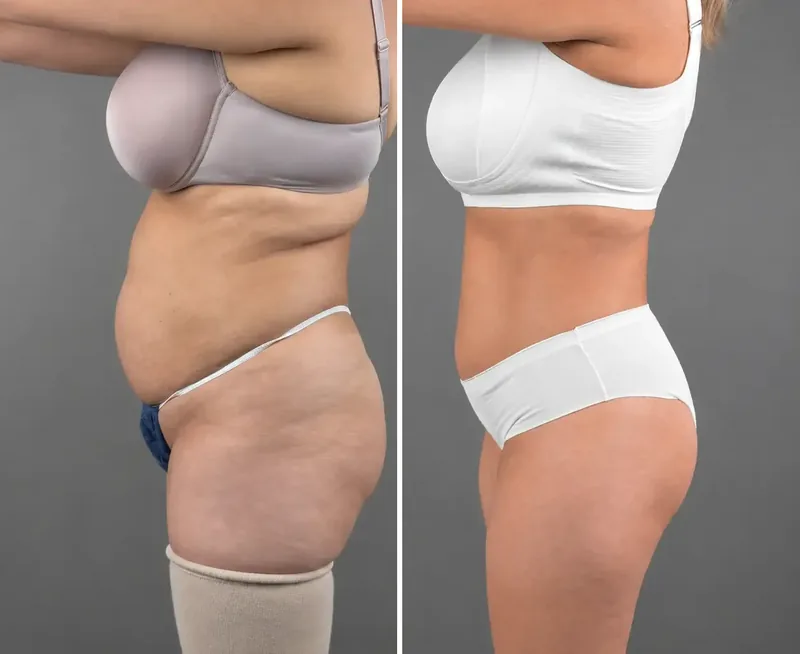
Stomach and flanks
from $1,200
The price is fixed in the contract before surgery
Message our coordinator
Free online consultation · Reply within 15 minutes
Message us on TelegramMessage us on WhatsAppBy messaging us, you agree to our Privacy Policy
Results
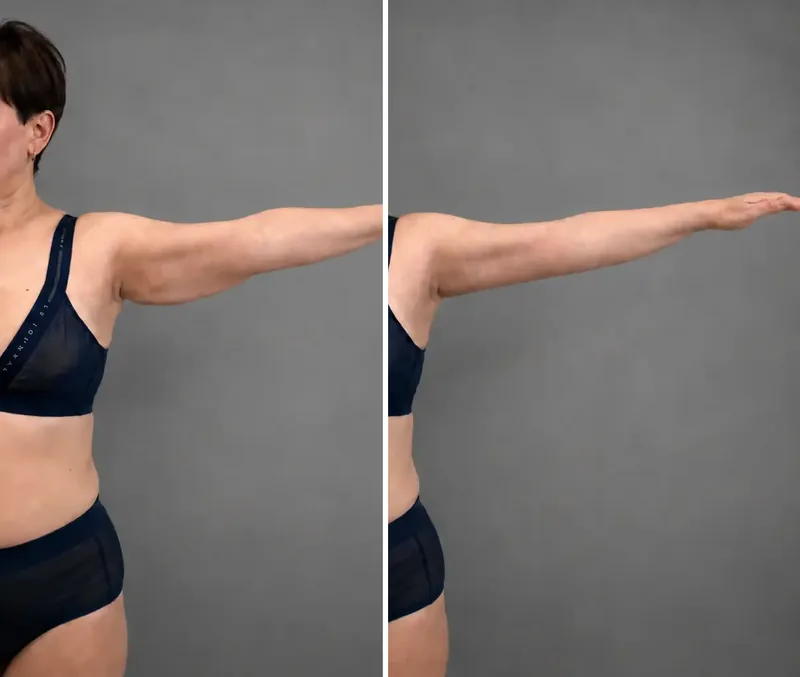
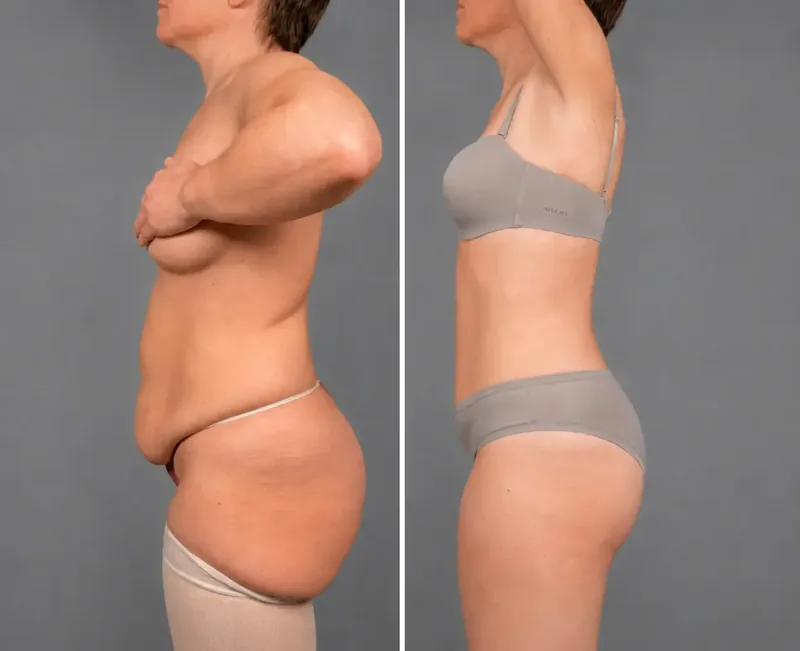
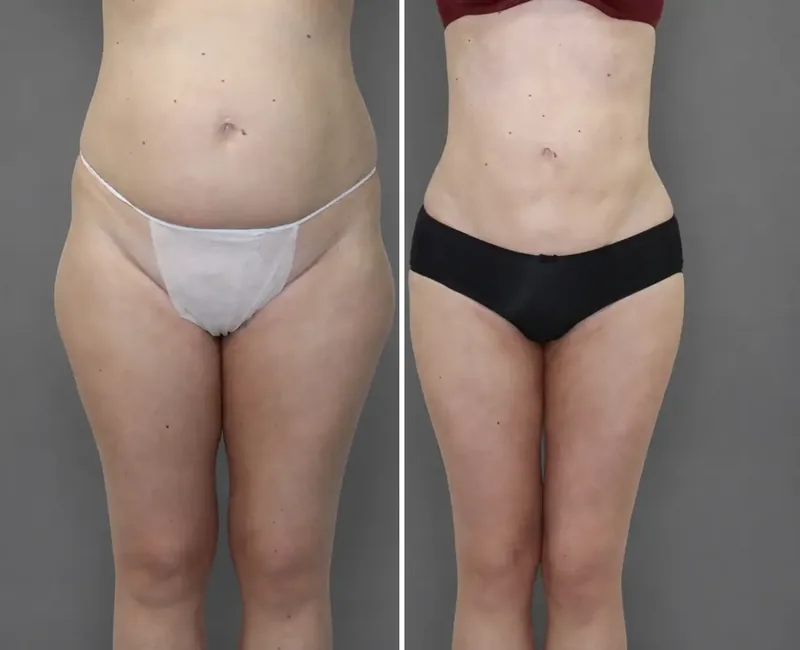
All cases are real patients. Faces and identifying details are hidden.
beforeafterStomach and flanks
 beforeafter
Arms
 beforeafter
Stomach and flanks
 beforeafter
Abdomen and thighs
 beforeafter
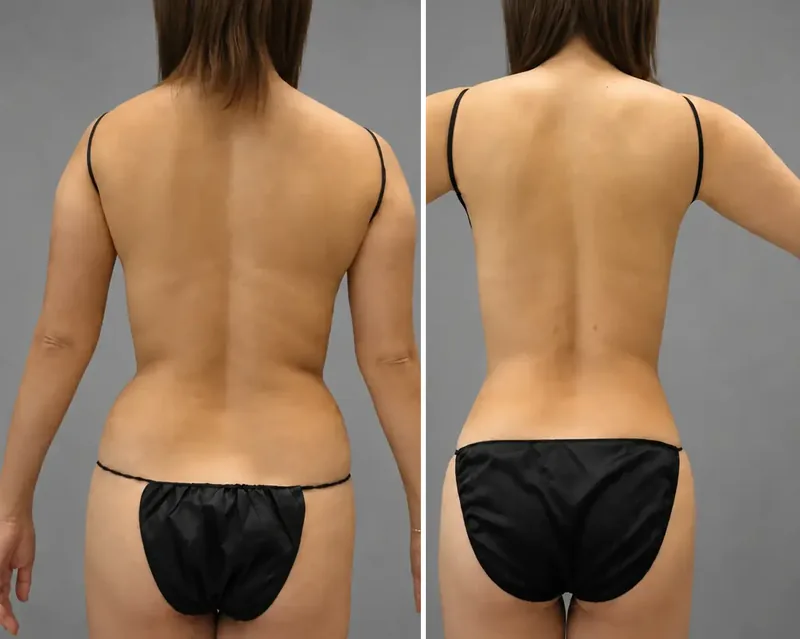
Back and flanks
 beforeafter
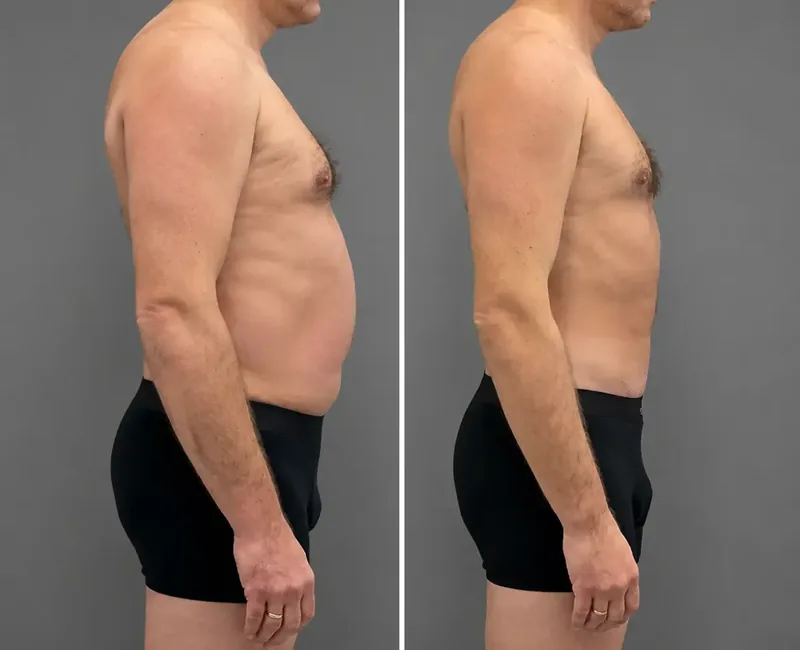
Male abdomen
 beforeafter
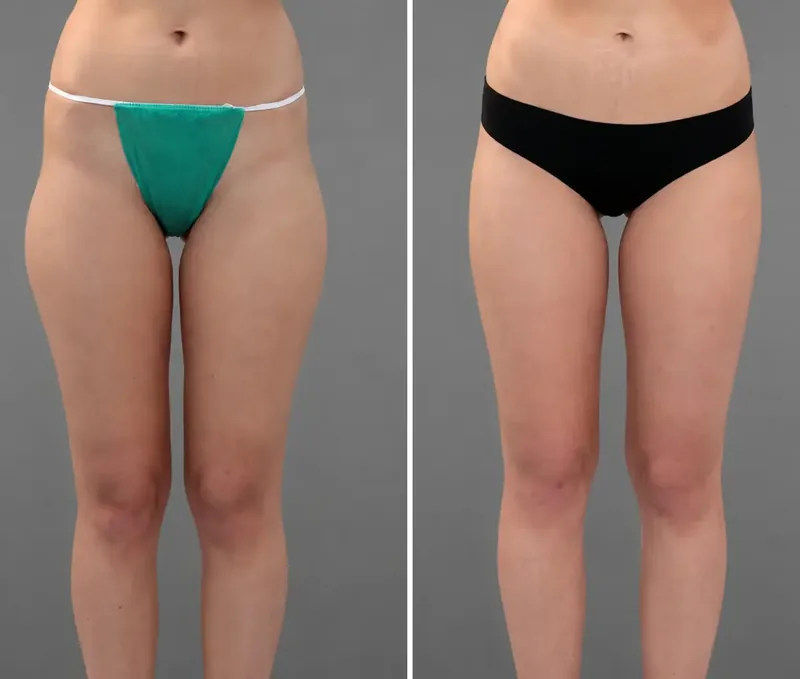
Inner thighs
 beforeafter
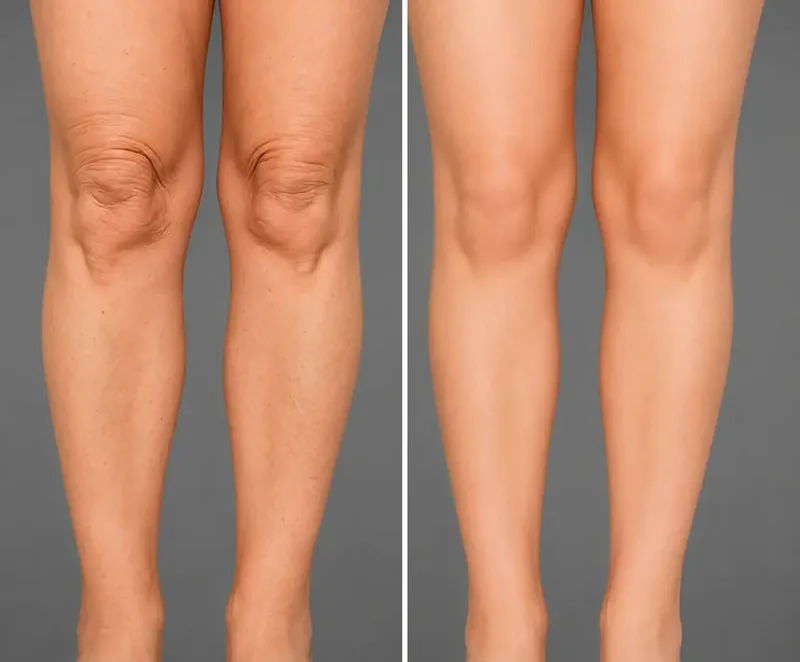
Knees
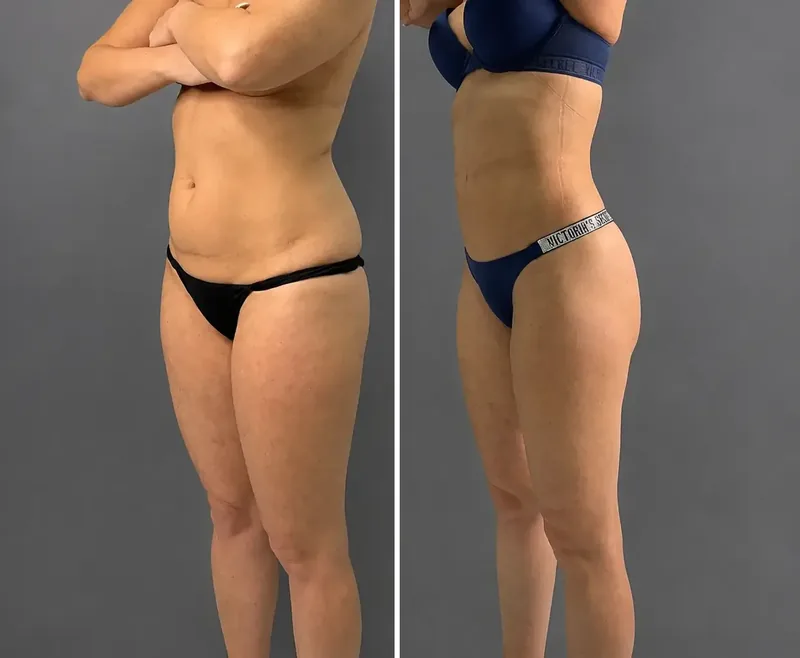 beforeafter
Stomach and flanks
Comparison
We use two liposuction techniques: tumescent (classic) and VASER (ultrasound). Compare the goal, the indications and the anaesthesia to choose the right technique together with your surgeon.
A special solution loosens fat for removal through a thin cannula
from $1,200
Ultrasound breaks down fat cells before vacuum removal
Price at consultation
The benefits and recovery times shown are averaged for each technique and given for guidance: the scope of correction and rehabilitation depend on your anatomy and individual features, and the surgeon confirms them at the consultation.
At the consultation the surgeon draws up a plan for your case and explains how your liposuction will go.
Free, before surgery and with no obligation.
Several areas can be treated in one operation — this saves recovery time and budget
The most requested area for women and men, often combined with abdominoplasty
Fat pockets that resist training
Rolls on the back that affect the silhouette
Noticeable in warm weather
Small volume and a fast-appearing result
A delicate spot that requires precision
Gynecomastia, pseudogynecomastia: the fat part
About the clinic
Modern equipment, comfortable rooms and care for every patient

We will answer your questions and find a convenient time for a consultation
If your case can be solved without surgery, the doctor will tell you so at the consultation — and you will not spend money for nothing.


Not sure the surgery is right for you?
Leave your number — the coordinator will call you back, and the surgeon will tell you whether liposuction suits you. No surgery booking needed.
Find out if it suits me
Prices
The final price is calculated individually after an examination and fixed in the contract.
The most requested area — treated in one operation

Contouring of the front abdominal wall

The surgeon assesses the fat deposits and skin tone, listens to your wishes and chooses the right technique.

Message our coordinator
Free online consultation · Reply within 15 minutes
Message us on TelegramMessage us on WhatsAppBy messaging us, you agree to our Privacy Policy

all inclusive
From preparation for surgery
to post-op check-ups.
from $1,200
Book a consultationHow it works
An agreed treatment plan, careful monitoring after surgery and post-op check-ups.
 1
1The surgeon listens to your wishes, assesses the fat deposits and skin tone and rules out contraindications. A hormonal screening is also ordered — it helps predict the long-term result.
 2
2We reserve a surgery date for you: the deposit can be paid by card at the clinic or online by bank transfer. The terms are fixed in the contract for medical services
 3
3Blood tests (complete count, coagulation panel, biochemistry, infections), an ECG, a chest X-ray and, if needed, a GP consultation. All tests can be done at the clinic with no waiting.
 4
4Marking the areas and fitting compression garments. Under local or general anaesthesia the surgeon removes fat through 3–5 mm micro-punctures — from 1 hour for small areas to 3–4 hours for a combined procedure.
 5
5With local anaesthesia you go home 3–4 hours after surgery; with general anaesthesia you stay one day in a comfortable ward under medical supervision.
 6
6Compression garments for 30–45 days. First changes show at 2 weeks, once swelling subsides; the final result forms in 3–6 months. Check-ups at 7 days, 3 and 6 months.

After tumescent liposuction, recovery is much shorter than after a conventional procedure. Most patients return to work within 7–10 days. In the first week, mild swelling and a raised temperature are possible — a normal response to surgery. Compression garments are worn for 30–45 days: they fix the new contours and speed up tissue recovery. In the first month, bathhouse, sauna, pool and intense sport are off-limits. For the best result and faster recovery we recommend lymphatic drainage massage, pressotherapy and a gradual return to activity. First visible changes show 2 weeks after surgery, when the main swelling subsides; the final result forms in 3–6 months.
After 7 days, at 3 months and at 6 months. Until the end of the year, get a post-surgery consultation with your surgeon to review results and get more information, at the clinic's expense.
Advantages

At the consultation we discuss your wishes and assess the fat deposits and skin tone. Before surgery an endocrinologist rules out hormonal causes of the fat deposits — this improves the long-term result.

The surgeon follows your recovery and the new body contour at check-ups after 7 days, 3 and 6 months. Check-ups, dressings and aftercare advice are already included in the price of surgery.

Tumescent and VASER techniques, micro-incisions of 3–5 mm and precise volume control. Our aim is a smooth contour that keeps the natural proportions of your body.

We respect your time: we work 24/7, with easy booking and a personal approach — we adapt to your pace.
After the consultation the surgeon defines the areas and the scope of surgery, and you get a clear price fixed in the contract — no hidden extras.

With general anaesthesia recovery starts in a comfortable hospital ward under round-the-clock nursing care. The stay and meals are already included in the price.
FAQ
Yes, it's standard practice. Treating a single area alone is rare — patients more often combine several problem zones, e.g. abdomen and flanks, or inner and outer thighs. At the consultation, our surgeons will help define the optimal scope of surgery based on your health and desired result.
No. Liposuction is not a weight-loss method. It is meant to remove local fat deposits that resist diet and exercise and to reshape body contours. If your weight is unstable, see a nutritionist or endocrinologist first.
The surgery is done through punctures only 3–5 mm across — they usually need no stitches. Once healed, the marks are barely visible. With proper care during recovery they fade completely.
Skin tone, elasticity and turgor are always checked by the surgeon before surgery. Good skin tightens on its own and adapts to the new contours. If the tone is reduced or stretch marks are present, our specialists will recommend preparatory treatments that improve the skin in advance.
No — the procedure is done under anesthesia (local or general, depending on the scope). After surgery mild discomfort is possible; it is relieved with painkillers prescribed by the doctor.
No physical exertion or lifting heavy things for the first 7 days. Wear compression garments for 4–6 weeks and stay away from the bathhouse, sauna, pool and active sport. Avoid alcohol and tanning beds for at least a month. After surgery your surgeon gives you all individual recommendations.
From 18+ and without contraindications, we perform the surgery. No upper age limit: the decision is individual and follows an examination and assessment of your health.
Not directly. The skin structure that causes cellulite is not changed by liposuction, which removes fat tissue. Yet the improved contours visibly reduce its appearance.
Most patients get back to their usual routine and work in 7–10 days. Swelling and bruising clear by weeks 4–5. The final result forms in 3–6 months, once the tissues have fully adapted.
No strict diet, but nutrition does matter for the result to last. Fat cells that were removed don't come back, while the rest can grow with weight gain. We advise a balanced diet and regular physical activity for a lasting result.
Yes. 7–10 days before liposuction, give up smoking, alcohol and any medications affecting blood clotting (aspirin, etc.). Pre-operative tests are also needed — blood tests, ECG, ultrasound, GP and anesthesiologist consultations. We give you all instructions after your first consultation.
The first changes can be seen 2 weeks after surgery, after the main swelling subsides. Interim result — at 1.5–2 months. Final contours — in 3–6 months.
Prices are in US dollars; the amount in brackets is an approximate conversion to LYD at the rate of 02.10.2026. The final price is fixed in your contract.
Prices start from $1,200 (≈ LYD 7,700) per area. The surgeon sets the final price at the free consultation, and it is fixed in the contract, with no hidden extras.
The operation under local or general anaesthesia and the surgeon's support throughout recovery. The price is per area and fixed in the contract.
Message us on WhatsApp or Telegram using the buttons below. A coordinator will answer your questions and book a free consultation where the doctor names the exact price.
By messaging us, you agree to our Privacy Policy
It is worth being clear about what the surgery does not do. Liposuction does not treat obesity and is not a way to lose kilos; if your weight is unstable, a nutritionist or endocrinologist comes first. Nor does it change the skin structure behind cellulite, although smoother contours make it less visible. What it does for people in Zawiya is remove local fat and reshape the silhouette.
Results appear in stages. The first changes show about two weeks after surgery as the main swelling subsides, visible contouring comes at 3–4 weeks, and the interim result is assessed at 1.5–2 months. The final contours form within 3–6 months, once the skin has fully tightened and the tissues have adapted. Patients from Zawiya see the surgeon at check-ups after 7 days and 3 months.
How much is liposuction in Zawiya? Prices start at $1,200 (≈ LYD 7,700), depending on the zone and the scope of surgery. Treating several areas in one operation often saves both recovery time and budget. The exact cost is confirmed once the surgeon has examined you, and it is then fixed in the contract. Start with a free consultation by sending a request or messaging us.
Well-known people who spoke openly about this operation, in their own words.
 Amy Schumer's liposuction: “thanks for helping me get my strength back”Amy Schumer revealed her liposuction on Instagram in 2022 and explained why. Her words, how liposuction works today and what recovery looks like.
 Brooks Nader and her liposuction regret: what she actually saidModel Brooks Nader told People she regrets a past liposuction, saying it left dimples and ripples. What she said, how liposuction works, and recovery.
 Stacey Silva's liposuction: what was reported, and what wasn'tStacey Silva and her twin Darcey had liposuction on a 2021 trip to Turkey, reported by Showbiz Cheat Sheet. What was said, how the procedure works and recovery.
 Did Tara Reid have liposuction? Yes — and she told the whole storyThe American Pie star had liposuction and breast surgery in 2004; both went wrong. Her honest quotes on the damage and the repair.
 Did Wendy Williams have liposuction? Yes — and she paid a price for saying soThe talk-show host had full-body liposuction and breast implants in 1994 and says she was 'vilified' for admitting it. Her quotes and what lipo involves.
 Did Josie Gibson have liposuction? Yes, and she explained whyJosie Gibson had liposuction and skin removal on her arms in 2026 because of lipoedema. Her own words, how liposuction works and what recovery involves.
The scale of liposuction varies a great deal. A small area can take about an hour, while a combined procedure on several areas takes three to four hours, and the size of the job decides almost everything that follows. Anaesthesia is local or general depending on the scope. With general anaesthesia you spend one day in hospital under observation; with local anaesthesia you are discharged three to four hours after surgery. Ask the coordinator to say which of these applies to your plan, and why, before you accept a date. If the quoted duration seems long or short compared with what a friend described, do not take it as a warning. Her areas, her body and her goals were not yours, and the surgeon's estimate is built from your own photographs.
It is tempting to assume that local anaesthesia is automatically the lighter choice, or that a general anaesthetic is a sign of something grave. Neither is true. The choice follows the volume of fat to be removed, the number of areas and your general health, and the surgeon makes it after reading your file. If you are nervous about either option, say so clearly in your first message. The coordinators answer on Telegram and Telegram at any hour, and an anxious question at night is a normal part of their job. Mention any past reaction to anaesthesia, however minor, and the names of every tablet, supplement and herbal remedy you take. Some of them affect bleeding and healing, and the team would rather hear about them early.
Plan the evening according to the type of anaesthesia. After a general anaesthetic you stay under observation and then need someone to look after you at home; after a local you leave within hours but should not be alone, drive, or sign anything important that night. Prepare a loose garment that slides over the treated areas without rubbing, a washable sheet for the bed, a clean towel and the written instructions for the compression garment. The calmer the house, the shorter the first night will feel. If the evening is to be spent at home, a helper who can stay until morning is worth more than any gadget you buy for the occasion. Tell your family that this is the one night when you need them, and the remaining days will go lightly.
Liposuction shapes the body by removing fat that can be reached safely, and the tissues then settle around the new contour. It is not a method of losing kilograms, and it does not replace the movement and eating habits that built your body in the first place. Ask the surgeon directly what will be removed, what will remain, and what shape to expect after three to six months and not after one week. A clear question before the operation protects you from a vague disappointment after it. Remember that the changes will be gradual: swelling hides contour, and contour slowly emerges. An honest surgeon will not hand you a final picture on the first day, and you should be suspicious of anyone who does.
Most patients return to work within seven to ten days, though a week is not a promise that suits everyone. Zawiya has a port with maritime commercial sites, a large university and government offices, so some people sit all day and others stand, carry and bend. If you sit, you are likely to be back at the earlier end of the range; if you lift, expect the later end. Tell the coordinator in detail what your working day involves, because the surgeon can only name a date that matches your real day. Raise one practical point with your employer before the date: whether a medical note can be provided through the coordinators, and what the workplace requires. Settling it early removes a worry from the recovery itself.
Friday and Saturday form the Libyan weekend, so a session booked shortly before it can extend your rest without any days lost from work. But the first two or three days still need real rest, even after a small session, and an employer is easier to approach in advance than on the morning. Ask for a short leave, collect a medical note if needed, and arrange for someone to take over any task that requires heavy lifting. A tidy arrangement is part of a calm recovery. If you drive to work, ask exactly when you may take the wheel again. It depends on the anaesthesia you receive, your comfort in the seat and your reaction time, not on how capable you feel when you get up in the morning.
Light walking begins early, since moving the legs helps circulation and eases the stiffness that follows the procedure. Keep it modest at first, from room to room and around the house, and add minutes with the coordinator's agreement. Leave carrying children, shopping bags and furniture to others. If one leg swells more than the other, if you feel dizzy or breathless, or if the area becomes hot and dark, message the team at once. Do not wait for the next scheduled check. People sometimes forget fluids in these days. Drink water steadily, eat simple meals, and let the body use its energy for healing rather than for digesting heavy food. It is a modest rule that makes the first week feel easier.
The compression garment is your companion through those weeks, holding the new shape and limiting swelling. Wash it according to the instructions, keep a spare, and ask how many hours a day it should be worn in your case. Never take it off because it feels tight on a hot afternoon. If redness, itching or irritation appears beneath it, photograph the skin and send the picture, instead of applying a cream that your surgeon has never seen. A small rash caught early stays small. Place the phone with the coordinators' contact on your bedside table, and keep a printed copy of the instructions in the same spot. A phone can run out of charge at the very moment you need it.
The final result forms in three to six months, once the tissues fully adapt, and it never shows itself on the day of surgery. In the first weeks swelling and bruising hide the outcome, then fade gradually and let the real contour appear. Give yourself a monthly appointment with a camera: the same time of day, light, distance and pose, and send the picture to the coordinators with a line about how the area feels. Looking at two photographs side by side reveals what the daily mirror conceals. In the second month you may feel well enough to forget the garment. Do not; follow the number of weeks and hours that were given for your case, and ask for confirmation before reducing anything.
Winter in Zawiya is a comfortable season for the process. January averages 17.3 degrees Celsius by day and 6.7 at night, and February 18.8 and 7.7, so layers of loose clothing over the garment cause no discomfort. The rain gathers in December, at 61 millimetres, and January receives 53 out of the year's 252, so a long coat that does not squeeze the waist is worth having. Warmth from a heater held close to a numb area is unwise, since reduced sensation can hide a burn. Hardness or small lumps can be felt beneath the skin in the early weeks, and they are among the things the team talks about when it explains the recovery. Do not massage or press unless told to, and send a photograph if you are unsure.
Summer changes the rules. July averages 32.3 degrees by day and August 33.0, with minimums of 19.9 and 20.8 and no rain in either month, and a treated area is sensitive to heat and sun together. The Judaim forest and its beach are inviting, but the sea and pool come back only with the surgeon's agreement once the small wounds have settled. Ask for a date based on your case, and carry water, a hat and shade wherever you sit. If your date falls in the rainy months, keep one pair of shoes for wet ground and avoid hurrying on slippery pavements. A fall in the first weeks is a risk that careful planning removes completely.
Training is part of life here, with the Olympic stadium as the central sports facility and the Olympic club founded in 1947. After the procedure return to exercise in steps: gentle walking, then light sessions, then loads, always with the team's permission. Someone who goes straight back to heavy training may feel strong and still strain healing tissue. Remember too that liposuction removes fat cells in the treated areas but does not remove the habits that produced them, so regular movement and balanced meals protect the result. Be kind to yourself when the mirror seems to disagree with the plan. A shape that looks uneven at week two is usually swelling, and the person who photographs it faithfully will understand it far better than the one who stares at it hourly.
Many people who write to us train regularly and eat carefully, and still carry a stubborn collection of fat at the waist, the thighs or beneath the chin. That is a common complaint, and it is also the case in which liposuction can help, because diet and exercise do not choose where fat leaves. Photograph the areas in daylight, standing, from the front, sides and back, add a close-up of the one that bothers you most, and write down your weight, height, how stable it has been, and any earlier surgery. Keep the sunshine off the treated skin in summer, even through thin cloth, and ask which protection is appropriate. Skin that has been treated and is still sensitive burns quickly, and marks from sun are hard to reverse.
Include a short note about what changed in your body over recent years: pregnancy, quitting smoking, illness, a new job. These events explain how fat is distributed, and they help the surgeon judge what is realistic. If a medicine or a thyroid problem affects your weight, mention it, because it changes the plan before the body changes. The coordinator is not judging you; the information is what turns a provisional reading from a generic reply into one that fits your body. Add variety to your return to exercise: walking one week, light cycling or swimming when allowed, strength later. The point is to build fitness back without testing tissues that are still adjusting.
At the University of Zawiya, which has thirty-two faculties and has taught since 1988, many young people spend long hours seated and eat on an irregular schedule. If that is your life, there is nothing to be ashamed of, and nothing to hide. A realistic plan starts from your actual week. The first answer will tell you which areas suit liposuction, which problems come from loose skin that suction cannot tighten, and what further information is needed before the surgeon gives an assessment. Describe your eating habits honestly as well. The coordinator is not there to lecture you, but a surgeon who knows how you eat can advise how to protect the result.
Ask the honest question at once: what will this do, and what will it not do? A serious surgeon says it shapes the body but does not reduce total weight, that a result forms over months, and that excess skin may need a different solution. Anyone promising twenty kilograms from one session is not speaking about your case. In a city of around 198,000 people, by the 2008 figures, stories circulate quickly; your own file, with your own photographs and replies, is a safer guide than any of them. If you are unsure whether liposuction or another approach suits you, say that plainly. A first reply that recommends waiting or choosing a different path is a sign of a serious team, not of a refusal.
For a fair comparison, ask every source for the same list in writing: the surgeon's full name and exact specialty, the areas to be treated, the type of anaesthesia and who gives it, the duration of the procedure and the stay, the check-ups afterwards, and what happens if something goes wrong. An incomplete offer cannot be set against a complete one, however warm the greeting. Zawiya has long stood on the road between Tripoli and the Tunisian border, and merchants on that road learned to write down what was sold. Think about the follow-up as part of the offer. Who will review your photographs, how often, and what happens if the result is uneven? A plan for those questions is a sign of a team that expects to be accountable.
Be curious about the rumours that go round the family gathering: a rapid session in an ordinary room, no anaesthetist, no tests, a result for life with no effort. When one reaches you, ask who performed it, where, under which licence, and what happened afterwards. Real stories hold up under those questions. A story that depends on nobody asking has already told you its value, and you can close that door politely without needing a long explanation. Do not be embarrassed to ask about complications. A surgeon who explains the risks calmly is more trustworthy than one who says there are none. Write the answers in your folder with the date.
Verify the surgeon through the Libyan health authority that registers doctors, and if you find no clear route, ask the coordinator for documents proving the name, specialty and licence before you agree to a date. The town takes its name from the Quran schools that once stood in it and was founded around 1250 by Abd al-Nabi al-Sanhaji, a place with a long habit of respecting credentials. Ask for yours in writing, and keep copies. If your family is anxious, invite them to read the same written replies rather than relying on rumours. Shared facts calm a household faster than reassurance does.
Finally, decide at home and never in a crowd or under a deadline. Read the written replies again on your own, show them to someone whose judgement you trust, and count the weeks of rest on your own calendar. If every answer is complete, book. If something is missing, wait without embarrassment. The coordinators, on Telegram and Telegram at any hour, will answer the night-time questions as readily as the daytime ones. Take a night over the decision, even when everything looks clear. Sleeping on a plan that is good rarely changes it, and sleeping on a plan that is weak often exposes the flaw.
Most people arrive at a first conversation with one question, usually whether they are a candidate, and leave with the feeling that they forgot the rest. A short written list prevents that. Put the question that worries you most at the top, even if it sounds awkward, because the surgeon's answer to the awkward question tells you far more than the answer to a polite one. Ask which areas would be treated, which would be left alone, and why the line falls where it does.
Listen for the reasoning behind each reply rather than the tone. A useful answer names a limit: this area responds well, that one holds a different kind of tissue and will change less, and photographs cannot settle a third point until the surgeon has seen more. Answers that sound warm but contain no limits deserve a polite request to put the details in writing. A surgeon who is sure of the plan will not mind being asked to commit it to paper.
Keep every written reply in a single folder on your phone and note the date beside each one. If two answers differ, ask what changed. Sometimes you sent a new photograph or mentioned a new medication; sometimes the first reply was simply too hasty. Either way you will be comparing documents, not memories, and that is a far steadier footing for a decision about your own body.
A calm recovery is largely built in the days before the procedure. Walk through your home as if you were moving slowly and tired: where will you rest, how far is the bathroom, can you reach a glass of water without stretching? Move what you use every day to waist height, put a firm pillow where you plan to sit, and make sure the bed is easy to get out of. None of this is costly, yet it removes the small frustrations that make a quiet week feel long.
Talk to the people who live with you early. Zawiya households tend to be busy and well populated, which helps, but a helpful household still needs a plan: who drives, who cooks, who answers the door and the phone, and who simply sits nearby so you are never alone in the first night. Agree these roles in advance so that relatives who mean well do not all arrive at once, and so that no single person carries the whole load.
Tell your employer what you can, in the way that suits your workplace, and set up your phone so that the coordinators' messages on Telegram or Telegram reach you easily. The team answers around the clock, but the answer is only useful if you can read it. Charge the phone, keep the chargers beside the bed, and save the medication schedule where you will see it without searching.
Because the shape changes slowly, memory is a poor witness. Photographs taken under the same conditions are a far better one. Choose a wall without patterns, stand on the same spot, use the same light and the same relaxed posture, and photograph each treated area from the front, the side and, where relevant, the back. Take the first set before the procedure and keep the later sets in one album named by date.
Do not be alarmed when early pictures look worse than you hoped. Swelling, a garment and a stiff posture all disguise the contour in the first weeks, and the tissues keep adapting for months. Compare images a month apart rather than a day apart, and share them with the coordinator so a professional eye, not only your own, can judge whether things are going as planned.
When the final months arrive, the album answers the hardest question honestly: how far have I actually come? It also helps the surgeon at any follow-up, since a dated sequence shows what changed and what did not. Resist the temptation to retake a picture until you like it; the unflattering ones are exactly the ones that carry information.
Photograph the areas in daylight, standing, from the front, sides and back, plus a close-up of the one that bothers you most, and write your weight, height, how stable it has been, earlier surgery, medicines and allergies. Send it to the coordinators on Telegram or Telegram, who reply at any hour with a provisional reading and a list of what is missing. Keep the photographs simple and in good daylight.
No. It shapes the body by removing fat from chosen areas, and it is not a method of reducing total weight. If the scale is your real worry, say so in the first message so the coordinator can tell you honestly whether another route suits you better. A clear question now prevents a misunderstanding later.
From about an hour for small areas to three or four hours for a combined procedure. The surgeon estimates the time after reading your photographs and history, so ask the coordinator for the figure that applies to your plan before booking. Ask the coordinator to confirm the estimate for your case.
It depends on the scope of the work. A small area may need only local anaesthesia, while a larger or combined procedure usually calls for general anaesthesia. With general anaesthesia you stay one day in hospital; with local you go home three to four hours after surgery. The surgeon makes the final decision. The surgeon will confirm which option applies after reading your file.
Most patients return to work within seven to ten days. Desk work is easier than standing or lifting, so give the coordinator details of your job. If you can, book the session before the Friday and Saturday weekend to gain extra rest days. Choosing a session before the weekend can give extra rest days.
The final result forms in three to six months, once the tissues have fully adapted. Photograph yourself monthly in the same light, distance and pose, and send the pictures. Comparing photographs shows changes that are invisible in the daily mirror. A monthly photograph is the best record.
Only with the surgeon's agreement, once the small wounds have settled. Begin with walking, then light sessions, then loads. In July and August the daytime average is above 32 degrees Celsius with no rain, so take shade, water and a hat wherever you sit. Ask before the first swim, not after.
Ask in writing for his full name, exact specialty and licence, and verify them through the Libyan health authority that registers doctors. If the route is unclear, ask the coordinator for the documents, and be wary of any offer that avoids naming the surgeon, the anaesthesia or the follow-up. Keep copies of everything you receive.
Arrange a resting place near the bathroom, keep everyday items at waist height, agree who will stay with you the first night, and save the medication schedule on your phone. The coordinators reply around the clock on Telegram and Telegram, so questions can wait no longer than you wish.
Posture, light and distance change how a body looks. Identical conditions make the dated pictures comparable, so you and the surgeon can see real change instead of a trick of the light.