City Medical Centre · multi-specialty surgery clinicOpen 24/7

Liposuction in Mbarara: Areas and Price

Free consultation

from $1,200

The price is fixed in the contract before surgery
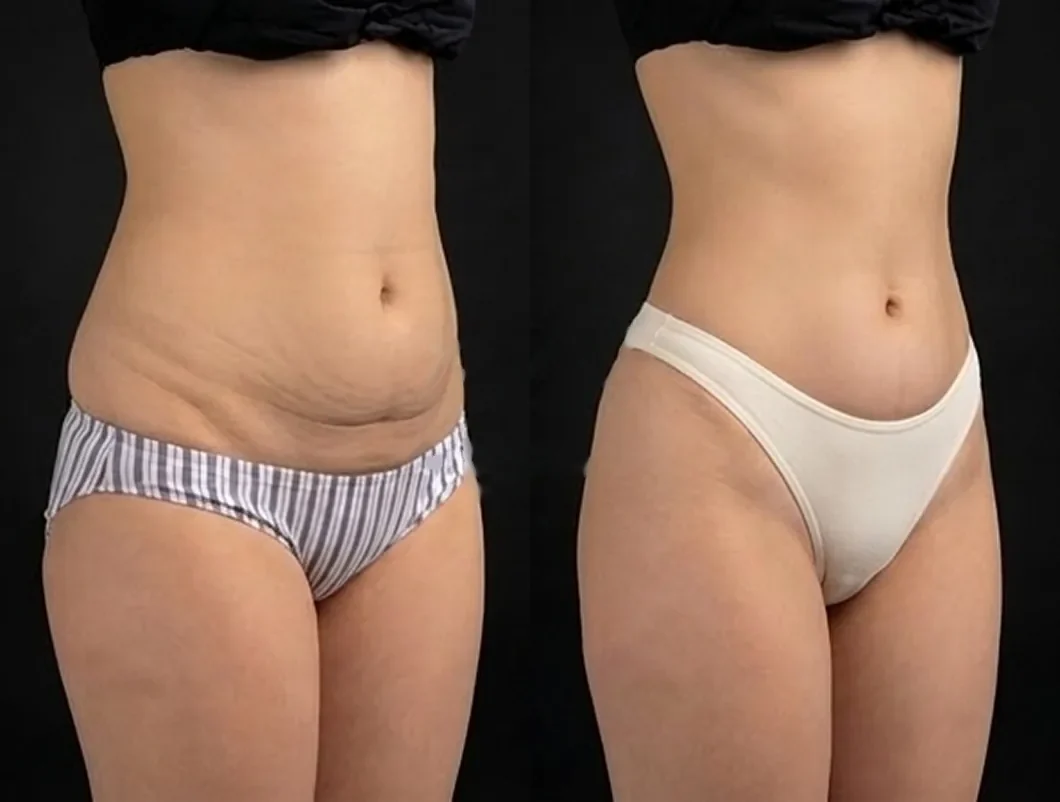
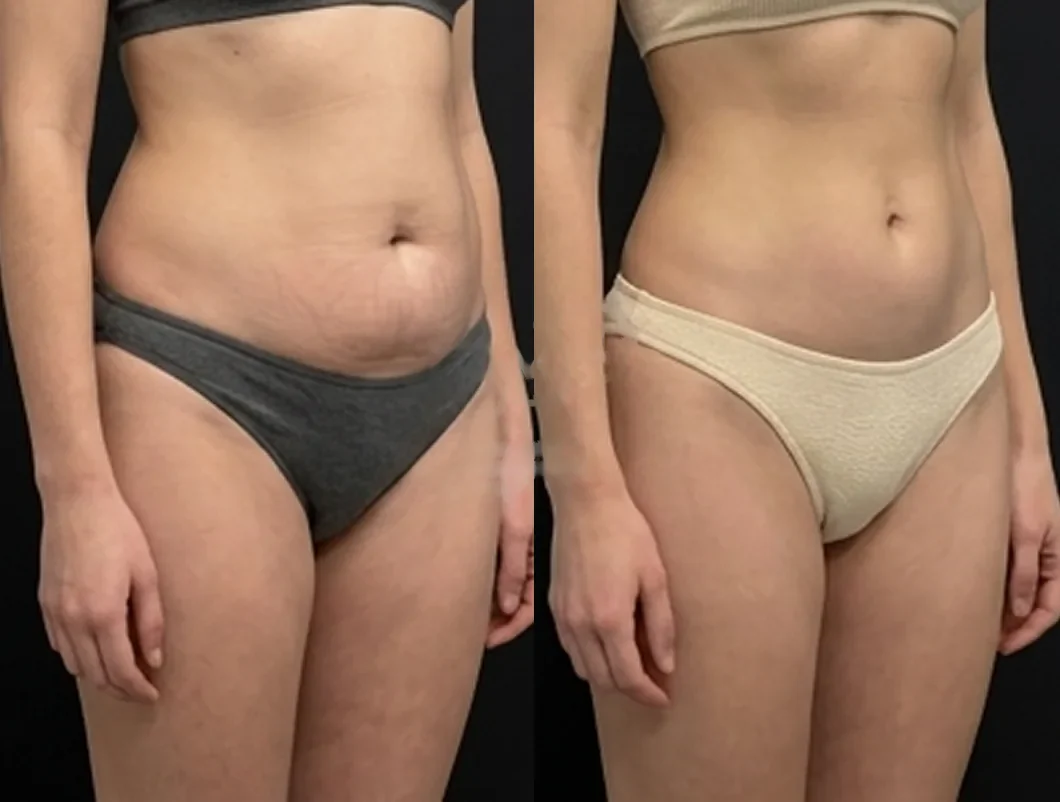
Real case
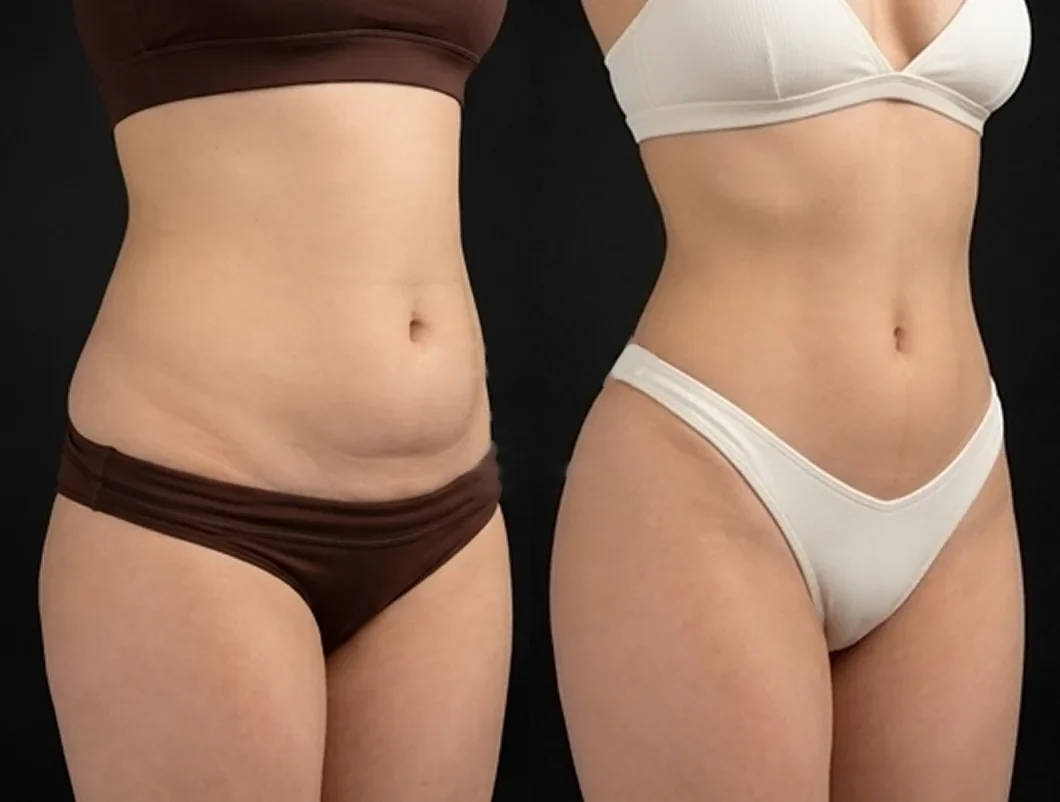
Liposuction: a patient's abdomen and flanks before and after surgery before after
Stubborn local fat that diet and exercise don't shift. Your plan is set at the consultation

Message our coordinator

Free online consultation · Reply within 15 minutes

Message us on Telegram

By messaging us, you agree to our Privacy Policy

Results

Liposuction results
of our patients

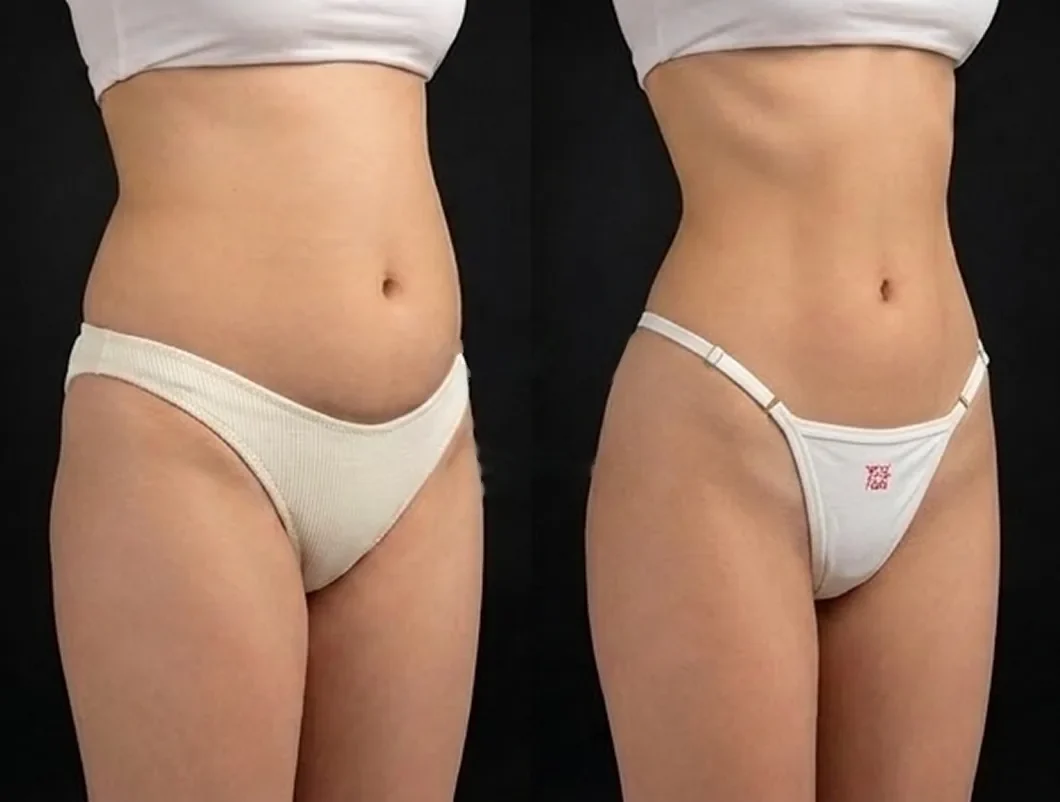
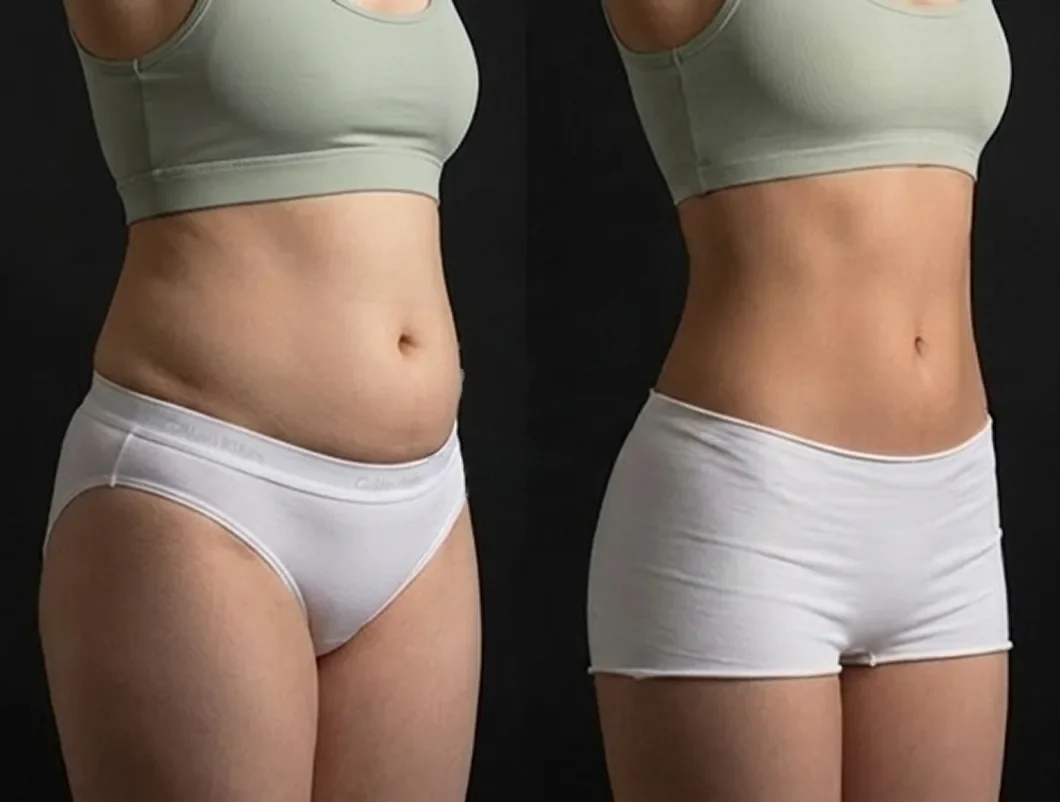
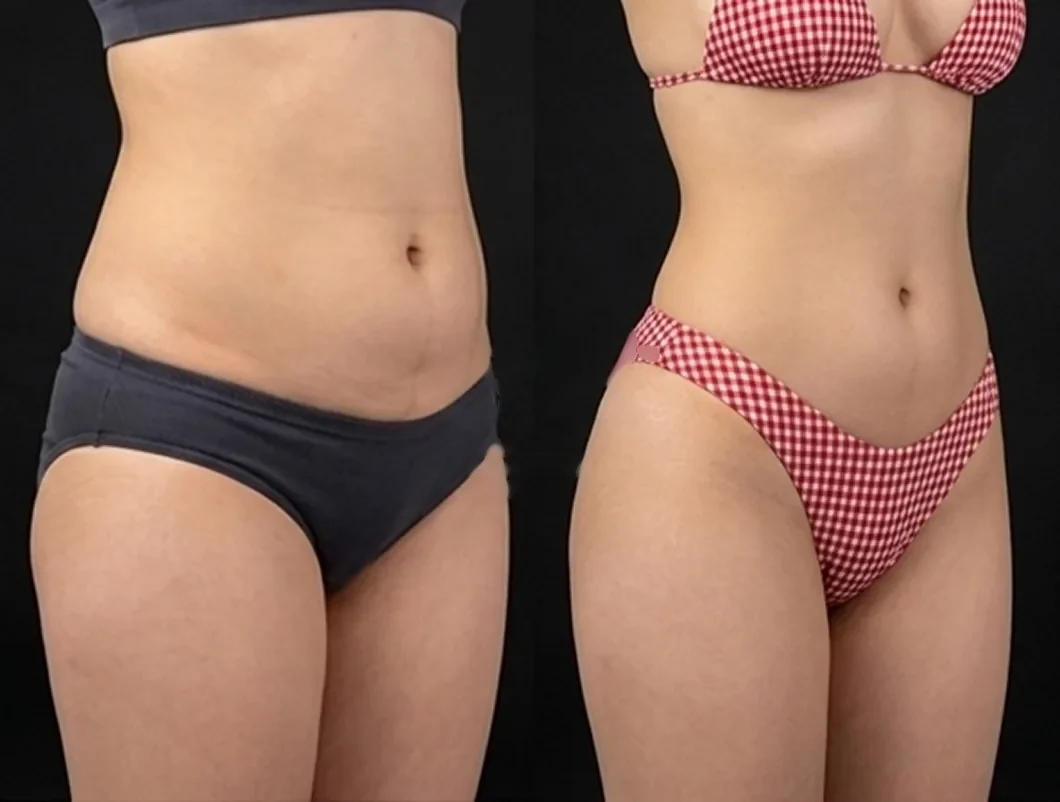
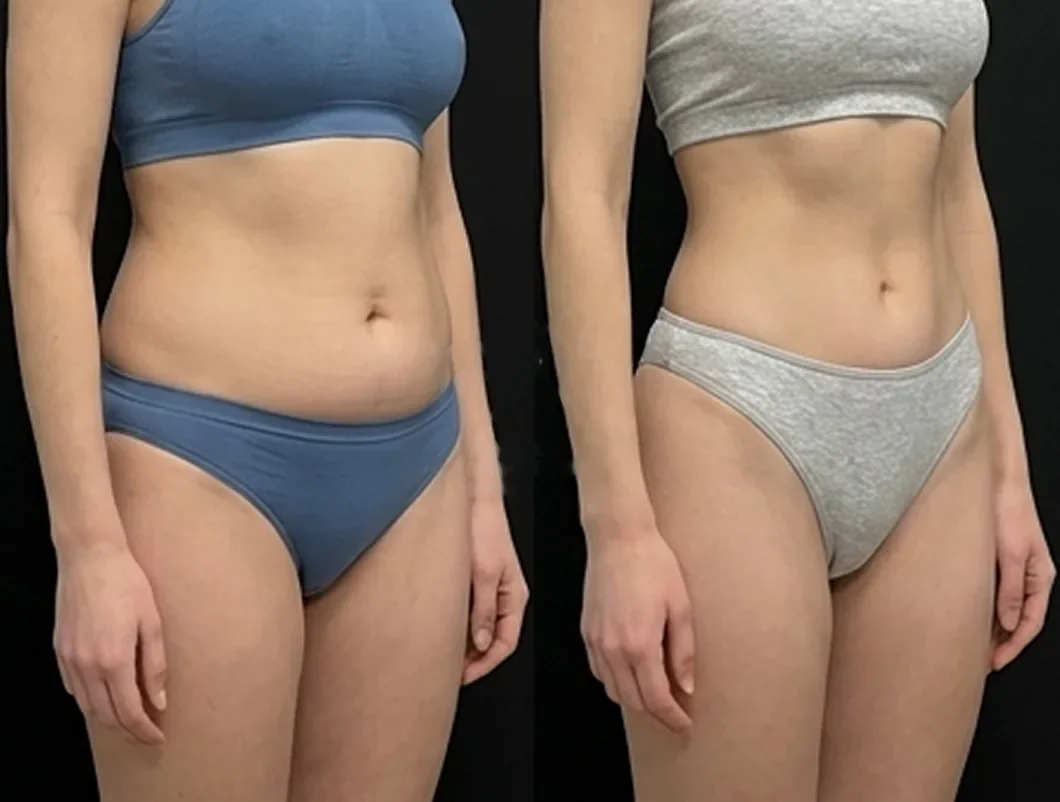
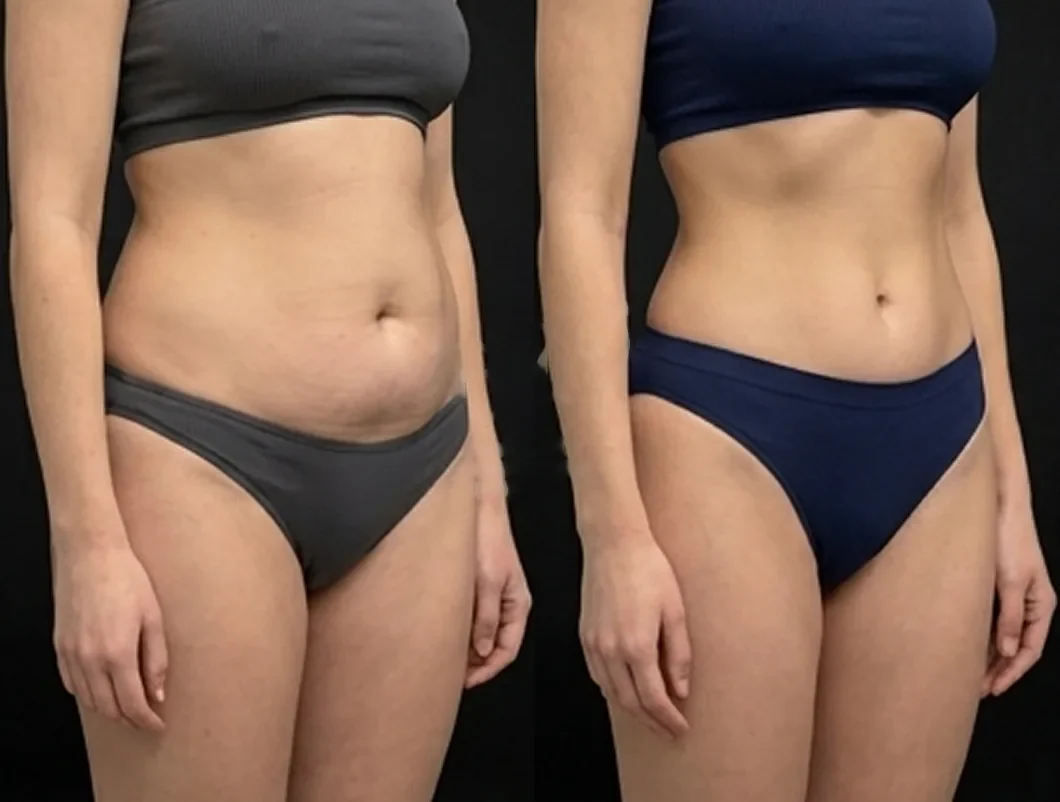
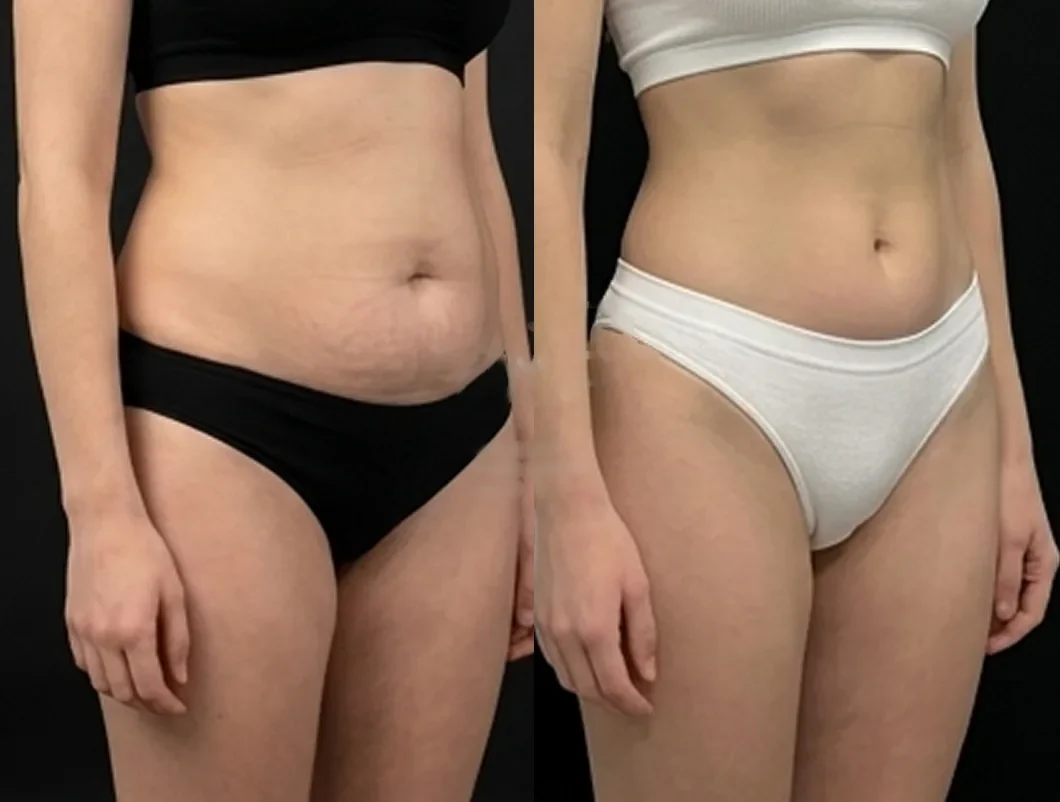
All cases are real patients. Faces and identifying details are hidden.

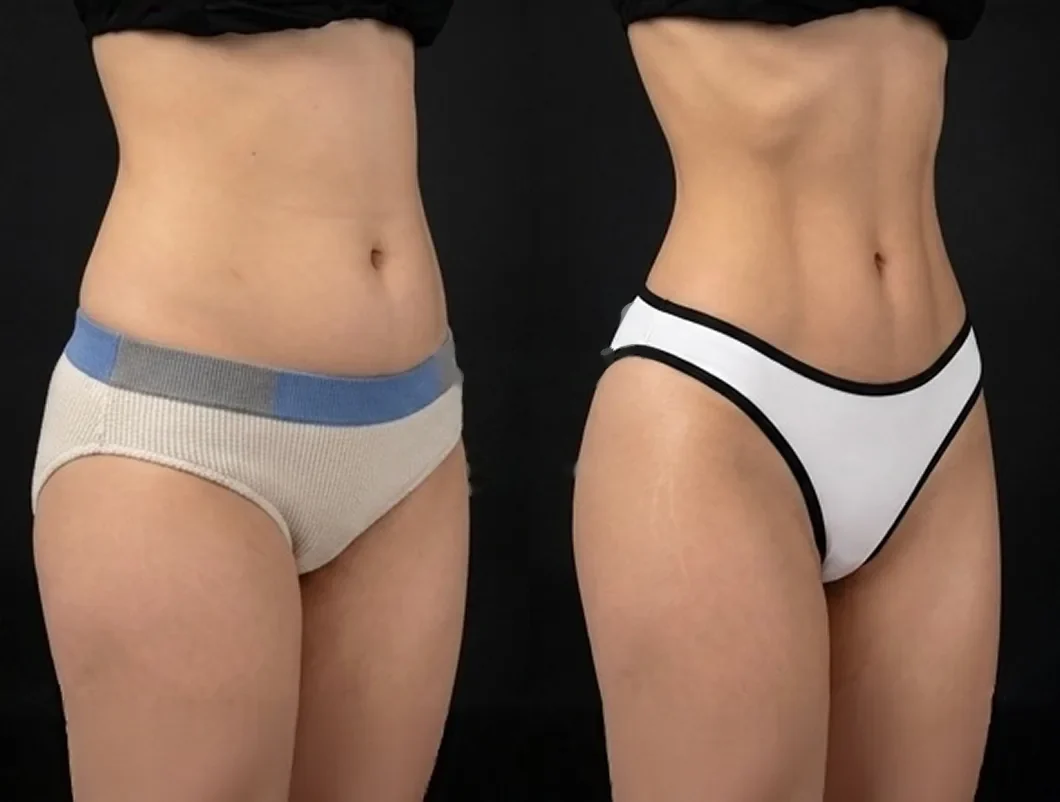
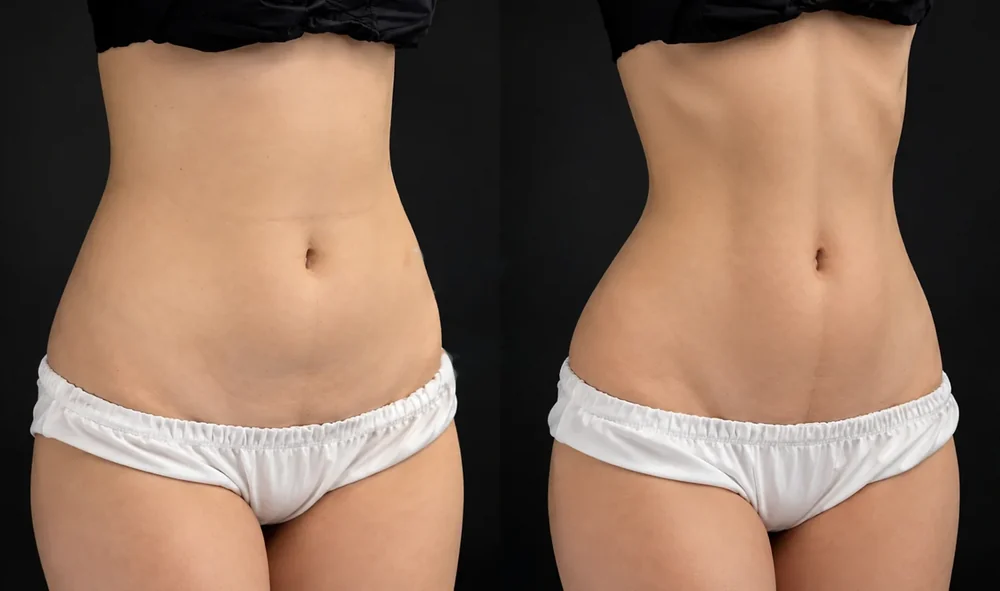
Abdomen and waist

Liposuction of the abdomen and waist: before and after surgerybeforeafter
1 of 10

Comparison

Liposuction techniques

We use two liposuction techniques: tumescent (classic) and VASER (ultrasound). Compare the goal, the indications and the anaesthesia to choose the right technique together with your surgeon.

Tumescent liposuction

A special solution loosens fat for removal through a thin cannula
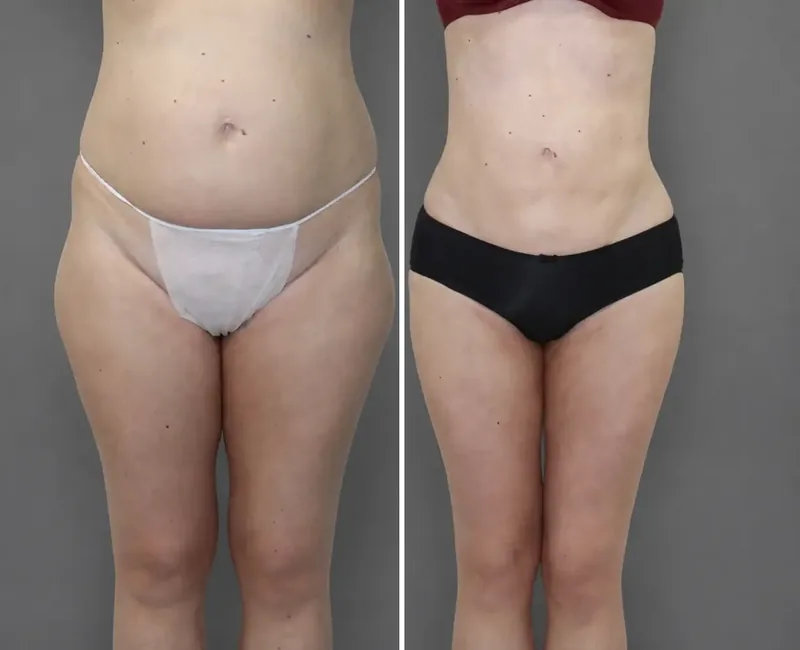
Tumescent liposuction: abdomen and thighs before and after surgery

from $1,200

Main goal
Removal of local fat with minimal blood loss
When it is done
Abdomen, flanks, thighs, back, arms, chin
Anaesthesia and stay
Local or general anaesthesia, home the same day or after 1 day

VASER liposuction

Ultrasound breaks down fat cells before vacuum removal
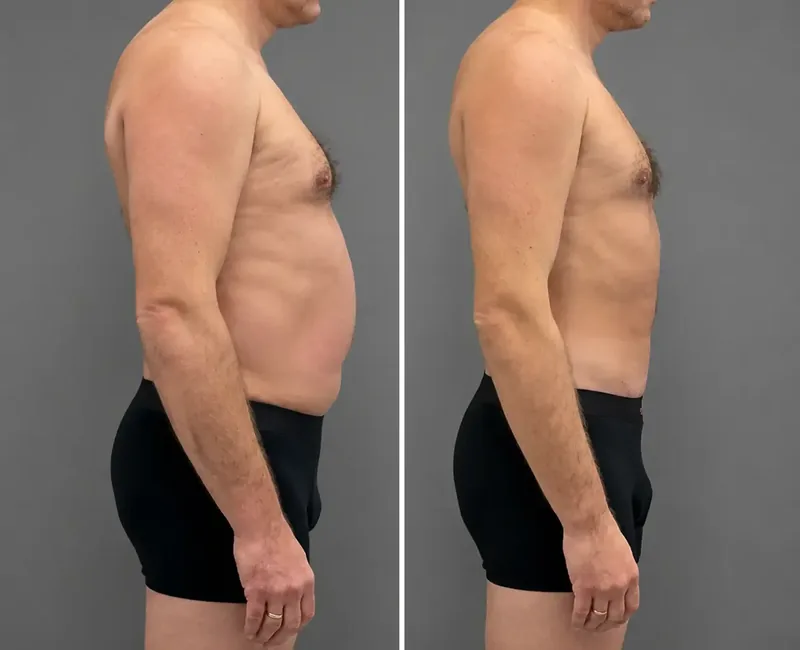
VASER liposuction: a male patient before and after surgery

Price at consultation

Main goal
Defined muscle relief and body contouring
When it is done
Athletic abs and delicate areas
Anaesthesia and stay
Local or general anaesthesia, 1–4 hours of surgery

The benefits and recovery times shown are averaged for each technique and given for guidance: the scope of correction and rehabilitation depend on your anatomy and individual features, and the surgeon confirms them at the consultation.

At the consultation the surgeon draws up a plan for your case and explains how your liposuction will go.

Free, before surgery and with no obligation.

Book a consultation

Areas we treat

Several areas in a single surgery mean less recovery time and a smaller budget

  • Abdomen and waist

    The most requested area for women and men, often combined with abdominoplasty

  • Thighs (outer and inner)

    Fat deposits exercise doesn't reach

  • Upper and lower back

    Back fat that spoils body contours

  • Shoulders and arms

    A cosmetic concern that shows in warm weather

  • Chin and neck

    Small area, fast visible result

  • Knees

    A delicate zone that calls for precision

  • Chest (for men)

    Gynecomastia and pseudogynecomastia — the fat component

About the clinic

A clinic where you can feel at ease

Modern equipment, comfortable rooms and care for every patient

A doctor and a patient in a clinic ward

Contact us the way that suits you

We will answer your questions and find a convenient time for a consultation

Request a free call

Liposuction is not for everyone

If your case can be solved without surgery, the doctor will tell you so at the consultation — and you will not spend money for nothing.

Suitable

A surgeon shows a patient on a model and a monitor how the body contour changes after liposuction
  • Local fat that resists diet and exercise
  • Uneven subcutaneous fat
  • Disrupted body proportions
  • Silhouette changes after childbirth or weight loss
  • Fat component of gynecomastia in men
  • Good skin tone and elasticity

Not suitable

A surgeon discusses the indications and contraindications for liposuction with a patient
  • Being under 18
  • Pregnancy or breastfeeding
  • Endocrine obesity
  • Decompensated diabetes
  • Conditions affecting blood clotting
  • Serious heart, kidney or liver disease, cancer

Not sure the surgery is right for you?

Leave your number — the coordinator will call you back, and the surgeon will tell you whether liposuction suits you. No surgery booking needed.

Find out if it suits me

A surgeon goes through the treatment areas with a patient at the consultation

Prices

You know the price
before surgery

The final price is calculated individually after an examination and fixed in the contract.

Liposuction prices

  • First consultationFree
  • Flanks / waist liposuctionfrom $1,400
  • Thigh liposuction (outer)from $1,200
  • Thigh liposuction (inner)from $1,200
  • Torso liposuction: front abdominal wall, sides of the abdomen and lower backfrom $3,600
Book a consultation

Find out your liposuction plan and price

The surgeon assesses the fat deposits and skin tone, listens to your wishes and chooses the right technique.
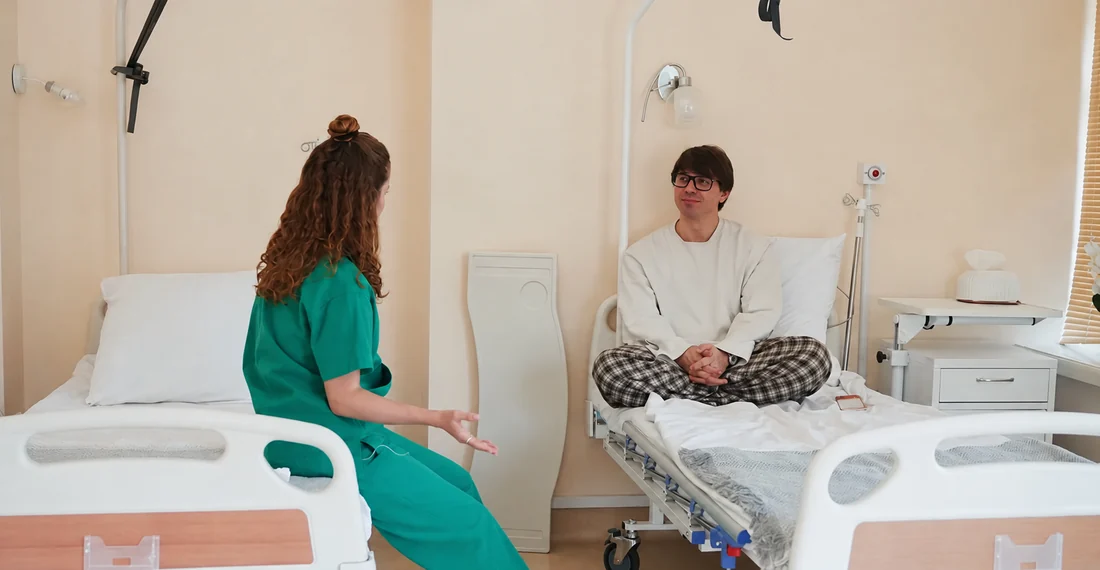
A nurse talks to a patient in a clinic ward

Message our coordinator

Free online consultation · Reply within 15 minutes

Message us on Telegram

By messaging us, you agree to our Privacy Policy
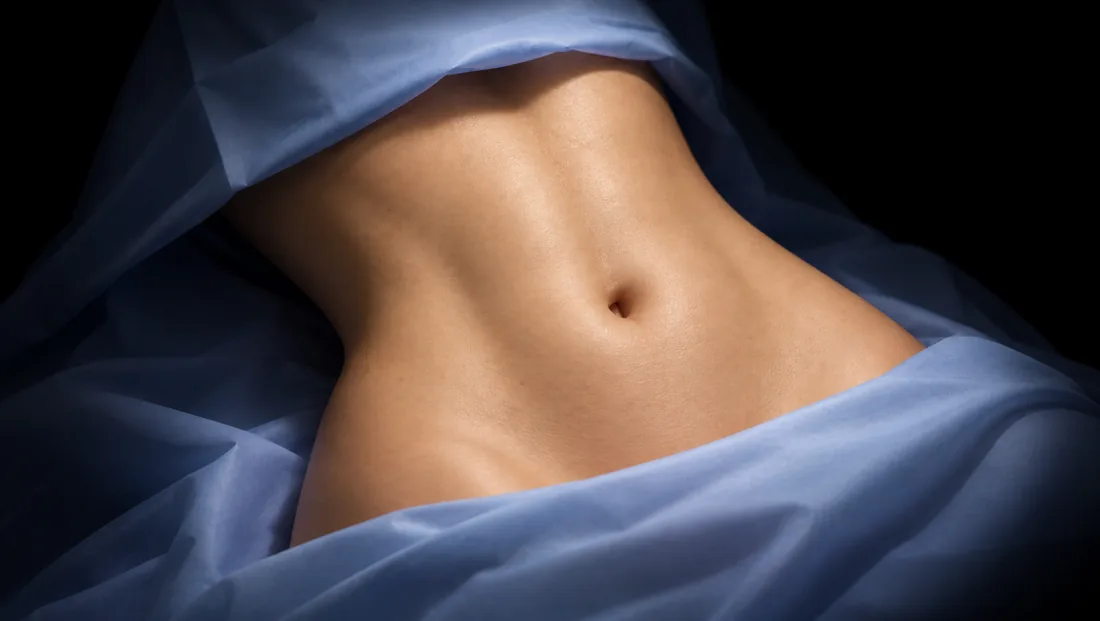
A patient before liposuction in the operating room

all inclusive

What the price includes

From preparation for surgery
to post-op check-ups.

  • All scheduled dressings
  • Scheduled post-op check-ups
  • A personal coordinator on call
  • Compression garments fitted on the day of surgery
  • A stay in a comfortable
    hospital ward with meals
  • Individual recommendations
    for recovery
  • Remote progress monitoring
    by photos

from $1,200

Book a consultation

How it works

From consultation —
to your new contour

An agreed treatment plan, careful monitoring after surgery and post-op check-ups.

A surgeon goes through the liposuction plan with a patient on a monitor1

Consultation
and the surgical plan

The surgeon listens to your wishes, assesses the fat deposits and skin tone and rules out contraindications. A hormonal screening is also ordered — it helps predict the long-term result.

Paying the deposit by card at the clinic reception2

Booking the date
of surgery

We reserve a surgery date for you: the deposit can be paid by card at the clinic or online by bank transfer. The terms are fixed in the contract for medical services

A blood sample tube for tests before liposuction3

Check-up before
surgery

Blood tests (complete count, coagulation panel, biochemistry, infections), an ECG, a chest X-ray and, if needed, a GP consultation. All tests can be done at the clinic with no waiting.

The surgical team during the operation4

Surgery

Marking the areas and fitting compression garments. Under local or general anaesthesia the surgeon removes fat through 3–5 mm micro-punctures — from 1 hour for small areas to 3–4 hours for a combined procedure.

A hospital ward at the clinic5

Waking up
and monitoring

With local anaesthesia you go home 3–4 hours after surgery; with general anaesthesia you stay one day in a comfortable ward under medical supervision.

A surgeon and a patient in the ward during recovery6

Recovery

Compression garments for 30–45 days. First changes show at 2 weeks, once swelling subsides; the final result forms in 3–6 months. Check-ups at 7 days, 3 and 6 months.
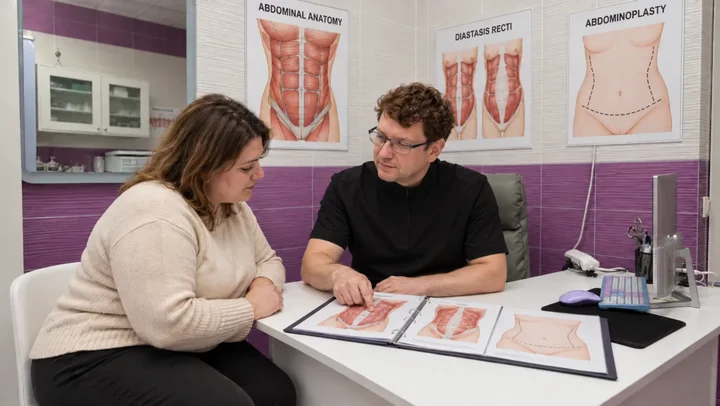
Book a free consultation — the surgeon will plan every step with you.

A doctor discusses the liposuction plan with a patient
Book a consultation
A doctor discusses the liposuction plan with a patient

Recovering after liposuction

After tumescent liposuction, recovery is much shorter than after a conventional procedure. Most patients return to work within 7–10 days. In the first week, mild swelling and a raised temperature are possible — a normal response to surgery. Compression garments are worn for 30–45 days: they fix the new contours and speed up tissue recovery. In the first month, bathhouse, sauna, pool and intense sport are off-limits. For the best result and faster recovery we recommend lymphatic drainage massage, pressotherapy and a gradual return to activity. First visible changes show 2 weeks after surgery, when the main swelling subsides; the final result forms in 3–6 months.

Post-op check-ups

After 7 days, at 3 months and at 6 months. Until the end of the year, get a post-surgery consultation with your surgeon to review results and get more information, at the clinic's expense.

Advantages

Why patients choose City Medical Centre

A surgeon discusses the liposuction plan with a patient at the consultation

Just find out — you lose nothing

At the consultation we discuss your wishes and assess the fat deposits and skin tone. Before surgery an endocrinologist rules out hormonal causes of the fat deposits — this improves the long-term result.

A surgeon on a video call with a patient after surgery

We stay with you after surgery

The surgeon follows your recovery and the new body contour at check-ups after 7 days, 3 and 6 months. Check-ups, dressings and aftercare advice are already included in the price of surgery.

A surgeon shows a patient a model and body contouring diagrams

A beautiful contour that fits your figure

Tumescent and VASER techniques, micro-incisions of 3–5 mm and precise volume control. Our aim is a smooth contour that keeps the natural proportions of your body.

A patient writes down a convenient visit time in her planner

Your schedule is our priority

We respect your time: we work 24/7, with easy booking and a personal approach — we adapt to your pace.
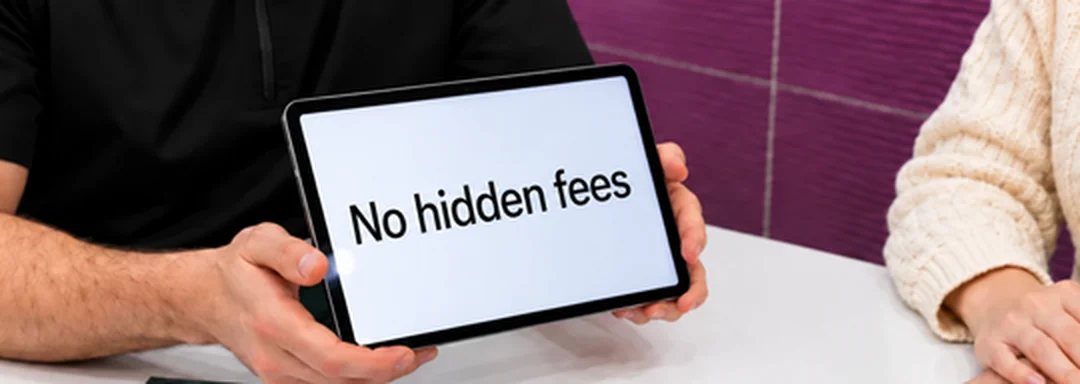
A surgeon shows a patient a tablet: no hidden fees

Fixed prices

After the consultation the surgeon defines the areas and the scope of surgery, and you get a clear price fixed in the contract — no hidden extras.

A surgeon visits a patient in the hospital ward after surgery

Round-the-clock care after surgery

With general anaesthesia recovery starts in a comfortable hospital ward under round-the-clock nursing care. The stay and meals are already included in the price.

FAQ

We answer what
people ask before booking

Liposuction in Mbarara: price and what is included

Prices are in US dollars; the amount in brackets is an approximate conversion to UGX at the rate of 02.10.2026. The final price is fixed in your contract.

How much does liposuction in Mbarara cost?

Prices start from $1,200 (≈ UGX 4,750,000) per area. The surgeon sets the final price at the free consultation, and it is fixed in the contract, with no hidden extras.

What is included in the price?

The operation under local or general anaesthesia and the surgeon's support throughout recovery. The price is per area and fixed in the contract.

How do I get my exact price?

Message us on WhatsApp or Telegram using the buttons below. A coordinator will answer your questions and book a free consultation where the doctor names the exact price.

By messaging us, you agree to our Privacy Policy

Liposuction in Mbarara: from consultation to result

Liposuction is minimally invasive: fat is removed through micro-incisions of just a few millimetres that usually need no stitches and become barely visible once healed. Before surgery the surgeon assesses skin tone and elasticity, because firm skin tightens on its own along the new contours. If you are considering liposuction in Mbarara with stretch marks or reduced tone, preparatory treatments may be recommended.

Here is the route in brief. Consultation and hormonal screening. Blood tests, ECG and chest X-ray at the clinic. Two weeks of preparation. Marking and compression garments on the day, then surgery under local or general anaesthesia. Observation, discharge, 30–45 days in compression and check-ups at 7 days and 3 months. Patients in Mbarara follow this same sequence.

How much is liposuction in Mbarara? Prices start at $1,200 (≈ UGX 4,750,000), depending on the zone and the scope of surgery. Treating several areas in one operation often saves both recovery time and budget. The exact cost is confirmed once the surgeon has examined you, and it is then fixed in the contract. Start with a free consultation by sending a request or messaging us.

Liposuction for residents of Mbarara: what to know before you start

Mbarara is a city in the Western Region of Uganda and the second largest city in the country after Kampala. It is the main commercial centre for most of the south-western districts. People come to it to trade, study and work, and many have busy days that start early. Anyone who plans liposuction here has to fit the procedure into that rhythm, so the plan has to be realistic from the first conversation.

Liposuction removes stubborn pockets of fat that stay in place despite regular activity and a sensible diet. It reshapes the body contour. It is not a method of losing weight and it does not replace lifestyle changes. The World Health Organization describes overweight and obesity as abnormal or excessive fat accumulation that may impair health. If your main concern is general weight, the first step is a conversation about health and habits, and only then about surgery. A good surgeon will tell you honestly which of the two you are dealing with.

City Medical Centre works with patients from Mbarara through a free online consultation. Coordinators are available around the clock, 24/7, on Telegram and Telegram. You write from home or from work, send photographs and a short description of your health, and receive an assessment without spending a day on the road. Nobody in this process has to pretend the centre has an office in your city: the consultation is remote, and the surgery is planned with you step by step.

This text is written for people in Mbarara and for their relatives. It covers climate and recovery, daily life, work and study, questions to ask the surgeon, preparation, aftercare and the way the online consultation runs. Every medical figure given here is the same one you will hear from the coordinator and the surgeon.

The city and its rhythm: why planning matters

Mbarara received city status when the Uganda cabinet granted it in May 2019, and the status took effect on 1 July 2020. The city is divided into six divisions: Kakoba, Kamukuzi, Nyamitanga, Biharwe, Kakiika and Nyakayojo. Residents of different divisions live quite different days. Some work in trade and services in the commercial centre, some are students on university hills, and some spend a lot of time on the road across the city. Think about which of these describes you, because it decides how you will rest in the first week.

The August 2014 national population census put the population of Mbarara at 195,013. That is a large number of people in one city, and it means that gossip, family connections and shared acquaintances travel fast. Some patients prefer discretion. A remote consultation fits that wish: you ask your questions in a private chat, you decide whom to tell, and you choose when to share your plans with family or colleagues.

The Mbarara Northern Bypass Road, about 14 kilometres long and built between March 2015 and June 2018, circles the northern half of the city. Its existence tells you something practical: the city is spread out, and getting around takes time. During the first days after liposuction you will not want long hours of sitting in traffic or on rough surfaces. Plan the days of rest so that you do not need to cross the city for errands, and ask a relative to handle the shopping and the school run.

The name of the city has a modest origin. It comes from a colonial mispronunciation of Emburara, a tall grass that once covered the whole area. The point for a patient is simple: the place has changed a great deal, and so has the expectation that people take care of their health and appearance on their own terms.

Climate of Mbarara and recovery after liposuction

Mbarara has a tropical savanna climate. The annual temperature varies by only about 2.4 °C, so there is no cold season and no sharp hot season. It also means you cannot choose a cool month to avoid heat. Plan for warm weather in any month and prepare your recovery wardrobe and your home accordingly. Compression garments are worn for 30–45 days, and for the first 4–6 weeks you wear them continuously as the surgeon instructs. Breathable cotton clothing over the garment, loose and soft, makes the weeks easier.

Humidity changes through the year. November is the month with the highest relative humidity, 76.93%, and July the lowest, 53.76%. In damp weeks the skin under a compression garment stays moist longer, so wash and dry the garment as the surgeon advises and keep a spare so you can change it. Watch the skin at the edges of the garment and at the micro-puncture sites, and report any irritation, redness or discharge to your surgeon without waiting.

Rain is part of life here. October is the month with the most rainy days, 22.37 days on average, and July the fewest, 3.67 days. A rainy week can make moving around harder, and wet floors are a risk when you are sore and stiff in the first days. If your surgery is in a wetter period, arrange a dry and safe route from the entrance of your home, use shoes with a good grip and avoid errands in the rain.

Sun and dust matter as well. Direct sun on freshly operated areas is a bad idea. Swelling and bruising clear by weeks 4–5, and until then the skin is sensitive. Cover the treated areas with clothing, avoid sunbathing, and do not use tanning beds: alcohol and tanning beds are off-limits for at least a month. If you must be outdoors, keep to shade, and wear a hat and light long sleeves where it is practical. Dusty roads are a reason to keep dressings clean and to change them as instructed.

Choosing the season for the operation

Because the temperature in Mbarara changes so little through the year, the season is chosen by your calendar rather than by heat. The two things that matter most are a quiet first week and a manageable period of 4–6 weeks with compression garments. Look at what is coming: exams, work deadlines, family events, religious holidays, school terms of your children. Pick a window with the fewest fixed obligations.

Students of the city, whether at Mbarara University of Science and Technology, Bishop Stuart University, the University of Saint Joseph or the other institutions, should look at the academic calendar. Most patients get back to their usual routine and work in 7–10 days, but an exam week is a bad moment to be tired and sore. A student from Mbarara can discuss with the coordinator whether to operate in a break and how to arrange lectures or practical work in the first days.

Rainy and drier months offer different comfort. A drier month such as July, with fewer rainy days, makes it easier to leave the house for the check-up at 7 days and to move around in the first weeks. A wetter month such as October is not a reason to postpone, but expect more indoor time and keep your plans flexible. The humid weeks around November need a little extra attention to garment hygiene.

Do not choose a date around a celebration where you want to appear slim. The first changes show at 2 weeks after surgery, an interim result is assessed at 1.5–2 months, and the final contours are formed in 3–6 months. If a wedding or a major family event is in the calendar, leave a margin of several months rather than a few weeks.

Work, study and everyday life during recovery

Mbarara is a commercial centre, and many patients run their own business, work in a shop, an office or a school, or move between several jobs. The medical facts are clear: most patients get back to their usual routine and work in 7–10 days. People whose work is at a desk may return near the lower end, and those with heavy physical work should talk to the surgeon about when they can safely lift and carry. For the first 7 days there is no physical exertion or heavy lifting at all.

If you own a business, prepare it before the operation. Tell a trusted person what must be done, leave clear instructions, and keep your phone for urgent matters only. Your coordinator is available around the clock, so questions about swelling, the garment or sleep can be put in a chat message instead of interrupting your rest by visiting someone in person.

Parents of schoolchildren can plan too. Mbarara has several well-known boarding and day schools, from Ntare School and Mbarara High School to Maryhill High School and Mbarara Municipal School. If your children are at home, arrange help with school preparation, meals and transport for the first week. If they board, choose a time when no visit day or event requires you to be active and on your feet.

Daily household tasks need thought. Lifting a pot, a child, a bucket or a bag of groceries counts as heavy lifting in the first 7 days. Ask someone to carry water and shopping, and keep what you need at hand height. Rest does not mean lying down all day: short, gentle walks at home help circulation and are usually encouraged, but follow the exact advice from your surgeon after the operation.

Family and social events are common in a city of this size. Funerals, weddings, church gatherings and family meals are part of life. You can decline politely and use a simple reason, such as a minor medical procedure. Nobody is entitled to details about your body.

Sport, pool and active leisure

Active people in Mbarara, whether they play football, run, go to a gym or dance, ask when they can return. The rules are specific. For the first 7 days, no physical exertion or heavy lifting. For 4–6 weeks, wear compression garments and avoid the bathhouse, sauna, pool and active sport. Your surgeon gives all individual recommendations after surgery, and those are the ones that count for your case.

Do not test the limits in the fourth or fifth week because you feel good. Swelling and bruising clear by weeks 4–5, but the tissues are still adapting until the final result forms in 3–6 months. A gentle return to light exercise, as approved by your surgeon, protects the result and your comfort. Increase the load gradually and stop if you feel pain, tightness or new swelling.

Swimming deserves a separate mention for anyone who likes lakes, hotel pools or water on weekends. During the 4–6 weeks of restriction, pools are off-limits. Open water is no exception, because the micro-punctures need to heal and stay clean. Alcohol is also off-limits for at least a month, which matters for social weekends. Prepare an alternative way to spend time with friends.

If you are an athlete or a trainer, tell the surgeon about your programme in the very first consultation. A person with a strong muscle base and a stable weight is usually a good candidate for contour work, and the surgeon can plan the areas with your training in mind.

What patients from Mbarara usually ask

The most frequent question is how visible the marks will be. The surgery is done through punctures only 3–5 mm across, which usually need no stitches. Once healed, the marks are barely visible, and with proper care during recovery they fade completely. This is reassuring for people who wear light clothing in a warm climate and do not want visible traces.

The second question is about anaesthesia and the hospital stay. Anaesthesia can be local or general. With local anaesthesia you go home 3–4 hours after surgery. With general anaesthesia you stay one day in a comfortable ward under medical supervision. The operation takes from 1 hour for small areas to 3–4 hours for a combined procedure. Your surgeon will tell you which option fits the number of areas.

Patients also ask about time off. Most patients get back to their usual routine and work in 7–10 days. People ask whether the weight will return. Liposuction removes fat cells from treated areas, but the body still reacts to lifestyle. A steady diet and activity protect the contour, and this is a conversation to have with the surgeon rather than a promise anyone can make for you.

Another common question is about technique. The centre uses tumescent and VASER techniques, with micro-incisions of 3–5 mm and precise volume control. The aim is a smooth contour that keeps the natural proportions of your body. The goal is not to remove as much as possible, but to shape in a balanced way.

Finally, patients ask about safety and follow-up. The surgeon follows your recovery and the new body contour at check-ups after 7 days, 3 and 6 months. Check-ups, dressings and aftercare advice are already included in the cost of surgery, so there are no surprises later. Until the end of the year you can also get a post-surgery consultation with your surgeon to review results and get more information.

Who is a suitable candidate and who is not

The centre operates from age 18+, if there are no contraindications. There is no upper age limit: after an examination and health assessment, the decision is made individually. For a patient in Mbarara this means that a young adult who has finished studies and a mature person with a stable life can both be considered, as long as the health assessment is satisfactory.

A good candidate has localised fat deposits, reasonably elastic skin and a stable weight, and has realistic expectations. Someone who wants to lose a large amount of weight quickly is not the typical candidate. As the World Health Organization points out in its overview of overweight and obesity, excess fat accumulation can affect health, and that is a medical topic that requires a broader plan than a single operation.

Contraindications are decided by the surgeon after reviewing your history and tests. In general terms, serious heart, blood-clotting or chronic conditions, active infections, and pregnancy or breastfeeding need individual review and may mean postponement or refusal. Do not hide anything in your questionnaire, including medicines, herbal remedies and past operations. Honest information protects you.

Realistic expectations matter more than any measurement. Liposuction improves contour; it does not tighten very loose skin, remove stretch marks or treat cellulite as a primary aim. Ask the surgeon to explain what to expect in your particular case, and ask to see how the result will relate to your skin quality and your proportions.

Preparation: tests, habits and what to arrange at home

Preparation starts before the date is fixed. Give up smoking, alcohol and medications that affect clotting, such as aspirin, 7–10 days before liposuction. Always ask before stopping any prescribed medicine, and do not stop it on your own if it was prescribed for a chronic condition. You will receive all instructions after the first consultation.

Pre-operative tests are required: blood tests, ECG, ultrasound, and consultations with a general practitioner and an anaesthesiologist. Patients in Mbarara can ask the coordinator how to organise these tests locally and in which form the results should be sent, so that the surgeon can review them in advance. Keep all documents together and send clear photos or scans.

Prepare the home as well. Have soft, loose clothing ready, a spare compression garment if the surgeon allows it, and clean bedding. Arrange for a relative or friend to stay with you on the day of surgery, especially if you will be under general anaesthesia and stay for a day under medical supervision. Prepare simple meals, and keep drinking water within reach.

Think about the coming weeks in the calendar. For 4–6 weeks you wear compression garments, and for the first 7 days you avoid exertion. Tell your employer or your family what you need, and fix the check-ups in your diary: 7 days, 3 months and 6 months. A disciplined routine around those dates makes the result easier to evaluate.

The procedure and the recovery timeline

The procedure begins with marking the areas and fitting compression garments. Under local or general anaesthesia the surgeon removes fat through 3–5 mm micro-punctures. The operation takes from 1 hour for small areas to 3–4 hours for a combined procedure. You go home the same day with local anaesthesia, or after 1 day with general anaesthesia.

The first changes show at 2 weeks after surgery, once the main swelling subsides. Swelling and bruising clear by weeks 4–5. An interim result is assessed at 1.5–2 months, and the final result forms in 3–6 months, when the tissues have fully adapted. It is normal to feel impatient in the second month, so keep to the plan and to the check-ups.

Compression garments are worn for 30–45 days. Within the first 4–6 weeks you also avoid the bathhouse, sauna, pool and active sport. Alcohol and tanning beds are off-limits for at least a month. In the warm and sometimes humid climate of Mbarara, rinse and dry the garment carefully, and follow the surgeon's directions about when you may remove it for washing.

Check-ups take place after 7 days, at 3 months and at 6 months, and the surgeon follows your recovery and the new body contour. You can send photographs through the chat to the coordinator between check-ups if something worries you. Prompt contact is always better than waiting.

How the remote consultation from Mbarara works

The first step is free and online. You write to the coordinators on Telegram or Telegram, available 24/7, at any time that suits you: early morning before work, a lunch break or late evening after the family has gone to bed. We respect your time, with easy booking and a personal approach, and we adapt to your pace.

In the consultation you describe the areas that concern you, your general health, past operations and medicines. You send photographs in good light, from the front, side and back. The surgeon assesses whether liposuction is suitable, which technique fits, whether one area or a combination is sensible, and which anaesthesia is preferable. You then receive a plan, a list of tests and the full preparation instructions.

Prepare questions in advance. Ask which areas will be treated and how much volume control the technique offers. Ask which anaesthesia is recommended and why. Ask what to do if swelling is uneven, how the check-ups at 7 days, 3 months and 6 months are organised, and who you contact between them. Ask what the surgeon expects from you before and after.

Take your time. A free consultation is not a commitment. Compare, think, talk with your family if you wish, and come back with more questions. A reliable medical team will not rush you, and the decision remains yours.

Can I have a liposuction consultation from Mbarara without leaving the city?

Yes. The first consultation is free and online. You write to the coordinators on Telegram or Telegram, which are available around the clock, and send photos and a description of your health. The surgeon then gives an assessment and a plan, and you decide at your own pace.

How long does the operation take and when do I go home?

Surgery takes from 1 hour for small areas to 3–4 hours for a combined procedure. With local anaesthesia you go home 3–4 hours after surgery. With general anaesthesia you stay one day in a comfortable ward under medical supervision.

When can I go back to work?

Most patients get back to their usual routine and work in 7–10 days. For the first 7 days there is no physical exertion or heavy lifting. If your work is physical, discuss the details with the surgeon, who gives individual recommendations after surgery.

How does the warm and humid climate of Mbarara affect recovery?

Temperatures change little through the year, so you will wear compression garments in warm weather. Humidity is highest in November and lowest in July, so keep the garment clean and dry, wear breathable clothes over it, and report skin irritation to the surgeon. Avoid direct sun on treated areas.

How long must I wear compression garments?

Compression garments are worn for 30–45 days. For 4–6 weeks you also avoid the bathhouse, sauna, pool and active sport. Alcohol and tanning beds are off-limits for at least a month.

Will the scars be visible?

The surgery is done through punctures only 3–5 mm across, which usually need no stitches. Once healed, the marks are barely visible, and with proper care during recovery they fade completely.

When will I see the result?

The first changes show at 2 weeks after surgery, once the main swelling is down. An interim result is assessed at 1.5–2 months, and the final contours are formed in 3–6 months.

What should I stop before surgery?

Give up smoking, alcohol and medications that affect clotting, such as aspirin, 7–10 days before liposuction. Do not stop prescribed medicines without asking. You will also need blood tests, ECG, ultrasound, and consultations with a general practitioner and an anaesthesiologist.

Is there an age limit?

The centre operates from age 18+, if there are no contraindications. There is no upper age limit: after an examination and health assessment, the decision is made individually.

Is liposuction a weight-loss method?

No. It reshapes the contour by removing localised fat. The World Health Organization describes overweight and obesity as abnormal or excessive fat accumulation that may impair health, and if general weight is your main concern, discuss it with the surgeon first.